
By melody-Esther soyemi - Africa-Related, Nigeria
Creating Connections in Project Management
“The International Project Management Day Conference 2025 brought together thought leaders, practitioners, and innovators to explore how project management continues to evolve as both a technical and human-centered craft.”
On November 6, 2025, project management professionals around the world came together to celebrate International Project Management Day 2025, a global event dedicated to recognizing the discipline’s impact on organizational success and human collaboration. The conference program featured two thematic tracks that ran concurrently throughout the day, Track A focused on communication, self-awareness, and workplace civility, while Track B emphasized sustainable project management, certification pathways, and emerging professional standards.
Opening Keynote: Building Respectful Engagement
The conference opened with a powerful keynote titled “The 3-Pass Process: Building Respectful Engagement by Ted Lalonde.” Lalonde emphasized the growing importance of empathy, inclusivity, and trust in managing teams, especially in today’s hybrid and multicultural work environments. He also encouraged attendees to see respectful engagement not just as etiquette, but as a project management competency essential for achieving long-term results.
Practical Communication Skills to Build Civility in the Workplace
(Video source)
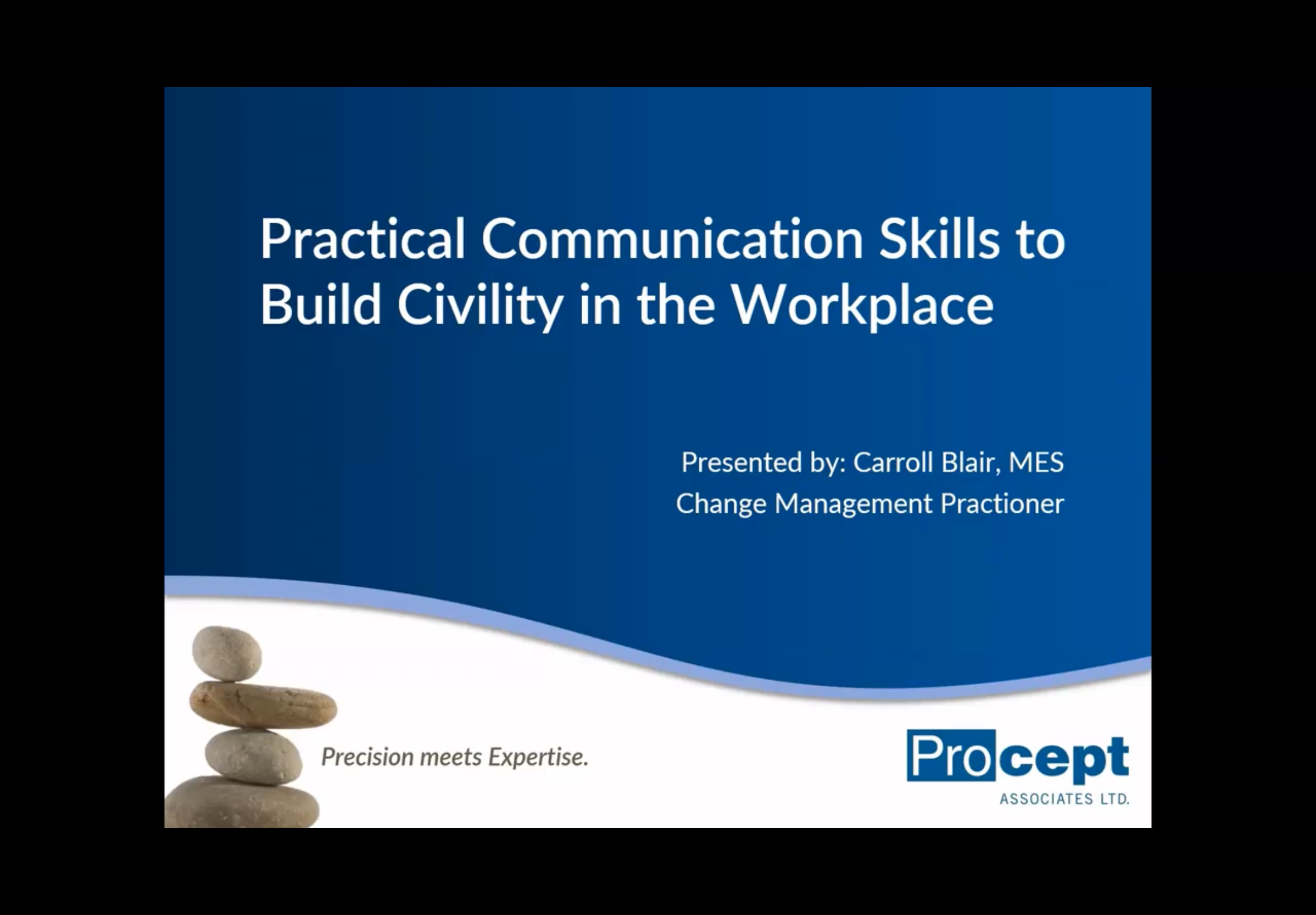
This session was led by Carroll Blair who highlighted one of the most discussed topics of the day: Practical Communication Skills to Build Civility in the Workplace. It explored how project managers can intentionally create psychologically safe spaces that foster honest dialogue and collaboration. She stressed that civility is more than politeness, it’s a measurable factor in reducing project risks and improving stakeholder relationships. She stated “ when talking about civility in the work place do we want to expect less from each other, do we want technology to do all of our human interactions, or do we want to be alone together.”
Real-world examples illustrated how communication breakdowns often lead to project delays, while open feedback channels help teams navigate uncertainty with shared purpose. The key takeaway is that effective project management starts with human connection.
Circling the Dragon: Diagnosing and Resolving Organizational Culture Issues
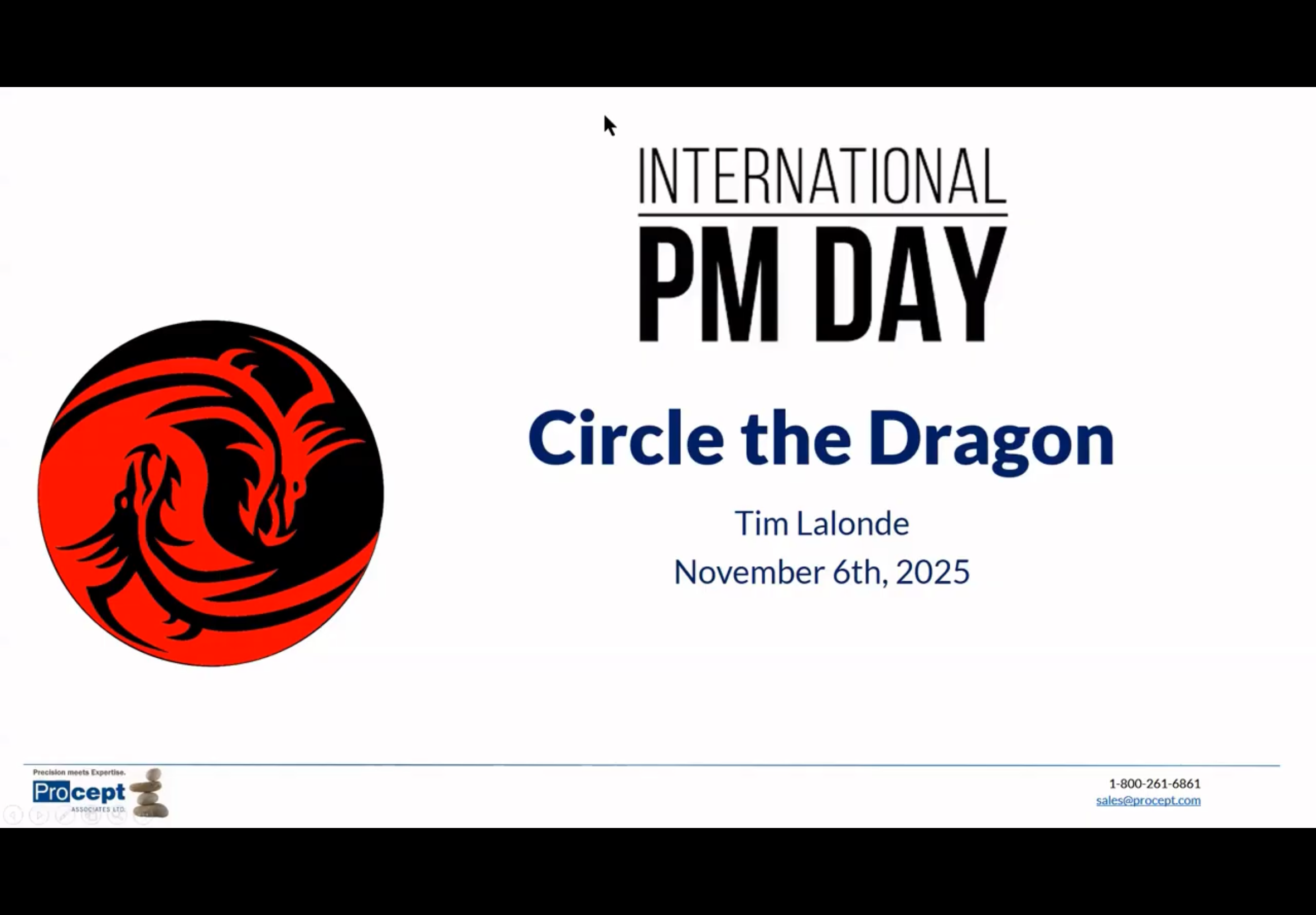
This session was conducted by Tim Lalonde, Circling the Dragon, He guided participants through the complexities of diagnosing and resolving organizational culture challenges. Using the metaphor of “the dragon,” the session addressed how unspoken issues such as misaligned values or fear-based communication can silently undermine team performance.
He called on project leaders to take on the role of culture stewards, combining data-driven insight with emotional intelligence to identify and address underlying tensions. A standout message was that projects do not fail because of technology they fail because of culture. By “circling the dragon,” leaders can face these invisible challenges head-on and transform organizational friction into collective growth.
African Perspective:
Across many African mostly Nigerian workplaces, project outcomes are often shaped more by culture than by technical capability. Hierarchical communication remains a major limitation, as employees frequently hesitate to speak openly or give feedback to senior leaders. This reluctance to express disagreement leads to unresolved issues that eventually harm or be harmful to projects. Soft skills are also underemphasized, with organizations focusing heavily on certifications while overlooking emotional intelligence, conflict management, and communication competence. Combined with limited psychological safety, these factors create environments where innovation is slow and teams operate cautiously.
Yet Africa also demonstrates remarkable strengths. The continent’s strong communal values naturally support collaboration and collective problem-solving. African professionals are highly adaptable and resilient,which increases their survival skills and often excels in uncertain or resource-constrained environments. A rapidly expanding youth workforce is embracing global project management standards with energy and curiosity, and the rise of PMI chapters and PM training hubs across African nations reflects a continent moving forward.
By applying the global conference themes locally, African and Nigerian organizations stand to benefit significantly. Emphasizing civility in communication will ease workplace tensions and improve teamwork. Addressing cultural issues head-on, rather than ignoring them, will reduce project failures caused by silence or misalignment. Prioritizing soft skills alongside technical training will produce project managers who can lead confidently across cultures and sectors. Above all, adopting respectful engagement as a leadership mindset will deepen trust, strengthen morale, and create workplaces where people feel empowered to contribute.
In this way, Africa and Nigeria can not only align with global project management standards but also position itself as a rising leader in innovation, collaboration, and modern project delivery.
Panel Discussions and Awards
The conference also featured thought-provoking panels on topics such as “What Soft Skills are Key for Today’s Project Managers” and “Everything You Wanted to Know About PM Certifications But Were Afraid to Ask.” These discussions reinforced that modern project management requires more than tools and frameworks; it requires resilience, adaptability, and emotional literacy.
The day concluded with prize draws and recognition ceremonies celebrating excellence in the field, including the Canadian PM of the Year, Project of the Year, and the Young PM of the Year Awards, as well as an announcement of the 2026 PM Paper Competition. These honors underscored the community’s ongoing commitment to innovation, mentorship, and professional growth.
A Shared Global Vision
The 2025 International Project Management Day Conference reminded attendees that while methodologies evolve, the heart of project management remains the same: people working together toward meaningful goals. From sustainable practices to civil communication and cultural awareness, the event captured the essence of leadership in the modern era: strategic, empathetic, and purpose-driven.
As the profession continues to adapt to an increasingly complex world, this year’s conference was both a celebration and a call to action: to lead not just with skill, but with humanity.

Key Takeaways from International Project Management Day Conference 2025
Respectful engagement is a project competency. Building trust and empathy within teams is no longer optional; it's a measurable skill that drives performance.
Civility creates stronger teams. Communication grounded in respect reduces conflict, improves morale, and increases project success rates.
Culture determines project outcomes. Technical expertise alone cannot save a project if organizational culture is broken. Leaders must “circle the dragon.”
Soft skills are the new hard skills. Emotional intelligence, adaptability, and feedback literacy define the next generation of project managers.
Global collaboration is the future. From sustainability to digital transformation, project managers must lead across cultures, disciplines, and time zones with empathy and purpose.