

Cerca Africa Hosts Women Entrepreneurs and Leaders
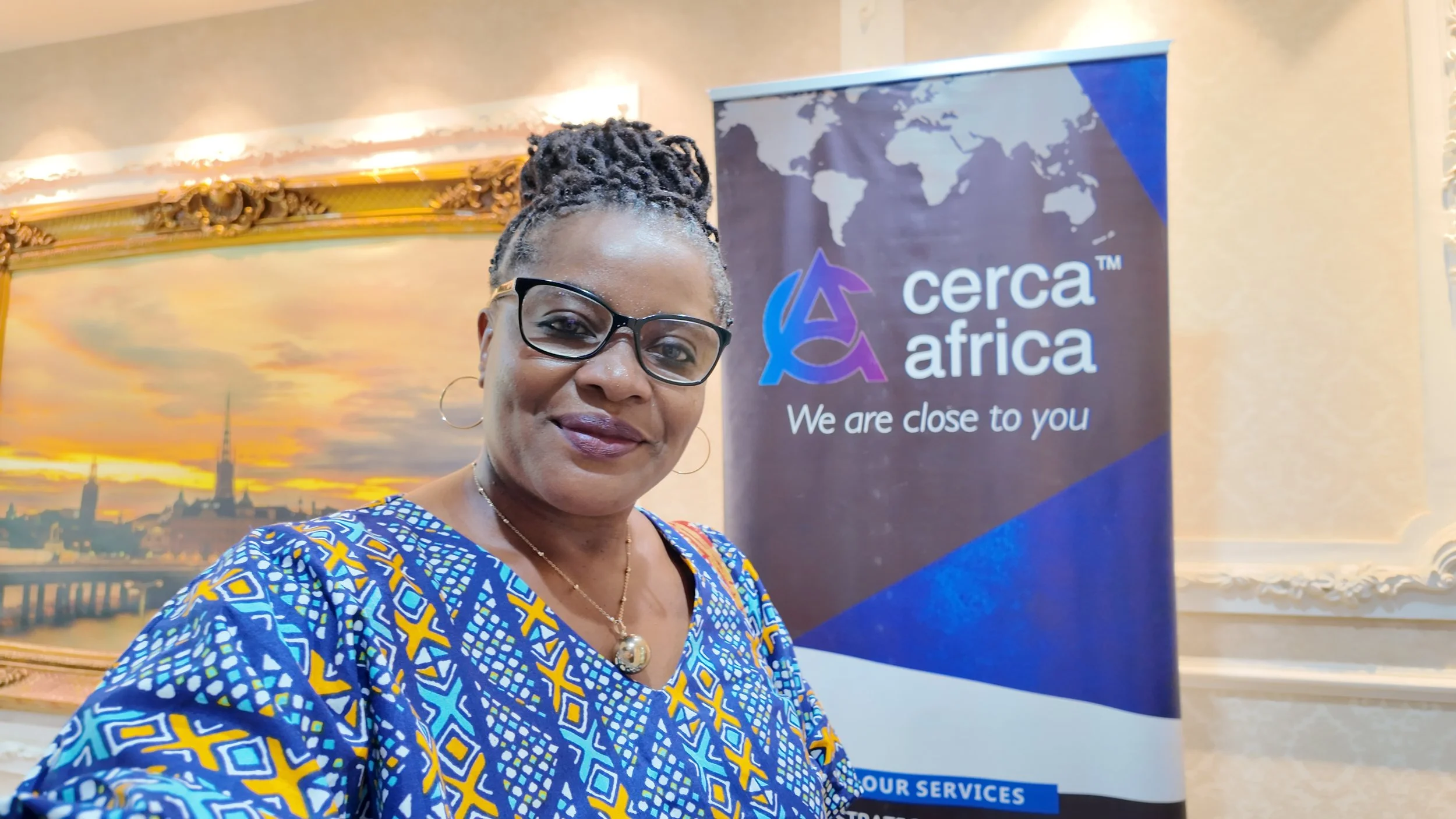
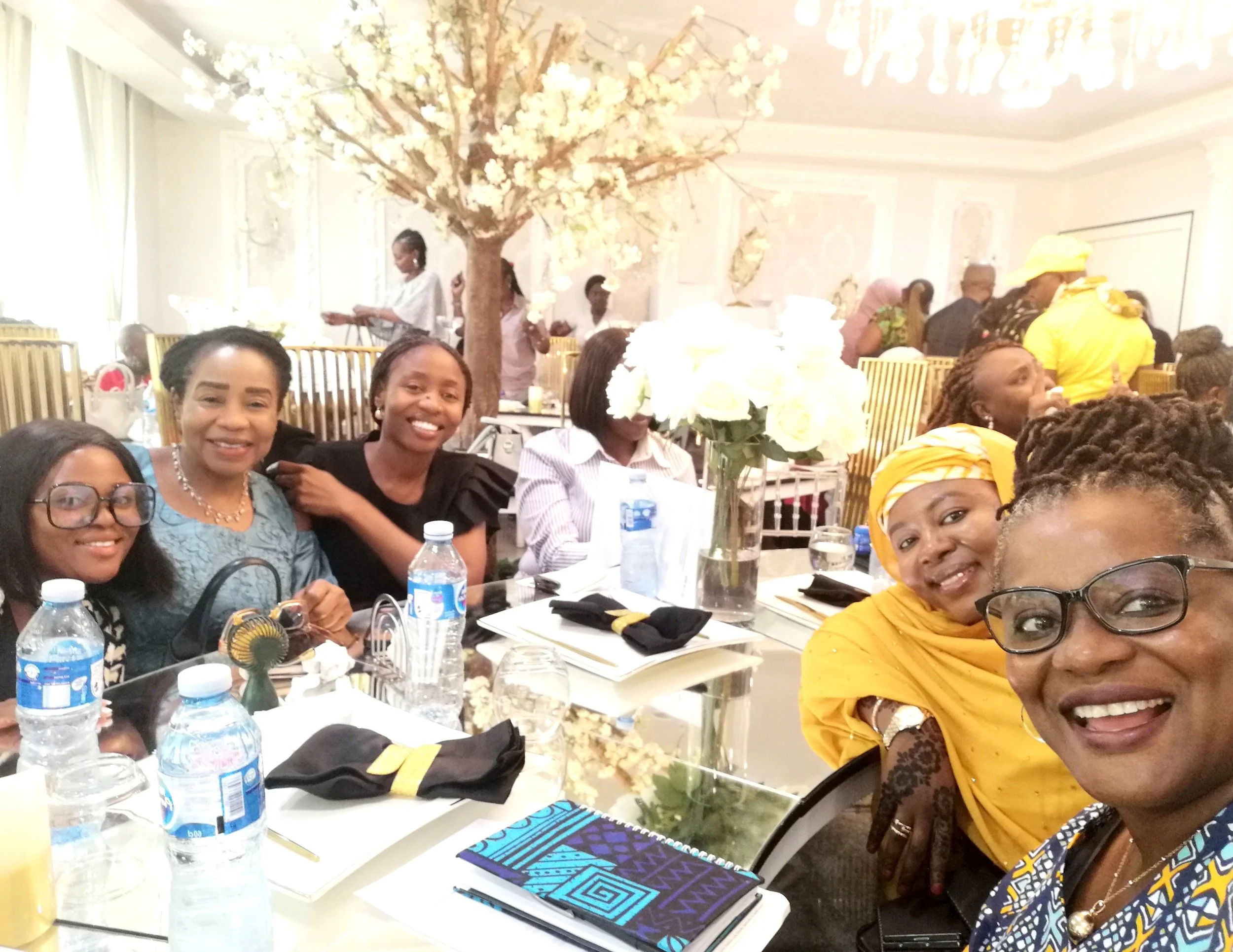
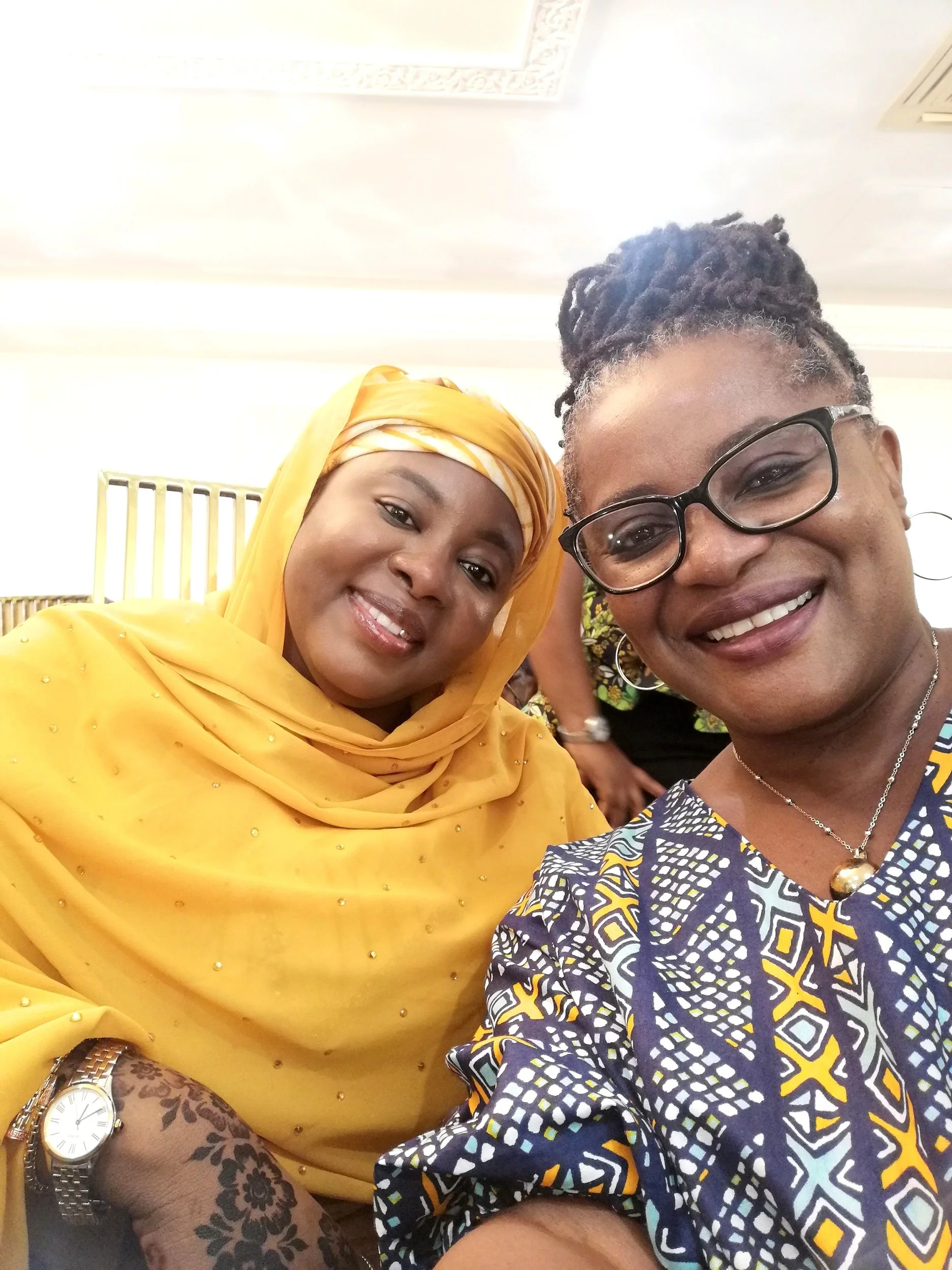
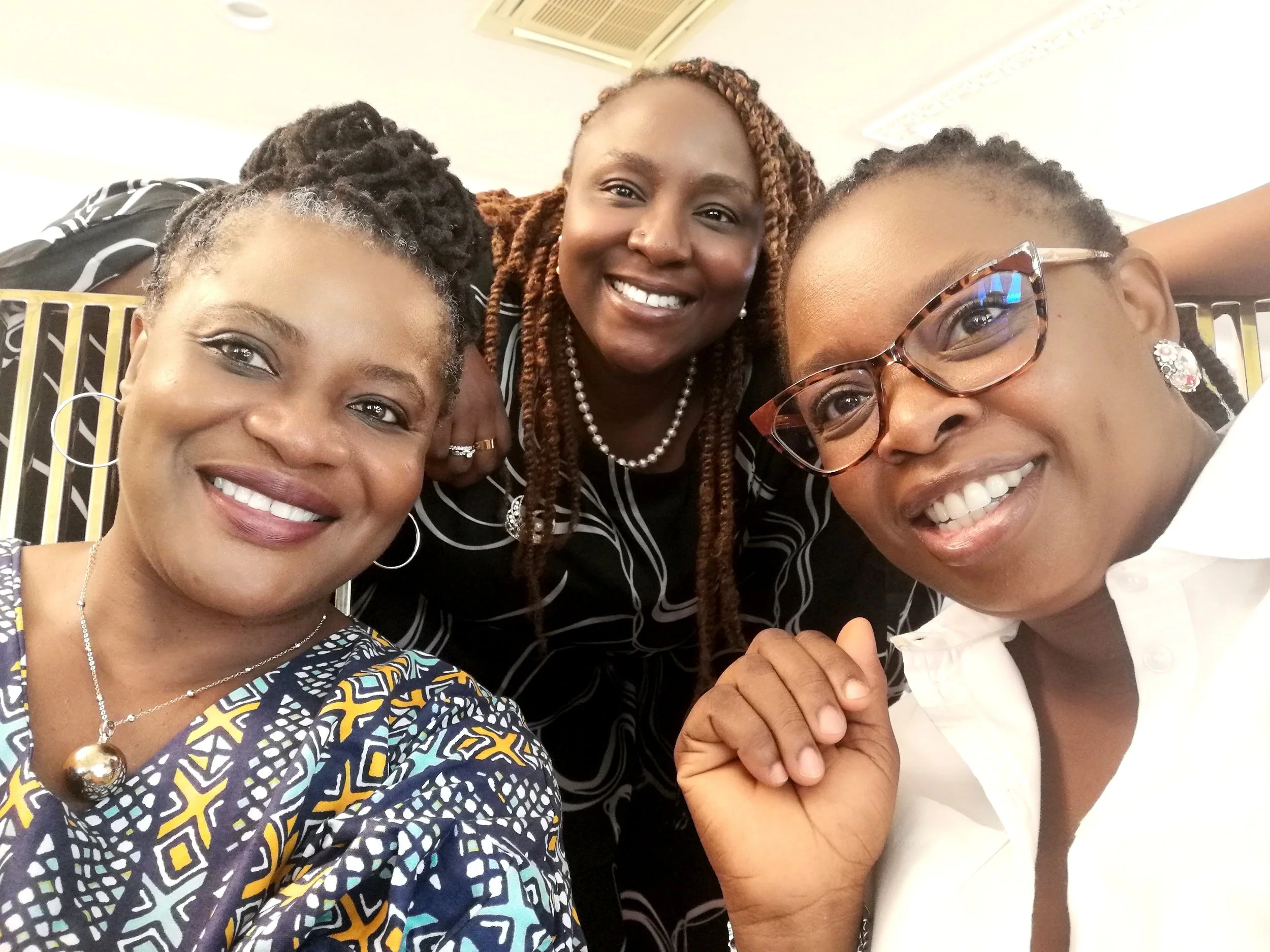
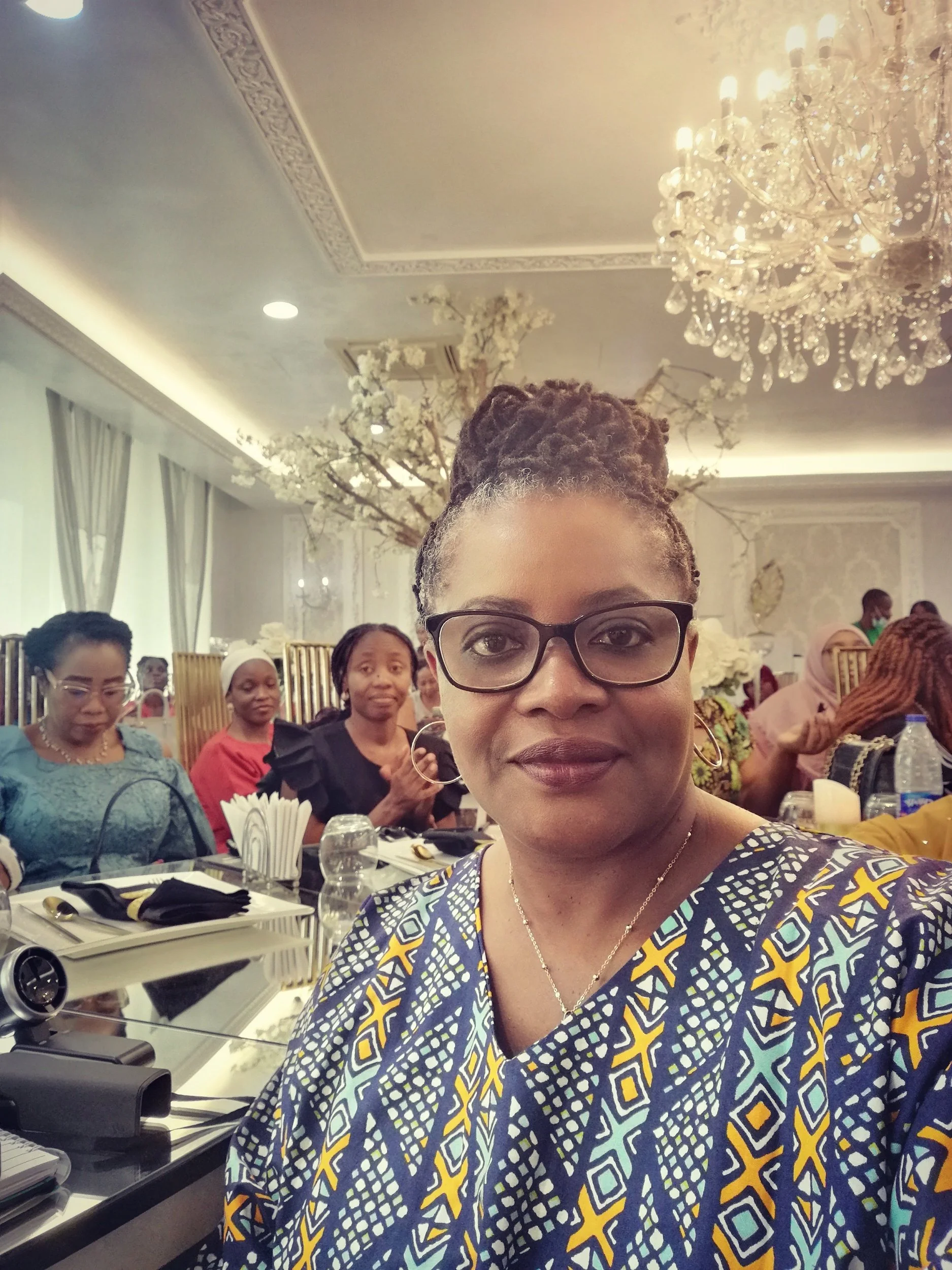
Cerca Africa, in partnership with the China Europe International Business School (CEIBS) hosts 75 Women Entrepreneurs and Leaders in Abuja, Nigeria.
Africa-Related, Abuja
Cerca Africa Hosts 75 Women in Entrepreneurship & Leadership
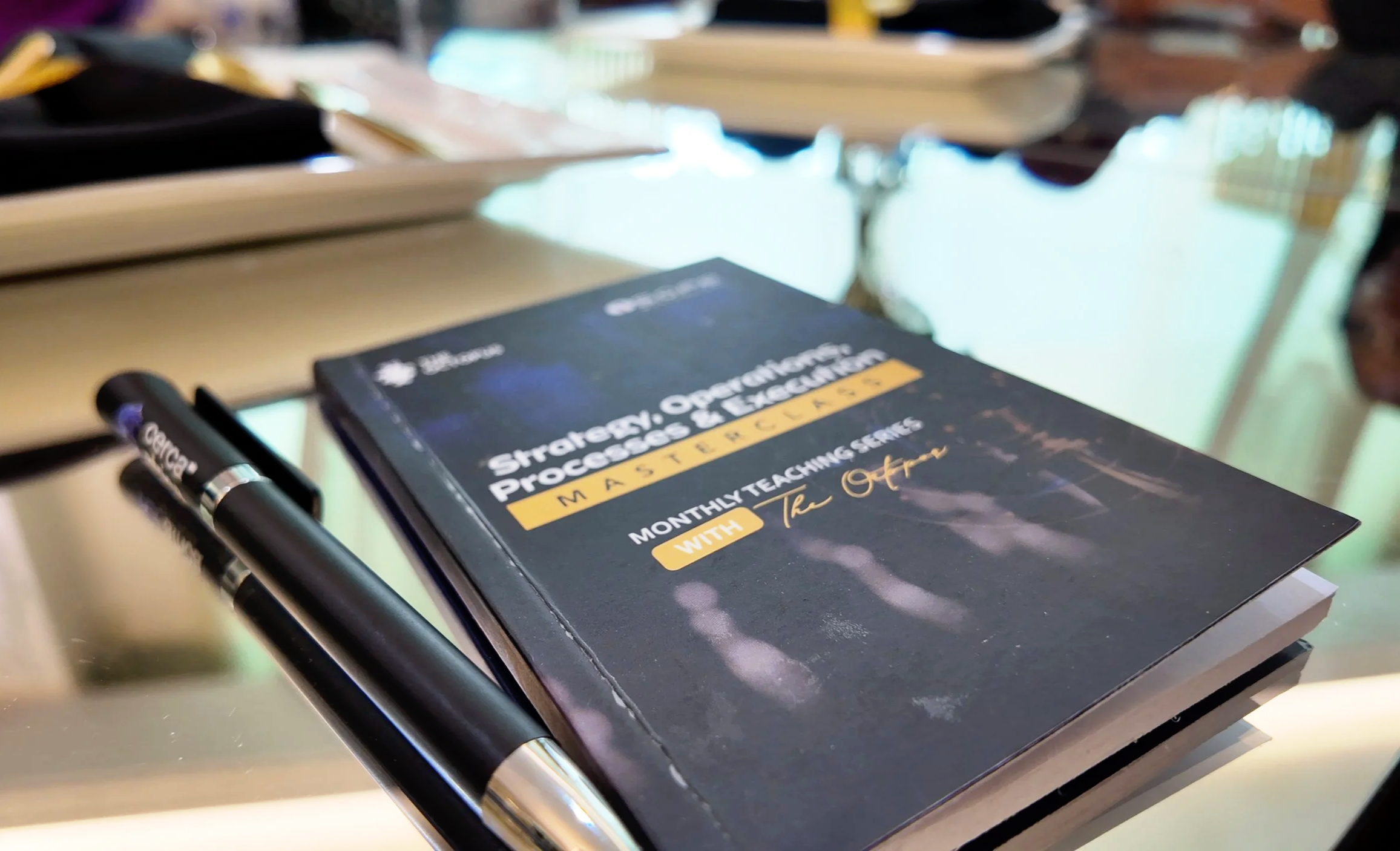
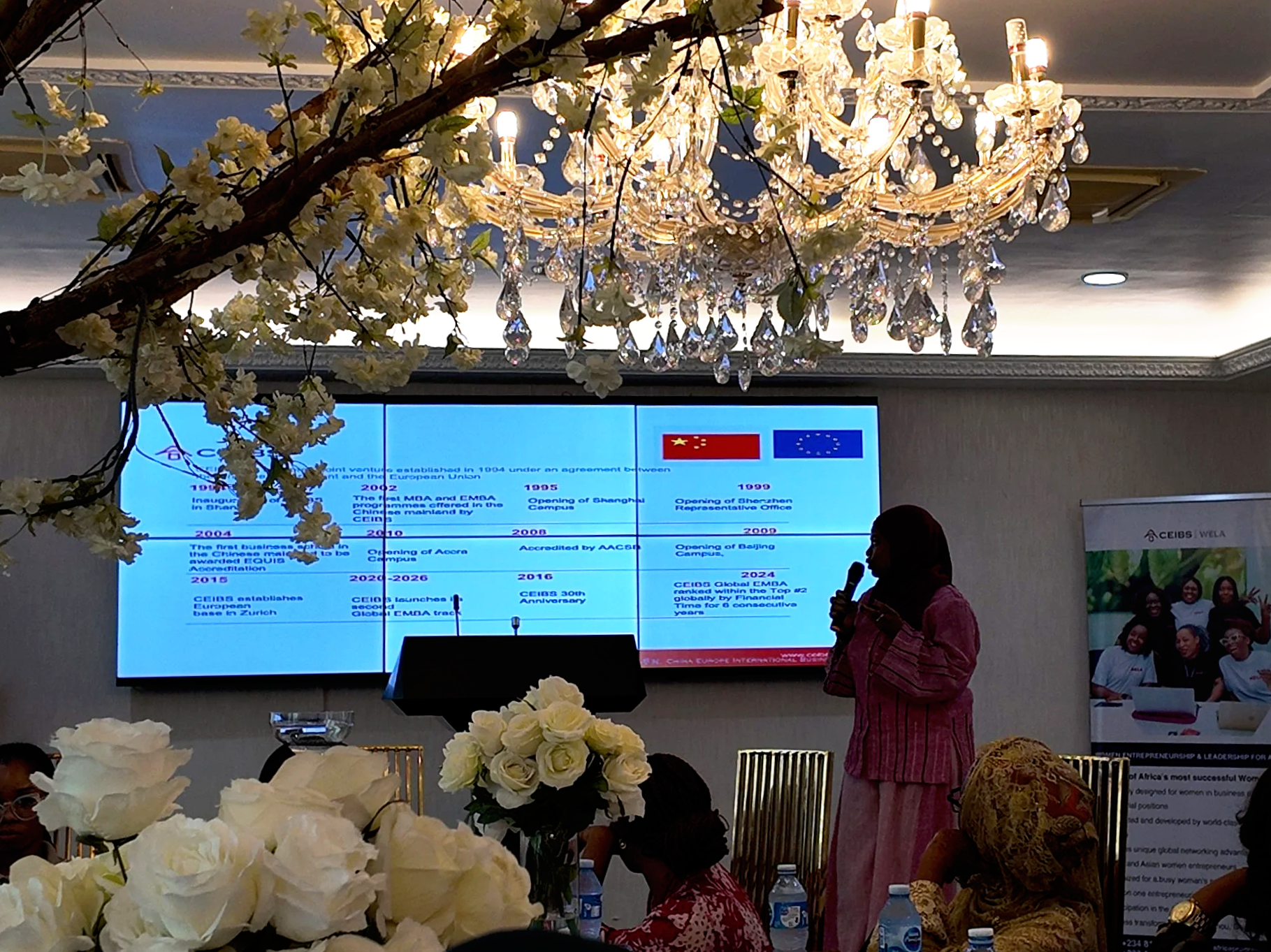
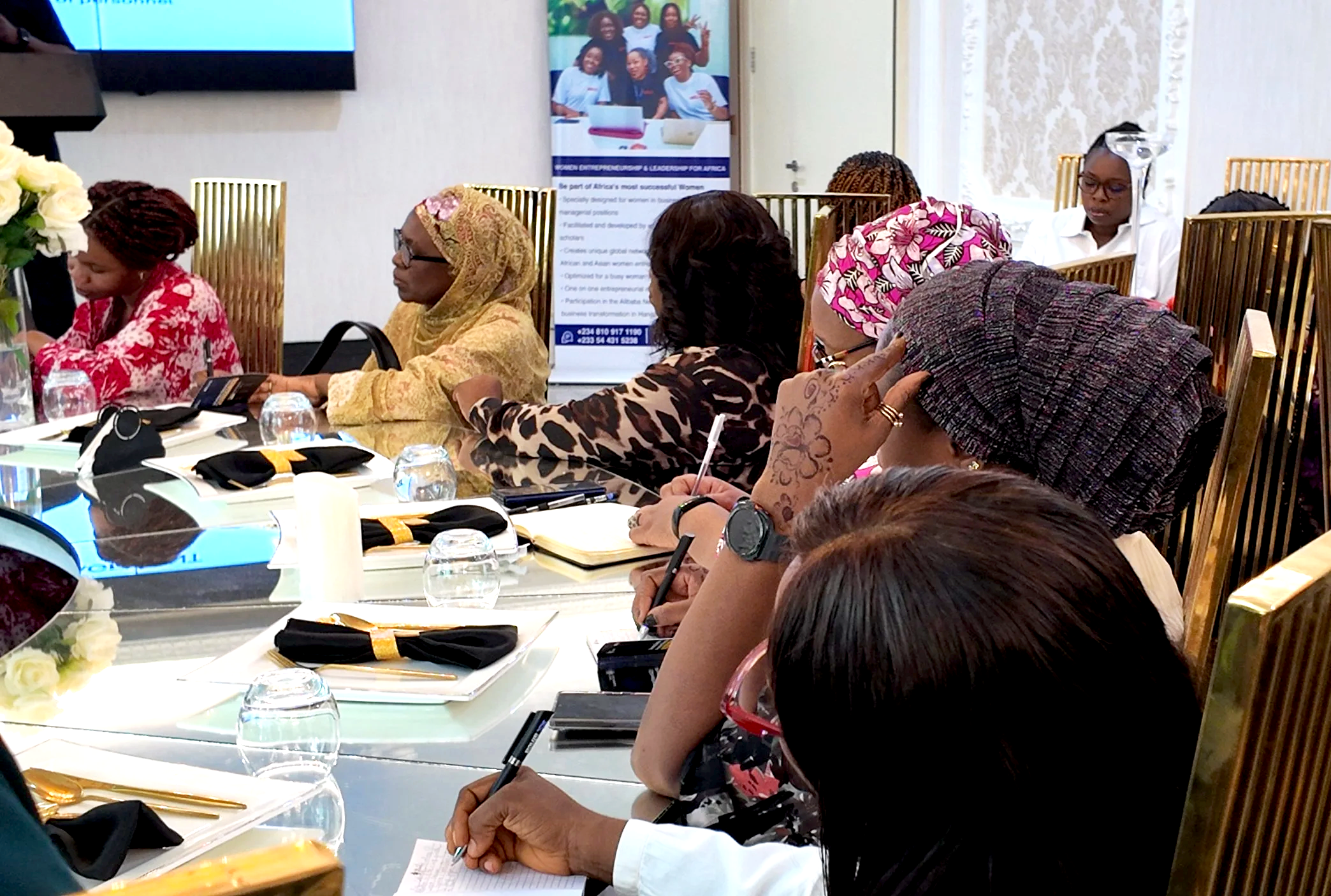
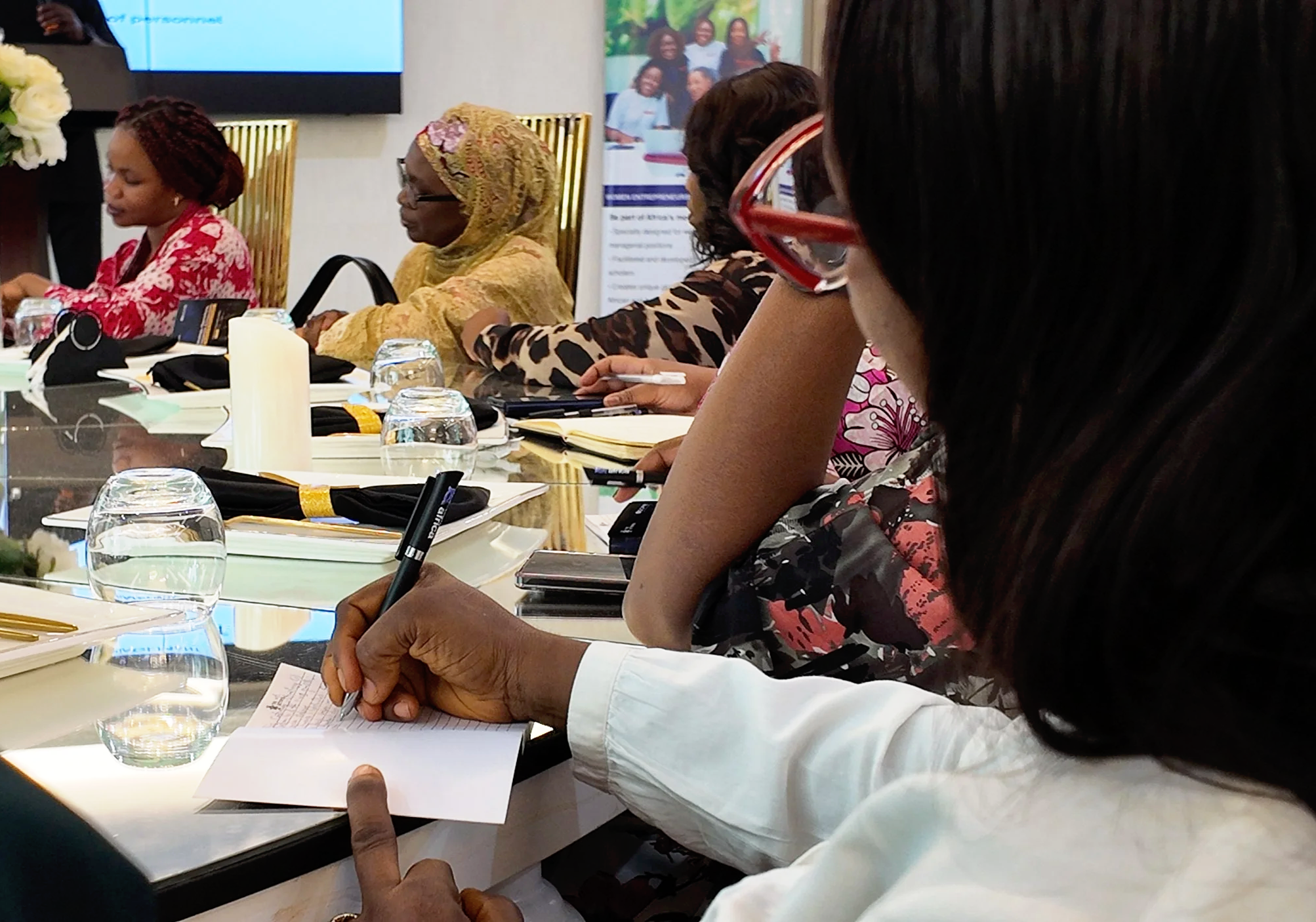
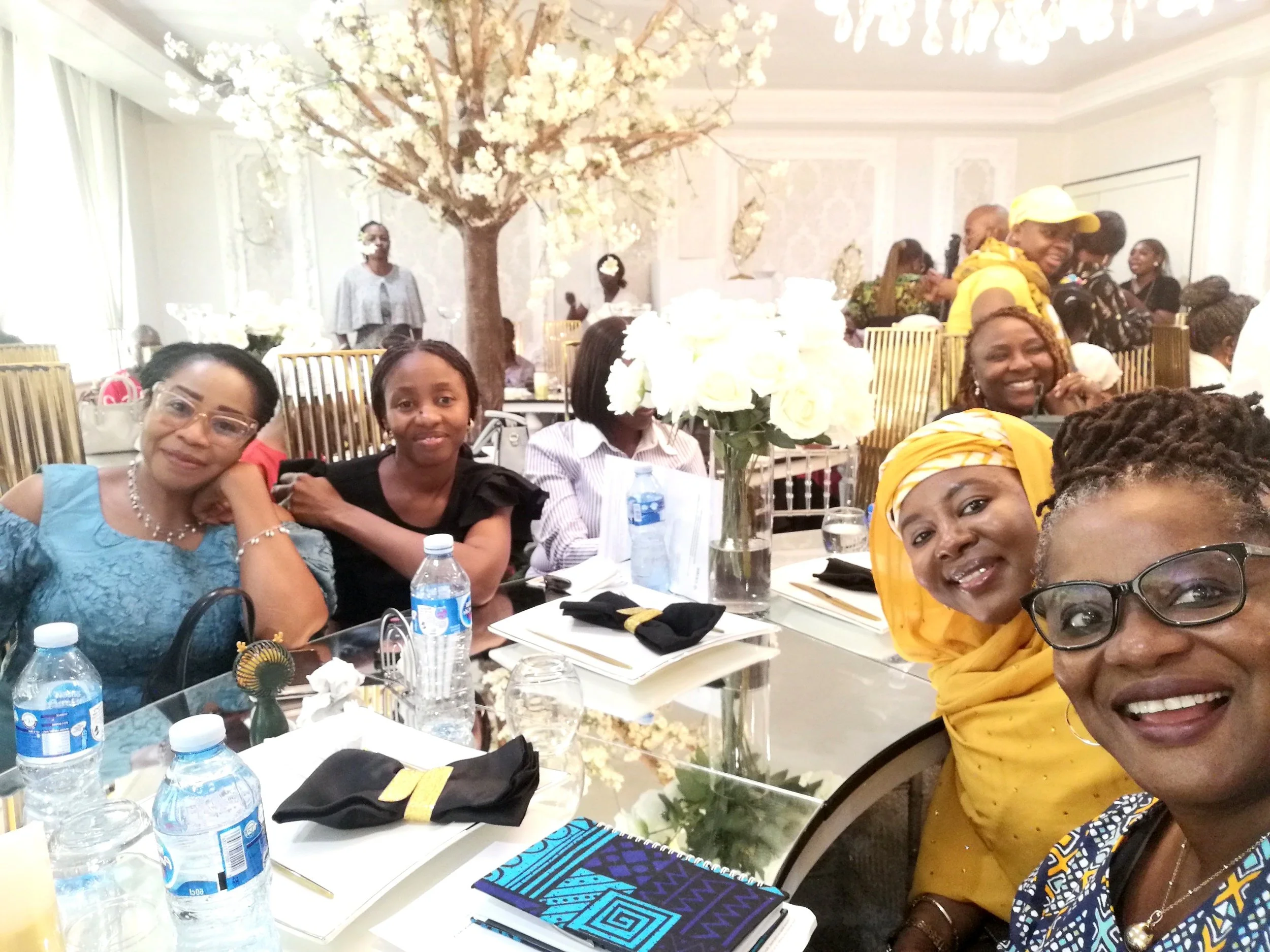
The IWD2026 Strategy, Operations, Processes & Execution (S.O.P.E) masterclass held in Abuja on March 26, 2026.
The event was organized in partnership with the China Europe International Business School (CEIBS) for their Women Entrepreneurship & Leadership for Africa (WELA) programme.
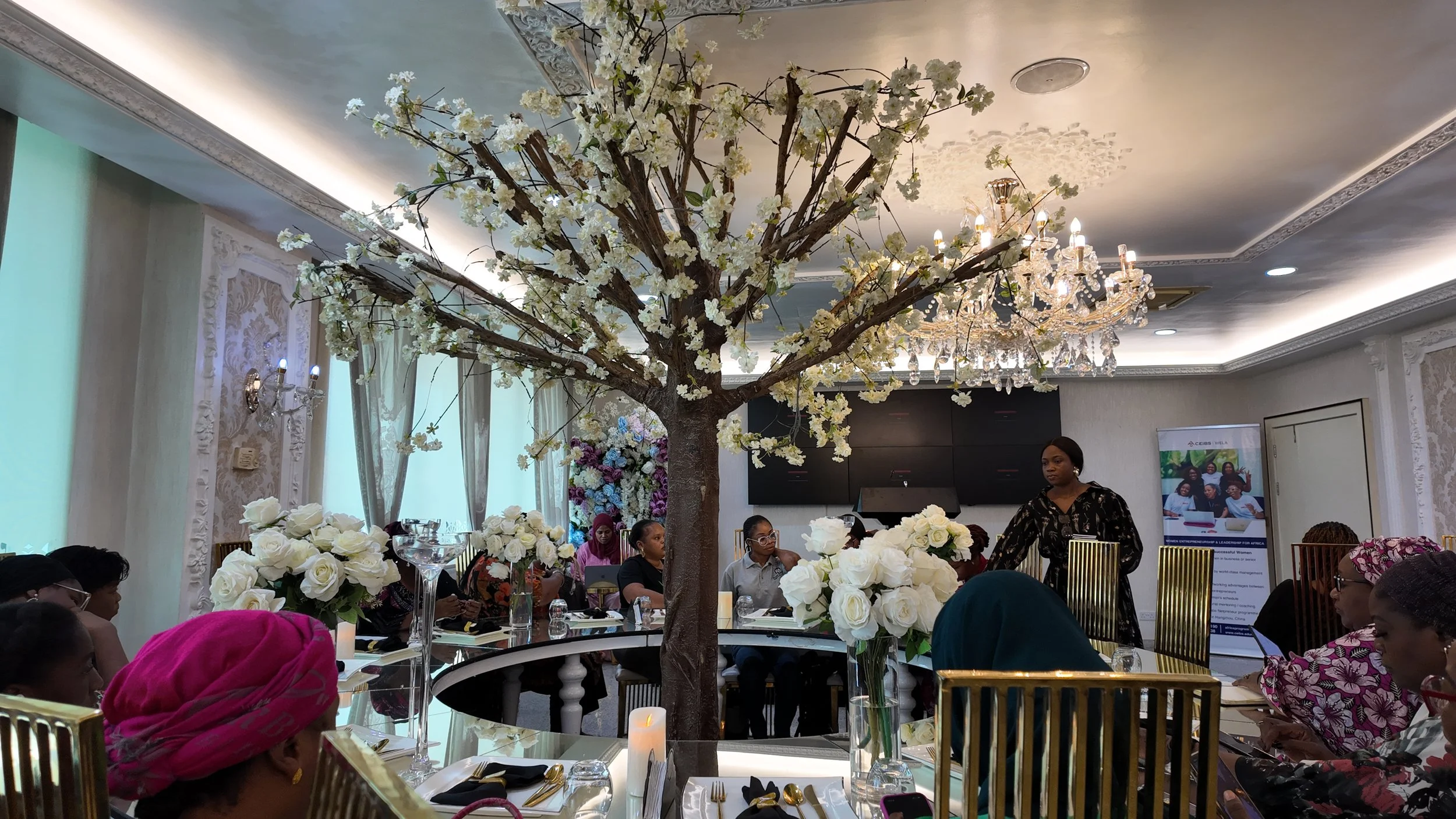
Hosted by Cerca Africa and CEO Sam Obafemi (The Octopus) at Elegante Mall, the exclusive evening was attended by 75 entrepreneurial women from various professional backgrounds.
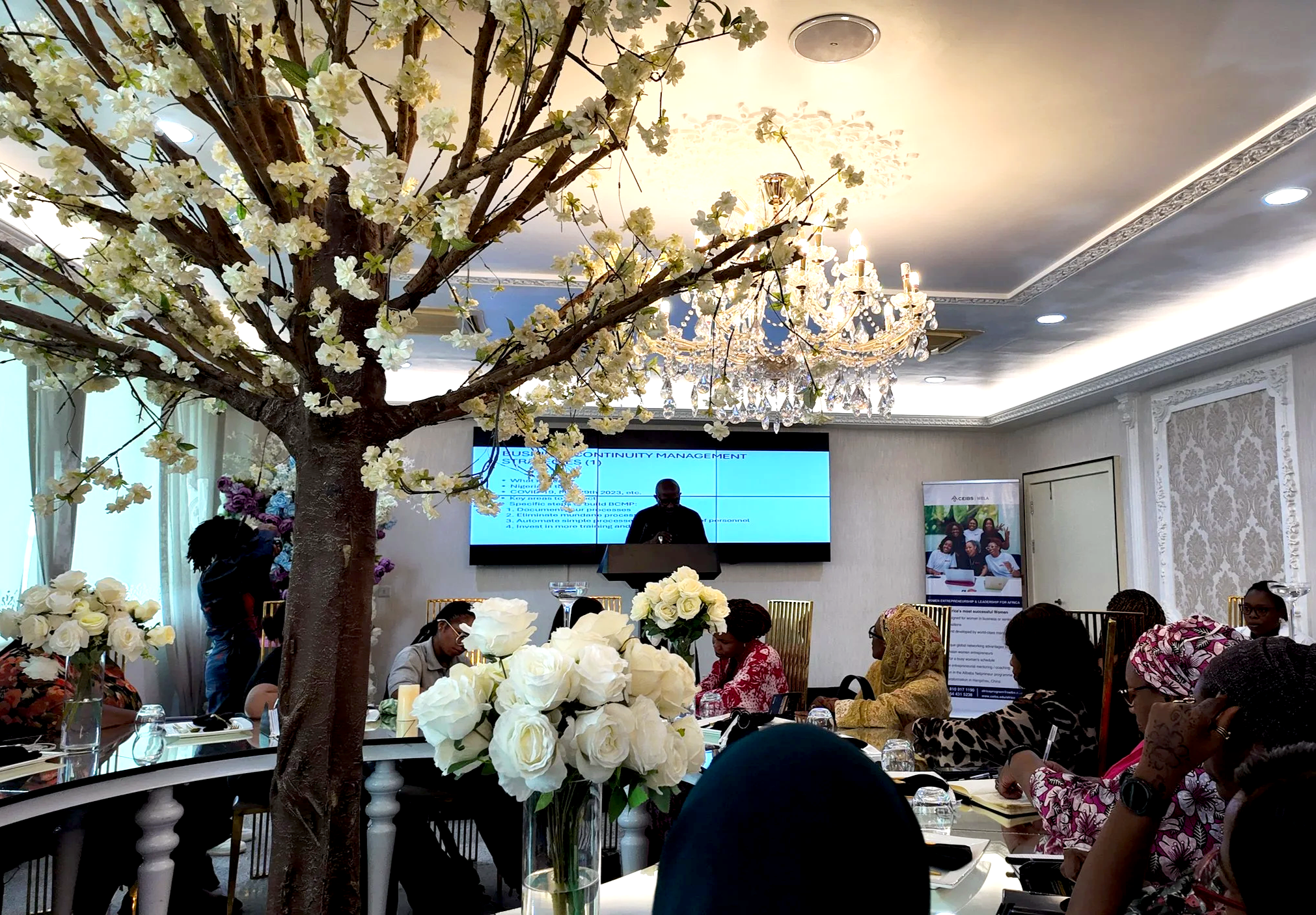
The event featured two key presentations. Mr. Sam Obafemi spoke on Business Continuity Management, and Mrs. Saidat Lawal-Mohammed, CEIBS’ Head of Executive Education Africa, provided an overview of the institution’s programs. The sessions were followed by dinner and networking opportunities for all participants.
Cerca Africa holds targeted monthly masterclasses for registered participants. They work with individuals and organizations to achieve mental, emotional, and economic freedom through coaching programs focused on strategy, processes, and behavioral change.
CEIBS is a non-profit joint venture established in 1994 under an agreement between the Chinese government and the European Union. The Business School offers Global Executive MBA programme, as well as a tailored Executive Education Africa Programmes
Learn more about upcoming sessions or coaching services.
#sopeceibswela
Photos by Africa-Related
For more stories told from an African perspective, follow us at africarelatedinc
SHARE THIS STORY
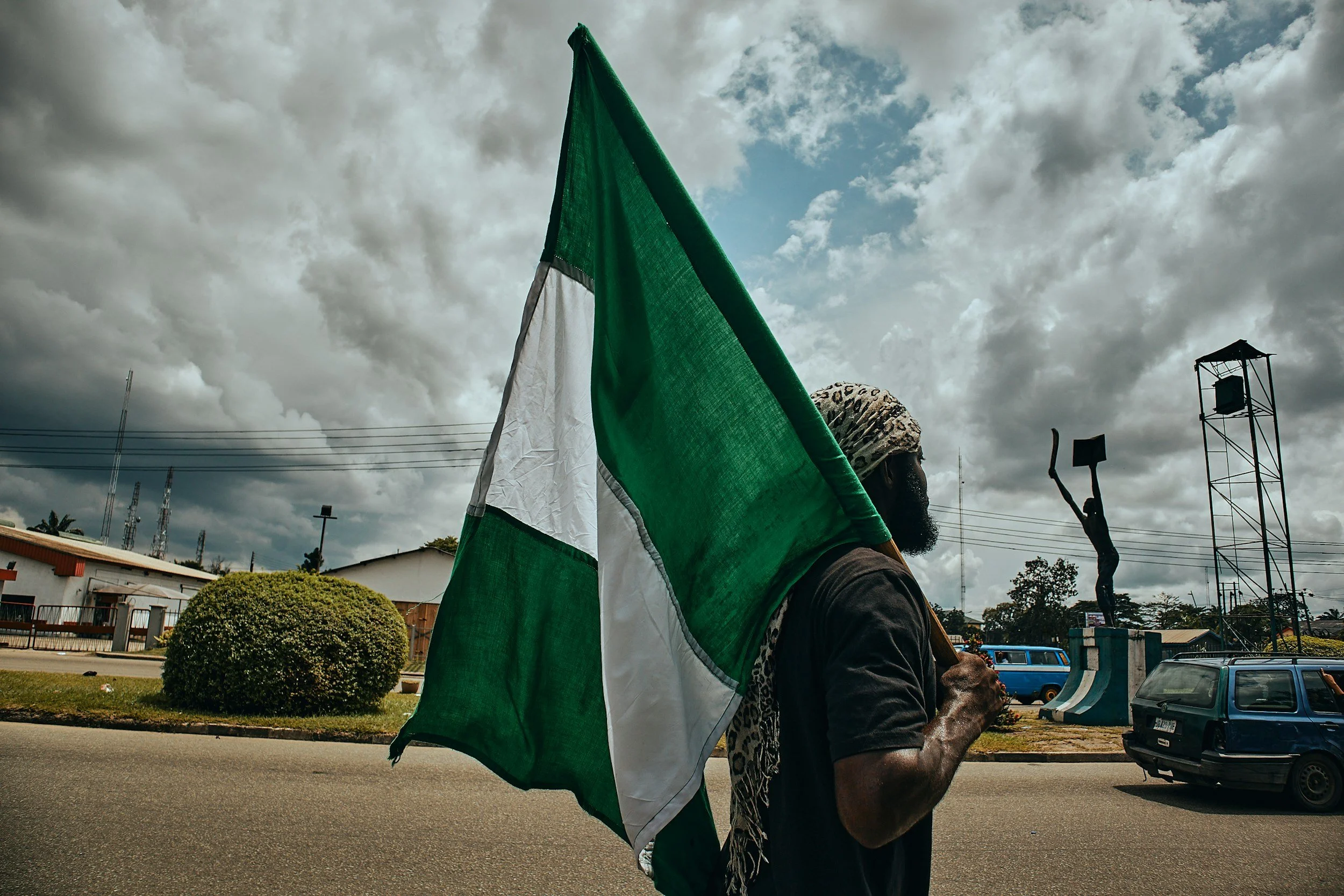
Should a state of emergency be declared in Nigeria?
At this point, it hardly feels like a question. Calamities are mounting week after week in Nigeria. The West African giant is experiencing one of its darkest periods of insecurity in recent history.
By melody-Esther soyemi - Africa-Related, Nigeria
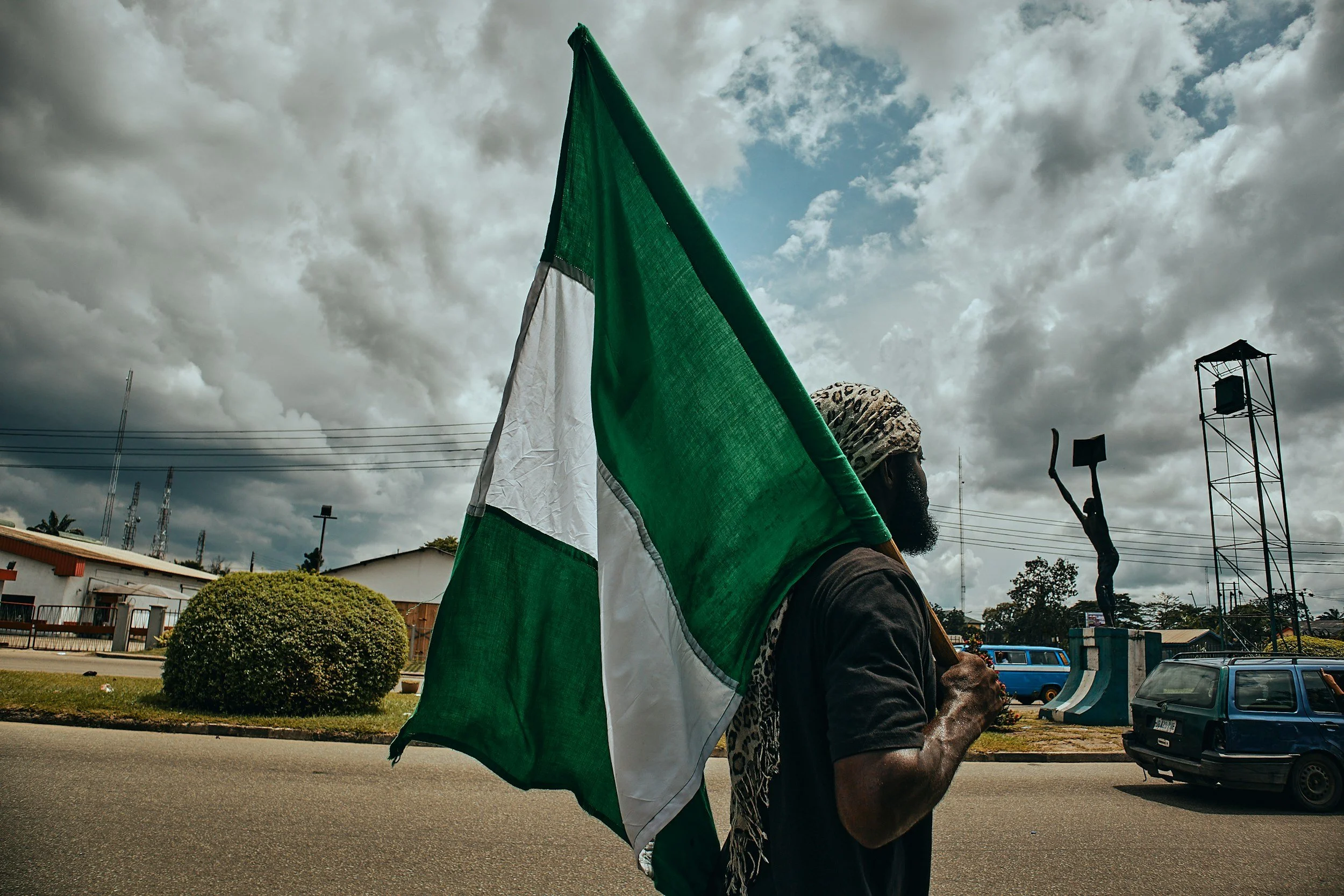
A man carrying the Nigerian flag. Photo: Emmanuel Ikwuegbu @emmages
At this point, it hardly feels like a question. Calamities are mounting week after week in Nigeria. The West African giant is experiencing one of its darkest periods of insecurity in recent history.
Calamities are mounting week after week, mass kidnappings, church attacks, the assassination of senior military officers, yet the national response has been slow, quiet, and disturbingly understated. Nigerians are left wondering: what is the President saying? What are state governors and security operatives doing? Where is the leadership, the urgency, and the decisive action that the moment demands?
On Monday, November 17, 2025, armed ‘bandits’ stormed the Government Girls Comprehensive Senior Secondary School (GGCSS) in Maga, in the Danko/Wasagu Local Government Area of Kebbi State a state in in North Eastern Nigeria. About 25 schoolgirls were abducted and the vice-principal, Malam Hassan Yakubu Makuku, was shot dead while trying to protect his students.
Security forces say a joint rescue operation involving the military, police, and local vigilantes is underway, combing forests and escape routes. But the horror remains: this is yet another Chibok-style tragedy. Another group of young girls torn from their classrooms, families plunged into fear, and a violent reminder that schools, the very places where the future of a nation is trained and shaped, are no longer safe. This is not just another abduction, it is a reminder of Chibok,. How many more “Chiboks” will Nigeria suffer before something truly shifts? The world is watchingg how very little has changed in Nigeria.
“Nigerians are not just grieving; they are tired of mourning without seeing change.”
A day after this incident, worshippers at a Christ Apostolic Church in the Eruku community of Kwara State - Central Nigeria - experienced a nightmare in real time on Tuesday evening, . Gunmen opened fire during a service that was being live-streamed online. Viewers across Nigeria watched in horror as shots rang out, people tried to hide behind the altar, attackers rounded up bodies, valuables. Several worshippers were shot, at least three people died, while others, including the pastor, were abducted.
One particular scene that was the most heartbreaking was when an old woman who could barely walk tried to hide behind the altar, it sparked an outrage and outcry that someone’s mother, grandmother or even a great grandmother was struggling for safety in the Church. How is one to process this thought? It raises the question of where can Nigerians actually feel secure, if even a house of worship - a space for peace, prayer, and refuge is now threatened.
The insecurity is not limited to civilians. Nigeria’s military forces have also suffered a devastating blow with the killing of Brigadier-General M. Uba at the hands of ISWAP militants. Reports suggest that his location may have been compromised shortly after a joint air and ground operation. His capture and execution by terrorists show that even high-ranking officers are not shielded from the worsening security breakdown. It’s also shows that a breached military has severe implications for national stability.
Weeks prior to these incidents U.S. President Donald Trump issued strong and controversial statements, claiming that Christianity in Nigeria is facing an “existential threat.” He accused “radical Islamists” of killing Christians and said he had instructed the U.S. Department of Defense to prepare for possible action should Nigeria fail to protect its citizens. He went as far as threatening military intervention and the suspension of U.S. aid, declaring on Truth Social that the U.S. may have to go into Nigeria “guns-a-blazing” if the situation continues.
Investigative journalist Jude Bela explains the complex factors behind Nigeria’s security challenges
The Nigerian government pushed back, insisting that Nigeria is not a nation divided by religion and that the portrayal of genocidal targeting of Christians does not reflect the country’s complex reality. Many analysts have echoed this, arguing that while Christians have undoubtedly suffered violence as have Muslims, the core drivers of instability in this case include terrorism, banditry, poverty, corruption, weak intelligence, and community conflicts, environmental changes; not a single religious agenda. Still, the very fact that a foreign leader is threatening intervention over Nigeria’s internal security crisis shows how badly the situation has deteriorated and how visible the failures of state response have become on the global stage.
Even American rapper Nicki Minaj raised global attention to the Christian persecution in Nigeria, calling for urgent international action during a U.S Mission to the United Nations event hosted by United States Ambassador to Nigeria, Mike Waltz, on Tuesday, she stated that In Nigeria, Christians are being targeted, driven from their homes and killed. Churches have been burned, families have been torn apart and entire communities live in fear constantly simply because of how they pray, stressing that the crisis demands urgent action.She insisted her position was not political or divisive. “I want to be clear, protecting Christians in Nigeria is not about taking sides or dividing people. It is about uniting humanity.”
So where does this leave Nigerians? Schools are no longer secure. Places of worship are coming under fire. Senior military officers are being hunted. Families are burying their loved ones while whole communities remain paralyzed by fear. Farmers have abandoned their farmlands. Yet policies remain slow, government statements vague, full of sympathy with concrete action limited. Nigerians are not just grieving; they are tired of mourning without seeing change.
This is why asking whether a state of emergency should be declared is not enough. One could argue that it should already have been declared. The country is facing a coordinated and escalating threat that demands more than routine security deployments or press statements. A nationwide emergency would only matter, however, if it comes with real reforms: stronger intelligence systems, better coordination, genuine investment in community security, and full transparency and accountability in how power and resources are used.
If not, a state of emergency risks becoming another symbolic gesture with no lasting impact. But without decisive action soon, Nigeria risks more kidnappings, more church and mosque massacres, more military losses and possibly even the loss of control over its own security narrative; as foreign actors begin shaping the global response.
The question, therefore, is no longer “should” a state of emergency be declared but why it has not been declared already.
share this story
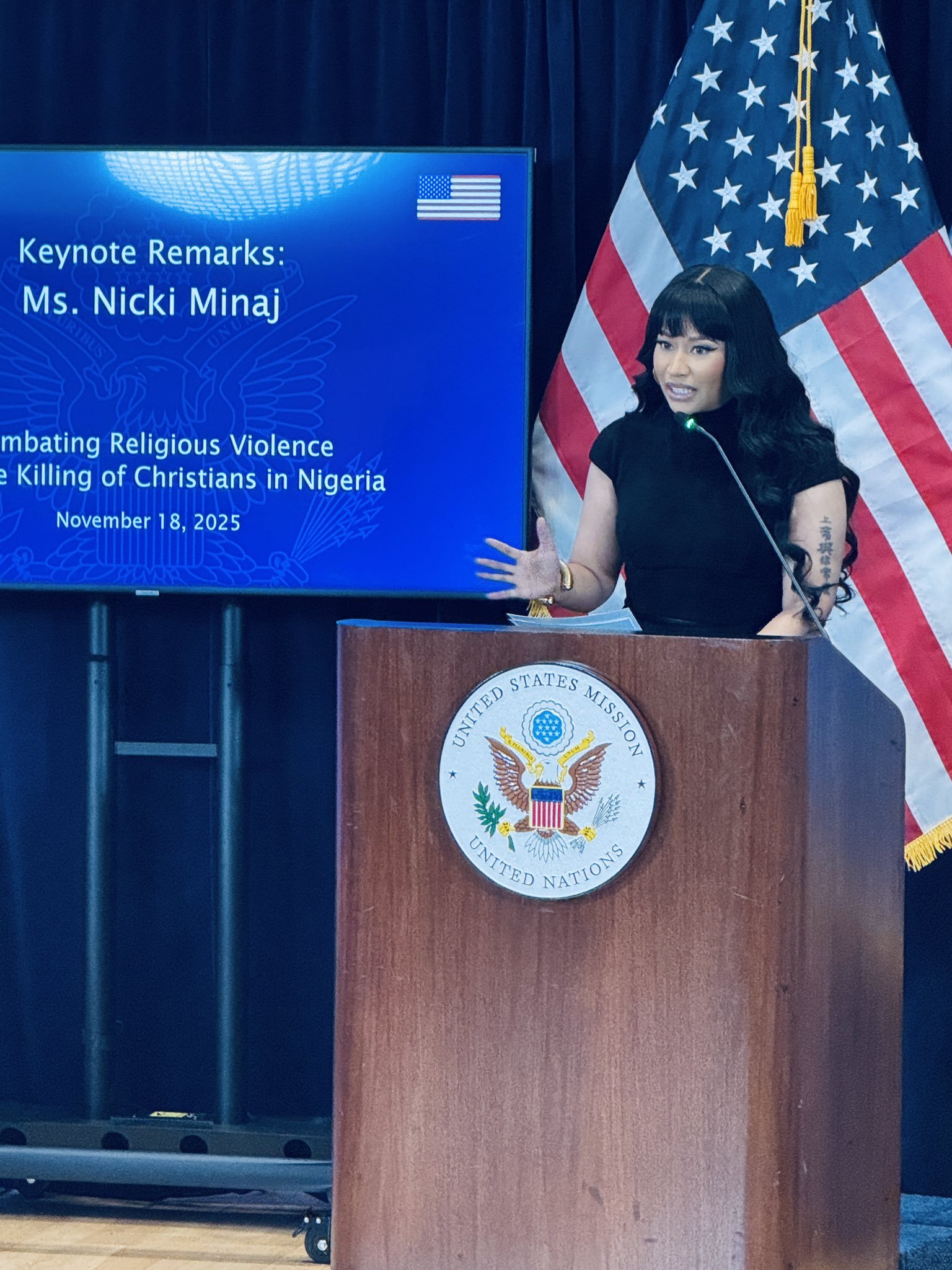
Nicki Minaj Speaks on Persecution of Christians in Nigeria
Nicki Minaj Speaks on Persecution of Christians in Nigeria
By Africa-Related, New York
"I would like to thank @POTUS for prioritizing this issue and for his leadership on the global stage in calling for urgent action to defend Christians in Nigeria." - @NICKIMINAJpic.twitter.com/gi8bLtF1Qt — @USUN November 18, 2025
TOPIC: Persecution of Christians in Nigeria
BRIEFER: U.S. Ambassador to the UN Mike Waltz
WHEN: Tuesday, November 18; 3:00 p.m. ET
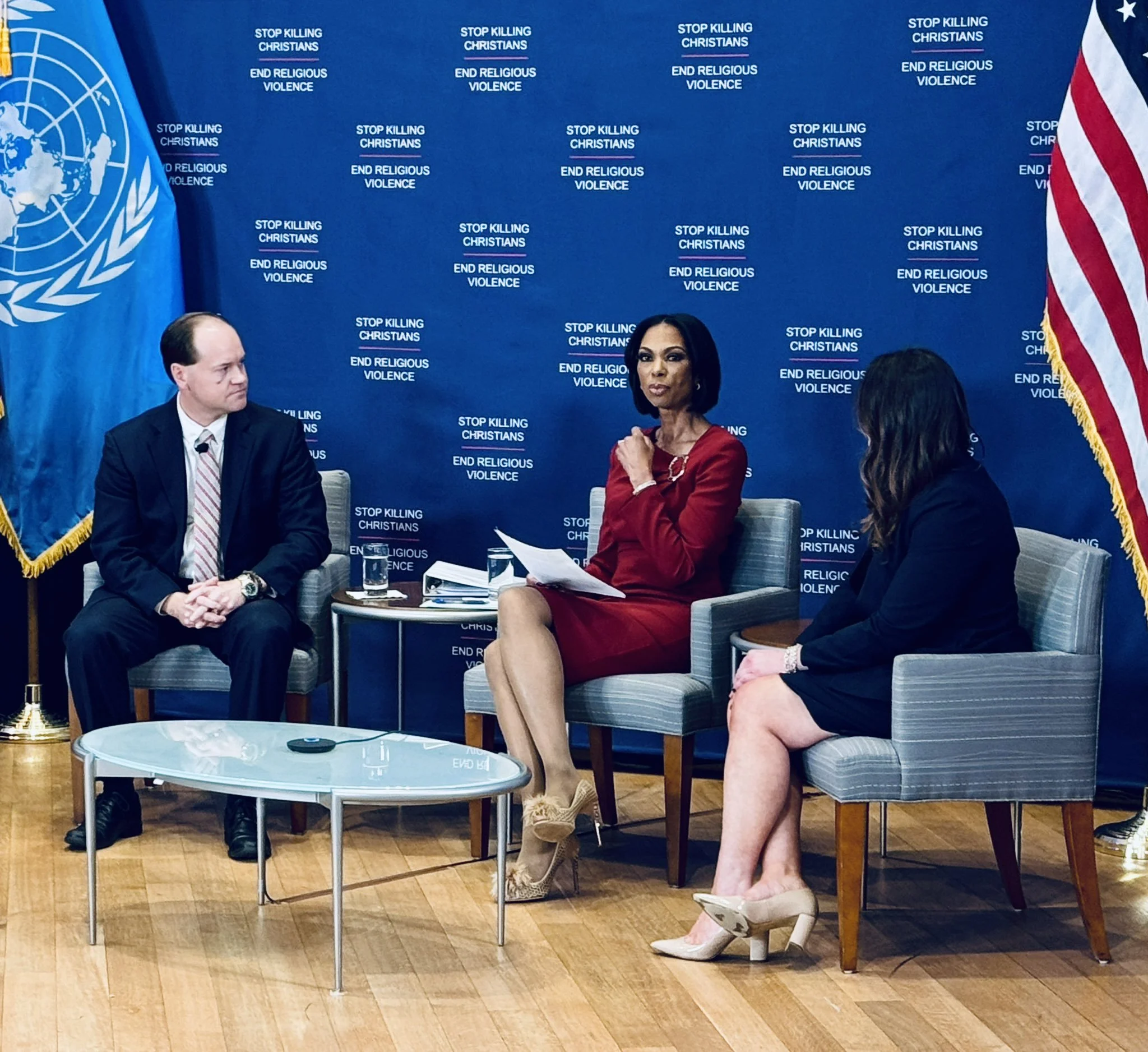
BACKGROUND: On Tuesday, November 18, Ambassador Mike Waltz, U.S. Representative to the United Nations, hosted an event alongside grammy-winning rapper Ms. Nicki Minaj, faith leaders, and other prominent figures to address the critical issue of protecting religious freedom and the rising violence against Christians, particularly in Nigeria.
The event was live-streamed, and the link shared through USUN's X account: https://x.com/USUN?lang=en
Remarks at a U.S. Hosted Event on “Combatting Religious Violence and the Killing of Christians in Nigeria”
United States Mission to the United Nations
November 18, 2025
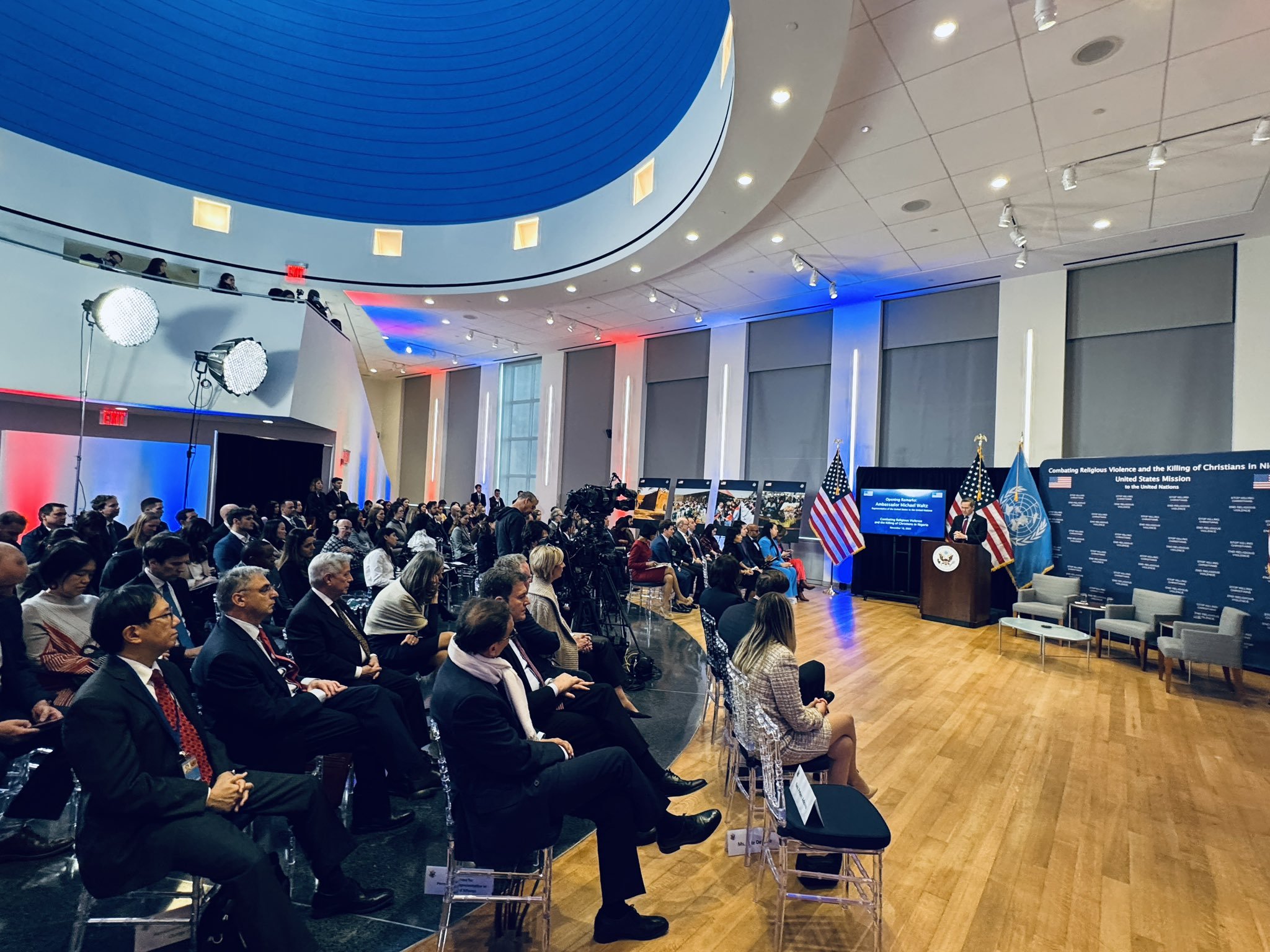
AMBASSADOR MIKE WALTZ: Oh my goodness. Thank you so much for everyone who has joined us today. And for a number of our ambassadors and delegates who have joined us, thank you for coming. To our faith leaders, survivors of some of these atrocities, and what I would call everyone here a friend of freedom, welcome to the United States Mission to the United Nations.
And today we speak of blood. We speak of the blood that still cries from Nigerian soil. This is deeply personal for me, as I know it is for Ms. Minaj and her pastor here, Peters Adonu, and others. I had the opportunity to serve in Nigeria in 2015, if you remember when then 300 little girls were kidnapped from their schools, ripped out of their homes and schools in the middle of the day, and in the middle of the night.
We sent a small team over there, and we trained – Nigeria’s equivalent of their Navy SEALs – to go get those girls back. It was righteous work. We didn’t get them all back, unfortunately, but we got some. Some will be lost forever. And if you remember the infamous save the girls campaign, that was 10 years ago. Folks, it’s still happening. It just happened yesterday. 25 little girls were ripped out of their school. I pray that we get them back. But what often happens is they’re sold into sex slavery. They’re forced to renounce their religion. They never see their homes or families again, and they literally disappear to the dark underbelly of extremism and sex slavery.
Look, 10 years later, the horror continues in the middle belt and in the north. Churches burn mothers, bury their children for the crime of singing Amazing Grace. Pastors have been beheaded. Pastors have been beheaded for preaching the Sermon on the Mountain, entire villages wake up to gunfire, because they dare to commit the crime, the crime of calling Jesus their Lord. People go to jail under blasphemy laws for simply wearing a cross. This is not random violence. This is genocide, wearing the mask of chaos.
Nigeria is Africa’s most populous nation and a vibrant mosaic of cultures and faiths, but it is under siege. And in the northern region, you have 12 Muslim majority states that are enforcing Sharia law and have enforced it since 1999. Jihadi groups like Boko Haram and the Fulani militias continue to unleash targeted violence. It is targeted. It is specific, on these Christian communities.
This year alone, the NGO, the nonprofit Open Doors, reports a very sharp rise in attacks. They’re reporting 80%, 80% of the violence against Christians worldwide is occurring in Nigeria. Thousands are displaced, are killed in faith based reprisals.
So weeks ago, a few weeks ago, the United States designated Nigeria a Country of Particular Concern for severe violations of religious freedom, spotlighting what can only be described as the government’s failure to curb these atrocities. And while Nigerian officials maintain that terrorism strikes all faiths indiscriminately, and they do. There is a body of evidence, and you are going to hear that from our experts today that paints a very grim picture of disproportionate suffering among Christians, where, again, families are torn apart. Clergy is repeatedly assassinated in entire congregations. Church congregations – you’re seeing, you see some of the images here – are driven into hiding.
Folks, we have an entire faith that is being erased, one bullet at a time, one torched Bible at a time. Yet, in the face of this evil one leader has refused to look away. President Trump has made the persecuted church his priority like no other president before him in American history. He was the first U.S. president to convene world leaders right here at the United Nations in 2019 to draw attention, draw the world’s attention to what is happening. He created the Religious Liberty Commission to fight for believers everywhere. And while Nigeria’s Christians cried out. He answered, and he has answered loudly. He has reminded the world that protecting Christians is not about politics. It is a moral duty.
So inspiration alone is not enough. We need voices that pierce the silence that we’ve heard from the international community, that humanizes the statistics that we keep hearing, and that demands accountability, and that’s why we’re here today to hear from a pastor that will dial in through our embassy in Nigeria, and we’re going to hear his first hand accounts of the suffering. We’re also going to hear from experts who have dedicated their lives to religious liberty.
I especially want to thank my friend Harris Faulkner, who, in addition to just being an amazing person, is also the daughter of a U.S. Army Colonel – so that makes her extra special in my heart – and she has spent much of her career protecting this most basic – folks this is the most basic of liberties: to worship as one sees fit.
But we are especially thrilled that we’re going to hear from an especially powerful voice, a fearless advocate whose passion for justice transcends borders, and she uses her voice to defend the voiceless. Hers are not empty words. They are a clarion call echoing the UN’s, the United Nations own Universal Declaration of Human Rights, which proclaims that, quote, everyone has the right to freedom of thought, to freedom of conscience and to freedom of religion. She steps onto this world stage, not as a celebrity, but as a witness. She uses and has used her influence to spotlight Nigeria’s persecuted church, reaching out to her 28 million followers, her Barbz, as I now have learned, and she uses this, and as she steps on this global stage to fund emergency relief and to demand action.
Nicki, I can’t tell you how much I admire you. You’re stepping up, you’re leaning into this issue. You’ve enjoyed amazing success, and you could be sitting back and just enjoying it. You could be just living the good life, but you’re willing to come here today and roll up your sleeves and let’s try to solve this. Let’s try to save these people. So everyone, please join me in welcoming a daughter of the Caribbean, a champion of the oppressed and a sister in Christ Nicki, Minaj.
###
MS. NICKI MINAJ: Hello everyone. I must say, I am very nervous, so please – Well, thank you, Ambassador Waltz for this invitation. It is an honor to stand on this stage with you and the other distinguished speakers here today to shine a spotlight on the deadly threat faced by thousands of Christians in Nigeria.
I would like to thank President Trump for prioritizing this issue and for his leadership on the global stage and calling for urgent action to defend Christians in Nigeria to combat extremism and to bring a stop to violence against those who simply want to exercise their natural right to freedom of religion or belief.
I stand here as a proud New Yorker with a deep sense of gratitude that we live in a country where we can freely and safely worship God, regardless of one’s creed, background, or politic. No group should ever be persecuted for practicing their religion, like I recently stated on social media, and we don’t have to share the same beliefs in order for us to respect each other. We’re way beyond thinking or expecting or assuming for you know, the person sitting next to you to have the exact same beliefs. We’re beyond that. That’s ridiculous, but that shouldn’t make one person feel less safe than anyone in any room.
Music has taken me around the globe. I have seen how people, no matter their language, culture, or religion, come alive when they hear a song that touches their soul. Religious Freedom means we all can sing our faith, regardless of who we are, where we live, and what we believe.
But today, faith is under attack in way too many places. In Nigeria, Christians are being targeted, driven from their homes and killed. Churches have been burned, families have been torn apart, and entire communities live in fear constantly, simply because of how they pray.
Sadly, this problem is not only a growing problem in Nigeria, but also in so many other countries across the world, and it demands urgent action. And I want to be clear, protecting Christians in Nigeria is not about taking sides or dividing people. It is about uniting humanity.
Nigeria is a beautiful nation with deep faith traditions and lots of beautiful Barbz that I can’t wait to see. When one’s church, mosque, or place of worship is destroyed. Everyone’s heart should break just a little bit, and the foundation of the United Nations, with its core mandate to ensure peace and security, should shake.
I am joined here today by peace builders, by faith leaders, by those who saw violence, saw rising intolerance, saw the threats clearly before us, and chose not to look the other way. I am inspired by their work to build interfaith ties, to see the humanity across the lines which might divide us, and to fight for security and liberty for all those who pray.
I look forward to our discussion today, and I hope it will encourage deepened solidarity for us to urgently work together to ensure every person can enjoy the right to believe, to worship, and to live in peace.
Barbz, I know you’re somewhere listening. I love you so very much. You have been the ultimate light in my life and career for so long. I appreciate you, and I want to make it very clear once again, that this isn’t about taking sides. This is about standing up in the face of injustice. It’s about what I’ve always done for my entire career, and I will continue to stand for that for the rest of my life. I will care if anyone anywhere is being persecuted for their beliefs.
Thank you.
###
share this story
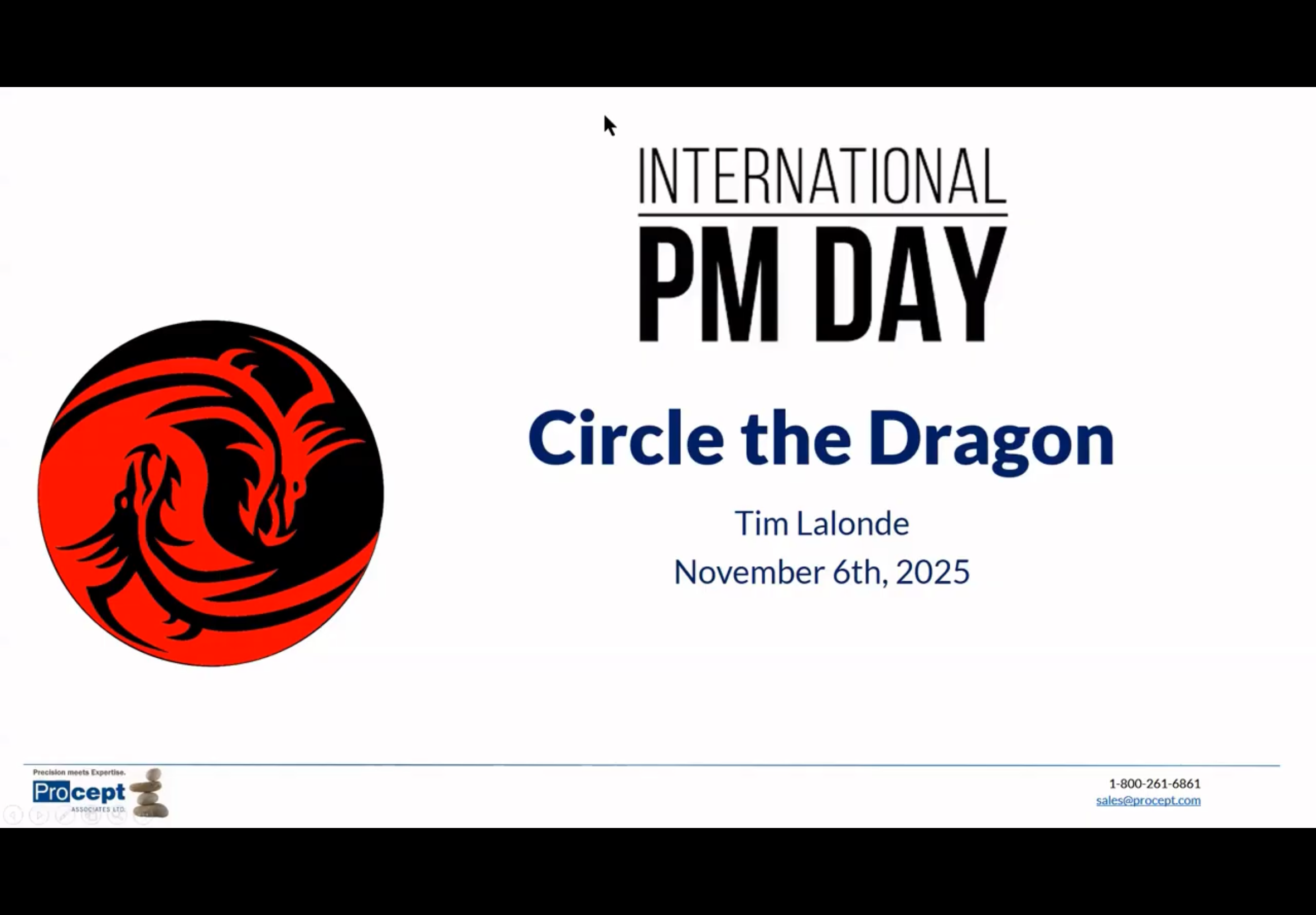
The Power of Soft Skills: Key Takeaway From The International Project Management Day Conference 2025
The Power of Soft Skills is the key takeaway from the International Project Management Day Conference 2025. It brought together thought leaders, practitioners, and innovators to explore how project management continues to evolve as both a technical and human-centered craft.
By melody-Esther soyemi - Africa-Related, Nigeria
Creating Connections in Project Management
“The International Project Management Day Conference 2025 brought together thought leaders, practitioners, and innovators to explore how project management continues to evolve as both a technical and human-centered craft.”
On November 6, 2025, project management professionals around the world came together to celebrate International Project Management Day 2025, a global event dedicated to recognizing the discipline’s impact on organizational success and human collaboration. The conference program featured two thematic tracks that ran concurrently throughout the day, Track A focused on communication, self-awareness, and workplace civility, while Track B emphasized sustainable project management, certification pathways, and emerging professional standards.
Opening Keynote: Building Respectful Engagement
The conference opened with a powerful keynote titled “The 3-Pass Process: Building Respectful Engagement by Ted Lalonde.” Lalonde emphasized the growing importance of empathy, inclusivity, and trust in managing teams, especially in today’s hybrid and multicultural work environments. He also encouraged attendees to see respectful engagement not just as etiquette, but as a project management competency essential for achieving long-term results.
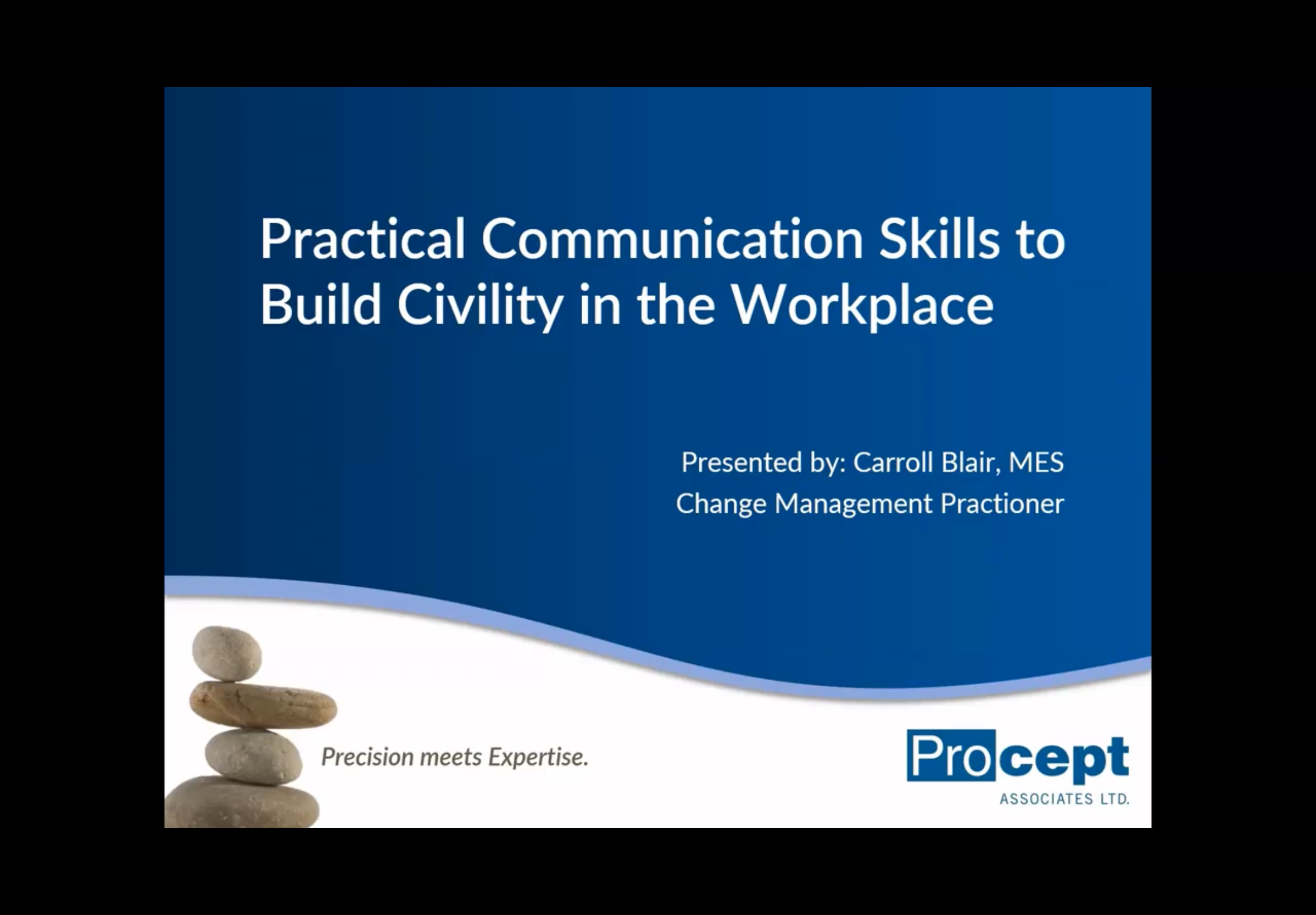
Practical Communication Skills to Build Civility in the Workplace
(Video source)
This session was led by Carroll Blair who highlighted one of the most discussed topics of the day: Practical Communication Skills to Build Civility in the Workplace. It explored how project managers can intentionally create psychologically safe spaces that foster honest dialogue and collaboration. She stressed that civility is more than politeness, it’s a measurable factor in reducing project risks and improving stakeholder relationships. She stated “ when talking about civility in the work place do we want to expect less from each other, do we want technology to do all of our human interactions, or do we want to be alone together.”
Real-world examples illustrated how communication breakdowns often lead to project delays, while open feedback channels help teams navigate uncertainty with shared purpose. The key takeaway is that effective project management starts with human connection.
Circling the Dragon: Diagnosing and Resolving Organizational Culture Issues
This session was conducted by Tim Lalonde, Circling the Dragon, He guided participants through the complexities of diagnosing and resolving organizational culture challenges. Using the metaphor of “the dragon,” the session addressed how unspoken issues such as misaligned values or fear-based communication can silently undermine team performance.
He called on project leaders to take on the role of culture stewards, combining data-driven insight with emotional intelligence to identify and address underlying tensions. A standout message was that projects do not fail because of technology they fail because of culture. By “circling the dragon,” leaders can face these invisible challenges head-on and transform organizational friction into collective growth.
African Perspective:
Across many African mostly Nigerian workplaces, project outcomes are often shaped more by culture than by technical capability. Hierarchical communication remains a major limitation, as employees frequently hesitate to speak openly or give feedback to senior leaders. This reluctance to express disagreement leads to unresolved issues that eventually harm or be harmful to projects. Soft skills are also underemphasized, with organizations focusing heavily on certifications while overlooking emotional intelligence, conflict management, and communication competence. Combined with limited psychological safety, these factors create environments where innovation is slow and teams operate cautiously.
Yet Africa also demonstrates remarkable strengths. The continent’s strong communal values naturally support collaboration and collective problem-solving. African professionals are highly adaptable and resilient,which increases their survival skills and often excels in uncertain or resource-constrained environments. A rapidly expanding youth workforce is embracing global project management standards with energy and curiosity, and the rise of PMI chapters and PM training hubs across African nations reflects a continent moving forward.
By applying the global conference themes locally, African and Nigerian organizations stand to benefit significantly. Emphasizing civility in communication will ease workplace tensions and improve teamwork. Addressing cultural issues head-on, rather than ignoring them, will reduce project failures caused by silence or misalignment. Prioritizing soft skills alongside technical training will produce project managers who can lead confidently across cultures and sectors. Above all, adopting respectful engagement as a leadership mindset will deepen trust, strengthen morale, and create workplaces where people feel empowered to contribute.
In this way, Africa and Nigeria can not only align with global project management standards but also position itself as a rising leader in innovation, collaboration, and modern project delivery.
Panel Discussions and Awards

The conference also featured thought-provoking panels on topics such as “What Soft Skills are Key for Today’s Project Managers” and “Everything You Wanted to Know About PM Certifications But Were Afraid to Ask.” These discussions reinforced that modern project management requires more than tools and frameworks; it requires resilience, adaptability, and emotional literacy.
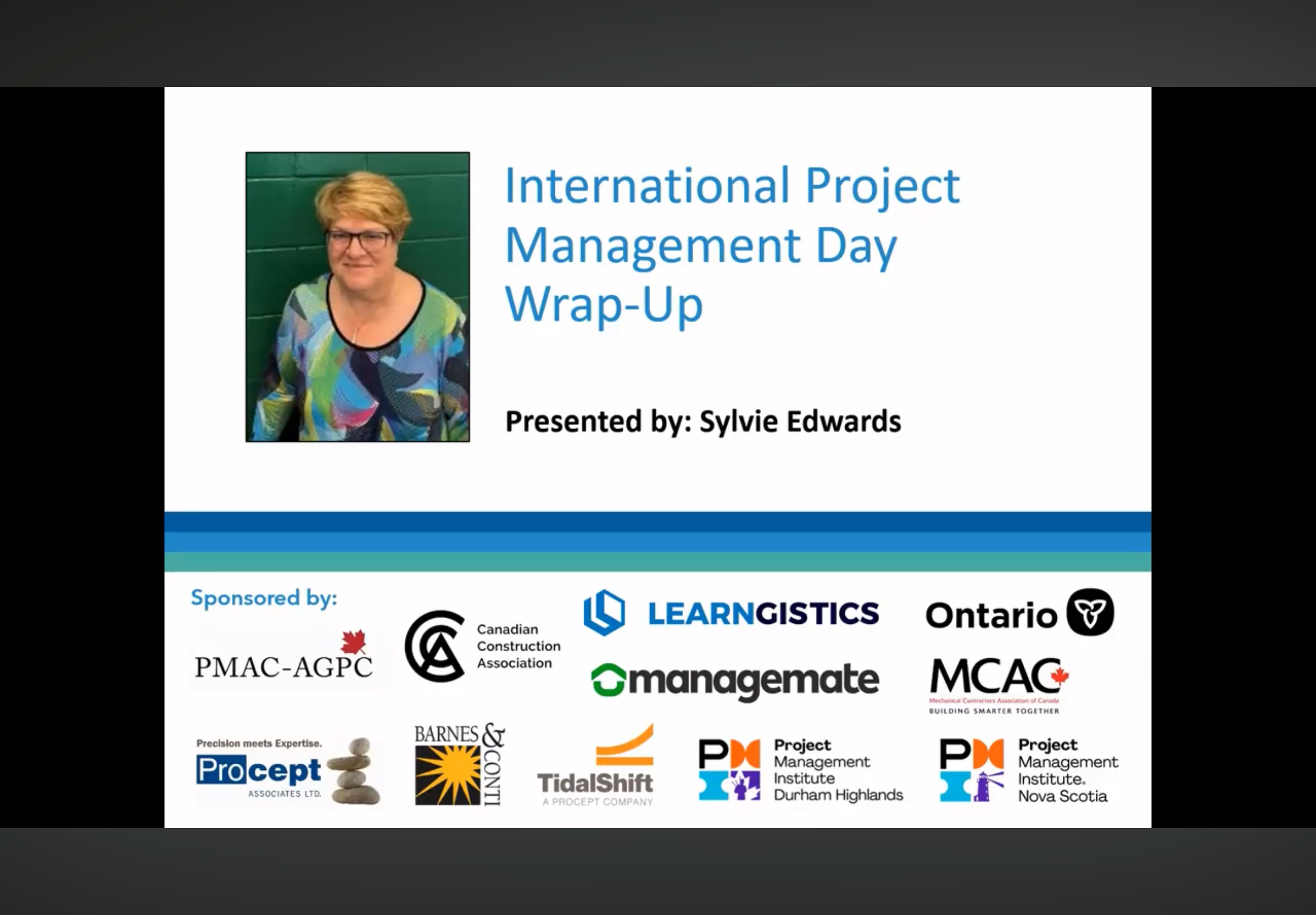
The day concluded with prize draws and recognition ceremonies celebrating excellence in the field, including the Canadian PM of the Year, Project of the Year, and the Young PM of the Year Awards, as well as an announcement of the 2026 PM Paper Competition. These honors underscored the community’s ongoing commitment to innovation, mentorship, and professional growth.
A Shared Global Vision
The 2025 International Project Management Day Conference reminded attendees that while methodologies evolve, the heart of project management remains the same: people working together toward meaningful goals. From sustainable practices to civil communication and cultural awareness, the event captured the essence of leadership in the modern era: strategic, empathetic, and purpose-driven.
As the profession continues to adapt to an increasingly complex world, this year’s conference was both a celebration and a call to action: to lead not just with skill, but with humanity.

Key Takeaways from International Project Management Day Conference 2025
Respectful engagement is a project competency. Building trust and empathy within teams is no longer optional; it's a measurable skill that drives performance.
Civility creates stronger teams. Communication grounded in respect reduces conflict, improves morale, and increases project success rates.
Culture determines project outcomes. Technical expertise alone cannot save a project if organizational culture is broken. Leaders must “circle the dragon.”
Soft skills are the new hard skills. Emotional intelligence, adaptability, and feedback literacy define the next generation of project managers.
Global collaboration is the future. From sustainability to digital transformation, project managers must lead across cultures, disciplines, and time zones with empathy and purpose.
share this story

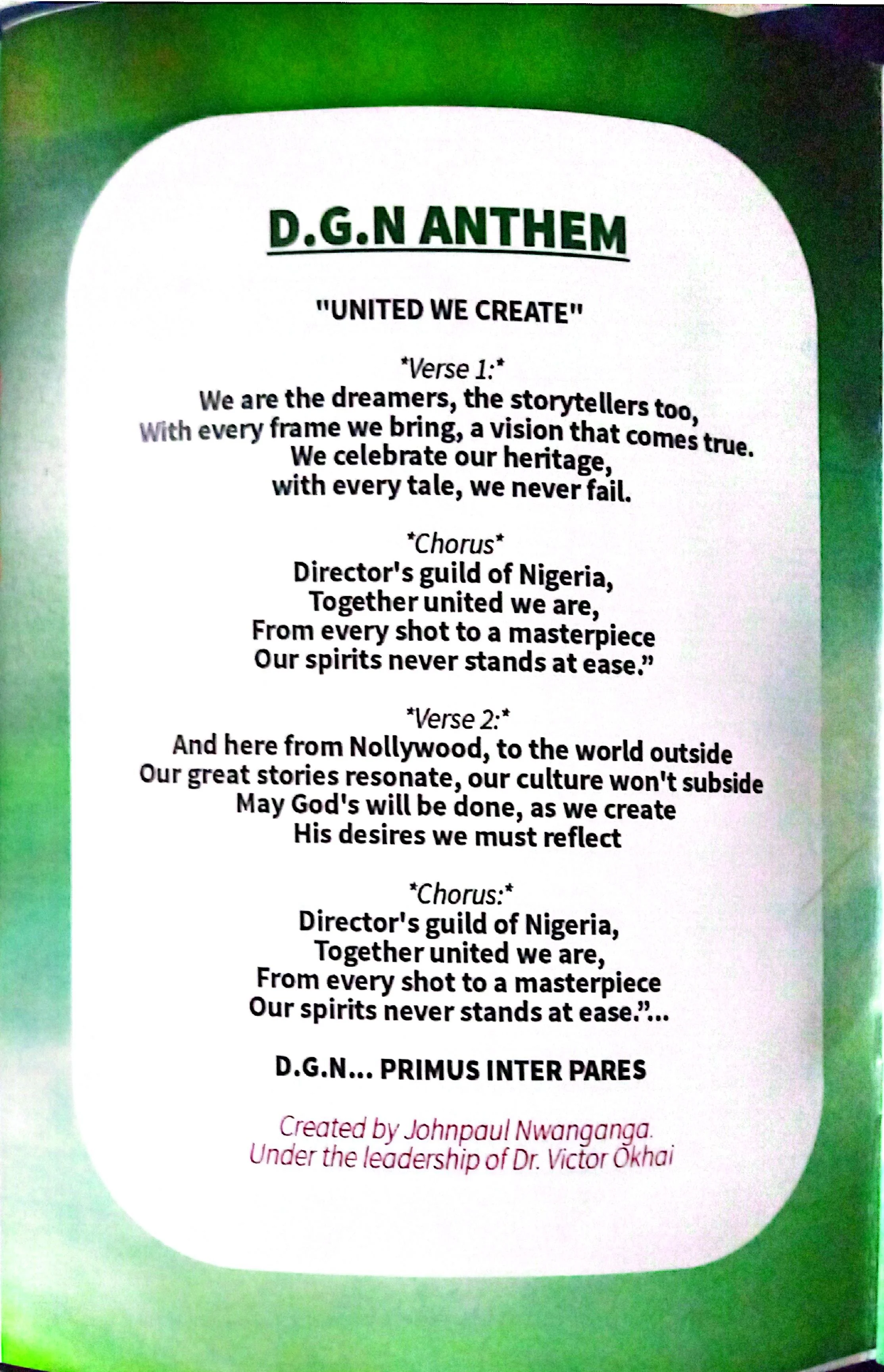
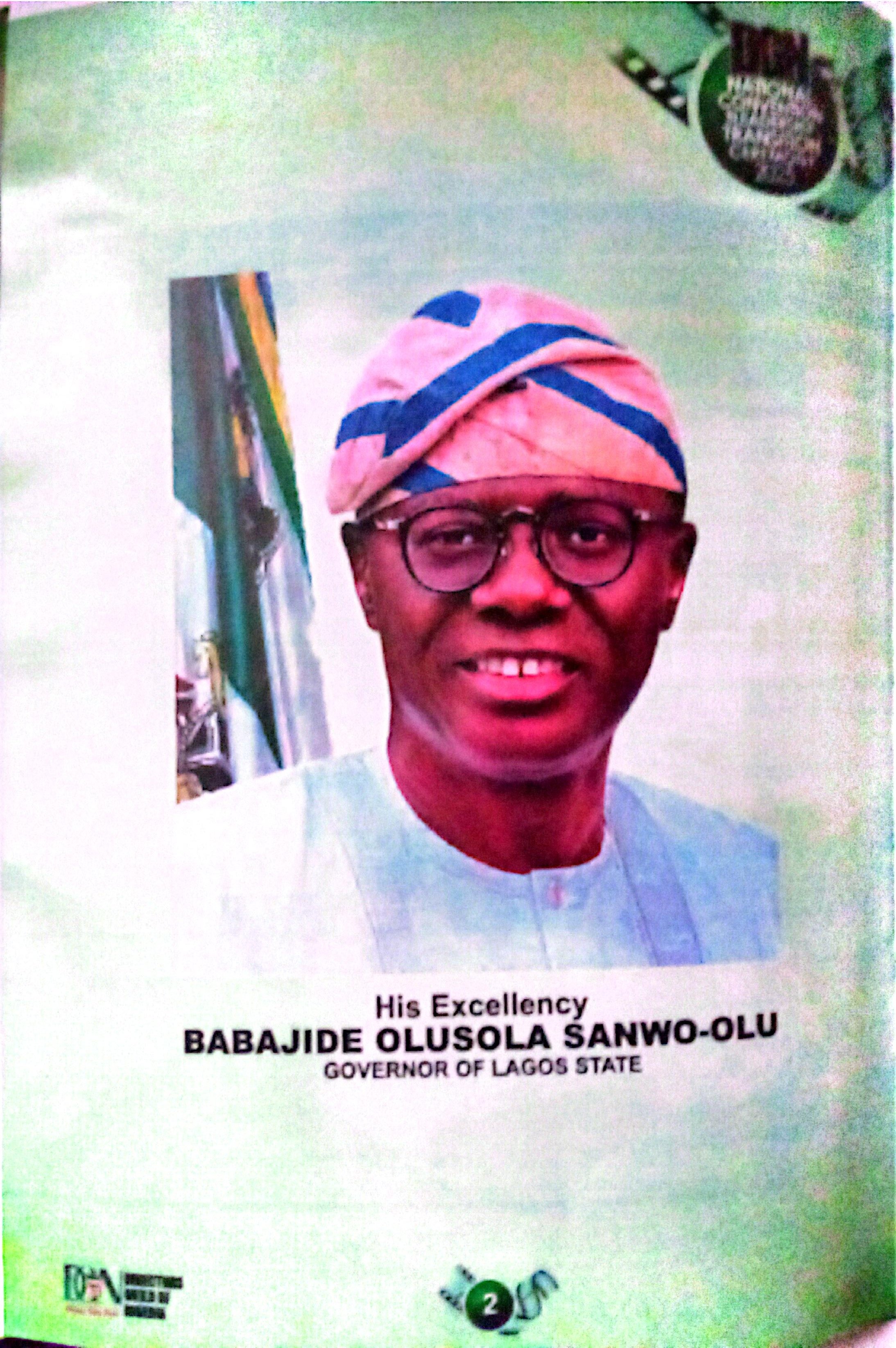
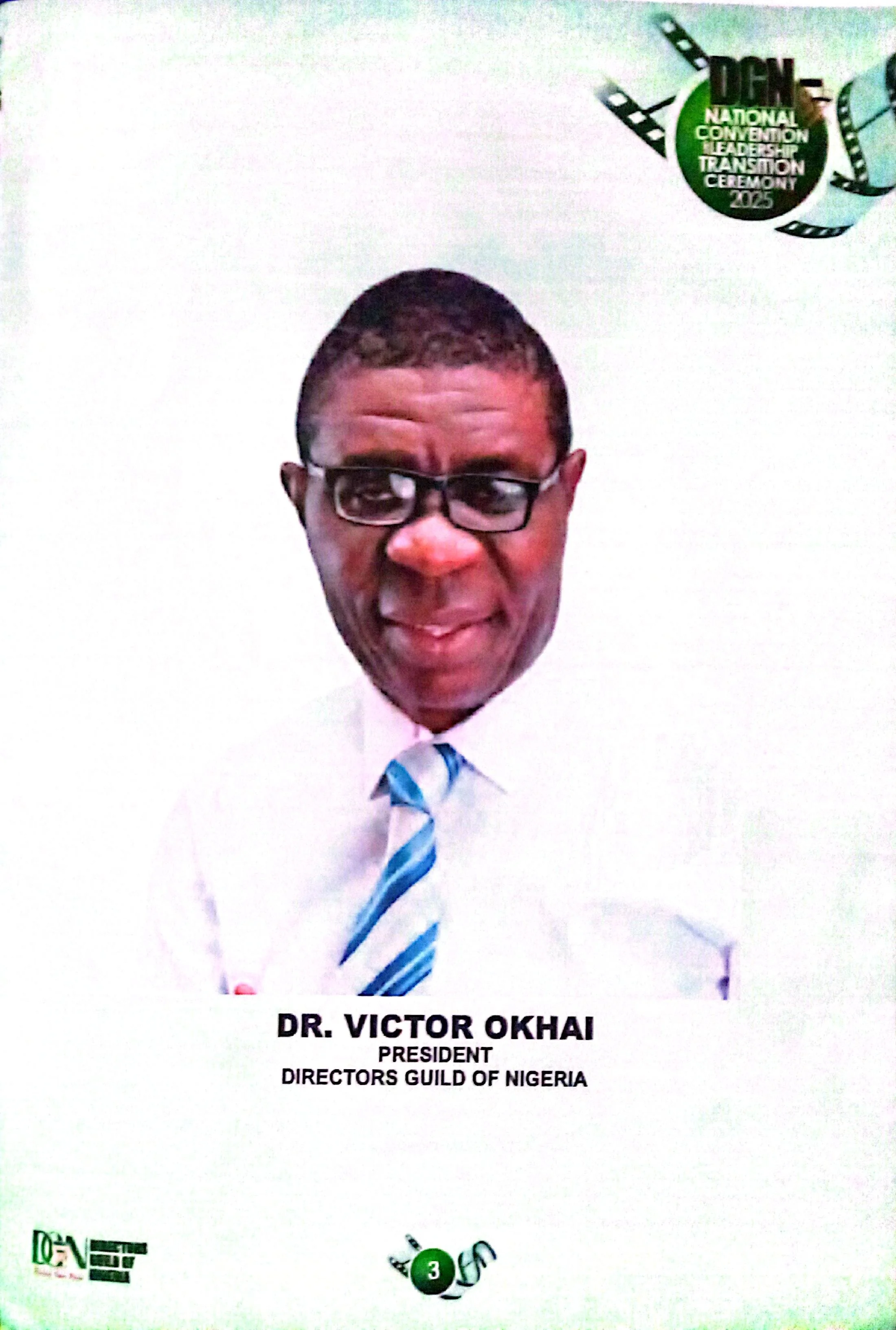
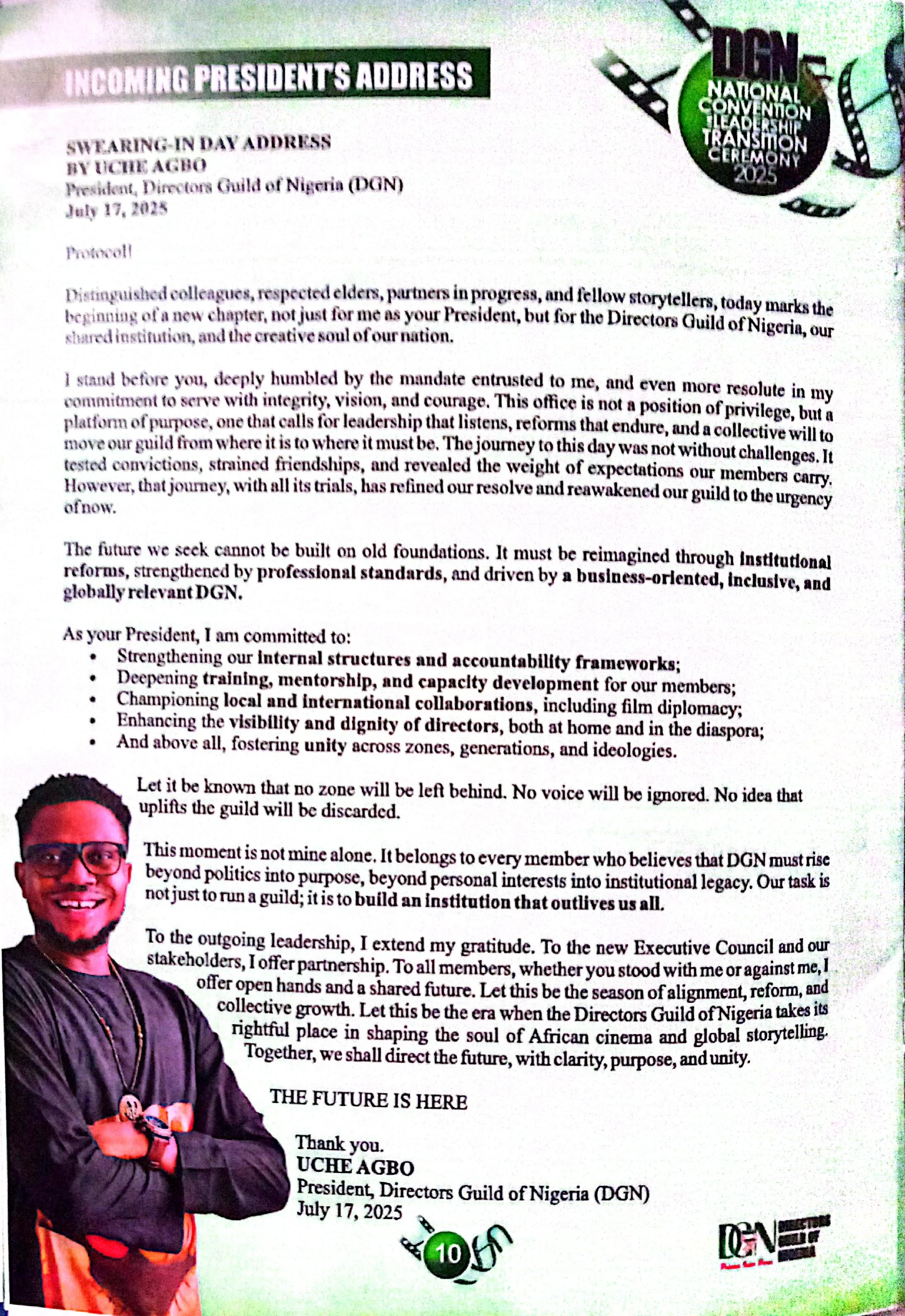
Inside DGN Induction Ceremony 2025
DGN Induction Ceremony 2025
By Isaac Akatah - LAgos, NIgeria
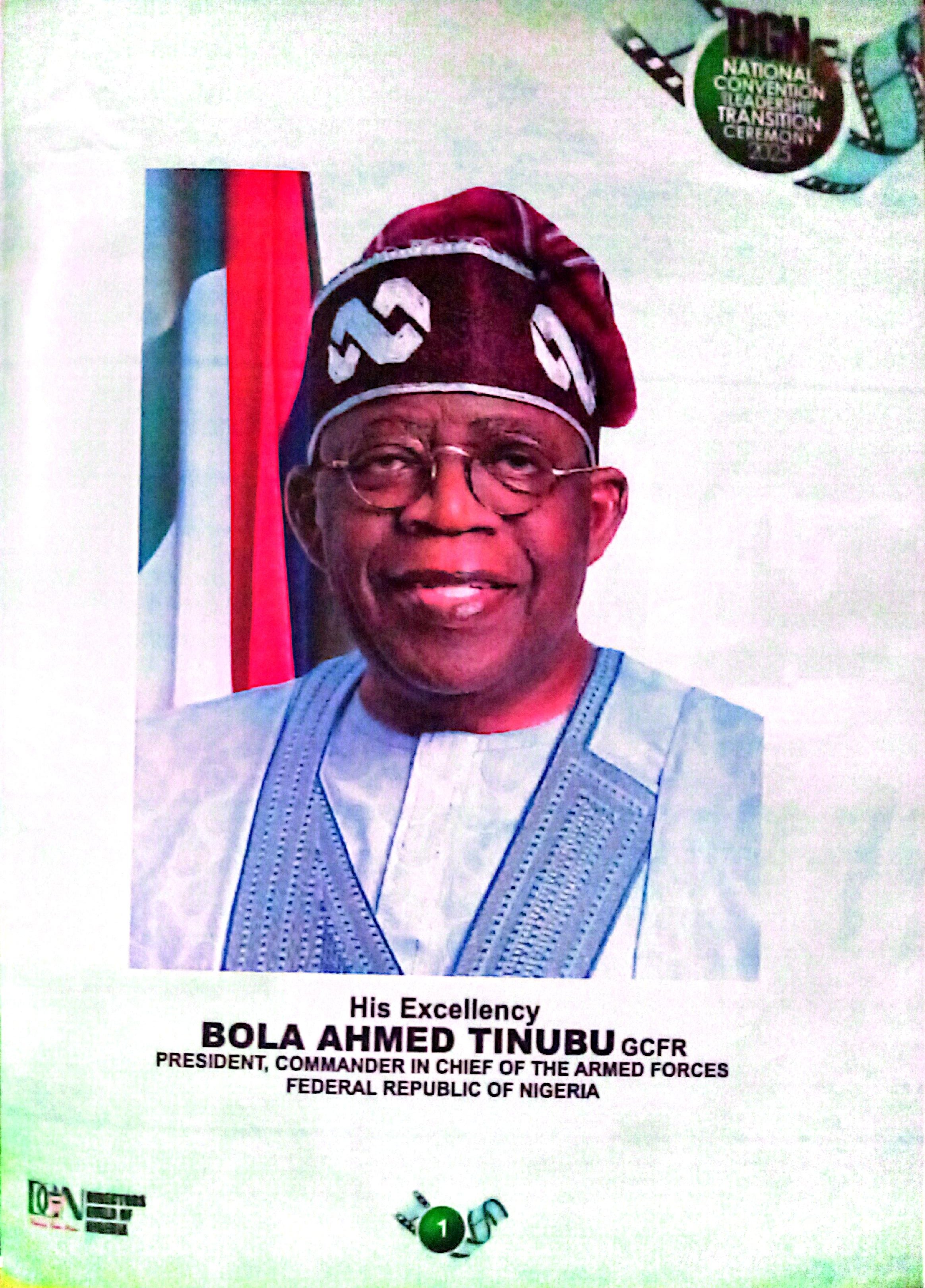
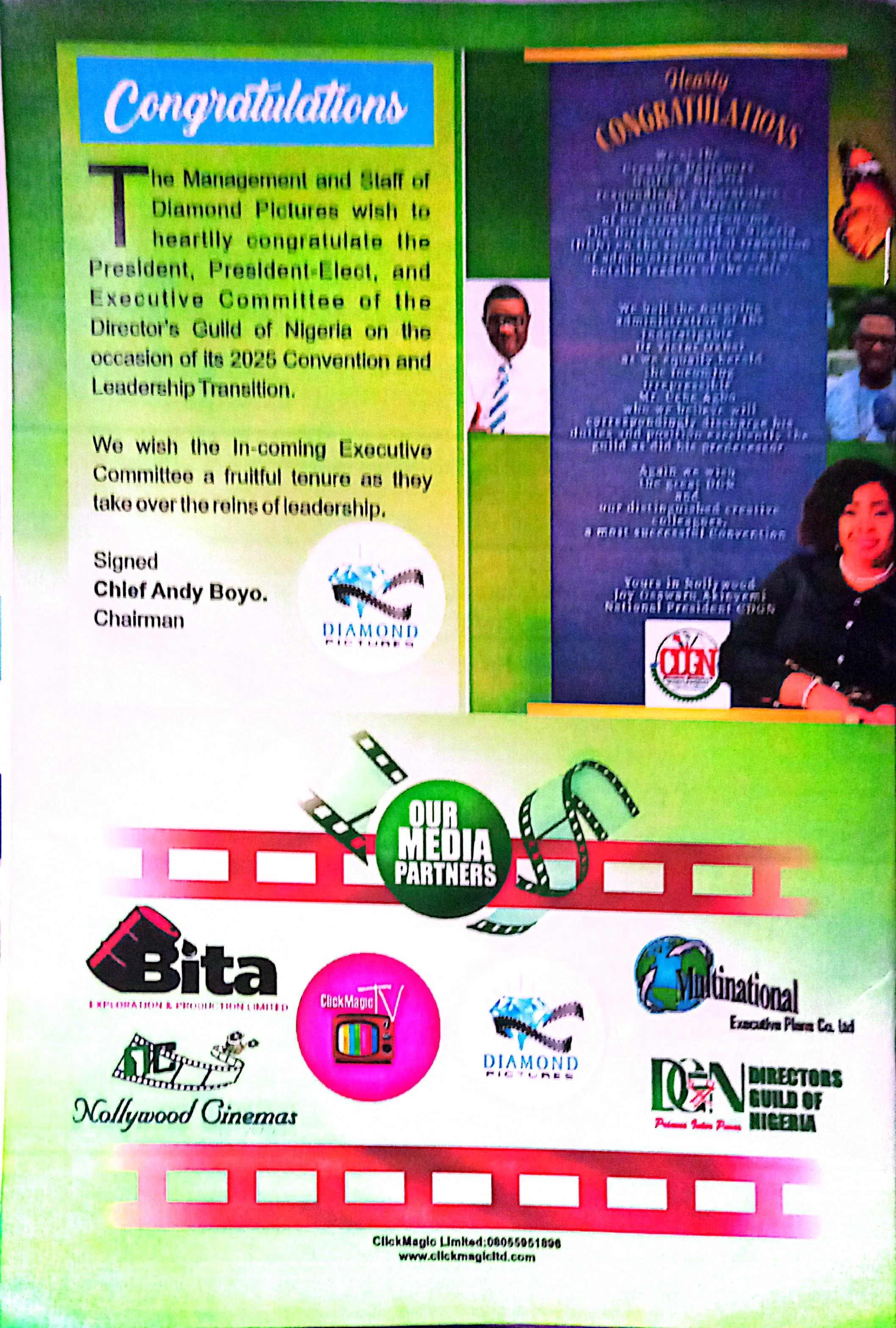
Directors’ Guild of Nigeria (DGN) recently held its annual convention, handing over and formal induction ceremony at Ojez Hotel, Surulere, Lagos State on Wednesday, 16th and Thursday, 17th July 2025
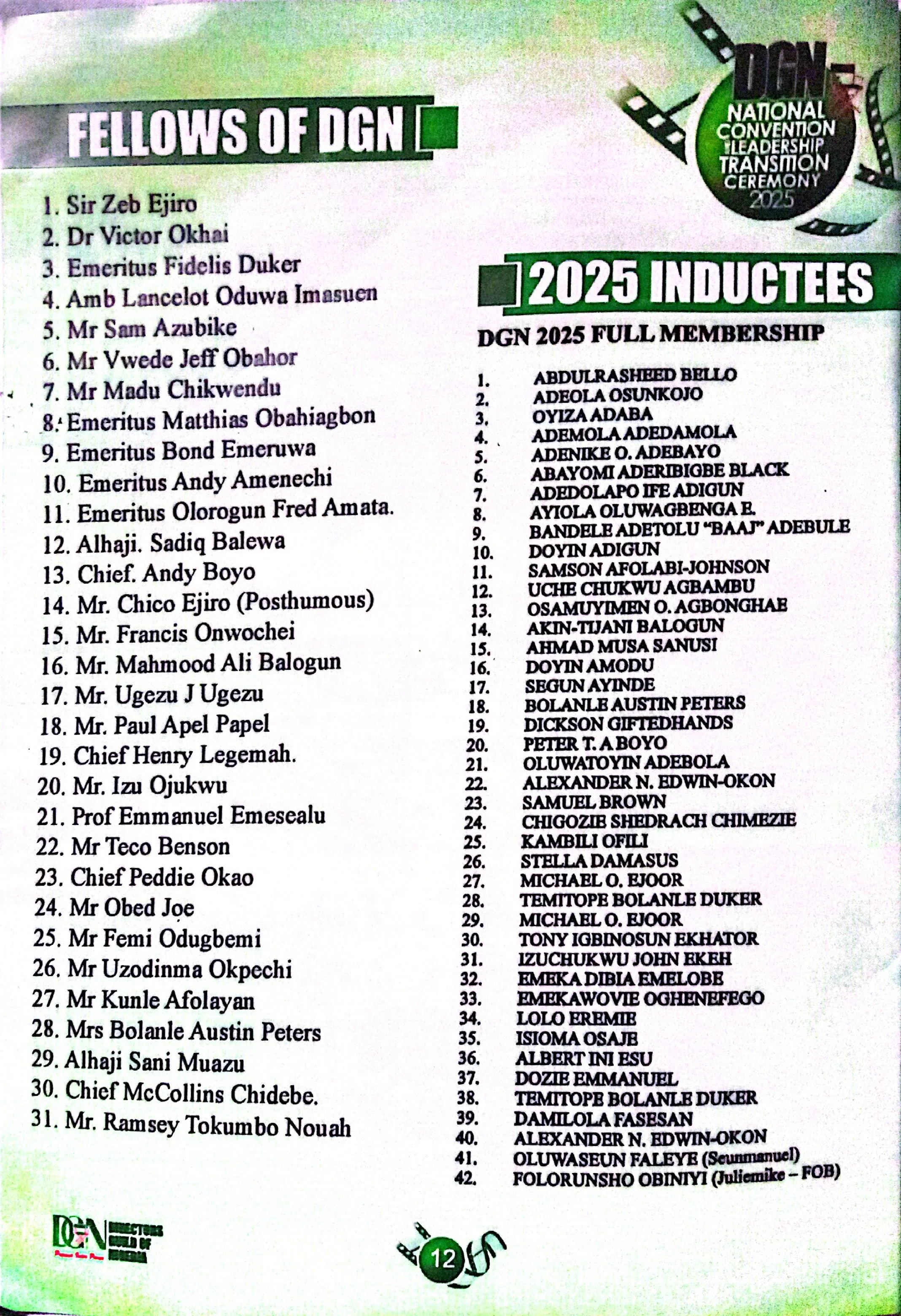
The induction process featured a comprehensive Masterclass on the first day, where veterans in film production like Chief Andy Boyo, took the new inductees through an orientation session, focused on the Guild’s structure, operations, and key initiatives.
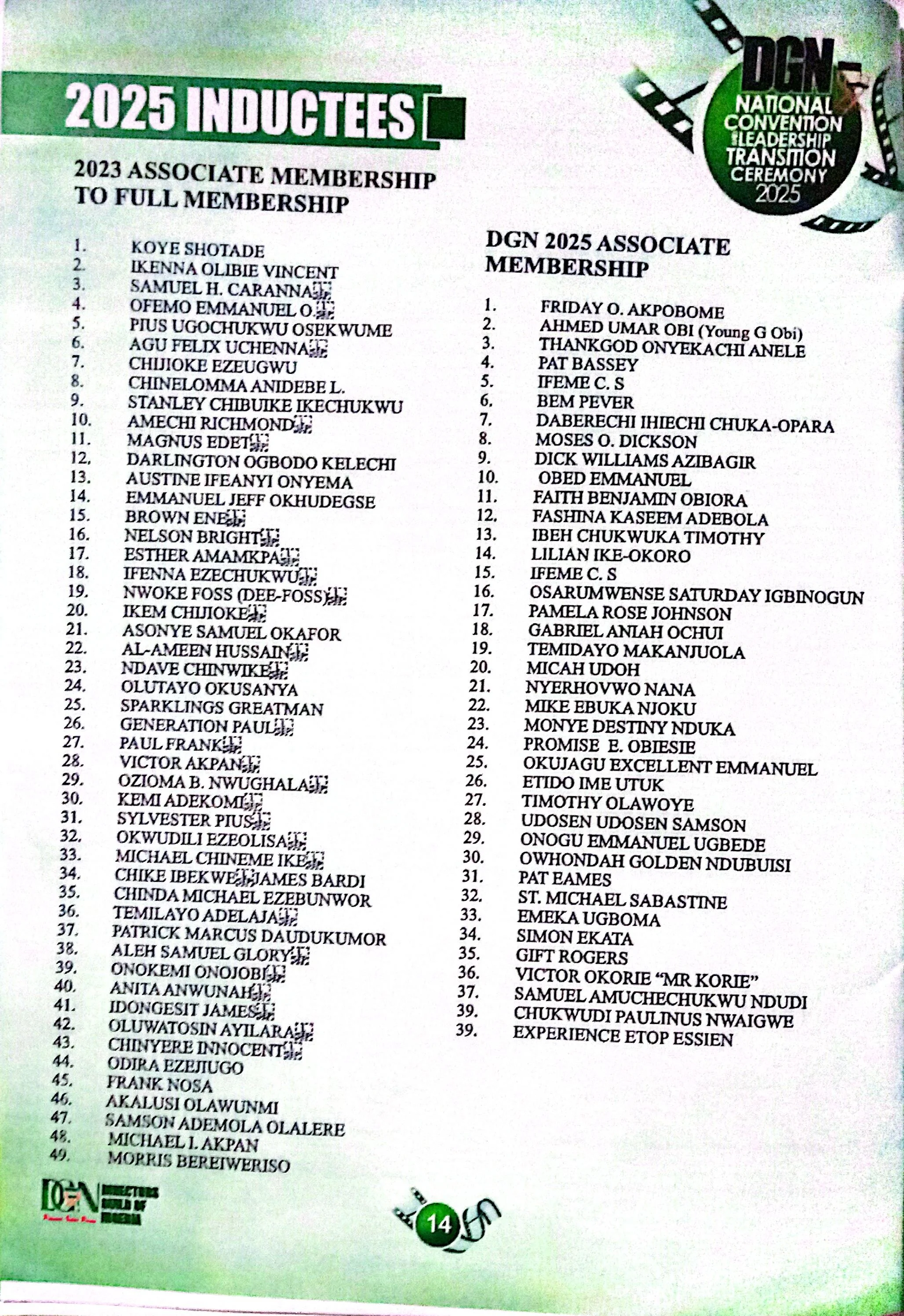
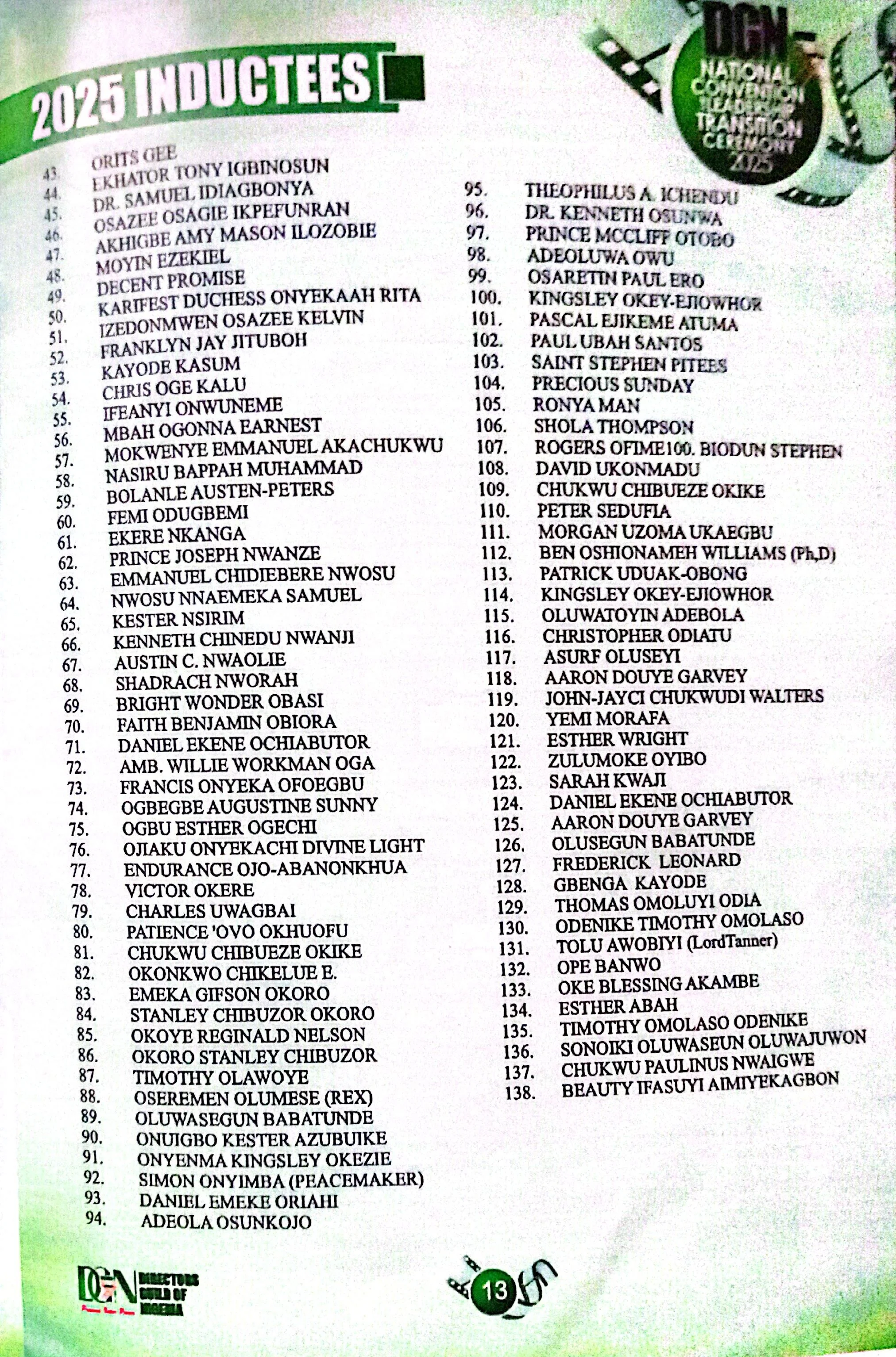
The main ceremony on day two, consisted of the launch of the Guild’s Journal, conferment of DGN Fellows and the induction of 125 new directors to the prestigious national body. Dr. Victor Okhai, the DGN outgoing President who leadership has taken the body to greater heights in the last few years also handed over his mantle of leadership to a new EXCO led by Uche Agbo, a UNIZIK graduate of Theatre And Film Studies.
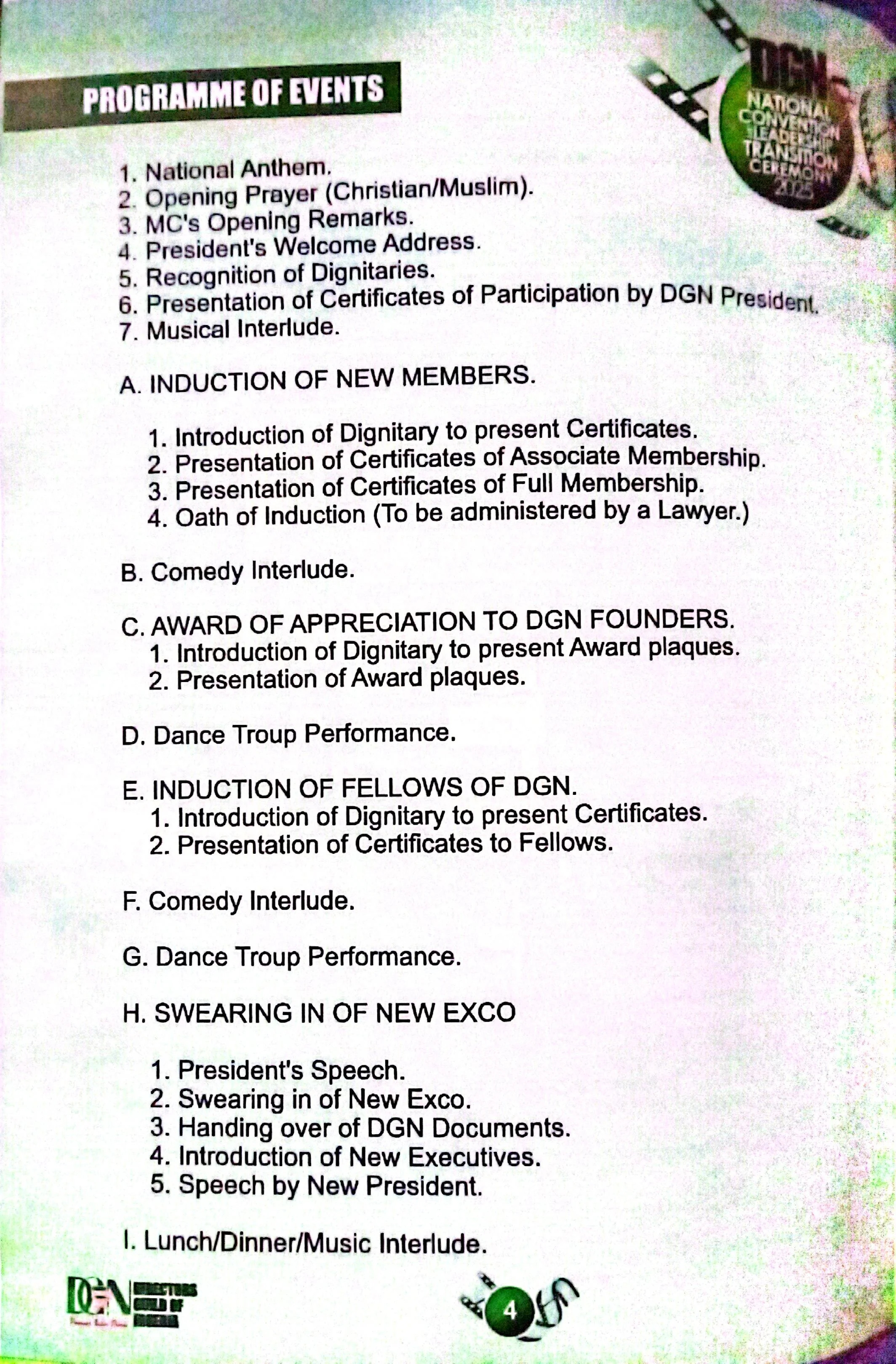
PROGRAM OF EVENTS






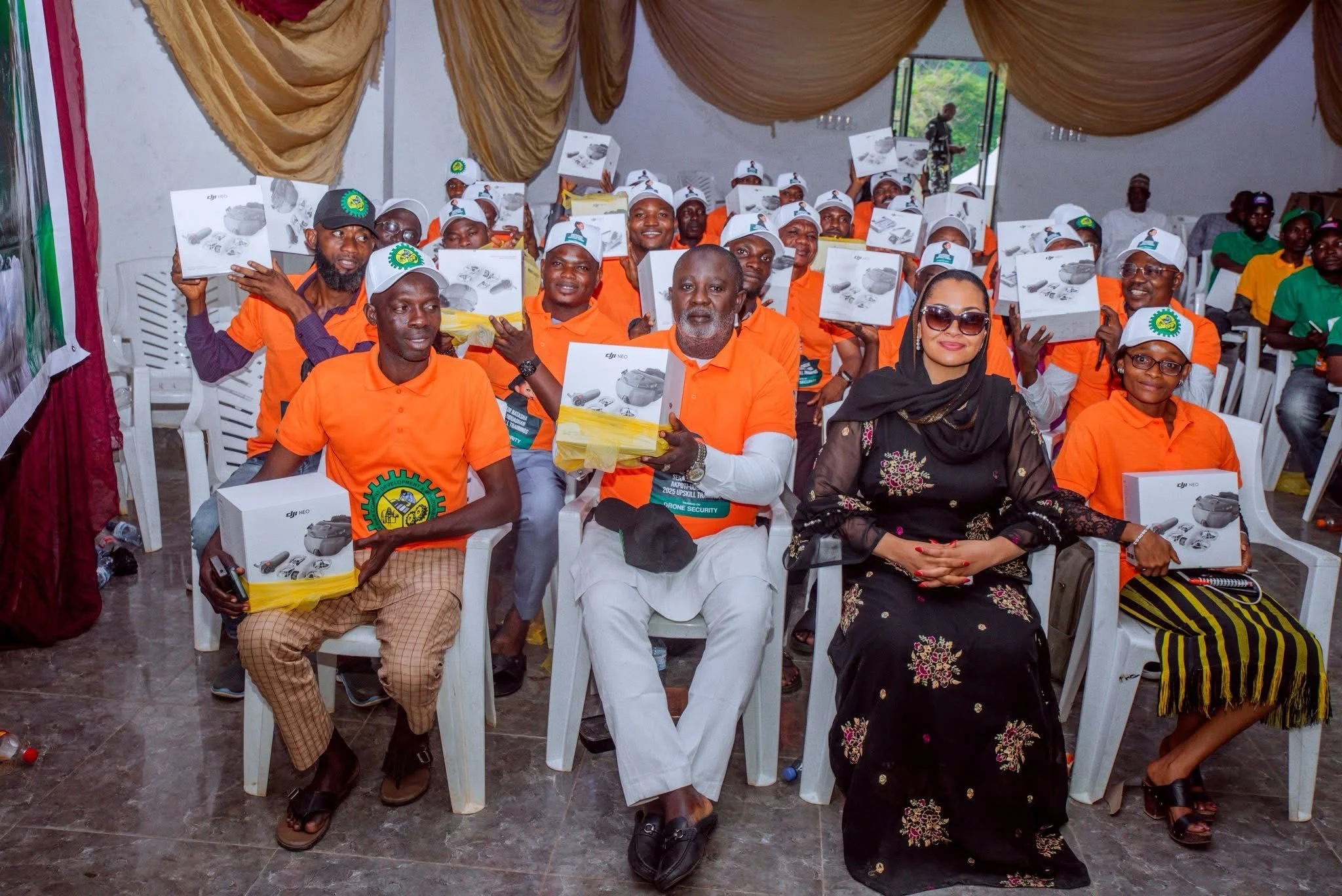
DRONE SECURITY TRAINING HELD IN IHIMA, KOGI STATE
On Saturday, July 19, 2025, Ihima town played host to a high-impact training on Drone Security, an emerging field that combines innovation with national development. It was made possible by Meterverse Technologies Ltd, the Nigerian Content Development and Monitoring Board (NCDMB) and Senator Natasha Akpoti-Uduaghan.
By Glory Ize Isaiah & Rosemary O. Onubaiye
Photos by Africa-Related
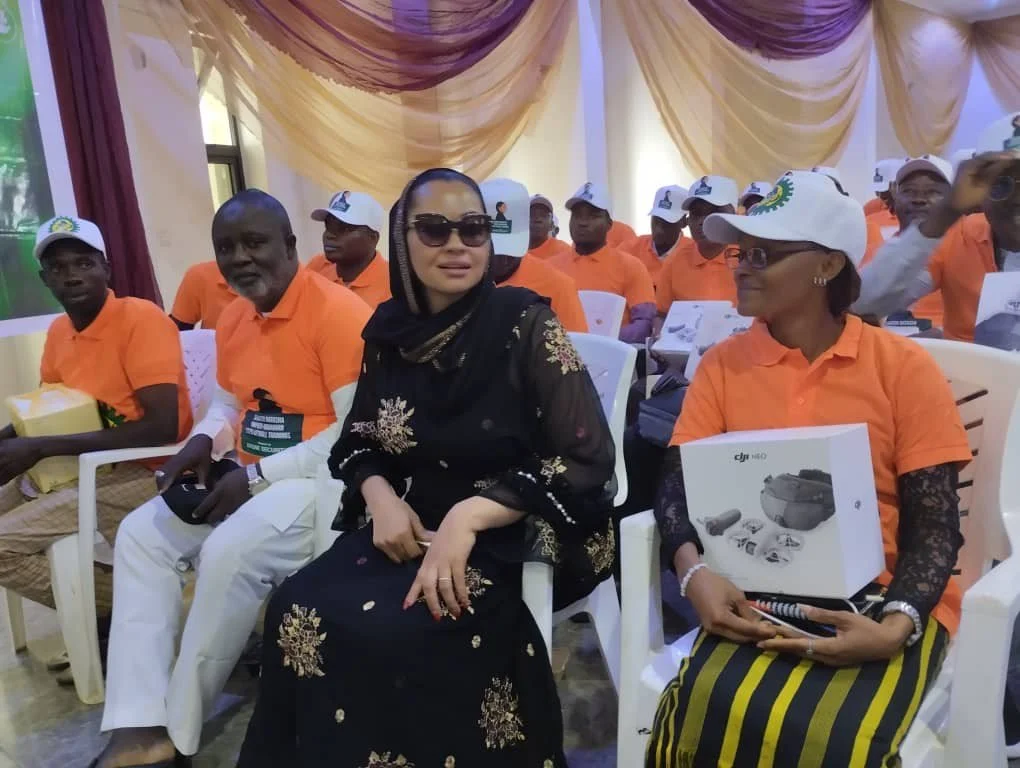
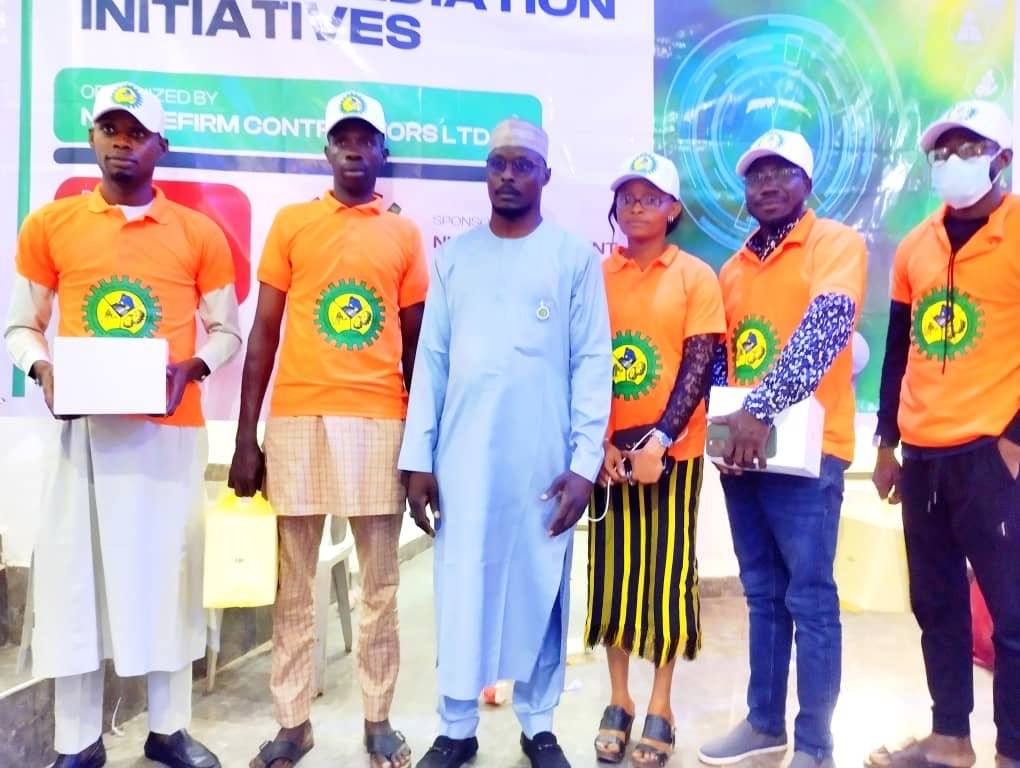
Senator Natasha Akpoti-Uduaghan (in black) facilitated a high-impact training on Drone Security, that was organized by Meterverse Technologies Ltd and sponsored by the Nigerian Content Development and Monitoring Board (NCDMB).
Organized by Meterverse Technologies Ltd.
Sponsored by Nigerian Content Development & Monitoring Board (NCDMB)
Facilitated by Senator Natasha Akpoti-Uduaghan
Date: Saturday, July 19, 2025
Venue: Sen. Natasha Akpoti-Uduaghan’s Residence. Ihima, Kogi State, Nigeria
Introduction
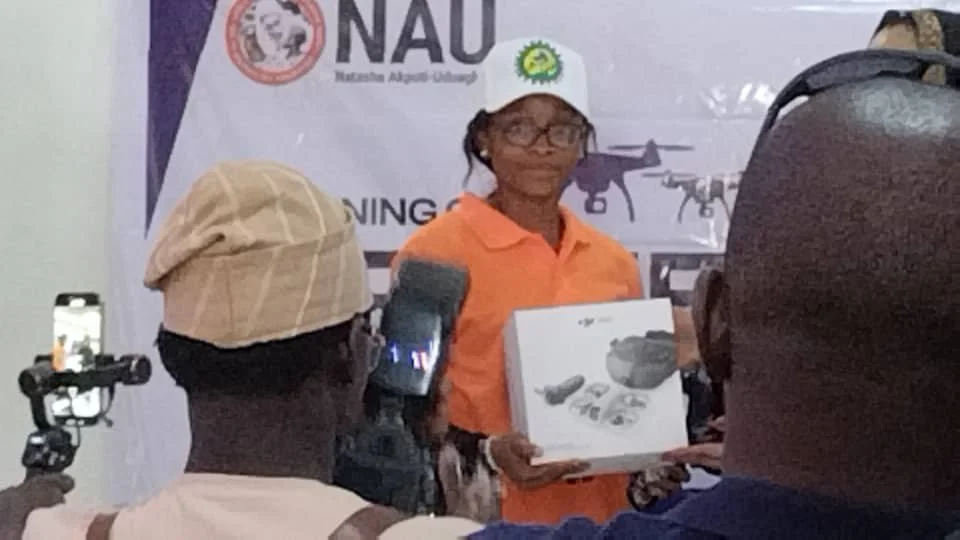
On Saturday, July 19, 2025, Ihima town played host to a high-impact training on Drone Security, an emerging field that combines innovation with national development. The event was organized by Meterverse Technologies Ltd and sponsored by the Nigerian Content Development and Monitoring Board (NCDMB). It was notably facilitated and attracted to the region by Senator Natasha Akpoti-Uduaghan, a prominent advocate for innovation-driven development in Kogi Central.
The training marked a significant step in building local capacity around the strategic application of drone technology in security operations, a theme that resonates with Nigeria’s growing commitment to indigenous tech solutions for surveillance, safety, and national infrastructure protection.
Opening and Accreditation
The event began with arrivals at 8:00 a.m., and accreditation commenced by 8:30 a.m., continuing until 10:00 a.m. when the formal proceedings officially began. The warm and anticipatory atmosphere set the tone for an impactful and educative session.
The official opening of the training was done by Senator Natasha Akpoti-Uduaghan, who welcomed the participants and highlighted the importance of adopting cutting-edge security technology in safeguarding communities and critical infrastructure. Her address emphasized the potential for local talent to be harnessed in this area, especially among the youth of Kogi Central and surrounding regions.
Though representatives of Meterverse Technologies and NCDMB were present, they took a more reserved role, with minimal public speeches. The spotlight remained on the participants and the training process itself, underscoring a people-first approach to knowledge transfer.
Training Highlights
Participants were introduced to the fundamentals of drone technology, types of drones used in security operations, relevant regulations, and hands-on demonstrations. Topics covered included:
Introduction to Drone Types and Security Applications
Airspace Rules and Ethical Use of Drones
Real-time Demonstrations on Drone Control and Flight
The Role of Drones in Critical Infrastructure Surveillance
Career Opportunities in the Drone Security Sector
The session blended theoretical instruction with live practical demonstrations, offering participants a comprehensive understanding of drone operations, especially in the Nigerian context.
Senator Akpoti-Uduaghan’s initiative successfully trained and empowered 250 constituents with digital and technical skills across the following disciplines:
Drone Security and Environmental Sustainability/Remediation Initiatives – 80 beneficiaries
Advanced Welding and Fabrication Techniques – 50 beneficiaries
Renewable Energy Installation – 50 beneficiaries
Data Analytics and Digital Transformation – 70 beneficiaries
A key highlight was the distribution of 80 DJI Neo drones to individuals and departments from 10 tertiary institutions, including the University of Ilorin, Ahmadu Bello University, Federal Polytechnic Idah, and others.
Attendance and Representation
Africa-Related’s Representation and Contribution
Africa-Related, a media content and strategy production house, was present through its Country Director, Mrs. Rosemary Onubaiye, and representative Ms Glory Ize Isaiah. Africa-Related’s presence was centered on observation, documentation, and potential partnership development in future media-technology initiatives.
With bases in Abuja, Nigeria and New York City, USA, Africa-Related is known for crafting compelling African narratives across multiple platforms - including film, television, radio, publishing, and photography. The organization’s mission to amplify African perspectives through narrative-shaping content aligns deeply with initiatives such as this.
Africa-Related’s attendance demonstrates its broader commitment to community empowerment, youth engagement, and digital inclusion - particularly in exploring how drone technology can be utilized for media production, cultural preservation, and security awareness campaigns in rural and semi-urban communities.
Strategic Relevance to Africa-Related’s Mission
This training initiative aligns with Africa-Related’s core objectives in several critical ways:
1. Narrative & Content Innovation - The use of drones opens up expansive possibilities in visual storytelling and documentary filmmaking, especially in remote or difficult-to-access areas.
2. Youth-Focused Empowerment - The skills taught provide fertile ground for future training partnerships, fellowships, and mentoring programs that Africa-Related could support or amplify.
3. Tech-Creative Integration - Drone operations intersect with Africa-Related’s interest in merging technology and creativity, from environmental/agreicultural documentation to cultural archiving.
4. Community-Driven Media Campaigns - There’s strong potential to use drone-enabled content to produce campaigns around peace, infrastructure, culture, and environmental responsibility.
Recommendations & Next Steps
To extend the value of this engagement, the following are proposed:
Post-Training Debrief: Host an internal knowledge session to evaluate training insights and consider ways to incorporate drone visuals in future productions.
Pilot Projects: Design a community storytelling project using drones to capture environmental shifts, cultural landmarks, or human-interest stories.
Youth Media Bootcamps: Launch short training intensives focused on using drones for creative storytelling and advocacy.
Stakeholder Partnerships: Engage Meterverse Technologies and NCDMB for future collaborations in creative tech empowerment programs.
Conclusion
The Drone Security Training in Okene stands as a powerful example of how public-private collaboration can be used to equip Nigerian youth with relevant, forward-facing skills. With growing concerns about security and surveillance, the role of drone technology will only become more vital in the years to come.
The efforts of Senator Natasha Akpoti-Uduaghan, Meterverse Technologies Ltd, and NCDMB in bringing this initiative to life are commendable. It is expected that this training will be a catalyst for more technologically driven capacity-building efforts across Kogi State and beyond.
Pitch Your Script – Next Narrative Africa Fund
The Next Narrative Africa Fund is a $40 million mission driven content and media fund to invest in commercially viable audio-visual content made on the Continent by African and African-diaspora storytellers.
The Next Narrative Africa Fund aims to change the narrative about Africa and people of African descent by telling African stories for global impact. It will also fuel the growth of the creative industries in Africa, empower artists by promoting business and intellectual property ownership, and contribute to sustainable livelihoods across Africa and its diaspora.
Powering Africa’s Next Narrative
The Next Narrative Africa Fund is a $40 million mission driven content and media fund to invest in commercially viable audio-visual content made on the Continent by African and African-diaspora storytellers.
The Next Narrative Africa Fund aims to change the narrative about Africa and people of African descent by
telling African stories for global impact. It will also fuel the growth of the creative industries in Africa, empower
artists by promoting business and intellectual property ownership, and contribute to sustainable livelihoods across Africa and its diaspora.
Goals of the Inaugural Development Grant
Submissions Process
1. Narrative Change
• NNA Fund is looking for projects that allow for new and different stories about and images of Africa to be seen by the world
• We want to defy and challenge stereotypes about Africa and Africans while we entertain
• We are looking for projects and filmmakers who have something interesting to say about the impact areas we identified and, as a result, the world and the time we are living in
• We are especially interested in projects that have applied a gender lens, whether that be confronting gender tropes/stereotypes or showcasing healthy masculinity.
Ultimately, we want to positively influence norms in ways that benefit young people around the world, but especially women and girls.
In short, we want to support the kinds of projects that the world
should see about Africa and Africans
Goals of the Submissions Process
2. Pipeline Building for Equity Fund
• NNA Fund is looking for projects that will potentially enter the commercial equity fund’s pipeline.
• We want stories and projects that can travel; stories that an audience around the world can relate to it while maintaining the authenticity of the storyteller(s) and the time and place in which the story is told.
• We want to select projects from a cohort of filmmakers and production companies that can be great ambassadors for the brand—we can depend on them to deliver and be great partners to the Fund now and in the future.
• We manage reputational risk by working with partners who align with our values.
In short, we want projects that will make money and win awards
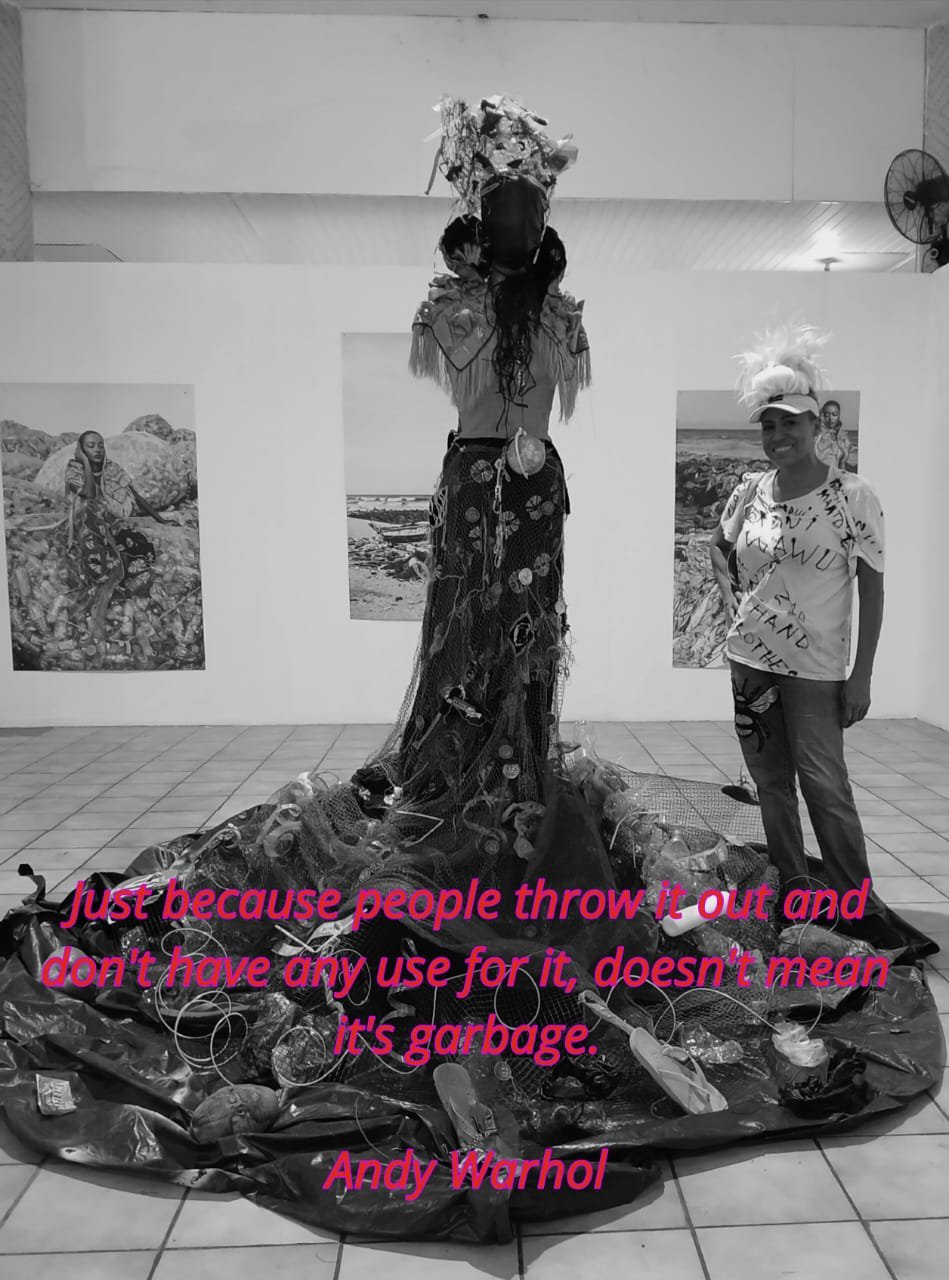
NEW EXHIBITION ALERT
🌍 World Environment Day launch
♻️ Ghana’s 2% recycling rate exposed
✊ Grassroots resistance celebrated
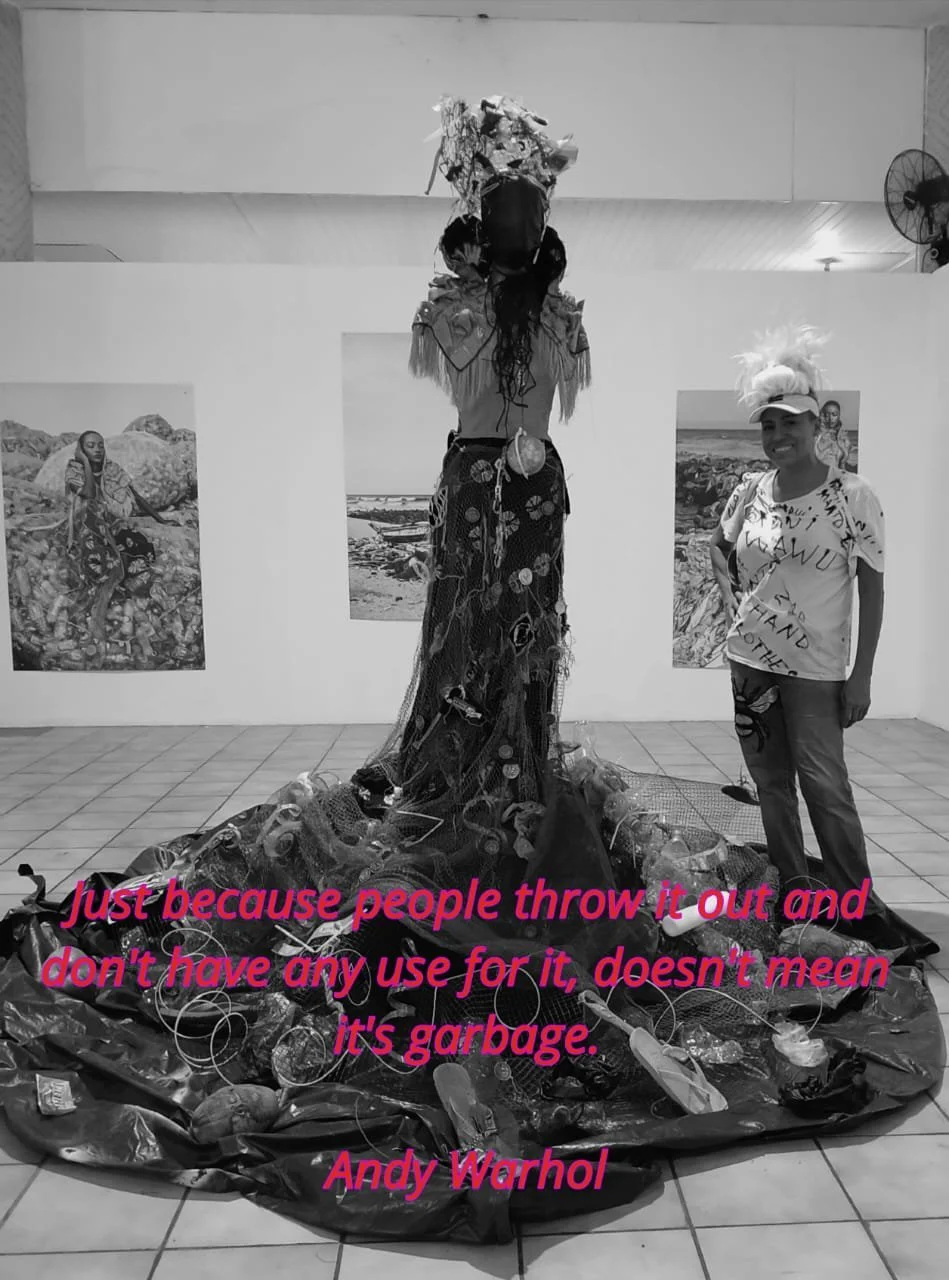
Plastic waste. Radical art. African futures.
#EchoesOfTheLandfill
📍 Museum of Science & Tech, Accra
🗓 June 5 – July 5, 2025
🎟 Free Entry
🛞 5 artists. 1 million tons of plastic. 0 excuses.
🔥 Obed Addo
🔥 Beatrice “Bee” Arthur
🔥 Essilfie Banton
🔥 Andrea Ghia
🔥 Salim
💬 “This isn’t an art show — it’s a plastic protest.”
— Curator, Bee Arthur
🌍 World Environment Day launch
♻️ Ghana’s 2% recycling rate exposed
✊ Grassroots resistance celebrated
📸 Share your plastic shame stories:
#EchoesOfTheLandfill
Supported by
@CreativeArtsAgencyGH | @MSTAccra | @ArtfullyYoursBeeArthur
SHARE THIS STORY
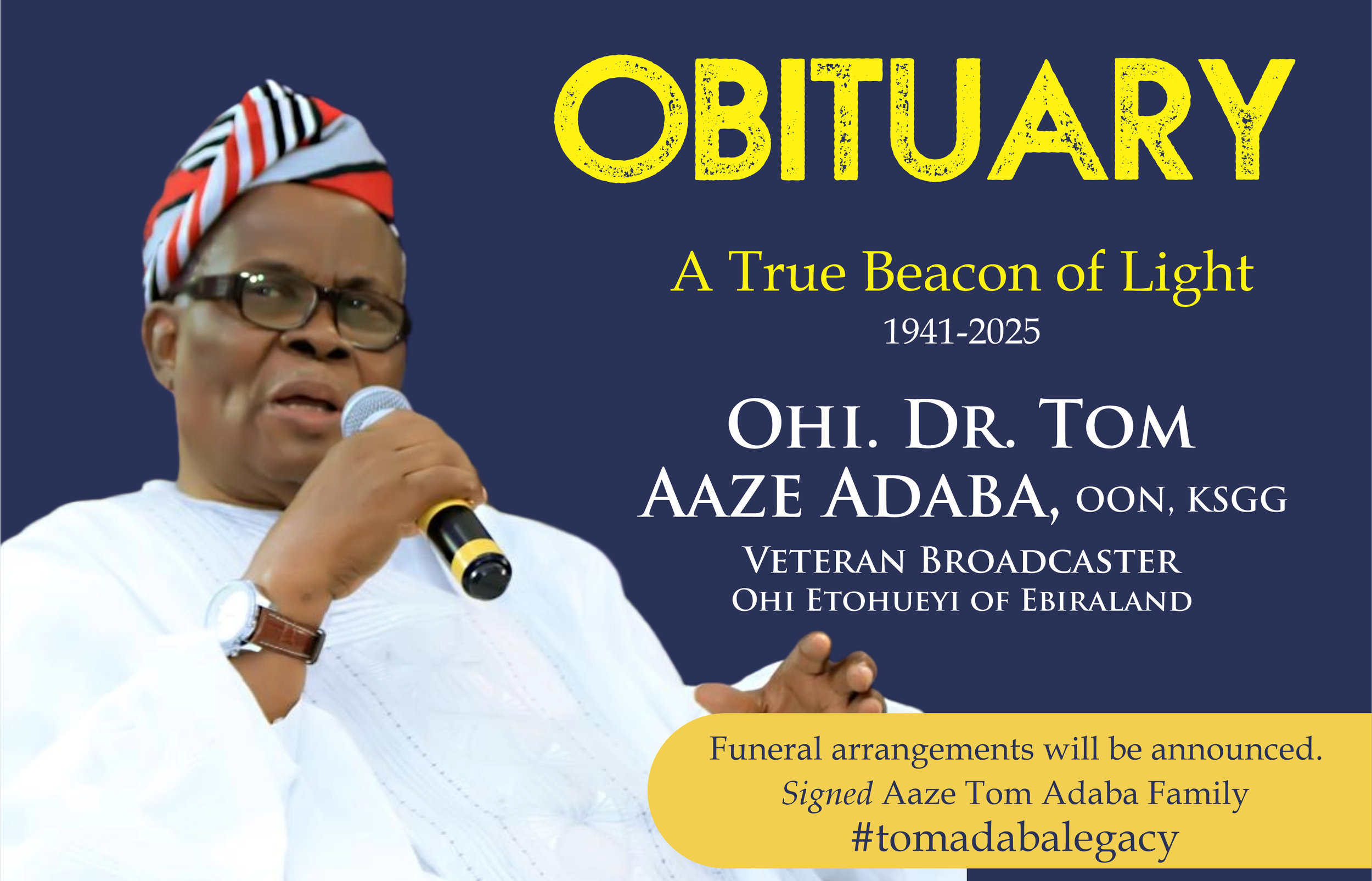
AAZE THOMAS ADABA, (OON, KSM, KSGG). Ohi Etohueyi of Ebiraland
Tributes | Life | Gallery | Stories
AAZE THOMAS ADABA, (OON, KSGG). Ohi Etohueyi of Ebiraland
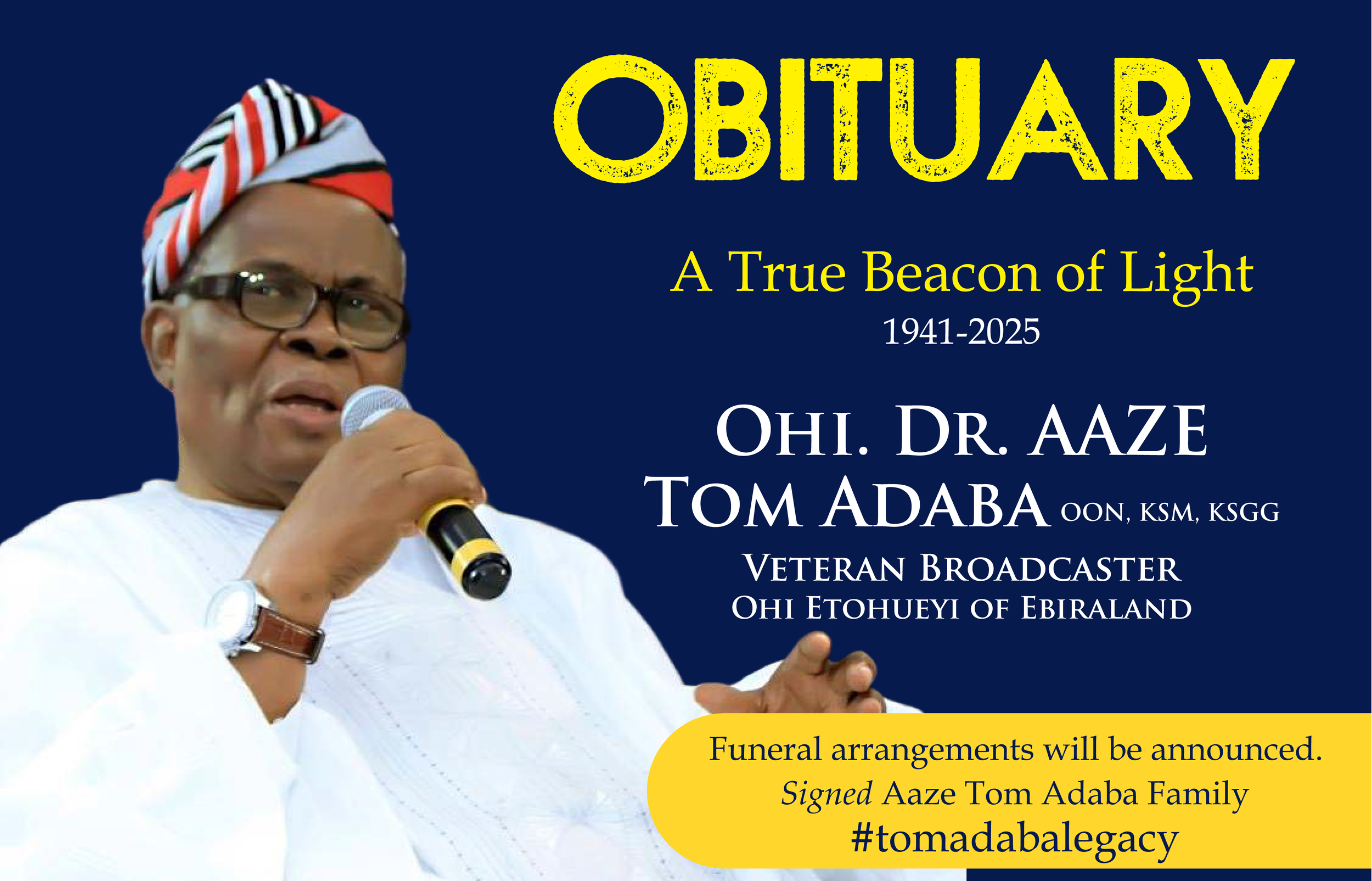
Obituary: Aaze Tom Adaba
AAZE THOMAS ADABA, (OON, KSM, KSGG).
Ohi Etohueyi of Ebiraland
1941-2025
...an undeniable legacy
FUNERAL PROGRAM
(W.A. Time)
Christian Wake/Night of Tribute:
Thursday, 6 March 2025
4:30 pm
Catholic Church of the Archangels, Durumi, Gaduwa Road, Abuja
Lying in State:
Friday, 7 March 2025
8:30 - 9:30 am
45 Constitution Avenue, off Democracy Crescent, Gaduwa Estate, Abuja
Funeral Mass:
Friday, 7 March 2025
10:00 am
- Catholic Church of the Archangels, Durumi, Gaduwa Road, Abuja
- Christ The King Catholic Church, Okene.
Interment:
Friday, 7 March 2025
Immediately after Mass
Gudu Cemetery - Christian Section, Opposite Defence HMO, Apo, Abuja
#tomadabalegacy
Tributes | Life | Gallery | Stories

THE NIGERIAN NATIONAL RUINATION: And the Prophetic Mission of the Christian Church
I want to begin by congratulating my dear friend and Senior Apostolic Leader, Pastor Sam Aiyedogbon, his amiable wife, Pastor Grace, and all the pastors and ministers of the Realm of Glory Churches here present, for this laudable initiative of an annual conference at the very beginning of each new year. I thank my friend for inviting me to visit you all today, to share a few thoughts with you. As I stand before you today, may the prayer of David in Psalm 19:14 be realised in us all.
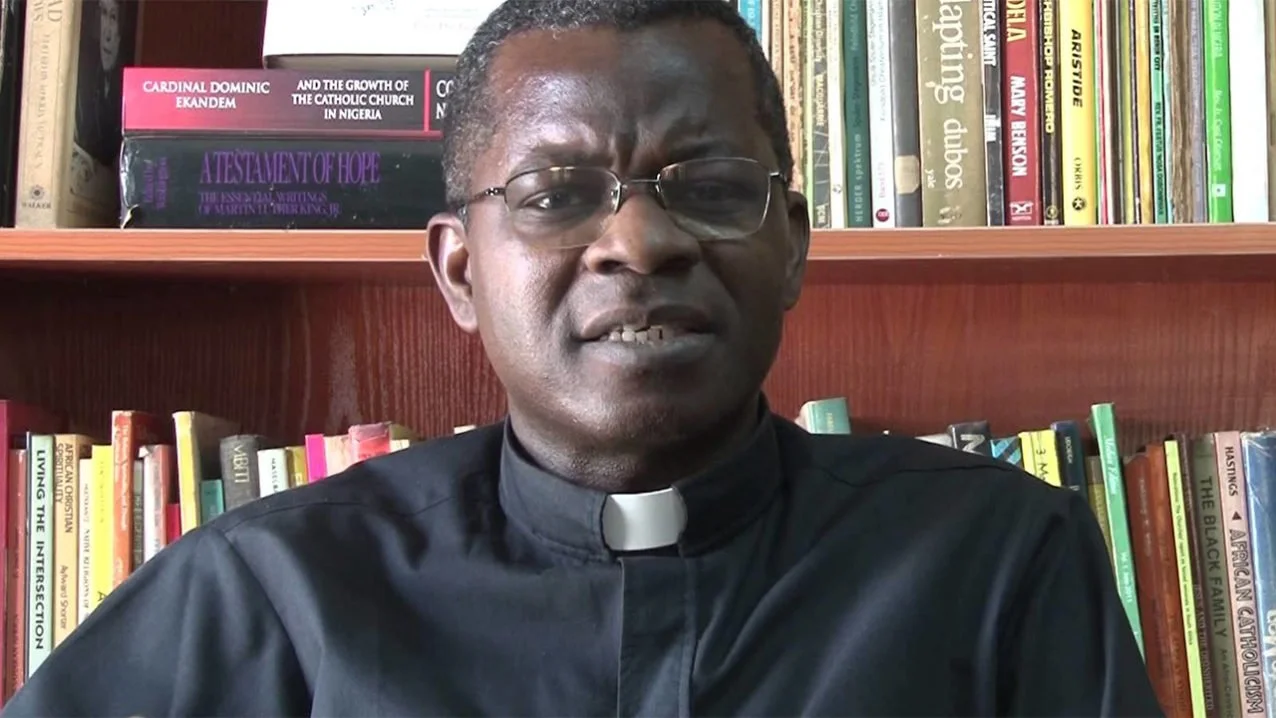
A Presentation at the Annual Pastors’ Conference of the Realm of Glory International Churches Lagos, January 15, 2025 By Rev. Fr. George EHUSANI Executive Director, Lux Terra Leadership Foundation
I want to begin by congratulating my dear friend and Senior Apostolic Leader, Pastor Sam Aiyedogbon, his amiable wife, Pastor Grace, and all the pastors and ministers of the Realm of Glory Churches here present, for this laudable initiative of an annual conference at the very beginning of each new year. I thank my friend for inviting me to visit you all today, to share a few thoughts with you. As I stand before you today, may the prayer of David in Psalm 19:14 be realised in us all. Yes, that the words of our mouths and the meditation of our hearts may be acceptable in the sight of the Lord our God. Amen. And may the Good Lord always demonstrate his powerful presence each time you gather together here, and in your various churches. Amen.
Let me begin my presentation with a poem I composed several years ago that sadly has remained relevant to our ongoing precarious national circumstances.
SCANDAL
Daddy has eaten/ the sour grapes
And today/ My brothers and sisters
Are gnashing their teeth.
Mummy has tasted/ the forbidden fruit
And now/ the kids are out
Naked in the cold.
They have desecrated/ the Tree of Love
And violated/ the Sanctuary of Justice
And so the children flee/from Wisdom's Child
And fall/ into the callous embrace
Of the angel of death.
Tomorrow has become/ a stone wall
That my brothers and sisters
Stare at/ with angry desperation.
Cursed be that blind day/ when daddy resolved
To steal food/ off the hands
Of his own children
Alas for that dark hour/ when mummy chose
To mortgage tomorrow
For the fleeting pleasures/ of today.
--From George Ehusani, Petals of Truth, 1998, page 105
As we engage today in one more reflection on our ever worsening socio-political, economic and security circumstances, and as we attempt to seriously interrogate the role or responsibility of the Christian Church and Church leaders in the evolution of a nation that is now clearly at the perilous crossroads, let me draw your attention to what I consider a very critical, but often missing, often neglected or often insufficiently highlighted element in our public debates on Nigeria’s multiple developmental challenges. It is the place of leadership integrity in nation building and national stability and prosperity. I have become more convinced today than ever before that leadership debauchery and elite idiocy will ruin any nation, no matter how perfect the political, structural and governance blueprint they adopt. And it has indeed been well established by social historians that the collapse of powerful civilisations and empires, is hardly ever precipitated by external attack, but instead by internal decay, as demonstrated in the corruption, immorality and wickedness of successive generations of leaders in those nations. Unfortunately, many well-meaning Nigerians, including highly placed Christians and Christian leaders, who complain endlessly about the sorry state of our nation, are often unable to see the nexus between corrupt leadership and the downfall or destruction of nations. Let me use passages from the Judeo-Christian Scriptures to illustrate the point: We read in Proverbs 14:34 that righteousness exalts a nation, but that sin is a reproach to any people. In Proverbs 29:2 we read that “When the righteous are in authority, the people rejoice; but when the wicked rule the people groan.” In Proverbs 29:4 it says, “It is by justice that a king gives stability to the land.” And in Proverbs 29:18 it says, “Where there is no vision, the people perish.” Some translations render this verse as, “Where there is no leadership integrity, the people do perish.” What this means is that leadership integrity is fundamental and critical to national development, national unity, and national peace and prosperity, or that the socioeconomic and political fortunes of a people are tied up to the integrity or lack thereof of its leaders!
This idea is very well illustrated in the history of Israel. When they had good, god-fearing leaders like Joshua, David, Hezekiah, Josiah, Jehoshaphat, Nehemiah, and Ezra, they conquered their enemies, they experienced restoration, and they enjoyed peace and prosperity. But when they had leaders who lacked integrity and the fear of God, like Saul, Jeroboam, Ahab, and Nadab, they were easily defeated by enemy forces, who often went ahead to loot and pillage their resources. In one case Israel was not only conquered by their adversaries; they were expelled from their land and deported to Babylon for 70 years! To illustrate the point further, there is this report in the book of Sirach or Ecclesiasticus 47:23-25 that, Solomon rested with his ancestors, leaving one of his stock as his successor, the stupidest member of the nation, brainless Rehoboam, whose policy drove the nation, to rebel. Next, Jeroboam son of Nebat, who made Israel to sin, and set Ephraim on the way of evil; from then on, their sins multiplied so excessively as to drive them out of their country; for they tried out every kind of wickedness, until vengeance overtook them.
Recall that (as is recorded in the 12th Chapter of the 1st Book of Kings), it was Rehoboam who succeeded his father Solomon as King of Israel and Judah. When he ascended the throne, the elders of Israel went to him and complained about how hard life had been for them under King Solomon, saying, “Your father made our yoke heavy. Now therefore we beg you, lighten the hard service of your father and his heavy yoke that he placed on us, and we will serve you.” His counsellors advised him on how to respond to the elders with compassion, but he disregarded the advice of his counsellors, and instead told the elders that, “My father beat you with whips, but I will beat you bloody with chains.” When the elders heard the response of King Rehoboam, they resolved to separate themselves from the kingdom of David. So, they shouted: “To your tents, O Israel! Look now to your own house, O David.” This was the beginning of the disintegration of the kingdom that was united under David and Solomon. 3 What the above Scriptures tell us, and what has been sufficiently demonstrated in human history and in our own recent national trajectory, is that the socio-economic and political fortunes of a people often hang peremptorily on the integrity or lack of integrity of its leaders. Where there is moral integrity among the ruling class, the people make economic progress and experience stability and peace. But where the leaders are illegitimate, corrupt, unjust, wicked, immoral, and lacking in credibility, the people suffer economic stagnation, social discord, widespread criminality, and eventual collapse.
As we reflect on the progressive ruination of our dear country, Nigeria, and what the responsibility of the Christian Church and Christian leaders is, or should be, I wish to remind you my brothers and sisters in Christ, that nations are built primarily and fundamentally on values, and not on the quality of structural blueprints embraced, nor on the abundance of material resources, as indeed the post-independence Nigerian experiment has demonstrated. Nation building refers to the internal, organic and dynamic process by which a society identifies, discusses, contests, and reaches consensus on shared values, principles and norms; the process by which a society galvanises a sense of national cohesion, consolidates a national identity, and forges a sense of common purpose or a set of common goals to which the society is oriented. In other words, nation building is the process of moulding diverse groups into a unified cohesive, harmonious, and stable national entity, with shared vision and collective mission. Essential and of critical importance in the process of nation building is a transparently honest, visionary, self-sacrificing, and therefore legitimate and credible leadership. Such leadership assumes the role of Architects, Engineers, and Project Managers of the emergent nation. Thus, strong, stable, unified, and prosperous nations are built fundamentally on values, the kind of values that we are supposed to be promoting every day in the Church; the same values that built ancient Christian civilisations. Experience has shown that such values are anchored on, and sustained by, self-sacrificing leaders of transparent integrity and credibility; leaders whose very lives encapsulate and personify the values that they seek to propagate in the polity. Otherwise, such value will hardly take root in the society. When however, such critical values for nation building as fear of God, leadership integrity, truth, justice and fairness, as well as a high degree of patriotism and sacrifice for the common good, are missing, what we often have is a free-for-all: intractable conflicts, political tension and social discord, the preponderance of violent crimes, monumental corruption, widespread banditry and rampant impunity. Indeed, 4th Century Philosopher, Augustine of Hippo, declared that kingdoms (or societies) devoid of justice, are “nothing but a bunch of bandits or a gang of robbers.”
What the foregoing implies is that as we engage in one more discussion on our ever worsening national circumstances, we must pay close attention to the reality of widespread moral vacuity among the political, economic, socio-cultural, and sadly, even religious elite of our country, which has scandalised the youth population and as it were, re-wired their brains towards the elevation of primitive greed over a life of meaning, the enthronement of vanity and vainglory over a life of purpose and meaning, and the proliferation of corruption, criminality and gangsterism in place of a culture of truth, honesty, and integrity. As we reflect today on our nation at the crossroads, I ask that we Christians should pay urgent attention to, and address very critically the embarrassment of the naked public square in Nigeria, whereby criminally minded characters, and alleged gangsters in our midst, are more easily finding their way to all levels of political office, than men and women of honour, integrity, discipline, modesty, patriotism and sacrifice.
Yes, as we engage in one more discussion session on the way forward for Nigeria, and what prophetic role Church leaders must play, I ask that we seriously interrogate the situation whereby our nation more easily throws up for political office, crooked and devious characters, including ethnic bigots and religious extremists, those who regularly manipulate the religious sentiments of the people for political capital, those who recklessly exploit the age-old ethnic 4 acrimonies and antipathies in the land for selfish gain, and those thoughtless others who habitually loot the local government, state or national treasury for themselves and their families, and thereby render the population destitute. Until we address this anomaly; until we confront this fundamental error in our concept of political leadership and our leadership recruitment processes, I do not believe that we can make any significant progress towards national transformation.
Many will agree with me that the Nigerian nation is sadly comatose and on the verge of disintegration today, largely on account of the successive generations of thoughtlessly corrupt, senselessly nepotistic, recklessly lawless and astonishingly incompetent elite class that we have been plagued with since independence, and particularly since the first coup of 1966. Though there are a few positive indications here and there, the conduct of the younger generation today does not particularly inspire hope in the immediate future. See where we have put ourselves today: For while the rest of the world is competing in digital technology, and flying high at jet speed in business and economics, and while some others are exploring the outer space and working hard towards colonizing other planets, the citizens of our own country are standing still, weighed down by the vestiges of a profligate past and a confused or clueless present, superintended as it is by a regime of arrogance that is largely born of culpable ignorance. After nearly 64 years of independence, Nigerians are filled with regret and nostalgia about broken promises, dashed hopes, and shallow dreams of a land of unity, peace and prosperity. For many of us here, the story of Nigeria is that of a Paradise Lost. It is the story of the fathers having eaten sour grapes and the children’s teeth are on edge, or the case of the mothers having sown the wind, and the children are harvesting the whirlwind, as expressed in Jeremiah 31:29, and in my opening poem.
It is said that a society grows great when elders plant trees under whose shade they know they will never sit. The embarrassing truth we must acknowledge today however is that many of us who call ourselves Christians, and whom Jesus Christ refers to when he says, you are the light of the world (Matt 5:14), have often not distinguished ourselves from the rest of the madding crowd. Though we parade our Christian identity everywhere, and though we often make a public show of our religiosity, many of us have not conducted ourselves as a city on the hill, which men should see and give glory to God (as described in Matthew 5:16); but we Nigerian Christians, have often functioned as blind guides, greedy opportunists, fraudulent public officers, corrupt contractors, and adulterous parents, who have shamelessly and unrepentantly stolen food off the hands of our own children. Christians are among the successive military rulers and political overlords who have often turned out to be reckless plunderers and mindless looters of the Nigerian commonwealth. Christians are among the Nigerian elite who have often exploited the poverty and ignorance of the majority of our people, and cashed in on the existing ethno-religious antipathies and polarities, for selfish political and economic gain.
Over the last sixty-four years, as we the leaders, the parents, the teachers, the pastors and preachers, became more enterprising in greed and political mischief, and as we failed to inspire the young people in the pursuit of higher values, we lost control of the younger generation. Many of our graduates from secondary schools, universities, and polytechnics, became social deviants, internet fraudsters, sexual perverts, drug addicts, criminal kidnappers, murderous bandits, and terrorist insurgents, constituting an embarrassment in our homes, a nightmare in our schools, and a nuisance in our offices. With juvenile bravado, many of these young people have been visiting their vengeance on an adult society that has failed to give them a sense of direction. They have gone about cheating and stealing, robbing and raping, and killing and maiming; and they have often committed these crimes with the sophistication of the Italian mafioso.
Thus, I reason that the collective psyche of our young people has been so seriously wounded, and their delicate consciences so brutally battered, by the atrocities of the adult society, that we now stand the chance of losing tomorrow altogether. Our fear is heightened by the number of delinquent juveniles who are daily paraded on TV by Nigerian security agencies as suspected 5 assassins, armed robbers, kidnappers, bandits, and insurgents. It is amazing how many Nigerians often discuss and lament the rising crime rate among our youths in the country, without taking into cognizance the acrimonious socio-economic and political circumstances that largely gave birth to the phenomenon we are now having to contend with.
We have engaged in a life of debauchery. Like the prodigal son in the Luke 15 parable of Jesus, we have left our palace of pride to dwell in pit of shame. We have often thrown decency and integrity to the dogs, and flushed justice and truth into the septic tank. We have often violated love and trampled on the poor and the weak. We have enthroned bribery and corruption, and elevated the menace to such a high state craft, that government business can almost not happen without corruption. We have badly neglected our educational institutions and made our teachers an object of ridicule in the eyes of society.
Our schools and colleges in turn have lost their sacred character as formation centres, and they have rather become breeding grounds for thugs, touts, secret cultists, gangsters, kidnappers, bandits, rapists, prostitutes and Yahoo-Yahoo fraudsters. We hear these days of school children beating up their teachers, sacking their principals, and burning up their libraries. Examination malpractice in some of our schools has now assumed the frightening dimension whereby teachers and principals actually organize the cheating at external examinations, and parents do resolve each year to contribute money to "settle" supervisors and invigilators. How bad can things get in Nigeria?
My own reflection is that we are about to lose many more millions of our young people whose teeth are on edge as I say, because their fathers have eaten sour grapes. We are about to lose millions of young people who are constipated because their mothers have eaten the forbidden fruit. Our young people, like their peers elsewhere are blessed with numerous talents and they are full of energy and ingenuity, but they lack the necessary pride in their fatherland. Yes, our youths are highly resourceful and creative, but they are often devoid of any sense of purpose, meaning and direction. Our children have not been adequately parented. They have not been adequately taught, nor have they seen enough practical examples of truth and justice, love and compassion, sacrifice and patriotism in the adult community, to motivate them.
There is serious work to be done by all of us Christians and Christian leaders, if our country Nigeria is to be redeemed and set on the path of national rejuvenation. The Christian Church must assume its responsibility as the conscience of the nation, and bestow hope amid the hopelessness and desperation of our people. Each one of us that make up the Christian Church must commit to such values that make for nation building as truth and honesty, and justice and equity. There is much work for leaders of the Church to do, if this nation Nigeria, now tethering on the precipice is ever going to be saved. The time has come for repentance. For us believers in God, the situation may be bad enough but not hopeless. We can experience rejuvenation, if today we begin to retrace our steps, and get back to the basics. After all, we read in 2 Chronicles 7:14 that “if the people called by my name will humble themselves, and pray and seek my face, and turn from their wicked ways, then I will hear from heaven, and will forgive their sin and heal their land.” We should believe that from the rubble of our shattered motherland, a rich, powerful, peaceful and united country can emerge, if today we identify and get rid of the demons that have be-witched this land since independence.
Christians are supposed to be harbingers of hope. To communicate that hope amid a hopeless generation therefore, we must recommit ourselves to the life of truth, justice, and righteousness. Christian parents must be ready to make sacrifices for the sake of their children and their children’s children. Christian teachers and preachers must recognize that they teach more by their lives than by their lessons. It is not more fiery sermons that our young people need today. What they need instead, is to see practical examples of truth, honesty and fairness at work in the family setting, in the conduct of school activities, in the examination halls, in the civil service, in the award and execution of contracts, and in such processes of governance as the just and 6 equitable distribution of opportunities as well as the application of sanctions. Young people are constantly let down and disappointed, when their leaders are fraudulent or when they see teachers assisting unscrupulous students to cheat at examinations. Young people are shocked when they discover that their governors, ministers or parents are liars. Young people are scandalized when they see their pastors and preachers living in reckless and conspicuous affluence, while the overwhelming majority of the people, including their own members, are struggling daily with dehumanizing poverty or destitution. Then they wonder whether a life of truth, honesty, integrity, and sacrifice is ever possible on this side of heaven.
Brothers and sisters in Christ, let us be honest with ourselves: the Nigerian society is not changing for the better, and the Nigerian people are not being radically transformed in our Churches. Though we claim to be very religious, though our Churches and auditoriums are crowded and we host very loud worship sessions, though many of us pride ourselves as being born again, and we can quote passages of the Scripture effortlessly from Genesis to Revelation, and though we host numerous night vigils and deliverance sessions, the truth that stares us in the face (when we look at the Key Performance Indicators), is that Nigerian Christians are not being transformed in any significant way, and consequently, we have consistently failed, and woefully so, in the prophetic task of transforming our society for God.
Yet we all know that the Gospel of Christ is the most potent force for individual and social transformation. Truly committed Christian disciples remain the salt of the earth and the light of the world (Matthew 5:13-14). The power of the Gospel of Christ has not diminished in anyway. The challenge is, as Jesus says in Matthew 9:37, that the harvest is plentiful, but that genuine labourers in the Lord’s Vinyard are very few. The first three hundred years of Christianity sufficiently demonstrate how a small group of 12 committed disciples transformed the whole of the then known world with the power of the Gospel, and the witness of transparently holy lives of love and service, sacrifice and martyrdom.
Nigeria needs Christian leaders of prophetic vision, with sufficient sense of mission, to champion the all-important project of youth formation for national rejuvenation. In an age and in an environment where material power and status are pursued with religious passion, where wealth is made into an idol, where many pastors and preachers have neglected the gospel of repentance and salvation, and have simply become motivational speakers, propagating a cross-less Christianity, preaching material prosperity, and promoting the senseless life of consumerism, vanity and vainglory; in such an environment, we need authentic agents of the Gospel of Christ, whose lives would personify the gospel challenge, serving as beacons of light amid the darkness of elite debauchery and popular idiocy in Nigeria.
In a religious environment with the nauseating spectacle of stinkingly rich men of God, who belong more to the club of billionaire entrepreneurs and business tycoons, than the body of apostles and prophets, a religious environment that features flamboyant Gucci pastors, designer suit evangelists, celebrity jerry coil prophets, trendy gospel music entertainers, and private jet owning overseers, etc.; yes, in such an environment of pleasure-seeking and comfort loving preachers and pastors, who have become ineffective and ineffectual as Christian agents for national transformation, Nigeria is in dire need of true missionaries of the authentic Gospel of Christ, with a heightened sense of the message of the Cross, which St. Paul says in 1 Corinthians 1:25, is “the foolishness of God that is wiser than human wisdom, and the weakness of God that is stronger than human strength.”
Jesus declares in John 15:19 and John 17:14-16 that we are in the world, but not of the world. This has serious implications for the way we live our lives, and the choices we make daily. Christians and Christian leaders should clearly distinguish themselves from the senseless life of materialism, consumerism, show business and vainglory. As unattractive as it may sound to the modern pleasure seeking and comfort loving person, ascetism is the truly characteristic Christian way of life – the way of sacrificial love, self-abnegation, humility, frugality, modesty, 7 simplicity and contentment with very little. Christians of all generations are challenged by the Gospel of Christ to withdraw from the world of excessive cravings for comfort and pleasure, which the ancient Christians identified as “concupiscence” – the lust of the eyes, the lust of the flesh, and the pride of life (as listed in 1 John 2:16). Every sage, every mystic, every holy man or woman, in virtually all religious traditions through the course of human history, has always recognised that ascetism is the key to living the religious life, or pursuing any measure of holiness.
Truly religious men and women have always recognised that frugality, simplicity, modesty, and indeed wilful (self-imposed) poverty, such as exemplified in Jesus Christ and his early disciples, provide the best channel for union with the divine. In a world dominated by the prince of darkness, where men and women are constantly engaged in ever more aggressive competition for material wealth, political power and sensual pleasure, those who truly want to serve the God of Jesus Christ or transform their society for God, must recognise the need to withdraw, to stand aside from, or to be a sign of contradiction to the kind of senseless consumption and unmitigated acquisition, that are actually the instruments of the devil to turn the people’s hearts away from contemplating the more transcendental values, or finding meaning in God alone. From my little study of the saints and scholars of our religion, and my own modest experience as a struggling Christian, I have come to the conclusion that the Christian spiritual life grows in almost direct proportion to the extent we succeed in moderating (or taming) the often-unwieldy appetites of the flesh.
Brothers and sisters, the central paradox of life, sufficiently demonstrated through the course of history, (which is also the principal paradox of our Christian faith), is that those whom God uses to bring about major spiritual, moral, and social transformation in their societies, often have to endure untold suffering and pain, as well as persecution, and now and again, they even have to endure physical martyrdom. Is this not why we say that the blood of the martyrs is the seed of the Church? The Scriptures and the early Church present us with a portrait of those whose transparent lives of sacrificial love, frugality, modesty, simplicity, and selfless service, commended them highly to the pagans who lived around them, to such an extent that many unbelievers were won over to the faith. (See Acts 11:26 and 1 Peter 1:22-23). They included Peter & Andrew, James & John, Paul & Barnabas, Priscilla and Aquila, as well as Stephen and Thekla.
Compare the lives and the travails of such prophets of old as Jeremiah, Amos, Hosea, John the Baptist, and the early Christian disciples referred to above, to the parade of fun-loving, honour-desiring, and comfort seeking evangelists, priests, pastors, and bishops in today’s Nigeria, who appear to have forgotten that when in Mark 10:35-45 the sons of Zebedee went to ask Jesus for positions of glory, his answer was, “You do not know what you are asking. Are you able to drink the cup that I must drink, or be baptised with the baptism with which I must be baptised?” My elementary Theology tells me that Jesus’ cup is the cup of selfless service and sacrifice, and his baptism is the baptism of vicarious death on the Cross of Calvary. In Matthew 16:24, he says, “Anyone who wishes to be a follower of mine, must deny himself, take up his cross, and follow me. For those who want to save their life will lose it, and those who lose their life for my sake, will find it. To paraphrase the words of Jesus here, I would say, “If you want to transform the world, you must turn your back on it.” Recall the Gospel episode of Mark 9:17-29. An epileptic demoniac was brought to the disciples of Jesus, that he might be delivered. The disciples tried, but they could not cast the demon out. After Jesus had healed the boy, the disciples asked him privately, “Master, why could we not cast it out?” Jesus answered them, “This kind can only be cast out through prayer (and fasting).
The point I want to make with this story is that the kind of vicious demons that have all this while terrorised our dear country Nigeria, can only be cast out at the foot of the Cross, and in the desert of sacrifice and pain, not in the comfort of palatial mansions or the cosy compartment of celebrity Private Jets and Rolls Royce cars. Many Nigerian men and women 8 of God think that they can transform our morally depraved, socially deranged and politically dysfunctional society, while being themselves devoted to the same indulgences of the flesh which are the root cause of our national malaise. They are, to say the least, utterly deluded and terribly mistaken. The Apostle John admonishes Christians as follows: “Do not love the world or the things of the world. The love of the Father is not in those who love the world; for all that is in the world – the desire of the flesh, the desire of the eyes, the pride in riches – comes, not from the Father but from the world. And the world and its desire are passing away, but those who do the will of God live forever. (1 John 2:15-17). And in 1 Timothy 6:10, St. Paul warns us all that the love of money is the root of all kinds of evil, and that in the desire for riches, some have inflicted many fatal wounds on themselves.
The aggressive competition among the men and women of God in contemporary Nigeria, for wealth, for power, for pleasure and for popularity or celebrity status; the competition among Church leaders as to who would build the biggest and the most elegant auditoriums; the competition church leaders, as to who would have the president of the country or the governor of the state as his personal friend or church member; such competition is in my humble opinion, embarrassingly scandalous, extremely dangerous, and utterly counter-productive for the prophetic mission of the Christian Church in our society today. In a thoroughly distressed society such as ours, where millions of the people have been reduced to the dehumanising state of utter destitution, when powerful men of God are now and again seen hobnobbing with the rich oppressor; when they are seen driving around with long motorcades of some of the most expensive vehicles in town; when they are seen parading kill and go police escorts and fierce looking begoggled bouncers; and when are seen bypassing protocol at customs and immigration points in the airports, and they head straight to the airport tarmac to board their private jets, etc.; such conduct of some powerful men of God in our society, does not promote the gospel of Christ in any way. Instead, such reckless bourgeoisie display amid widespread destitution, often breeds the kind of resentment that precipitated the French revolution, when, within a 48-hour period in September 1792, over 200 priests, nuns, and bishops were brutally massacred by angry mobs, because the powerful men and women of God at that time were perceived to be friends and allies of the oppressive ruling class. Sadly however, the most consistent lesson of history is that men and women do not learn from history!
On the eve of January 1, 2025, I addressed the members of my Chaplaincy on one phrase I took from the works of the contemporary English mystic, John Butler. As a young man full of youthful idealism, he said he saw so much that was wrong with the world, and he was poised to do something great, something extraordinary, towards changing the world for the better. But while on an extended meditation one day, he heard a voice, loud and clear. The voice said, “To make whole, be whole.” He said it was repeated a couple of times, “To make whole, be whole.” These words changed his perspectives completely, and they directed the conduct of the rest of his entire life, thereafter. To make the world whole – meaning, to mend the broken world, we must first fix the broken fragments of ourselves and achieve a measure of wholeness within ourselves. To heal our society of selfishness, hatred, resentment, religious and ethnic bigotry, etc., we must first be healed of those destructive tendencies within ourselves.
We who are priests, pastors and preachers, cannot transform our society in any significant way, until we ourselves have been sufficiently purged of the very poisonous, carnal and worldly behaviours and inclinations, which have made our country the hell of a place that it is today, namely: the desire for wealth without morality, the pursuit of power without principles, the indulgence in pleasure without conscience, and the conduct of religion without sacrifice. Thus, as Christian leaders, we cannot make any serious impact in transforming our chronically materialistic, blindly consumeristic, and senselessly hedonistic society, until we are sufficiently detached from our own worldly cravings, and learn to live simple, modest, humble, and contented lives, like our Lord Jesus Christ, who, though he was in the form of God, did not cling to his equality with God, but emptied himself, taking the form of a slave… (Philippians 9 2:6-11).
As agents of the Gospel, pastors and preachers, we cannot heal our society of the spiritual ailments that beset it, until we reject in its entirety the grand deception that now dominates our national landscape, whose proponents sadly include a number of pastors and preachers, namely, that you can somehow become a multi-millionaire without sweating, that you can have the pleasure of roses without thorns, that you can have a crown without the cross, and that you can attain glory while avoiding all pain. Those of us who are committed to transforming our society with the power of the Gospel, must reject this fraudulent message, this grand deception, this warped theology, that some refer to as the prosperity gospel, because it has aggravated the problem of corruption in our society.
My dear friends, the challenge of re-engineering society and effecting a paradigm shift in our social orientation and value prioritisation lies squarely on the shoulders of those of us in the Christian Church, who are today sufficiently dissatisfied with the quality of existence of Nigerians in general, and the quality of Christian discipleship in particular, but who have refused to give up on our Christian prophetic responsibility. Those of us who accept the call to take responsibility for the future of our society, must now step forward from the madding crowd and be counted on the side of reason.
Those of us gathered here, and other Nigerians of goodwill, must rise up today and be counted at this critical point in our nation’s history. We must take seriously the words of Brutus in Shakespeare’s Julius Caesar, when he declared: “There is a tide in the affairs of men, which taken at the flood, leads on to fortune. Omitted, all the voyage of their life is bound in shallows and in miseries. On such a full sea are we now afloat. And we must take the current when it serves, or lose our ventures.” I call on you men and women of God here, to think of investing heavily in the formation of our youth population, in the kind of values that would make for a life of meaning and purpose.
The young people in this country must be taught that a better Nigeria is possible, and they must begin today to work diligently and assiduously towards it. They must be taught to shun crass materialism, senseless consumerism, and blind pleasure, which have become the dominant preoccupation of their generation. Young people must be taught that they will never achieve their full potential in life, if they allow the unruly passions of the flesh to overwhelm and enslave them. They must be taught that instead of seeking escape in the plastic wings of sensual pleasure, and the vanity and vainglory daily offered by celebrities on social media, they must invest their youthful energies in the quest for solid, qualitative education, because real power is attained through the cultivation of discipline and the acquisition of knowledge. If today we begin seriously to help the Nigerian youth shape their lives along the path of deferred gratification instead of the instant gratification that is now the order of the day, then the future may still be salvaged, then tomorrow may not be lost. If today we are committed to showing our young people how to choose life in place of the prevailing death-wish that is expressed in widespread violence and crime; if we help them choose the culture of discipline, service and sacrifice, in place of the destructive culture of reckless and unmitigated pleasure; then they may have a brighter future ahead of them. Yes, if we help our young people embrace these higher values and principles, they shall one day sing the National Anthem with a sense of pride in their fatherland, and a sense of belonging to a nation of freedom, peace and unity.
It is not enough to identify the problems and keep bemoaning our plight. We cannot continue to sit idly and complain endlessly of the deplorable state of affairs, for it is better to light a candle than to forever curse the darkness. We must begin by getting all the young people in our sphere of influence to commit themselves to the all-important task of national rejuvenation. Let us all get to work and light the candle of hope in our churches, in our homes, in our offices, and in our schools, by struggling to exemplify the virtues of truth, justice, honesty and discipline. Let us be deliberate and purposeful in modeling for our young people the virtues of 10 sacrificial love, truth, justice, discipline and patriotism, which alone can bring about the desired peace and lasting prosperity. Let us be deliberate in cultivating and propagating a new ethic of life, and pursue such roadmap relentlessly. Let us work seriously on devising creatively new intervention strategies towards changing the narrative of our country, for indeed "where there is no vision, the people perish."
Let me end this reflection by proposing that those of us who are ready to assume responsibility for the future, should learn the following pledges by heart, and teach them to our young people, so they may begin to recite them daily, until we come about the new Nigeria of our dream:
1. I pledge my commitment to the emergence of a new Nigeria, recognising that greed and avarice are a cancer that eats its own host to death; that corruption ultimately kills not only the victims, but also the perpetrators; and that unless we change our course we are bound to end up where we are headed.
2. I pledge my commitment to the emergence of a new Nigeria, recognising that lies, manipulation, and political subterfuge have never, and will never nurture a people; that thievery, robbery, and roguery, by whatever name else it is called, when it becomes king in a land, that land rots; and that when hooliganism and banditry get into high places, the superstructure soon comes crashing down.
3. I pledge my commitment to the emergence of a new Nigeria, recognising that where lawlessness becomes the norm, and illegality becomes the rule, the nation collapses; that righteousness exalts a nation, but sin is a reproach to a people; and that where there is no vision the people soon perish.
So, help me God!
Food Bank America Tackles Food Insecurity
Member of the Foreign Press had the opportunity to visit Food Bank’s 90,000 sq. ft warehouse and speak with some of its top leadership executives about the organization, how they function, what they do and the current issues in New York City with food insecurity.
By Oyiza Adaba
SPEAKERS: Zac Hall, Senior Vice President, Programs at Food Bank For New York City; Carmen Boon, Vice President, Public Affairs at Food Bank For New York City; Zanita Tisdale, Vice President of Agency and Organizational Impact, Food Bank For New York City.
Food Bank For New York City Warehouse
Inside Food Bank’s massive 90,000 sq. ft warehouse in The Bronx, New York.
Thanksgiving in the United States is an occasion to mark with reflection, gratitude and giving back to community and that often takes the form of collecting canned goods, donating warm coats and volunteering. This press engagement is an opportunity to learn about Food Bank For New York City’s mission of empowering New Yorkers to achieve food security. Currently, there are more than 1.3 million food-insecure New Yorkers living in the city. The holiday season is a time of joy and celebration for many, but for over 1.3 million New Yorkers, it can also bring heightened financial strain. This year, Food Bank’s goal is to provide 40 million meals to its neighbors facing food insecurity, ensuring they can enjoy the warmth and comfort of the holidays without the added worry of where their next meal will come from.
Photos by africa-related




share this story
Press Release - Coalition Urges Biden Administration to Grant TPS to Nigeria Before End of Term
WASHINGTON, DC —On November 18, 2023, a coalition of organizations advocating for immigration relief for Nigeria met with representatives from the Department of Homeland Security (DHS), the U.S. State Department, U.S. Citizenship and Immigration Services (USCIS), and other federal agencies. The coalition, which includes the Nigerian Center, Nigerian American Lawyers Association, Amnesty International, and The ONE Campaign, called on the Biden administration to designate Nigeria for Temporary Protected Status (TPS) and Special Student Relief (SSR) before the administration’s term concludes.

FOR IMMEDIATE RELEASE
November 19, 2024
Coalition Urges Biden Administration to Grant Temporary Protected Status (TPS) & Special Student Relief (SSR) to Nigeria Before End of Term
WASHINGTON, DC —On November 18, 2023, a coalition of organizations advocating for immigration relief for Nigeria met with representatives from the Department of Homeland Security (DHS), the U.S. State Department, U.S. Citizenship and Immigration Services (USCIS), and other federal agencies. The coalition, which includes the Nigerian Center, Nigerian American Lawyers Association, Amnesty International, and The ONE Campaign, called on the Biden administration to designate Nigeria for Temporary Protected Status (TPS) and Special Student Relief (SSR) before the administration’s term concludes.
During the engagement session, the lead of the TPS Coalition for Nigeria emphasized the urgency of the request:
“We urge the administration to grant Nigeria Special Student Relief (SSR) designation, or, if possible, Temporary Protected Status (TPS). We request that the Biden administration extend these critical protections to Nigerian nationals and students in the U.S. before its term concludes. As the United States transitions to a new administration, we recommend prioritizing this request as a policy recommendation for the incoming administration, particularly given its stated commitment to favoring merit-based immigration. This approach is especially relevant for individuals with skills in demand in the U.S. economy.”
said Gbenga Ogunjimi, Director of the Nigerian Center and lead of the TPS Coalition for Nigeria.
As of 2024, Nigeria faces one of the most challenging periods in its economic history, marked by surging inflation and severe currency devaluation. The Naira has depreciated drastically, with $1 USD now equivalent to 1,664 Naira. For context, in 2019, the exchange rate was approximately 360 Naira per USD. This represents a staggering 362.2% devaluation in five years, causing an unprecedented loss of purchasing power.
“This sharp decline has severely impacted families sending remittances to students in the U.S., rendering them unable to afford tuition, housing, and basic necessities. These hardships are why, in April of this year, a coalition of over 50 immigrant rights, human rights, faith-based, and community organizations petitioned the Biden administration to designate Nigeria for Special Student Relief (SSR),”
said Nkechi Ilechie, Policy Director of the Nigerian Center and co-lead of the TPS Coalition for Nigeria.
Individuals seeking immigration assistance are encouraged to contact the Nigerian Center online or via phone at 202-330-0352.
About the Nigerian Center
The Nigerian Center is the first immigrant and cultural center for the Nigerian diaspora. Based in Washington, D.C., the Nigerian Center provides social justice opportunities, culturally sensitive transition programs, and support for newly arrived immigrants to achieve self-sufficiency. While the center primarily serves the Nigerian American community, it is dedicated to supporting all immigrant communities in the United States.
###

Peacebuilding Initiatives and Upcoming Events
"How Much Does a Human Life Cost." is a virtual talk story with artists from the Congo on Friday, October 25 at 5 pm Hawaii time.
To the Peace-building Community
Since two weeks ago, we added a new virtual talk story with artists from the Congo for this Friday, October 25 at 5 pm Hawaii time on "How Much Does a Human Life Cost."
Attached are a few fliers of upcoming events, but you can learn about more upcoming events in detail with links to register at https://manoa.hawaii.edu/peacebuilding/get-involved/events/.
Thursday, October 24 (via zoom): "Cross-Cultural Conversations, Envisioning Environmental Peacebuilding through the Protection of Bali's Cultural Landscape"
Friday, October 25 (via zoom): "Neurodivergent Strengths: No More Masking"
Friday, October 25 (via zoom): "How Much Does a Human Life Cost"
Tuesday, October 29 (via zoom): "Documentary & Panel, Beyond Bars: Prison Women Speak"
Wednesday, October 30 (in-person/via zoom): "Community Dialogues, Of Spaceships, Sorcerers & Small Gods: The Relevance of Fiction & Fantasy in Our Lives"
Thursday, October 31 (via zoom): "Cross-Cultural Conversations, Understanding Human Rights to Create a Culture of Peace in Our Daily Lives"
Thank you for being on this journey together.
Be well,
José Barzola (he/him/his)
Conflict and Peace Specialist
University of Hawai'i at Mānoa

The University of Hawai'i, Mānoa is located in the ahupuaʻa of Waikīkī, in the moku of Kona, on the mokupuni of Oʻahu, in the paeʻāina of Hawaiʻi. This Hōʻoia ʻĀina, this Land Acknowledgement, acknowledges Hawaiʻi as an indigenous space whose original people are today identified as Native Hawaiians.
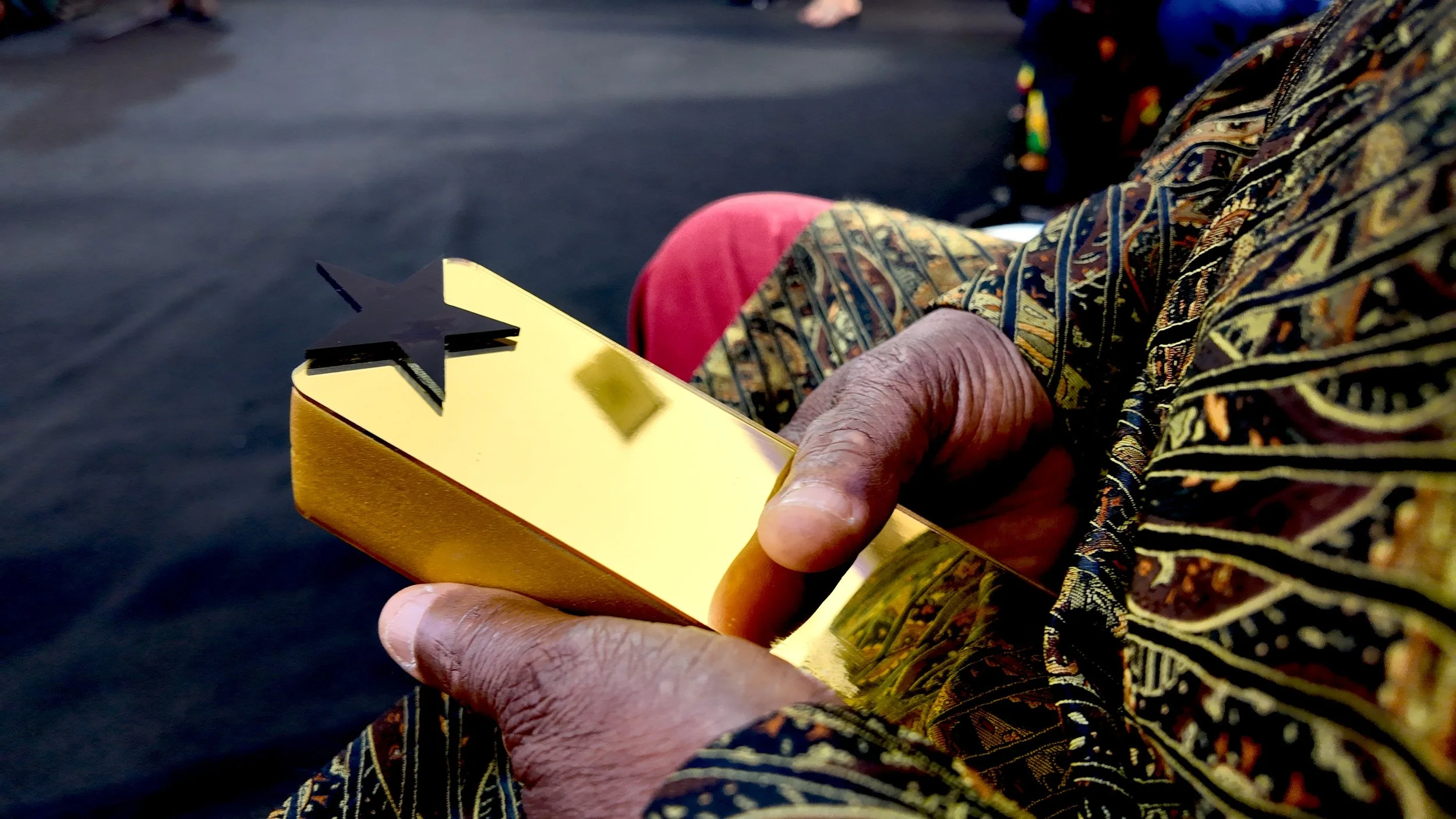
DELA Premieres In GHANA
DELA: The Making of El Anatsui Premieres at Black Star International Film Festival in Ghana to rave reviews.
DELA: The Making of El Anatsui Premieres at Black Star International Film Festival in Ghana to rave reviews.
Prof. El Anatsui holds his Achievement Award - a gold bar with a black star /Photo by Africa-Related
The evening of September 22 marked the first screening of the biographical documentary at the World Trade Center in Accra, Ghana. The film’s subject, Professor El Anatsui was ushered into the decorated venue by The Anyako Cultural Troupe, while piano genius Funsho Ogundipe of AYETORO performed alongside Trombonist Elikplim Amewode after the screening. There was a brief Q & A with film Director Oyiza Adaba, followed by a citation presentation, done by Dr. Odoi Oddoye. The film was well received by the audience made up of dignitaries that included diplomats, family, friends, artists and colleagues.
Acceptance Speech
Professor El Anatsui opened his acceptance speech with the challenges faced with continuous camera exposure in over 10 years of filming. He also advised the organisers on the use of the term "lifetime achievement," emphasizing it should be ongoing for living individuals.
He reflected on the global perspective of art and suggested that there are still aspects of art that have not been addressed. He also referenced the "art is life" slogan by KNUST, highlighting the complexity of life and its integration into art.
Cultural Influences and Artistic Journey
The Emeritus Professor recounted his early career beginning post-school, influenced by Western teachings with little emphasis on local culture. He noted how the discovery of Adinkra signs excited him as a young man growing up in the rural Volta region.
He also compared the Renaissance period in Europe with the abstract Adinkra signs, emphasizing their cultural significance and citing his influence by abstract art originating from the cultural center in Kumasi. He touched briefly on the challenges and contributions in Art, noting the ease of following but the difficulty of extraction.
For a moment the globally celebrated sculptor reflected on the balance between family and societal influences on his artistic journey, and dedicated the award to society, highlighting its significant role in his development.
He ended by thanking the Black Star International Film Festival organizers for their honor and acknowledged the societal contributions to his growth.
Citation
Black Star International's Tribute honors Professor Anatsui for his transformative works that have changed global perceptions of African art.The citation highlights Professor Anatsui's innovative use of local organic materials and education in his art. We emphasize Professor Natri's contributions to African art on the world stage, showcasing African artistry globally. The tribute acknowledges Professor Anatsui's extraordinary contributions to art and culture in Africa and beyond.
About Black Star International Film Festival
BSIFF IS A CULTURAL ORGANIZATION COMMITTED TO NURTURING, EDUCATING AND INSPIRING LOVE FOR THE BUSINESS OF FILM IN AFRICA.
BSIFF provides a platform that inspires love for film and cinema; supporting independent African filmmakers to reach distribution opportunities, the right network, worldwide audience, film education, acquire relevant skills and that push their creative boundaries beyond limit.
PHOTOS FROM DELA SCREENING
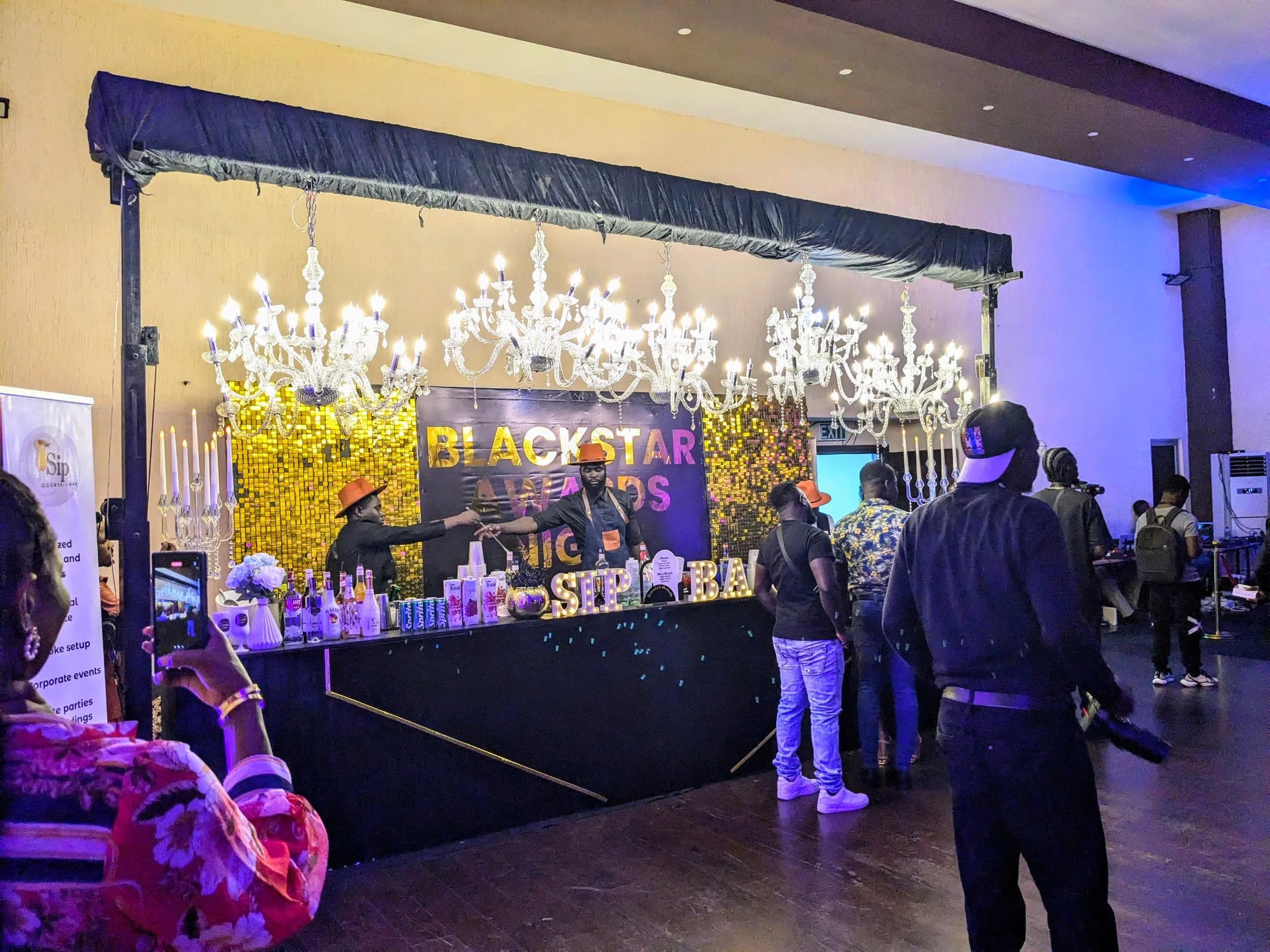
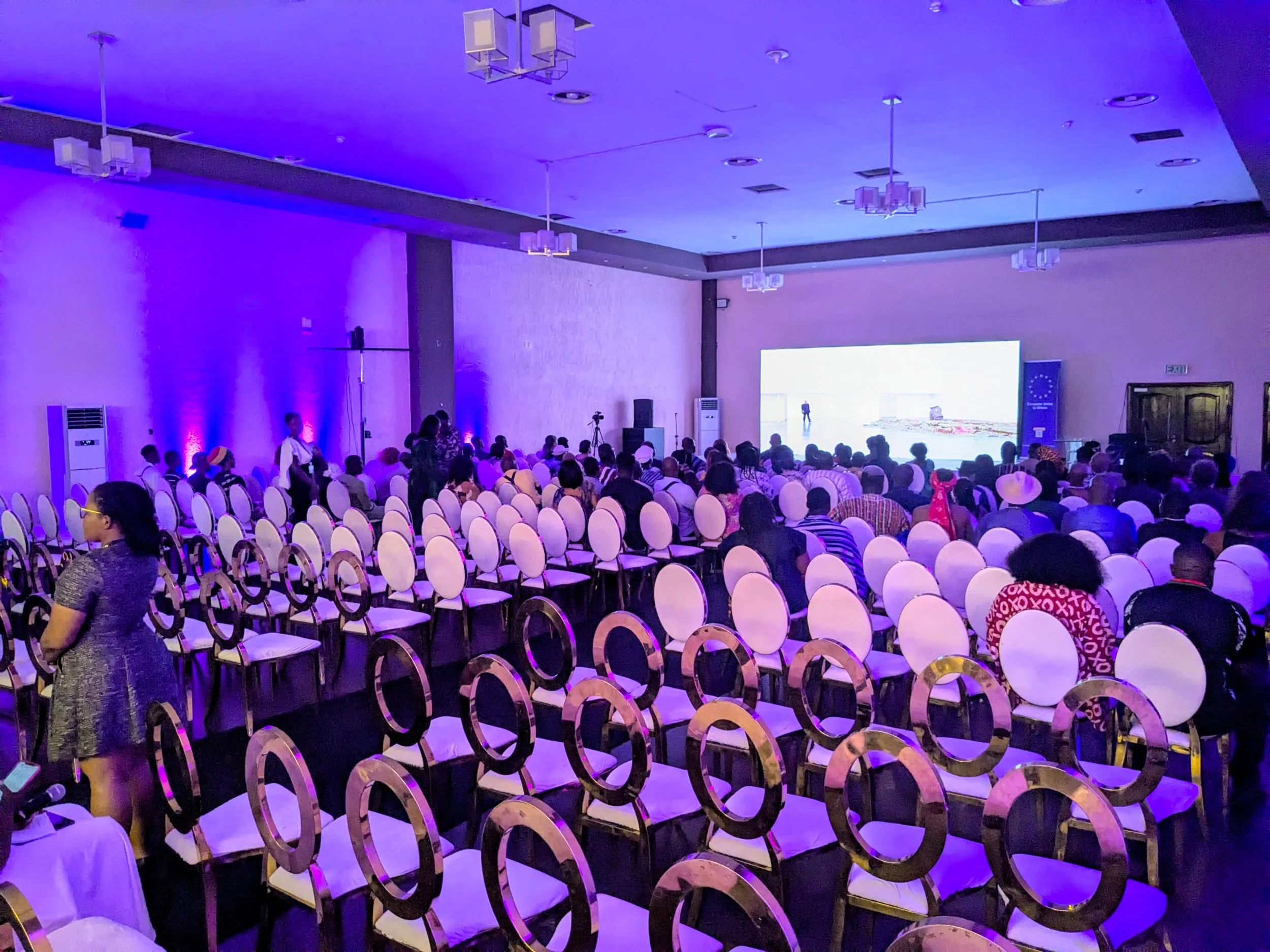
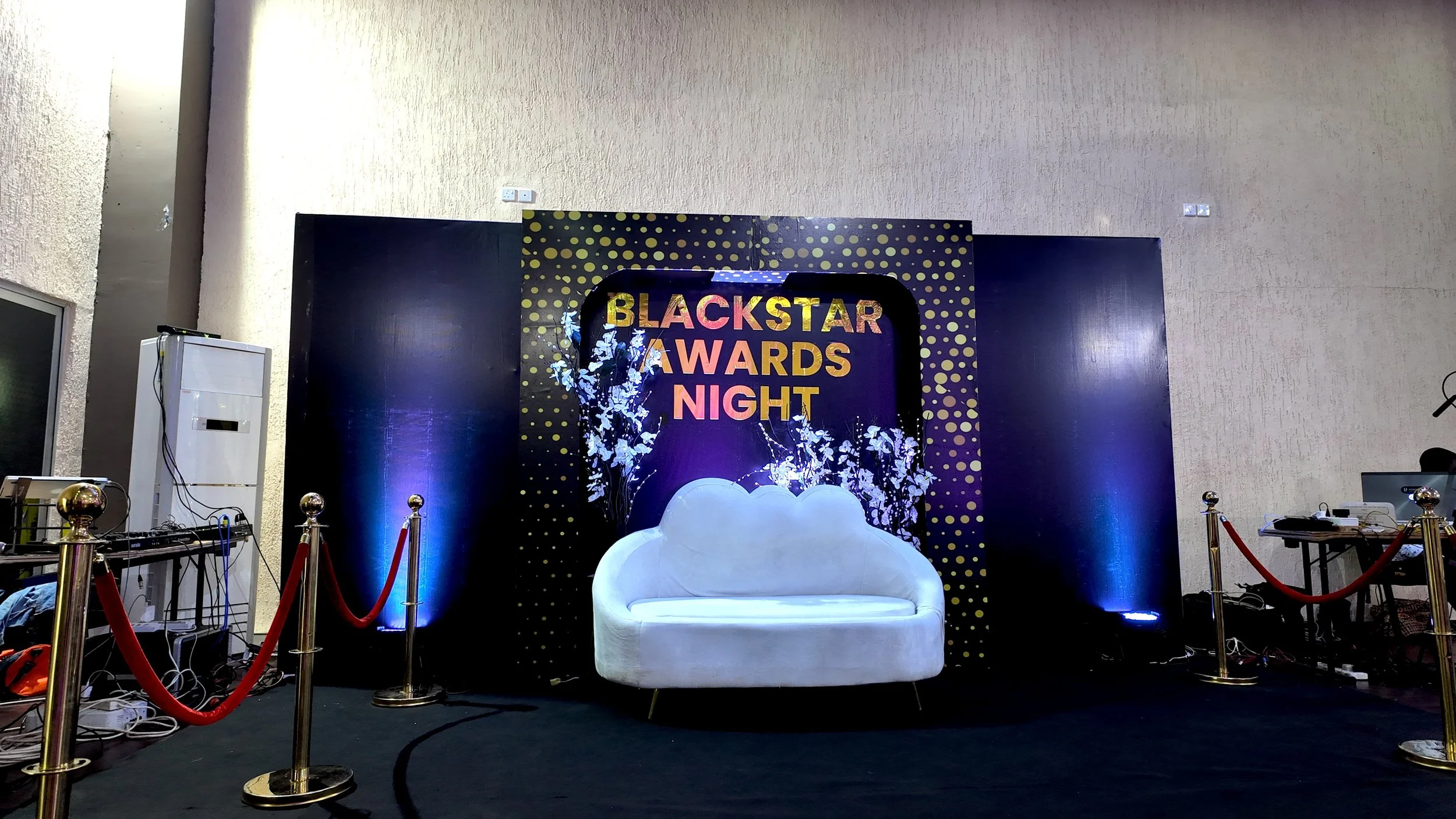
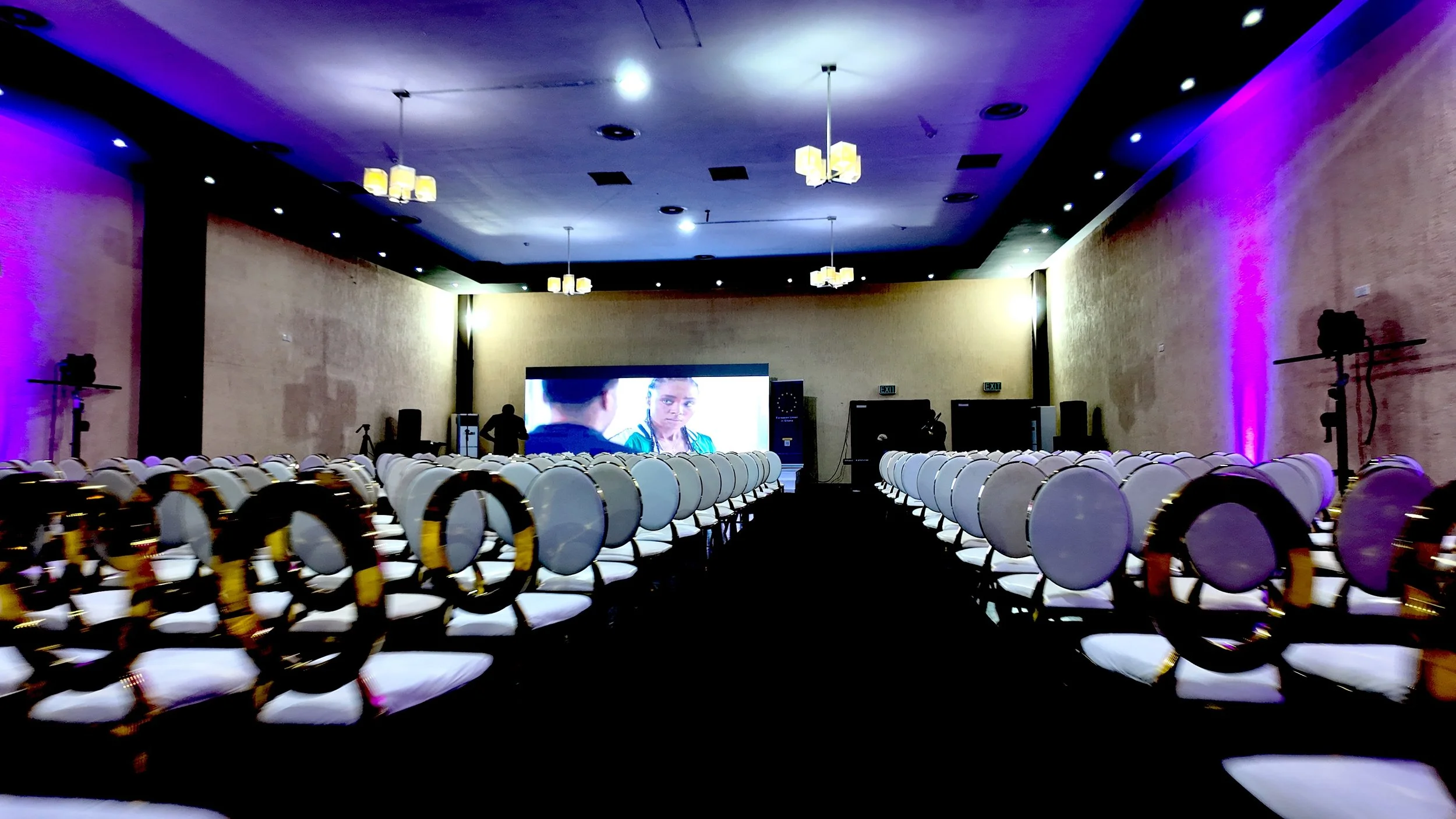

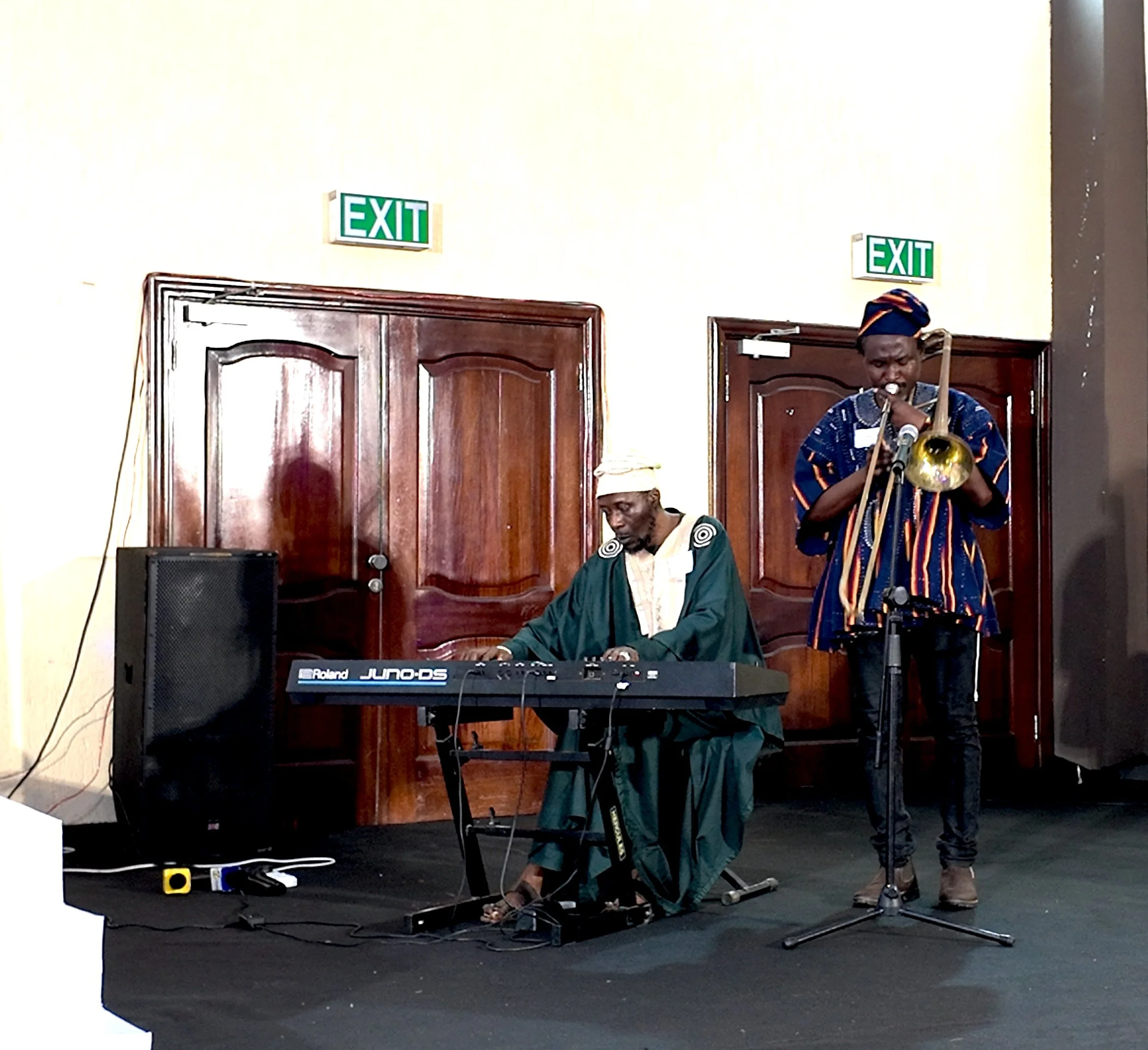
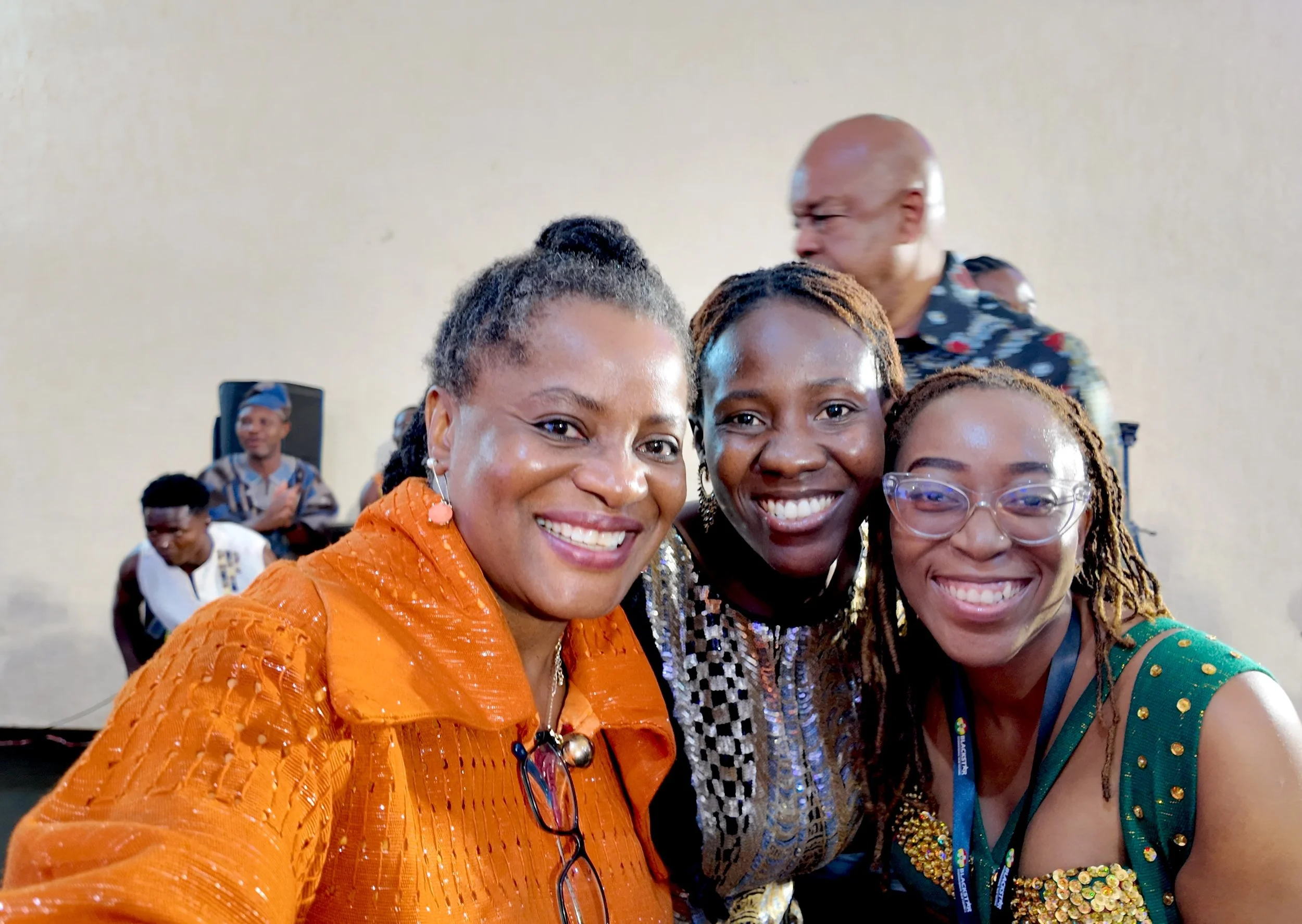
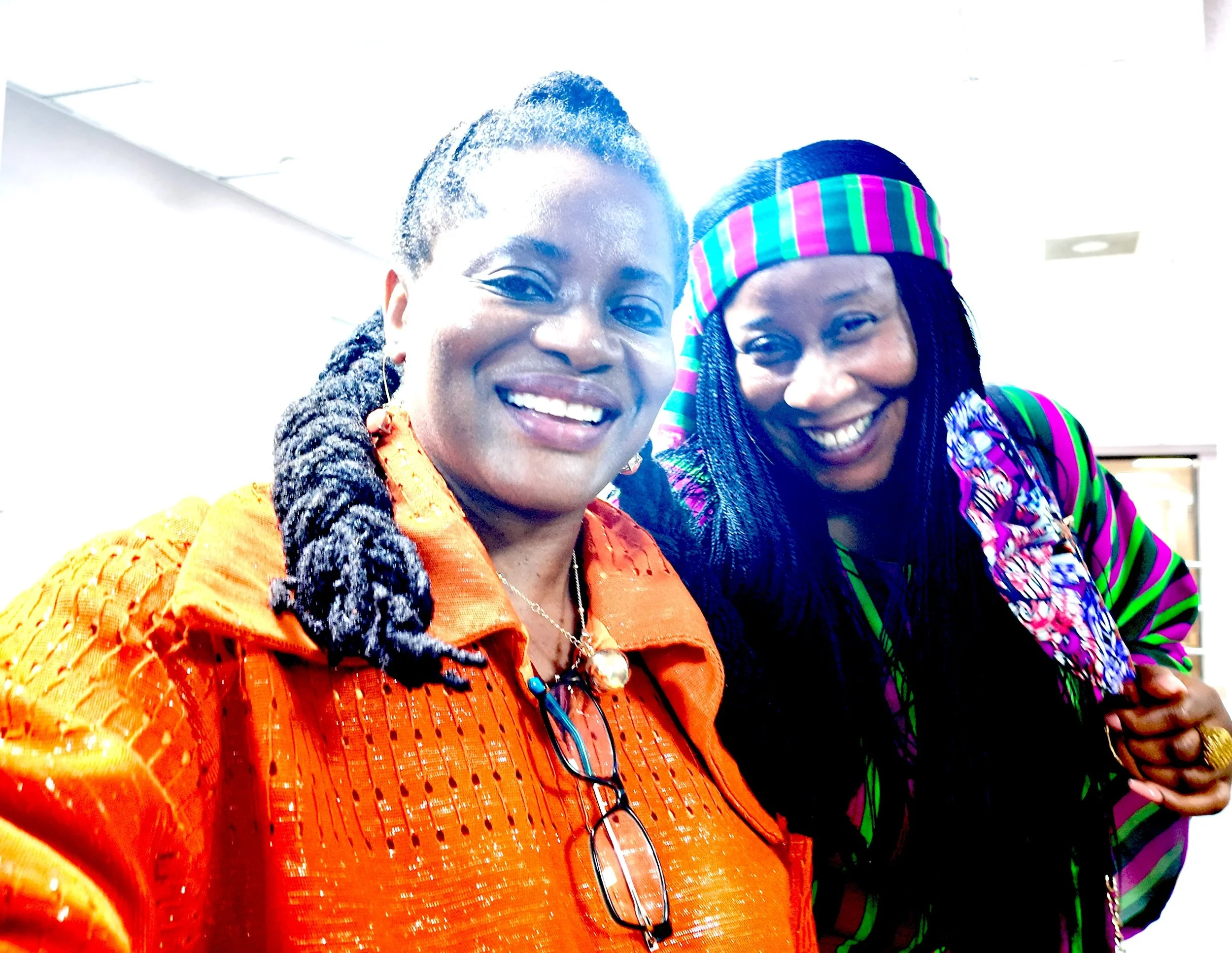

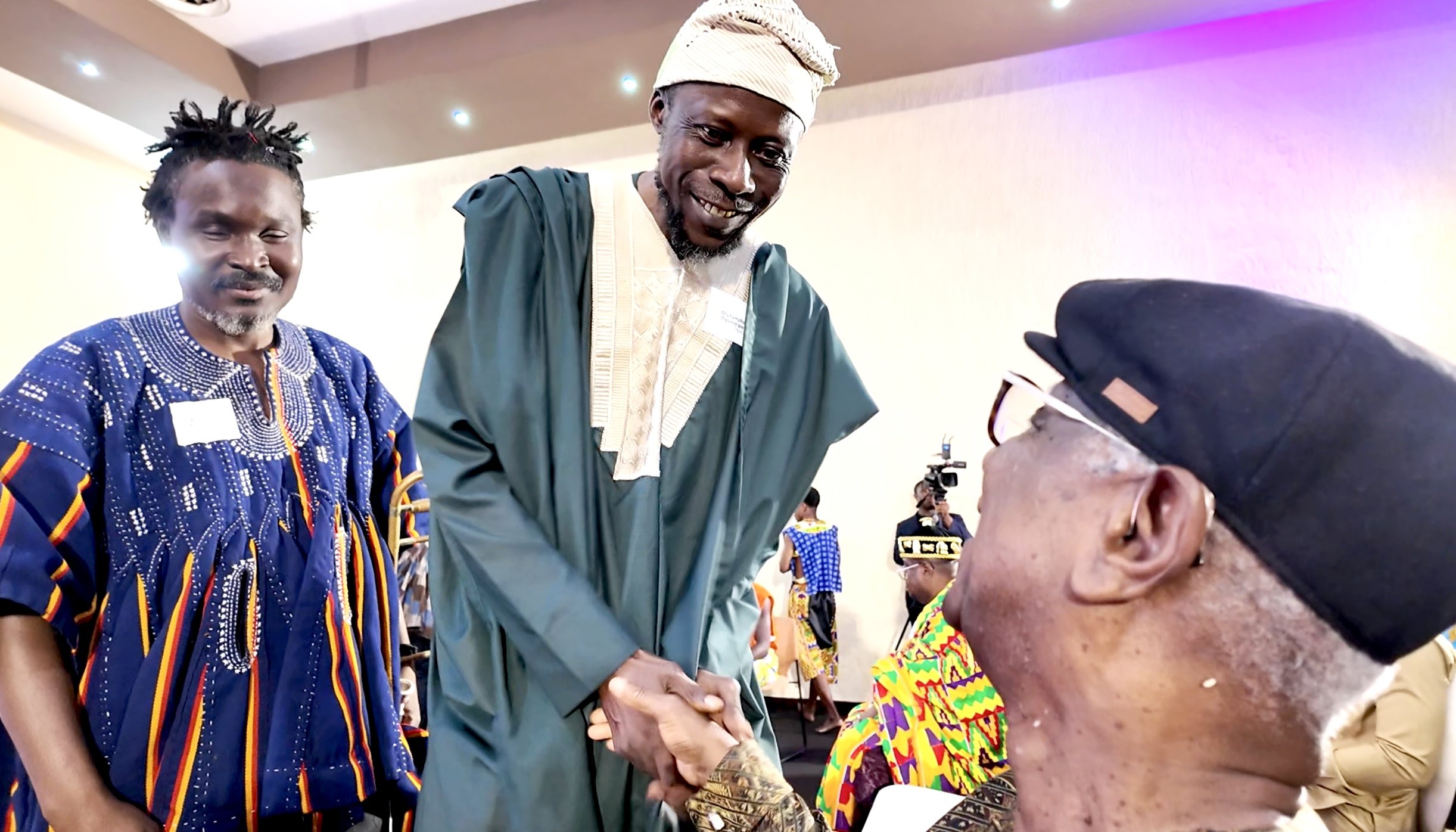
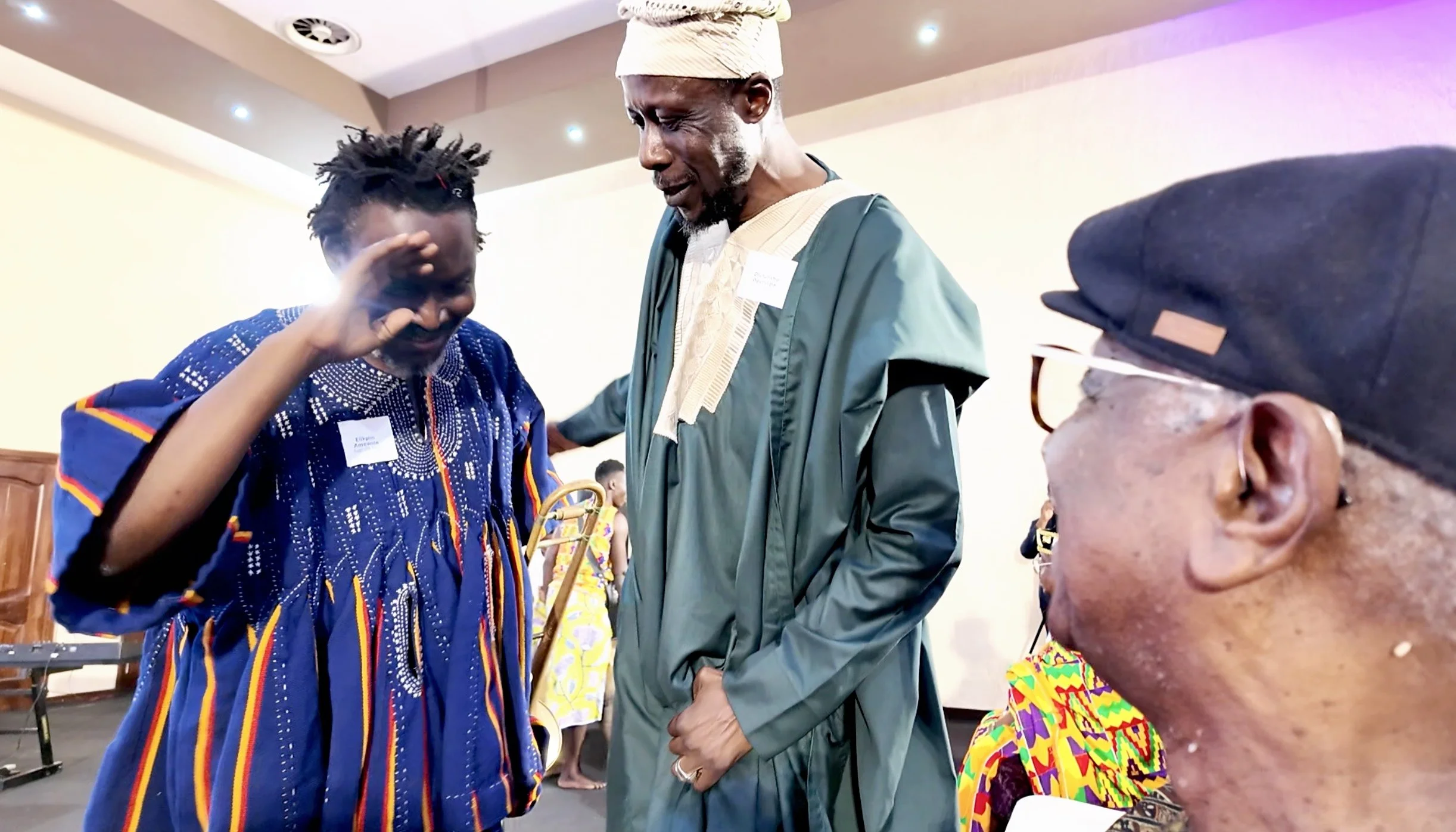

Remarks by APNSA Jake Sullivan at the African Growth and Opportunity Act (AGOA) Forum
MR. SULLIVAN: Well, thank you, Joy. I will not tell you that story tonight. I need, like, two or three drinks before I tell it. So -- (laughter) --
And now I'm the one standing between you and the refreshments, so I will not try to speak for too long.
But I really did want to come over from the White House, on behalf of the President, to say: Thank you all for being here. It's really great to be surrounded by so many longtime supporters of the U.S.-Africa partnership, from ministers to ambassadors, to colleagues from Congress who have come through over the course of the day, the private sector, and of course, civil society.
FOR IMMEDIATE RELEASE
July 26, 2024
REMARKS BY NATIONAL SECURITY ADVISOR JAKE SULLIVAN
AT THE AFRICAN GROWTH AND OPPORTUNITY ACT (AGOA) FORUM
U.S. State Department
Washington, D.C.
(July 25, 2024)
“Seize this opportunity...”
MR. SULLIVAN: Well, thank you, Joy. I will not tell you that story tonight. I need, like, two or three drinks before I tell it. So -- (laughter) --
And now I'm the one standing between you and the refreshments, so I will not try to speak for too long.
But I really did want to come over from the White House, on behalf of the President, to say: Thank you all for being here. It's really great to be surrounded by so many longtime supporters of the U.S.-Africa partnership, from ministers to ambassadors, to colleagues from Congress who have come through over the course of the day, the private sector, and of course, civil society.
And, you know, I just want to start by taking us back to almost exactly 25 years ago. At that time, President Clinton was urging our nation to adopt AGOA, the African Growth and Opportunity Act. And his argument was powerful. It was persuasive. It was, really, pretty simple. He said, “Congress has a chance to pass a bill that can transform our relationship… for the better…based on mutual respect and mutual responsibility.”
And there was a senator at the time named Joe Biden, who seized on that chance. And as Vice President, he continued to transform and grow our partnership for the betterment of all of our people. And as President, he's tried to ensure that that partnership is grounded not only in mutual respect and responsibility, but also in mutual values and a common vision for the world. And the impact has been considerable.
At the U.S.-Africa Leaders Summit, the Biden-Harris administration committed to invest over $55 billion in Africa over three years, helping to elevate our partnership beyond development and security, to address global challenges together.
And I'm proud to say, oftentimes you put out these big numbers and you kind of walk away from the summit. We are 80 percent of the way there, well ahead of schedule, and Joe Biden intends to do what he has said he was going to do -- and not just hit that 80 billion [sic] -- $55 billion mark over three years, but go far beyond it.
We've also helped close more than 500 new private sector deals, which have led to over $14 billion in two-way trade investment between the U.S. and African countries.
And with the President's Emergency Plan for Adaptation and Resilience, or PREPARE, we've provided over $3 billion annually to help countries strengthen their resilience, especially to climate shocks. And this has had a profound impact because the lion's share of this money is going to African countries who are suffering the worst effects of these climate shocks.
And, of course, these resources matter. But representation also matters. So we pushed, before many others did, for the African Union to become a permanent member of the G20. Got that done. We're now pushing for African representation on the U.N. Security Council, and we intend to get that done too.
We've launched the first-ever President's Advisory Council on Diaspora Engagement to ensure that we're shaping our policies in a way that both reflects, reinforces, and leverages the deep ties that we have with the African continent.
And the President has sent an unprecedented number of leaders from his Cabinet and administration, including Vice President Harris, to visit more than 20 countries across Africa.
Earlier this summer, President Biden stood side by side with President Ruto at the White House to launch a vision document about debt relief that will be a game changer for African countries. And we will carry forward at the G20 Summit this fall -- working with Brazil, South Africa, the current and next chairs of the G20 -- to try to take that vision to the next level so that we have a framework for debt relief that really works and delivers for countries that have been suffering under debt for too long, compounded by the post-COVID overhang.
So when you take what we are trying to lay out, especially in this debt relief space, we know that there is so much more unfinished business that we have to do. And President Biden has told us: Run through the tape, get it done over the course of the next six months, and then continue to support Vice President Harris in her future efforts to continue delivering for the African continent.
So the opportunity that we see sitting before us to really think about the relationship between the public sector and the private sector and civil society may be best exemplified in the concept of corridors that lies at the heart of the President's initiative, the PGI, the Partnership for Global Infrastructure and Investment. And we're especially proud of the Lobito Corridor.
Already, we've mobilized more than a billion dollars for railway lines that will extend from Angola to Zambia to the DRC and, ultimately, to the Indian Ocean, connecting the continent from east to west. It's the biggest American rail investment in Africa ever.
And it's not just about physical infrastructure.
On digital infrastructure, we're building fiber optic cables across the region to connect communities and businesses.
On energy infrastructure, we've mobilized almost $3 billion in clean energy projects, from solar energy plants to battery energy storage -- battery energy storage systems.
Now, I want to be clear: There's more that we have to do, more partnerships to form, more challenges to overcome, more potential to seize. But over the past three and a half years, that's just some of the progress that we've made together.
And that's in no small part because of AGOA -- and not the direct impact of AGOA, though it has been profound, but because AGOA has really been the platform, the foundation upon which we have built so much of our other economic partnership work.
And I want to pause here for a moment. I know you've heard this a few times over the last couple of days, maybe not just over the last couple of days, but the last couple of months, even the last couple of years. But it bears repeating and we mean it: The President, myself, the entire Biden-Harris administration is committed to working with our Congress to reauthorize the law.
And in line with the theme of this forum, we're also committed to reimagining it, modernizing it, and ensuring the legislation promotes resilient supply chains, high-standard investments; ensuring that it supports our efforts to confront a range of emerging challenges and opportunities, whether it's artificial intelligence or the clean energy transition; ensuring that it incorporates voices across industry, including small businesses and entrepreneurs; and ensuring that it reflects the dynamism of our economies and the diversity of our peoples.
Because at its core, that is what the U.S.-Africa Partnership is all about, what this forum is all about. It's our people. The ones who stand up decade after decade, generation after generation, for the things that we hold dear: our country’s shared values of liberty, democracy, freedom, prosperity, innovation. The ones who brought our nations together in fields like technology, medicine, education, and trade. And the ones who have transformed what is a geopolitical partnership into an unbreakable friendship between peoples, because that really is what should and can define the future of the relationship between the United States and the nations of Africa.
And we're going to keep that friendship strong by coming together in communities all across Africa and America to exchange ideas and innovations.
So I said I would be brief. I was a little longer than brief, but let me close with this.
Twenty-five years ago, when President Clinton urged Congress to enact AGOA, he ended his statement with a call to action: “Seize this opportunity.” That's what he said. “Seize this opportunity.”
The United States will continue to answer that call to action. We will seize this opportunity now to reauthorize, modernize AGOA, and reinforce the foundation it provides to all of the other work that we do together.
We'll continue to work with nations across Africa to build a world worthy of our people, one that is more free, more secure, and more prosperous for all.
And we will continue to stand with you, everyone in this room, in partnership and friendship, to seize all of these opportunities in the years ahead. Because as President Biden often says, there is nothing beyond our capacity if we do it together.
So, thank you for giving me the opportunity to be here tonight. I hope you have a wonderful evening. I'm
so grateful to you for all that you've done and contributed here so far. And let's get to work.
Thank you very much. (Applause.)
END
SHARE THIS STORY
Great Point Studios Host New York Women In Film & TV
New York Women In Film & Television (NYWIFT) held its annual member meeting on June 18, 2024 at Great PointStudios in Yonkers, NY. The networking event also introduced members to the 2024 candidates running for the 2024-25 NYWIFT Board elections.
By Oyiza Adaba
New York Women In Film & Television (NYWIFT) held its annual member meeting on June 18, 2024 at Great PointStudios in Yonkers, NY. The networking event also introduced members to the 2024 candidates running for the 2024-25 NYWIFT Board elections.

NYWIFT’s Meet The Candidates Night
New York Women in Film & Television (NYWIFT) advocates for equality in the moving image industry and supports women in every stage of their careers. As the preeminent entertainment industry association for women in New York, NYWIFT energizes women by illuminating their achievements, presenting training and professional development programs, awarding scholarships and grants, and providing access to a supportive community of peers.
PHOTOS BY AFRICA-RELATED




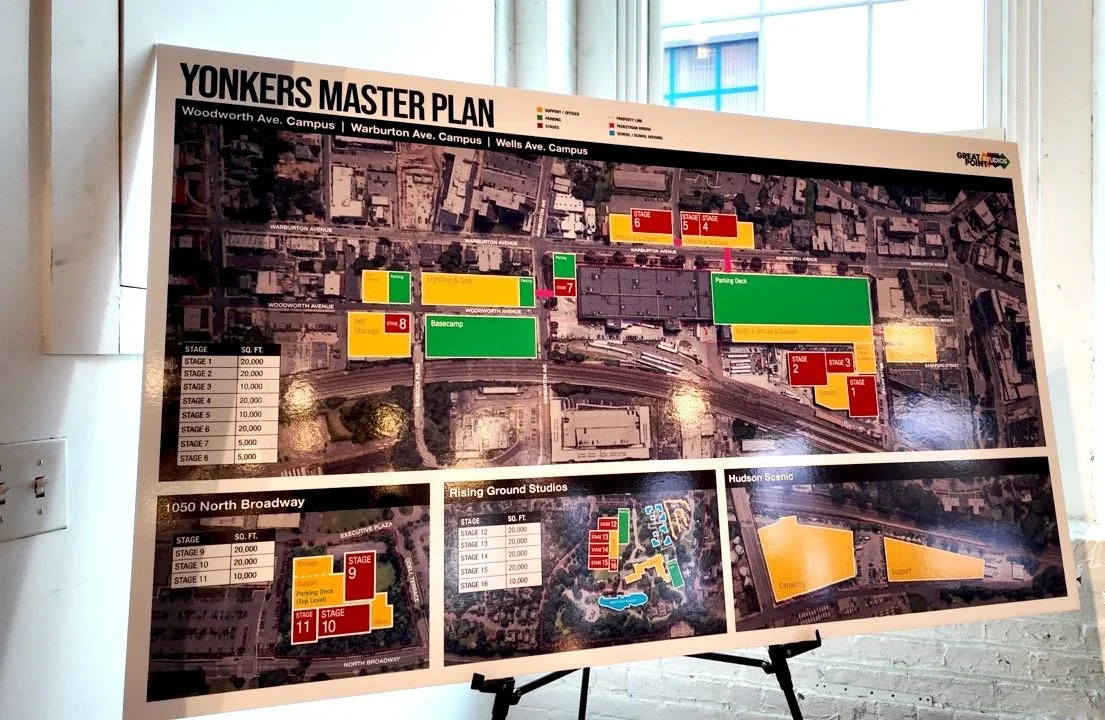
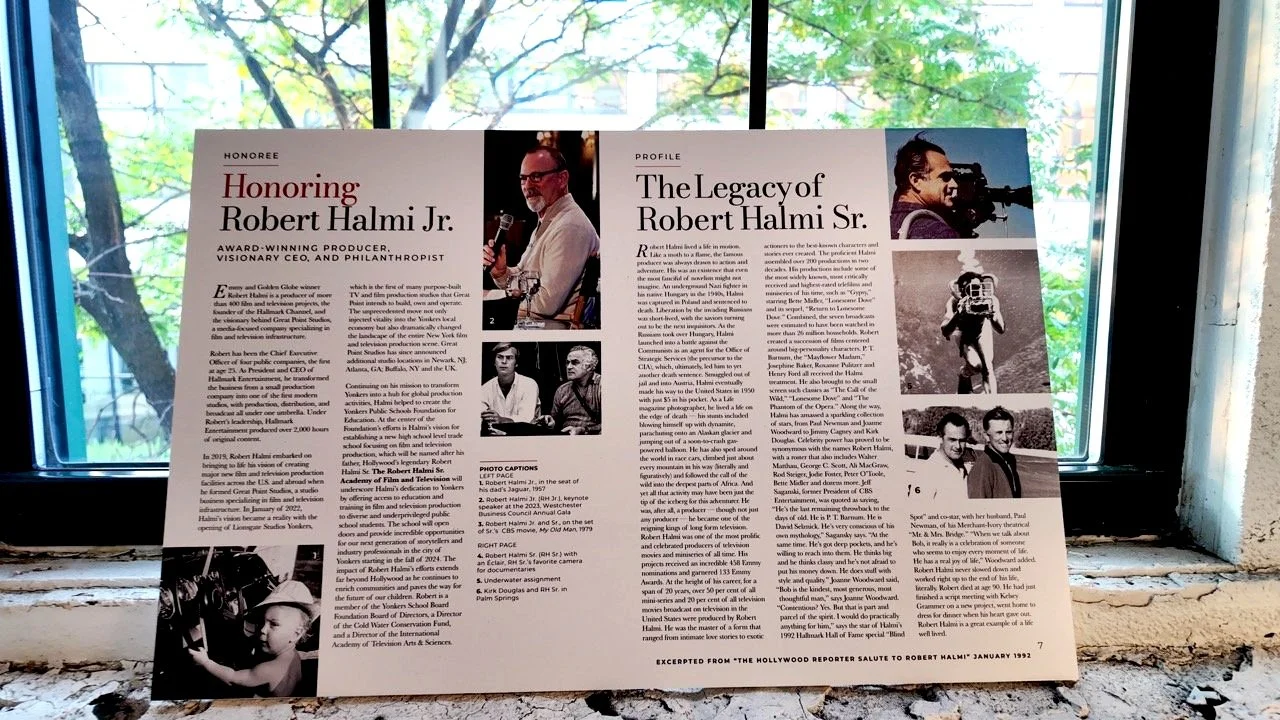




Remarks by President Biden
THE PRESIDENT: Good afternoon. Last night, I spoke with Donald Trump. I’m sincerely grateful that he’s doing well and recovering. And we had a short but good conversation.
Jill and I are keeping him and his family in our prayers.
We also extend our deepest condolences to the family of the victim who was killed. He was a father. He was protecting his family from the bullets that were being fired, and he lost his life. God love him.
FOR IMMEDIATE RELEASE
July 14, 2024
REMARKS BY PRESIDENT BIDEN
Roosevelt Room
2:05 P.M. EDT
THE PRESIDENT: Good afternoon. Last night, I spoke with Donald Trump. I’m sincerely grateful that he’s doing well and recovering. And we had a short but good conversation.
Jill and I are keeping him and his family in our prayers.
We also extend our deepest condolences to the family of the victim who was killed. He was a father. He was protecting his family from the bullets that were being fired, and he lost his life. God love him.
We’re also praying for the full recovery of those who were injured. And we’re grateful to the Secret Service agents and other law enforcement agencies who -- and individuals who risked their lives, literally, for our nation.
As I said last night, there is no place in America for this kind of violence or for any violence for that matter.
An assassination attempt is contrary to everything we stand for as a na- -- as a nation. Everything. It’s not who we are as a nation. It’s not America, and we cannot allow this to happen.
Unity is the most elusive goal of all, but nothing is important than that right now -- unity.
We’ll debate, and we’ll disagree. That’s not -- that’s not going to change. But it’s going to -- we’re going to not lose sight of the fact of who we are as Americans.
Look, Vice President Harris and I were just briefed in the Situation Room by my homeland security team, including the director of the FBI, the secretary of Homeland Security, the attorney general, the director of the Secret Service, my homeland security advisor, the national security advisor. And we’re going to continue to be briefed.
The FBI is leading this investigation, which is still in its early stages. We don’t yet have any information about the motive of the shooter. We know who he is. I urge everyone -- everyone, please, don’t make assumptions about his motives or his affiliations.
Let the FBI do their job, and their partner agencies do their job. I’ve instructed that this investigation be thorough and swift. And the investigators will have every resource they need to get this done.
Look, as this investigation continues, here’s what we’re going to do.
First, Mr. Trump, as a former president and nominee of the Republican Party already receives a heightened level of security, and I have been consistent in my direction to the Secret Service to provide him with every resource, capability, and protective measure necessary to ensure his continued safety.
Second, I’ve directed the head of the Secret Service to review all security measures for the -- all security measures for the Republican National Convention, which is scheduled to start tomorrow.
And third, I’ve directed an independent review of the national security at yesterday’s rally to assess exactly what happened. And we’ll share the results of that independent review with the American people as well.
And, finally, I’ll be speaking more about this tonight at greater length from the Oval Office: We must unite as one nation. We must unite as one nation to demonstrate who we are.
And so, may God bless you all. And may God protect our troops.
Thank you very much.
2:08 P.M. EDT
SHARE THIS STORY
VERITAS UNIVERSITY MAKES RESOURCE VERIFICATION VISIT TO THE PSYCHO-SPIRITUAL INSTITUTE OF LUX TERRA
The Psycho-Spiritual Institute of Lux Terra Leadership Foundation, on Thursday May 23, 2024, hosted a visitation panel from Veritas University, Abuja. The team led by Prof. Mike Kwanashie, were at the take-off site of the Institute to verify the readiness of the Organisation to enter into an affiliate relationship with the university, by way of human and physical resources, as well as policies, processes and procedures.
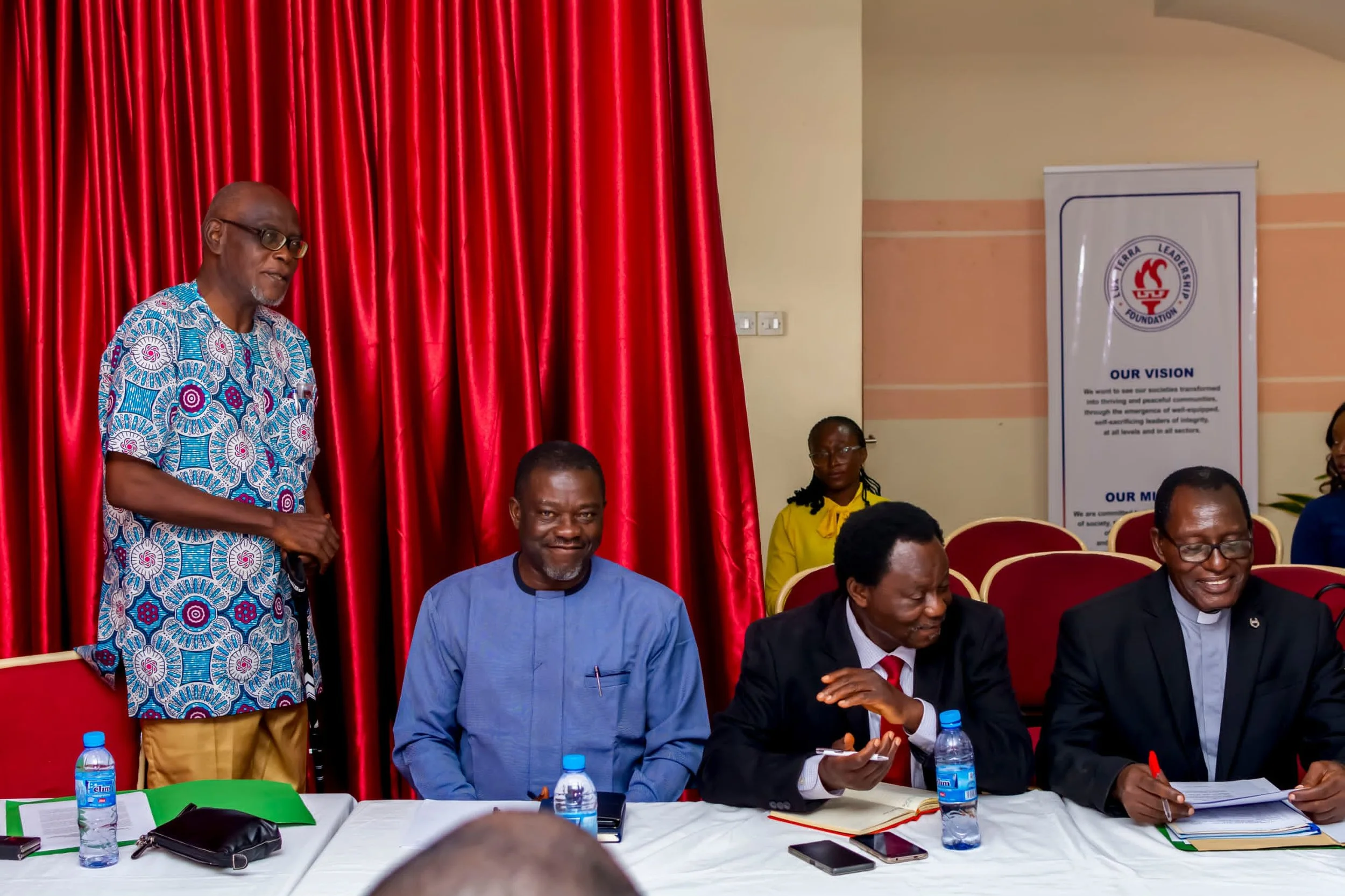
VERITAS UNIVERSITY MAKES RESOURCE VERIFICATION VISIT TO THE PSYCHO-SPIRITUAL INSTITUTE OF LUX TERRA
The Psycho-Spiritual Institute of Lux Terra Leadership Foundation, on Thursday May 23, 2024, hosted a visitation panel from Veritas University, Abuja. The team led by Prof. Mike Kwanashie, were at the take-off site of the Institute to verify the readiness of the Organisation to enter into an affiliate relationship with the university, by way of human and physical resources, as well as policies, processes and procedures. After inspecting the space allotment for all statutory offices and positions, and being taken through the physical and electronic library resources, the team settled down to do a quick evaluation of the curriculum content of the two postgraduate programmes of the Institute, namely, the Post Graduate Diploma in Psycho-Spiritual Trauma Healing, and the Master's degree in Psycho-Spiritual Therapy.
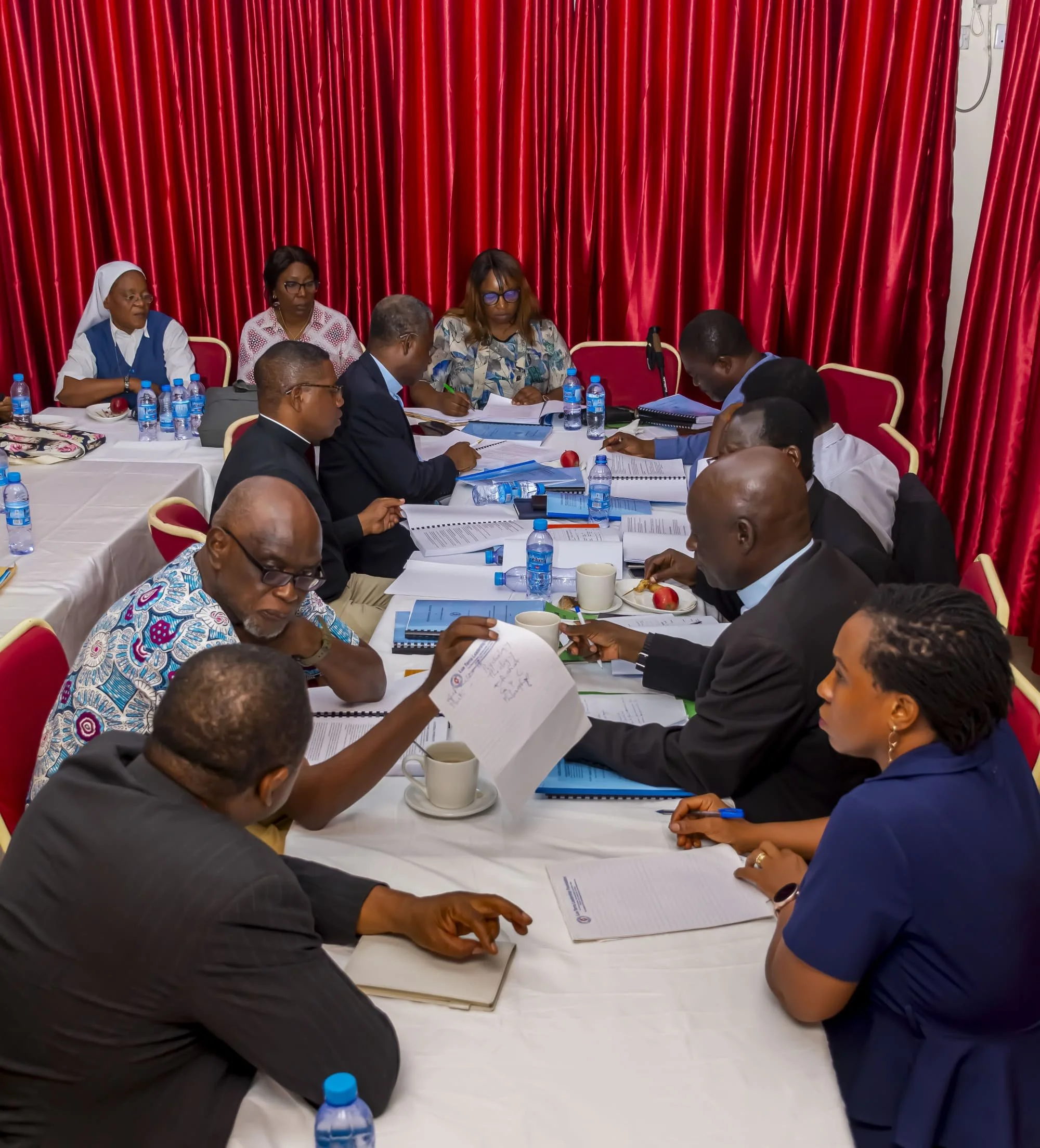
Recall that on April 26, 2024, Lux Terra received the approval of the National Universities Commission (NUC) to begin the process of affiliation with Veritas University, towards floating in Nigeria the integrated Psycho-Spiritual Therapy programmes that the Institute has been running in Nairobi , Kenya, for over 10 years. The recent visit is therefore a significant step towards entering into the affiliation agreement, and towards a subsequent Accreditation Visit by NUC. See pictures below




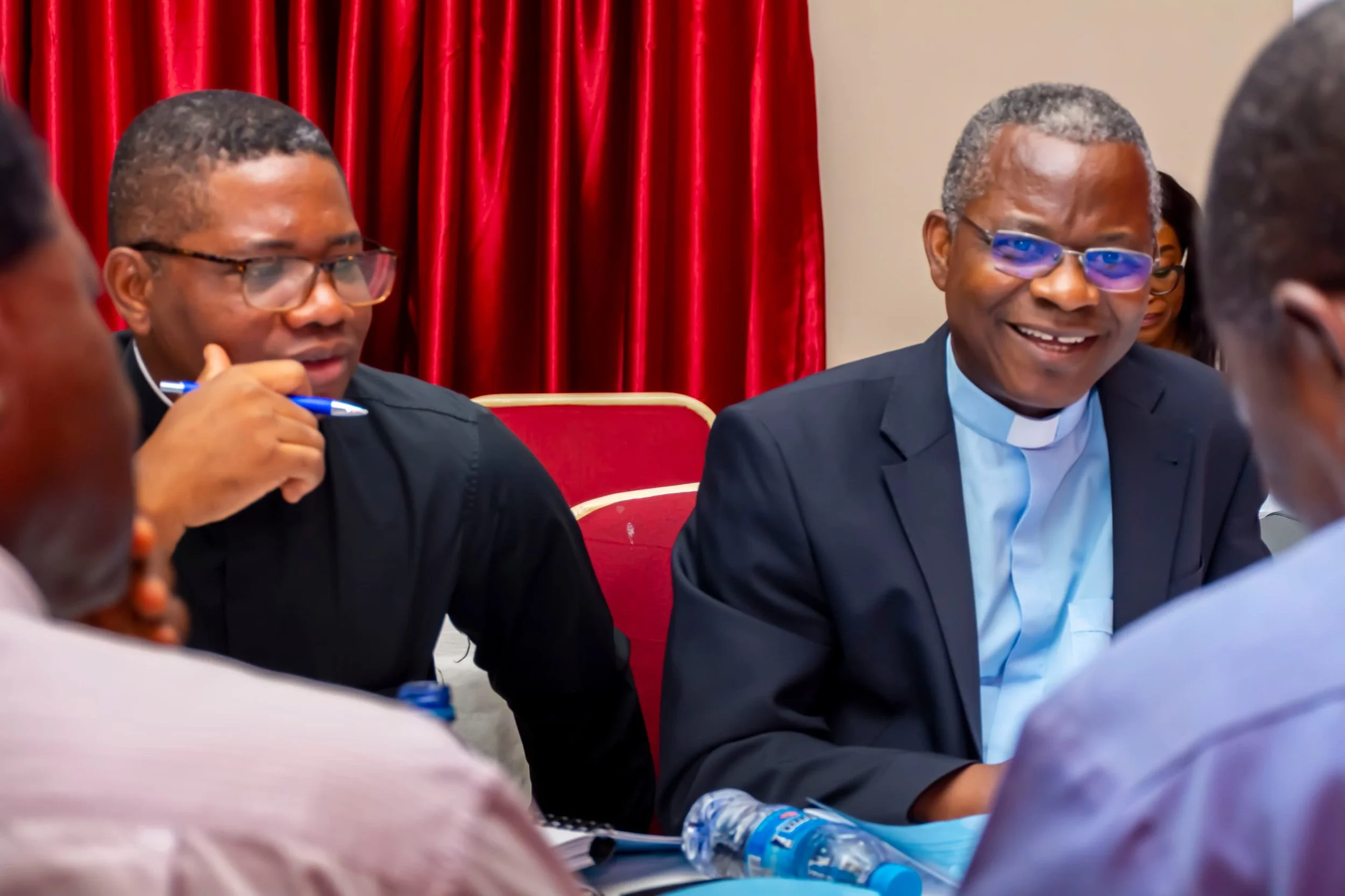
SHARE THIS STORY
FPC TRANSCRIPT: Negotiating A Global Agreement on Plastic Pollution
Foreign press center briefing with Margaret Spring, Chief Conservation and Science Officer at Monterey Bay Aquarium
Video of this briefing for download can be found here:
https://vimeo.com/925080592/d50871bbe0
Photos of this briefing for use in reporting can be found here:
https://www.flickr.com/photos/foreignpressctr/albums/72177720315554048
FOREIGN PRESS CENTER BRIEFING WITH MARGARET SPRING, CHIEF CONSERVATION AND SCIENCE OFFICER AT MONTEREY BAY AQUARIUM
MODERATOR: Good morning, and welcome to the Washington Foreign Press Center. My name is Leah Knobel, and I’m the moderator for today’s briefing. Today, it is my pleasure to introduce Margaret Spring, chief conservation and science pfficer at the Monterey Bay Aquarium in Monterey, California.
Today, Ms. Spring will be discussing the next session of UN negotiations taking place in Ottawa, Canada next month to adopt a global resolution on plastic pollution. This discussion is on-the-record, and we will post a transcript and a video of the briefing on our website, fpc.state.gov, later today. And a reminder that remarks for today’s briefing do not represent the views of the United States Government.
For the journalists joining us on Zoom, please take a moment now to rename yourself in the chat window with your name, outlet, and country. And I would now like to invite Ms. Spring to share some opening remarks.
MS SPRING: Thank you, Leah. And good morning. I hope everybody’s well today. I’m really pleased to be here. I’m Margaret Spring. I’m the chief conservation and science officer at the Monterey Bay Aquarium, and I’ve also spent most of my career here in Washington, so it’s lovely to be back, especially during the cherry blossom time.
Today I’m here to talk about plastic pollution. Though the aquarium is engaged in a range of ocean actions, from advancing the global sustainability of fisheries and aquaculture to the recovery of the iconic and threatened sea otters that we see off our shores, I want to take – point your attention to this picture that’s on this title slide. Benjamin Von Wong, a Canadian artist, created this sculpture called Turn Off The Plastic Tap. It was first set up on the grounds of the UN Headquarters in Nairobi, in Kenya in 2021. At that time, the United Nations Environment Assembly, also referred to as UNEA, was considering a resolution to develop a treaty to address plastic pollution. Since then, a lot has happened, and I’ll give a quick overview of the situation and action to date at an upcoming meeting in this artist’s home country, Canada.
So between 1950 and 2019, global plastic production has ballooned from an estimated 2.2 million tons per year to 460 million – metric tons per year – excuse me – million tons per year. And if industry has their way, it’ll be more like 1.5 billion by 2050, and estimates are that there’ll be a tripling of plastic use by 2060, according to the OECD.
One thing you should know is that almost all plastic right now is made from fossil-based petrochemical feedstocks, oil, and natural gas. If people curb their demand for fossil fuel energy as a result of responding to the climate crisis, the industry is really looking to plastic to keep their profits afloat. Plastic production leads to plastic waste and inevitably plastic pollution. We can work on fixing waste management, which right now isn’t able to handle the volume of plastic waste, even in the U.S. But if we don’t slow plastic production, we can’t expect to keep up.
And we have an updated number for plastic waste that goes into the ocean, which is something of great concern to the aquarium – which is still an estimate; it’s based on modeling. But we’ve been using a conservative estimate of 9 million tons per year, and now it’s up to 12 million, and it’s just going to keep growing. So this is a problem that every minute that ticks away it gets worse.
So it’s an ocean problem, of course. Plastic waste is present in almost every marine habitat on Earth, from the ocean surface to deep-sea sediments to the ocean’s vast midwater region. It’s just not at the surface. It’s everywhere, including on the bottom, and there’s new scientific information coming out, including from the aquarium on that point. Sea turtles, marine mammals, seabirds, fish, and other marine life are impacted by plastic by becoming entangled in it or eating it, and there’s a large body of evidence that ingested plastic travels through the food web and ultimately to humans.
But of course, it’s becoming clearer that plastic pollution is also an issue of environmental equity. Low-income communities and communities of color in the U.S. and around the world bear the brunt of plastic pollution from production, waste disposal, use, and incineration. Plastic pollution also disproportionally impacts people in poorer in countries, communities in the United States, where more plastic waste leaks out into the environment due to insufficient waste collection and management systems, which exacerbates the impacts of climate and other major crises around the world.
So just to recap – oops, okay. Most plastic is from fossil sources, as I said, and this has impact not only the environment from extraction all the way through the life cycle of plastic, but on society and the costs that are associated with that – the cleanup cost but also the health cost. And then the climate impacts, there’s growing evidence that the production of plastic is increasing the greenhouse gas emissions and, of course, that climate impacts are exacerbating the impacts of plastic in these countries that are affected by sea-level rise and other challenges. And of course, the economy is not going to be able to withstand this. The cost of cleaning up for governments and for prevention is going to increase the longer we wait.
So it’s everyone’s problem, which is why there is a treaty discussion going on right now. We basically have to start from the beginning to the end, and there’s a couple of studies that I was involved in that will elucidate this. Human health and equity, as I said before, is a major issue. Human health hazards are now taking center stage. There have been a number of reports on that, which I’ll talk about. And there’s really a lot more scrutiny on toxic chemicals within plastic that is coming to the fore.
And just to center ourselves where we are, the United States is a part of this problem. It produces plastic. We actually generate a lot of waste – probably the most plastic waste. We actually have probably a more advanced waste management system, but in the end there is still leakage into the environment, which is of concern, and our recycling and disposal infrastructure is not going to be able to bear this. And of course, we do export waste too and that has changed a little bit because of some changes in China, but essentially we still – there’s just too much for us to manage at this point.
So in 2022 and 2023, I was involved in two expert reports. So one was at the U.S. scale and one was at the global scale, which it will explain how we are approaching the treaty. In December 2021, the National Academies of Sciences, Engineering, and Medicine released a report on the U.S. role in the global ocean plastic waste crisis, and it was requested by Congress in legislation established in 2020. I chaired the committee that came out with this report, and it’s made up of experts from all sorts of disciplines. We spent a year and a half researching this. What our conclusion was – oops, sorry. Well, this is one of our conclusions that the U.S. plays a significant role. Just so you know, it came from that report. I’m having trouble here, Leah. Okay.
Our top – there was – we found there was no one solution. Everyone was looking for one solution. Everyone sees the plastic problem from their perspective. If you’re a fisherman, you think that we need to clean it up. If you see it in your neighborhood, you want to have a – have this dealt with and you’re concerned about use of plastic products that are leaching chemicals and what the impacts on your children, you’re going to see it in a different part of this. But our finding was that there’s no one solution. Action needs to be made at every stage of the plastic life cycle from production all the way through disposal or leakage into the ocean, which is the ultimate sink for all of this plastic.
Our recommendation was as the U.S. as a key player needed to come up with a systemic federal policy and research strategy quickly. And so just – and we need to have to address the front end of the problem, which is that’s circled. What we found was that there was more action at the far end, which was the cleanup which is, of course, the natural reaction, and then we needed look farther up the chain. We identified also waste reduction as a critical policy, and part of those – and also reduction of plastic products and plastic production.
After that – one of the things that this report did not do was look at actual health impacts. And so we – I also was a member of the Minderoo-Monaco Commission on Plastics and Human Health, which was chaired by Phil Landrigan, a pediatrician, and a number of doctors and health exports were part of it. And the major finding of that report, which was geared towards the UN treaty, was to look at what was the impact of plastics on human health across the life cycle.
Taking a step back, in 2022, 175 countries adopted a resolution at the UN Environment Assembly, UNEA, and just after released the U.S. report and before we issued the Minderoo report. The nations agreed to negotiate this binding agreement, which is very exciting, to end plastic pollution, setting a goal of completing the text by the end of this year.
And so when we entered the space of the treaty, I’ve been at all of the meetings so far representing the scientific community through the International Science Council, and we – what was brought to the attention of the negotiators at that first meeting, their findings of the Minderoo-Monaco Commission Report, which were plastic harms human health and the environment; plastic itself causes disease, impairment, and premature mortality at every stage of its life cycle; toxic chemicals added to plastic, routinely detected in people, increases the risk of miscarriage, obesity, cardiovascular disease, and cancers; and health repercussions disproportionately affect vulnerable, low-income, minority communities, particularly children; and the annual costs are astounding. And I won’t go too far into that, but you can read the report. Also, plastic production has fueled climate change, so that is another issue of concern in that report.
And so the solutions offered were to address plastic production, establish health protective standards, improve production practices, improve the recycling and other mechanism, have regulations on hazardous chemicals, and prioritize the protection of human health and the environment, especially the protection of vulnerable and at-risk people. So at this treaty, all those issues are on the table. Primary plastic polymers are part of an – a zero draft of the text. Chemicals and polymers of concern, problematic and avoidable plastics, product design – all of those elements are in the framework for a treaty.
And so at our last meeting in Nairobi, there was a delay in taking action to further develop the text. The text was made longer, and so much – a bit more complicated. So looking ahead at our next meeting, which is kicking off on April 22nd – we’ll be welcomed by the Canadian Government on Earth Day, and then the negotiations start on the 23rd – there’ll be a lot of attention to the text and trying to get to agreement, because we have that meeting and then one more meeting.
And all of these issues are critically important. The question that will be ahead of us is what can we come to agreement with – on within this time period to be sure we address the whole life cycle of plastic, to address human health and the environment, and make sure the marine environment is protected, and also have a just transition and have enough financing to get this done. So – and there’s a lot of need for data transparency, tracking, and monitoring.
So those are all issues on the table, and there’s a lot of attention being paid to preparing for country positions, and all of us in the civil society and as observers are doing the same. And so we’re looking forward to seeing how far we can get in this meeting. And the last meeting will be in Seoul, Korea in the fall, and then ideally the treaty would be signed at an event, the plenipotentiaries meeting next year in 2025.
So that’s probably the fastest international treaty agreement timeline I’ve even seen, and so we’re all mobilizing quickly. So I just wanted to give you a sense of how important this issue is to people here in the United States as well as around the world. I’ve spoken to many people, and as a representative of the International Science Council we have given presentations to many delegations at this treaty and to answer questions about science, which is so critical.
So thank you for your time. Happy to answer any further questions, knowing that I’m not a scientist but I represent them and their interests in this treaty process. Thank you.
MODERATOR: Thank you. We will now take some questions. For those of you in the room, if you have a question, please raise your hand and wait to be called on. Please also state your name and media outlet before your question and project so we can hear you well. A reminder for journalists joining us on Zoom: Please be sure your screen name includes your name, outlet, and country; click on the raised hand icon to indicate that you have a question; and please turn on your video if you like. We will start by taking any questions from journalists in the room. Go ahead.
QUESTION: It’s okay? Yes?
MODERATOR: Yeah. Go ahead, please.
QUESTION: I’m Roku Goda for Japanese national newspaper, Asahi Shimbun. Let me ask three question questions regarding the INC process. First, what made the delay in Nairobi to improve the draft text? This is the first question.
MS SPRING: Say that again? I’m sorry. I didn’t catch it.
QUESTION: So what made the delay you said the – regarding the draft text?
MS SPRING: Okay. I think, so I don’t know what was going on behind the scenes and among the delegates, but what occurred was that there was expressed a concern by a group of countries saying that they felt that their views were not reflected in the text that was shared and developed by the secretariat of the treaty. And so each of them had to – brought up a lot of questions about what was in there, and so there was a lot of time spent adding more text and options to each part of the treaty. So while it started as a – maybe a 30-page document, it’s now a 70-page document, which makes it a bit more complex. It’s – and so there is – that’s one reason.
But also there was not agreement on doing – on performing intercessional work. Many of the scientific groups and other delegates, who were very concerned that they needed to understand the issues better wanted to proceed with intercessional work, which means special, topical work that would go between that meeting and this coming meeting to help tee up some issues in an official way as part of the official process, and no agreement was made. So that has left us a little bit behind in developing the information that the delegates need to make decisions.
And so that doesn’t mean work isn’t going on, but it’s not going on in the same way that had been anticipated. And there were contact groups created that were developing those lists of topics that people wanted to understand, like polymers of concern, or problematic plastics, or financing. All those issues are all being discussed among observers as well as some of – and the delegations, but not as an official stream of work. So that will put – that’s delaying things a bit.
QUESTION: Thank you. And number two, what outcomes is the INC for in Ottawa? What do you expect the result?
MS SPRING: Ah. I’m not a magician; I can’t predict everything. I predict it’ll be very hard work. It’s going to be a much longer meeting. It’s going to go from the 23rd to the 30th, which is far longer than the Paris meeting, which was before the Nairobi meeting. And so there’ll be some earnest efforts.
The other thing that’s changed is there is a new chair of the INC process. He’s from Ecuador. His name is Luis Vayas Valdivieso; he’s an ambassador. And he is taking stock; he’s taken stock of this. I think there was – a number of delegates met at the stock-taking meeting in Nairobi around UNEA-6, which is the sixth meeting of UNEA, to take stock of how things were going. And so I don’t know. We look forward to hearing from him about how he wants to proceed in that process. But I believe the focus will be on the text itself, and I assume that countries will share their views based on the work they’ve done during the intercessional with their own experts. But it will – that’s why it’s going to be longer, I think.
I’m hoping that there will be more opportunity for side – continuing to develop more information. The scientific community is very concerned about making sure that their voice is heard. So we will continue to try and do that with other groups. And so I feel like it will be very heavy work. However, Canada is probably going to welcome us to and ask us to move quickly with an effort to get a very strong treaty – at least a framework done – by the end of the year.
QUESTION: Thank you very much. And this is the last question. So when it comes to – right in November, right? Yes?
MS SPRING: Yeah. The dates aren’t quite set, but –
QUESTION: Okay.
MS SPRING: Yes, they are. Maybe before Thanksgiving.
QUESTION: Do you believe – so they can finalize their texts? And what is their biggest obstacle at this time?
MS SPRING: Probably our biggest obstacle is time, as you can imagine. I know there is a commitment by leadership from UNEP all the way to the secretariat to complete the task, certainly to have the text done and ready for signature by next year. I feel like the question is how much detail will be in the text that’s concluded by the end of this year, and which – what will be left to future meetings. The goal will be to make sure that the entire lifecycle of plastic, at least from our perspective, the scientific perspective, and also many of the countries, including members of the High Ambition Coalition, which is a very large group, to make sure production is included. That doesn’t mean there’s going to be agreement on that.
And so the question is what can be done. But there are many ways to reduce production, and there are many concerned about not reducing production. There’s a lot of modeling of impact of changes in policies that should be informative. I’m hoping that will help elucidate it. But I think it’s going to be some text will be done; we don’t know how detailed it will be yet. And judging from how other international agreements have proceeded, there will probably be some follow-on work.
MODERATOR: Go ahead, please, in the back.
QUESTION: Yusuke Tomiyana, Yomiuri Shimbun, Japanese daily. So I have two questions. The (inaudible) – let me know the U.S. plastic industry’s attitude or reaction for this treaty?
MS SPRING: What’s their reaction to the treaty? Well, they’re attending. (Laughter.) There’s a lot of attendance by industry, and lots of different industries. So there’s oil and gas production, there is plastic production, which is usually connected, and then there are – then there’s the many other industries that use plastic in their products. And there is – so their reaction to the treaty is they’re taking it seriously, and I think that they would like to see more emphasis – at least the plastic production industry would like to see more emphasis on recycling, which we have – many experts have concluded is not going to solve the problem. So there is a difference of opinion.
However, there is a business coalition for an effective plastic treaty that is moving for – is asking for global standards so they can compete, and – because this is a globally traded commodity. So in terms of U.S. business and other global scale businesses, they’re very concerned that this treaty must be done and establish global standards to help set the stage and set a level playing field for innovation and change. And so there’s different views all along the spectrum, and the scientific community has expressed very strong opinions that I think would not be in line with the plastic industry, but there may be areas that we can come together.
One of the things we’ve heard from the plastic industry is they’re willing to be more transparent about what they’re putting in the plastic. We have yet to see that, but we’re interested in seeing that, because that will help us understand what is in them and how we can start removing – detoxifying plastic if we can. That’s a very tall order. Safety is very important, but we’ve proliferated plastic to the extent that it’s hard to roll it back, so there will have to be some new standards set. So that is how we’re setting it up. I do – I can’t speak for them, though, because I think that they’re evolving in their position. I am hoping they are, because this is also undermining – plastic production is also undermining our greenhouse gas goals.
QUESTION: What is the most (inaudible) point for U.S., also global plastic industries are regulated by this treaty?
MS SPRING: What would be the most effective? Well, of course, if you take your lesson from previous treaties – whether it’s the ozone treaty, Minamata Convention, or even the climate convention – we need to have targets for reduction in everywhere we can measure it, and also timelines. Many countries have done this. And we can – it’s hard to say which is the most – you can’t say which is the most effective. As we said in the National Academies report, you have to address every step.
If we don’t, we will never fix the problem, because we’ve created a system that’s not working. The production cannot be managed at the end of life, and so unless you work in it all – but I think what we’ve found is that years of experience here in the United States is that trying to clean it up is not working. Trying to manage the waste is not working alone. We have got to get at the upper end and the production, and so how many different levers are there to do that?
Another thing that we have been experimenting with here in the United States and elsewhere is to have – is to reverse the burden so that polluters pay for and are responsible for the production of waste from plastic and the harms associated with it. Because right now, that’s borne by everybody else, and the cheap cost of plastic is just making it worse. So if you change the financial responsibility, that helps a lot, and that will be critical.
The other thing is – that’s going to be happening is that as the health information becomes more public and the science advances, the health risks and the liability to these companies will rise. So I used to work for industry, and I will say that they do respond to risk. So there are multiple issues, and a level playing field is what I think everyone needs to do is – how is this whole system going to work together? And it will require not only fighting but cooperation; you need both. So that’s what I would say.
QUESTION: I’m afraid to ask you such – so basic point, but let me know: Why plastics affect the global warming or climate change?
MS SPRING: So to produce – so there are many places in which – and the estimates are still being made. So first of all, there’s the production of fossil fuels and the – and that actually emits greenhouse gases, and the use of energy in the plastic production process creates greenhouse gases, and so all those things plus their development of products. So they’re being compartmentalized. There is a new study that’s going to be coming out soon, I think, but essentially we think it’s – right now it’s about four – I think the OECD said it was about 4 percent of greenhouse gas budget, and it’s expected to double, which actually starts to change the trajectory over time.
And so those are – and there are emissions – there’s other science that says there are emissions from the actual plastic products themselves as they degrade in the ocean or in the environment. Also, more plastic waste and badly mixed plastic waste creates greenhouse gases from landfills. So it’s – they’re starting to catalogue it. I’m very interested to see – there’s a project that’s looking at it, but it’s not going to help us in the long run because it’s starting from the same place. And so even if it’s made from another product, it’s possible it will still increase but not as fast.
QUESTION: Reducing plastic production mean that reducing greenhouse gas?
MS SPRING: Uses?
QUESTION: The reducing – reduce – lower plastic production means lower greenhouse gas?
MS SPRING: Yes. That’s what the estimates say so far.
QUESTION: Thank you.
MS SPRING: Thank you.
MODERATOR: We’ll now take a question from zoom. Alex, would you go ahead and unmute yourself and turn on your video, please?
QUESTION: Yes. Good afternoon. I’m sorry, I’m having issue with my camera. I hope it’s okay.
MODERATOR: That’s fine.
QUESTION: This is Alex Raufoglu from news agency Turan. Thank you so much for doing this, and welcome back to D.C. Sorry I couldn’t be there in person. I have two questions, just to build off on what you just said. Can you please speak a little bit on other urgent climate implications of plastics? We do need healthy ocean, of course, the costal ecosystem, to store carbon and build resilience to climate change. Azerbaijan will be hosting COP29. It has its own issues with Caspian Sea is being subject to that as well. Look, do you think – can there be an adaptation in a sea of plastic? I think that’s my question on that part.
And second part of my question – you mentioned the 2022 resolution, which were agreed by over a hundred countries. The ugly truth is that they say when push comes to shove, with issues like plastic pollution, the problem is that some nations benefit from increased plastic production while others bear a disproportionate burden, if you want, and consensus can be difficult. So what do you expect from the upcoming COP29? What role will the private sector play here, and how should the governments respond? Thank you so much.
MS SPRING: Very good question. So on the first, I think we’re still learning about the different ways that climate and plastic are connected, because they’re mutually reinforcing, of course. And the number one issue is they’re both carbon, right. So what we don’t know is even if – if you add more carbon to the ocean, what is the impact, for example, if it starts to degrade? But there’s also feedback loops and warming.
So I do think that – that adaptation is going to be harder with plastic in the ocean for sure. What we’ve seen in the countries – for example, low-lying countries – is that if plastic is clogging drainage areas, if you see in places in Africa and Southeast Asia, you will see that – areas that are already impacted by flooding are just becoming more impacted because of these – this – this clogging of these areas, and also it’s undermining the ability of countries who are already suffering from climate change to feed themselves from the ocean, et cetera. And with – and that includes dumping of waste from vessels, but also lost fishing gear and aquaculture gear. So there’s lots of ways this is happening; it’s going to be made much worse.
I do look forward to seeing more information on those feedback loops, particularly the impact on our carbon cycle in the ocean and how that happens. There’s a – there’s some research, if you read the National Academies report, we identify a few early research projects. There’s also a project called – it’s called the Plastic Climate Project. It’s starting up to sort of pull all that information together. But Antonio Guterres, the secretary of the UN, has been speaking about this issue a lot. So it is – it’s a question of how do we manage our transition to decarbonization, essentially. We have to decarbonize for many reasons, and it’s a major challenge for the Earth.
And plastic – and you’ll see that the EU has made plastic part of their green new deal. It’s all part of a strategy to move forward on climate. So it is connected. But you can address them separately, and the solutions are similar. But essentially we have – it’s pollution, like we deal with every pollution. Too much of something that’s not good for the planet and good for people should be reduced.
The second question, which is a very good one, is yes, there is going to be conflict about whether – what should be – where does the life cycle of plastic start. I think scientifically and technically and factually, it does start with extraction and production. There are a number of countries that do think that really this is a waste problem, and it’s not a production problem. But if you do the math, it’s very clear that production cannot be managed by waste management.
So the business community does play a role, and particularly in seeing the future. Where is this leading us? Just like in sustainable seafood, companies are thinking, where am I going to get my fish? Well, I can’t overfish because – so at some point, some companies have come together and said, well, we’re going to be supporting sustainable seafood. Similarly, you will see some companies seeing that their profit margins over time will erode because consumer confidence declines, concerns about the plastic health impacts rise. And you’ve seen a number of other studies that just come out recently from the New England Journal of Medicine that have indicated very strong correlations with heart disease. So this starts getting people very worried.
Now, a long-range-thinking company who depends on a consumer audience will be thinking very strongly about what the future looks like for them. And a number of them have made public-facing pledges.
So I think those voices have to be stronger than the voices that are saying that we want to stay for – with business as usual. And so I think that that’s – and also having these collaborations of solutions have been something that I’ve seen emerging more and more. And so the concern with civil society is that – is this greenwashing, or is this real progress? And I think the more we get to know each other in this negotiating process and the more we see the results, the more we’ll build trust. But right now it’s very – there’s a lot of concern.
So I do think building trust from – between industry and the civil society is important. And I’m not sure how – if that happens at a treaty or between treaty meetings, but that is very important because of the health issues as well as the existential issues around our food systems. This isn’t just an ocean issue. I’m focusing in the ocean, but there’s – there’s microplastics in the air, there’s microplastics in your food, in your drink, in your water. The state of California is the first state to monitor microplastics in drinking water. That’s – I can’t believe it, that that’s the first state that’s ever done that. So we don’t know so much about what is happening, though it is a – there’s a mountain of evidence about to be growing, and it’s important to get ahead of it. And that would be the important role of people who think about the future in the longer term, not in the short term.
QUESTION: Thanks so much.
MODERATOR: This ends the Q&A portion of today’s briefing. Ms. Spring, do you have any final remarks you’d like to share?
MS SPRING: Well, I’d just like to say thank you for having an interest in this issue. I do think that this next meeting deserves coverage and attention, because it is a critical moment. It’s not only Earth Day, global Earth Day, but – which is the theme of it, is global – is planet or plastic. And they see a lot of that concern being raised, so this is a pivotal meeting. I think shining a light on what countries are willing to do and telling stories about where the concerns are and where the solutions are are all important, because I do think that this process, it’s moved so quickly, the public does not know much about it. And I think that they would be interested in knowing that there’s potential solutions at a global scale as we work at the national scale.
And we have not – we are focusing here in the United States on moving our U.S. national plan too, and we’ve been doing some research that would help support faster progress on a U.S. plan of action that would be very forward leaning. The U.S. has said that their goal is to eliminate the release of plastic in – plastic pollution into the environment by 2040, which is indeed the goal of the High Ambition Coalition. But how do we get there, and what’s the pathway for getting there? How can science play a role?
So I do think that there’s a lot more to be done here, in every country, and we’re very supportive of hearing how other countries are speaking at these treaty meetings. So learn what your country is doing, how they are advancing and showing that it’s possible. We at the Monterey Bay Aquarium have eliminated single-use plastic from our front of house, from our – and we actually still make money. So – at those – not us, but our vendor makes money. And so we can – you can actually have profits and have no single-use plastic, for example. Those are the easiest things to remove from your life.
And just ask yourself: Do you need it? I find that until you raise this question with your public or with your family or your friends, they don’t even see the plastic. And I’m not saying plastic doesn’t have beneficial uses. It certainly does. But we’ve overdone it. That’s my view personally and probably of the Monterey Bay Aquarium. So – and many of my colleagues. So I hope you personally take action. I hope you pay attention to what’s happening in your country and reflect what people think, because this is really about people. Thank you.
MODERATOR: This concludes our briefing. I want to give a special thanks to our briefer for sharing her time with us today and to the journalists who joined us. Thank you.
For more information or to find more FPC programs, visit our website. Follow us on Twitter/X @ForeignPressCtr
Washington Foreign Press Center
National Press Building
529 14th Street NW, Suite 800
Washington, DC 20045
Phone: (202) 504-6301
USAID and IFRC to Host First Global Summit on Extreme Heat
The United States Agency for International Development (USAID) and the International Federation of Red Cross and Red Crescent Societies (IFRC) will host the first Global Summit on Extreme Heat on March 28, 2024 at 8:30 AM ET. This virtual summit will bring together global leaders and changemakers to discuss solutions and strategies to protect communities and workers from extreme heat.
UNITED STATES AGENCY FOR INTERNATIONAL DEVELOPMENT
Office of Press Relations
For Immediate Release
March 8, 2024
PRESS RELEASE
USAID and IFRC to Host First Global Summit on Extreme Heat
The United States Agency for International Development (USAID) and the International Federation of Red Cross and Red Crescent Societies (IFRC) will host the first Global Summit on Extreme Heat on March 28, 2024 at 8:30 AM ET. This virtual summit will bring together global leaders and changemakers to discuss solutions and strategies to protect communities and workers from extreme heat.
USAID Administrator Samantha Power and IFRC Secretary General Jagan Chapagain will be joined by government and private sector leaders from across the globe, including NOAA Administrator Rick Spinrad and the Mayor of Freetown, Sierra Leone, Yvonne Aki-Sawyerr, who are developing innovative solutions to reduce the impacts of extreme heat events and increase climate preparedness plans for all, saving lives and livelihoods.
Extreme heat is a growing threat. 2023 marked the hottest year on record, coinciding with deadly heat waves on nearly every continent, from Pakistan to Tunisia to Texas. The 10 hottest years on record have all come in the past decade (2014-2023) and scientists expect temperatures to continue to rise. Extreme heat events are becoming more frequent and intense, resulting in more deaths and exacerbating other climate disasters such as drought and wildfires.
The virtual summit will take place online and will be livestreamed and open to the public. You can register and find additional information at www.USAID.gov/HeatSummit. The Summit is in coordination with the Biden-Harris Administration’s PREPARE initiative.
share this story
Africa-Related is a media content production house