
Lux Terra Graduates 32 Psycho-spiritual Trauma Healers
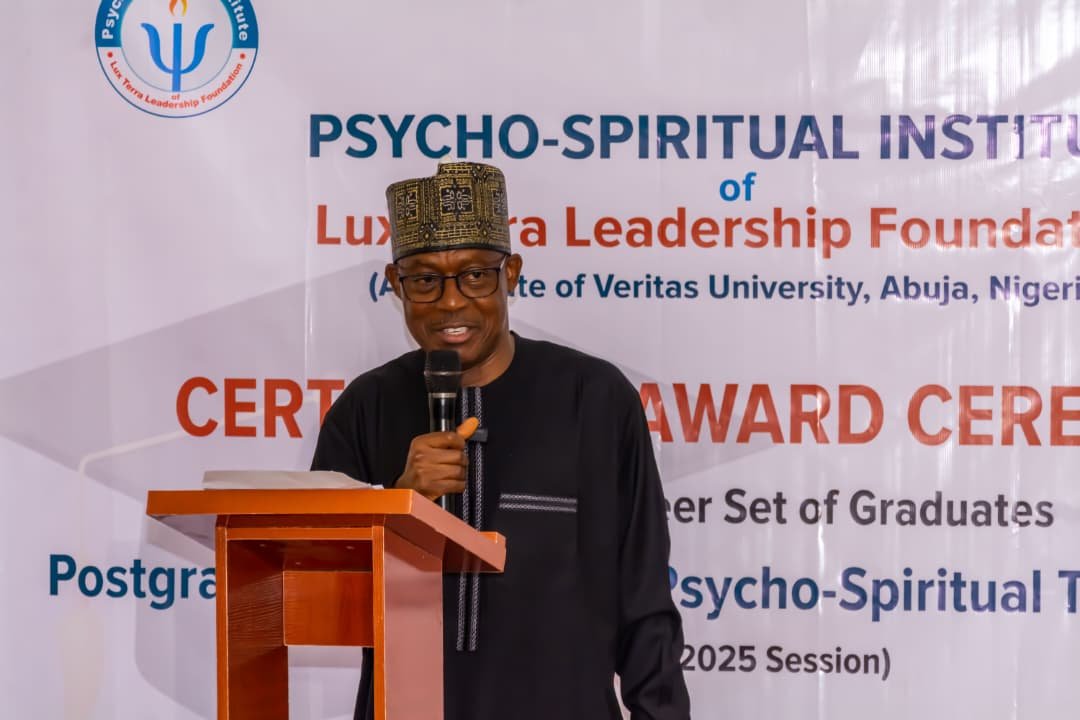
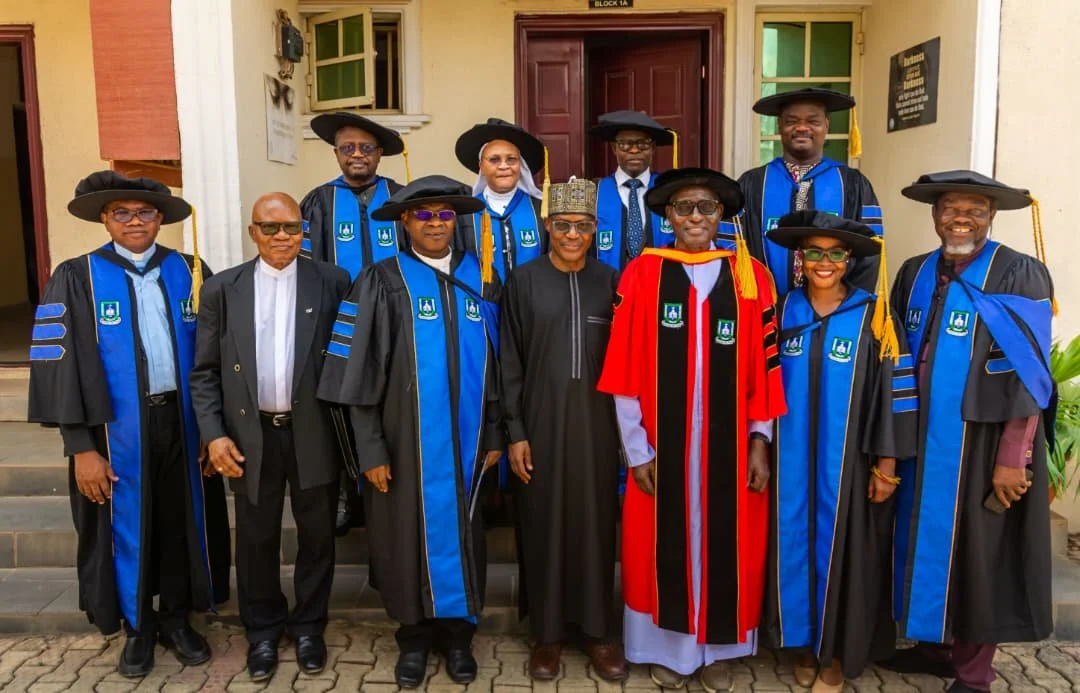
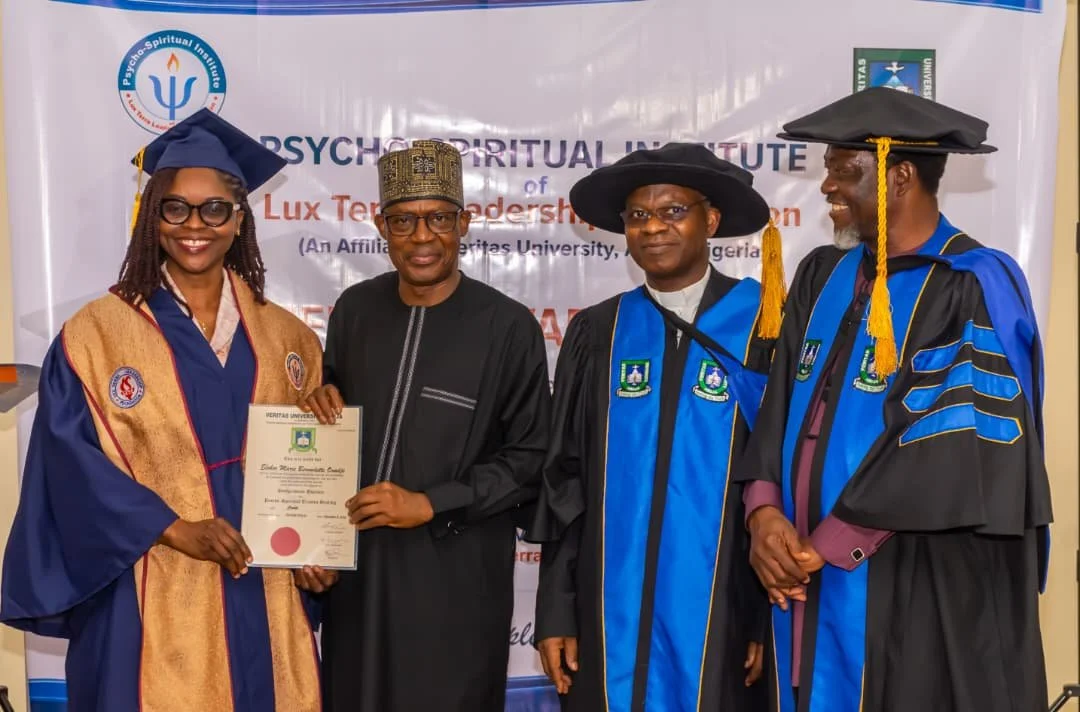
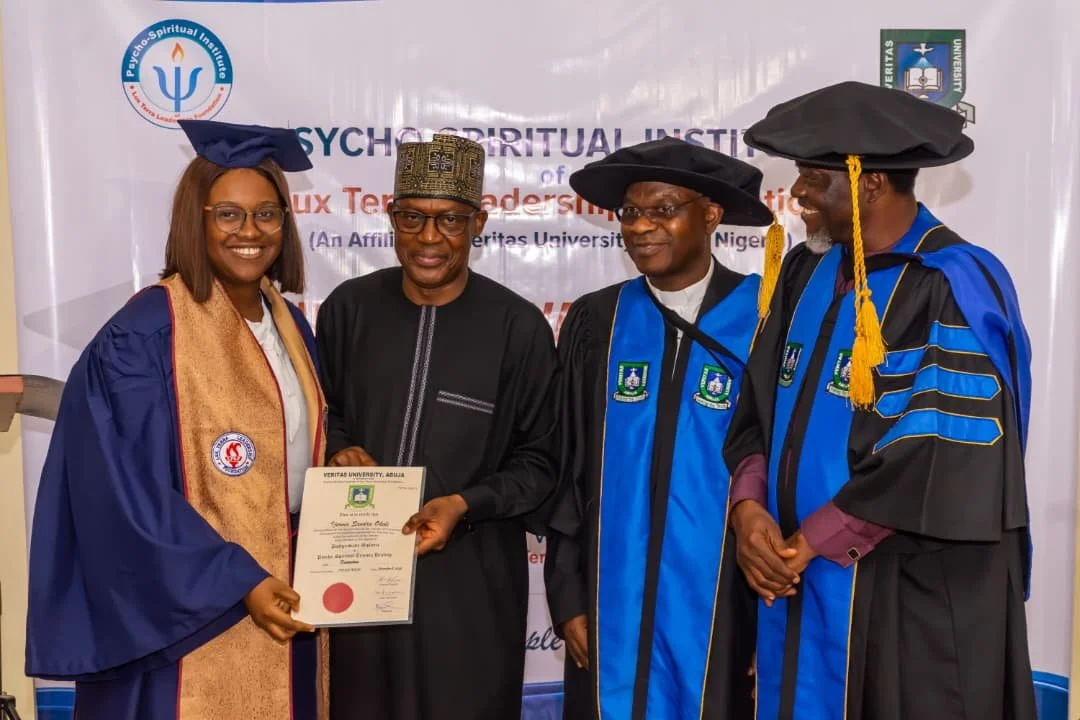
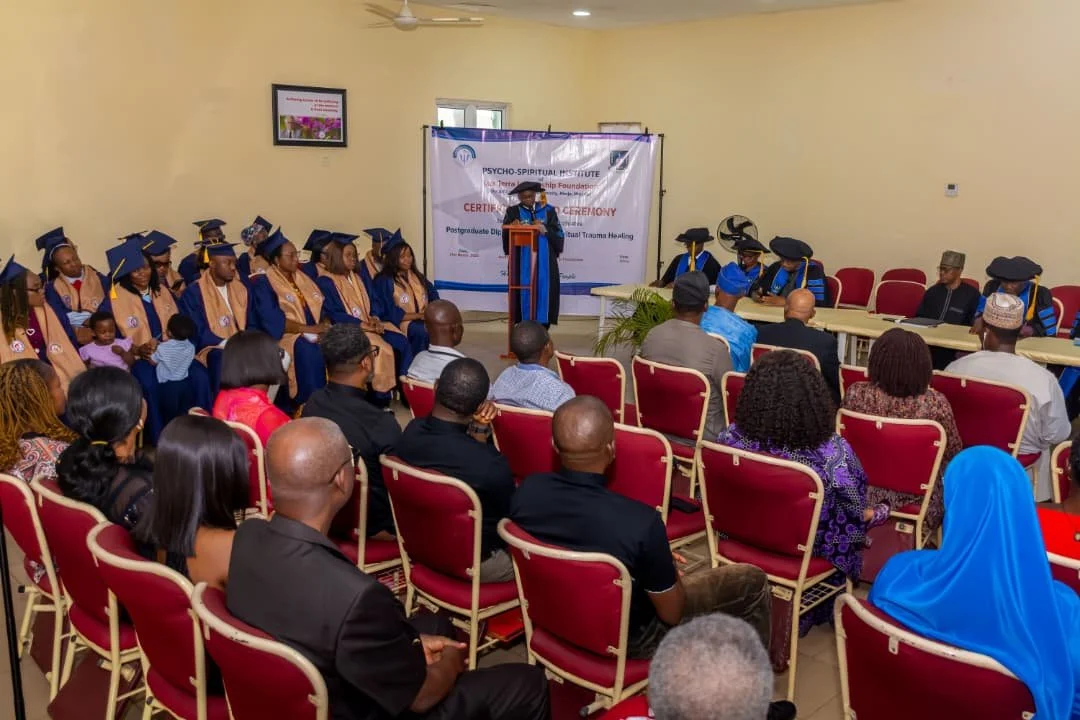
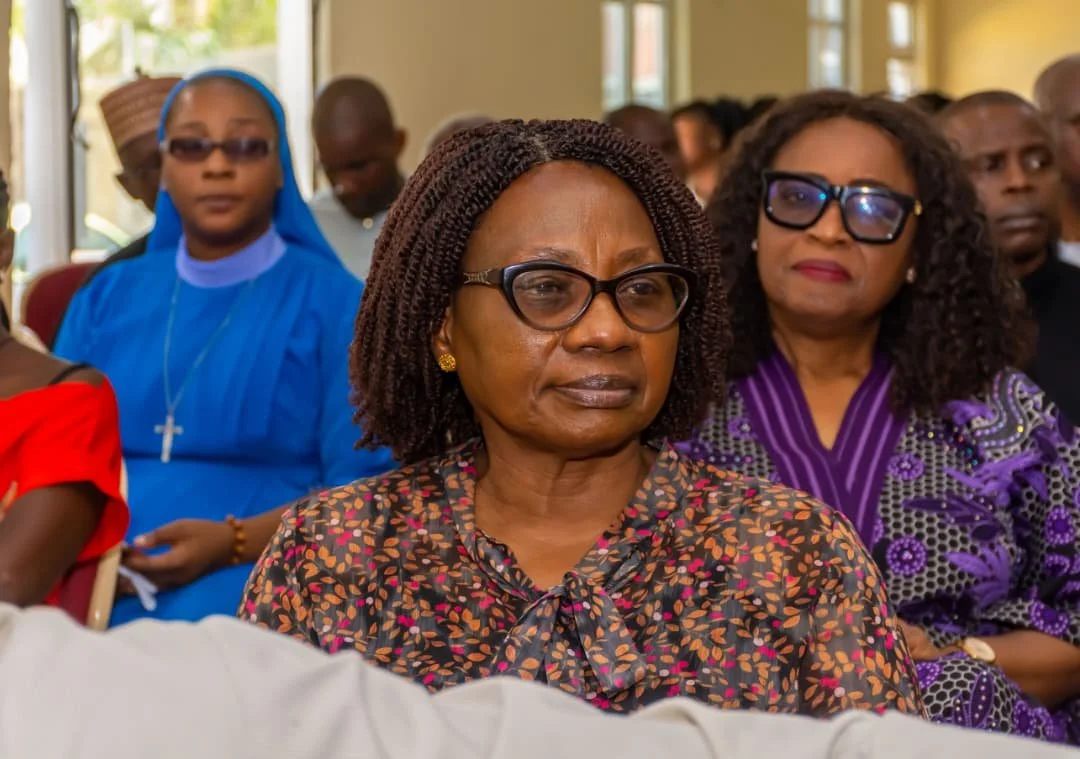
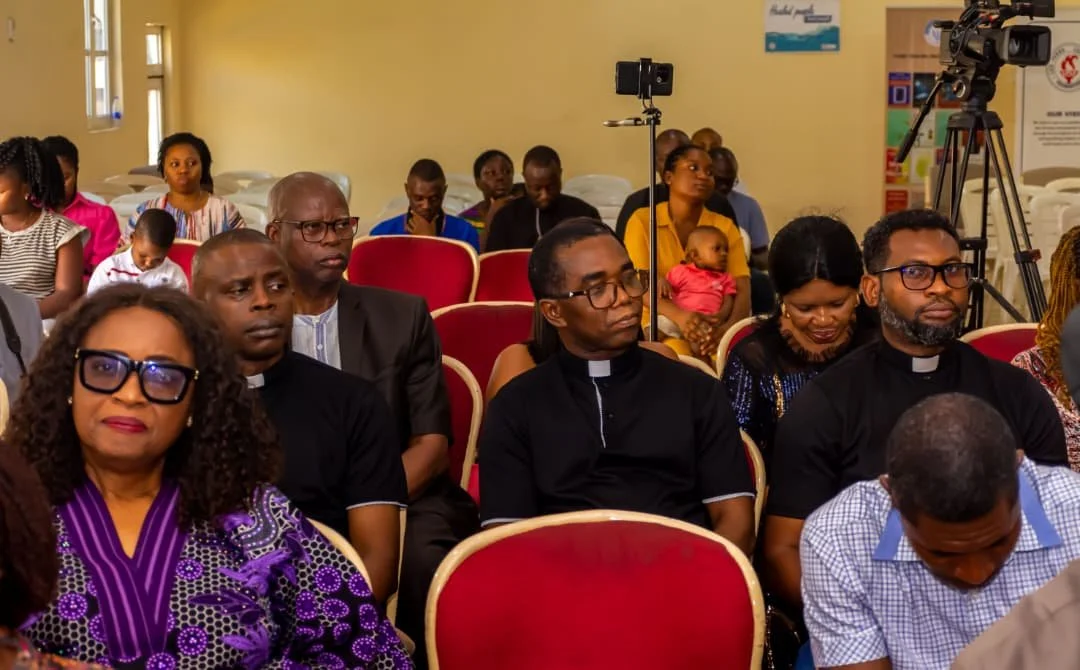
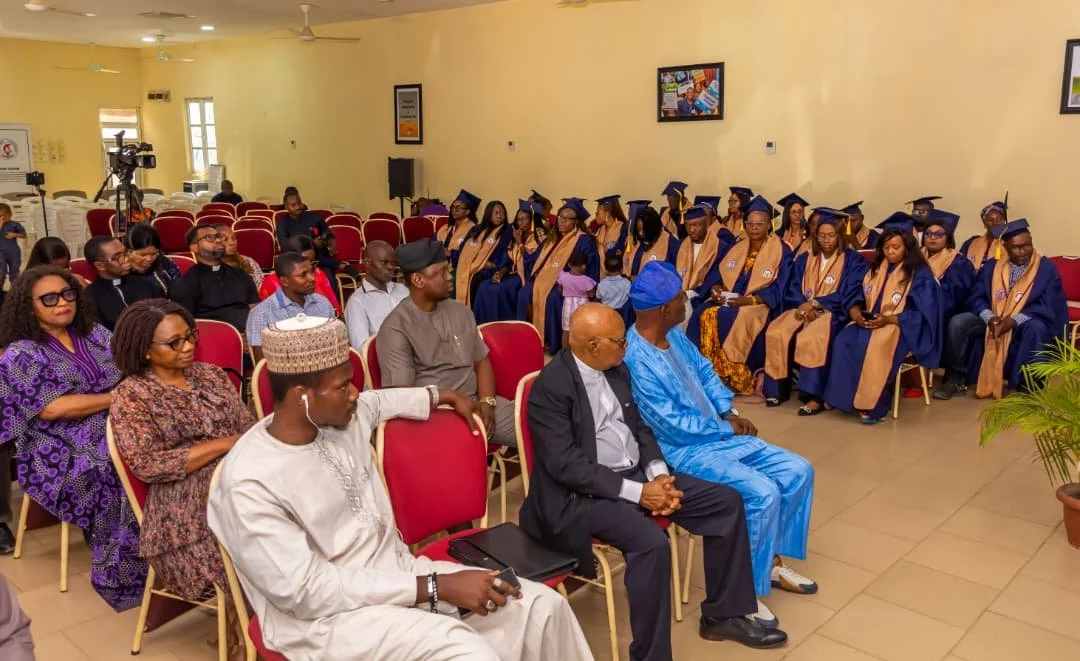
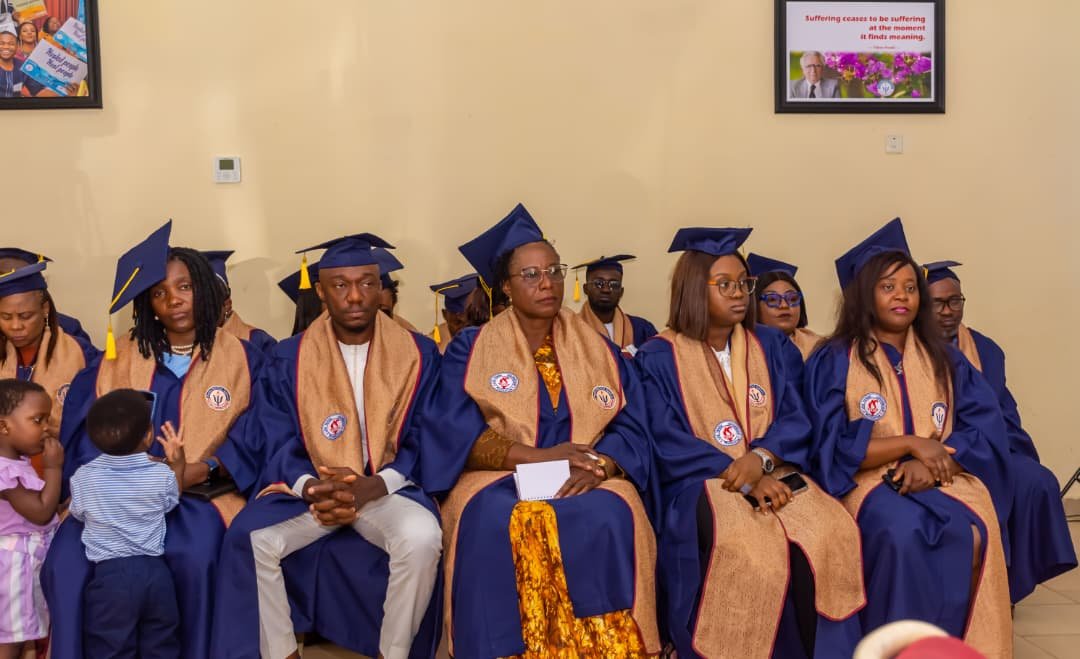
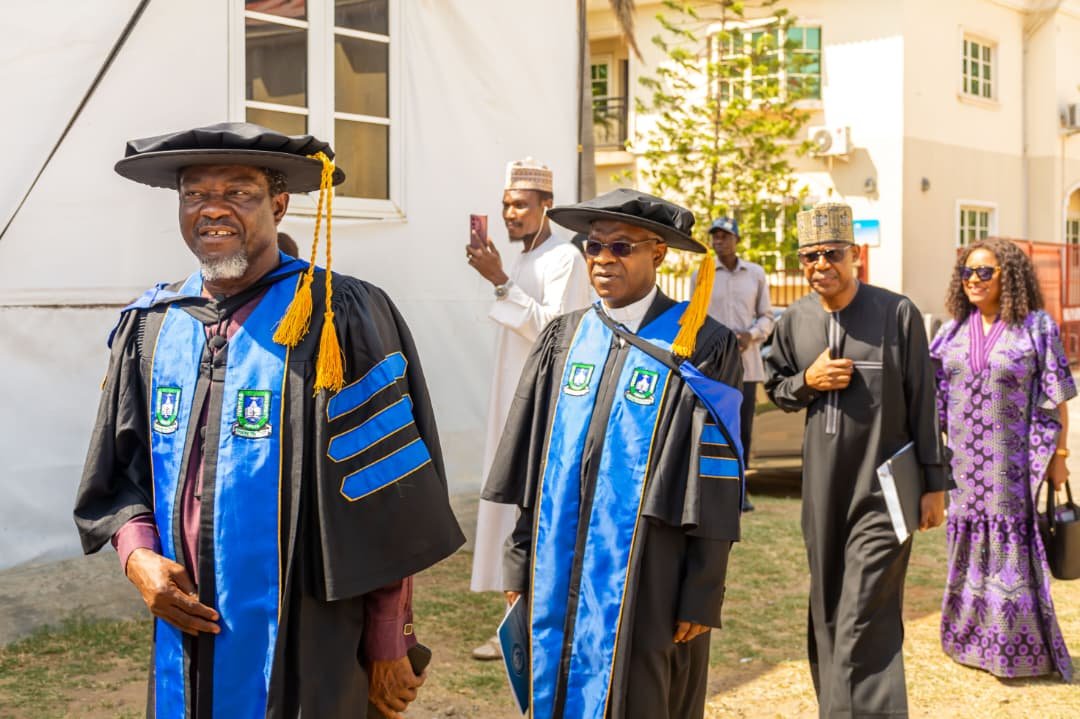
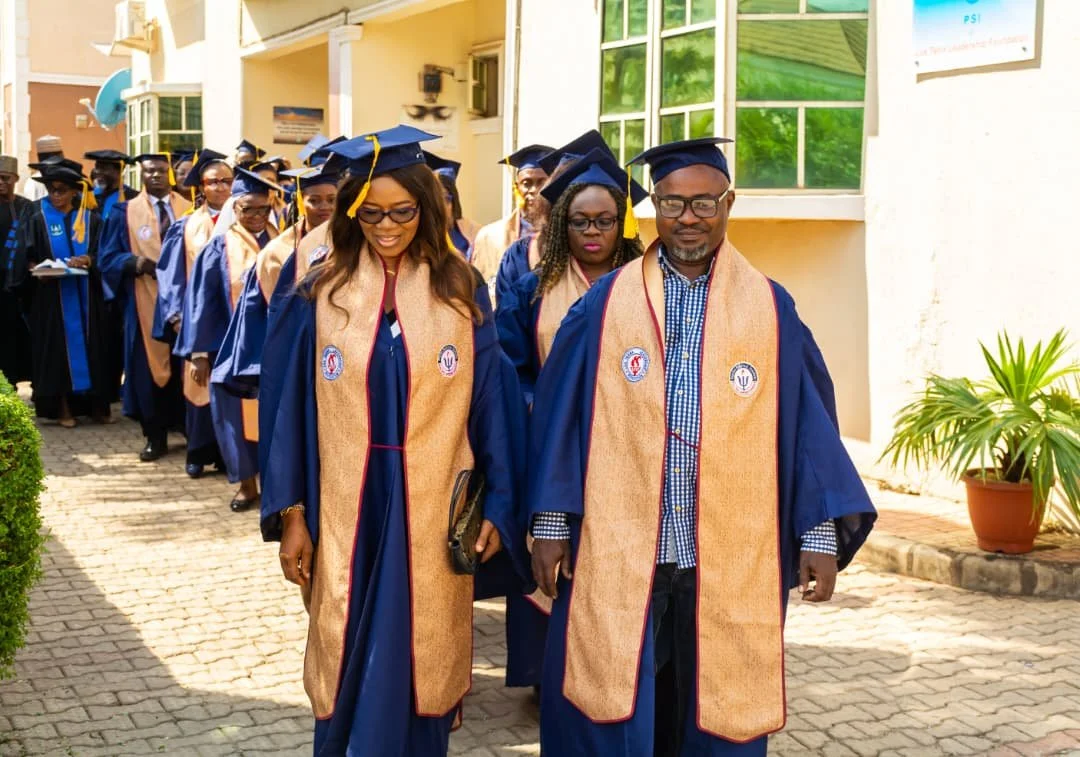
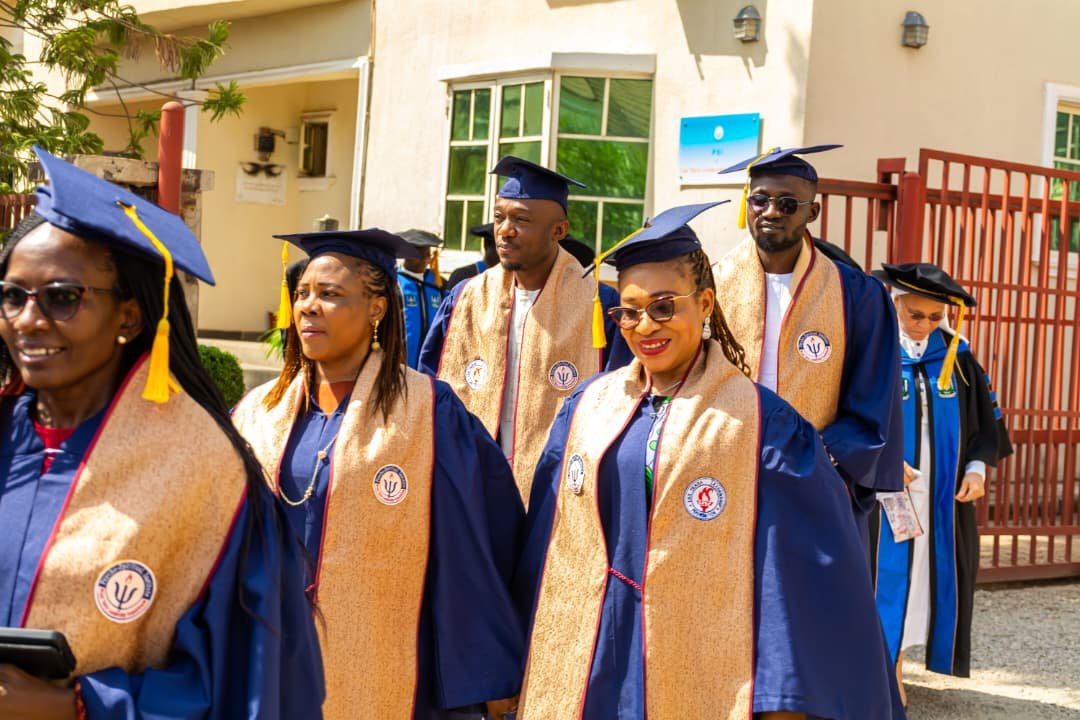
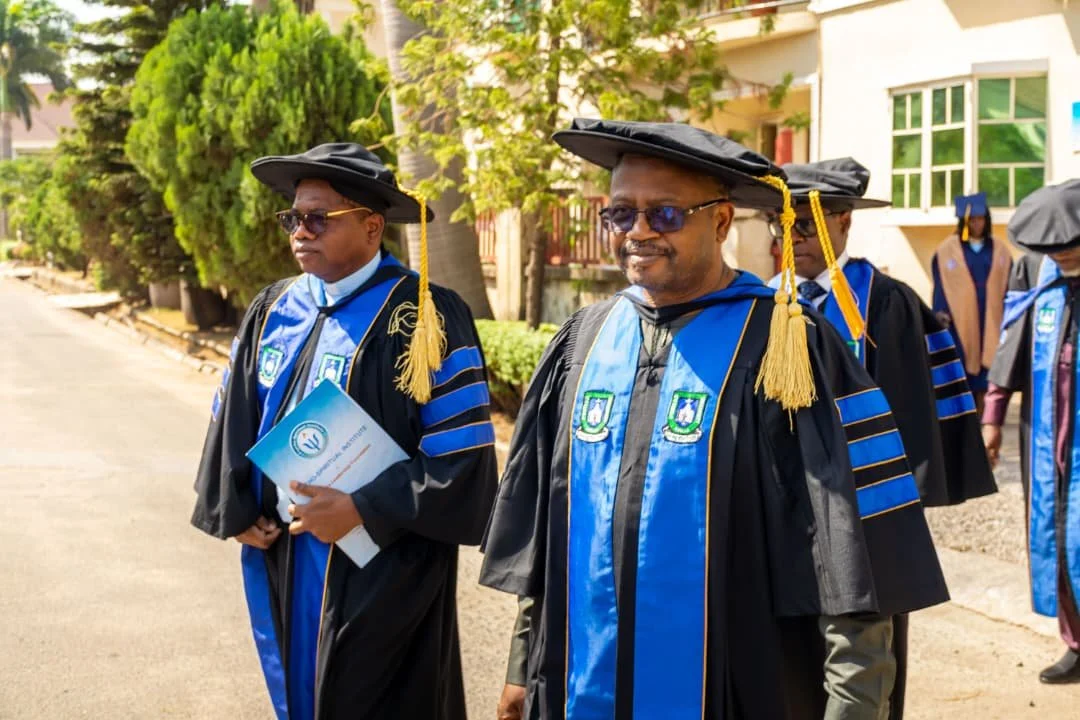
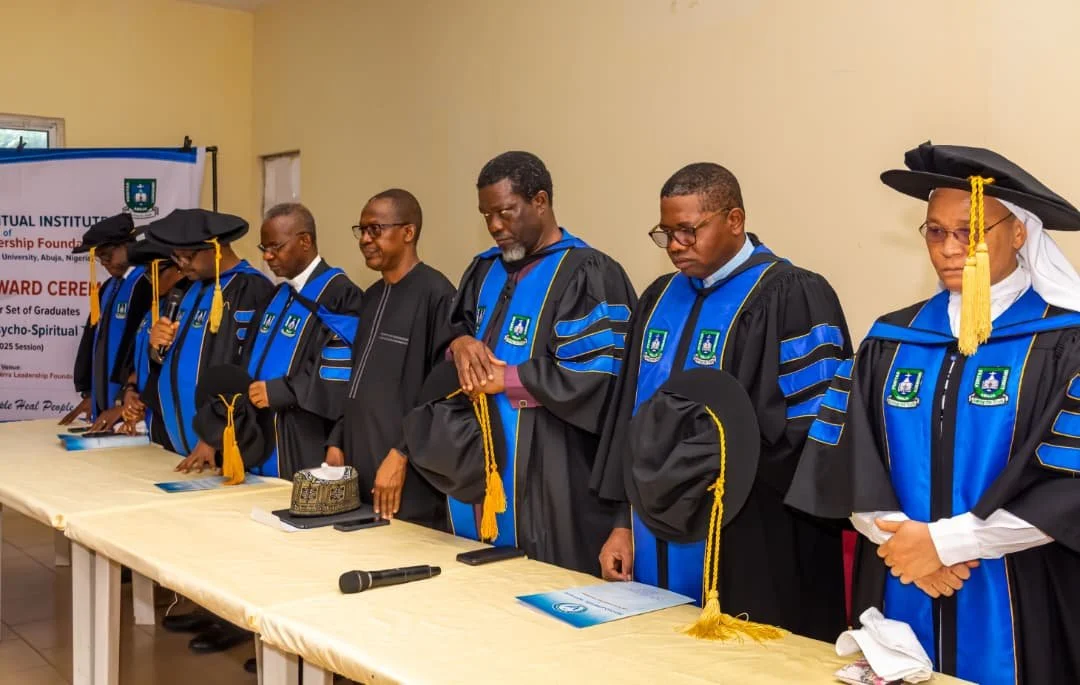
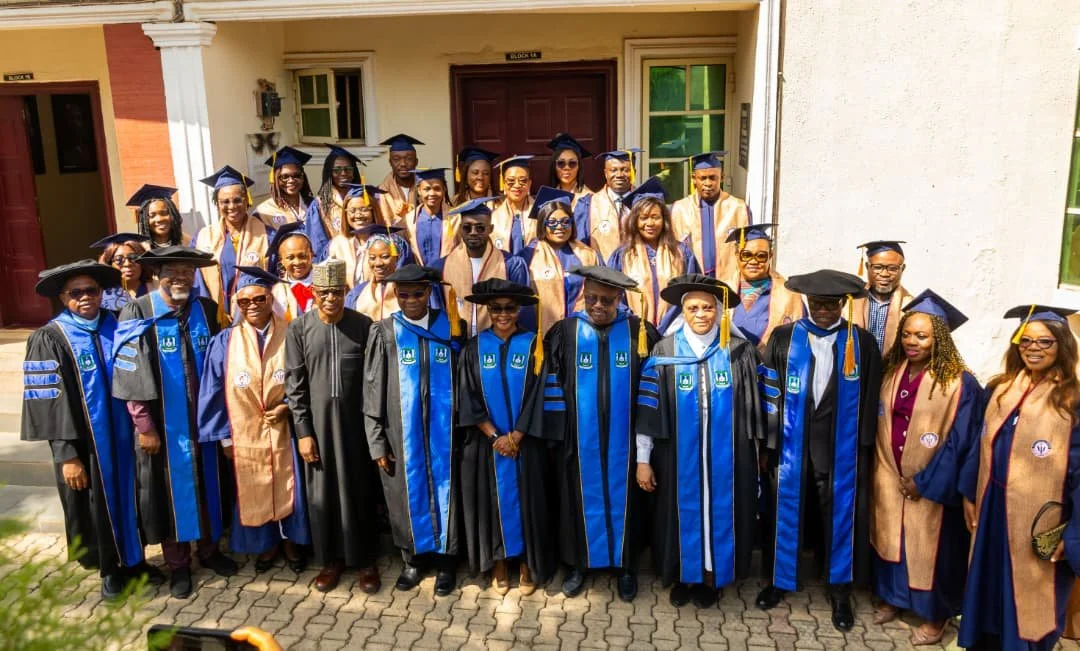
The Psycho-Spiritual Institute of Lux Terra Leadership Foundation, an affiliate of Veritas University, Abuja, has on Saturday March 21st, 2026 in Abuja, graduated 32 pioneer students of its Postgraduate Diploma in Psycho-Spiritual Trauma Healing.
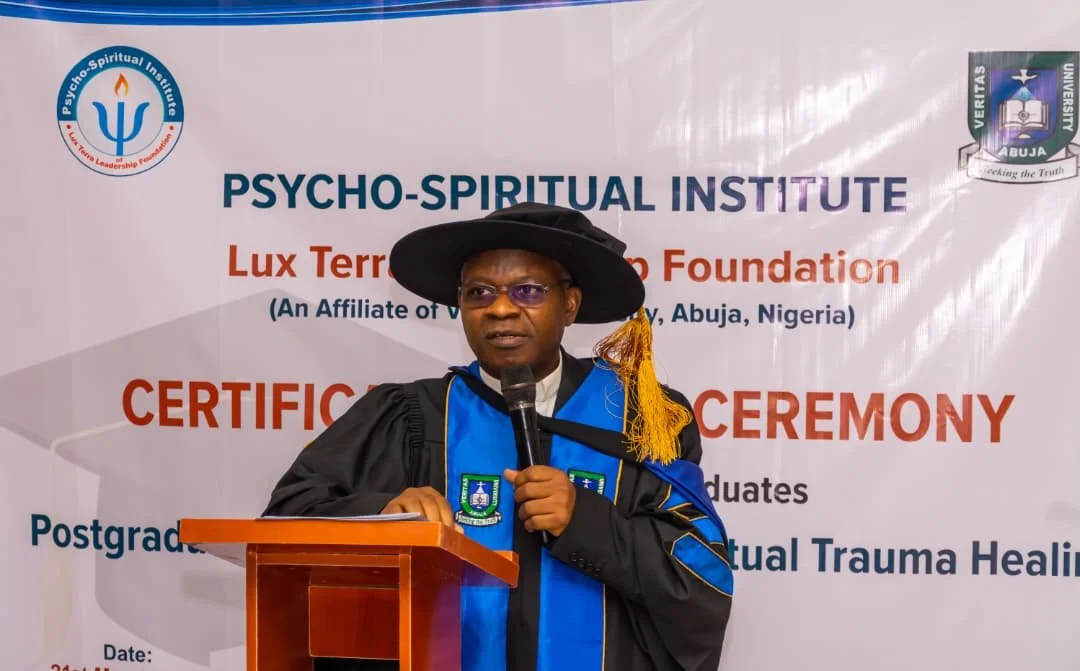
The Psycho-Spiritual Institute of Lux Terra Leadership Foundation, an affiliate of Veritas University, Abuja, has on Saturday March 21st, 2026 in Abuja, graduated 32 pioneer students of its Postgraduate Diploma in Psycho-Spiritual Trauma Healing.
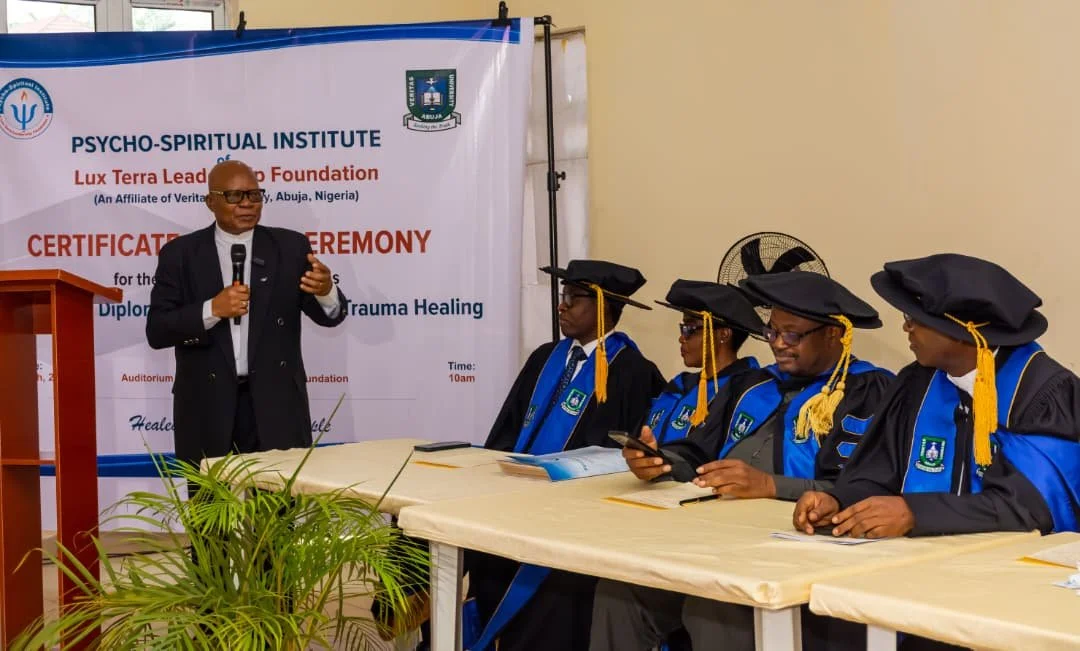
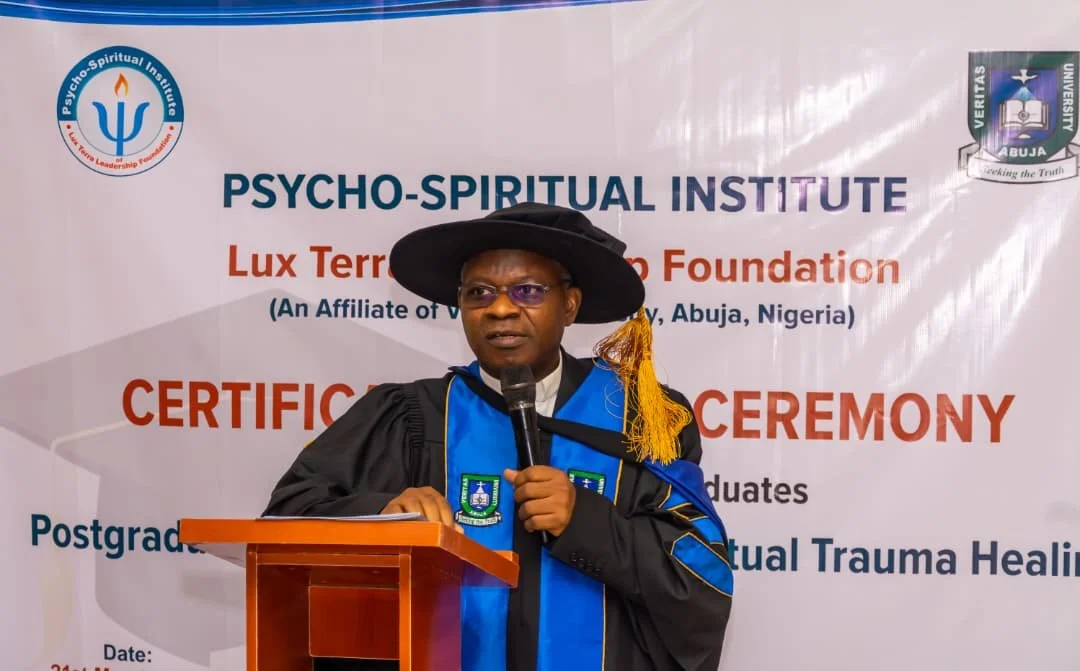
Speaking during the graduation event, the institute’s Executive Director, Rev. Fr. George Ehusani, said the programme was intentionally designed to produce not just professionals, but transformed individuals equipped to heal others.
He said the institute’s training model integrated academic rigour with deep personal formation, ensuring that graduates emerged with both competence and lived experience of healing.
Ehusani explained that beyond lectures and research, the programme immersed students in practical and reflective processes such as prayer sessions, one-on-one counselling, spiritual direction, group therapy engagements and retreats, among others.
According to him, these activities are critical in helping participants confront their inner realities, embrace growth and experience transformation.
“Along with the more academic content, these exercises are aimed at their personal healing, psycho-spiritual growth and ongoing transformation.
“The idea is that after two years of this PSI training encounter and experience, the candidates would have, by the grace of God, sufficiently discovered themselves,” he said.
According to him, their class assignments, group discussions and term papers, among others, should reflect their understanding of this psycho-spiritual and cultural integration, which is PSI’s unique approach.
“I must end by emphasising that the dimension of personal psycho-spiritual healing, growth and transformation should always be considered a very critical element of the entire PSI training experience,” he said.
He urged the graduates to uphold the values of self-awareness, empathy and continuous transformation as they step into professional practice.
In his remarks, the Vice-Chancellor of Veritas University, Prof. Hyacinth Ichoku, commended the vision and dynamism of the founder of the initiative. Represented by the Dean, Faculty of Humanities, Prof. Gabriel Egbe, Ichoku said he was convinced that the graduates would bear abundant fruit and their impact would be felt.
He charged the graduates to put the knowledge acquired into practice, noting that many individuals and society at large are in need of healing.
In his remarks, the Special Guest of Honour, Dr Chris Maiyaki, urged the graduates to stay true to the mission and never stop dreaming big.
He said the strong foundation of faith and service of the institute was a springboard for the graduates to excel. Maiyaki, a former Acting Executive Secretary of the National Universities Commission (NUC), urged the graduates to collaborate effectively and prioritise investment in people.
“I would like to say that we are here to rejoice, and it is with pride and a deep sense of fulfilment that I celebrate your success.
“We must look ahead with renewed vigour and commitment. From what we have seen, the future of this institute looks very bright. “I urge the institute to adhere strictly to all regulatory requirements of the NUC to deepen the culture of quality, ensuring that staffing, delivery and curriculum are properly aligned,” he said.
Responding on behalf of the graduates, the Class Representative, Dr Alex Nnadozie, thanked God for the grace to be healed healers. He commended the institute and the faculty for their dedication to bringing out the best in all graduating students.
Nnadozie also commended the graduates for their resilience and commitment to the vision despite the challenges faced. He said the graduates were already collaborating and making impact in various fields such as media, law and internally displaced persons (IDPs) NGOs, among others.


Cerca Africa Hosts Women Entrepreneurs and Leaders
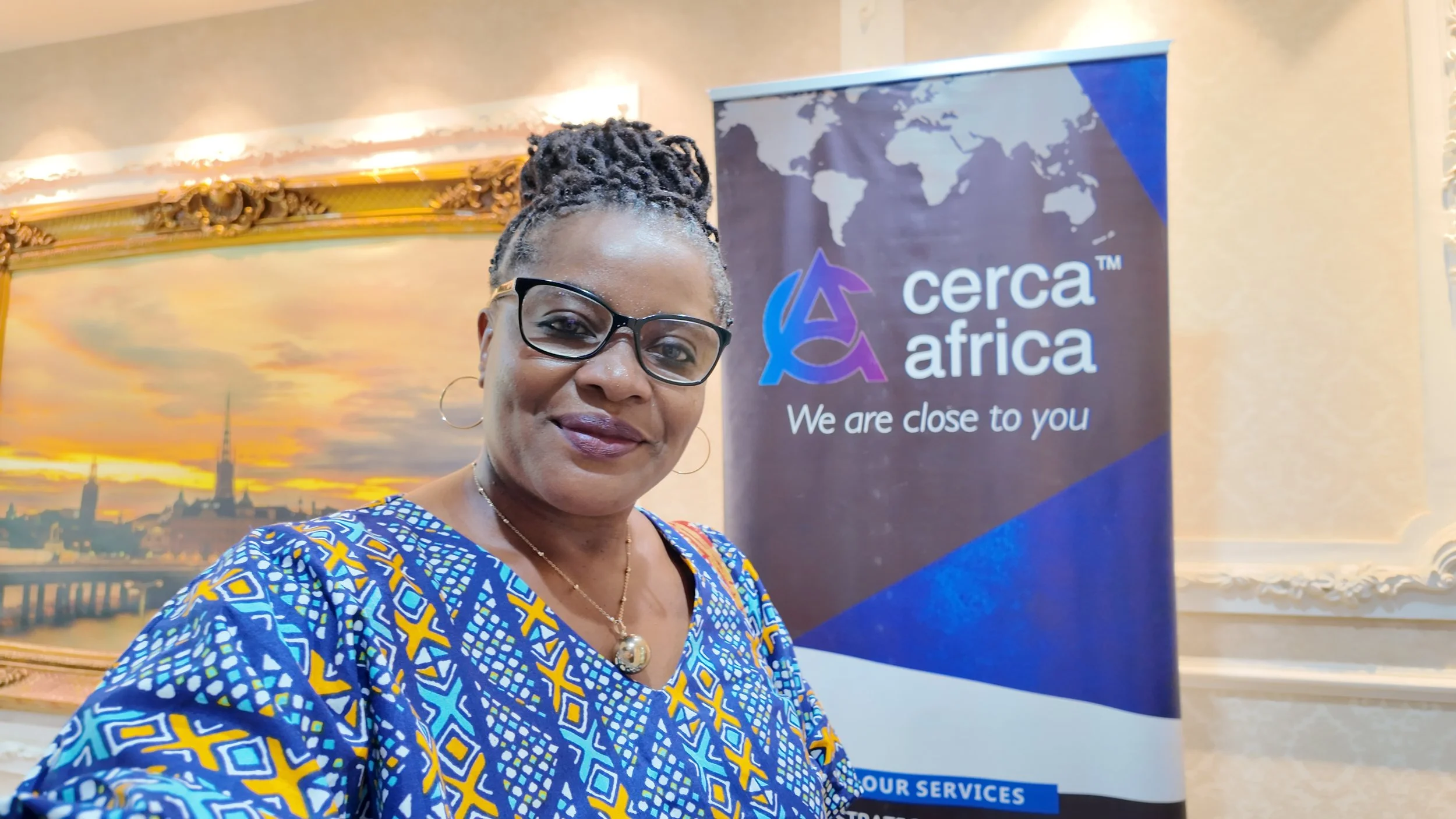
Cerca Africa, in partnership with the China Europe International Business School (CEIBS) hosts 75 Women Entrepreneurs and Leaders in Abuja, Nigeria.
Africa-Related, Abuja

Cerca Africa Hosts 75 Women in Entrepreneurship & Leadership
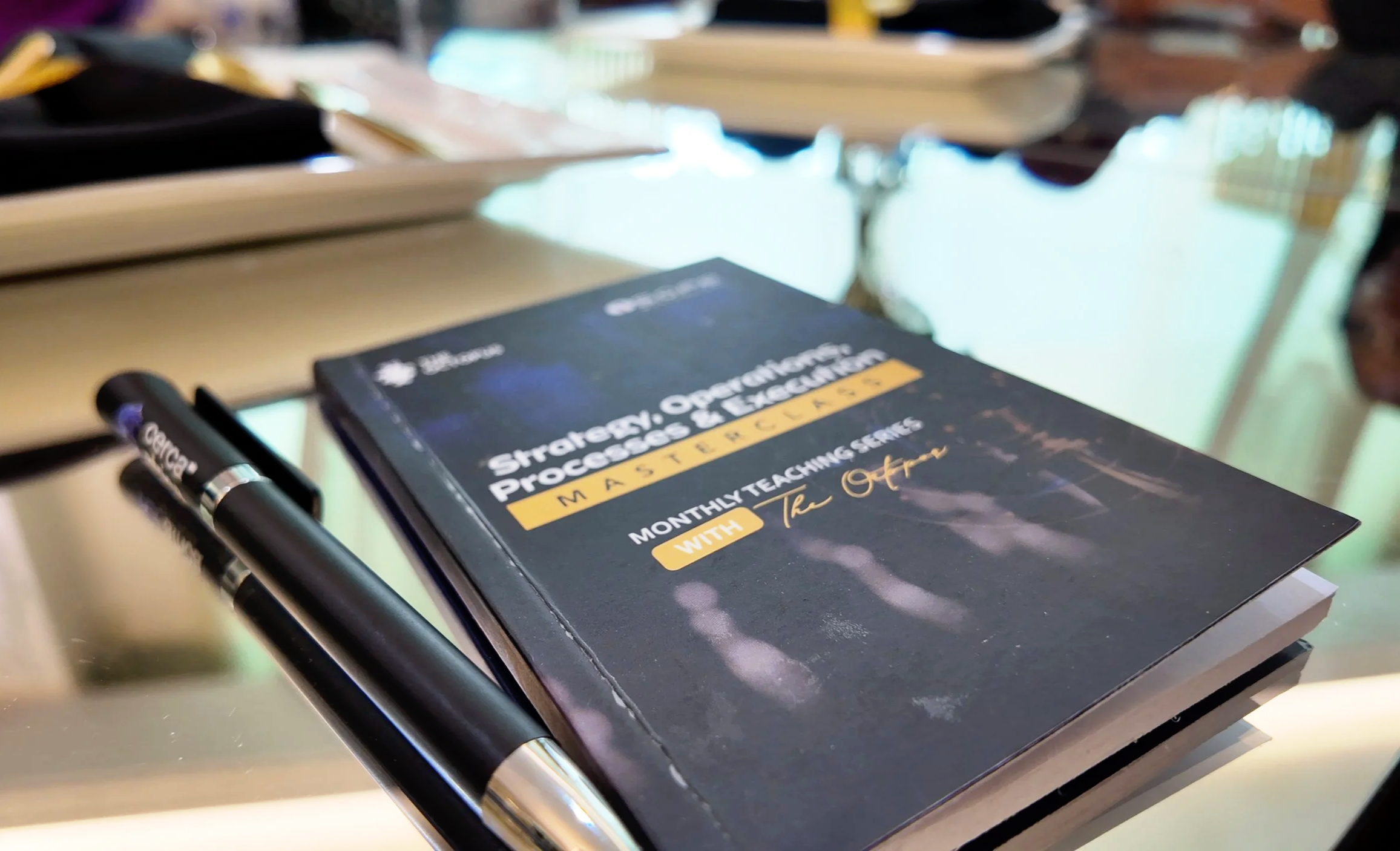
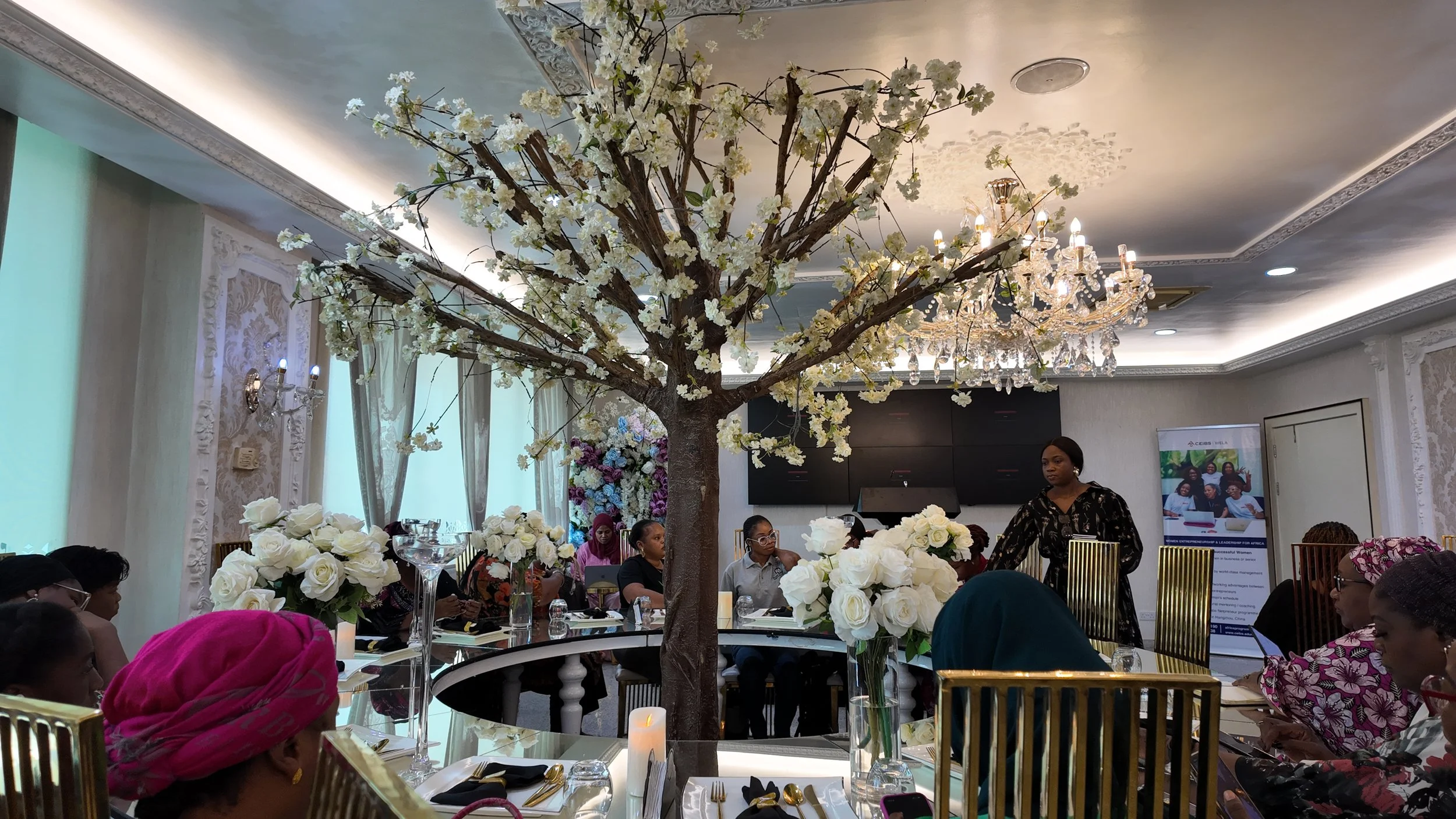
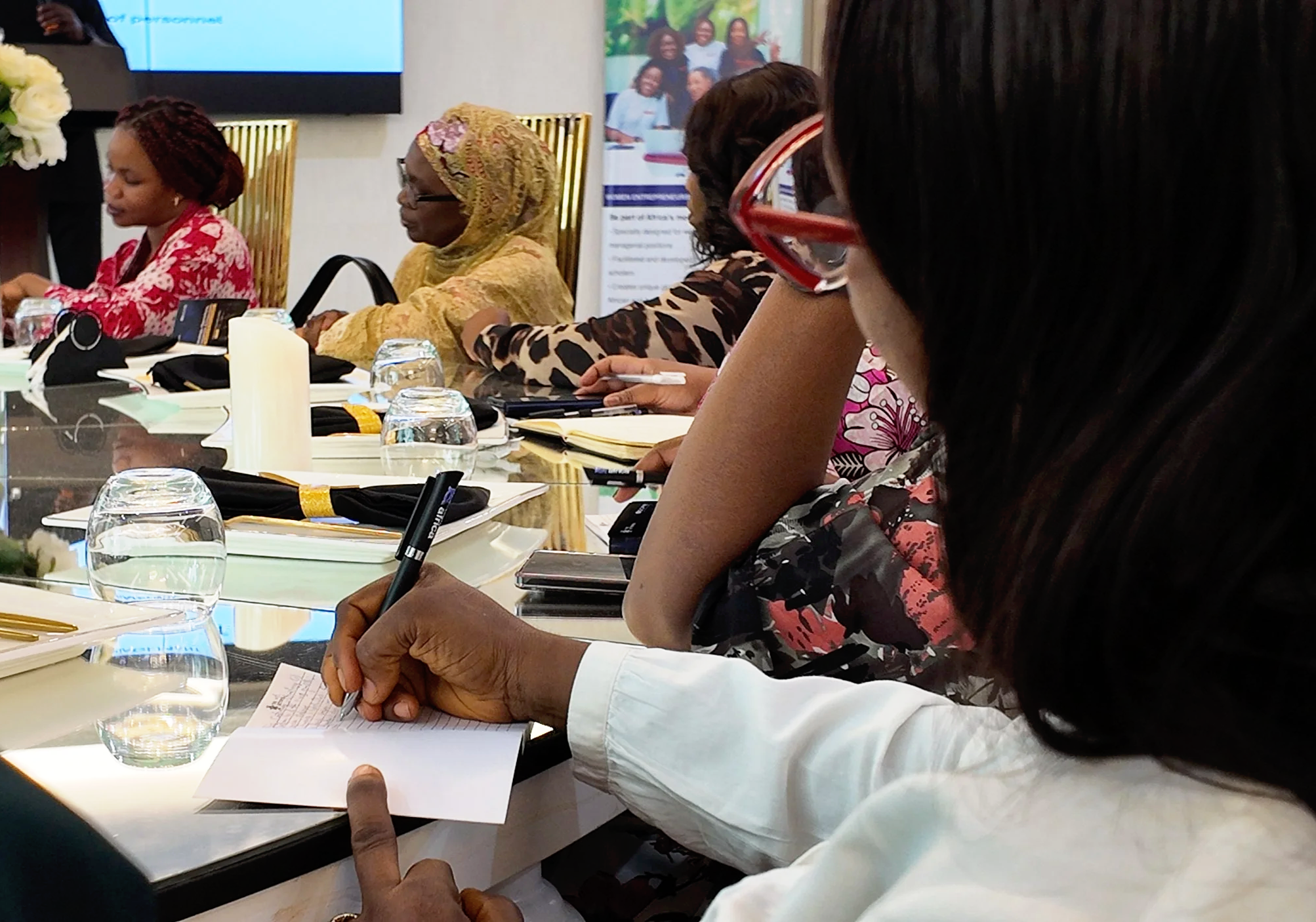
The IWD2026 Strategy, Operations, Processes & Execution (S.O.P.E) masterclass held in Abuja on March 26, 2026.
The event was organized in partnership with the China Europe International Business School (CEIBS) for their Women Entrepreneurship & Leadership for Africa (WELA) programme.
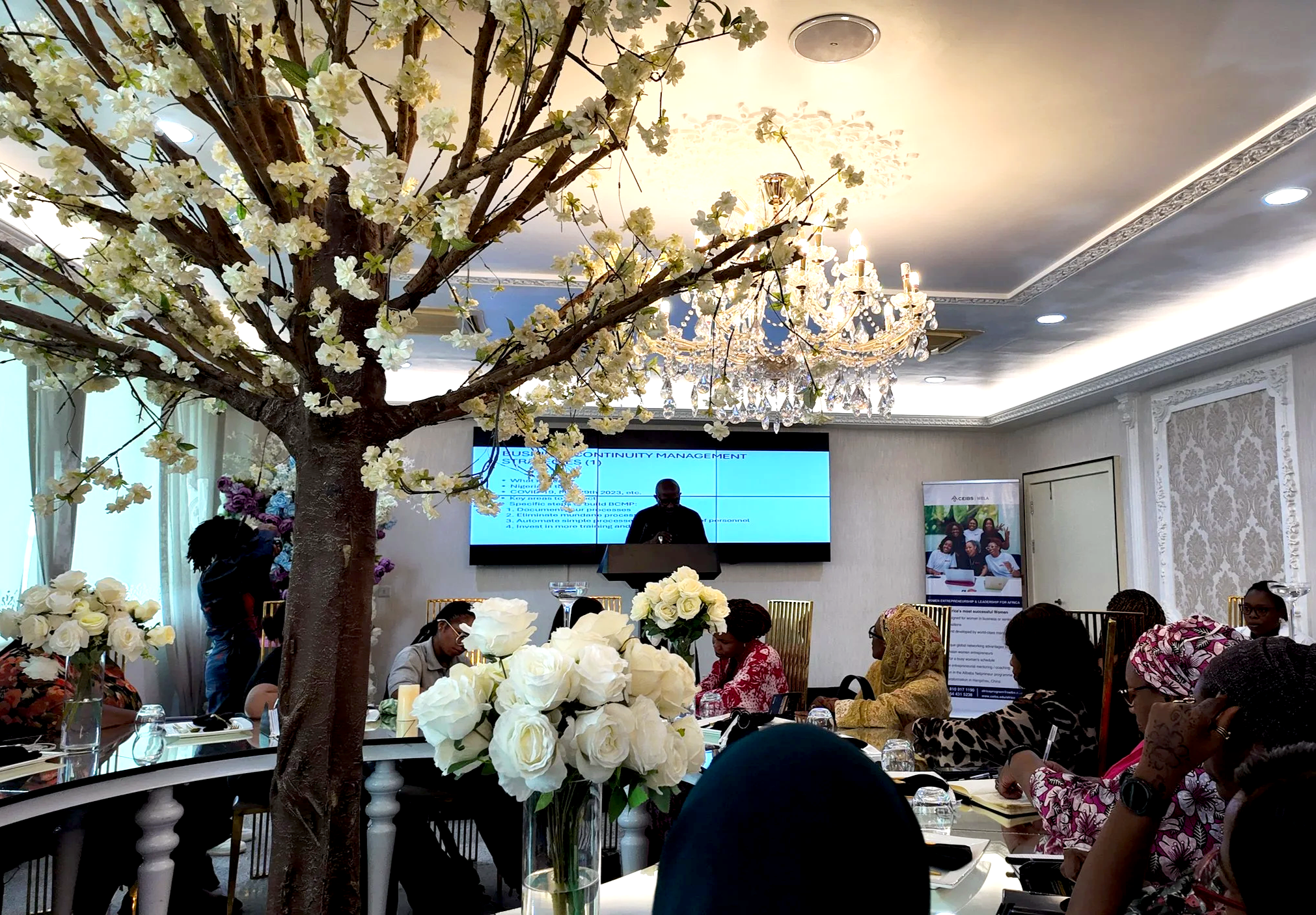
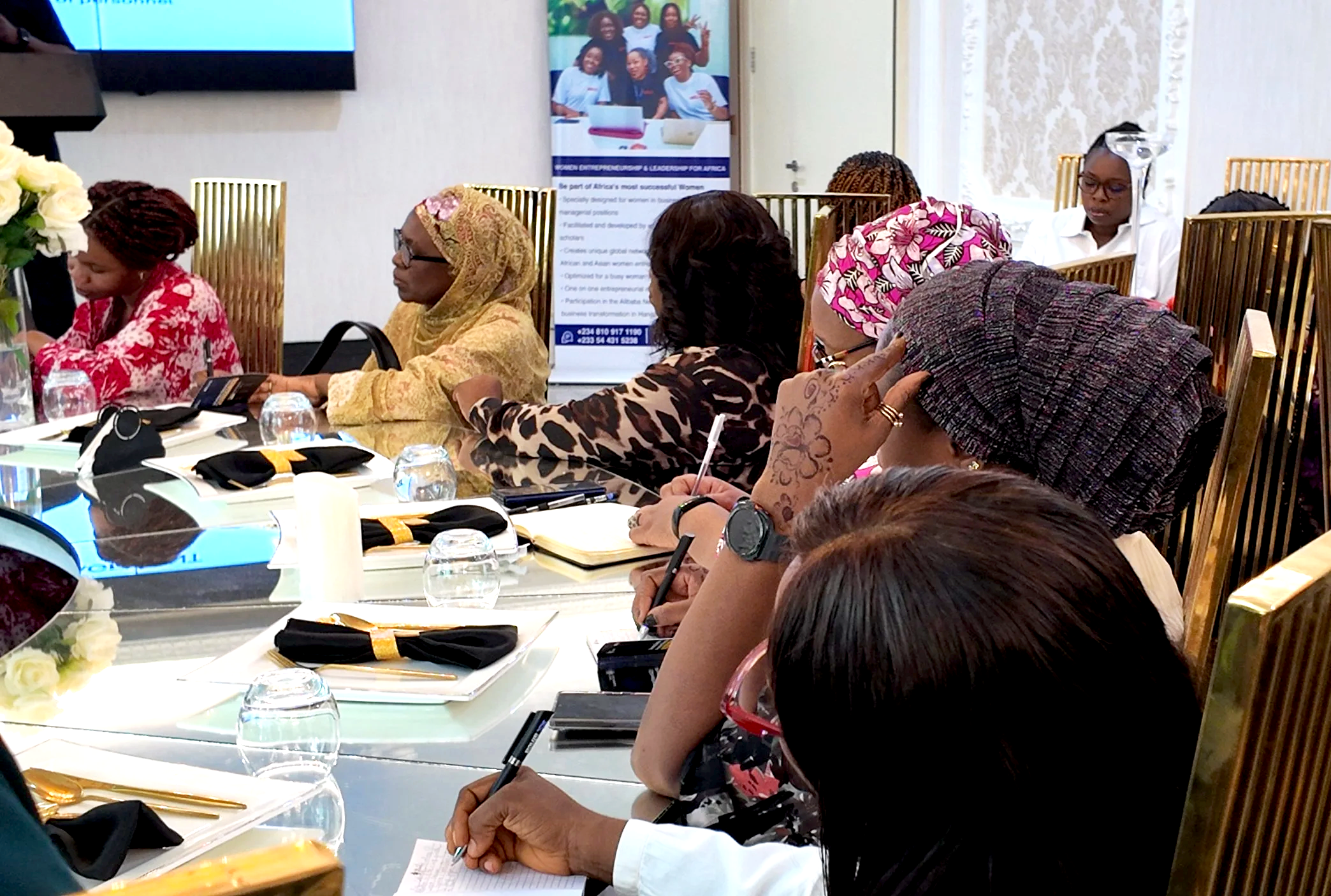
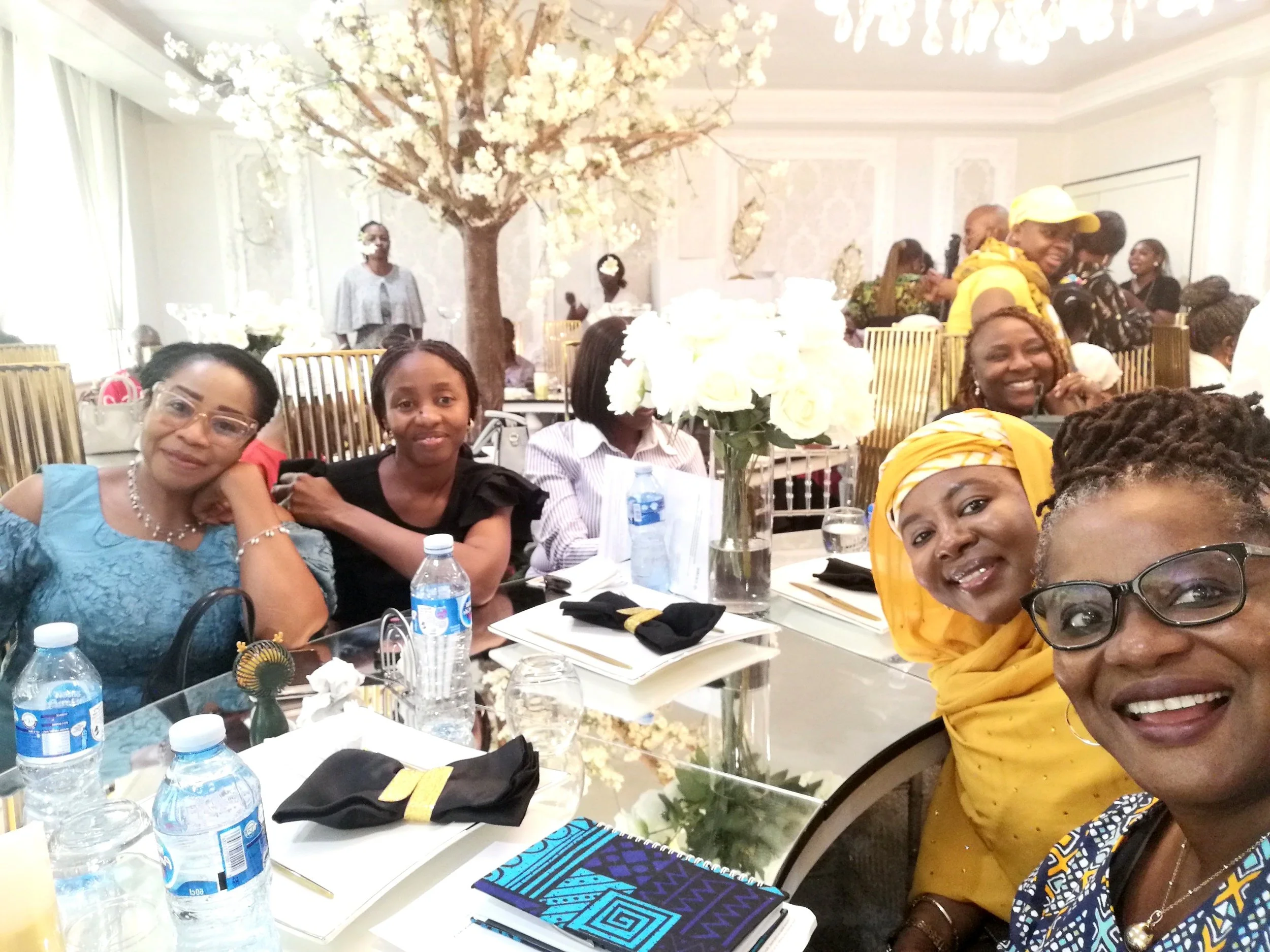
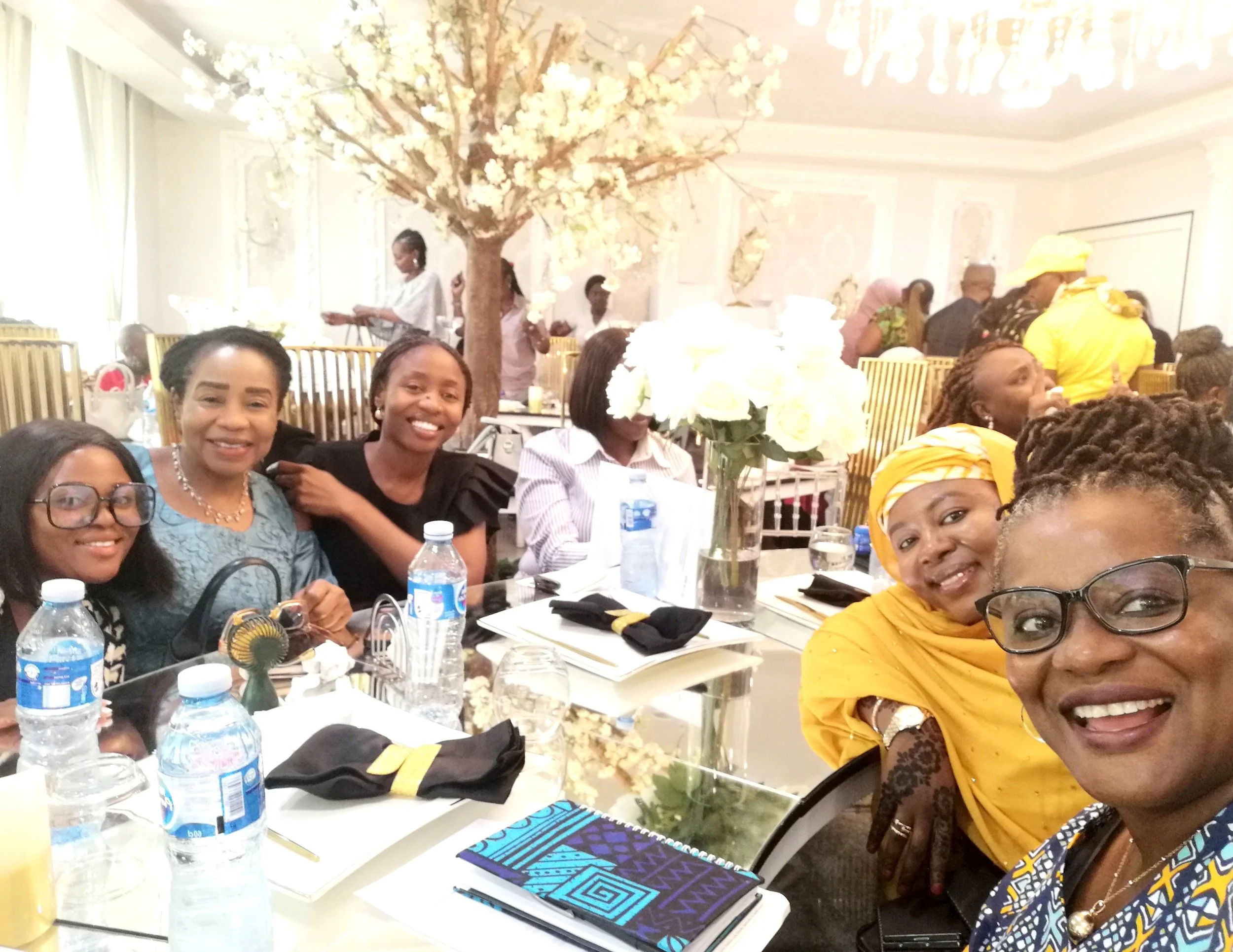
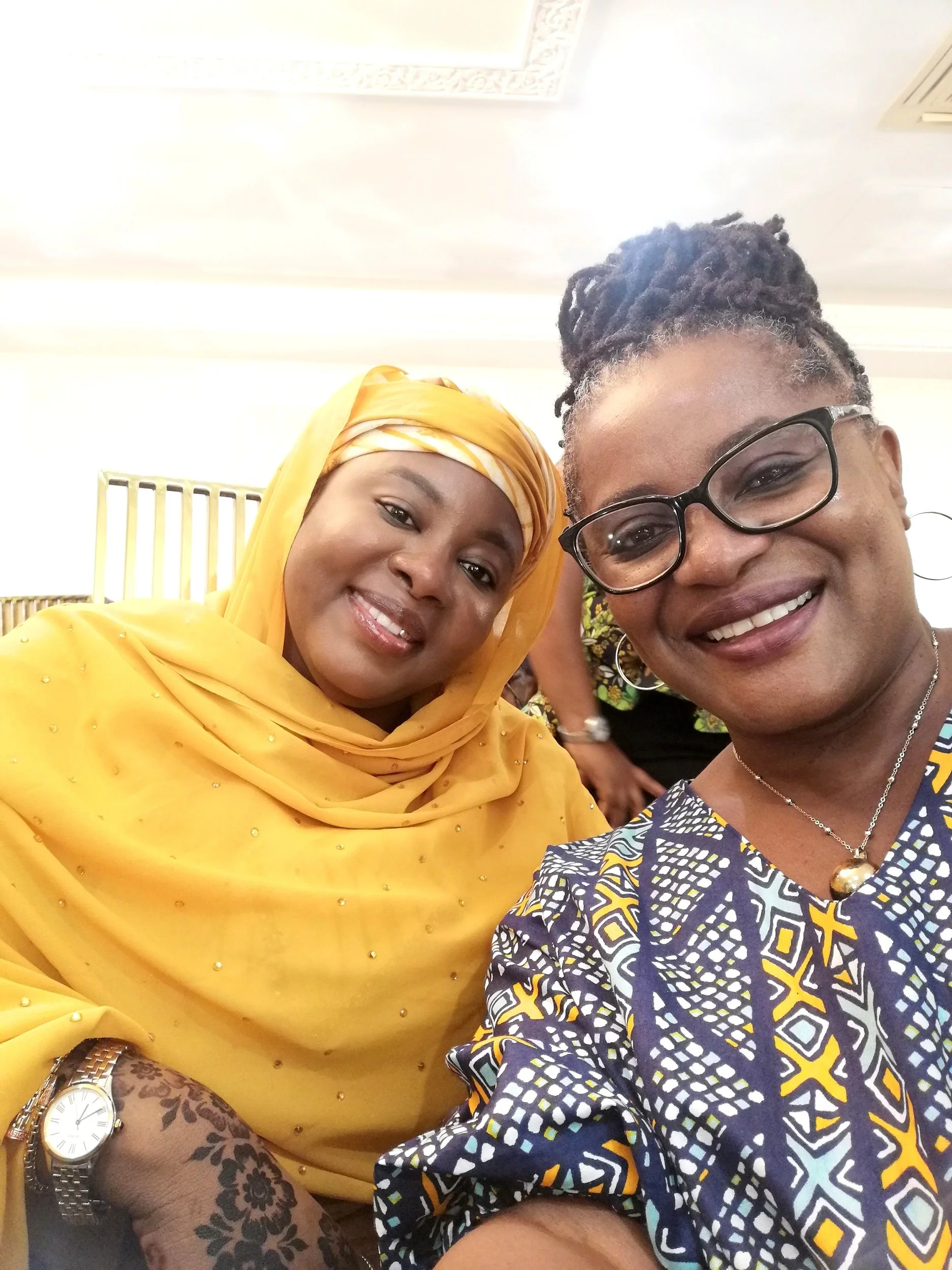
Hosted by Cerca Africa and CEO Sam Obafemi (The Octopus) at Elegante Mall, the exclusive evening was attended by 75 entrepreneurial women from various professional backgrounds.
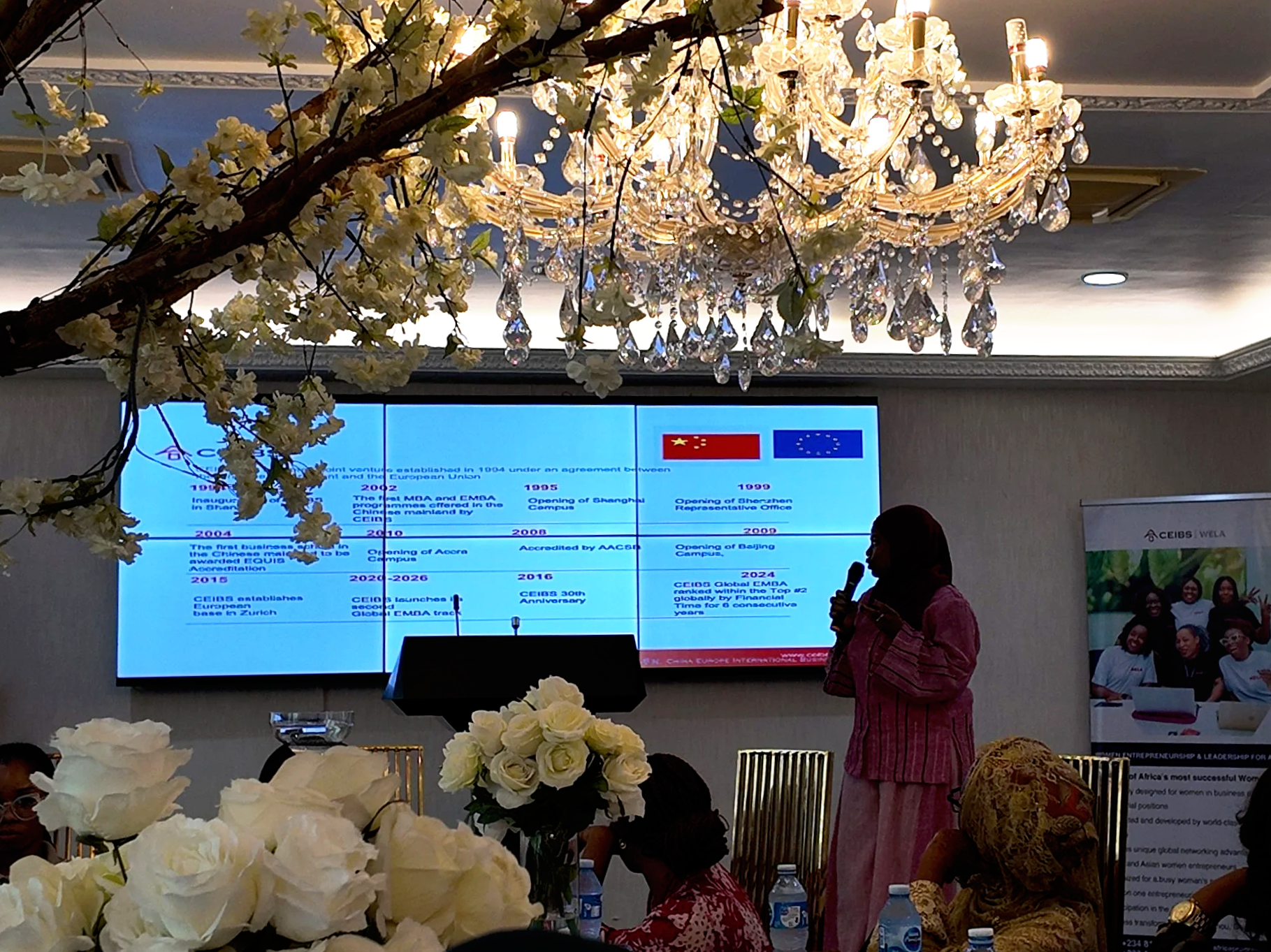
The event featured two key presentations. Mr. Sam Obafemi spoke on Business Continuity Management, and Mrs. Saidat Lawal-Mohammed, CEIBS’ Head of Executive Education Africa, provided an overview of the institution’s programs. The sessions were followed by dinner and networking opportunities for all participants.
Cerca Africa holds targeted monthly masterclasses for registered participants. They work with individuals and organizations to achieve mental, emotional, and economic freedom through coaching programs focused on strategy, processes, and behavioral change.
CEIBS is a non-profit joint venture established in 1994 under an agreement between the Chinese government and the European Union. The Business School offers Global Executive MBA programme, as well as a tailored Executive Education Africa Programmes
Learn more about upcoming sessions or coaching services.
#sopeceibswela
Photos by Africa-Related
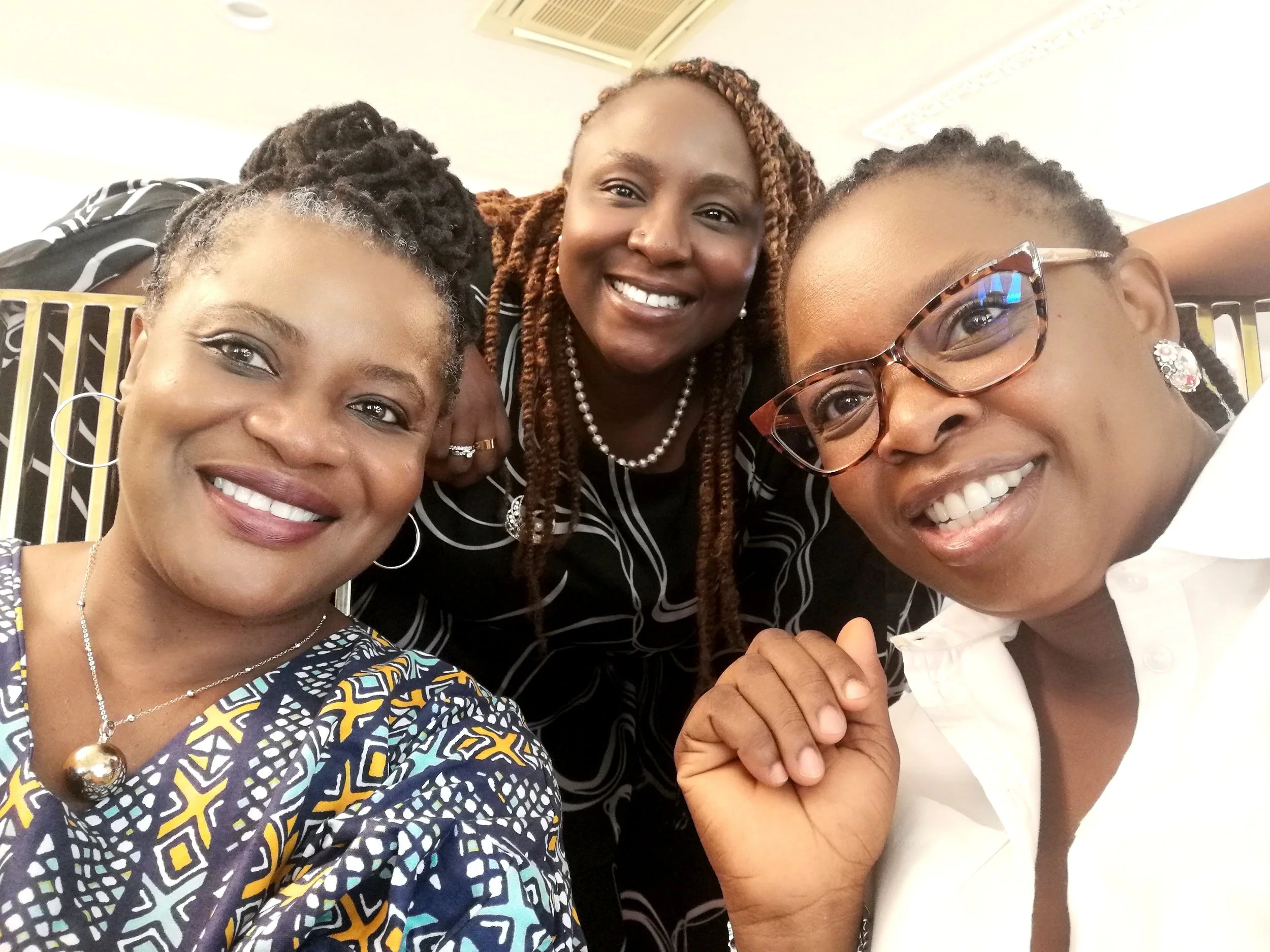
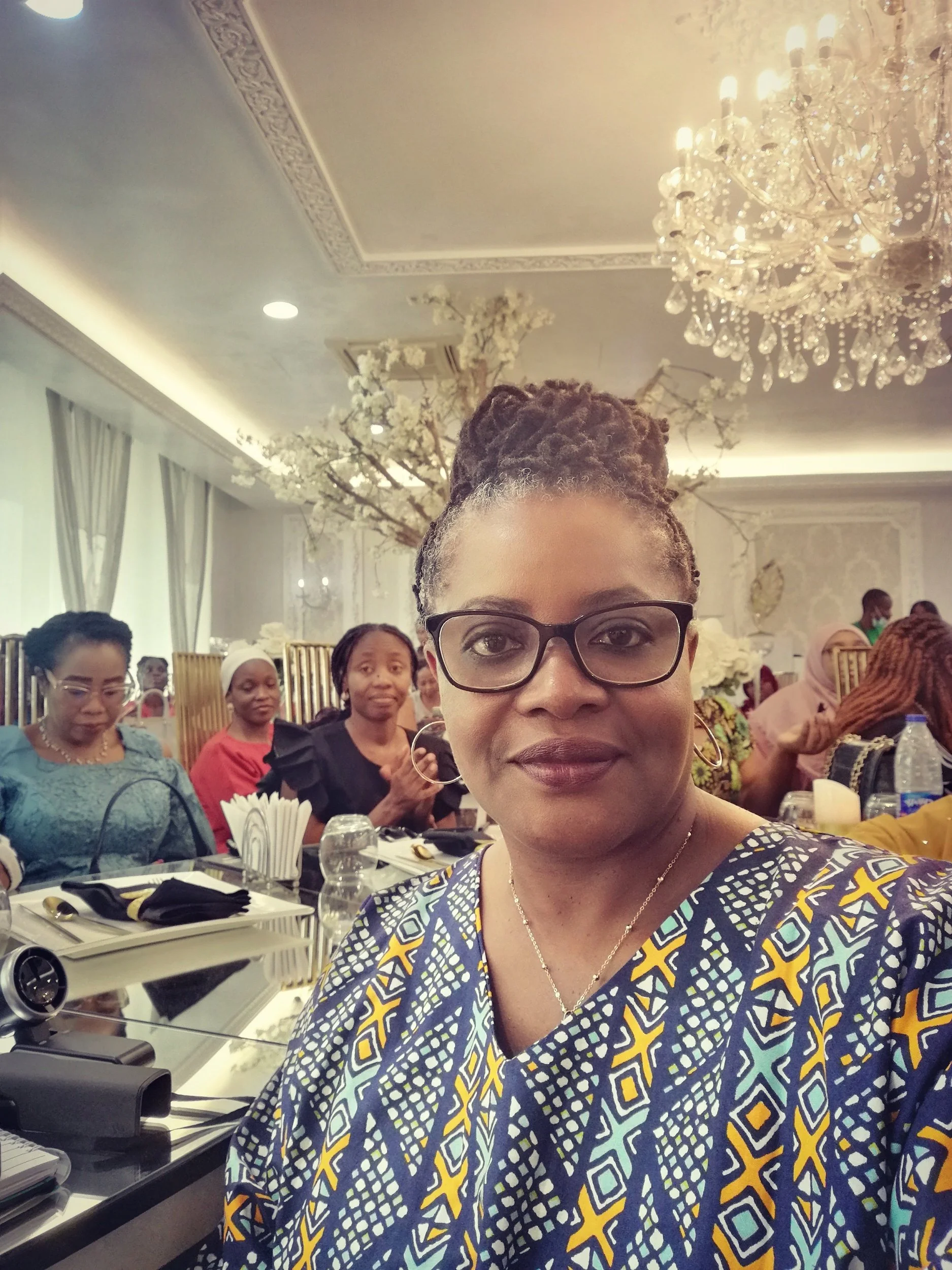
For more stories told from an African perspective, follow us at africarelatedinc
SHARE THIS STORY

The Power of Soft Skills: Key Takeaway From The International Project Management Day Conference 2025
The Power of Soft Skills is the key takeaway from the International Project Management Day Conference 2025. It brought together thought leaders, practitioners, and innovators to explore how project management continues to evolve as both a technical and human-centered craft.
By melody-Esther soyemi - Africa-Related, Nigeria
Creating Connections in Project Management
“The International Project Management Day Conference 2025 brought together thought leaders, practitioners, and innovators to explore how project management continues to evolve as both a technical and human-centered craft.”
On November 6, 2025, project management professionals around the world came together to celebrate International Project Management Day 2025, a global event dedicated to recognizing the discipline’s impact on organizational success and human collaboration. The conference program featured two thematic tracks that ran concurrently throughout the day, Track A focused on communication, self-awareness, and workplace civility, while Track B emphasized sustainable project management, certification pathways, and emerging professional standards.
Opening Keynote: Building Respectful Engagement
The conference opened with a powerful keynote titled “The 3-Pass Process: Building Respectful Engagement by Ted Lalonde.” Lalonde emphasized the growing importance of empathy, inclusivity, and trust in managing teams, especially in today’s hybrid and multicultural work environments. He also encouraged attendees to see respectful engagement not just as etiquette, but as a project management competency essential for achieving long-term results.
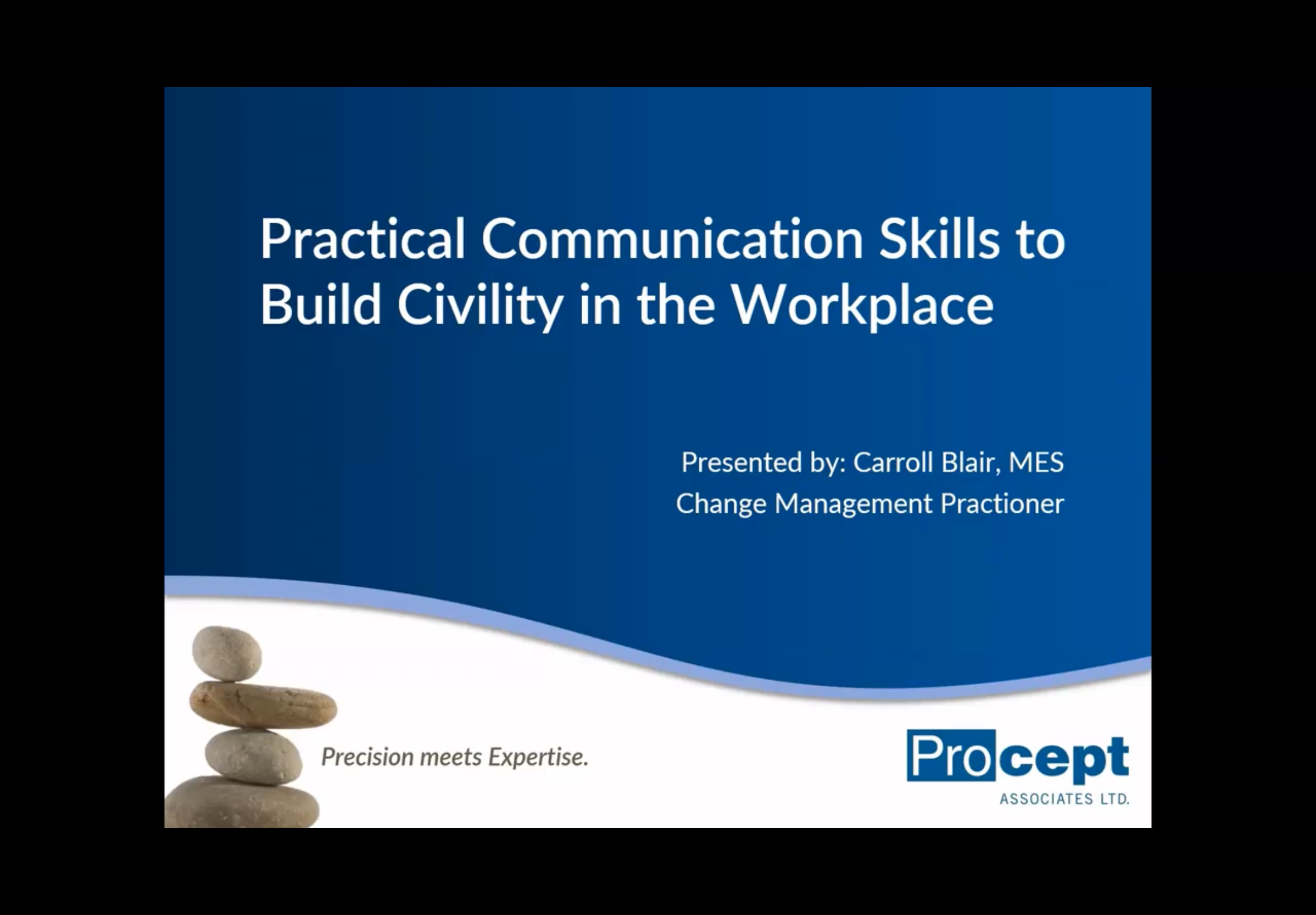
Practical Communication Skills to Build Civility in the Workplace
(Video source)
This session was led by Carroll Blair who highlighted one of the most discussed topics of the day: Practical Communication Skills to Build Civility in the Workplace. It explored how project managers can intentionally create psychologically safe spaces that foster honest dialogue and collaboration. She stressed that civility is more than politeness, it’s a measurable factor in reducing project risks and improving stakeholder relationships. She stated “ when talking about civility in the work place do we want to expect less from each other, do we want technology to do all of our human interactions, or do we want to be alone together.”
Real-world examples illustrated how communication breakdowns often lead to project delays, while open feedback channels help teams navigate uncertainty with shared purpose. The key takeaway is that effective project management starts with human connection.
Circling the Dragon: Diagnosing and Resolving Organizational Culture Issues
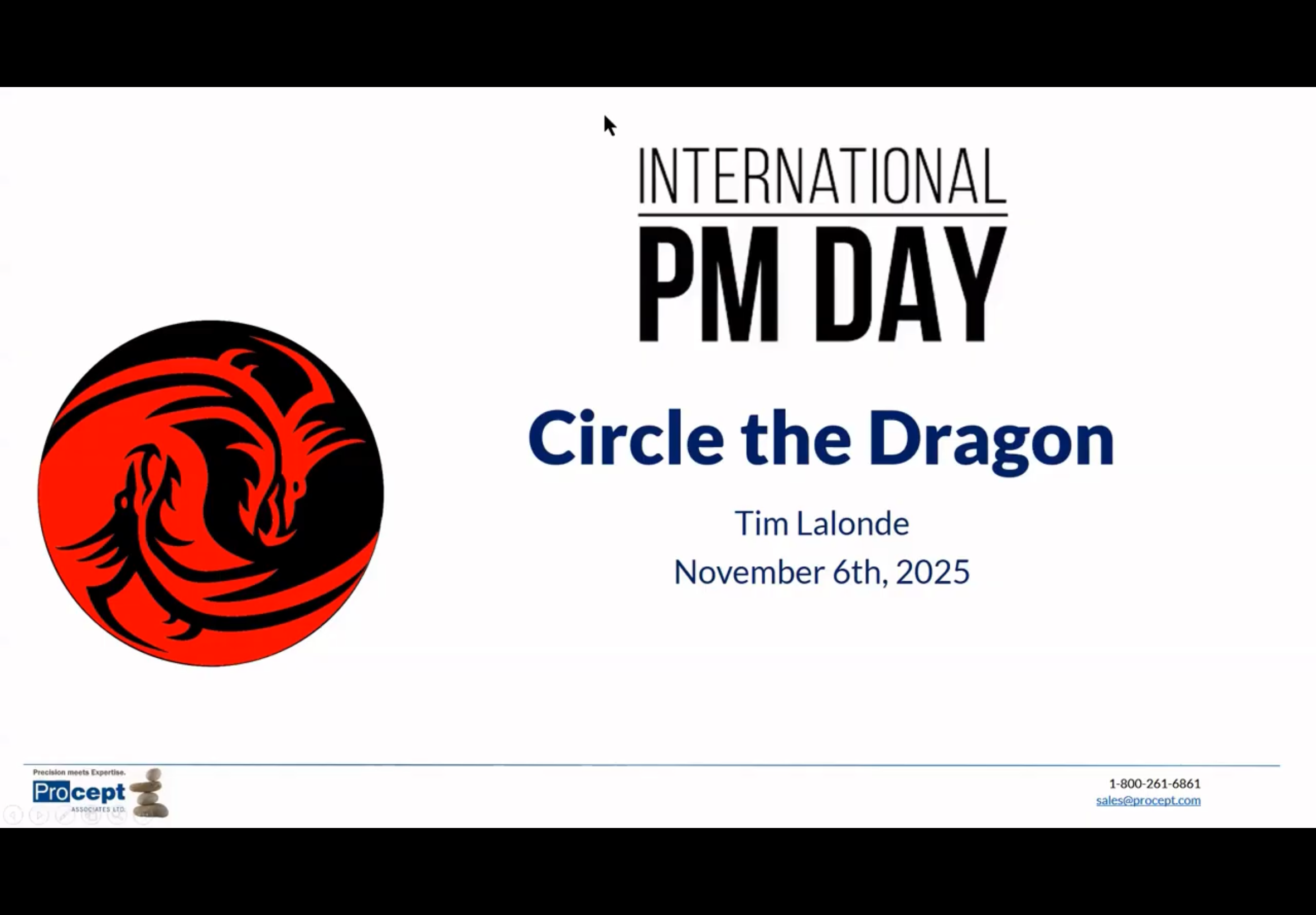
This session was conducted by Tim Lalonde, Circling the Dragon, He guided participants through the complexities of diagnosing and resolving organizational culture challenges. Using the metaphor of “the dragon,” the session addressed how unspoken issues such as misaligned values or fear-based communication can silently undermine team performance.
He called on project leaders to take on the role of culture stewards, combining data-driven insight with emotional intelligence to identify and address underlying tensions. A standout message was that projects do not fail because of technology they fail because of culture. By “circling the dragon,” leaders can face these invisible challenges head-on and transform organizational friction into collective growth.
African Perspective:
Across many African mostly Nigerian workplaces, project outcomes are often shaped more by culture than by technical capability. Hierarchical communication remains a major limitation, as employees frequently hesitate to speak openly or give feedback to senior leaders. This reluctance to express disagreement leads to unresolved issues that eventually harm or be harmful to projects. Soft skills are also underemphasized, with organizations focusing heavily on certifications while overlooking emotional intelligence, conflict management, and communication competence. Combined with limited psychological safety, these factors create environments where innovation is slow and teams operate cautiously.
Yet Africa also demonstrates remarkable strengths. The continent’s strong communal values naturally support collaboration and collective problem-solving. African professionals are highly adaptable and resilient,which increases their survival skills and often excels in uncertain or resource-constrained environments. A rapidly expanding youth workforce is embracing global project management standards with energy and curiosity, and the rise of PMI chapters and PM training hubs across African nations reflects a continent moving forward.
By applying the global conference themes locally, African and Nigerian organizations stand to benefit significantly. Emphasizing civility in communication will ease workplace tensions and improve teamwork. Addressing cultural issues head-on, rather than ignoring them, will reduce project failures caused by silence or misalignment. Prioritizing soft skills alongside technical training will produce project managers who can lead confidently across cultures and sectors. Above all, adopting respectful engagement as a leadership mindset will deepen trust, strengthen morale, and create workplaces where people feel empowered to contribute.
In this way, Africa and Nigeria can not only align with global project management standards but also position itself as a rising leader in innovation, collaboration, and modern project delivery.
Panel Discussions and Awards

The conference also featured thought-provoking panels on topics such as “What Soft Skills are Key for Today’s Project Managers” and “Everything You Wanted to Know About PM Certifications But Were Afraid to Ask.” These discussions reinforced that modern project management requires more than tools and frameworks; it requires resilience, adaptability, and emotional literacy.
The day concluded with prize draws and recognition ceremonies celebrating excellence in the field, including the Canadian PM of the Year, Project of the Year, and the Young PM of the Year Awards, as well as an announcement of the 2026 PM Paper Competition. These honors underscored the community’s ongoing commitment to innovation, mentorship, and professional growth.
A Shared Global Vision
The 2025 International Project Management Day Conference reminded attendees that while methodologies evolve, the heart of project management remains the same: people working together toward meaningful goals. From sustainable practices to civil communication and cultural awareness, the event captured the essence of leadership in the modern era: strategic, empathetic, and purpose-driven.
As the profession continues to adapt to an increasingly complex world, this year’s conference was both a celebration and a call to action: to lead not just with skill, but with humanity.

Key Takeaways from International Project Management Day Conference 2025
Respectful engagement is a project competency. Building trust and empathy within teams is no longer optional; it's a measurable skill that drives performance.
Civility creates stronger teams. Communication grounded in respect reduces conflict, improves morale, and increases project success rates.
Culture determines project outcomes. Technical expertise alone cannot save a project if organizational culture is broken. Leaders must “circle the dragon.”
Soft skills are the new hard skills. Emotional intelligence, adaptability, and feedback literacy define the next generation of project managers.
Global collaboration is the future. From sustainability to digital transformation, project managers must lead across cultures, disciplines, and time zones with empathy and purpose.
share this story

Inside DGN Induction Ceremony 2025
DGN Induction Ceremony 2025
By Isaac Akatah - LAgos, NIgeria
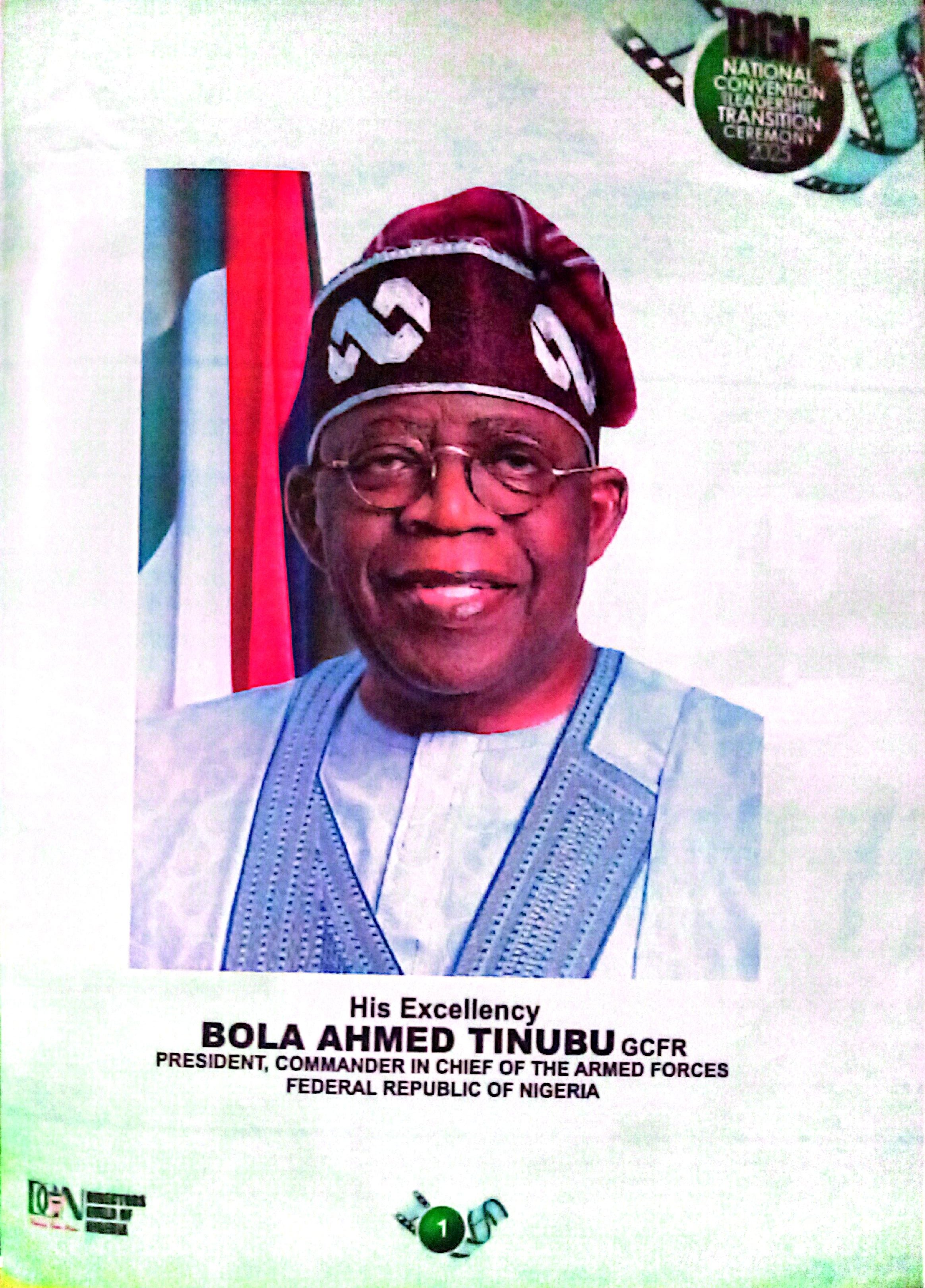
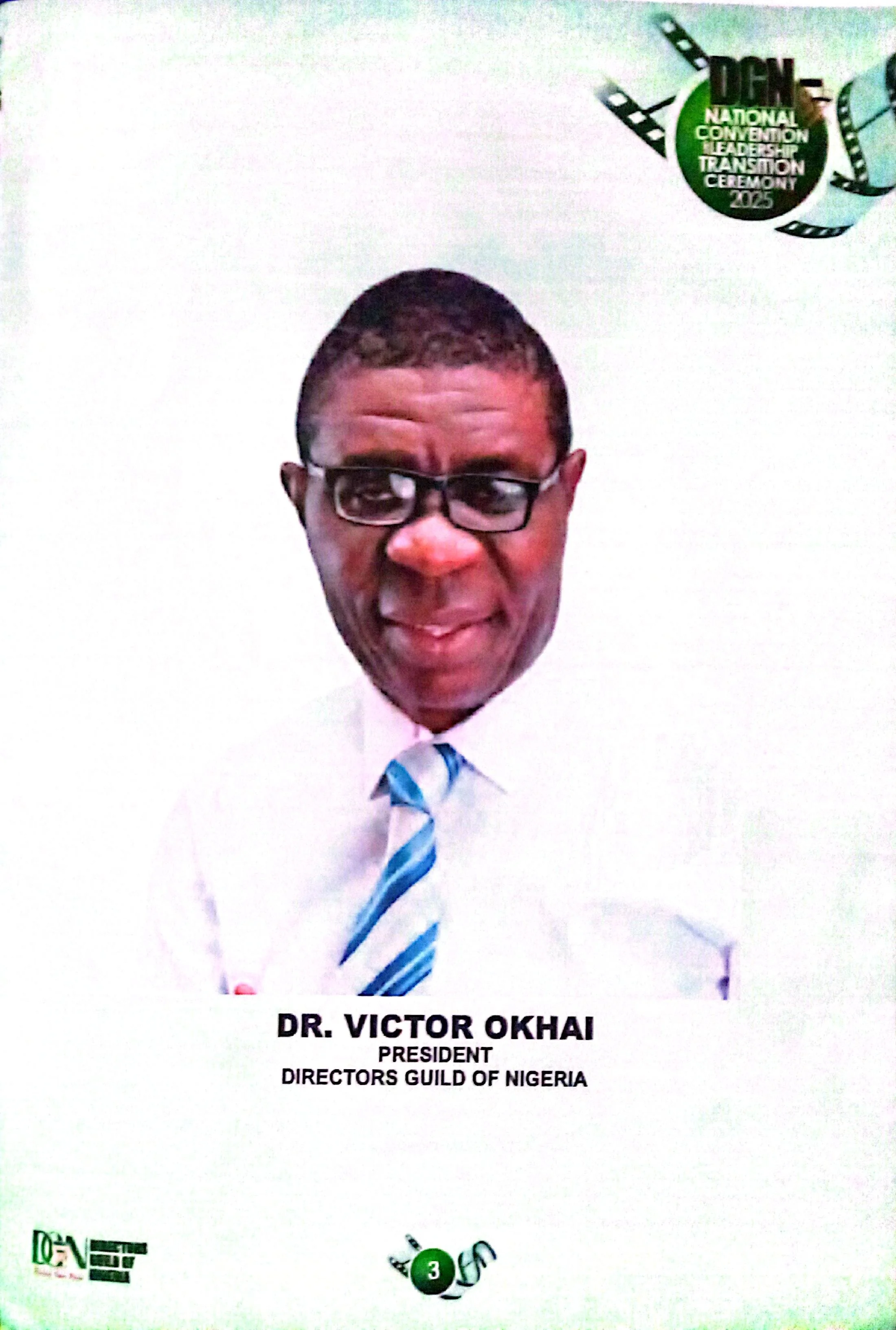
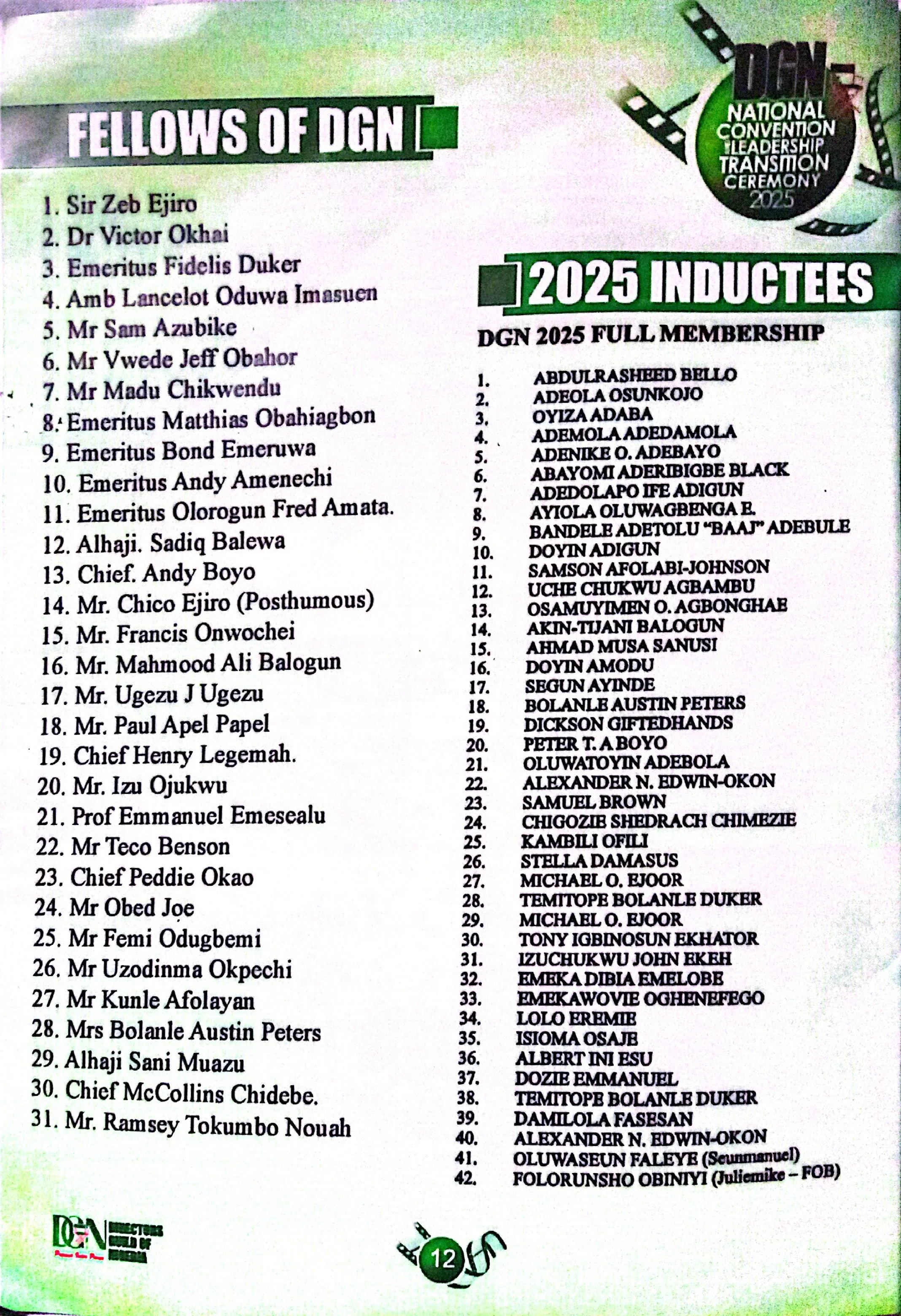
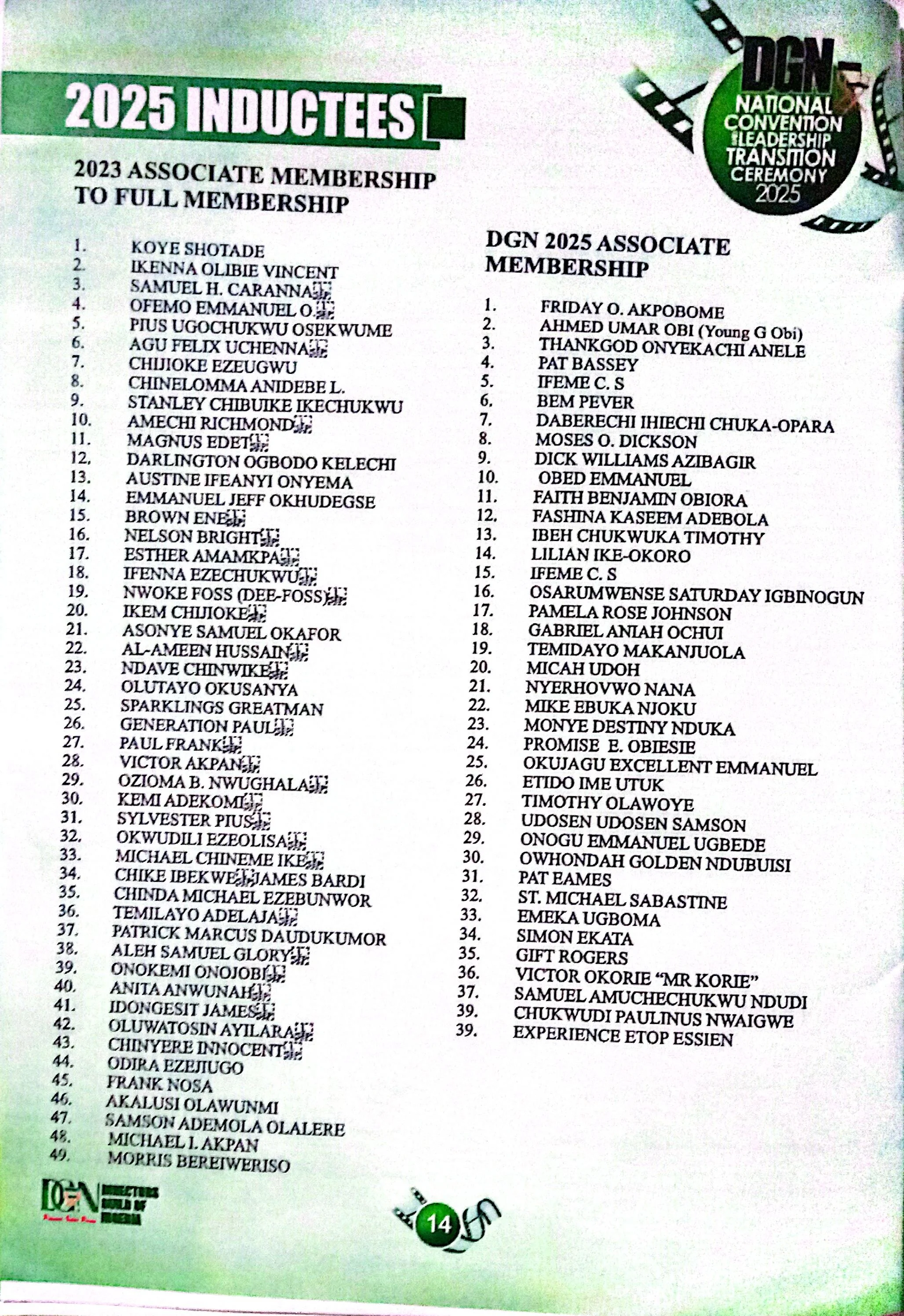
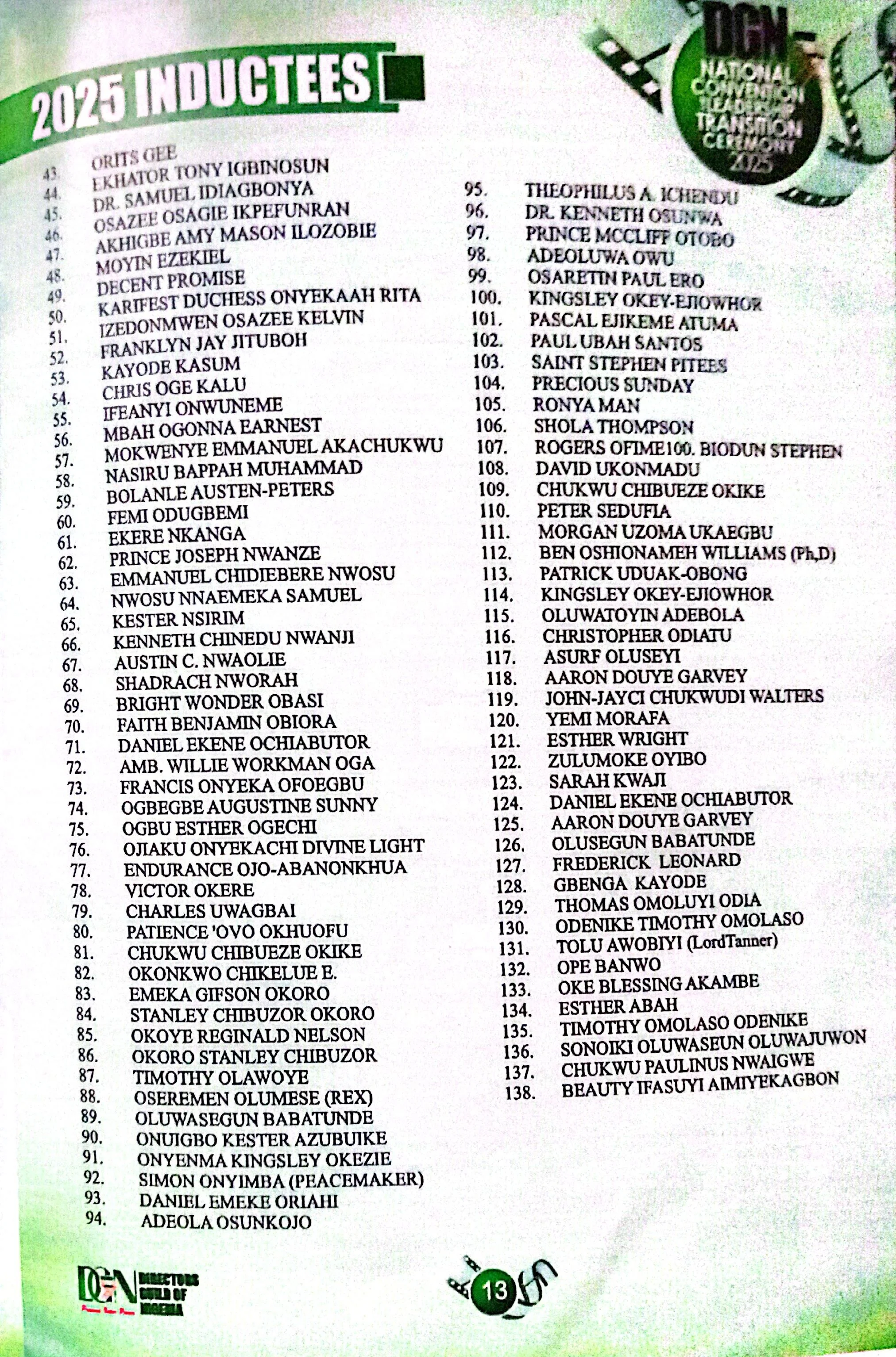
Directors’ Guild of Nigeria (DGN) recently held its annual convention, handing over and formal induction ceremony at Ojez Hotel, Surulere, Lagos State on Wednesday, 16th and Thursday, 17th July 2025
The induction process featured a comprehensive Masterclass on the first day, where veterans in film production like Chief Andy Boyo, took the new inductees through an orientation session, focused on the Guild’s structure, operations, and key initiatives.
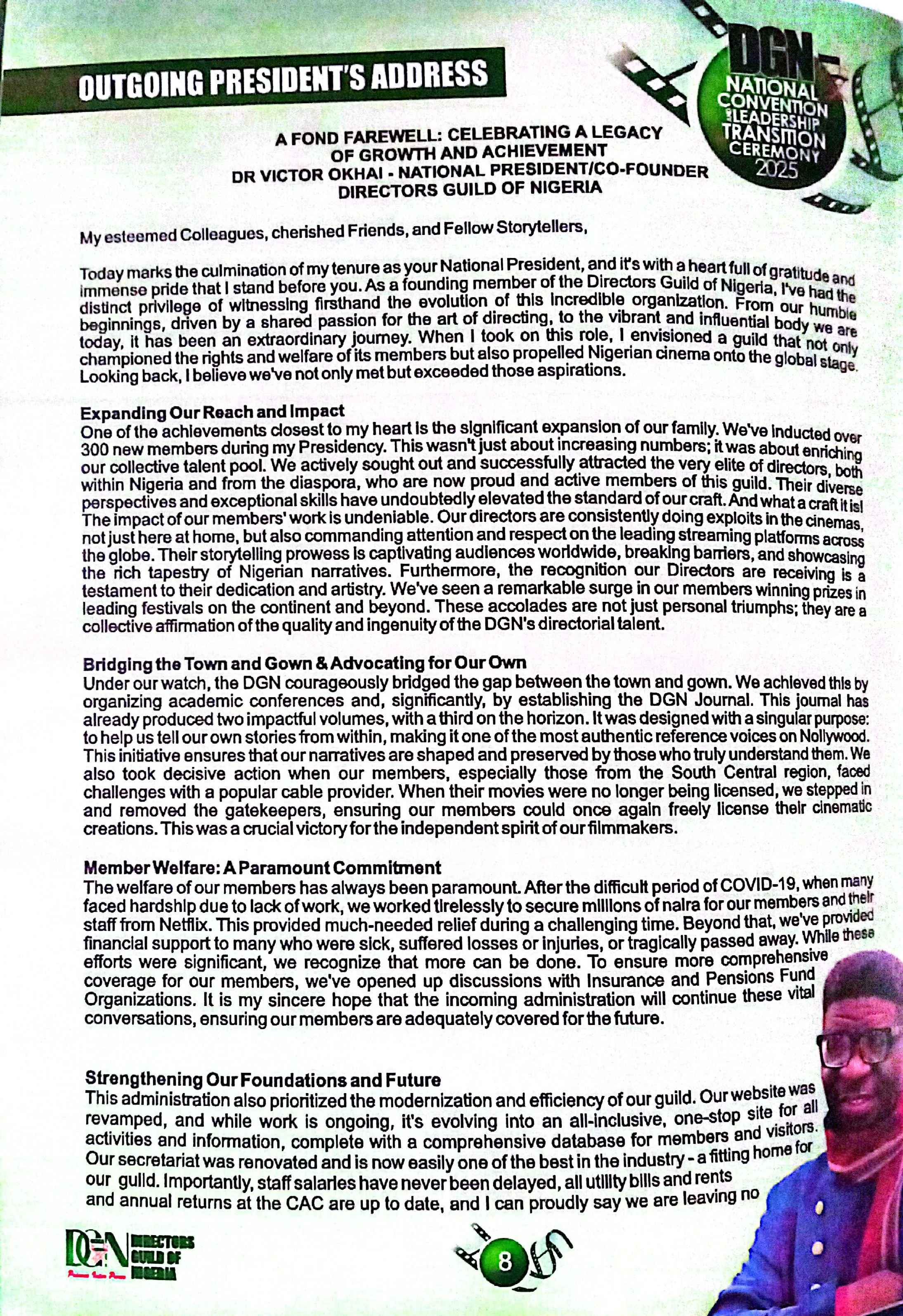
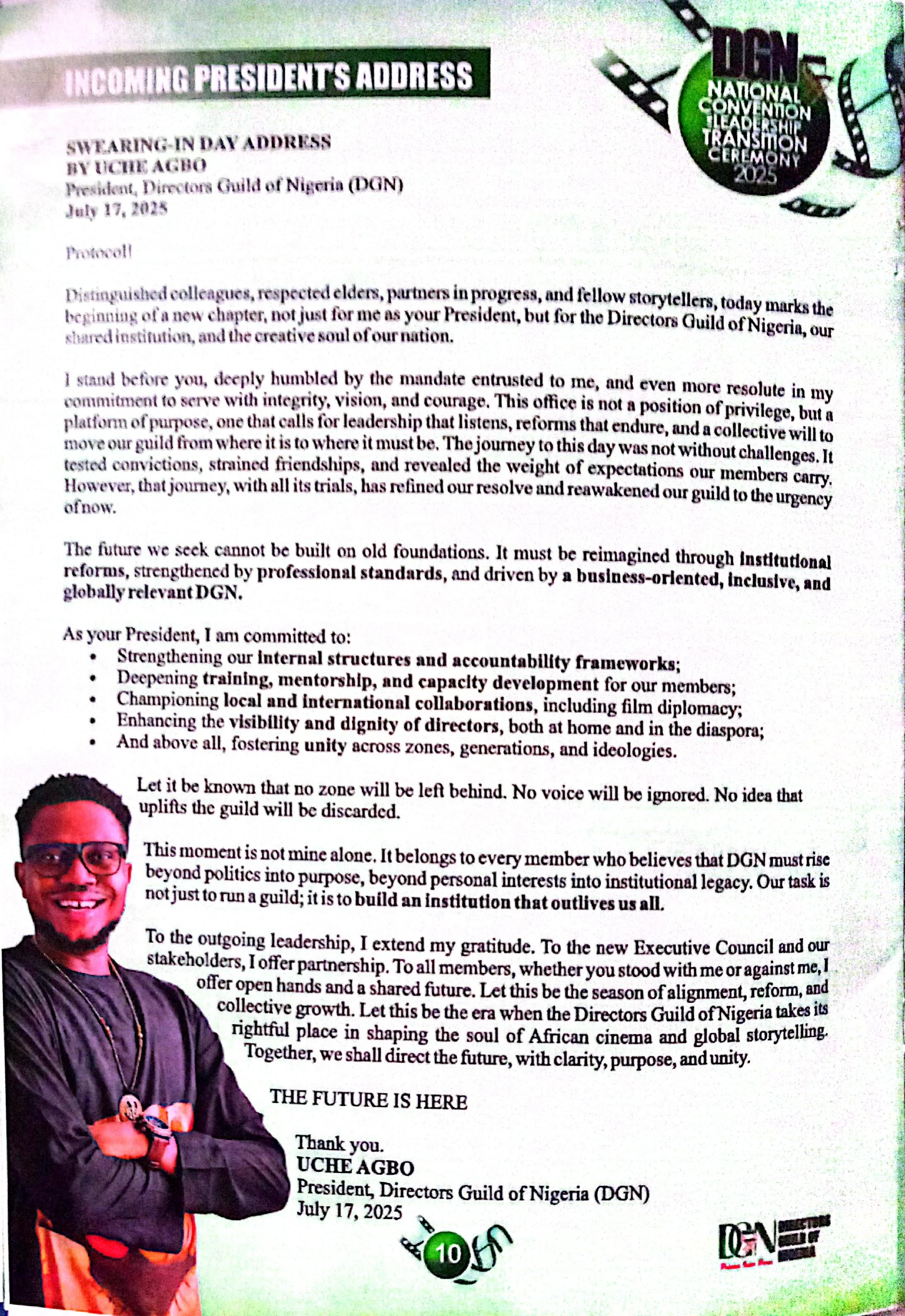
The main ceremony on day two, consisted of the launch of the Guild’s Journal, conferment of DGN Fellows and the induction of 125 new directors to the prestigious national body. Dr. Victor Okhai, the DGN outgoing President who leadership has taken the body to greater heights in the last few years also handed over his mantle of leadership to a new EXCO led by Uche Agbo, a UNIZIK graduate of Theatre And Film Studies.
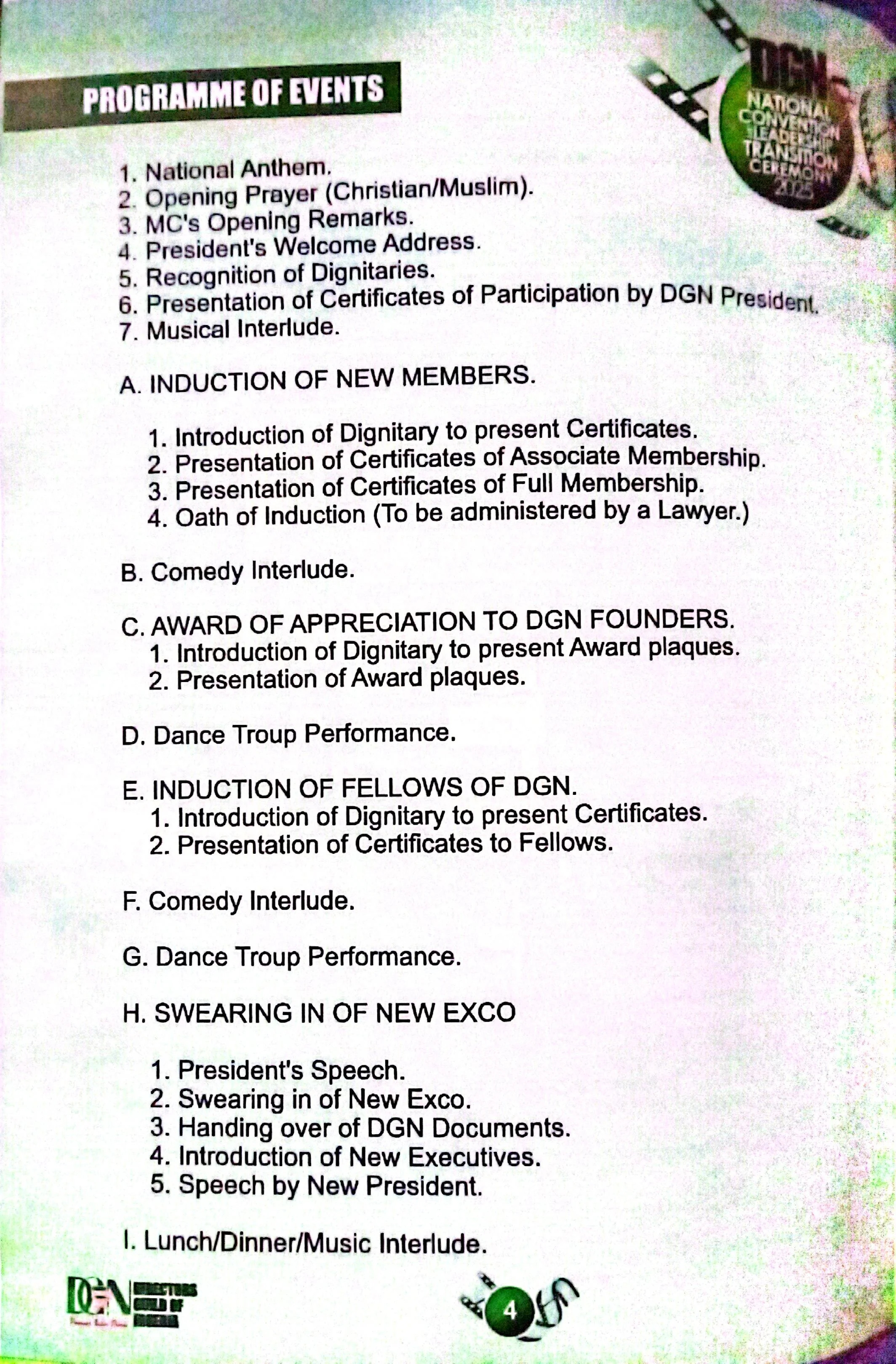
PROGRAM OF EVENTS










Oyiza Adaba Bags 2025 'Bronx Recognizes Its Own' (BRIO) Award
For over 35 years, BCA’s BRIO Award has recognized artists from a wide range of creative disciplines who demonstrate proficiency, knowledge, and intense practice in their chosen art form. Award-winning Director Oyiza Adaba was selected in recognition of her contribution to the borough's creative spirit.
Africa-Related, New York
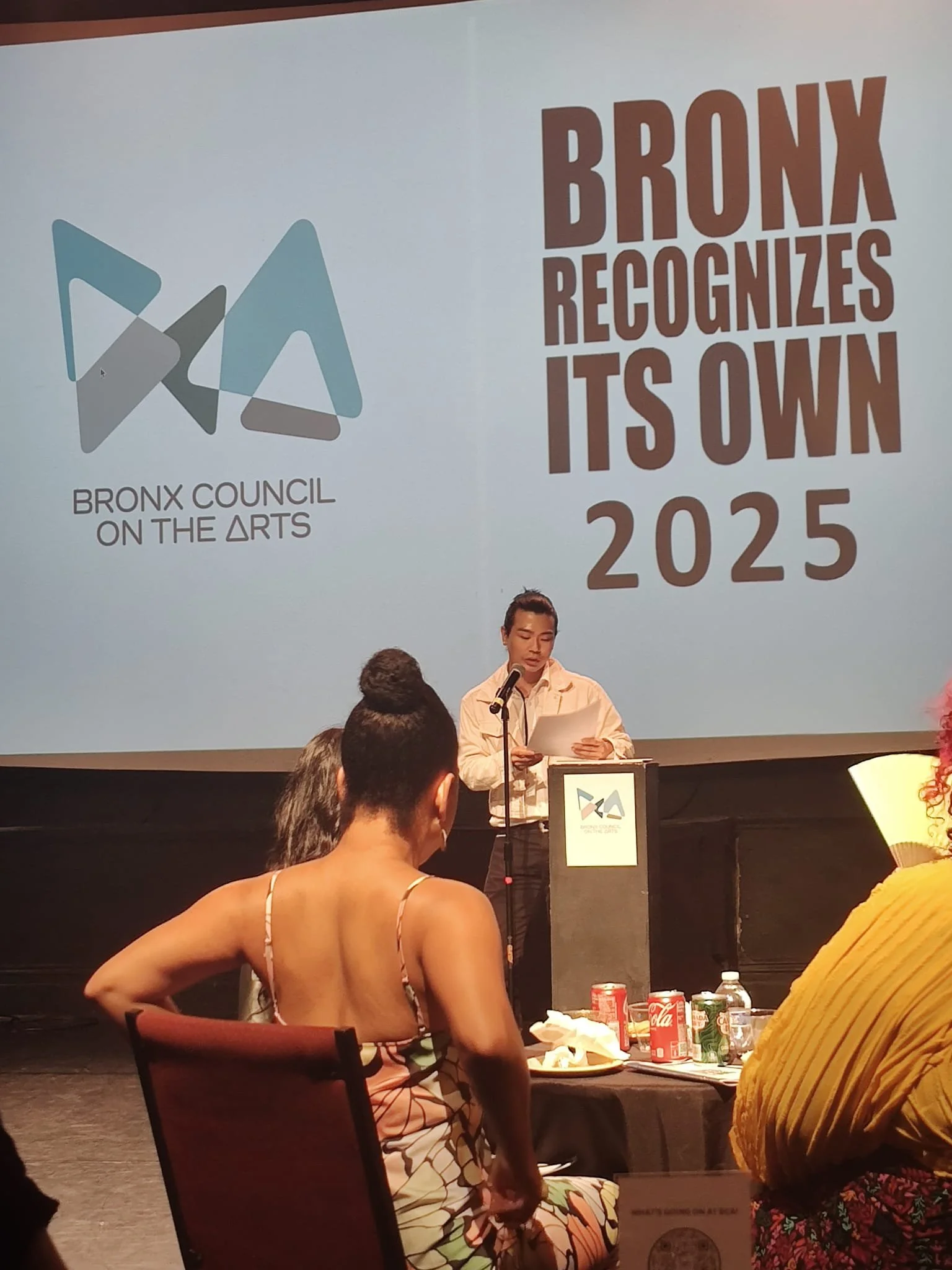
Bronx Council on the Arts (BCA) selected 42 recipients for the 2025 Bronx Recognizes Its Own (BRIO) Award.
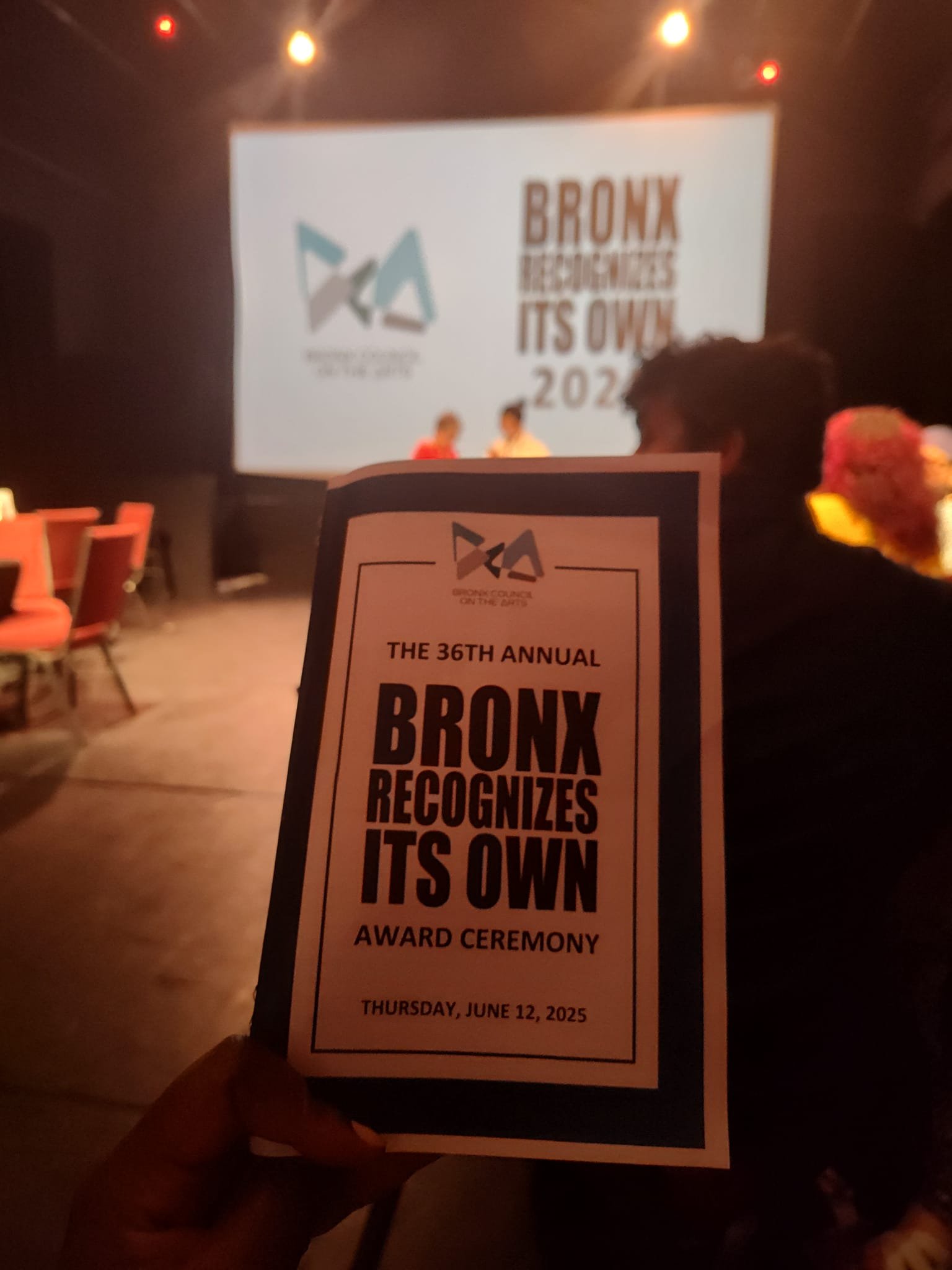
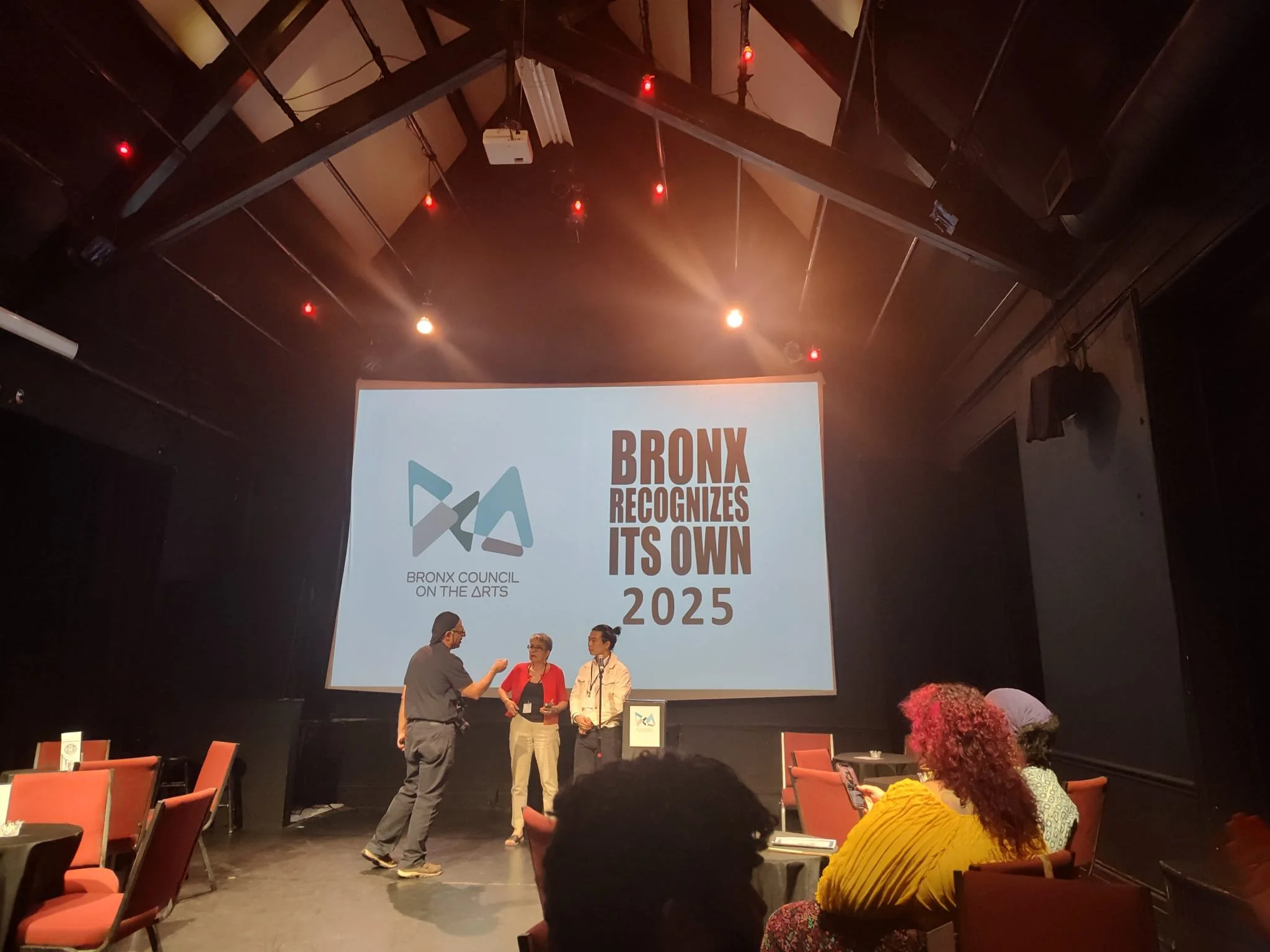


For over 35 years, BCA’s BRIO Award has recognized artists from a wide range of creative disciplines who demonstrate proficiency, knowledge, and intense practice in their chosen art form.
A celebration ceremony of all BRIO winners' outstanding achievements was held on Thursday, June 12th the Bronx Academy of Arts and Dance, to honor the 42 recipients of the award this year. Each awardee also received a sum of $5000 to support their work.
Among the awardees is Oyiza Adaba, an award-winning Nigerian producer and journalist and Bronx resident, whose 30-year career has been focused on bridging the media gap with deeply impacting news and television and film productions. Her feature documentary "DELA: The Making of El Anatsui" (2023) is highly praised globally for bringing African art and culture to international audiences.
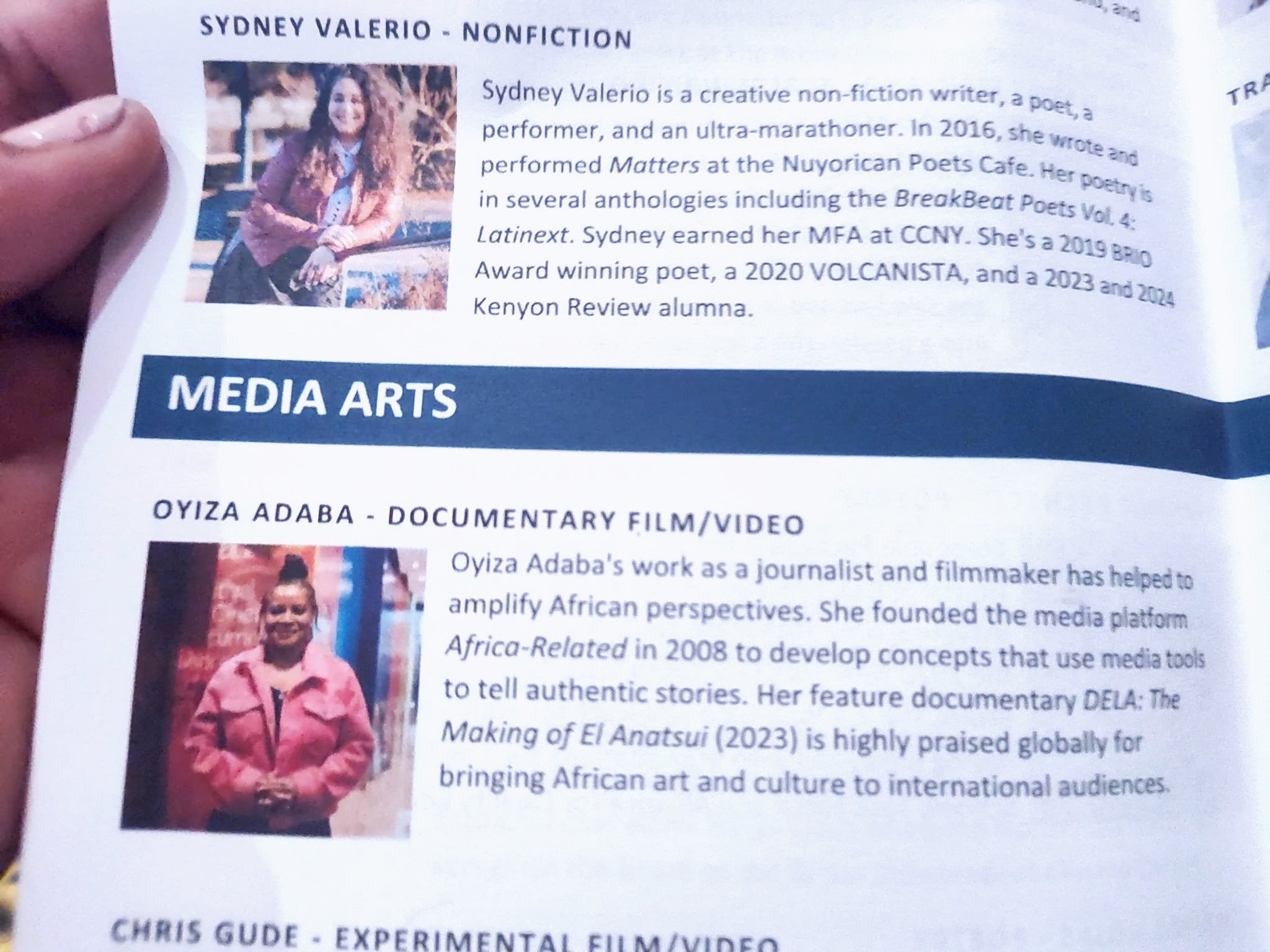
Oyiza Adaba is recognized for her role in documentary filmmaking and dedication to the borough’s creative history.
share this story

Steps Toward Investment-led Strategy In U.S-Africa Relations
The Senior Bureau Official for the Department of State’s Bureau of African Affairs, Ambassador Troy Fitrell and U.S. Ambassador to Cote D'Ivoire, Ambassador Jessica Davis Ba reviewed commercial diplomacy trip to West Africa and outlined the State Department’s new commercial diplomacy strategy for Sub-Saharan Africa.
Senior Bureau Official Troy Fitrell’s Commercial Diplomacy Trip to West Africa
Digital Press Briefing
The Senior Bureau Official for the Department of State’s Bureau of African Affairs, Ambassador Troy Fitrell and U.S. Ambassador to Cote D'Ivoire, Ambassador Jessica Davis Ba. Ambassador Fitrell reviewed his commercial diplomacy trip to West Africa and outlined the State Department’s new commercial diplomacy strategy for Sub-Saharan Africa.
You can find the full transcript of the briefing here:

International Day of Remembrance of the Victims of Slavery and the Transatlantic Slave Trade
Beginning in 2008, 25 March was designated as the annual International Day of Remembrance of the Victims of Slavery and the Transatlantic Slave Trade.
New York
International Day of Remembrance of the Victims of Slavery and the Transatlantic Slave Trade
In 2006, the United Nations General Assembly, through resolution 61/19, recognized that “the slave trade and slavery are among the worst violations of human rights in the history of humanity, bearing in mind particularly their scale and duration” and designated 25 March 2007 as the International Day for the Commemoration of the Two-hundredth Anniversary of the Abolition of the Transatlantic Slave Trade. The following year, through resolution 62/122, it designated 25 March as an annual International Day of Remembrance of the Victims of Slavery and the Transatlantic Slave Trade, beginning in 2008.
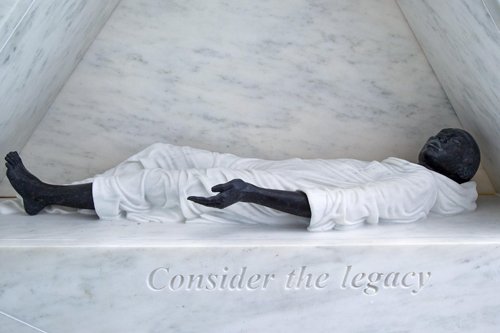
The Ark of Return – The Permanent Memorial to Honour the Victims of Slavery
and the Transatlantic Slave Trade at the United Nations


Africa Regional Media Hub | Refugee Admissions for FY2025;
President Biden today signed the Presidential Determination on Refugee Admissions for Fiscal Year 2025, again setting the refugee admissions target at 125,000 for the upcoming fiscal year—as we have for each year of this Administration.
Africa Regional Media Hub | Refugee Admissions for FY2025; Global Coalition to Defeat ISIS; Counter Ransomware Initiative Summit; UNGA - Global Humanitarian Assistance; DRC; Mali; UNSC: International Peace and Security
The Presidential Determination on Refugee Admissions for Fiscal Year 2025
Secretary Antony J. Blinken at the Opening of the D-ISIS Ministerial
Joint Communiqué by Ministers of the Global Coalition to Defeat ISIS
Readout of Ambassador Linda Thomas-Greenfield’s Meeting with Malian Foreign Minister Abdoulaye Diop
Remarks at a UN Security Council Meeting on Maintenance of International Peace and Security
The Presidential Determination on Refugee Admissions for Fiscal Year 2025
Press Statement
Antony J. Blinken, Secretary of State
September 30, 2024
President Biden today signed the Presidential Determination on Refugee Admissions for Fiscal Year 2025, again setting the refugee admissions target at 125,000 for the upcoming fiscal year—as we have for each year of this Administration.
Refugee resettlement exemplifies the generosity that has always been at the core of the American spirit and reflects the critical role of the United States as a global leader in providing refuge to people fleeing persecution overseas. In Fiscal Year 2024, we resettled 100,000 refugees, the largest annual number in three decades. This is a testament to our successful work to rebuild the U.S. Refugee Admissions Program with help from partners around the world and thousands of Americans across the country who have stepped up to sponsor refugees through the Welcome Corps.
Refugee resettlement is orderly, subject to rigorous vetting, and benefits and enriches American communities. In cities and towns throughout America, refugees contribute to urban revitalization, add to the vibrancy of local communities, and drive America’s competitiveness and innovation on the global stage. Over a 15-year period, refugees contributed almost $124 billion to the U.S. economy. And resettlement offers the unique opportunity of a better life to some of the world’s most vulnerable people, at a time of historic global levels of displacement.
Building on the Administration’s efforts to strengthen refugee resettlement and the generous support from Americans across the country, the refugee admissions target of 125,000 ensures the United States will continue to be a global leader in providing safety and opportunity for those facing persecution around the world.
Secretary Antony J. Blinken at the Opening of the D-ISIS Ministerial
Remarks
Antony J. Blinken, Secretary of State
Loy Henderson Auditorium
Washington, D.C.
September 30, 2024
SECRETARY BLINKEN: Ambassador, thank you very much. Colleagues, good morning and welcome. For those of you who are in New York, I know you just wanted to keep the High-Level Week going, so we’re glad to be able to accommodate that here in Washington.
But in all seriousness, before we get going, let me just say a few quick words about the events of the past week. Hassan Nasrallah was a brutal terrorist, whose many victims included Americans, Israelis, civilians in Lebanon, civilians in Syria, and many others as well. During his leadership of Hizballah, the group terrorized people across the region and prevented Lebanon from fully moving forward as a country. Lebanon, the region, the world are safer without him.
The United States will continue to work with our partners in the region and around the world to advance a diplomatic resolution that provides real security to Israel, to Lebanon, and allows citizens on both sides of the border to return to their homes. We likewise will continue working to secure a ceasefire deal in Gaza that brings the hostages home, eases the suffering of people in Gaza, preserves the possibility of a more lasting, secure peace for the entire region.
Diplomacy remains the best and only path to achieving greater stability in the Middle East. The United States remains committed to urgently driving these efforts forward.
Now, turning to the subject of this ministerial, 10 years ago the United States mobilized a global coalition to confront ISIS – or Daesh – a nihilist terror group that over the course of a few months had occupied territory comprising a third of both Iraq and Syria, which it used to conduct a horrific campaign of violence and brutality.
Over the following decade, this coalition grew from 12 to 87 countries. And together, we’ve made significant progress. In 2017, coalition partners dismantled the last ISIS stronghold in Iraq. Two years later, we did the same in Syria – effectively ending ISIS’s efforts to establish a geographic caliphate. We imposed coordinated sanctions on ISIS-controlled assets to hinder the group’s recruitment and expansion. And in the last five years, we have collectively invested billions of dollars to help restore security and public infrastructure in some of the communities devastated by ISIS.
These were vital, hard-won achievements. But we know that our work is not done. As ISIS aims to reconstitute itself in the Middle East and makes territorial gains in Asia and Africa, our coalition must remain clear-eyed about the evolving challenge that we face. As we were reminded last week, this is a moment of enormous volatility in the Middle East. It’s more important than ever that we enhance our efforts to strengthen security and stability, including in Iraq and Syria, and prevent extremists like ISIS from exploiting conflict in the region for their own benefit.
To that end, let me briefly outline the three core areas where we will focus our conversations today.
First, the United States and Iraq will discuss – and with our other coalition partners as well – our plans for a phased transition of Operation Inherent Resolve. This military mission, established in response to Iraq’s 2014 request for support in its campaign against ISIS, will conclude in Iraq by September 2025. Over this period, the United States will work with Baghdad on bilateral security arrangements that will allow us to sustain and build our security partnership and cooperation.
In turn, our Iraqi partners will assume greater responsibility for ensuring that ISIS cannot retake territory within Iraq’s borders. We’re immensely grateful to Iraq and the Iraqi Security Forces for all of the sacrifices that they’ve made in this effort, and for their steadfast leadership in combating ISIS.
As we shift into this new phase of our collaboration, we hope to continue working with our coalition partners – including the NATO Mission in Iraq, which intends to continue its own security relationship with Iraq.
The United States will also maintain our counterterrorism efforts from outside of Iraq – including in Syria – for as long as needed. Just this month, U.S. special forces successfully targeted multiple senior ISIS leaders in Syria, demonstrating our own resolve to degrade and dismantle the group and its affiliates.
Second, our coalition will discuss today the repatriation of foreign fighters and their families – which remains the only durable solution to the humanitarian and security crisis in northeast Syria.
More than 43,000 displaced persons from over 60 countries reside in northeast Syria. Most are children who have never known another home.
Meanwhile, roughly 9,000 fighters remain in detention facilities across northeast Syria – this is the single largest concentration in the world. Even from confinement, these extremists are attempting to grow their ranks.
Increasingly, coalition partners are stepping up to meet this challenge. Since 2021, the Iraqi Government has repatriated more than 10,400 citizens. In the last year, the Kyrgyz Republic repatriated more than 432 of its nationals. Partners like Kuwait have also helped facilitate repatriations, permitting planes departing from Syria to refuel at their airbases.
Now, we know repatriation remains a complicated, difficult issue. But if we fail to act, security conditions on the ground will only get worse. We could see fighters once again take up arms and threaten communities that we fought so hard to protect and support. This is not the time to let up. It’s a moment to continue our efforts.
We have to urgently accelerate our work to repatriate, reintegrate, and – where appropriate – prosecute detained and displaced persons from northeast Syria. The United States stands ready to provide support – logistically, diplomatically – to advance this effort.
Finally, we will strengthen our cooperation against ISIS branches outside of the Middle East.
In sub-Saharan Africa, ISIS affiliates have gained ground, compounding the threat already present from existing militant groups.
To tackle this growing threat, the United States, Italy, Morocco formed the coalition’s Africa Focus Group in 2021. Last year in Riyadh, we welcomed Saudi Arabia as a co-lead of this effort. Already, we’ve helped African partners better align and coordinate to support civilian-led counterterrorism operations.
ISIS-Khorasan — based out of Central and South Asia – also poses a distinctive challenge. While waging a low-level insurgency in Central and South Asia, this group uses online recruitment to mount attacks around the world, including earlier this year in Iran and Russia.
Through the coalition’s Communications Working Group – led by the United States, the United Arab Emirates, and the United Kingdom – we’re working with journalists, civil society groups, and activists to push back against the hollow promises that ISIS propaganda seeks to promote.
In the coming year, we have to continue to drive these key efforts forward.
In that spirit, this morning, I can announce that the United States will provide $148 million to enhance civilian-led border security and counterterrorism operations across sub-Saharan Africa and Central Asia.
Separately, we’ll contribute $168 million to the coalition’s annual Stabilization Pledge Drive for Iraq and Syria. This assistance will enable critical demining operations, restore essential services like water and electricity, invest in education, and promote economic opportunity.
This commitment follows the United States’ announcement last week, in New York, of $535 million in additional humanitarian assistance to the Syrian people, as well as displaced communities residing in the country.
A decade into this fight, we can take pride in all that we’ve accomplished. But as the challenge evolves, so must this coalition.
And as I said, this is not the time to let up. It’s a moment to recommit – to recommit to our common mission, to decisively defeat ISIS, and ensure greater security and stability for all of our people.
I thank everyone for being here today, but more important I thank you for what you’re doing every day to keep this coalition together, moving forward in the mission that we share.
Thank you very much. Thank you. (Applause.)
Joint Communiqué by Ministers of the Global Coalition to Defeat ISIS
Media Note
Office of the Spokesperson
September 30, 2024
Ten years after the formation of the Global Coalition to Defeat Daesh/ISIS, Deputy Prime Ministers, Foreign Ministers, and Senior Officials convened in Washington, D.C, today at the invitation of Secretary of State Antony J. Blinken. The Global Coalition to Defeat Daesh/ISIS is the largest international coalition in history and remains committed to defeating Daesh/ISIS anywhere it operates.
In 2014, the United States led an international response to the Iraqi government’s request for assistance against Daesh/ISIS, resulting in the formation of the Global Coalition. In 2024, five years after the Global Coalition’s defeat of Daesh/ISIS in Iraq and Syria, Coalition members honor the sacrifices made by those who fought and died in Iraq and Syria to liberate territories from Daesh/ISIS and commend Iraq for its leadership in the Coalition.
Global Coalition Ministers commit to supporting the Government of Iraq’s efforts to safeguard the security, peace, and development of the Iraqi people. The planned transition of the Coalition’s military mission in Iraq to bilateral security partnerships reflects a reduction of the Daesh/ISIS threat. Ministers commend Iraq’s continuing cooperation in countering Daesh/ISIS in the region, and its ongoing leadership in broader Coalition lines of effort, including stabilization, counter financing, disruption of foreign terrorist travel, and prevention of recruitment to ensure there is no Daesh/ISIS resurgence.
Ministers endorse the priorities of the Coalition Stabilization Working Group, with a goal of raising and implementing $394 million for areas liberated from Daesh/ISIS in Iraq and Syria – toward which members have already announced commitments totaling more than $200 million. The Ministers emphasize the importance of durable solutions for remaining populations in northeast Syria, including bringing to justice detained terrorists, ensuring accountability for crimes including gender-based violence, ensuring detainee populations are housed securely and humanely, and improving conditions for the populations residing in al-Hol and Roj displaced persons camps. Ministers urge support to reconciliation and reintegration efforts in Iraq and Syria and to foster conditions conducive to a Syria-wide political resolution to the conflict consistent with UN Security Council Resolution 2254. Ministers commend Iraq’s progress in repatriating over 10,000 of its nationals from northeast Syria and Iraqi efforts to apply accountability where appropriate and in assisting the displaced to reintegrate into their communities of origin.
Ministers commit to counter the continued spread of Daesh/ISIS globally, including across parts of Africa and Central and Southeast Asia. Ministers reaffirm their commitment to mobilize members and legitimate partners and pursue whole-of-government approaches to disrupt Daesh/ISIS global networks by sharing information via trusted and secured systems, to deny their freedom of movement, and to restrict their access to financing and other resources in line with UN Security Council Resolution 2178, 2396, and 2462. Ministers underscore the need to enhance comprehensive counterterrorism efforts, ensure that our policies and practices are appropriately human-rights-based, block terrorist access to resources and financing, disrupt cross-border movements of Daesh/ISIS, and protect and assist victims who suffered under Daesh/ISIS misrule.
Ministers condemn ISIS-K’s indiscriminate attacks in Asia and Europe and commit to deterring and disrupting future attacks. To this end, Ministers endorse the Coalition-aligned ISKP Diplomatic Grouping, highlighting the need to improve coordination and to partner with regional counterterrorism and strategic communication initiatives. Ministers also commend the work of the Global Coalition’s Africa Focus Group in promoting an active role of African partners and highlighted the imperative to counter malign and non-state armed actors whose actions undercut counterterrorism cooperation and destabilize regions in which they operate. Coalition Ministers welcome the participation of observers from Central Asian states and Africa at the Ministerial and affirm their intent to strengthen counterterrorism cooperation with them.
Ministers applaud the significant work of Global Coalition members in countering Daesh/ISIS propaganda in the ever evolving and challenging information environment, including successful campaigns to expose and discredit the deceptions propagated by Daesh/ISIS. Ministers note ongoing initiatives to prevent terrorists from dominating public narratives across traditional media, social media, and encrypted messaging applications, and underscore the importance of artificial intelligence to combat terrorist propaganda and recruitment. Ministers emphasize that terrorism, in any form or manifestation, should not be associated with any faith, religion, or ethnic group.
Welcoming the Maldives as the newest member of the Global Coalition, bringing the total number of members to 87, Ministers especially recognize the participation of Uzbekistan, Tajikistan, Senegal, Pakistan, Kyrgyz Republic, and Kazakhstan as observers and committed the Coalition to increase engagement in these regions to enhance counterterrorism capacities and coordination. Ministers support the Global Coalition adjusting its processes, structures, and instruments to ensure it continues to be fit for purpose to defeat the current Daesh/ISIS threat and to deter and defeat future threats.
On the 10th anniversary of its establishment, with continued affirmation that individual members bear the primary responsibility for the security of their homelands, the members of the Global Coalition recommit to mobilizing and coordinating efforts to defeat Daesh/ISIS in accordance with international law, including the Charter of the United Nations, applicable international human rights law, and all relevant UN Security Council resolutions. Members of the Global Coalition will stand together until Daesh/ISIS is defeated.
Secretary Blinken to Deliver Remarks at the Fourth International Counter Ransomware Initiative Summit
Notice to the Press
Office of the Spokesperson
September 30, 2024
Secretary of State Antony J. Blinken will deliver remarks at the Fourth International Counter Ransomware Initiative (CRI) Summit on Tuesday, October 1, at 12:45 p.m. EDT at the Foreign Service Institute in Arlington, Virginia.
CRI is the largest international cyber partnership, consisting of 68 members committed to building collective resilience to ransomware and disrupting the ransomware ecosystem. Members cooperate across all elements of the ransomware threat, including by undercutting the viability of ransomware and pursuing the actors responsible, countering illicit finance that underpins the ransomware ecosystem, and working with the private sector to defend against ransomware attacks. CRI is a key pillar of the United States’ commitment to working closely with partners across the globe to counter ransomware and other cyber criminal actors, as detailed in the United States International Cyberspace and Digital Policy Strategy launched by Secretary Blinken in May.
The Secretary’s remarks will be replayed on the Department homepage and the Department YouTube channel. Press coverage of the remarks will be open to pre-registered media. Media who would like to cover in person must RSVP by emailing CDP-Press@state.gov by 8:00 p.m. today, September 30, 2024.
United States Announces Nearly $2.1 Billion in Humanitarian Assistance at the 79th UN General Assembly
Fact Sheet
Office of the Spokesperson
September 30, 2024
At the 79th UN General Assembly, the United States announced nearly $2.1 billion in humanitarian assistance to address the unprecedented level of humanitarian needs globally. This funding supports critical and life-saving humanitarian assistance to those impacted by crises, including displaced persons and the receptive host communities supporting displaced persons in their time of need. This generous life-saving assistance from the American people includes more than $873 million through the Department of State’s Bureau of Population, Refugees, and Migration and more than $1.2 billion through the United States Agency for International Development’s Bureau for Humanitarian Assistance. We call on other international donors to also make every effort to increase humanitarian funding to respond to the extreme level of need impacting people globally.
Humanitarian assistance announced at the 79th UN General Assembly includes:
Nearly $424 million for the Sudan regional response: This includes assistance in Sudan and neighboring countries to respond to needs stemming from the crisis that began in April 2023 and has become one of the most severe global challenges. It will provide food, health, nutrition, protection, and other critical assistance to people across Sudan and neighboring countries who have been devastated by the ongoing conflict.
Nearly $336 million to support Palestinians in Gaza and the West Bank : This assistance provides life-saving humanitarian aid, including expanded support in emergency health care, food, nutrition, psychosocial services, and increased access to safe drinking water, hygiene products, and sanitation services for Palestinian civilians in Gaza and the West Bank affected by the ongoing conflict. It also supports logistics and emergency shelter assistance to displaced Gazans to help them prepare for the upcoming winter months.
Nearly $535 million for the Syria response: This assistance will help meet the needs of the most vulnerable refugees, internally displaced persons, and host communities in Syria and neighboring countries. This includes emergency shelter; food assistance; access to health care and education; water, sanitation, and hygiene supplies; support for livelihoods; and protection for those in situations of vulnerability.
Nearly $199 million for Rohingya refugees and their host communities: This assistance supports the needs of Rohingya refugees and communities hosting them in Bangladesh and the region. It will provide protection, shelter, and food for those forced to flee violence and persecution. It will also support disaster preparedness and protection for refugees and host communities, bolster access to education and skills training, and prepare refugees for their potential return home when conditions allow.
$597 million for migration efforts in the Western Hemisphere: This assistance responds to the needs of refugees, vulnerable migrants, as well as other displaced and stateless persons across the region, including life-saving assistance such as emergency food assistance, shelter, access to emergency health care, improvements to local infrastructure for potable water and sanitation facilities, access to protection services, and support to local schools. It also supports the Safe Mobility Initiative and advances the goals of the Los Angeles Declaration on Migration and Protection to foster responsibility sharing, stability, and assistance for affected communities.
The United States is proud to be the largest single donor of humanitarian assistance globally, providing more than $54 billion in humanitarian assistance since 2021. The United States is leading efforts to respond to global humanitarian needs, working with partners to transform humanitarian response for the 21st century, and making humanitarian assistance more resilient to climate impacts.
For further information, please follow @StatePRM and @USAIDSavesLives.
Remarks by Ambassador Linda Thomas-Greenfield at a UN Security Council Briefing on the Democratic Republic of the Congo
Ambassador Linda Thomas-Greenfield
U.S. Representative to the United Nations
New York, New York
September 30, 2024
AS DELIVERED
Thank you, Mr. President. Before I give my remarks, I just want to share that I was just informed that Dikembe Mutombo, a very renowned humanitarian, former NBA star, Congolese-American, who worked to contribute to the well being of the Congolese people, just died at the age of [58]. So, may his soul rest in peace.
Thank you SRSG Keita for your briefing today, and for the dedicated efforts of the entire UN and MONUSCO teams in the Democratic Republic of Congo. I want to thank our civil society briefer, Ms. Nzale-Kove, for your briefing. And I want to thank Sierra Leone for your briefing.
The United States offers its full support to the ongoing ceasefire in eastern DRC, and to Angola’s leadership of both the Luanda process and the Ad Hoc Verification Mechanism.
We call on all parties to honor the ceasefire, and direct their aligned armed groups to do the same. The parties’ willingness to come to the table is a positive first step, but there is still far more work to be done. They must also deliver on their commitments and bring peace to the people of this region.
Rwanda must immediately withdraw its more than 4,000 troops from DRC territory and cease its support for M23. M23 must immediately withdraw to its November 2023 positions. And the DRC must take immediate actions against FDLR and cease its support to the group.
In addition, the United States appreciates the strong collaboration between the DRC government and MONUSCO on both the mission’s drawdown and its ongoing, essential activities including to reinforce the current ceasefire and protect displaced civilians.
We also welcome the DRC’s efforts at the local and national levels to consolidate MONUSCO’s drawdown from South Kivu.
That being said, MONUSCO’s departure from South Kivu has left critical gaps that cannot go unfilled.
For example, five of six child protection advisors who monitored and reported on violations against children have left the province.
Their absence underscores the urgency of effectively transitioning MONUSCO’s wide ranging tasks to entities, particularly the DRC government, that are properly mandated and well-resourced.
We encourage MONUSCO, the UN, and the DRC government to ensure these capacities are urgently filled. And we reiterate our position that this Council should not authorize a further drawdown of MONUSCO without a clear plan to mitigate against these gaps.
To that end, we appreciate the frank efforts by MONUSCO and DRC authorities to reflect on the disengagement process, and ensure a sequenced, orderly, and coordinated approach. Because ultimately, sustainable transitions take place.
We support the technical discussions already underway between MONUSCO, and the DRC government, and international partners to take advantage of significant lead time in the mission’s departure from North Kivu and Ituri. Especially because significant challenges remain in these provinces.
In North Kivu, M23 continues to obstruct the movements of MONUSCO and humanitarian actors, while threatening violence against UN peacekeepers and positions. Demands that MONUSCO vacate its positions so that M23 can consolidate or further expand its territorial control are wholly unacceptable. We offer our firmest support to the MONUSCO personnel stationed in these areas, who have demonstrated great professionalism and resolve.
In Ituri, we remain deeply concerned by the increasingly lethal operations perpetrated against civilians by the armed group CODECO and the terrorist organization ISIS-DRC, or ADF.
MONUSCO’s role in protecting civilians, including those in vulnerable internally displaced person camps, is absolutely essential, especially in areas with scant government security presence.
Finally, the United States urges improved communications between MONUSCO and SAMIDRC to ensure the collaboration as authorized under UN Security Council Resolution 2746 does not inflame regional tensions at a fragile moment.
We look forward to a detailed Secretary-General report on the implementation of that resolution.
In closing, we strongly urge the parties to take advantage of this unique opportunity to deliver peace to the region by fully committing to diplomatic processes and taking courageous steps to end this conflict.
For the sake of the people of the Great Lakes region, we must not let this chance escape us.
Thank you, Mr. President.
###
Readout of Ambassador Linda Thomas-Greenfield’s Meeting with Malian Foreign Minister Abdoulaye Diop
United States Mission to the United Nations
Office of Press and Public Diplomacy
FOR IMMEDIATE RELEASE
September 30, 2024
The below is attributable to U.S. Mission to the United Nations Acting Spokesperson Lauren French:
Ambassador Linda Thomas-Greenfield, the U.S. Representative to the United Nations, met today with Malian Foreign Minister Abdoulaye Diop. Ambassador Thomas-Greenfield condemned the al-Qaeda-linked terrorist attack in Mali on September 17, and offered condolences to the families and loved ones of the killed and injured. The Ambassador affirmed the United States’ commitment to engaging with Mali and the broader region to combat terrorism, as well as to continue longstanding U.S. support to the people of Mali. Ambassador Thomas-Greenfield urged the transitional government to schedule and hold elections to deliver on its pledge to the Malian people.
###
Remarks at a UN Security Council Meeting on Maintenance of International Peace and Security
Ambassador Robert Wood
Alternative Representative for Special Political Affairs
New York, New York
September 30, 2024
Thank you, Mr. President. I would like to thank the directors of UNHCR and IOM for their briefings. We appreciate the role of IOM and the High Commissioner for Refugees to help ensure migrants and refugees are treated in accordance with international law.
The United States acknowledges the decision of the penholders of resolution 2240 not to seek renewal of its authorizations for Member States to inspect vessels on the high seas off Libya’s coast suspected of being used for migrant smuggling and human trafficking from that country, and to seize those vessels confirmed as being used for those purposes.
We do, however, remain deeply concerned about migrant smuggling and human trafficking.
Since 2015, Operation Irini has been a key component of international efforts to alleviate the human tragedy of migrant deaths on the high seas off Libya’s coast and in the Mediterranean.
The European Union demonstrated through Operation Irini its steadfast commitment to rescuing refugees, migrants, and victims of trafficking.
The reality is that irregular migration is a challenge that is bigger than just Operation Irini could address. We all share responsibility for managing migration on our respective borders and a commitment to promoting safe, orderly, humane, and regular migration management.
We believe that prioritizing both access to international protection for those who need it, and humane border management measures, are essential to addressing forced displacement and the challenges of irregular migration.
To that end, the United States welcomed UNSMIL’s statements about the Trans-Mediterranean Migration Forum in Tripoli this past July as an important opportunity to advance an approach to migration governance that respects human rights.
The international community can do more to help vulnerable migrants by supporting the Secretary-General’s call for a holistic approach to address the root causes of irregular migration. We must recommit to ending the conflicts and reducing the extreme poverty that are driving many individuals to leave their homes in the first place.
The United States stands ready to work constructively with others in this regard. Thank you.
###
The U.S. Department of State French Language Spokesperson Johann Schmonsees is based in Johannesburg, South Africa. Please direct interview requests or questions to AFMediaHub@state.gov.

YUSUF HUSSEIN: Talking Drummer from Ghana
NEW YORK CITY: Africa-Related caught up with musician Yusuf Hussein from Ghana. He and his vocalist played a short piece on his talking drum and sang in Hausa language extolling the virtues of doing good. (Video by Africa-Related)

Highlights: The New York Armory Show 2023
One of New York’s biggest art fairs designed to bring together global exhibitors
One of New York’s biggest art fairs designed to bring together global exhibitors just wrapped on a high note.
by oyiza adaba
Photos BY Africa-related
Oyiza Adaba Reports. Video by Africa-Related
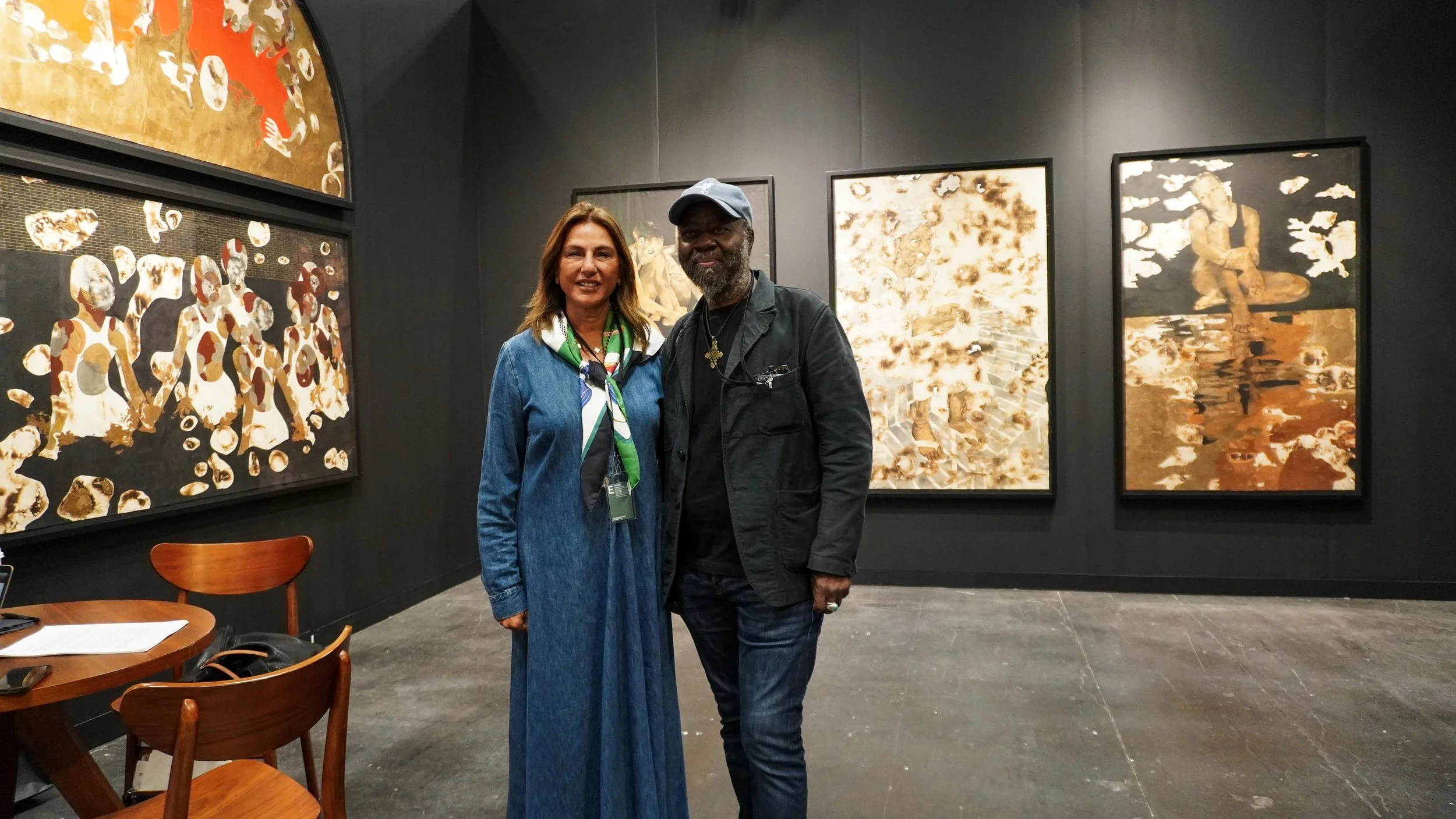
The Armory Show takes place at the Javitzs Center annually. The 2023 featured exhibitors like Yinka Shonibare, Ouattara Watts, Ko Gallery, Modupeola Fadugba, Kavita Chellaram, Jean Chen, Soleymane Keita, Marie-Claire Messouma MANLANBIEN, Cecil Fakhoure and more
Check out more exhibitors here
Photos from The 2023 New York Armory Show










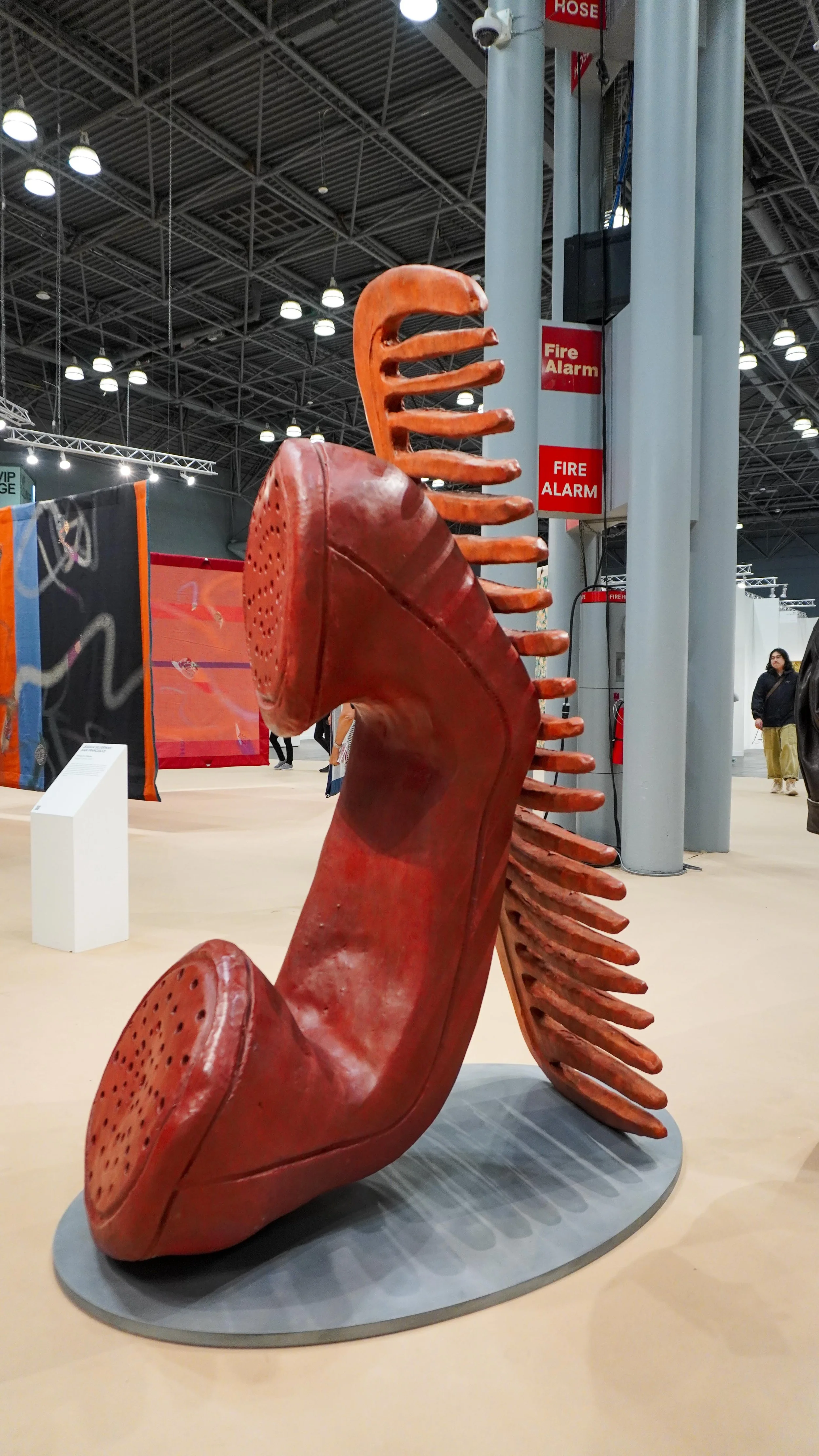


Don’t Stop Believing by Modupeola Fadugba
”When I left my career in education 10 years ago to become a full-time professional artist, I had no idea that my core “why,” my passion for learning and teaching would still manifest in my new vocation.
Last year, I built this swimming pool in Ibadan, Nigeria and people have since come from all walks of life to learn how to swim. And not only to swim- to dance and dive- courageously, skillfully, and even artfully. I’ve had many career milestones and reasons to celebrate, but this one in particular, makes the journey of my life make sense. I’ve had this reel in my drafts since December, and each time I watch it, particularly when things don’t make sense, I’m reminded to keep believing, to keep swimming. Today, I wanted to share.”
Synchronized swimming-inspired artworks









Join Brenda Nwagwu in THE ART Of PERSUASION
Brenda Nwagwu (FNIMN), the Principal Communications Consultant/CEO at QVT Media | Disney StarLife TV, Exclusive Media Sales Rep. Nigeria and Ghana, will lead this webinar on mastering negotiation techniques

Brenda Nwagwu (FNIMN), the Principal Communications Consultant/CEO at QVT Media | Disney StarLife TV, Exclusive Media Sales Rep. Nigeria and Ghana, will lead this webinar on mastering negotiation techniques
A WEBINAR
Join Brenda Nwagwu in
THE ART Of PERSUASION
September 9, 2023
Hey there! I'm Brenda, the CEO of QVT Media. I'm excited to invite you to my upcoming webinar that could really boost your success through the amazing power of negotiation.
Whether you're a seasoned professional or just starting out, I've got something great for you. Imagine turning every negotiation into a win-win situation where both sides feel satisfied and empowered. That's exactly what we'll explore in my upcoming webinar.
I won't just give you strategies and techniques; I want to have an open, honest conversation about how negotiation can foster cooperation and shared success.
This isn't about rigid corporate tactics; it's about practical strategies that work in any situation. Whether you're dealing with a complex business deal or finding common ground in everyday interactions, these skills are incredibly valuable.
Join me on Sept 9 for an insightful and educational session. Reserve your spot now by clicking this registration link or scanning the QR code provided.
Feel free to share this with anyone who could benefit.
Looking forward to having you there!
#webinar #persuasion #negotiation #educational #success #strategies #techniques #skills #media #advertising #communications
Share this story

PALEY Museum Exhibits WILL & GRACE 25th Anniversary
Fans of the 1990s TV series WILL & GRACE get immersed in an exhibition at PALEY Media Center to celebrate it’s 25th anniversary
Few television shows have left a lasting legacy, as the Universal Television series for NBC - Will & Grace, did after its acclaimed debut on September 21, 1998.
by oyiza adaba
Photos BY Africa-related
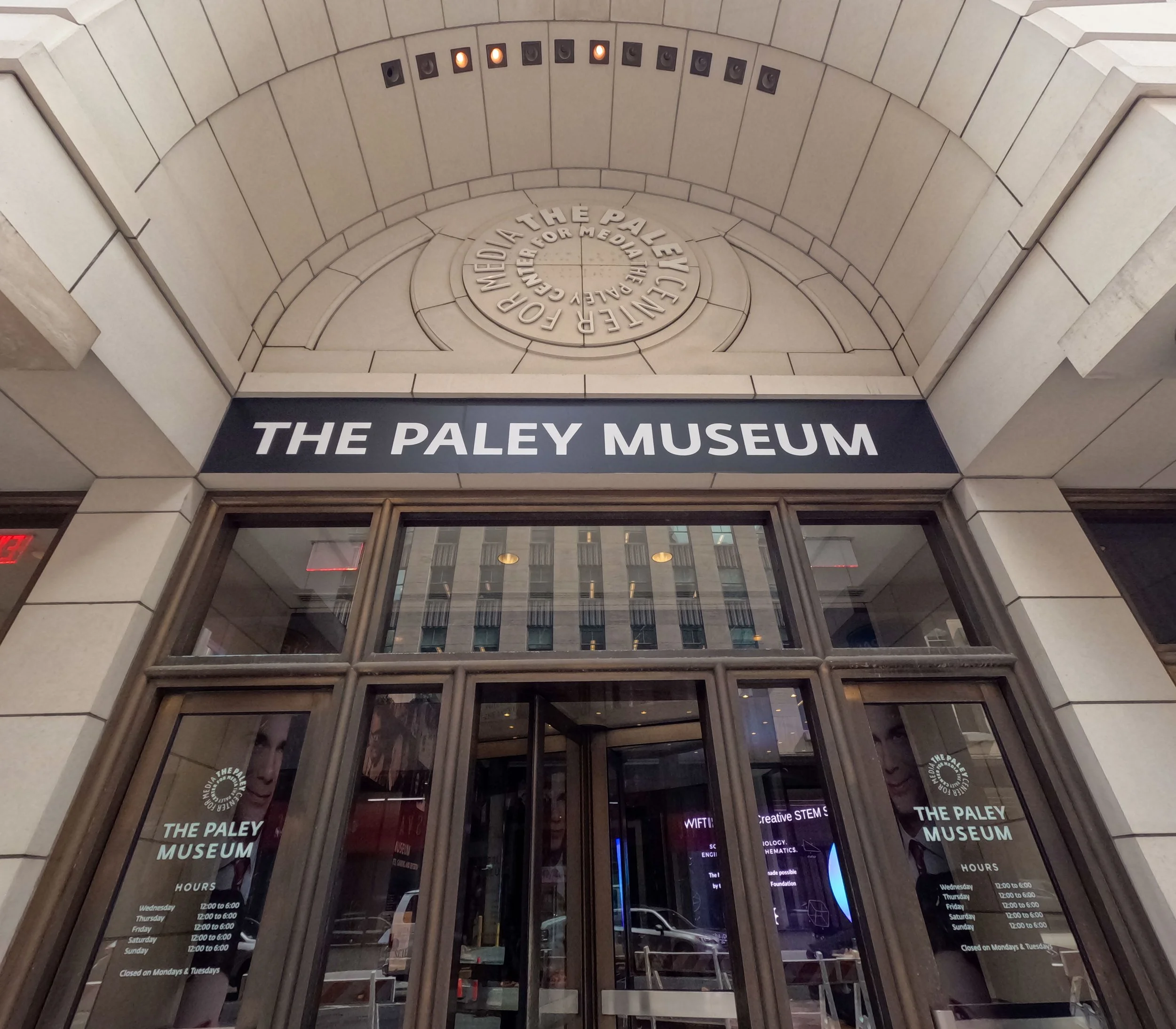
The Paley Museum, 25 W 52 Street, NYC
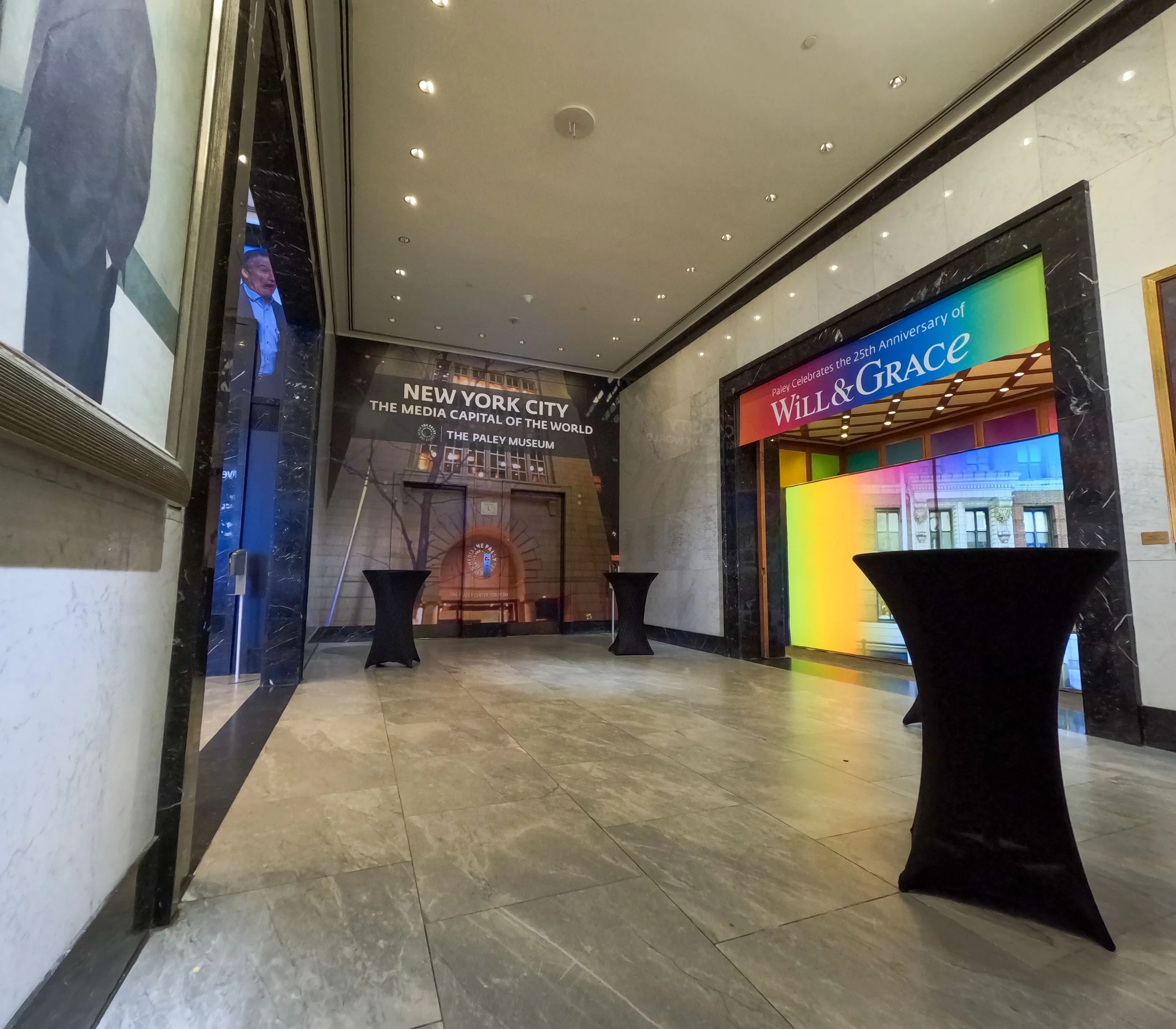
Exhibition Entrance
PRESS RELEASE
Paley Celebrates the 25th Anniversary of Will & Grace
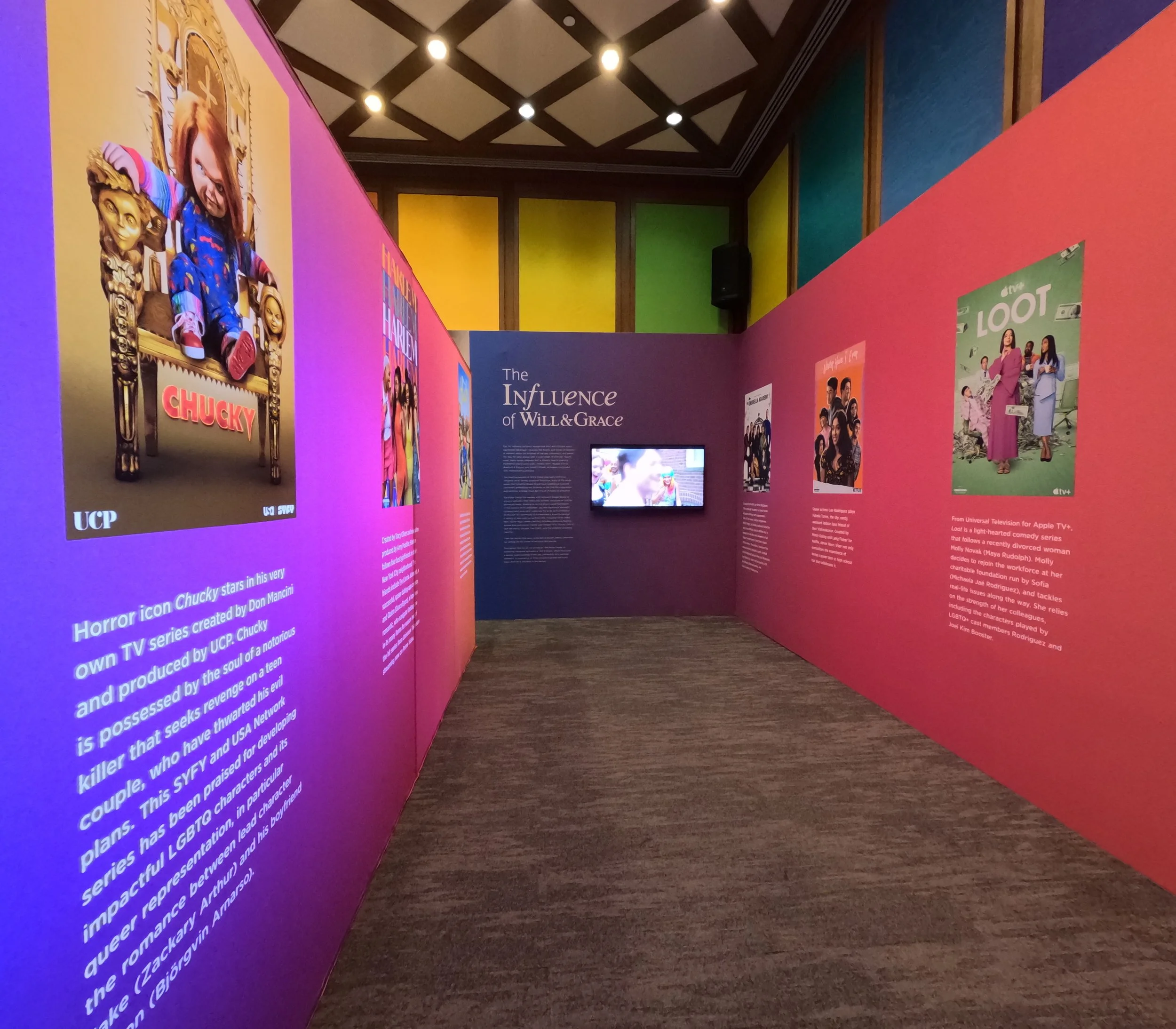
Get ready to immerse yourself in the world of Will & Grace with a must-see exhibit that kicks off the Paley Pride celebration! Few shows have left as lasting a legacy on television a Universal Television series for NBC did after its acclaimed debut on September 21, 1998. The Universal Television's series helped to pave the way for greater recognition of the LGBTQ+ community on television with two gay leading roles starring in a prime-time comedy for the first time. Over the course of its eleven-season run, Will & Grace shattered stereotypes and prejudices about the community, bringing a relatability, authenticity, and complexity to these characters that millions of people could embrace, while also winning critical acclaim.
The inspiring success of Will & Grace has had a profound influence on the industry. In the years since, Universal Television, a division of Universal Studio Group, has produced numerous acclaimed series that spotlight nuanced characters embodying a broad range of the diversity of the LGBTQ+ experience.
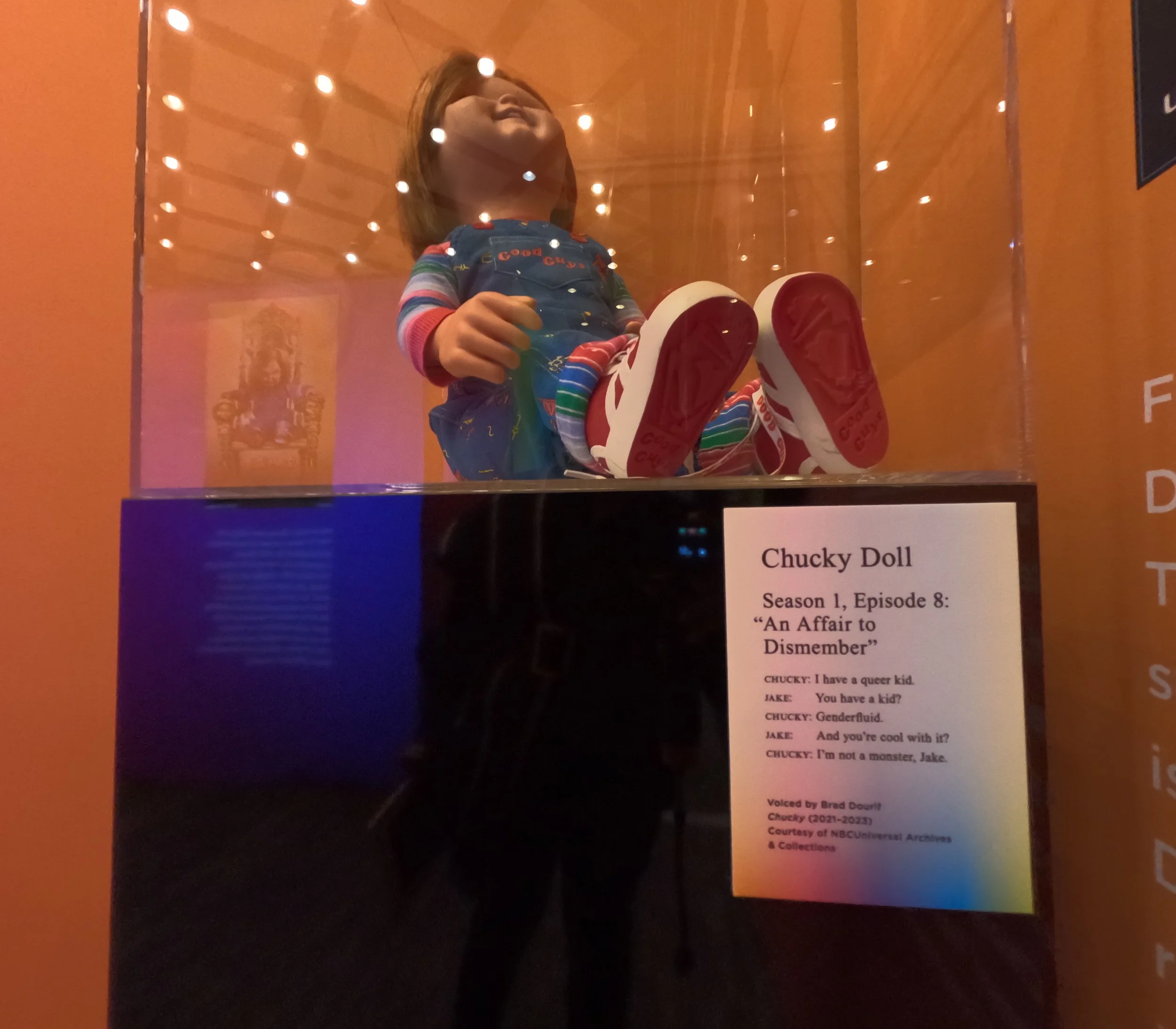
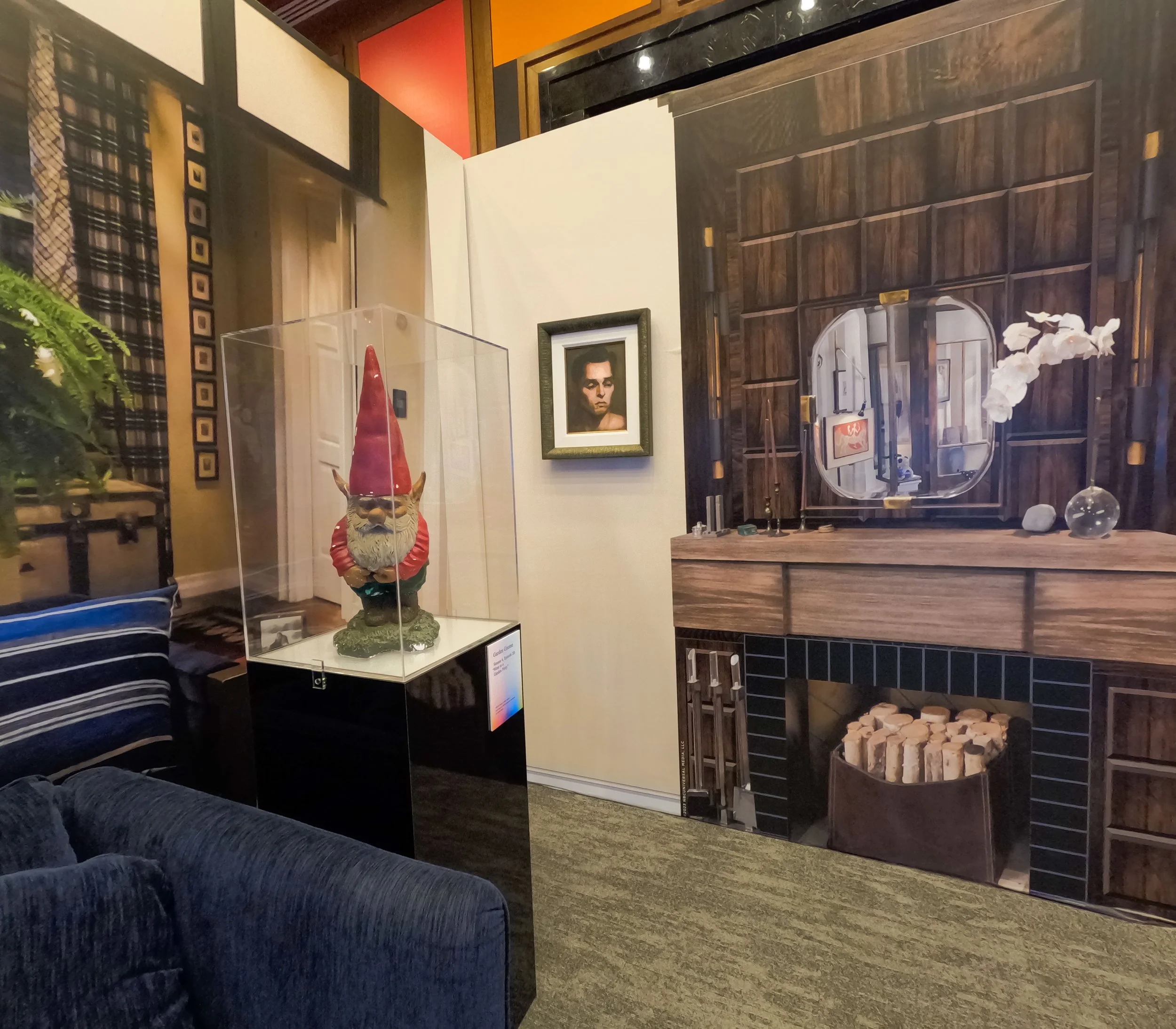
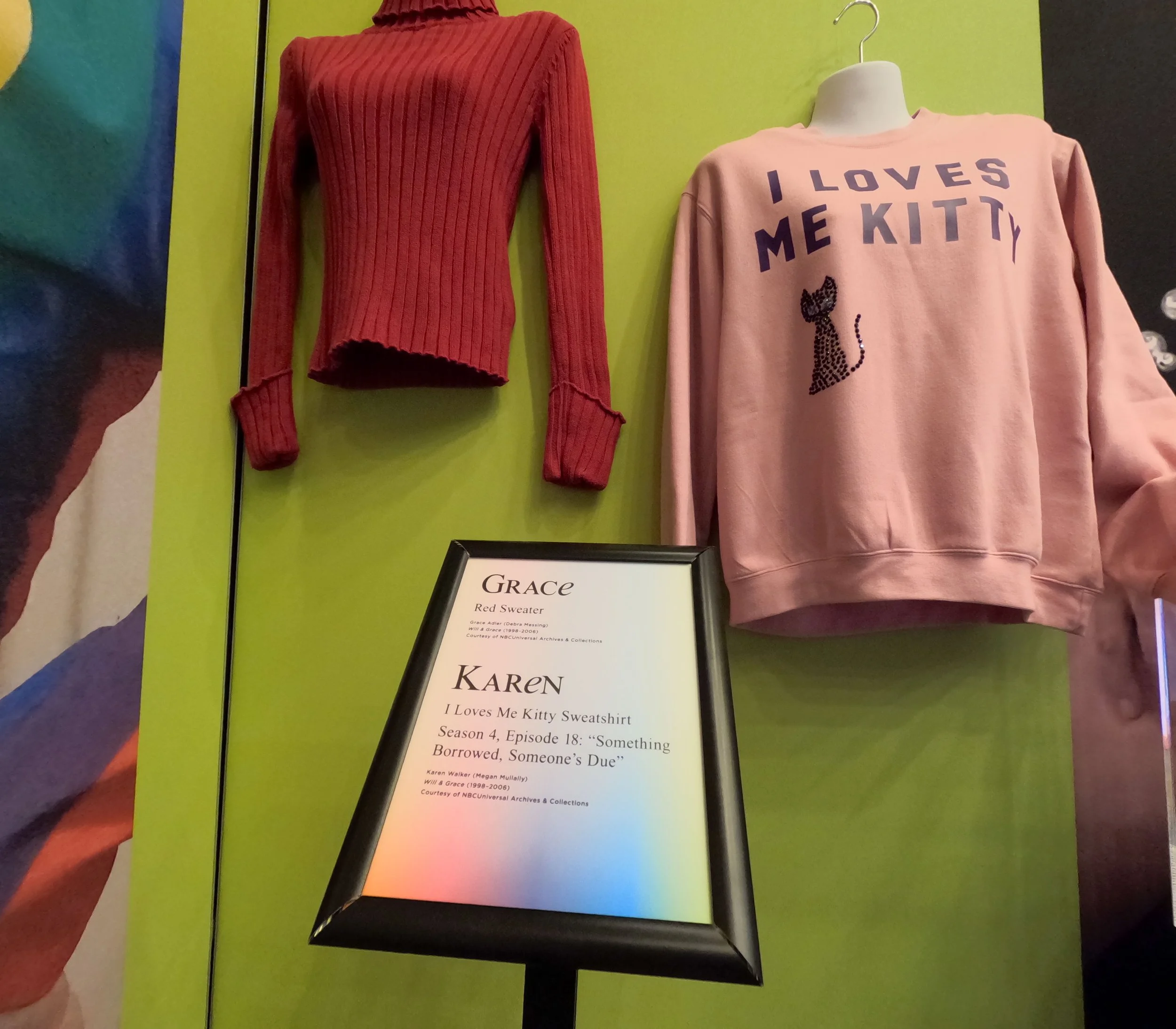
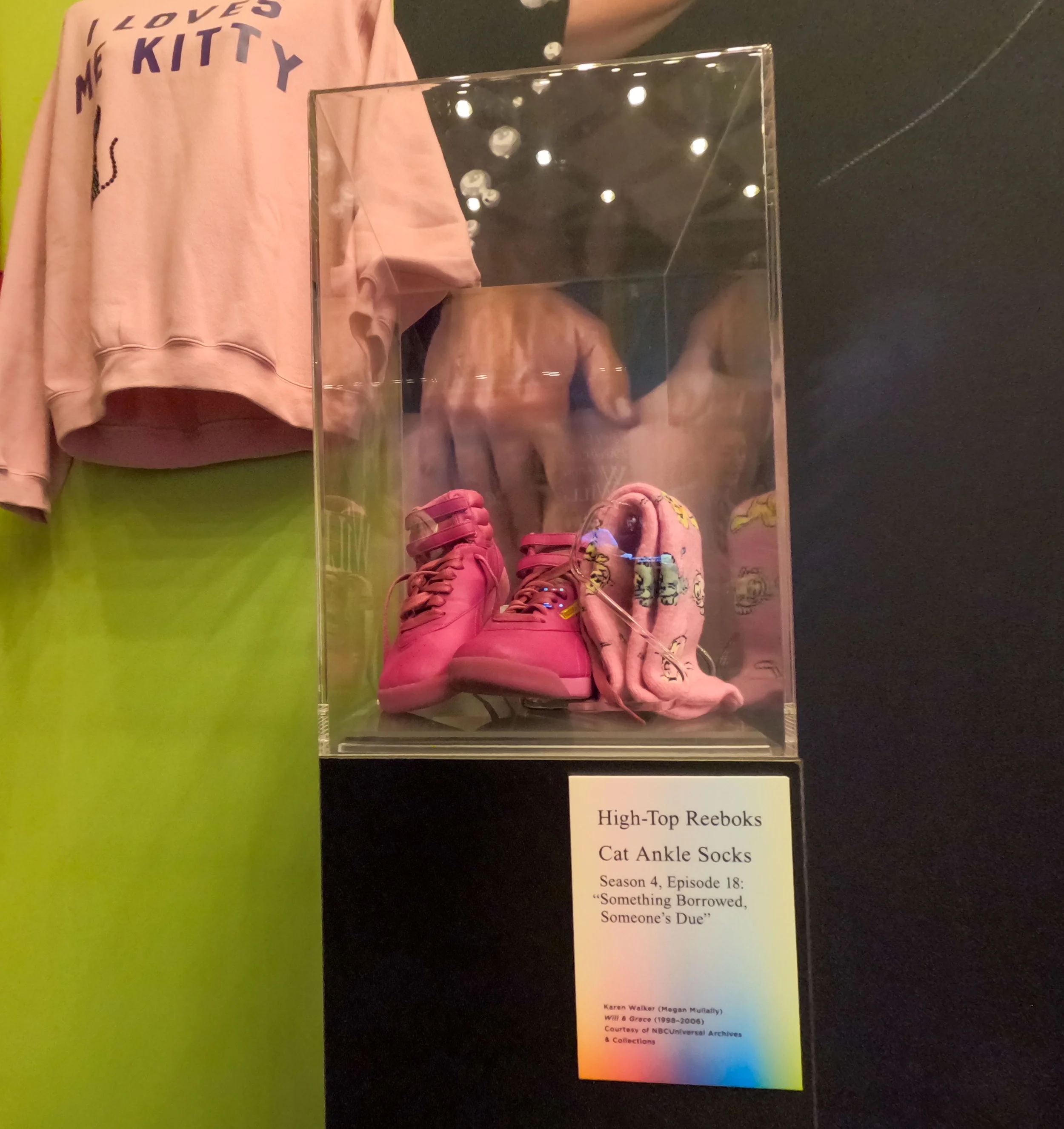
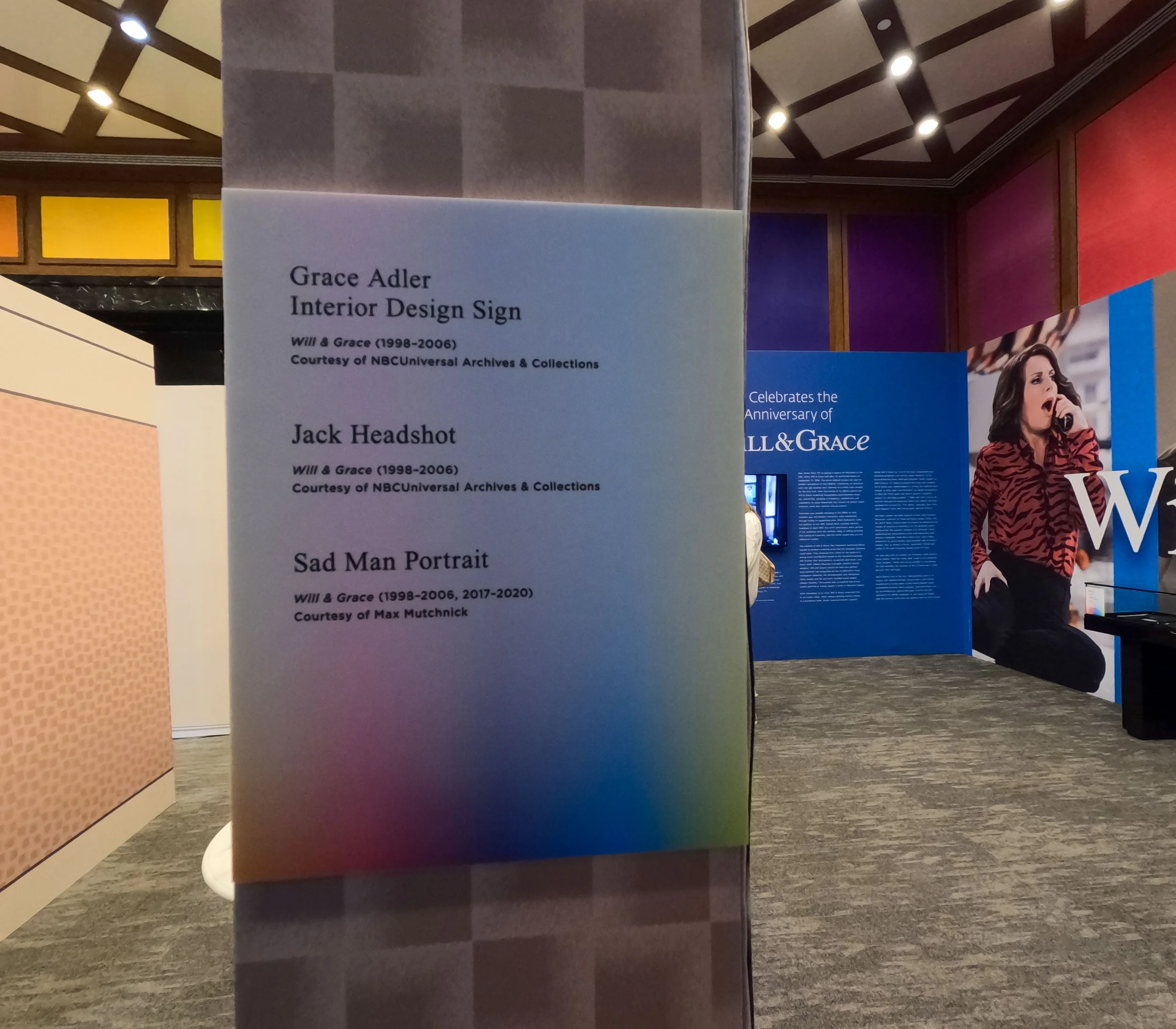
So come sit in Café Jacques and grab a photo or pose on the iconic couch in Will and Grace's living room using our photo booth for a souvenir photo with digital frame. See original costumes from the characters Will, Grace, Jack, and Karen, plus costumes from Universal Studio Group's shows that followed in the footsteps of Will & Grace’s, including Hacks, The Umbrella Academy, Never Have I Ever, and Harlem. The exhibit is a fantastic way to learn and appreciate the impact that Will & Grace had on LGBTQ+ representation in TV.
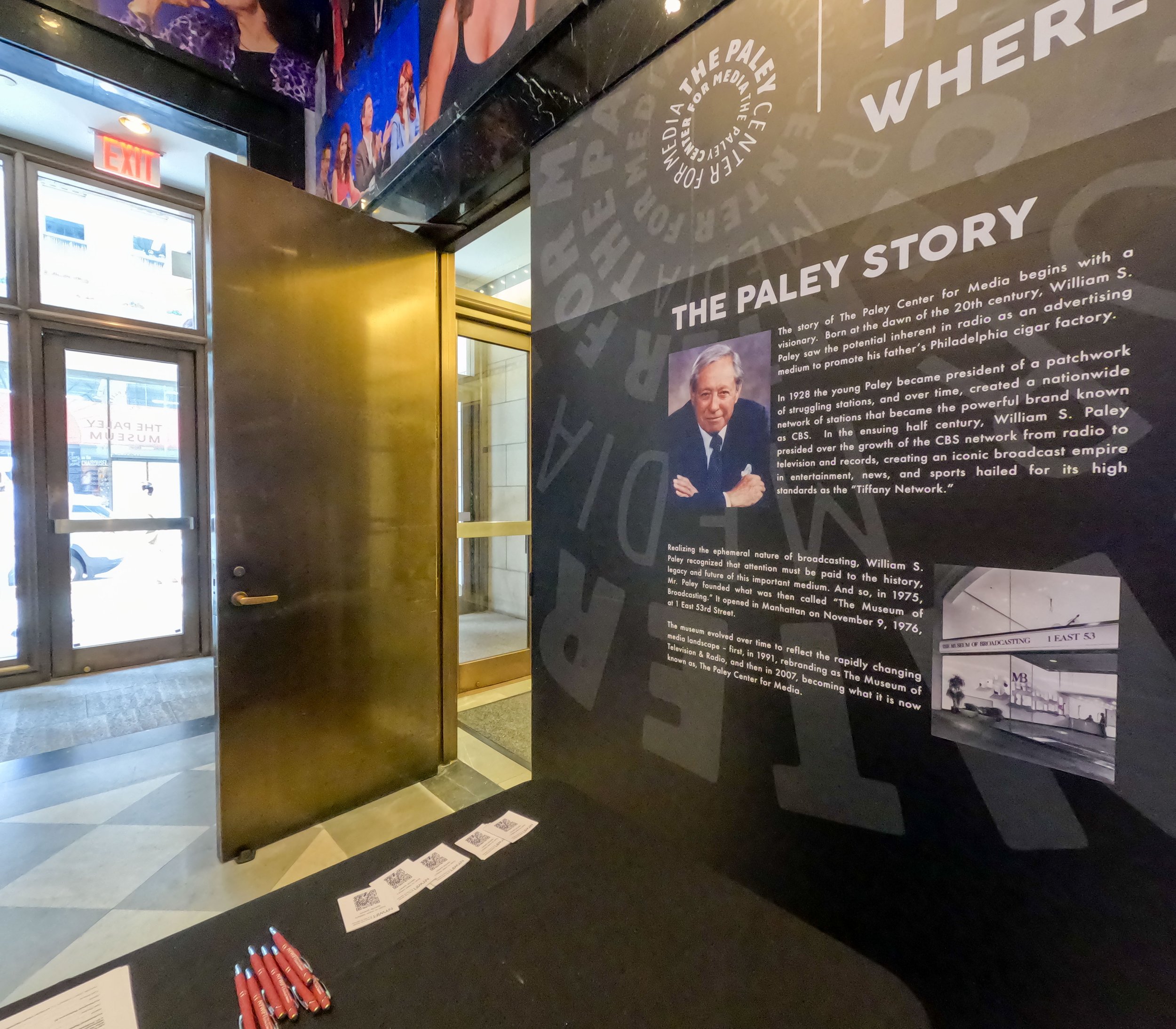
Previously known as The Museum of Television & Radio, the Paley Center was founded in 1975 by CBS founder William S. Paley, a pioneering innovator with an objective to make sure that programming was being preserved in order to preserve our own cultural history. Since then it has amassed in its collection, over 160,000 programs and advertisements, covering more than 100 years of television and radio history. The Center also boasts significant international presence, with seven thousand assets from 70 countries.
Learn more here
Photos from The WILL & GRACE 25th anniversary exhibition at the parley museum in new york







UN General Assembly - 🇳🇬 Nigeria's President Muhammadu Buhari Makes his Last Address
President Muhammadu Buhari of Nigeria addresses the 77th Session of the United Nations General Debate
Africa-Related New York
Watch President Muhammadu Buhari of Nigeria, as he addresses the 77th Session of the United Nations General Debate today.
HIGHLIGHTS
- Growing Food Insecurity
- Climate Change
- Insecurity and Armed Crisis
- Developing Nations Debt Crisis
- Threats to Global Democracy
Share this story
President Biden Announces $2.9 Billion in Additional For Global Food Security at UN General Assembly
FACT SHEET: At United Nations General Assembly, President Biden Announces $2.9 Billion in Additional Funding to Strengthen Global Food Security
Africa-Related New York
The White House released the below fact sheet on this announcement
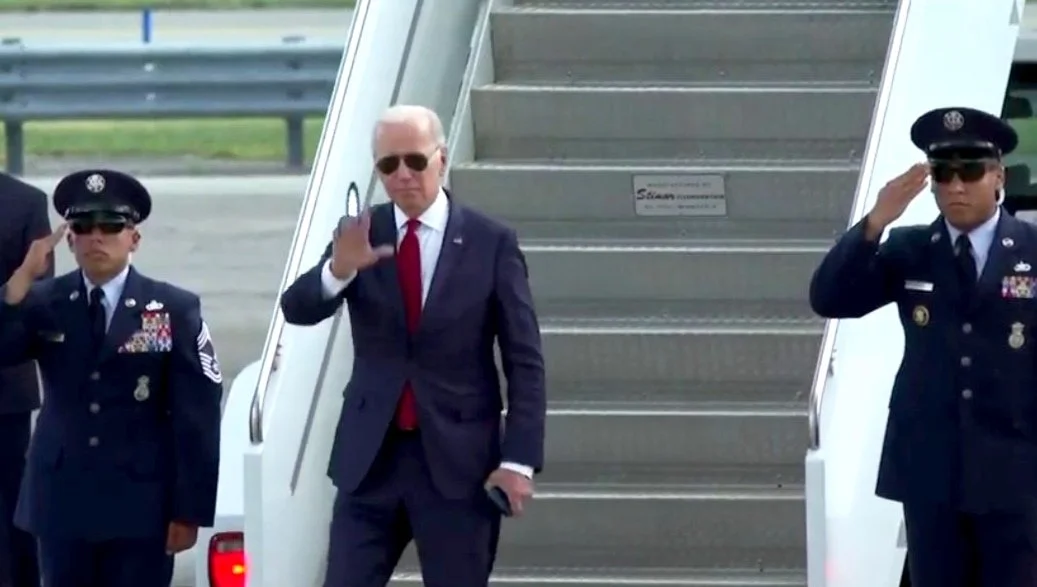
U.S President Joe Biden arrives New York today for the 77th UN General Assembly
FACT SHEET:
Today, in his address to the 77th session of the United Nations General Assembly President Joseph R. Biden, Jr. announced over $2.9 billion in new assistance from the U.S. Government to address global food insecurity. President Biden’s announcement builds on the $6.9 billion in U.S. government assistance to support global food security already committed this year.
The compounding impacts of the pandemic, the deepening climate crisis, rising energy and fertilizer costs, and protracted conflicts - including Russia’s invasion of Ukraine - have disrupted global supply chains and dramatically increased global food prices. A multi-year drought in the Horn of Africa has created a dire humanitarian emergency, with parts of Somalia at risk of famine for the second time in just over a decade. This new announcement of $2.9 billion will save lives through emergency interventions and invest in medium to long term food security assistance in order to protect the world’s most vulnerable populations from the escalating global food security crisis.
Yesterday, the United States convened a Global Food Security Summit co-chaired by Secretary of State Antony Blinken with the leaders of the European Union, African Union, and Spain, and co-hosted with Germany, Nigeria, Indonesia, and Colombia, on the margins of the UN General Assembly’s High-Level Week. The Global Food Security Summit reaffirmed the commitment of world leaders to act with urgency and at scale to respond to the pressing global food crisis and avert extreme hunger for hundreds of millions of people around the world. President Biden will also convene the White House Conference on Hunger, Nutrition, and Health, on September 28, to end hunger and reduce diet-related diseases here at home.
Today, President Biden announced the following additional investments in lifesaving humanitarian and food security assistance this year:
Global Humanitarian Assistance: President Biden announced an additional $2 billion in global humanitarian assistance through USAID. This funding will help save lives in countries facing food security crises, including through food and nutrition assistance, health care, safe drinking water, protection for the most vulnerable, and other vital relief. This funding increase emergency food security programming in those countries most impacted by the pandemic, the climate crisis, and the rise in food prices and supply chain constraints resulting from Russia’s invasion of Ukraine.
Global Development Assistance: President Biden also announced $783 million in global development assistance funding, including:
$140 million in new development funding, subject to Congressional notification, to accelerate last-mile delivery of agricultural tools, technologies, and production methods that will help smallholder farmers to boost their productivity, efficiency, and incomes. This funding will go towards the U.S. government’s Feed the Future Initiative to scale a rapid response for smallholder systems in sub-Saharan Africa through the new Accelerated Innovation Delivery Initiative. This will support smallholder producers, small and medium agricultural enterprises, and national partners to maintain food production in the face of volatile global commodity prices and disrupted supply chains.
$220 million, through the U.S. Department of Agriculture, for eight new school feeding projects that are expected to benefit nearly a million children in food-insecure countries in Africa and East Asia. Funds are being awarded through the McGovern-Dole International Food for Education and Child Nutrition Program.
$178 million, through the U.S. Department of Agriculture, for seven international development projects on four continents to support U.S. government priorities including promoting climate-smart agriculture, facilitating trade, and addressing the root causes of migration in Central America. The funds are being awarded under the Food for Progress Program, through which USDA’s Foreign Agricultural Service partners with non-governmental organizations and foreign governments on projects that help developing countries strengthen their agricultural systems and boost their trade capacity.
Through the Millennium Challenge Corporation (MCC), the U.S. government and the Government of Malawi will also sign a new Malawi compact later this month. This compact includes a $245 million Accelerated Growth Corridors Project, which sets out an ambitious agenda to reduce transport costs and better connect goods, farms, and rural populations to markets.
Global Agriculture and Food Security Program (GAFSP): President Biden announced that the United States has contributed $150 million to the Global Agriculture and Food Security Program, enabling the first new Call for Proposals since the start of the COVID-19 pandemic. The U.S. contribution will encourage other donors—both government, multilaterals, and philanthropic groups—to match and announce additional commitments to support GAFSP’s Call. Given the scale of the challenge, the United States believes we can only overcome global food insecurity by working together to create innovative partnerships with international financial institutions, international organizations, and other key stakeholders. Through the Call, GAFSP will enable us to collaboratively respond to the most urgent needs of the growing food security crisis.
Share this story

U.S Secretary of State Blinken to Attend 77th United Nations General Assembly;
Secretary of State Antony J. Blinken will travel to New York City September 18-23 to participate in the 77th Session of the United Nations General Assembly High Level Week
By Africa-Related New York
U.S. DEPARTMENT OF STATE
Office of the Spokesperson
STATEMENT BY NED PRICE, SPOKESPERSON
Secretary of State Antony J. Blinken will travel to New York City September 18-23 to participate in the 77th Session of the United Nations General Assembly High Level Week. While in New York City, the Secretary will meet with UN officials and counterparts on the margins of the event.
Stay connected with the Office of Press Relations:
What is the UN General Assembly and what happens there?
Share this story

TEDx OKENE 2022: IT'S 2 DAYS TO GO!
Among the impressive lineup of speakers are Dr Tom Adaba OON of the Tom Adaba Legacy Project, teen speaker Ohinoyi Ohikere, Ms. Salamatu Yunusa, a first-class graduate of Electrical and Electronic Engineering from the University of East London, and Rev. Fr. George Ehusani of Lux Terra Leadership Foundation.
Rosemary Onubaiye | Africa-Related

“We want a changed mindset, one geared towards positivity.”
It's 2 days to go!
Don't miss #TEDxOkene 2022 this Saturday in Okene and online on Saturday September 3, 2022.
Among the impressive lineup of speakers are Dr Tom Adaba OON of the Tom Adaba Legacy Project, teen speaker Ohinoyi Ohikere, Ms Salamatu Yunusa, a first-class graduate of Electrical and Electronic Engineering from the University of East London, and Rev. Fr. George Ehusani of Lux Terra Leadership Foundation.

This year, the organisers are working towards a ‘changed mindset’ in individuals and communities. By pairing young mentees with inspiring mentors, they hope to better keep track of projects in development .

The event will be graced by the Ohinoyi of Ebiraland, HRM. Alh. (Dr.) Ado Ibrahim, alongside royal fathers and mothers. Past speakers like Hamza Lawal of Connected Development CODE, will be back as a guest
Check out more scenes from TEDXOkene 2021
MEET THE 2022 SPEAKERS










Africa-Related is a media content production house
Share this story
Highlights of Anya Fụlụ Ugo 2015
An Interdisciplinary African Arts Conference in honour of El Anatsui and Obiora Udechukwu that took place at the Faculty of Arts, University of Nigeria, Nsukka, Nigeria. The maiden edition was held in honour of Professors El Anatsui and Obiora Udechukwu.
By oyiza adaba - Africa-Related, Nigeria
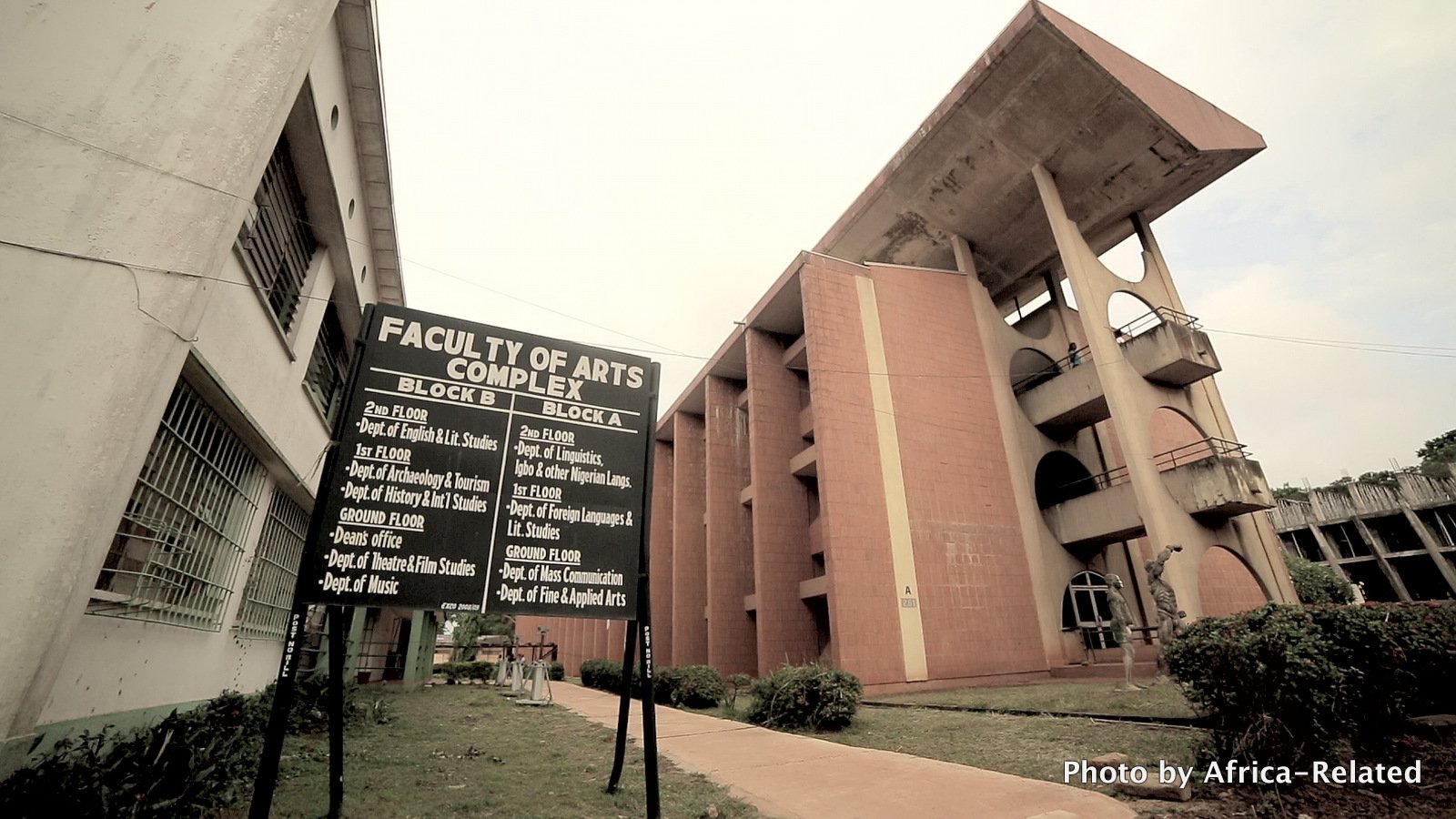
Faculty of Arts Complex, University of Nigeria, Nsukka. Photo: Africa-Related
anya fụlụ ugo jaa ya mma, na-adi afụ ugo kwa daa
- the eye that sees an eagle should adore it, for only rarely are eagles seen -
Video Courtesy of Africa-Related

Interdisciplinary African Arts Conference of the Faculty of Arts, University of Nigeria, Nsukka, Nigeria in honour of El Anatsui and Obiora Udechukwu
Theme: African Art and Artists after the Millennial Turn
Venue: Princess Alexandria Auditorium, University of Nigeria, Nsukka, Nigeria
Date: 24-27 June 2015


This conference adopts an interdisciplinary approach to the discourse of the current state of art and artists in Africa and in the African Diaspora. It is our tribute to two important global artists associated with the Faculty of Arts at the University of Nigeria, Nsukka, whose work over the past four decades demonstrates the multiple layers of critical, historical, and other narrative contexts that African art engenders today. Professors El Anatsui and Obiora Udechukwu are acclaimed for creating a respectable body of works that have grown to defy any marginal critical or historical narrative - a microcosm of the form and content of African art today.
The four-day even was attended by artists and educators from various countries including UK, Spain, The United States, Germany etc. The program was packed with activities such as breakout sessions, art exhibitions, guided tours etc.
The broad theme of the conference, “African Art and Artists after the Millennial Turn” proposes an interdisciplinary approach to the discourse of the current state of art and artists in Africa and in the African Diaspora. Under the banner “Anya Fulu Ugo”, this maiden edition was held in honour of Professors El Anatsui and Obiora Udechukwu.