

The Power of Soft Skills: Key Takeaway From The International Project Management Day Conference 2025
The Power of Soft Skills is the key takeaway from the International Project Management Day Conference 2025. It brought together thought leaders, practitioners, and innovators to explore how project management continues to evolve as both a technical and human-centered craft.
By melody-Esther soyemi - Africa-Related, Nigeria
Creating Connections in Project Management
“The International Project Management Day Conference 2025 brought together thought leaders, practitioners, and innovators to explore how project management continues to evolve as both a technical and human-centered craft.”
On November 6, 2025, project management professionals around the world came together to celebrate International Project Management Day 2025, a global event dedicated to recognizing the discipline’s impact on organizational success and human collaboration. The conference program featured two thematic tracks that ran concurrently throughout the day, Track A focused on communication, self-awareness, and workplace civility, while Track B emphasized sustainable project management, certification pathways, and emerging professional standards.
Opening Keynote: Building Respectful Engagement
The conference opened with a powerful keynote titled “The 3-Pass Process: Building Respectful Engagement by Ted Lalonde.” Lalonde emphasized the growing importance of empathy, inclusivity, and trust in managing teams, especially in today’s hybrid and multicultural work environments. He also encouraged attendees to see respectful engagement not just as etiquette, but as a project management competency essential for achieving long-term results.
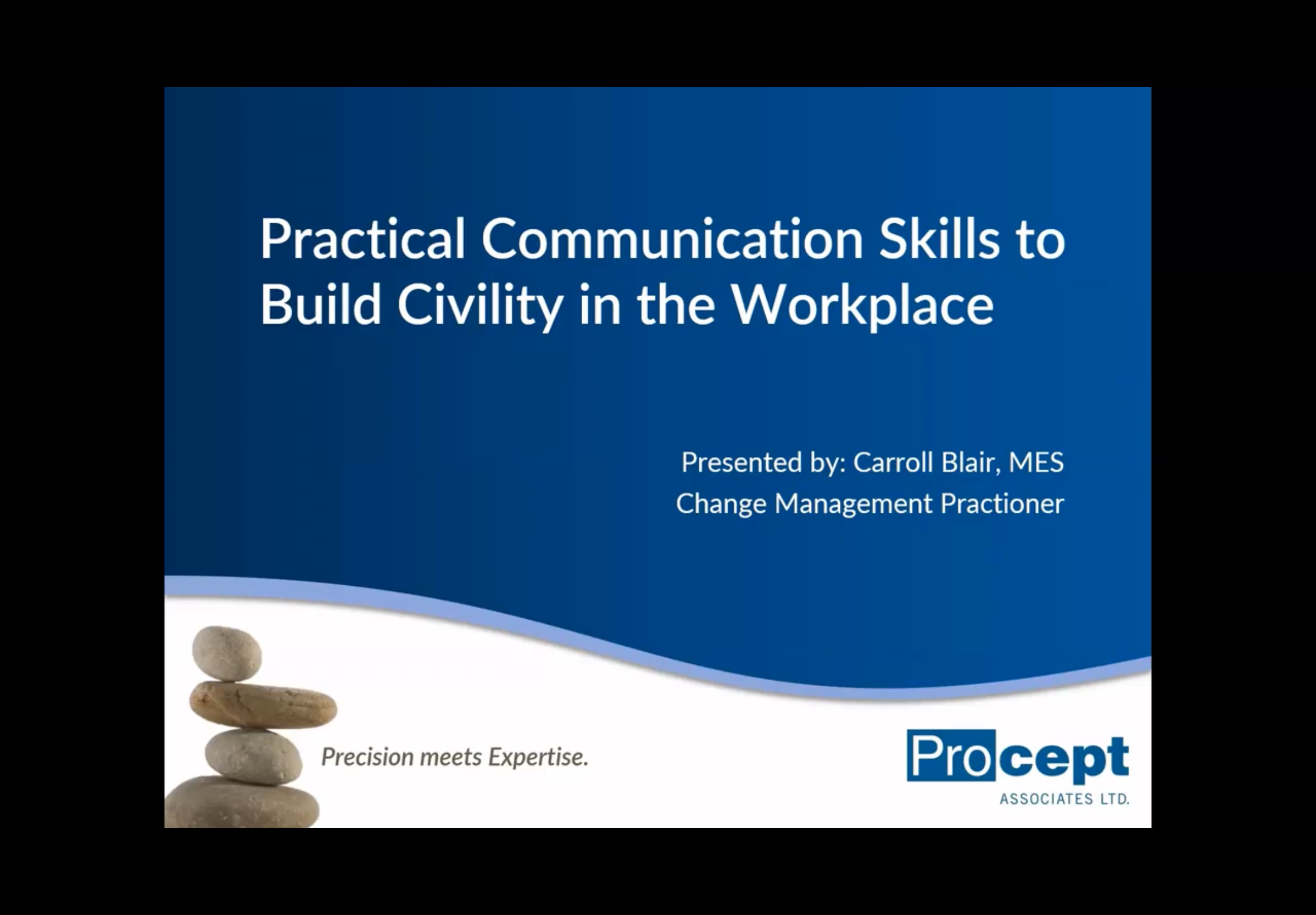
Practical Communication Skills to Build Civility in the Workplace
(Video source)
This session was led by Carroll Blair who highlighted one of the most discussed topics of the day: Practical Communication Skills to Build Civility in the Workplace. It explored how project managers can intentionally create psychologically safe spaces that foster honest dialogue and collaboration. She stressed that civility is more than politeness, it’s a measurable factor in reducing project risks and improving stakeholder relationships. She stated “ when talking about civility in the work place do we want to expect less from each other, do we want technology to do all of our human interactions, or do we want to be alone together.”
Real-world examples illustrated how communication breakdowns often lead to project delays, while open feedback channels help teams navigate uncertainty with shared purpose. The key takeaway is that effective project management starts with human connection.
Circling the Dragon: Diagnosing and Resolving Organizational Culture Issues
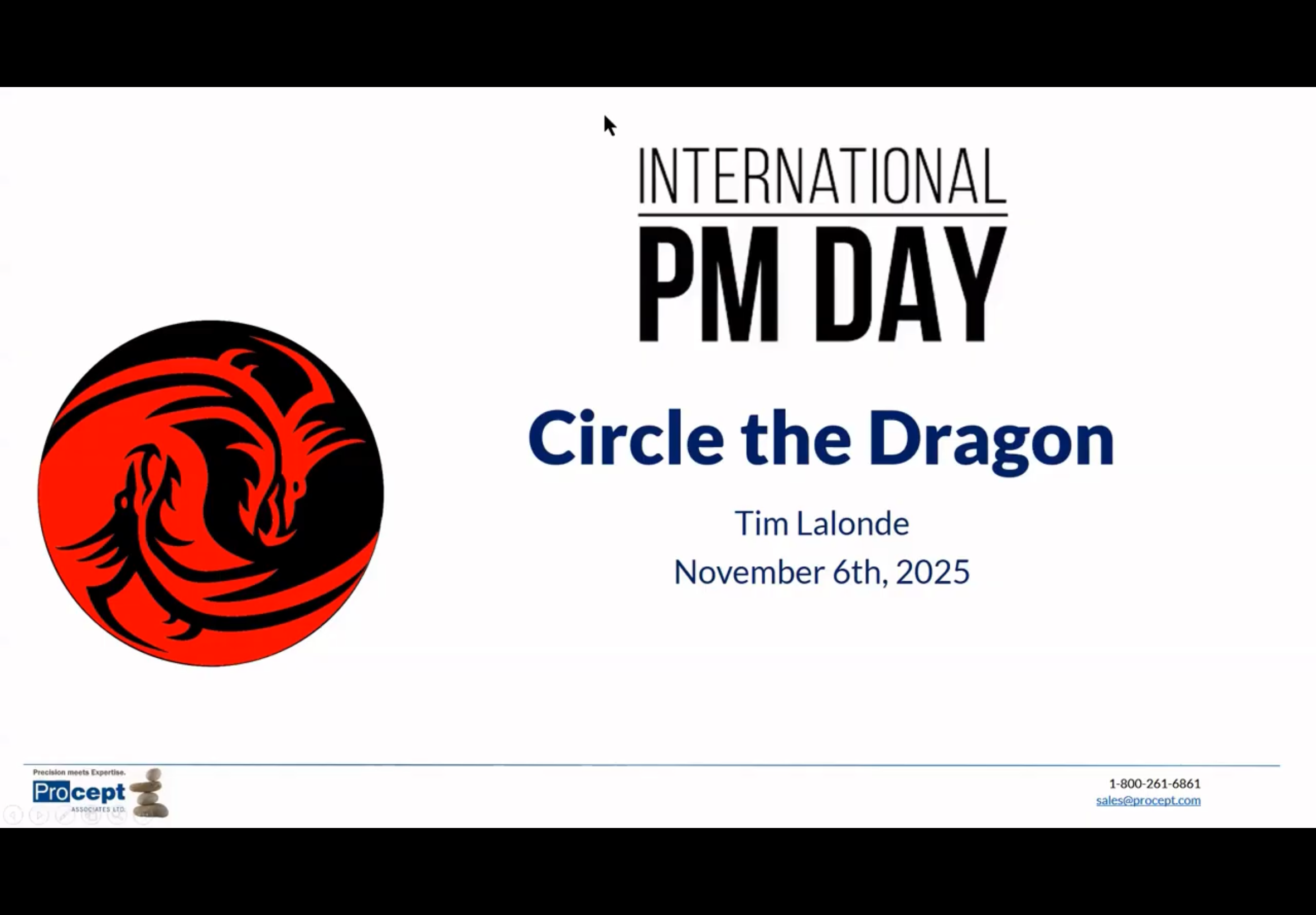
This session was conducted by Tim Lalonde, Circling the Dragon, He guided participants through the complexities of diagnosing and resolving organizational culture challenges. Using the metaphor of “the dragon,” the session addressed how unspoken issues such as misaligned values or fear-based communication can silently undermine team performance.
He called on project leaders to take on the role of culture stewards, combining data-driven insight with emotional intelligence to identify and address underlying tensions. A standout message was that projects do not fail because of technology they fail because of culture. By “circling the dragon,” leaders can face these invisible challenges head-on and transform organizational friction into collective growth.
African Perspective:
Across many African mostly Nigerian workplaces, project outcomes are often shaped more by culture than by technical capability. Hierarchical communication remains a major limitation, as employees frequently hesitate to speak openly or give feedback to senior leaders. This reluctance to express disagreement leads to unresolved issues that eventually harm or be harmful to projects. Soft skills are also underemphasized, with organizations focusing heavily on certifications while overlooking emotional intelligence, conflict management, and communication competence. Combined with limited psychological safety, these factors create environments where innovation is slow and teams operate cautiously.
Yet Africa also demonstrates remarkable strengths. The continent’s strong communal values naturally support collaboration and collective problem-solving. African professionals are highly adaptable and resilient,which increases their survival skills and often excels in uncertain or resource-constrained environments. A rapidly expanding youth workforce is embracing global project management standards with energy and curiosity, and the rise of PMI chapters and PM training hubs across African nations reflects a continent moving forward.
By applying the global conference themes locally, African and Nigerian organizations stand to benefit significantly. Emphasizing civility in communication will ease workplace tensions and improve teamwork. Addressing cultural issues head-on, rather than ignoring them, will reduce project failures caused by silence or misalignment. Prioritizing soft skills alongside technical training will produce project managers who can lead confidently across cultures and sectors. Above all, adopting respectful engagement as a leadership mindset will deepen trust, strengthen morale, and create workplaces where people feel empowered to contribute.
In this way, Africa and Nigeria can not only align with global project management standards but also position itself as a rising leader in innovation, collaboration, and modern project delivery.
Panel Discussions and Awards
The conference also featured thought-provoking panels on topics such as “What Soft Skills are Key for Today’s Project Managers” and “Everything You Wanted to Know About PM Certifications But Were Afraid to Ask.” These discussions reinforced that modern project management requires more than tools and frameworks; it requires resilience, adaptability, and emotional literacy.
The day concluded with prize draws and recognition ceremonies celebrating excellence in the field, including the Canadian PM of the Year, Project of the Year, and the Young PM of the Year Awards, as well as an announcement of the 2026 PM Paper Competition. These honors underscored the community’s ongoing commitment to innovation, mentorship, and professional growth.
A Shared Global Vision
The 2025 International Project Management Day Conference reminded attendees that while methodologies evolve, the heart of project management remains the same: people working together toward meaningful goals. From sustainable practices to civil communication and cultural awareness, the event captured the essence of leadership in the modern era: strategic, empathetic, and purpose-driven.
As the profession continues to adapt to an increasingly complex world, this year’s conference was both a celebration and a call to action: to lead not just with skill, but with humanity.

Key Takeaways from International Project Management Day Conference 2025
Respectful engagement is a project competency. Building trust and empathy within teams is no longer optional; it's a measurable skill that drives performance.
Civility creates stronger teams. Communication grounded in respect reduces conflict, improves morale, and increases project success rates.
Culture determines project outcomes. Technical expertise alone cannot save a project if organizational culture is broken. Leaders must “circle the dragon.”
Soft skills are the new hard skills. Emotional intelligence, adaptability, and feedback literacy define the next generation of project managers.
Global collaboration is the future. From sustainability to digital transformation, project managers must lead across cultures, disciplines, and time zones with empathy and purpose.
share this story

Builder's Hub Impact Investment Program - Creativity & Collaboration
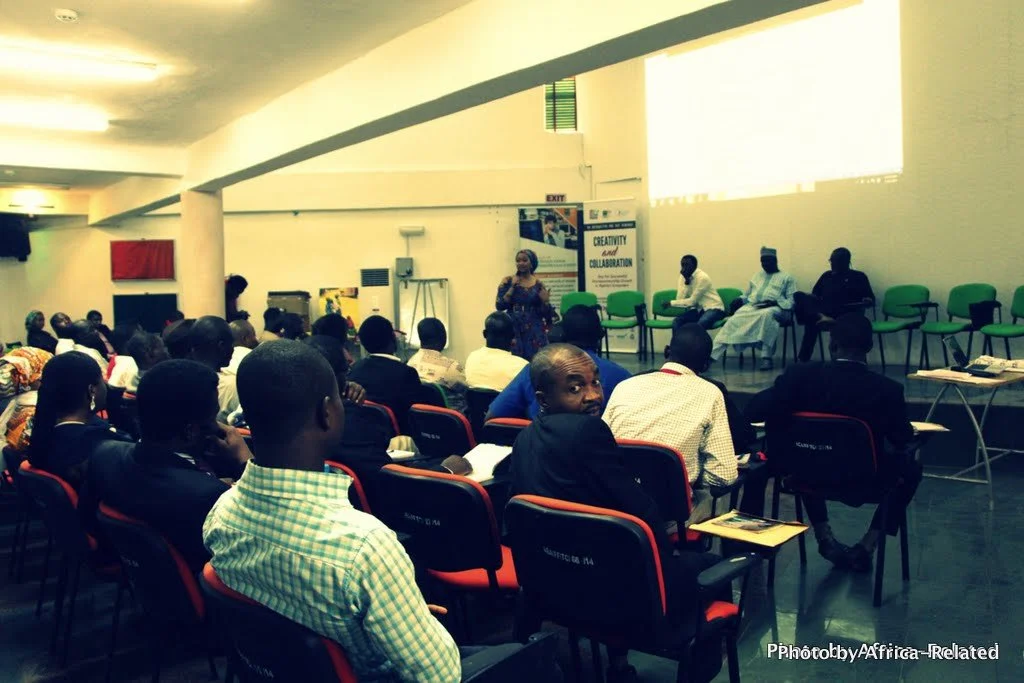
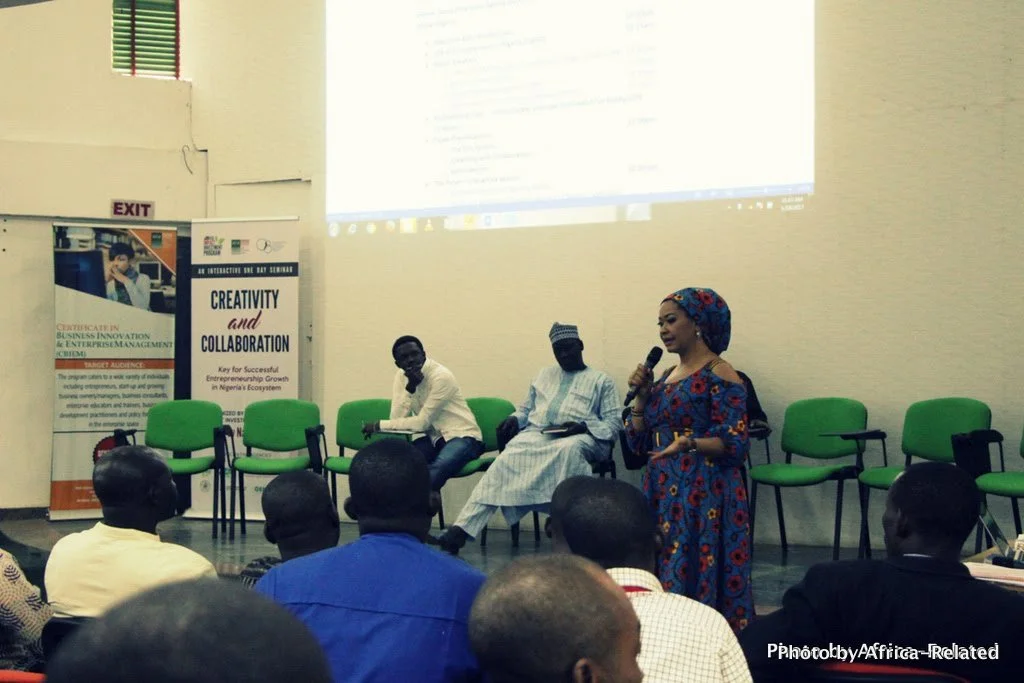
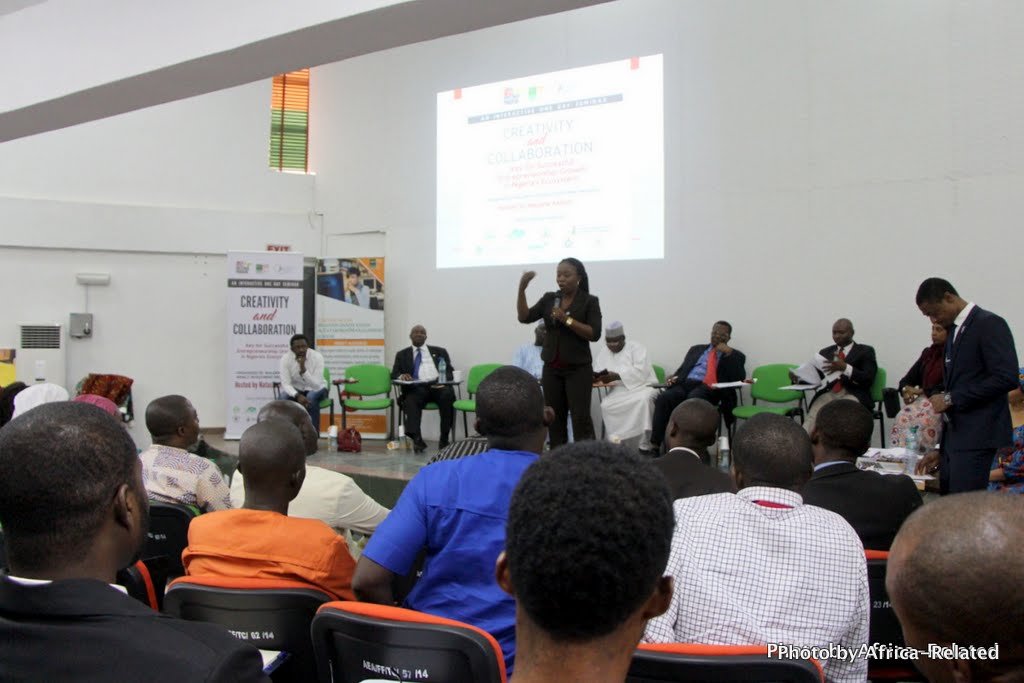
A COMMUNIQUE ISSUED AT THE END OF THE ONE DAY SEMINAR FOR ENTREPRENEURS.
OYIZA ADABA | AFRICA-RELATED NIGERIA
A COMMUNIQUE ISSUED AT THE END OF THE ONE DAY SEMINAR FOR ENTREPRENEURS.
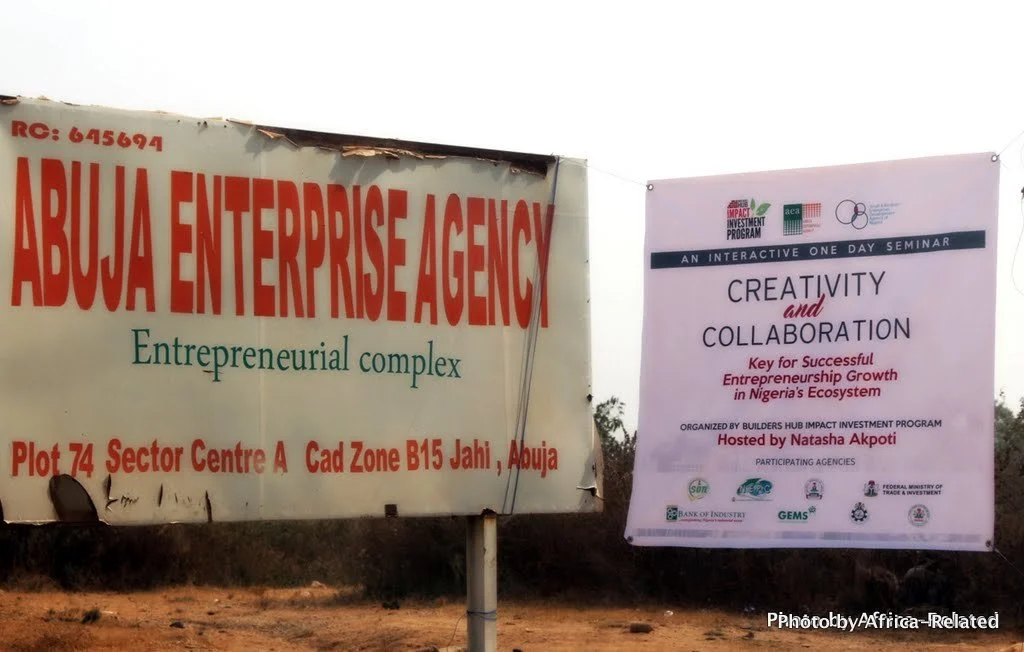
THEME: CREATIVITY and COLLABORATION:
Key for Successful Entrepreneurship Growth in Nigeria’s Ecosystem.
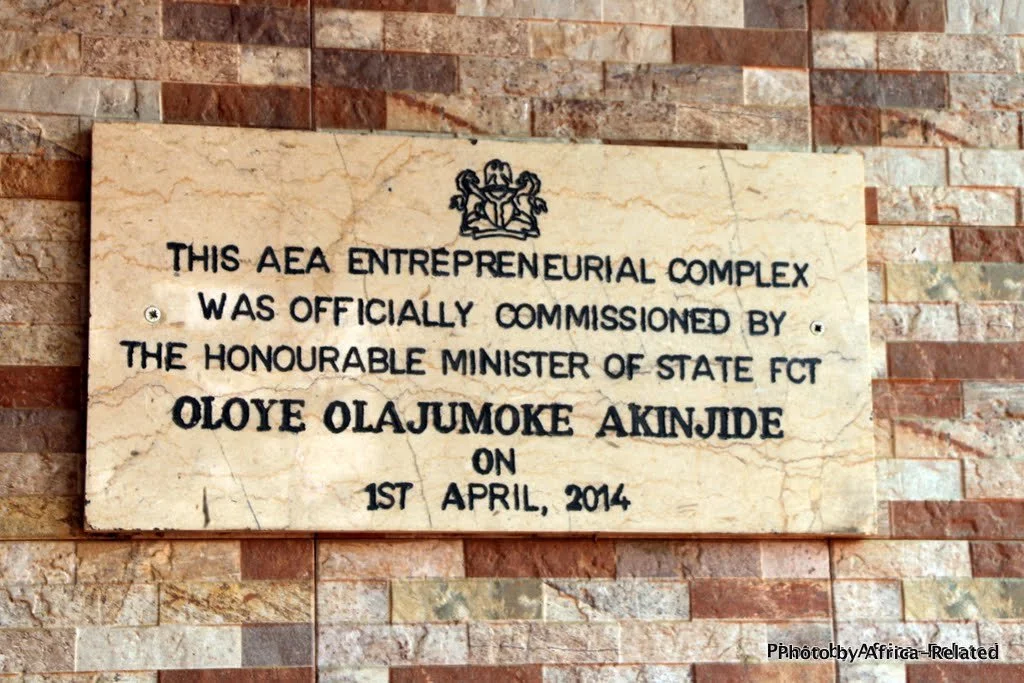
VENUE: ABUJA ENTERPRICE AGENCY
DATE: JAN 19, 2017 @ 10:00am.
We herein appreciate all participating agencies and participants. The success of this seminar could not have been possible without your immense contributions to this seminar.
This communiqué has been compiled using a feedback questionnaire of start-up and existing enterprises whose participation was upon a carefully selected nationwide application process aimed at forging an interaction amongst stakeholders in the Nigeria’s entrepreneurial ecosystem. The general overview and concerns captured below are based solely on the information provided by the participating government agencies and institutions duly represented.
Abuja Enterprises Agency
All participants (private and public) were appreciative of AEA’s generosity in hosting the event free of charge. Mr. Chudi Ezerigwe explained the functions the agency proffered to MSMEs particularly those situated in the Federal Capital Territory while extending reassuring words of encouragement to every enterprise. However,
1. 90% of the participants residing in Abuja herad about AEA for the first time. More effective presence needed especially at the Micro levels.
2. 70% wanted AEA to liaise with SMEDAN on regional and state engagements for more impact
3. More information and continuous information will be needed about AEA on radios and in local dialects. This is because most MSMEs are located in the outskirts of town and where print media isn’t as available and effect as their radio stations.
SMEDAN
That Dr. Friday Okpara of SMEDAN spoke quite interestingly on the established responsibilities of the agency as it relates relevantly to the growth of Small and Medium enterprises but 80% noted that;
1. SMEDAN is not an effective one-stop-shop able to cater to their start up and business scaling needs. Meaning that, they are further referred to other agencies for e g funding, certification etc. 100% wanted more effectiveness at regional levels.
2. SMEDAN should incorporate Micro businesses in their schedule of activities
3. SMEDAN is too important to be too distant from the grassroot enterprises. Regional and state offices must be more effective.
4. SMEDAN should liaise better with all other agencies and collate all MSME offers for easy dissemination.
5. More sensitization for start-ups and existing entrepreneurs needed nation-wide.
CAC
That Hajiya Hafsat Denge of Sokoto CAC brought to light good initiatives CAC implemented to ease the means of ‘new business registration; however 72% of the participants were of the view that;
1. 10,000 naira for Business name and Company registration is still too expensive for Mirco and Small businesses.
2. Fee waivers for other corporate filings and certifications should be considered for the Micro and Small businesses.
3. To embark on impactful awareness programs to inform the general public about the various rates of the agency’s services and general procedures; the absence of which leaves room for fraudsters.
Growth and Employment
Participants were extremely impressed with the Project Coordinator, Mr. Y.S. Labaran’s lectures on GEM grant and capacity building initiatives but 100% think that:
1. With the high percentage of start-ups in Nigeria, GEM should broaden their acceptance criteria to include start-ups. The 6 months and 5 staff workforce minimum requirement is too stringent.
2. That there should be more awareness created on the GEM program nationwide. 3. As GEM rounds up operations in a year, are there follow up plans?.
Nigeria Export Promotion Council
Director, Barrister George Enyiekpon’s thorough briefing of NEPC role and incentives towards promoting export of Nigerian made goods was highly appreciated by all participating enterprises. However, 90% opined that:
1. NEPC should conduct more grassroot awareness, as lessons on export preparedness need to be learned from the early stages of business.
2. NPEC should aggressively promote the acceptability of Nigerian made goods in foreign lands. Exhibitions and adverts would go a long way.
3. Hands-on capacity building programs must run frequently and regionally for better understanding on product quality, packaging etc necessary for the international markets.
4. NEPC should form strategic alliances with foreign countries and organizations geared towards promoting trade from African countries such as AGOA, Fairtrade, CBI etc and make such information available to the Mirco and Small businesses at the grassroots level.
Bank of Industry
Mr. Tolulope Toluwase of BOI’s presentation was very informative and easy to digest by 100% of the participants. However;
1. The “single digit” 9% interest rate was not feasible for Micro and Small businesses. On the average, participants opted for 3% as an acceptable interest rate.
2. In line with the current high number of start-ups, BOI should consider conducting more business management workshops nationwide possibly in each state on a continuous basis.
3. Cash and tools/ workshop financing packages should consider start-ups.
4. BOI should interact more with SMEDAN and other capacity building service providers.
National Board for Technology Incubation
The impressive presentation of the DG, Dr. Jibrin was appreciated by all participants. However;
1. 100% of participants were not aware of NBTI’s existence. This is a huge problem.
2. That NBTI should be more present in the lives of businesses at ALL levels by establishing business Incubation centres in each state and specialized Incubation centres regionally.
3. A lot of sensitization of NBTI’s functions should be aired on electronic media especially radio in local dialect for grassroot reach out.
4. To liaise more with SMEDAN and other private and public service providers.
Standard Organisation of Nigeria
Mrs. Usoso Uduak gave an enlightening overview of SON’s function and certification support activities. All Participants were greatly impressed with the responsive initiatives set anew by the DG Mr. Osita Aboloma, however;
1. 90% of the participants were not aware of the incentives such as reduced certification rate, 50% waiver of laboratory fees etc. More awareness needed.
2. SON should create a booklet of Nigerian own standards serving her unique products such as palm wine, canned pepper soup, Kunu shakes, natural herbs etc.
3. 95% were worried about the certification bureaucracies setting Ghana, Kenya and Ethiopia as examples for an easier product certification serving export markets.
4. 100% asked for greater awareness at state levels since that’s where most Micro and Small businesses reside.
5. SON should liaise better with NEPC and NAFDAC to avoid process duplication.
6. Micro business and corporative should have special services. They are the most vulnerable.
7. Training seminars and workshops should be frequently conducted around Nigeria.
8. Mores responsive to start-ups and better feedback to the general public is needed frequently.
NAFDAC
Participating entrepreneurs appreciated the information shared with them by Mr. Bashir, but;
1. 100% are of the opinion that a dedicated MSME section should be created as they make up more than 70% of the business population.
2. Certification requirements are not realistic for Micro and Small businesses. N10,500 inspection fee, 21,000 laboratory test per product, 21,000 certificate issuance fee etc is too expensive.
3. The demand for modern equipment to be used for the production of indigenous local products is worrisome. To capture the essence and flavour of tradition, hygienic old methods must be permitted.
4. NAFDAC should consider relying on SON’s product laboratory test where applicable to avoid double dipping of costs.
5. There should be real time grassroot interactions between Micro and Small enterprises and NAFDAC.
6. Liaise with SMEDAN, NBTI, NOA and other relevant agencies.
7. Effective awareness creating seminars and capacity building workshops are needed nationwide and very often. Use electronic media to educate the public in local dialects.
BHIIP
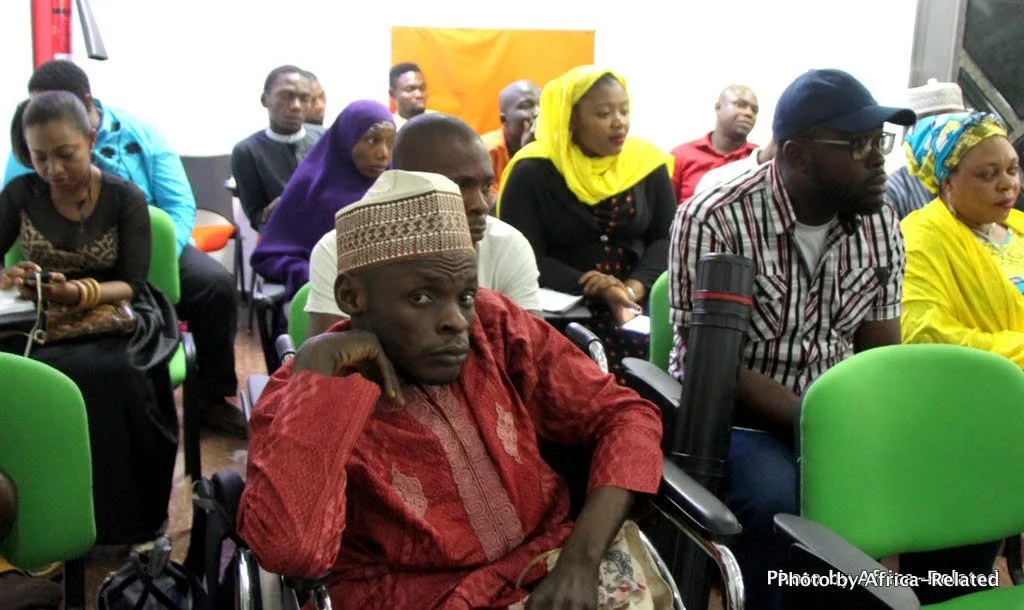
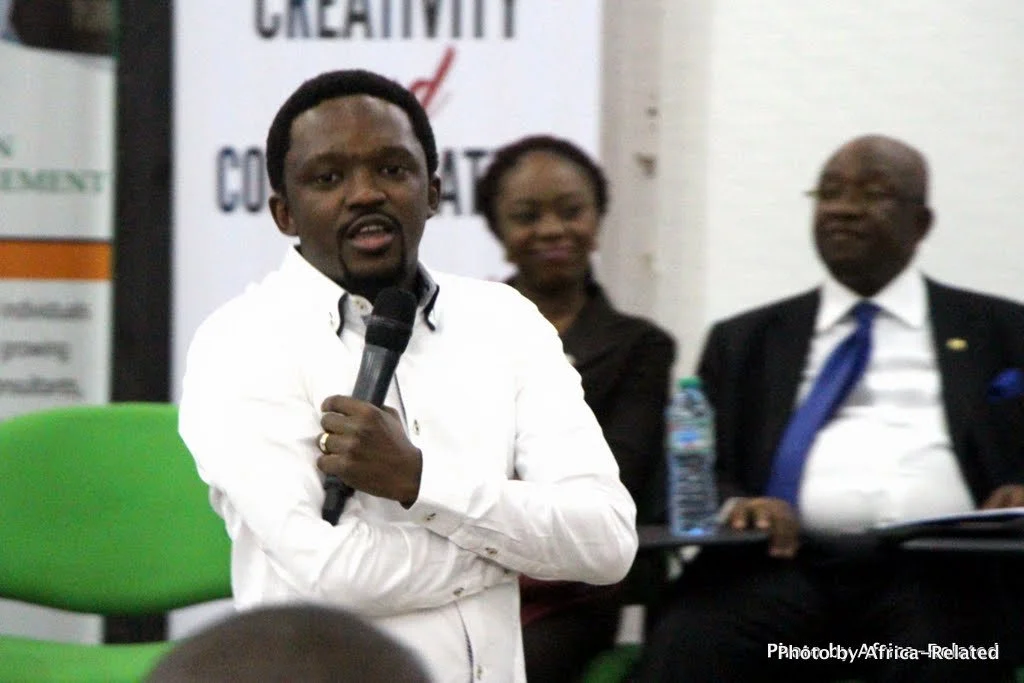
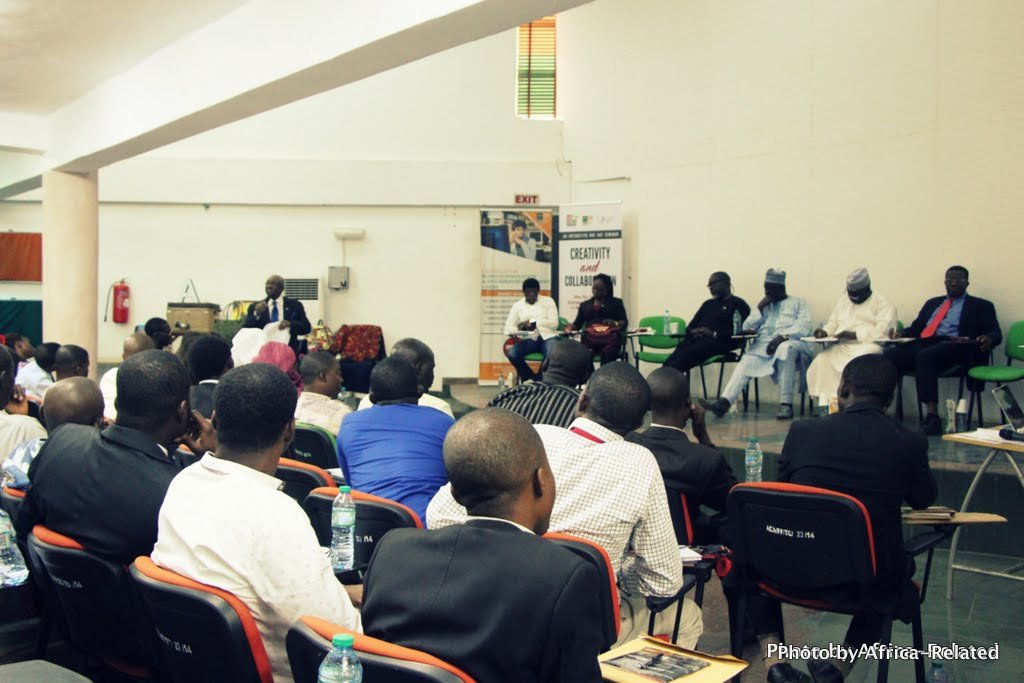
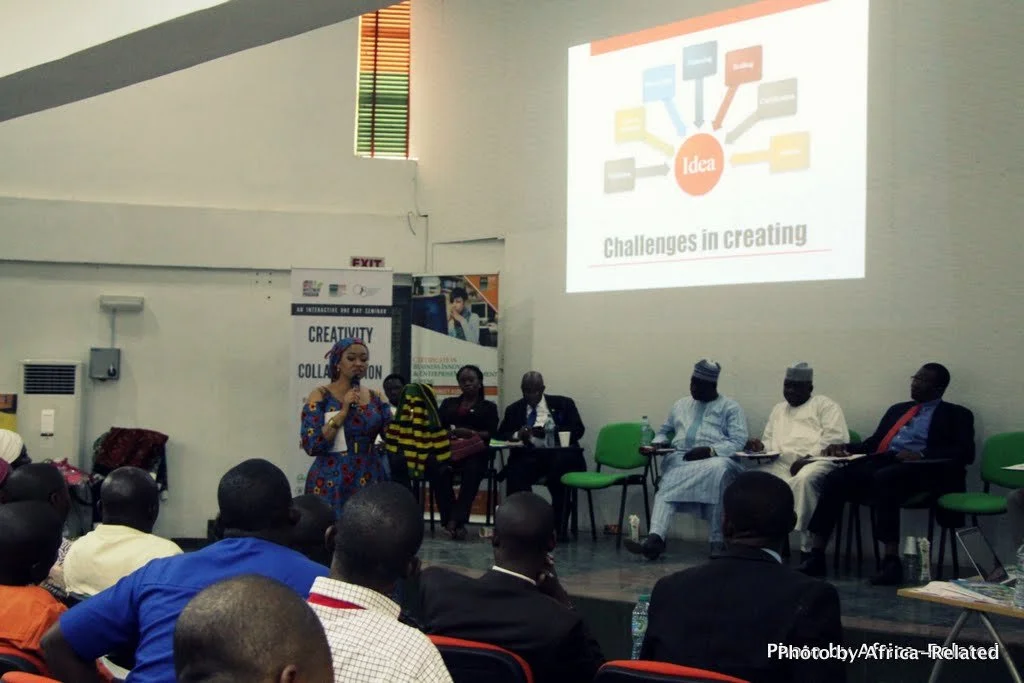
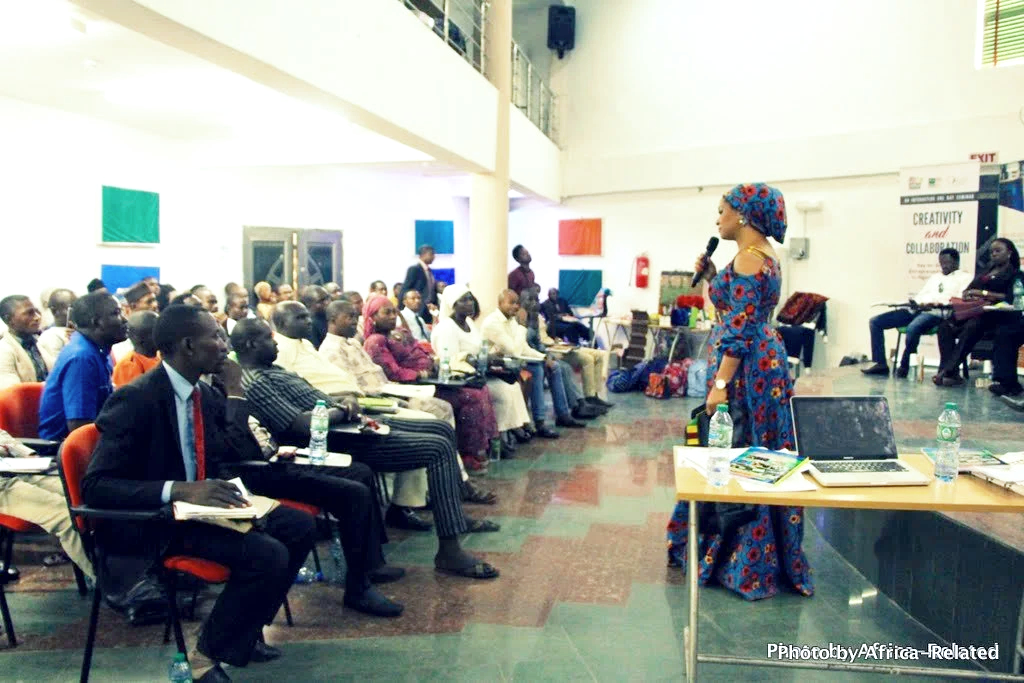
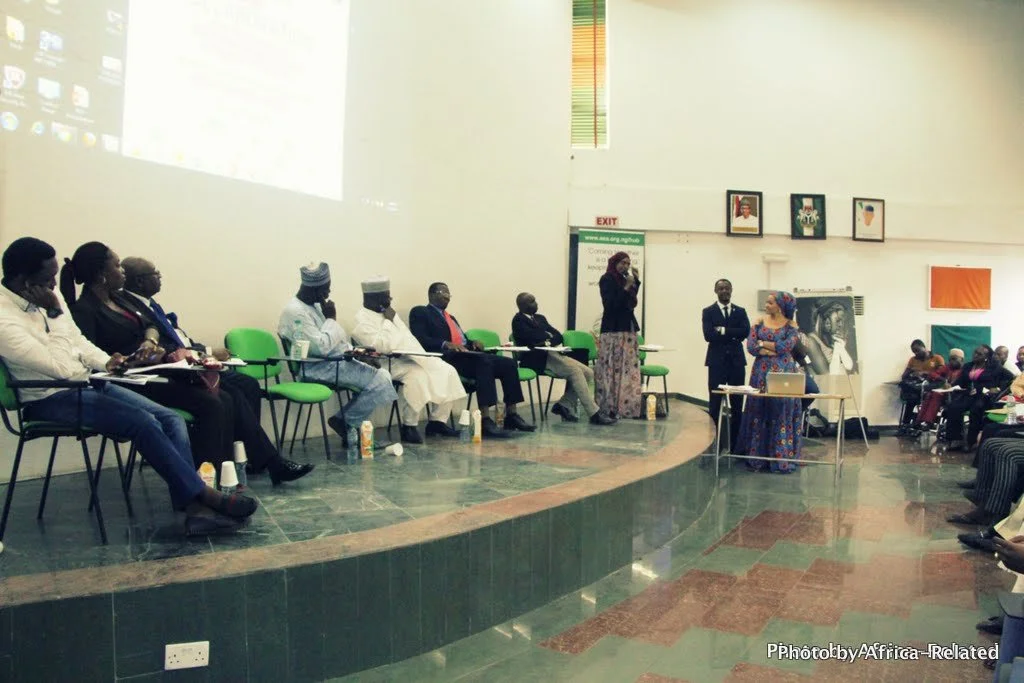
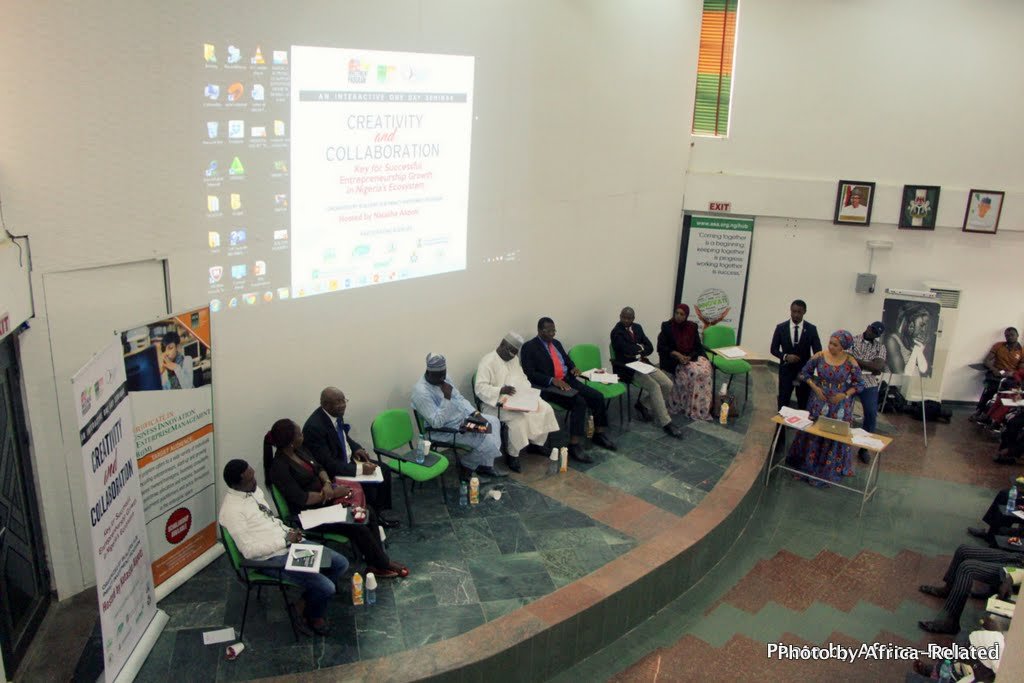
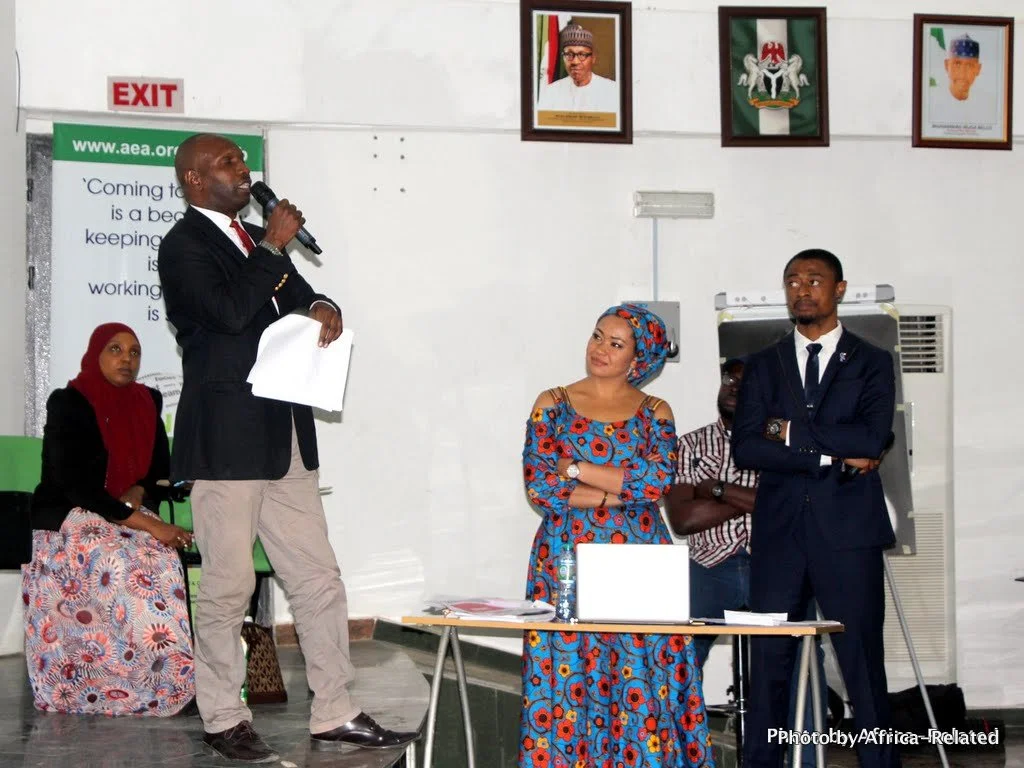
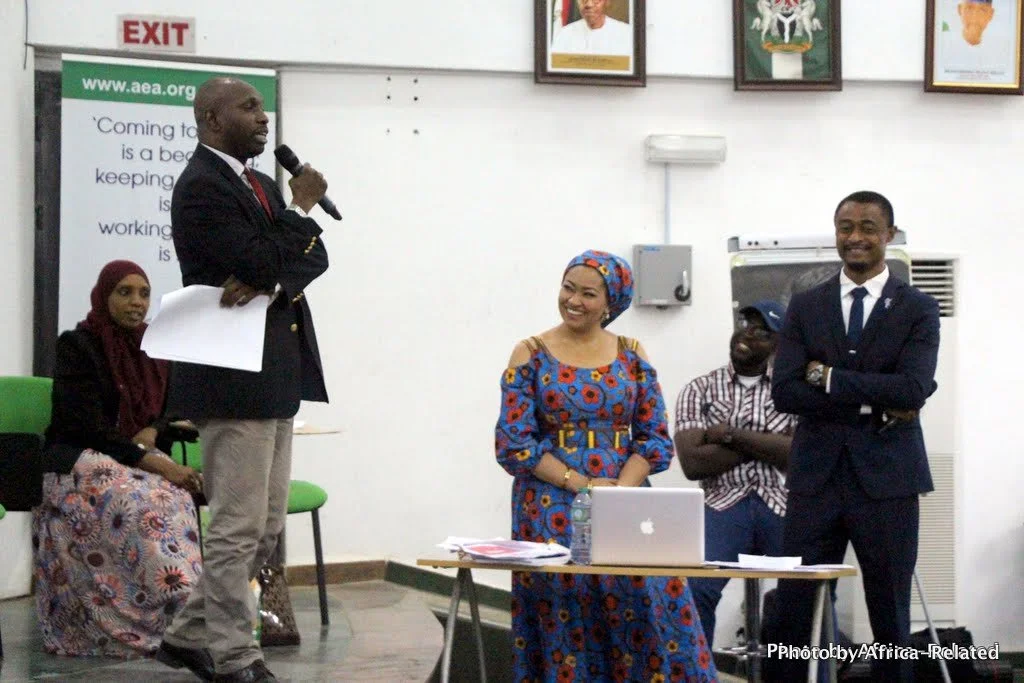
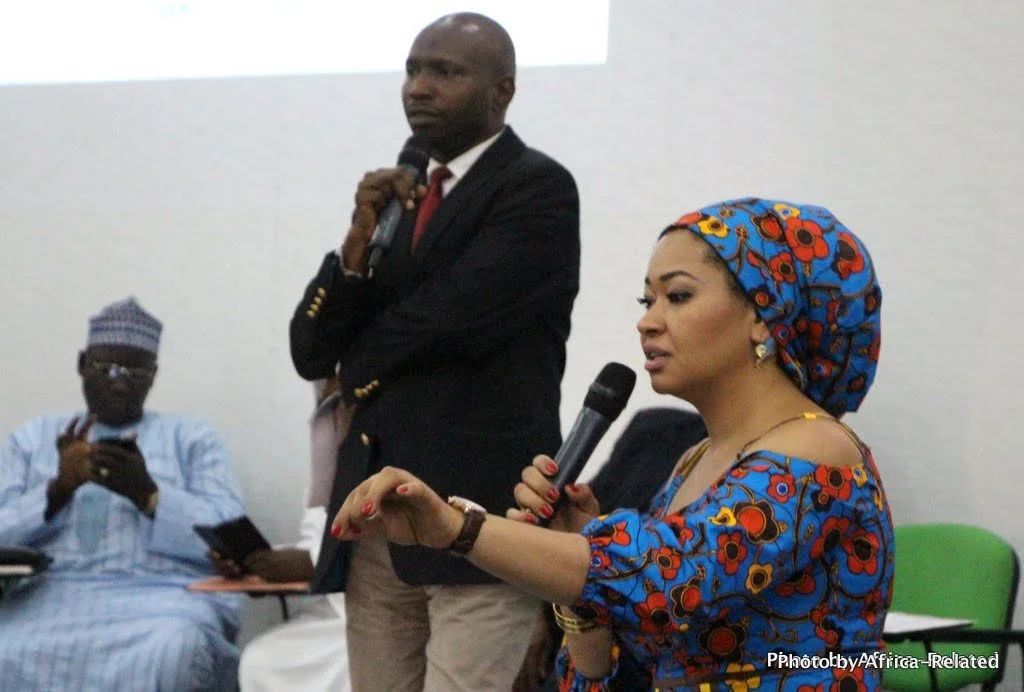
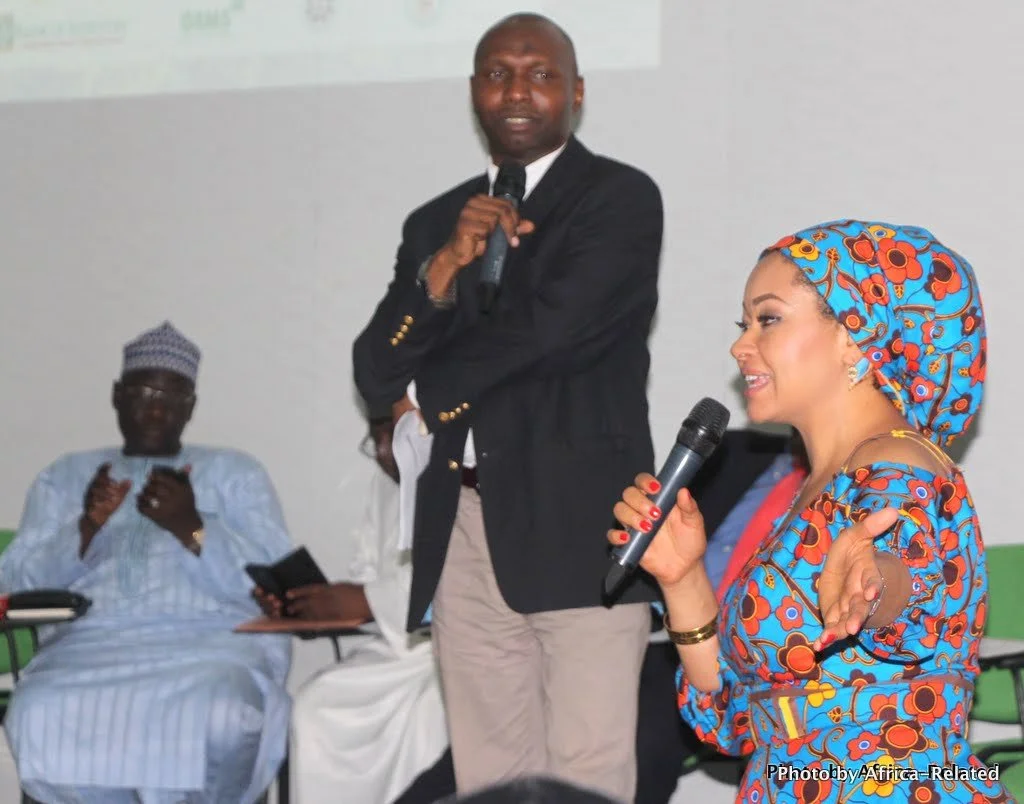
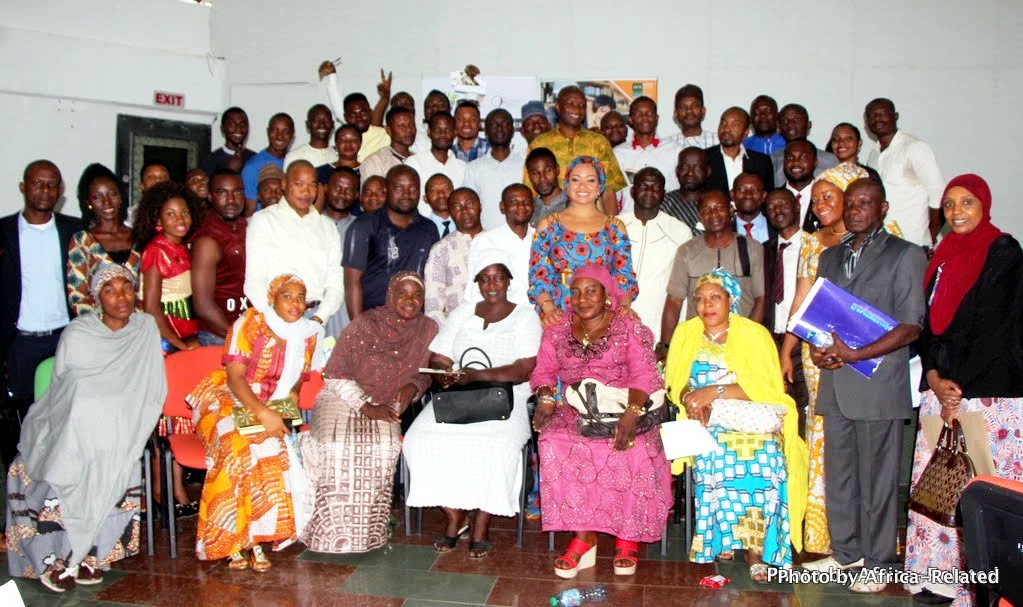
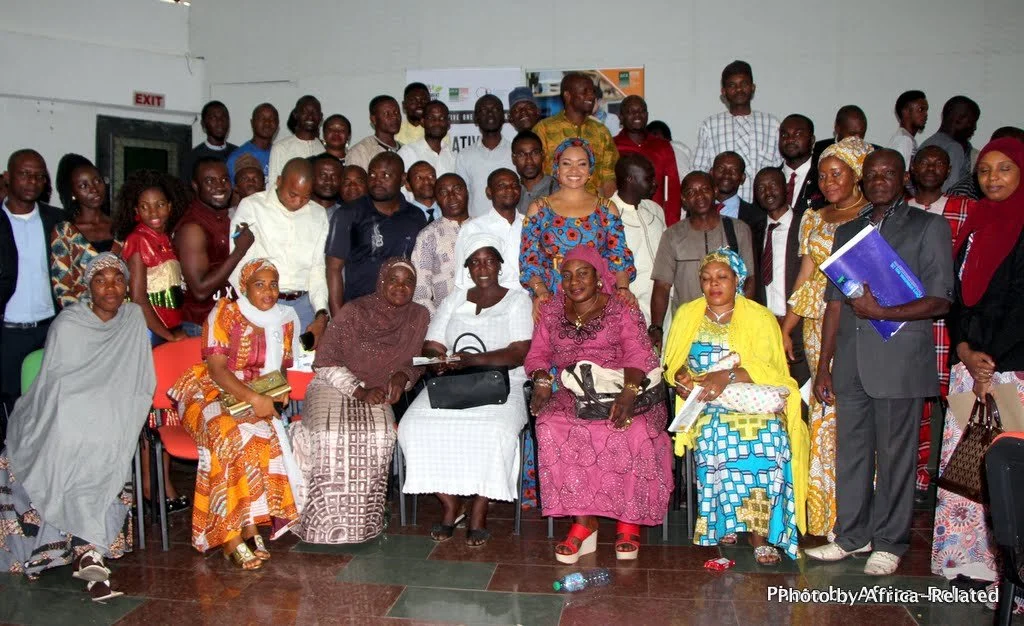
There was tremendous applause to BHIIP for its efforts in conducting such an engaging and interactive seminar which brought together under one roof, many regulatory agencies, business support institutions and enterprises of all facets to learn and brainstorm on how to strengthen through creativity and collaboration, the Nigerian’s ecosystem.
1. That BHIIP should ensure follow up with all regulatory agencies to ensure their concerns are adequately captured and implemented for the overall success of businesses in Nigeria.
2. BHIIP should conduct more of such seminars not only in awareness creation but also capacity building.
3. The free seminar encouraged participation of financially struggling start-ups. This free education must be encouraged nationwide for an effective grass root impact.
4. That BHIIP should serve as a bridge in forging a healthier entrepreneurial ecosystem with special input from the Mirco and Small businesses to promote effective bottom-top holistic framework in relation to funding, standards, knowledge and market.
5. There was an overwhelming agreement on the suggestion that BHIIP should be a private liaison body between the enterprises and the government agencies and business supporting institutions. Here, information regarding all manners of funding options, certifications, trainings and seminars would be obtained under one roof. This shall also be a channel where real-time service and need feedback shall be disseminated.
BHIIP’S IMPLEMENTATIONS
We acknowledge that positive impact cannot happen in isolation, it requires a collective action of all the stakeholders working together in harmony. Therefore, in line with the aforementioned observations and concerns, BHIIP shall establish an Enterprise Builder Hub, which shall serve as a network where entrepreneurs connect with systems and programs to critically think, communicate, create and collaborate their businesses into success.
Enterprise Builders Hub shall be an innovation lab, business incubator, and market generator for Nigerian made goods and services. To this, we shall encourage membership from start-ups and existing entrepreneurs to effectively benefit from our unique ecosystem of resources, inspiration and collaboration opportunities amongst themselves and agency stakeholders.
BHIIP is already in partnership with SMEDAN, being the foremost government body promoting enterprise growth. We are in the process of finalizing a partnership with AEA and will require to partner with all other agencies and institutions relevant to catalysing impact in the entrepreneurs ecosystem.
We at BHIIP believe that a better world evolves through the combined accomplishments of committed and compassionate people focused on a common vision – to promote entrepreneurial development and industrialization of our country Nigeria.
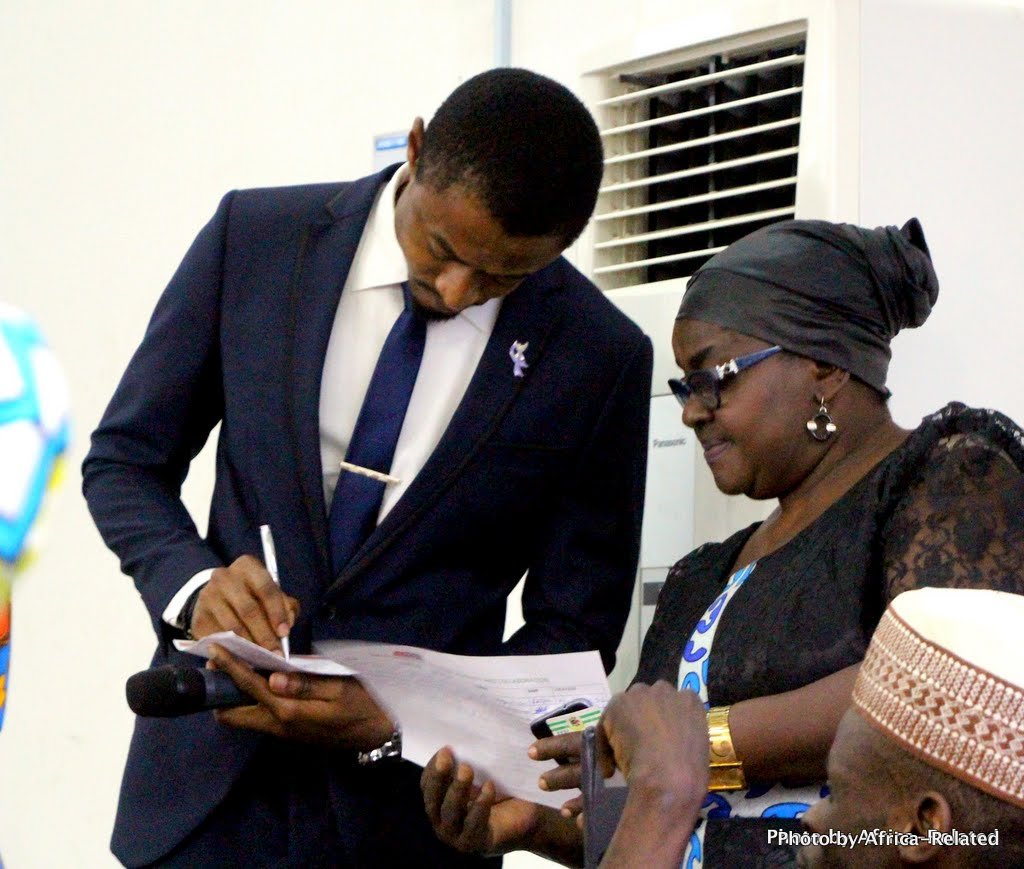
Signed By Participants
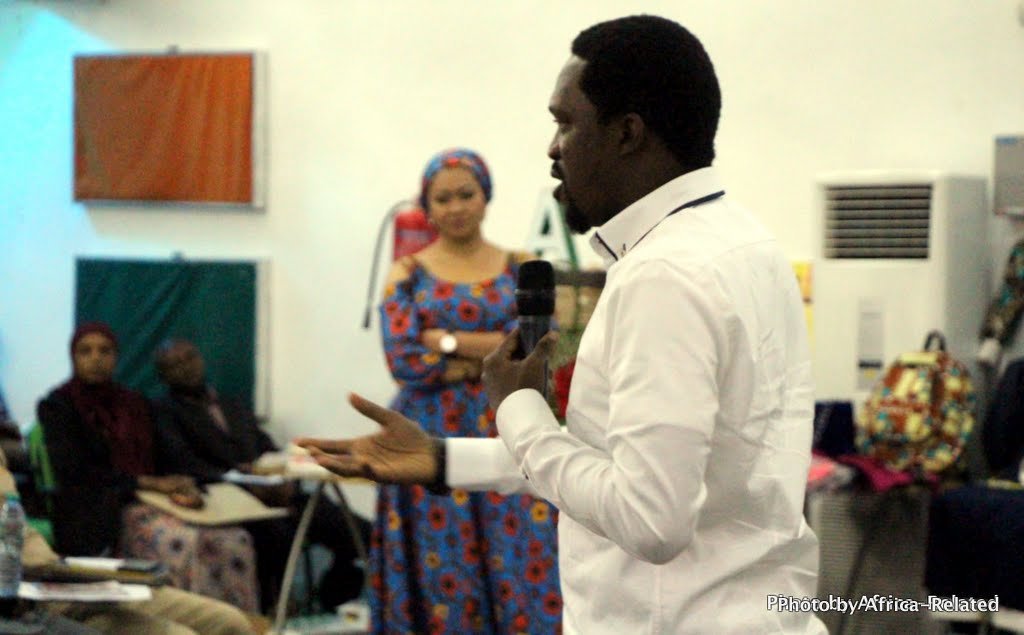
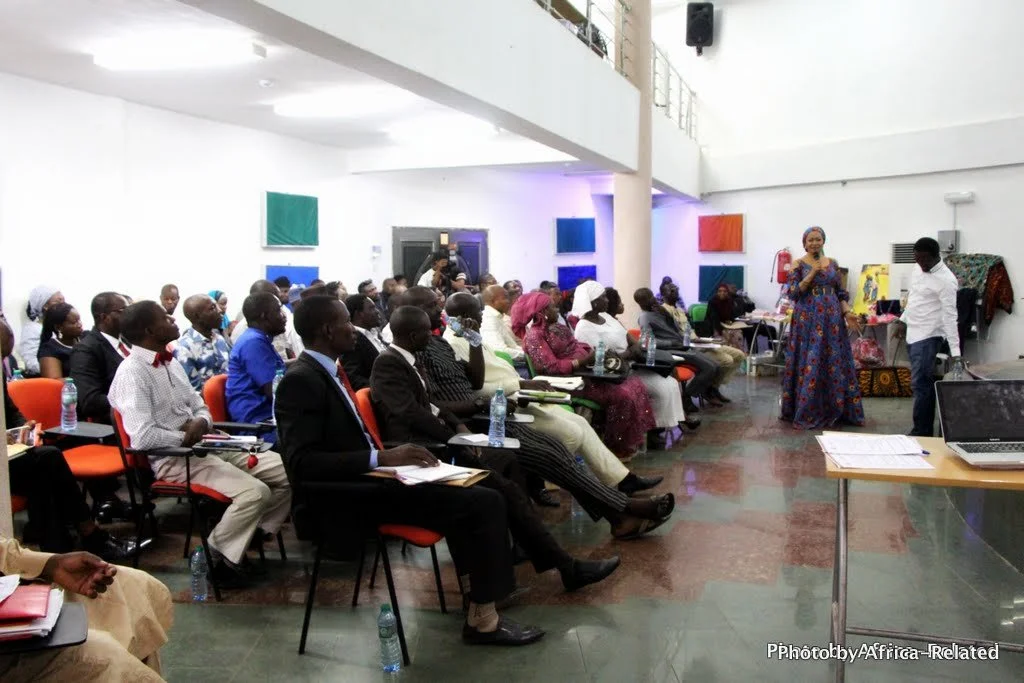
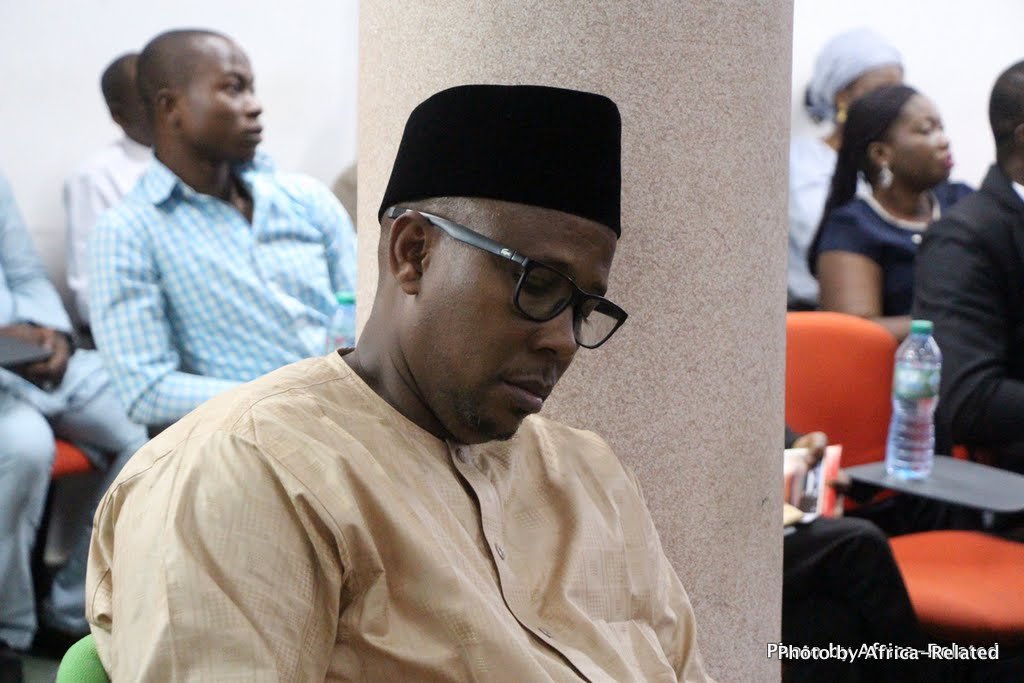
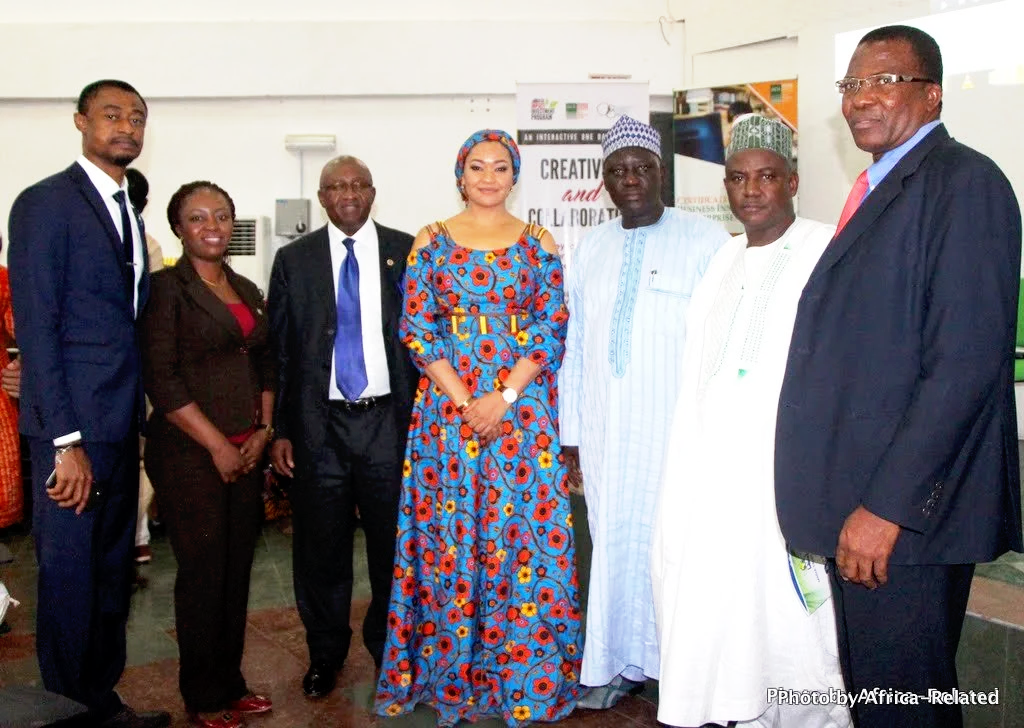
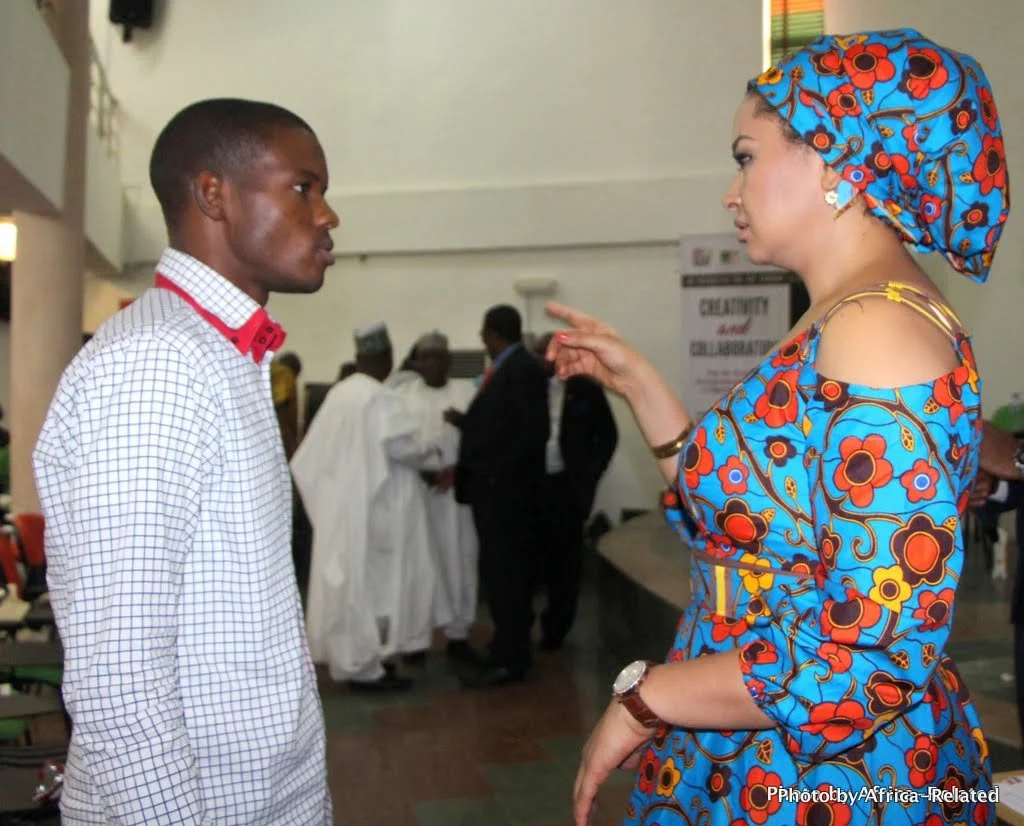
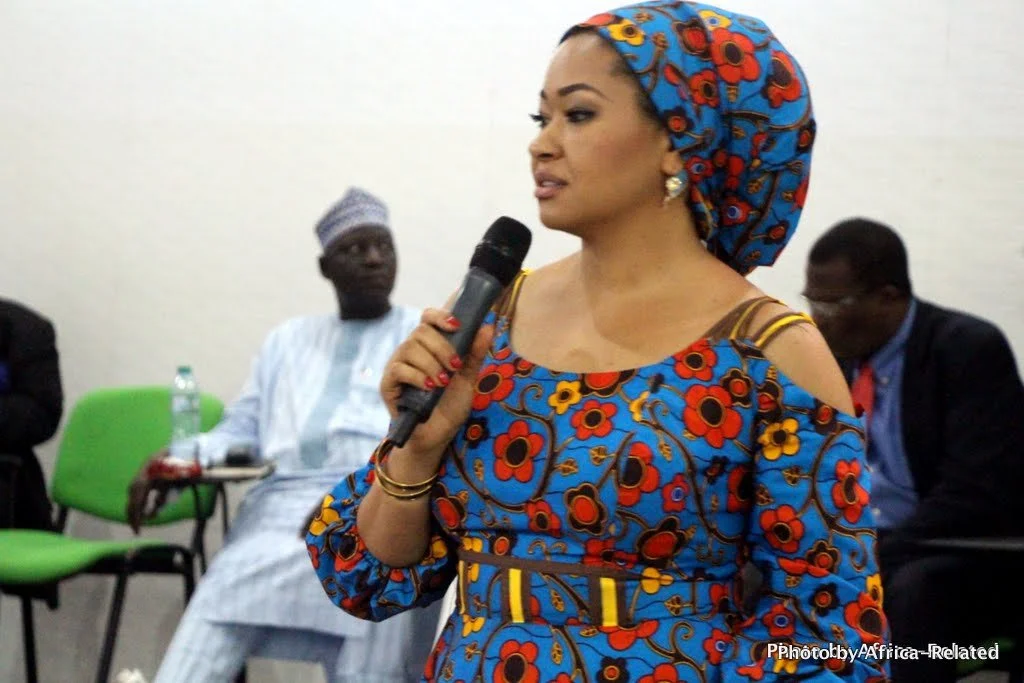
Photo Highlights

























Oyiza Adaba is a journalist with Africa-Related
SHARE THIS STORY