By Glory Ize Isaiah
OKENE, KOGI STATE
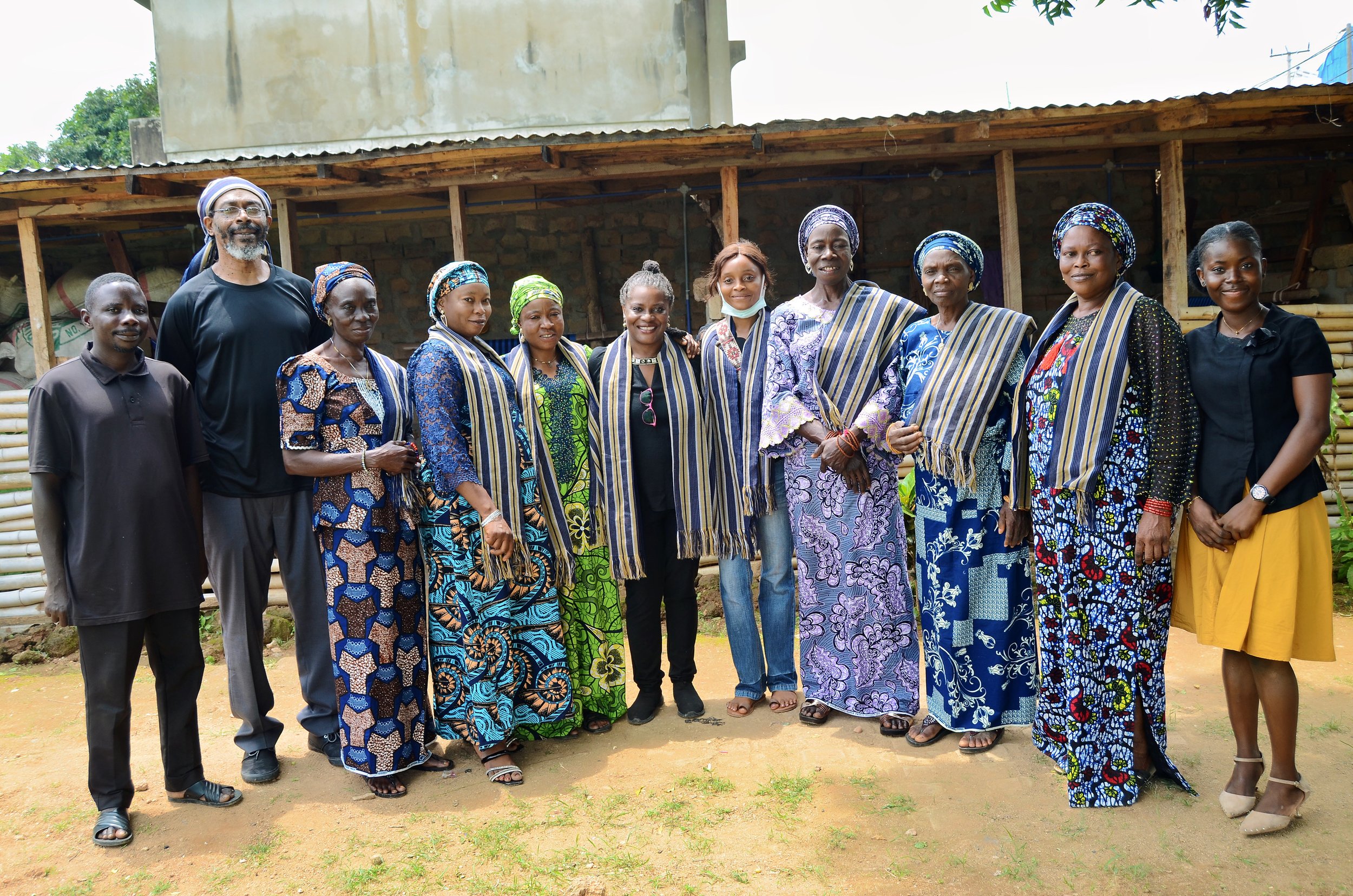
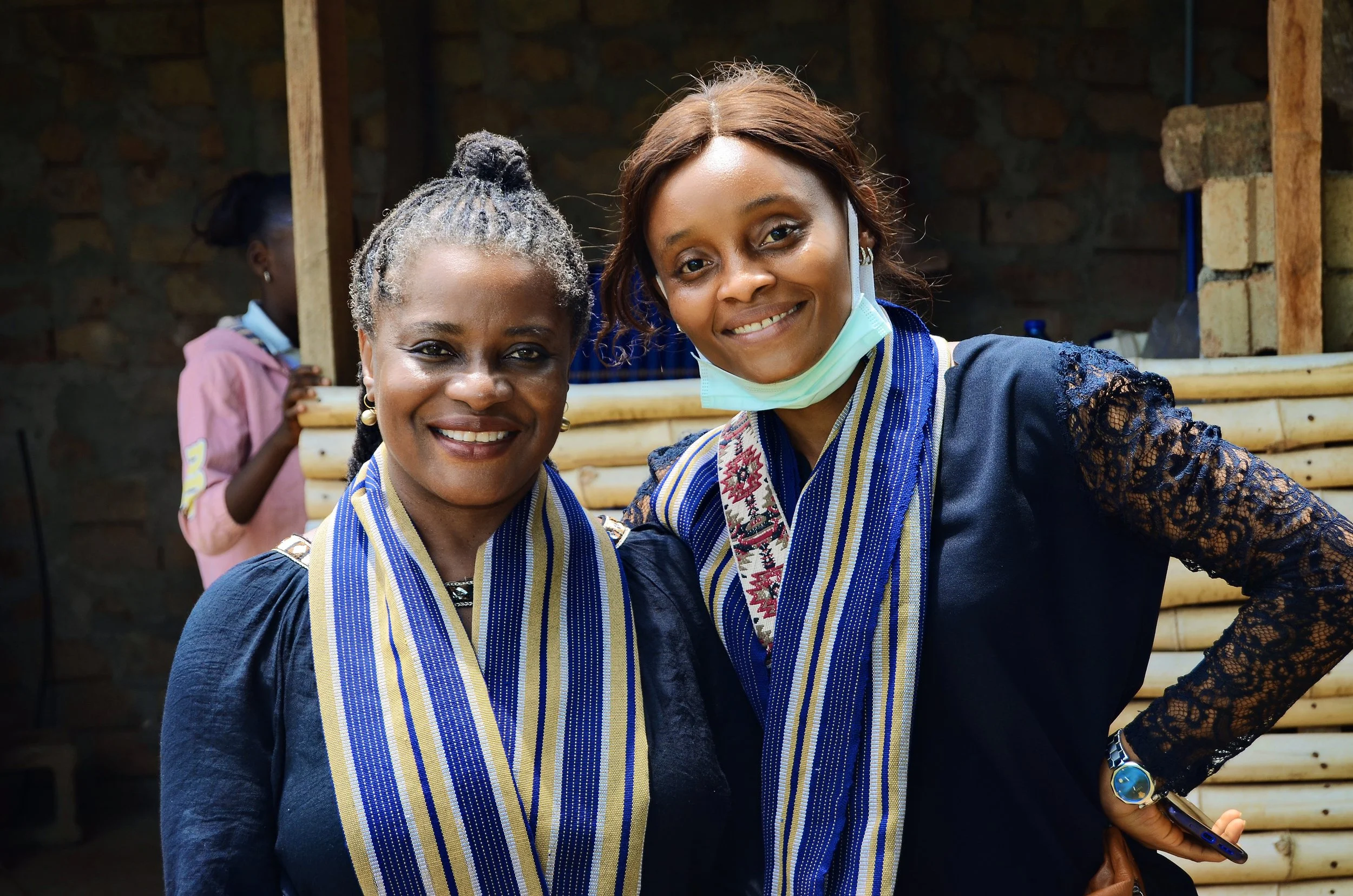
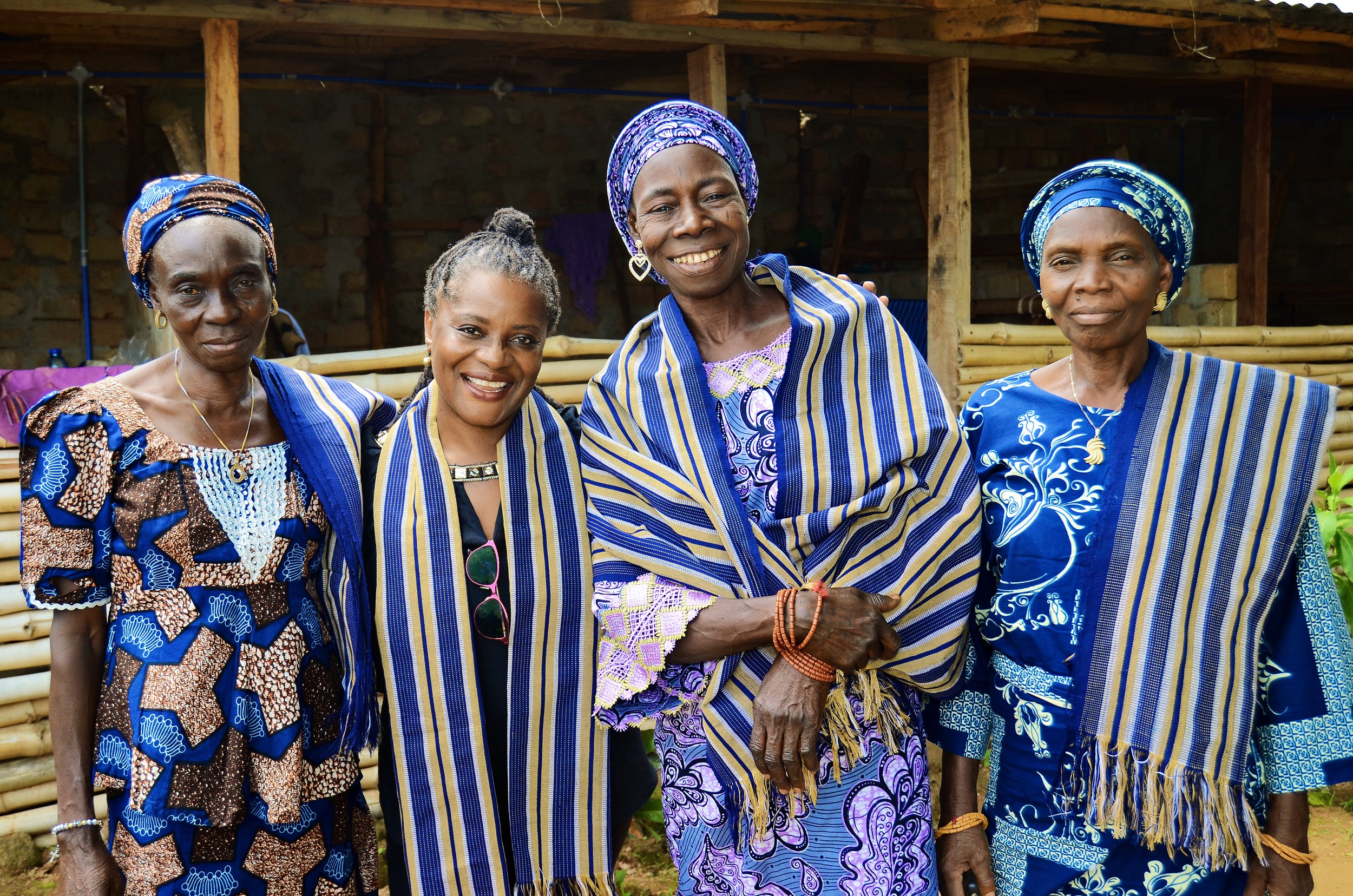
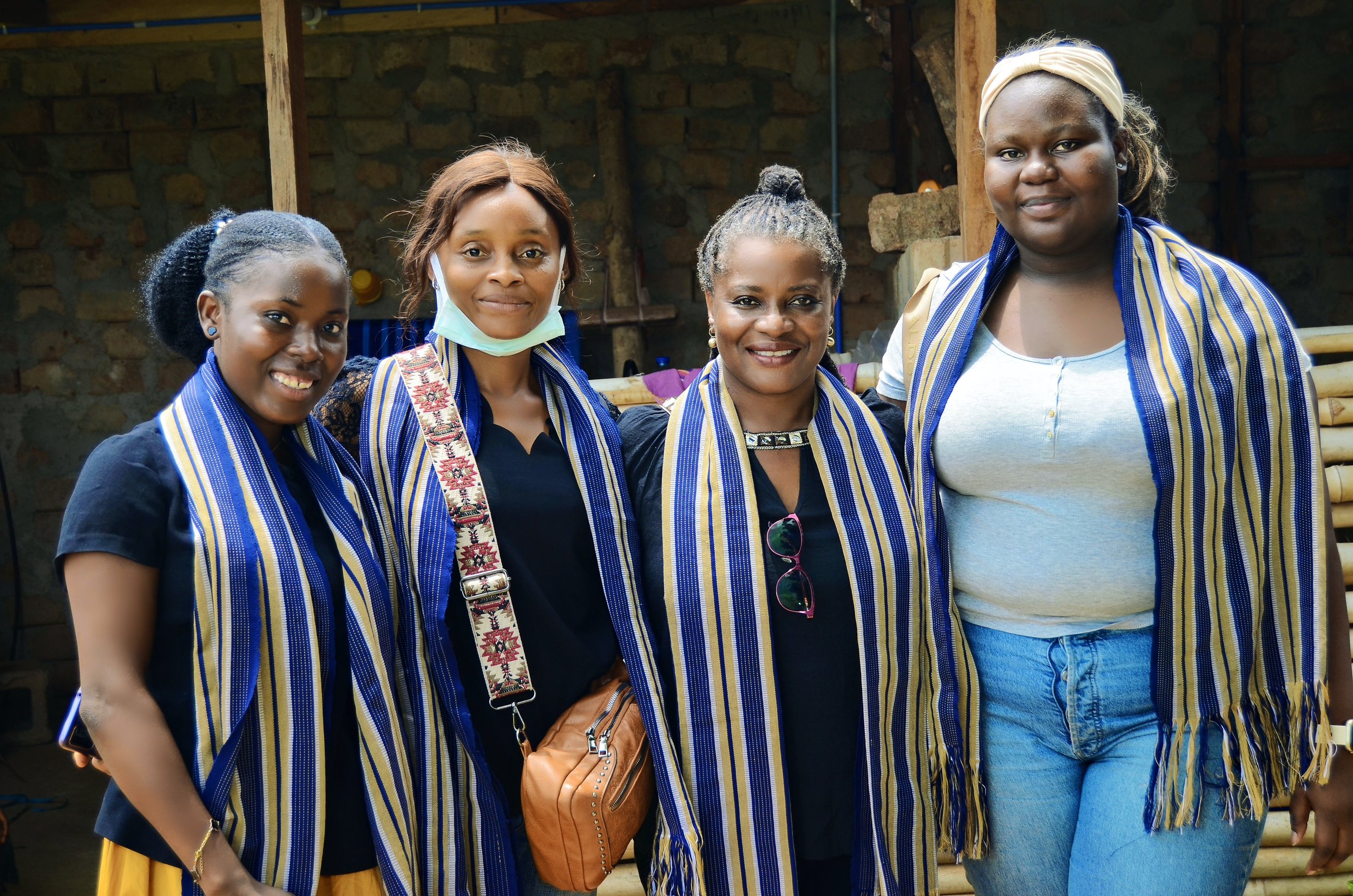
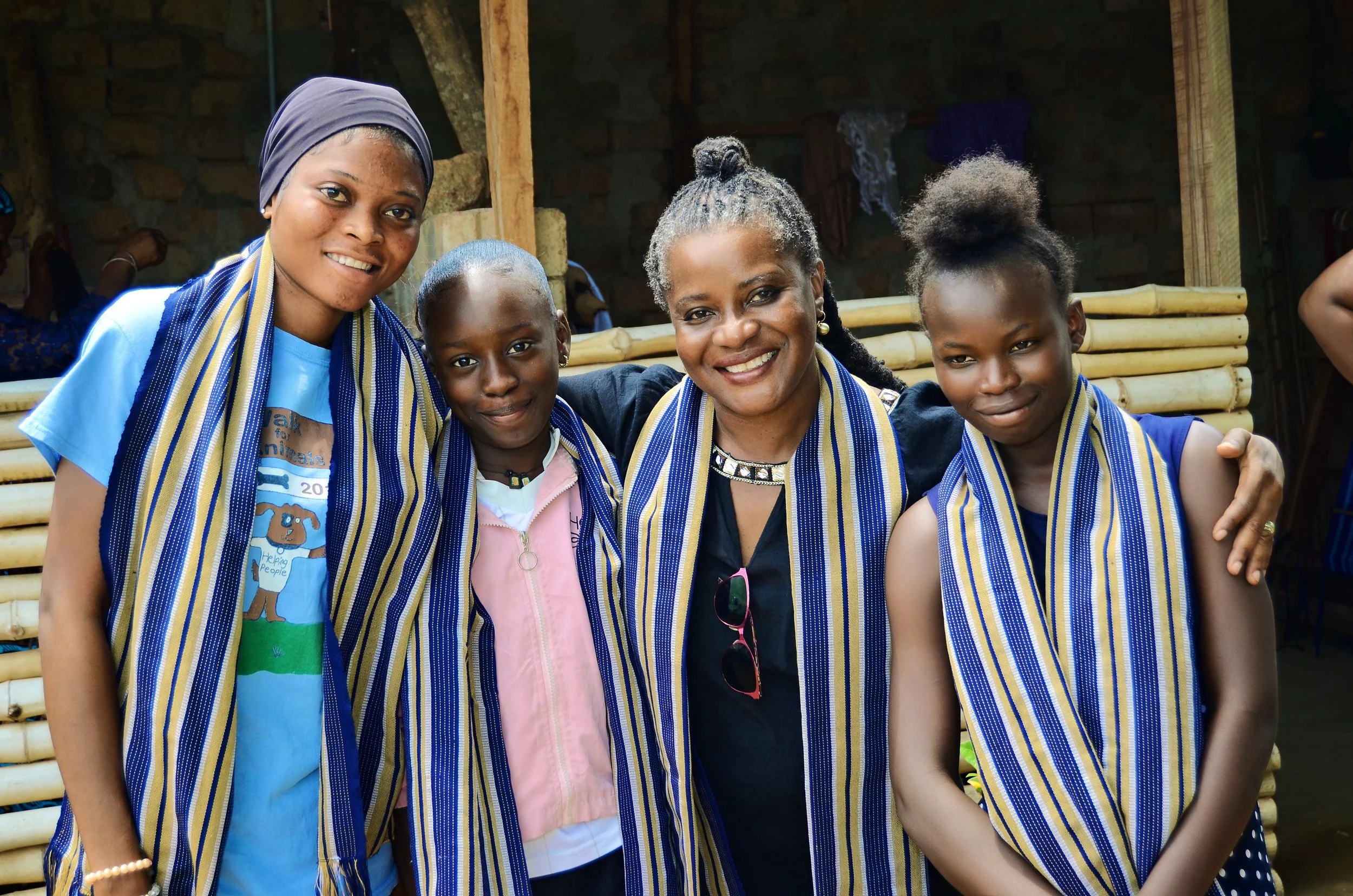
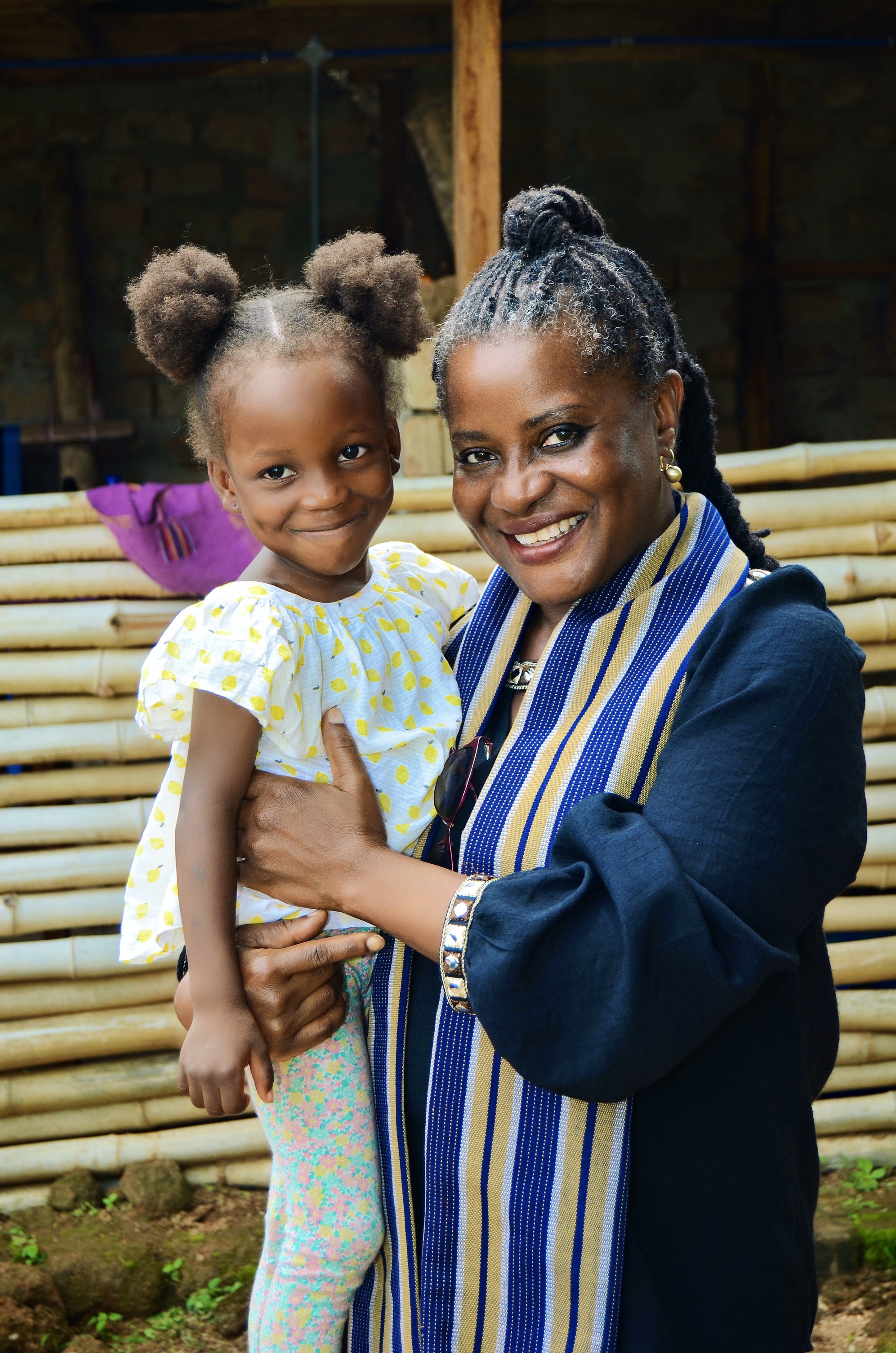
Group Photo of Tom Adaba Legacy Team and Ita’i Weavers during the site visit on July 25, 2025. (Photo by DrQuest/Africa-Related)
Project/Facility Name: Tom Adaba Legacy Center, Okene, Home of Itai’ Our Cloth
Date of Visit: Friday, July 25, 2025
Time: 10:00 AM
Location: T.A.L Center G.R.A Okene, Kogi State
Board Members of the Tom Adaba Legacy Foundation conducted a site visit to Okene, Kogi State. The purpose of the visit was to carry out an inspection and engagement tour of the Tom Adaba Legacy Center, evaluate the operations of Itai’ Our Cloth, interact with the weavers and apprentices, identify challenges and opportunities for scale, and strengthen stakeholder relations with the Tom Adaba Legacy board, including its Executive director and accompanying executives.
Attendees
Mrs. Oyiza Adaba-Okereke - Board President/ED Tom Adaba Legacy and CEO - Itai Our Cloth
Mr. Maurice Okereke - Tom Adaba Legacy (Community Initiatives) /Founder, Words By MOE
Mrs. Rosemary Onubaiye - Country Director Ita’i Our Cloth
Members of the Tom Adaba Legacy Foundation
Weavers’ Coordinators
Community Weavers & Apprentices
Media Personnels
And other Staff
Visit Narrative & Key Highlights
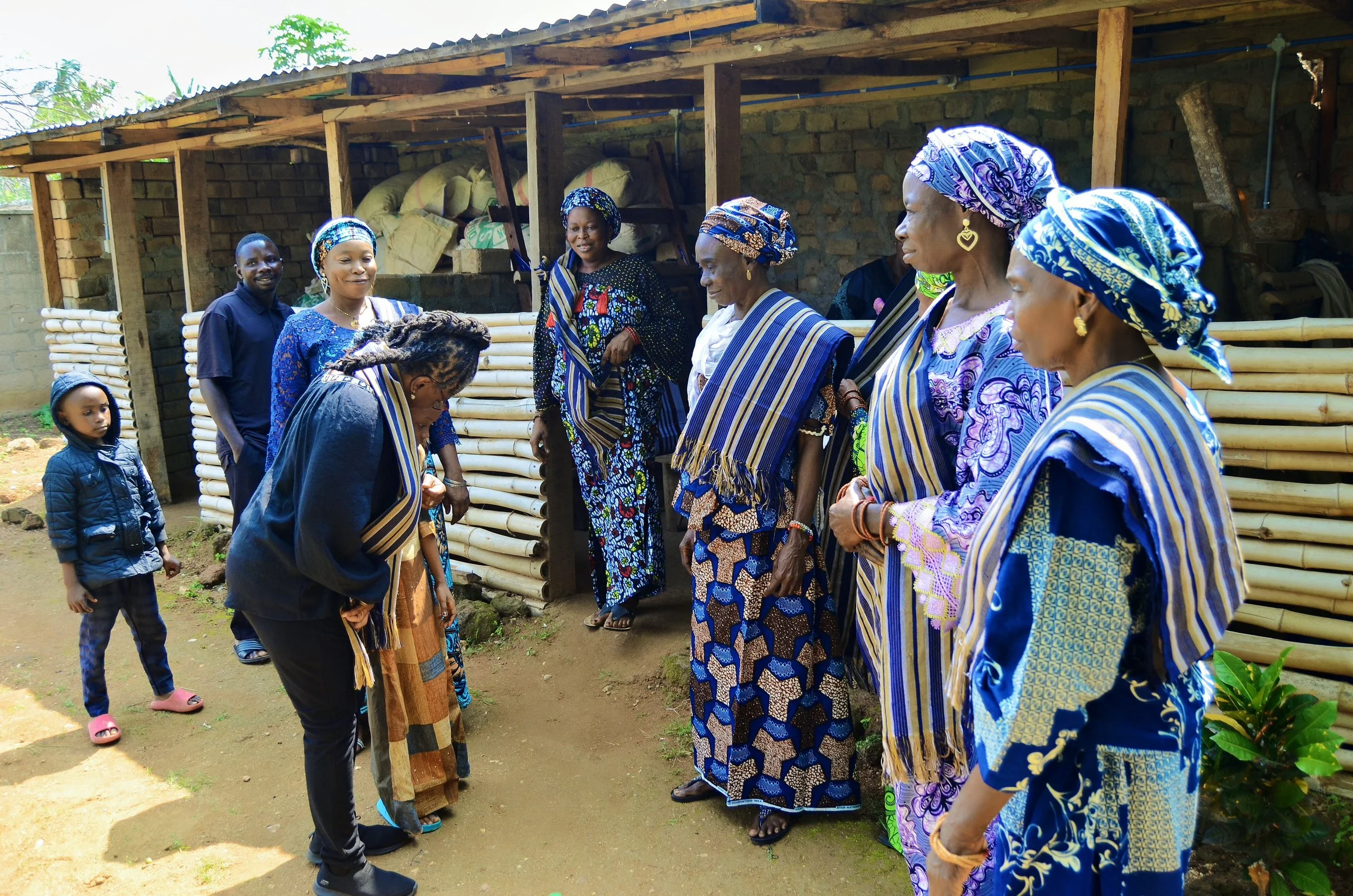
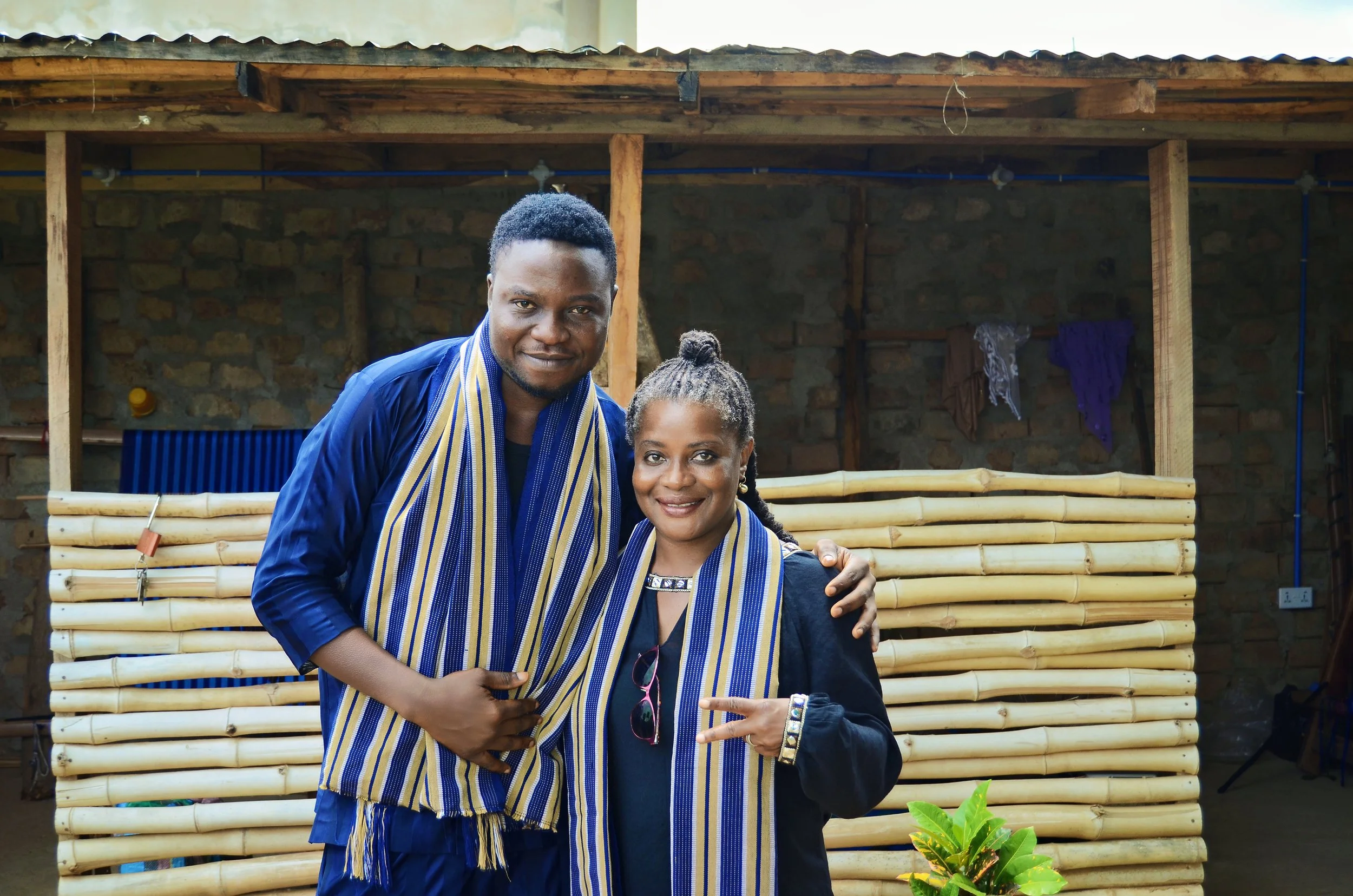
The official site visitation commenced at 10:00 AM on Friday, July 25, 2025. The Board President and Executive Director of Tom Adaba Legacy Foundation arrived in the company of her husband and board members. The atmosphere at the facility was electrifying as the women weavers, visibly overjoyed, welcomed the team with songs and dances in their local dialect, a heartfelt expression of gratitude and excitement.
The Executive Director responded warmly, asking after each woman's welfare and inquiring about their families. Led by the Country Director and the Weavers’ Coordinators, the women took the E.D and her team on a guided tour of the center, showing the facility and ongoing work.
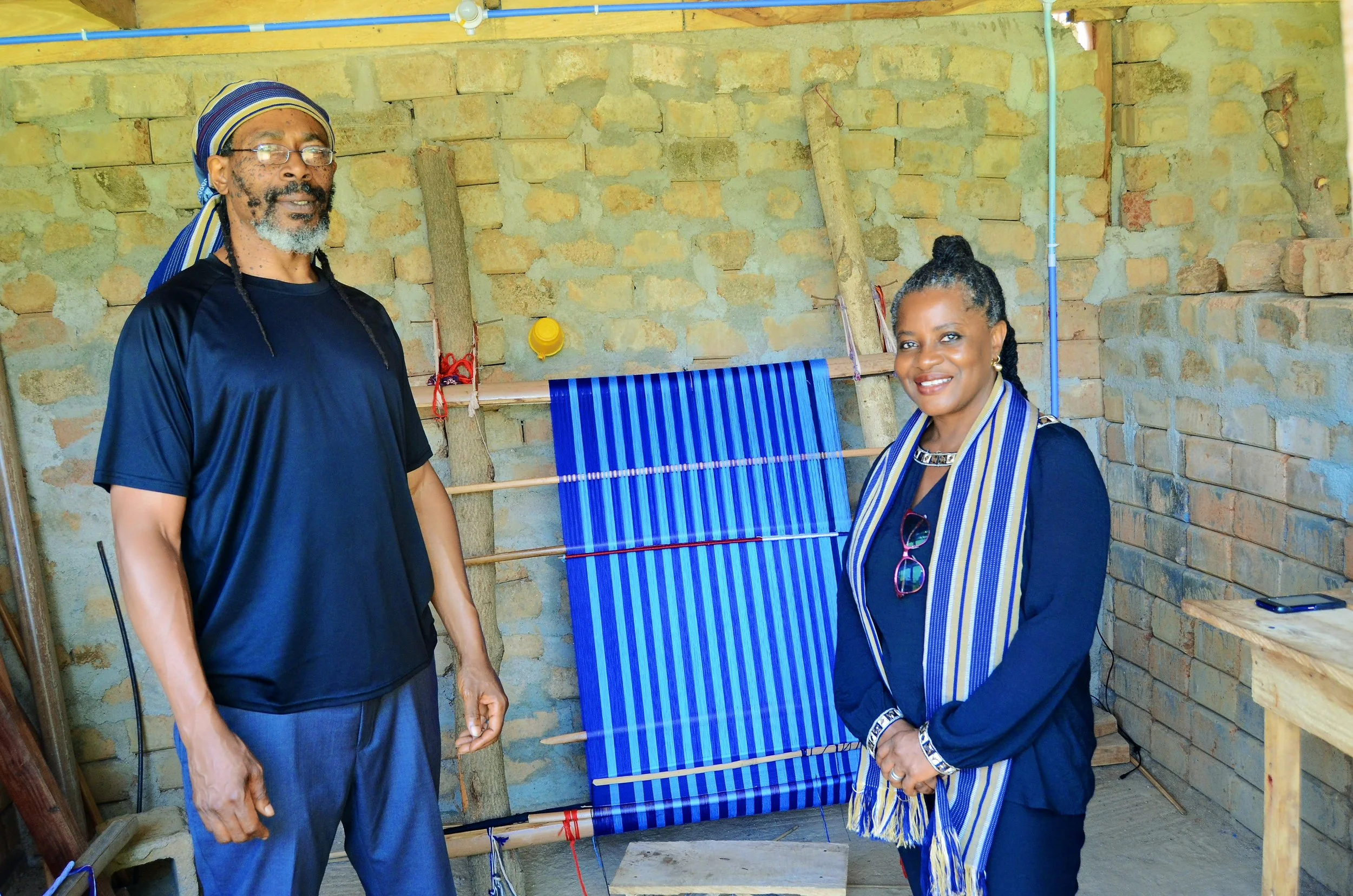
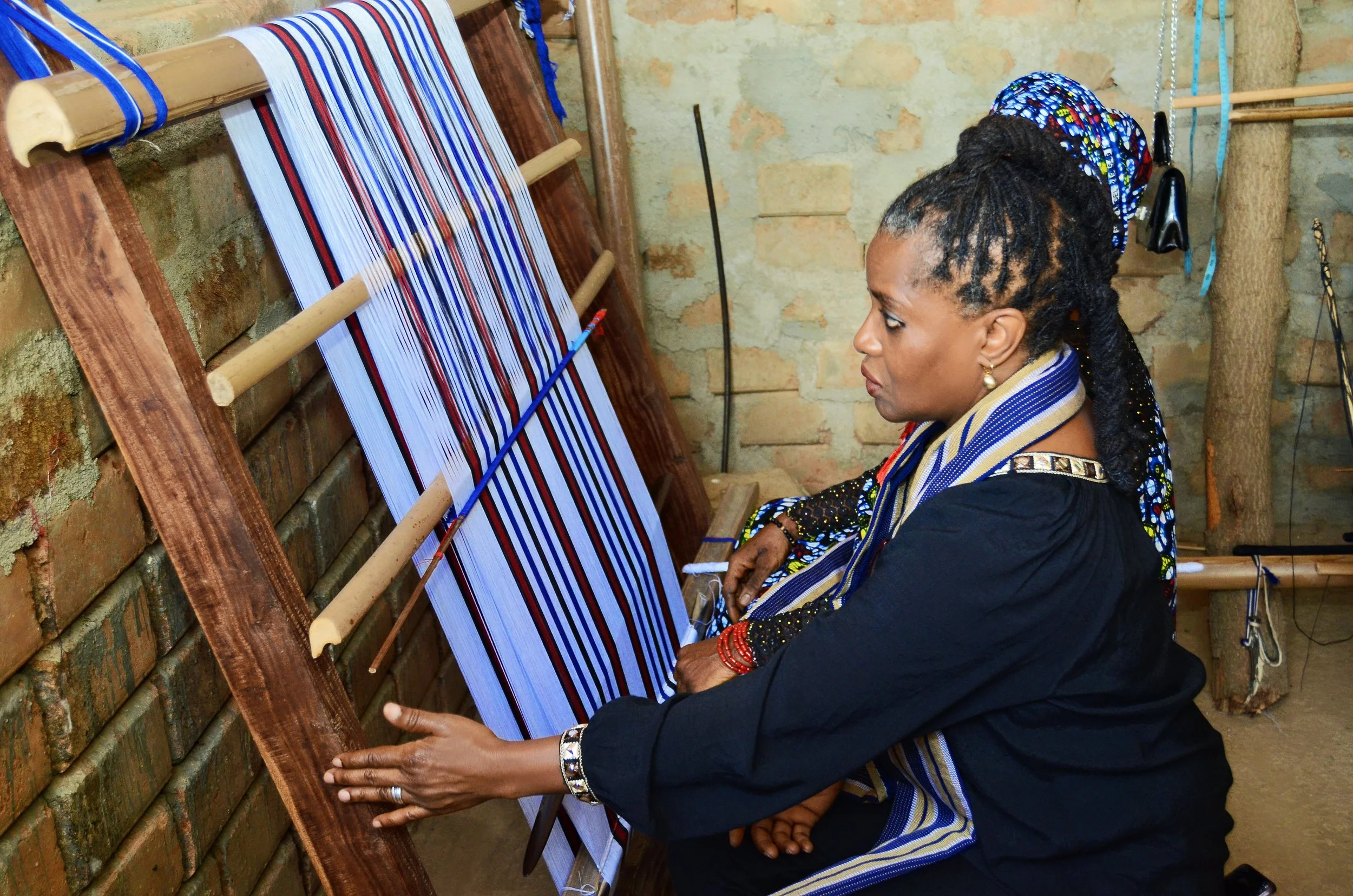
The weavers, excited by the presence of the leadership team, quickly resumed their craft while the Executive Director observed them at work. Demonstrating deep interest and solidarity, she sat beside them, learned the basics of weaving, and participated in the process, showing humility and respect for their skill.
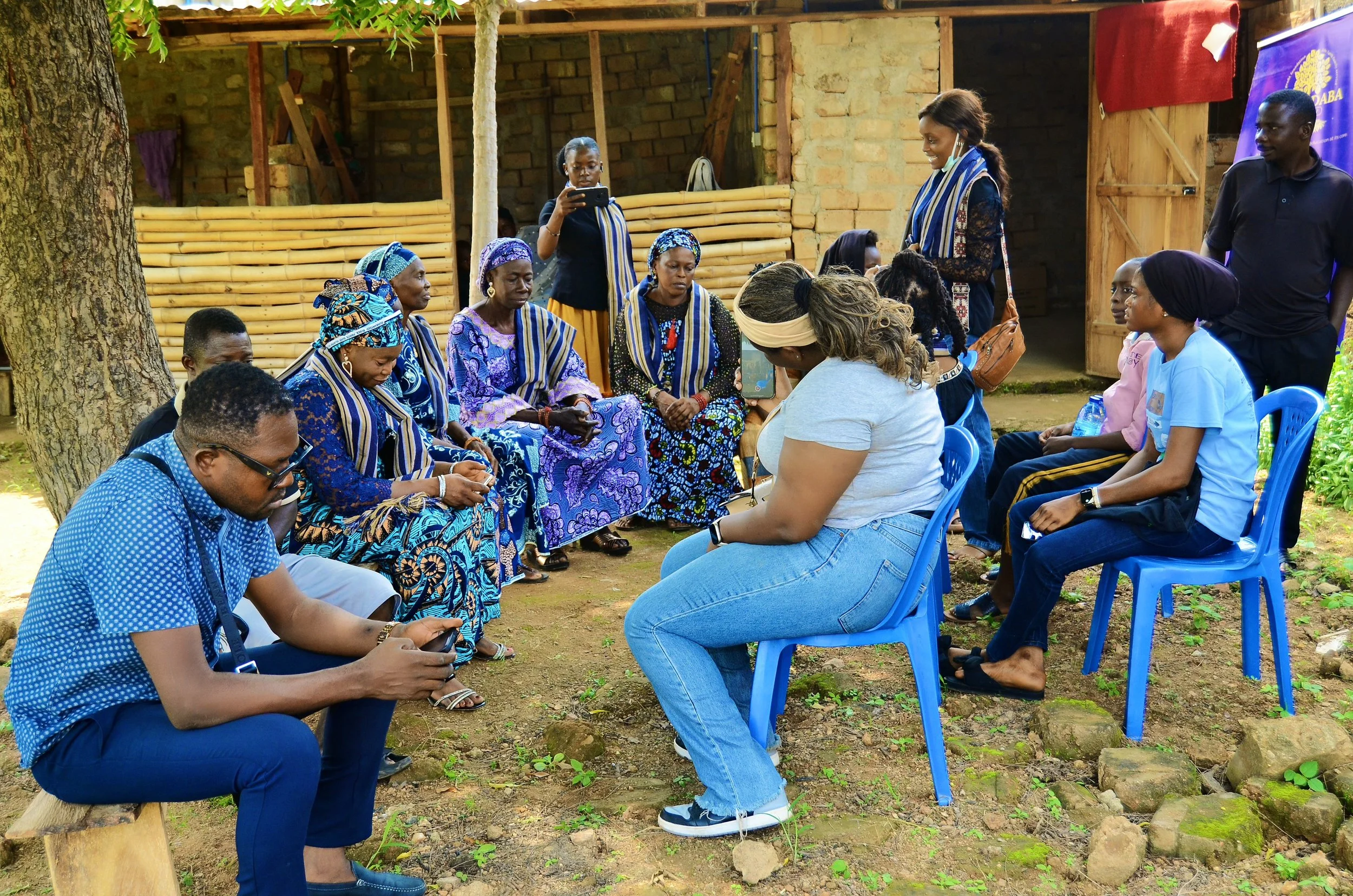
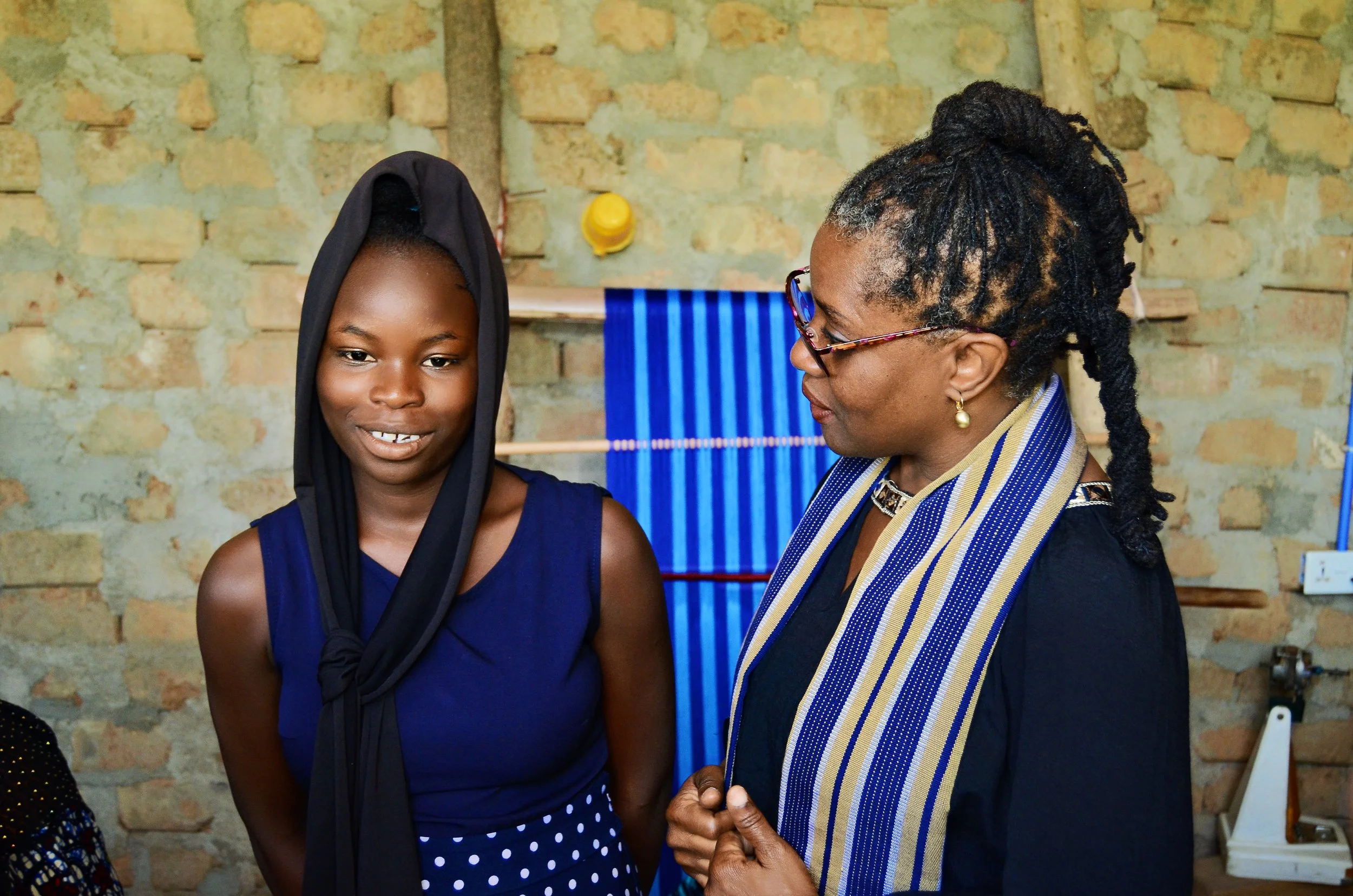
Mrs. Adaba-Okereke later engaged in deep, sincere conversations with the young apprentices who are currently undergoing training in weaving. They expressed how learning this trade has shifted their perspectives on life, offering them not just a skill, but a path toward independence and self-determination. However, they also raised concerns: the tradition of weaving is slowly fading, with fewer young people interested in carrying it on. They voiced hope that more efforts would be made to preserve and promote the craft, particularly among youth.
In response to questions about their future aspirations, several young women expressed their desire to pursue higher education and use weaving as a means to support themselves and their families financially while in school.
A particularly emotional moment came during a conversation with an older woman who demonstrated the rare and laborious art of spinning cotton into yarn by hand, a nearly extinct skill in today’s world. The woman explained the intricate process and how the younger generation often lacks interest in learning it. Acknowledging this, the Executive Director stressed the need for machinery to support scaling operations, noting that such investment could provide technical jobs, increase production, and bring long-term sustainability. She emphasized that cotton processed locally, such as from the Tom Adaba Legacy Foundation Farms in Gwagwalada and Osara, can contribute significantly to national and continental development.
Mrs Oyiza Adaba-Okereke maintained that the Center remains committed to training more youths, particularly young girls, equipping them with both cultural knowledge and economic empowerment through weaving.
She was visibly moved by the work being done and expressed deep admiration for the weavers’ dedication. She commended the women for leveraging their skills, even in the absence of formal education, to support their families, educate their children, and preserve a vital part of the Ebira cultural identity.
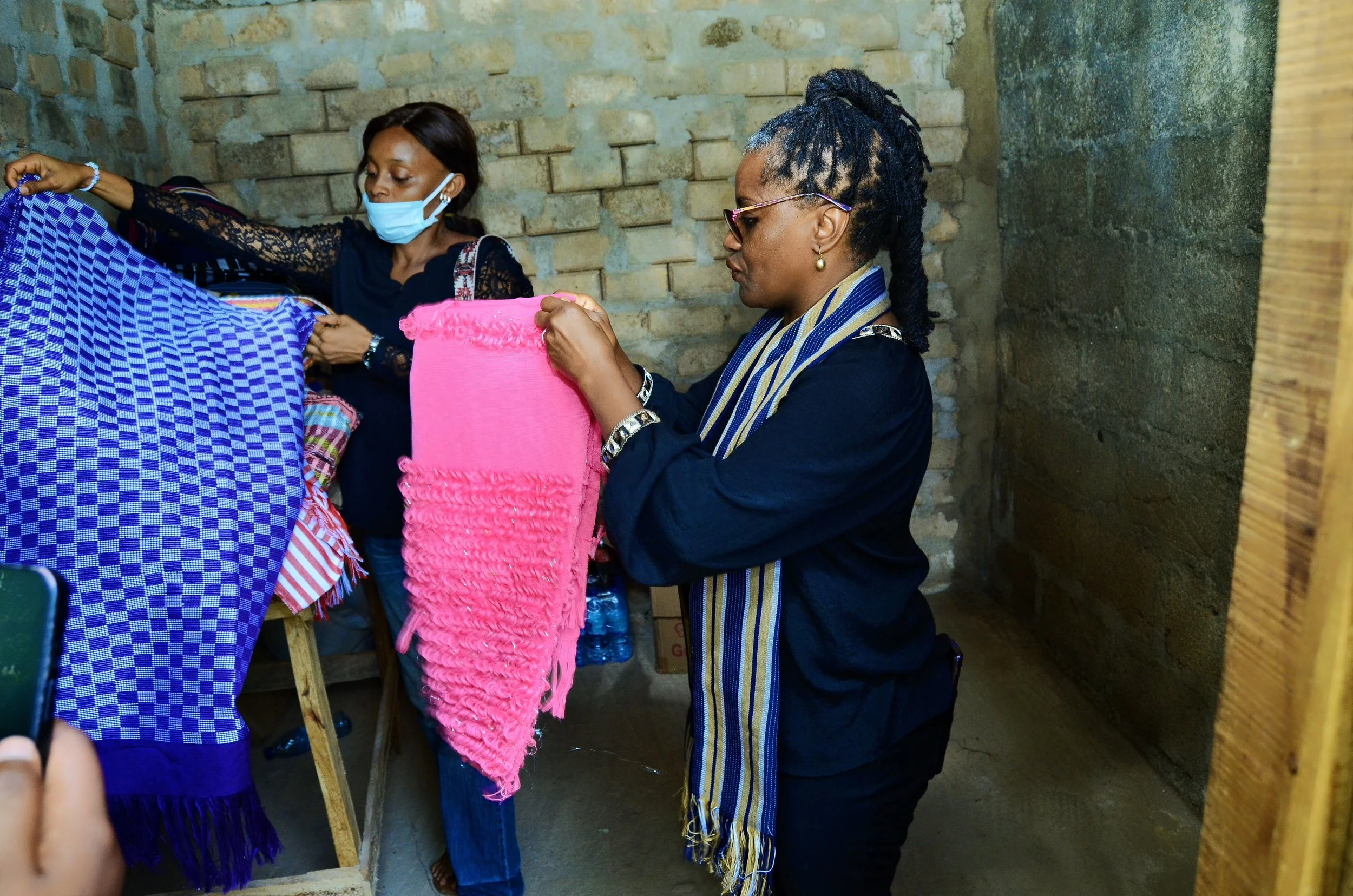
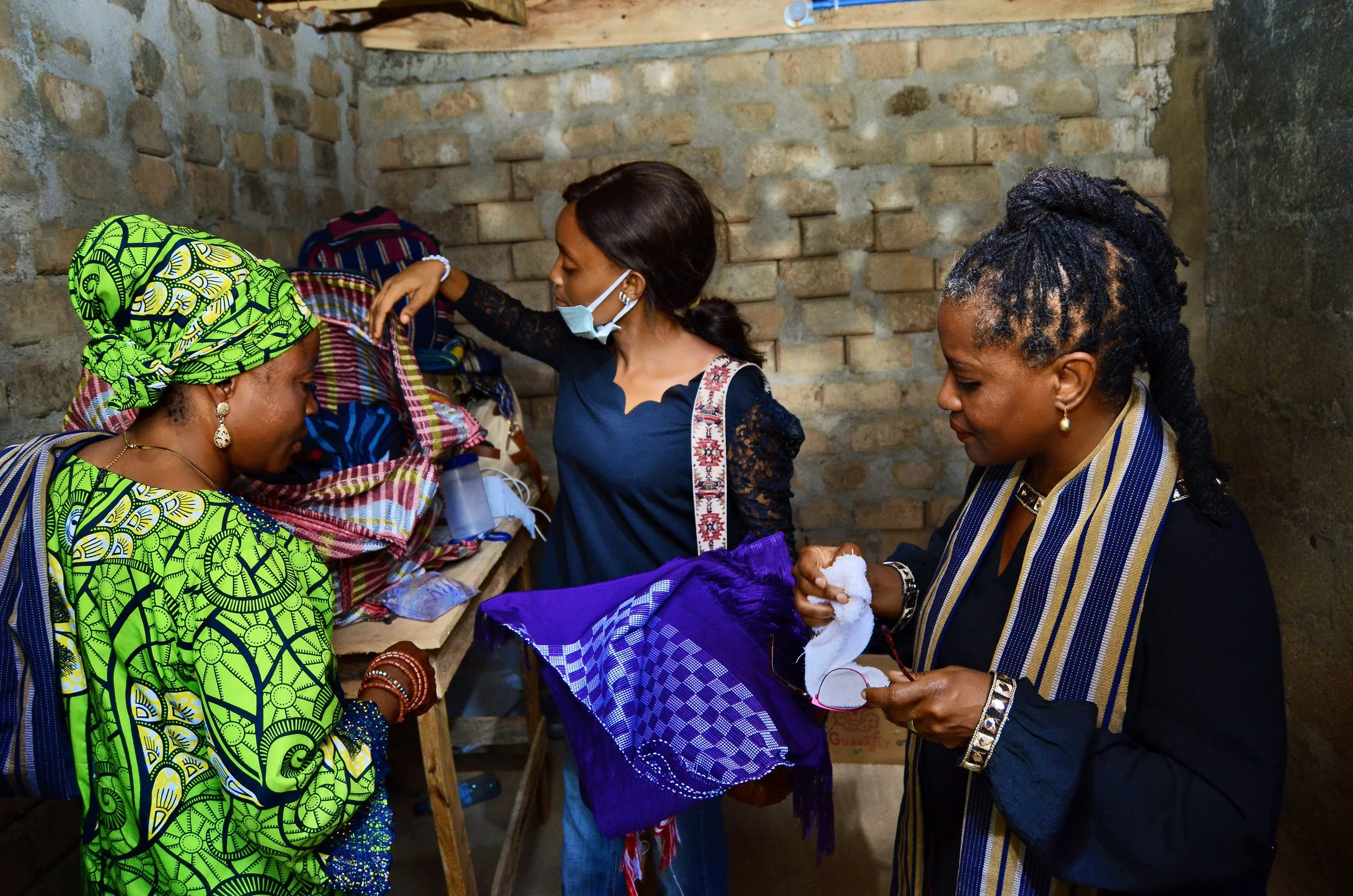
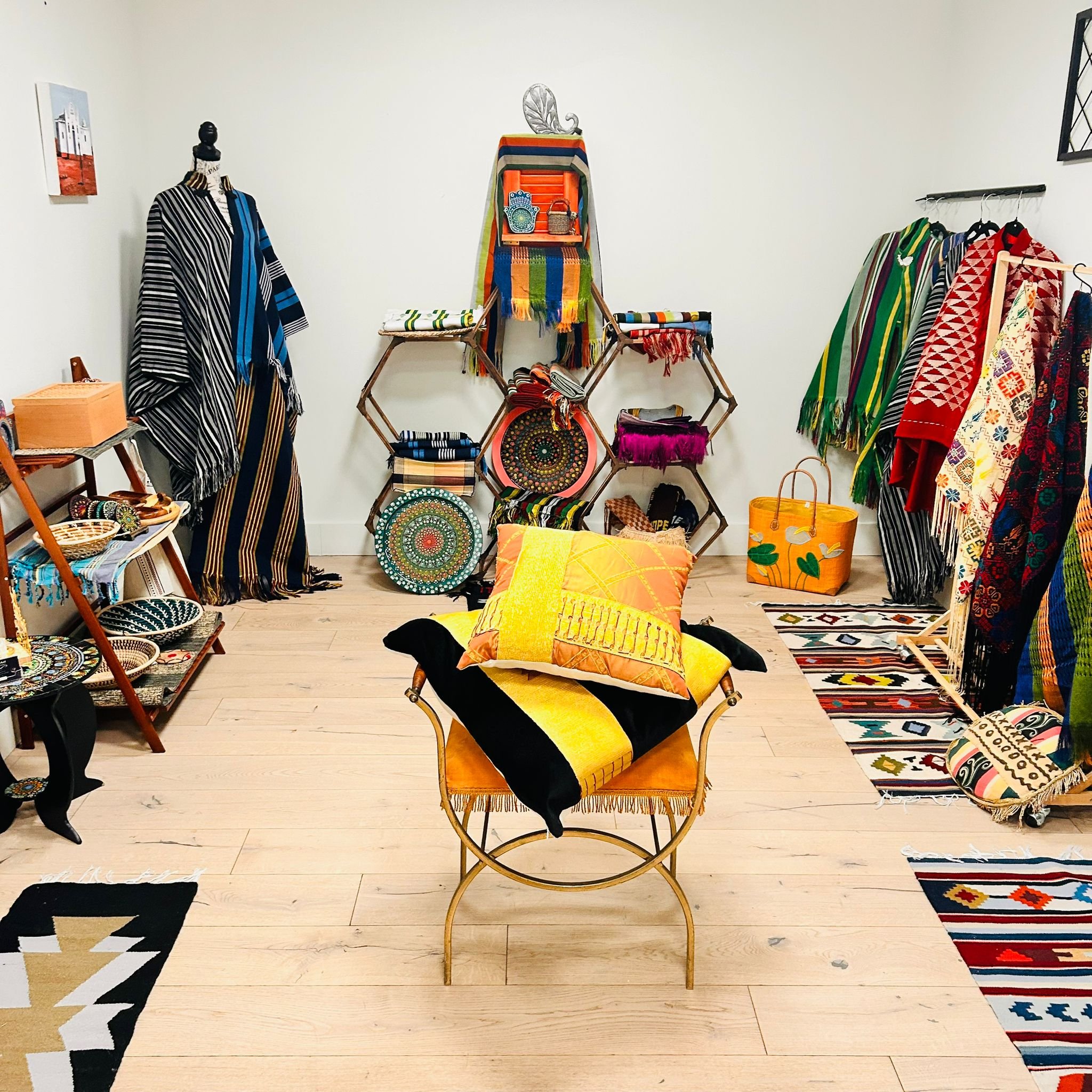
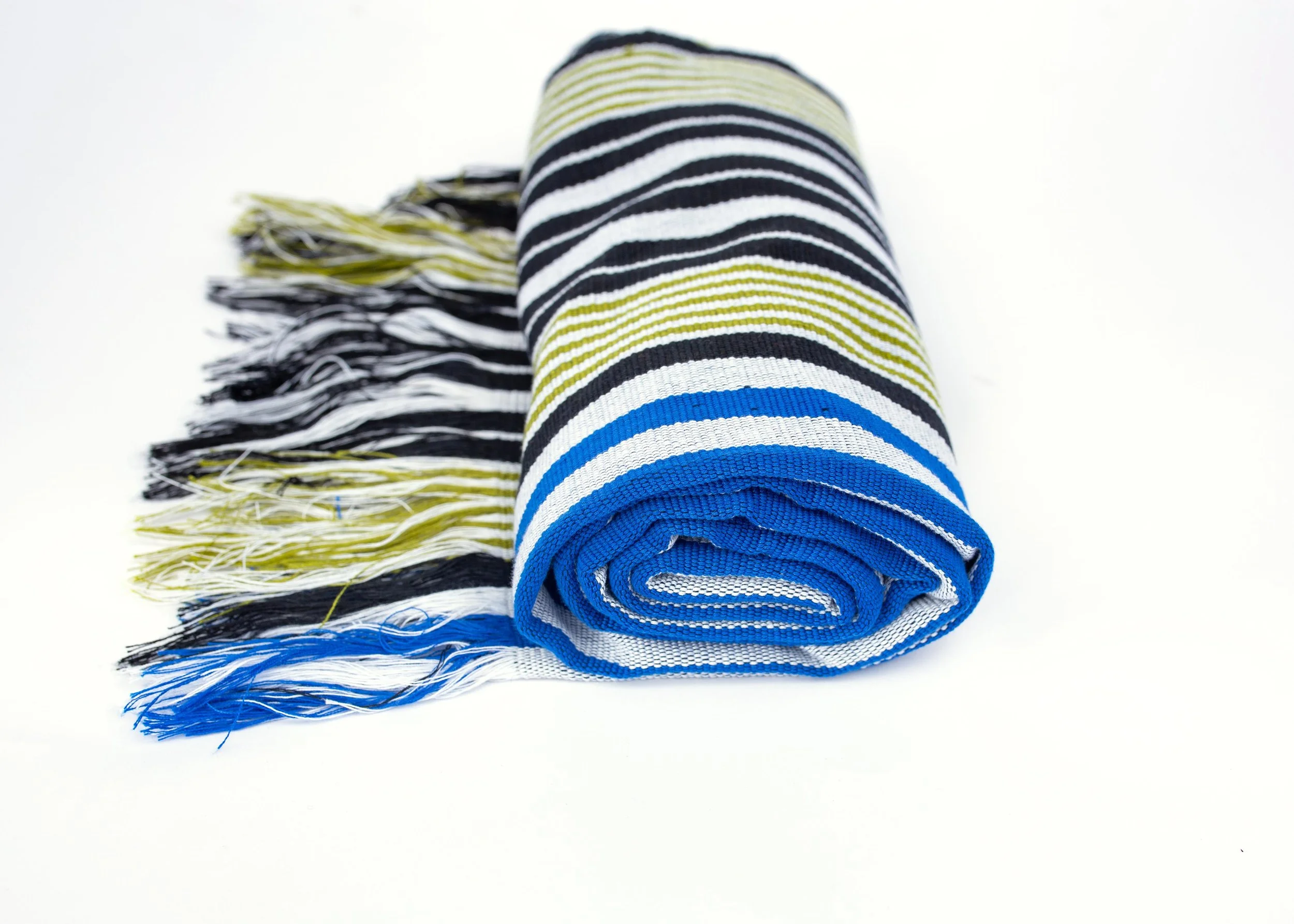
The visit culminated in a display of beautifully woven cloths, showcasing the weavers’ incredible craftsmanship. The team was deeply impressed by the quality and intricacy of the works presented.
Finally, an open forum was held, giving the women a platform to share their struggles, celebrate their wins, and brainstorm collaboratively on how to take the organisation’s vision to the next level, strategies for market value, and how to make sure that in telling our unique African story, the culture is not lost in sharing.

Vision for Global Scale & Market Impact
The ED made it clear: This is not just about the cloth. This is about telling a generational story, celebrating the resilience and brilliance of Ebira women, and positioning their work on the global cultural and commercial map.
She emphasized that the goal is to scale the Itai Cloth brand globally, not just for decorative or tourist appeal, but as a luxury heritage product that commands attention, respect, and value in international markets. These woven pieces are wearable history, textile testimonies, and economic vehicles. She spoke about attracting new markets, partnering with international brands and diaspora communities, and using the craft as a tool to reclaim and project indigenous identity with pride.
“We are not just weaving. We are building a cultural economy. We want the world to wear our story. We want our women’s legacy to be seen on runways, in boardrooms, and on global stages. This culture has been ours for decades. It’s time the world saw it, valued it, and paid for it.”
This vision goes beyond production. It encompasses:
Exporting products under a globally recognized Ita’i Our Cloth label
Building brand collaborations that center African textile heritage
Creating digital storytelling platforms for each weaver's narrative
Generating revenue that flows directly into the hands of the creators
Facility Condition & Need for Support
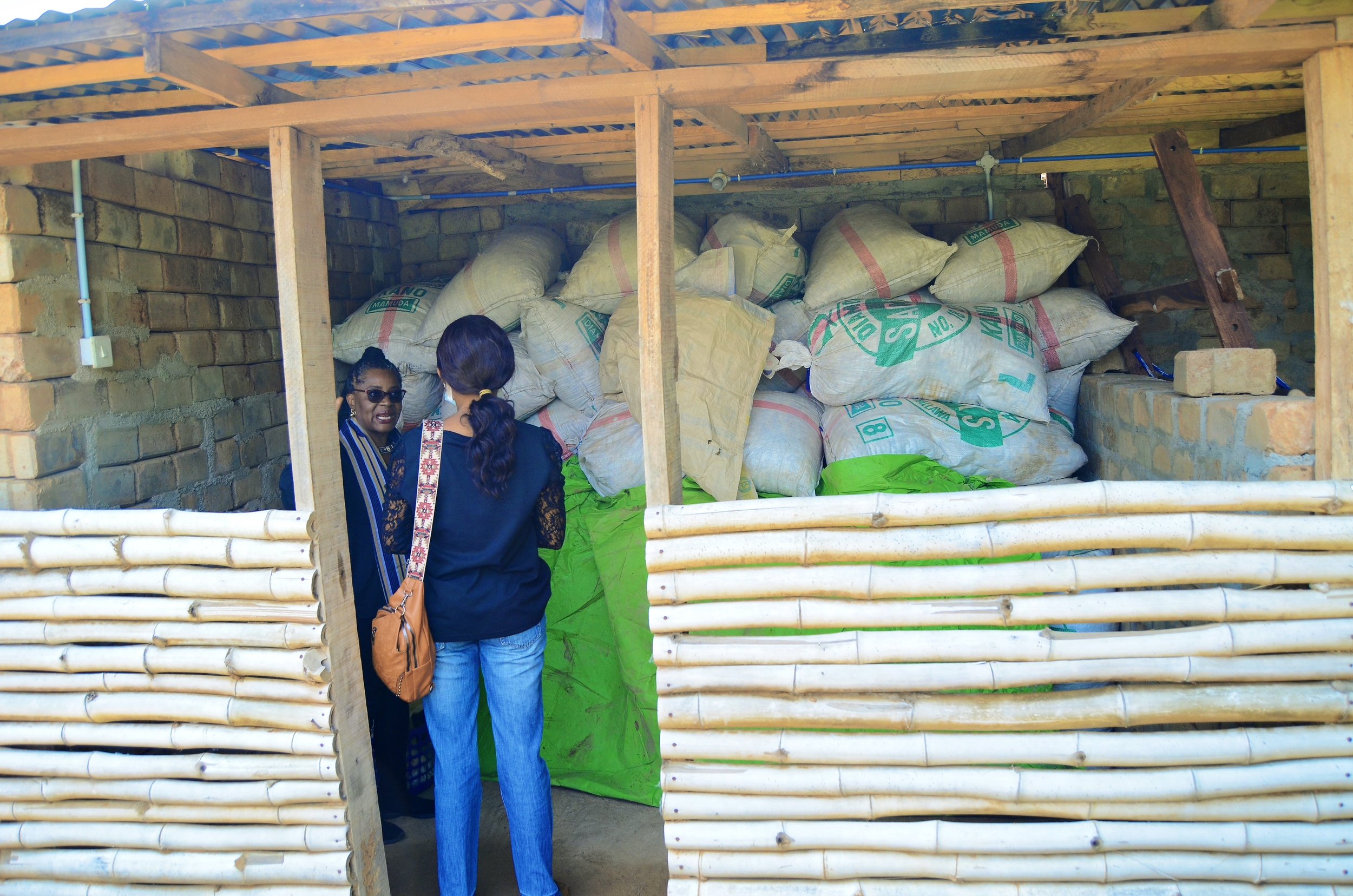
The current facility structure is makeshift and temporary, lacking the solid infrastructure needed for a center of this scale and vision. Despite this, the women have continued to produce excellent work, an inspiring testament to their commitment and resilience.
However, the need for a permanent, well-equipped weaving hub was evident throughout the visit.
Support and partnerships are urgently needed, to provide machinery for cotton processing and weaving, improve infrastructure, fund training programs, enhance market access, and scale production sustainably. Strategic collaborations with private sector partners, government agencies, cultural institutions, and global allies will be critical in turning this bold vision into a living, thriving reality.
Key Observations
The weaving center is a powerful model for economic and cultural empowerment.
There’s an urgent need to introduce technology to certain aspects of cloth production (especially yarn spinning) to meet growing demand and ensure sustainability.
A gap remains in attracting young people into the weaving trade, this presents a risk to cultural continuity.
The community has strong emotional and cultural ties to the craft, and preserving it will require intentional efforts across education, policy, and entrepreneurship.
PHOTO HIGHLIGHTS : DRQuest/Africa-Related