
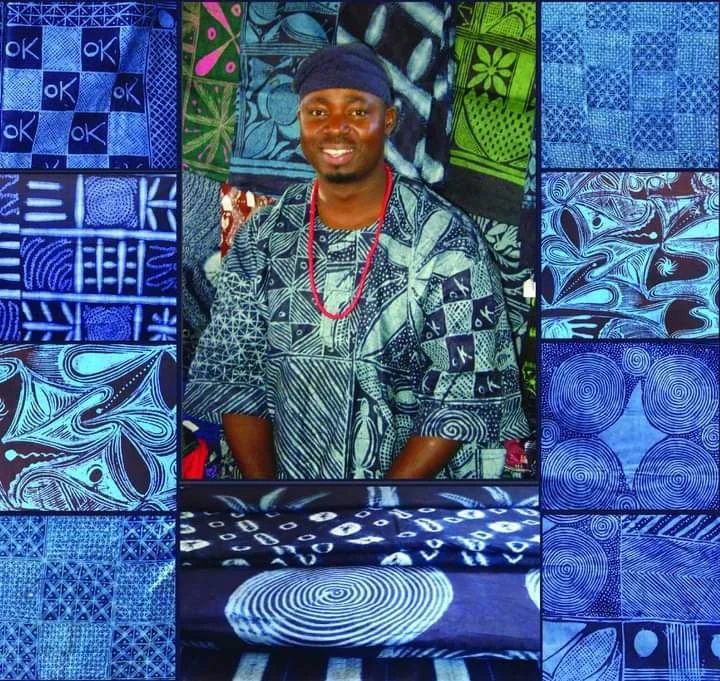
Textile Artist And Teacher Gasali Adeyemo Features on 'Messengers
Textile artist and teacher Gasali Adeyemo talks about preserving Nigeria’s traditional textiles -like batik, adire, itinochi, and akwocha -his humble childhood, his biggest influences, and the next generation.
Africa-Related New York
Textile Artist Gasali Adeyemo dicusses the Yoruba art of Adire (tye-dye) making.
From modest beginnings to becoming a leading voice in textile preservation, Gasali Adeyemo shares a journey rooted in craft, culture, and continuity.
In this episode of Messengers with Oyiza, Gasali explores the rich history and cultural significance of traditional Nigerian textiles from Adire and Batik to Itinochi and Akwocha and the urgent need to preserve these indigenous techniques for future generations.
He shares his experience styling Viola Davis in the film "The Woman King". He also reflects on his early influences like Nike Art Gallery (@nikeartgallery), the discipline behind mastering textile artistry, and the responsibility of passing down knowledge in a rapidly changing world.
This is a conversation about heritage, identity, and the role of artists as custodians of culture.
Follow Gasali @yoruba_indigo. Watch now on Spotify.
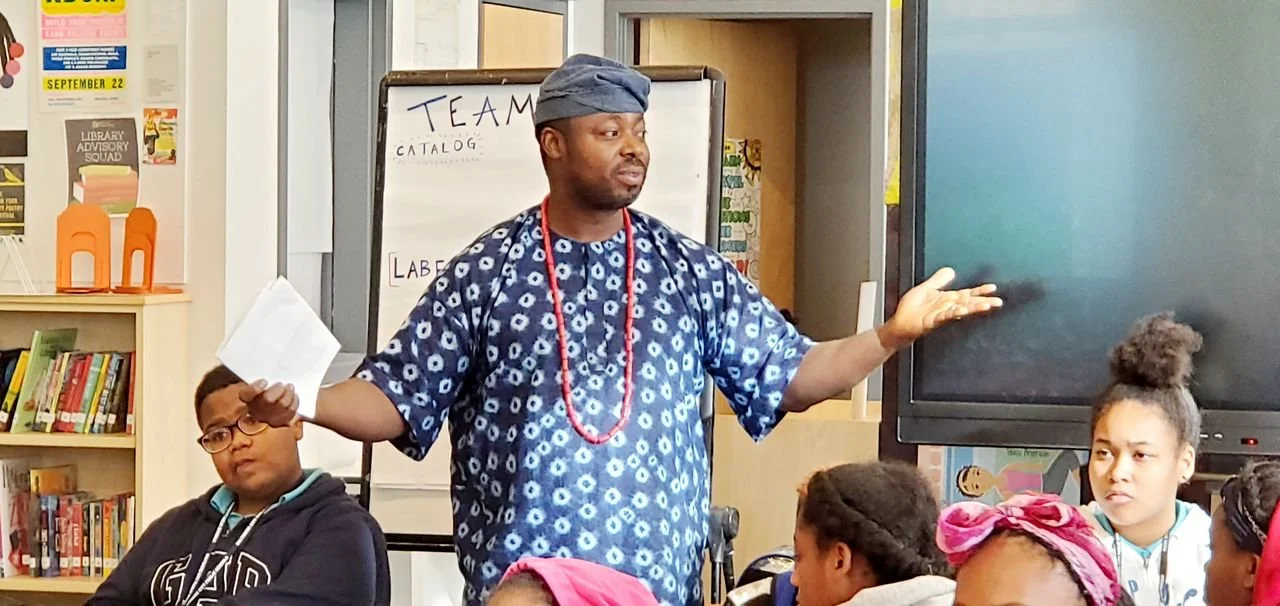
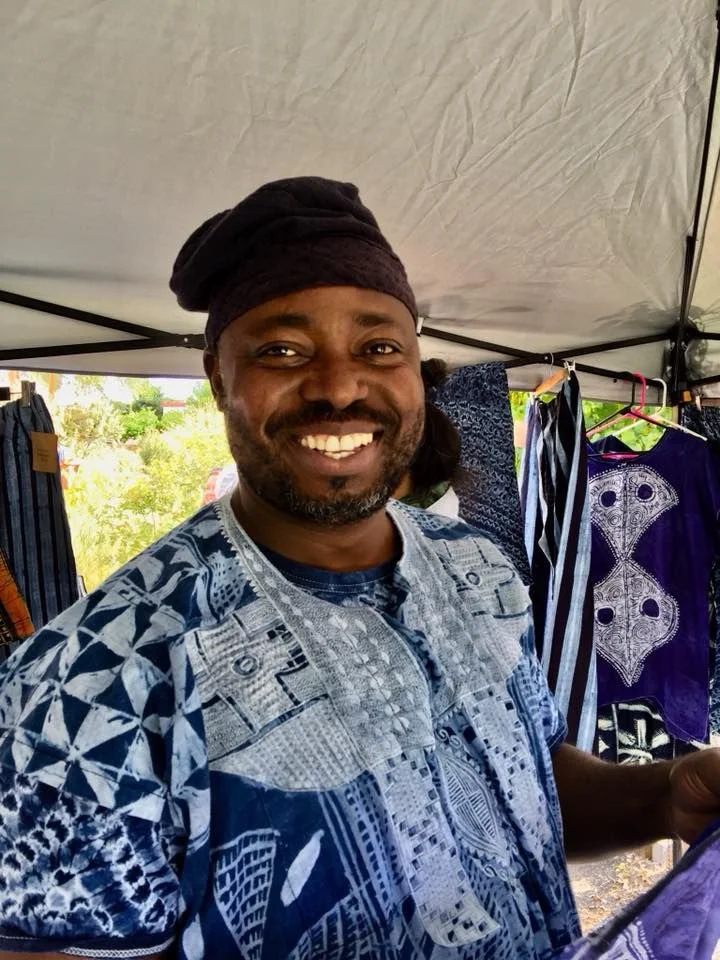
‘MESSENGERS with Oyiza’ is an engaging interview TV/podcast series hosted by Nigerian journalist and producer Oyiza Adaba. Produced by Africa-Related and recorded remotely from New York and on location, the show blends relaxed conversations with interviews of selected guests who discuss topics about Africa for a global audience. The conversations aim to bridge divides, correct misconceptions, and spark positive discussion about Africa and its people. Each 30-minute episode features inspiring stories, creative graphics, video clips, and background reports. The series focuses on Africa's People, Places and Issues.
For more stories told from an African perspective, follow us at africarelatedinc
#AfricaRelated #AfricanArt #art #podcast #conversation #artist #messengerswithoyiza #Messengers #AfricaRelated #TextileArt #adire #batik #CulturalHeritage #TheWomanKing #oyizaadaba
SHARE THIS STORY
T.A.L Board Visits Tom Adaba Legacy Center, Okene
Site Visit to Tom Adaba Legacy Center, Okene
By Glory Ize Isaiah
OKENE, KOGI STATE
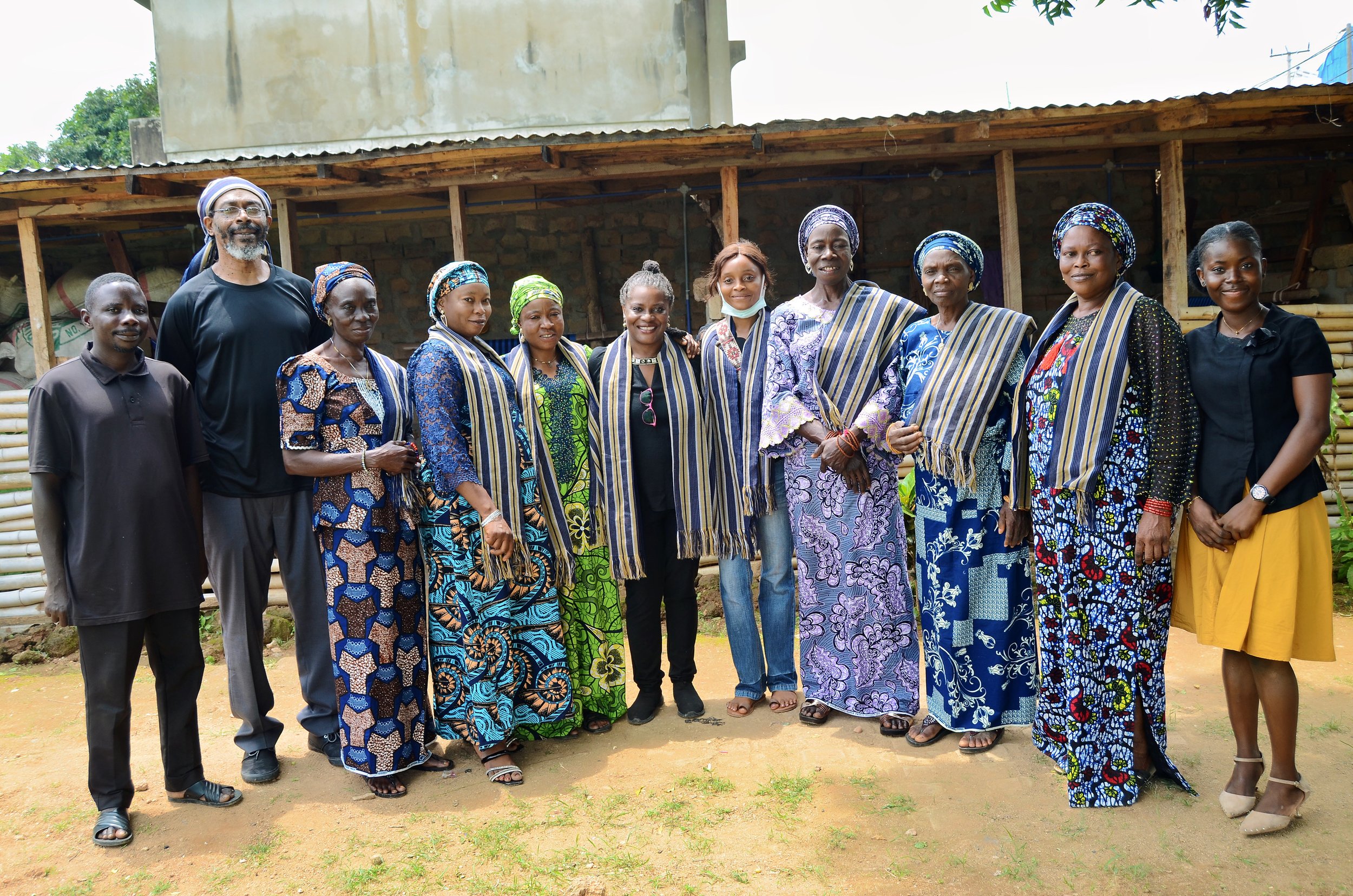
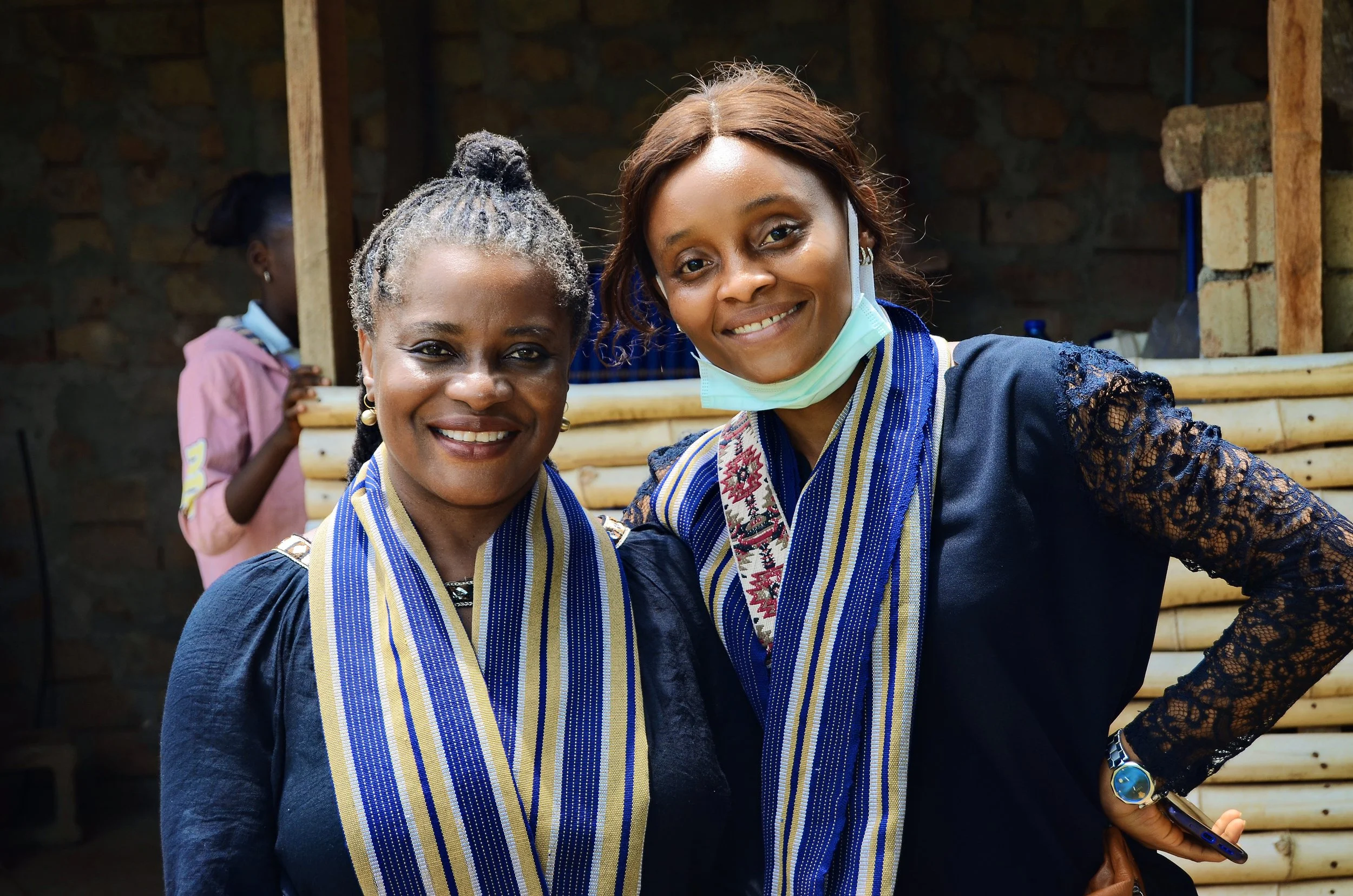
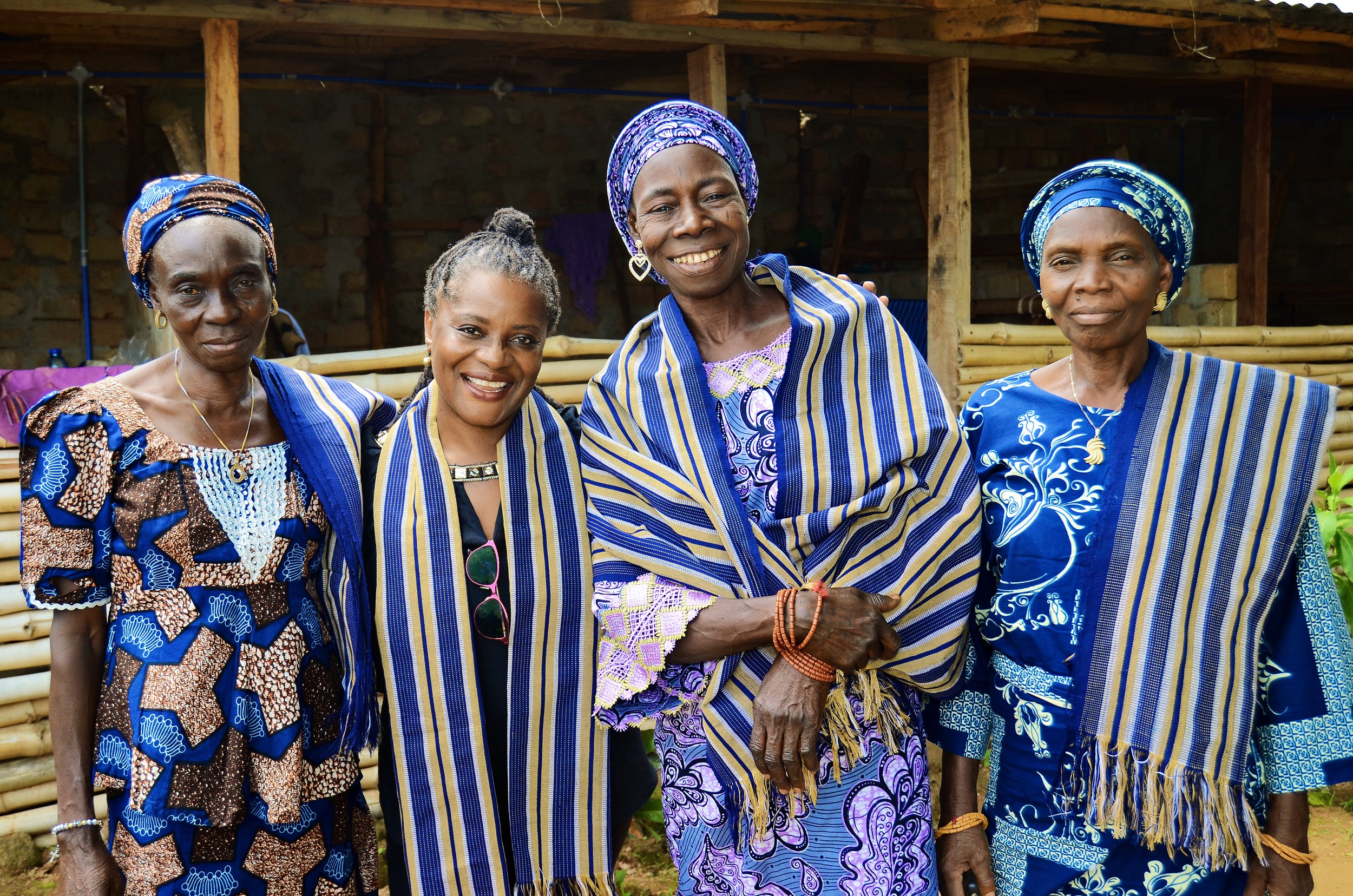
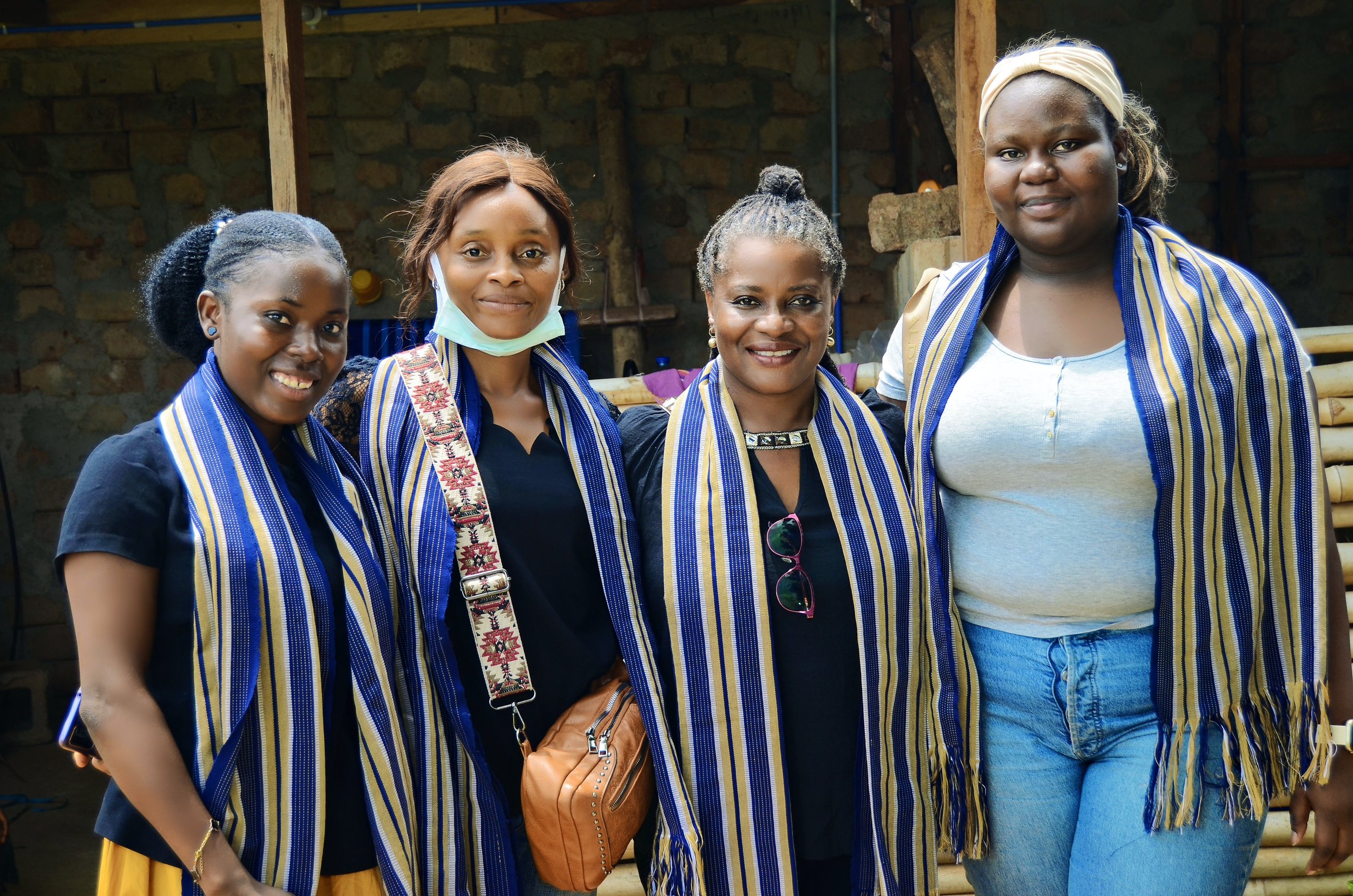
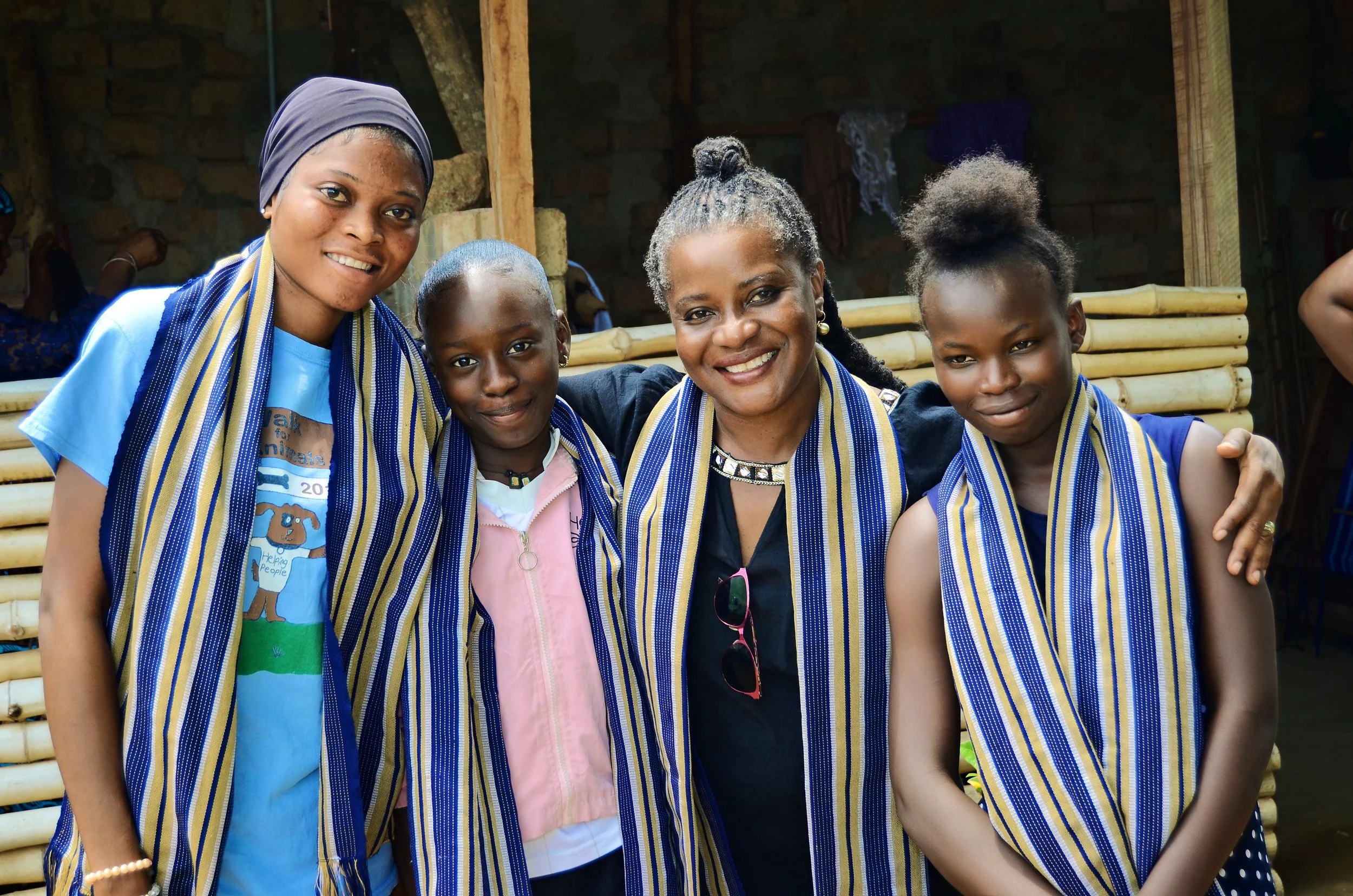
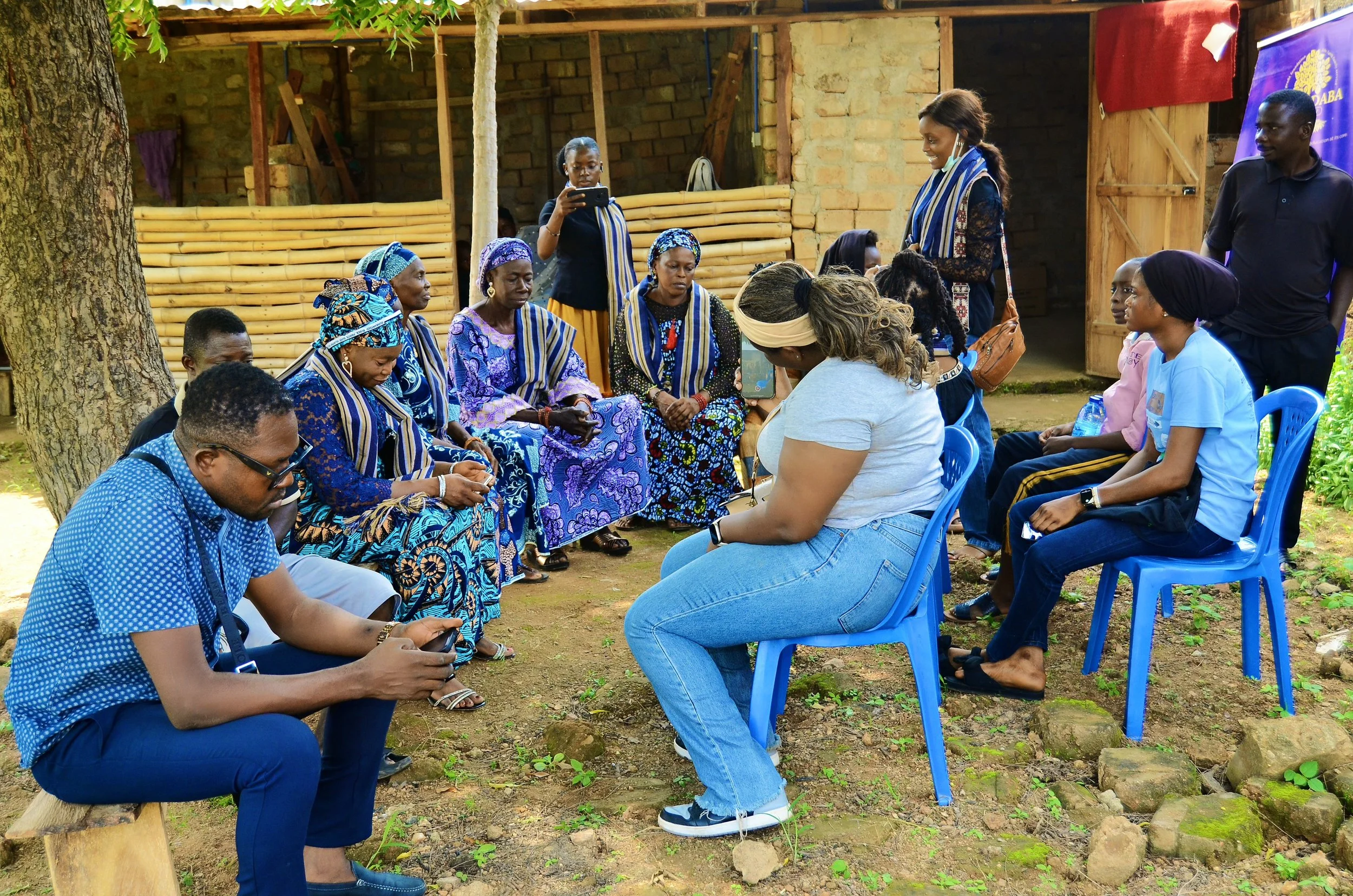
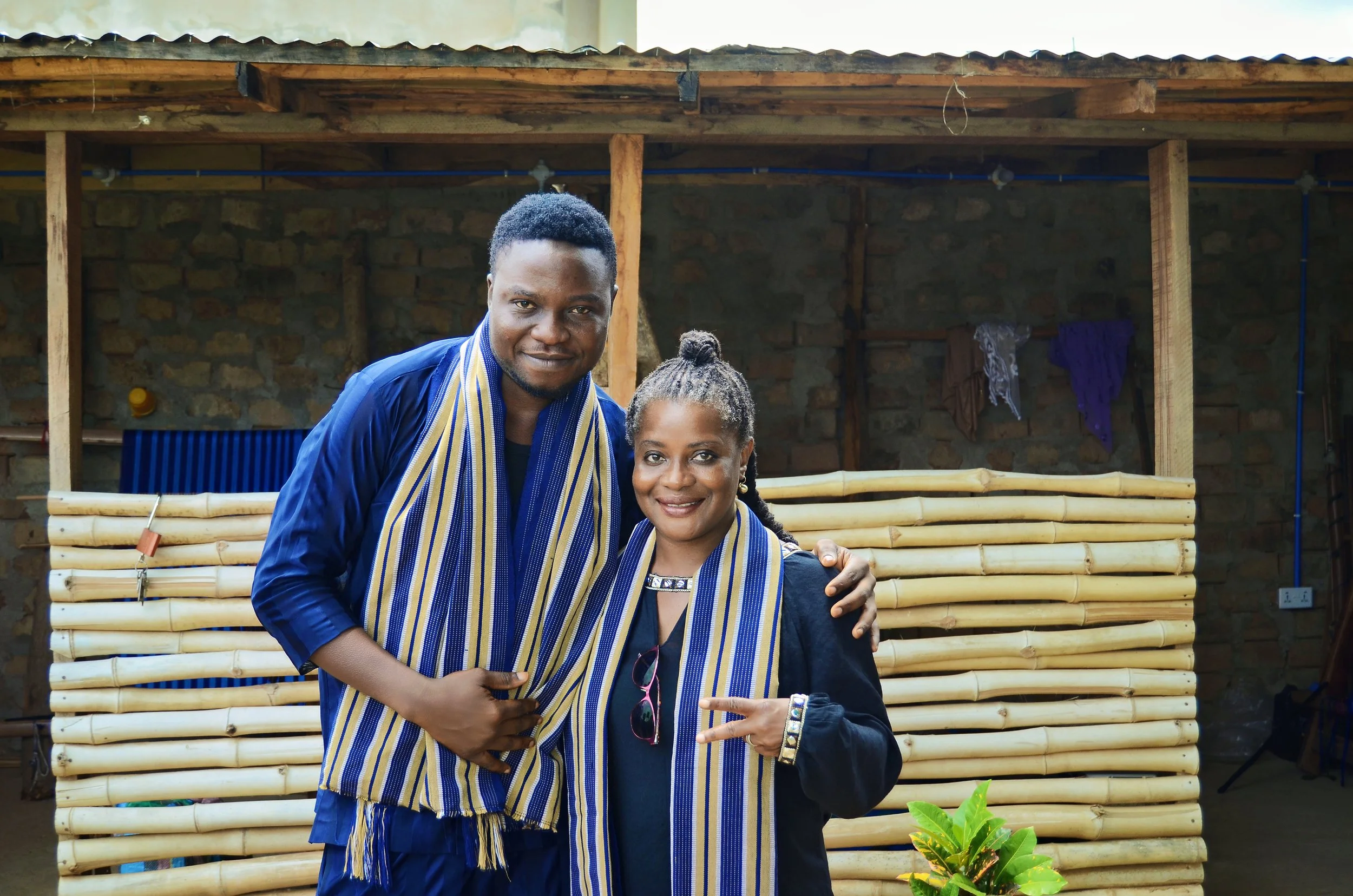
Group Photo of Tom Adaba Legacy Team and Ita’i Weavers during the site visit on July 25, 2025. (Photo by DrQuest/Africa-Related)
Project/Facility Name: Tom Adaba Legacy Center, Okene, Home of Itai’ Our Cloth
Date of Visit: Friday, July 25, 2025
Time: 10:00 AM
Location: T.A.L Center G.R.A Okene, Kogi State
Board Members of the Tom Adaba Legacy Foundation conducted a site visit to Okene, Kogi State. The purpose of the visit was to carry out an inspection and engagement tour of the Tom Adaba Legacy Center, evaluate the operations of Itai’ Our Cloth, interact with the weavers and apprentices, identify challenges and opportunities for scale, and strengthen stakeholder relations with the Tom Adaba Legacy board, including its Executive director and accompanying executives.
Attendees
Mrs. Oyiza Adaba-Okereke - Board President/ED Tom Adaba Legacy and CEO - Itai Our Cloth
Mr. Maurice Okereke - Tom Adaba Legacy (Community Initiatives) /Founder, Words By MOE
Mrs. Rosemary Onubaiye - Country Director Ita’i Our Cloth
Members of the Tom Adaba Legacy Foundation
Weavers’ Coordinators
Community Weavers & Apprentices
Media Personnels
And other Staff
Visit Narrative & Key Highlights
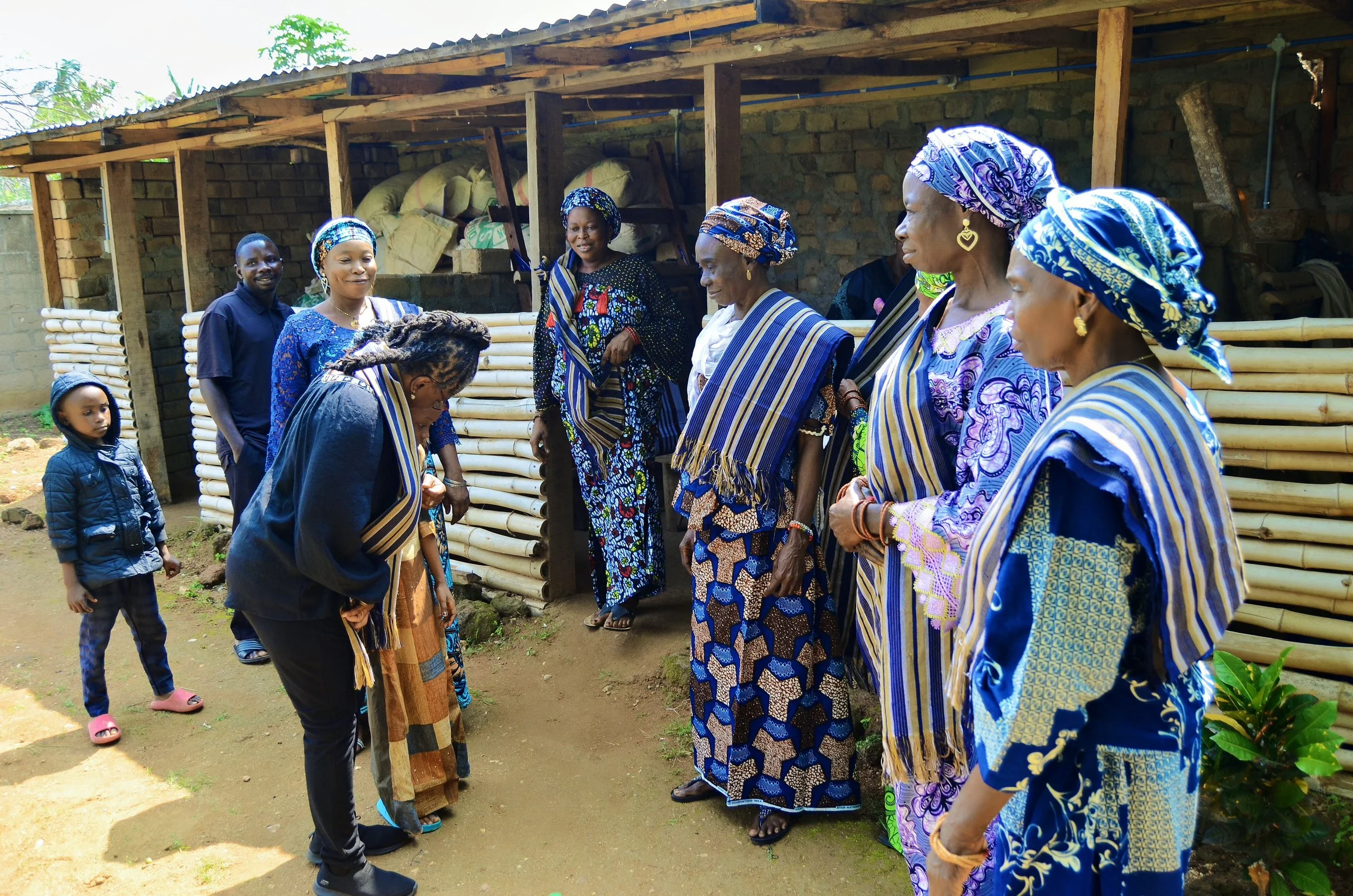
The official site visitation commenced at 10:00 AM on Friday, July 25, 2025. The Board President and Executive Director of Tom Adaba Legacy Foundation arrived in the company of her husband and board members. The atmosphere at the facility was electrifying as the women weavers, visibly overjoyed, welcomed the team with songs and dances in their local dialect, a heartfelt expression of gratitude and excitement.
The Executive Director responded warmly, asking after each woman's welfare and inquiring about their families. Led by the Country Director and the Weavers’ Coordinators, the women took the E.D and her team on a guided tour of the center, showing the facility and ongoing work.
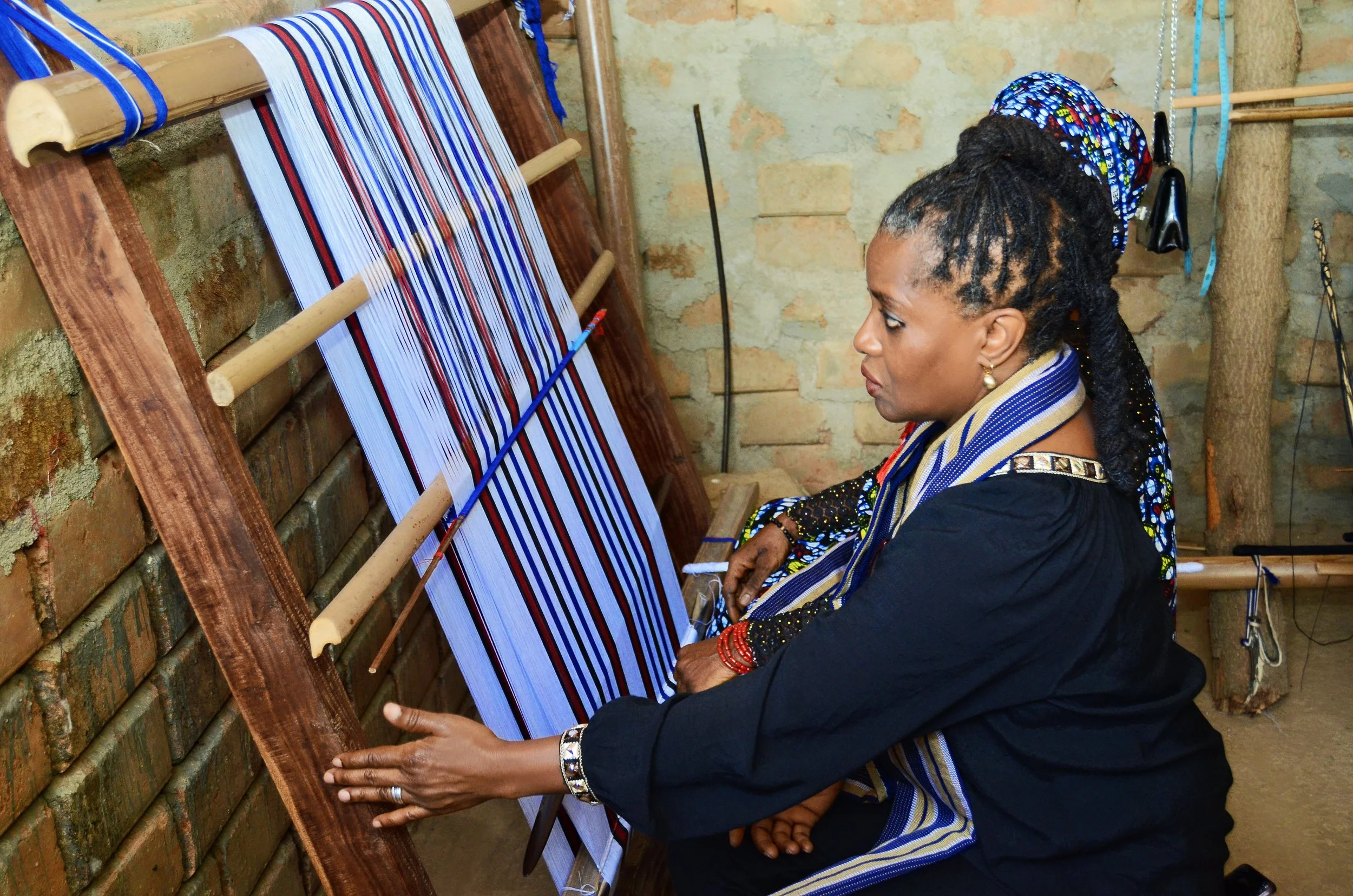
The weavers, excited by the presence of the leadership team, quickly resumed their craft while the Executive Director observed them at work. Demonstrating deep interest and solidarity, she sat beside them, learned the basics of weaving, and participated in the process, showing humility and respect for their skill.
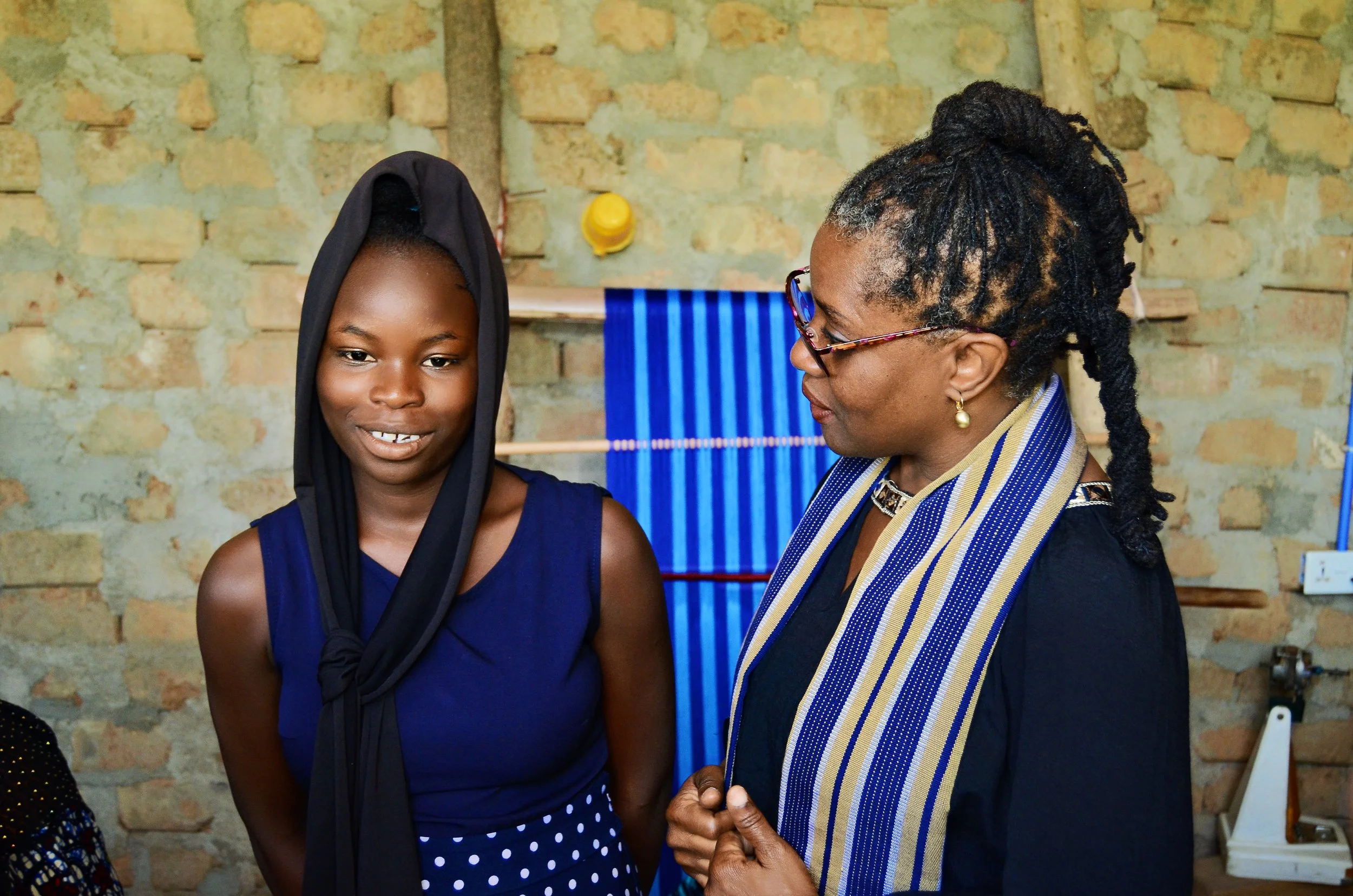
Mrs. Adaba-Okereke later engaged in deep, sincere conversations with the young apprentices who are currently undergoing training in weaving. They expressed how learning this trade has shifted their perspectives on life, offering them not just a skill, but a path toward independence and self-determination. However, they also raised concerns: the tradition of weaving is slowly fading, with fewer young people interested in carrying it on. They voiced hope that more efforts would be made to preserve and promote the craft, particularly among youth.
In response to questions about their future aspirations, several young women expressed their desire to pursue higher education and use weaving as a means to support themselves and their families financially while in school.
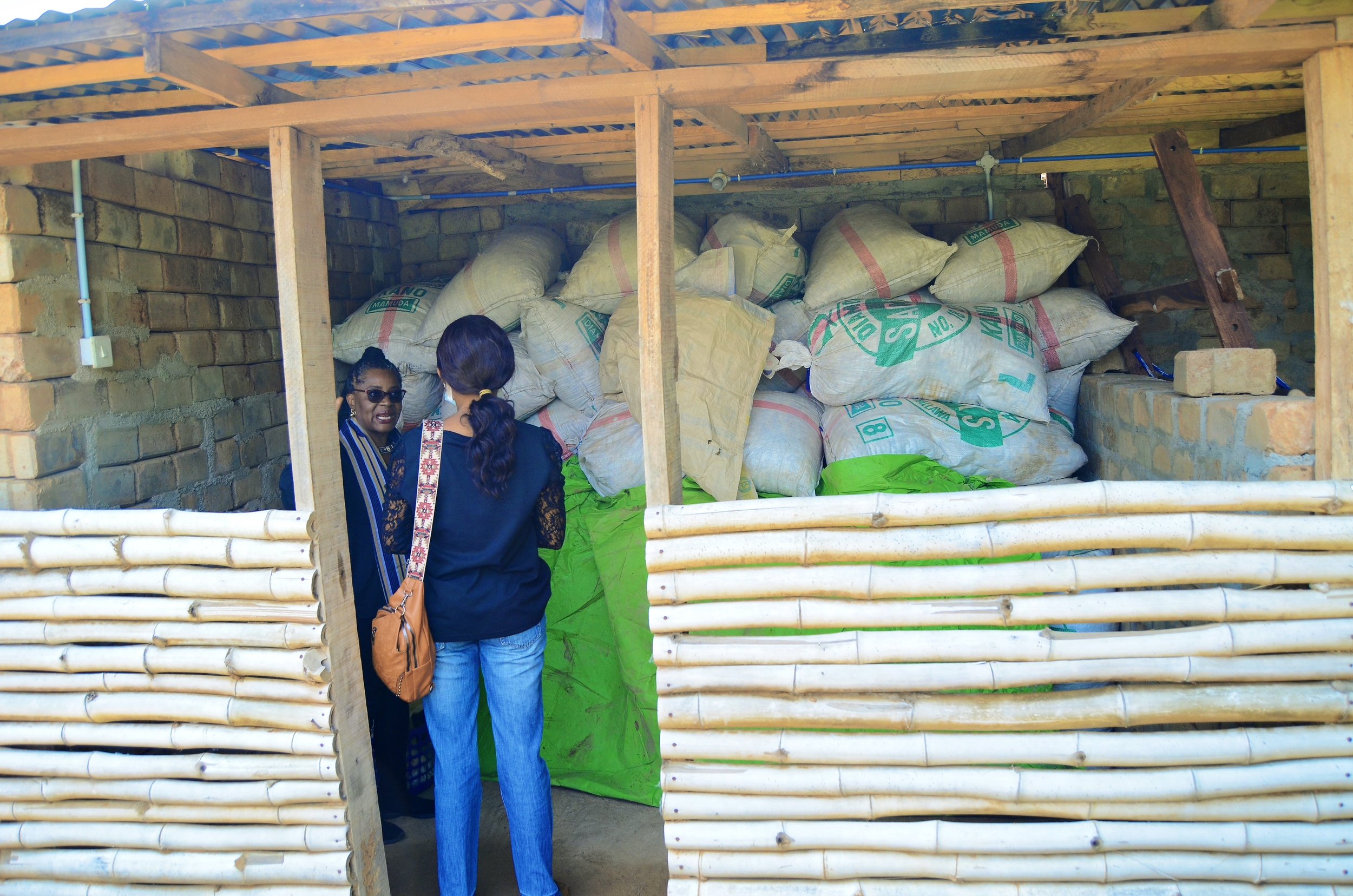
A particularly emotional moment came during a conversation with an older woman who demonstrated the rare and laborious art of spinning cotton into yarn by hand, a nearly extinct skill in today’s world. The woman explained the intricate process and how the younger generation often lacks interest in learning it. Acknowledging this, the Executive Director stressed the need for machinery to support scaling operations, noting that such investment could provide technical jobs, increase production, and bring long-term sustainability. She emphasized that cotton processed locally, such as from the Tom Adaba Legacy Foundation Farms in Gwagwalada and Osara, can contribute significantly to national and continental development.
Mrs Oyiza Adaba-Okereke maintained that the Center remains committed to training more youths, particularly young girls, equipping them with both cultural knowledge and economic empowerment through weaving.
She was visibly moved by the work being done and expressed deep admiration for the weavers’ dedication. She commended the women for leveraging their skills, even in the absence of formal education, to support their families, educate their children, and preserve a vital part of the Ebira cultural identity.
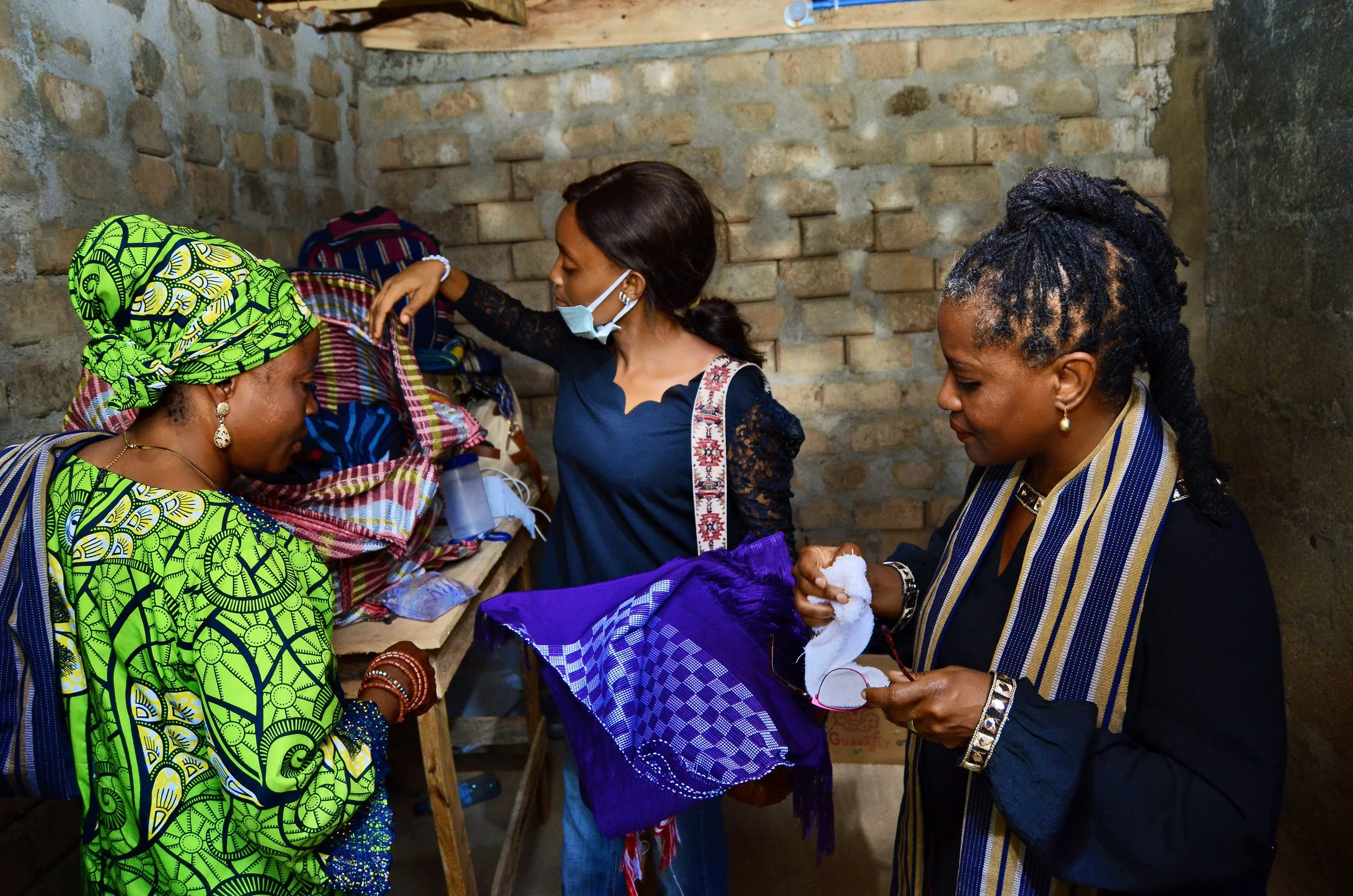
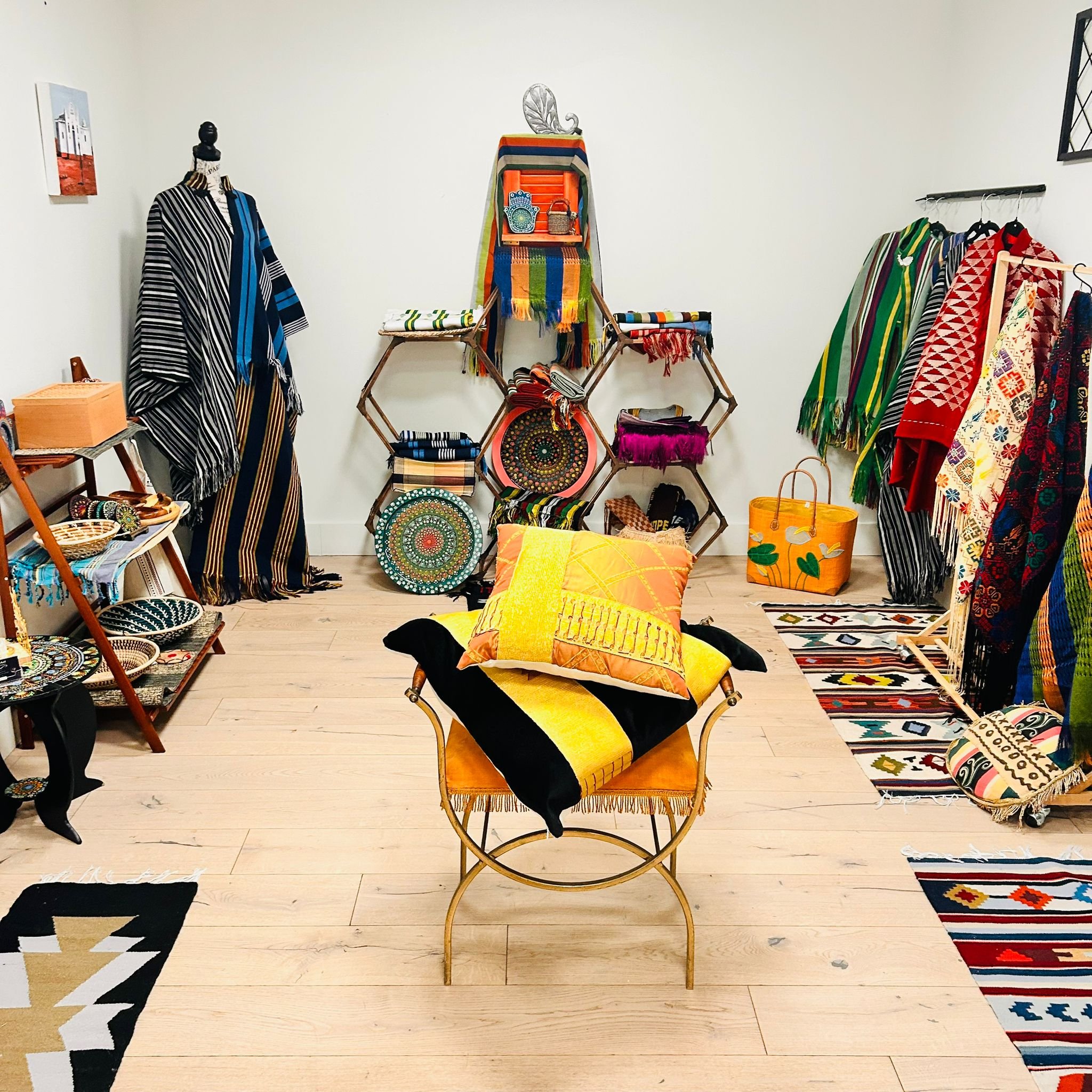
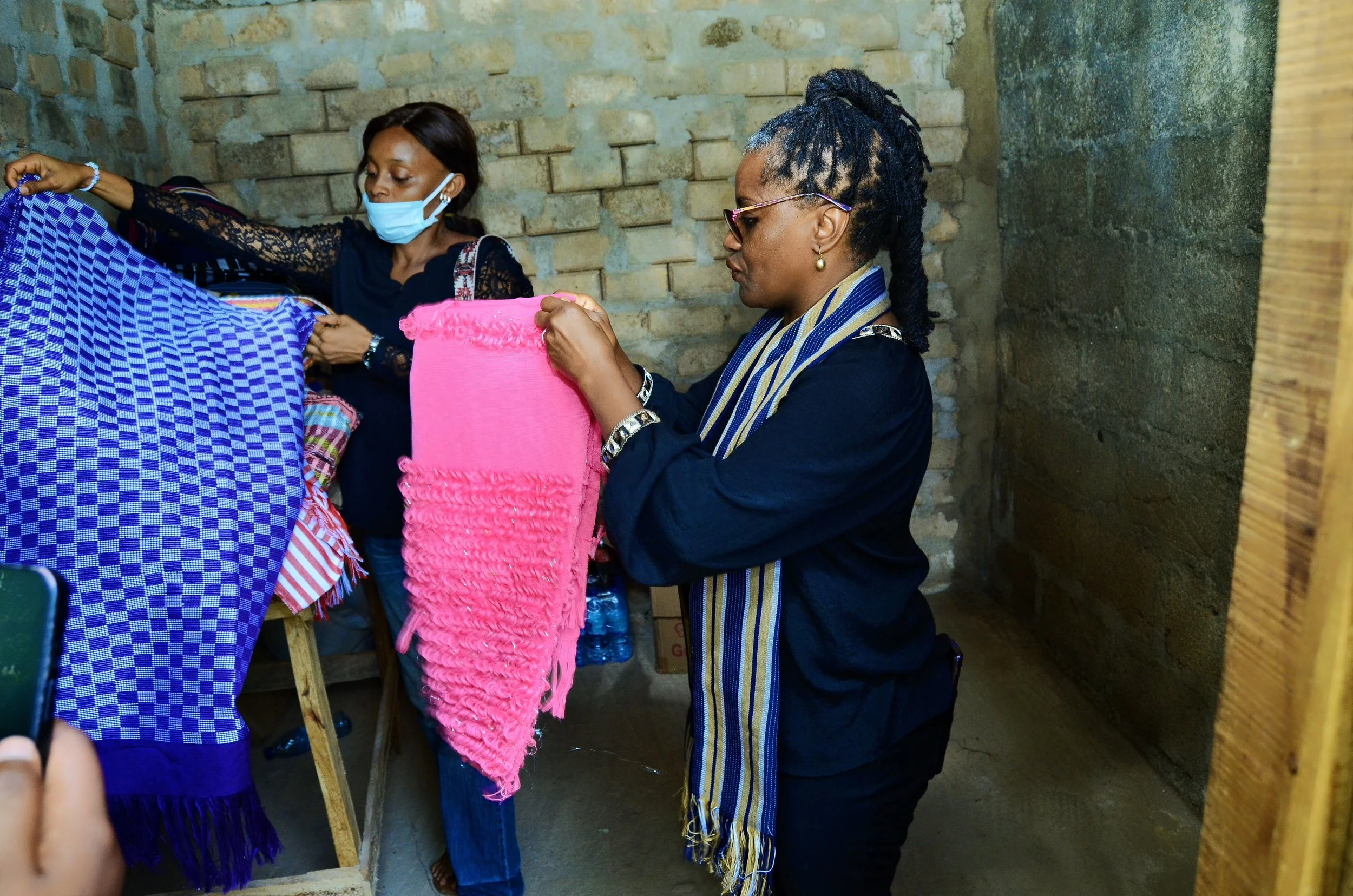
The visit culminated in a display of beautifully woven cloths, showcasing the weavers’ incredible craftsmanship. The team was deeply impressed by the quality and intricacy of the works presented.
Finally, an open forum was held, giving the women a platform to share their struggles, celebrate their wins, and brainstorm collaboratively on how to take the organisation’s vision to the next level, strategies for market value, and how to make sure that in telling our unique African story, the culture is not lost in sharing.

Vision for Global Scale & Market Impact
The ED made it clear: This is not just about the cloth. This is about telling a generational story, celebrating the resilience and brilliance of Ebira women, and positioning their work on the global cultural and commercial map.
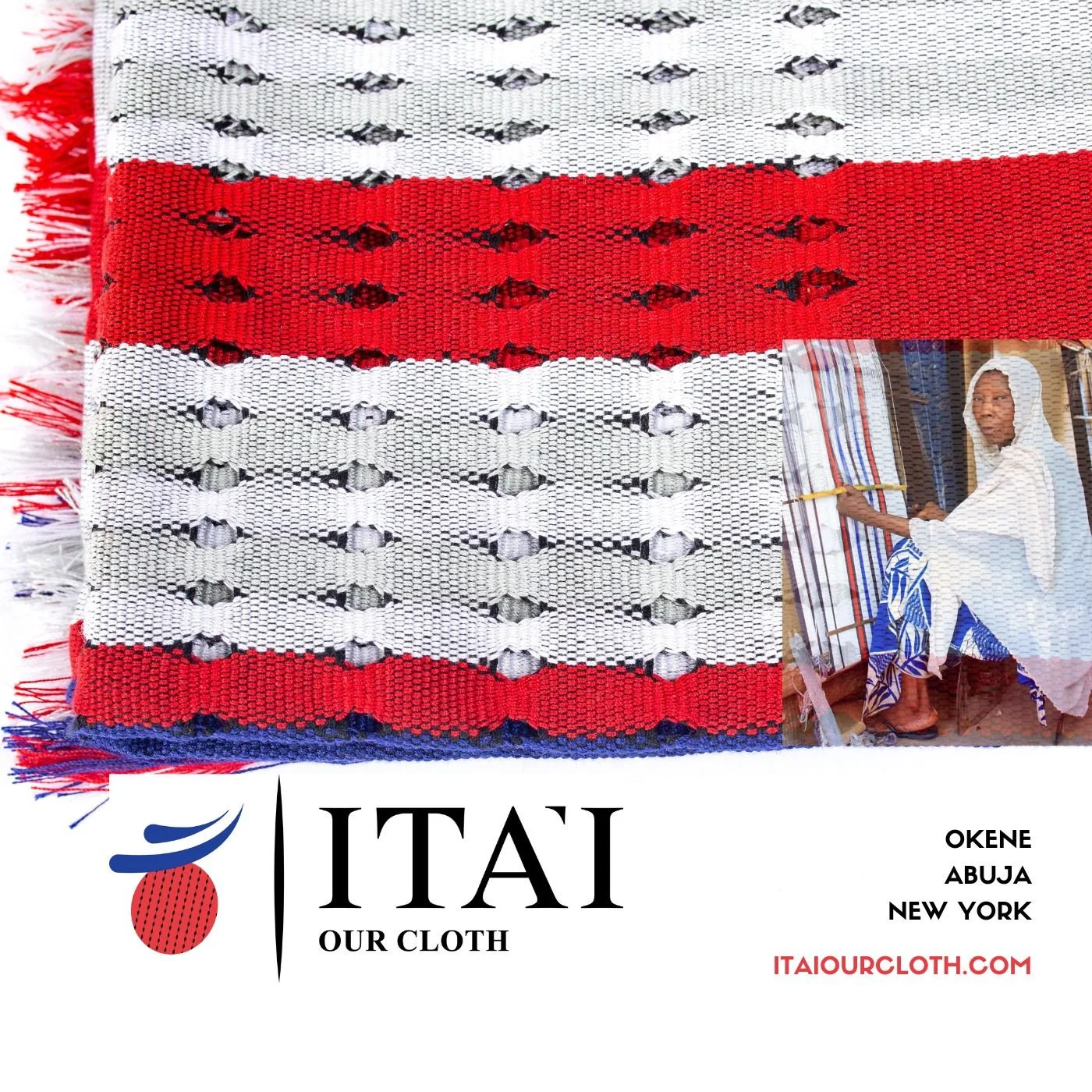
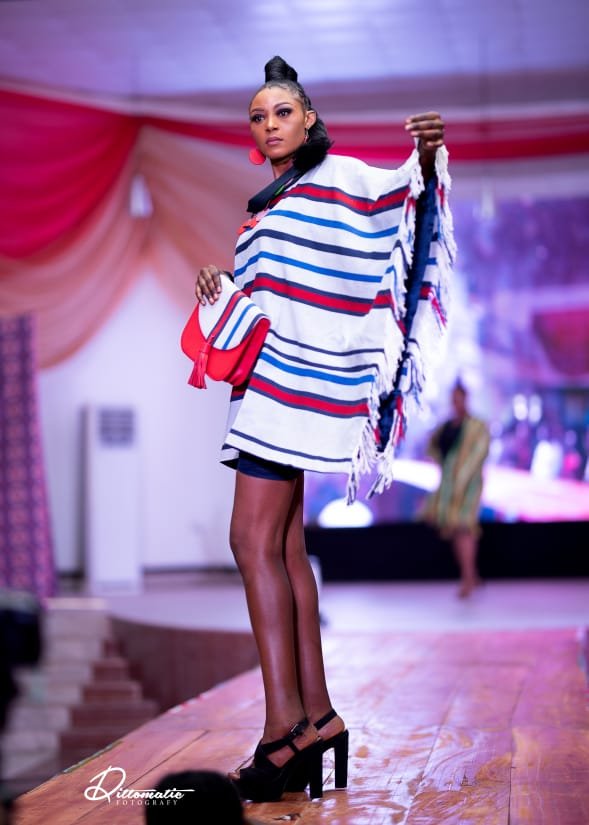
She emphasized that the goal is to scale the Itai Cloth brand globally, not just for decorative or tourist appeal, but as a luxury heritage product that commands attention, respect, and value in international markets. These woven pieces are wearable history, textile testimonies, and economic vehicles. She spoke about attracting new markets, partnering with international brands and diaspora communities, and using the craft as a tool to reclaim and project indigenous identity with pride.
“We are not just weaving. We are building a cultural economy. We want the world to wear our story. We want our women’s legacy to be seen on runways, in boardrooms, and on global stages. This culture has been ours for decades. It’s time the world saw it, valued it, and paid for it.”
This vision goes beyond production. It encompasses:
Exporting products under a globally recognized Ita’i Our Cloth label
Building brand collaborations that center African textile heritage
Creating digital storytelling platforms for each weaver's narrative
Generating revenue that flows directly into the hands of the creators
Facility Condition & Need for Support
The current facility structure is makeshift and temporary, lacking the solid infrastructure needed for a center of this scale and vision. Despite this, the women have continued to produce excellent work, an inspiring testament to their commitment and resilience.
However, the need for a permanent, well-equipped weaving hub was evident throughout the visit.
Support and partnerships are urgently needed, to provide machinery for cotton processing and weaving, improve infrastructure, fund training programs, enhance market access, and scale production sustainably. Strategic collaborations with private sector partners, government agencies, cultural institutions, and global allies will be critical in turning this bold vision into a living, thriving reality.
Key Observations
The weaving center is a powerful model for economic and cultural empowerment.
There’s an urgent need to introduce technology to certain aspects of cloth production (especially yarn spinning) to meet growing demand and ensure sustainability.
A gap remains in attracting young people into the weaving trade, this presents a risk to cultural continuity.
The community has strong emotional and cultural ties to the craft, and preserving it will require intentional efforts across education, policy, and entrepreneurship.
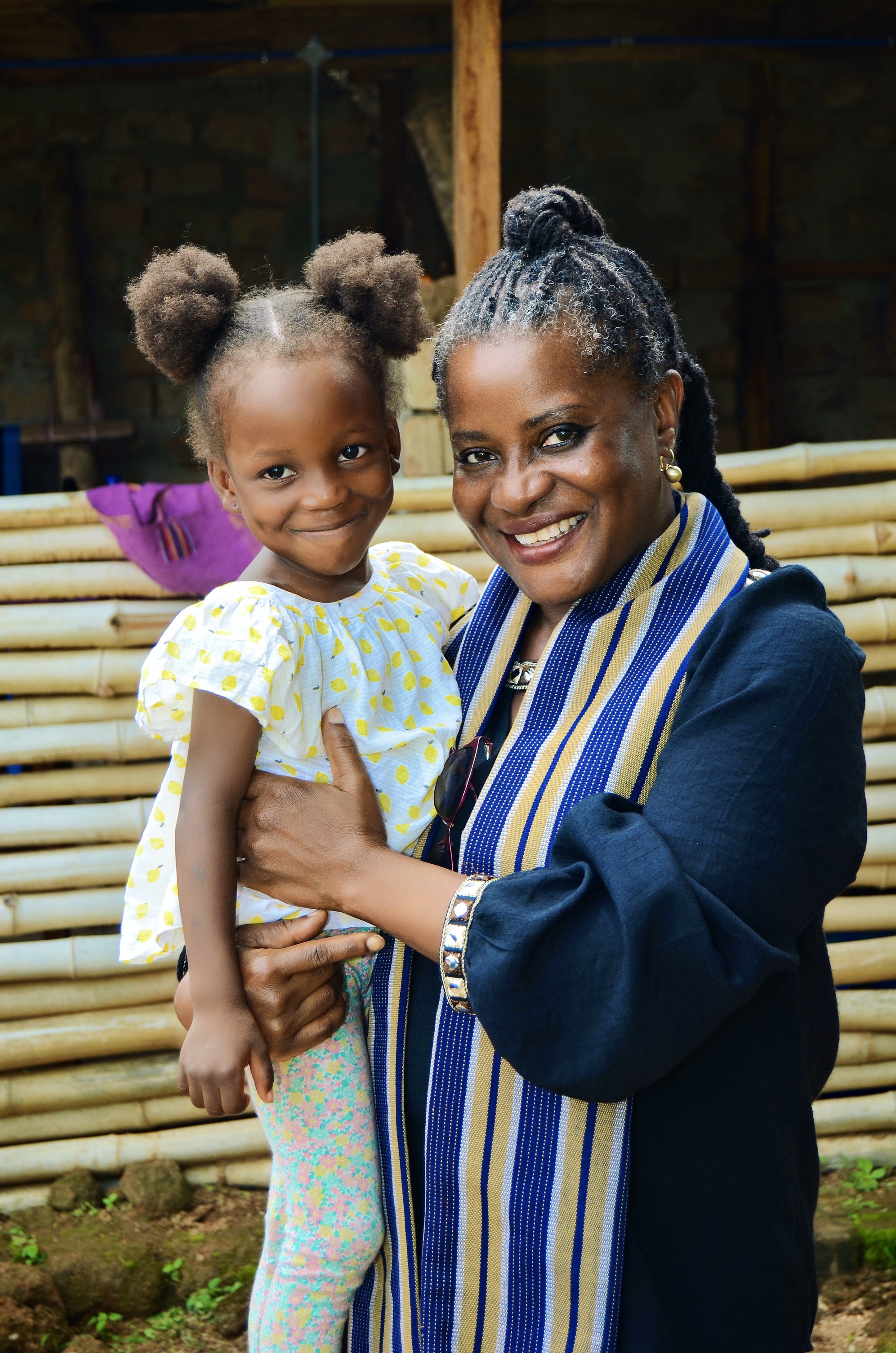
PHOTO HIGHLIGHTS : DRQuest/Africa-Related
DELA Screening At UNN: More Photos
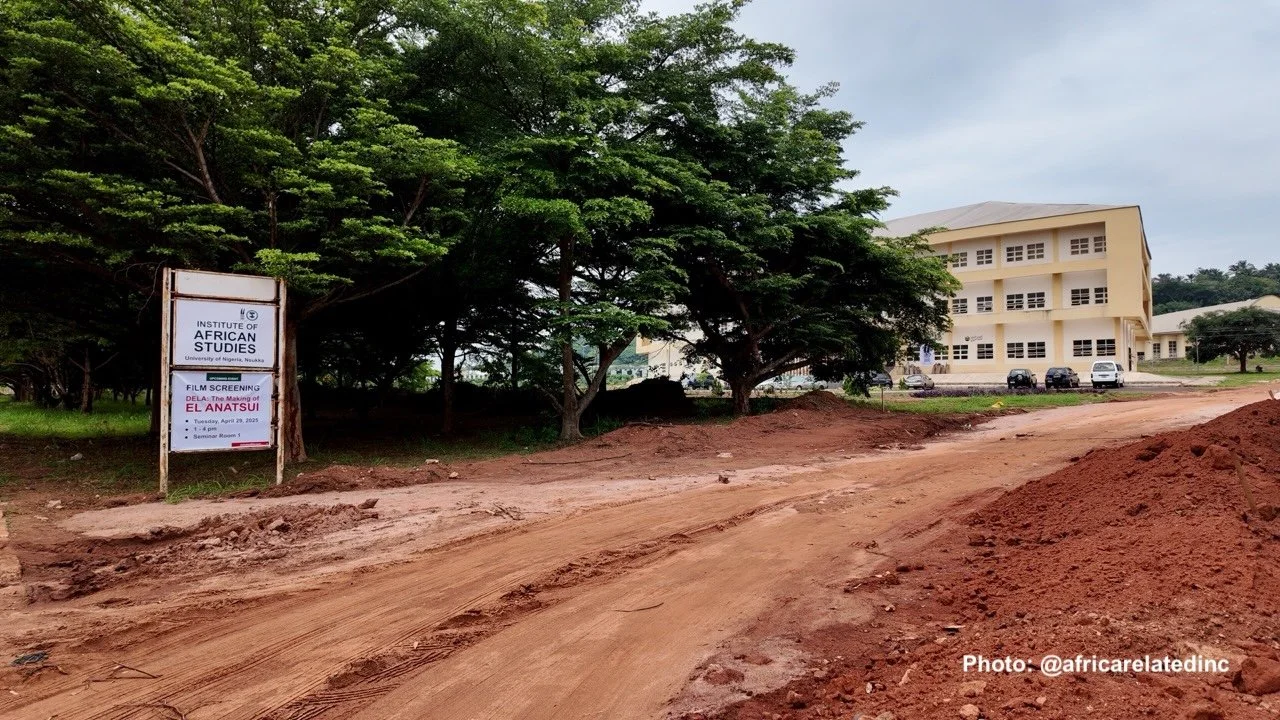
The DELA Campus Tour officially premieres at the esteemed University of Nigeria Nsukka. The screening and exhibition event was hosted by the Institute of African Studies (IAS) in their modern new venue, which was packed with an enthusiastic audience eager to engage with the content, highlighting both interest and meaningful impact.
Photos by IAS-UNN: DELA SCREENING & UNN CAMPUS
More images of the DELA Campus Tour at the esteemed University of Nigeria Nsukka (UNN). The screening and exhibition event was hosted by the Institute of African Studies (IAS) in their modern new venue, which was packed with an enthusiastic audience.
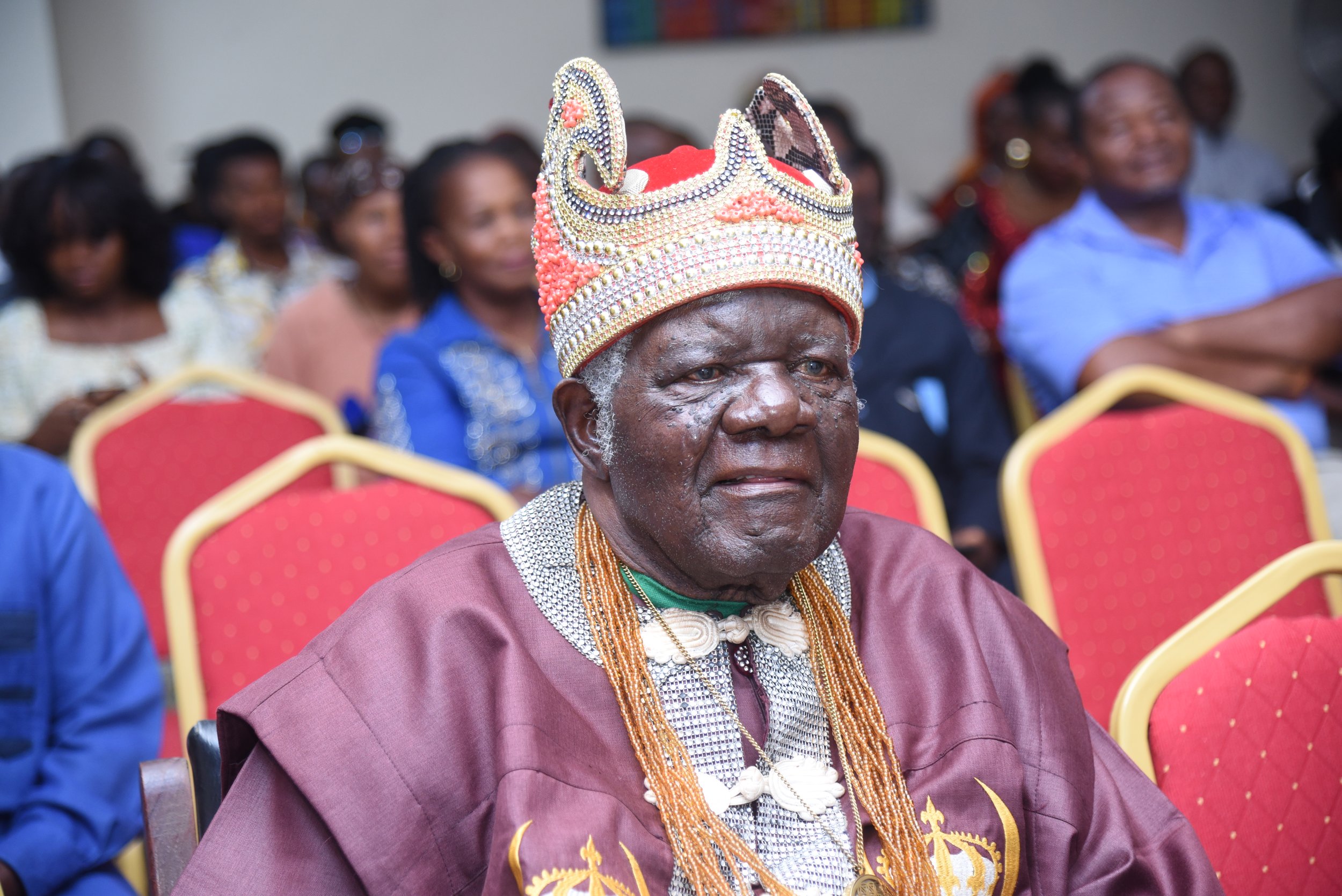
Special Guest: The paramount traditional ruler H.R.H Igwe George ASADU, The Okpe Udo of Ihe Nsukka, who in 2015 conferred the title "Ikedire of Nsukka" (“power which is effective”) on Prof. EI Anatsui.
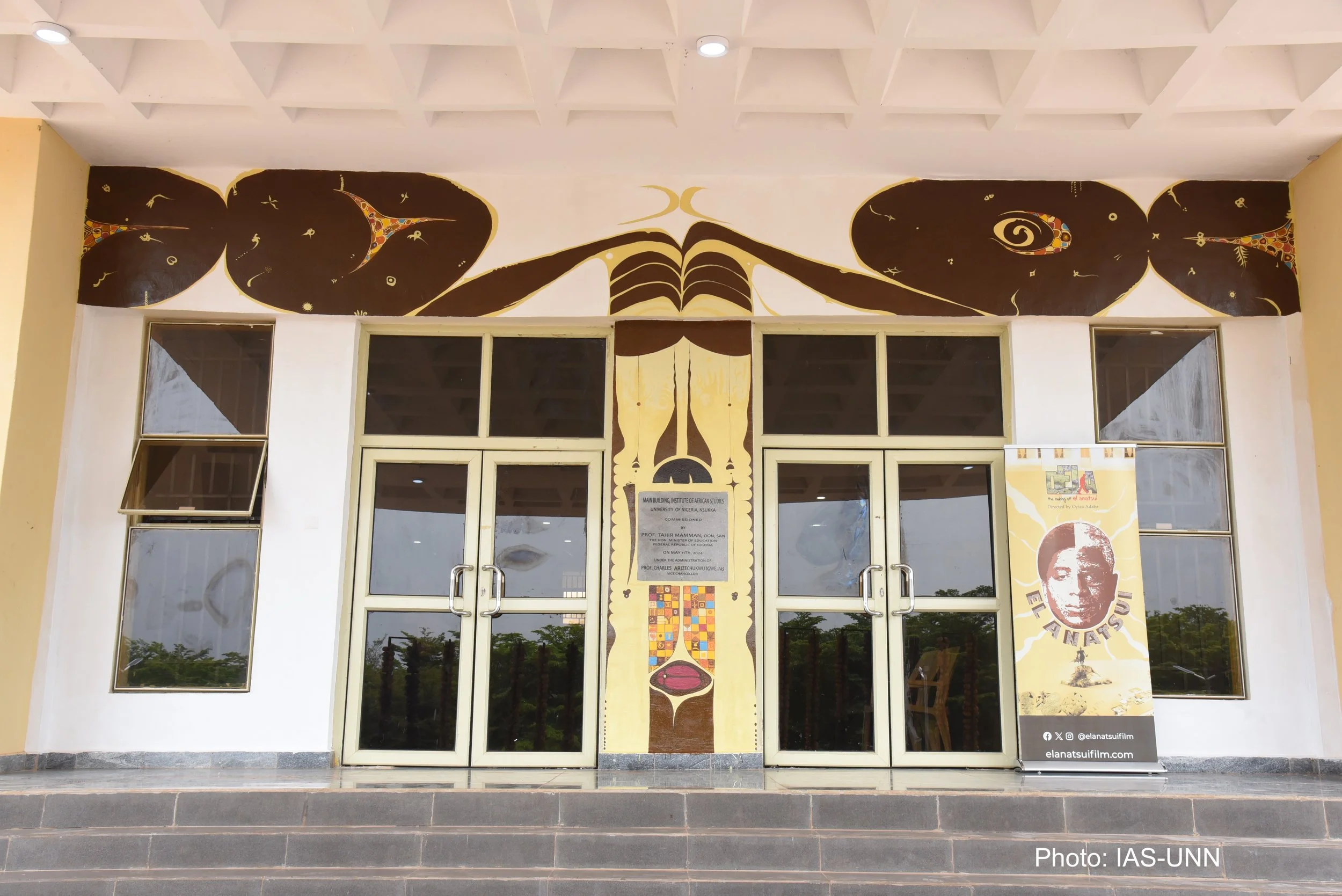
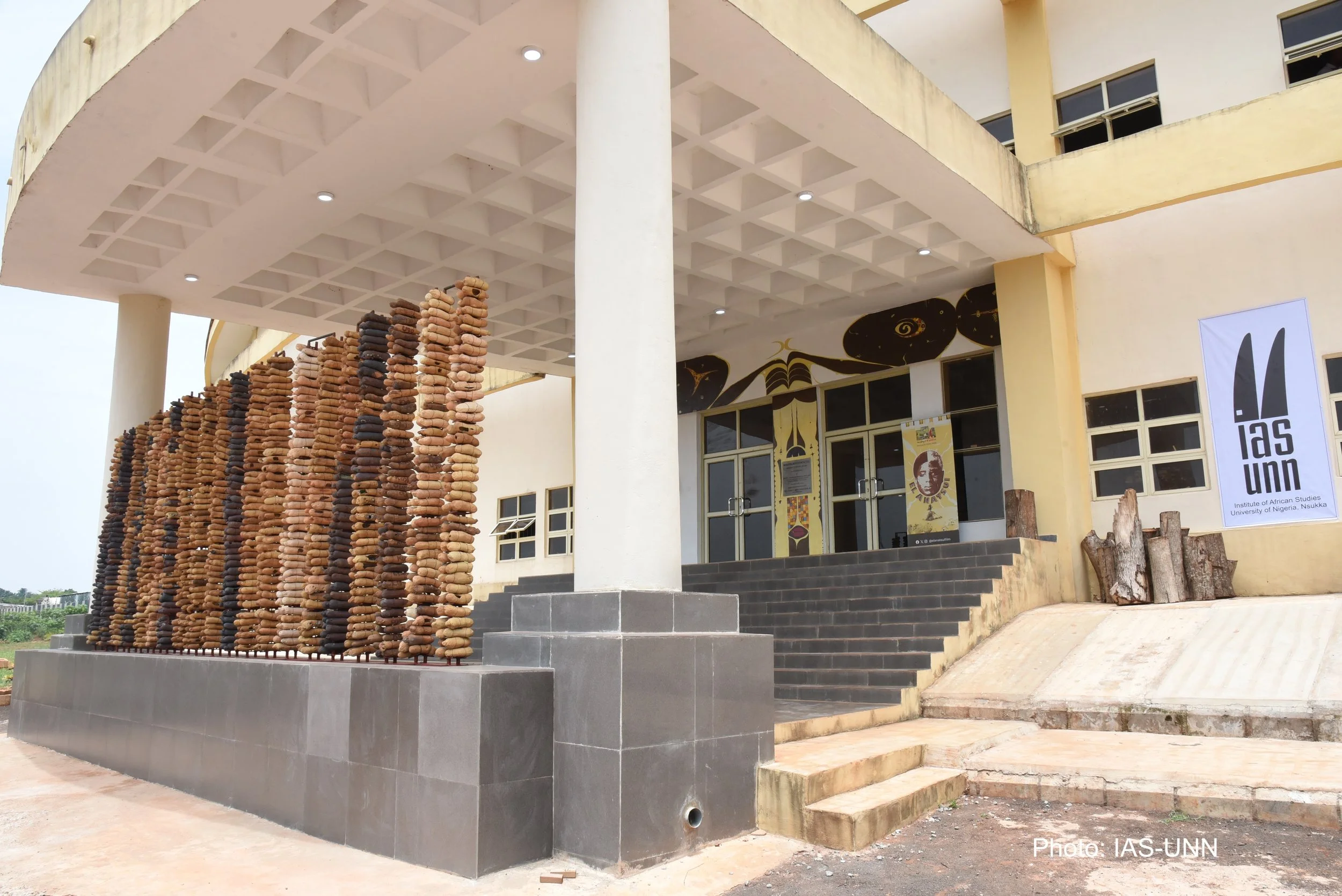
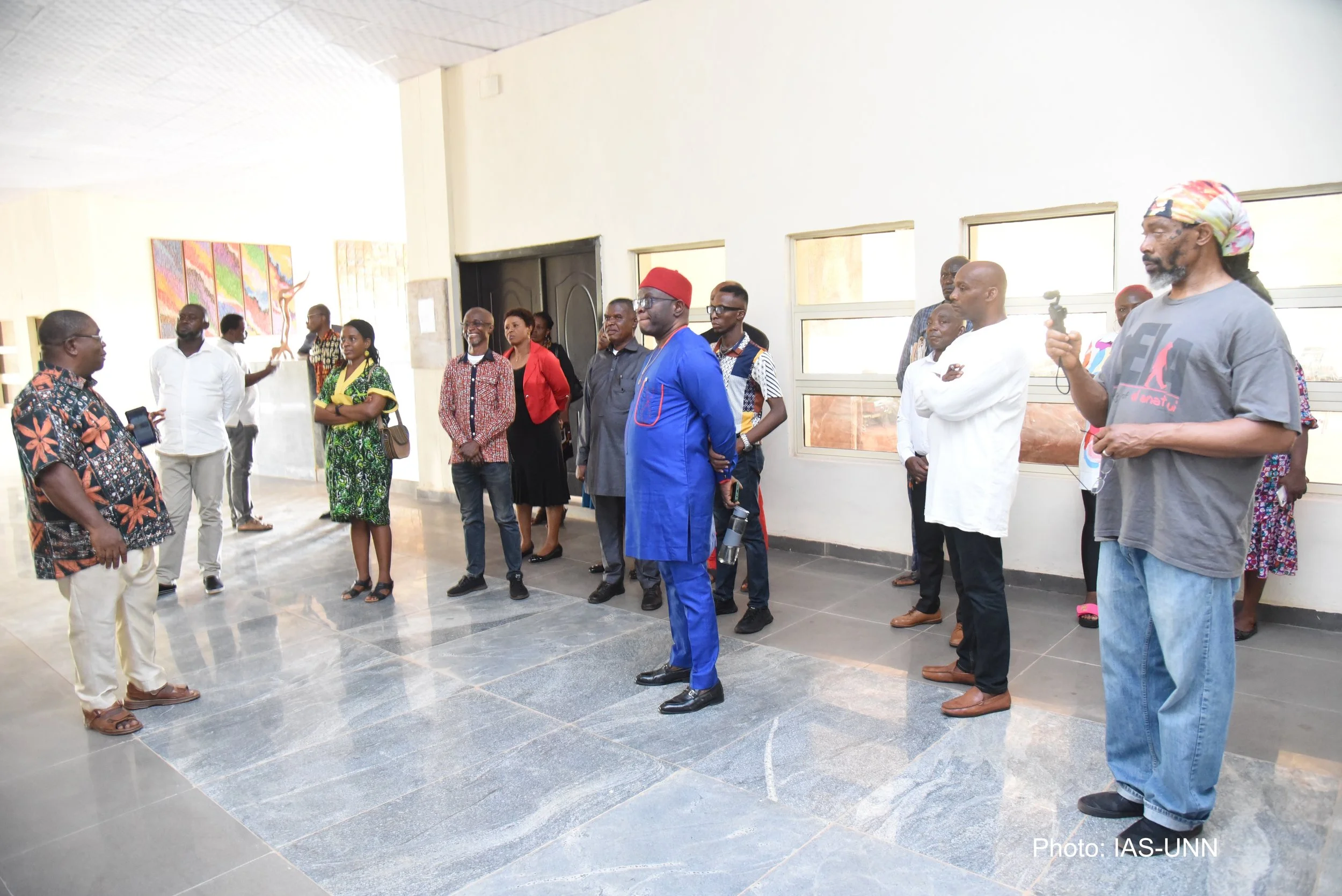
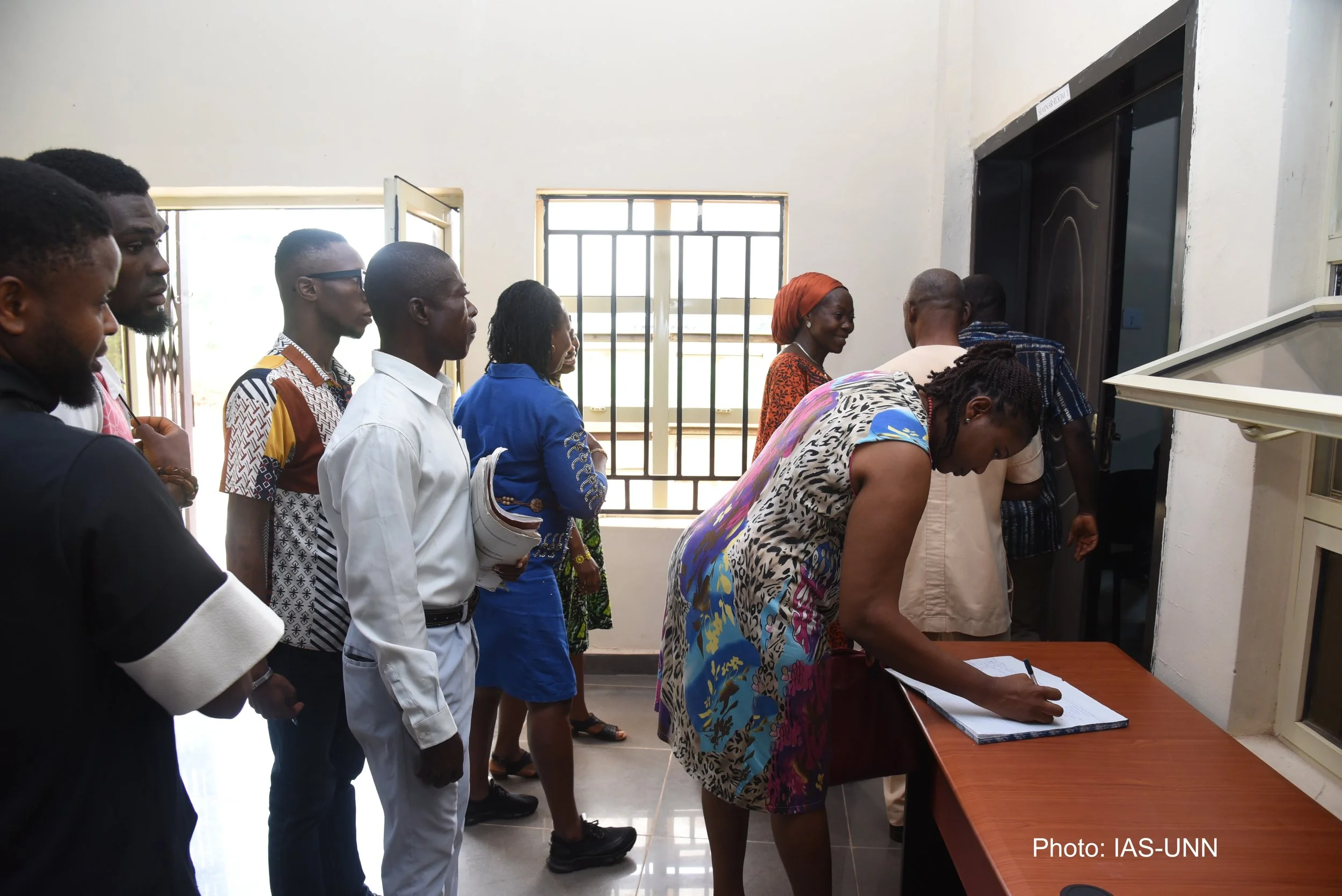
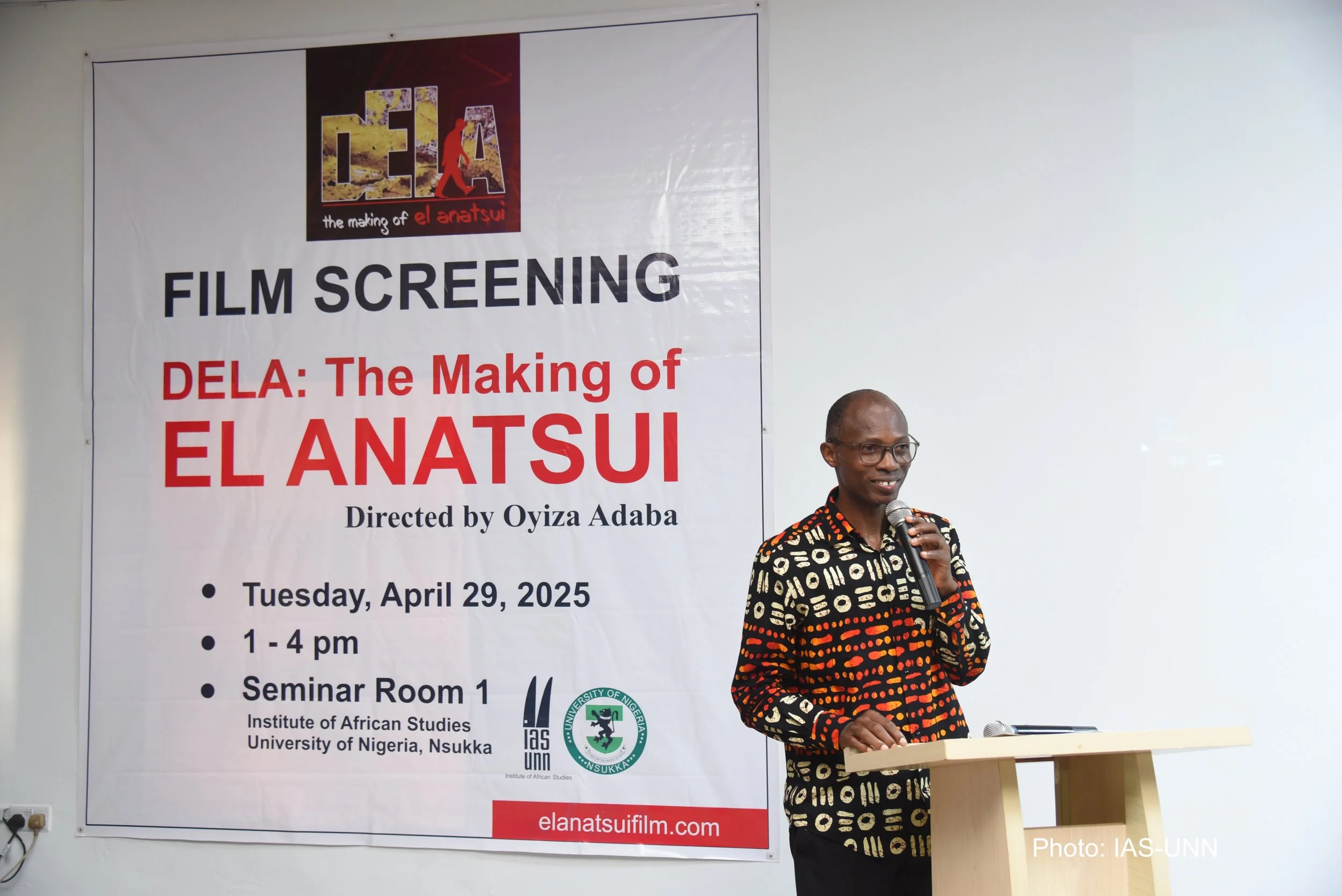
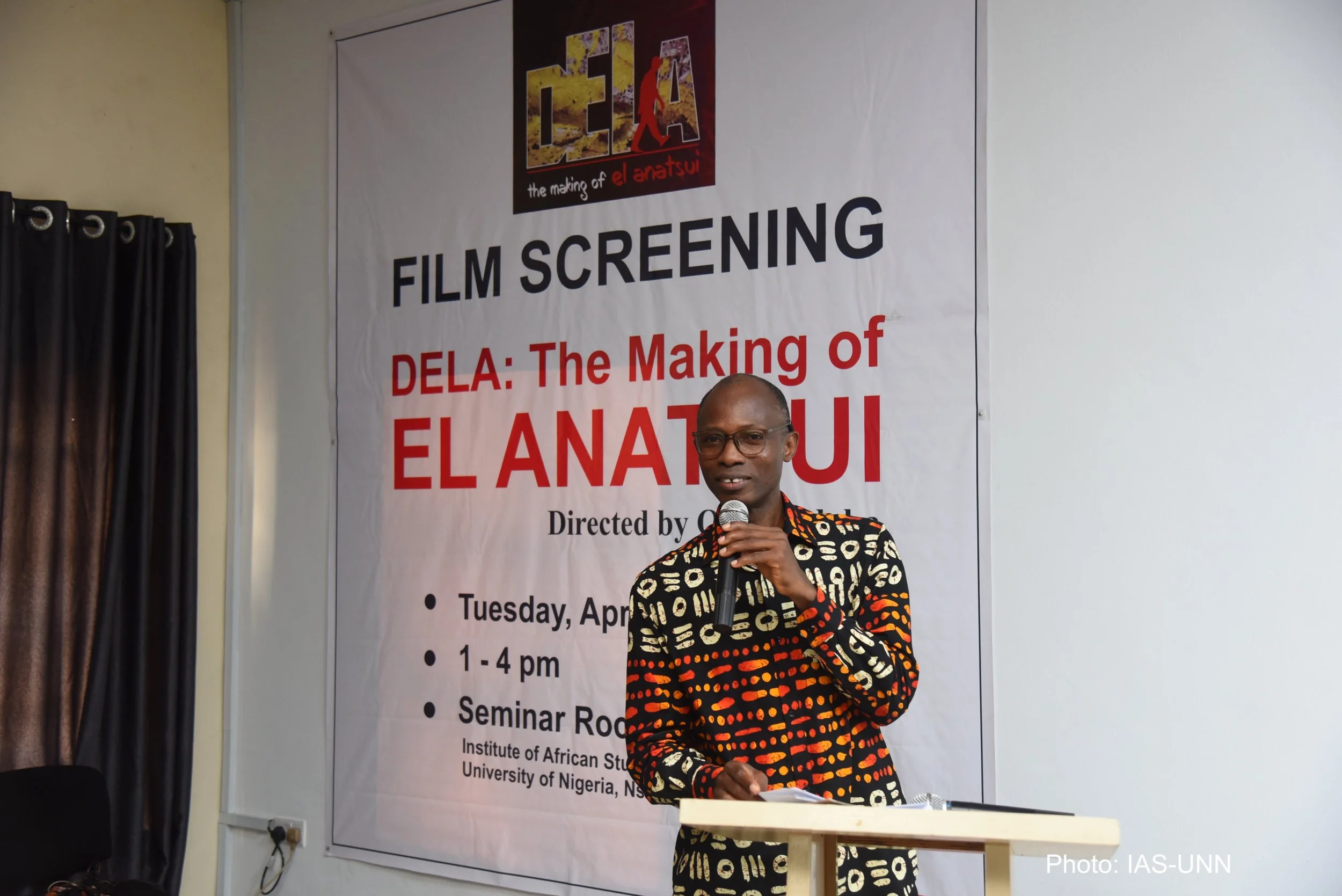
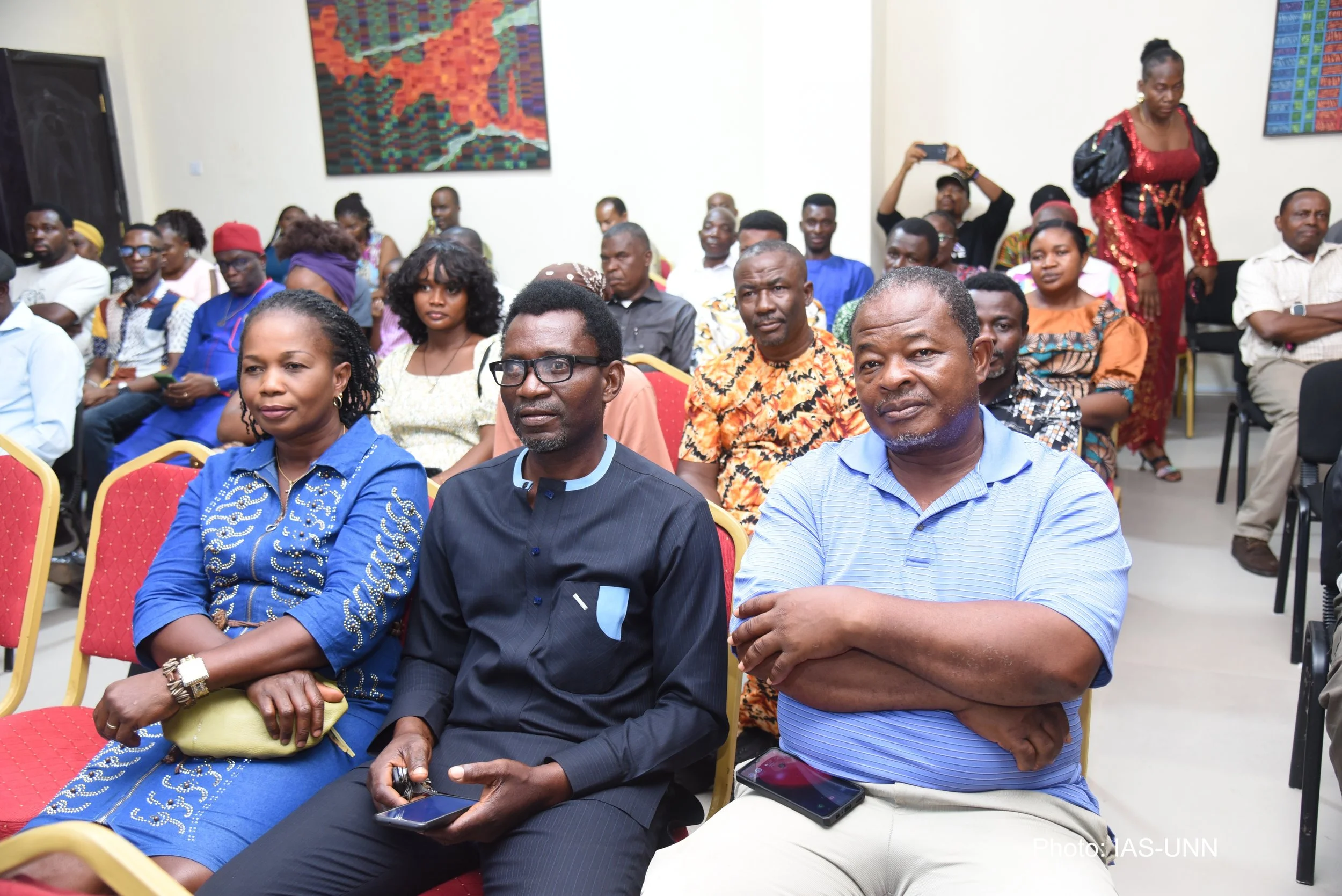
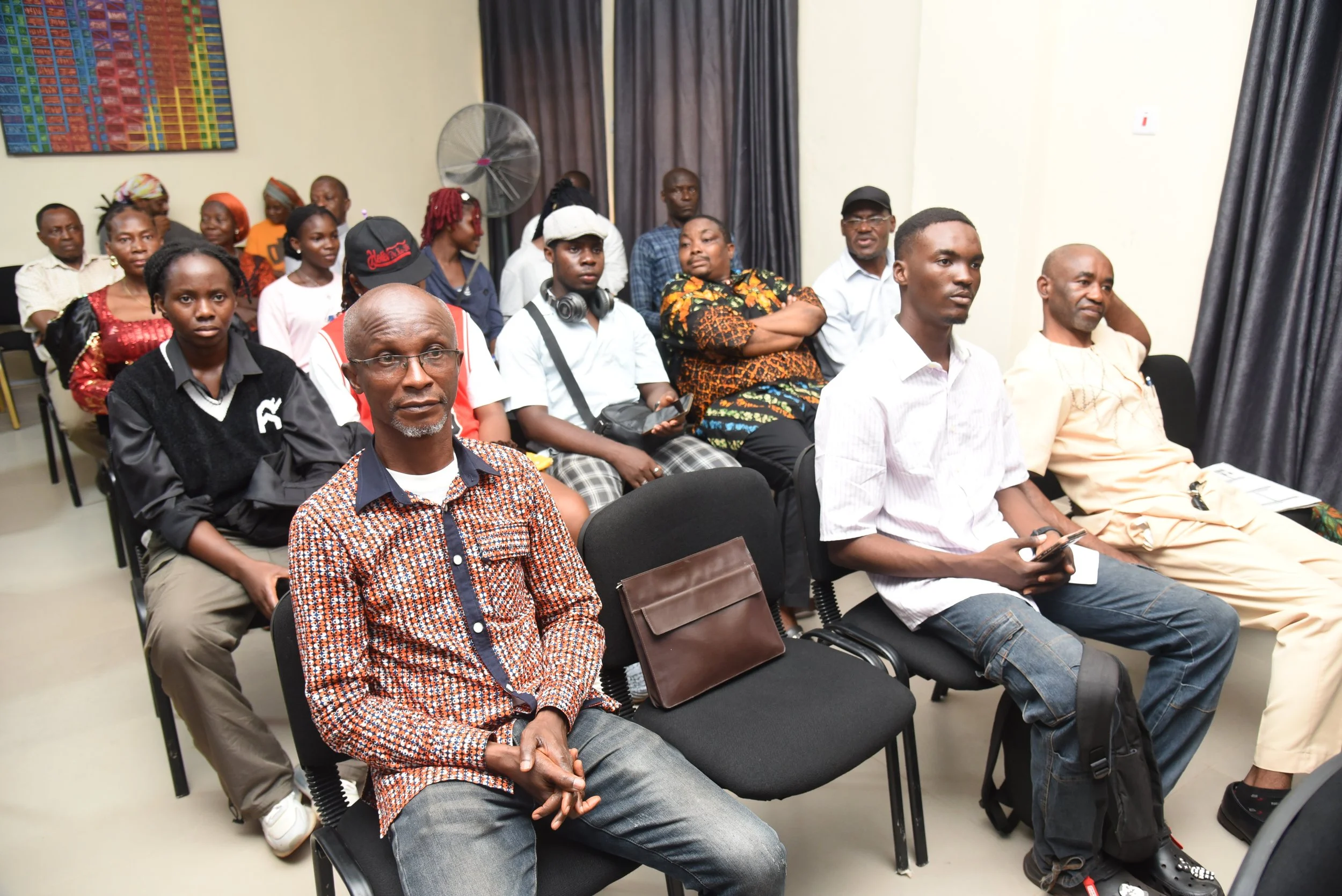
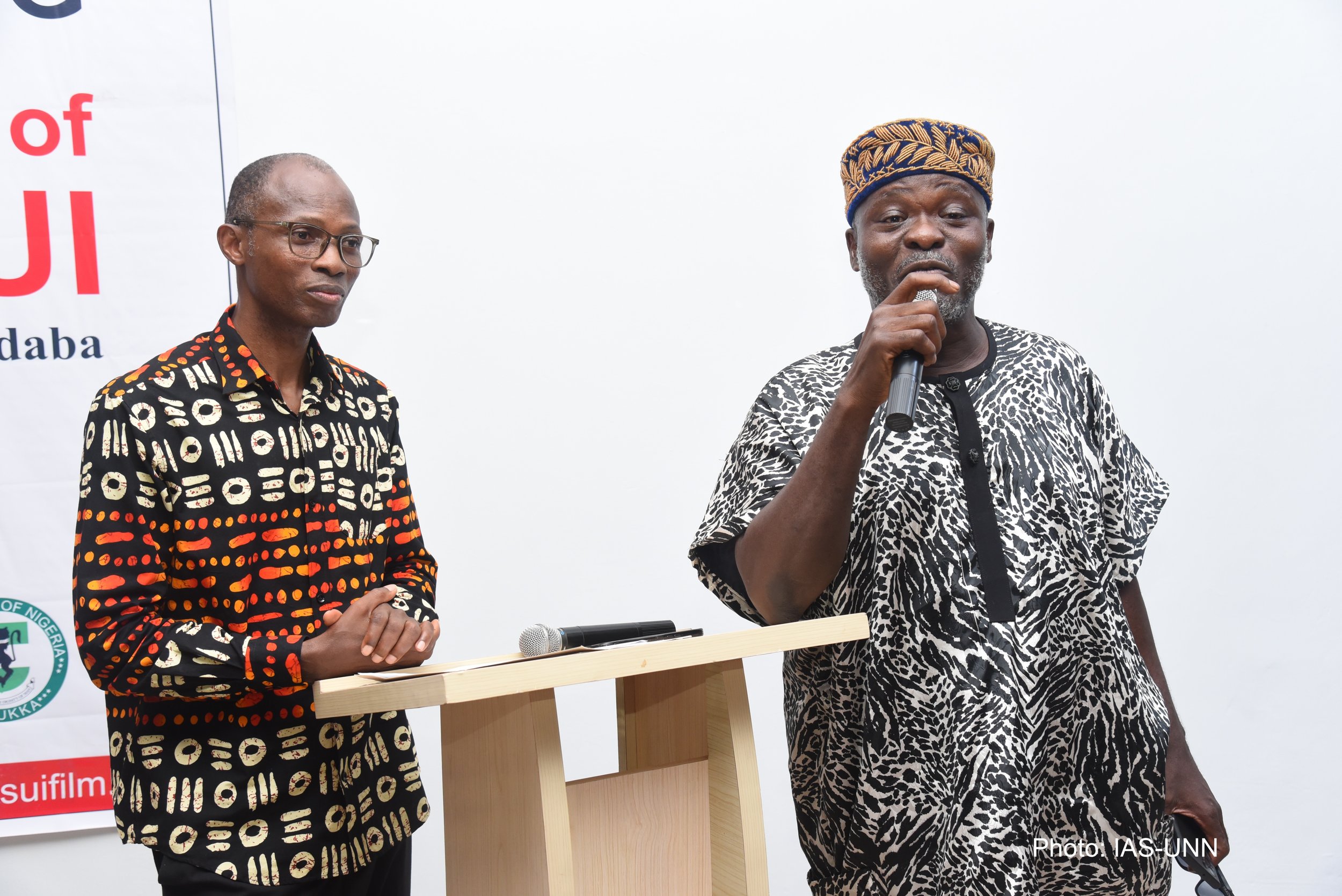
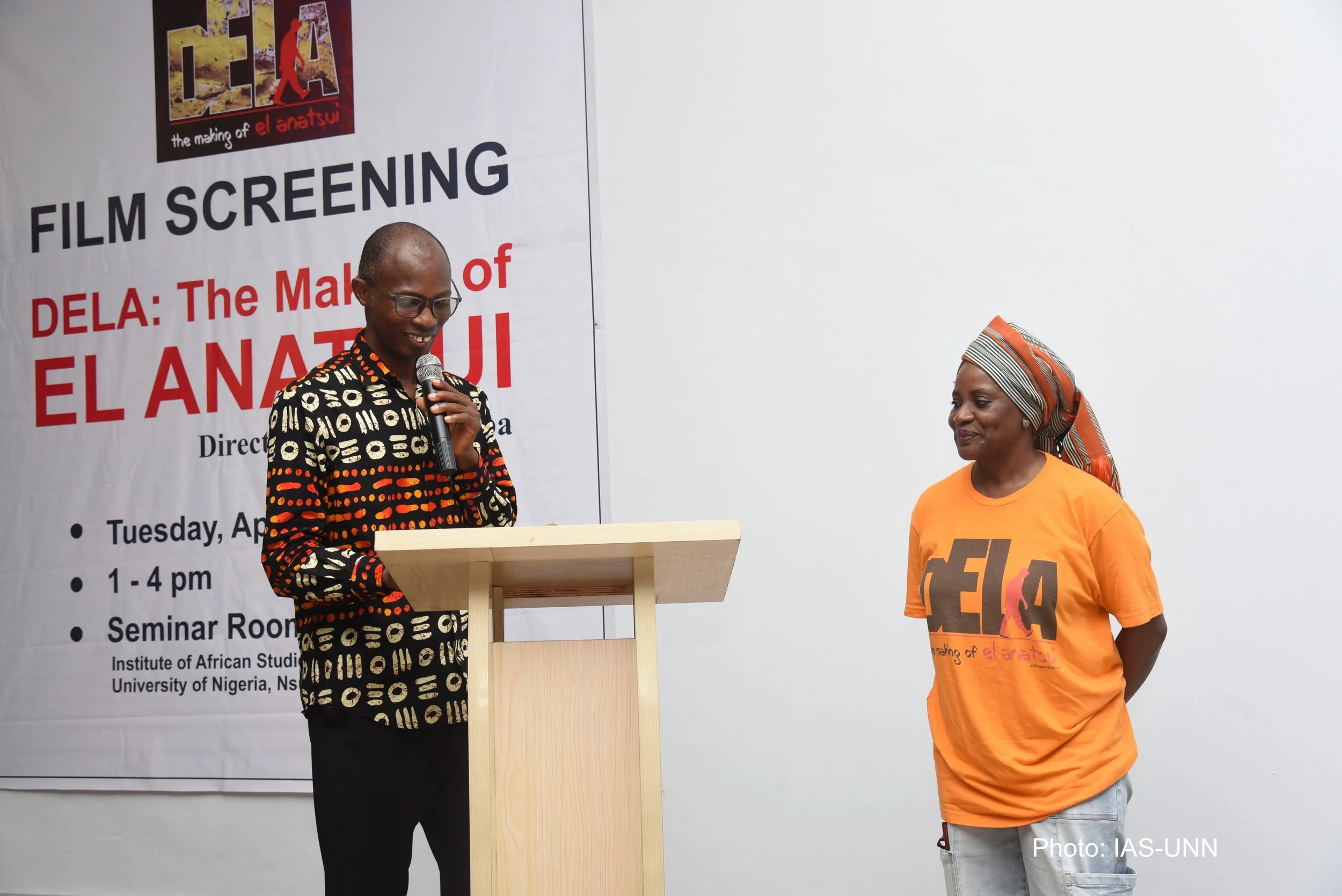
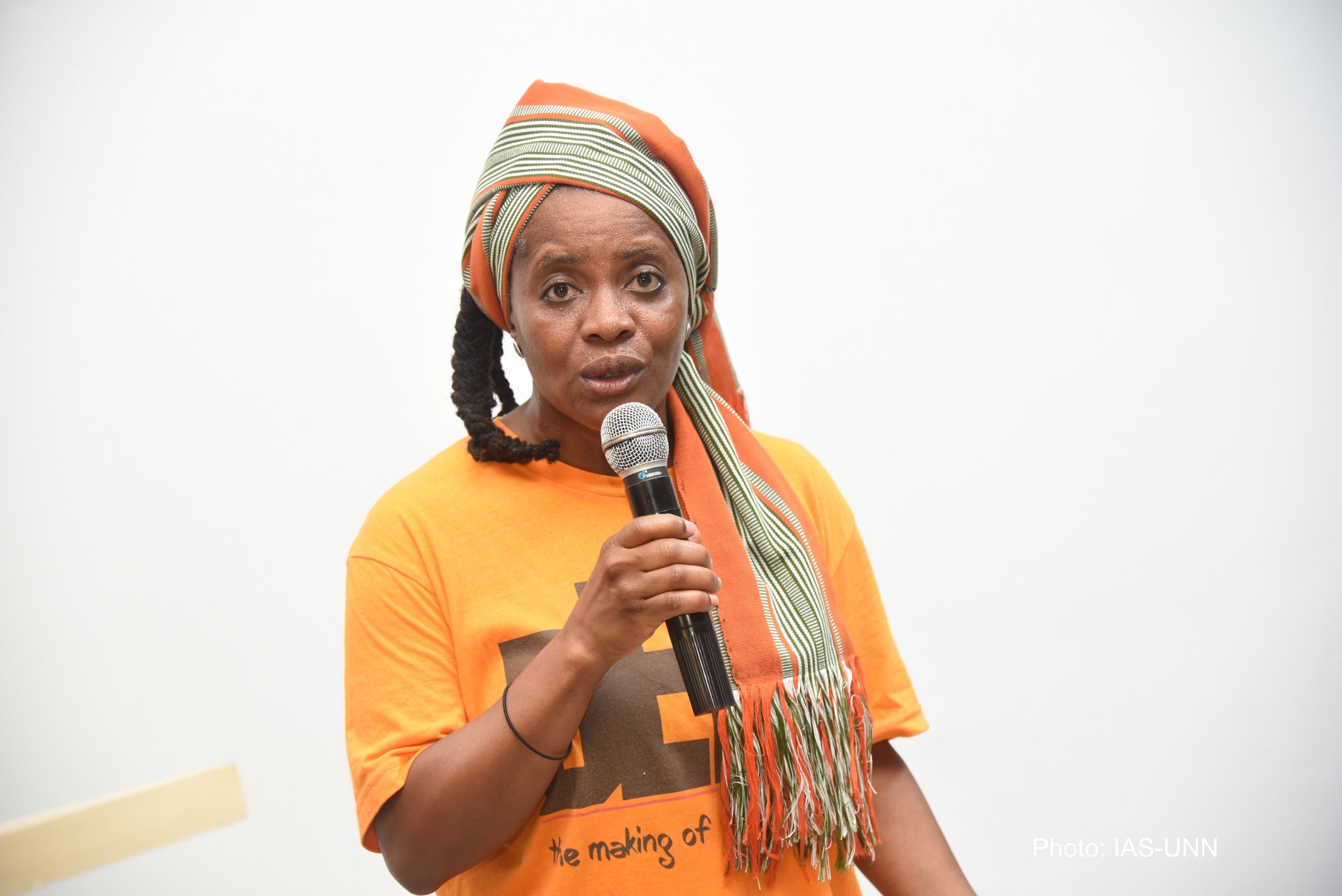
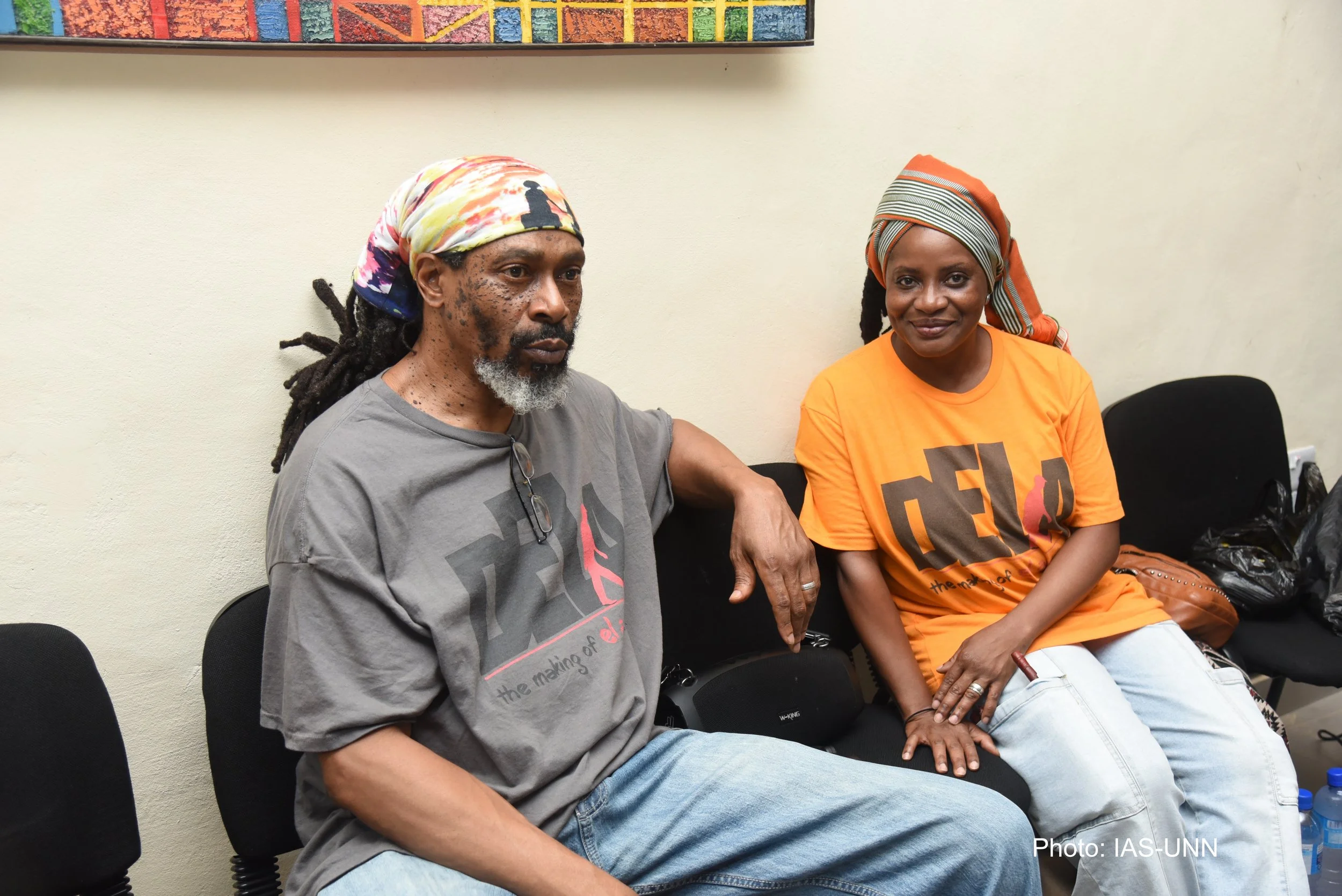
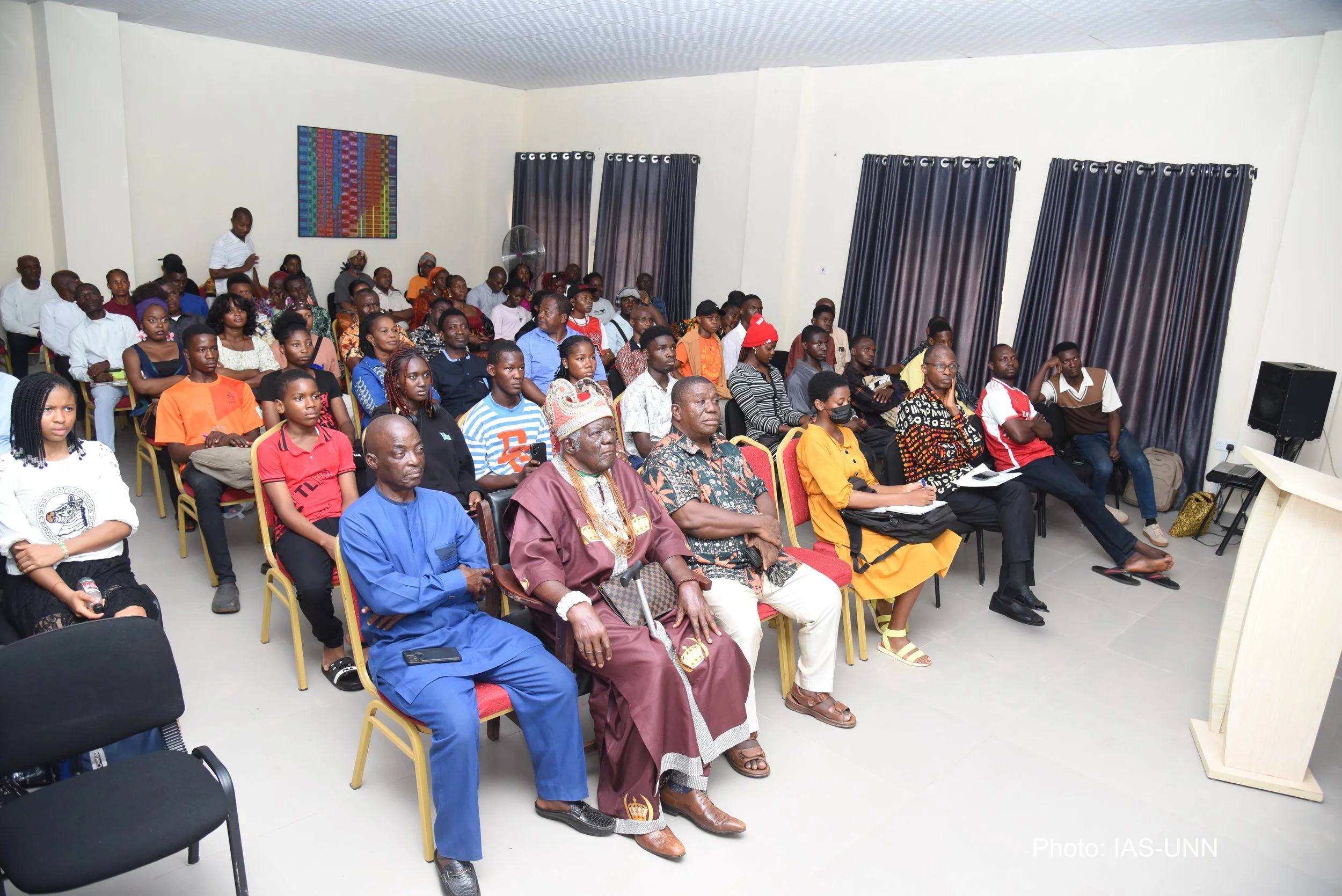
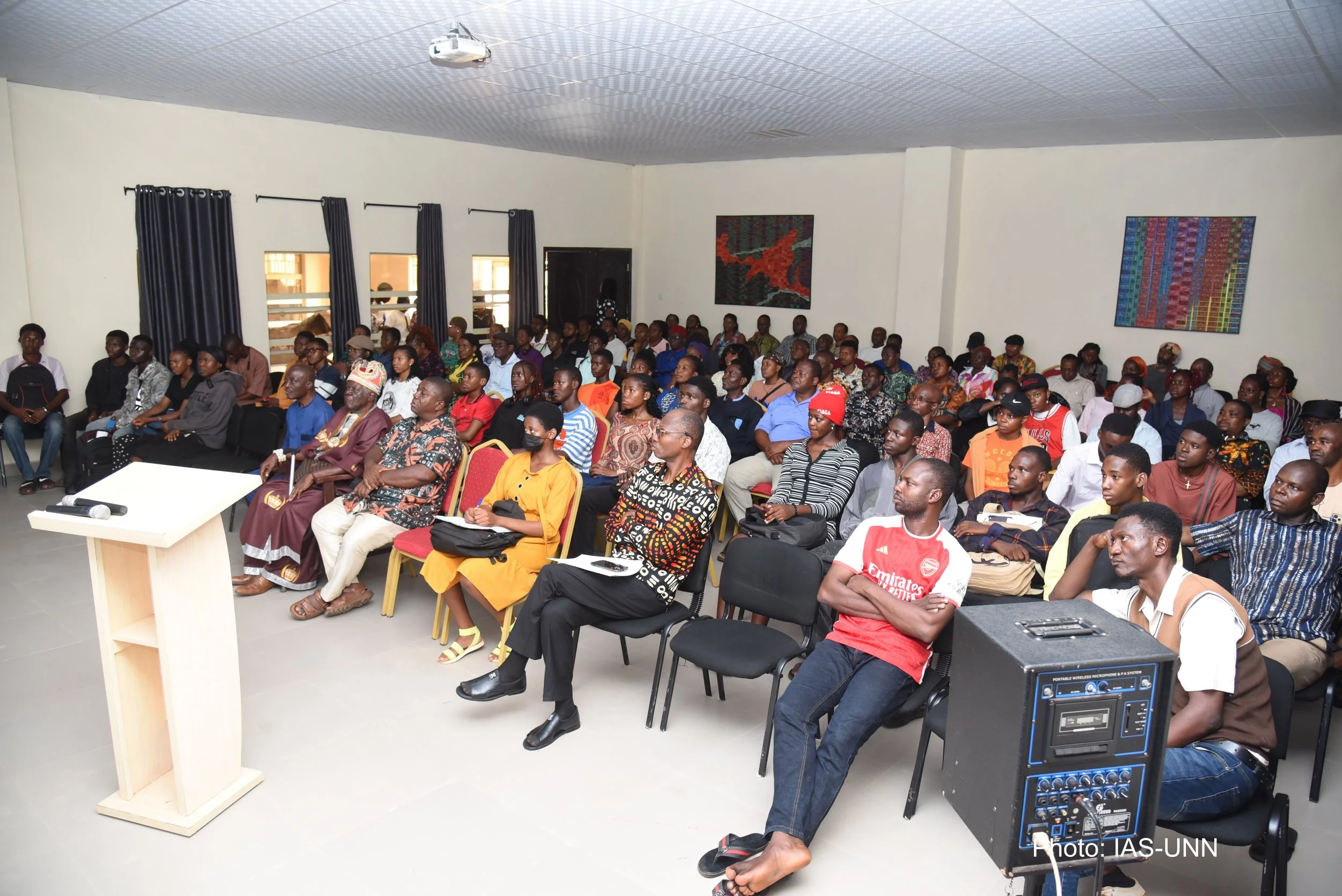
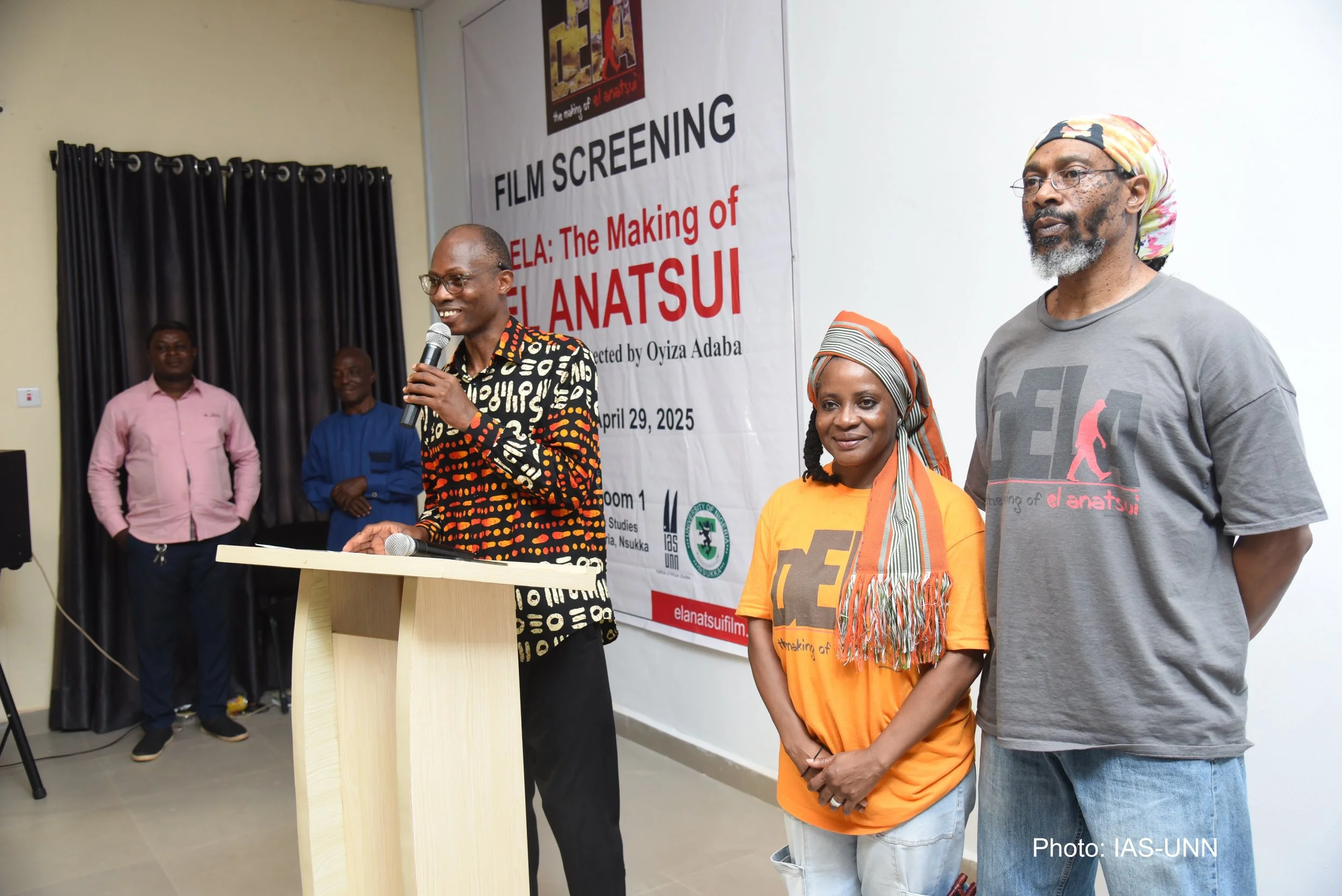
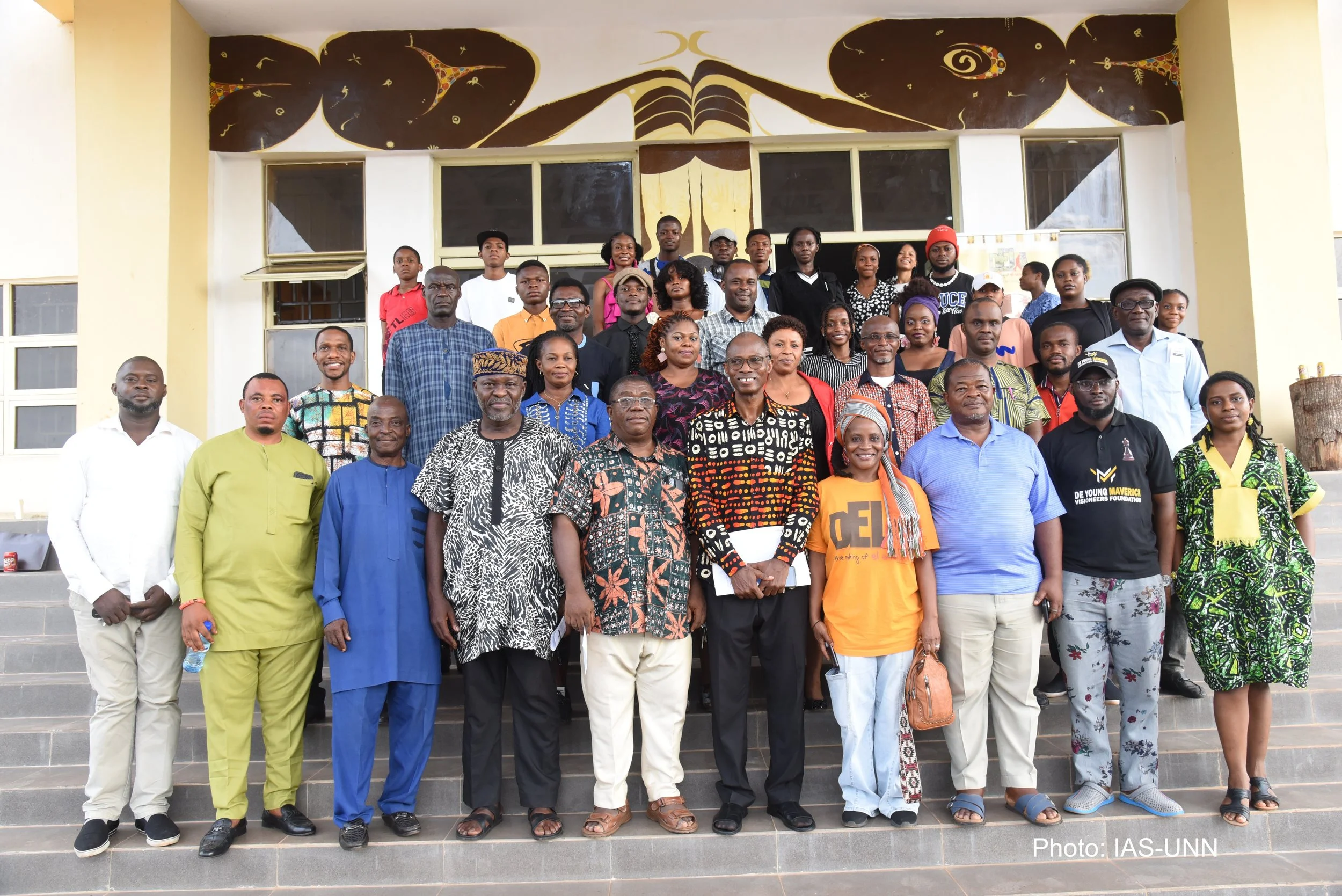
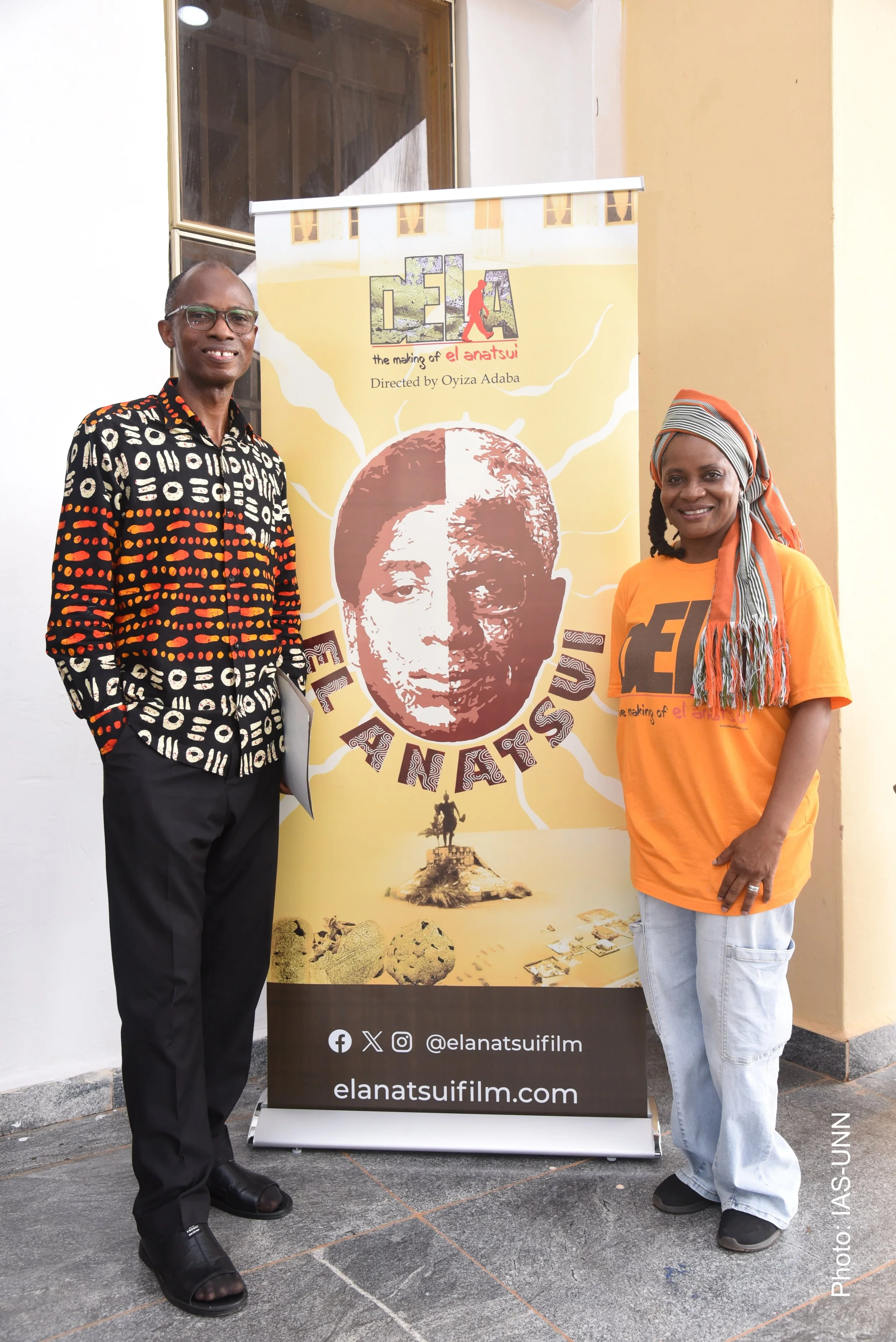
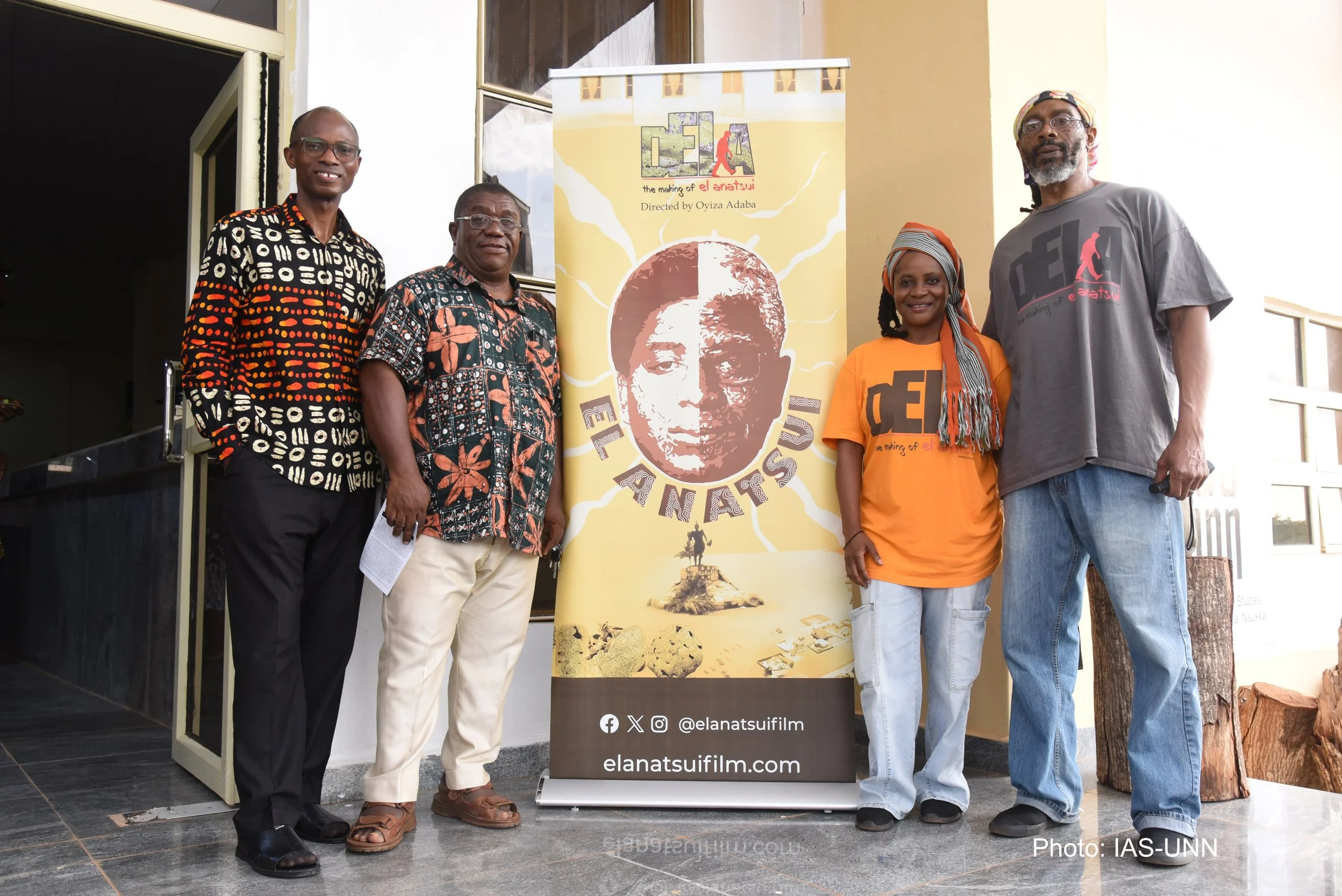
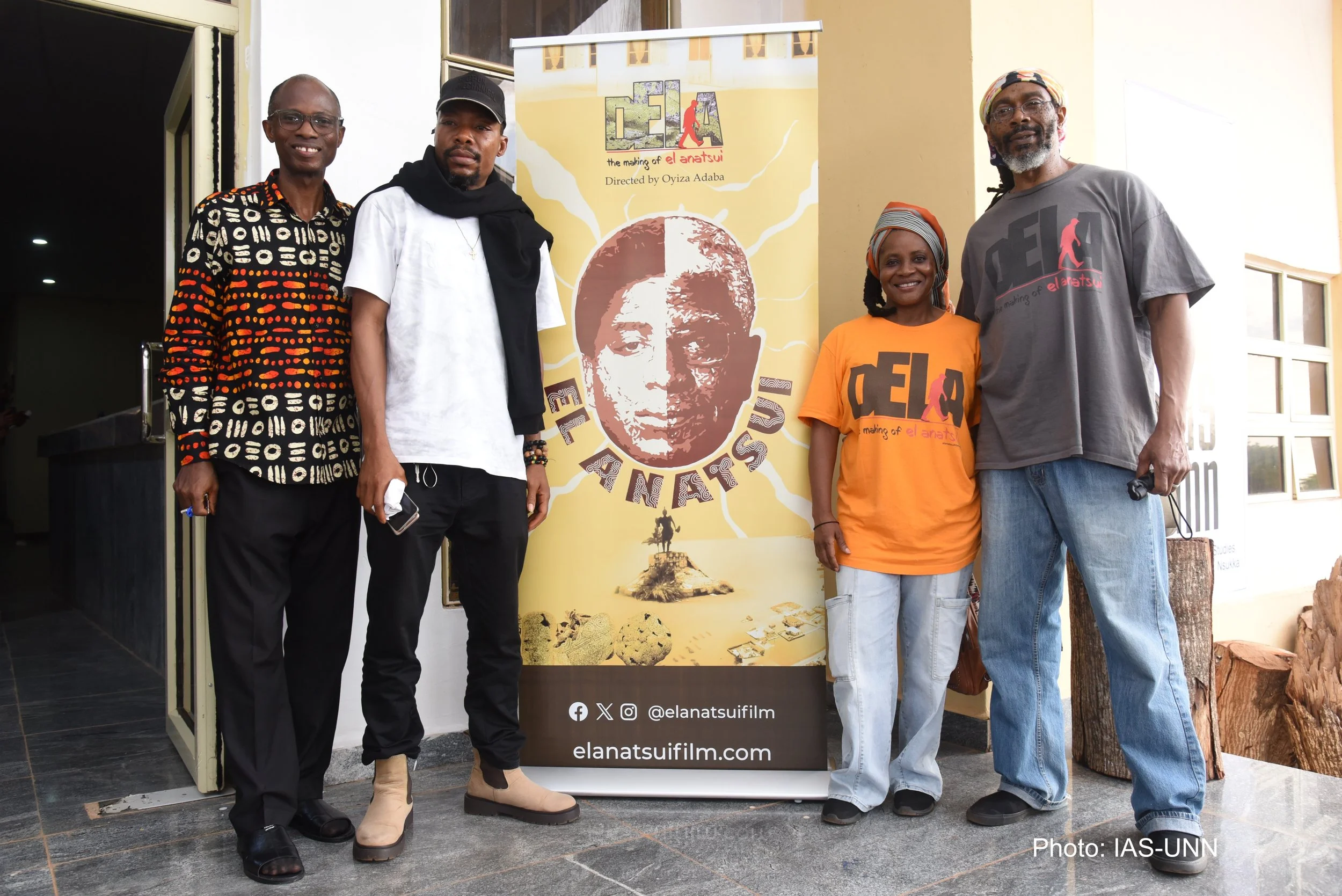
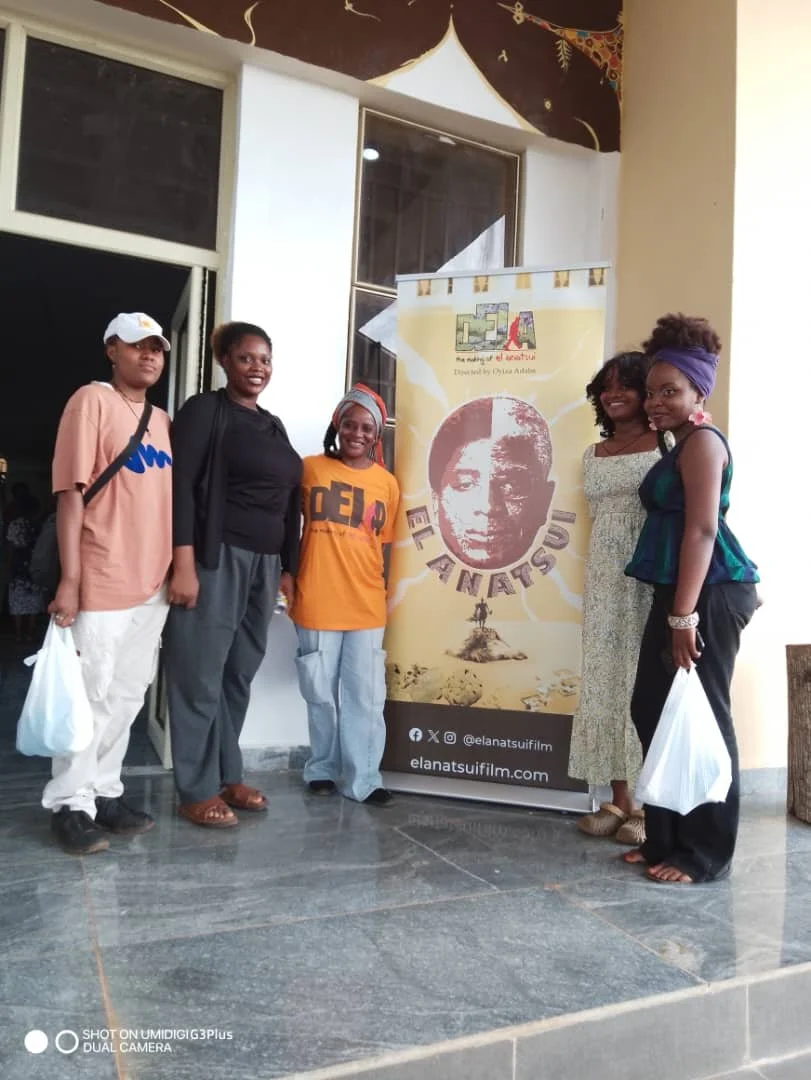
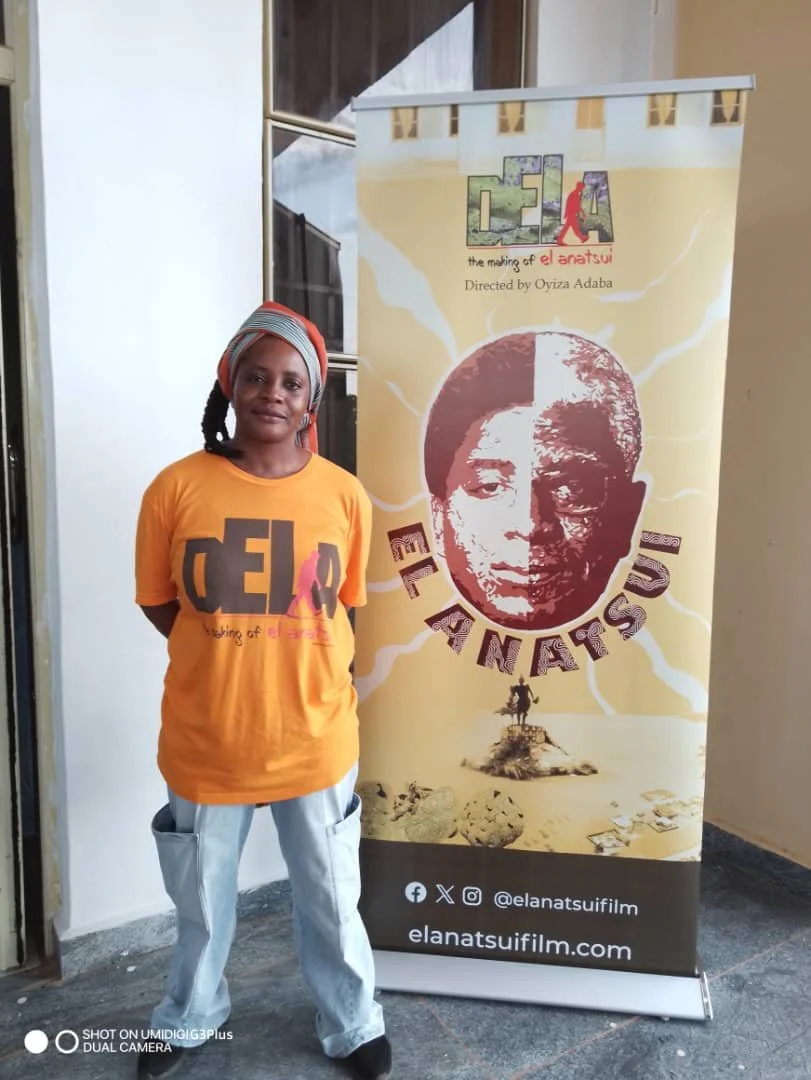
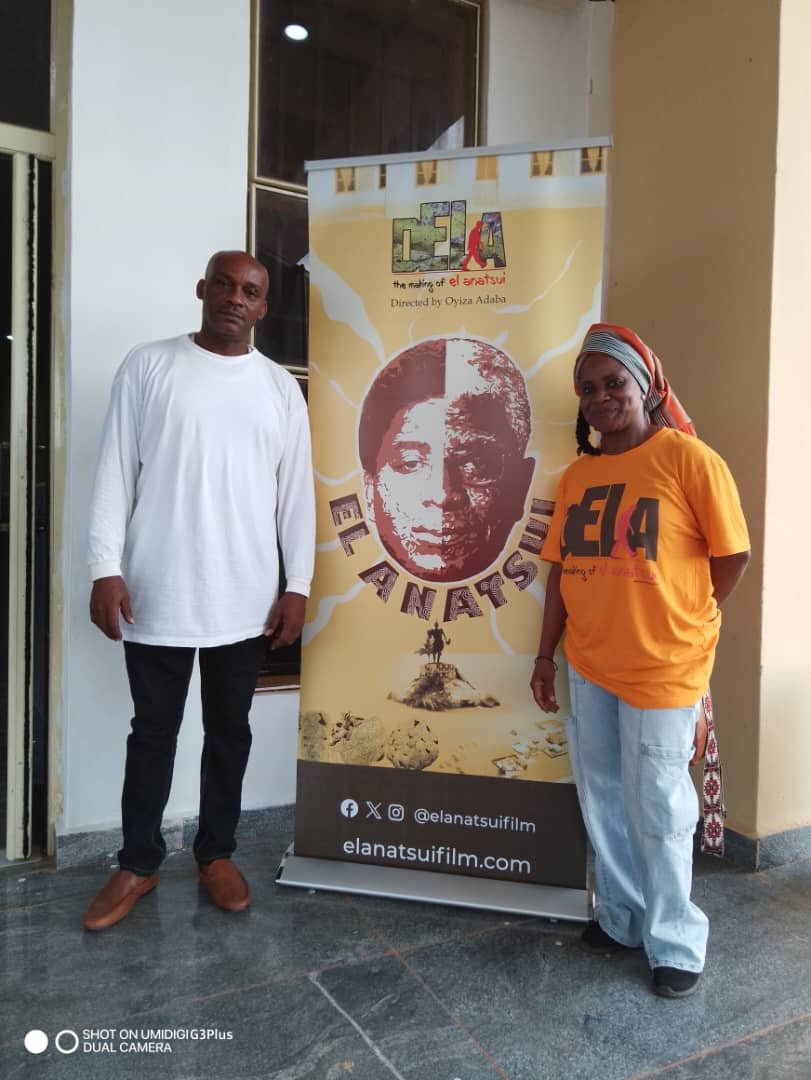
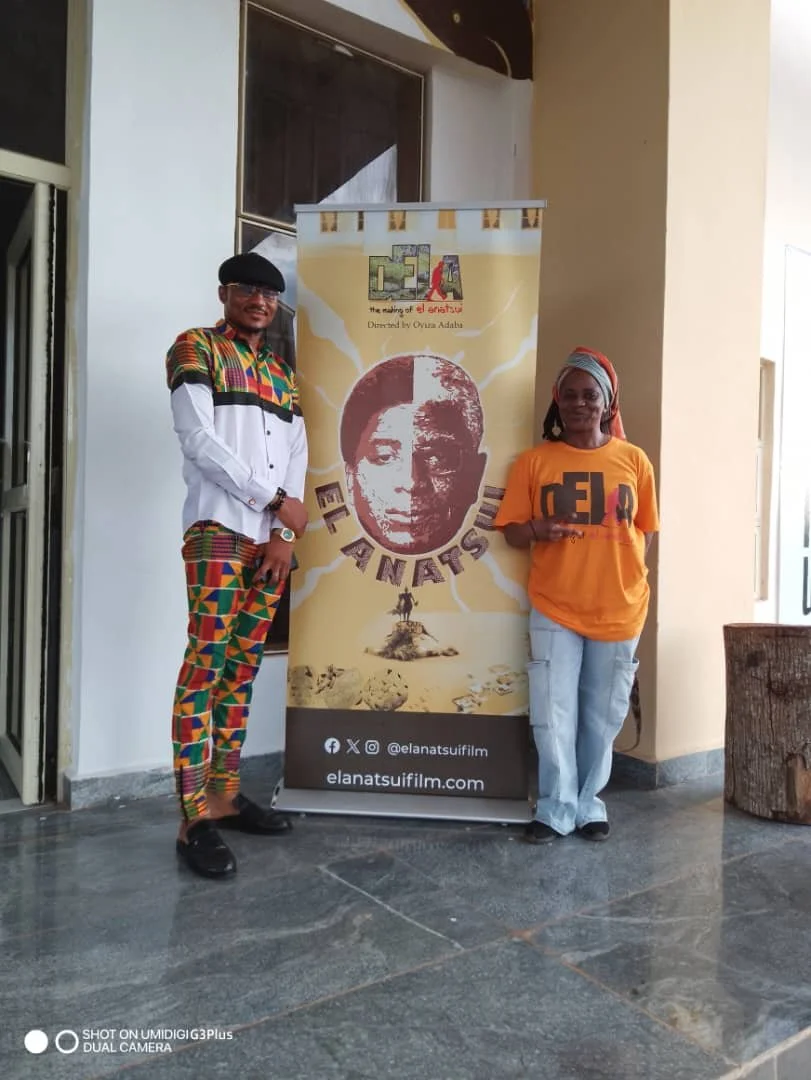
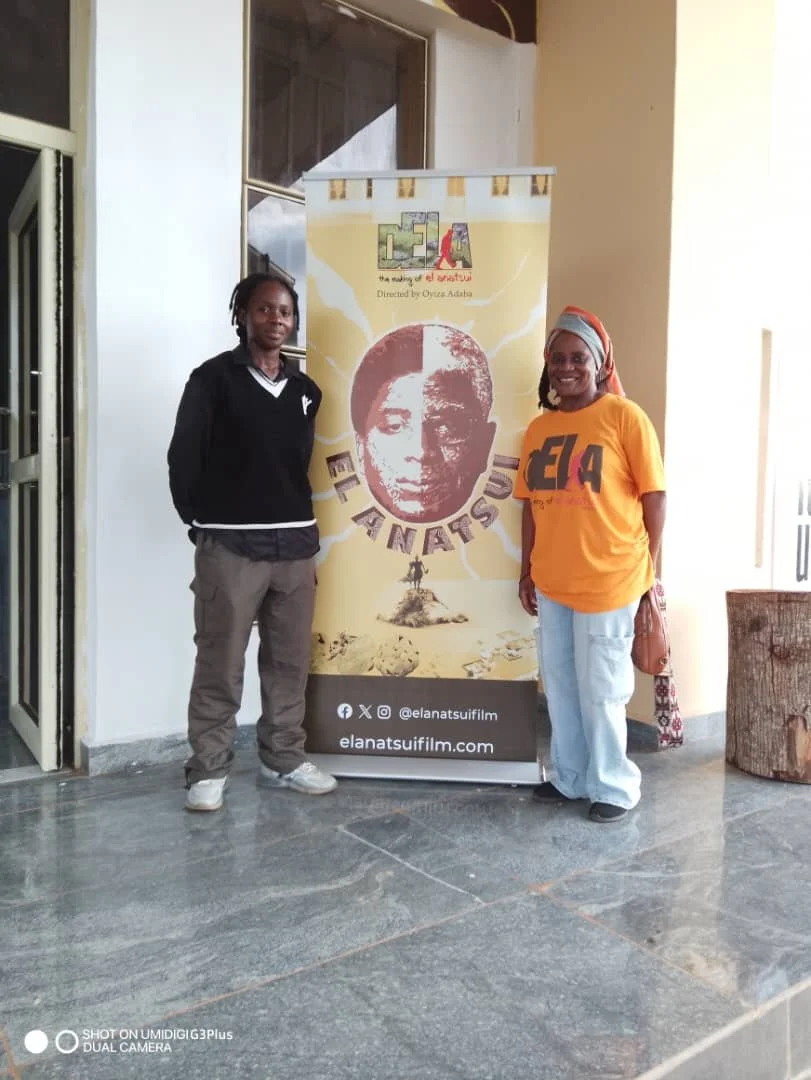
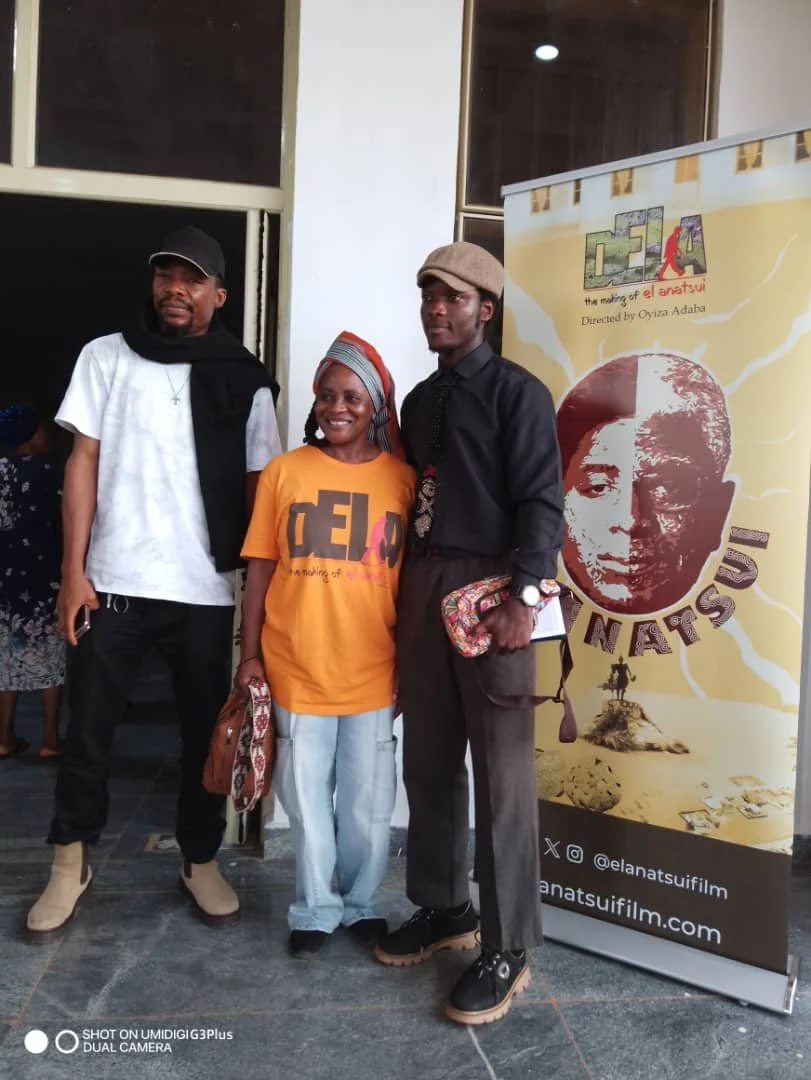
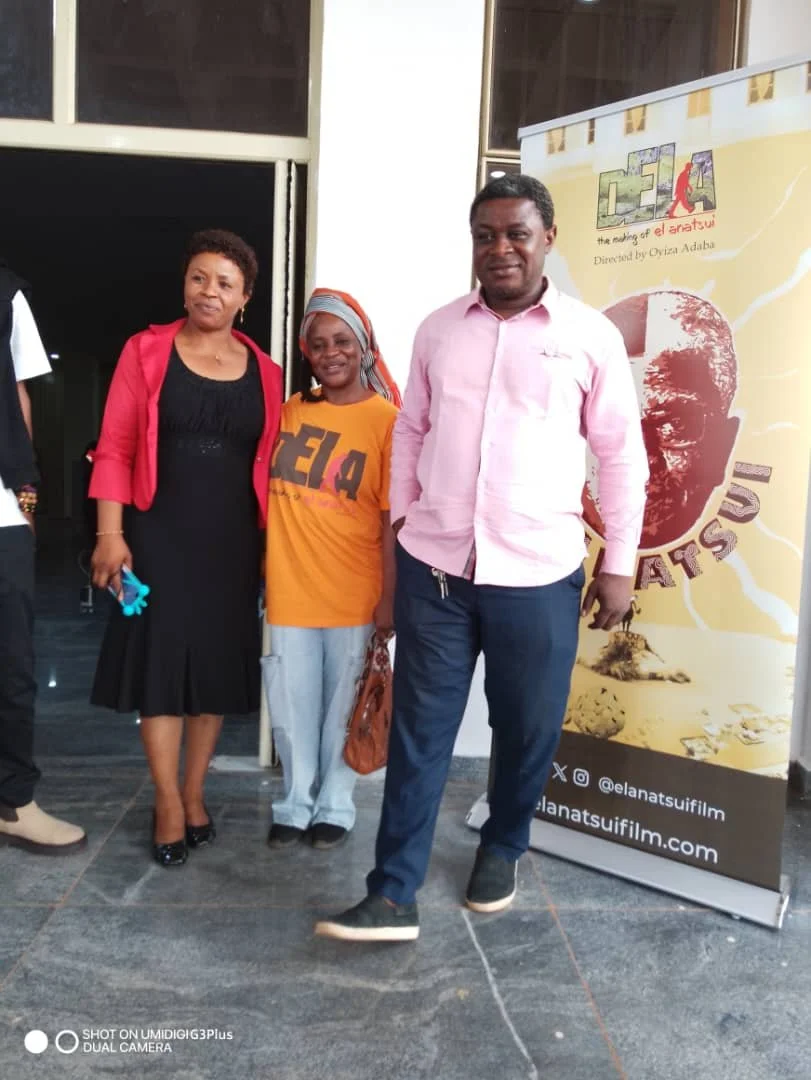
DELA: The Making of El Anatsui is a biographical documentary about one of the world's greatest sculptors. The Campus Tour aims to bring art and film students closer to the film's subject. It has so far, screened at Pan-Atlantic University Lagos, University of Nigeria Nsukka (UNN). In Ghana, the tour will continue at the artist’s five alma mater institutions.
SHARE THIS STORY
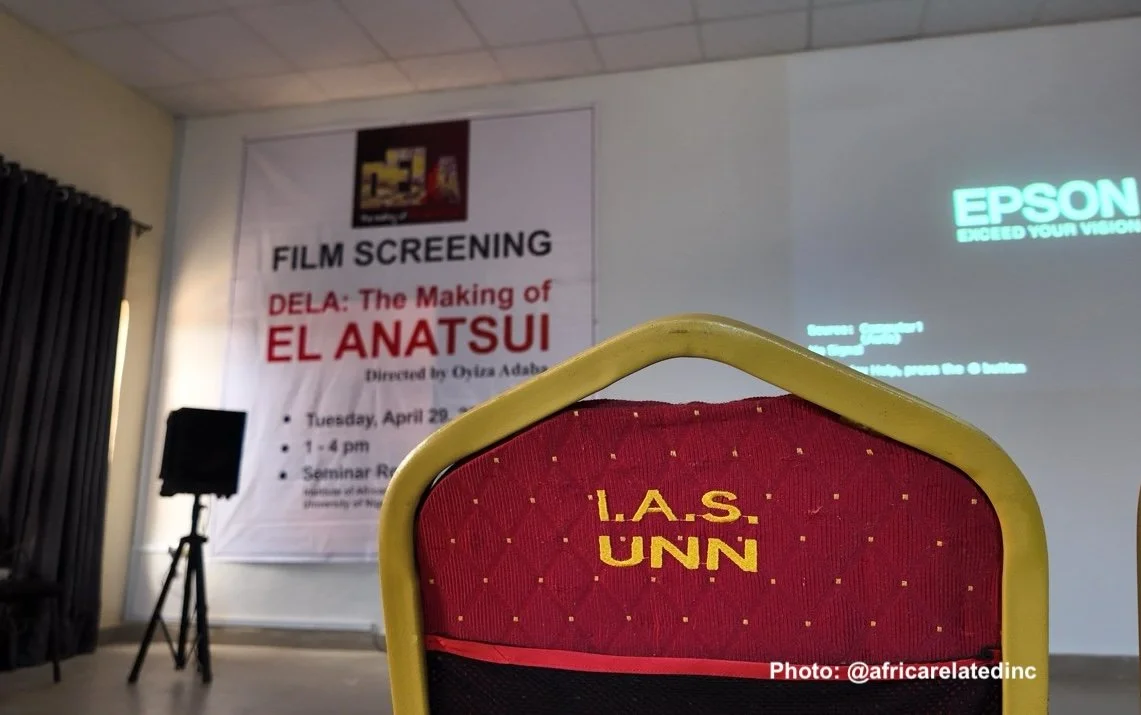
DELA Campus Tour: University Of Nigeria, Nsukka (UNN)
The DELA Campus Tour officially premieres at the esteemed University of Nigeria Nsukka. The screening and exhibition event was hosted by the Institute of African Studies (IAS) in their modern new venue, which was packed with an enthusiastic audience eager to engage with the content, highlighting both interest and meaningful impact.
oyiza adaba
maurice E. Okereke
The DELA Campus Tour officially premiered at the esteemed University of Nigeria Nsukka (UNN). The screening and exhibition event was hosted by the Institute of African Studies (IAS) in their modern new venue, which was packed with an enthusiastic audience eager to engage with the content, highlighting both interest and meaningful impact.

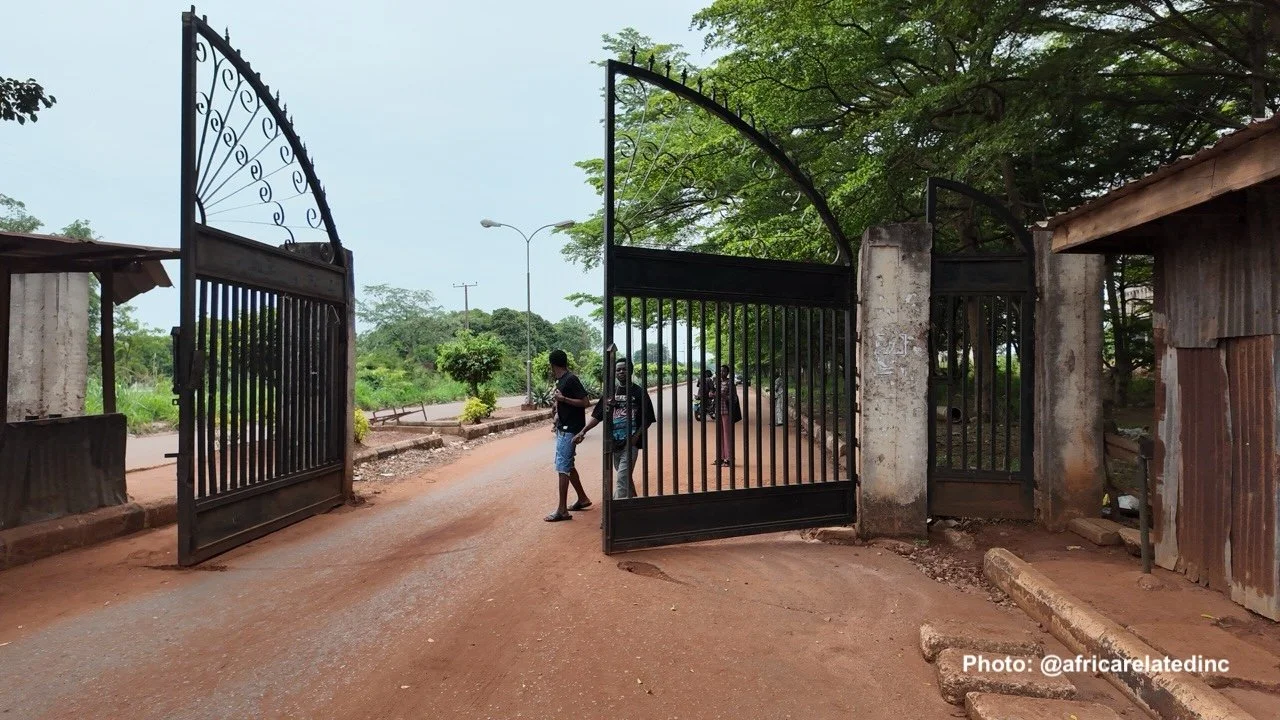
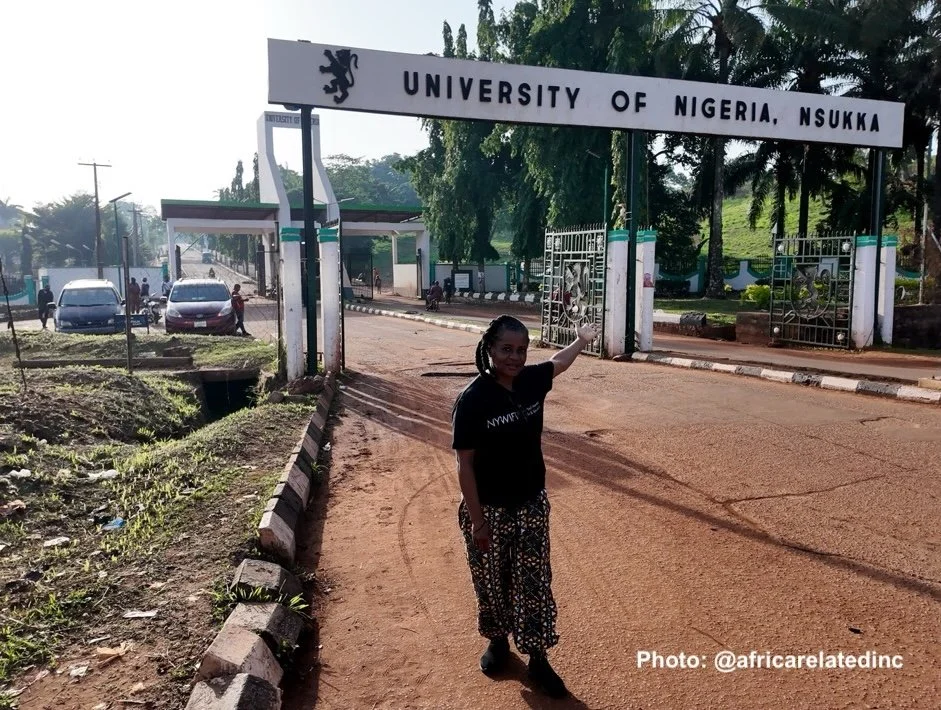
Main Gate of the University of Nigeria, Nsukka reading the institution’s motto “To Restore The Dignity Of Man”. Photo: Africa-Related.
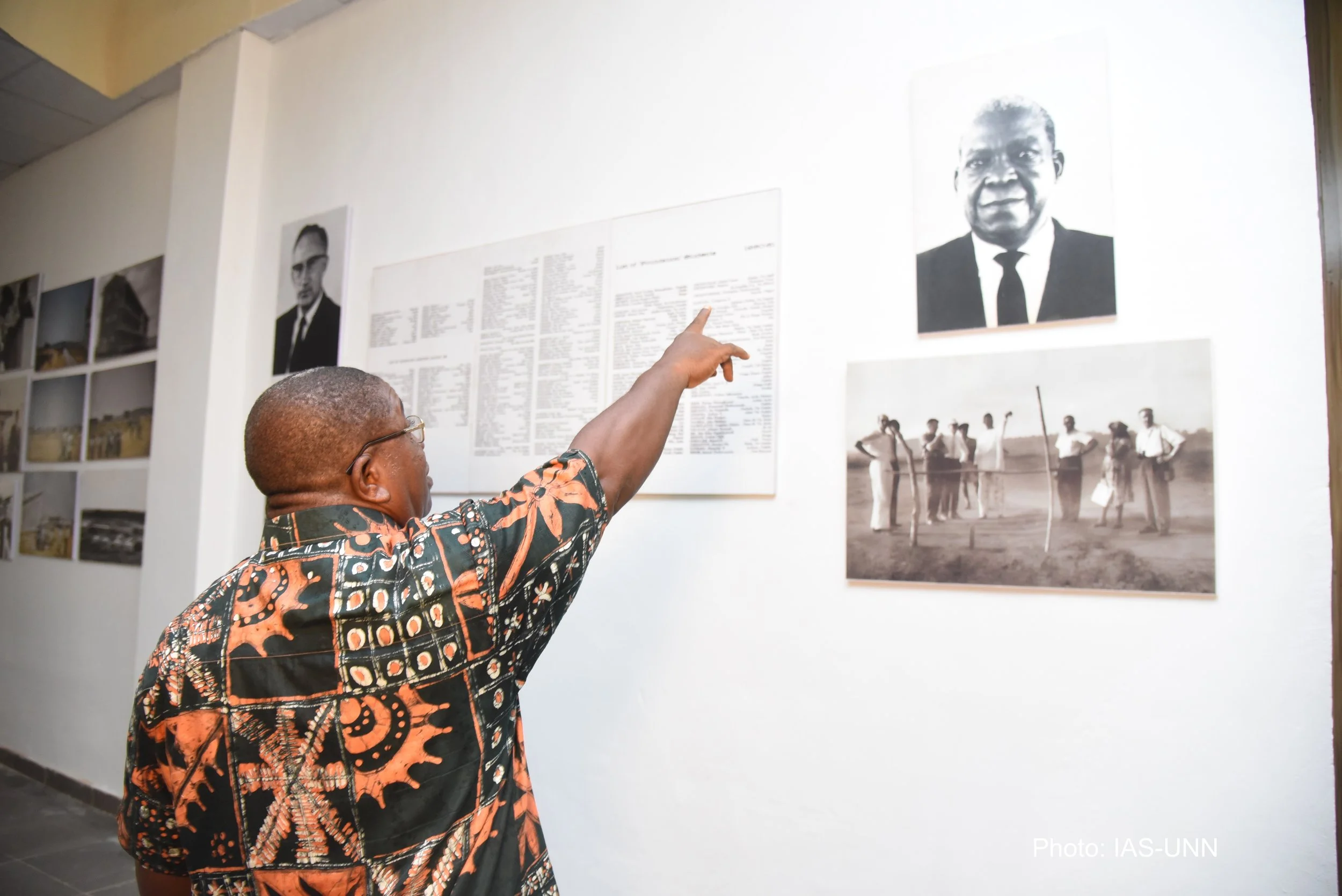
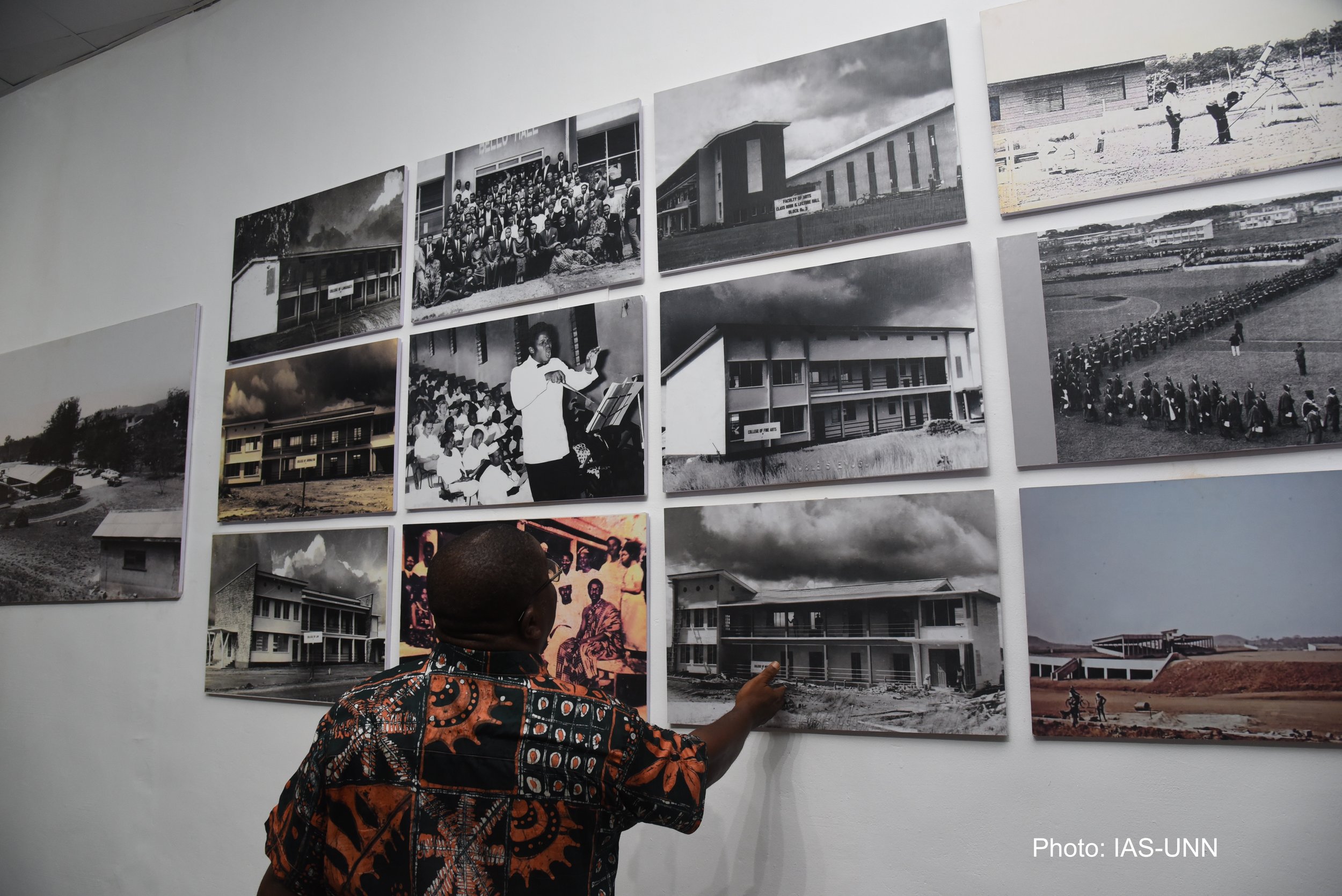
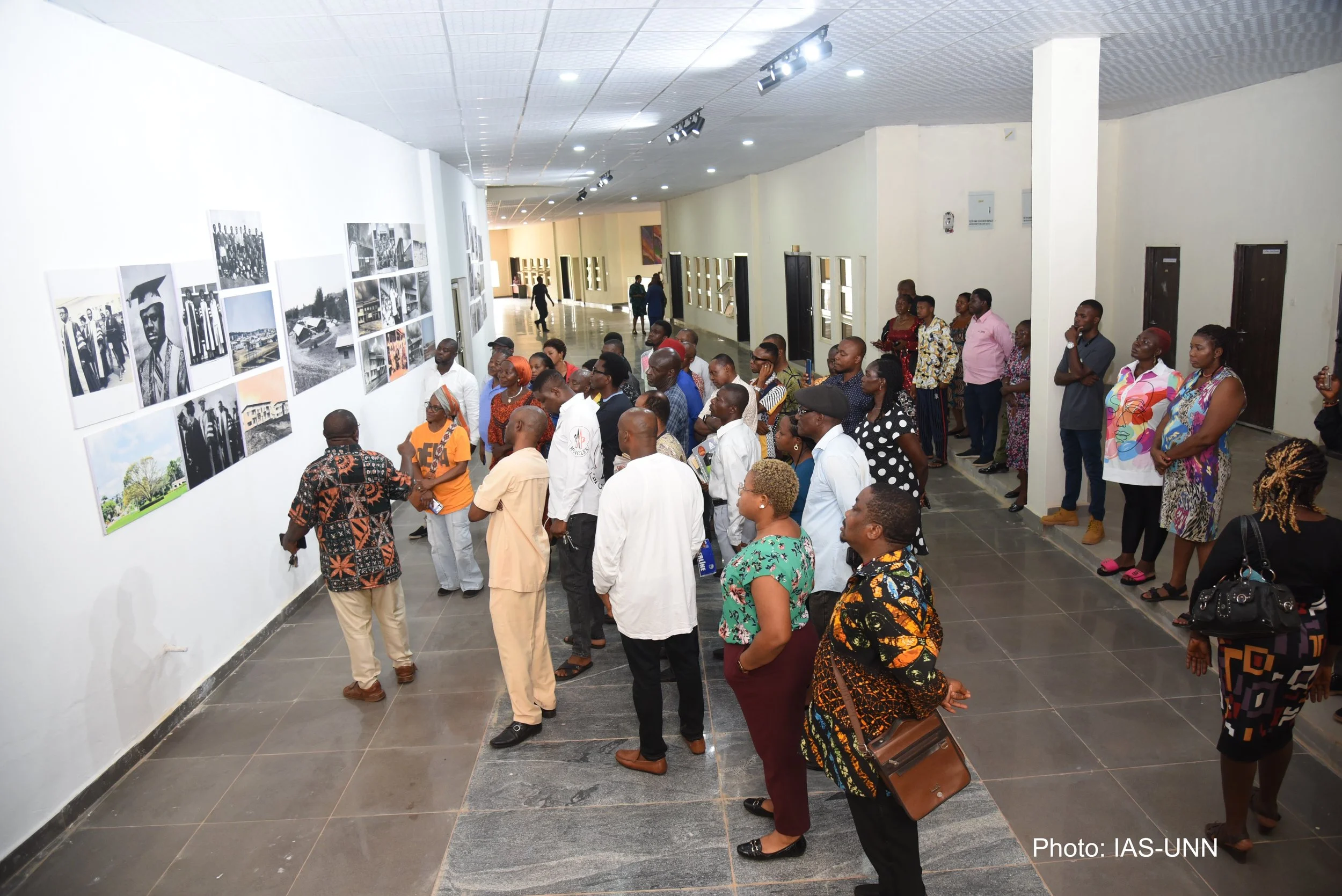
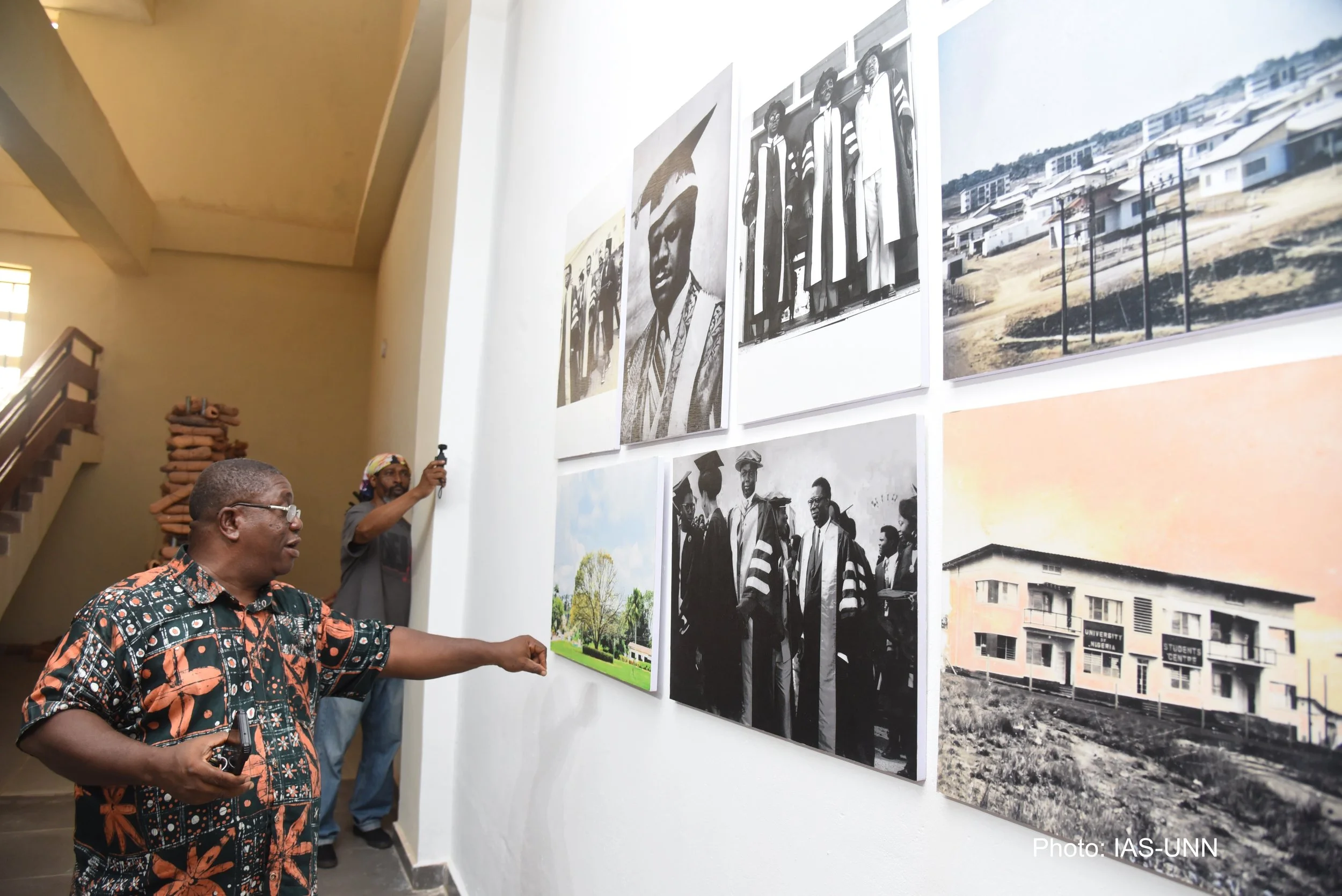
To kick off the screening on April 29, 2025, Prof. Chijioke Onuora, a professor of drawing and sculpture in the Fine and Industrial Arts Department conducted an enlightening tour of the captivating photo exhibition that beautifully encapsulates the rich history and vibrant culture of the University of Nigeria.
The ground floor of the Institute of African Studies serves as a walk-in gallery of various artworks by both current and past students and teachers. Our guide was Prof. Chijoke Onuora, a former student of El Anatsui, and also the son of Mr. Joshua Chukwuemeka Onuorah, a pioneer student of Physical Health Education and the UNN unofficial photographer in the 60s and 70s. He showed us beautiful photos taken in the very early days of the university's existence, capturing various occasions such as the first graduation ceremony, and first set of female graduates etc.
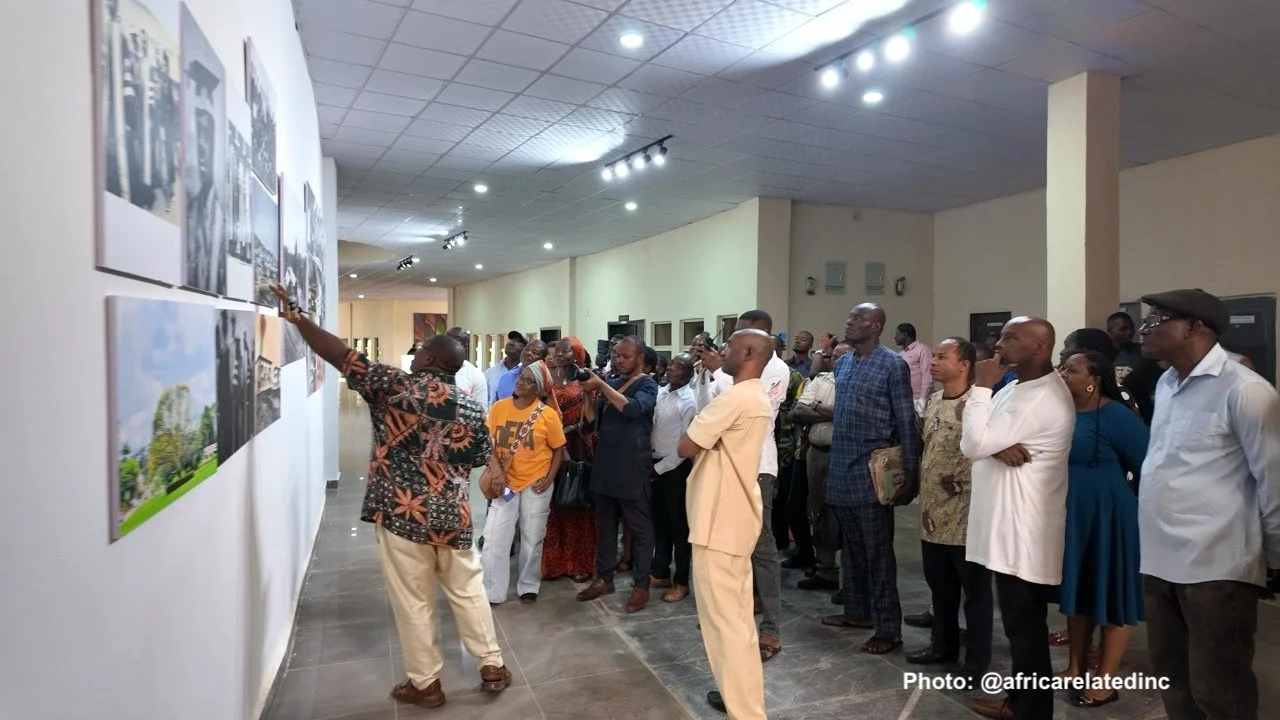
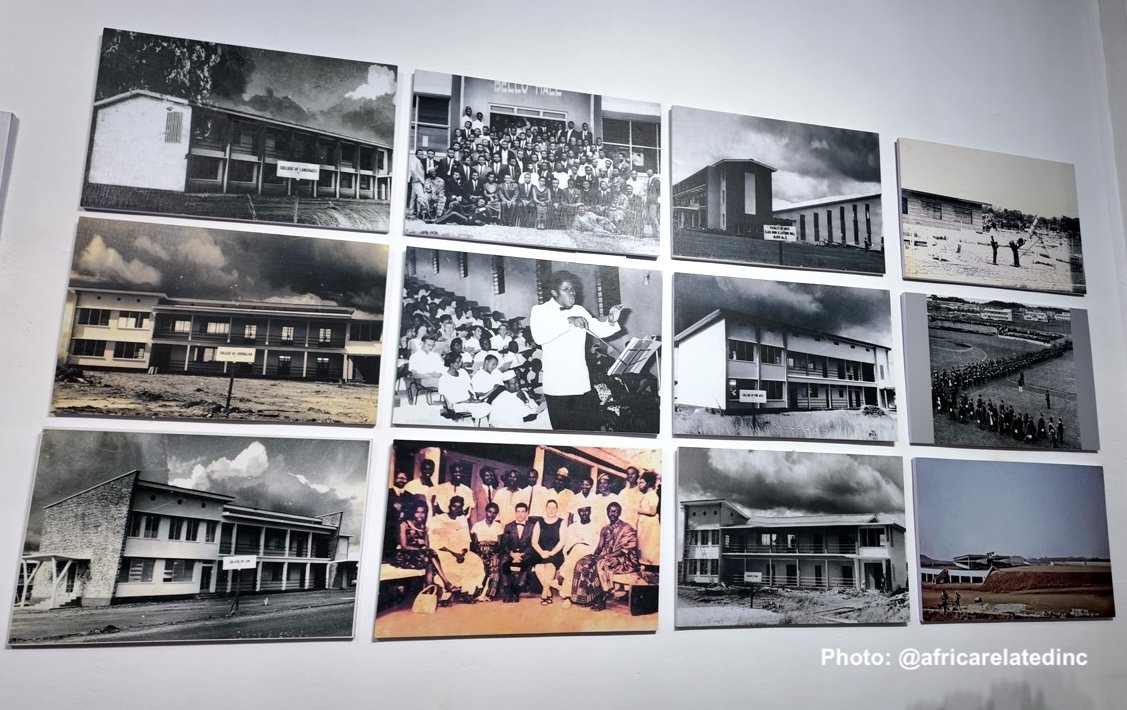
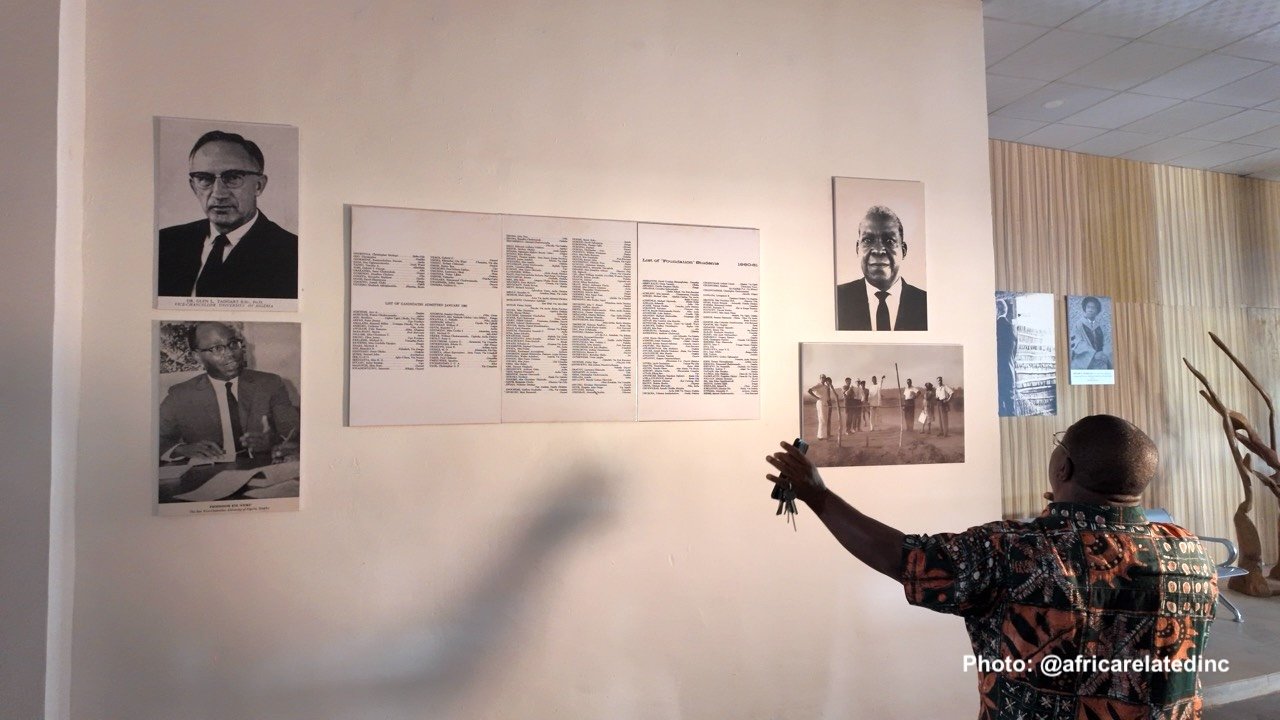
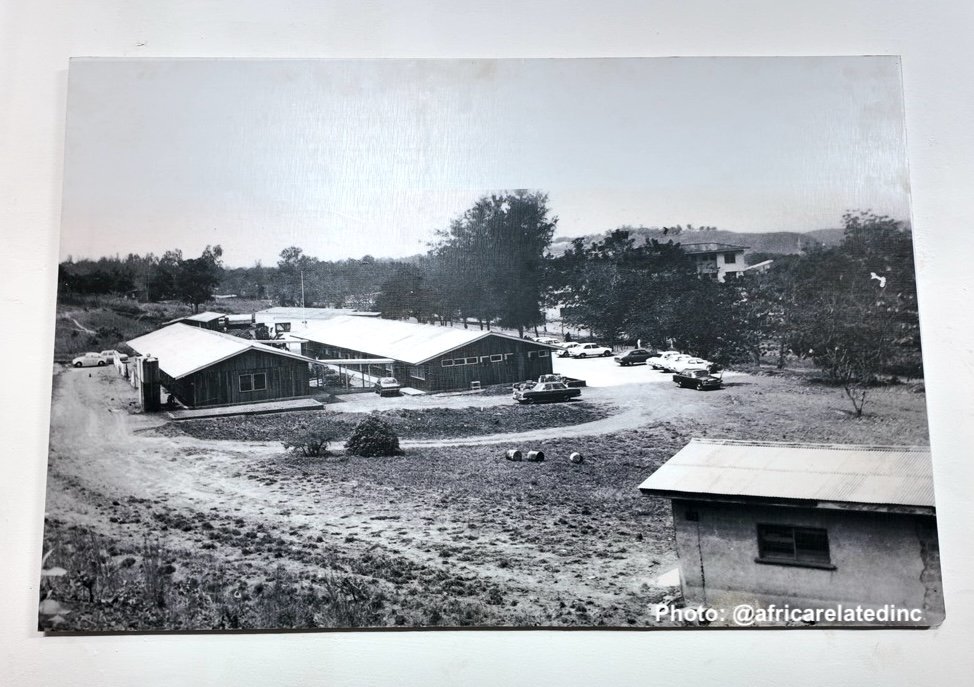
Shortly afterwards, the screening began, the atmosphere was quite pleasant. A lot of students streamed in, as the special guest the paramount traditional ruler H.R.H Igwe George ASADU, The Okpe Udo of Ihe Nsukka occupied the front row seat. He, in 2015, conferred the title "Ikedire of Nsukka" (power which is effective) on Prof. EI Anatsui.
Also seated in the packed room were Prof. Krydz Ikwuemesi, Prof. Chidi Ugwu, Assoc. Prof. Greg Mbajiorgu and Assoc. Prof. Vincent Okpara H.O.D, Department of Fine and Industrial Arts. The audience was very receptive and attentive during the viewing, one could tell on account of their humorous and enthused responses. The event concluded with a short Q and A which yielded a few comments with much praise and plenty of thanks to the production team. The organizers were quite gracious, extremely polite and very courteous.

This happened to be the very first event since the inauguration of the new building of the Institute of African Studies, situated close to the UBA gate on campus. It also happened to be the first screening I am attending in person in Nigeria. DELA’s journey to Nsukka was extra special as it was a homecoming of sorts, not just for the film, but also for my ever-supportive husband Maurice Okereke (Words By MOE), a 1995 UNN alumnus, who worked on the film as an assistant music director - contributing original music scores from his poetic pieces, to the film’s soundtrack.
Oyiza Adaba with Nsukka DoP Michael ‘Lenix’ Onah, who filmed some of the Nsukka shots.

DELA: Soundtrack Poster with featured artists.
Other contributing artists include UNN Graduate, the late Bright Andrew Igho a.k.a B-Elect, a musician/author who contributed his track 'WAT THE OLD MAN SAID (B.I.B.L.E.)' to the film. Uchenna Ohagwu (Minista Busta), an IMT Enugu graduate is the visual/graphic artist/musician who designed the DELA icon head logo that depicts El Anatsui’s young and older face. Amarachi Attamah, a griot/chant performer composed a beautiful chant piece entitled 'EGARA EL', used in the opening sequence. Lemi Ghariokwu is the graphic artist who designed several of Fela Kuti's album covers and also designed the DELA 'walking man' logo. Two indigenous musicians DJ Robintonzz added the track 'AFRICA' Ft. New Prince, while Lake Spy composed the film's end credit track 'ASIGI II' in honour of El Anatsui.
The Institute of African Studies, UNN
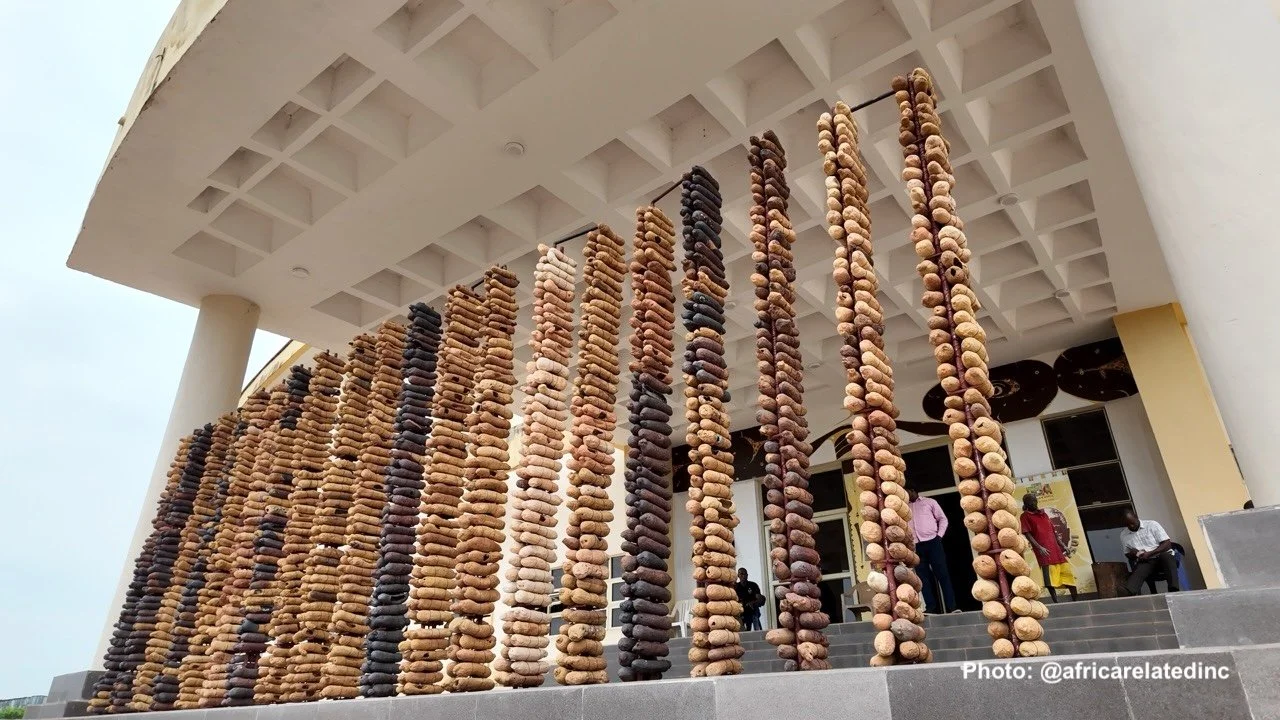
Ozioma Onuzulike’s piece ‘Seed Yams of Our Land’ series drape the front entrance Institute of African Studies (IAS), University of Nigeria Nsukka. Photo: Africa-Related

New Address: Front entrance Institute of African Studies (IAS), University of Nigeria, Nsukka UNN..
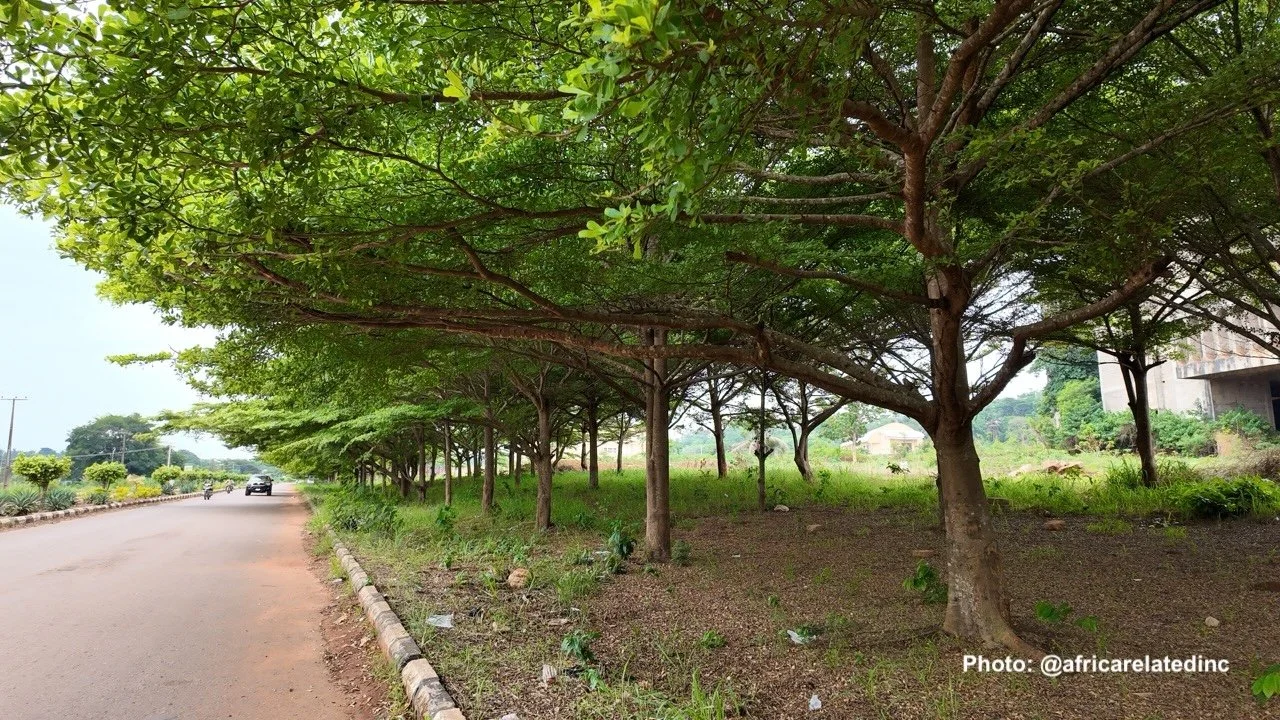
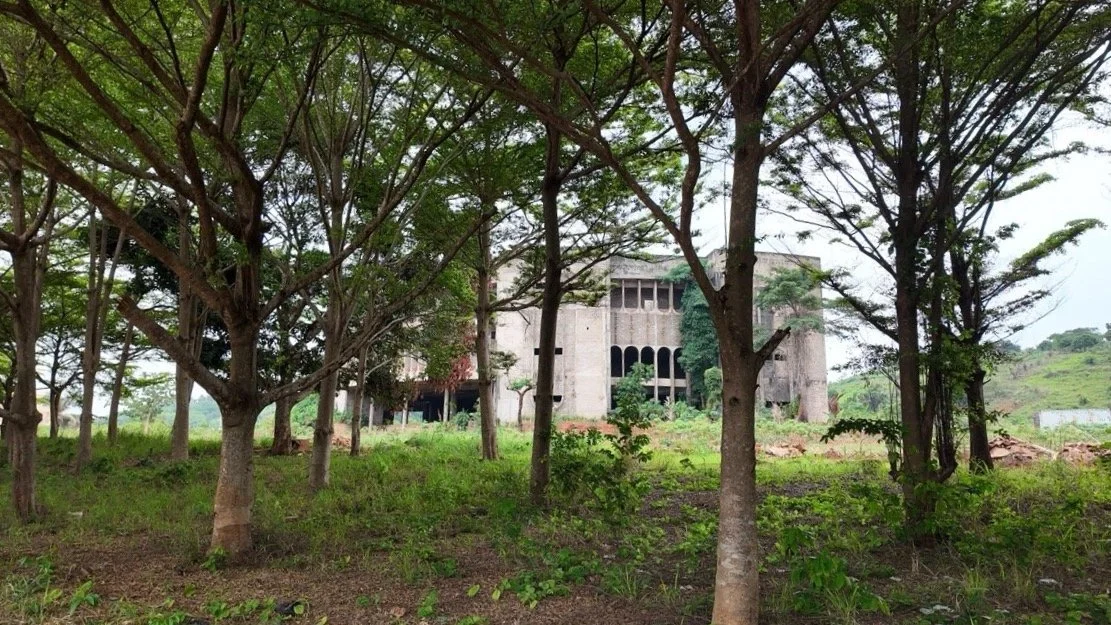
Nsukka town is about eighty kilometers north of Enugu in South Eastern Nigeria, where the University campus sits on 871 hectares of hilly savannah with lush vegetation. The Institute of African Studies was established in 1963, initially as the Hansberry College of African Studies. It was named after Professor William Leo Hansberry, an eminent Afro-American Historian and Africanist, who served as its Director, and taught two African presidents - Dr. Nnamdi Azikiwe of Nigeria and Ghana’s Dr. Kwame Nkrumah.
According to A.E. Afigbo, the idea for a graduate Institute of African Studies in the University of Nigeria was channeled towards research and was designed as a rallying point for “all men of colour who can trace their descent to the African continent no matter in what part of the world they now find their habitation”. The institute’s current Director Prof. Ozioma Onuzulike has ably stepped into the big shoes left by past directors, such as Prof. Edward Wilmot Blyden III, Prof. Donatus I. Nwoga, Prof. Uche Okeke, Prof. Chike Aniakor and many others that followed.
El Anatusi’s sculptures on UNN campus
Prof. El Anatsui was a resident of Nsukka for forty-four years (1975-2020), and retired from teaching sculpture at the Department of Fine and Applied Arts in 2012. Two free-standing sculptures made of concrete with terrazzo finish titled For the Upliftment of Man (1983) and Ambivalent Hold (1983) were selected by the University, and can be found on the grounds of the Physical Sciences building. They were jointly sculpted by members of an art collective called SKEP.
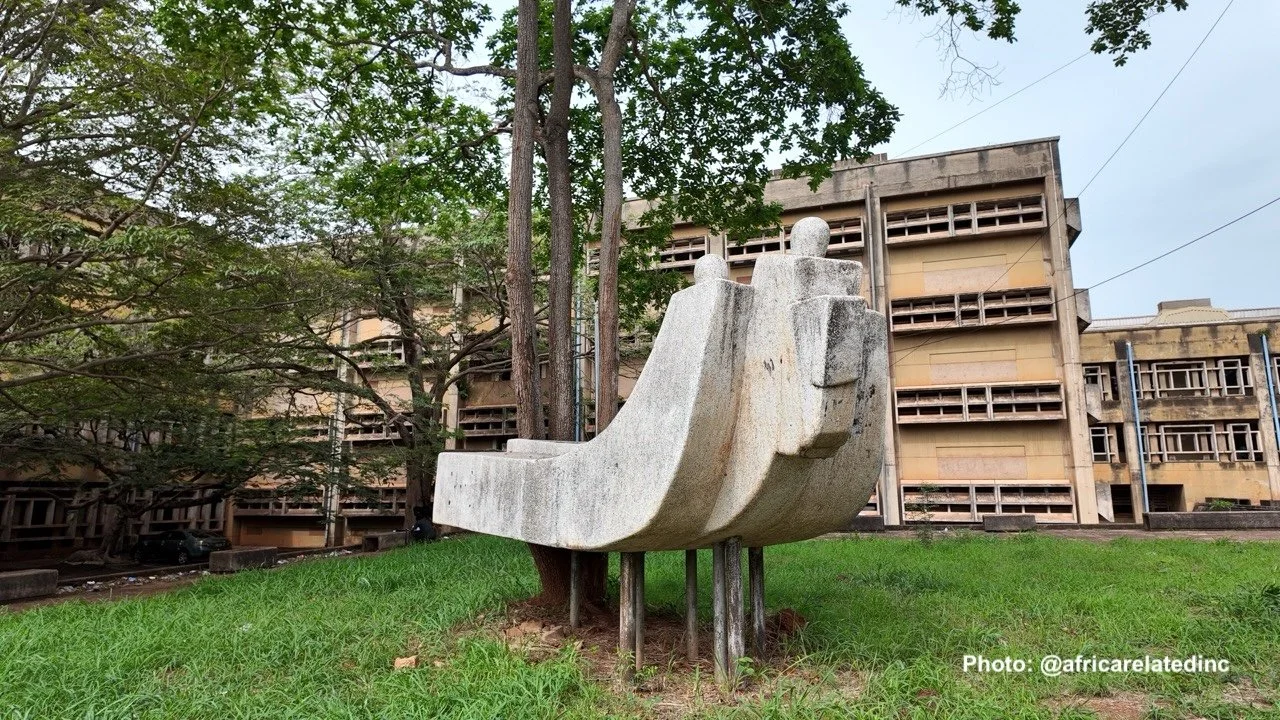
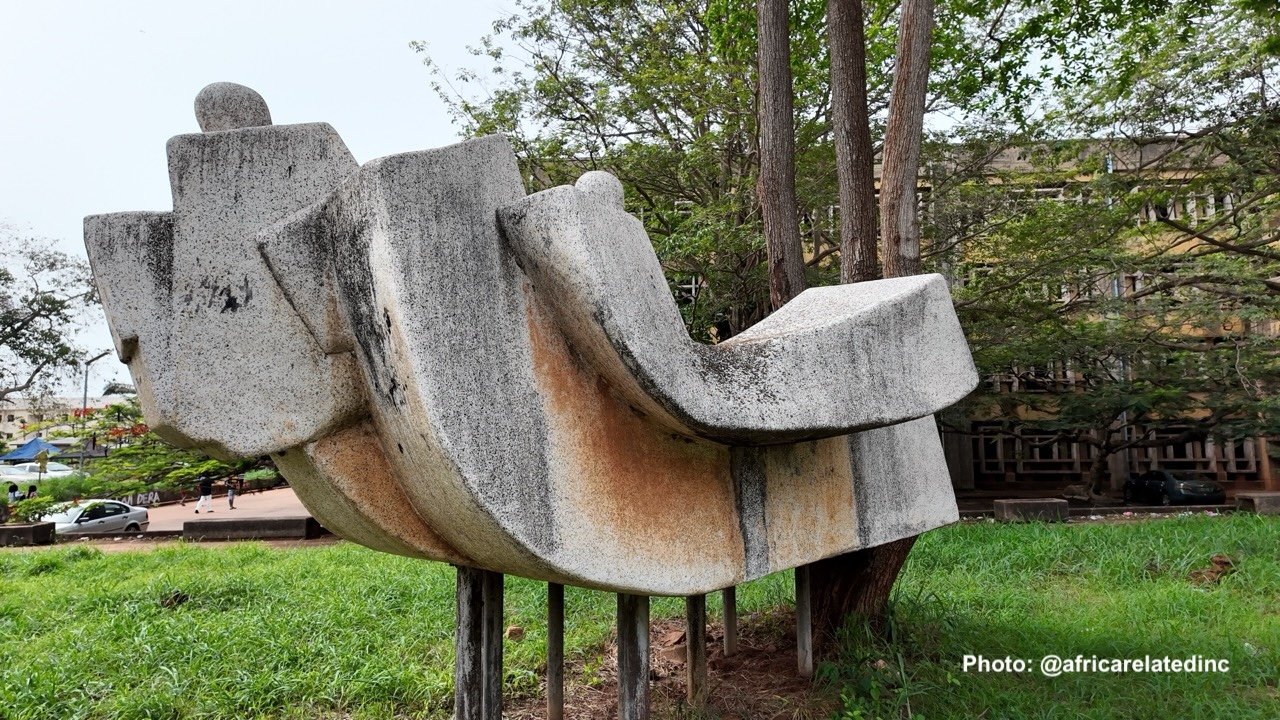

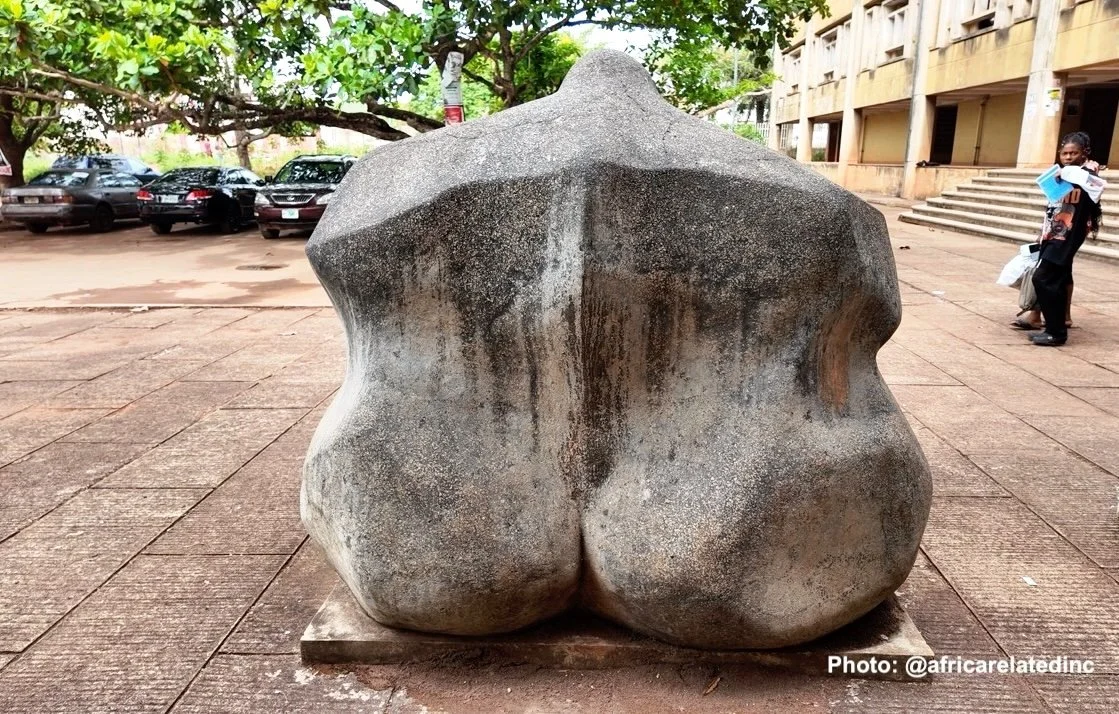
Photos: DELA SCREENING & UNN CAMPUS
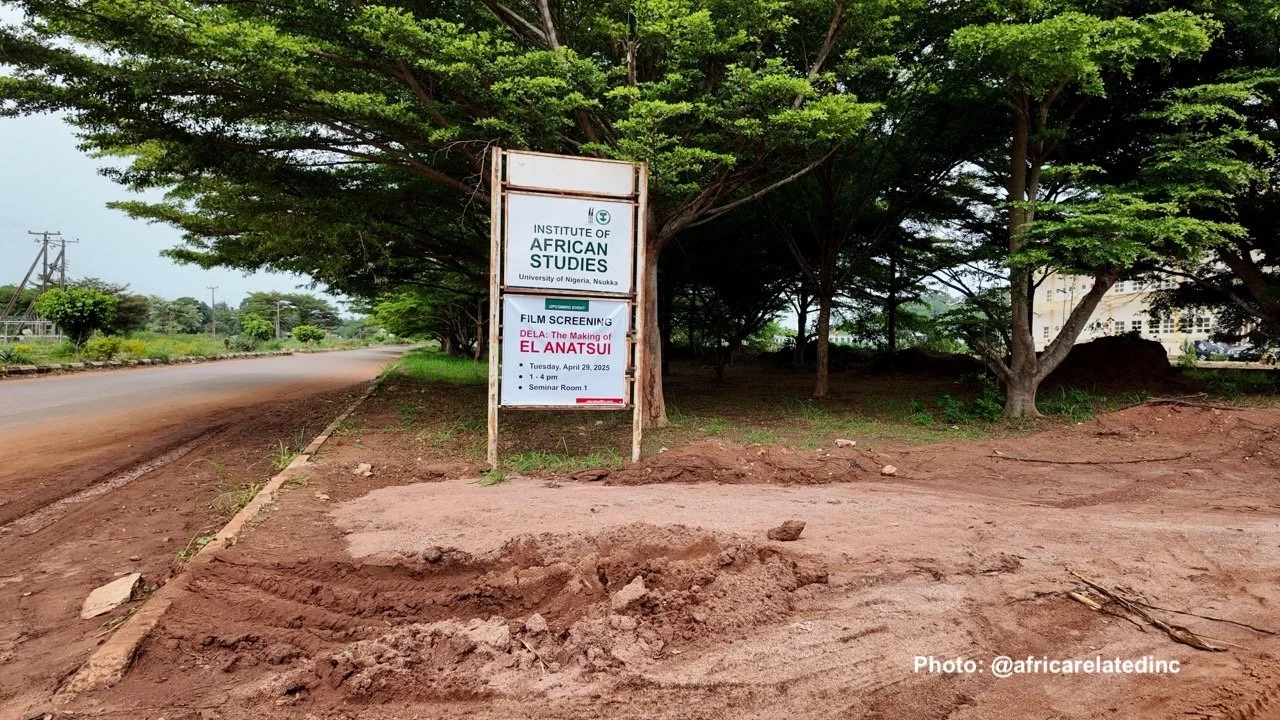
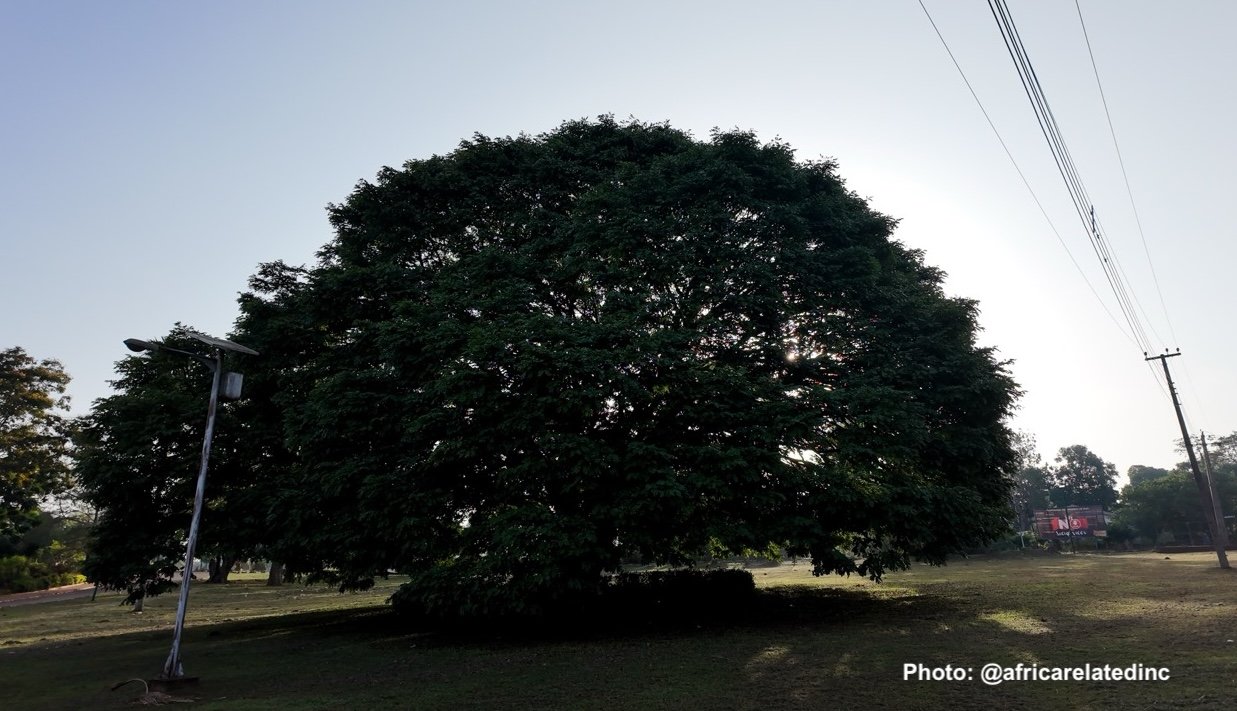
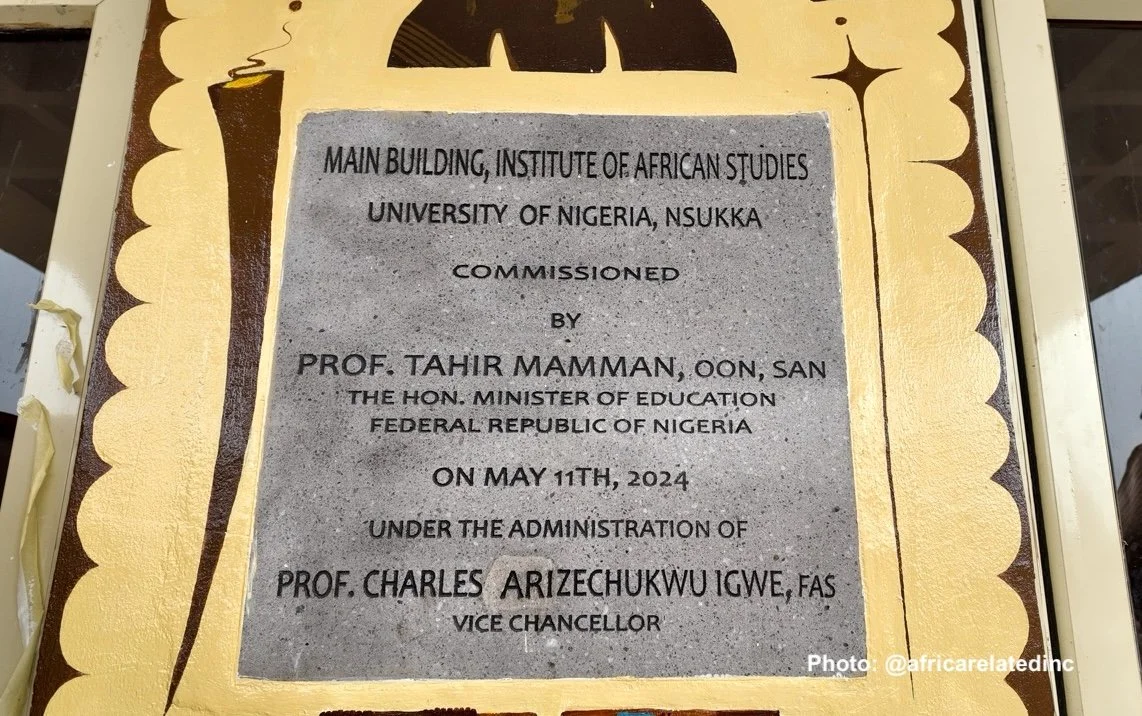
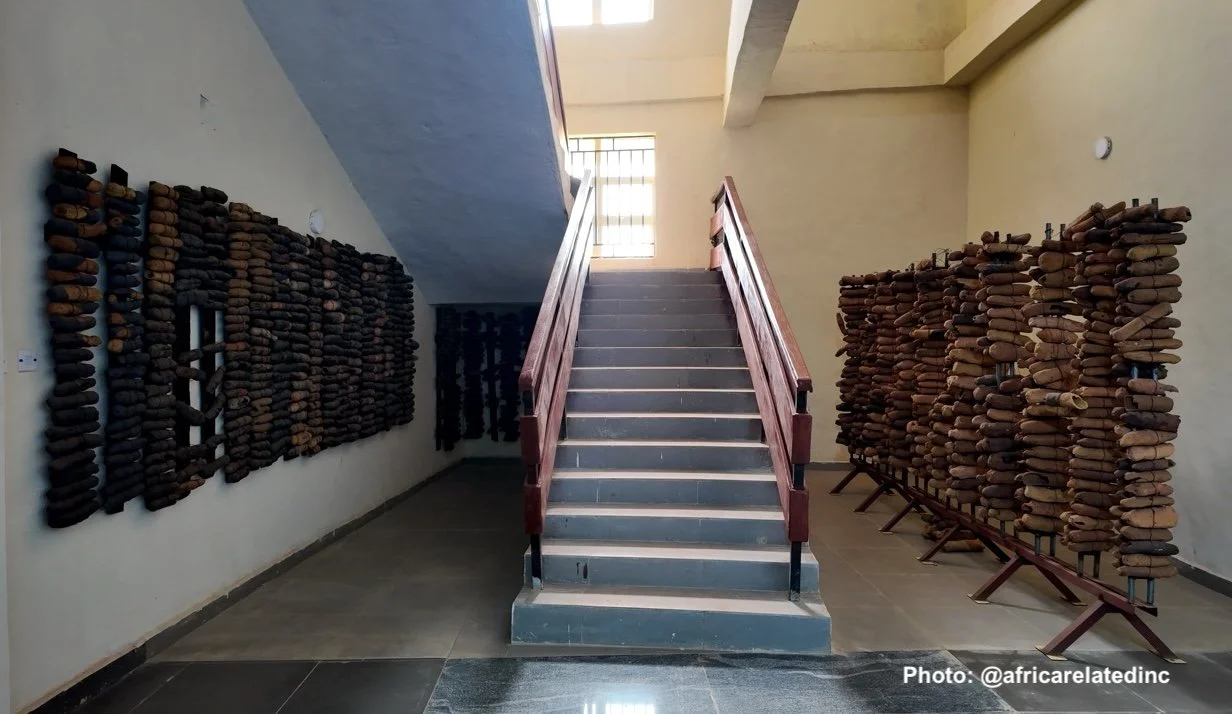
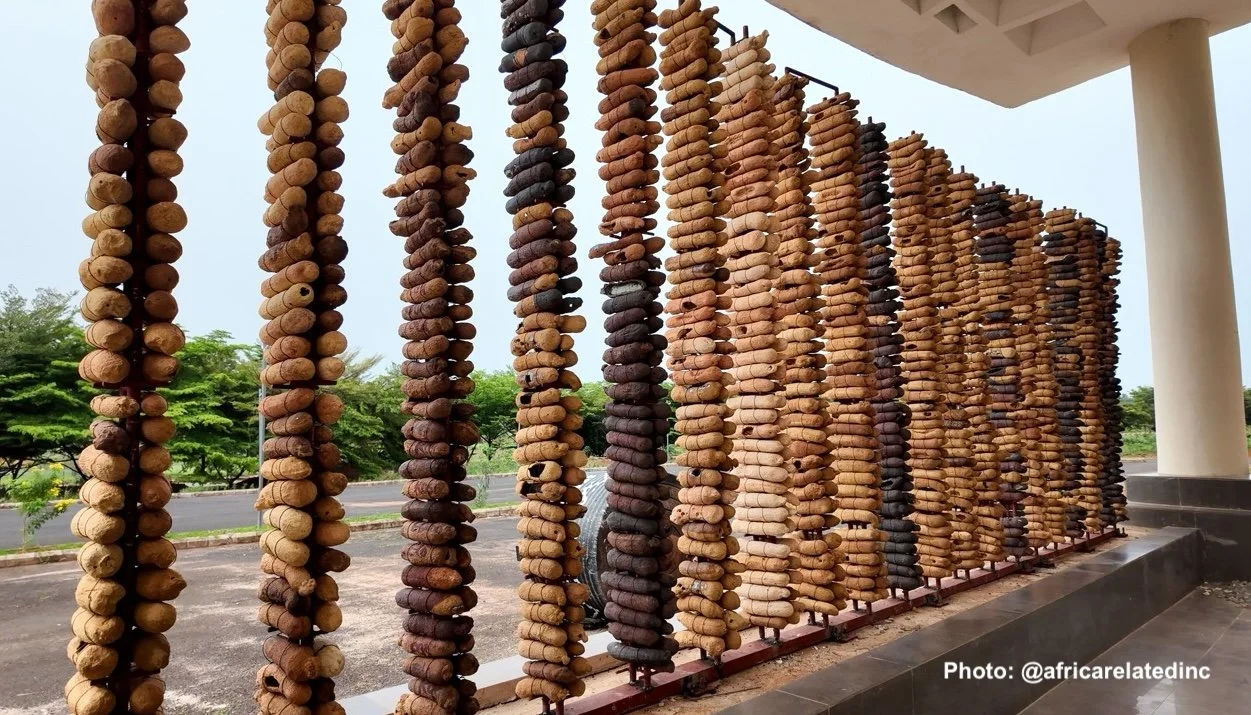
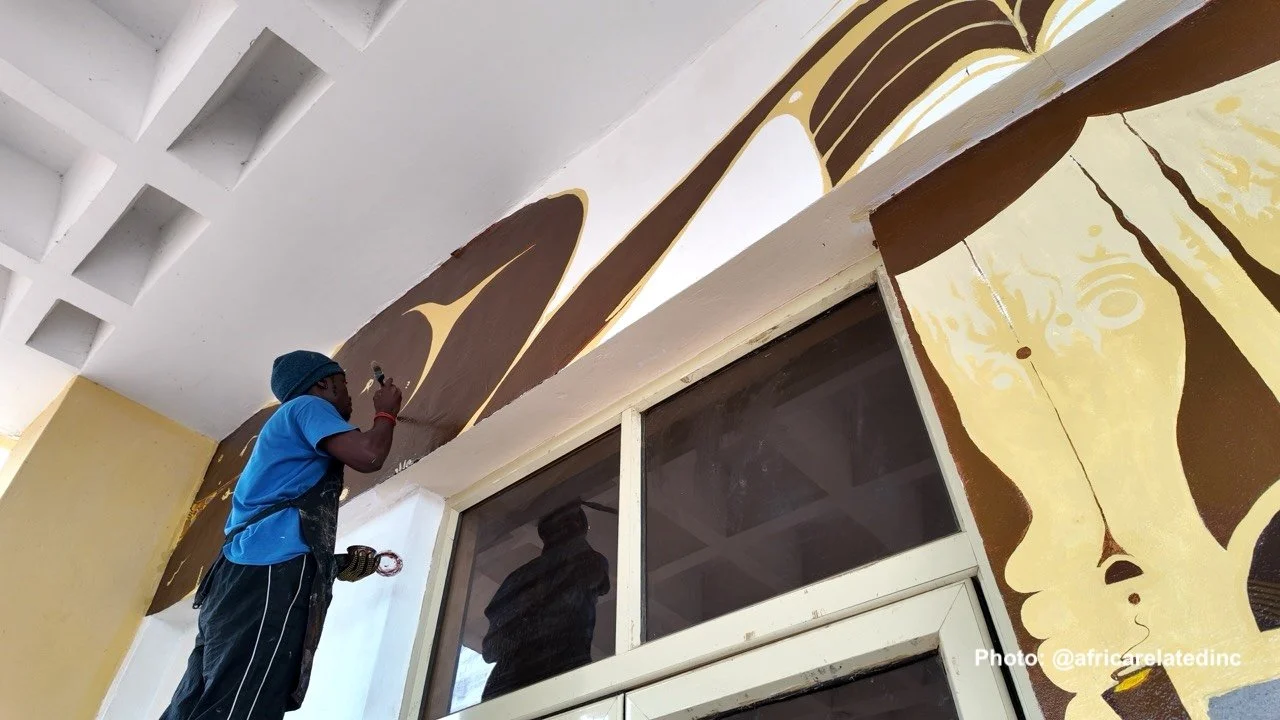

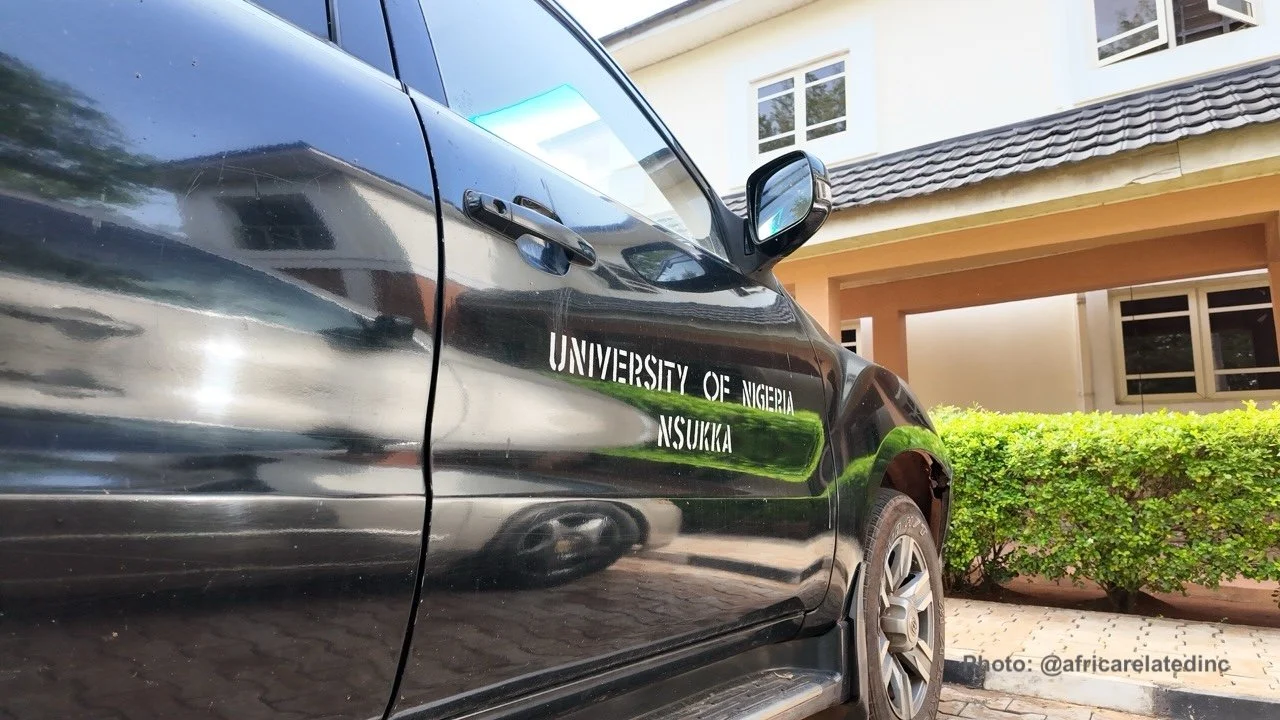
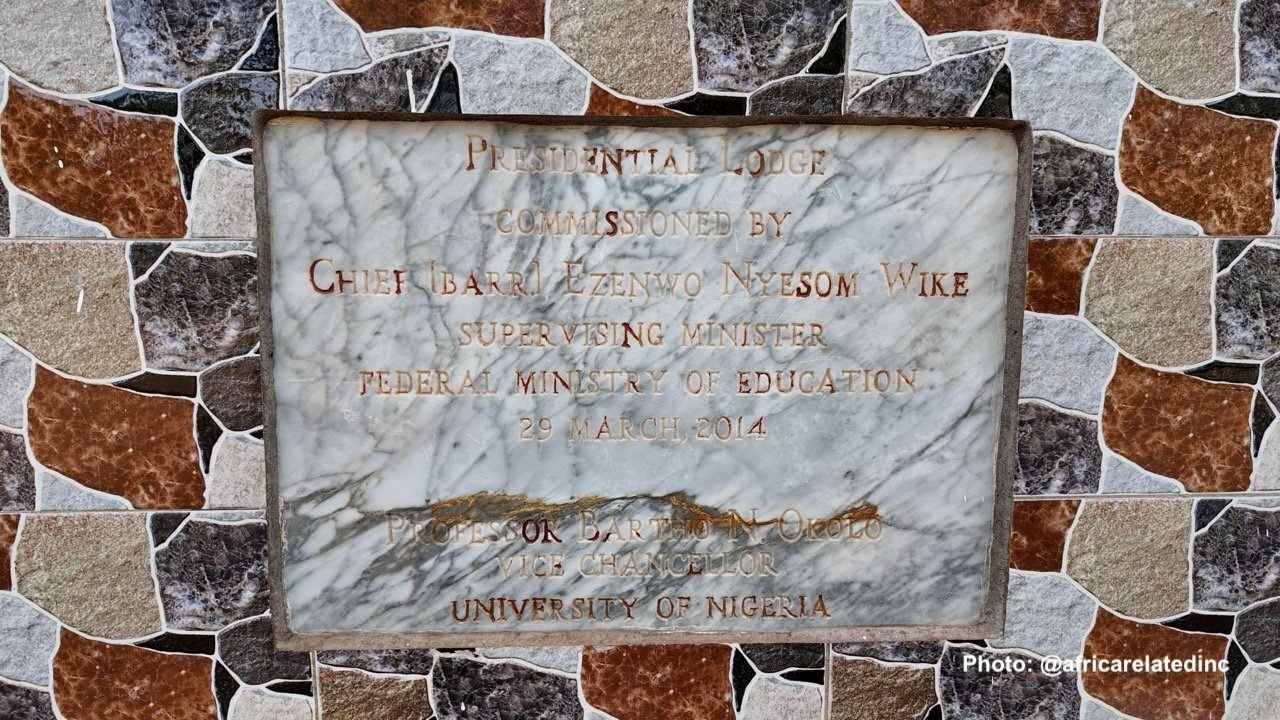
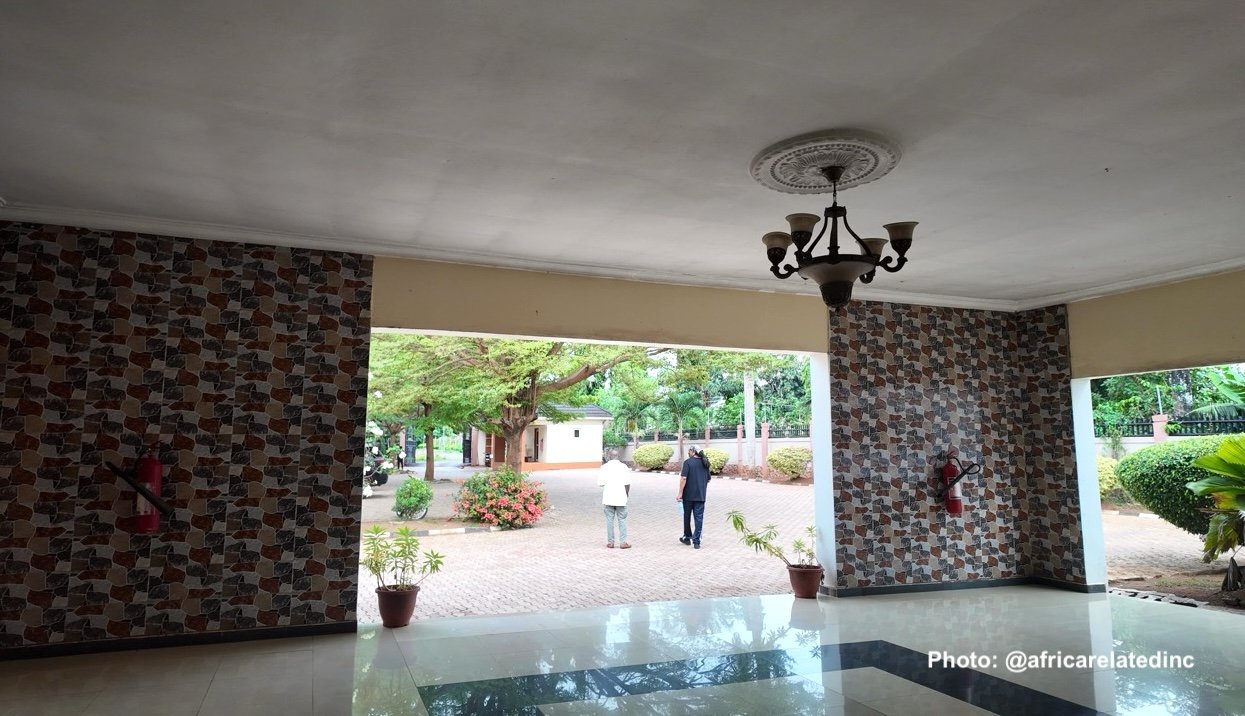



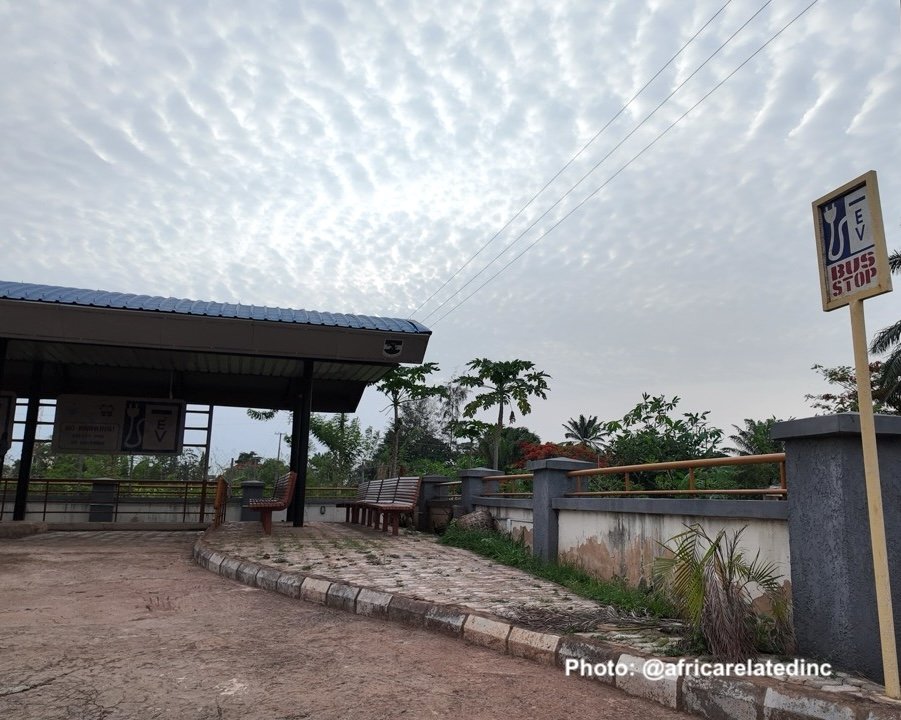
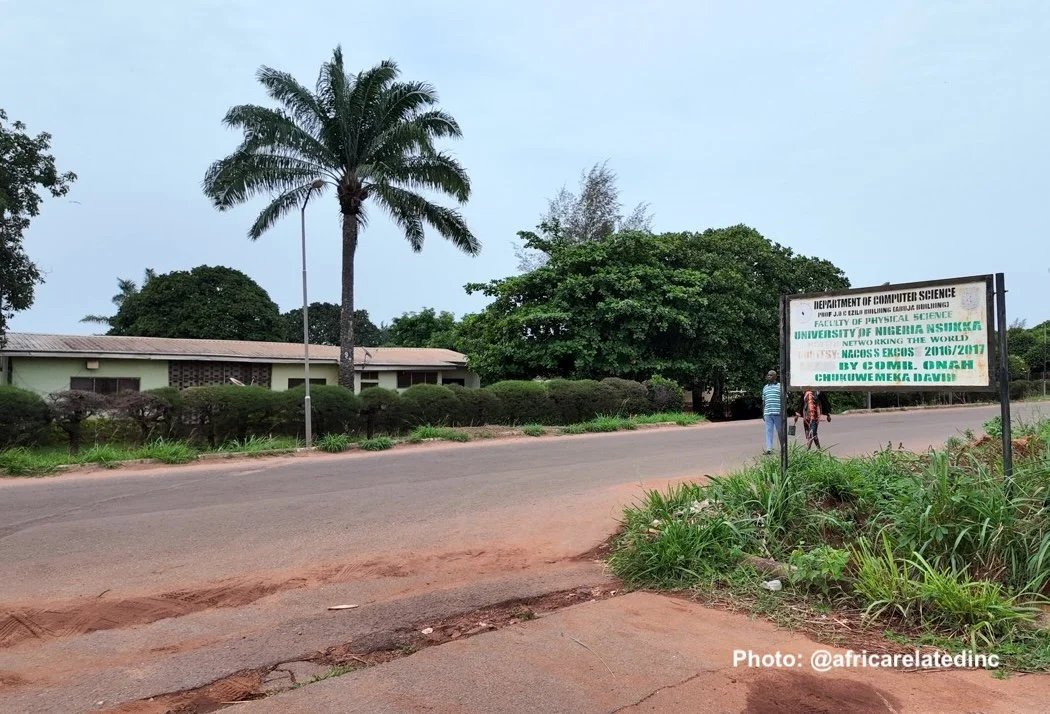
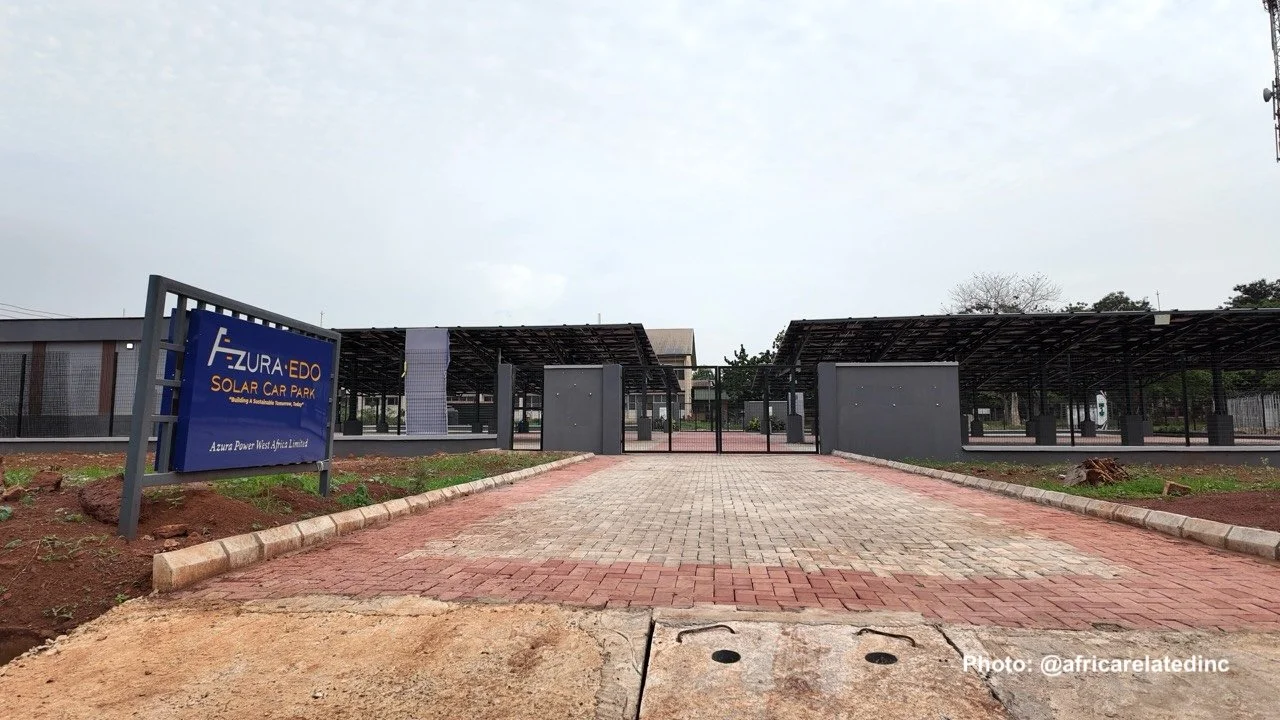
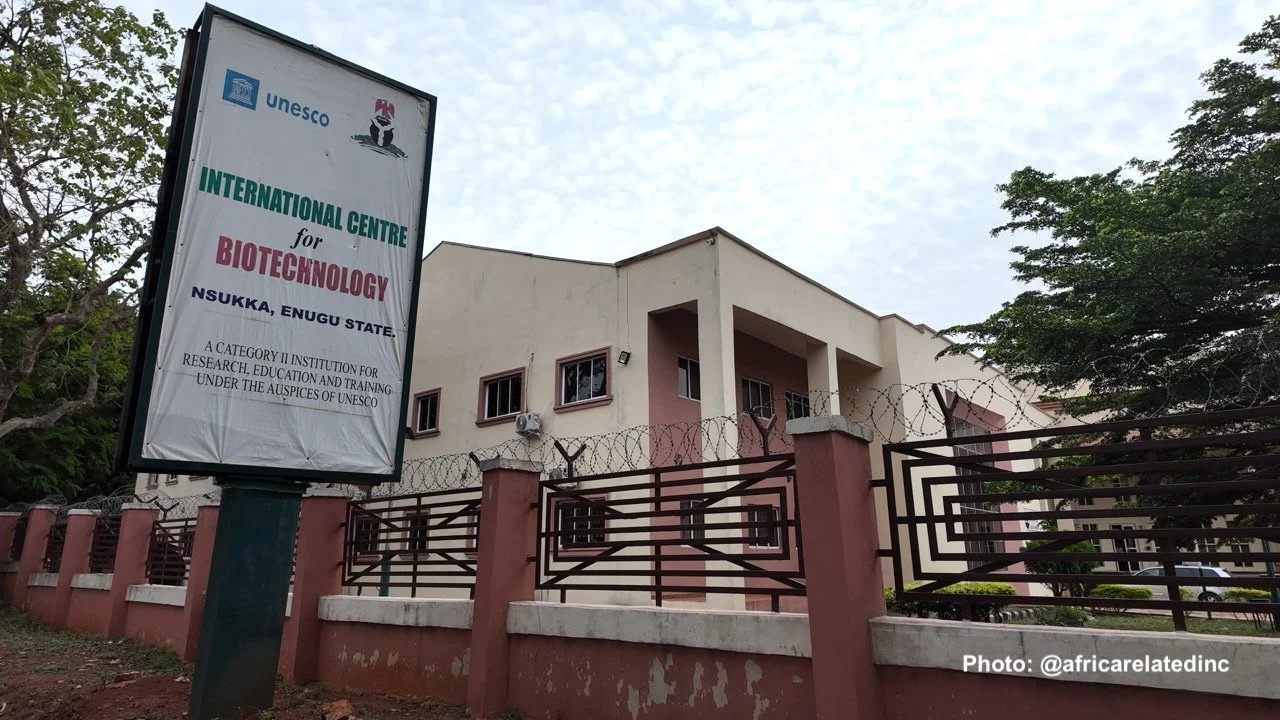
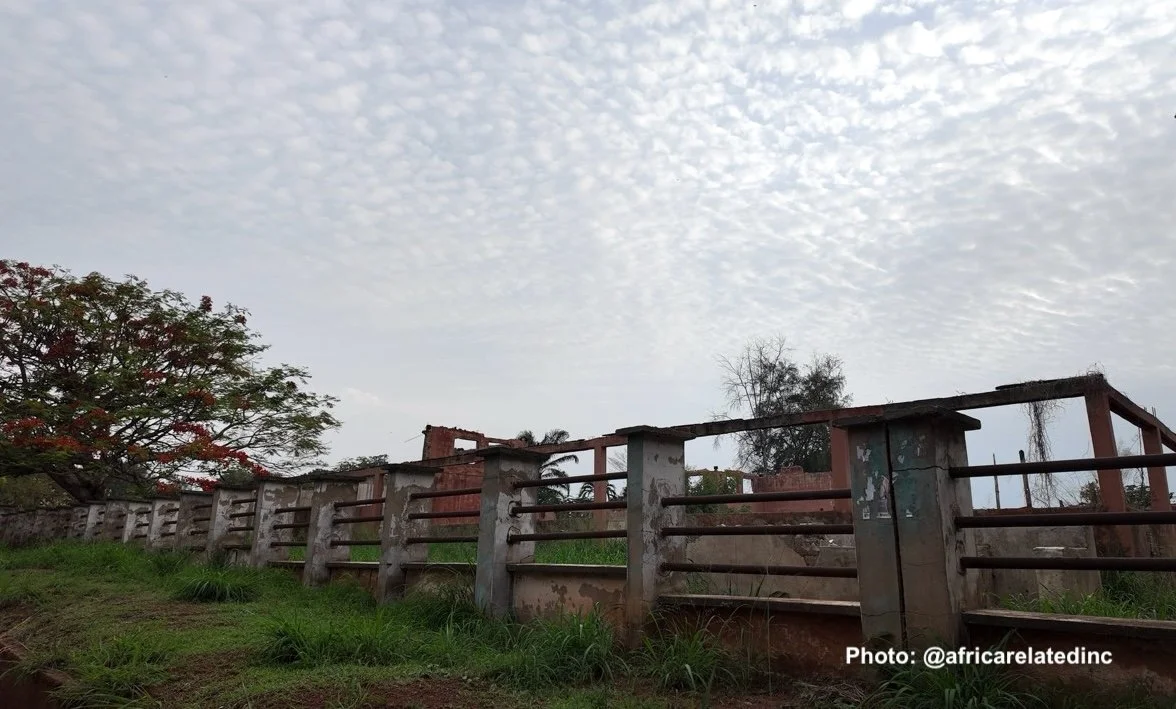
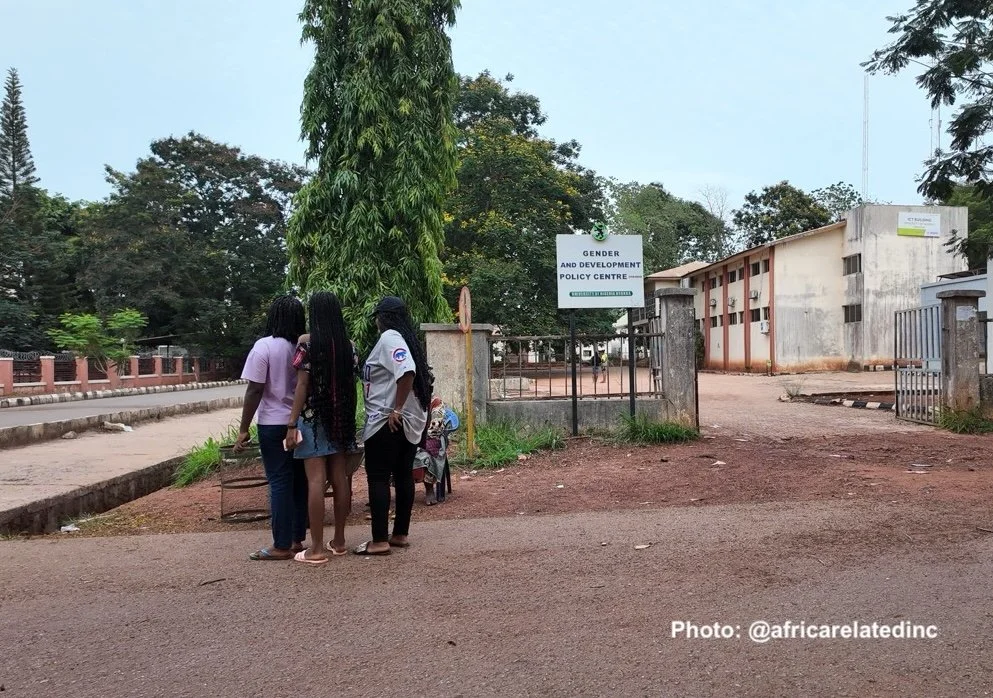

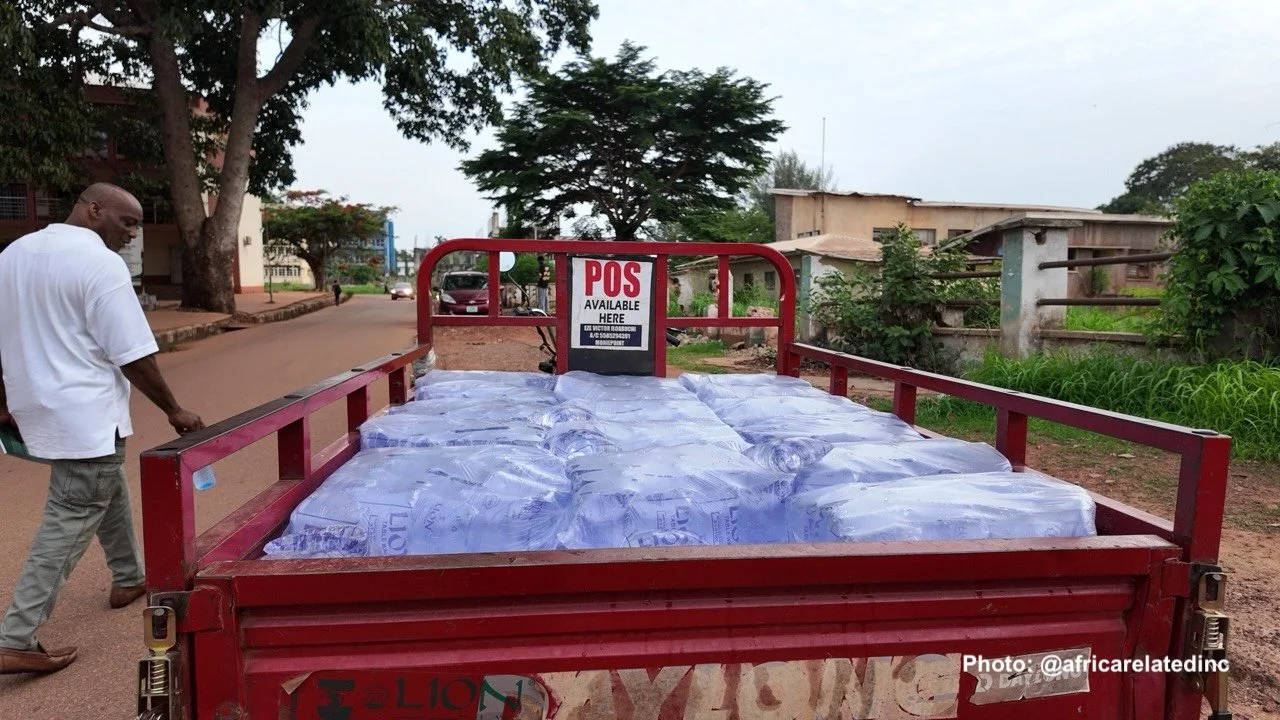
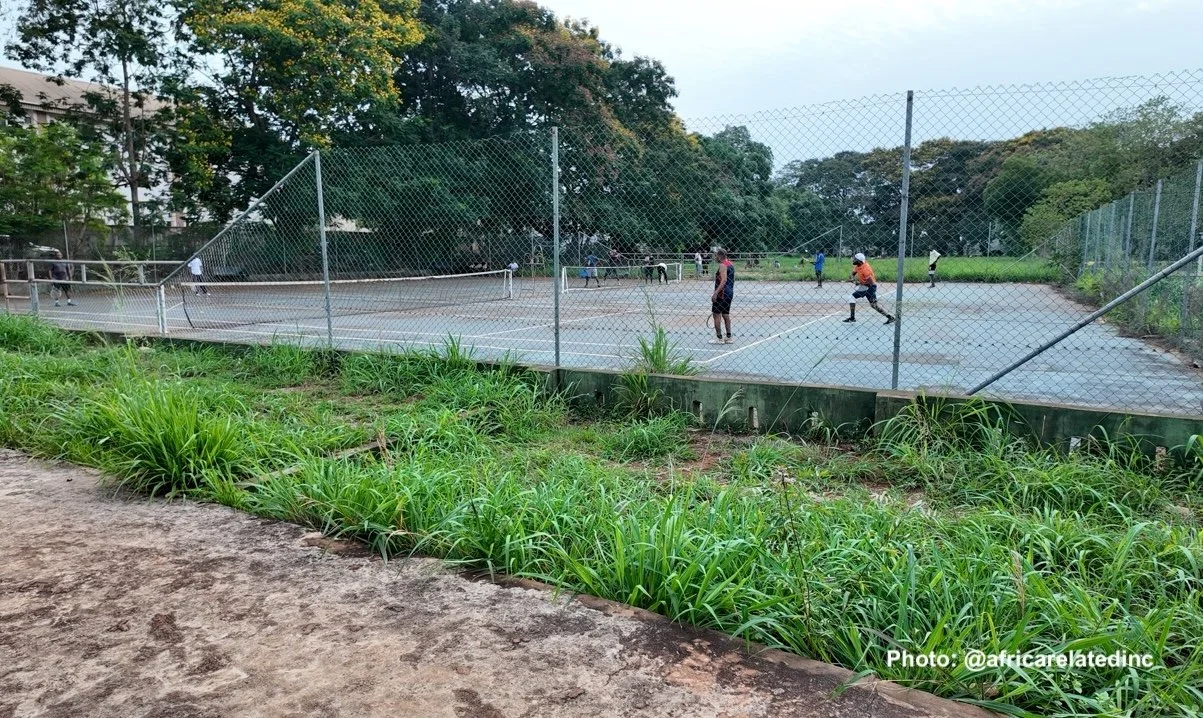

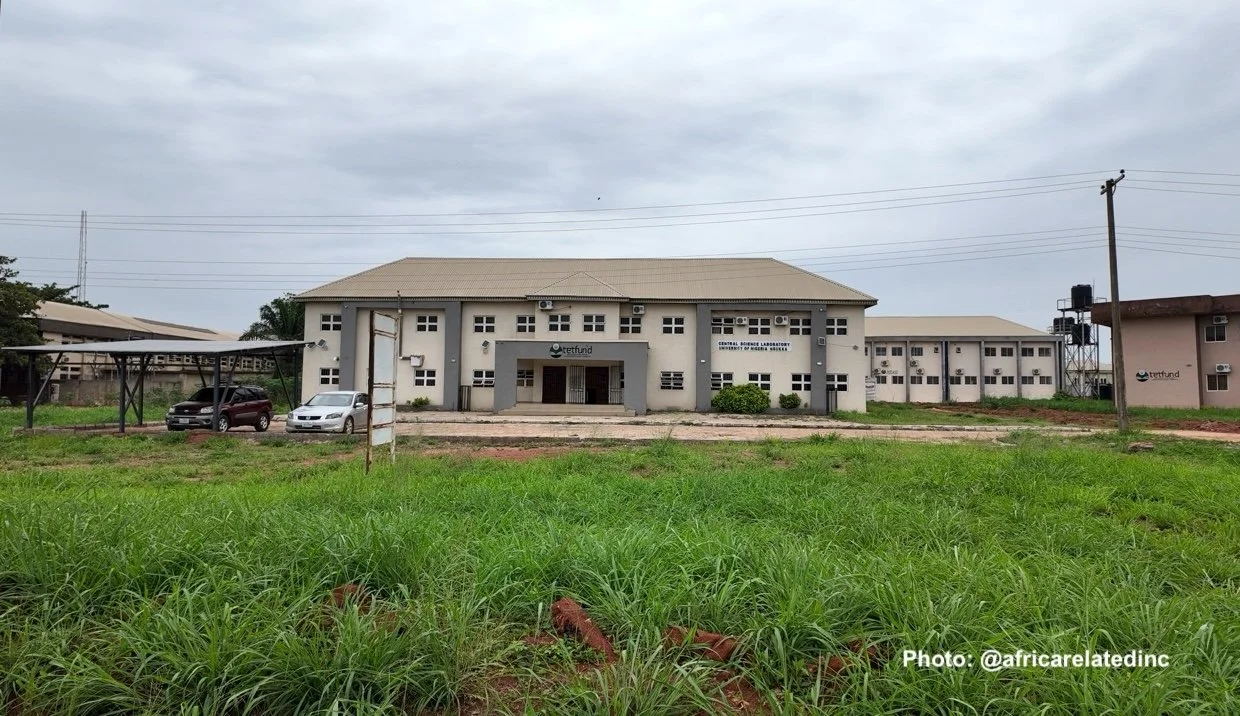
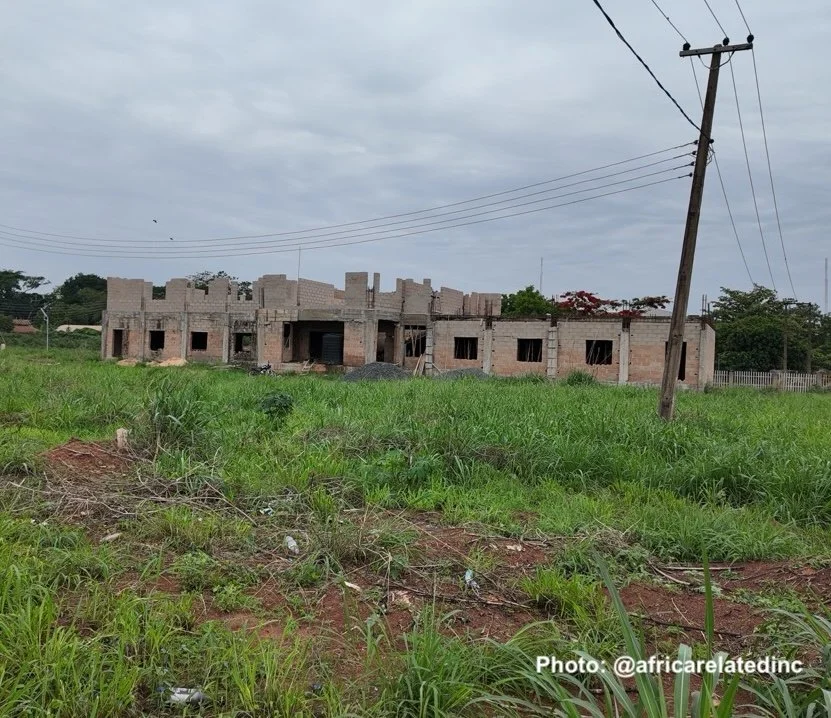
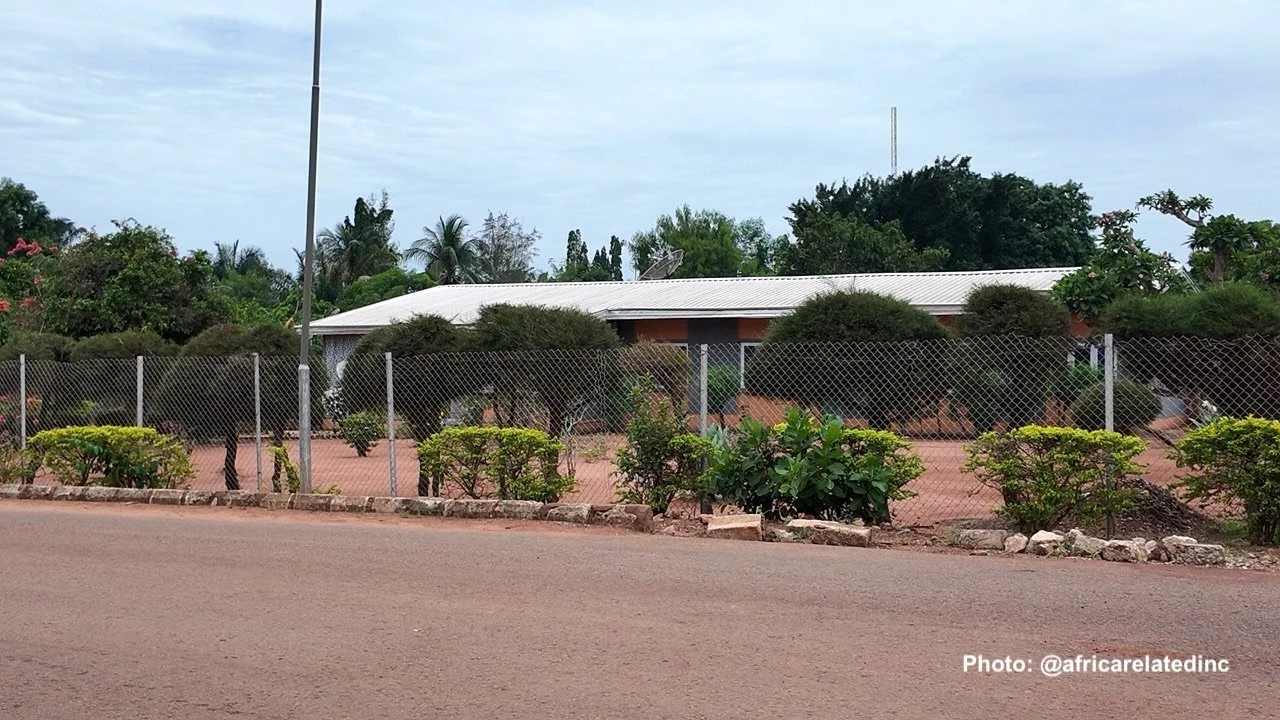

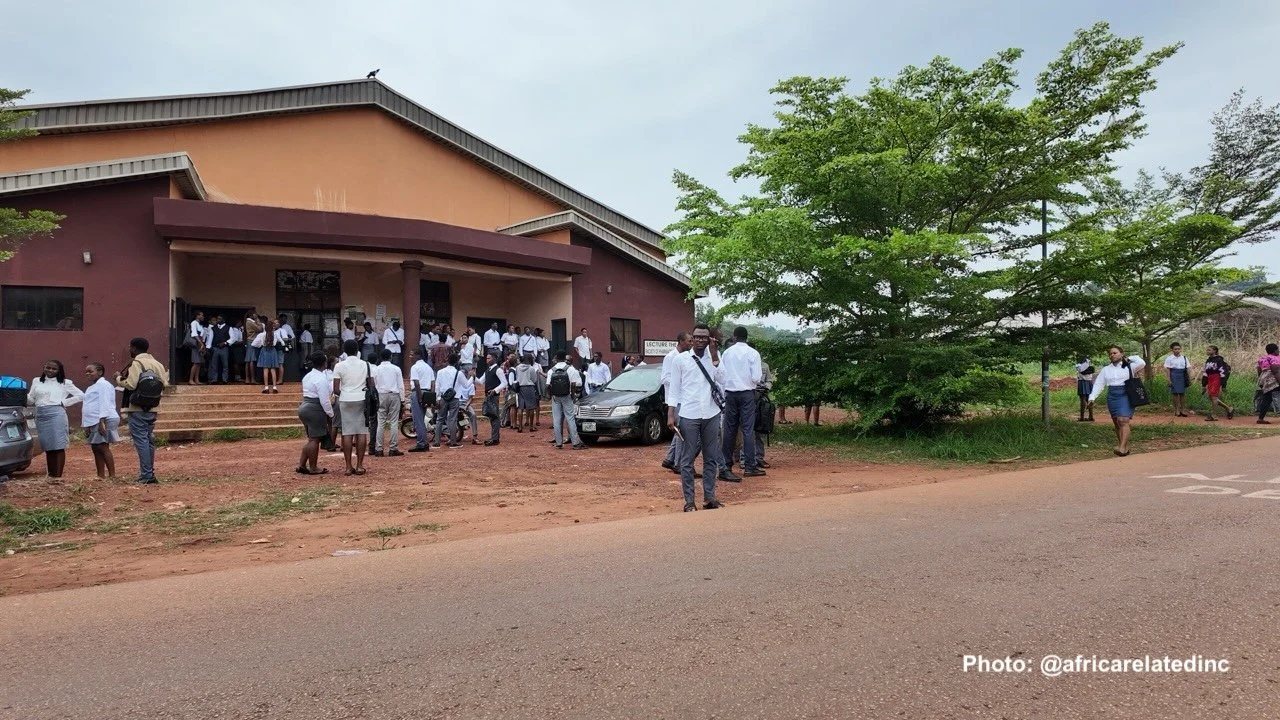
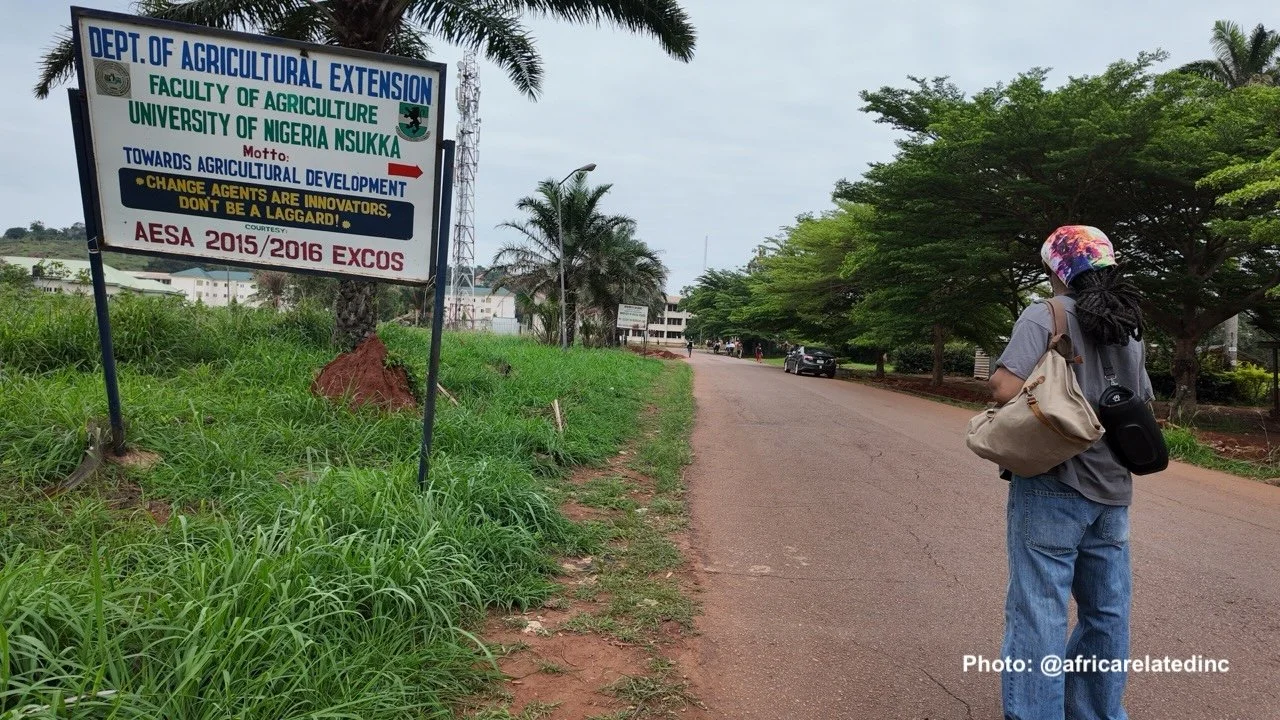
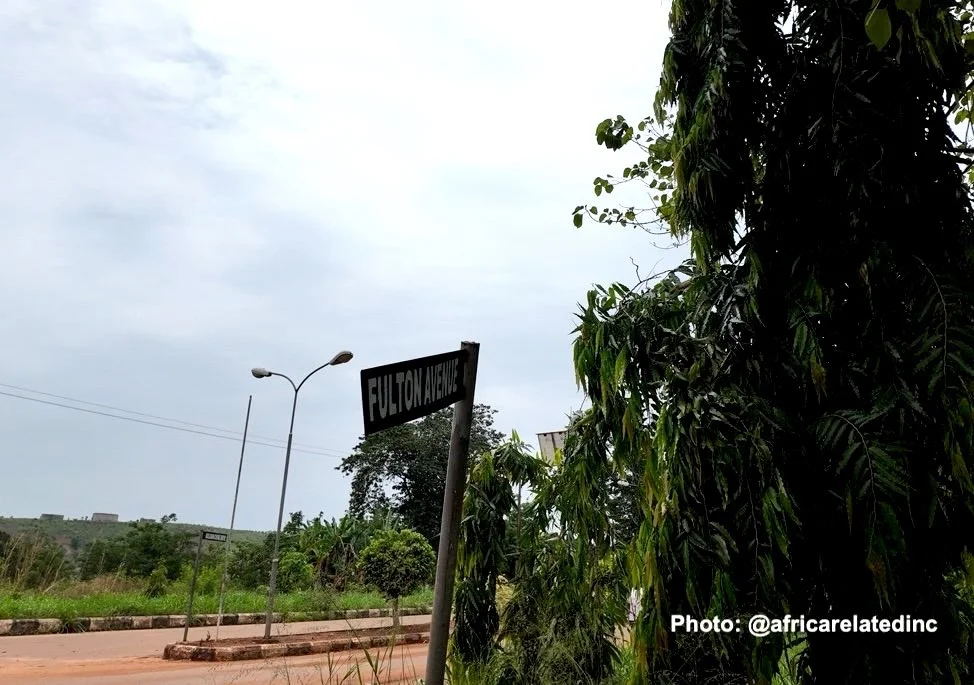
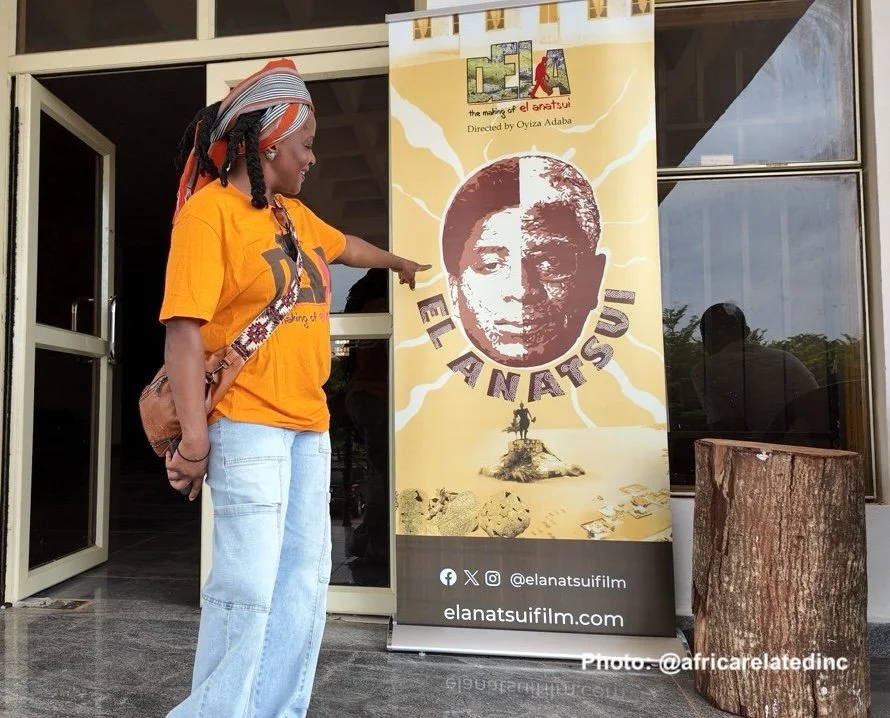
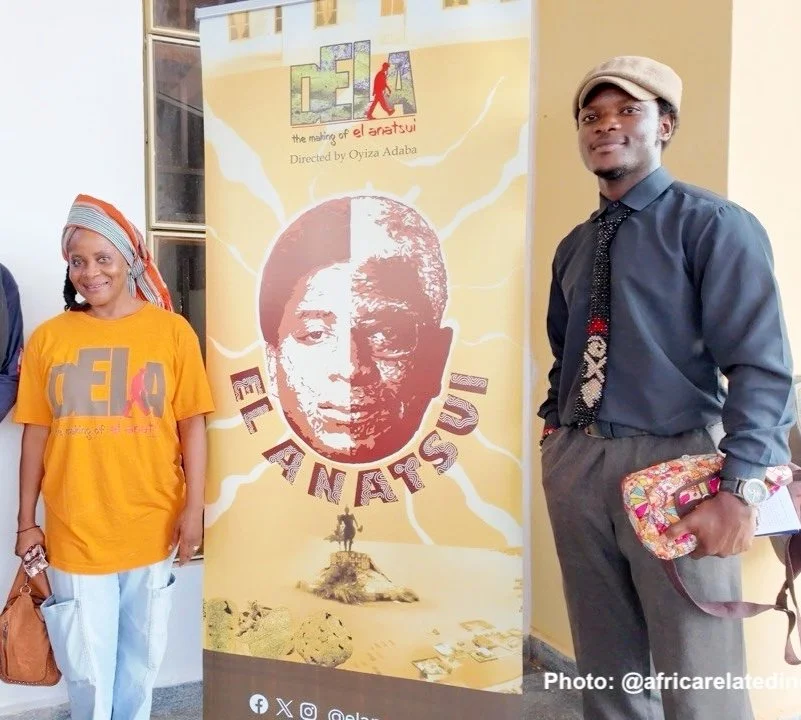
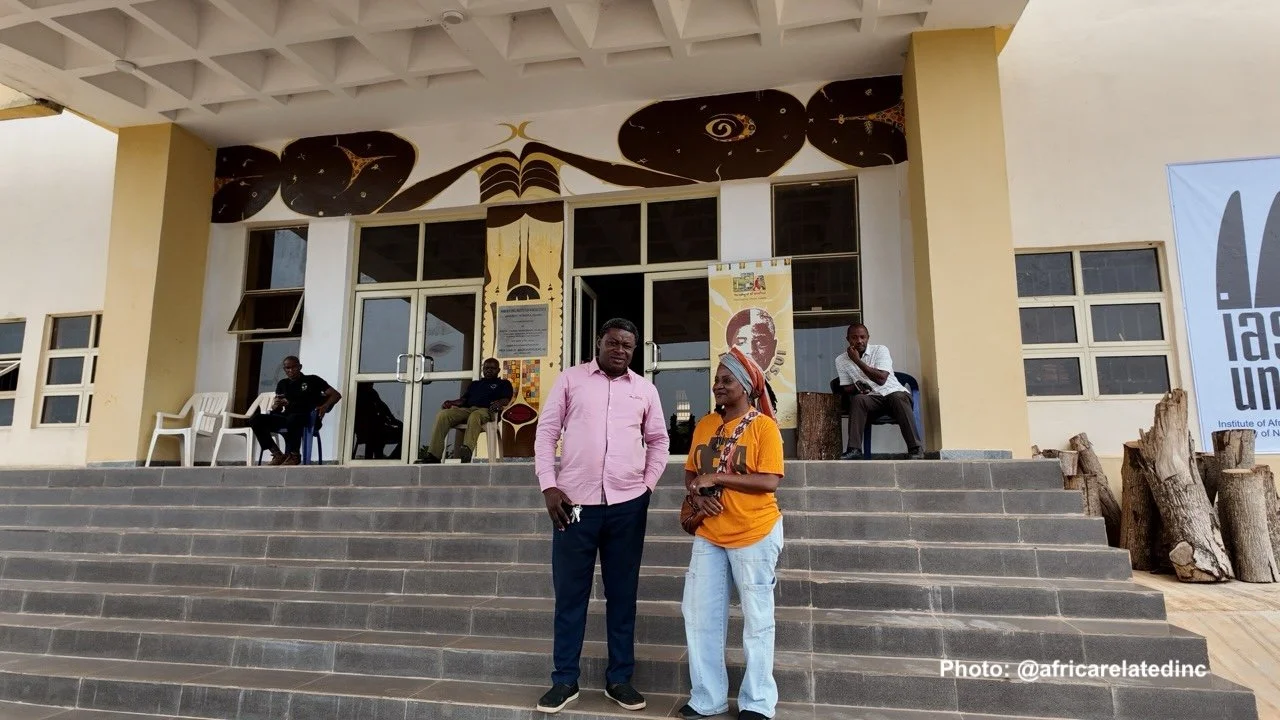
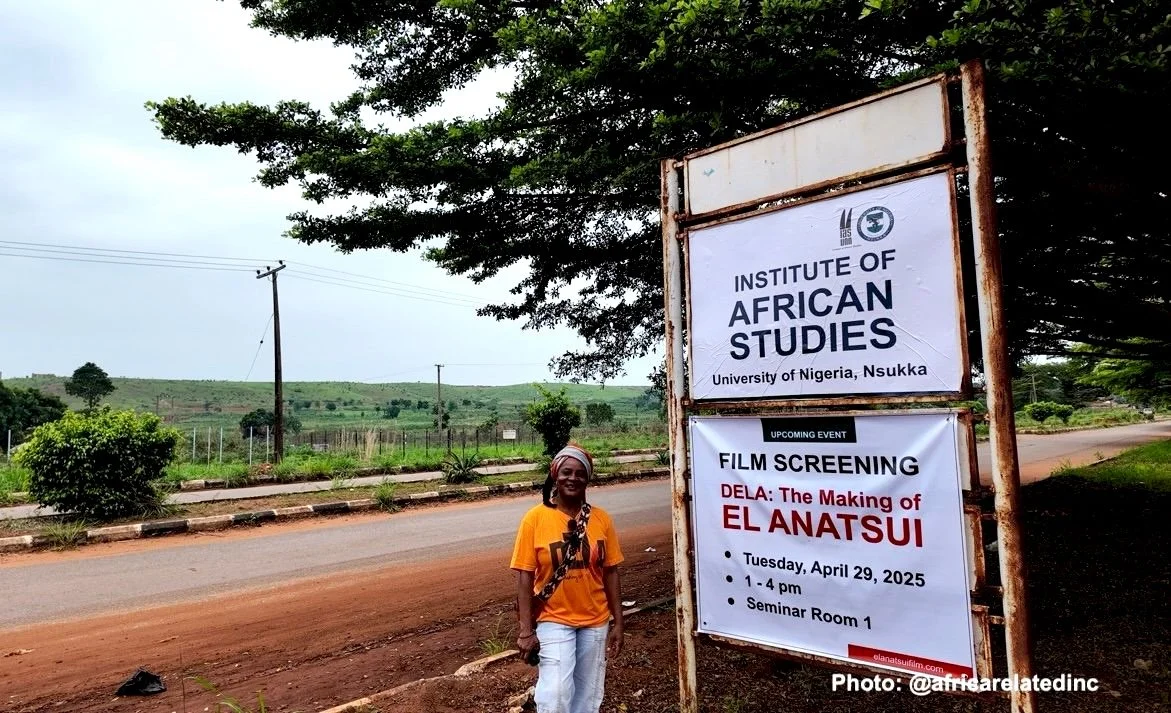
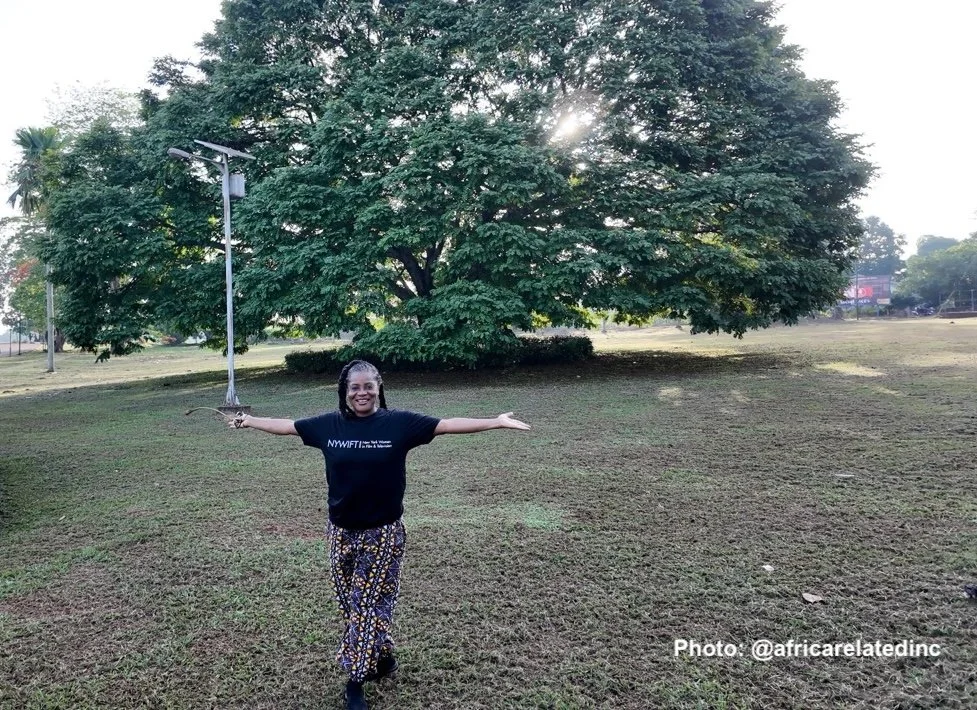
DELA: The Making of El Anatsui is a biographical documentary about one of the world's greatest sculptors. The Campus Tour aims to bring art and film students closer to the film's subject. It has so far, screened at Pan-Atlantic University Lagos, University of Nigeria Nsukka (UNN). In Ghana, the tour will continue at the artist’s five alma mater institutions.
SHARE THIS STORY
DELA Campus Tour Kicks Off With Pan-Atlantic University
The Nigeria leg of the DELA Campus Tour kicked off with the Pan-Atlantic University in Lagos on 20th March 2025. From 10am, the technical crew began setting up at Benin Hall, the theatre style 60-seater venue for the screening.
Patricia Igho, Lagos - Nigeria
The Nigeria leg of the DELA Campus Tour kicked off with the Pan-Atlantic University in Lagos on 20th March 2025. From 10:00 am, the technical crew began setting up at Benin Hall, the theatre style 60-seater venue for the screening
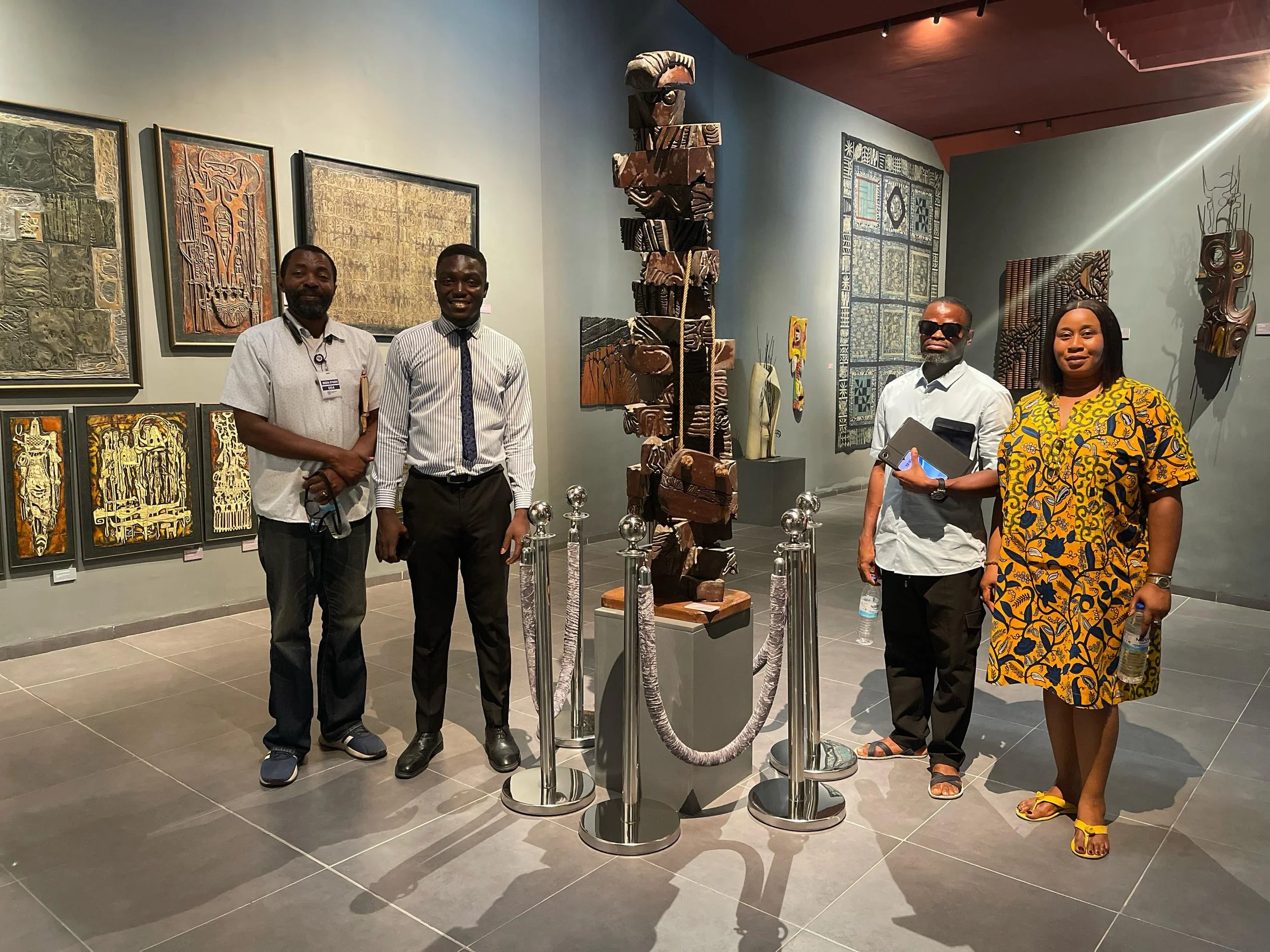
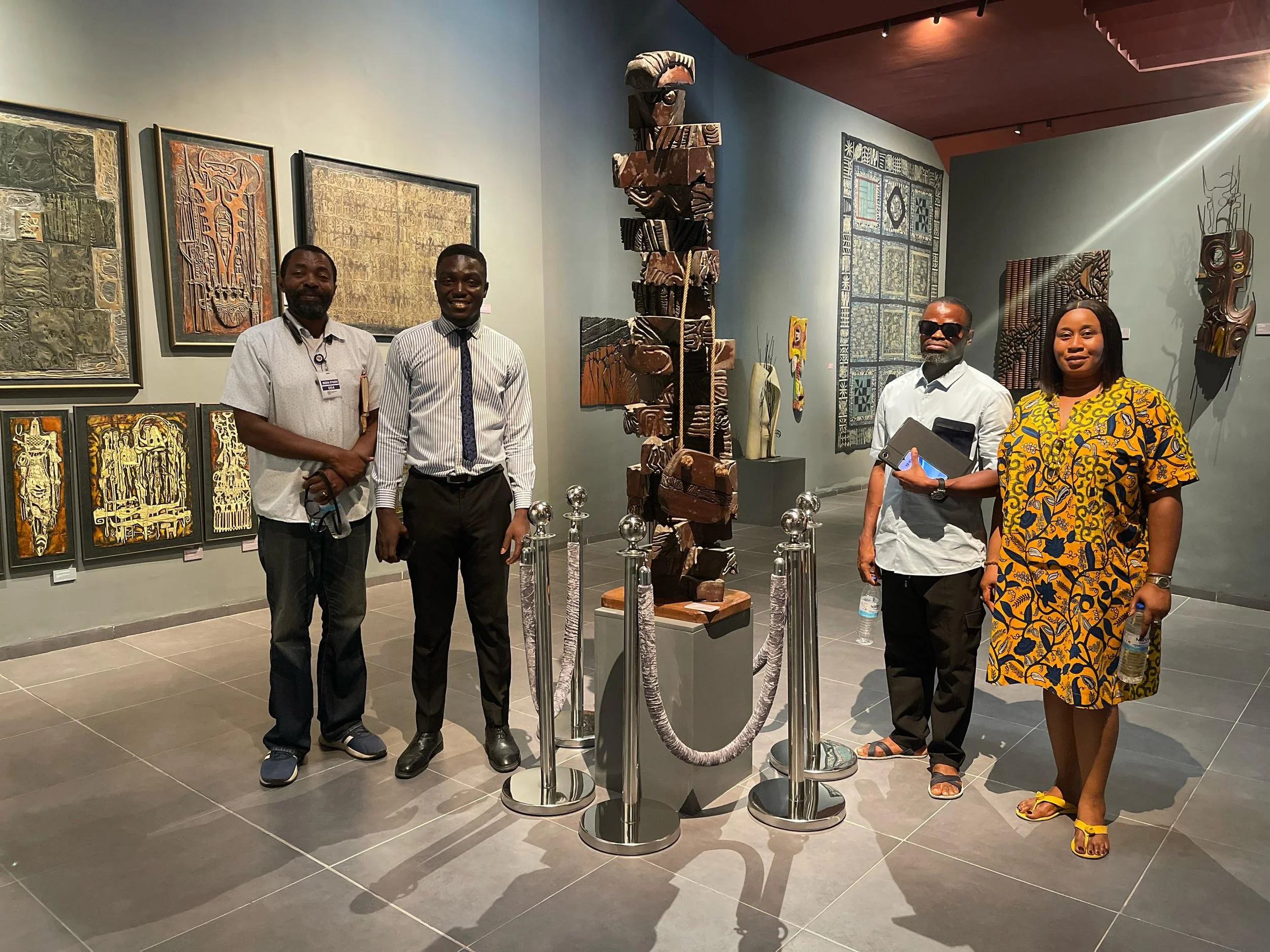
L-R: Standing by on of El Anatsui’s early wood works: Ayodele O. Banjo (DELA Editor/TWPC), Clement Eno, Solomon Nkwagu (Head Corporate Communications, Yemisi Shyllon Museum). and Patricia Igho ( Africa-Related). Photo by Yemisi Shyllon Museum
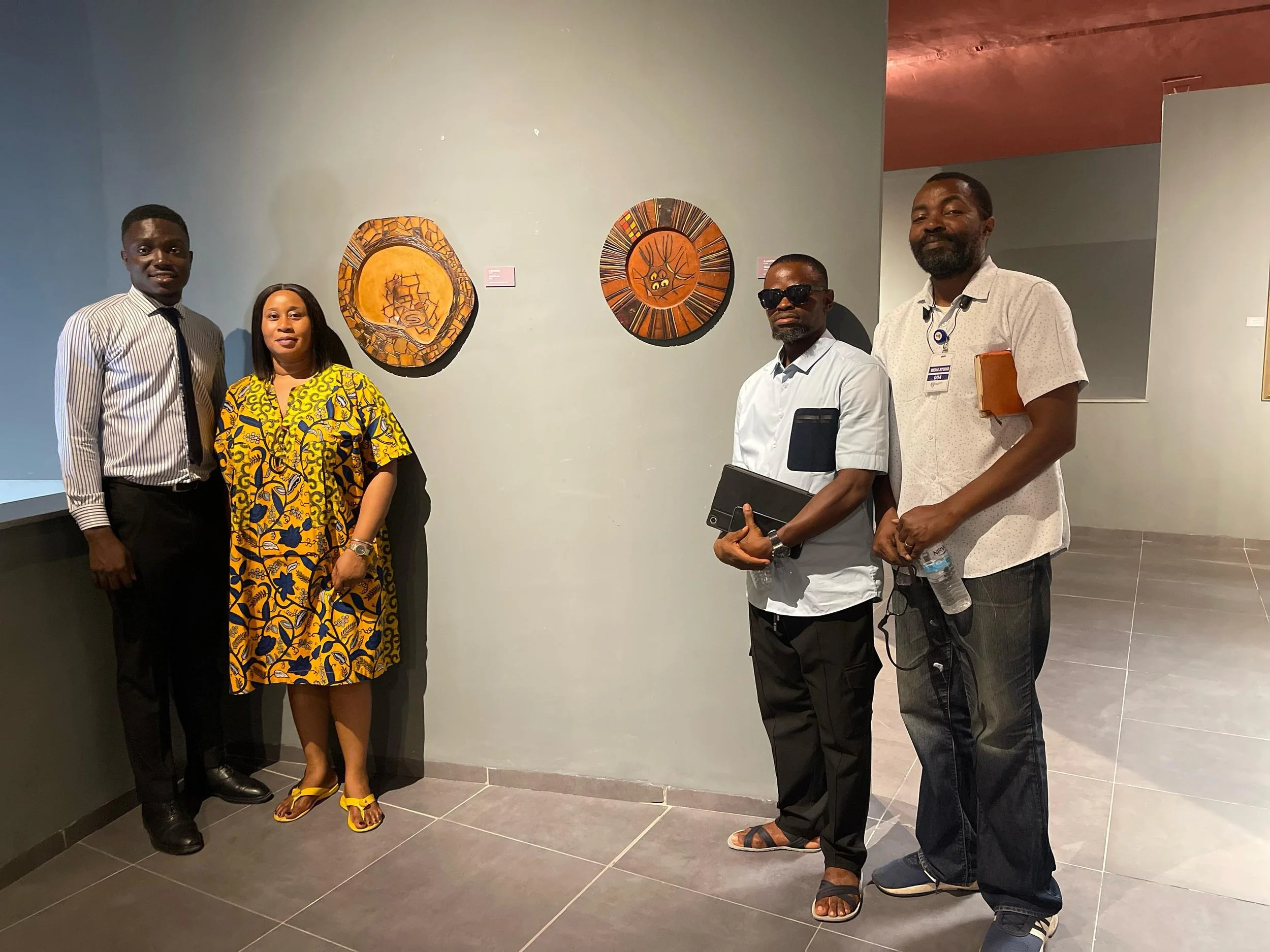
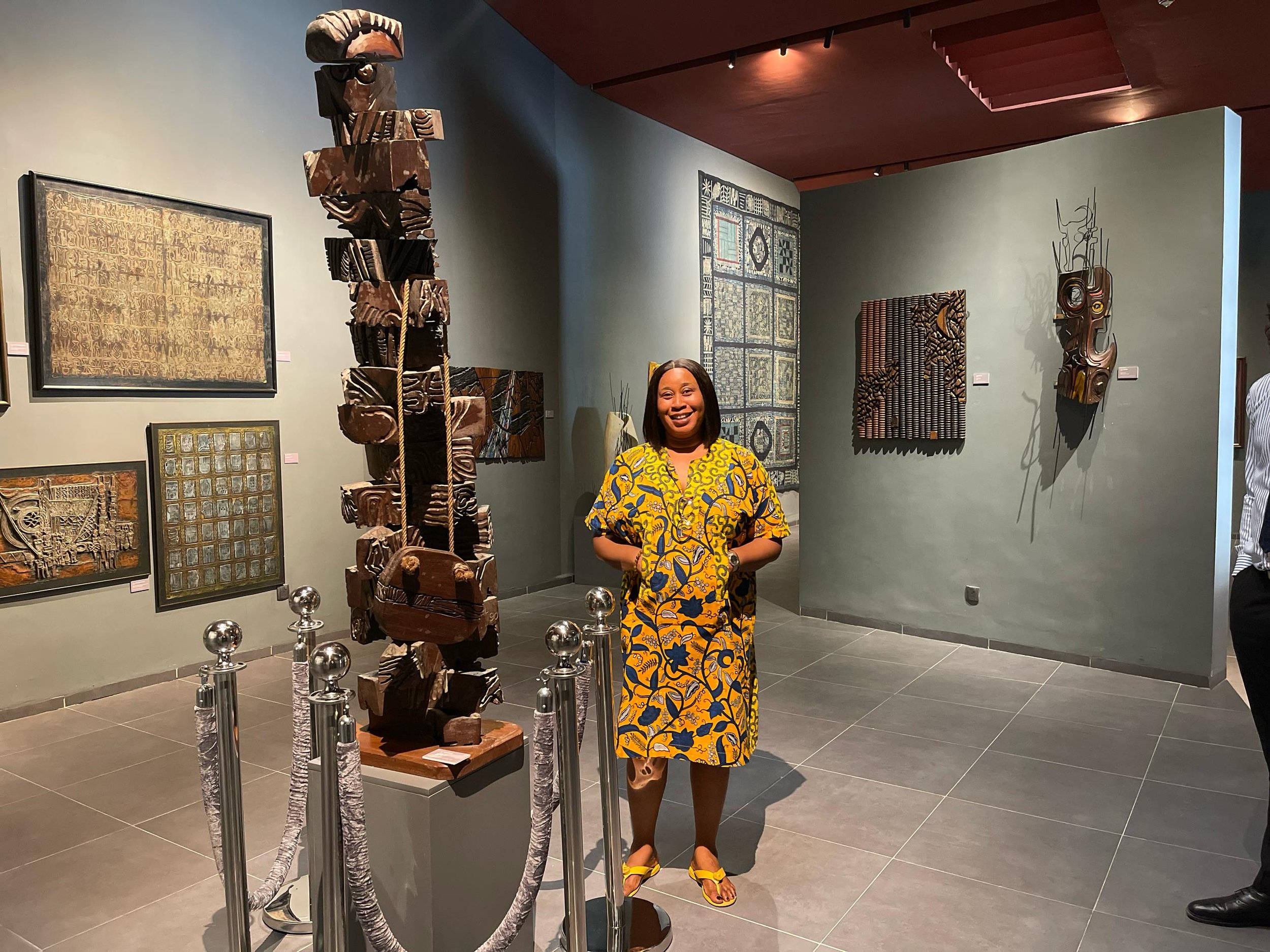
The DELA Team was given a tour of the Yemisi Shyllon Museum of Art by the Head Corporate Communications Mr. Solomon Nkwagu. The museum is situated on the campus, where some of El Anatsui's earlier works are part of the its permanent collection.
The screening was scheduled to take place at 2:00 pm, and students began arriving as early as 1:30 pm, having completed their registration prior to the event. Those students who had classes scheduled in between the start time and the screening later joined the gathering as they were able. Additionally, several members of the staff also made their way to the venue to participate in the event, contributing to the overall atmosphere of engagement and anticipation.
Dr. Añulika Agina, an Associate Professor, Media Studies and MSc Programme Director, made the introductions, and prompted the students to observe a minute of silence for the late Dr. Tom Adaba, who also served as a Senior Consultant on the film project.
The screening kicked off about 2:10 pm and ran through to 4pm. The students displayed keen interest and were actively taking notes during the course. Some of the scenes elicited different reactions such as laughter and awe.
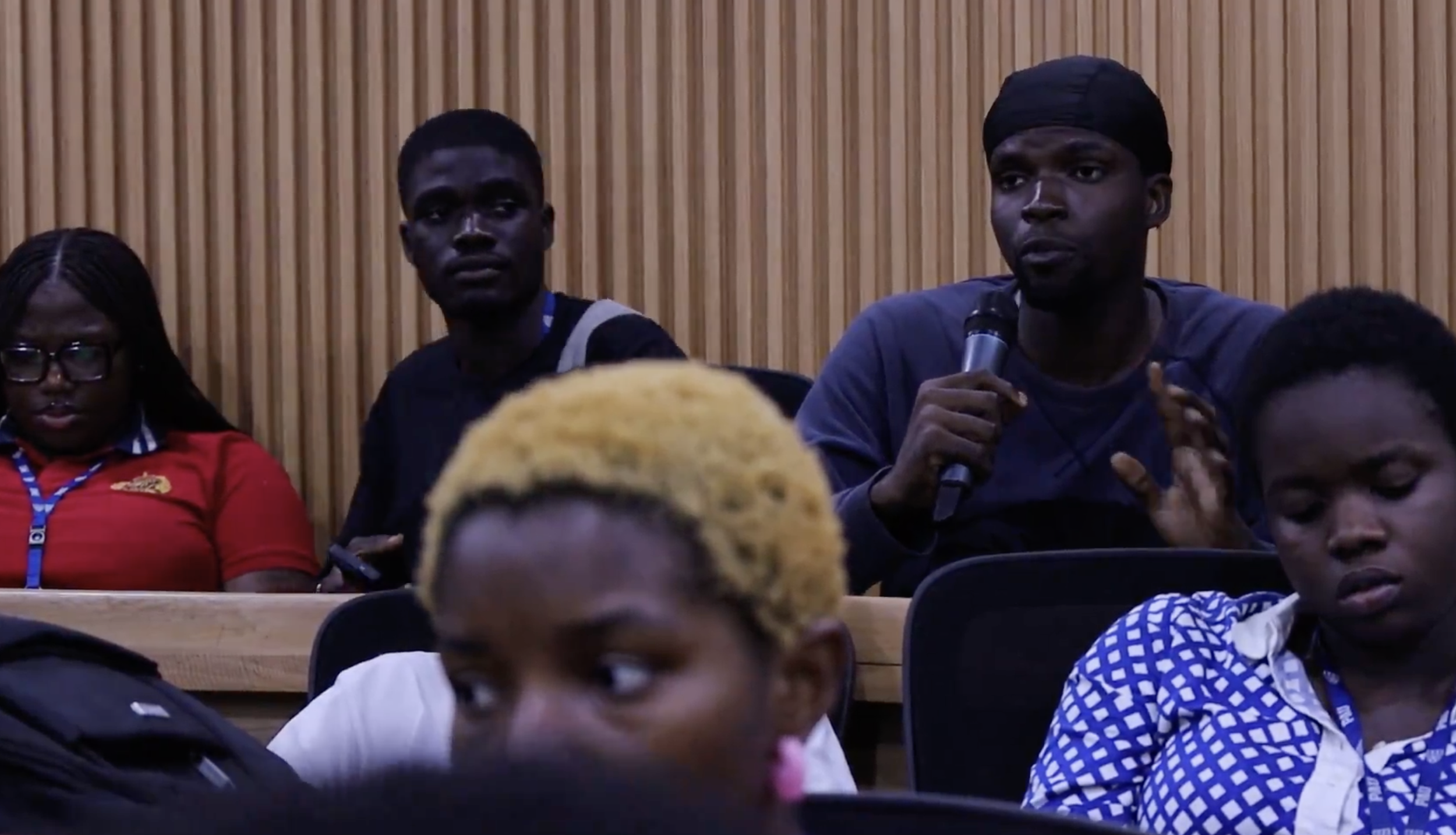
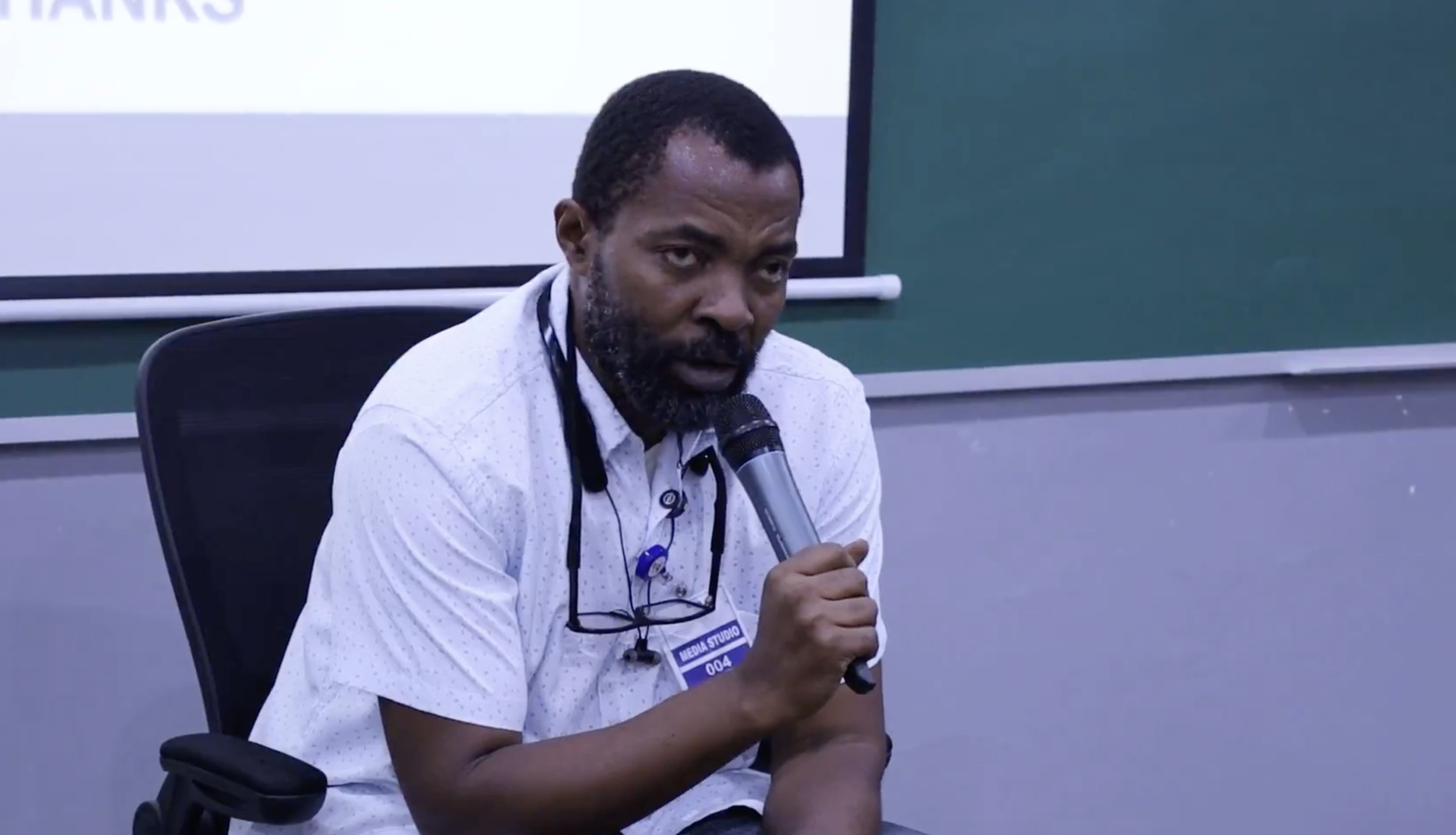
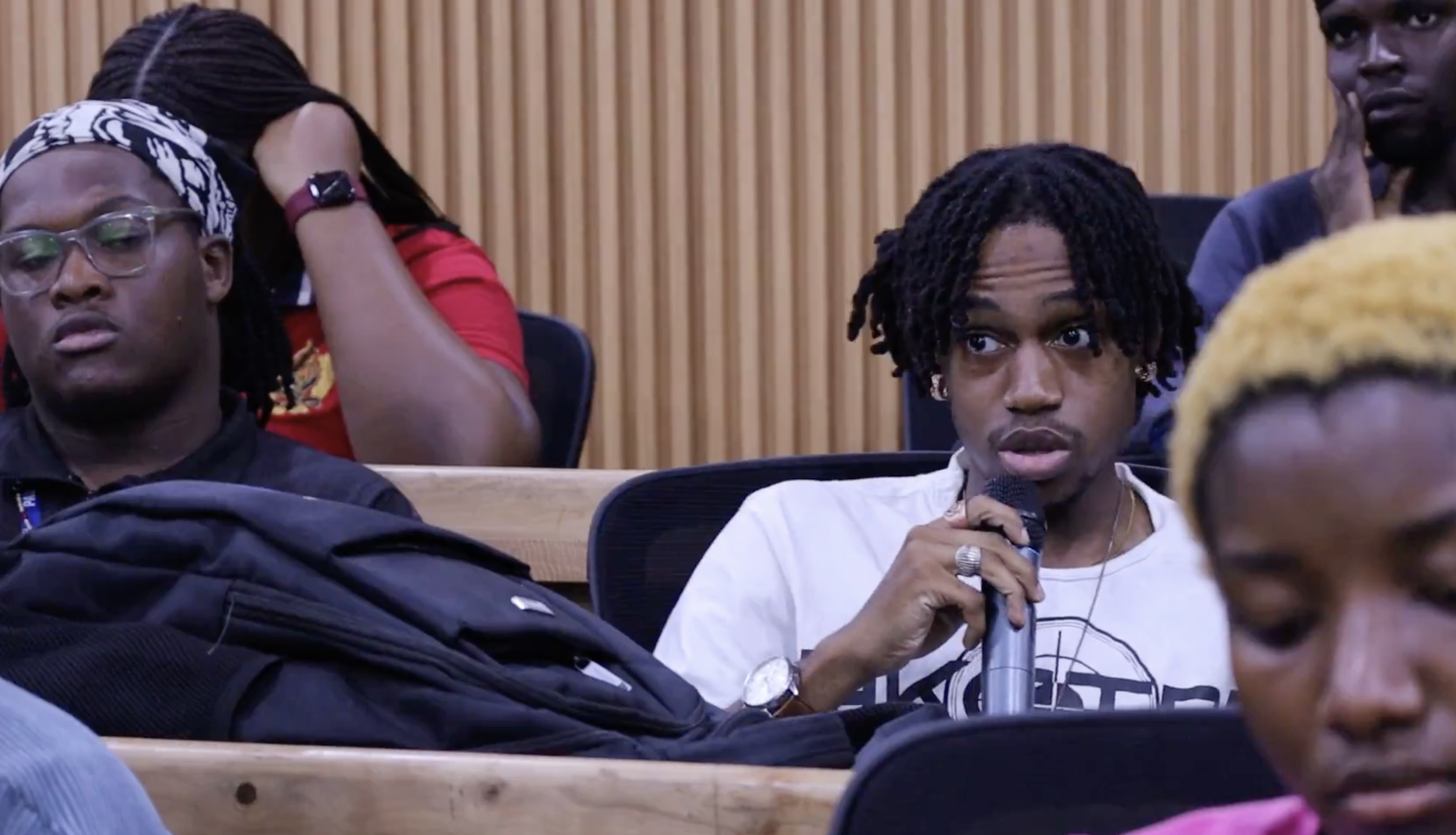
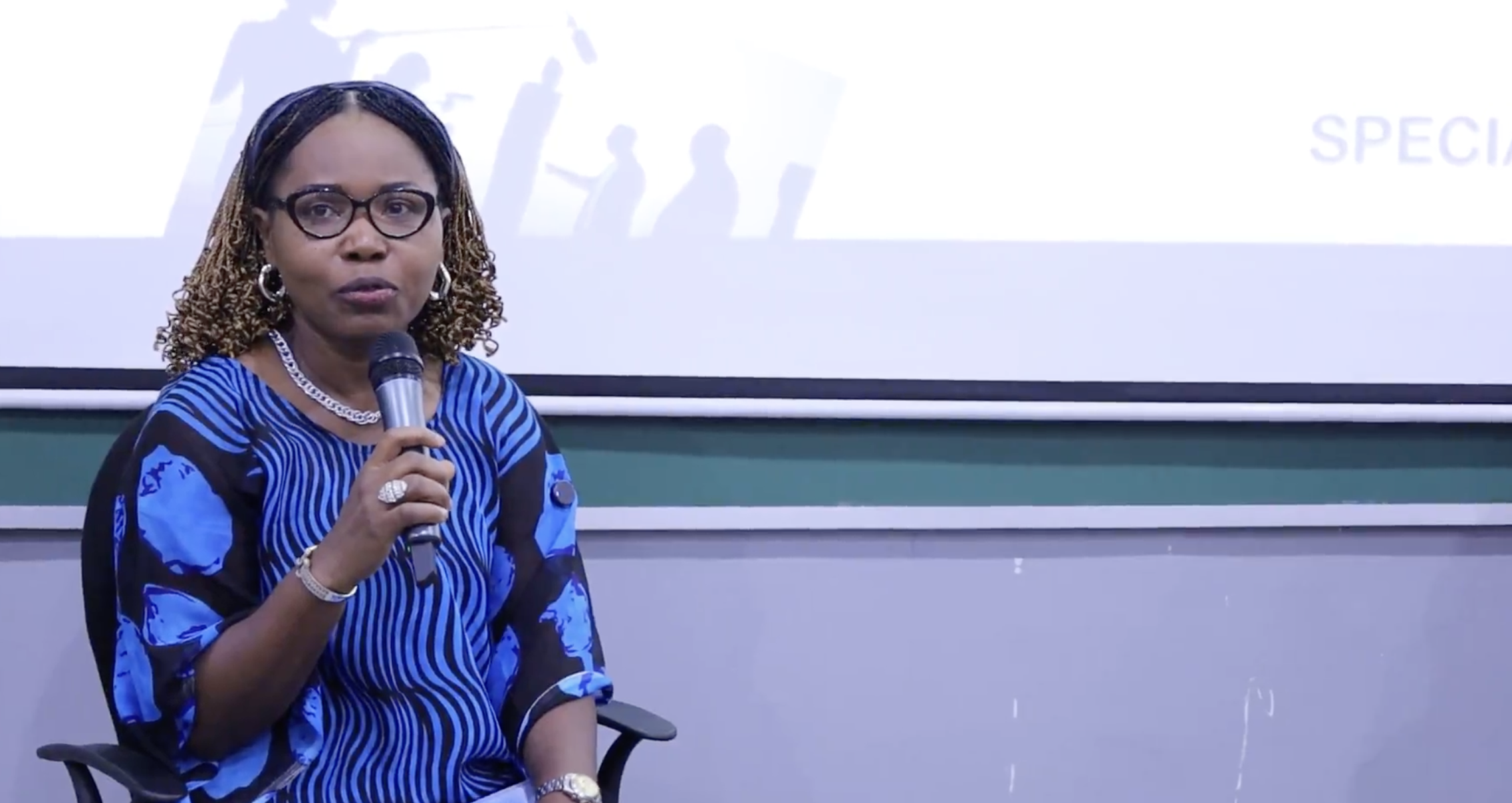
The ‘intense’ Q&A session that followed lasted for an hour and ten minutes. It was an enlightening session, where five students were given the opportunity to ask questions. Mr. Ayodele O. Banjo, the lead editor and co-producer on the project, answered questions that centered on the technical aspects of the documentary i.e filming, music, editing, and personal motivation..
Q & A Photos with DELA Editor Mr. Ayodele Banjo
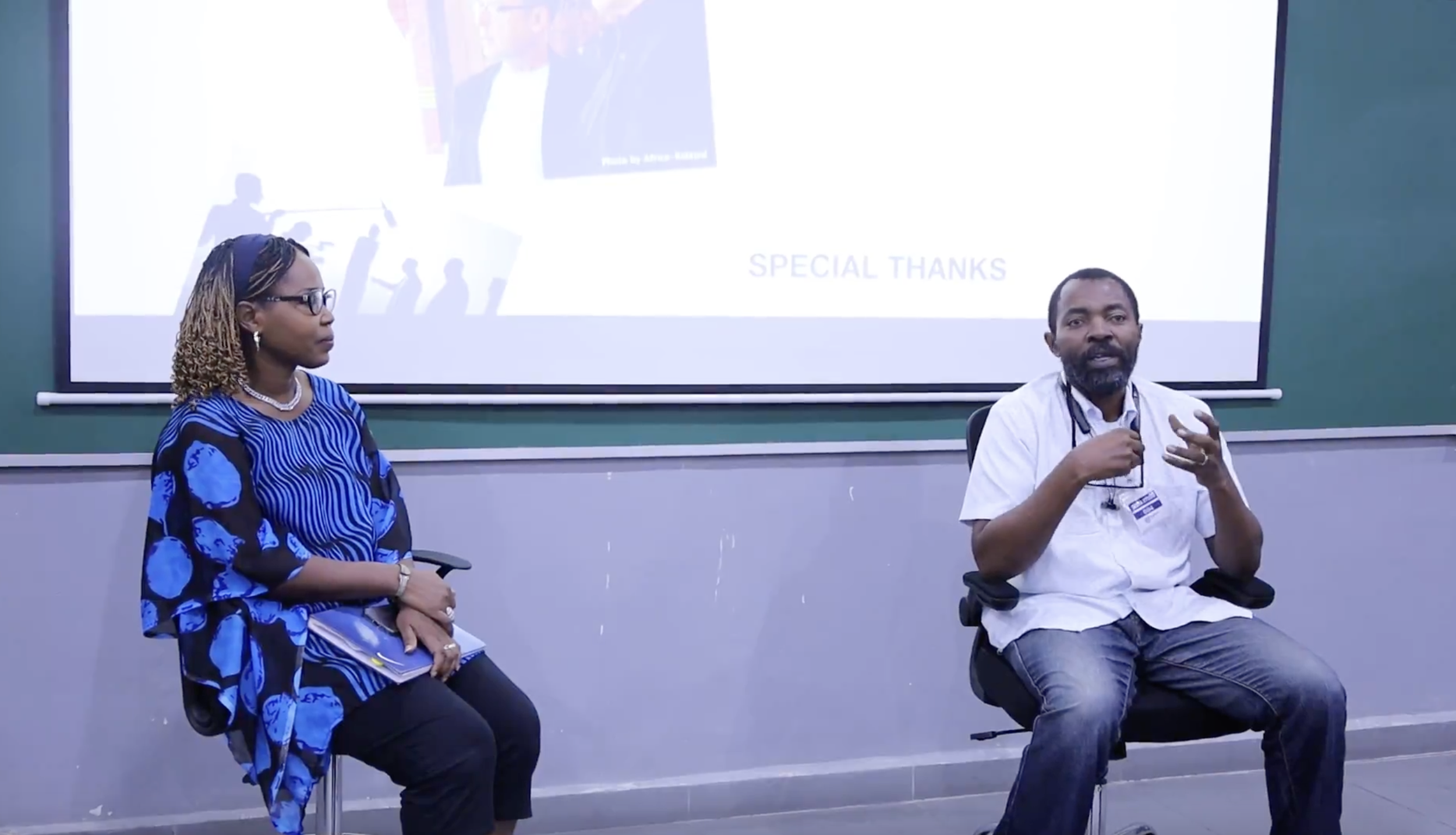
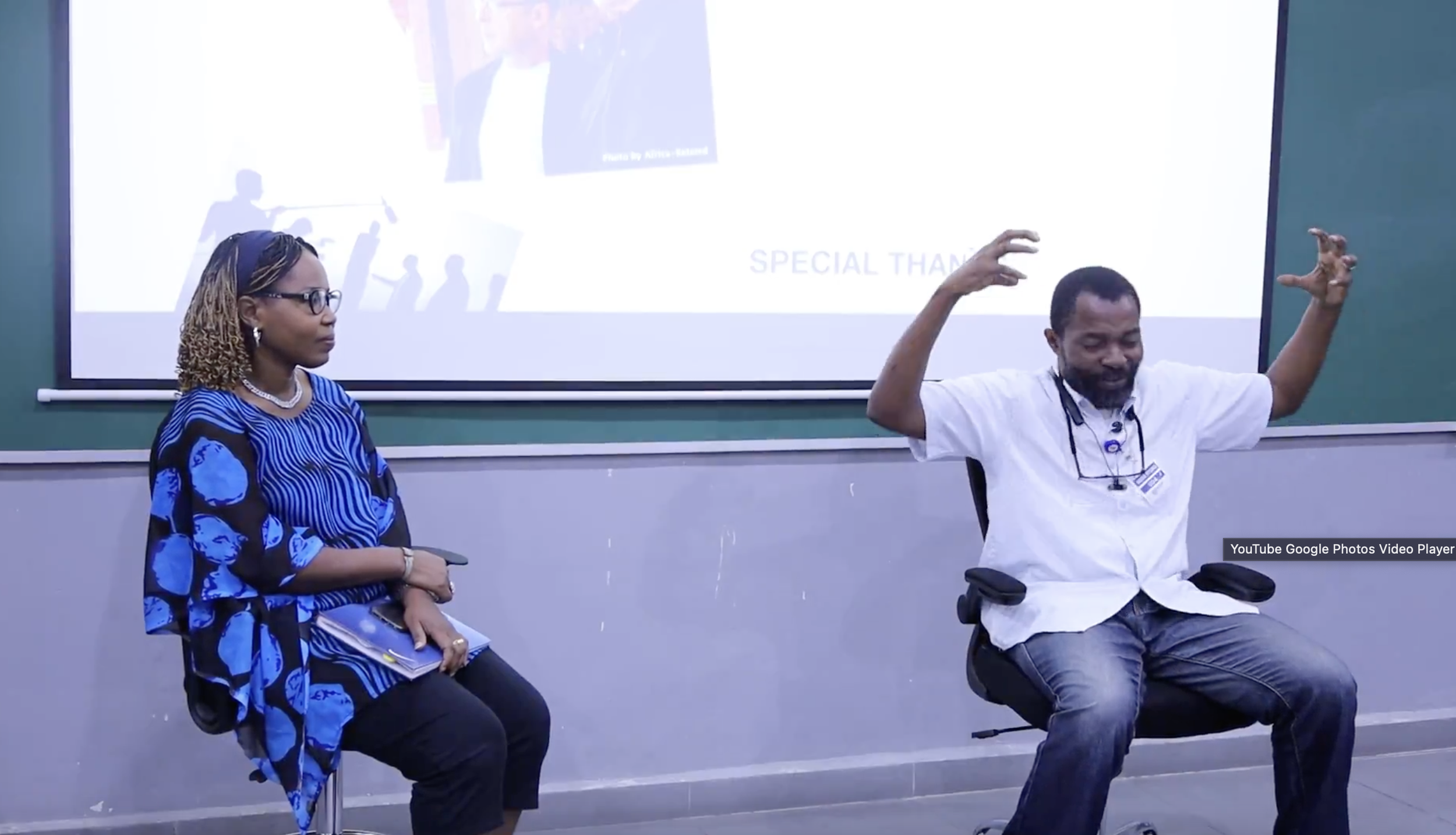

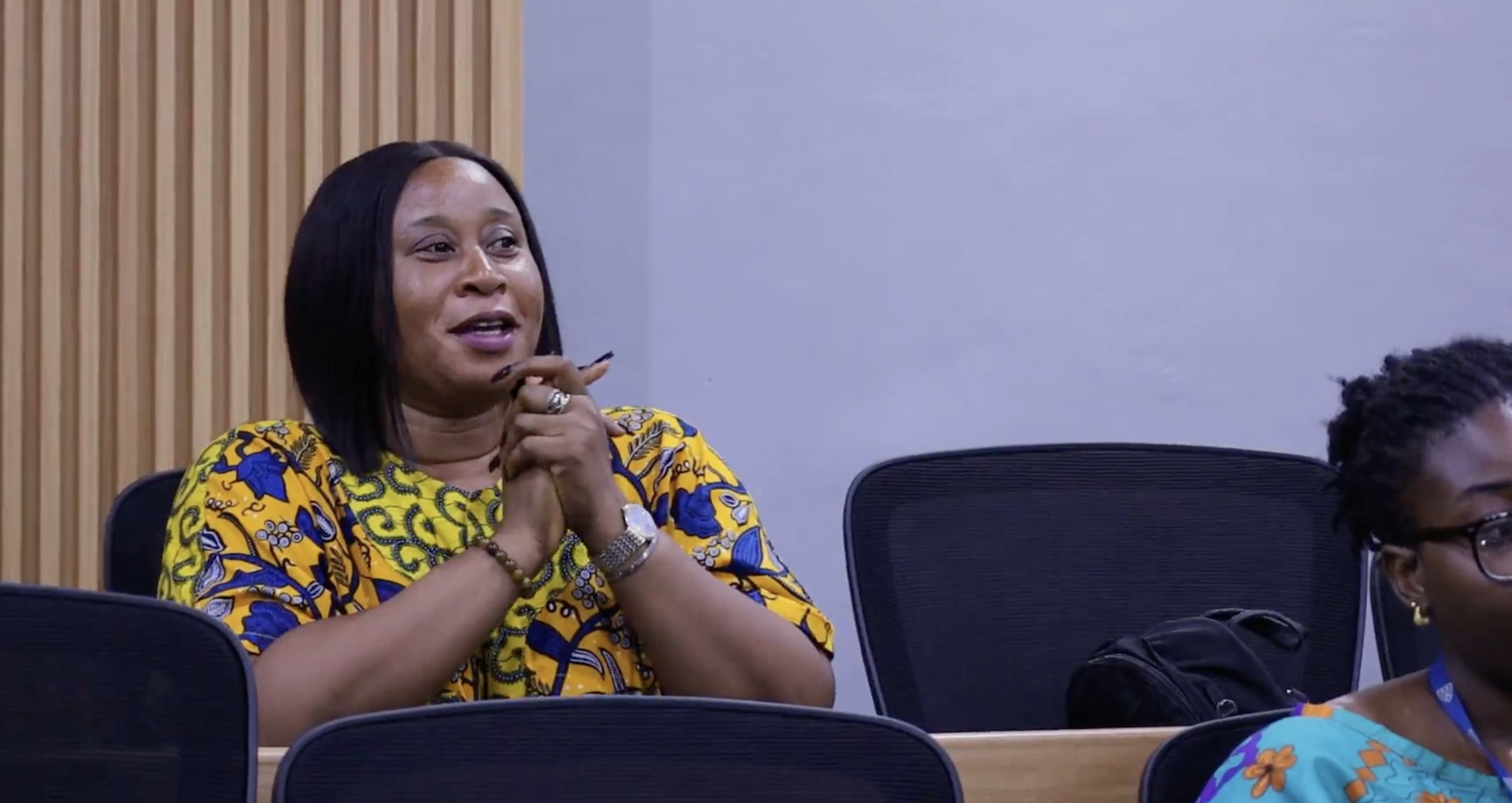
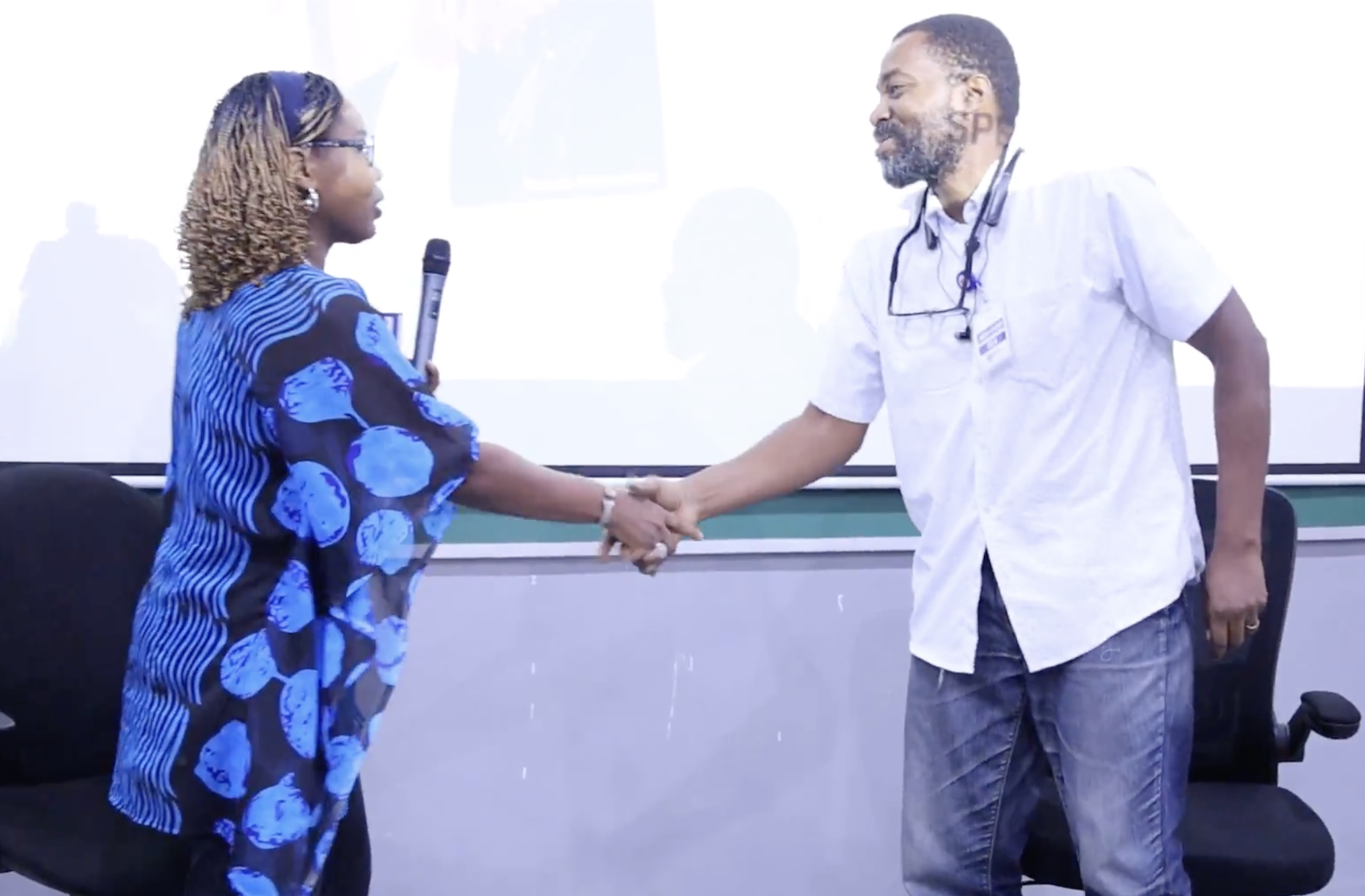
The day ended with three copies each of books authored by two participants in the film, presented to the PAU library and received by Dr. Ajina. The books are 'But For God' by Dr. Tom Adaba and 'A Samson In The Wild' by Bright Andrew Igho.
DELA: The Making of El Anatsui is a biographical documentary about one of the world's greatest sculptors. The Campus Tour aims to bring art and film students closer to the film's subject. The next stop in Nigeria is the University of Nigeria Nsukka (UNN) on April 10, 2025. In Ghana, the tour will screen at the artist’s five alma mater institutions.
SHARE THIS STORY
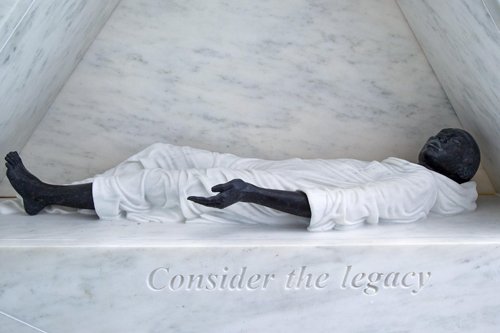
International Day of Remembrance of the Victims of Slavery and the Transatlantic Slave Trade
Beginning in 2008, 25 March was designated as the annual International Day of Remembrance of the Victims of Slavery and the Transatlantic Slave Trade.
New York
International Day of Remembrance of the Victims of Slavery and the Transatlantic Slave Trade
In 2006, the United Nations General Assembly, through resolution 61/19, recognized that “the slave trade and slavery are among the worst violations of human rights in the history of humanity, bearing in mind particularly their scale and duration” and designated 25 March 2007 as the International Day for the Commemoration of the Two-hundredth Anniversary of the Abolition of the Transatlantic Slave Trade. The following year, through resolution 62/122, it designated 25 March as an annual International Day of Remembrance of the Victims of Slavery and the Transatlantic Slave Trade, beginning in 2008.
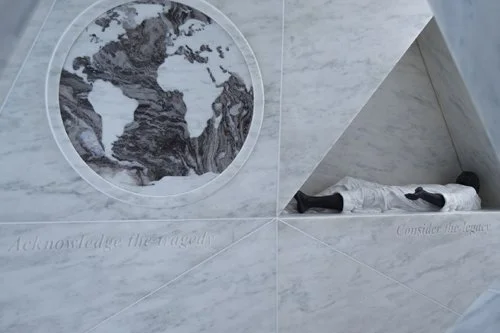
The Ark of Return – The Permanent Memorial to Honour the Victims of Slavery
and the Transatlantic Slave Trade at the United Nations
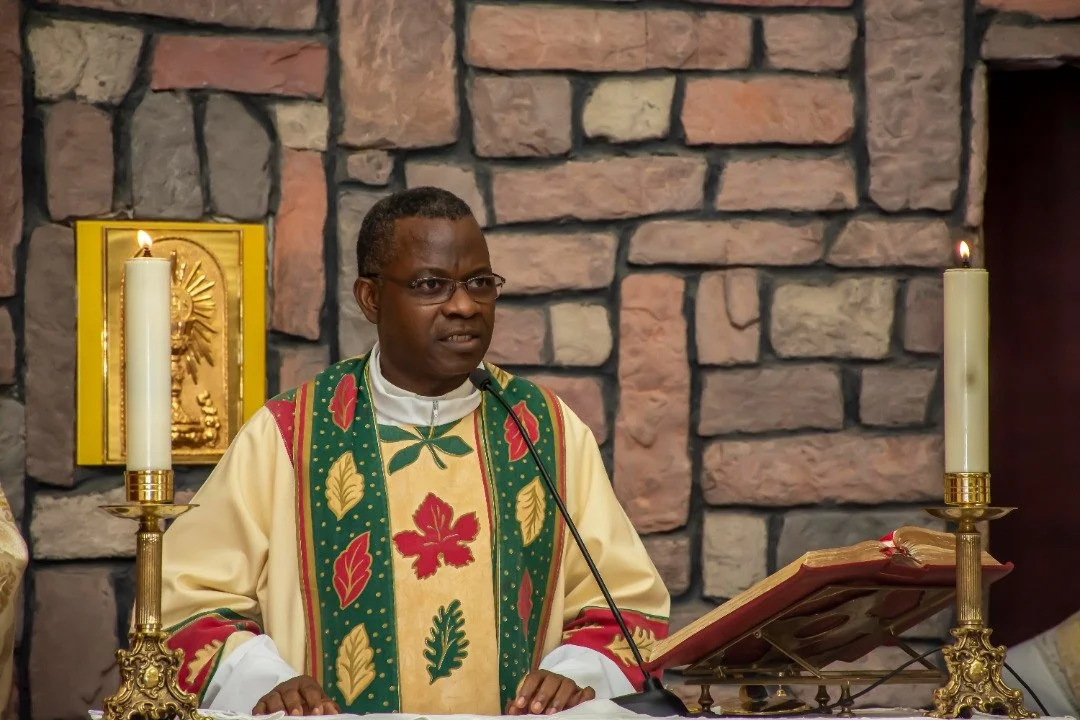
CHRISTIAN EVANGELISM IN OUR CHALLENGING 21ST CENTURY SOCIETY IT IS NOT PARTY TIME. INSTEAD, WE MAY BE BACK TO THE CATACOMBS
Dear friends, sisters and brothers, you are hosting this 2025 edition of your annual Pastors’ Conference in the context of a very vicious, aggressive, vengeful and vindictive form of secularism in the world, that is accompanied by practical atheism, which is openly demonstrated in the lives of many modern-day men and women, including even some of those who fill up our Churches on Sundays. Practical Atheism is the new way of life whereby many people, while not openly rejecting God and religion, are daily making choices and conducting their public and private affairs, as if God does not exit, and in total disregard for God’s commandments, and fragrant violation of critical values and virtues which have always been associated with persons with any measure of religious consciousness.
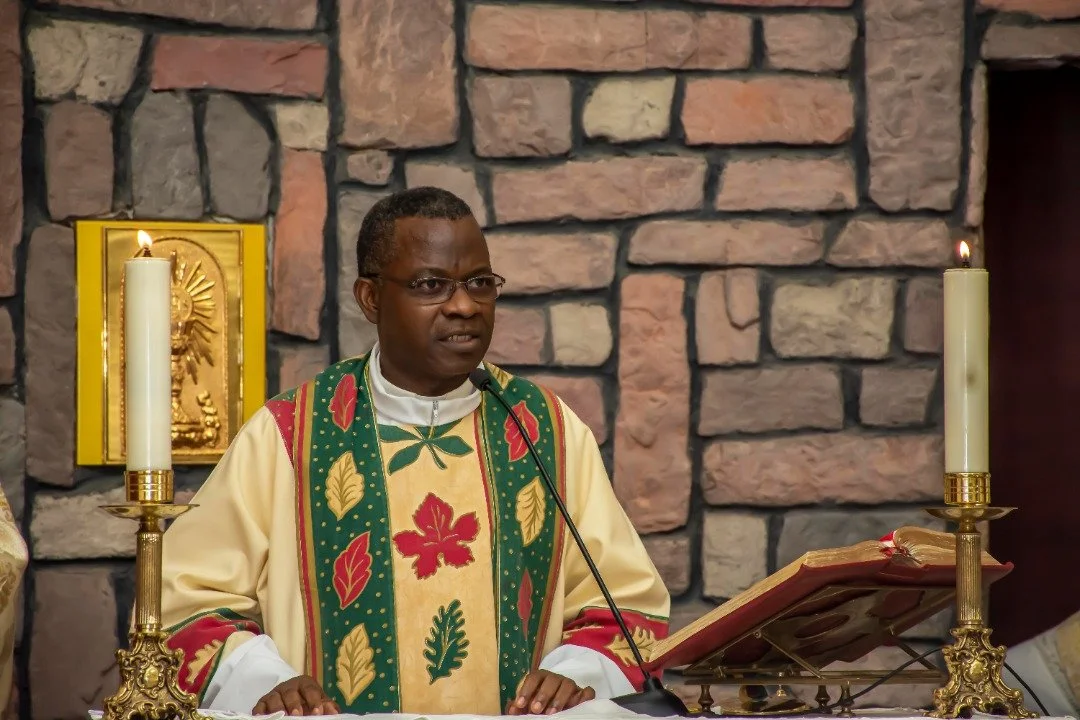
Paper Presented at the Annual Pastors’ Conference of the Realm of Glory International Churches Lagos, January 15, 2025 By Rev. Fr. George Ehusani Executive Director, Lux Terra Leadership Foundation
Dear friends, sisters and brothers, you are hosting this 2025 edition of your annual Pastors’ Conference in the context of a very vicious, aggressive, vengeful and vindictive form of secularism in the world, that is accompanied by practical atheism, which is openly demonstrated in the lives of many modern-day men and women, including even some of those who fill up our Churches on Sundays. Practical Atheism is the new way of life whereby many people, while not openly rejecting God and religion, are daily making choices and conducting their public and private affairs, as if God does not exit, and in total disregard for God’s commandments, and fragrant violation of critical values and virtues which have always been associated with persons with any measure of religious consciousness. Let me highlight the point with a few examples: In July 2024, the organisers of the opening ceremony of the Summer Olympic games in Paris, decided to desecrate a principal symbol of the Christian religion, by making a public mockery of the scene of the Last Supper in a shameless parody, that involved satanic images as well as homosexual, lesbian or LGBTQ++ symbols. Opinion leaders across the world (including Muslims and even people who are not known to have any religious affiliations), reacted with outrage at this public expression of blasphemy and disrespect for the religious sensitivities of the globlal population of Christians. Last week the news broke out that US Nigerian Professor Uju Anya, is now legally married to her lesbian lover, Dr. Sirry Alang, who is a Cameroonian American. In this country Nigeria, the LGBTQ+ madness is today spreading like wildfire. It is being aggressively promoted around the world by not only individual campaigners and NGOs, but also whole governments.
A number of those we call celebrities in Nigeria today, who have millions of young people following them, have often been recruited by powerful international organisations, as agents, to spread these new gender ideologies, by which strange and unnatural sexual behaviours, which the Christian Scriptures squarely condemns as abominable and damnable (See Romans 1:20- 32); the same behaviours that only a few decades ago used to be diagnosed as mental illness; are now defended and promoted as alternative lifestyles and fundamental human rights, such that those of us who express moral outrage at the normalization of these perversions, are blackmailed as homophobic, condemned as religious bigots, and sometimes subjected to persecuted for defending the traditional Christian position in these matters. In spite of the Same Sex Prohibition Act of 2014, we see homosexual practices being openly advertised in the social and regular media today, and viewed by some as progress. Among the many aggressive LGBTQ+ campaigners in Nigeria today, we even have one who calls himself a Christian pastor. He is Jide Macauly, founder of what he calls the House of Rainbow International Church, where homosexuals and transgender persons are not only warmly welcomed, but earnestly celebrated for their courage to come out openly to declare what they call their sexual orientation. And many of our young people appear fascinated by these horrifying developments. If you do a quick google search on the number of young people following Bobrisky, you would be utterly amazed. He has over 3 million followers on Facebook and almost 5 million followers on Instagram. He has almost the same number of followers on social media as Pastor Enoch Adegboye! Brothers and sisters, are you beginning to see what I am talking about?
Your 2025 Pastors’ Conference on the theme, The Cross and the Altar, is happening at a time of widespread loss of God-consciousness, or the rejection by many of any spiritual reference point for the human person and the human society. You are gathered here amid the growing scourge or epidemic that the famous 20th Century Psychologist, Viktor Frankl, identifies as existential nihilism, which is the widespread loss of any sense of meaning and purpose in human existence. Existential nihilism emanates from the loss of the consciousness of God, and any sense of transcendence in the contemporary society. We are confronted today with a much more serious problem than the fact that people are stealing, cheating, committing fornication or engaging in Yahoo-Yahoo. Many young people do not know why they are alive, and some are ready to end it any day, at the slightest provocation. The widespread rejection of any spiritual reference point by an ever-increasing number of men and women in our generation, gives rise to the existential frustration which Augustine of Hippo alludes to when he declares that “the Lord has created us for himself, and our hearts will remain restless, until they rest in him.” The Scriptures of our Judeo-Christian religion and the testimonies from all other major religious traditions sufficiently demonstrate that the more human beings move away from God, the more they move away from the consciousness of spiritual or supernatural realities, and the more they are motivated wholly and entirely by materialistic, this-worldly ultimate goals; the more confused, senseless, restless and violent they become. Yes, as the men and women of our generation move farther and farther away from God and the things of God, they gradually become disoriented and confused about their true identities, about the purpose of their lives, and about the meaning of the very physical bodies they carry around.
Is it not instructive that multiple psychopathologies, including widespread drug addiction, rampant cases of depression, suicide ideation, and actual suicides, appear to be increasing geometrically in the same age and among the same generation that has witnessed what is called the “sexual revolution,” when men and women are being told that they no longer need to exercise any restraints, and when all inhibitions in sexual expression, are gradually being seen as vestiges of a dying primitive era? The truth that stares modern humanity in the face, is the same one that dawned on Augustine in the 4th Century A.D., namely, that the human heart is either home-bound or death-bound; and there appears to be no resting place in between! Yet, a cursory survey of the dominant segments of our own youth culture in this country, Nigeria, especially as displayed in popular movies, comedy skits, music and dance, including some of what people call Gospel music today, will reveal that even though our Churches are often filled up on Sundays, and though the public practice of religion still appears to be thriving in our society, all is however not well with us. All is not well with us, because our youths are speedily abandoning the path of Christian virtues and values, and they are losing their souls to the social and moral decadence of the age.
Christian youth in this country and elsewhere these days, are often the ones with the least respect for religion and religious persons. They are often the ones denigrating the Church, blackmailing and insulting religious leaders, desecrating religious symbols, and recklessly engaging in acts that used to be identified as blasphemy and sacrilege. Most of the young Nigerians who are today addicted to pornography, and those engaged in internet fraud, Yahoo Yahoo and Yahoo+, or those allegedly engaged in ritual killing (of their mothers, their sisters and girlfriends, for quick money), are often youths brought up Christian homes, but who seem to have lost their way, and are now in the den of the devil. Traditional African religious rituals have suddenly become very attractive for many Nigerian youths, who are today not only enlisting as devotees of traditional deities and ancestral cults in their villages, but many are actually becoming priests and priestesses of some of these traditional African religious cults; the kind of cults that 3 their parents were never exposed to, because their grandparents had abandoned them to embrace Christianity!
Just last week, at the opening ceremony of the annual retreat in Anambra State, of all the Bishops of the Church of Nigeria, Anglican Communion, Governor Chukwuma Soludo raised an alarm over a frightening development that I am well aware of myself. He observed that this is a very trying moment in the history of Christianity in our society today. Though the Anglican Church claims to have up to 20 million Nigerians officially registered in their books, and though the Christian Church as a whole, boasts of more than a 100 million registered members in Nigeria, he wondered how many of these 100 million people, most of who were brought up in Christian homes, are still Christians. He said the question is even more pertinent in the Southeast, as in his view, the fastest growing religion in the Southeast is idolatry. He said from Anambra to Imo, and from Abia to Enugu and Ebonyi, there is a massive resurgence in idolatry, with traditional shrines springing up everywhere, and that they are recruiting young people massively, young people with names like Emmanuel, Joseph, and even some bearing the name Christian, but they are carrying their shrines. He said the leaders of the Church in Nigeria must now engage in a sober reflection, asking themselves the question: Why are the young y leaving Christianity in droves? He said the leaders must constantly re-examine their purpose, asking themselves, “Are we still serving the purpose? Are our ways in conflict with our purpose?” He wondered whether in the eyes of some people in Nigeria, religion has not become a business, where the transactions have gradually overwhelmed the transformation.
We are living through very challenging times, especially for truly religious people, as there is very little sense of spirituality and transcendence left in the popular culture, and sometimes even in some of our Churches that have been turned to theatres of endless entertainment. The powerful agents of the global culture have become increasingly secular, and aggressively anti-religious and vengefully anti-church. These are difficult times indeed. We are at the threshold of a new dark age, and a new era of Christian persecution, when truly committed agents of the Gospel of Jesus Christ will be challenged to embrace martyrdom that will come from different directions, including even from within the Church itself. Today, an increasing number of men and women who were raised in Christian homes and schools, are rejecting the true gospel of Christ, and instead they are choosing to dine with the devil and to give themselves over to the most reckless forms of debauchery, self-indulgence and moral depravity. The religion of many who flock to our churches on Sundays, often has no depth at all. It is often a transactional religion that is devoid of serious elements of Christian spirituality or the godly life, such as is exemplified in Jesus Christ himself and in those we celebrate as the saints of the Christian Church. We cannot see in the life of many who fill our Churches in Nigeria, evidence of people who have truly encountered the God of Jesus Christ and fallen in love with Him; people who have had the same experience of the all-consuming power of God's love, and now and again can exclaim like Prophet Jeremiah (in Jeremiah 20:7), “You have seduced me Lord and I have allowed myself to be seduced; you have overpowered me, and you have prevailed...” Instead, many of those we have in our Churches are still trapped at the infantile (transactional) level in their religiosity; that level at which prayer is not aimed at lifting the heart and mind to God, but aimed at appeasing, bribing, manipulating or twisting God's hands into doing our will; that level at which attempts are even made to coerce the God of love into destroying one's enemies, etc. This kind of religiosity is like a pack of cards that will come crashing down in the face of the enormous existential challenges that are ahead of us.
Our Churches and auditoriums are filled to capacity, yes, but many of our members have not been well formed in Christian spirituality and Christian morality. Yes, indeed, the harvest of the 4 Lord is plentiful but true labourers are few. The vineyard of the Lord today is made up of many ignorant but arrogant, fun-seeking, power hungry, enemies of God and enemies of Christ, who shamelessly display and audaciously promote abominably perverse behaviours that insult the sensibilities of god-fearing people of all times. In this kind of degenerate dispensation, we all must brace up for action, and assume our roles as born-again Christians - priests, pastors and evangelists, faithful witnesses of Christ, and courageous defenders of the Christian faith, not with swords and javelins as in the days of the Crusaders of the Middle Ages, but with the intellectual, spiritual and moral resources of our faith.
To function as faithful witnesses of Christ, and to answer the call to be pastors and agents of evangelism in the 21st Century, is going to be a very difficult and challenging spiritual, pastoral and social enterprise. To live our lives and discharge our duties effectively as witnesses and defenders of the Christian faith today, may be a via crucis – that is, the way of the cross, which may take some of us toward Calvary. When I consider the many forces that are mounting viciously and aggressively against the Christian message today, I feel compelled to go around warning my fellow priests, pastors, and evangelists, that “it is not party time;” that we are being called to thread the painful path towards Calvary. The challenging task before us will daily demand of us a high degree of faith commitment, for the radical witness to the Gospel of Christ which an age of widespread unbelief and debauchery such as ours requires of us.
The good Lord desires to save the people of every generation, but the appropriate character disposition, the depth of spirituality, and the degree of sacrifice required of the agents of the gospel who are to be sent to each generation, will be determined by the peculiarities of each generation. Those of us who embrace the call of Christ to minister in his vineyard today, are in for some very serious business. It is not party time all. These days, when I see Christian pastors and preachers, dressed in expensive clothes and designer jewelry, flying around in private jets or firstclass compartments of air planes, or driving around with motorcades, sometimes with police escorts and civilian bouncers, I often turn to those around me, and say, “Ewo o - awon eleyi o mo nkan nkan!” See, these ones don’t know anything. In other words, such priests, pastors and preachers that still carry themselves around at this point in time, with what we can describe as a high degree of ecclesiastical and clerical triumphalism; such church leaders are reveling in the past glories of medieval Christendom, when bishops, priests and pastors, lived like medieval feudal lords, monarchs and emperors. That era in European Christianity was brought to a brutal end by the violent French Revolution of 1789 to 1892. We in the Catholic Church have learnt a few lessons from the history of medieval Christianity in Europe. That is why you are not likely to see a Catholic Pope, Cardinal or Archbishop, anywhere in the world these days, living an openly flamboyantly lifestyle, no matter how rich his church or his diocese may be.
Now, as the world gets more and more engulfed in the darkness that manifests itself in new forms of paganism, such as we see in the radical Gender, Transgender and Non-Binary ideologies that aim to destroy traditional religious and family values; and as our own youth population are increasingly turning towards new forms of paganisms in Nigeria, Christian pastors, and the generality of Christians, are today called upon to stand up to be counted among the true followers of Christ, by disciplined lives of meaning and purpose. We are called upon to quickly get ourself educated in the complex dynamics of the times we live in, so we may courageously confront the neo-paganism of contemporary society, with the light of the Christian gospel which never dims.
Those the Lord requires as pastors, preachers, and evangelists in our society today, should be persons who daily submit themselves prayerfully as instruments in God’s hands for the salvation of souls. Those the Lord requires as agents of Christian evangelism today, should be persons of extraordinary courage and fortitude, who accept the call to shine the light of Christ amid the 5 darkness of contemporary society, and to constitute themselves into signs of contradiction to a world of ruthless and aggressive competition for wealth and power, and mindless devotion to the cult of sensual pleasure. Those the Lord requires as pastors, preachers and evangelists today, should be persons of faith, who can interpret the signs of the times, as well as offer gospel discernment on the socio-historical circumstances of their people.
Let me be very blunt with you: We are in the midnight hour, and the Ship of Peter (the Church), is battling amid very turbulent waters, as is sufficiently demonstrated in the spiritual and moral crisis to be found in our various Churches today. At this time of widespread mediocrity, hypocrisy and apostacy among many Christians, including even among high-ranking personalities in our Christian Churches, the Lord requires men and women of extraordinary commitment that would be part of his remnant few, who, with a heightened sense of sacrifice, would be holding the fort, standing in the gap, and putting on the whole armor of God against the wiles of the vicious enemies of God’s people. For as St. Paul reminds the Ephesians, “it is not against flesh and blood that we must contend, but against principalities and powers, against the cosmic powers of this present darkness, and against the spiritual forces in the heavenly places…” Therefore (he says), “take on the whole armor of God, so that you may be able to stand firm … and quench all the flaming arrows of the evil one” (See Ephesians 6:10-17).
The challenges I have outlined above are even more pressing for Christian pastors and Christians who are young parents, as we would have to practice our Christian faith and raise our children in a world that is becoming terribly hostile to any form of religiosity and spirituality, and particularly hostile to traditional Christian values; a world that is completely different from the one in which many of the older pastors here grew up in the 1960s and 1970s. When those of us in the older generation of today were growing up, the principal agents of socialisation included the Family, the Church, and the School, in that order. And those whom the children saw as heroes and mentors to be emulated, were from among their parents, their church leaders and their teachers. But all that has changed today. With the mobile phone in the hands of our children, the television in our homes, and the billboards littering our towns, villages, and highways, the more powerful influencers of our children’s values today, are often social media personalities, popular musicians, movie stars, comedians, and sundry entertainers. Many of these celebrities are school dropouts, products of broken homes or dysfunctional families. Many of them are drug and alcohol addicts, serial polygamists, and unrepentant sexual perverts. Some of them are known psychiatric cases. Others regularly display symptoms of one psychopathology or the other. But they are all rich and famous. They all have millions of young followers on social media. This is why they are called social influencers, and they are regularly recruited as “brand ambassadors” by unscrupulous agents of corporate organisations.
Thus, in the absence of good parenting; and in the absence of adequate and effective strategies for appropriate instructions in Christian values and morals for our children and youth, these celebrities who are themselves often in need of spiritual, psychological, and social rehabilitation, have unfortunately become the prime influencers, the principal inspirers, the key mentors, and the chief opinion molders of our vulnerable and gullible young people. So, I really do not envy those who happen to be young Christian parents today. Christian parenting today involves a lot more effort and investment than was required when many of in the older generation were growing up. Those who are still raising young children today should recognize that their children may not turn out to be good Christian children, simply because they pray at home and ensure that the children follow them to Church on Sundays.
Parents of young children will need to do a lot more, with the grace of God. They will need to be Christian parents in all truth and with all seriousness, making their homes domestic Churches, 6 giving loud witness to Christian values, and teaching their children from their earliest days, to become signs of contraction to the evil generation; to stand out and shine their light amid the surrounding darkness; and with all boldness, to defend the hope that is in them, as St. Peter urges believers in 1 Peter 3:15. This is by no means an easy task, but with God all things are possible. After all, the Lord has promised us that the powers of hell will not prevail against his Church. And we know that the One who called us to be Christians and to be ministers of the of the Gospel in season and out of season, will not abandon us in this critical season. May the certainty of his presence sustain, strengthen, and comfort us, as we renew today our commitment to defending the true faith that Jesus left us. Amen.
Before concluding, I would like to challenge all those who, like me, are senior citizens, to take responsibility for the future generation. Many of our young people are today behaving like sheep without shepherds. Many have lost their souls to debauchery and depravity as we noted above. So, we need experienced older people in their 60s, 70s, and 80s, to help these young people answer the most profound and critical question of life’s ultimate meaning and purpose; questions which the young people seem to be grappling with daily. In the face of the tragedies and frustrations of life, and especially in the face of the mess which successive generations of rogue leaders have made of our country Nigeria, we need a “remnant few” from among the experienced members of the Christian community, who have been sufficiently schooled by both the positive and negative experiences of their lives, and who have learnt some of the profound truths of their human existence, so they can now become teachers, inspirers and mentors of the younger generation in a life of discipline, virtue, meaning and purpose. I challenge those of the older generation, to take responsibility for the future, by using their time and resources, their skills and talents, their rich knowledge and privileged exposures, their successes and achievements, but also your failures and disappointments – from which hopefully they have learnt good lessons – to disseminate those values and principles, and promote those norms and habits, that will make for meaningful existence for future generations of humanity. It is in this way that those of us in the older generation today would live the rest of our lives purposefully, that we would age gracefully, and that at the end, when the Lord calls us, that we would have the honour of exiting this world, as it were, gallantly!
Press Release - Coalition Urges Biden Administration to Grant TPS to Nigeria Before End of Term
WASHINGTON, DC —On November 18, 2023, a coalition of organizations advocating for immigration relief for Nigeria met with representatives from the Department of Homeland Security (DHS), the U.S. State Department, U.S. Citizenship and Immigration Services (USCIS), and other federal agencies. The coalition, which includes the Nigerian Center, Nigerian American Lawyers Association, Amnesty International, and The ONE Campaign, called on the Biden administration to designate Nigeria for Temporary Protected Status (TPS) and Special Student Relief (SSR) before the administration’s term concludes.

FOR IMMEDIATE RELEASE
November 19, 2024
Coalition Urges Biden Administration to Grant Temporary Protected Status (TPS) & Special Student Relief (SSR) to Nigeria Before End of Term
WASHINGTON, DC —On November 18, 2023, a coalition of organizations advocating for immigration relief for Nigeria met with representatives from the Department of Homeland Security (DHS), the U.S. State Department, U.S. Citizenship and Immigration Services (USCIS), and other federal agencies. The coalition, which includes the Nigerian Center, Nigerian American Lawyers Association, Amnesty International, and The ONE Campaign, called on the Biden administration to designate Nigeria for Temporary Protected Status (TPS) and Special Student Relief (SSR) before the administration’s term concludes.
During the engagement session, the lead of the TPS Coalition for Nigeria emphasized the urgency of the request:
“We urge the administration to grant Nigeria Special Student Relief (SSR) designation, or, if possible, Temporary Protected Status (TPS). We request that the Biden administration extend these critical protections to Nigerian nationals and students in the U.S. before its term concludes. As the United States transitions to a new administration, we recommend prioritizing this request as a policy recommendation for the incoming administration, particularly given its stated commitment to favoring merit-based immigration. This approach is especially relevant for individuals with skills in demand in the U.S. economy.”
said Gbenga Ogunjimi, Director of the Nigerian Center and lead of the TPS Coalition for Nigeria.
As of 2024, Nigeria faces one of the most challenging periods in its economic history, marked by surging inflation and severe currency devaluation. The Naira has depreciated drastically, with $1 USD now equivalent to 1,664 Naira. For context, in 2019, the exchange rate was approximately 360 Naira per USD. This represents a staggering 362.2% devaluation in five years, causing an unprecedented loss of purchasing power.
“This sharp decline has severely impacted families sending remittances to students in the U.S., rendering them unable to afford tuition, housing, and basic necessities. These hardships are why, in April of this year, a coalition of over 50 immigrant rights, human rights, faith-based, and community organizations petitioned the Biden administration to designate Nigeria for Special Student Relief (SSR),”
said Nkechi Ilechie, Policy Director of the Nigerian Center and co-lead of the TPS Coalition for Nigeria.
Individuals seeking immigration assistance are encouraged to contact the Nigerian Center online or via phone at 202-330-0352.
About the Nigerian Center
The Nigerian Center is the first immigrant and cultural center for the Nigerian diaspora. Based in Washington, D.C., the Nigerian Center provides social justice opportunities, culturally sensitive transition programs, and support for newly arrived immigrants to achieve self-sufficiency. While the center primarily serves the Nigerian American community, it is dedicated to supporting all immigrant communities in the United States.
###
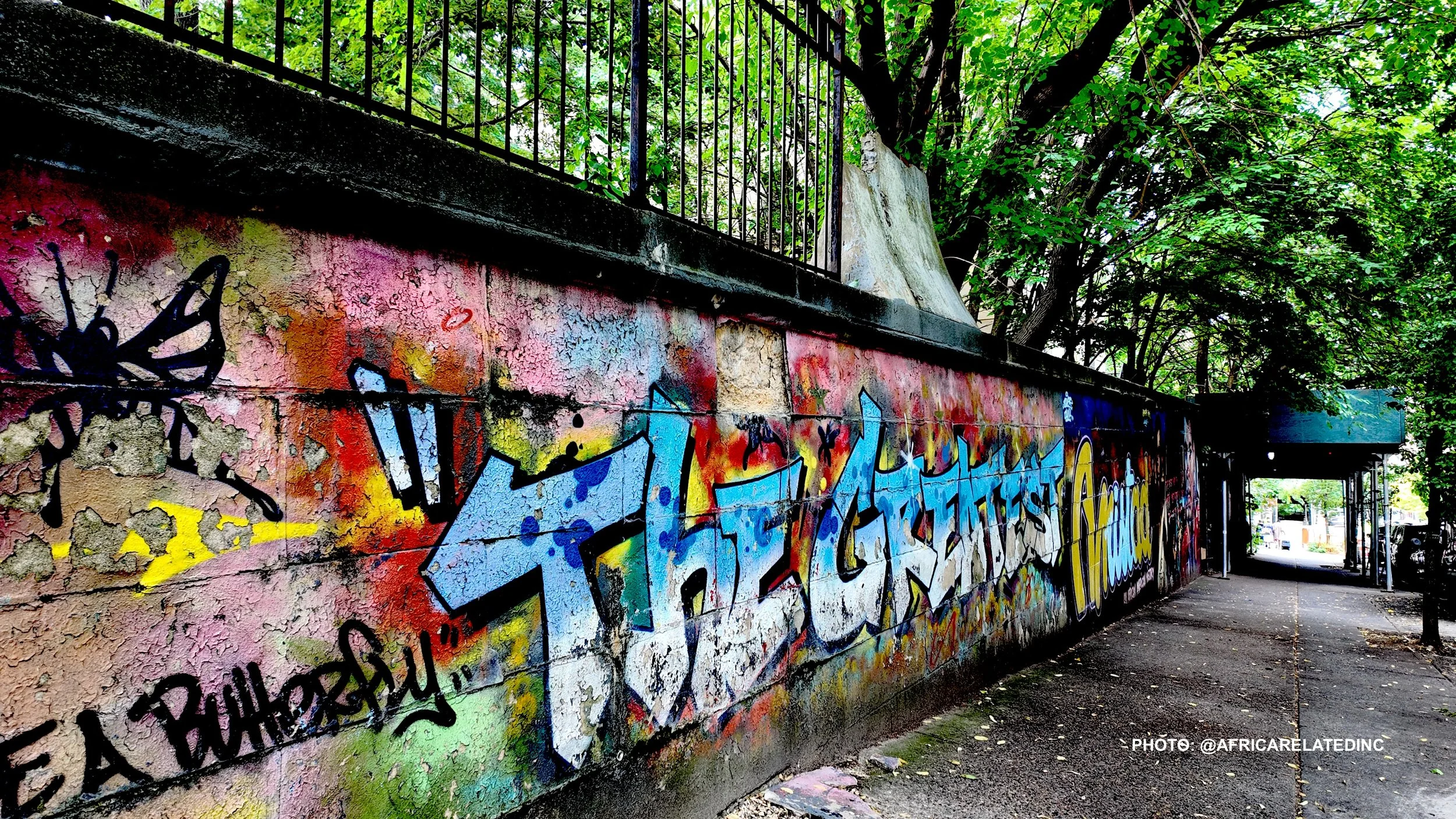
The South Bronx Inspires BIG TIME! Album Cover
Three artistic figures with an intricate historical tie to the South Bronx, seemingly come together on a project targeted at celebrating a borough that is home to global talents and trends. Learn more about André Trenier, Andrew Freedman and Words by MOE.
by Oyiza Adaba
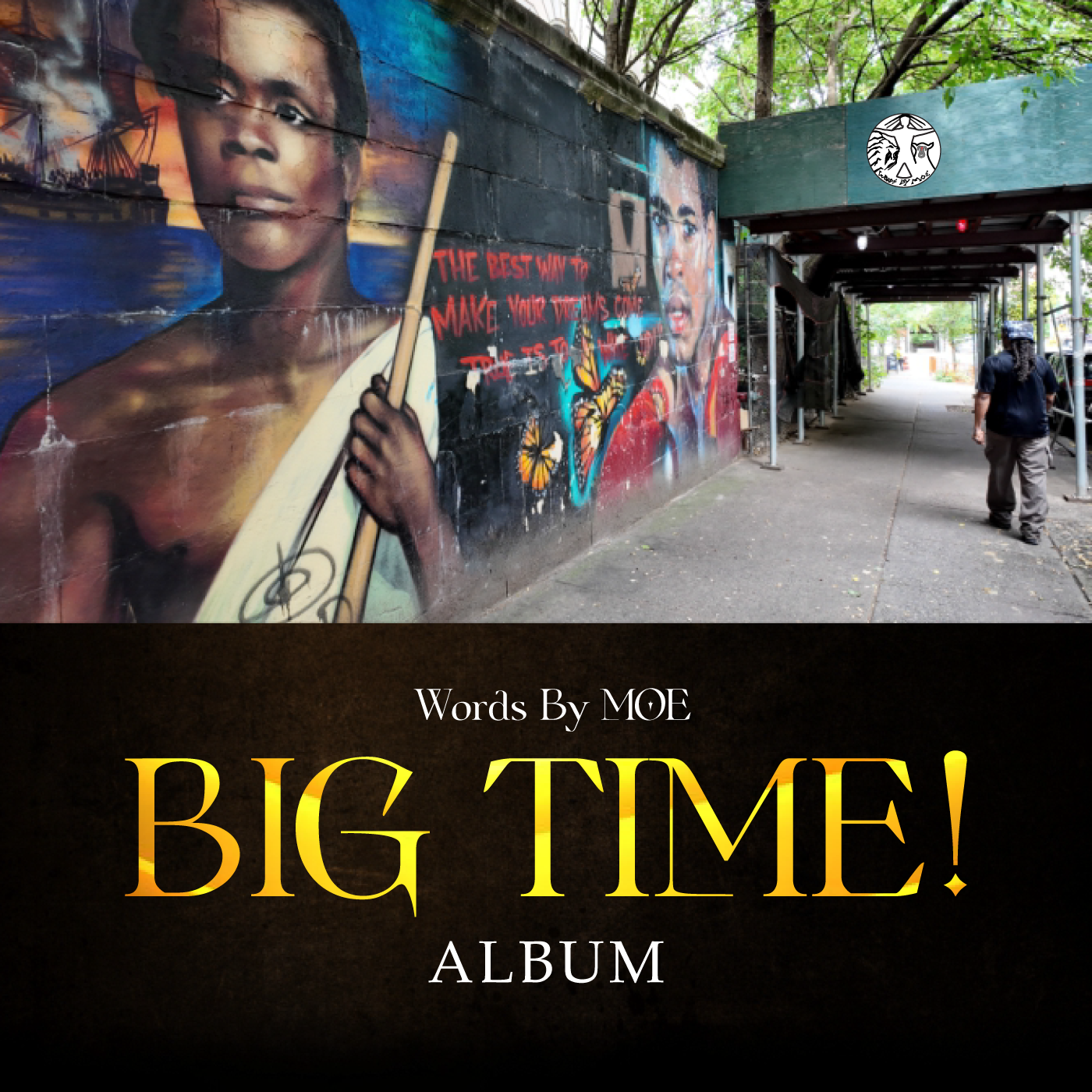
The 2024 Album Cover: BIG TIME! Words By MOE that brought three South Bronx fixtures together.
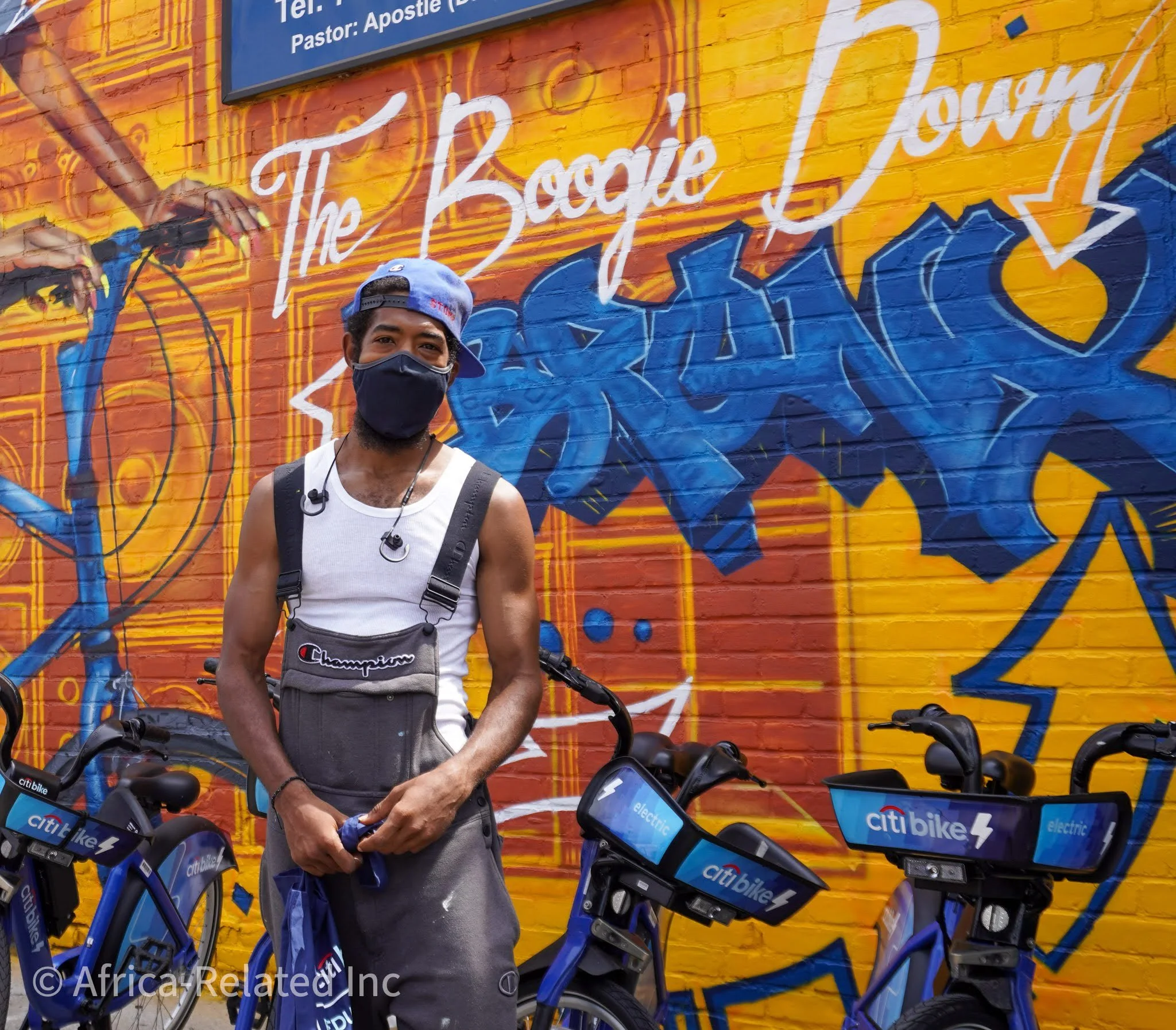

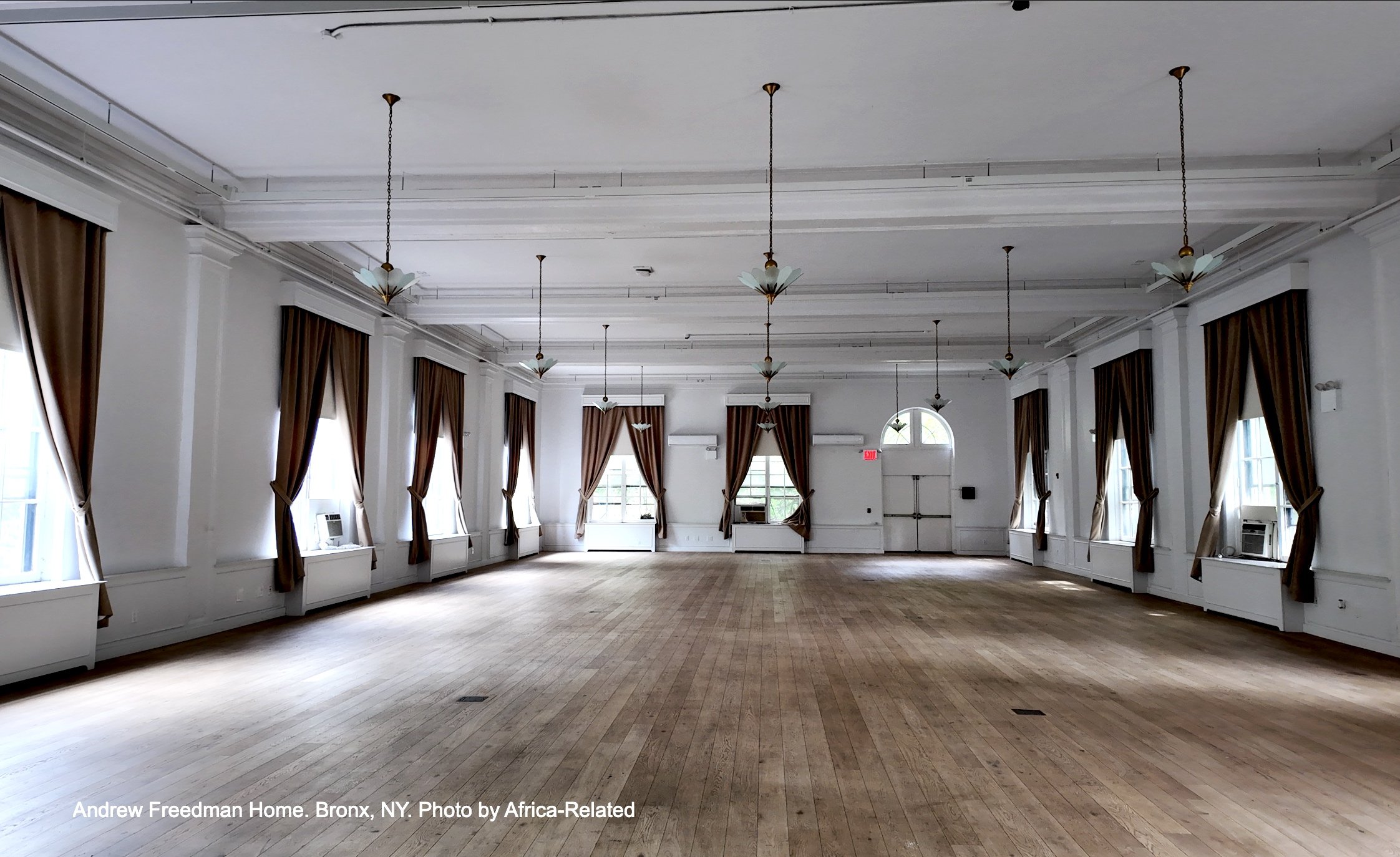
Three artistic figures with an intricate historical tie to the South Bronx, seemingly come together on a project targeted at celebrating a borough that is home to global talents and trends. Learn more about André Trenier, Andrew Freedman and Words by MOE.
it’s worth the read
““I have traveled all over the world painting and competing in International Art Competitions and made a lot of friends. I love to see new places, meet new people, and learn new things. Let’s combine my talent with your vision and CREATE SOMETHING!” ”
BIG TIME! Inspiration Behind the Album Cover
The inspiration for the debut album cover for Spoken Word artiste Words By MOE, comes from the South Bronx, specifically a mural painted by graffiti artist and muralist, André Trenier.
The mural is located at The Andrew Freedman home, a historic site and designated New York City landmark located on the Grand Concourse in the South Bronx. It is not lost on us that the location is known for its musical history and graffiti art.
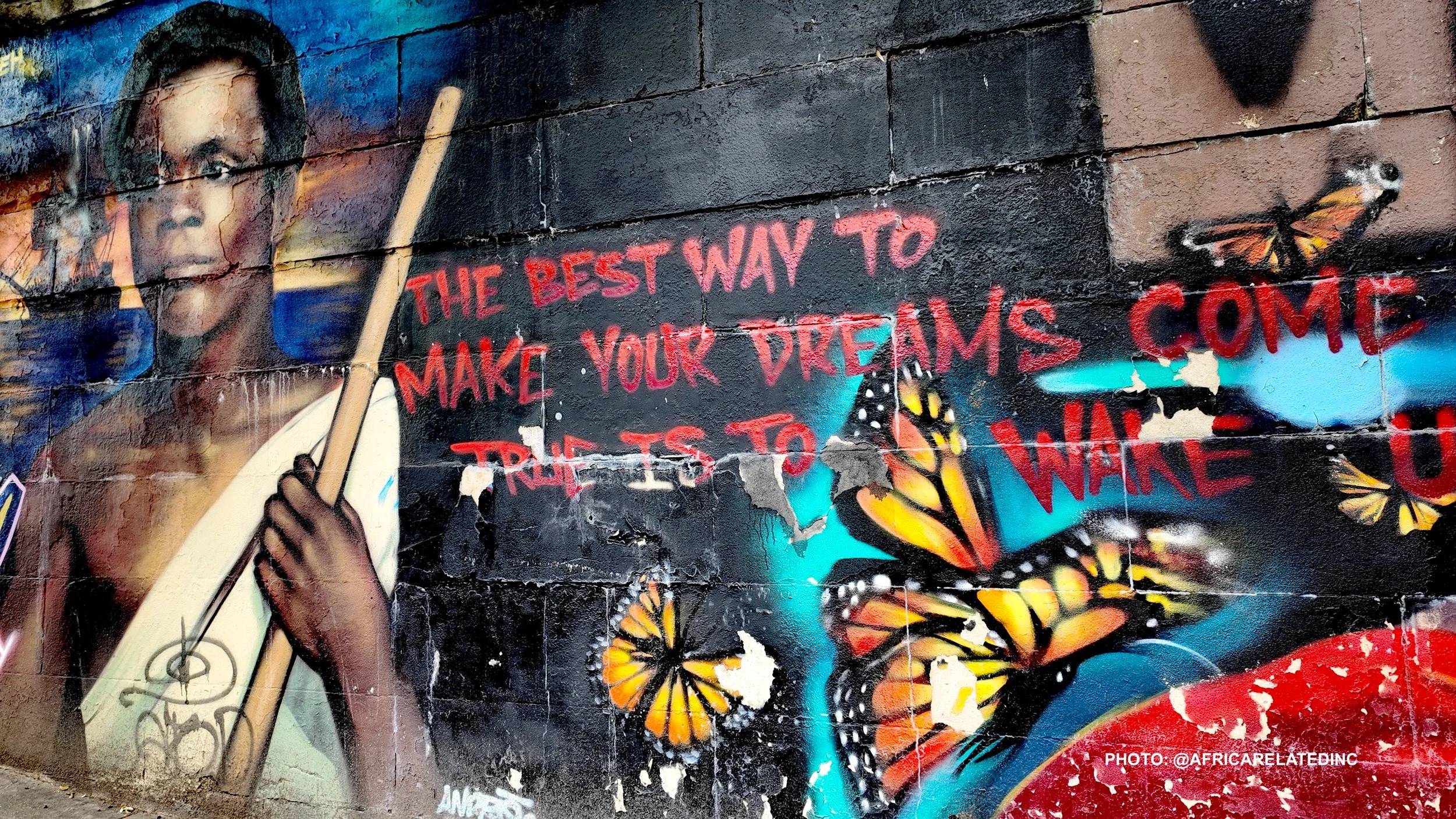
Muhammad Ali mural by André Trenier at Andrew Freedman Home in the South Bronx, NY. Photo by Africa-Related
The mural features significant historical and cultural elements, including Muhammad Ali, his butterflies and bees with a positive "wake up" call to transforming dreams into reality. It also has The Amistad painting with Senbge Pieh a.k.a "Jospeh Cinque", the slave sold in 1839, who headed the revolt on board the Amistad ship. Later, he and others would be fareed to return to his native Sierra Leone.
The Historical Significance of the Andrew Freedman Home
Imagine being a self-made millionaire with a morbid fear of losing your wealth in an instant. This is what drove Andrew Freedman to create a charitable trust to build a retirement home in 1924, for older individuals who had formerly been of good financial circumstances.
At its peak, the home could accommodate about 130 residents, housing 130 residents at a time in comfortable quarters that had Italian-tiled bathrooms. The tenants came mostly from victims of the Wall Street crash and World War II veterans.
The Andrew Freedman home has four-stories with formal English gardens and well-manicured lawns, public rooms with fireplaces and rugs, and each private residence had white marble shower stalls.
In 1992, the Andrew Freedman home was designated as a New York City landmark. Today it serves as a hub for artists, organizations, residencies, exhibitions, daycare center and event space, with works that address themes like immigration and memory.
Historical Ties
André Trenier and Words by Moe are both South Bronx residents, whose works are relevant to their immediate communities.
André Trenier grew up in the Bronx where he” lived to create”, and began painting murals in 2003. Since 2013 André has painted several dozen murals in the Bronx and beyond, including a 150- foot wall on the side of Spring Bank on 167 St and Gerard Avenue, commissioned by the Bronx Museum. He has depicted baseball legends like Jackie Robinson (Babe Ruth), Derek Jeter, Roberto Clemente, Joe DiMaggio and Thurman Munson. His renderings of the great Muhammad Ali, his portrait of rapper Sean Price, Citibike mural at Word of Life In’l have all garnered acclaim.
Words By Moe is a South Bronx artiste with West African roots. He writes on various subjects dealing with grace, truth and love. His 2024 debut album Big Time! offers original writings with an easy flow delivery of poignant and inspirational messages that are relevant to today’s living. As his work takes root, he continues to attract listeners and readers from different corners of the globe.
The artistic contributions of these three who have the South Bronx in common, highlights the significance of conversations that bridges the gap between historical figures like Andrew Freedman and contemporary artists like André Trenier and Words by Moe. It celebrates their overall contributions to the history, music, culture and art scene.
PHOTOS BY Africa-Related
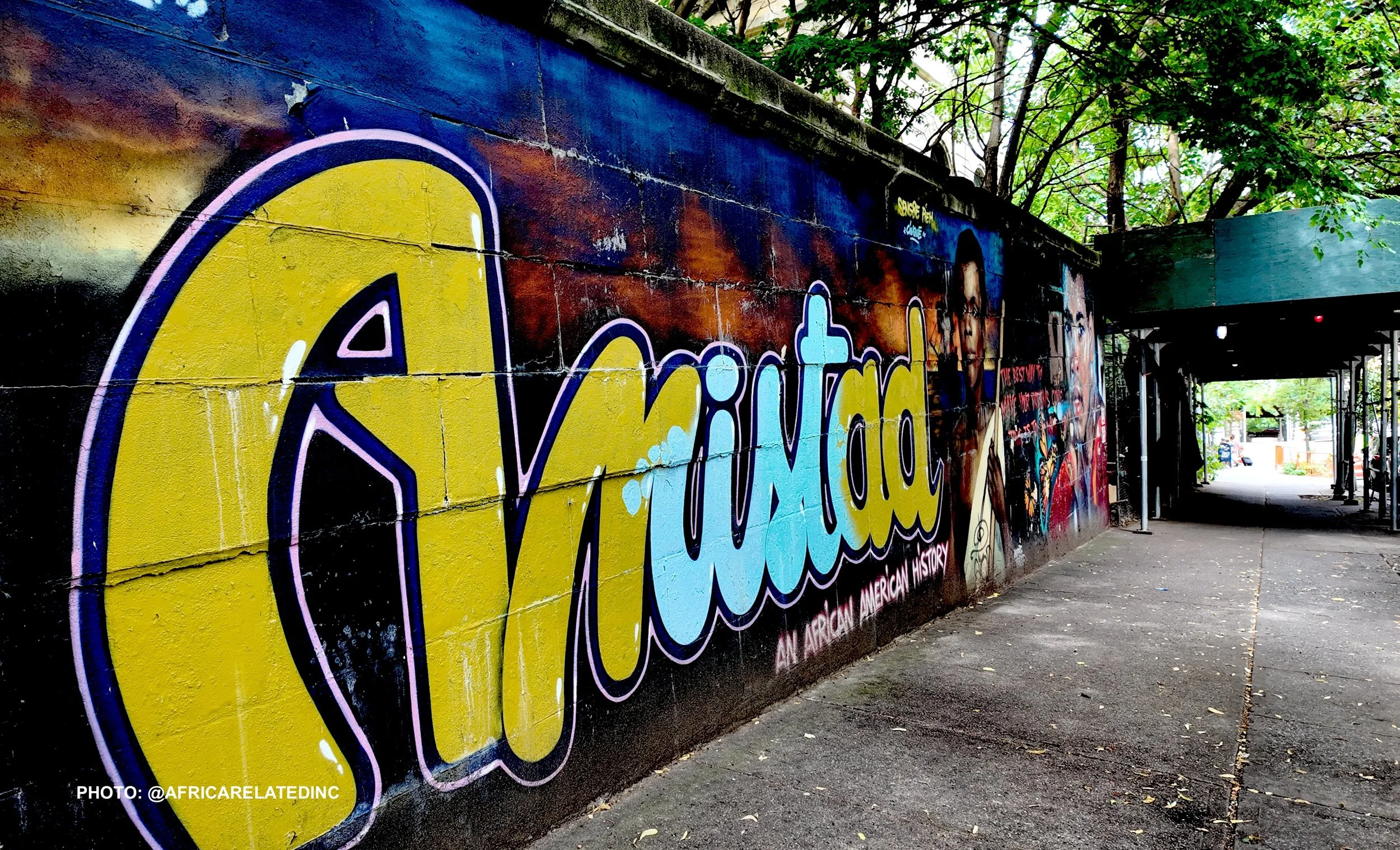
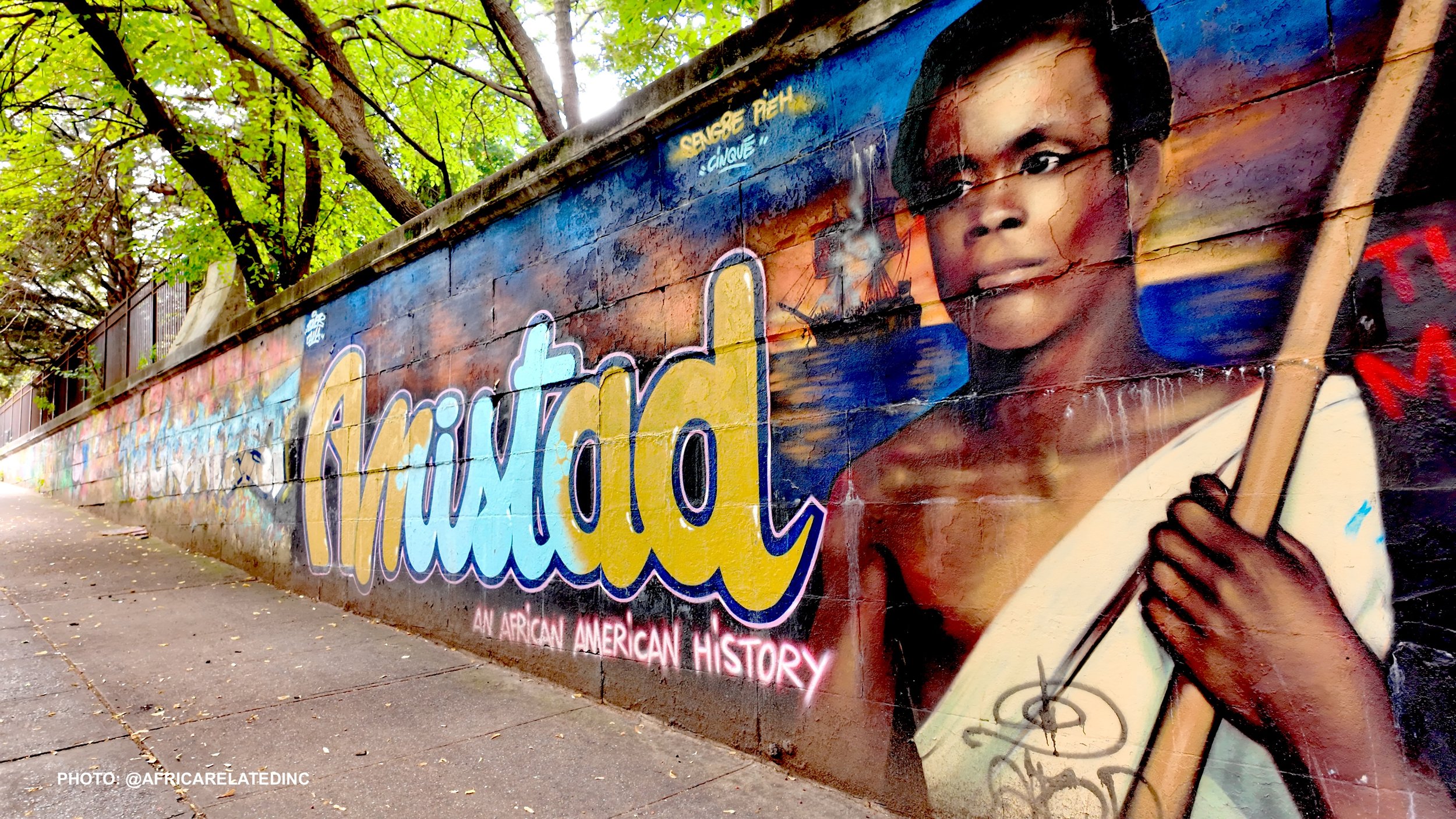

Photos by Africa-Related
share this story
El Anatsui's 'THREE ANGLES' Opens Carnegie International's 57th Edition
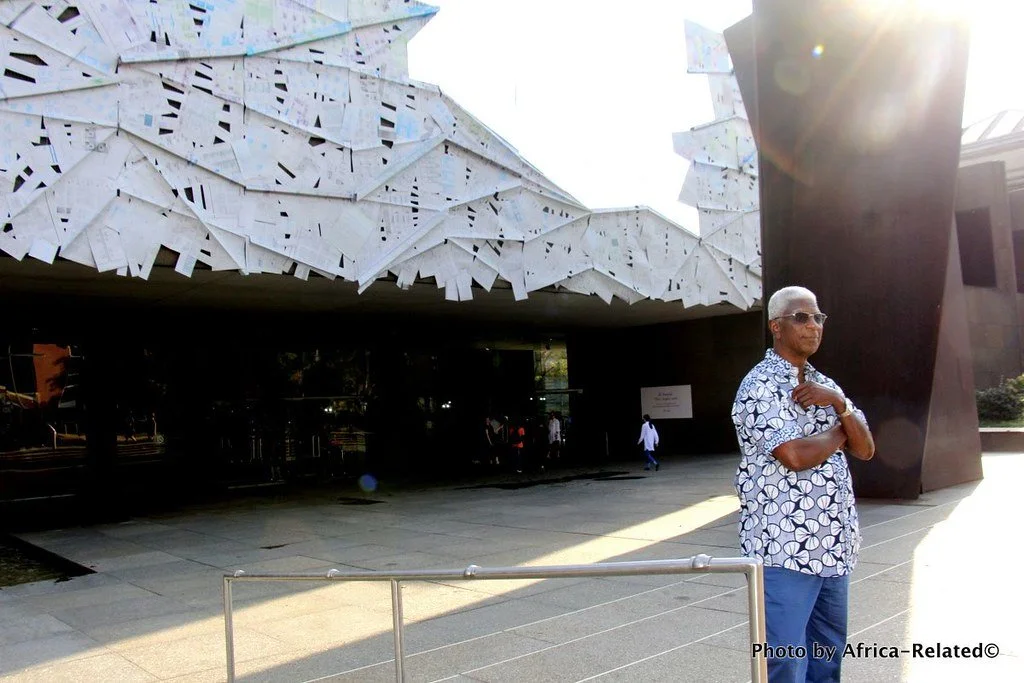
Ahead of the opening of the 57th Edition of The Carnegie International, which opens on October 13, 2018 , acclaimed sculptor EL Anatsui was in Pittsburgh PA for the installation of his most recent piece 'Three Angles', which covers the facade of the Carnegie Museum of Art.
Oyiza Adaba - Pittsburgh, PA
The Artist, EL Anatsui in front of Carnegie Museum of Art facade.
““It feels like an opening on the museum wall to the sky.””

Ahead of the opening of the 57th Edition of The Carnegie International, which opens on October 13, 2018 , acclaimed sculptor El Anatsui was in Pittsburgh PA for the installation of his most recent piece 'Three Angles', which covers the facade of the Carnegie Museum of Art.
Joining him at the pre-opening reception hosted by the museum was Pittsburgh-based Architect and Sculptor Dee Briggs, who fabricated the piece by galvanizing 21 young men and women of various ages from her Wilkinsburg community to work on it, over a five month period.
The piece combines aluminum printing plates sourced locally in Pittsburgh with metal (bottle caps) from Nsukka, and embeds 'triangular/meeting point/mirror' themes throughout. It will be the first time the artist has combined manpower and material across the continents to conceptualize and fabricate a piece.
"It feels like an opening on the museum wall to the sky", exclaimed Puala, a passerby who stopped to admire the hanging piece.
El Anatsui is one of 32 artists and collectives invited to participate in this prestigious art event, which takes place every 5 years. The exhibition is open through March 25, 2019.
DELA: The Making of El Anatsui is a biographical documentary about one of the world's greatest sculptors.
SHARE THIS STORY
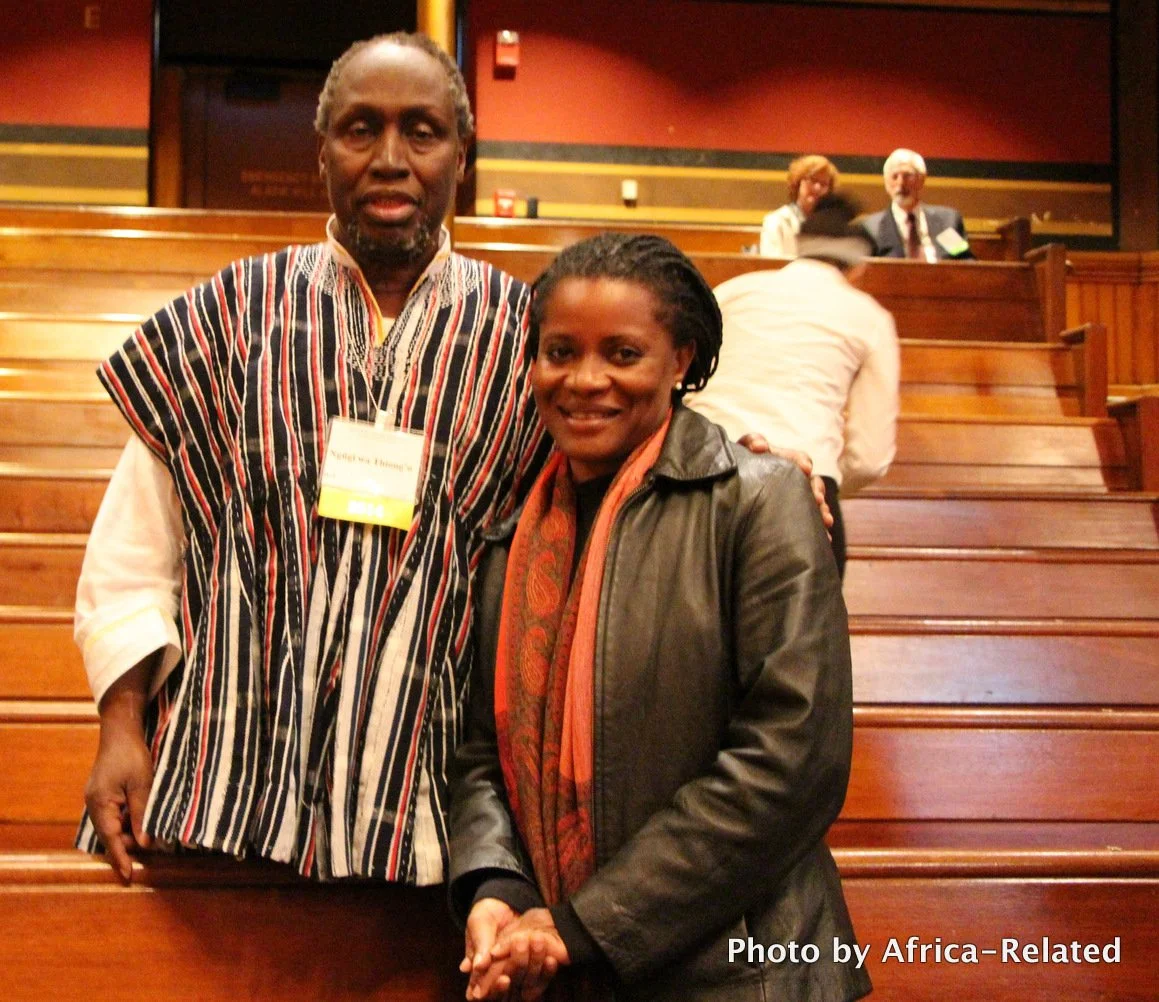
El Anatsui & Ngũgĩ wa Thiong’o: Induction Ceremony To American Academy of Arts & Sciences
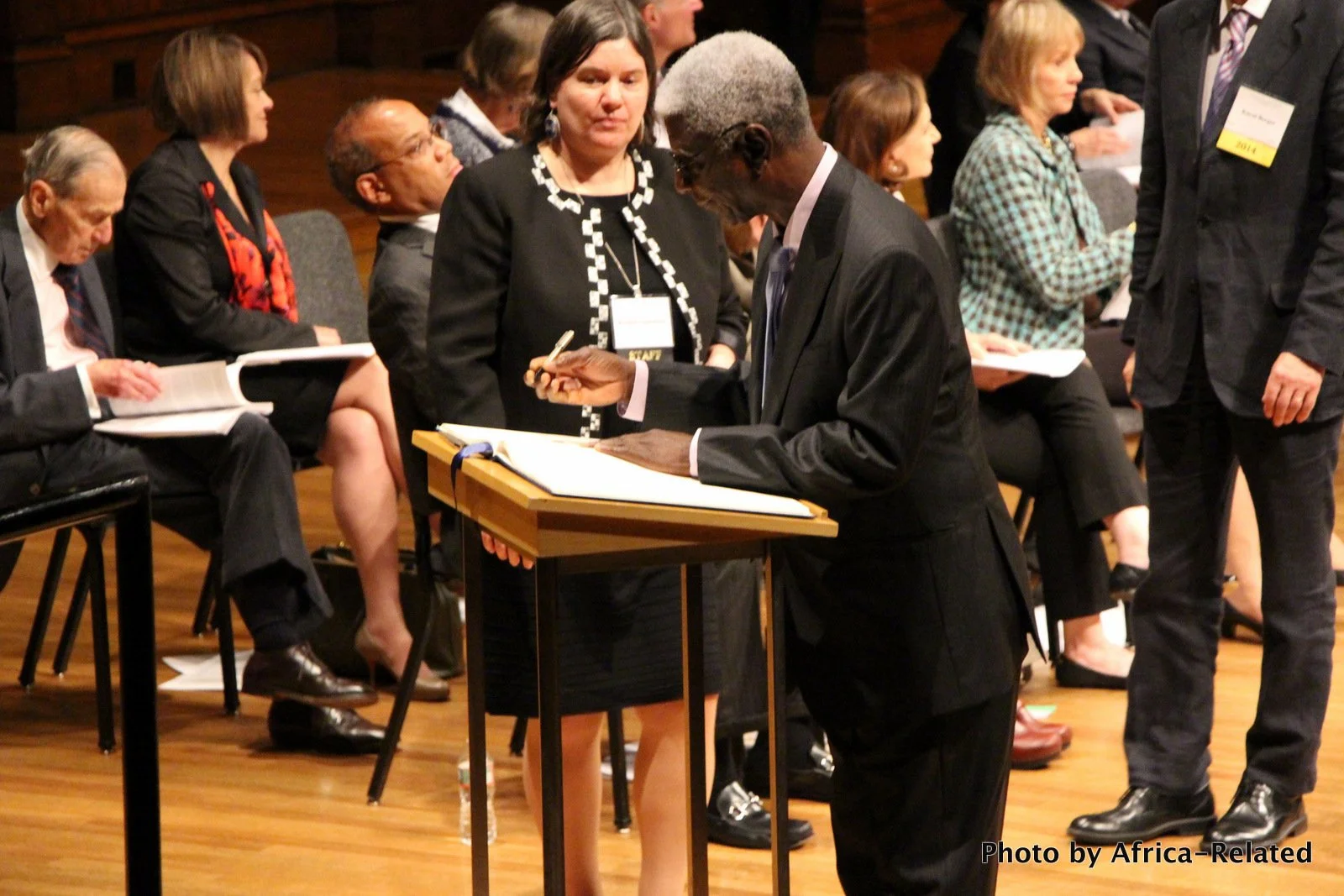
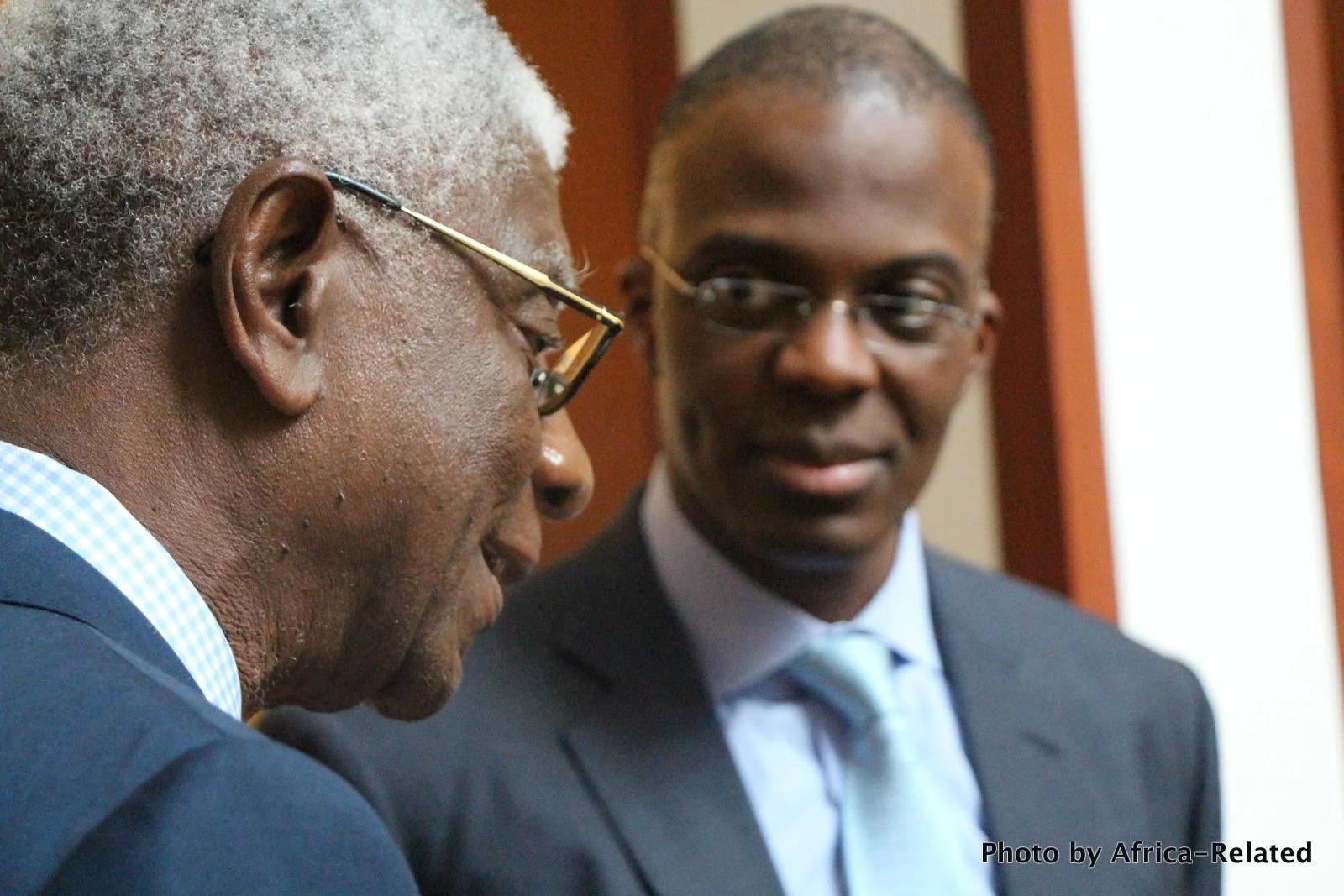
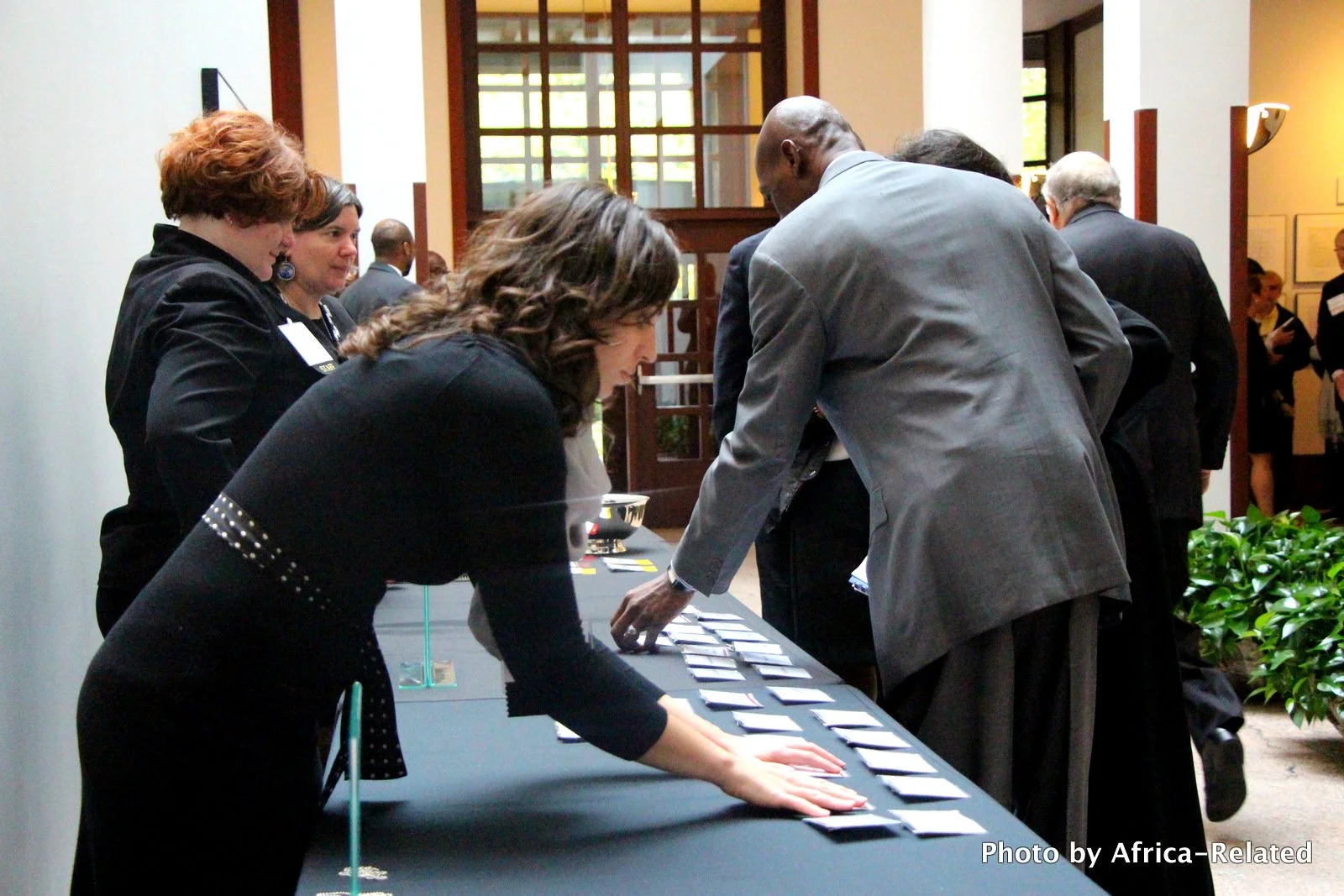
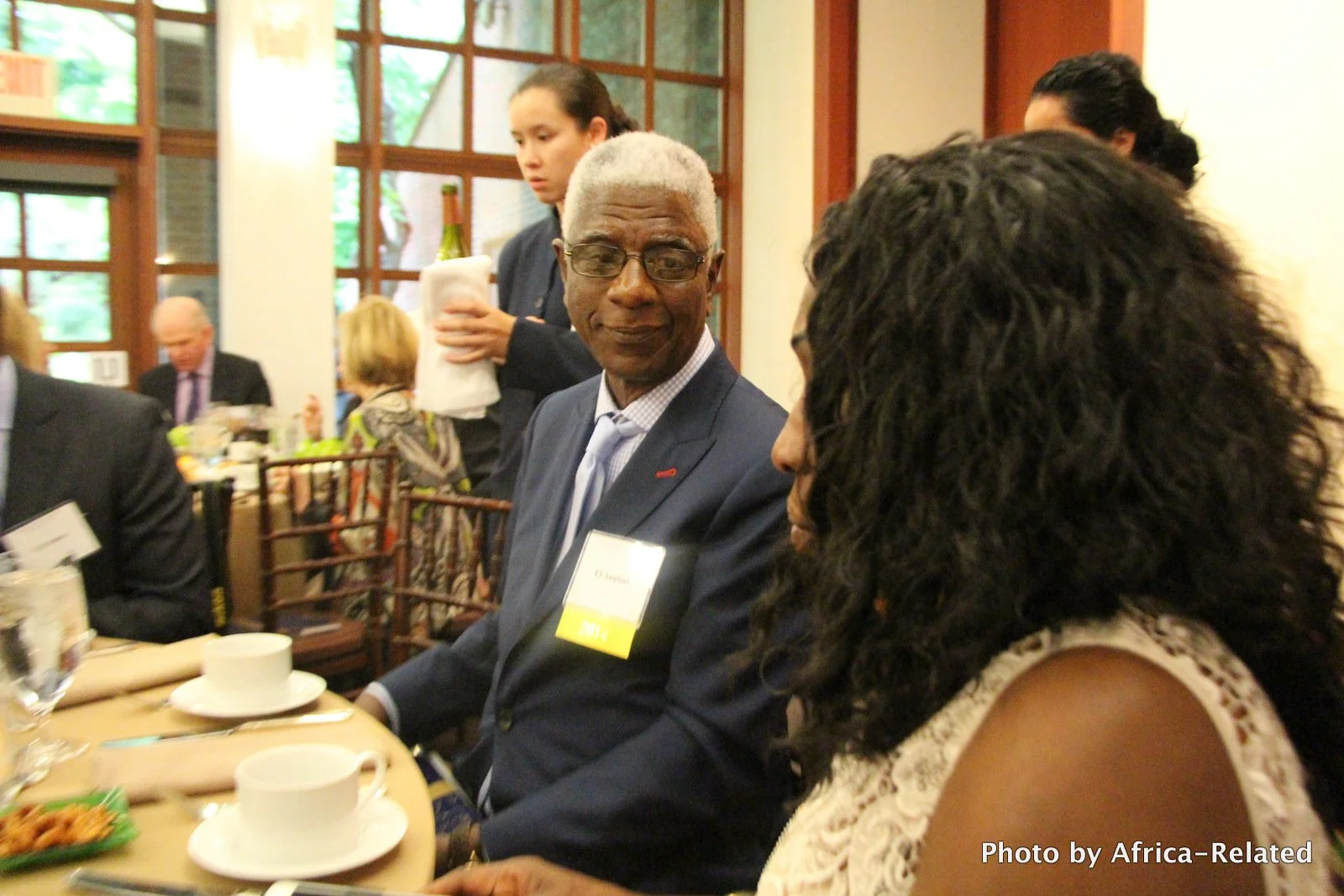
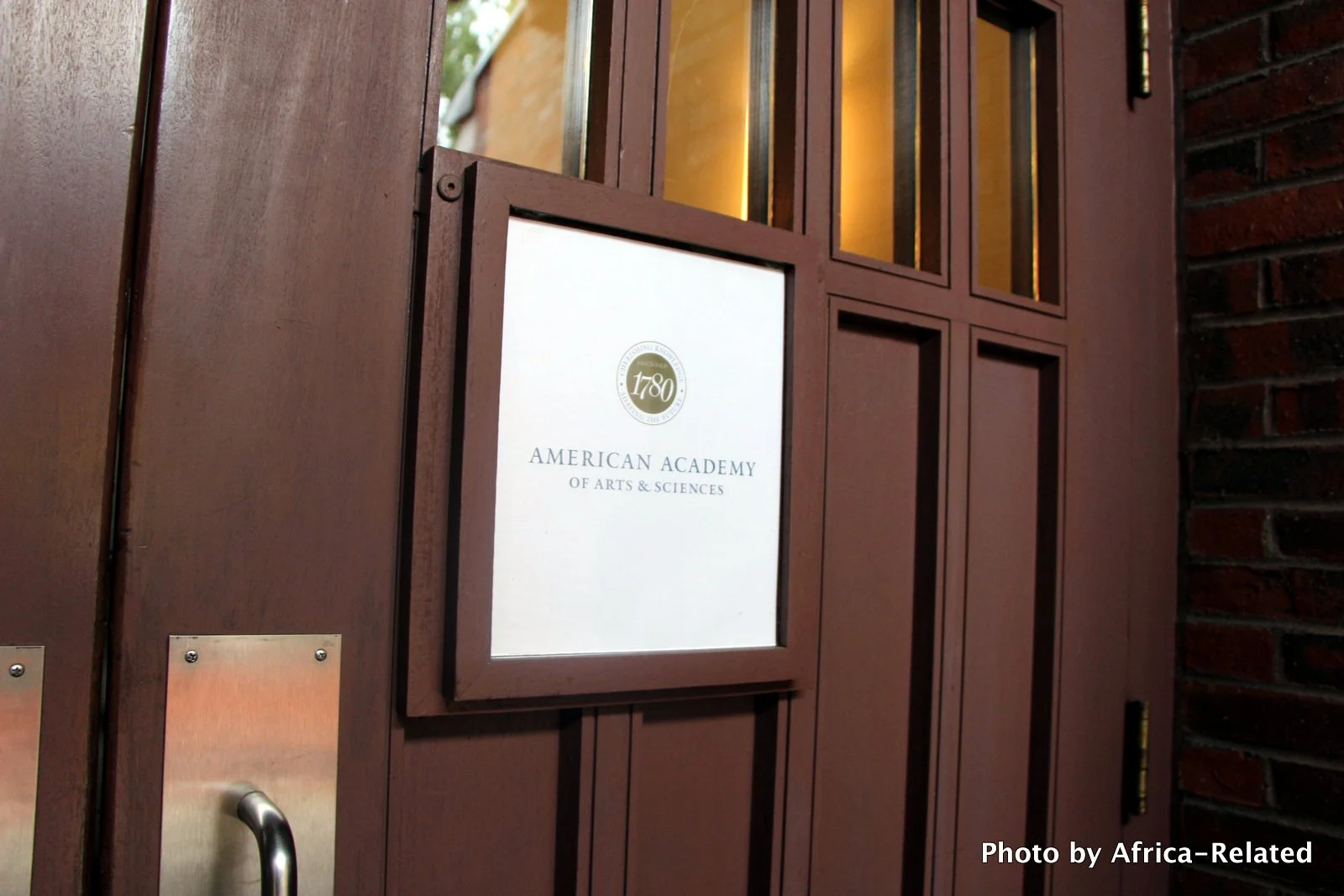
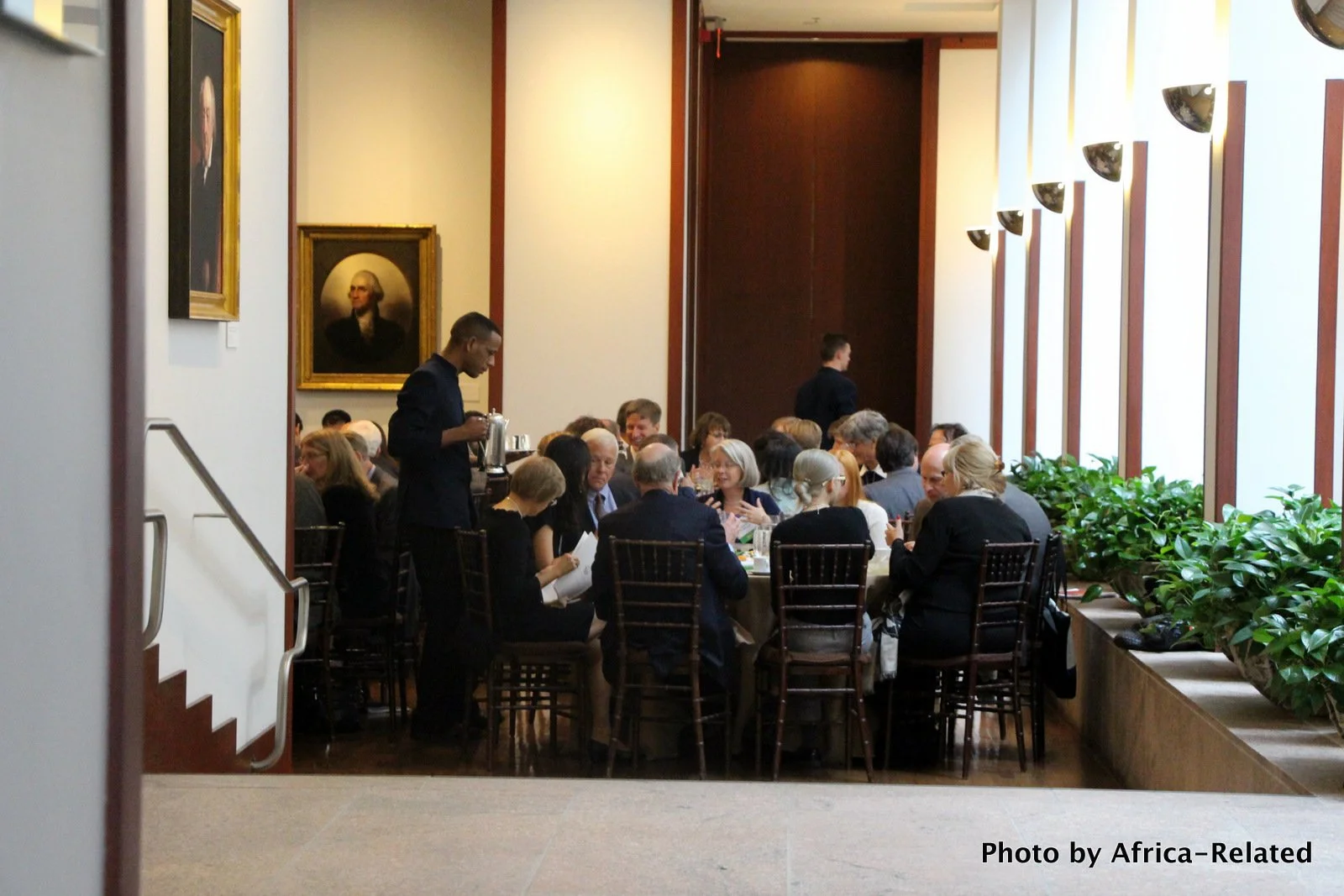
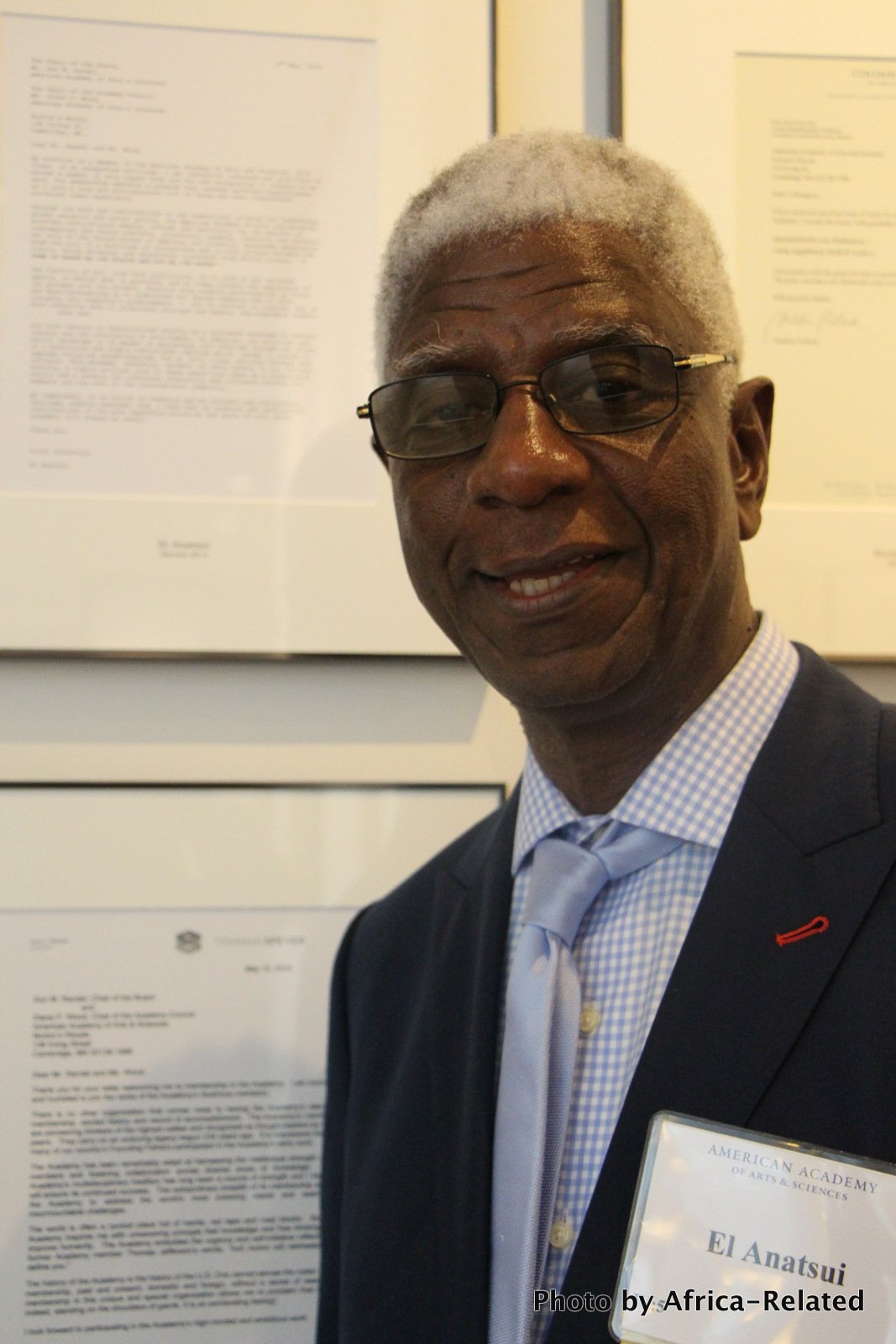
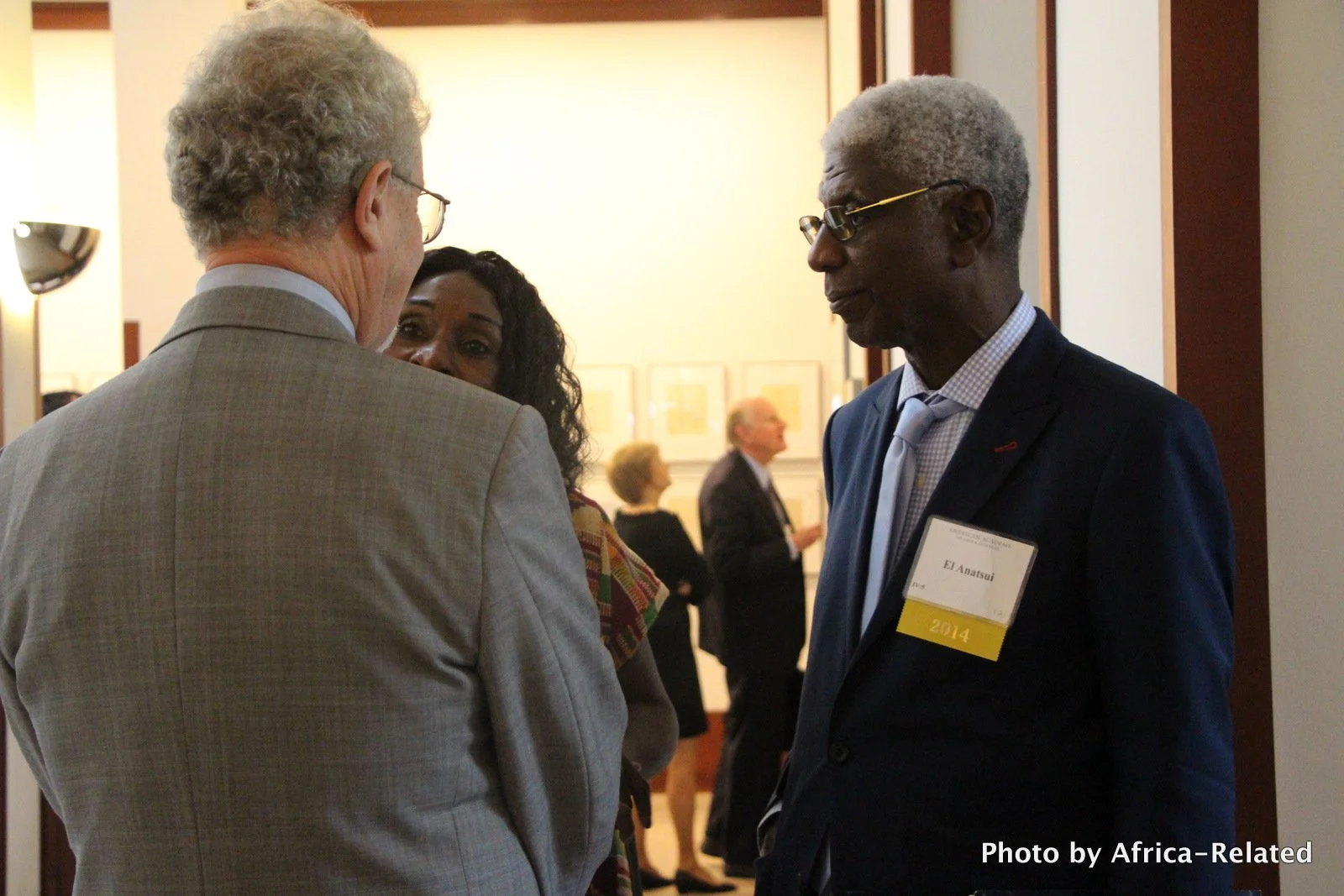
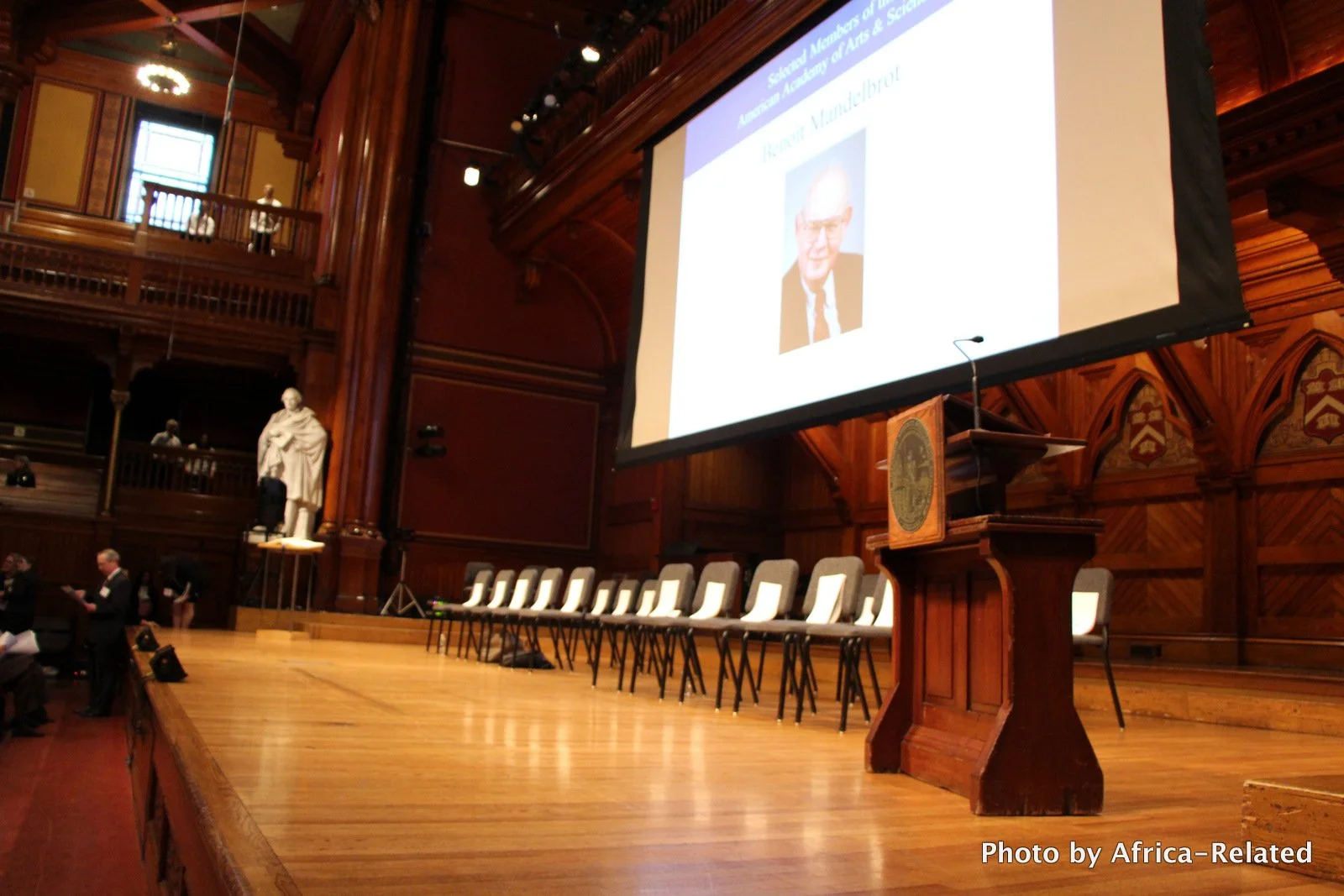
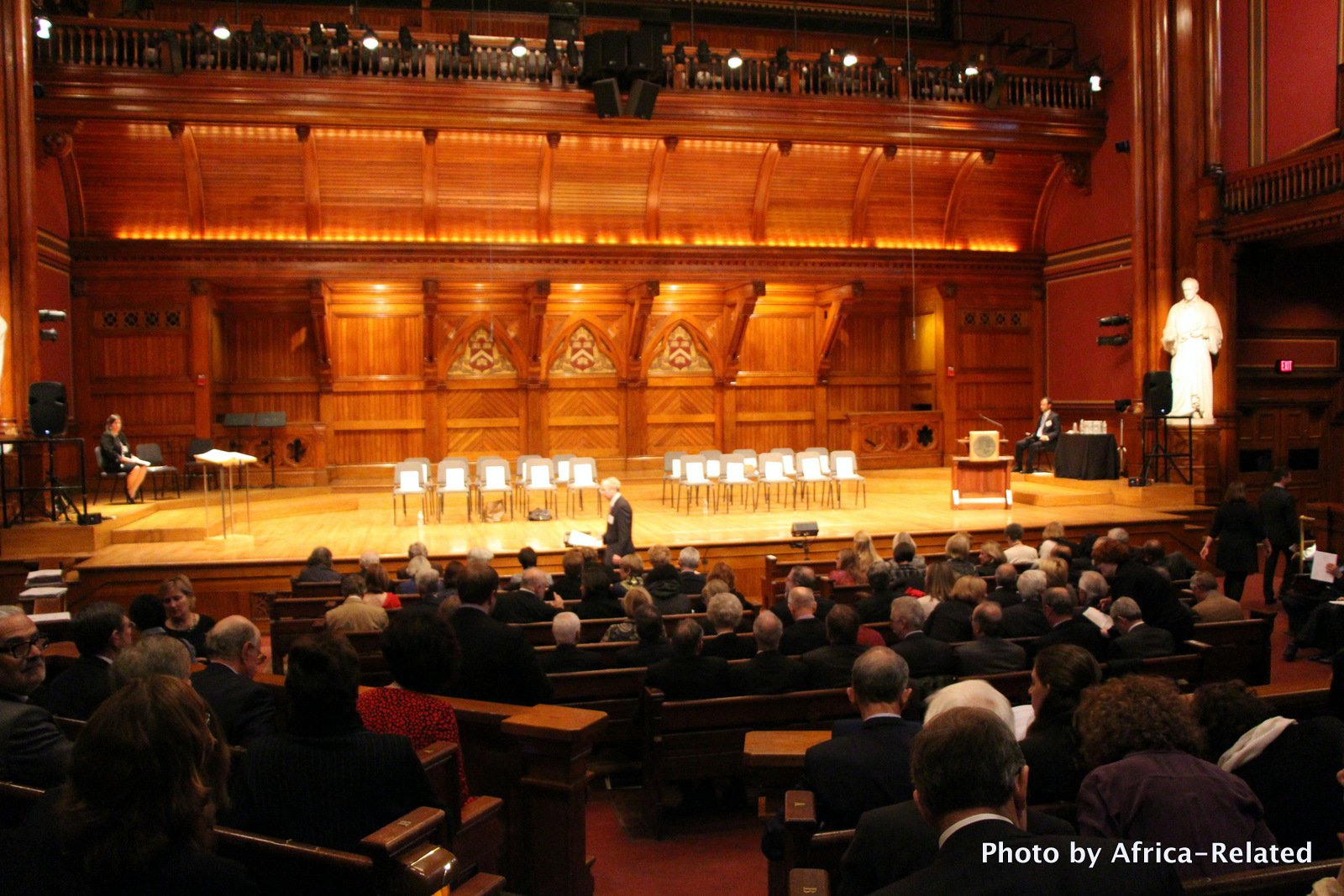
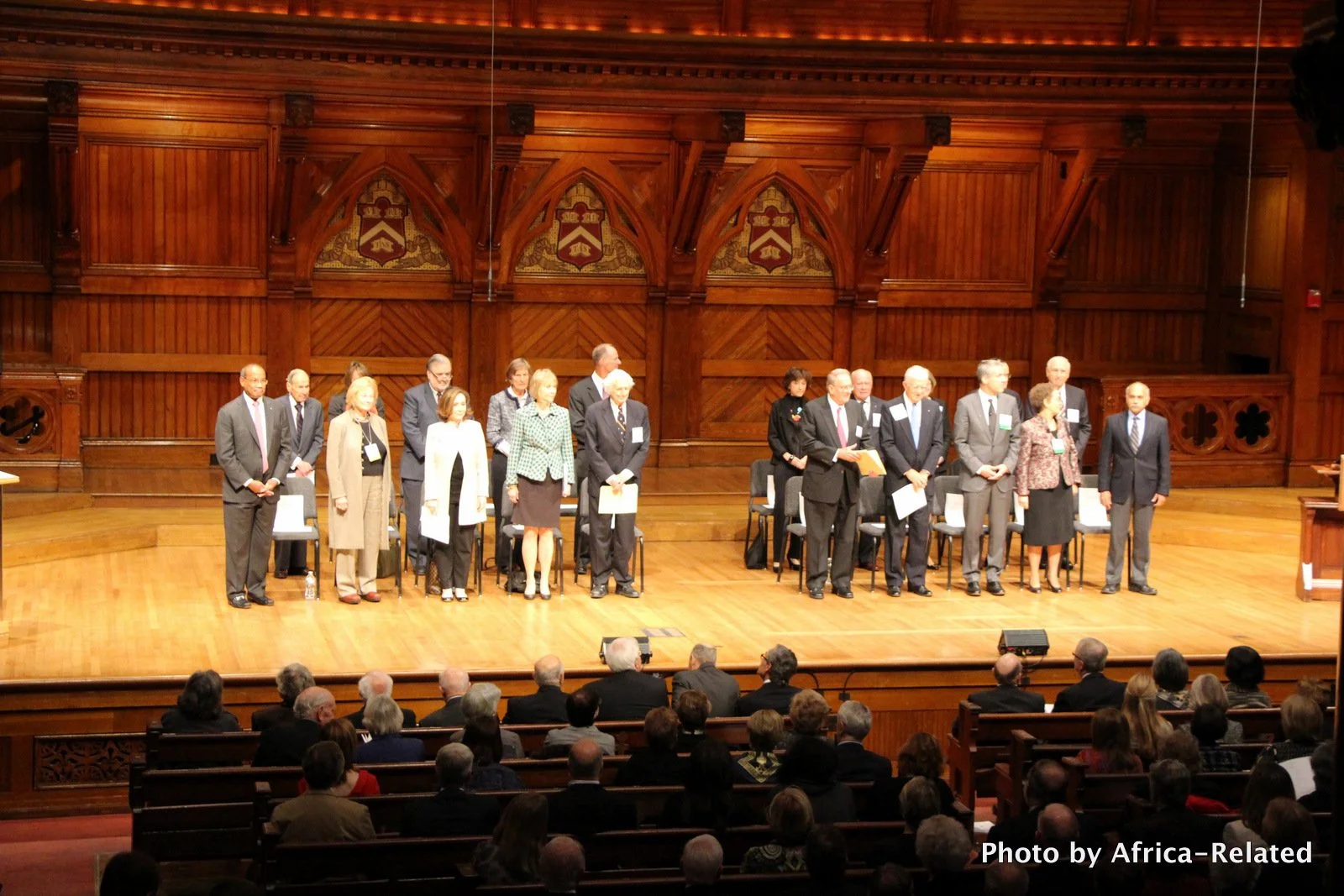
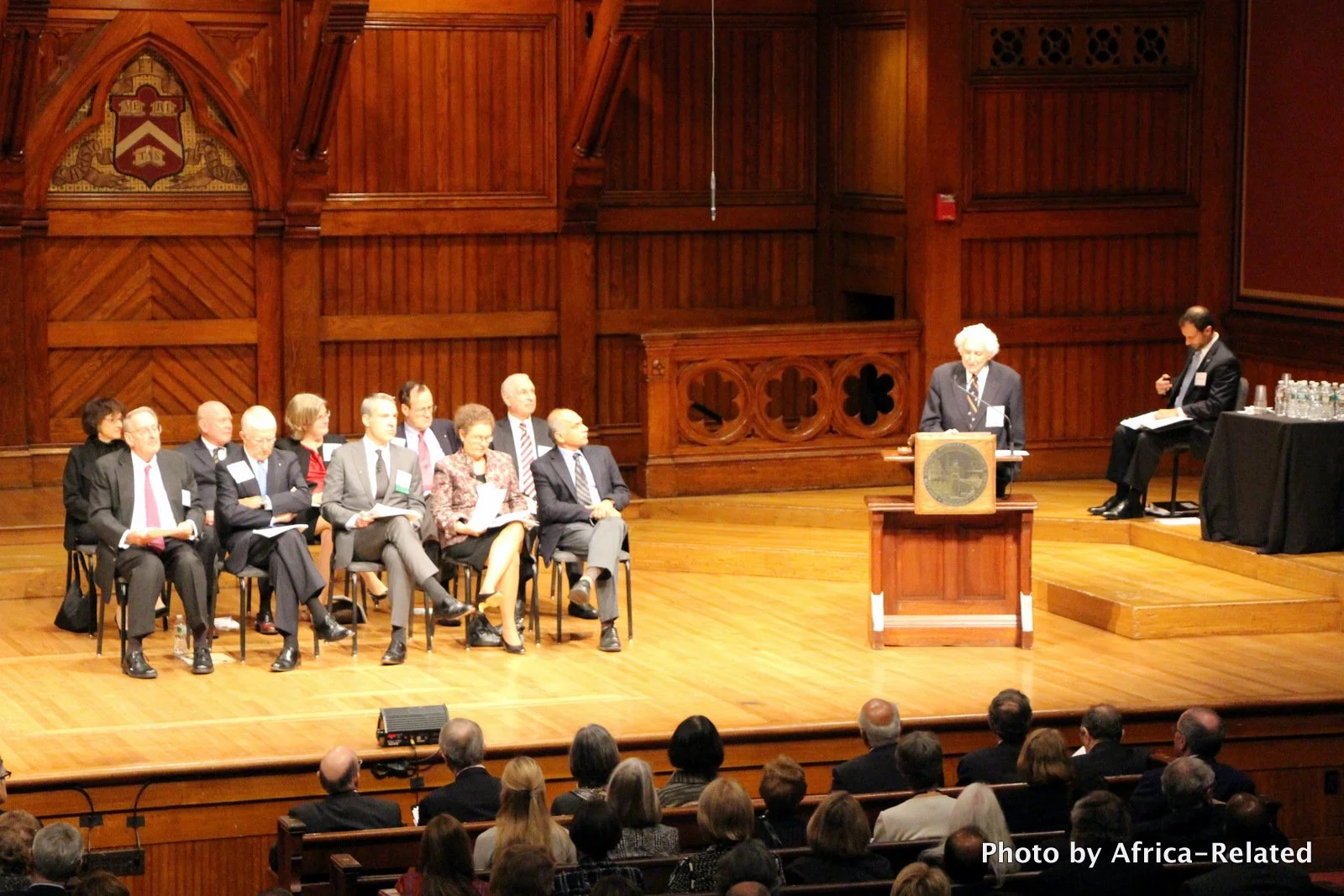
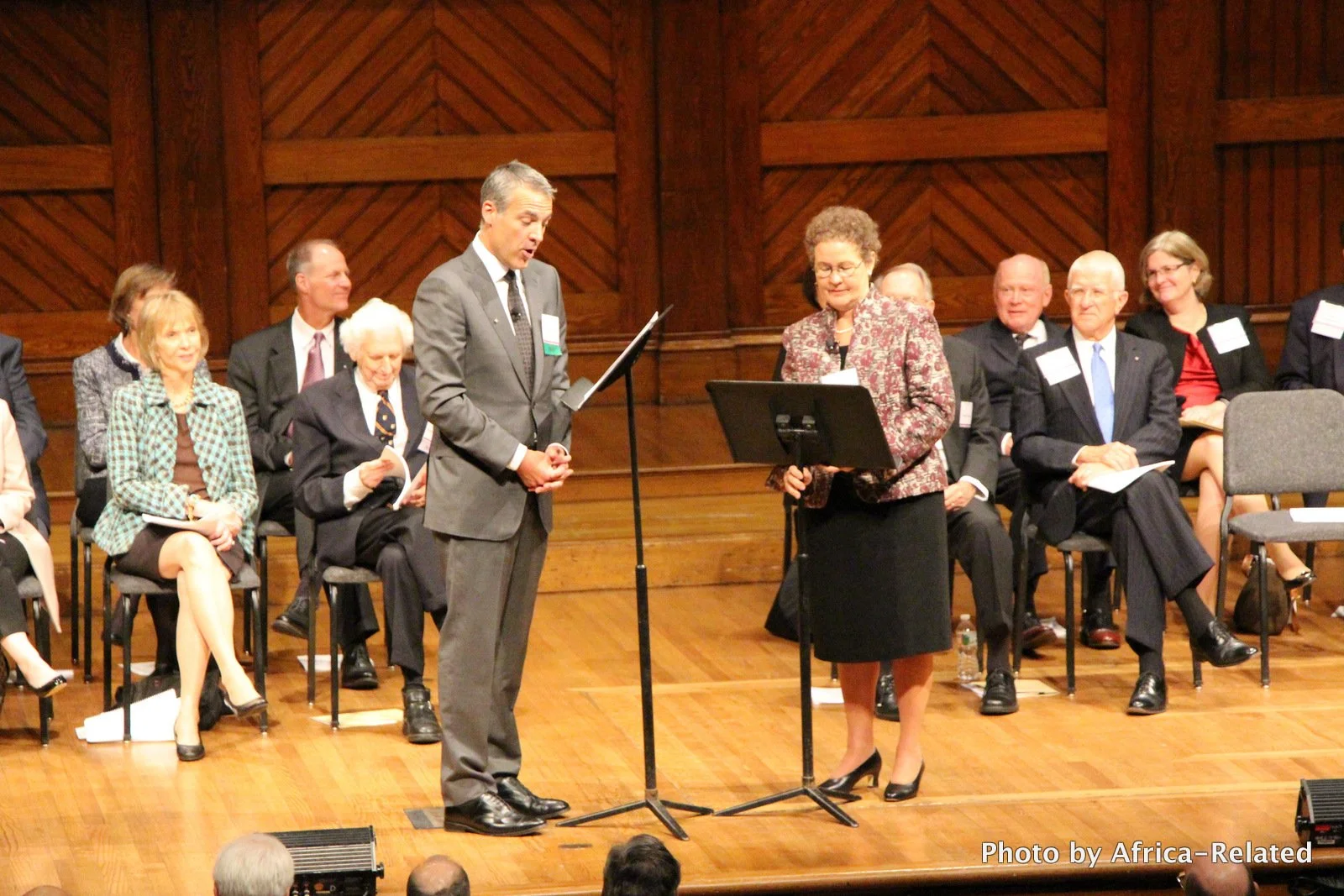
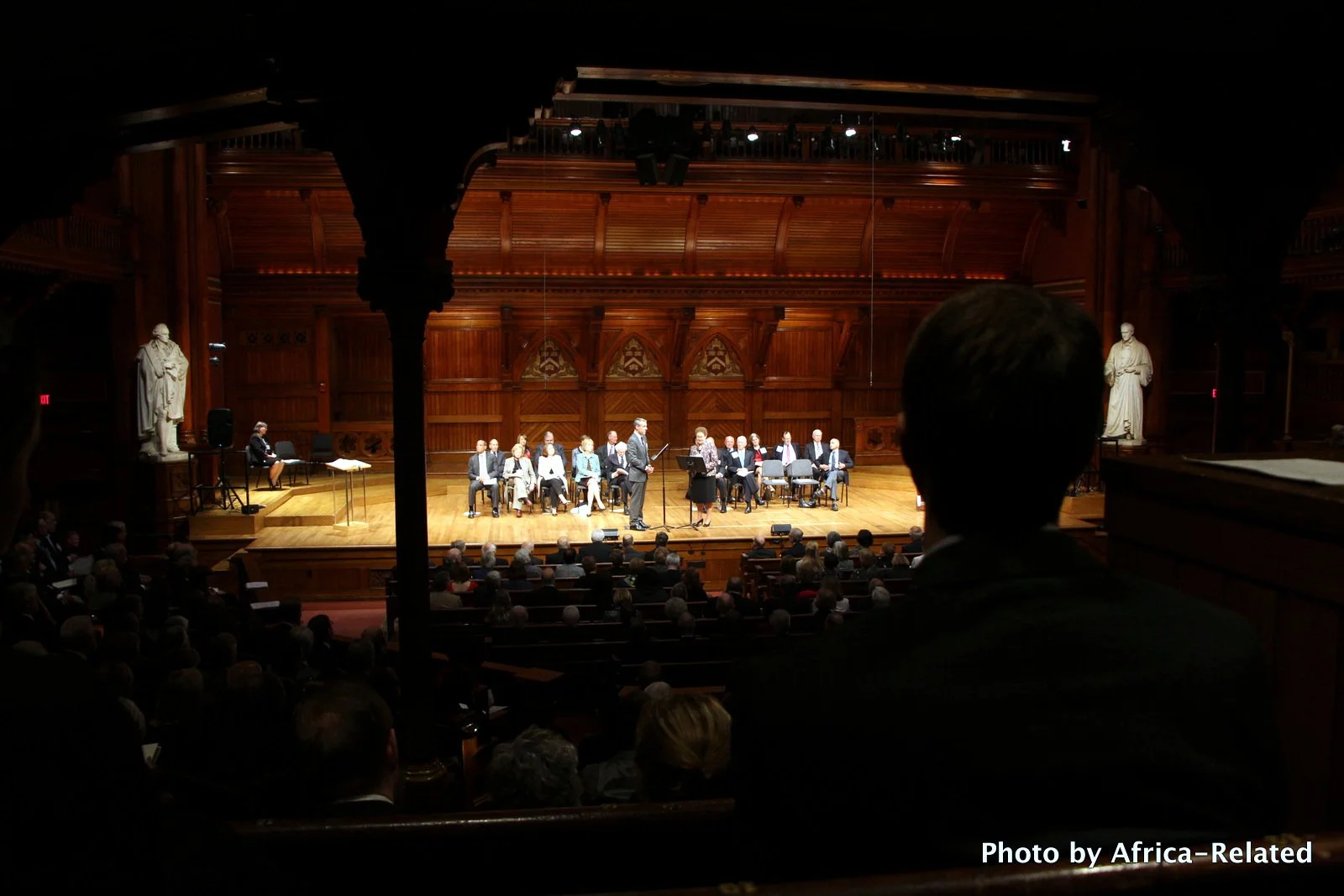
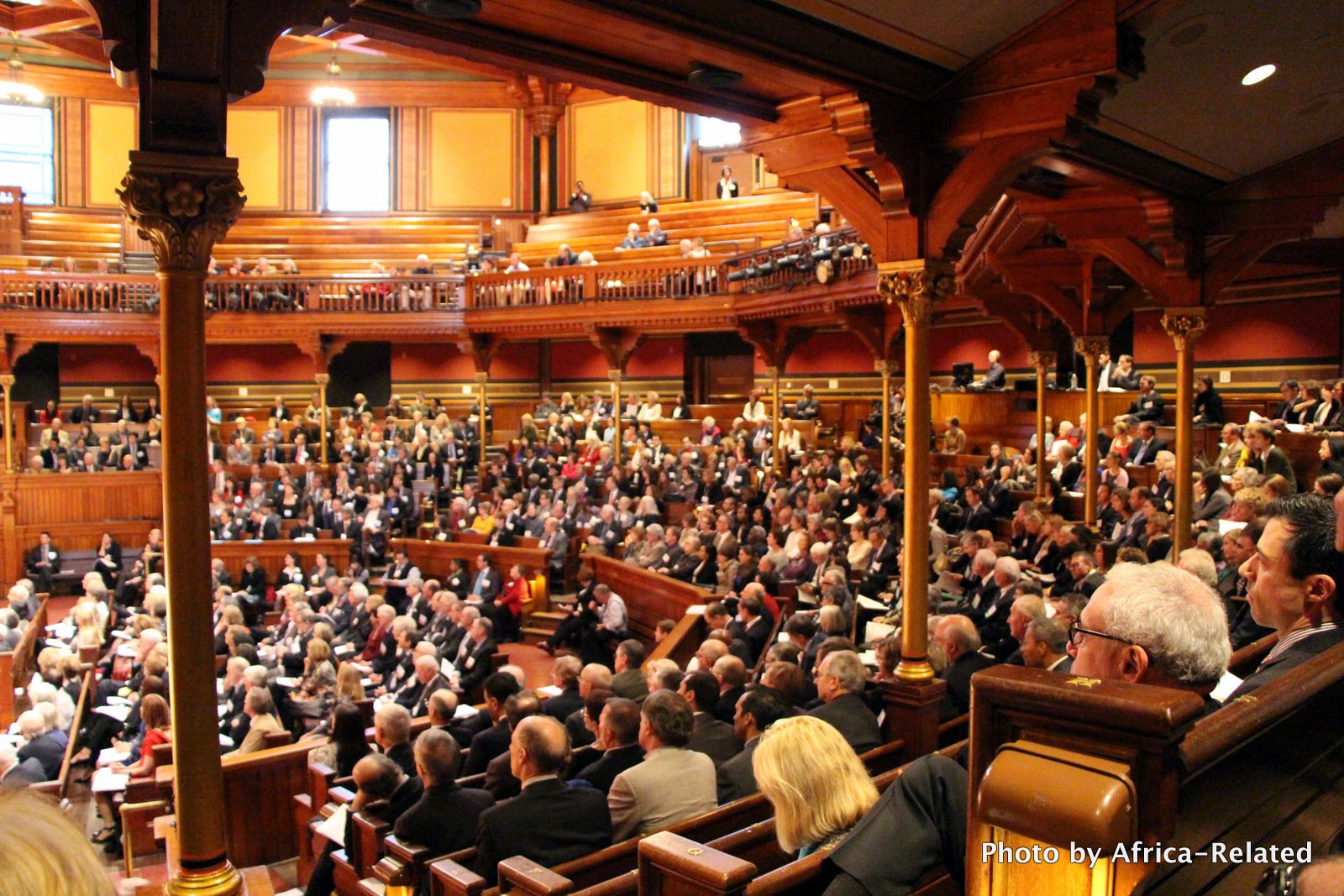
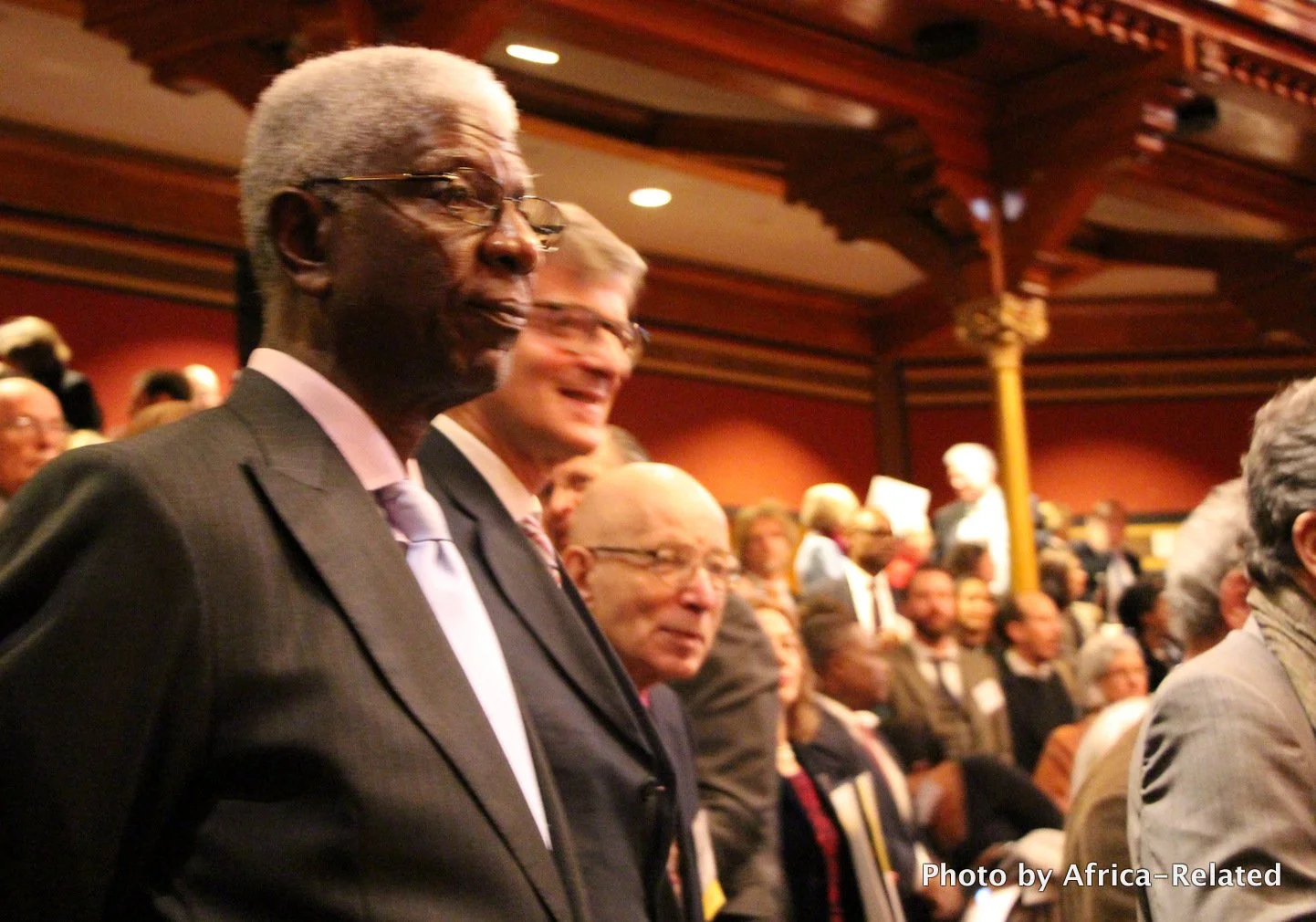
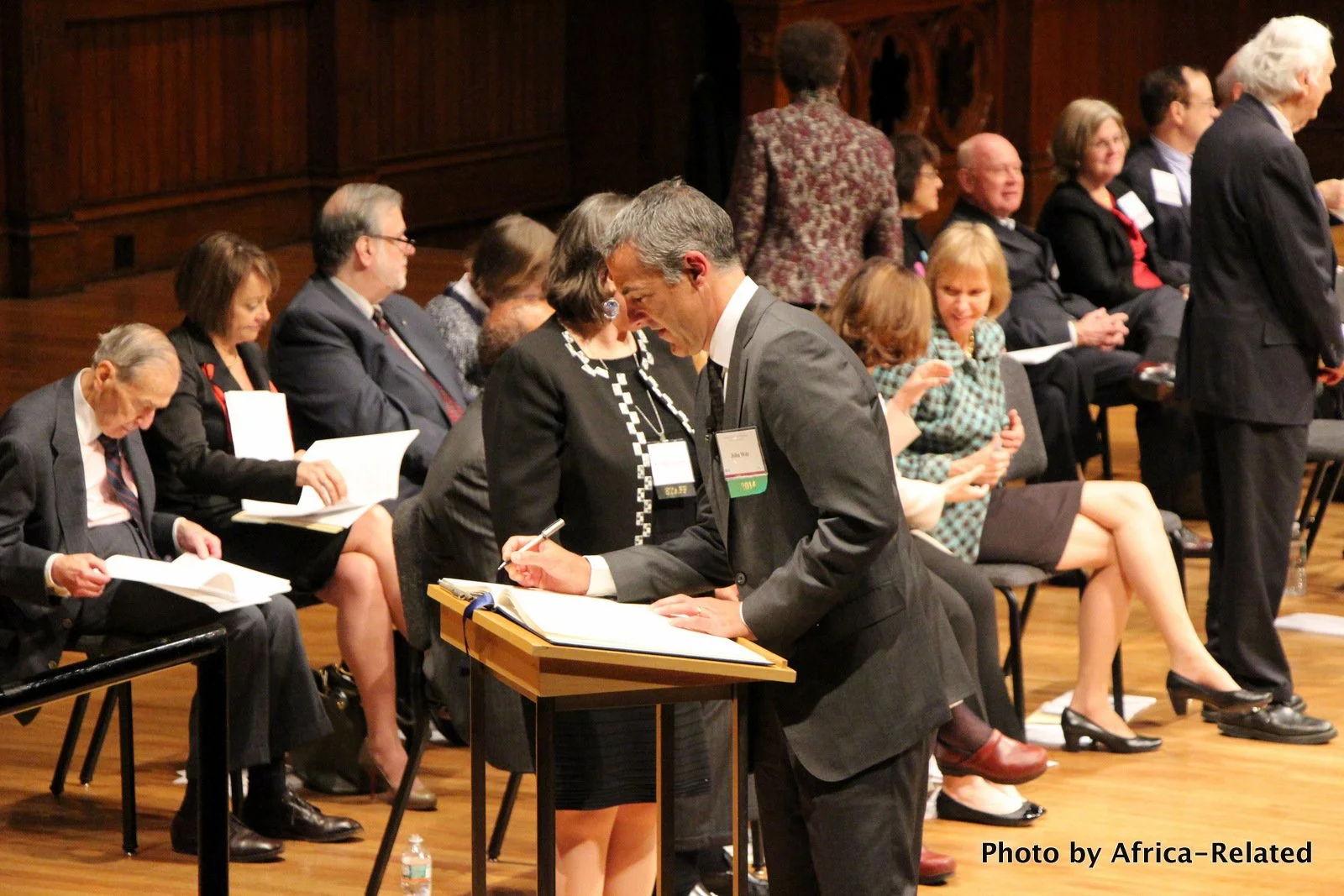
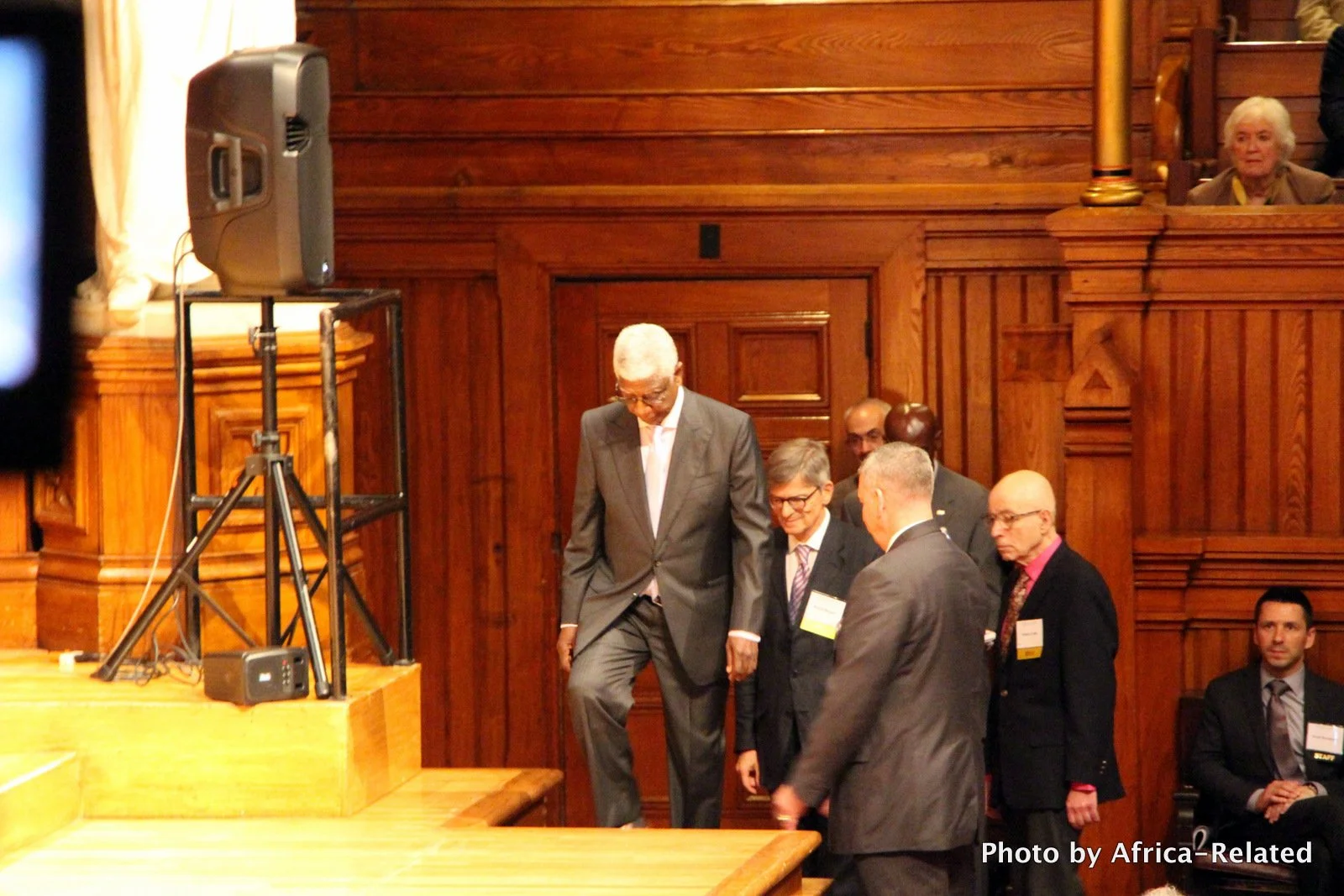
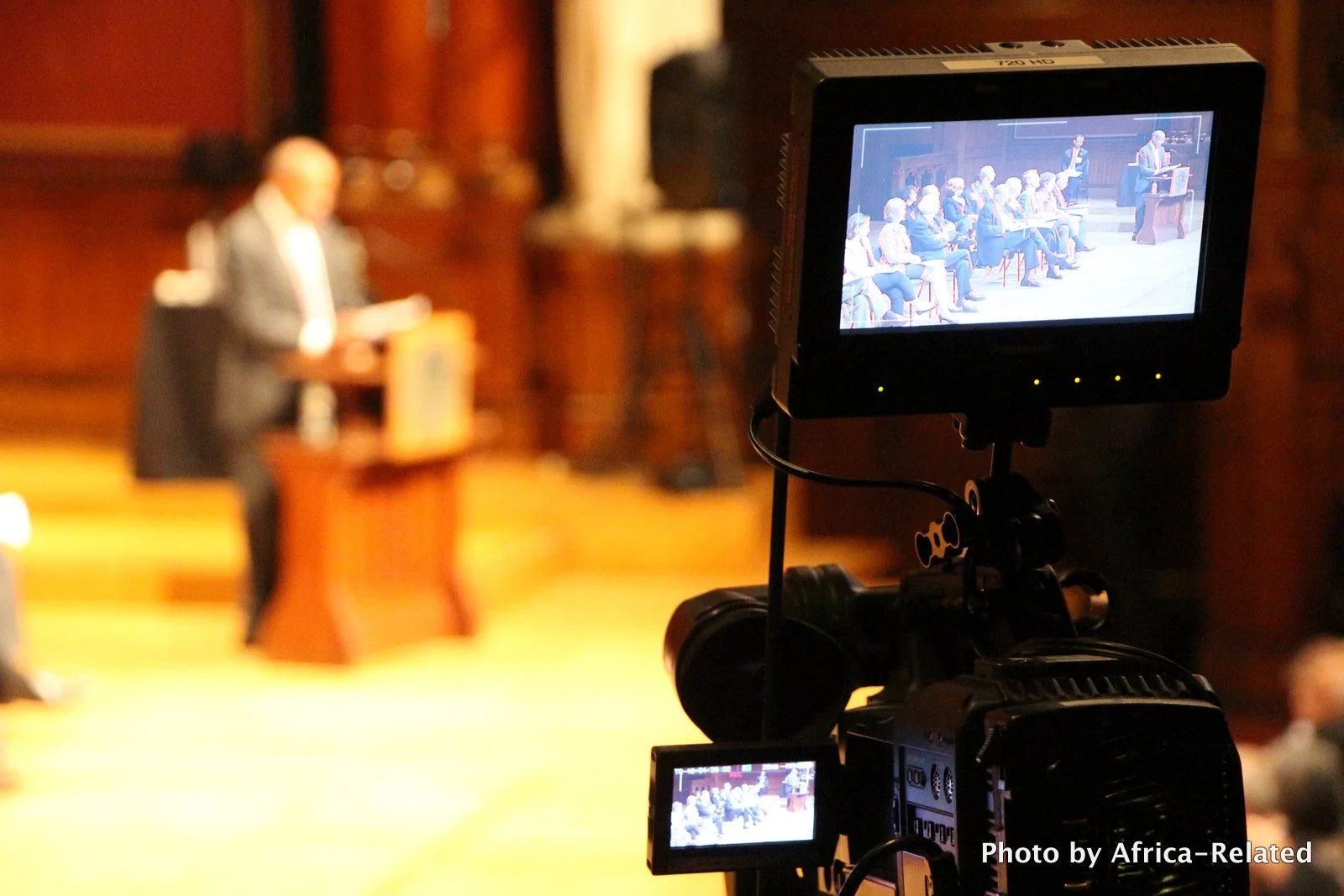
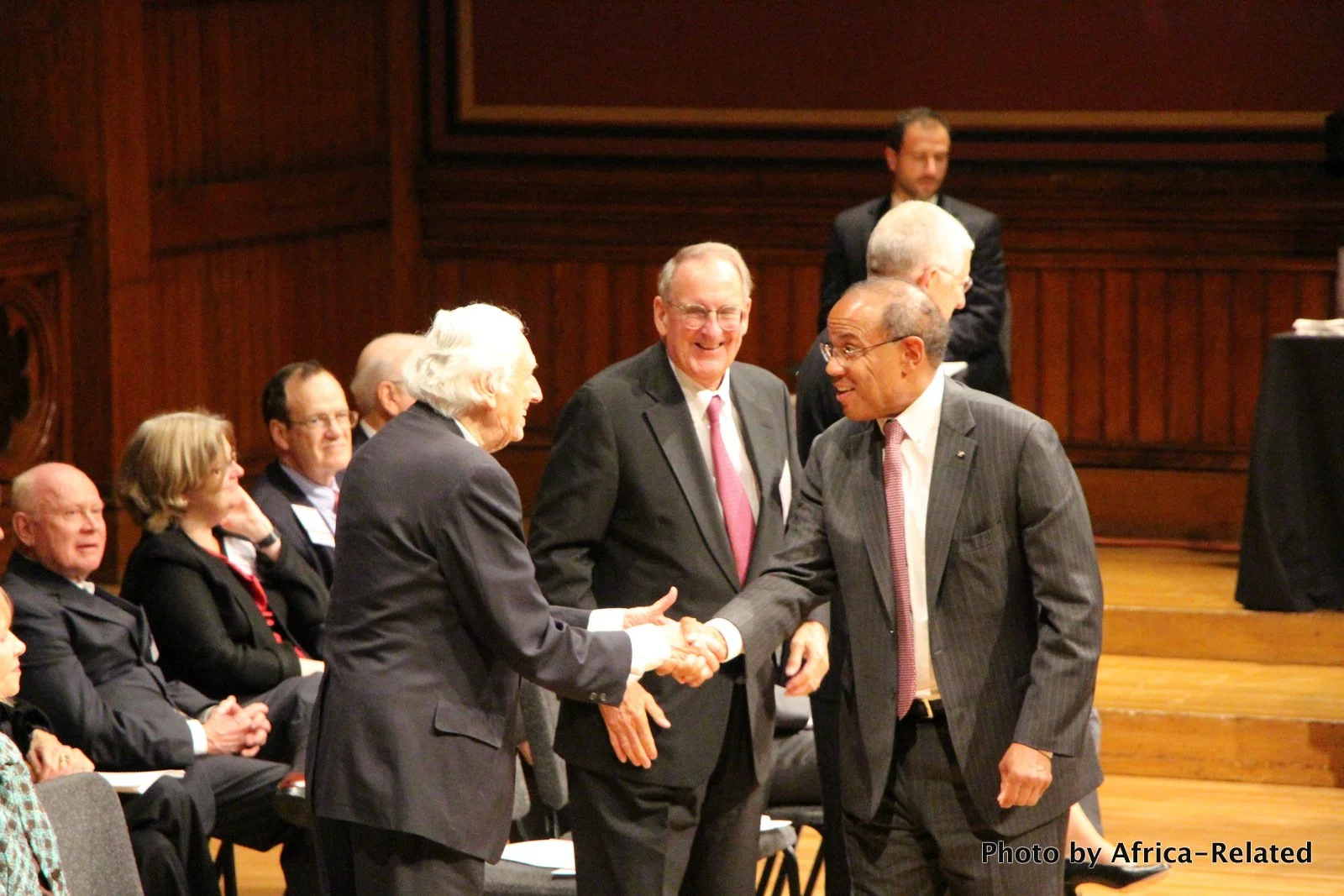
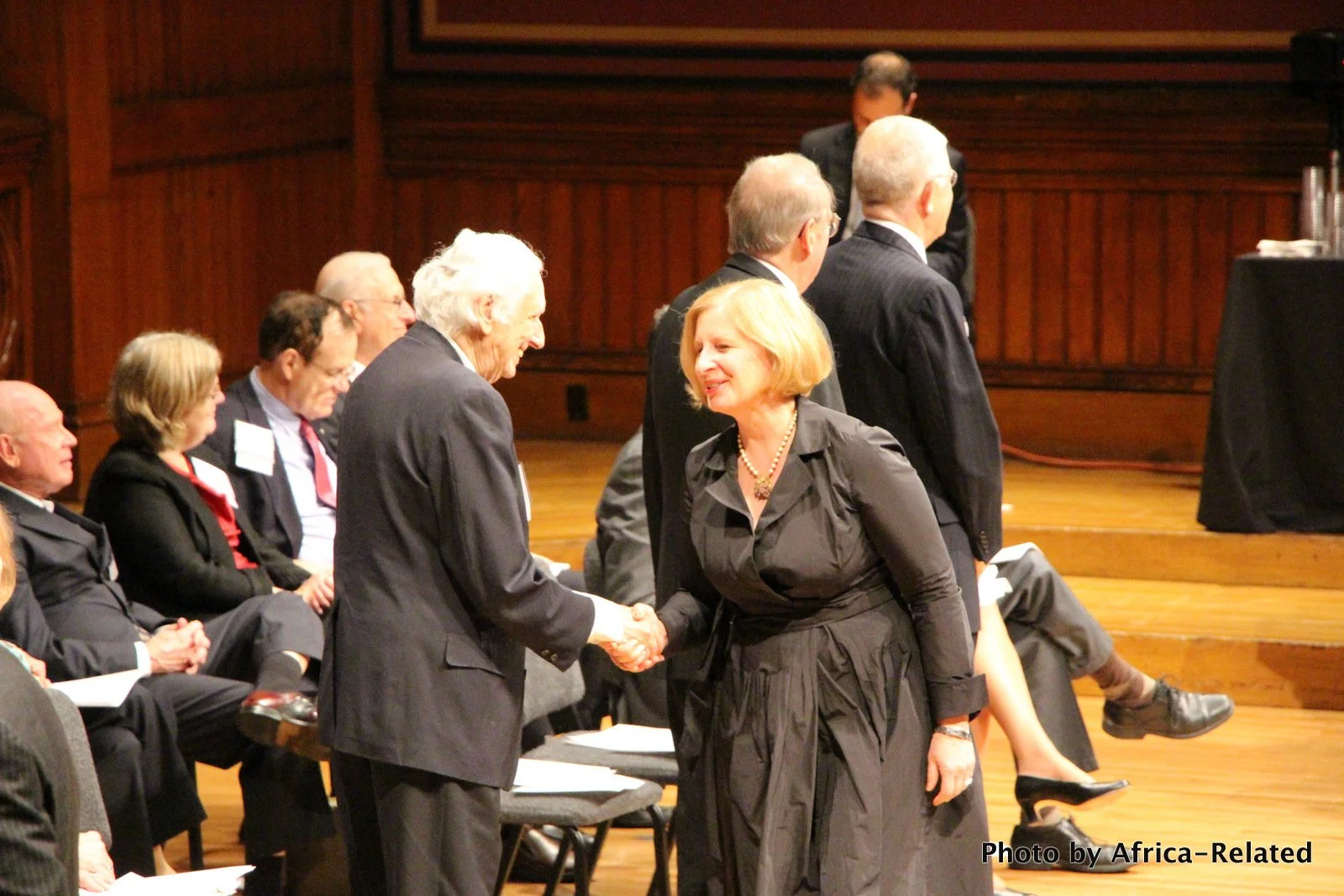
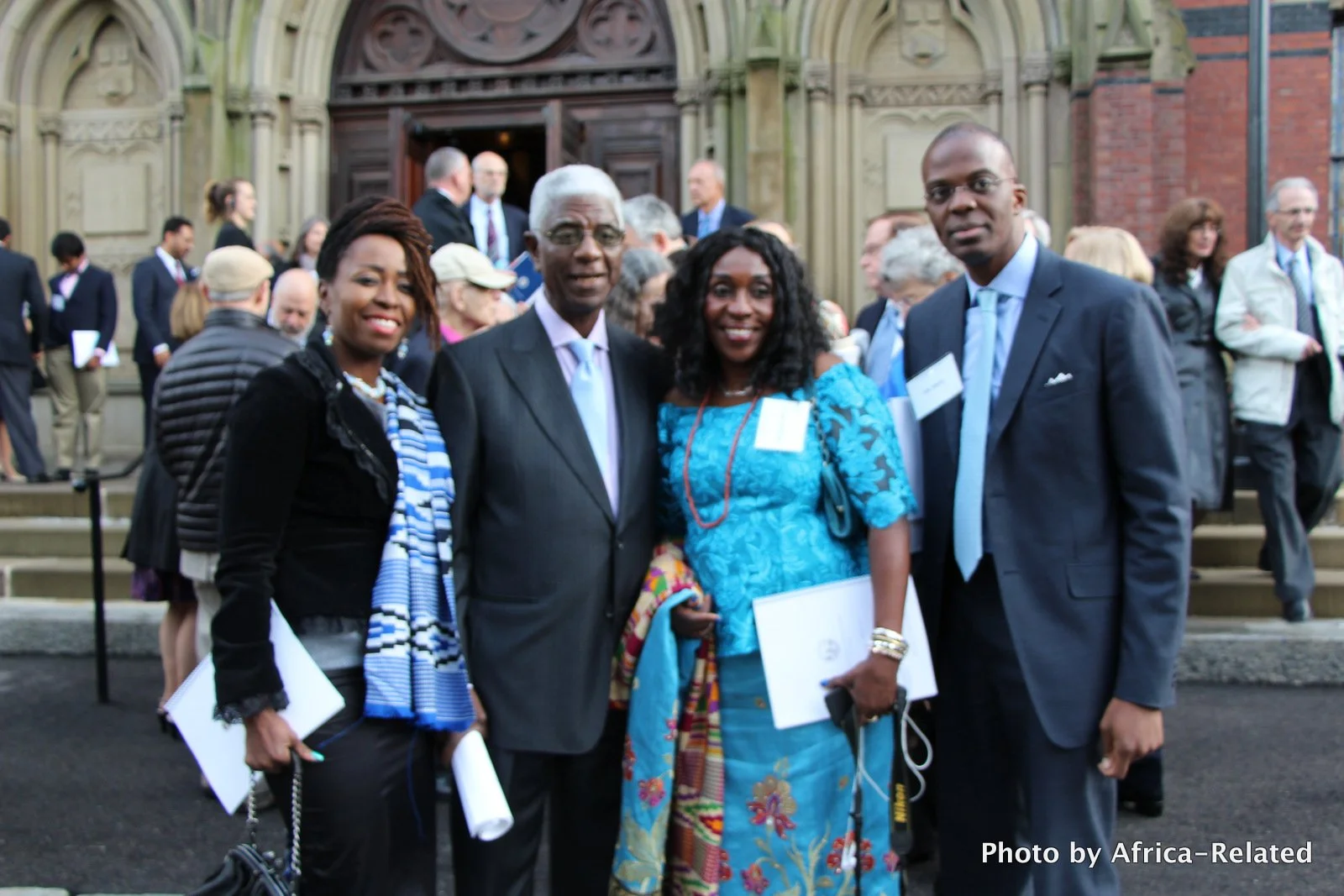
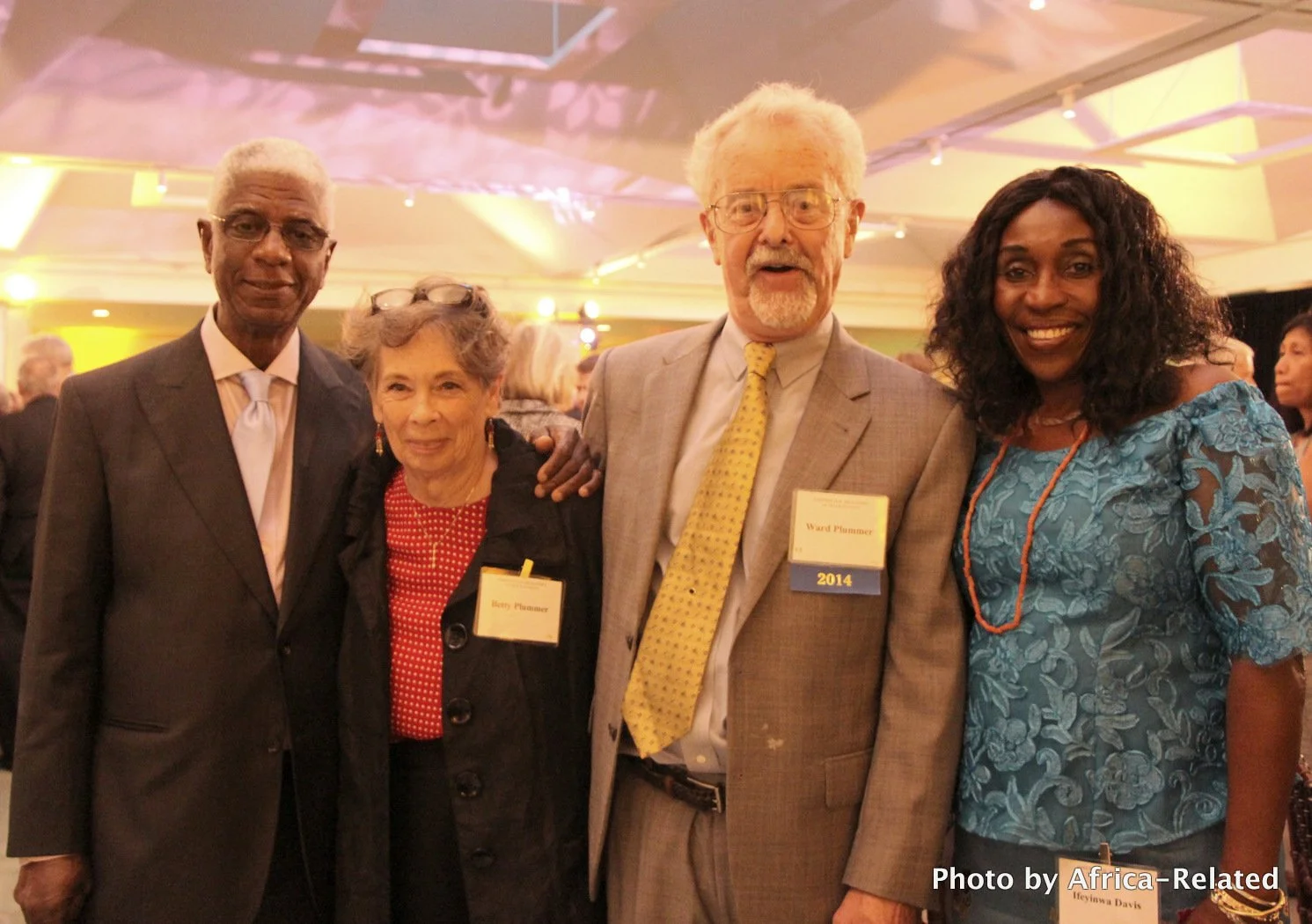
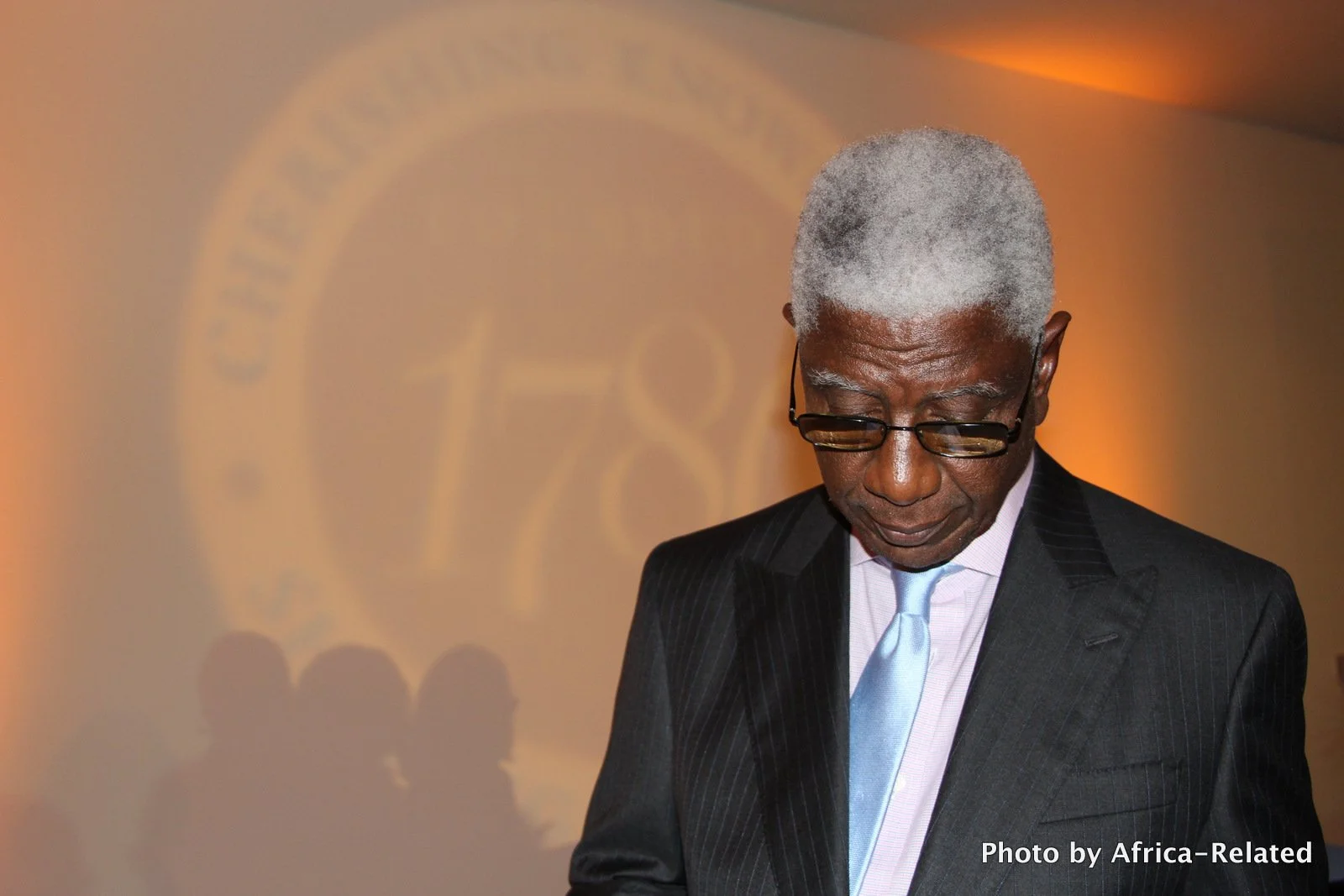
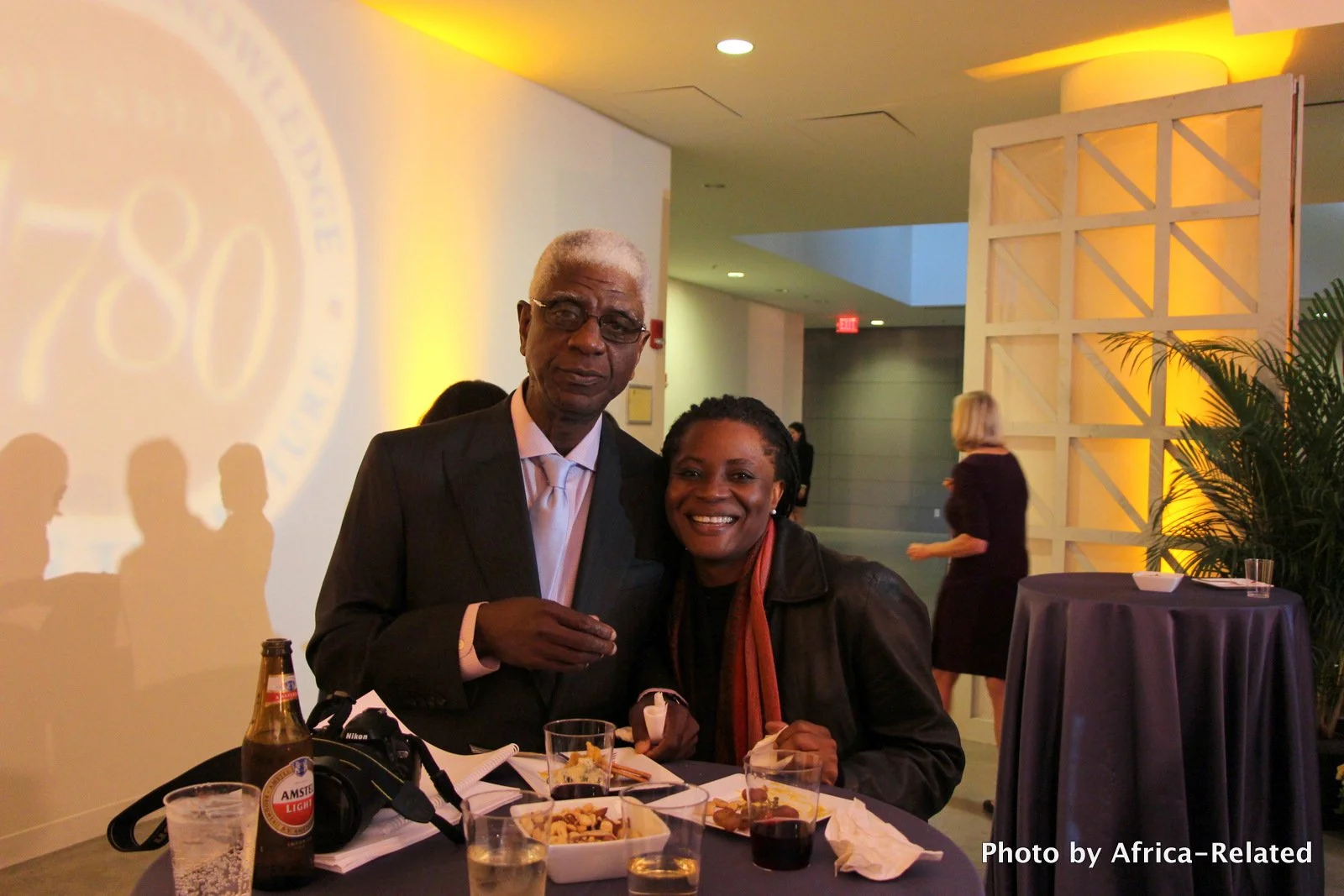
The American Academy of Arts and Sciences (AMACAD) inducted 204 new members at Havard University Cambridge on October 10 & 11, 2014 . They include some of the world’s most accomplished scholars, scientists, writers, artists, and civic, corporate, and philanthropic leaders.
OYIZA ADABA - Cambridge, MA
Photos by Africa-RelATD
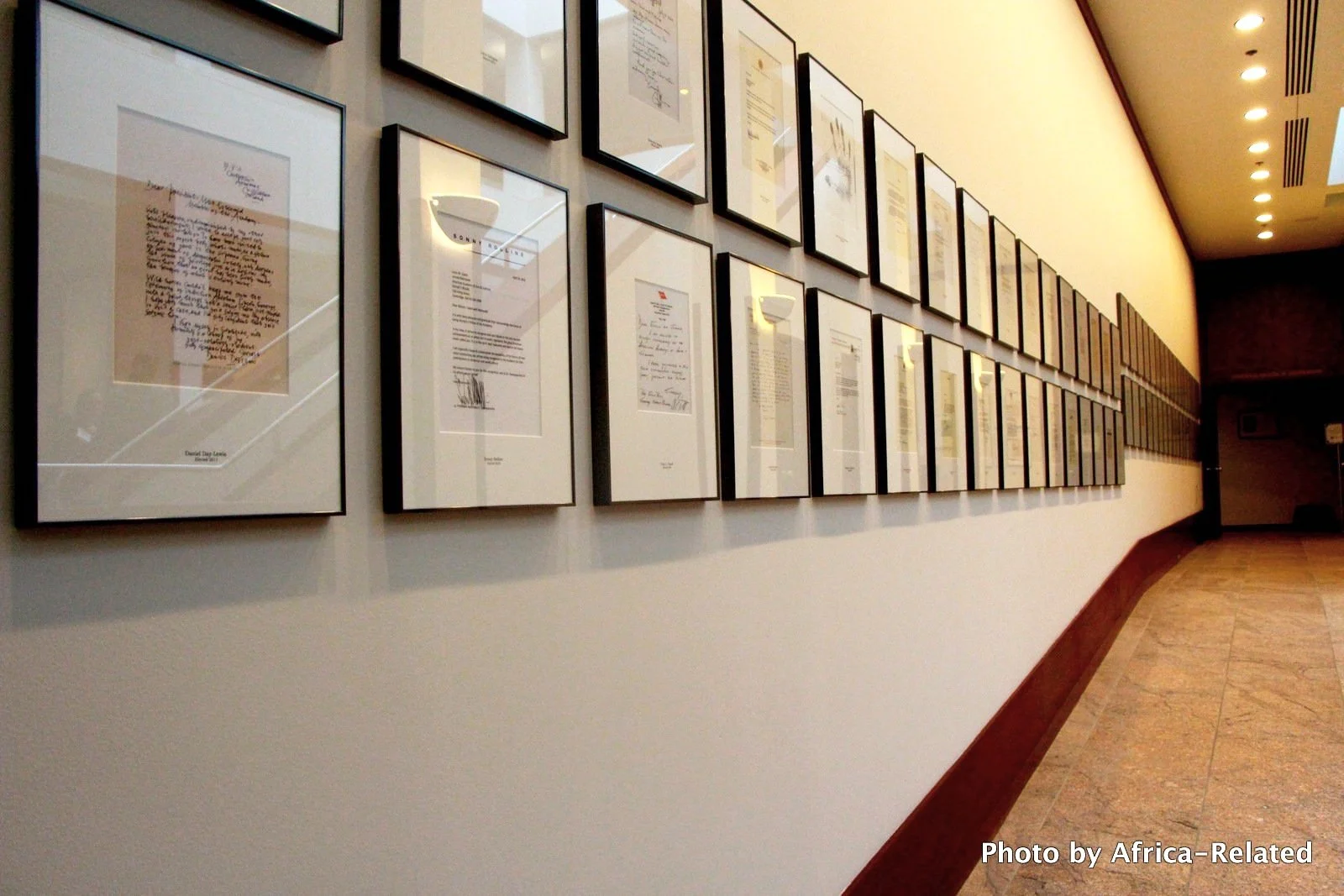
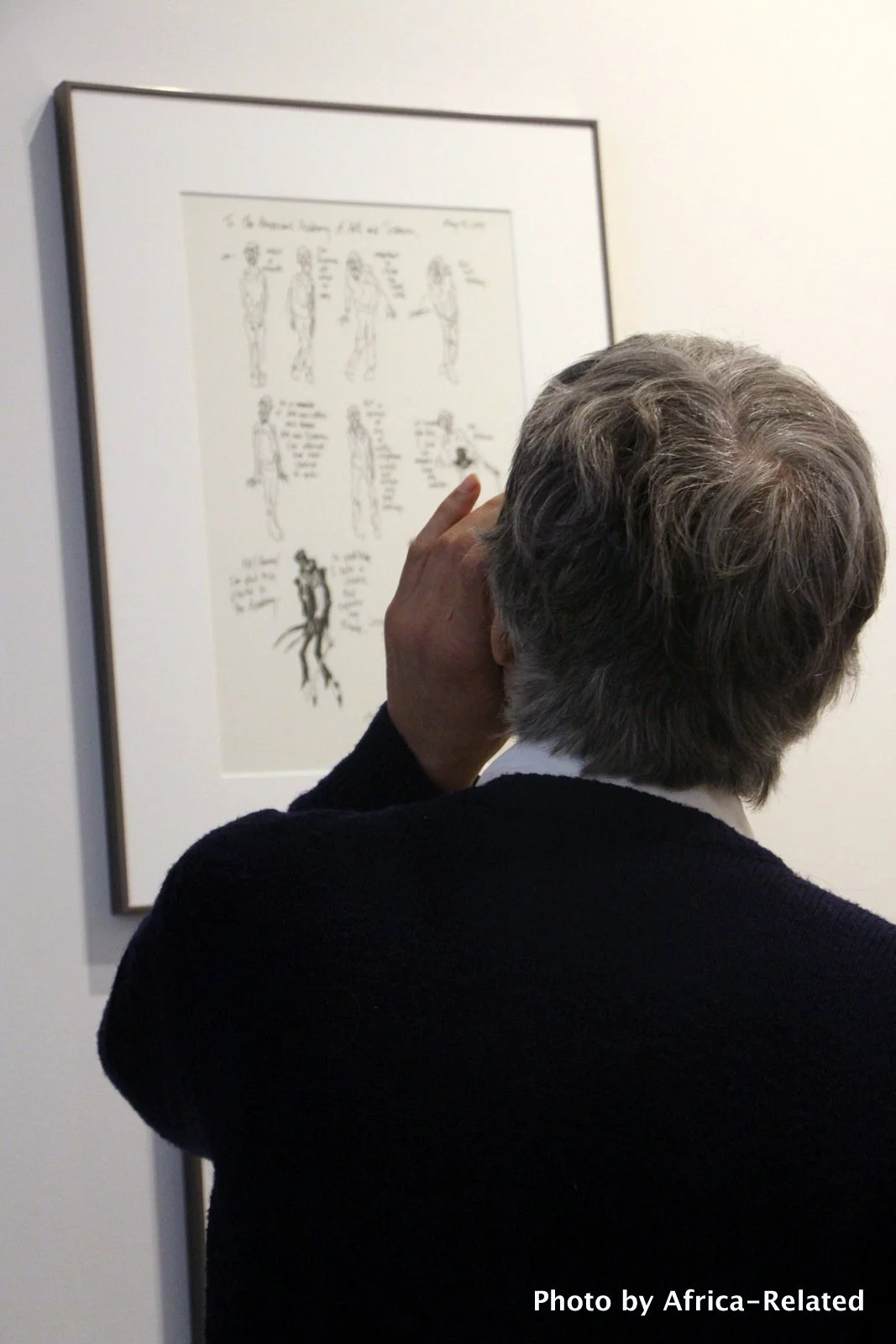
Letters of Acceptance line up the halls of The American Academy of Arts & Sciences at Havard University, Cambridge, MA.
El Anatsui & Ngũgĩ wa Thiong’o: Induction Ceremony to The American Academy of Arts & Sciences
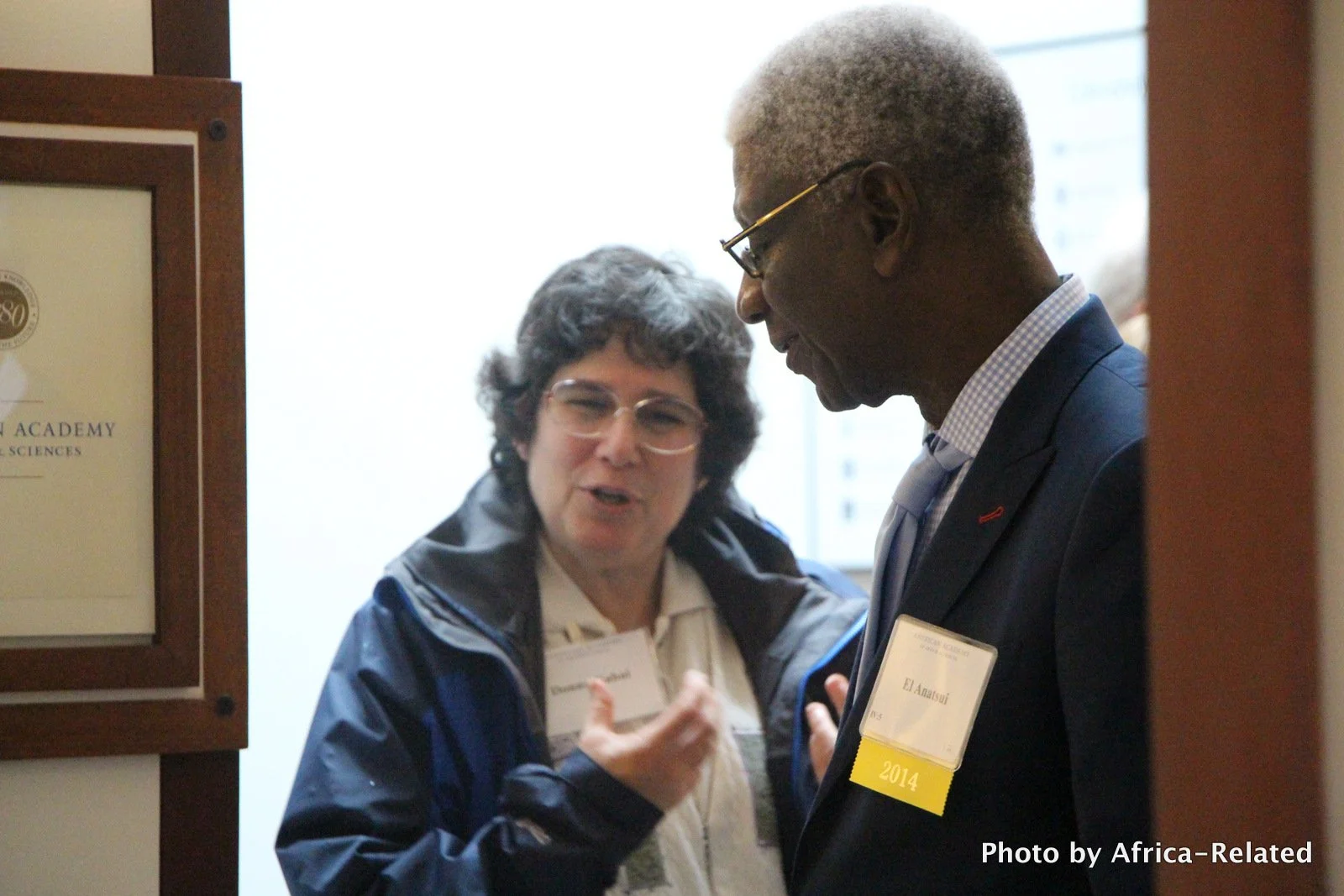
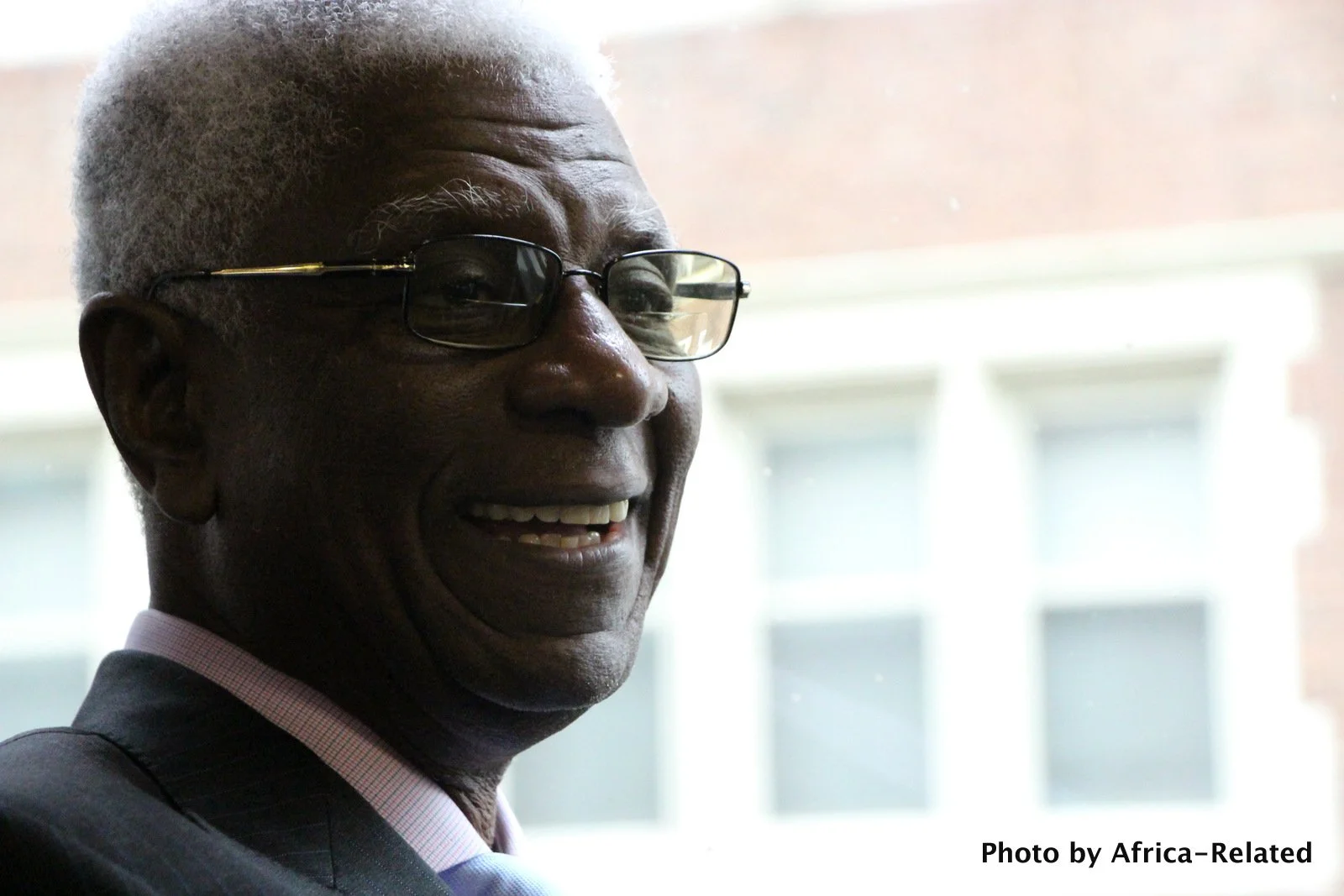
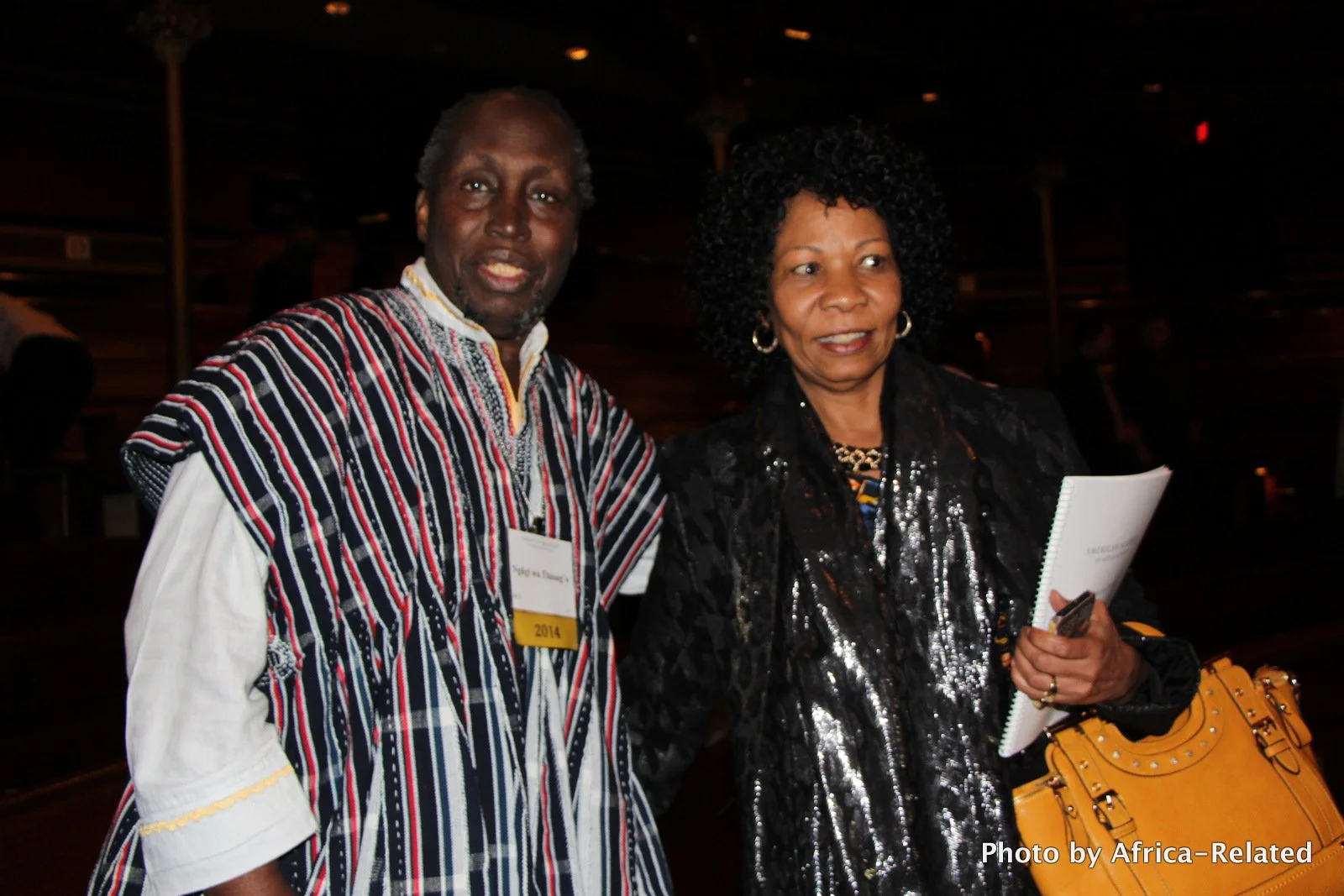
The American Academy of Arts and Sciences (AMACAD) inducted 204 new members at Havard University Cambridge on October 10 & 11, 2014 . They include some of the world’s most accomplished scholars, scientists, writers, artists, and civic, corporate, and philanthropic leaders. Two prominent Africans were also on the list - novelist & playwright Ngũgĩ wa Thiong’o for Literary Criticism from University of California, Irvine; and former Professor of Arts from the University of Nigeria, Nsukka El Anatsui as a Foreign Honorary Member in Visual Arts Criticism and Practice.
NEWLY ELECTED MEMBERS, APRIL 2014
TOTAL: 204
FELLOWS: 188
FOREIGN HONORARY MEMBERS: 16
EL Anatsui & Ngũgĩ wa Thiong’o Inducted
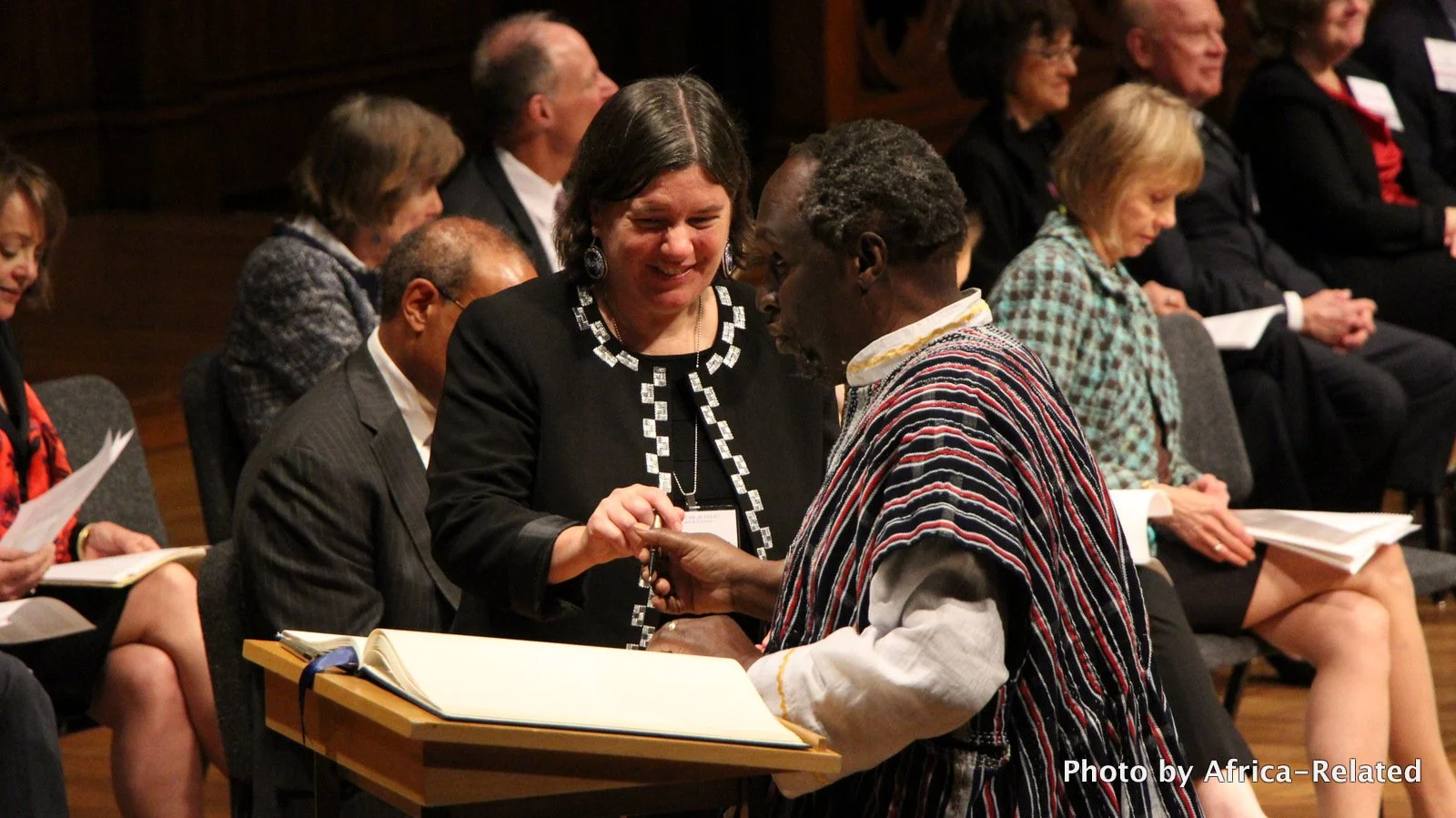
Since its founding in 1780, The Academy has served as a champion of scholarship, civil dialogue, and useful knowledge. As one of the country's oldest learned societies and independent policy research centers, the Academy convenes leaders from the academic, business, and government sectors to respond to the challenges facing the United States and the rest of the world.
AMACAD’s membership encompasses over 4,600 Fellows and 600 Foreign Honorary Members; and reflects the full range of disciplines and professions including mathematics, physical and biological sciences, medicine, social sciences and humanities, business, government, public affairs, and the arts. Among the Academy's Fellows are more than 250 Nobel laureates and 60 Pulitzer Prize winners. The strength of the Academy lies in the intellectual leadership of its members and the wide range of expertise they bring to its studies and publications.
Letters of Acceptance Class of 2014
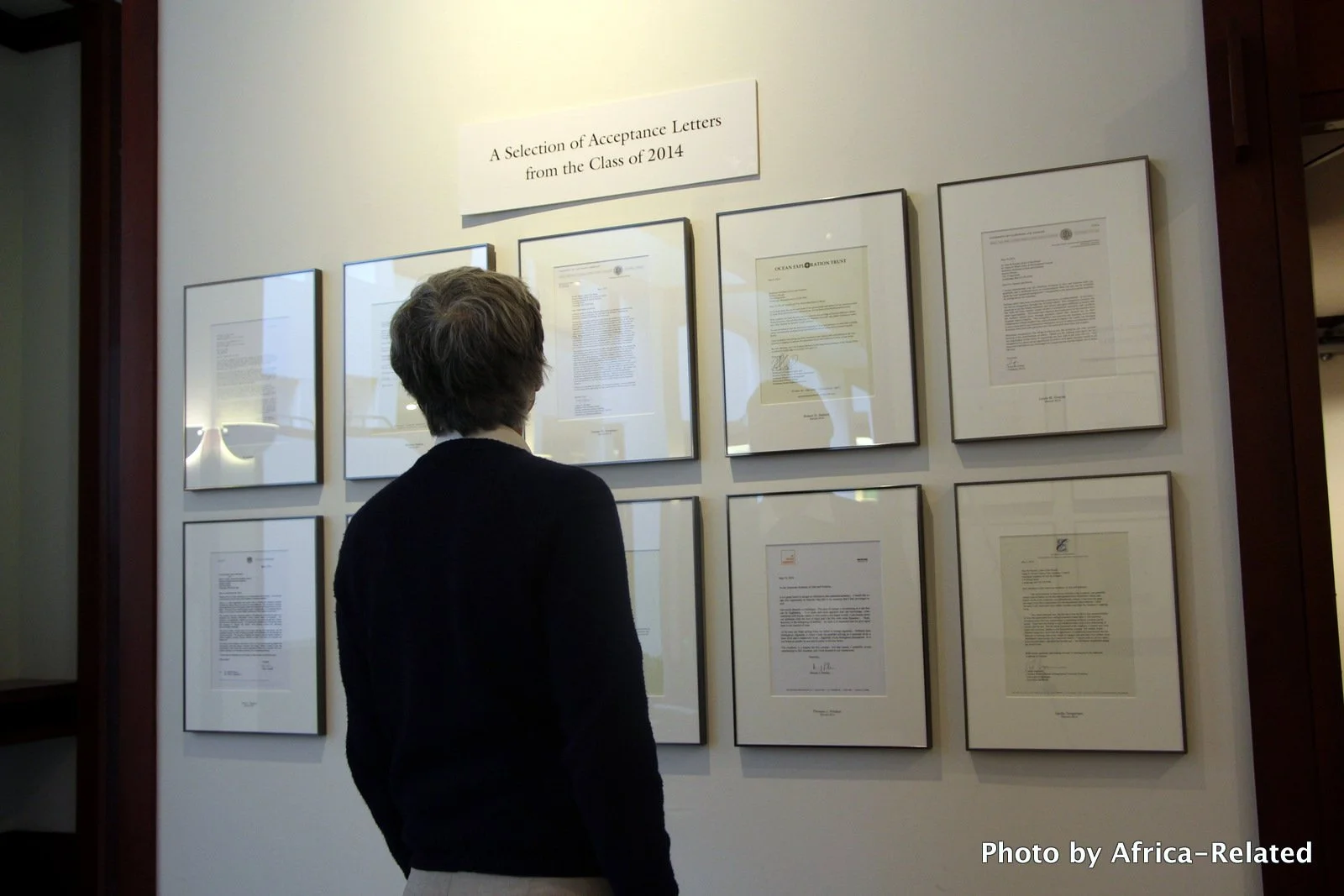
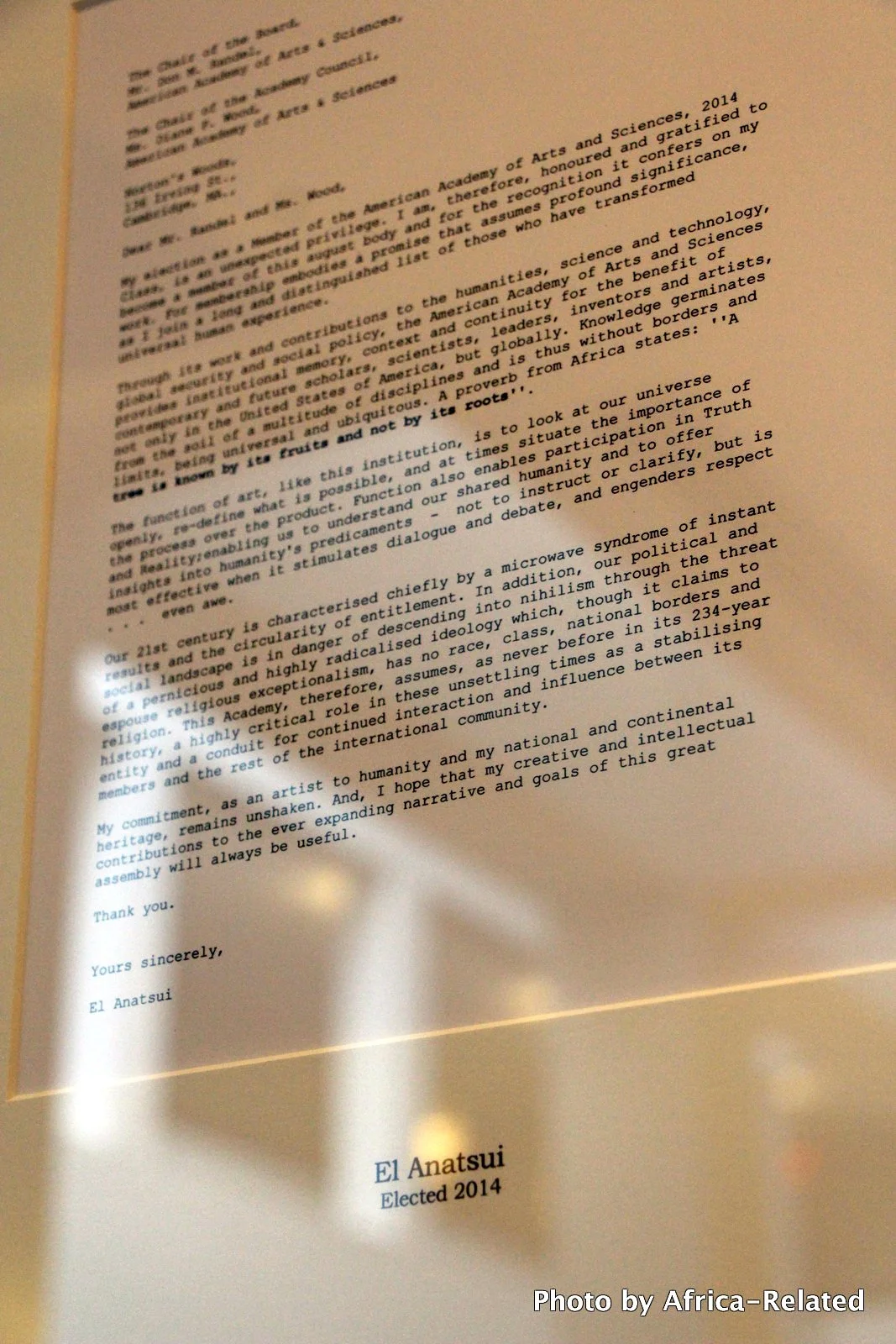
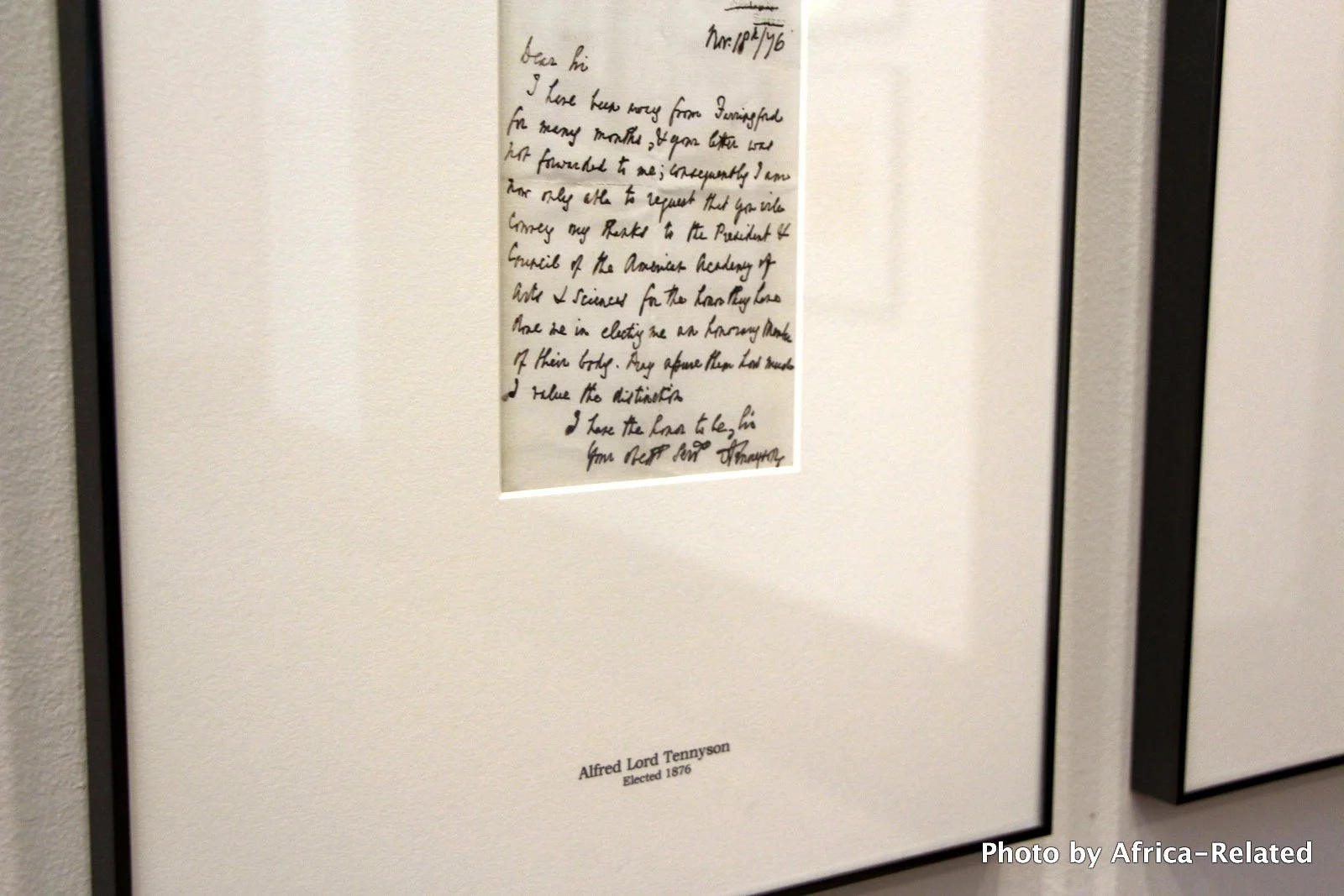
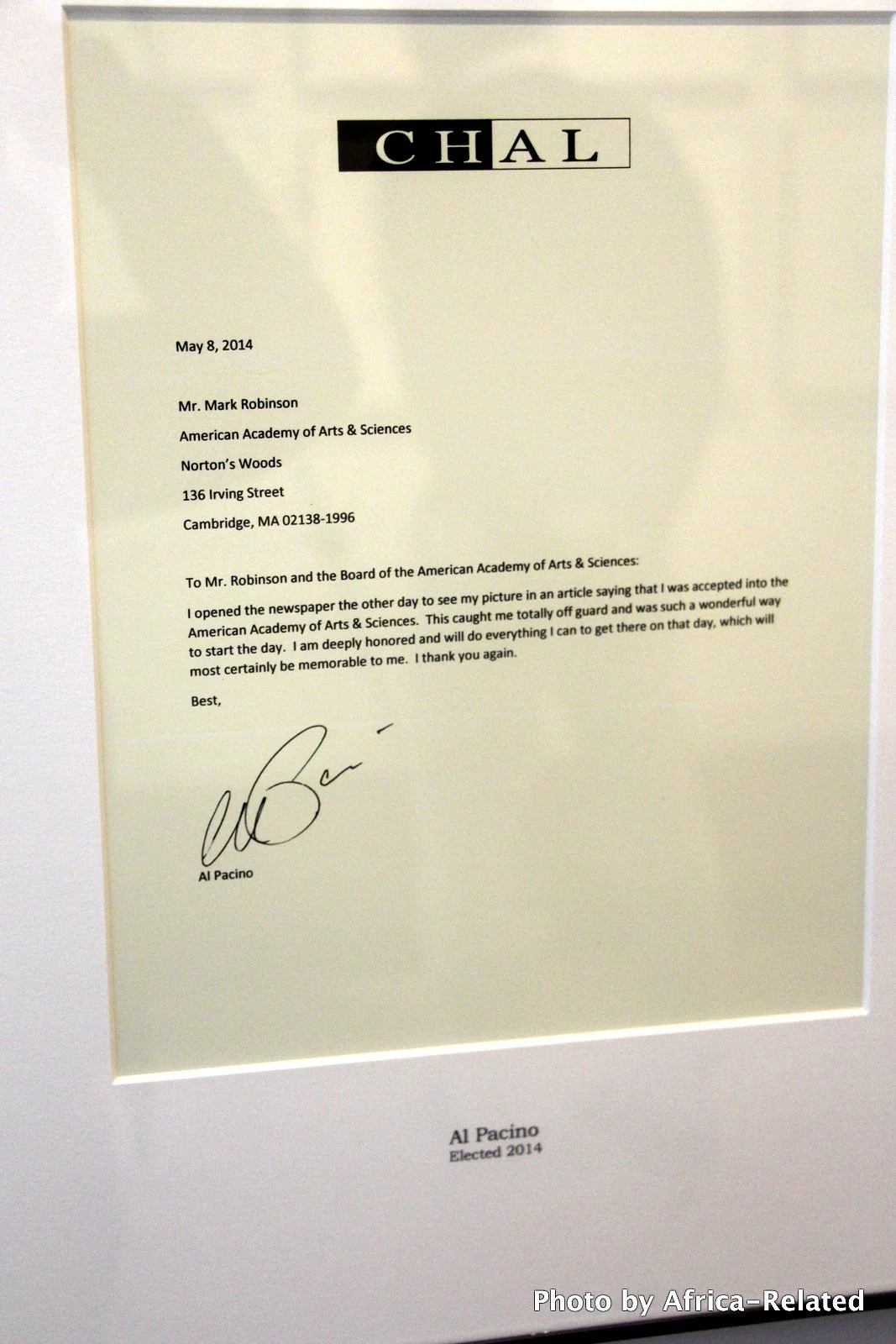
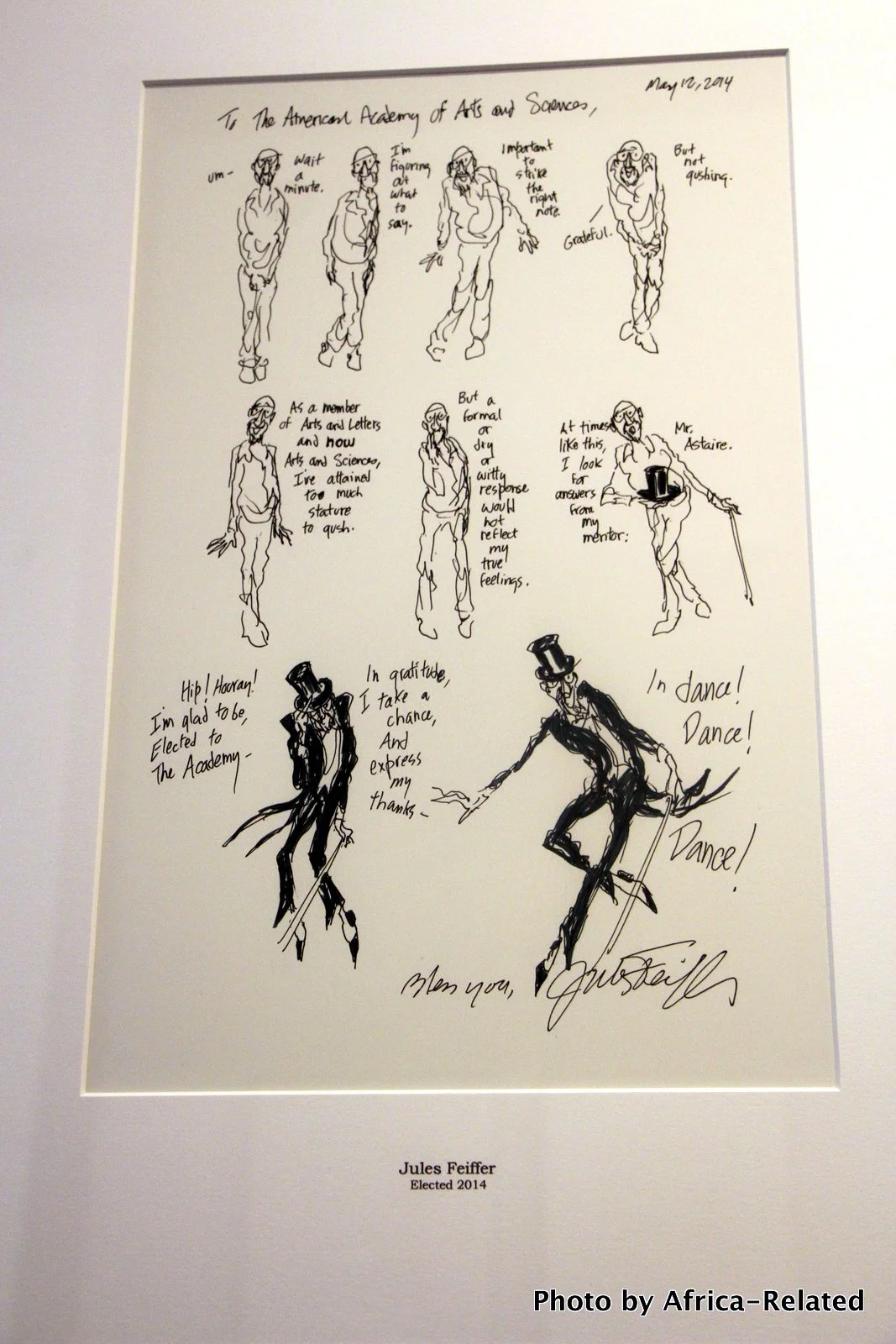
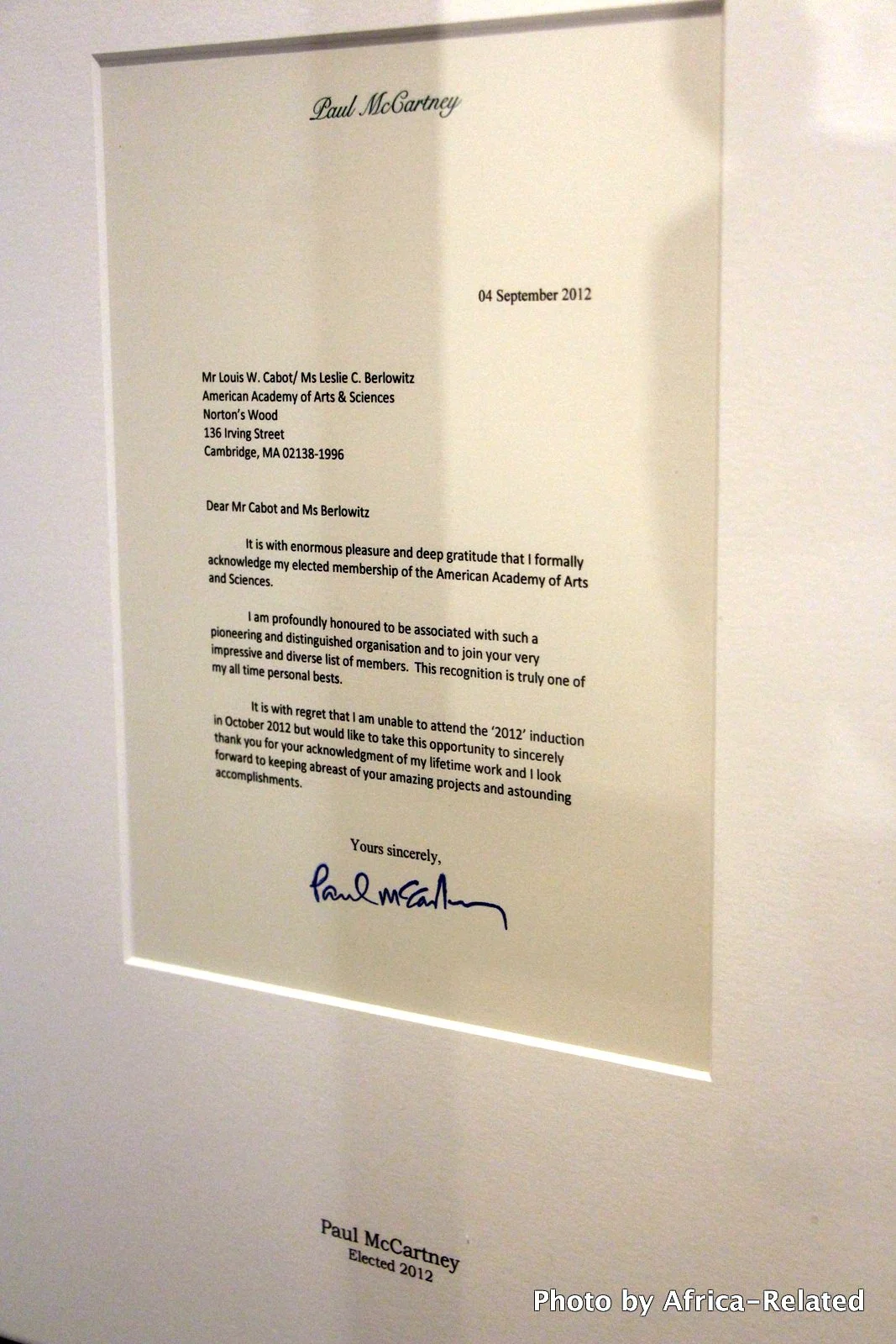
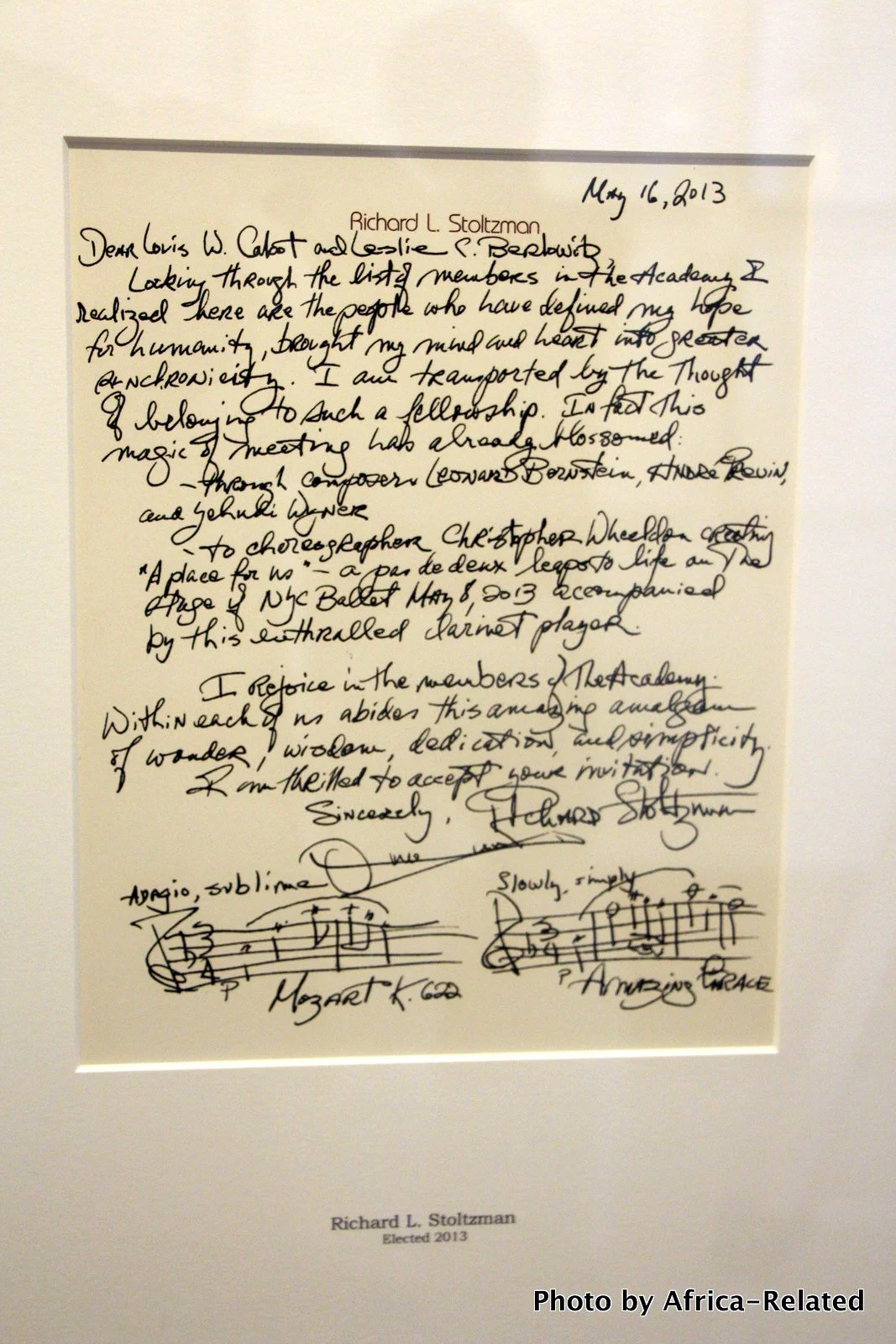
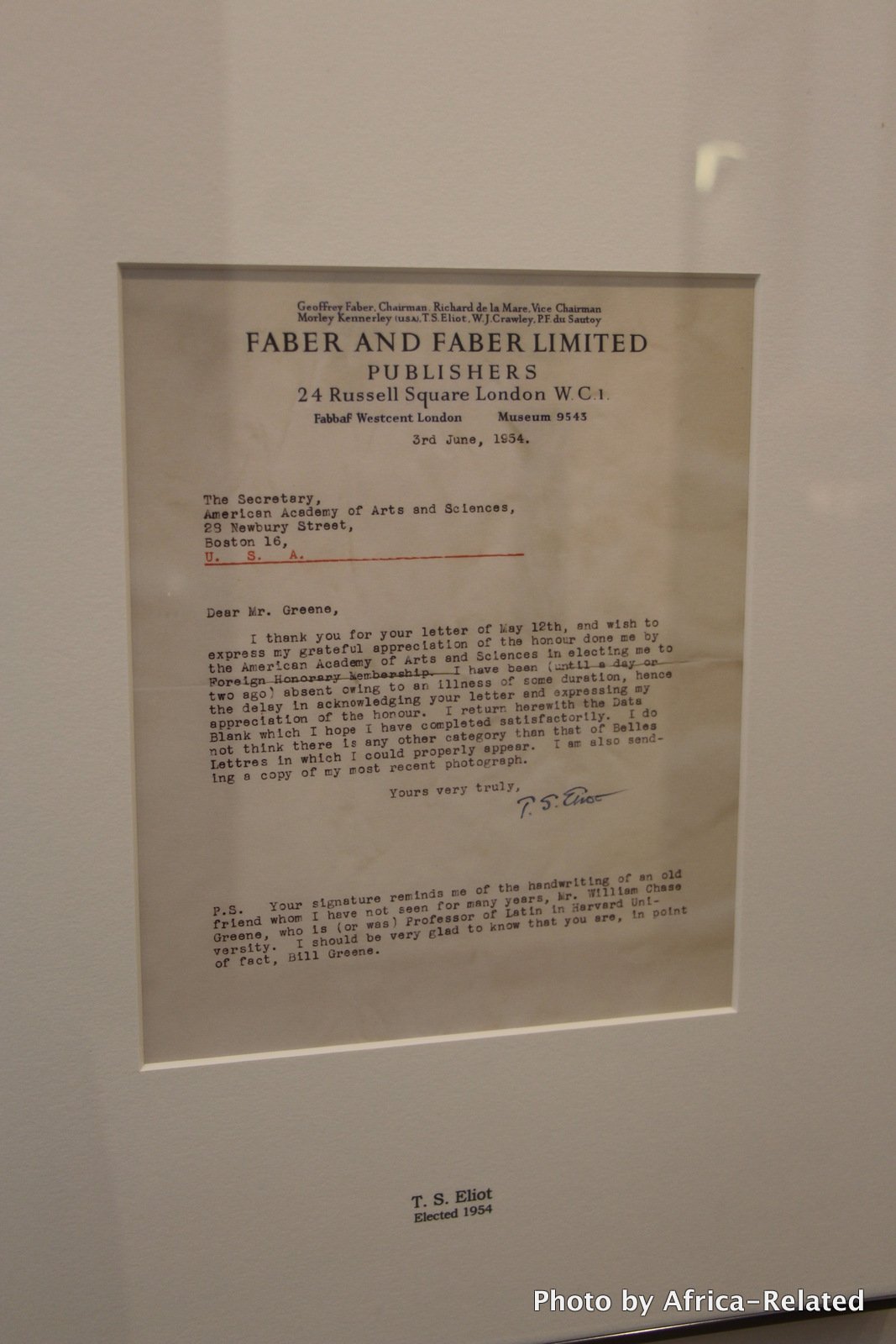
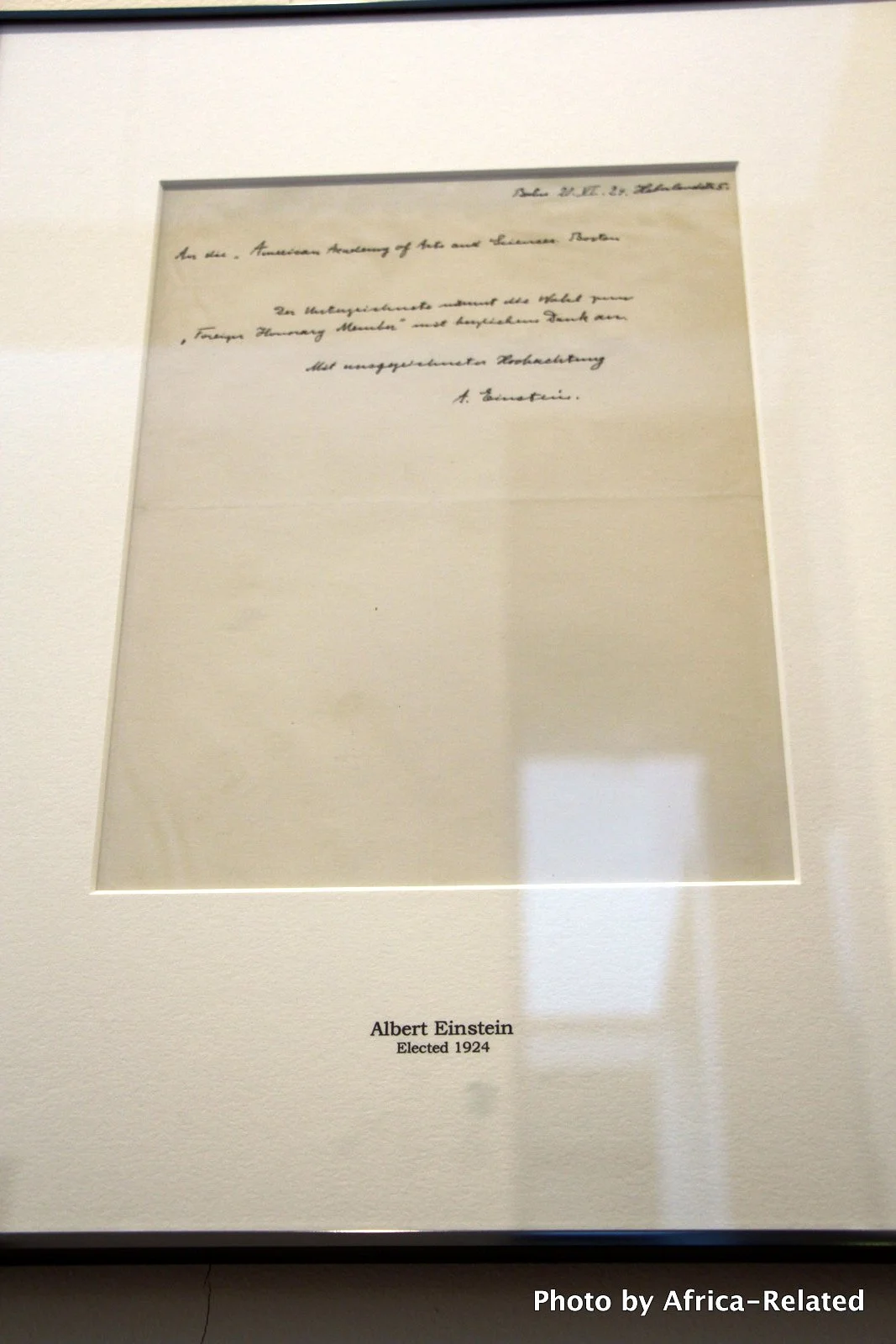

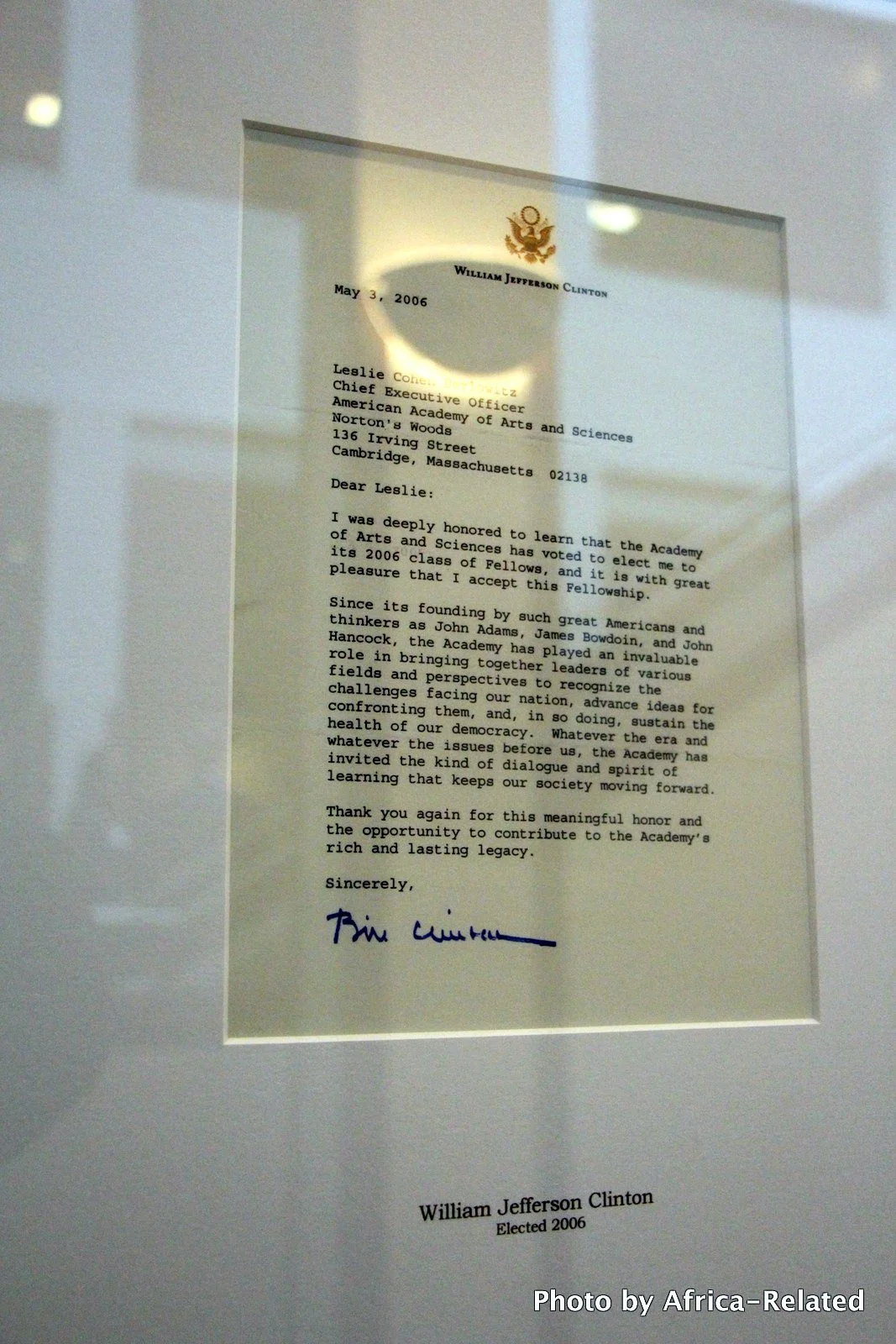
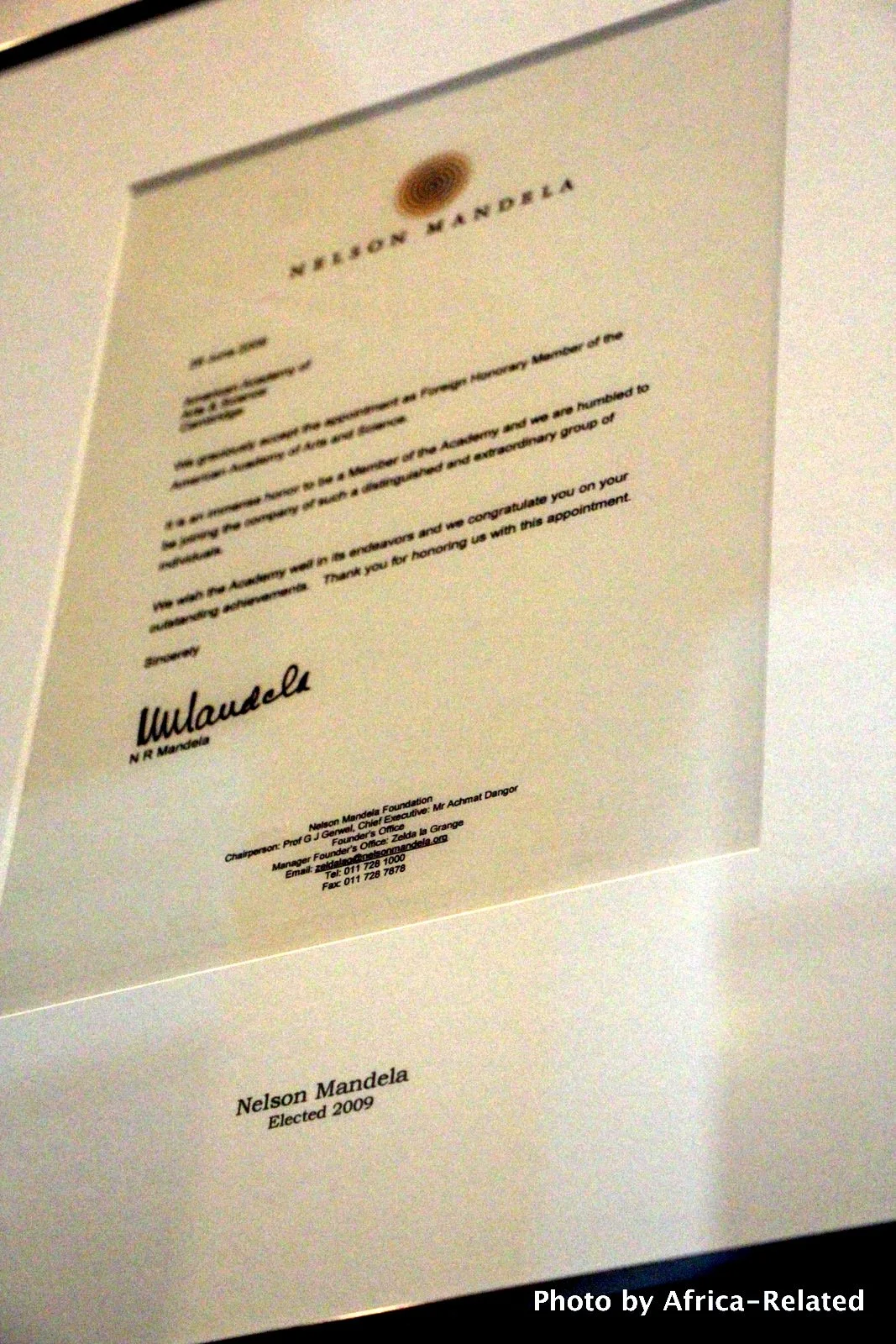
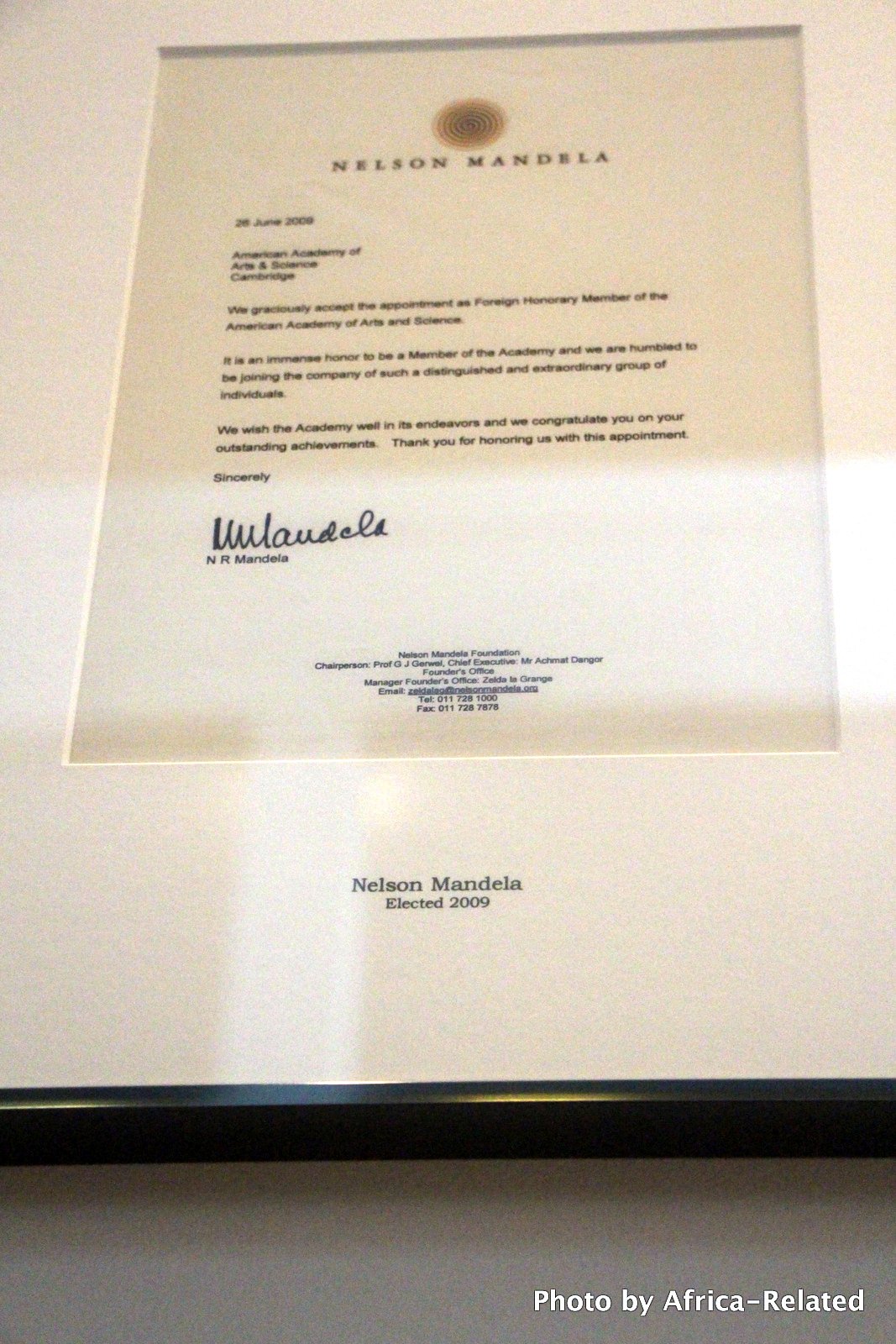
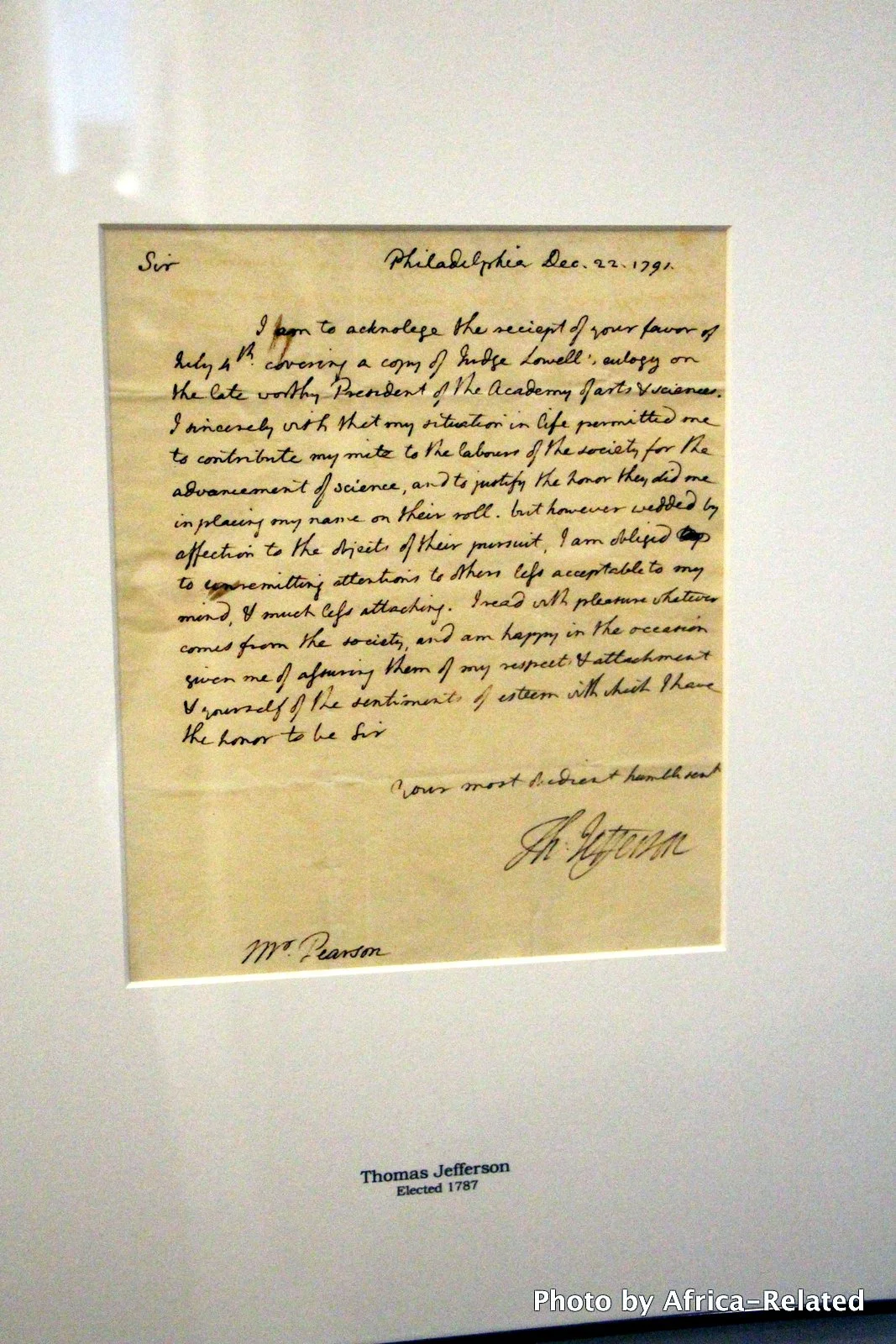
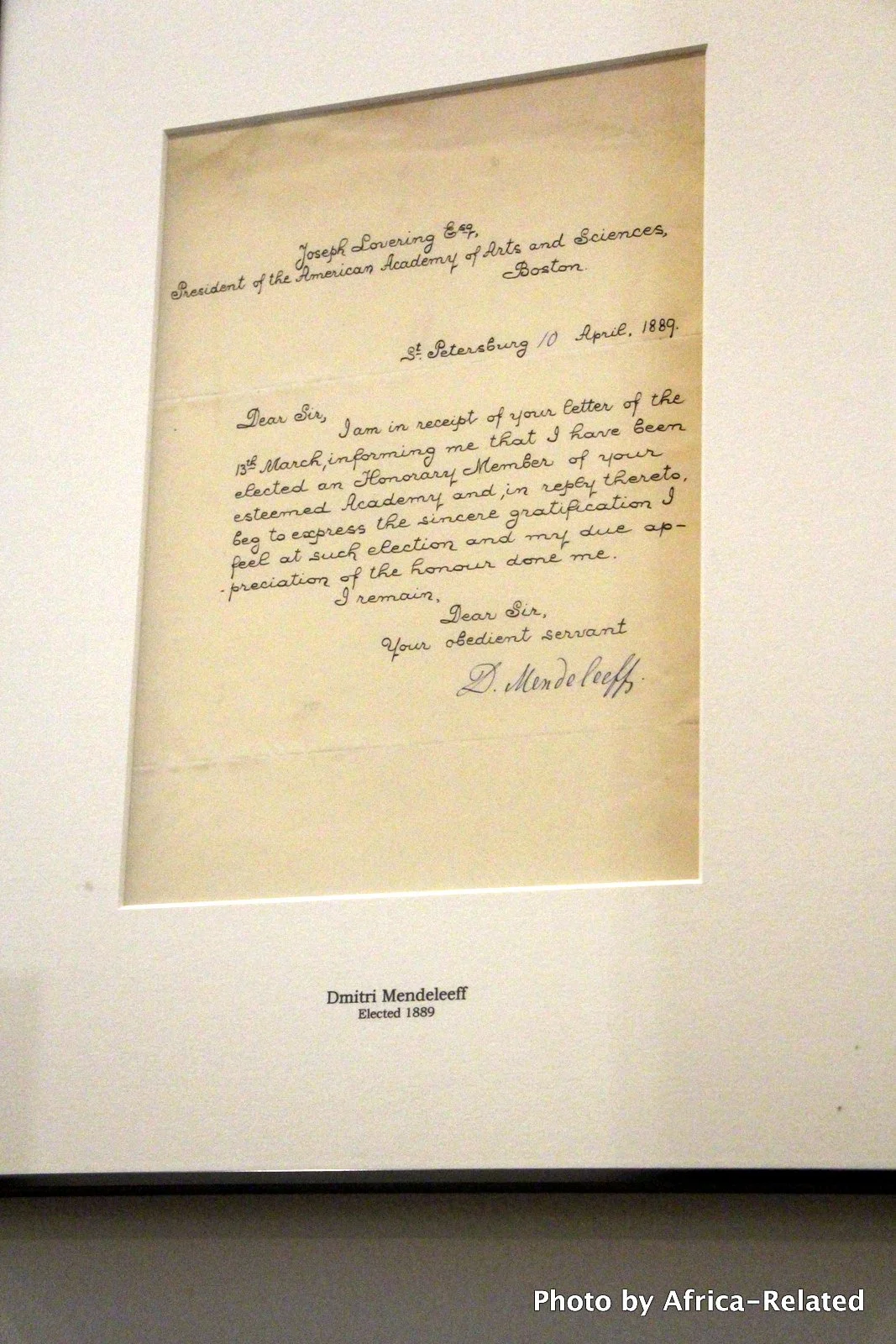
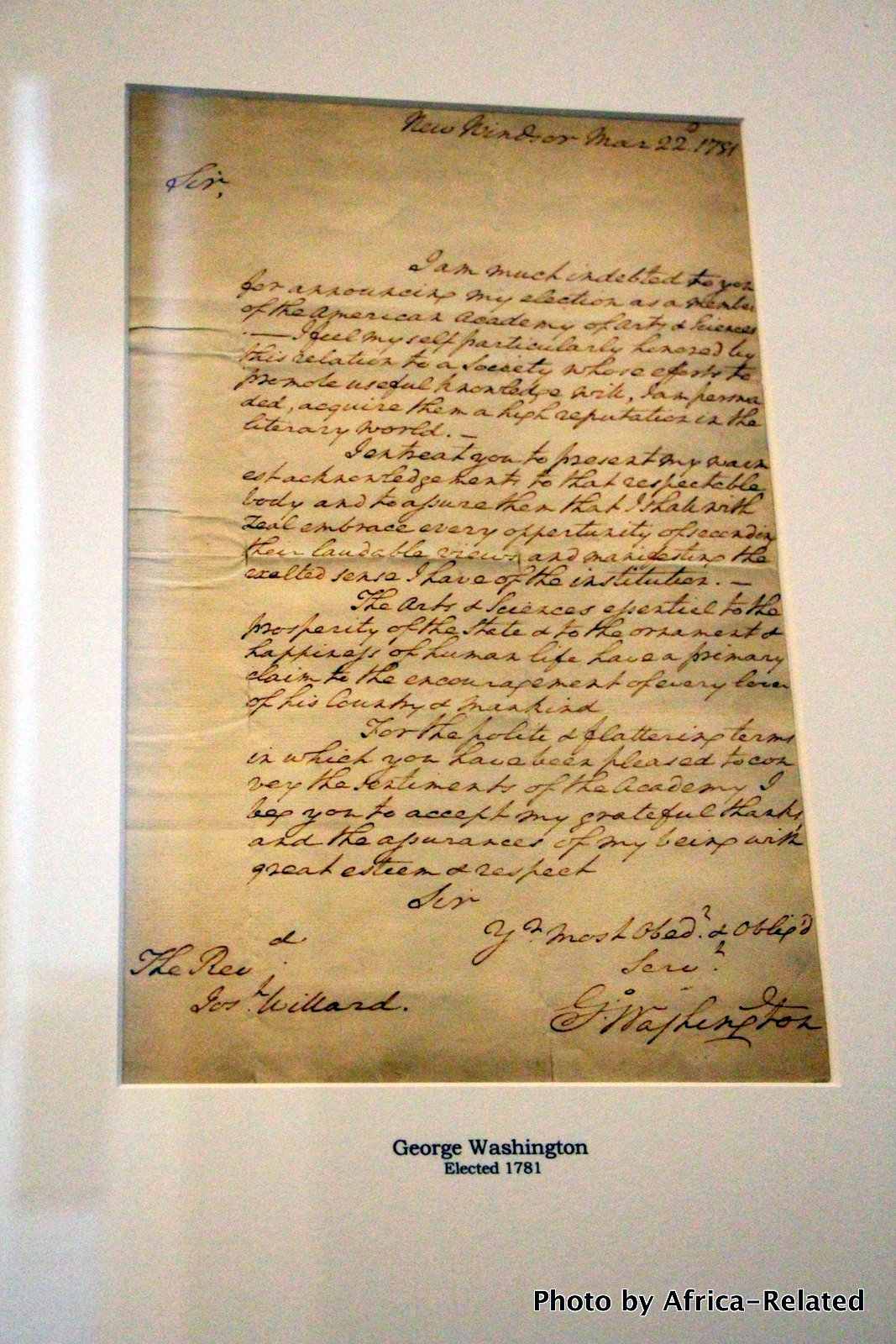
Past inductees include Nelson Mandela (2009), Albert Einstein (1924), Martin Luther King Jnr (1966), Bill Clinton (2006), Quincy Jones (2001), Thomas Jefferson (1987), Al Pacino (2014), George Washington (1781), Colin Powell (2009), Alan Alda (2006), Paul McCartney (2012), T.S Eliot (1954), Emmylou Harris (2009), Joan Miro (1961) and many more.





DELA: The Making of El Anatsui is a biographical documentary about one of the world's greatest sculptors. .
SHARE THIS STORY