
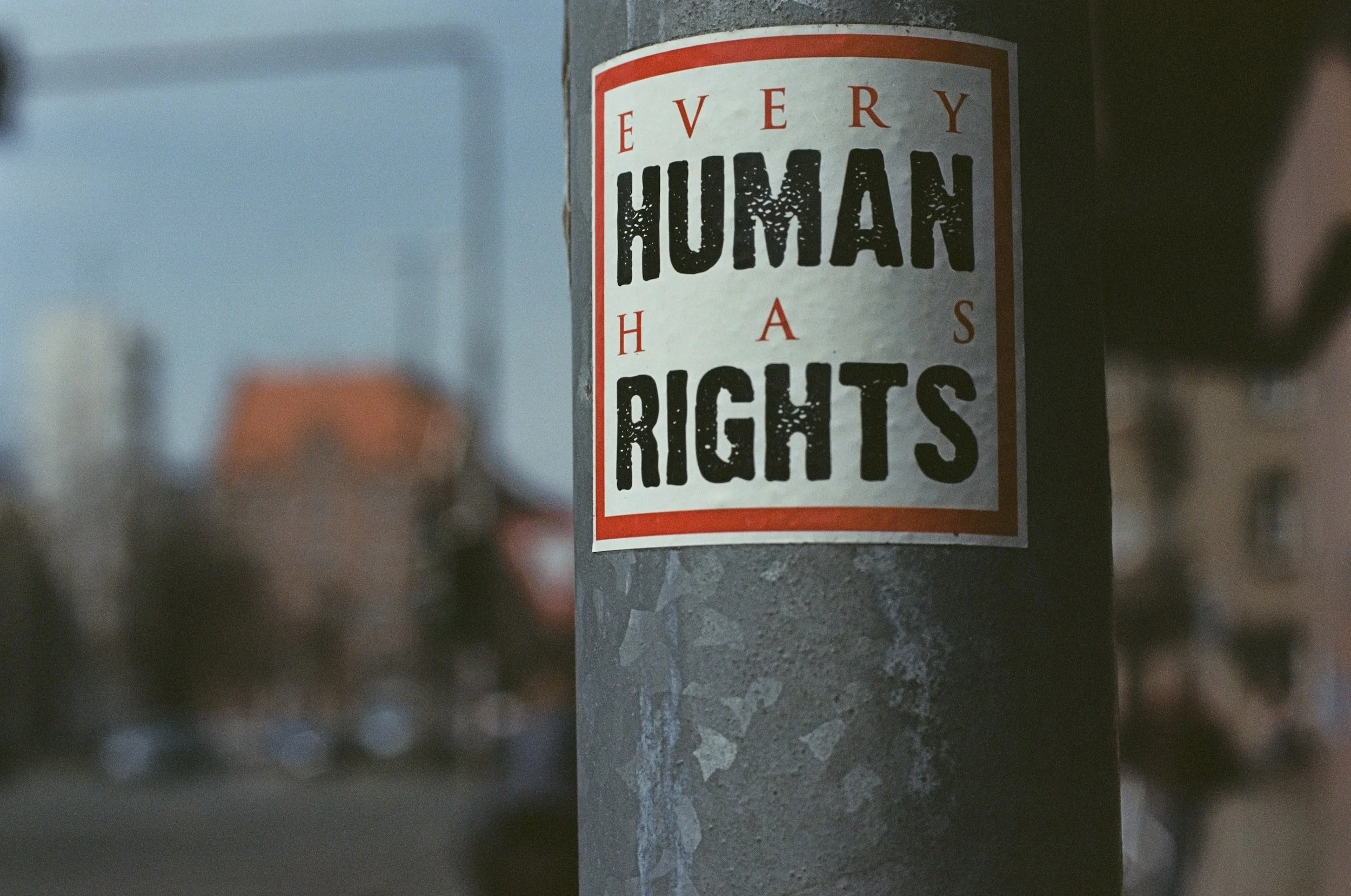
NIGERIA'S RANKING - 2022 HUMAN RIGHTS REPORT
According to the Bureau of Democracy, Human Rights and Labor, the U.S. Department of State submits a human rights report on all countries receiving assistance and all United Nations member states to the U.S. Congress in accordance with the Foreign Assistance Act of 1961 and the Trade Act of 1974.
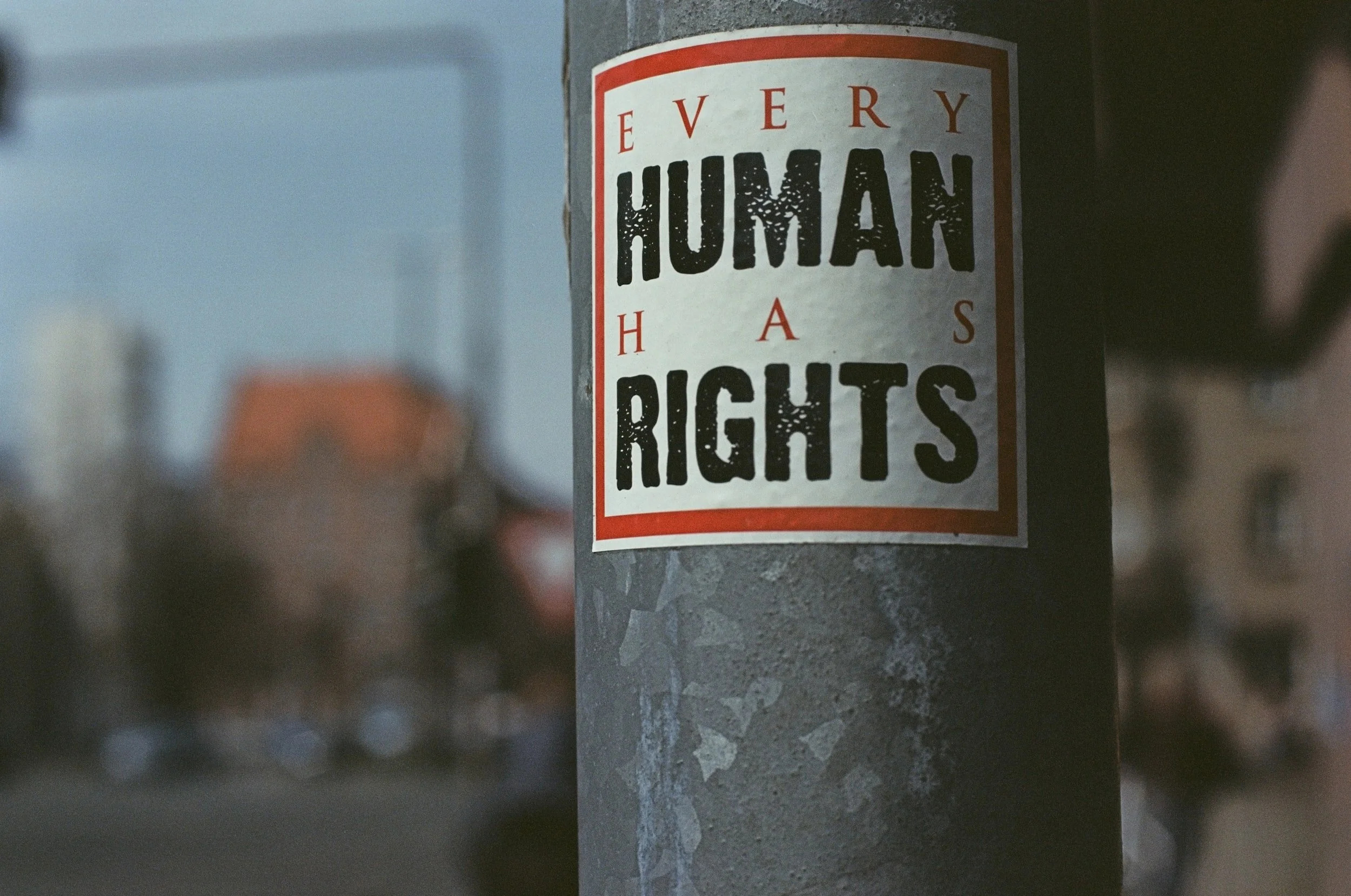
Photo by Markus Spiske @markusspiske

U.S. DEPARTMENT OF STATE
Office of the Secretary of State
This is the Executive Summary of Nigeria’s perforance and practice of Human Rights. Is this accurately presented or has it missed the mark in some areas? Does the report reflect the Nigerian citizen's collective and individual experiences? These conversations are ongoing.
According to the Bureau of Democracy, Human Rights and Labor, the U.S. Department of State submits a human rights report on all countries receiving assistance and all United Nations member states to the U.S. Congress in accordance with the Foreign Assistance Act of 1961 and the Trade Act of 1974.
EXECUTIVE SUMMARY
Nigeria is a federal republic composed of 36 states and the Federal Capital Territory. In 2019, citizens re-elected President Muhammadu Buhari of the All Progressives Congress party to a second four-year term. Legislative elections were also held in 2019. Most independent observers agreed the elections were credible despite logistical challenges, localized violence, and some irregularities.
The Nigeria Police Force, which reports to the Ministry of Police and is overseen by the Police Service Commission, is the primary civilian law enforcement agency and enjoys broad jurisdiction throughout the country. The Ministry of Interior also conducts security and law enforcement activities. The Department of State Services, which reports to the national security advisor in the Office of the President, is responsible for counterintelligence, internal security, counterterrorism, and surveillance, as well as protection of senior government officials. The Nigerian Armed Forces, which reports to the minister of defense, also shares domestic security responsibilities in the case of insufficient capacity and staffing of domestic law enforcement agencies or as ordered by the president. Many states, in response to increased violence, insecurity, and criminality that exceeded the response capacity of government security forces, utilized local “security” vigilante forces. These local forces usually reported to the state governor. Civilian authorities did not always maintain effective control over the security services. There were reports members of the security forces committed numerous abuses.
The insurgency in the North East region by the militant terrorist groups Boko Haram and the Islamic State in West Africa continued. The terrorist groups conducted numerous attacks on government and civilian targets, resulting as of year’s end in thousands of deaths and injuries, numerous human rights abuses, widespread destruction, the internal displacement of more than two million persons, and the external displacement of an estimated 332,000 refugees to neighboring countries.
Significant human rights issues included credible reports of: unlawful and arbitrary killings; forced disappearances; torture and cases of cruel, inhuman, or degrading treatment or punishment by the government; harsh and life-threatening prison conditions; arbitrary arrest or detention; serious problems with the independence of the judiciary; arbitrary or unlawful interference with privacy; serious abuses in a conflict, including reportedly unlawful or widespread civilian deaths or harm, enforced disappearances or abductions, torture, and physical abuses or punishment; serious restrictions on free expression and media, including violence or threats against journalists, and enforcement of criminal libel and blasphemy laws to limit expression; serious government corruption; lack of investigation and accountability for gender-based violence, including domestic or intimate partner violence, sexual violence, child, early and forced marriage, female genital mutilation/cutting, and other forms of such violence; instances of coerced abortion or forced sterilization; enforcement of laws criminalizing consensual same-sex sexual conduct between adults; and the existence of the worst forms of child labor.
The government took steps to investigate, punish, and prosecute alleged human rights abuses and corruption by officials, but impunity for such abuses and corruption remained a problem.
Nonstate actors committed arbitrary and unlawful killings, disappearances, physical abuse, and other mistreatment. Boko Haram-inspired terrorist groups and the Islamic State in West Africa continued attacks on civilians, military, police, humanitarian, and religious targets; recruited and forcefully conscripted child soldiers; and carried out scores of attacks on population centers in the North East region and in Cameroon, Chad, and Niger. Abductions by Boko Haram and the Islamic State in West Africa continued. Both groups subjected many women and girls to gender-based violence, including forced marriages, sexual slavery, and rape. The government investigated attacks by Boko Haram and the Islamic State in West Africa and took steps to counter the growth of the insurgency. Individuals believed to be associated with the Eastern Security Network, the armed wing of the separatist group the Indigenous People of Biafra, staged attacks on security personnel, civilians, and government offices, including police stations in the South East region. Criminal gangs killed civilians and conducted mass kidnappings that particularly targeted school-age children in the North West region.
How does your country rank on the human rights indices? Learn more here:
Share this story

SEC BLINKEN BREAKS DOWN 2022 HUMAN RIGHTS REPORT
According to the Bureau of Democracy, Human Rights and Labor, the U.S. Department of State submits a human rights report on all countries receiving assistance and all United Nations member states to the U.S. Congress in accordance with the Foreign Assistance Act of 1961 and the Trade Act of 1974.
U.S. DEPARTMENT OF STATE
Office of the Secretary of State
This is the Executive Summary of Nigeria’s perforance and practice of Human Rights. Is this accurately presented or has it missed the mark in some areas? Does the report reflect the Nigerian citizen's collective and individual experiences? These conversations are ongoing.
According to the Bureau of Democracy, Human Rights and Labor, the U.S. Department of State submits a human rights report on all countries receiving assistance and all United Nations member states to the U.S. Congress in accordance with the Foreign Assistance Act of 1961 and the Trade Act of 1974.
EXECUTIVE SUMMARY
Nigeria is a federal republic composed of 36 states and the Federal Capital Territory. In 2019, citizens re-elected President Muhammadu Buhari of the All Progressives Congress party to a second four-year term. Legislative elections were also held in 2019. Most independent observers agreed the elections were credible despite logistical challenges, localized violence, and some irregularities.
The Nigeria Police Force, which reports to the Ministry of Police and is overseen by the Police Service Commission, is the primary civilian law enforcement agency and enjoys broad jurisdiction throughout the country. The Ministry of Interior also conducts security and law enforcement activities. The Department of State Services, which reports to the national security advisor in the Office of the President, is responsible for counterintelligence, internal security, counterterrorism, and surveillance, as well as protection of senior government officials. The Nigerian Armed Forces, which reports to the minister of defense, also shares domestic security responsibilities in the case of insufficient capacity and staffing of domestic law enforcement agencies or as ordered by the president. Many states, in response to increased violence, insecurity, and criminality that exceeded the response capacity of government security forces, utilized local “security” vigilante forces. These local forces usually reported to the state governor. Civilian authorities did not always maintain effective control over the security services. There were reports members of the security forces committed numerous abuses.
The insurgency in the North East region by the militant terrorist groups Boko Haram and the Islamic State in West Africa continued. The terrorist groups conducted numerous attacks on government and civilian targets, resulting as of year’s end in thousands of deaths and injuries, numerous human rights abuses, widespread destruction, the internal displacement of more than two million persons, and the external displacement of an estimated 332,000 refugees to neighboring countries.
Significant human rights issues included credible reports of: unlawful and arbitrary killings; forced disappearances; torture and cases of cruel, inhuman, or degrading treatment or punishment by the government; harsh and life-threatening prison conditions; arbitrary arrest or detention; serious problems with the independence of the judiciary; arbitrary or unlawful interference with privacy; serious abuses in a conflict, including reportedly unlawful or widespread civilian deaths or harm, enforced disappearances or abductions, torture, and physical abuses or punishment; serious restrictions on free expression and media, including violence or threats against journalists, and enforcement of criminal libel and blasphemy laws to limit expression; serious government corruption; lack of investigation and accountability for gender-based violence, including domestic or intimate partner violence, sexual violence, child, early and forced marriage, female genital mutilation/cutting, and other forms of such violence; instances of coerced abortion or forced sterilization; enforcement of laws criminalizing consensual same-sex sexual conduct between adults; and the existence of the worst forms of child labor.
The government took steps to investigate, punish, and prosecute alleged human rights abuses and corruption by officials, but impunity for such abuses and corruption remained a problem.
Nonstate actors committed arbitrary and unlawful killings, disappearances, physical abuse, and other mistreatment. Boko Haram-inspired terrorist groups and the Islamic State in West Africa continued attacks on civilians, military, police, humanitarian, and religious targets; recruited and forcefully conscripted child soldiers; and carried out scores of attacks on population centers in the North East region and in Cameroon, Chad, and Niger. Abductions by Boko Haram and the Islamic State in West Africa continued. Both groups subjected many women and girls to gender-based violence, including forced marriages, sexual slavery, and rape. The government investigated attacks by Boko Haram and the Islamic State in West Africa and took steps to counter the growth of the insurgency. Individuals believed to be associated with the Eastern Security Network, the armed wing of the separatist group the Indigenous People of Biafra, staged attacks on security personnel, civilians, and government offices, including police stations in the South East region. Criminal gangs killed civilians and conducted mass kidnappings that particularly targeted school-age children in the North West region.
How does your country rank on the human rights indices? Learn more here:
Share this story

ROXANNE SHANTE Leads Women Honored By HIP HOP MUSEUM
To celebrate the 50th anniversary of Hip Hop and in honor of International Women's Day, the Universal Hip Hop Museum held an exhibition titled [R]Evolution of Hip Hop “Golden Era” 1986-1990s.
OYIZA ADABA Africa-Related, NEW YORK
In celebration of the 50th anniversary of Hip Hop and International Women's Day

UHHM Front Bronx Point Render | Photo by UHHM
To celebrate the 50th anniversary of Hip Hop and in honor of International Women's Day, the Universal Hip Hop Museum held an exhibition titled [R]Evolution of Hip Hop “Golden Era” 1986-1990s.
The South Bronx is the birthplace of this music genre that spread globally from a basement party in 1973. It has since evolved, creating sub genres of Hip Hop culture, and represented in most countries today.
International Women's Day
To mark International Women's Day, the museum honored women in Hip Hop including Roxanne Shanté, the first female battle rapper and catalyst of the 'Roxanne Wars'. She spoke candidly on the recognition and sacrifices female Hip Hop artists have made for the genre to firmly take root.
Shanté was in the good company of five other women of Hip Hop. Cindy Campbell, the graffiti artist of the 'Back To School Party' fame, Sylvia Robinson of Sugar Hill Records, who is known as the Mother of Hip Hop; MC Sha Rock the first female emcee, Sparky D, a pioneer female emcee; and lastly Lady Pink, a pioneer female graffiti artist.
Carlifonia-based visual artist The D.o.T. aka Dorothy Wilson donated a series of portraits entitled UHHM Hip Hop Flowers Volume 1, celebrating iconic women in Hip Hop culture to the museum's permanent collection. She made a personal presentation to Roxanne Shanté at the event.
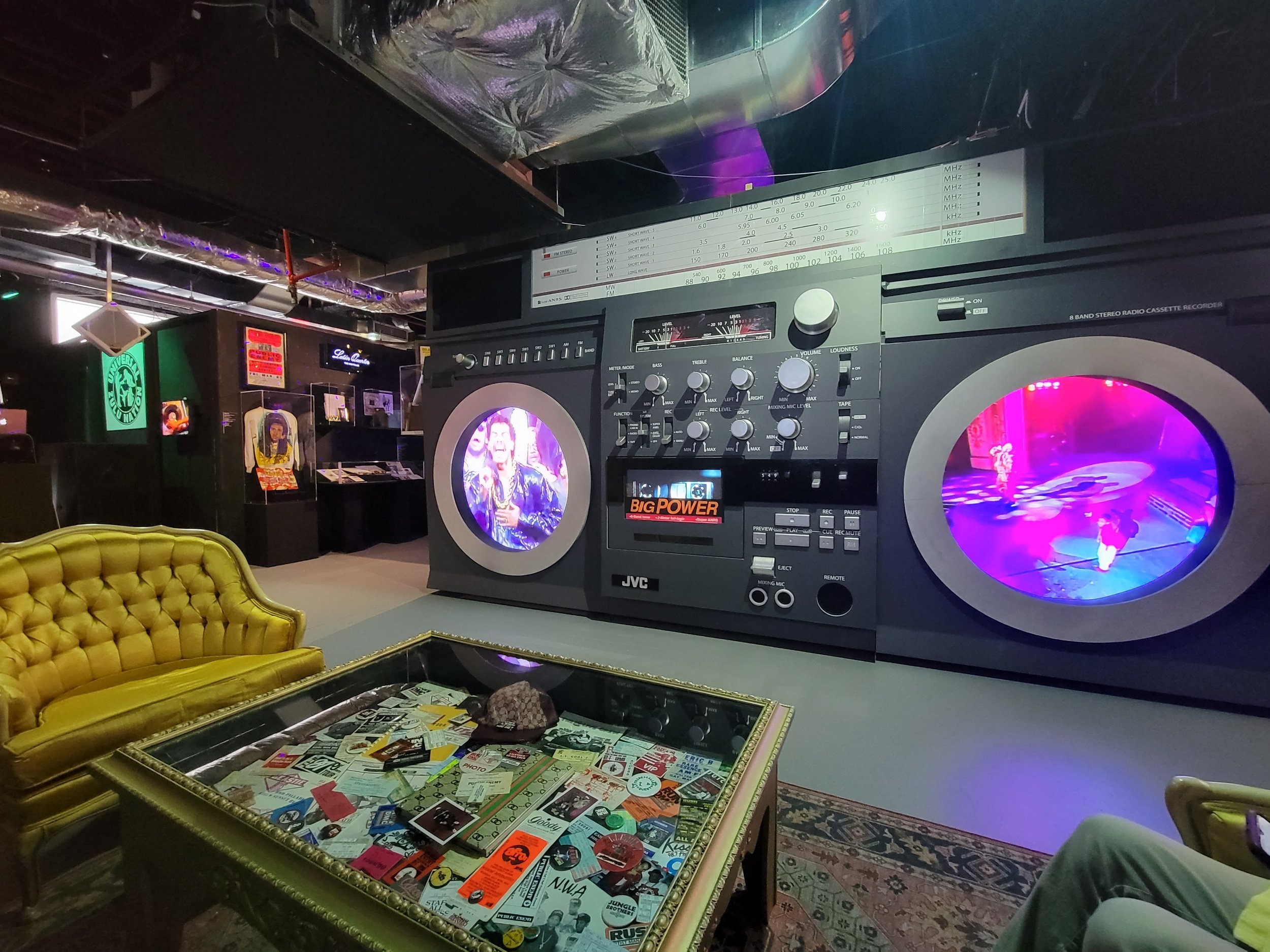
Giant Boombox interior | Photo by UHHM
According to the museum, the five elements of Hip Hop are DJ, which is the mixing of the music, emceeing, which is rapping - the vocal elements of Hip Hop; breakdancing which is the dance form of Hip Hop. Graffiti, a visual form of expression, is the fourth element; the fifth and sometimes forgotten element is knowledge - the education part of Hip-hop.

UHHM Lobby Render | Photo by UHHM
The “Golden Era” Exhibition
The UHHM’s current ongoing [R]Evolution of Hip Hop exhibition, the “Golden Era” 1986-1990 is located at the Bronx Terminal Market at 610 Exterior St. The permanent museum will open to the public in 2024.
The exhibition’s artifacts and memorabilia were curated by Paradise Gray, who used archival materials, storytelling, music etc from the streets and clubs of New York to the suburban neighborhoods of Compton. It highlights the lyrical skills of artists like Rakeem, Kool G Rap, Big Daddy Kane and others that transformed the definition of emceeing; and features the likes of Whodini, Beastie Boys and Run DMC who established rap, making it more marketable leading to the MTV Raps era.
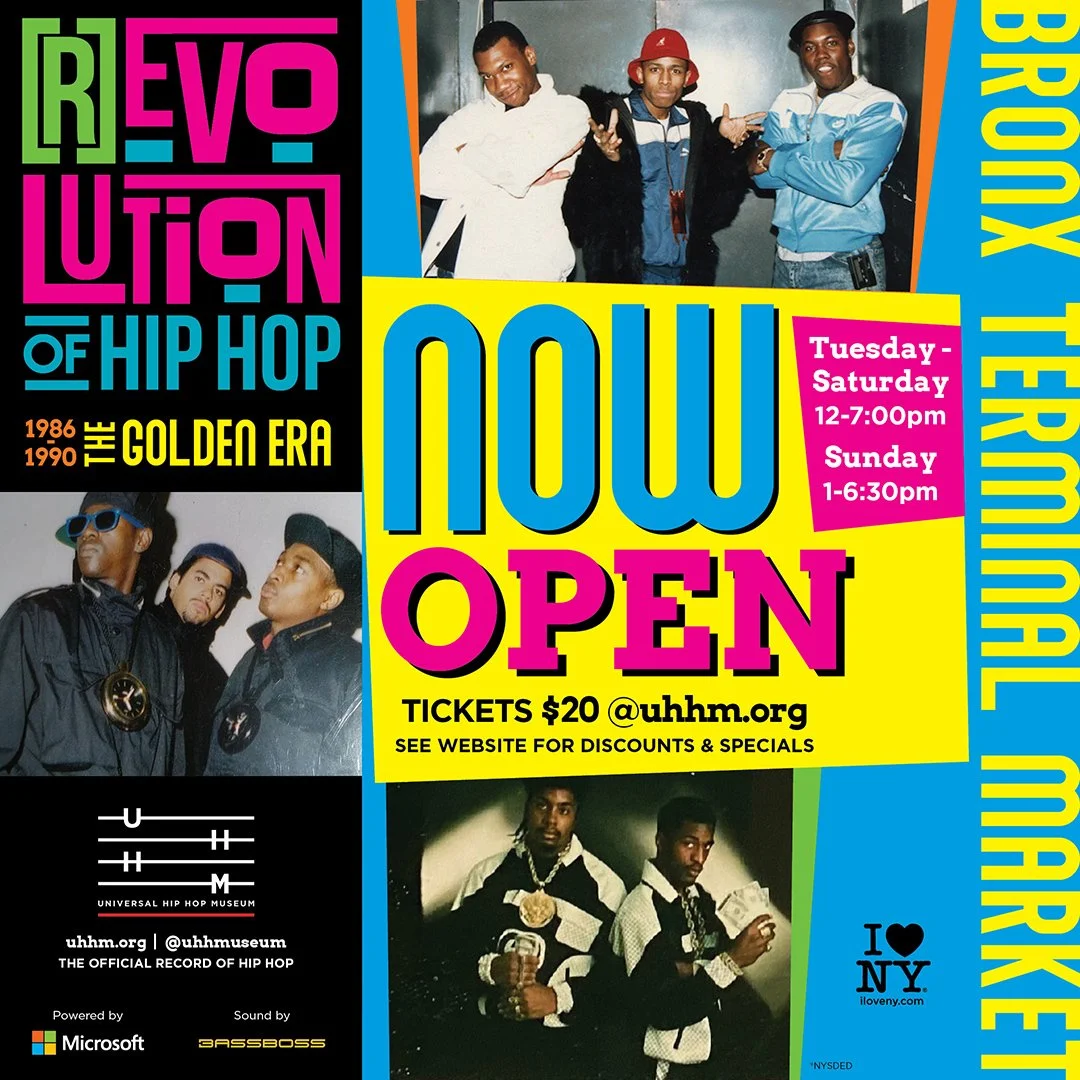
To take this immersive journey through Hip Hop history, tickets are available online at uhmm.org
Photos By Africa-Related


For more on this topic, watch the full episode on Season 3 of Messengers - Coming soon.
NOTE TO PUBLISHERS: Please credit source
Share this story
RITES OF PASSAGE - GAGOSIAN BRITANNIA STREET, OPENING 16 MARCH 2023
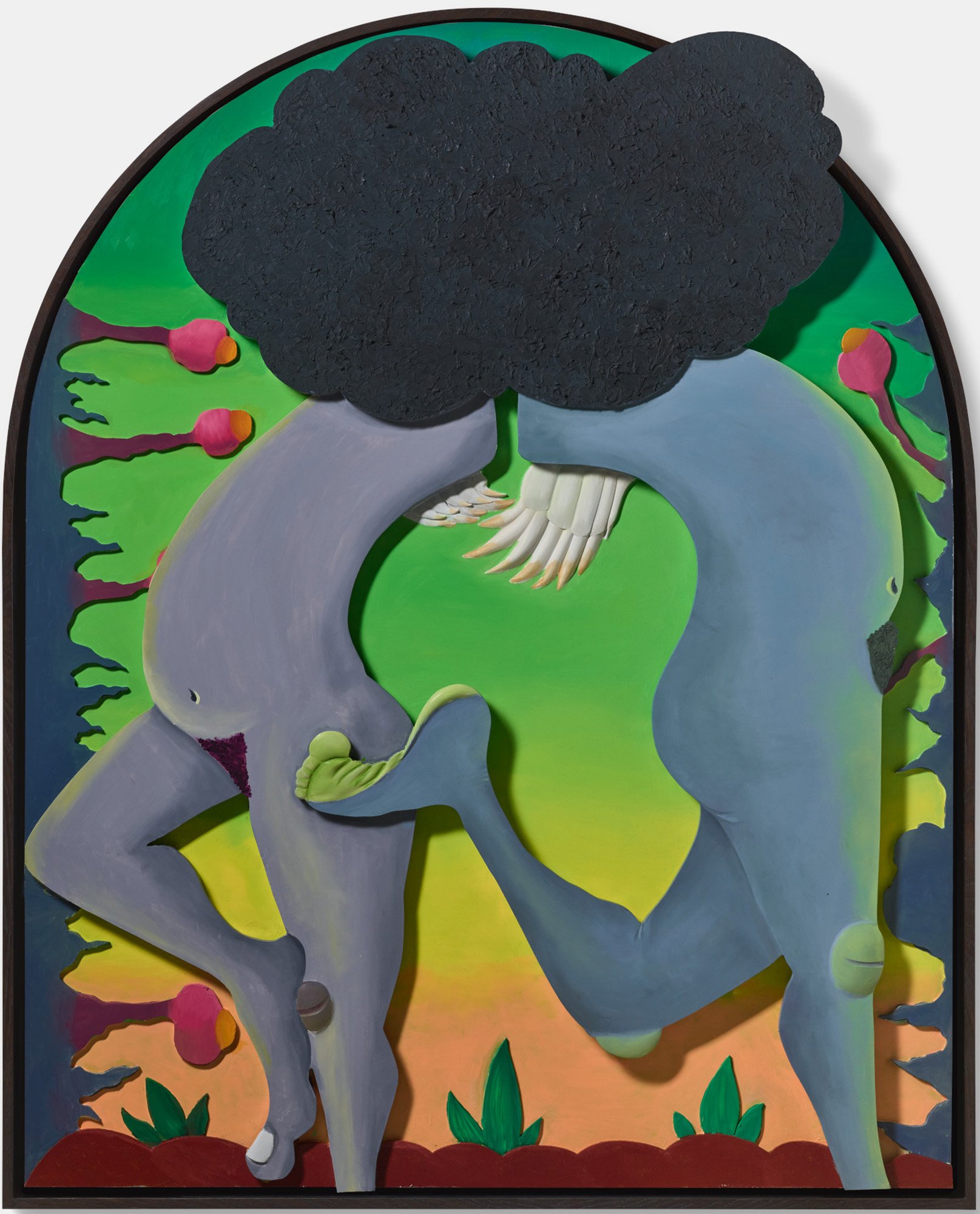
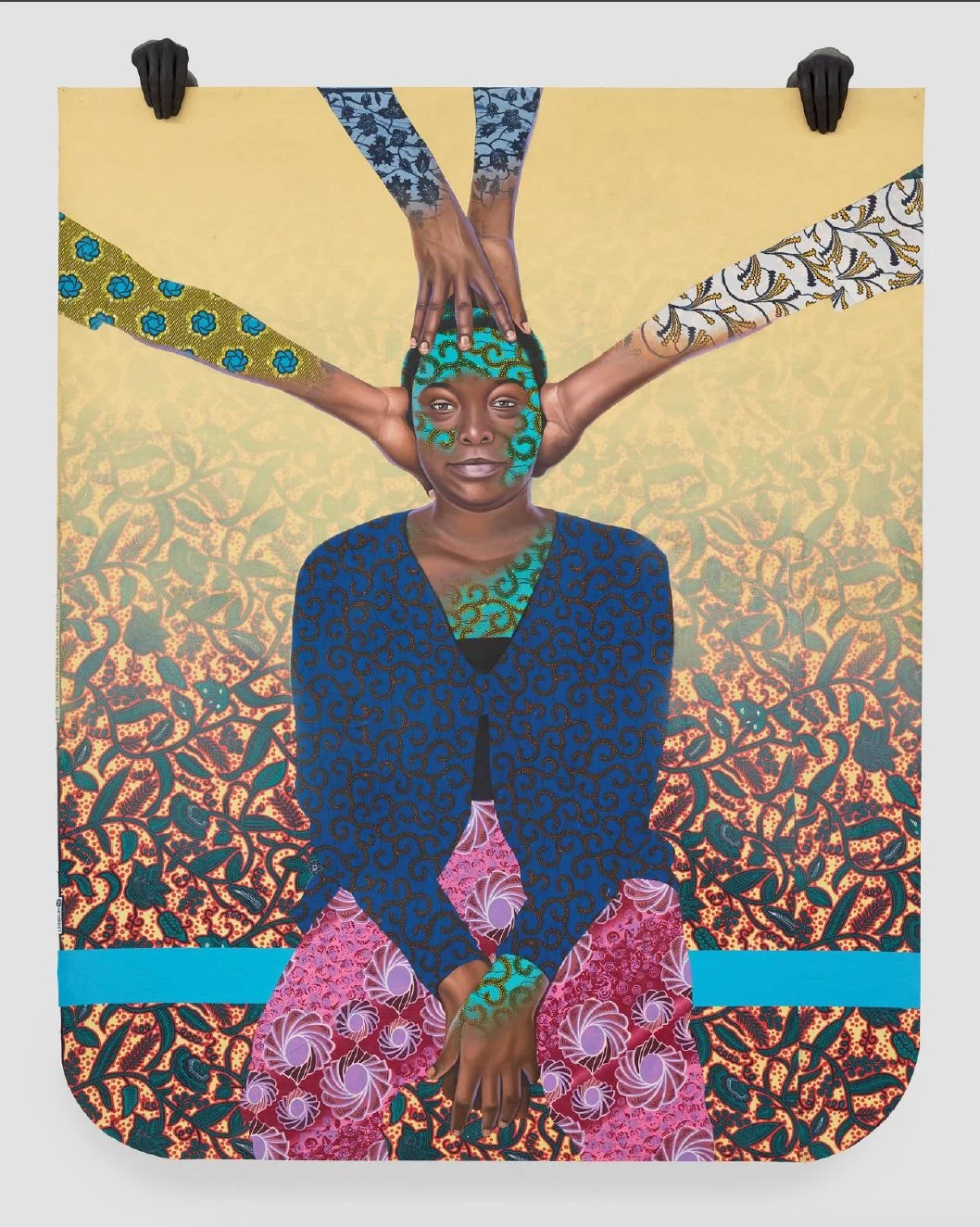
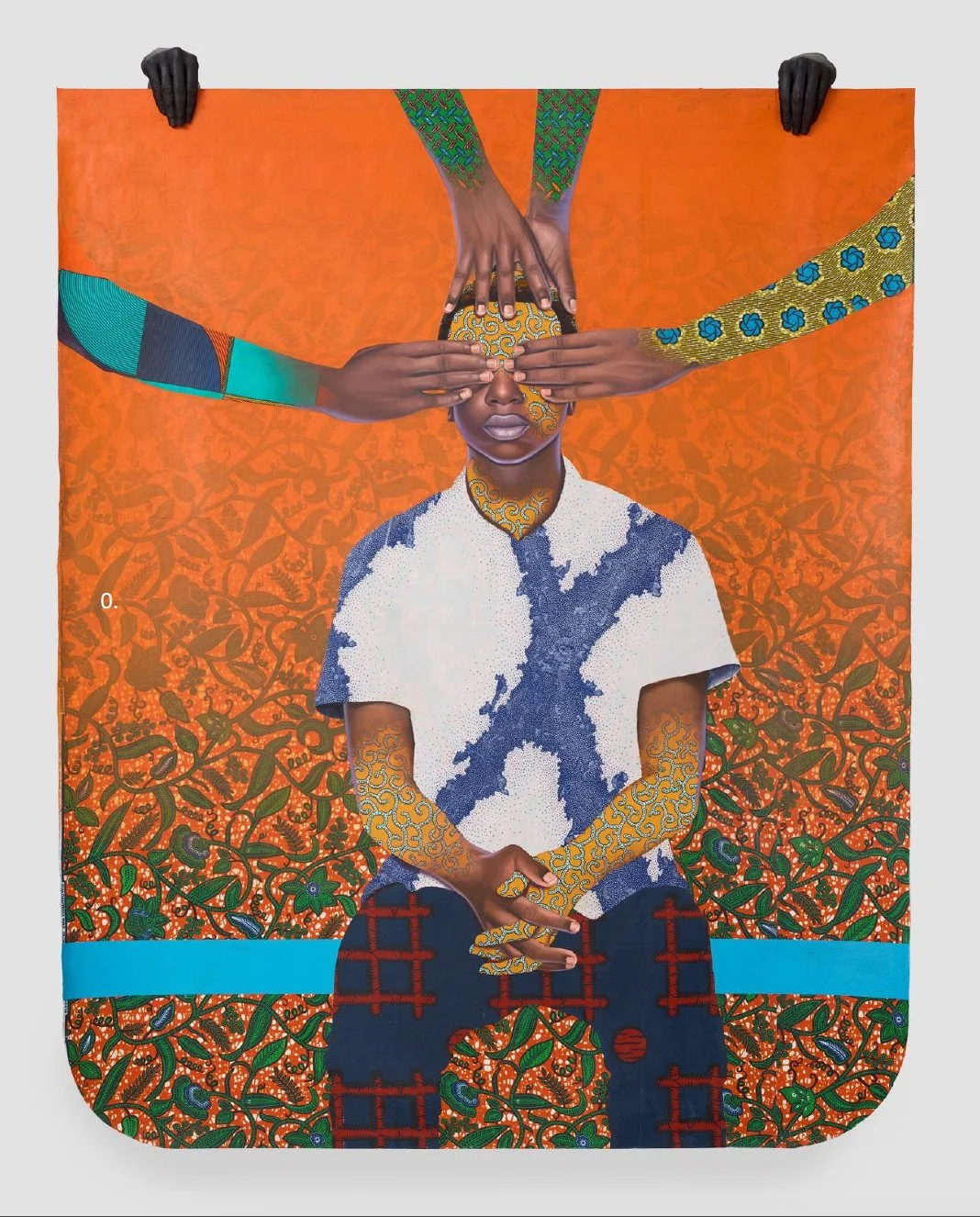
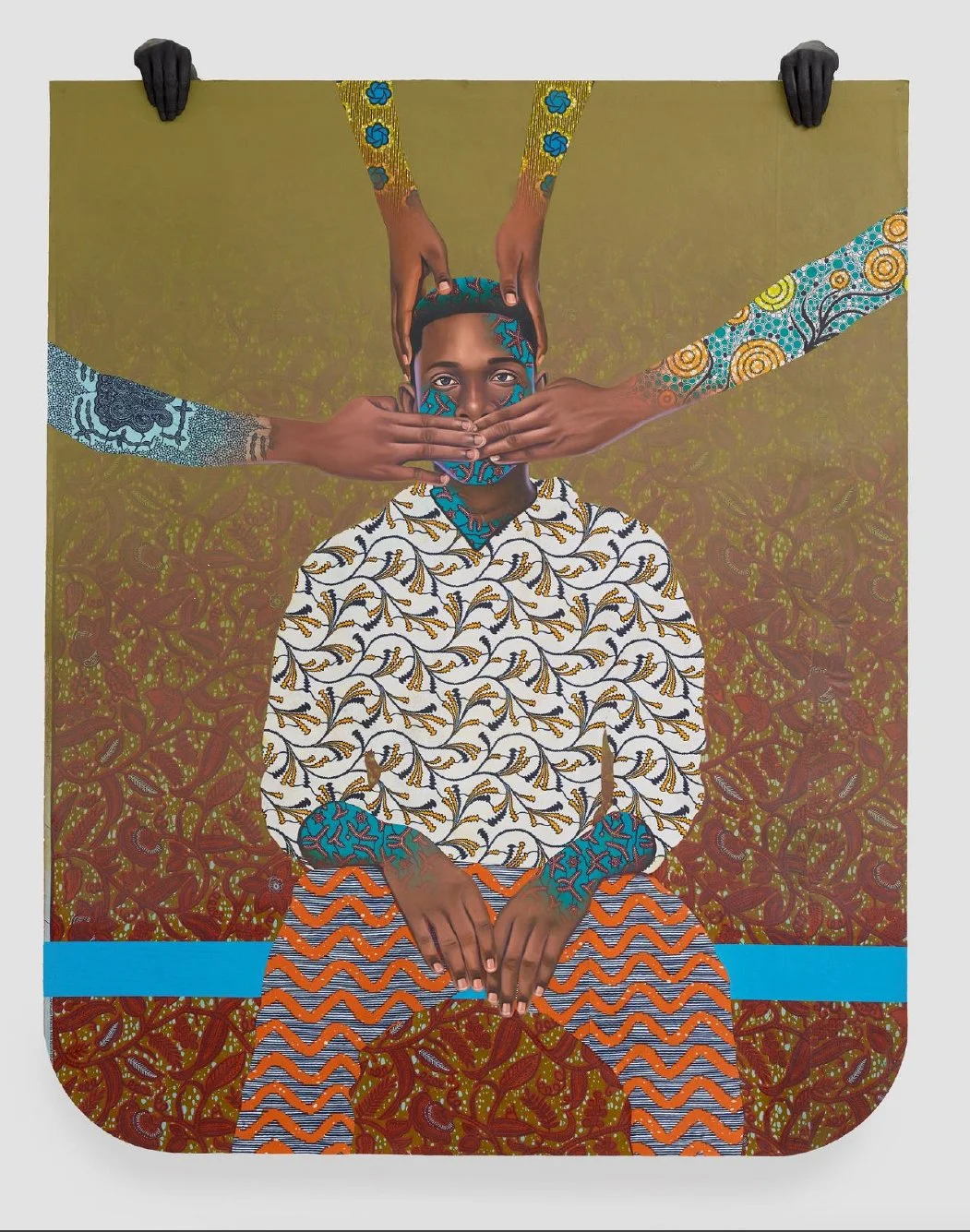
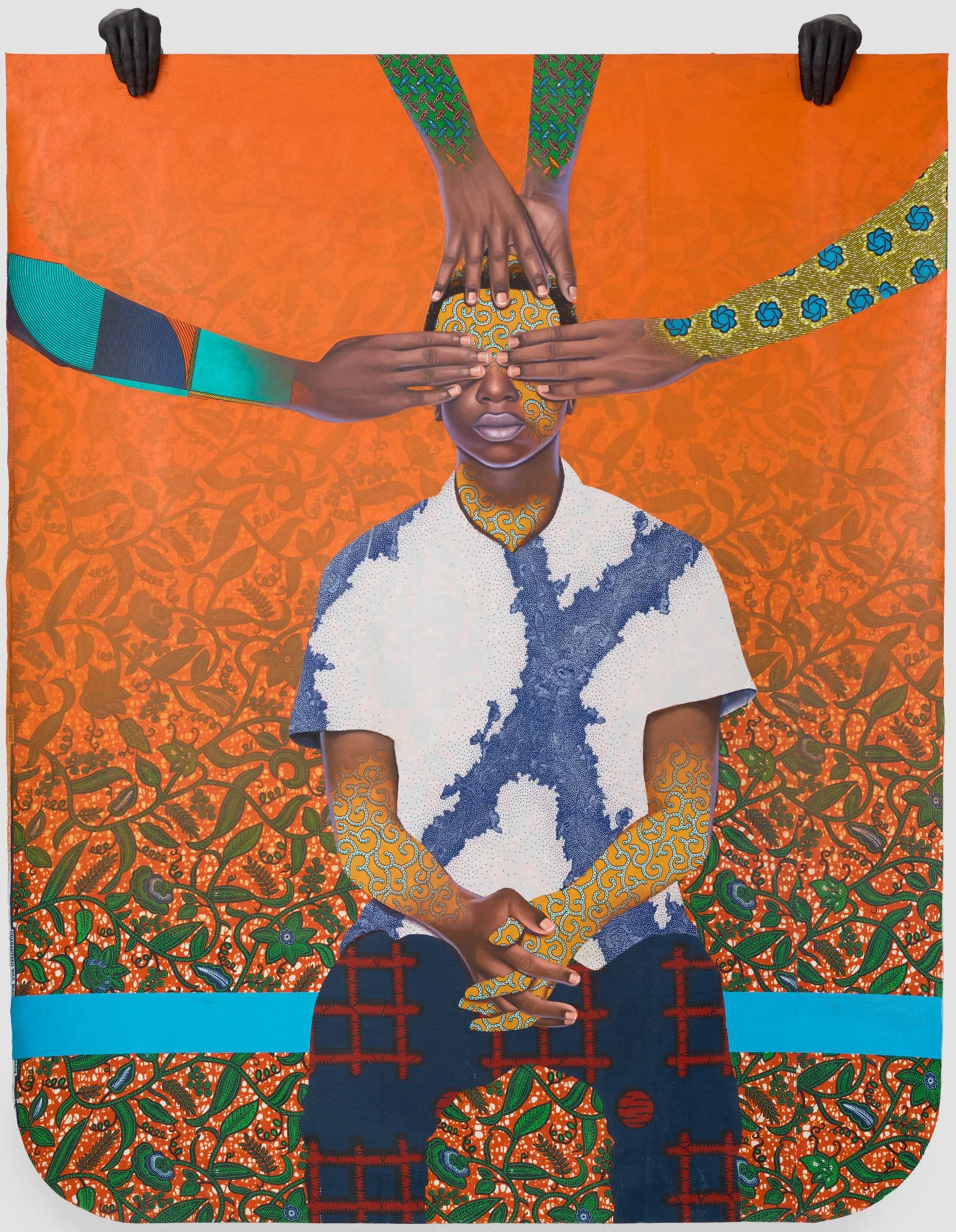
Gagosian presents Rites of Passage at the Britannia Street gallery. Curated by Péjú Oshin, this exhibition features work by eighteen contemporary artists who share a history of migration.
by AFRICA-RELATED, NEW YORK
RITES OF PASSAGE
A group exhibition of contemporary artists with a shared history of migration
Opening 16 March 2023 – Gagosian Britannia Street
Tunji Adeniyi-Jones, Àsìkò, Phoebe Boswell, Adelaide Damoah, Femi Dawkins, Victor Ehikhamenor, Mary Evans, Ayesha Feisal, Enam Gbewonyo, Elsa James, Julianknxx, Sahara Longe, Manyaku Mashilo, Emily Moore, Nengi Omuku,
Patrick Quarm, Alexandria Smith, Sharon Walters,
Michaela Yearwood-Dan
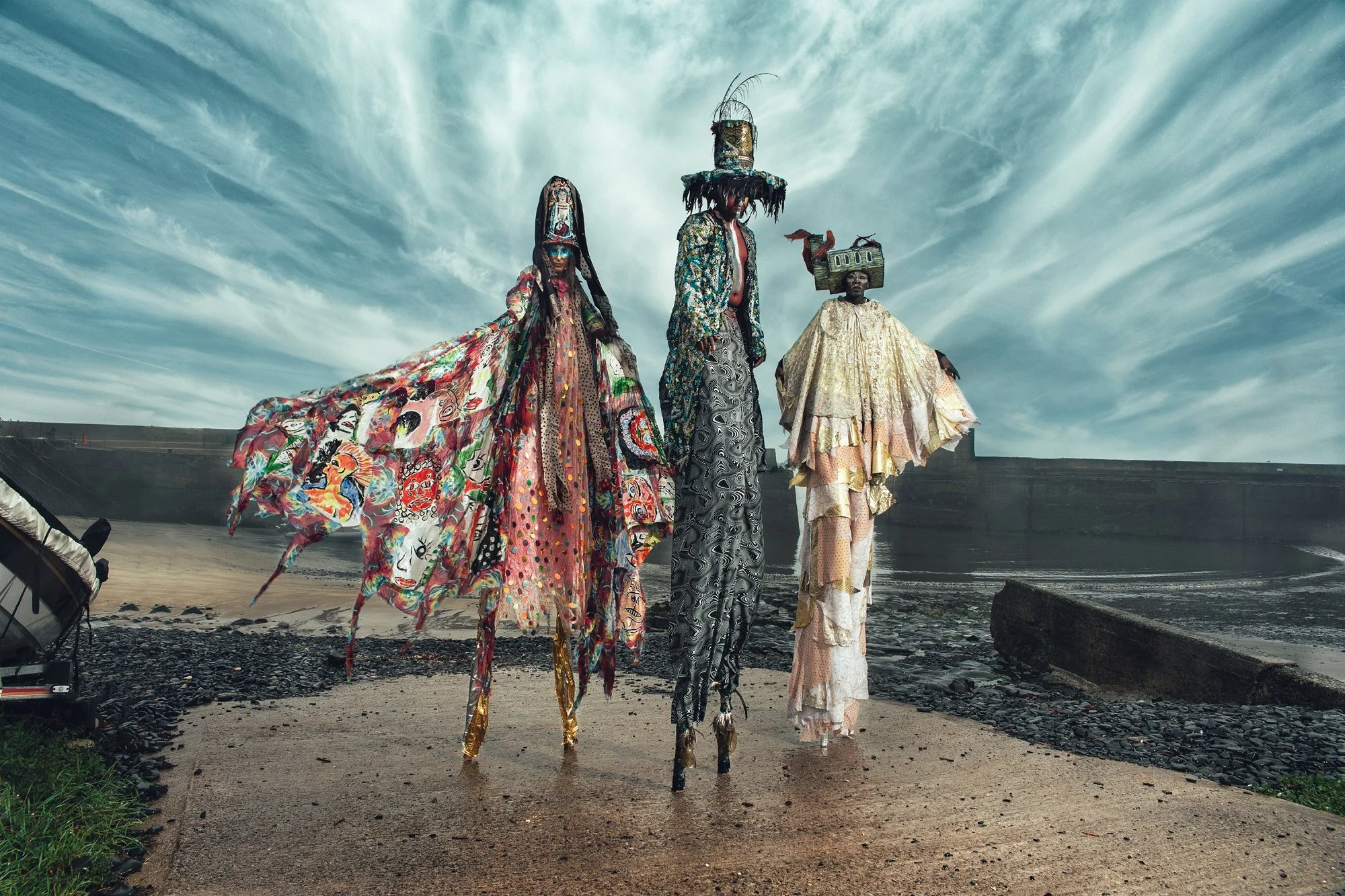
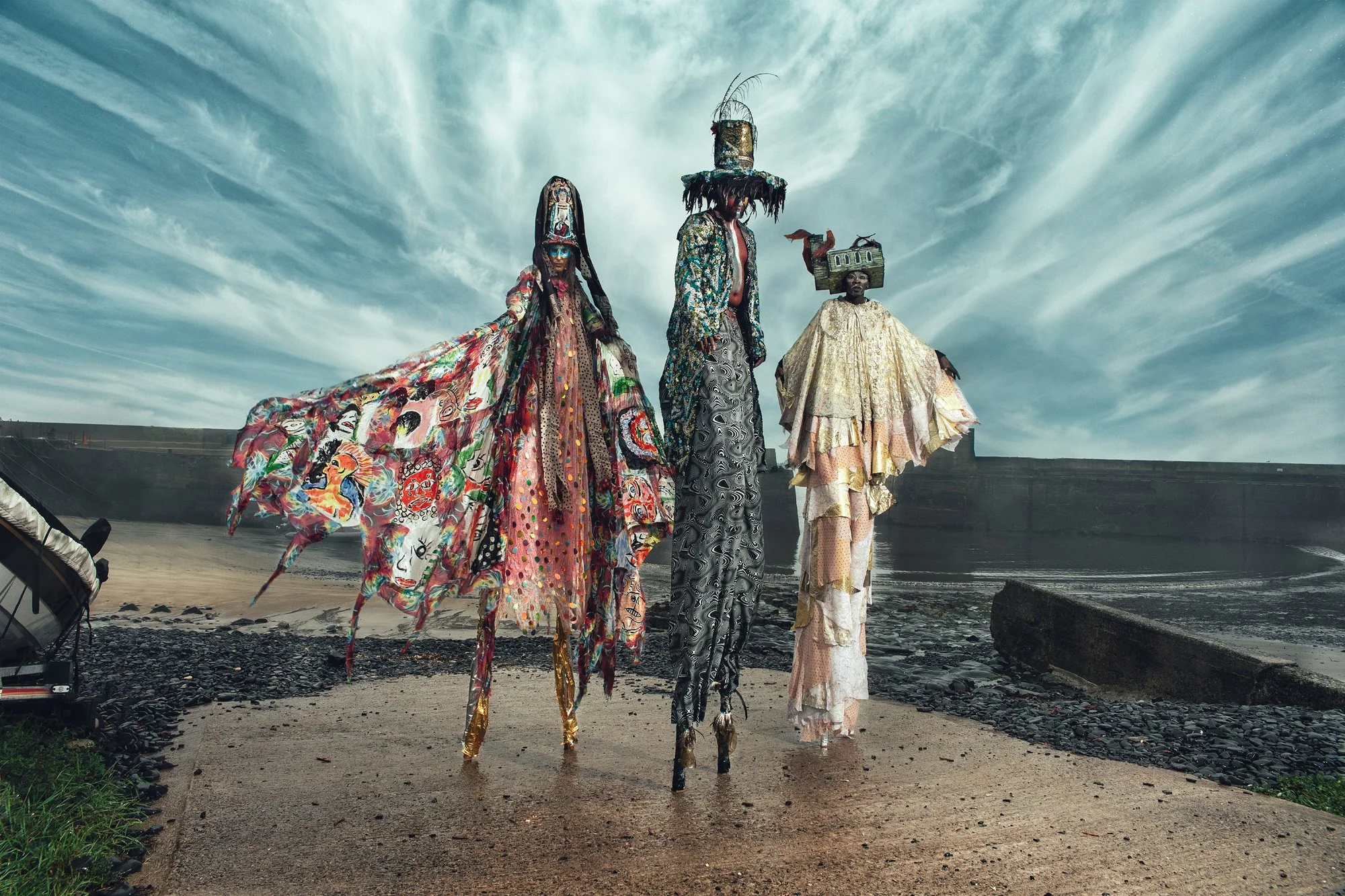
Àsìkò, Pillars at the Port, 2022, giclée print on baryta paper, 63 × 42 1/8 inches (160 × 107 cm), edition of 5 + 2 AP © Àsìkò
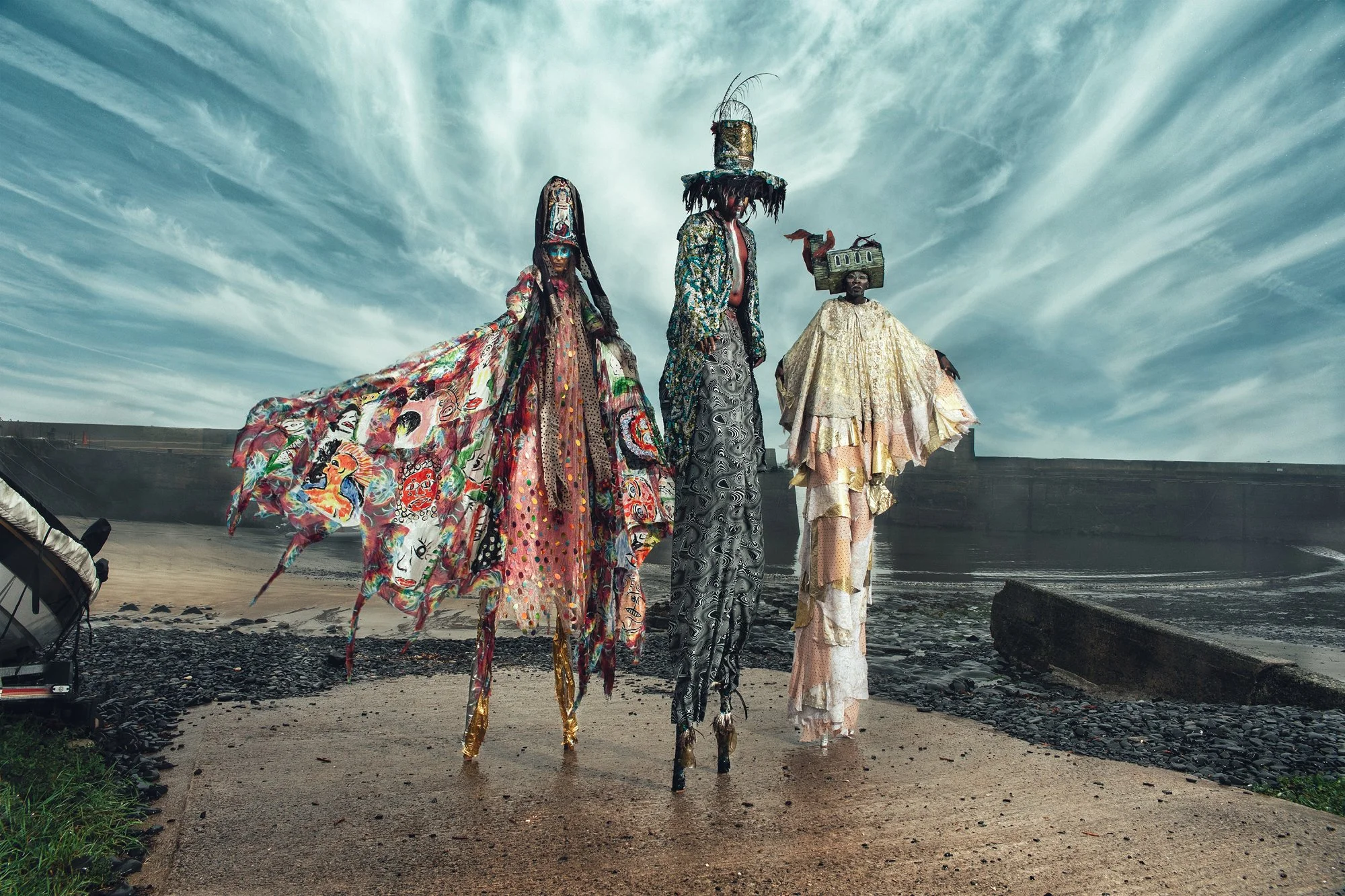
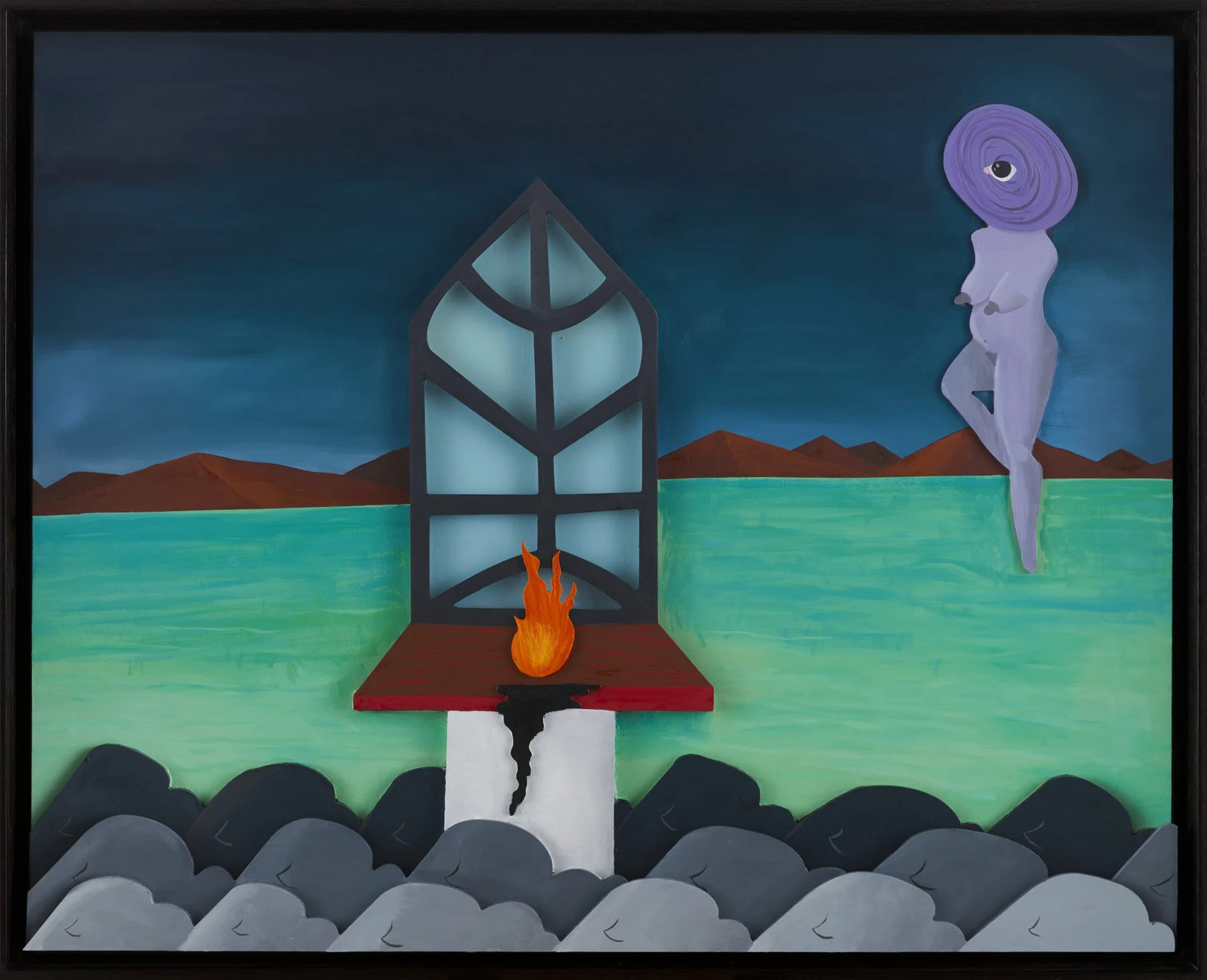
Gagosian is pleased to present Rites of Passage at the Britannia Street gallery. Curated by Péjú Oshin, this exhibition features work by eighteen contemporary artists who share a history of migration.
Rites of Passage explores the idea of “liminal space,” a coinage of anthropologist Arnold van Gennep (1873–1957). In his 1909 book, after which the exhibition is titled, Van Gennep was among the first to observe that the transitional events of birth, puberty, marriage, and death are marked by ceremonies with a ritual function that transcends cultural boundaries. Highlighting this phenomenon in physical, mental, and spiritual arenas, Oshin’s exhibition challenges linear narratives through works in a variety of mediums, which fill Gagosian’s expansive Britannia Street gallery.
Rites of Passage is structured in correspondence with liminality’s three stages: separation, transition, and return. Each of these phases addresses the act of movement, not only through individual experience, but also in the broader context of community. The exhibition examines the status of postcolonial Black identity, specifically the “triple consciousness” experienced by members of the African diaspora when encountering counterparts who identify with local majority populations. The artists in the exhibition are further grouped together according to themes of tradition, spirituality, and place.
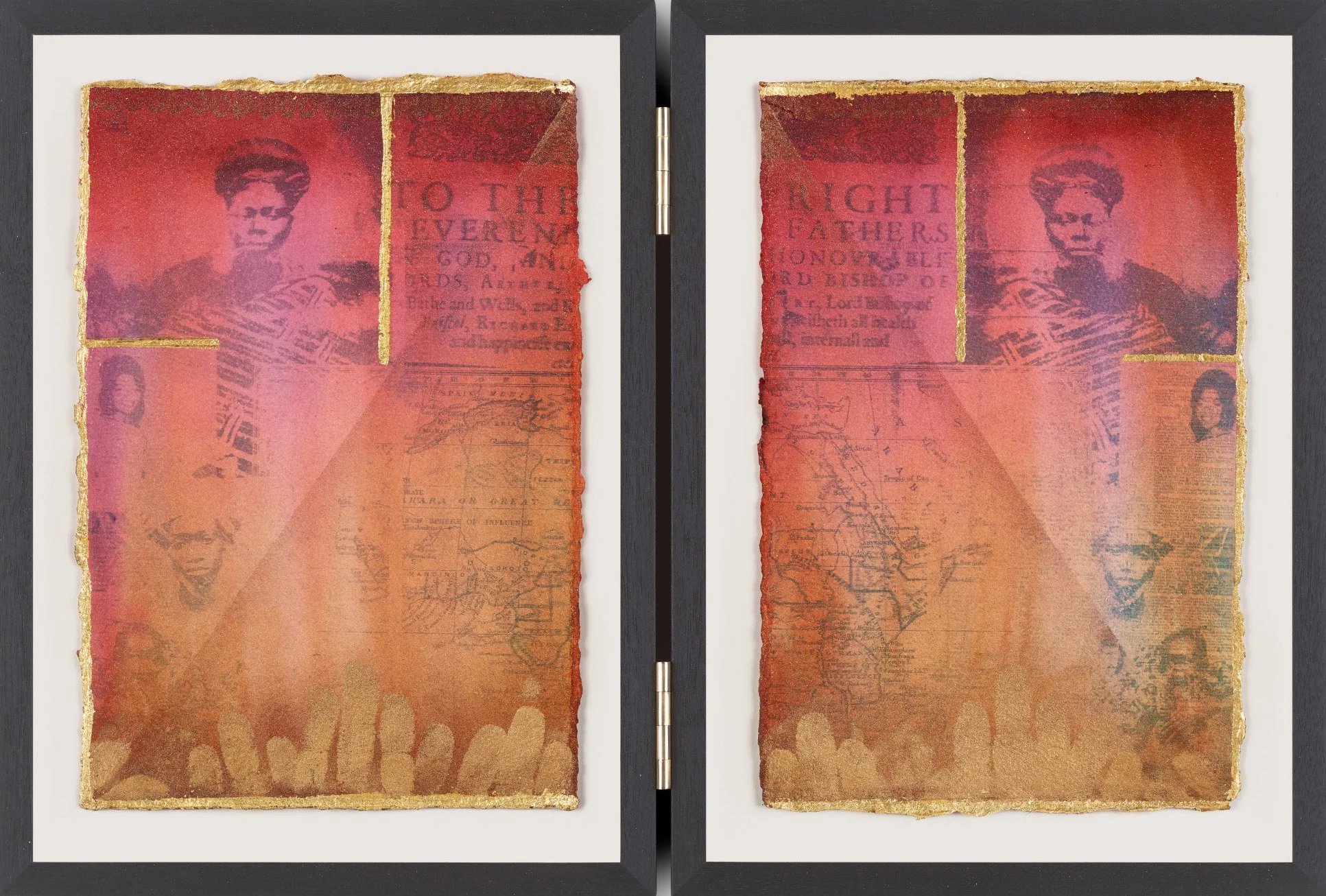
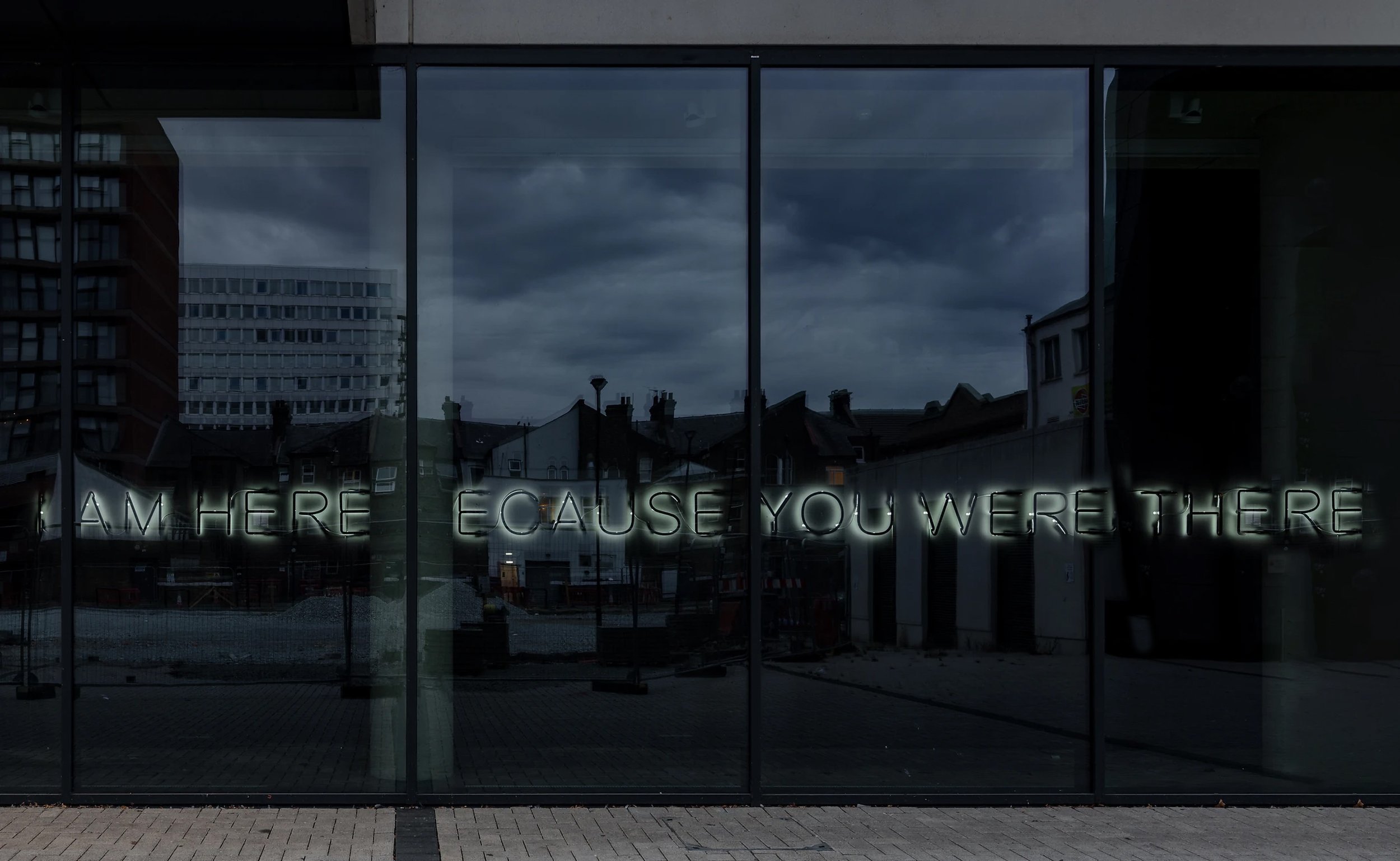
Welcoming viewers to the gallery is Elsa James’s Ode to David Lammy MP (2022). The work’s black neon text reads I AM HERE BECAUSE YOU WERE THERE, a powerful affirmation of placemaking that originates in a 2018 speech made by the MP in response to the Windrush scandal, in which British subjects—many of whom had arrived in the country from Caribbean nations decades earlier— were wrongly detained or threatened with deportation. The experiences of the Windrush generation also inform the work of Enam Gbewonyo, who investigates cultural history through the manufacture and manipulation of textiles. Patrick Quarm, too, identifies significance in fabric, uncovering the cultural reflectivity that lingers within batik material despite its highly commodified status. And Adelaide Damoah, for her part, explores colonial history by transposing texts and maps onto photo collages of herself and her mother, grandmother, great-grandmother, and great-great-grandmother, thereby contesting outdated ideologies imposed on her familial narrative.
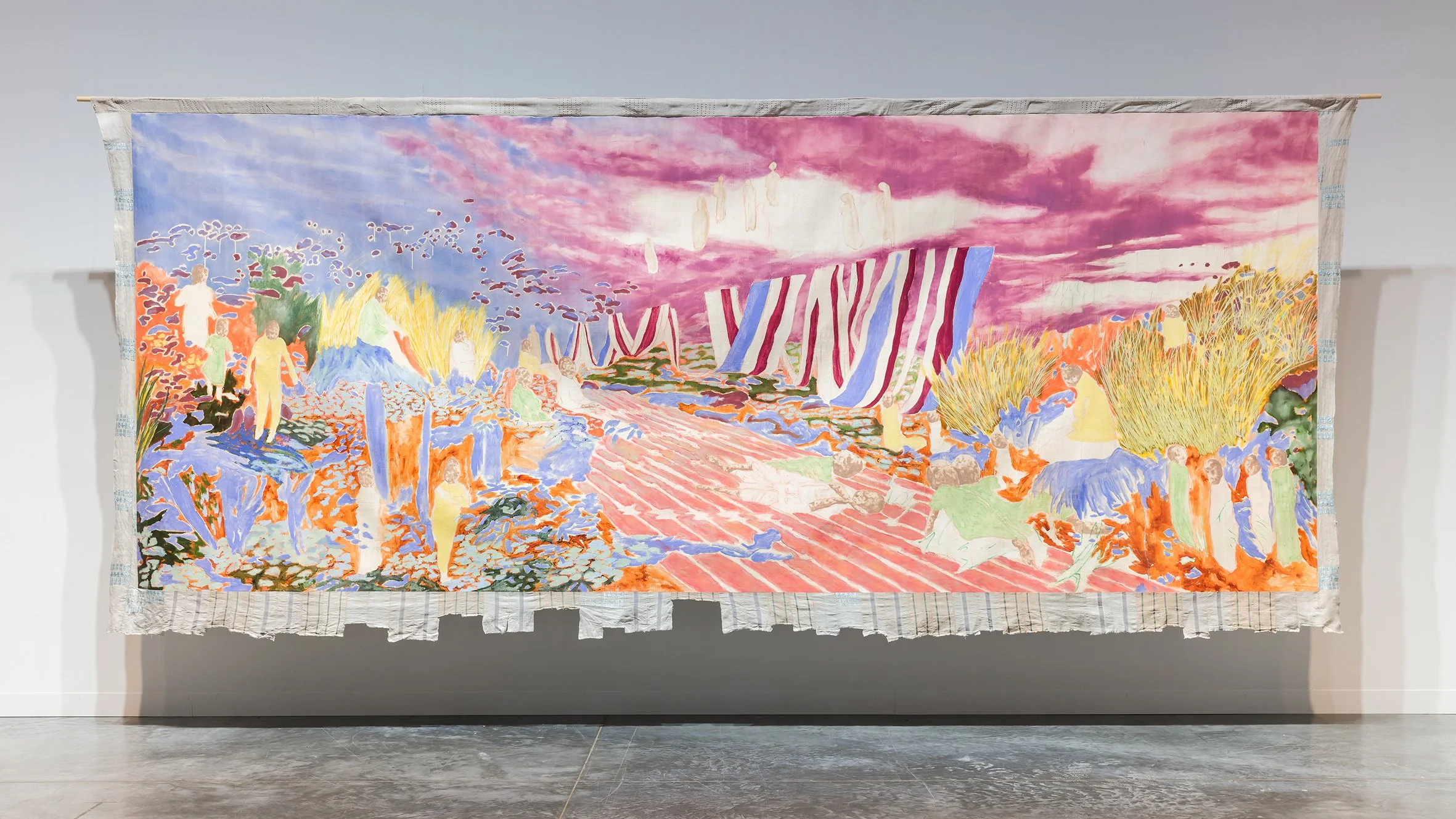
The exhibition’s spiritual theme emerges in works from Manyaku Mashilo’s Celestial Cartographies (2020–), a series of paintings in which imaginary characters move through abstracted cosmological landscapes that refer to African faiths and identities. In his tapestry, Victor Ehikhamenor stitches thousands of rosary beads to canvas and lace, cutting across history, memory, and belief to explore the role of religion and spirituality as tools for both survival and oppression. Àsìkò, in his photographs, recombines and extends various masquerade traditions rooted in Yoruba history and culture to explore how the representation of ancestral communities might inflect contemporary diasporic identities, while Julianknxx’s film installation considers the integration of liminality into Krio traditions as a waypoint between and construction of both local and global perspectives.
Finally, in the works of many artists in the exhibition, such ideas intersect with perspectives on the complex and consistent influence of place. Phoebe Boswell considers bodies of water as repositories of both painful historical experience and hope for the future—natural loci of healing, reclamation, and possibility—while Mary Evans employs pop-cultural imagery to examine the relationship between contemporary Britain and its imperial past through the lens of her own childhood.
Featured artists: Tunji Adeniyi-Jones, Àsìkò, Phoebe Boswell, Adelaide Damoah, Femi Dawkins, Victor Ehikhamenor, Mary Evans, Ayesha Feisal, Enam Gbewonyo, Elsa James, Julianknxx, Sahara Longe, Manyaku Mashilo, Emily Moore, Nengi Omuku, Patrick Quarm, Alexandria Smith, Sharon Walters, and Michaela Yearwood-Dan.

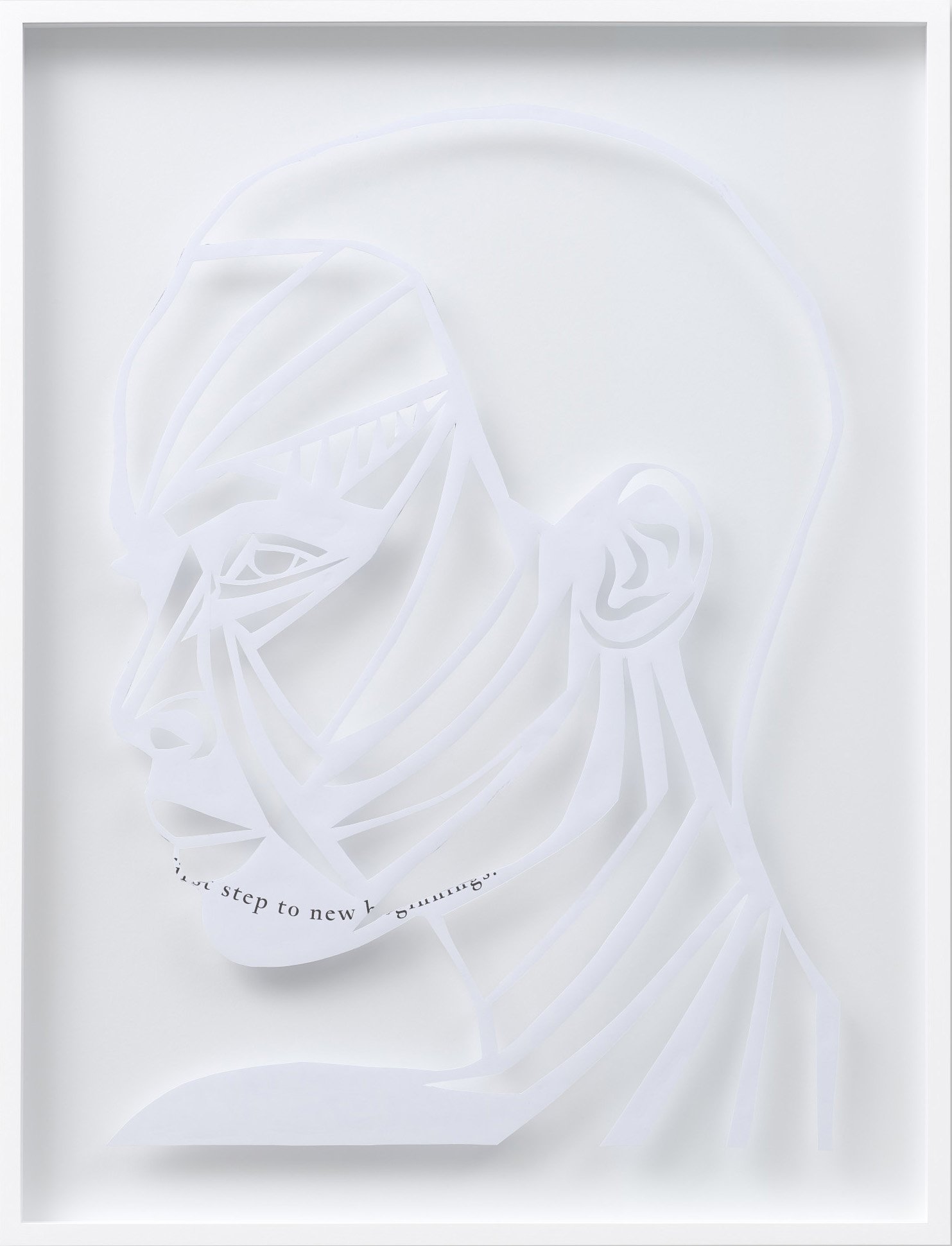
RITES OF PASSAGE
Opening reception: Thursday, March 16, 6–8pm
March 16–April 29, 2023
6–24 Britannia Street, London
Share this story
IREP 2023 PLENARY SESSIONS
You are invited to IREP 2023 PLENARY SESSIONS
Theme: NIGERIA IN SELF-CONVERSATION
Topic: DOCUMENTING THE UNDERSERVED: Agenda for Nigeria 2023
Theme: NIGERIA IN SELF-CONVERSATION
DOCUMENTING THE UNDERSERVED: Agenda for Nigeria 2023
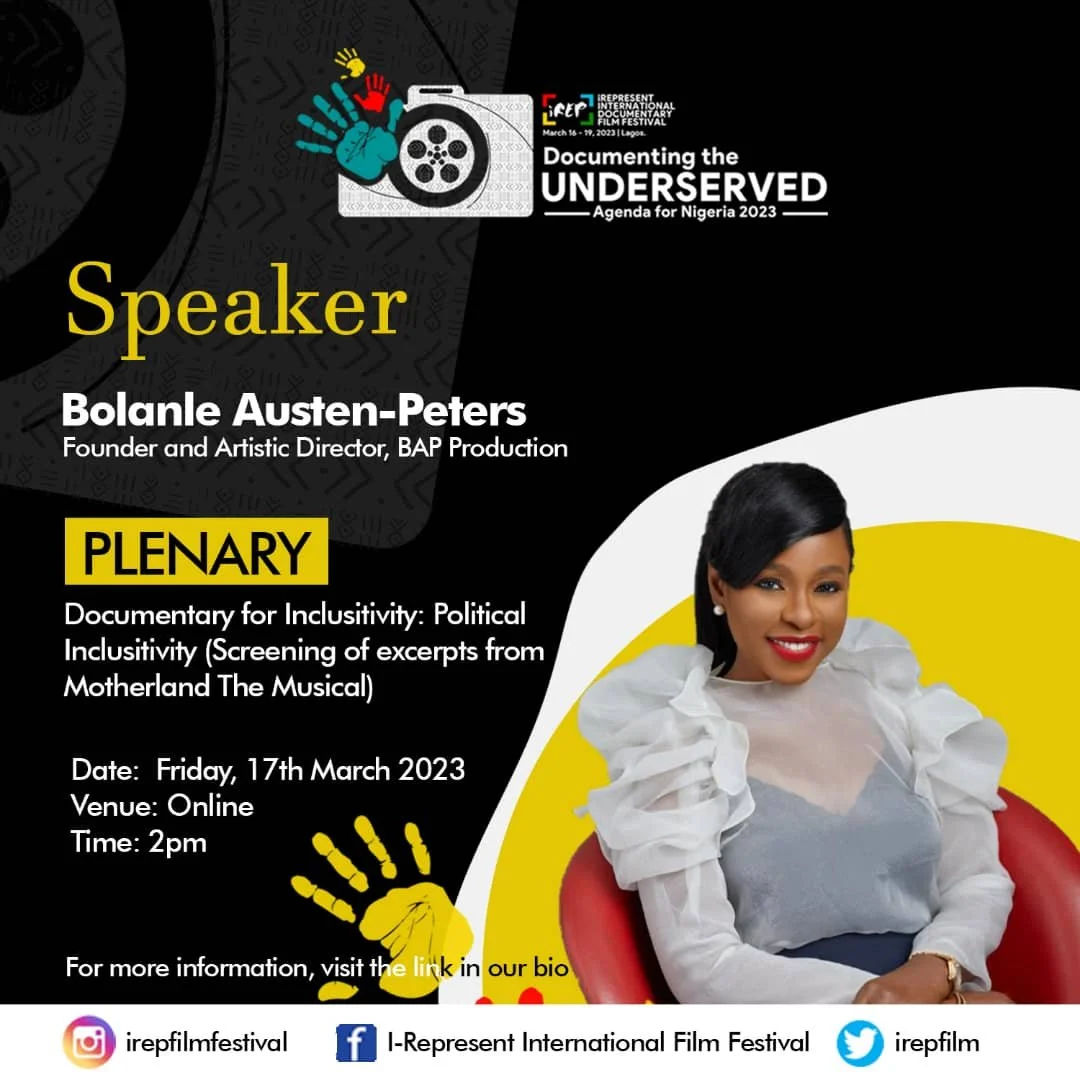
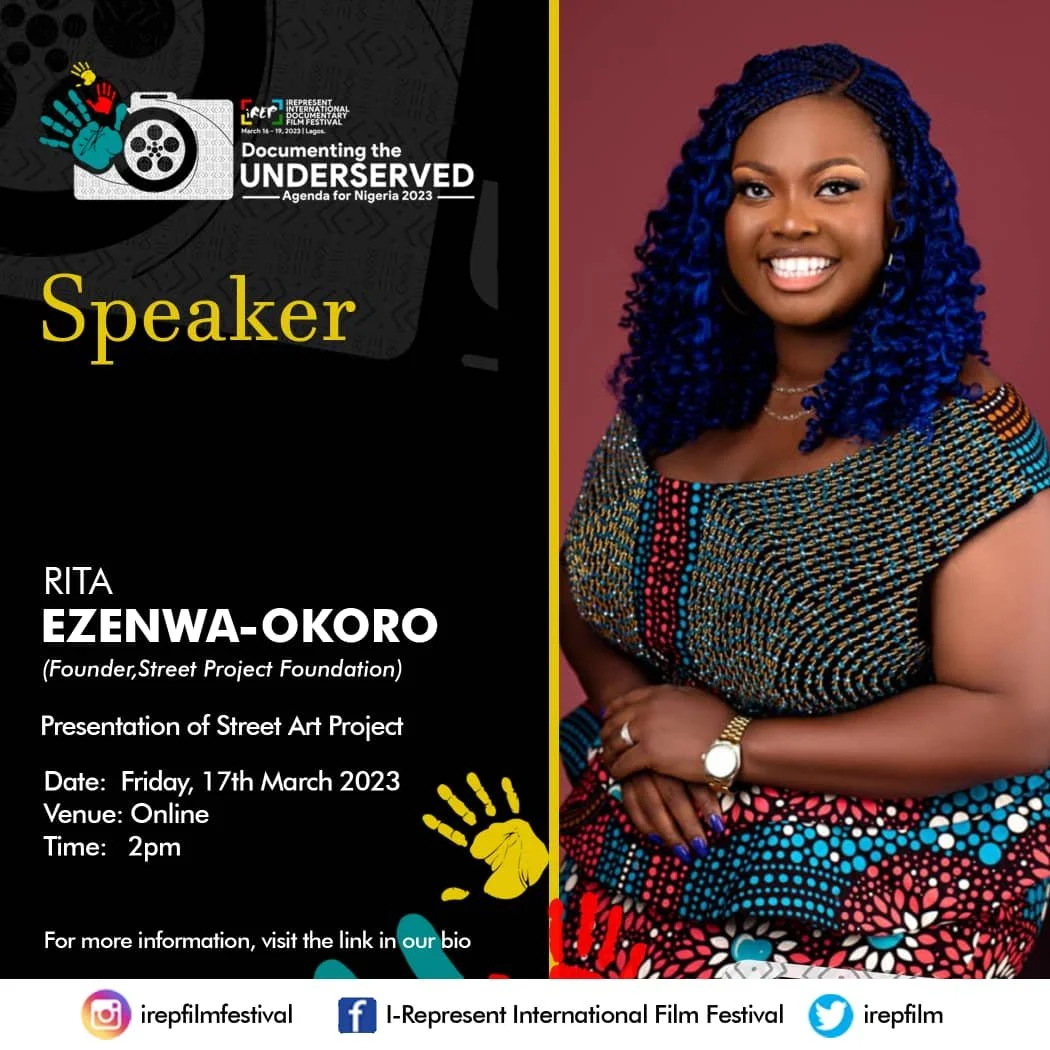
Date: MARCH 16, 17 &19, 2023
Time: 2pm - 6pm Daily (WAT)
Register in advance for this meeting:
https://us06web.zoom.us/meeting/register/tZUudOyorz0jGdeOhA3S1Xg5Ap-3u3OAAN6f
Share this story

The Expanding Use of Technology to Manage Migration
Seeking to manage growing flows of migrants, the United States and European Union have dramatically expanded their engagement with migration origin and transit countries, including in providing and supporting the deployment of sophisticated technology to understand, monitor, and influence the movement of people across borders.
by Marti Flacks, Erol Yayboke, Lauren Burke, and Anastasia Strouboulis

PHOTO CREDIT: KTSDesign/AdobeStock
The Expanding Use of Technology to Manage Migration
U.S & EU Use Case Studies from Central America and West and North Africa
As home, transit, and destination country governments expand their use of migration management technology, stronger guardrails against its misuse are necessary. Through two case studies of migration, this report analyzes the use of migration management technologies by origin countries, the growing influence of destination countries over their decisionmaking, and the human rights risks associated with these uses.
Executive Summary
Seeking to manage growing flows of migrants, the United States and European Union have dramatically expanded their engagement with migration origin and transit countries, including in providing and supporting the deployment of sophisticated technology to understand, monitor, and influence the movement of people across borders.
In recent years, the U.S. government has deployed a host of tools and resources to address the unprecedented immigration situation on the southern U.S. border, including the deployment of new technologies. The U.S. government is encouraging migrants, for example, to use the CBP One app to file paperwork from their home countries—seeking authorization in advance for parole in the United States for certain eligible populations— rather than applying upon arrival. U.S. Customs and Border Protection (CBP) and U.S. Immigration and Customs Enforcement (ICE) have deployed drones and utilized cell phone data to track and analyze the movement of people across borders, as well as people already in the United States, and have dramatically expanded collection of information about travelers both to and from the United States.
Countries in Europe have also increasingly utilized technology to address the volume of migrants seeking to enter their countries. Frontex, also known as the European Border and Coast Guard Agency, relies heavily on data collection from EU member states and non-EU partners, organizations, and open sources and has established third-country partnerships, such as the Africa-Frontex Intelligence Community, to monitor irregular migration and human smuggling. Frontex also routinely deploys surveillance airplanes and drones for real-time monitoring of land and sea borders and provides assistance to EU member states in their own operations, which it is able to do remotely. At the same time, the European Union has launched eu-LISA—the European Union Agency for the Operational Management of Large-Scale IT Systems in the Area of Freedom, Security and Justice—which is meant to increase the interoperability of the European Union’s security, border, and migration management systems.
Importantly, these efforts do not end at the borders of the United States or the European Union. Both have increasingly exported migration management technologies to their neighbors, including some of the major migration origin countries, expanding the spheres of U.S. and EU interest to include the movement of people within their respective regions. In some cases, migrants are tracked long before they arrive at their ultimate destination.
Through two case studies of migration—(1) toward the United States from Central America and (2) toward Europe from West and North Africa—this report analyzes the use and exportation of migration management technologies by origin countries, as well as their motivations in doing so, including the growing influence of destination countries. It then assesses the human rights risks associated with these uses and provides recommendations for origin, transit, and destination governments as well as businesses supplying technology for migration management.
Share this story

Joyce Banda leads International Observers to Condemn Nigerian Election
Elections Below Expectations, INEC Lacked Transparency – International Observers. The International Republican Institute (IRI) and National Democratic Institute (NDI) Joint Election Observation Mission (IEOM) have presented their preliminary statement on the Presidential and National Assembly elections in Nigeria.
Elections Below Expectations, INEC Lacked Transparency – International Observers
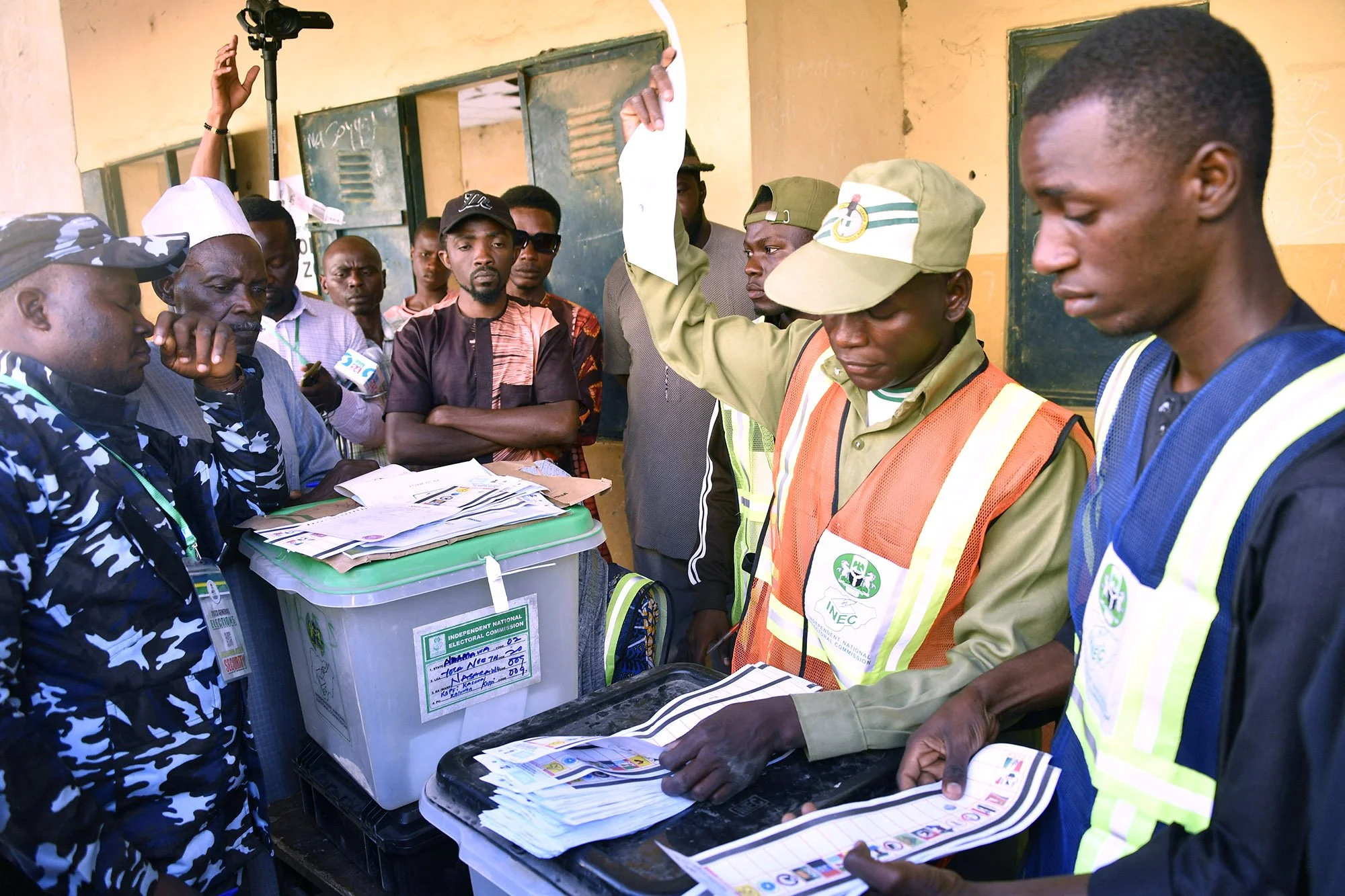
The International Republican Institute (IRI) and National Democratic Institute (NDI) Joint Election Observation Mission (IEOM) have presented their preliminary statement on the Presidential and National Assembly elections in Nigeria. On Monday in Abuja, the leader, Dr Joyce Banda, former President of Malawi, congratulated the people for “their resilience and enthusiasm”.
“Despite large crowds in some polling stations and long waits, Nigerian voters demonstrated commitment to participate in the process and a strong desire to have their voices heard,” Banda said.
The mission noted that despite the reforms to the Electoral Act 2022, “the election fell well short of Nigerian citizens’ reasonable expectations”, while the electoral commission lacked transparency.
Banda said logistical challenges and multiple incidents of political violence overshadowed the electoral process and impeded a substantial number of voters from participating.
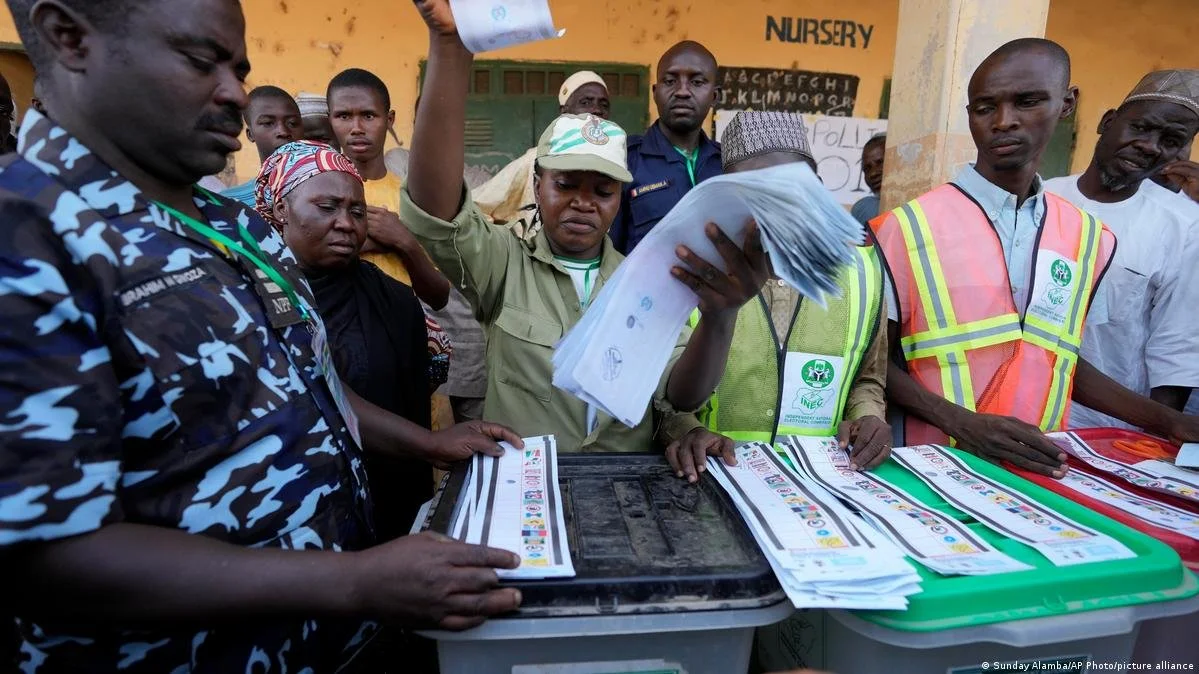
NDI/IRI confirmed currency and fuel shortages imposed excessive burdens on voters and election officials while marginalized groups, especially women, continue to face barriers to seeking and obtaining political office.
The delegation observed that the late opening of polling locations and logistical failures created tensions and the secrecy of the ballot was compromised in some polling units given overcrowding.
Banda said after the polls, challenges with the electronic transfer of results and their upload to a public portal in a timely manner, undermined citizen confidence at a crucial moment of the process.
“Inadequate communication and lack of transparency by the Independent National Electoral Commission (INEC) about their cause and extent created confusion and eroded voters’ trust in the process.
“The combined effect of these problems disenfranchised Nigerian voters in many areas, although the scope and scale is currently unknown,” the ex-President added.
The statement, however, commended INEC for conducting the general elections according to the electoral calendar “for the first time in the country’s recent history”
Share this story
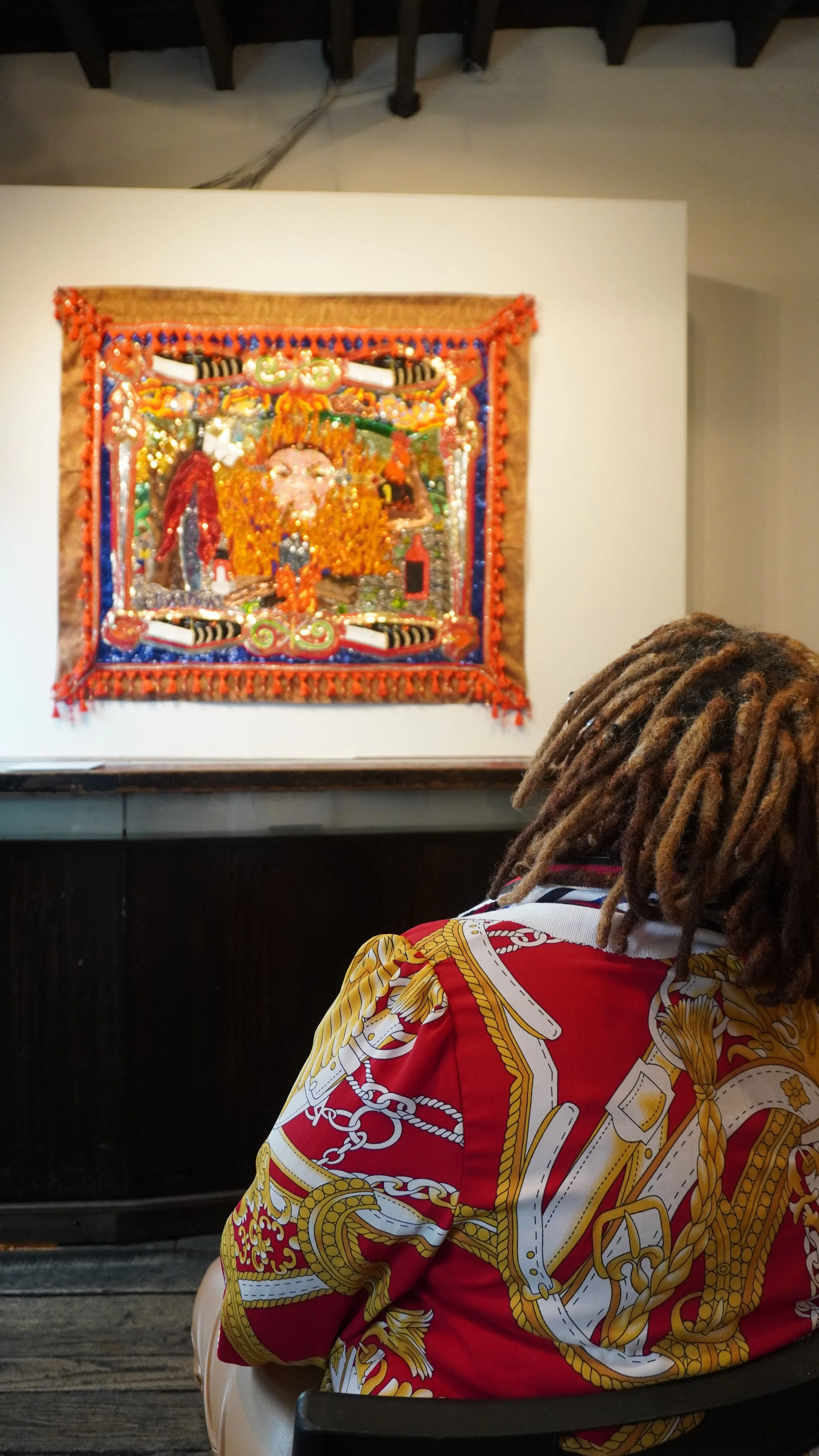
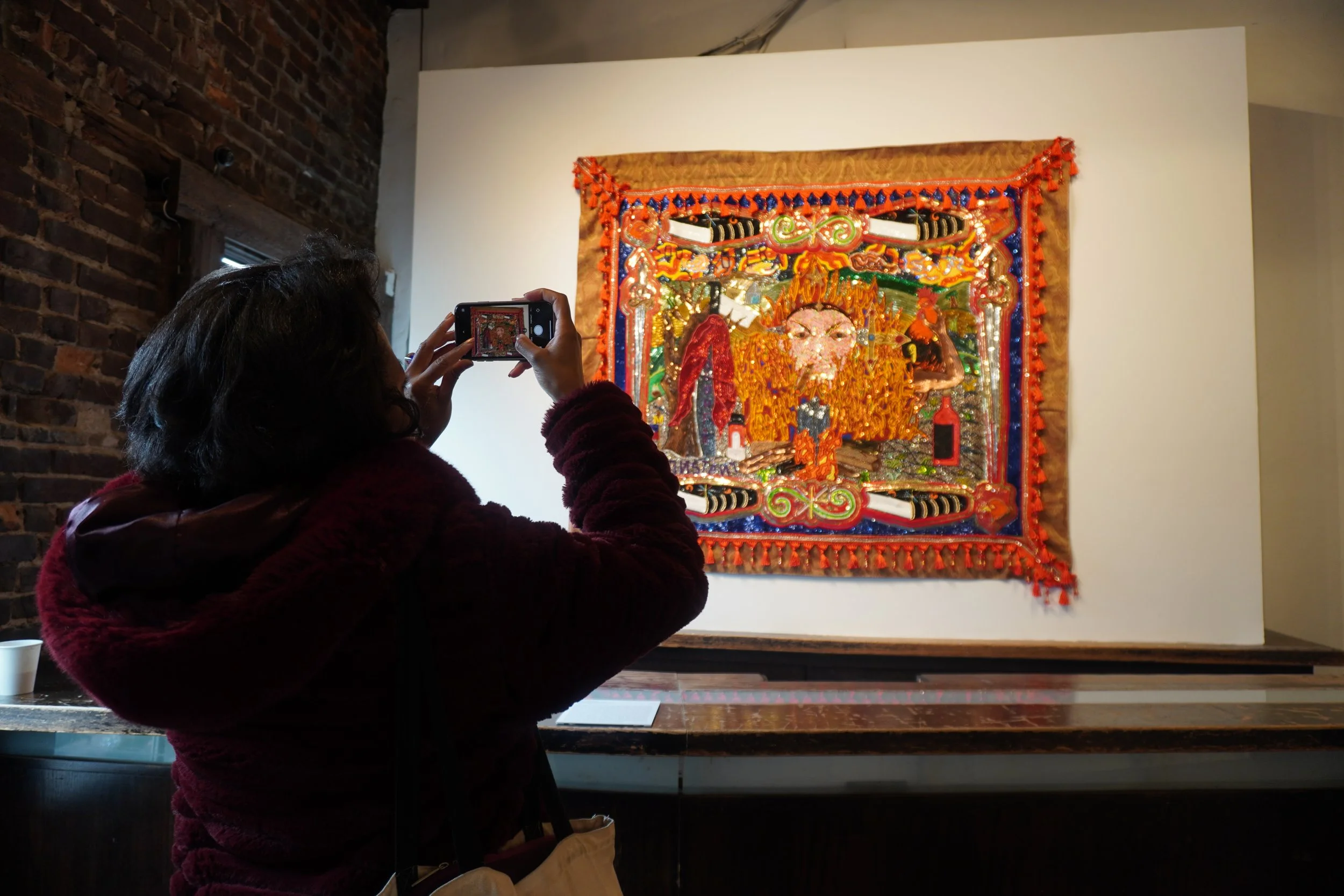
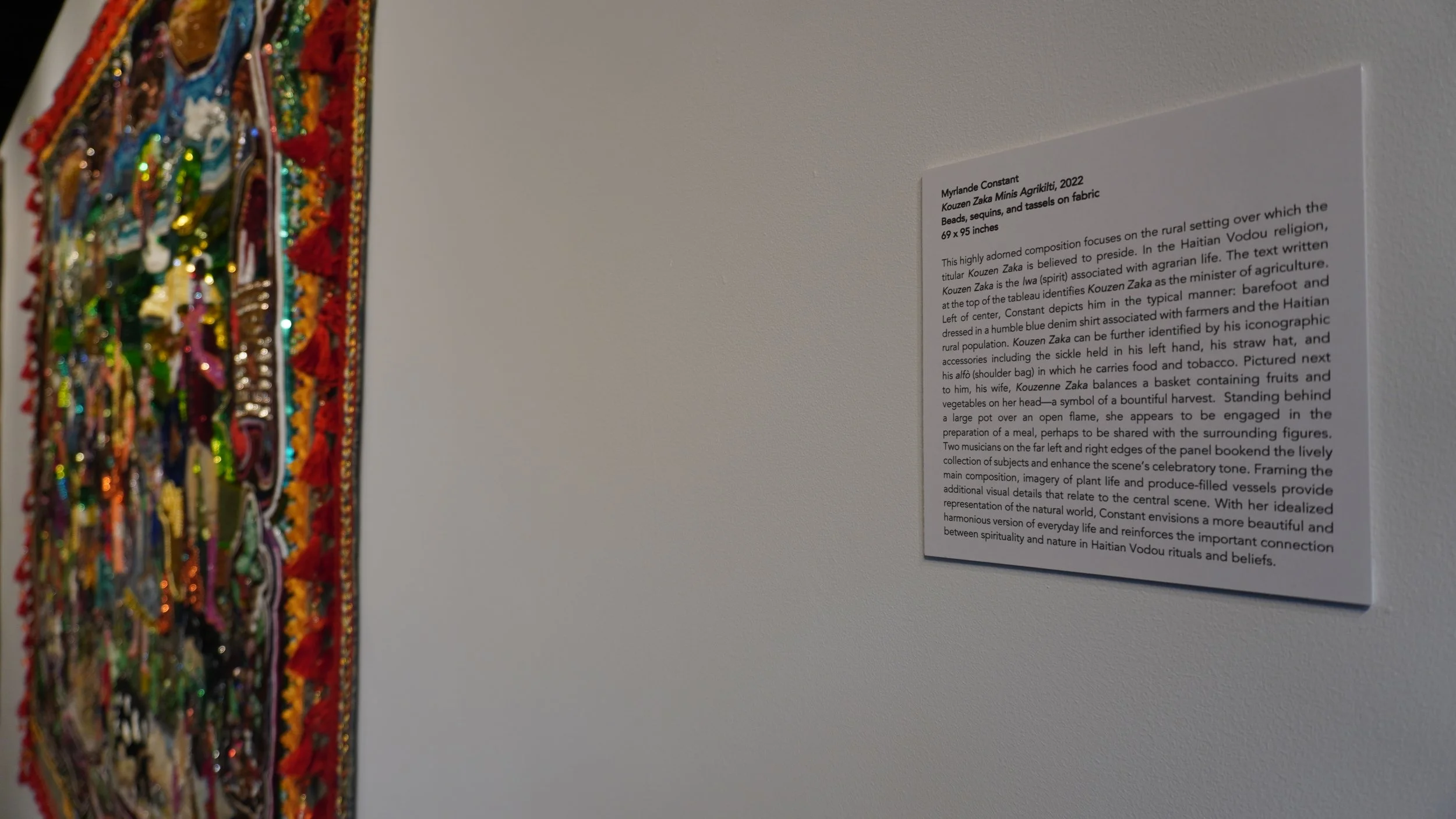
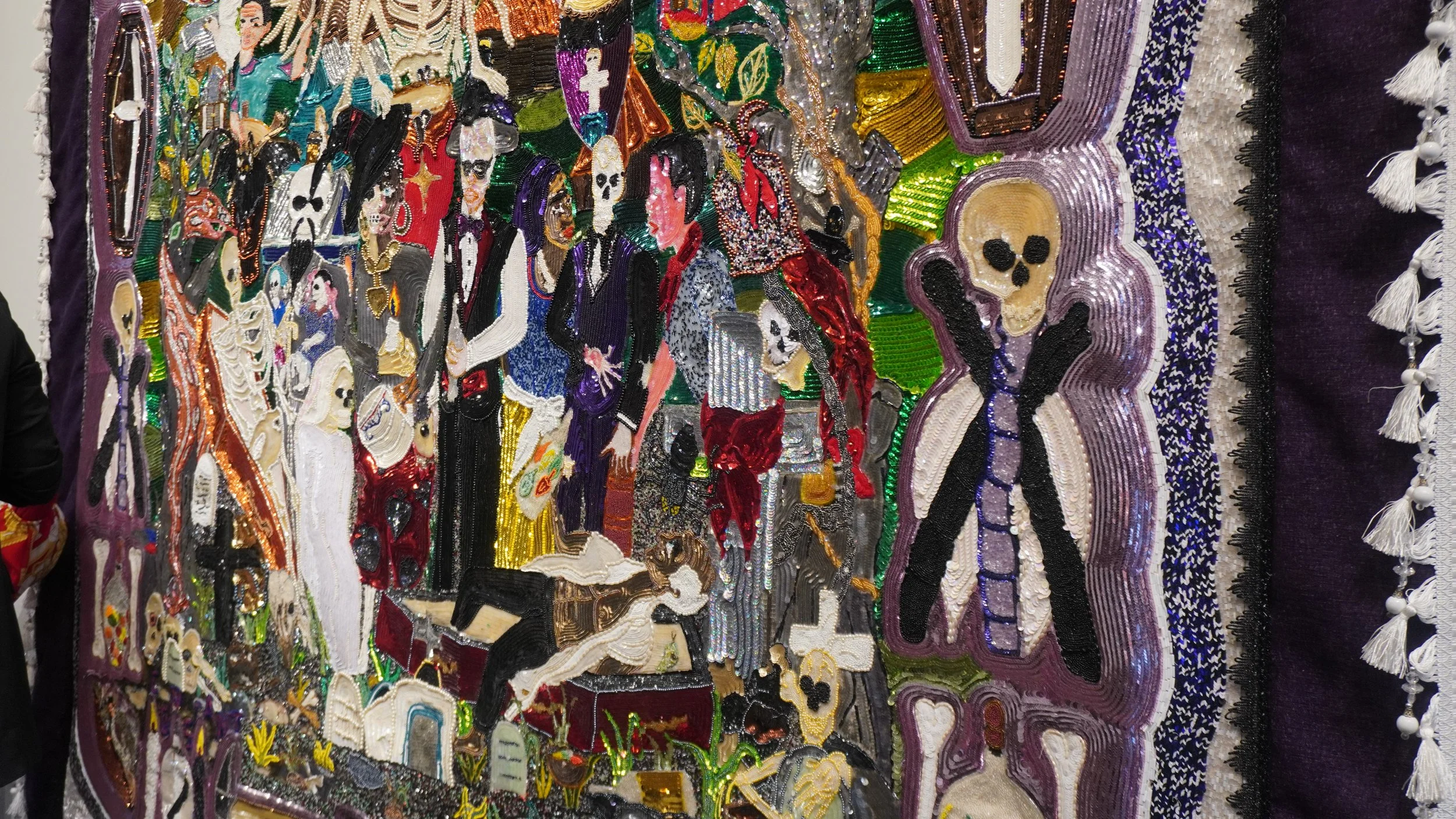
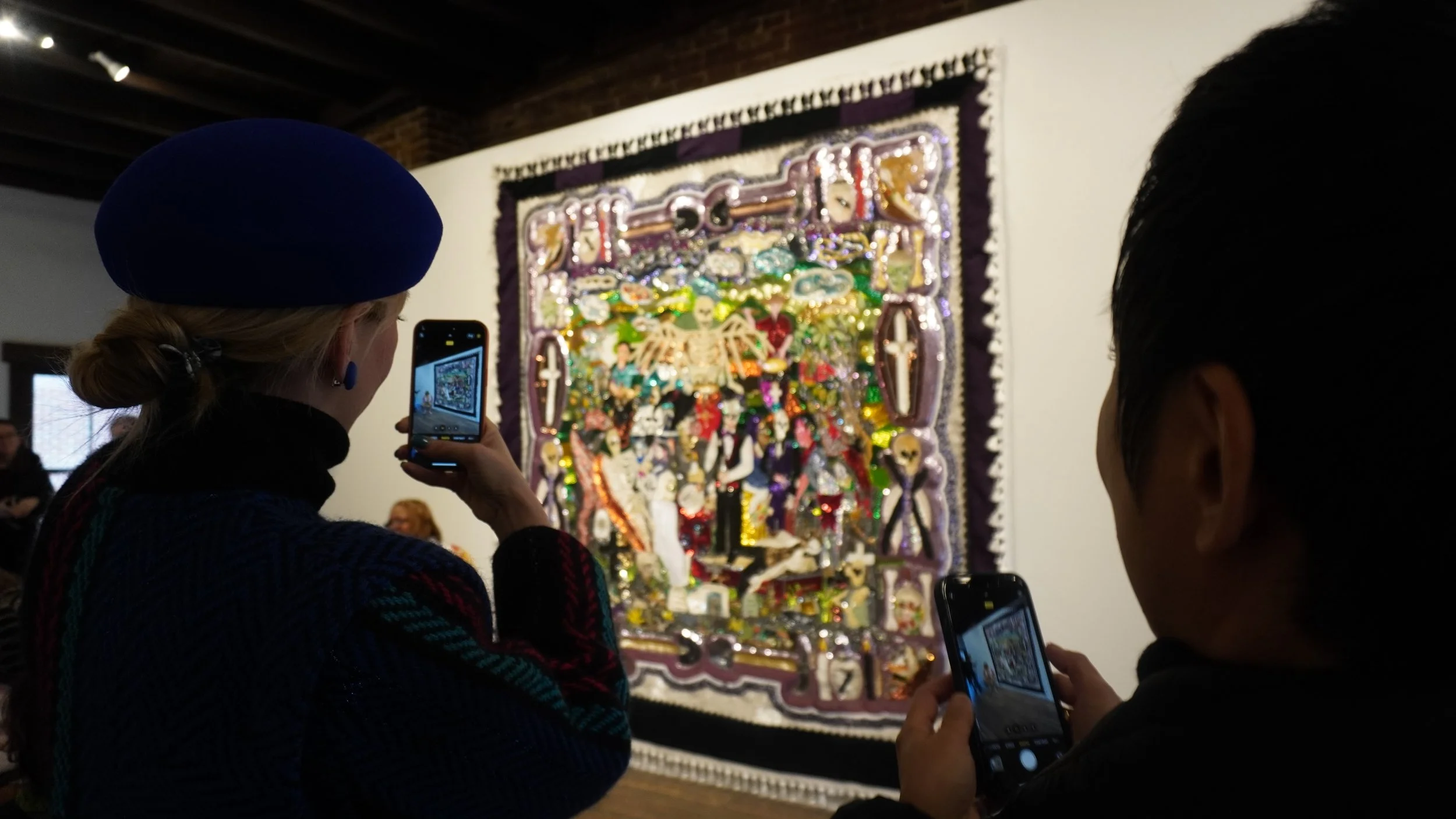
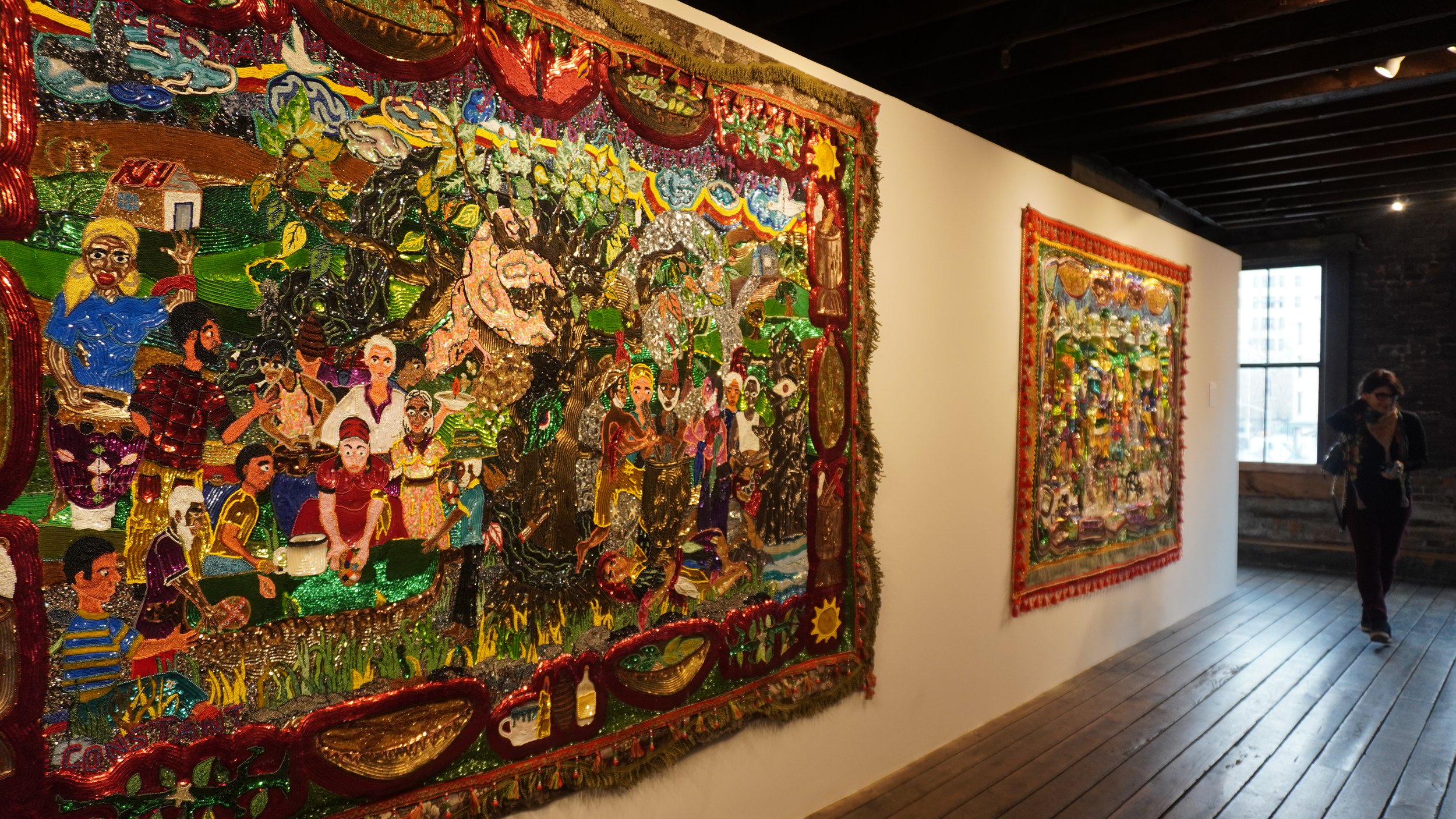
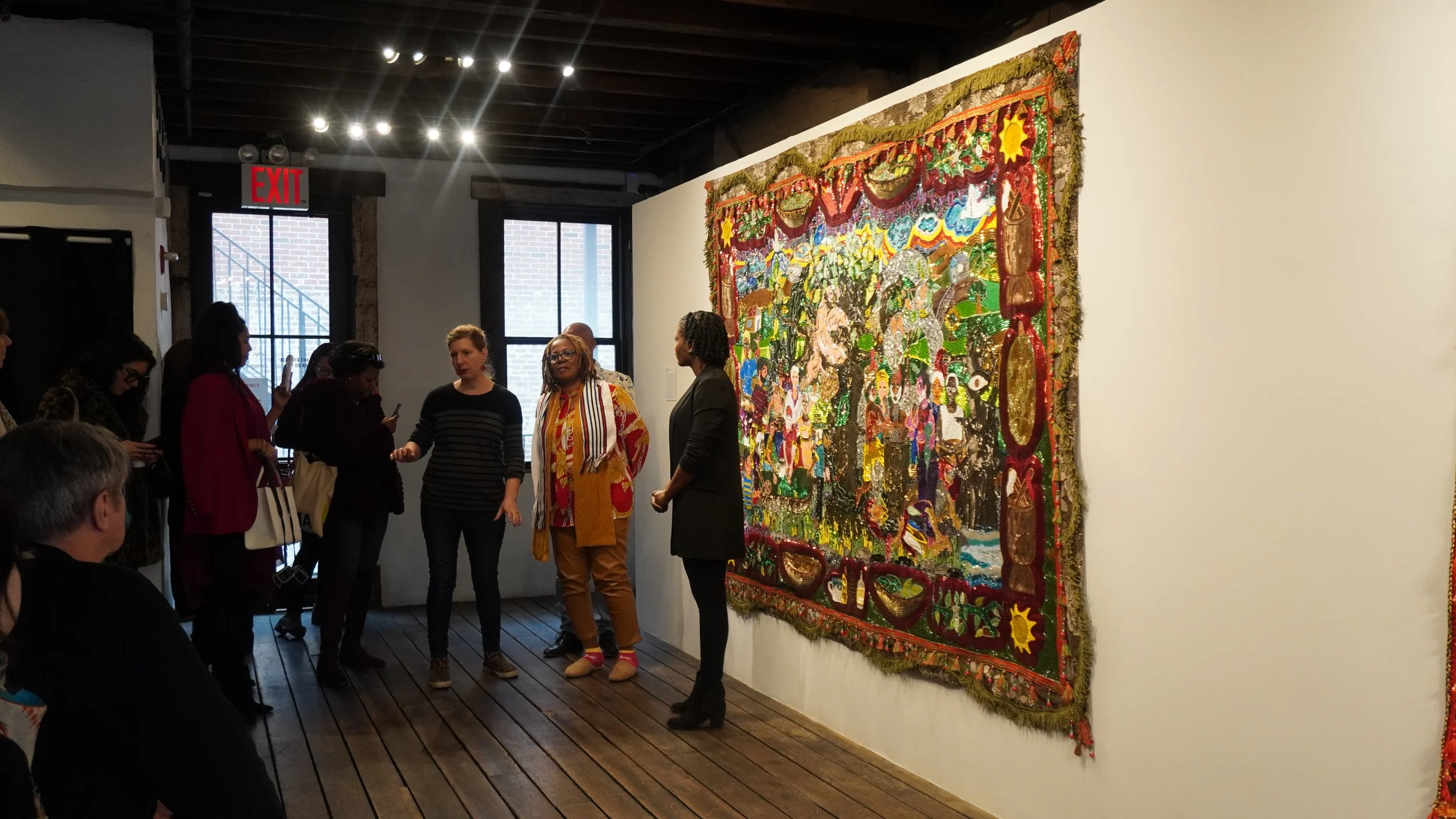
MYRLANDE CONSTANT puts Haiti on the Art Map with 'DRAPO'
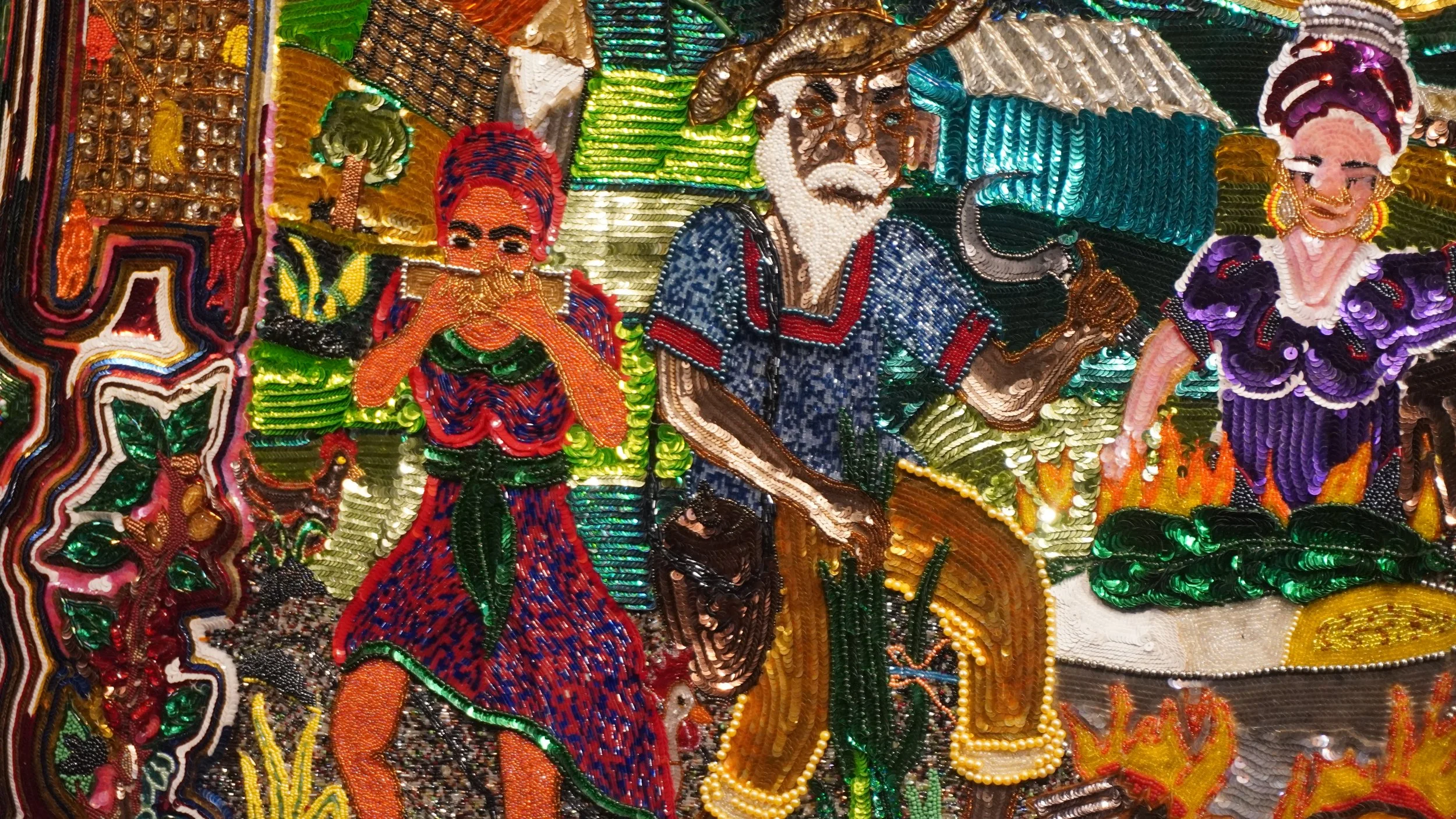
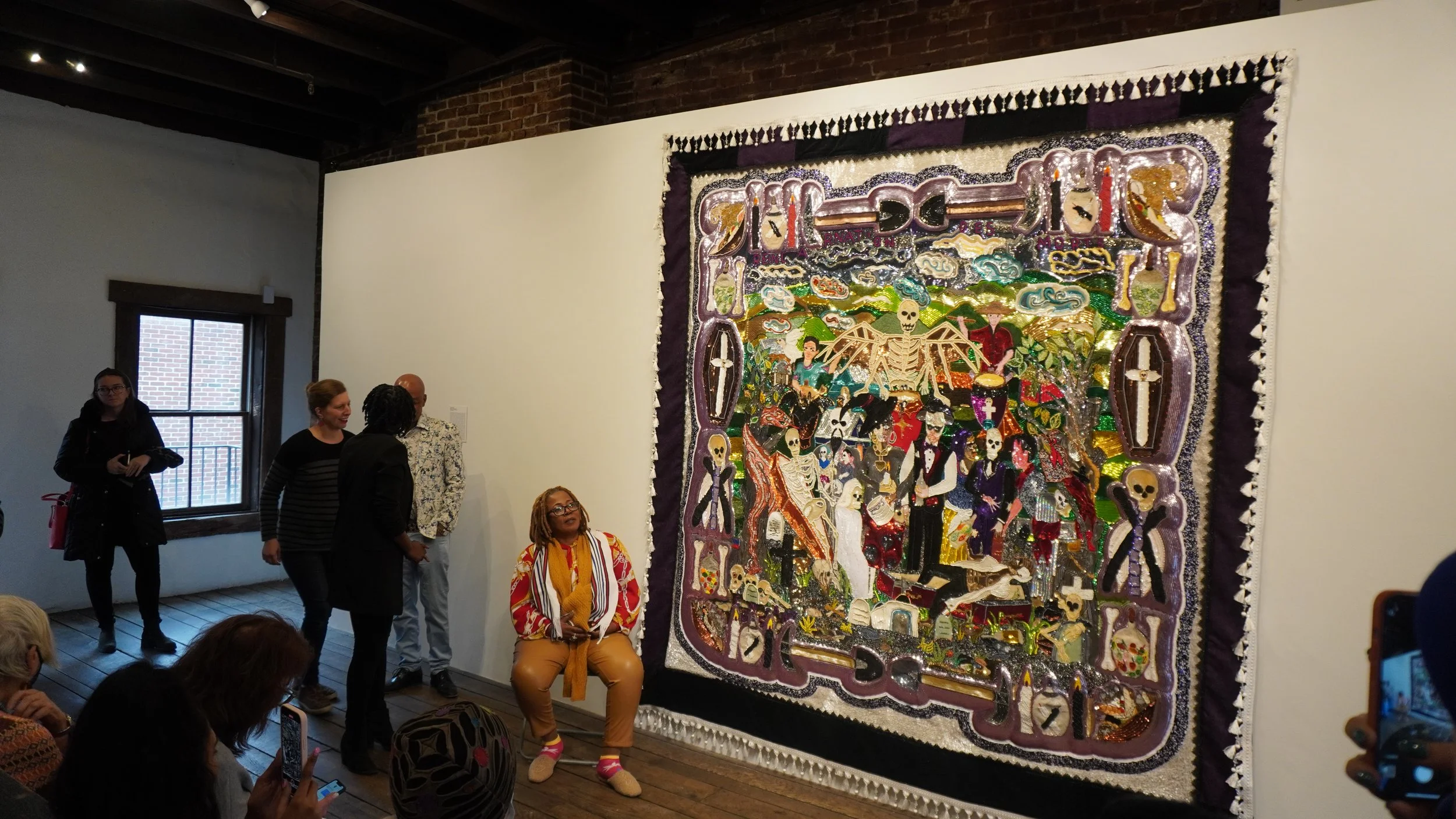
She walked away from her bridal factory job in the 90s with only a severance pay and a bag of sequins. Over three decades, Myrlande Constant put both to good use…
By Oyiza Adaba, New York
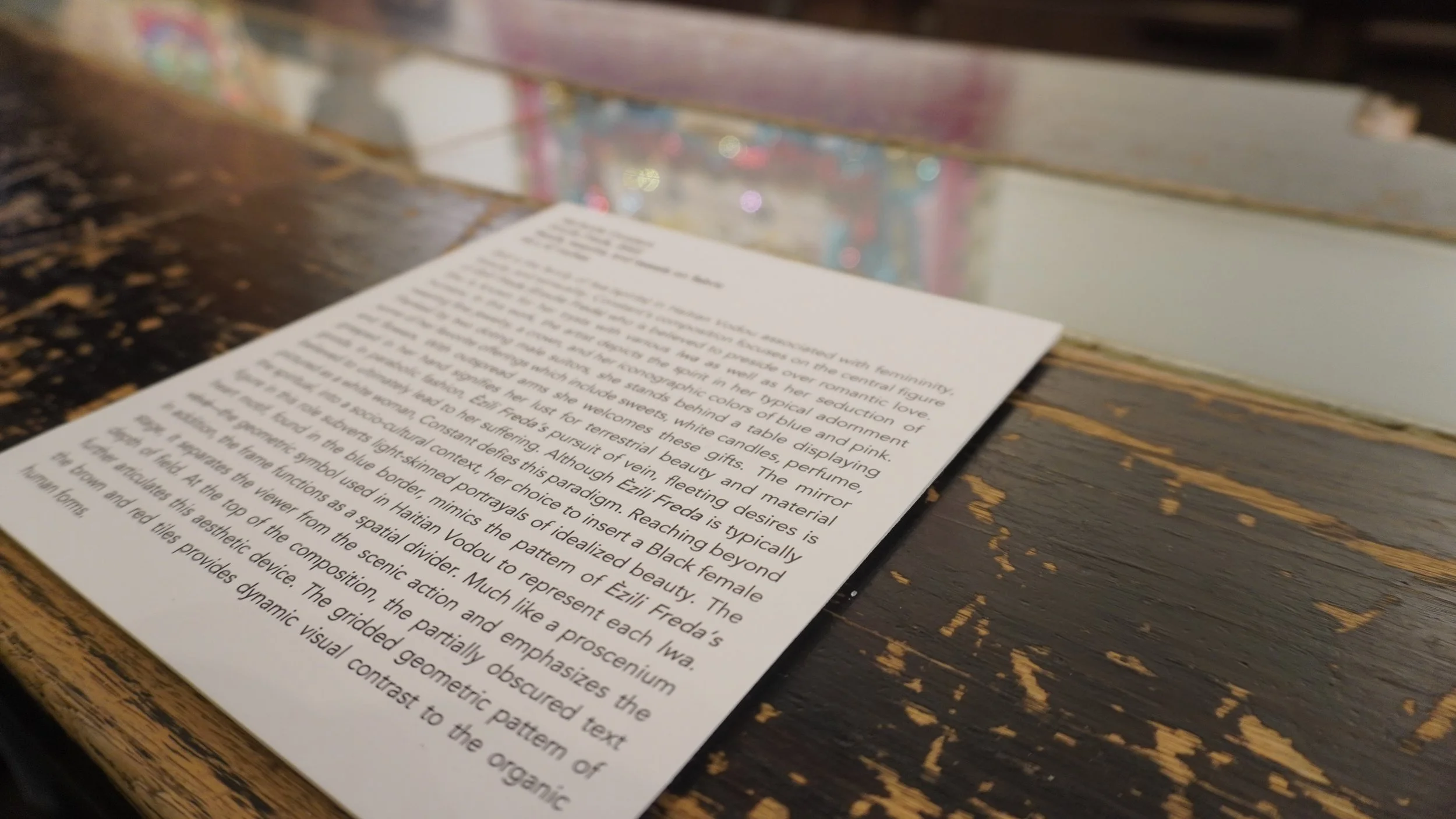
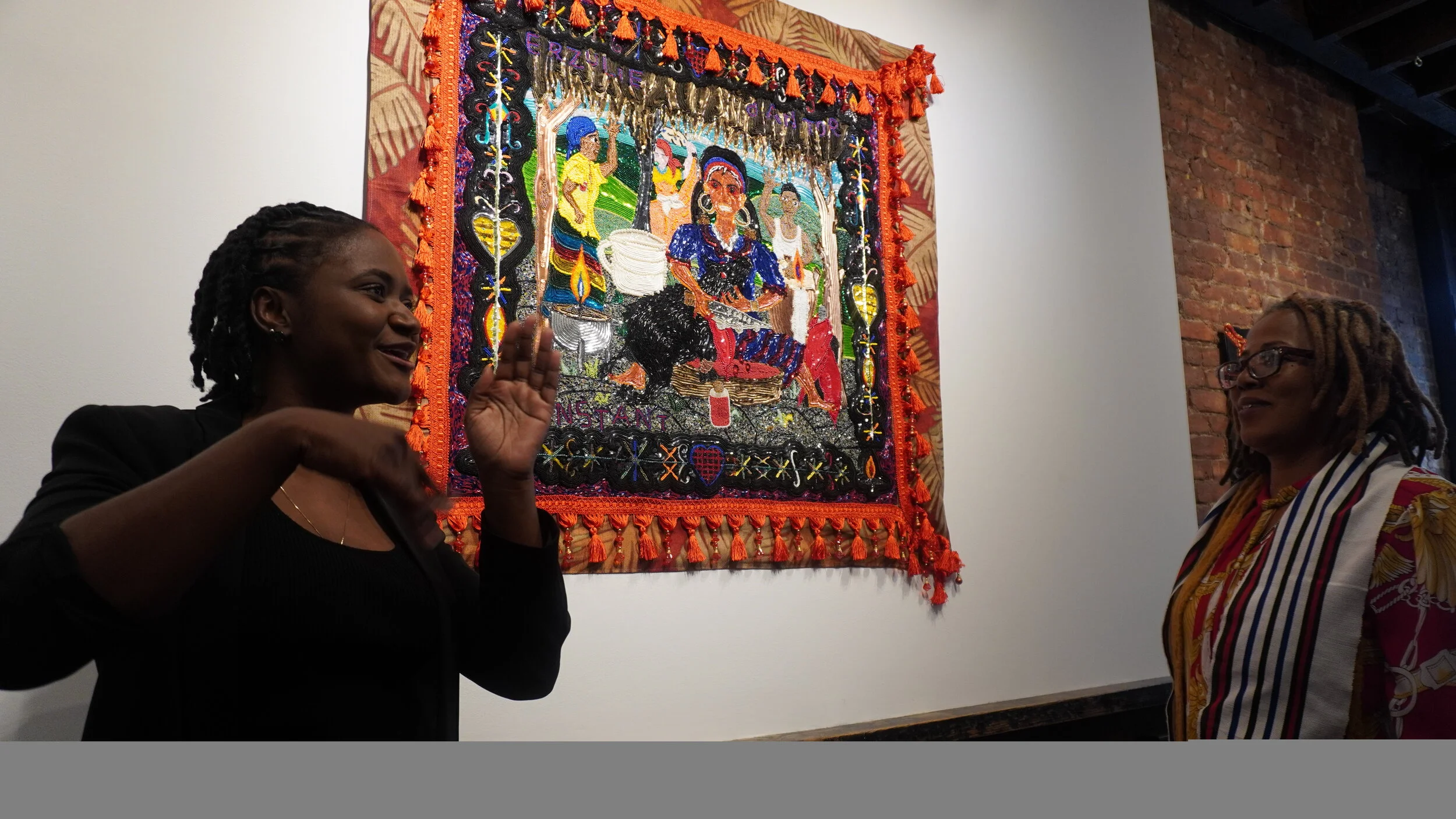
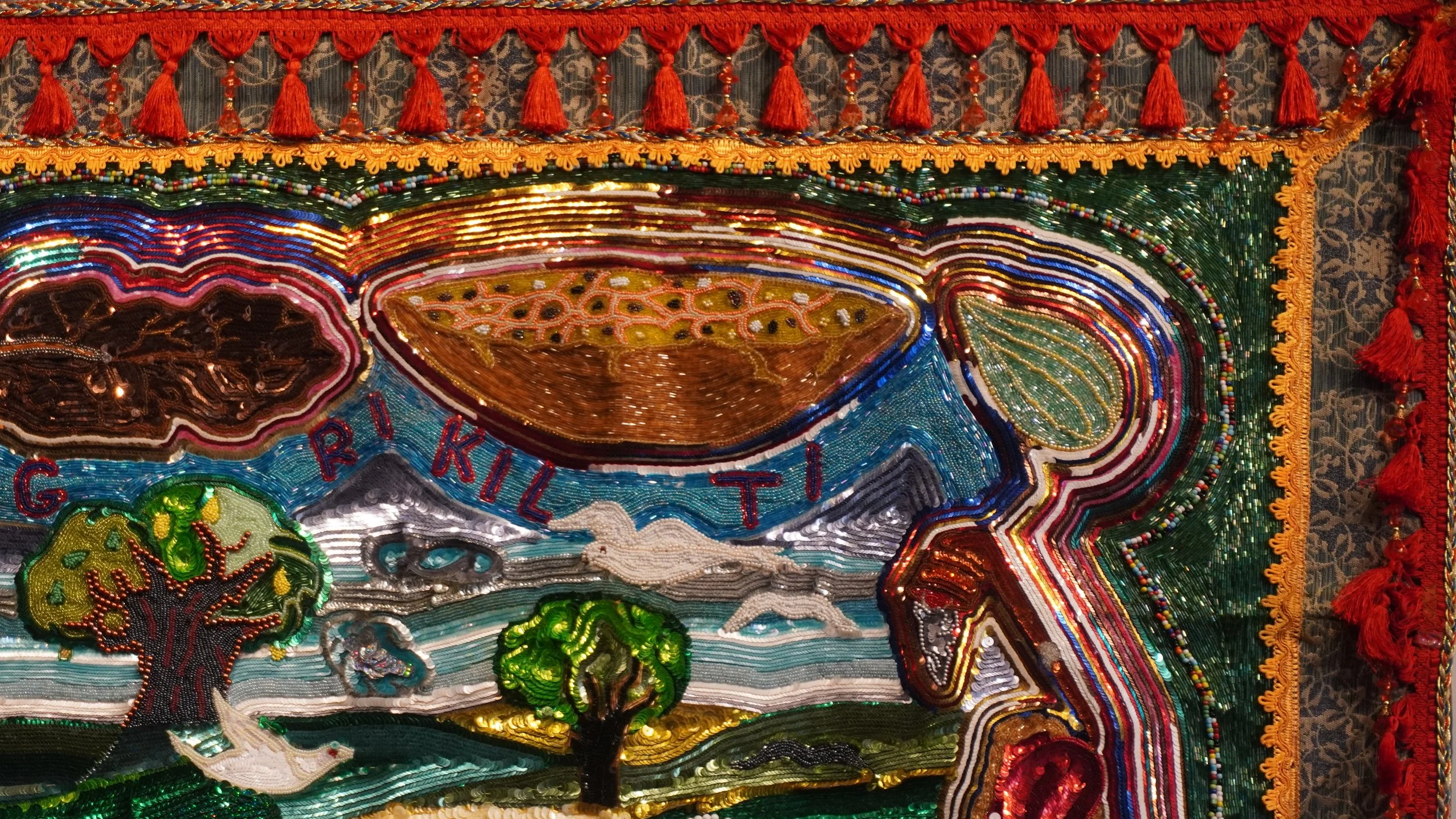
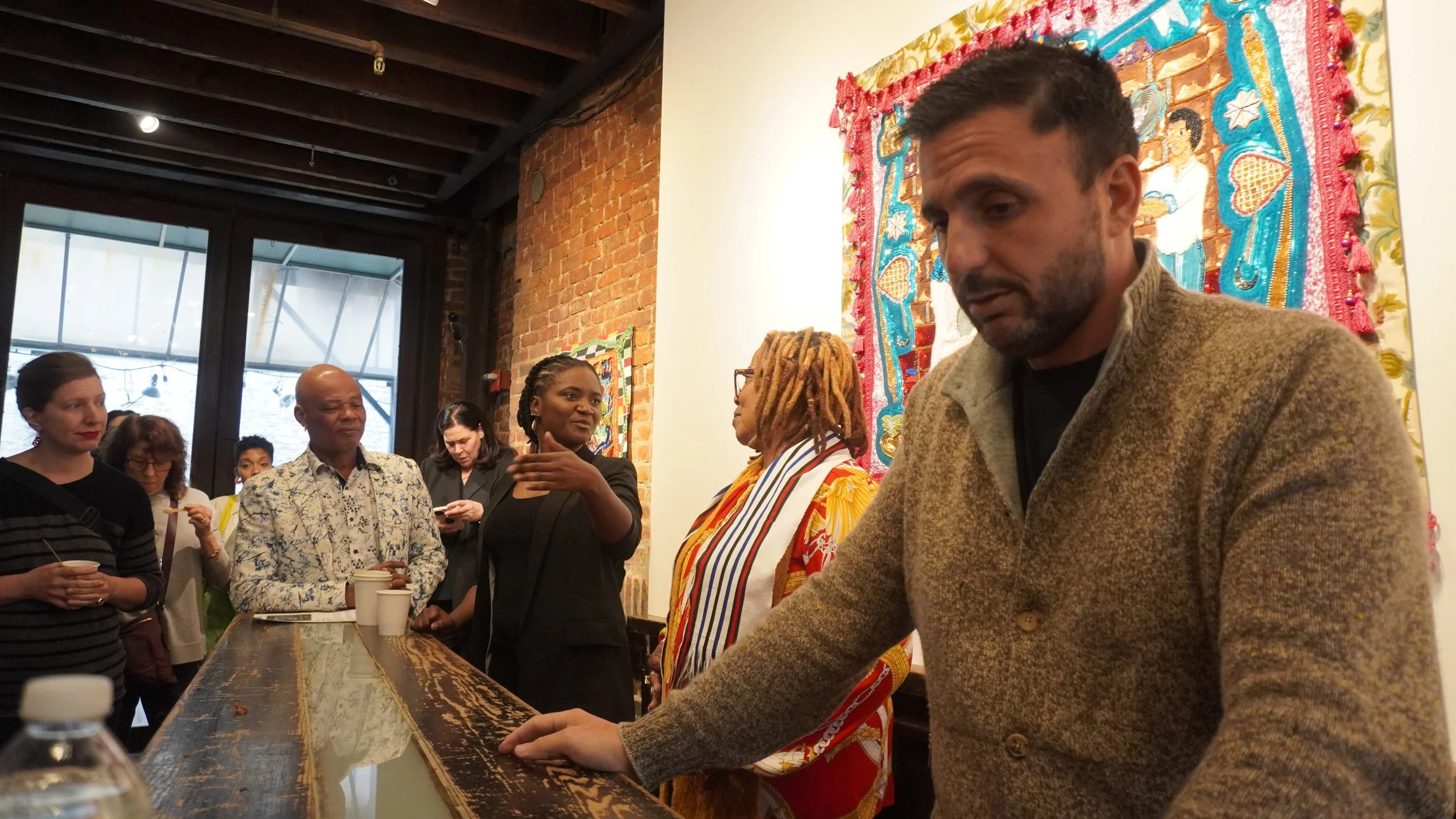
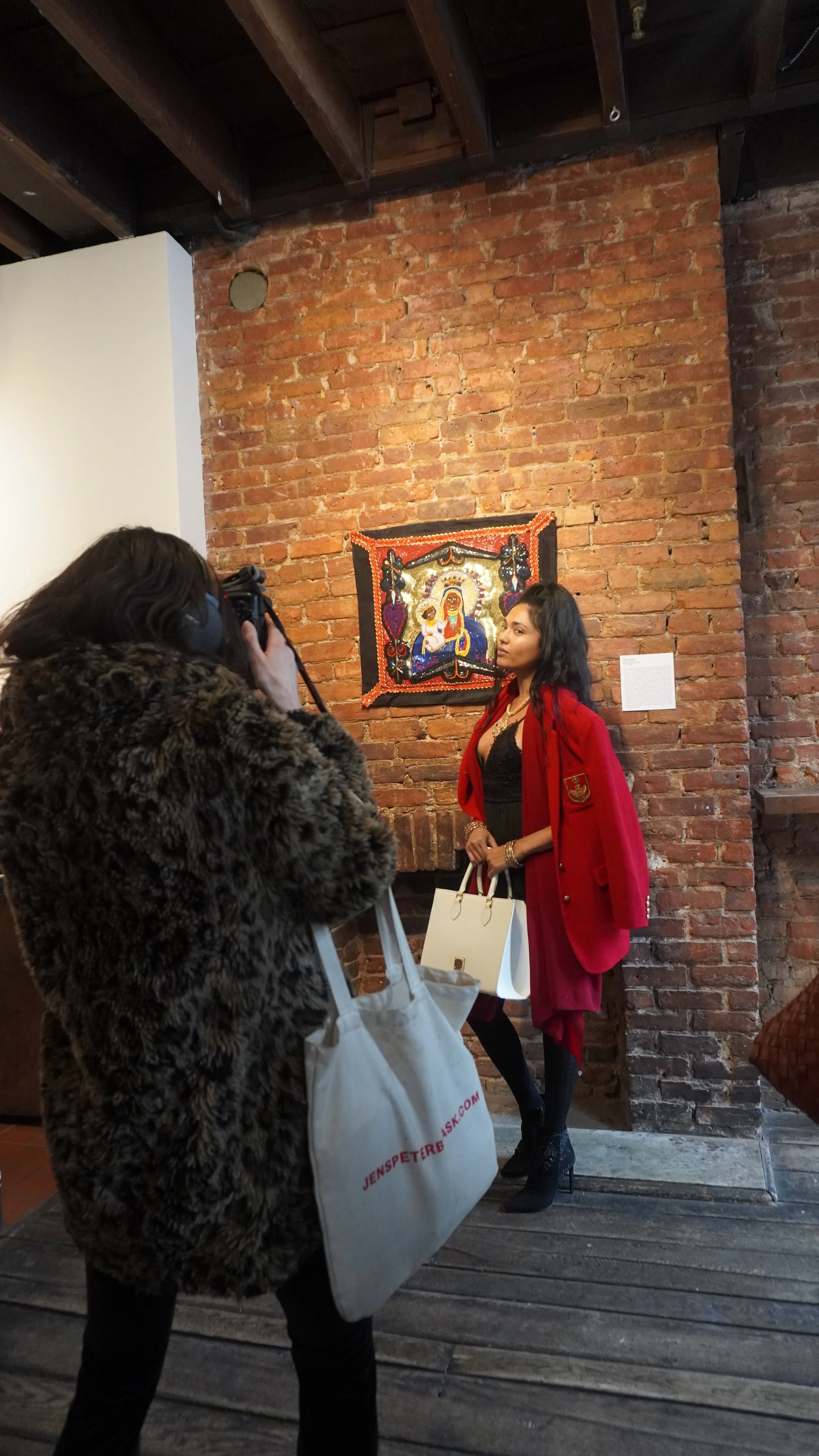
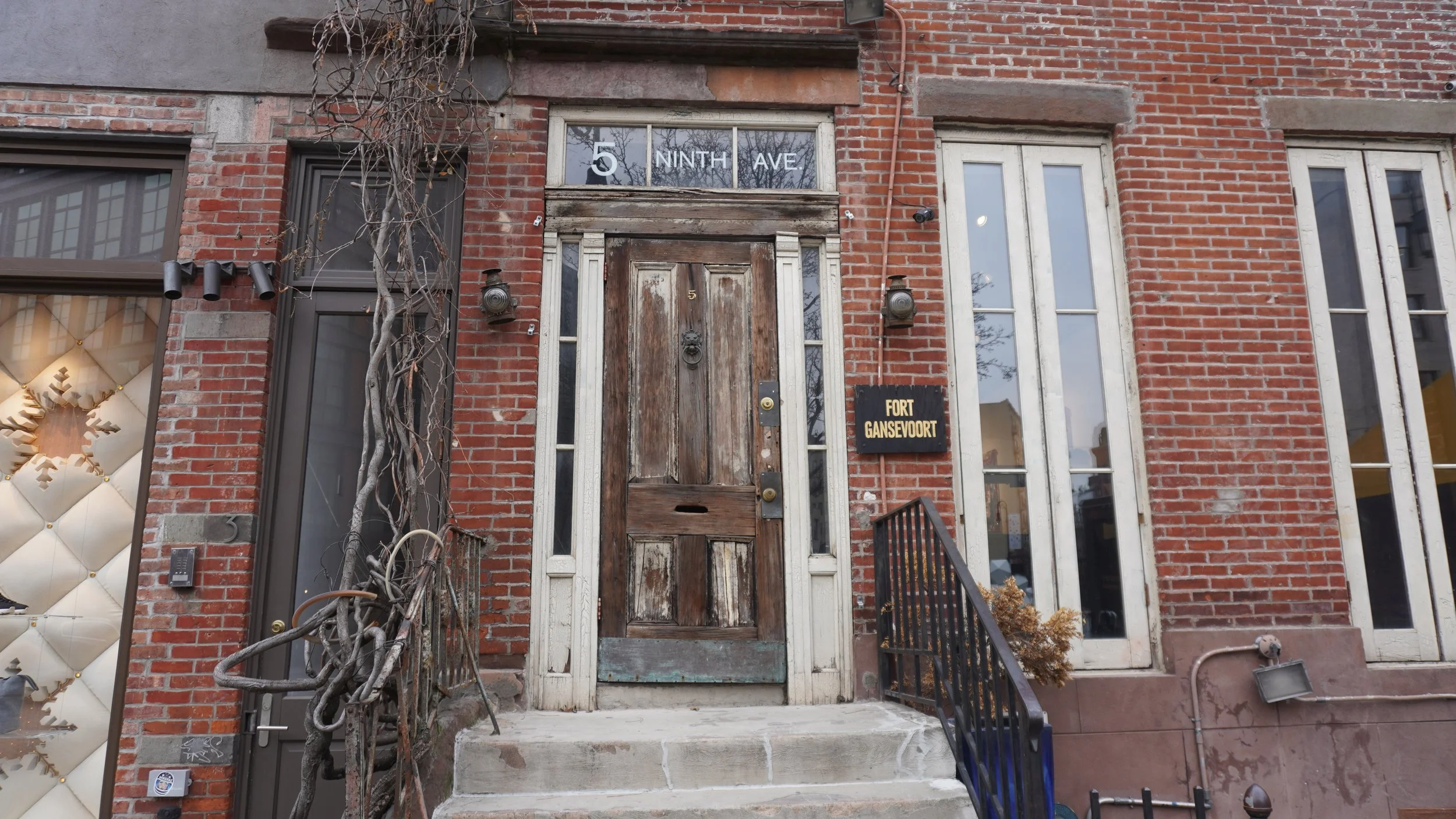
Haitian Artist Myrlande Constant presents 'Drapo', her first solo exhibition at Fort Gansevoort, New York. January 11 - March 11, 2023
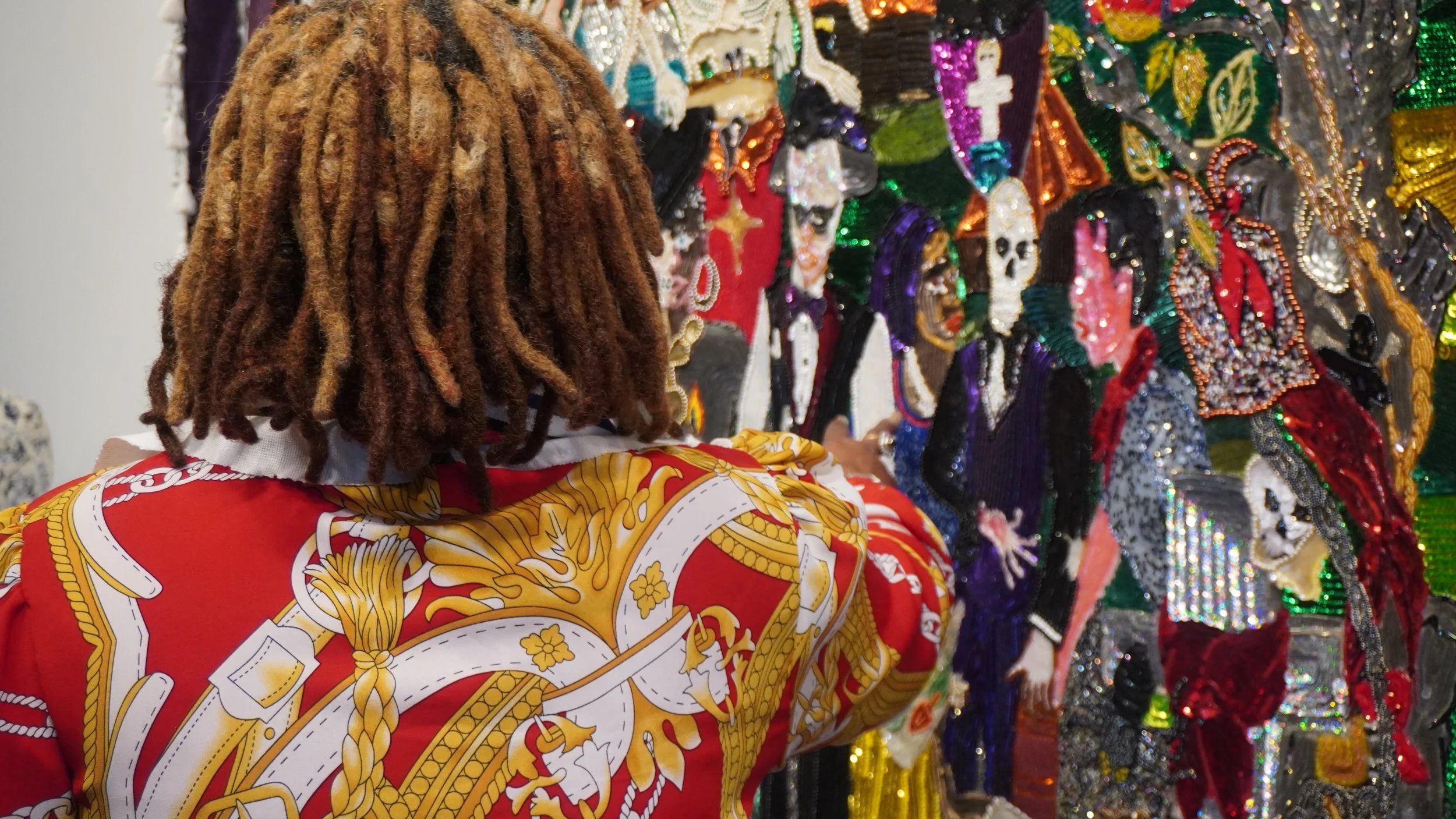
She walked away from her bridal factory job in the 1990s with only a severance pay and a bag of sequins. Over three decades, Myrlande Constant put both to good use, and has since carved out her peculiar style of stitching, beading and signing her works - her flags, an unmistakable symbol of Haiti and its rich cultural heritage.
Watch the full episode of Myrlande Constant's remarkable journey, coming soon on Messengers Season 3. Watch past episodes on our YouTube. Learn more here
Learn more about Myrlande Constant
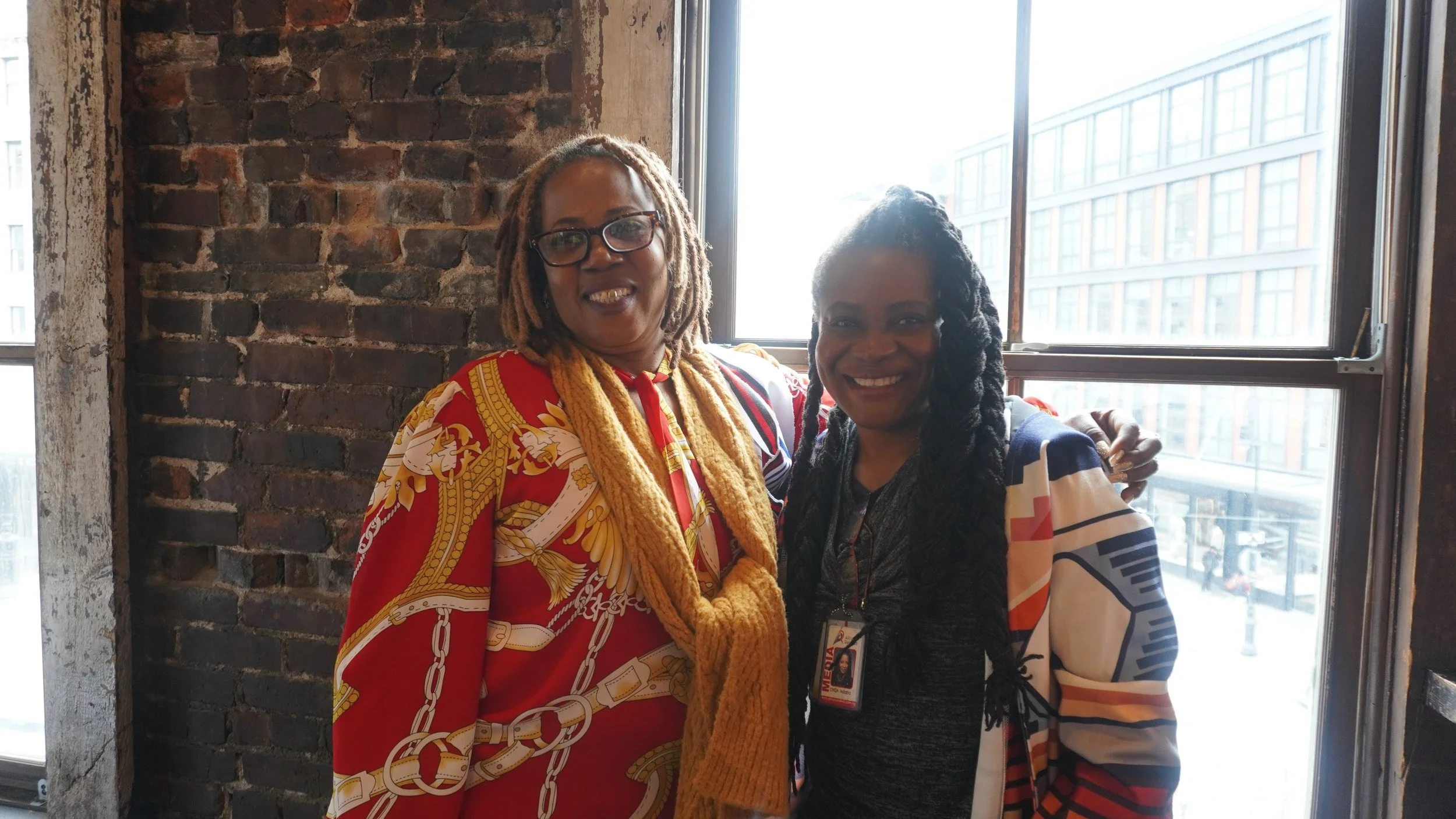
Photos: Africa-Related

Africa-Related is a media content production house
Share this story
Christian and Muslim Corpers Embark on Pre-Election Market Sensitization Campaigns
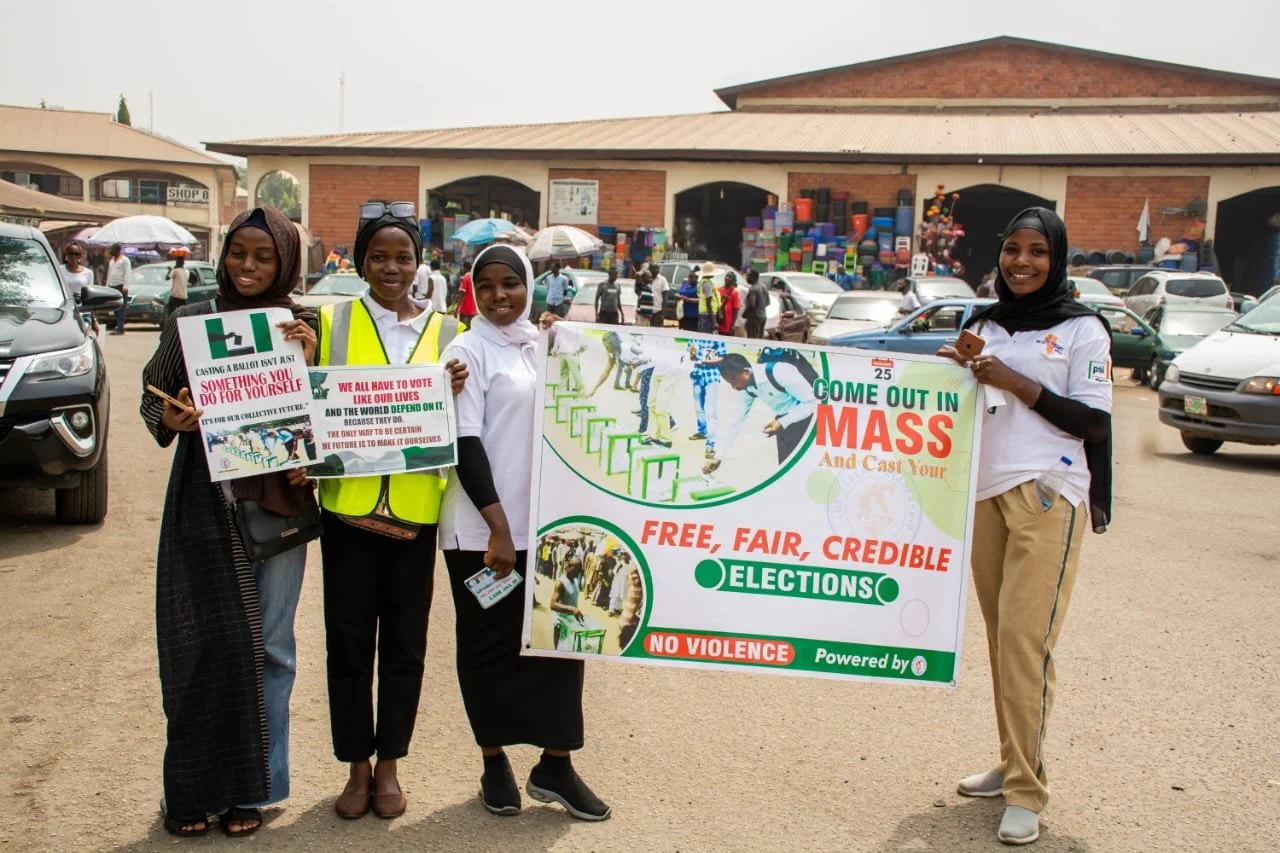
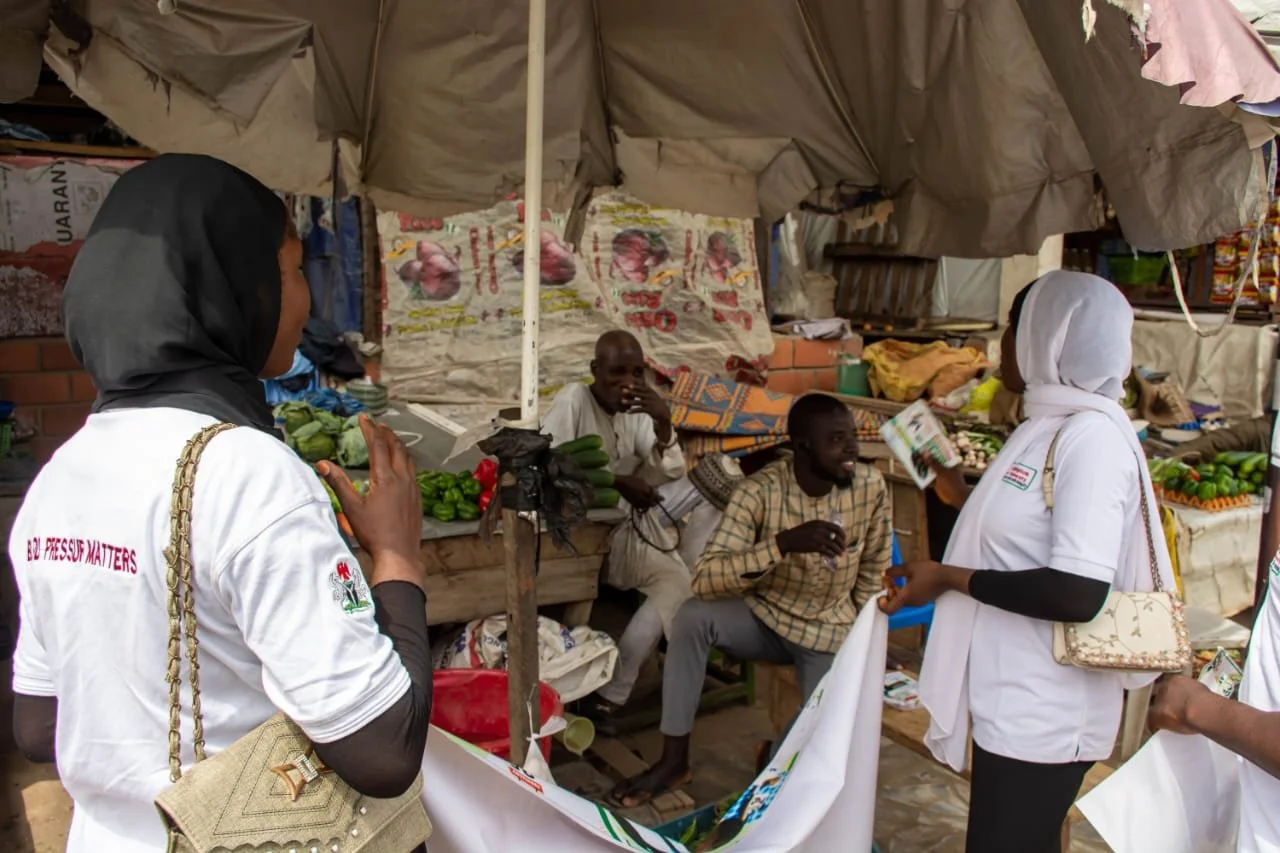
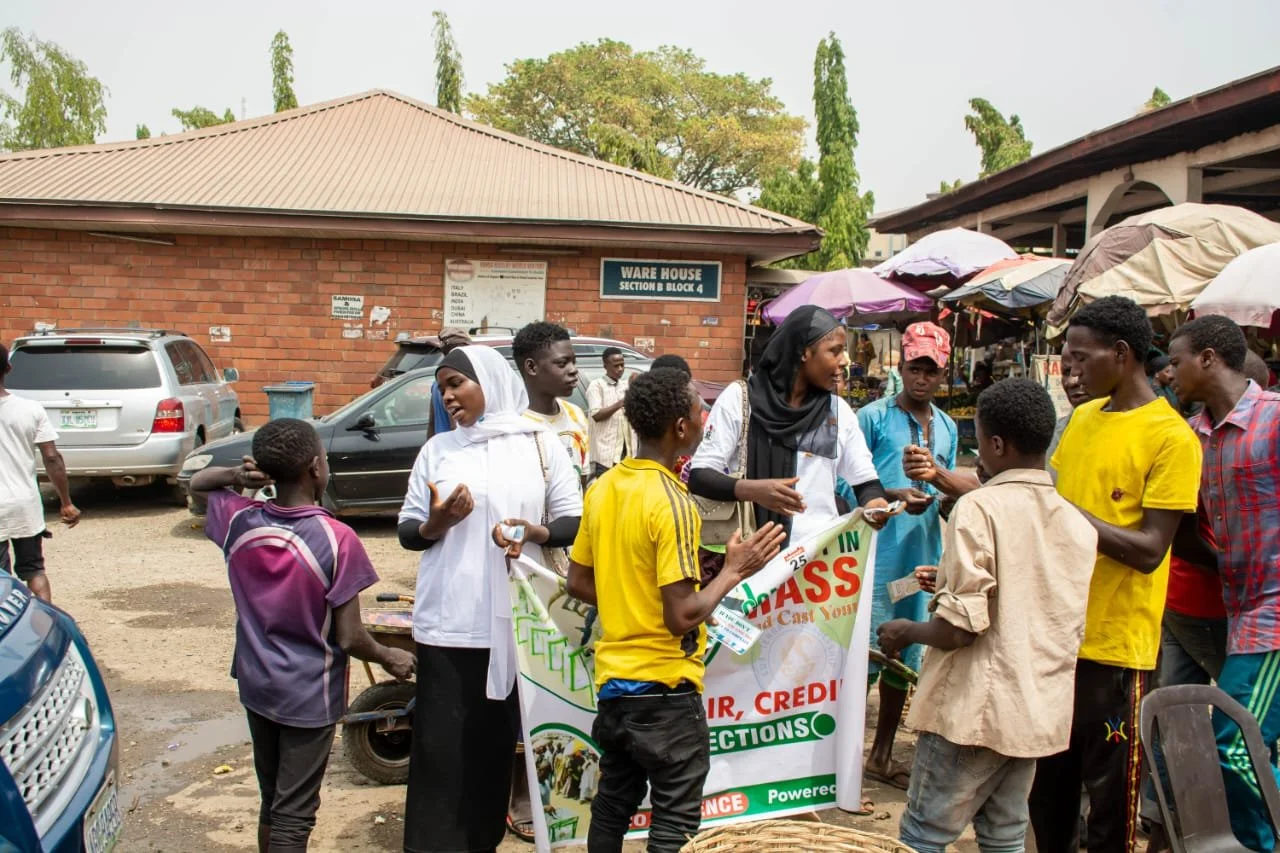
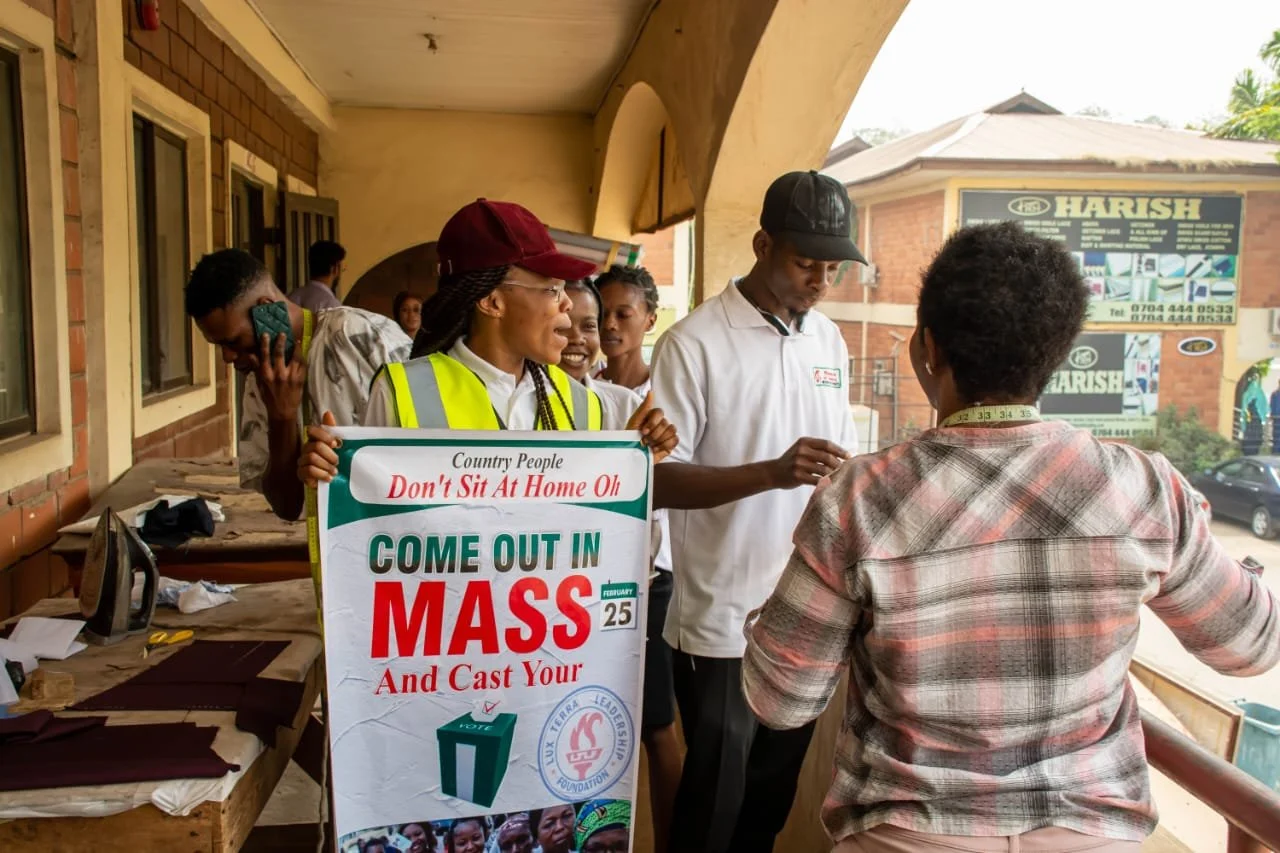
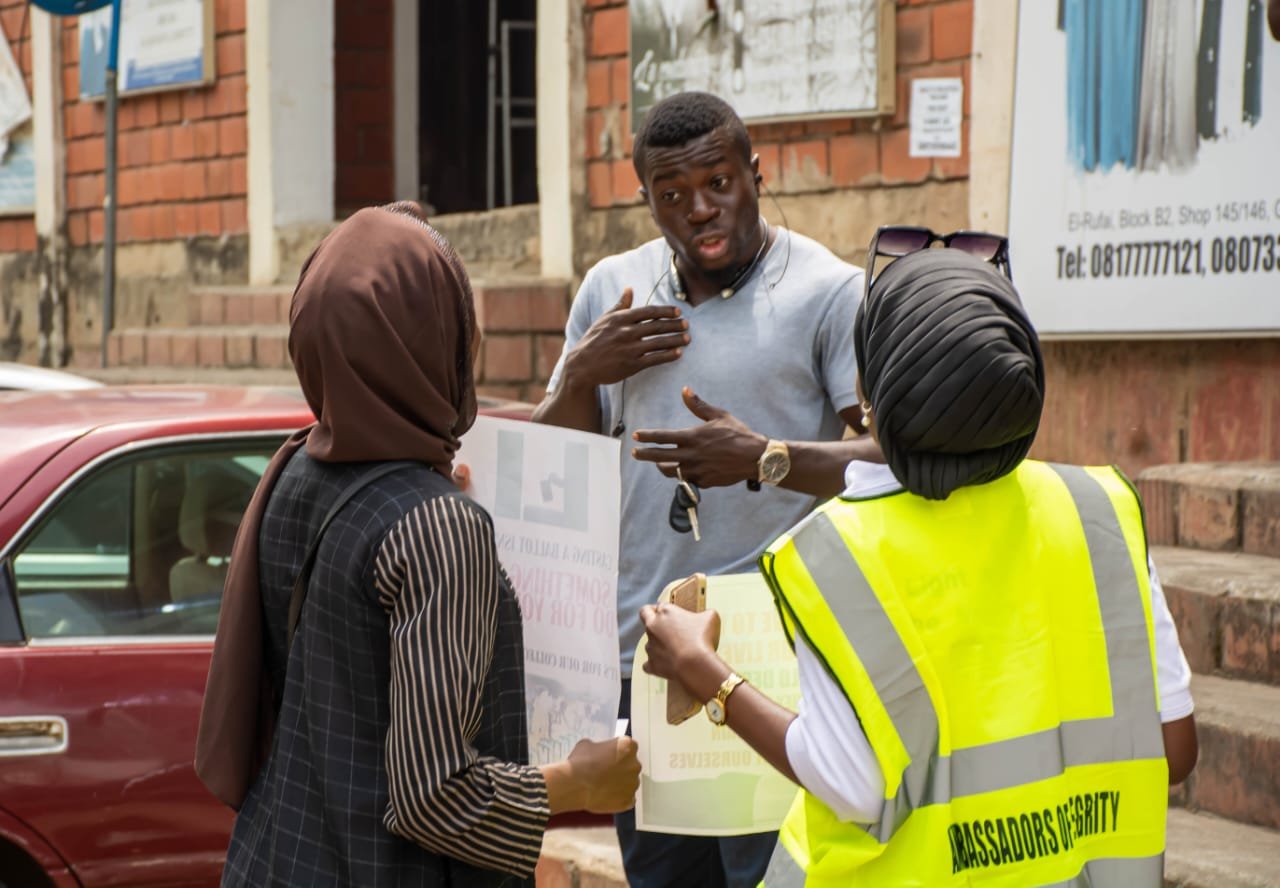
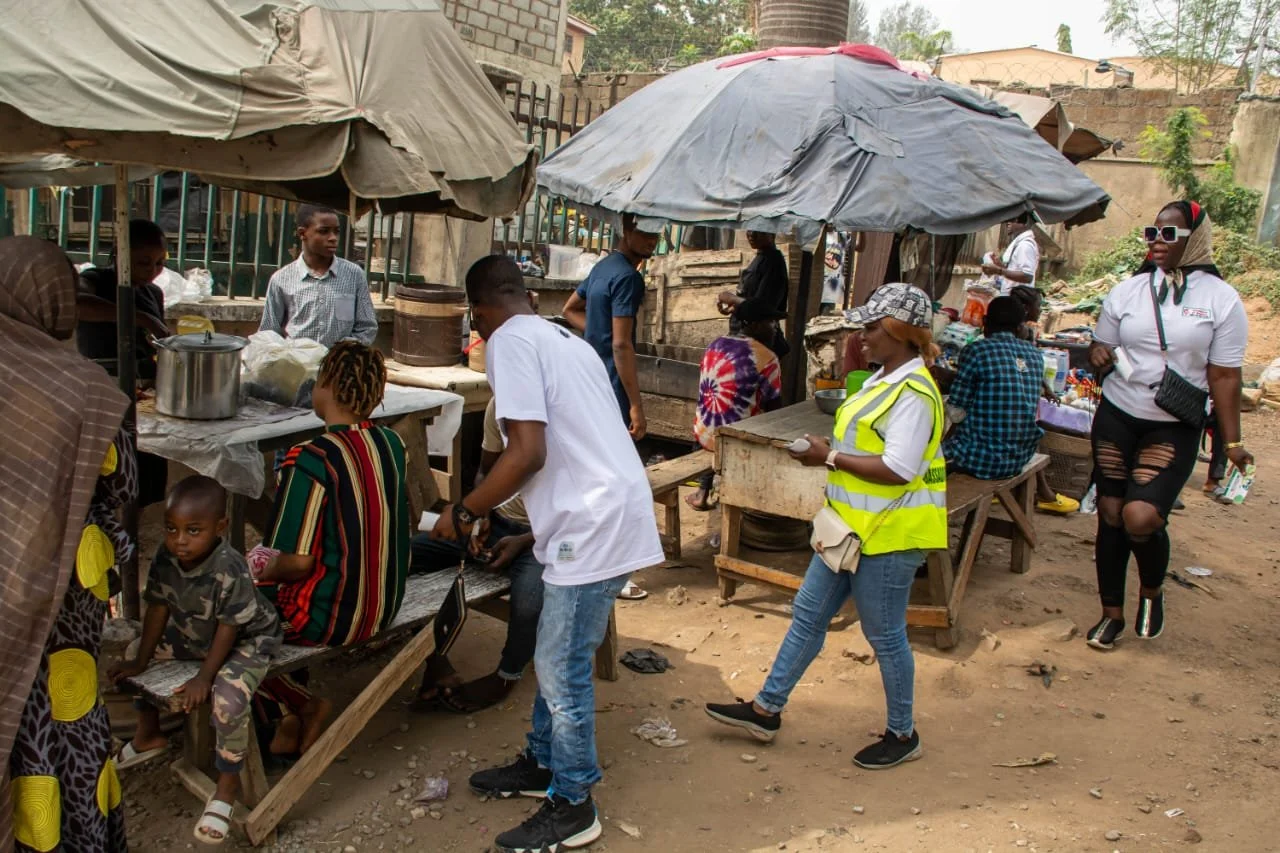
A group of Lux Terra trained Youth Corps members have on February 22 and 23, 2023, engaged in a series of sensitisation campaigns at market places around the Federal Capital, to sensitize the public on the imperative of peaceful, orderly and credible conduct of the forthcoming general elections.
A group of Lux Terra trained Youth Corps members have on February 22 and 23, 2023, engaged in a series of sensitisation campaigns at market places around the Federal Capital, to sensitize the public on the imperative of peaceful, orderly and credible conduct of the forthcoming general elections.
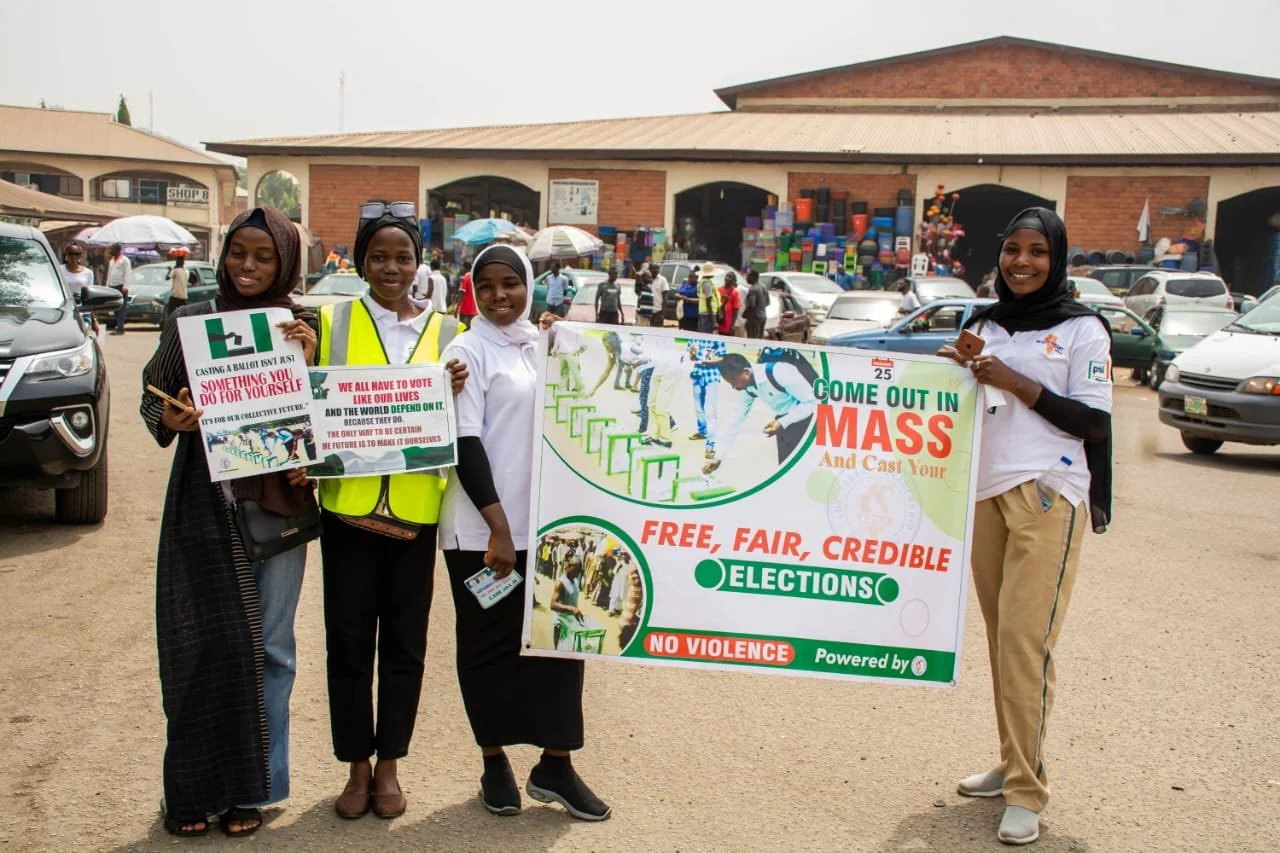
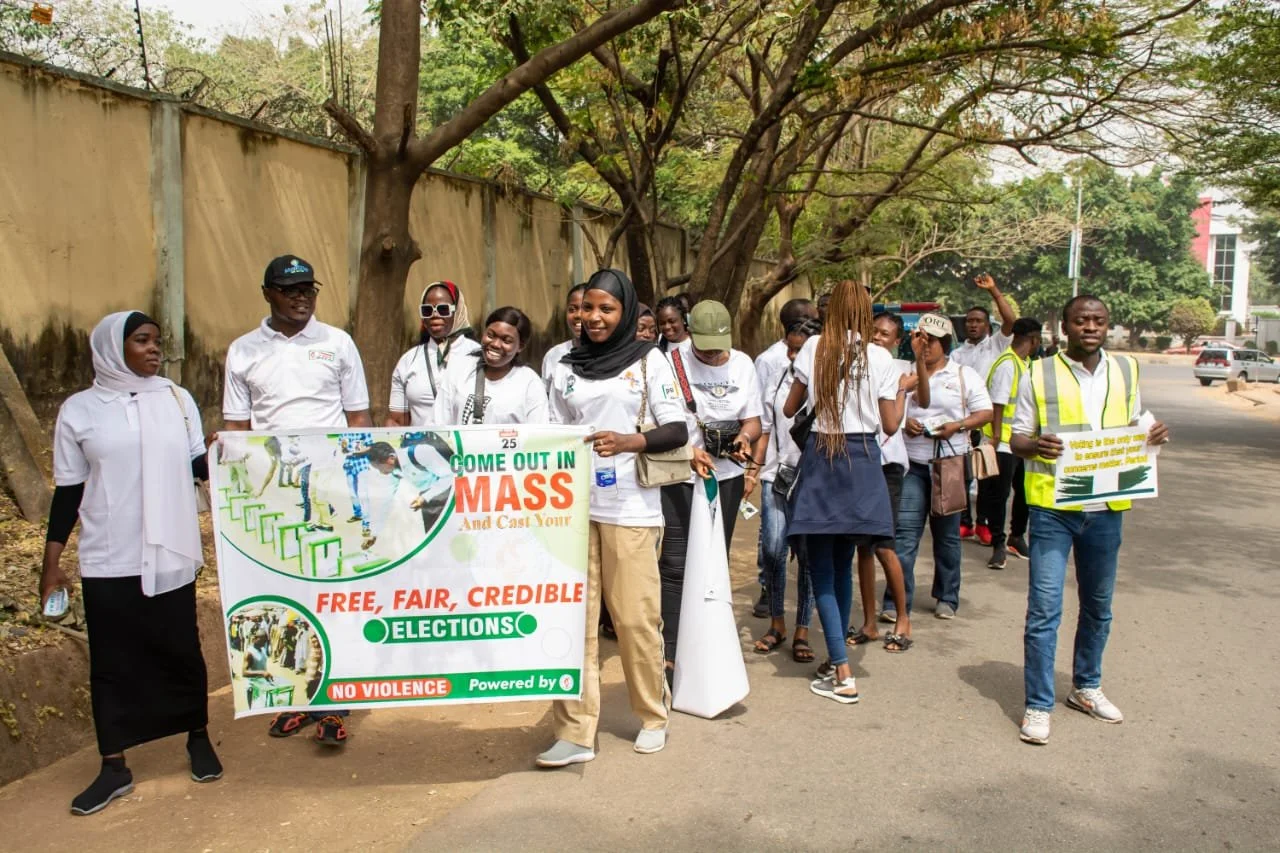
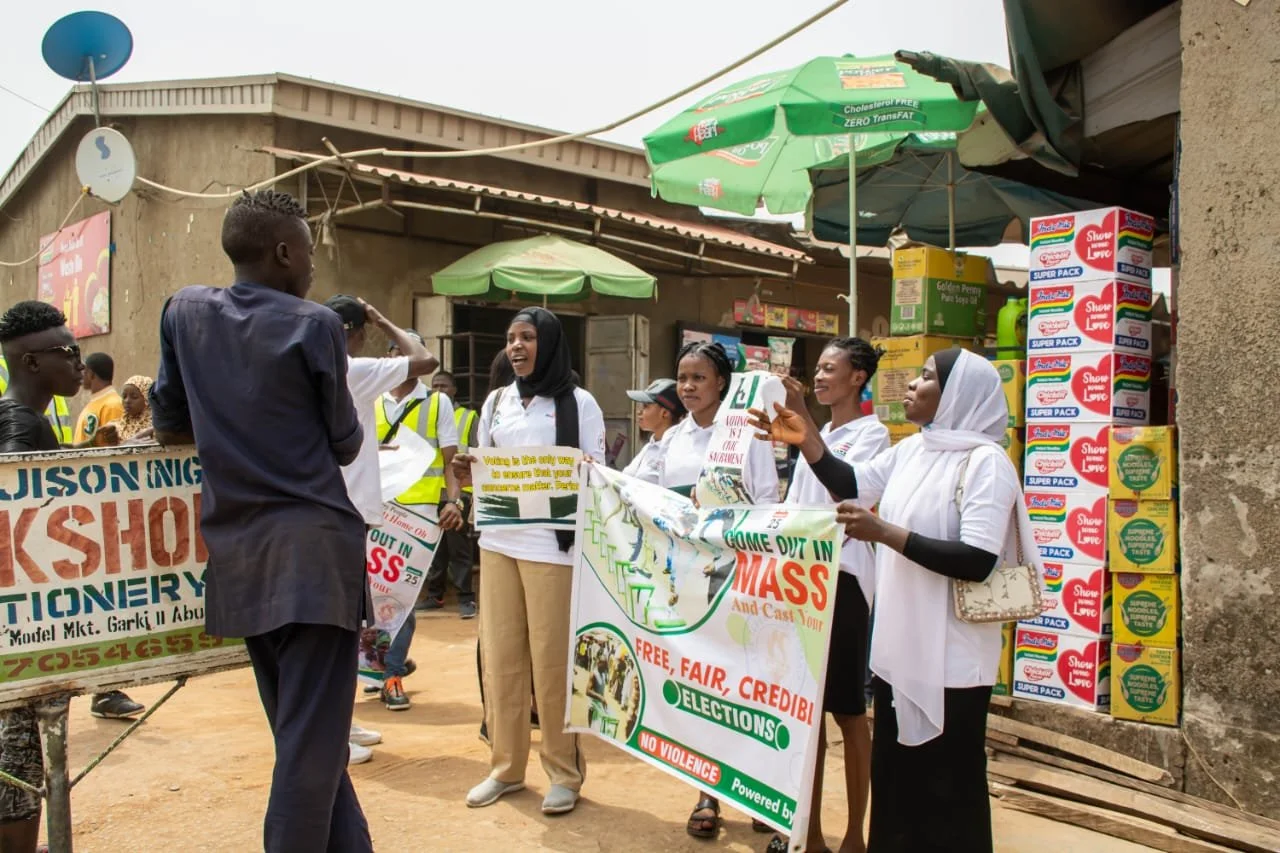

The young integrity campaigners took their message to the Nyanya and Garki markets on Wednesday February 22, and Thursday February 23 respectively.
These interfaith efforts of the Abuja-based Youth Corps members, are part of the post-training engagements of the young beneficiaries of Lux Terra's ongoing Integrity and Strengthening Civic Space projects, both of which are supported by MacArthur Foundation.
Africa-Related is a media content production house
Share this story
TAFTA GRADUATES FIRST SET OF STUDENTS
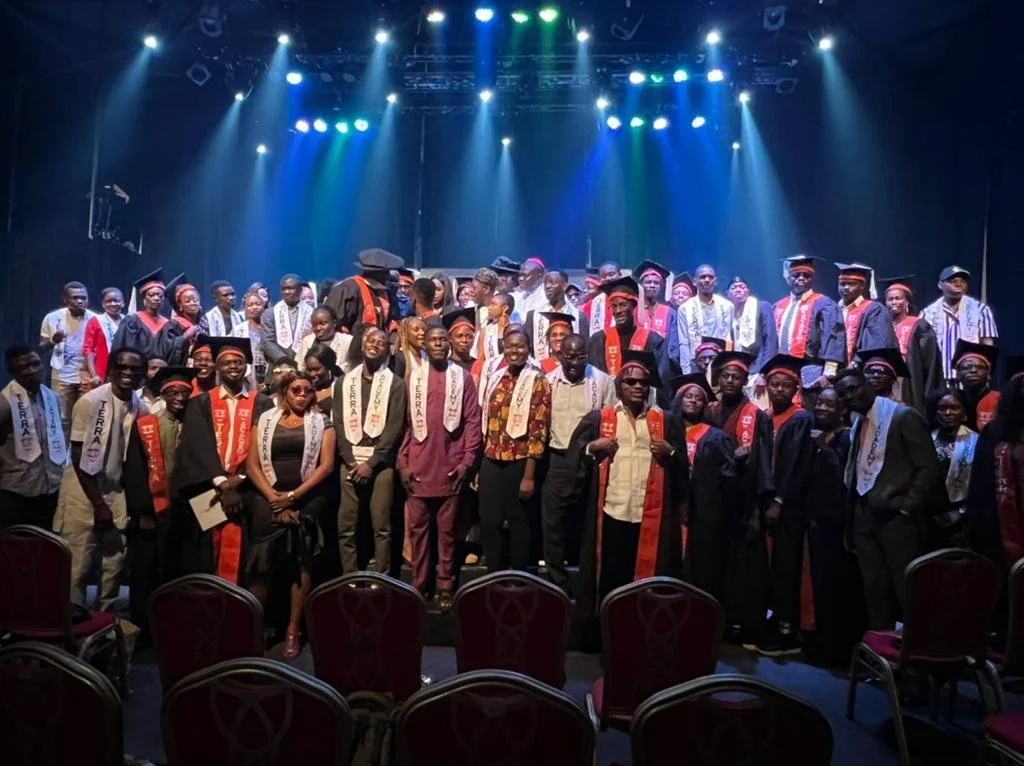
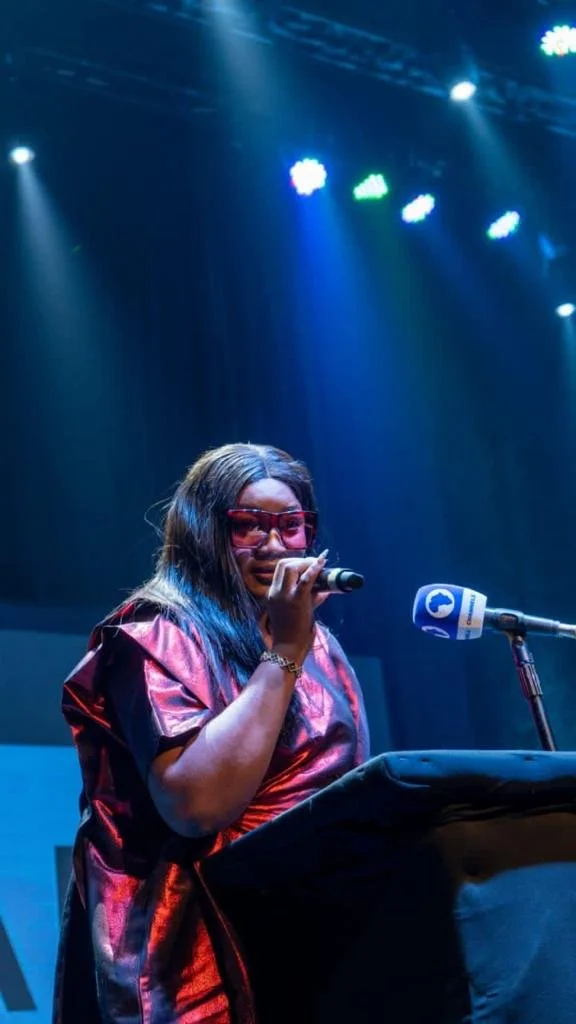
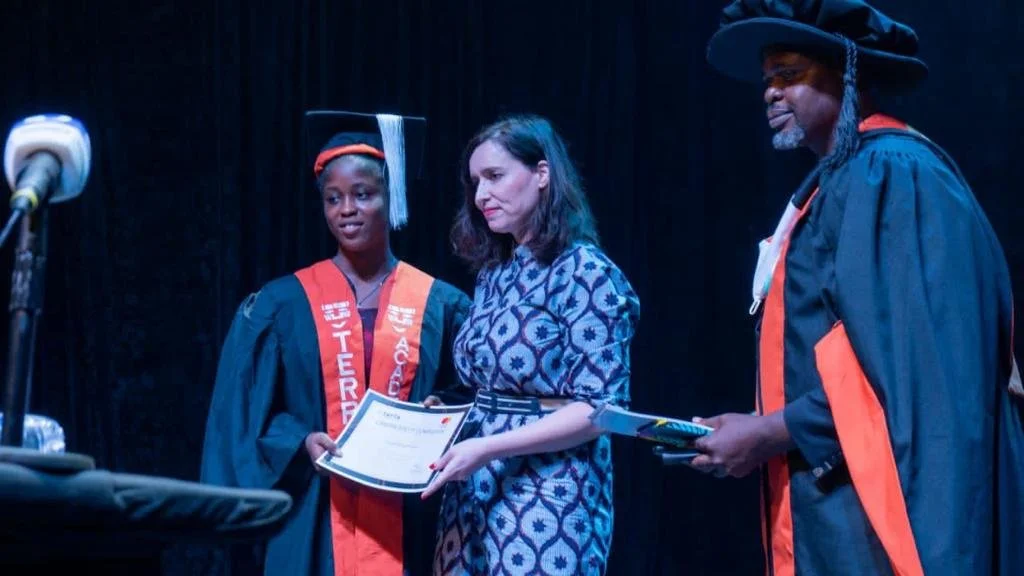
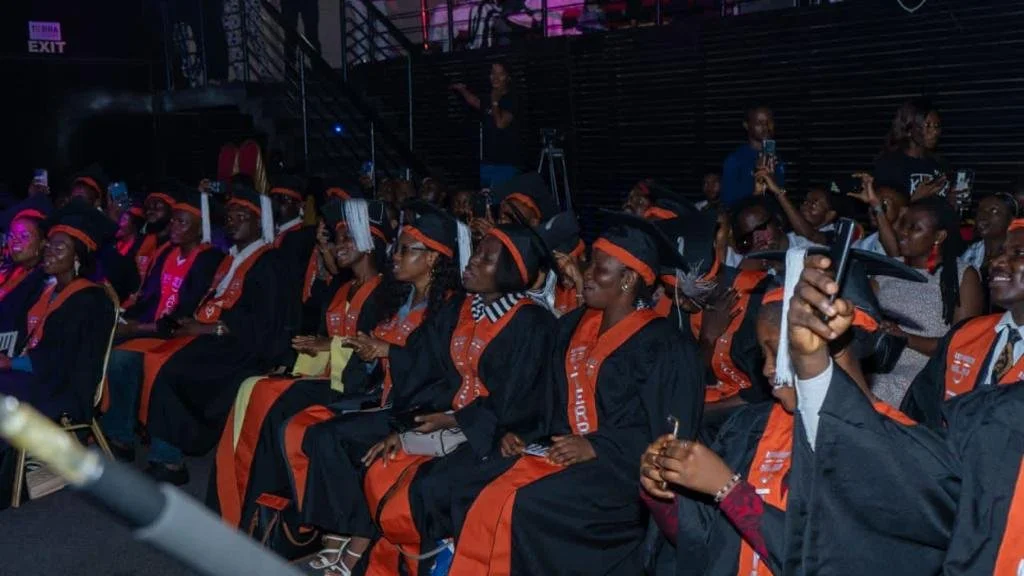
Mastercard Foundation and Terra Kulture Arts & Studio formed a partnership to train Nigerian young talents in the maiden edition of Terra Academy For The Arts (TAFTA). The first set of graduating students of the Academy received virtual and in-person classes in various aspects of production, performance and management of the Arts.
Africa-Related, Lagos
Made possible through a private partnership for the arts.
Mastercard Foundation and Terra Kulture Arts & Studio formed a partnership to train Nigerian young talents in the maiden edition of Terra Academy For The Arts (TAFTA).
The first set of graduating students of the Academy received virtual and in-person classes in various aspects of production, performance and management of the Arts.
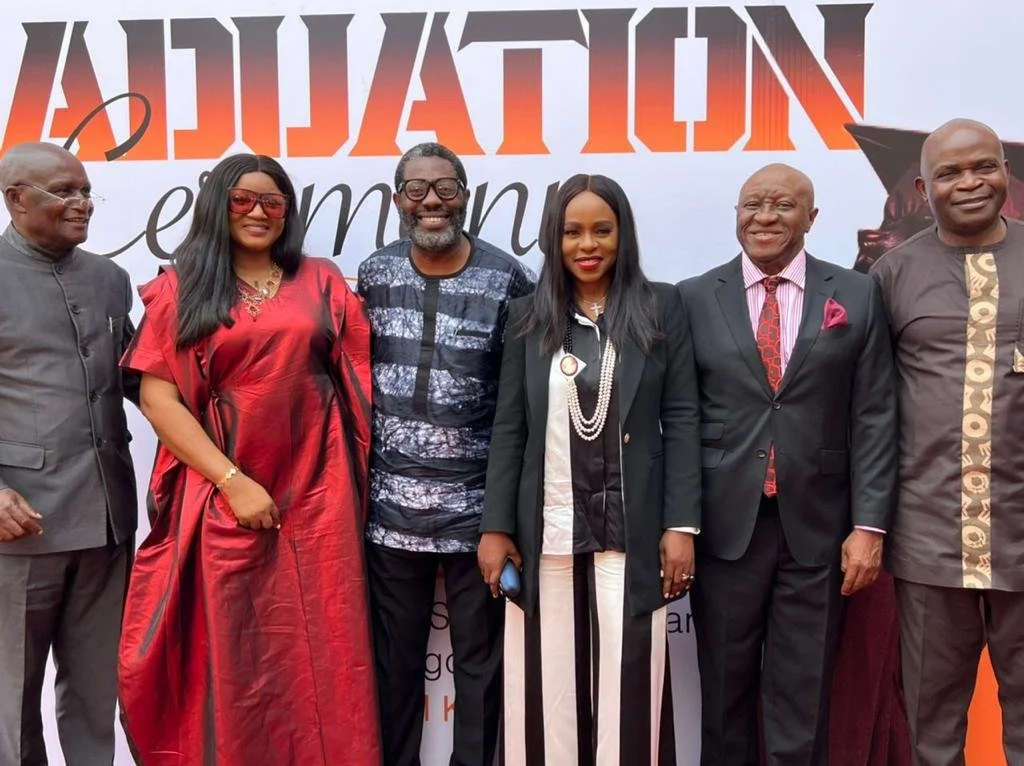
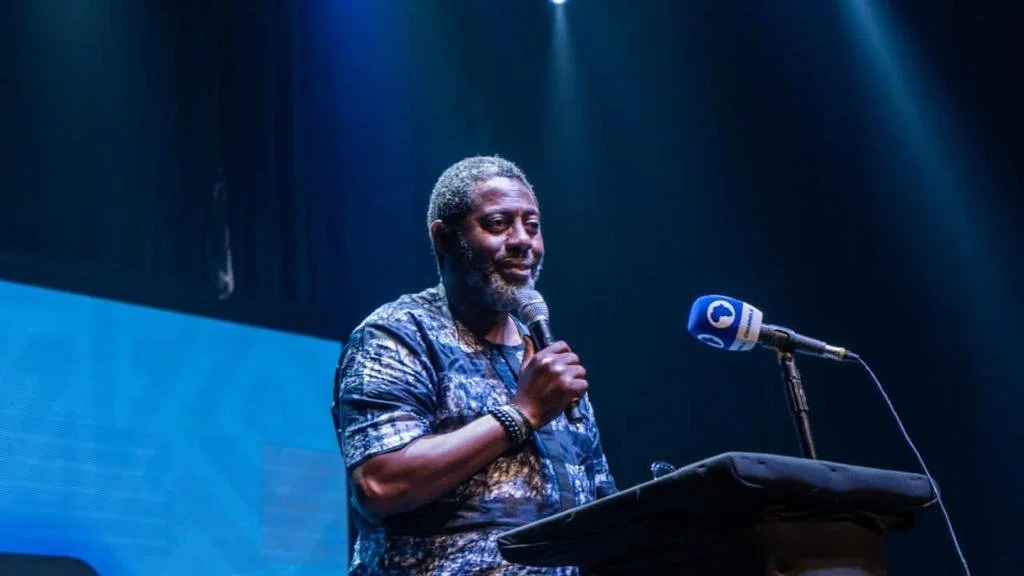
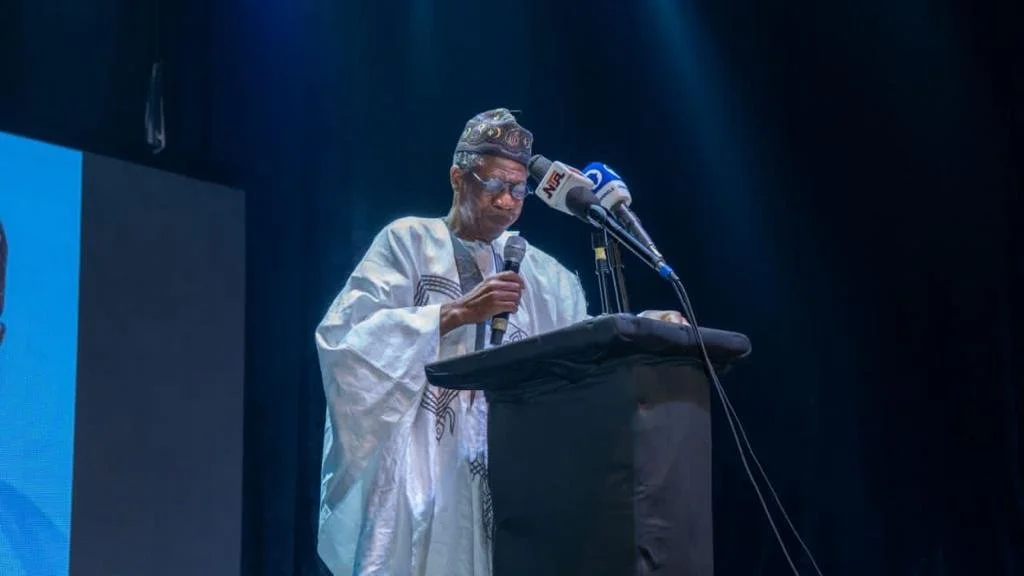
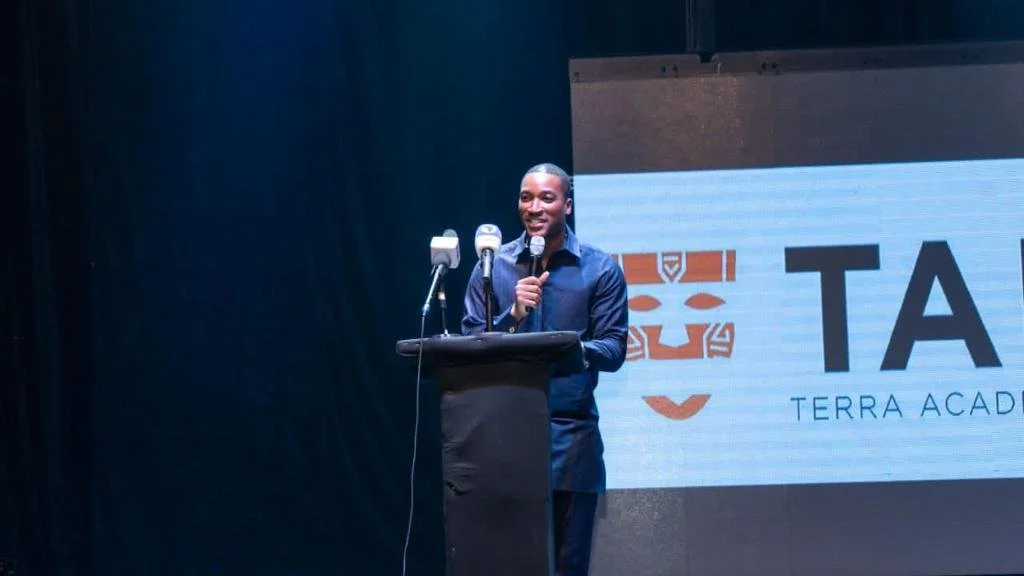
The ceremony held at the Terra Kulture Arena in Lagos, was graced by many dignitaries with encouraging speeches. Academy founder Bolanle Austen-Peters explained the motive behind the Academy and its expansion plans to benefit young people in other parts of Nigeria.
The Terra Academy for the Arts (TAFTA) was founded in 2021 to provide opportunities for underserved youth in the Arts sector.
Photos by Terra Kulture
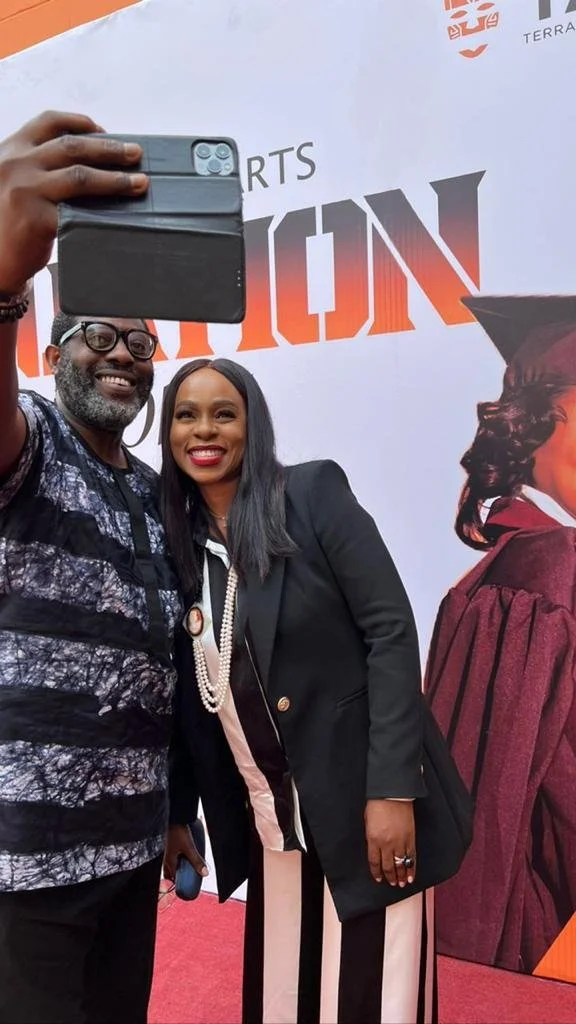
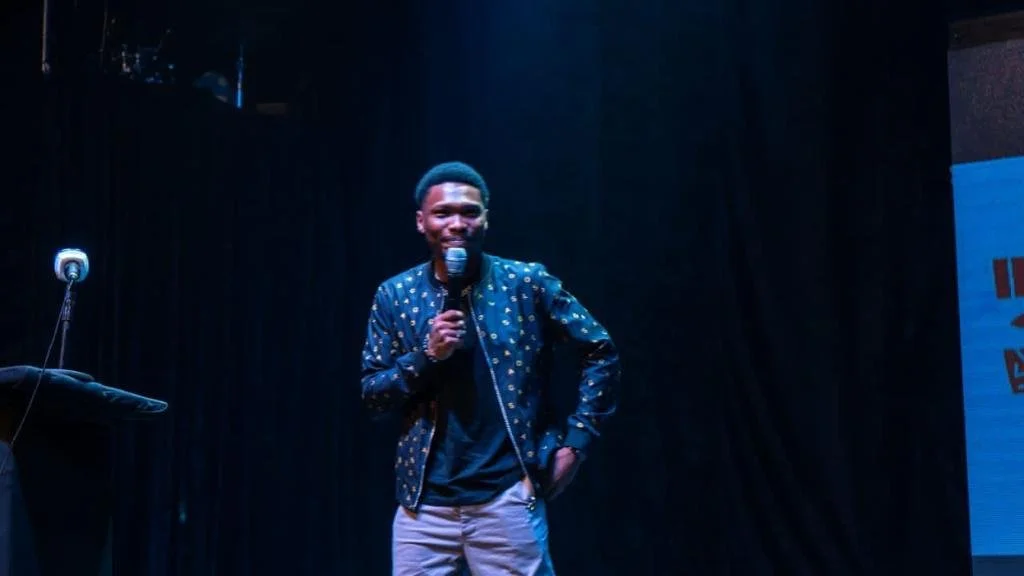
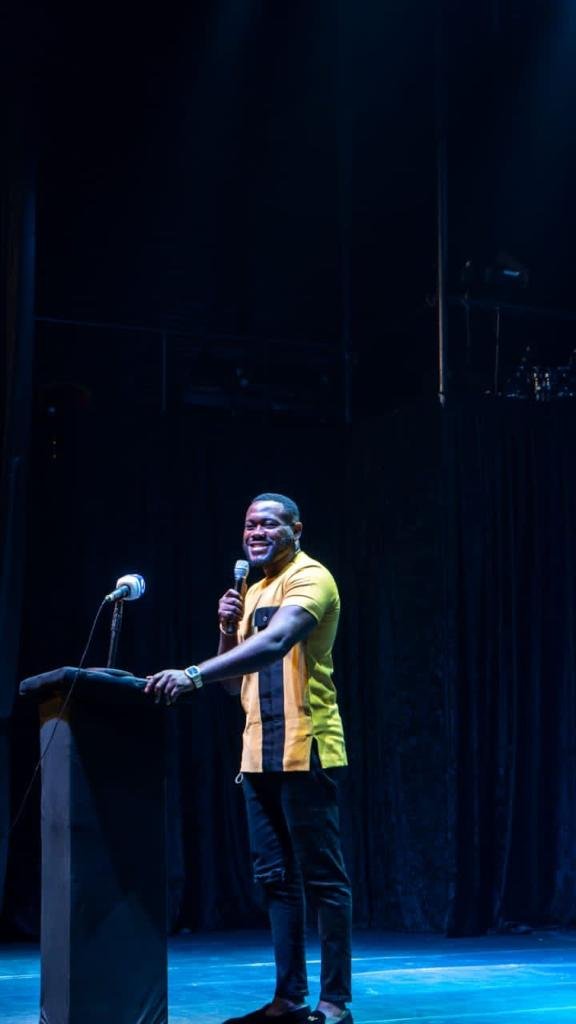
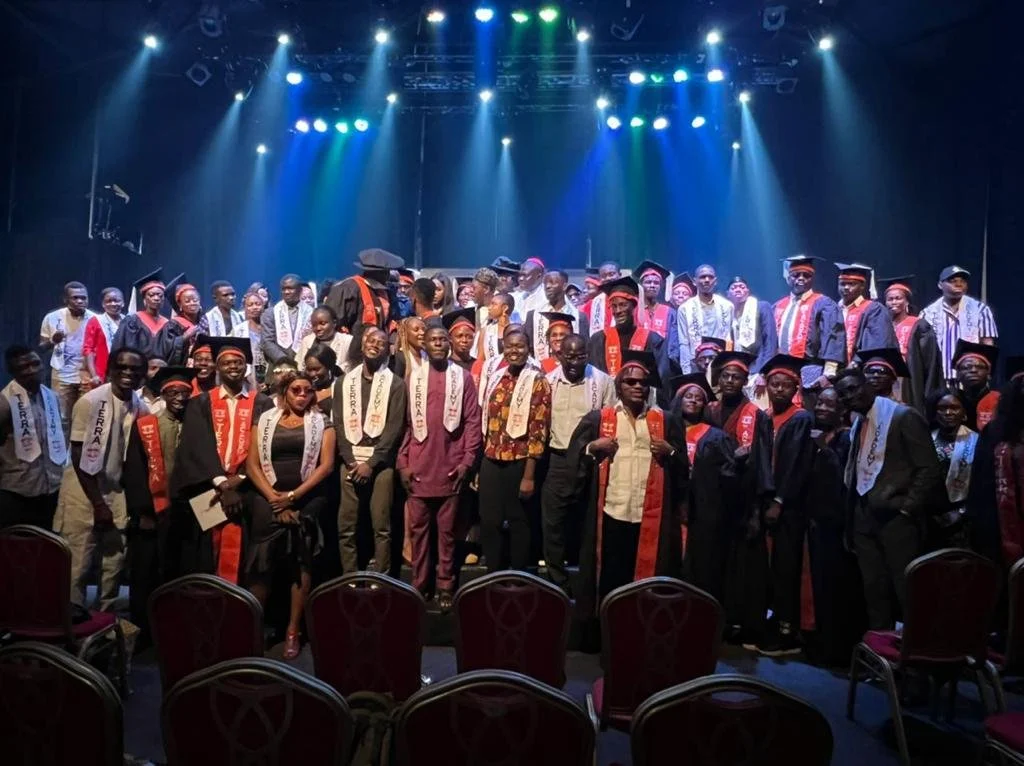

Learn more here
Share this story
ADEDOLAPO GRILLO emerges as winner of the JEHF Playwriting Competition 2022
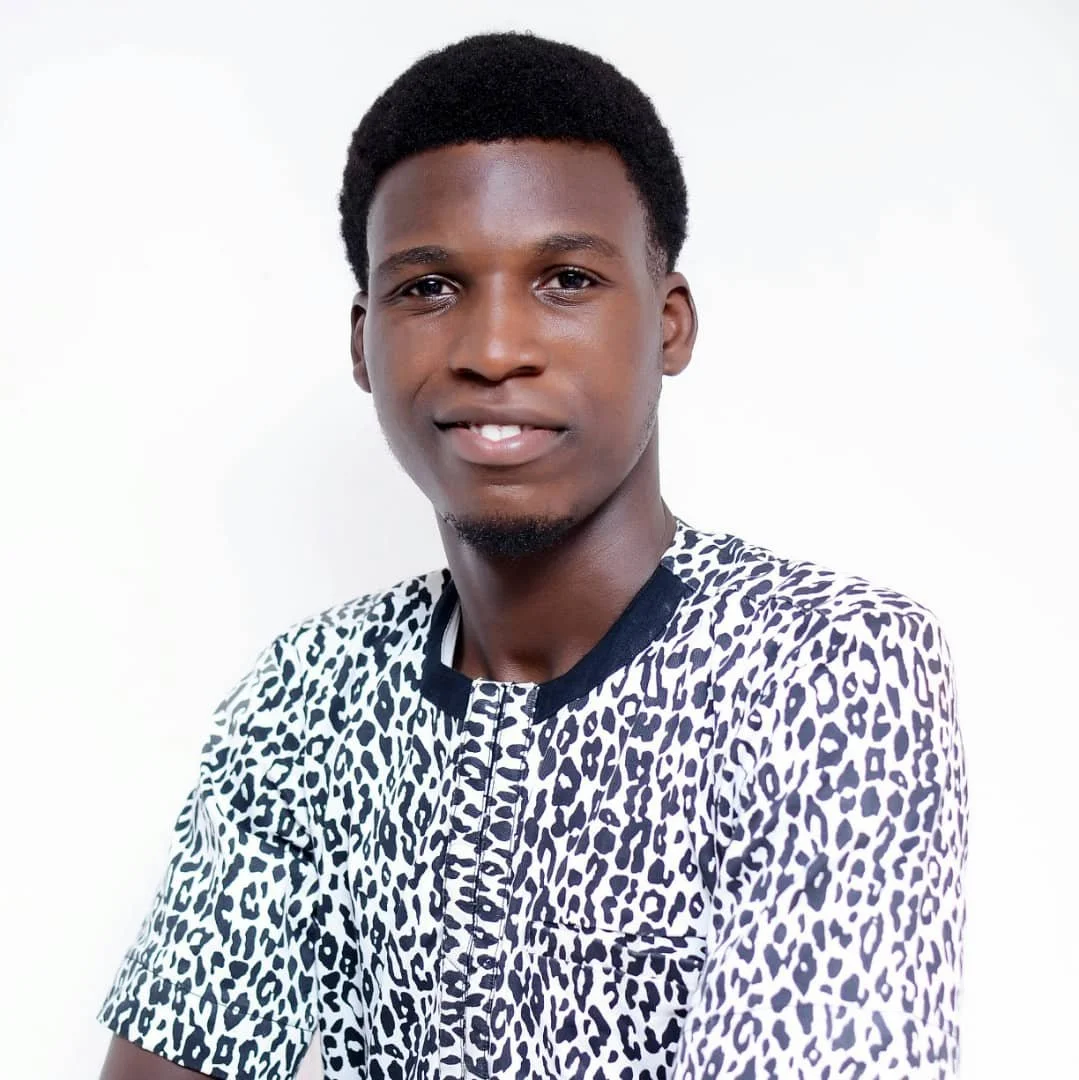
ADEDOLAPO GRILLO emerges as winner of the JEHF Playwriting Competition 2022. His play, A PIPE’S DREAM was announced at the awards ceremony on Sunday, 19 February 2023. Adedolapo is a student of Political Science at Obafemi Awolowo University.
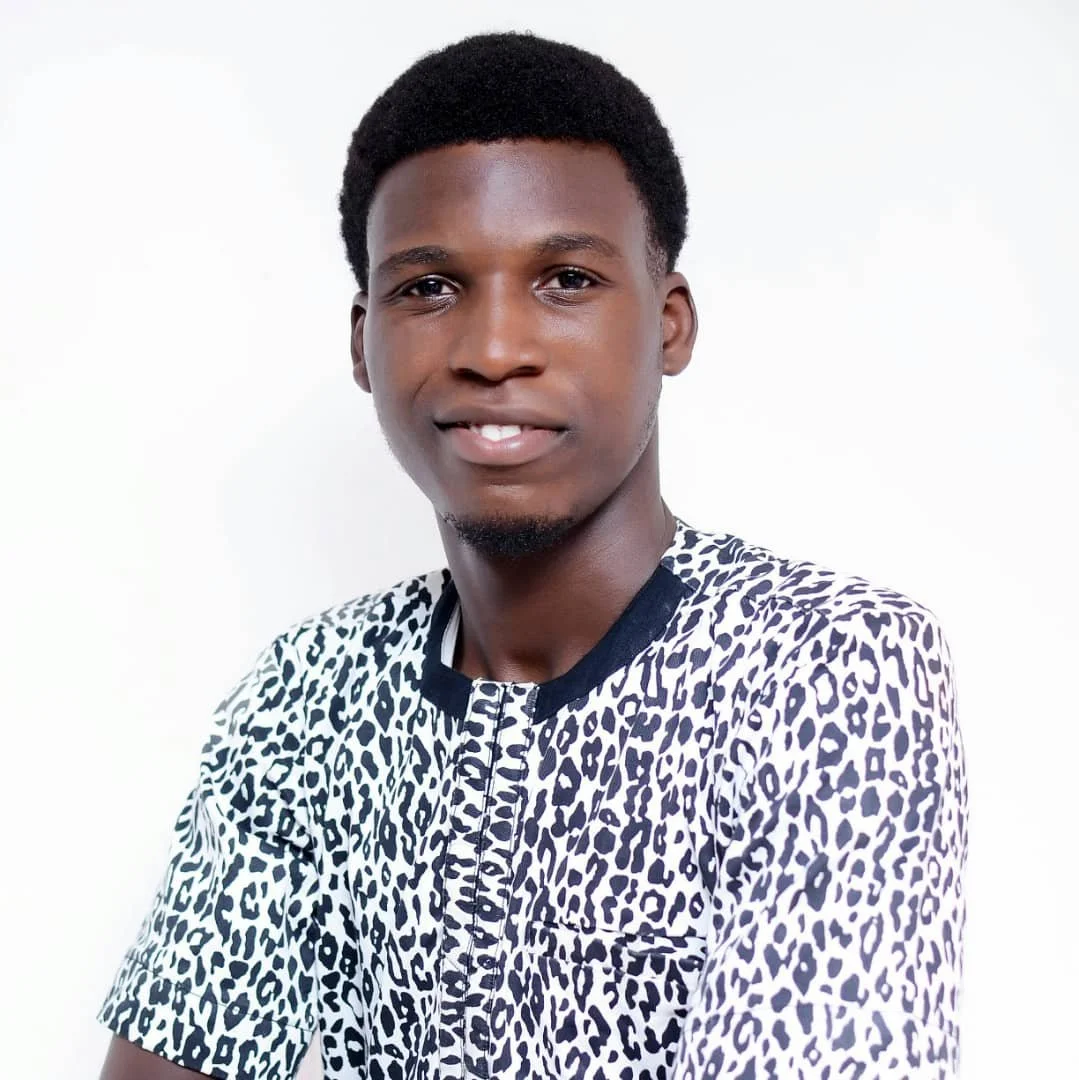
ADEDOLAPO GRILLO emerges as winner of the JEHF Playwriting Competition 2022. His play, A PIPE’S DREAM was announced at the awards ceremony on Sunday, 19 February 2023. Adedolapo is a student of Political Science at Obafemi Awolowo University.
A Pipe’s Dream explores the relationship between activism, politics, and the Nigerian reality. It tells the story of Ishola, a Lagos-based activist, who is desperate for social and political change in the state and how he manoeuvres through the muddy waters of Lagos State politics.
The JEHF Playwriting Competition is an annual mentoring scheme designed to develop the new playwrights of the future. The 2023 is currently running. To join, go to https://jamesenehenshawfoundation.org/competitions/ and download the submission guidelines and application.
Share this story

A TALE OF TWO SUPREME COURTS AND THE DANGER OF SELF-DELEGITIMIZATION
Nigeria’s Supreme Court sparked near universal outrage when it recently awarded senatorial candidacies to two powerful politicians who had not participated in party primary elections. The verdicts simply didn’t make sense to the average citizen who understands that democracy does not mean a non-contestant wins.
Incidentally the Nigerian Supreme Court is not the only one to incur public suspicion and opprobrium.
Emmanuel Ogebe | Washington
“- should Nigeria’s electorate fear their Apex court or vice versa?
”
Nigeria’s Supreme Court sparked near universal outrage when it recently awarded senatorial candidacies to two powerful politicians who had not participated in party primary elections. The verdicts simply didn’t make sense to the average citizen who understands that democracy does not mean a non-contestant wins.
Incidentally the Nigerian Supreme Court is not the only one to incur public suspicion and opprobrium.
Last year, a judgment of the Supreme Court of the United States (SCOTUS) leaked concerning the controversial Roe v Wade abortion issue. It was unheard of for a judgment to leak ahead of delivery and this was a dark stain on the court.
The court eventually gave judgment and reversed Abortion as a constitutional right after 50 years of actually ruling otherwise leading many to speculate as to whether the leaked judgment was meant to subvert this radical multigenerational decision or to test the waters in advance. Whatever the case, the credibility of the court was damaged by this occurrence.
As a legal professional privileged to be licensed in Nigeria for over three decades and in the US for 20 years, I find lots of opportunity for comparative analysis of the two systems.
While I have not read in depth the rationale of the Nigerian Supreme court in the mystifying cases of Senator Akpabio and Senate President Lawan who didn’t contest primaries but won, the sum total of what appears to have happened in the eyes of an ordinary man is that 0+0=1.
So I decided to wait and see what the Supreme Court would do in another case this week. The facts were that a lady won the House of Reps PDP primary in my constituency while still serving as a federal government employee in Abuja contrary to existing law. The incumbent house of Reps member Ottah Francis Agbo challenged this and the court of appeal recently voided her candidacy and pronounced him the legitimate winner as he indeed contested and was next in line.
However yesterday in another bombshell ruling that makes no sense to a rational person, the Supreme Court declared the woman, Aida Ogwuche, the candidate claiming she was on “secondment” so that was similar to resignation. Secondment is redeployment to another agency. It has never meant resignation!
Upon seeing this third travesty in as many weeks, I have to come to the incontrovertible conclusion that the Supreme Court of Nigeria is losing its way. The kind of judicial reasoning that perverts the very express text and intent of the law is one that the ordinary man can only view as compromised and this has grave consequences.
In the US, homes of justices were picketed and quick action was taken to protect them. Senators mulled impeaching Justices they’d confirmed who said during confirmation hearings that constitutional abortion rights was “settled law” of the land but then overturned it.
I support neither action because I believe it is improper for justices to be personally attacked for opinions rendered in their professional capacity and I also believe that a judge cannot guarantee how he will rule on a hypothetical premise especially before a partisan panel.
In Nigeria, justices are not picketed in their homes and no threats have been made to remove them (except for the Buhari regime’s brazen assault on select justices). Nigeria has a National Judicial Council that handles complaints and discipline. I have generally found that Nigeria has a stricter code of conduct for judges than America where justices are openly partisan and have lax controls.
But despite the justices having no repercussions in the US, the party that appointed them with a declared agenda of overturning Roe v Wade suffered the wrath of citizens when the Republican Party failed to obtain a predicted victory in midterm elections that have historically been a landslide for the opposition party. Most analysts believe that the Supreme Court’s decision overturning abortion rights resulted in mass voter turnout that punished many Republican candidates.
Although Nigerian judicial appointments are not partisan like the US, there is still something problematic with the appointments process which I have written about for over a dozen years. In Nigeria, Senate President Lawan’s case came before a Supreme Court some of whose members were confirmed by his senate. That gave him a larger than life stature compared to his unknown and less influential opponent.
That is not to say that the Supreme Court is intimidated by Senate Presidents. Senate President Saraki lost initially in the Onnoghen-led Supreme Court, as Buhari attempted to unseat him, but ultimately won when the matter came back again on appeal to the Supreme court.
What is worrisome in the Akpabio, Lawan and Aida Ogwuche v Ottah Agbo case is that all three were linked to influential senators as Ms Ogwuche is the mentee of Senator Abba Umoru who succeeded Senate President Mark in Benue’s Zone C.
What this clearly warns is firstly that we need a constitutional amendment that insulates justices from senate confirmation and executive appointment as Nigerian elections invariably end up in court thus forcing this ethical dilemma. I believe the NJC when properly constituted in concatenation with the bar can create a professional mechanism for judicial appointments.
Secondly, and even more disturbing is the prospect that we now live in a post-Tanko Supreme Court. The Tanko Supreme Court was the first in Nigeria installed by coup. It occured in January, four years ago, to brazenly pave the way for 2019 election mischief which it did superbly. For the first time in Nigeria’s history, the Supreme Court upheld Buhari’s re-election on the spot and promised to give reasons later. It was an ignoble “judgment on credit” for which a nation of 200 million were owed an explanation on why their votes didn’t matter enough to warrant a considered opinion from their Supreme Court!
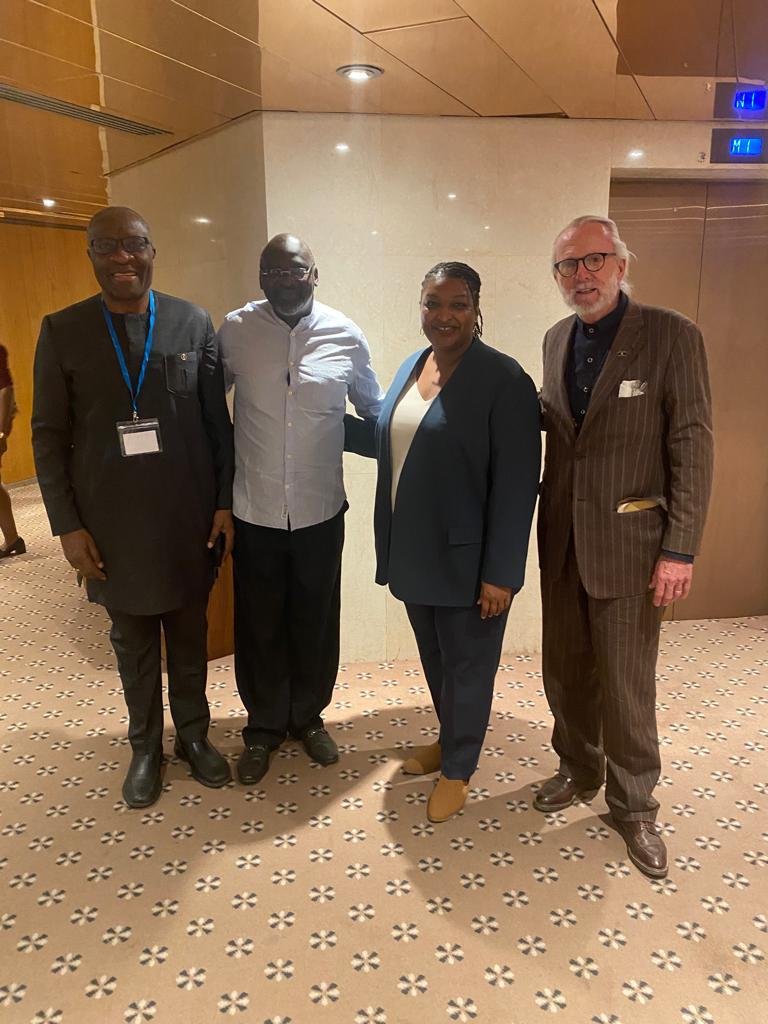
International human rights lawyer Emmanuel Ogebe with Stacey Abrams two-time Georgia state Gubernatorial aspirant and US Observer mission delegate to Nigeria 2023 elections
The removal of Tanko via supposed “resignation” after an unprecedented mutiny by his fellow justices over his disastrous maladministration of the judiciary’s affairs was what I called in an article then, an “end of an error.”
However I wondered how the Buhari regime was going to wangle 2023 elections without a willing northern stooge like they had done before.
The trifecta of inexplicable judgements for Akpabio, Lawan and Ogwuche seem to say that something has been worked out.
To be fair, the first two cases were APC cases and the Ogwuche case was PDP. However the common denominator was that powerful Senators were involved in all three cases. But then Senators of both parties participate in judicial confirmations which I argue conflicts with the separation of powers doctrine.
It would appear that the truism relates here that you can take the Court out of Tanko’s hands but you can’t take Tanko’s fingerprints off the court.
The damage we feared has indeed happened that the court hasn’t recovered from the trauma of political interference and usurpation by Buhari. Tanko never faced justice for his acts but was eased out reportedly due to ill health and incompetence (even corruption) but he had achieved his 2019 election agenda. This is a frightening scenario going into 2023 elections.
The ruling party APC may well suffer consequences from the electorate in this week’s elections for the Supreme Court’s bizarre judgments like the Republicans did in November’s elections but will the court again frustrate the will of the people?
All said and done, one consequence is clear - palpable loss of institutional credibility. In the US, the SCOTUS investigated and failed to determine the source of the leak further worsening its public perception. The watchman could not watch himself…
In Nigeria, the Supreme Court temporarily extended the use of old Naira notes in a move which would have been populist considering the hardships of the populace. However Buhari has defied the court’s order and even the public views it with suspicion because they doubt its altruistic and juristic intent. At the end of the day, the court’s order has been universally flouted.
The real danger now is with the combination of fiscal and financial torture inflicted on Nigerians as Buhari’s parting gift, should any more funny judgments attempt to thwart or suppress the electorally expressed voice of the people in a historic election, Nigerians’ famed endurance may lose its elasticity with casualties for the court and country.
"Will this institution survive the stench that this creates in the public perception that the Constitution and its reading are just political acts?..If people actually believe it's all political, how will we survive? How will the court survive?" This was Justice Sotomayor’s strident query in a case known as Dobbs v. Jackson Women's Health Organization in 2021 but it could very well have been said in the context of Nigeria’s Supreme Court today.
The Supreme Court is viewed more as a policy court than a law court or a justice court. Sadly it risks being now seen as a gamble court - one where parties roll the dice (or load the dice) and wish for luck not law. This ought not to be. Citizens must have confidence that the nation, constitution and citizenry win and the best efforts are made to achieve substantial or proximate justice at the apex court. It is after all, the Supreme Court of Nigeria and not the Supreme Court of the Influential.
I conclude with the issue of personal diplomatic sanctions against justices which is a question I have in recent times been asked by journalists.
Full disclosure, in 2019 I advocated visa sanctions on Justice Tanko Muhammad Chief Justice of Buhari (CJB) but it wasn’t for any rulings he gave in court. It was for his complicity and conspiracy to unconstitutionally overthrow a sitting Chief Justice of Nigeria and takeover his position.
While aware that some of the bad actors in the polity had incurred US visa sanctions, I recently gathered that this may have been extended to the judiciary as well.
I am concerned because this may be tantamount to punishing a judicial officer without fair hearing for an opinion expressed in his judicial function which the US embassy lacks the sophistication and nuance to properly discern.
For instance I saw a leaked Wikileaks US embassy Abuja cable which erroneously claimed I took a former AGF to my dad’s chambers (it was my classmate and state governor not the AGF). The Political Counsellor also falsely claimed that Nigerian law “sequesters” judges from meetings in chambers which is untrue. Thus the American embassy’s cable was wrong in fact and in law.
Given the room for error and potential injustice as illustrated above, I recommend that the US and like-minded embassies impose visa restrictions strictly on the basis of proven allegations of corrupt influence or reckless endangerment by judicial officers.
Secondly I would urge that such judges be given an opportunity during a visa interview or in writing to address these concerns about “anti-democratic” actions.
While it appears somewhat intrusive into internal affairs to query a judge about his judgments, visas are the exclusive preserve of the issuing country under international law and one prefers a chance where a judge can address questions than be sanctioned without that courtesy.
Incidentally, it isn’t only America diplomatically interfering with other countries.
Nigeria’s ambassador in Washington once denied former U.S. ambassador to Nigeria, John Campbell’s visa application because of the latter’s book about Nigeria and utterances.
Subsequently, his successor charge d’ affairs went even further asking the Buhari regime to revoke my Nigerian passport to punish and prevent me from testifying in the U.S. Congress about human rights atrocities in Nigeria.
He apparently briefed Buhari that I was the son of a justice who denied his 2007 election appeal and needed to be dealt with. I have since sued them in court for this very unconstitutional act.
The end to this comedy of errors was that this charge d’ affairs was then succeeded by a retired appeal court Justice as a reward for ruling in Buhari’s favor thus illustrating once more how obscene favoritism can be. The judge-turned-ambassador eventually died in office instead of peacefully at home.
So all told, it will ultimately vest in Nigerians how best to handle a derailed Supreme Court which instead of a court of law has become a court of luck.
- Emmanuel Ogebe is a Washington-based international human rights lawyer and expert on the Nigerian judiciary
Share this story
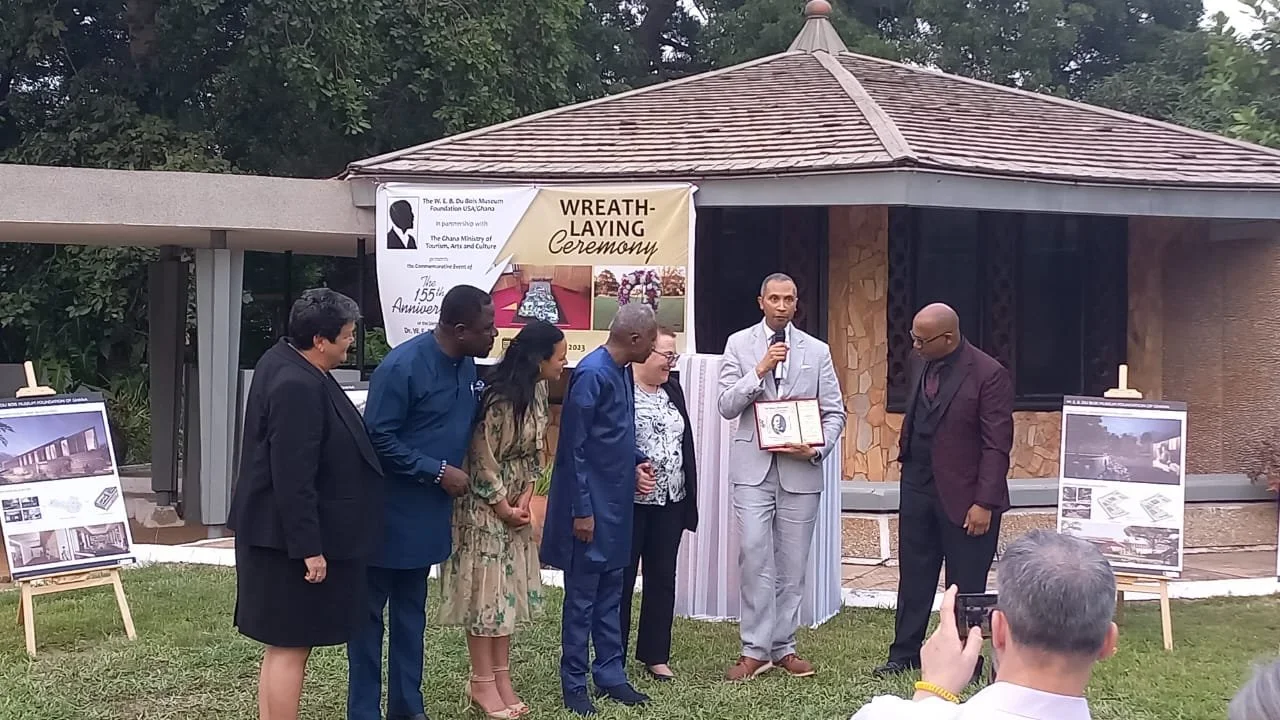
Wreath Laying in Accra Ghana to Mark 155th Anniversary of The Birth of W.E.B DuBois
Images from the Wreath Laying Ceremony on the 155th Anniversary of the late Civil Rights leader, scholar, historian WEB DuBOIS.
Civil Rights Activist, Scholar, Historian and Visionary
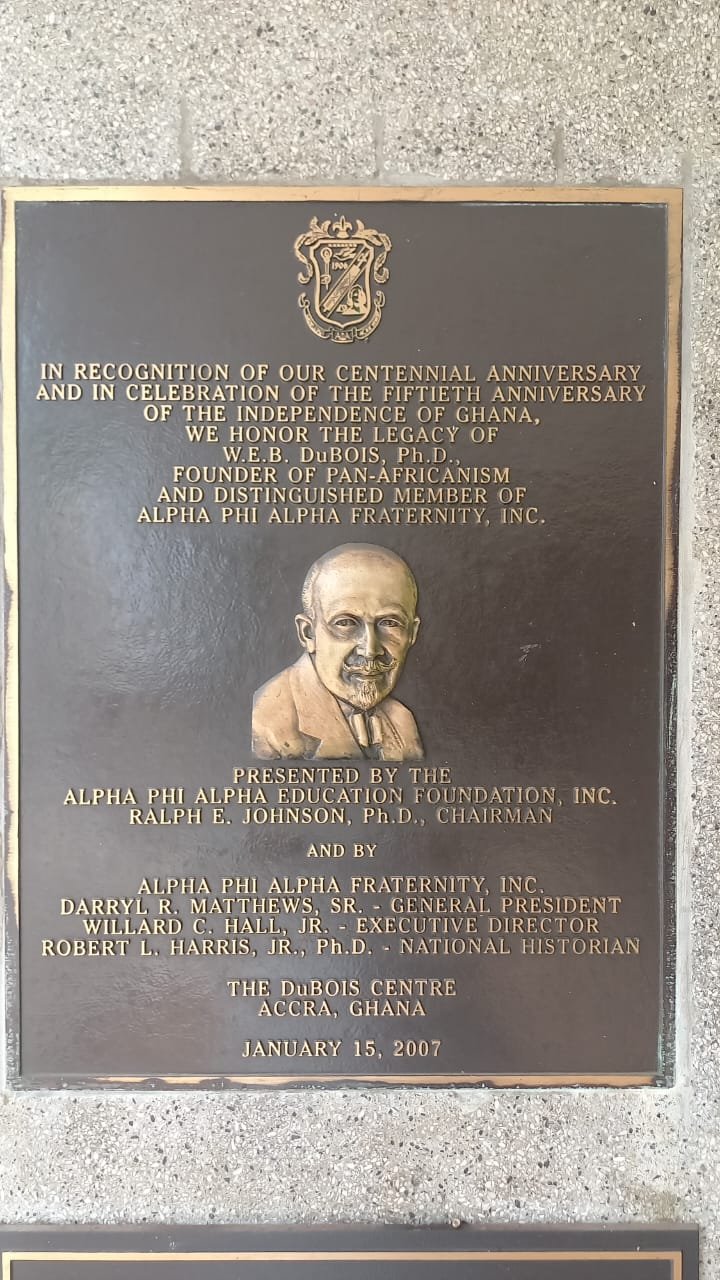
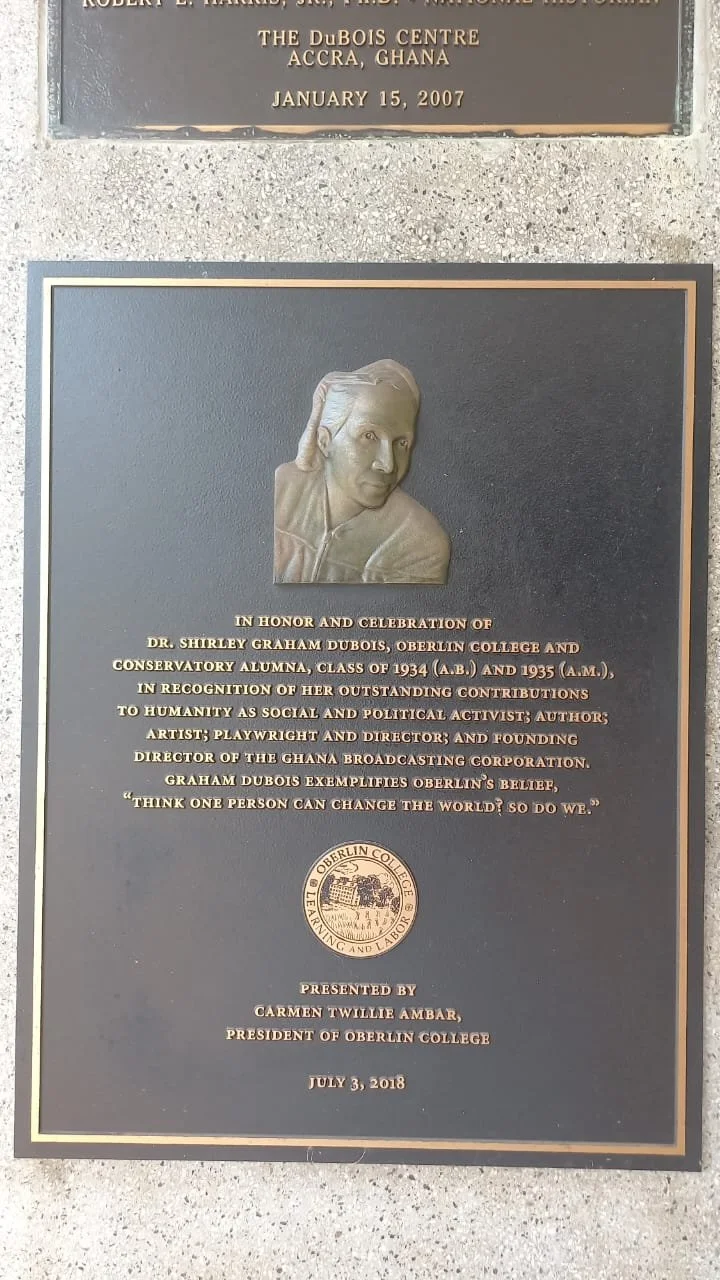
Wreath laying on the 155th anniversary of the birth of W.E.B DuBois at the DuBois Centre for Pan African Studies, Accra Ghana
Video Highlights: Traditional dancers and other dignitaries join Japhet Aryiku, Executive Director of the WEBDB Museum Foundation and Virginia Palma, the U. S Ambassador to Ghana in the cerwmony.
Images & Video by Beatrice ‘Bee’ Arthur/Africa-Related
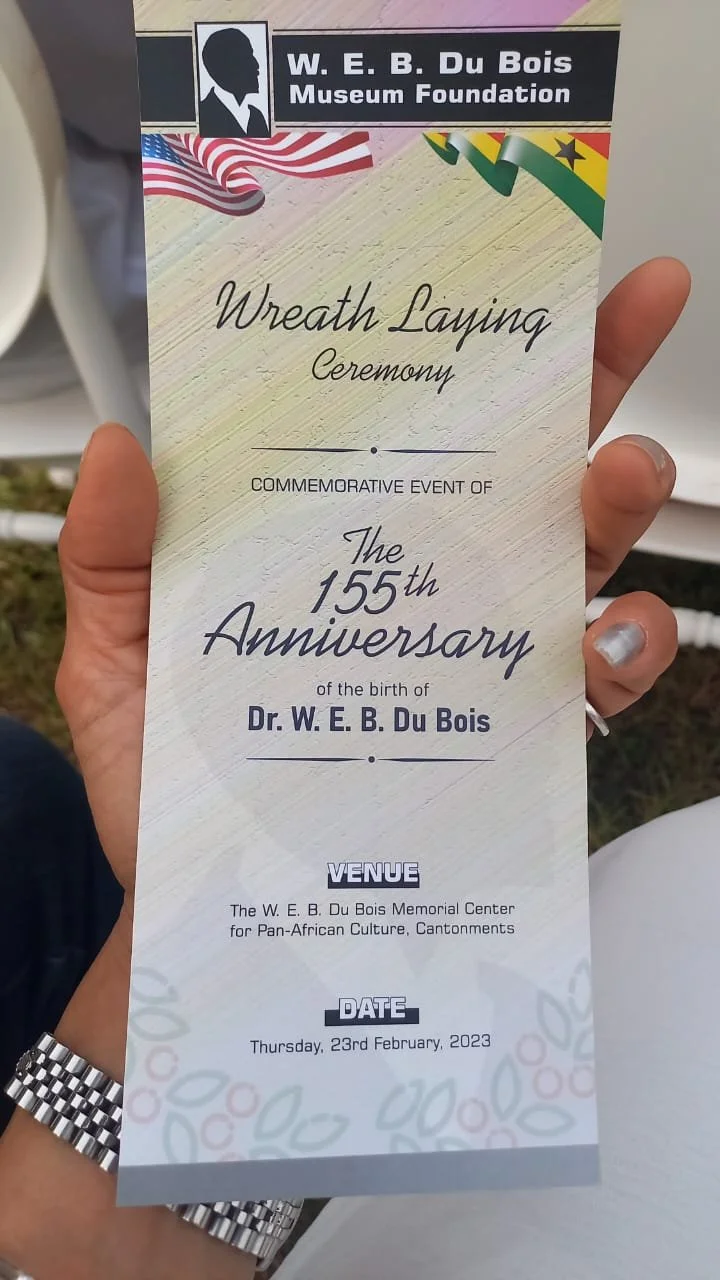
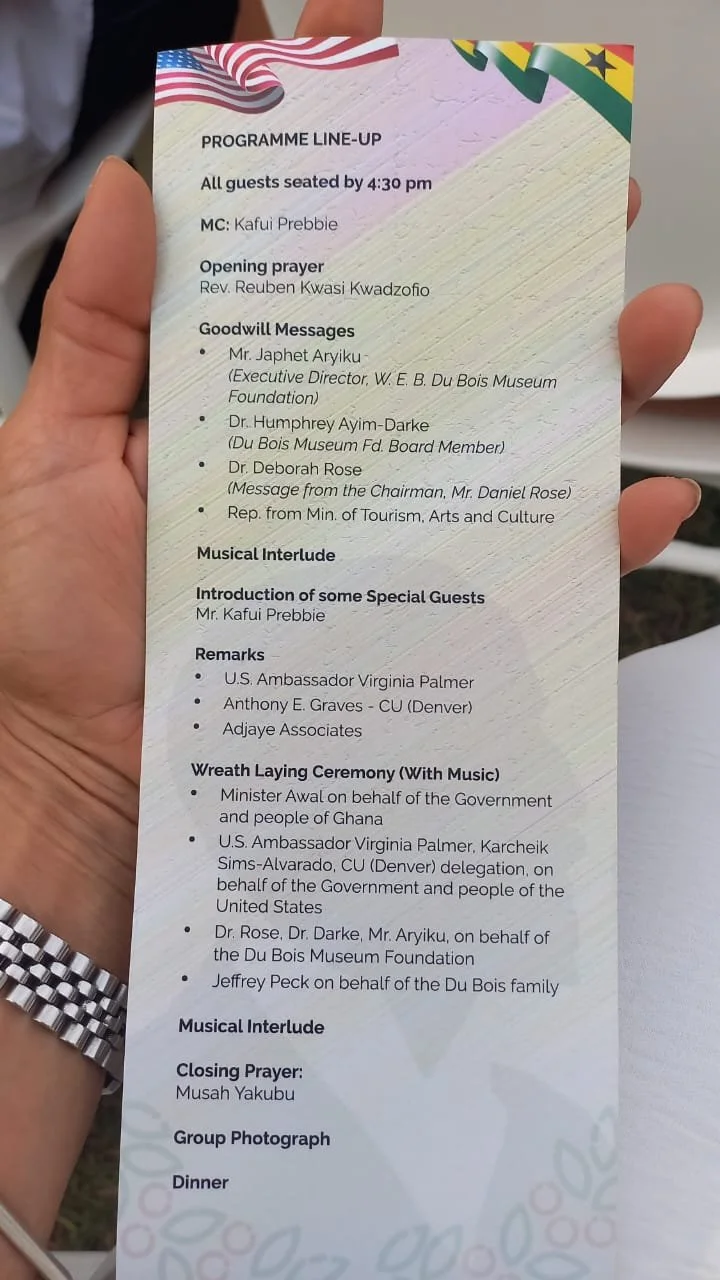
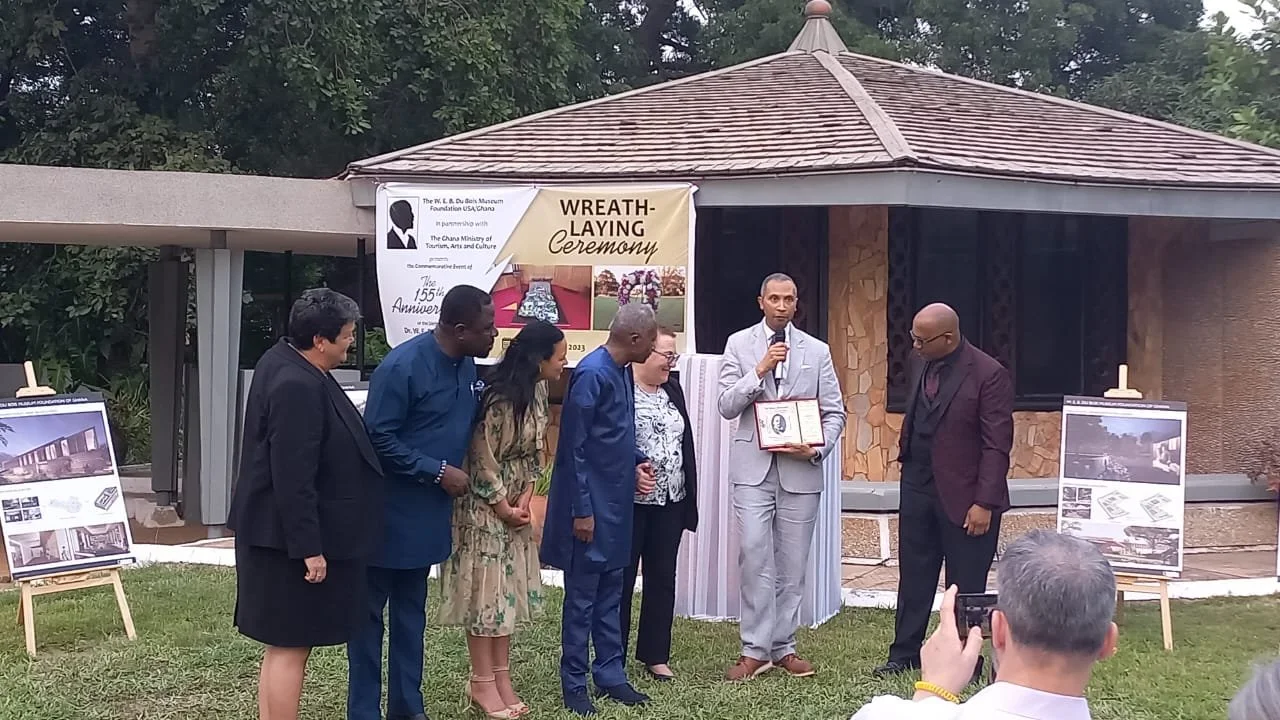
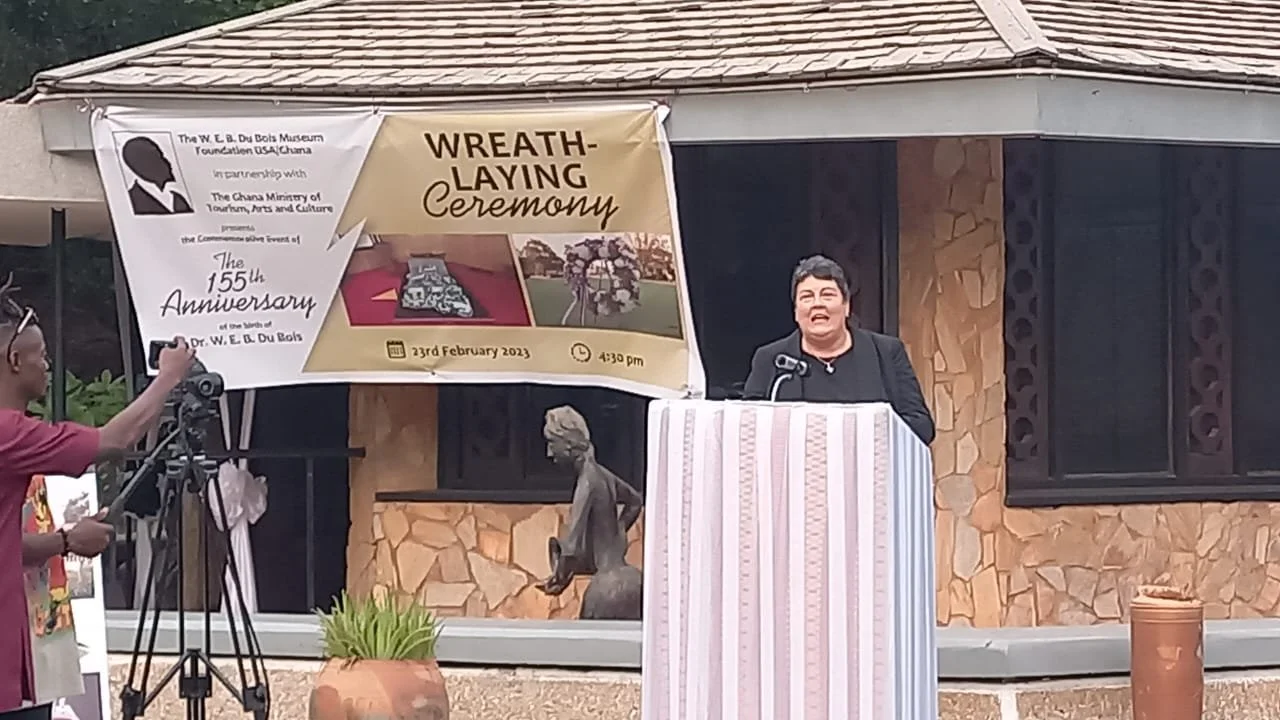
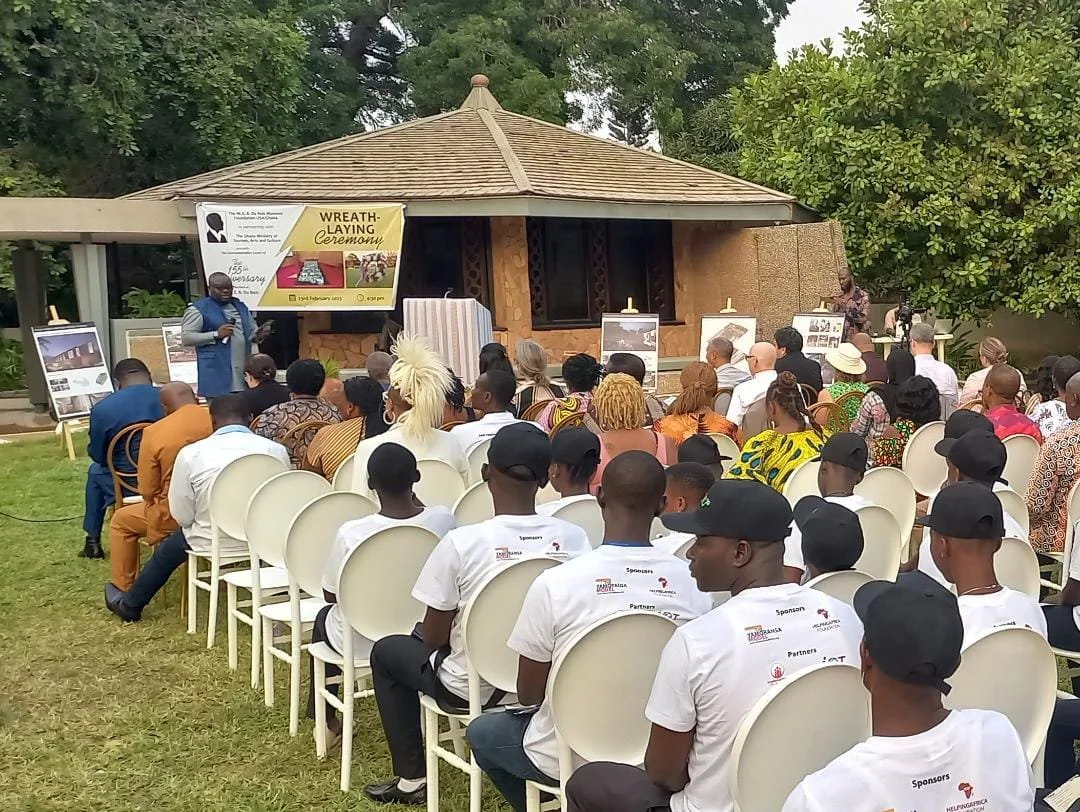
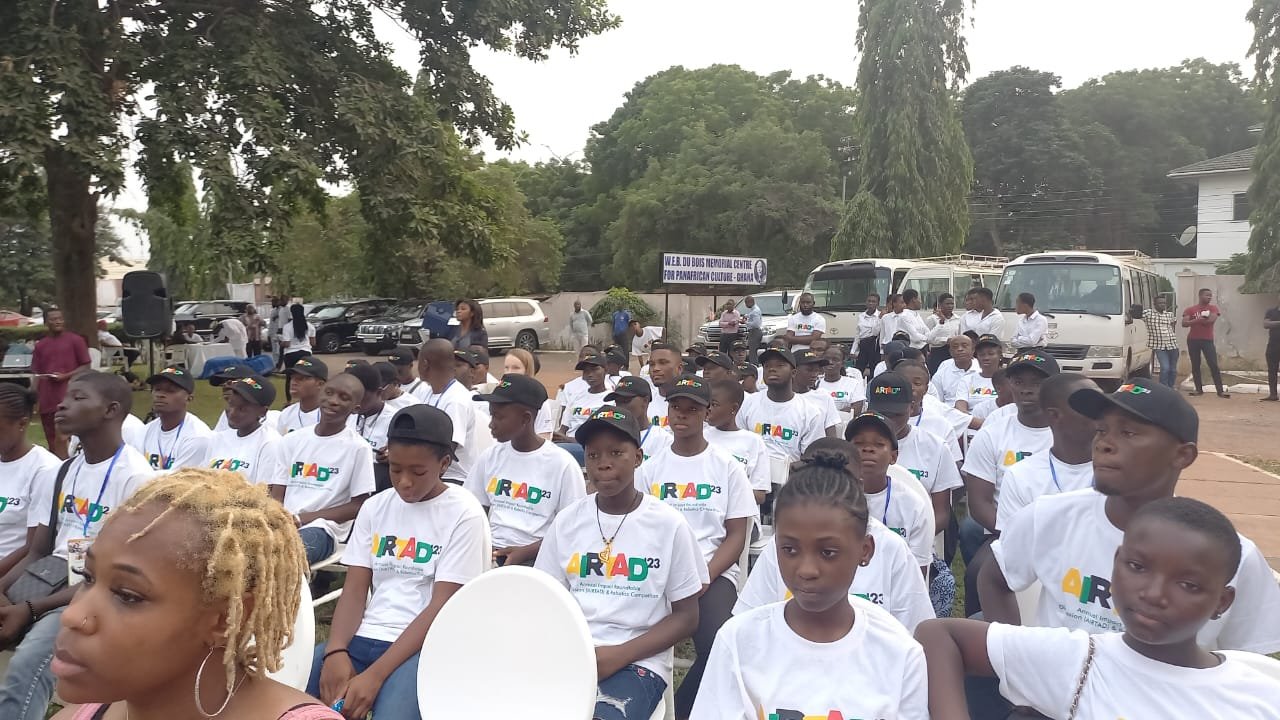
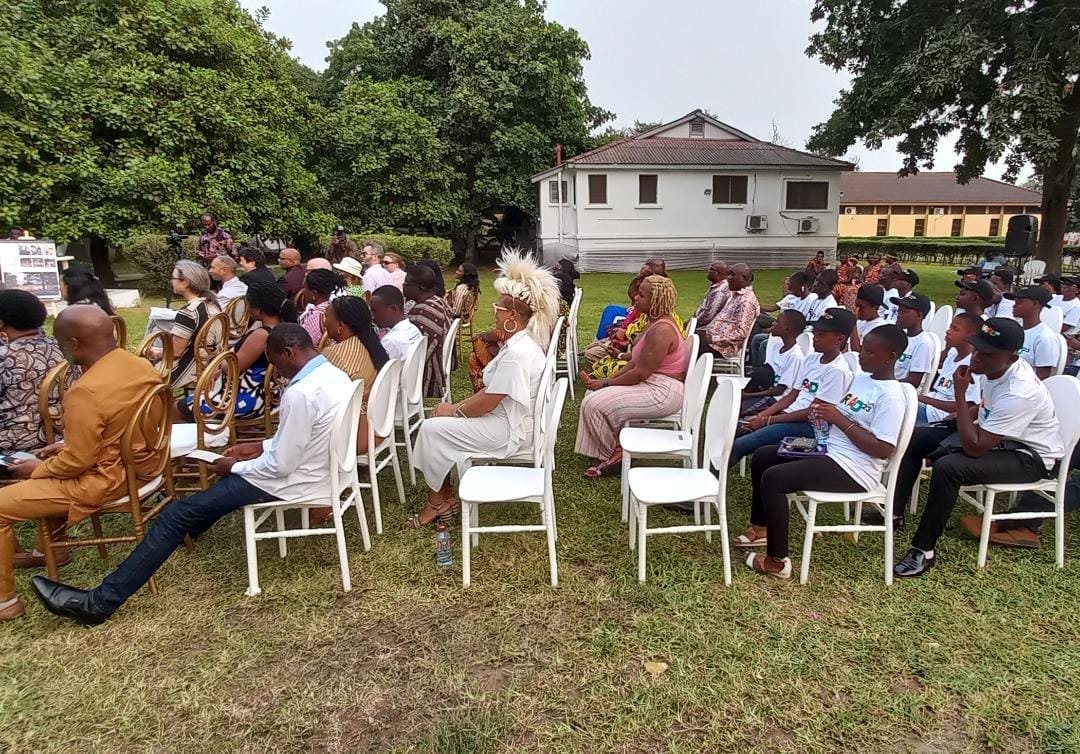
A Wreath Laying Ceremony was held in honour of the scholar, historian and pan-Africanist, who died in Ghana.
The date 23.02.2023 is very significant. It marked the 155th anniversary of the late Civil Rights leader W. E. B Du Bois.
According to the website, ‘The Centre is a complex of four major buildings which include the home where Dr. DuBois spent his last years, an Administrative building, the Marcus Garvey Guest House (simple rooms from $40 / Bed & Breakfast) and the tomb of Dr. DuBois and his dear wife Shirley Graham DuBois'.
In his own words: Autobiography of W.E.B DuBois
Visit the Centre and learn more about W.E.B DuBois, and his remarkable contributions to the pan-African and human struggle. Follow @duboiscentreghana1 to learn how you can contribute to the great pan-Africanist’s legacy.
Share this story
FACT SHEET: U.S. Assistance to Emergency Earthquake Response Efforts in Türkiye and Syria
The Secretary announced today that President Biden intends to authorize $50 million in Emergency Refugee and Migration Assistance Funds (ERMA) in response to the unprecedented and devastating earthquake in Türkiye and Syria.
U.S. DEPARTMENT OF STATE
Office of the Spokesperson
FACT SHEET
February 19, 2023
U.S. Assistance to Emergency Earthquake Response Efforts in Türkiye and Syria
The February 6 earthquakes that struck southeastern Türkiye and northern Syria have devastated millions of people. Within hours of the first quake, the United States, at the direction of President Biden, quickly mobilized federal agencies and partners to urgently provide life-saving assistance in close coordination with our NATO Ally Türkiye and partner organizations in Syria.
The Secretary announced today that President Biden intends to authorize $50 million in Emergency Refugee and Migration Assistance Funds (ERMA) in response to the unprecedented and devastating earthquake in Türkiye and Syria. In addition, the United States is providing $50 million in humanitarian assistance through the State Department and USAID. This brings total U.S. humanitarian assistance to support the earthquake response in Türkiye and Syria to $185 million to date.
The United States also welcomes the February 16 UN Flash Appeal for earthquake-related assistance in Türkiye and the February 14 UN Flash Appeal for earthquake-related assistance in Syria. USAID’s Disaster Assistance and Response Team, which includes experienced emergency managers, construction riggers, hazardous materials technicians, licensed engineers and emergency medicine physicians, logisticians, paramedics, planners, search-and-rescue specialists, and search-and-rescue dogs with handlers, is assisting in southern Türkiye.
Our most highly trained Urban Search and Rescue Teams, with more than 200 members and 170,000 pounds of specialized equipment, conducted operations in support of Turkish rescue efforts in Adiyaman, one of the hardest hit areas. In Syria, the White Helmets, our local partners, have rescued more than 2,900 survivors from the rubble, and U.S.-supported Syrian medics have been treating survivors in Idlib, Aleppo, and other affected areas.
U.S. military helicopters are conducting airlift operations from Incirlik Airbase, transporting rescue personnel to sites where they are needed most. Additionally, the U.S. Navy has repositioned naval vessels to the Eastern Mediterranean Sea to provide logistics, medical, and rotary air lift support as necessary to support the needs identified by the Turkish government. U.S. military aircraft have also airlifted approximately 18 metric tons of critical relief supplies from Adana’s Incirlik airfield to local Turkish government authorities for distribution to earthquake-affected populations.
The State Department and USAID are working through UN agencies and NGOs to provide emergency assistance in Türkiye and Syria, including hot meals, water, medical care and supplies; non-food items such as blankets, clothes, and hygiene kits, temporary shelter, and structural engineers; and essential mental health and psychosocial support – especially to affected children and to other vulnerable individuals.
Additionally, U.S. NGOs are providing valuable assistance, and the U.S. private sector has already donated more than $66 million to support the relief and recovery efforts.
U.S. officials have remained in regular coordination with Turkish counterparts and UN leadership on how we can best support their efforts. This includes calls between President Biden and President Erdogan, Secretary Blinken and Foreign Minister Çavuşoğlu and UN Secretary General Guterres, and Secretary Austin and Defense Minister Akar to relay our offers of assistance and discuss how the United States can continue to assist during this crisis.
The United States is committed to expanding humanitarian access to all affected areas of Syria. In that regard, we are grateful to the Government of Türkiye for facilitating the UN’s renewed access to the Bab al-Salama crossing so aid can flow into northwest Syria, and we are supporting efforts at the UN to sustainably keep open additional crossing points for UN assistance between Türkiye and Syria.
To underscore that U.S. sanctions will not prevent or inhibit providing humanitarian assistance in Syria, the Department of the Treasury issued a broad General License to provide additional authorizations for disaster relief assistance to the Syrian people.
The United States is proud to join the global effort to help Türkiye, a valued and longstanding friend, partner, and NATO Ally, just as Türkiye has so often contributed its own humanitarian rescue experts to so many other countries in the past. In both Türkiye and Syria, the United States will remain committed to doing whatever it takes, for as long as it takes, to provide necessary assistance to those affected by these earthquakes. The United States will continue to support the people of Türkiye and Syria, and we welcome and encourage support from our international partners in this time of great need.
Share this story
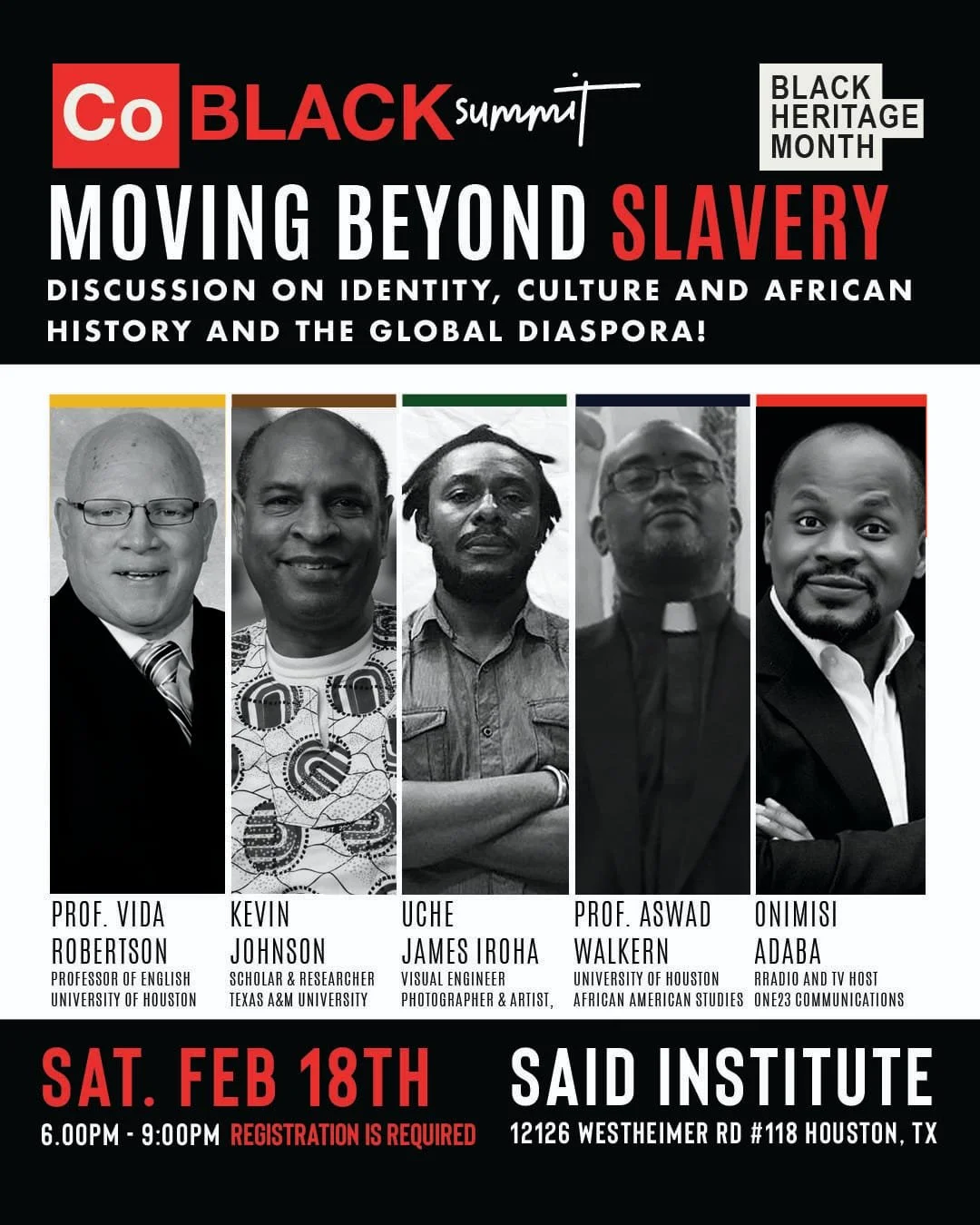
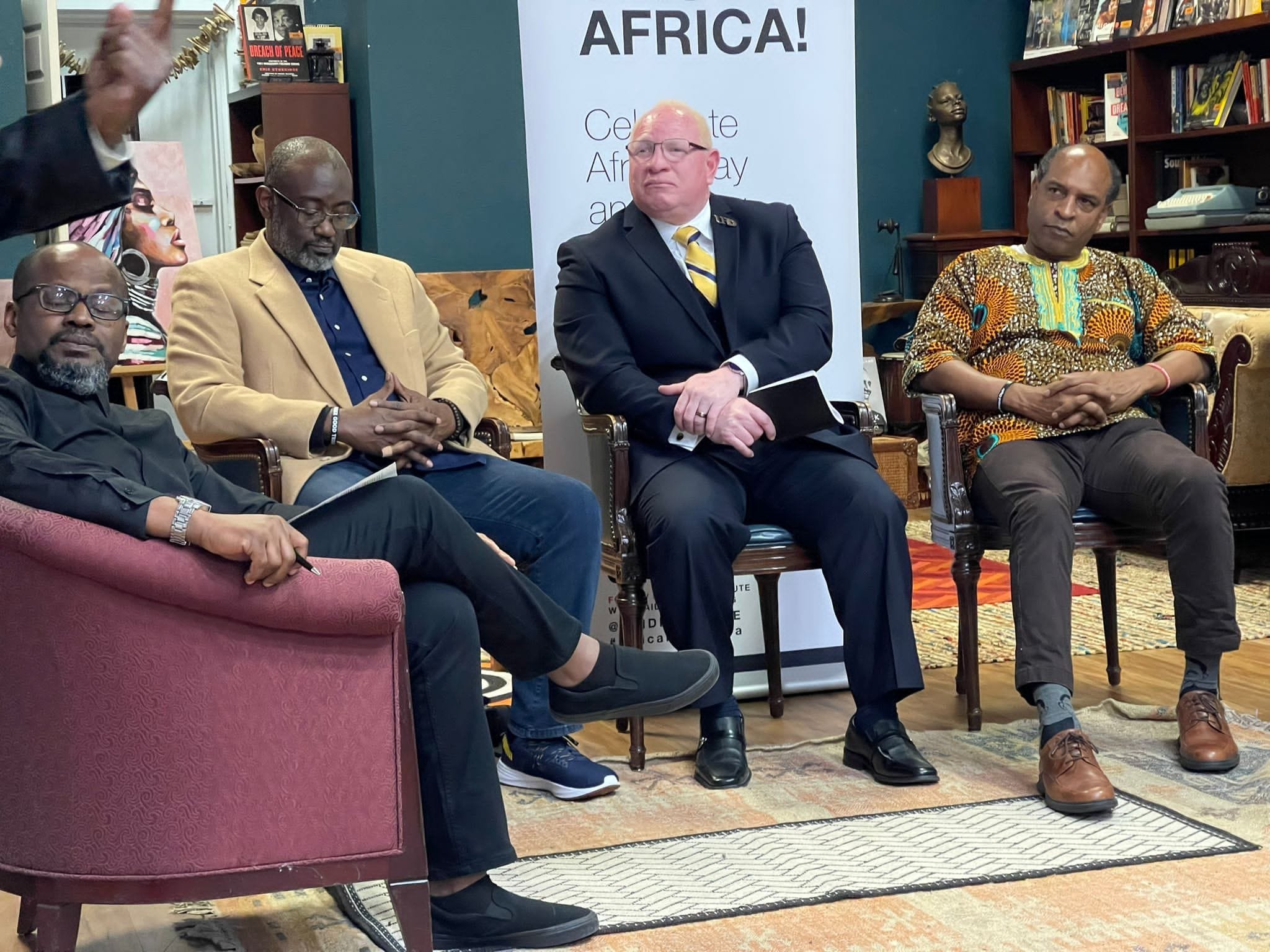
MOVING BEYOND SLAVERY: SAiD Institute Hosts Conversation
To celebrate Black History Month, the Houston-based Diaspora body hosted a multidimensional conversation on February 18, 2023.
By Onimisi Adaba Houston, TX
To celebrate Black History Month, the Houston-based Diaspora body hosted a multidimensional conversation on February 18, 2023. The theme was Identity, Culture, History and the Global Diaspora.
Photo by: SAiD Institute
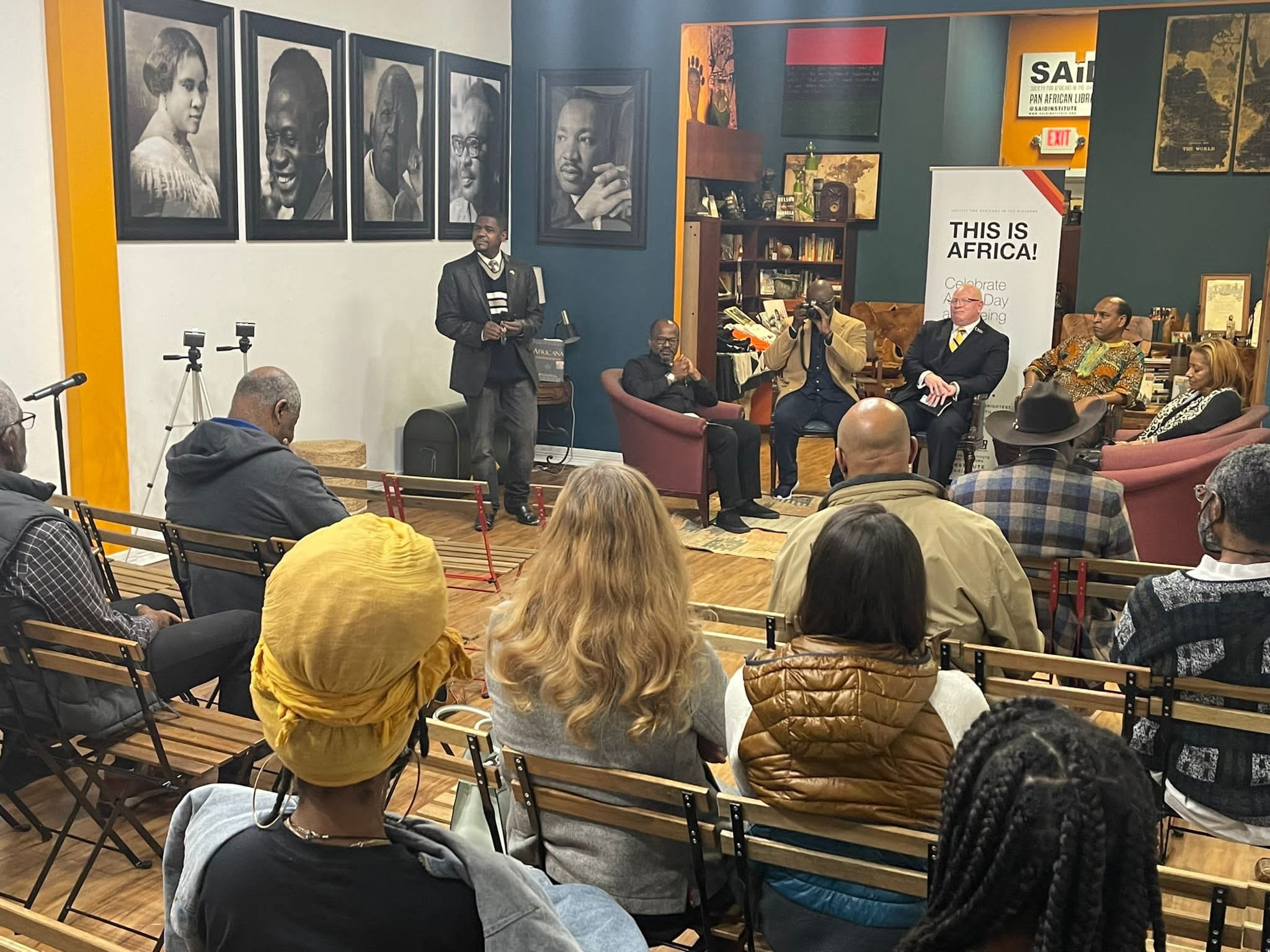
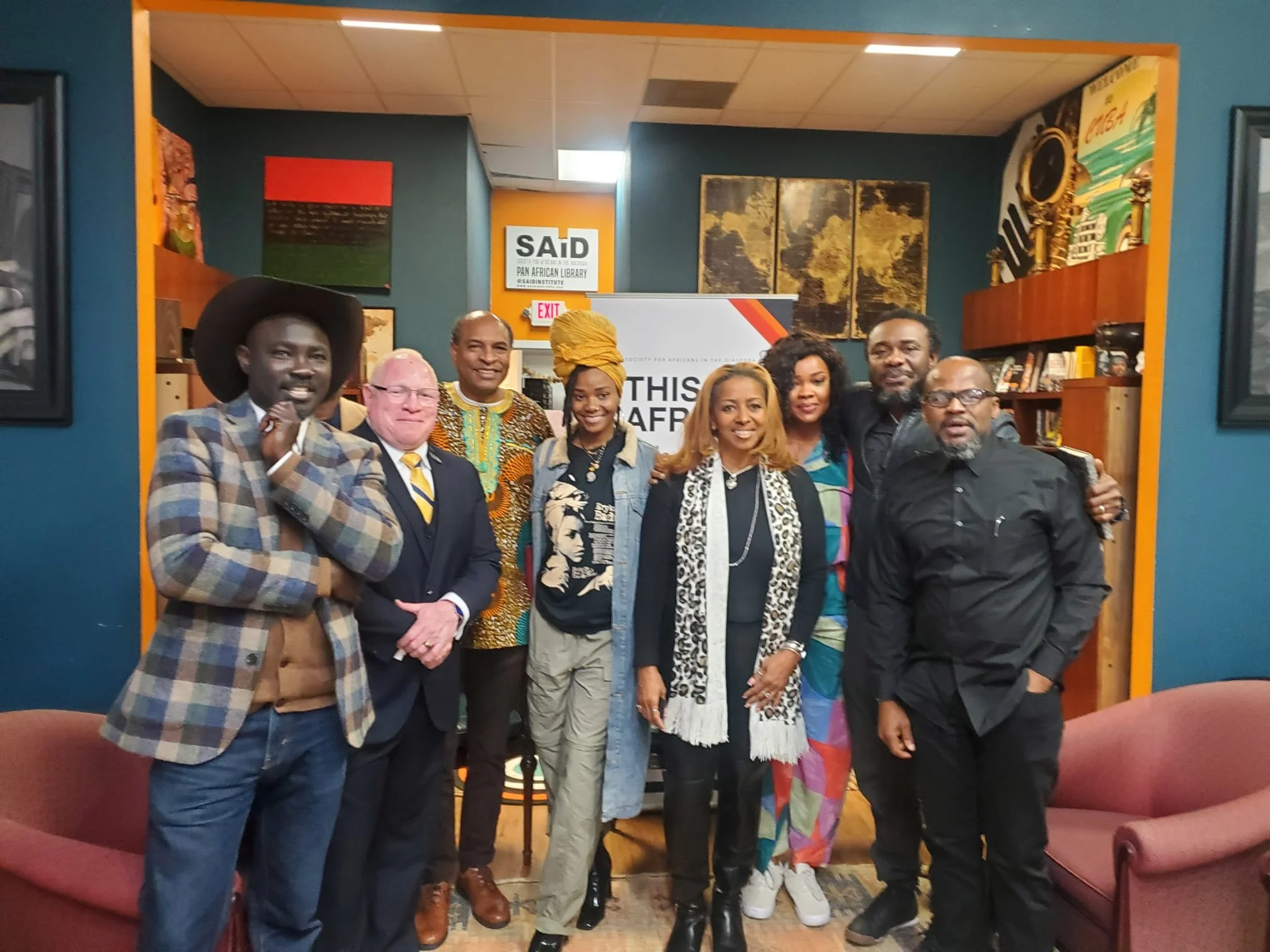
For more information SAiD Institute
Share this story
LOVE OUTREACH: St. LOUIS OLD GIRLS ASSOCIATION (SLOGA) ABUJA CHAPTER
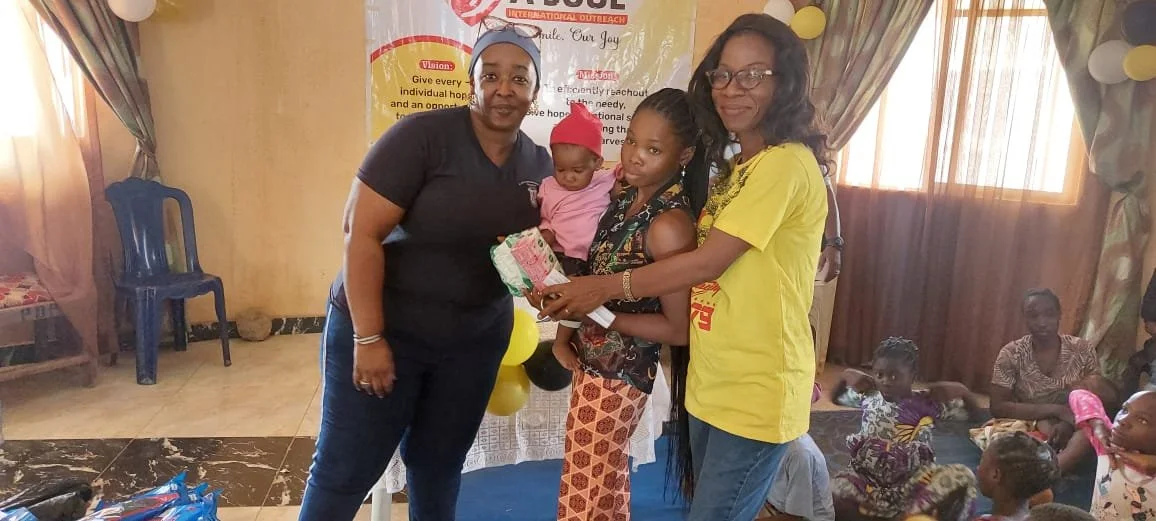
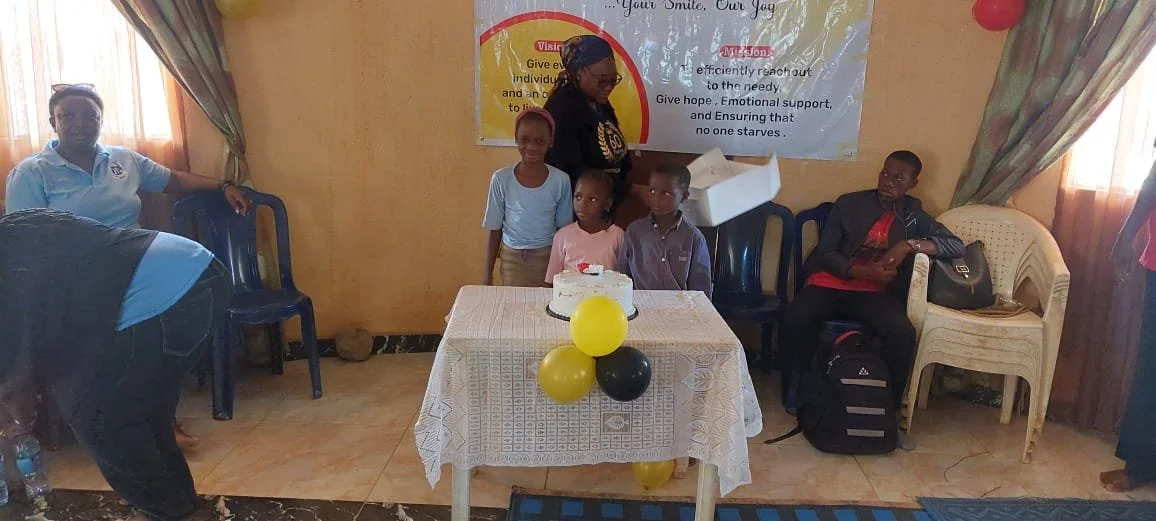
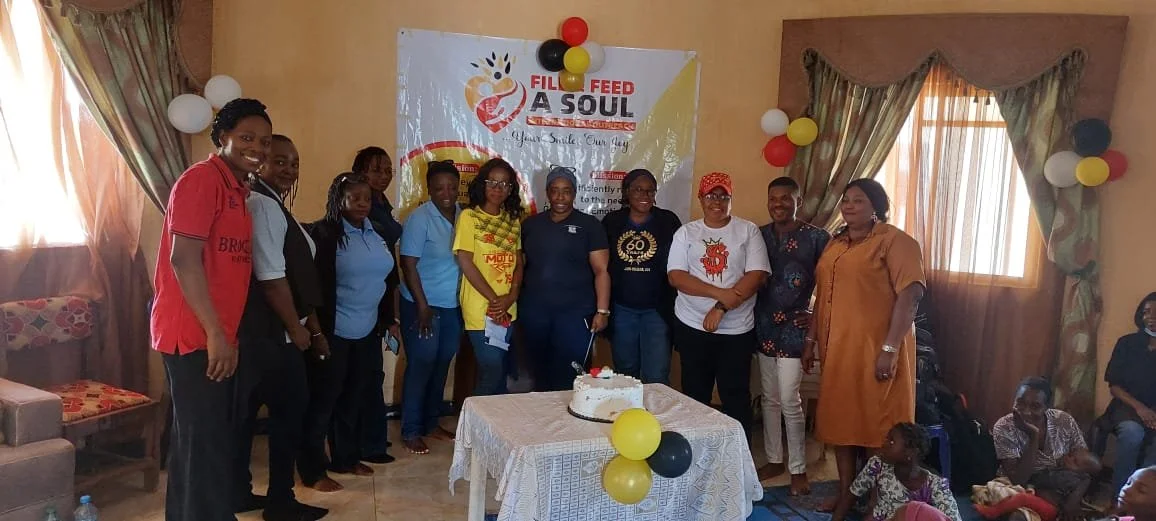
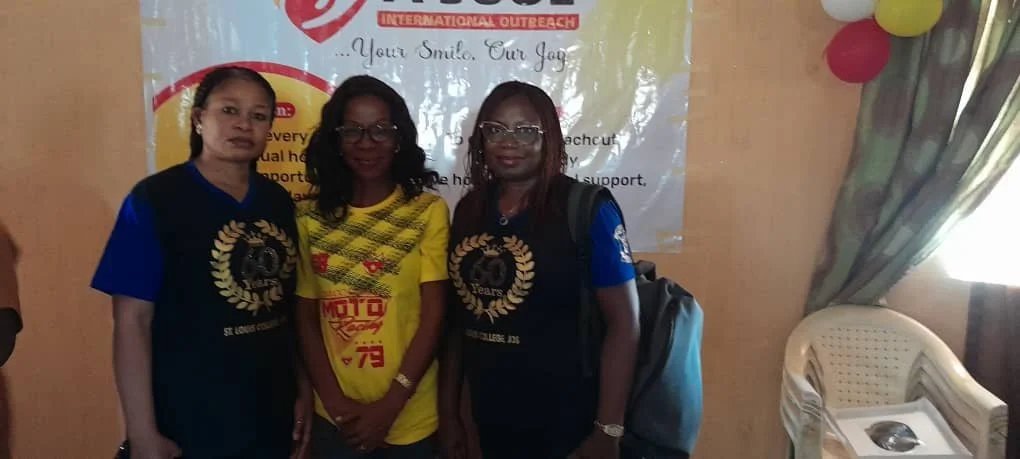
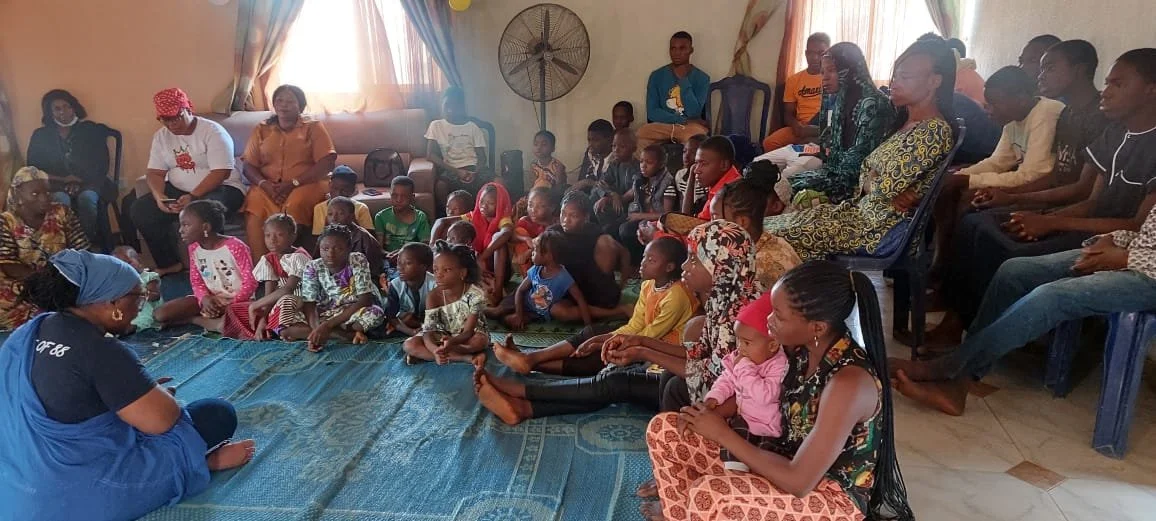
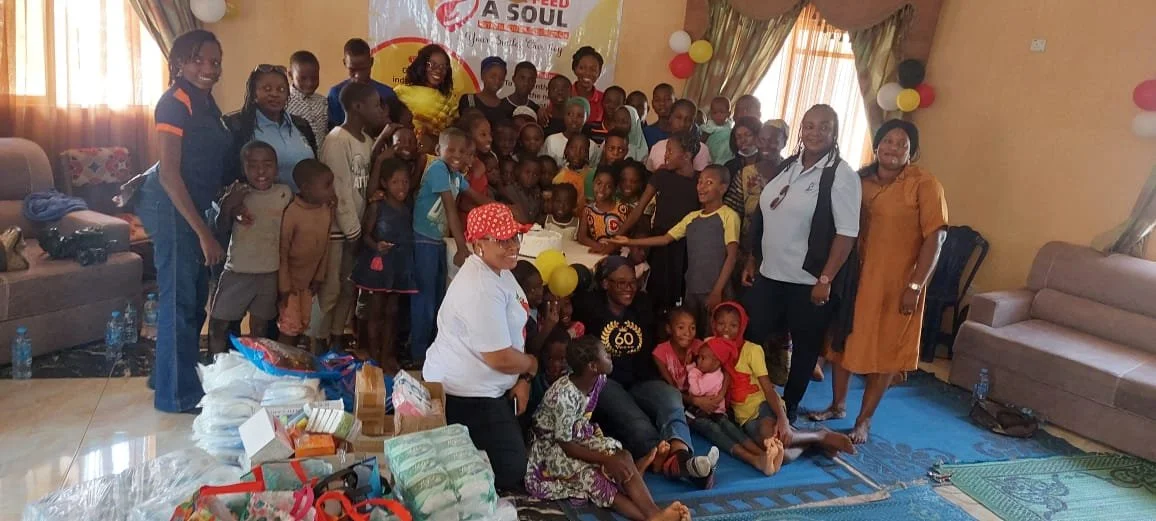
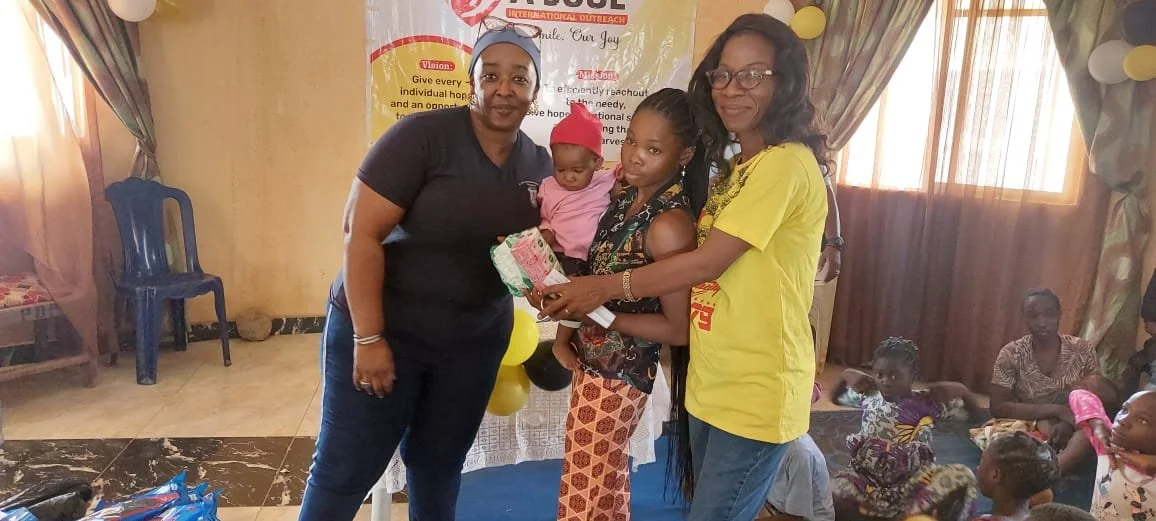
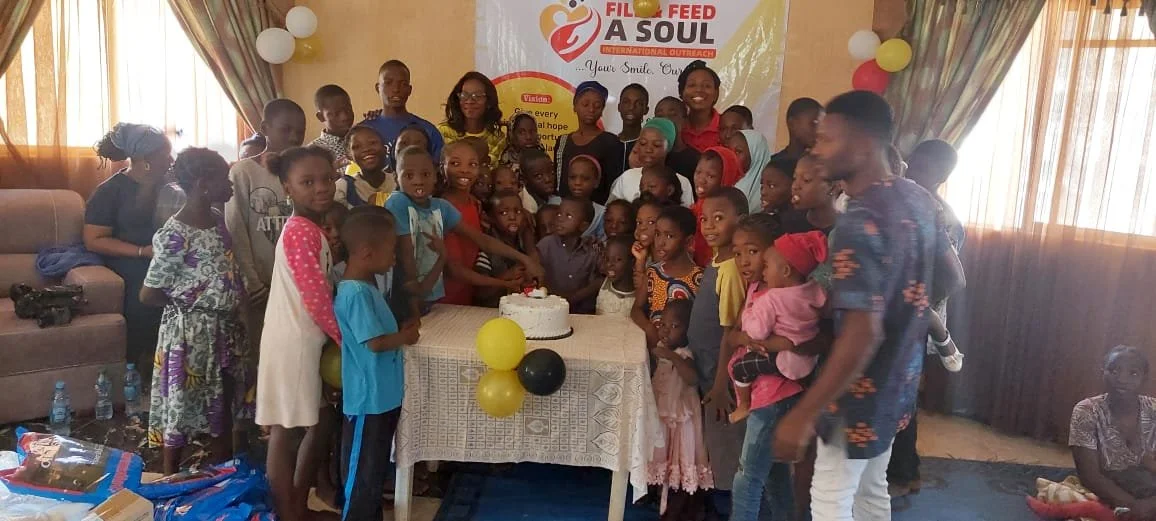
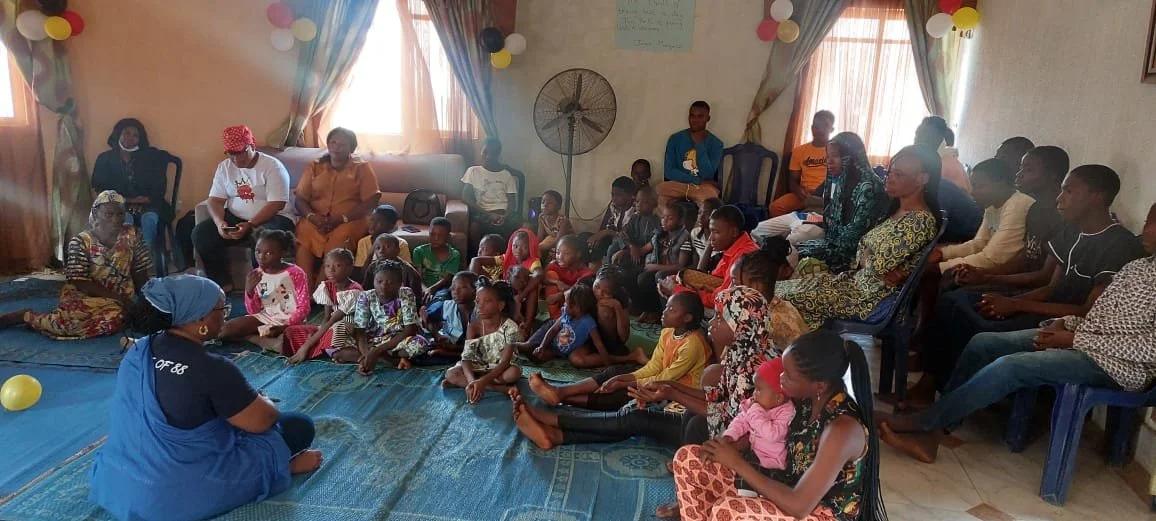
In the spirit of Valentine's Day, the St Louis Old Girls Association (SLOGA) Abuja Chapter conducted a wellness visit to an orphanage in Kubwa, Abuja.
Africa-Related Abuja
In the spirit of Valentine's Day, the St Louis Old Girls Association (SLOGA) Abuja Chapter conducted a wellness visit to an orphanage in Kubwa, Abuja.
SLOGA Abuja Chapter President Mrs. Ijeoma Uwakwe- Okoronkwo a.k.a ‘Ms Ijay’ speaking with children at the Kubwa-based orphanage. Video credit: SLOGA Abuja
“Despite all the challenges they face, the children are polite, bold, cheerful and hopeful.”
S.L.O.G.A has become an acronym for excellence. The non-profit group who have their sights set on proving grassroots solutions to challenges facing girls, women, families and the society in general, came out in numbers as a show of love to the vulnerable.

This outreach, among others activities have become a regular outing for the Association, whose origin is in St. Louis College, Jos - the all-girls secondary school in the Plateau state, Nigeria. The 75+ year old educational institution has graduated notable women of caliber working in various fields around the world.
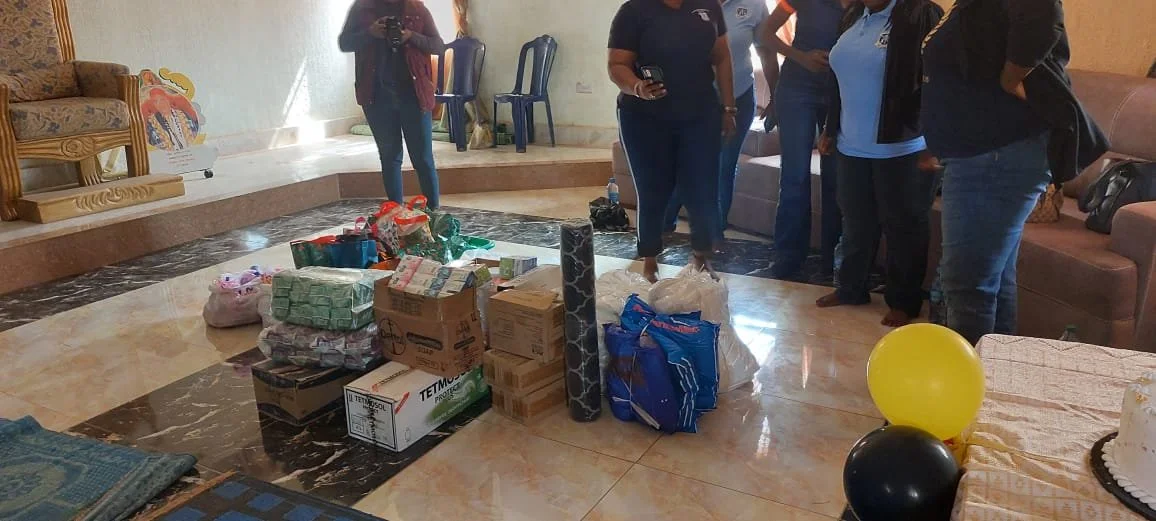
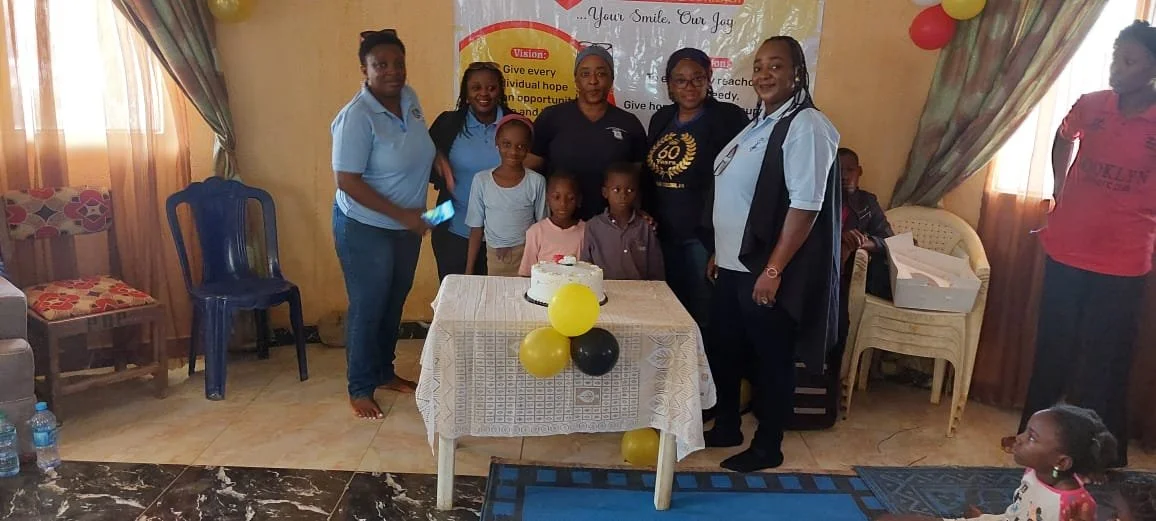
The Executive Council, joined by other members were welcomed with chants of ‘SLOGA MUMMIES’ by the children. They celebrated by cutting a birthday cake, sharing gifts and spreading love around. Of the children, Chapter president Mrs. Ijeoma ‘Ijay’ Okoronkwo said, “It was a pleasure meeting them and expressing love to them, they understand that Valentines Day means sharing and caring”.
According to UNICEF, Nigeria has the fourth highest maternal mortality rate in the world, with 46% of the population under the age of 15. Recent events within the country like political tensions, religious unrests, insecurity and COVID-19 have massively driven up the number of children left with no parents.
With overburdened orphanages across the county such as this one in Kubwa, stable family units are encouraged to visit, adopt and provide hope for children in a ’home’ environment.
Follow their activities @slogaabuja
Photos by SLOGA Abuja
Share this story
MEDIA NOTE: Forbes Names U.S. Department of State as One of America’s Best Large Employers 2023
Forbes, in partnership with Statista, has named the U.S. Department of State as one of America’s Best Employers 2023.
U.S. DEPARTMENT OF STATE
Office of the Spokesperson
MEDIA NOTE
February 15, 2023
Forbes Names U.S. Department of State as One of America’s Best Large Employers 2023
Forbes, in partnership with Statista, has named the U.S. Department of State as one of America’s Best Employers 2023.
Approximately 45,000 American workers at U.S. companies with more than 1,000 employees were asked to rate their willingness to recommend their own employer to friends and family. Employees also evaluated other employers in their respective industries and identified factors that stood out either positively or negatively.
In total, 1,000 employers (500 large employers and 500 midsize employers) were recognized across 25 different industry sectors. “Large Employers” are defined as those with over 5,000 workers; those with 1,000-5,000 workers are defined as “Midsize Employers.”
We are pleased to note that the Department of State ranked in the Top 10 (sixth out of 35 entities in the government services industry), which includes federal agencies, and state level governments, as well as city and county level employers. We are proud of this honor, and we continue to look for ways to improve the experience of our employees.
Further information about the survey can be found at: www.forbes.com/lists/best-large-employers
To learn more about Foreign and Civil Service careers, internships, and fellowships visit http://careers.state.gov or download the DOSCareers mobile app in the Apple and Google Play stores.
Share this story

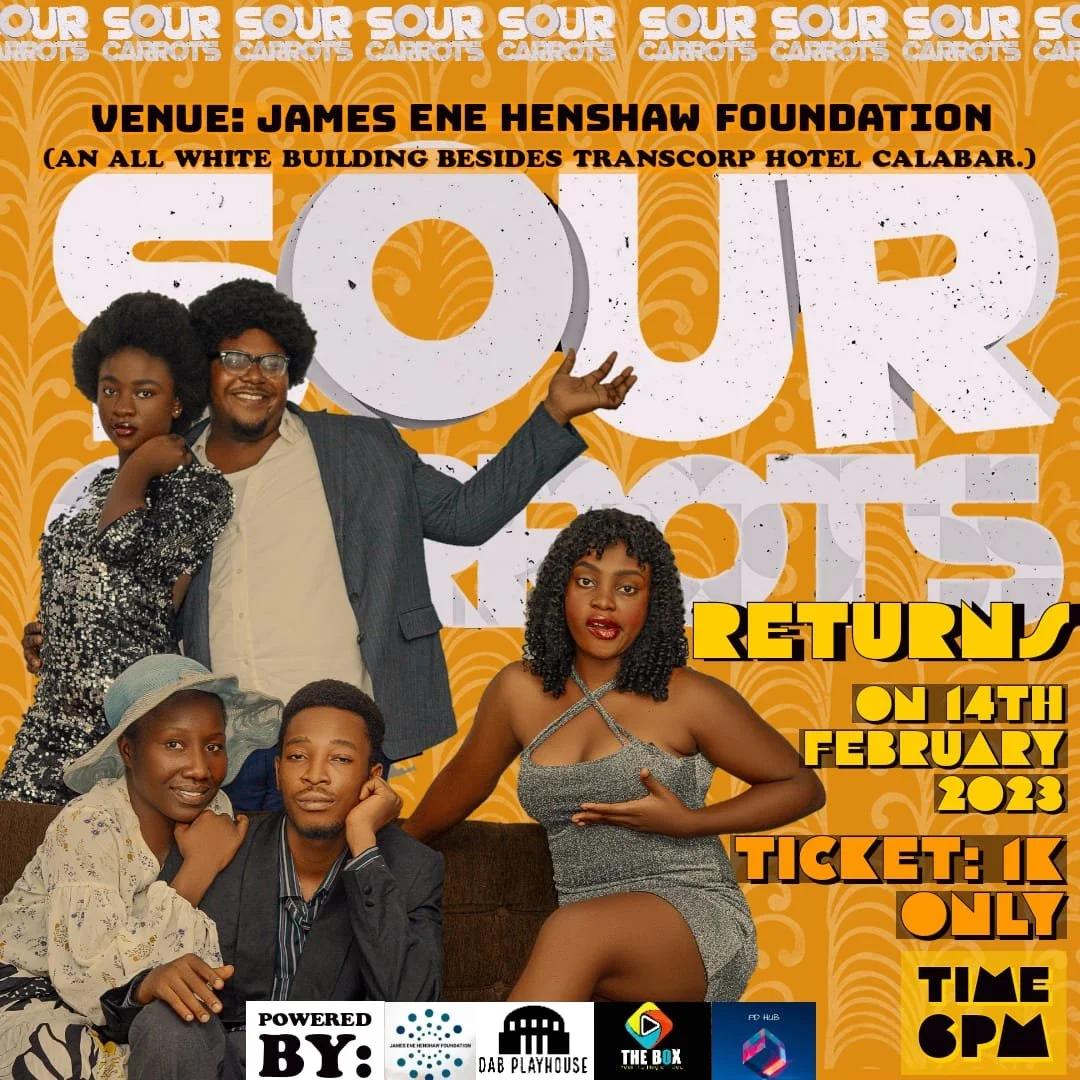
The JEHF Playwrights Award 2022
Reminder👆🏾Join us to celebrate the achievements of our new playwrights. The JEHF Playwriting Competition incorporates workshops and mentoring aimed at kickstarting the careers of the playwrights of tomorrow.

Reminder👆🏾Join us to celebrate the achievements of our new playwrights. The JEHF Playwriting Competition incorporates workshops and mentoring aimed at kickstarting the careers of the playwrights of tomorrow.
Date: Sunday, 19 February 2023
Venue: Click on link above.
Time: 4.00 pm WAT (3.00 pm GMT)
FREE, but registration is mandatory.
Share this story
U.S. Assistance to Emergency Earthquake Response Efforts in Türkiye and Syria
Deputy Secretary Wendy R. Sherman will meet with Japanese Vice Minister Mori Takeo and Republic of Korea (ROK) First Vice Minister Cho Hyundong on February 13 in Washington, D.C. The Deputy Secretary and Vice Ministers will discuss plans to enhance trilateral security cooperation in the region and the world. They will also discuss collaboration on support to Ukraine and other pressing global challenges and concrete ways to expand the trilateral partnership to deliver on the shared vision of a free, open, and prosperous Indo-Pacific. There will be a press availability immediately following the trilateral meeting.
U.S. DEPARTMENT OF STATE
Office of the Spokesperson
STATEMENT BY SECRETARY ANTONY J. BLINKEN
February 9, 2023
U.S. Assistance to Emergency Earthquake Response Efforts in Türkiye and Syria
The February 6th earthquakes that struck southeastern Türkiye and northern Syria have devastated millions. Within hours of the first quake, the United States, at the direction of President Biden, quickly mobilized federal agencies and partners to urgently provide life-saving assistance in close coordination with our Turkish Allies and partner organizations in Syria.
Since Monday, supplementing the excellent work of our Embassy and Consulate teams, hundreds of additional U.S. personnel have arrived in the region to help save lives and assist those in need. Today we announced $85 million in urgent humanitarian assistance to support these efforts. USAID’s Disaster Assistance and Response Team is already hard at work in southern Türkiye. Two of our most highly trained Urban Search and Rescue Teams are conducting operations in support of Turkish rescue efforts in Adiyaman, one of the hardest hit areas. These teams have specialized equipment and canines for search and rescue operations. Joining them are emergency managers, hazardous materials technicians, engineers, logisticians, paramedics, and planners.
Our existing humanitarian partners in both Türkiye and Syria are providing critical emergency relief, including food, water, shelter, medical care, and support staff for search and rescue efforts. U.S. helicopters are conducting airlift operations, transporting rescue personnel to sites where they are needed most.
We are grateful to the Government of Türkiye for re-opening the border so aid can flow into northwest Syria, and we welcome news today of the first UN aid convoy arriving via the Bab al-Hawa crossing. We call on the Assad regime to immediately allow aid in through all border crossings; allow the distribution of aid to all affected areas; and to let humanitarians access all people in Syria who are in need, without exception.
In both Türkiye and Syria, the United States will remain committed to doing whatever it takes, for as long as it takes, to provide necessary assistance to those impacted by these earthquakes. The United States will continue to support the people of Türkiye and Syria, and we welcome and encourage support from our international partners in this time of great need.
Share this story

GORDON PARKS - The Best $12.50 Ever Spent
Multitalented filmmaker Gordon Parks turns the camera on himself in final film
Oyiza Adaba | AFRICA-RELATED NEW YORK
Photo credit: Screenshot from Moments Without Proper Names
“I’ve chosen my camera as a tool of social consciousness.”
To celebrate Black History Month, we remember Gordon Parks.
In his final 1986 film titled Moments Without Proper Names, multi-talented director Gordon Parks turned the camera on himself, delivering decades of work as a photographer, journalist, poet, composer and social icon.
The best $12.50 he would ever spend was on a camera purchased in a pawn shop in Seattle. He never looked back and would go on to document and showcase America and the rest of the world through decades of change and evolution. Through his lens, Parks tells the Black story, the African-American story, the Human story. His camera took him around the world, and opened doors to places most black people could only dream of accessing. He composed many music scores, including the motion picture 'Shaft' and spearheaded the Blaxploitation movement in the 70s.
Parks' penetrating gaze was just as intense as his haunting images, which were backed by the potency of his carefully-crafted words and smooth baritone. He humanized every story.
Gordon Parks was born the last of 15 children in Kansas in 1912. His passing in 2006 at the age of 93, left behind an unrivaled legacy in documenting poignant global historical 'moments without proper names'.
'The Learning Tree' was the Memoir he finally wrote in 1963. With the full backing of a major motion picture studio - another rarity in his time - he scored, produced and directed the film adaptation in 1969. He took this as a 'responsibility' to set a precedent for black filmmakers.
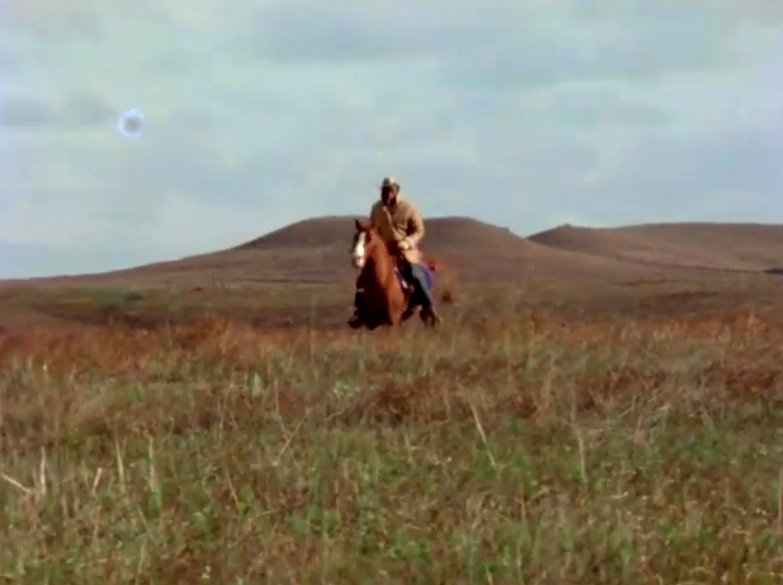
Photo credit: Screenshot from Moments Without Proper Names
In his words, "I've chosen my camera as a tool of social consciousness. Common sense told me I had to have insufficient understanding of what was right or wrong. Otherwise, my camera eventually became my own enemy. I tried to keep my own consciousness alert, at the highest level of integrity, those things I gave myself to. It was clearly defined from the very beginning that it'd be hard not to betray myself, to remain faithful to my emotions when facing the controversial issues of black and white. I was a journalist first. I would have to remain aware that being true to my own beliefs counted even more. I would have to bear the anguish of objectivity and trying to avoid those intellectual biases and subjectivity can impose on a reporter. I was a journalist, and expected to fulfill the commitment as all journalists are supposed to have emotional detachment. Succeeding years would test my ability to retain that detachment".
Listen to Gordon Parks Reading of The Learning Tree