
ABUJA IS CUTTING DOWN ITS FUTURE - AND NO ONE SEEMS TO CARE
There are many reasons I fell in love with Abuja. One of them was its trees. Those trees are now disappearing.
Patrick O. Okigbo III - Abuja, Nigeria
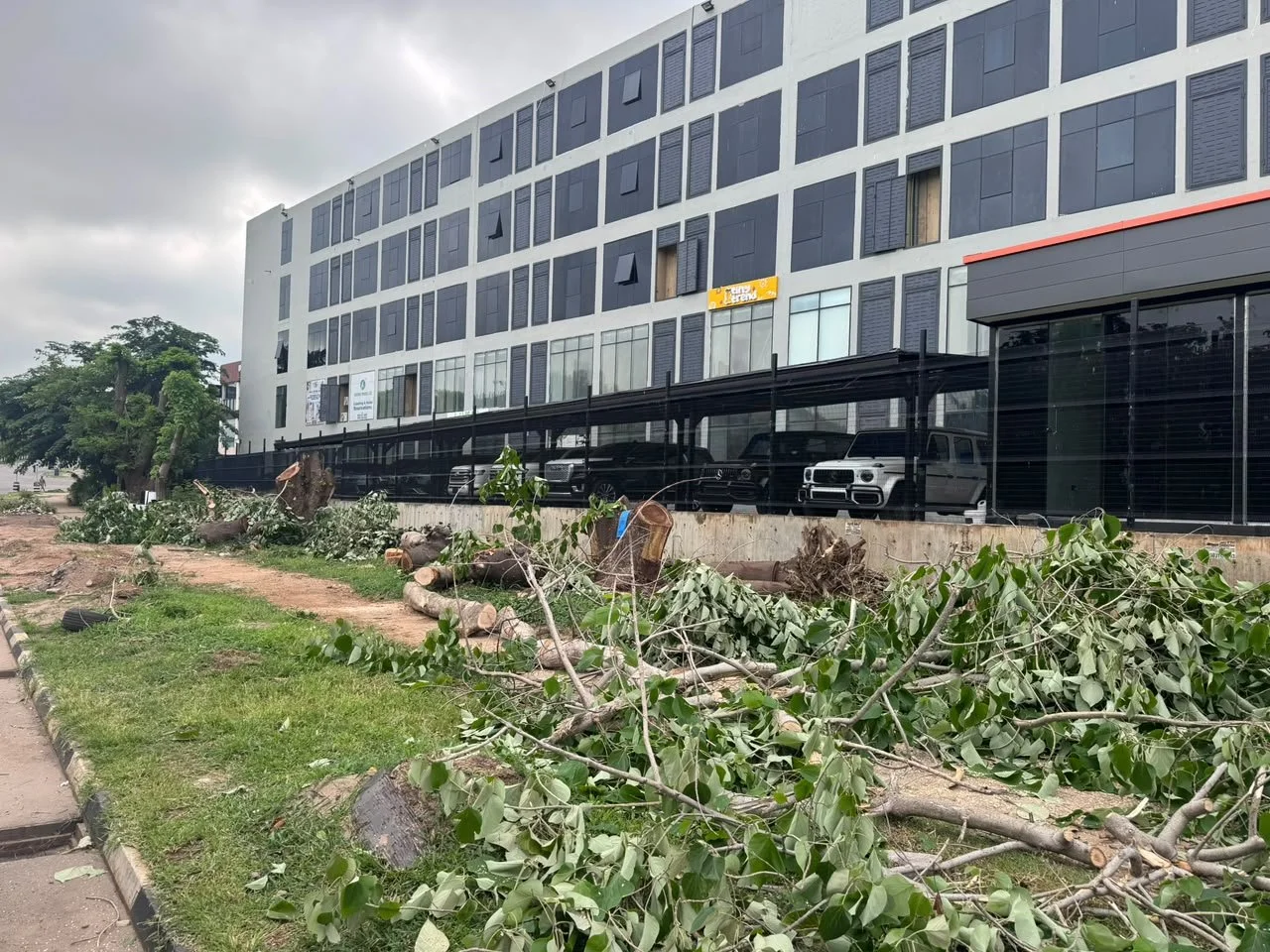
Image of trees felled in Abuja. Photo by Patrick Okigbo III
There are many reasons I fell in love with Abuja. One of them was its trees. Those trees are now disappearing.
After years in Lagos, where the air often felt as though it clasped its fingers around one’s windpipe, Abuja offered something altogether different. Its broad boulevards and generous sidewalks invited long morning walks. Later, when my wife and I took up cycling, those tree-lined avenues became part of our daily ritual. The freshness of the air was almost intoxicating.
The trees were more than landscaping. They gave the city identity. They softened its scale. They reminded you that Abuja had been imagined, not merely built—that someone had once tried to create a capital equal to Nigeria’s ambitions. I missed Lagos’s restaurants and bars, but Abuja’s serenity more than compensated.
Those trees are now disappearing.
Not because they have reached the end of their lives. Not because of disease. Municipal crews have been cutting them down in a methodical sweep, trunk by trunk, removing canopies that took decades to mature. I cannot say with certainty why this is happening. There is no public explanation. From what I can see, many are being sacrificed to make room for solar-powered street lights.
The loss feels larger than the trees themselves.
Abuja was conceived as a corrective to Lagos—a capital that would embody order instead of improvisation, foresight instead of congestion, aspiration instead of accumulation. Its boulevards were part of that vision. To remove mature trees without apparent hesitation suggests that somewhere along the way we have forgotten that a city’s greatest assets are not always the ones we have just built.
I do not blame the men operating the chainsaws, nor even those who signed the work orders. I doubt they act out of malice. If anything, the careful way the felled trunks are gathered suggests an appreciation of their commercial value.
The problem is deeper than bad intentions. It is a failure of imagination.
Development is not simply the accumulation of infrastructure. It is the stewardship of inheritance. Every generation receives assets it did not create and holds them in trust for those yet unborn. A mature tree is one of those assets. It cannot be replaced by a sapling any more than a century can be replaced by a promise.
Perhaps that is what saddens me most.
Within a generation, we have travelled from a society capable of imagining Abuja—a city designed to embody the future we believed Nigeria deserved—to one that no longer instinctively understands why mature trees matter. That distance cannot be measured in kilometres or years. It is measured in felled trunks.
A city is not improved every time something new is added. Sometimes progress lies in knowing what must not be removed.
This post, by itself, changes nothing. A tweet is not activism, and lament is not policy. But perhaps someone in or near my network can place this note before Minister Nyesom Wike.
I hope he receives it in the spirit in which it is is written. Many residents appreciate the investment his administration has made in Abuja’s roads, interchanges, and street lighting. Those improvements matter.
But so do the trees.
The choice was never meant to be between light and shade. A truly modern capital should know how to preserve both.
Because a hundred years from now, no one will remember who installed today’s street lights. But they will know whether we had the wisdom to leave them a city worth walking through.
Patrick O. Okigbo III is the Founder of Nextier, a public policy advisory firm and think-tank, focused on improving governance and development outcomes in Africa.
For more stories told from an African perspective, follow us at africarelatedinc
SHARE THIS STORY
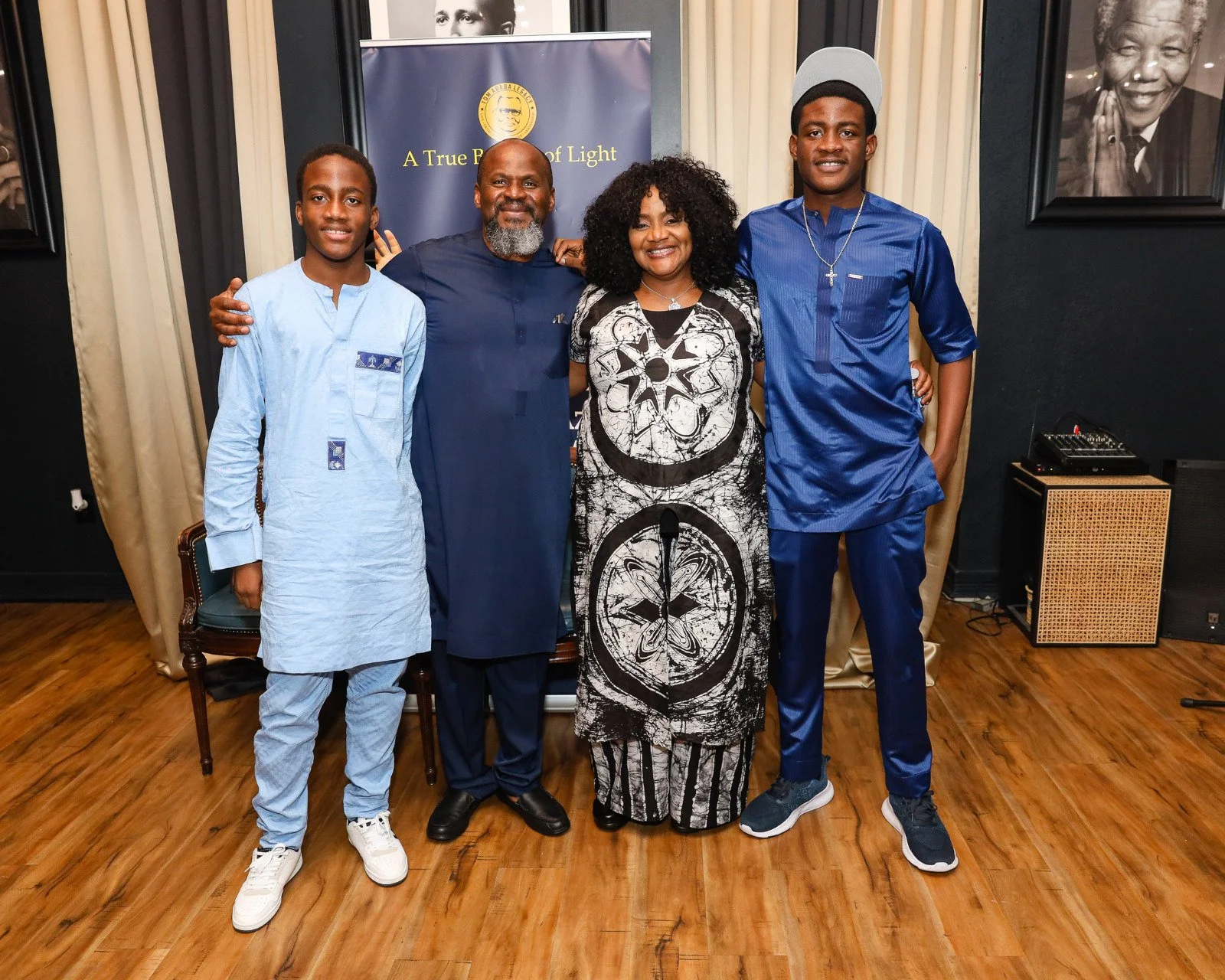
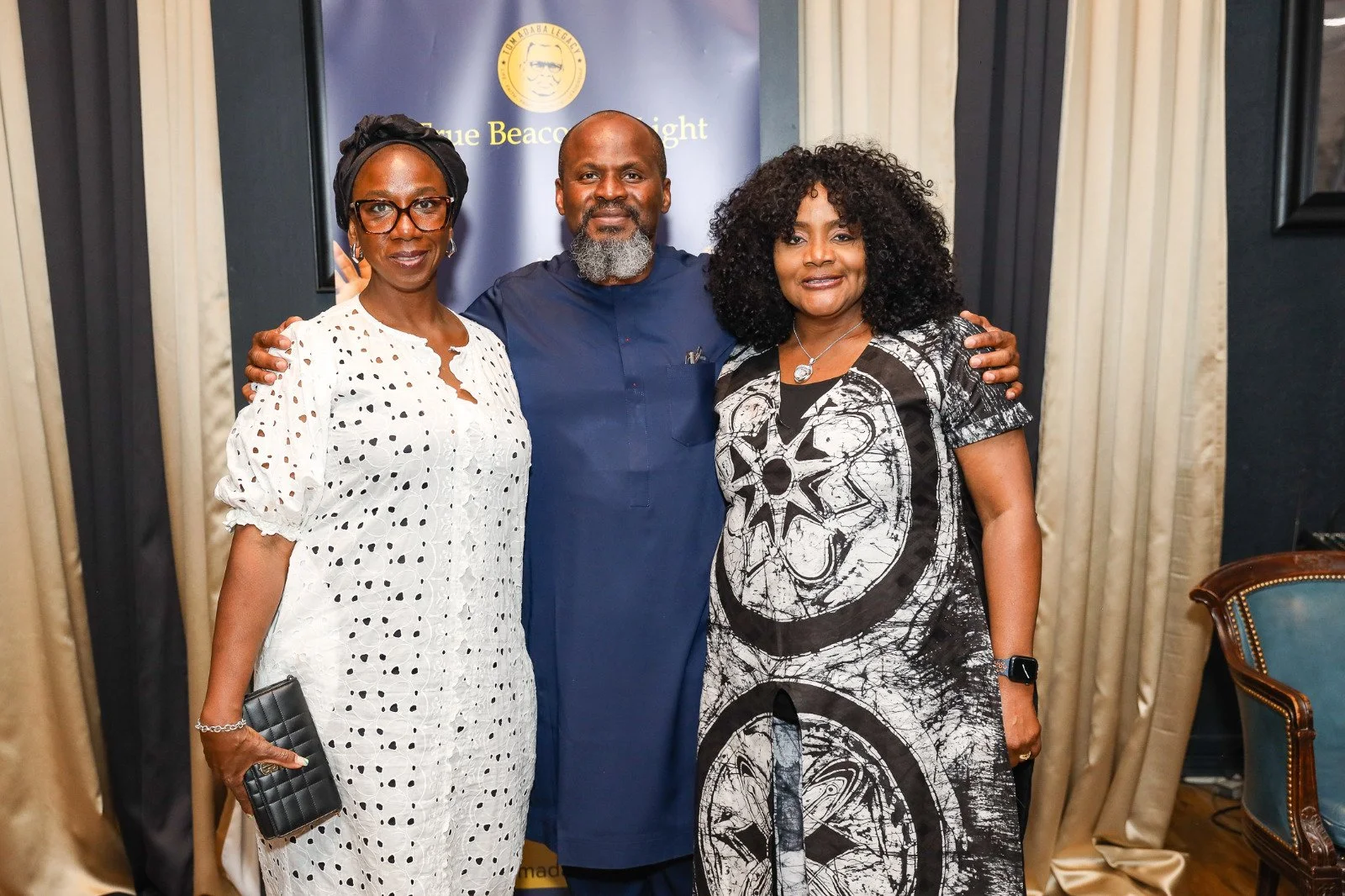
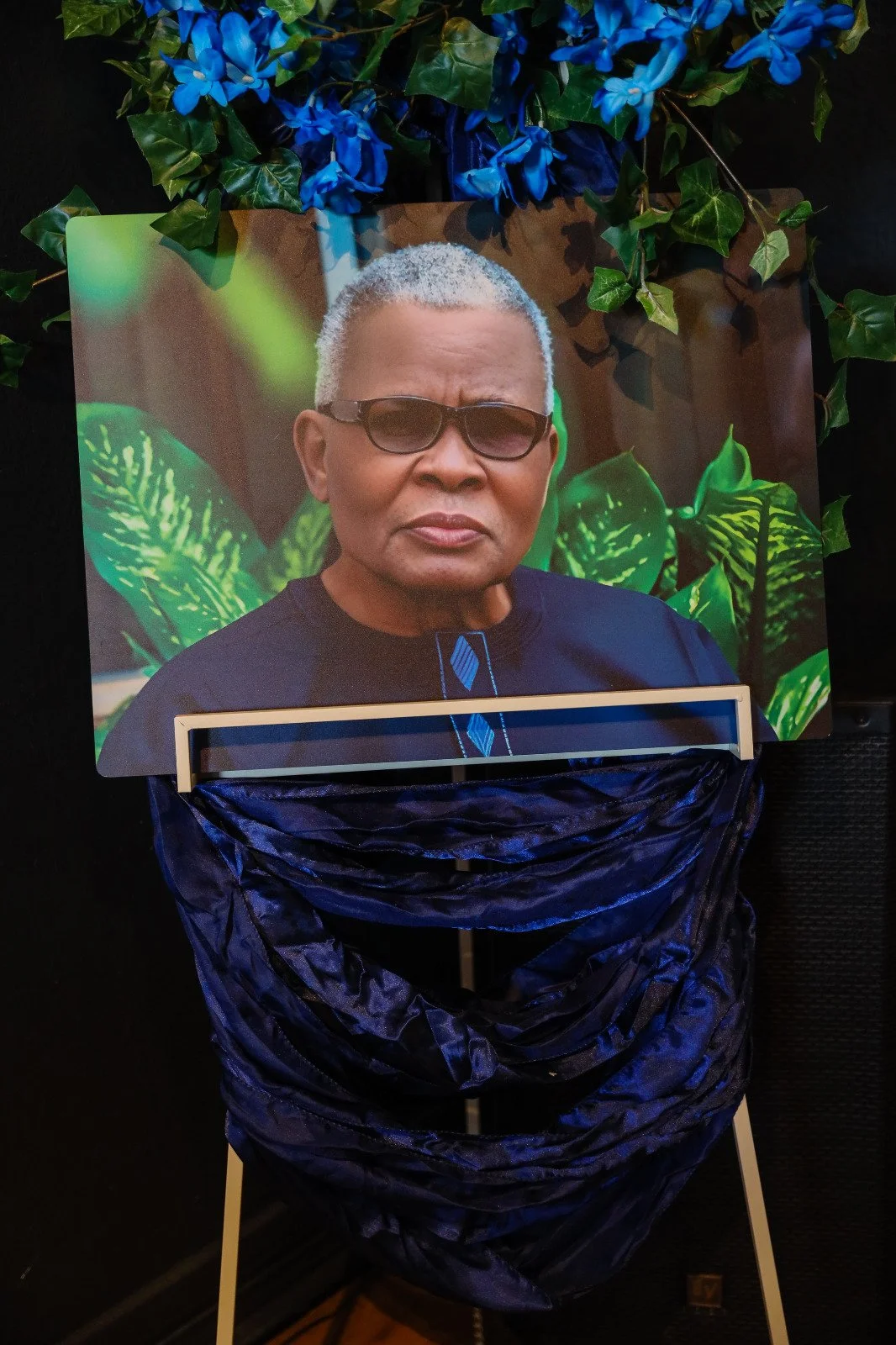
An Evening of Honor: Remembering Dr. Aaze Tom Adaba in Houston
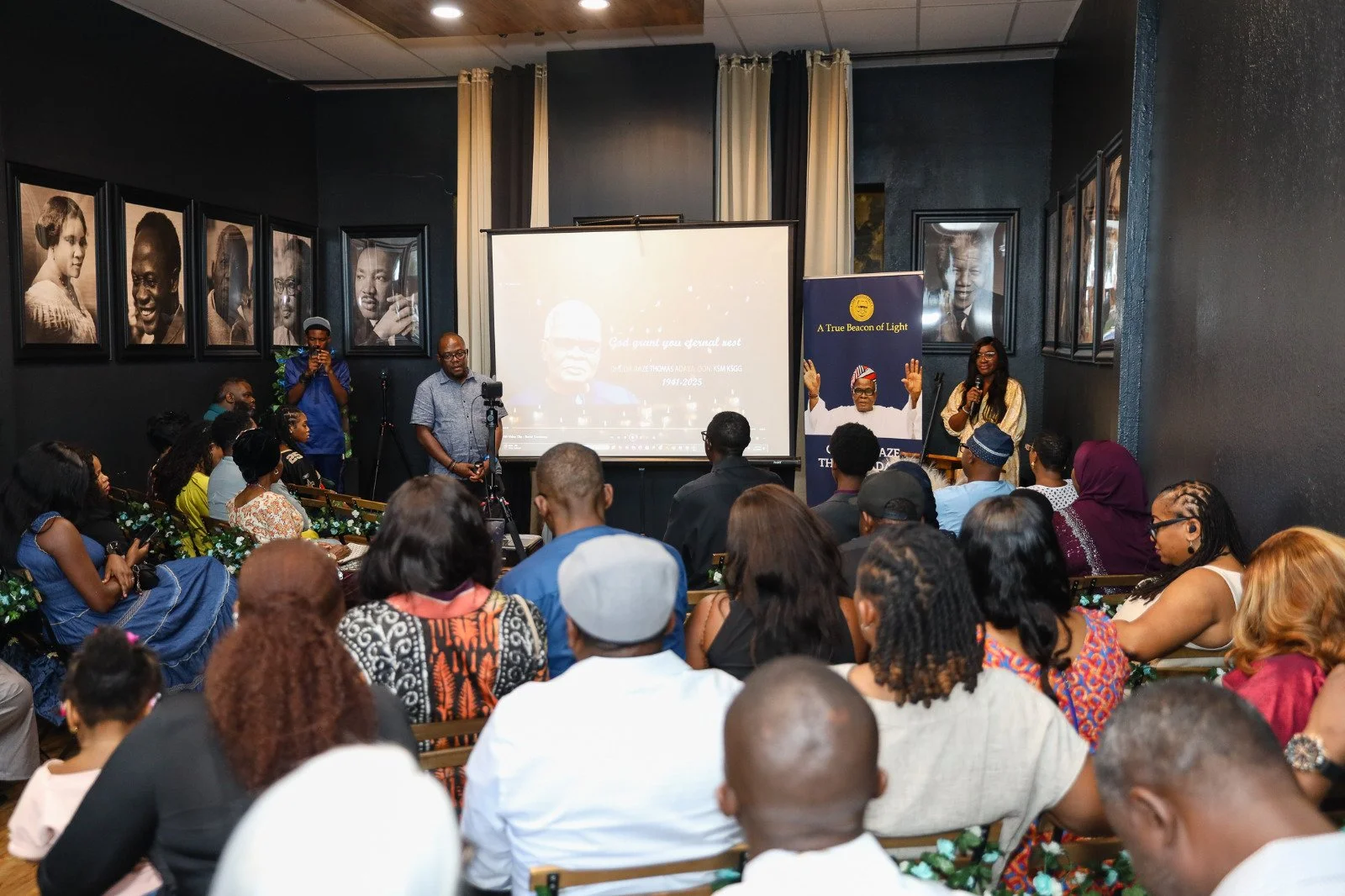
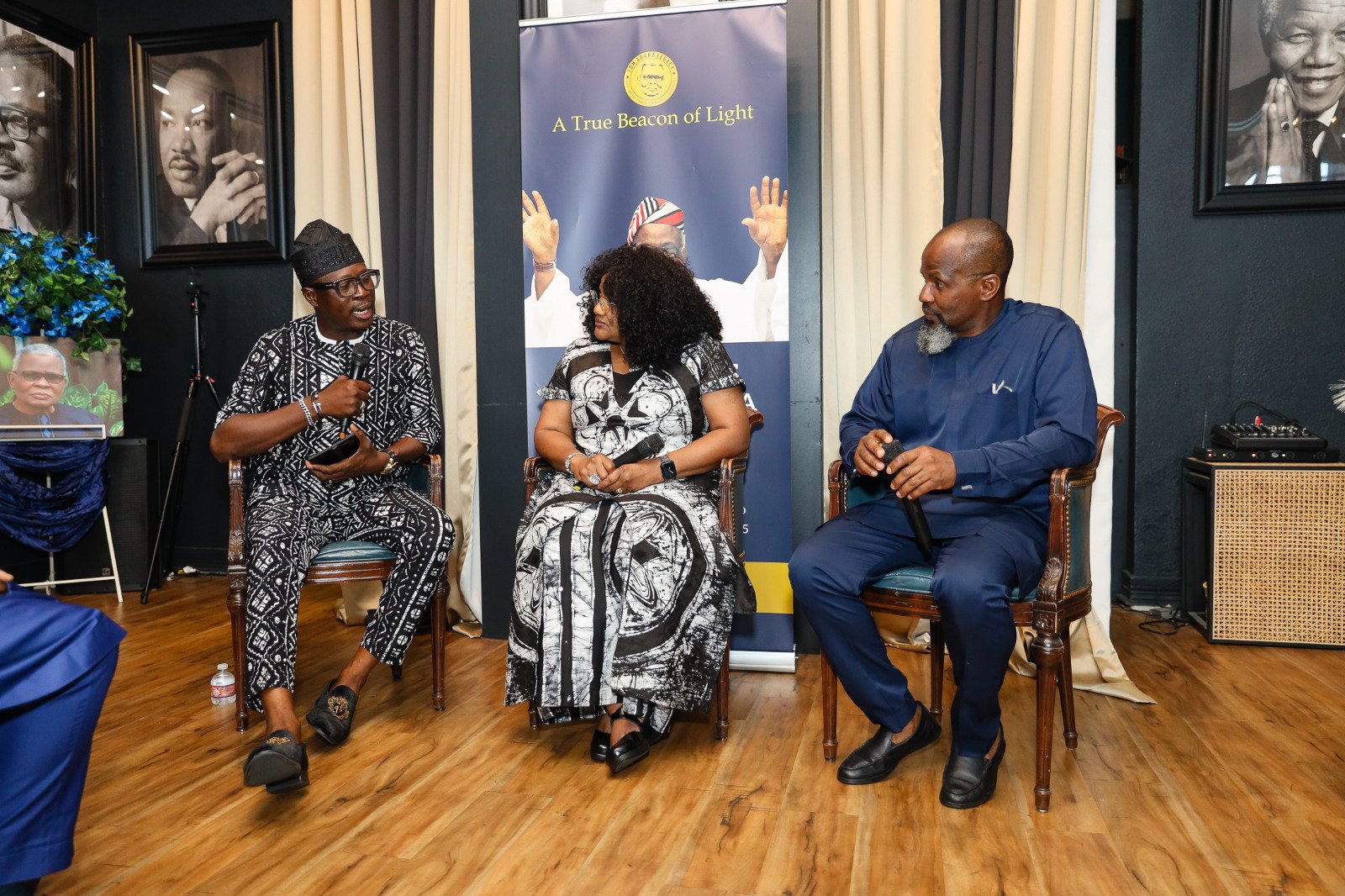
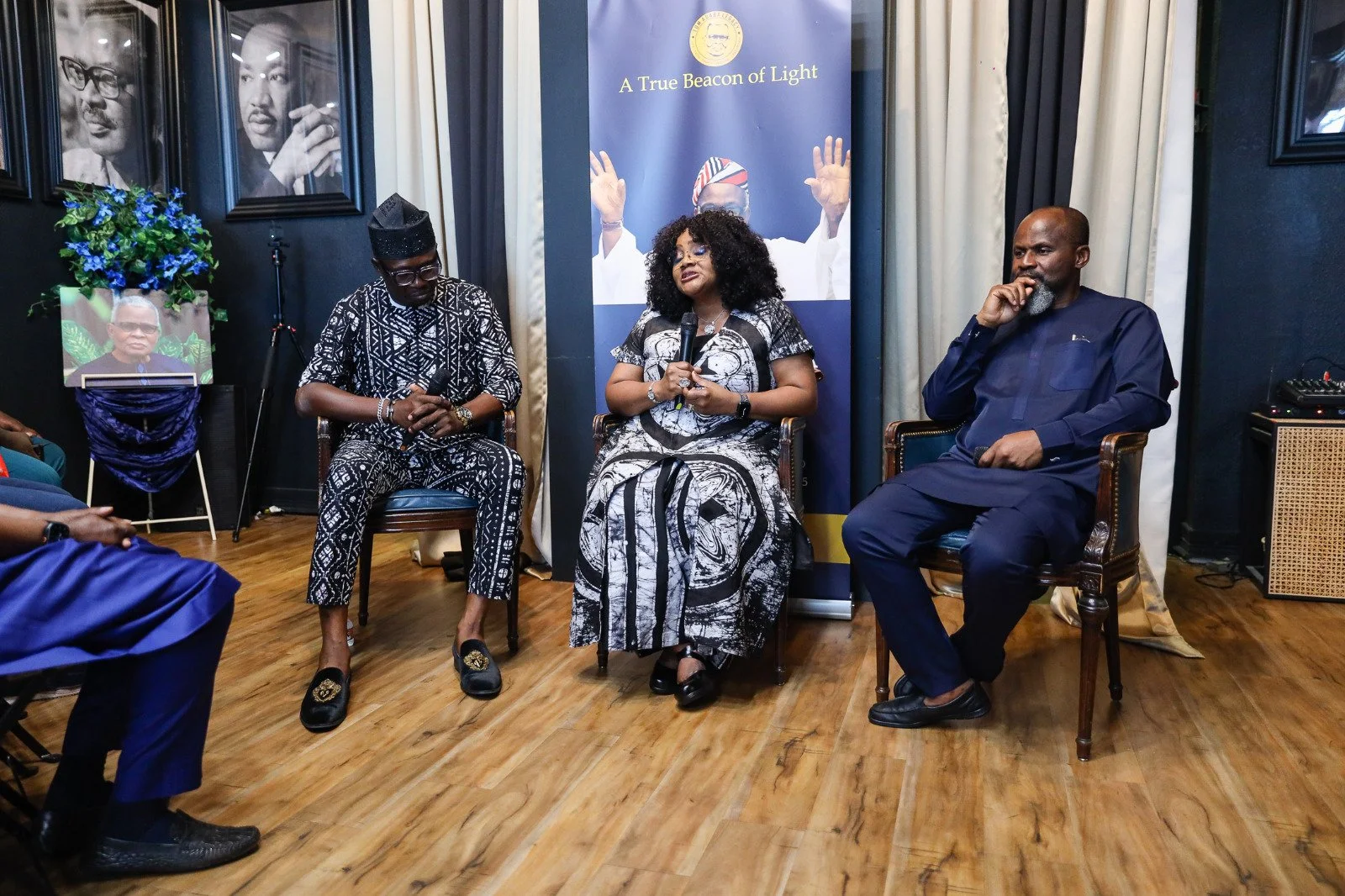
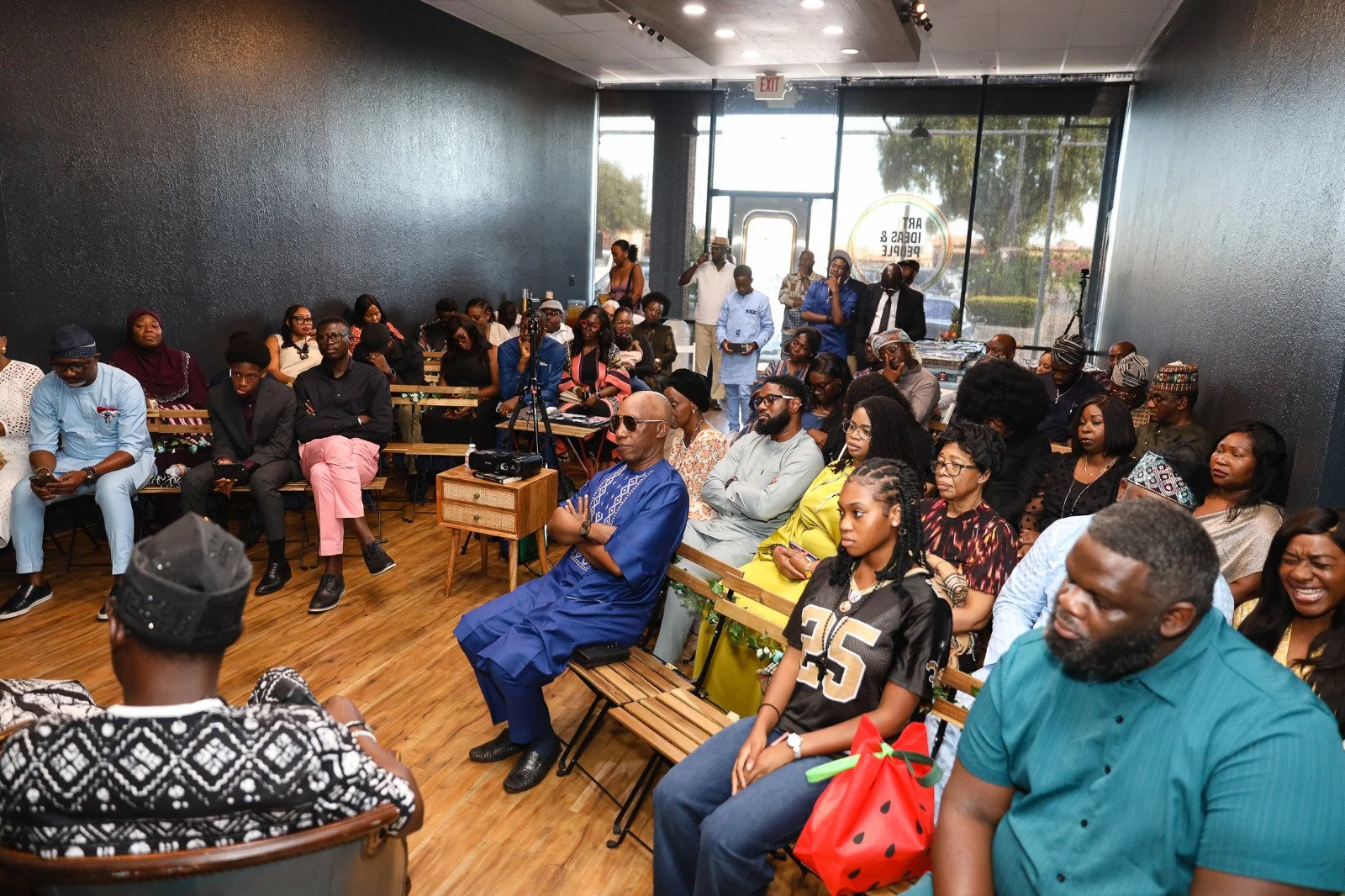
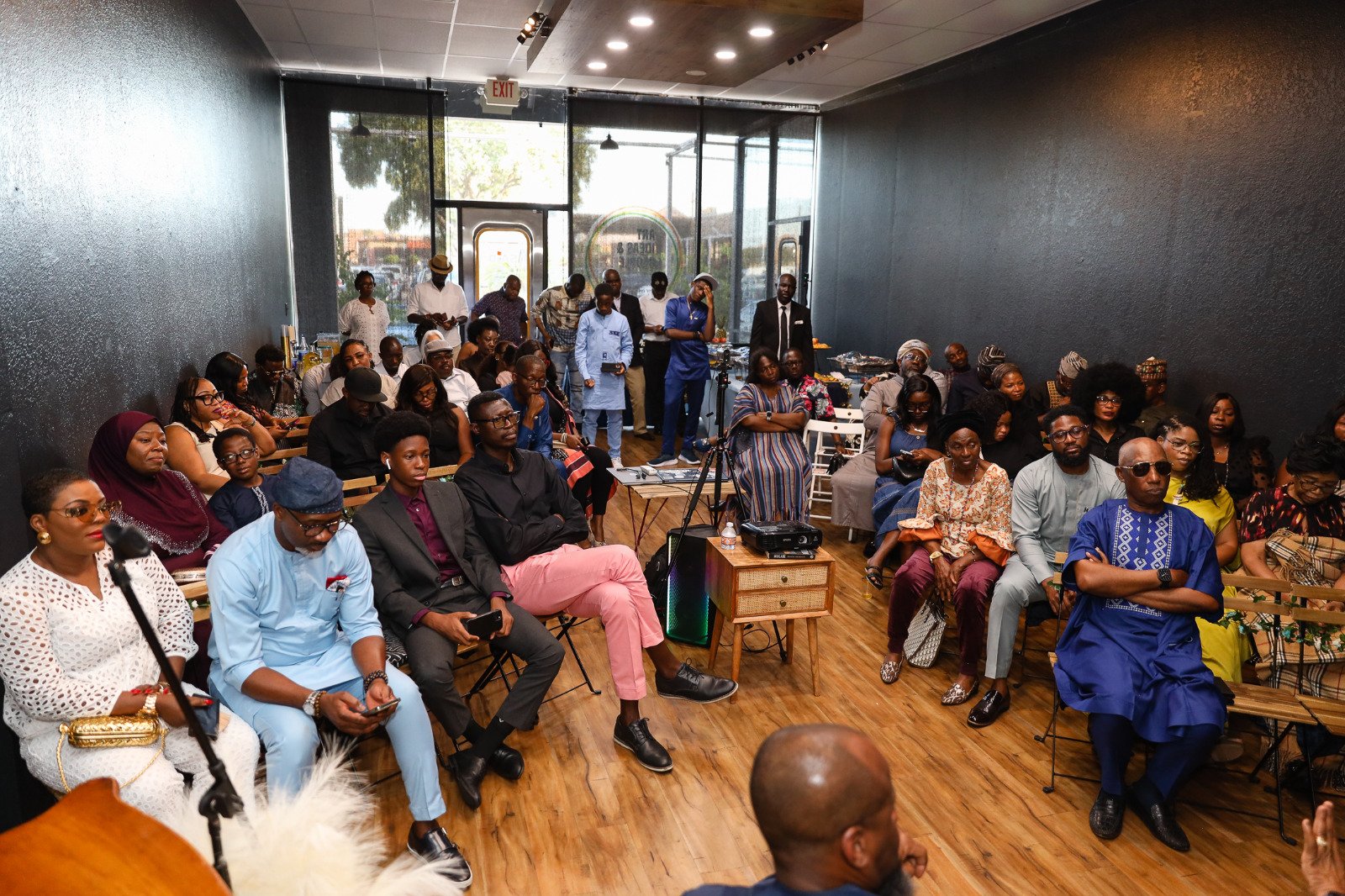
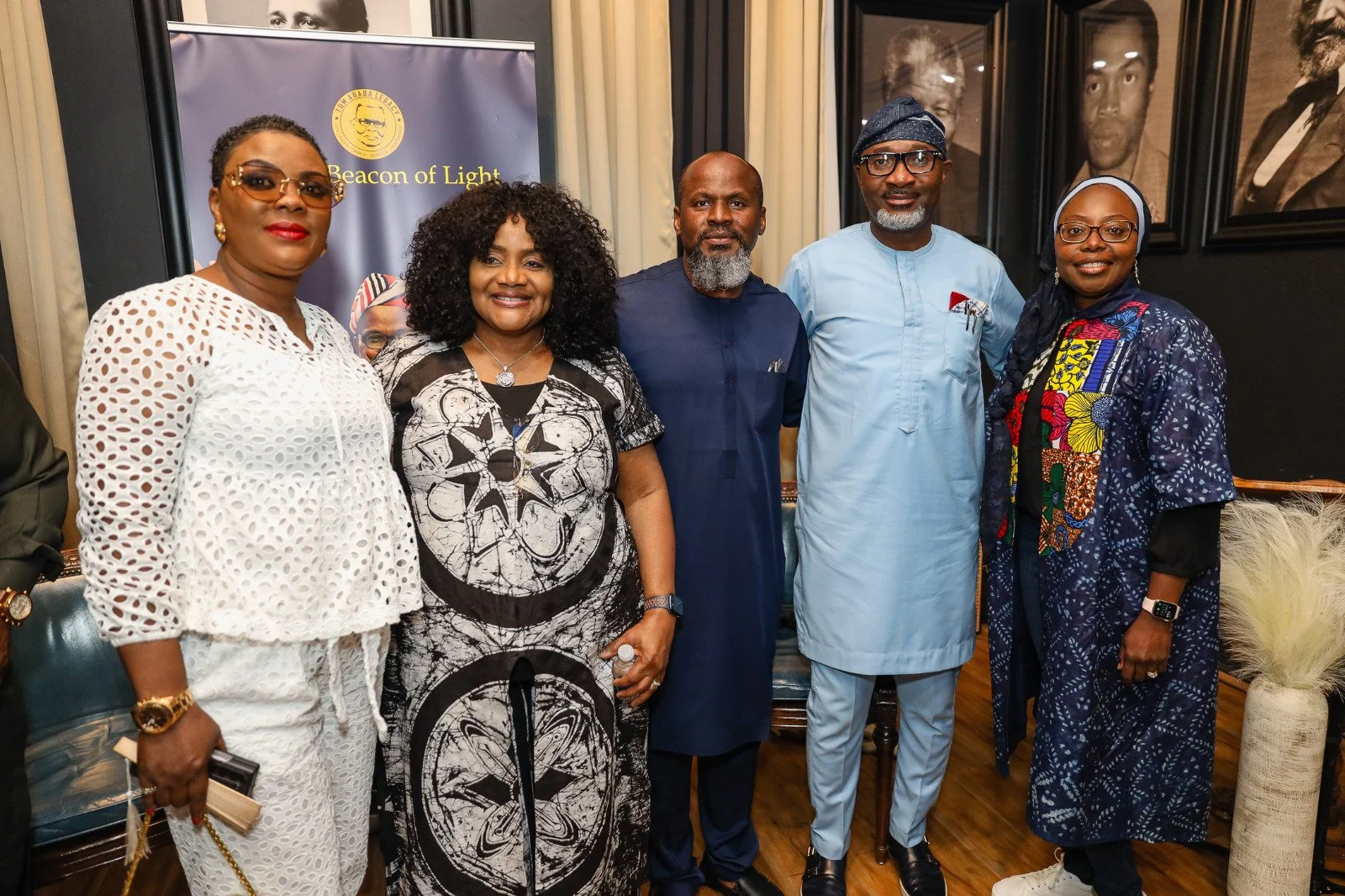
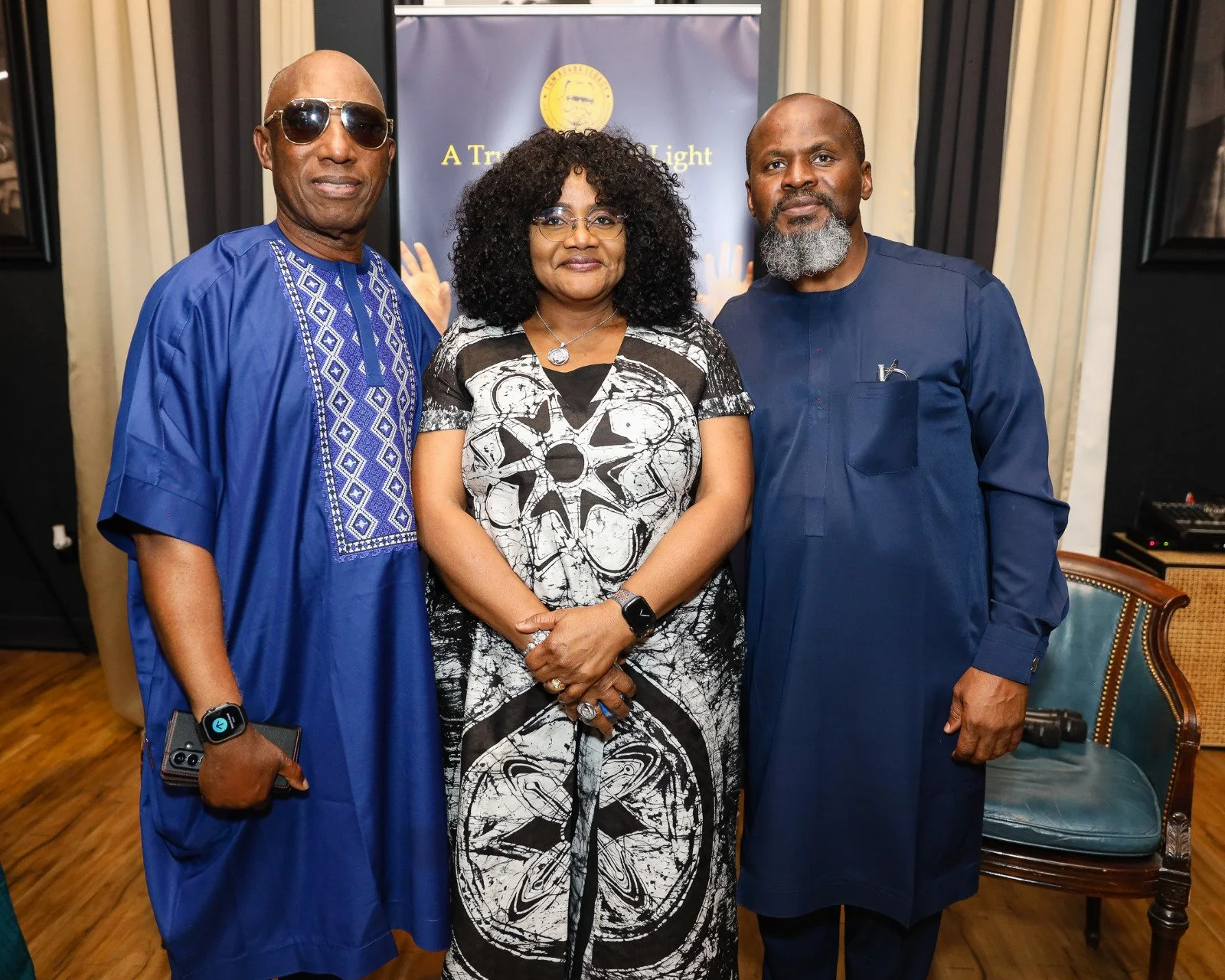
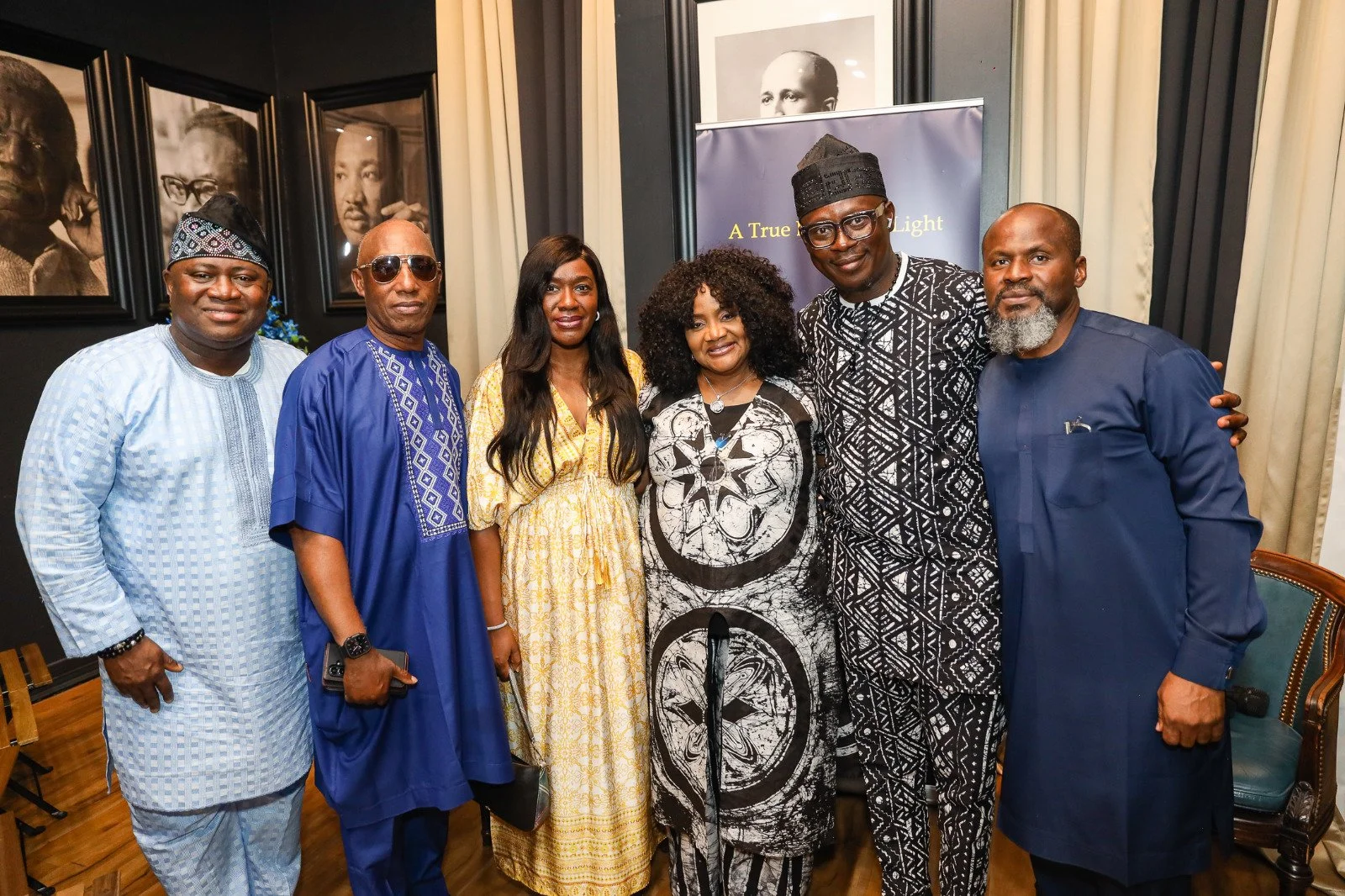
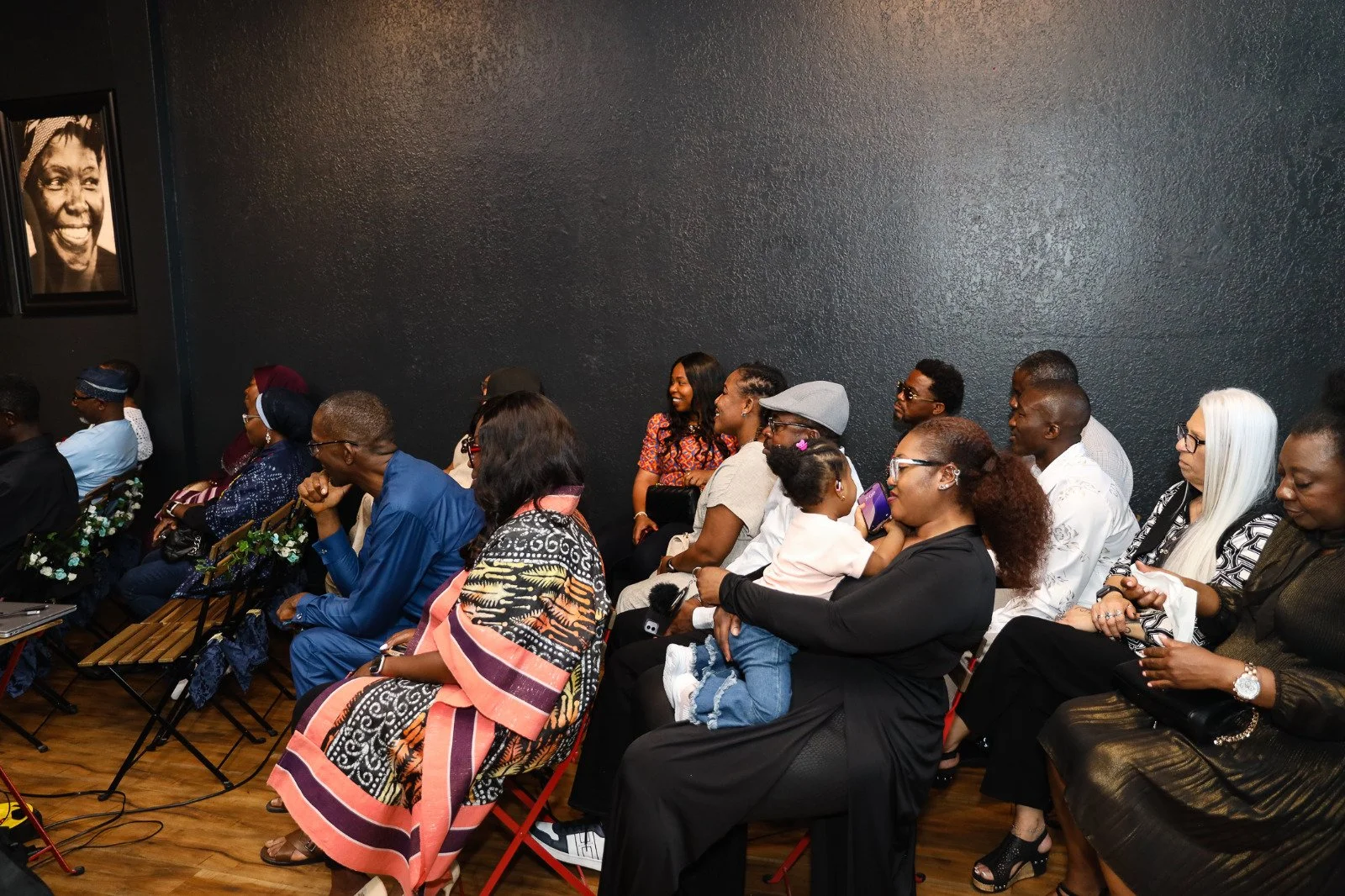
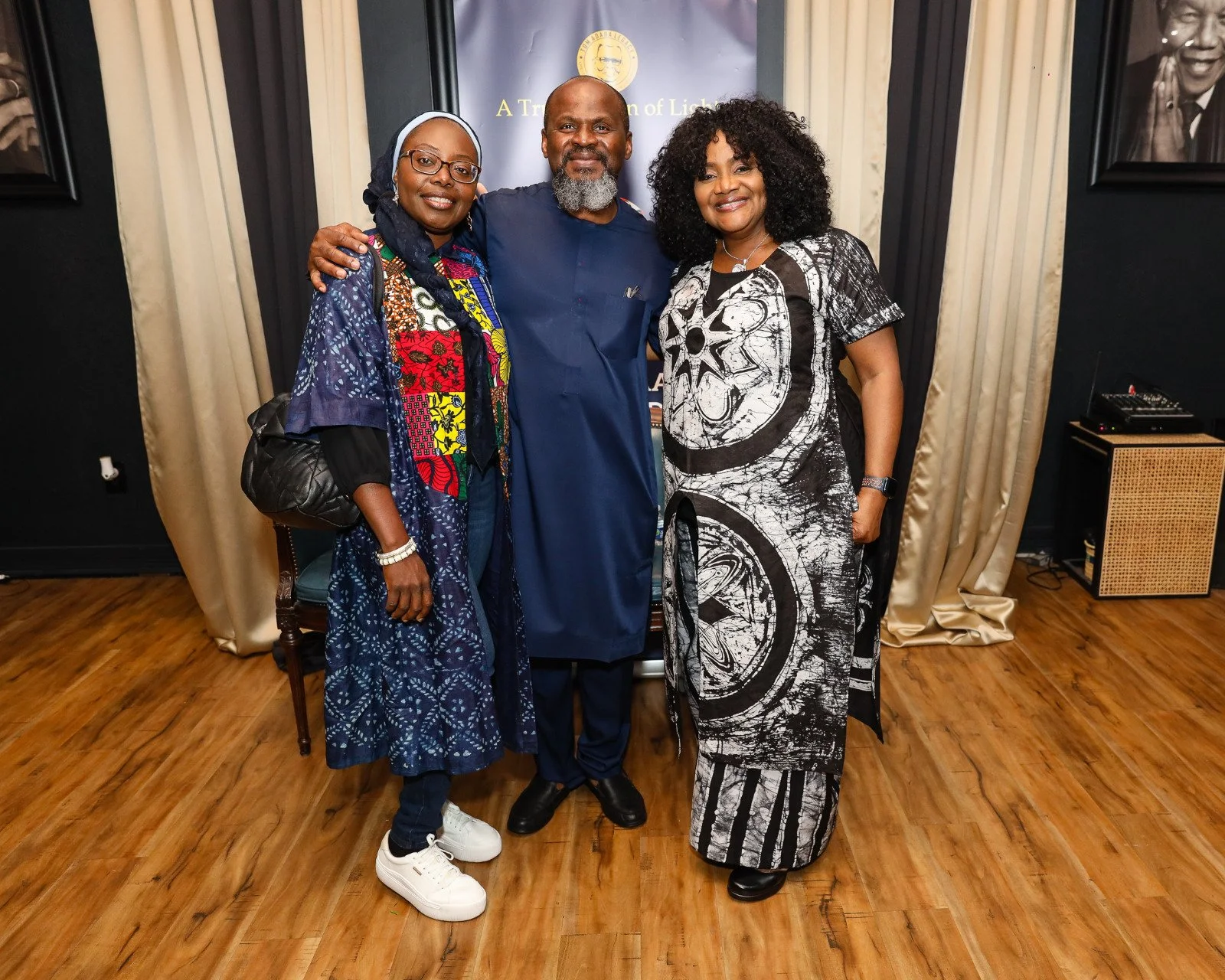
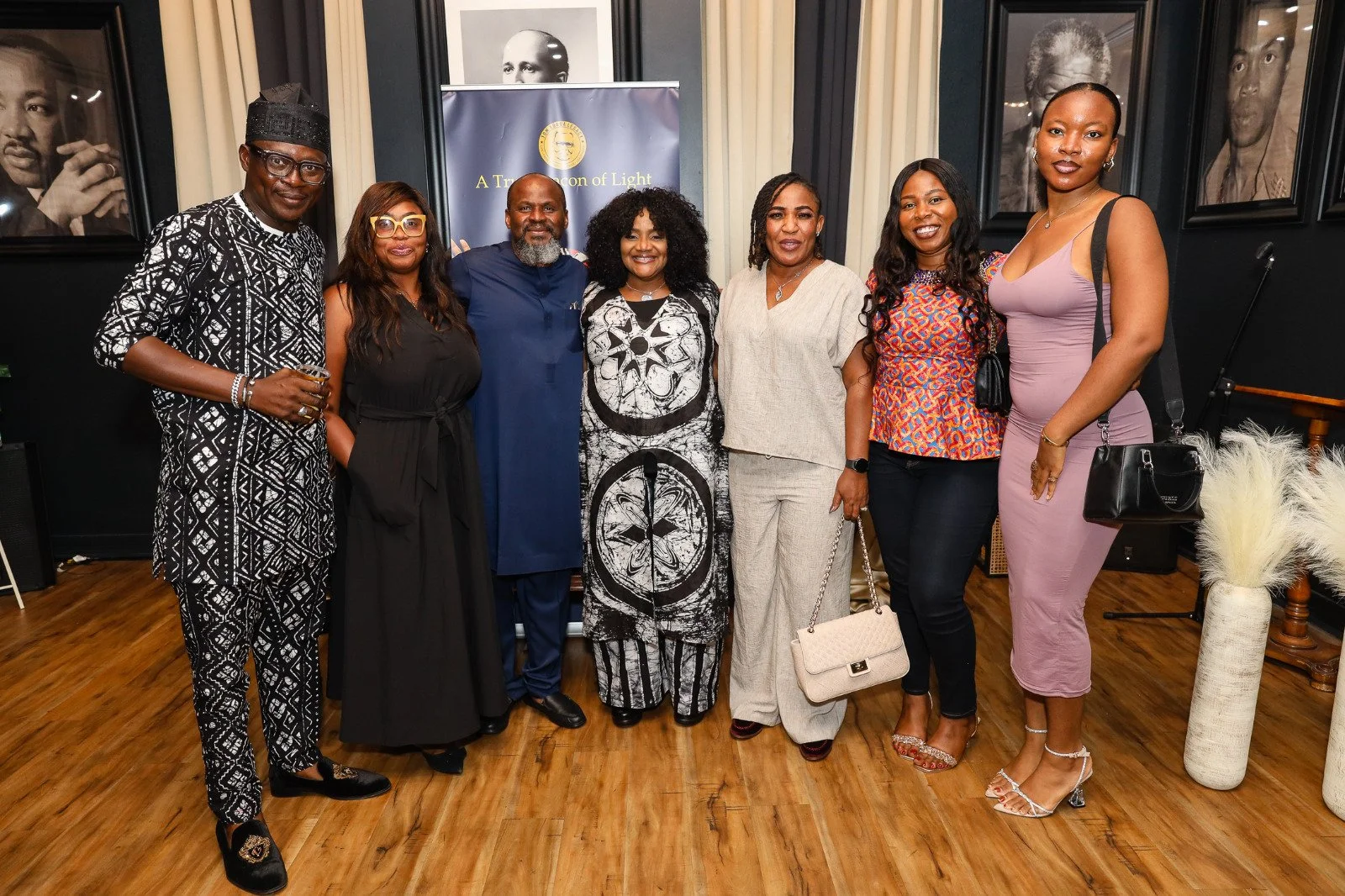
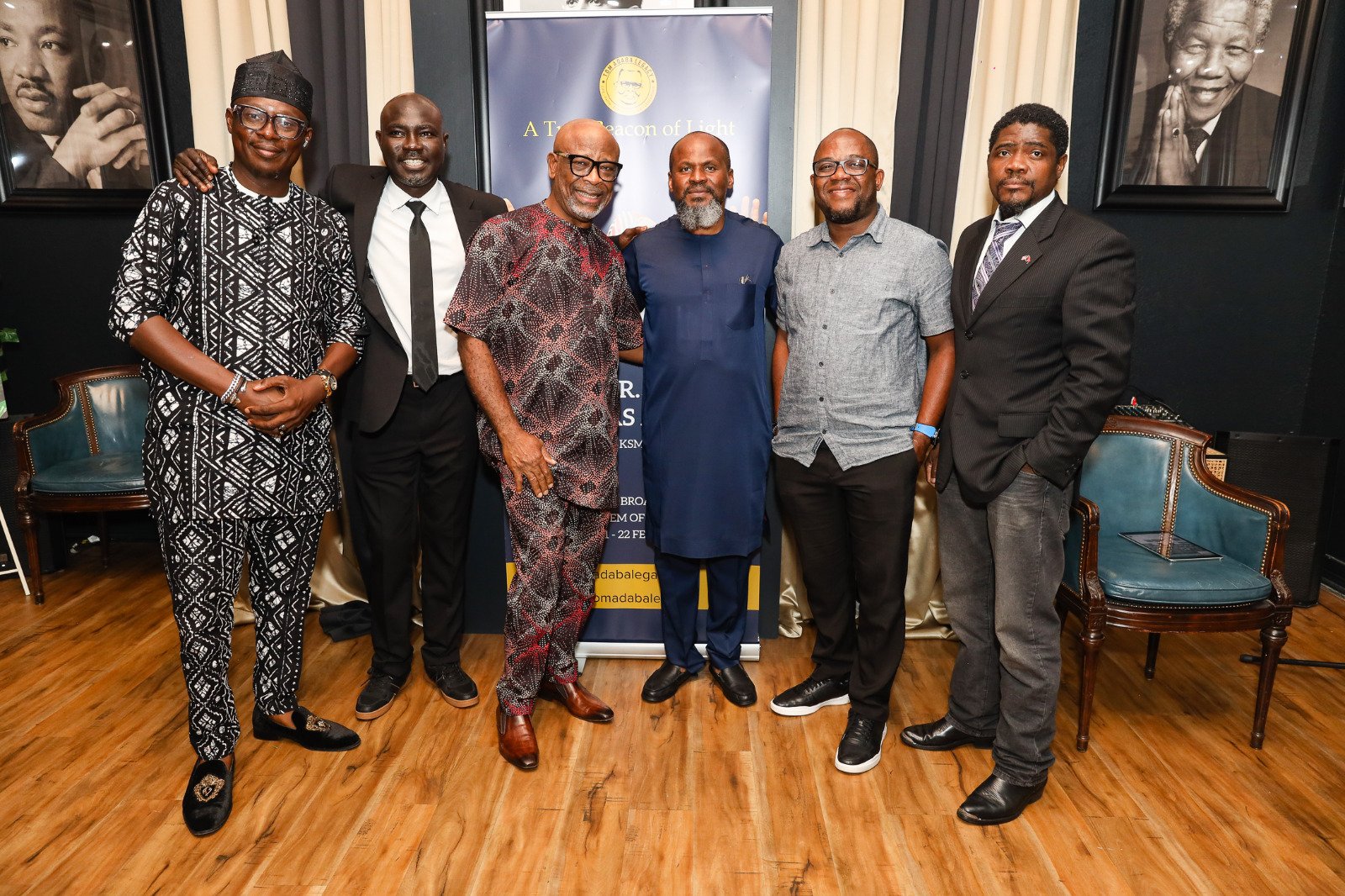
On August 17, 2025, family, friends, and admirers gathered in Houston, Texas, for An Evening of Honor, a moving tribute to the life and legacy of Ohi Dr. Aaze Thomas Adaba, a Nigerian veteran broadcaster who passed away on the 22nd of February 2025. Among those who spearheaded the commemoration was his son Mr. Onimisi Adaba, a media practitioner, and a member of the Tom Adaba Legacy Foundation Board. In a reflective interview, he shared the significance of the event, its highlights, and the enduring impact of the man whose life was being celebrated.
By Melody-Esther Soyemi
Photos by Ken Eke @kenin3dx
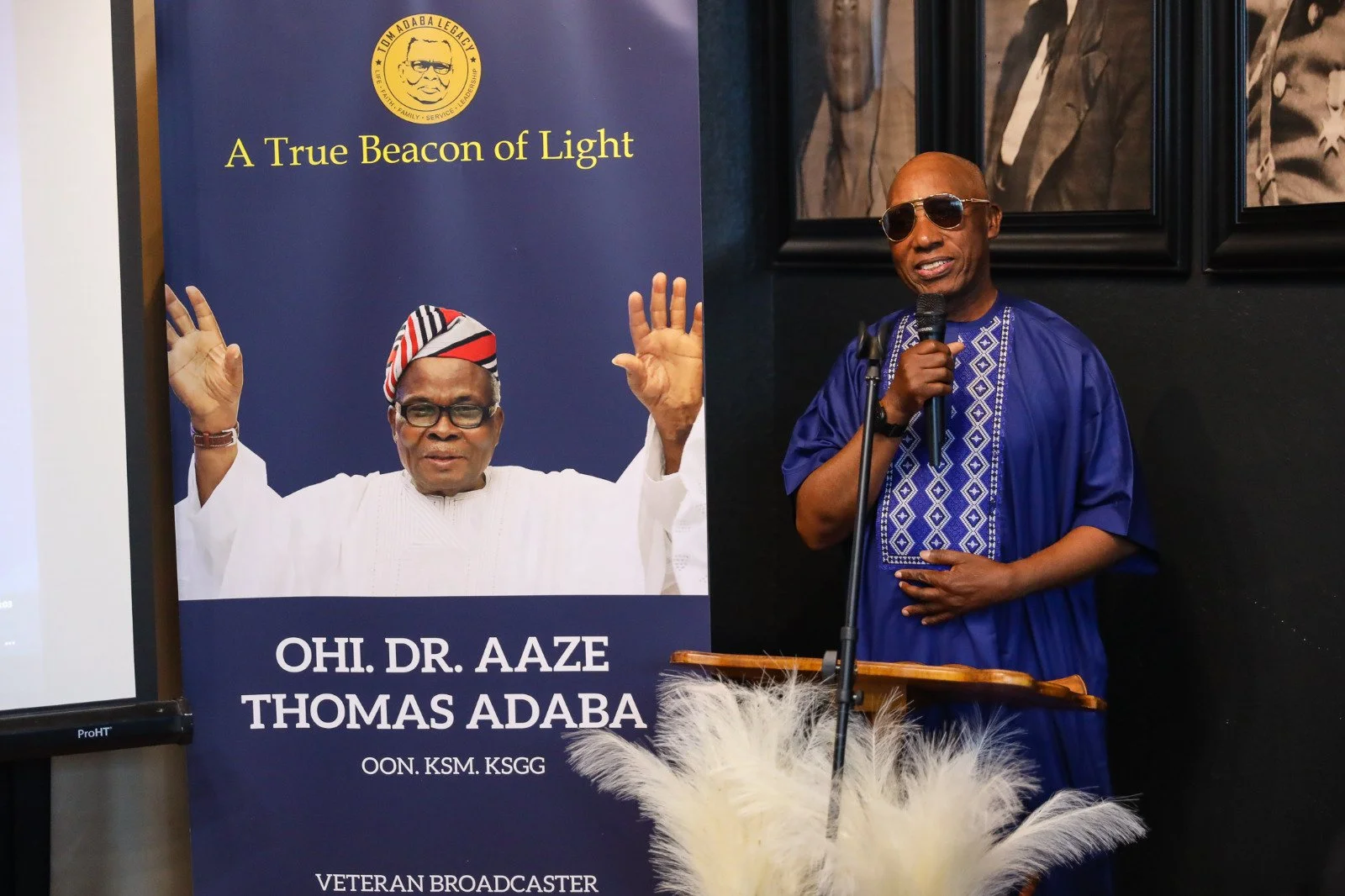
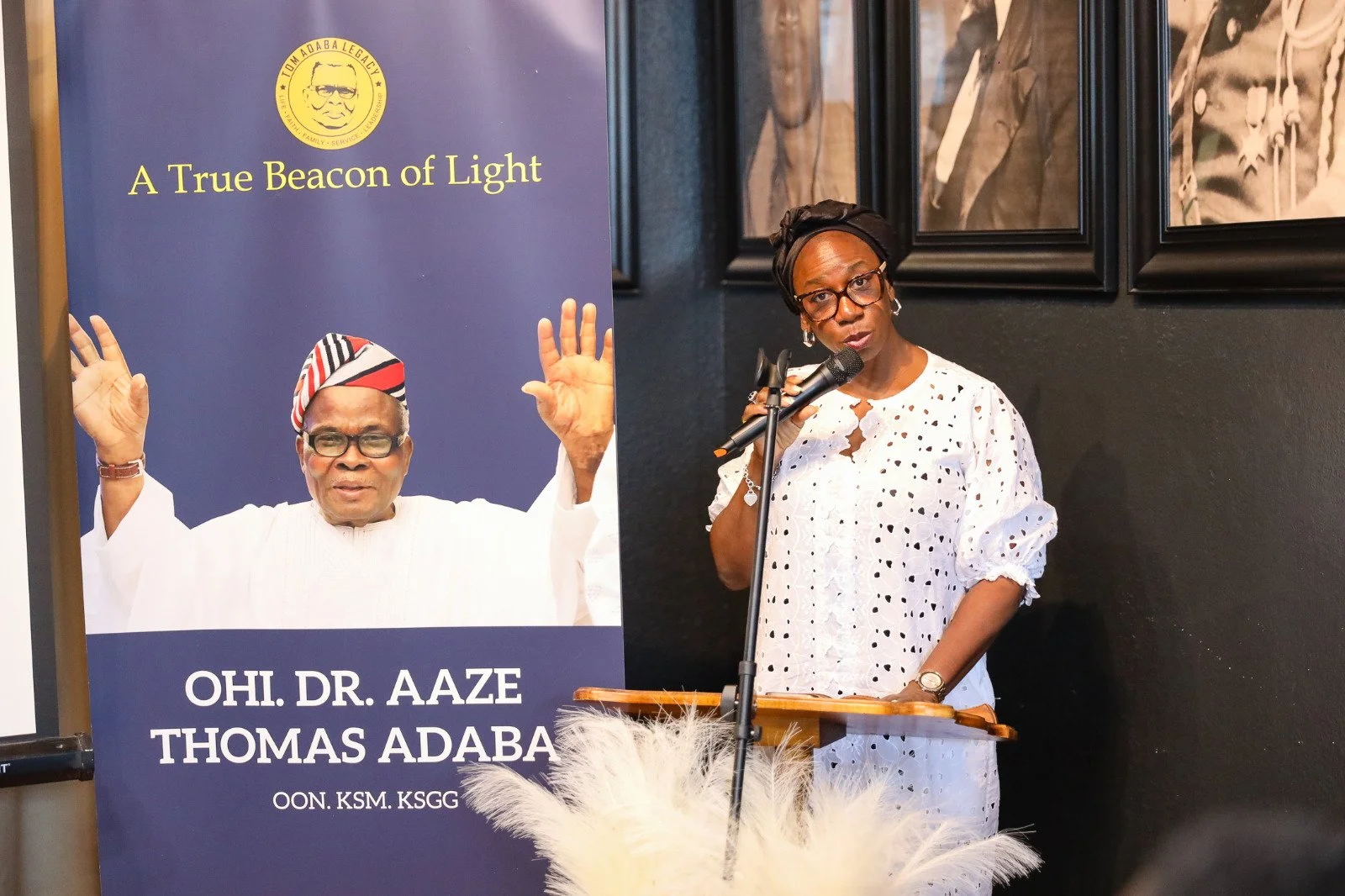
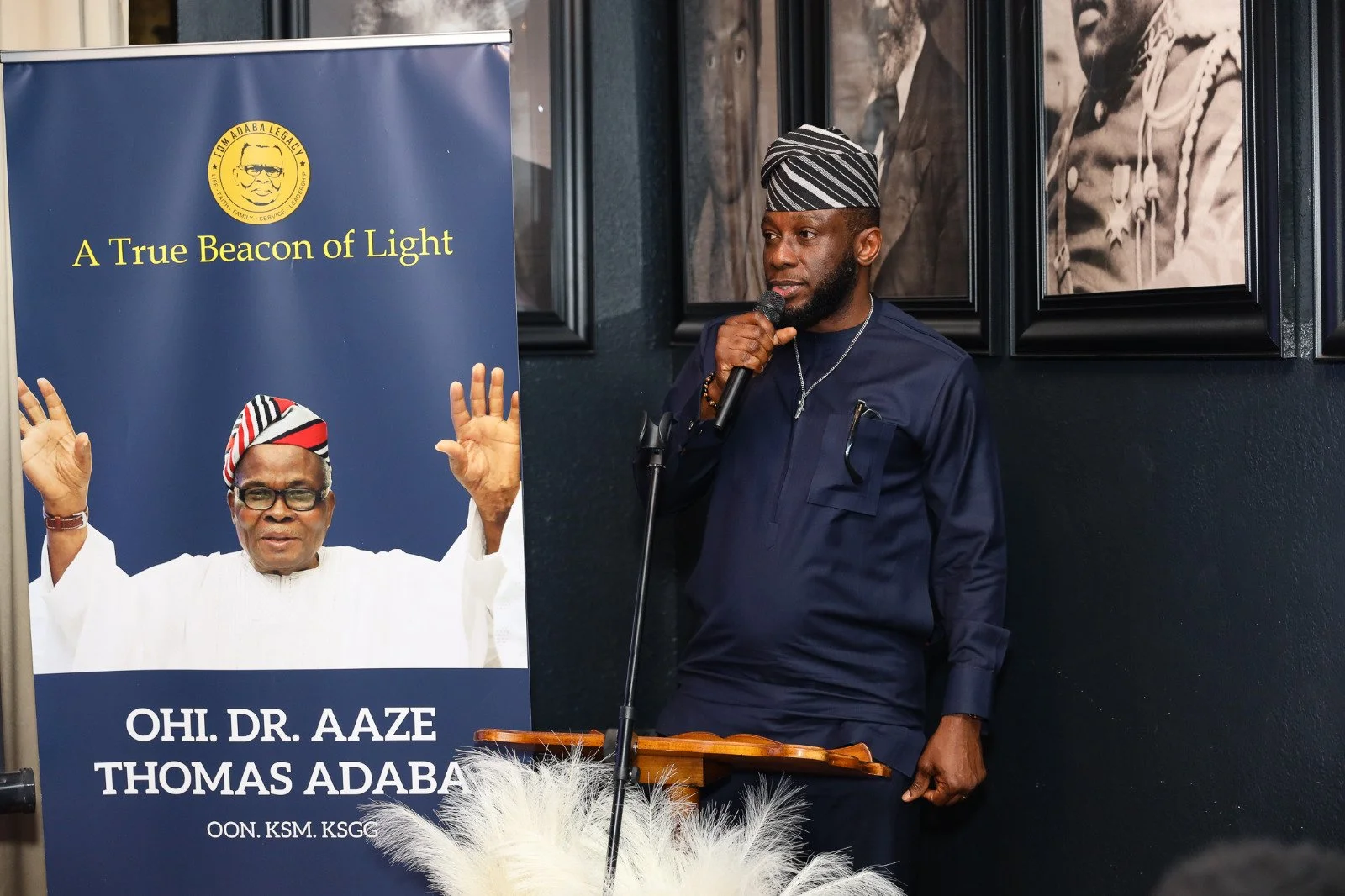
Mr. Austin Oniwon of the Oniwon Foundation, pays glowing tributes to the late Dr. Tom Adaba.
On August 17, 2025, family, friends, and admirers gathered in Houston, Texas, for An Evening of Honor, a moving tribute to the life and legacy of Ohi Dr. Aaze Thomas Adaba, a Nigerian veteran broadcaster who passed away on the 22nd of February 2025. Among those who spearheaded the commemoration was his son Mr. Onimisi Adaba, a media practitioner, and a member of the Tom Adaba Legacy Foundation Board. In a reflective interview, he shared the significance of the event, its highlights, and the enduring impact of the man whose life was being celebrated.
Honoring a Life Well Lived
Speaking on the purpose of the gathering, Mr. Onimisi explained that the evening was about much more than remembrance. “It was an evening to introduce my friends here in Houston to the man I would have loved for them to meet, and they would have loved to meet,” he said. “Since many of us could not attend the funeral, it was of importance to have something in his honor.” For him, the event was both personal and communal, a way of bridging distances and ensuring that Dr. Adaba’s values and story were shared across borders.
Storytelling Through Memories and Media
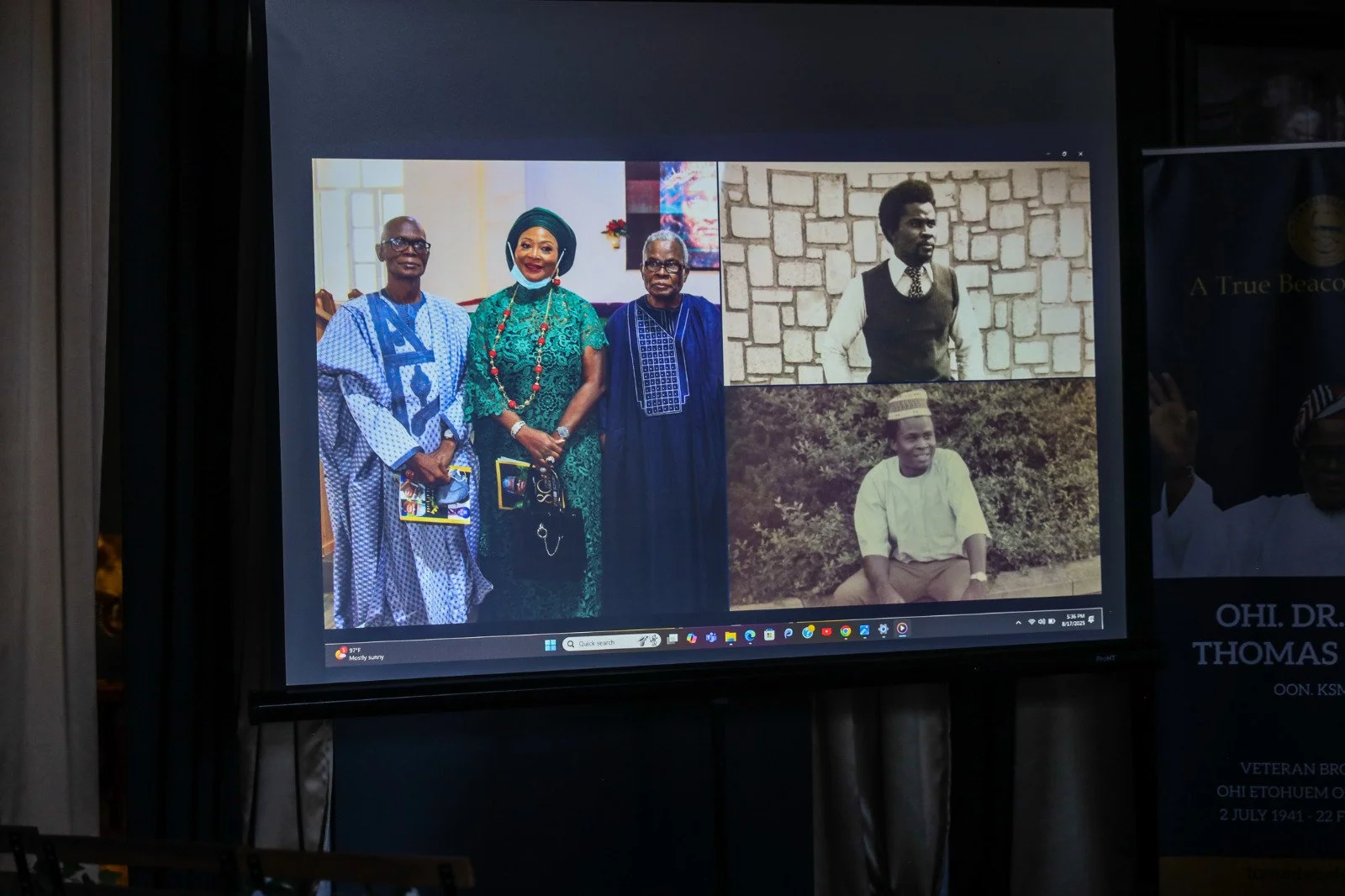
Unlike the traditional service of songs, the evening was video-driven. Carefully produced clips showcased different moments from Dr. Adaba’s life: the night of tributes, funeral, thanksgiving service, and personal tributes. Friends and family also shared heartfelt stories.
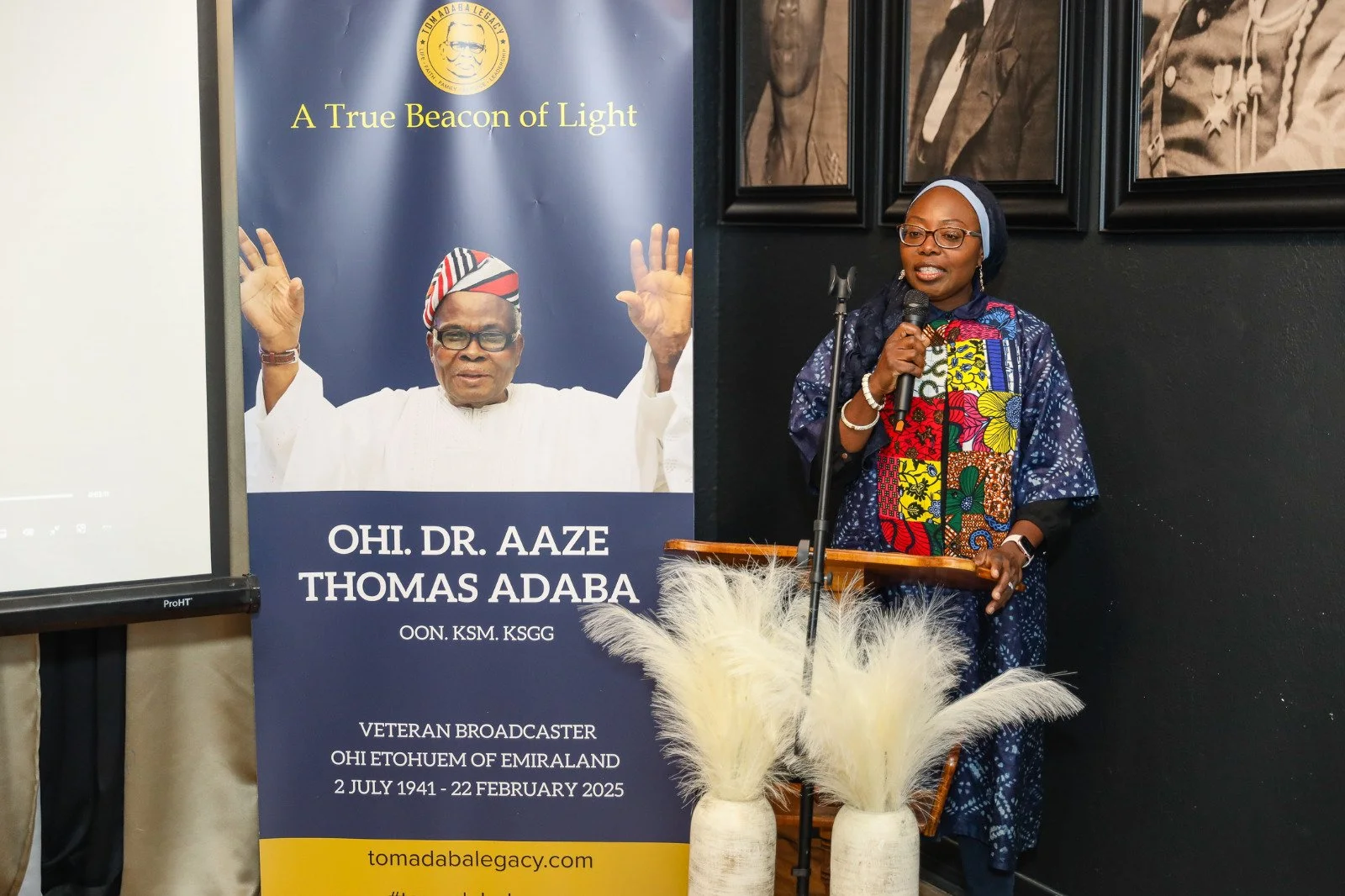
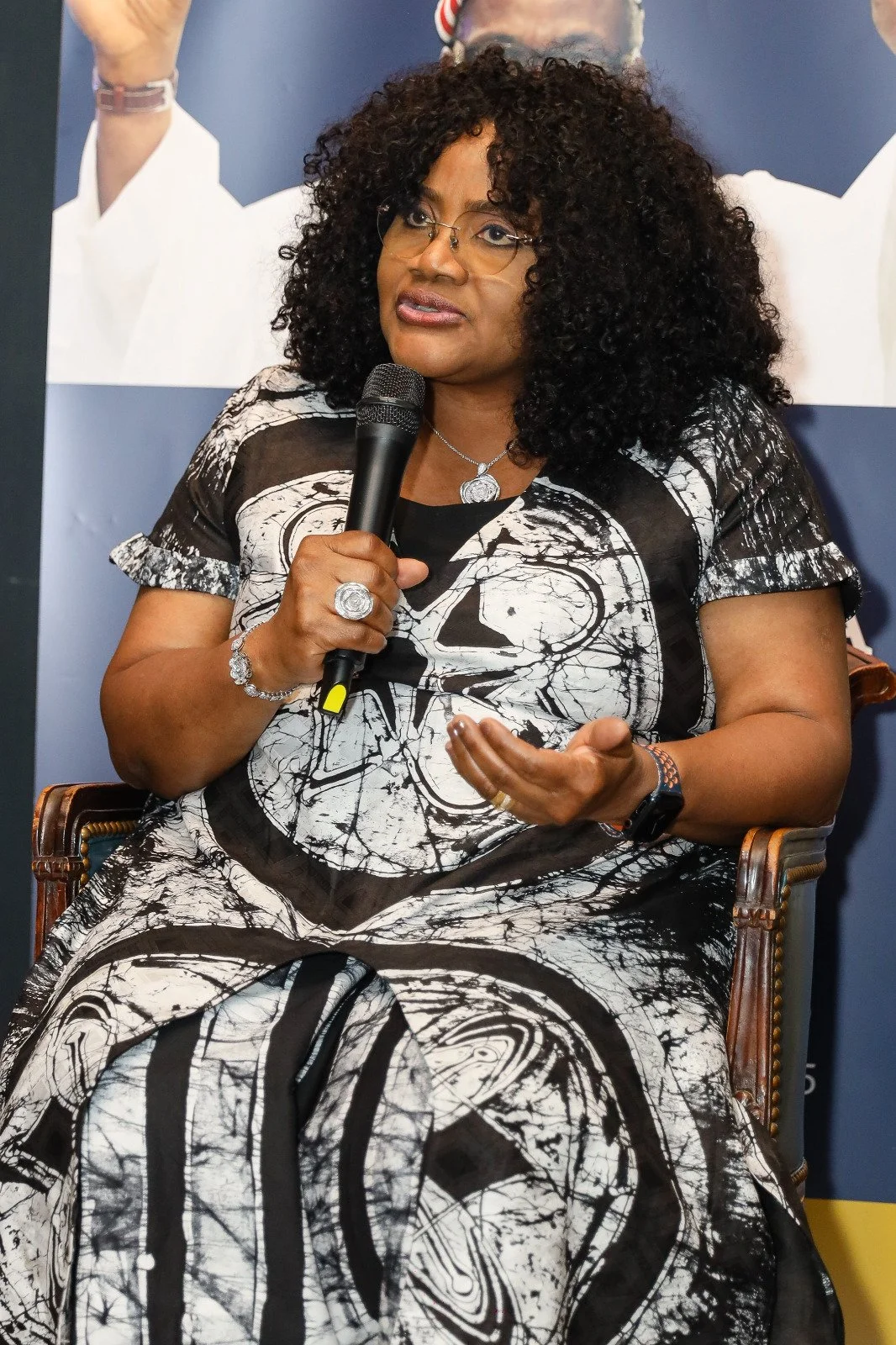
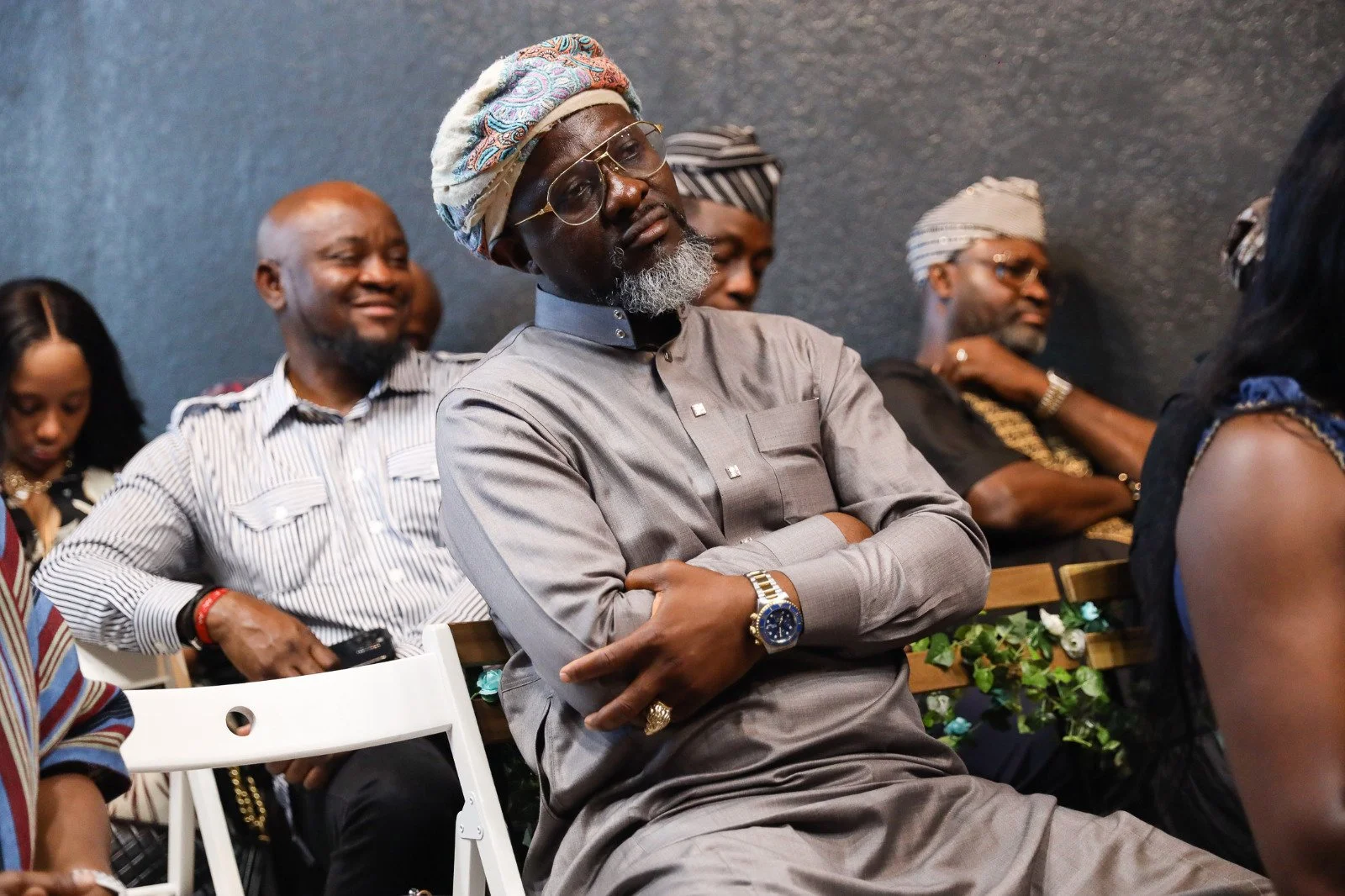
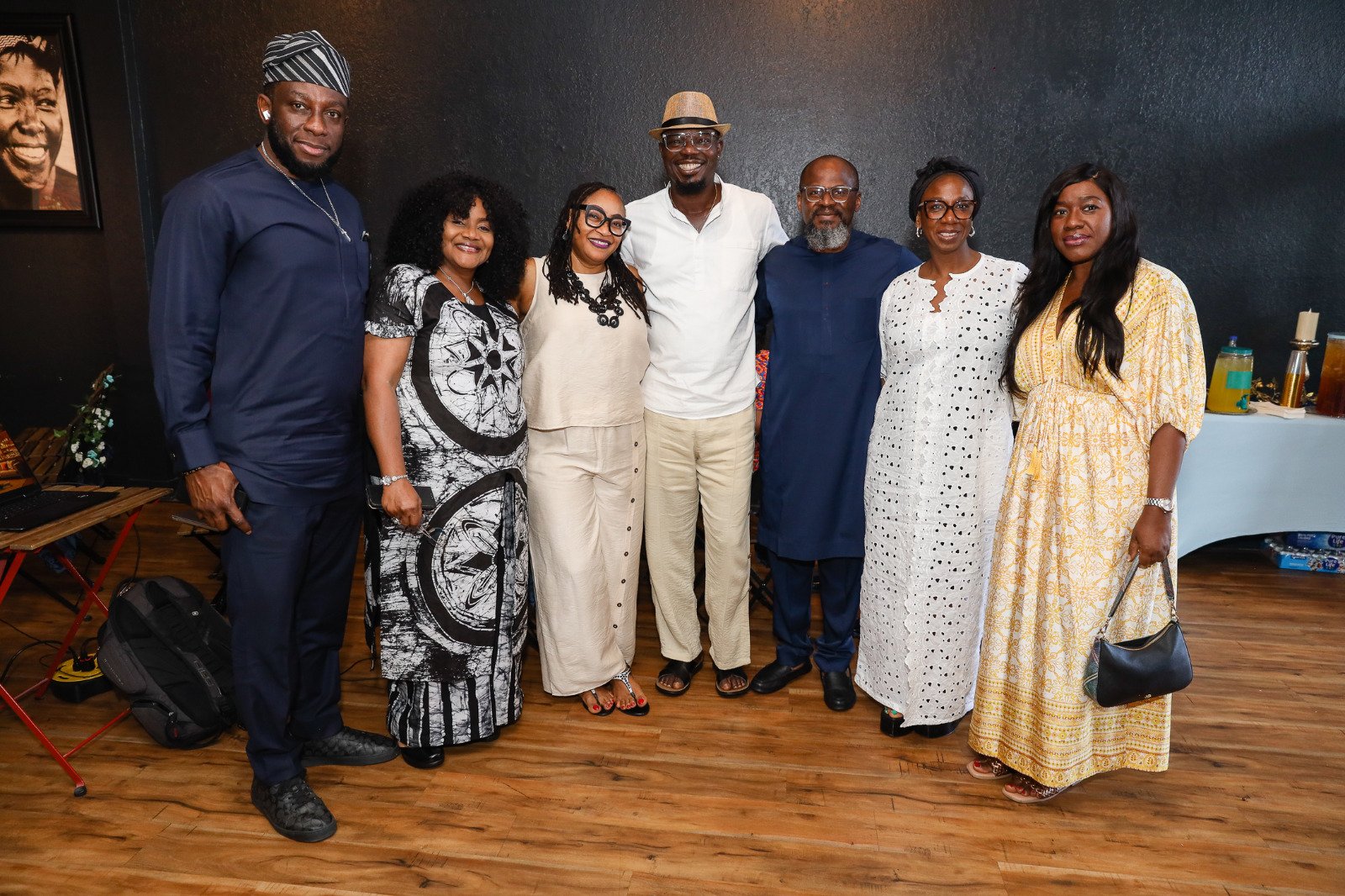
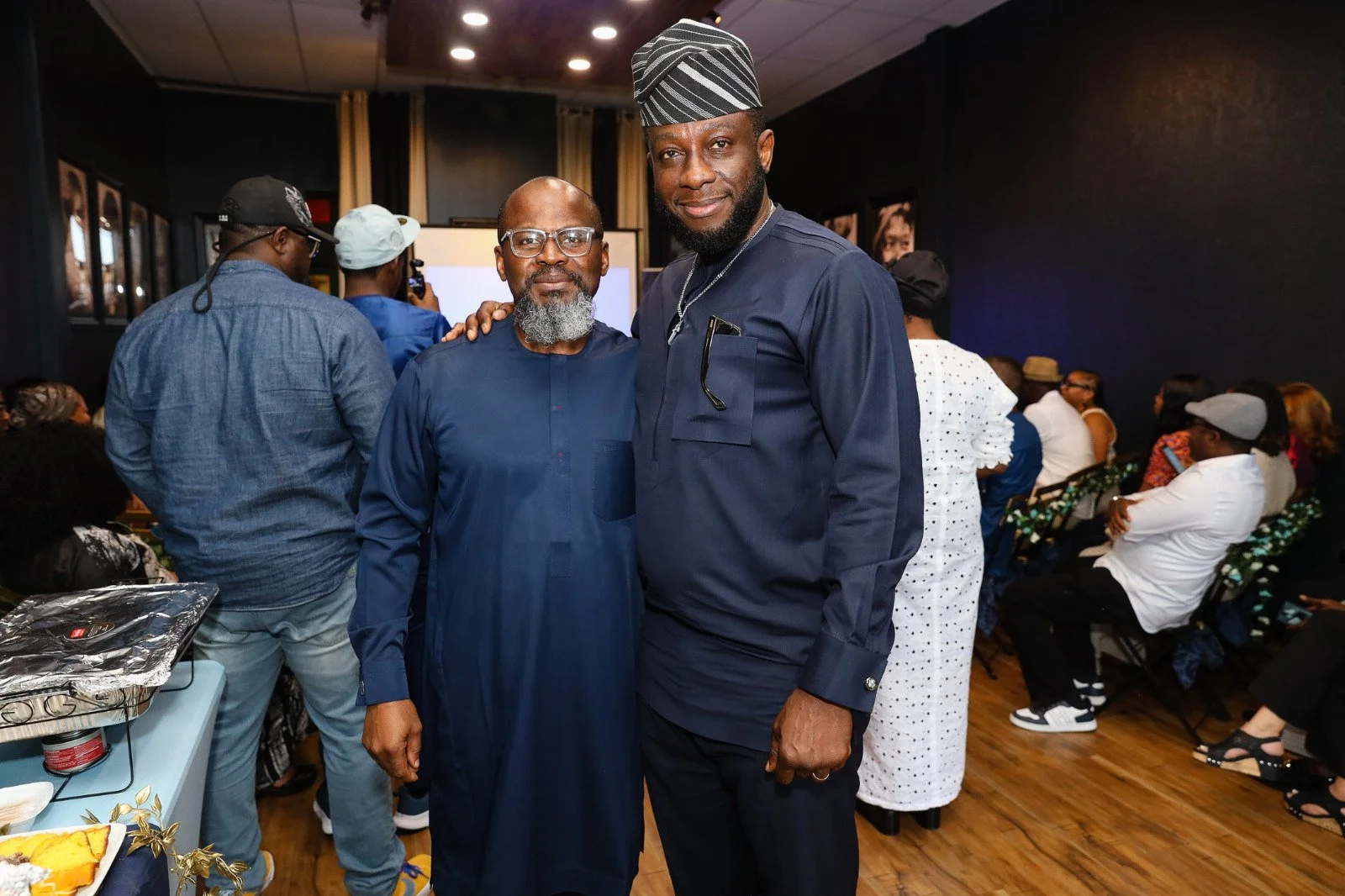
“Life is all about stories and how we tell those stories really matters,” Mr Onimisi reflected. Guests like Mr. Austin Oniwon, a long-standing family friend, as well as Mr. Michael Ozigi, Mrs. Mariam Yusuf, and Mrs. Josephine Odessa Idowu, all brought unique perspectives. Mrs. Margaret Adaba Soyemi, Dr. Adaba’s eldest daughter, also came all the way from Nigeria and was part of the event, adding her own presence and memories to the evening. Each tribute revealed another layer of the man described as a mentor, disciplinarian, friend, and humble leader. One attendee described the program as “something entirely different, something I have never experienced before and found deeply revealing and relatable.” For many, it felt like an intimate introduction to Dr. Adaba himself.
Building on His Legacy
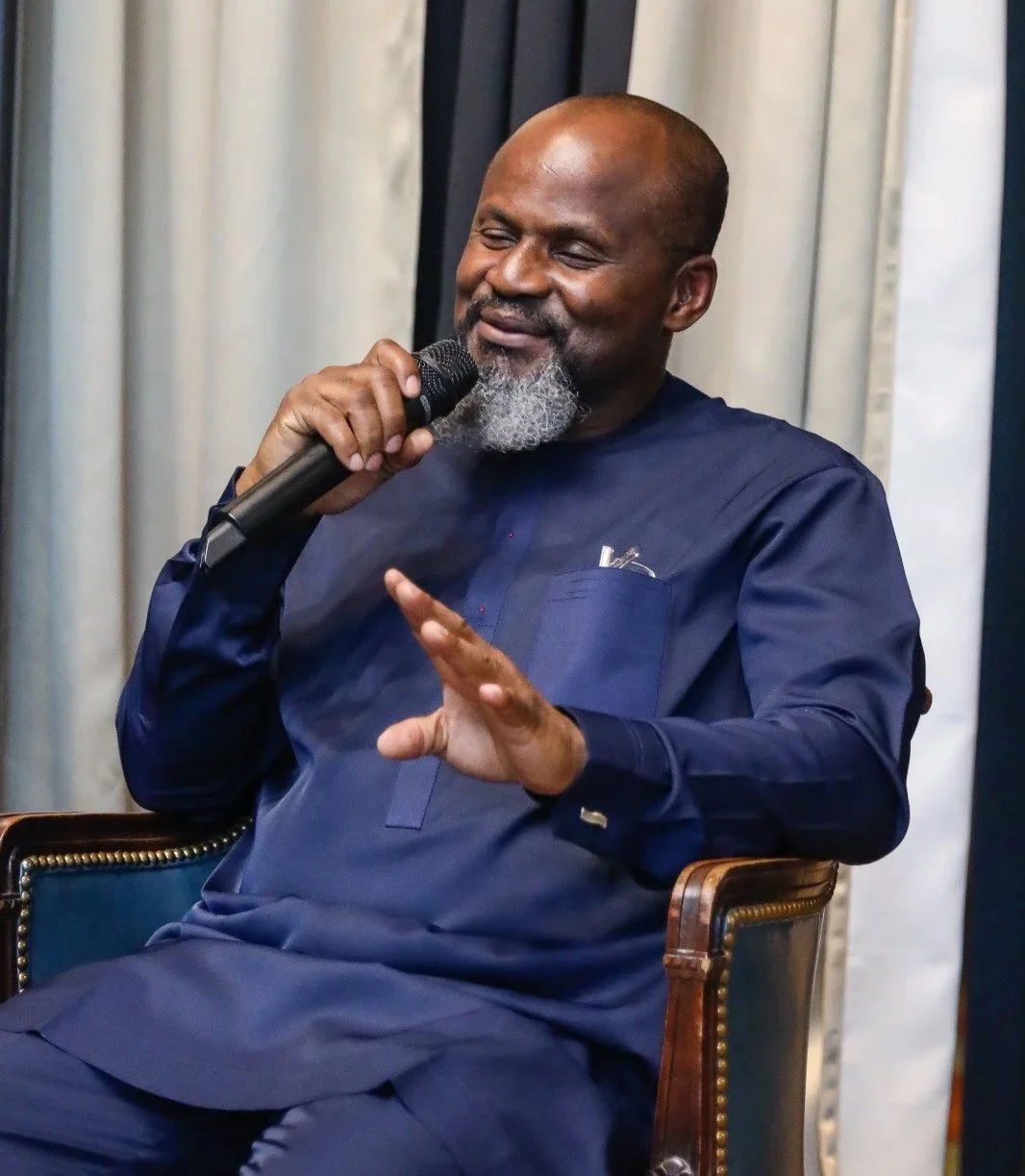
Mr. Onimisi Adaba, Son of Dr. Tom Adaba speaks at the event
Mr Onimisi also spoke about the work of the Tom Adaba Legacy Foundation, which is focused on education, youth empowerment, and cultural preservation. He revealed that upcoming projects include initiatives for the girl child, mentorship for young men, and revival of the Ebira weaving industry, a traditional craft with international potential but lacking promotion and funding.
Linked to this effort is an agricultural project exploring cotton farming to support textile production, aiming not just to preserve heritage but also to create economic opportunities for local communities.
“Our goal,” Onimisi explained, “is to uphold values and moral standards while empowering young people to be productive and creative. This is how we carry forward what Dr. Adaba stood for.
A Father, Mentor, and Humble Leader
When asked what Dr. Adaba meant to him personally, Mr Onimisi’s voice carried both reverence and gratitude. “He was everything, a simple man who applied himself fully in every role, whether as a father, mentor, or leader. He shaped me in a way nobody else could. Looking back now, I thank God for this man. He did a great job.”
Mr Onimisi also reflected on Dr. Adaba’s writings and character: “His book, “But for God”, just caps it up. The title alone says it all. He was able to rise to the zenith of his career, be who he was, and yet remain down to earth with whoever came his way. Speaking of humility, he was humble. He played that balance quite well.”
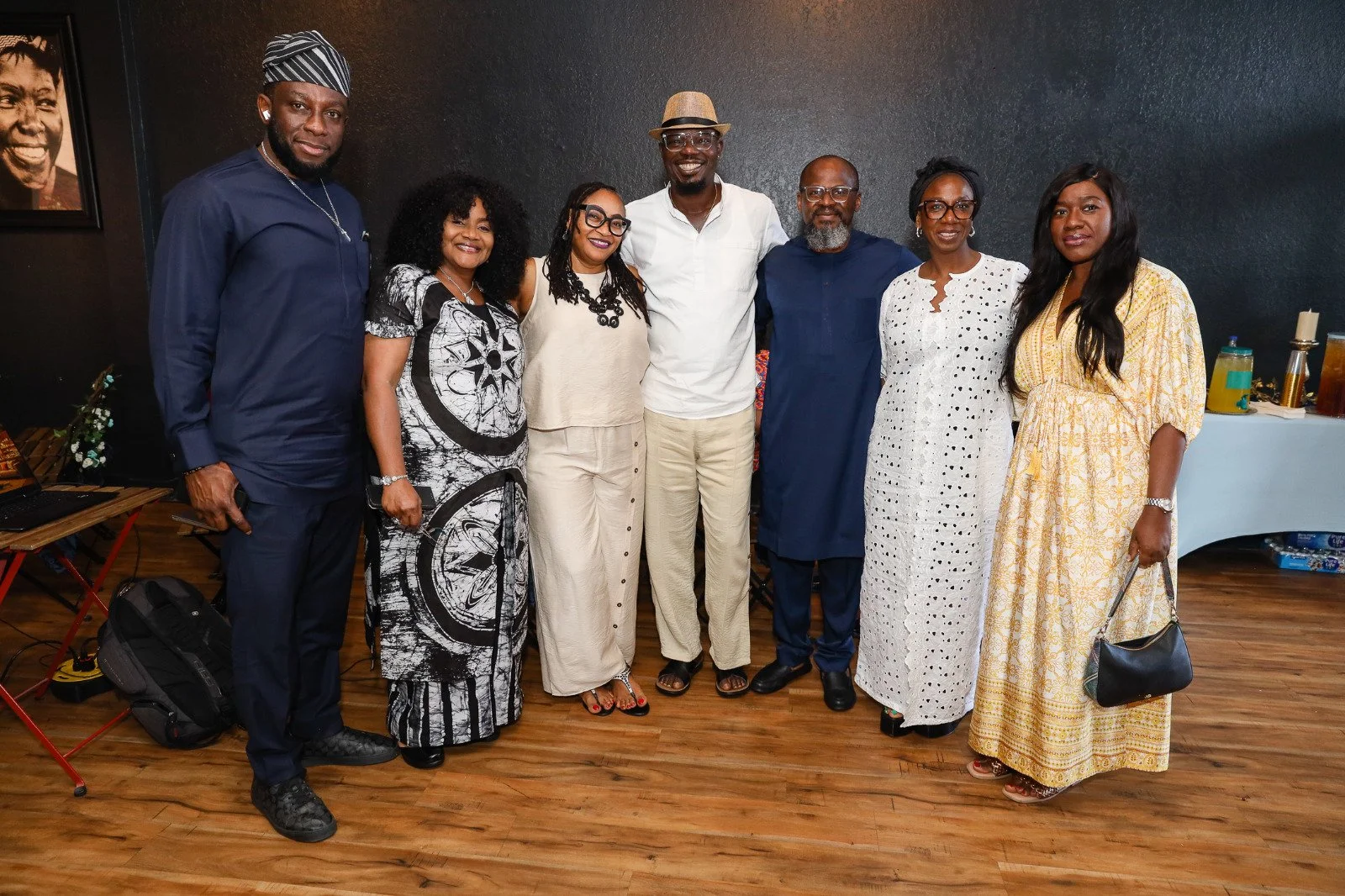
Despite his towering achievements, Dr. Adaba’s humility and ability to make each person feel uniquely valued left a lasting impression. “He wasn’t a saint,” he admitted, “but he balanced life well. He had shortcomings, yet he always made everyone feel special.”
A Legacy of Honor
The Houston event was more than a memorial; it was a storytelling evening that connected generations, preserved history, and set the stage for future impact. For those present, it was a chance to meet Dr. Adaba through the voices and memories of those who knew him best.
As Mr Onimisi concluded, “Let me introduce this man to my friends here in Houston who didn’t get the chance to meet him personally.” In doing so, he ensured that Dr. Aaze Tom Adaba’s legacy continues to inspire, teach, and shape lives far beyond his earthly years.
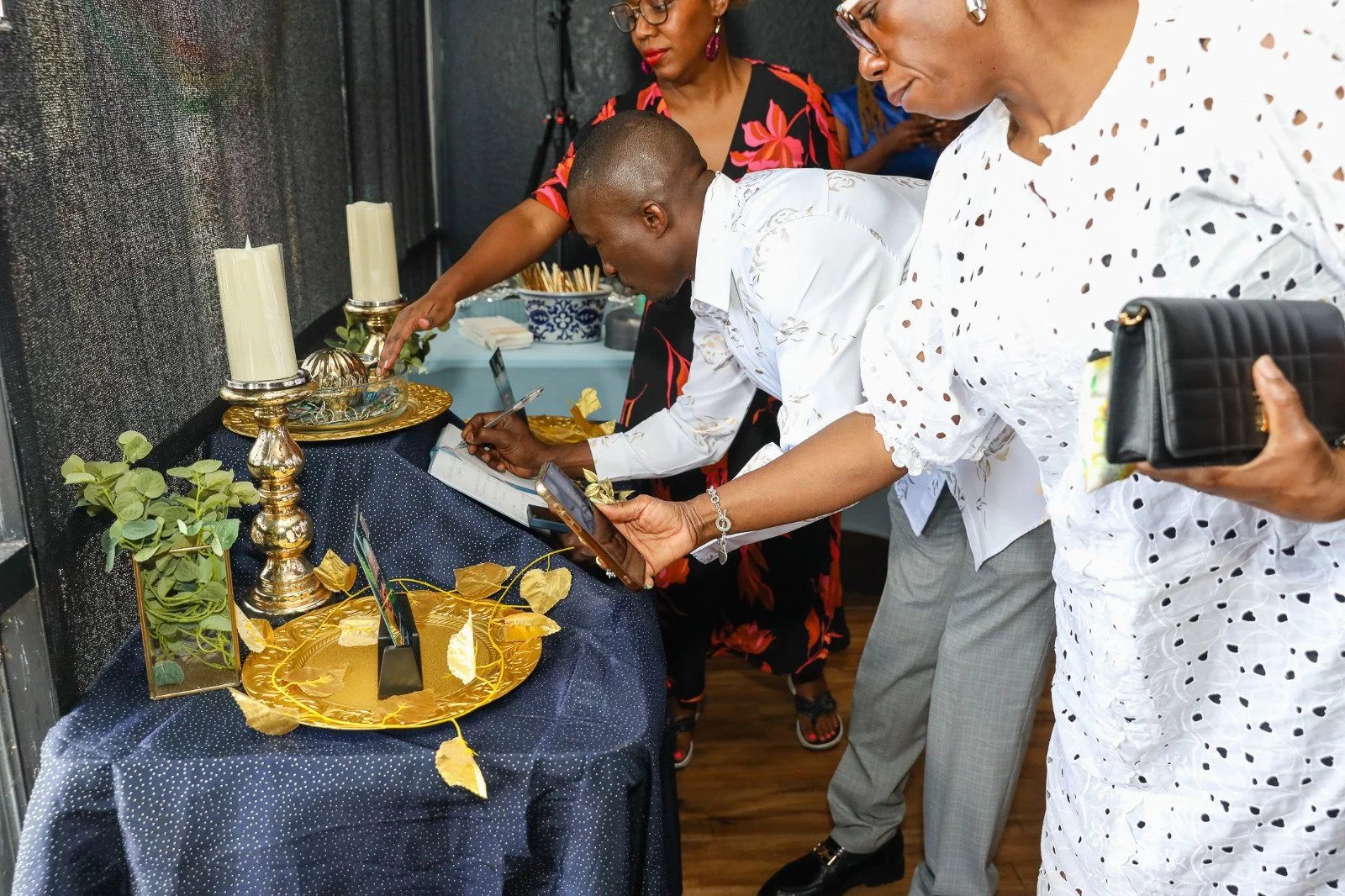
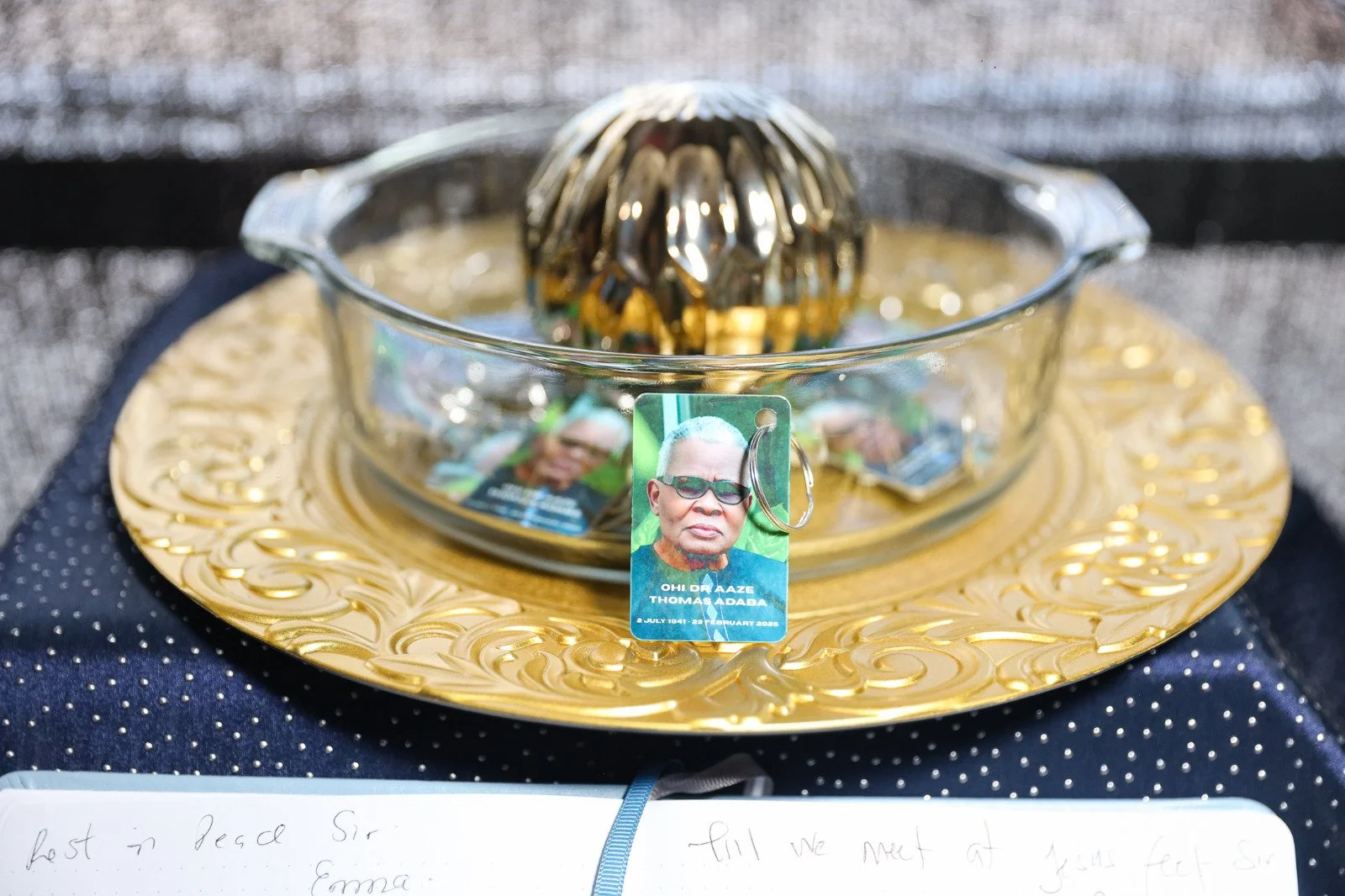
Leave a tribute for Dr. Tom Adaba here.
Photo Highlights
Democracy on Trial: A Canadian Court’s Wake-Up Call for Nigeria
On June 17, 2025, far from Abuja, a Federal Court in Ontario, Canada, delivered a ruling that should shake every Nigerian who still believes in democracy. The case was not about a coup, an insurgency, or a terrorist cell in the usual sense. It was about our politics—our political parties—and the shocking conclusion of a court with no partisan interest in our affairs: Nigeria’s two dominant parties, the People’s Democratic Party (PDP) and the All Progressives Congress (APC), have, through systemic violence and democratic sabotage, operated in ways tantamount to terrorism under Canadian law.
Democracy on Trial: A Canadian Court’s Wake-Up Call for Nigeria
By Bolaji O. Akinyemi
On June 17, 2025, far from Abuja, a Federal Court in Ontario, Canada, delivered a ruling that should shake every Nigerian who still believes in democracy. The case was not about a coup, an insurgency, or a terrorist cell in the usual sense. It was about our politics—our political parties—and the shocking conclusion of a court with no partisan interest in our affairs: Nigeria’s two dominant parties, the People’s Democratic Party (PDP) and the All Progressives Congress (APC), have, through systemic violence and democratic sabotage, operated in ways tantamount to terrorism under Canadian law.
The case arose from an asylum application by Douglas Egharevba, a Nigerian politician who once belonged to the PDP. He sought refuge in Canada, citing political persecution. But Madam Justice Phuong T.V. Ngo upheld earlier findings that both PDP and APC have histories of political violence so entrenched that mere membership in either is grounds for inadmissibility under Canada’s Immigration and Refugee Protection Act. The evidence laid before the court was damning: ballot stuffing, voter intimidation, violent suppression of opposition, and a culture of impunity stretching from the PDP’s early years in 2003 and 2004, through the APC’s more recent reigns.
The judge rejected the lazy excuse that “this is just how politics works in Nigeria,” calling it “circular and paradoxical.” In other words: if corruption and violence are the rules of the game, then the game is not democracy.
Why Nigerians Must Pay Attention
This was not a judgment written by an opposition politician, an activist blogger, or an NGO desperate for donor funding. This was a neutral, foreign court assessing our democracy through cold, legal reasoning—and finding it diseased at its core.
We can dismiss it as foreign meddling. We can wave it off as ignorance of our “complex realities.” But to do so would be to miss the point entirely. This ruling is a mirror, held up from afar, reflecting the ugly truth many Nigerians already know but are too fatigued, fearful, or compromised to confront: since 1999, our political system has been managed, not by political parties in the true sense of the word, but by political cartels.
What a Political Party Is Meant to Be
The word party suggests a gathering where everyone present has a voice, a stake, and a role. In political science, a party is an organized group bound by an ideology—shared beliefs about how society should be governed. It has rules that bind both leaders and members. It educates its members. It disciplines those who betray its values. It exists to serve the nation, not the personal ambitions of a clique.
By this definition, no political party in Nigeria today qualifies as a true party. We have electoral machines, not ideological movements. We have platforms for power capture, not schools of democratic thought. We have cults of personality, not communities of purpose.
This is why elections feel like recycling—moving from PDP’s failures to APC’s failures and back again—because the rot is not in the logo or the colours, but in the structure and culture.
The Two Choices Before 2027
This Canadian ruling leaves Nigerians with two stark choices:
1. Revolution from Within: Citizens—especially youths—must enter these parties en masse and fight for internal democracy. Demand charters of principles. Demand transparent primaries. Demand that violence and vote buying attract swift expulsion. Demand that ideology—not godfatherism—determines who leads.
2. Look Beyond the Cartels: Support smaller, disciplined parties that stand on clear principles and refuse to rent themselves out to power brokers. Build movements around ideas, not personalities. Yes, it will be hard. Yes, they may lose at first. But democracy is not a one-election project—it’s a culture we must build brick by brick.
We Must Redefine “Party” Before We Can Rebuild Nigeria
Until we fix how parties are structured, Nigeria cannot be fixed. You cannot have a functional nation without functional political parties. The party is the factory where leaders are produced, tested, and refined. If the factory is broken, every product will be defective—no matter the packaging.
Our failure to build ideological parties is why the same recycled elite move from platform to platform without shame. It is why parties have no policies beyond slogans. It is why governance feels the same no matter who wins.
The Path Forward
We must:
Demand legislation that ties party registration to internal democratic standards.
Push INEC to audit party constitutions and enforce compliance.
Build civic education campaigns that teach citizens what a political party truly is and why it matters.
Organize—not just to vote—but to shape the platforms we vote for.
Conclusion: A Foreign Court Has Done What Our Own Will Not
That a Canadian court could declare our ruling parties as violent actors should embarrass our judiciary, our electoral bodies, and our political elite. But embarrassment alone will change nothing. The question is: Will Nigerians use this as a turning point?
2027 will not save us if we walk into it with the same mindset that brought us here. Whether we reform the APC and PDP from within, or build credible alternatives from without, one truth remains: until Nigerians reclaim the ideology and structure of the political party, democracy will remain an empty ritual, and our nation a mismanaged project.
We can keep dancing at this masquerade of democracy—or we can crash the party, rewrite the rules, and host a new one worthy of Nigeria’s future.
Dr. Bolaji O. Akinyemi is an Apostle and Nation Builder. He’s also President Voice of His Word Ministries and Convener Apostolic Round Table. BoT Chairman, Project Victory Call Initiative, AKA PVC Naija. He is a strategic Communicator and the C.E.O, Masterbuilder Communications.
Email:bolajiakinyemi66@gmail.com
Facebook:Bolaji Akinyemi.
X:Bolaji O Akinyemi
Instagram:bolajioakinyemi
Phone:+2348033041236
Highlights Winneba Screening
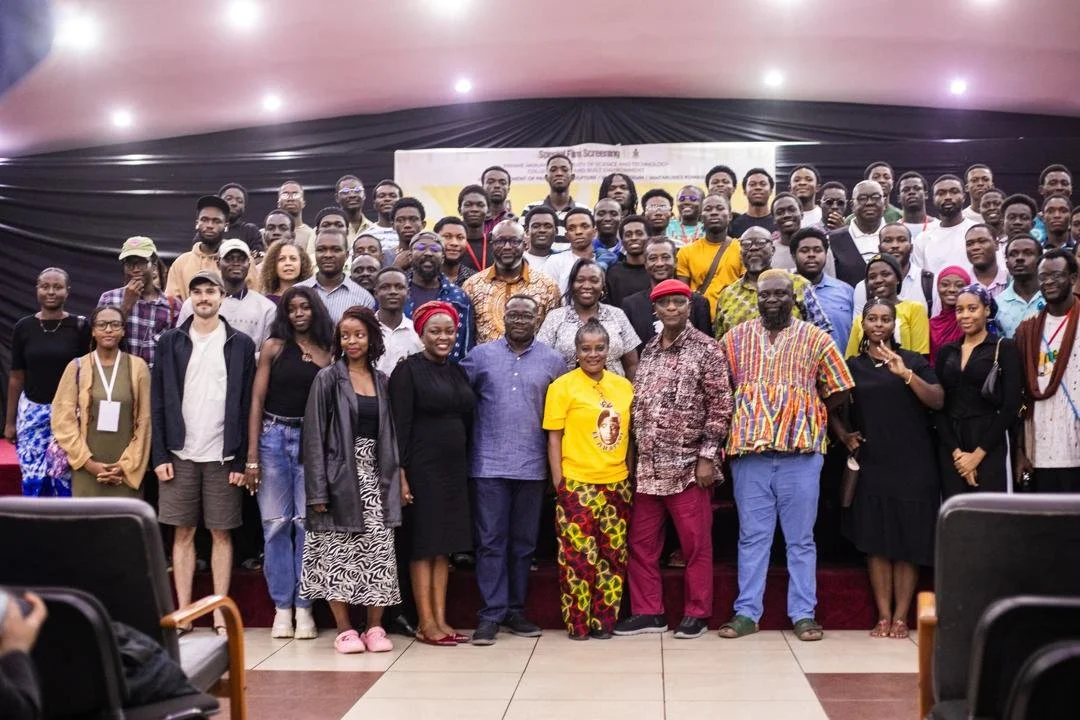
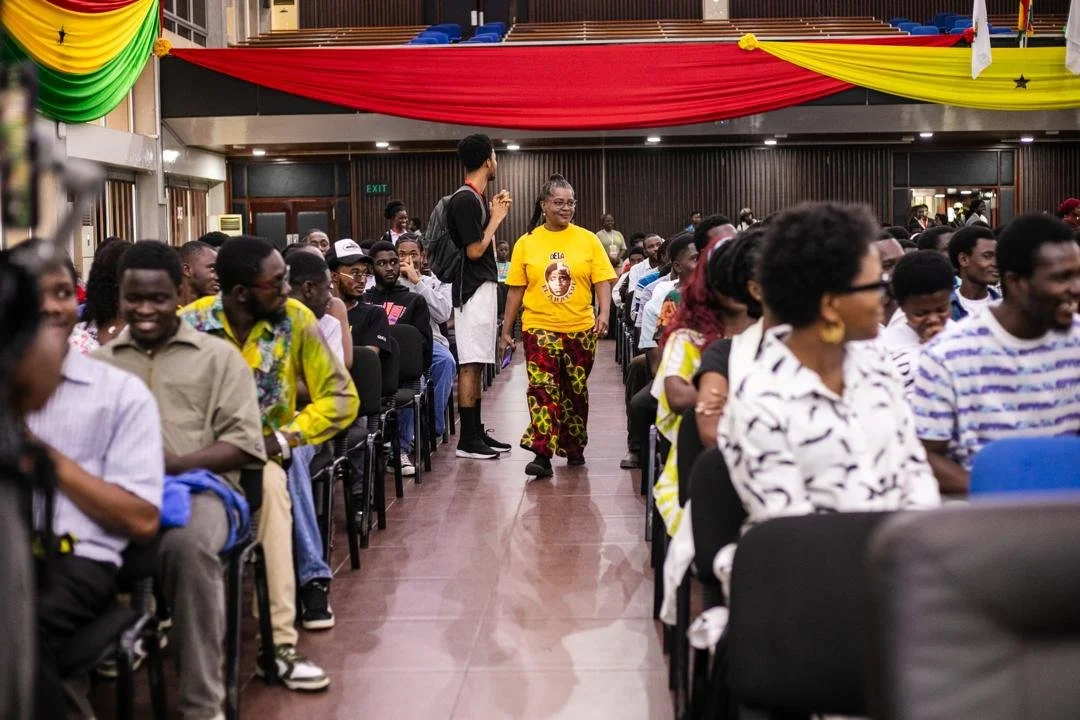
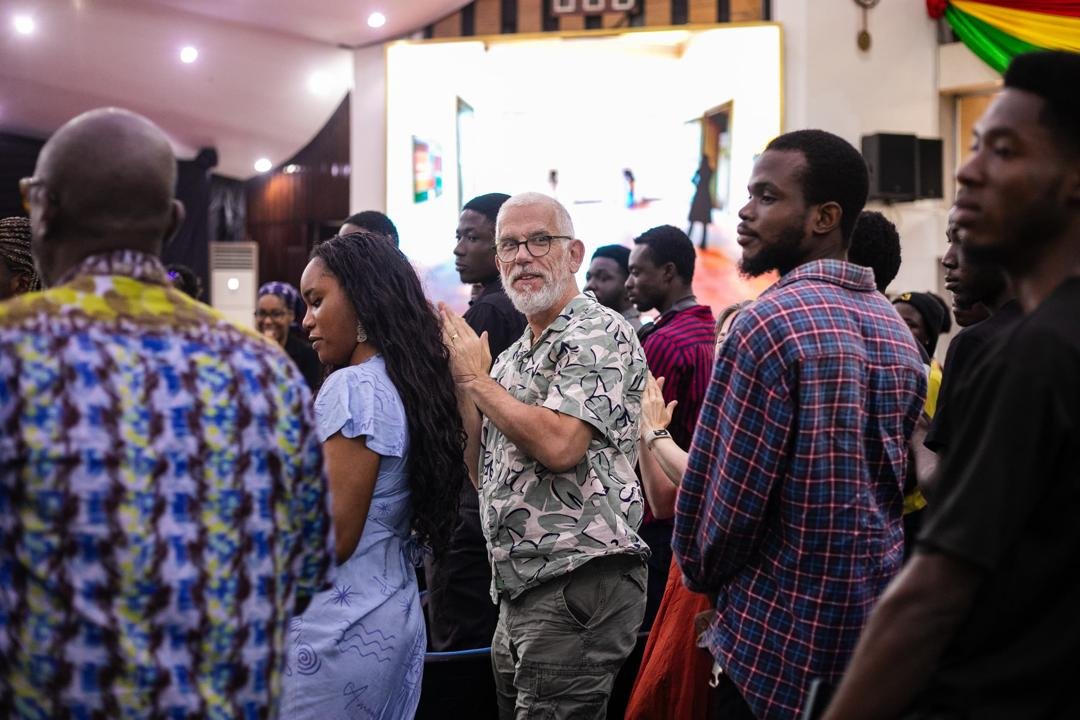
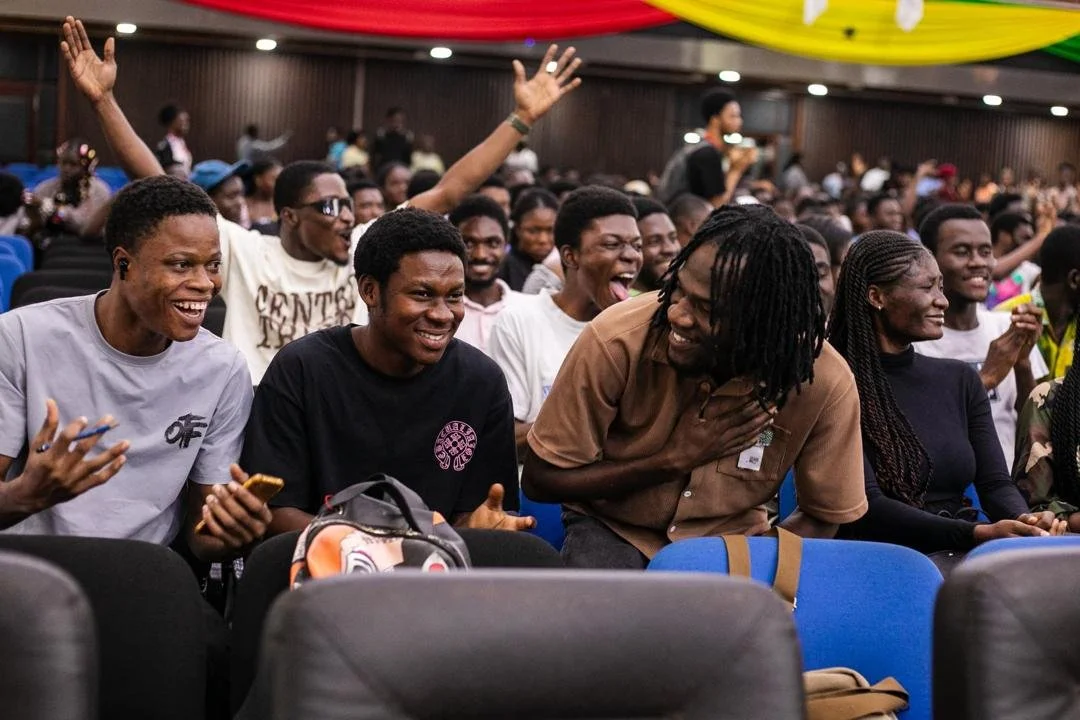
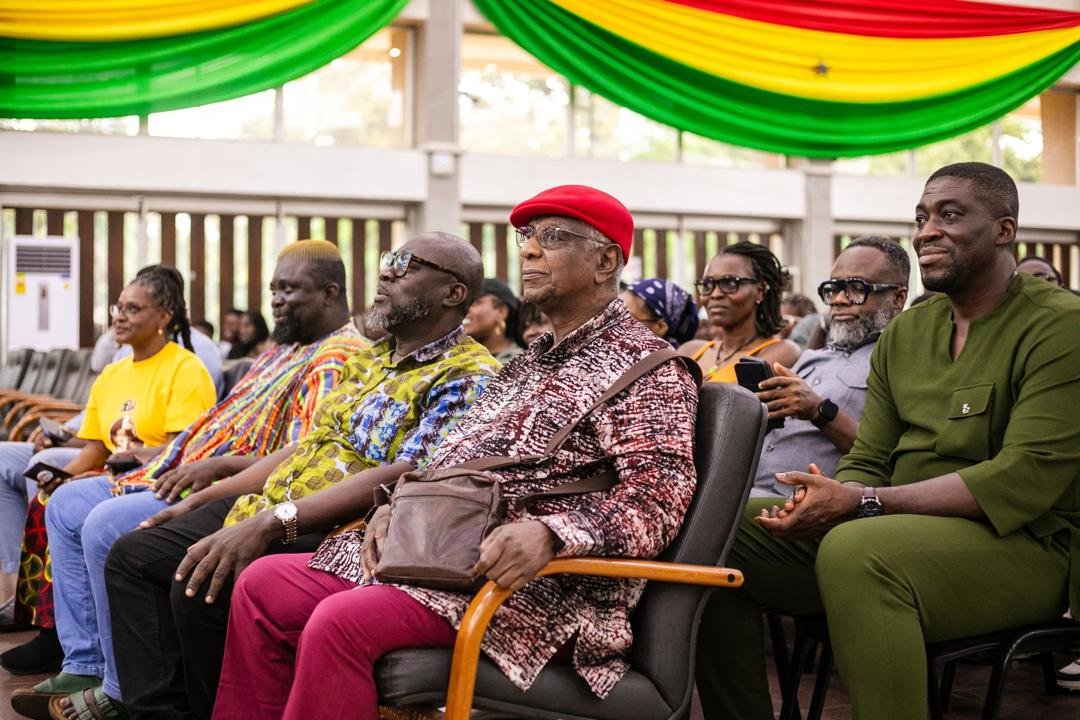
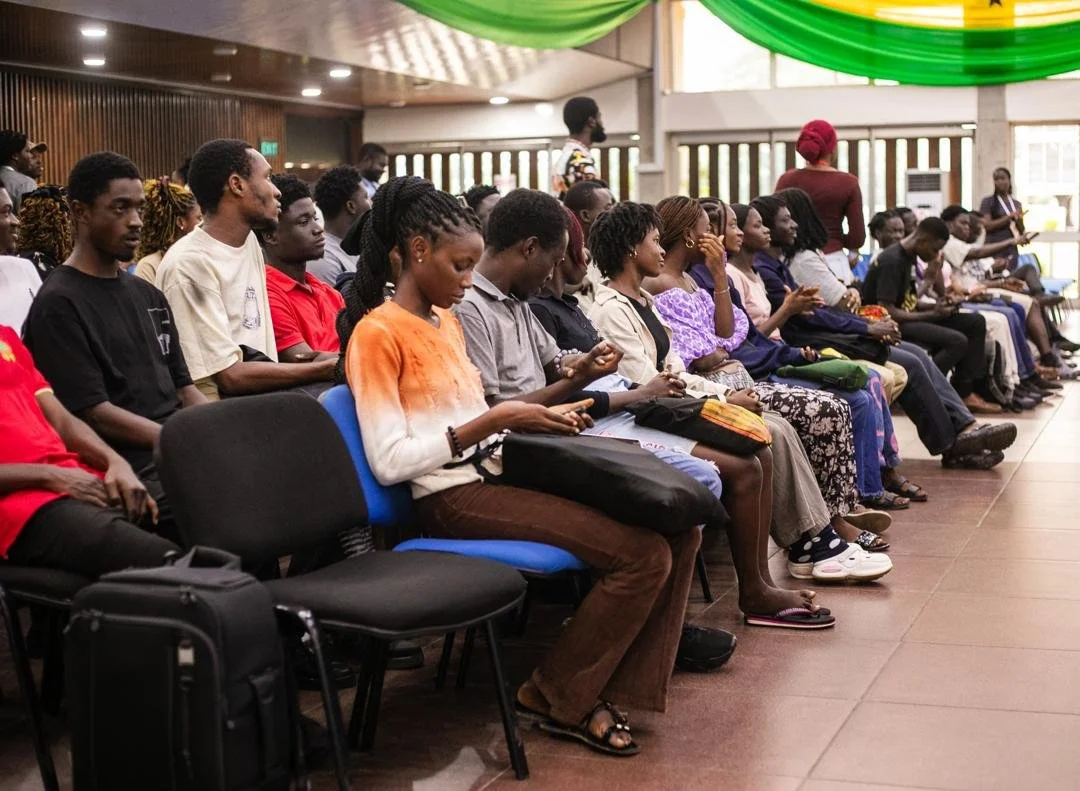
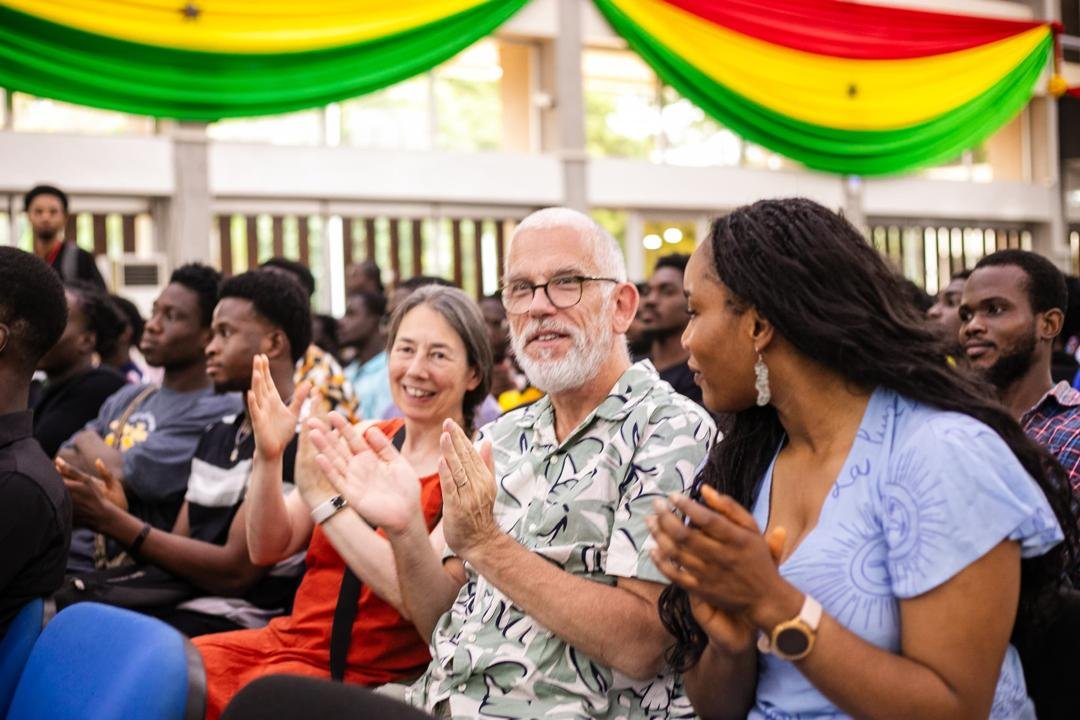
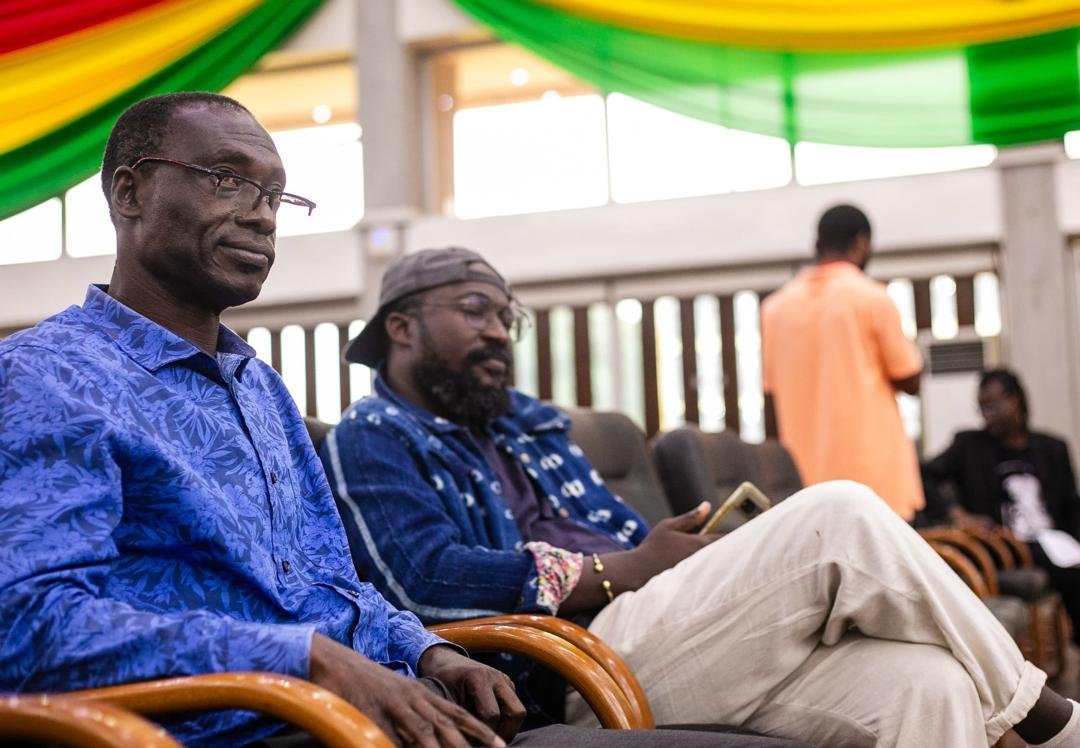
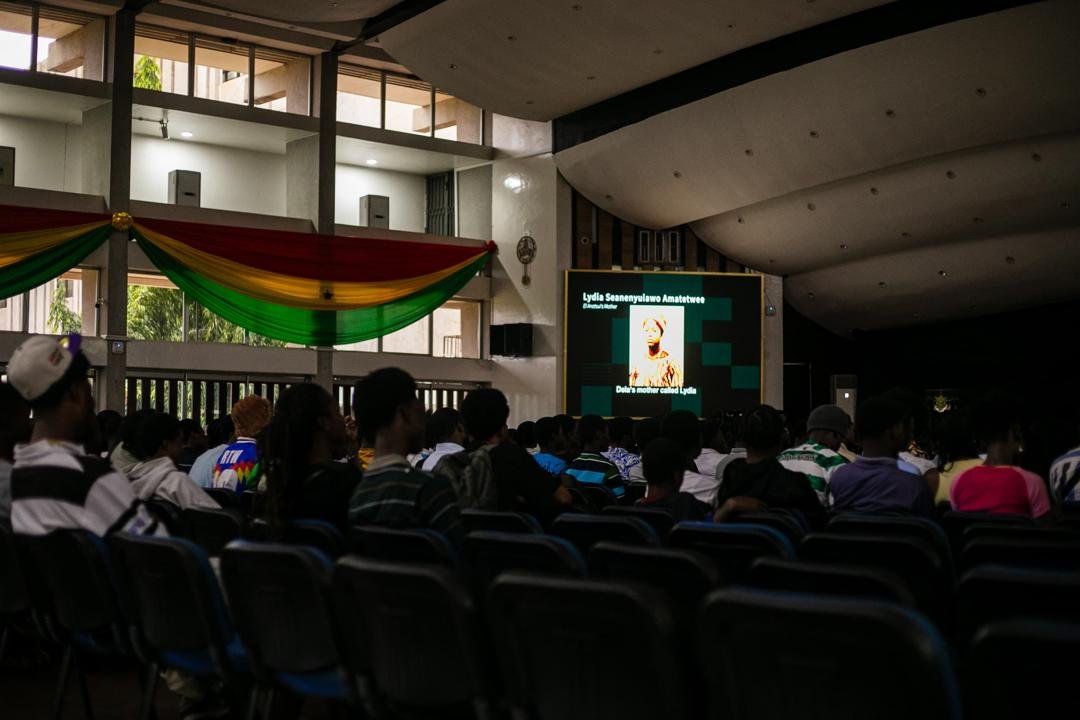
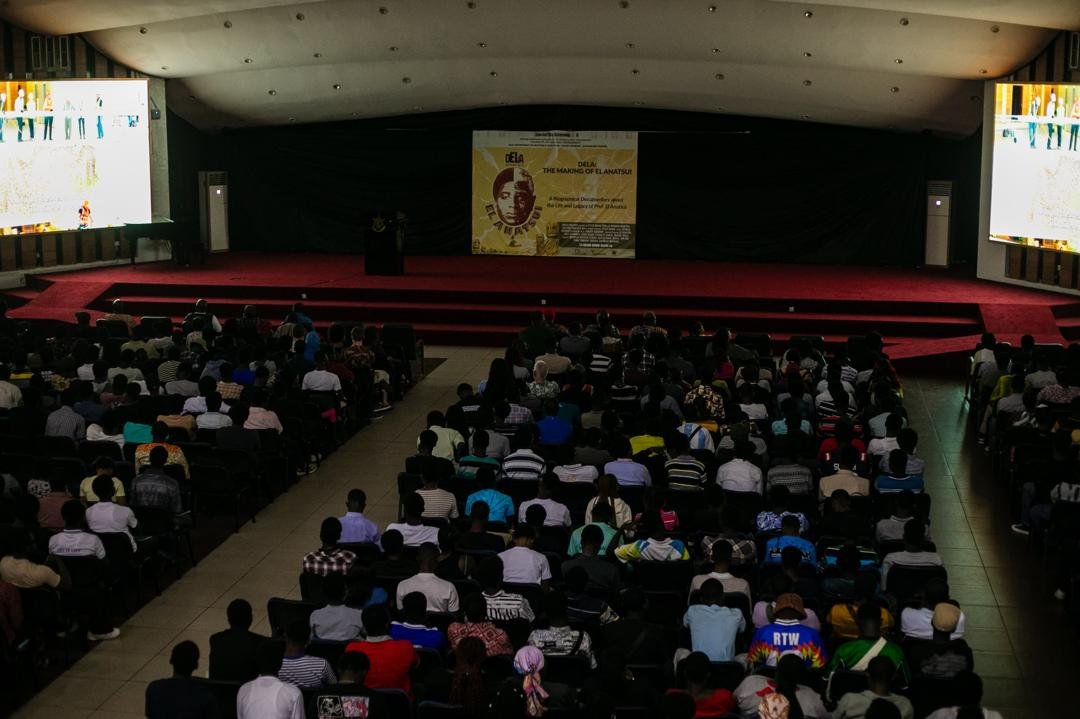
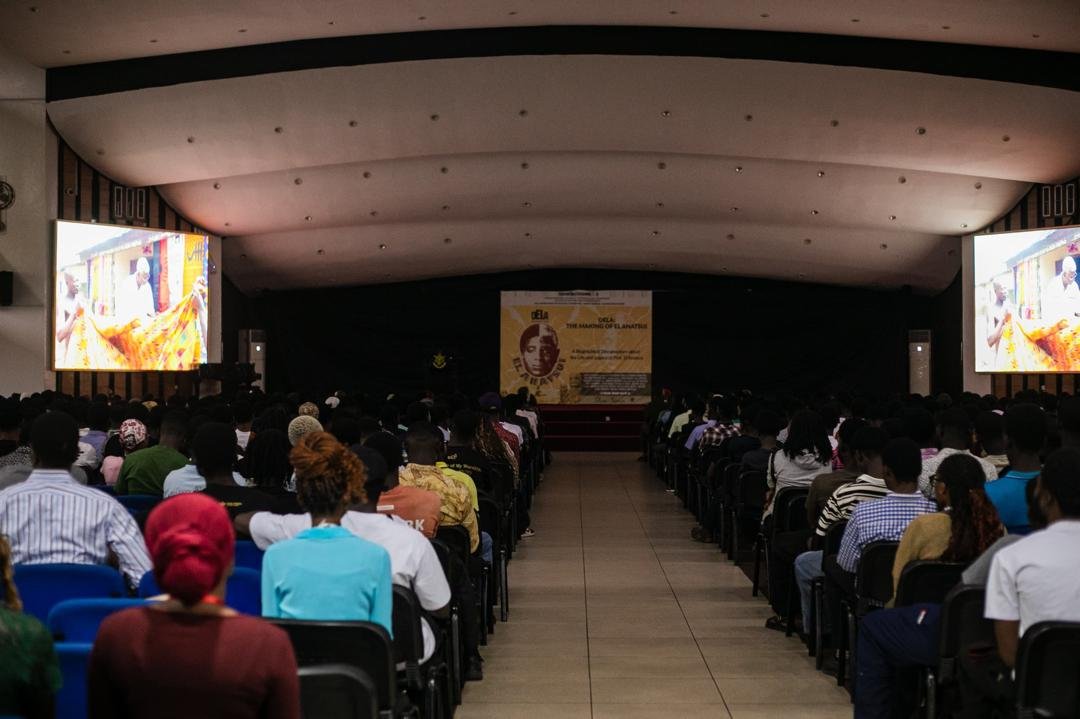
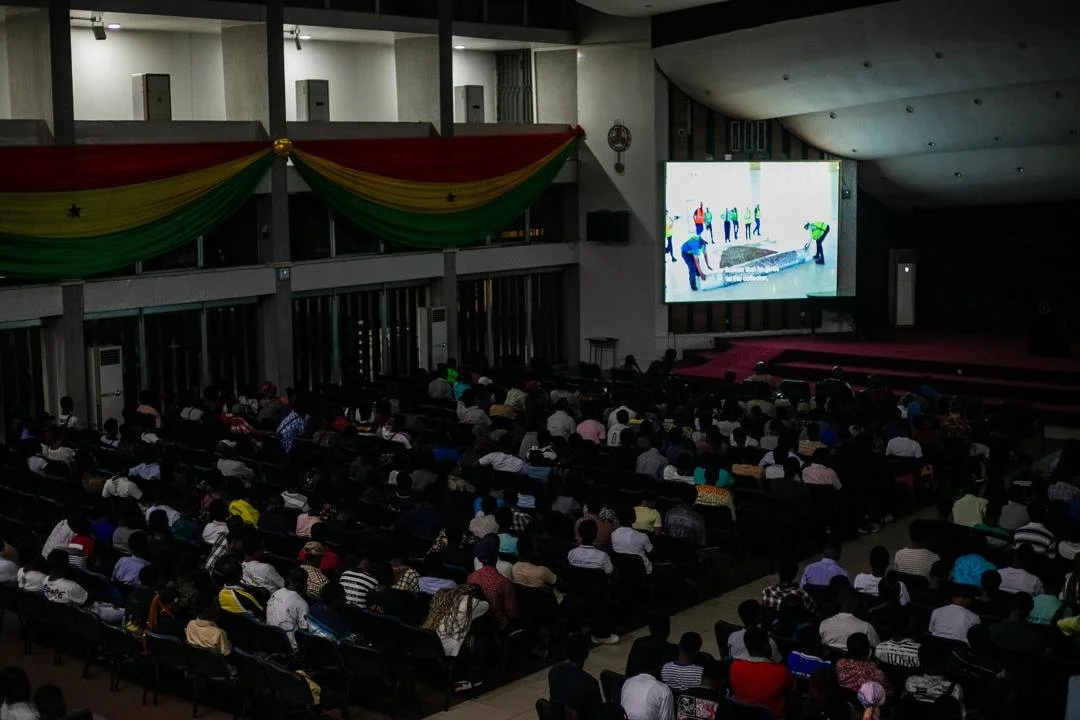
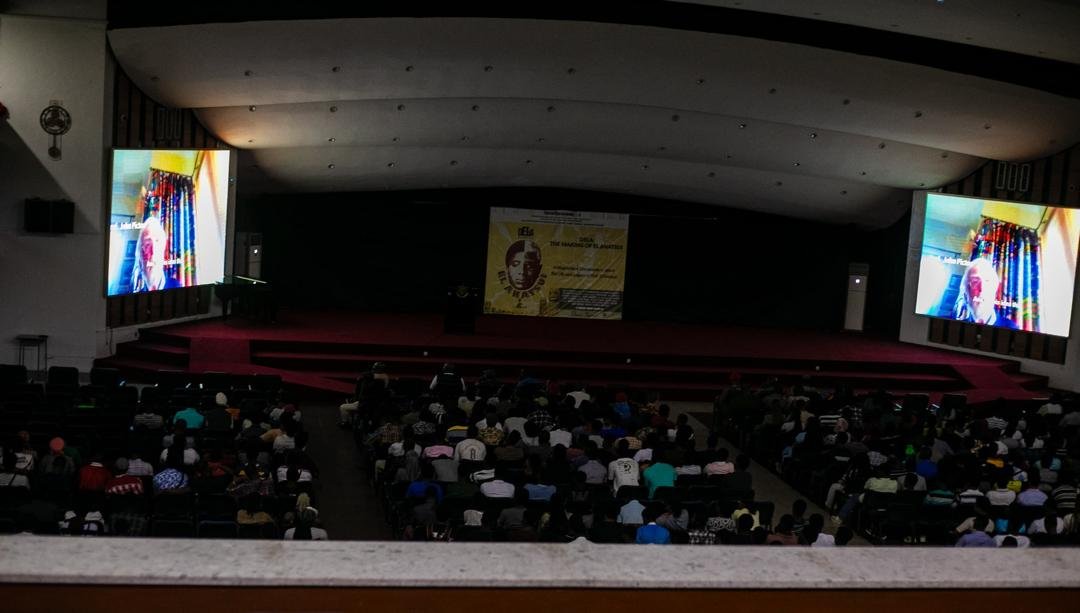
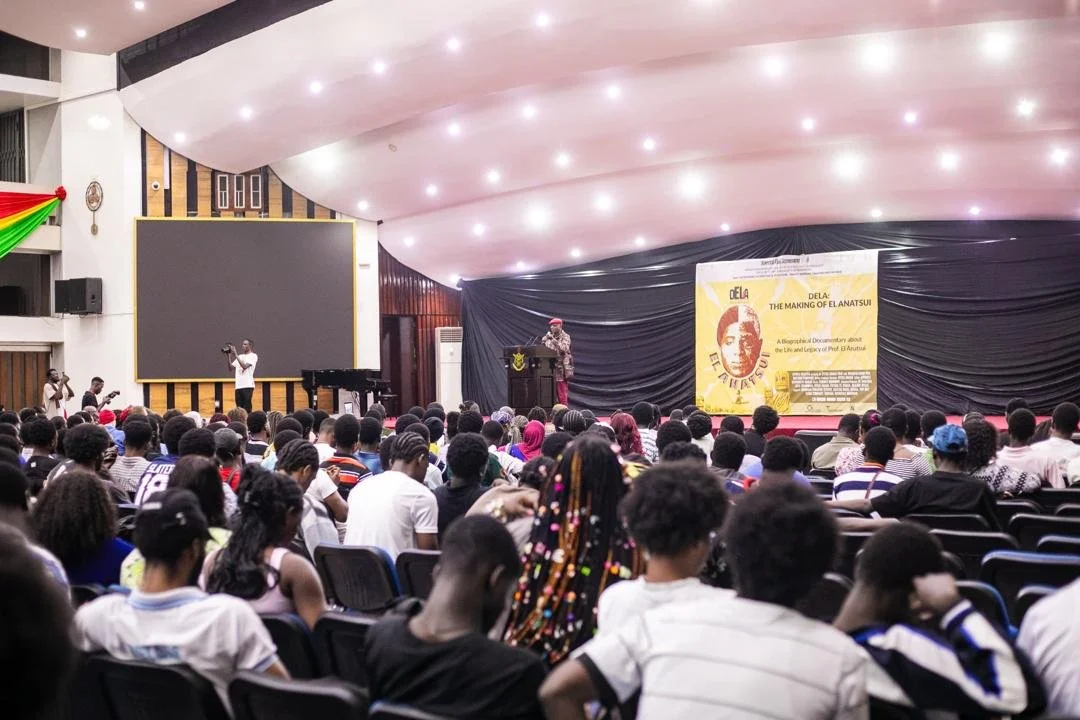
The staff and students of the University of Education Winneba (UEW) turned out for hosting the screening of DELA: The Making of El Anatsui on August 1, 2025.
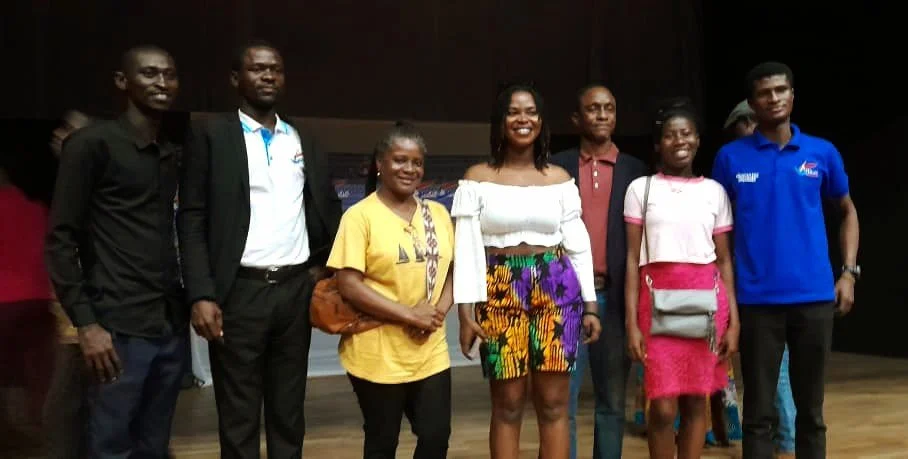
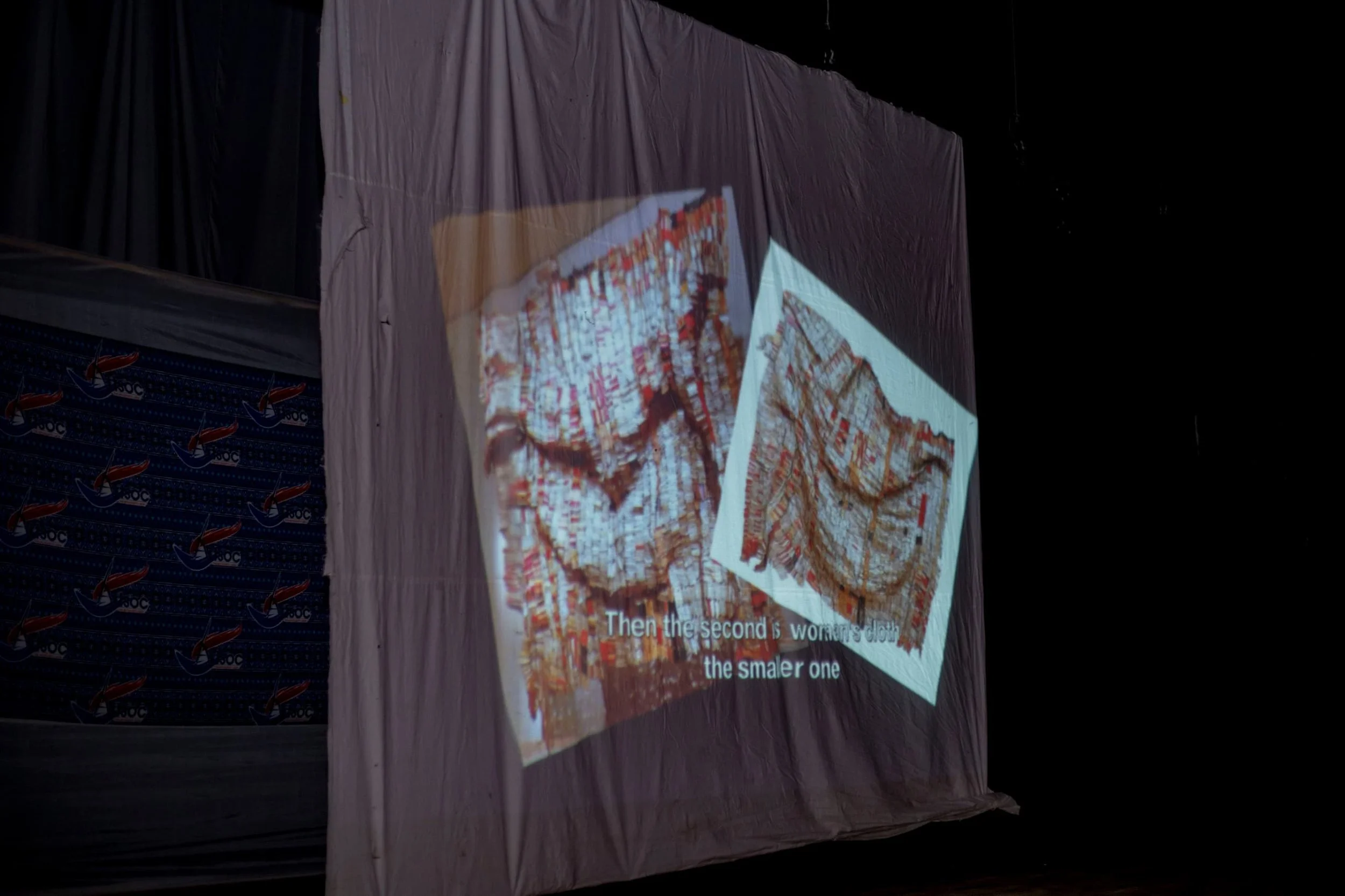
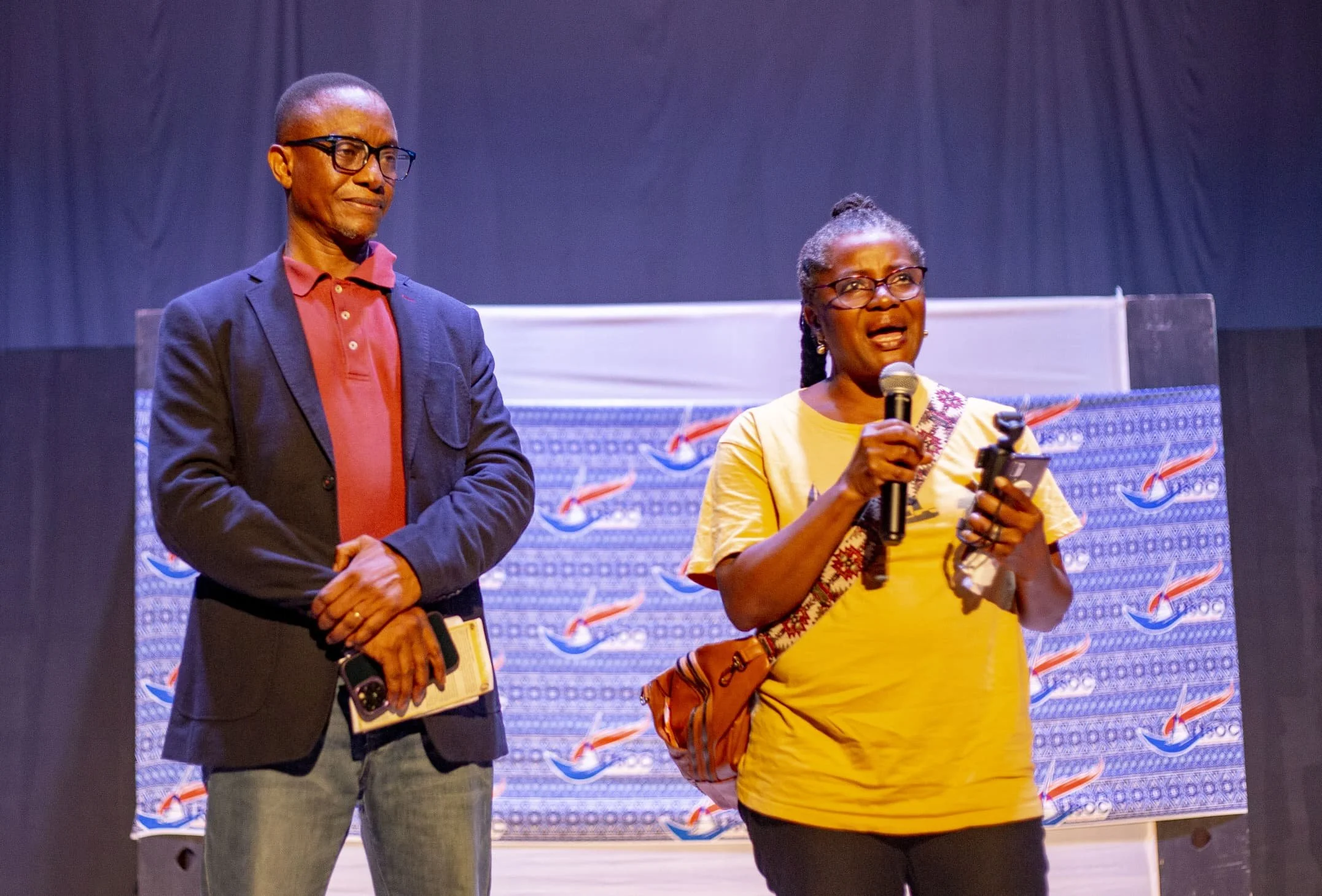
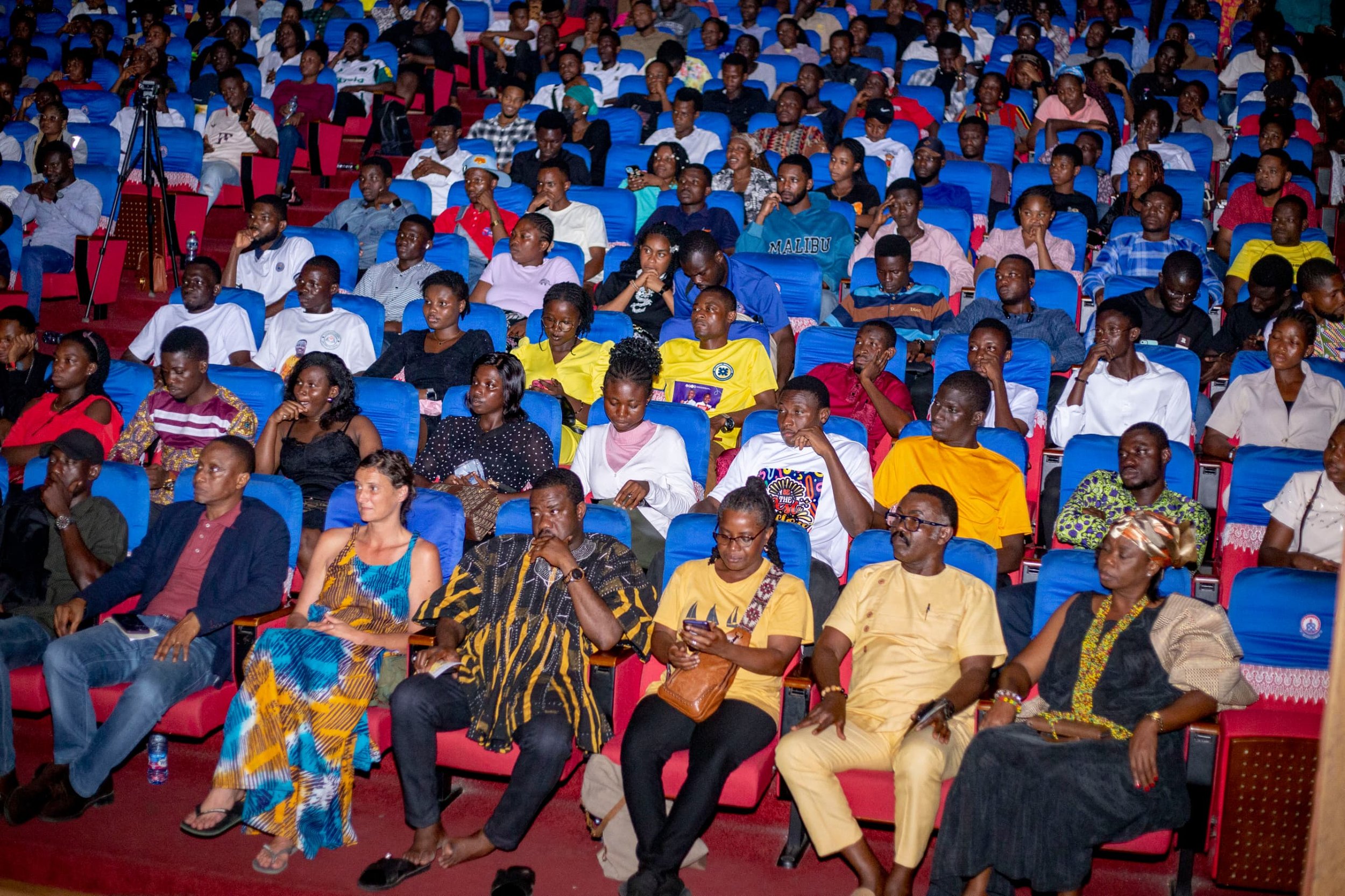
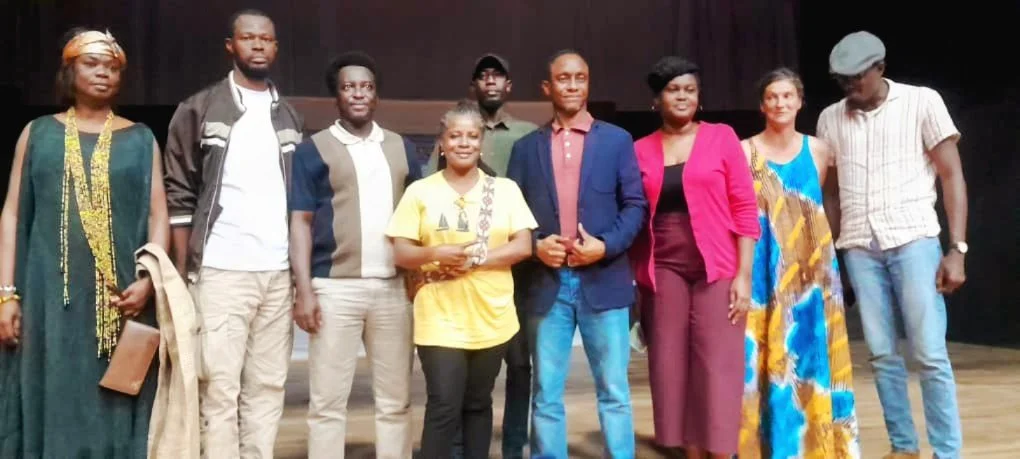
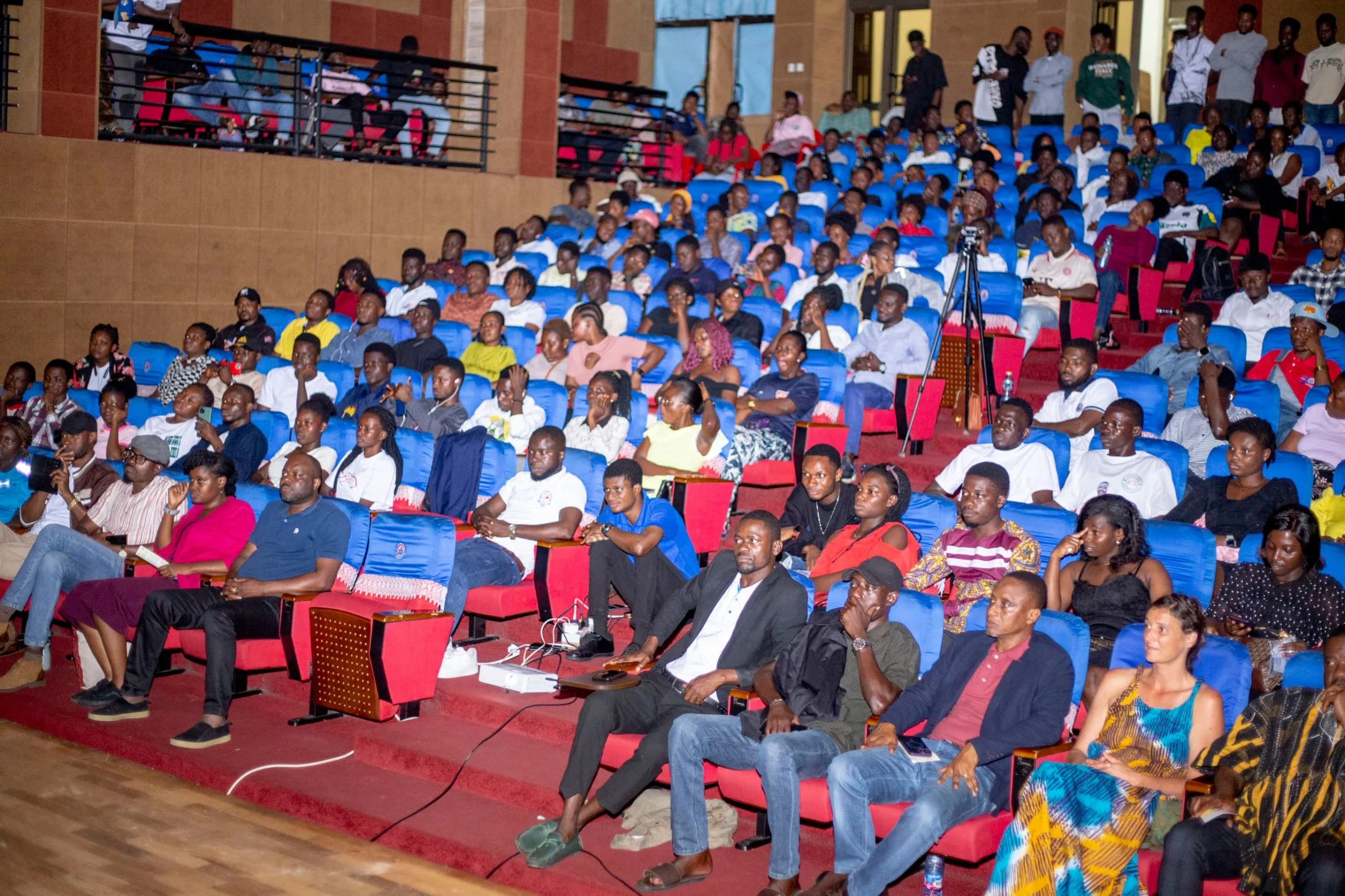
The staff and students of the University of Education Winneba (UEW) turned out for hosting the screening of DELA: The Making of El Anatsui on August 1, 2025.
UEW was a teacher's training institute, where Prof. El Anatsui first taught and practiced from 1969 to 1975, before leaving for Nigeria. Winneba was where he honed his craft to become the globally acclaimed Master Sculptor.
Special thanks to Ms. Selasi Sosu and the HOD Dr. Cyril Kpodo for their exceptional input.
elanatsuifilm.com
@elanatsuifilm
Homage to Prof El Anatsui & Anyako
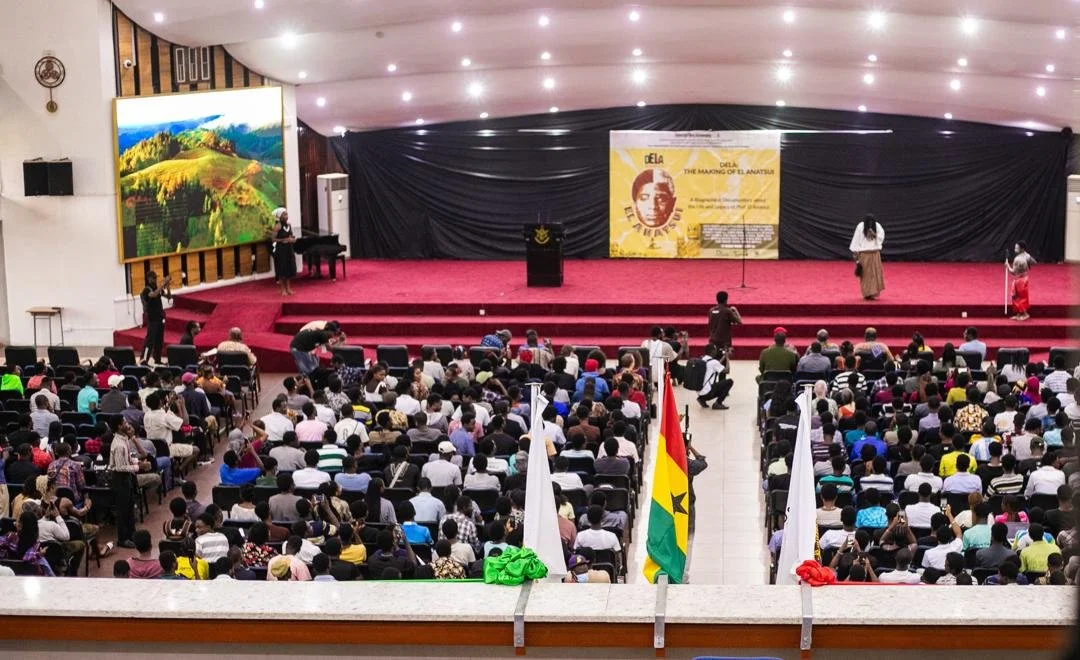
Highlights: DELA Premieres at KNUST, Kumasi
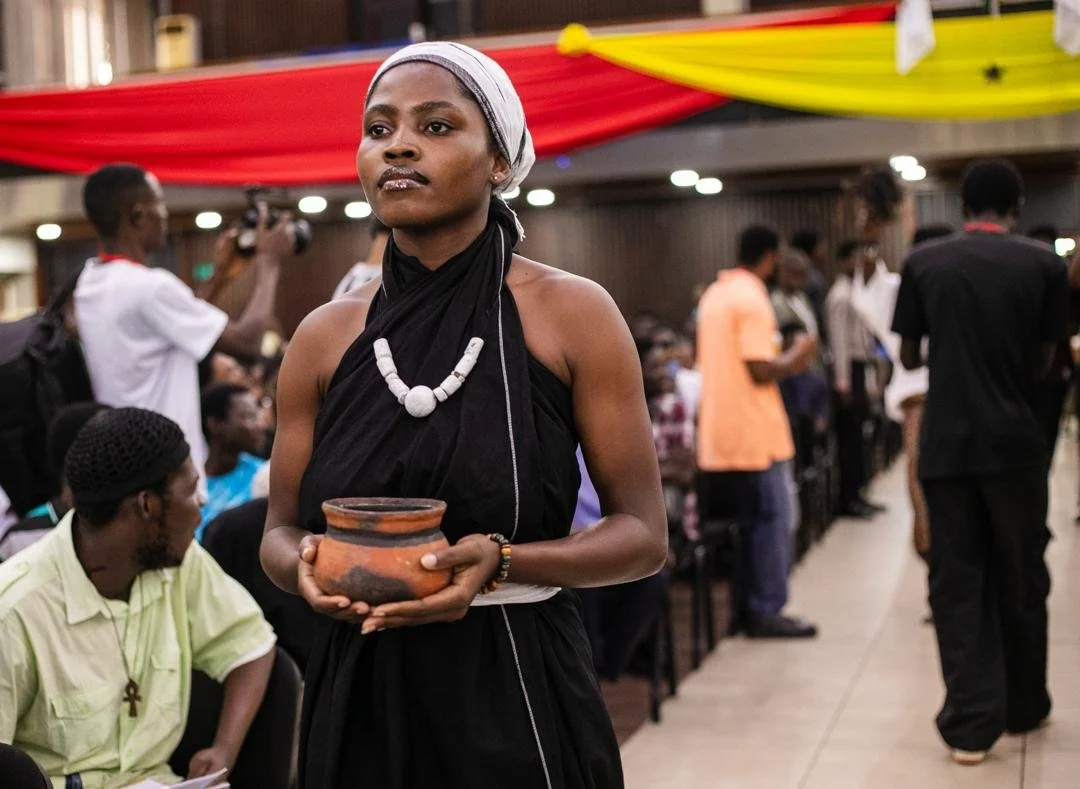
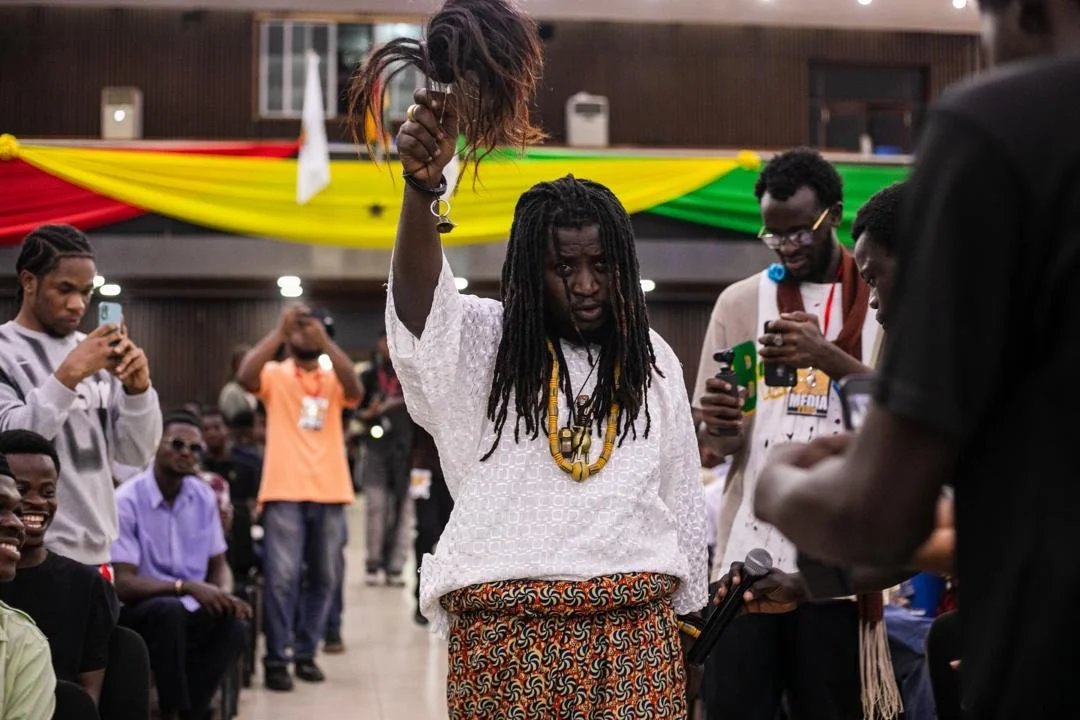
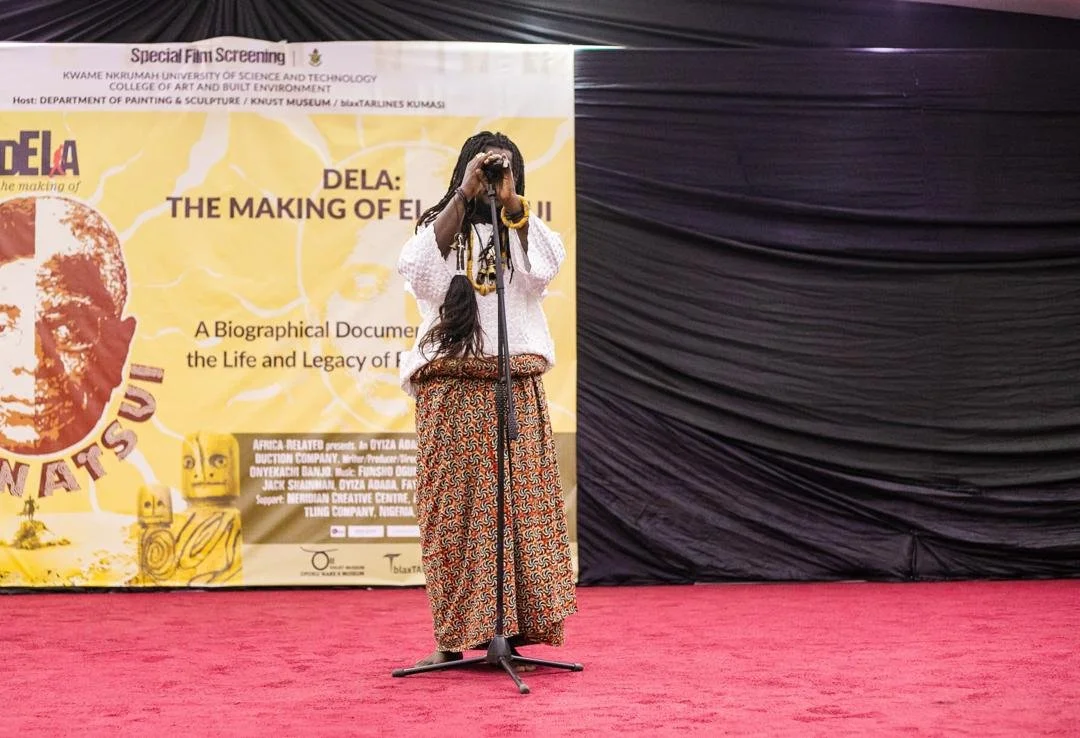
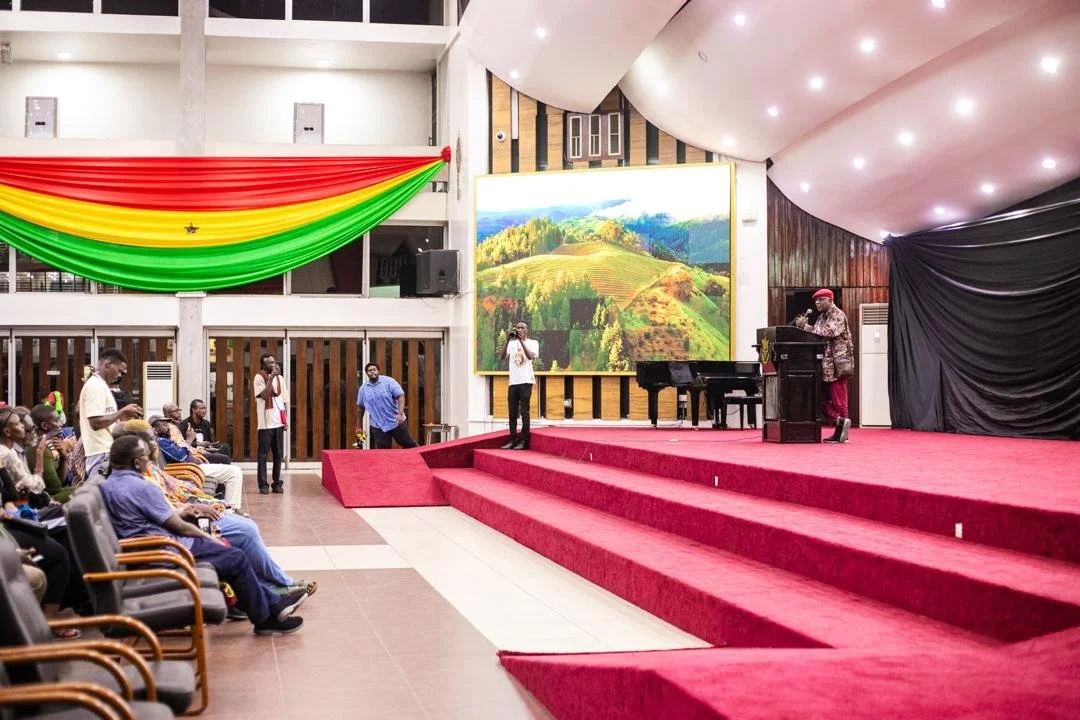
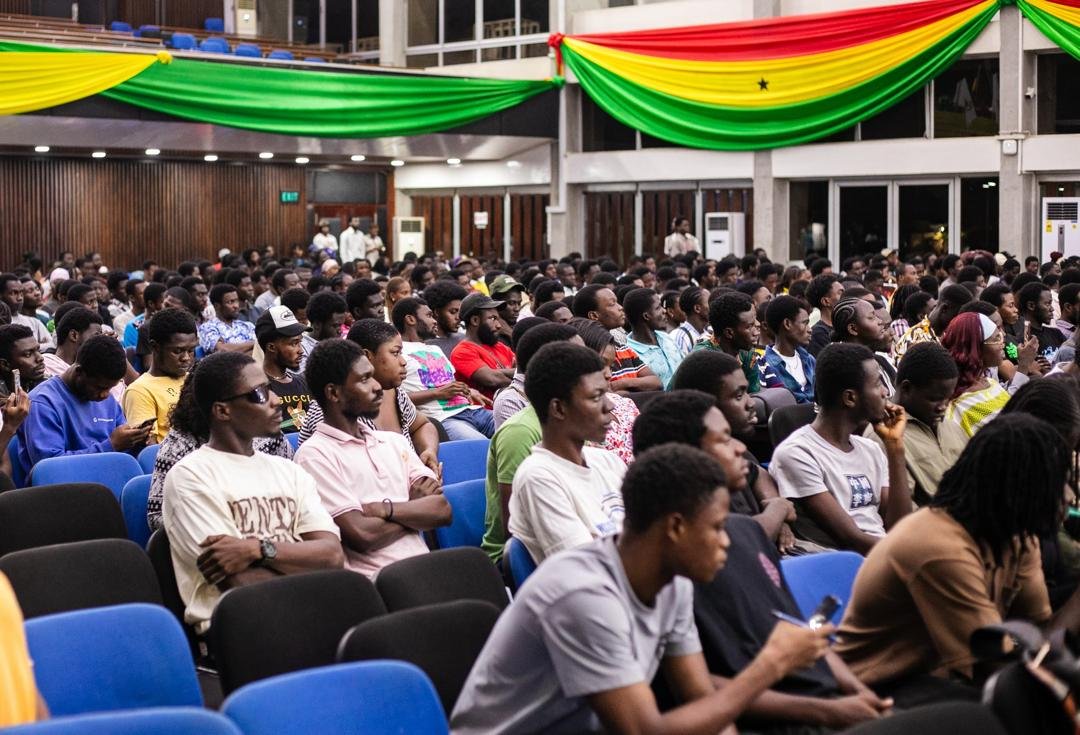
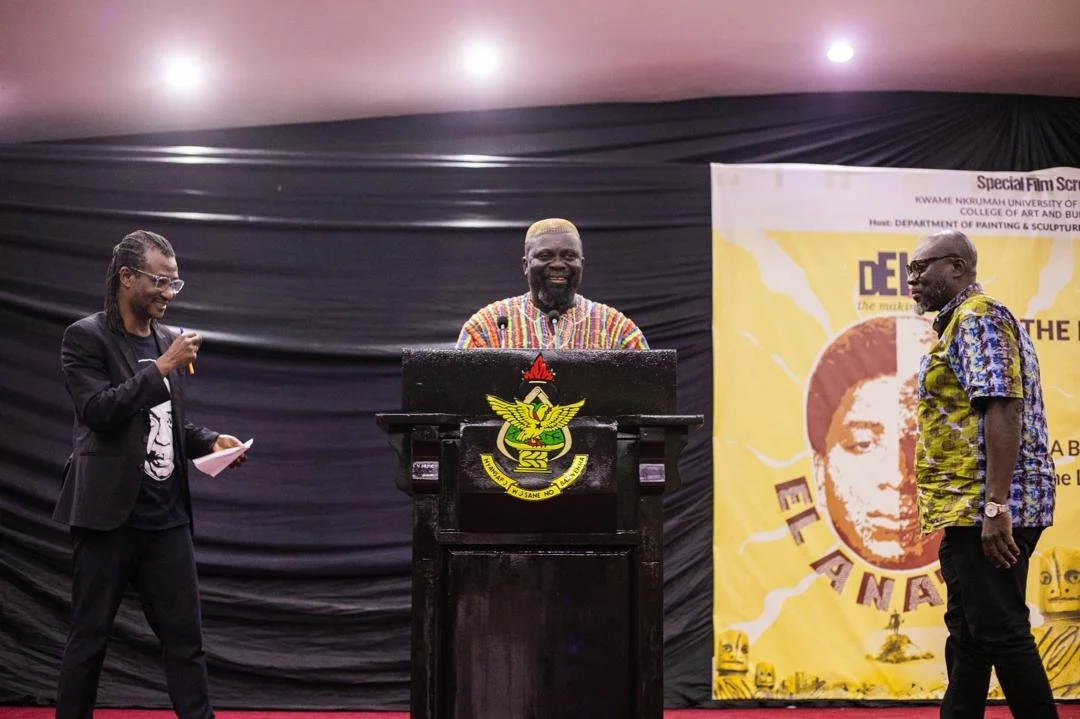
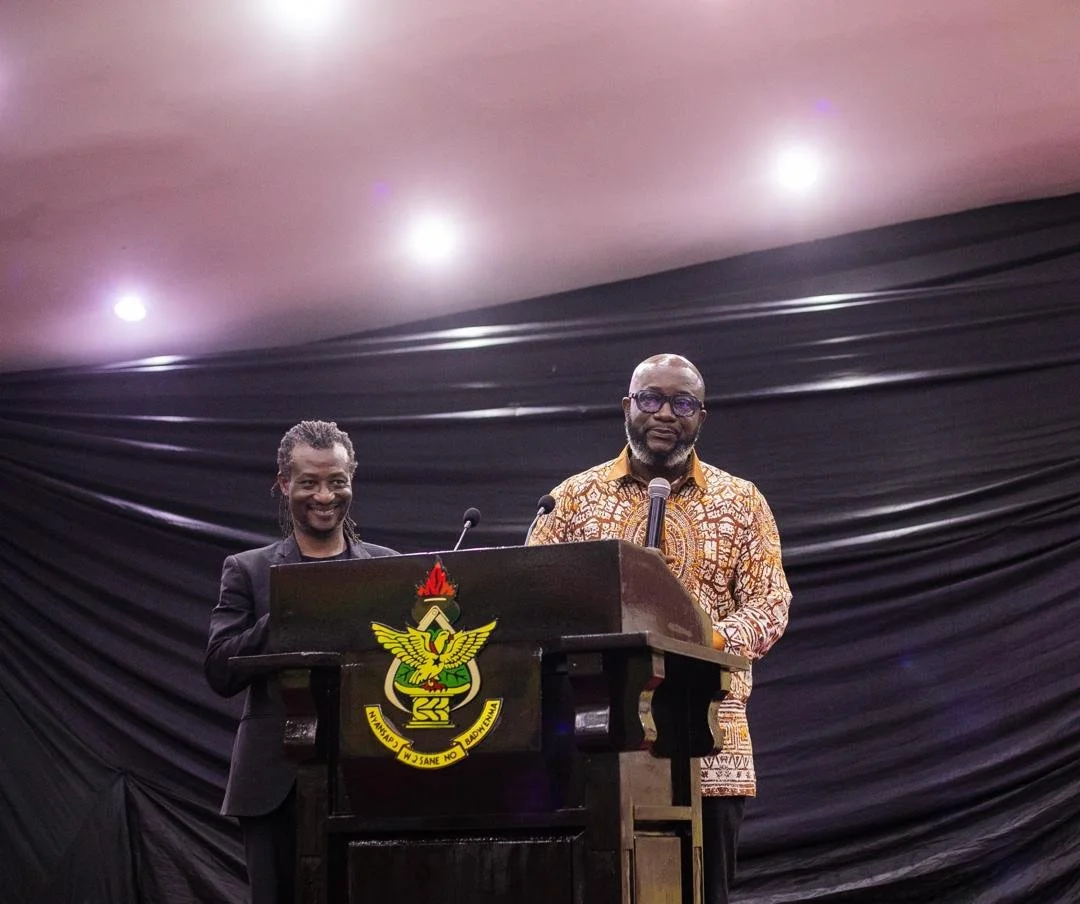
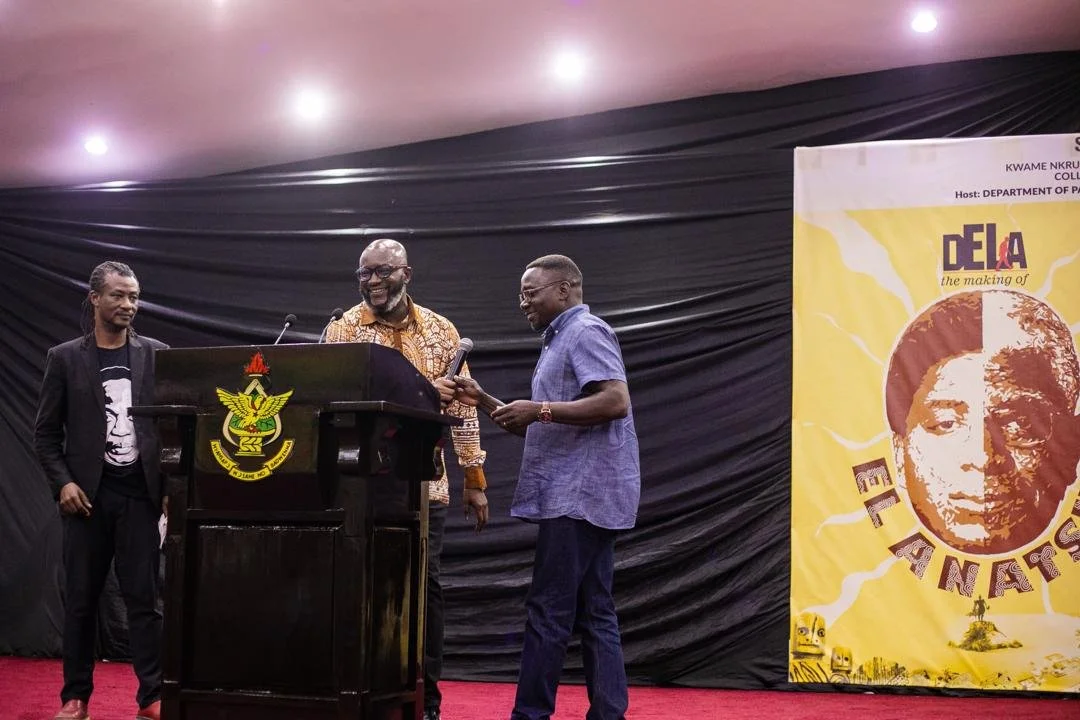
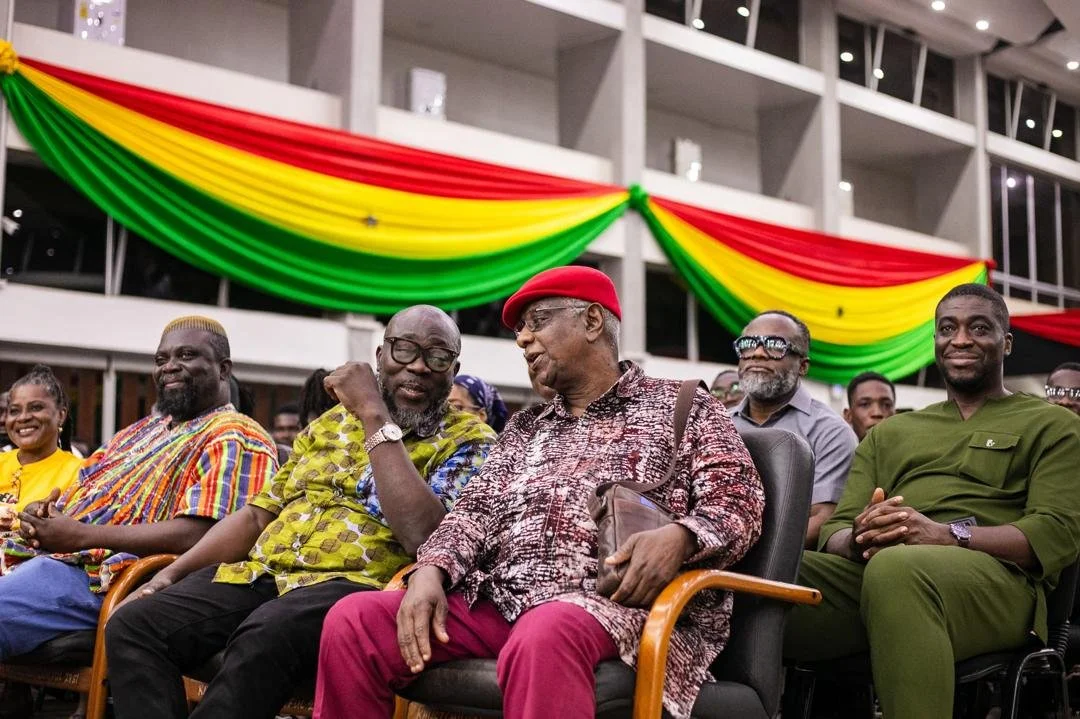
DELA: The Making of El Anatsui , premiered in The Great Hall at the Kwame Nkrumah University of Science and Technology (KNUST) on August 4, 2025.
BY Africa-Related, Ghana
Photos: blaxTARLINES /KNUST Museum
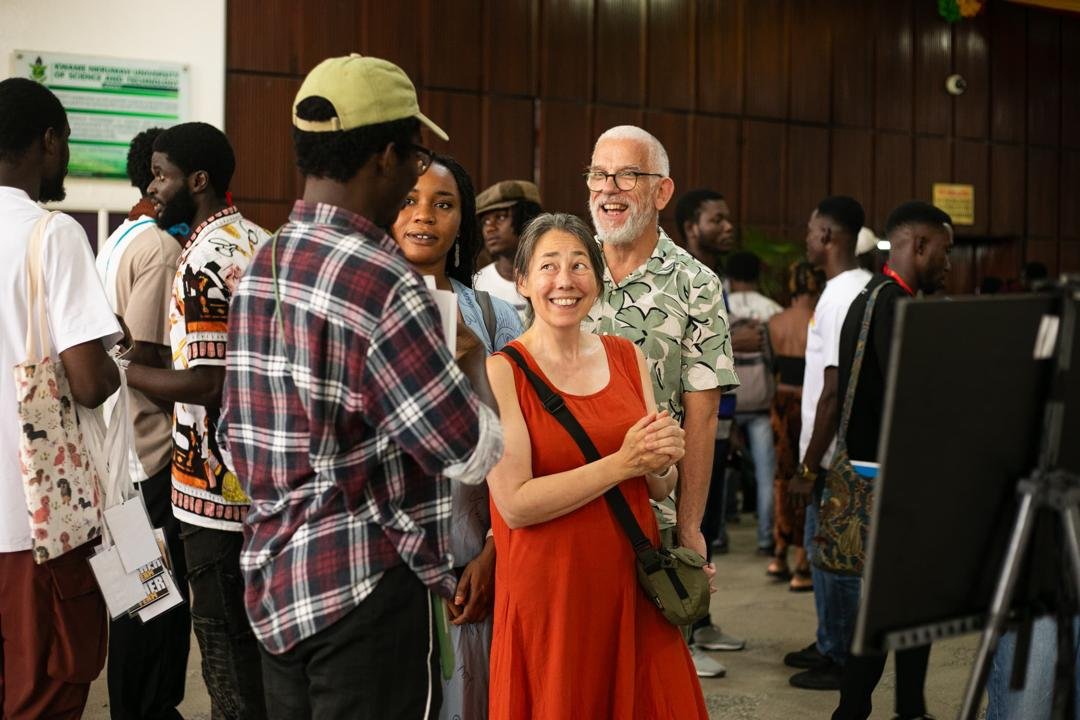
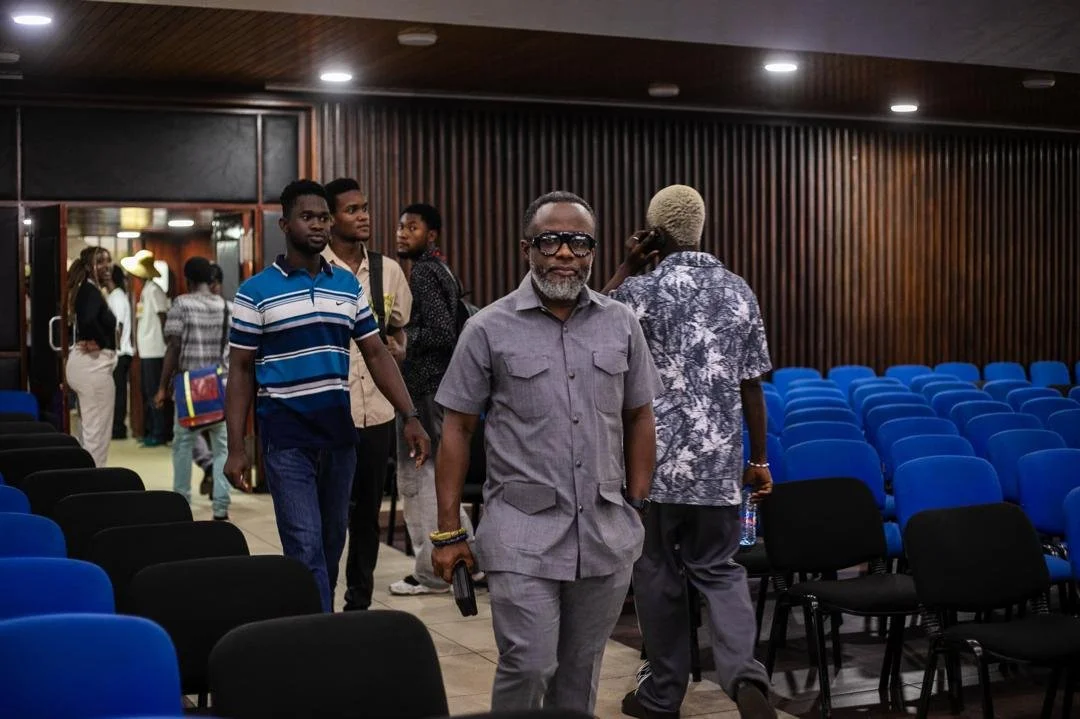
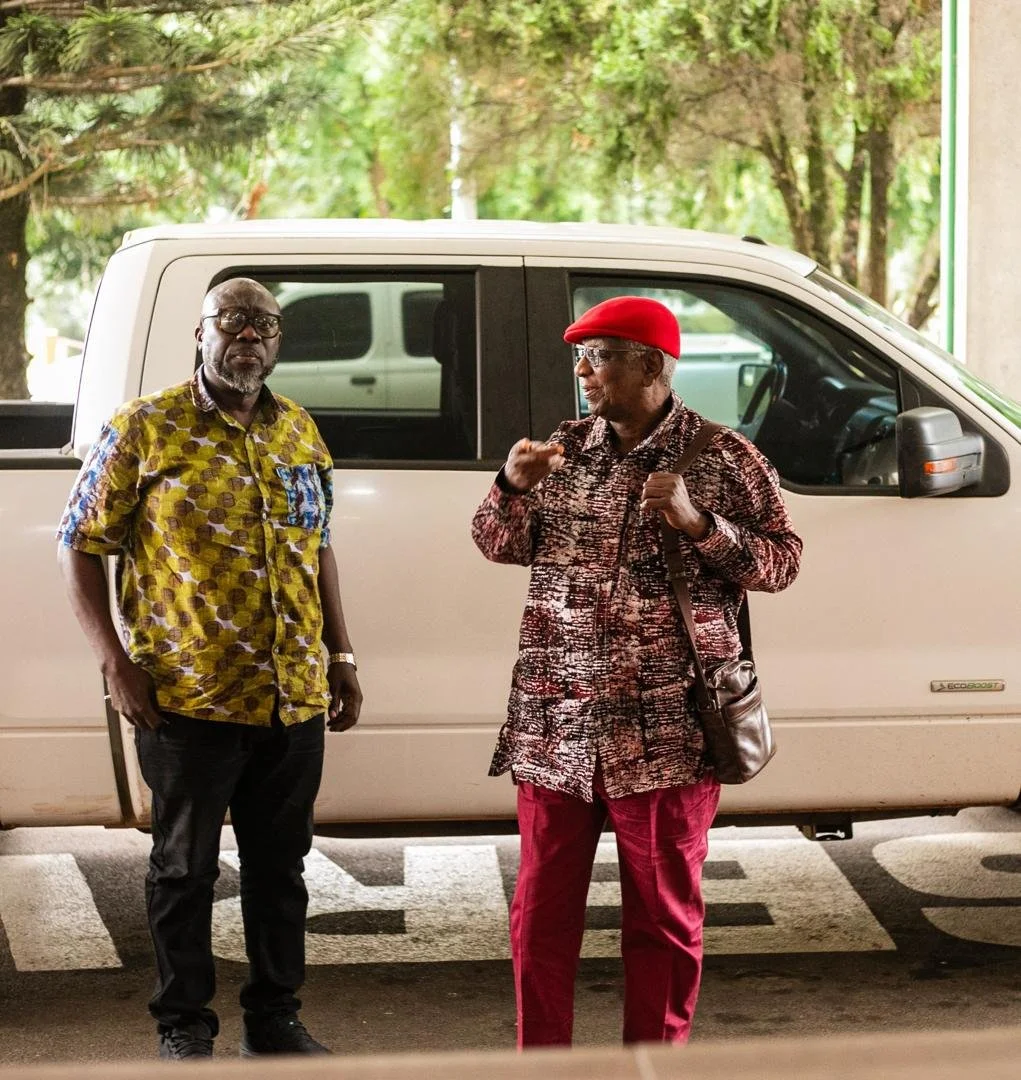
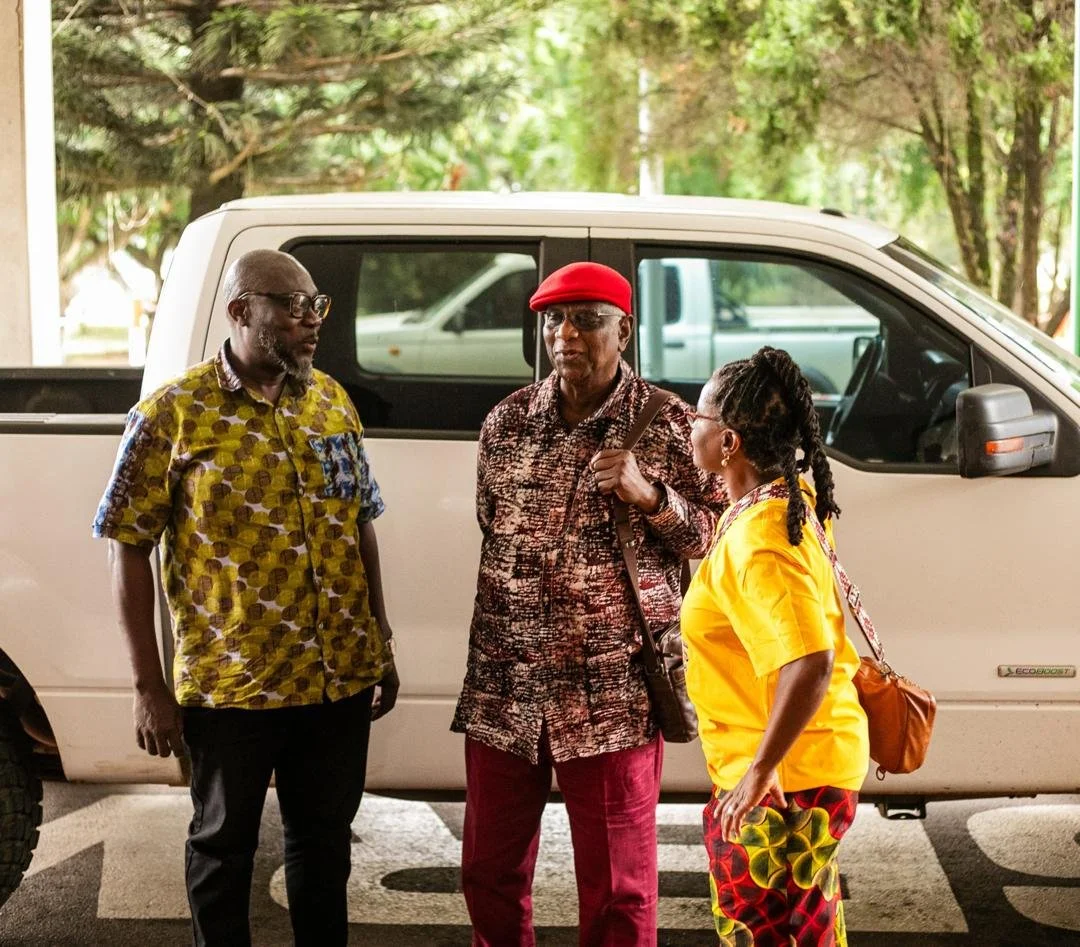
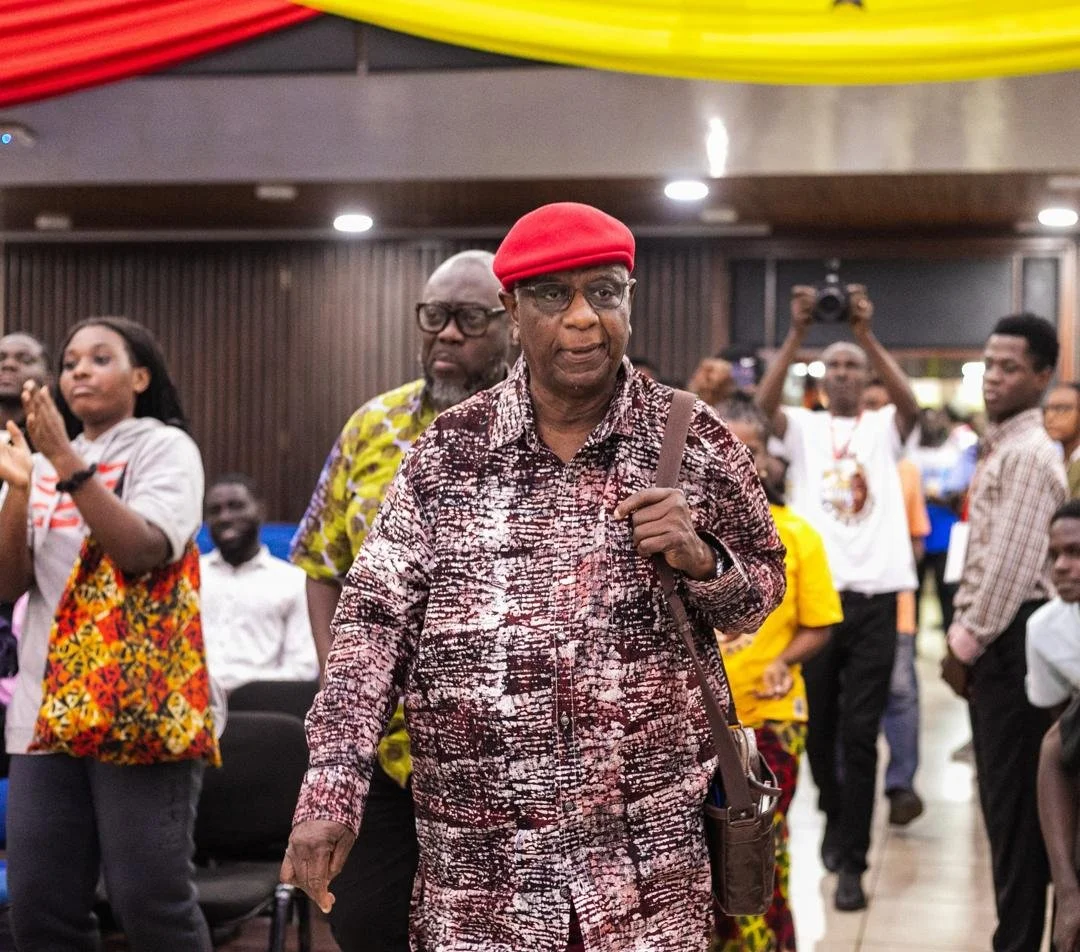
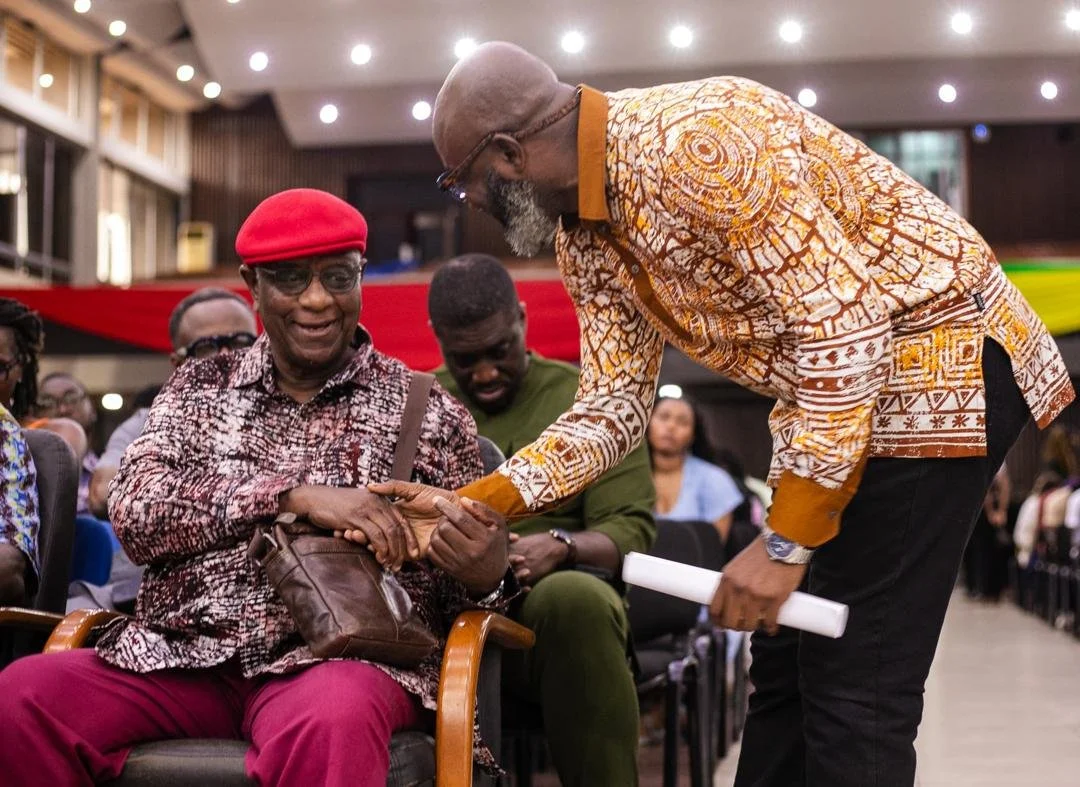
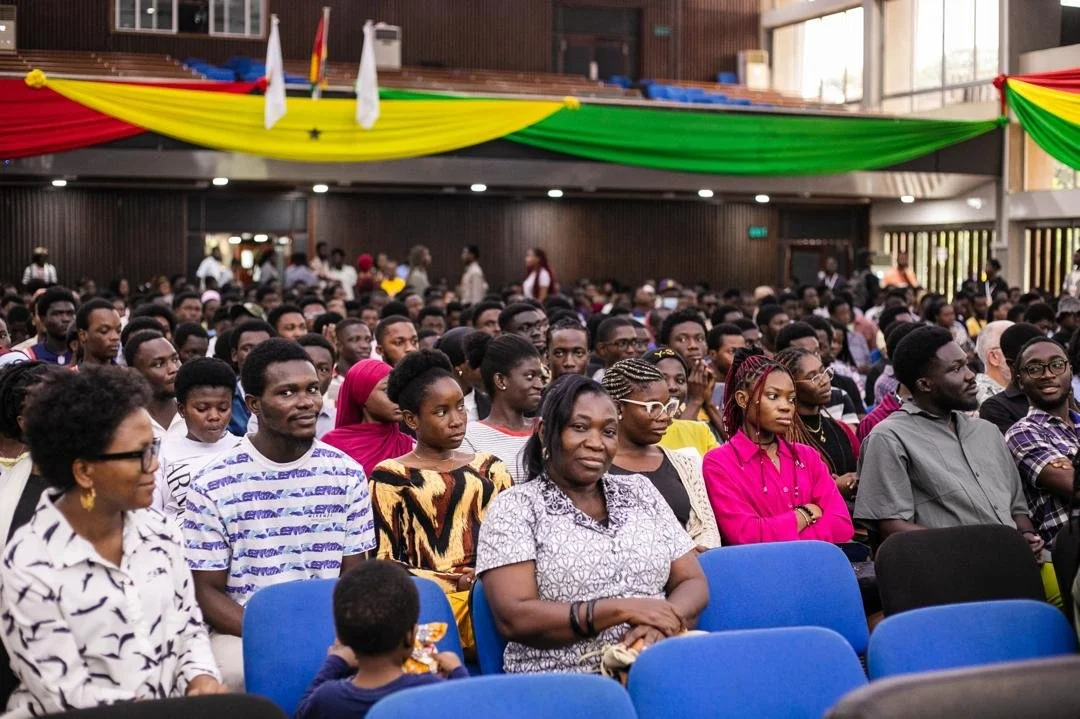
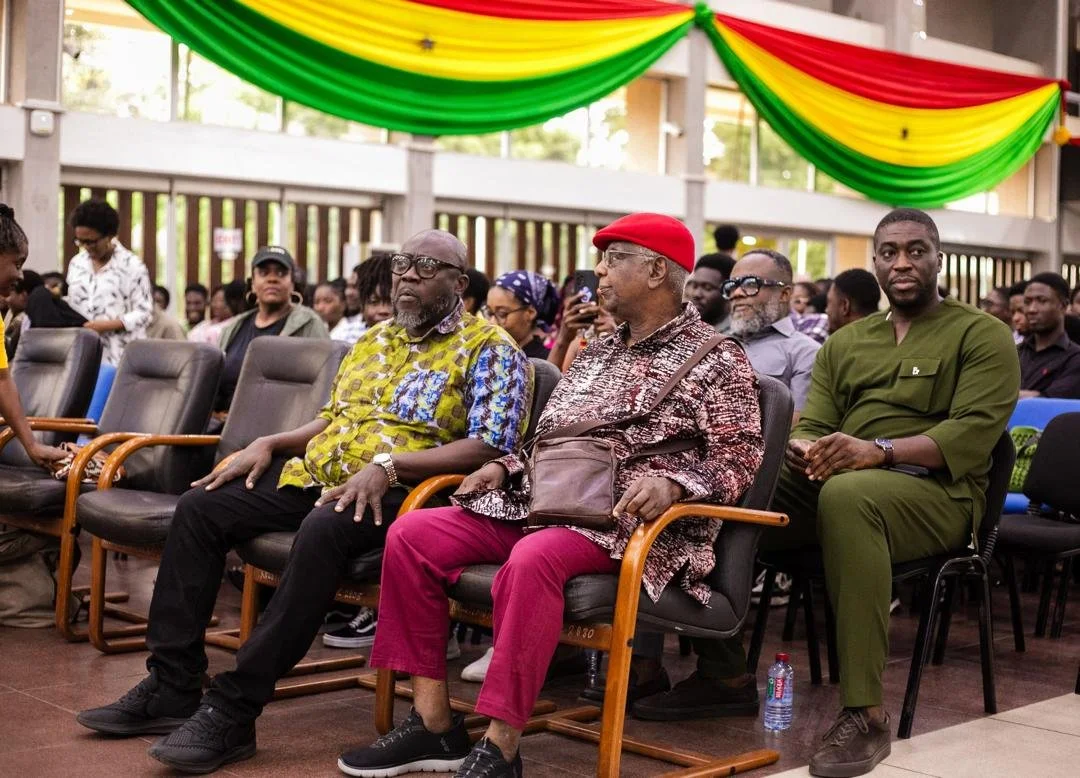
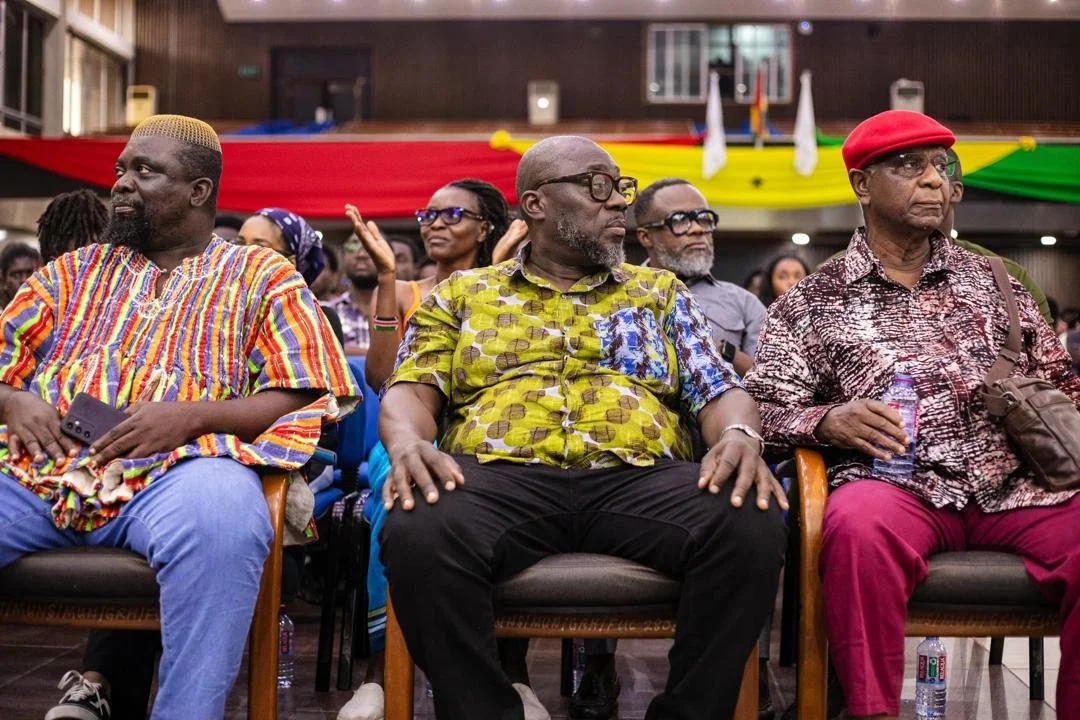
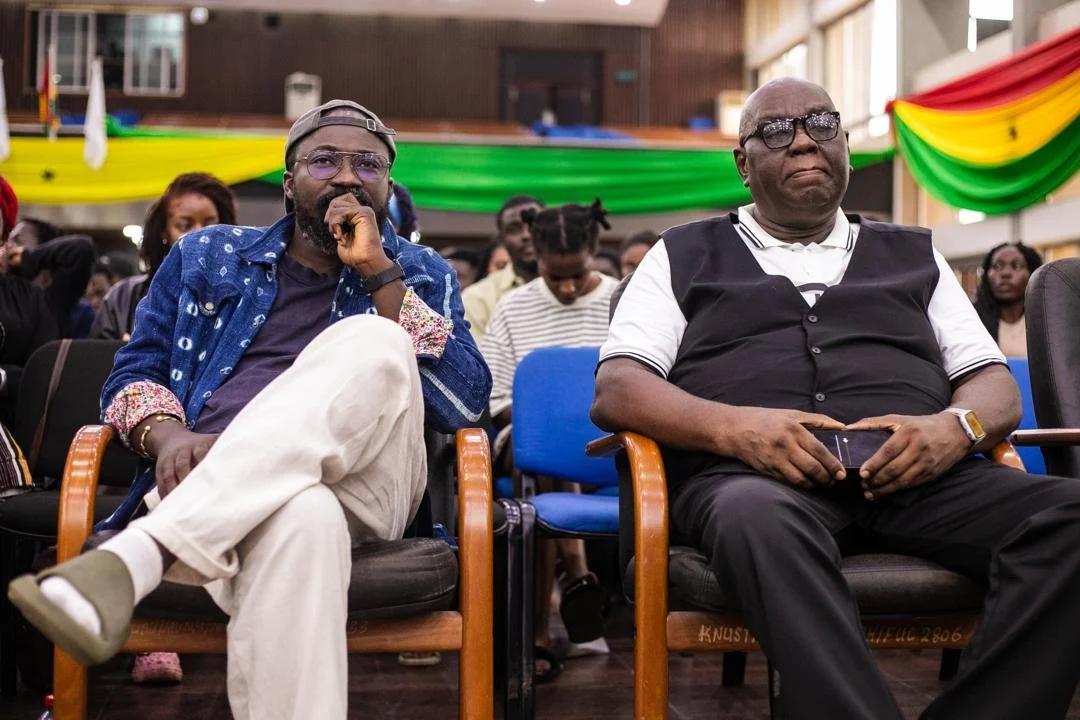
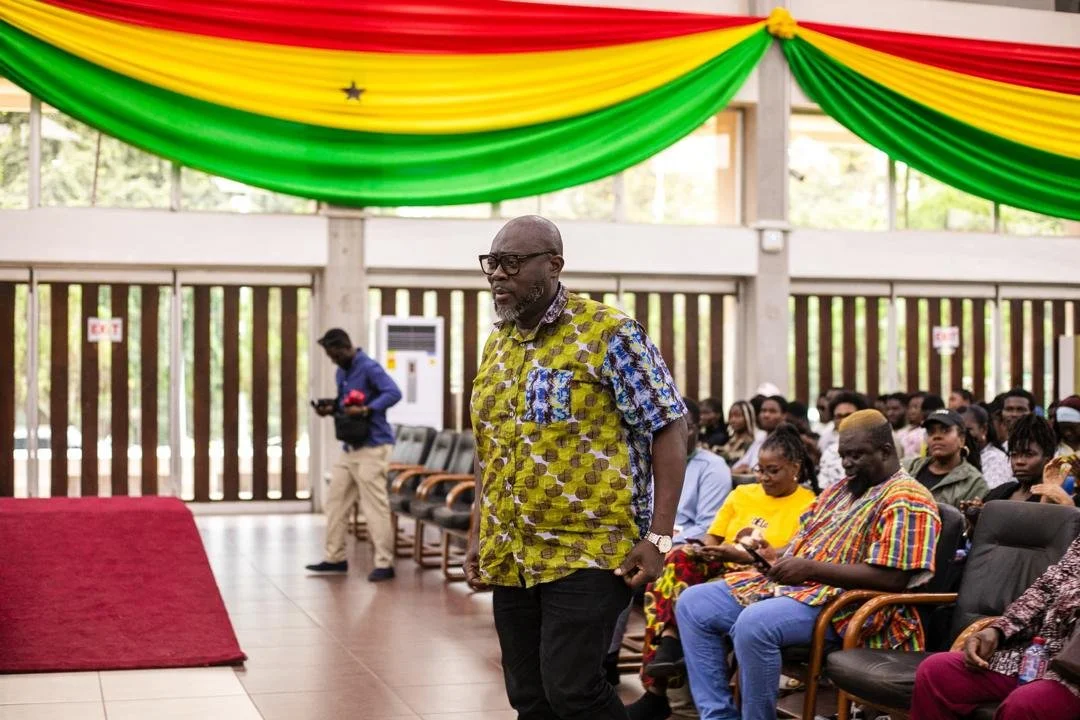
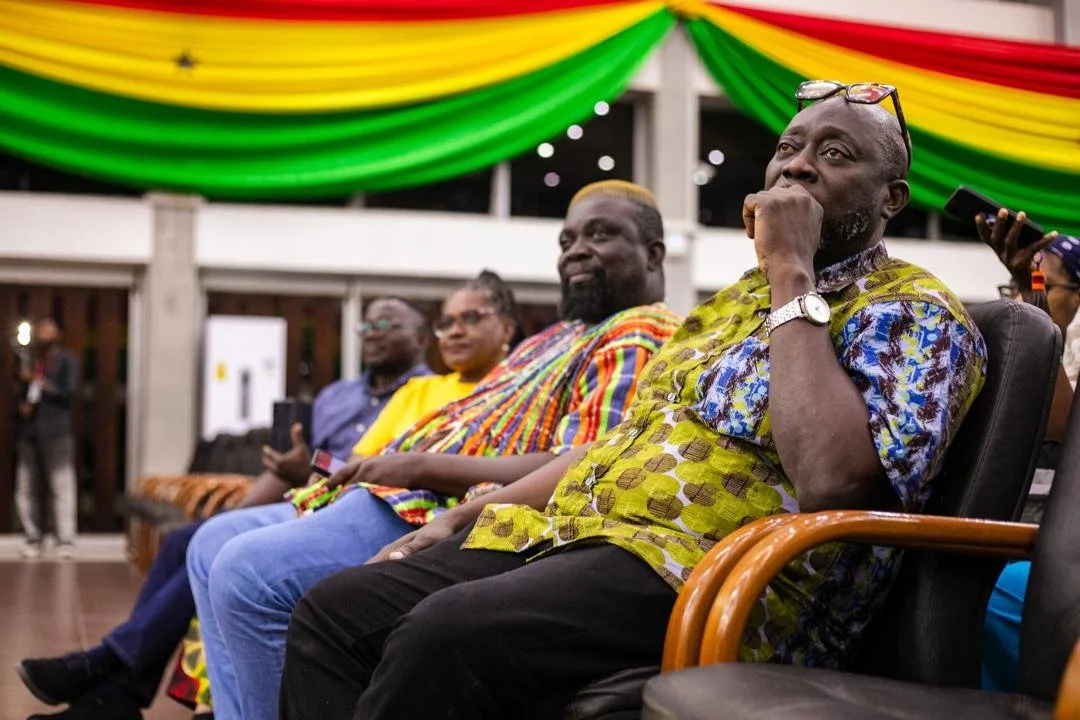
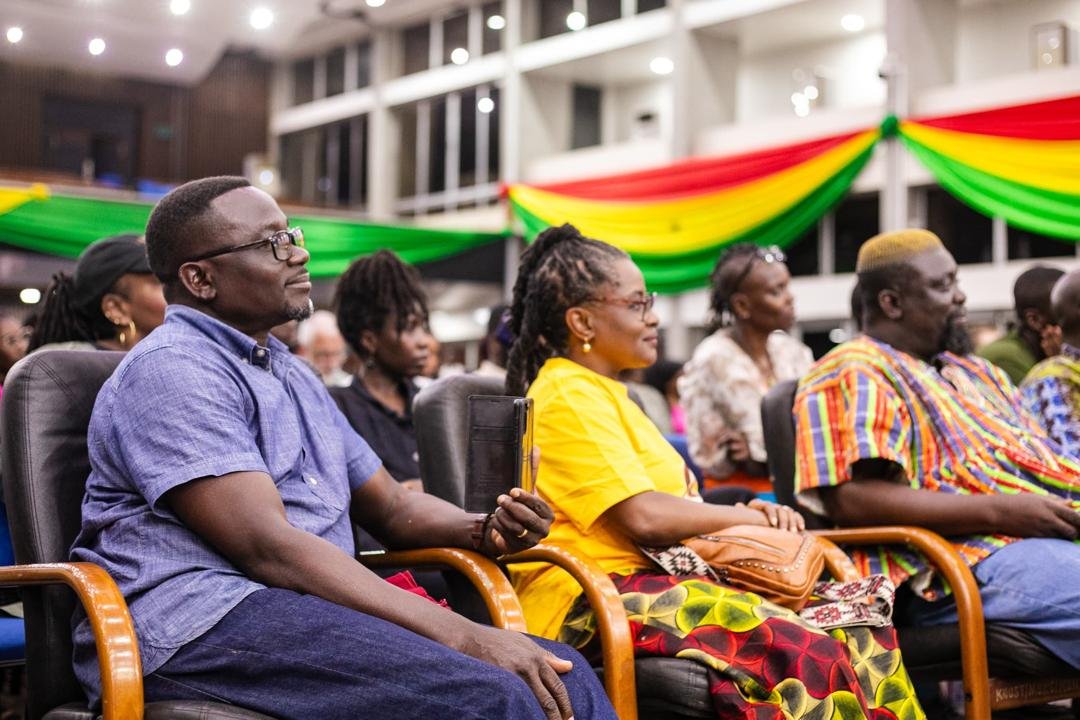
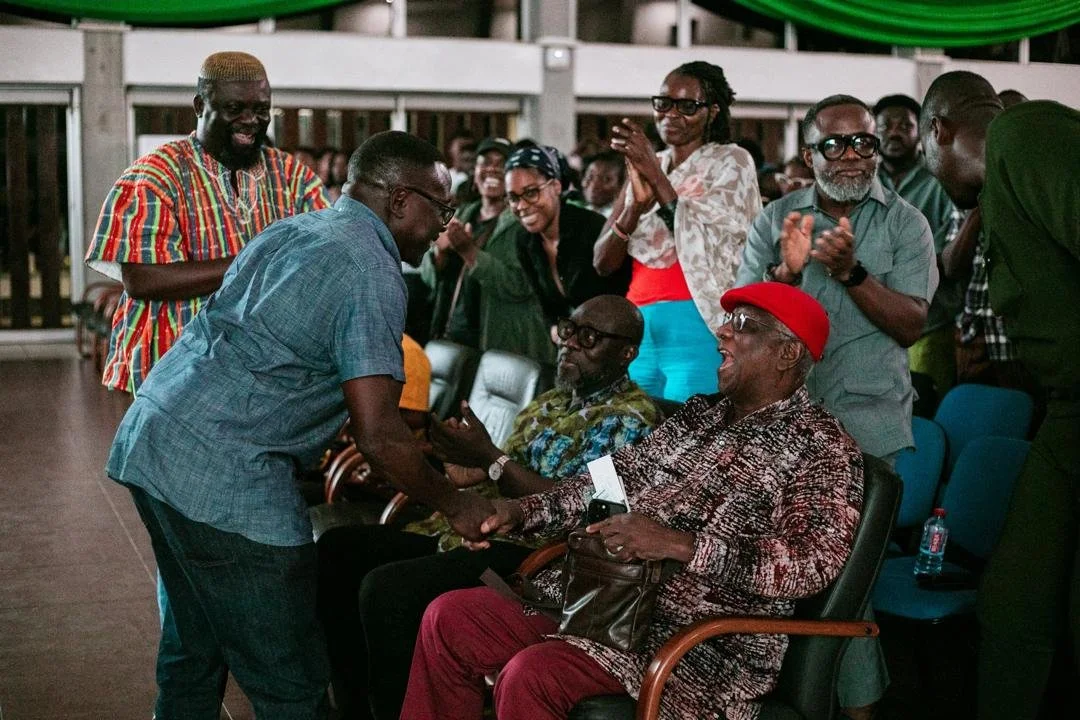
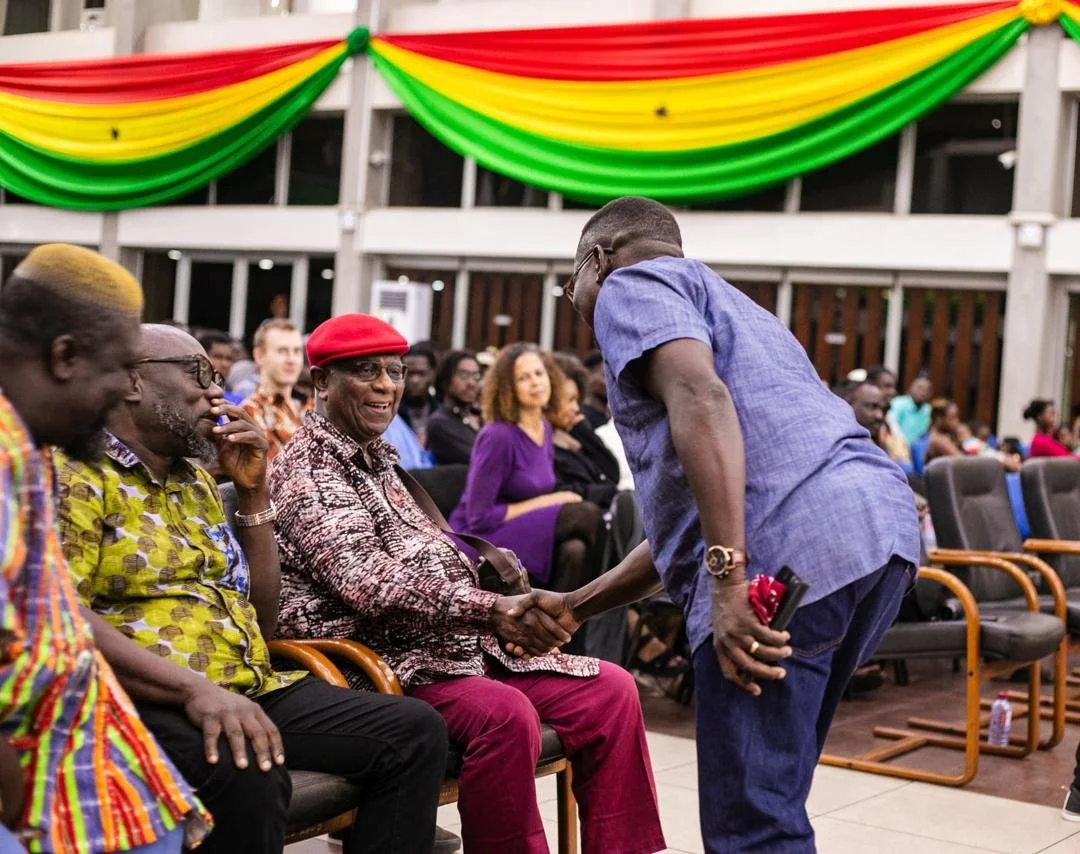
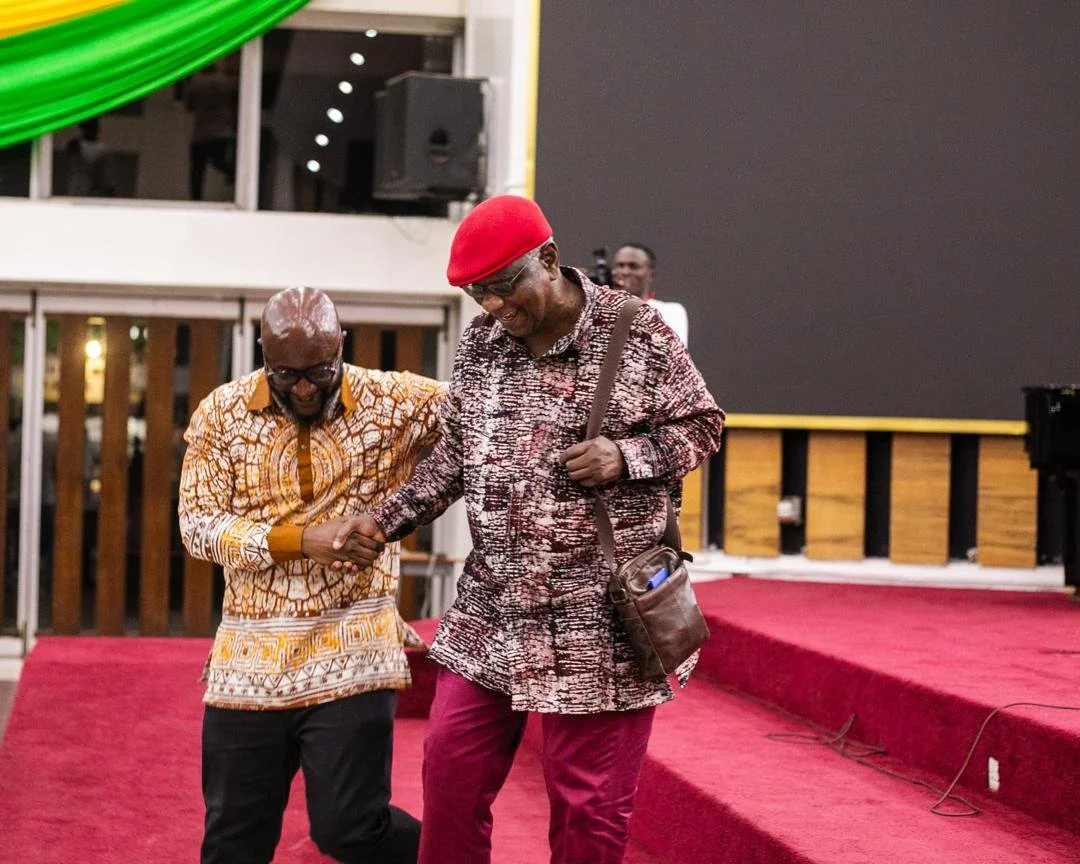
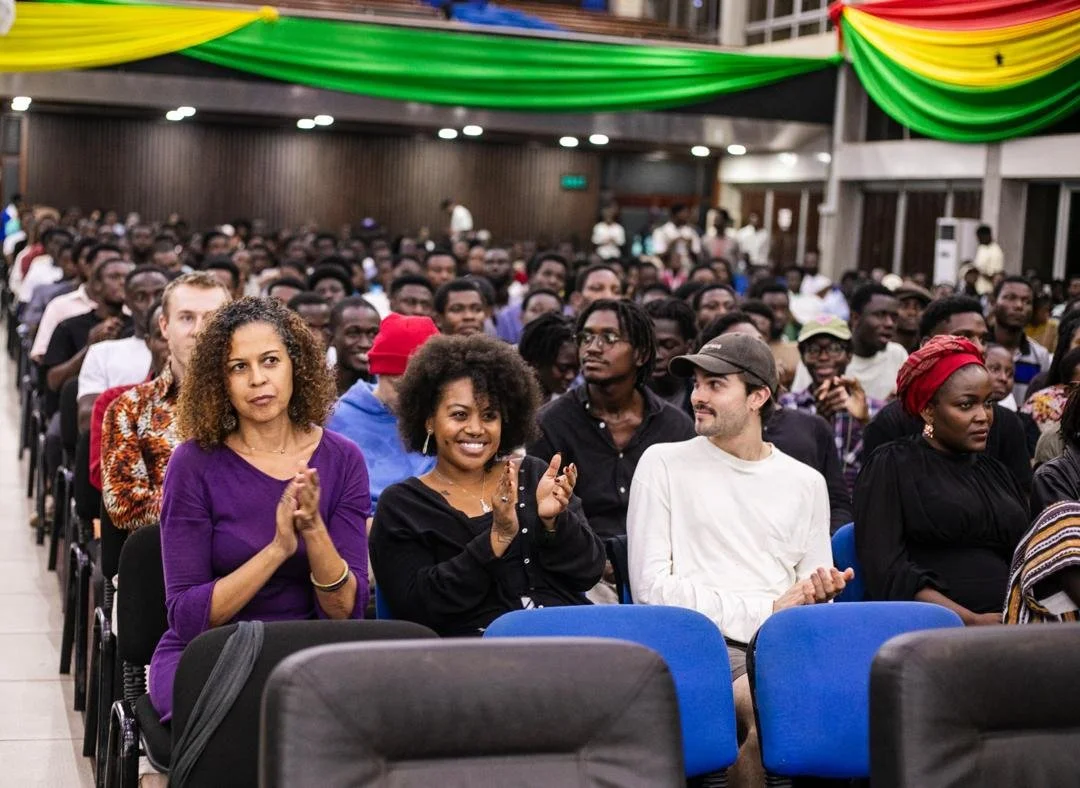
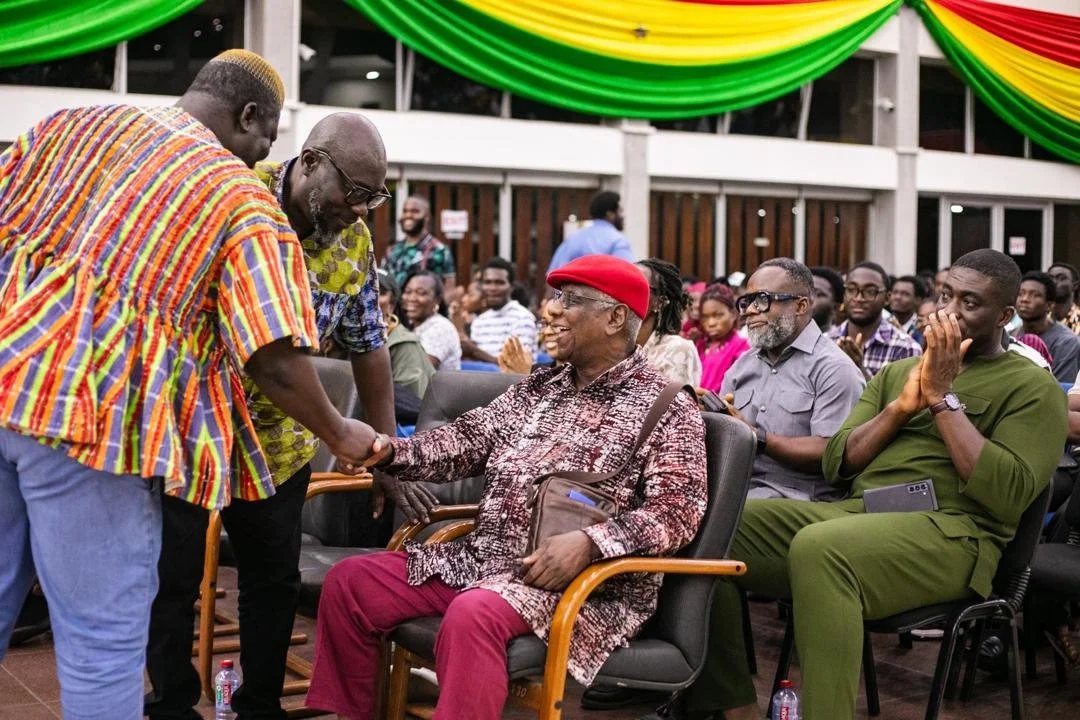
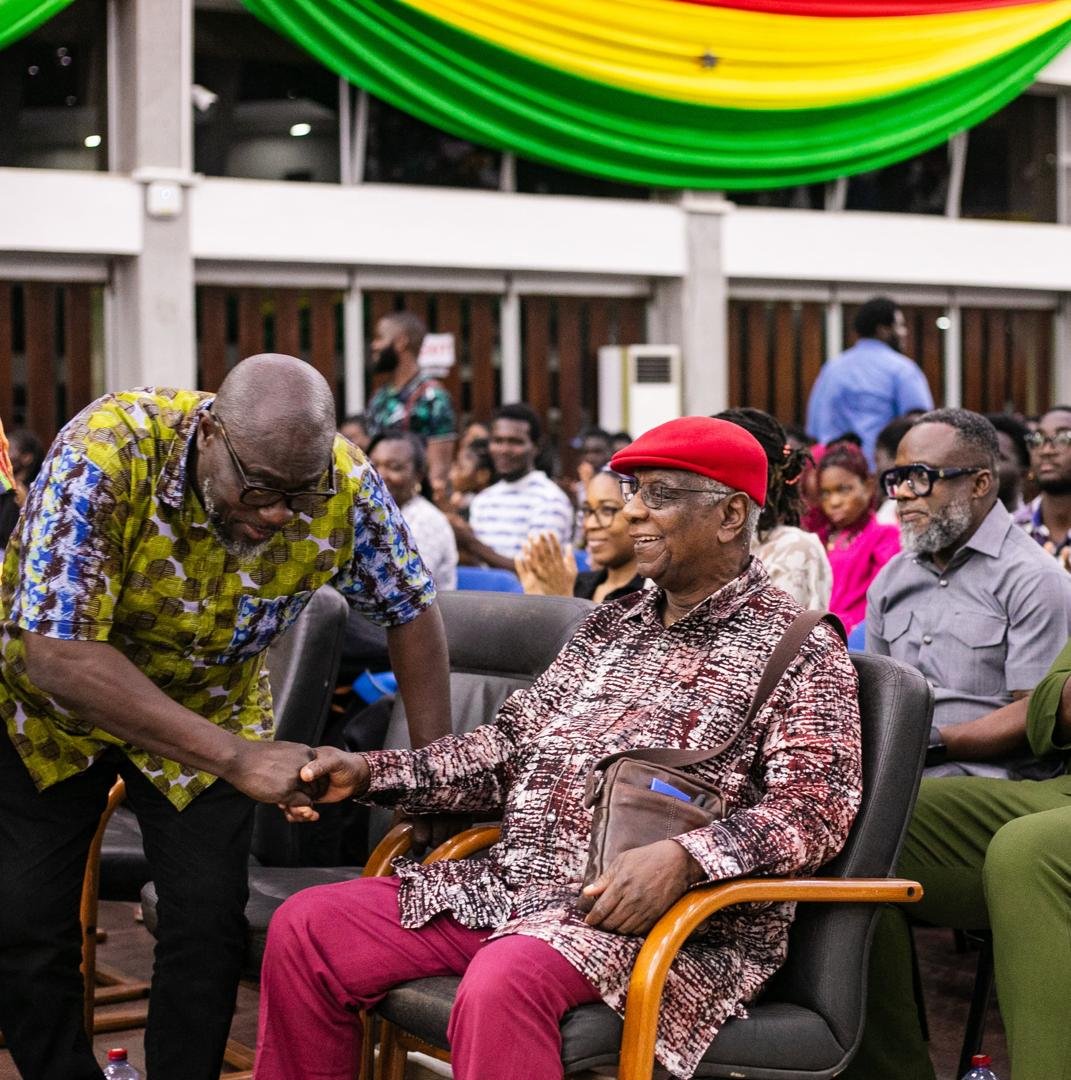
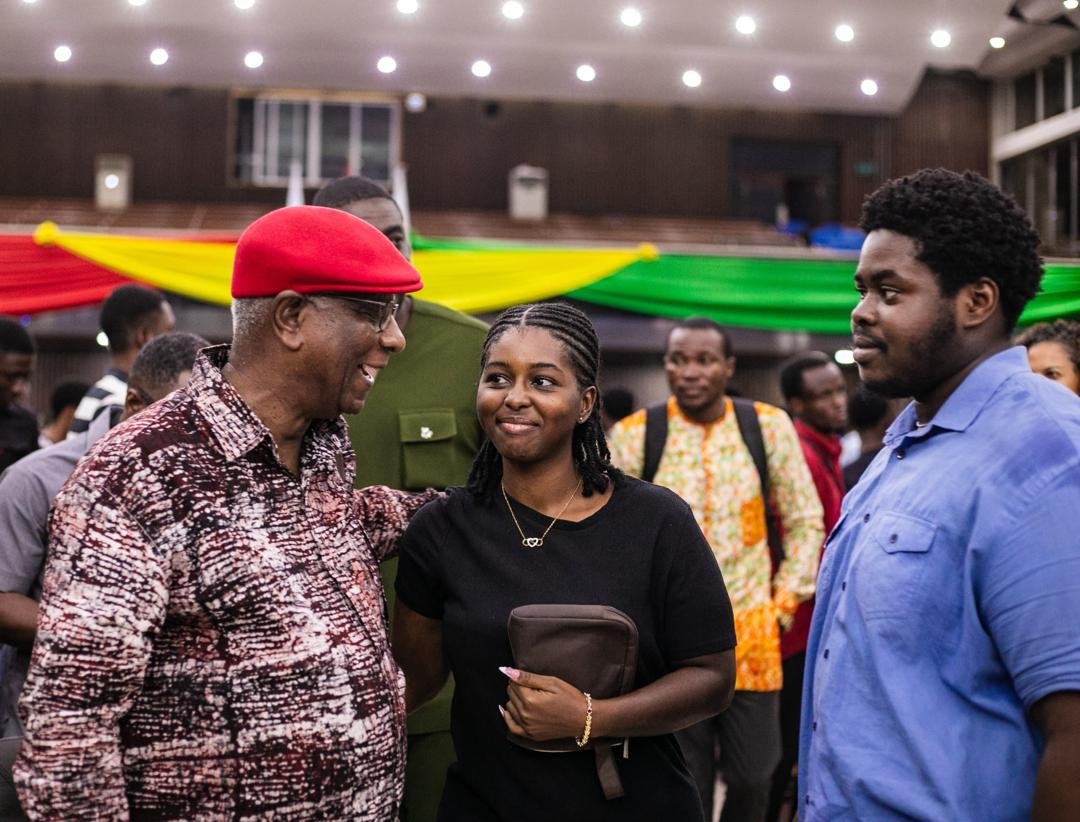
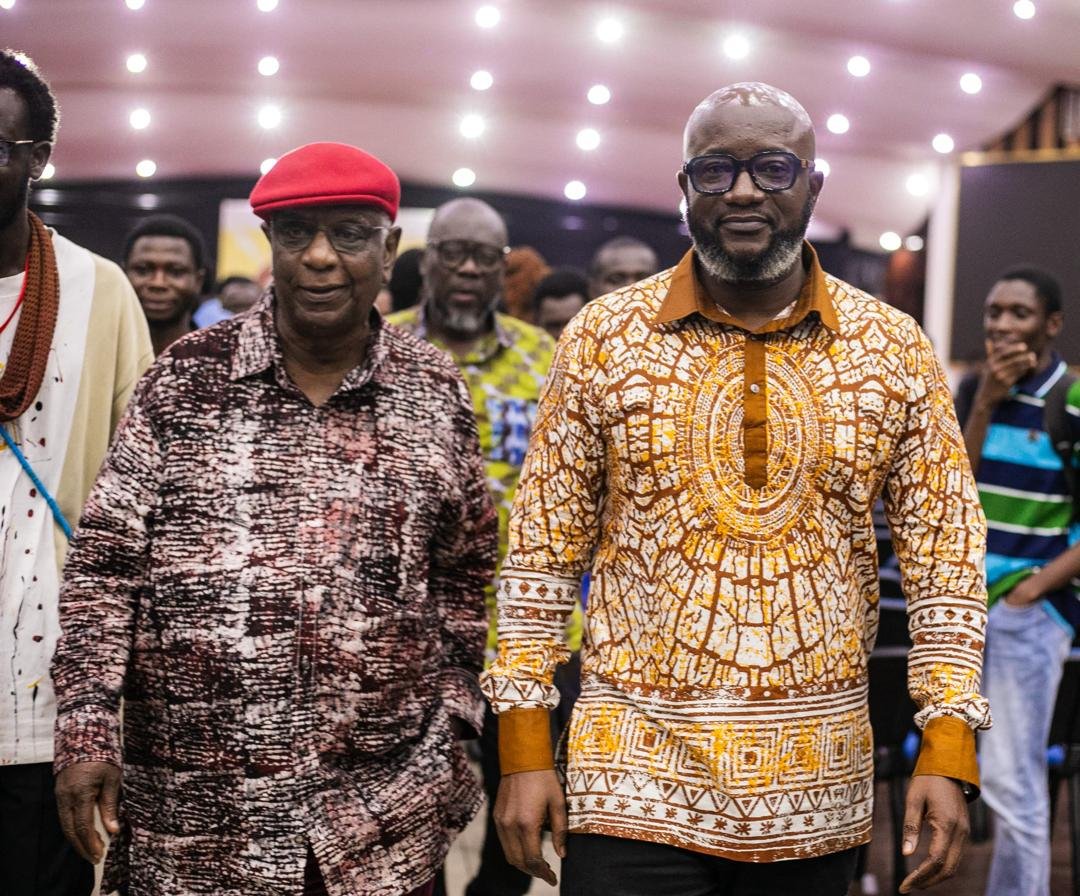
DELA: The Making of El Anatsui , premiered in The Great Hall at the Kwame Nkrumah University of Science and Technology (KNUST) on August 4, 2025. The celebrated Emeritus Prof. El Anatsui, took center stage in the award-winning biographical documentary, as well as in person. He walked the same stage at the prestigious Great Hall, where, as a young undergraduate in 1968, he collected his degree in Fine and Applied Arts.
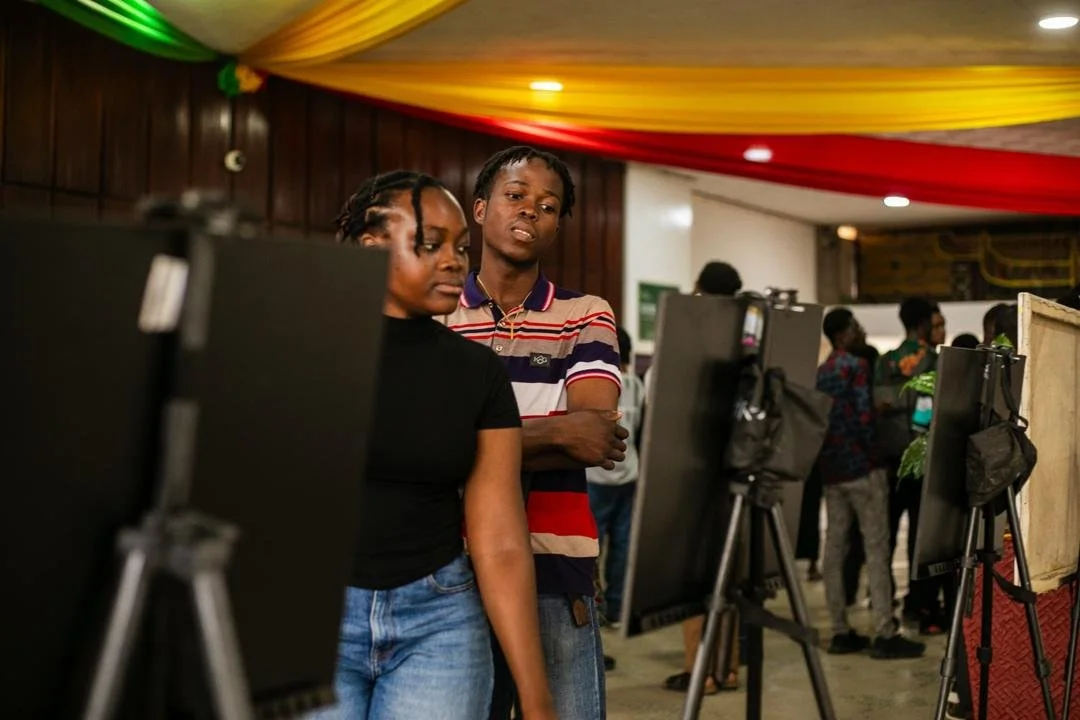
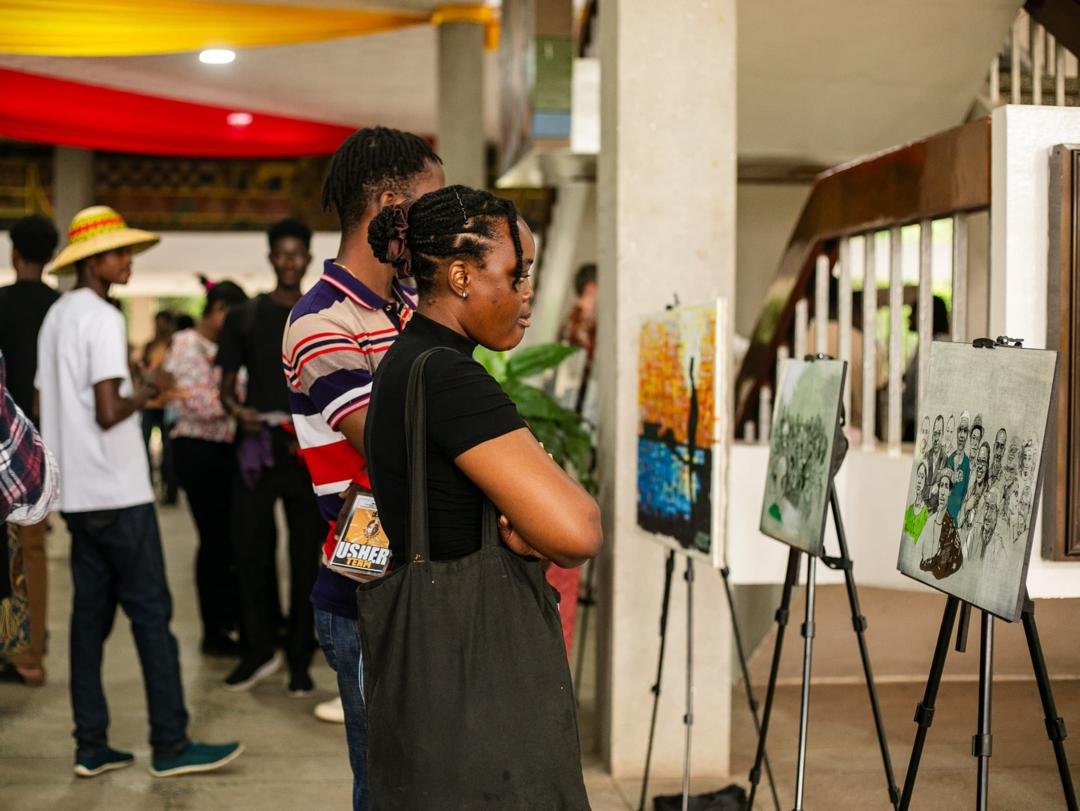
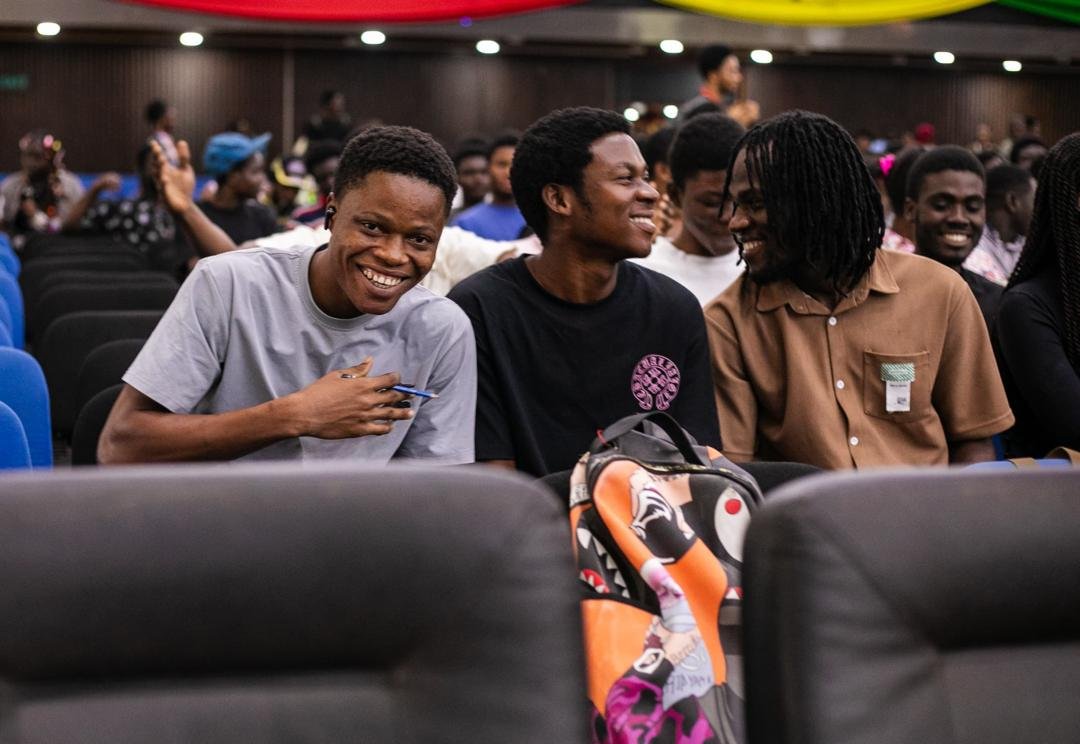
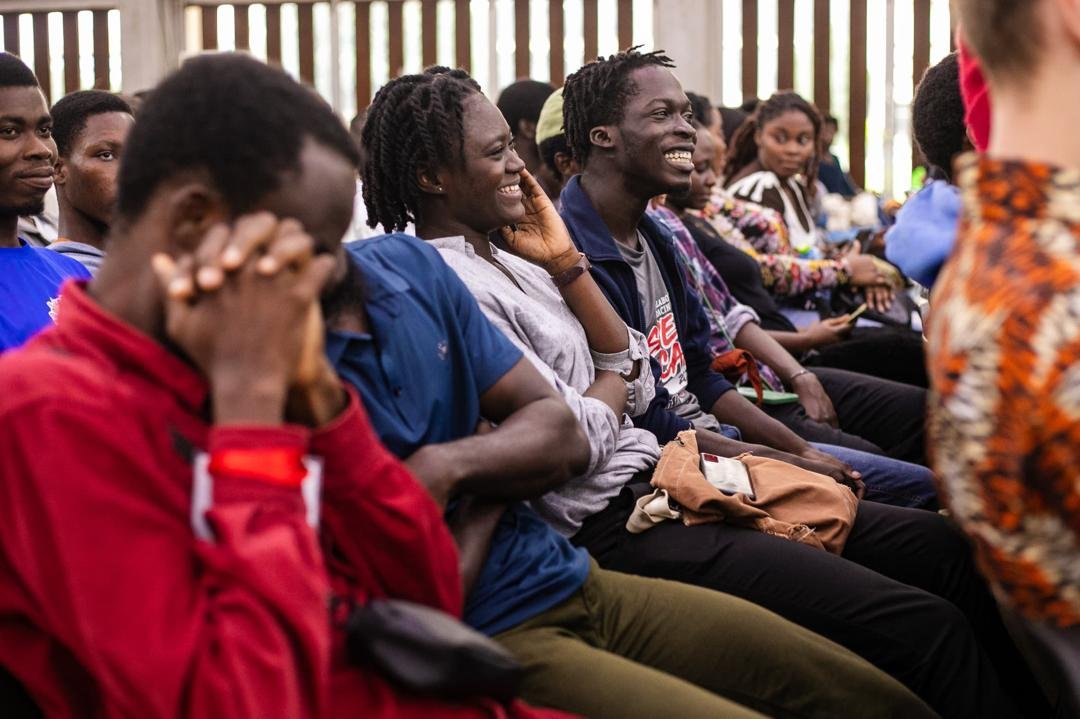
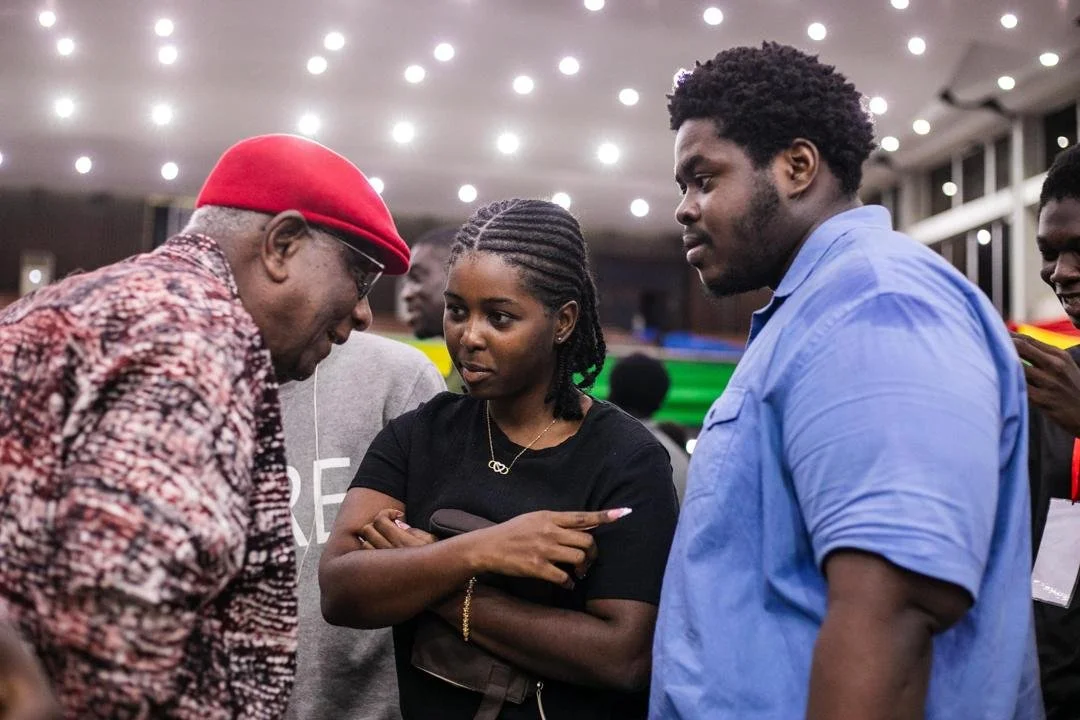
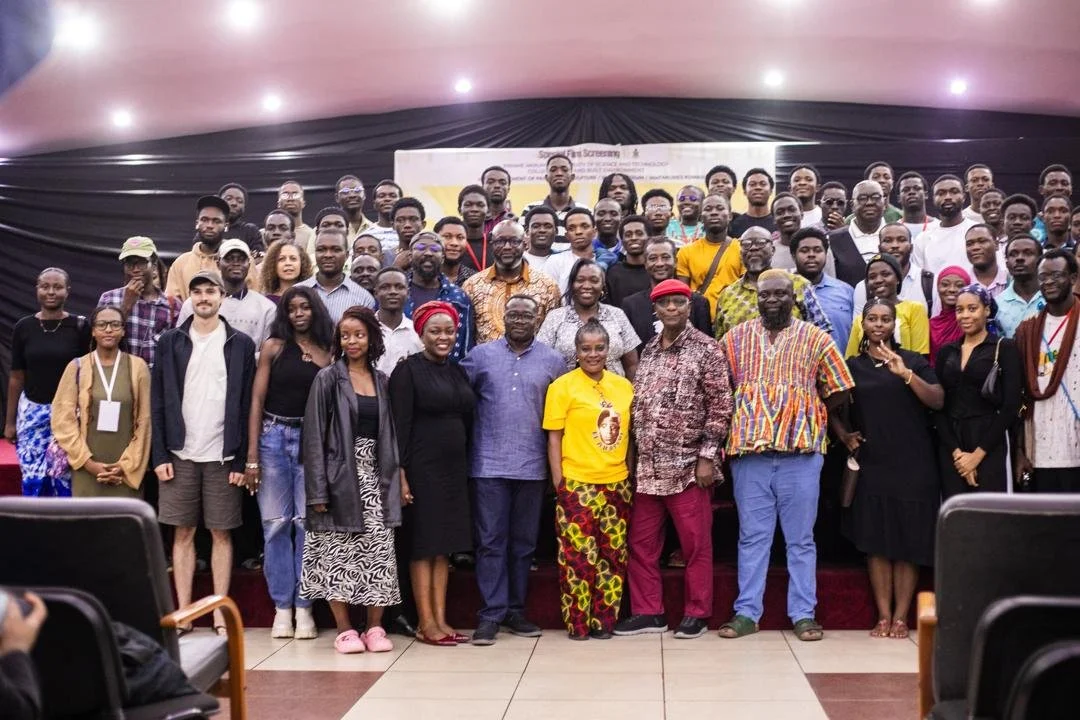
Staff and students turned up in mass to pay homage to the old student, who went on to become a globally renowned sculptor. The event highlights include a music performance by Buju Baja, an exhibition of artworks in the film, showing drawings, illustrations and paintings by Bright Ackwerh, Uchenna Ohagwu, Yifat Bezalel and Ghariokwu Lemi.
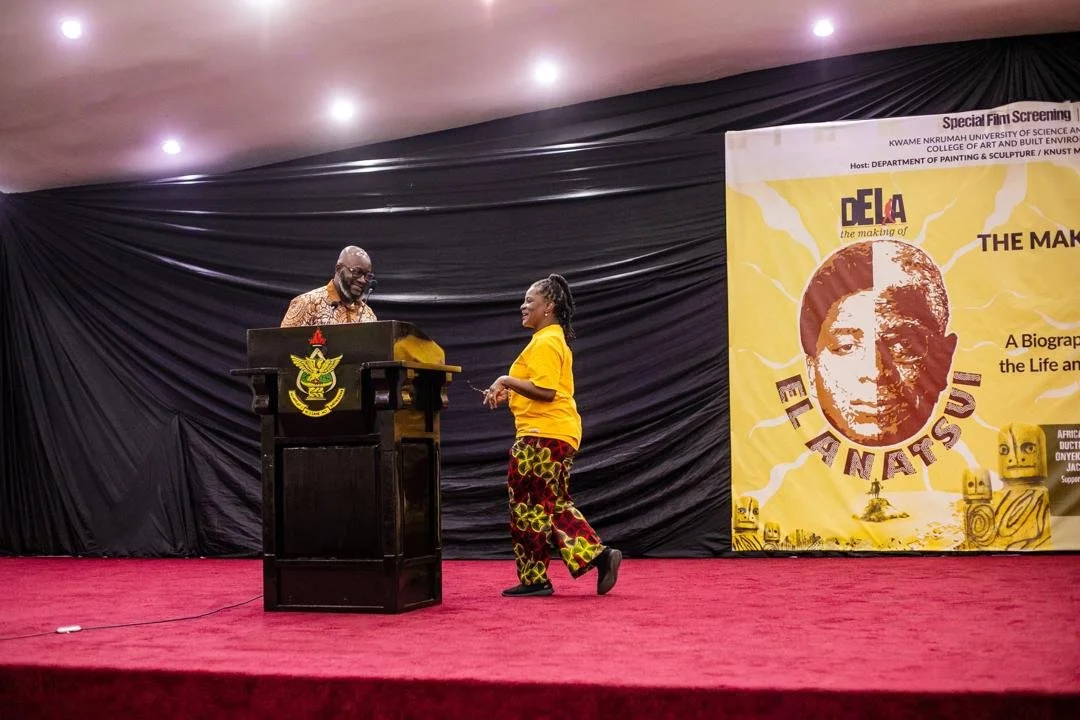
In her opening remarks, the film’s director, Oyiza Adaba thanked the organizers and urged viewers to take note of the many lessons from Prof. Anatsui’s life and legacy. On his part, the Artist acknowledged KNUST for its solid foundation in shaping his entire being. He spoke fondly of his days at the University and the profound impact on trajectory of his career, while also charging students to chart their paths with courage and authenticity.
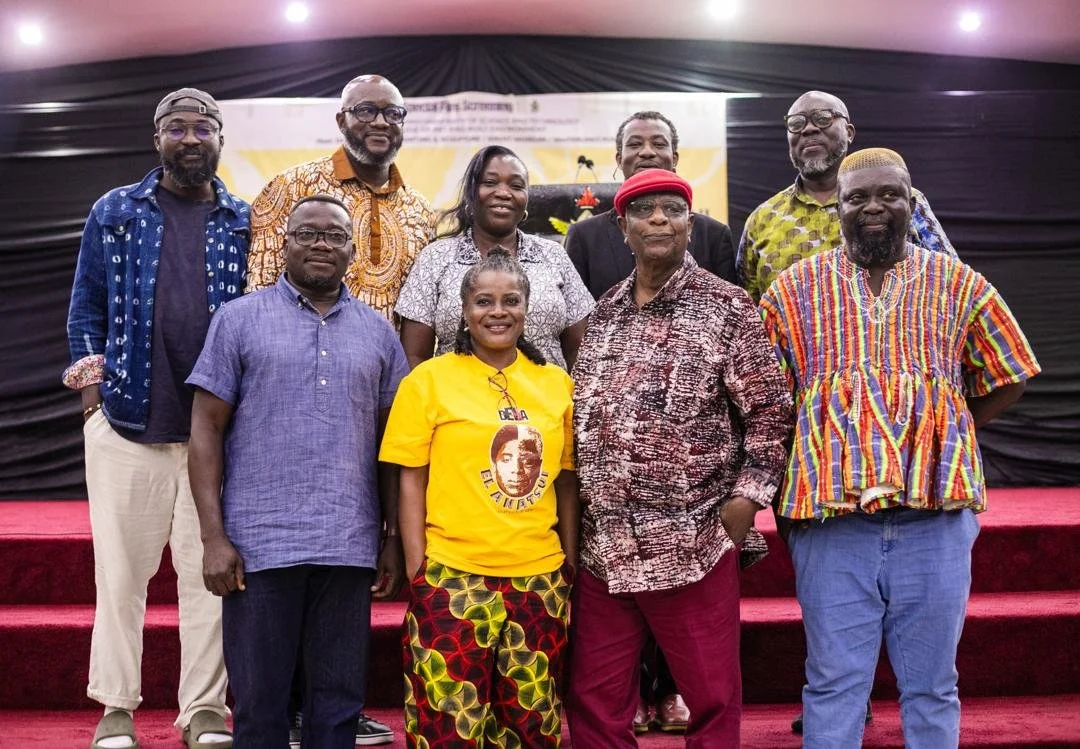
The screening event is part of the on-going DELA Campus Tour, and was hosted by the Department of Painting and Sculpture/KNUST Museum/blaxTARLINES.
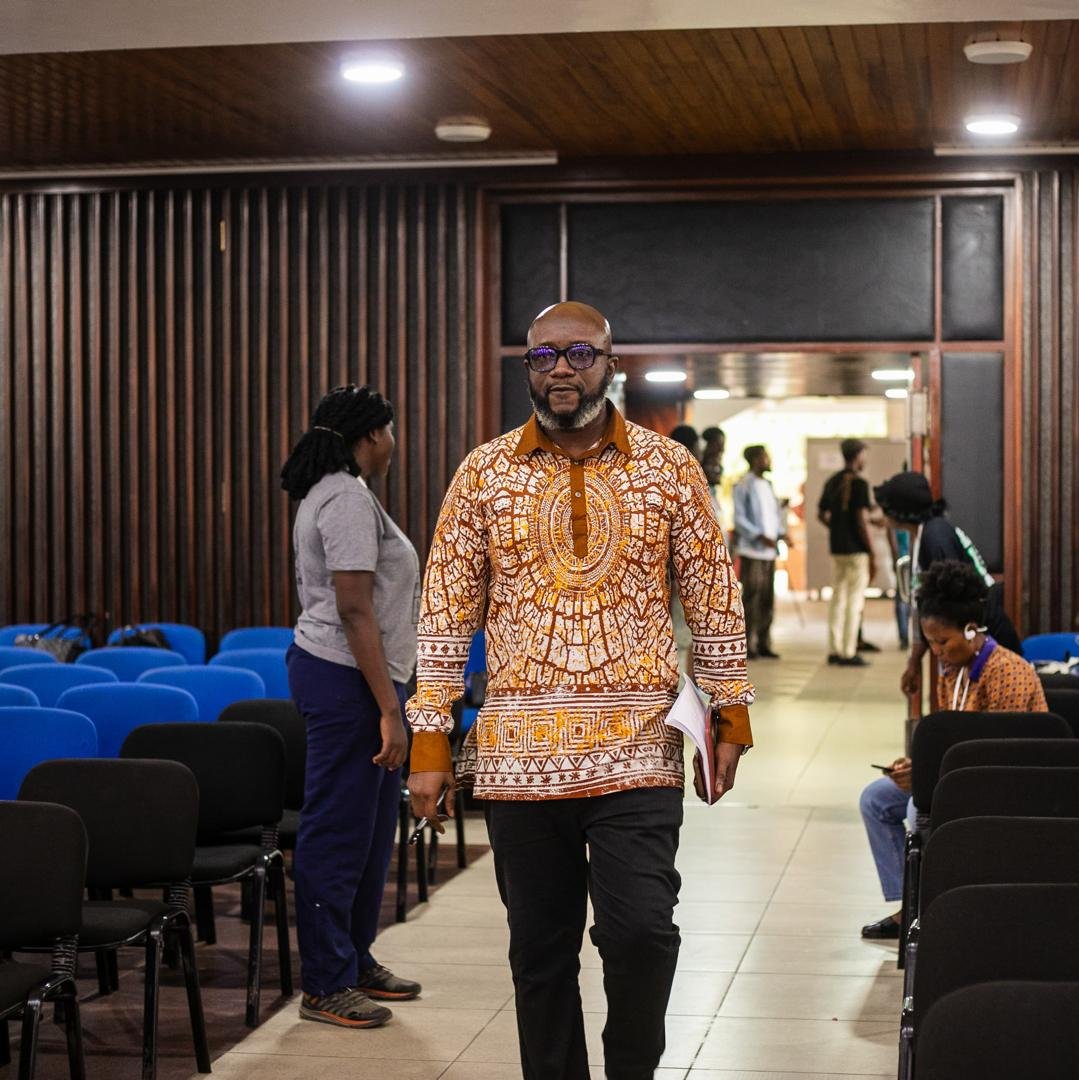
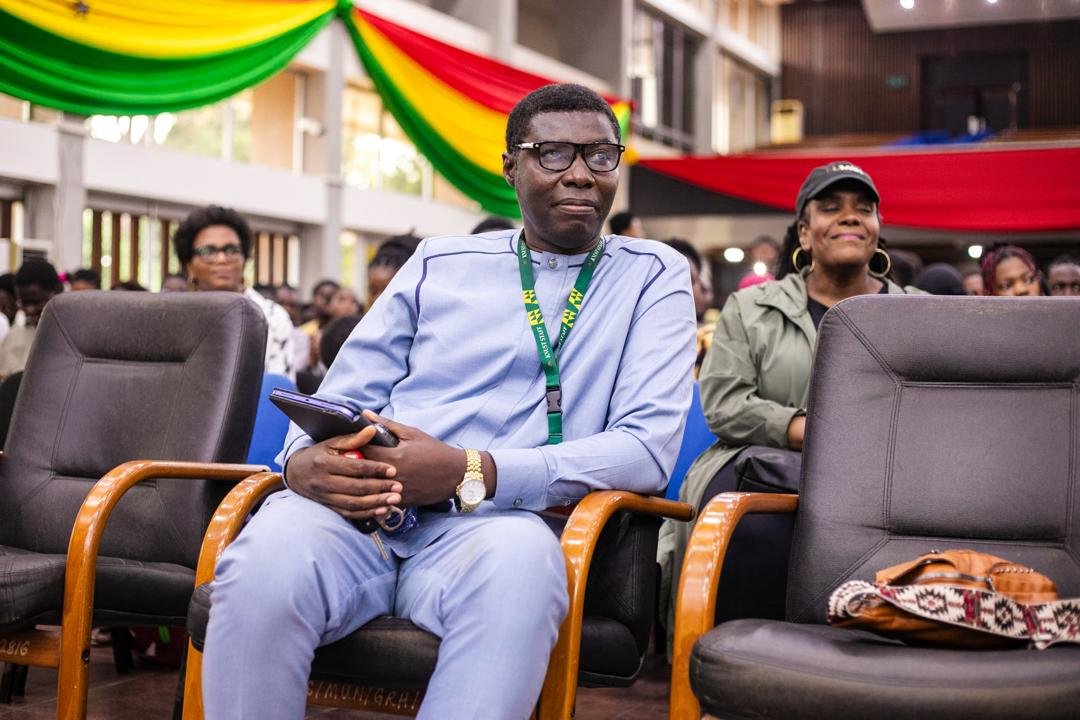
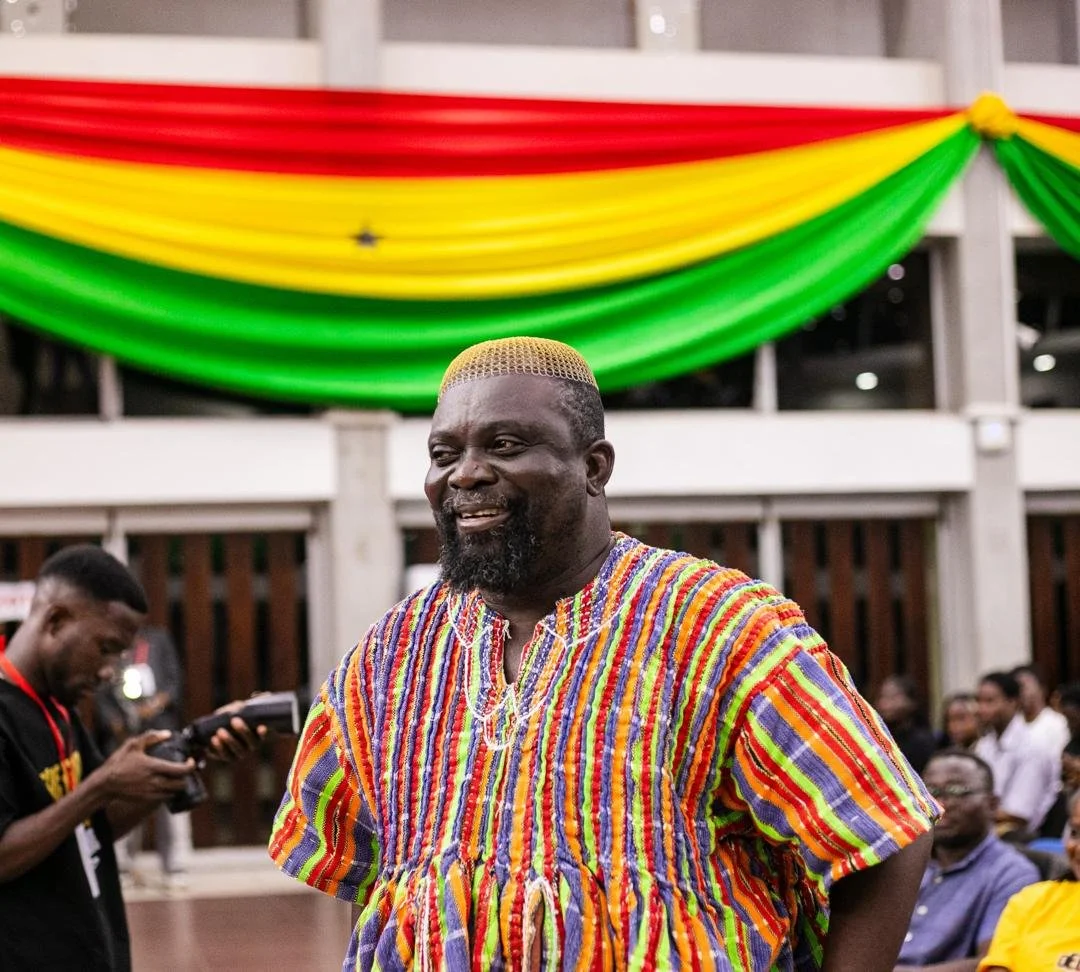
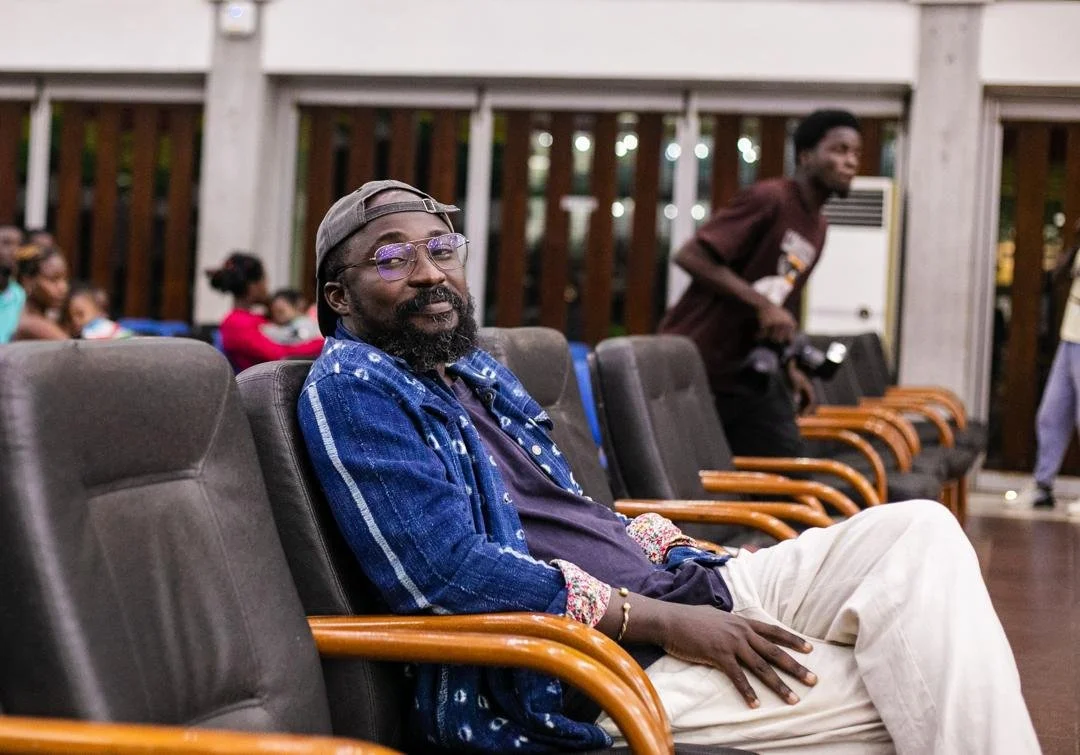
Senior members of the Faculty in attendance include Dean School of Arts and Built Environment Prof. Karî’kachä Seid’ou, Edwin K. Bodjawah Head, Department of Painting and Sculpture, George Buma Ampratwum and Kwaku Boafo Kissiedu (Castro). Also present were Kwasi Ohene-Ayeh (Painting), Dr. Mrs. Dorothy Amenuke, (Sculpture), Mr. E. Eyram Donkor (Sculpture), Prof. Ebenezer Kofi Howard (Vice Dean-Faculty of Art), Dr Kofi Adjei (Ceramics), Prof. Samuel Nortey (Ceramics) and Rev. Martin Owusu Adi-Dako ( Communication Design).
Follow the film: @elanatsuifilm.
EL Anatsui’s SPEAKS at DELA KNUST PREMIERE
“As a teacher, I’ve taught for many years, 5 years in Winneba and 47 years in Nigeria and I’ve learned from my students... The journey in art is so interesting. Art teaches us so many things in unique ways.”
EXHIBITION: Artworks In The Film
Photo Gallery
Ghana’s Hidden War
Like most Ghanaians, I am deeply disturbed by the helicopter crash that occurred yesterday, claiming the lives of eight of our compatriots—including two sitting Ministers of State. It has mentally paralysed me. I can barely focus on my work, though creativity is usually my refuge. Instead, I find myself scrolling endlessly through news updates and social media, leaving comments of condolence that feel small against the weight of this grief. I cannot begin to imagine the pain their families are enduring.
By Beatrice ‘Bee’ Arthur
Accra, Ghana
Like most Ghanaians, I am deeply disturbed by the helicopter crash that occurred yesterday, claiming the lives of eight of our compatriots—including two sitting Ministers of State. It has mentally paralysed me. I can barely focus on my work, though creativity is usually my refuge. Instead, I find myself scrolling endlessly through news updates and social media, leaving comments of condolence that feel small against the weight of this grief. I cannot begin to imagine the pain their families are enduring.
Yesterday, 6th August 2025, marked the 80th anniversary of the atomic bombings of Hiroshima and Nagasaki—an unhealed scar on the conscience of humanity. I remembered the date, as I always do, and reflected on the horrors of war. Coincidentally, it is also a relative’s birthday, so I sent a birthday wish—then spent the rest of the morning hoping, as I do every year, that no country ever resorts to nuclear weapons again. Especially now, with the world teetering—amid ongoing conflicts involving the USA, Ukraine, Russia, and Israel.
And then, by midday, the news broke.
Eight lives lost in a helicopter crash.
It destabilised me.
I understood, viscerally, that warfare is not always waged with bombs.
Sometimes, the battlefield is the sky.
Sometimes, the damage is not explosive, but systemic.
Ghana is officially a peaceful country. We pride ourselves on our stability in a region often marred by conflict. But the truth is, Ghana is a war zone—not in the traditional sense, but in the silent, insidious, and internal sense.
We are a country at war with ourselves.
A nation where fatalism has become a coping mechanism, and “God’s Will” is too often used to absolve greed, negligence, and corruption.
But let us be clear:
Greed kills.
Corruption kills.
Complacency kills.
And when allowed to fester, these things become acts of war—acts of war against the land, against the people, against the future.
The deaths of Environment Minister Murtala Mohammed and Defence Minister Dr Edward Omane Boamah were not random. They were en route to Obuasi, ground zero in our long, losing battle with galamsey. They died in service, trying to reclaim dignity for a land being disembowelled for profit.
Our Defence Minister did not fall in battle
he fell in service,
en route to a battlefield shaped not by bullets,
but by greed.
A battlefield where the enemy digs quietly,
in daylight and darkness,
with excavators for guns
and mercury for blood.
The Environment Minister died, not because the skies were cruel, but because we have allowed our soil, our water, our trees, our lungs—to be desecrated for too long. Because we have normalised the abnormal: that gold is worth more than green, and profit more than people.
The absolute greed and insensitivity of those who engage in galamsey - and the complacency of some traditional leaders in areas where illegal mining thrives - necessitated their journey to Obuasi. It became their last.
President Mahama has since declared three days of national mourning. Flags will fly at half-mast. But will our moral compass rise?
The hands that hold the shovels and machines are not the only ones stained. Where are the regulators? The traditional leaders? The enforcers? The consciences? The system - this system - sent these men to their deaths. And if we don’t change it, it will send many more.
This is a moment not just for mourning, but for reckoning. Galamsey has killed them. And if we’re honest, it is killing all of us.
By Beatrice Bee Arthur. Accra - Ghana.
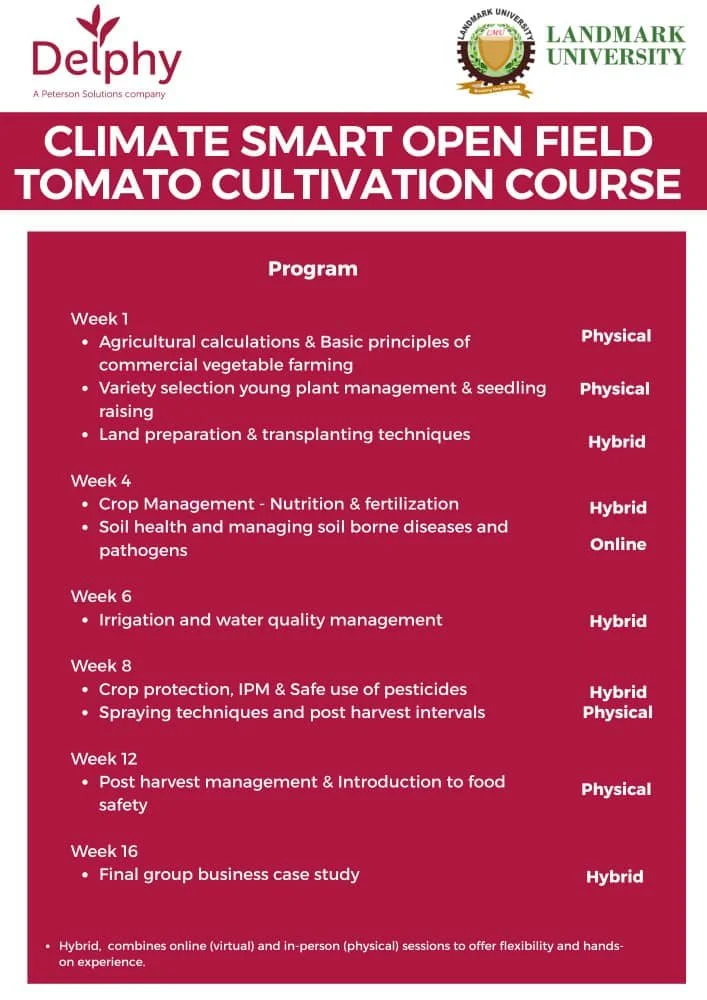
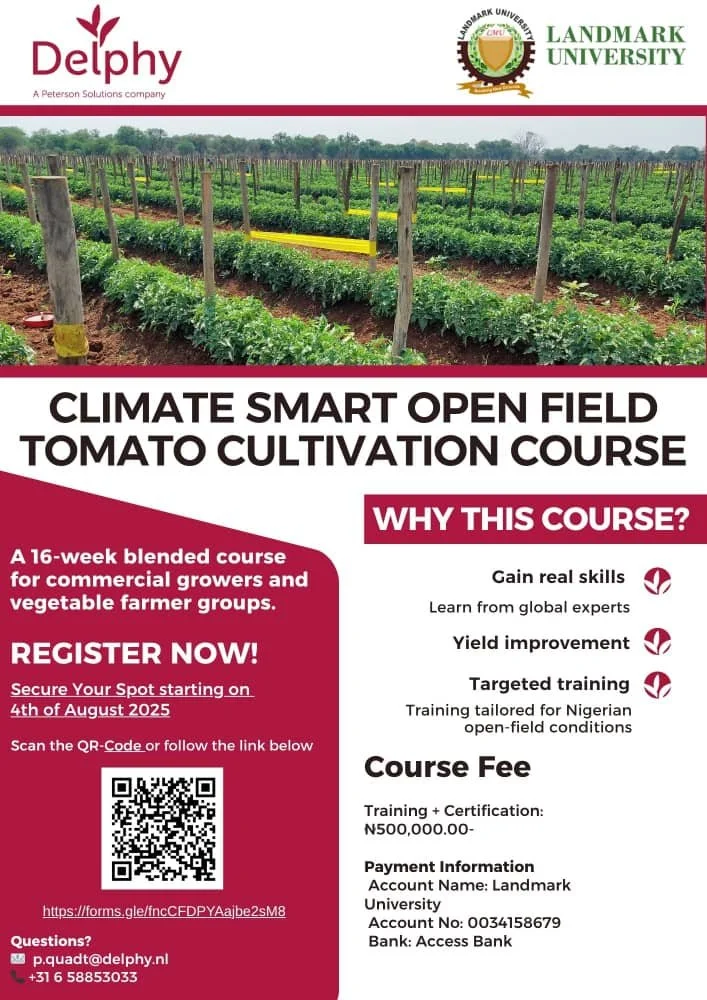
Calling On Future Farmers!
Certified short courses for farm managers, agricultural students, field supervisors, extension agents and field staff looking to gain industry needed skills and competencies.
FAQ - Climate Smart Tomato Farming – Blended Training
Certified short courses for farm managers, agricultural students, field supervisors, extension agents and field staff looking to gain industry needed skills and competencies.
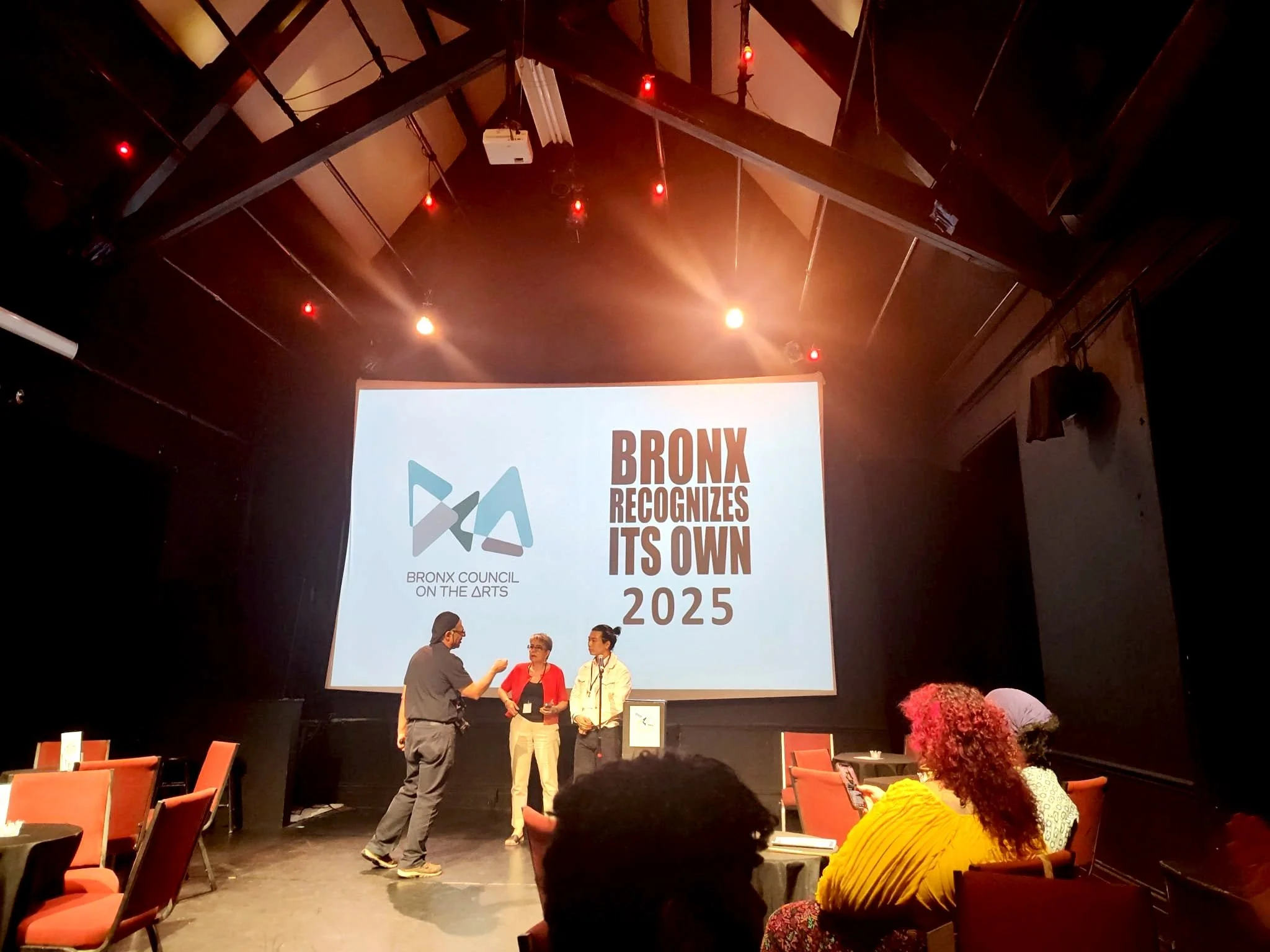
Oyiza Adaba Bags 2025 'Bronx Recognizes Its Own' (BRIO) Award
For over 35 years, BCA’s BRIO Award has recognized artists from a wide range of creative disciplines who demonstrate proficiency, knowledge, and intense practice in their chosen art form. Award-winning Director Oyiza Adaba was selected in recognition of her contribution to the borough's creative spirit.
Africa-Related, New York
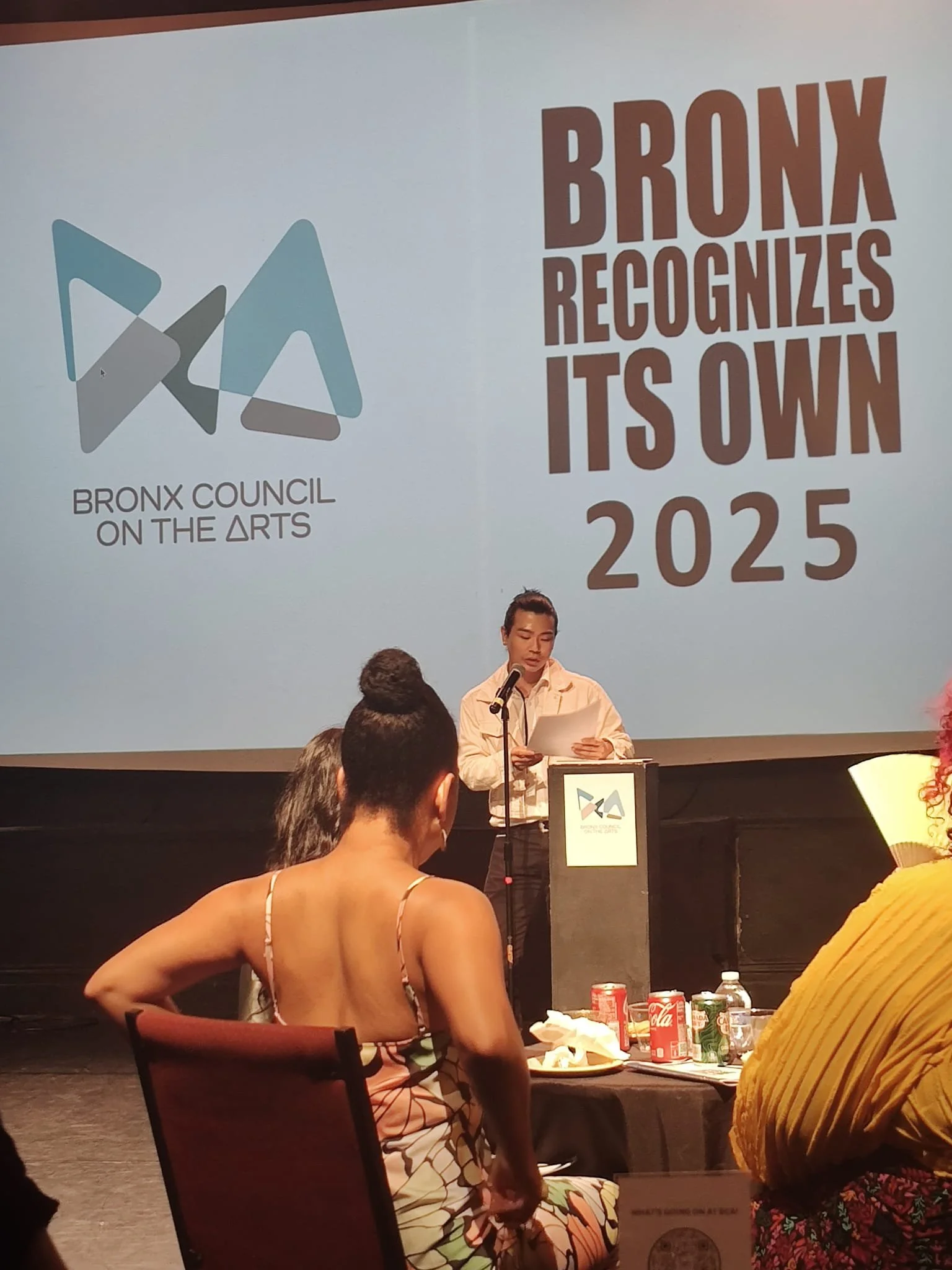
Bronx Council on the Arts (BCA) selected 42 recipients for the 2025 Bronx Recognizes Its Own (BRIO) Award.
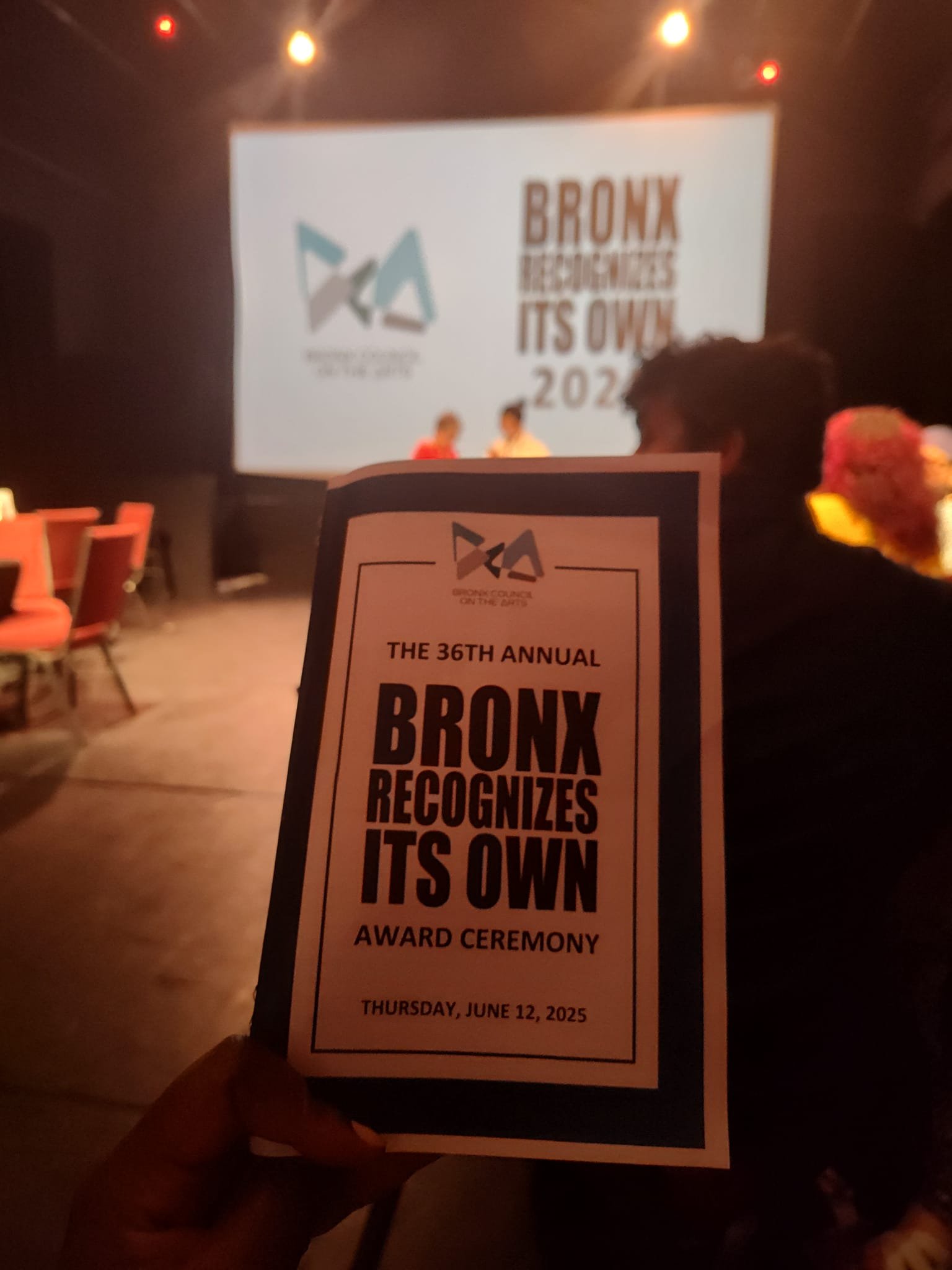
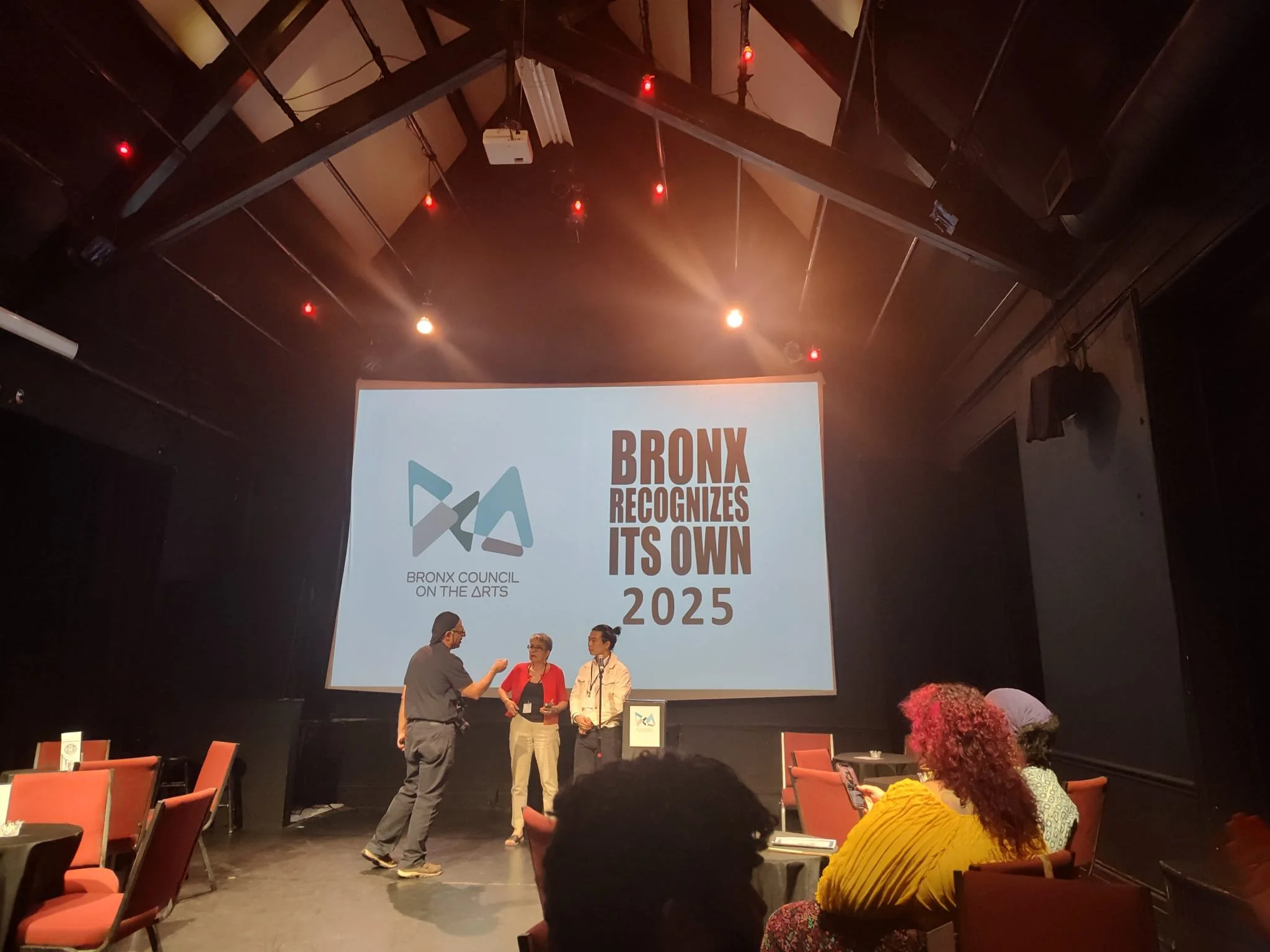

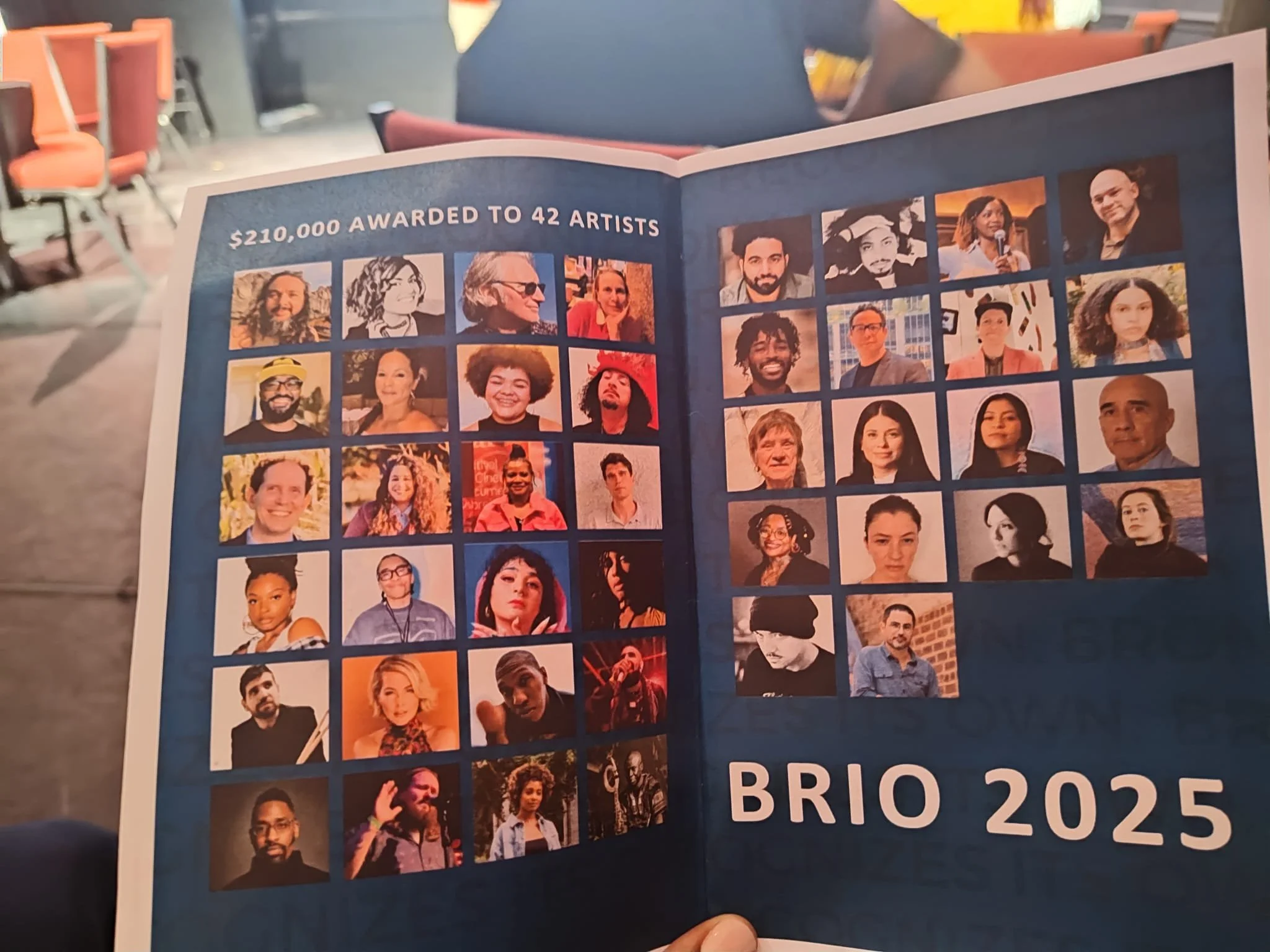
For over 35 years, BCA’s BRIO Award has recognized artists from a wide range of creative disciplines who demonstrate proficiency, knowledge, and intense practice in their chosen art form.
A celebration ceremony of all BRIO winners' outstanding achievements was held on Thursday, June 12th the Bronx Academy of Arts and Dance, to honor the 42 recipients of the award this year. Each awardee also received a sum of $5000 to support their work.
Among the awardees is Oyiza Adaba, an award-winning Nigerian producer and journalist and Bronx resident, whose 30-year career has been focused on bridging the media gap with deeply impacting news and television and film productions. Her feature documentary "DELA: The Making of El Anatsui" (2023) is highly praised globally for bringing African art and culture to international audiences.
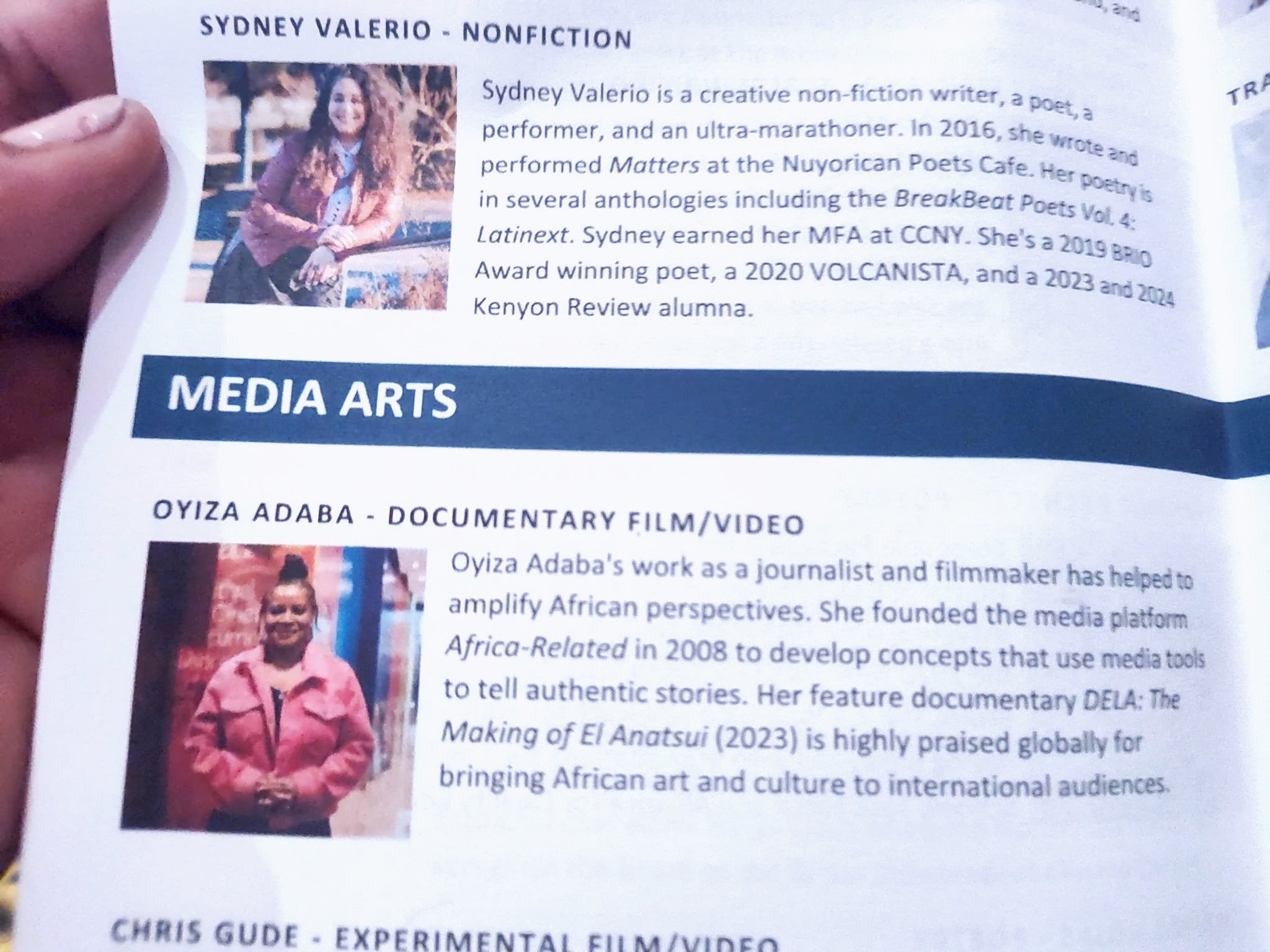
Oyiza Adaba is recognized for her role in documentary filmmaking and dedication to the borough’s creative history.
share this story

A Group Exhibition of Art and Poetry on Wate
The official documentary of the Mmiri bụ Ndụ (Water Is Life) art and poetry exhibition is now available!
Now Live! The Mmiri bụ Ndụ (Water is Life) Exhibition Documentary 🌍💧
IAS-UNN announces that the official documentary of the Mmiri bụ Ndụ art and poetry exhibition is now available. The exhibition, curated by the Institute of African Studies at the University of Nigeria, Nsukka, in collaboration with Our Water and Health Network Africa, formed part of the 4th International Conference on Water in Africa. Through powerful visual art and poetry, Mmiri Bu Ndu examines the presence, absence, social history, and state of water in Africa and in African life.

Press Release: Nigerian Center and Upwardly Global Partner to Expand Job Readiness Opportunities for Immigrants
Washington, DC — The Nigerian Center is proud to announce a new collaboration with Upwardly Global, a leading national nonprofit organization that helps skilled immigrants and refugees rebuild their careers in the United States. Together, the two organizations will host a virtual information session on Tuesday, May 28th at 6:30 p.m. EST, to introduce job readiness and employment resources for immigrants and offer referrals to the Nigerian Center’s legal and social services.

FOR IMMEDIATE RELEASE
April 11, 2025
Nigerian Center and Upwardly Global Partner to Expand Job Readiness Opportunities for Immigrants
Washington, DC — The Nigerian Center is proud to announce a new collaboration with Upwardly Global, a leading national nonprofit organization that helps skilled immigrants and refugees rebuild their careers in the United States. Together, the two organizations will host a virtual information session on Tuesday, May 28th at 6:30 p.m. EST, to introduce job readiness and employment resources for immigrants and offer referrals to the Nigerian Center’s legal and social services.
This partnership aims to provide immigrant professionals with tools and guidance to re-enter their fields of expertise, navigate the U.S. job market, and access wraparound legal services, including support with work authorization, immigration, and family-related matters.
“Our partnership with Upwardly Global comes at a critical time when many of our community members are seeking not just survival, but the opportunity to thrive. Through this collaboration, we’re bridging the gap between legal support and economic mobility by helping skilled immigrants take meaningful steps toward professional stability and long-term success.”
said Adejumoke Ojo, Program Director at the Nigerian Center.
During the virtual information session, participants will learn about Upwardly Global’s free job coaching, resume assistance, interview prep, and access to employer networks. The Nigerian Center will also provide information on legal aid services, including support with immigration cases, and related services that help to eliminate legal barriers to gainful employment.
“Upwardly Global’s free Career Coaching Program provides critical resources that empower immigrant and refugee job seekers as they navigate the U.S. job market. Through the coaching program, Upwardly Global works to bridge the gap between recently arrived newcomers (those who have been in the country for ten years or less) restarting their careers and employers in need of talent. Our access to these job seekers is enhanced through partnership with establishments like the Nigerian Center."
said Dr. Lillian Agbeyegbe, Program Director, Eastern Region at Upwardly Global.
To register, visit www.nigeriancenter.org/events/jobreadiness2025
For media inquiries, please contact: info@nigeriancenter.org
###
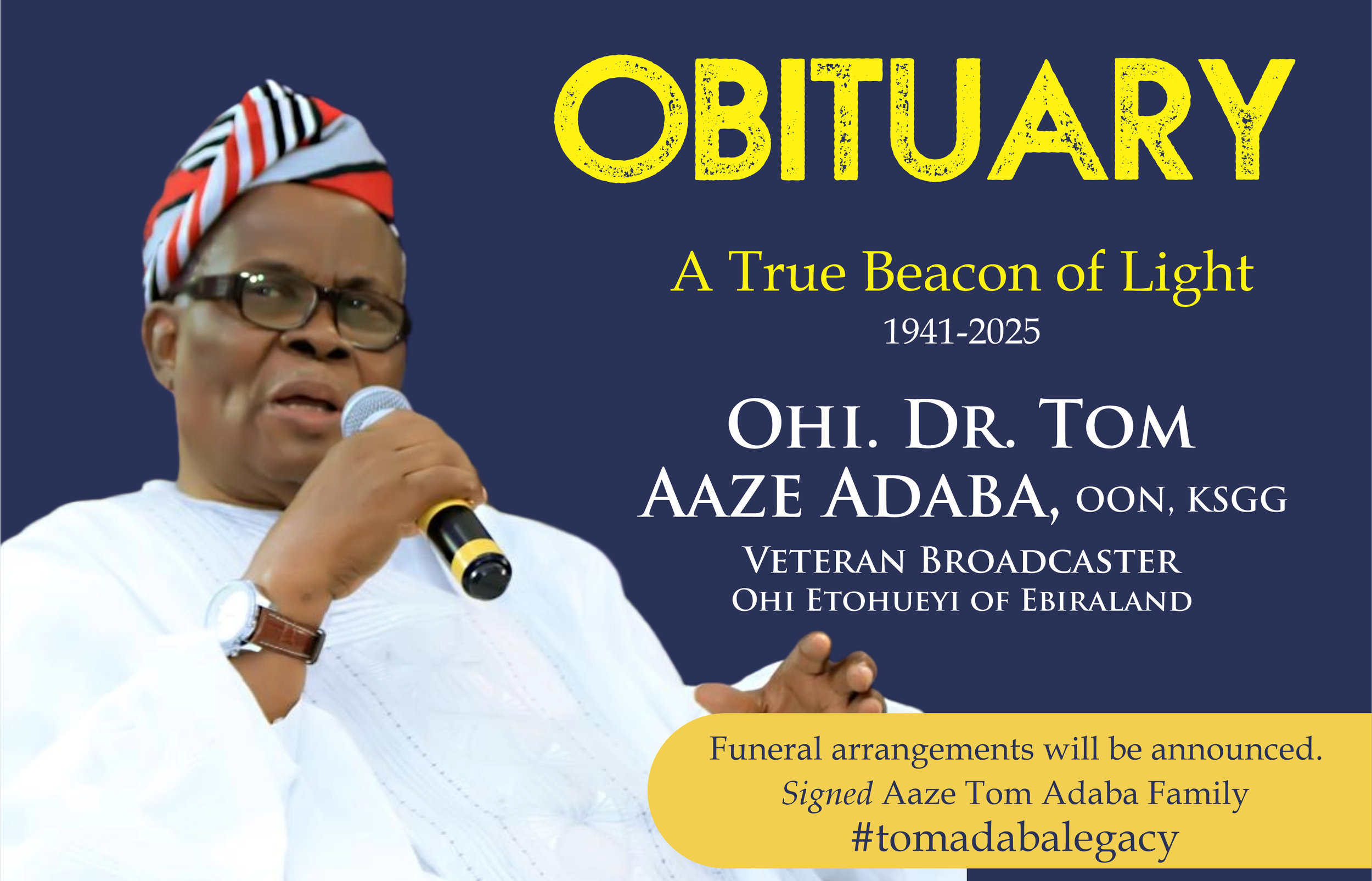
AAZE THOMAS ADABA, (OON, KSM, KSGG). Ohi Etohueyi of Ebiraland
Tributes | Life | Gallery | Stories
AAZE THOMAS ADABA, (OON, KSGG). Ohi Etohueyi of Ebiraland
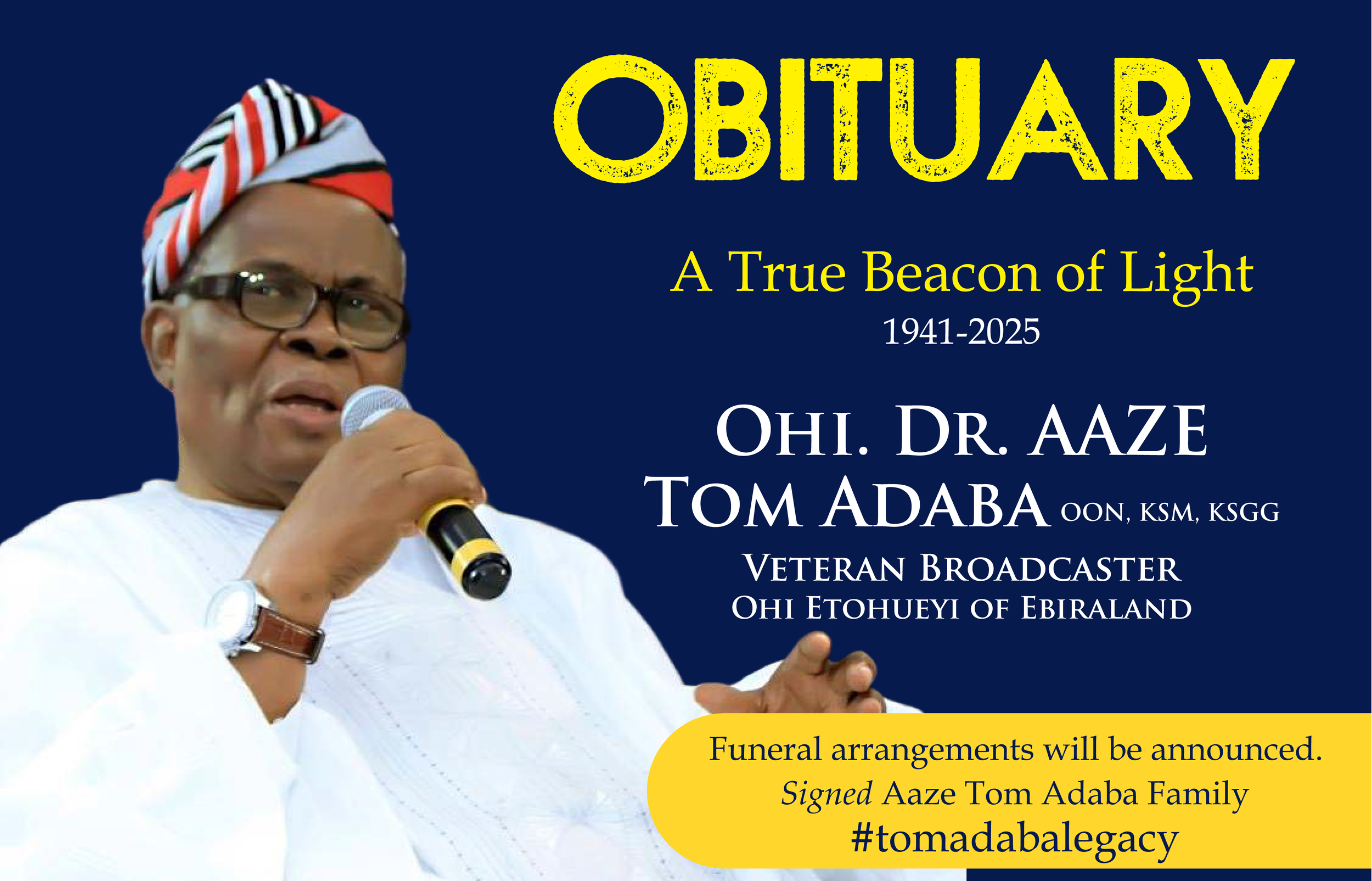
Obituary: Aaze Tom Adaba
AAZE THOMAS ADABA, (OON, KSM, KSGG).
Ohi Etohueyi of Ebiraland
1941-2025
...an undeniable legacy
FUNERAL PROGRAM
(W.A. Time)
Christian Wake/Night of Tribute:
Thursday, 6 March 2025
4:30 pm
Catholic Church of the Archangels, Durumi, Gaduwa Road, Abuja
Lying in State:
Friday, 7 March 2025
8:30 - 9:30 am
45 Constitution Avenue, off Democracy Crescent, Gaduwa Estate, Abuja
Funeral Mass:
Friday, 7 March 2025
10:00 am
- Catholic Church of the Archangels, Durumi, Gaduwa Road, Abuja
- Christ The King Catholic Church, Okene.
Interment:
Friday, 7 March 2025
Immediately after Mass
Gudu Cemetery - Christian Section, Opposite Defence HMO, Apo, Abuja
#tomadabalegacy
Tributes | Life | Gallery | Stories
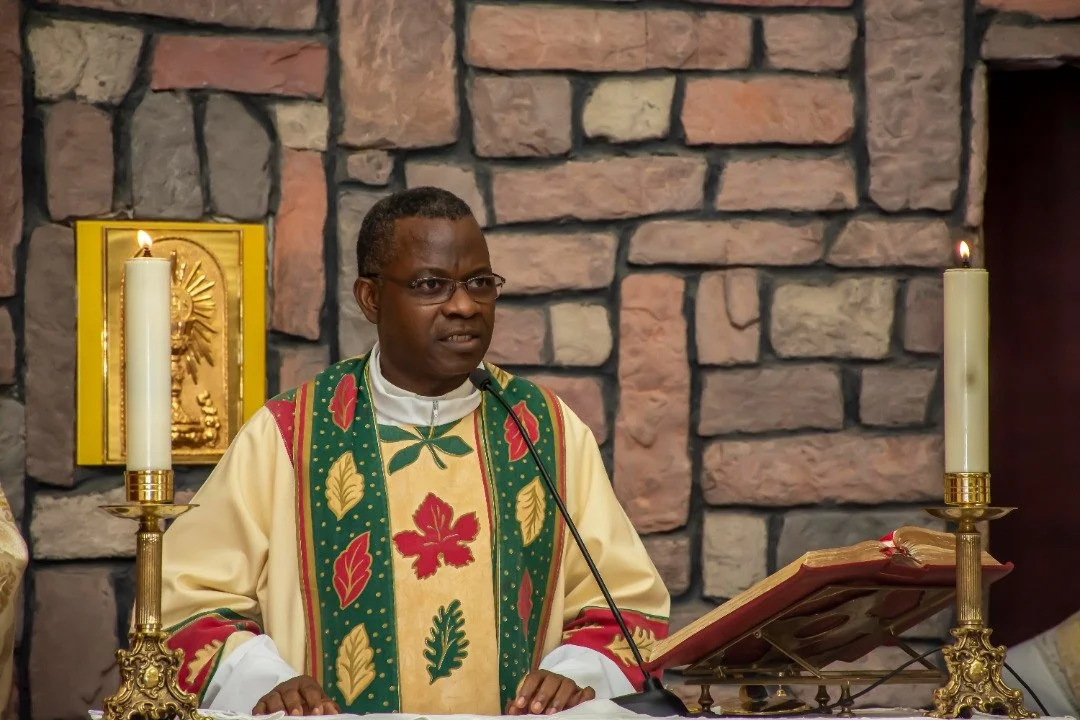
CHRISTIAN EVANGELISM IN OUR CHALLENGING 21ST CENTURY SOCIETY IT IS NOT PARTY TIME. INSTEAD, WE MAY BE BACK TO THE CATACOMBS
Dear friends, sisters and brothers, you are hosting this 2025 edition of your annual Pastors’ Conference in the context of a very vicious, aggressive, vengeful and vindictive form of secularism in the world, that is accompanied by practical atheism, which is openly demonstrated in the lives of many modern-day men and women, including even some of those who fill up our Churches on Sundays. Practical Atheism is the new way of life whereby many people, while not openly rejecting God and religion, are daily making choices and conducting their public and private affairs, as if God does not exit, and in total disregard for God’s commandments, and fragrant violation of critical values and virtues which have always been associated with persons with any measure of religious consciousness.
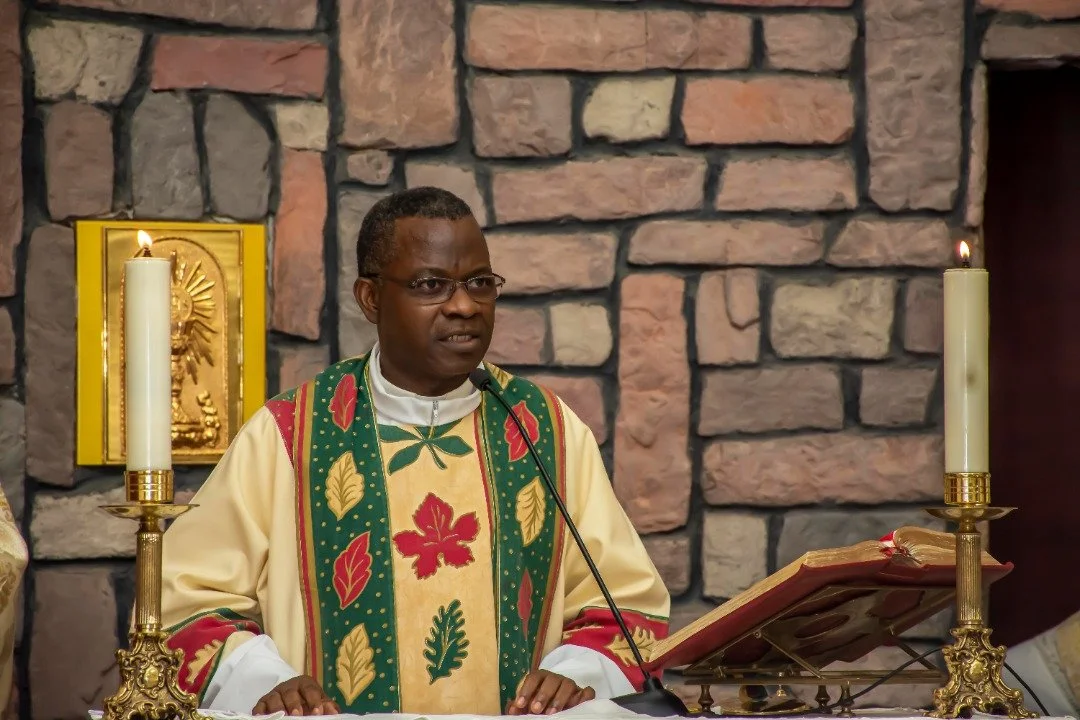
Paper Presented at the Annual Pastors’ Conference of the Realm of Glory International Churches Lagos, January 15, 2025 By Rev. Fr. George Ehusani Executive Director, Lux Terra Leadership Foundation
Dear friends, sisters and brothers, you are hosting this 2025 edition of your annual Pastors’ Conference in the context of a very vicious, aggressive, vengeful and vindictive form of secularism in the world, that is accompanied by practical atheism, which is openly demonstrated in the lives of many modern-day men and women, including even some of those who fill up our Churches on Sundays. Practical Atheism is the new way of life whereby many people, while not openly rejecting God and religion, are daily making choices and conducting their public and private affairs, as if God does not exit, and in total disregard for God’s commandments, and fragrant violation of critical values and virtues which have always been associated with persons with any measure of religious consciousness. Let me highlight the point with a few examples: In July 2024, the organisers of the opening ceremony of the Summer Olympic games in Paris, decided to desecrate a principal symbol of the Christian religion, by making a public mockery of the scene of the Last Supper in a shameless parody, that involved satanic images as well as homosexual, lesbian or LGBTQ++ symbols. Opinion leaders across the world (including Muslims and even people who are not known to have any religious affiliations), reacted with outrage at this public expression of blasphemy and disrespect for the religious sensitivities of the globlal population of Christians. Last week the news broke out that US Nigerian Professor Uju Anya, is now legally married to her lesbian lover, Dr. Sirry Alang, who is a Cameroonian American. In this country Nigeria, the LGBTQ+ madness is today spreading like wildfire. It is being aggressively promoted around the world by not only individual campaigners and NGOs, but also whole governments.
A number of those we call celebrities in Nigeria today, who have millions of young people following them, have often been recruited by powerful international organisations, as agents, to spread these new gender ideologies, by which strange and unnatural sexual behaviours, which the Christian Scriptures squarely condemns as abominable and damnable (See Romans 1:20- 32); the same behaviours that only a few decades ago used to be diagnosed as mental illness; are now defended and promoted as alternative lifestyles and fundamental human rights, such that those of us who express moral outrage at the normalization of these perversions, are blackmailed as homophobic, condemned as religious bigots, and sometimes subjected to persecuted for defending the traditional Christian position in these matters. In spite of the Same Sex Prohibition Act of 2014, we see homosexual practices being openly advertised in the social and regular media today, and viewed by some as progress. Among the many aggressive LGBTQ+ campaigners in Nigeria today, we even have one who calls himself a Christian pastor. He is Jide Macauly, founder of what he calls the House of Rainbow International Church, where homosexuals and transgender persons are not only warmly welcomed, but earnestly celebrated for their courage to come out openly to declare what they call their sexual orientation. And many of our young people appear fascinated by these horrifying developments. If you do a quick google search on the number of young people following Bobrisky, you would be utterly amazed. He has over 3 million followers on Facebook and almost 5 million followers on Instagram. He has almost the same number of followers on social media as Pastor Enoch Adegboye! Brothers and sisters, are you beginning to see what I am talking about?
Your 2025 Pastors’ Conference on the theme, The Cross and the Altar, is happening at a time of widespread loss of God-consciousness, or the rejection by many of any spiritual reference point for the human person and the human society. You are gathered here amid the growing scourge or epidemic that the famous 20th Century Psychologist, Viktor Frankl, identifies as existential nihilism, which is the widespread loss of any sense of meaning and purpose in human existence. Existential nihilism emanates from the loss of the consciousness of God, and any sense of transcendence in the contemporary society. We are confronted today with a much more serious problem than the fact that people are stealing, cheating, committing fornication or engaging in Yahoo-Yahoo. Many young people do not know why they are alive, and some are ready to end it any day, at the slightest provocation. The widespread rejection of any spiritual reference point by an ever-increasing number of men and women in our generation, gives rise to the existential frustration which Augustine of Hippo alludes to when he declares that “the Lord has created us for himself, and our hearts will remain restless, until they rest in him.” The Scriptures of our Judeo-Christian religion and the testimonies from all other major religious traditions sufficiently demonstrate that the more human beings move away from God, the more they move away from the consciousness of spiritual or supernatural realities, and the more they are motivated wholly and entirely by materialistic, this-worldly ultimate goals; the more confused, senseless, restless and violent they become. Yes, as the men and women of our generation move farther and farther away from God and the things of God, they gradually become disoriented and confused about their true identities, about the purpose of their lives, and about the meaning of the very physical bodies they carry around.
Is it not instructive that multiple psychopathologies, including widespread drug addiction, rampant cases of depression, suicide ideation, and actual suicides, appear to be increasing geometrically in the same age and among the same generation that has witnessed what is called the “sexual revolution,” when men and women are being told that they no longer need to exercise any restraints, and when all inhibitions in sexual expression, are gradually being seen as vestiges of a dying primitive era? The truth that stares modern humanity in the face, is the same one that dawned on Augustine in the 4th Century A.D., namely, that the human heart is either home-bound or death-bound; and there appears to be no resting place in between! Yet, a cursory survey of the dominant segments of our own youth culture in this country, Nigeria, especially as displayed in popular movies, comedy skits, music and dance, including some of what people call Gospel music today, will reveal that even though our Churches are often filled up on Sundays, and though the public practice of religion still appears to be thriving in our society, all is however not well with us. All is not well with us, because our youths are speedily abandoning the path of Christian virtues and values, and they are losing their souls to the social and moral decadence of the age.
Christian youth in this country and elsewhere these days, are often the ones with the least respect for religion and religious persons. They are often the ones denigrating the Church, blackmailing and insulting religious leaders, desecrating religious symbols, and recklessly engaging in acts that used to be identified as blasphemy and sacrilege. Most of the young Nigerians who are today addicted to pornography, and those engaged in internet fraud, Yahoo Yahoo and Yahoo+, or those allegedly engaged in ritual killing (of their mothers, their sisters and girlfriends, for quick money), are often youths brought up Christian homes, but who seem to have lost their way, and are now in the den of the devil. Traditional African religious rituals have suddenly become very attractive for many Nigerian youths, who are today not only enlisting as devotees of traditional deities and ancestral cults in their villages, but many are actually becoming priests and priestesses of some of these traditional African religious cults; the kind of cults that 3 their parents were never exposed to, because their grandparents had abandoned them to embrace Christianity!
Just last week, at the opening ceremony of the annual retreat in Anambra State, of all the Bishops of the Church of Nigeria, Anglican Communion, Governor Chukwuma Soludo raised an alarm over a frightening development that I am well aware of myself. He observed that this is a very trying moment in the history of Christianity in our society today. Though the Anglican Church claims to have up to 20 million Nigerians officially registered in their books, and though the Christian Church as a whole, boasts of more than a 100 million registered members in Nigeria, he wondered how many of these 100 million people, most of who were brought up in Christian homes, are still Christians. He said the question is even more pertinent in the Southeast, as in his view, the fastest growing religion in the Southeast is idolatry. He said from Anambra to Imo, and from Abia to Enugu and Ebonyi, there is a massive resurgence in idolatry, with traditional shrines springing up everywhere, and that they are recruiting young people massively, young people with names like Emmanuel, Joseph, and even some bearing the name Christian, but they are carrying their shrines. He said the leaders of the Church in Nigeria must now engage in a sober reflection, asking themselves the question: Why are the young y leaving Christianity in droves? He said the leaders must constantly re-examine their purpose, asking themselves, “Are we still serving the purpose? Are our ways in conflict with our purpose?” He wondered whether in the eyes of some people in Nigeria, religion has not become a business, where the transactions have gradually overwhelmed the transformation.
We are living through very challenging times, especially for truly religious people, as there is very little sense of spirituality and transcendence left in the popular culture, and sometimes even in some of our Churches that have been turned to theatres of endless entertainment. The powerful agents of the global culture have become increasingly secular, and aggressively anti-religious and vengefully anti-church. These are difficult times indeed. We are at the threshold of a new dark age, and a new era of Christian persecution, when truly committed agents of the Gospel of Jesus Christ will be challenged to embrace martyrdom that will come from different directions, including even from within the Church itself. Today, an increasing number of men and women who were raised in Christian homes and schools, are rejecting the true gospel of Christ, and instead they are choosing to dine with the devil and to give themselves over to the most reckless forms of debauchery, self-indulgence and moral depravity. The religion of many who flock to our churches on Sundays, often has no depth at all. It is often a transactional religion that is devoid of serious elements of Christian spirituality or the godly life, such as is exemplified in Jesus Christ himself and in those we celebrate as the saints of the Christian Church. We cannot see in the life of many who fill our Churches in Nigeria, evidence of people who have truly encountered the God of Jesus Christ and fallen in love with Him; people who have had the same experience of the all-consuming power of God's love, and now and again can exclaim like Prophet Jeremiah (in Jeremiah 20:7), “You have seduced me Lord and I have allowed myself to be seduced; you have overpowered me, and you have prevailed...” Instead, many of those we have in our Churches are still trapped at the infantile (transactional) level in their religiosity; that level at which prayer is not aimed at lifting the heart and mind to God, but aimed at appeasing, bribing, manipulating or twisting God's hands into doing our will; that level at which attempts are even made to coerce the God of love into destroying one's enemies, etc. This kind of religiosity is like a pack of cards that will come crashing down in the face of the enormous existential challenges that are ahead of us.
Our Churches and auditoriums are filled to capacity, yes, but many of our members have not been well formed in Christian spirituality and Christian morality. Yes, indeed, the harvest of the 4 Lord is plentiful but true labourers are few. The vineyard of the Lord today is made up of many ignorant but arrogant, fun-seeking, power hungry, enemies of God and enemies of Christ, who shamelessly display and audaciously promote abominably perverse behaviours that insult the sensibilities of god-fearing people of all times. In this kind of degenerate dispensation, we all must brace up for action, and assume our roles as born-again Christians - priests, pastors and evangelists, faithful witnesses of Christ, and courageous defenders of the Christian faith, not with swords and javelins as in the days of the Crusaders of the Middle Ages, but with the intellectual, spiritual and moral resources of our faith.
To function as faithful witnesses of Christ, and to answer the call to be pastors and agents of evangelism in the 21st Century, is going to be a very difficult and challenging spiritual, pastoral and social enterprise. To live our lives and discharge our duties effectively as witnesses and defenders of the Christian faith today, may be a via crucis – that is, the way of the cross, which may take some of us toward Calvary. When I consider the many forces that are mounting viciously and aggressively against the Christian message today, I feel compelled to go around warning my fellow priests, pastors, and evangelists, that “it is not party time;” that we are being called to thread the painful path towards Calvary. The challenging task before us will daily demand of us a high degree of faith commitment, for the radical witness to the Gospel of Christ which an age of widespread unbelief and debauchery such as ours requires of us.
The good Lord desires to save the people of every generation, but the appropriate character disposition, the depth of spirituality, and the degree of sacrifice required of the agents of the gospel who are to be sent to each generation, will be determined by the peculiarities of each generation. Those of us who embrace the call of Christ to minister in his vineyard today, are in for some very serious business. It is not party time all. These days, when I see Christian pastors and preachers, dressed in expensive clothes and designer jewelry, flying around in private jets or firstclass compartments of air planes, or driving around with motorcades, sometimes with police escorts and civilian bouncers, I often turn to those around me, and say, “Ewo o - awon eleyi o mo nkan nkan!” See, these ones don’t know anything. In other words, such priests, pastors and preachers that still carry themselves around at this point in time, with what we can describe as a high degree of ecclesiastical and clerical triumphalism; such church leaders are reveling in the past glories of medieval Christendom, when bishops, priests and pastors, lived like medieval feudal lords, monarchs and emperors. That era in European Christianity was brought to a brutal end by the violent French Revolution of 1789 to 1892. We in the Catholic Church have learnt a few lessons from the history of medieval Christianity in Europe. That is why you are not likely to see a Catholic Pope, Cardinal or Archbishop, anywhere in the world these days, living an openly flamboyantly lifestyle, no matter how rich his church or his diocese may be.
Now, as the world gets more and more engulfed in the darkness that manifests itself in new forms of paganism, such as we see in the radical Gender, Transgender and Non-Binary ideologies that aim to destroy traditional religious and family values; and as our own youth population are increasingly turning towards new forms of paganisms in Nigeria, Christian pastors, and the generality of Christians, are today called upon to stand up to be counted among the true followers of Christ, by disciplined lives of meaning and purpose. We are called upon to quickly get ourself educated in the complex dynamics of the times we live in, so we may courageously confront the neo-paganism of contemporary society, with the light of the Christian gospel which never dims.
Those the Lord requires as pastors, preachers, and evangelists in our society today, should be persons who daily submit themselves prayerfully as instruments in God’s hands for the salvation of souls. Those the Lord requires as agents of Christian evangelism today, should be persons of extraordinary courage and fortitude, who accept the call to shine the light of Christ amid the 5 darkness of contemporary society, and to constitute themselves into signs of contradiction to a world of ruthless and aggressive competition for wealth and power, and mindless devotion to the cult of sensual pleasure. Those the Lord requires as pastors, preachers and evangelists today, should be persons of faith, who can interpret the signs of the times, as well as offer gospel discernment on the socio-historical circumstances of their people.
Let me be very blunt with you: We are in the midnight hour, and the Ship of Peter (the Church), is battling amid very turbulent waters, as is sufficiently demonstrated in the spiritual and moral crisis to be found in our various Churches today. At this time of widespread mediocrity, hypocrisy and apostacy among many Christians, including even among high-ranking personalities in our Christian Churches, the Lord requires men and women of extraordinary commitment that would be part of his remnant few, who, with a heightened sense of sacrifice, would be holding the fort, standing in the gap, and putting on the whole armor of God against the wiles of the vicious enemies of God’s people. For as St. Paul reminds the Ephesians, “it is not against flesh and blood that we must contend, but against principalities and powers, against the cosmic powers of this present darkness, and against the spiritual forces in the heavenly places…” Therefore (he says), “take on the whole armor of God, so that you may be able to stand firm … and quench all the flaming arrows of the evil one” (See Ephesians 6:10-17).
The challenges I have outlined above are even more pressing for Christian pastors and Christians who are young parents, as we would have to practice our Christian faith and raise our children in a world that is becoming terribly hostile to any form of religiosity and spirituality, and particularly hostile to traditional Christian values; a world that is completely different from the one in which many of the older pastors here grew up in the 1960s and 1970s. When those of us in the older generation of today were growing up, the principal agents of socialisation included the Family, the Church, and the School, in that order. And those whom the children saw as heroes and mentors to be emulated, were from among their parents, their church leaders and their teachers. But all that has changed today. With the mobile phone in the hands of our children, the television in our homes, and the billboards littering our towns, villages, and highways, the more powerful influencers of our children’s values today, are often social media personalities, popular musicians, movie stars, comedians, and sundry entertainers. Many of these celebrities are school dropouts, products of broken homes or dysfunctional families. Many of them are drug and alcohol addicts, serial polygamists, and unrepentant sexual perverts. Some of them are known psychiatric cases. Others regularly display symptoms of one psychopathology or the other. But they are all rich and famous. They all have millions of young followers on social media. This is why they are called social influencers, and they are regularly recruited as “brand ambassadors” by unscrupulous agents of corporate organisations.
Thus, in the absence of good parenting; and in the absence of adequate and effective strategies for appropriate instructions in Christian values and morals for our children and youth, these celebrities who are themselves often in need of spiritual, psychological, and social rehabilitation, have unfortunately become the prime influencers, the principal inspirers, the key mentors, and the chief opinion molders of our vulnerable and gullible young people. So, I really do not envy those who happen to be young Christian parents today. Christian parenting today involves a lot more effort and investment than was required when many of in the older generation were growing up. Those who are still raising young children today should recognize that their children may not turn out to be good Christian children, simply because they pray at home and ensure that the children follow them to Church on Sundays.
Parents of young children will need to do a lot more, with the grace of God. They will need to be Christian parents in all truth and with all seriousness, making their homes domestic Churches, 6 giving loud witness to Christian values, and teaching their children from their earliest days, to become signs of contraction to the evil generation; to stand out and shine their light amid the surrounding darkness; and with all boldness, to defend the hope that is in them, as St. Peter urges believers in 1 Peter 3:15. This is by no means an easy task, but with God all things are possible. After all, the Lord has promised us that the powers of hell will not prevail against his Church. And we know that the One who called us to be Christians and to be ministers of the of the Gospel in season and out of season, will not abandon us in this critical season. May the certainty of his presence sustain, strengthen, and comfort us, as we renew today our commitment to defending the true faith that Jesus left us. Amen.
Before concluding, I would like to challenge all those who, like me, are senior citizens, to take responsibility for the future generation. Many of our young people are today behaving like sheep without shepherds. Many have lost their souls to debauchery and depravity as we noted above. So, we need experienced older people in their 60s, 70s, and 80s, to help these young people answer the most profound and critical question of life’s ultimate meaning and purpose; questions which the young people seem to be grappling with daily. In the face of the tragedies and frustrations of life, and especially in the face of the mess which successive generations of rogue leaders have made of our country Nigeria, we need a “remnant few” from among the experienced members of the Christian community, who have been sufficiently schooled by both the positive and negative experiences of their lives, and who have learnt some of the profound truths of their human existence, so they can now become teachers, inspirers and mentors of the younger generation in a life of discipline, virtue, meaning and purpose. I challenge those of the older generation, to take responsibility for the future, by using their time and resources, their skills and talents, their rich knowledge and privileged exposures, their successes and achievements, but also your failures and disappointments – from which hopefully they have learnt good lessons – to disseminate those values and principles, and promote those norms and habits, that will make for meaningful existence for future generations of humanity. It is in this way that those of us in the older generation today would live the rest of our lives purposefully, that we would age gracefully, and that at the end, when the Lord calls us, that we would have the honour of exiting this world, as it were, gallantly!
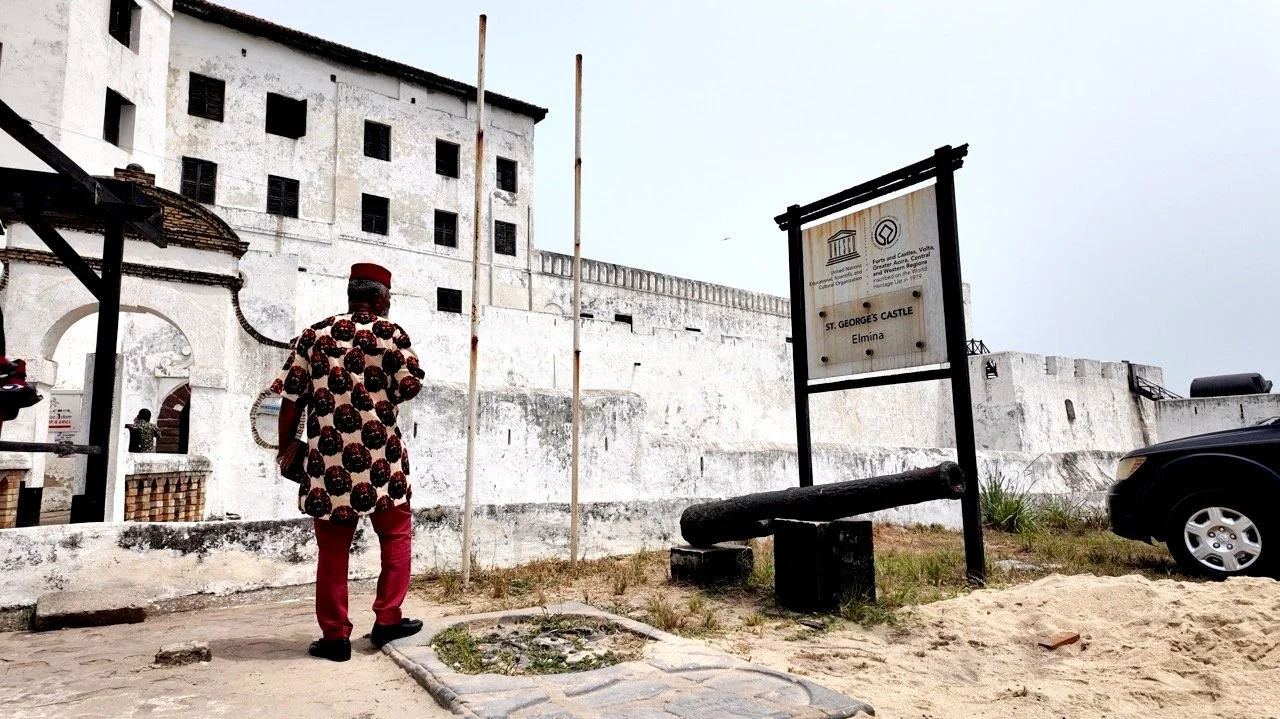
ELMINA: The Struggle Between Suffering and Healing
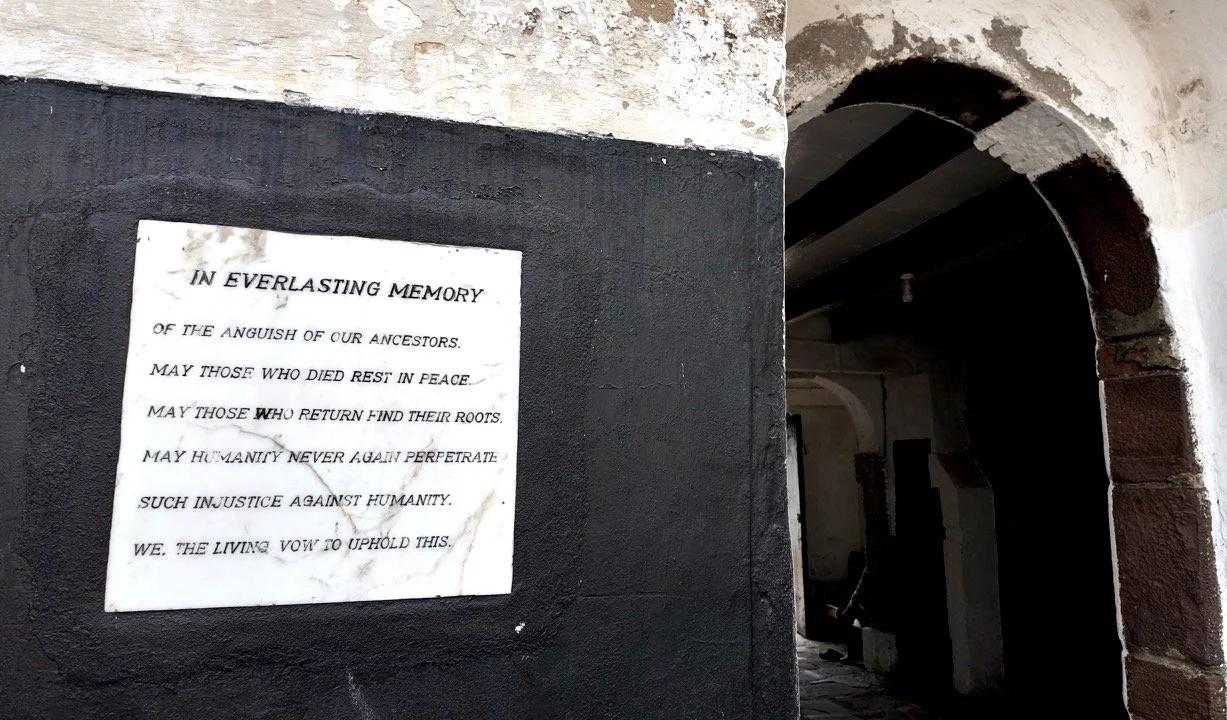
A visit to Elmina Castle, over three hours from Accra, Ghana, evokes strong feelings about our connection to the Transatlantic Slave Trade. As the 1992 Pan African Historical Theater Festival declared, “May we never allow such injustice again. We, the living, promise to uphold this.”
by Oyiza Adaba, New York
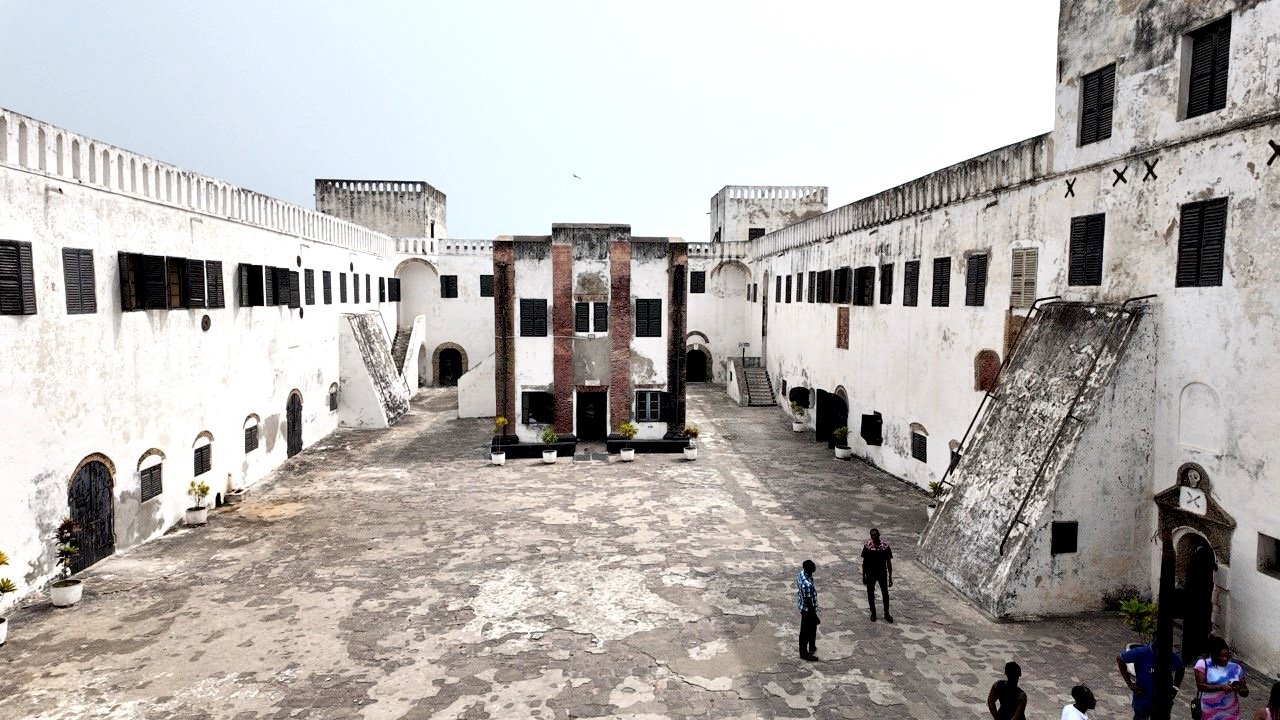
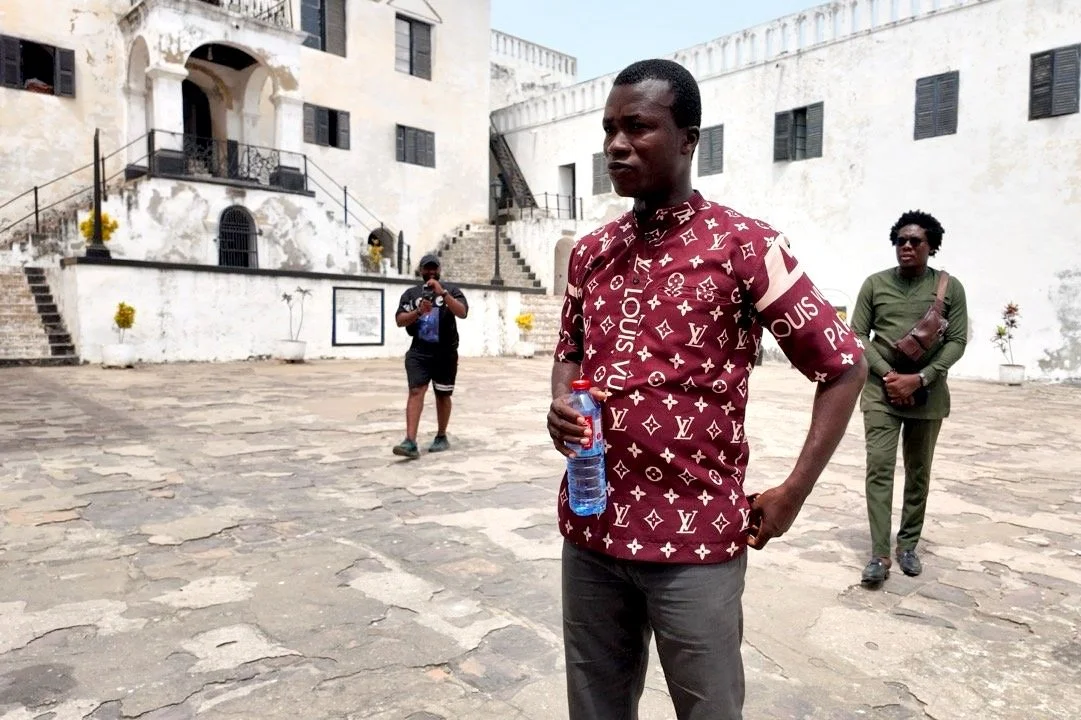
The main courtyard at Elmina Castle, Ghana. Built by the Dutch in 1482. (Photo:Africa-Related)
A SPECIAL REPORT
Made possible by Meridian Creative Center, Tema
A visit to Elmina Castle, over three hours from Accra, Ghana, evokes strong feelings about our collective connection to the Transatlantic Slave Trade. As the 1992 Pan African Historical Theater Festival declared, “May we never allow such injustice again. We, the living, promise to uphold this.”
In the coastal town of Elmina, the ongoing struggle between reliving a horrific era and healing unfolds daily. Here, the remnants of a painful past clash with the hopeful emergence of transformation. Locals, guides and tourists alike navigate these intricate emotions, confronting the weight of their history while striving to cultivate a future filled with resilience and recovery. This delicate balance begins the journey toward healing that many individuals undergo.
“In everlasting memory of the anguish of our ancestors. May those who died, rest in peace. May those who return find their roots. May humanity never again, perpetuate such injustice against humanity. We, the living vow to uphold this
”
Video by Africa-Related for #El@80
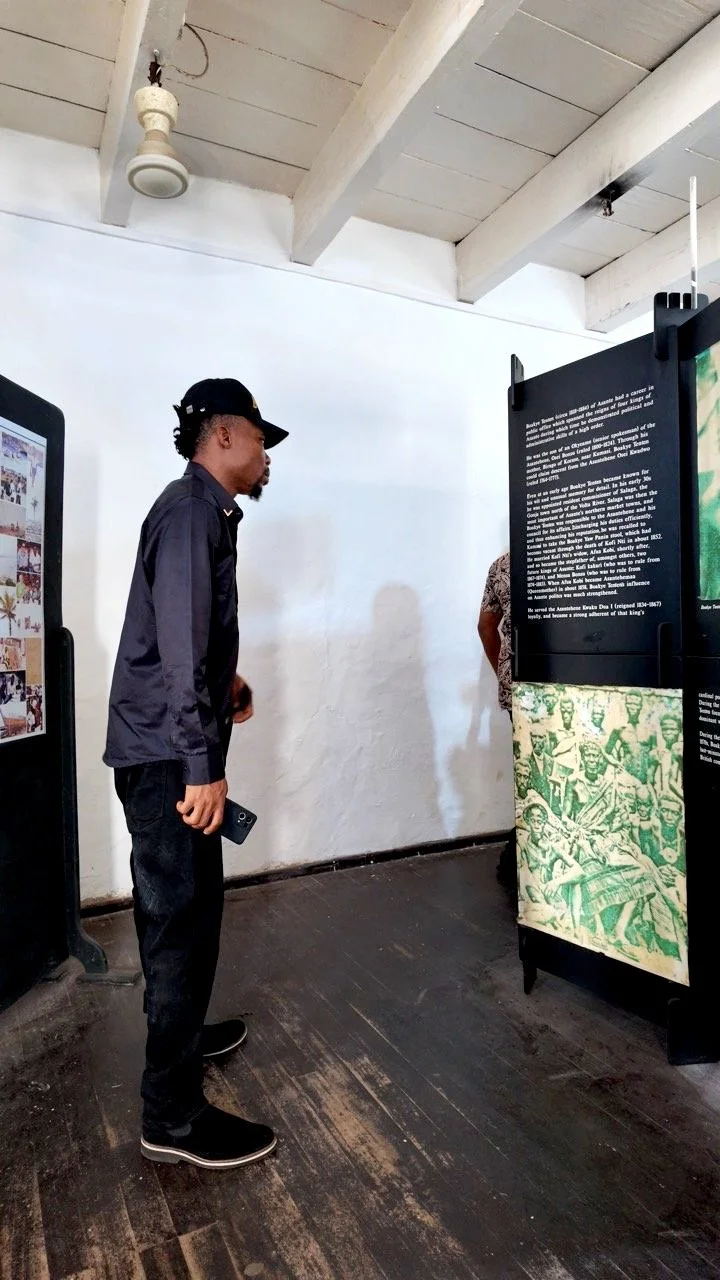
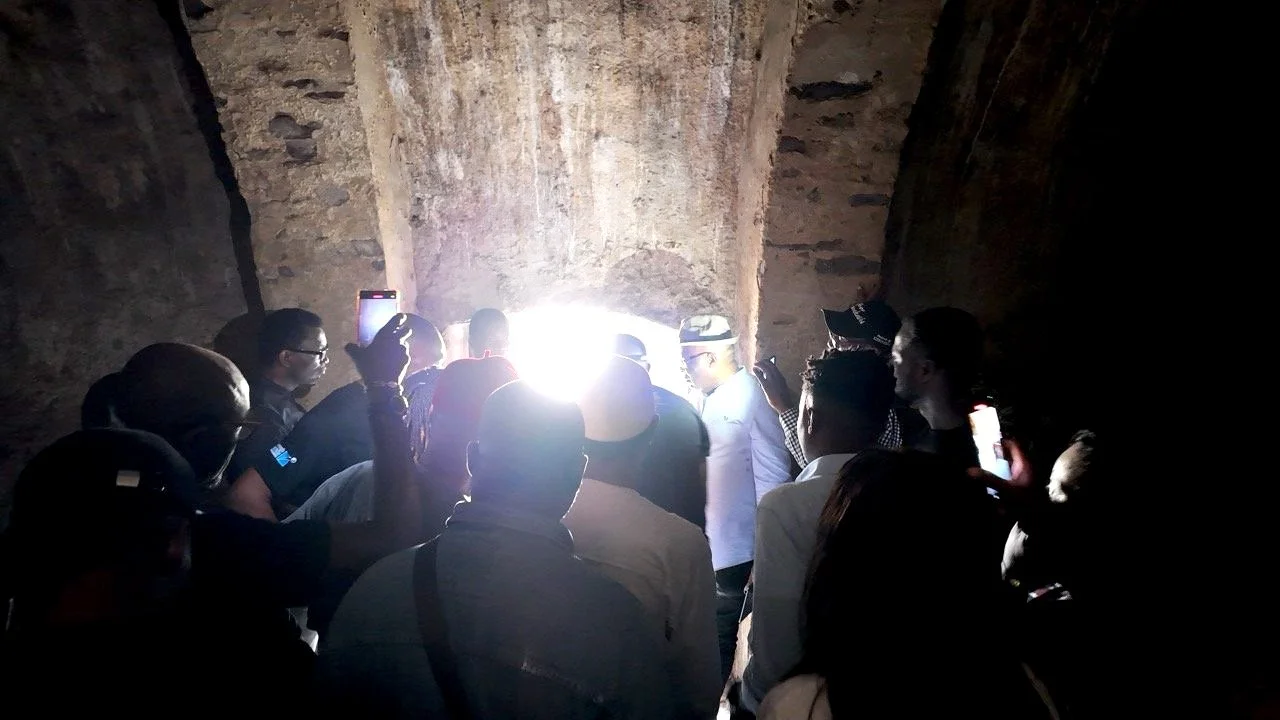
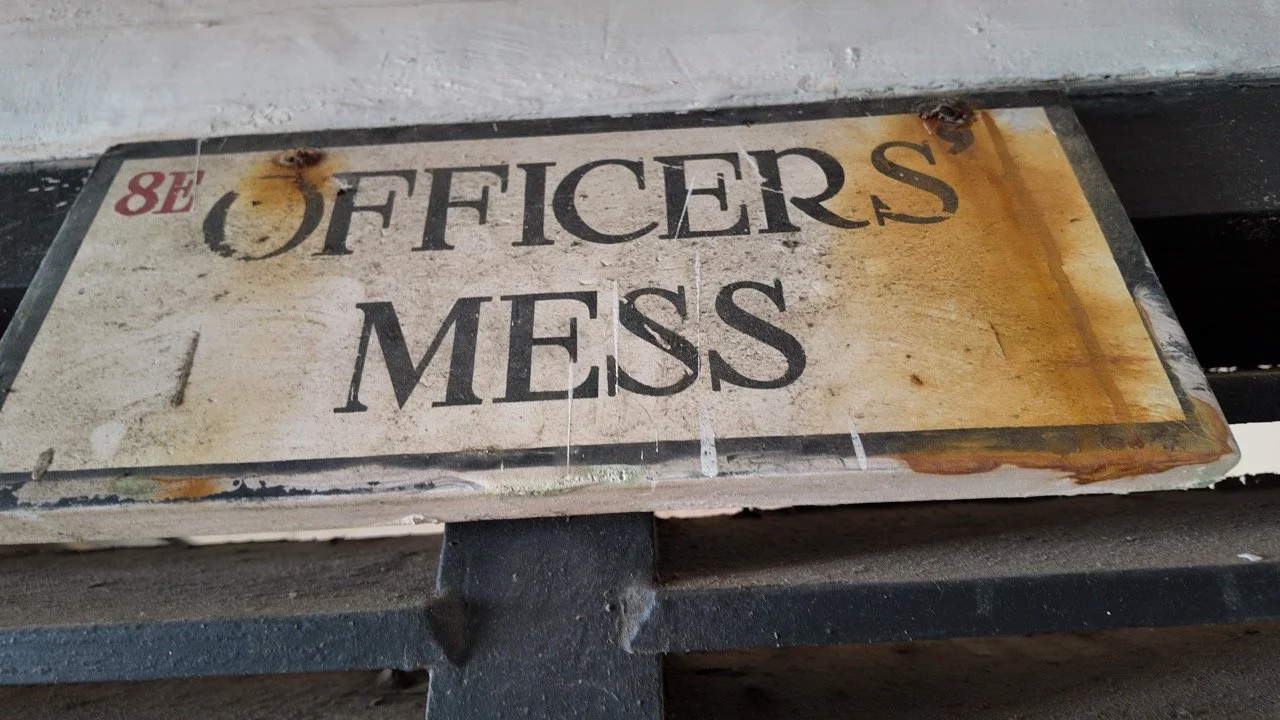
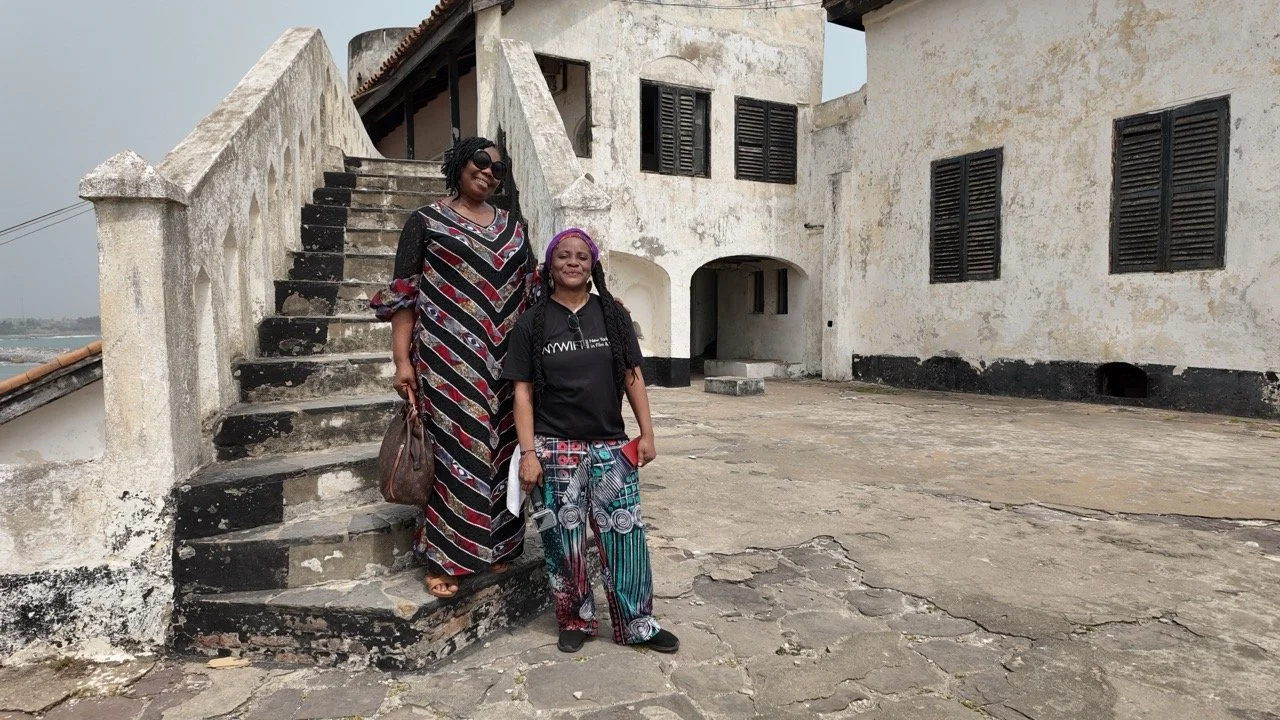
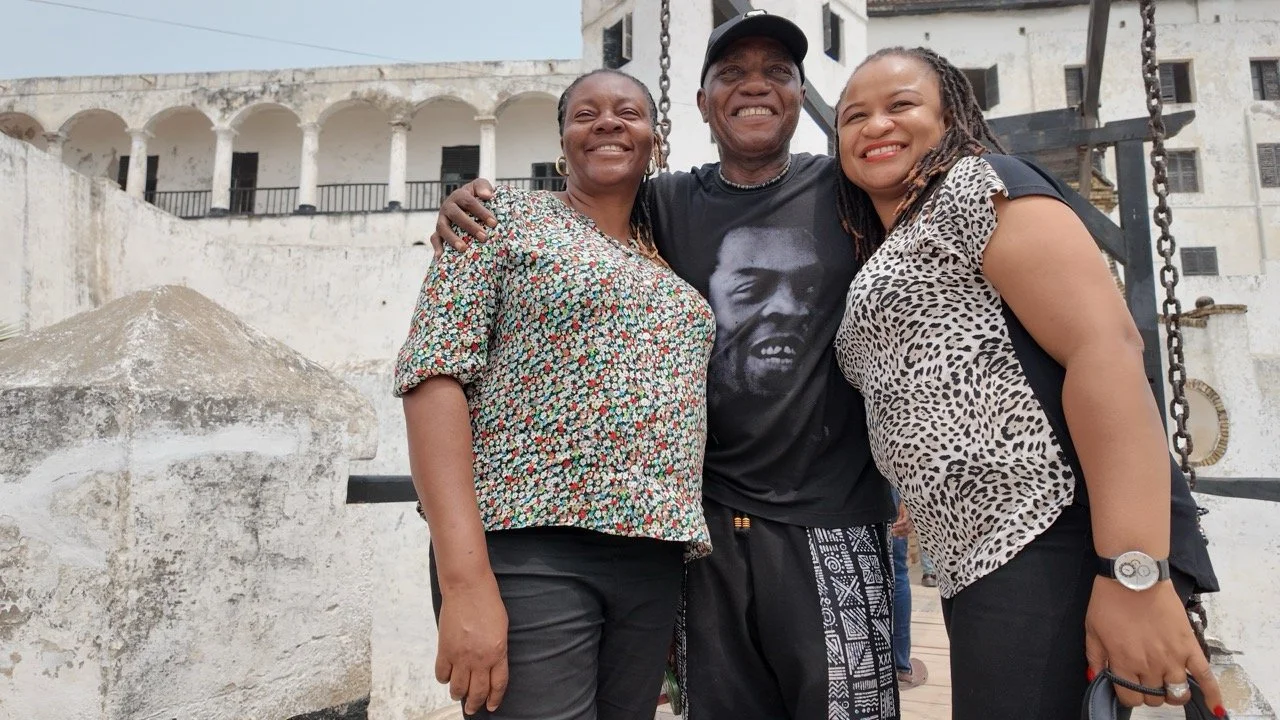
In February 2024, friends and colleagues of the globally recognized sculptor and Emeritus Professor of Art, El Anatsui, came together to celebrate his significant 80th birthday with a tour of the Elmina Slave Castle. This historical UNESCO World Heritage site is located in the picturesque town of Elmina, which lies approximately a three-hour drive from Ghana's vibrant capital, Accra.
According to Wikipedia, the castle was the very first trading post established on the Gulf of Guinea by the Portuguese back in 1482, originally called Castelo de São Jorge da Mina, but also known simply as Castelo da Mina or Mina, in what is now present-day Elmina, Ghana, which was formerly known as the Gold Coast.
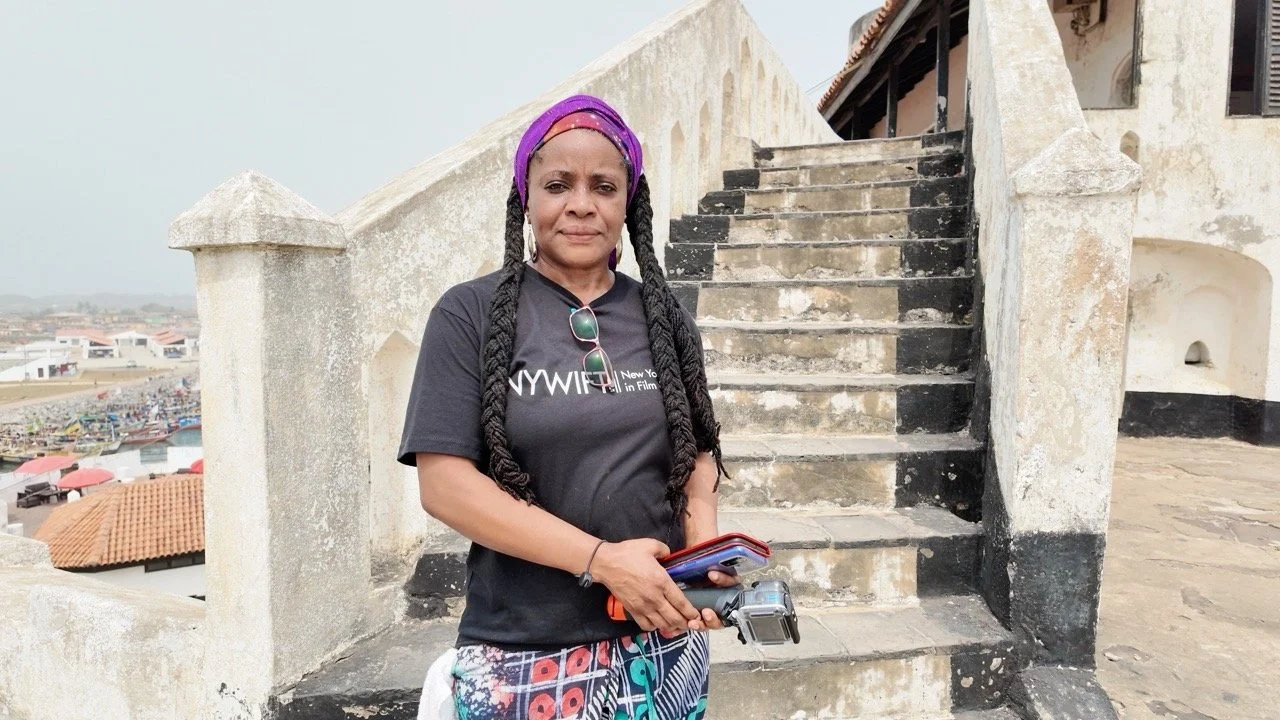
Journalist/Filmmaker Oyiza Adaba at Elmina Slave Castle, Ghana (Photo by Africa-Related)
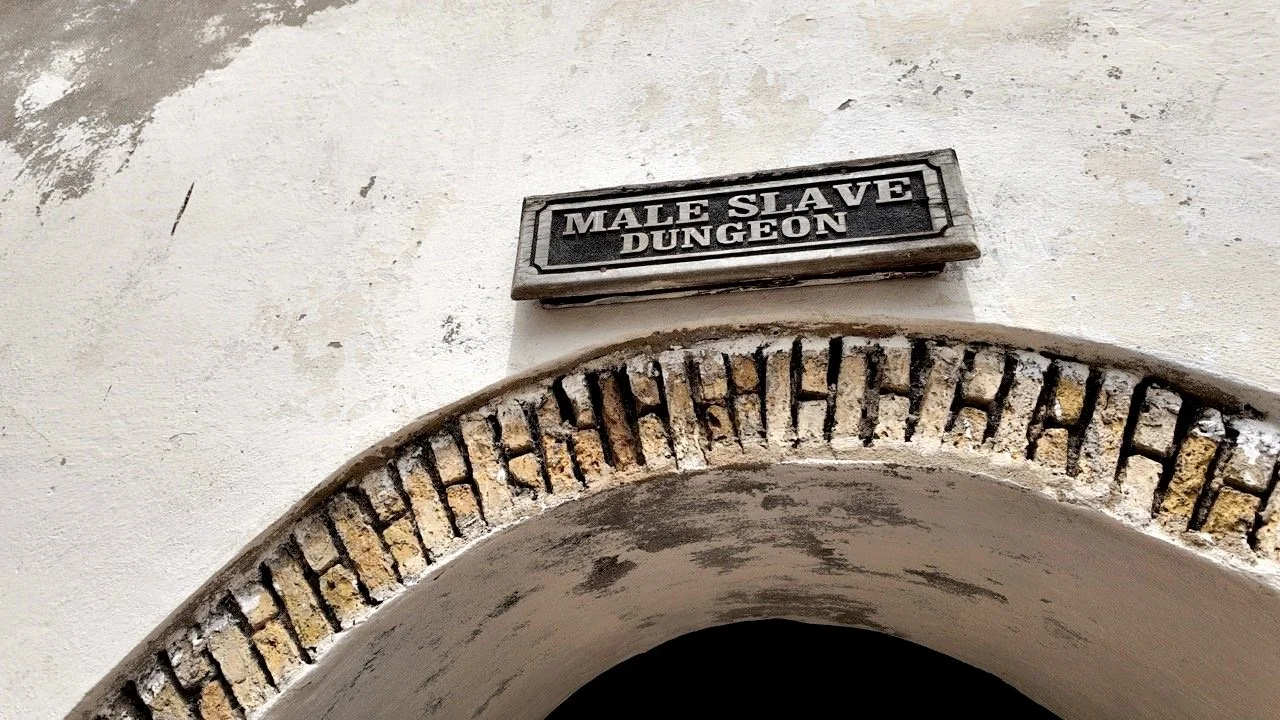
I have yet to encounter anyone who did not experience strong emotions following an Elmina tour, and this occasion was no different. Not everyone feels at ease when it comes to listening to accounts from what can only be described as a "barbaric" era, one that was paradoxically executed with The Bible in one hand and The Gun in the other, where chapels were ominously built directly above the grim chambers of torture.
Film director Katrina C. Browne thoughtfully tackles this complex subject concerning the church’s role in the Transatlantic Slave trade in her compelling film, Repairing The Breach: The Episcopal Church and Slavery Atonement. This documentary not only examines historical injustices but also seeks a deeper understanding of the implications of these actions within the context of today’s society.
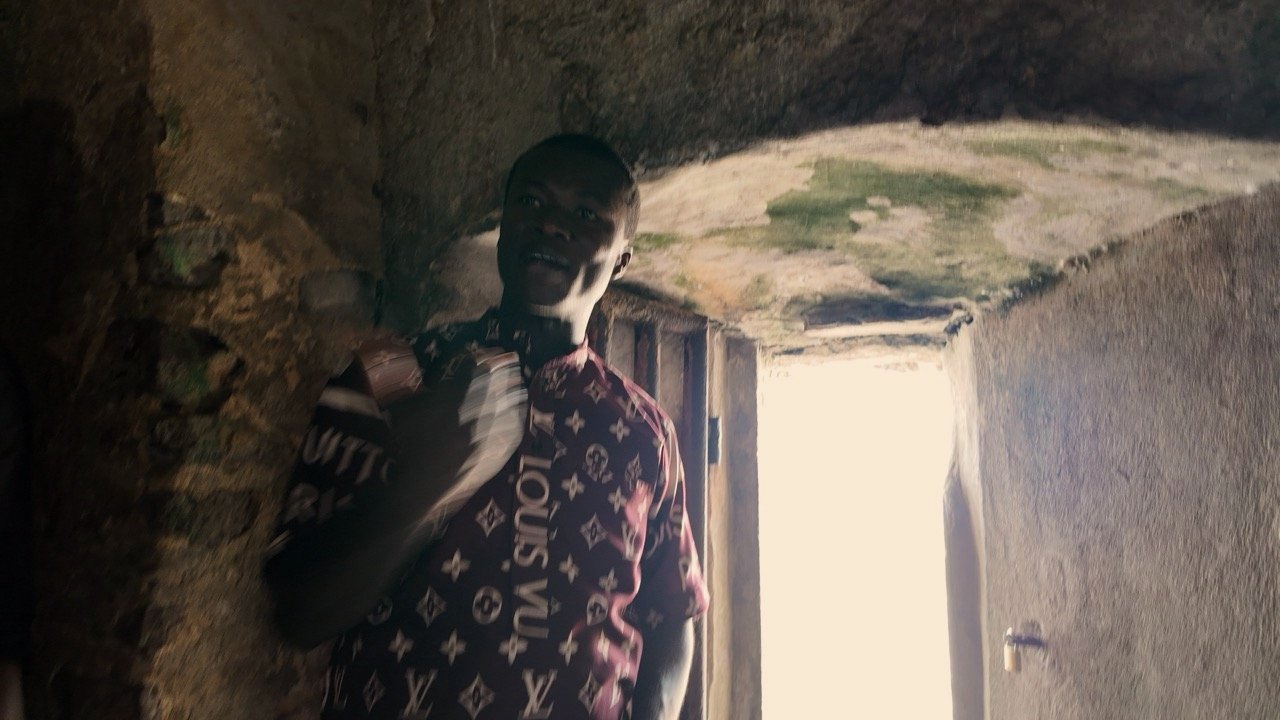
Tour guide at the infamous Door of No Return. (Africa-Related)
There is no doubt that the subject of slavery continues to be a challenging one to confront, affecting all levels of society and individuals from every race that participated. During the poignant tour, the small group, comprised of academics, artists, enthusiastic entrepreneurs, and members of the media, struggled just as deeply with the history and emotions evoked by the experience.
Slavery Theme in El Anatsui’s Works
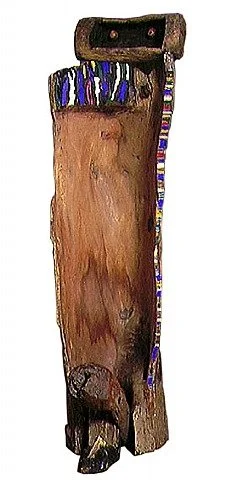
As an artist who single-handedly redefined comtmporary sculptor, El Anatsui uses bottle caps in his jaw dropping sculptures to highlight the history of alcoholic drinks tied to the European slave trade. His earlier works in wood and ceramics, along with his bottle cap pieces, reflect themes of slavery and the effects of globalization and consumerism in Africa. Some notable titles that evoke strong imagery and deep reflection on these historical realities and contemporary issues, include: Man Resplendent Pissing Around the World (1995), They Saw Us Through Puffs of Smoke; They Made It Happen, Watched It Happen, But Now With Disheveled Hair, Wonder What Happened (1986), and The Elements Threatened Immediately Above While We Still Milled Around in a Mass of Complacency'; Rising Sea (2019).


Additional Reading:
- A History of Indigenous Slavery in Ghana from the 15th to the 19th Century by Akosua Adoma Perbi
- A Cry & the Lamentations from the Ancestors: A Chronicle from the Trans-Atlantic Slave Trade: (Voices from the Captive Africans)
The various contrasts that Elmina presents to us is certainly not lost on our awareness and understanding. In its sordid history, accompanied by the distinct 'smell you never forget'‘, lies a magnificent, imposing beauty that serves to keep the memory of the past alive, thereby ensuring that history does not repeat itself ever again.
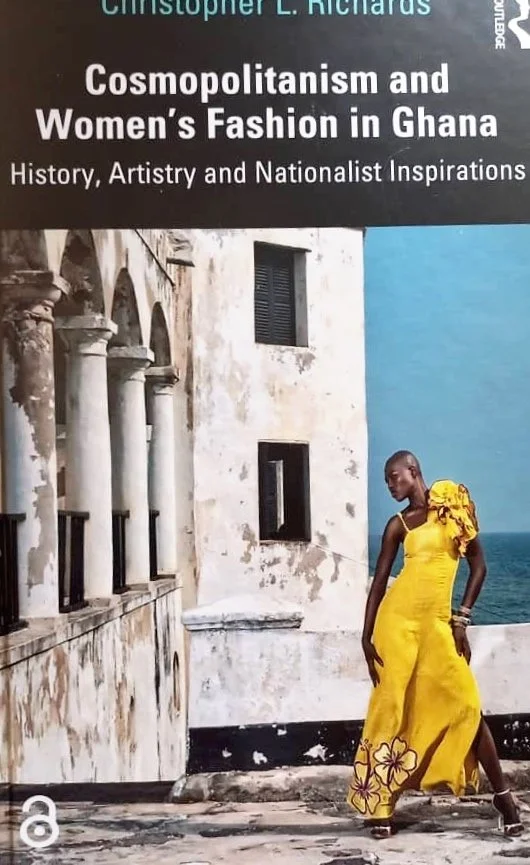
The whitewashed walls of this remarkable place hold significant historical dirt that tells a story of resilience and survival, yet Elmina has also become a hauntingly beautiful backdrop for an array of films, captivating books, and striking photo shoots. Renowned writer and historian Prof. Christopher L. Richards used Elimna as the cover of his book Cosmopolitanism and Women’s Fashion in Ghana History, Artistry and Nationalist Inspirations. He worked with the creative duo of photographer, Dean Zulich and Fashion Curator Beatrice ‘Bee’ Arthur, who recount their unique Elmina experiences on TV Series Messengers, all while diligently capturing the rich history and tapestry of Ghanaian fashion.
Cosmopolitanism and Women’s Fashion in Ghana
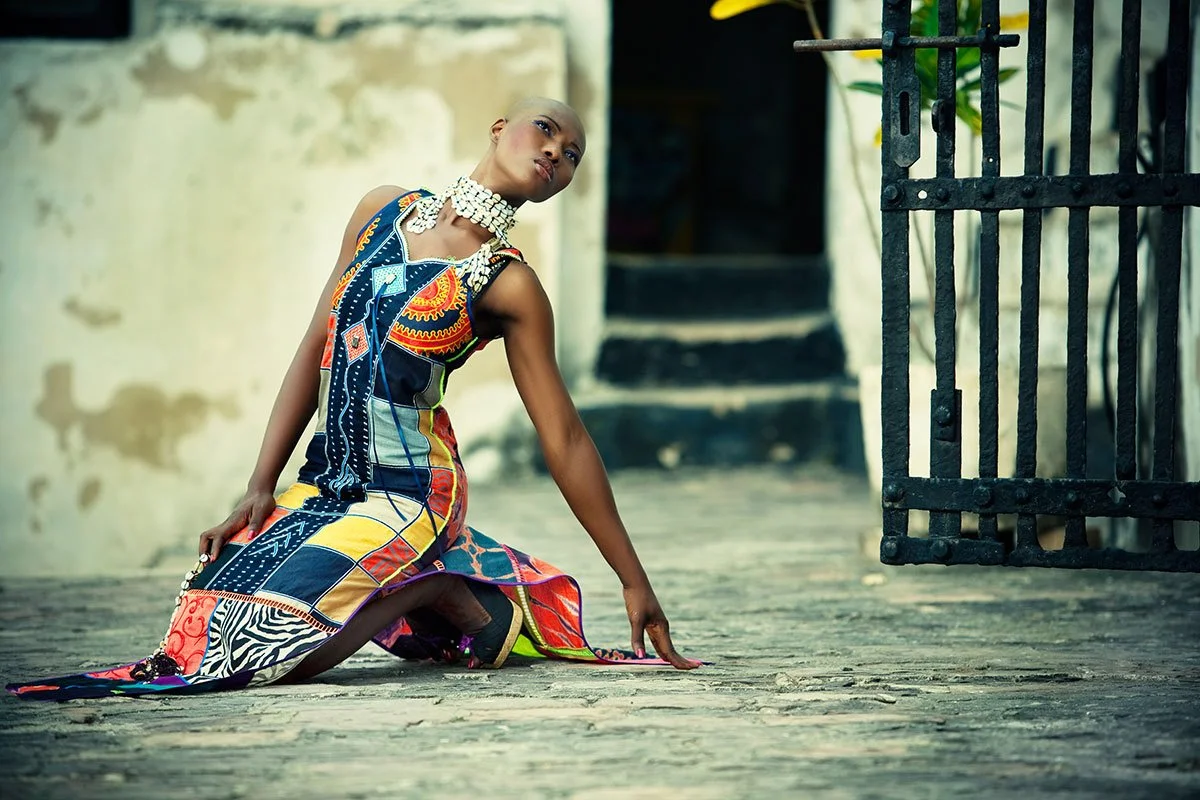
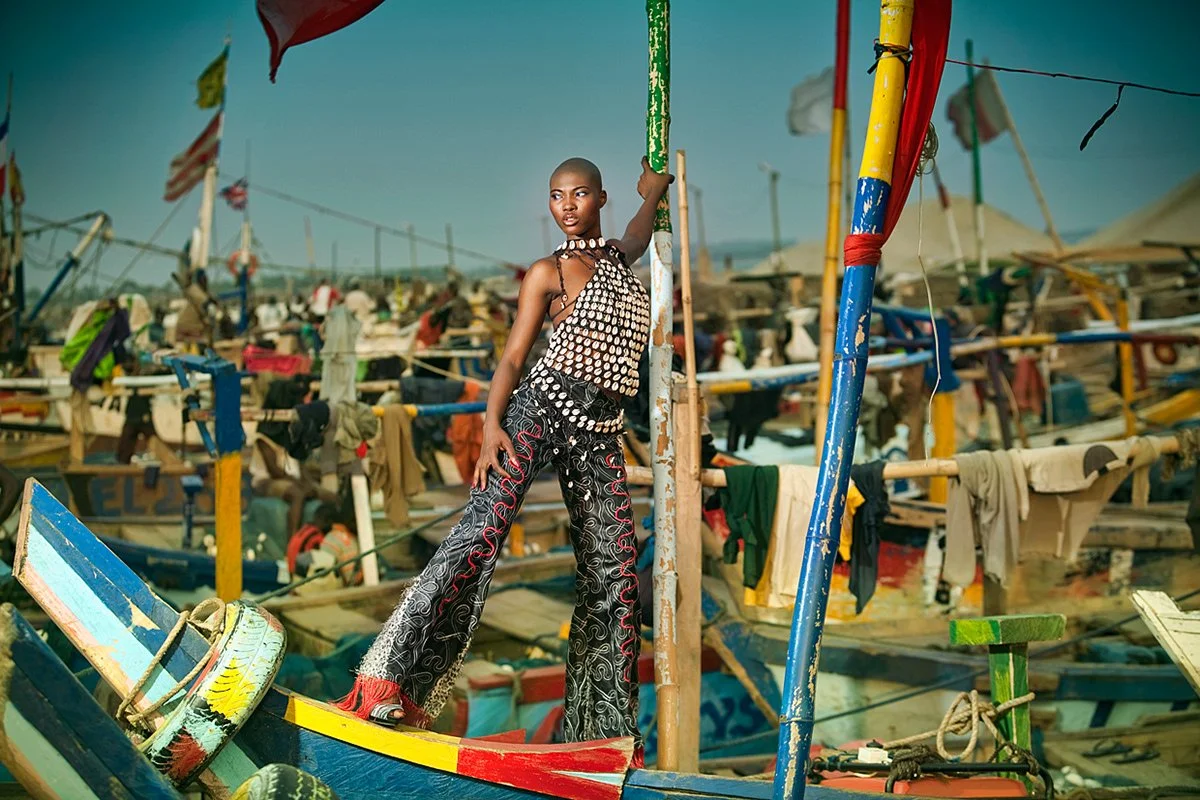
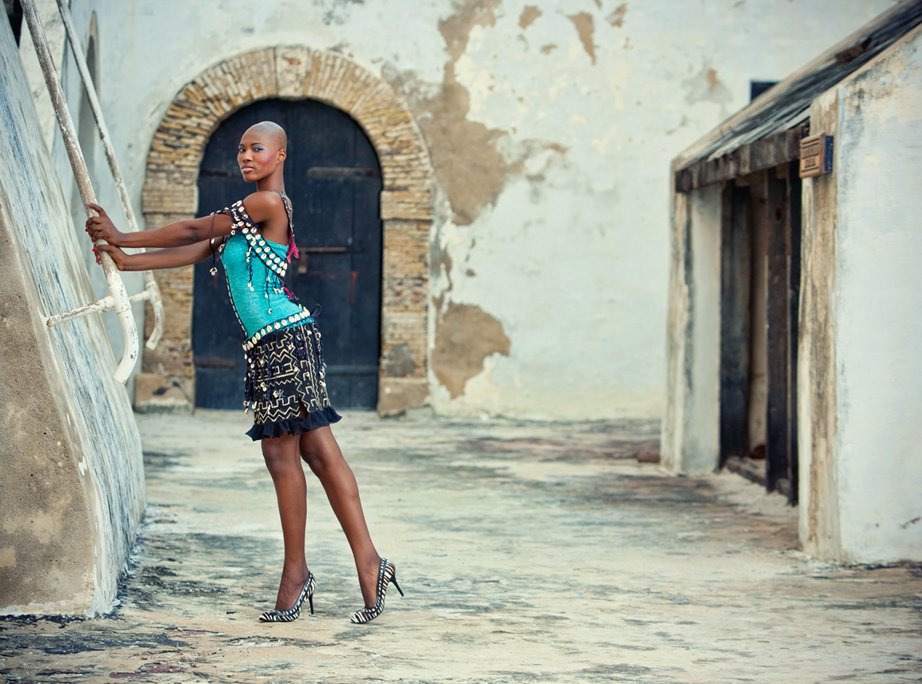
#El@80 elmina tour: PHOTOS BY AFRICA-RELATED
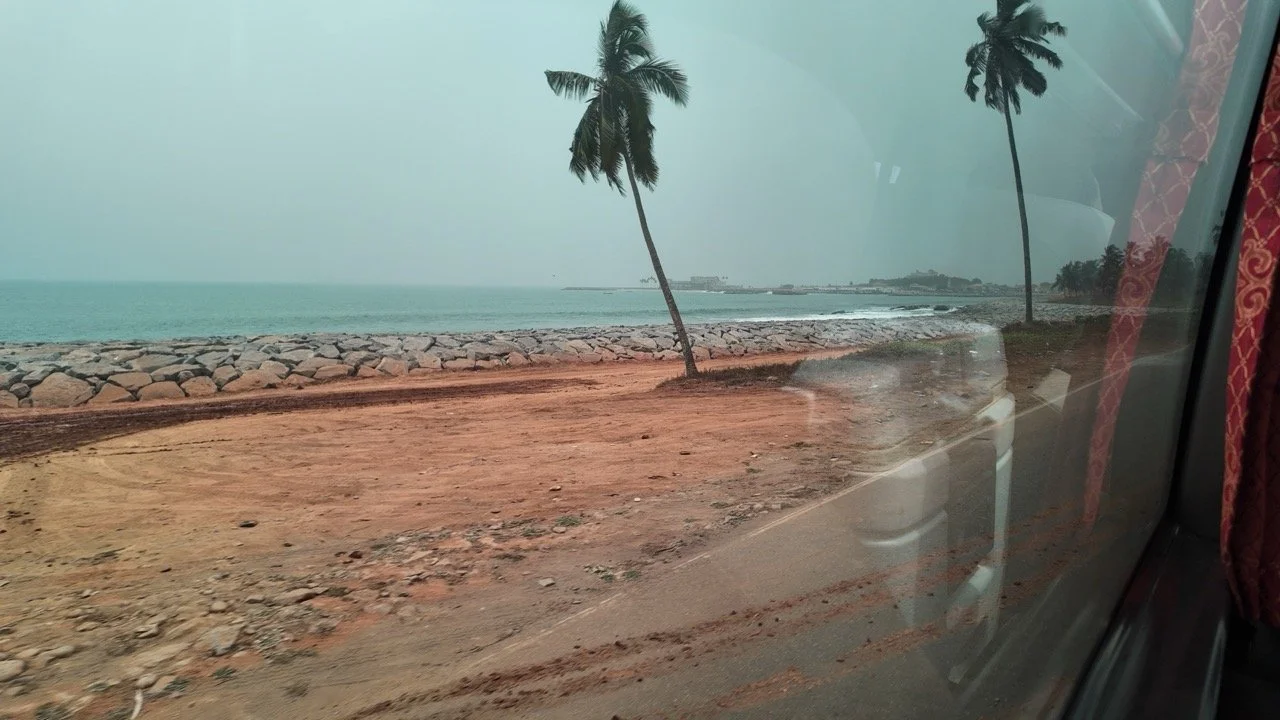
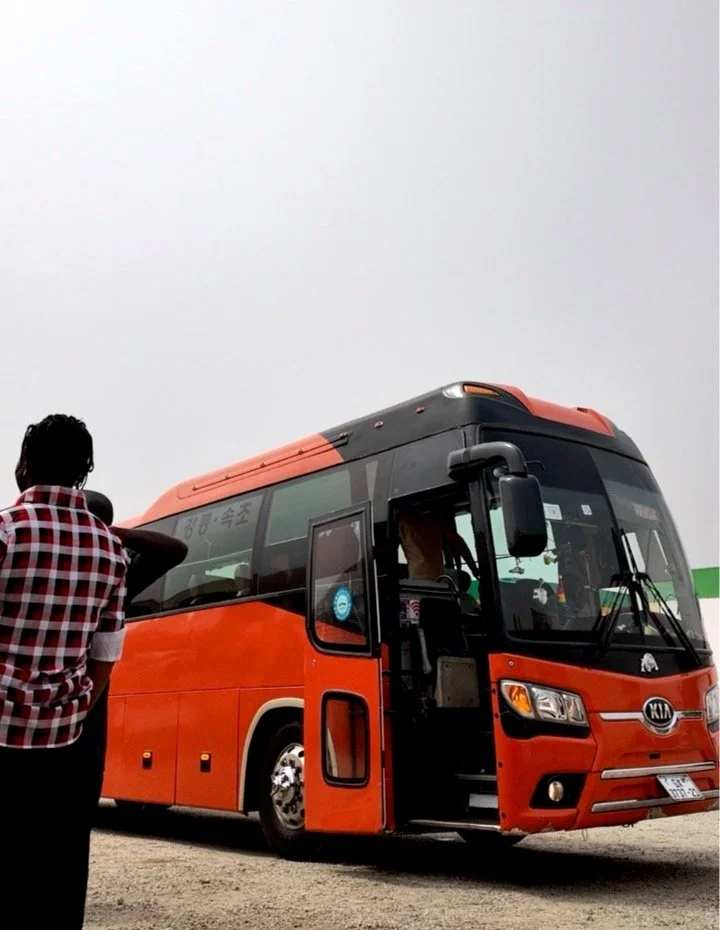
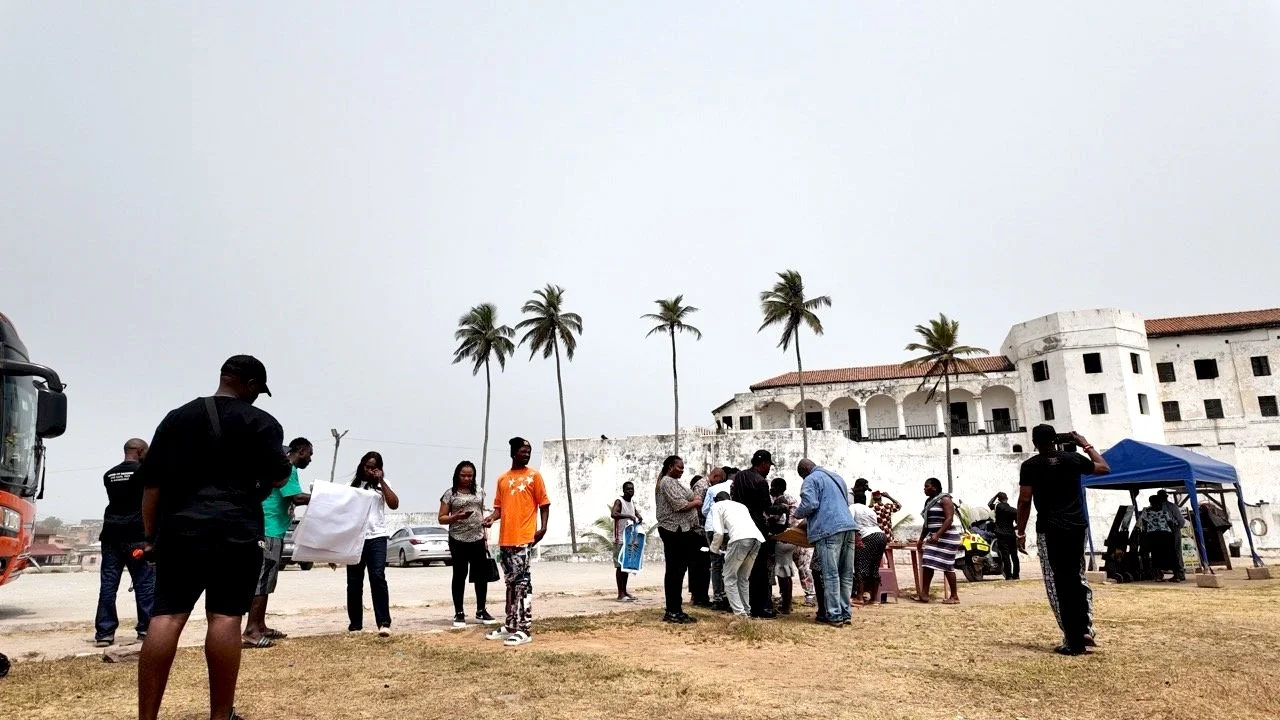
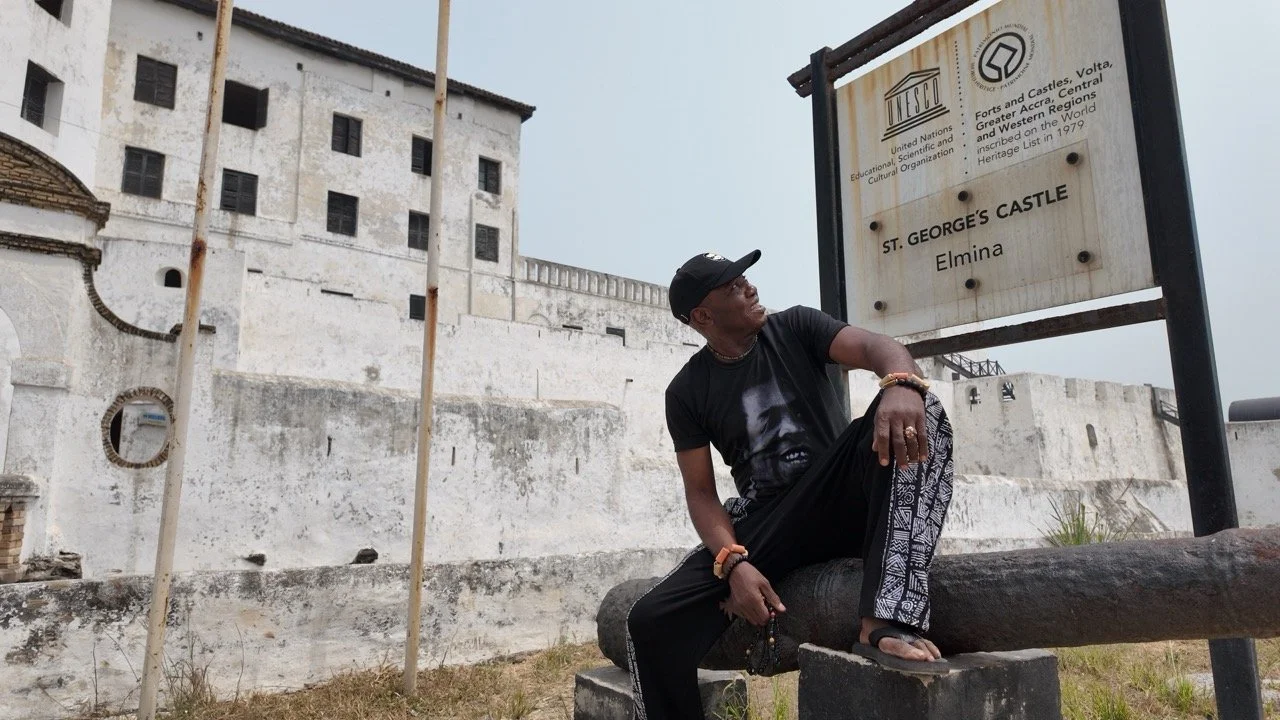

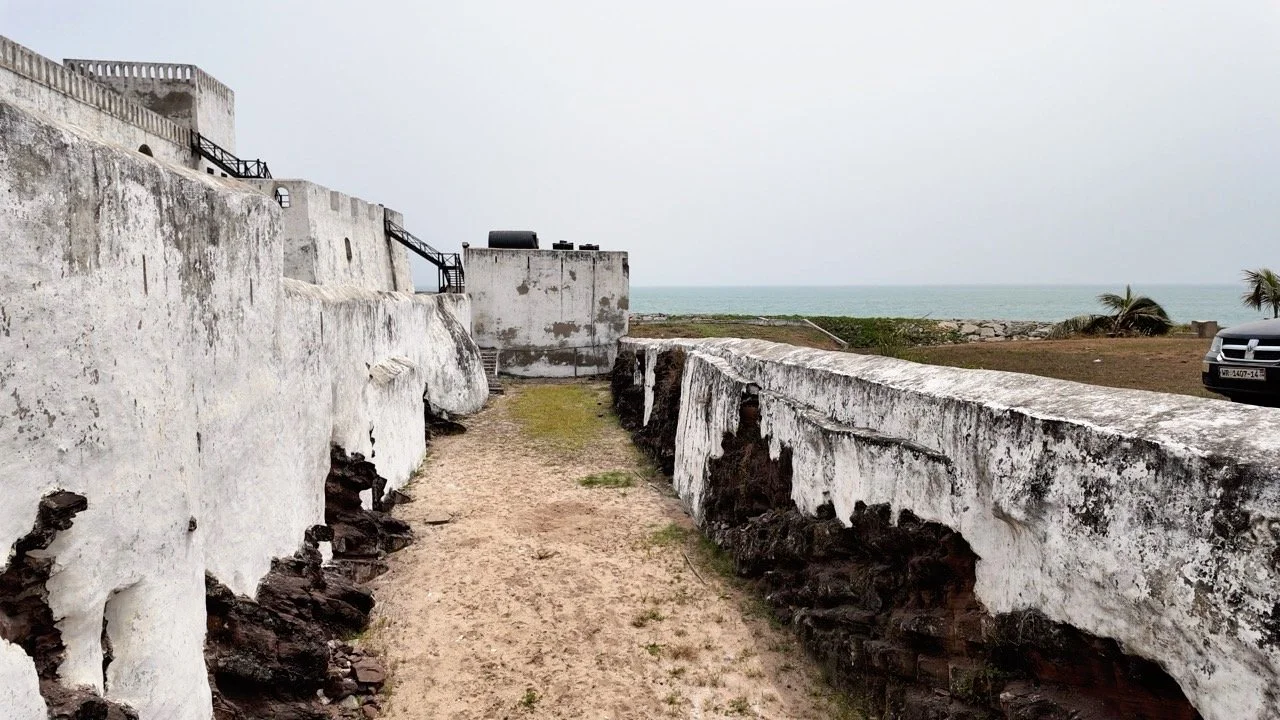


This report was made possible by Meridian Creative Center, Tema with additional images provided by elanatsuifilm.com, elanatsui.art, #el@80, Timothy Doh, Dean Zulich, and Moses Adeyemi.

KIDNAPPED In NIGERIA
A mother’s heart-wrenching story powerfully demonstrates why nowhere in Nigeria is truly safe from the pervasive menace of kidnappers and criminal gangs, least of all the nation’s capital, Abuja. This unfortunate reality underscores the growing fears and concerns among Nigerians, as they grapple with the constant threat that looms over their daily lives.
by oyiza adaba, New york
A SPECIAL REPORT
Deborah Sanni (RIP) was last seen in Area 1 on March 3, 2024. (Photo: Sanni Family)
On March 3, 2024, 29-year old Deborah Sanni, an Area 1 resident of Abuja, stepped out of their family home around 8:00 PM to pick some supplies from a nearby shop. Then the unthinkable happened.
"Every day I wake up with her thoughts on my mind. I sleep with her thoughts on my mind, because it's just like a dream - a nightmare." - Mrs. Matilda. Sanni
Her grieving, yet strong mother, Mrs. Matilda Sanni recalls the heart-wrenching incident, which powerfully explains why nowhere in Nigeria is truly safe from kidnappers - least of all the nation’s capital, Abuja. This unfortunate reality reflects the growing fears and concerns among Nigerians, as they grapple with the constant threat that looms over their daily lives.
In Deborah Sanni's case, her family paid a ransom on the same night, which her captors withdrew before dawn on March 4, 2024. Then they went silent. After a difficult week of searching, her family learned that her body had been found a week earlier and sent to a mortuary in another part of Abuja. This raises concerns about communication between the Nigerian Police, other security agencies, and hospitals.
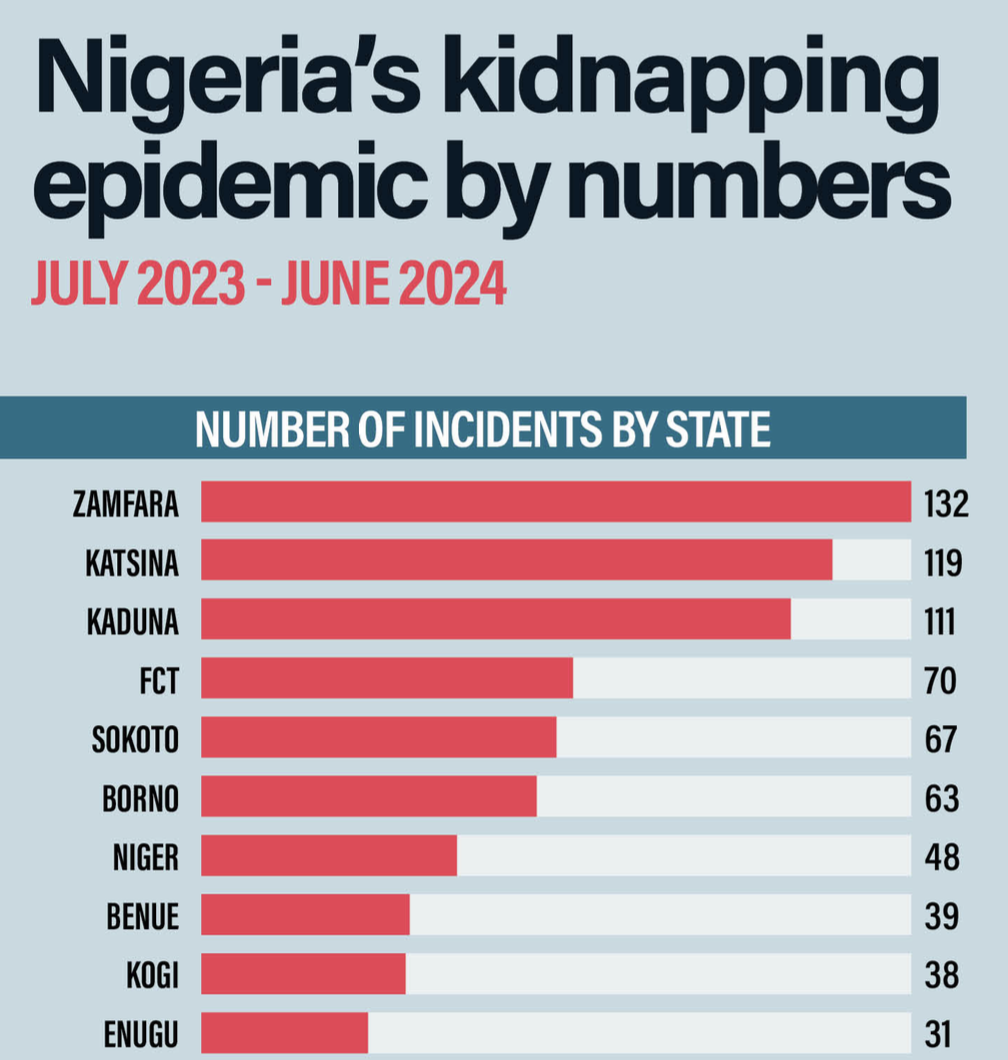
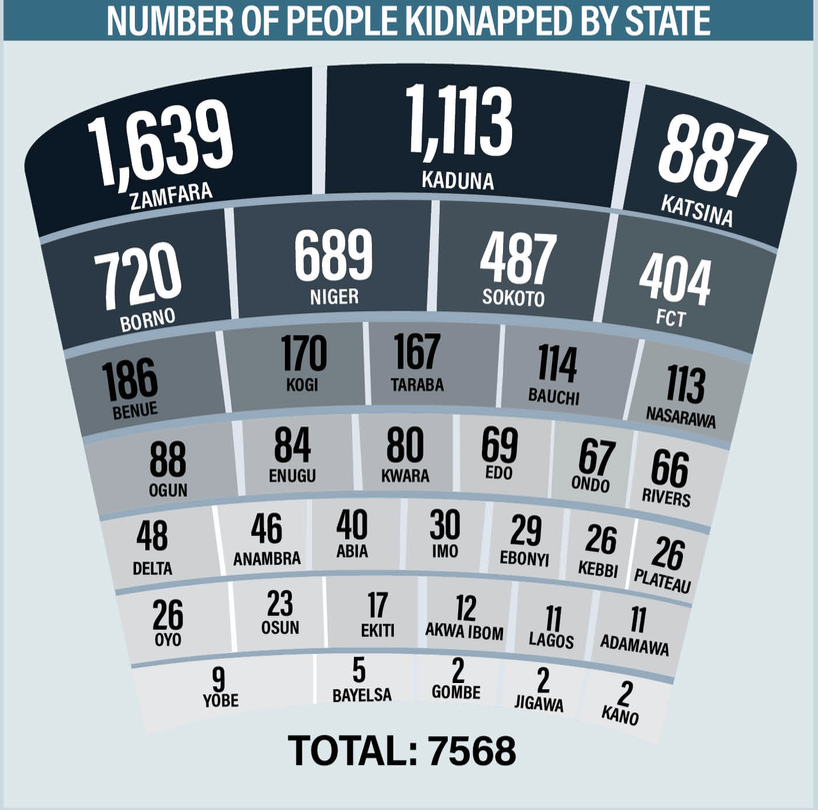
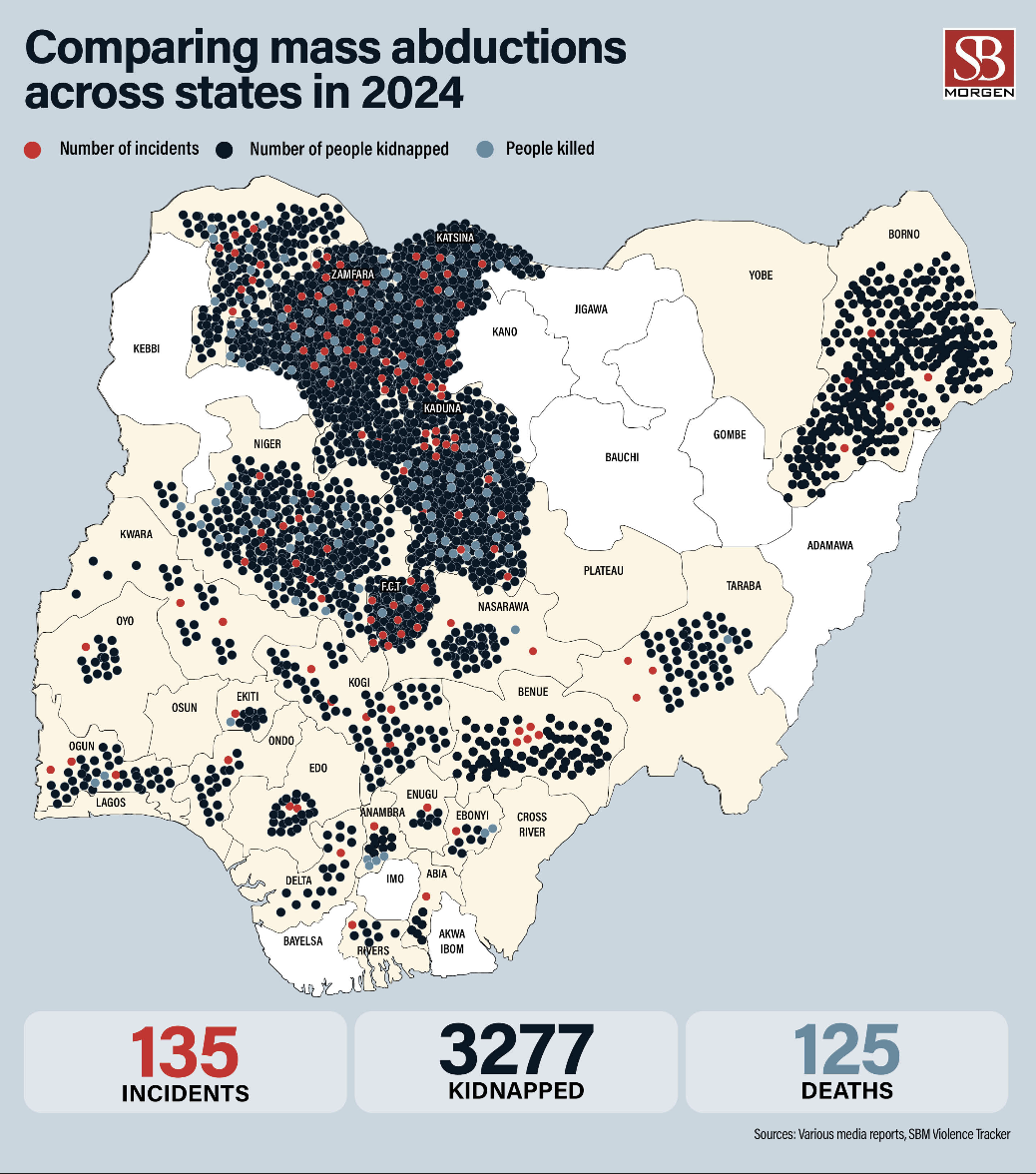
As we close out our year in 2024, we take a moment to remember all the victims of kidnapping in Nigeria, along with their families who continue to suffer. It is a sobering experience to review these statistics that reflect the plight of individuals who, tragically, will not be spending the upcoming year with their loved ones. The emotional toll this takes on families and communities is profound and deserves our attention and compassion.
SBM IntelLIGENCE 2024 Report
Nigeria’s security crisis has become increasingly complex, with armed groups and non-state actors exploiting the state’s weakened influence. This includes Boko Haram’s resurgence in the Northeast, armed gangs in the Northcentral and Northwest, secessionist violence in the Southeast, and gang-related issues in the Southwest. Amid these diverse security threats, widespread kidnap for ransom has emerged as a common thread.
Grim Reaping: Economics of Nigeria’s Kidnap Industry – A 2024 Update
- SBM INTELLIGENCE -
kidnapping statistics: SBM Intel 2024 Report
SHARE THIS STORY
Meet The U.S. Defense POW/MIA Accounting Agency
Today, we are set to meet with a small yet impactful agency within the U.S. Department of Defense that focuses on finding prisoners of war and those individuals who are currently classified as missing in action. This engagement opens up a significant question: what are the circumstances faced by POWs in your country?
By Oyiza Adaba, New York
A SPECIAL REPORT
Today, we are set to meet with a small yet impactful agency within the U.S. Department of Defense that focuses on finding prisoners of war and those individuals who are currently classified as missing in action. This engagement opens up a significant question: what are the circumstances faced by POWs in your country, and in what ways can your country collaborate with or gain insights from the operations of the U.S. Defense POW/MIA Accounting Agency (DPAA) to address these issues more effectively?
Mr. Kelly K. McKeague, Director of the Defense POW/MIA Accounting Agency (DPAA) (Africa-Related)
This exclusive report sheds light on what actually happens to remains of POWs or prisoners of war, those considered MIA or missing in action. We spend time today with a little know agency in the US Department of Defense that does commendable work around the world in recovering missing American soldiers in global conflicts.
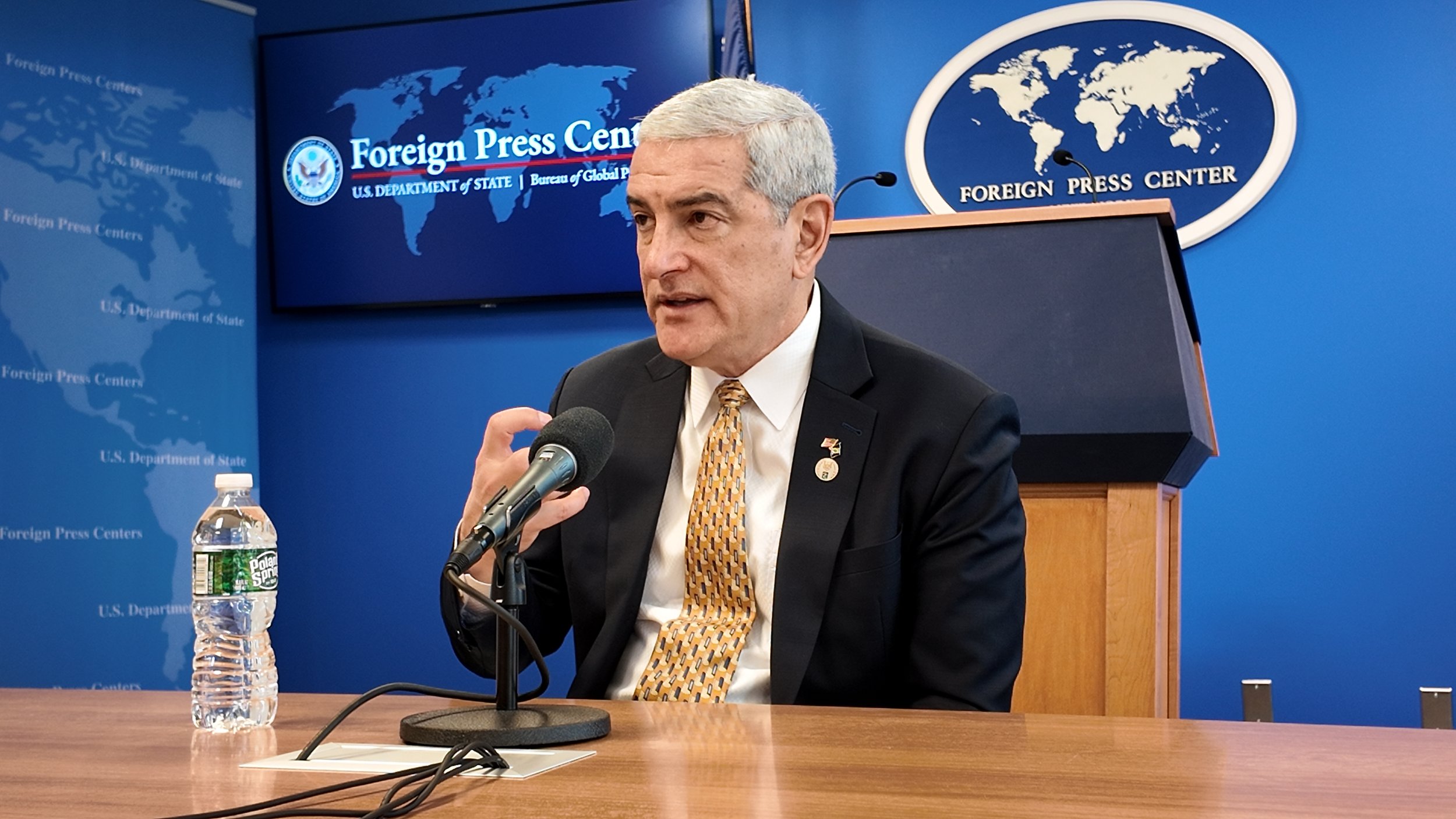
Mr. Kelly K. McKeague, Director of the Defense POW/MIA Accounting Agency (DPAA), spoke extensively at a press briefing organised by The Foreign Press center New York, about America's efforts to investigate, recover, identify, return 81,000 missing persons from past conflicts as far back as World War One to the Korean War, Afghanistan which recorded less of those types of cases due to the United States effort in perfecting the effort in recovery and bringing back such military personnels as soon as the situation occurs or with better immediacy when previous leave fought conflicts.
Special Report by Oyiza Adaba on POWMIA Accounting Agency
Did you know that the United States is one of a handful of countries that still maintains this practice of bringing back Prisoners of War?
From the dense jungles of Vietnam to the serene underwater landscapes off the picturesque coast of Eastern Europe, the work undertaken by the DPAA serves as a crucial tool of engagement for the United States with numerous nations around the globe. Identifying those who lost their lives in the battles of war is a task that is not taken lightly or approached with indifference. Often, news regarding the fate of family members who have been waiting in anticipation for their loved ones to return, only reaches the descendants, sometimes third or even fourth generation members, who have been handed down the painful oral tradition from one generation to the next.
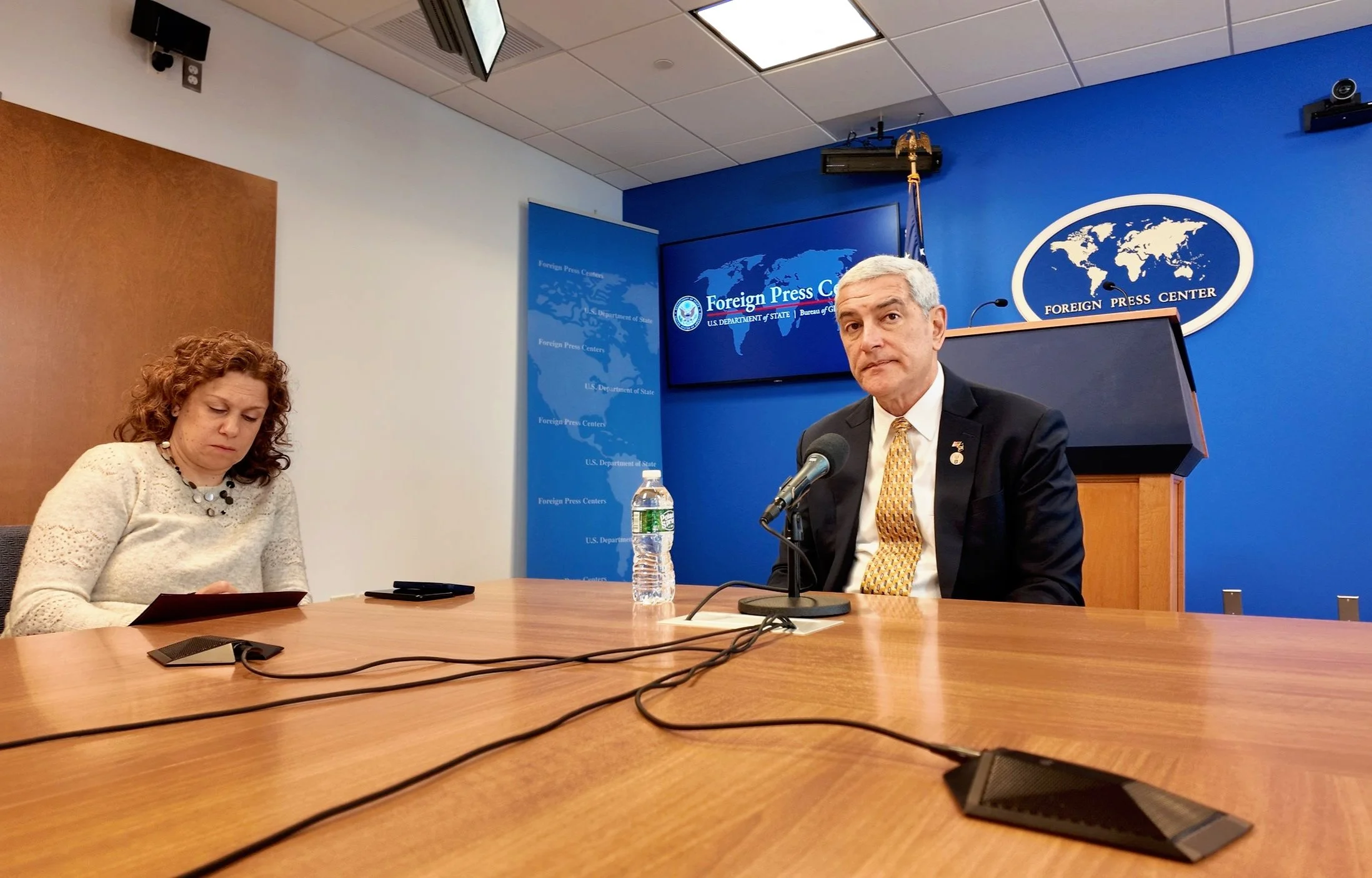
Collision for a great cause: Mr. McKeague explains how science, history, service, diplomacy, a budget of 190 million dollars, missions in 45 nations and more than 100 worldwide partner institutions; collide as the Defense POW /MIA Accounting Agency. (Africa-Related)
This report concludes with historian and award-winning documentary filmmaker Emeka Ed Keazor, who sheds light on his 2020 historical documentary “Company Yaya”. The piece follows the forgotten African soldiers of world war 2 who fought for Britain in WW2 in North Africa, Kenya, and as far away as Burma.
This story is deeply personal to me because my grandfather, Joseph A. Adaba, bravely fought with the RAF Regiment 2 during a significant historical conflict. He was fortunate to survive a tumultuous war that saw the recruitment of more than 1 million African troops, among which 126,000 hailed from Nigeria alone. Tragically, out of these brave men, 15,000 did not return home, leaving behind a legacy of sacrifice and courage that continues to resonate through our family and community. These numbers are just estimates
Oyiza Adaba
PHOTOS BY AFRICA-RELATED
Ambassador Beth Van Schaack on U.S. efforts to advance transitional justice in Africa
Ambassador-at-Large for Global Criminal Justice Office of Global Criminal Justice, Beth Van Schaack
Ambassador Beth Van Schaack on U.S. efforts to advance transitional justice in Africa
Press Briefing with the Ambassador-at-Large for Global Criminal Justice Office of Global Criminal Justice, Beth Van Schaack. Ambassador Van Schaack discusses her recent travel to East Africa and provides an update on U.S. government efforts to advance transitional justice.
MODERATOR: Good afternoon to everyone from the U.S. Department of State’s Africa Regional Media Hub. I welcome our participants logging in from across the continent and thank all of you for joining us. Today, we are very pleased to be joined by Ambassador-at-Large for Global Criminal Justice in the Office of Global Criminal Justice, Ambassador Beth Van Schaack. Ambassador Van Schaack will discuss her recent travel to East Africa and provide an update on U.S. Government efforts to advance transitional justice.
We will begin with today’s – today’s briefing with opening remarks from Ambassador Van Schaack, then we will turn to your questions. We will try to get to as many of your questions as we can during this briefing.
And so with that, I will turn it over to Ambassador Beth Van Schaack for opening remarks.
AMBASSADOR VAN SCHAACK: Great. Wonderful, Johann. Thank you so much, and thank you to everyone for joining. I really appreciate your interest in the incredible innovations in justice that are happening across the African continent, and I’m really pleased to have the opportunity to talk about some of the newest developments, including my recent trip. So I just wrapped up a trip to Addis Ababa, in Ethiopia, where I met with a number of governmental actors, civil society groups, other individuals, members of the diplomatic community who are really interested in promoting and contributing to the transitional justice process that’s underway within Ethiopia. We’re also – I also engaged with principals at the African Union on transitional justice efforts that are happening across the continent.
So supporting these types of justice efforts has been a real priority for the Biden-Harris administration. Earlier in December you may have seen that President Biden became the first U.S. president to visit Angola and to deliver a speech at the Angolan National Museum of Slavery. And it was an incredibly poignant speech; I really commend it to you. I hope you’ll pull it up. He discussed in it the United States’ unfinished reckoning with racial injustice in our own country and how it is our duty to face our own history – the good, the bad, and the ugly – and basically to accept the whole truth of that history. This, I think, is a really powerful message for all justice advocates across the world who are fighting every day for truth and accountability.
The field of transitional justice emerged and developed to help societies affected by atrocities move forward towards lasting peace, stability, et cetera. And it’s really essential that such processes be victim-centered and to ultimately hold those most responsible for atrocities to account. How exactly this looks like and the balance of different transitional justice mechanisms and responses is really specific to each circumstances – to each circumstance or society. And this was really brought into stark relief as I’ve traveled across the globe, meeting with transitional justice experts, practitioners, government entities that are implementing these measures all over the world and all over the continent of Africa.
Every survivor and every community has different needs, which is why it’s really essential that their voices be a part of the process. We need to understand what survivors expect, what their preferences are, what their vision for holistic justice is. And the United States has always sought to support and provide technical and other forms of assistance to credible, transparent, and inclusive transitional justice processes that are responsive to these individual community needs.
In Addis Ababa I was really honored to speak at a conference at the African Union that convened youth leaders from across the continent who are vital voices in these processes. They were from West Africa, Southern Africa, really – north of the Sahara – the whole continent was represented by these incredible young people who are really going to be vital in their efforts within their own countries. I also participated in an Ethiopia-focused gathering of experts that was convened by the ministry of justice to discuss emerging transitional justice legislation in Ethiopia. Participants addressed a number of really compelling questions, both specific and profound: So what are the different ways in which a country can deliver justice post-conflict? How do we compensate victims equitably where resources are limited and so many have suffered? How do we hold wrongdoers to account while also facilitating some form of forgiveness if the victims are so inclined to forgive? And how do we memorialize atrocities so that they are not forgotten and so that a shared history can emerge?
We heard from participants working in The Gambia who provided really compelling insights from their own ongoing efforts to address the catastrophic harm caused by the Jammeh regime. They spoke about the importance of their Truth, Reconciliation and Reparations Commission shining a light on atrocities while also issuing compelling recommendations for justice and for institutional reform. Now, while that effort is underway, the nation turned to radio broadcasts that carried the testimony of individuals who had committed horribly violent acts, and the broadcasts also amplified the voices of victims who expressed the deep and lasting pain that they continue to experience. And sometimes these hearings of the TRRC even shared intimate moments of forgiveness between victims and perpetrators.
The Gambians, however, have decided that this open conversation is not enough to address the harms of the past, and the United States is now working to support The Gambia’s efforts to create a hybrid court – in other words, a court that has international and national elements – to prosecute human rights violations committed during the Jammeh regime. And I was thrilled to see this week that the ECOWAS heads of state and government have decided to help establish this special tribunal for The Gambia. This is a landmark achievement and will be an agreement between ECOWAS and The Gambia, one of the first regional or even subregional internationalized institutions, and this offers another example of African innovations in transitional justice that builds on the Habre tribunal, builds on the Special Criminal Court in the Central African Republic, and builds on the Rwanda tribunal.
So we really look forward to continuing to work with our Gambian partners to ensure accountability. We also hope that the process will bring additional evidence to light, including in terms of who is responsible, where bodies may be buried so that they can be returned to their loved ones, and ensure that wrongdoers do not enjoy impunity.
While The Gambia’s process is still ongoing, Liberia’s is more at a beginning stage. Liberian participants at this event in Addis Ababa reflected on justice delayed for more than 20 years after the country’s concurrent civil wars, and also the current efforts to create a war and economic crimes court of their own. The office has been established; a director has been identified, drawn from the legal academy within Monrovia. This is also a remarkable, new, and innovative endeavor, and I was really pleased to meet with the new head of the office to create the war and economic crimes court while I was in Addis.
It was wonderful to see so many African justice actors coming together to learn from each other, to build on the knowledge that is developing across the continent, and to build on the experiences of those who came before. For example, there were a number of South African participants who shared the lessons learned from their groundbreaking Truth and Reconciliation Commission, which was really one of the first of its kind. And they also noted that their process remains ongoing even now, years later. South Africa’s efforts to heal the wounds caused by decades of brutal apartheid still carry lessons for others today.
So I’ll just end here with my – a little more detail about my recent visit to Ethiopia. The international community is really eager to support Ethiopia’s transitional justice process. The inclusion in this gathering of – and a series of previous gatherings – of external international experts from all over the world, including this recent workshop, will only strengthen the process. It will build trust among the populus, many of whom remain understandably skeptical of state institutions, and it will also validate the efforts of the ministry of justice and other ministries within Ethiopia.
It was really interesting to hear from a participant in Colombia who has an ongoing transitional justice – which has an ongoing transitional justice process that involves a truth-telling component, it involves accountability, it involves reconciliation, it involves reparation. It’s an interesting model to the situation in Ethiopia just given the size of the country and the various dynamics of violence during the multiple conflicts across Ethiopia.
We’re really encouraged by the process so far in Ethiopia, but we’re also cognizant of closing civic space and ongoing reports of atrocities, particularly in Amhara and in Oromia. This, of course, will make comprehensive transitional justice now difficult if not, frankly, impossible. We know that people cannot participate in justice processes if they do not feel free to speak out, to tell their truth, and the ongoing conflicts in these other regions must be resolved through political dialogue. We are waiting to hear from the government about what actions are being taken to lay the work – to lay the groundwork for a more comprehensive transitional justice that can address a long history of atrocities and also the contemporary conflicts we’re seeing today.
One meaningful measure that should be considered would be to remove those implicated in abuses from positions of power – namely, putting members of the military, for example, who are accused of crimes on administrative leave pending a fuller investigation. And another step would be a public acknowledgment from the federal government for the abuses that occurred. We stand ready to be a partner if these processes are transparent, inclusive, and victim-centered going forward. But we’re really pleased to see the emergence of five pieces of legislation that are very solid starts, and we commend the government for being willing to open their draft bills to criticism, to suggestions, to input from experts within the international community.
And finally, on another subject, the United States is committed to fighting impunity for perpetrators. To that end, last week the Department of State designated four nationals from the Democratic Republic of Congo under the Global Criminal Justice Rewards Program that my office administers. These four individuals are wanted by the DRC High Military Court for the war crime of murder. They are – stand accused of being involved in the 2017 killings of a U.S. citizen and United Nations expert Michael Sharp, his UN colleague, and three Democratic Republic of Congo nationals who were assisting these UN experts in their work.
This program offers a reward for up to $5 million for information that leads to the arrest, transfer, or conviction of certain individuals who are wanted for war crimes, genocide, or crimes against humanity by either a national, hybrid, or international court. This program is one of our foremost tools in fighting impunity for atrocity crimes worldwide and for supporting justice efforts and institutions around the world. This program has contributed to more than 20 cases and has already paid out more than $8 million over its lifetime, and so we really encourage those in the region that might have information about the killings of these individuals to come forward with information. And if you go to our website, there’s a WhatsApp number and also an intake form that you can take and additional information about the program.
So with that, I will end my opening remarks, and I really look forward to our conversation. Thank you so much for joining me this morning.
MODERATOR: Thank you, Ambassador, for those opening remarks. So we’ll now proceed to the Q&A, the questions-and-answers portion of the briefing.
All right. So we do have a question from Mr. Abel Tsgabu from Tigrai Television in Ethiopia: “Ambassador, given your recent visit to East Africa, what specific measures is the U.S. Government taking to support transitional justice mechanisms in the region, particularly in conflict-affected areas like Ethiopia and Sudan? Additionally, how does the U.S. plan to balance accountability for atrocity crimes with ongoing peacebuilding efforts after the signing of the Pretoria Agreement?”
Ambassador.
AMBASSADOR VAN SCHAACK: Yeah, terrific. Abel, thank you so much. It’s really a great question. I’ll try and touch on all elements of it. As you will have seen from the beginning of the conflict in northern Ethiopia, the United States Government has advocated for comprehensive, victim-centered, transitional justice. The Secretary did an atrocity determination and determined that war crimes were being committed by all parties to the conflict, and we were also seeing crimes against humanity and ethnic cleansing on the part of certain actors within that conflict. My team and I have taken several trips to Ethiopia over the last four years to provide technical advice and expertise on this process. Obviously, the United States Government was extremely active in the Cessation of Hostilities Agreement, which very importantly includes a specific provision whereby the parties agree to submit to a comprehensive transitional justice process.
We’re also continuing to explore other ways that we can provide support, including in partnership with other members of the diplomatic and donor community. And all of this, of course, is contingent upon this process being credible, genuine, inclusive, participatory. Transitional justice was a central part of the Pretoria Agreement, and the government is taking these very concrete steps, as I mentioned, including the issuance of five pieces of new legislation. All of this will be essential to peacebuilding and to long-term stability, to ensuring that that Cessation of Hostilities Agreement holds. Over the history of Ethiopia, there’s never been a fully comprehensive or credible transitional justice process, and the cycles of impunity continue to fuel ongoing insecurity.
With respect to other situations around the continent – you mentioned Sudan in particular – obviously the situation there is extremely worrisome. It’s one of the worst, if not the worst, humanitarian crisis in the globe. We’re continuing to really push the parties to contribute to and to commit to a genuine resolution of that conflict, knowing that there is no military solution to that conflict. In the meantime, we can work with justice advocates and with documenters to help gather information for future accountability efforts.
MODERATOR: Thank you very much, Ambassador. Abel had a follow-up question, which is: “How does the U.S. approach the atrocities committed in Tigray, particularly considering the Ethiopian Government and Eritrean forces being accused of international crimes during the war? Is it realistic to pursue justice and accountability with the Ethiopian Government, which is itself implicated in these allegations?”
AMBASSADOR VAN SCHAACK: Yeah, thanks. I think I partially answered that. But to put a finer point on it, as I mentioned, the Cessation of Hostilities Agreement committed all parties to transitional justice, and that includes, of course, the government, which is implicated in abuses. As I mentioned, the Secretary determined in March 2023 that all parties to the conflict had committed atrocity crimes, including Ethiopian forces, also, of course, Eritrean forces, and then the Tigrayan forces and related militia.
I’m really encouraged at this stage by the Ethiopian Government’s commitment to transitional justice, and it is manifest in these five pieces of comprehensive legislation that think about accountability and the creation of a special prosecutor’s office, that think about some kind of a truth-telling process, that think about deep institutional reforms, and also a process of vetting individuals who were associated with previous abuses. The legislation is generally well-drafted, but I do think it benefited from all of the expert input from Colombia, from other parts of Africa, South Africa, from experts from the United States and Europe, who really dug in line by line and examined that legislation and are putting together a comprehensive collection of feedback. There’s really hope that this process, when it’s implemented in the comprehensive fashion, will bring some peace, justice, reconciliation to victims.
However, of course it will be essential for the government to be honest about its past and to take real measures to hold those responsible in its own ranks accountable. And we, of course, as a member of the international community, will continue to push them to do so. There have been some trials and proceedings, disciplinary proceedings, before military courts, but they’re very non-transparent. We don’t have any visibility into who was prosecuted for what crimes, what the resulting sentences were, and so for it to be part of a comprehensive process, there needs to be some visibility into how that process has played out.
MODERATOR: Thank you, Ambassador. So you mentioned before collection of data. We do have a question from Martin Plaut of Fair Observer in the UK. His question is: “What can you do to encourage the collection of data from Africa’s most repressive regimes, including Eritrea, Rwanda, and Equatorial Guinea?”
AMBASSADOR VAN SCHAACK: Yes, thanks so much, Martin. We don’t – my particular office does not work directly on those particular countries, in part because there isn’t a justice process underway. The International Criminal Tribunal for Rwanda has essentially shut its doors at this point. All of the individuals whom it indicted for genocide, complicity in genocide, conspiracy to commit genocide, they’ve all been accounted for. They’ve either been brought to justice before the tribunal itself, they’ve been referred to national courts – including within Rwanda – or it has been conclusively determined that they are dead and so the cases against them have been closed.
But what I can say more broadly is the United States Government and other donor states have invested heavily in documentation, in ensuring that information about atrocities, as they’re being committed, can be collected and safely stored to an international standard. And even when human rights organizations don’t have access to the territory itself, they’re able to use increasingly sophisticated open-source methodologies to collect information from open sources like Facebook posts, Instagram posts. The metadata of those posts can be mined in order to determine where the individual is located, who they may be connected with, when the image was taken, where the image was taken, and those can be saved for future accountability efforts.
And so documentation is really essential to a whole range of transitional justice measures that might be employed once a society reaches a point in which it’s ready and able to carry out transitional justice. Of course, the situation in Eritrea is not at that point yet, but if and when there is a political transformation in repressive states around the world, inevitably a conversation begins about transitional justice. And having that documentation will be really critical to ensure that those processes are comprehensive, and they really reflect the experience of victims and survivors.
MODERATOR: Thank you, Ambassador. We have a couple of questions now which will take us a little but farther afield. The first one comes from Mr. Charbel Barakat of Aljarida newspaper in Kuwait. His question is: “Drawing on your extensive experience in advancing transitional justice, what key lessons or recommendations would you offer to the Syrian people as they navigate the challenges of establishing a safe, inclusive, and effective transitional justice process in the aftermath of the Assad regime, considering the profound and widespread violations committed by all sides during the protracted civil war?”
AMBASSADOR VAN SCHAACK: Yes. Thank you so much, Charbel. Obviously, this does not involve Africa, but here’s an opportunity to think about what comprehensive transitional justice looks like. And I personally kind of appreciate the question because I wrote my PhD thesis on that exact question, so I do have some ideas in this regard.
The Syrian people have experienced a vast array of atrocity at the hands of the Assad regime, but also other armed actors that have been active in that conflict, including, of course, the Islamic State, which at one point attempted to establish a truly repressive caliphate in parts of northern Syria. And so, over the course of this conflict – which, of course, now has ended so dramatically, as we hope – the Syrian people have been engaged in a whole range of documentation efforts. There have been conversations amongst the free Syrian lawyers and others about what justice might look like. There have been population-based surveys that have been undertaken. And the real takeaway from all of this preparatory work is that no true political transition can take place without some measure of accountability. Because individuals have experienced some of the most harrowing human rights abuses known to humankind over the past 13 years, they deserve a measure of justice, they deserve a truth-telling process that reveals the causes and consequences of these harms.
There are many different mechanisms that exist to be able to deliver this form of comprehensive justice to the people. And so now it turn – it comes to this interim government to establish an inclusive process that must include ethnic minorities, women, young people, the whole range of different segments of Syrian society that were impacted by these abuses, and to look for ways to deliver a measure of justice in this regard. And this would complement what’s already been happening around the world in courts in Europe and now in the United States as well. You may have seen that our Department of Justice has issued indictments against individuals involved in abuses within Syria as well. And so we’re seeing these national courts around the world respond to this endemic impunity, and now it really falls to the new government to create a victim-centered, inclusive, participatory process.
Sadly, there are still over a hundred thousand individuals who remain missing and unaccounted for. That has to be a primary responsibility now. But this needs to be done in a way that is organized, that is measured, that is participatory. I’m a little concerned by what we’re seeing on the ground. It’s a bit – it’s very chaotic. Survivors are looking through documents themselves, trying to find some final news of where their loved ones may have been held in detention. Recently released detainees and prisoners need immediate assistance in terms of psychosocial rehabilitation, psychological first aid, and then long-term counselling to deal with what will be extreme trauma that they would have experienced within detention, knowing what we know about how endemic torture was within the Assad regime’s detention centers. They’ll have medical needs, they’ll have economic needs. Of course, you have millions who remain displaced internal to the country, and also in neighboring countries who want to return. But they need to return home in a way that is dignified and not chaotic and they have access back to their property again, some of which was taken by the Assad regime.
We also see an immediate and acute need to preserve the millions of documents that were previously stored in prisons, detention and military facilities, and other government buildings. These documents will be really essential and instrumental for future accountability efforts, and for the search for the missing and disappeared.
We also need to secure mass and clandestine graves until such time as that forensic experts can properly document, excavate, identify the remains, and return them to their loved ones for a proper burial. And also importantly, we need to be tracking the movement of fugitives. Obviously, the understanding is that the Assad immediate family has been given safe haven in Russia, the former – their former protector before the UN Security Council and elsewhere in multilateral gatherings, but Russia is not going to take every perpetrator and those guys are going to need to find a place to be. And so we need to be tracking their movements, understanding whether they’re traveling under their own names or a new identity that they may try and develop for themselves.
And fortunately, as I mentioned, the international community has really stepped up in terms of delivering accountability when perpetrators are found within their midst. So already we have vast files on the architecture of atrocity within the Assad regime, and so prosecutors and investigators around the world are ready and survivors will inevitably recognize their former tormentors when they show up at the local Arab market or when gossip emerges that somebody may have arrived within a particular community in Germany or elsewhere where there’s a large Syrian diaspora. And so those prosecutors and investigators have developed fruitful relationships with diaspora communities, and the presence of those perpetrators will come to light.
So this is where we are in the immediate future. We need a much longer-term participatory process to really think about what justice looks like for 13 years of terrible atrocities which includes the use of chemical weapons against Assad’s own – against Assad’s own compatriots. So thank you so much for that question.
MODERATOR: Thank you, Ambassador. So, I know your time is limited; I hope that we have enough time for maybe one more quick question.
AMBASSADOR VAN SCHAACK: Sure.
MODERATOR: Okay. So, there’s a lot of interest on the call about eastern DRC and Rwanda. And so let me just pose the question from Bill Muamba of B-One TV in the DRC. His question is: “The announcement of an award for information of perpetrators of abuses in the Kasai region DRC is a strong signal. Would you take similar action regarding perpetrators of other human rights violations in eastern Congo, namely M23 combatants and Rwandan military officers?”
AMBASSADOR VAN SCHAACK: Yeah, thank you for that question. Really appreciate it, Bill. So, our – the way our program works is the individual has to be accused of war crimes, crimes against humanity, or genocide – so one of the three core international crimes. We cannot issue a reward for either unnamed or even identified bad actors unless there are charges pending against those individuals.
So, as I mentioned, the International Criminal Tribunal for the former – for Rwanda, pardon me – has closed its doors at this point. There are no outstanding arrest warrants. In fact, the last individual who was at large – Fulgence Kayishema – was recently identified in South Africa. We had a reward for his identification and capture, and was finally found and now is fighting extradition essentially back to Rwanda where he will ultimately stand trial after making a pit stop in Arusha to transfer the file to Rwanda itself. So obviously the situation in the DRC is really troubling to see the re-emergence of the M23 after we had thought that it was – it had concluded its work and had been routed in that region. That’s obviously extremely troubling. And we’re also extremely troubled by external efforts to foment violence within that particular region. But until there are charges leveled against individuals, I can’t utilize this particular tool. That’s just the way it’s been designed.
We have, however, issued rewards for other bad actors. So for example, we have rewards issued for individuals who stand accused by the International Criminal Court of committing abuses within Darfur, and that is a matter that’s before the ICC investigation – that’s before the ICC now and subject to an active, open investigation. So it’s another example of how I can use this tool.
But thanks for your question, and thanks everybody for being a part of this conversation.
MODERATOR: Thank you very much for your time, Ambassador. Just do you have any final words to wrap up? I know your time is very limited, but anything we didn’t get to?
AMBASSADOR VAN SCHAACK: No, it’s just to say that Africa is now the source of some of the most creative and innovative thinking around transitional justice. We are seeing a whole range of new models emerge, and I really encourage everyone assembled here to continue to follow those efforts. These will be the models that then will serve as the basis for new efforts in Syria and elsewhere that may experience a political transition, where there’s a space open to think about justice and accountability.
So we should all be supporting and following and ensuring really accurate coverage of what’s happening in Liberia with the war and economic crimes court, what’s happening in The Gambia now with this new, exciting hybrid model with ECOWAS, what’s happening in the Central African Republic with the Special Criminal Court that just had another case come to finality even in very insecure operating conditions, and then future efforts that are happening within Ethiopia with these new pieces of legislation and really encouraging the full implementation of those new statutes to ensure a comprehensive transitional justice process for the people of Ethiopia. So really exciting time to be doing this work in the continent, and I really appreciate your interest and willingness to cover these issues. So thank you.
MODERATOR: All right. Fantastic. Thank you so much, Ambassador. So that concludes today’s briefing. I want to thank Ambassador Beth Van Schaack, Ambassador-at-Large for criminal – Global Criminal Justice, for joining us today, and thanks very much also to all the journalists who join us today. We will be producing a recording and a transcript of today’s briefing, and we will distribute it to participating journalists as soon as they’re ready. If you have any questions about today’s briefing, please contact the Africa Regional Media Hub at afmediahub@state.gov. That’s afmediahub@state.gov. And please also follow us on Twitter or X at our handle @AfricaMediaHub. So once again, thank you very much and great day to everybody.
# # #
BIOGRAPHY:
Ambassador-at-Large for Global Criminal Justice Office of Global Criminal Justice, Beth Van Schaack
Dr. Beth Van Schaack was sworn in as the Department’s sixth Ambassador-at-Large for Global Criminal Justice (GCJ) on March 17, 2022. In this role, she advises the Secretary of State and other Department leadership on issues related to the prevention of and response to atrocity crimes, including war crimes, crimes against humanity, and genocide. Ambassador Van Schaack served as Deputy to the Ambassador-at-Large in GCJ from 2012 to 2013. Prior to returning to public service in 2022, Ambassador Van Schaack was the Leah Kaplan Visiting Professor in Human Rights at Stanford Law School, where she taught international criminal law, human rights, human trafficking, and a policy lab on Legal & Policy Tools for Preventing Atrocities. In addition, she directed Stanford’s International Human Rights & Conflict Resolution Clinic.Ambassador Van Schaack began her academic career at Santa Clara University School of Law, where, in addition to teaching and writing on international human rights issues, she served as the Academic Adviser to the United States interagency delegation to the International Criminal Court Review Conference in Kampala, Uganda. Earlier in her career, she practiced law at Morrison & Foerster, LLP; the Center for Justice & Accountability, a human rights law firm; and the Office of the Prosecutor of the International Criminal Tribunals for Rwanda and the Former Yugoslavia in The Hague.
Ambassador Van Schaack has published numerous articles and papers on international human rights and justice issues, including her 2020 thesis, Imagining Justice for Syria (Oxford University Press). From 2014 to 2022, she served as Executive Editor for Just Security, an online forum for the analysis of national security, foreign policy, and rights. She is a graduate of Stanford (BA), Yale (JD) and Leiden (PhD) Universities.
Twitter/X: Join the conversation at #AFHubPress and follow us on @AfricaMediaHub.
Call for Side events: UNESCO-Guillermo Cano Prize - World Press Freedom Day Global Conference 2025
The World Press Freedom Day global conference to be held in Bucharest on 5 - 7 May 2025 will address the intersection of freedom of expression and artificial intelligence. The announcement was made during an official formal handover ceremony at UNESCO Headquarters in Paris.
World Press Freedom Day Global Conference 2025 to focus on Artificial Intelligence, Press Freedom and the Media
The World Press Freedom Day global conference to be held in Bucharest on 5 - 7 May 2025 will address the intersection of freedom of expression and artificial intelligence. The announcement was made during an official formal handover ceremony at UNESCO Headquarters in Paris.
Titled "Reporting in the Brave New World: The Impact of Artificial Intelligence on Press Freedom and the Media," the conference will highlight the risks and challenges to the right to information; advocate for an improved AI governance, and ensure AI is designed, used, and deployed in accordance with international human rights standards.
With Romania as a host, World Press Freedom Day global conference returns to Eastern Europe after a decade since the event took place in 2015 in Riga, Latvia.
The ceremony was led by H.E. Ms. Simona Mirela Miculescu, in the presence of Ambassador Extraordinary and Plenipotentiary Permanent Delegate of Romania to UNESCO; H.E. Mr. Raúl Fernández Daza, Ambassador Extraordinary and Plenipotentiary to France and Permanent Delegate of the Republic of Chile to UNESCO, host country of the 2024 Conference; and Mr. Tawfik Jelassi, Assistant Director-General for Communication and Information Sector, UNESCO.

Registration is now open
You can now register to attend World Press Freedom Day Conference in Romania ! We are thrilled to invite you to join us for an exciting global celebration that promises to inspire and engage.
Don't miss this opportunity to be part of an incredible event dedicated to press freedom and the vital role of journalism in our societies.
Save your seat and register now. Stay tuned for more details coming your way soon! We look forward to seeing you there.
Call for Proposals for Side-Events
Are you interested in organizing a side-event in Bucharest? UNESCO is calling for proposals for side events on the occasion of World Press Freedom Day Global Conference in Bucharest. Side events will take place on the "Day of Action" on May 5.
The Conference will spread over three thematic tracks:
Challenging the Future of Journalism in the Era of AI
The Struggle to Seek and Receive Reliable and Accurate Information in the Era of AI
Old and Emerging Challenges and Opportunities for Freedom of Expression and Freedom of the Press
Each of these three thematic tracks will cover multiple sub-themes, offering a platform for participants to share experiences, success stories, good practices, and innovative ideas. UNESCO recommends organizing side events around the themes of these tracks. The organization of these side-events does not fall under UNESCO’s purview. UNESCO’s role only involves the selection of the side-events proposals.
Submit your application before January 30.
Please note that:
The selection of side events will depend on the availability of the rooms, the relevance, creativity, innovation, diversity and inclusion of the event proposed.
Side events are a direct responsibility for the organizers. Travel costs and accommodations have to be covered by side event organizers themselves.
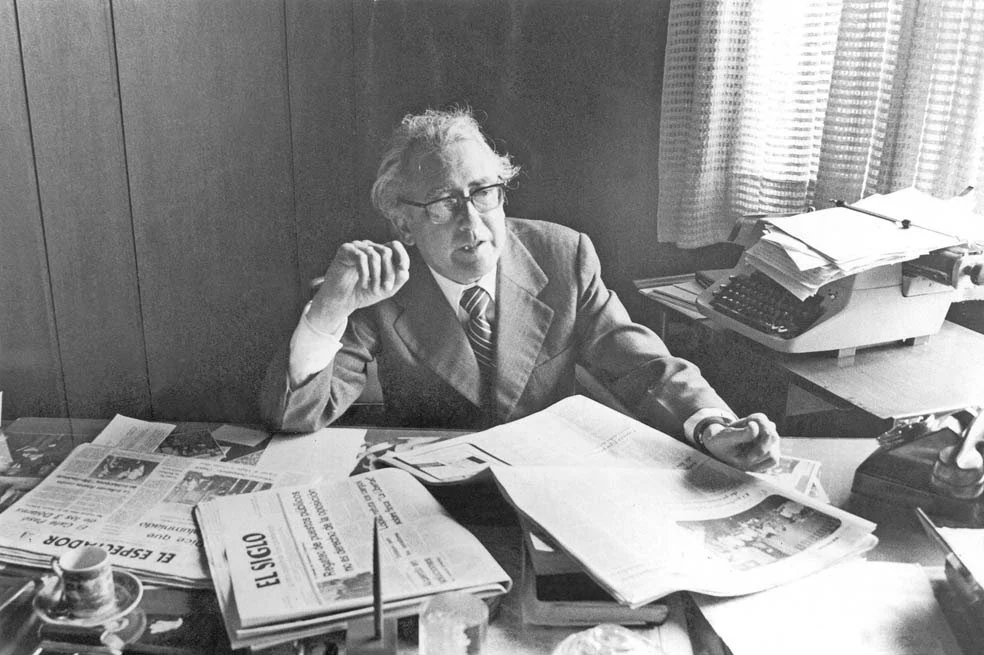
Call for Nominations: UNESCO/Guillermo Cano World Press Freedom Prize 2025
UNESCO is pleased to announce the call for nominations for the 2025 edition of the prestigious UNESCO/Guillermo Cano World Press Freedom Prize. Established in 1997, this annual award honors individuals, organizations, or institutions that have made remarkable contributions to defending and promoting press freedom globally, especially when achieved in the face of danger.
Member States, as well as international and regional professional and non-governmental organizations working in journalism and freedom of expression, are invited to nominate up to three candidates for the Prize.
To submit nominations, complete the form and send it before February 15, 2025.
The Prize is supported by the Guillermo Cano Isaza Foundation, the Namibia Media Trust, and Democracy and Media Foundation.
For more information, visit UNESCO's website.
For more information, contact
Guilherme Canela, Chief of Section,
Freedom of Expression and Safety of Journalists.
g.godoi@unesco.org
SHARE THIS STORY

Peacebuilding Initiatives and Upcoming Events
"How Much Does a Human Life Cost." is a virtual talk story with artists from the Congo on Friday, October 25 at 5 pm Hawaii time.
To the Peace-building Community
Since two weeks ago, we added a new virtual talk story with artists from the Congo for this Friday, October 25 at 5 pm Hawaii time on "How Much Does a Human Life Cost."
Attached are a few fliers of upcoming events, but you can learn about more upcoming events in detail with links to register at https://manoa.hawaii.edu/peacebuilding/get-involved/events/.
Thursday, October 24 (via zoom): "Cross-Cultural Conversations, Envisioning Environmental Peacebuilding through the Protection of Bali's Cultural Landscape"
Friday, October 25 (via zoom): "Neurodivergent Strengths: No More Masking"
Friday, October 25 (via zoom): "How Much Does a Human Life Cost"
Tuesday, October 29 (via zoom): "Documentary & Panel, Beyond Bars: Prison Women Speak"
Wednesday, October 30 (in-person/via zoom): "Community Dialogues, Of Spaceships, Sorcerers & Small Gods: The Relevance of Fiction & Fantasy in Our Lives"
Thursday, October 31 (via zoom): "Cross-Cultural Conversations, Understanding Human Rights to Create a Culture of Peace in Our Daily Lives"
Thank you for being on this journey together.
Be well,
José Barzola (he/him/his)
Conflict and Peace Specialist
University of Hawai'i at Mānoa

The University of Hawai'i, Mānoa is located in the ahupuaʻa of Waikīkī, in the moku of Kona, on the mokupuni of Oʻahu, in the paeʻāina of Hawaiʻi. This Hōʻoia ʻĀina, this Land Acknowledgement, acknowledges Hawaiʻi as an indigenous space whose original people are today identified as Native Hawaiians.
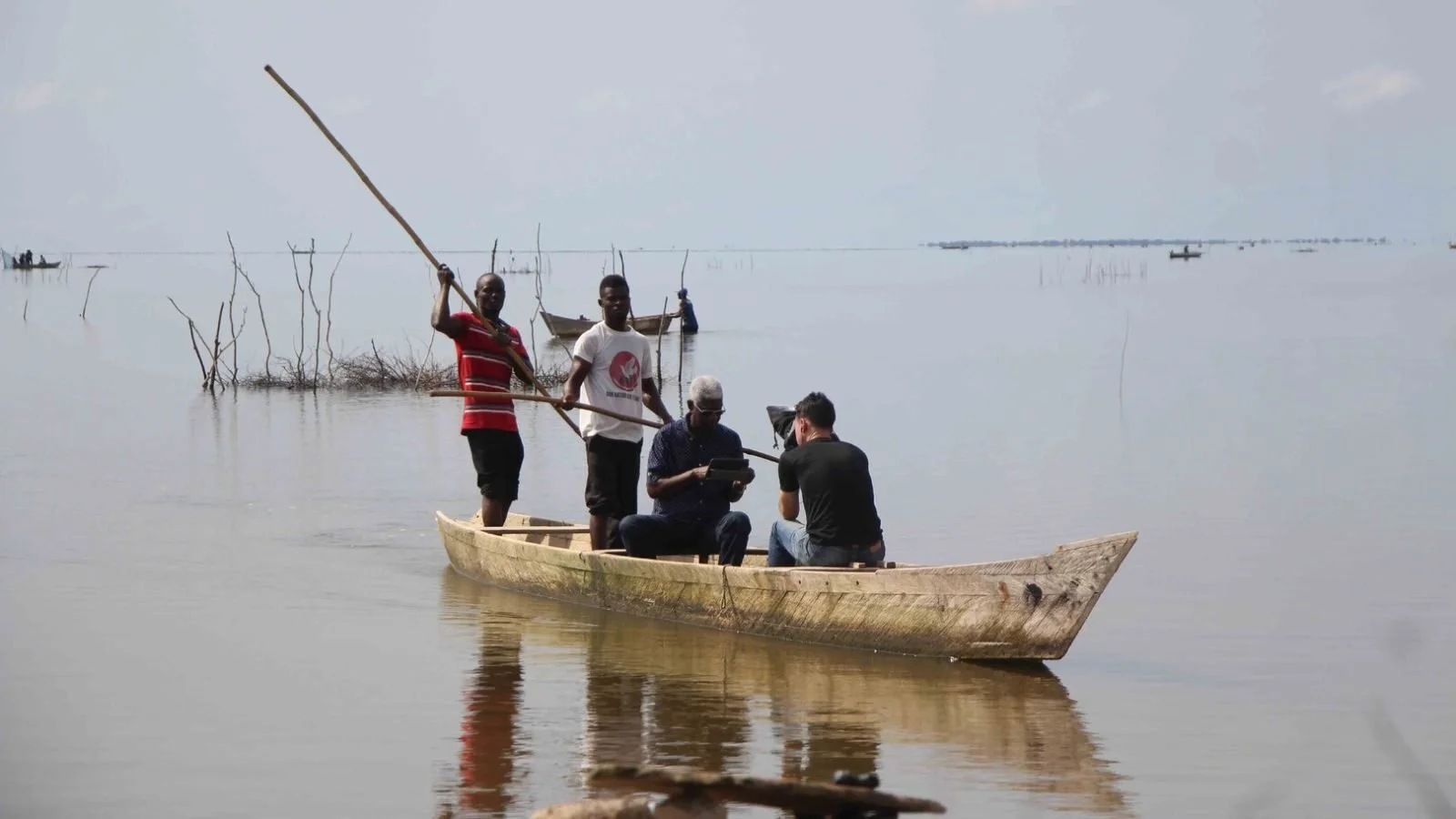
FILM AFRICA Debuts DELA to UK Audience
The Royal African Society is delighted to announce that Film Africa, one of the most anticipated and celebrated showcases of African cinema in Europe, will return for its 2024 edition from 25 October to 3 November. This year's festival promises an exhilarating array of films, virtual events, director Q&As, panel discussions, professional workshops, master classes, school screenings, and family activities.
WED 30 OCT | RICH MIX, 3:30 PM
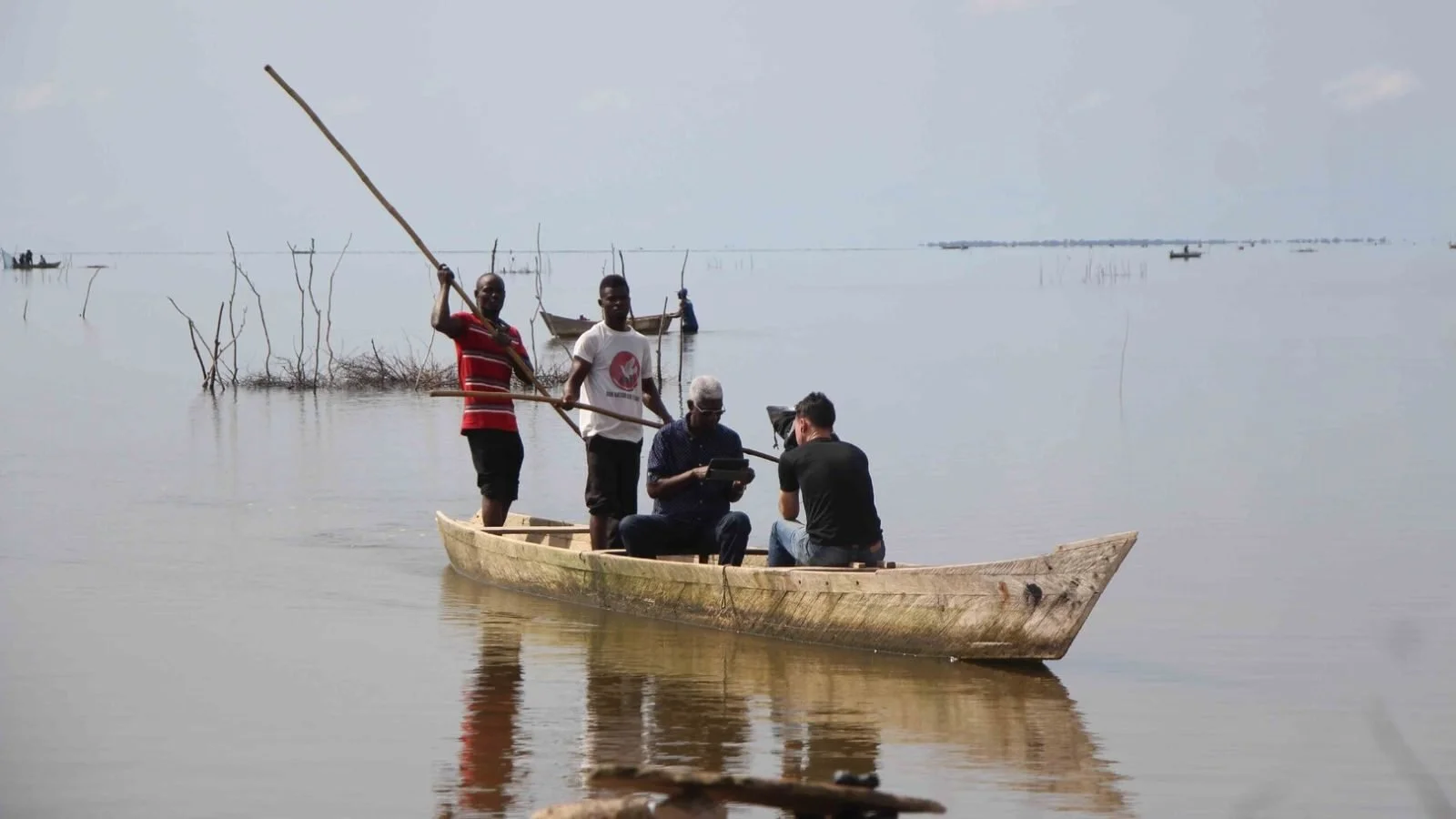
DoP Jason Hill filming Prof El Anatsui in Anyako, Volta Region Ghana. Photo by Africa-Related
The Royal African Society is delighted to announce that Film Africa, one of the most anticipated and celebrated showcases of African cinema in Europe, will return for its 2024 edition from 25 October to 3 November. This year's festival promises an exhilarating array of films, virtual events, director Q&As, panel discussions, professional workshops, master classes, school screenings, and family activities.
The grand Opening Night of the festival will feature the award-winning documentary "Dahomey," directed by award-winning Senegalese filmmaker Mati Diop, who won the Golden Bear at the 2024 Berlinale. Set against the backdrop of the historic Kingdom of Dahomey, (modern-day Republic of Benin) "Dahomey" presents a dramatised account of the return of 26 royal treasures from a museum in France to their rightful home. Through meticulous storytelling and powerful imagery, the film delves into the complexities of cultural repatriation and captures the profound reactions of the Beninese people as they reconnect with their heritage.
In between, DELA: The Making of El Anatsui, an award-winning biographical documentary on the globally acclaimed sculptor directed by Oyiza Adaba, will be screened on October 30, 2024 at 3.30 PM. Get tickets here. Others include The Knife Woman (LA FEMME AU COUTEAU) by Timite Bassori, The Spectre of Boko Haram by Cyril Raingou, and Made in Ethiopia by Xinyan Yu.
Closing the festival is "Black Tea," another Berlinale finalist. "Black Tea" is a poignant romantic drama by award-winning Mauritanian director Abderrahmane Sissako. Starring Nina Mélo and Chang Han, the film follows the journey of a young Ivorian woman who embarks on a transformative odyssey to China, where she finds unexpected love and confronts the complexities of cultural assimilation. It reveals a narrative of aspirational migration across the rarely addressed axis of Asia and Africa.
In addition to the opening and closing films, Film Africa 2024 will showcase an eclectic lineup of features, documentaries, and shorts. Film Africa also recognises and supports new film-making talent through the Baobab Award for Best Short Film and the Audience Award for Best Feature Film.
share this story
Africa Regional Media Hub | Refugee Admissions for FY2025;
President Biden today signed the Presidential Determination on Refugee Admissions for Fiscal Year 2025, again setting the refugee admissions target at 125,000 for the upcoming fiscal year—as we have for each year of this Administration.
Africa Regional Media Hub | Refugee Admissions for FY2025; Global Coalition to Defeat ISIS; Counter Ransomware Initiative Summit; UNGA - Global Humanitarian Assistance; DRC; Mali; UNSC: International Peace and Security
The Presidential Determination on Refugee Admissions for Fiscal Year 2025
Secretary Antony J. Blinken at the Opening of the D-ISIS Ministerial
Joint Communiqué by Ministers of the Global Coalition to Defeat ISIS
Readout of Ambassador Linda Thomas-Greenfield’s Meeting with Malian Foreign Minister Abdoulaye Diop
Remarks at a UN Security Council Meeting on Maintenance of International Peace and Security
The Presidential Determination on Refugee Admissions for Fiscal Year 2025
Press Statement
Antony J. Blinken, Secretary of State
September 30, 2024
President Biden today signed the Presidential Determination on Refugee Admissions for Fiscal Year 2025, again setting the refugee admissions target at 125,000 for the upcoming fiscal year—as we have for each year of this Administration.
Refugee resettlement exemplifies the generosity that has always been at the core of the American spirit and reflects the critical role of the United States as a global leader in providing refuge to people fleeing persecution overseas. In Fiscal Year 2024, we resettled 100,000 refugees, the largest annual number in three decades. This is a testament to our successful work to rebuild the U.S. Refugee Admissions Program with help from partners around the world and thousands of Americans across the country who have stepped up to sponsor refugees through the Welcome Corps.
Refugee resettlement is orderly, subject to rigorous vetting, and benefits and enriches American communities. In cities and towns throughout America, refugees contribute to urban revitalization, add to the vibrancy of local communities, and drive America’s competitiveness and innovation on the global stage. Over a 15-year period, refugees contributed almost $124 billion to the U.S. economy. And resettlement offers the unique opportunity of a better life to some of the world’s most vulnerable people, at a time of historic global levels of displacement.
Building on the Administration’s efforts to strengthen refugee resettlement and the generous support from Americans across the country, the refugee admissions target of 125,000 ensures the United States will continue to be a global leader in providing safety and opportunity for those facing persecution around the world.
Secretary Antony J. Blinken at the Opening of the D-ISIS Ministerial
Remarks
Antony J. Blinken, Secretary of State
Loy Henderson Auditorium
Washington, D.C.
September 30, 2024
SECRETARY BLINKEN: Ambassador, thank you very much. Colleagues, good morning and welcome. For those of you who are in New York, I know you just wanted to keep the High-Level Week going, so we’re glad to be able to accommodate that here in Washington.
But in all seriousness, before we get going, let me just say a few quick words about the events of the past week. Hassan Nasrallah was a brutal terrorist, whose many victims included Americans, Israelis, civilians in Lebanon, civilians in Syria, and many others as well. During his leadership of Hizballah, the group terrorized people across the region and prevented Lebanon from fully moving forward as a country. Lebanon, the region, the world are safer without him.
The United States will continue to work with our partners in the region and around the world to advance a diplomatic resolution that provides real security to Israel, to Lebanon, and allows citizens on both sides of the border to return to their homes. We likewise will continue working to secure a ceasefire deal in Gaza that brings the hostages home, eases the suffering of people in Gaza, preserves the possibility of a more lasting, secure peace for the entire region.
Diplomacy remains the best and only path to achieving greater stability in the Middle East. The United States remains committed to urgently driving these efforts forward.
Now, turning to the subject of this ministerial, 10 years ago the United States mobilized a global coalition to confront ISIS – or Daesh – a nihilist terror group that over the course of a few months had occupied territory comprising a third of both Iraq and Syria, which it used to conduct a horrific campaign of violence and brutality.
Over the following decade, this coalition grew from 12 to 87 countries. And together, we’ve made significant progress. In 2017, coalition partners dismantled the last ISIS stronghold in Iraq. Two years later, we did the same in Syria – effectively ending ISIS’s efforts to establish a geographic caliphate. We imposed coordinated sanctions on ISIS-controlled assets to hinder the group’s recruitment and expansion. And in the last five years, we have collectively invested billions of dollars to help restore security and public infrastructure in some of the communities devastated by ISIS.
These were vital, hard-won achievements. But we know that our work is not done. As ISIS aims to reconstitute itself in the Middle East and makes territorial gains in Asia and Africa, our coalition must remain clear-eyed about the evolving challenge that we face. As we were reminded last week, this is a moment of enormous volatility in the Middle East. It’s more important than ever that we enhance our efforts to strengthen security and stability, including in Iraq and Syria, and prevent extremists like ISIS from exploiting conflict in the region for their own benefit.
To that end, let me briefly outline the three core areas where we will focus our conversations today.
First, the United States and Iraq will discuss – and with our other coalition partners as well – our plans for a phased transition of Operation Inherent Resolve. This military mission, established in response to Iraq’s 2014 request for support in its campaign against ISIS, will conclude in Iraq by September 2025. Over this period, the United States will work with Baghdad on bilateral security arrangements that will allow us to sustain and build our security partnership and cooperation.
In turn, our Iraqi partners will assume greater responsibility for ensuring that ISIS cannot retake territory within Iraq’s borders. We’re immensely grateful to Iraq and the Iraqi Security Forces for all of the sacrifices that they’ve made in this effort, and for their steadfast leadership in combating ISIS.
As we shift into this new phase of our collaboration, we hope to continue working with our coalition partners – including the NATO Mission in Iraq, which intends to continue its own security relationship with Iraq.
The United States will also maintain our counterterrorism efforts from outside of Iraq – including in Syria – for as long as needed. Just this month, U.S. special forces successfully targeted multiple senior ISIS leaders in Syria, demonstrating our own resolve to degrade and dismantle the group and its affiliates.
Second, our coalition will discuss today the repatriation of foreign fighters and their families – which remains the only durable solution to the humanitarian and security crisis in northeast Syria.
More than 43,000 displaced persons from over 60 countries reside in northeast Syria. Most are children who have never known another home.
Meanwhile, roughly 9,000 fighters remain in detention facilities across northeast Syria – this is the single largest concentration in the world. Even from confinement, these extremists are attempting to grow their ranks.
Increasingly, coalition partners are stepping up to meet this challenge. Since 2021, the Iraqi Government has repatriated more than 10,400 citizens. In the last year, the Kyrgyz Republic repatriated more than 432 of its nationals. Partners like Kuwait have also helped facilitate repatriations, permitting planes departing from Syria to refuel at their airbases.
Now, we know repatriation remains a complicated, difficult issue. But if we fail to act, security conditions on the ground will only get worse. We could see fighters once again take up arms and threaten communities that we fought so hard to protect and support. This is not the time to let up. It’s a moment to continue our efforts.
We have to urgently accelerate our work to repatriate, reintegrate, and – where appropriate – prosecute detained and displaced persons from northeast Syria. The United States stands ready to provide support – logistically, diplomatically – to advance this effort.
Finally, we will strengthen our cooperation against ISIS branches outside of the Middle East.
In sub-Saharan Africa, ISIS affiliates have gained ground, compounding the threat already present from existing militant groups.
To tackle this growing threat, the United States, Italy, Morocco formed the coalition’s Africa Focus Group in 2021. Last year in Riyadh, we welcomed Saudi Arabia as a co-lead of this effort. Already, we’ve helped African partners better align and coordinate to support civilian-led counterterrorism operations.
ISIS-Khorasan — based out of Central and South Asia – also poses a distinctive challenge. While waging a low-level insurgency in Central and South Asia, this group uses online recruitment to mount attacks around the world, including earlier this year in Iran and Russia.
Through the coalition’s Communications Working Group – led by the United States, the United Arab Emirates, and the United Kingdom – we’re working with journalists, civil society groups, and activists to push back against the hollow promises that ISIS propaganda seeks to promote.
In the coming year, we have to continue to drive these key efforts forward.
In that spirit, this morning, I can announce that the United States will provide $148 million to enhance civilian-led border security and counterterrorism operations across sub-Saharan Africa and Central Asia.
Separately, we’ll contribute $168 million to the coalition’s annual Stabilization Pledge Drive for Iraq and Syria. This assistance will enable critical demining operations, restore essential services like water and electricity, invest in education, and promote economic opportunity.
This commitment follows the United States’ announcement last week, in New York, of $535 million in additional humanitarian assistance to the Syrian people, as well as displaced communities residing in the country.
A decade into this fight, we can take pride in all that we’ve accomplished. But as the challenge evolves, so must this coalition.
And as I said, this is not the time to let up. It’s a moment to recommit – to recommit to our common mission, to decisively defeat ISIS, and ensure greater security and stability for all of our people.
I thank everyone for being here today, but more important I thank you for what you’re doing every day to keep this coalition together, moving forward in the mission that we share.
Thank you very much. Thank you. (Applause.)
Joint Communiqué by Ministers of the Global Coalition to Defeat ISIS
Media Note
Office of the Spokesperson
September 30, 2024
Ten years after the formation of the Global Coalition to Defeat Daesh/ISIS, Deputy Prime Ministers, Foreign Ministers, and Senior Officials convened in Washington, D.C, today at the invitation of Secretary of State Antony J. Blinken. The Global Coalition to Defeat Daesh/ISIS is the largest international coalition in history and remains committed to defeating Daesh/ISIS anywhere it operates.
In 2014, the United States led an international response to the Iraqi government’s request for assistance against Daesh/ISIS, resulting in the formation of the Global Coalition. In 2024, five years after the Global Coalition’s defeat of Daesh/ISIS in Iraq and Syria, Coalition members honor the sacrifices made by those who fought and died in Iraq and Syria to liberate territories from Daesh/ISIS and commend Iraq for its leadership in the Coalition.
Global Coalition Ministers commit to supporting the Government of Iraq’s efforts to safeguard the security, peace, and development of the Iraqi people. The planned transition of the Coalition’s military mission in Iraq to bilateral security partnerships reflects a reduction of the Daesh/ISIS threat. Ministers commend Iraq’s continuing cooperation in countering Daesh/ISIS in the region, and its ongoing leadership in broader Coalition lines of effort, including stabilization, counter financing, disruption of foreign terrorist travel, and prevention of recruitment to ensure there is no Daesh/ISIS resurgence.
Ministers endorse the priorities of the Coalition Stabilization Working Group, with a goal of raising and implementing $394 million for areas liberated from Daesh/ISIS in Iraq and Syria – toward which members have already announced commitments totaling more than $200 million. The Ministers emphasize the importance of durable solutions for remaining populations in northeast Syria, including bringing to justice detained terrorists, ensuring accountability for crimes including gender-based violence, ensuring detainee populations are housed securely and humanely, and improving conditions for the populations residing in al-Hol and Roj displaced persons camps. Ministers urge support to reconciliation and reintegration efforts in Iraq and Syria and to foster conditions conducive to a Syria-wide political resolution to the conflict consistent with UN Security Council Resolution 2254. Ministers commend Iraq’s progress in repatriating over 10,000 of its nationals from northeast Syria and Iraqi efforts to apply accountability where appropriate and in assisting the displaced to reintegrate into their communities of origin.
Ministers commit to counter the continued spread of Daesh/ISIS globally, including across parts of Africa and Central and Southeast Asia. Ministers reaffirm their commitment to mobilize members and legitimate partners and pursue whole-of-government approaches to disrupt Daesh/ISIS global networks by sharing information via trusted and secured systems, to deny their freedom of movement, and to restrict their access to financing and other resources in line with UN Security Council Resolution 2178, 2396, and 2462. Ministers underscore the need to enhance comprehensive counterterrorism efforts, ensure that our policies and practices are appropriately human-rights-based, block terrorist access to resources and financing, disrupt cross-border movements of Daesh/ISIS, and protect and assist victims who suffered under Daesh/ISIS misrule.
Ministers condemn ISIS-K’s indiscriminate attacks in Asia and Europe and commit to deterring and disrupting future attacks. To this end, Ministers endorse the Coalition-aligned ISKP Diplomatic Grouping, highlighting the need to improve coordination and to partner with regional counterterrorism and strategic communication initiatives. Ministers also commend the work of the Global Coalition’s Africa Focus Group in promoting an active role of African partners and highlighted the imperative to counter malign and non-state armed actors whose actions undercut counterterrorism cooperation and destabilize regions in which they operate. Coalition Ministers welcome the participation of observers from Central Asian states and Africa at the Ministerial and affirm their intent to strengthen counterterrorism cooperation with them.
Ministers applaud the significant work of Global Coalition members in countering Daesh/ISIS propaganda in the ever evolving and challenging information environment, including successful campaigns to expose and discredit the deceptions propagated by Daesh/ISIS. Ministers note ongoing initiatives to prevent terrorists from dominating public narratives across traditional media, social media, and encrypted messaging applications, and underscore the importance of artificial intelligence to combat terrorist propaganda and recruitment. Ministers emphasize that terrorism, in any form or manifestation, should not be associated with any faith, religion, or ethnic group.
Welcoming the Maldives as the newest member of the Global Coalition, bringing the total number of members to 87, Ministers especially recognize the participation of Uzbekistan, Tajikistan, Senegal, Pakistan, Kyrgyz Republic, and Kazakhstan as observers and committed the Coalition to increase engagement in these regions to enhance counterterrorism capacities and coordination. Ministers support the Global Coalition adjusting its processes, structures, and instruments to ensure it continues to be fit for purpose to defeat the current Daesh/ISIS threat and to deter and defeat future threats.
On the 10th anniversary of its establishment, with continued affirmation that individual members bear the primary responsibility for the security of their homelands, the members of the Global Coalition recommit to mobilizing and coordinating efforts to defeat Daesh/ISIS in accordance with international law, including the Charter of the United Nations, applicable international human rights law, and all relevant UN Security Council resolutions. Members of the Global Coalition will stand together until Daesh/ISIS is defeated.
Secretary Blinken to Deliver Remarks at the Fourth International Counter Ransomware Initiative Summit
Notice to the Press
Office of the Spokesperson
September 30, 2024
Secretary of State Antony J. Blinken will deliver remarks at the Fourth International Counter Ransomware Initiative (CRI) Summit on Tuesday, October 1, at 12:45 p.m. EDT at the Foreign Service Institute in Arlington, Virginia.
CRI is the largest international cyber partnership, consisting of 68 members committed to building collective resilience to ransomware and disrupting the ransomware ecosystem. Members cooperate across all elements of the ransomware threat, including by undercutting the viability of ransomware and pursuing the actors responsible, countering illicit finance that underpins the ransomware ecosystem, and working with the private sector to defend against ransomware attacks. CRI is a key pillar of the United States’ commitment to working closely with partners across the globe to counter ransomware and other cyber criminal actors, as detailed in the United States International Cyberspace and Digital Policy Strategy launched by Secretary Blinken in May.
The Secretary’s remarks will be replayed on the Department homepage and the Department YouTube channel. Press coverage of the remarks will be open to pre-registered media. Media who would like to cover in person must RSVP by emailing CDP-Press@state.gov by 8:00 p.m. today, September 30, 2024.
United States Announces Nearly $2.1 Billion in Humanitarian Assistance at the 79th UN General Assembly
Fact Sheet
Office of the Spokesperson
September 30, 2024
At the 79th UN General Assembly, the United States announced nearly $2.1 billion in humanitarian assistance to address the unprecedented level of humanitarian needs globally. This funding supports critical and life-saving humanitarian assistance to those impacted by crises, including displaced persons and the receptive host communities supporting displaced persons in their time of need. This generous life-saving assistance from the American people includes more than $873 million through the Department of State’s Bureau of Population, Refugees, and Migration and more than $1.2 billion through the United States Agency for International Development’s Bureau for Humanitarian Assistance. We call on other international donors to also make every effort to increase humanitarian funding to respond to the extreme level of need impacting people globally.
Humanitarian assistance announced at the 79th UN General Assembly includes:
Nearly $424 million for the Sudan regional response: This includes assistance in Sudan and neighboring countries to respond to needs stemming from the crisis that began in April 2023 and has become one of the most severe global challenges. It will provide food, health, nutrition, protection, and other critical assistance to people across Sudan and neighboring countries who have been devastated by the ongoing conflict.
Nearly $336 million to support Palestinians in Gaza and the West Bank : This assistance provides life-saving humanitarian aid, including expanded support in emergency health care, food, nutrition, psychosocial services, and increased access to safe drinking water, hygiene products, and sanitation services for Palestinian civilians in Gaza and the West Bank affected by the ongoing conflict. It also supports logistics and emergency shelter assistance to displaced Gazans to help them prepare for the upcoming winter months.
Nearly $535 million for the Syria response: This assistance will help meet the needs of the most vulnerable refugees, internally displaced persons, and host communities in Syria and neighboring countries. This includes emergency shelter; food assistance; access to health care and education; water, sanitation, and hygiene supplies; support for livelihoods; and protection for those in situations of vulnerability.
Nearly $199 million for Rohingya refugees and their host communities: This assistance supports the needs of Rohingya refugees and communities hosting them in Bangladesh and the region. It will provide protection, shelter, and food for those forced to flee violence and persecution. It will also support disaster preparedness and protection for refugees and host communities, bolster access to education and skills training, and prepare refugees for their potential return home when conditions allow.
$597 million for migration efforts in the Western Hemisphere: This assistance responds to the needs of refugees, vulnerable migrants, as well as other displaced and stateless persons across the region, including life-saving assistance such as emergency food assistance, shelter, access to emergency health care, improvements to local infrastructure for potable water and sanitation facilities, access to protection services, and support to local schools. It also supports the Safe Mobility Initiative and advances the goals of the Los Angeles Declaration on Migration and Protection to foster responsibility sharing, stability, and assistance for affected communities.
The United States is proud to be the largest single donor of humanitarian assistance globally, providing more than $54 billion in humanitarian assistance since 2021. The United States is leading efforts to respond to global humanitarian needs, working with partners to transform humanitarian response for the 21st century, and making humanitarian assistance more resilient to climate impacts.
For further information, please follow @StatePRM and @USAIDSavesLives.
Remarks by Ambassador Linda Thomas-Greenfield at a UN Security Council Briefing on the Democratic Republic of the Congo
Ambassador Linda Thomas-Greenfield
U.S. Representative to the United Nations
New York, New York
September 30, 2024
AS DELIVERED
Thank you, Mr. President. Before I give my remarks, I just want to share that I was just informed that Dikembe Mutombo, a very renowned humanitarian, former NBA star, Congolese-American, who worked to contribute to the well being of the Congolese people, just died at the age of [58]. So, may his soul rest in peace.
Thank you SRSG Keita for your briefing today, and for the dedicated efforts of the entire UN and MONUSCO teams in the Democratic Republic of Congo. I want to thank our civil society briefer, Ms. Nzale-Kove, for your briefing. And I want to thank Sierra Leone for your briefing.
The United States offers its full support to the ongoing ceasefire in eastern DRC, and to Angola’s leadership of both the Luanda process and the Ad Hoc Verification Mechanism.
We call on all parties to honor the ceasefire, and direct their aligned armed groups to do the same. The parties’ willingness to come to the table is a positive first step, but there is still far more work to be done. They must also deliver on their commitments and bring peace to the people of this region.
Rwanda must immediately withdraw its more than 4,000 troops from DRC territory and cease its support for M23. M23 must immediately withdraw to its November 2023 positions. And the DRC must take immediate actions against FDLR and cease its support to the group.
In addition, the United States appreciates the strong collaboration between the DRC government and MONUSCO on both the mission’s drawdown and its ongoing, essential activities including to reinforce the current ceasefire and protect displaced civilians.
We also welcome the DRC’s efforts at the local and national levels to consolidate MONUSCO’s drawdown from South Kivu.
That being said, MONUSCO’s departure from South Kivu has left critical gaps that cannot go unfilled.
For example, five of six child protection advisors who monitored and reported on violations against children have left the province.
Their absence underscores the urgency of effectively transitioning MONUSCO’s wide ranging tasks to entities, particularly the DRC government, that are properly mandated and well-resourced.
We encourage MONUSCO, the UN, and the DRC government to ensure these capacities are urgently filled. And we reiterate our position that this Council should not authorize a further drawdown of MONUSCO without a clear plan to mitigate against these gaps.
To that end, we appreciate the frank efforts by MONUSCO and DRC authorities to reflect on the disengagement process, and ensure a sequenced, orderly, and coordinated approach. Because ultimately, sustainable transitions take place.
We support the technical discussions already underway between MONUSCO, and the DRC government, and international partners to take advantage of significant lead time in the mission’s departure from North Kivu and Ituri. Especially because significant challenges remain in these provinces.
In North Kivu, M23 continues to obstruct the movements of MONUSCO and humanitarian actors, while threatening violence against UN peacekeepers and positions. Demands that MONUSCO vacate its positions so that M23 can consolidate or further expand its territorial control are wholly unacceptable. We offer our firmest support to the MONUSCO personnel stationed in these areas, who have demonstrated great professionalism and resolve.
In Ituri, we remain deeply concerned by the increasingly lethal operations perpetrated against civilians by the armed group CODECO and the terrorist organization ISIS-DRC, or ADF.
MONUSCO’s role in protecting civilians, including those in vulnerable internally displaced person camps, is absolutely essential, especially in areas with scant government security presence.
Finally, the United States urges improved communications between MONUSCO and SAMIDRC to ensure the collaboration as authorized under UN Security Council Resolution 2746 does not inflame regional tensions at a fragile moment.
We look forward to a detailed Secretary-General report on the implementation of that resolution.
In closing, we strongly urge the parties to take advantage of this unique opportunity to deliver peace to the region by fully committing to diplomatic processes and taking courageous steps to end this conflict.
For the sake of the people of the Great Lakes region, we must not let this chance escape us.
Thank you, Mr. President.
###
Readout of Ambassador Linda Thomas-Greenfield’s Meeting with Malian Foreign Minister Abdoulaye Diop
United States Mission to the United Nations
Office of Press and Public Diplomacy
FOR IMMEDIATE RELEASE
September 30, 2024
The below is attributable to U.S. Mission to the United Nations Acting Spokesperson Lauren French:
Ambassador Linda Thomas-Greenfield, the U.S. Representative to the United Nations, met today with Malian Foreign Minister Abdoulaye Diop. Ambassador Thomas-Greenfield condemned the al-Qaeda-linked terrorist attack in Mali on September 17, and offered condolences to the families and loved ones of the killed and injured. The Ambassador affirmed the United States’ commitment to engaging with Mali and the broader region to combat terrorism, as well as to continue longstanding U.S. support to the people of Mali. Ambassador Thomas-Greenfield urged the transitional government to schedule and hold elections to deliver on its pledge to the Malian people.
###
Remarks at a UN Security Council Meeting on Maintenance of International Peace and Security
Ambassador Robert Wood
Alternative Representative for Special Political Affairs
New York, New York
September 30, 2024
Thank you, Mr. President. I would like to thank the directors of UNHCR and IOM for their briefings. We appreciate the role of IOM and the High Commissioner for Refugees to help ensure migrants and refugees are treated in accordance with international law.
The United States acknowledges the decision of the penholders of resolution 2240 not to seek renewal of its authorizations for Member States to inspect vessels on the high seas off Libya’s coast suspected of being used for migrant smuggling and human trafficking from that country, and to seize those vessels confirmed as being used for those purposes.
We do, however, remain deeply concerned about migrant smuggling and human trafficking.
Since 2015, Operation Irini has been a key component of international efforts to alleviate the human tragedy of migrant deaths on the high seas off Libya’s coast and in the Mediterranean.
The European Union demonstrated through Operation Irini its steadfast commitment to rescuing refugees, migrants, and victims of trafficking.
The reality is that irregular migration is a challenge that is bigger than just Operation Irini could address. We all share responsibility for managing migration on our respective borders and a commitment to promoting safe, orderly, humane, and regular migration management.
We believe that prioritizing both access to international protection for those who need it, and humane border management measures, are essential to addressing forced displacement and the challenges of irregular migration.
To that end, the United States welcomed UNSMIL’s statements about the Trans-Mediterranean Migration Forum in Tripoli this past July as an important opportunity to advance an approach to migration governance that respects human rights.
The international community can do more to help vulnerable migrants by supporting the Secretary-General’s call for a holistic approach to address the root causes of irregular migration. We must recommit to ending the conflicts and reducing the extreme poverty that are driving many individuals to leave their homes in the first place.
The United States stands ready to work constructively with others in this regard. Thank you.
###
The U.S. Department of State French Language Spokesperson Johann Schmonsees is based in Johannesburg, South Africa. Please direct interview requests or questions to AFMediaHub@state.gov.