
ABUJA IS CUTTING DOWN ITS FUTURE - AND NO ONE SEEMS TO CARE
There are many reasons I fell in love with Abuja. One of them was its trees. Those trees are now disappearing.
Patrick O. Okigbo III - Abuja, Nigeria
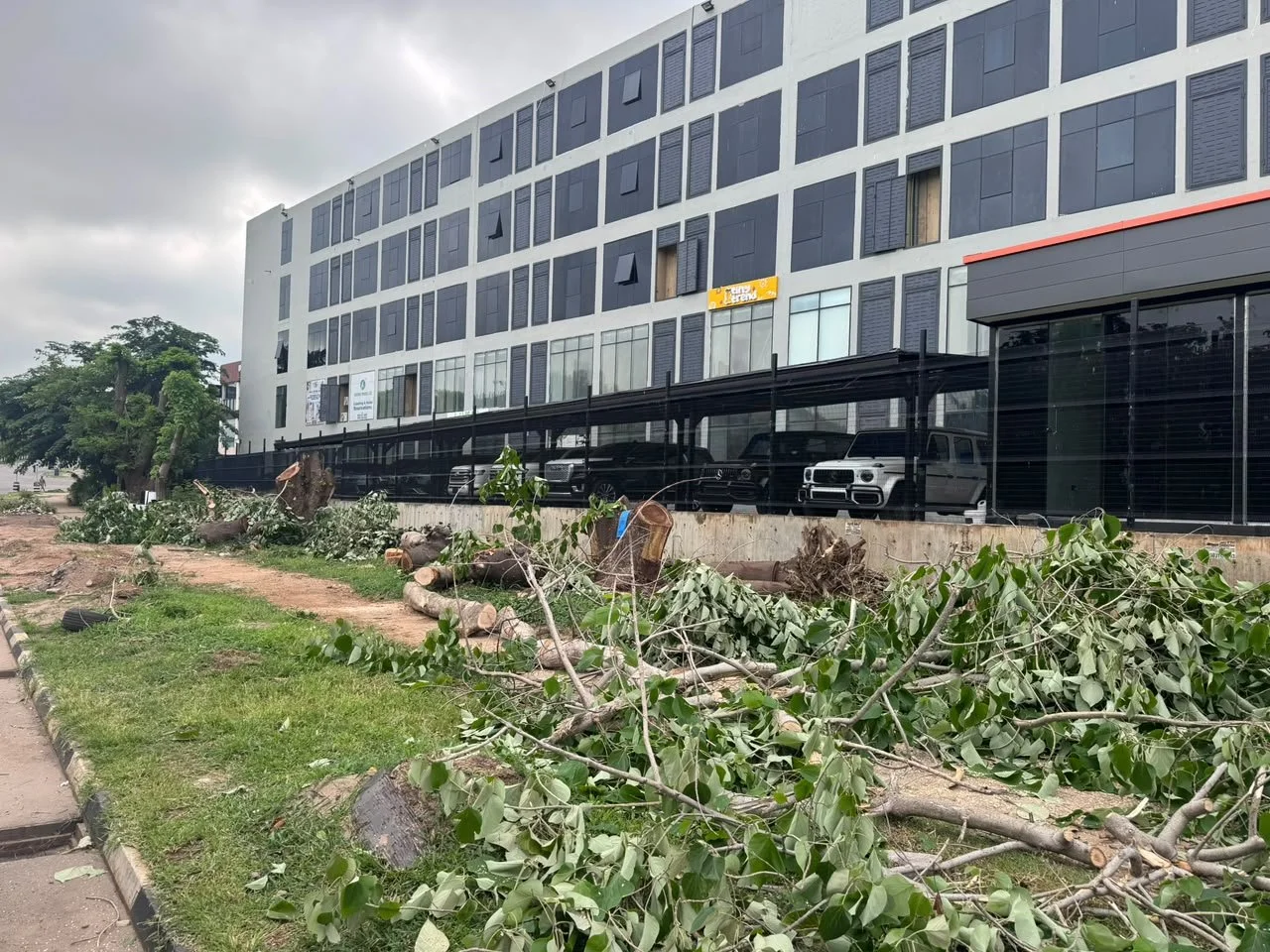
Image of trees felled in Abuja. Photo by Patrick Okigbo III
There are many reasons I fell in love with Abuja. One of them was its trees. Those trees are now disappearing.
After years in Lagos, where the air often felt as though it clasped its fingers around one’s windpipe, Abuja offered something altogether different. Its broad boulevards and generous sidewalks invited long morning walks. Later, when my wife and I took up cycling, those tree-lined avenues became part of our daily ritual. The freshness of the air was almost intoxicating.
The trees were more than landscaping. They gave the city identity. They softened its scale. They reminded you that Abuja had been imagined, not merely built—that someone had once tried to create a capital equal to Nigeria’s ambitions. I missed Lagos’s restaurants and bars, but Abuja’s serenity more than compensated.
Those trees are now disappearing.
Not because they have reached the end of their lives. Not because of disease. Municipal crews have been cutting them down in a methodical sweep, trunk by trunk, removing canopies that took decades to mature. I cannot say with certainty why this is happening. There is no public explanation. From what I can see, many are being sacrificed to make room for solar-powered street lights.
The loss feels larger than the trees themselves.
Abuja was conceived as a corrective to Lagos—a capital that would embody order instead of improvisation, foresight instead of congestion, aspiration instead of accumulation. Its boulevards were part of that vision. To remove mature trees without apparent hesitation suggests that somewhere along the way we have forgotten that a city’s greatest assets are not always the ones we have just built.
I do not blame the men operating the chainsaws, nor even those who signed the work orders. I doubt they act out of malice. If anything, the careful way the felled trunks are gathered suggests an appreciation of their commercial value.
The problem is deeper than bad intentions. It is a failure of imagination.
Development is not simply the accumulation of infrastructure. It is the stewardship of inheritance. Every generation receives assets it did not create and holds them in trust for those yet unborn. A mature tree is one of those assets. It cannot be replaced by a sapling any more than a century can be replaced by a promise.
Perhaps that is what saddens me most.
Within a generation, we have travelled from a society capable of imagining Abuja—a city designed to embody the future we believed Nigeria deserved—to one that no longer instinctively understands why mature trees matter. That distance cannot be measured in kilometres or years. It is measured in felled trunks.
A city is not improved every time something new is added. Sometimes progress lies in knowing what must not be removed.
This post, by itself, changes nothing. A tweet is not activism, and lament is not policy. But perhaps someone in or near my network can place this note before Minister Nyesom Wike.
I hope he receives it in the spirit in which it is is written. Many residents appreciate the investment his administration has made in Abuja’s roads, interchanges, and street lighting. Those improvements matter.
But so do the trees.
The choice was never meant to be between light and shade. A truly modern capital should know how to preserve both.
Because a hundred years from now, no one will remember who installed today’s street lights. But they will know whether we had the wisdom to leave them a city worth walking through.
Patrick O. Okigbo III is the Founder of Nextier, a public policy advisory firm and think-tank, focused on improving governance and development outcomes in Africa.
For more stories told from an African perspective, follow us at africarelatedinc
SHARE THIS STORY
Houston Prepares for FIFA World Cup
Cerca Africa, in partnership with the China Europe International Business School (CEIBS) hosts 75 Women Entrepreneurs and Leaders in Abuja, Nigeria.
Africa-Related, Houston
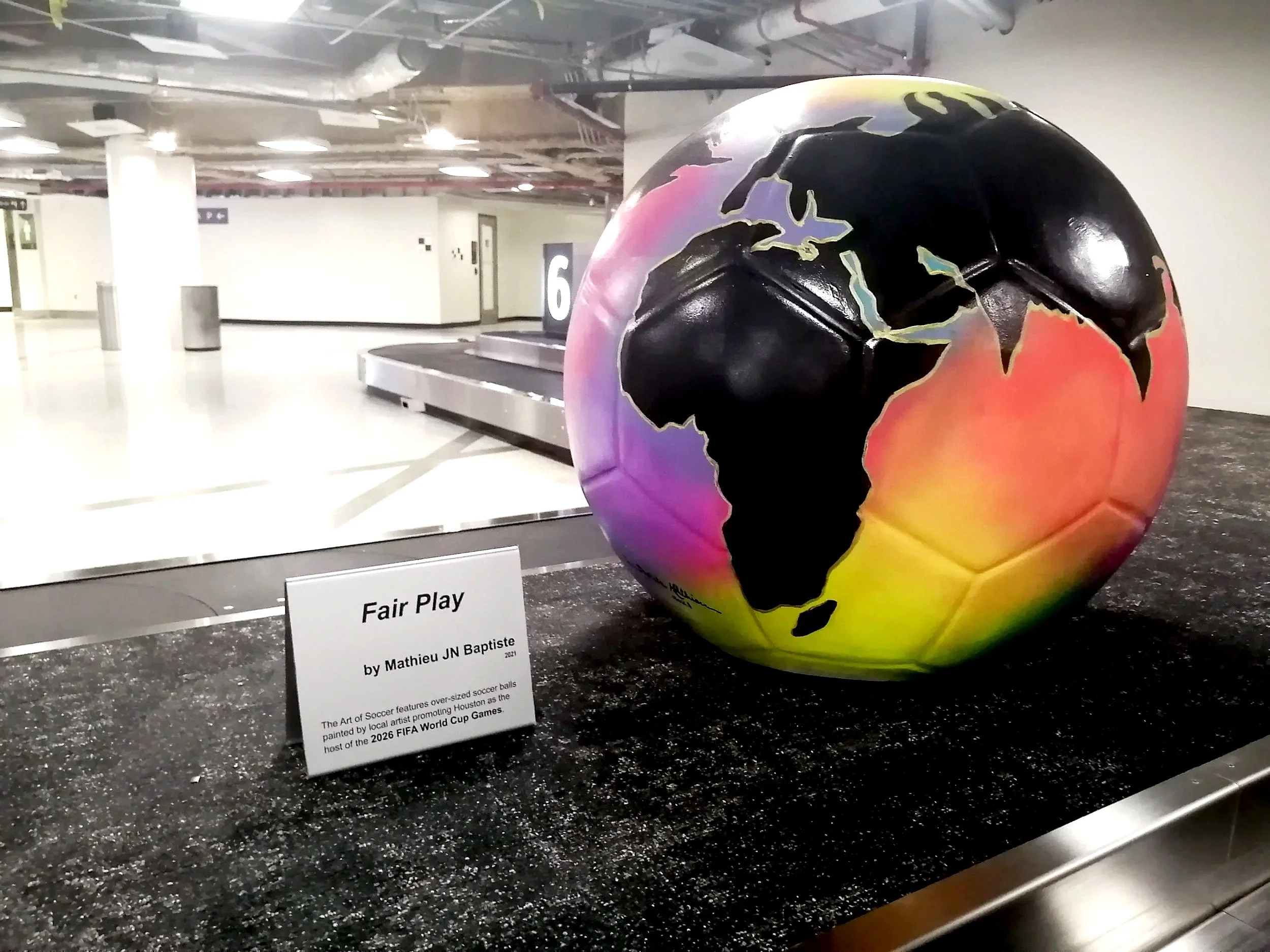
Photo of the artwork ‘Fair Play’ by Mathieu JN Baptiste and various commissioned artists at Houston’s Hobby International Airport.
The city of Houston, Texas, is an official host city for the 2026 FIFA World Cup. There are a total of seven matches scheduled at NRG Stadium (Houston Stadium) for the tournament between June 14 and July 4, 2026.
The matches include five group-stage games, a Round of 32 match, and a Round of 16 match. The city is also set to host a 39-day fan festival in East Downtown during the tournament period.
Countries like Germany, Curaçao, Portugal, The Netherlands will play some matches in Houston. With a population of about 2.3 million people, Houston is widely regarded as a convergence pot of global cultures in the United States of America. It is home to over 50,000 Nigerians.
Photos by Africa-Related
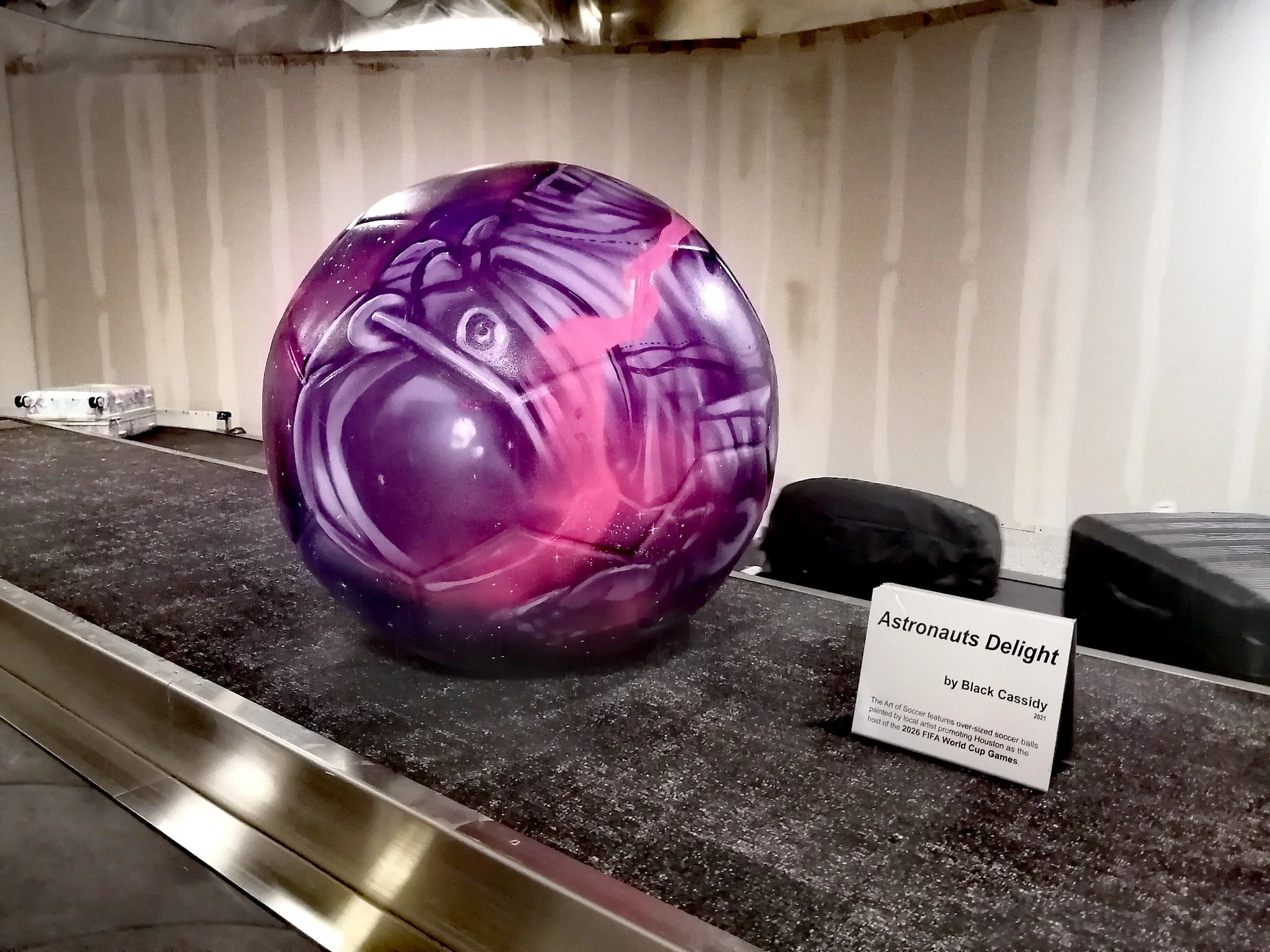

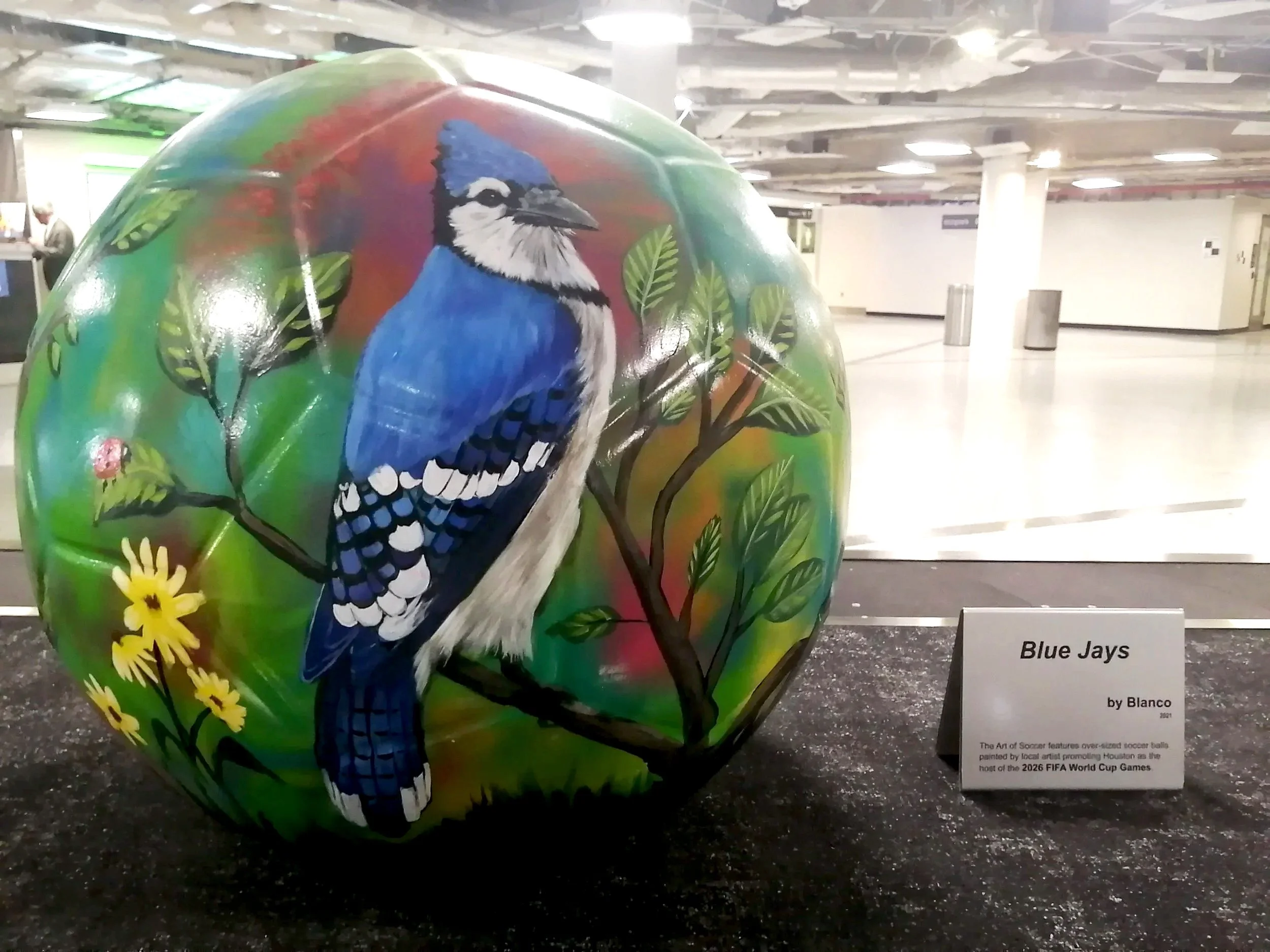
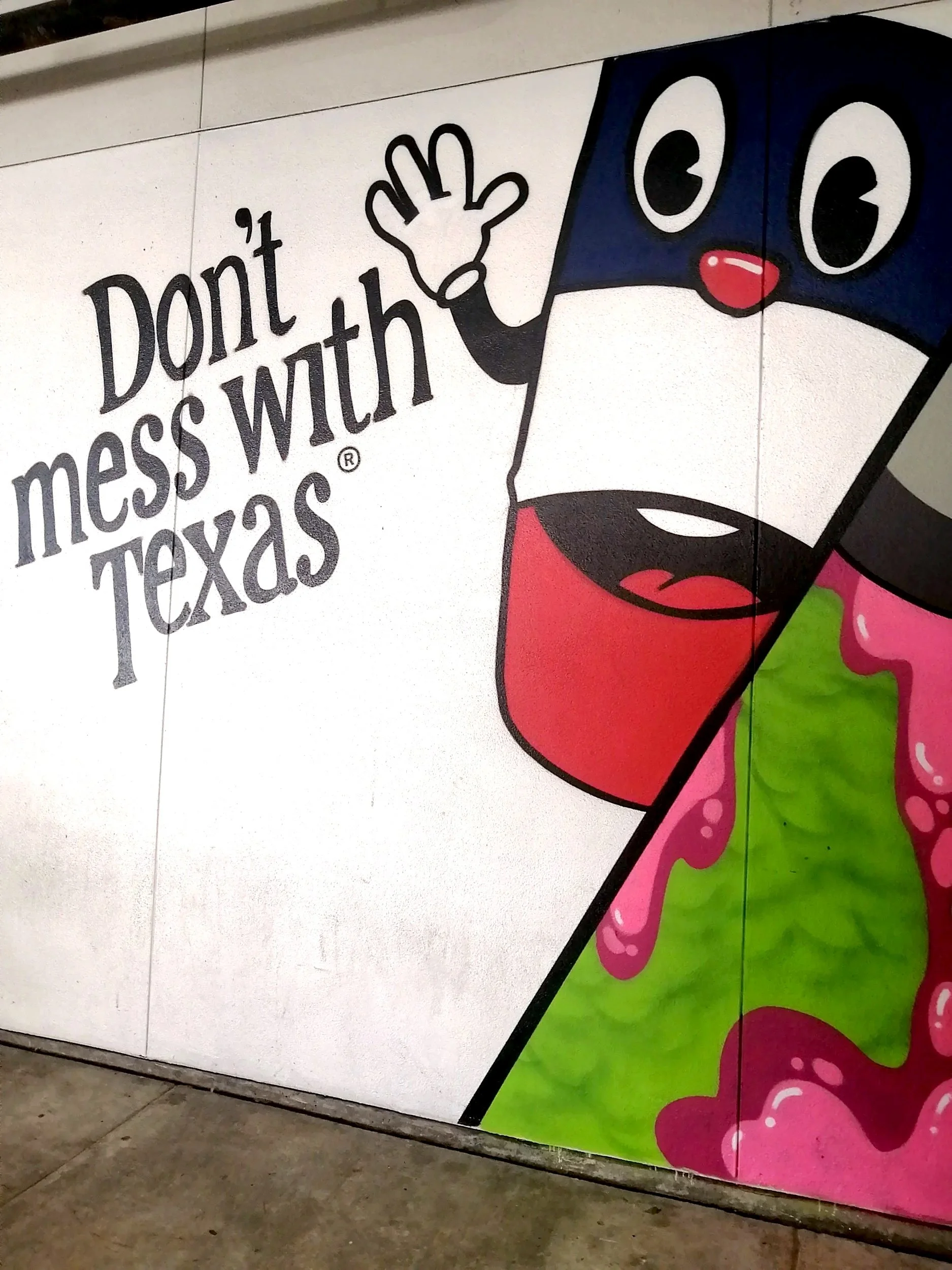
Images and artworks at Houston Hobby Airport, George Bush International Airport and other parts of the city show a city ready to welcome visitors and host some exciting line ups.
Check out other host cities here.
#fifaworldcup
Photos by Africa-Related
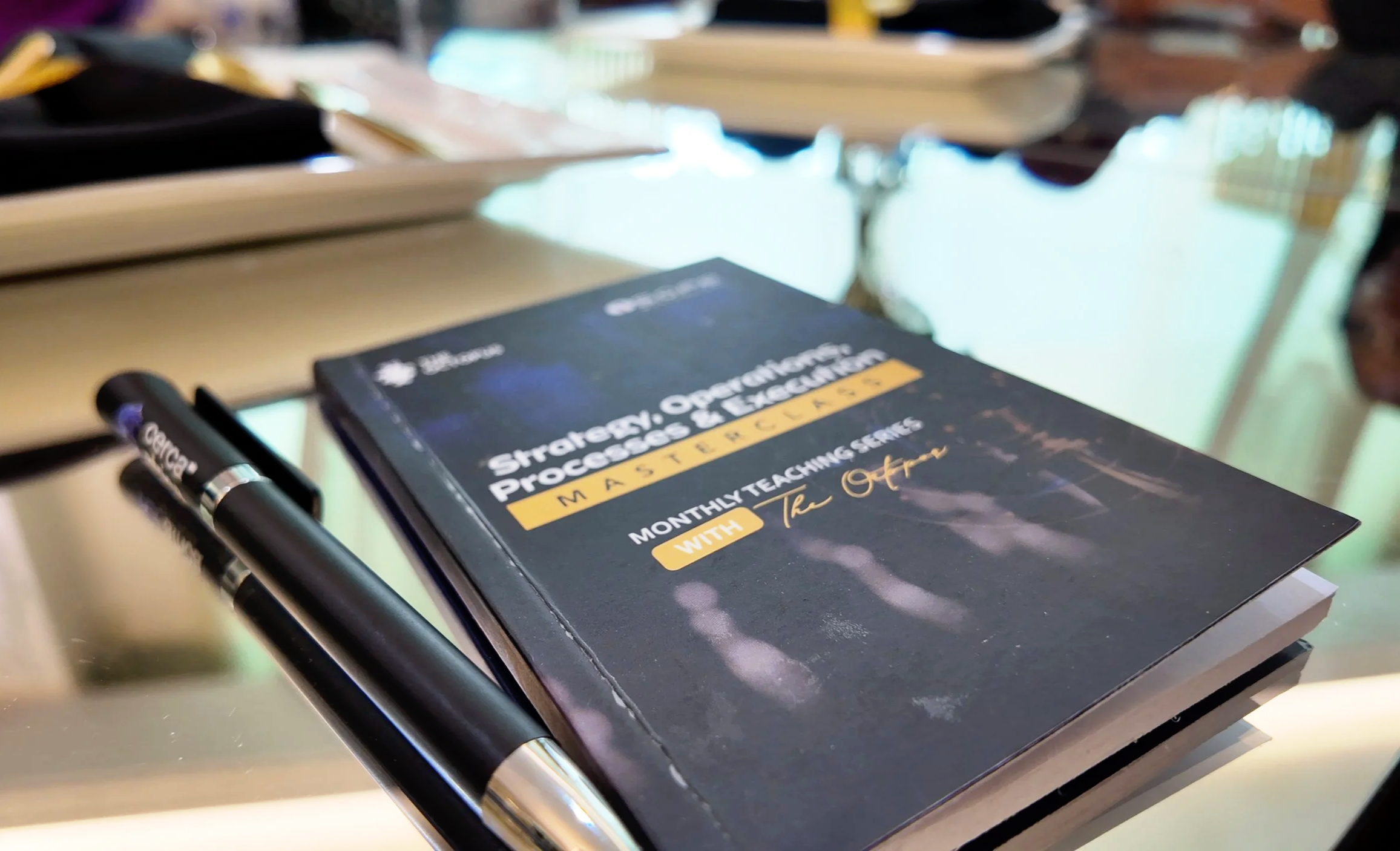
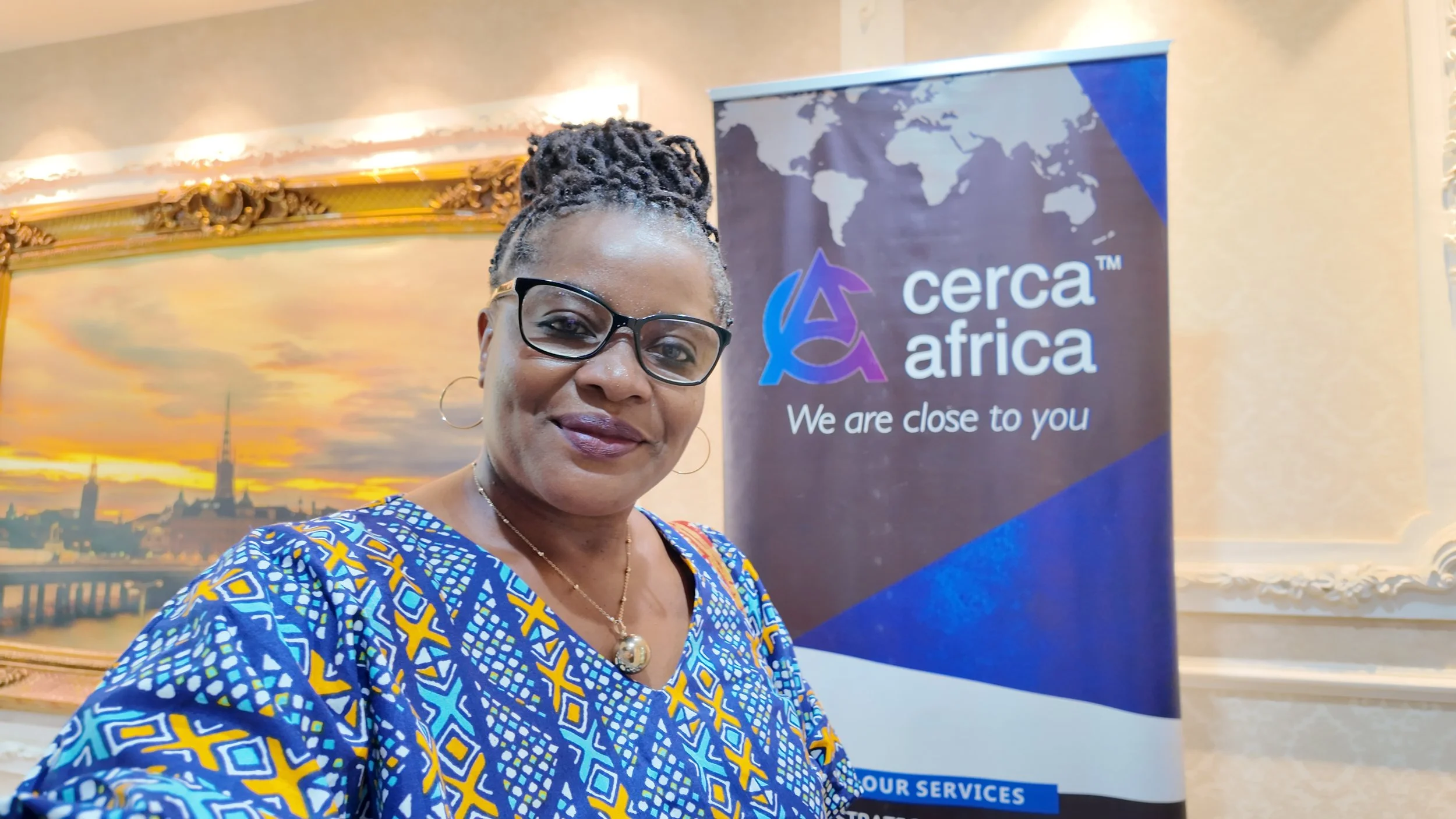
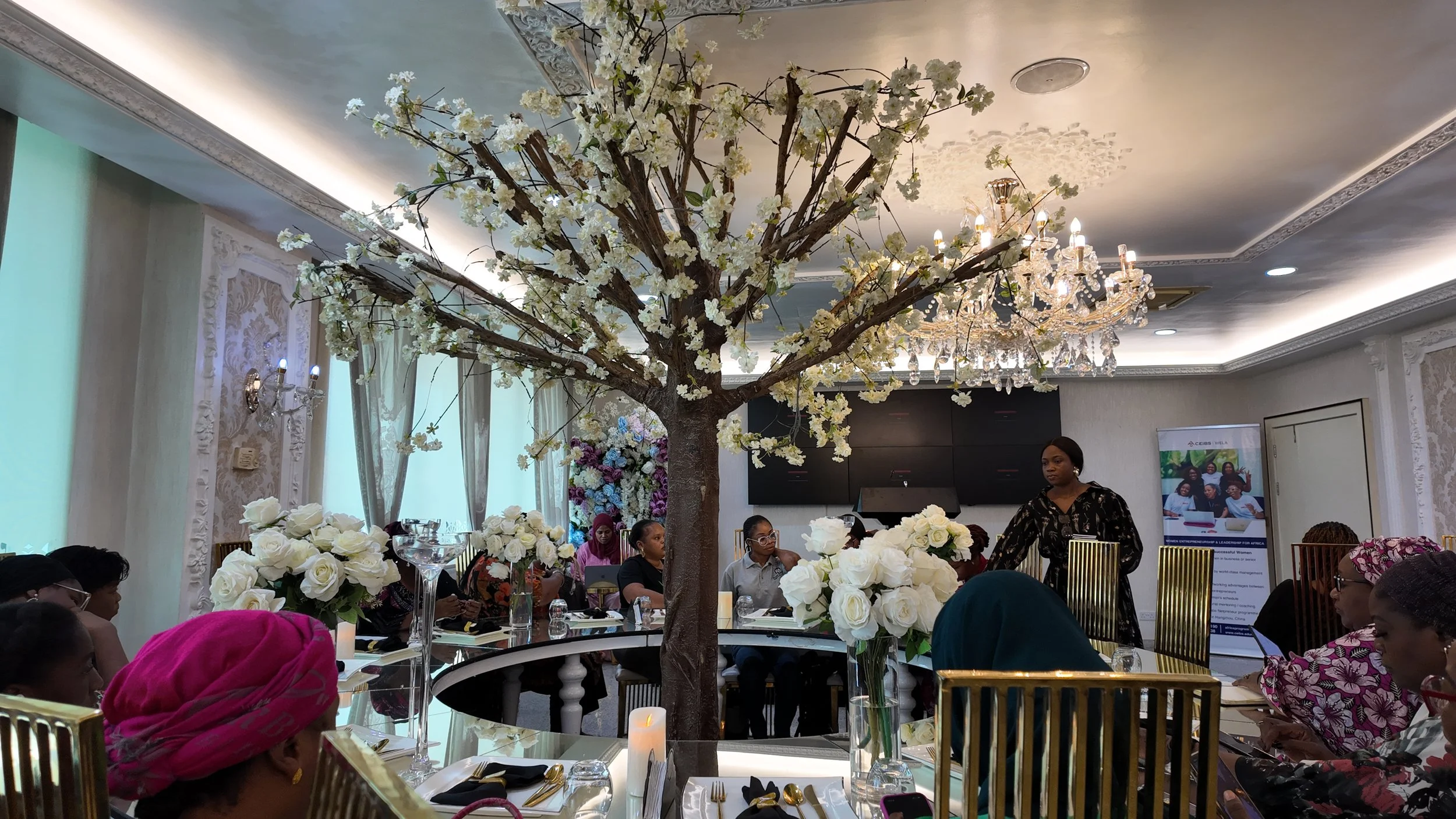
For more stories told from an African perspective, follow us at africarelatedinc
SHARE THIS STORY
Joint Statement of the United States and African Union on the Launch of a Strategic Investment Working Group
Joint Statement of the United States and African Union on the Launch of a Strategic Investment Working Group
Joint Statement of the United States and African Union on the Launch of a Strategic Investment Working Group
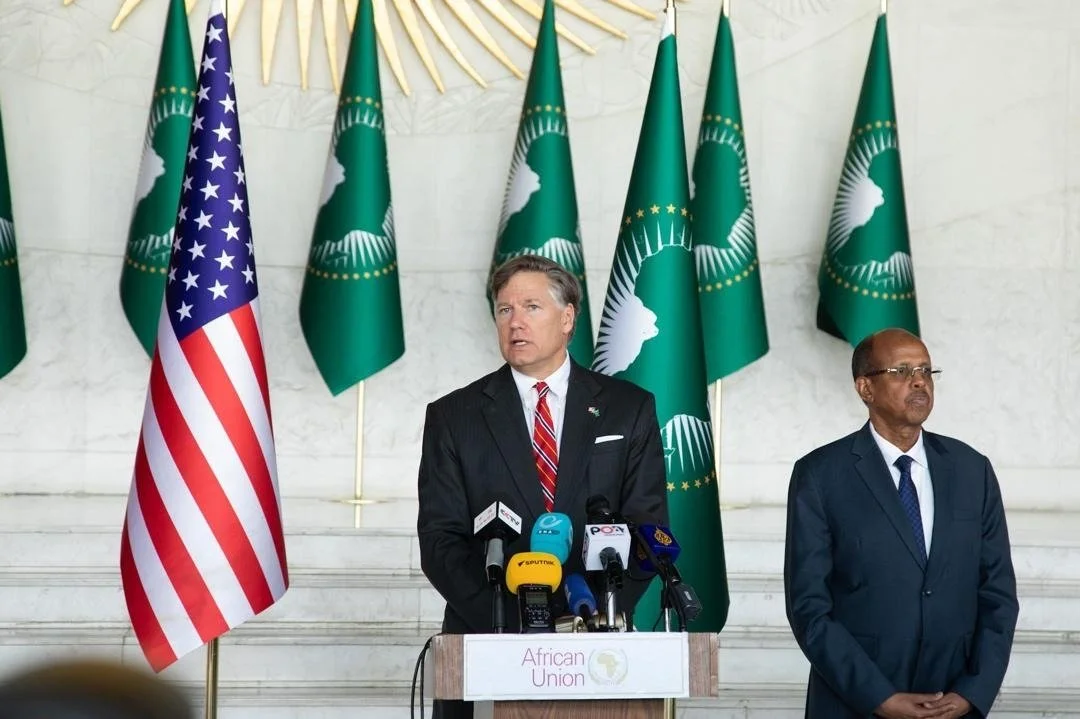
Deputy Secretary of State Christopher Landau and AUC Chairperson Mahmoud Ali Youssouf at the African Union Commission in Addis Ababa. Photo: U.S State Department
Media Note
Office of the Spokesperson
January 28, 2026
The following joint statement was released by the Government of the United States of America and the African Union Commission on the occasion of today’s agreement to establish a Strategic Investment Working Group.
Begin text:
Deputy Secretary of State Christopher Landau and AUC Chairperson Mahmoud Ali Youssouf met today at the African Union Commission in Addis Ababa to reaffirm the importance of the U.S.-Africa relationship through the African Union (AU). Alongside their shared commitment to protecting peace and security on the Continent, they agreed that economic growth forms the foundation of a peaceful and prosperous Africa, and that the development of quality, trade-enabling infrastructure is a critical next step in advancing that growth, informed by the African Union’s Agenda 2063 and its flagship priorities, including the Programme for Infrastructure Development in Africa (PIDA) priority corridors, and the African Continental Free Trade Area (AfCFTA).
In this regard, the Government of the United States and the AUC have agreed to the establishment of a U.S.-AUC Strategic Infrastructure and Investment Working Group (SIWG), to promote and advance U.S.-Africa economic partnerships that create jobs, prosperity, and economic security both in America and across Africa.
The SIWG will serve as a platform for senior officials and technical experts across the U.S. government and AUC to identify and advance opportunities for U.S. private sector investment and engagement in AU-backed infrastructure projects and related initiatives that advance the shared strategic priorities of the United States and the AU, its member states, and Africa’s Regional Economic Communities – enabling trade and logistics infrastructure, as well as continent-wide digital transformation.
These investments will leverage AU convening authority and expertise alongside U.S. capital and innovative financing tools to develop critical minerals and commodities supply chains, transportation corridors, energy networks, and regulatory harmonization, as well as to increase two-way trade, secure digital infrastructure, and improve health security that will make Americans and Africans safer and more prosperous.
As the United States and Africa seek durable, profitable investments to drive economic goals in place of foreign assistance, the SIWG will provide a foundation for strategic economic cooperation that will grow and shape the relationship for years to come.
End text.
SHARE THIS STORY
INTERVIEW: Nigeria's Security Situation - Actors and Players
INTERVIEW: Nigeria's Security Situation - Actors and Players. “Inside Sources” host, Laolu Akande discusses Nigeria’s security situation with four global analysts.
By Africa-Related, New York
Stock Photo: Filip Andrejevic @fandrejevic
Video Courtesy of Channels News
“Inside Sources” host, Laolu Akande discusses Nigeria’s security situation with four global analysts - Mallam Baba Yusuf (Strategy Analyst), Ismail Omibinoh (Deputy Editor Sun Newspaper), Emmanuel Ogebe (Human Rights Lawyer)
Key Highlights
Impunity: Chad has executed Boko Haram terrorists but Nigeria has not.
America doesn’t need Nigeria’s resources. With $460 billion networth, Elon Musk alone can buy Nigeria with $200 Billion GDP and still be the world’s richest man.
Tinubu appointed fugitive with case file in America for attacking congressional witnesses as ambassador who will be blocked
America has conducted multiple covert ops to rescue its citizens in Nigeria because the state failed to rescue them
“It is not correct to say that only particular tribes are terrorists. Let us identify these people as criminals without profiling them.”
share this story
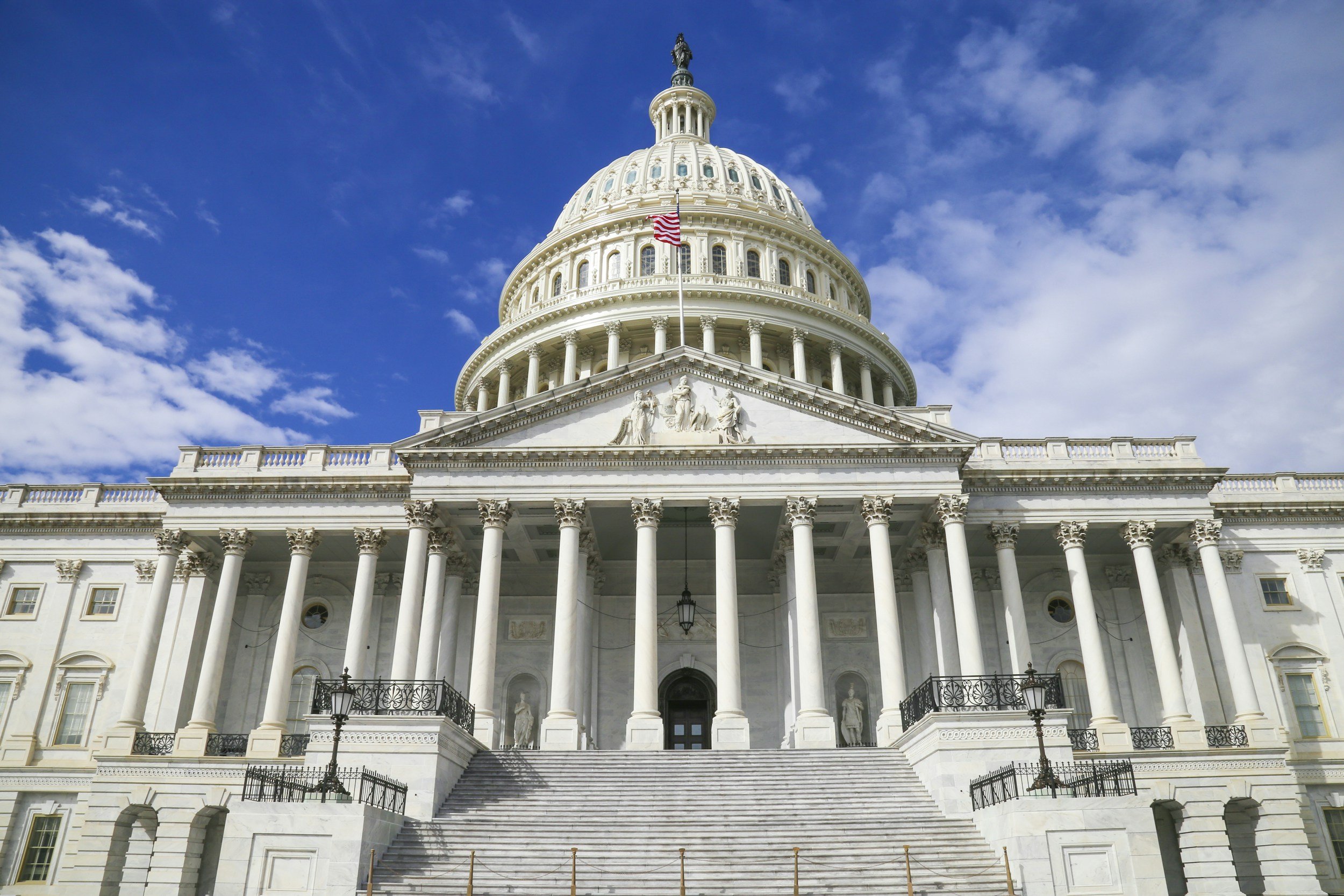
Nigeria Killings: U.S Congressional Hearing on Alleged Genocide of Christians
U.S. Congress shed light on alleged Christian genocide in Nigeria
By Africa-Related, New York
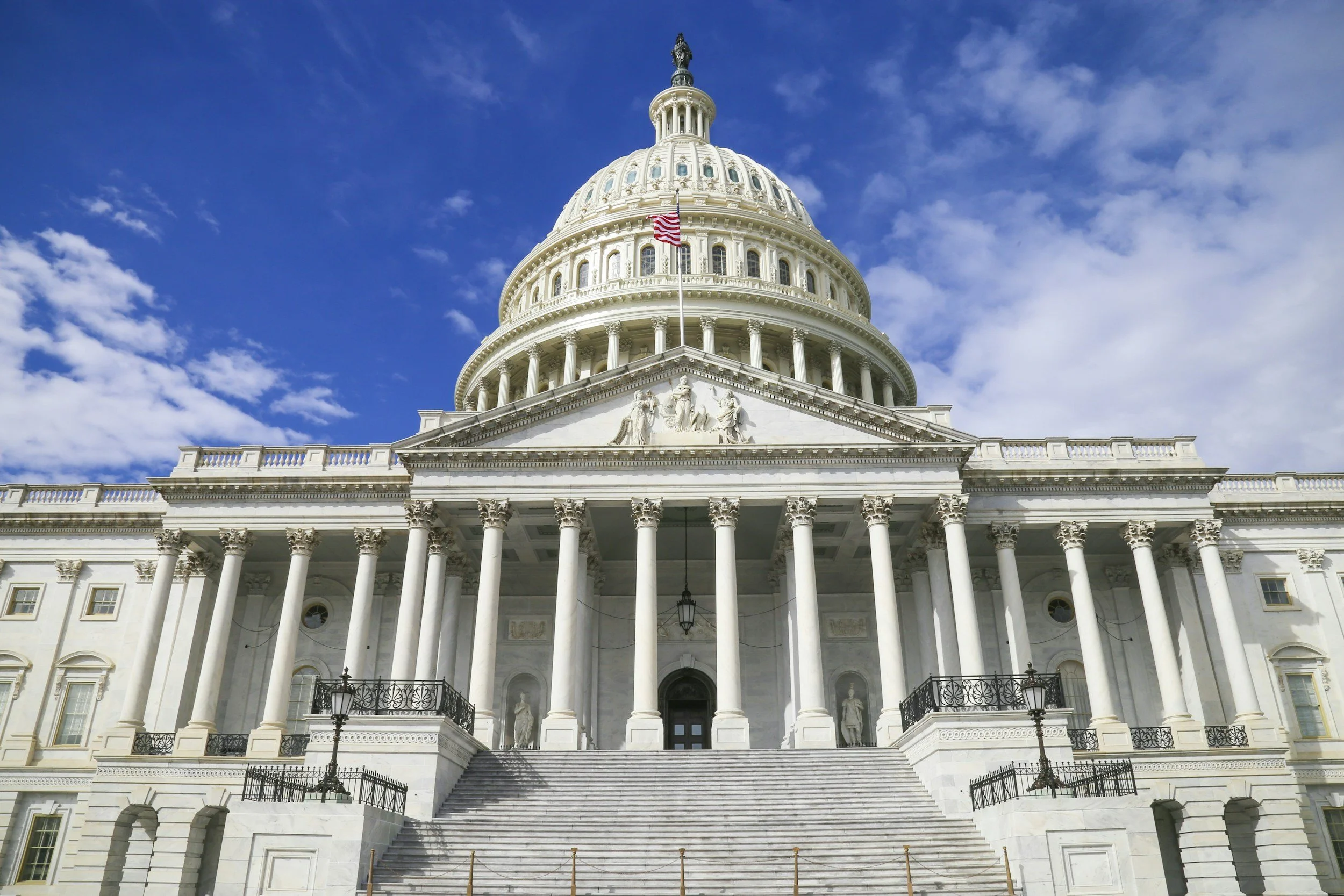
Stock Photo: Louis Velazquez @angelvela
U.S Congressional Hearing on Alleged Genocide of Christians
“We are tired of counting our dead. We are tired of mass graves and burned sanctuaries. We are tired of condolence statements that cost nothing and change nothing.”
Video Courtesy of TVC News
share this story
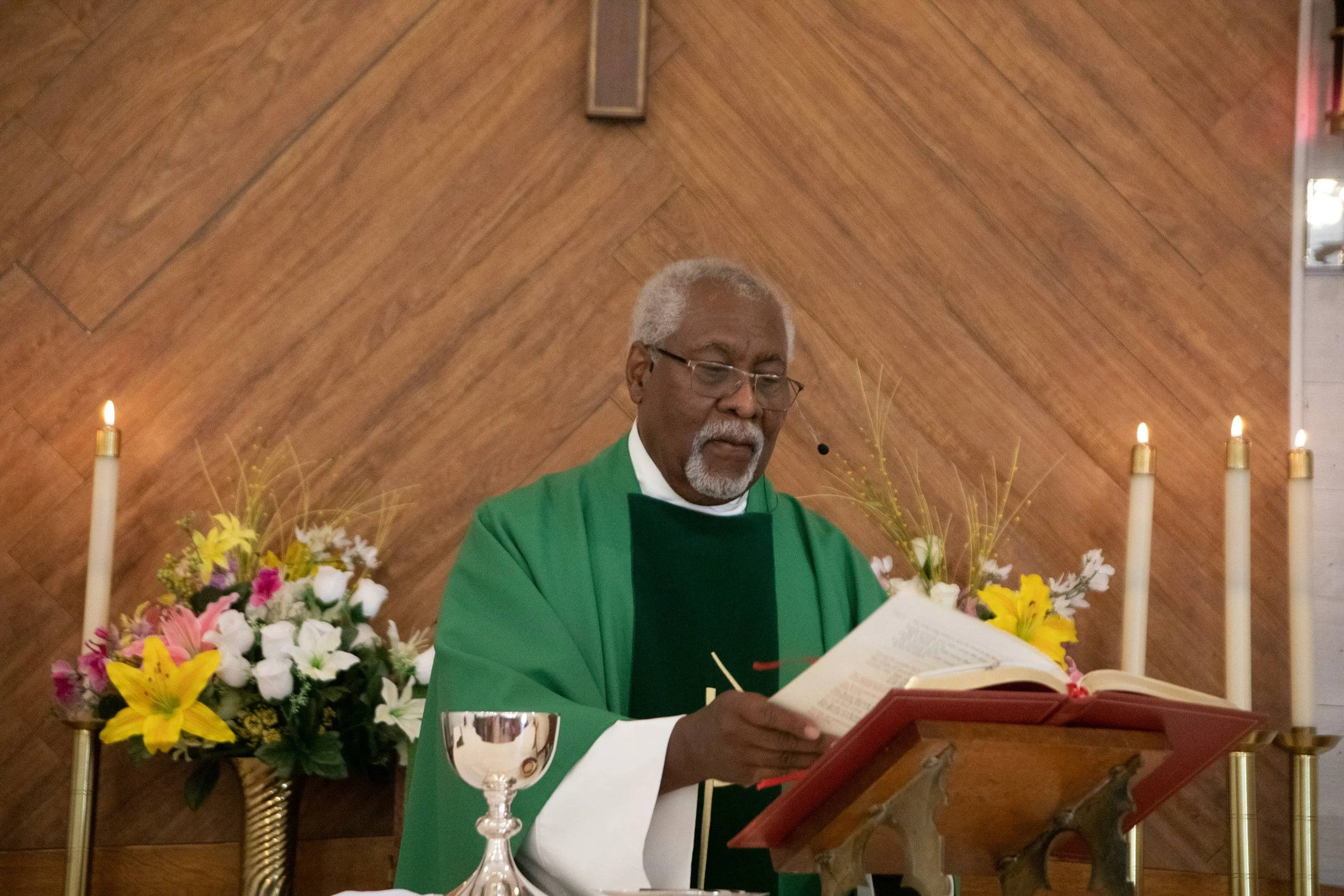
Nigerian American Clergy visit the U.S. Congress
Gain insights from experts on persecution in Nigeria and the response of Nigerian Christians/Clergy in America to the CPC designation. A global coalition of religious freedom stakeholders propose pathway to National Assembly post-CPC designation as Nigerian American Clergy visit the U.S. Congress
By Africa-Related, New York
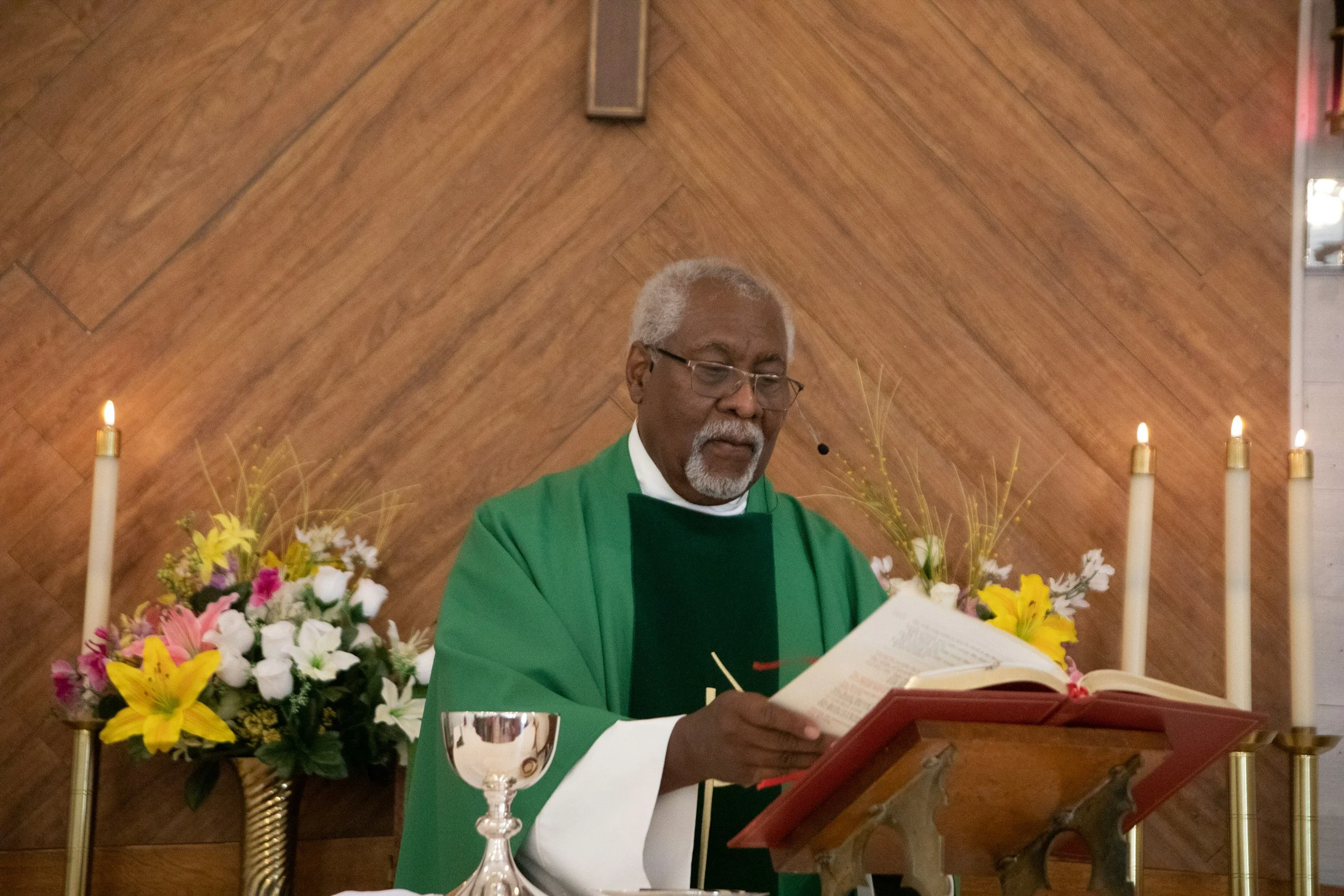
Photo: Dawn McDonald @dpreacherdawn
MEDIA ADVISORY
Please find below:
1. A letter by a global coalition of religious freedom stakeholders to the National Assembly providing a pathway post-CPC designation of Nigeria by the U.S.
2. A Capitol hill briefing by Nigerian American clergy on the recent developments.
A Capitol hill briefing by Nigerian American clergy on the recent developments:
Hill Briefing on Genocide against Christians in Nigeria
Theme: Nigerian American Pastors speak on CPC Designation of Nigeria and House Res 860
Date: November 20, 2025
Time: 1:00 PM (EST)
House Cannon Bldg.
Room 454
US Congress
Capitol Hill
Panelists:
Dr James Fadel, Chairman, Christian Association of Nigerian Americans (CANAN USA) who worked on the 2013 Boko Haram FTO designation
Emmanuel Ogebe, ESQ, Award-winning International human rights Advocate and Lead Campaigner for the 2013 FTO designation
Ex Mayor Mike Arnold - CEO of Arise Africa, filmmaker and humanitarian who’s documented the genocide
Key note speaker: Pastor Charles Ikutiminu CrossPassion Ministries International presenting findings of his recent trip to Nigeria
Dr William Devlin - Volunteer CEO of Widows and Orphans working in 21 conflict countries including Nigeria
Event partners
- Widows and Orphans
- CANAN USA
- Save Nigeria Group
- Justice for Jos Project
Gain insights from experts on persecution in Nigeria and the response of Nigerian Christians/Clergy in America to the CPC designation.
The briefing follows immediately after a congressional public hearing on Thursday, November 20, 2025, at the Rayburn House Office Building in Washington, D.C., chaired by Rep. Chris Smith (R-NJ) Chairman Africa Subcommittee
share this story

Lenacapavir in Eswatini and Zambia: Global Health Through American Innovation
Driving Global Health Progress Through American Innovation and Burden Sharing: The First Doses of Lenacapavir Arrive in Eswatini and Zambia
By Africa-Related, New York
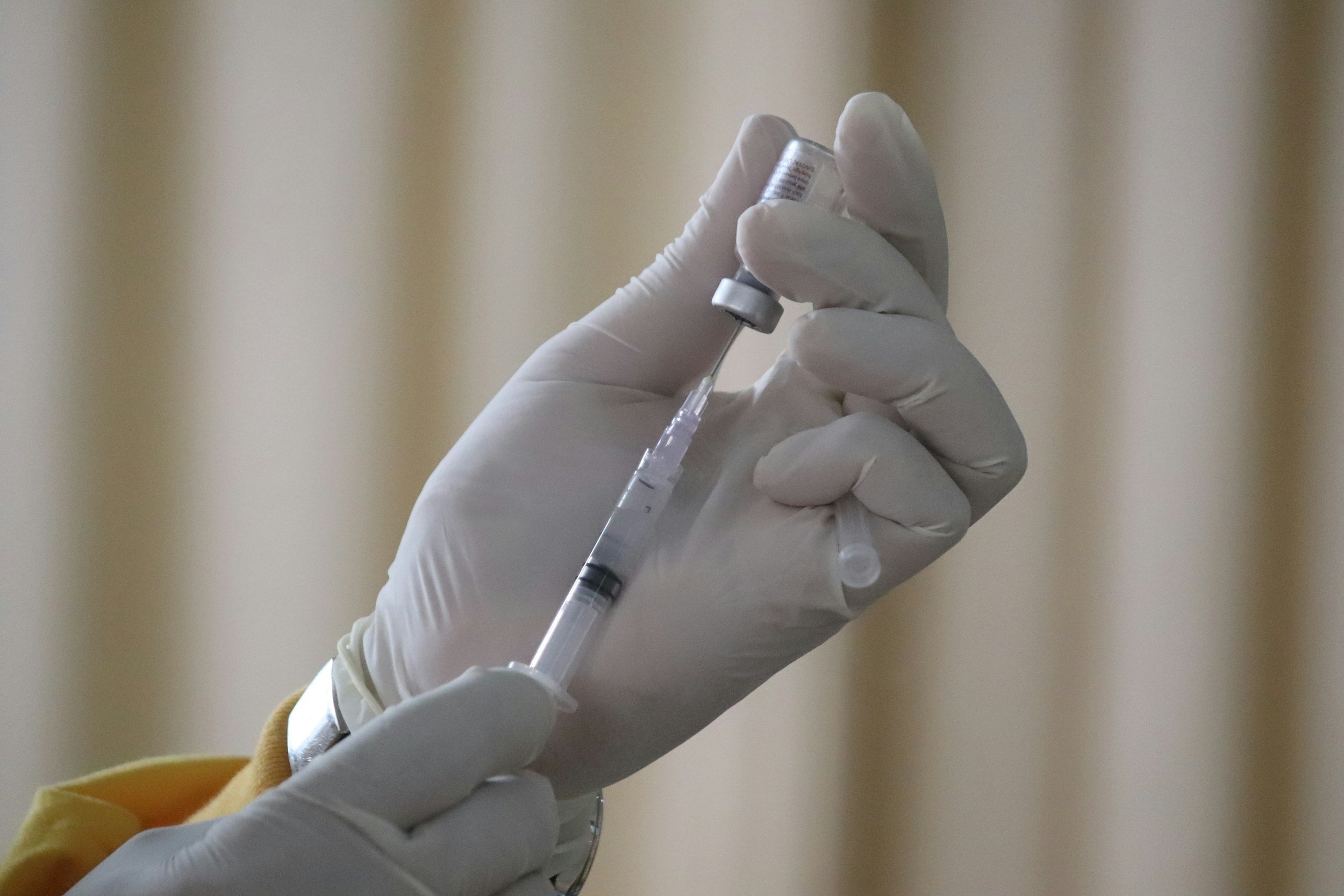
Lenacapavir arrives in Eswatini and Zambia: Global Health Progress Through American Innovation and Burden Sharing. Photo: Mufid Majnun @mufidpwt
PEPFAR Release
November 18, 2025
Full Video
Today, the United States is announcing the delivery of the first doses of lenacapavir, an innovative drug produced by American company Gilead Sciences to help prevent the spread of HIV. The doses arriving in Eswatini and Zambia are part of a market-shaping initiative by the President’s Emergency Plan for AIDS Relief (PEPFAR) to rapidly bring lenacapavir to market in ten high-burden HIV countries.
First announced on September 4, 2025, this landmark partnership between the Department of State, Gilead Sciences, and the Global Fund to Fight HIV, Tuberculosis and Malaria (“Global Fund”) is providing at least 2 million doses, at cost, to targeted populations in high-burden HIV countries. This catalytic investment is aimed at backstopping manufacturing capacity and stimulating local demand for this innovative medication.
U.S. officials are on site today as the first lenacapavir doses are being delivered in Eswatini and Zambia. Given strong demand and progress in scaling manufacturing, we expect to surpass the 2 million dose commitment by the targeted delivery date in 2028.
Under the Trump Administration, the U.S. Food and Drug Administration (FDA) approved lenacapavir on June 18, 2025 for the prevention of HIV and is now delivering the doses in high-burden countries following the partnership announced in September between the Department of State, Gilead Sciences, and the Global Fund — just five months after FDA approval, a new standard for global and developing world access to innovative therapies.
Lenacapavir is a twice-yearly injectable drug in which more than 99 percent of people in clinical trials remained HIV negative. The drug has the potential to be particularly helpful for pregnant and breastfeeding mothers as it safely protects them during and after pregnancy to prevent mother-to-child transmission. The Department expects lenacapavir to be an important tool in achieving the Administration’s goal of ending mother-to-child transmission of HIV during President Trump’s second term.
In our new America First Global Health Strategy, the Department of State is establishing a first-of-its-kind innovation fund to support American-led research, market-shaping and other dynamic advancements in global health.
“Through our America First Global Health Strategy, the Trump Administration is making targeted and high-impact investments in breakthrough health innovations like lenacapavir that will bend the curve of the HIV epidemic and help countries globally to break away from reliance on external health assistance,” said Jeremy Lewin, Senior Official for Foreign Assistance, Humanitarian Affairs and Religious Freedom. “The United States is proud to champion this American biomedical achievement and, along with the Global Fund, to provide a catalytic investment to facilitate broad adoption globally.”
“The Global Fund is proud to see countries gaining first-hand experience with a product that represents a new era in HIV prevention. The real results will come from rapidly reaching individuals at high risk for new HIV acquisition and at scale. If communities are at the center, innovation turns into lasting progress, and that progress becomes sustainable,” said Peter Sands, Executive Director of the Global Fund.
“The arrivals of the first doses of lenacapavir in Eswatini and Zambia mark an important milestone in HIV prevention and reflect our commitment to supporting communities with the greatest need. For the first time, a new HIV medicine is reaching communities in sub-Saharan Africa in the same year as its U.S. approval,” said Daniel O’Day, Chairman and Chief Executive Officer of Gilead Sciences.
Further information about this and other global health security initiatives are outlined in the America First Global Health Strategy.
###
share this story
Should a state of emergency be declared in Nigeria?
At this point, it hardly feels like a question. Calamities are mounting week after week in Nigeria. The West African giant is experiencing one of its darkest periods of insecurity in recent history.
By melody-Esther soyemi - Africa-Related, Nigeria
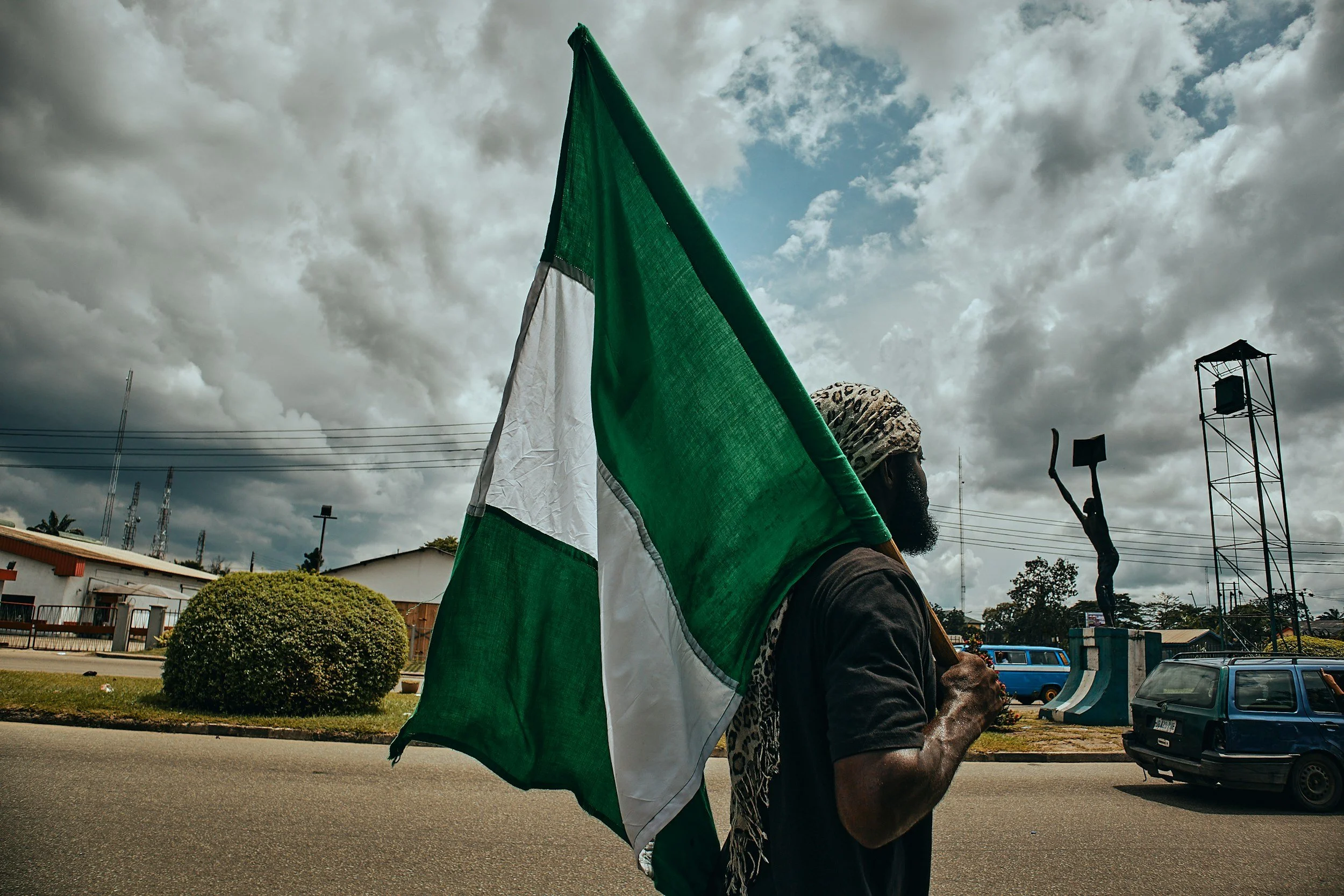
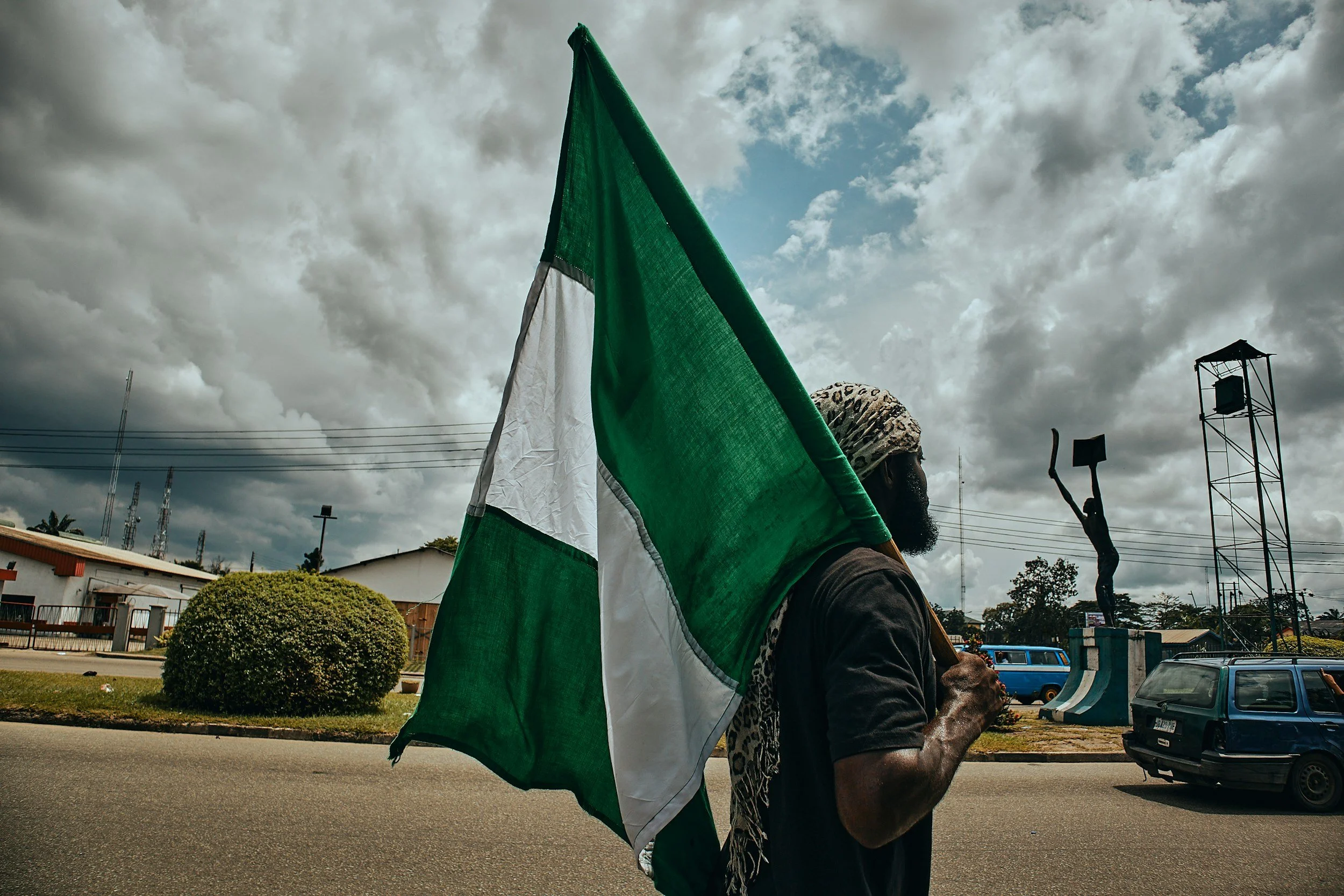
A man carrying the Nigerian flag. Photo: Emmanuel Ikwuegbu @emmages
At this point, it hardly feels like a question. Calamities are mounting week after week in Nigeria. The West African giant is experiencing one of its darkest periods of insecurity in recent history.
Calamities are mounting week after week, mass kidnappings, church attacks, the assassination of senior military officers, yet the national response has been slow, quiet, and disturbingly understated. Nigerians are left wondering: what is the President saying? What are state governors and security operatives doing? Where is the leadership, the urgency, and the decisive action that the moment demands?
On Monday, November 17, 2025, armed ‘bandits’ stormed the Government Girls Comprehensive Senior Secondary School (GGCSS) in Maga, in the Danko/Wasagu Local Government Area of Kebbi State a state in in North Eastern Nigeria. About 25 schoolgirls were abducted and the vice-principal, Malam Hassan Yakubu Makuku, was shot dead while trying to protect his students.
Security forces say a joint rescue operation involving the military, police, and local vigilantes is underway, combing forests and escape routes. But the horror remains: this is yet another Chibok-style tragedy. Another group of young girls torn from their classrooms, families plunged into fear, and a violent reminder that schools, the very places where the future of a nation is trained and shaped, are no longer safe. This is not just another abduction, it is a reminder of Chibok,. How many more “Chiboks” will Nigeria suffer before something truly shifts? The world is watchingg how very little has changed in Nigeria.
“Nigerians are not just grieving; they are tired of mourning without seeing change.”
A day after this incident, worshippers at a Christ Apostolic Church in the Eruku community of Kwara State - Central Nigeria - experienced a nightmare in real time on Tuesday evening, . Gunmen opened fire during a service that was being live-streamed online. Viewers across Nigeria watched in horror as shots rang out, people tried to hide behind the altar, attackers rounded up bodies, valuables. Several worshippers were shot, at least three people died, while others, including the pastor, were abducted.
One particular scene that was the most heartbreaking was when an old woman who could barely walk tried to hide behind the altar, it sparked an outrage and outcry that someone’s mother, grandmother or even a great grandmother was struggling for safety in the Church. How is one to process this thought? It raises the question of where can Nigerians actually feel secure, if even a house of worship - a space for peace, prayer, and refuge is now threatened.
The insecurity is not limited to civilians. Nigeria’s military forces have also suffered a devastating blow with the killing of Brigadier-General M. Uba at the hands of ISWAP militants. Reports suggest that his location may have been compromised shortly after a joint air and ground operation. His capture and execution by terrorists show that even high-ranking officers are not shielded from the worsening security breakdown. It’s also shows that a breached military has severe implications for national stability.
Weeks prior to these incidents U.S. President Donald Trump issued strong and controversial statements, claiming that Christianity in Nigeria is facing an “existential threat.” He accused “radical Islamists” of killing Christians and said he had instructed the U.S. Department of Defense to prepare for possible action should Nigeria fail to protect its citizens. He went as far as threatening military intervention and the suspension of U.S. aid, declaring on Truth Social that the U.S. may have to go into Nigeria “guns-a-blazing” if the situation continues.
Investigative journalist Jude Bela explains the complex factors behind Nigeria’s security challenges
The Nigerian government pushed back, insisting that Nigeria is not a nation divided by religion and that the portrayal of genocidal targeting of Christians does not reflect the country’s complex reality. Many analysts have echoed this, arguing that while Christians have undoubtedly suffered violence as have Muslims, the core drivers of instability in this case include terrorism, banditry, poverty, corruption, weak intelligence, and community conflicts, environmental changes; not a single religious agenda. Still, the very fact that a foreign leader is threatening intervention over Nigeria’s internal security crisis shows how badly the situation has deteriorated and how visible the failures of state response have become on the global stage.
Even American rapper Nicki Minaj raised global attention to the Christian persecution in Nigeria, calling for urgent international action during a U.S Mission to the United Nations event hosted by United States Ambassador to Nigeria, Mike Waltz, on Tuesday, she stated that In Nigeria, Christians are being targeted, driven from their homes and killed. Churches have been burned, families have been torn apart and entire communities live in fear constantly simply because of how they pray, stressing that the crisis demands urgent action.She insisted her position was not political or divisive. “I want to be clear, protecting Christians in Nigeria is not about taking sides or dividing people. It is about uniting humanity.”
So where does this leave Nigerians? Schools are no longer secure. Places of worship are coming under fire. Senior military officers are being hunted. Families are burying their loved ones while whole communities remain paralyzed by fear. Farmers have abandoned their farmlands. Yet policies remain slow, government statements vague, full of sympathy with concrete action limited. Nigerians are not just grieving; they are tired of mourning without seeing change.
This is why asking whether a state of emergency should be declared is not enough. One could argue that it should already have been declared. The country is facing a coordinated and escalating threat that demands more than routine security deployments or press statements. A nationwide emergency would only matter, however, if it comes with real reforms: stronger intelligence systems, better coordination, genuine investment in community security, and full transparency and accountability in how power and resources are used.
If not, a state of emergency risks becoming another symbolic gesture with no lasting impact. But without decisive action soon, Nigeria risks more kidnappings, more church and mosque massacres, more military losses and possibly even the loss of control over its own security narrative; as foreign actors begin shaping the global response.
The question, therefore, is no longer “should” a state of emergency be declared but why it has not been declared already.
share this story
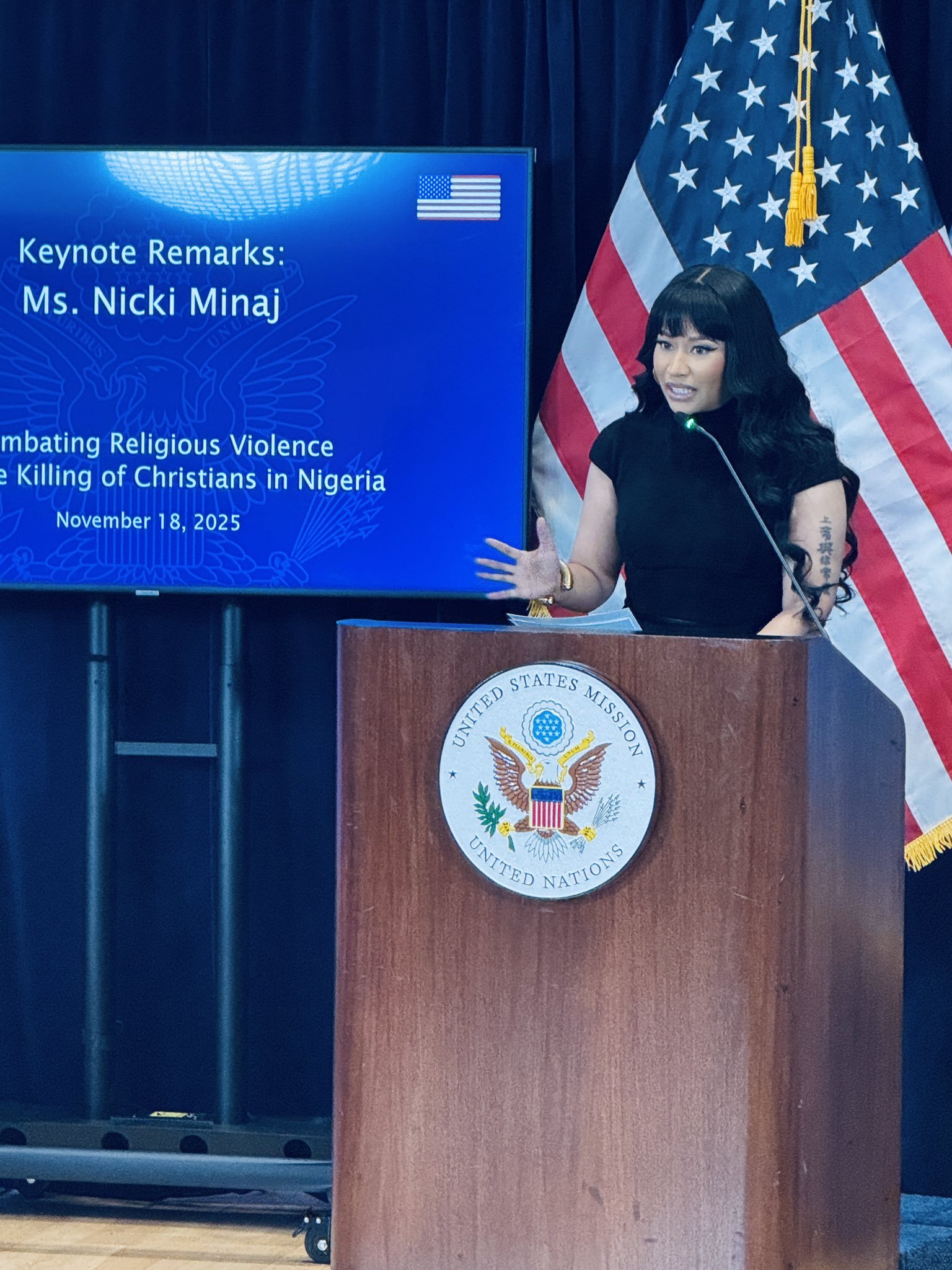
Nicki Minaj Speaks on Persecution of Christians in Nigeria
Nicki Minaj Speaks on Persecution of Christians in Nigeria
By Africa-Related, New York
"I would like to thank @POTUS for prioritizing this issue and for his leadership on the global stage in calling for urgent action to defend Christians in Nigeria." - @NICKIMINAJpic.twitter.com/gi8bLtF1Qt — @USUN November 18, 2025
TOPIC: Persecution of Christians in Nigeria
BRIEFER: U.S. Ambassador to the UN Mike Waltz
WHEN: Tuesday, November 18; 3:00 p.m. ET
BACKGROUND: On Tuesday, November 18, Ambassador Mike Waltz, U.S. Representative to the United Nations, hosted an event alongside grammy-winning rapper Ms. Nicki Minaj, faith leaders, and other prominent figures to address the critical issue of protecting religious freedom and the rising violence against Christians, particularly in Nigeria.
The event was live-streamed, and the link shared through USUN's X account: https://x.com/USUN?lang=en
Remarks at a U.S. Hosted Event on “Combatting Religious Violence and the Killing of Christians in Nigeria”
United States Mission to the United Nations
November 18, 2025
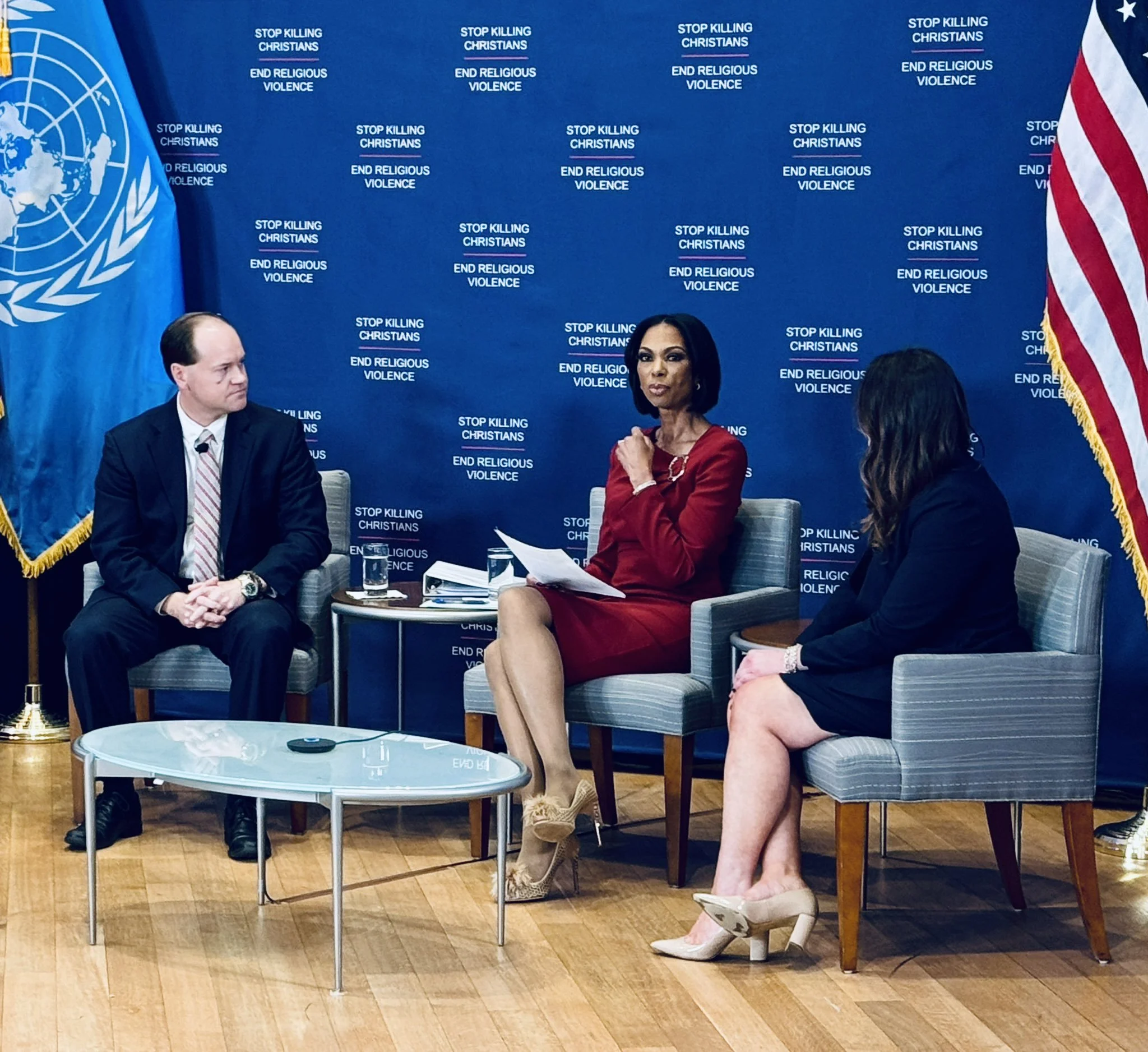
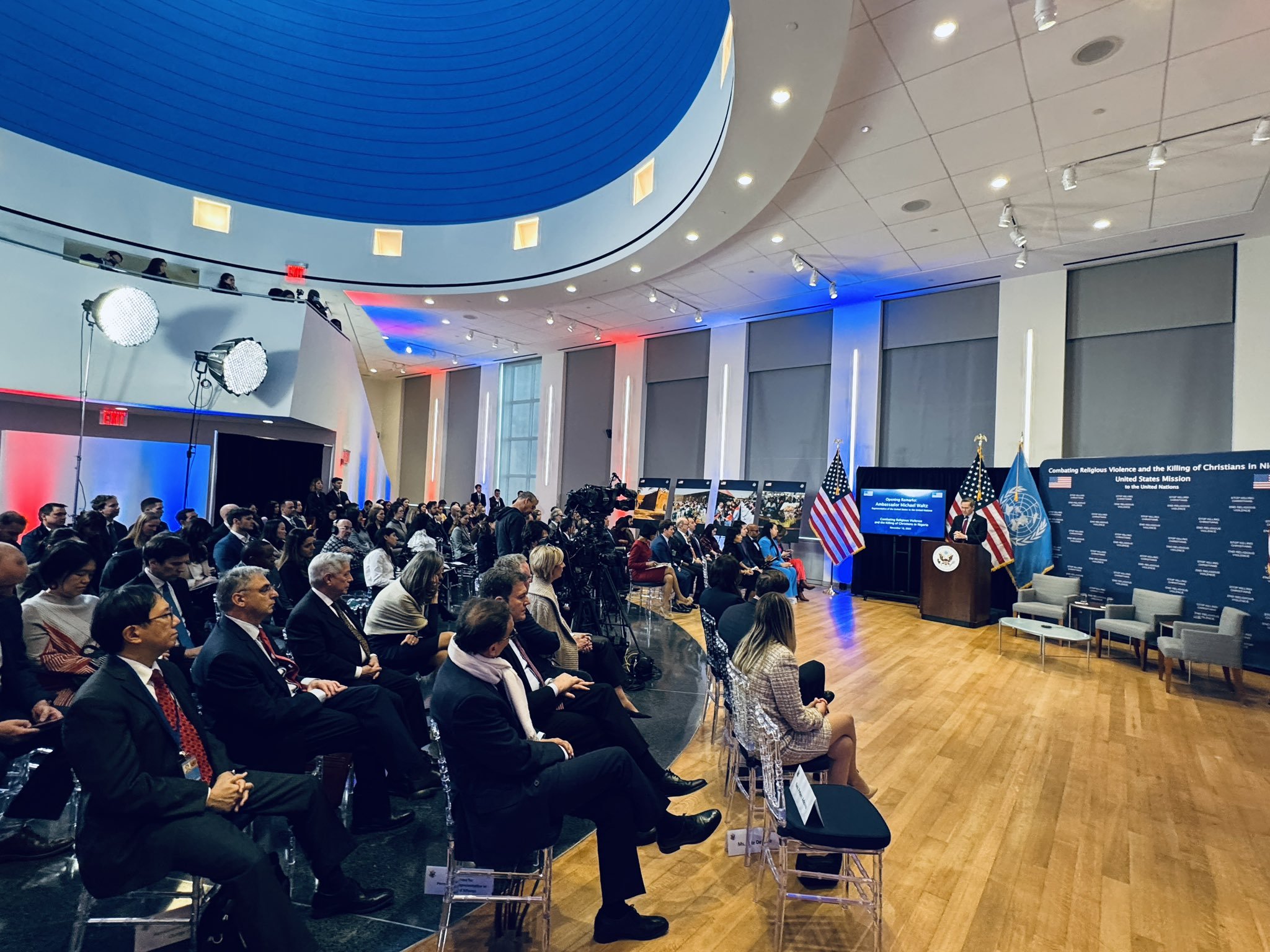
AMBASSADOR MIKE WALTZ: Oh my goodness. Thank you so much for everyone who has joined us today. And for a number of our ambassadors and delegates who have joined us, thank you for coming. To our faith leaders, survivors of some of these atrocities, and what I would call everyone here a friend of freedom, welcome to the United States Mission to the United Nations.
And today we speak of blood. We speak of the blood that still cries from Nigerian soil. This is deeply personal for me, as I know it is for Ms. Minaj and her pastor here, Peters Adonu, and others. I had the opportunity to serve in Nigeria in 2015, if you remember when then 300 little girls were kidnapped from their schools, ripped out of their homes and schools in the middle of the day, and in the middle of the night.
We sent a small team over there, and we trained – Nigeria’s equivalent of their Navy SEALs – to go get those girls back. It was righteous work. We didn’t get them all back, unfortunately, but we got some. Some will be lost forever. And if you remember the infamous save the girls campaign, that was 10 years ago. Folks, it’s still happening. It just happened yesterday. 25 little girls were ripped out of their school. I pray that we get them back. But what often happens is they’re sold into sex slavery. They’re forced to renounce their religion. They never see their homes or families again, and they literally disappear to the dark underbelly of extremism and sex slavery.
Look, 10 years later, the horror continues in the middle belt and in the north. Churches burn mothers, bury their children for the crime of singing Amazing Grace. Pastors have been beheaded. Pastors have been beheaded for preaching the Sermon on the Mountain, entire villages wake up to gunfire, because they dare to commit the crime, the crime of calling Jesus their Lord. People go to jail under blasphemy laws for simply wearing a cross. This is not random violence. This is genocide, wearing the mask of chaos.
Nigeria is Africa’s most populous nation and a vibrant mosaic of cultures and faiths, but it is under siege. And in the northern region, you have 12 Muslim majority states that are enforcing Sharia law and have enforced it since 1999. Jihadi groups like Boko Haram and the Fulani militias continue to unleash targeted violence. It is targeted. It is specific, on these Christian communities.
This year alone, the NGO, the nonprofit Open Doors, reports a very sharp rise in attacks. They’re reporting 80%, 80% of the violence against Christians worldwide is occurring in Nigeria. Thousands are displaced, are killed in faith based reprisals.
So weeks ago, a few weeks ago, the United States designated Nigeria a Country of Particular Concern for severe violations of religious freedom, spotlighting what can only be described as the government’s failure to curb these atrocities. And while Nigerian officials maintain that terrorism strikes all faiths indiscriminately, and they do. There is a body of evidence, and you are going to hear that from our experts today that paints a very grim picture of disproportionate suffering among Christians, where, again, families are torn apart. Clergy is repeatedly assassinated in entire congregations. Church congregations – you’re seeing, you see some of the images here – are driven into hiding.
Folks, we have an entire faith that is being erased, one bullet at a time, one torched Bible at a time. Yet, in the face of this evil one leader has refused to look away. President Trump has made the persecuted church his priority like no other president before him in American history. He was the first U.S. president to convene world leaders right here at the United Nations in 2019 to draw attention, draw the world’s attention to what is happening. He created the Religious Liberty Commission to fight for believers everywhere. And while Nigeria’s Christians cried out. He answered, and he has answered loudly. He has reminded the world that protecting Christians is not about politics. It is a moral duty.
So inspiration alone is not enough. We need voices that pierce the silence that we’ve heard from the international community, that humanizes the statistics that we keep hearing, and that demands accountability, and that’s why we’re here today to hear from a pastor that will dial in through our embassy in Nigeria, and we’re going to hear his first hand accounts of the suffering. We’re also going to hear from experts who have dedicated their lives to religious liberty.
I especially want to thank my friend Harris Faulkner, who, in addition to just being an amazing person, is also the daughter of a U.S. Army Colonel – so that makes her extra special in my heart – and she has spent much of her career protecting this most basic – folks this is the most basic of liberties: to worship as one sees fit.
But we are especially thrilled that we’re going to hear from an especially powerful voice, a fearless advocate whose passion for justice transcends borders, and she uses her voice to defend the voiceless. Hers are not empty words. They are a clarion call echoing the UN’s, the United Nations own Universal Declaration of Human Rights, which proclaims that, quote, everyone has the right to freedom of thought, to freedom of conscience and to freedom of religion. She steps onto this world stage, not as a celebrity, but as a witness. She uses and has used her influence to spotlight Nigeria’s persecuted church, reaching out to her 28 million followers, her Barbz, as I now have learned, and she uses this, and as she steps on this global stage to fund emergency relief and to demand action.
Nicki, I can’t tell you how much I admire you. You’re stepping up, you’re leaning into this issue. You’ve enjoyed amazing success, and you could be sitting back and just enjoying it. You could be just living the good life, but you’re willing to come here today and roll up your sleeves and let’s try to solve this. Let’s try to save these people. So everyone, please join me in welcoming a daughter of the Caribbean, a champion of the oppressed and a sister in Christ Nicki, Minaj.
###
MS. NICKI MINAJ: Hello everyone. I must say, I am very nervous, so please – Well, thank you, Ambassador Waltz for this invitation. It is an honor to stand on this stage with you and the other distinguished speakers here today to shine a spotlight on the deadly threat faced by thousands of Christians in Nigeria.
I would like to thank President Trump for prioritizing this issue and for his leadership on the global stage and calling for urgent action to defend Christians in Nigeria to combat extremism and to bring a stop to violence against those who simply want to exercise their natural right to freedom of religion or belief.
I stand here as a proud New Yorker with a deep sense of gratitude that we live in a country where we can freely and safely worship God, regardless of one’s creed, background, or politic. No group should ever be persecuted for practicing their religion, like I recently stated on social media, and we don’t have to share the same beliefs in order for us to respect each other. We’re way beyond thinking or expecting or assuming for you know, the person sitting next to you to have the exact same beliefs. We’re beyond that. That’s ridiculous, but that shouldn’t make one person feel less safe than anyone in any room.
Music has taken me around the globe. I have seen how people, no matter their language, culture, or religion, come alive when they hear a song that touches their soul. Religious Freedom means we all can sing our faith, regardless of who we are, where we live, and what we believe.
But today, faith is under attack in way too many places. In Nigeria, Christians are being targeted, driven from their homes and killed. Churches have been burned, families have been torn apart, and entire communities live in fear constantly, simply because of how they pray.
Sadly, this problem is not only a growing problem in Nigeria, but also in so many other countries across the world, and it demands urgent action. And I want to be clear, protecting Christians in Nigeria is not about taking sides or dividing people. It is about uniting humanity.
Nigeria is a beautiful nation with deep faith traditions and lots of beautiful Barbz that I can’t wait to see. When one’s church, mosque, or place of worship is destroyed. Everyone’s heart should break just a little bit, and the foundation of the United Nations, with its core mandate to ensure peace and security, should shake.
I am joined here today by peace builders, by faith leaders, by those who saw violence, saw rising intolerance, saw the threats clearly before us, and chose not to look the other way. I am inspired by their work to build interfaith ties, to see the humanity across the lines which might divide us, and to fight for security and liberty for all those who pray.
I look forward to our discussion today, and I hope it will encourage deepened solidarity for us to urgently work together to ensure every person can enjoy the right to believe, to worship, and to live in peace.
Barbz, I know you’re somewhere listening. I love you so very much. You have been the ultimate light in my life and career for so long. I appreciate you, and I want to make it very clear once again, that this isn’t about taking sides. This is about standing up in the face of injustice. It’s about what I’ve always done for my entire career, and I will continue to stand for that for the rest of my life. I will care if anyone anywhere is being persecuted for their beliefs.
Thank you.
###
share this story

Politics In Film: Are Black Stories Going Extinct In America?
The Harlem-based national nonprofit Black Public Media, from which Congress recalled $1.8 million of allocated federal funding last July, is making a pressing plea to the public for support this holiday season.
By Africa-Related, New York
Over the decades, Black Public Media has invested over $17 million in films and other stories and helped nurture the careers of many acclaimed documentary directors and other creatives.
FOR IMMEDIATE RELEASE
BLACK PUBLIC MEDIA MAKES URGENT GIVING TUESDAY PLEA
After losing $1.8 million in funding, national nonprofit asks the public to donate to ensure Black stories are never again subject to political whims
NEW YORK (November 18, 2025) — The Harlem-based national nonprofit Black Public Media, from which Congress snatched back $1.8 million of allocated federal funding last July, is making a pressing plea to the public for support this holiday season. The appeal is part of its grassroots plan to raise $9 million over the next two years from individual donors, as well as large contributions from foundations and corporations. BPM, which has funded popular documentary films and immersive media projects about the Black experience to the tune of $17 million since its founding in 1979, is asking people who care about the future of Black stories to make a donation by GivingTuesday (December 2).
The proceeds raised will fuel BPM’s Black Stories Production Fund, launched in response to the federal government’s recent defunding of the Corporation for Public Broadcasting. CPB, which was the largest supporter of BPM, is now winding down its operations.
“Public media is for every American, and every American should be reflected in its programs and documentaries,” said BPM Executive Director Leslie Fields-Cruz. “For nearly 50 years, Black Public Media has worked to ensure that fact. This year, the public needs to take a stand to ensure that Black stories are never again subject to the whims of politics.”
BPM is asking the public to donate as little as $5 or as significant a contribution as they wish at: https://secure.everyaction.com/IkFxVSdjX0qpQkceW1r27g2. It also invites foundations and other funders to support the Black Stories Production Fund. The Fund will ensure that films like The Inquisitor, the Barbara Jordan documentary scheduled to premiere in January 2026;Chisholm ’72: Unbought & Unbossed, Ailey; Can You Bring It: Bill T. Jones and D-Man in the Waters, Daughters of the Dust, I Am Not Your Negro, Max Roach: The Drum Also Waltzes, Mr. Soul, When Claude Got Shot and hundreds more are able to come to public media and beyond.
The group has nurtured the careers of generations of filmmakers and creatives who have unearthed and brought Black stories to television screens, movie theaters and personal devices across the U.S.
BPM also supports the next generation of creative technologists in emerging media (e.g., virtual reality, augmented reality, artificial intelligence, and other new technologies), and works to connect them to opportunities and equipment to shape impactful immersive projects.
To find out more about BPM, visit blackpublicmedia.org or follow it on social media at: @blackpublicmedia (IG, FB, TikTok and LinkedIn).
“Public media is for every American, and every American should be reflected in its programs and documentaries. ”
ABOUT BLACK PUBLIC MEDIA:
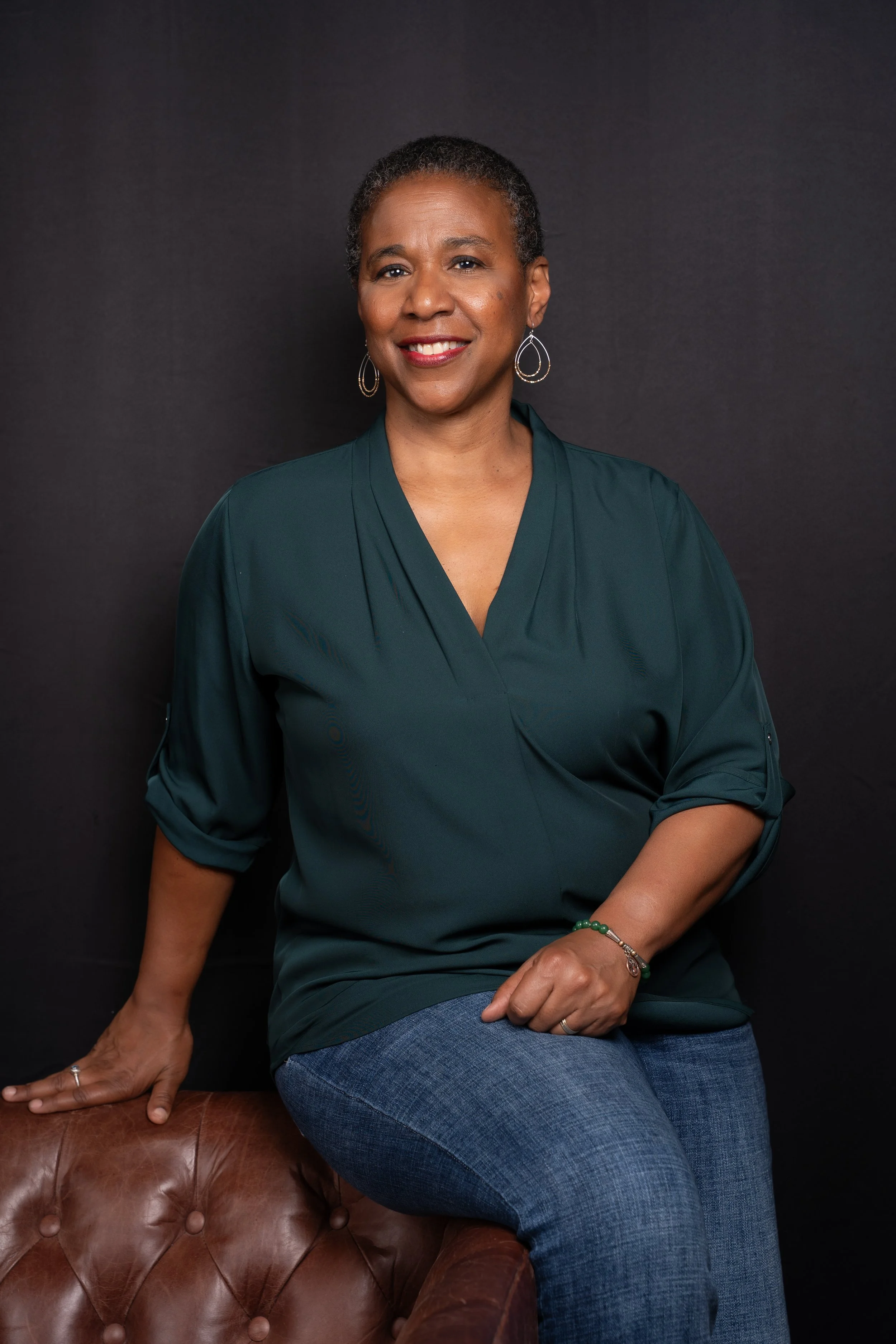
Leslie Fields-Cruz BPM Executive Director. Photo credit Yekaterina Gyadu
Black Public Media supports the development of visionary content creators and distributes stories about the global Black experience to inspire a more equitable and inclusive future. For 45+ years, BPM has addressed the needs of unserved and underserved audiences. BPM-supported programs have won five Emmys, 10 Peabodys, five Anthem Awards, 14 Emmy nominations and an Oscar nomination. BPM continues to address historical, contemporary and systemic challenges that traditionally impede the development and distribution of Black stories.
###
For media inquiry, contact:
Cheryl L. Duncan
Cheryl Duncan & Company, Inc.
cheryl@cdcprnews.com
share this story
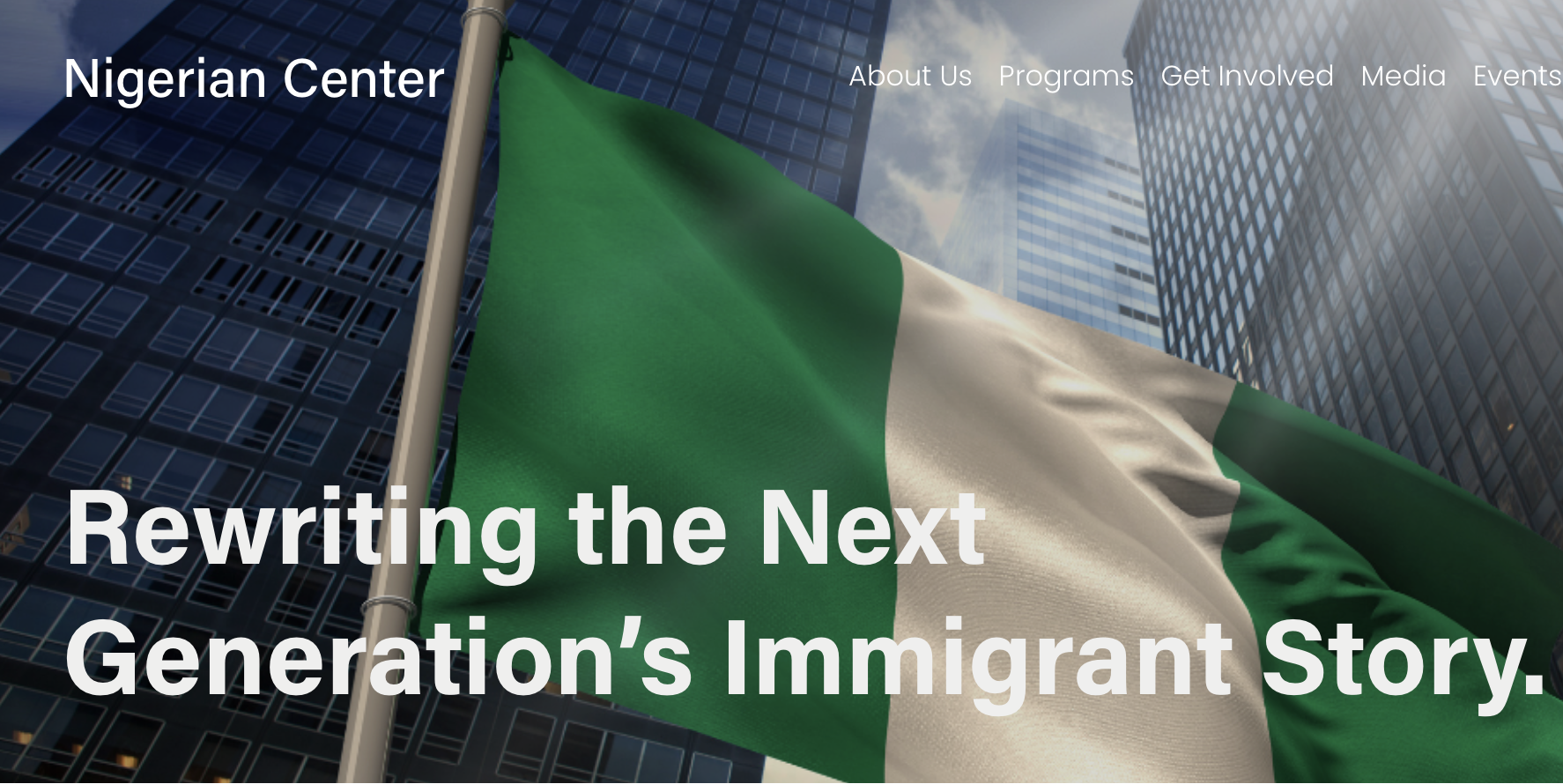
Press Conference by Nigerian-American Community Organizations on the U.S. Designation of Nigeria as a Country of Particular Concern
A coalition of leading Nigerian American organizations will hold a joint virtual press conference to address the recent U.S. government designation of Nigeria as a Country of Particular Concern (CPC) by President Donald J. Trump.
By Africa-Related, New York
The Nigerian Center, Washington D.C
Written By Nigerian Center
*MEDIA ADVISORY*
JOINT VIRTUAL PRESS CONFERENCE BY NIGERIAN-AMERICAN COMMUNITY ORGANIZATIONS ON THE U.S. DESIGNATION OF NIGERIA AS A COUNTRY OF PARTICULAR CONCERN
WHO:
The Nigerian Center, the Nigerian American Public Affairs Committee (NAPAC), the Nigerians in Diaspora Organization, Americas (NIDOA), and the Nigerian Physicians Advocacy Group (NPAG).
WHAT:
A coalition of leading Nigerian American organizations will hold a joint virtual press conference to address the recent U.S. government designation of Nigeria as a Country of Particular Concern (CPC) by President Donald J. Trump.
The leaders will discuss the implications of this designation, its potential impact on Nigeria and the Nigerian American community, and present a united call for dialogue and collaboration. Together, they will advocate for a constructive approach that reinforces the historic friendship and strategic partnership between the United States and Nigeria. Speakers will offer a live question and answer session with journalists.
SPEAKERS:
Gbenga Ogunjimi, Executive Director, Nigerian Center
Susan Edionwe MD, FACS, DipABLM, President, Nigerian Physicians Advocacy Group (NPAG)
Bukola Olaoye, Chairman, Nigerians in Diaspora Organization, Americas (NIDOA)
Prince Maduka Nkuku, President, Nigerian American Public Affairs Committee (NAPAC)
Dr. Malcolm Fabiyi, President,Governance Advancement Initiative for Nigeria (GAIN)
WHEN: Friday, November 14, 2025 | 11:00 AM EST
WHERE: Virtual (Zoom Login)
WHY: Following their joint statement, the organizations will outline recommendations for strengthening collaboration between U.S. and Nigerian policymakers, diaspora leaders, and civil society groups to ensure that the designation fosters a more secure, just, and prosperous Nigeria.
Please RSVP to Liz Voyles at liz@brassrc.com. This event is open to credentialed journalists only, and all remarks are on the record. An emailed RSVP is required for admission.
***
About Coalition:
Nigerian Center
The Nigerian Center is a Washington, DC–based nonprofit organization dedicated to advancing immigrant justice, financial empowerment, and cultural visibility. Through legal services, advocacy, and education, the Center amplifies Nigerian and African immigrant voices and fosters systemic inclusion in American society.
Nigerian American Public Affairs Committee USA (NAPAC USA)
The Nigerian American Public Affairs Committee (NAPAC USA) is a national nonpartisan organization that promotes civic engagement, public policy advocacy,voter registration/education, and leadership development within the Nigerian American community.
Nigerians in Diaspora Organization, Americas (NIDOA)
The Nigerians in Diaspora Organization, Americas (NIDOA) is the umbrella body for Nigerians living in North and South America. NIDOA mobilizes the Nigerian diaspora to contribute to national development, promote unity and collaboration among Nigerians abroad, and strengthen partnerships that advance Nigeria’s progress and global image.
Nigerian Physicians Advocacy Group (NPAG)
The Nigerian Physicians Advocacy Group (NPAG) is a 501(c)(4) affiliate of the Association of Nigerian Physicians in the Americas, created to advance good governance in Nigeria, the United States, and beyond. NPAG is a coalition of Nigerian-American medical professionals committed to advancing health equity, public policy, and community well-being, promoting collaboration between U.S. and Nigerian health institutions to improve access, quality, and outcomes.
share this story
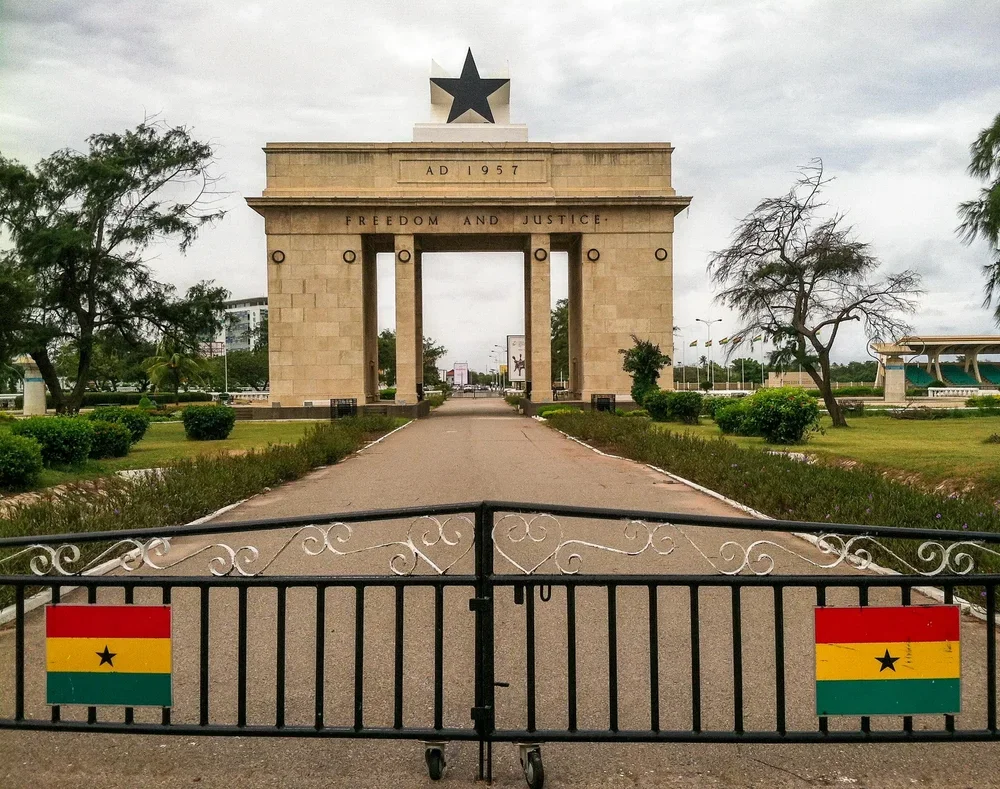
Ghana’s Hidden War
Like most Ghanaians, I am deeply disturbed by the helicopter crash that occurred yesterday, claiming the lives of eight of our compatriots—including two sitting Ministers of State. It has mentally paralysed me. I can barely focus on my work, though creativity is usually my refuge. Instead, I find myself scrolling endlessly through news updates and social media, leaving comments of condolence that feel small against the weight of this grief. I cannot begin to imagine the pain their families are enduring.
By Beatrice ‘Bee’ Arthur
Accra, Ghana
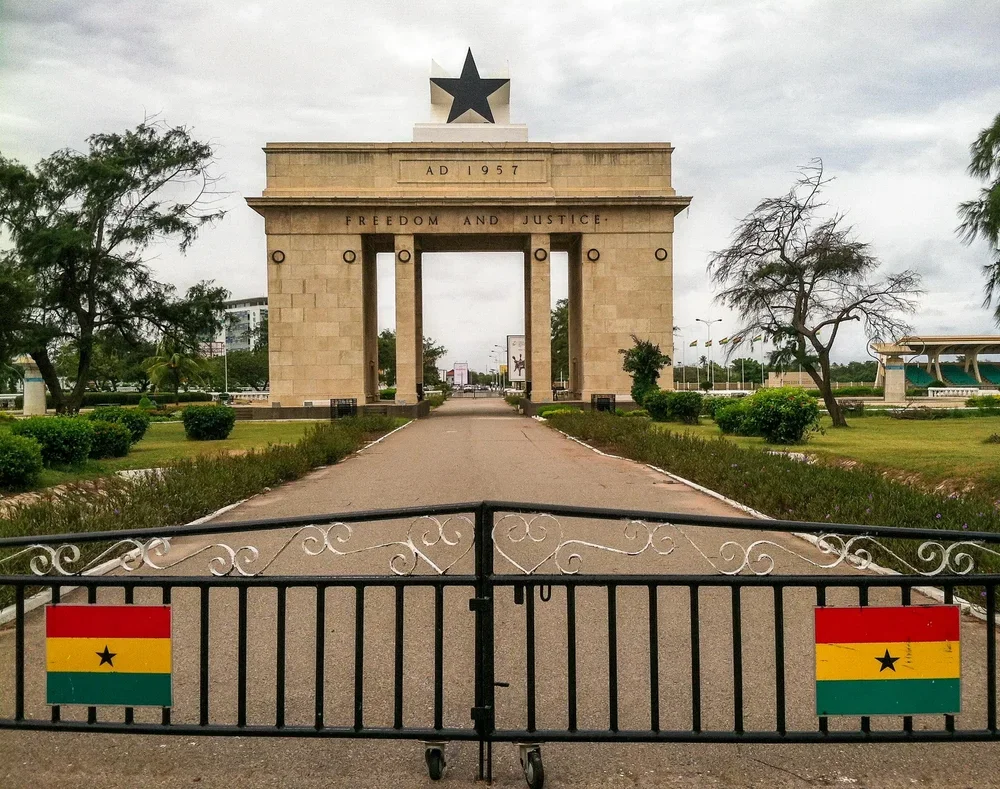
Like most Ghanaians, I am deeply disturbed by the helicopter crash that occurred yesterday, claiming the lives of eight of our compatriots—including two sitting Ministers of State. It has mentally paralysed me. I can barely focus on my work, though creativity is usually my refuge. Instead, I find myself scrolling endlessly through news updates and social media, leaving comments of condolence that feel small against the weight of this grief. I cannot begin to imagine the pain their families are enduring.
Yesterday, 6th August 2025, marked the 80th anniversary of the atomic bombings of Hiroshima and Nagasaki—an unhealed scar on the conscience of humanity. I remembered the date, as I always do, and reflected on the horrors of war. Coincidentally, it is also a relative’s birthday, so I sent a birthday wish—then spent the rest of the morning hoping, as I do every year, that no country ever resorts to nuclear weapons again. Especially now, with the world teetering—amid ongoing conflicts involving the USA, Ukraine, Russia, and Israel.
And then, by midday, the news broke.
Eight lives lost in a helicopter crash.
It destabilised me.
I understood, viscerally, that warfare is not always waged with bombs.
Sometimes, the battlefield is the sky.
Sometimes, the damage is not explosive, but systemic.
Ghana is officially a peaceful country. We pride ourselves on our stability in a region often marred by conflict. But the truth is, Ghana is a war zone—not in the traditional sense, but in the silent, insidious, and internal sense.
We are a country at war with ourselves.
A nation where fatalism has become a coping mechanism, and “God’s Will” is too often used to absolve greed, negligence, and corruption.
But let us be clear:
Greed kills.
Corruption kills.
Complacency kills.
And when allowed to fester, these things become acts of war—acts of war against the land, against the people, against the future.
The deaths of Environment Minister Murtala Mohammed and Defence Minister Dr Edward Omane Boamah were not random. They were en route to Obuasi, ground zero in our long, losing battle with galamsey. They died in service, trying to reclaim dignity for a land being disembowelled for profit.
Our Defence Minister did not fall in battle
he fell in service,
en route to a battlefield shaped not by bullets,
but by greed.
A battlefield where the enemy digs quietly,
in daylight and darkness,
with excavators for guns
and mercury for blood.
The Environment Minister died, not because the skies were cruel, but because we have allowed our soil, our water, our trees, our lungs—to be desecrated for too long. Because we have normalised the abnormal: that gold is worth more than green, and profit more than people.
The absolute greed and insensitivity of those who engage in galamsey - and the complacency of some traditional leaders in areas where illegal mining thrives - necessitated their journey to Obuasi. It became their last.
President Mahama has since declared three days of national mourning. Flags will fly at half-mast. But will our moral compass rise?
The hands that hold the shovels and machines are not the only ones stained. Where are the regulators? The traditional leaders? The enforcers? The consciences? The system - this system - sent these men to their deaths. And if we don’t change it, it will send many more.
This is a moment not just for mourning, but for reckoning. Galamsey has killed them. And if we’re honest, it is killing all of us.
By Beatrice Bee Arthur. Accra - Ghana.
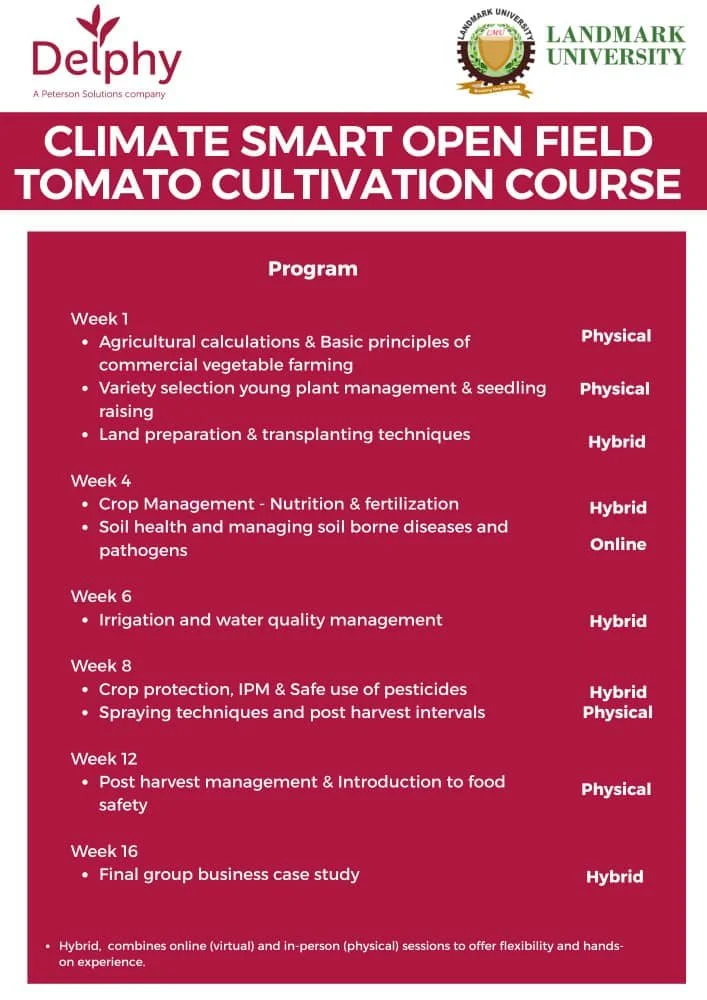
Calling On Future Farmers!
Certified short courses for farm managers, agricultural students, field supervisors, extension agents and field staff looking to gain industry needed skills and competencies.
FAQ - Climate Smart Tomato Farming – Blended Training
Certified short courses for farm managers, agricultural students, field supervisors, extension agents and field staff looking to gain industry needed skills and competencies.

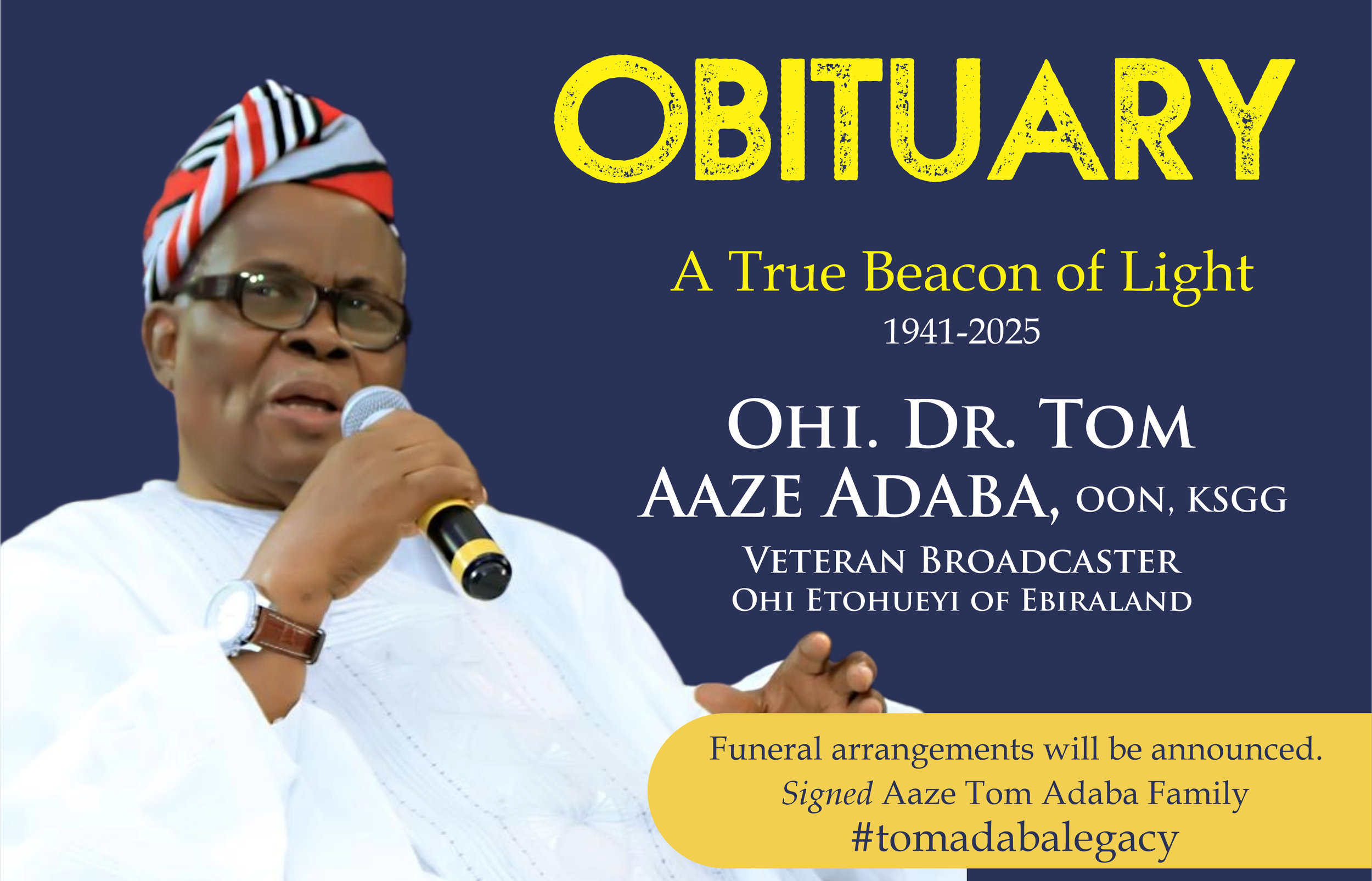
AAZE THOMAS ADABA, (OON, KSM, KSGG). Ohi Etohueyi of Ebiraland
Tributes | Life | Gallery | Stories
AAZE THOMAS ADABA, (OON, KSGG). Ohi Etohueyi of Ebiraland
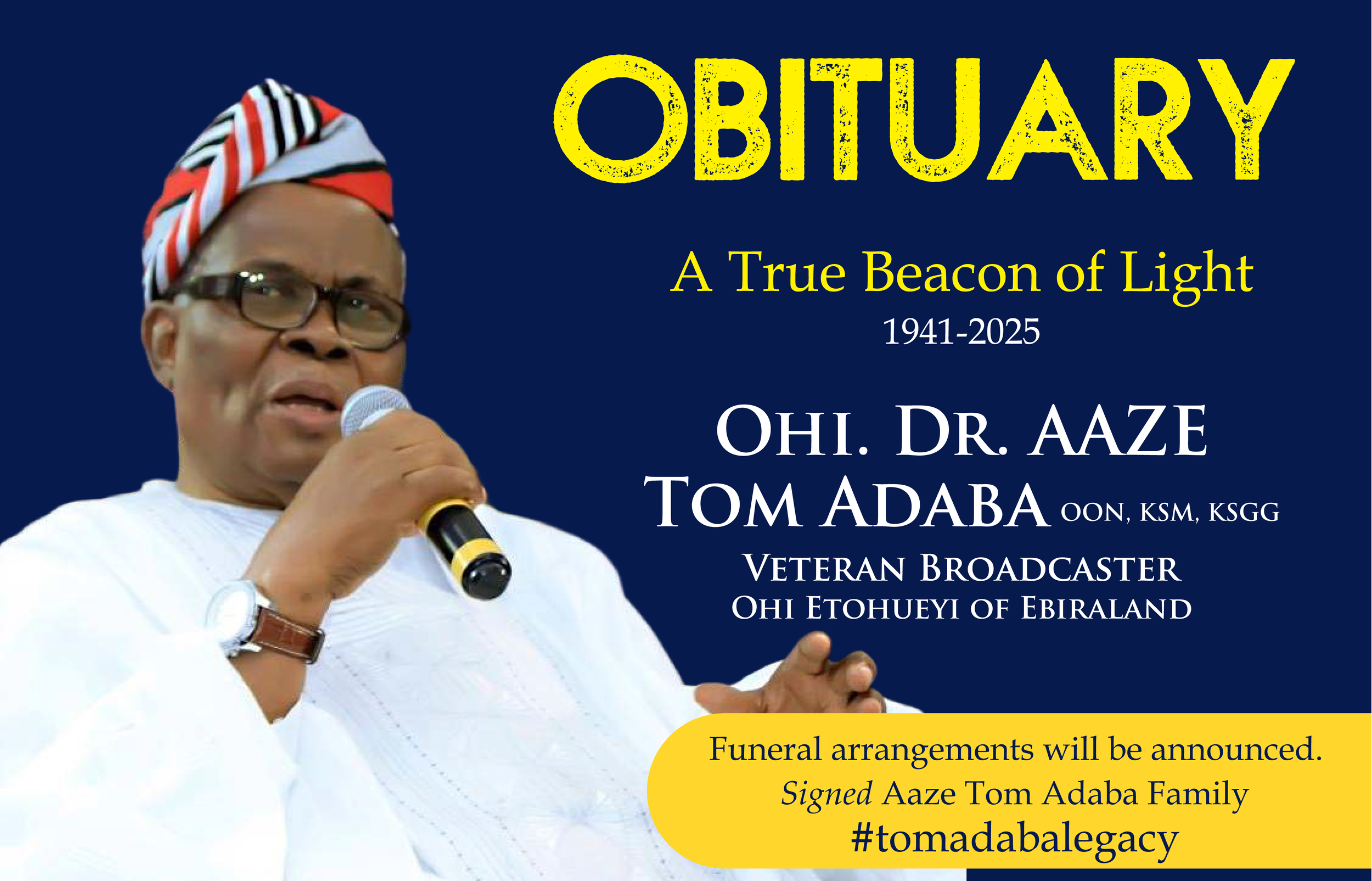
Obituary: Aaze Tom Adaba
AAZE THOMAS ADABA, (OON, KSM, KSGG).
Ohi Etohueyi of Ebiraland
1941-2025
...an undeniable legacy
FUNERAL PROGRAM
(W.A. Time)
Christian Wake/Night of Tribute:
Thursday, 6 March 2025
4:30 pm
Catholic Church of the Archangels, Durumi, Gaduwa Road, Abuja
Lying in State:
Friday, 7 March 2025
8:30 - 9:30 am
45 Constitution Avenue, off Democracy Crescent, Gaduwa Estate, Abuja
Funeral Mass:
Friday, 7 March 2025
10:00 am
- Catholic Church of the Archangels, Durumi, Gaduwa Road, Abuja
- Christ The King Catholic Church, Okene.
Interment:
Friday, 7 March 2025
Immediately after Mass
Gudu Cemetery - Christian Section, Opposite Defence HMO, Apo, Abuja
#tomadabalegacy
Tributes | Life | Gallery | Stories

KIDNAPPED In NIGERIA
A mother’s heart-wrenching story powerfully demonstrates why nowhere in Nigeria is truly safe from the pervasive menace of kidnappers and criminal gangs, least of all the nation’s capital, Abuja. This unfortunate reality underscores the growing fears and concerns among Nigerians, as they grapple with the constant threat that looms over their daily lives.
by oyiza adaba, New york
A SPECIAL REPORT
Deborah Sanni (RIP) was last seen in Area 1 on March 3, 2024. (Photo: Sanni Family)
On March 3, 2024, 29-year old Deborah Sanni, an Area 1 resident of Abuja, stepped out of their family home around 8:00 PM to pick some supplies from a nearby shop. Then the unthinkable happened.
"Every day I wake up with her thoughts on my mind. I sleep with her thoughts on my mind, because it's just like a dream - a nightmare." - Mrs. Matilda. Sanni
Her grieving, yet strong mother, Mrs. Matilda Sanni recalls the heart-wrenching incident, which powerfully explains why nowhere in Nigeria is truly safe from kidnappers - least of all the nation’s capital, Abuja. This unfortunate reality reflects the growing fears and concerns among Nigerians, as they grapple with the constant threat that looms over their daily lives.
In Deborah Sanni's case, her family paid a ransom on the same night, which her captors withdrew before dawn on March 4, 2024. Then they went silent. After a difficult week of searching, her family learned that her body had been found a week earlier and sent to a mortuary in another part of Abuja. This raises concerns about communication between the Nigerian Police, other security agencies, and hospitals.
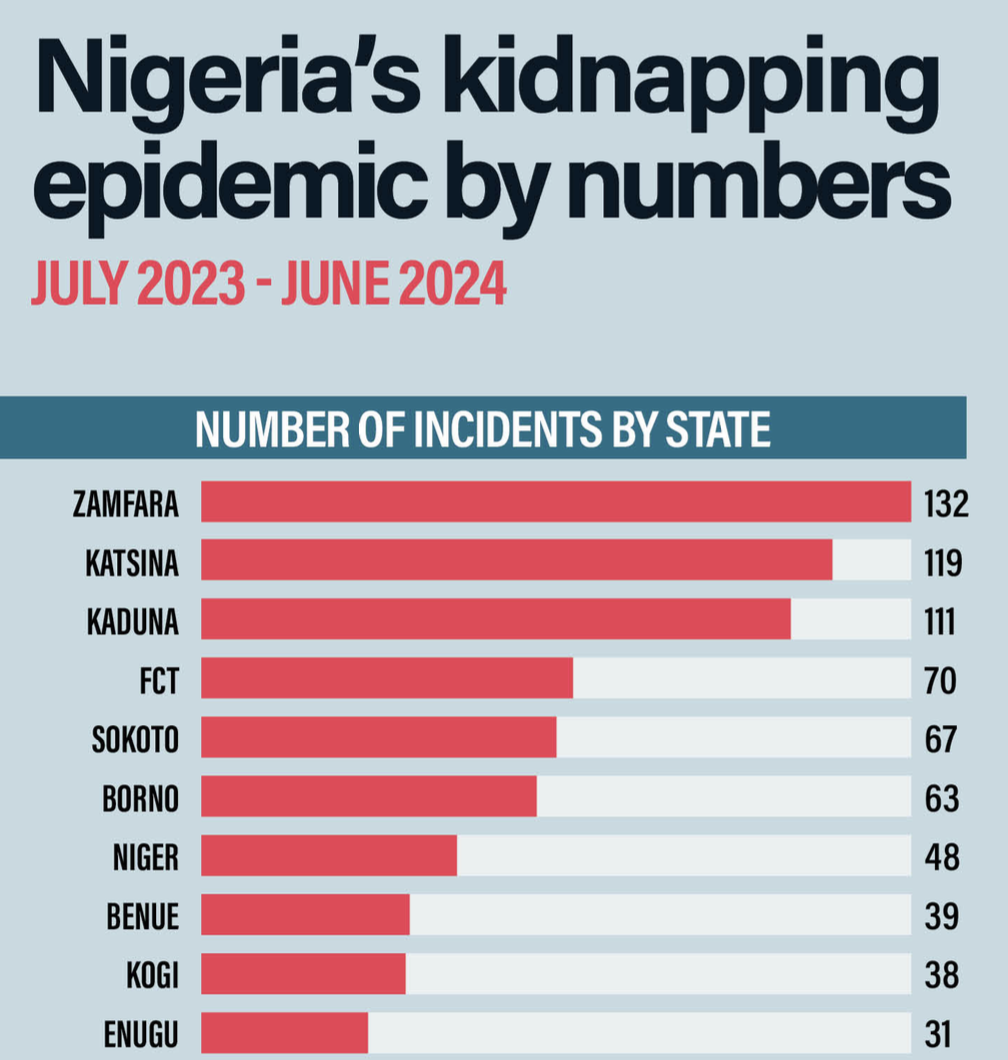
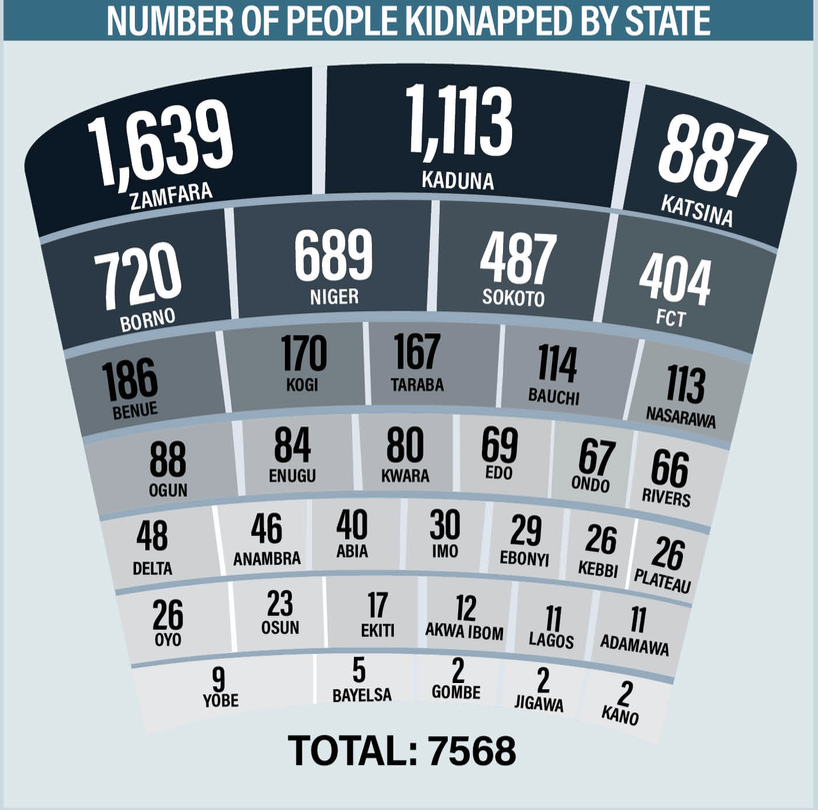
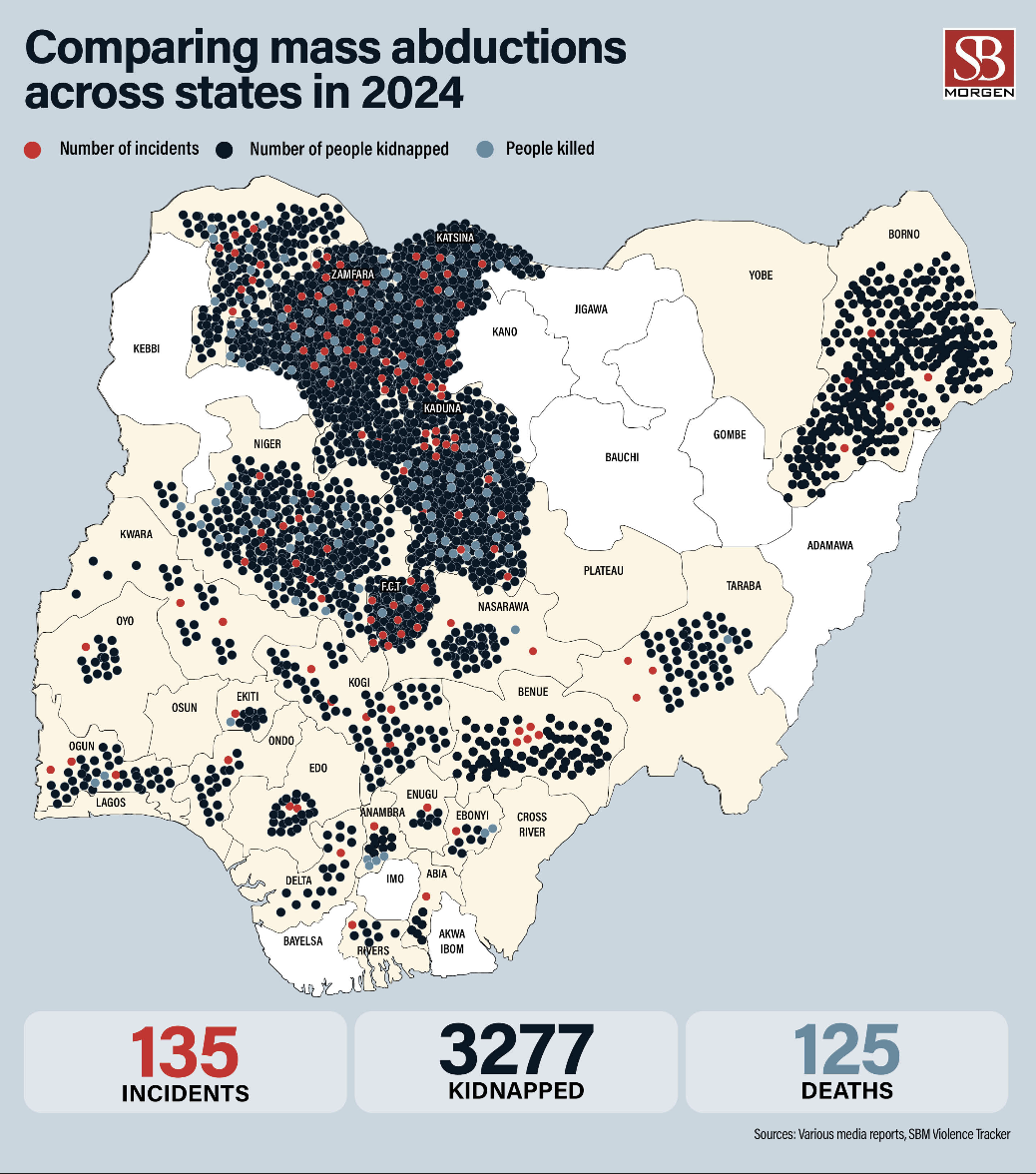
As we close out our year in 2024, we take a moment to remember all the victims of kidnapping in Nigeria, along with their families who continue to suffer. It is a sobering experience to review these statistics that reflect the plight of individuals who, tragically, will not be spending the upcoming year with their loved ones. The emotional toll this takes on families and communities is profound and deserves our attention and compassion.
SBM IntelLIGENCE 2024 Report
Nigeria’s security crisis has become increasingly complex, with armed groups and non-state actors exploiting the state’s weakened influence. This includes Boko Haram’s resurgence in the Northeast, armed gangs in the Northcentral and Northwest, secessionist violence in the Southeast, and gang-related issues in the Southwest. Amid these diverse security threats, widespread kidnap for ransom has emerged as a common thread.
Grim Reaping: Economics of Nigeria’s Kidnap Industry – A 2024 Update
- SBM INTELLIGENCE -
kidnapping statistics: SBM Intel 2024 Report
SHARE THIS STORY
Meet The U.S. Defense POW/MIA Accounting Agency
Today, we are set to meet with a small yet impactful agency within the U.S. Department of Defense that focuses on finding prisoners of war and those individuals who are currently classified as missing in action. This engagement opens up a significant question: what are the circumstances faced by POWs in your country?
By Oyiza Adaba, New York
A SPECIAL REPORT
Today, we are set to meet with a small yet impactful agency within the U.S. Department of Defense that focuses on finding prisoners of war and those individuals who are currently classified as missing in action. This engagement opens up a significant question: what are the circumstances faced by POWs in your country, and in what ways can your country collaborate with or gain insights from the operations of the U.S. Defense POW/MIA Accounting Agency (DPAA) to address these issues more effectively?
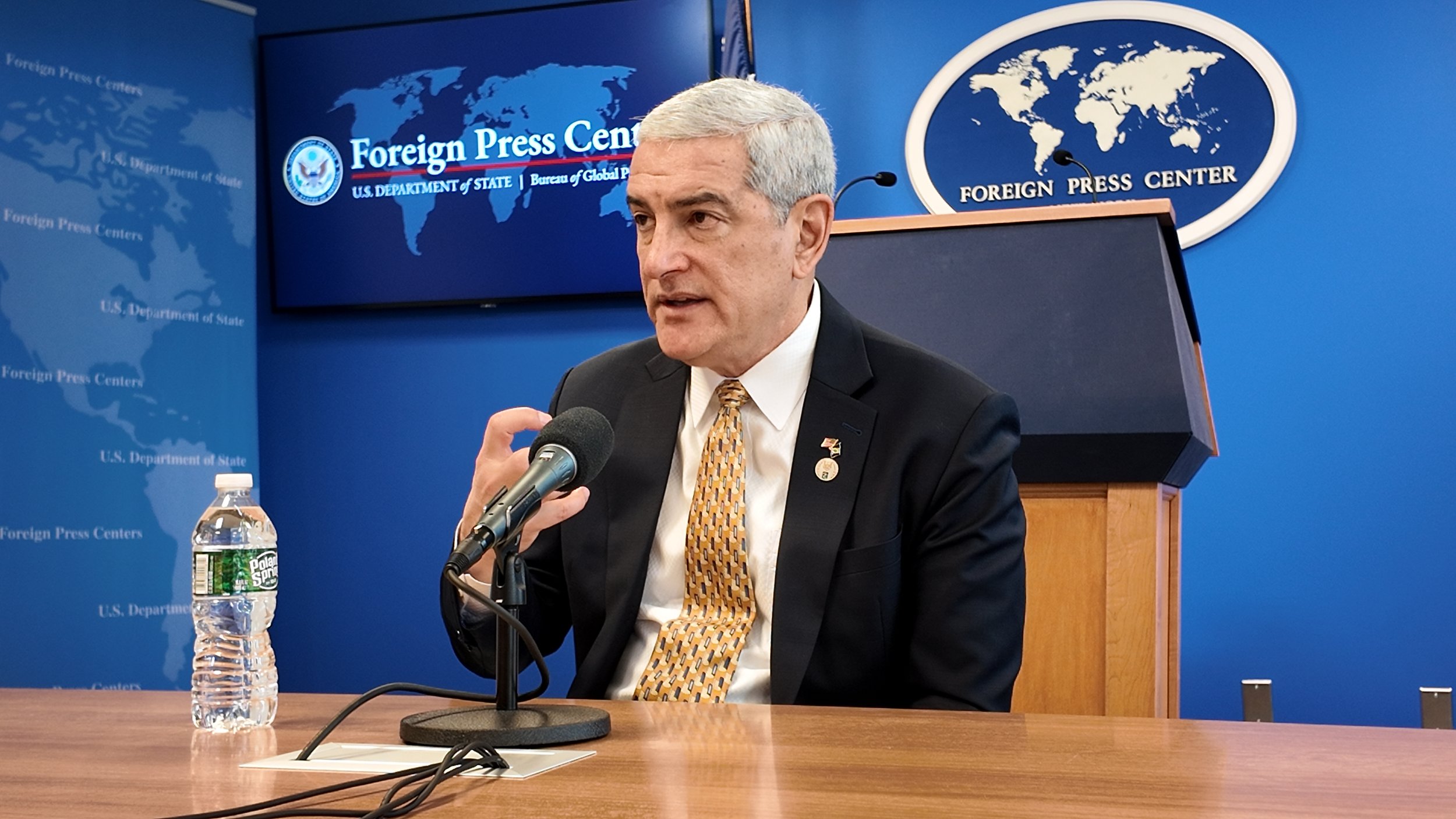
Mr. Kelly K. McKeague, Director of the Defense POW/MIA Accounting Agency (DPAA) (Africa-Related)
This exclusive report sheds light on what actually happens to remains of POWs or prisoners of war, those considered MIA or missing in action. We spend time today with a little know agency in the US Department of Defense that does commendable work around the world in recovering missing American soldiers in global conflicts.
Mr. Kelly K. McKeague, Director of the Defense POW/MIA Accounting Agency (DPAA), spoke extensively at a press briefing organised by The Foreign Press center New York, about America's efforts to investigate, recover, identify, return 81,000 missing persons from past conflicts as far back as World War One to the Korean War, Afghanistan which recorded less of those types of cases due to the United States effort in perfecting the effort in recovery and bringing back such military personnels as soon as the situation occurs or with better immediacy when previous leave fought conflicts.
Special Report by Oyiza Adaba on POWMIA Accounting Agency
Did you know that the United States is one of a handful of countries that still maintains this practice of bringing back Prisoners of War?
From the dense jungles of Vietnam to the serene underwater landscapes off the picturesque coast of Eastern Europe, the work undertaken by the DPAA serves as a crucial tool of engagement for the United States with numerous nations around the globe. Identifying those who lost their lives in the battles of war is a task that is not taken lightly or approached with indifference. Often, news regarding the fate of family members who have been waiting in anticipation for their loved ones to return, only reaches the descendants, sometimes third or even fourth generation members, who have been handed down the painful oral tradition from one generation to the next.
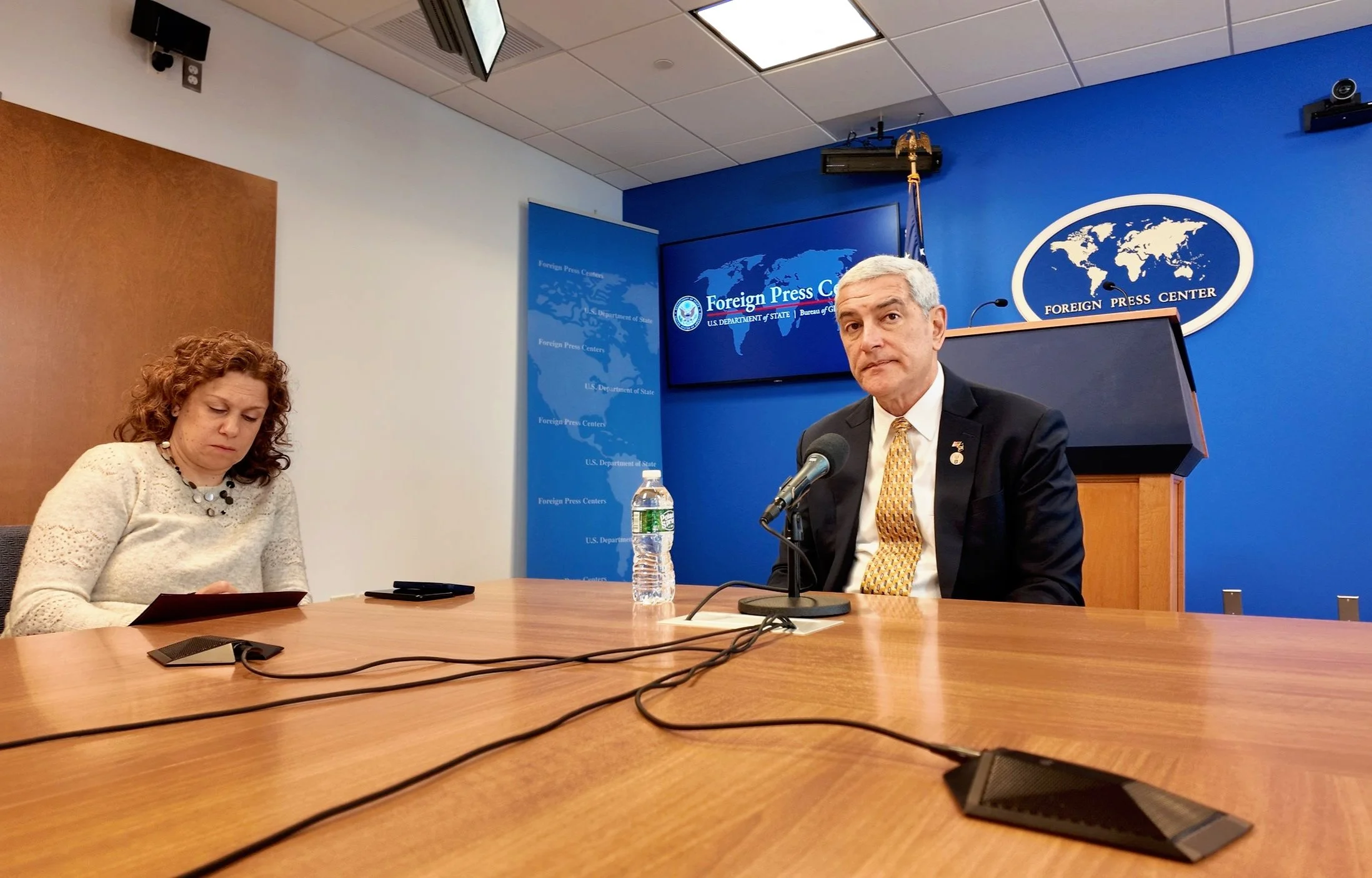
Collision for a great cause: Mr. McKeague explains how science, history, service, diplomacy, a budget of 190 million dollars, missions in 45 nations and more than 100 worldwide partner institutions; collide as the Defense POW /MIA Accounting Agency. (Africa-Related)
This report concludes with historian and award-winning documentary filmmaker Emeka Ed Keazor, who sheds light on his 2020 historical documentary “Company Yaya”. The piece follows the forgotten African soldiers of world war 2 who fought for Britain in WW2 in North Africa, Kenya, and as far away as Burma.
This story is deeply personal to me because my grandfather, Joseph A. Adaba, bravely fought with the RAF Regiment 2 during a significant historical conflict. He was fortunate to survive a tumultuous war that saw the recruitment of more than 1 million African troops, among which 126,000 hailed from Nigeria alone. Tragically, out of these brave men, 15,000 did not return home, leaving behind a legacy of sacrifice and courage that continues to resonate through our family and community. These numbers are just estimates
Oyiza Adaba
PHOTOS BY AFRICA-RELATED
Biden-Harris: Last-Minute Call To Protect Black Immigrants
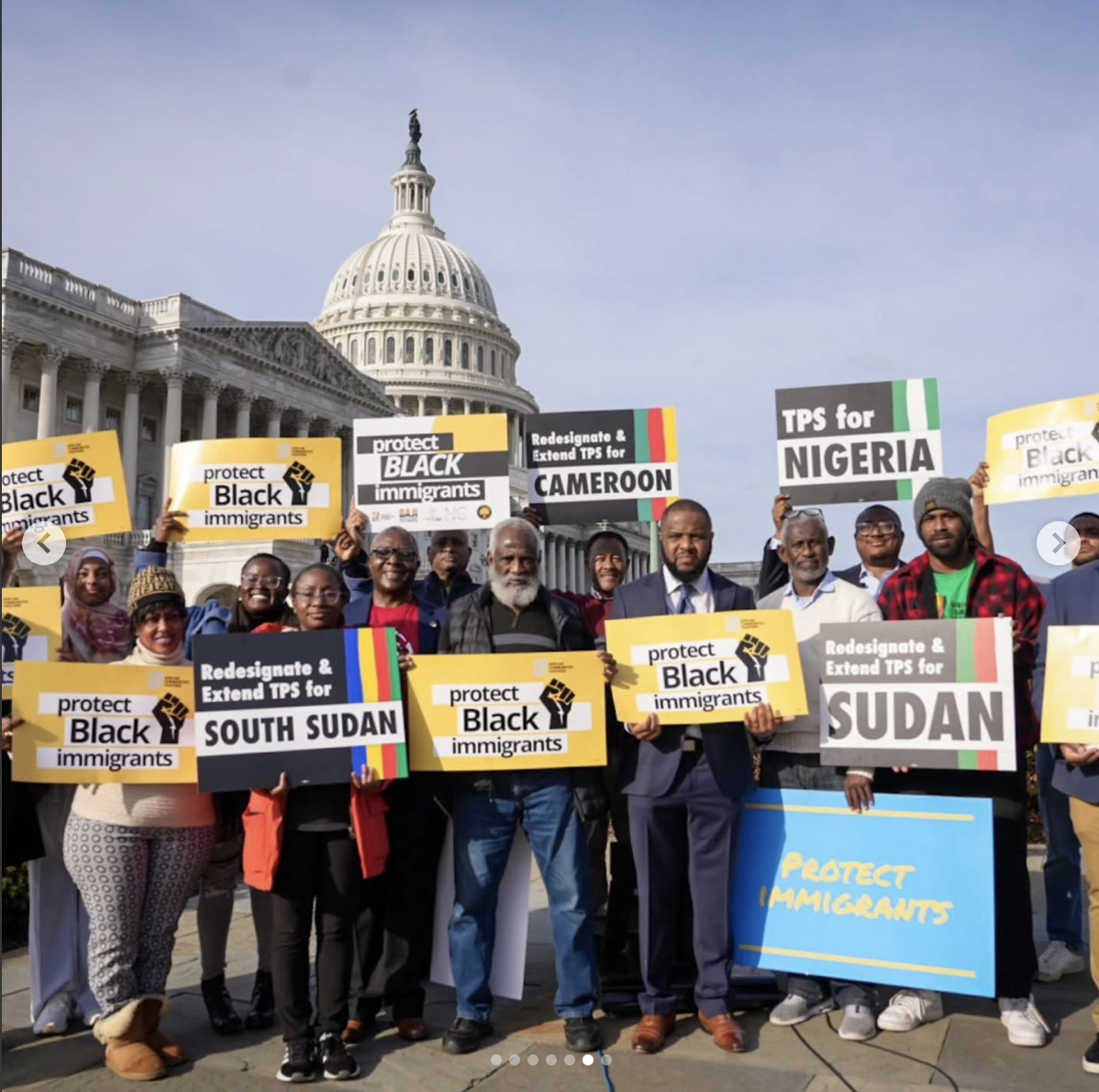
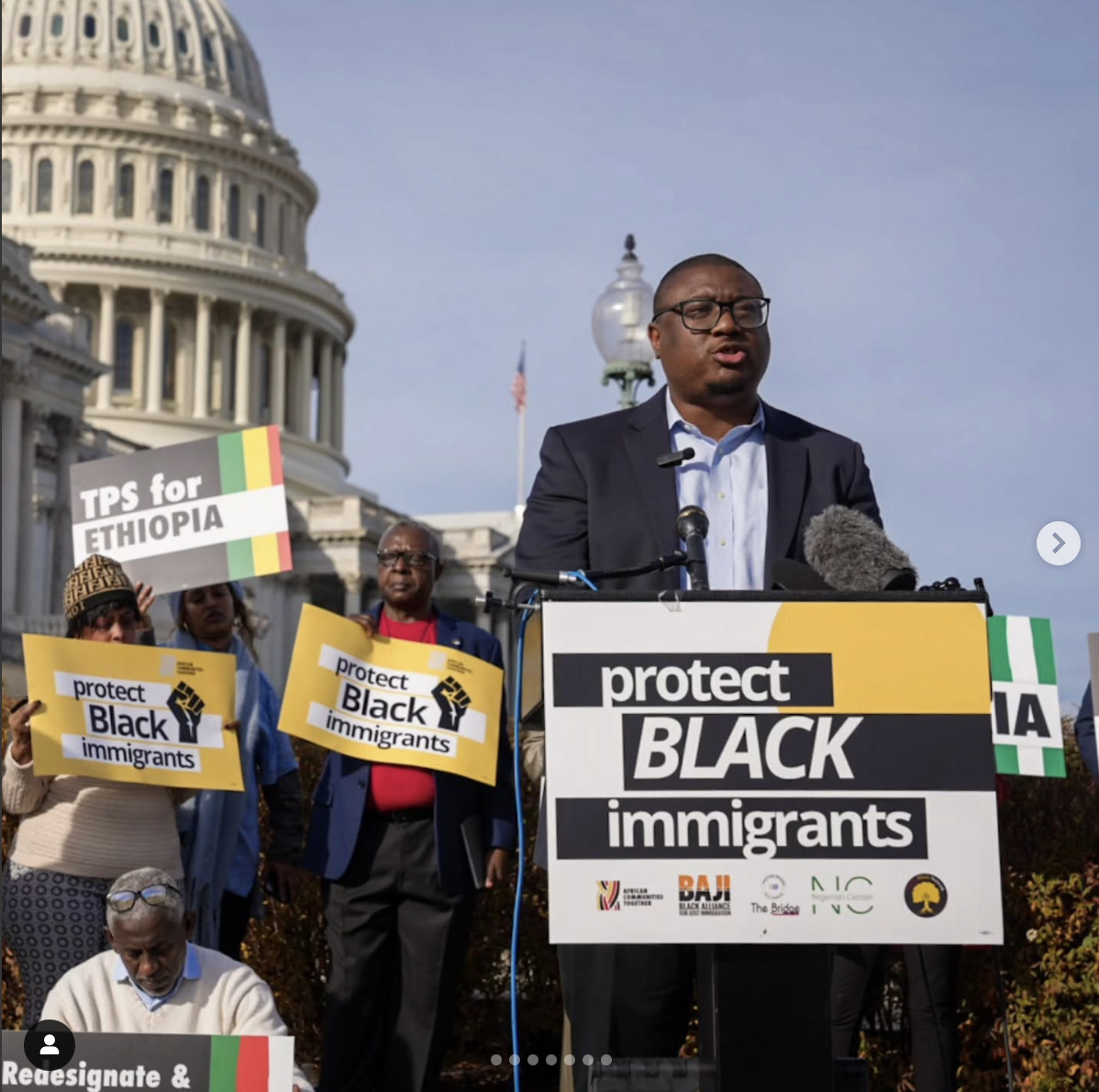
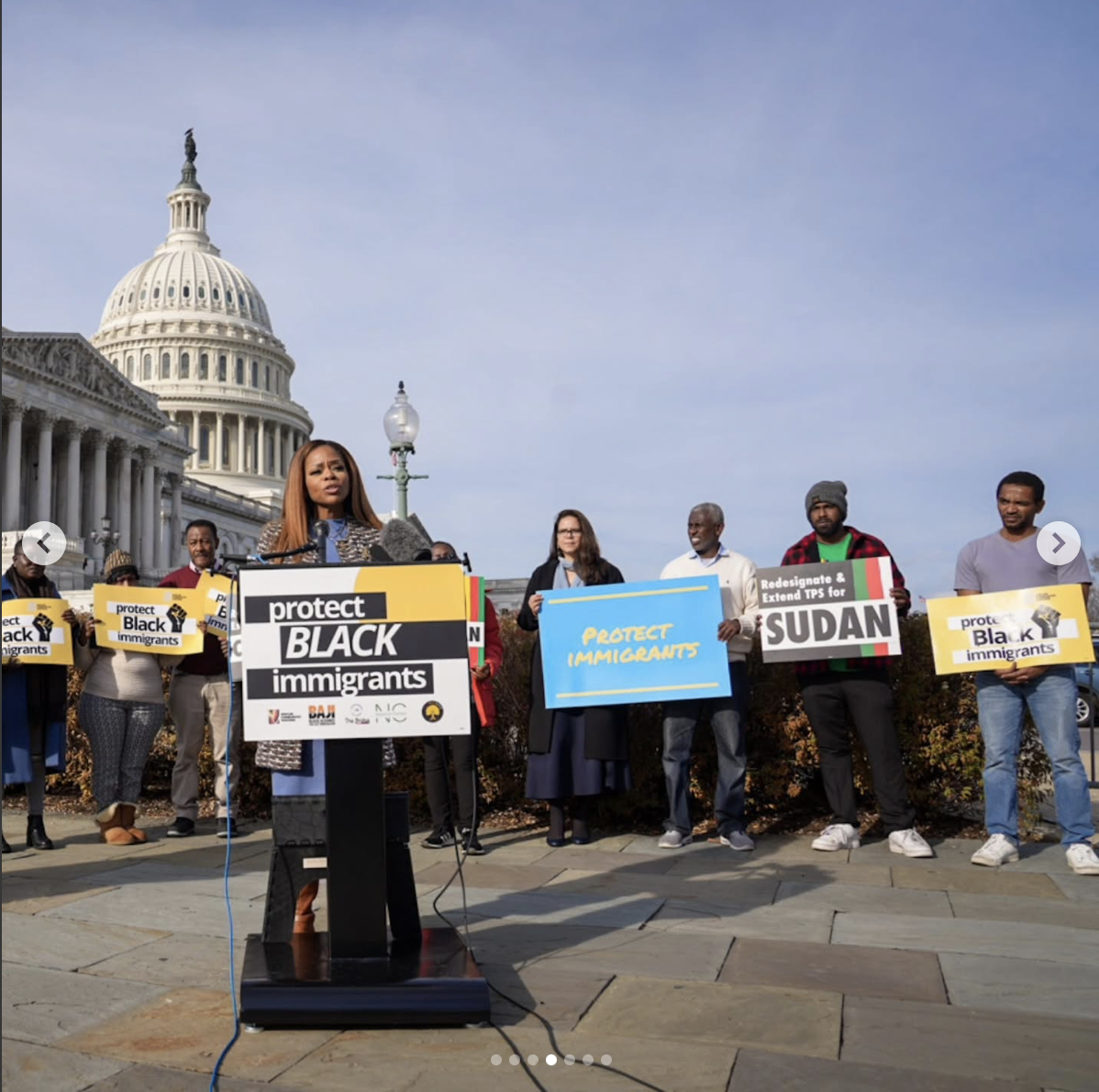
On December 17, 2024, the Nigerian Center joined Congresswoman Yvette D. Clarke (NY-09) and other leaders for a press conference on Capitol Hill, urging the Biden-Harris Administration to take urgent action to protect African immigrant communities during the lame-duck session.

Photo credits: @thornbaires
FOR IMMEDIATE RELEASE
“The U.S. Is All In on Africa’s Future” – Now Is the Time to Deliver for Black Immigrant Communities
On December 17, 2024, the Nigerian Center joined Congresswoman Yvette D. Clarke (NY-09) and other leaders for a press conference on Capitol Hill, urging the Biden-Harris Administration to take urgent action to protect immigrant communities during the lame-duck session.
The press conference followed a letter to the administration, signed by Rep. Clarke and over 40 members of Congress, calling for executive actions to extend TPS, clear processing backlogs, and protect vulnerable communities. Nigerian Center Executive Director Gbenga Ogunjimi highlighted President Biden’s promise that “the U.S. is all in on Africa’s future” during his recent visit to the continent.
“Earlier this month, President Biden made a bold commitment to the future of U.S.-Africa relations during his visit to the continent. He declared, and I quote, ‘The U.S. is all in on Africa’s future.’ Today, we are here to hold this administration to that promise. Granting immigration protections would align with the U.S. Strategy Toward Sub-Saharan Africa, affirming a commitment to human rights, economic opportunity, and global solidarity. Temporary Protected Status would offer a lifeline to vulnerable populations fleeing armed conflicts and humanitarian crises,” said Gbenga Ogunjimi.
Read the full press release [here] View the event photos [here]
##
A statement on TNC Instagram account reads:
“Regardless of the outcome, we are proud of the relentless efforts and progress we've made with this administration and we look forward to continuing our advocacy with the incoming Trump administration. This campaign has been a two-year journey, and it has been a privilege to mobilize our community around a policy shift that once seemed unthinkable.”
If you or someone you know needs immigration assistance, please call The Nigerian Center immigration assistance hotline at 1-800-395-9272.
SHARE THIS STORY
Press Release - Coalition Urges Biden Administration to Grant TPS to Nigeria Before End of Term
WASHINGTON, DC —On November 18, 2023, a coalition of organizations advocating for immigration relief for Nigeria met with representatives from the Department of Homeland Security (DHS), the U.S. State Department, U.S. Citizenship and Immigration Services (USCIS), and other federal agencies. The coalition, which includes the Nigerian Center, Nigerian American Lawyers Association, Amnesty International, and The ONE Campaign, called on the Biden administration to designate Nigeria for Temporary Protected Status (TPS) and Special Student Relief (SSR) before the administration’s term concludes.

FOR IMMEDIATE RELEASE
November 19, 2024
Coalition Urges Biden Administration to Grant Temporary Protected Status (TPS) & Special Student Relief (SSR) to Nigeria Before End of Term
WASHINGTON, DC —On November 18, 2023, a coalition of organizations advocating for immigration relief for Nigeria met with representatives from the Department of Homeland Security (DHS), the U.S. State Department, U.S. Citizenship and Immigration Services (USCIS), and other federal agencies. The coalition, which includes the Nigerian Center, Nigerian American Lawyers Association, Amnesty International, and The ONE Campaign, called on the Biden administration to designate Nigeria for Temporary Protected Status (TPS) and Special Student Relief (SSR) before the administration’s term concludes.
During the engagement session, the lead of the TPS Coalition for Nigeria emphasized the urgency of the request:
“We urge the administration to grant Nigeria Special Student Relief (SSR) designation, or, if possible, Temporary Protected Status (TPS). We request that the Biden administration extend these critical protections to Nigerian nationals and students in the U.S. before its term concludes. As the United States transitions to a new administration, we recommend prioritizing this request as a policy recommendation for the incoming administration, particularly given its stated commitment to favoring merit-based immigration. This approach is especially relevant for individuals with skills in demand in the U.S. economy.”
said Gbenga Ogunjimi, Director of the Nigerian Center and lead of the TPS Coalition for Nigeria.
As of 2024, Nigeria faces one of the most challenging periods in its economic history, marked by surging inflation and severe currency devaluation. The Naira has depreciated drastically, with $1 USD now equivalent to 1,664 Naira. For context, in 2019, the exchange rate was approximately 360 Naira per USD. This represents a staggering 362.2% devaluation in five years, causing an unprecedented loss of purchasing power.
“This sharp decline has severely impacted families sending remittances to students in the U.S., rendering them unable to afford tuition, housing, and basic necessities. These hardships are why, in April of this year, a coalition of over 50 immigrant rights, human rights, faith-based, and community organizations petitioned the Biden administration to designate Nigeria for Special Student Relief (SSR),”
said Nkechi Ilechie, Policy Director of the Nigerian Center and co-lead of the TPS Coalition for Nigeria.
Individuals seeking immigration assistance are encouraged to contact the Nigerian Center online or via phone at 202-330-0352.
About the Nigerian Center
The Nigerian Center is the first immigrant and cultural center for the Nigerian diaspora. Based in Washington, D.C., the Nigerian Center provides social justice opportunities, culturally sensitive transition programs, and support for newly arrived immigrants to achieve self-sufficiency. While the center primarily serves the Nigerian American community, it is dedicated to supporting all immigrant communities in the United States.
###

US Elections 2024 - New York Shows Voting Process
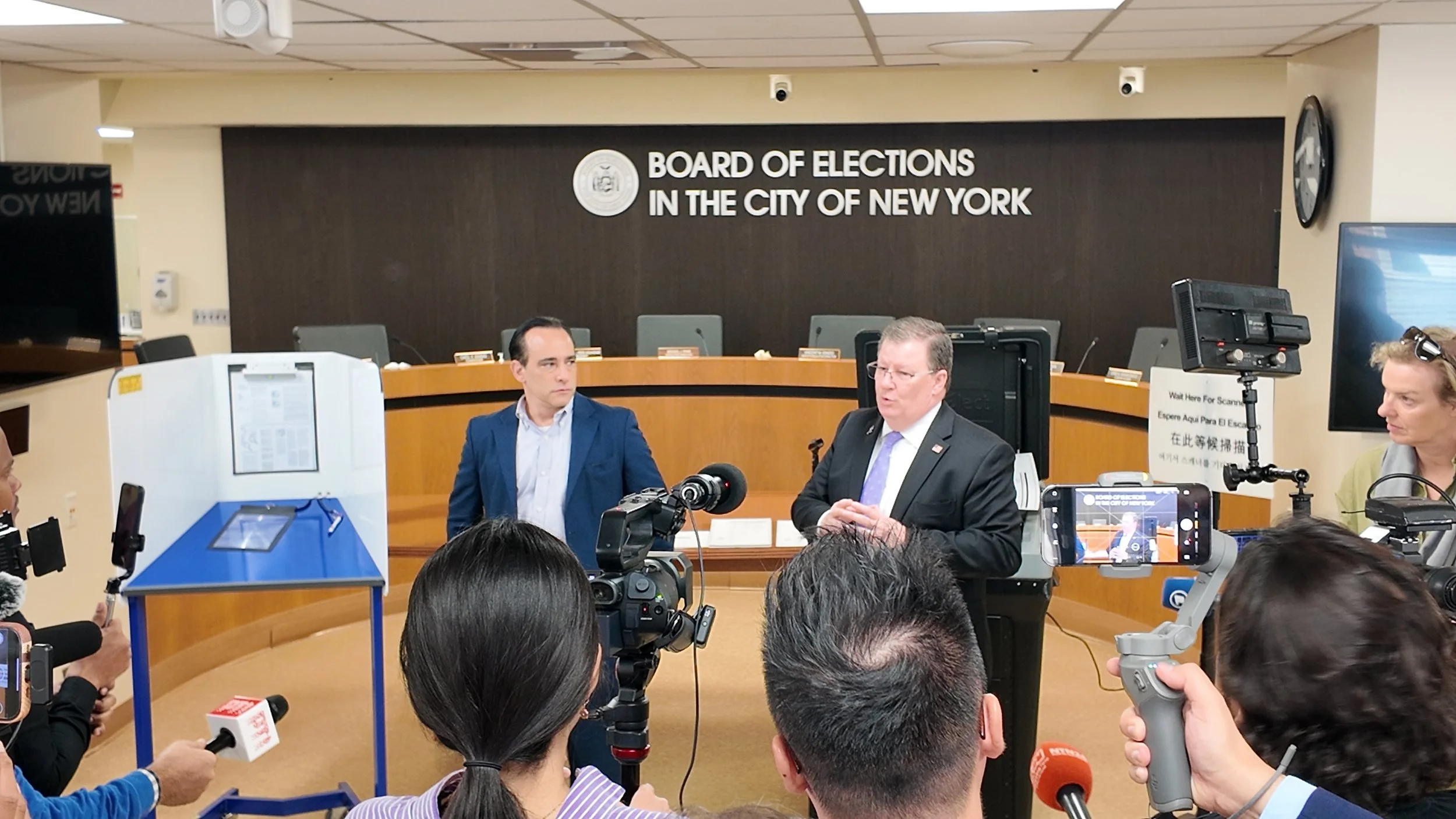
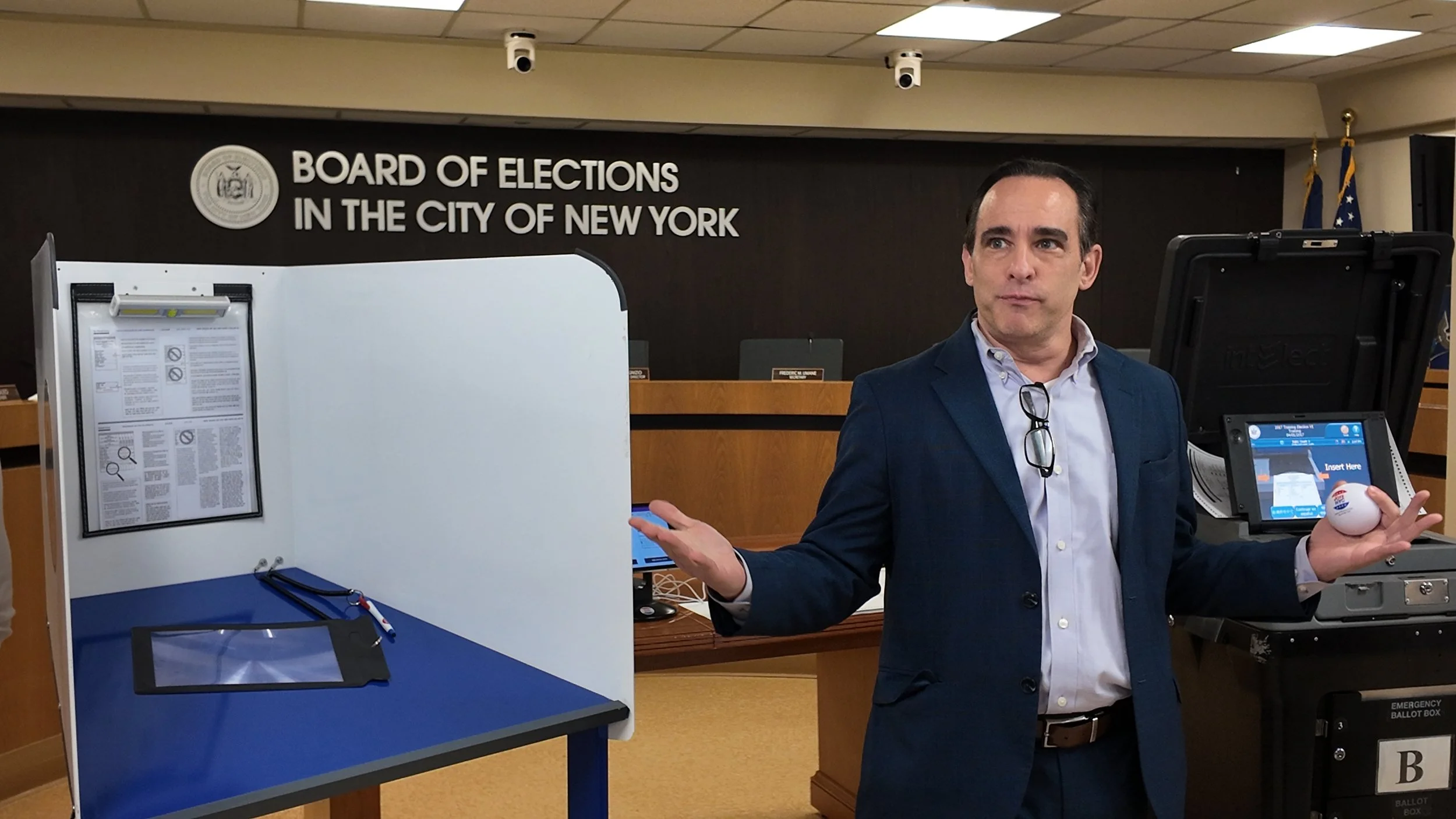
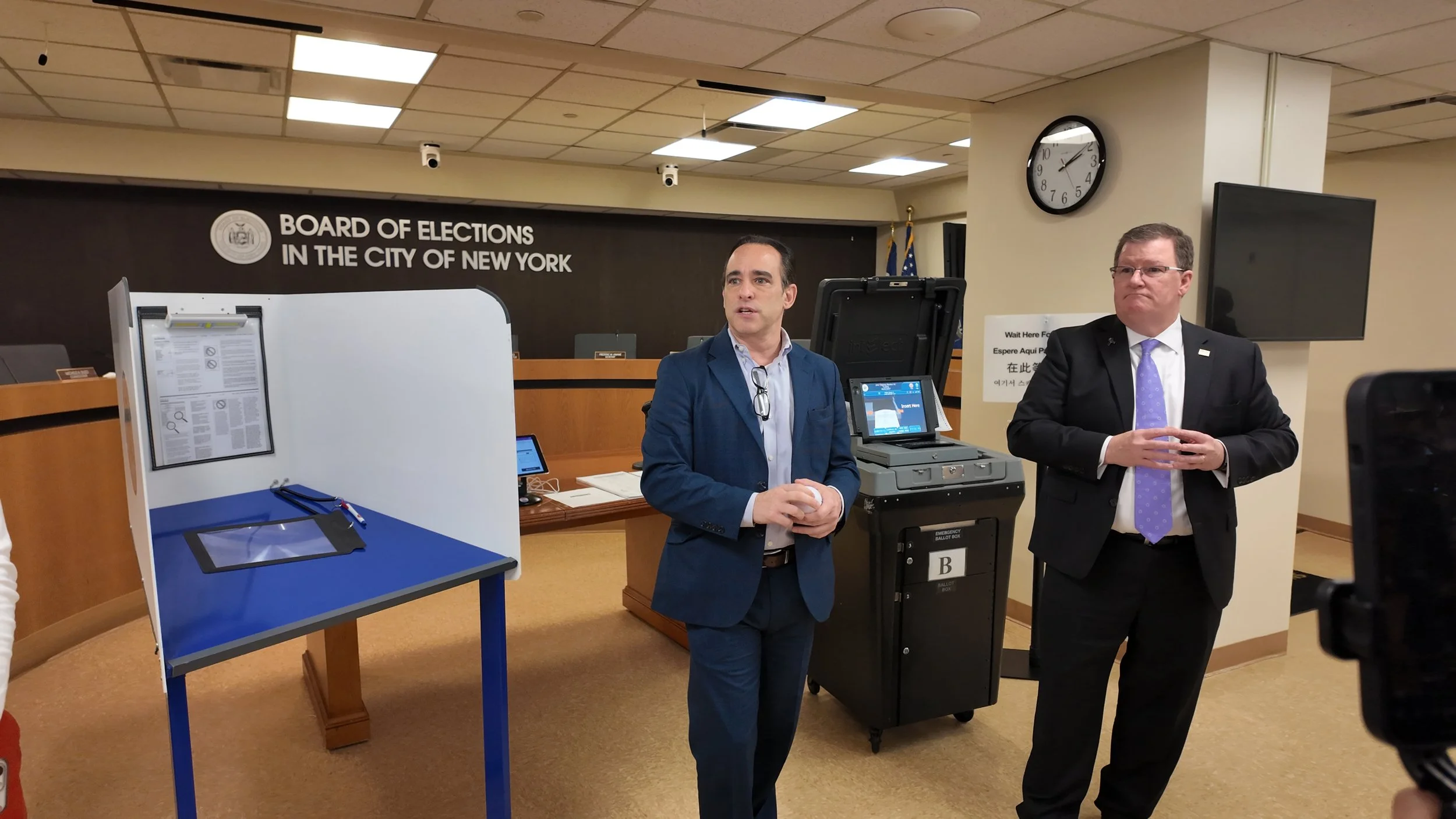
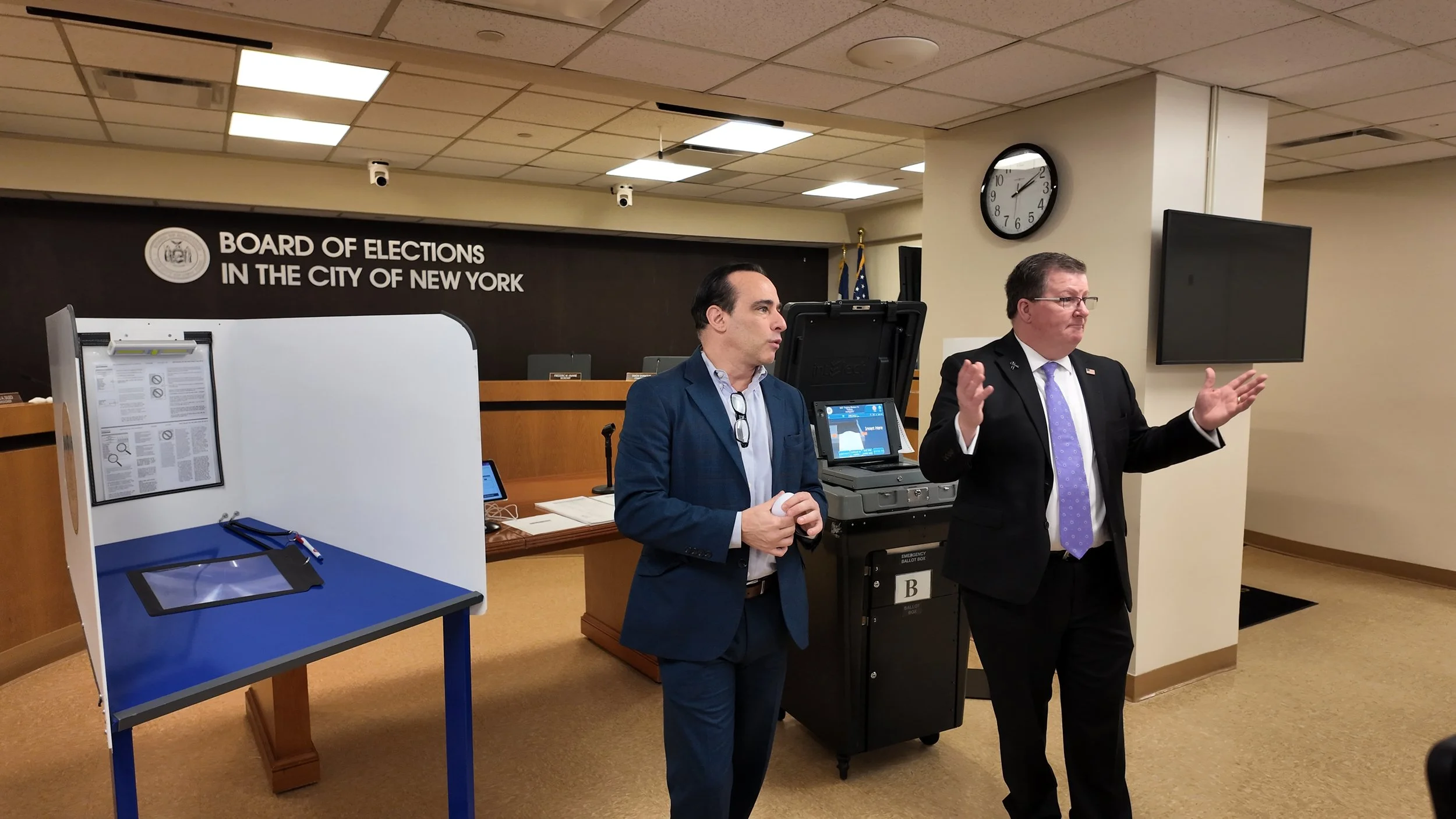
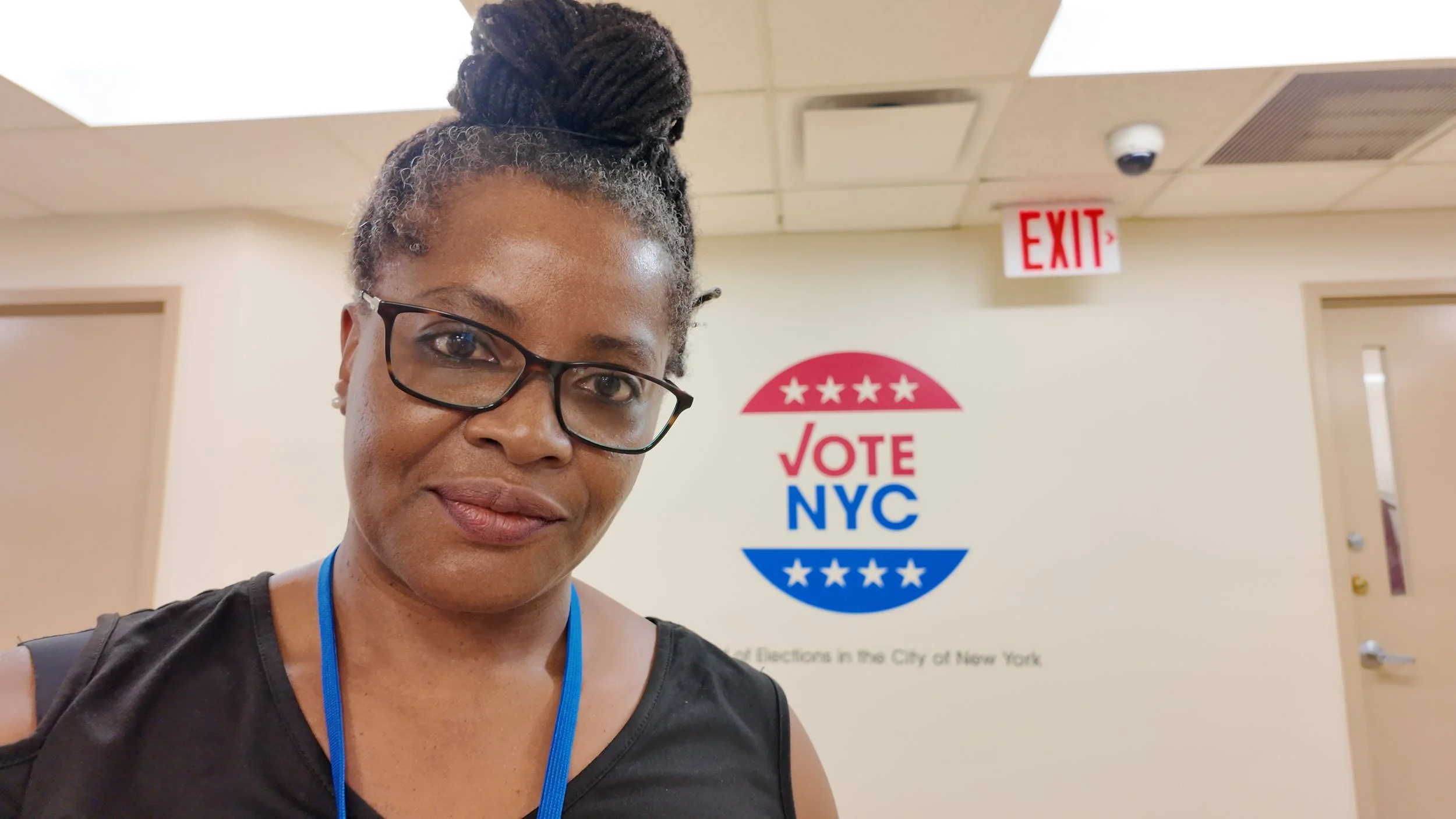
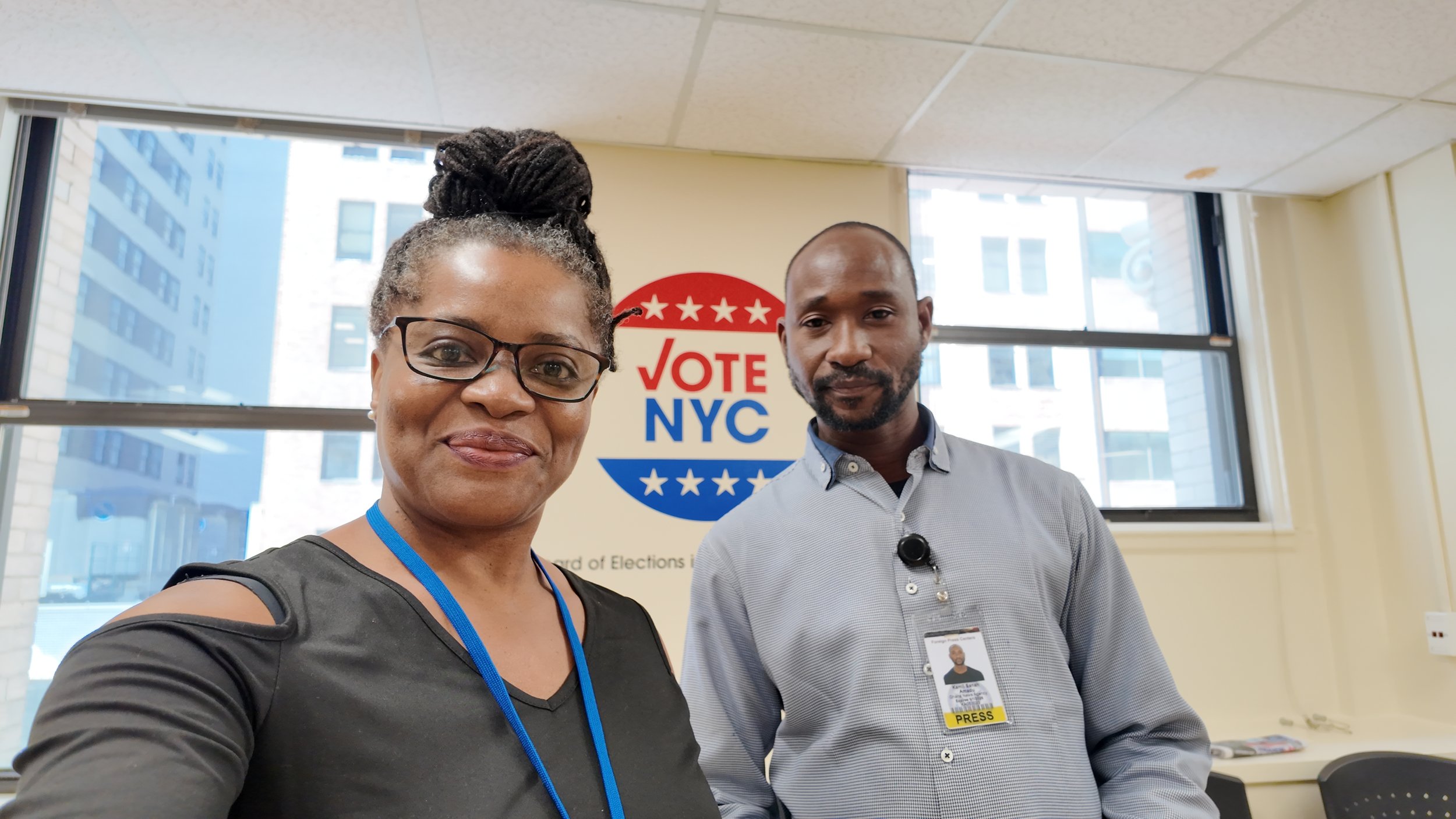
Michael J. Ryan, Executive Director of the Board of Elections in the City of New York and Vincent Ignizio, former Staten Island Republican councilman & bipartisan member Board of Elections offered a demonstration of voting booth processes and led a discussion on voter security and the voting tabulations process.
By Oyiza Adaba
Bipartisan Approach: Michael J. Ryan, Executive Director of the Board of Elections in the City of New York and Vincent Ignizio, address the media. Photo Africa-Related
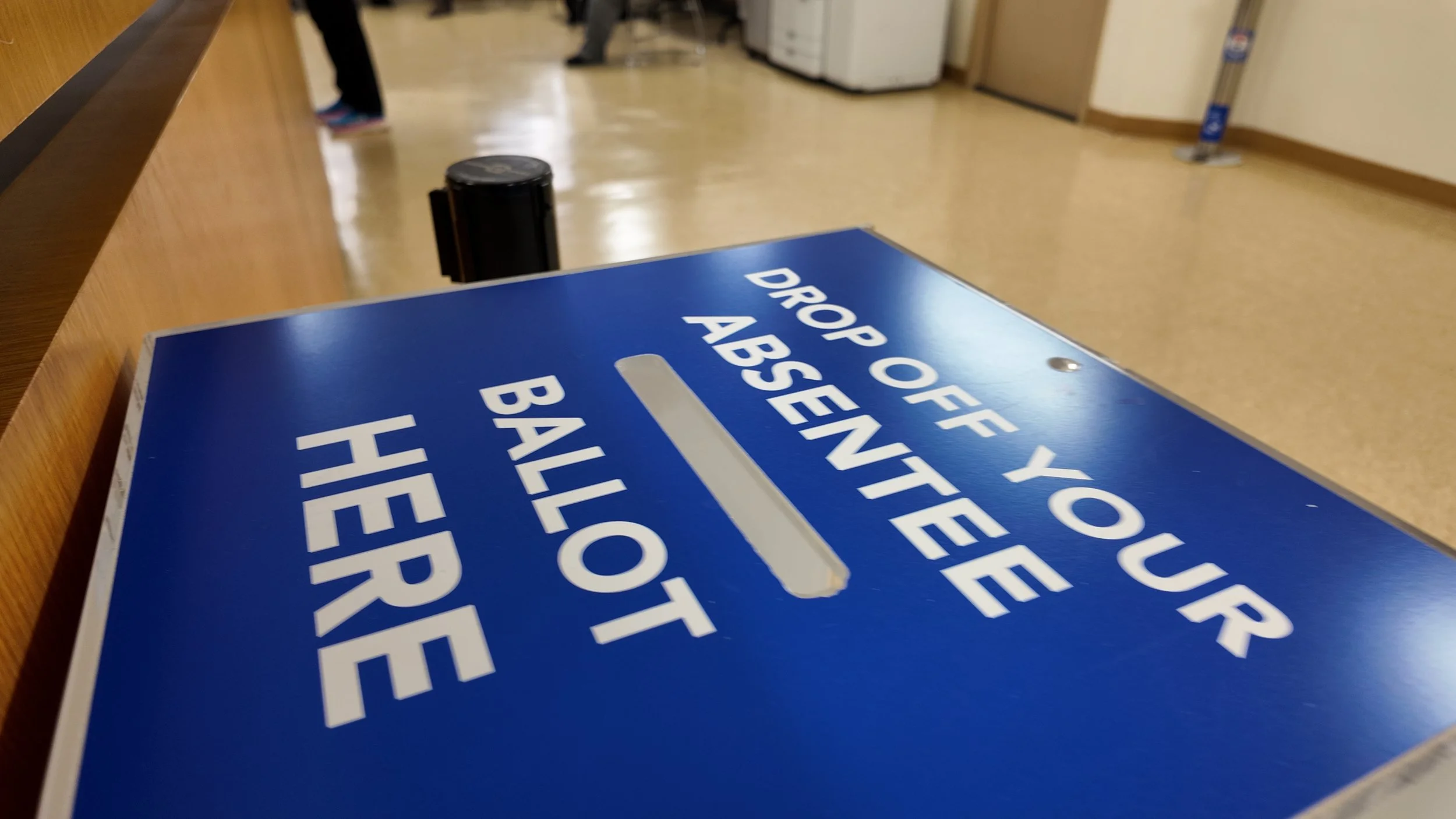
Michael J. Ryan, Executive Director of the Board of Elections in the City of New York and Vincent Ignizio, former Staten Island Republican councilman & bipartisan member Board of Elections offered a demonstration of voting booth processes and led a discussion on voter security and the voting tabulations process. The briefing, organized by the NY Foreign Press Center, provided an overview of the elections processes and preparations in NYC in 2024.
Highlights
Early Voting and Turnout
Michael Ryan and Vincent Ignizio highlight the increase in early voting locations and hours, emphasizing the improvements made since 2020
Voting Process and Security Measure including the use of privacy booths and ballot scanners security seals and the involvement of the NYPD.
Election Day and Results Reporting - the importance of the early mail ballot process, the process for counting and reporting results is explained
The Training Process for poll workers, including in-person and video training, as well as specialized training for accessibility, and setting training standards
Language Accessibility
NYC Elections Board provide services in multiple languages, including English, Spanish, Chinese, and Korean
PHOTOS

Examining the Vote: Unpacking Top Issues in the US Elections
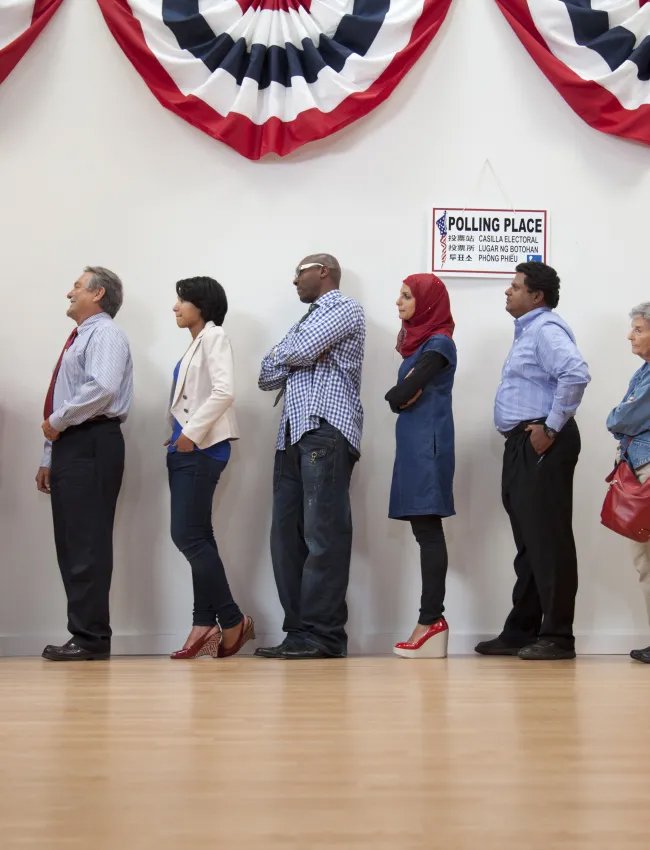
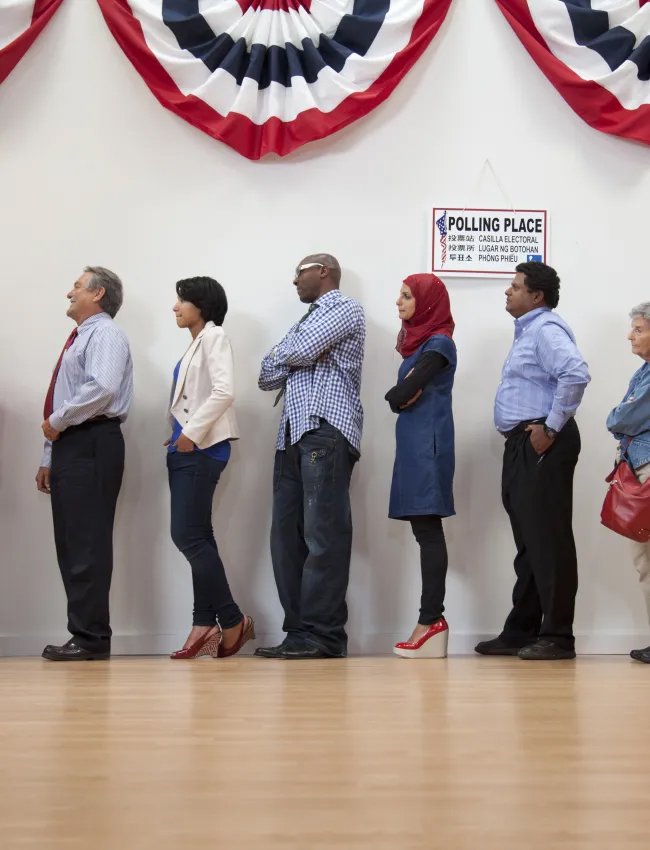
Recent ballot initiatives in states appear to show that reproductive rights are increasing turnout for women voters, as the conflict in the Middle East and student deft relief animate young voters. Meanwhile, the economy and inflation remain top issues for voters across demographic groups. But this is just a fraction of what is on voters’ minds heading into the 2024 presidential election. On October 23, ASD at GMF will convene top political analysts to attempt to decipher, for both US and European audiences, what issues are driving voters to the polls.
Examining the Vote: Unpacking Top Issues in the US Elections
Recent ballot initiatives in states appear to show that reproductive rights are increasing turnout for women voters, as the conflict in the Middle East and student deft relief animate young voters. Meanwhile, the economy and inflation remain top issues for voters across demographic groups. But this is just a fraction of what is on voters’ minds heading into the 2024 presidential election. On October 23, ASD at GMF will convene top political analysts to attempt to decipher, for both US and European audiences, what issues are driving voters to the polls.