
ABUJA IS CUTTING DOWN ITS FUTURE - AND NO ONE SEEMS TO CARE
There are many reasons I fell in love with Abuja. One of them was its trees. Those trees are now disappearing.
Patrick O. Okigbo III - Abuja, Nigeria
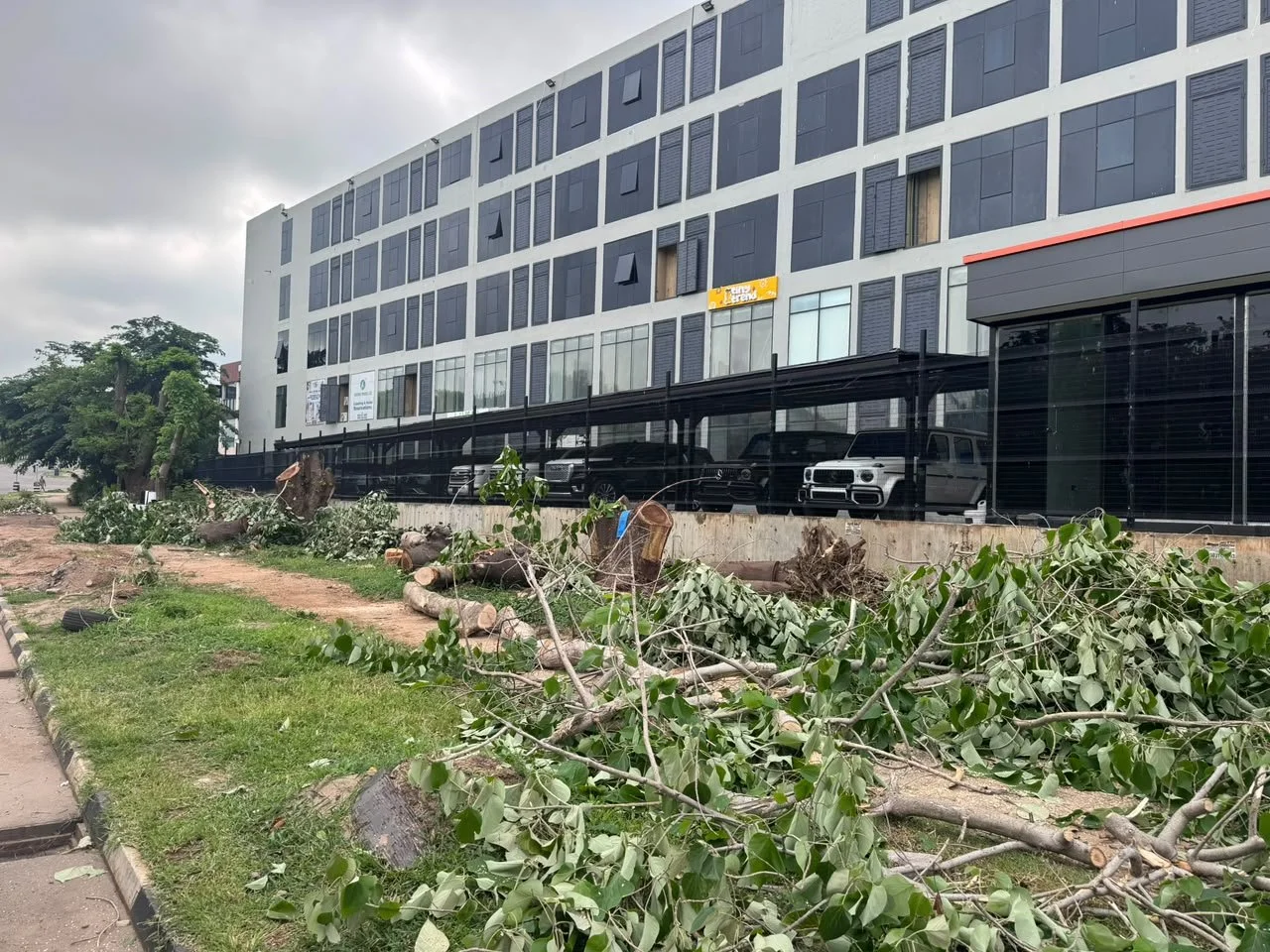
Image of trees felled in Abuja. Photo by Patrick Okigbo III
There are many reasons I fell in love with Abuja. One of them was its trees. Those trees are now disappearing.
After years in Lagos, where the air often felt as though it clasped its fingers around one’s windpipe, Abuja offered something altogether different. Its broad boulevards and generous sidewalks invited long morning walks. Later, when my wife and I took up cycling, those tree-lined avenues became part of our daily ritual. The freshness of the air was almost intoxicating.
The trees were more than landscaping. They gave the city identity. They softened its scale. They reminded you that Abuja had been imagined, not merely built—that someone had once tried to create a capital equal to Nigeria’s ambitions. I missed Lagos’s restaurants and bars, but Abuja’s serenity more than compensated.
Those trees are now disappearing.
Not because they have reached the end of their lives. Not because of disease. Municipal crews have been cutting them down in a methodical sweep, trunk by trunk, removing canopies that took decades to mature. I cannot say with certainty why this is happening. There is no public explanation. From what I can see, many are being sacrificed to make room for solar-powered street lights.
The loss feels larger than the trees themselves.
Abuja was conceived as a corrective to Lagos—a capital that would embody order instead of improvisation, foresight instead of congestion, aspiration instead of accumulation. Its boulevards were part of that vision. To remove mature trees without apparent hesitation suggests that somewhere along the way we have forgotten that a city’s greatest assets are not always the ones we have just built.
I do not blame the men operating the chainsaws, nor even those who signed the work orders. I doubt they act out of malice. If anything, the careful way the felled trunks are gathered suggests an appreciation of their commercial value.
The problem is deeper than bad intentions. It is a failure of imagination.
Development is not simply the accumulation of infrastructure. It is the stewardship of inheritance. Every generation receives assets it did not create and holds them in trust for those yet unborn. A mature tree is one of those assets. It cannot be replaced by a sapling any more than a century can be replaced by a promise.
Perhaps that is what saddens me most.
Within a generation, we have travelled from a society capable of imagining Abuja—a city designed to embody the future we believed Nigeria deserved—to one that no longer instinctively understands why mature trees matter. That distance cannot be measured in kilometres or years. It is measured in felled trunks.
A city is not improved every time something new is added. Sometimes progress lies in knowing what must not be removed.
This post, by itself, changes nothing. A tweet is not activism, and lament is not policy. But perhaps someone in or near my network can place this note before Minister Nyesom Wike.
I hope he receives it in the spirit in which it is is written. Many residents appreciate the investment his administration has made in Abuja’s roads, interchanges, and street lighting. Those improvements matter.
But so do the trees.
The choice was never meant to be between light and shade. A truly modern capital should know how to preserve both.
Because a hundred years from now, no one will remember who installed today’s street lights. But they will know whether we had the wisdom to leave them a city worth walking through.
Patrick O. Okigbo III is the Founder of Nextier, a public policy advisory firm and think-tank, focused on improving governance and development outcomes in Africa.
For more stories told from an African perspective, follow us at africarelatedinc
SHARE THIS STORY
Salamander Café: Abuja's Hidden Oasis
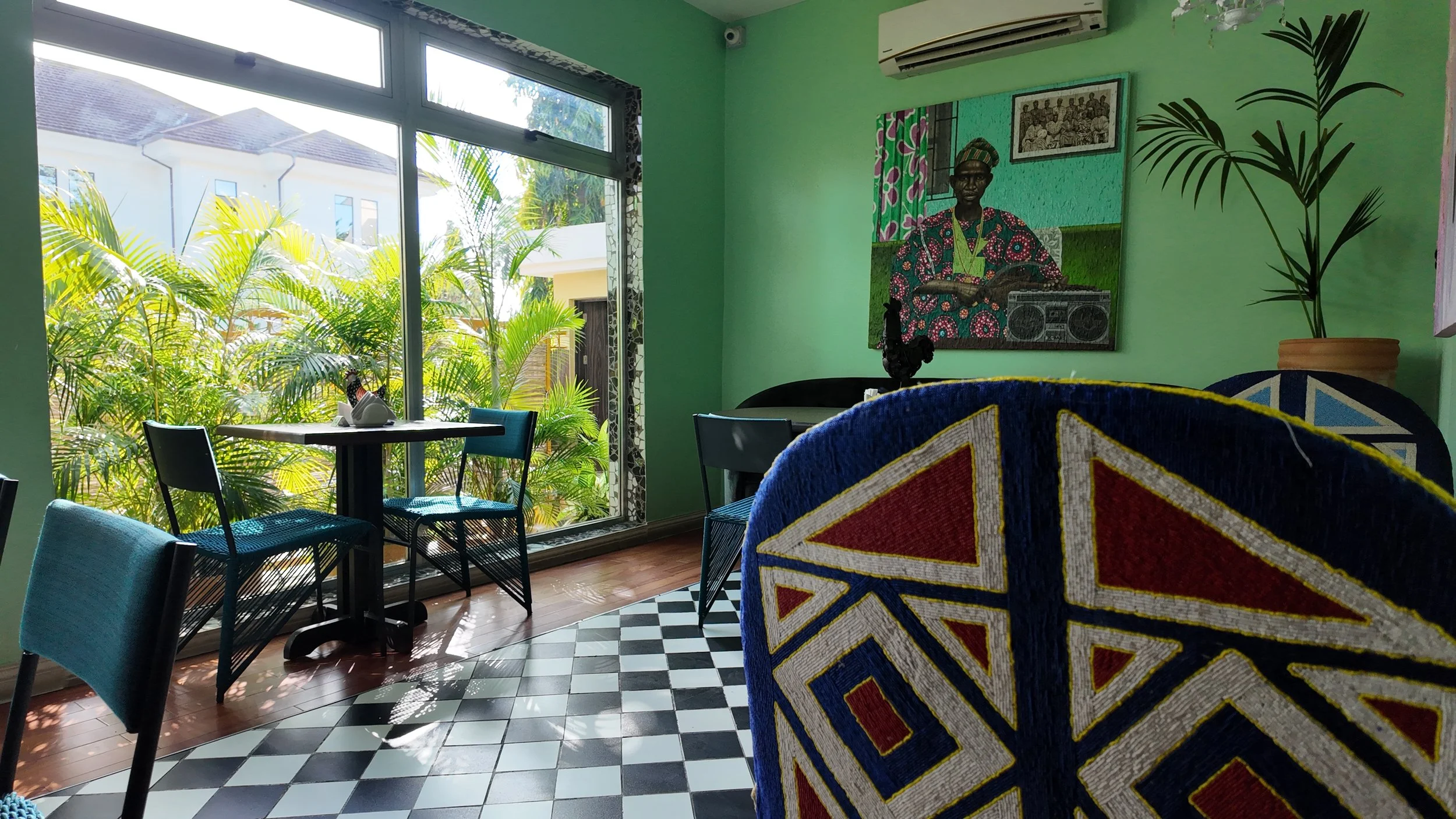
Salamander Café, home to some of the best food, wine, art, books and music in Abuja is located at 15b Parakou St, Wuse, FCT Abuja, Nigeria.
By Africa-Related Abuja, Nigeria
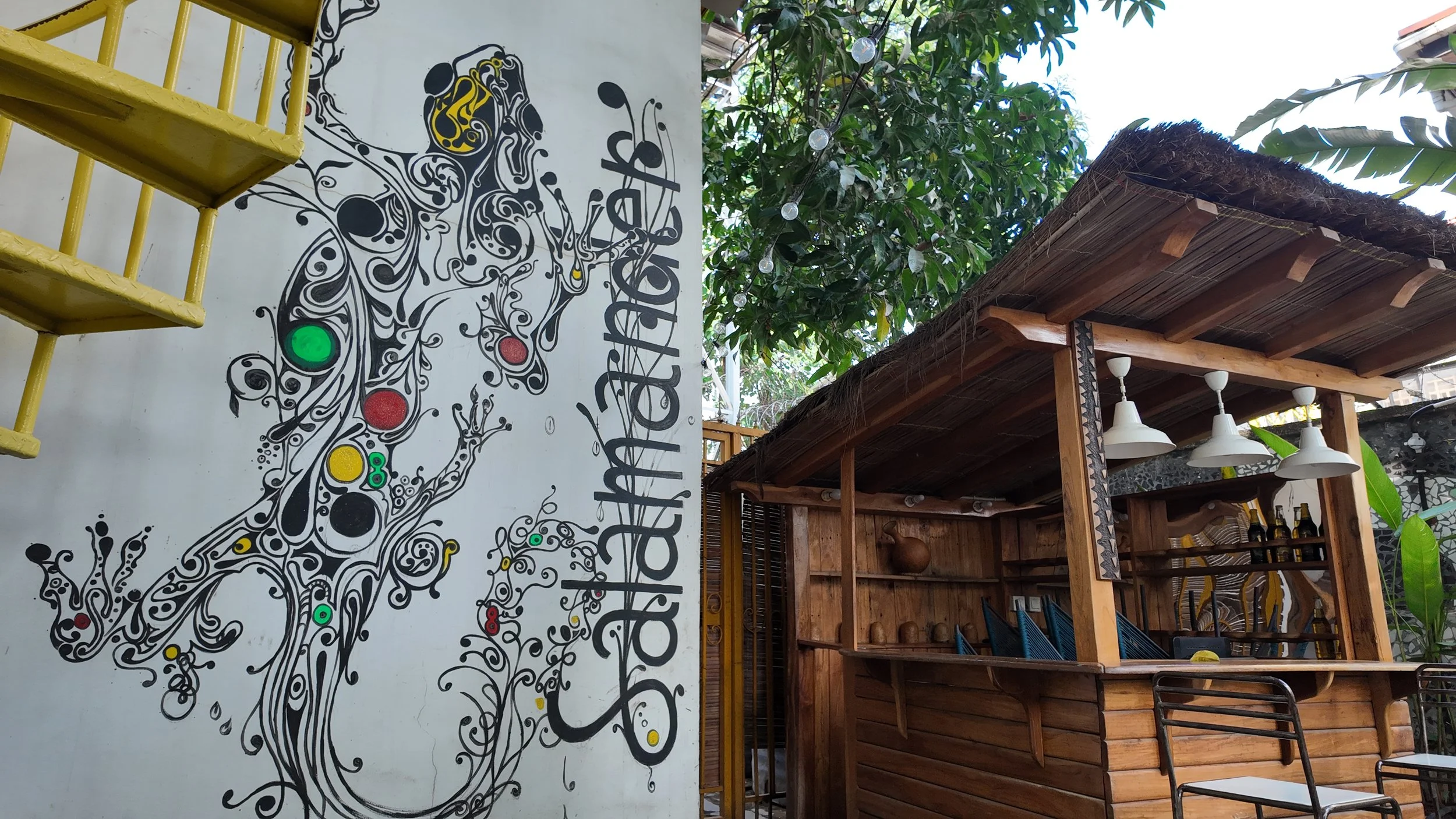
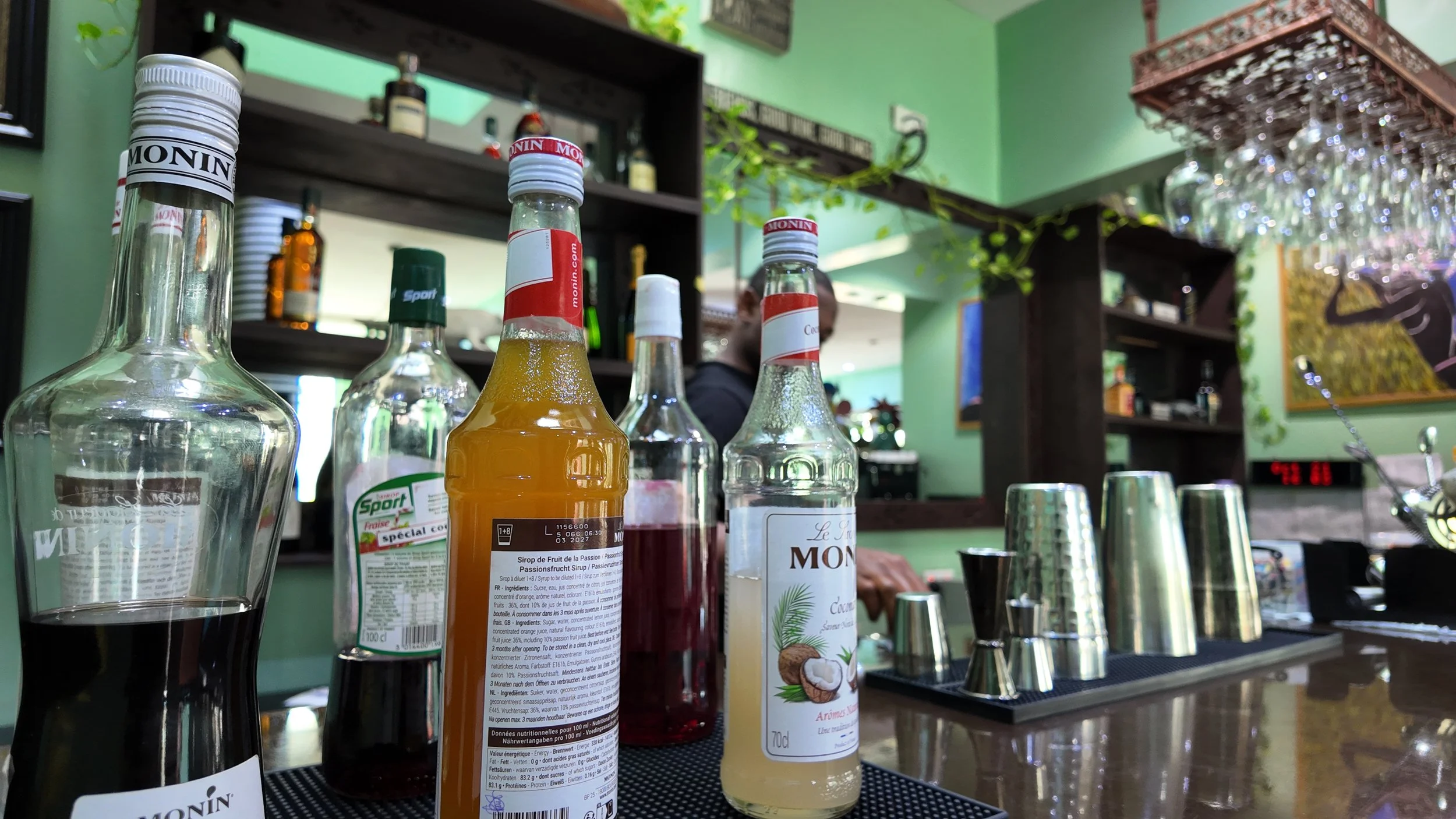
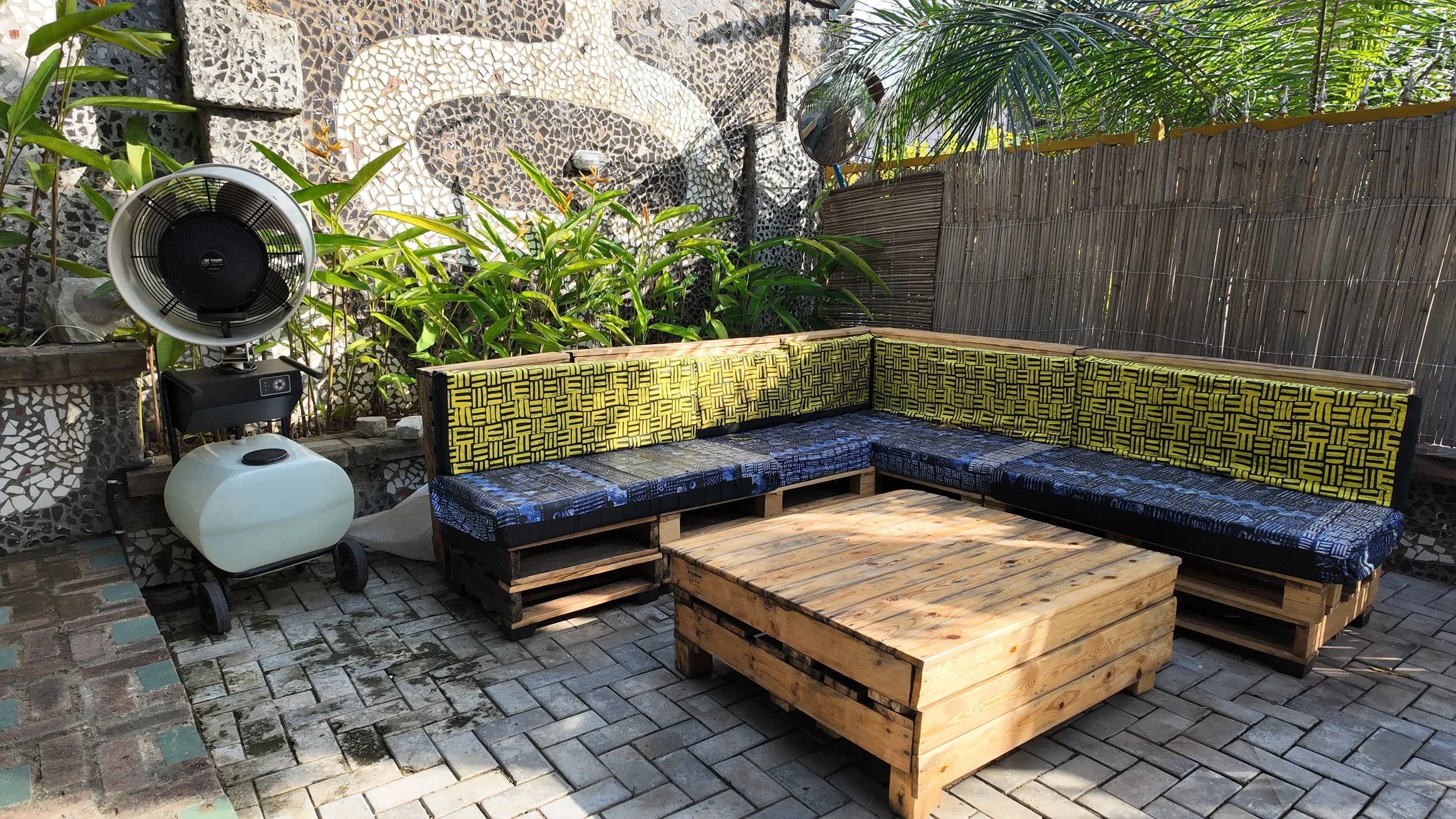
Outdoor Bar at Salamander Cafe, Abuja. (Photo Africa-Related)
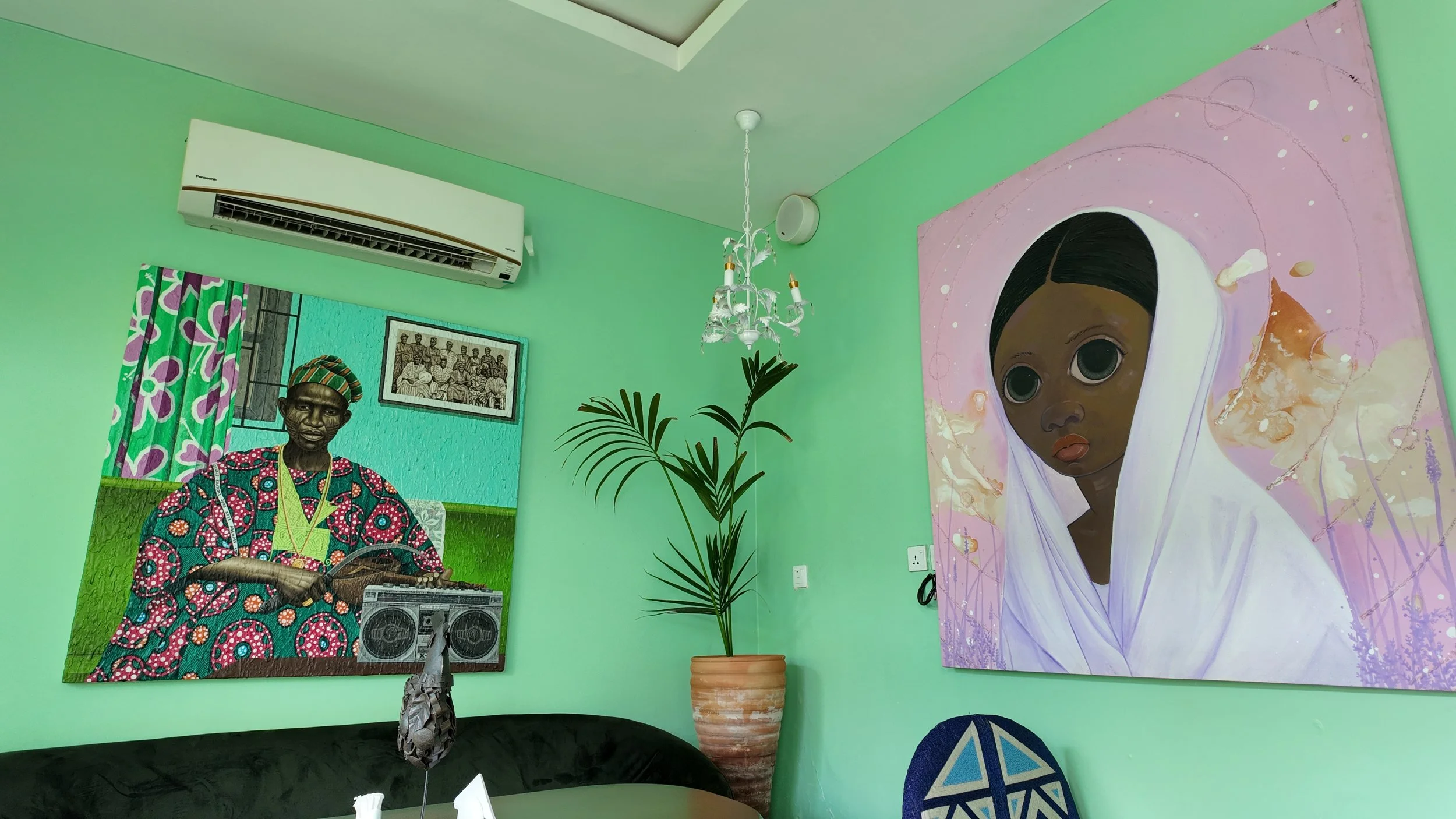
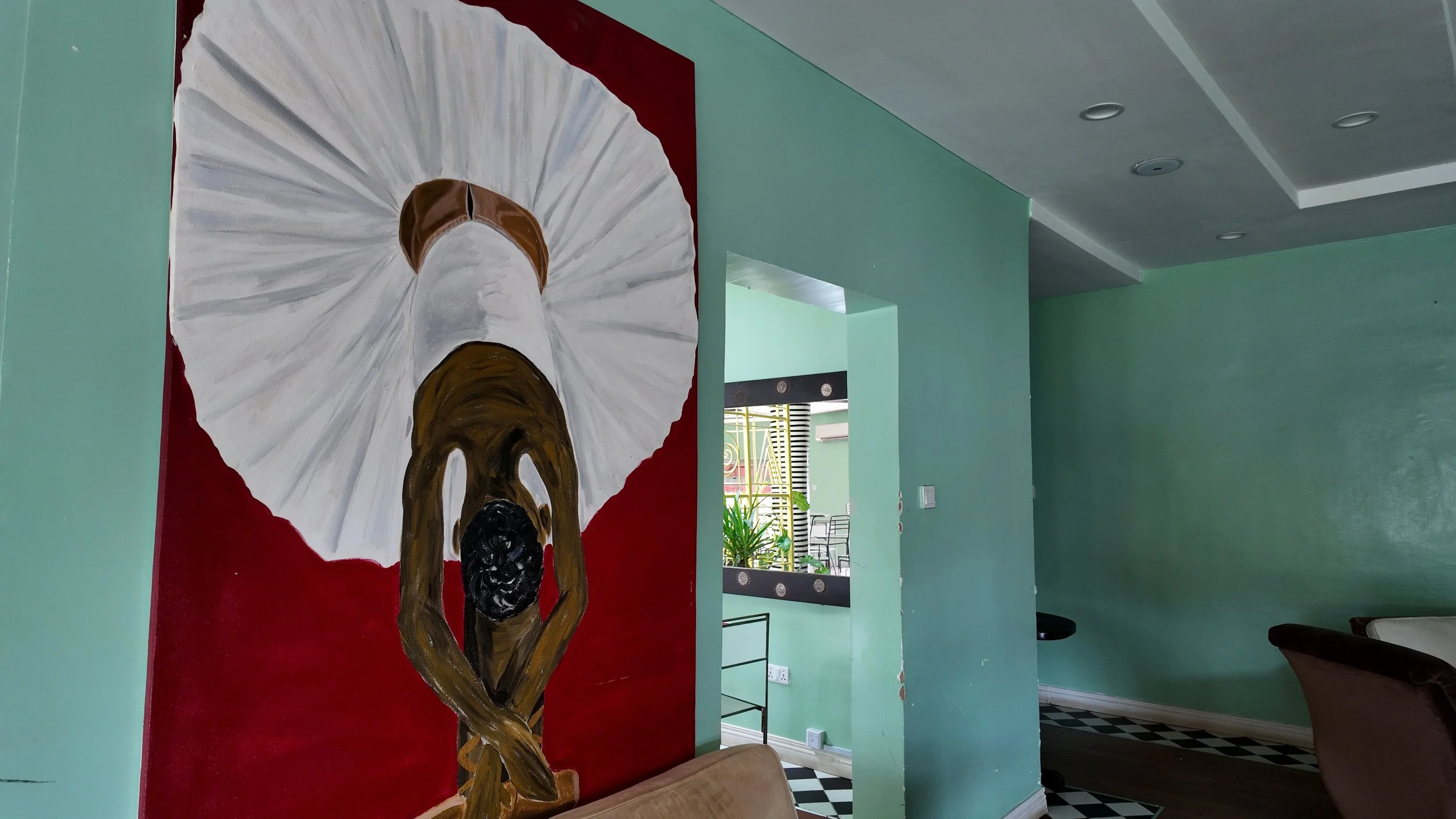
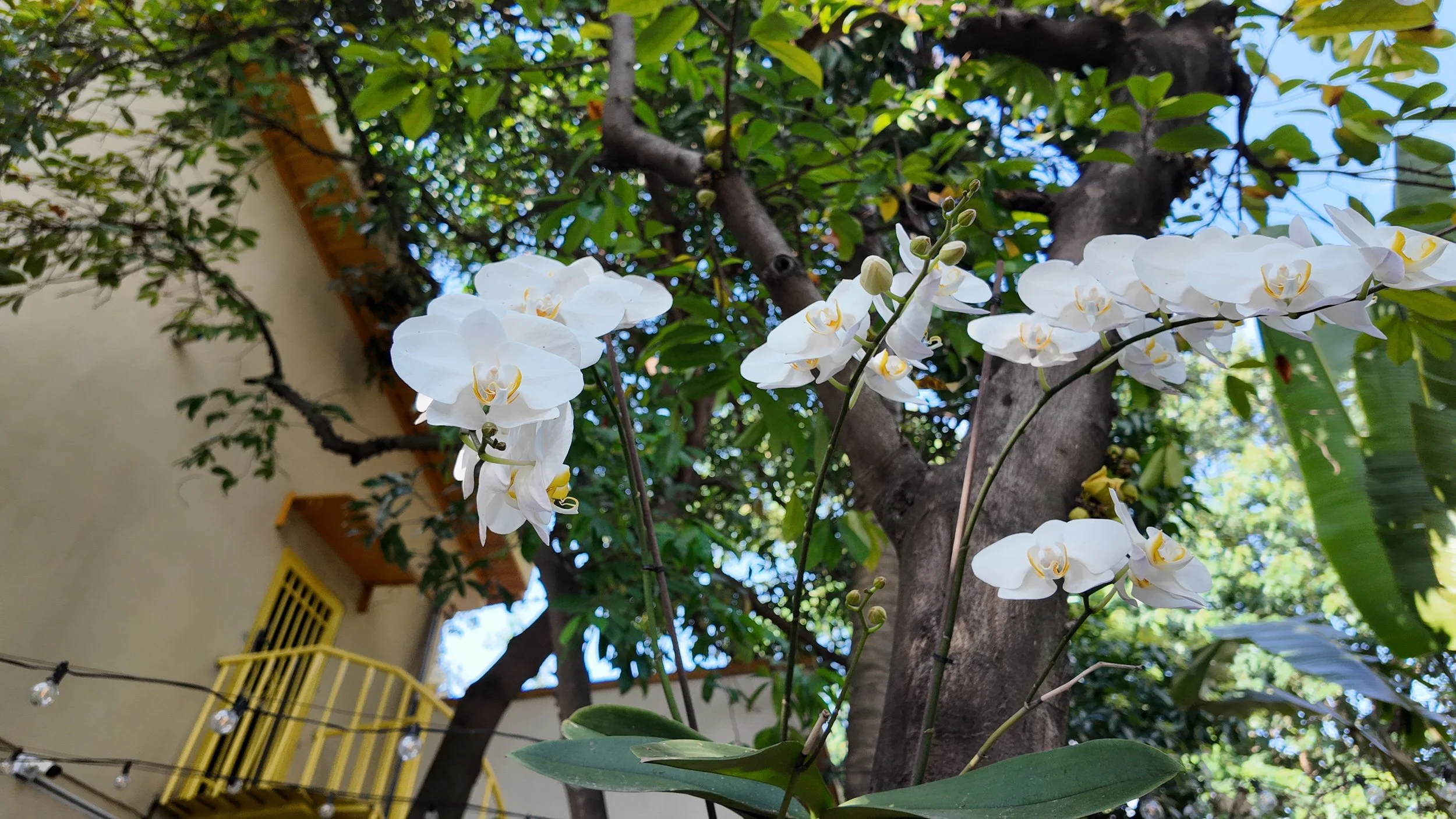
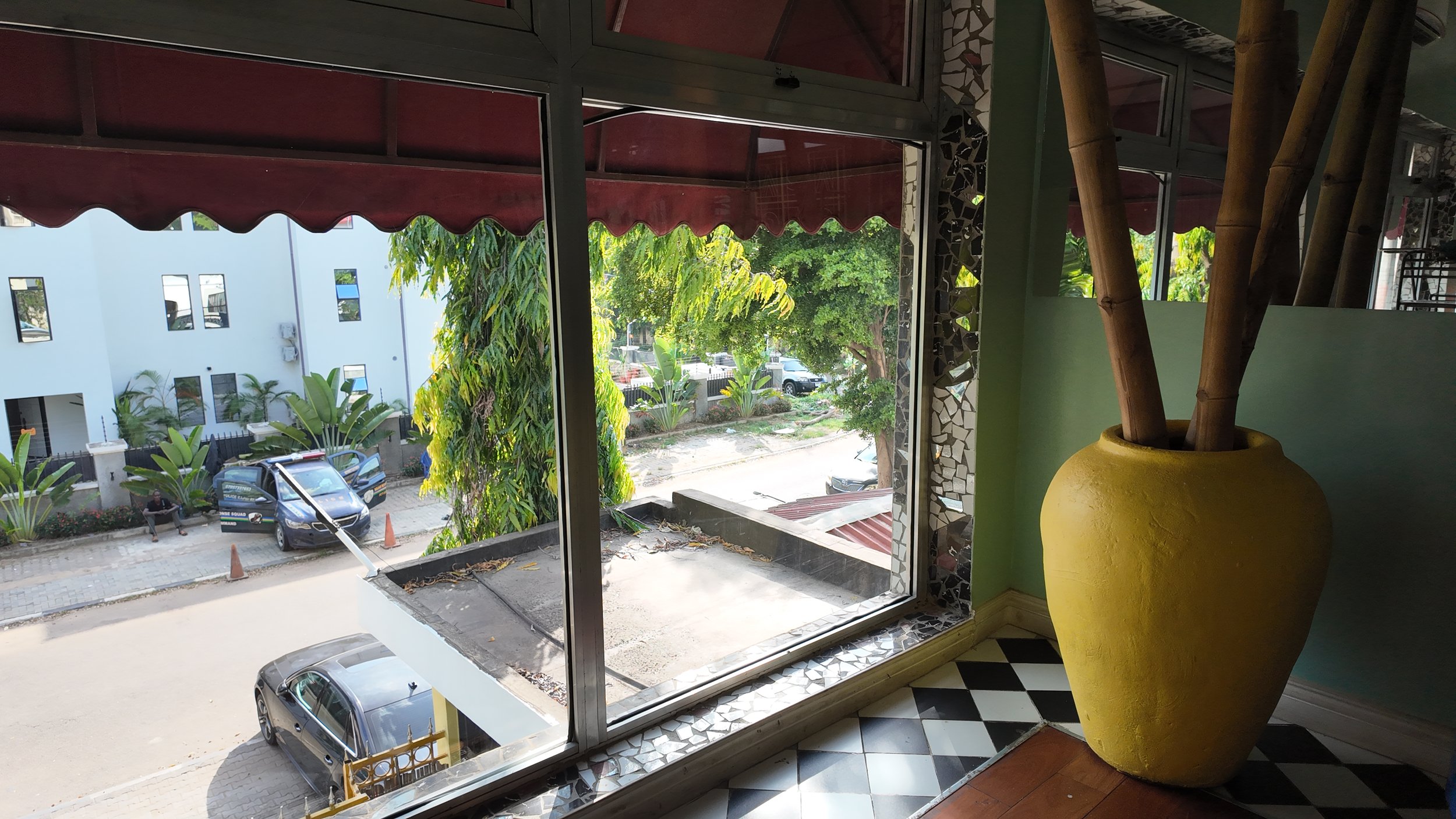
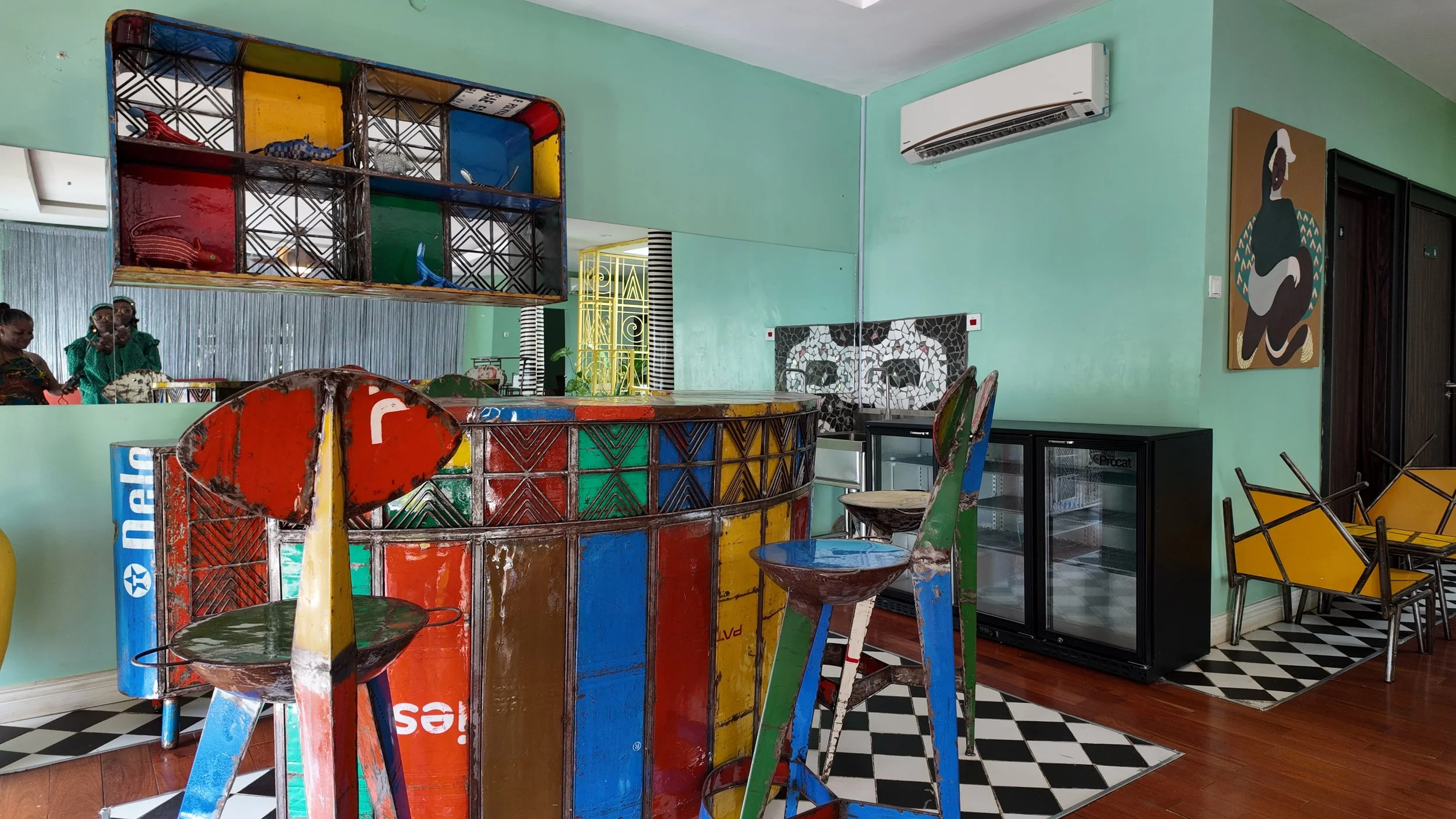
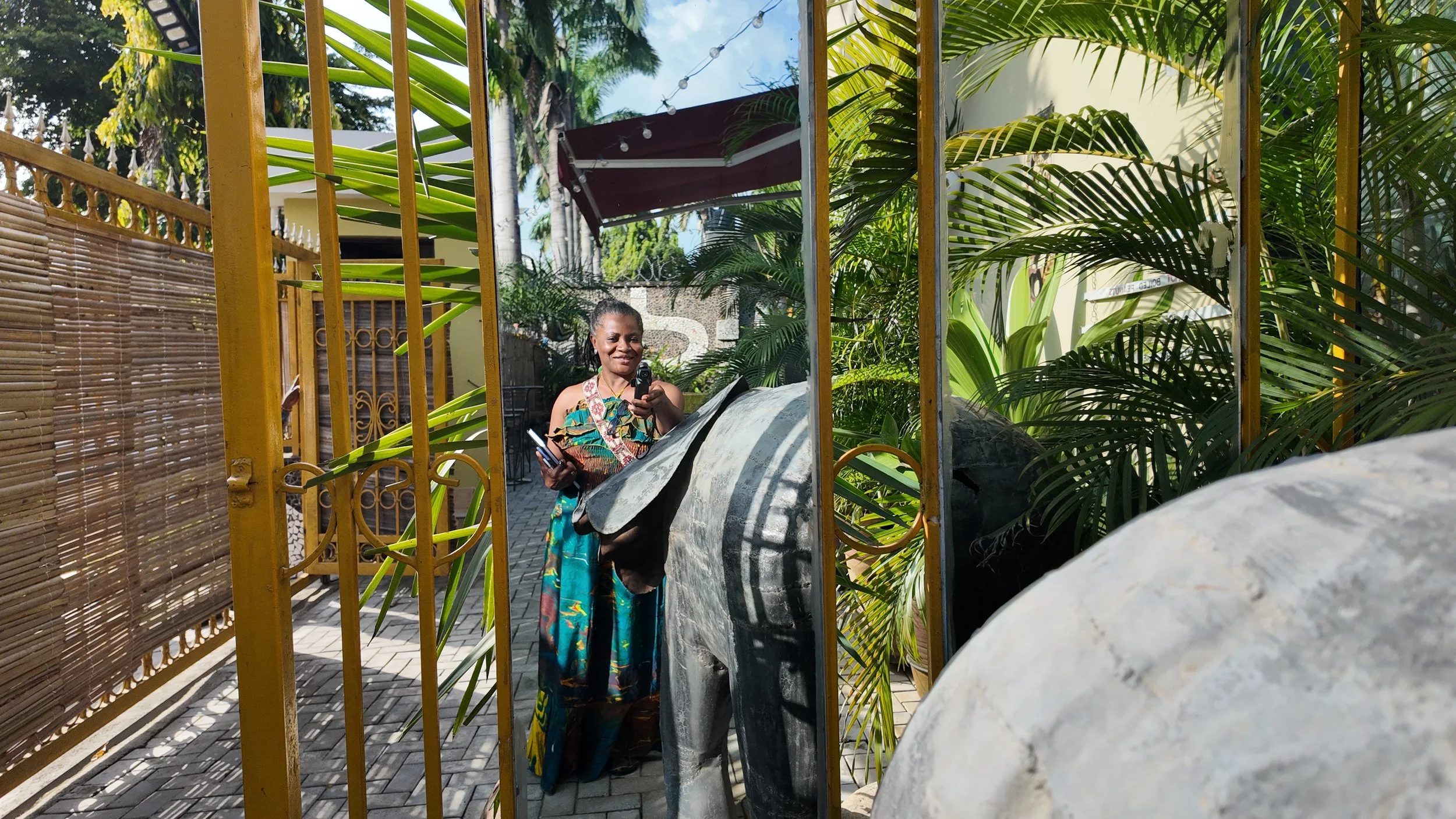
Salamander Café is home to some of the best food, wine, art, books and music in Abuja located at 15b Parakou St, Wuse, FCT Abuja, Nigeria. The space features the an Open-Concept Space, Gourmet Kitchen, Luxurious Deco, Book Store, Exhibition Gallery and a Beautifully Landscaped Outdoors
This video captures the spirit of Salamander Cafe, its artistic aesthetics, solemn space and quality-driven services.
“It’s a third space that means different things to different people...”




share this story
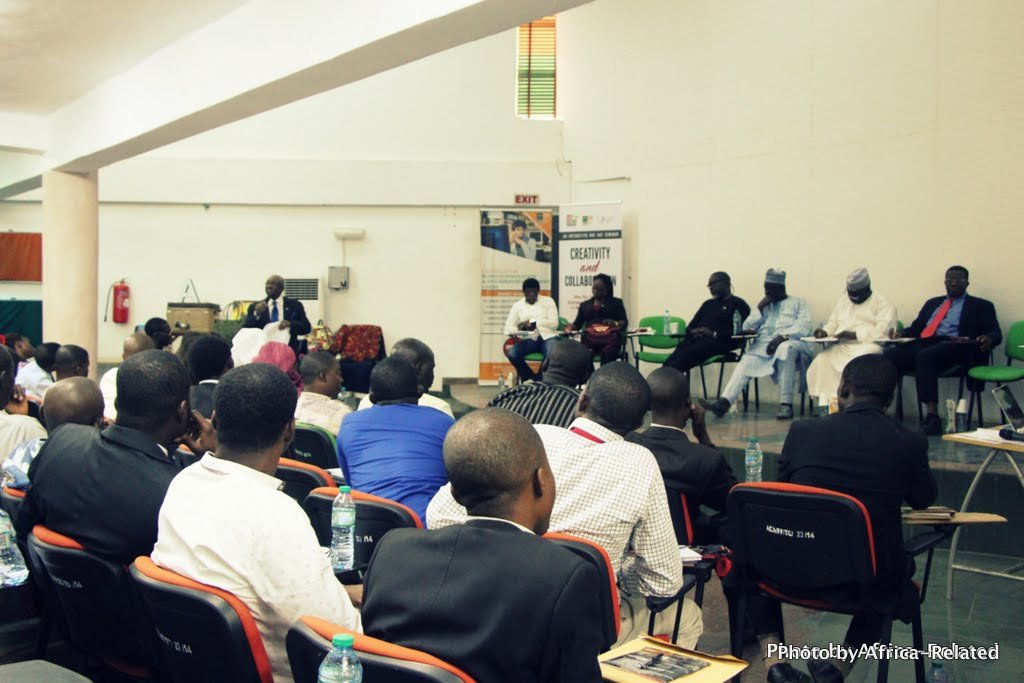
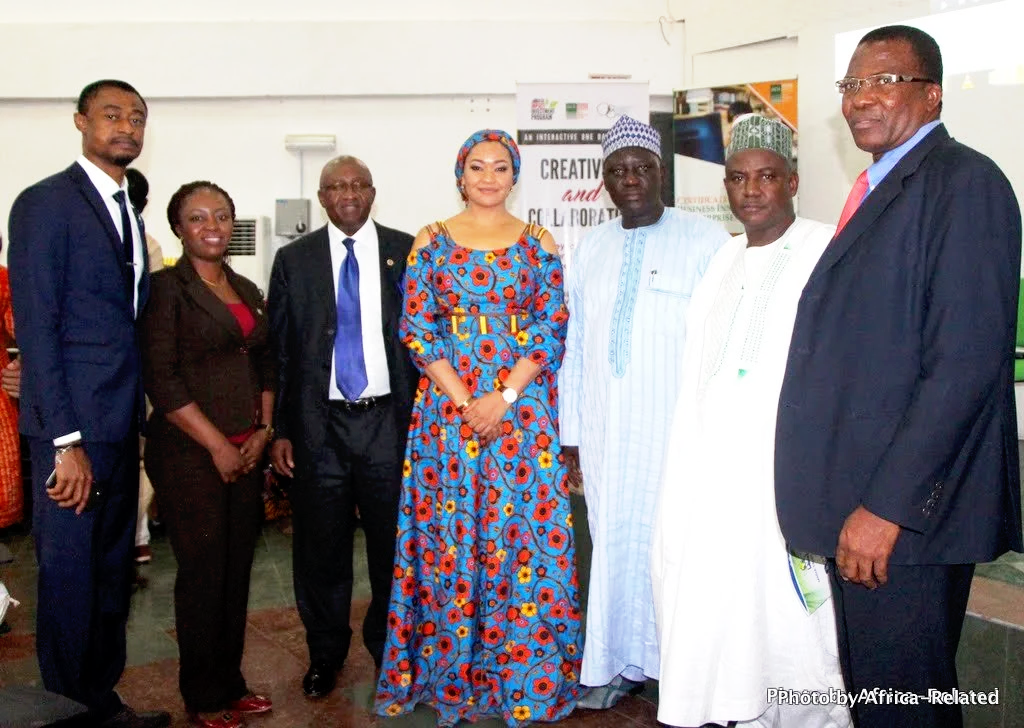
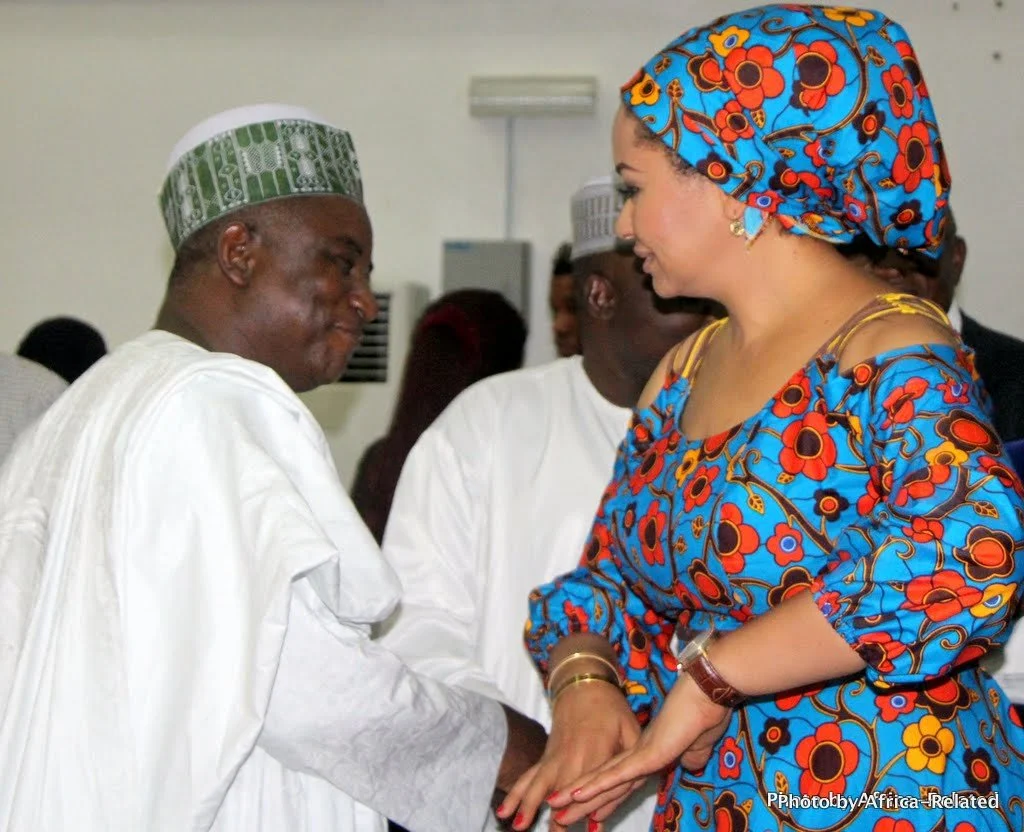
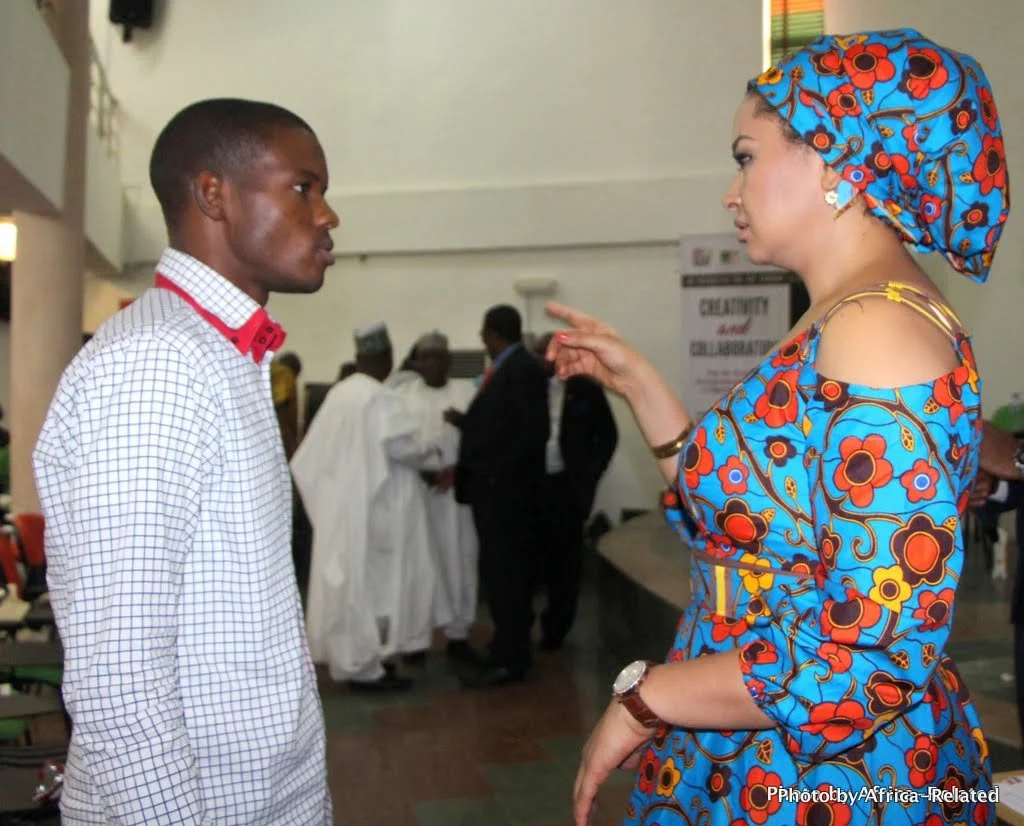
Builder's Hub Impact Investment Program - Creativity & Collaboration
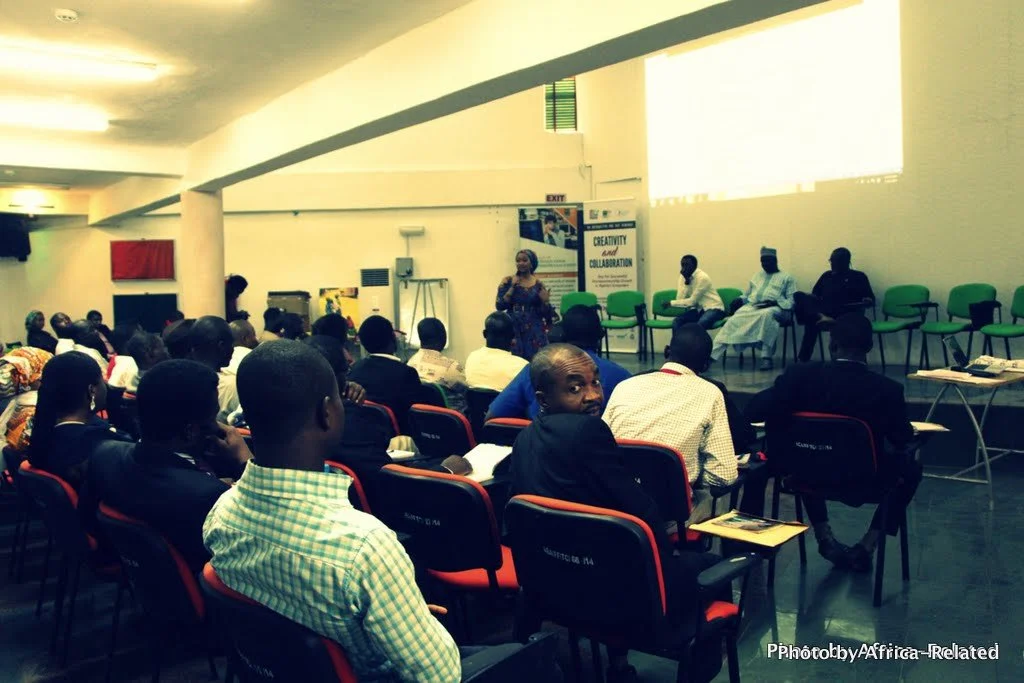
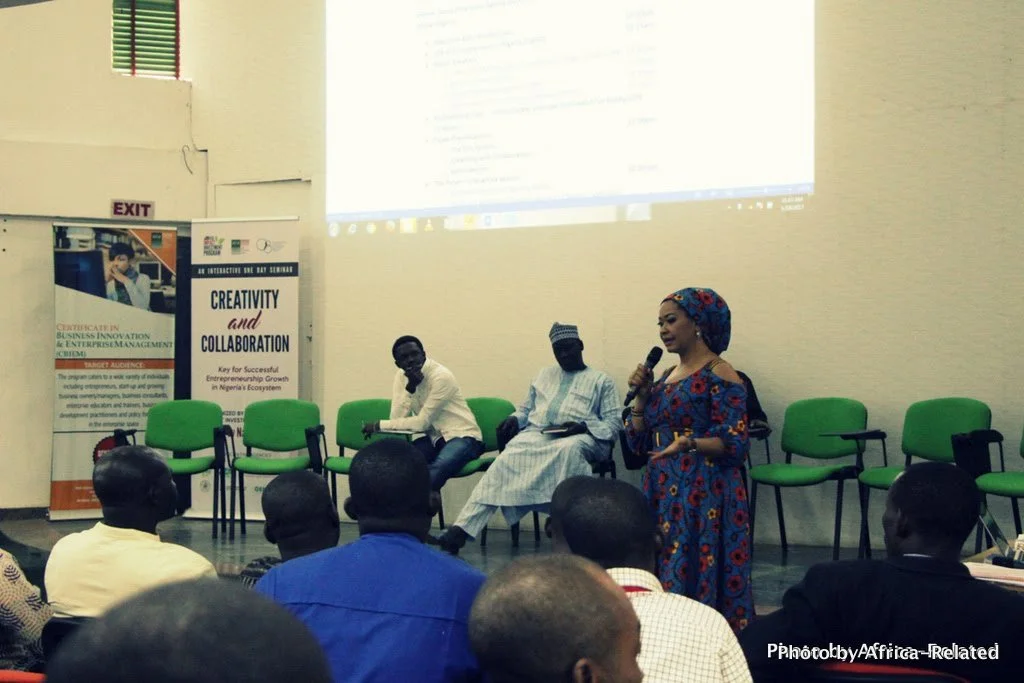
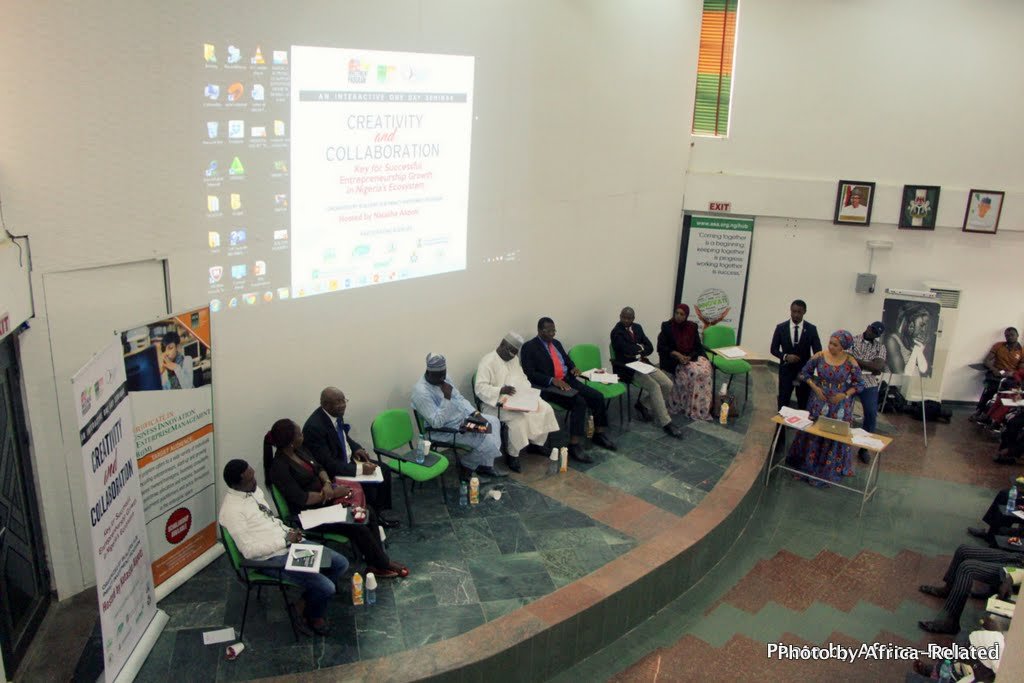
A COMMUNIQUE ISSUED AT THE END OF THE ONE DAY SEMINAR FOR ENTREPRENEURS.
OYIZA ADABA | AFRICA-RELATED NIGERIA
A COMMUNIQUE ISSUED AT THE END OF THE ONE DAY SEMINAR FOR ENTREPRENEURS.
THEME: CREATIVITY and COLLABORATION:
Key for Successful Entrepreneurship Growth in Nigeria’s Ecosystem.
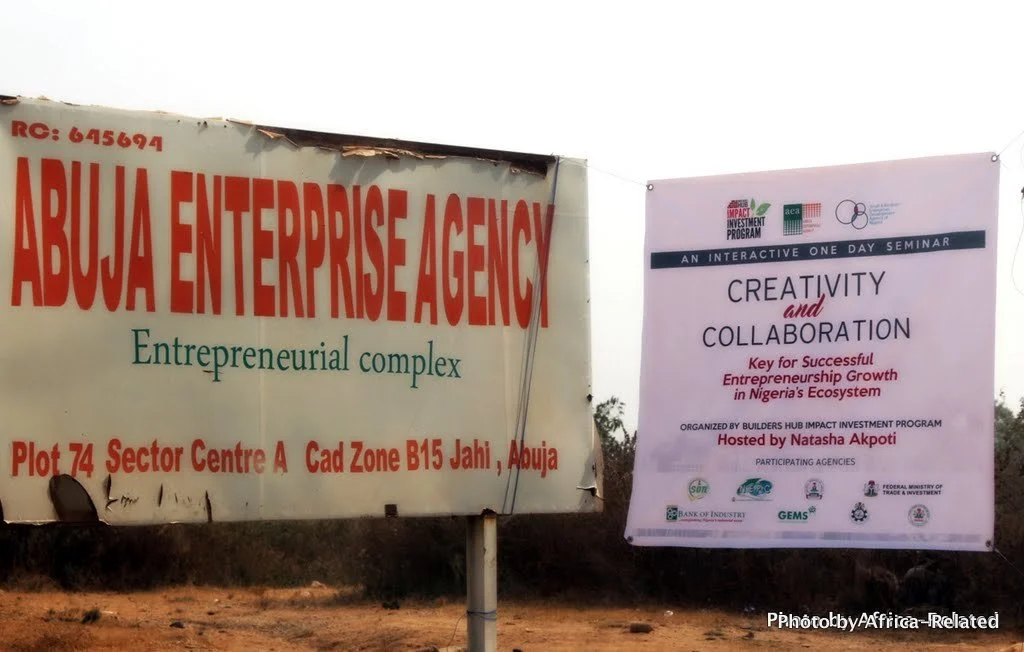
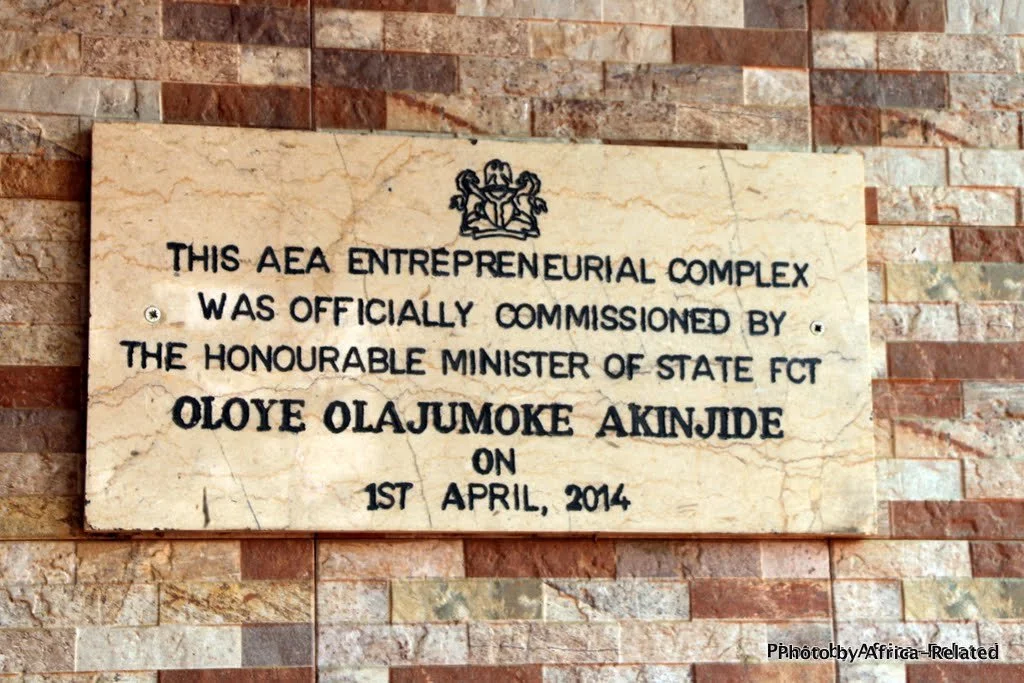
VENUE: ABUJA ENTERPRICE AGENCY
DATE: JAN 19, 2017 @ 10:00am.
We herein appreciate all participating agencies and participants. The success of this seminar could not have been possible without your immense contributions to this seminar.
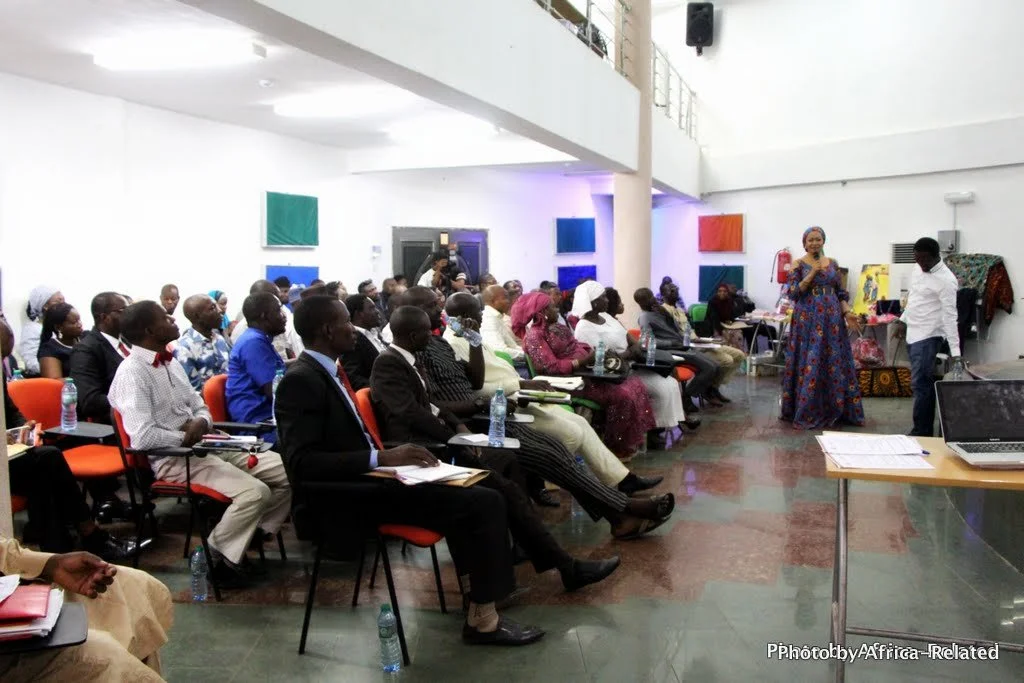
This communiqué has been compiled using a feedback questionnaire of start-up and existing enterprises whose participation was upon a carefully selected nationwide application process aimed at forging an interaction amongst stakeholders in the Nigeria’s entrepreneurial ecosystem. The general overview and concerns captured below are based solely on the information provided by the participating government agencies and institutions duly represented.
Abuja Enterprises Agency
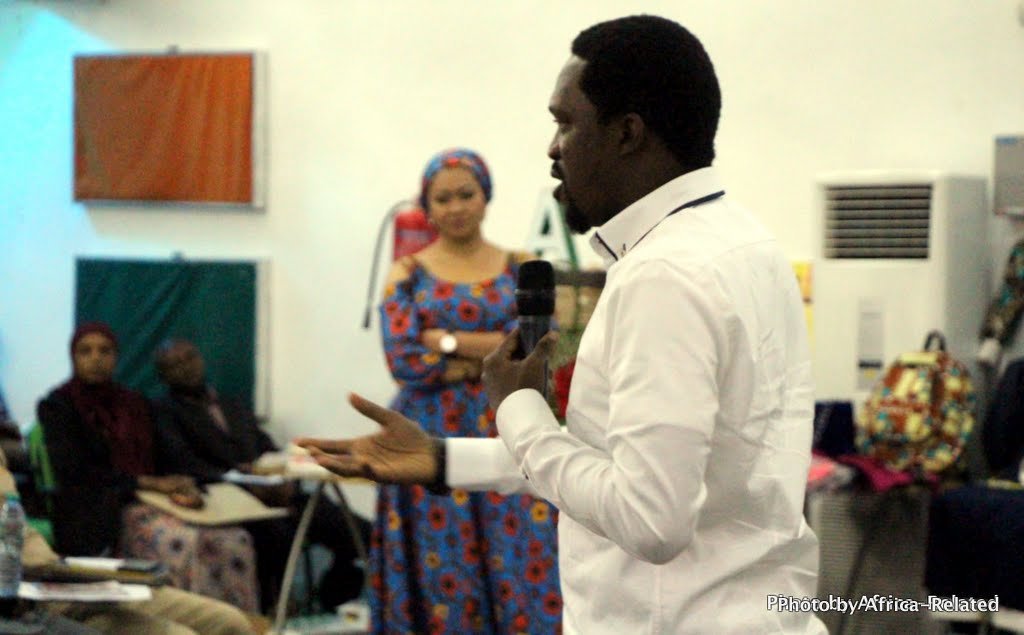
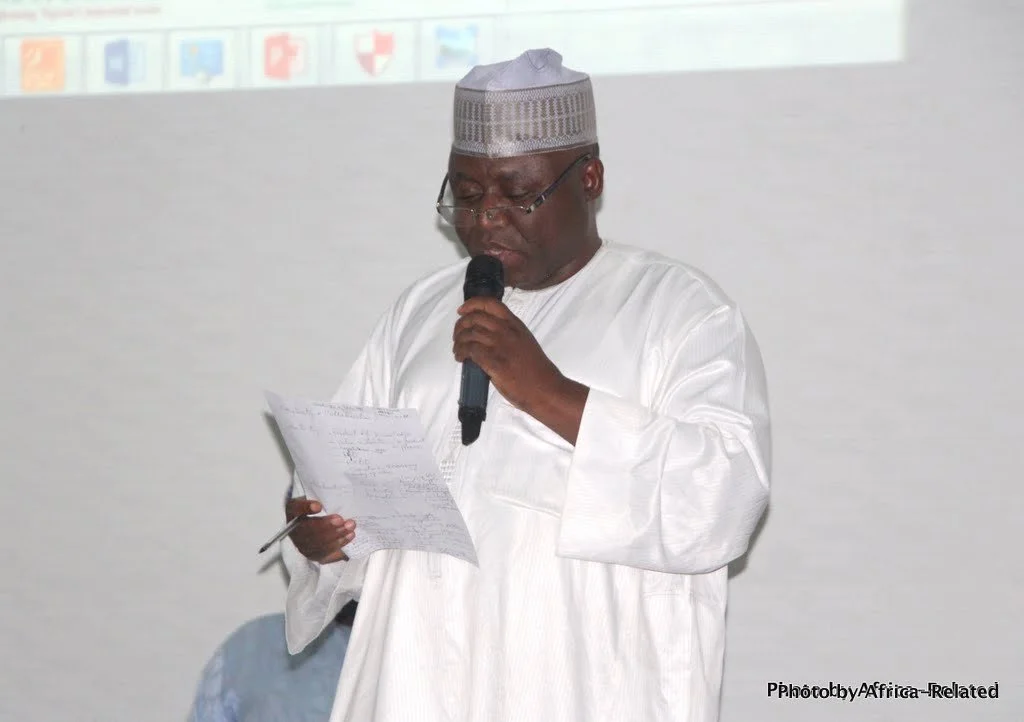
All participants (private and public) were appreciative of AEA’s generosity in hosting the event free of charge. Mr. Chudi Ezerigwe explained the functions the agency proffered to MSMEs particularly those situated in the Federal Capital Territory while extending reassuring words of encouragement to every enterprise. However,
1. 90% of the participants residing in Abuja herad about AEA for the first time. More effective presence needed especially at the Micro levels.
2. 70% wanted AEA to liaise with SMEDAN on regional and state engagements for more impact
3. More information and continuous information will be needed about AEA on radios and in local dialects. This is because most MSMEs are located in the outskirts of town and where print media isn’t as available and effect as their radio stations.
SMEDAN
That Dr. Friday Okpara of SMEDAN spoke quite interestingly on the established responsibilities of the agency as it relates relevantly to the growth of Small and Medium enterprises but 80% noted that;
1. SMEDAN is not an effective one-stop-shop able to cater to their start up and business scaling needs. Meaning that, they are further referred to other agencies for e g funding, certification etc. 100% wanted more effectiveness at regional levels.
2. SMEDAN should incorporate Micro businesses in their schedule of activities
3. SMEDAN is too important to be too distant from the grassroot enterprises. Regional and state offices must be more effective.
4. SMEDAN should liaise better with all other agencies and collate all MSME offers for easy dissemination.
5. More sensitization for start-ups and existing entrepreneurs needed nation-wide.
CAC
That Hajiya Hafsat Denge of Sokoto CAC brought to light good initiatives CAC implemented to ease the means of ‘new business registration; however 72% of the participants were of the view that;
1. 10,000 naira for Business name and Company registration is still too expensive for Mirco and Small businesses.
2. Fee waivers for other corporate filings and certifications should be considered for the Micro and Small businesses.
3. To embark on impactful awareness programs to inform the general public about the various rates of the agency’s services and general procedures; the absence of which leaves room for fraudsters.
Growth and Employment
Participants were extremely impressed with the Project Coordinator, Mr. Y.S. Labaran’s lectures on GEM grant and capacity building initiatives but 100% think that:
1. With the high percentage of start-ups in Nigeria, GEM should broaden their acceptance criteria to include start-ups. The 6 months and 5 staff workforce minimum requirement is too stringent.
2. That there should be more awareness created on the GEM program nationwide. 3. As GEM rounds up operations in a year, are there follow up plans?.
Nigeria Export Promotion Council
Director, Barrister George Enyiekpon’s thorough briefing of NEPC role and incentives towards promoting export of Nigerian made goods was highly appreciated by all participating enterprises. However, 90% opined that:
1. NEPC should conduct more grassroot awareness, as lessons on export preparedness need to be learned from the early stages of business.
2. NPEC should aggressively promote the acceptability of Nigerian made goods in foreign lands. Exhibitions and adverts would go a long way.
3. Hands-on capacity building programs must run frequently and regionally for better understanding on product quality, packaging etc necessary for the international markets.
4. NEPC should form strategic alliances with foreign countries and organizations geared towards promoting trade from African countries such as AGOA, Fairtrade, CBI etc and make such information available to the Mirco and Small businesses at the grassroots level.
Bank of Industry
Mr. Tolulope Toluwase of BOI’s presentation was very informative and easy to digest by 100% of the participants. However;
1. The “single digit” 9% interest rate was not feasible for Micro and Small businesses. On the average, participants opted for 3% as an acceptable interest rate.
2. In line with the current high number of start-ups, BOI should consider conducting more business management workshops nationwide possibly in each state on a continuous basis.
3. Cash and tools/ workshop financing packages should consider start-ups.
4. BOI should interact more with SMEDAN and other capacity building service providers.
National Board for Technology Incubation
The impressive presentation of the DG, Dr. Jibrin was appreciated by all participants. However;
1. 100% of participants were not aware of NBTI’s existence. This is a huge problem.
2. That NBTI should be more present in the lives of businesses at ALL levels by establishing business Incubation centres in each state and specialized Incubation centres regionally.
3. A lot of sensitization of NBTI’s functions should be aired on electronic media especially radio in local dialect for grassroot reach out.
4. To liaise more with SMEDAN and other private and public service providers.
Standard Organisation of Nigeria
Mrs. Usoso Uduak gave an enlightening overview of SON’s function and certification support activities. All Participants were greatly impressed with the responsive initiatives set anew by the DG Mr. Osita Aboloma, however;
1. 90% of the participants were not aware of the incentives such as reduced certification rate, 50% waiver of laboratory fees etc. More awareness needed.
2. SON should create a booklet of Nigerian own standards serving her unique products such as palm wine, canned pepper soup, Kunu shakes, natural herbs etc.
3. 95% were worried about the certification bureaucracies setting Ghana, Kenya and Ethiopia as examples for an easier product certification serving export markets.
4. 100% asked for greater awareness at state levels since that’s where most Micro and Small businesses reside.
5. SON should liaise better with NEPC and NAFDAC to avoid process duplication.
6. Micro business and corporative should have special services. They are the most vulnerable.
7. Training seminars and workshops should be frequently conducted around Nigeria.
8. Mores responsive to start-ups and better feedback to the general public is needed frequently.
NAFDAC
Participating entrepreneurs appreciated the information shared with them by Mr. Bashir, but;
1. 100% are of the opinion that a dedicated MSME section should be created as they make up more than 70% of the business population.
2. Certification requirements are not realistic for Micro and Small businesses. N10,500 inspection fee, 21,000 laboratory test per product, 21,000 certificate issuance fee etc is too expensive.
3. The demand for modern equipment to be used for the production of indigenous local products is worrisome. To capture the essence and flavour of tradition, hygienic old methods must be permitted.
4. NAFDAC should consider relying on SON’s product laboratory test where applicable to avoid double dipping of costs.
5. There should be real time grassroot interactions between Micro and Small enterprises and NAFDAC.
6. Liaise with SMEDAN, NBTI, NOA and other relevant agencies.
7. Effective awareness creating seminars and capacity building workshops are needed nationwide and very often. Use electronic media to educate the public in local dialects.
BHIIP
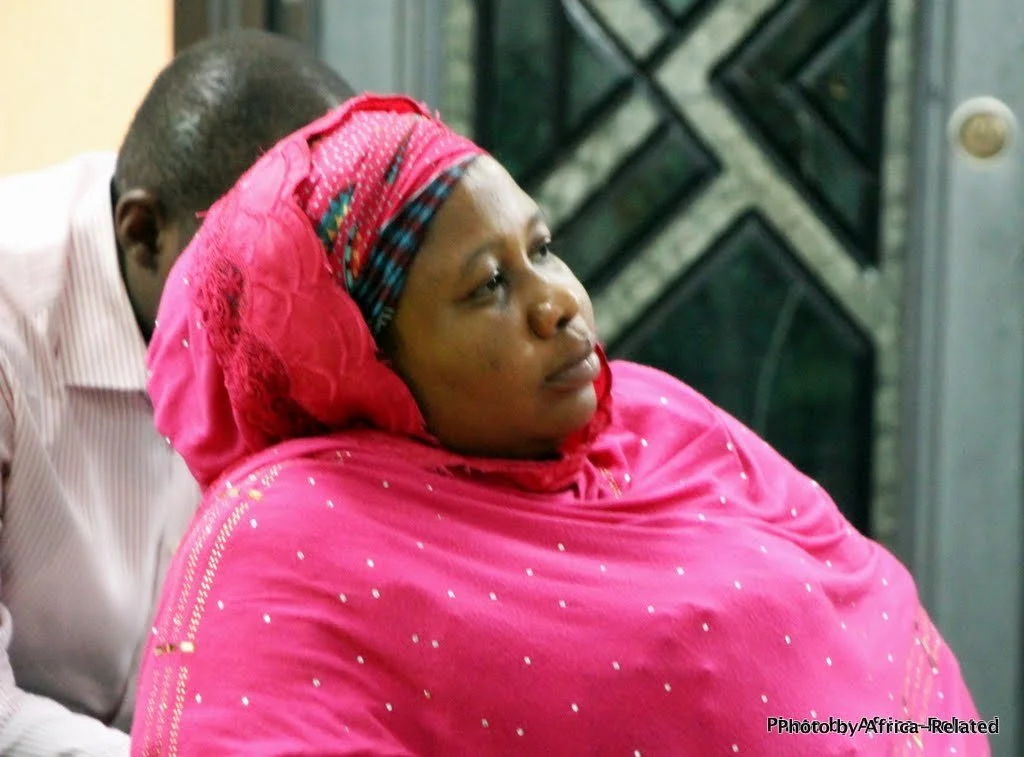
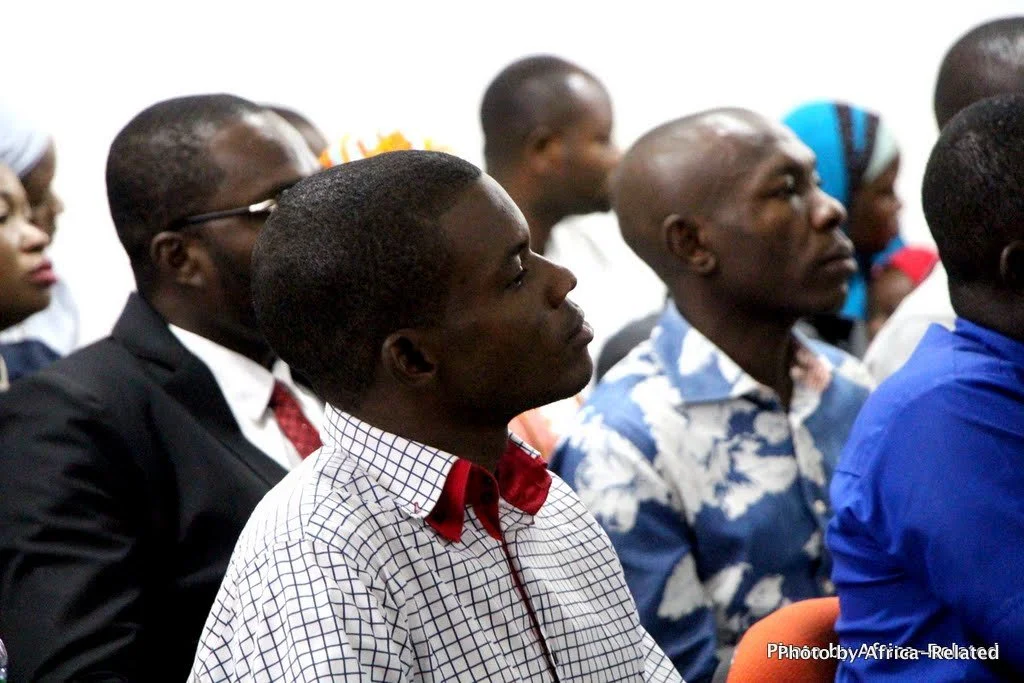
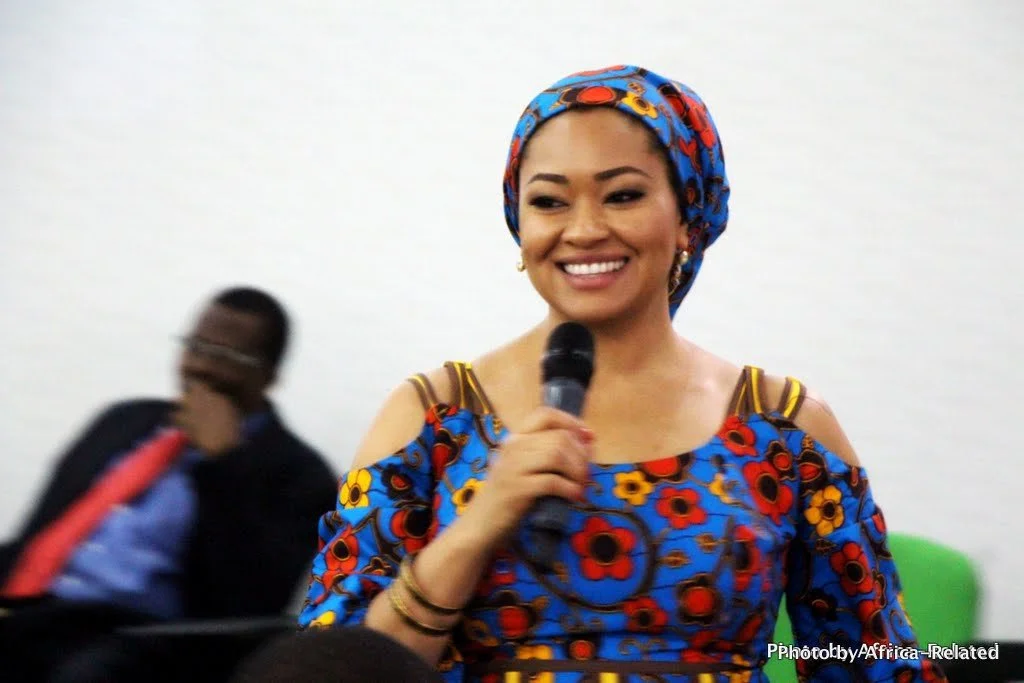
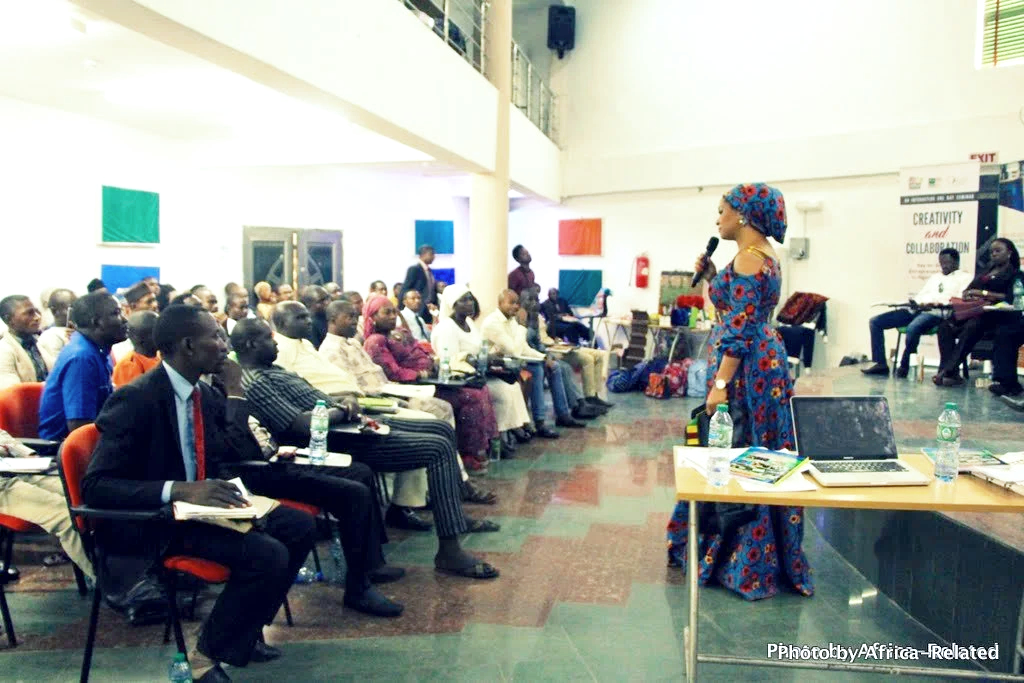
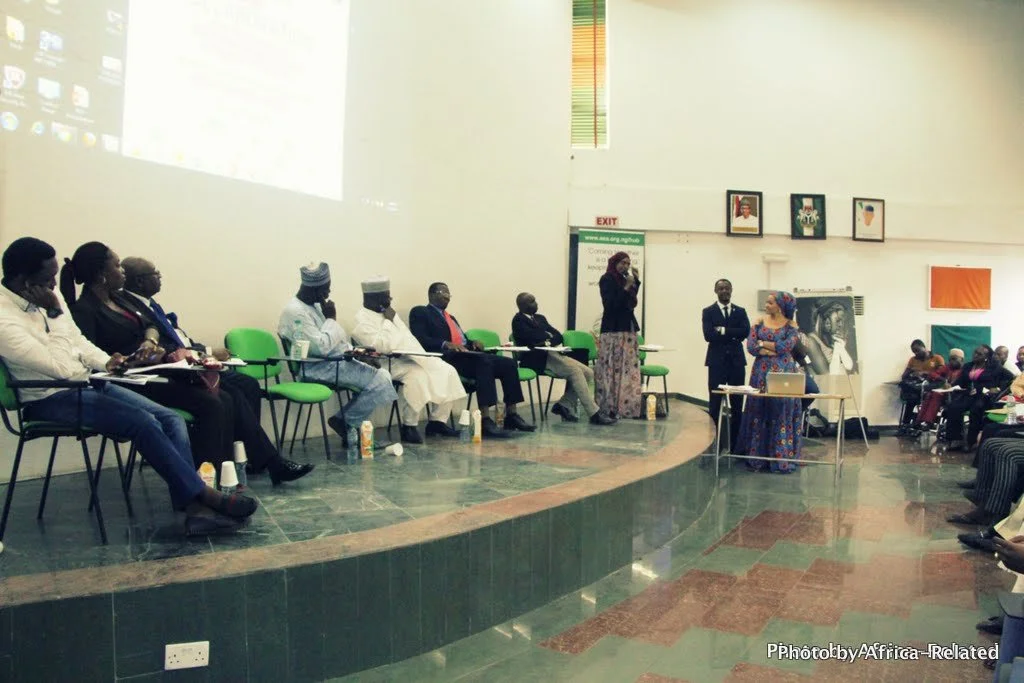
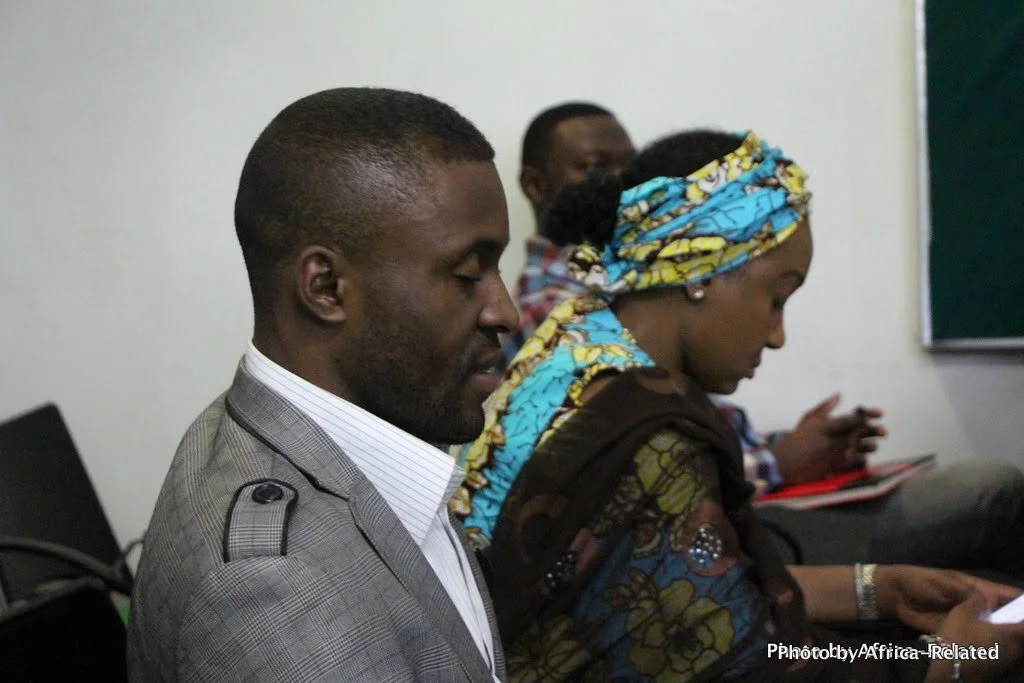
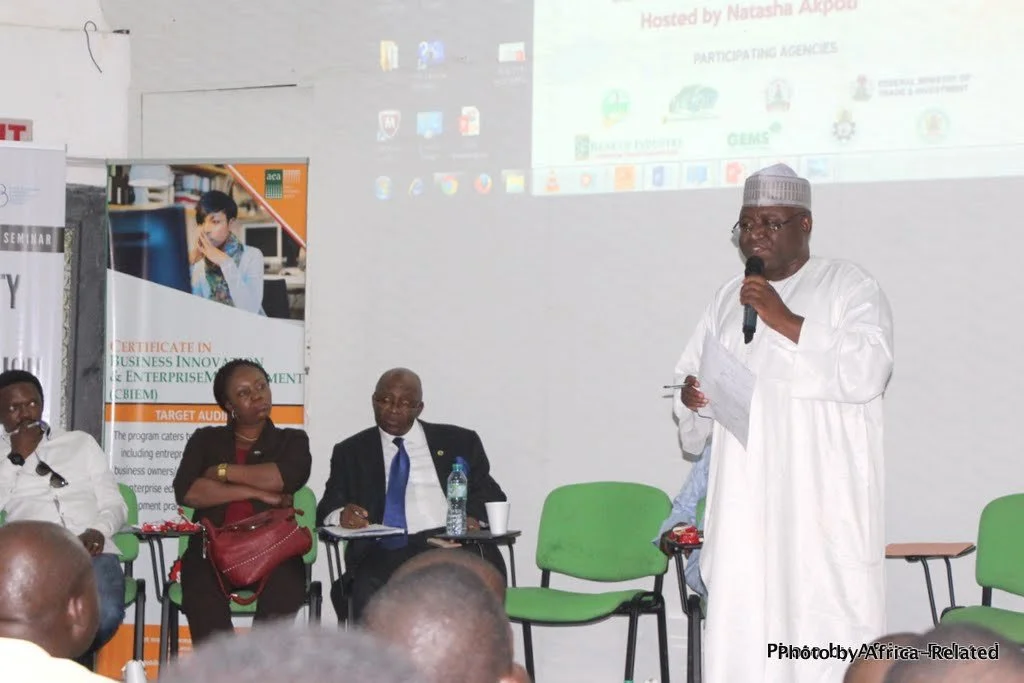
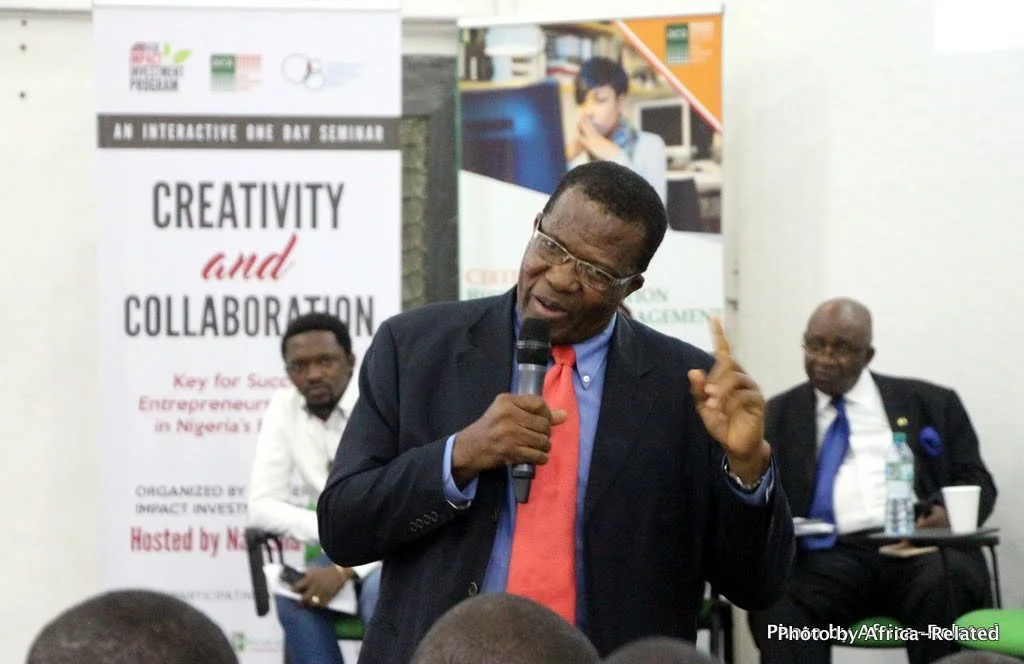
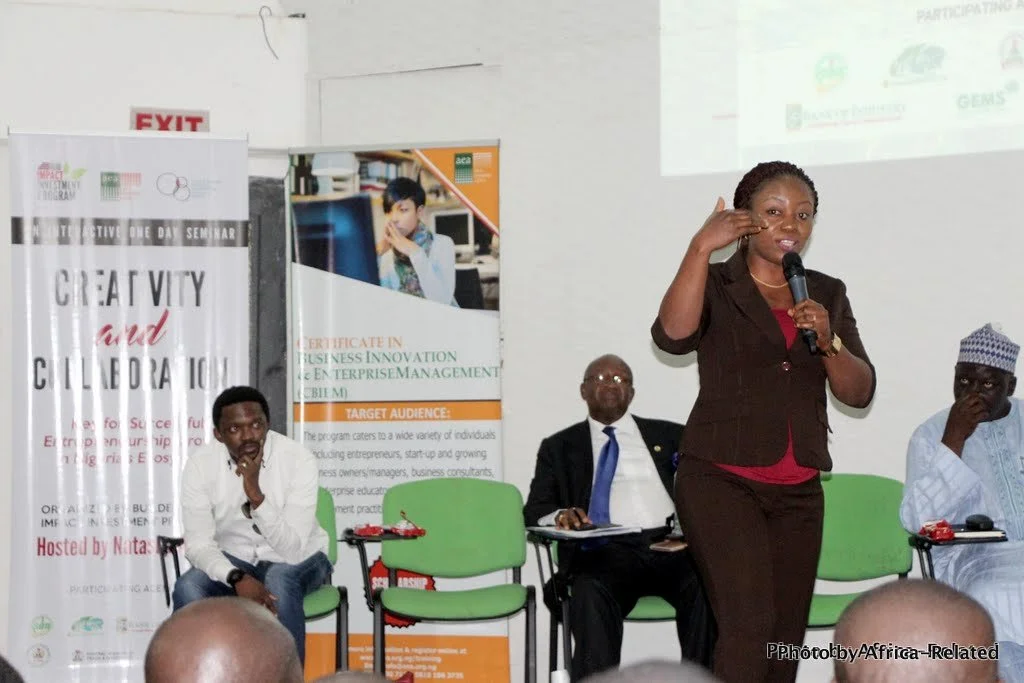
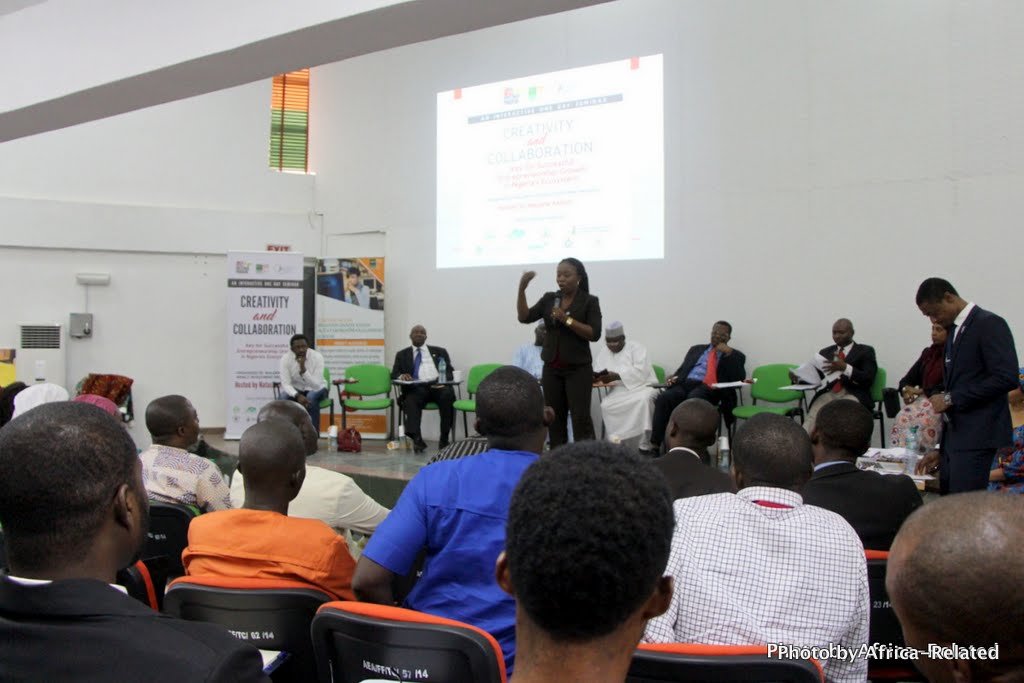
There was tremendous applause to BHIIP for its efforts in conducting such an engaging and interactive seminar which brought together under one roof, many regulatory agencies, business support institutions and enterprises of all facets to learn and brainstorm on how to strengthen through creativity and collaboration, the Nigerian’s ecosystem.
1. That BHIIP should ensure follow up with all regulatory agencies to ensure their concerns are adequately captured and implemented for the overall success of businesses in Nigeria.
2. BHIIP should conduct more of such seminars not only in awareness creation but also capacity building.
3. The free seminar encouraged participation of financially struggling start-ups. This free education must be encouraged nationwide for an effective grass root impact.
4. That BHIIP should serve as a bridge in forging a healthier entrepreneurial ecosystem with special input from the Mirco and Small businesses to promote effective bottom-top holistic framework in relation to funding, standards, knowledge and market.
5. There was an overwhelming agreement on the suggestion that BHIIP should be a private liaison body between the enterprises and the government agencies and business supporting institutions. Here, information regarding all manners of funding options, certifications, trainings and seminars would be obtained under one roof. This shall also be a channel where real-time service and need feedback shall be disseminated.
BHIIP’S IMPLEMENTATIONS
We acknowledge that positive impact cannot happen in isolation, it requires a collective action of all the stakeholders working together in harmony. Therefore, in line with the aforementioned observations and concerns, BHIIP shall establish an Enterprise Builder Hub, which shall serve as a network where entrepreneurs connect with systems and programs to critically think, communicate, create and collaborate their businesses into success.
Enterprise Builders Hub shall be an innovation lab, business incubator, and market generator for Nigerian made goods and services. To this, we shall encourage membership from start-ups and existing entrepreneurs to effectively benefit from our unique ecosystem of resources, inspiration and collaboration opportunities amongst themselves and agency stakeholders.
BHIIP is already in partnership with SMEDAN, being the foremost government body promoting enterprise growth. We are in the process of finalizing a partnership with AEA and will require to partner with all other agencies and institutions relevant to catalysing impact in the entrepreneurs ecosystem.
We at BHIIP believe that a better world evolves through the combined accomplishments of committed and compassionate people focused on a common vision – to promote entrepreneurial development and industrialization of our country Nigeria.
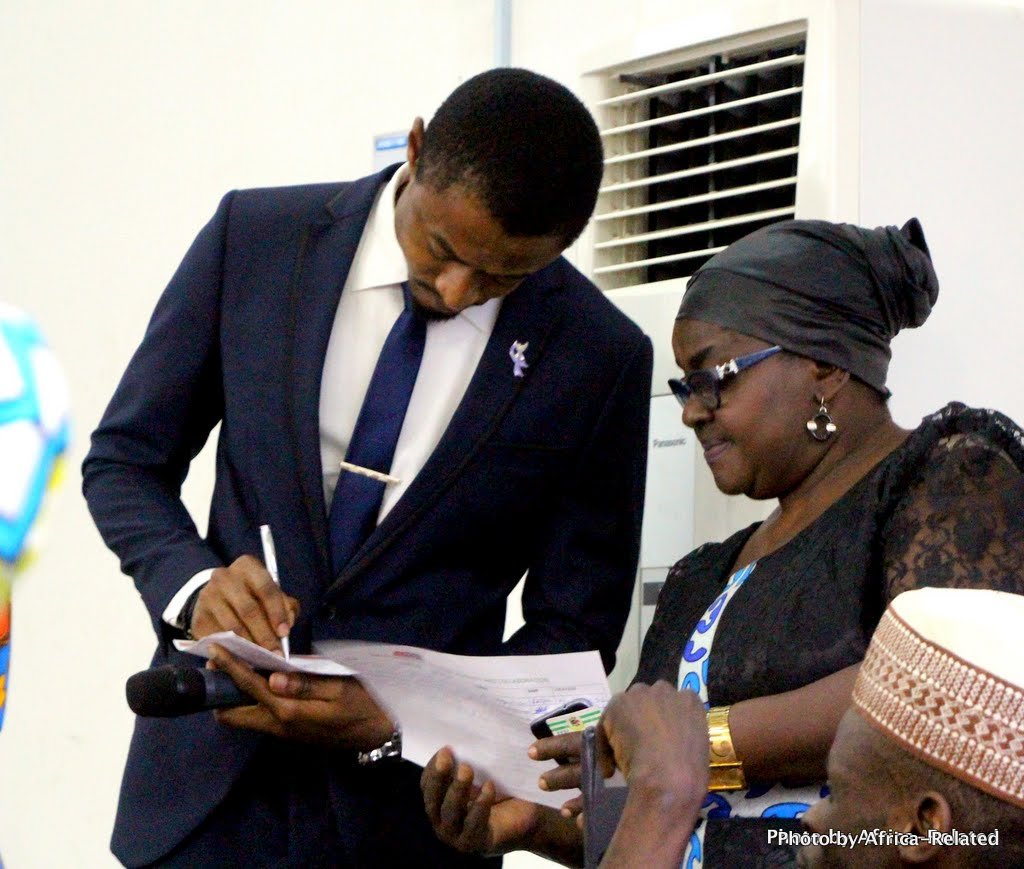
Signed By Participants
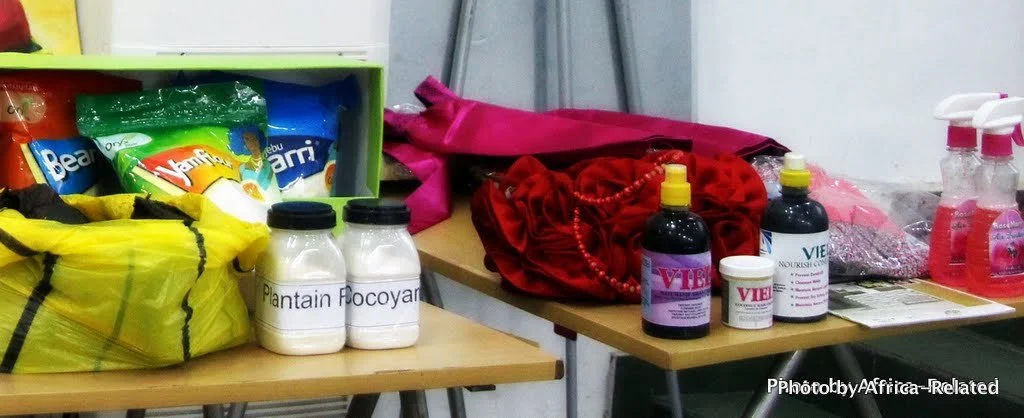
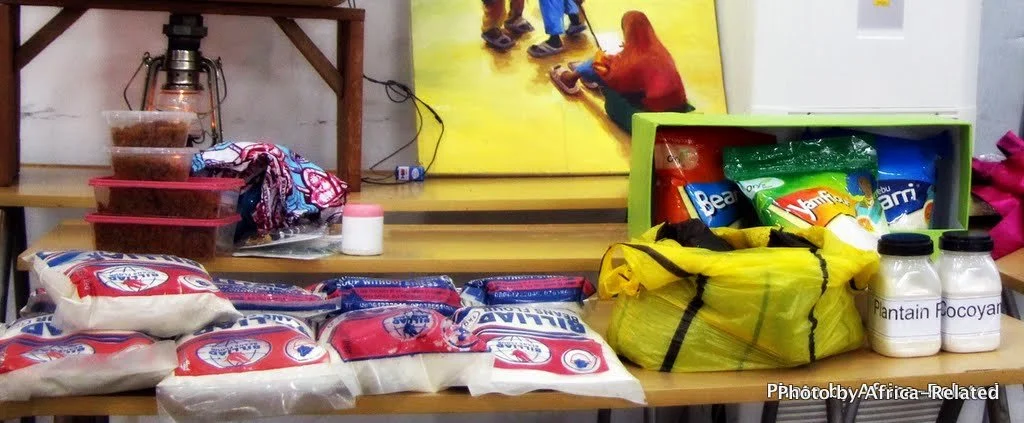
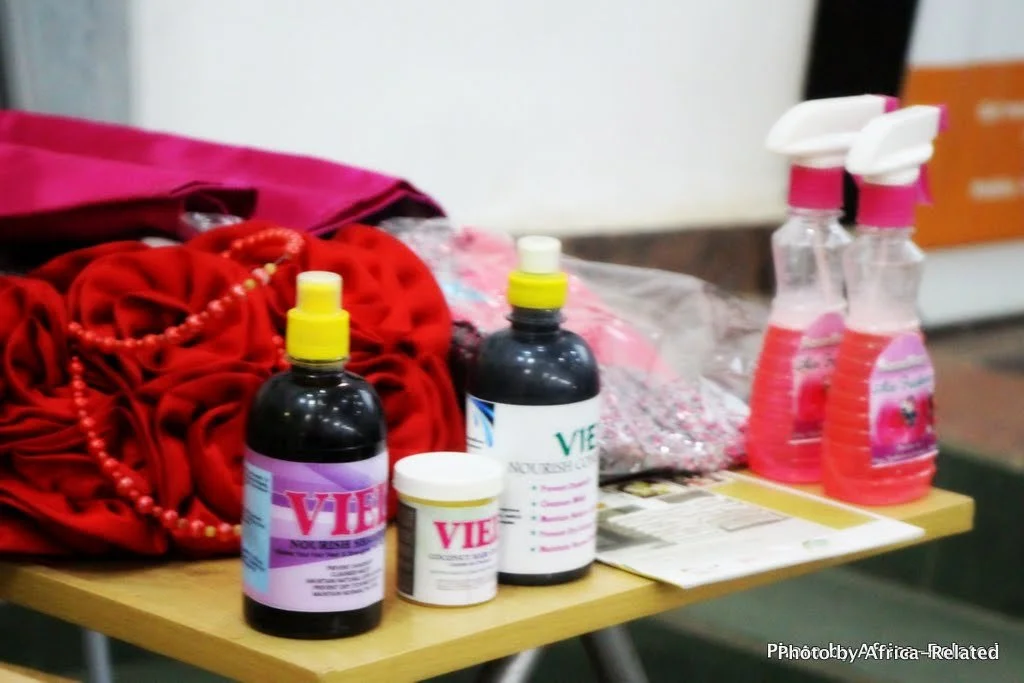
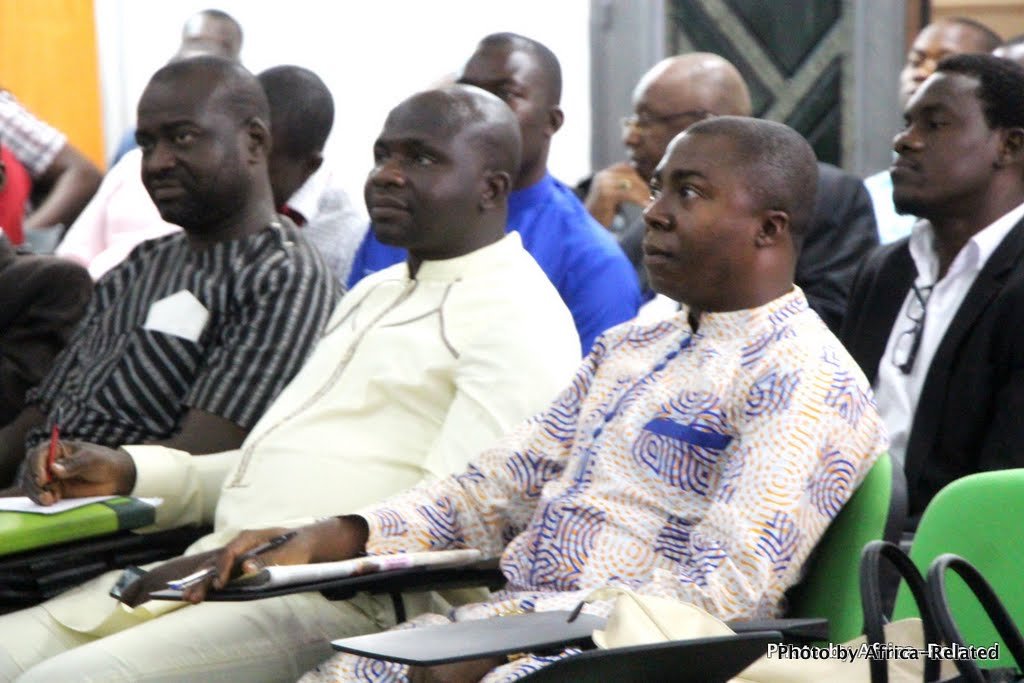
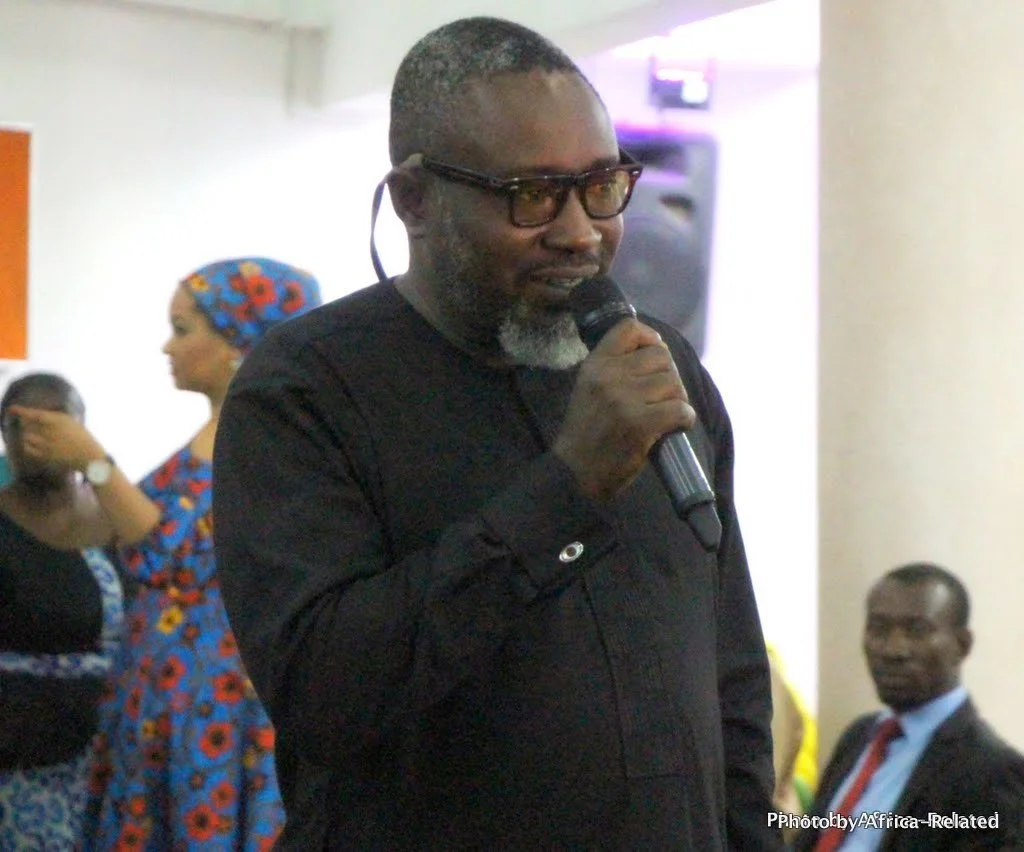
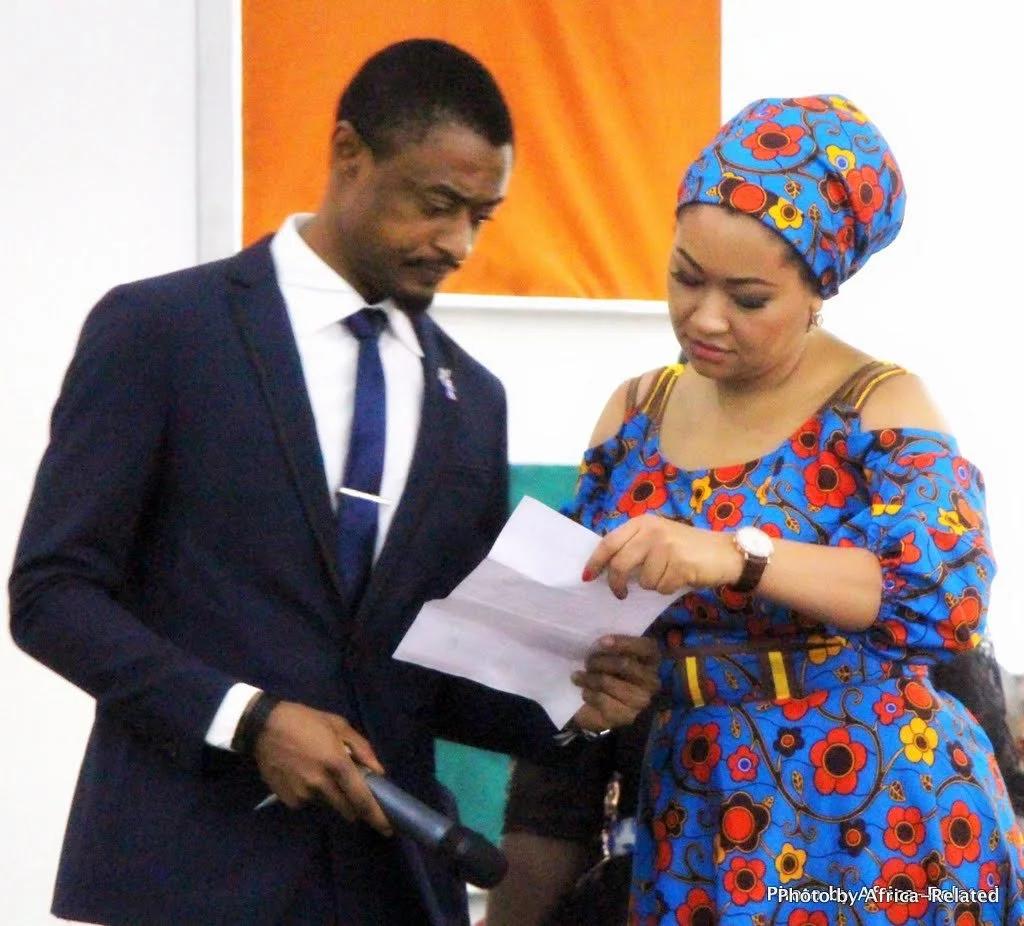
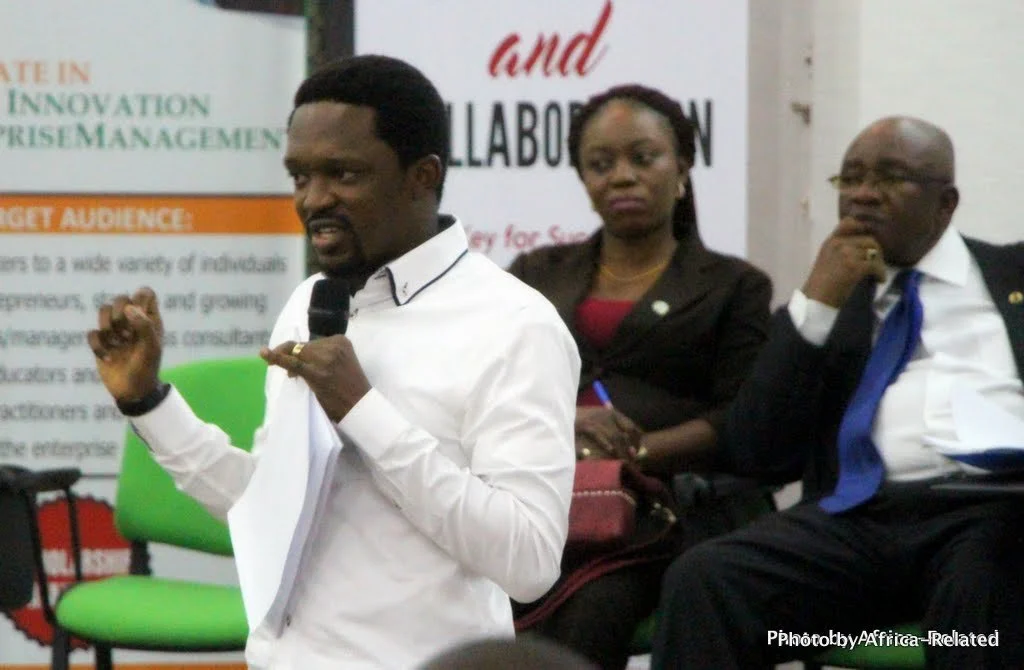
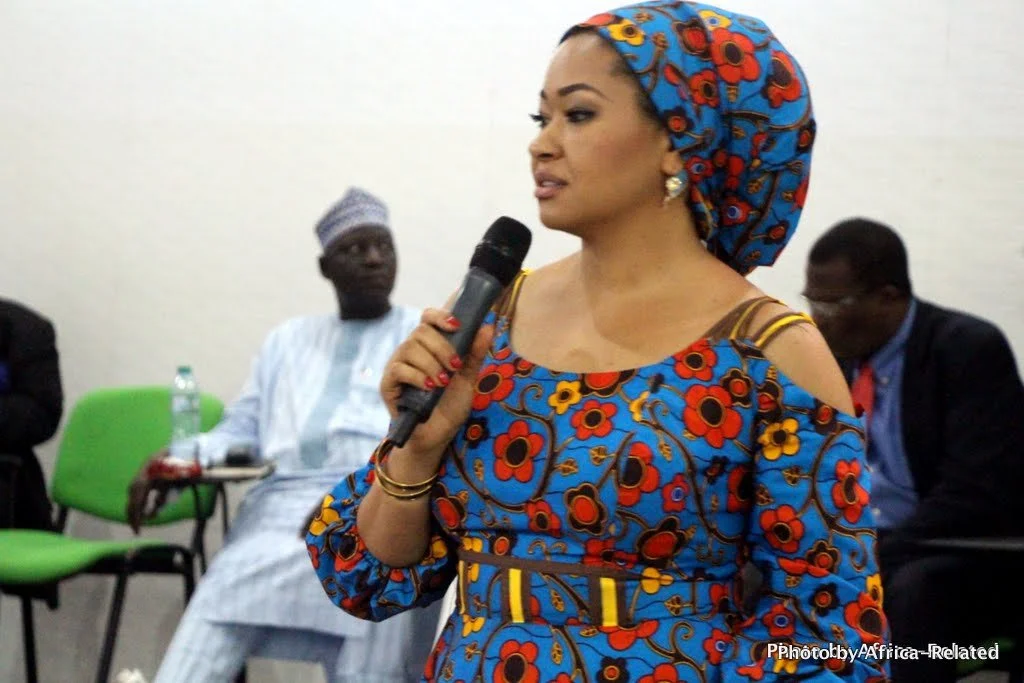
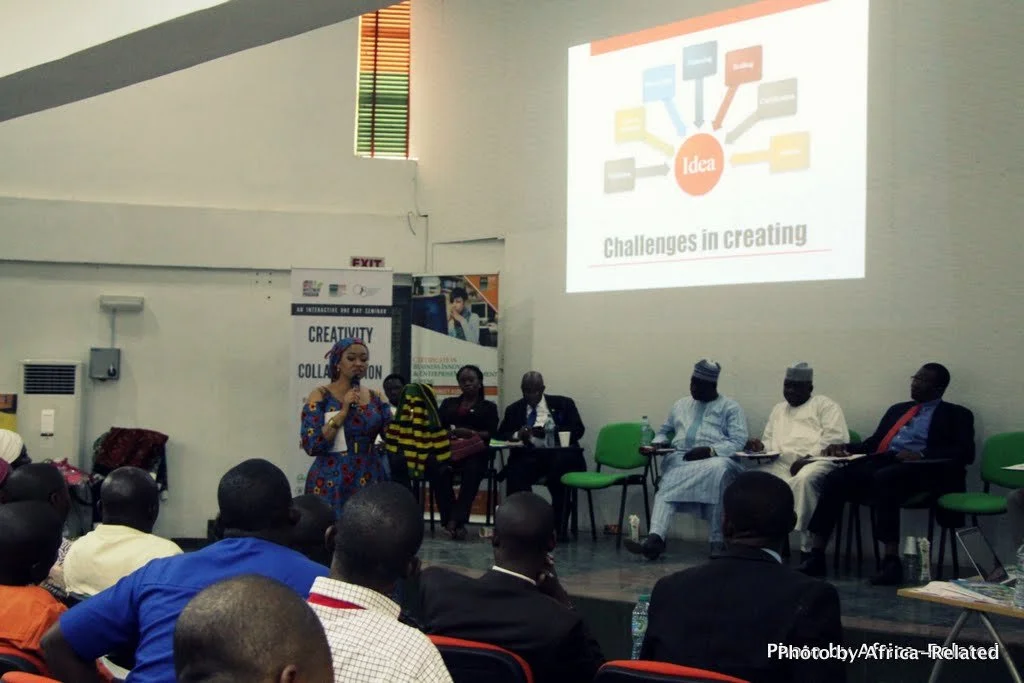
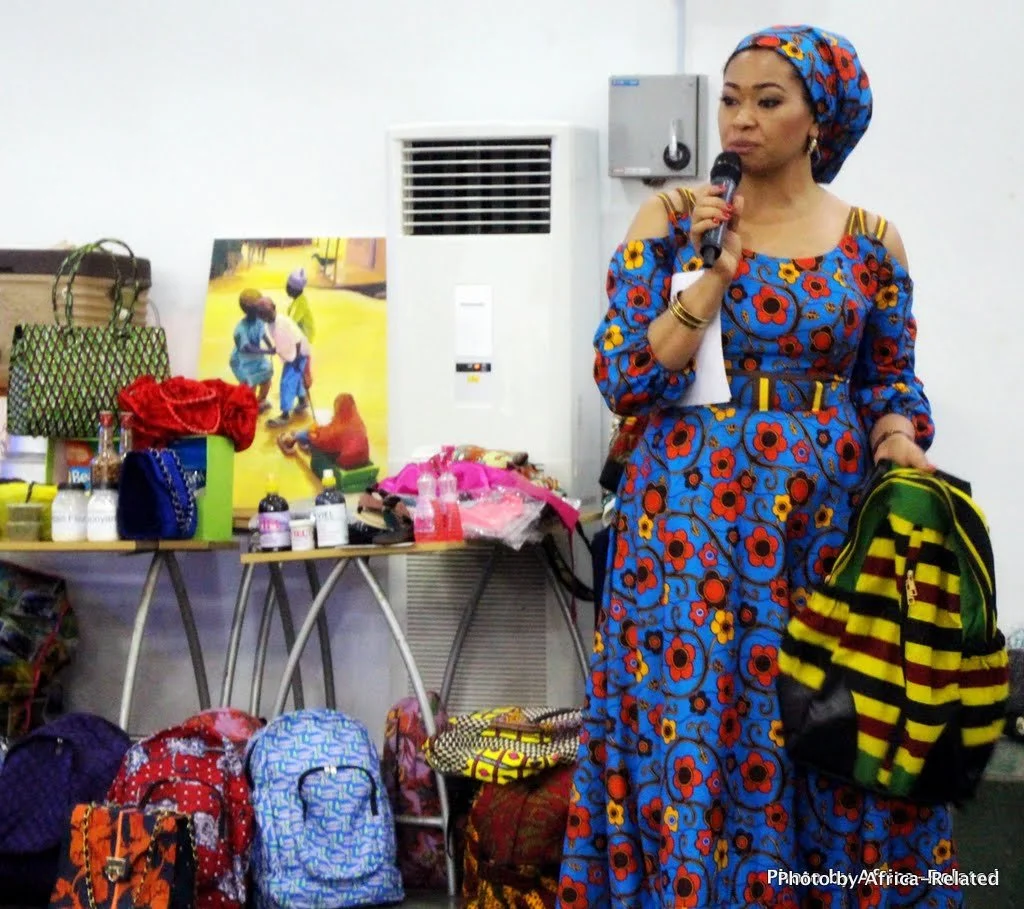
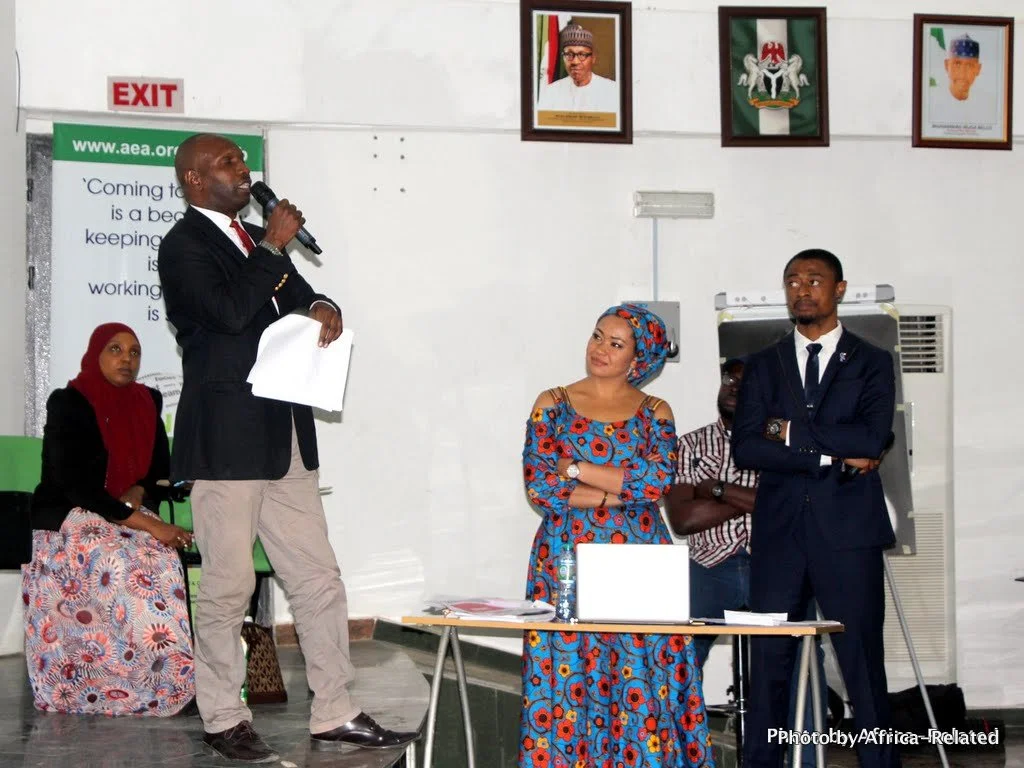
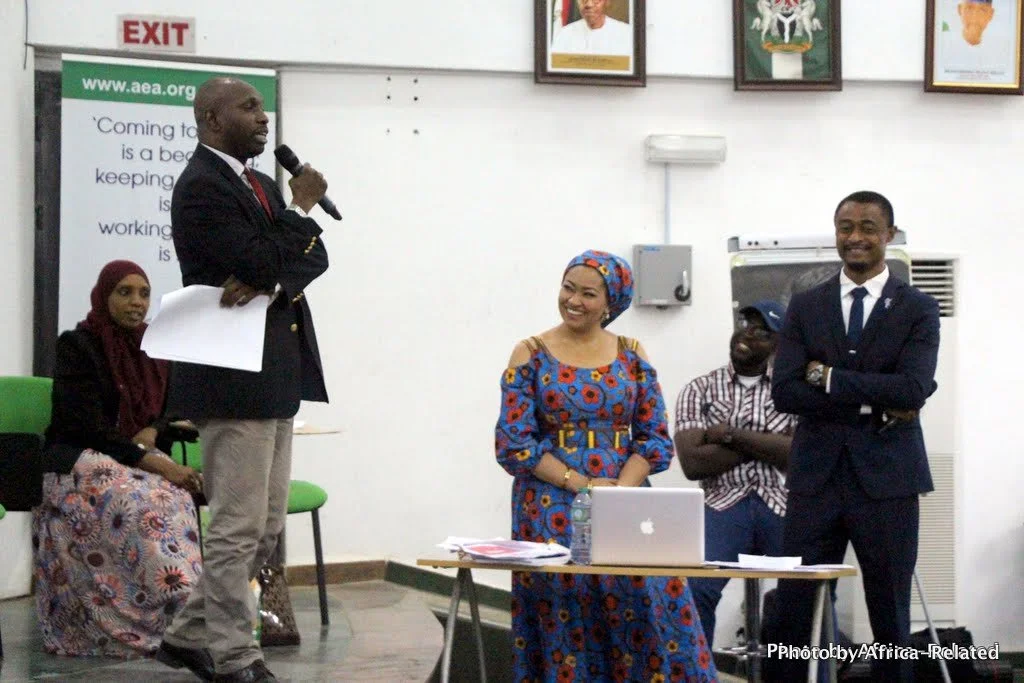
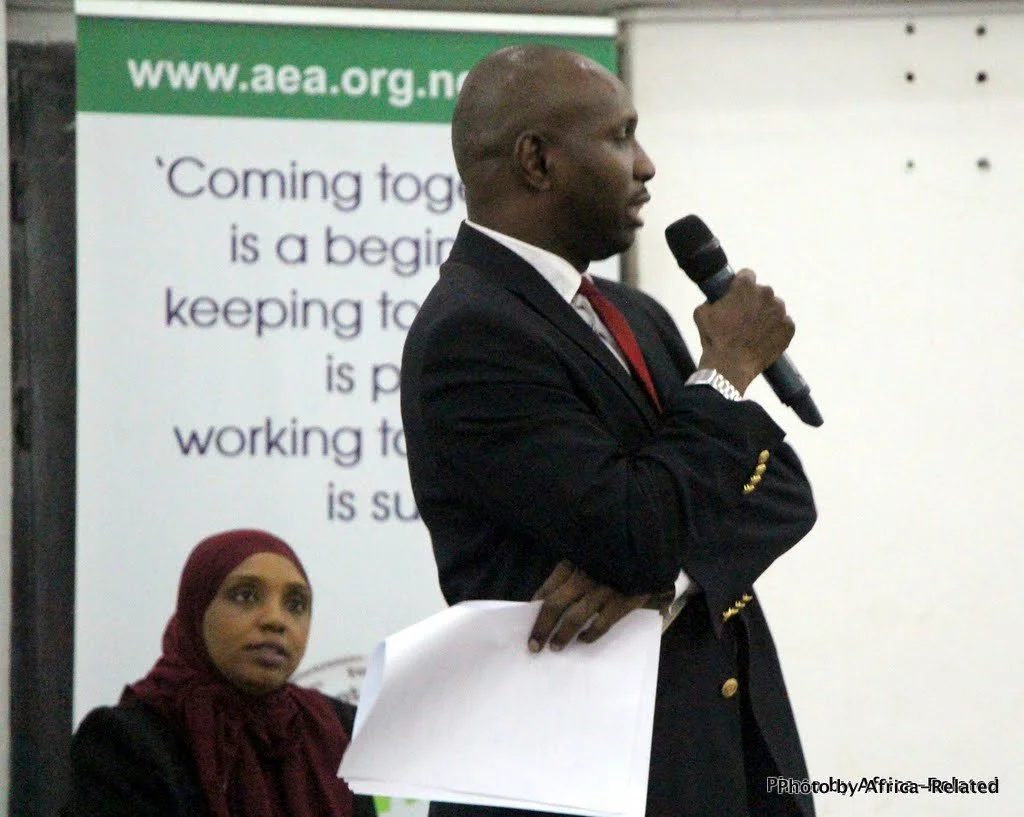
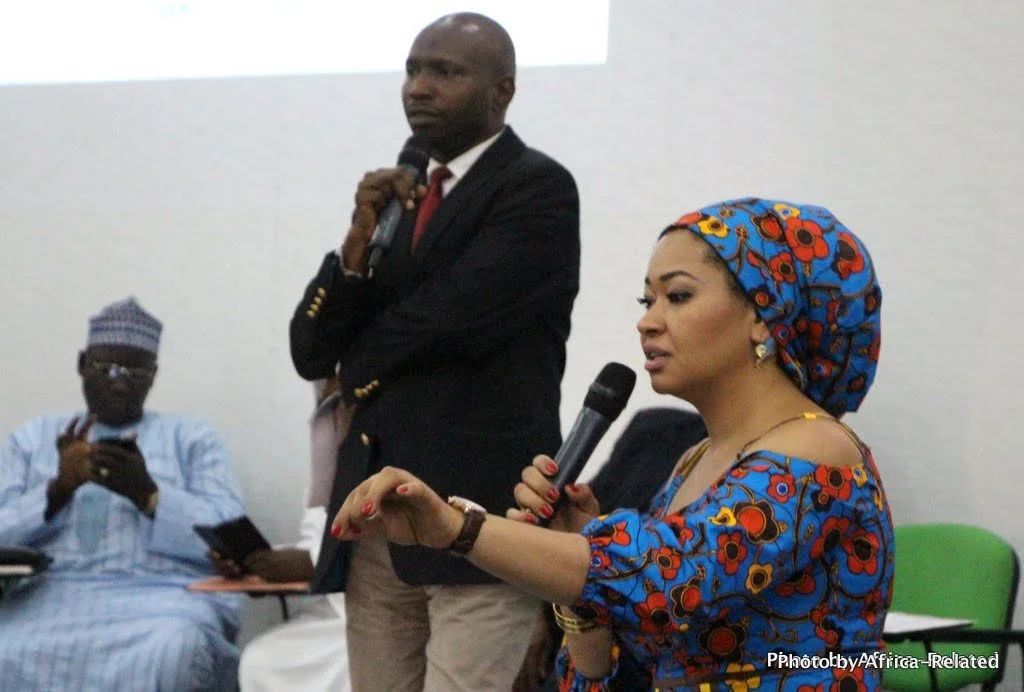
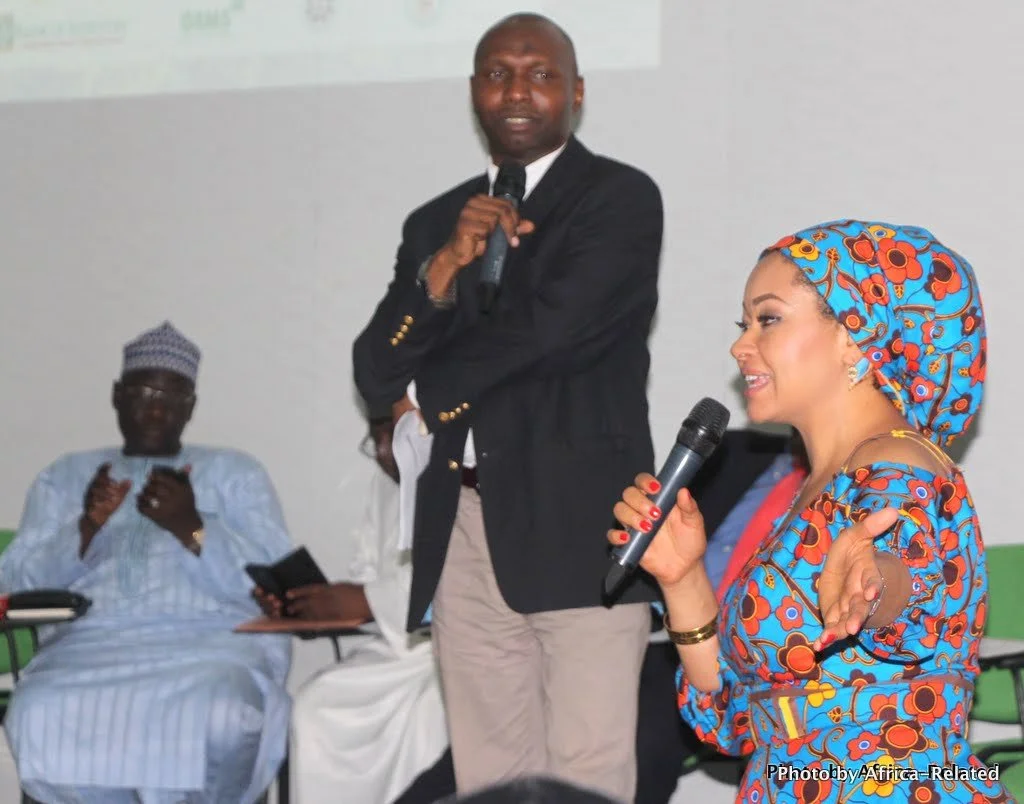
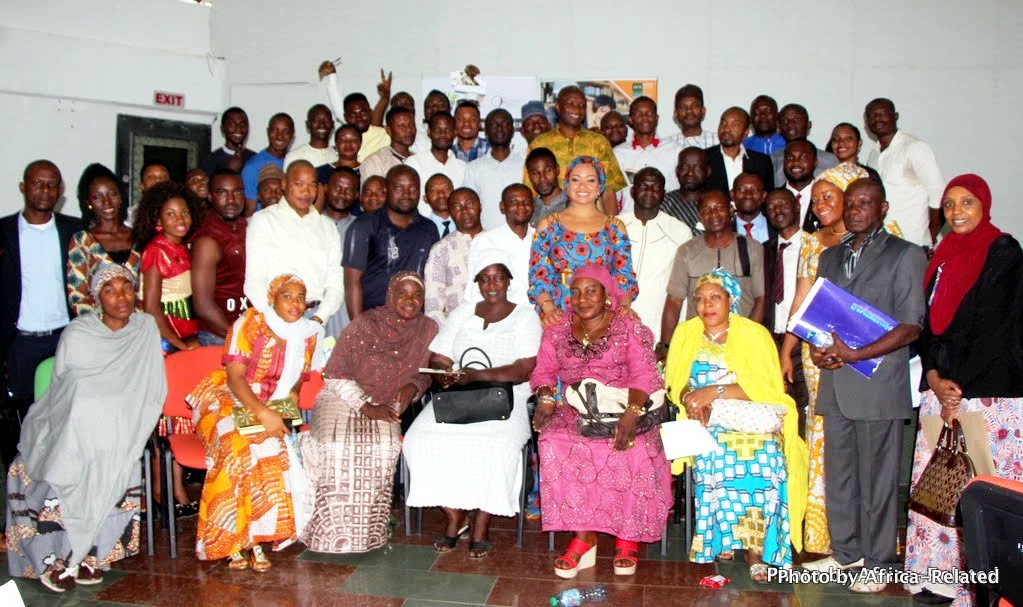
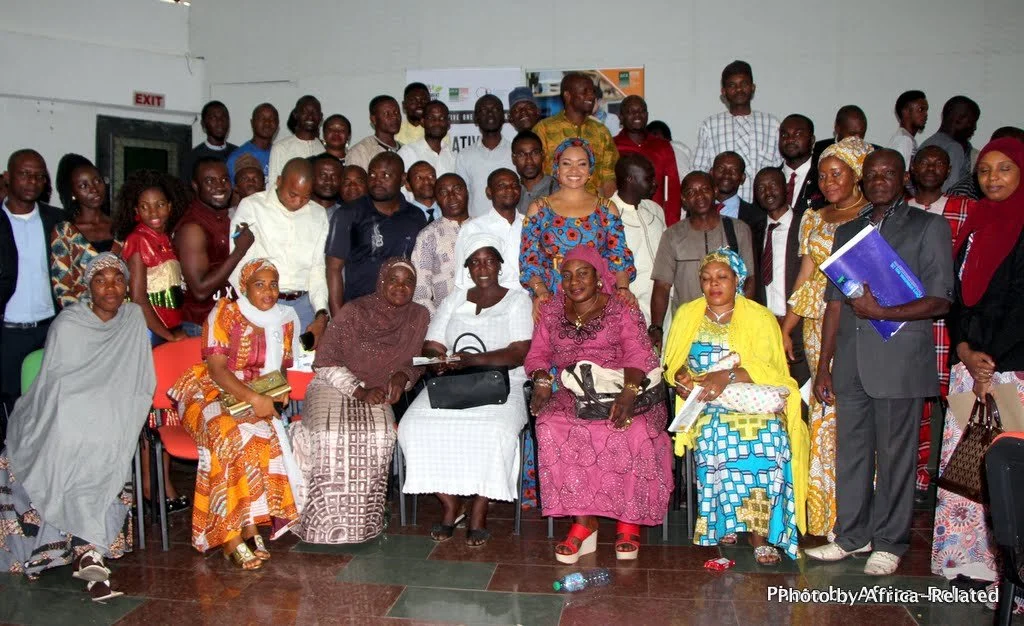
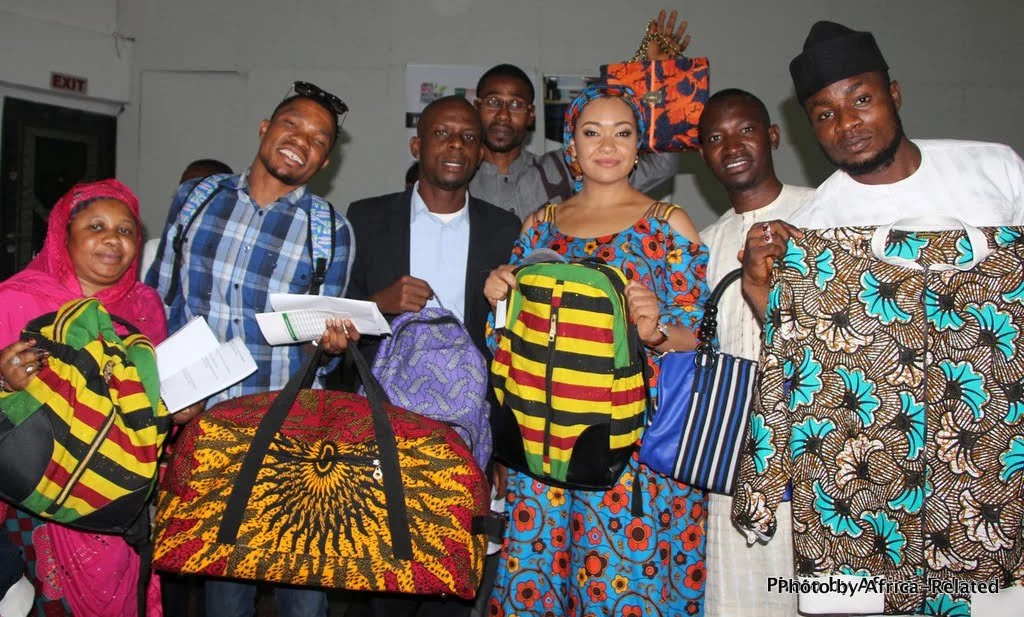
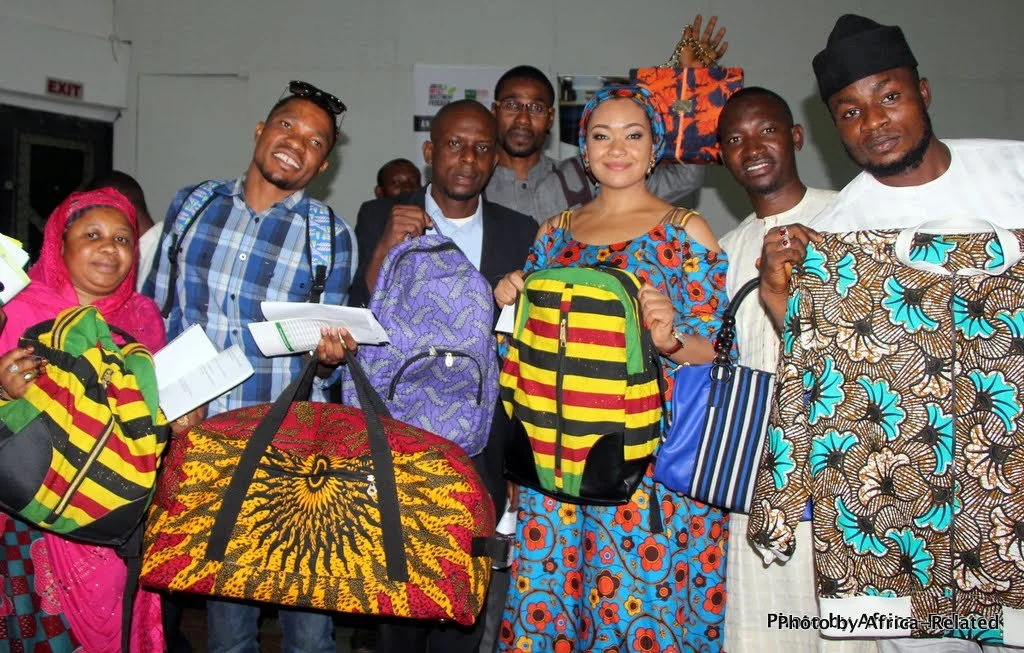
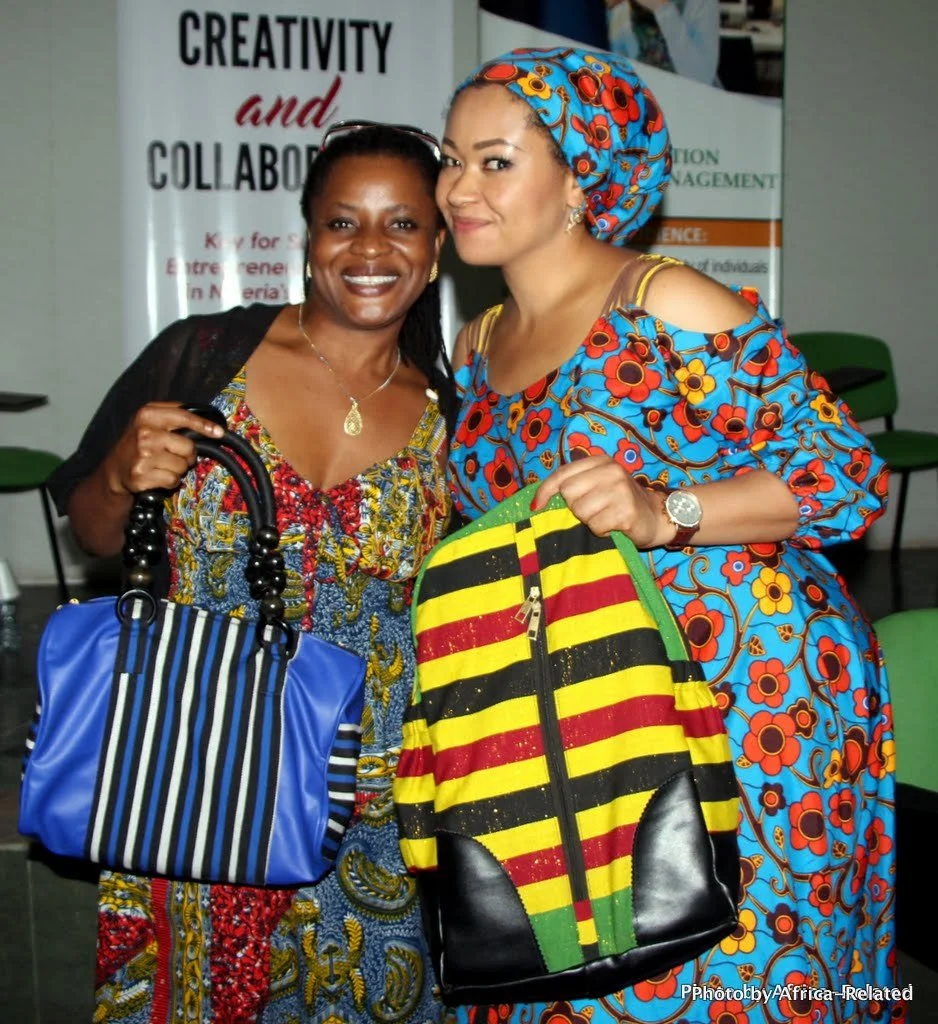
Photo Highlights















Oyiza Adaba is a journalist with Africa-Related
SHARE THIS STORY