
Two UN Exhibitions Shed Light On Human Rights & Gender-Based Violence
Two exhibition are showing at the lobby of the United Nations HQ in New York - Pictures for the Human Rights features 30 pictures by 30 artists of 30 articles of the Universal Declaration of Human Rights; while Uprooted: Resilience in Crisis sheds light on the impact of gender-based violence, exploring the resilience of survivors.
by Oyiza Adaba
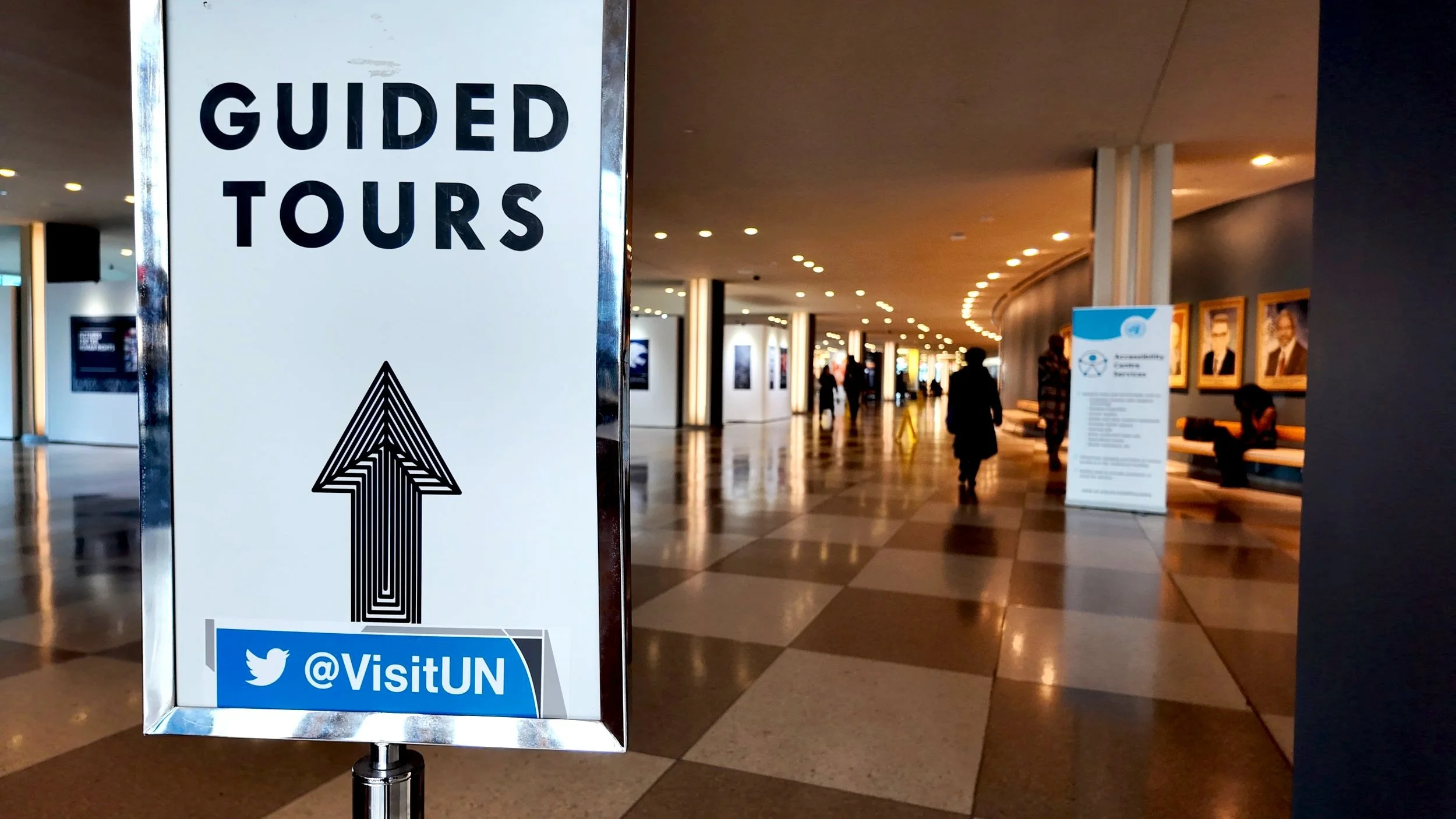
Free guided tours at the United Nations Headquarters in New York. (Africa-Related)
Exhibition
UN Exhibits
United Nations HQ, New York
Two exhibitions are showing at the lobby of the United Nations HQ in New York - Pictures for the Human Rights features 30 pictures by 30 artists of 30 articles of the Universal Declaration of Human Rights; while Uprooted: Resilience in Crisis sheds light on the impact of gender-based violence, exploring the resilience of survivors.
Pictures for the Human Rights
According to UN Exhibits, this exhibition features 30 pictures in which artists from many countries have interpreted the 30 articles of the Universal Declaration of Human Rights in their own visual language. These images make human rights easier to understand in words and pictures, inspiring visitors to defend and promote Human Rights for everyone everywhere. The exhibit is in connection with Human Rights Day (10 December).
This exhibit is organized by the Pictures for the Human Rights e.V and endorsed by the Permanent Mission of the Federal Republic of Germany to the United Nations.
This exhibition is on display until 10 January 2025


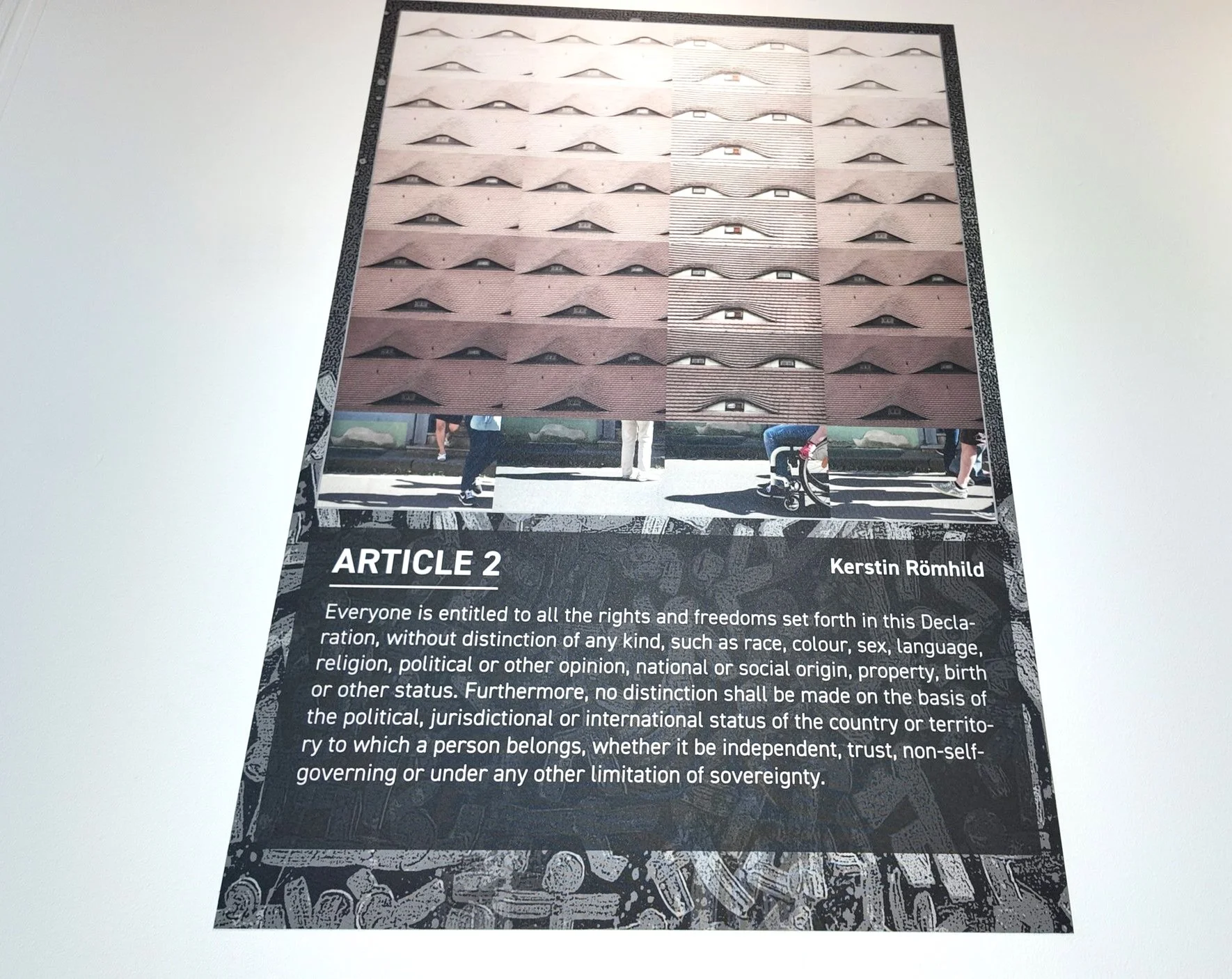

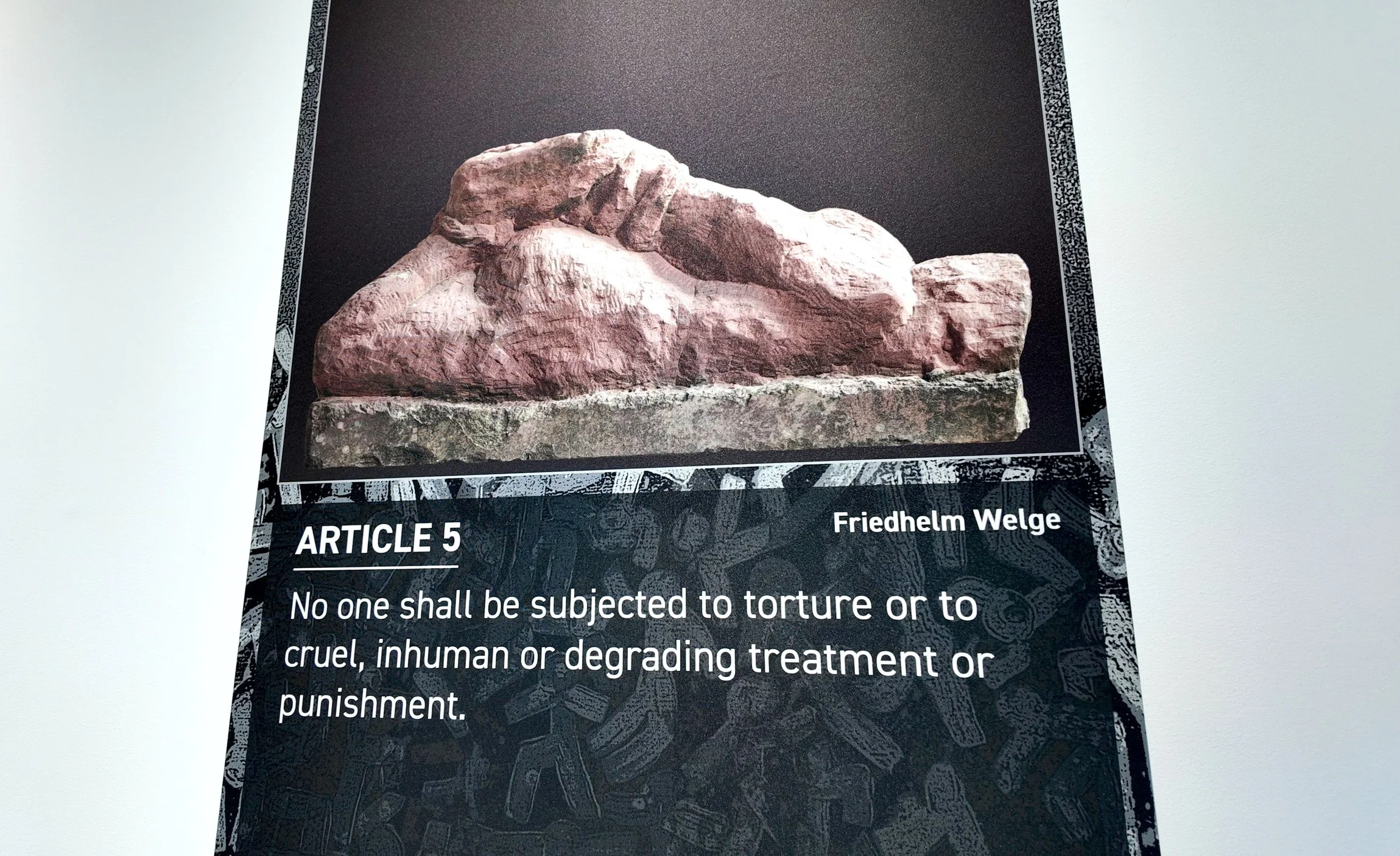


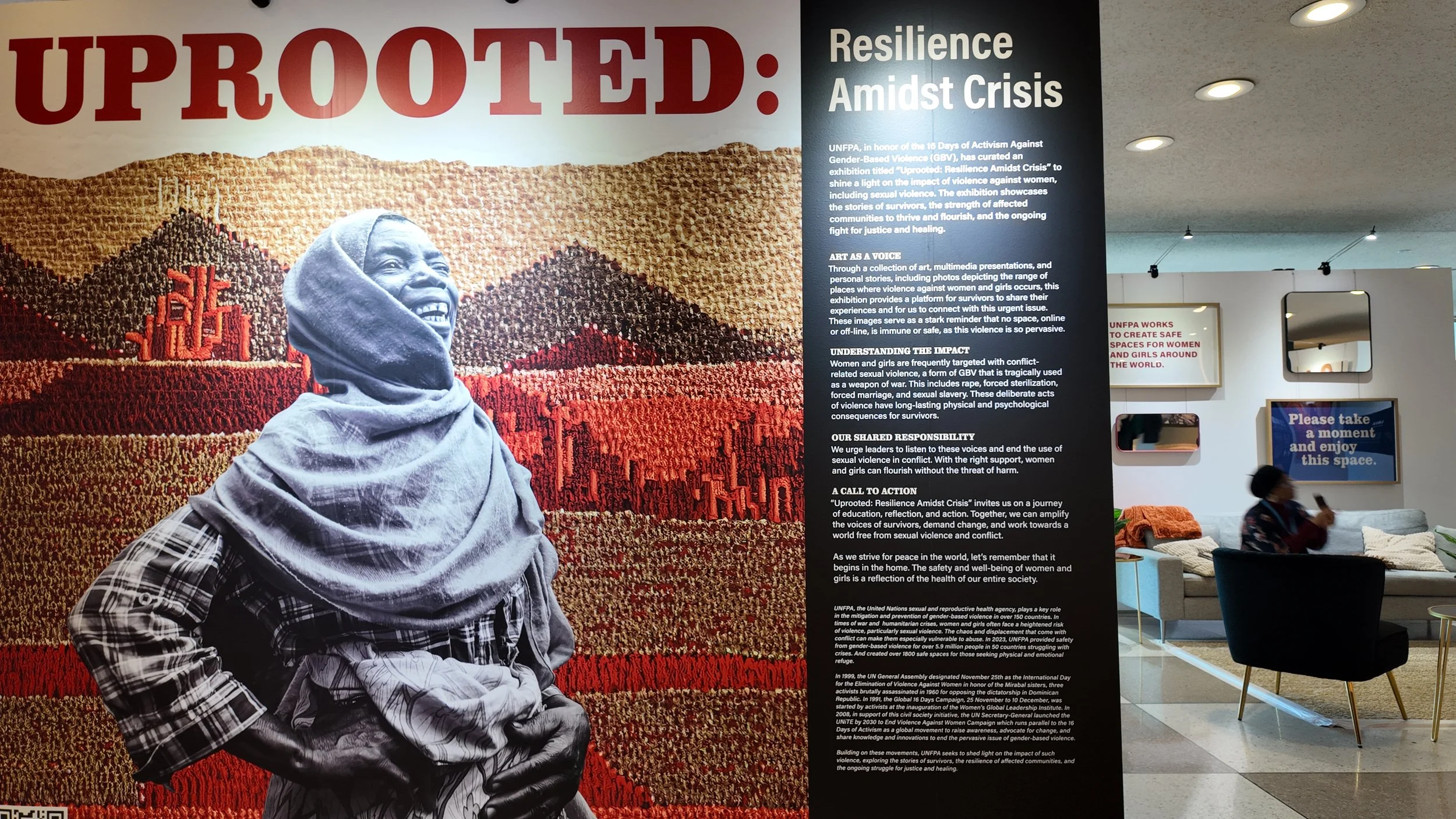
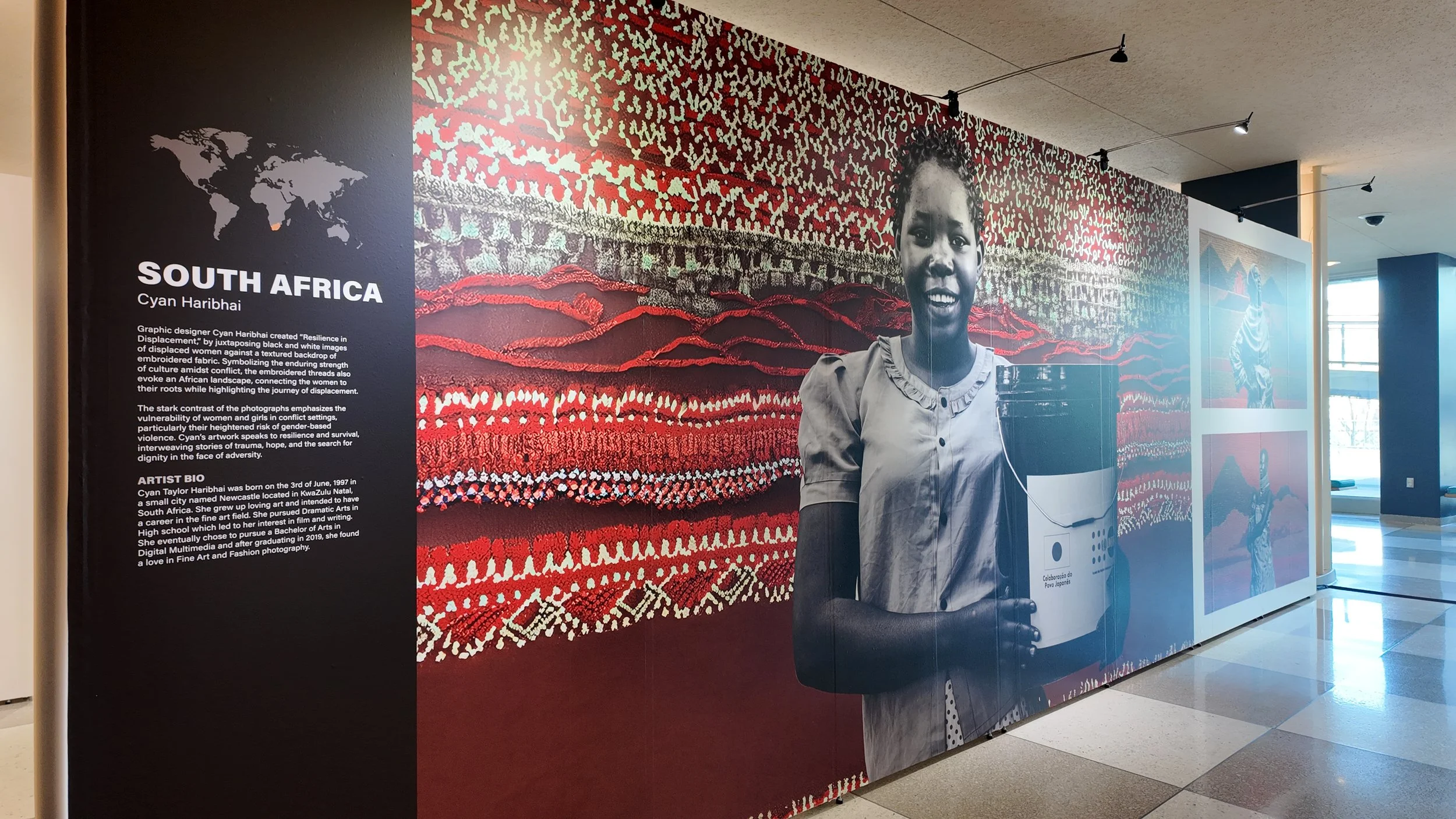
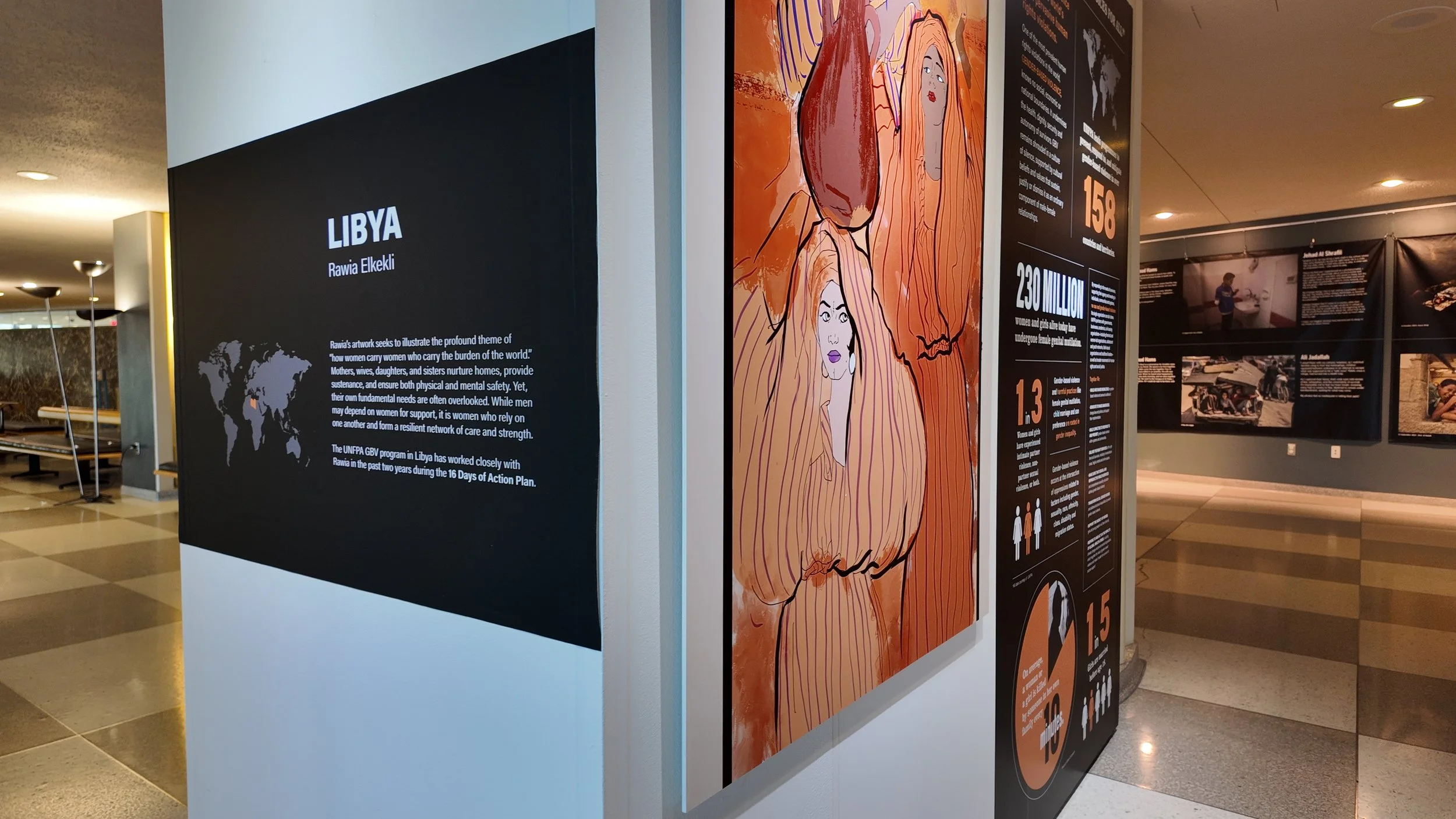
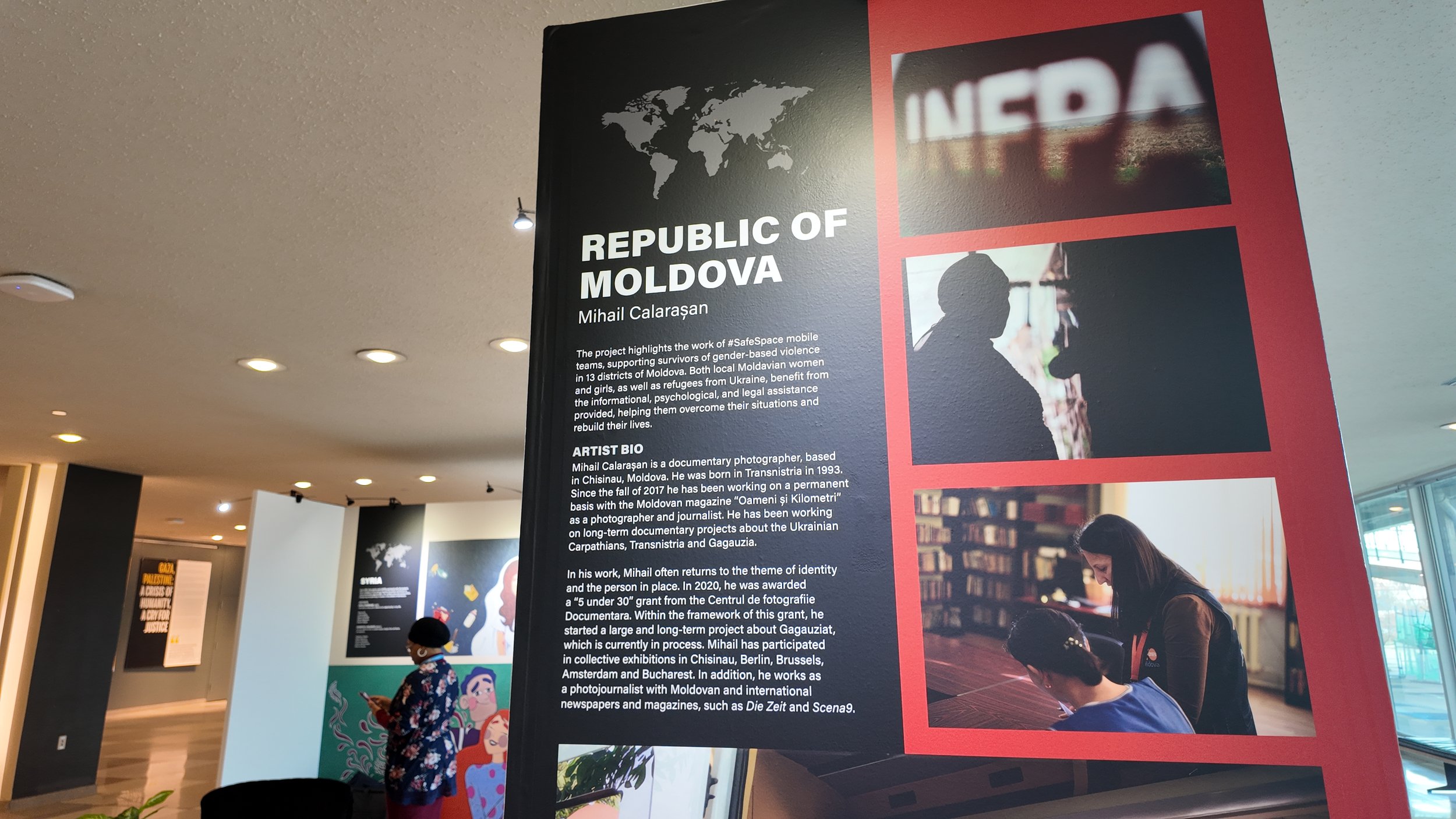
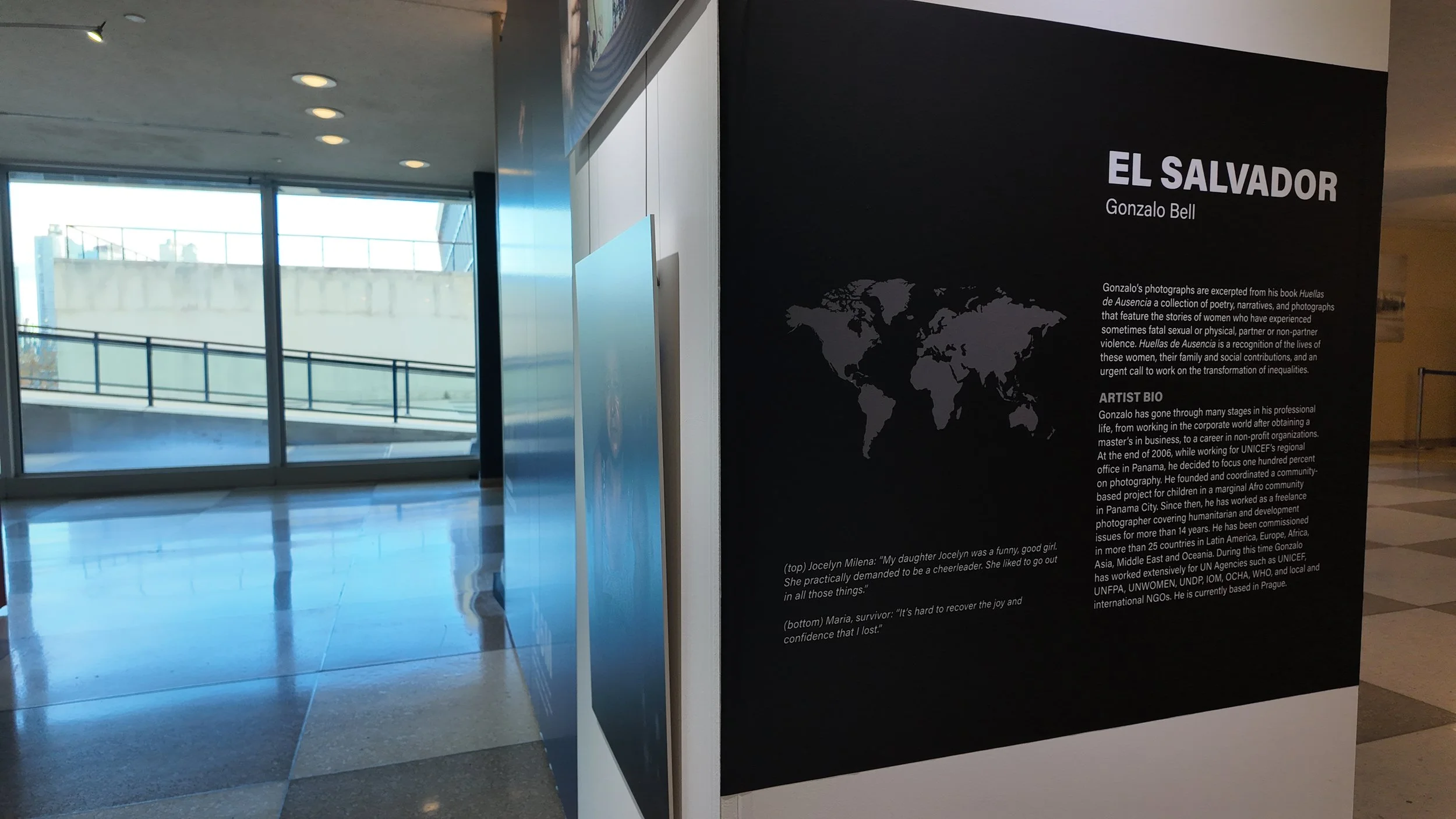
Uprooted: Resilience in Crisis (Photos by Africa-Related)
According to Un Exhibits, this exhibit seeks to shed light on the impact of gender-based violence, exploring the stories of survivors, the resilience of affected communities, and the ongoing struggle for justice and healing. Through a diverse array of art forms, it offers a platform for survivors to share their experiences and for audiences to engage with this urgent issue. This exhibit is organized and endorsed by the UN Population Fund (UNFPA).
This exhibition is on display until 7 February 2025
Photos by Africa-Related



share this story
Omoyele Sowore Returns To A Rousing Welcome In The U.S
After five long years away from the U.S, where his family primarily resides, Omoyele Sowore, the presidential aspirant that was held by The Muhammadu Buhari administration - returned to a rousing welcome in New York.
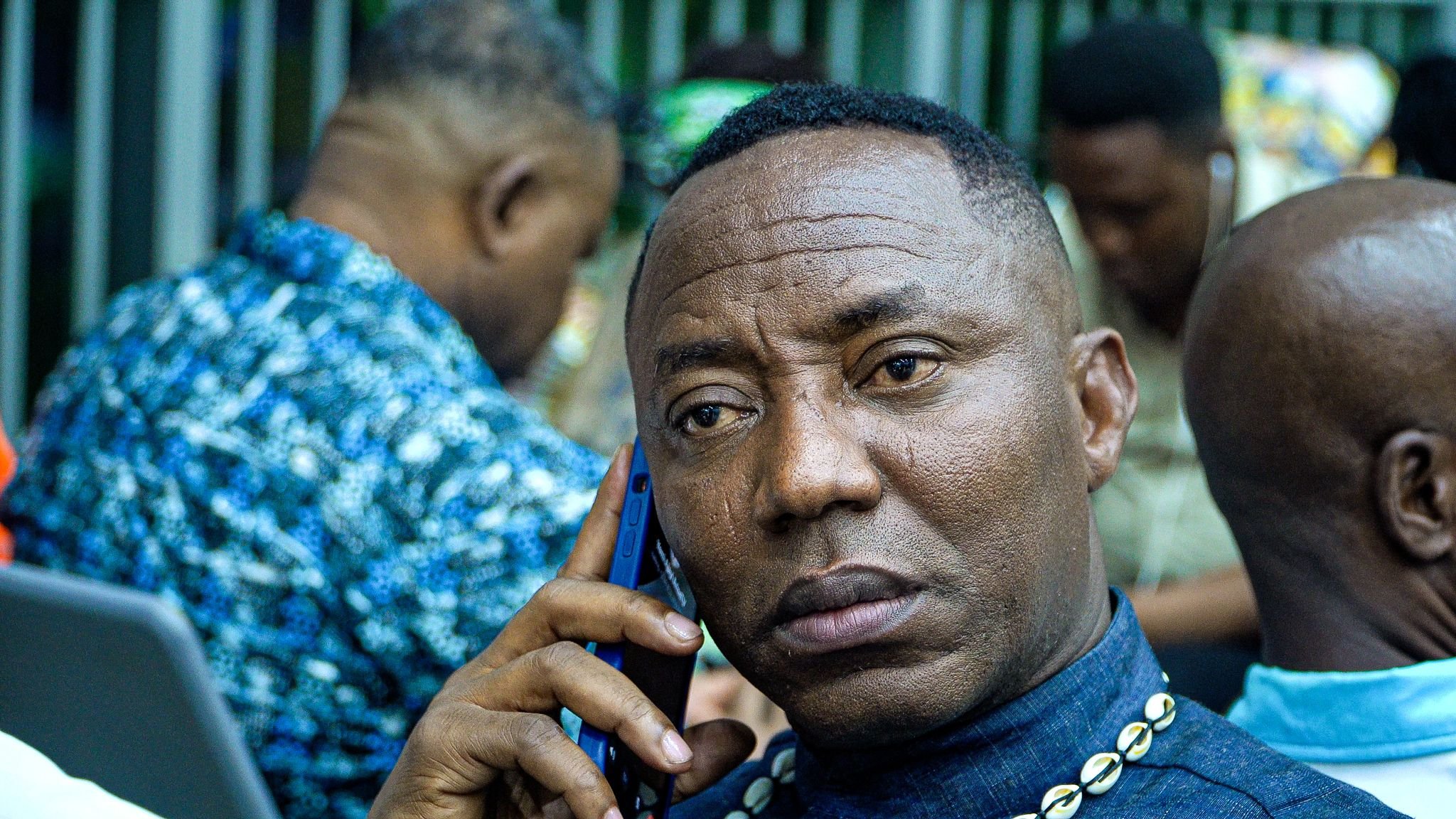
Omoyele Sowore Returns To A Rousing Welcome in the U.S
After five long years away from the U.S, where his family primarily resides, Omoyele Sowore, the Presidential aspirant and journalist that was held by The Muhammadu Buhari administration - returned to a rousing welcome in New York.
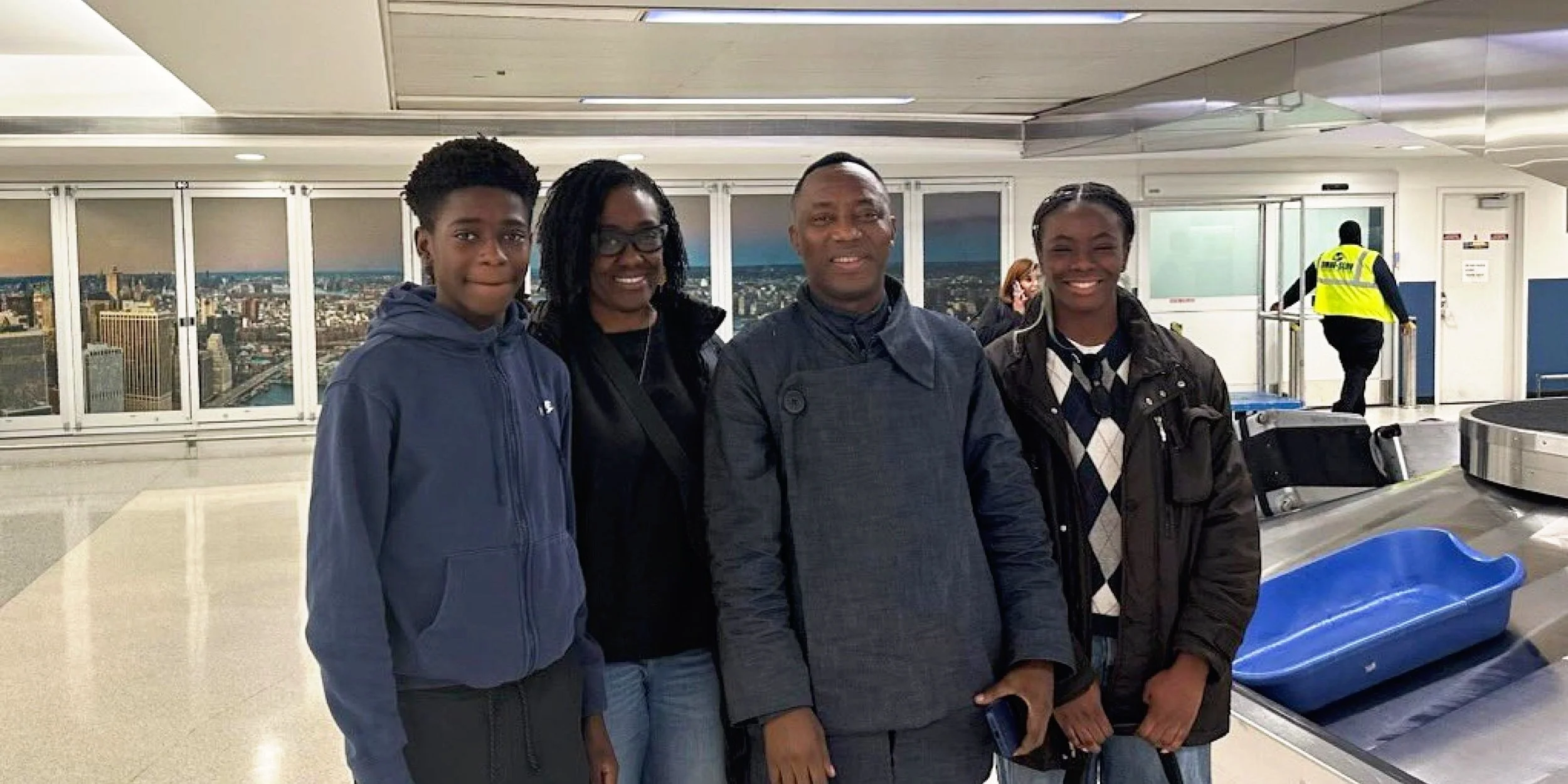
Omoyele Sowore and his family. Photo by Saharareporters
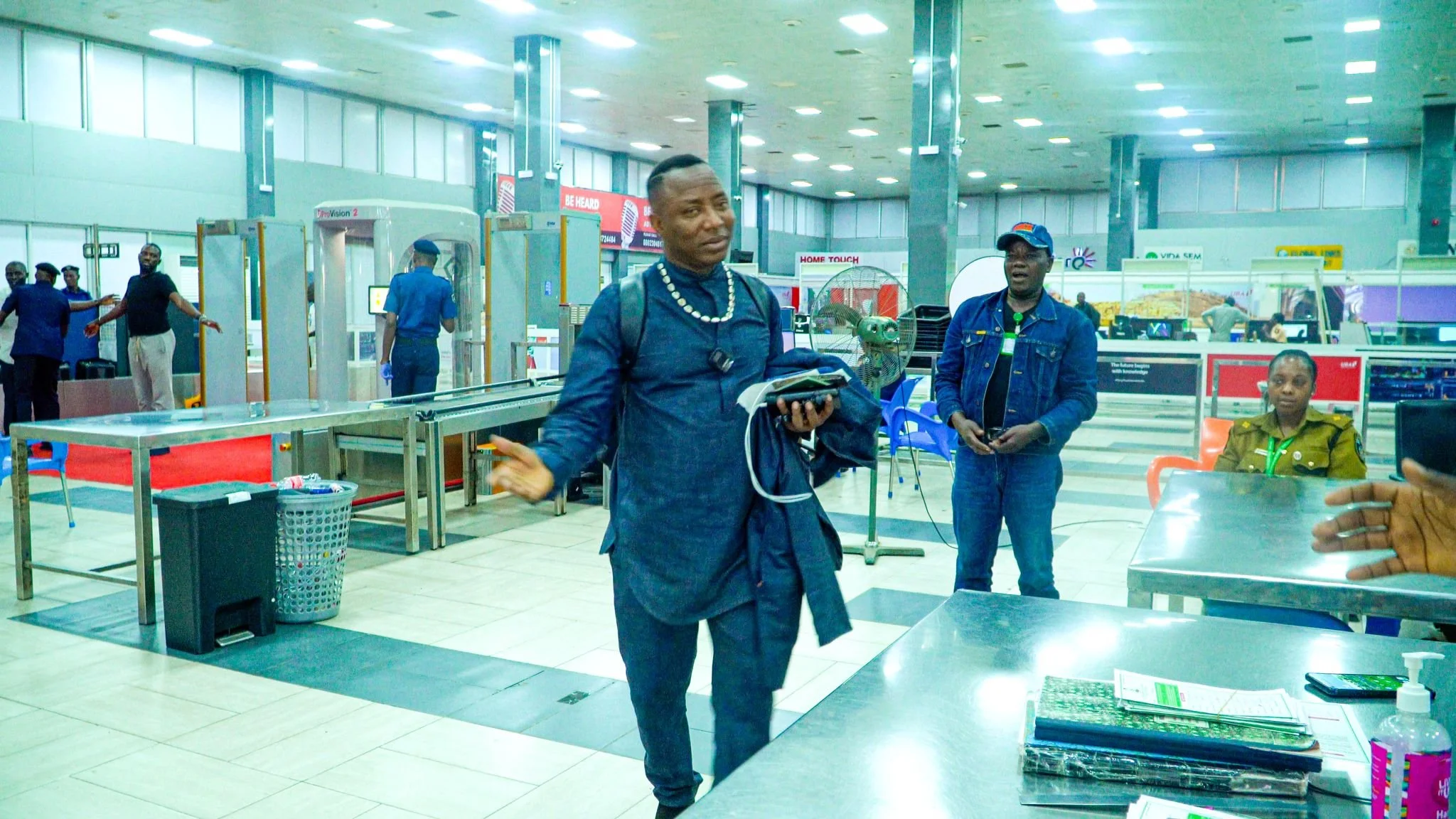
#RevolutionNow convener Omoyele Sowore, on Saturday, arrived in the United States of America after five years to reunite with his family.
SaharaReporters earlier reported that the activists would be traveling to the US Friday night (tonight) to reunite with his family.
This comes after a Federal High Court in Abuja ordered the release of his passport following the decision of the Nigerian government to withdraw its treasonable felony case against the #RevolutionNow convener, four years after it was seized and he was barred from leaving Nigeria.
The human rights activist and two-time presidential candidate was warmly welcomed by friends and family on Saturday. Sowore, who departed the Murtala Muhammed International Airport in Lagos late Friday night on a United Airlines flight to DC Washington Dulles International Airport, was accompanied by his supporters to the airport.
After some tense confrontations with some Air Force and immigration officers upon his arrival at the Lagos airport over their refusal to allow his supporters and media crew to film his departure, Sowore left and arrived in Washington, D.C., according to his live stream upon arrival.
After U.S. immigration protocols, Sowore took a second leg of his trip to Newark International Airport, where his family and friends met him upon arrival at about 10 AM U.S. Eastern Time.
His friends, led by a member of the TakeItBack Movement, Kayode Ojo, a New York-based tax consultant, later met Sowore’s obviously excited family – his wife, Opeyemi, and his two kids.
Pius Omoregha, Adebayo Niyi, Seun Akinfolarin, also present at the airport were Friday Valentine Offo, Odinma Anaedo social Club USA, Engineer Victor and many others.
The activist said in a press invitation sent to SaharaReporters on Friday that his trip would be for a short while since he was "bound to return to Nigeria not only to continue my struggle for the total liberation of our people but also to face the myriad of bogus criminal and civil cases thrown at me since my detention began."
Sowore drove home and later attended a reception organized by the City of Haworth. The packed event, organized by the Mayor, Heather Wasser, had in attendance US Congressman Josh Gottheimer, whom Sowore acknowledged as facilitating his return to the U.S.
Sowore’s in-laws, Dr. Soji and Tolu Oluwole, also attended.
Other attendees included members of the Diaspora community led by a former President of the University of Lagos students union and now a foremost chemical engineer in the US, Dr. Malcolm Fabiyi, Bukola Oreofe, Deacon Dele Alade, Ademola Bello, American writer and journalist Lisa Vives, and Nigerian cuisine chef and owner of Brooklyn-based Buka restaurant, Lookman Afolayan.
The event, in which Sowore gave a heartfelt speech, also featured his wife, Opeyemi, appreciating the women who led the campaign for the activist’s release in Haworth, New Jersey.
The healthcare marketing consultant said the “friendship and unbreakable bonds” she forged with other women in Haworth helped her cope with the lonely days of wondering if her husband was safe.
“I’m so overwhelmed by the love that surrounds me and my family,” she said.
According to a video of the event posted by northjersey.com, Sowore said in his speech, “I can’t explain how I feel to be here with you today.
“Before I was arrested, nobody knew much about me in this city. I would just occasionally get on the street and run because I do long-distance running. I participated in the city’s runs once in a while. But something is very similar to where I come from; my hometown is as small as what you have here.
“And I remember growing up and saying that I would change the world through my hometown of 3,000 people when it was invaded by the police in 1980. Fast-forward to years later, and I found myself in this small town. Just the way my hometown shook the Nigerian government through me, you shook our government and the world through me again. I became one of the most popular faces throughout my five-year stay in Nigeria. Everybody knew how to spell this place.”
At the reception, Sowore’s daughter read a poem describing her father as “a man with a big heart.”
One of the leading voices was a council member, Alanna Zahn Davis, who spoke passionately about the strong bond Sowore’s incarceration brought to bear on the Haworth community in New Jersey.
To end the event, The Mayor of Haworth, Heather Wasser delivered a proclamation to honour Sowore and his family for their resilience and struggle for the emancipation of their homeland Nigeria.
SaharaReporters on February 15 reported that the President Bola Tinubu-led government had discontinued the treasonable felony case instituted against Sowore.
The development was made known in a document issued by the Attorney General of the Federation and Minister of Justice, Lateef Fagbemi.
The document dated February 15, 2024, was addressed to the Federal High Court of Nigeria, Abuja Division.
In the document, the government disclosed its intention to also discontinue the case against Sowore’s co-defendant, Olawale Bakare, aka Mandate.
Sowore was arrested by the Department of State Services on August 3, 2019, in Lagos, Nigeria.
He was subsequently detained and charged with treason for calling for nationwide protests as part of the #RevolutionNow movement he started.
Following the notice of withdrawal of the case, which was issued by the government through the Attorney General of the Federation, Justice Emeka Nwite of the Federal High Court in Abuja ordered the release of his passport and other items seized from him.
Source: Sahara Reporters
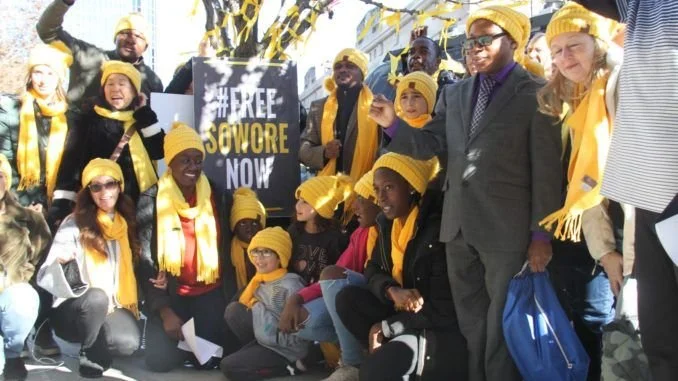
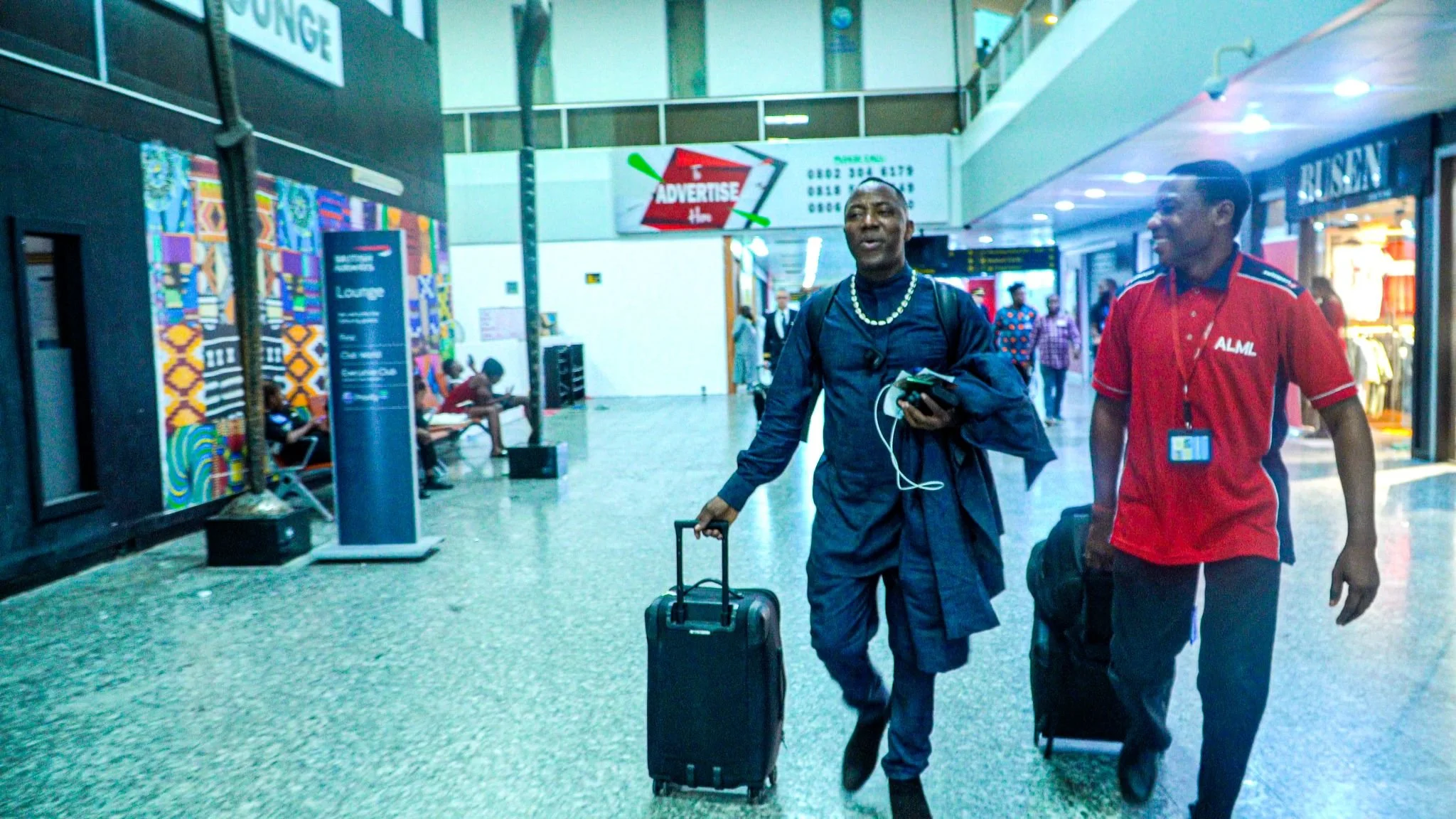
SHARE THIS STORY
Africa-Related is a media content production house

UGANDA: U.S Takes Steps to Impose Visa Restrictions for Undermining Democracy
Following the “flawed” 2021 elections. the United States has taken steps to impose visa restrictions on some citizens of Uganda for Repression and for Undermining Democracy And for Repression in Uganda
Africa-related, New York
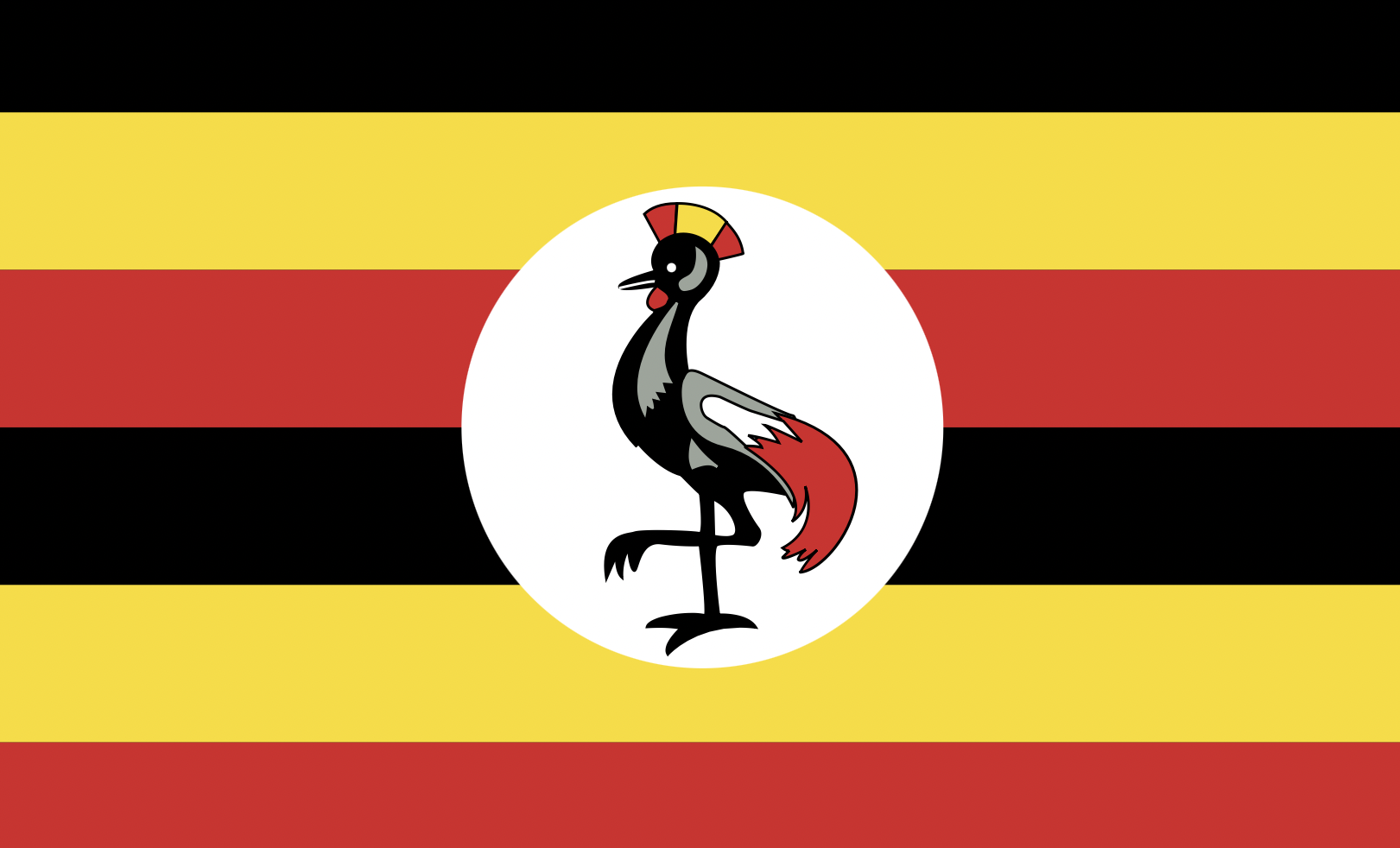
Flag of The Federal Republic of Uganda
PRESS STATEMENT
ANTONY J. BLINKEN, SECRETARY OF STATE
December 4, 2023
Following the “flawed” 2021 elections. the United States has taken steps to impose visa restrictions on some citizens of Uganda for Repression and for Undermining Democracy And for Repression in Uganda
After Uganda’s flawed 2021 presidential elections, I announced a visa restriction policy targeting those believed to be responsible for, or complicit in, undermining the democratic process in Uganda. At that time, I implored the Government of Uganda to significantly improve its record and hold accountable those responsible for flawed electoral processes, violence, and intimidation.
Today, I am announcing the expansion of the visa restriction policy to include current or former Ugandan officials or others who are believed to be responsible for, or complicit in, undermining the democratic process in Uganda or for policies or actions aimed at repressing members of marginalized or vulnerable populations. These groups include, but are not limited to, environmental activists, human rights defenders, journalists, LGBTQI+ persons, and civil society organizers. The immediate family members of such persons may also be subject to these restrictions.
The United States stands by the Ugandan people and remains committed to working together to advance democracy, human rights, public health, and mutual prosperity. I once again strongly encourage the Government of Uganda to make concerted efforts to uphold democracy and to respect and protect human rights so that we may sustain the decades-long partnership between our countries that has benefited Americans and Ugandans alike.
This visa restriction policy is pursuant to Section 212(a)(3)(C) of the Immigration and Nationality Act and expands upon the policy Secretary Blinken approved in 2021.
Share this story

NIGERIA'S RANKING - 2022 HUMAN RIGHTS REPORT
According to the Bureau of Democracy, Human Rights and Labor, the U.S. Department of State submits a human rights report on all countries receiving assistance and all United Nations member states to the U.S. Congress in accordance with the Foreign Assistance Act of 1961 and the Trade Act of 1974.
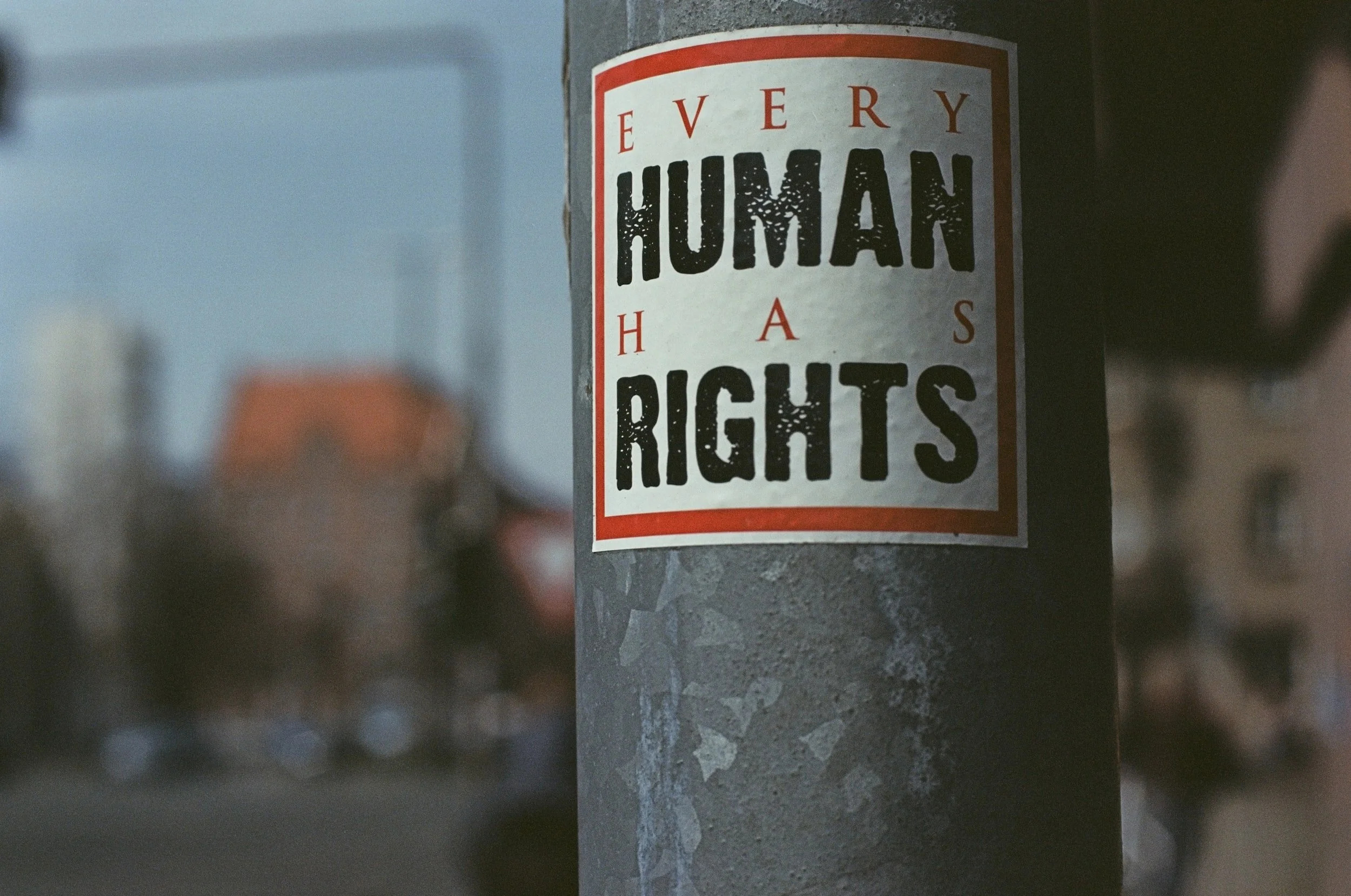
Photo by Markus Spiske @markusspiske

U.S. DEPARTMENT OF STATE
Office of the Secretary of State
This is the Executive Summary of Nigeria’s perforance and practice of Human Rights. Is this accurately presented or has it missed the mark in some areas? Does the report reflect the Nigerian citizen's collective and individual experiences? These conversations are ongoing.
According to the Bureau of Democracy, Human Rights and Labor, the U.S. Department of State submits a human rights report on all countries receiving assistance and all United Nations member states to the U.S. Congress in accordance with the Foreign Assistance Act of 1961 and the Trade Act of 1974.
EXECUTIVE SUMMARY
Nigeria is a federal republic composed of 36 states and the Federal Capital Territory. In 2019, citizens re-elected President Muhammadu Buhari of the All Progressives Congress party to a second four-year term. Legislative elections were also held in 2019. Most independent observers agreed the elections were credible despite logistical challenges, localized violence, and some irregularities.
The Nigeria Police Force, which reports to the Ministry of Police and is overseen by the Police Service Commission, is the primary civilian law enforcement agency and enjoys broad jurisdiction throughout the country. The Ministry of Interior also conducts security and law enforcement activities. The Department of State Services, which reports to the national security advisor in the Office of the President, is responsible for counterintelligence, internal security, counterterrorism, and surveillance, as well as protection of senior government officials. The Nigerian Armed Forces, which reports to the minister of defense, also shares domestic security responsibilities in the case of insufficient capacity and staffing of domestic law enforcement agencies or as ordered by the president. Many states, in response to increased violence, insecurity, and criminality that exceeded the response capacity of government security forces, utilized local “security” vigilante forces. These local forces usually reported to the state governor. Civilian authorities did not always maintain effective control over the security services. There were reports members of the security forces committed numerous abuses.
The insurgency in the North East region by the militant terrorist groups Boko Haram and the Islamic State in West Africa continued. The terrorist groups conducted numerous attacks on government and civilian targets, resulting as of year’s end in thousands of deaths and injuries, numerous human rights abuses, widespread destruction, the internal displacement of more than two million persons, and the external displacement of an estimated 332,000 refugees to neighboring countries.
Significant human rights issues included credible reports of: unlawful and arbitrary killings; forced disappearances; torture and cases of cruel, inhuman, or degrading treatment or punishment by the government; harsh and life-threatening prison conditions; arbitrary arrest or detention; serious problems with the independence of the judiciary; arbitrary or unlawful interference with privacy; serious abuses in a conflict, including reportedly unlawful or widespread civilian deaths or harm, enforced disappearances or abductions, torture, and physical abuses or punishment; serious restrictions on free expression and media, including violence or threats against journalists, and enforcement of criminal libel and blasphemy laws to limit expression; serious government corruption; lack of investigation and accountability for gender-based violence, including domestic or intimate partner violence, sexual violence, child, early and forced marriage, female genital mutilation/cutting, and other forms of such violence; instances of coerced abortion or forced sterilization; enforcement of laws criminalizing consensual same-sex sexual conduct between adults; and the existence of the worst forms of child labor.
The government took steps to investigate, punish, and prosecute alleged human rights abuses and corruption by officials, but impunity for such abuses and corruption remained a problem.
Nonstate actors committed arbitrary and unlawful killings, disappearances, physical abuse, and other mistreatment. Boko Haram-inspired terrorist groups and the Islamic State in West Africa continued attacks on civilians, military, police, humanitarian, and religious targets; recruited and forcefully conscripted child soldiers; and carried out scores of attacks on population centers in the North East region and in Cameroon, Chad, and Niger. Abductions by Boko Haram and the Islamic State in West Africa continued. Both groups subjected many women and girls to gender-based violence, including forced marriages, sexual slavery, and rape. The government investigated attacks by Boko Haram and the Islamic State in West Africa and took steps to counter the growth of the insurgency. Individuals believed to be associated with the Eastern Security Network, the armed wing of the separatist group the Indigenous People of Biafra, staged attacks on security personnel, civilians, and government offices, including police stations in the South East region. Criminal gangs killed civilians and conducted mass kidnappings that particularly targeted school-age children in the North West region.
How does your country rank on the human rights indices? Learn more here:
Share this story

SEC BLINKEN BREAKS DOWN 2022 HUMAN RIGHTS REPORT
According to the Bureau of Democracy, Human Rights and Labor, the U.S. Department of State submits a human rights report on all countries receiving assistance and all United Nations member states to the U.S. Congress in accordance with the Foreign Assistance Act of 1961 and the Trade Act of 1974.
U.S. DEPARTMENT OF STATE
Office of the Secretary of State
This is the Executive Summary of Nigeria’s perforance and practice of Human Rights. Is this accurately presented or has it missed the mark in some areas? Does the report reflect the Nigerian citizen's collective and individual experiences? These conversations are ongoing.
According to the Bureau of Democracy, Human Rights and Labor, the U.S. Department of State submits a human rights report on all countries receiving assistance and all United Nations member states to the U.S. Congress in accordance with the Foreign Assistance Act of 1961 and the Trade Act of 1974.
EXECUTIVE SUMMARY
Nigeria is a federal republic composed of 36 states and the Federal Capital Territory. In 2019, citizens re-elected President Muhammadu Buhari of the All Progressives Congress party to a second four-year term. Legislative elections were also held in 2019. Most independent observers agreed the elections were credible despite logistical challenges, localized violence, and some irregularities.
The Nigeria Police Force, which reports to the Ministry of Police and is overseen by the Police Service Commission, is the primary civilian law enforcement agency and enjoys broad jurisdiction throughout the country. The Ministry of Interior also conducts security and law enforcement activities. The Department of State Services, which reports to the national security advisor in the Office of the President, is responsible for counterintelligence, internal security, counterterrorism, and surveillance, as well as protection of senior government officials. The Nigerian Armed Forces, which reports to the minister of defense, also shares domestic security responsibilities in the case of insufficient capacity and staffing of domestic law enforcement agencies or as ordered by the president. Many states, in response to increased violence, insecurity, and criminality that exceeded the response capacity of government security forces, utilized local “security” vigilante forces. These local forces usually reported to the state governor. Civilian authorities did not always maintain effective control over the security services. There were reports members of the security forces committed numerous abuses.
The insurgency in the North East region by the militant terrorist groups Boko Haram and the Islamic State in West Africa continued. The terrorist groups conducted numerous attacks on government and civilian targets, resulting as of year’s end in thousands of deaths and injuries, numerous human rights abuses, widespread destruction, the internal displacement of more than two million persons, and the external displacement of an estimated 332,000 refugees to neighboring countries.
Significant human rights issues included credible reports of: unlawful and arbitrary killings; forced disappearances; torture and cases of cruel, inhuman, or degrading treatment or punishment by the government; harsh and life-threatening prison conditions; arbitrary arrest or detention; serious problems with the independence of the judiciary; arbitrary or unlawful interference with privacy; serious abuses in a conflict, including reportedly unlawful or widespread civilian deaths or harm, enforced disappearances or abductions, torture, and physical abuses or punishment; serious restrictions on free expression and media, including violence or threats against journalists, and enforcement of criminal libel and blasphemy laws to limit expression; serious government corruption; lack of investigation and accountability for gender-based violence, including domestic or intimate partner violence, sexual violence, child, early and forced marriage, female genital mutilation/cutting, and other forms of such violence; instances of coerced abortion or forced sterilization; enforcement of laws criminalizing consensual same-sex sexual conduct between adults; and the existence of the worst forms of child labor.
The government took steps to investigate, punish, and prosecute alleged human rights abuses and corruption by officials, but impunity for such abuses and corruption remained a problem.
Nonstate actors committed arbitrary and unlawful killings, disappearances, physical abuse, and other mistreatment. Boko Haram-inspired terrorist groups and the Islamic State in West Africa continued attacks on civilians, military, police, humanitarian, and religious targets; recruited and forcefully conscripted child soldiers; and carried out scores of attacks on population centers in the North East region and in Cameroon, Chad, and Niger. Abductions by Boko Haram and the Islamic State in West Africa continued. Both groups subjected many women and girls to gender-based violence, including forced marriages, sexual slavery, and rape. The government investigated attacks by Boko Haram and the Islamic State in West Africa and took steps to counter the growth of the insurgency. Individuals believed to be associated with the Eastern Security Network, the armed wing of the separatist group the Indigenous People of Biafra, staged attacks on security personnel, civilians, and government offices, including police stations in the South East region. Criminal gangs killed civilians and conducted mass kidnappings that particularly targeted school-age children in the North West region.