
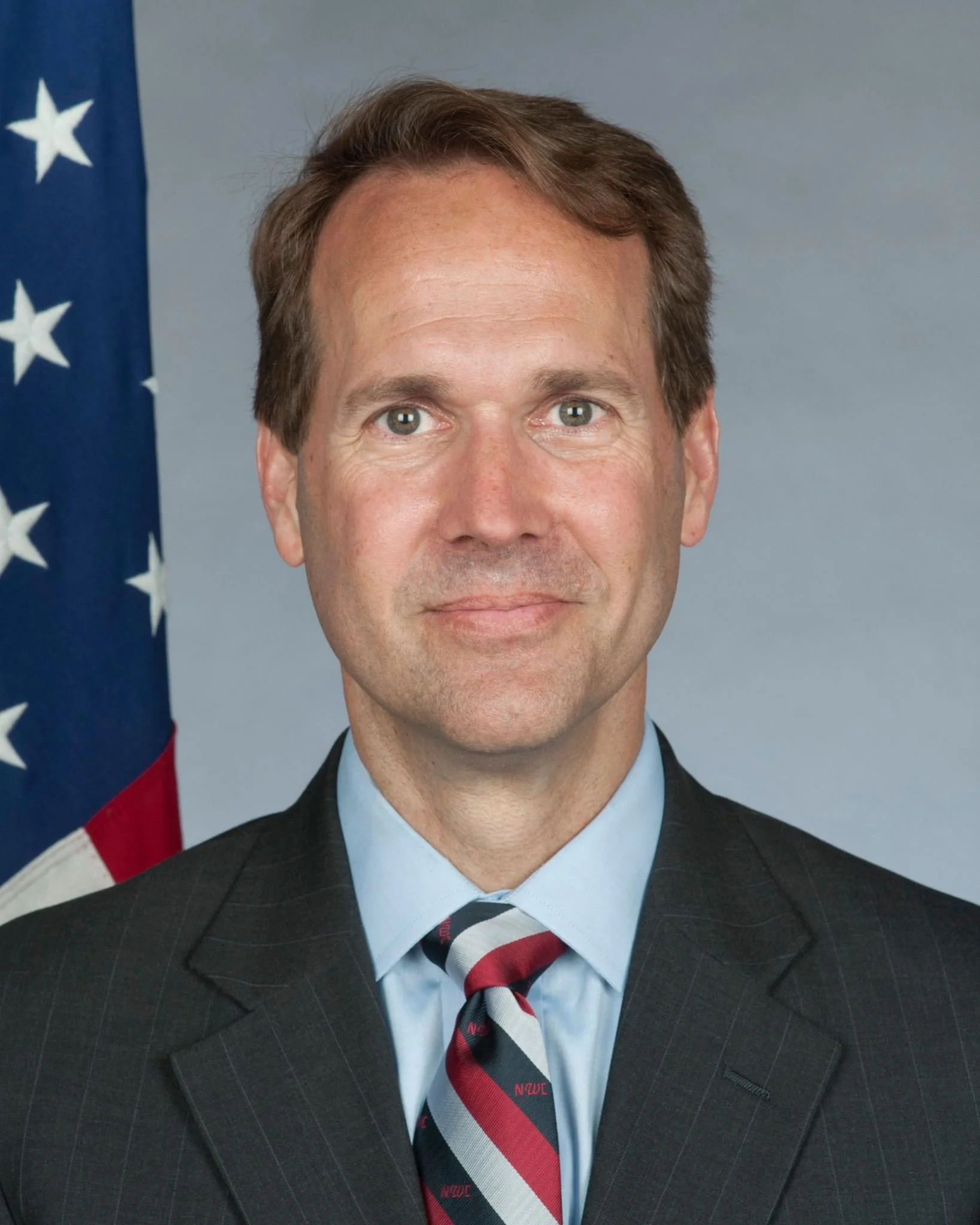
Steps Toward Investment-led Strategy In U.S-Africa Relations
The Senior Bureau Official for the Department of State’s Bureau of African Affairs, Ambassador Troy Fitrell and U.S. Ambassador to Cote D'Ivoire, Ambassador Jessica Davis Ba reviewed commercial diplomacy trip to West Africa and outlined the State Department’s new commercial diplomacy strategy for Sub-Saharan Africa.
Senior Bureau Official Troy Fitrell’s Commercial Diplomacy Trip to West Africa
Digital Press Briefing
The Senior Bureau Official for the Department of State’s Bureau of African Affairs, Ambassador Troy Fitrell and U.S. Ambassador to Cote D'Ivoire, Ambassador Jessica Davis Ba. Ambassador Fitrell reviewed his commercial diplomacy trip to West Africa and outlined the State Department’s new commercial diplomacy strategy for Sub-Saharan Africa.
You can find the full transcript of the briefing here:
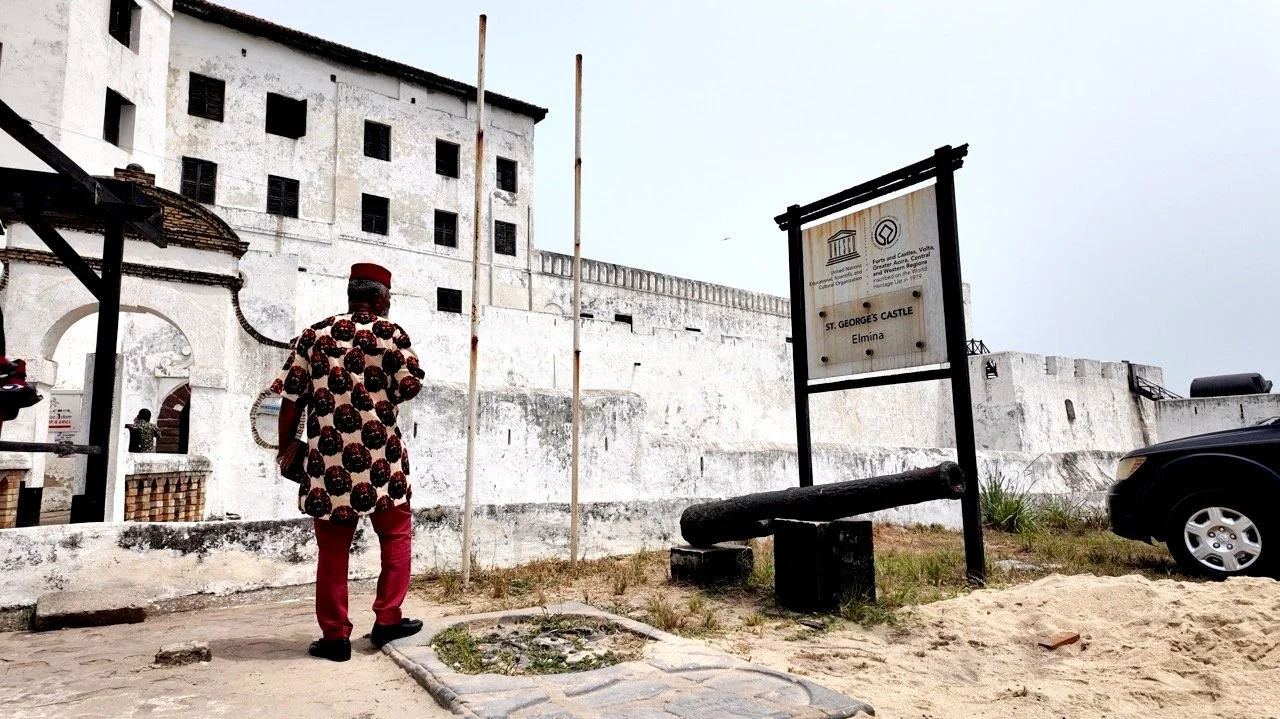
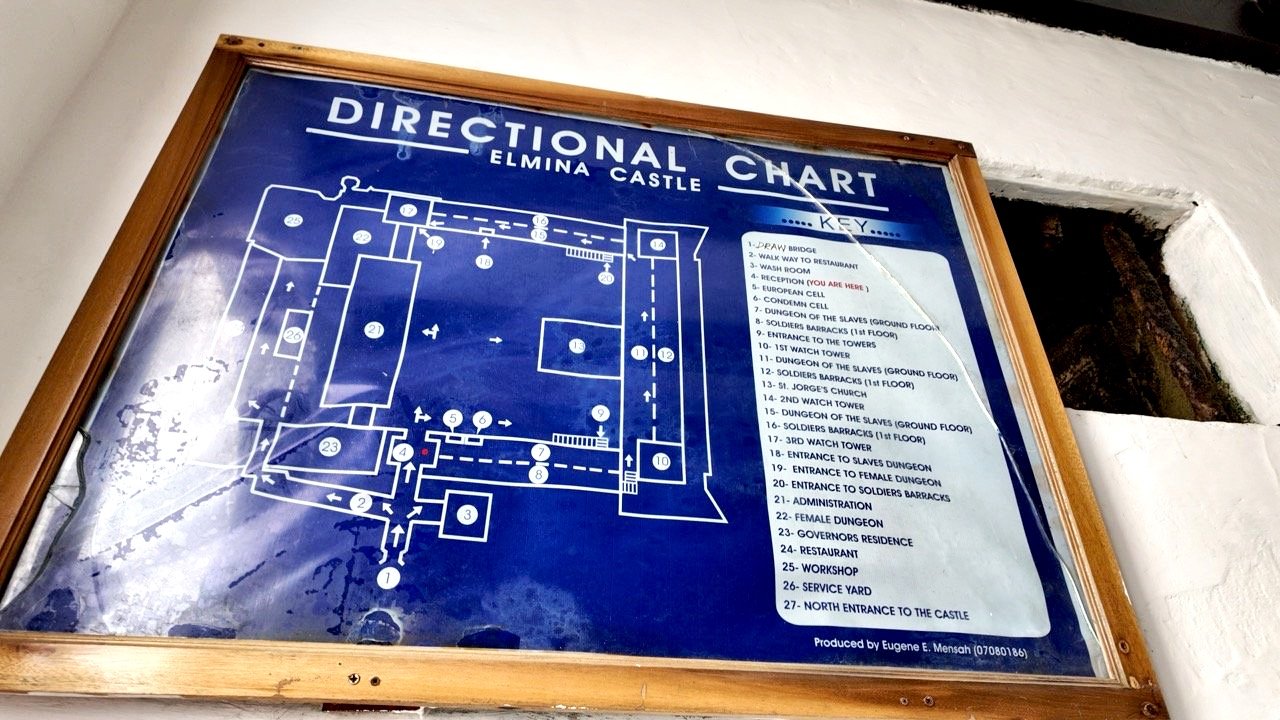
ELMINA: The Struggle Between Suffering and Healing
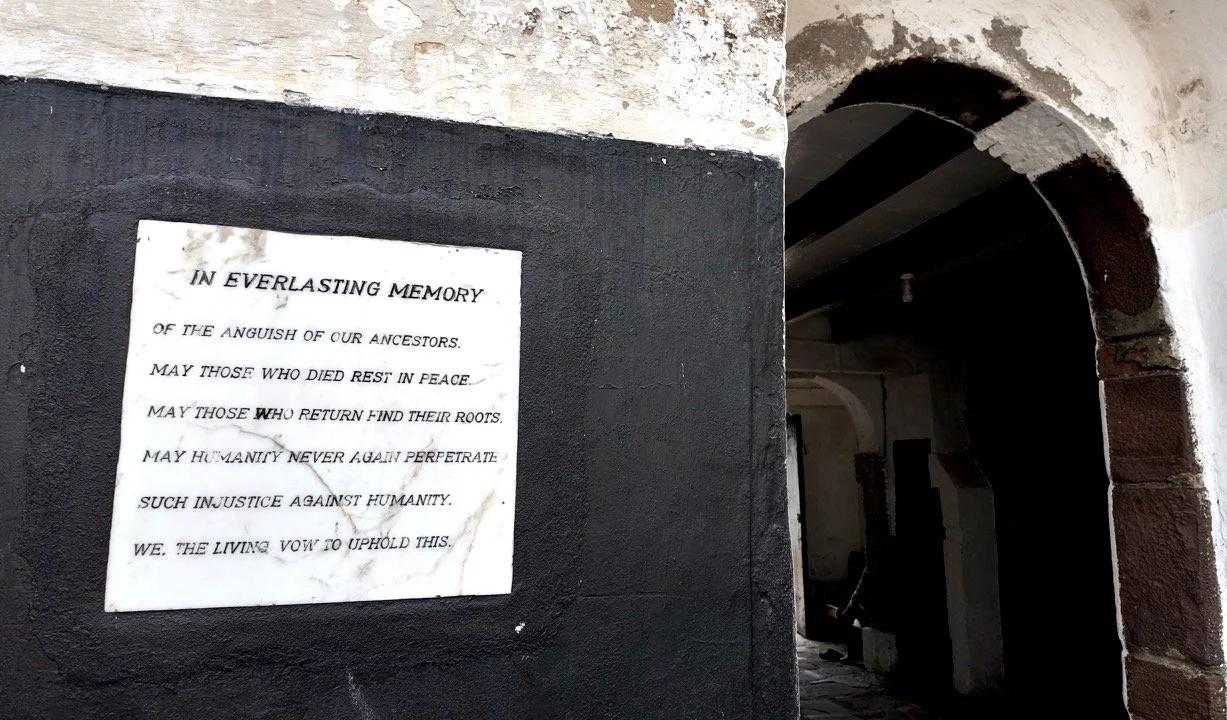
A visit to Elmina Castle, over three hours from Accra, Ghana, evokes strong feelings about our connection to the Transatlantic Slave Trade. As the 1992 Pan African Historical Theater Festival declared, “May we never allow such injustice again. We, the living, promise to uphold this.”
by Oyiza Adaba, New York
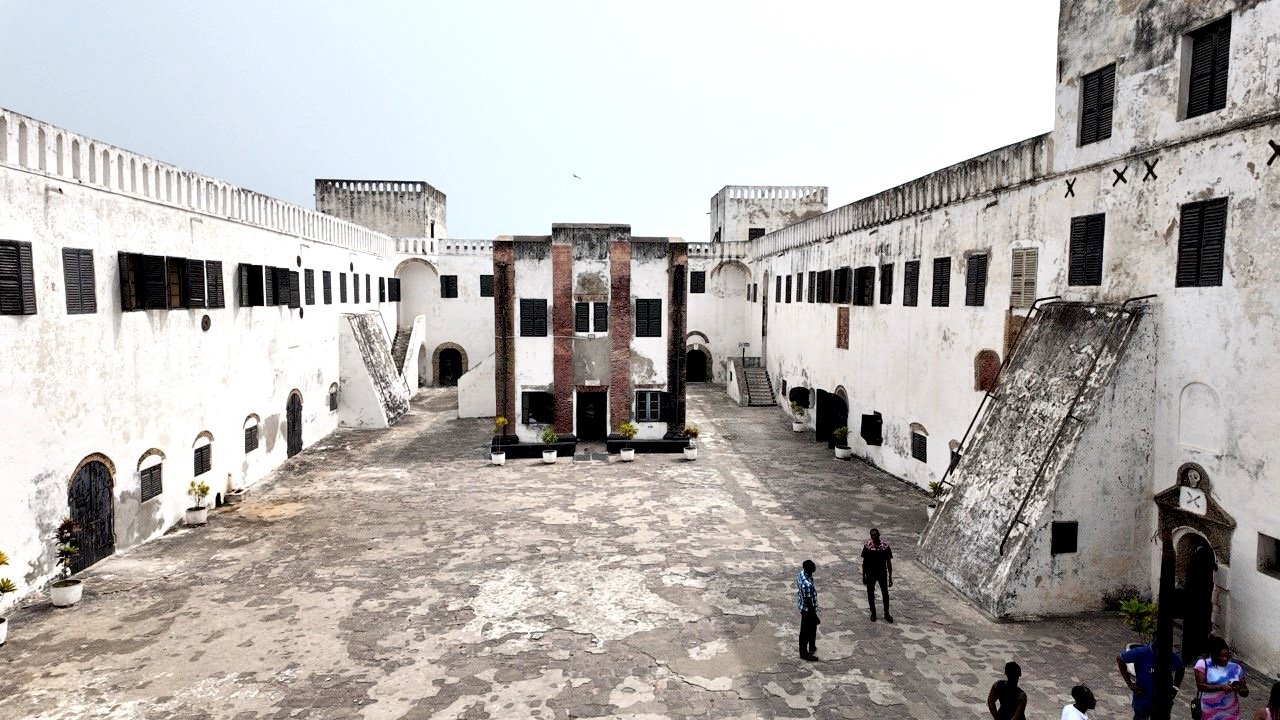
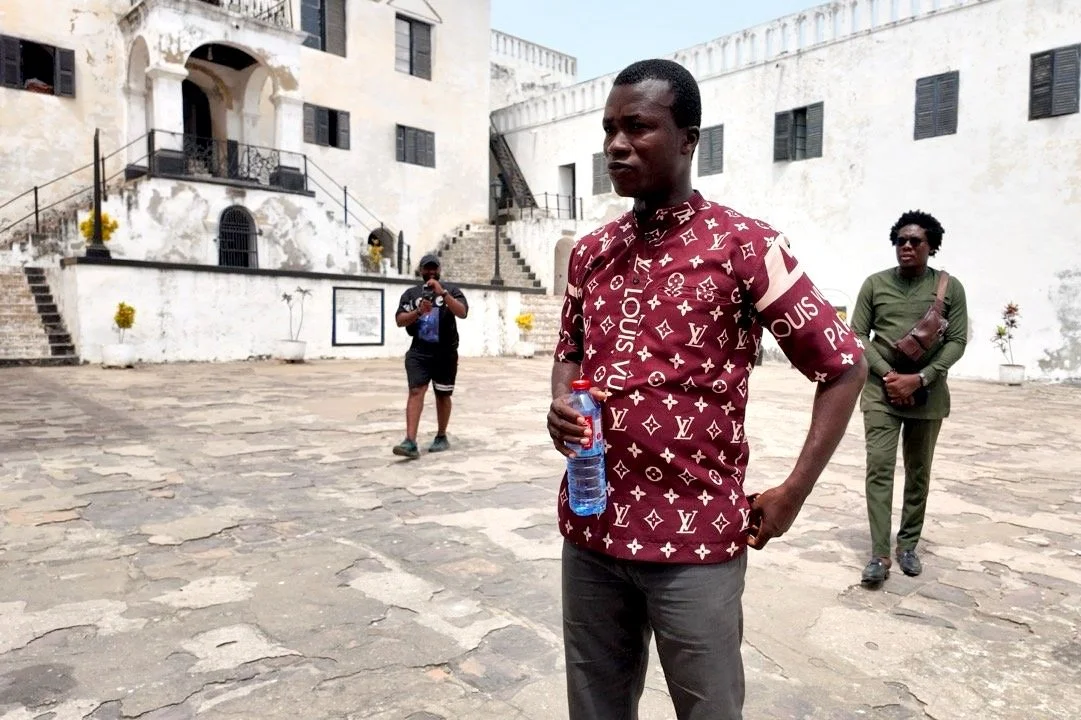
The main courtyard at Elmina Castle, Ghana. Built by the Dutch in 1482. (Photo:Africa-Related)
A SPECIAL REPORT
Made possible by Meridian Creative Center, Tema
A visit to Elmina Castle, over three hours from Accra, Ghana, evokes strong feelings about our collective connection to the Transatlantic Slave Trade. As the 1992 Pan African Historical Theater Festival declared, “May we never allow such injustice again. We, the living, promise to uphold this.”
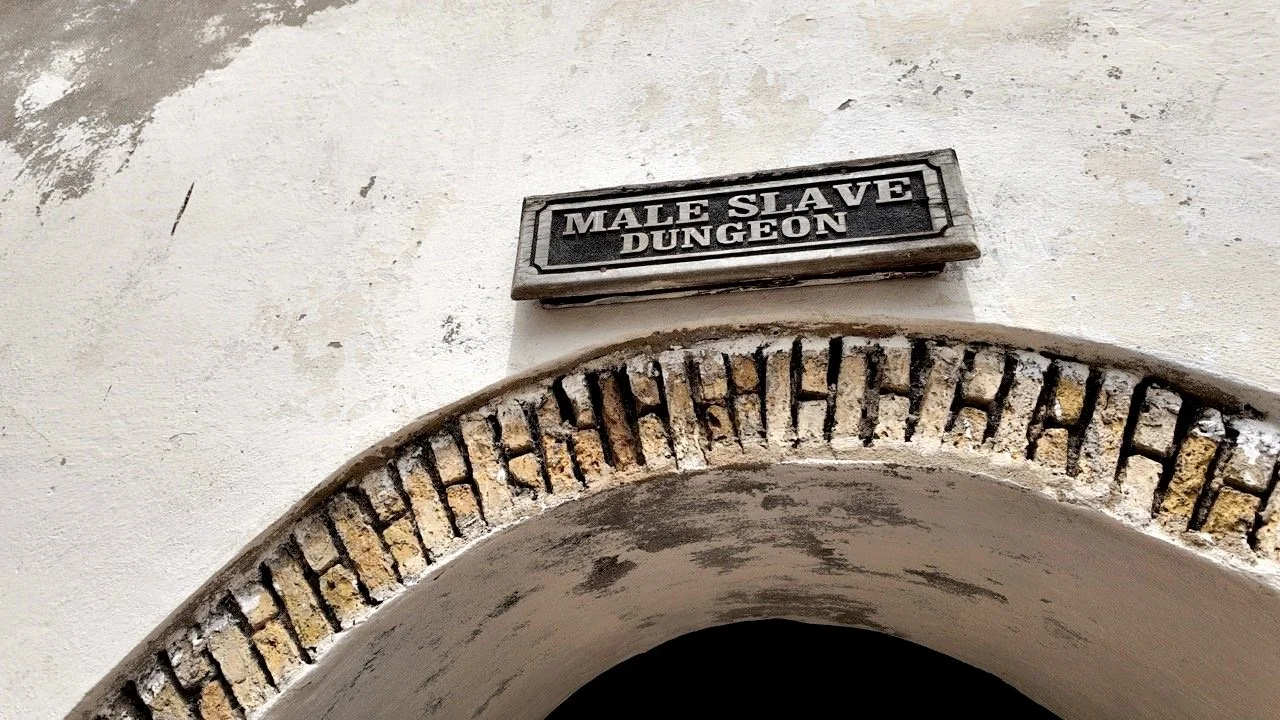
In the coastal town of Elmina, the ongoing struggle between reliving a horrific era and healing unfolds daily. Here, the remnants of a painful past clash with the hopeful emergence of transformation. Locals, guides and tourists alike navigate these intricate emotions, confronting the weight of their history while striving to cultivate a future filled with resilience and recovery. This delicate balance begins the journey toward healing that many individuals undergo.
“In everlasting memory of the anguish of our ancestors. May those who died, rest in peace. May those who return find their roots. May humanity never again, perpetuate such injustice against humanity. We, the living vow to uphold this
”
Video by Africa-Related for #El@80
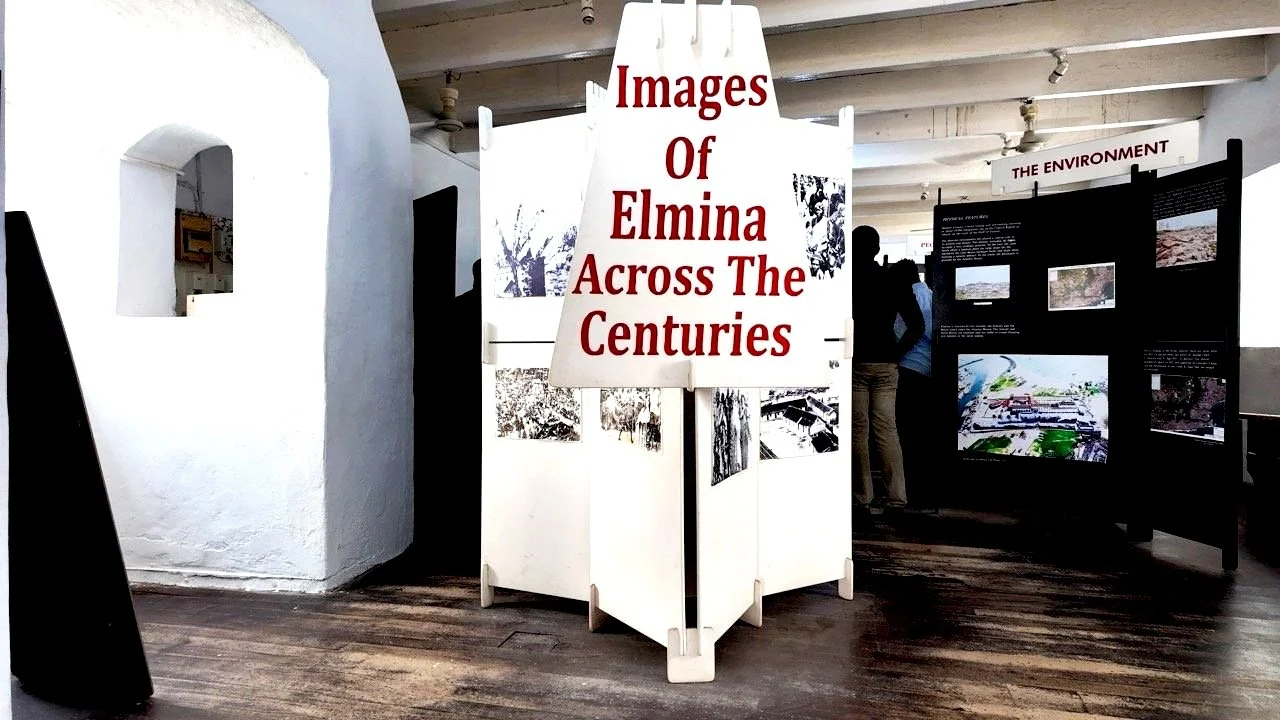
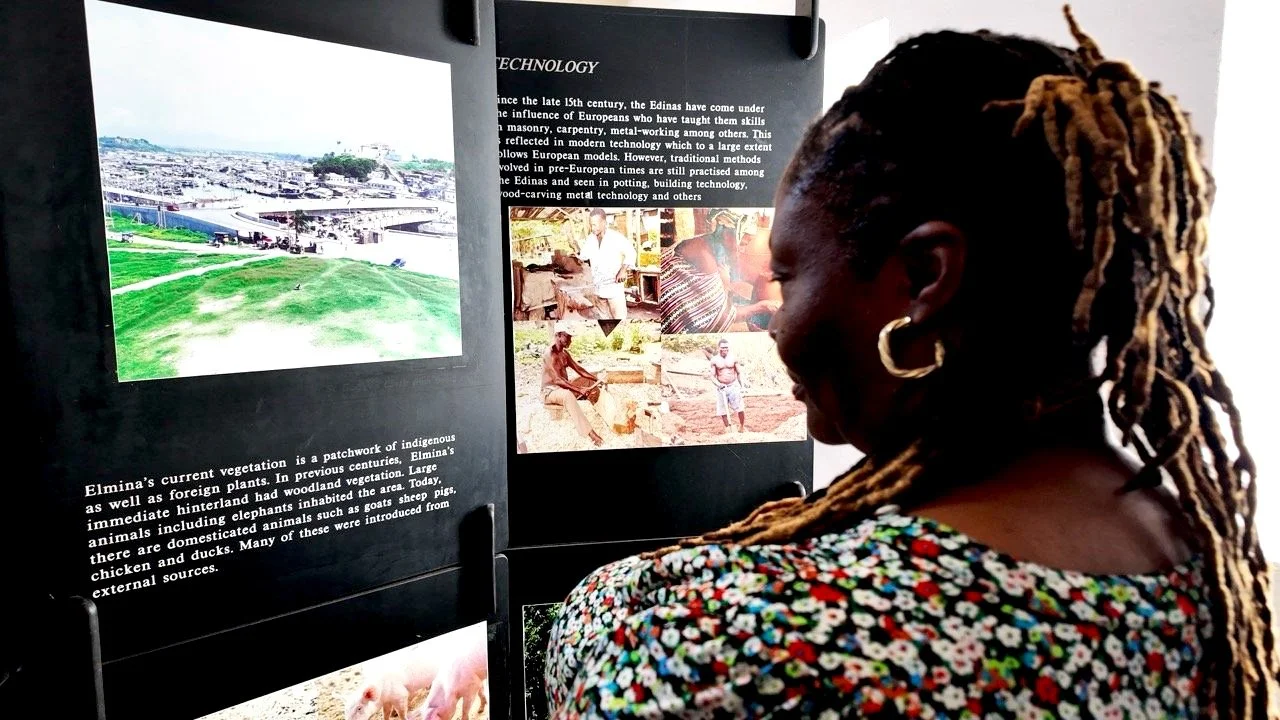
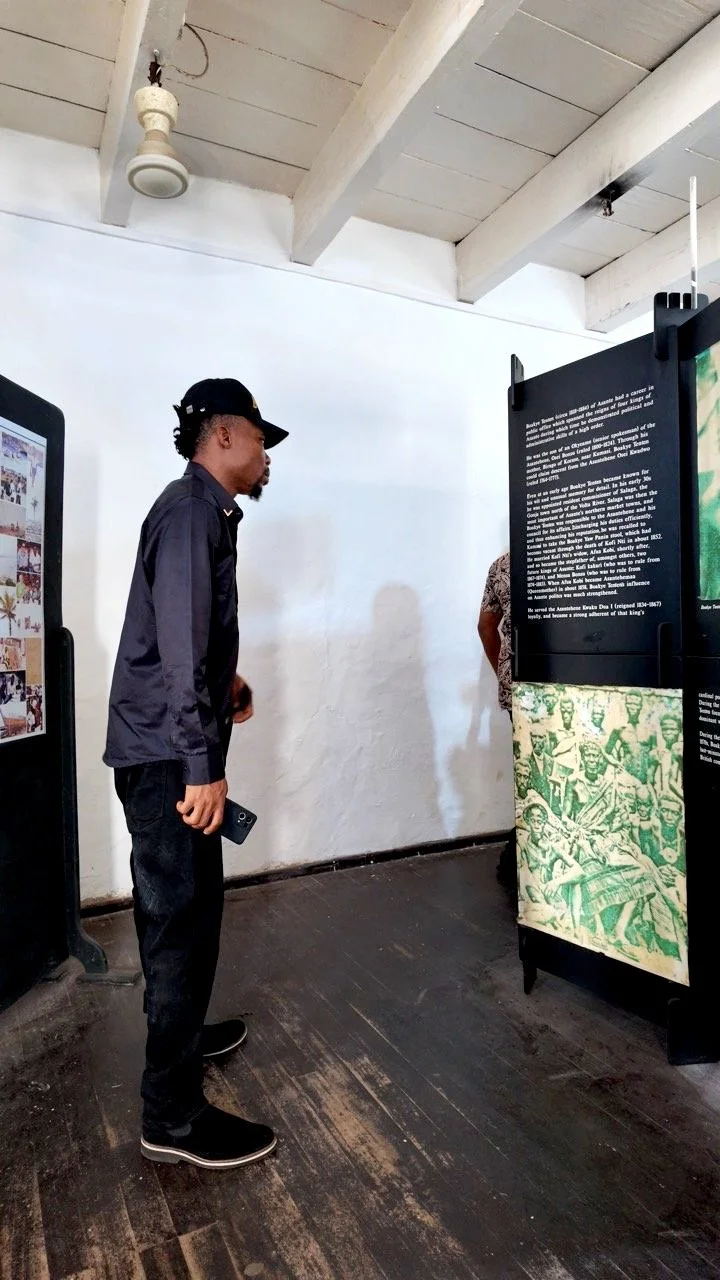
In February 2024, friends and colleagues of the globally recognized sculptor and Emeritus Professor of Art, El Anatsui, came together to celebrate his significant 80th birthday with a tour of the Elmina Slave Castle. This historical UNESCO World Heritage site is located in the picturesque town of Elmina, which lies approximately a three-hour drive from Ghana's vibrant capital, Accra.
According to Wikipedia, the castle was the very first trading post established on the Gulf of Guinea by the Portuguese back in 1482, originally called Castelo de São Jorge da Mina, but also known simply as Castelo da Mina or Mina, in what is now present-day Elmina, Ghana, which was formerly known as the Gold Coast.
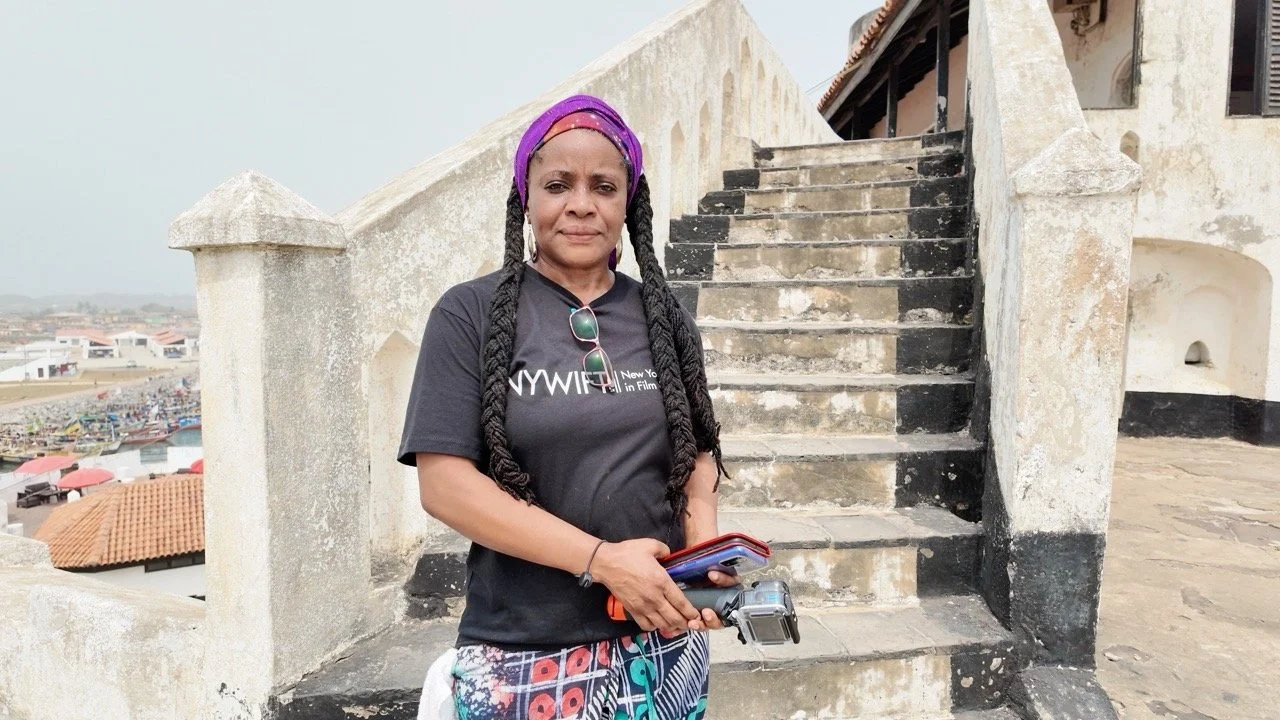
Journalist/Filmmaker Oyiza Adaba at Elmina Slave Castle, Ghana (Photo by Africa-Related)
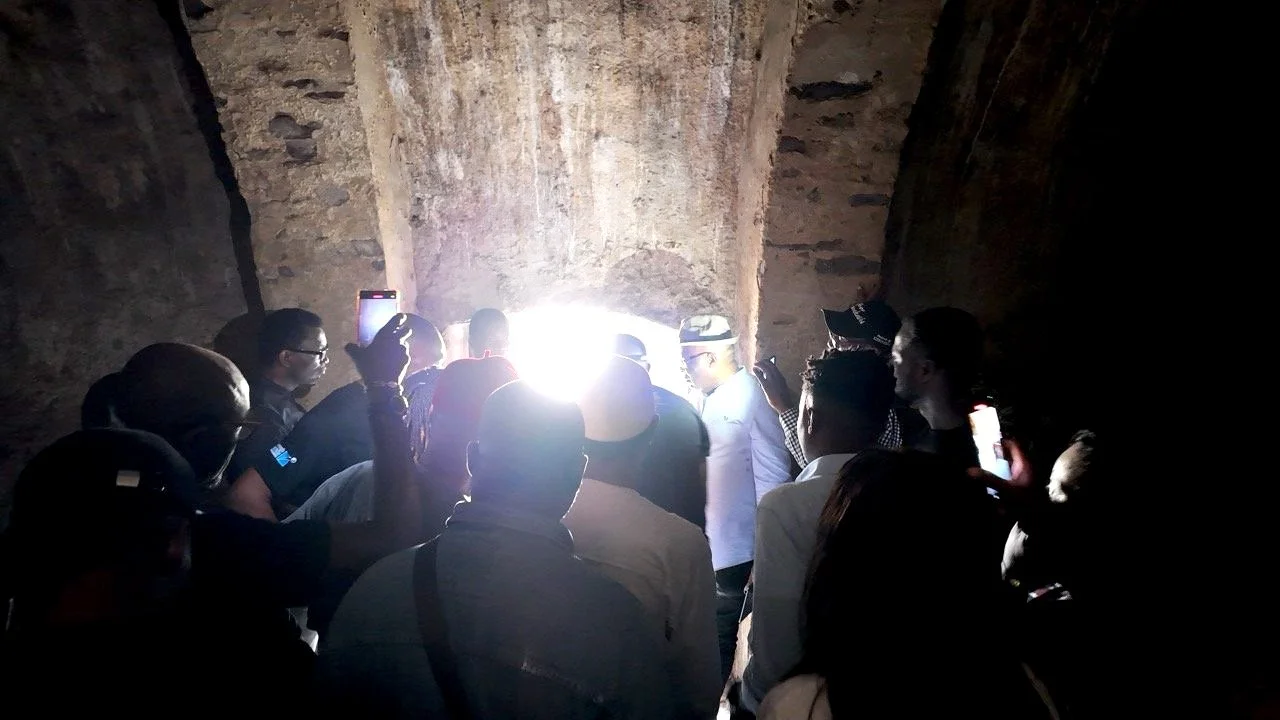
I have yet to encounter anyone who did not experience strong emotions following an Elmina tour, and this occasion was no different. Not everyone feels at ease when it comes to listening to accounts from what can only be described as a "barbaric" era, one that was paradoxically executed with The Bible in one hand and The Gun in the other, where chapels were ominously built directly above the grim chambers of torture.
Film director Katrina C. Browne thoughtfully tackles this complex subject concerning the church’s role in the Transatlantic Slave trade in her compelling film, Repairing The Breach: The Episcopal Church and Slavery Atonement. This documentary not only examines historical injustices but also seeks a deeper understanding of the implications of these actions within the context of today’s society.
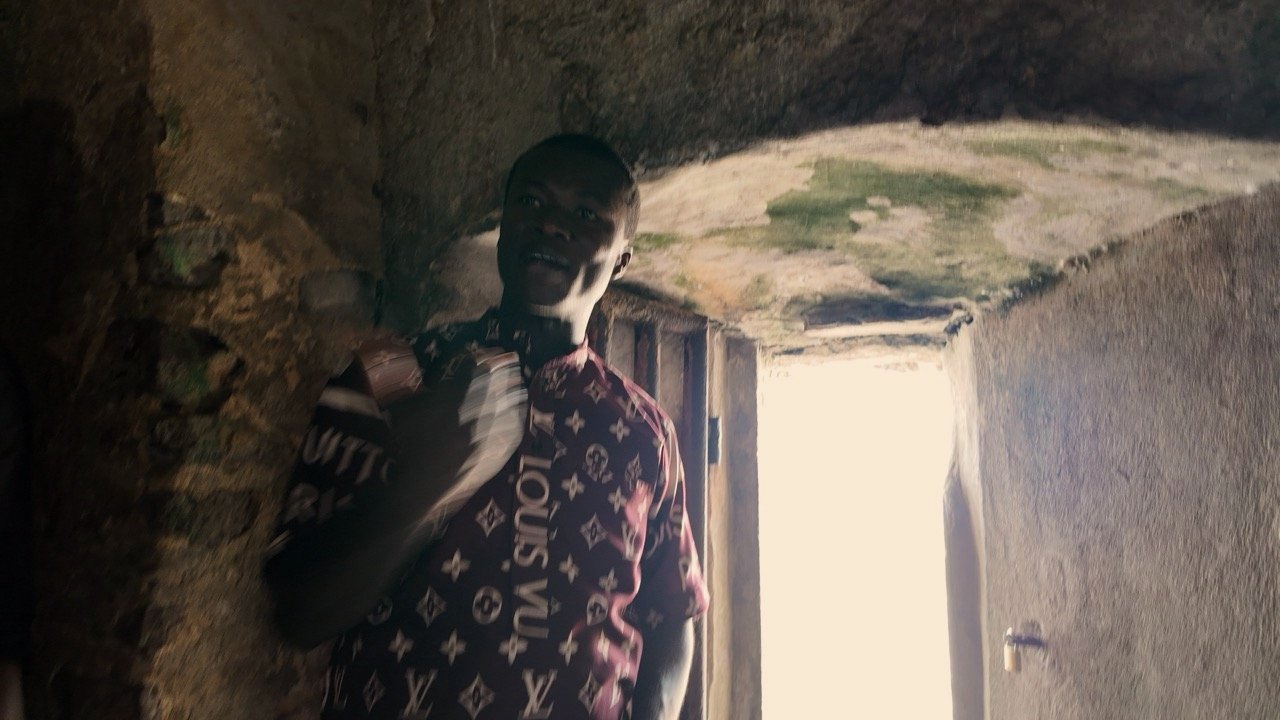
Tour guide at the infamous Door of No Return. (Africa-Related)
There is no doubt that the subject of slavery continues to be a challenging one to confront, affecting all levels of society and individuals from every race that participated. During the poignant tour, the small group, comprised of academics, artists, enthusiastic entrepreneurs, and members of the media, struggled just as deeply with the history and emotions evoked by the experience.
Slavery Theme in El Anatsui’s Works
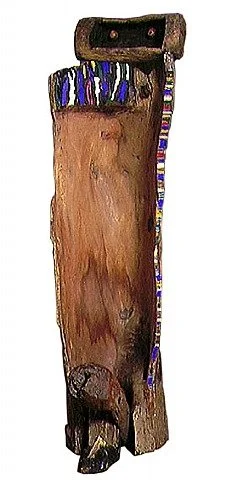
As an artist who single-handedly redefined comtmporary sculptor, El Anatsui uses bottle caps in his jaw dropping sculptures to highlight the history of alcoholic drinks tied to the European slave trade. His earlier works in wood and ceramics, along with his bottle cap pieces, reflect themes of slavery and the effects of globalization and consumerism in Africa. Some notable titles that evoke strong imagery and deep reflection on these historical realities and contemporary issues, include: Man Resplendent Pissing Around the World (1995), They Saw Us Through Puffs of Smoke; They Made It Happen, Watched It Happen, But Now With Disheveled Hair, Wonder What Happened (1986), and The Elements Threatened Immediately Above While We Still Milled Around in a Mass of Complacency'; Rising Sea (2019).


Additional Reading:
- A History of Indigenous Slavery in Ghana from the 15th to the 19th Century by Akosua Adoma Perbi
- A Cry & the Lamentations from the Ancestors: A Chronicle from the Trans-Atlantic Slave Trade: (Voices from the Captive Africans)
The various contrasts that Elmina presents to us is certainly not lost on our awareness and understanding. In its sordid history, accompanied by the distinct 'smell you never forget'‘, lies a magnificent, imposing beauty that serves to keep the memory of the past alive, thereby ensuring that history does not repeat itself ever again.
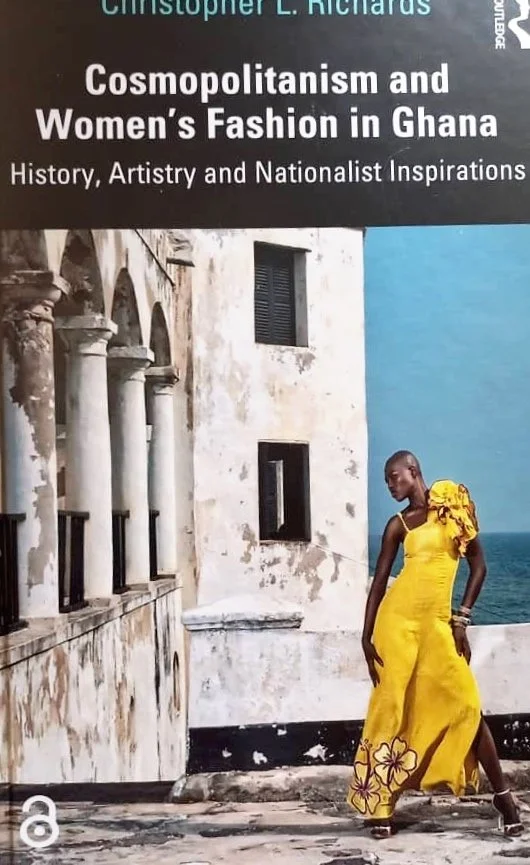
The whitewashed walls of this remarkable place hold significant historical dirt that tells a story of resilience and survival, yet Elmina has also become a hauntingly beautiful backdrop for an array of films, captivating books, and striking photo shoots. Renowned writer and historian Prof. Christopher L. Richards used Elimna as the cover of his book Cosmopolitanism and Women’s Fashion in Ghana History, Artistry and Nationalist Inspirations. He worked with the creative duo of photographer, Dean Zulich and Fashion Curator Beatrice ‘Bee’ Arthur, who recount their unique Elmina experiences on TV Series Messengers, all while diligently capturing the rich history and tapestry of Ghanaian fashion.
Cosmopolitanism and Women’s Fashion in Ghana
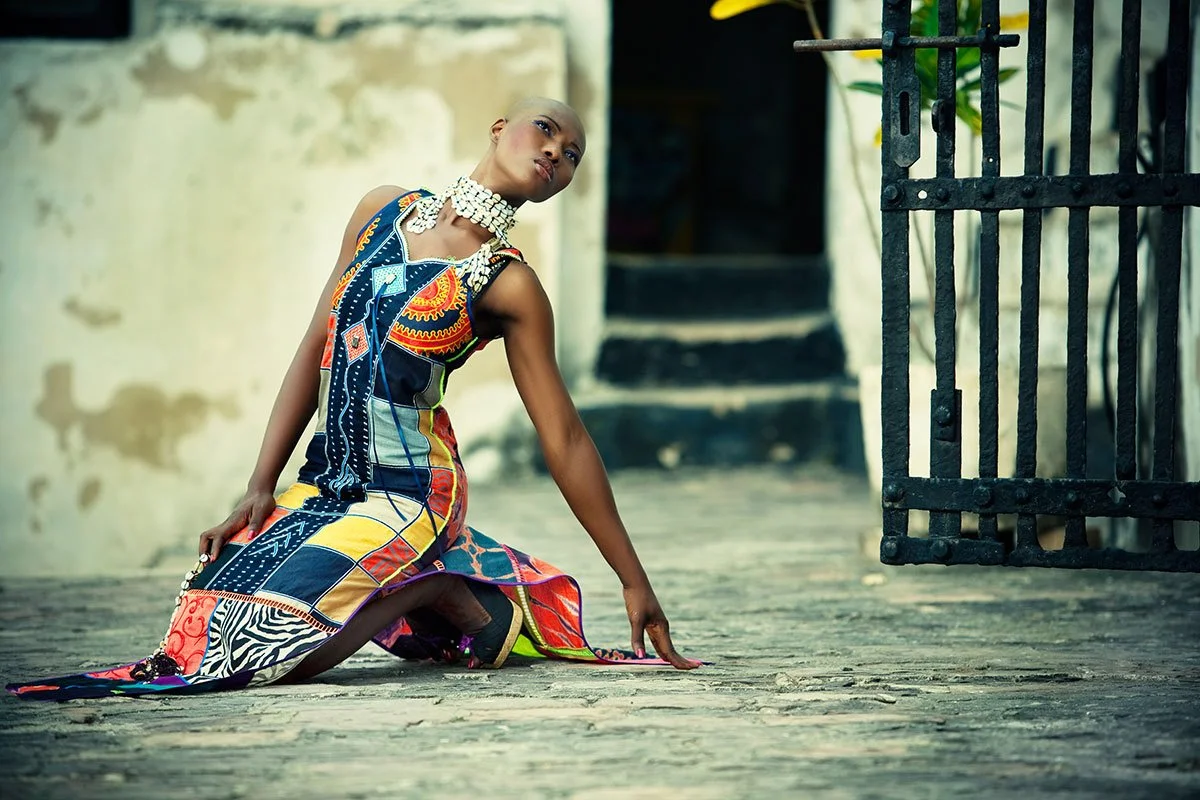
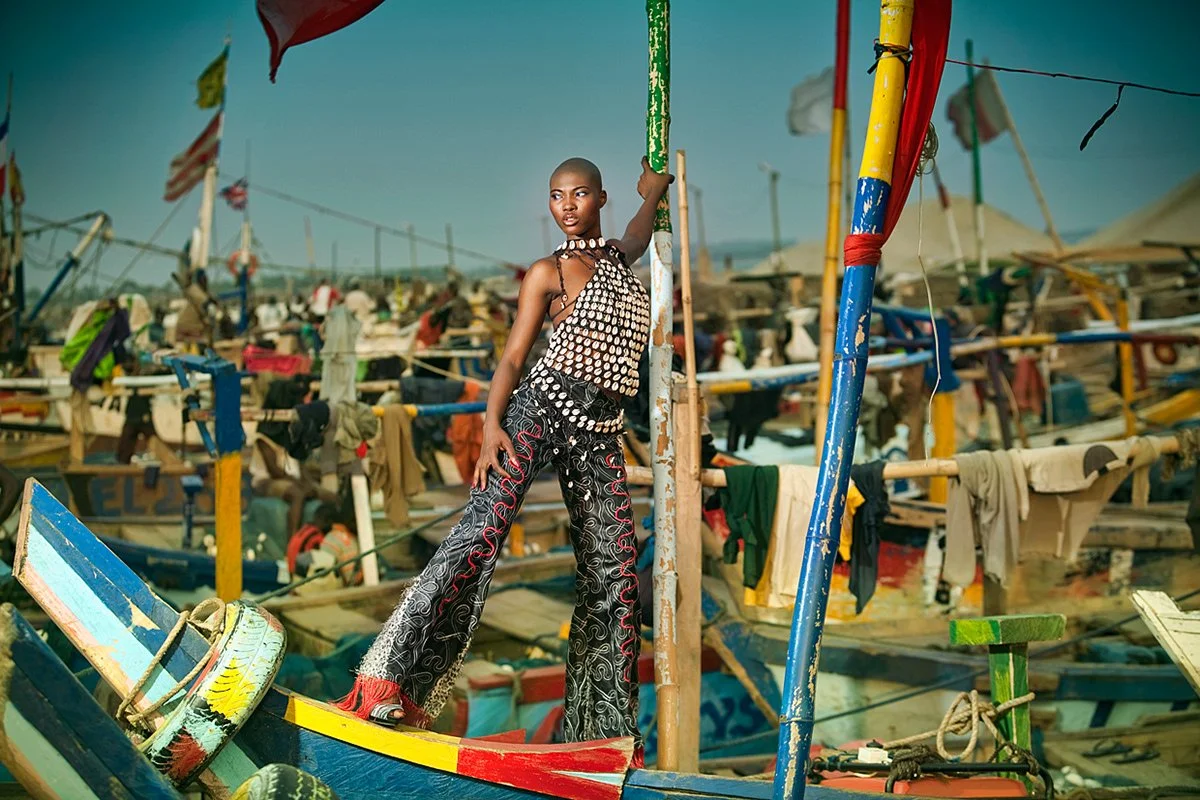
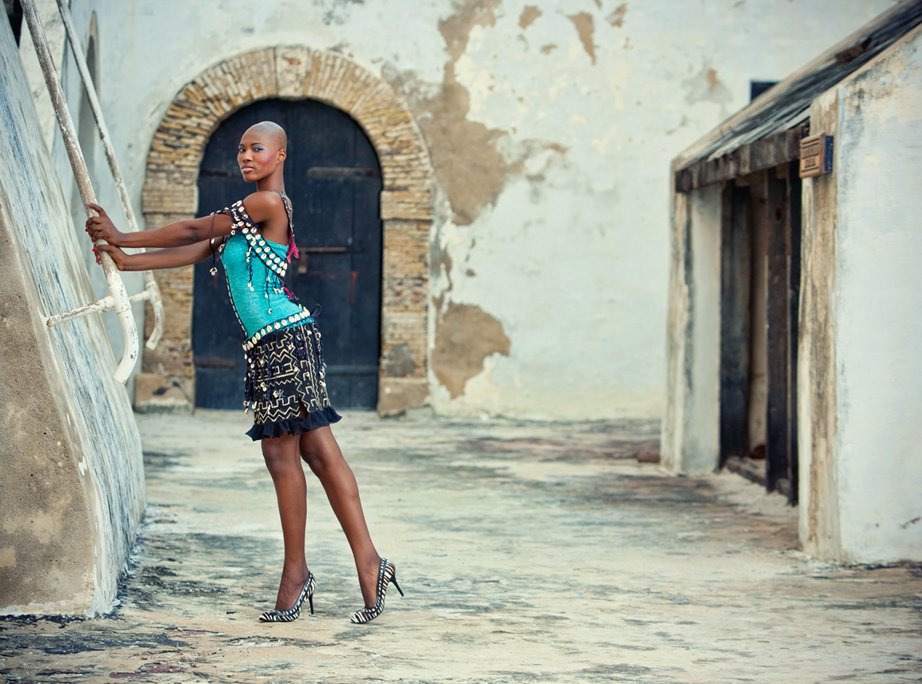
#El@80 elmina tour: PHOTOS BY AFRICA-RELATED
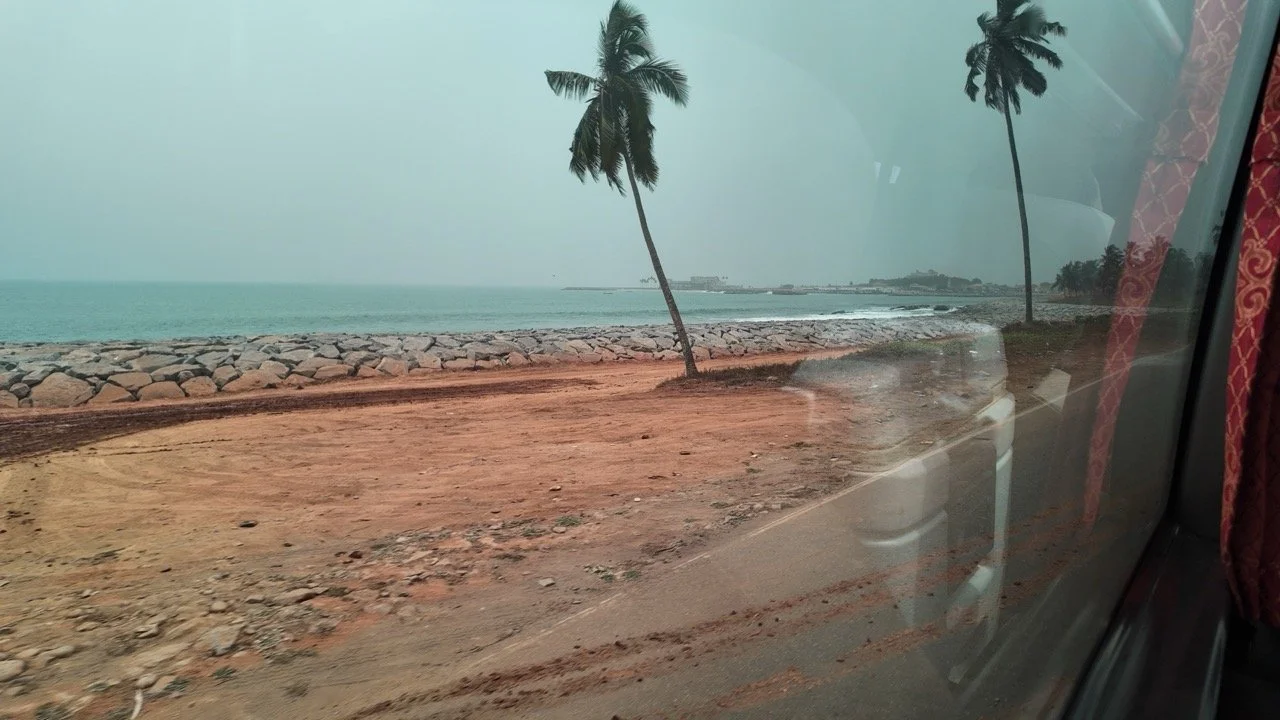
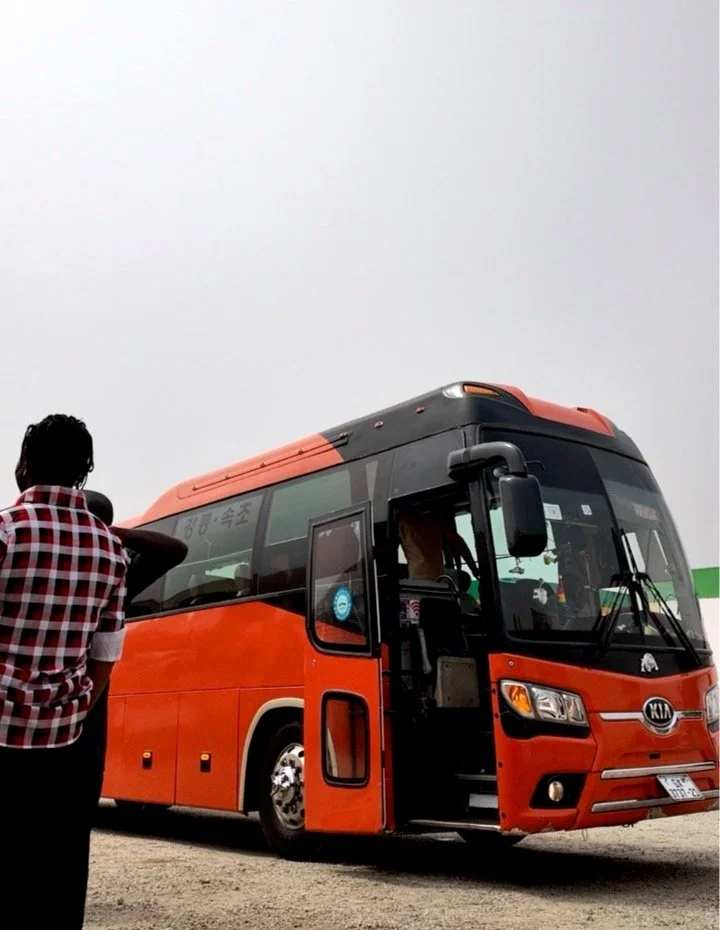
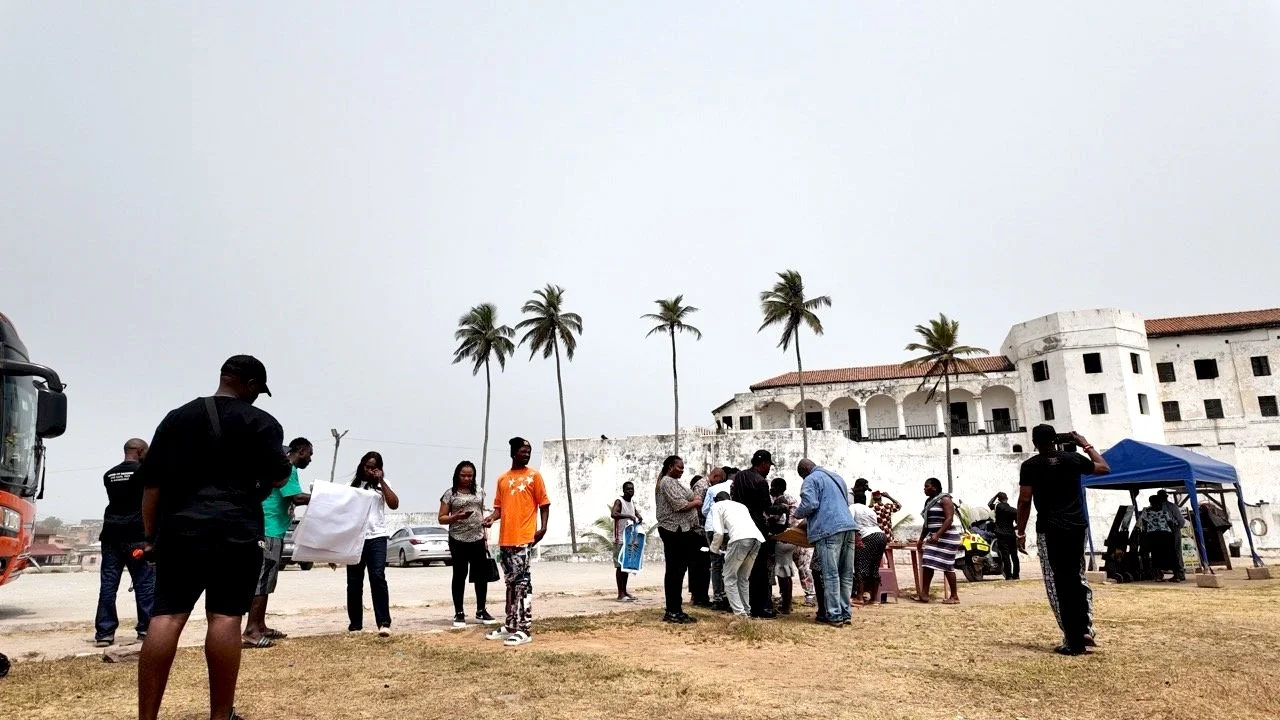
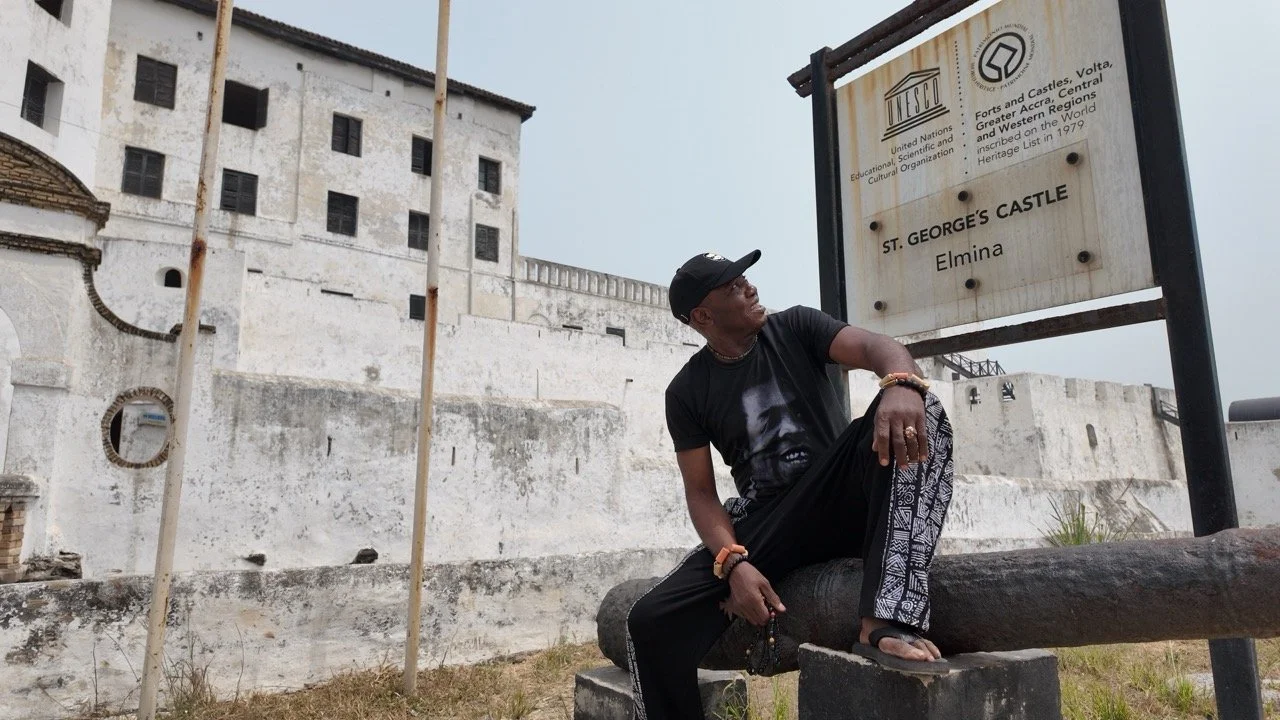

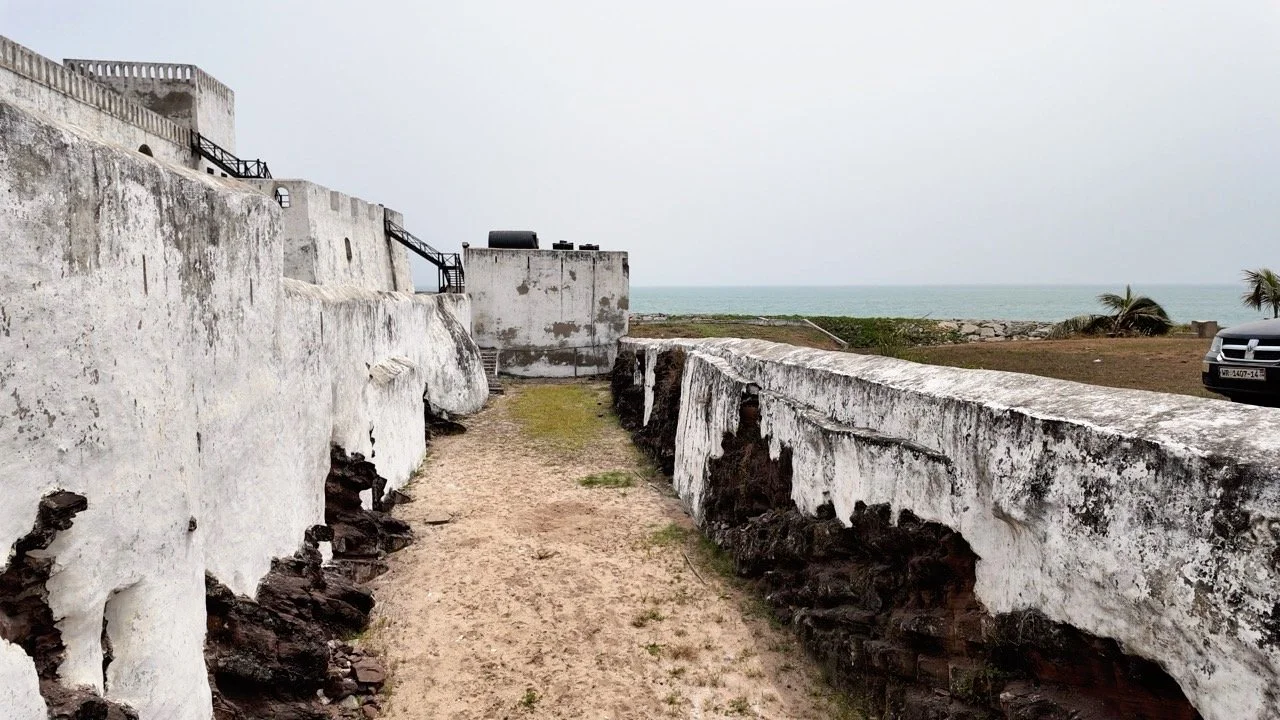
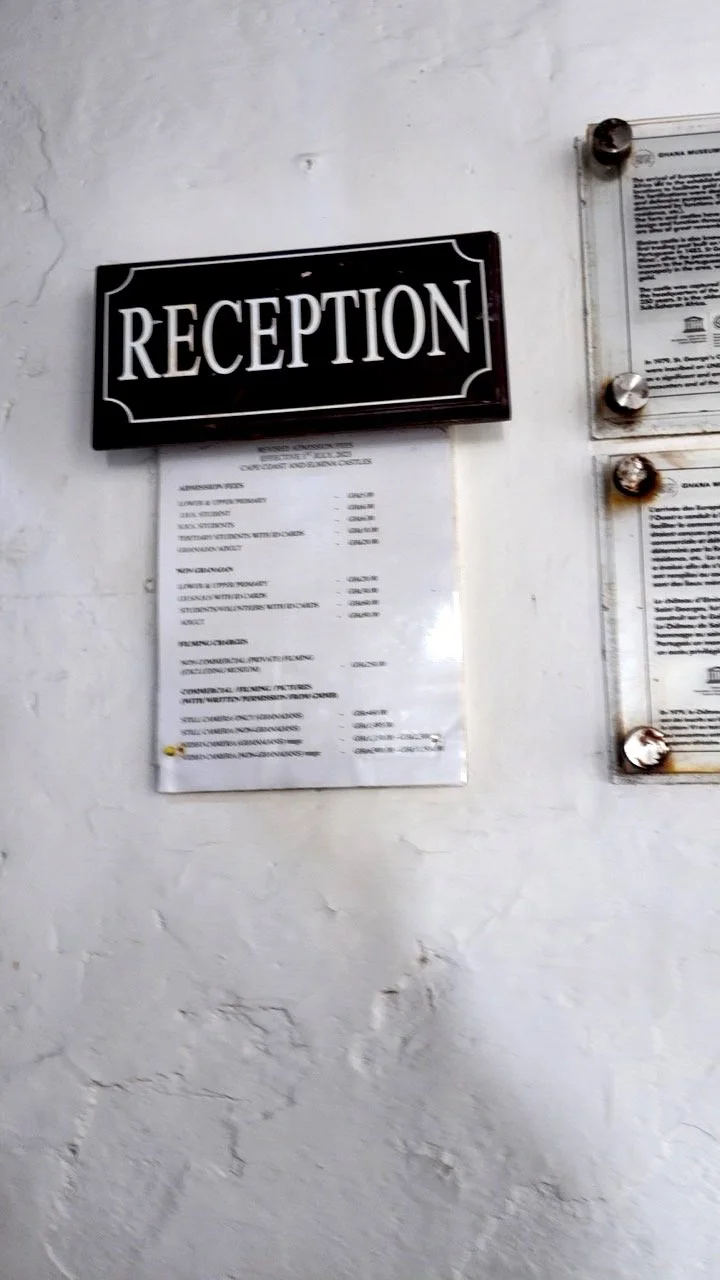


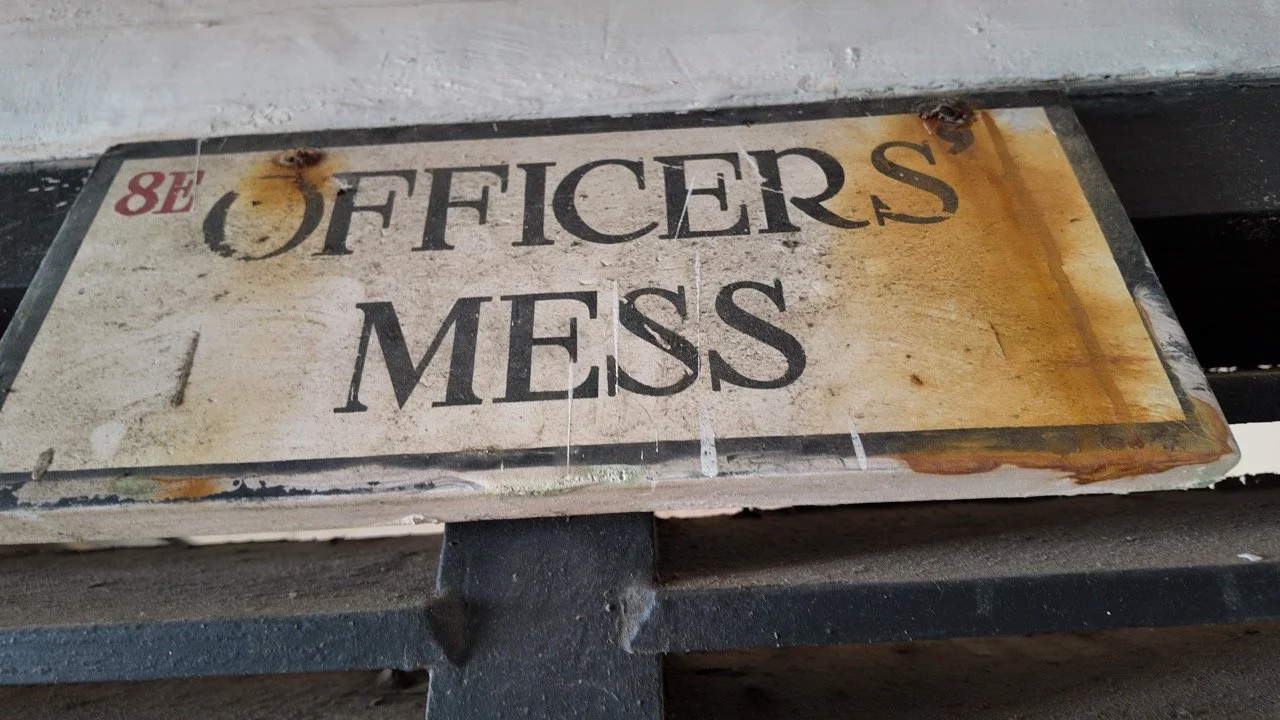
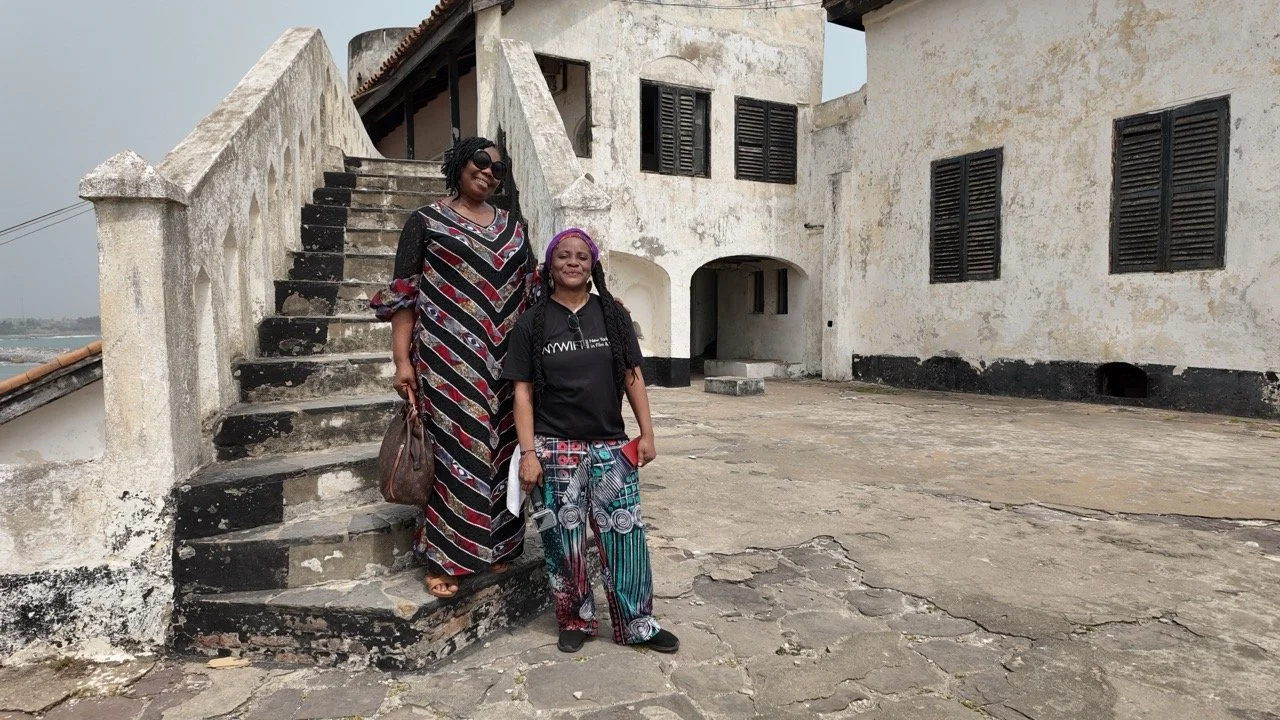
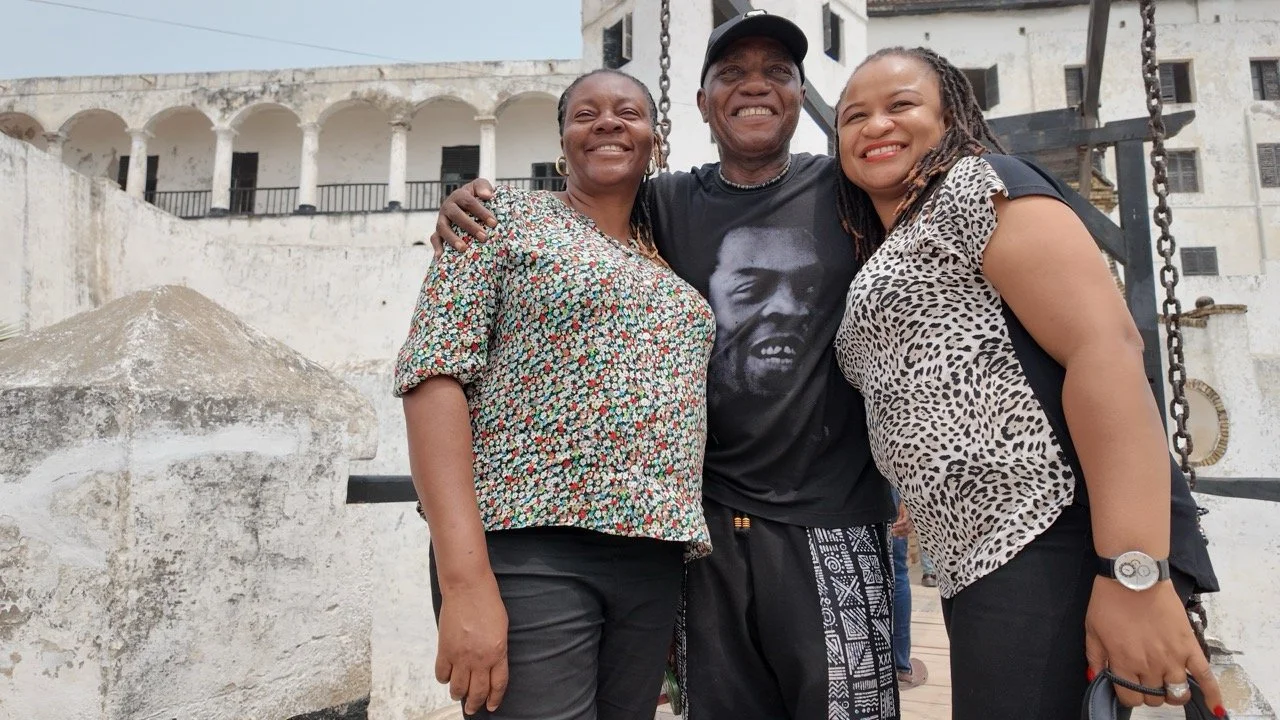
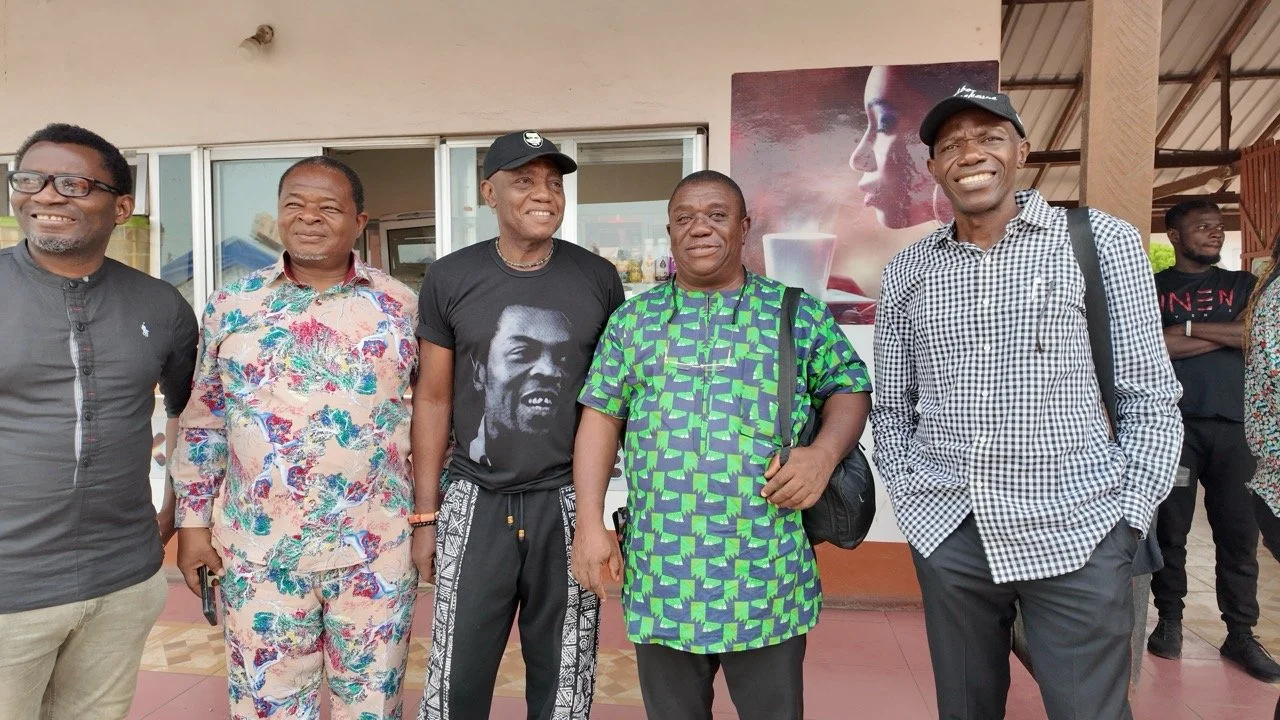
This report was made possible by Meridian Creative Center, Tema with additional images provided by elanatsuifilm.com, elanatsui.art, #el@80, Timothy Doh, Dean Zulich, and Moses Adeyemi.
HIGHLIGHTS: "DELA" At ISFMF 2024
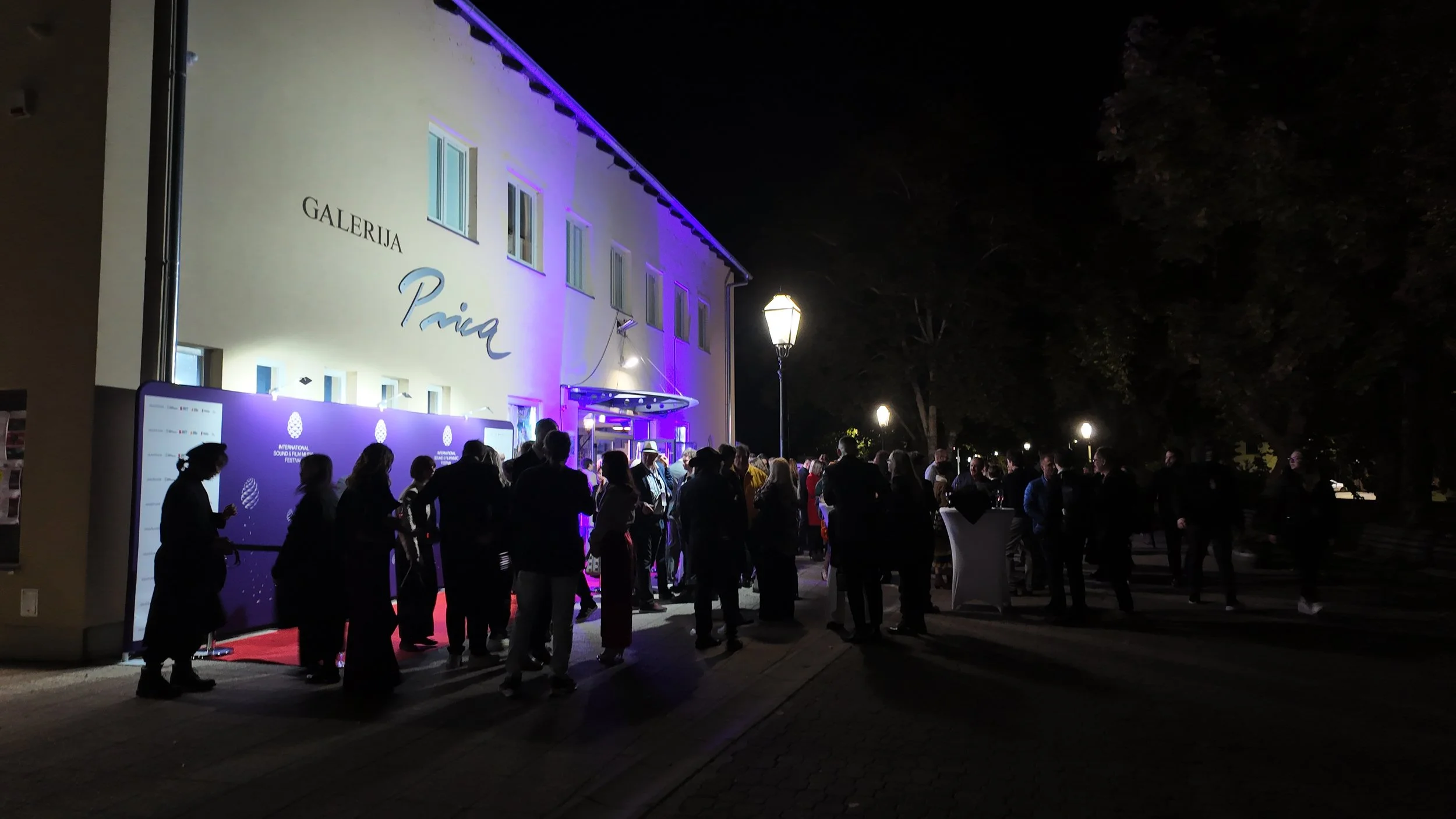
The two-day event was packed with activities like the music concert tribute to Ennio Morricone, an art exhibition, film screening in mostly shorts category, followed by a brief Q&A with the director, sound engineer or music composer; a panel discussion, a children’s concert and many more.
by africa-Related
HIGHLIGHTS
ISFMF 2024
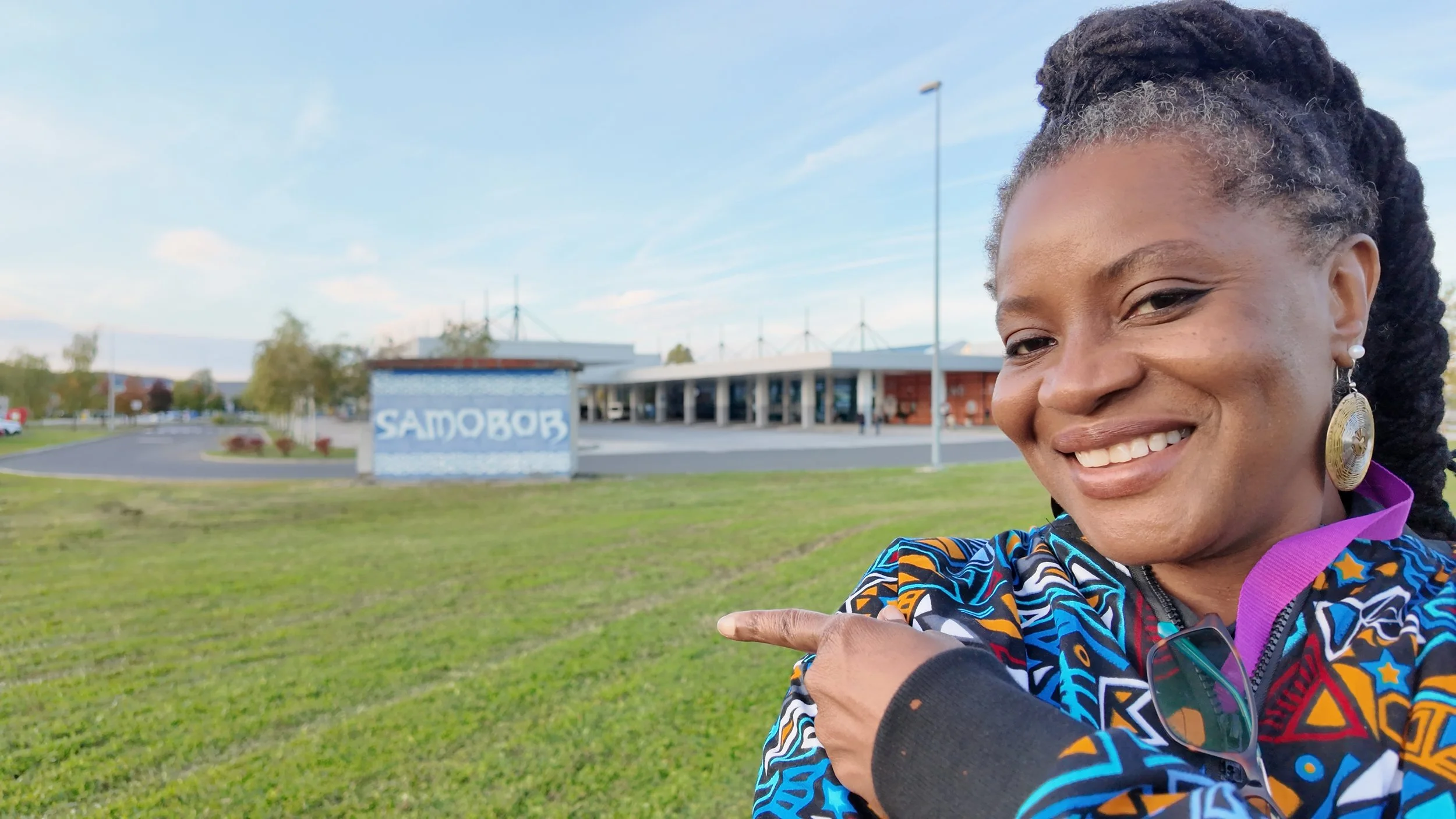
SAMOBOR, Croatia
Samobor!
it’s worth the search

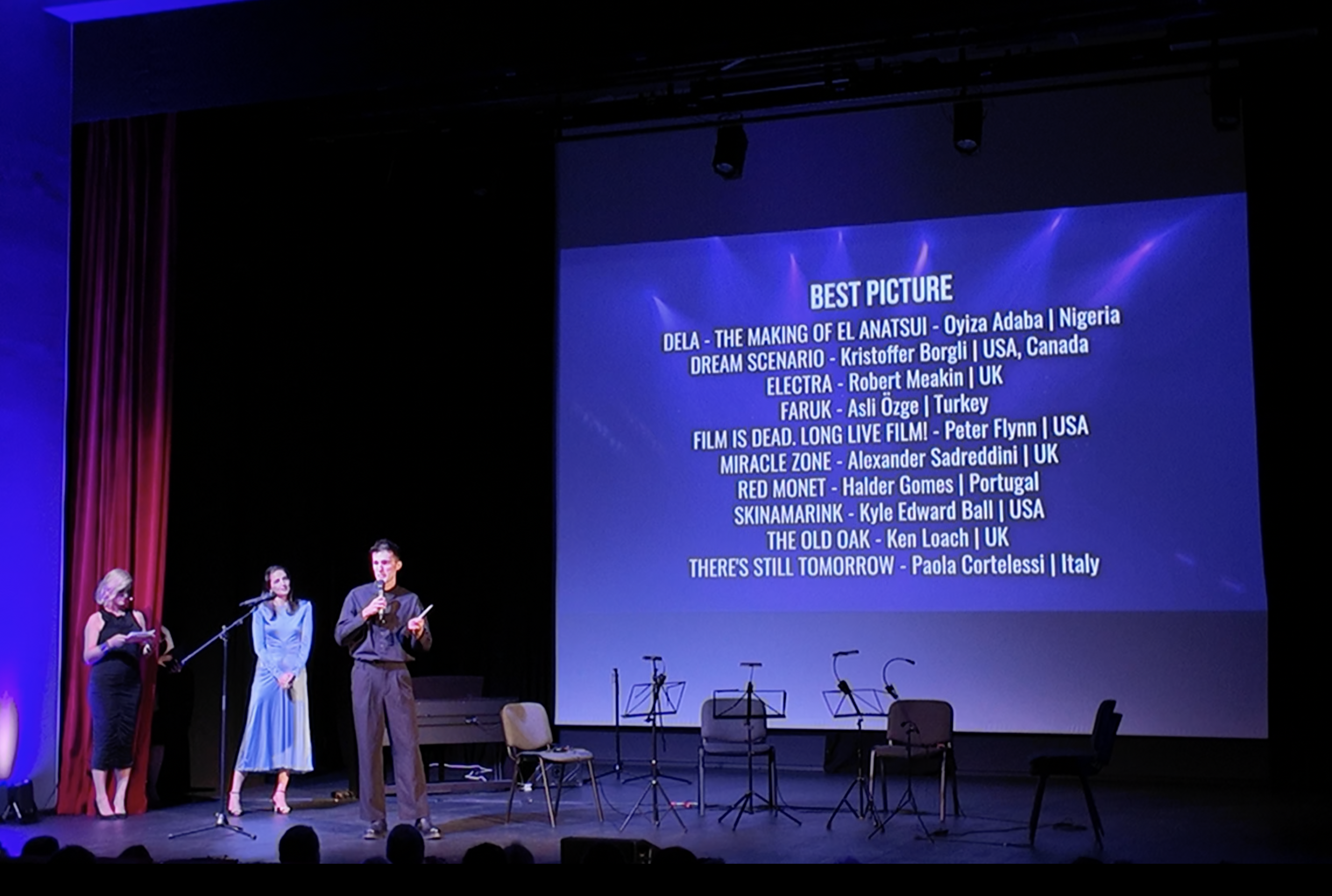
DELA was nominated for the Crystal Pine Award in Best Picture (Feature-length Category). Photo by Africa-Related
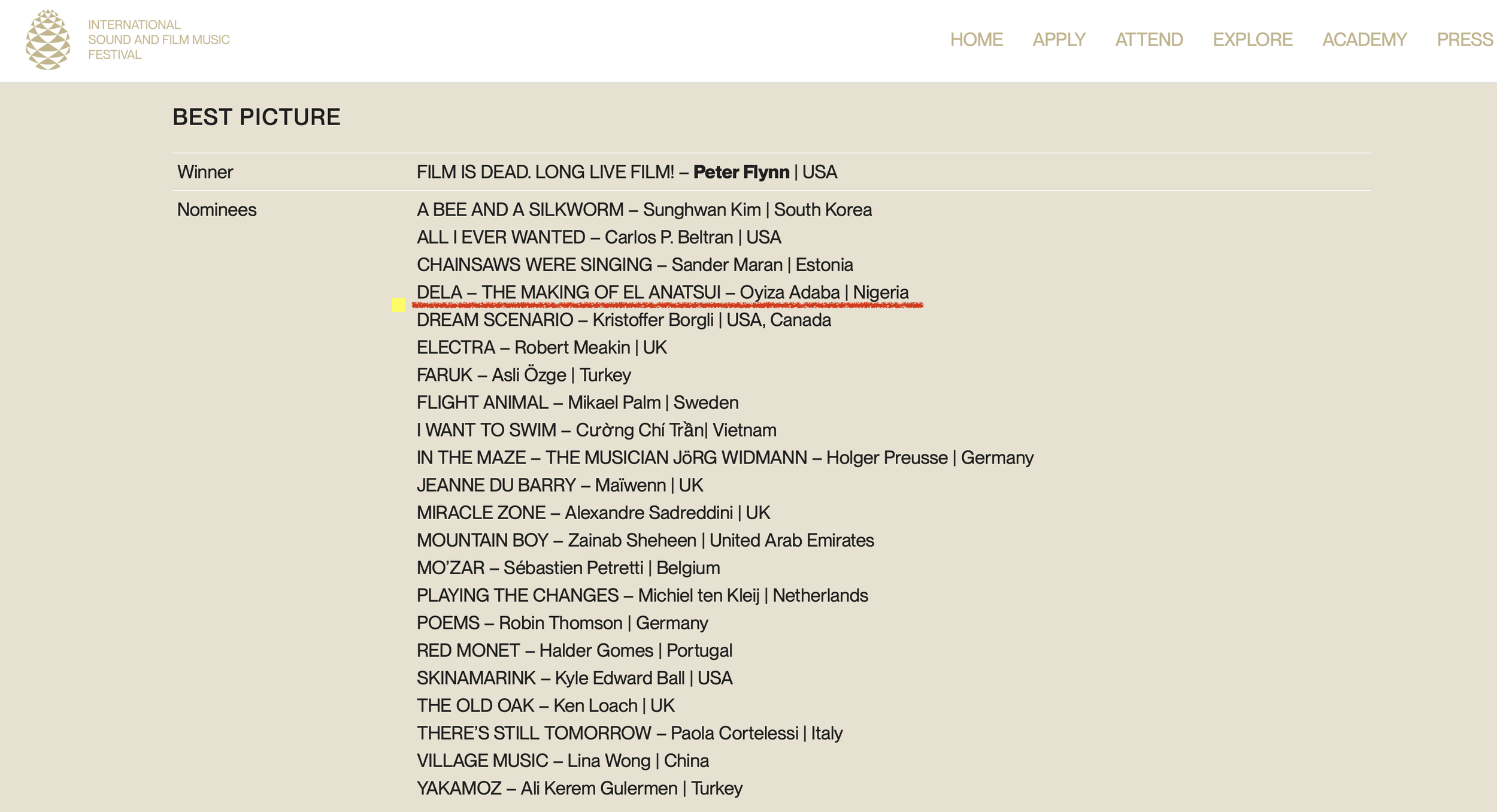
DELA was nominated for the Crystal Pine Award in Best Picture (Feature-length Category). Photo by Africa-Related
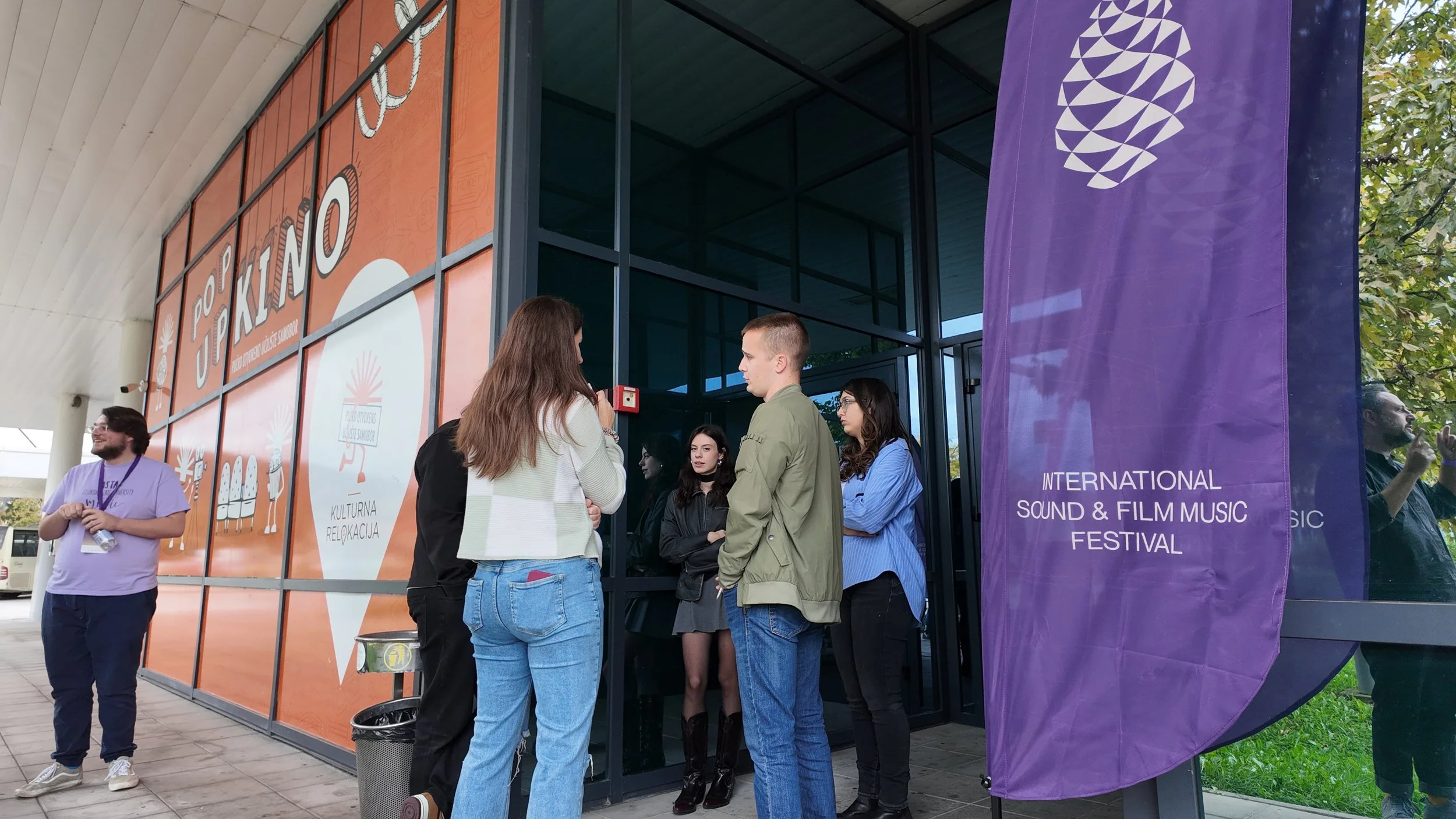
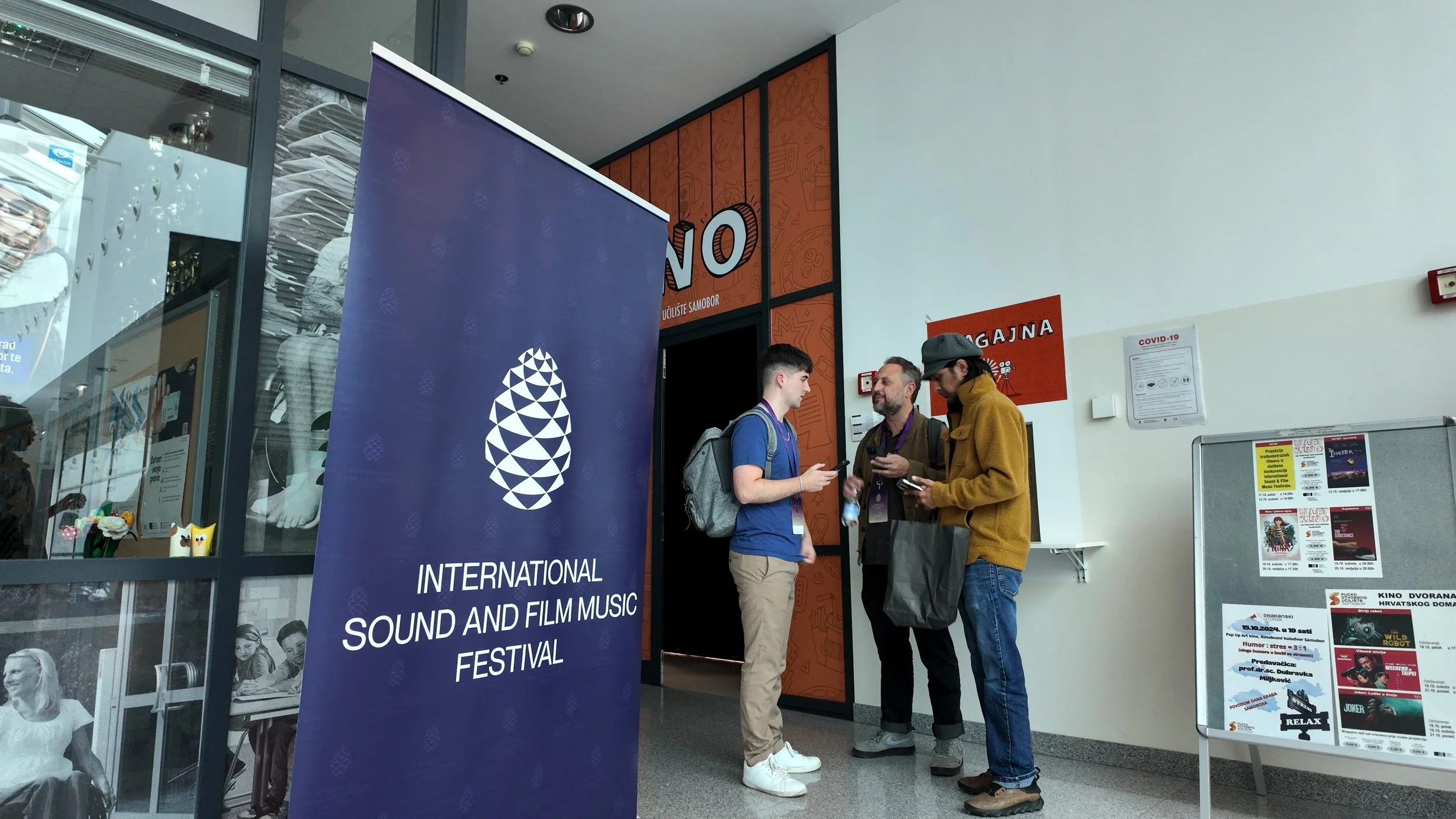
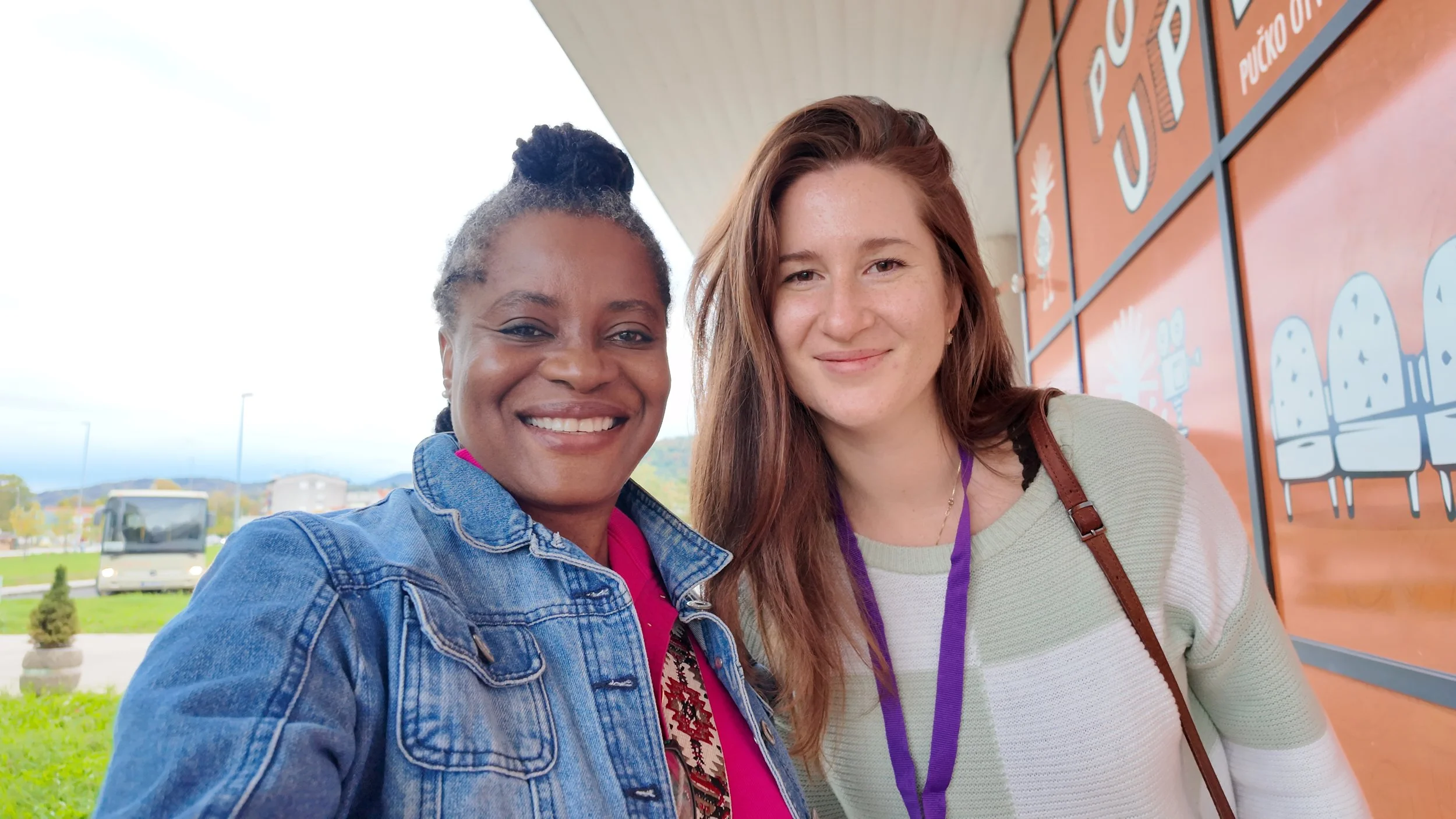
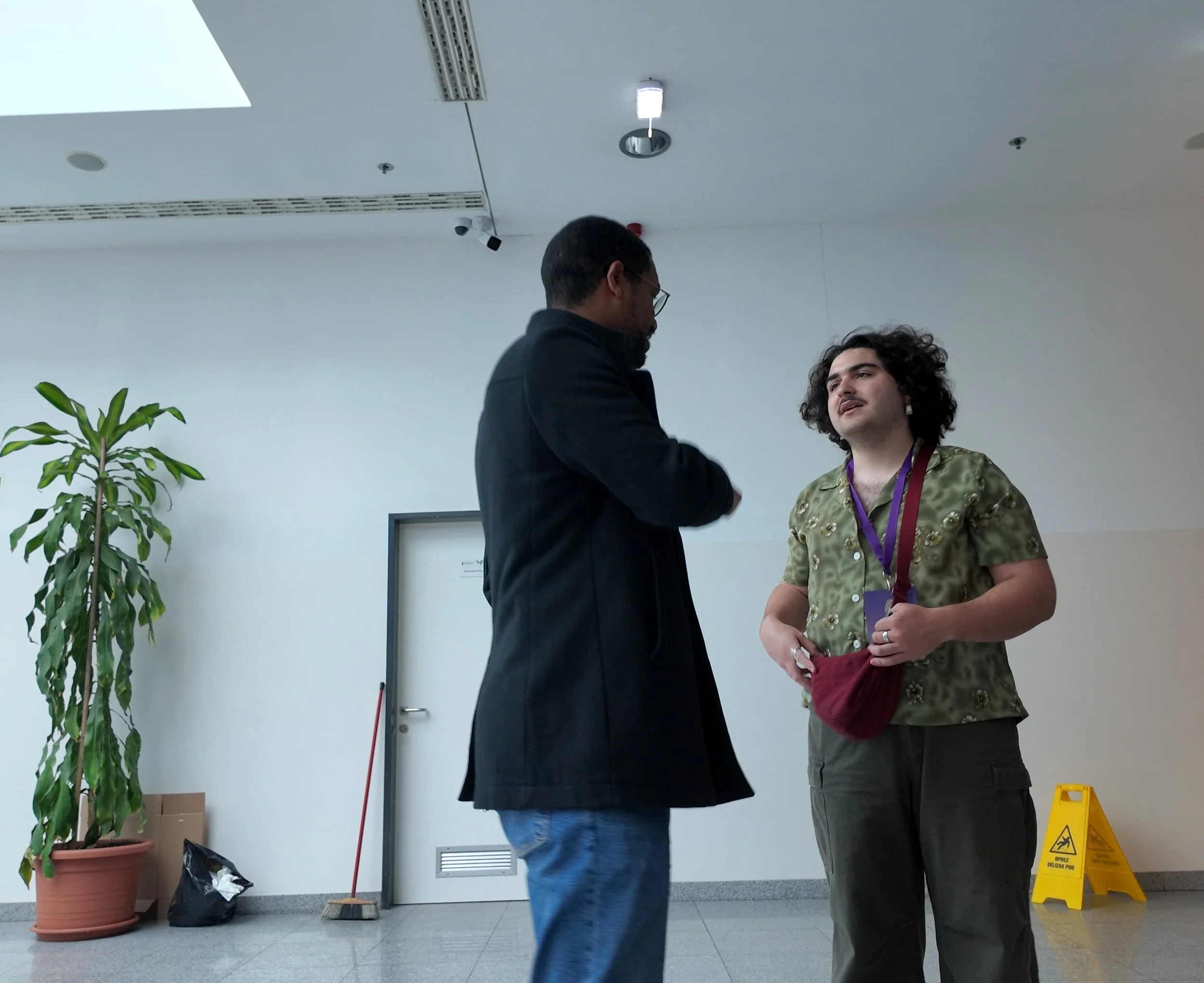
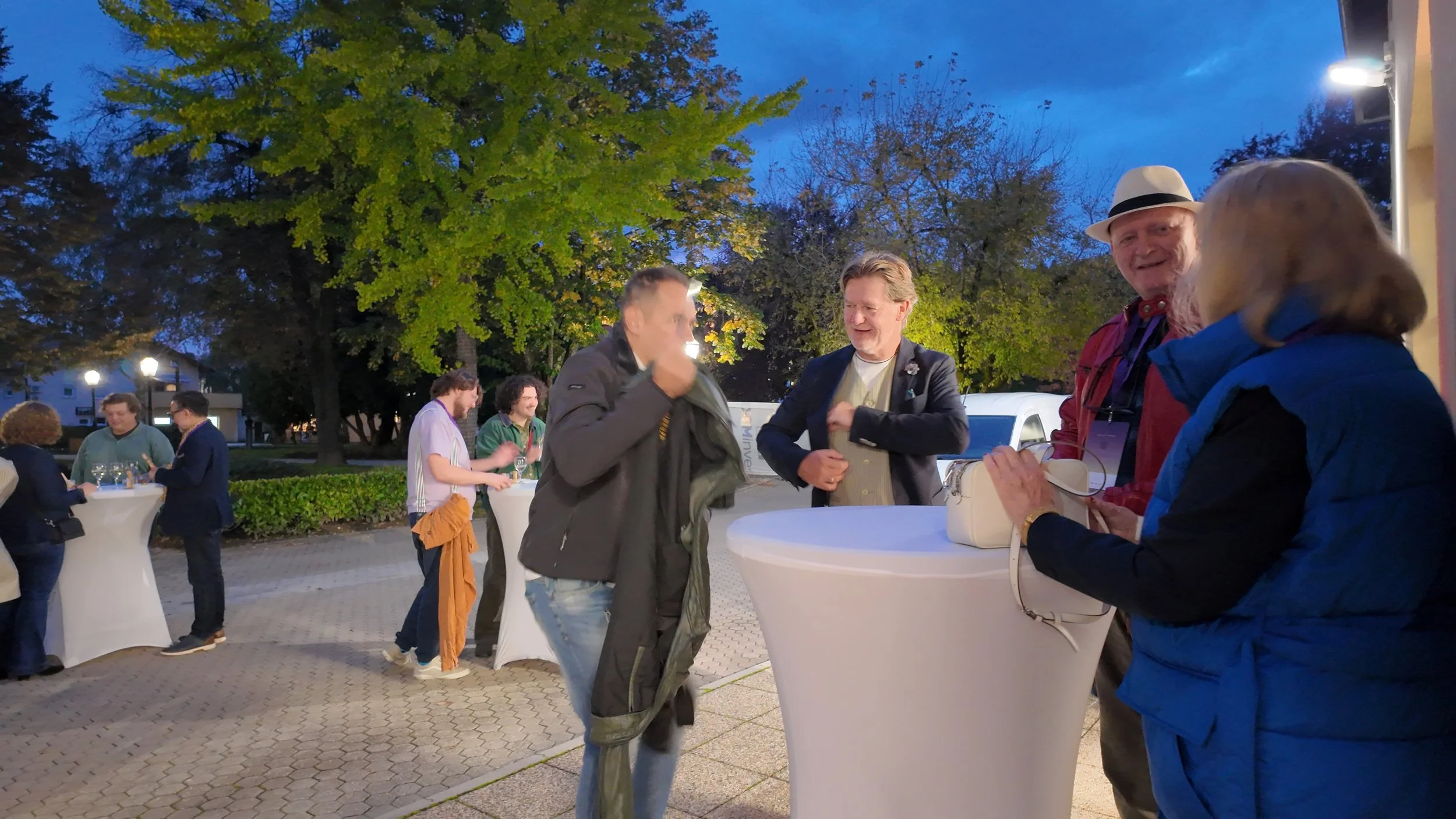
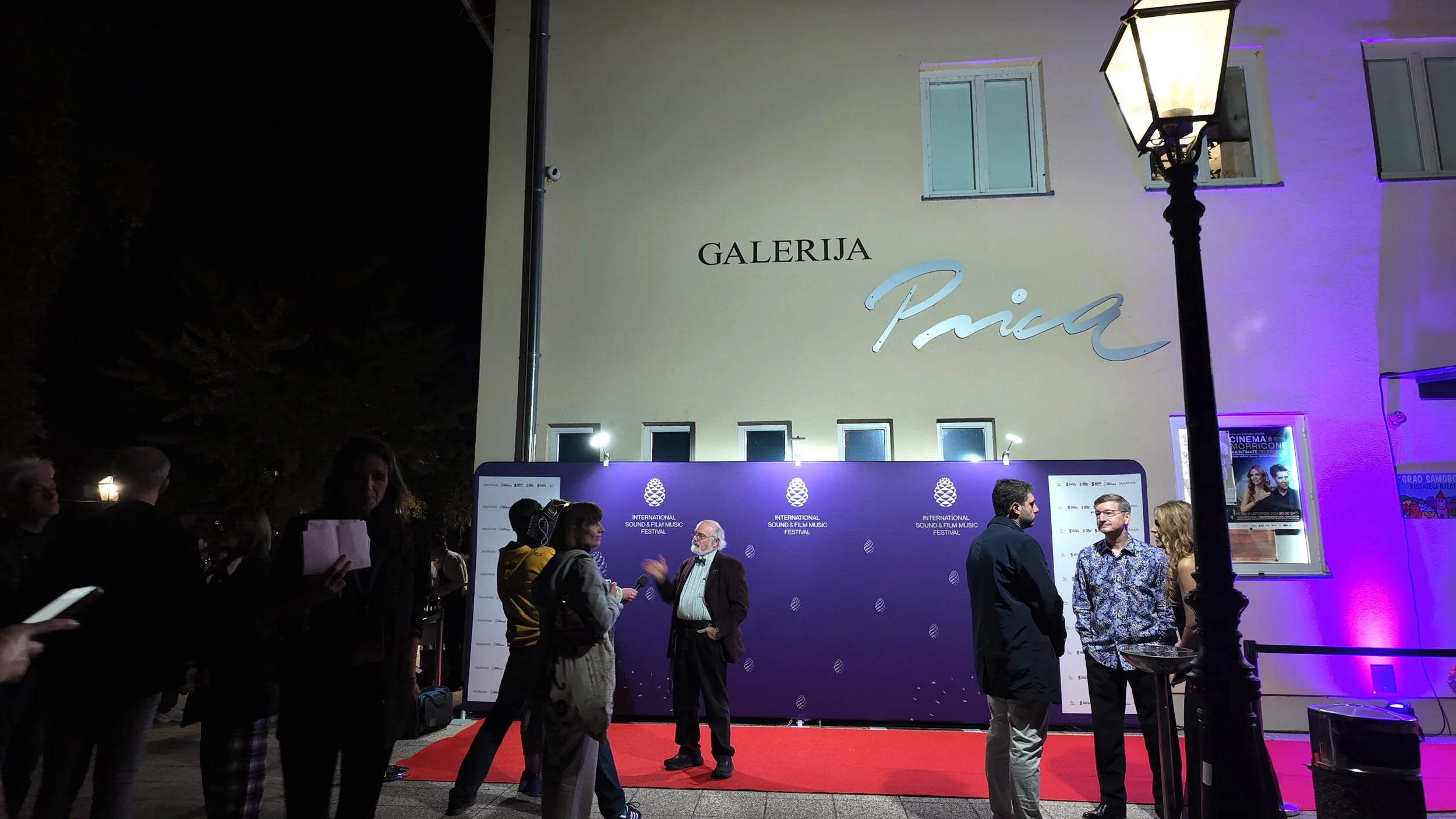
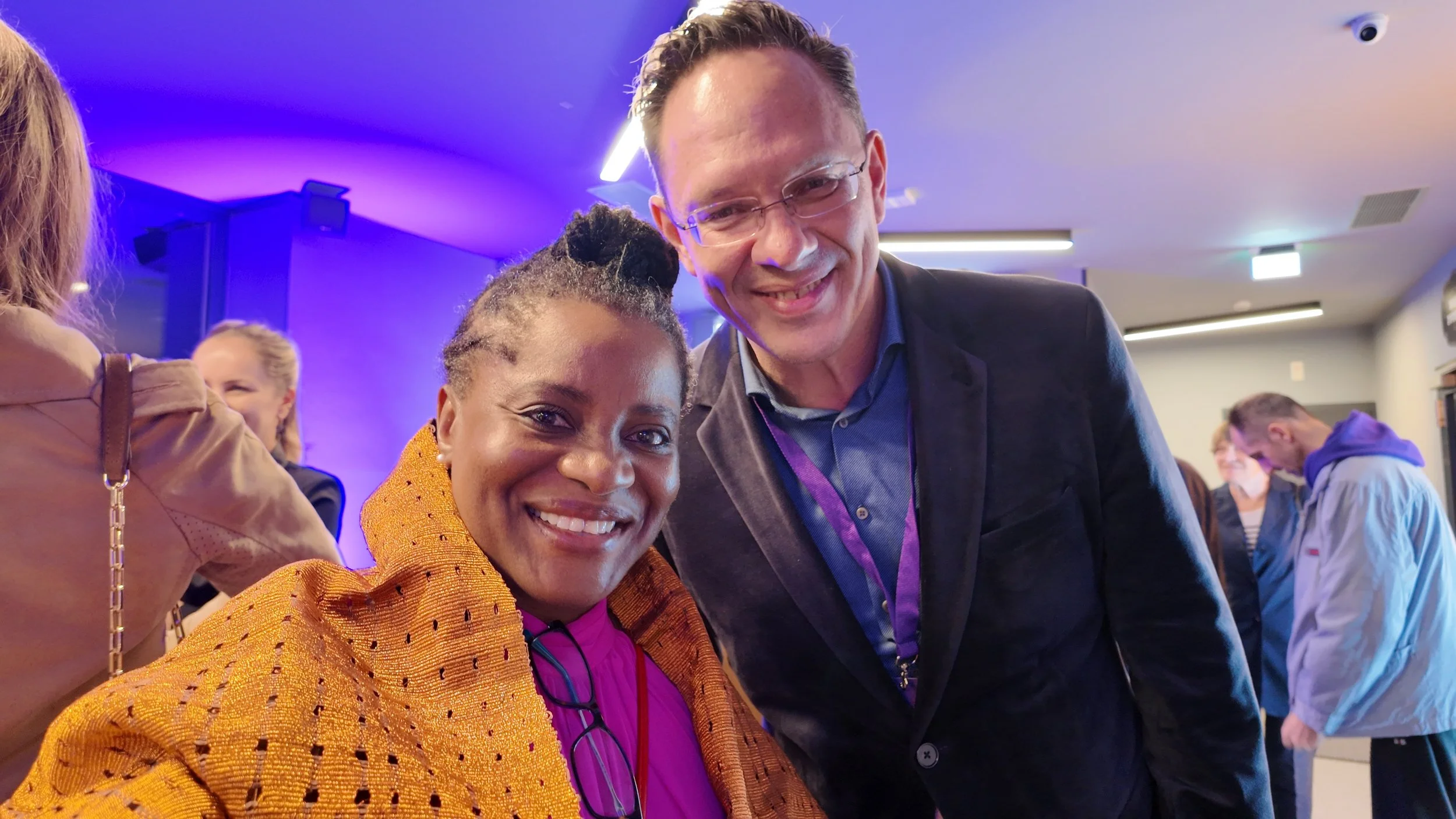
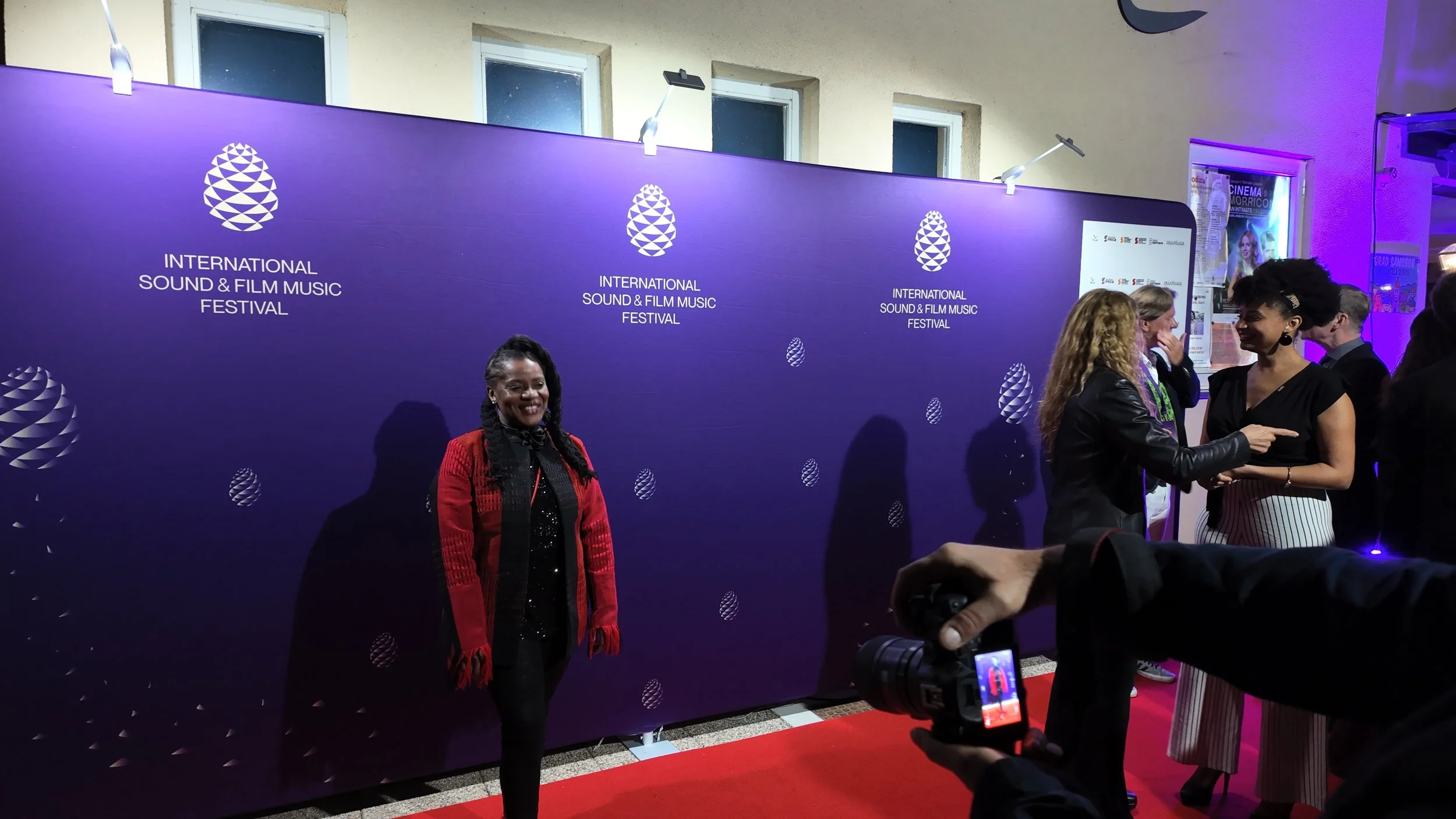
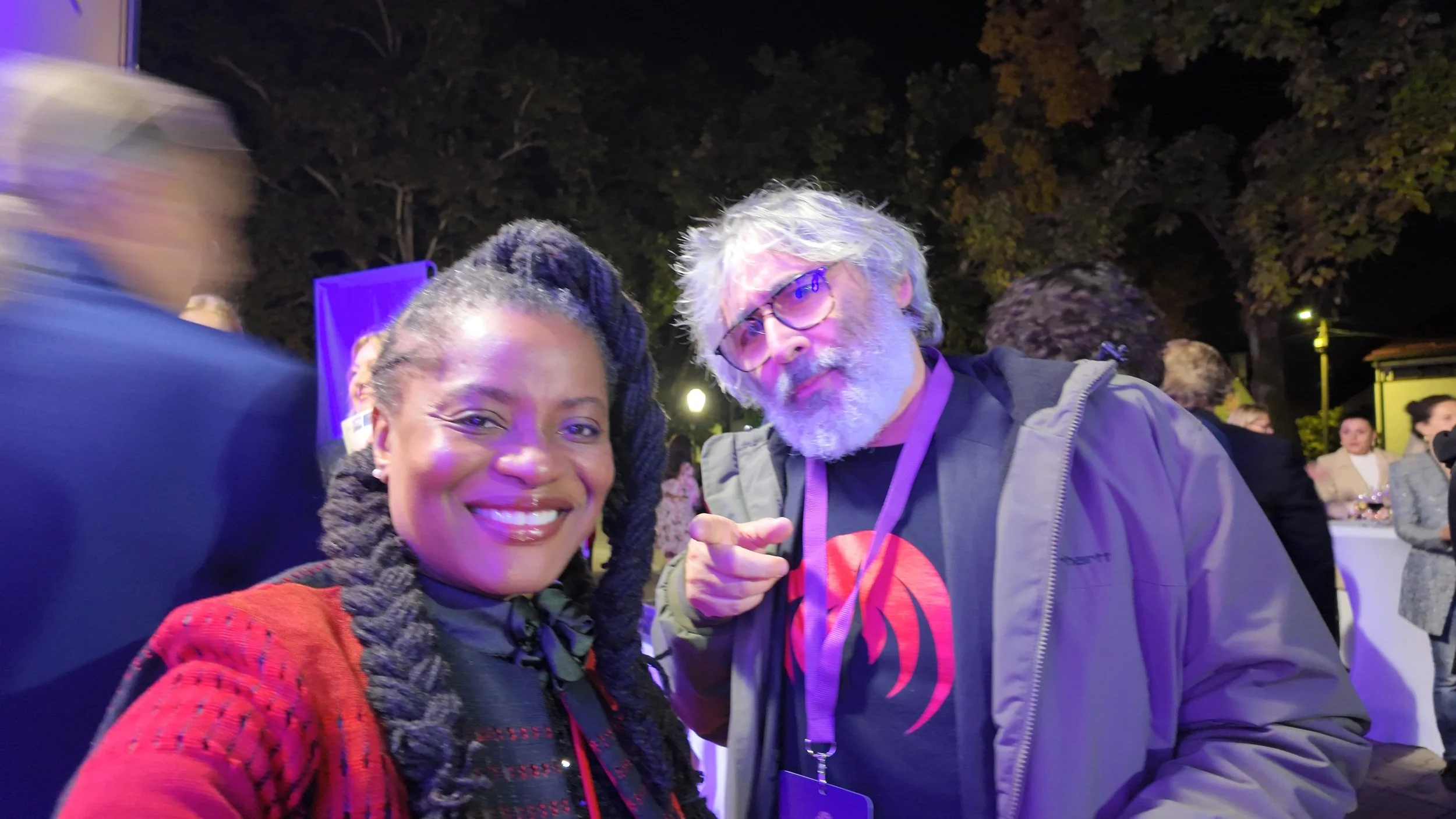
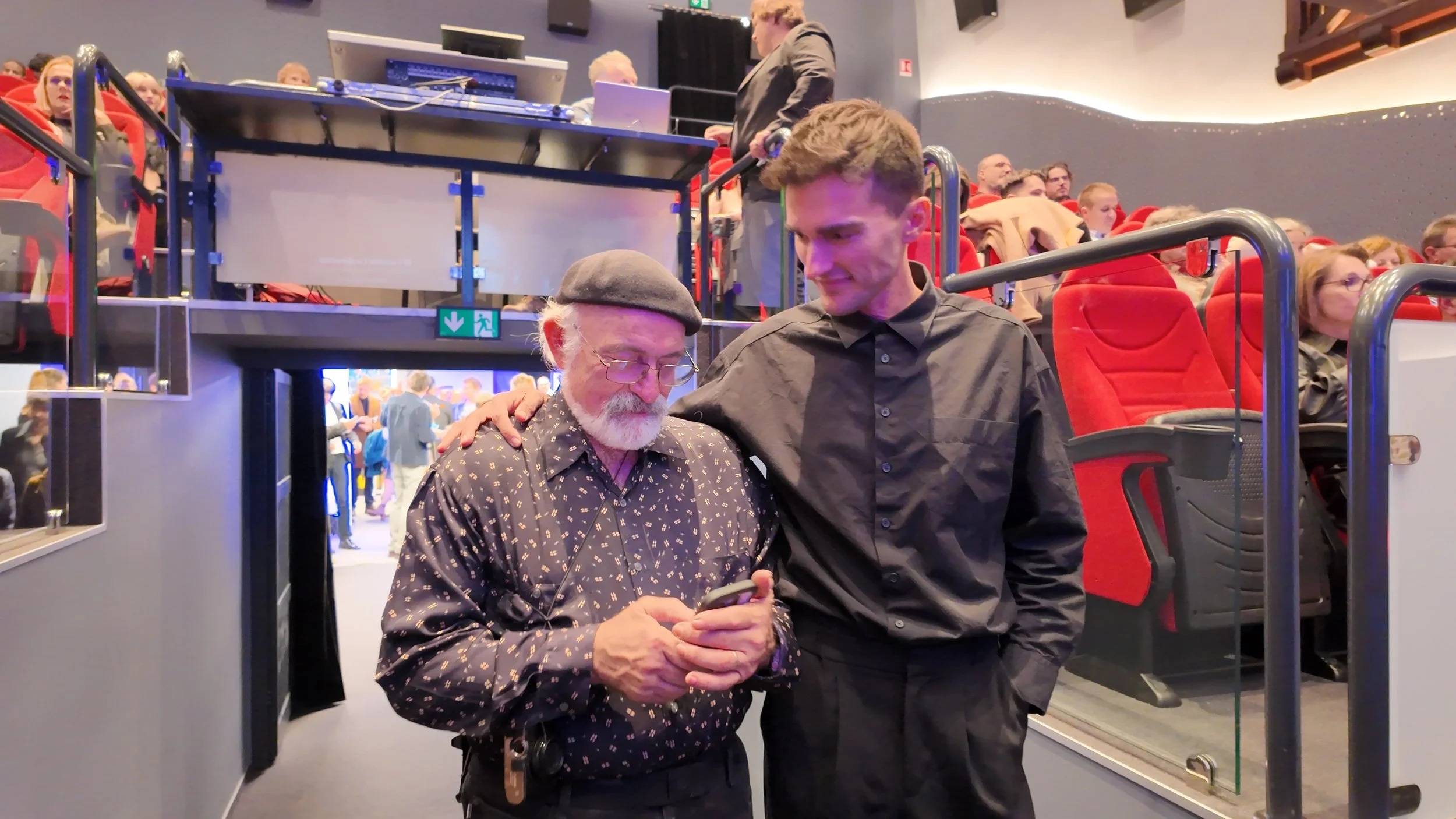
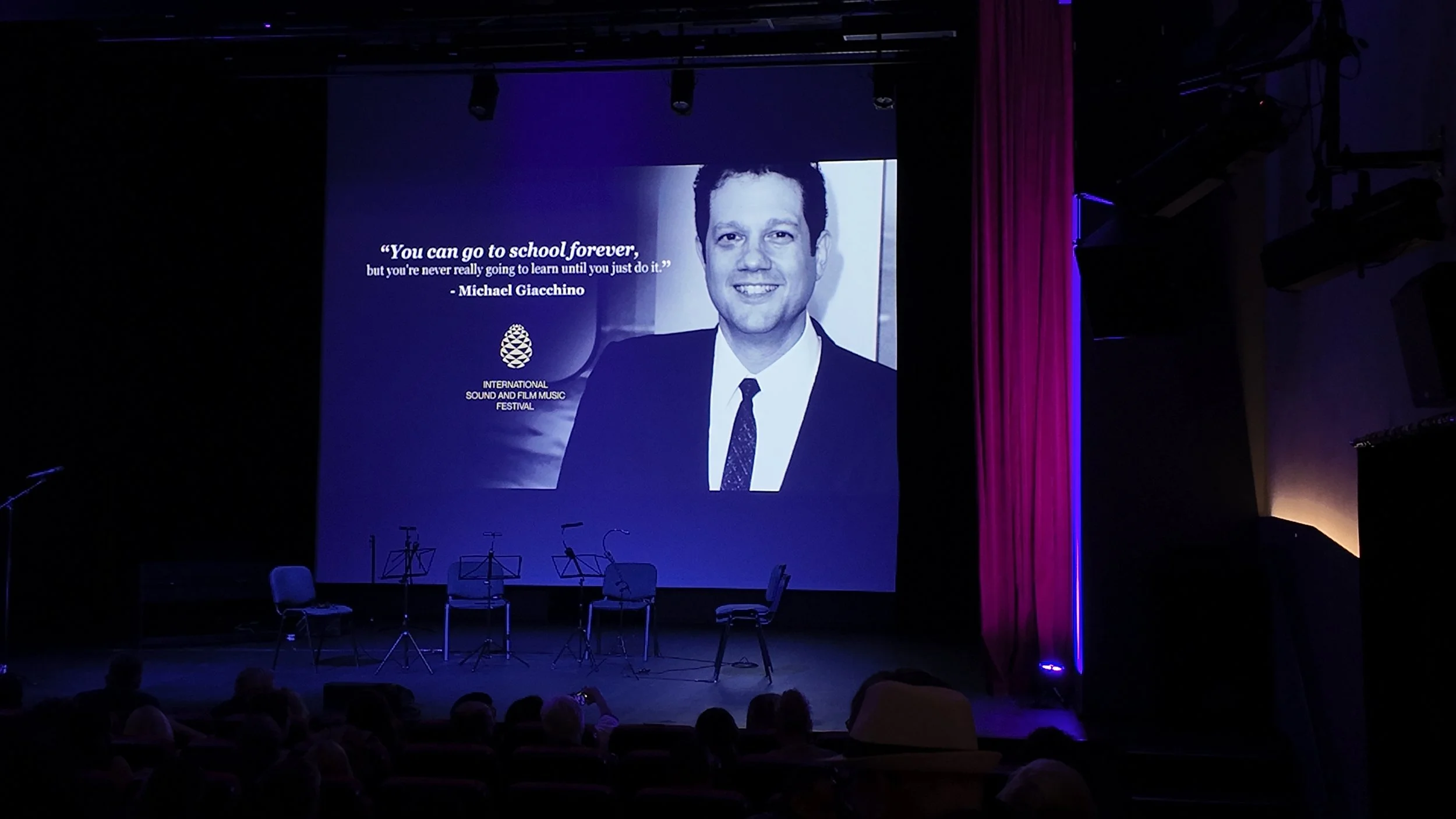
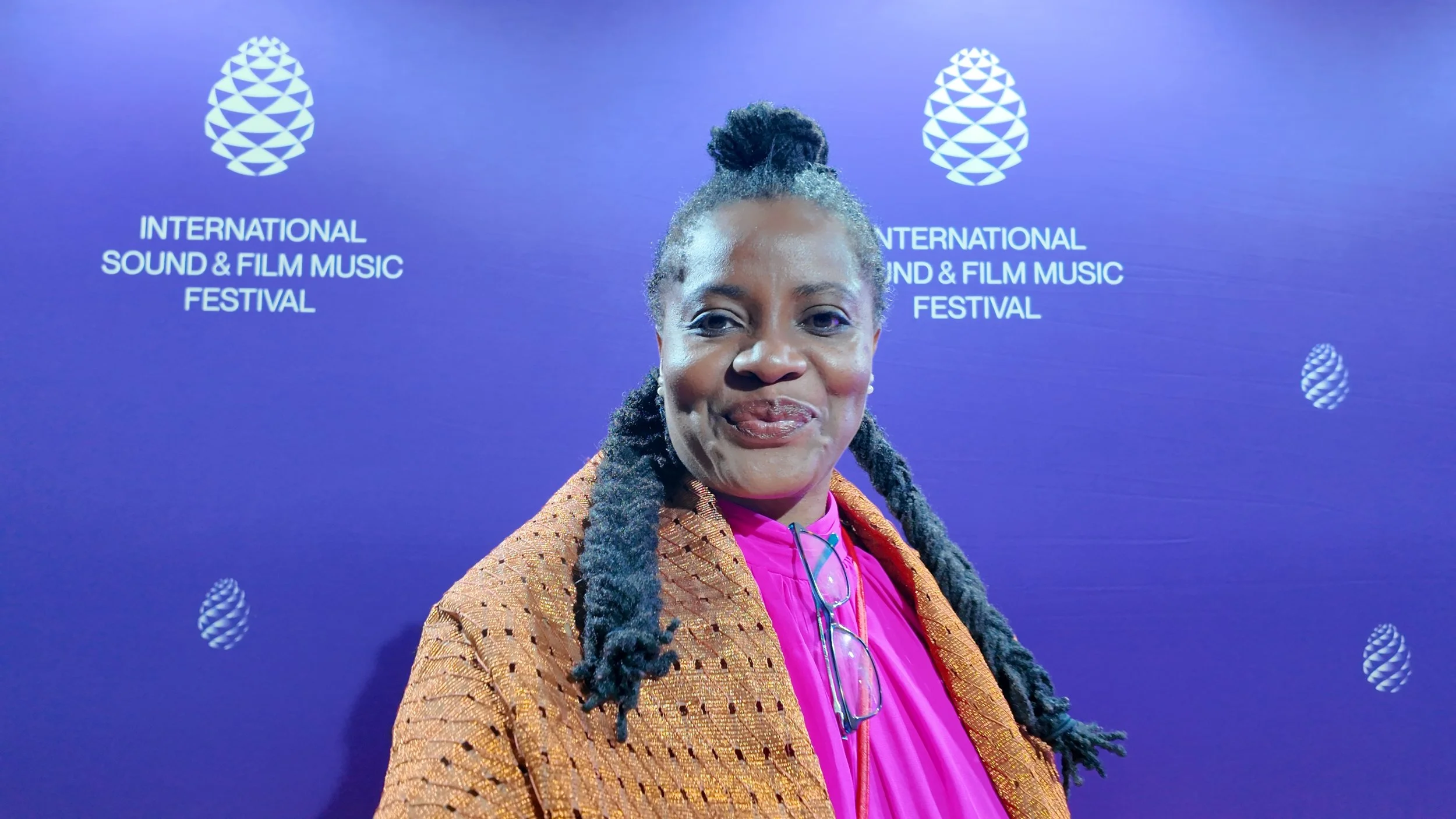
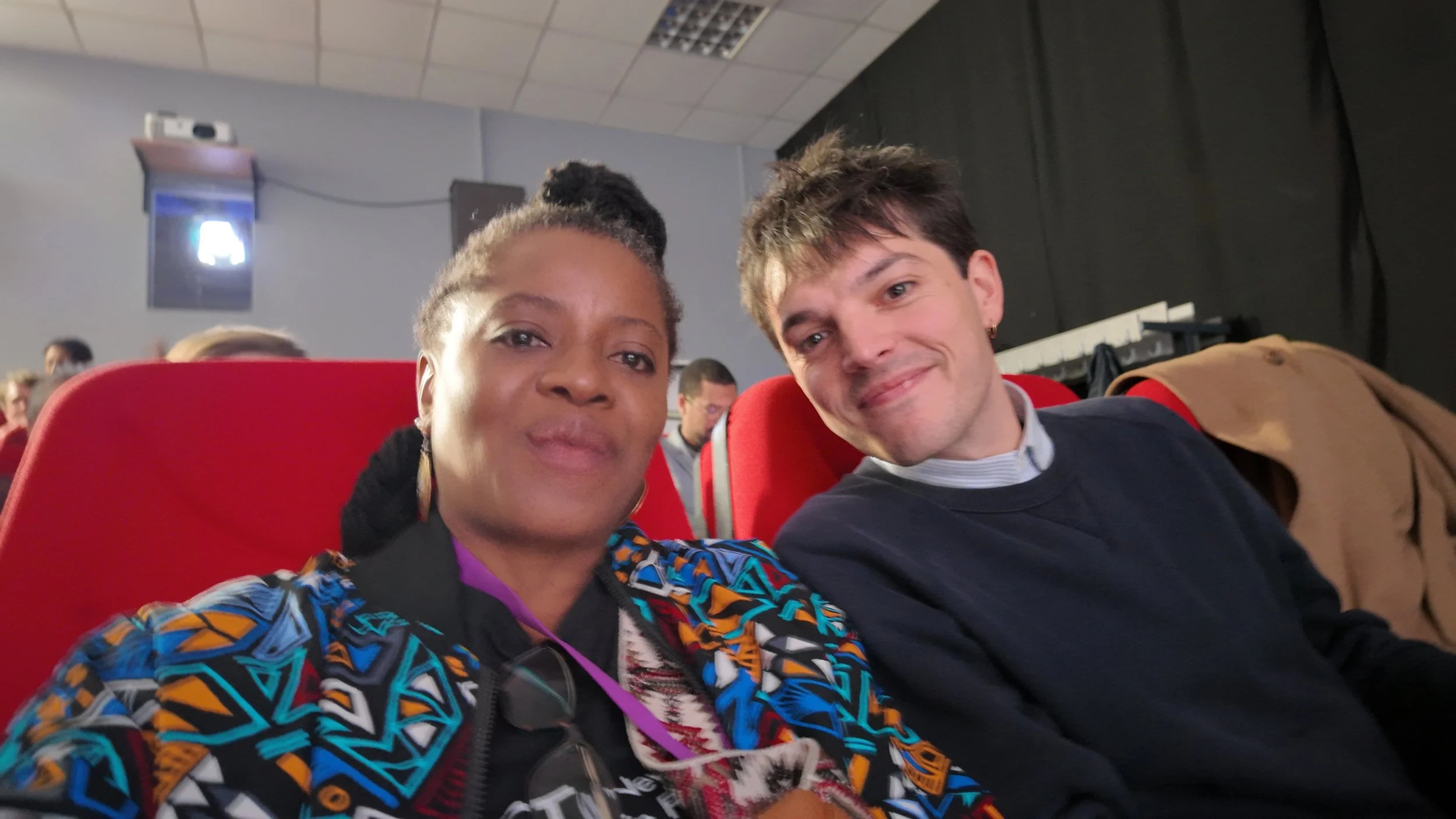
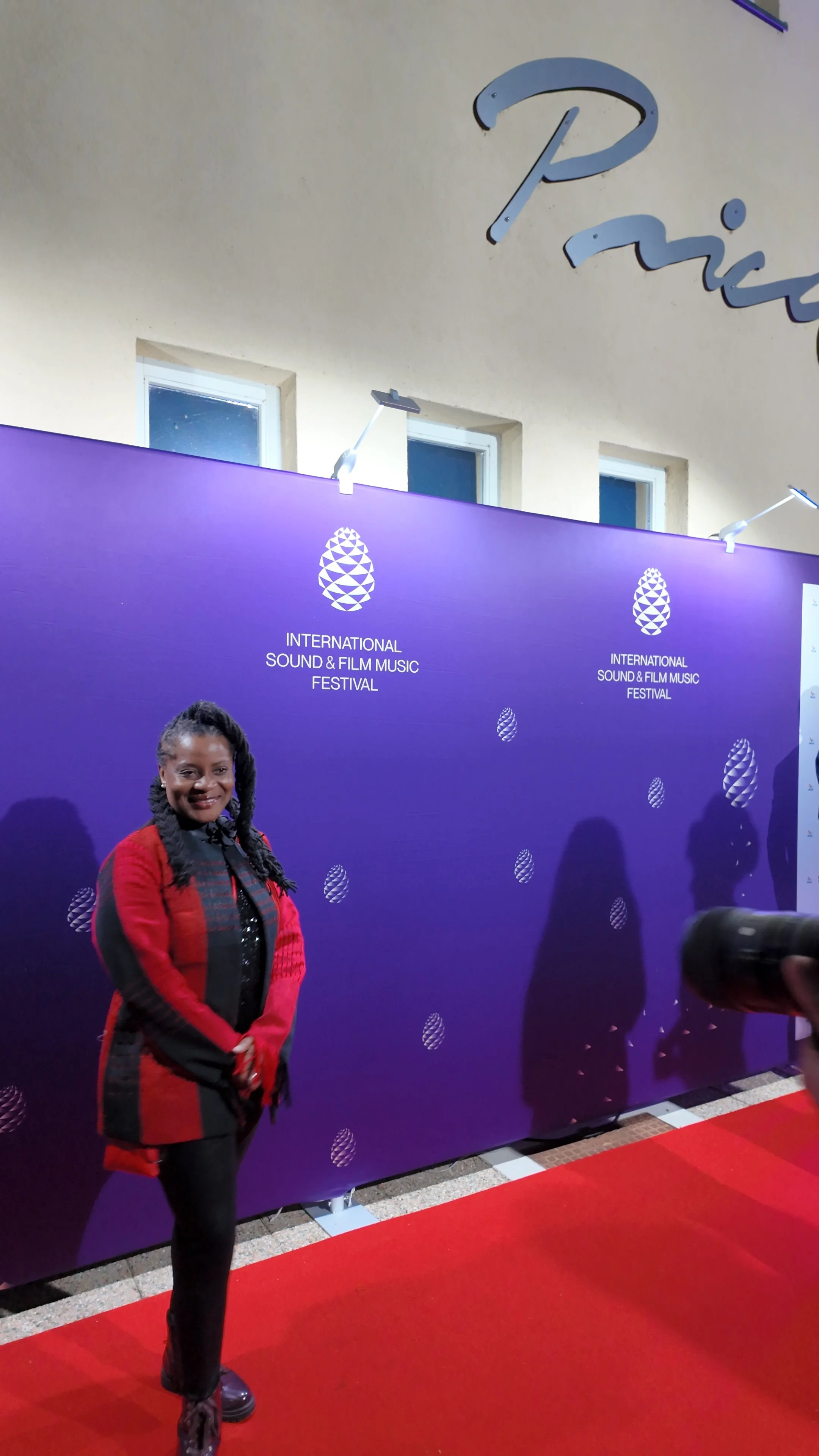
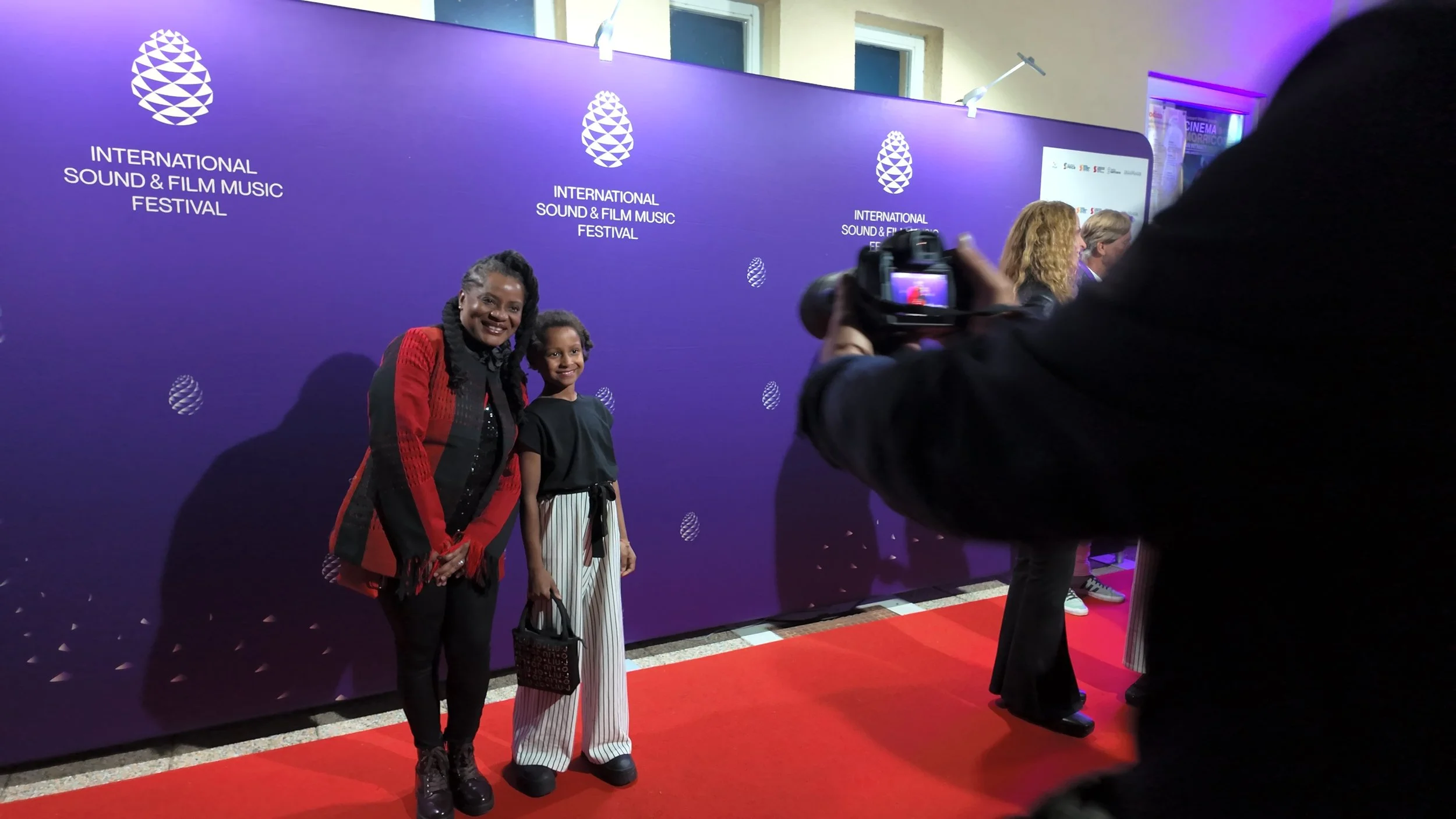
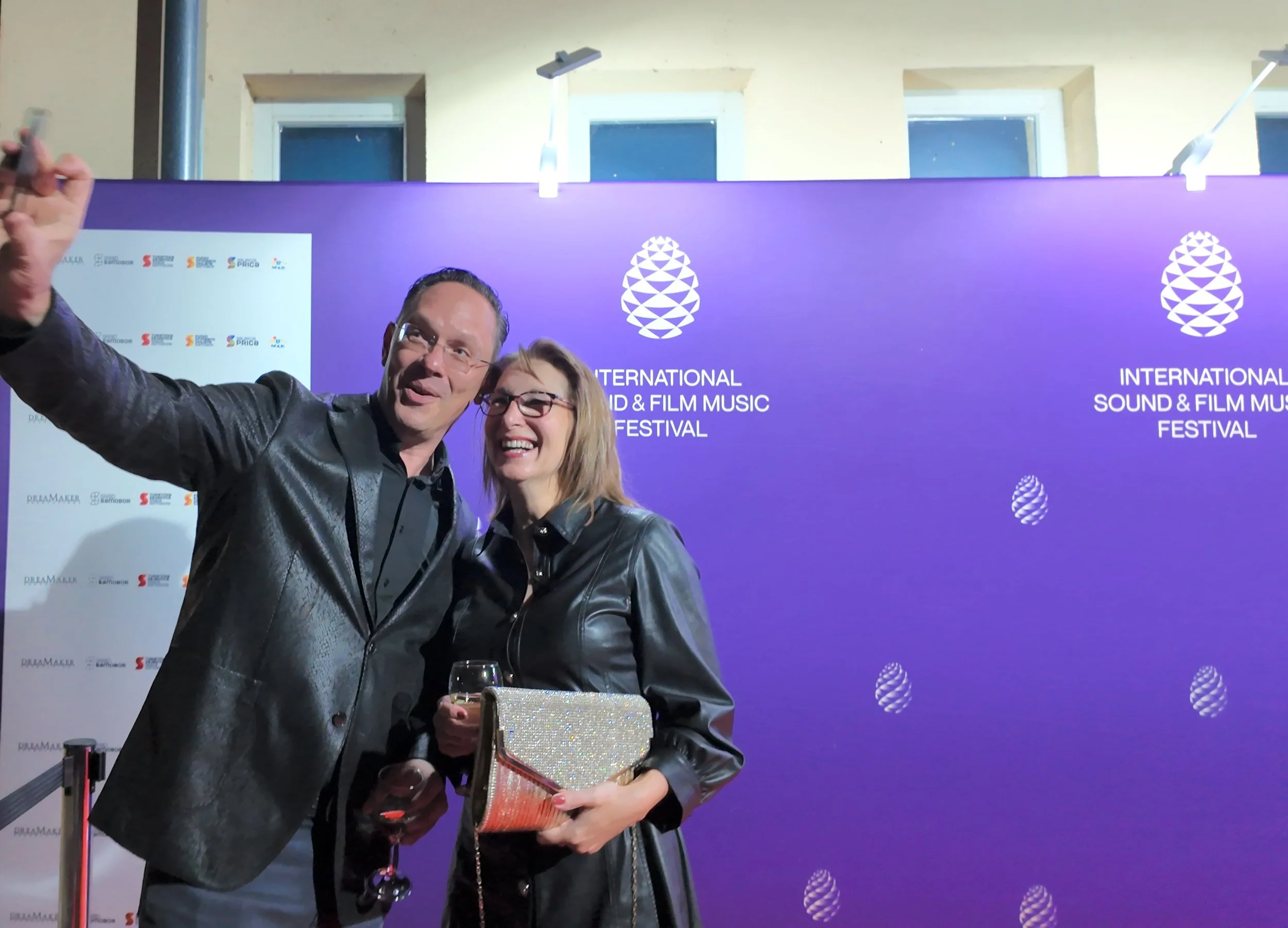
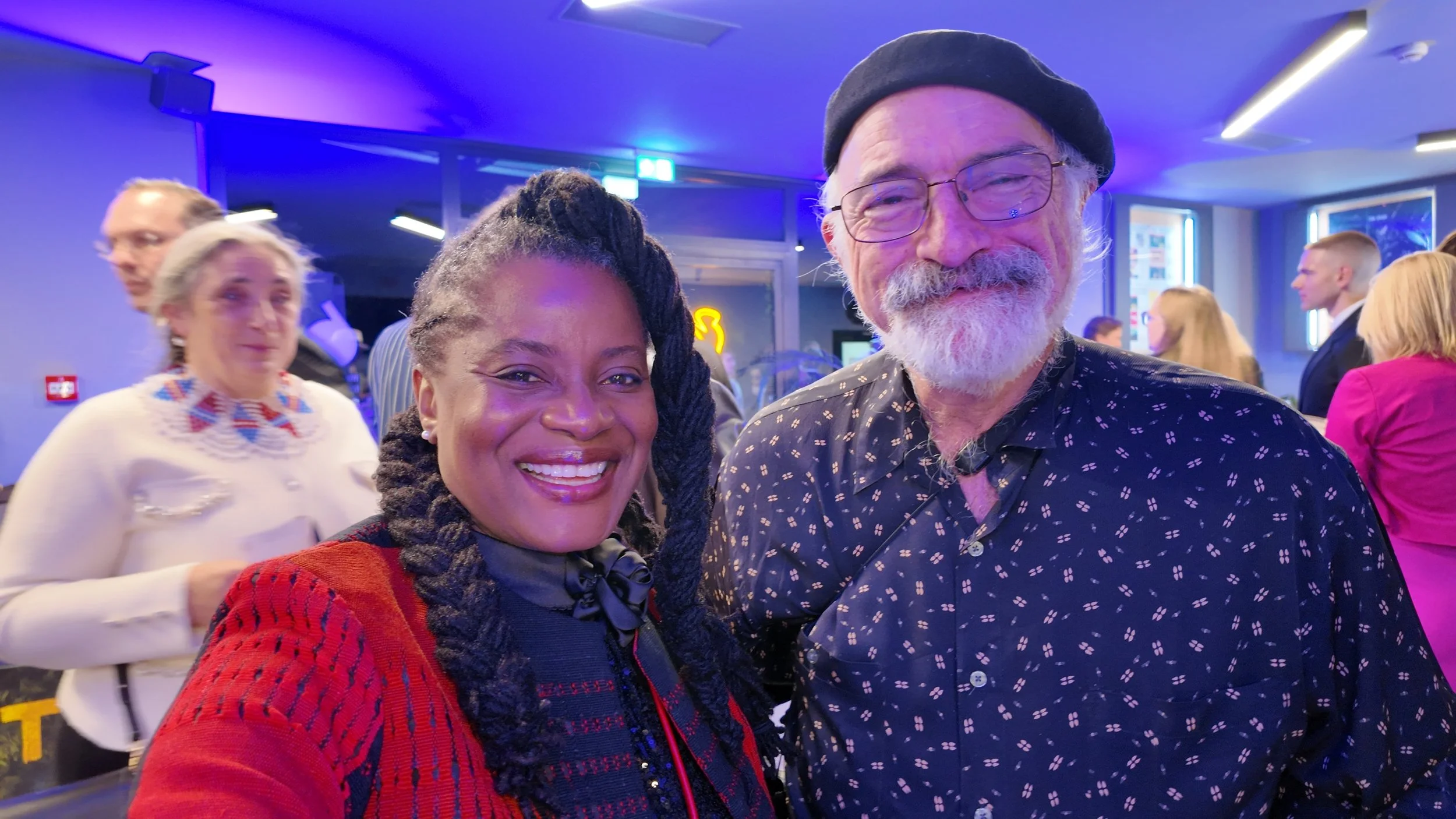
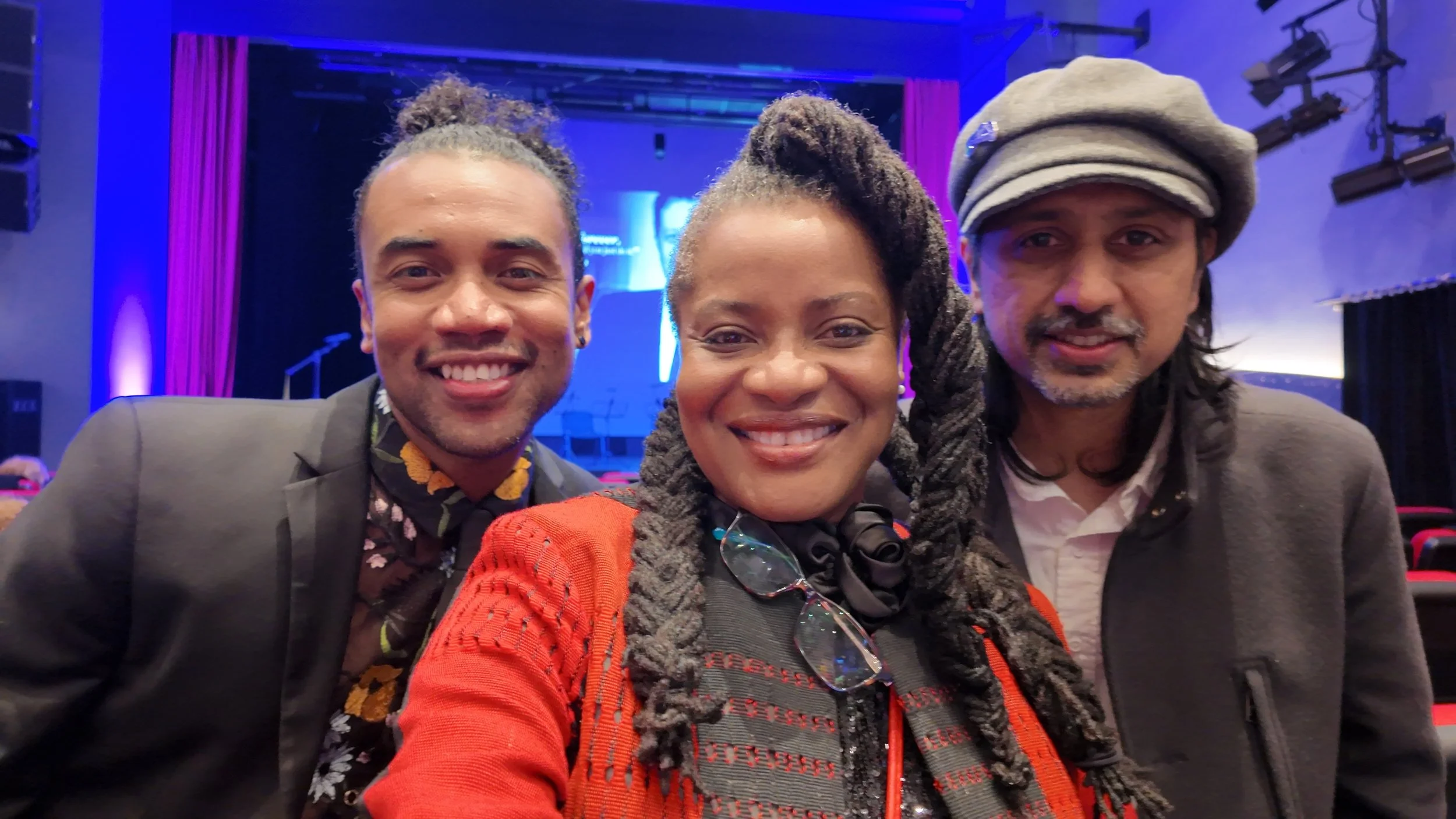
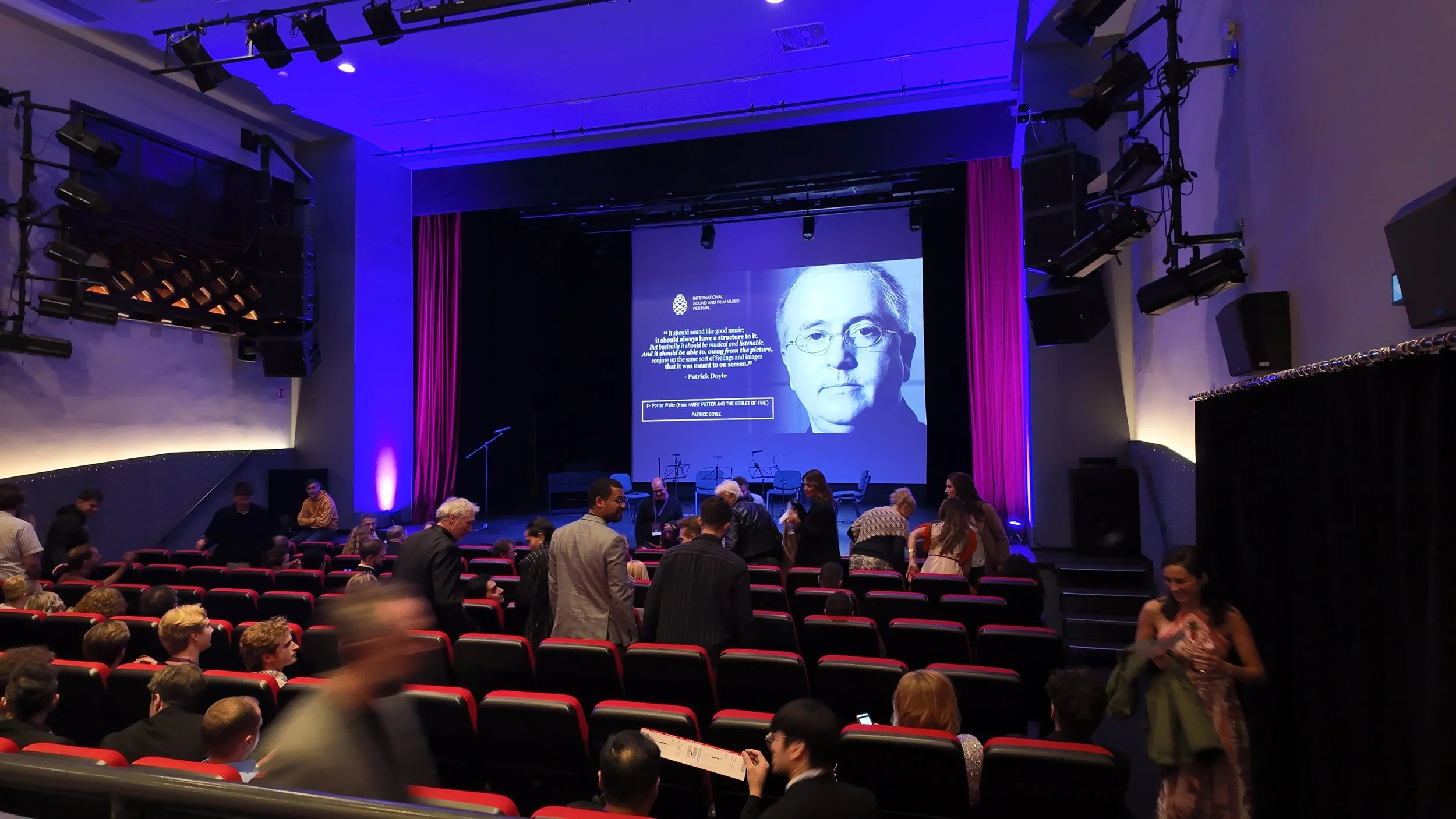
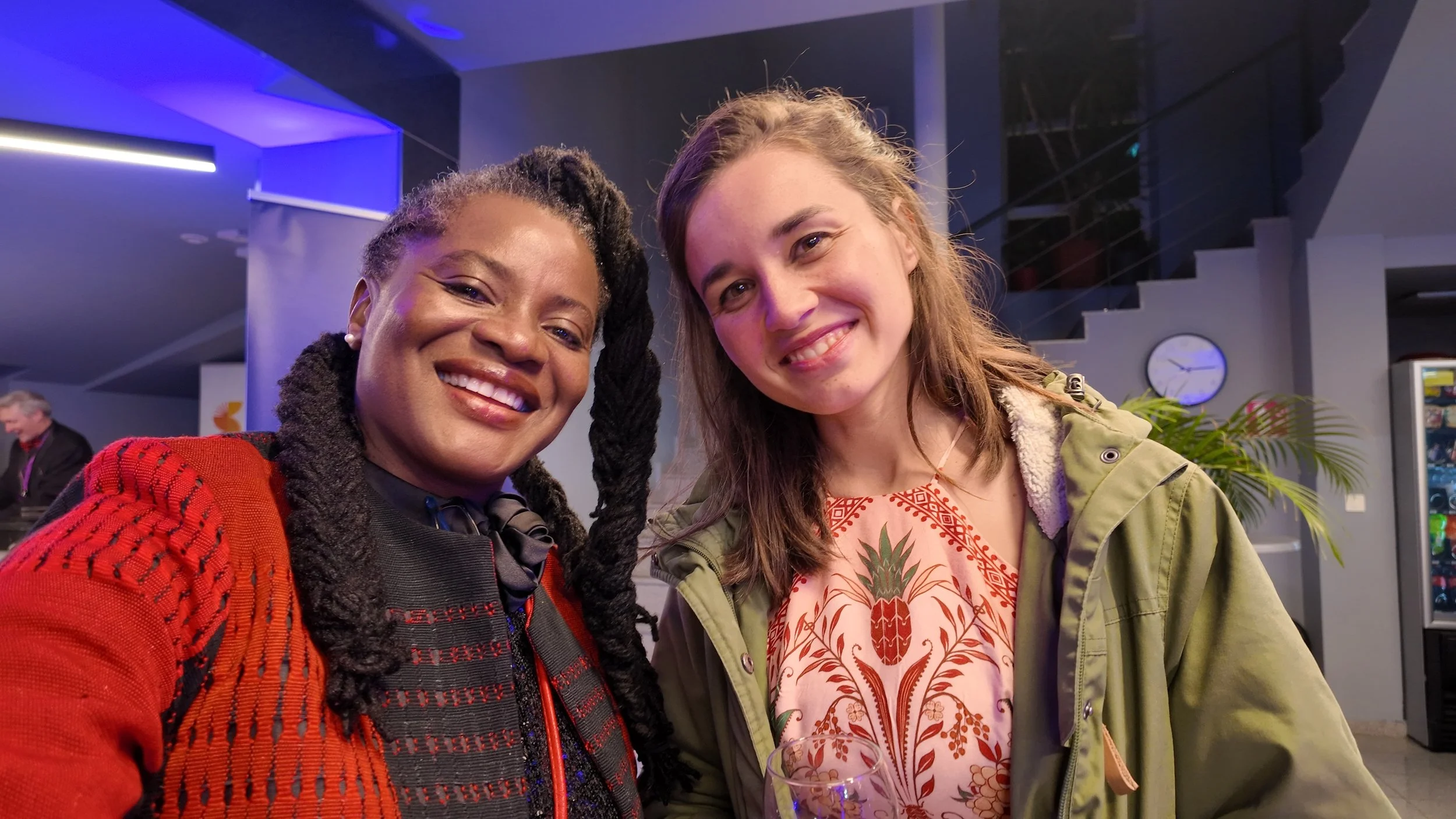
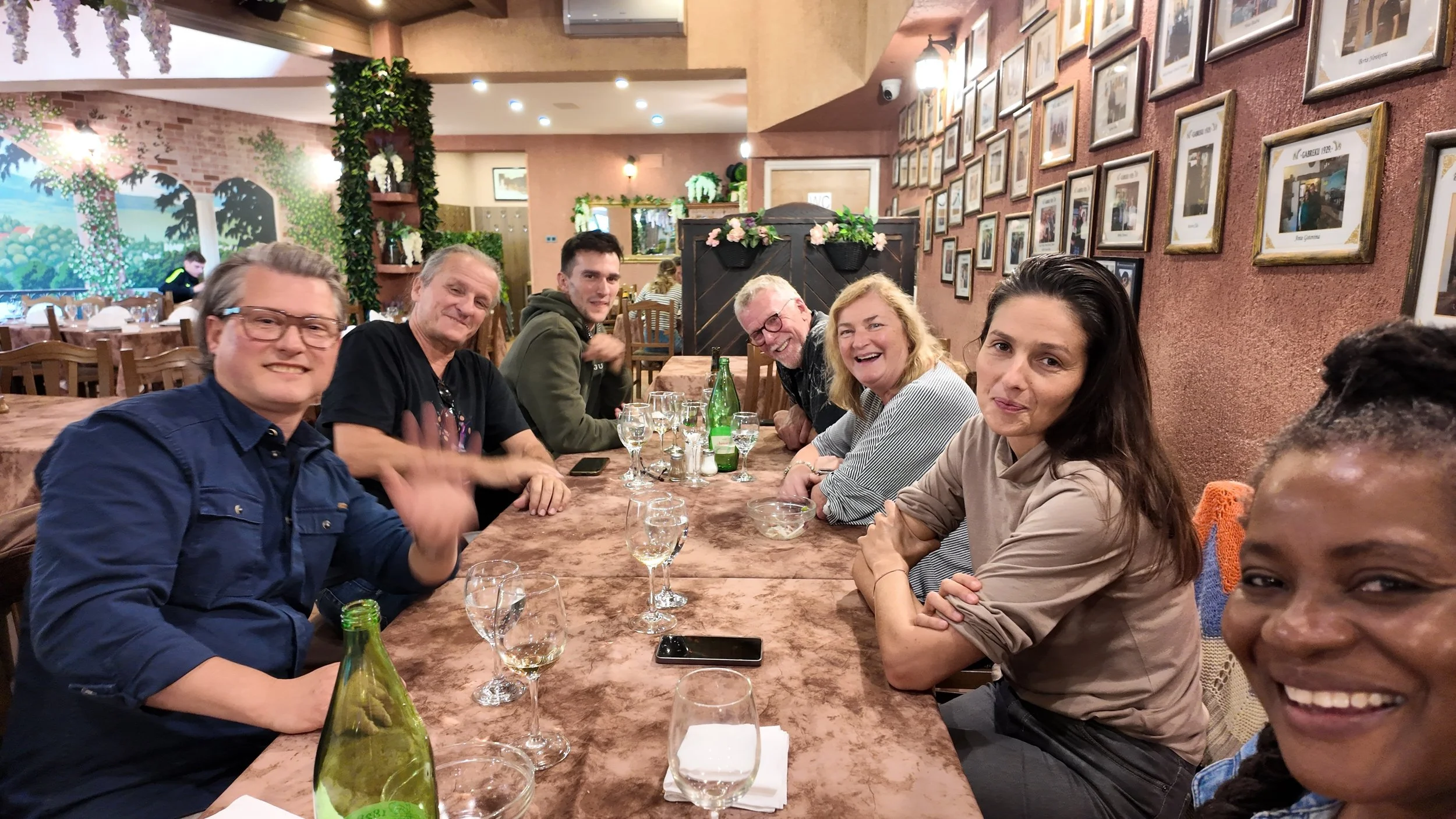
DELA: The Making of El Anatsui made its way to Samobor, Croatia as part of the 12th-edition lineup of the International Sound & Film Music Festival. The unique festival celebrates Sound and Music in Film. It was no wonder the small town, 29 km outside capital Zagreb, was filled with the most least recognizable faces. They were faces of those who work tirelessly and efficiently behind the scene, in order to ensure that the sound translates the visuals in fllm production.
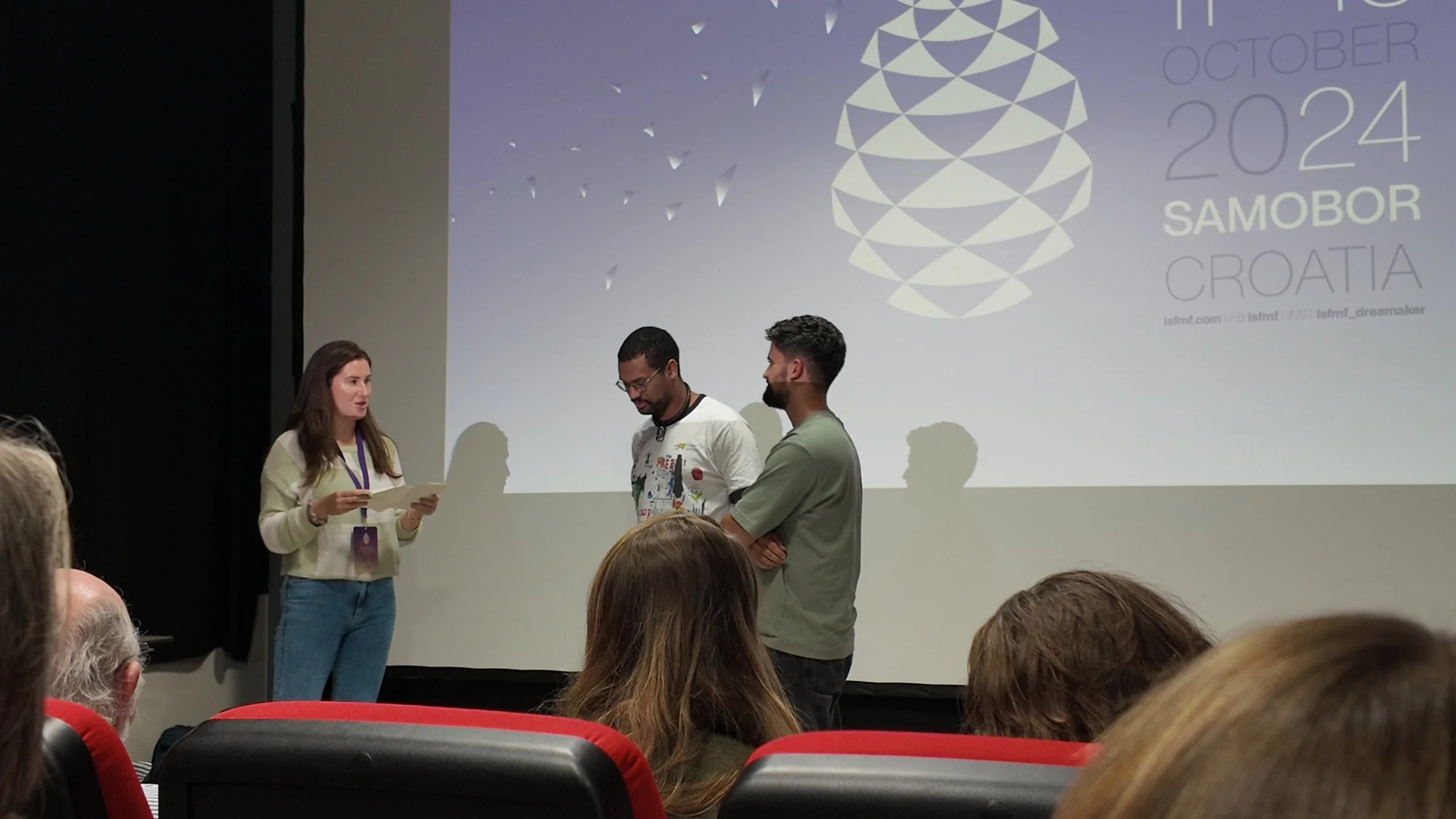
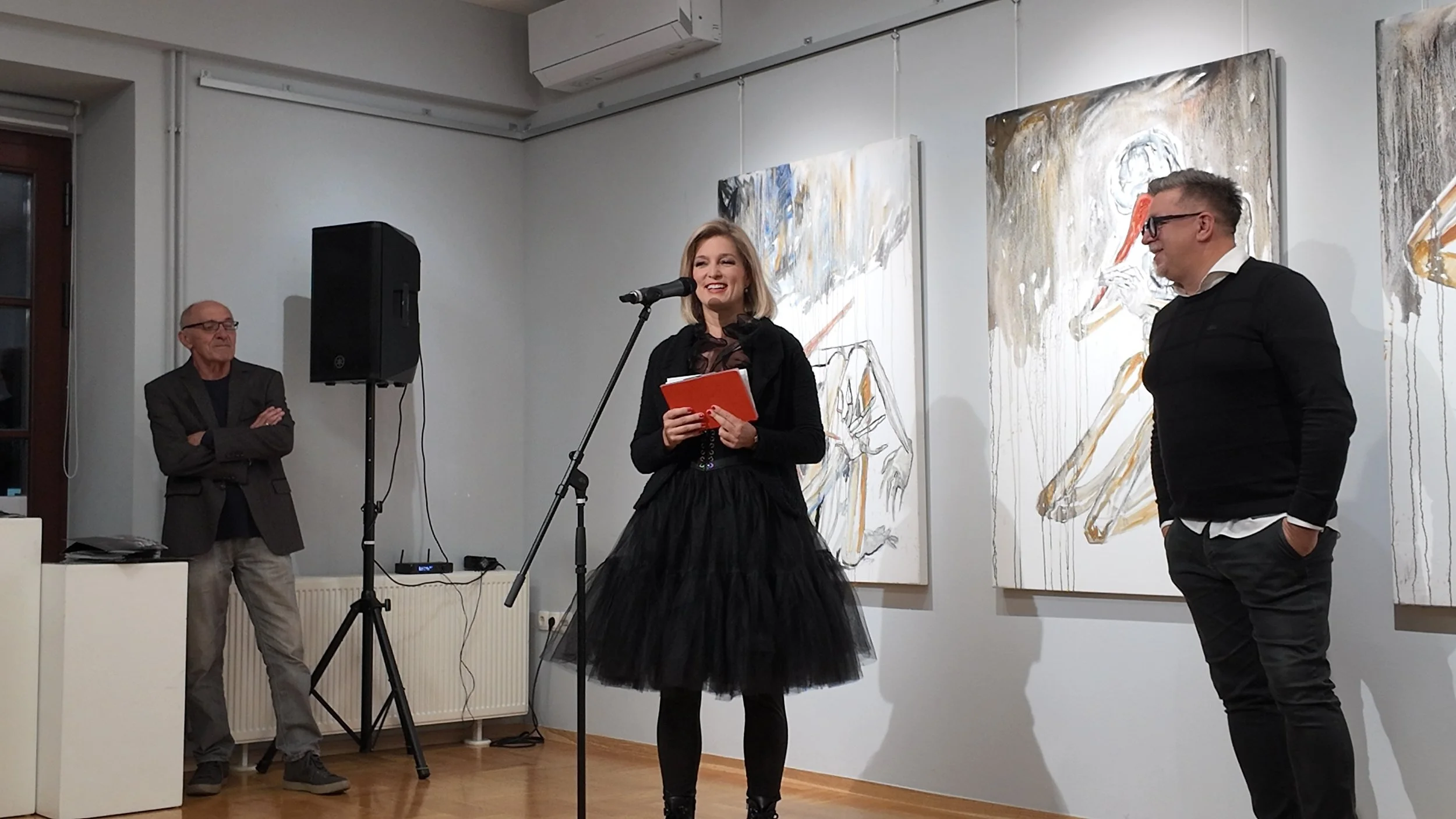
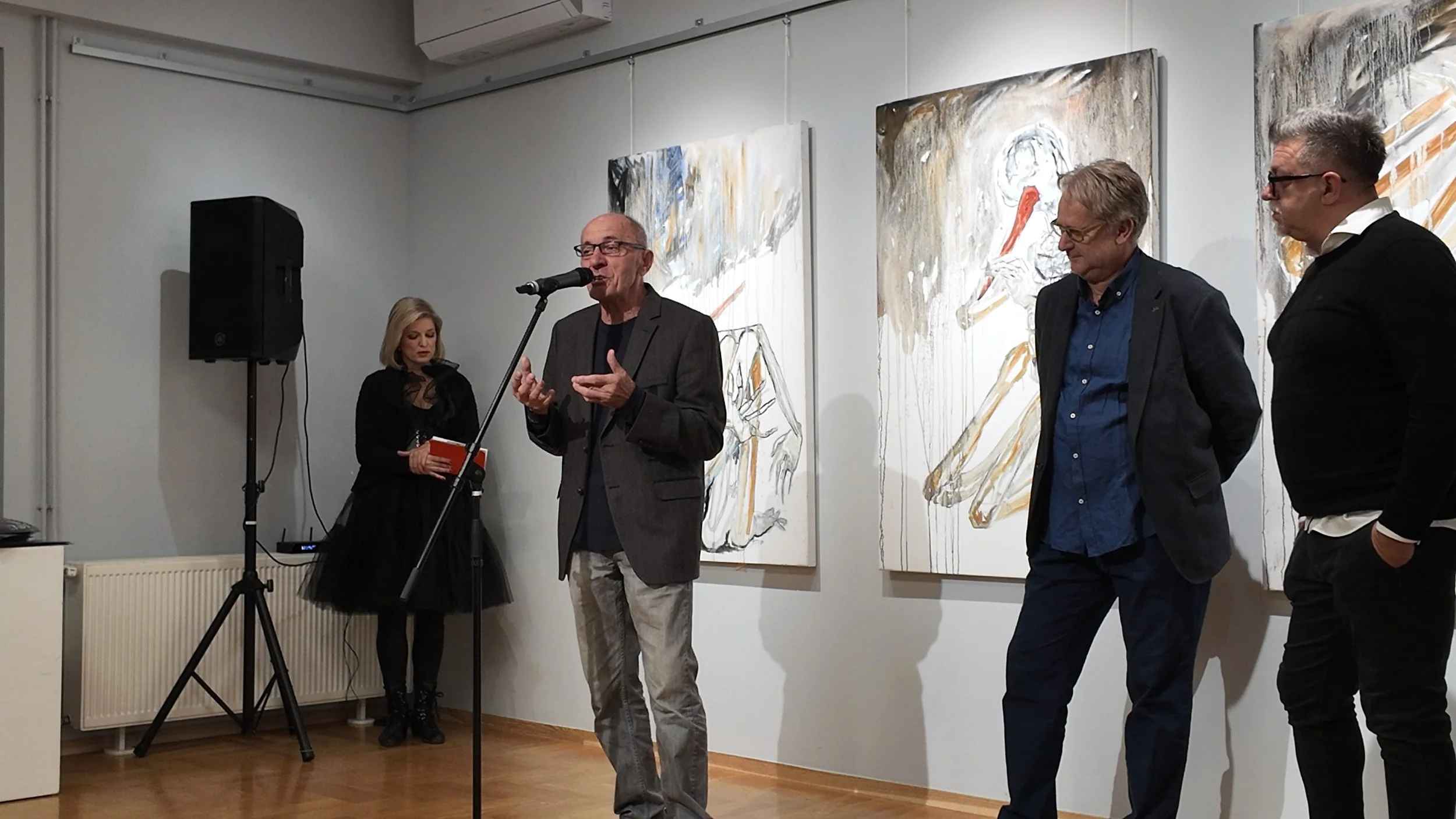
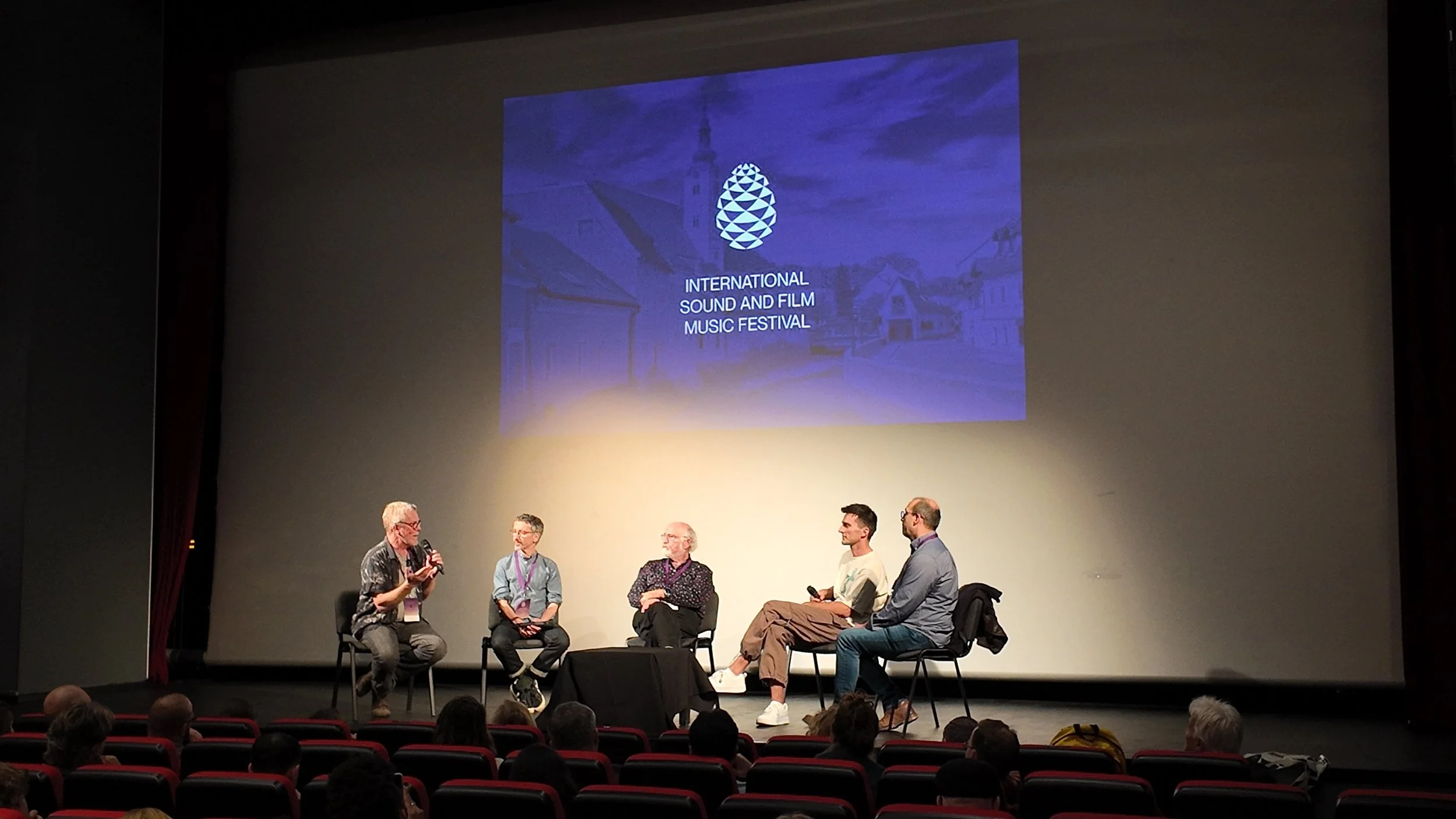
The two-day event, which was organized by Dreammaker Productions packed on activities like the music concert tribute to Italian composer and orchestrator Ennio Morricone, an art exhibition, film screening in mostly shorts category, followed by a brief Q&A with the director, sound engineer or music composer; a panel discussion, a children’s concert and many more.
Born from the small family circle of today’s Artistic Director Ozren K. Glaser, Tena Glaser and Željko Glaser, the mission of the International Sound & Film Music Festival (ISFMF) is to promote awareness of the importance of music and sound as irreplaceable elements of film. The festival also provides visibility to audiovisual professions who work in the field of composing music, sound design and sound mixing.
Best PICTURE (Feature-Lenght Category) - Crystal Pine Award
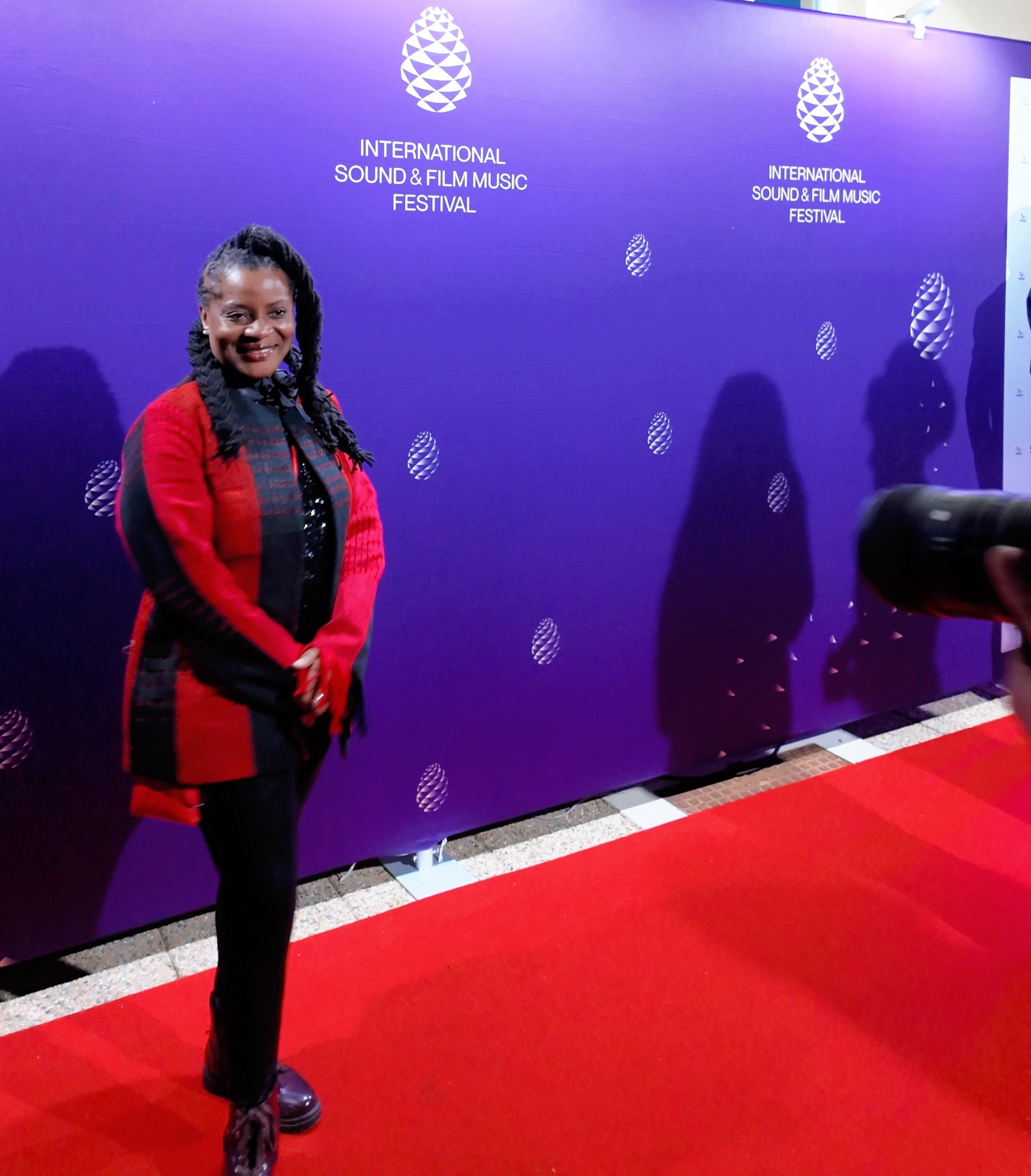

"DELA: The Making of El Anatsui," is an intriguing biographical documentary that records the extraordinary life and artistic journey of arguably Africa’s most globally acclaimed sculptor El Anatsui (pronounced anachwi). "DELA" goes deeply into the life of this legendary artist, tracing his growth from his artistic endeavors to his rise to popularity in the art world.
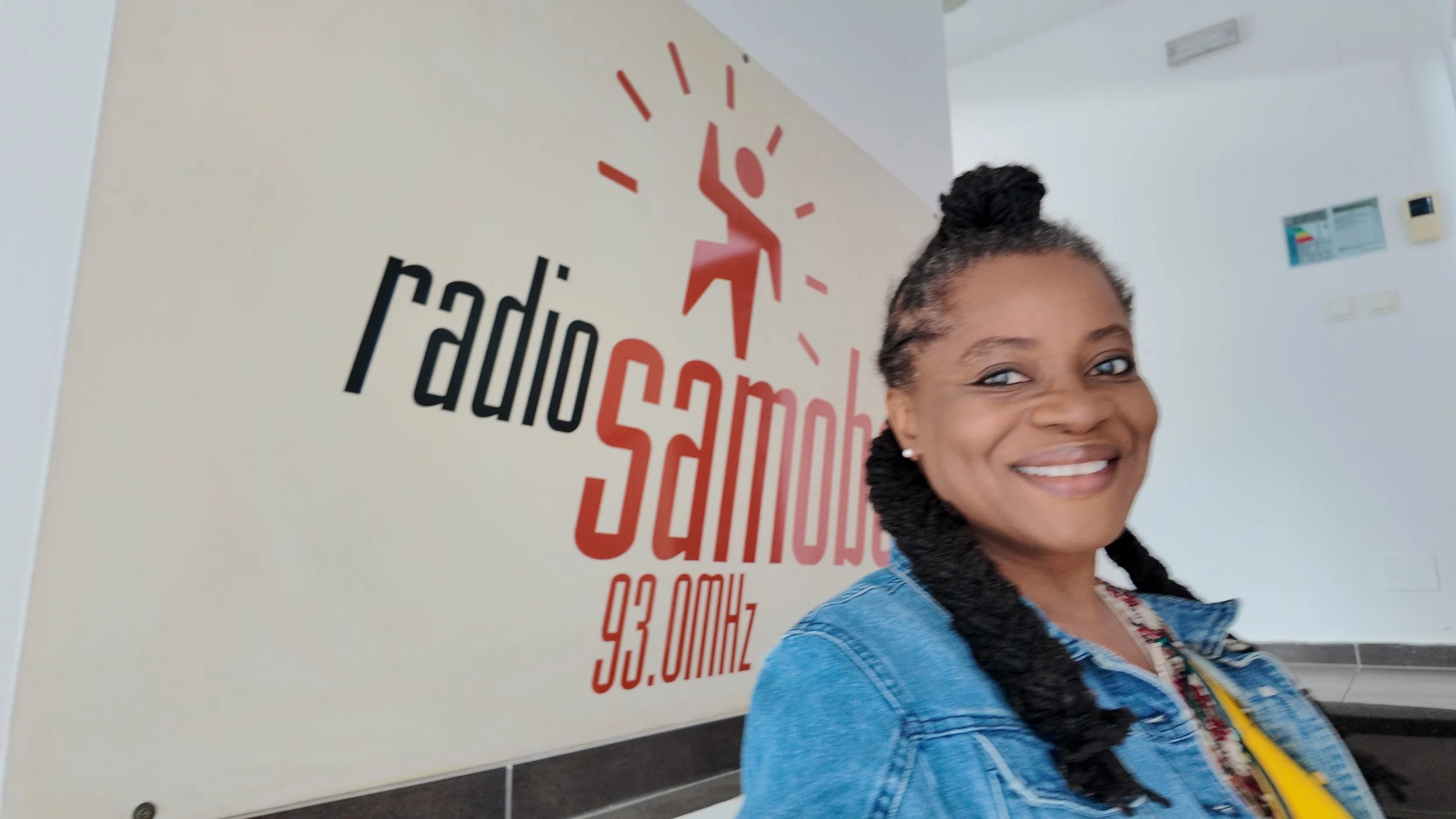
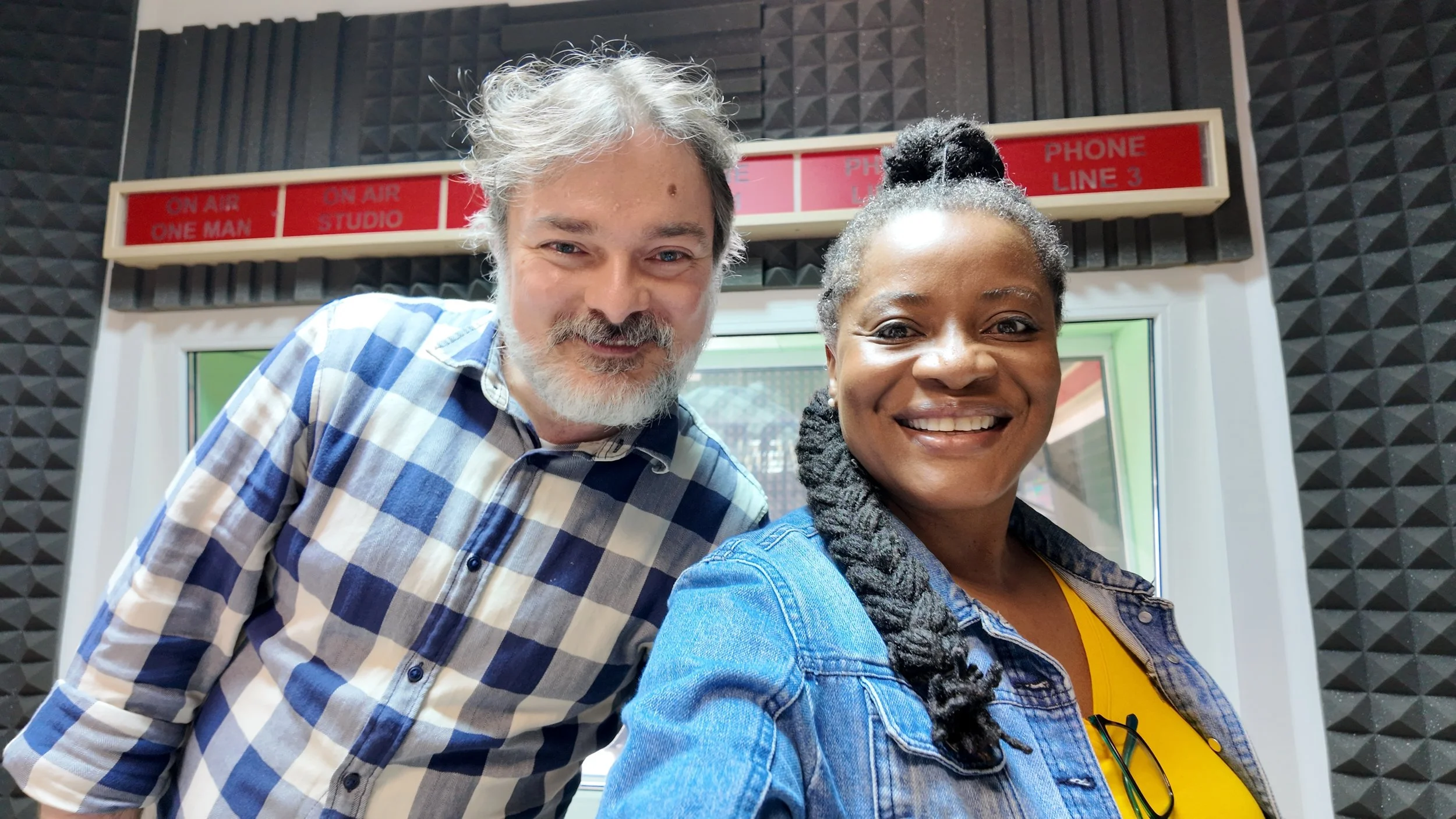
Interview with Krunoslav Solenički at Radio Samobor
In a later interview with Radio Samobor, Adaba praised the musicians and sound crew that particiated in the film which was scored by Funsho Ogundipe of Jazz collective Ayetoro; and also featured Words By Moe, Yinka Davies, Anayako Cultural Troupe, Tyrone Burirkett, Israel Maweta, Cam Tamura, Baba Ani and Win Big Selasi.
Some of the films that stood out at this year’s festival include CRYSTAL LIGHT by Bart Wierzbicki from Belgium which was nominated best music video. I’M PERFECTLY FINE by Hans Nieuwenhuijsen of The Netherlands won BEST ORIGINAL SCORE SHORT.
One of the other highlights of the event was when SOUNDS LIKE FAME director Robert D. Morais from Canada won for best short. Mr Morais was so emotional, barely uttering a simple “Thank You”, as he exited the stage. He of all people understood and his film celebrated the ‘thankless’ job of the “sound dude”.
Photos by Africa-Related








share this story
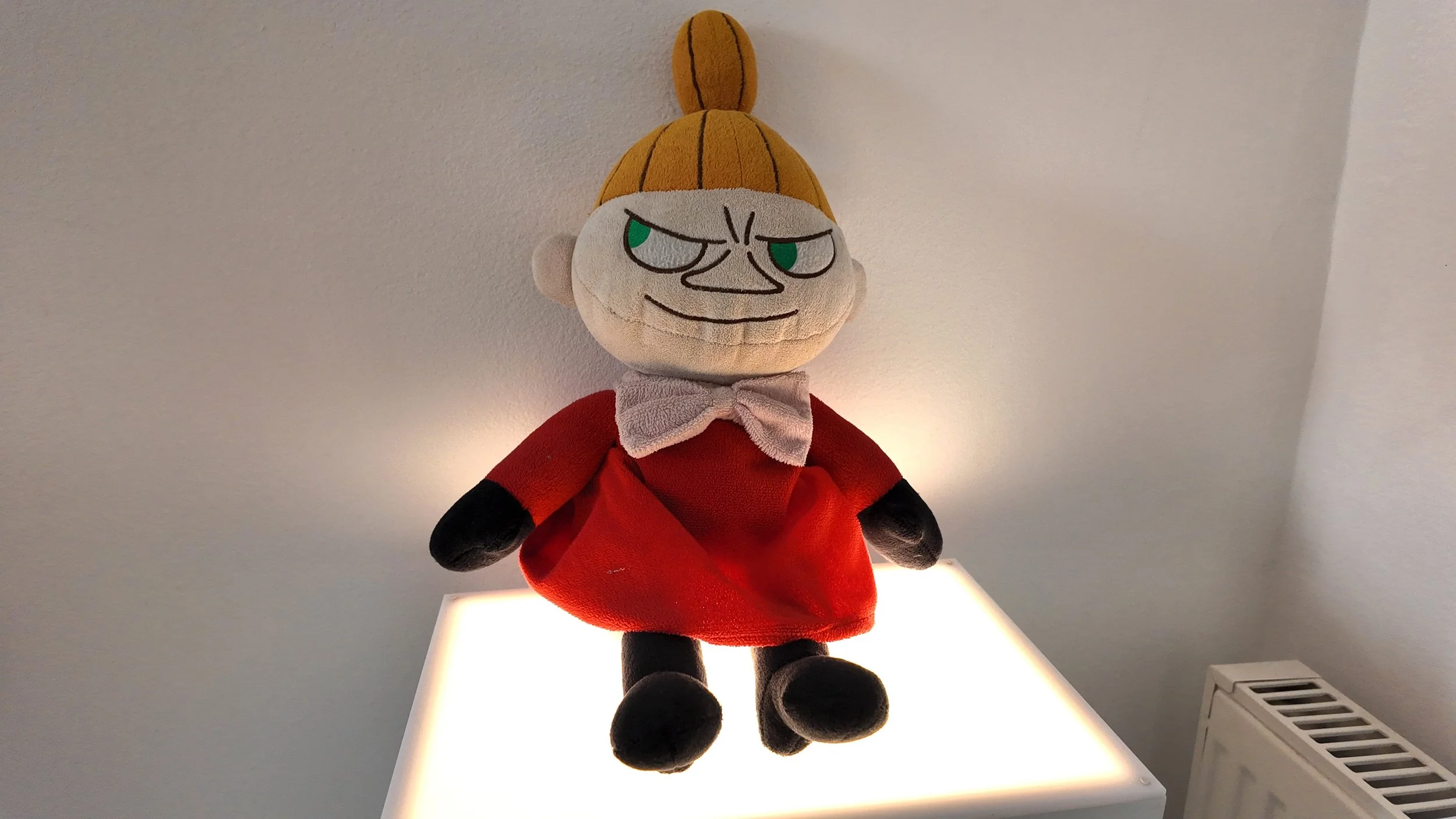
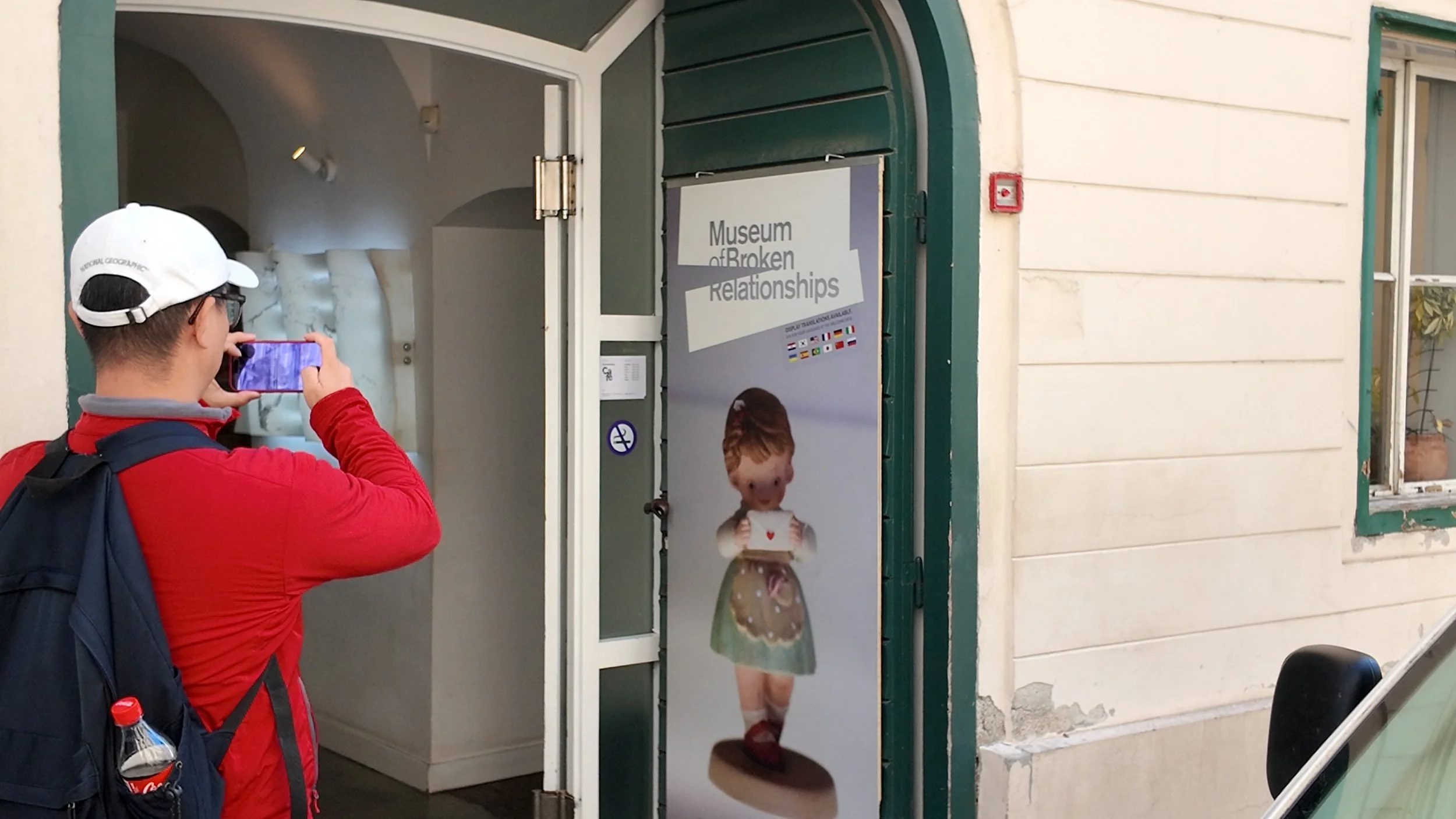
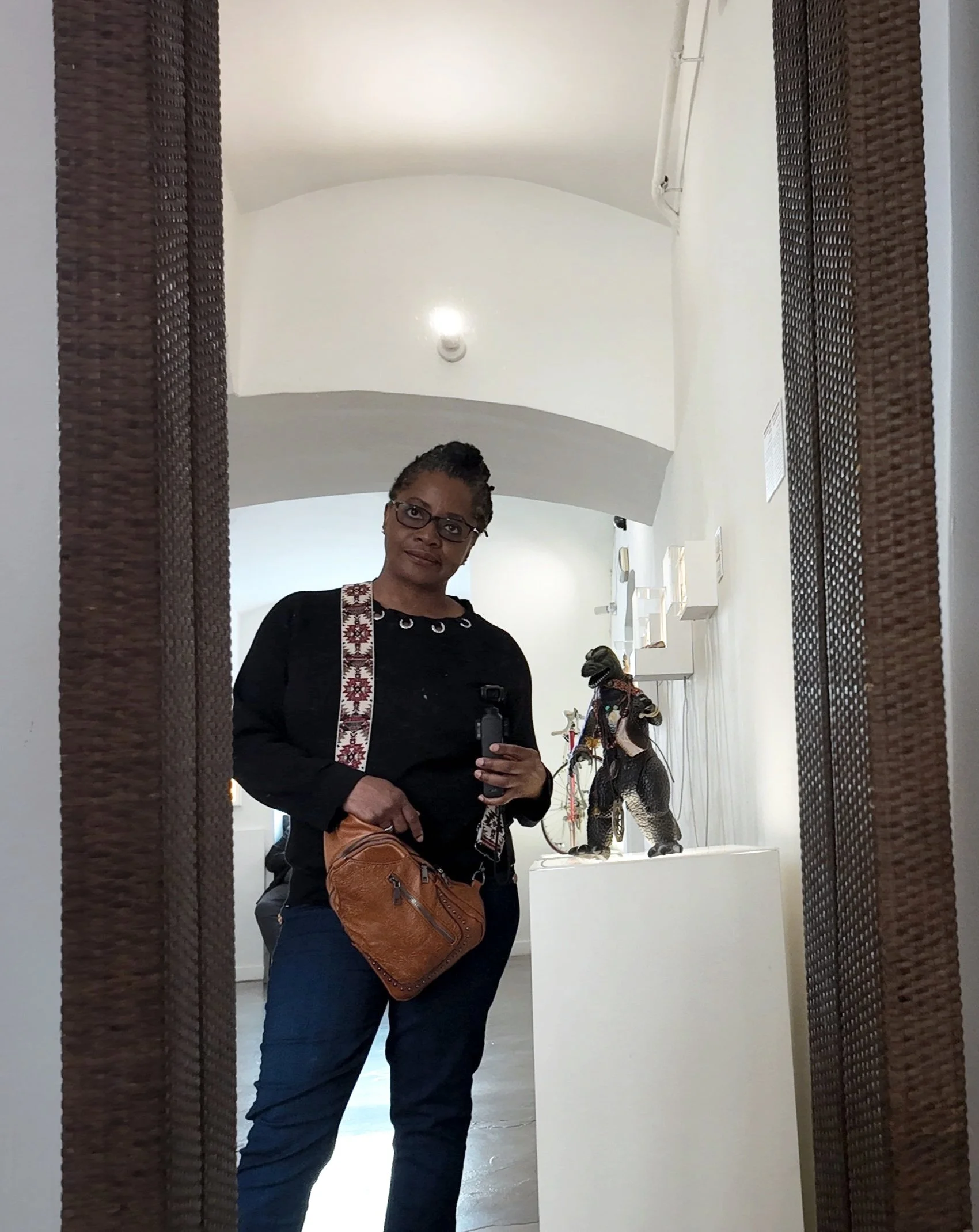
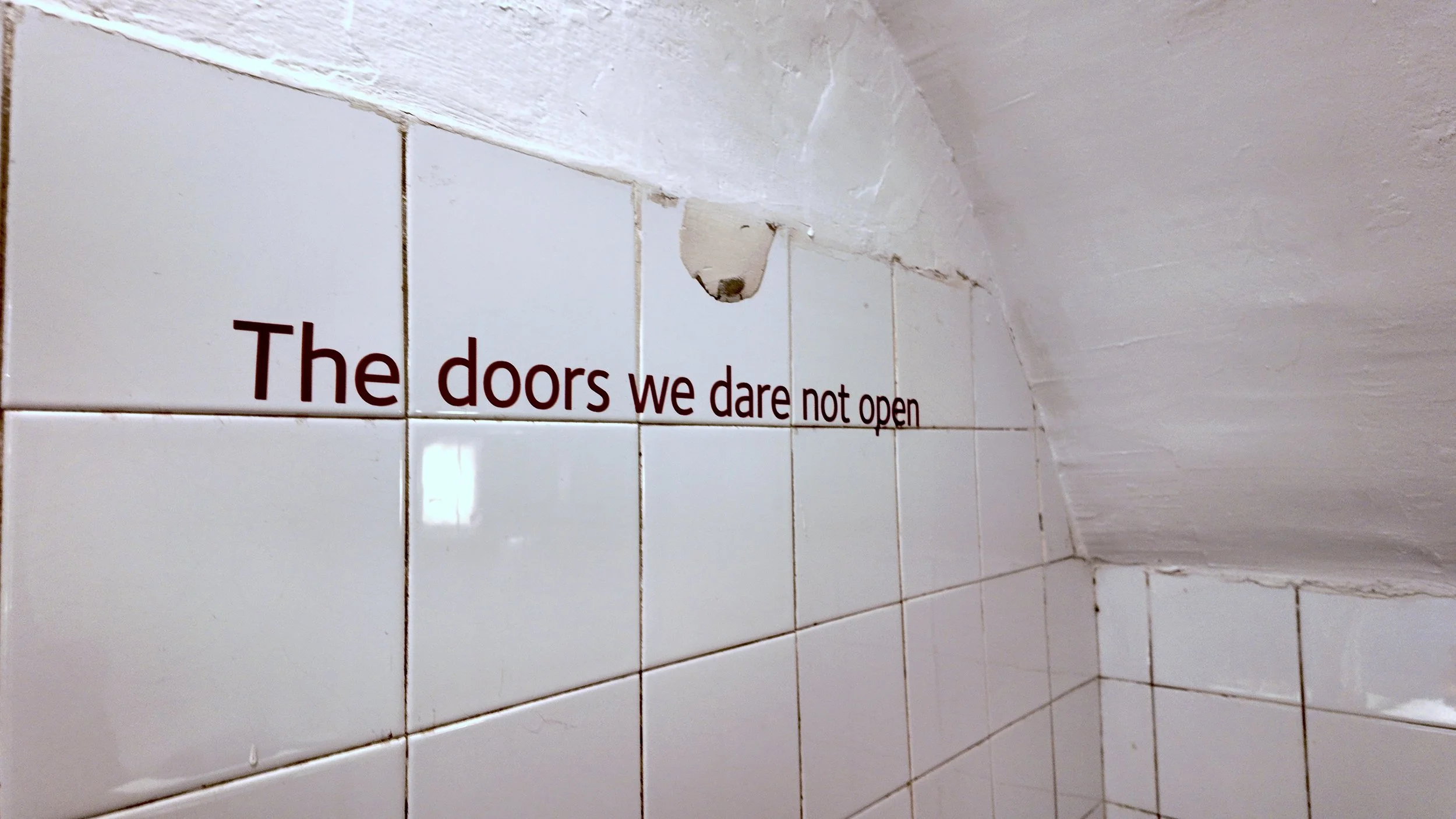
Oyiza Adaba Visits The Museum of Broken Relationships
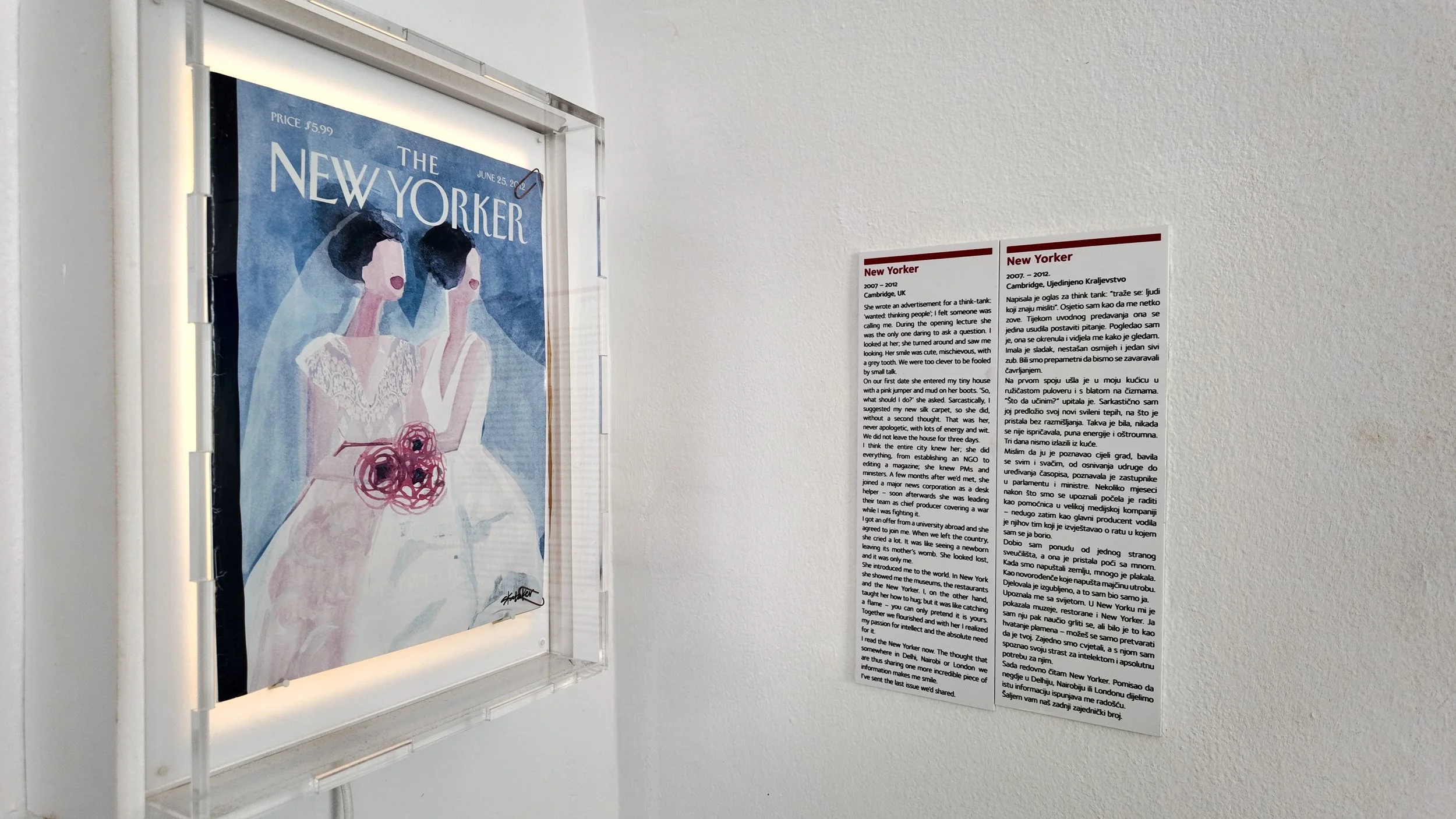
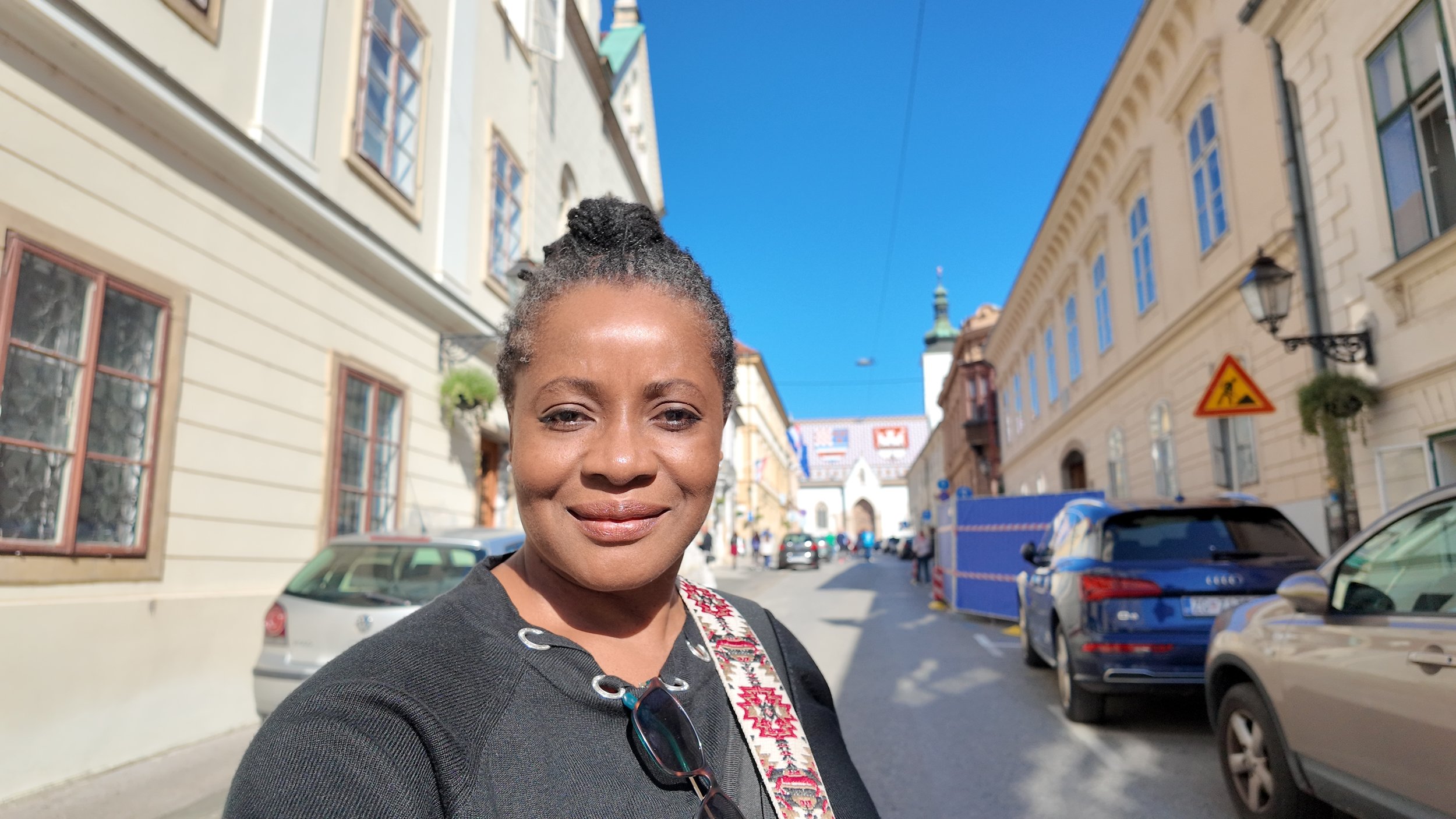
"Brokenships", as it’s popularly called, is a reflection of Croatia's tenacity to overcome its dark history of war and conflict. The beauty of this peaceful country lies in its ability to confront its past, in order to move forward. It is no wonder that the country houses 10 UNESCO World Heritage sites and 15 intangible cultural heritage items. Art in itself, is healing.
by oyiza adaba
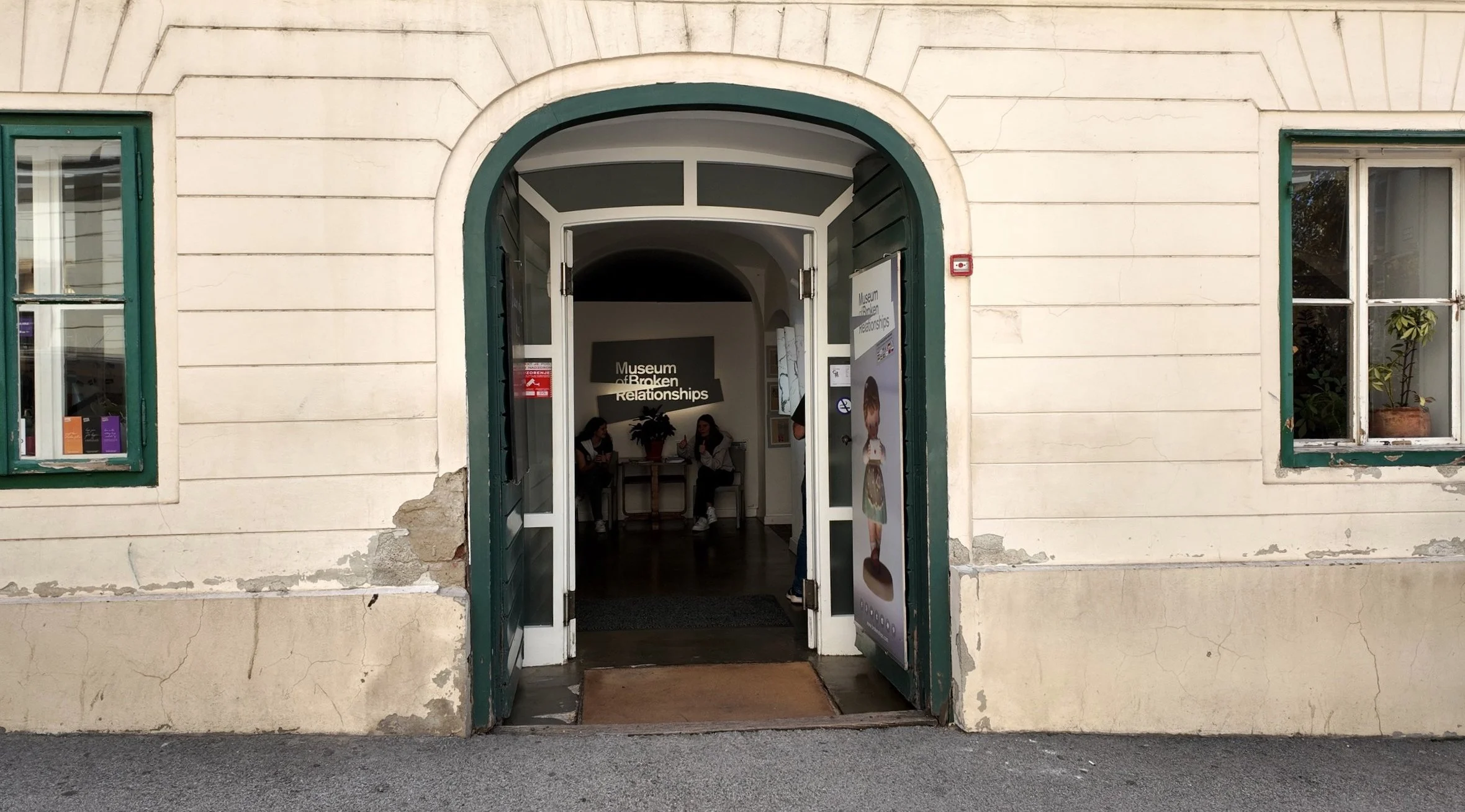
The Museum of BROKEN RELATIONSHIPS
Zagreb, Croatia
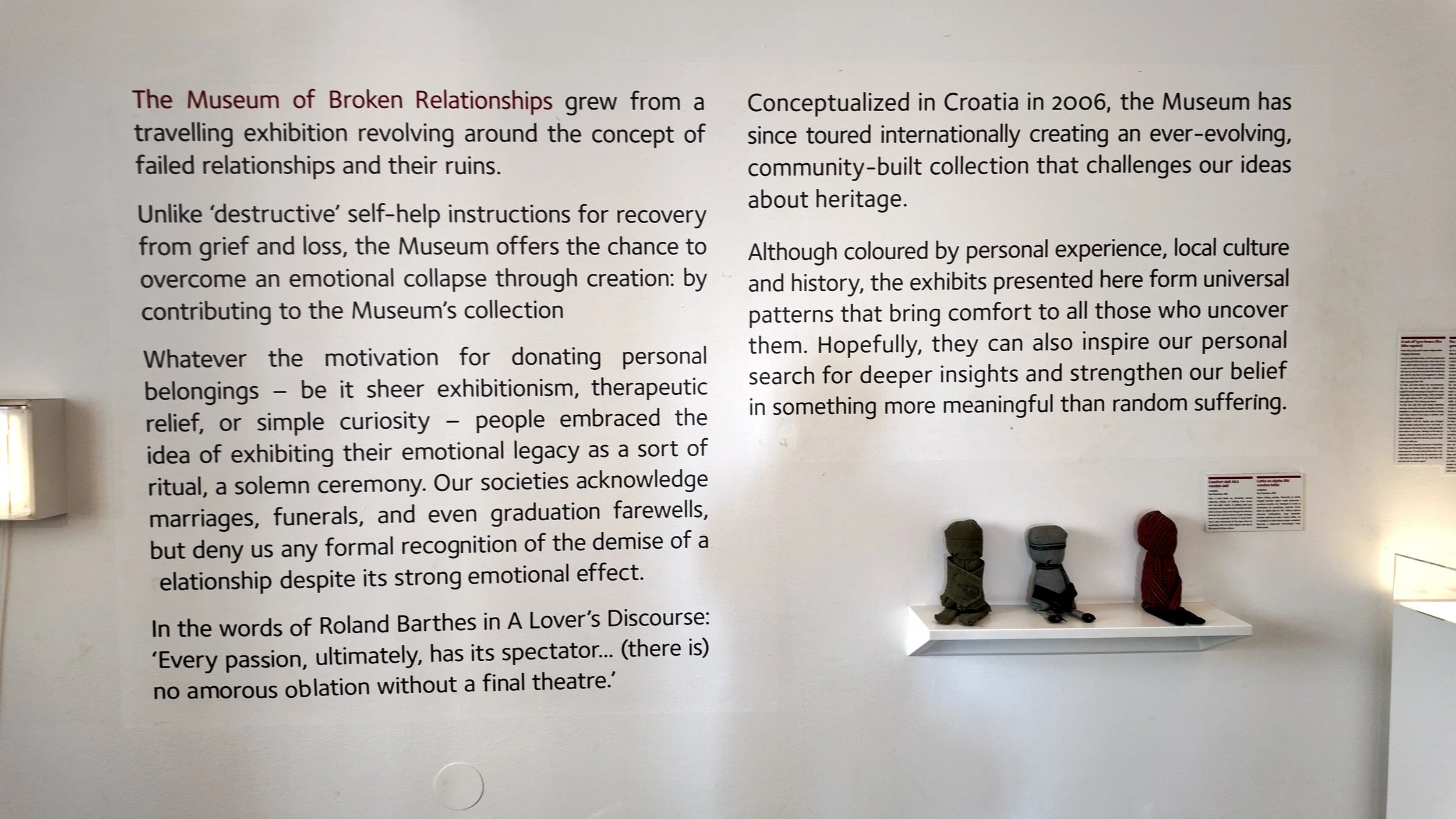
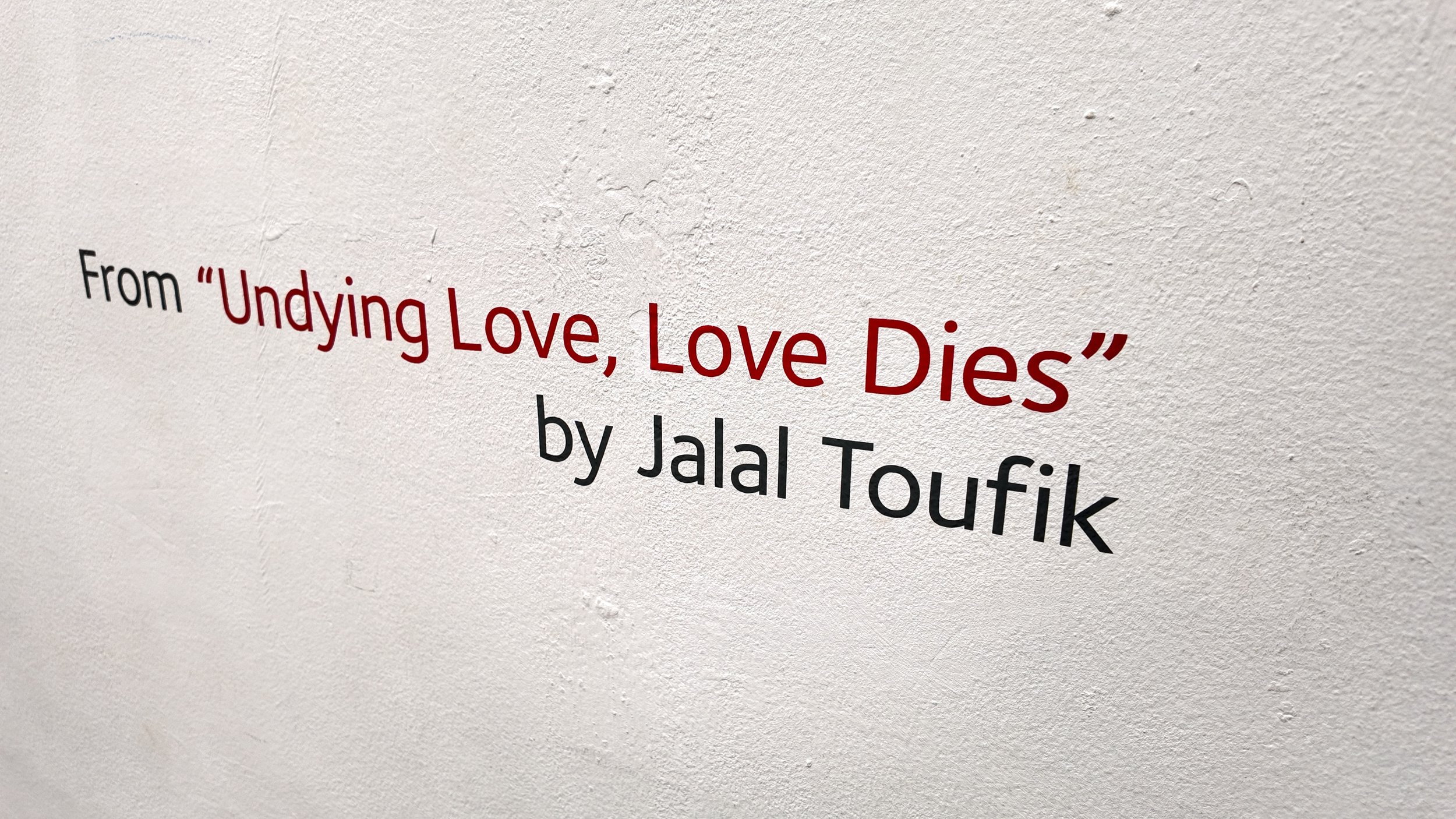
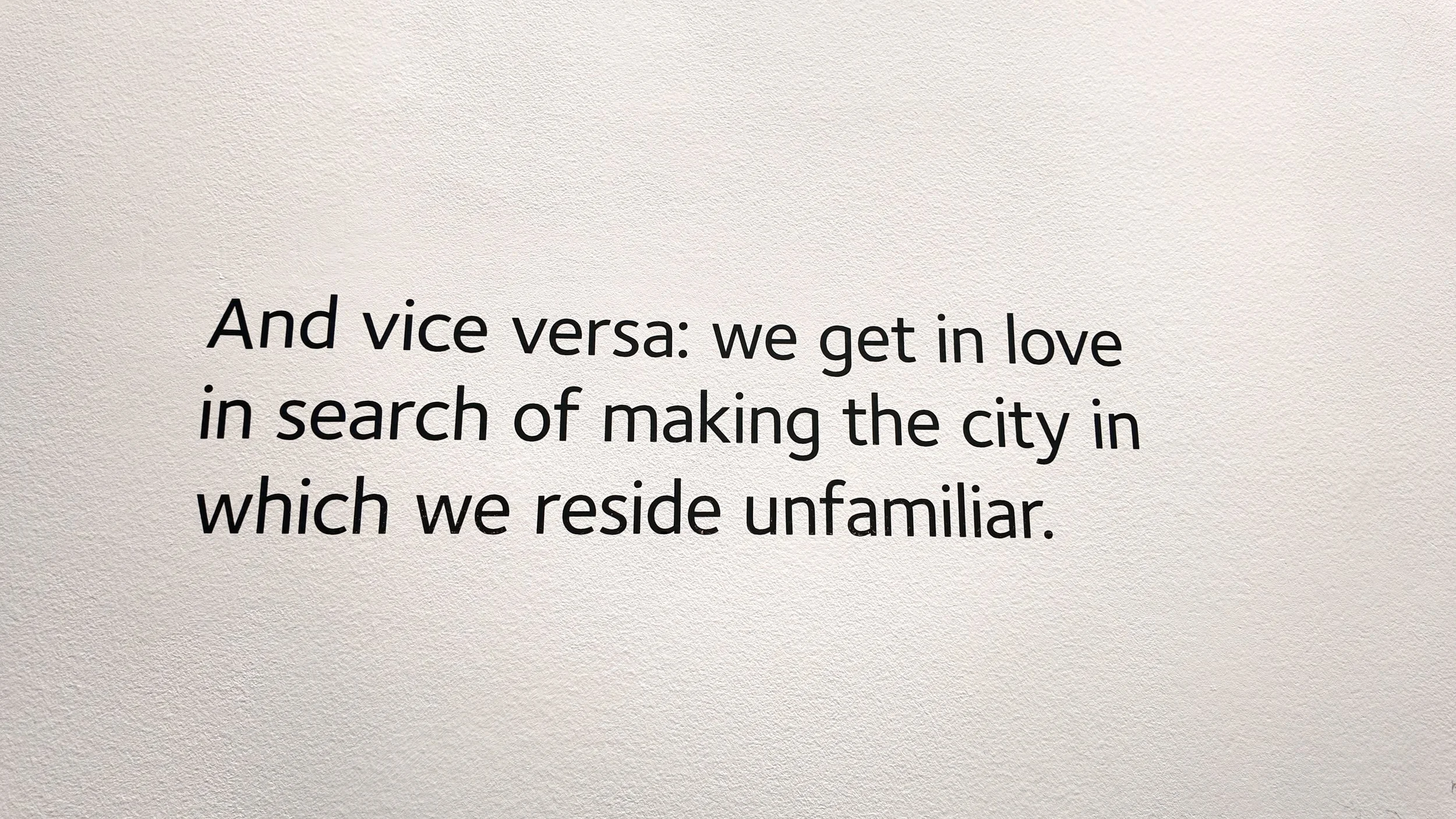
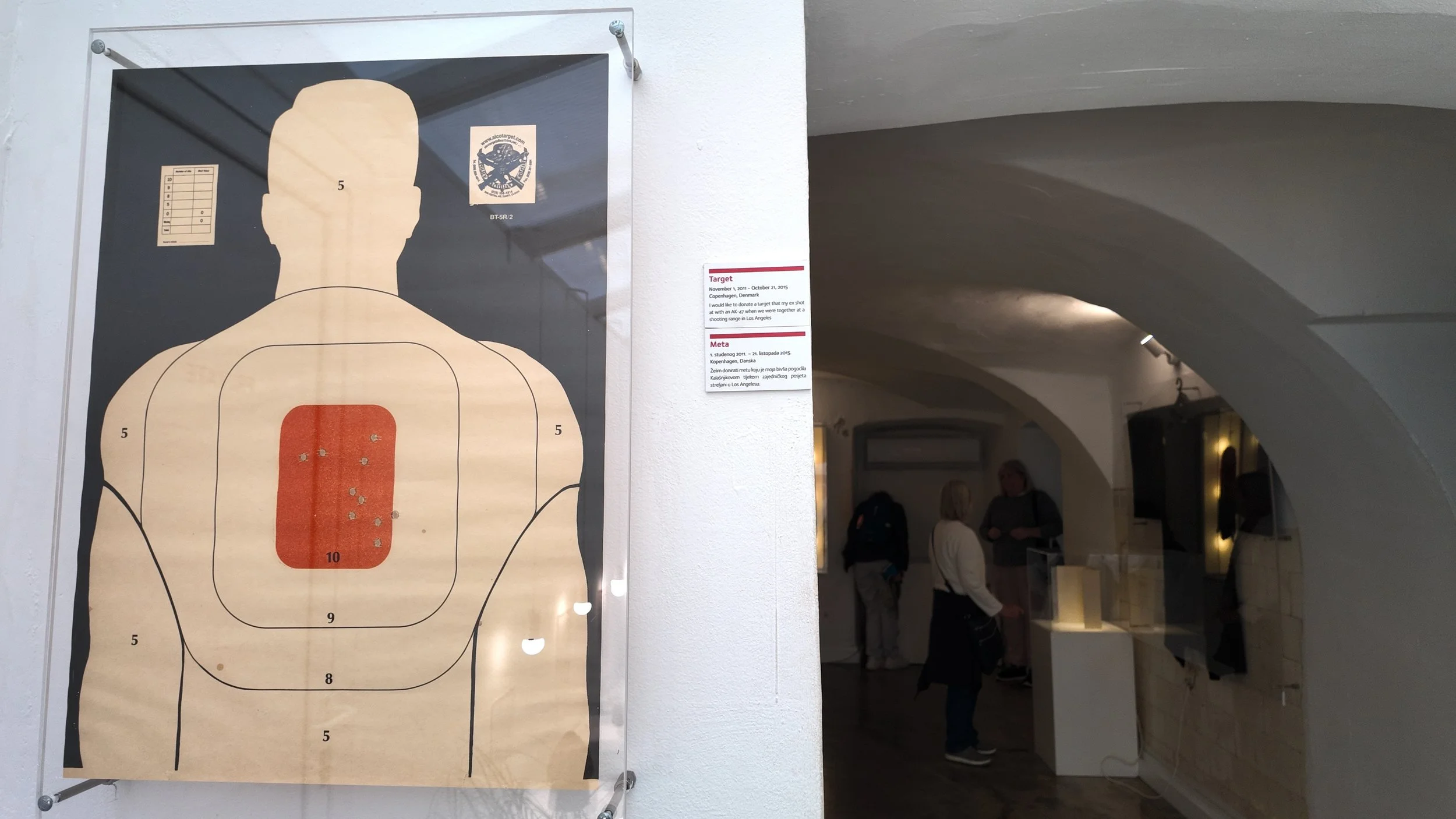
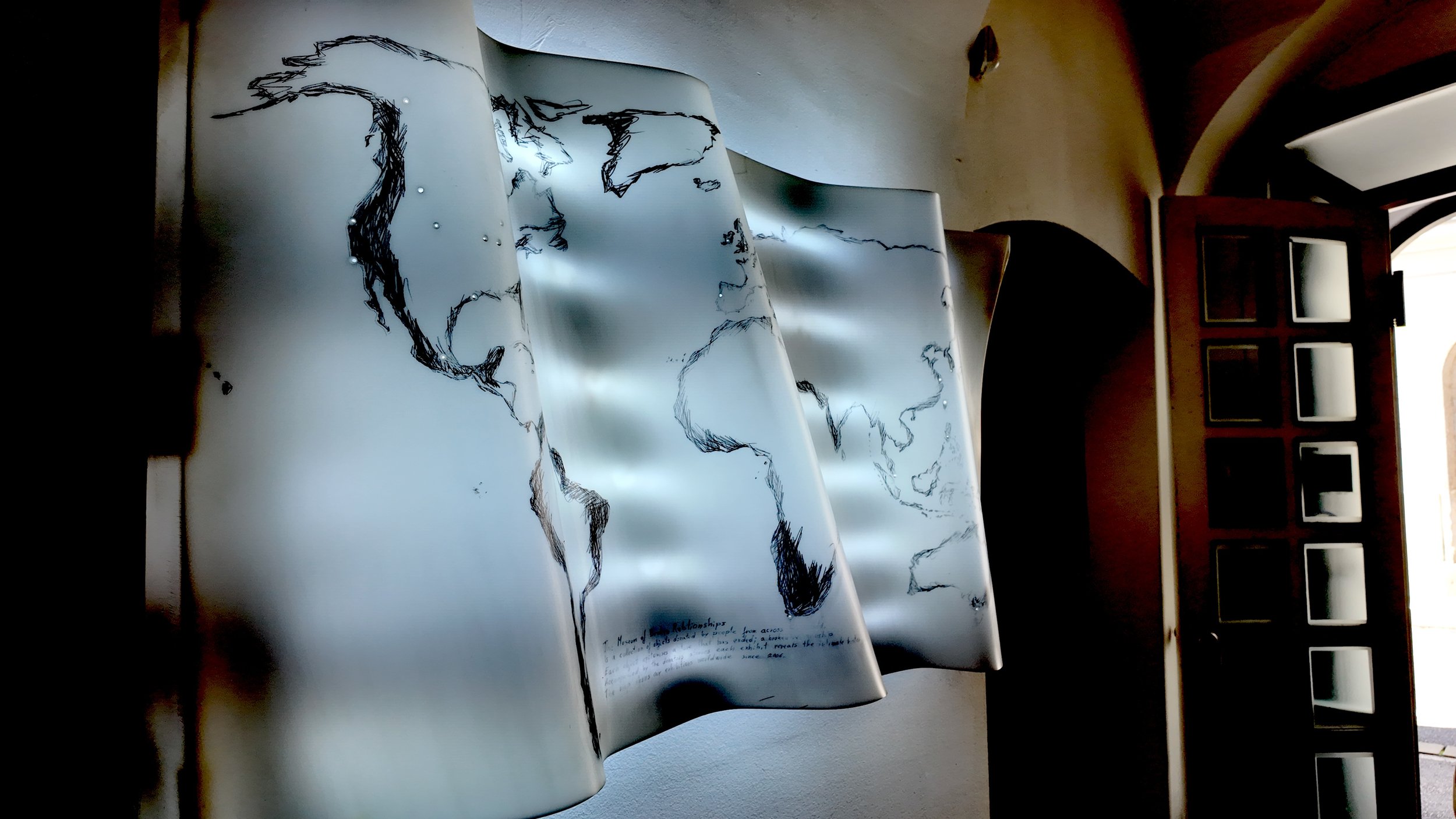
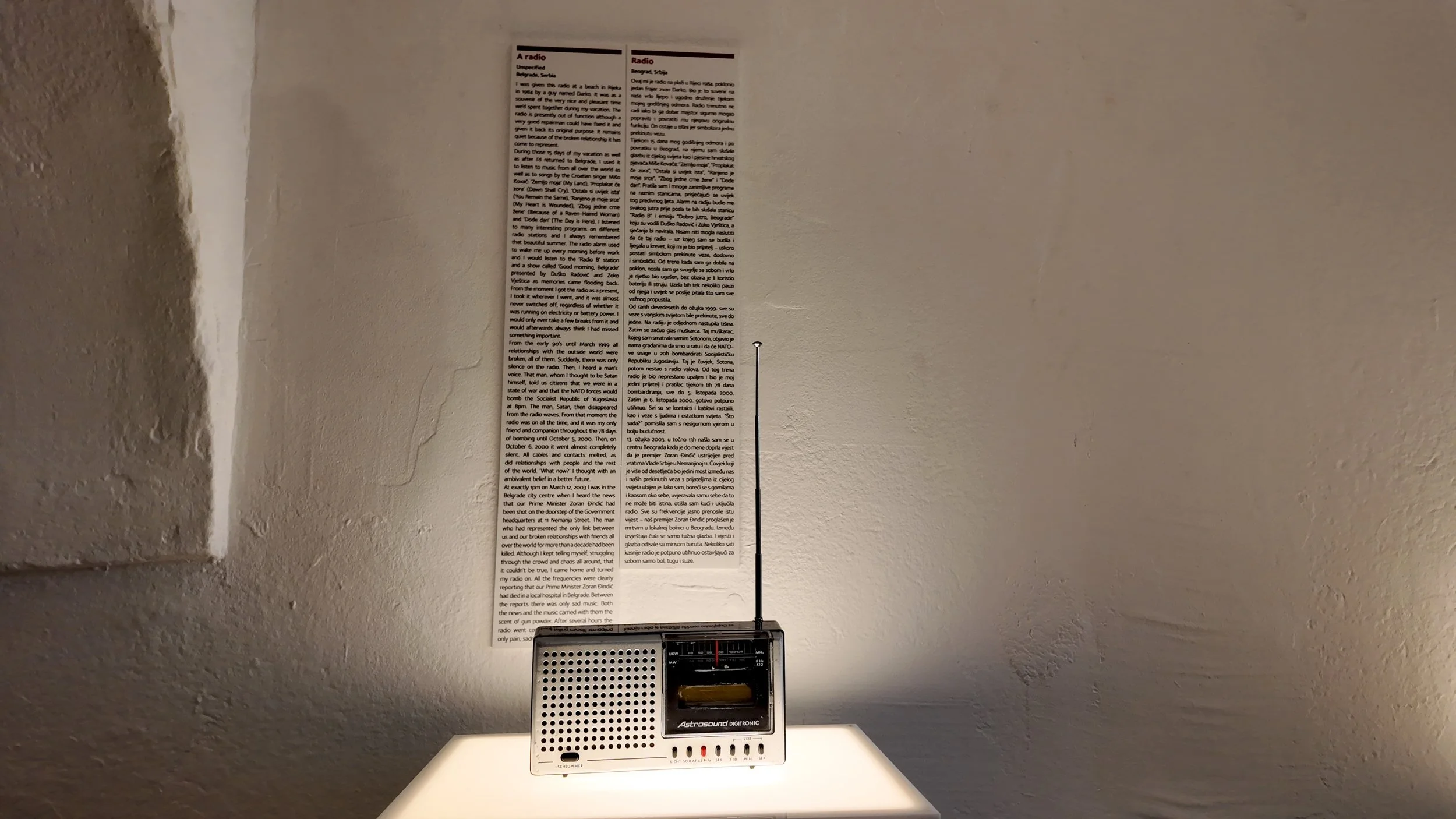
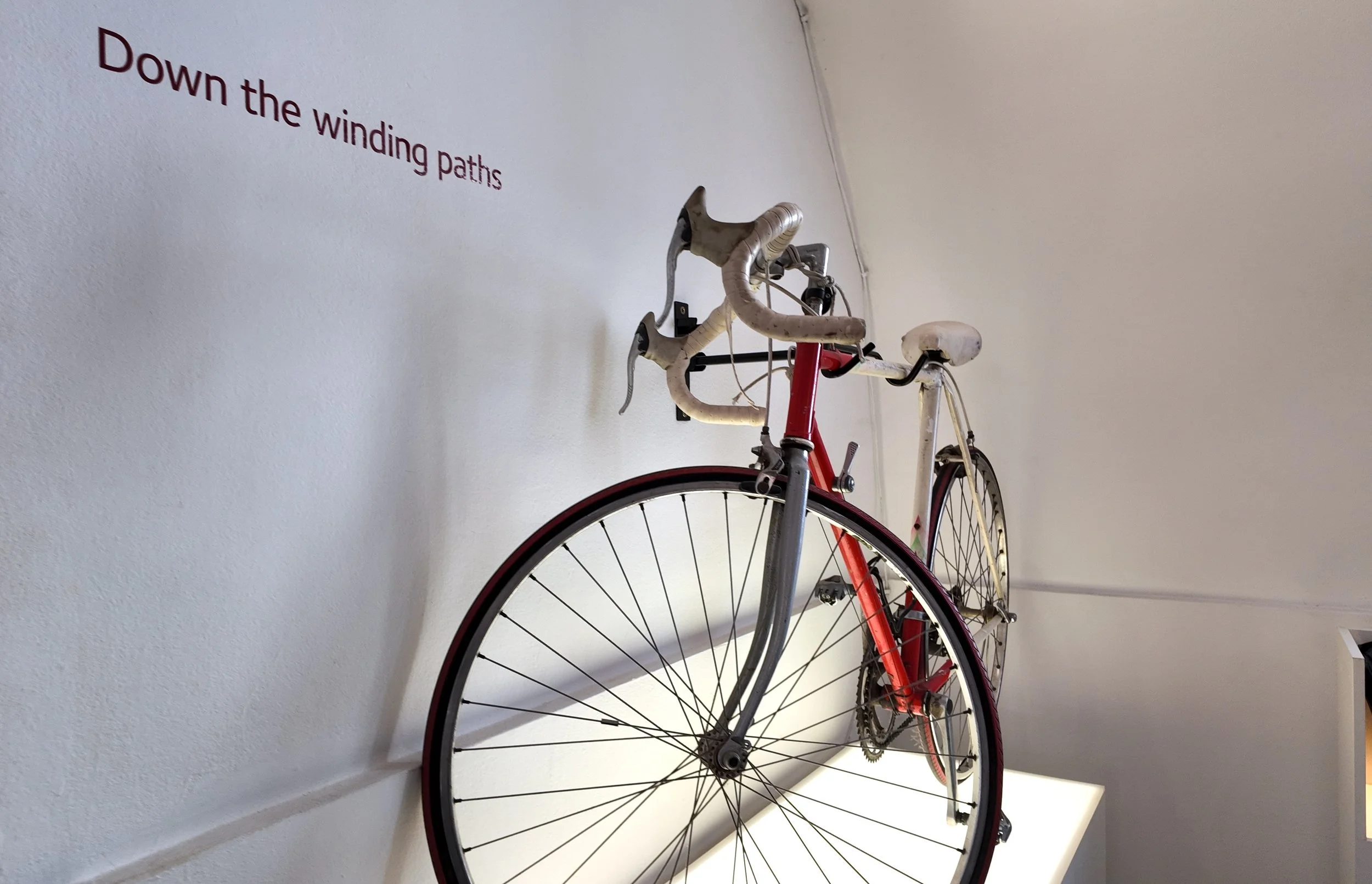
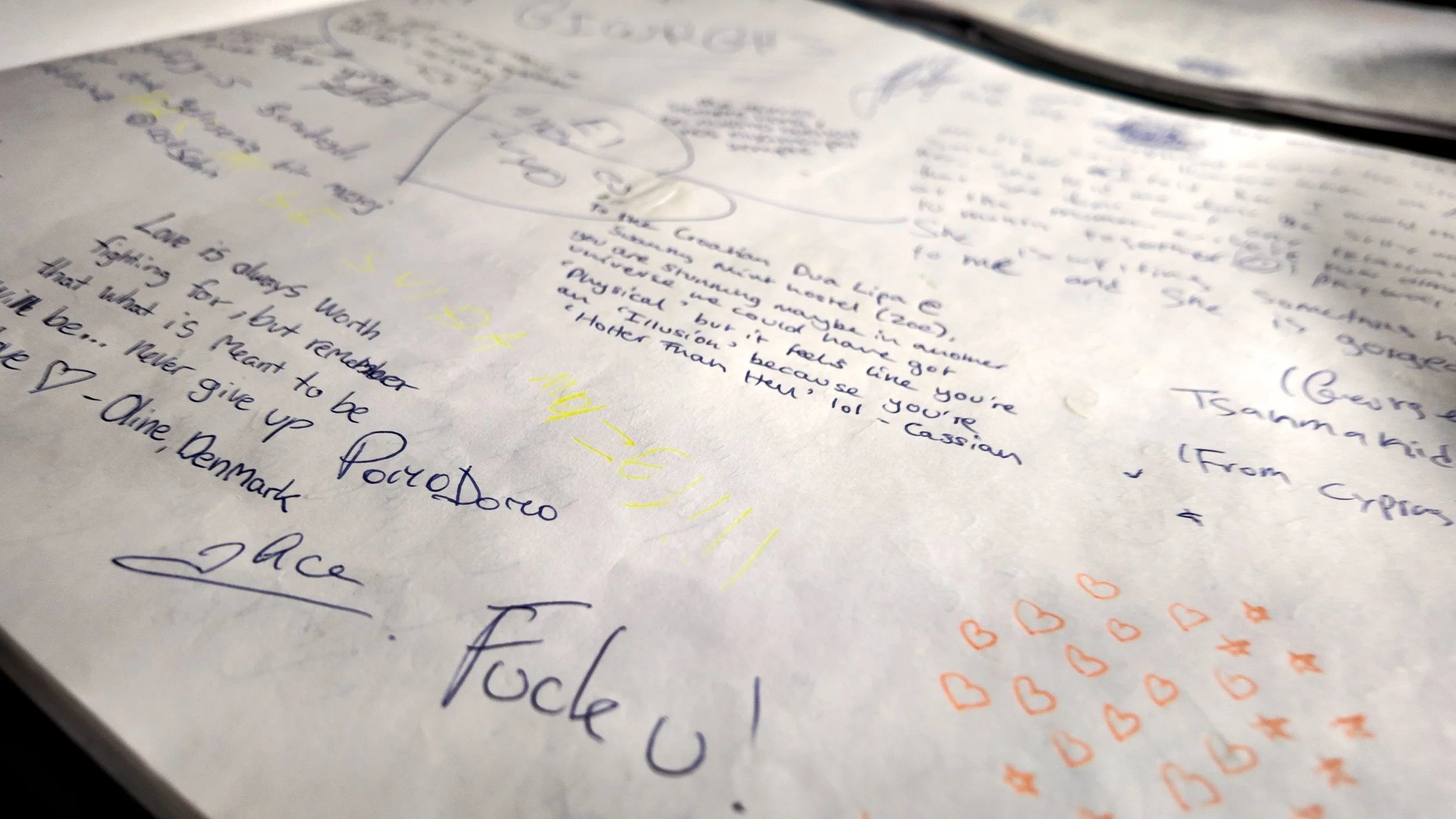
“The Museum of Broken Relationships encourages discussion and reflection not only on the fragility of human relationships but also on the political, social, and cultural circumstances surrounding the stories being told. The museum respects the audience’s capacity for understanding wider historical, social issues inherent to different cultures and identities and provides a catharsis for donors on a more personal level.”
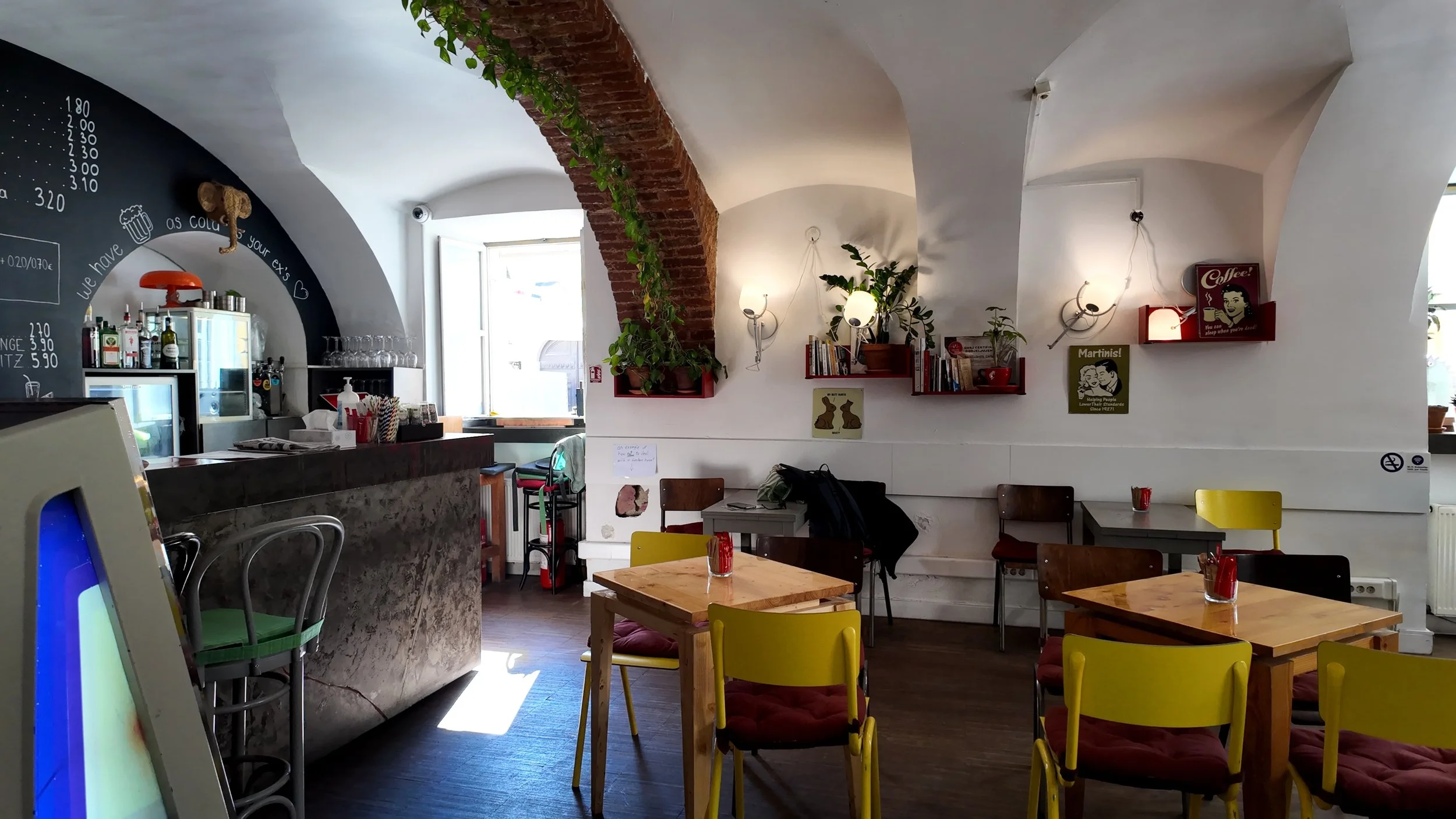
With a few hours to my flight, of all Croatia's 222 museums, I chose to visit The Museum of Broken Relationships in Zagreb's city center. I was curious, and thought it interesting to encounter first hand, how people confronted their past relationships. The museum was founded by two individuals, an artist/film producer, and a sculptor, who survived a breakup. Three years after joking about how to store their personal items, their maturity and innovation led to the museum's first public showing in 2006.
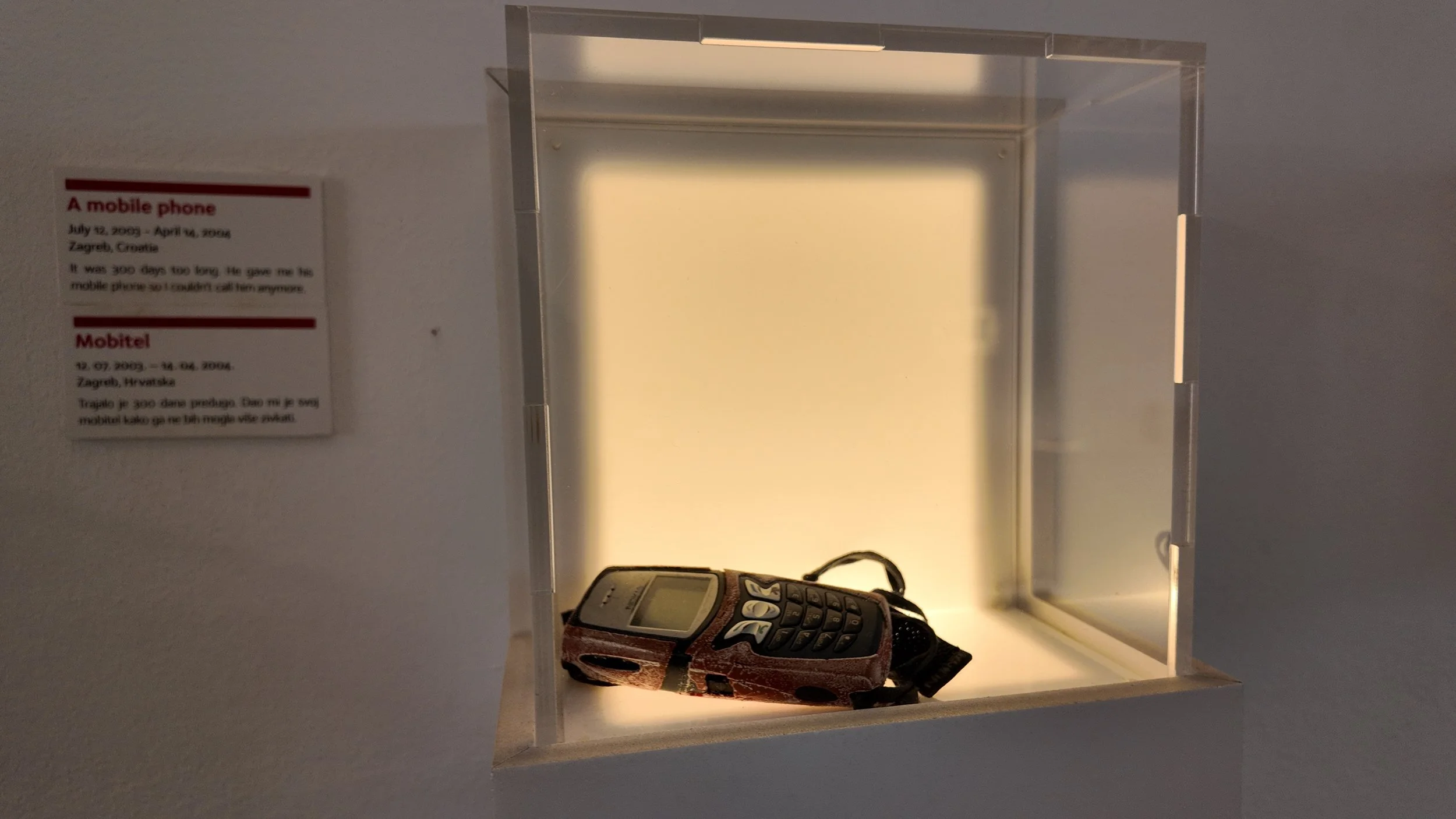
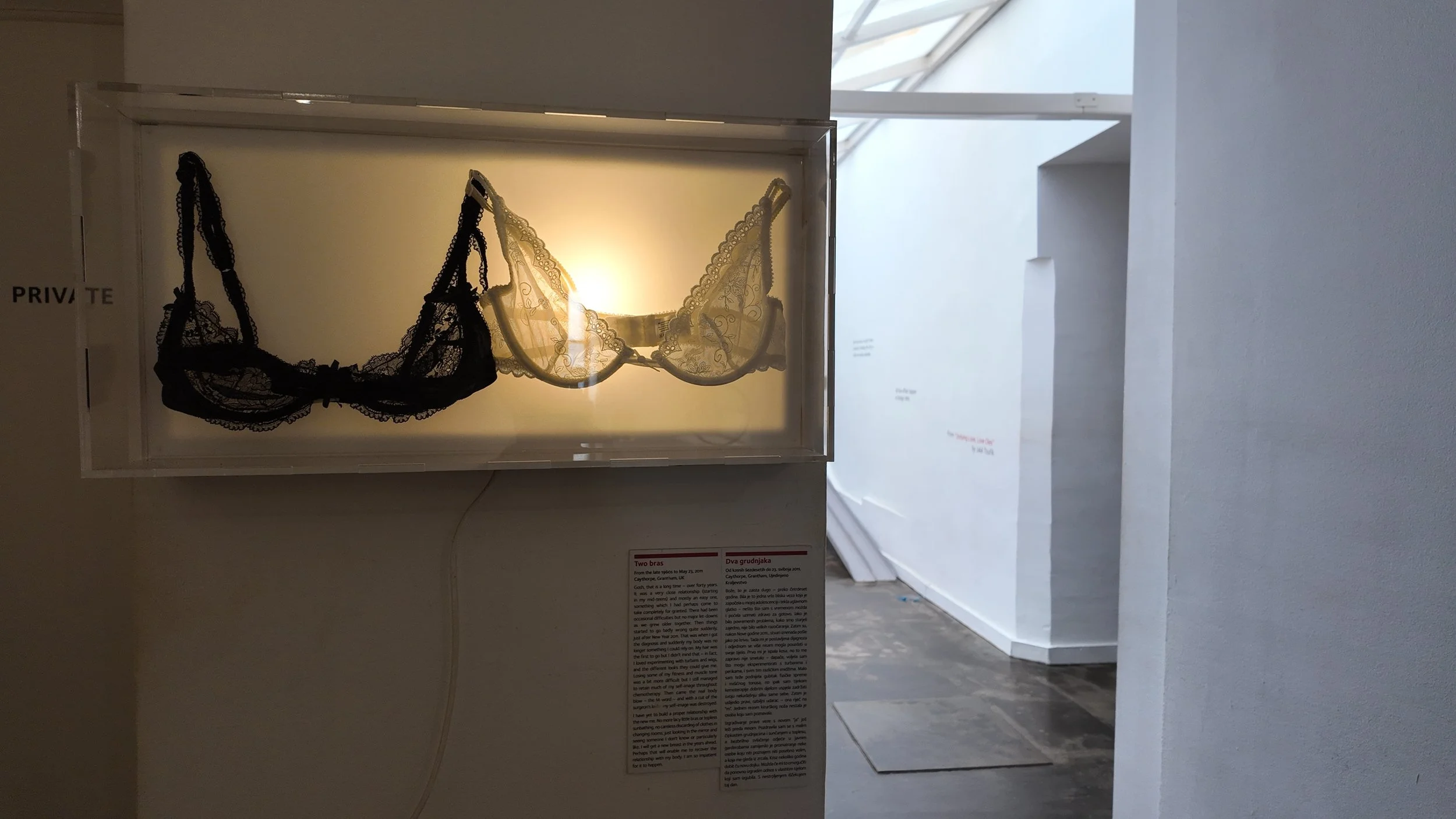
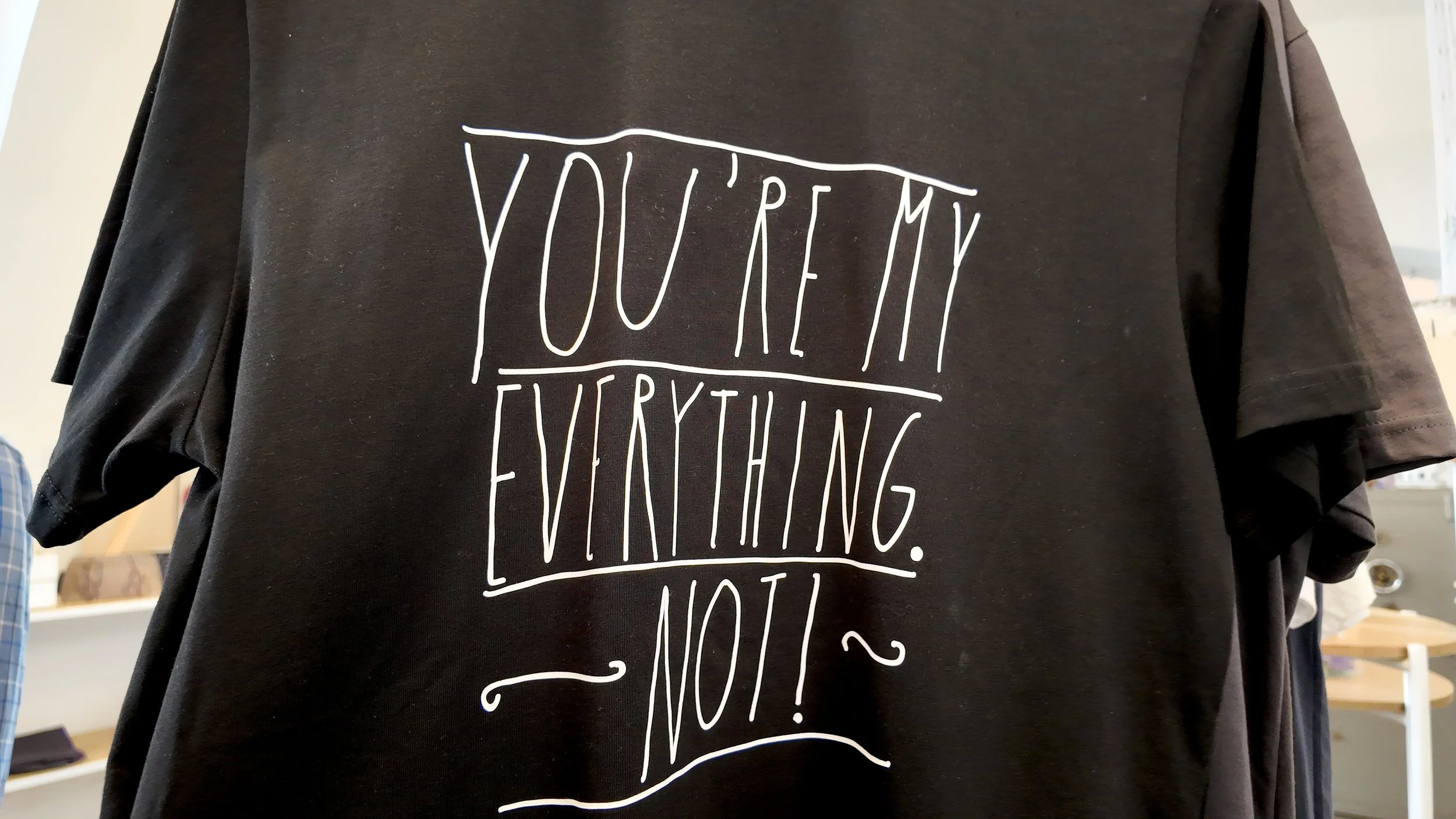
Since then, it has enjoyed an extensive travel history as a global traveling exhibition to nearly 60 locations from South Africa to North Macedonia. The museum's popularity with fans and tourists is its unique relatable subject matter, and main concept of personal objects from failed relationships. It is something, to which most living beings can relate.
"Brokenships", as it’s popularly called, is a reflection of Croatia's tenacity to overcome its dark history of war and conflict. The beauty of this peaceful country lies in its ability to confront its past, in order to move forward. It is no wonder that the country houses 10 UNESCO World Heritage sites and 15 intangible cultural heritage items. Art in itself, is healing.
Croatia is a country of 3.9 million people that sits in the Balkans surrounded by Hungary, Serbia, Bosnia, Montenegro, and Italy. Beyond its war history, Croatia's historical significance includes Neanderthal fossils and many significant cultural sites.
According to the Croatia Tourism Board, Tourism accounts for up to 20% of the country’s GDP, providing a rich cultural scene, with professional and amateur theaters, orchestras, and cinemas. Croatia operates as a republic with a parliamentary system, and is a member of the EU, Schengen area, the United Nations and the World Trade Organization.
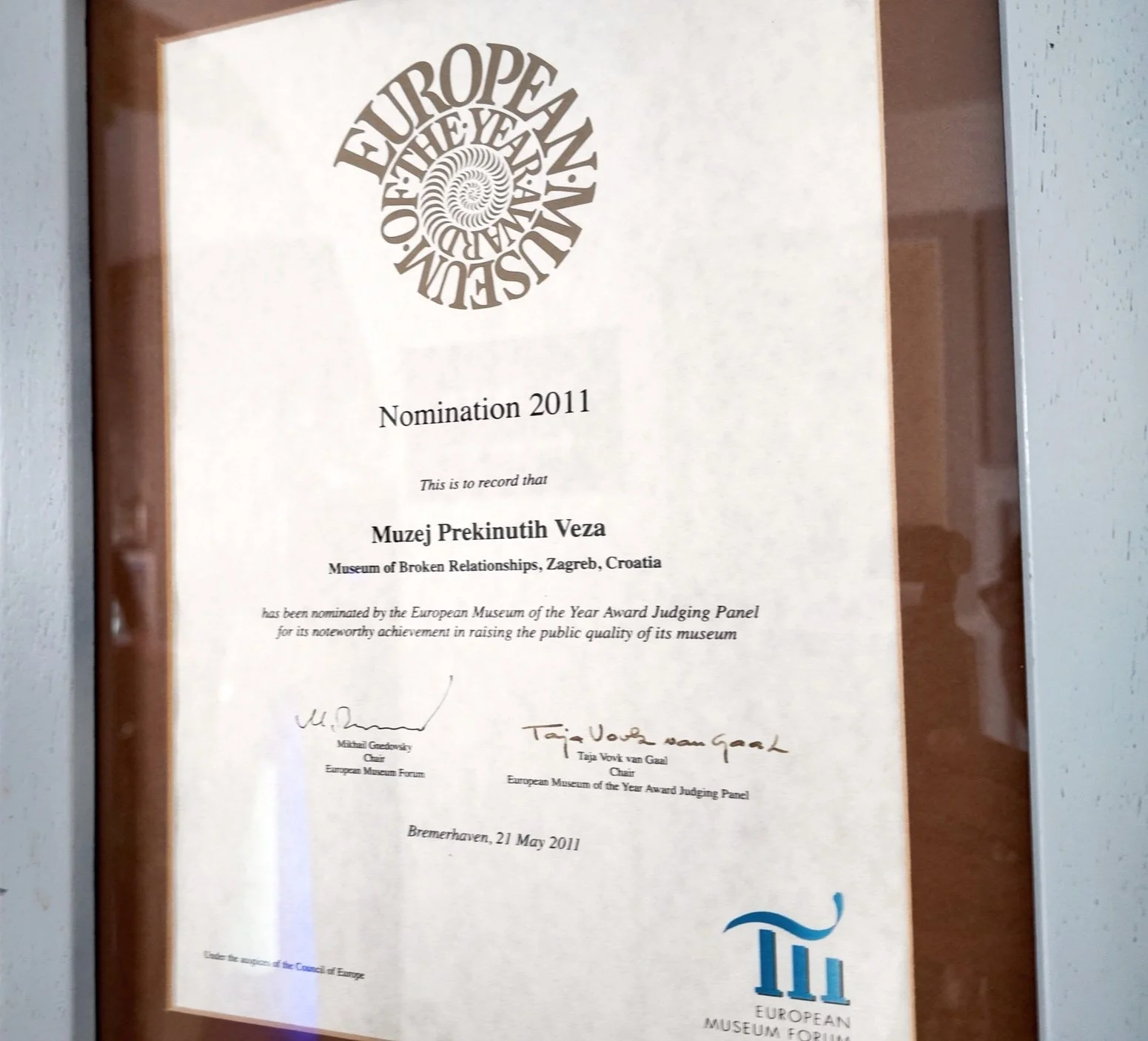
The 2011 KENNETH HUDSON AWARD, presented by The EUROPEAN MUSEUM FORUM (EMF) goes to… "a museum, person, project or group of people who have demonstrated the most unusual, daring and, perhaps, controversial achievement that challenges common perceptions of the role of museums in society", rating the "importance of public quality and innovation as fundamental elements of a successful museum". (Photo by Africa-Related. Source: Wikipedia).
Photos by Africa-Related
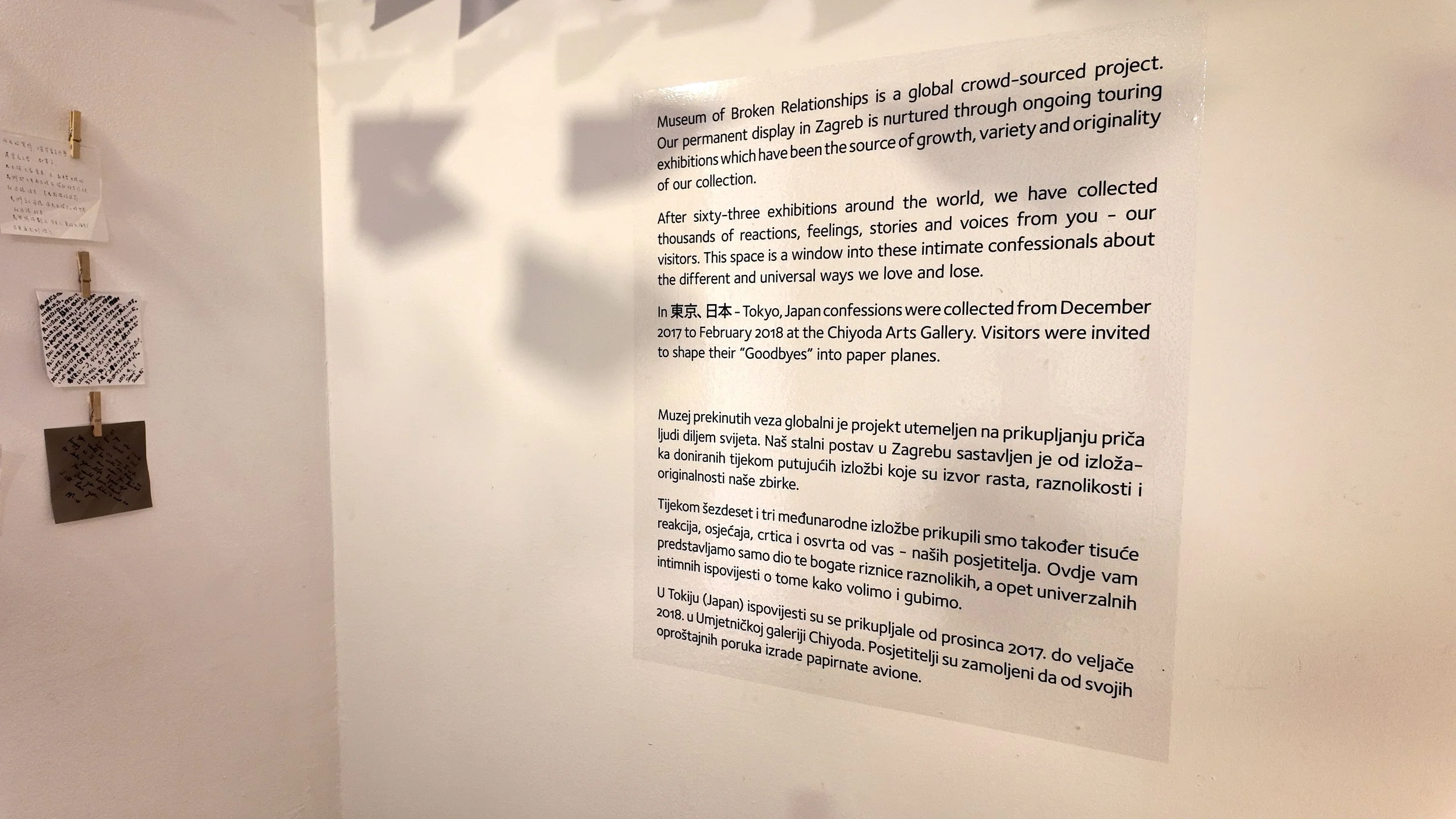
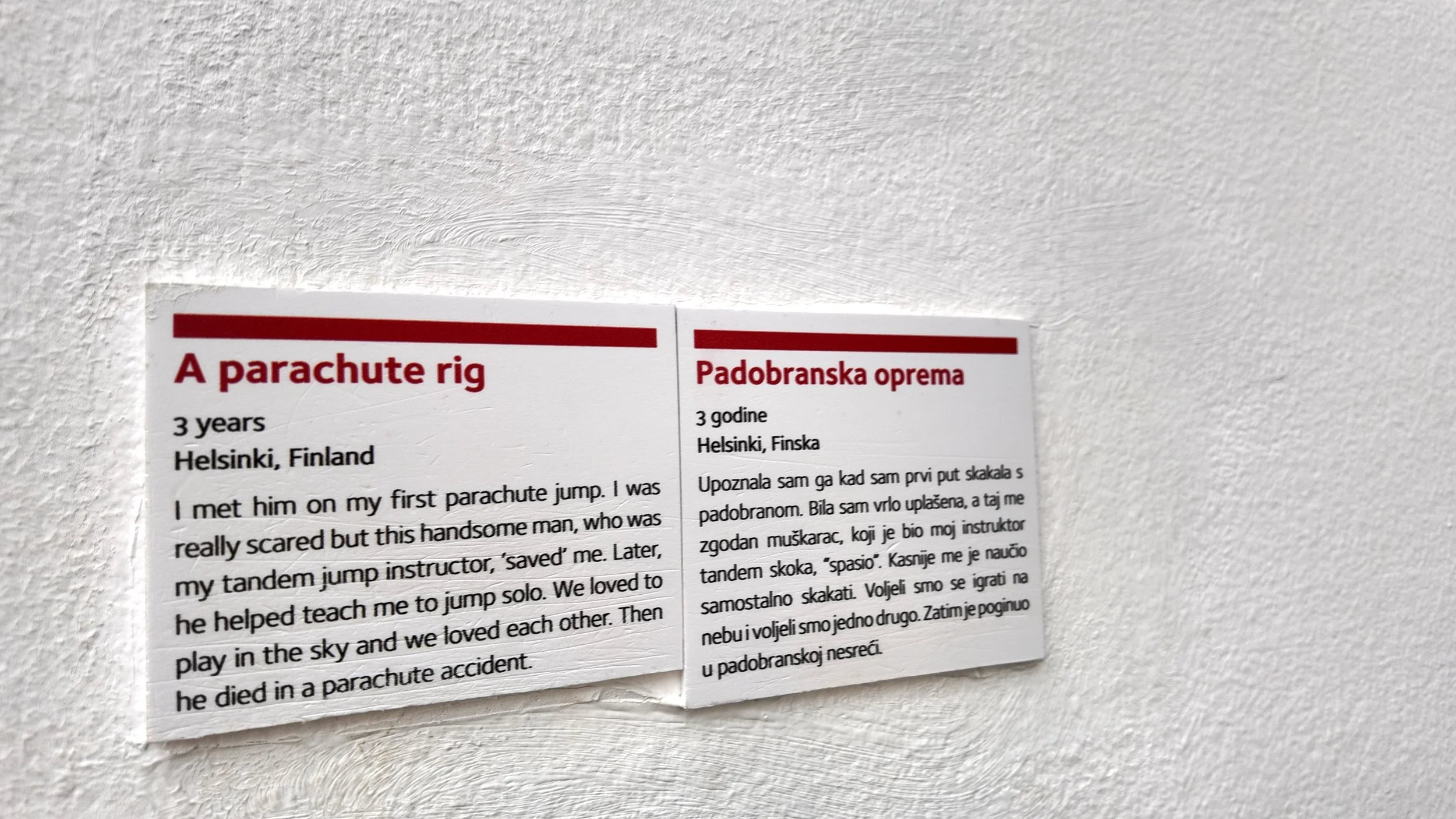
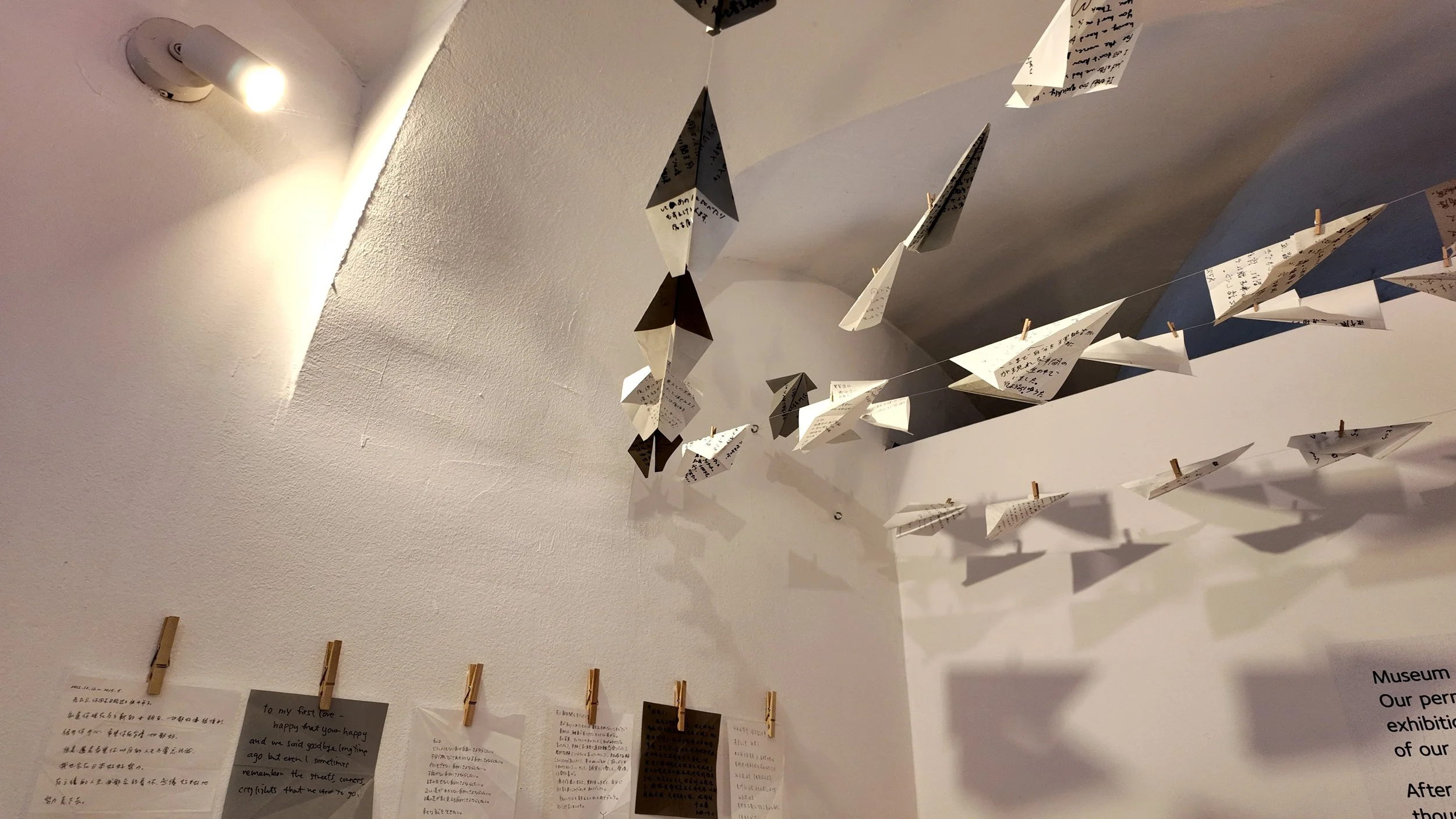
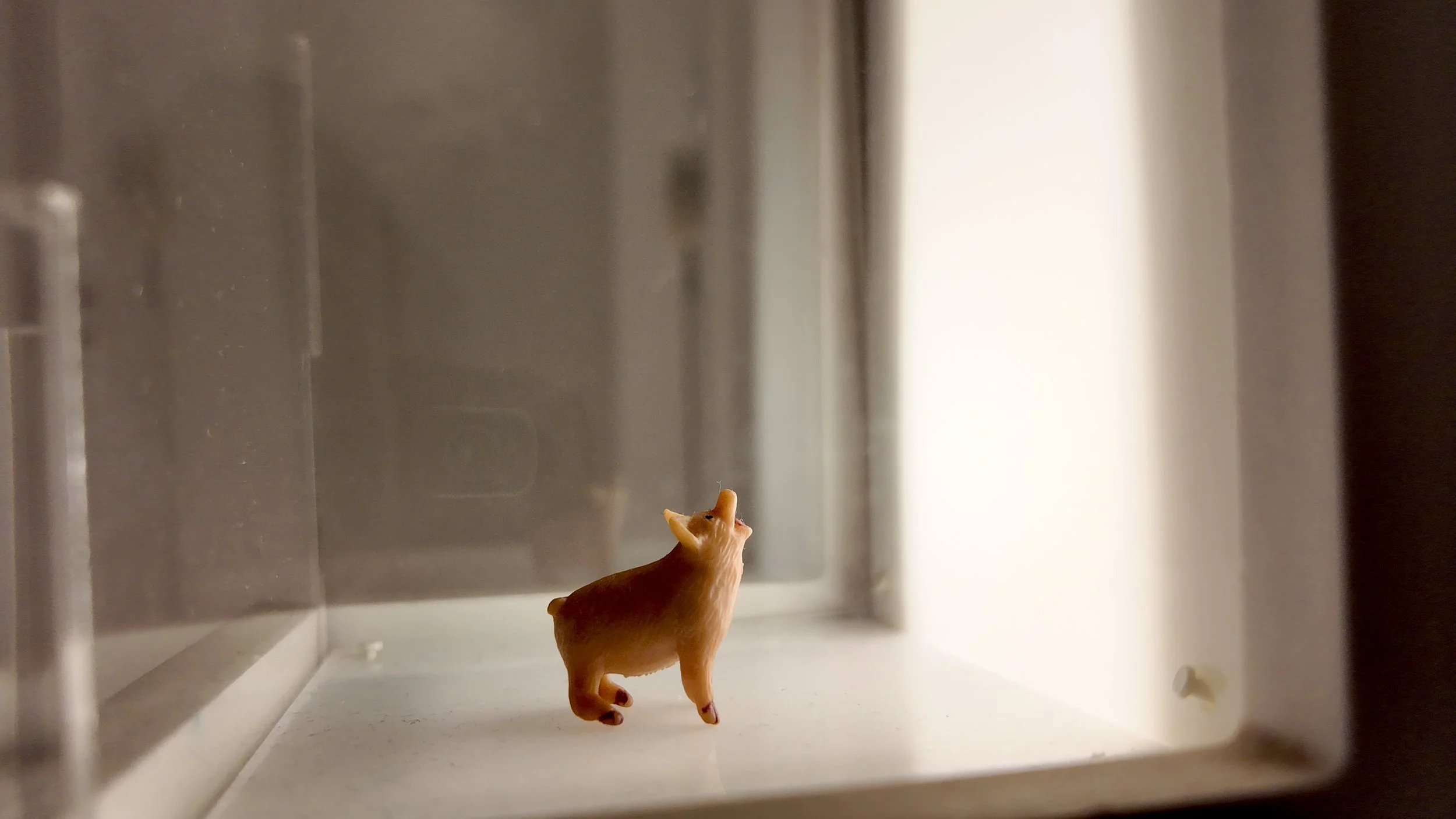

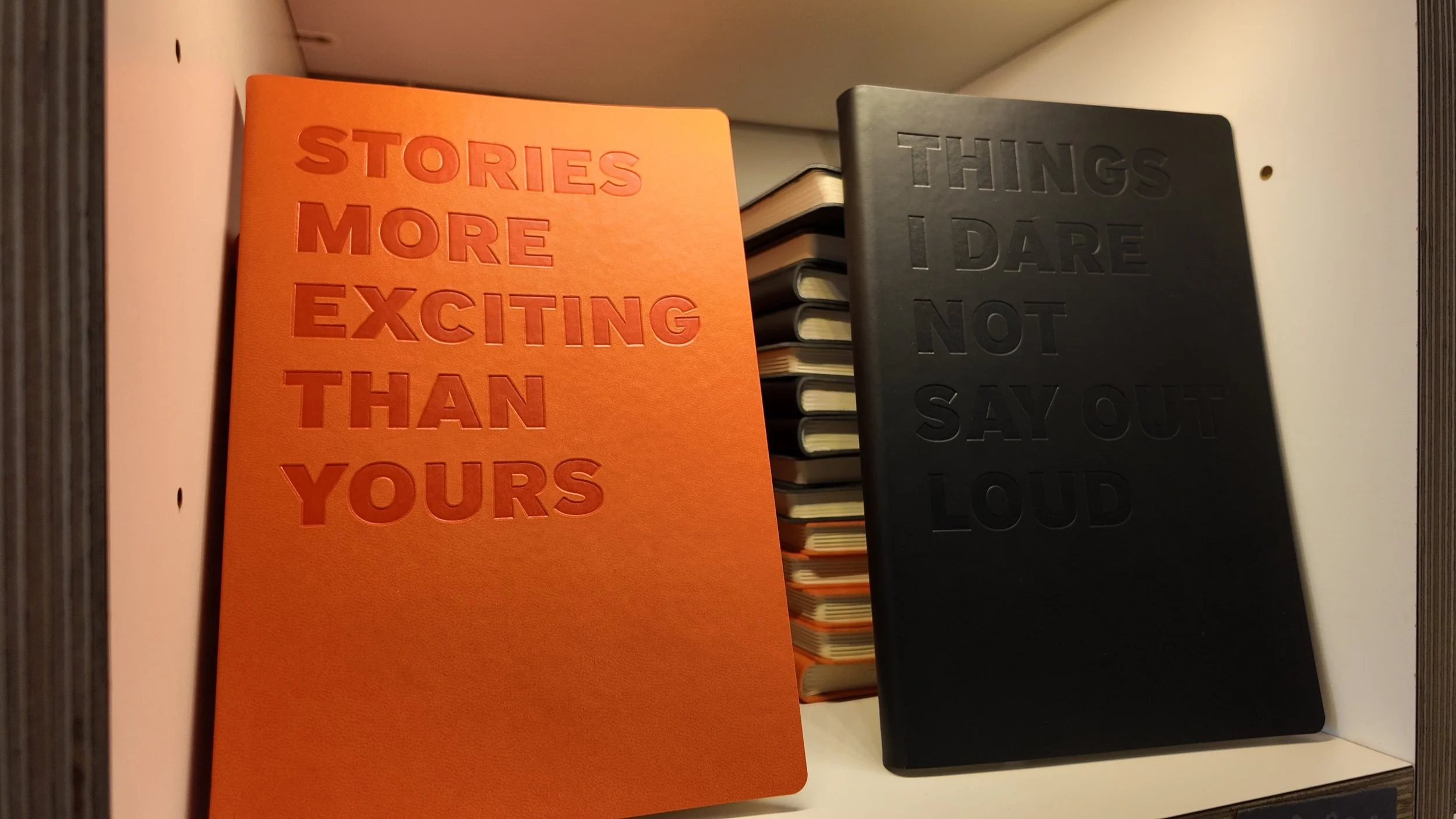
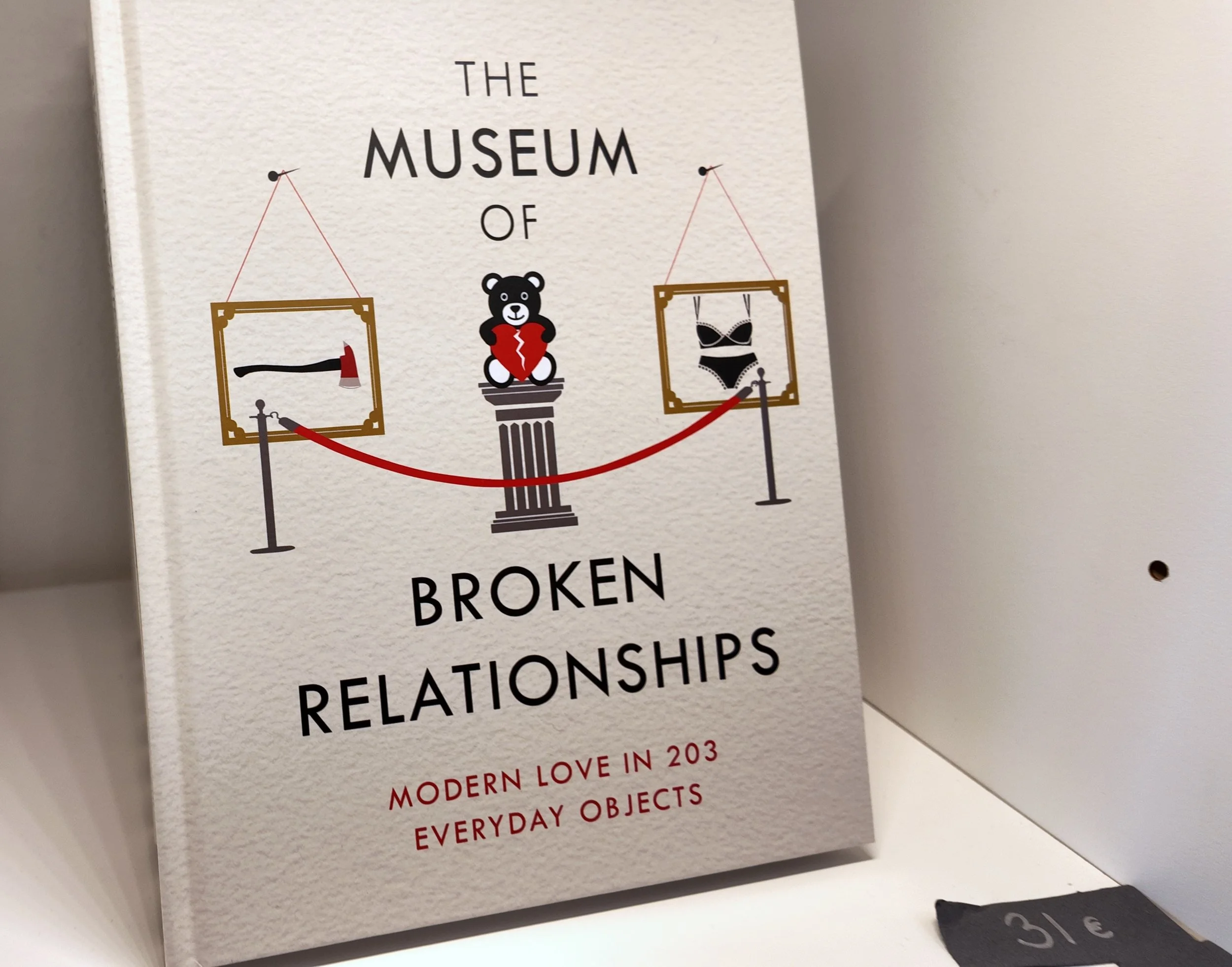
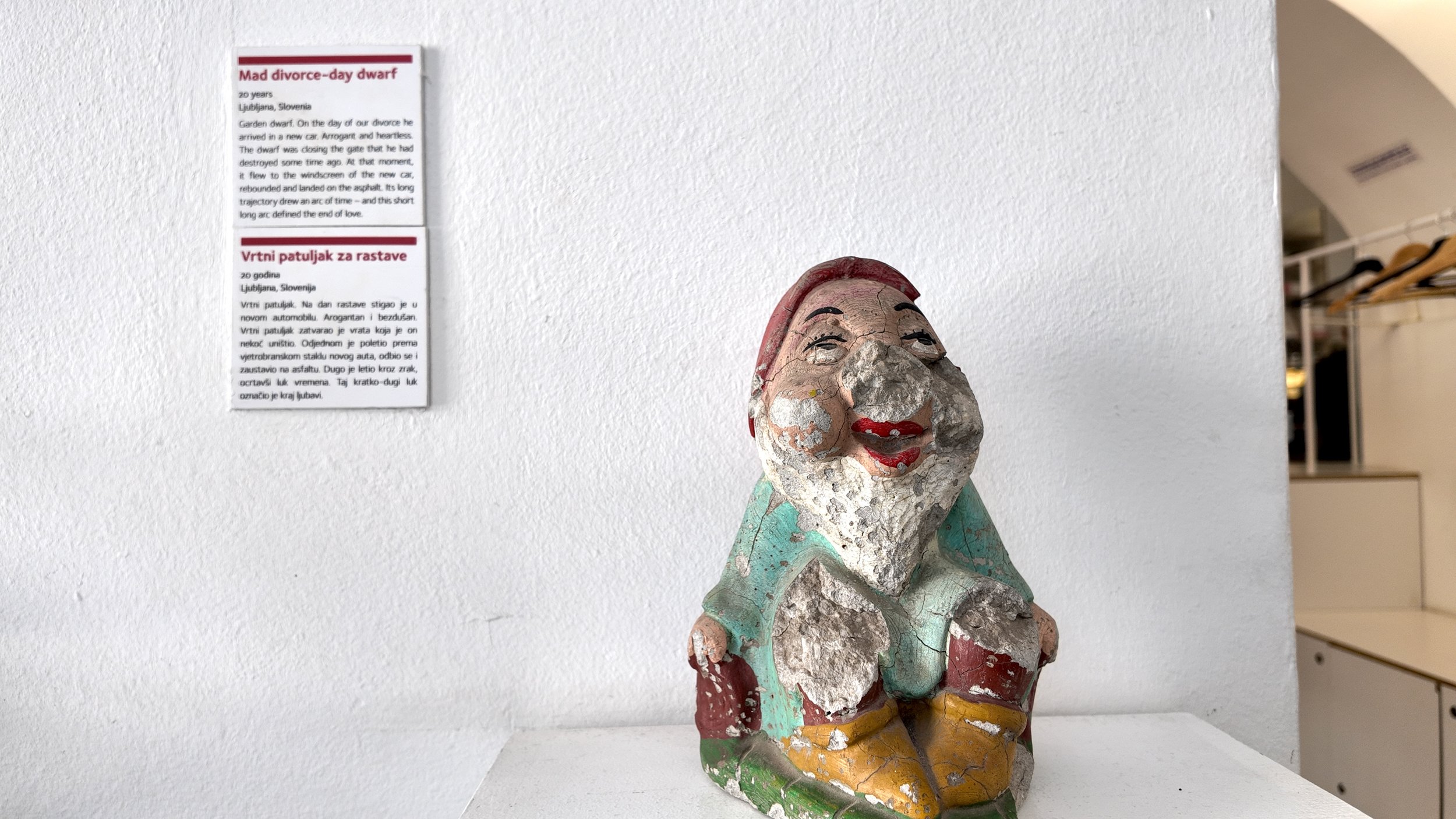
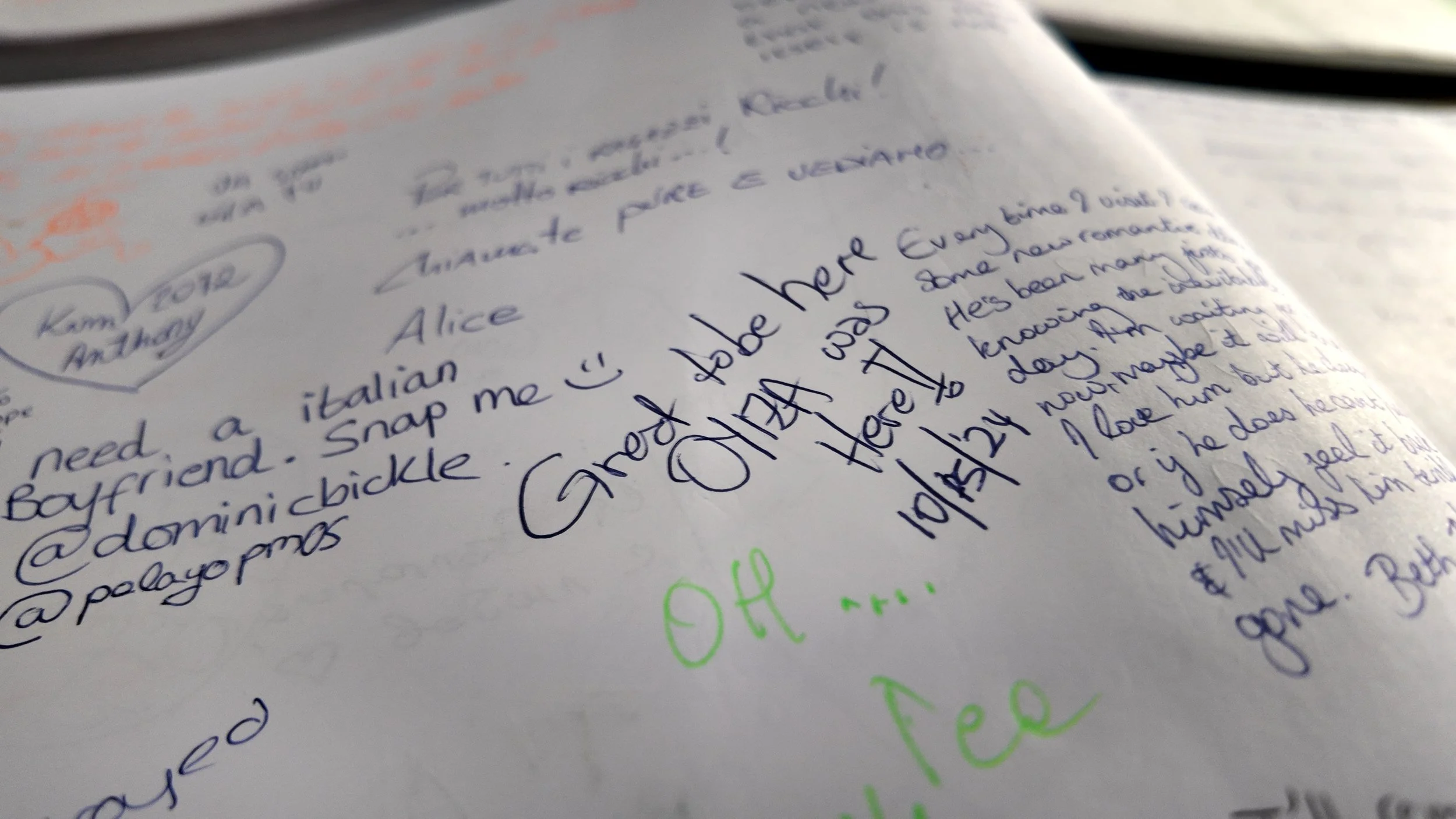
share this story
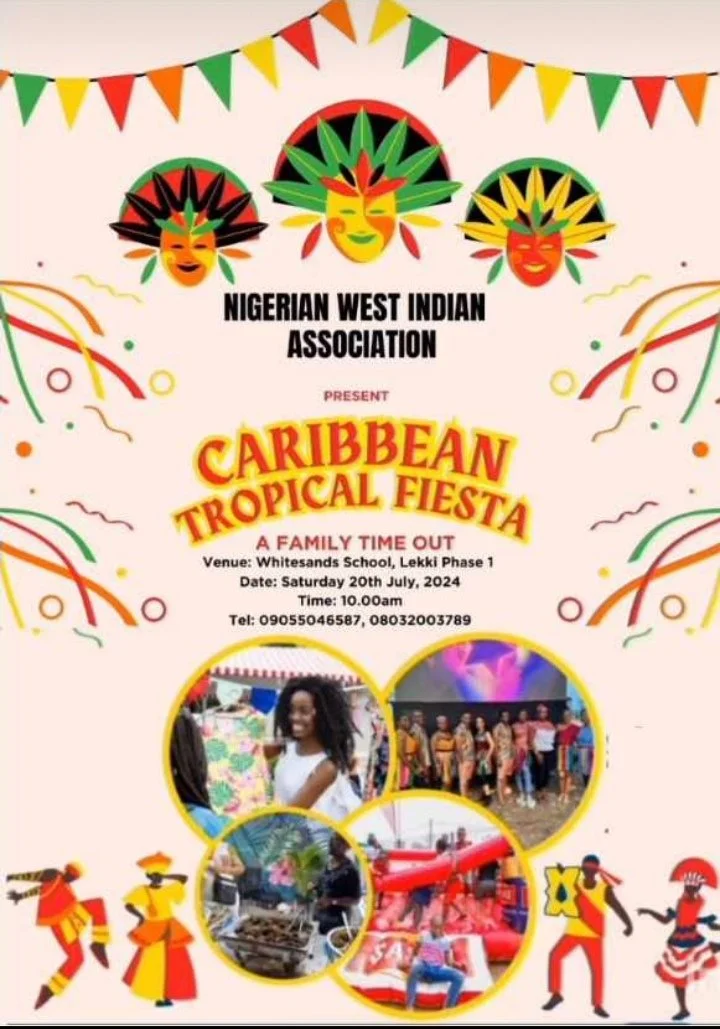
CARIBBEAN FIESTA 2024 IN LAGOS
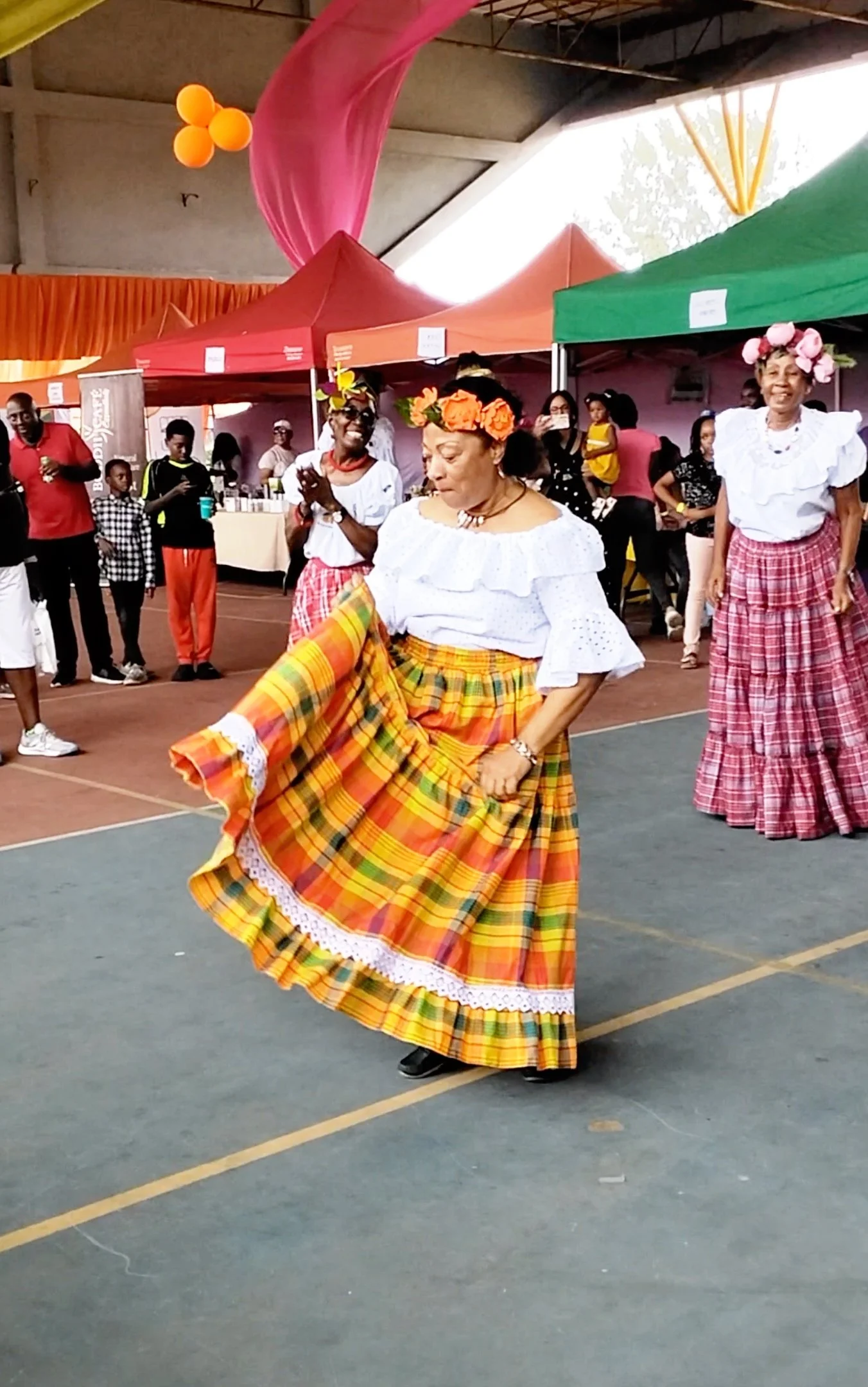
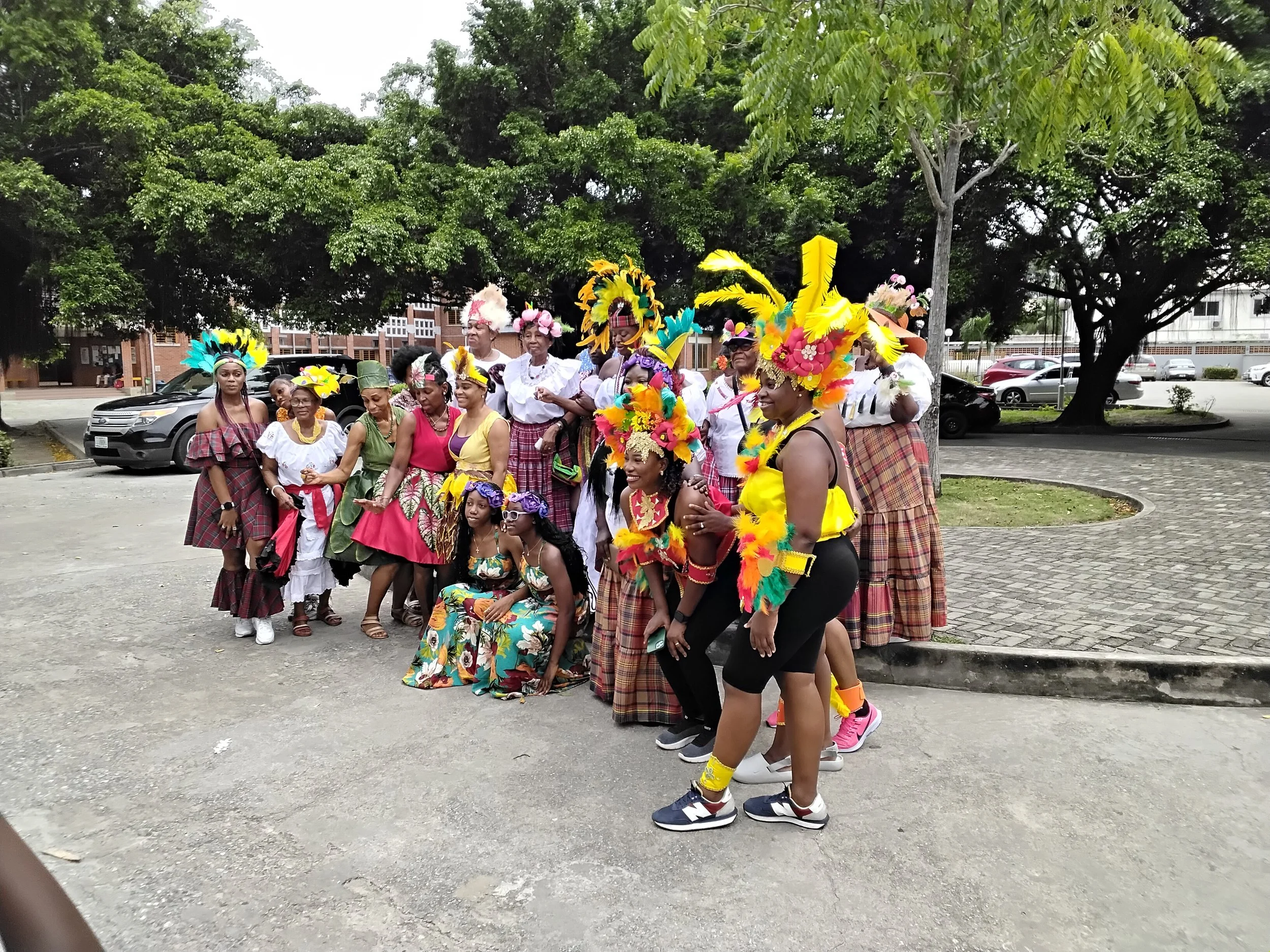
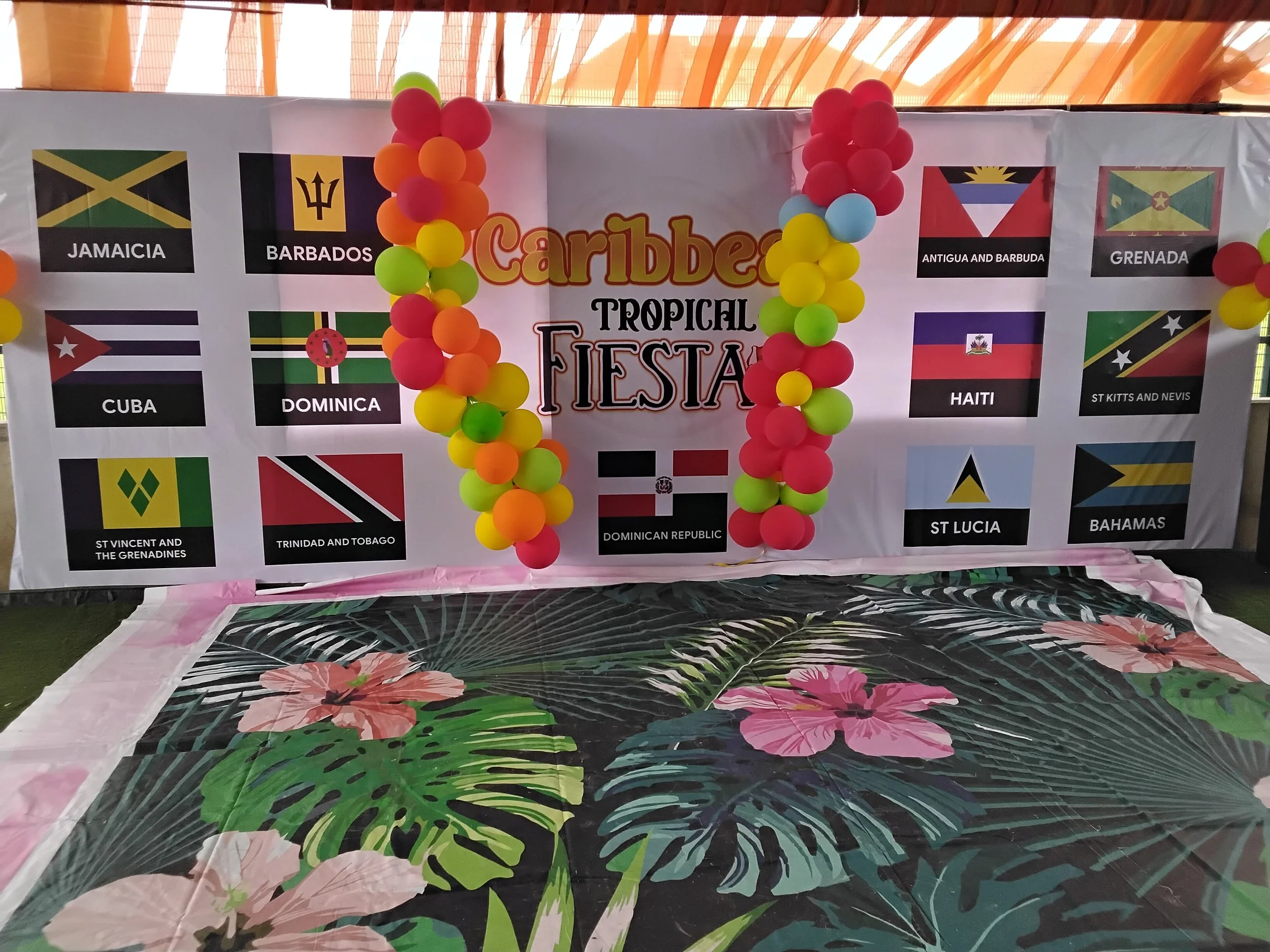
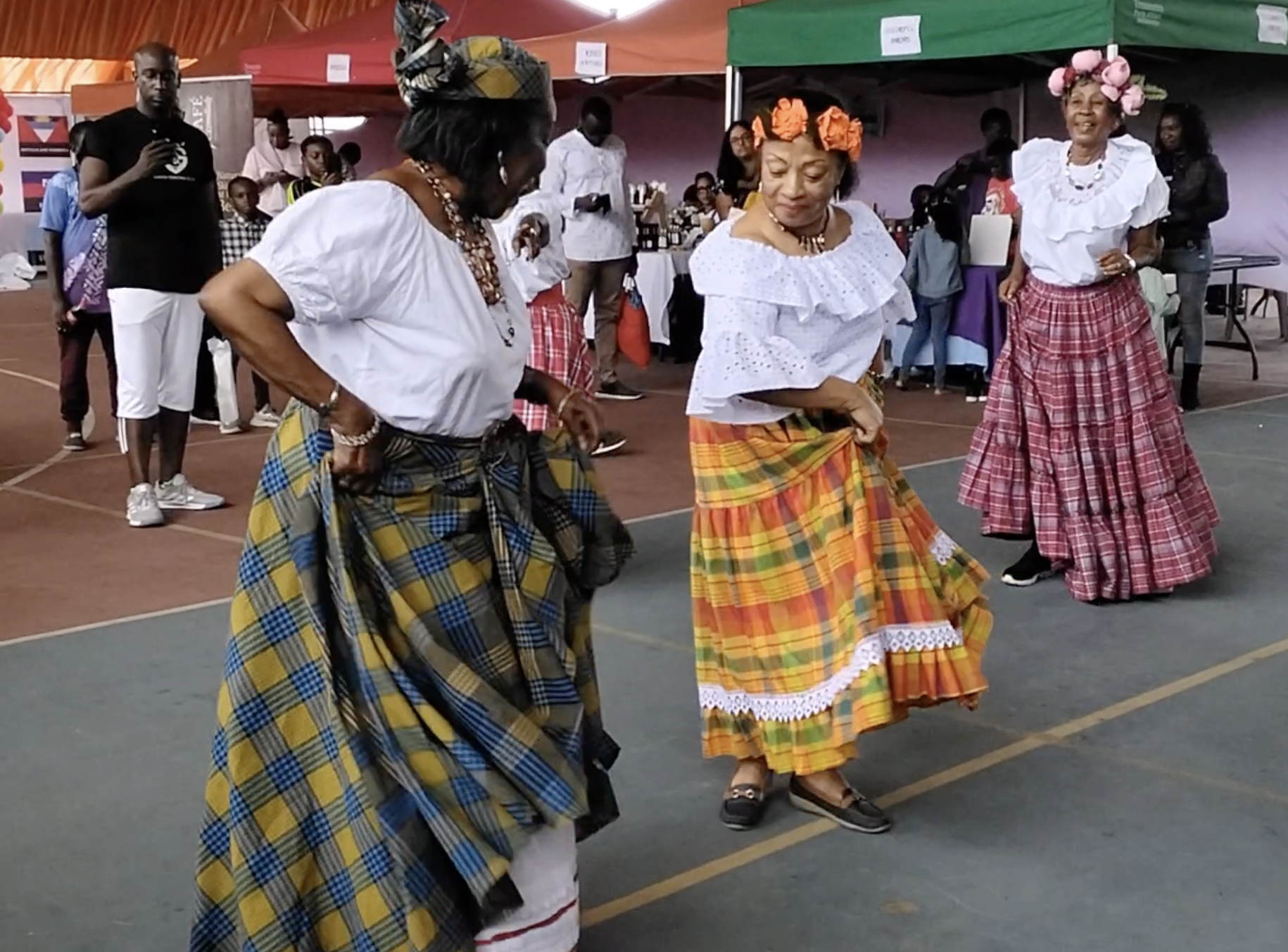
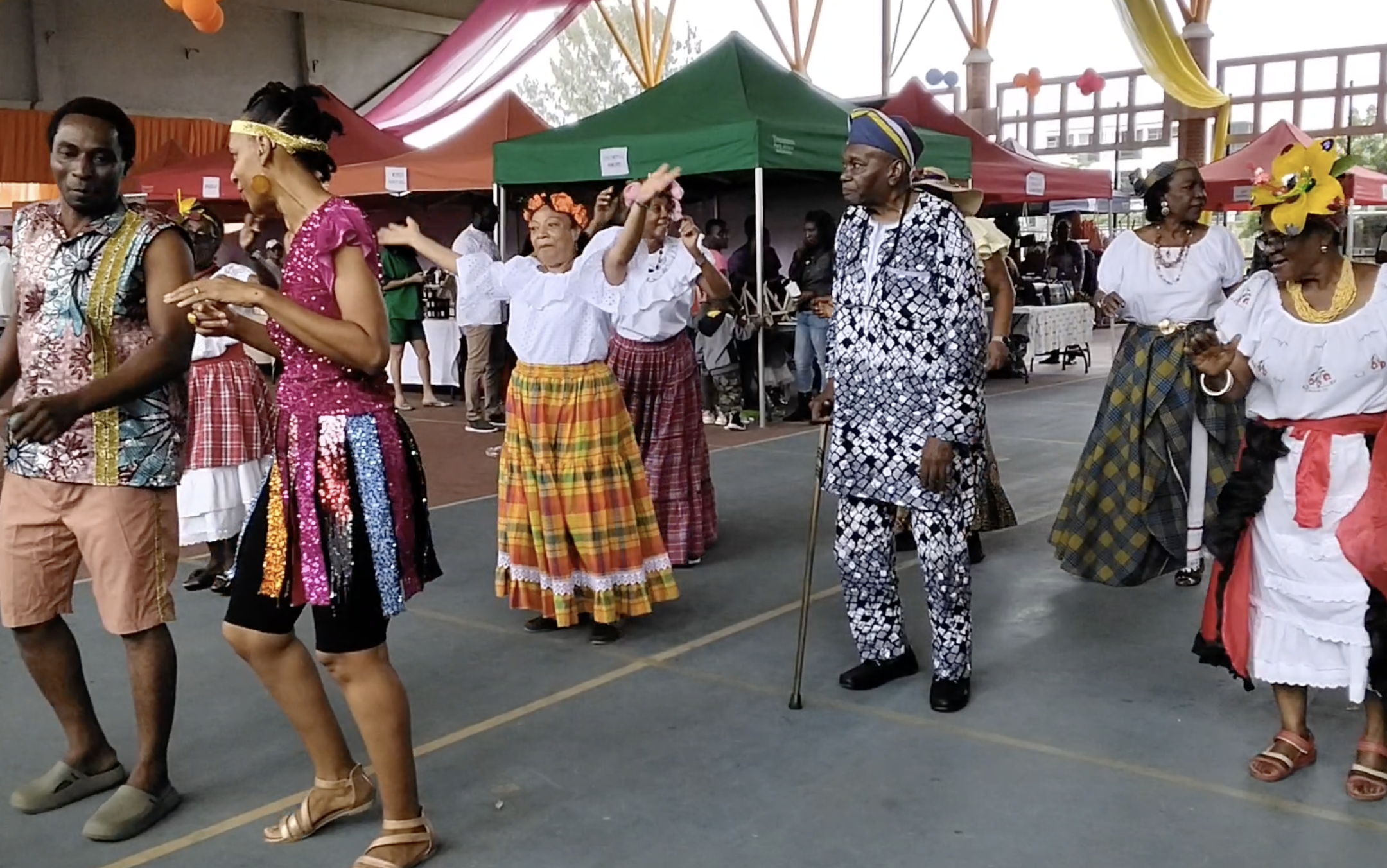
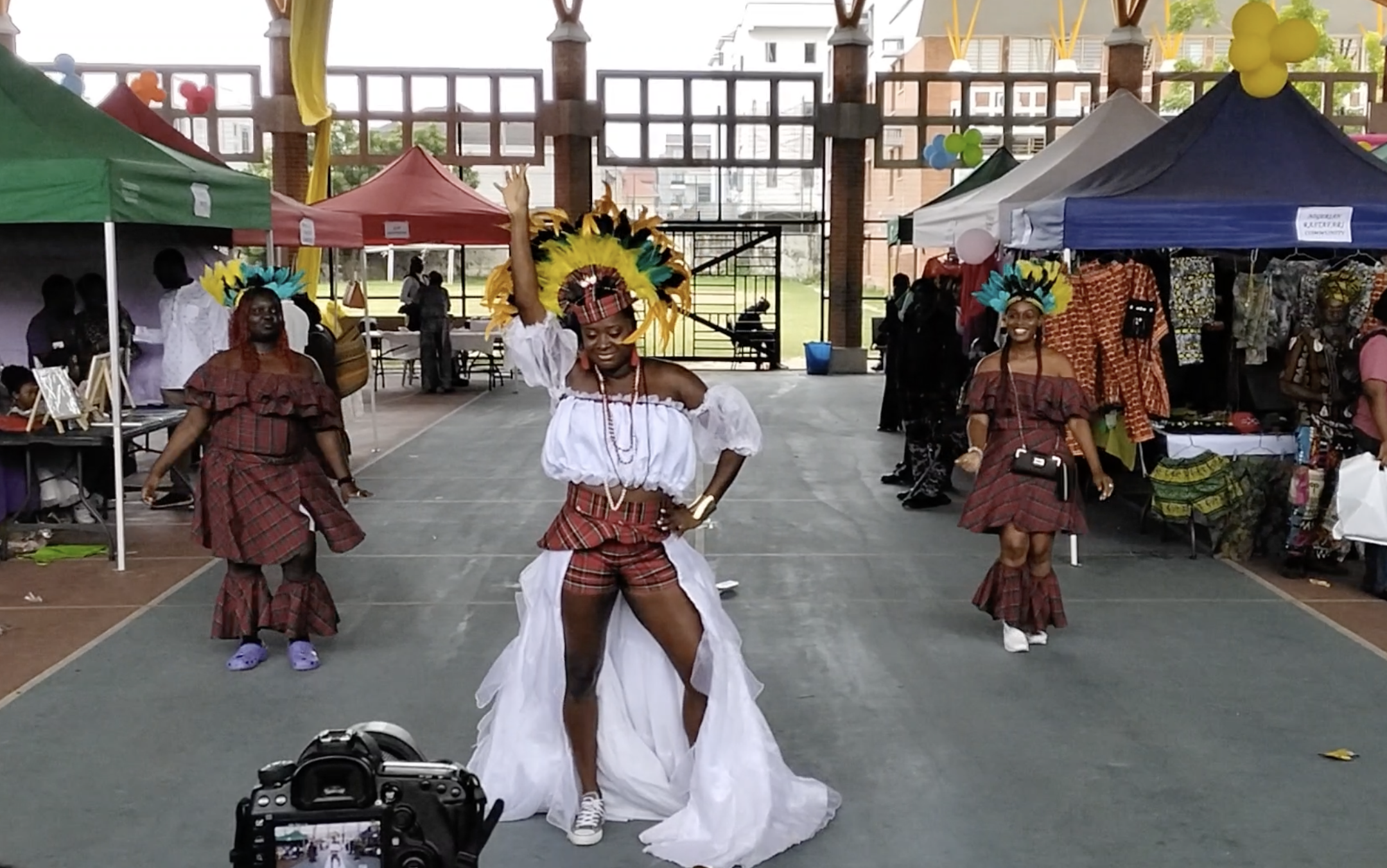
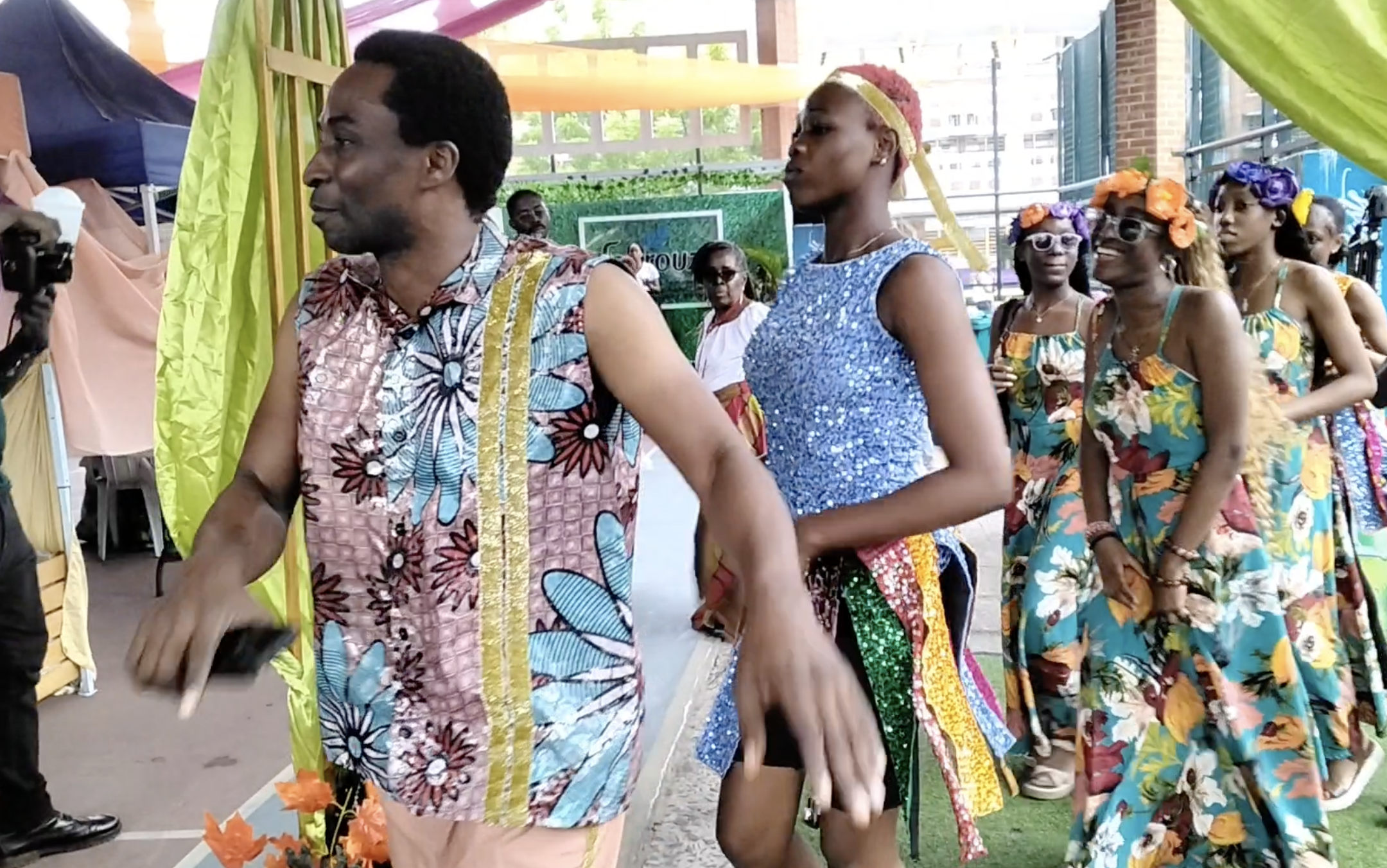
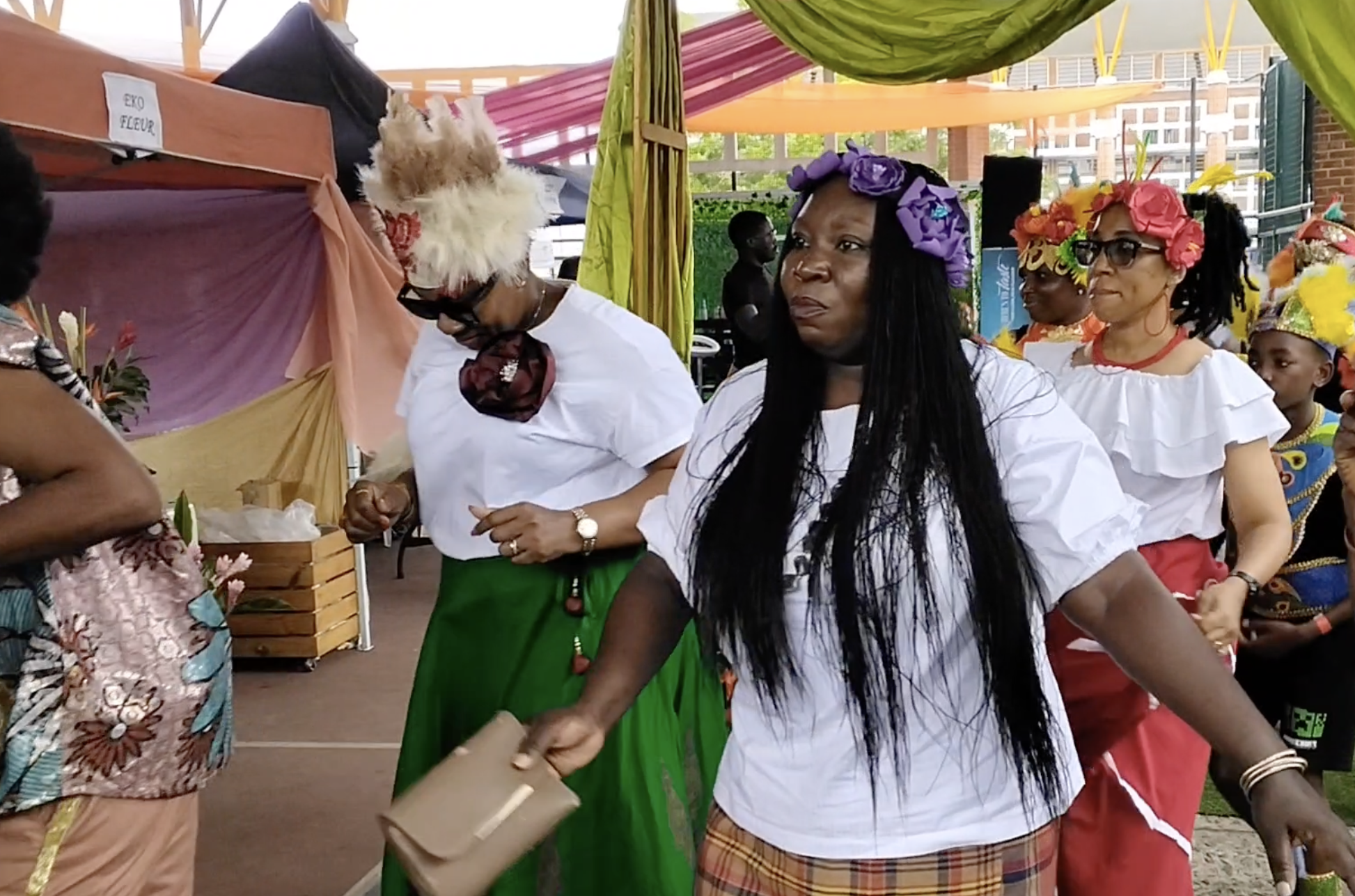
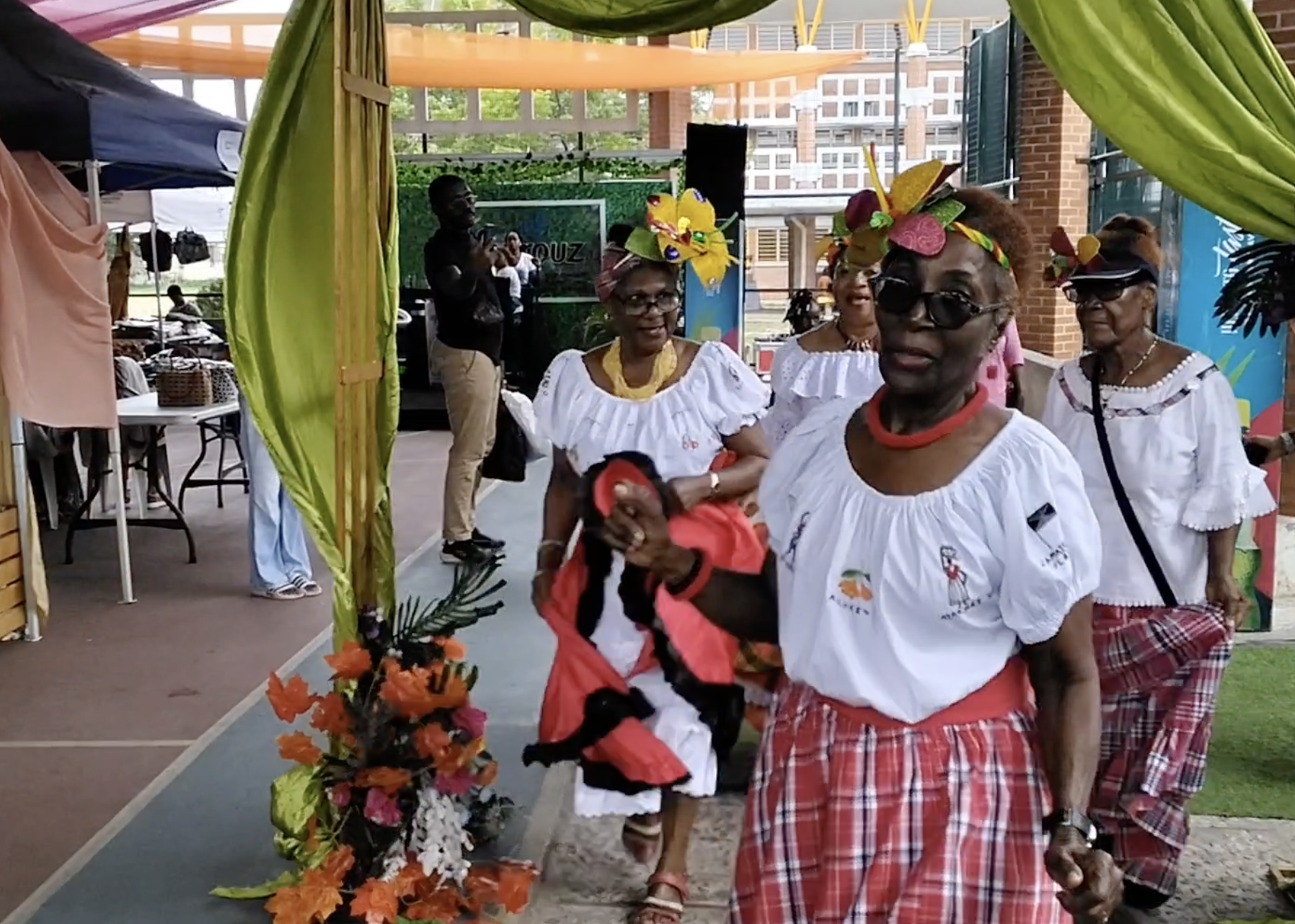
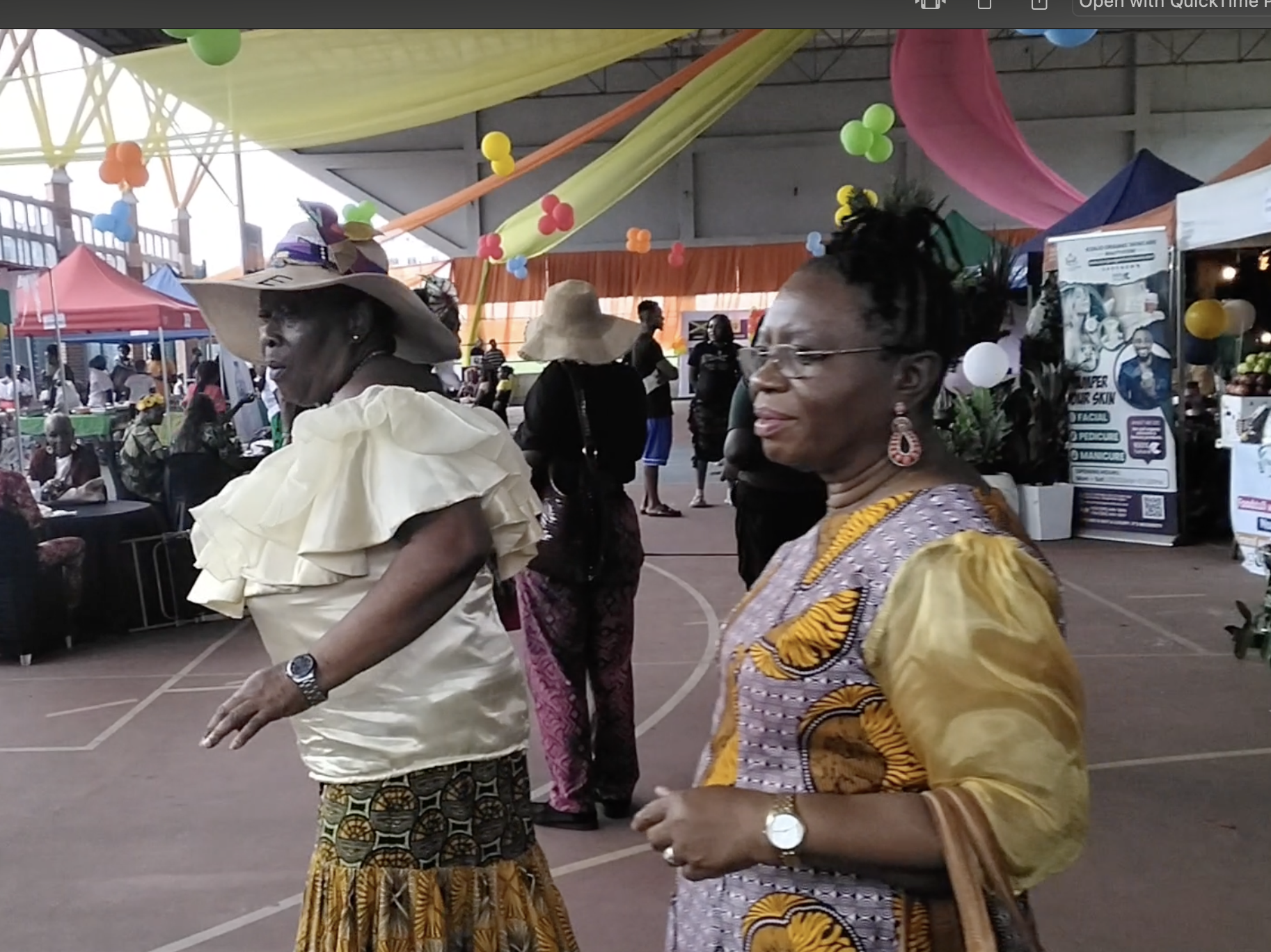
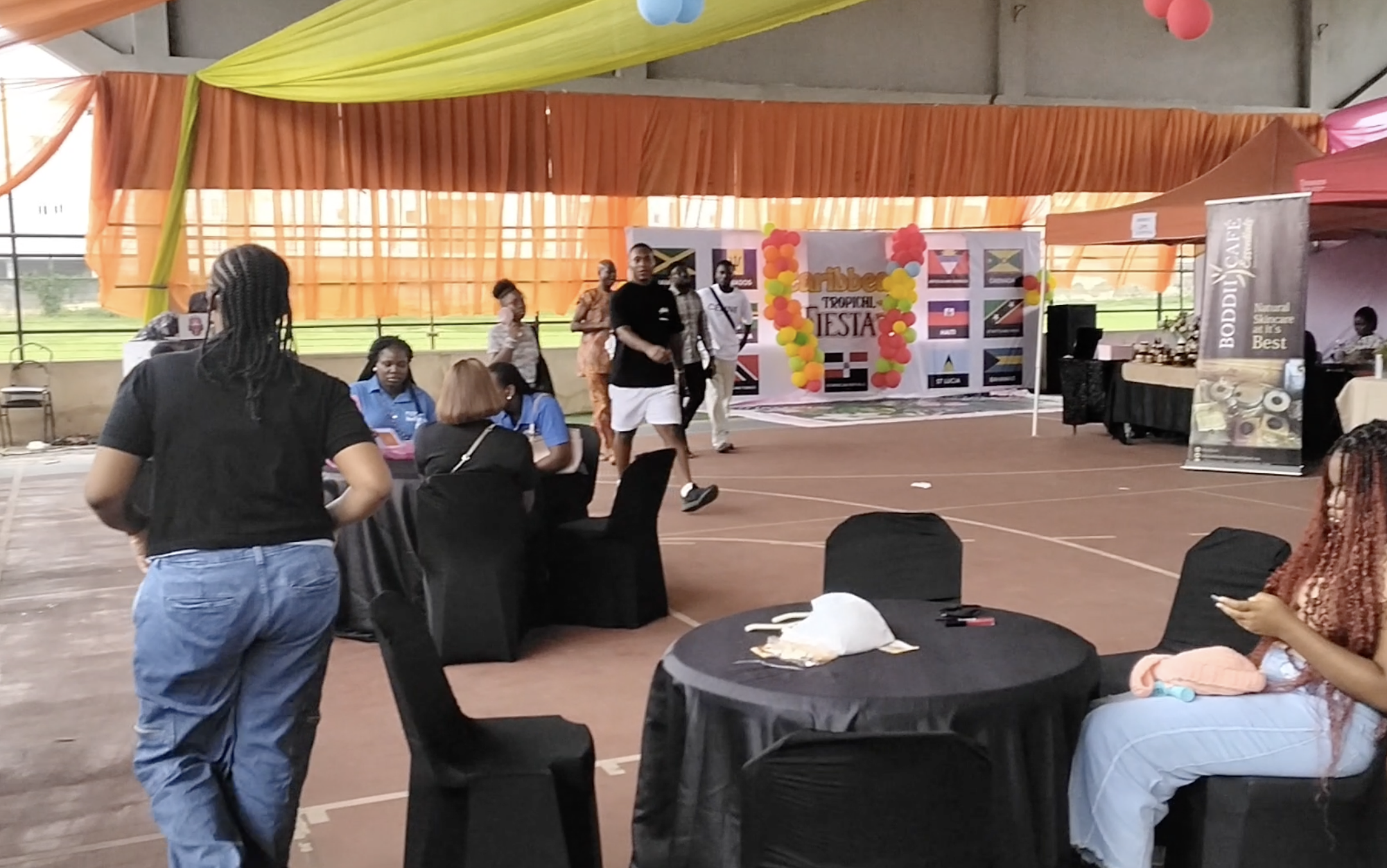
The long-anticipated Caribbean Tropical Fiesta 2024 hosted by Nigerian West Indian Association took place on Saturday the 20th of July at the Whitesands School in Lekki Lagos, Nigeria. The venue was colorful and the ambiance was nothing short of breathtaking.
By Patricia Igho - Lagos, Nigeria
The long-anticipated Caribbean Tropical Fiesta 2024 hosted by Nigerian West Indian Association took place on Saturday the 20th of July at the Whitesands School in Lekki Lagos, Nigeria. The venue was colorful and the ambiance was nothing short of breathtaking.
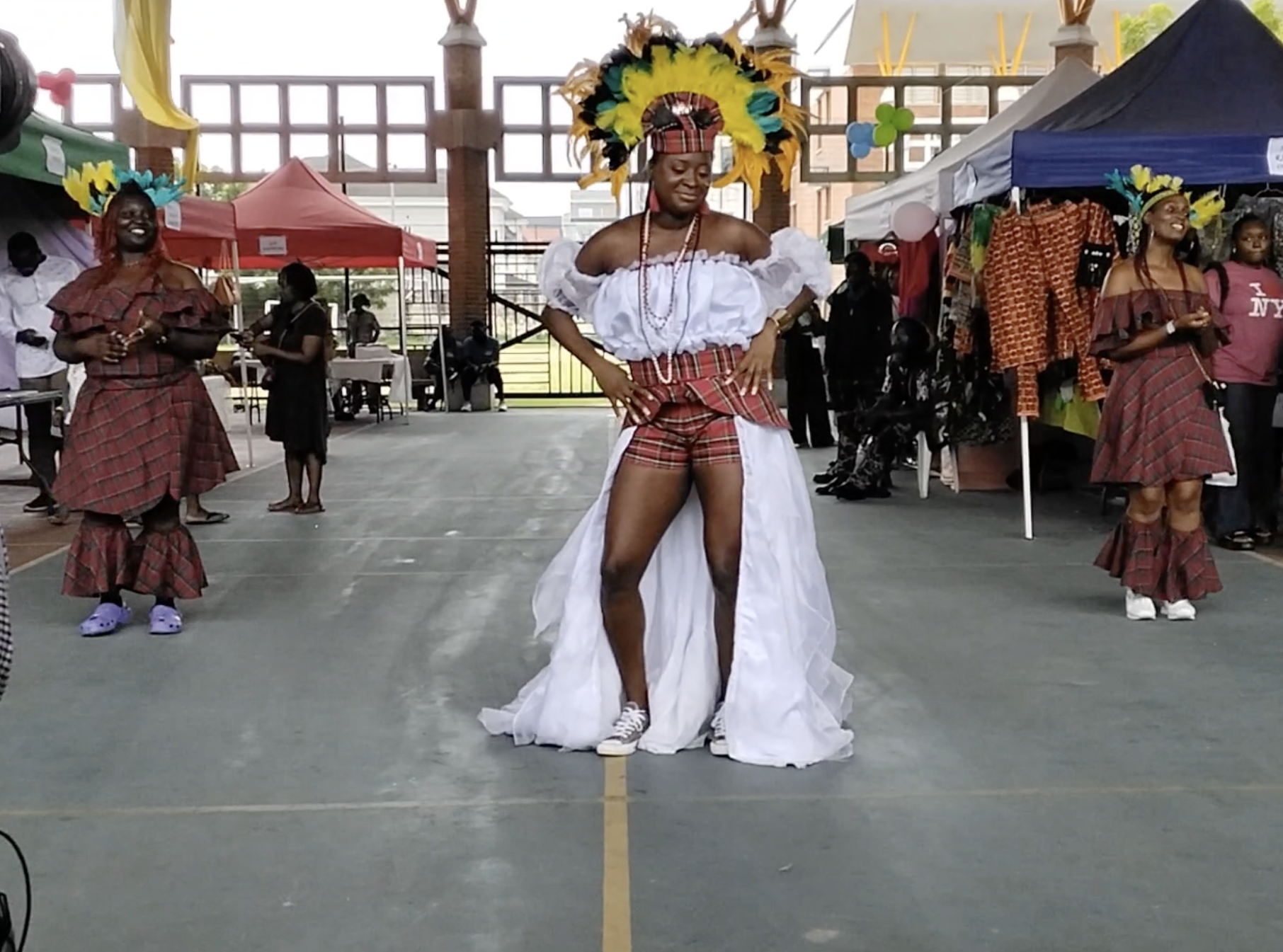
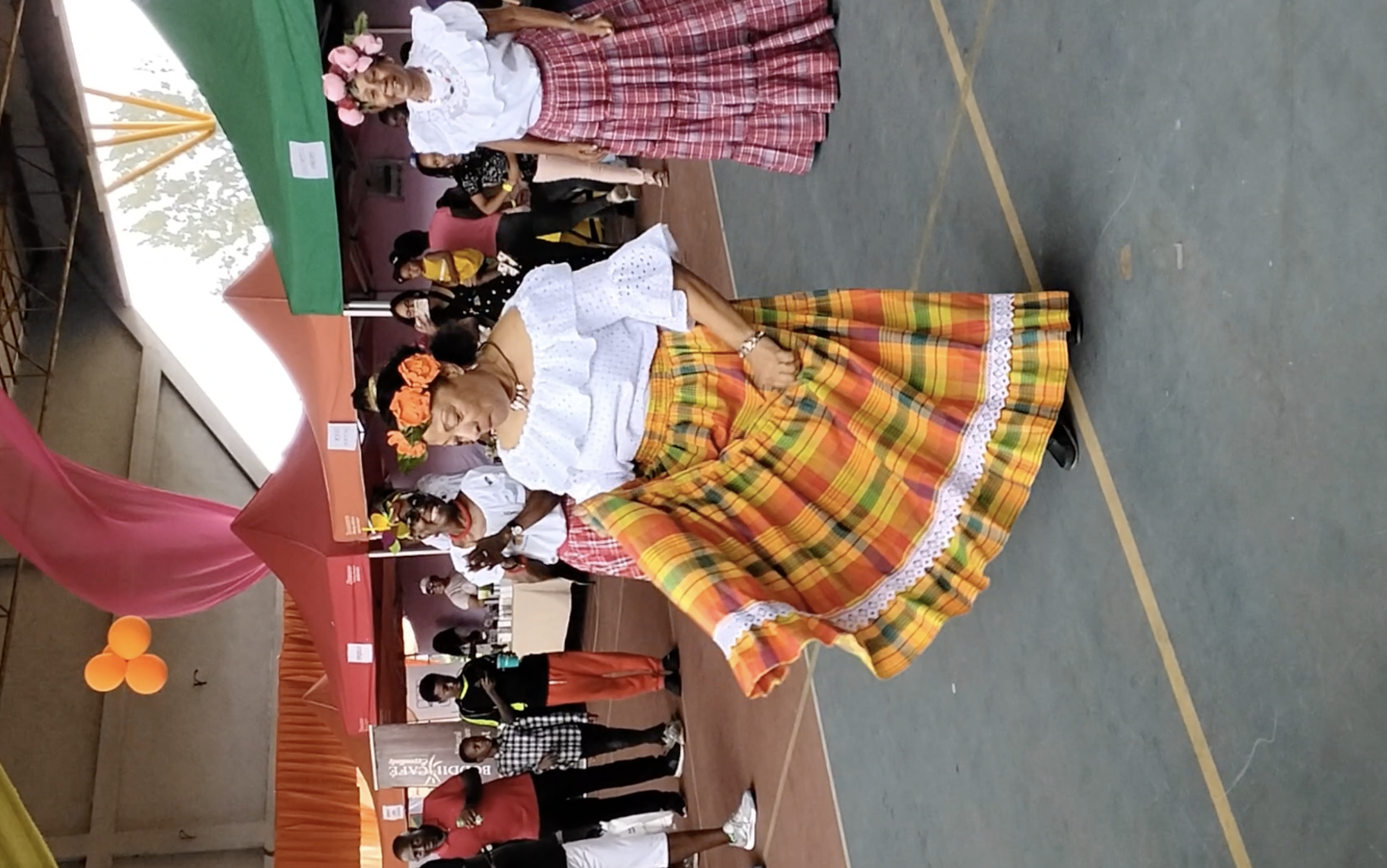
The bustling scenes took me down memory lane sometime in the early 1990s, when we would have yearly carnivals with different zones in Lagos, competing to win 'best costume' etc. Back then we had super talented 'aunties' who would make the glamorous costumes from scratch.
These gatherings organised by Caribbean wives of Nigerian men living in Nigeria, formed some of the most memorable times in my life. We would dance to calypso music all the way from our different zones at Tafawa Balewa Square on Lagos Island. Big brands like Coca-cola were consistent with their sponsorship.
Carnival as we knew it, came to an abrupt end in ‘92 due to some political issues in Nigeria I'd rather not revisit. It is a sad time when a culture is allowed to diminish or die.
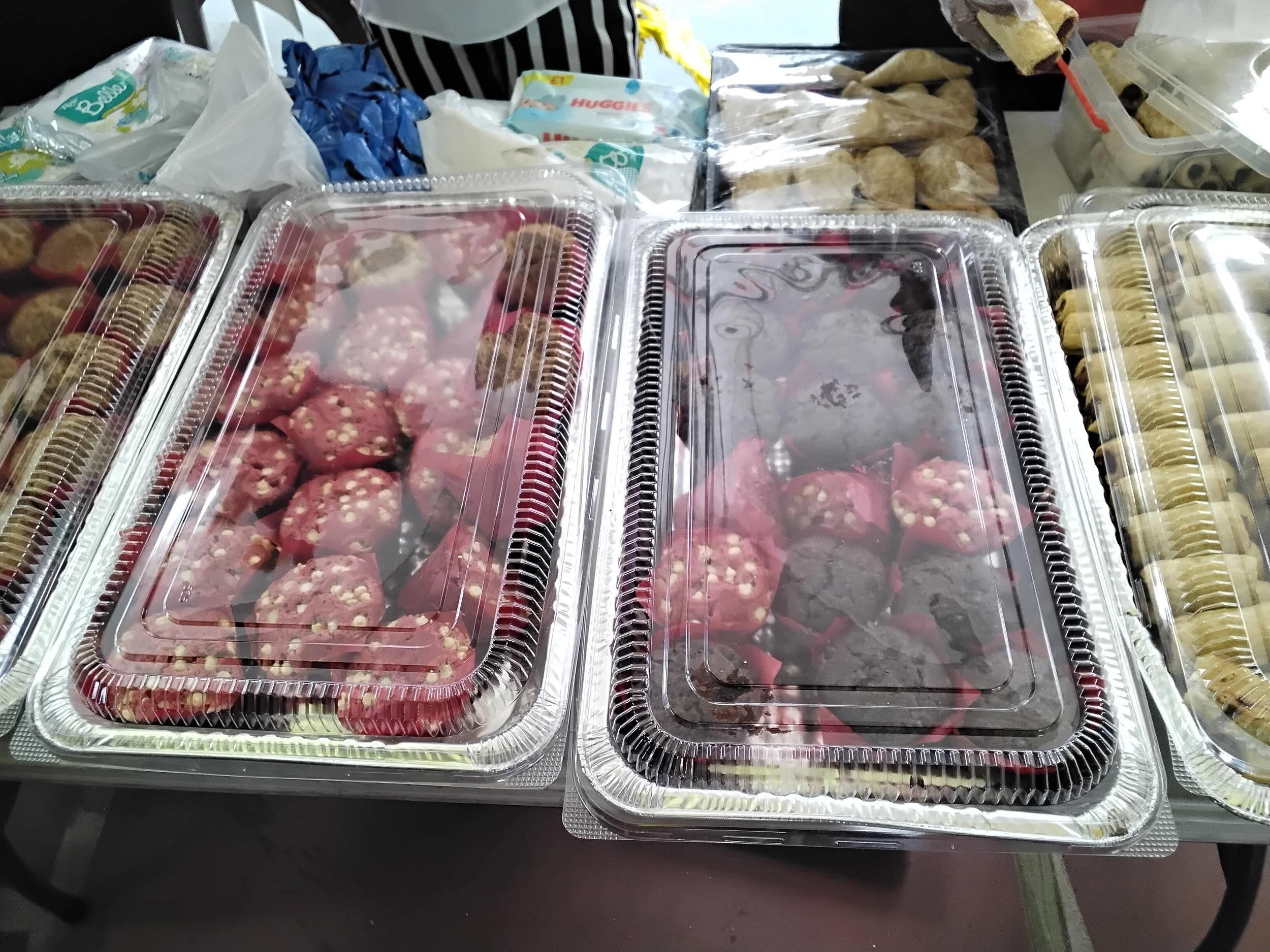
Mini fiestas however continued to hold at every opportunity during private meetings and gatherings of friends and family, weddings, funerals, birthdays, and who can forget the bazaars organised by our special ‘Aunties’. The aroma of delicious snacks and food filling the air. Many Island cultures are represented here in Lagos. Escovitch fish was my personal favorite.
Fast forward to 2024. After three decades and much deliberation, the Nigerian West Indian Association is considering bringing back the Carnival. A lot has happened in that time, some families have relocated, a lot of 'aunties' have lost their husbands and moved back to their Caribbean home countries. That's not to say that there's a scarcity of able hands. The next generation of children and grandchildren are getting the idea for continuation. This is not a culture we would like to be forgotten.
The fiesta was an opportunity for people to have a taste of West Indian culture. The venue was decorated with real colorful flowers. There were stalls all across the hall, with displays of food, clothing and spices to name a few. The venue buzzed with activities, dance, games, a raffle draw, as the sound of Soca music filled the air. I took note of a few veterans of Lagos, as they beamed with nostalgia.
The full day event slowly wound down as evening came. It was a success and plans are underway for another event later in the year.
Recommended Read
The NigerWives of Nigeria by Pat Oyelola is a book that documents the history, activities, experiences and lives of a group of foreign women who are married to Nigerian men and came together under the umbrella of their association, Nigerwives. Nigerwives was formed as an association to facilitate the smooth integration of foreign wives of Nigerians into Nigerian society, to provide friendship and support for one another, and to establish or assist in social projects that would benefit the Nigerian community.
Patricia Igho is of Nigeria/St. Vincent & The Grenadines parentage, and lives in Lagos.
Photos by Uzo Agafie

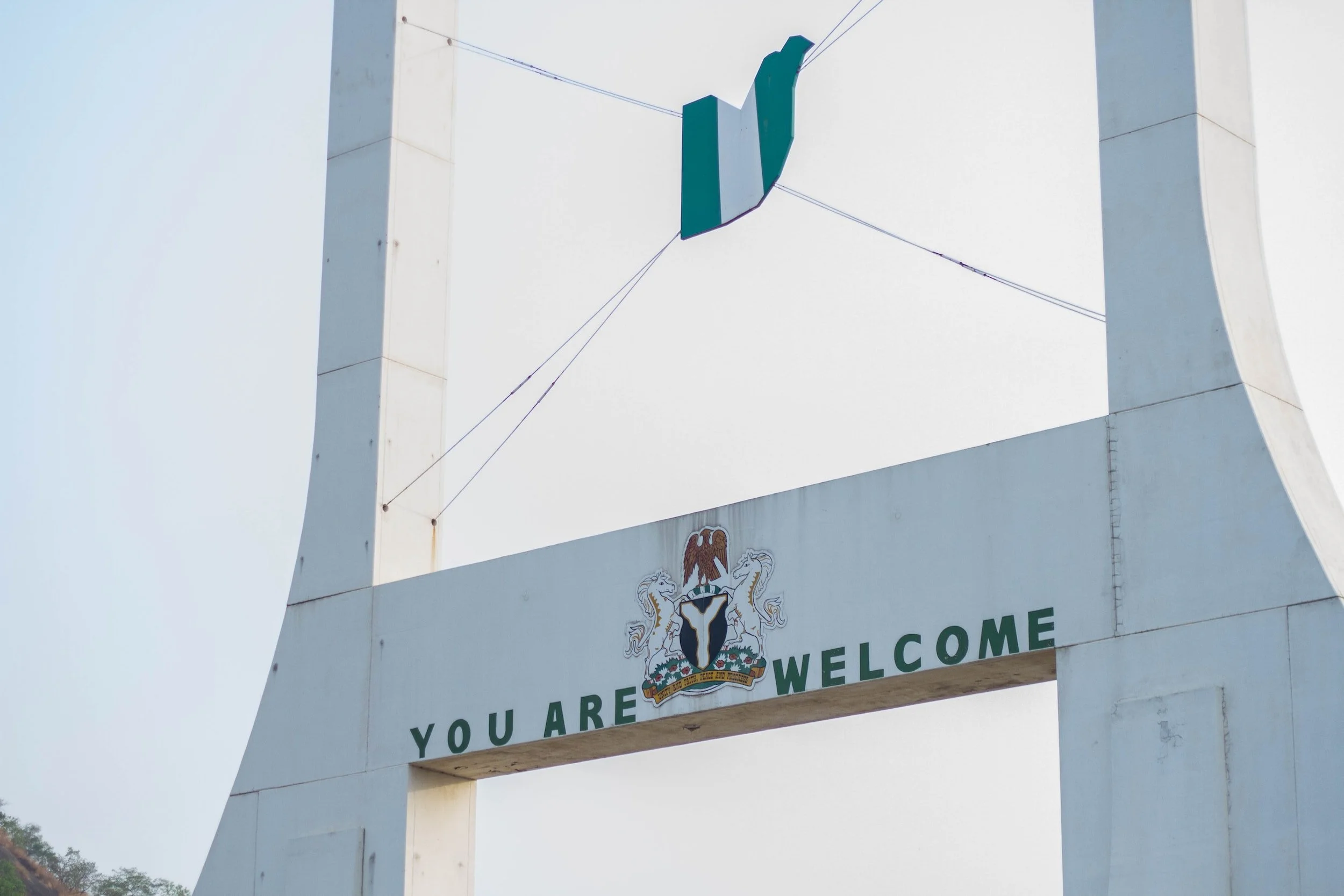
ANALYSIS - The U.S Terror Threat Report And Mass Evacuation from Nigeria
Washington D.C-based Human Rights lawyer, Emmanuel Ogebe provides analysis of the rcent U.S Travel advisory to Nigeria, in what he describes as ‘The Afghanistanization of Nigeria’.
Emmanuel OGEBE | US Nigeria Law Group, Washington D.C
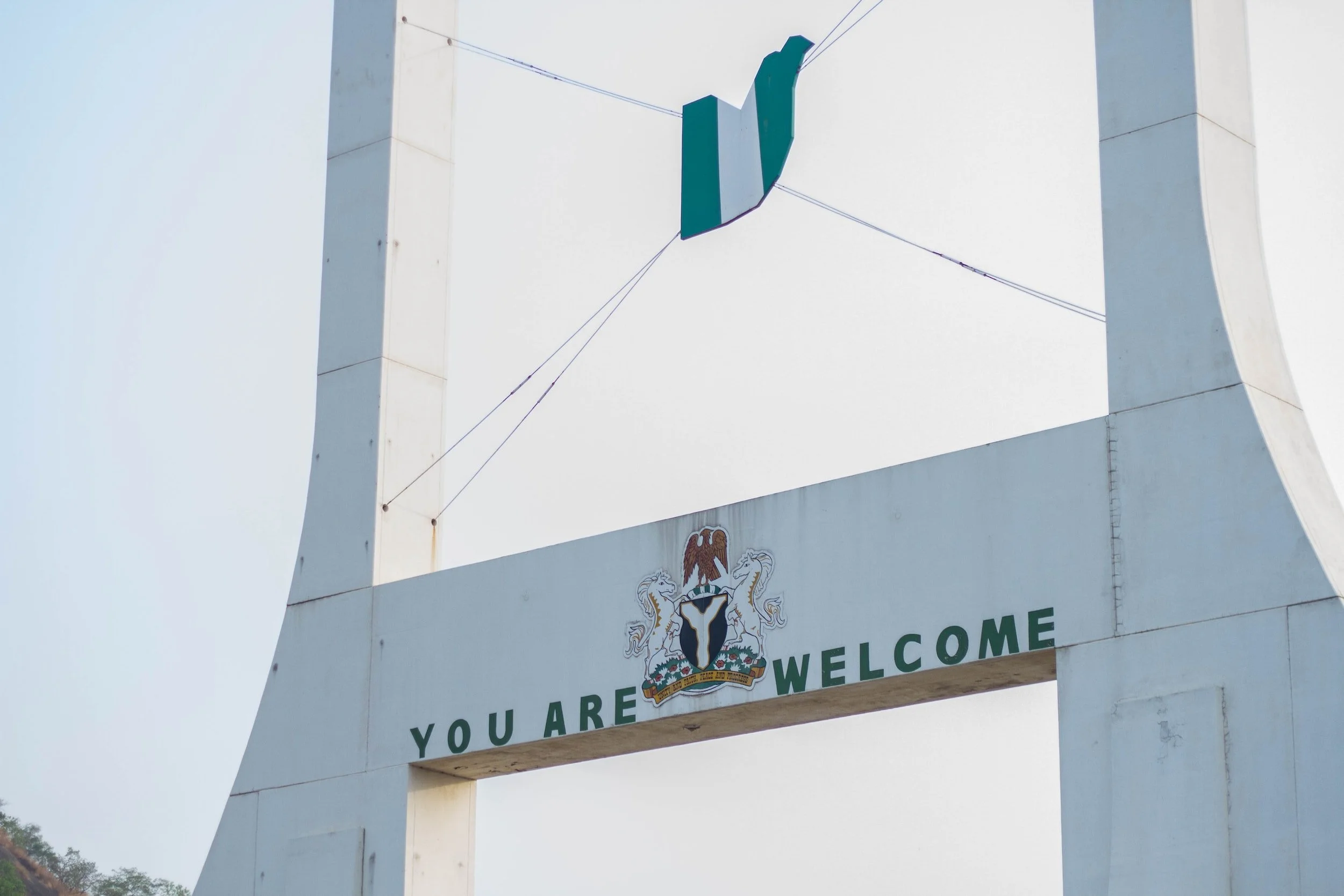
Insecurity in Nigeria
The U.S. Embassy in Nigeria recently elevated terror threat warning and ordered departure directives to its citizens. The following is an analysis of this incident.
Emmanuel Ogebe/Photo credit: Facebook
Washington D.C-based Human Rights lawyer, Emmanuel Ogebe provides analysis of U/S Travel advisory to Nigeria below, in what he describes as ‘The Afghanistanization of Nigeria’.
FACT-FINDING REPORT ON U.S. TERROR THREAT AND MASS EVACUATION FROM ABUJA - THE AFGHANISTANIZATION OF NIGERIA
During our recent humanitarian mission to Nigeria, our trip was prematurely truncated by the US embassy’s elevated terror threat warning and ordered departure directive.
The following is our report on this incident for purposes of sufficiently informing the general public to take appropriate care.
A. Immediate Causes of the terror alert: Failed and Foiled attacks
There were at least two immediate incidents that triggered the post-haste departure of Americans from the largest US embassy in Africa.
1.1 Failed attack - the first incident was the detection of an IED (Incendiary Explosive Device) which had been successfully deployed at a US diplomatic compound. Fortunately for the occupants, the bomb failed to detonate and so there was no casualty.
However there was sufficient alarm raised firstly that the terrorists were able to actually identify an unmarked US diplomatic compound and tactically deliver a bomb thereto.
The US alerted the Nigerian government, while forensic evaluation was in progress, to take serious action.
2. Foiled attack - subsequently Nigerian authorities busted a terror cell proximate to yet another larger US diplomatic compound in Abuja.
That terror cell had reportedly stockpiled bombs in readiness for the destruction of four churches also within its radius.
By this time, the forensic experts had concluded that the first IED recovered was lethal and that only poor construction had kept it from exploding.
Given this finding, the US authorities determined they could not rely on luck next time and having urged Nigeria to take stronger action as they did not want to pull out of the country, and not seeing a robust crackdown, ordered mass evacuation.
As an intelligence official said, “We have to be secure 100% of the time but the terrorists only need 1%.”
B. Remote Causes
1. Recent Fulani attacks on Westerners
Immediately prior to the bomb discovery incident, an American missionary was kidnapped by Fulani Herdsmen in the middlebelt.
According to our local partners who helped with hostage negotiations, her Fulani kidnappers said they were offered $20,000 to abduct a white person.
While this was not specific to Americans, Americans remain the highest number of western expatriates in most locations thus the statistical probability of getting an American is high.
Diplomatic security sources briefed us that on average an American is kidnapped every month. However this was taken to mean Nigerian American dual citizens. Thus the abduction of a white American female was unusual and especially alarming in north central Nigeria.
This is because of the international footprint of the Fulani kidnap franchise.
It will be recalled that an American missionary was kidnapped in the neighboring country of Niger only to be rescued later by American forces in Nigeria.
As Nigerian American professionals noted in a February 2021 letter to the US government:
“Secretary Blinken, the existential threat that the situation in Nigeria presents, of which the vicious Herdsmen militia’s atrocities are just a part, cannot be overemphasized.
It goes far beyond threats to the subregion.
SECURITY NOTICE – ELEVATED RISK OF TERROR ATTACKS – OCTOBER 23, 2022
Below are just a few instances of direct threats posed by Fulani militia to American and western allies:
1. In 2017, the first US military casualties in West Africa were caused by a Fulani terrorist who killed four US Green Berets in the nation of Niger in an ambush using cows. They were Staff Sgt. Bryan Black, 35; Staff Sgt. Jeremiah Johnson, 39; Staff Sgt. Dustin Wright, 29 and Sgt. La David Johnson, 25.
2. Also in 2017, two German Archeologists were abducted by Fulani Herdsmen in Kaduna state, Nigeria.
3. In 2018, four American and Canadian citizens were abducted in Nigeria’s Kaduna state by a Fulani group…
4. In 2019, A British Aidworker Faye Mooney who worked for American Humanitarian organization Mercy Corp was killed in Kaduna State as a Fulani group attempted to abduct her.
5. In 2020, barely three months ago, US Navy Seals rescued missionary Philip Walton from Nigeria where he was hidden by the Fulani group who abducted him in Niger.
6. In 2021 already, Nigerian American Dennis Abuda was killed the same week three Chinesemen were also abducted in southern Nigeria…
Hordes of Fulani militia from across the region, crisscross international borders at will, descending on innocent Christian communities in north central and southern Nigeria and against non-Fulani Muslims and Christians in northwest Nigeria leaving a trail of death, destruction, rape, mass displacement and food shortage.”
It is believed that Philip Walton was brought from Niger to be resold to ISWA in Nigeria pursuant to the existing operational collaboration between the Fulanis and Boko Haram jihadists. This likely occasioned the prompt military intervention of the US to rescue him before he landed in ISWA’s hands.
Ex-captives of ISWA confirmed to us that among their fellow hostages in the terror camps were women kidnapped in Chad and sold to Nigerian terrorists.
The recent killing of the Alqaeda kingpin Al-Zawahiri by a U.S. drone in Afghanistan has likely increased the threat to Americans abroad.
It will be recalled that ISWA executed 11 Nigerian Christians at Christmas 2019 to avenge America’s killing of ISIS leader al-Baghdadi.
It is noteworthy that Boko Haram was affiliated with Alqaeda before Alqaeda‘s condemnation of its 2014 Chibok schoolgirl mass abductions caused a realignment to ISIS.
2. Historical terror attacks on Americans
It is notable that American diplomats were present at both of the first suicide bombings by Boko Haram in the nation’s capital Abuja.
Given the entirety of the threat matrix, especially the fact that the terrorists were able to rescue their members from Kuje prison in the FCT, including the leader of the Ansaru terror sect that specializes in abduction and killing of westerners, it was inevitable that the US would have to take drastic measures to secure its citizens.
ANALYSIS
The mass evacuation of US Diplomats and family members by all available commercial flights and chartered flight was precipitous and unprecedented in Nigeria’s history.
It will be recalled that even during the Biafra civil war in the ‘60s, Americans remained in country including Peace Corp members until the Nigerian government ordered them out. Many of them are still living and hold reunion events in the US regularly.
It should be made clear that the current evacuation was not meant to embarrass Nigeria as is being claimed in some quarters.
The US gave Nigeria adequate notice to remedy the situation before embarking on the costly option of extracting American personnel and families out of Abuja. To underscore how serious the situation was, even pets of American personnel were evacuated. These included dogs and cats.
Secondly the US does not undertake such a massive logistical operation for the purpose of embarrassing a nation.
It is to be emphasized that even in the US right now, the government has issued an elevated security threat around next week’s midterm elections. Responsible nations prioritize security of their citizens and pets over propaganda.
The Afghanistan-style evacuation is to be taken seriously as an indicator that rather than secure the nation, the Buhari administration has brought Nigeria to the verge of Talibanization.
It is instructive that the two times in recent history that the Americans came close to evacuation both involved Gen. Buhari.
In 2015, American diplomats were on standby for evacuation over concerns of a repeat of the 2011 Post-Election Violence orchestrated by Buhari’s supporters if he lost the election. The concession by President Jonathan defused the tension.
This time, rather than remain in the country to give a vote of confidence in his security apparatchik, Buhari absconded from Nigeria ostensibly to attend a vaccine conference in Korea, returned and then promptly departed on a two-week holiday to England.
Finally even the COVID pandemic evacuation of all US embassies worldwide was not as sudden as last week’s evacuation. Even then some diplomats who elected to remain in Nigeria were permitted to do so.
CONCLUSION
We urge Gen. Buhari to return home and cancel all further overseas trips so he can frontally face the insecurity at home. It is unconscionable that he departed without having the decency to empower Vice President Osinbajo as acting president. Even the terror command structure is better organized.
We urge the US government to take seriously our repeated concerns about religious extremism and persecution in Nigeria that has metastasized to the point that American diplomats have now become Internationally Displaced Persons and to reinstate Nigeria’s CPC status. This evacuation is the unfortunate destination point of years of deceptive policy positioning. It is not too late to reverse course.
We commend humanitarians such as the ransomed American missionary who declined our offer of evacuation to the US due to her lifelong commitment to Nigeria.
We urge the Nigerian public to be vigilant and defend themselves as those for peace significantly outnumber those for terror.
Emmanuel OGEBE is a Human Right Lawyer with US Nigeria Law Group in Washington D.C
Share this story
NIGERIA SECURITY ALERT - TRAVEL NOT RECOMMENDED FOR U.S CITIZENS
The Travel Advisory for Nigeria has been updated due to a heightened risk of terrorist attacks in Abuja, and travel to Abuja is NOT recommended for U.S. citizens at this time.
Africa-Related | New York
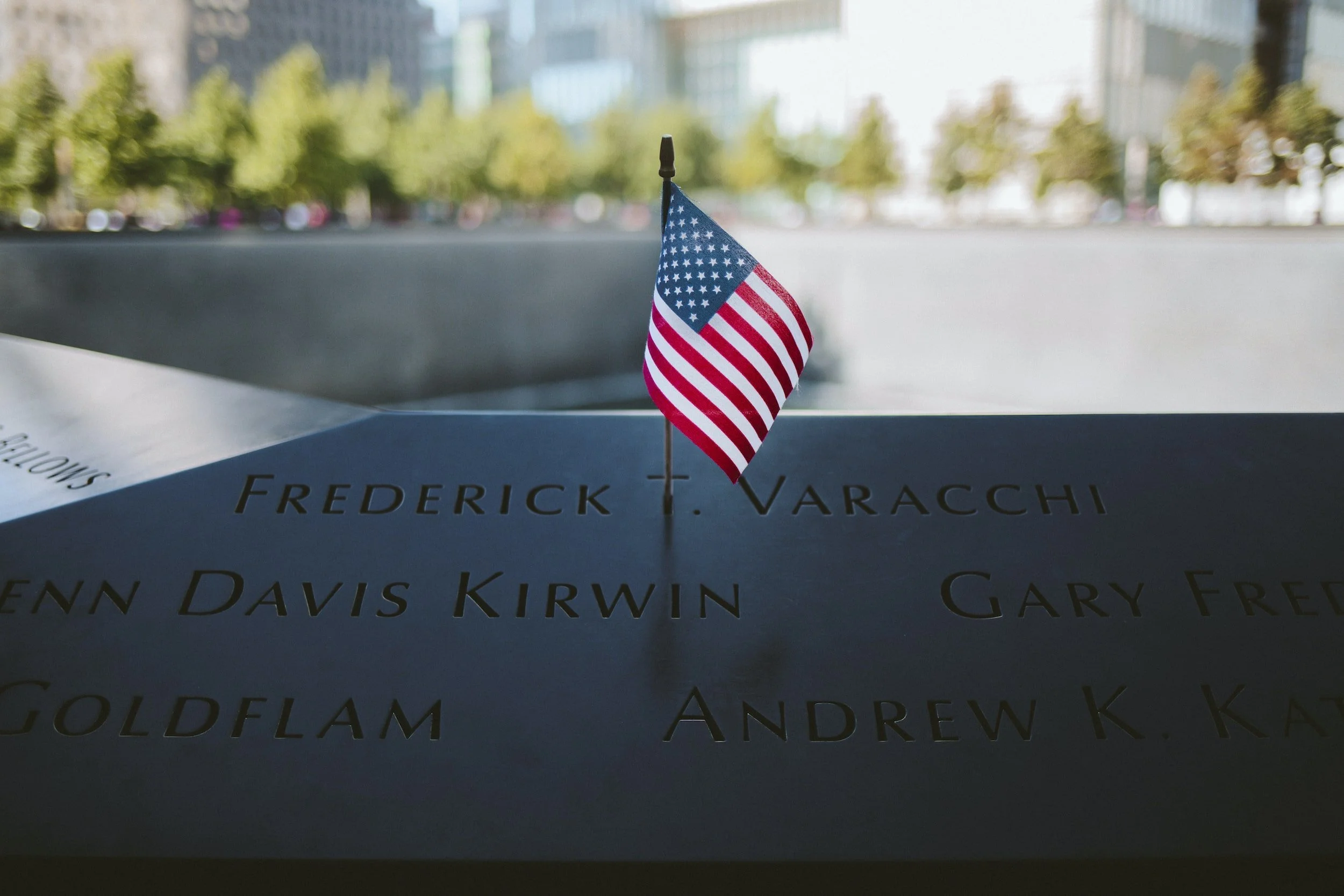
Threats Of Terrorism
The Travel Advisory for Nigeria has been updated due to a heightened risk of terrorist attacks in Abuja, and travel to Abuja is NOT recommended for U.S. citizens at this time.
The United States Mission in Nigeria issued a security alert to its citizens against travel to Nigeria. Here is what you need to know:
Location: Abuja Federal Capital Territory (FCT), Nigeria
Event: The Travel Advisory for Nigeria has been updated due to a heightened risk of terrorist attacks in Abuja. We recommend U.S. citizens do not travel to Abuja at this time. In addition, on October 27, 2022, the Department ordered the departure of family members of U.S. government employees from Abuja due to heightened risk of terrorist attacks, following on the October 25 authorization of departure of non-emergency U.S. government employees and family members from Abuja due to heightened risk of terrorist attacks.
U.S. citizens should consider departing Abuja using available commercial options. U.S. citizens who wish to depart but are unable to secure commercial options to do so can contact the U.S. Consulate in Lagos at LagosFM@state.gov for assistance.
The U.S. Embassy Abuja is only able to provide emergency assistance to U.S. citizens in Abuja. The U.S. Consulate General in Lagos is providing all routine and emergency services to U.S. citizens in Nigeria. U.S. Citizens in Nigeria who require assistance should contact LagosACS@state.gov or +234 1 460 3410.
If you decide to travel to Nigeria:
Carry proper identification, including a U.S. passport with a current Nigerian visa, if needed.
Use caution when walking or driving at night.
Keep a low profile.
Review travel routes and times to vary your predictability.
Monitor local media for breaking events and be prepared to adjust your plans.
Be aware of your surroundings.
Stay alert in locations frequented by Westerners.
Avoid demonstrations and large political gatherings.
Review your personal security plans.
Have evacuation plans that do not rely on U.S. government assistance.
Establish a “proof of life” protocol with your loved ones, so that if you are taken hostage, your loved ones know specific questions (and answers) to ask the hostage-takers to be sure that you are alive (and to rule out a hoax).
Enroll in the Smart Traveler Enrollment Program (STEP) to receive alerts and make it easier to locate you in an emergency.
Obtain comprehensive medical insurance that includes medical evacuation.
Follow the Department of State on Facebook and Twitter.
Review the Country Security Report for Nigeria.
Prepare a contingency plan for emergency situations. Review the Traveler’s Checklist .
Visit the CDC page for the latest Travel Health Information related to your travel.
Read the Department of State’s COVID-19 page before you plan any international travel, and read the Embassy COVID-19 page for country-specific COVID-19 information.
Assistance:
U.S. Embassy Abuja, Nigeria
Plot 1075 Diplomatic Drive, Central District Area
+234 (9) 461-4328 and after hours +234 (9) 461-4000 press zero
AbujaACS@state.gov
U.S. Consulate General Lagos
2 Walter Carrington Crescent, Victoria Island
+234 (1) 460-3400 during business hours and after-hours
LagosACS@state.gov
State Department – Consular Affairs
888-407-4747 or 202-501-4444
Enroll in the Smart Traveler Enrollment Program (STEP ) to receive Alerts.
Follow USinNigeria on Twitter and Facebook
Main Photo: Anthony Formin @aginbrook
US in Nigeria Twitter Photo
Share this story

US VISAS: State Department Gives Post-Pandemic Update
The US State Department briefed journalists on recent measures taken to combat post-pandemic visa backlog at consular posts overseas. Some of the measures include the global visa approach, whereby applicants can apply for U.S visas anywhere in the world.
By Oyiza Adaba | Africa-Related New York
“Applicants can apply anywhere in the world where there’s an appointment available.”

The Deputy Assistant Secretary for Visa Services, Julie Stufft provided an update to members of the foreign press on the current status of visa processing and services at the U.S Consular sections overseas. The pandemic, no doubt impacted the world’s travel
“Right now the wait time for routine visa appointments at half of our overseas posts is less than four months and at some posts is actually far, far shorter than that.
- Julie Stufft, Deputy Assistant Secretary for Visa Services -
She however stressed that the State department is viewing the visa workload globally, and that Consular posts worldwide are experiencing a faster recovery than initially expected. She highlighted some of the measures taken to meet visa demands and reduce the backlog. They include:
Waiving in-person interviews;
Upgraded Staffing and ‘doubled consular hiring’;
Remote/Virtual Adjudication processes leading to more visa adjudications ‘this year than in the past six years’;
Expedited visa appointment for business travel, urgent humanitarian or medical travel;
Increased number of visas to Temporary Workers (including agricultural workers) and Student categories;
Global Visa approach where applicants can apply in any U.S consulate, and not necessarily in their country of origin.
“… if an applicant is in a country with a long wait time, that applicant go to another post… and this has really been successful for thousands of visa applicants this year.
- Julie Stufft, Deputy Assistant Secretary for Visa Services -
What has been your post-pandemic experience at the U.S Consulate in your country?
See transcript here
Share this story
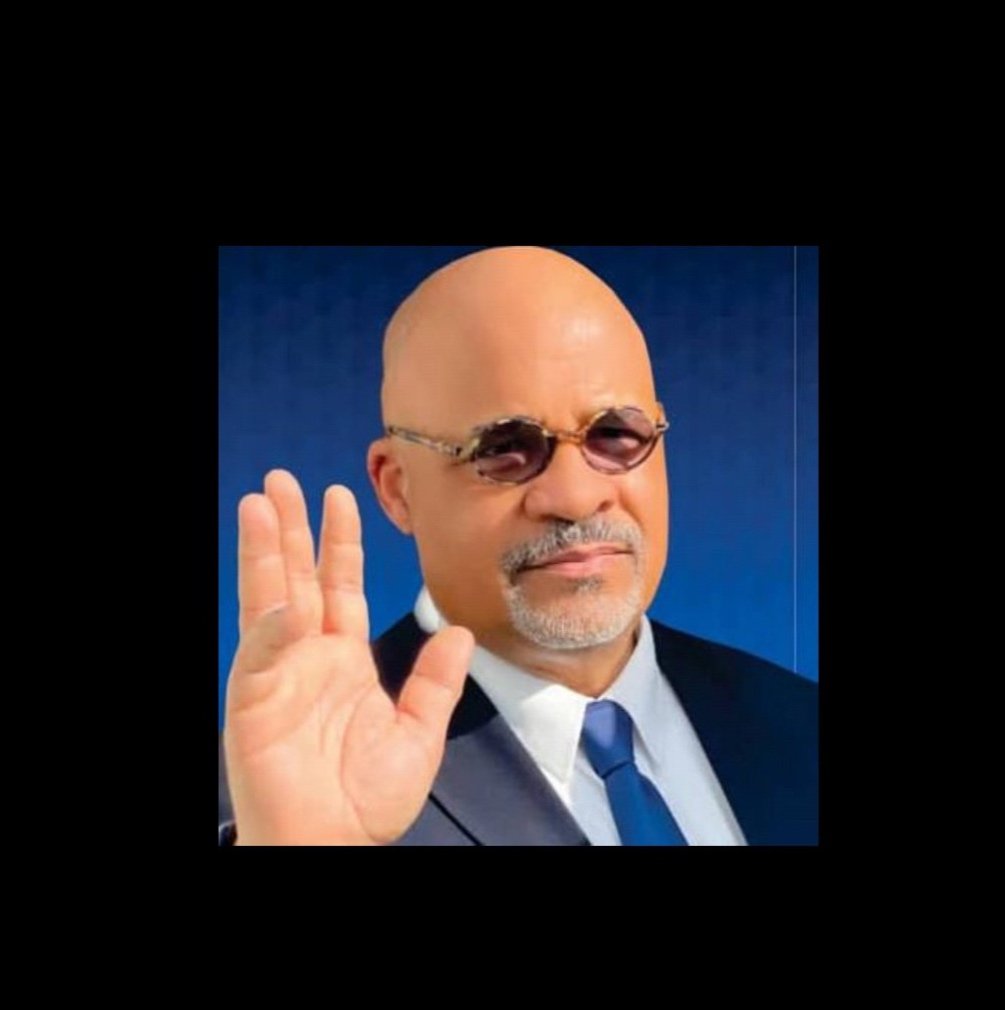
CAPTAIN VICTOR EGONU: Over n Out
In life Captain Victor Obiora Egonu was quite vocal, his death and funeral proves nothing different.
Words: Oyiza Adaba
Photos: Lilian Ajayi | Africa-Related
Lagos, Nigeria
1959-2022
In life, Captain Victor Obiora Egonu was quite vocal, his death and funeral has proved nothing different.
Love him or not, it was just a matter of understanding. Captain Victor Egonu’s straightforwardness worked as both a quality and flaw, opening many doors and slamming quite a few in his face. His front was brash, truthful sometimes bordering on rude, yet it usually came from a place of his genuine love for and seeming frustration in humanity.
What he lacked in his physical frame, he very well made up for with his unforgettable personality. His demand for excellence and notable quick temperament often stood out, but as with the ‘misunderstood’, much laid beneath the surface. Most would agree he lived up to the full meaning of Egonu - someone who does go by what others say.
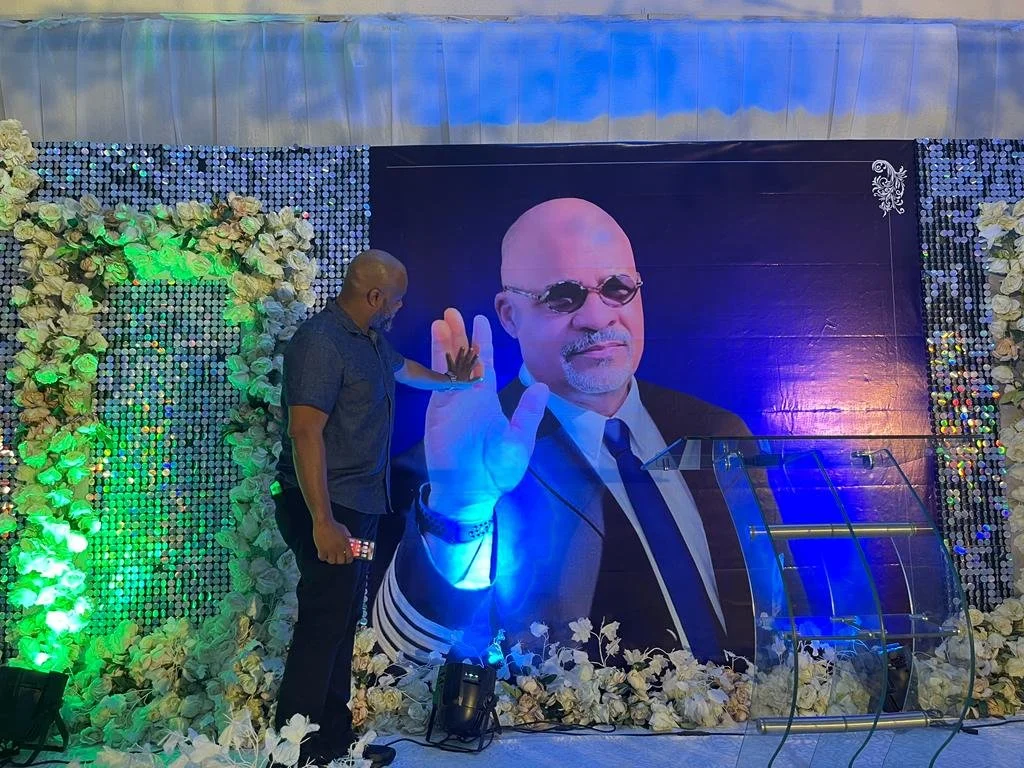
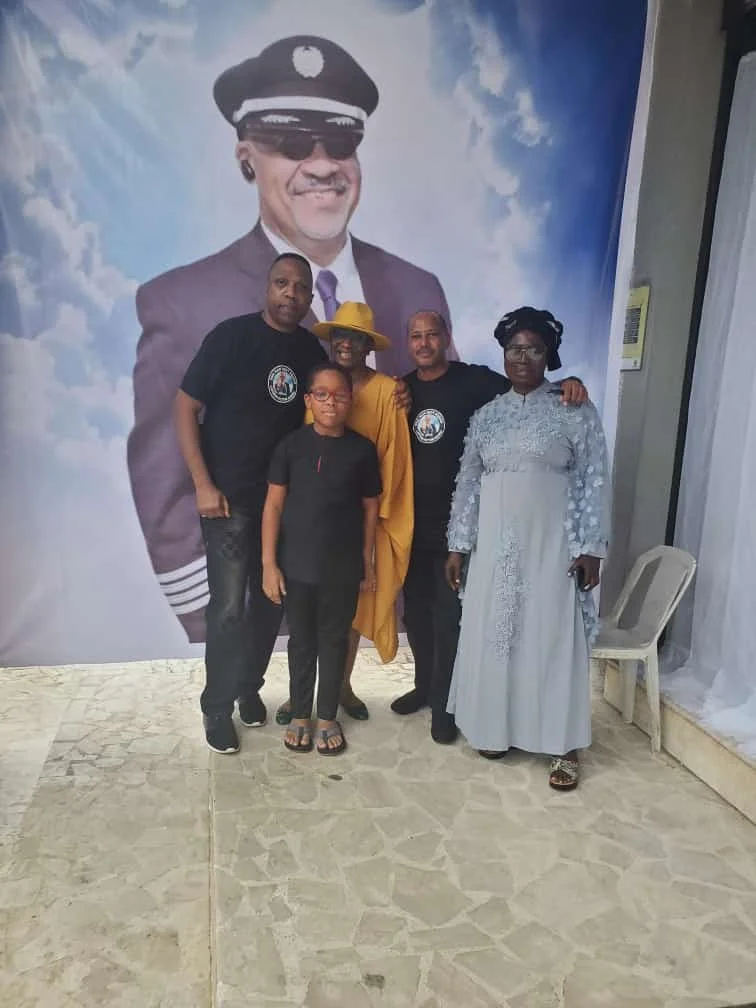
As eloquently delivered by friends, colleagues and family gathered during his funeral on July 7, 2022, Egonu couldn't have been any more Nigerian, than he displayed in life and death.
He somewhat symbolizes a Nigeria of time-past, when ethnicity and religion played little-to-no roles. An Igbo man from a mixed British/Nigeria heritage, he traveled the world achieving many firsts with his love of flying including being the first to fly the Boeing triple 7 to Nigeria. Since graduating from the School of Aviation in Zaria in 1981 and becoming a captain in 1992, Egonu had mentored and shaped a generation of pilots.
"Zaria trained some of the best pilots in the world… go to Emirates, Saudi Air everywhere you will find a Nigerian pilot and they were all trained there way back. So, I am very proud of my Zaria.”
- Victor Egonu - Source
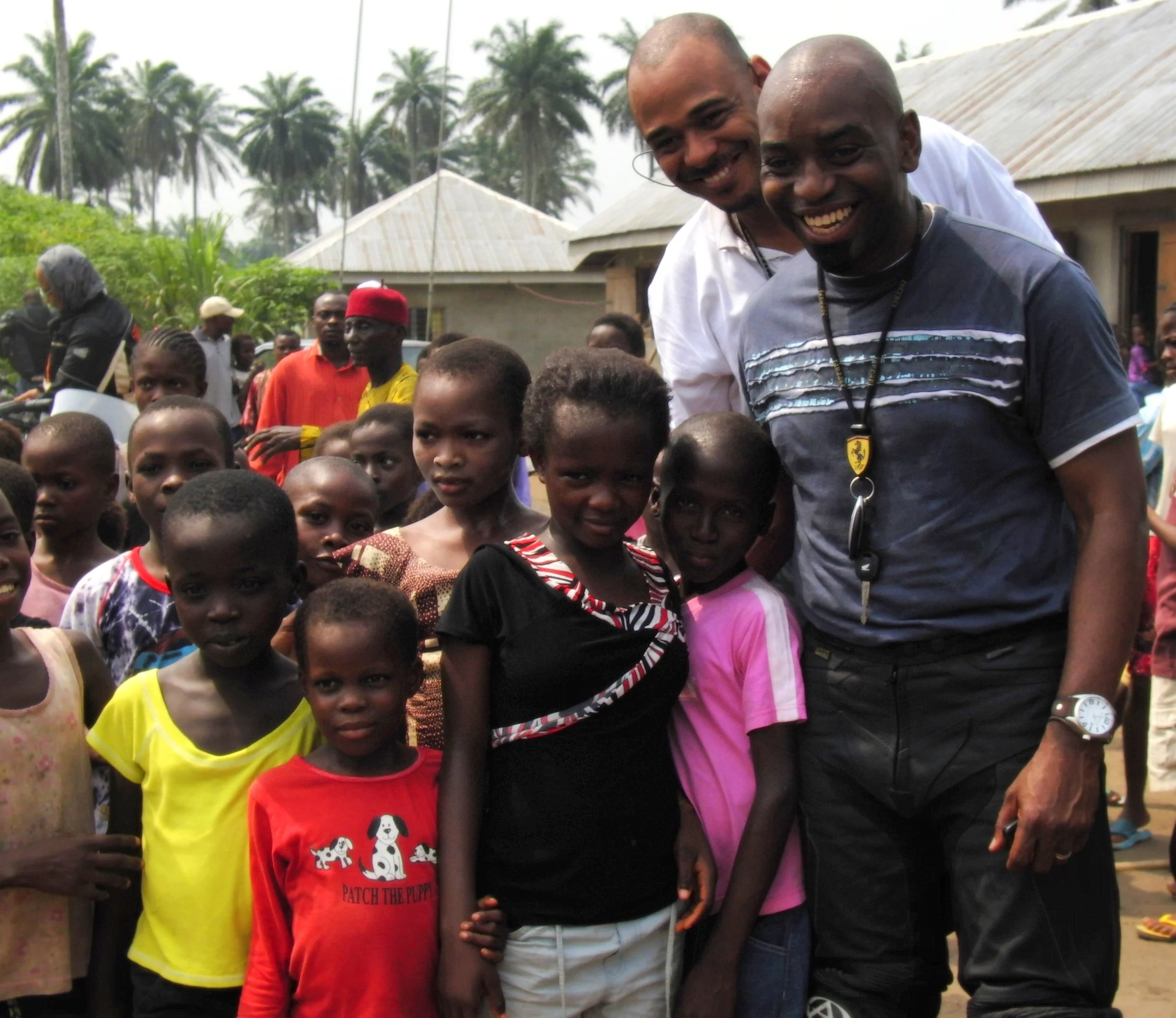
It was flying that took him to many places, including Jos. And in typical Victor fashion, he didn't move alone. His friends are multi-ethnic, race, creed, class etc, and without question everyone fits right in J-town.
He gave friends (myself included) our first flight cockpit experience, so it was no wonder his funeral felt like a flight tour around the world, backed by stories and experiences by those closest to him. Beside magnificent renditions of the Alleluia and Amazing Grace by the choir, the message behind his music playlist was not lost. Bob Marley’s ‘War’ and ‘Rally Round’ by Steel Pulse further drilled in more truths.
Discover JOS - the home of Peace and Tourism (NTDC/Tour Nigeria)
Memorable accounts from Port Harcourt, Lagos, Peckham, Chicago, Abuja, London, Lusaka, Warri, Bristol and on. We laughed, cried, reminsed, and began to think… as he would have liked us to. Egonu always taught one to think, to stand and as our friend and brother Tonye Wilcox always said to 'do somethin'.
Pertinent questions like, 'What has happened to Nigeria? How can the melting-pot once known as Jos - where Dipo, Chijoke, Ali, Dotun etc converged with no political intentions or questions asked - now be divided across indigenous, religious and ethnic lines. What kind of country are we leaving for?
We were also forced to think about the state of Nigeria's aviation industry - one which undoubtedly would have achieved bigger milestones had Nigeria operated on meritocracy. As the aviation minister that he never was, Capt. Victor Egonu would have set and achieved high standards in making Nigeria compete with continental aviation giants Despite global challenges, he had great ideas for travel and tourism, having traveled the length and breadth of the 200-million populated country, as an avid biker.
"If you look at Kenya Airways, South African Airways, they are all doing well. Why can’t Nigeria have an airline that all of us can actually say ‘oh, we are proud of this airline’. Of course we used to have one in the past but that was back then.”
- Victor Egonu - (2015 Interview Source)


His biography reading took us through a list of defunct airlines, some long-forgotten. Name it, he had worked there during his nearly 30 years. from Okada, Kabo, ADC, Chachangi, IRS, Medview, Bellview etc. His last boss was the Chairman of Air Peace Chief Alllen Onyeama, admitted that they often clashed from the same frustrations borne from operating an airline in Nigeria. As Director of Flight Operations, he had relentlessly taken the airline to greater heights since joining in 2011.
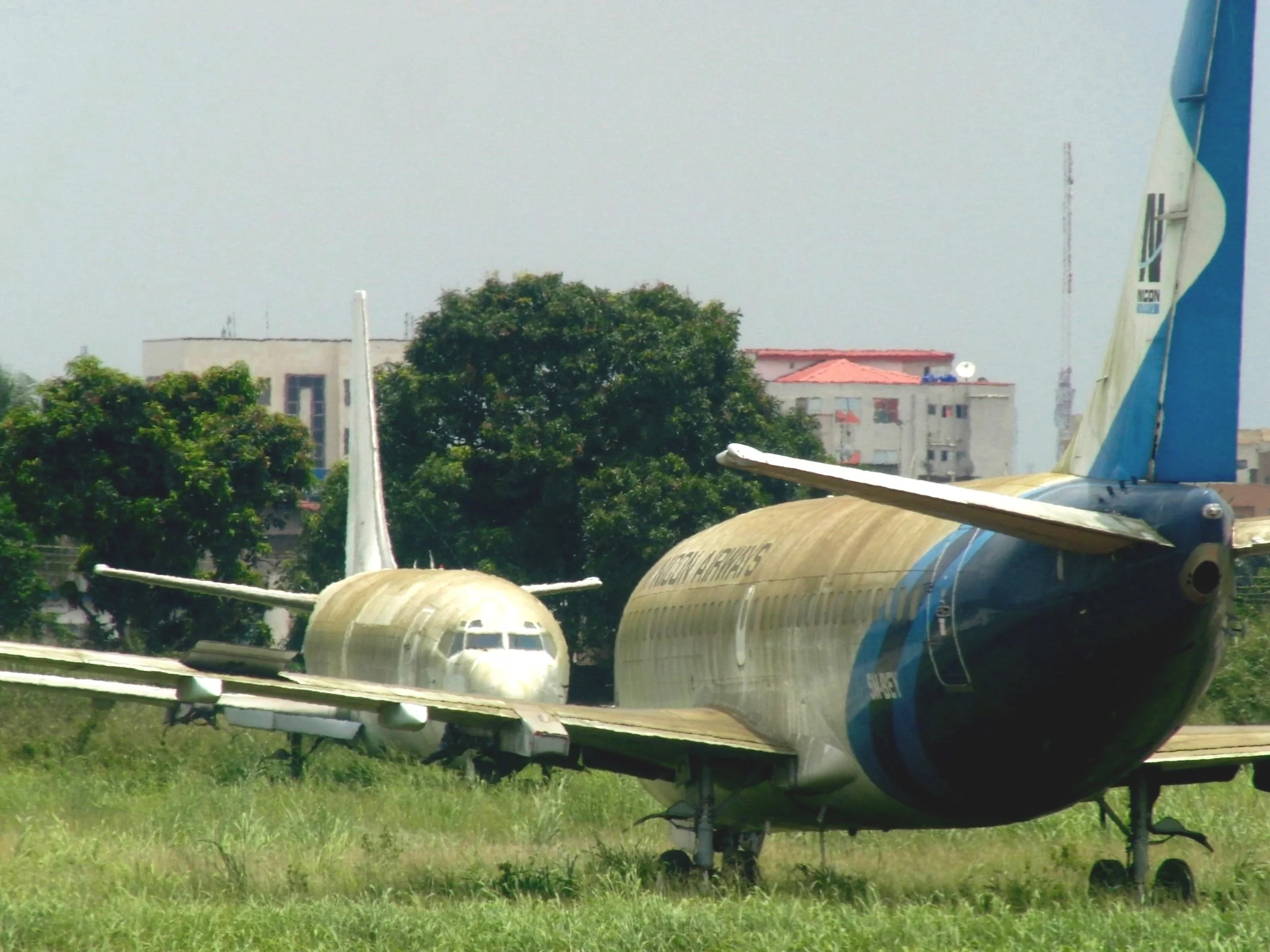
Air Peace meanwhile, continues to come to Nigeria's aviation rescue, in the absence of a national carrier for decades. What started out as Nigeria Airways was established in 1958, and ceased operations in 2003. Since then, several unsuccessful attempts at rebranding has seen name changes from Virgin Nigeria Airways, Nigerian Eagle Airlines, Air Nigeria. According to Simple Flying, the much anticipated launch of Nigeria Air originally scheduled for April 2022 has been postponed by another year.
Despite delays, ministry insists on July take-off date for Nigeria Air
The Guardian Nigeria
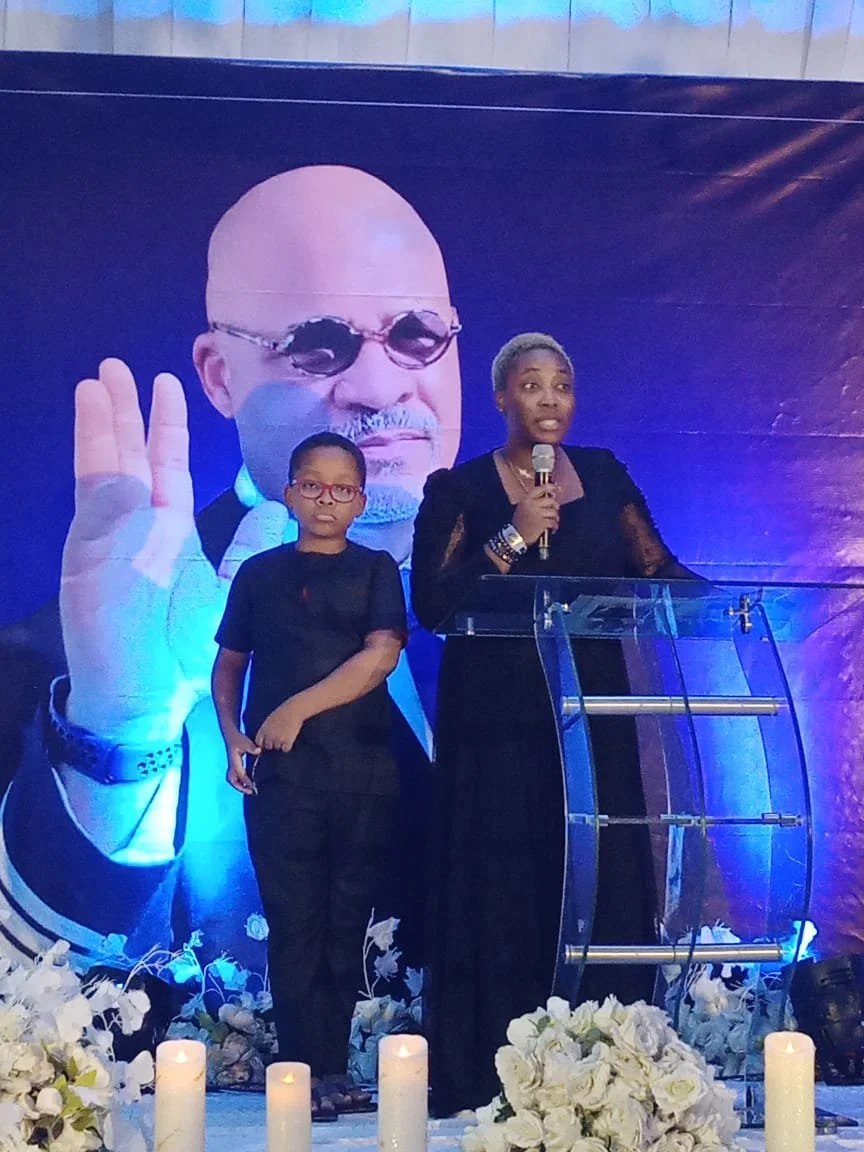
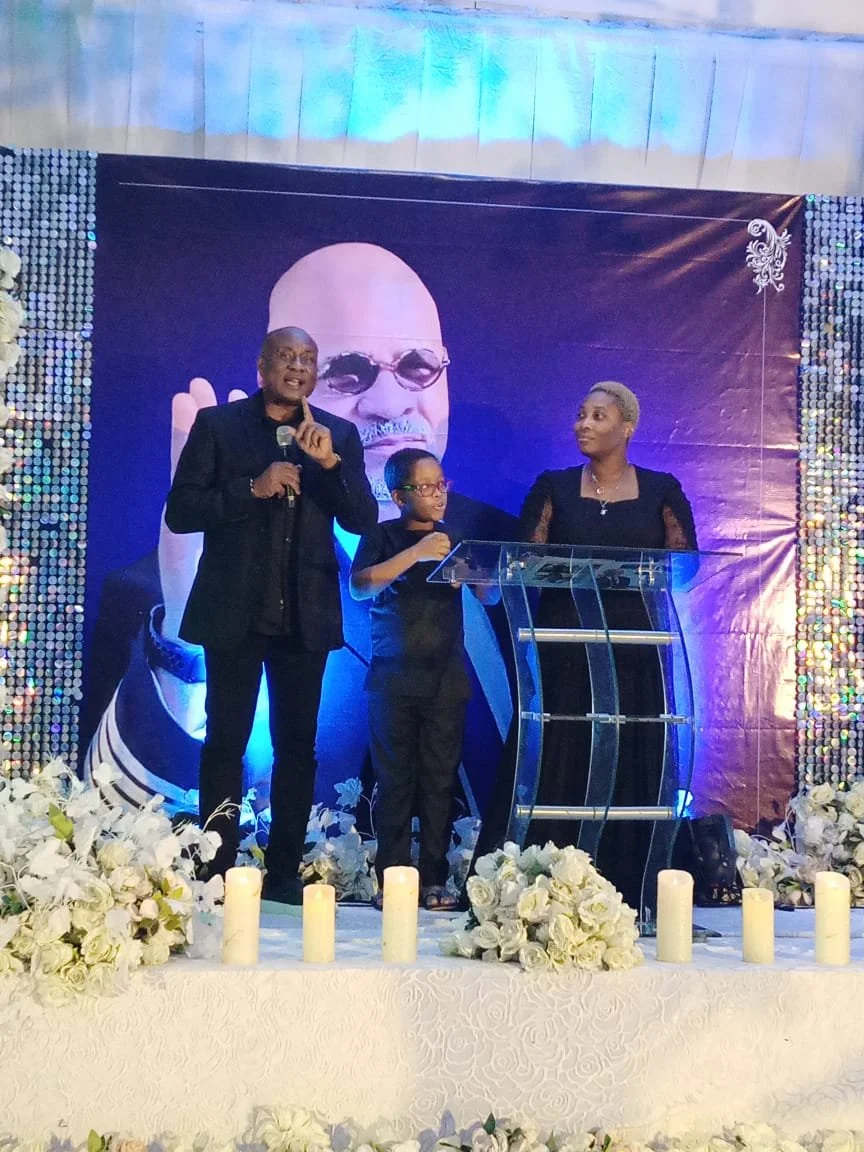
Victor Egonu's death on June 9, 2022 came as a major loss, not just to the global aviation industry. In her glowing tribute, his wife Dayo Egonu spoke candidly about the anxieties of being a pilot's wife and celebrated her husband's great milestones and the unapologetic adroitness he brought to ensuring air travel safety. Standing alongside their surviving 12-year old son Tonye, reminded us that Victor Egonu was one of the best pilots Nigeria forgot to honour and thank.
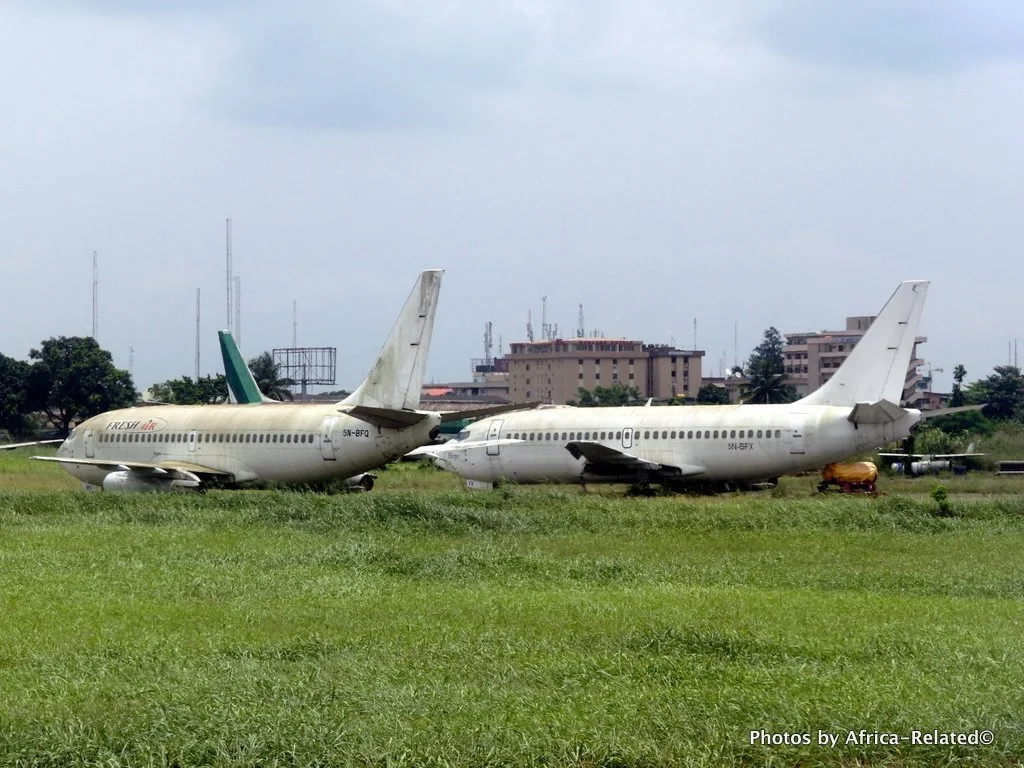
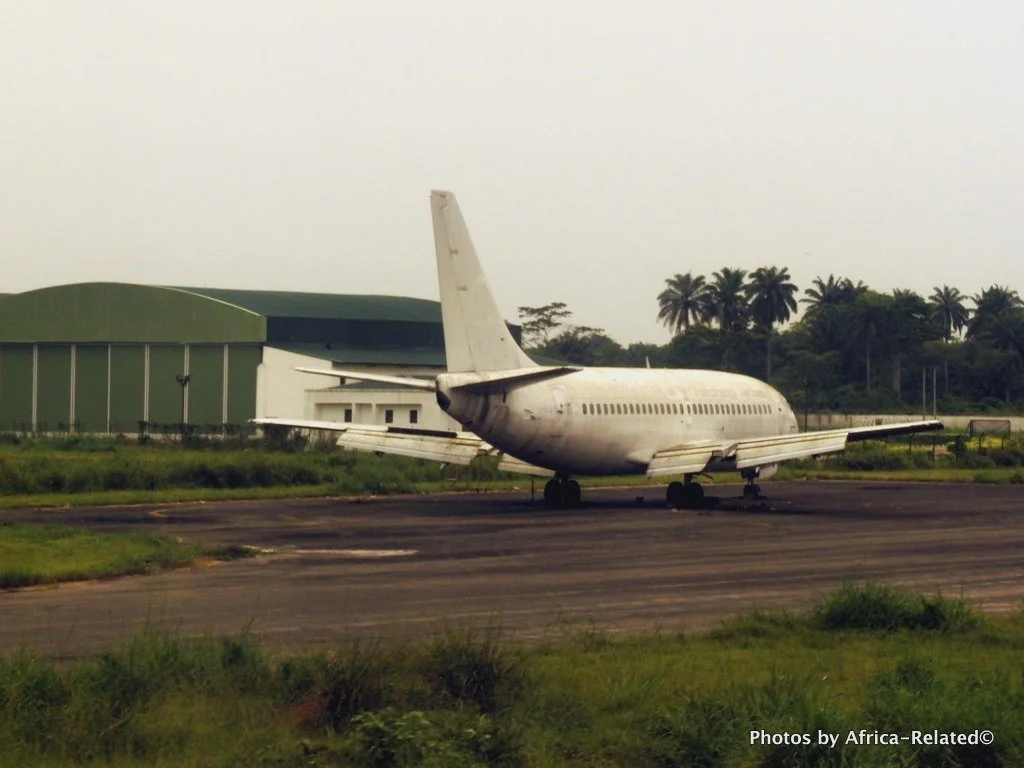
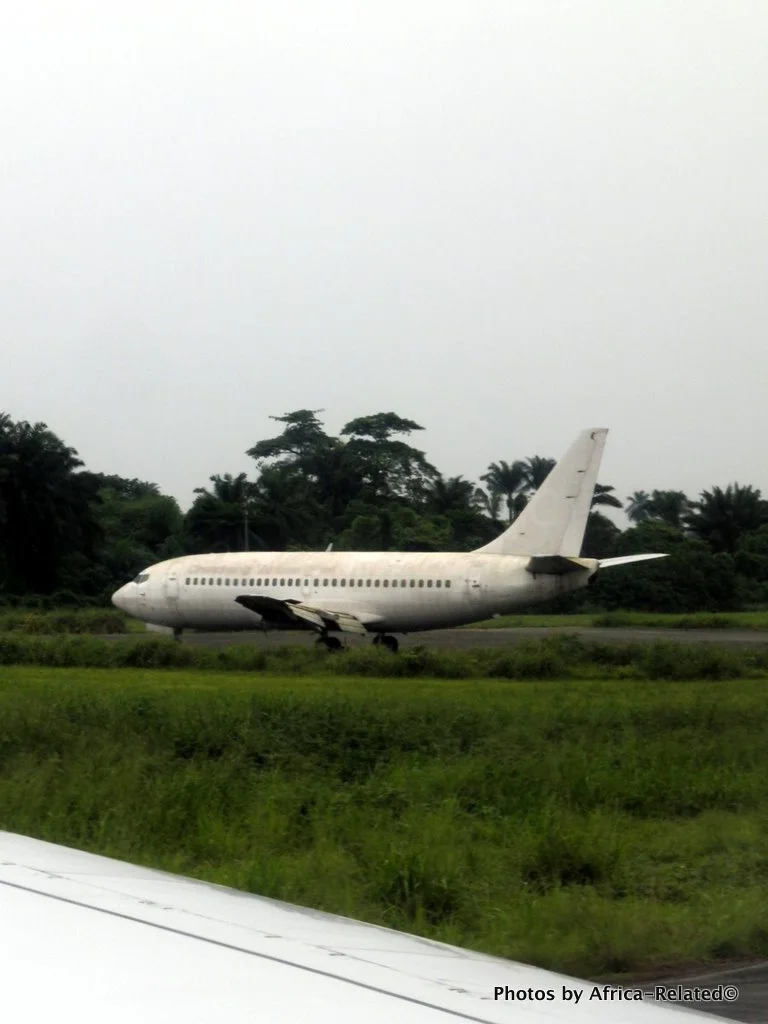
‘Plane Cemetery’ at Lagos airport (Photos by Africa-Related)
Oyiza Adaba is a journalist & producer @africarelated
RELATED
Aviation Expert Reviews Nigeria Airline Challenges (TVC News)
Nigeria gets licence for national air carrier, delays start of operations (Premium Times)
Discover JOS - the home of Peace and Tourism (NTDC/Tour Nigeria)
GOGE AFRICA Highlights WEAVING In EBIRALAND
Words: Rosemary O. Onubaiye & Oyiza Adaba
Photo/Video: Goge Africa
Okene - Kogi State, Nigeria
Nneka & Metche Isaac-Moses
Cultural Ambassadors & Hosts of
GOGE AFRICA
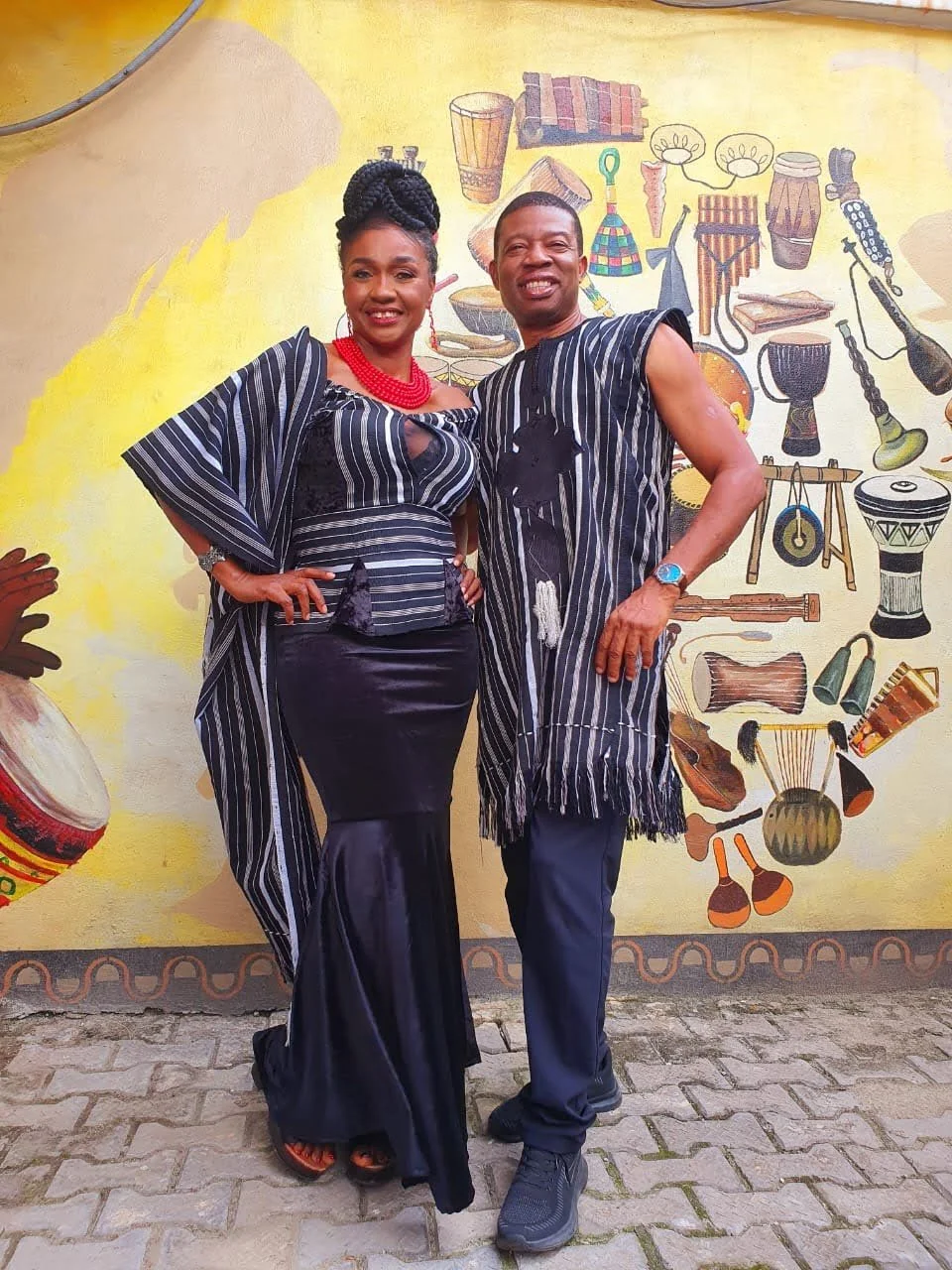
“The Itinochi hand woven cloth of the Ebira people is perhaps Nigeria's most authentic traditional fashion masterpieces. It is the most durable and wearable artistic heritage of our people. Let us celebrate the uncommon beauty of an economy-driven traditional practice, sustained by women through the ages”.
- Nneka & Metche Isaac-Moses
Gogeafricatv at Ohueje Ohinoyi Cultural Festival March 2022
The long-running multi-award winning travel TV series Goge Africa, gave extensive coverage to the 2022 edition of Ohueje Ohinoyi - the yearly Cultural Festival of the Ebira people held every March in Okene, Kogi State, central Nigeria. In line with the theme 'The 100 Loom Match', the three-day event gave focus to one of the more visible qualities of the Ebira people - Weaving. Ohueje Ohinoyi is in its sixth edition and is supported by Africa-Related and Ita'i Our Cloth.
Full Report: Ohueje Ohinoyi Cultural Festival 2022
THEME: 100 LOOM MARCH - Repositioning Ebira Heritage for Economic Prosperity
Features
Weaving Competition
Symposium
Dancing Competition
Exhibitions
Food-fair
The 2022 edition of Ohueje Ohinoyi themed 100 LOOM MARCH - Repositioning Ebira Heritage for Economic Prosperity - took place on March 3-5 2022 at Ado Ibrahim Civic Centre, Okene, Kogi State. The 3-day event was all about empowering women through the ancient art of weaving. The festival is supported by Anebira Heritage Foundation and in partnership with Ita'i Our Cloth and Africa-Related.
3rd March 2022
Day 1: Opened with a display of current and historical images of Ebira sons and daughters, exhibition stands for display by Art & Culture Abuja, Ita’i Our Cloth, a symposium with participating schools and many more activities.
Symposium Topic: Traditional Cloth Weaving in Ebiraland. Presented by ALH. Okehi Abdulaziz Yusuf
The symposium called on the relevant educational bodies to include weaving in the school curriculum.
The weavers were already set up to start the weaving competition, as seen in their different colours, skills and patterns other activities were going on side by side
School children and visiting guests were shown the weaving process by weavers from various parts of the region, who congregated at the venue with their loom, yarns and weaving material. They provided several demos for the crowd.
4th March 2022
Day 2: Food Fair with a variety of locally made food produce and meals on display. Dancing competition, amidst the weaving contest
5th March 2022
Day 3: Grand finale with every activity from day one, culminating in the finale with some additional features With the exhibition, festivities, masquerade, sales etc all happening simultaneously, there was a fashion display presented by SHIZANUEL Collections an Abuja based designer, dancing masquerades, GUODO products made from fabric from the Middlebelt region states of Plateau, Nassarawa, Benue, Taraba, Kogi, Niger and Southern part of Kaduna states.
Highlights of the festival include an address by Ebira Historian and Emeritus Professor of Art History Prof. John Picton who covered the region extensively from the 60s; and the award ceremony that presented winning weavers for BEST QUALITY, MOST CREATIVE and OVERALL Best with certificates of participation. The women could not hold back their joy knowing that they are finally getting the recognition they deserve, and expressed their thanks to the organizers.
Ohueje Ohinoyi - which means the king's courtyard - is an annual festival to celebrate Ebira indigenous culture and tradition.
Photo Coverage: Ohueje Ohinoyi 2022
Want to know more?
Follow Goge Africa @gogeafrica @nnekaisaacmoses @metcheisaacmoses
Follow Ita'i Our Cloth @itaiourcloth
Follow Ohueje Ohinoyi @ohueje_ohinoyi
Follow Anebira Heritage Foundation @anebiraheritage
Oyiza Adaba is a journalist & producer @africarelated
Rosemary Onubaiye works with media, women & communities