
Highlights Winneba Screening
The staff and students of the University of Education Winneba (UEW) turned out for hosting the screening of DELA: The Making of El Anatsui on August 1, 2025.
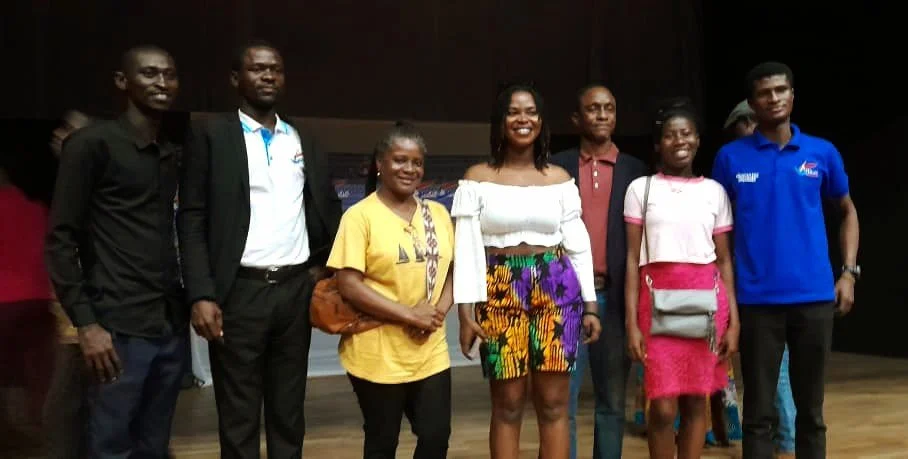
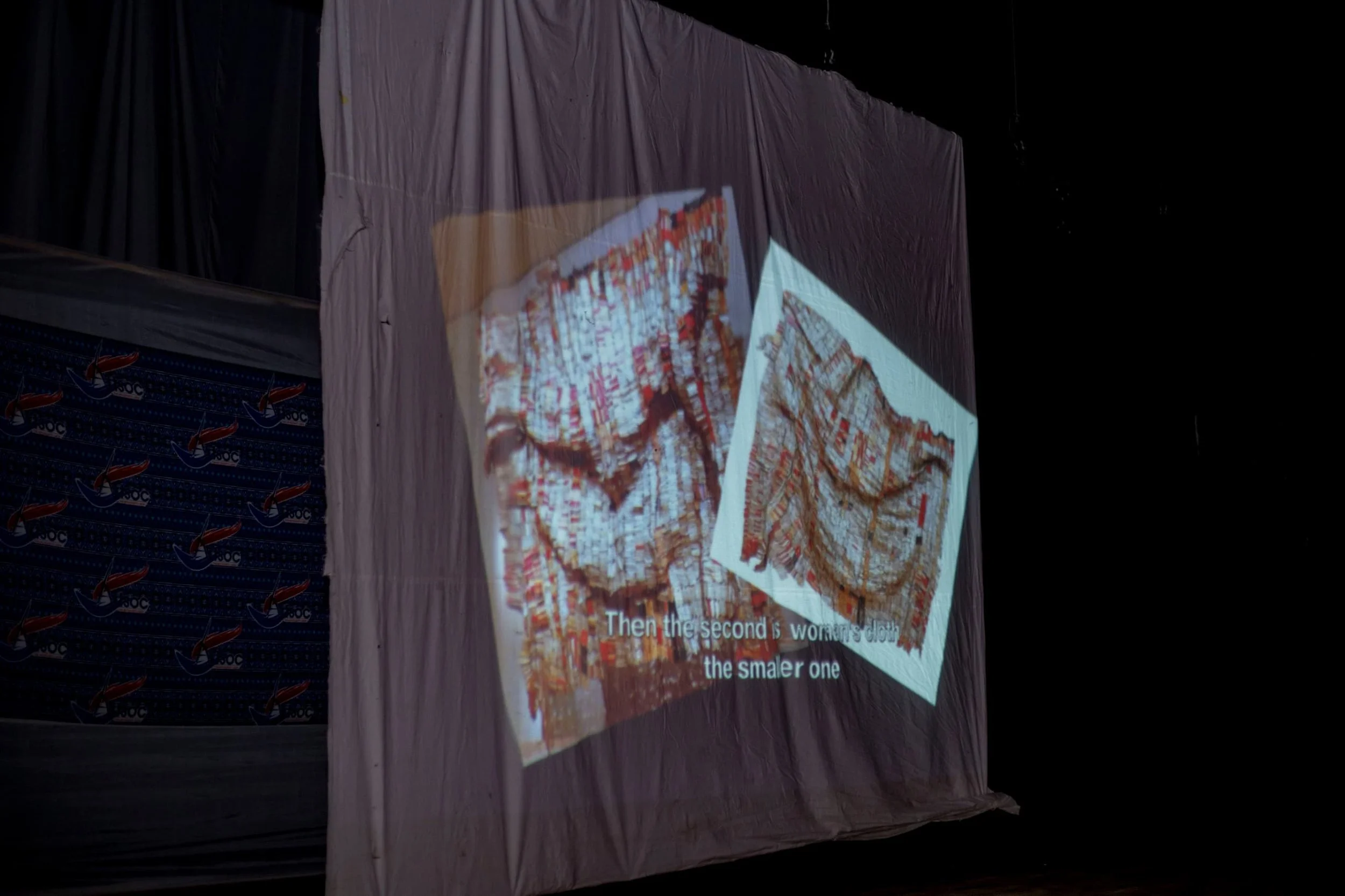
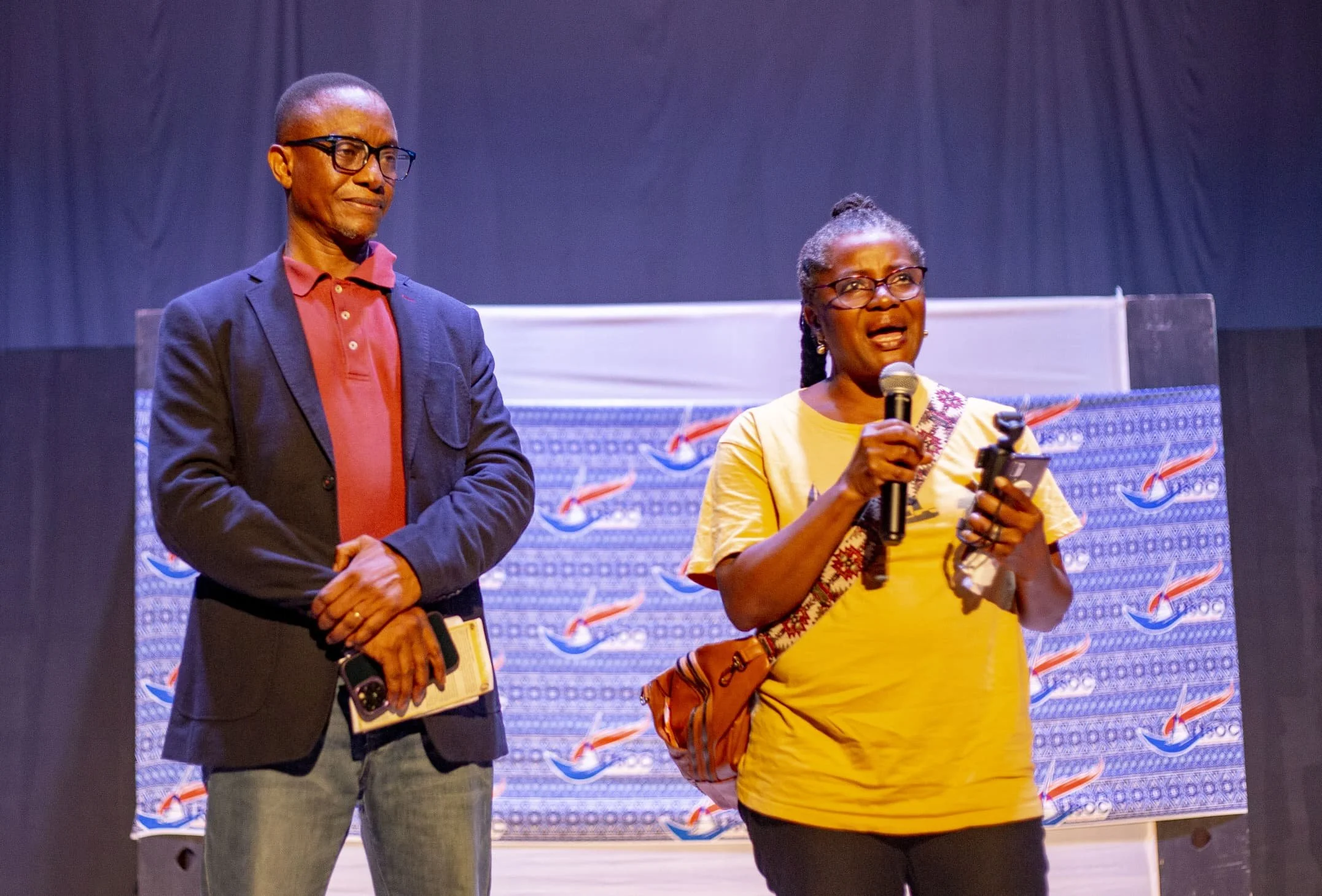
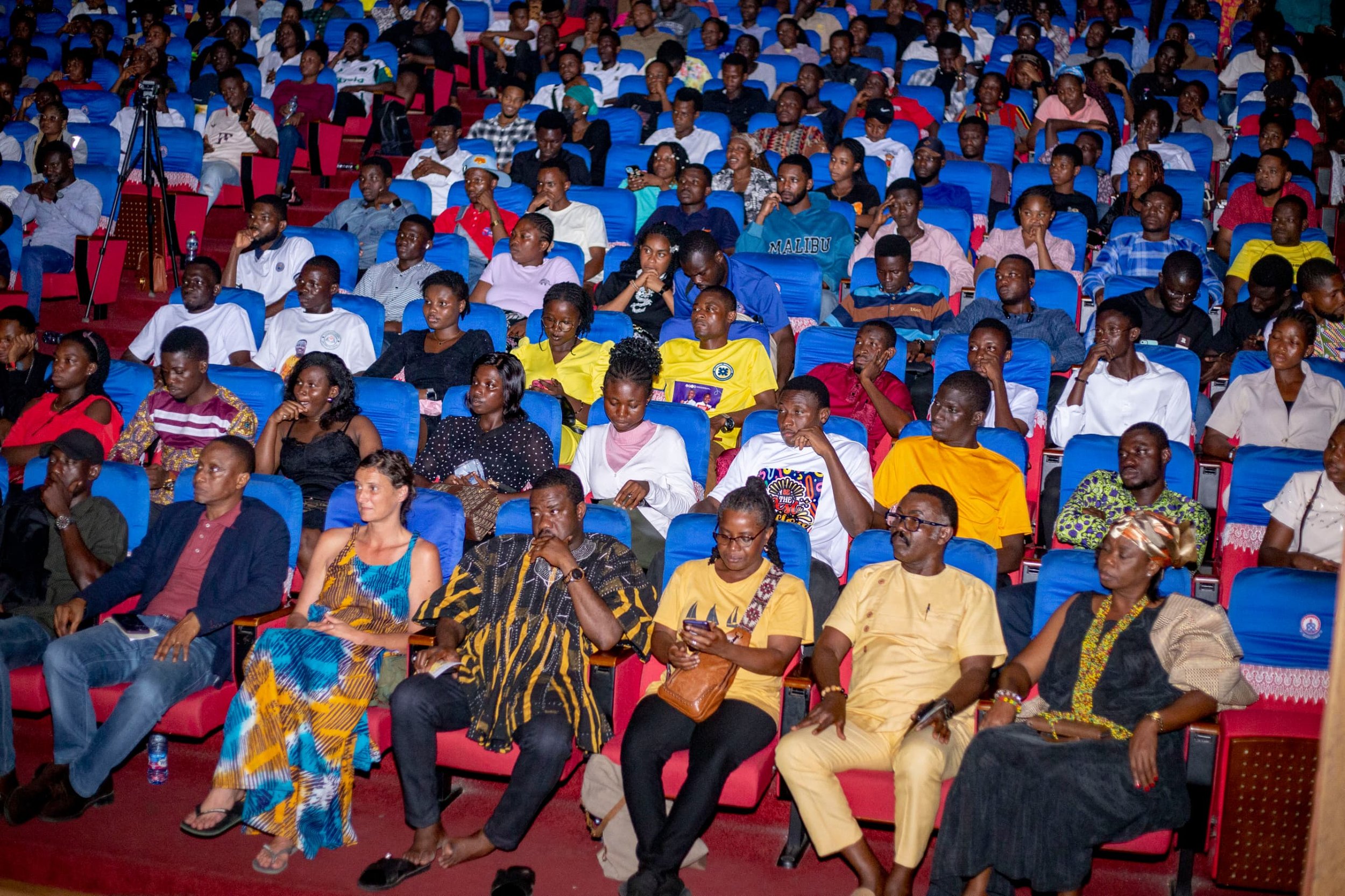

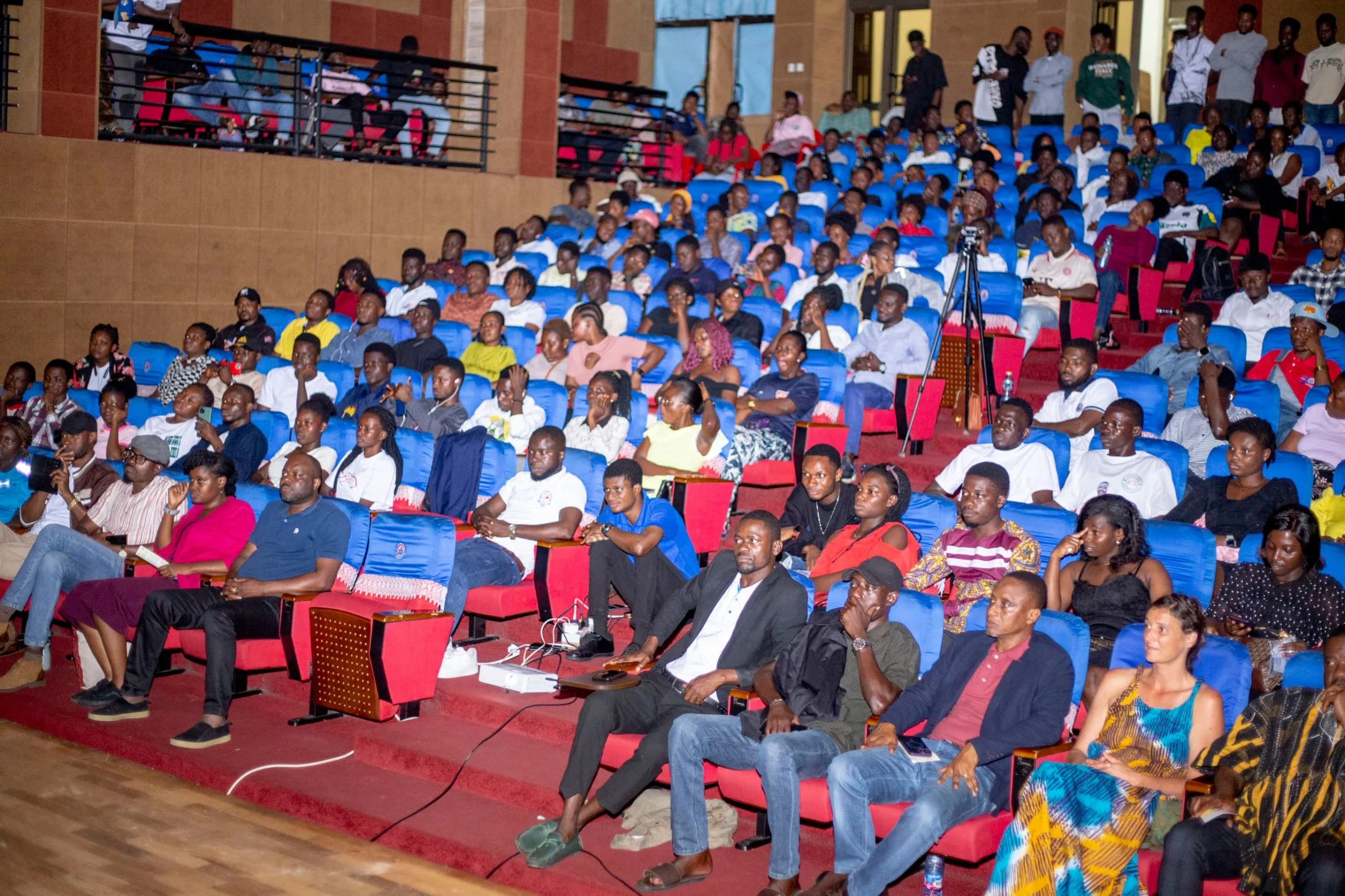
The staff and students of the University of Education Winneba (UEW) turned out for hosting the screening of DELA: The Making of El Anatsui on August 1, 2025.
UEW was a teacher's training institute, where Prof. El Anatsui first taught and practiced from 1969 to 1975, before leaving for Nigeria. Winneba was where he honed his craft to become the globally acclaimed Master Sculptor.
Special thanks to Ms. Selasi Sosu and the HOD Dr. Cyril Kpodo for their exceptional input.
elanatsuifilm.com
@elanatsuifilm
Homage to Prof El Anatsui & Anyako
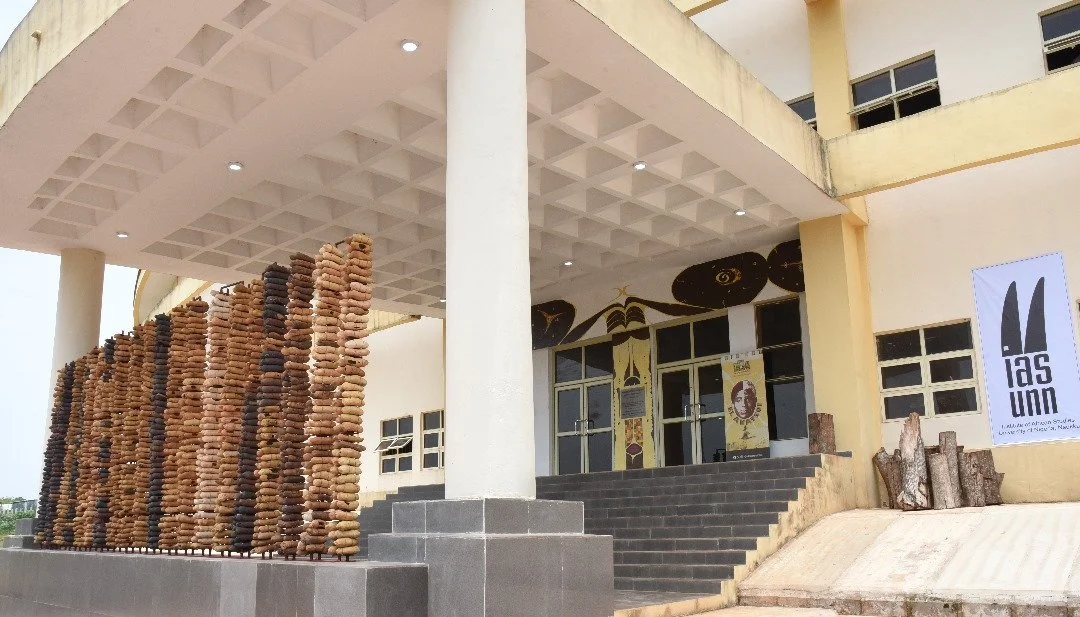
6th Chinua Achebe International Conference and Exhibition!
As Director of the Institute of African Studies at the University of Nigeria, Nsukka, I am delighted to welcome scholars, artists, students, and guests from around the world to our newly upgraded home—a space now brimming with art, ideas, and the enduring legacy of Chinua Achebe.
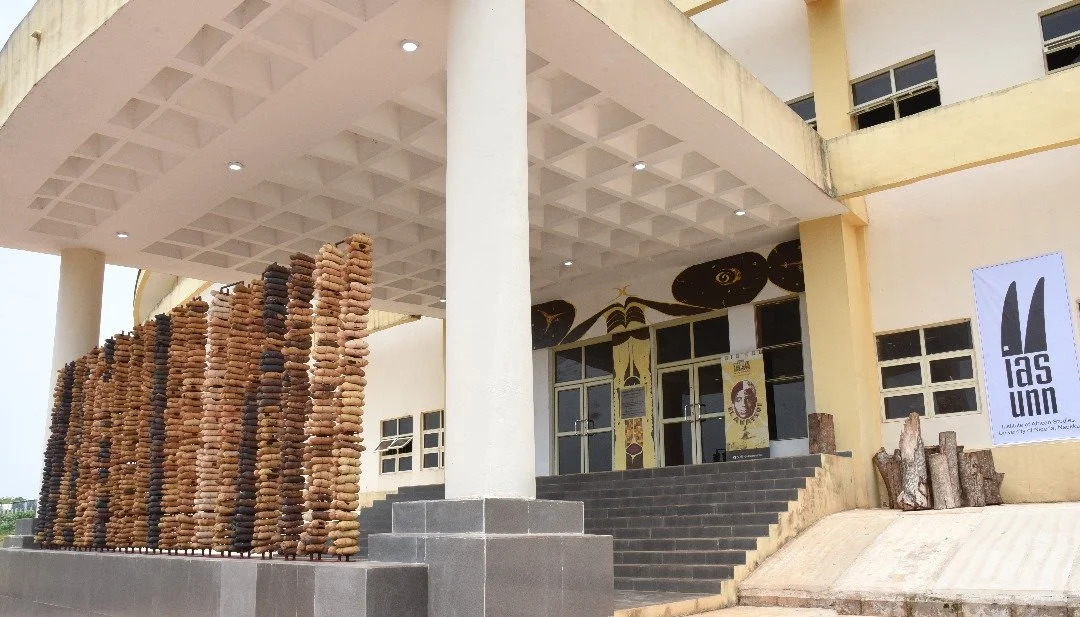
Welcome to the 6th Chinua Achebe International Conference and Exhibition!
As Director of the Institute of African Studies at the University of Nigeria, Nsukka, I am delighted to welcome scholars, artists, students, and guests from around the world to our newly upgraded home—a space now brimming with art, ideas, and the enduring legacy of Chinua Achebe.
This year’s theme, Africa’s Democratisation Journey: Historical and Contemporary Perspectives, comes at a time when Africa’s democratic experiment faces profound challenges. Together, through conversations and a vibrant art exhibition, we honour Achebe’s legacy of critical thought and creative resistance.
Join us at the opening ceremony on Wednesday, 23rd July 2024.
Venue: Seminar Room 1, Institute of African Studies [New site, off UBA Gate on Greenhouse Road], University of Nigeria, Nsukka.
Google Meet joining info: meet.google.com/nfn-viyg-nyh
Join by phone (US) +1 210-951-8557 PIN: 874 061 744#
Time: 10:00 am WAT
Keynote speakers: Rufai Oseni [ Arise TV, Lagos, Nigeria; Title: "African Democratic Journey: Pitfalls and Possibilities"] & Professor Ifeanyi C. Ezeonu [ Department of Sociology, Brock University, Canada; Title: "The Nigerian Economic Cul de Sac: Critical Reflections on Liberal Democracy and Its Challenges for the Next Generation"]
Special thanks to our Acting Vice-Chancellor, Prof. Oguejiofo Ujam, for his unwavering support; my co-convener, Prof. Raphael Njoku [Department of History, Idaho State University, Pocatello, USA.]; the Local Organising Committee led by Prof. Chima Korieh; our dedicated volunteers; and the staff and students of the Institute who made this vision a reality.
Please join us. Let’s make this gathering a spark for new ideas and a beacon of hope for Africa’s democratic future.
Professor Ozioma Onuzulike
Director, IAS-UNN
IG: @ozioma.onuzulike
#AchebeConference2025 #UNN #InstituteOfAfricanStudies #AfricaDemocracy #ChinuaAchebe #Nsukka
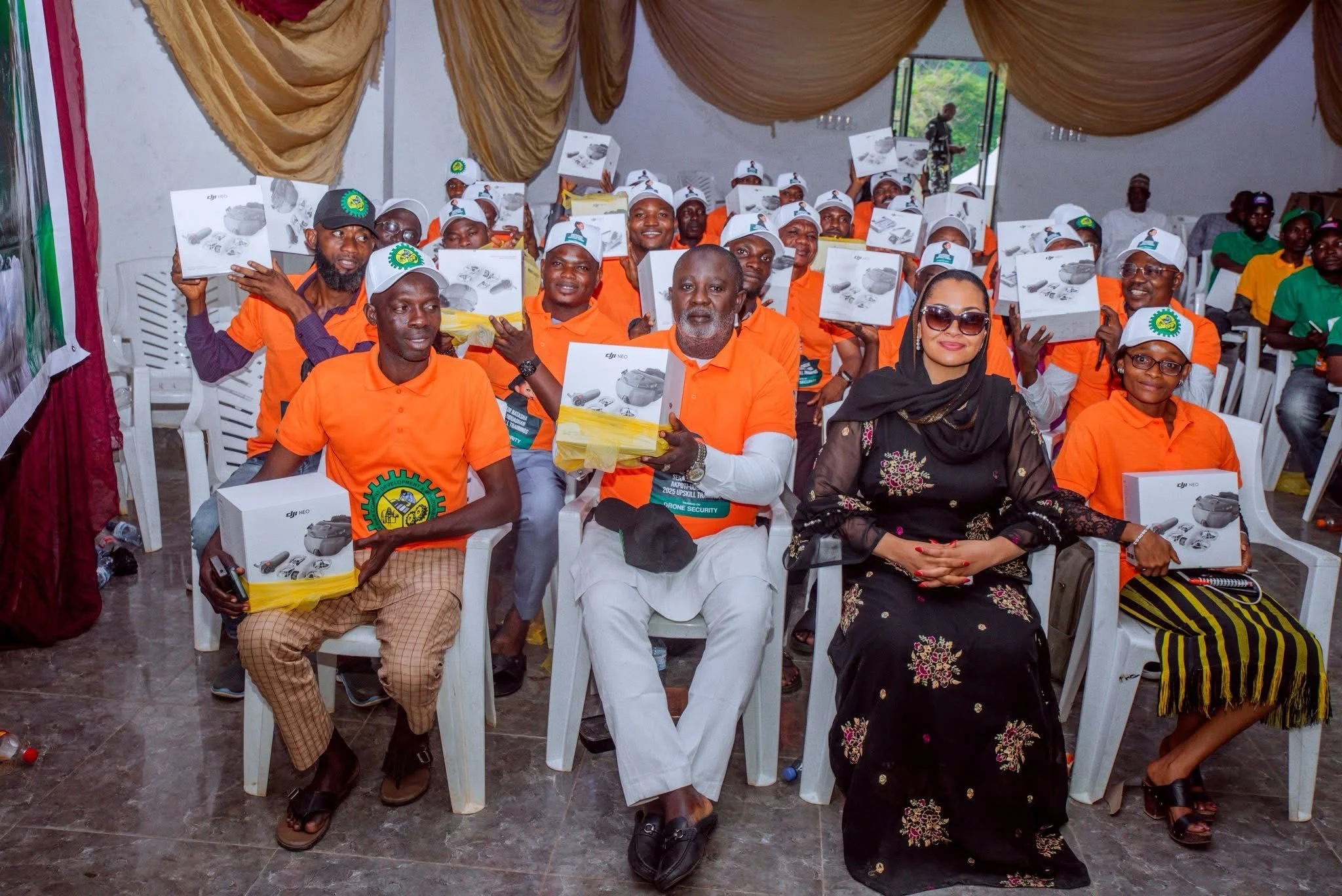
DRONE SECURITY TRAINING HELD IN IHIMA, KOGI STATE
On Saturday, July 19, 2025, Ihima town played host to a high-impact training on Drone Security, an emerging field that combines innovation with national development. It was made possible by Meterverse Technologies Ltd, the Nigerian Content Development and Monitoring Board (NCDMB) and Senator Natasha Akpoti-Uduaghan.
By Glory Ize Isaiah & Rosemary O. Onubaiye
Photos by Africa-Related
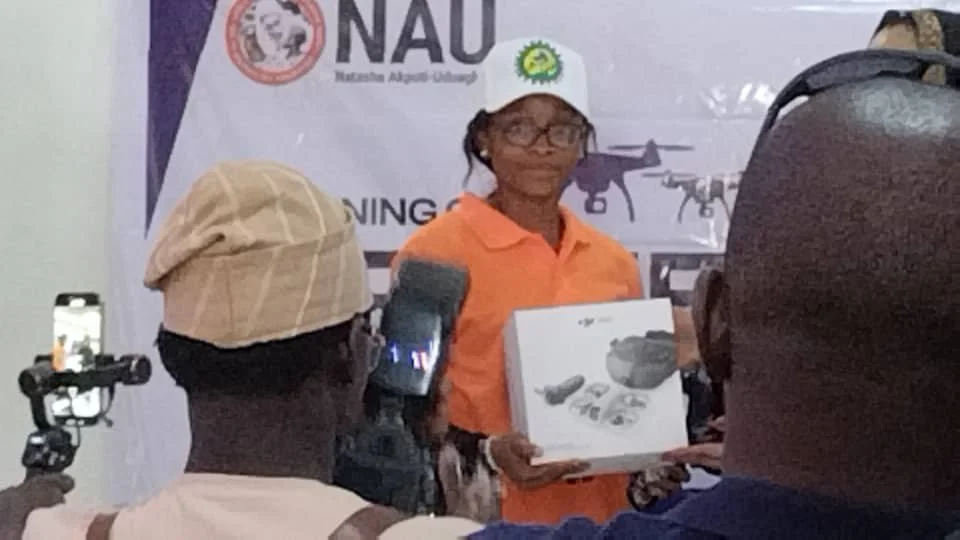
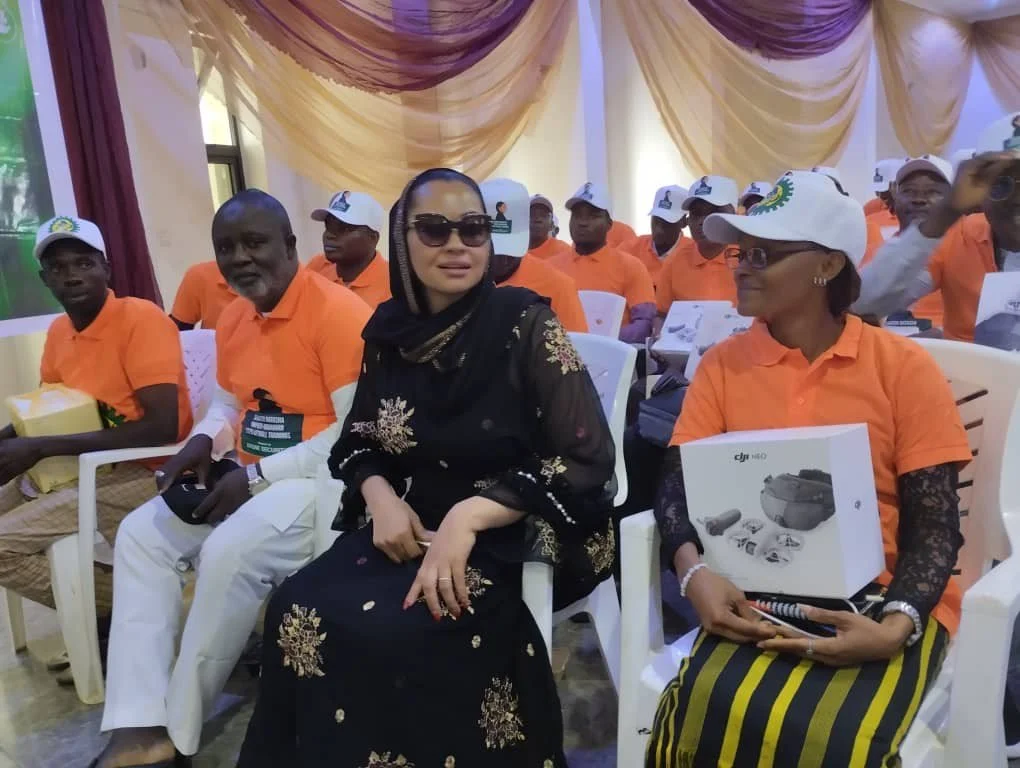
Senator Natasha Akpoti-Uduaghan (in black) facilitated a high-impact training on Drone Security, that was organized by Meterverse Technologies Ltd and sponsored by the Nigerian Content Development and Monitoring Board (NCDMB).
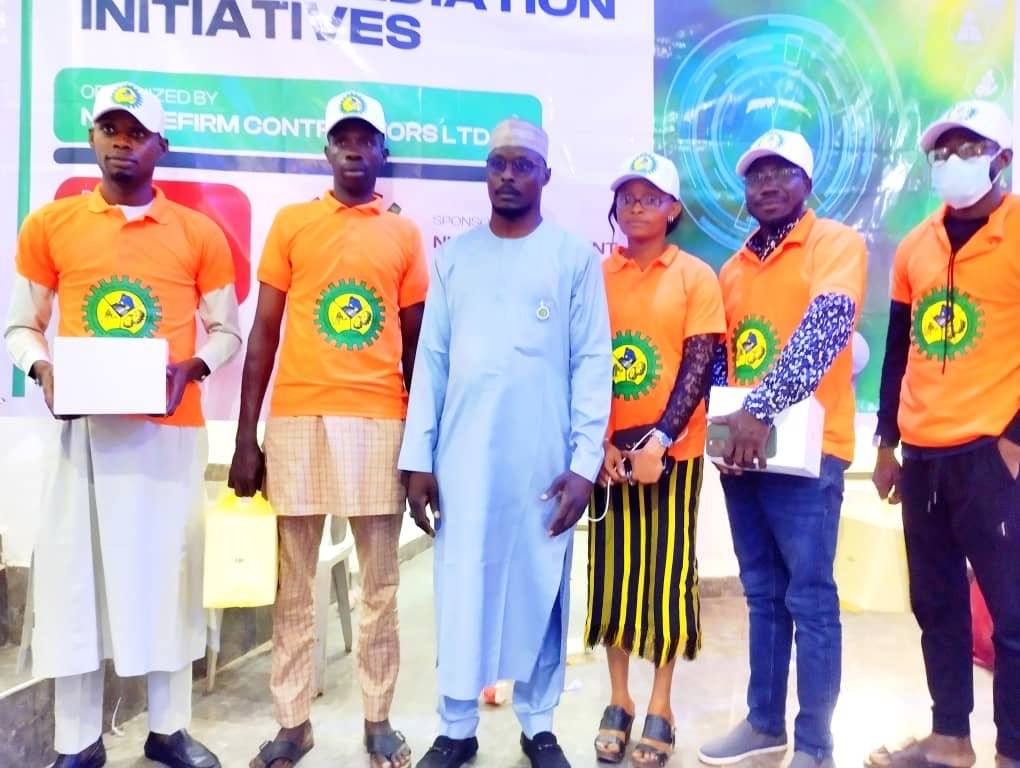
Organized by Meterverse Technologies Ltd.
Sponsored by Nigerian Content Development & Monitoring Board (NCDMB)
Facilitated by Senator Natasha Akpoti-Uduaghan
Date: Saturday, July 19, 2025
Venue: Sen. Natasha Akpoti-Uduaghan’s Residence. Ihima, Kogi State, Nigeria
Introduction
On Saturday, July 19, 2025, Ihima town played host to a high-impact training on Drone Security, an emerging field that combines innovation with national development. The event was organized by Meterverse Technologies Ltd and sponsored by the Nigerian Content Development and Monitoring Board (NCDMB). It was notably facilitated and attracted to the region by Senator Natasha Akpoti-Uduaghan, a prominent advocate for innovation-driven development in Kogi Central.
The training marked a significant step in building local capacity around the strategic application of drone technology in security operations, a theme that resonates with Nigeria’s growing commitment to indigenous tech solutions for surveillance, safety, and national infrastructure protection.
Opening and Accreditation
The event began with arrivals at 8:00 a.m., and accreditation commenced by 8:30 a.m., continuing until 10:00 a.m. when the formal proceedings officially began. The warm and anticipatory atmosphere set the tone for an impactful and educative session.
The official opening of the training was done by Senator Natasha Akpoti-Uduaghan, who welcomed the participants and highlighted the importance of adopting cutting-edge security technology in safeguarding communities and critical infrastructure. Her address emphasized the potential for local talent to be harnessed in this area, especially among the youth of Kogi Central and surrounding regions.
Though representatives of Meterverse Technologies and NCDMB were present, they took a more reserved role, with minimal public speeches. The spotlight remained on the participants and the training process itself, underscoring a people-first approach to knowledge transfer.
Training Highlights
Participants were introduced to the fundamentals of drone technology, types of drones used in security operations, relevant regulations, and hands-on demonstrations. Topics covered included:
Introduction to Drone Types and Security Applications
Airspace Rules and Ethical Use of Drones
Real-time Demonstrations on Drone Control and Flight
The Role of Drones in Critical Infrastructure Surveillance
Career Opportunities in the Drone Security Sector
The session blended theoretical instruction with live practical demonstrations, offering participants a comprehensive understanding of drone operations, especially in the Nigerian context.
Senator Akpoti-Uduaghan’s initiative successfully trained and empowered 250 constituents with digital and technical skills across the following disciplines:
Drone Security and Environmental Sustainability/Remediation Initiatives – 80 beneficiaries
Advanced Welding and Fabrication Techniques – 50 beneficiaries
Renewable Energy Installation – 50 beneficiaries
Data Analytics and Digital Transformation – 70 beneficiaries
A key highlight was the distribution of 80 DJI Neo drones to individuals and departments from 10 tertiary institutions, including the University of Ilorin, Ahmadu Bello University, Federal Polytechnic Idah, and others.
Attendance and Representation
Africa-Related’s Representation and Contribution
Africa-Related, a media content and strategy production house, was present through its Country Director, Mrs. Rosemary Onubaiye, and representative Ms Glory Ize Isaiah. Africa-Related’s presence was centered on observation, documentation, and potential partnership development in future media-technology initiatives.
With bases in Abuja, Nigeria and New York City, USA, Africa-Related is known for crafting compelling African narratives across multiple platforms - including film, television, radio, publishing, and photography. The organization’s mission to amplify African perspectives through narrative-shaping content aligns deeply with initiatives such as this.
Africa-Related’s attendance demonstrates its broader commitment to community empowerment, youth engagement, and digital inclusion - particularly in exploring how drone technology can be utilized for media production, cultural preservation, and security awareness campaigns in rural and semi-urban communities.
Strategic Relevance to Africa-Related’s Mission
This training initiative aligns with Africa-Related’s core objectives in several critical ways:
1. Narrative & Content Innovation - The use of drones opens up expansive possibilities in visual storytelling and documentary filmmaking, especially in remote or difficult-to-access areas.
2. Youth-Focused Empowerment - The skills taught provide fertile ground for future training partnerships, fellowships, and mentoring programs that Africa-Related could support or amplify.
3. Tech-Creative Integration - Drone operations intersect with Africa-Related’s interest in merging technology and creativity, from environmental/agreicultural documentation to cultural archiving.
4. Community-Driven Media Campaigns - There’s strong potential to use drone-enabled content to produce campaigns around peace, infrastructure, culture, and environmental responsibility.
Recommendations & Next Steps
To extend the value of this engagement, the following are proposed:
Post-Training Debrief: Host an internal knowledge session to evaluate training insights and consider ways to incorporate drone visuals in future productions.
Pilot Projects: Design a community storytelling project using drones to capture environmental shifts, cultural landmarks, or human-interest stories.
Youth Media Bootcamps: Launch short training intensives focused on using drones for creative storytelling and advocacy.
Stakeholder Partnerships: Engage Meterverse Technologies and NCDMB for future collaborations in creative tech empowerment programs.
Conclusion
The Drone Security Training in Okene stands as a powerful example of how public-private collaboration can be used to equip Nigerian youth with relevant, forward-facing skills. With growing concerns about security and surveillance, the role of drone technology will only become more vital in the years to come.
The efforts of Senator Natasha Akpoti-Uduaghan, Meterverse Technologies Ltd, and NCDMB in bringing this initiative to life are commendable. It is expected that this training will be a catalyst for more technologically driven capacity-building efforts across Kogi State and beyond.

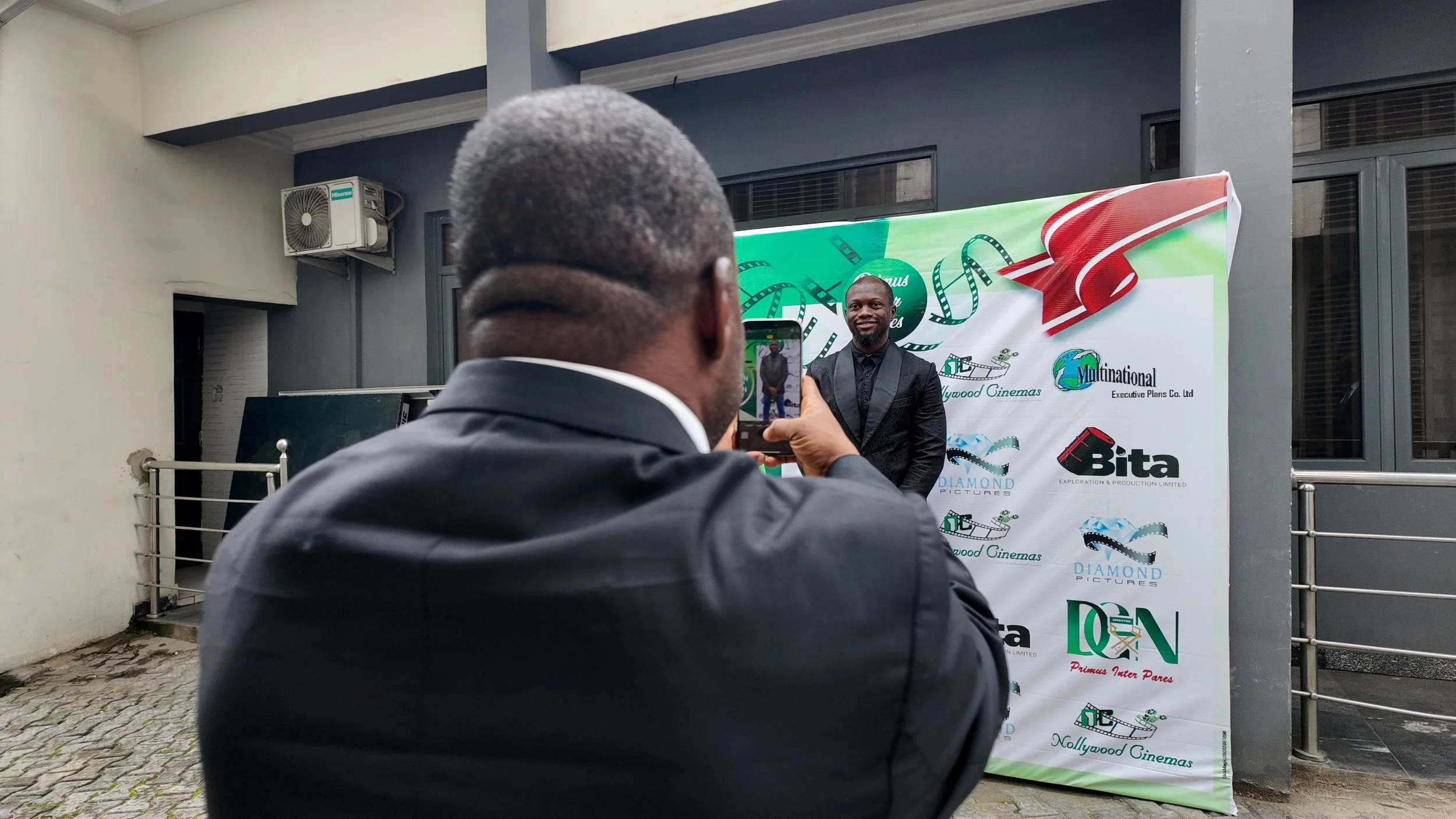
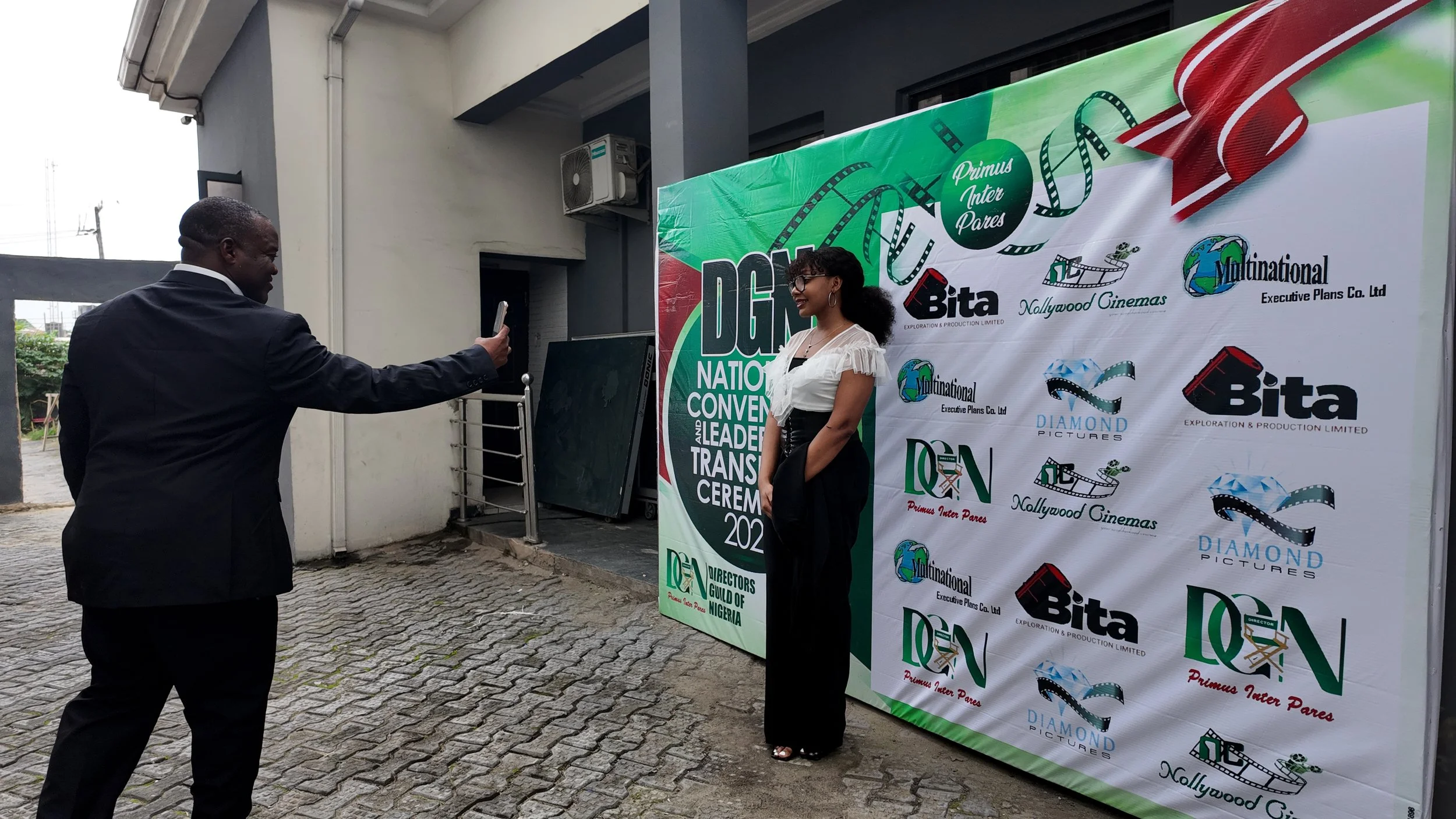
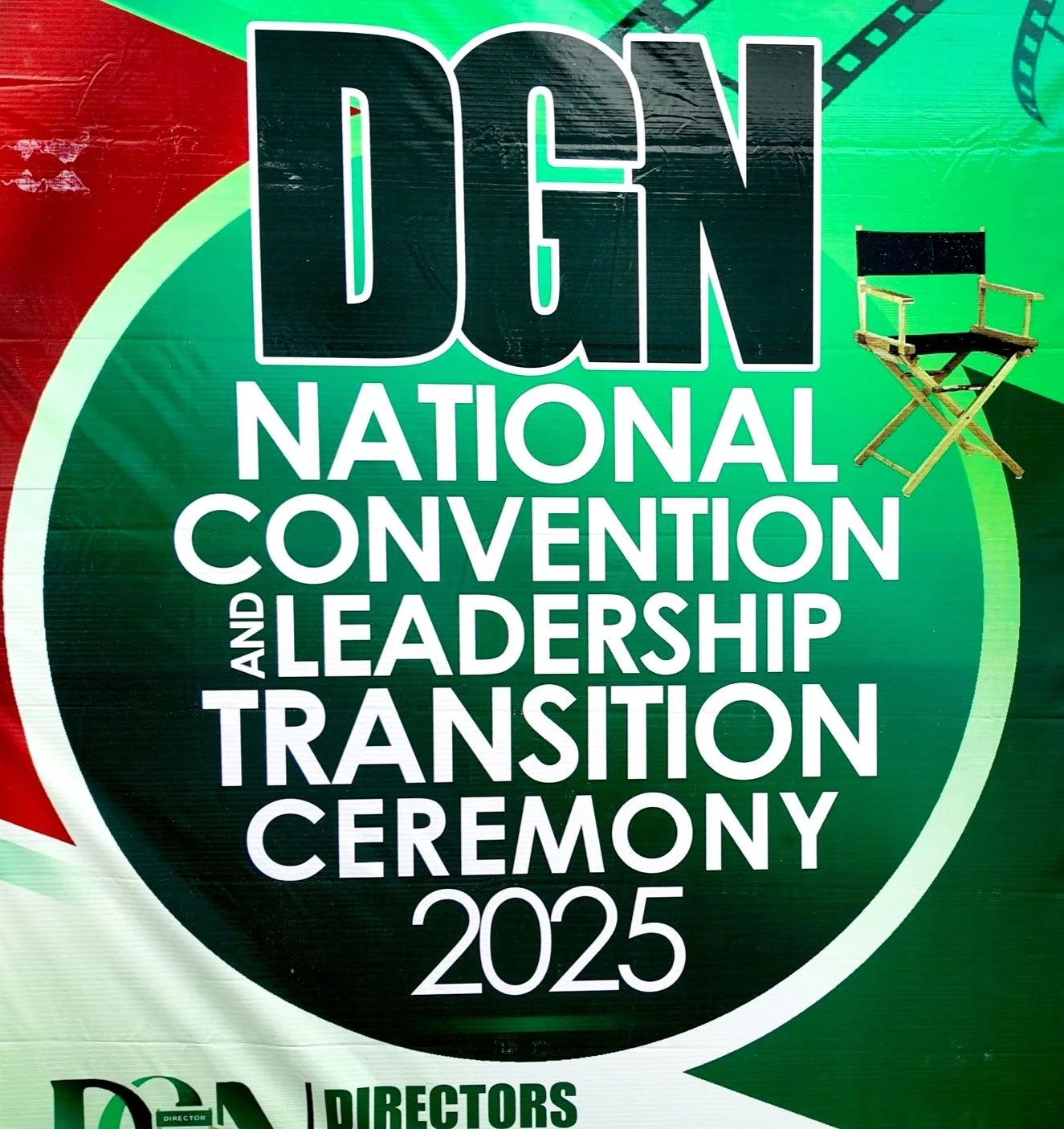
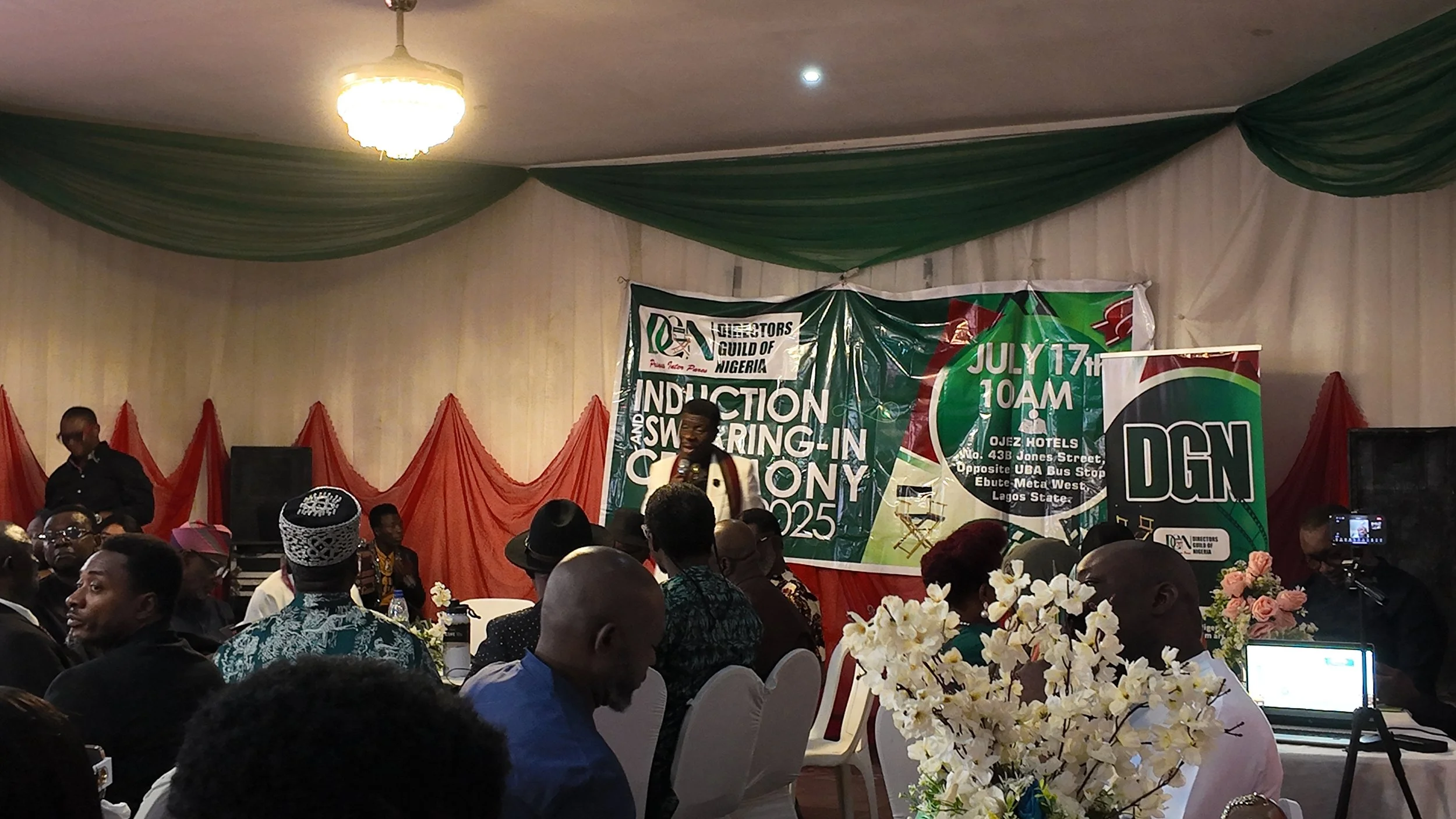
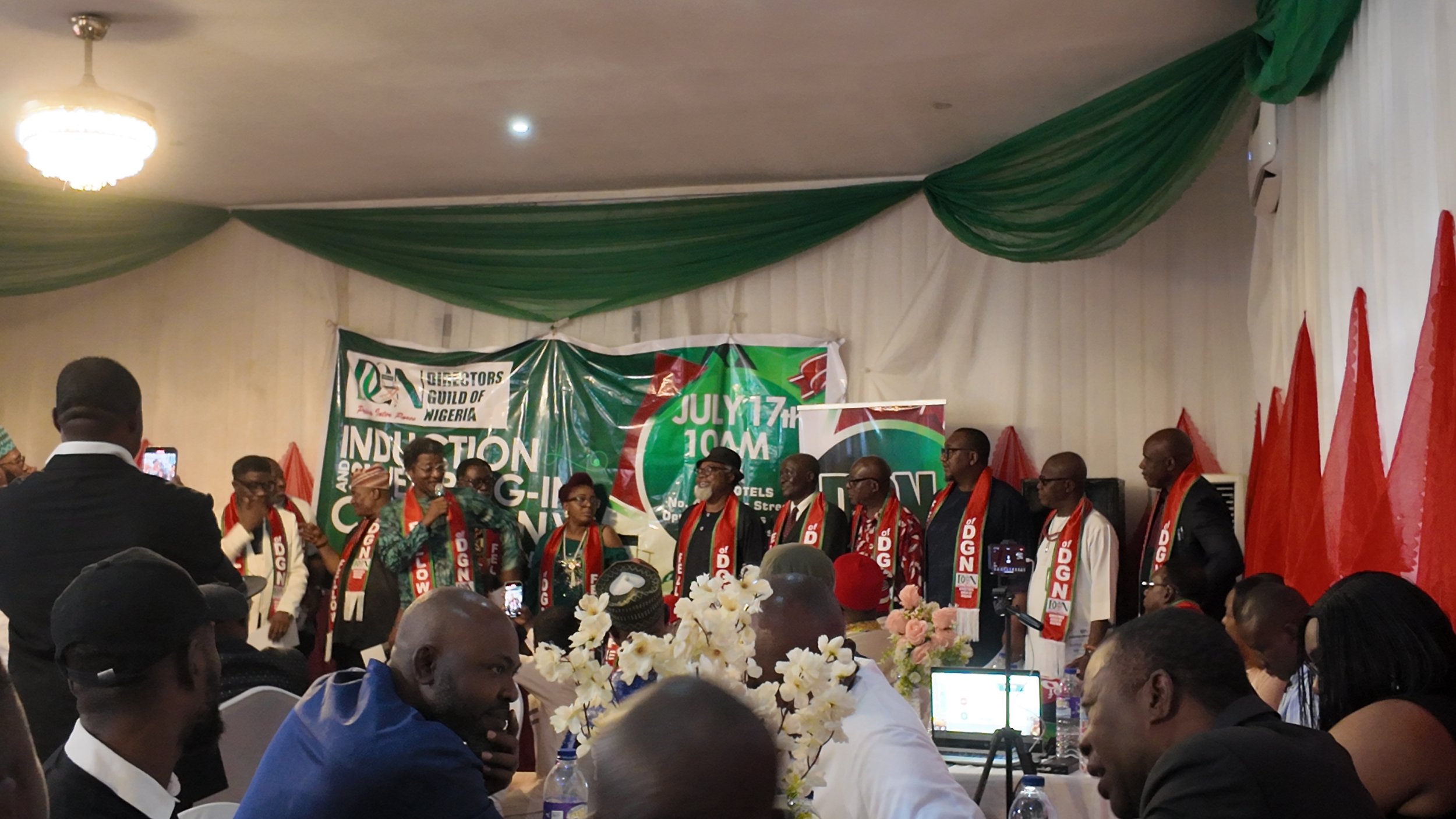
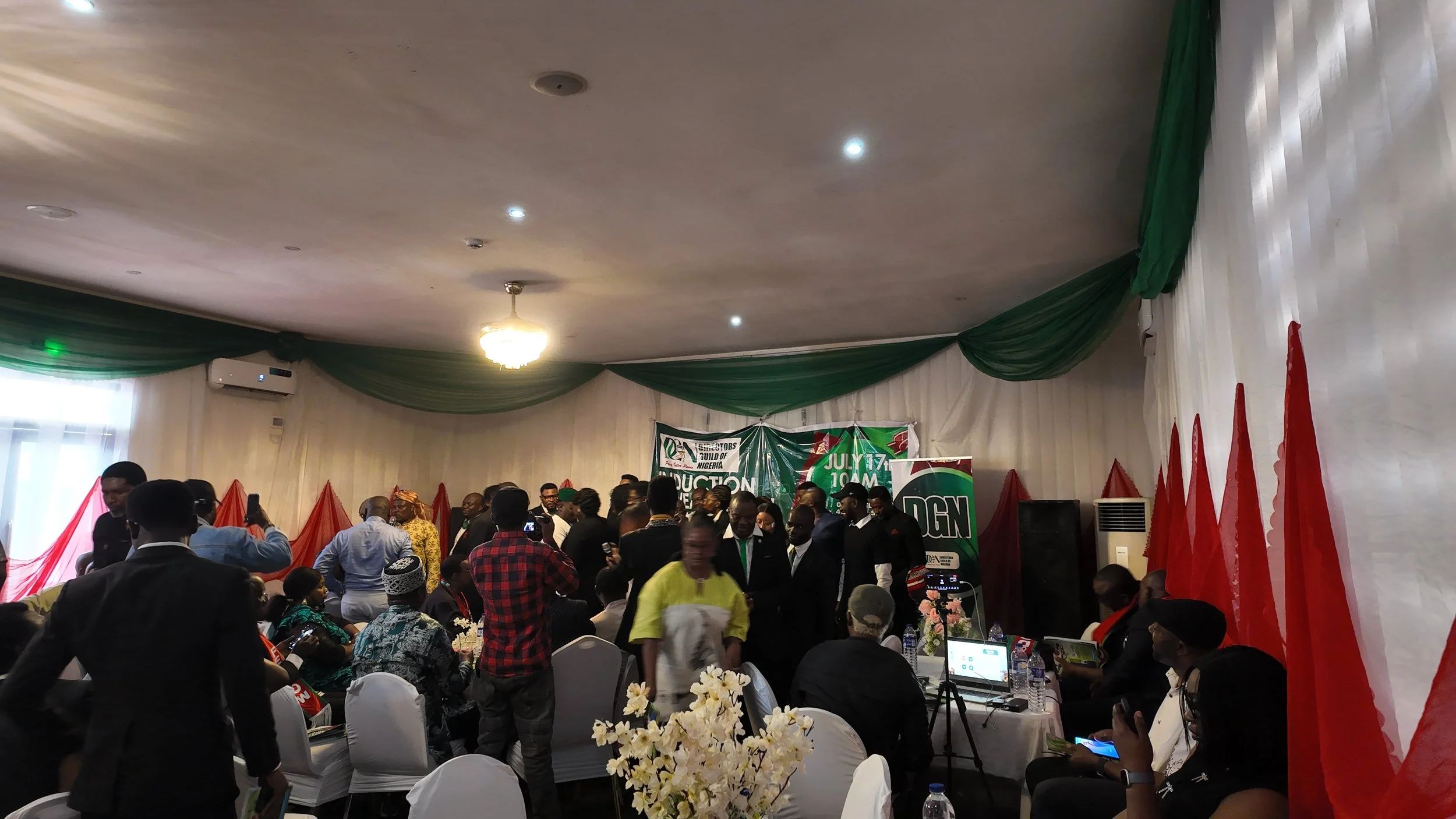
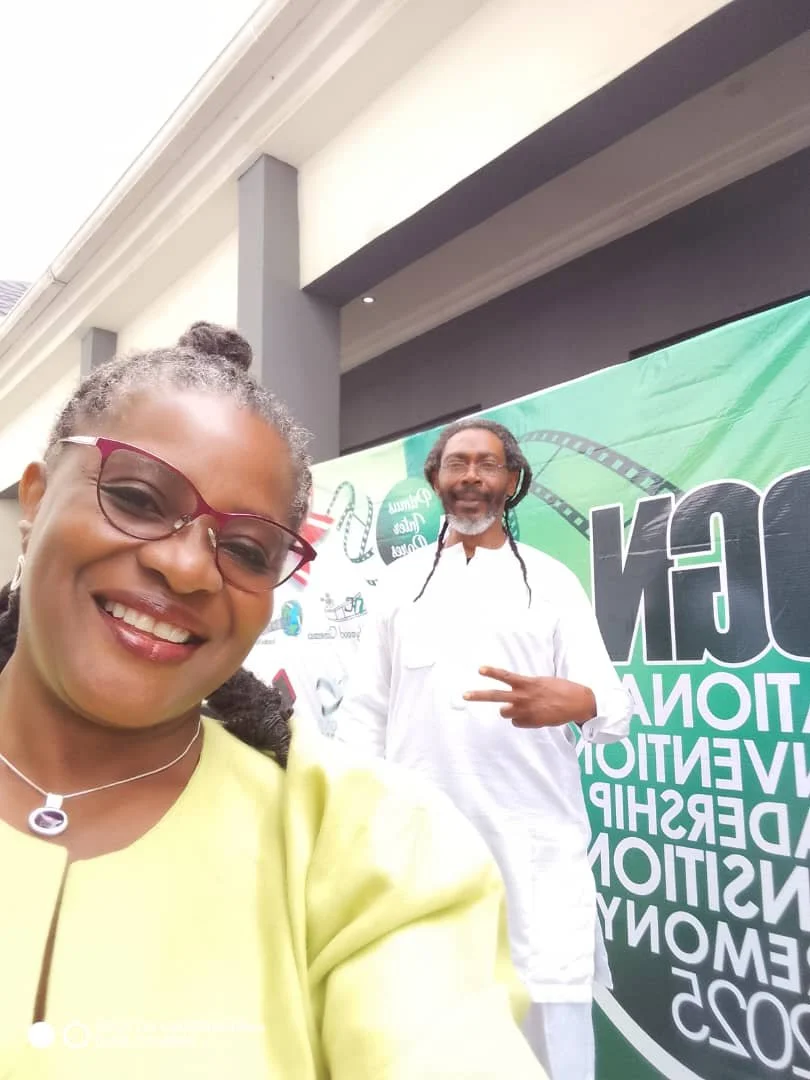
Oyiza Adaba Inducted into the Directors' Guild of Nigeria (DGN)
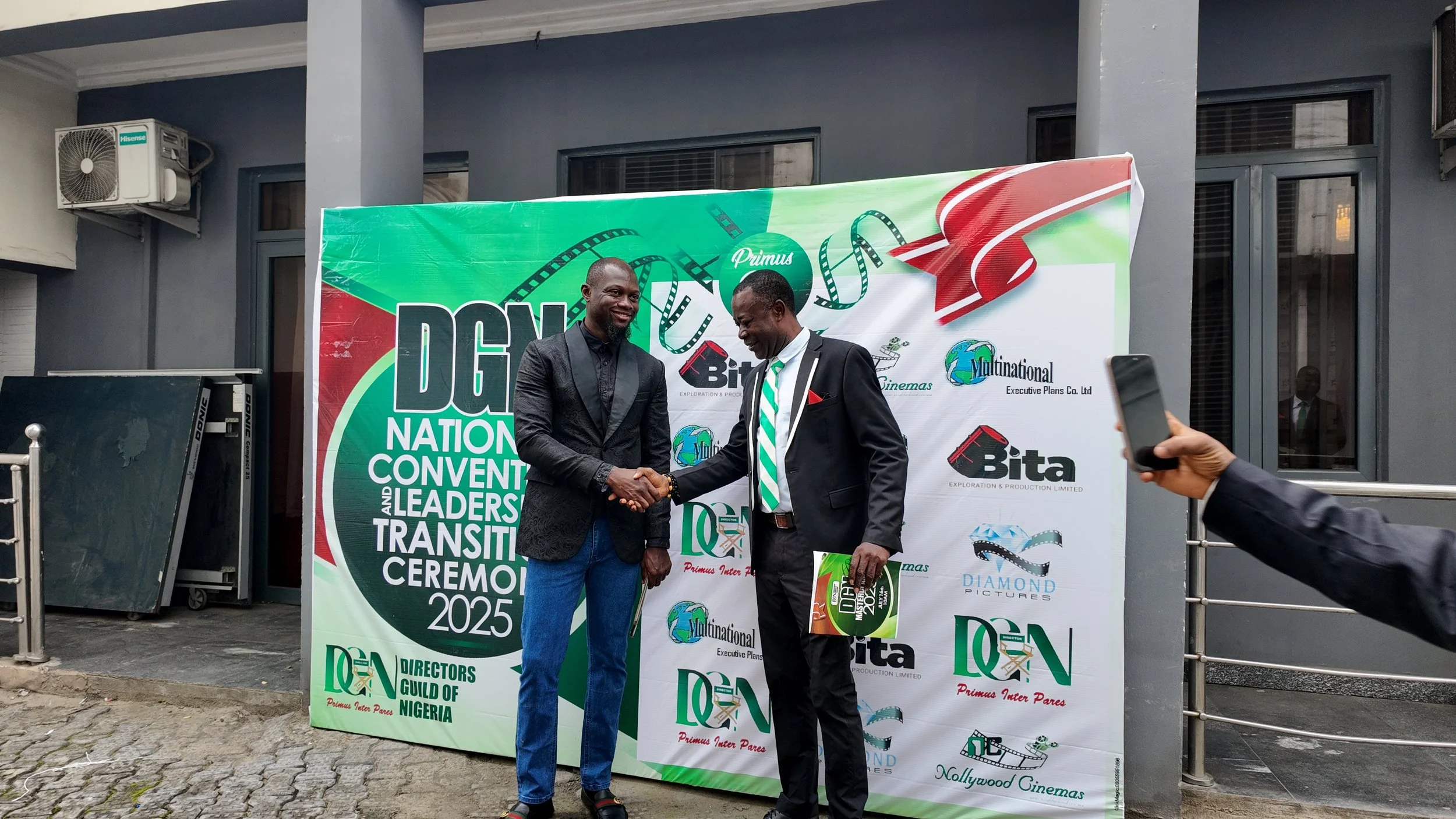
Lagos, Nigeria. Oyiza Adaba (Director: The Making of El Anatsui), Inducted into the Directors' Guild of Nigeria (DGN) on July 17, 2025
Africa-Related Lagos, Nigeria
Oyiza Adaba (Director: The Making of El Anatsui), Inducted into the Directors' Guild of Nigeria (DGN) on July 17, 2025.

New DGN inductee, Oyiza Adaba on the red carpet
PHOTOS By Africa-Related








Steps Toward Investment-led Strategy In U.S-Africa Relations
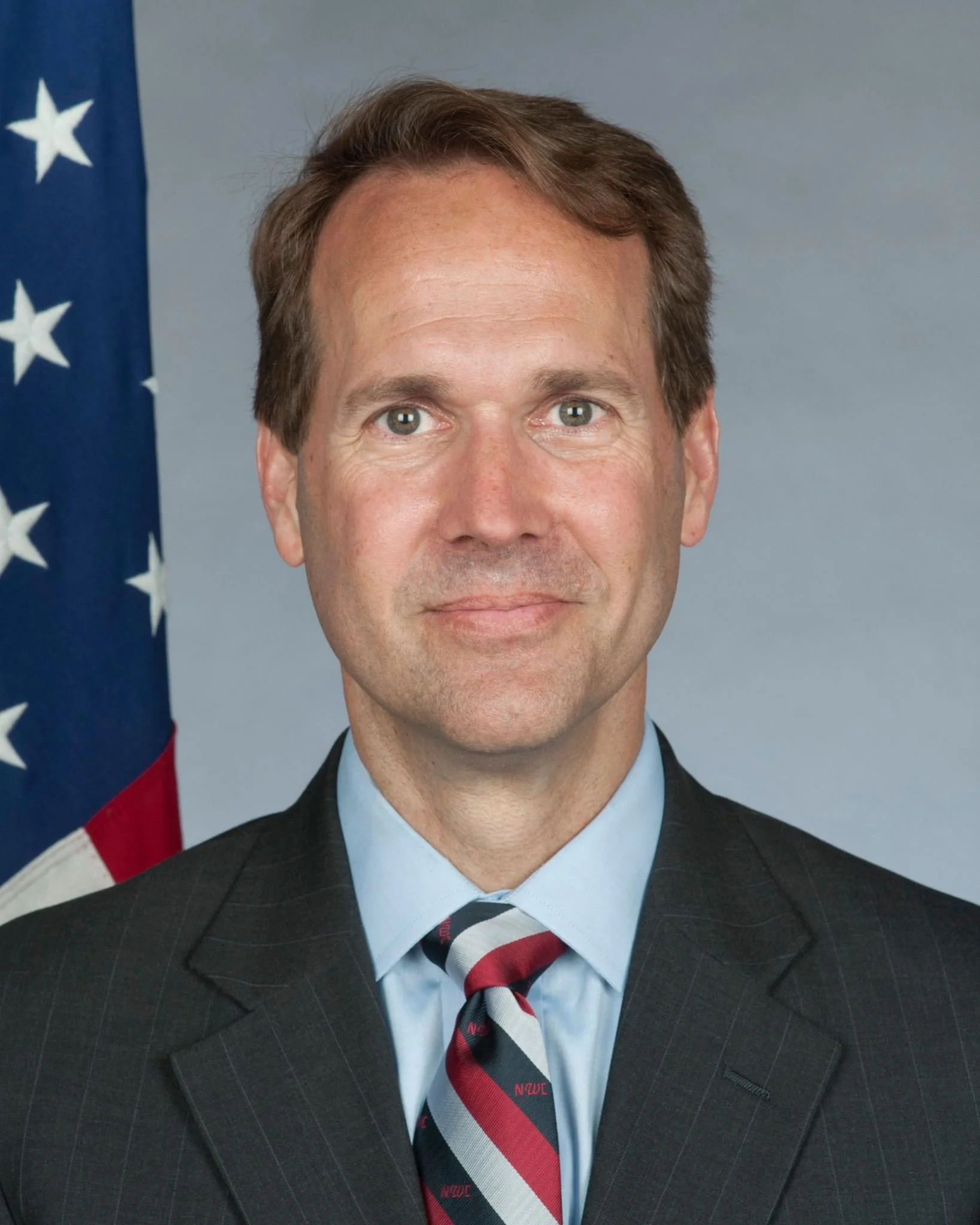
The Senior Bureau Official for the Department of State’s Bureau of African Affairs, Ambassador Troy Fitrell and U.S. Ambassador to Cote D'Ivoire, Ambassador Jessica Davis Ba reviewed commercial diplomacy trip to West Africa and outlined the State Department’s new commercial diplomacy strategy for Sub-Saharan Africa.
Senior Bureau Official Troy Fitrell’s Commercial Diplomacy Trip to West Africa
Digital Press Briefing
The Senior Bureau Official for the Department of State’s Bureau of African Affairs, Ambassador Troy Fitrell and U.S. Ambassador to Cote D'Ivoire, Ambassador Jessica Davis Ba. Ambassador Fitrell reviewed his commercial diplomacy trip to West Africa and outlined the State Department’s new commercial diplomacy strategy for Sub-Saharan Africa.
You can find the full transcript of the briefing here:

DELA Campus Tour Kicks Off With Pan-Atlantic University
The Nigeria leg of the DELA Campus Tour kicked off with the Pan-Atlantic University in Lagos on 20th March 2025. From 10am, the technical crew began setting up at Benin Hall, the theatre style 60-seater venue for the screening.
Patricia Igho, Lagos - Nigeria
The Nigeria leg of the DELA Campus Tour kicked off with the Pan-Atlantic University in Lagos on 20th March 2025. From 10:00 am, the technical crew began setting up at Benin Hall, the theatre style 60-seater venue for the screening

L-R: Standing by on of El Anatsui’s early wood works: Ayodele O. Banjo (DELA Editor/TWPC), Clement Eno, Solomon Nkwagu (Head Corporate Communications, Yemisi Shyllon Museum). and Patricia Igho ( Africa-Related). Photo by Yemisi Shyllon Museum
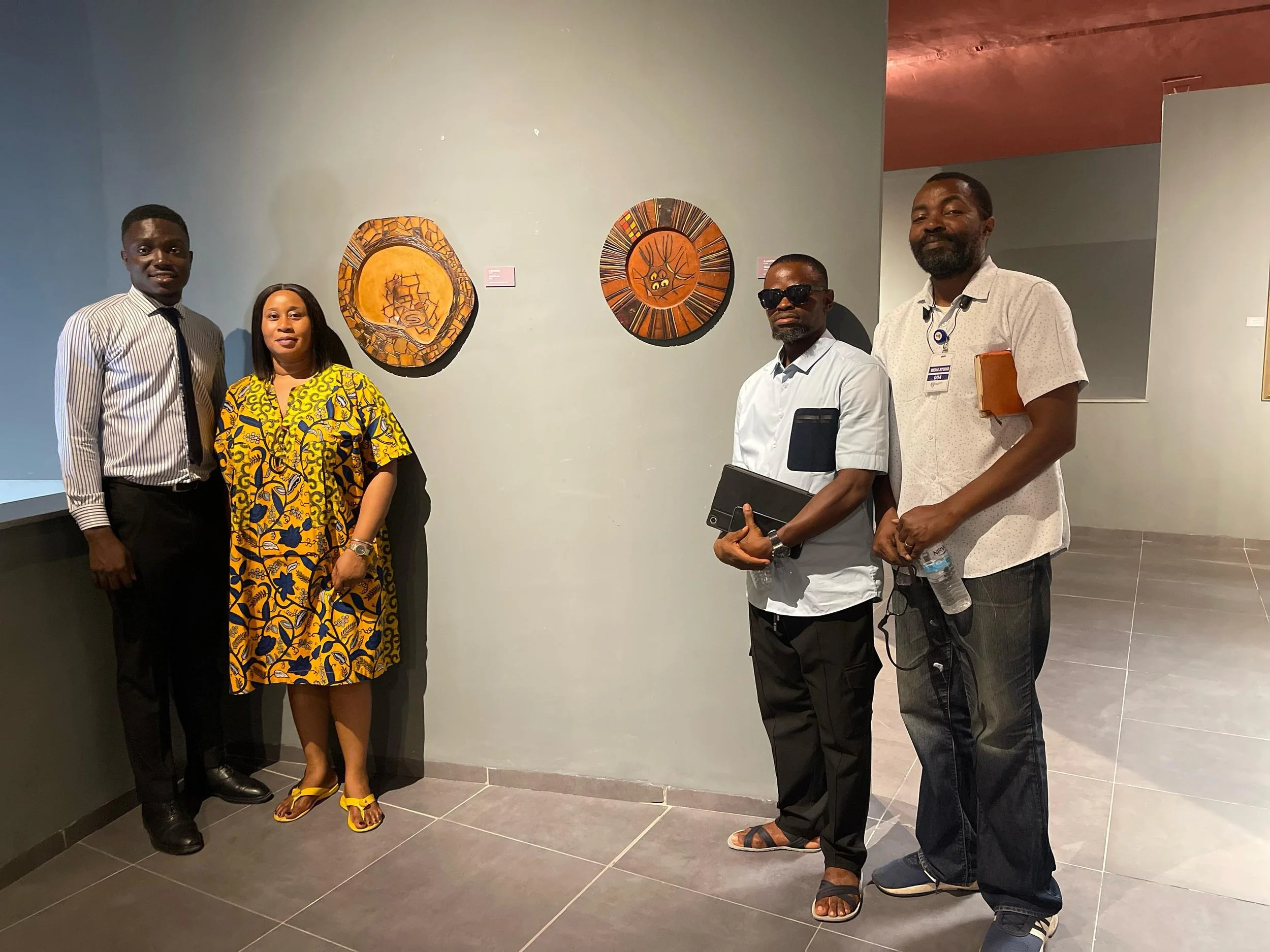

The DELA Team was given a tour of the Yemisi Shyllon Museum of Art by the Head Corporate Communications Mr. Solomon Nkwagu. The museum is situated on the campus, where some of El Anatsui's earlier works are part of the its permanent collection.
The screening was scheduled to take place at 2:00 pm, and students began arriving as early as 1:30 pm, having completed their registration prior to the event. Those students who had classes scheduled in between the start time and the screening later joined the gathering as they were able. Additionally, several members of the staff also made their way to the venue to participate in the event, contributing to the overall atmosphere of engagement and anticipation.
Dr. Añulika Agina, an Associate Professor, Media Studies and MSc Programme Director, made the introductions, and prompted the students to observe a minute of silence for the late Dr. Tom Adaba, who also served as a Senior Consultant on the film project.
The screening kicked off about 2:10 pm and ran through to 4pm. The students displayed keen interest and were actively taking notes during the course. Some of the scenes elicited different reactions such as laughter and awe.
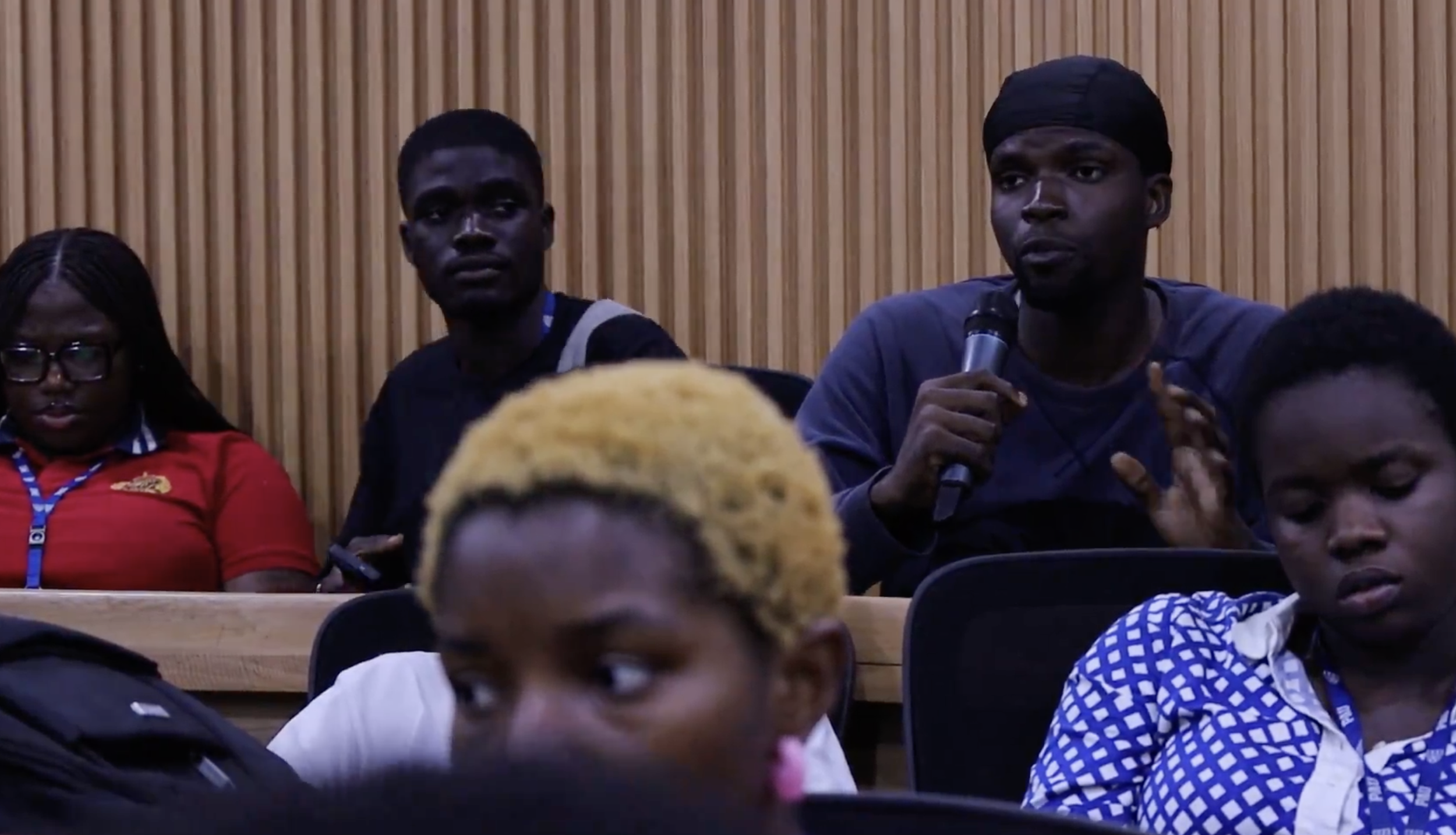
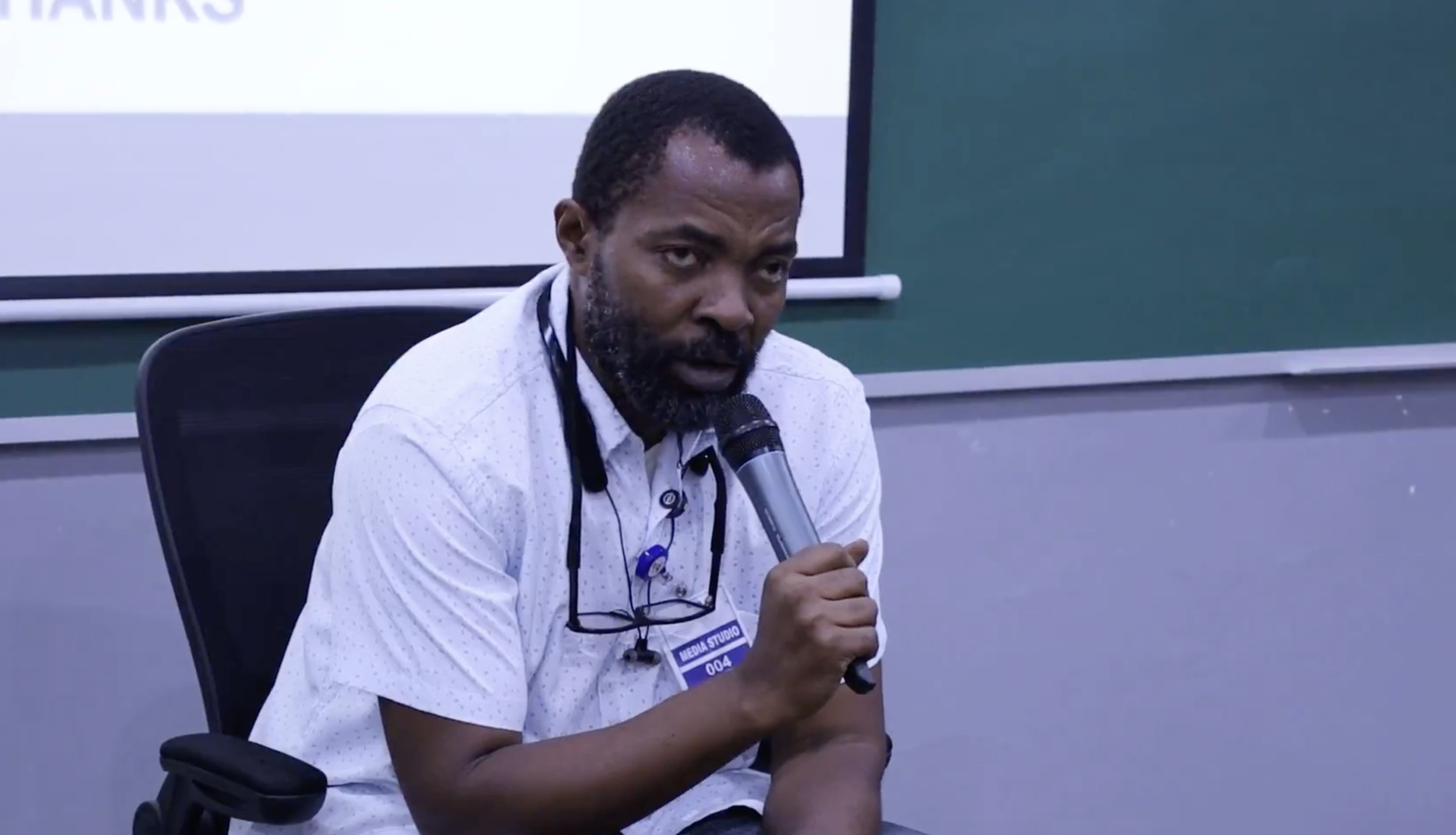
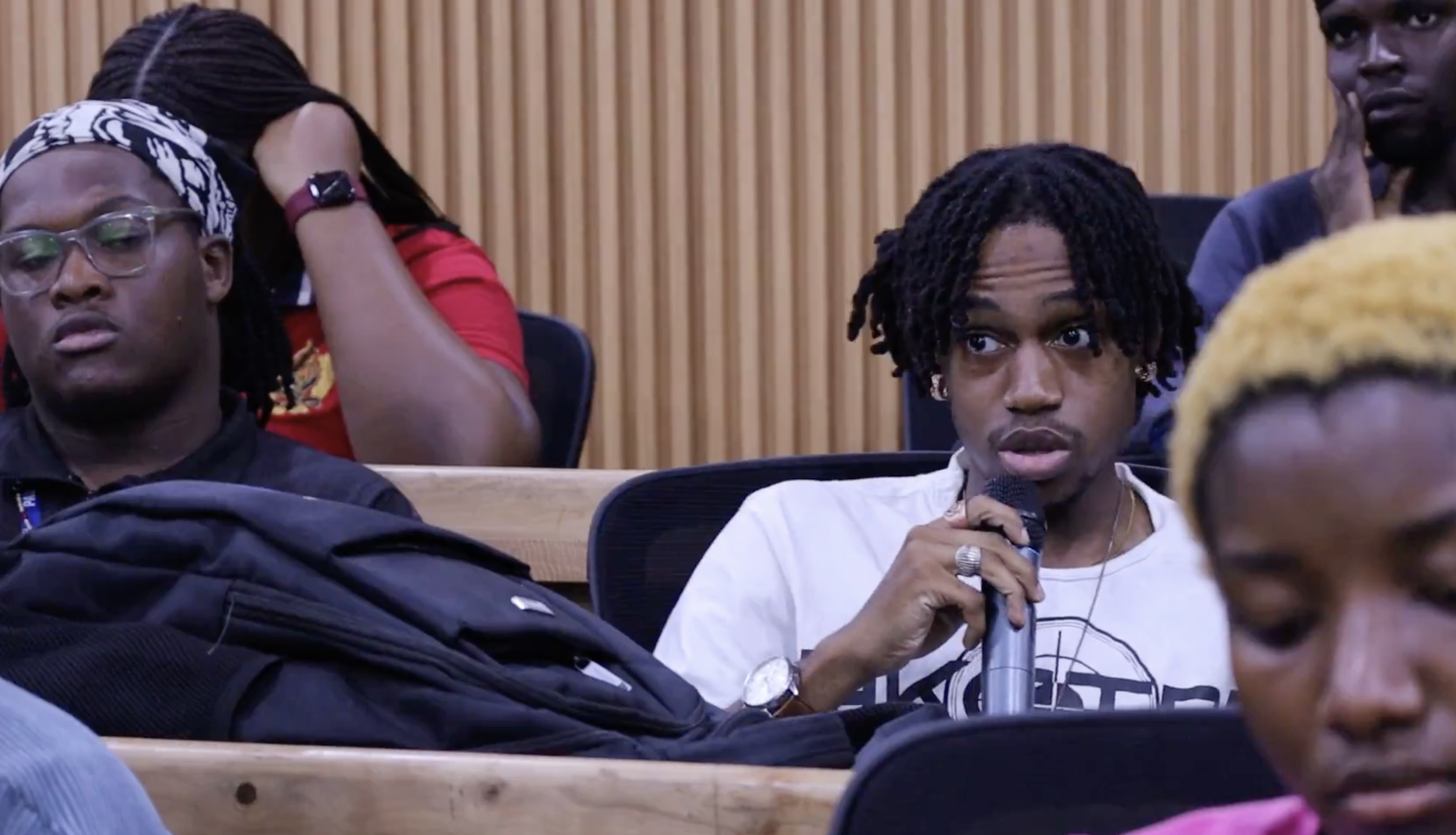
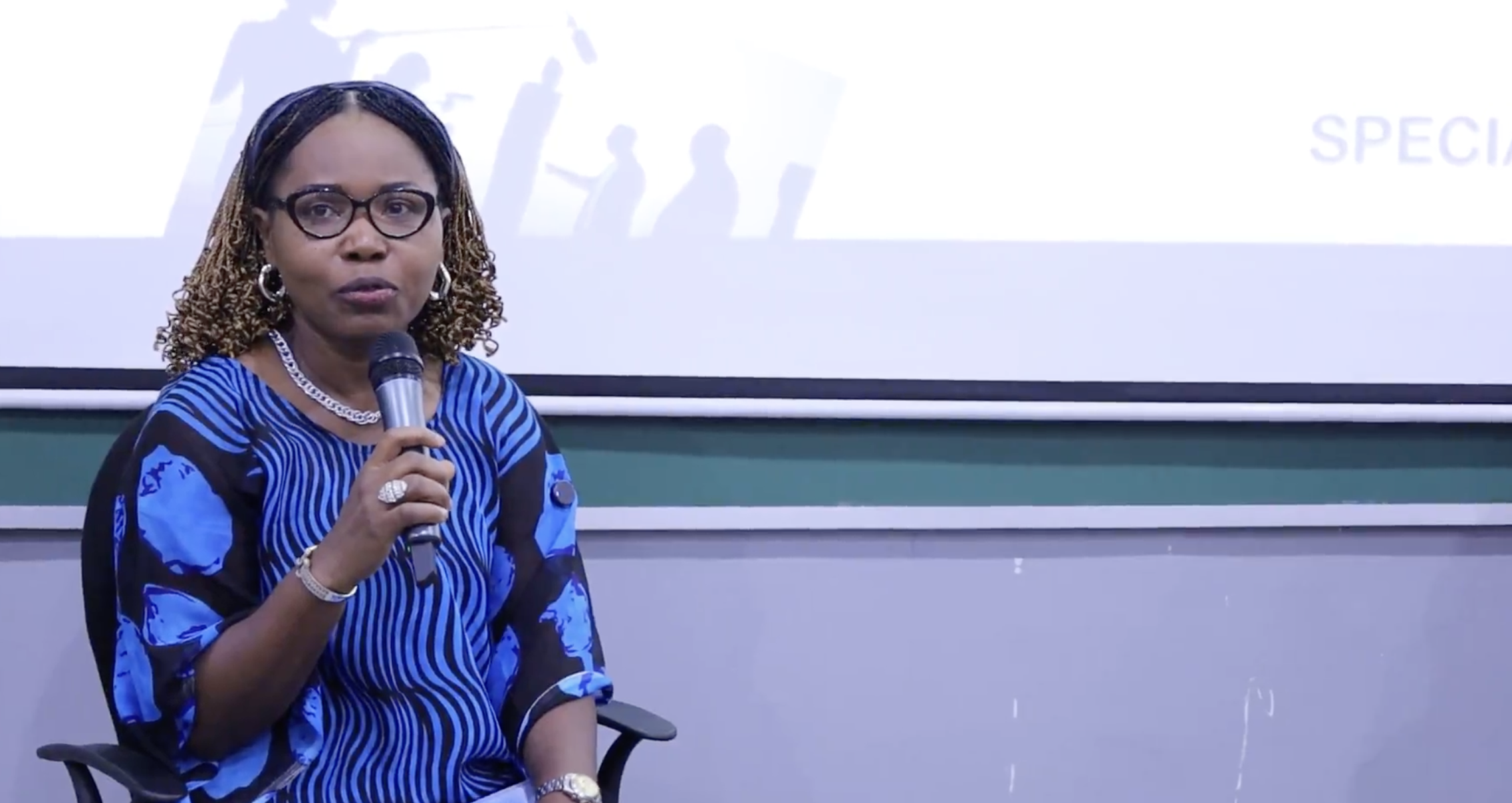
The ‘intense’ Q&A session that followed lasted for an hour and ten minutes. It was an enlightening session, where five students were given the opportunity to ask questions. Mr. Ayodele O. Banjo, the lead editor and co-producer on the project, answered questions that centered on the technical aspects of the documentary i.e filming, music, editing, and personal motivation..
Q & A Photos with DELA Editor Mr. Ayodele Banjo
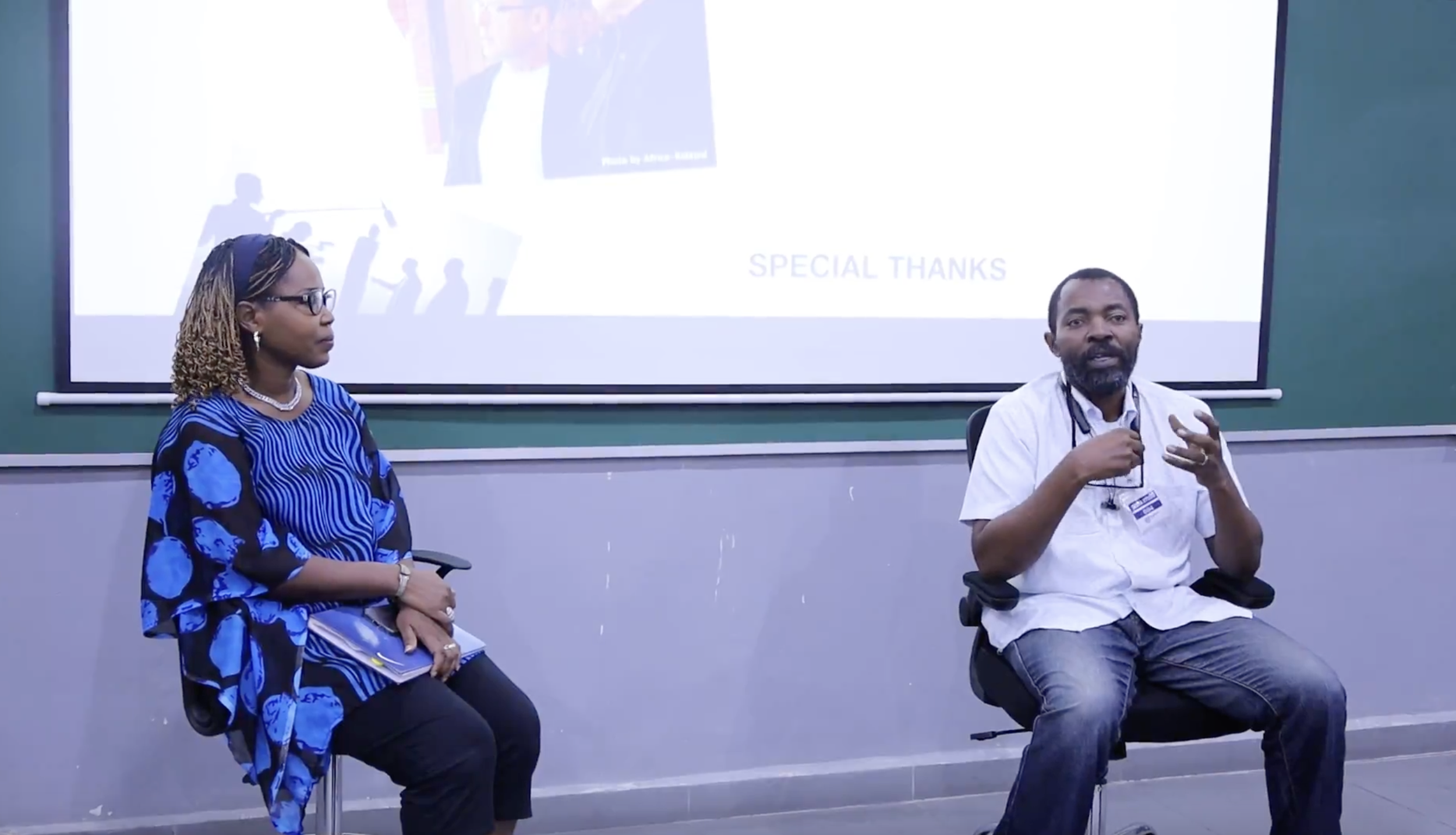
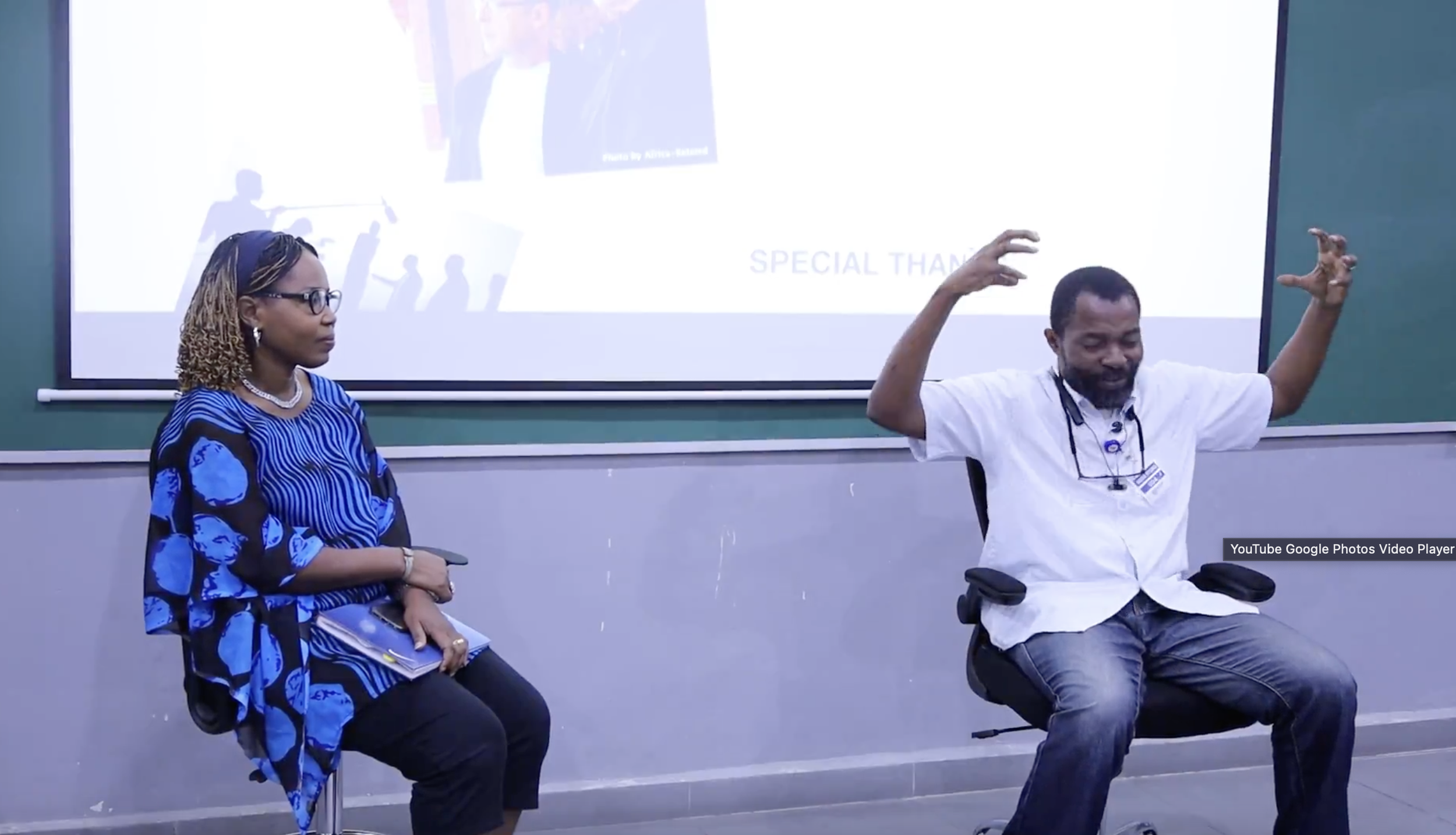

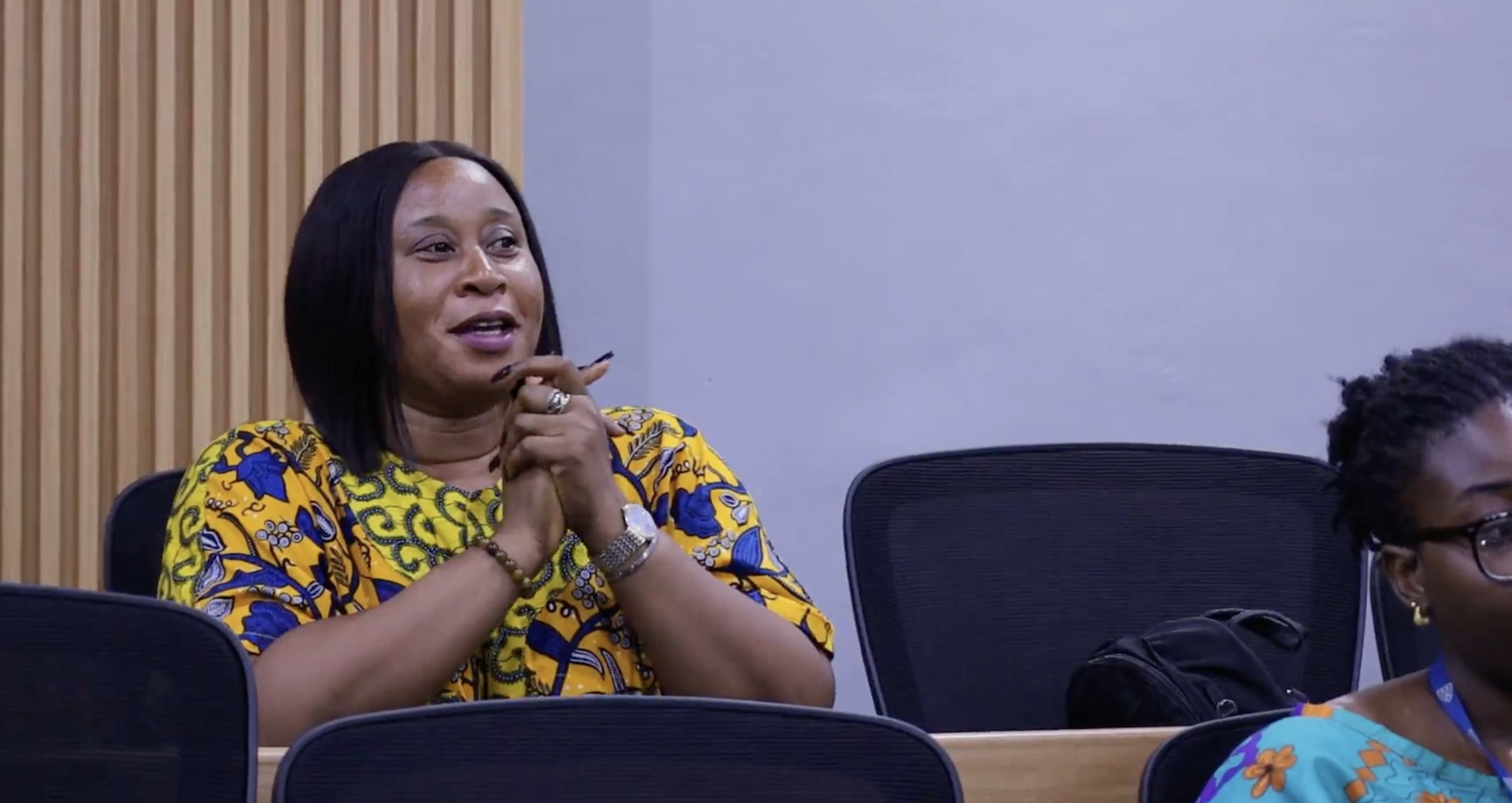
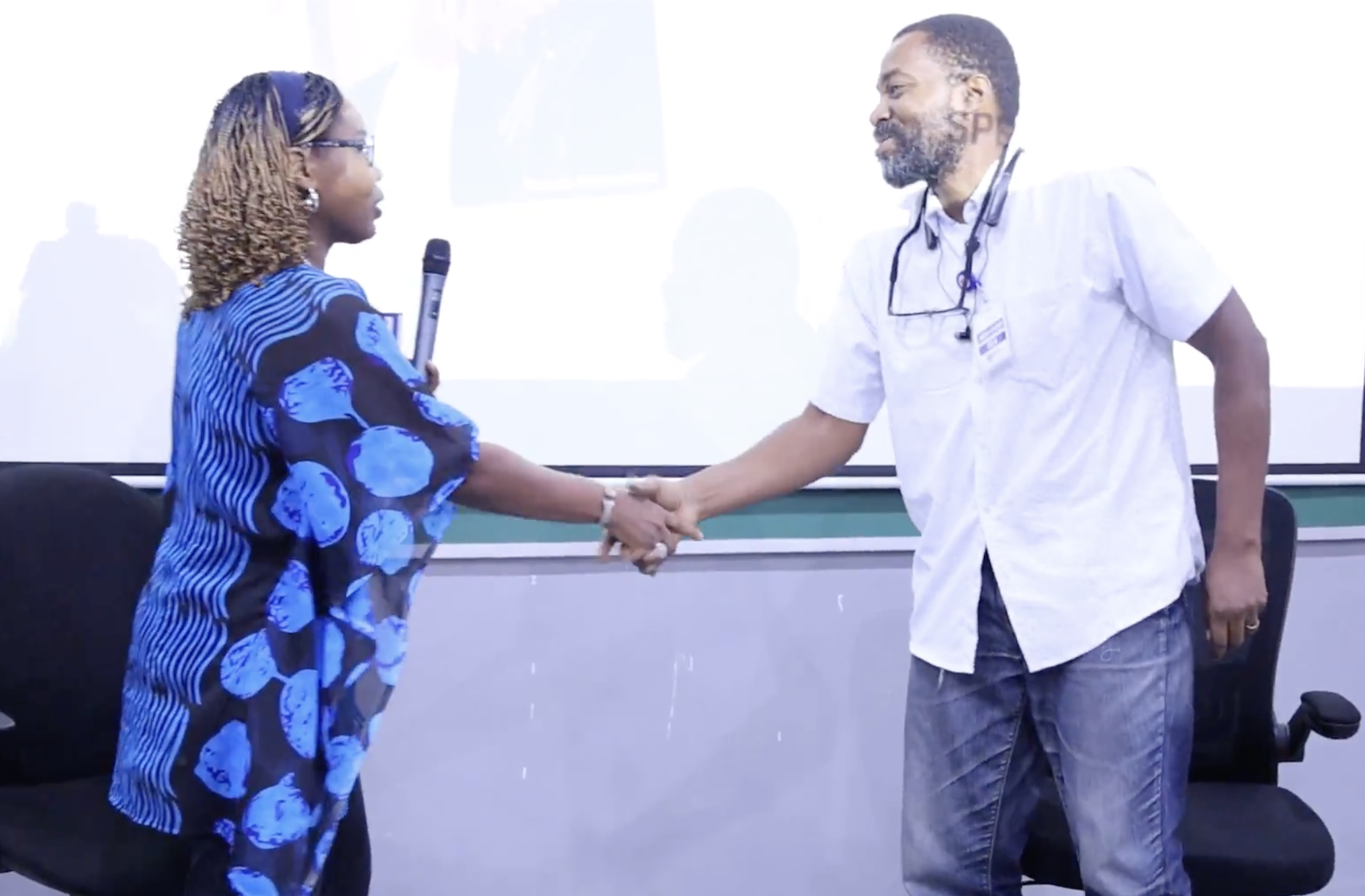
The day ended with three copies each of books authored by two participants in the film, presented to the PAU library and received by Dr. Ajina. The books are 'But For God' by Dr. Tom Adaba and 'A Samson In The Wild' by Bright Andrew Igho.
DELA: The Making of El Anatsui is a biographical documentary about one of the world's greatest sculptors. The Campus Tour aims to bring art and film students closer to the film's subject. The next stop in Nigeria is the University of Nigeria Nsukka (UNN) on April 10, 2025. In Ghana, the tour will screen at the artist’s five alma mater institutions.
SHARE THIS STORY
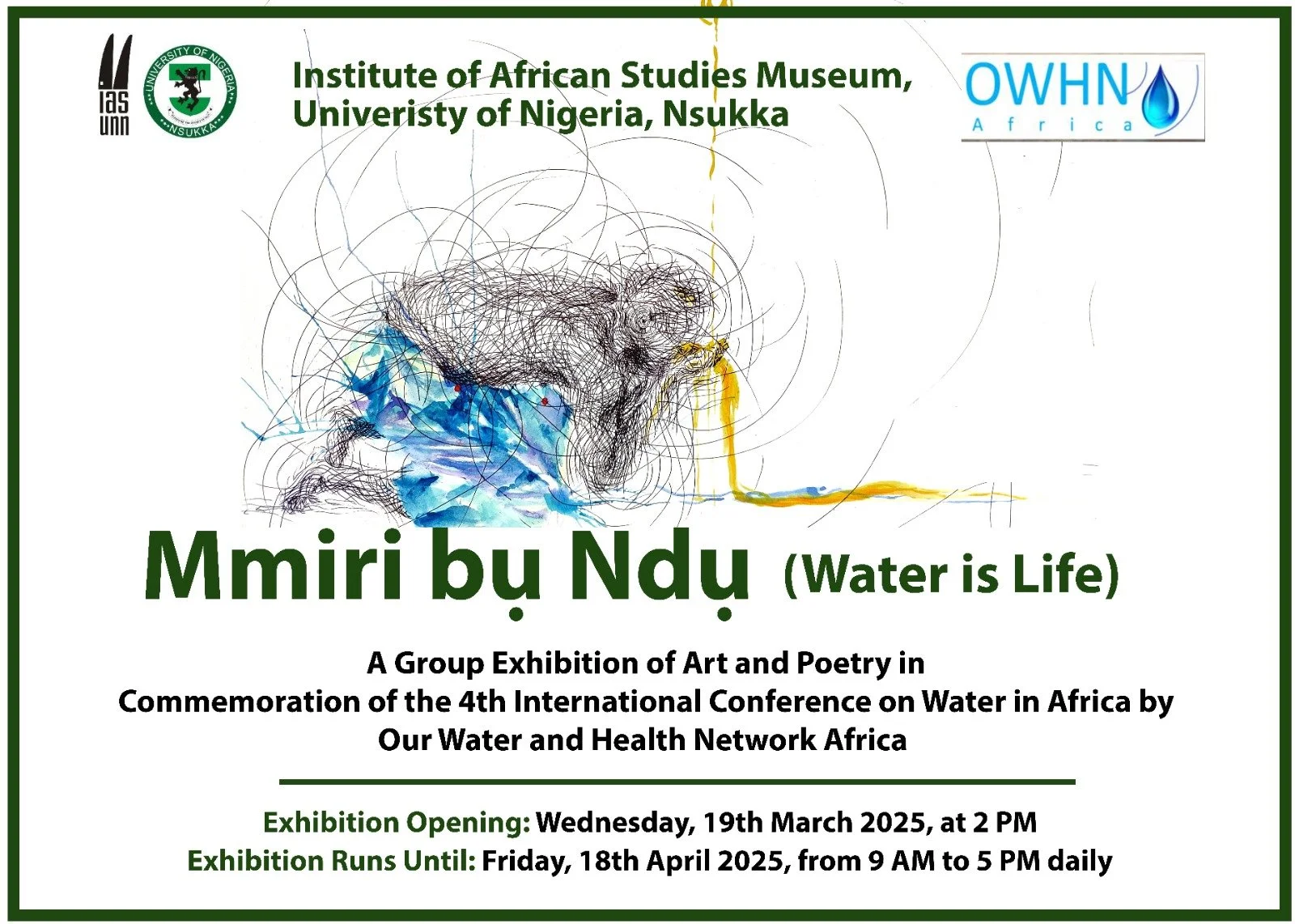
Water is Life group exhibition of art and poetry
Mmiri bụ Ndụ - (Water is Life) group exhibition of art and poetry commemorating the 4th International Conference on Water in Africa by *Our Water and Health Network Africa.
Mmiri bụ Ndụ - (Water is Life) group exhibition of art and poetry commemorating the 4th International Conference on Water in Africa by *Our Water and Health Network Africa. Opens at 2 pm Wednesday, 19th March 2025, at the Institute of African Studies Museum, University of Nigeria, Nsukka and runs until Friday, 18th April 2025, Monday through Friday, 9:00 a.m. to 5:00 p.m.
FINAL DAYS TO APPLY
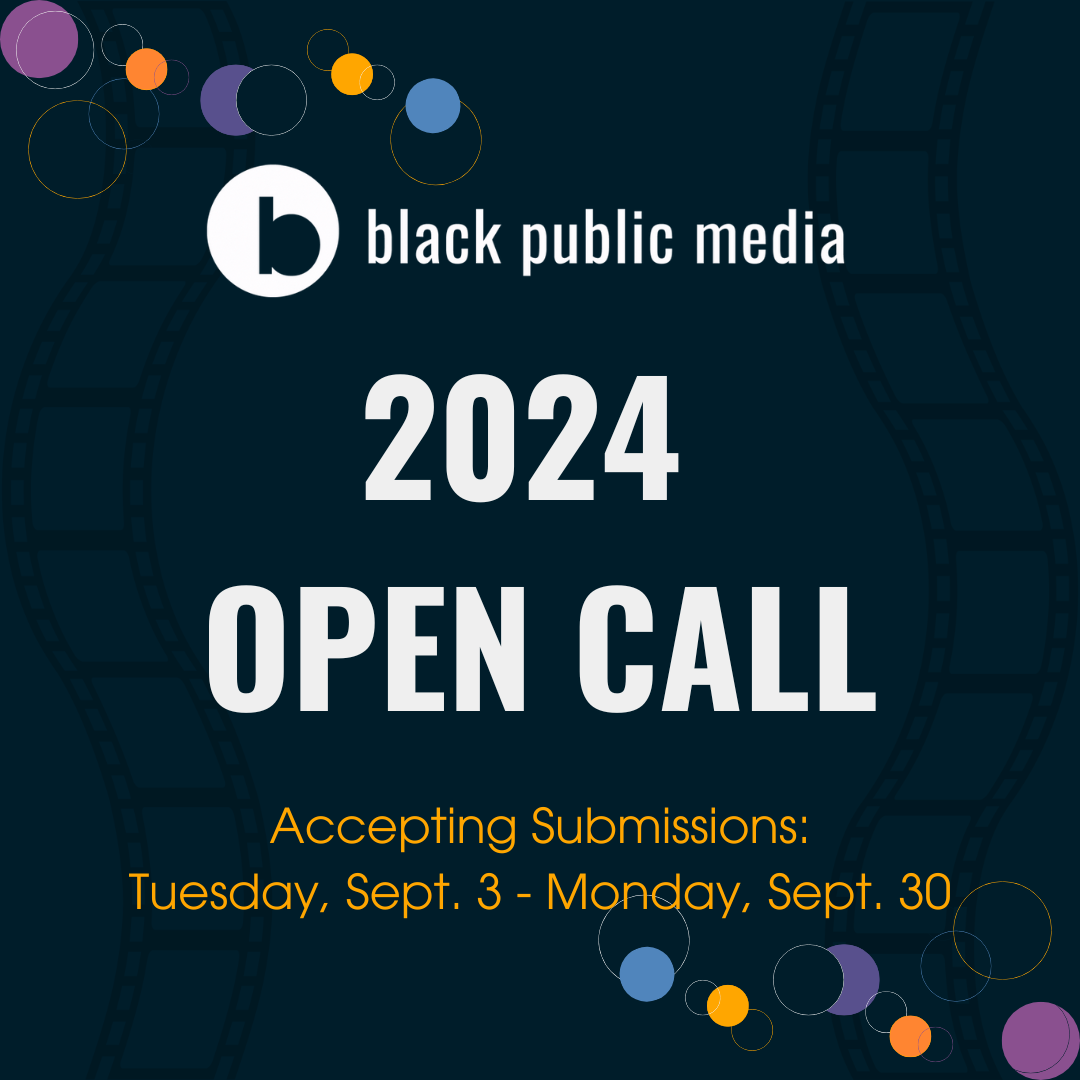
NEW YORK — Black Public Media (BPM) has issued its 2024 open call for projects that center Black culture, characters, communities and concerns. A total of $175,000 will be awarded this year to U.S. documentary projects currently in pre-production, production or post-production, and intended for public media distribution. The 2024 submission portal (https://blackpublicmedia.org/for-media-makers/bpm-open-call/) is now open and closes on Monday, September 30, at 11:59 p.m. ET. Since its inception, BPM has invested more than $17 million toward iconic documentaries and emerging media projects about the global Black experience.
Black Public Media 2024 Open Call offers $175,000 in funding for Black stories

FOR IMMEDIATE RELEASE
BLACK PUBLIC MEDIA ISSUES OPEN CALL FOR BLACK STORIES
BPM to award a total of $175,000 in current round of funding
NEW YORK — Black Public Media (BPM) has issued its 2024 open call for projects that center Black culture, characters, communities and concerns. A total of $175,000 will be awarded this year to U.S. documentary projects currently in pre-production, production or post-production, and intended for public media distribution. The 2024 submission portal (https://blackpublicmedia.org/for-media-makers/bpm-open-call/) is now open and closes on Monday, September 30, at 11:59 p.m. ET. Since its inception, BPM has invested more than $17 million toward iconic documentaries and emerging media projects about the global Black experience.
This year BPM — a Harlem-based national media arts nonprofit that trains talented storytellers and funds and distributes their works — welcomes feature-length documentary projects in a range of formats, styles, subject matter and genres, including those that target specific viewers such as children and teen audiences. The projects should be compelling, nuanced stories that add the point of view, experiences and concerns of the Black communities to the larger public discourse.
Applicants must be the producer or director of the project with at least three years of professional producing and/or directing experience (or must have a senior producer attached to the project). The applicant must be able to complete the project within 18 months. Additional requirements can be found at: https://blackpublicmedia.org/for-media-makers/bpm-open-call/.
This fall, a panel of media professionals across the industry will evaluate the proposals in a two-tier review process that assesses the project idea and story, production readiness, production team, project budget and work sample. And in December, BPM will announce the five applicants who will receive a $5,000 stipend, an invitation to its talent development program and the opportunity to participate in PitchBLACK, the largest pitch competition for independent filmmakers and creative technologists developing new projects about the global Black experience. One of these projects will win a $150,000 PitchBLACK Award for a broadcast-length or feature project.
“Each year we are amazed to see the myriad, layered stories which are bubbling up from all corners of this country from such gifted creatives,” said BPM Executive Director Leslie Fields-Cruz. “We look forward to helping these makers bring their important work to American viewers.”
Prospective applicants may watch BPM’s virtual information session here: https://blackpublicmedia.org/for-media-makers/bpm-open-call/.
BPM’s 2024 Open Call is supported by the Corporation for Public Broadcasting, Netflix, the MacArthur Foundation, the Tarver Walls Foundation, Paramount+, the New York Community Trust, the Jerome Foundation, the Tides Foundation, Acton Family Giving and Gimlet.
For more information on Black Public Media, visit www.blackpublicmedia.org, or follow it on X (@BLKPublicMedia), Facebook (@BlackPublicMedia), Instagram (@blackpublicmedia) or TikTok (@black-public-media).
ABOUT BLACK PUBLIC MEDIA:
Black Public Media (BPM) supports the development of visionary content creators and distributes stories about the global Black experience to inspire a more equitable and inclusive future. For 45 years, BPM has addressed the needs of unserved and underserved audiences. BPM-supported programs have won five Emmys, 10 Peabodys, three Anthem Awards, 14 Emmy nominations and an Oscar nomination. BPM continues to address historical, contemporary, and systemic challenges that traditionally impede the development and distribution of Black stories. For more information, visit blackpublicmedia.org and follow BPM on Instagram and Facebook and @BLKPublicMedia on X.
# # #
For interview and media inquiries, contact:
Cheryl L. Duncan
Cheryl Duncan & Company Inc.
201-552-9239 (O)
FPC TRANSCRIPT: Reforming the UN Security Council with Ambassador Linda Thomas-Greenfield
FOREIGN PRESS CENTER BRIEFING WITH LINDA THOMAS-GREENFIELD, U.S. AMBASSADOR TO THE UNITED NATIONS
Downloadable video and photos of this briefing for use in reporting can be found here:
FOREIGN PRESS CENTER BRIEFING WITH LINDA THOMAS-GREENFIELD, U.S. AMBASSADOR TO THE UNITED NATIONS
LINK/TOPIC: REFORMING THE UNITED NATIONS SECURITY COUNCIL
WEDNESDAY, SEPTEMBER 18, 2024, 2:00 P.M. EDT
THE WASHINGTON FOREIGN PRESS CENTER, WASHINGTON, D.C.
MODERATOR: Good afternoon, all, and thank you for joining us here at the Washington Foreign Press Center. My name is Leah Knobel and I’ll be the moderator for today’s briefing. It’s my pleasure to introduce Ambassador Linda Thomas-Greenfield, United States Ambassador to the United Nations. A reminder that this briefing is on the record and the transcript, video, and photos will be posted to our website later today.
And with that, I will invite the Ambassador to begin with her opening remarks.
AMBASSADOR THOMAS-GREENFIELD: Good afternoon, everyone. One week ago I had the opportunity to deliver a keynote address at the Council on Foreign Relations in New York City. In it I discussed the progress the Biden-Harris administration has made and will continue to make to create a UN that is fit for purpose, ready to meet the challenges and the opportunities of the 21st century. I walked through some of the efforts we’ve championed to reform the multilateral system, from how we finance and deploy peacekeeping operations to how we ensure our humanitarian and our developments efforts are effective and efficient.
And I announced our support for key changes to the composition of the United Nations Security Council. This is a process that began two years ago when President Biden shared that the United States supports expanding the council to include permanent representation for countries from Africa as well as Latin America and the Caribbean. That’s in addition to the countries we’ve long supported for permanent seats: India, Japan, and Germany. In the months following the President’s announcement, I met with dozens of countries in New York in what I like to call a listening tour. I listened to their ideas and their aspirations for a more inclusive, representative Security Council.
And now we head into the final High-Level Week of the Biden-Harris administration with three new commitments for Council reform. First, that the United States supports creating two permanent seats for Africans on the council. Second, that the United States supports creating a new elected seat on the Security Council for Small Island Developing States. And third, the United States is ready to take actions on these reforms and pursue a text-based negotiation; in other words, to put our principles to paper and begin the process of amending the United Nations Charter.
Over the past week, I’ve heard from so many leaders across the United Nations and in fact from across the world and the multilateral system more broadly. One partner called these proposals “seismic” and others have expressed strong support for our announcement. And even those who don’t agree with every aspect of our proposal understand that the United States putting our stake in the ground is a big, big deal. So there’s a sense of genuine excitement that meaningful progress really is possible, and there’s a renewed sense of purpose to make it happen. It’s a testament to the power of the United States’ leadership and it’s a reminder that while diplomacy is hard and diplomacy about diplomacy is even harder, we can do hard things. We can think beyond what has been, push ourselves to create a system that meets this moment and the opportunities of the future.
So with that, I am ready to take a few questions. Thank you.
MODERATOR: Thank you, Ambassador. We’ll now take questions. Please introduce yourself and your outlet when I call on you. We’ll start with Dmytro in front, and also we’re using microphones today, so please wait to ask your question.
QUESTION: Thank you very much, Ambassador. Thank you very much, Foreign Press Center, for organizing this. It’s priceless. Ma’am, on Ukraine if I may. Firstly, the High-Level Week is always about Ukraine. I know it will be the Security Council on the 24th. Yesterday speaking to journalists in New York, you told you do have some hope to make some progress on Ukraine. So can you give us an understanding about the Ukrainian dimension of those days? And secondly if I may, the – Ukraine is asking the United Nations to verify the situation in the areas of Russia’s Kursk region controlled by Kyiv to prove adherence to international humanitarian law. Do you – do you have any comment on this? What is the position of the United States? Thanks so very much.
AMBASSADOR THOMAS-GREENFIELD: On next week, we do intend to focus attention on the situation in Ukraine. We’ve called for the special meeting of the Security Council on the 24th. And as you know, President Zelenskyy will be in town and there will be a number of side meetings on Ukraine. Our goal is to keep Ukraine on the front burner of the agenda. Russia’s unprovoked war on Ukraine continues. They are not making any efforts to end this war. And it’s in their – it’s really in their power to end this war by withdrawing from Ukraine.
So we intend to keep the pressure on Russia during next week’s Security Council. And we do know that Russia is committing violations, and we’ve called upon the UN and others to investigate those violations. I don’t have any additional information on the plans of the United Nations.
MODERATOR: Okay, I’ll go to Diyar – second row, gray jacket.
QUESTION: Thank you so much. Thank you so much, Ambassador, for doing this. My name is Diyar Kurda. I’m working for Rudaw TV; it’s a Kurdish TV. The first question, speaking of the Middle East and recent incidents in Lebanon: While the U.S. are trying to minimize and also trying to calm down the situation and reaching a ceasefire deal, but on the other side we see these incidents that we saw yesterday in Lebanon and today as well, which a dozen people killed and also a dozen other – dozen peoples were injured. Do you have any fear that this will jeopardize the U.S.’s position in the Middle East and also jeopardize all the efforts that have been taken to calm down the situation? And I have another question.
AMBASSADOR THOMAS-GREENFIELD: Well, certainly we are not trying to minimize the situation that occurred in Lebanon. We know that the situation is still under investigation, but in no way are we minimizing that. And as the Secretary said in his remarks yesterday, we discourage any escalation of the situation on the ground. We want both sides to try to keep us from moving into another conflict, spreading this conflict beyond the – beyond where it is now. And we’re still working on trying to get through the negotiations on the cessation of hostilities in Gaza. We want the hostages released. We want calm in Gaza so additional humanitarian assistance can be delivered to the suffering people in Gaza.
QUESTION: And second question: Talking about the threats coming from terrorism, especially ISIS, we saw in the recent days and weeks they increased their attacks in Syria, in Kurdistan, and also in Iraq. But while we see these incidents, we see the U.S. and Iraq are talking about ending the coalition forces in Iraq, and the Iraqi Government – which the Iraqi prime minister said that we are going to announce by the end of this month. Does the U.S. support the end of the coalition forces in Iraq and the U.S. withdrawal in the current situation that we see ISIS still poses a threat on your interests and also on your allies and also on your friends in the region?
AMBASSADOR THOMAS-GREENFIELD: Look, discussions are still taking place with the Iraqi Government on that issue in particular, but we will always continue to defend our interests until we’re – we’ve pulled out of Iraq. And so the attacks that we are experiencing will be a source of concern for us, and certainly we will respond.
MODERATOR: We have limited time with the ambassador today, so please keep your questions brief and only ask one question. We’ll go to this side of the room now – white buttoned-up shirt. Thank you.
QUESTION: Hi. Thank you, Ambassador. My name is Johanna Roth. I’m with Zeit Online from Germany. You just spoke of the potential for escalation in that conflict, and what do you make of the recent statement by the Israeli administration that this is a new era, quote/unquote, “new era” of this conflict focusing more on the north, and how might that affect the meeting next week in --
AMBASSADOR THOMAS-GREENFIELD: I mean, I think I have to refer you to the Israelis to explain what they meant by that statement. But certainly over the course of next week, we will be engaging on intense discussions with all of our allies, our partners, as well as others on how to de-escalate and bring an end to this conflict.
MODERATOR: Okay, we’ll go to Alex in the front.
QUESTION: Thank you so much, Ambassador. Alex Raufoglu from news agency Turan. Two very quick questions. Let me get your fresh reaction to Finland’s request to remove Russia from UN Security Council? And --
AMBASSADOR THOMAS-GREENFIELD: I’m sorry, whose?
QUESTION: Finland requested to remove Russia from UN Security Council and to take away Russia’s voting right. Your fresh reaction to that?
And second question: Given this – the fact that this is going to be the last UNGA for this administration, and given the fact that you have been championing democracy summits, how much democracy – decline in democracy in Eastern Europe and some other regions will be a part of this summit? Georgia is in my mind, but just (inaudible) other countries as well.
AMBASSADOR THOMAS-GREENFIELD: Well, I hadn’t heard, to be honest, about Finland’s request to have Russia removed from the Security Council. This is a subject that the Ukrainians have brought up on a regular basis as well. Russia is a permanent member of the Security Council who has attacked its neighbor and really attacked all the values of the UN Charter. So having committed those actions, I could see why countries might question why Russia should be on the Security Council.
And I’m not sure I understood your question on democracy, the democracy summit.
QUESTION: (Off-mike.)
AMBASSADOR THOMAS-GREENFIELD: Well, I mean, I think for us democracy anywhere is going to be a part of any discussions we have in the summit. We think the Summit of* Democracy has been extraordinarily successful. We want to continue to encourage those countries who are still standing strong as democracies and build – help boost those countries where we start to see backsliding. And there are some countries that we have seen backsliding.
MODERATOR: Okay. We’ll go to David Smith.
QUESTION: Hi, David Smith of the Guardian. Just wondered if you could talk a bit about the proposal for two African seats on the UN Security Council. Is it possible sometimes those would be non-democratic countries, and does that concern you?
And then a second question: Just generally interested in your reflections on the U.S.’s relationship with African countries, and is there still a perceived struggle there with China for influence?
AMBASSADOR THOMAS-GREENFIELD: Look, Africa – the Africans will choose their two seats on the Security Council. It’s not for us to make that choice. And then they have to be voted on in the General Assembly and supported by – broadly by the Security Council. We have countries on the Security Council that are sometimes not democracies, but I would hope that in making its choices for the Security Council that African countries will choose countries that will be able to represent their – broadly their interest.
And I’m sorry, the second question?
QUESTION: Just your reflections more generally on U.S. influence in Africa, and many people talk about a big competition there with China.
AMBASSADOR THOMAS-GREENFIELD: Look, I have been working on Africa for almost 40 years. I served as the assistant secretary for Africa during the Obama administration. And our relationships across Africa are good. And while there’s always this sense that we’re competing with China on Africa, we have been actively working with Africans on the continent since the beginning. We were one of the first countries to – I think we were even the first country to recognize Ghana. And we continue to have close relationships across the board with African countries. We’re not telling African countries that they can’t choose to have relations with China. That’s a choice that they have to make. What we have to do is be able to give them a choice.
MODERATOR: We’re going to do fourth row, gray jacket, white shirt. Okay.
QUESTION: Thank you. Aziz Rami for the Moroccan press agency. I want to go back to the U.S. relations with African countries. Recently you and the Kingdom of Morocco have co-sponsored a resolution on AI for development. We see today that AI is being used for entertainment, but also for lethal goals. Do you – can you just tell us where your – this – the implementation of this resolution is, and do you think that really AI can – and how can it be used for sustainable development? Thank you.
MODERATOR: Did you introduce yourself?
AMBASSADOR THOMAS-GREENFIELD: Thank you so much for asking that question, because AI is really a very high priority for us. We will be doing several events over the course of High-Level Week and leading up to our presidency in the Security Council in December. We co-sponsored – in fact, drafted a resolution on AI that got wide support across the board in the General Assembly. Our goal is for AI to be used for good, is for AI to support the Sustainable Development Goals, and we think that AI can support those goals. And we want to work to bridge the digital divide so that the technology around AI can be used to support countries that are not as developed as others, so that people across the world can use and benefit from the use of AI.
MODERATOR: We’re going to take one more question in the room. We’ll go up front here, the striped tie.
QUESTION: Thank you so very much, Ambassador. Deeply appreciate it. And thank you so very much, Foreign Press Center, for this opportunity. My name is Aref Yaqubi from Afghanistan International. As you may know, today the Security Council had a meeting on Afghanistan. And it seems that the permanent members of Security Council, including United States, has deep and serious differences or disagreements with China and Russia over Afghanistan. And the situation in Afghanistan is quite dire, as you know much better. So what are the main challenges? And when the permanent members of Security Council may agree upon some things that had promised before, like introducing a special representative for Afghanistan, and the situation of women and girls in Afghanistan? Thank you.
AMBASSADOR THOMAS-GREENFIELD: Well, you basically laid out the differences – one, the last comment you made on the treatment of women and girls. We have seen the situation for women and girls in Afghanistan continue to worsen under the Taliban. And we think we need to do more to hold them accountable, but also to push them to change. They cannot continue to live in a world where women are being sidelined in society, 50 percent of their population not contributing to their countries. And this is certainly a huge difference that we have with China and Russia, raising issues of human rights before we recognize a Taliban government.
And then the issue of the special envoy, we are very supportive of there being a special envoy, and we have encouraged the UN to move forward in appointing that person so that there is direct engagement inside of Afghanistan with the powers that need to encourage them to move in the direction that they can be accepted by the rest of the world. And at this point, they’re not there.
MODERATOR: Thank you. We’re going to take one question online before ending today. Andrés Fidanza, can you please unmute yourself, turn on your microphone, and introduce yourself and your question?
QUESTION: Hi, thank you very much. I’m Andrés Fidanza from El Observador, an outlet from Argentina and Uruguay. My question is about Venezuela. I want a reflection about the crisis there that seems paralyzed – it’s like the sanction on the Maduro government – and if the issue is going to be discussed at the summit and what are your expectation about it? Thank you very much.
AMBASSADOR THOMAS-GREENFIELD: Thank you so much for that question. You may be aware that a little over a week ago, we stood at the podium with the foreign minister of Panama to support their expression – and in fact there were probably 30 or 40 countries, if not more, standing there with him – our concerns about the situation in Venezuela: what is happening with the opposition; the fact that Maduro stole the election from the opposition, and that is the view that is held across the board. And we do want to engage on this in New York during High-Level Week, and I know that there are countries who will be raising this as a concern, and we will have meetings related to that.
MODERATOR: Thank you. This concludes our briefing today. Thank you, Madam Ambassador, and to you all for joining us. Thank you.
AMBASSADOR THOMAS-GREENFIELD: Thank you very much.
For more information or to find more FPC programs, visit our website. Follow us on Twitter/X @ForeignPressCtr
Washington Foreign Press Center
National Press Building
Phone: (202) 504-6301

U.S. Department of State Daily Digest Bulletin
U.S. and Ghana Nuclear Firms Sign Landmark Commercial Agreement for Small Modular Reactor Project in Ghana.

U.S. and Ghana Nuclear Firms Sign Landmark Commercial Agreement for Small Modular Reactor Project in Ghana
08/29/2024
You are subscribed to Africa for U.S. Department of State. This information has recently been updated, and is now available.
U.S. and Ghana Nuclear Firms Sign Landmark Commercial Agreement for Small Modular Reactor Project in Ghana
08/29/2024 09:02 AM EDT
Office of the Spokesperson
At the U.S.-Africa Nuclear Energy Summit in Nairobi, Under Secretary of State for Arms Control and International Security Bonnie Jenkins, joined by U.S. Department of Energy Deputy Assistant Secretary Aleshia Duncan, Ghana Deputy Minister of Energy Collins Adomako-Mensah, and Ghana Ministry of Energy Chief Director Wilhelmina Asamoah, observed a significant milestone in civil nuclear cooperation between U.S. and Ghanaian nuclear industries — the signing of a commercial agreement between Nuclear Power Ghana (NPG) and Regnum Technology Group, the U.S. developer for a small modular reactor (SMR) project using NuScale Power technology.
This commercial agreement between NPG and Regnum represents a pivotal advancement in collaboration between U.S. and Ghanaian civil nuclear industries and is testament of the commitment by both nations to advancing clean and sustainable energy solutions. The SMR project is anticipated to be a cornerstone of Ghana’s efforts to enhance its energy infrastructure and lead the way on SMR deployments in the region. This initiative will help Ghana achieve its energy goals and reduce greenhouse gas emissions, setting a precedent for future energy projects in the region.
The NPG-Regnum agreement builds on existing U.S.-Ghana civil nuclear cooperation, including under the U.S. Foundational Infrastructure for the Responsible Use of Small Modular Reactor Technology (FIRST) Program that is helping Ghana to establish itself as a SMR Regional Hub and center of excellence. In addition to technical training, advisory services, and study tours, the FIRST Program is providing a NuScale Energy Exploration (E2) Center SMR control room simulator to serve as a regional training center for nuclear power technicians and operators and is establishing a welding certification program to support jobs and supply chain development for the region. Through this dedicated workforce development focus, Ghana will be positioned to establish a skilled nuclear workforce consistent with the highest international standards of nuclear safety, security, and nonproliferation.
The United States is committed to supporting the use of innovative clean nuclear energy to power global decarbonization efforts and provide energy security to partners around the world.
share this story
Alliance Française Accra Announces Environment Week:
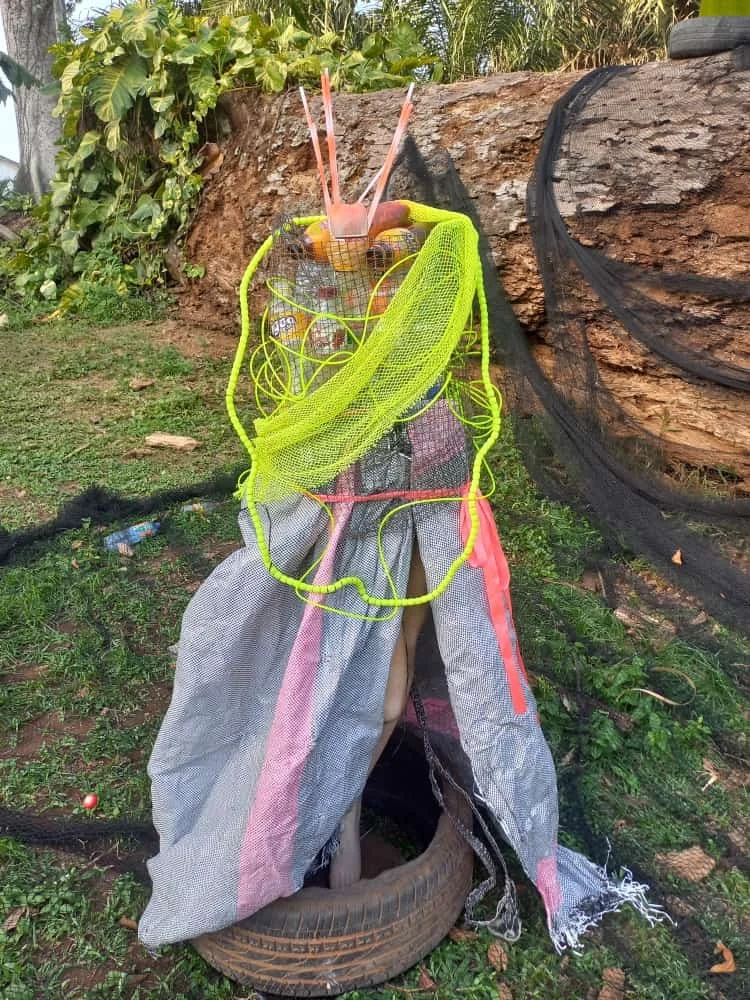
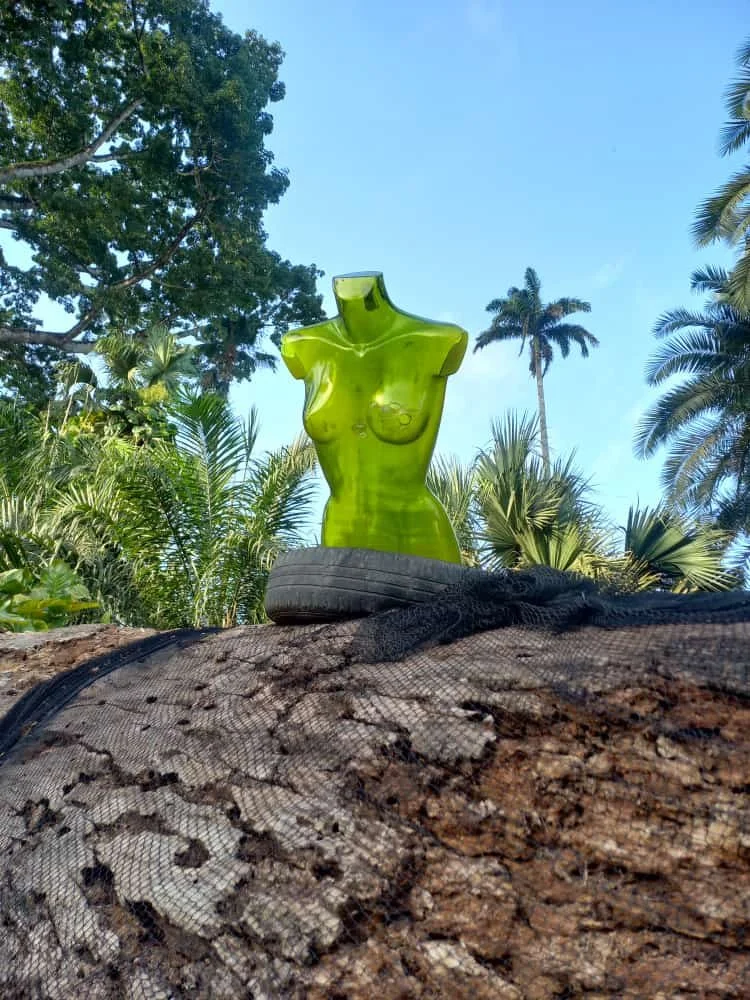
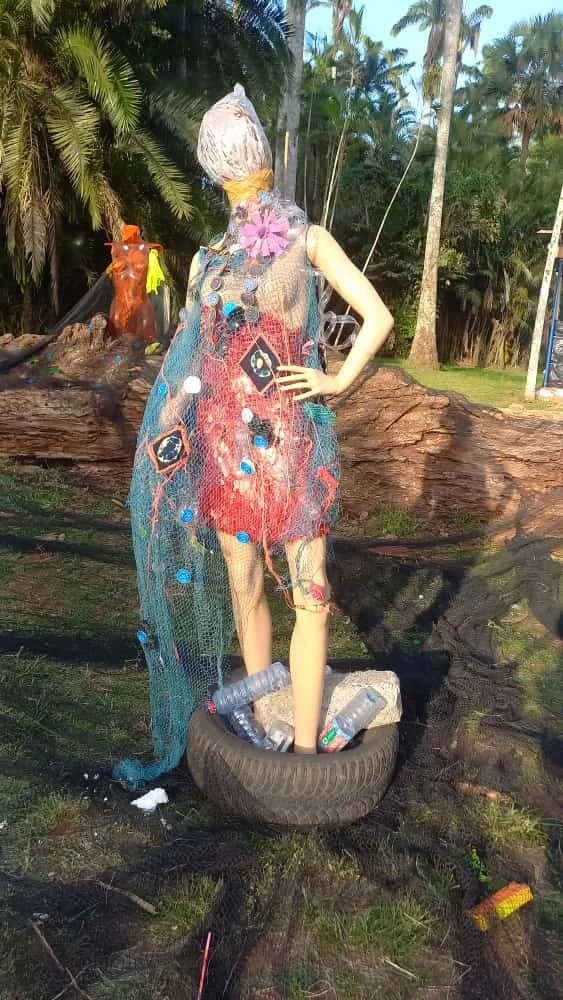
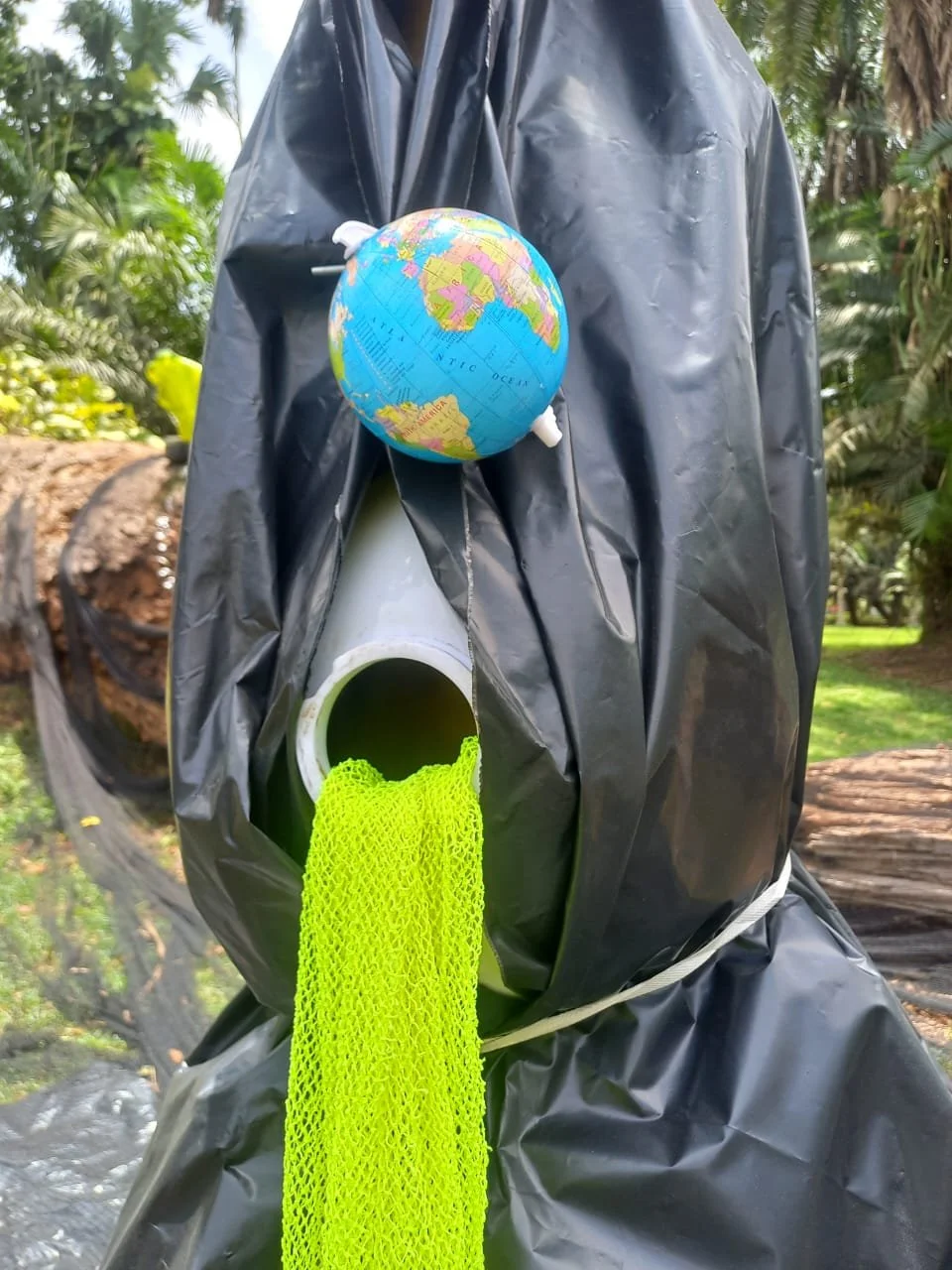
The Alliance Française Accra (AFA) is proud to announce its inaugural Environment Week, taking place from Monday, June 3rd to Saturday, June 8th, 2024. This week-long initiative is a powerful statement of AFA's commitment to Corporate Social Responsibility and aims to raise awareness about two critical environmental issues: Fast Fashion and Plastic Pollution.
A Week of Action for a Sustainable Future!
Accra, Ghana – 31st May 2024
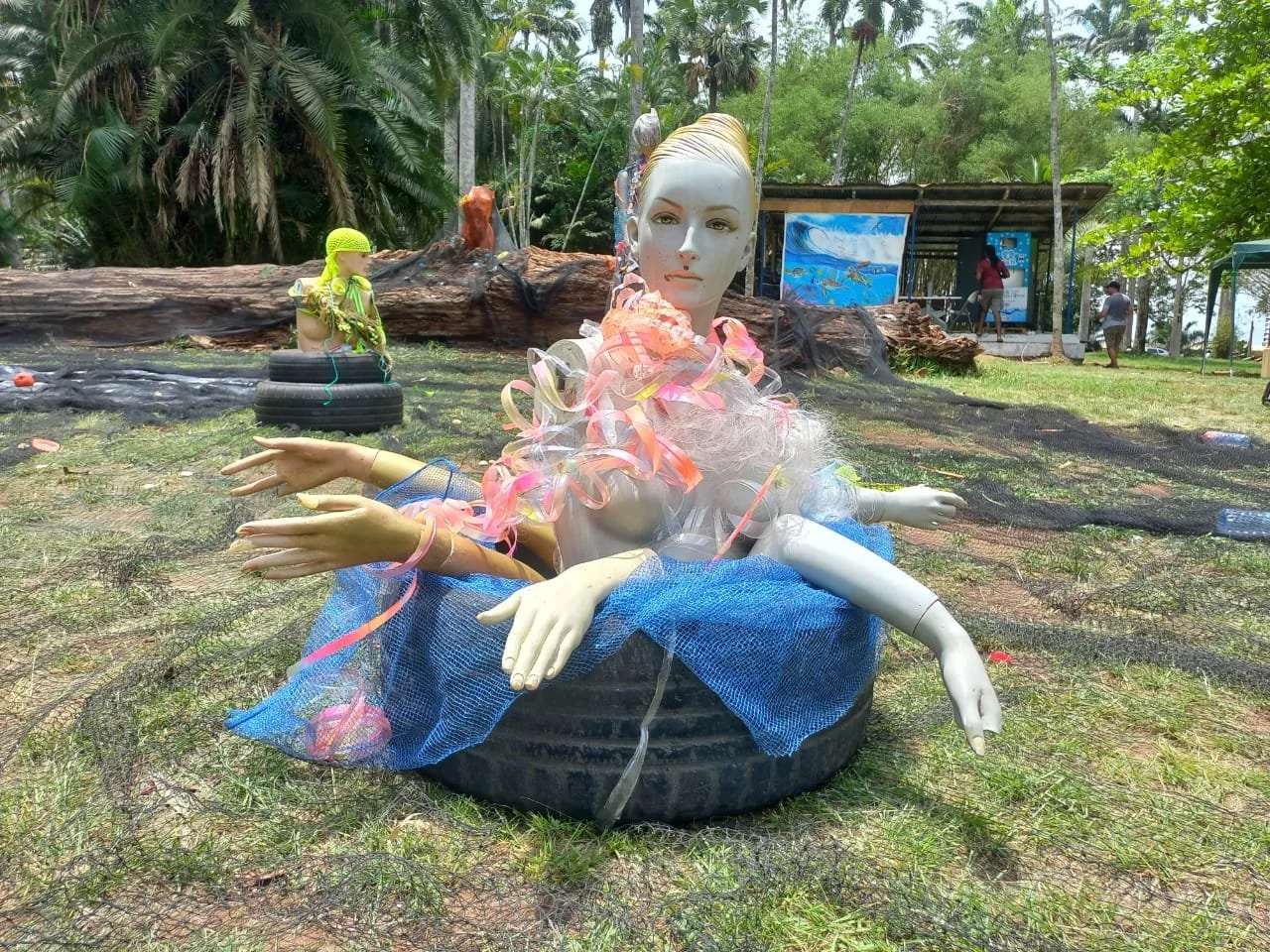
The Alliance Française Accra (AFA) is proud to announce its inaugural Environment Week, taking place from Monday, June 3rd to Saturday, June 8th, 2024. This week-long initiative is a powerful statement of AFA's commitment to Corporate Social Responsibility and aims to raise awareness about two critical environmental issues: Fast Fashion and Plastic Pollution.
The fashion industry casts a long shadow. According to a Business Insider analysis, it contributes a staggering 10% of global carbon emissions. This comes at a heavy cost to our water sources, rivers, and ecosystems, with 85% of all textiles ending up in landfills each year. Even the simple act of washing clothes releases a shocking 500,000 tons of microfibres into the ocean annually – the equivalent of 50 billion plastic bottles!
Plastic pollution is another major threat. Reports highlight the devastating impact of plastic on our environment, with millions of tons entering our oceans each year. This plastic harms marine life, pollutes our beaches, and disrupts entire ecosystems.
AFA Environment Week aims to tackle these challenges head-on. Throughout the week, a variety of engaging activities will be offered, including:
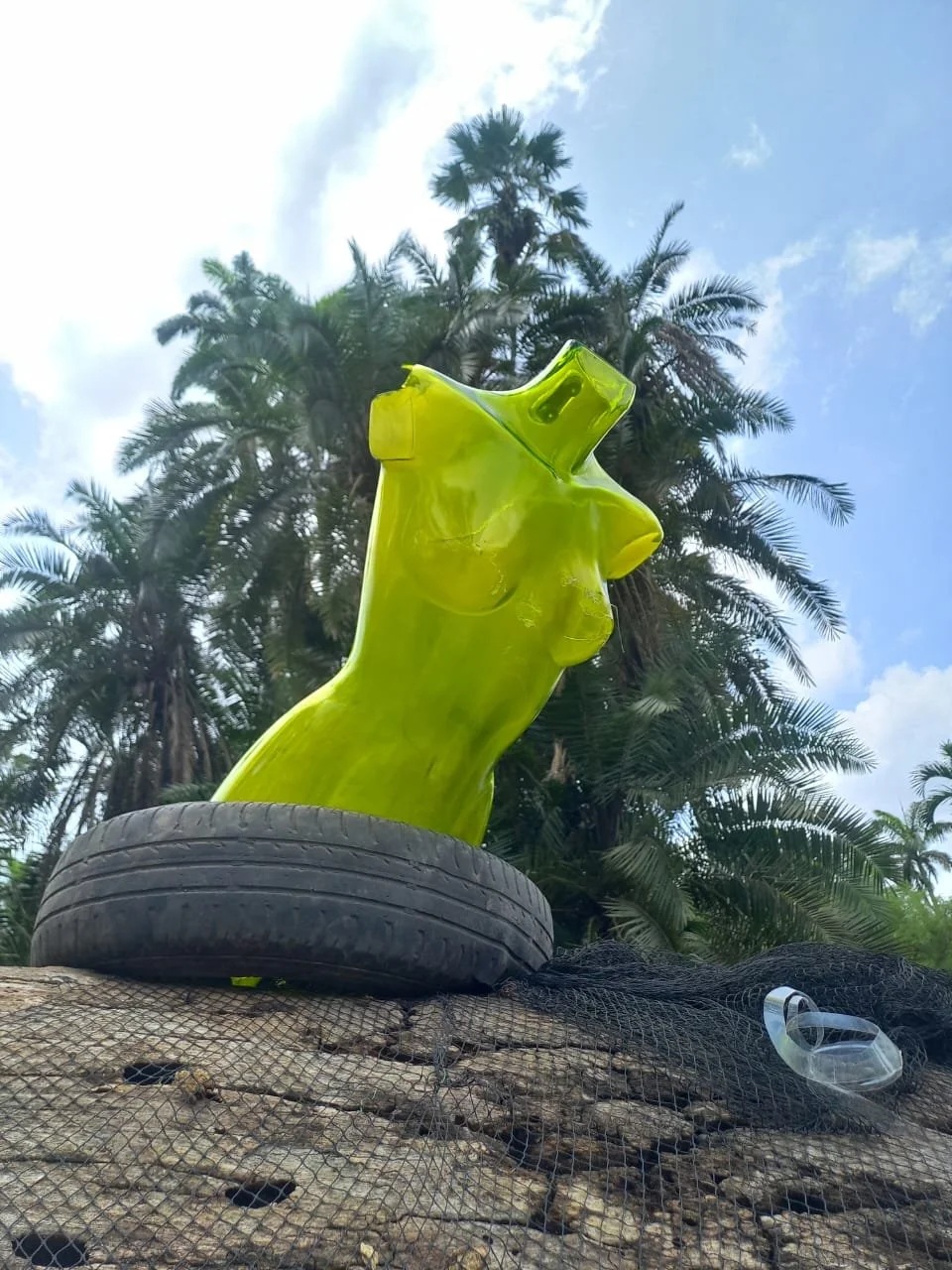
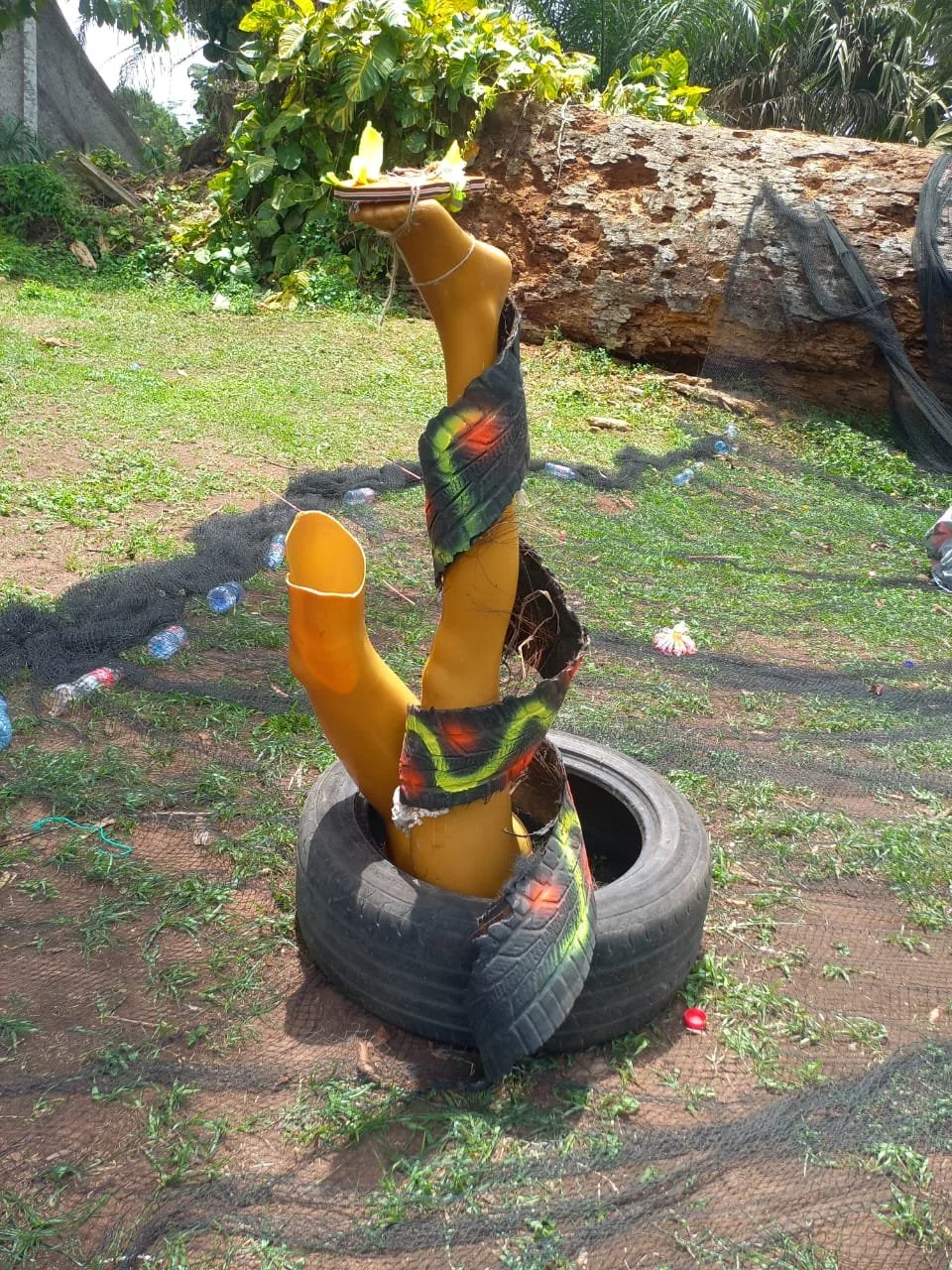
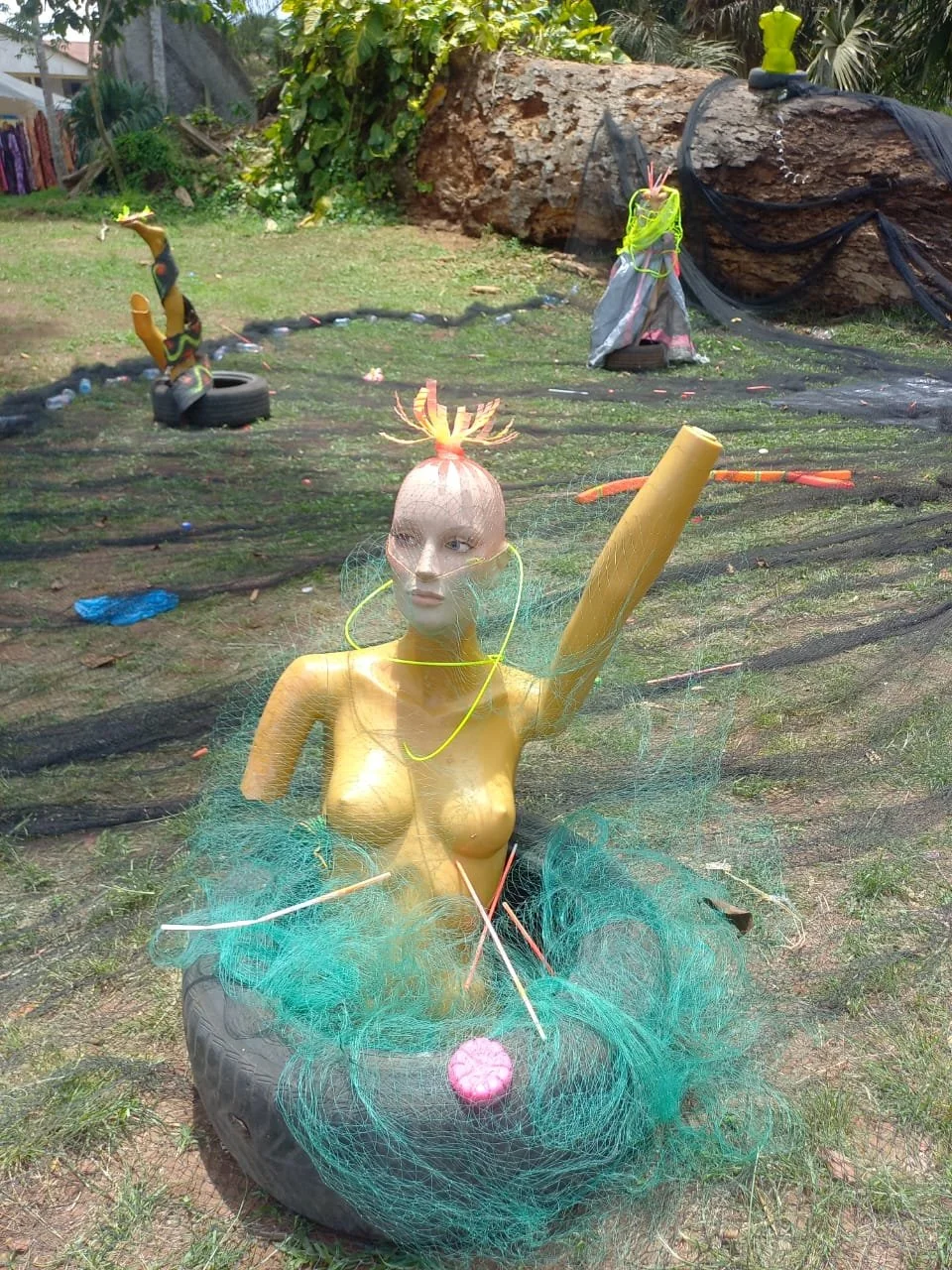
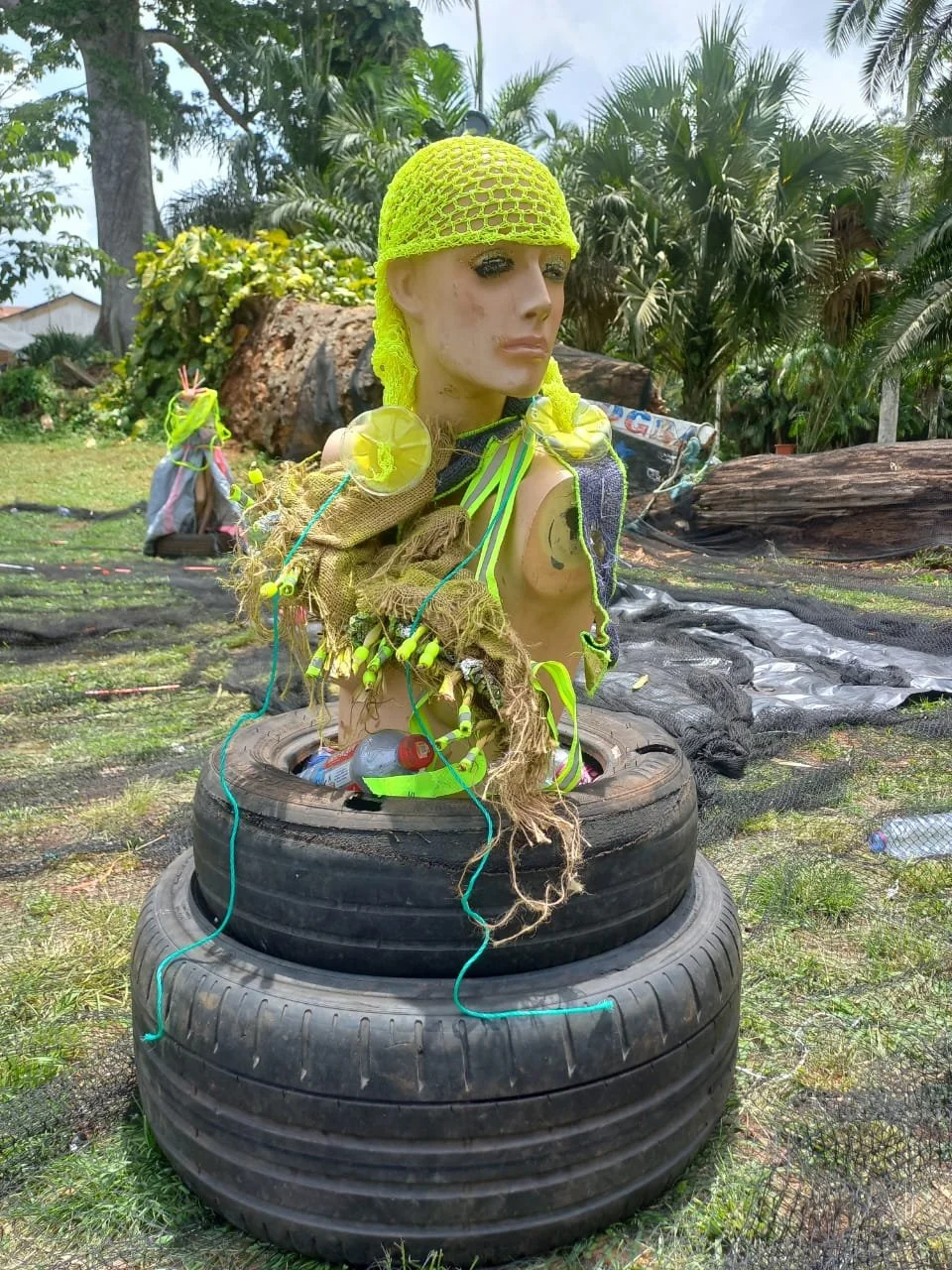
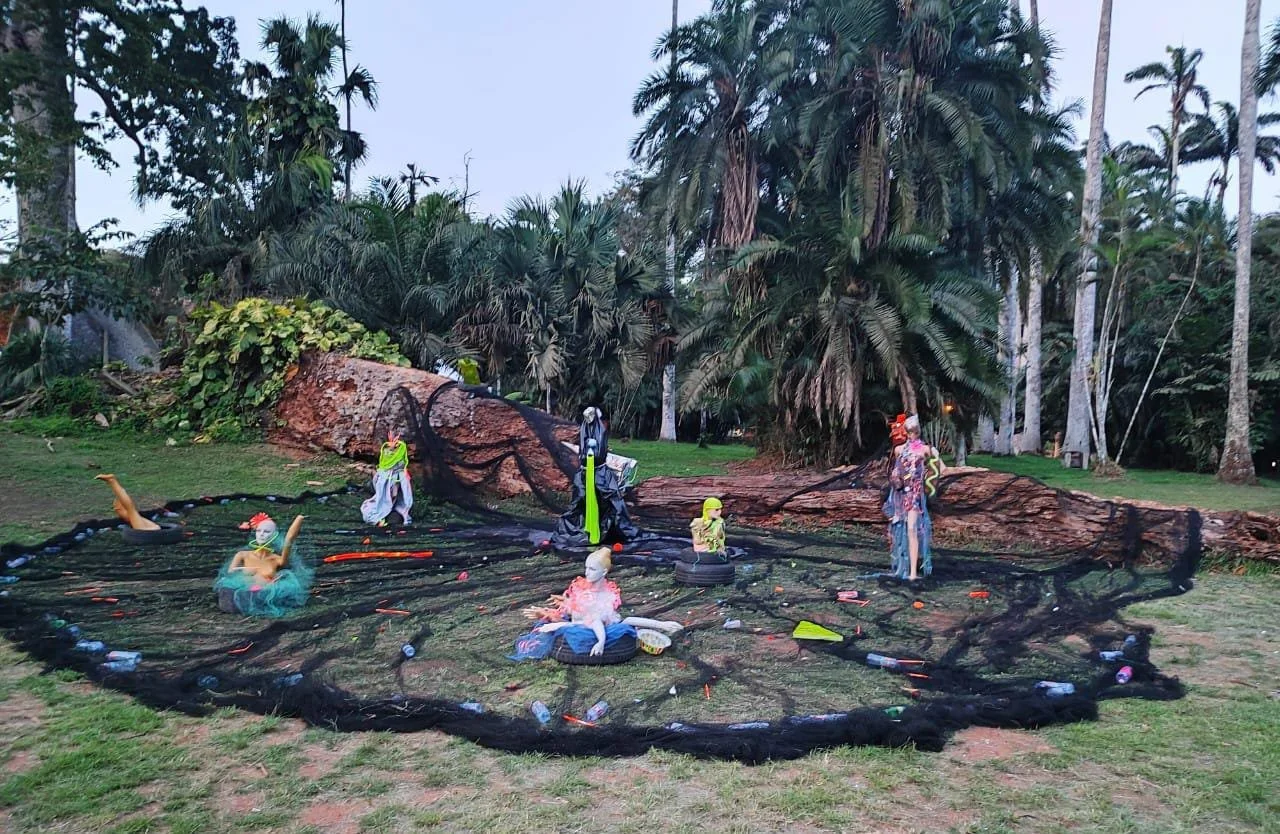
● Art Exhibitions: Powerful and evocative artwork by Bee Arthur and others will spark conversation about the environmental impact of fast fashion and plastic pollution.
● Panel Discussions: Renowned experts from Ghana's Ministries of Environment, Sanitation, Tourism, Youth & Sports, and Fisheries will come together for a thought-provoking discussion on tackling these issues. The discussion will be moderated by Richmond Quarcoo of Plastic Punch, a leading Ghanaian environmental organization.
● Solution-Based Presentations: Hear from inspiring artists, environmental activists, and organizations like Bee Arthur, Plastic Punch, Tei Huagie, OR Foundation, Revival Earth, and Little Big Esi as they share innovative solutions for a greener future.
● Community Old Clothes Drive: Help declutter your closet and support a sustainable future! Donate your gently used clothes for a good cause. (Open to AFA staff and students)
● Environment Fair: Discover a marketplace of eco-conscious vendors offering sustainable and recycled products, alongside beautiful, environmentally-friendly art.
● Arts & Environment Edutainment Night: Immerse yourself in a unique evening featuring poetry, spoken word performances, an impactful immersive theatre experience by the Alikoto group, and captivating acoustic music by Nene Narh.
● Beach Clean-Up: Join AFA for a community beach clean-up at the Regional Maritime University in Nungua. Together, we can make a tangible difference in protecting our coastline!
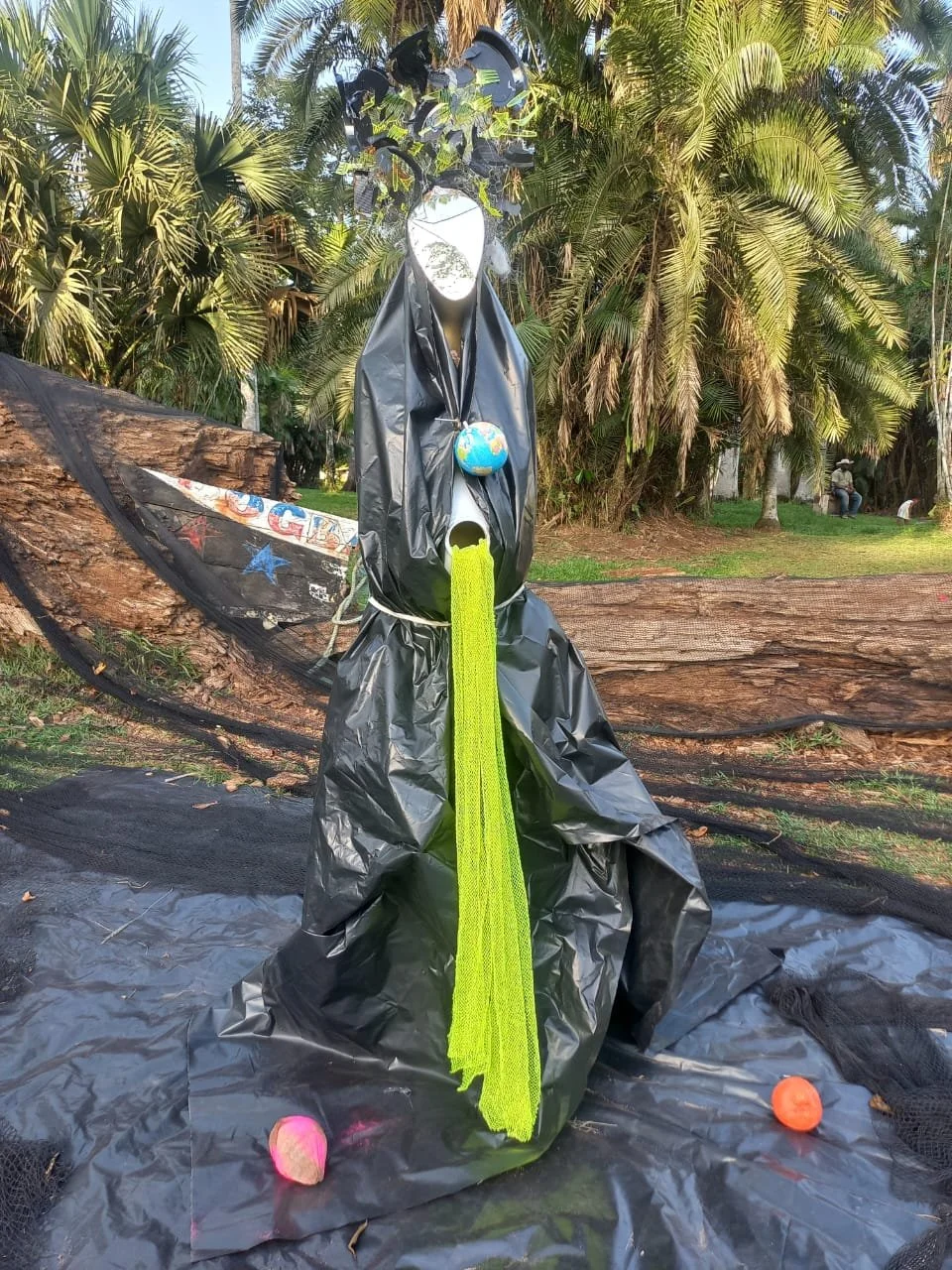
Key Dates:
● World Environment Day: Wednesday, June 5th – Join a special conference featuring the panel discussion and solution-based presentations.
● World Ocean Day: Saturday, June 8th – Conclude the week with a rewarding beach clean-up experience
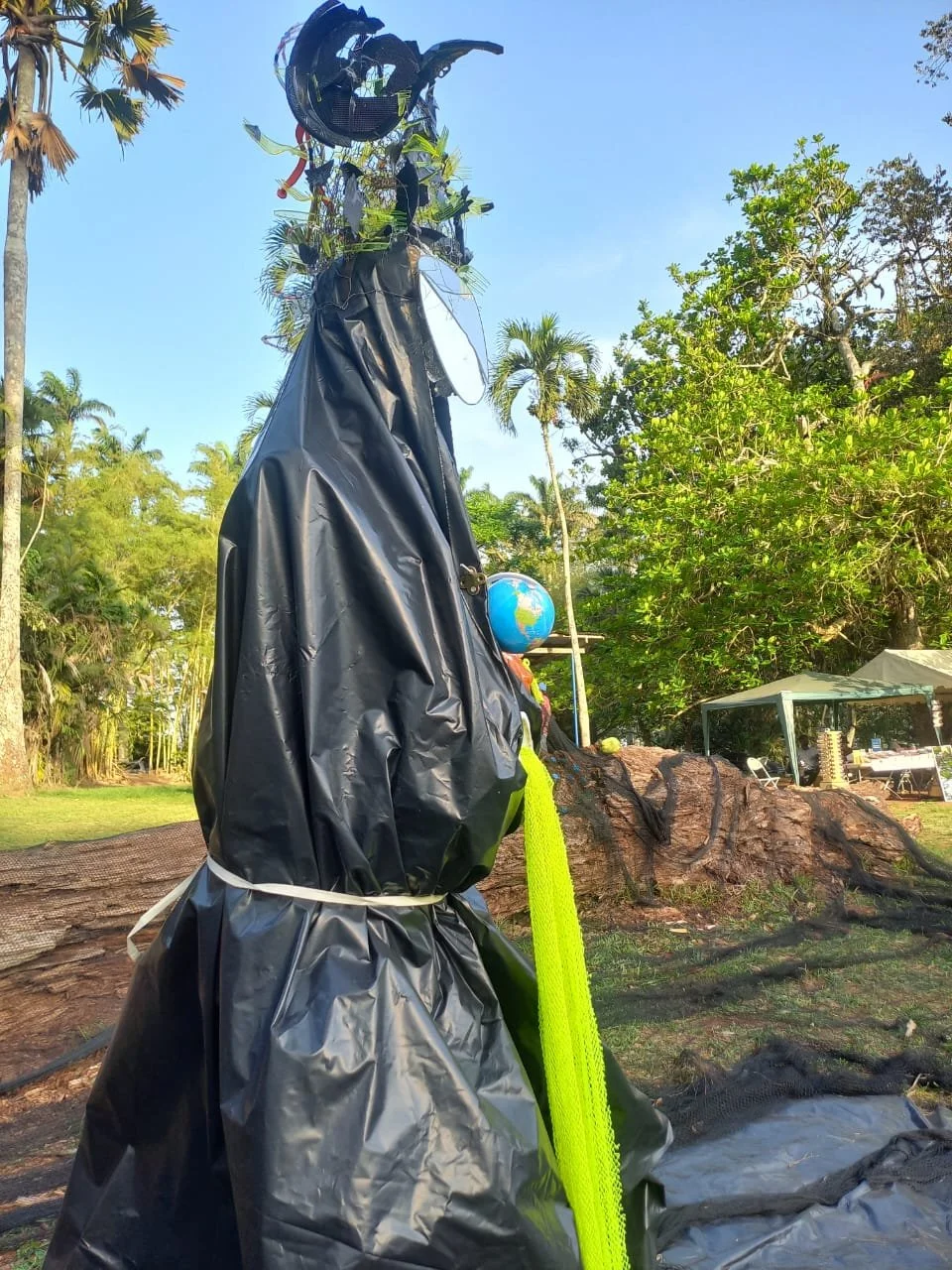
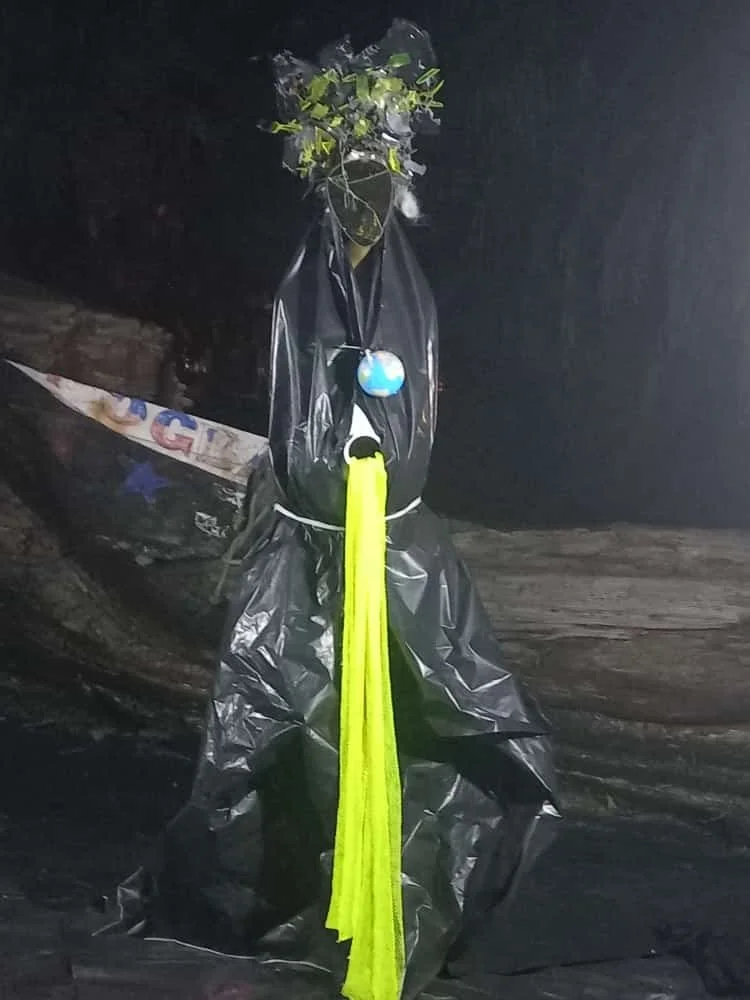
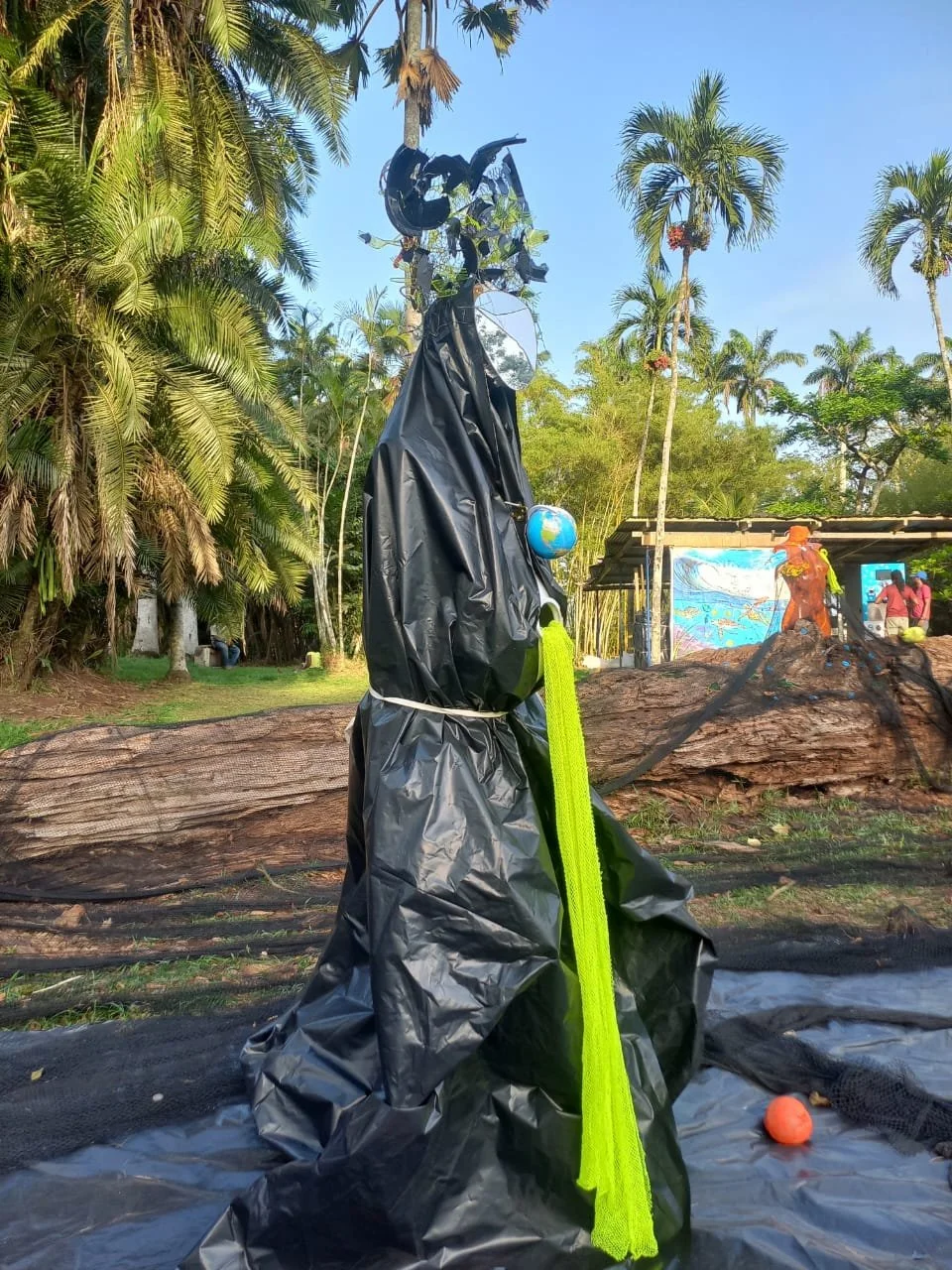
Event Partners:
AFA is proud to partner with Plastic Punch, a leading Ghanaian organization tackling plastic pollution, Bee Arthur, a renowned artist who uses her work to raise awareness about fast fashion, and Travelwings, an online travel agency with over 25 years of experience in the Travel Industry.
Join the Movement!
AFA Environment Week is a call to action for everyone in Accra. Whether you're a passionate environmentalist or simply looking to learn more and make a positive impact, we invite you to join us for this exciting week. Let's work together to safeguard our planet and build a more sustainable future!
For more information and the full program lineup, please visit the Alliance Française Accra website or social media pages.
SHARE THIS STORY
VERITAS UNIVERSITY MAKES RESOURCE VERIFICATION VISIT TO THE PSYCHO-SPIRITUAL INSTITUTE OF LUX TERRA
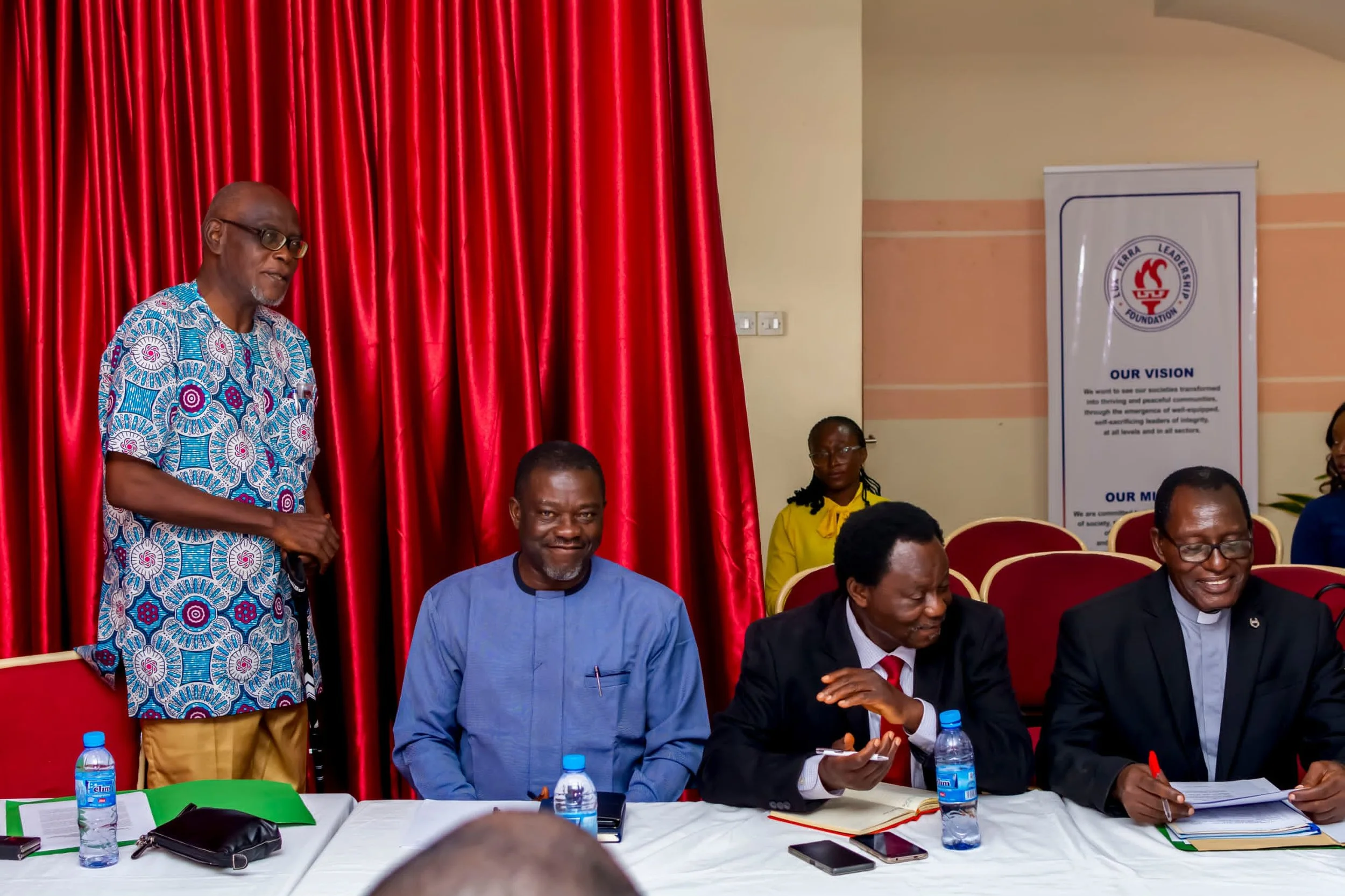
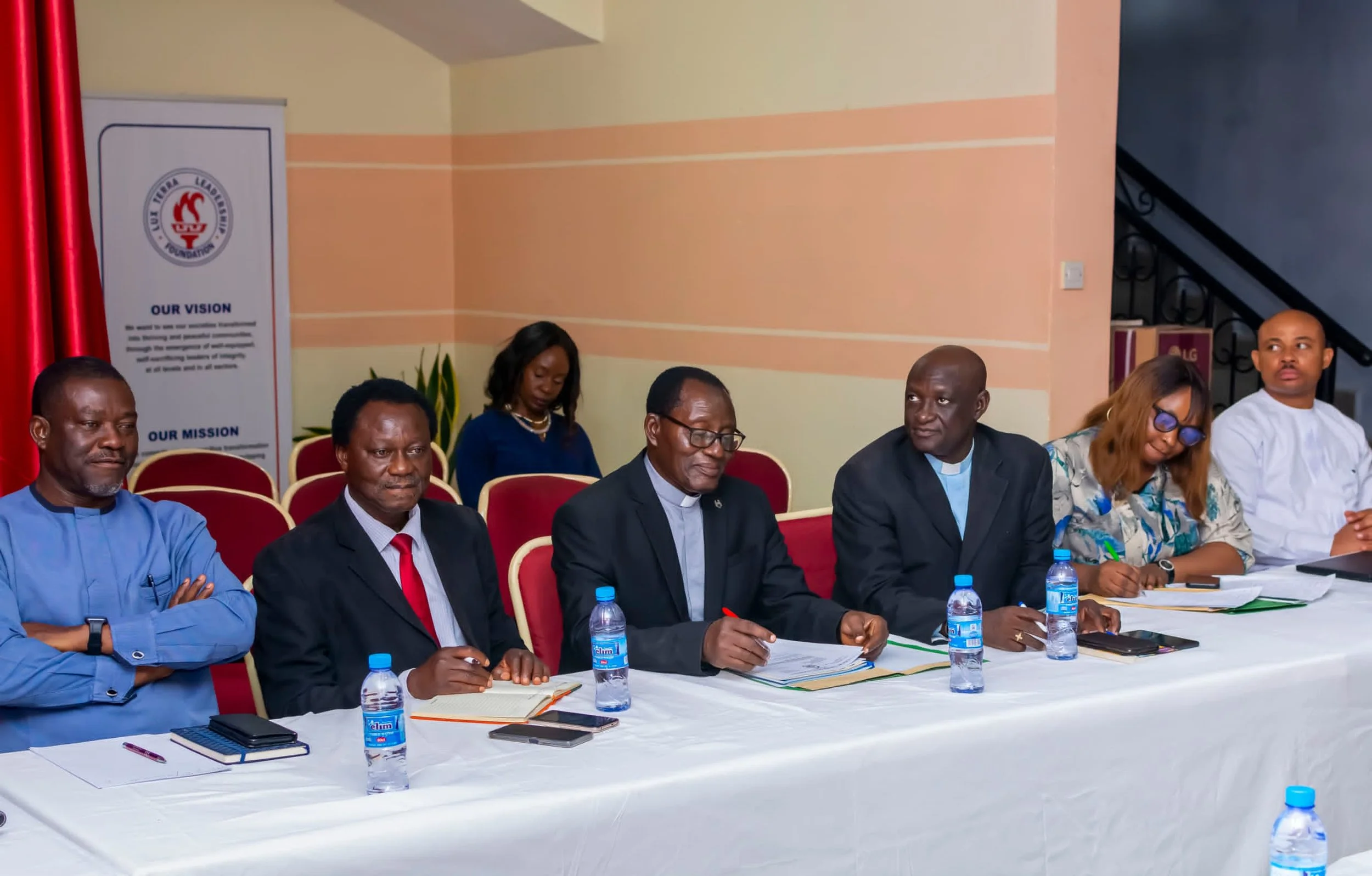
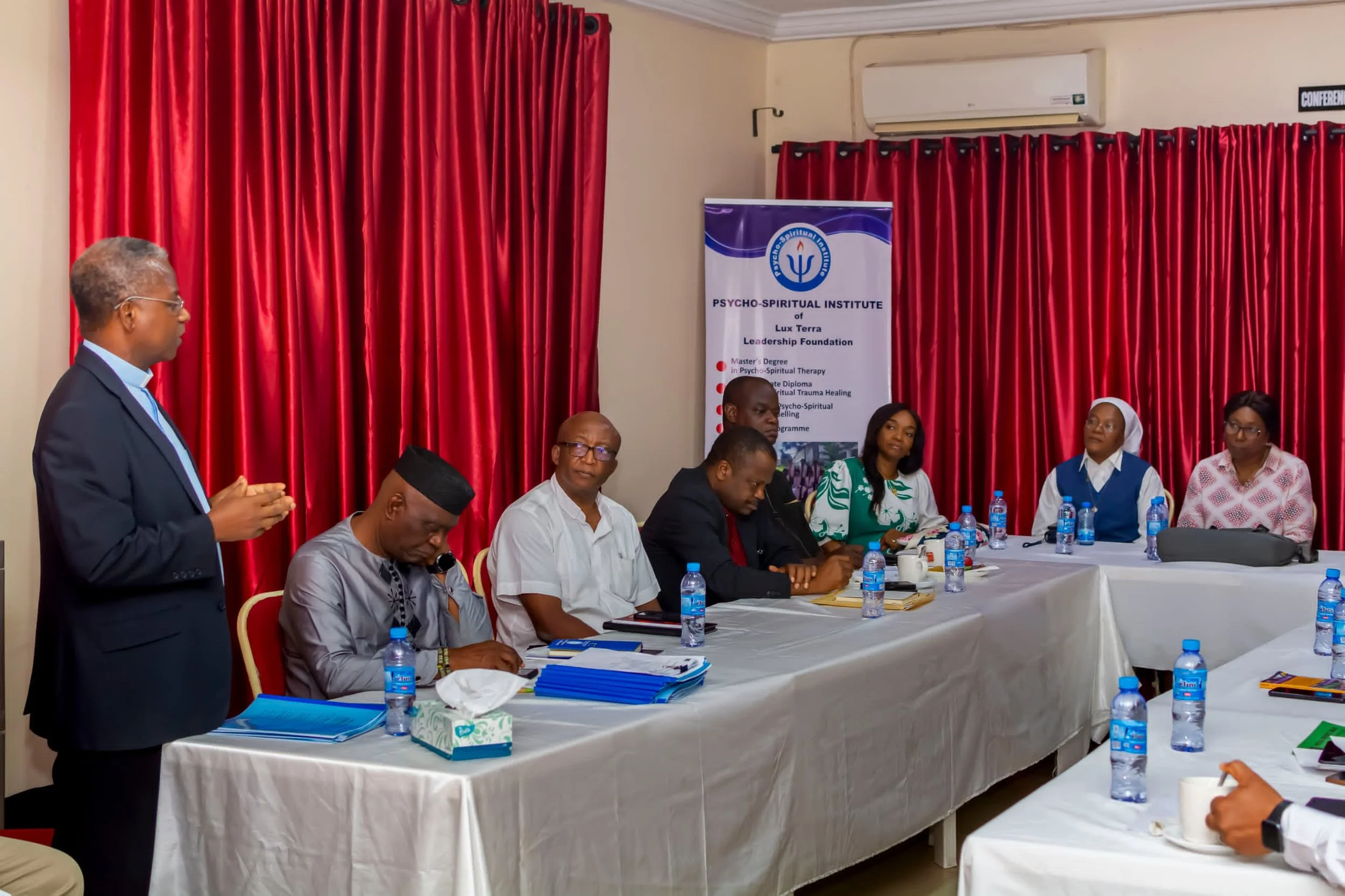
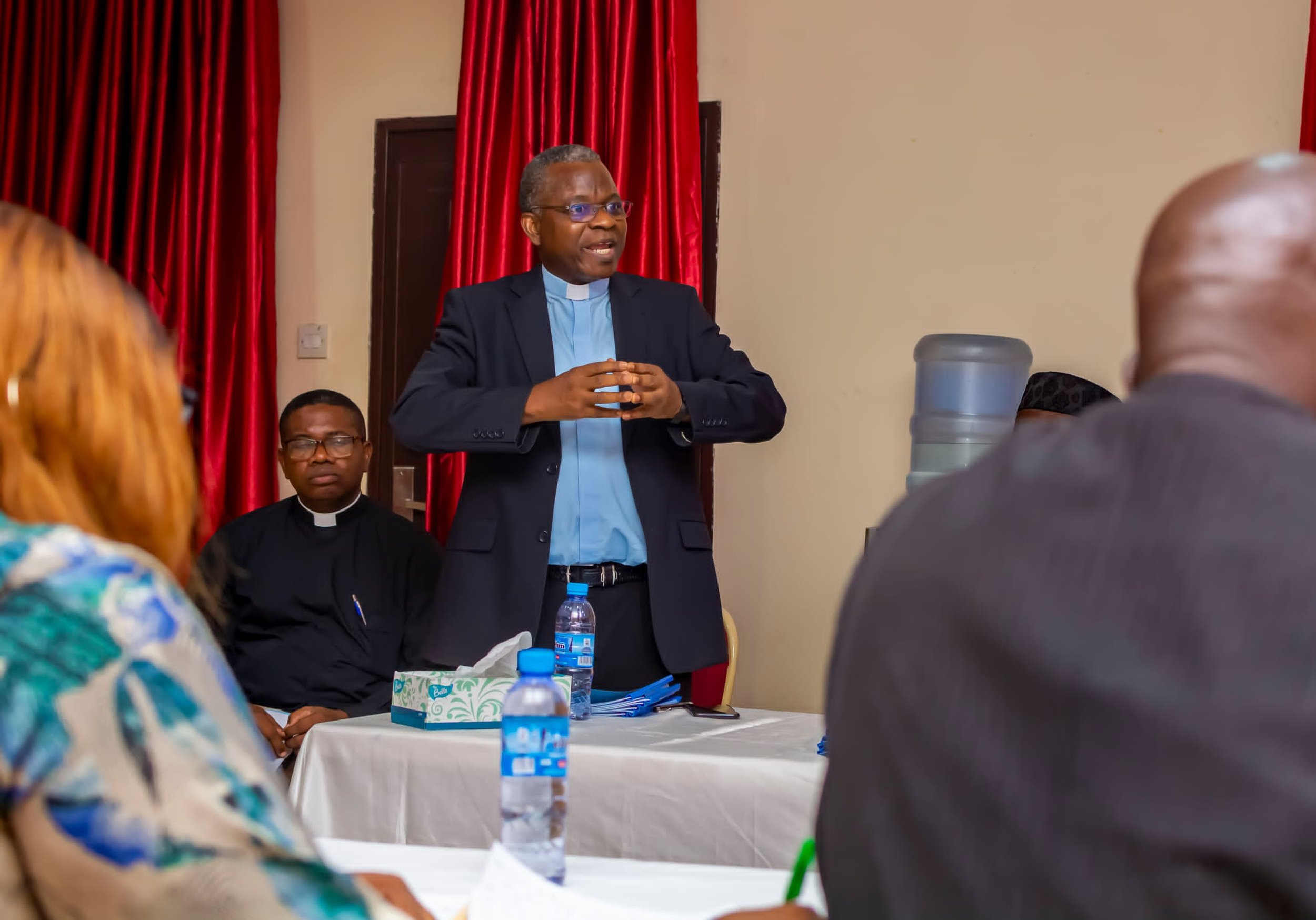
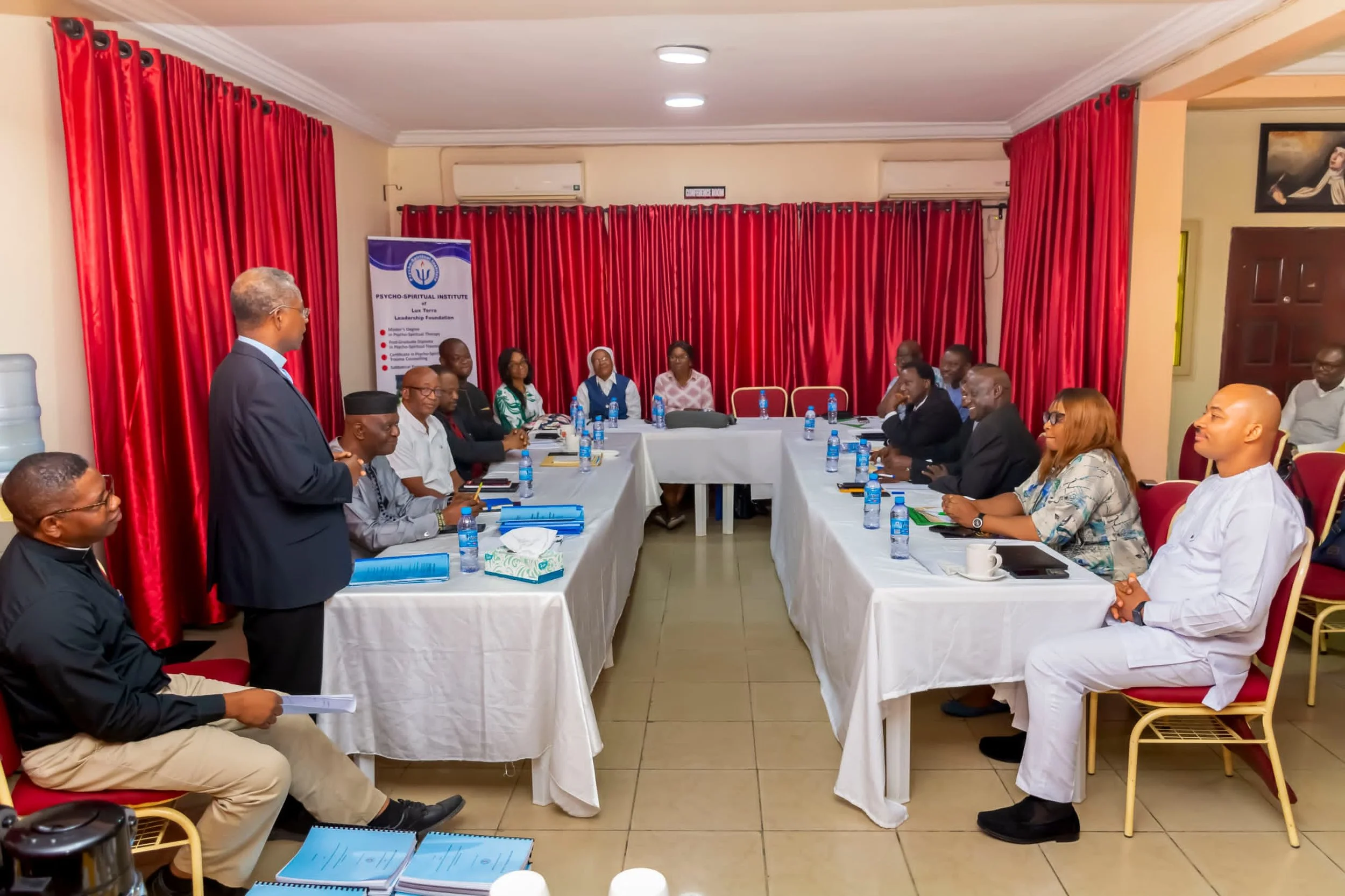
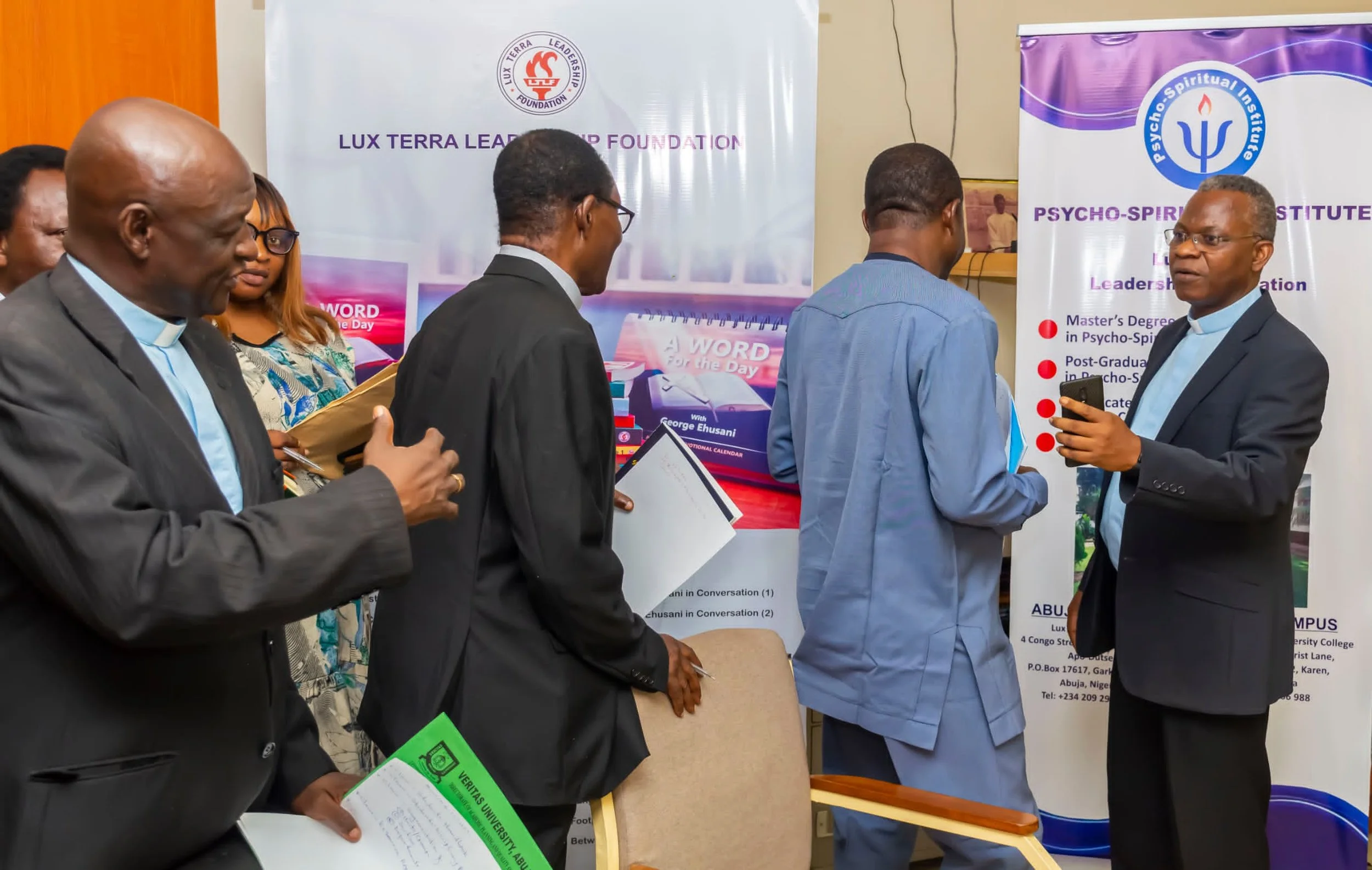
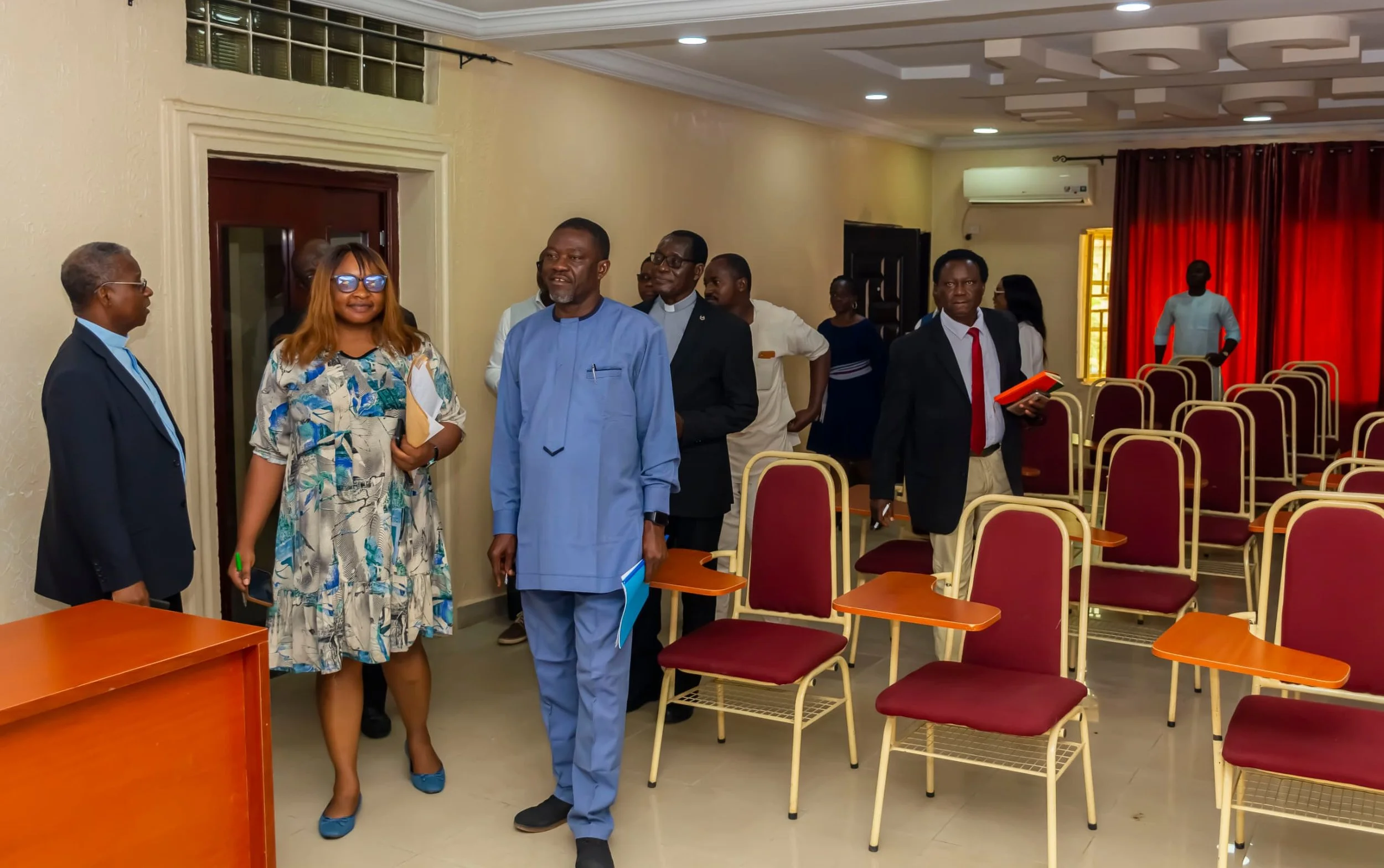
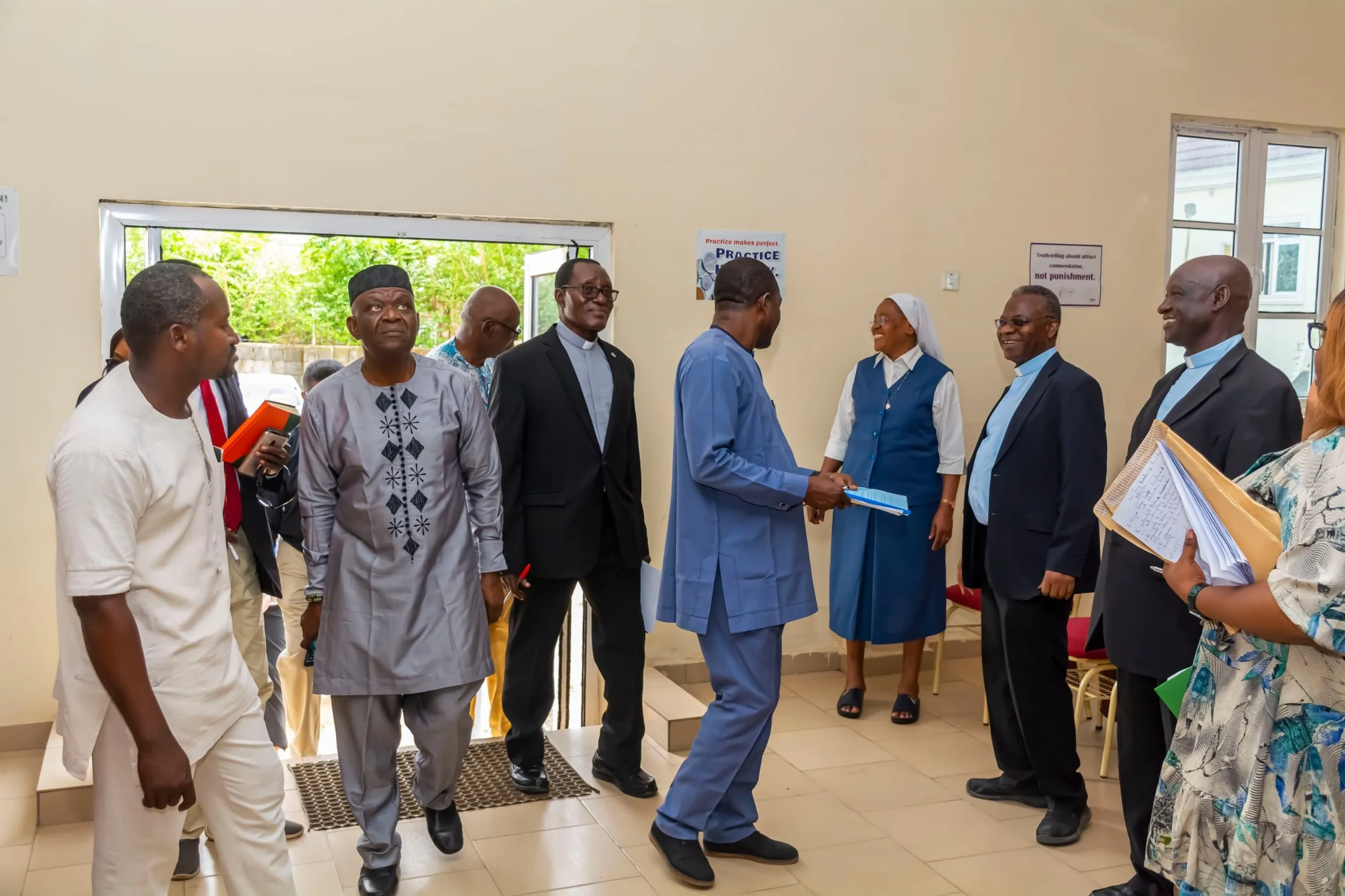
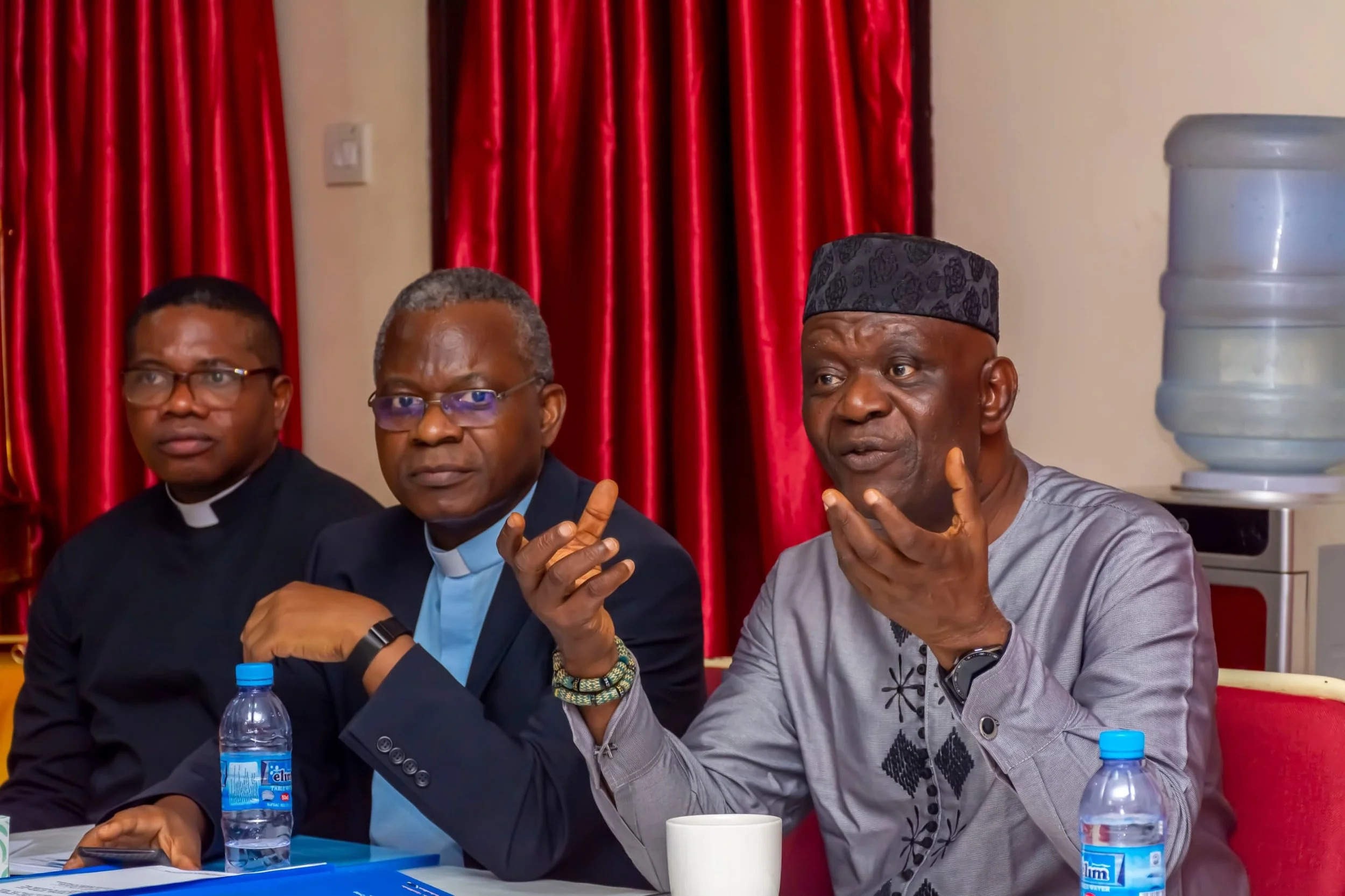
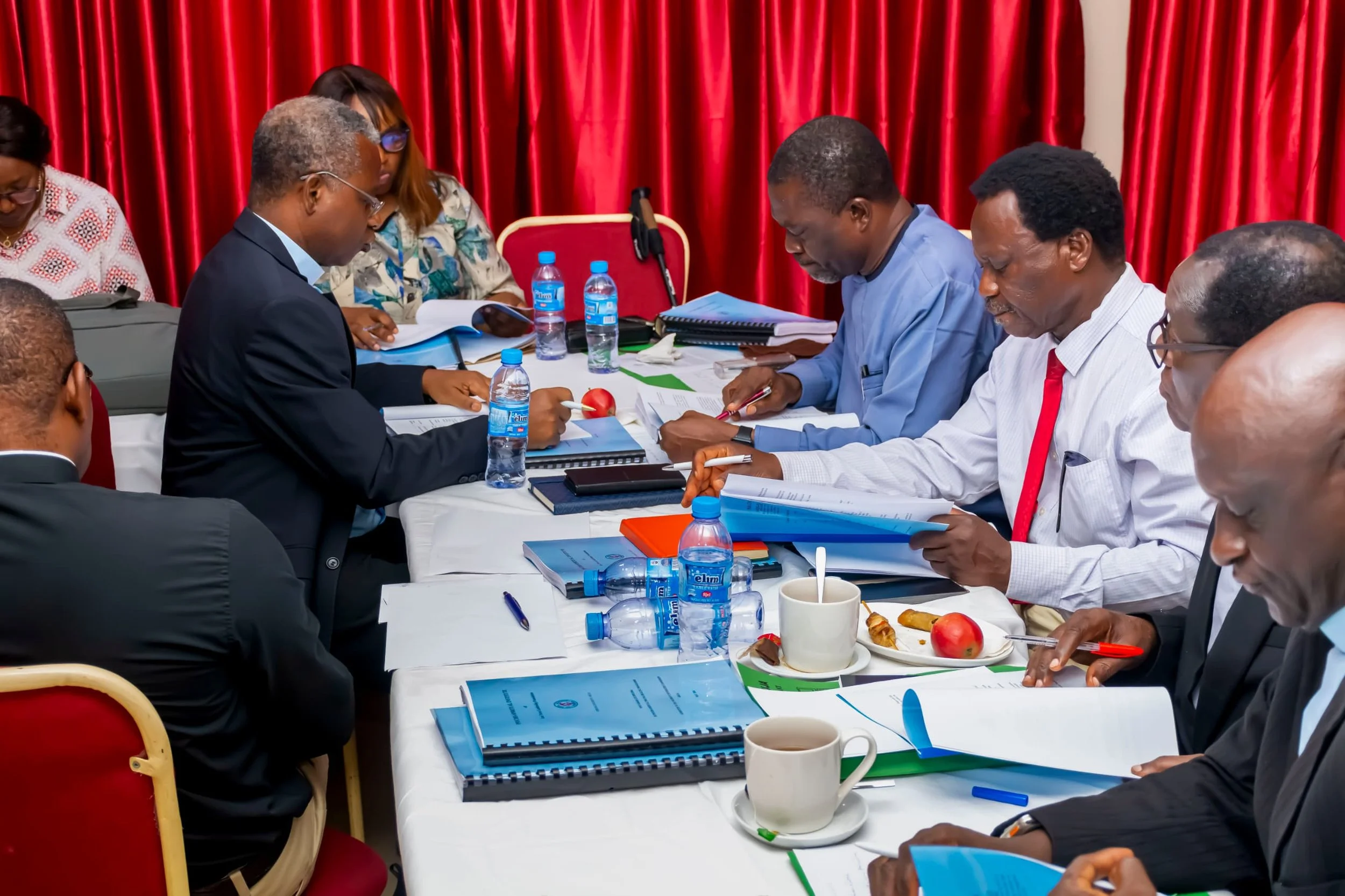
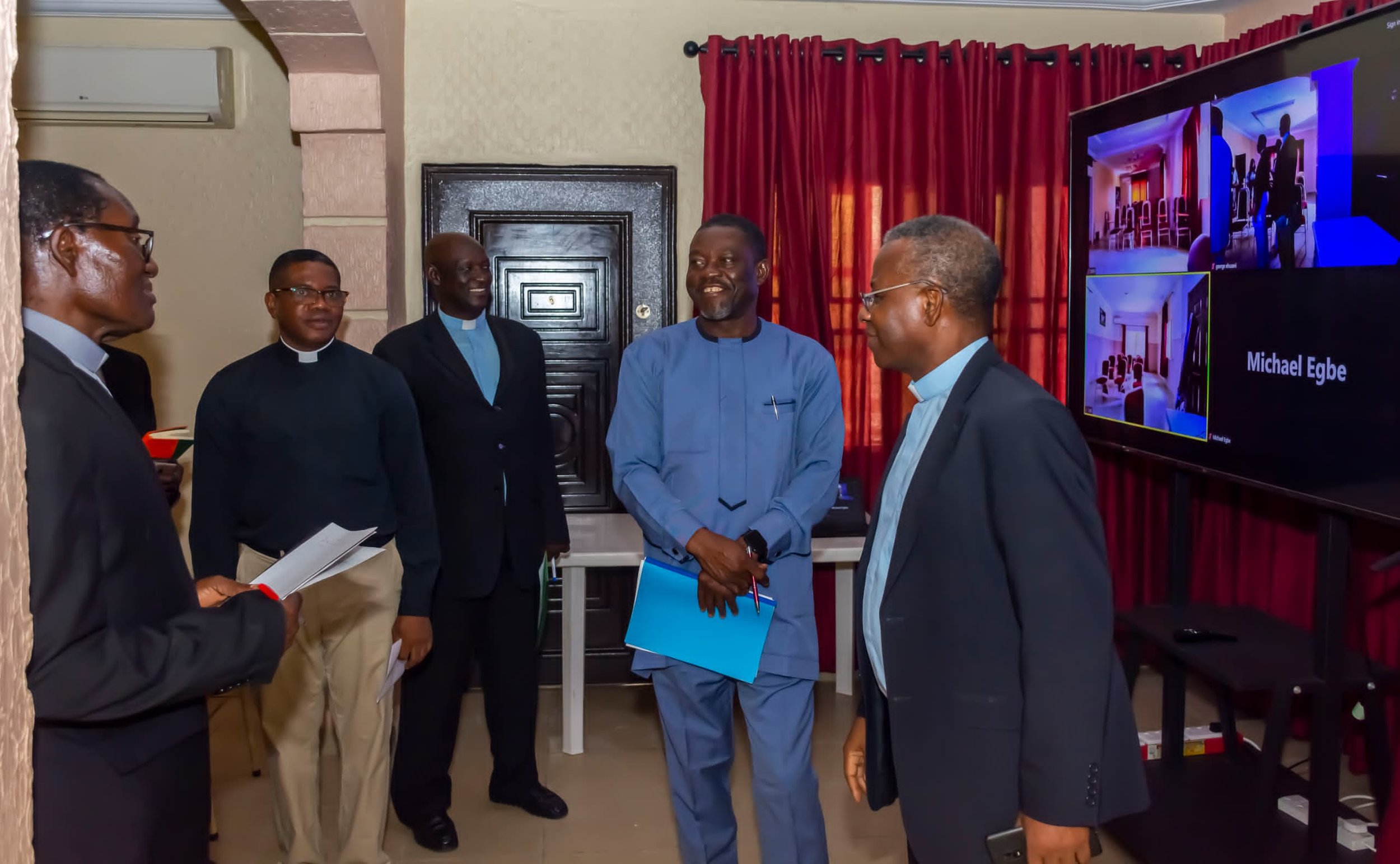
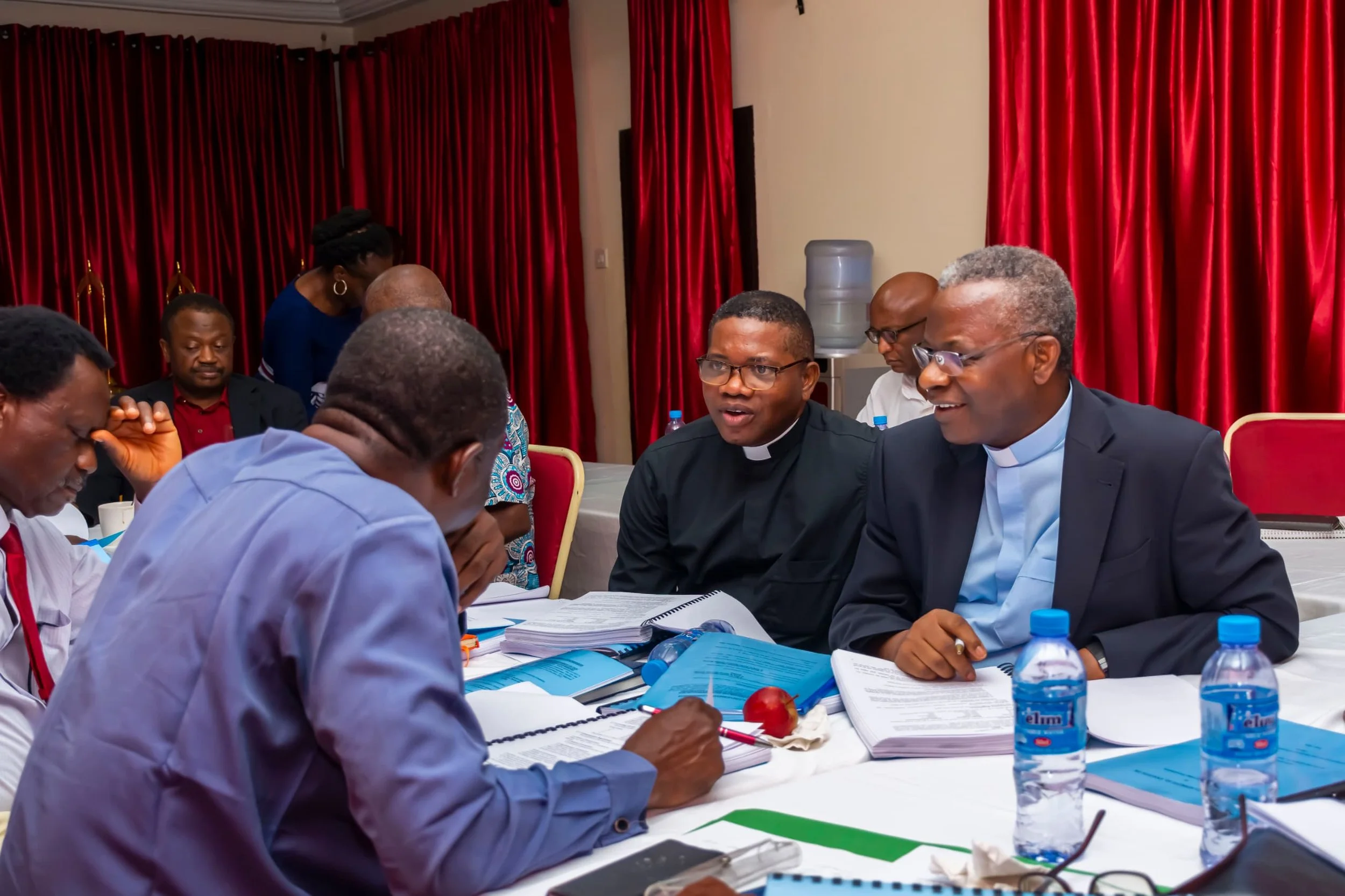
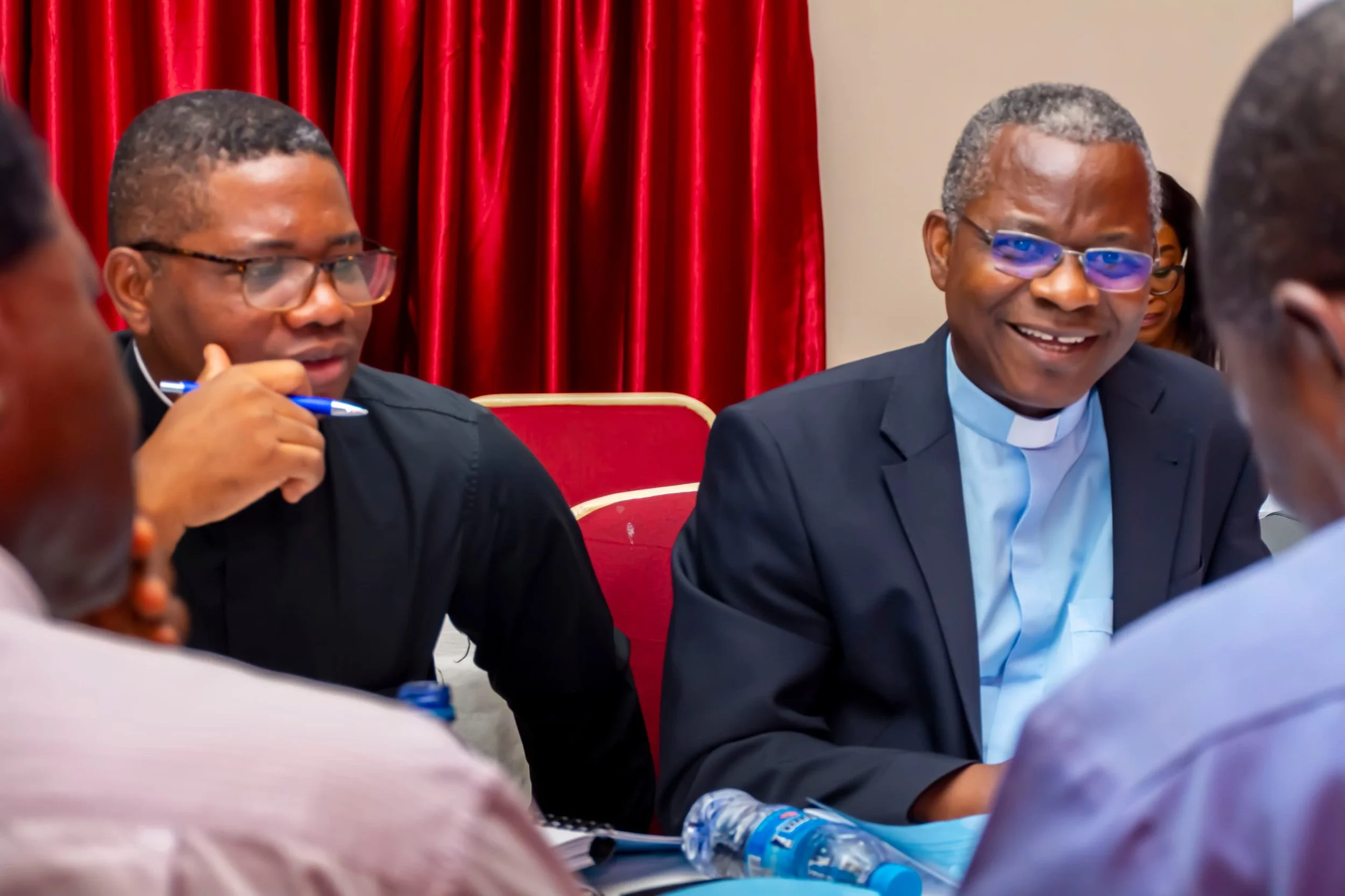
The Psycho-Spiritual Institute of Lux Terra Leadership Foundation, on Thursday May 23, 2024, hosted a visitation panel from Veritas University, Abuja. The team led by Prof. Mike Kwanashie, were at the take-off site of the Institute to verify the readiness of the Organisation to enter into an affiliate relationship with the university, by way of human and physical resources, as well as policies, processes and procedures.
VERITAS UNIVERSITY MAKES RESOURCE VERIFICATION VISIT TO THE PSYCHO-SPIRITUAL INSTITUTE OF LUX TERRA
The Psycho-Spiritual Institute of Lux Terra Leadership Foundation, on Thursday May 23, 2024, hosted a visitation panel from Veritas University, Abuja. The team led by Prof. Mike Kwanashie, were at the take-off site of the Institute to verify the readiness of the Organisation to enter into an affiliate relationship with the university, by way of human and physical resources, as well as policies, processes and procedures. After inspecting the space allotment for all statutory offices and positions, and being taken through the physical and electronic library resources, the team settled down to do a quick evaluation of the curriculum content of the two postgraduate programmes of the Institute, namely, the Post Graduate Diploma in Psycho-Spiritual Trauma Healing, and the Master's degree in Psycho-Spiritual Therapy.
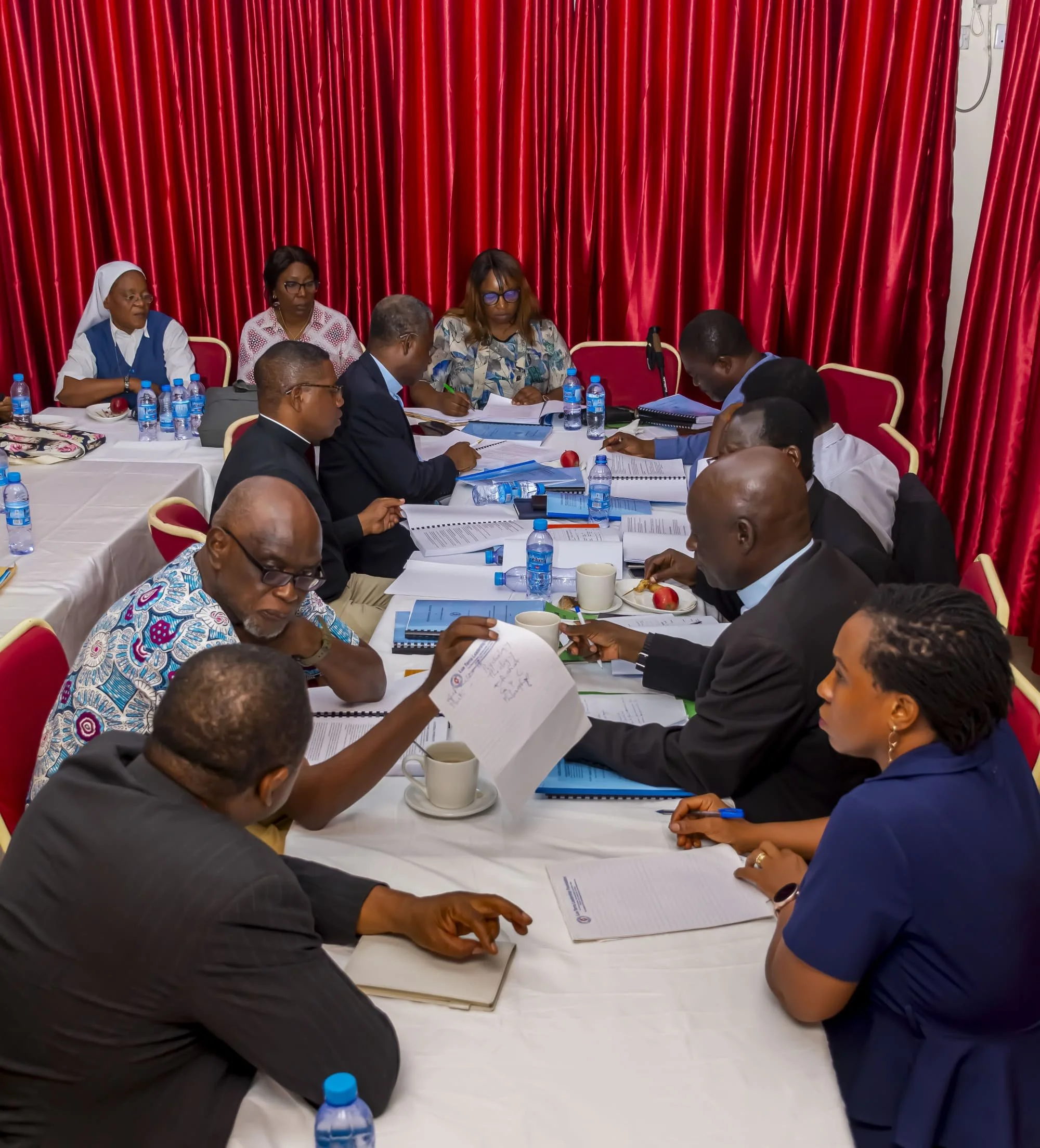
Recall that on April 26, 2024, Lux Terra received the approval of the National Universities Commission (NUC) to begin the process of affiliation with Veritas University, towards floating in Nigeria the integrated Psycho-Spiritual Therapy programmes that the Institute has been running in Nairobi , Kenya, for over 10 years. The recent visit is therefore a significant step towards entering into the affiliation agreement, and towards a subsequent Accreditation Visit by NUC. See pictures below

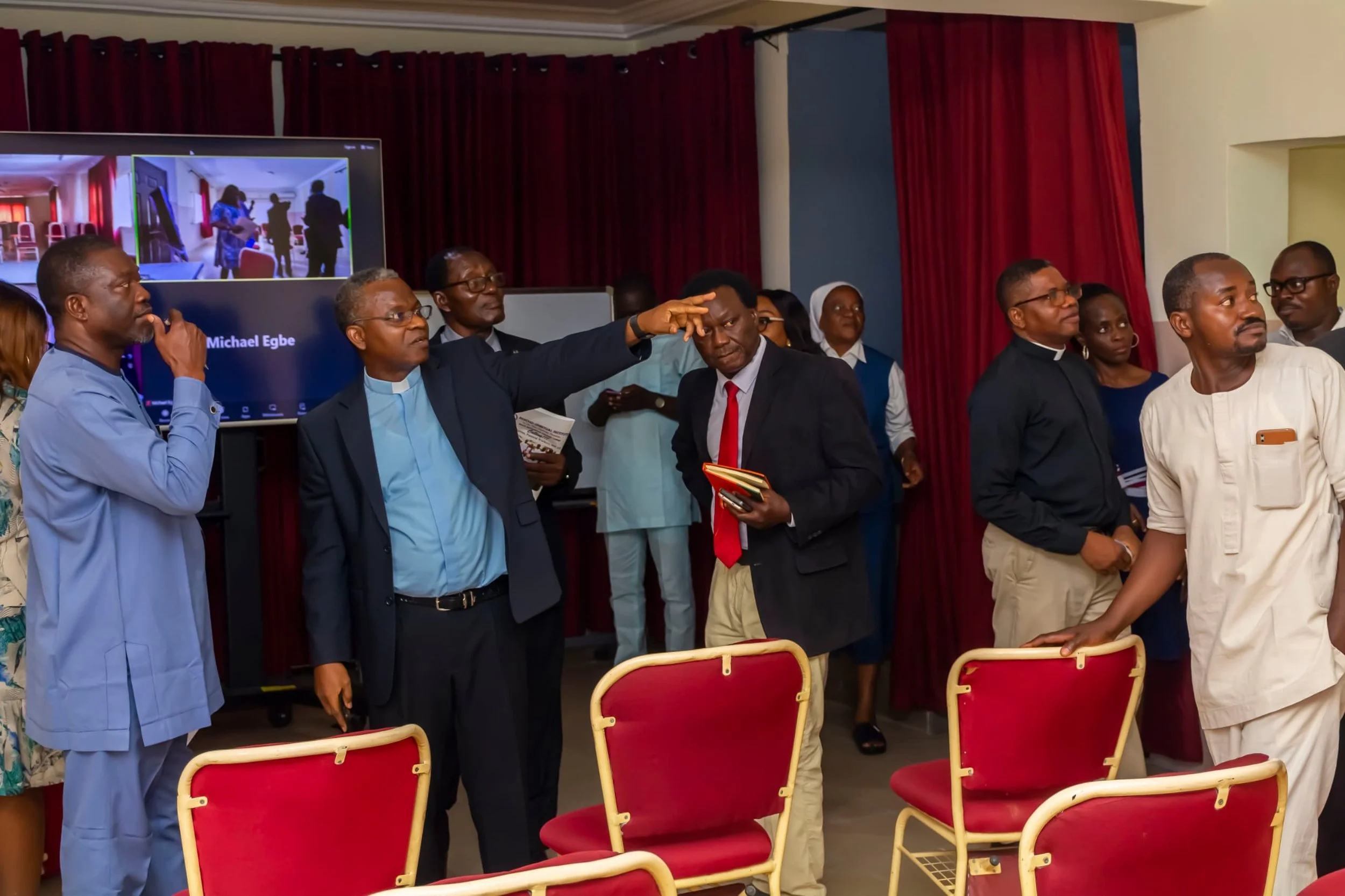
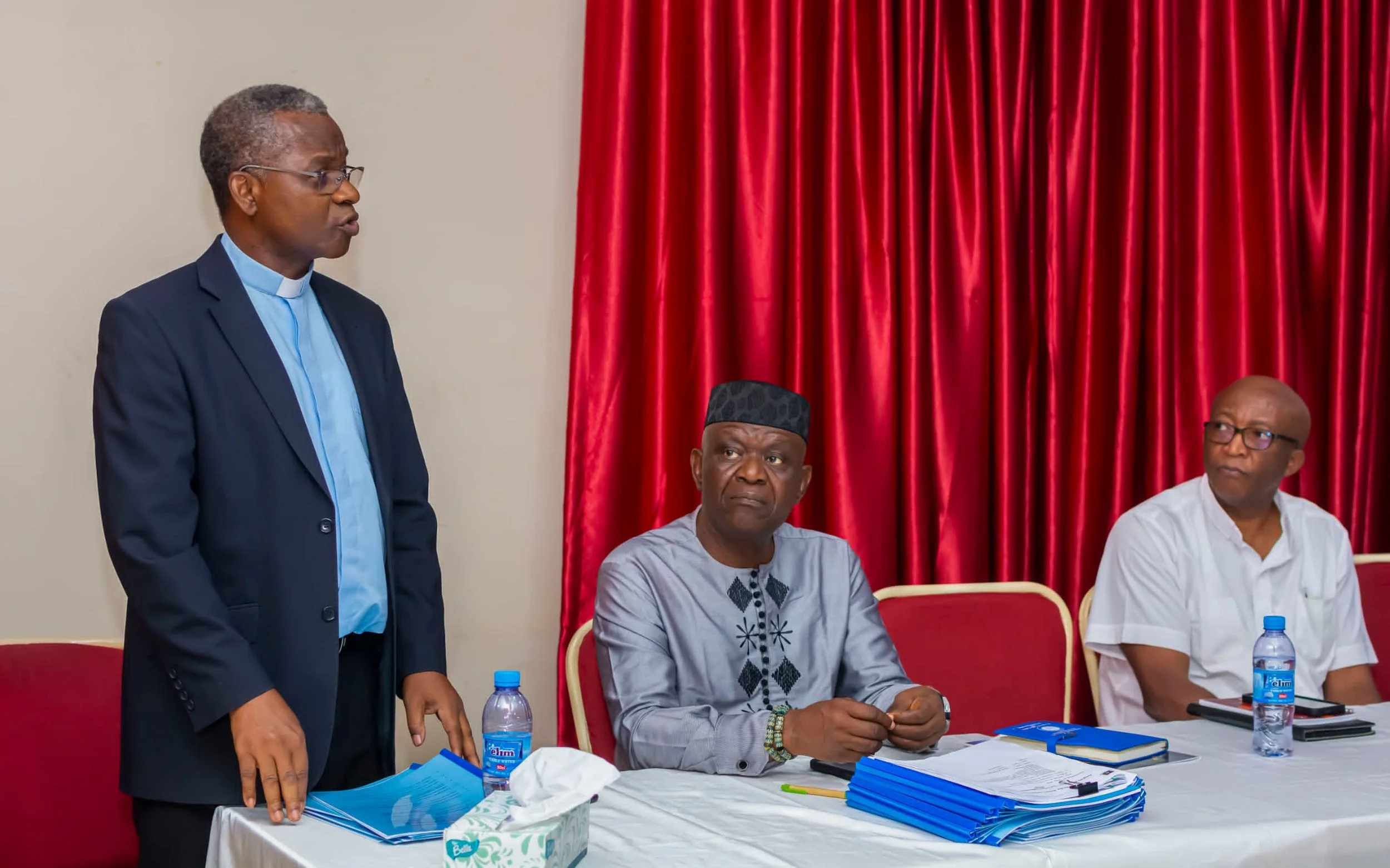
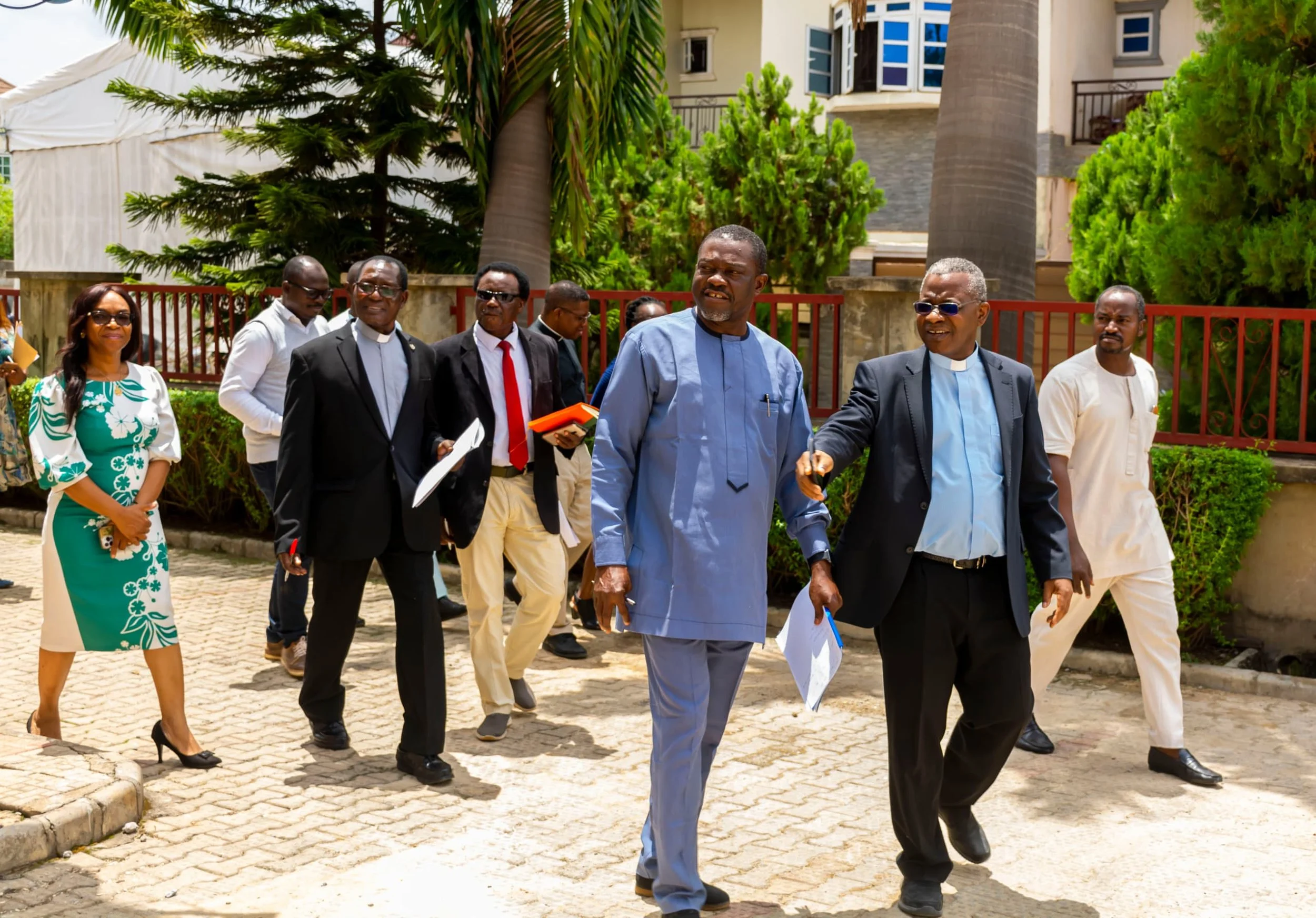


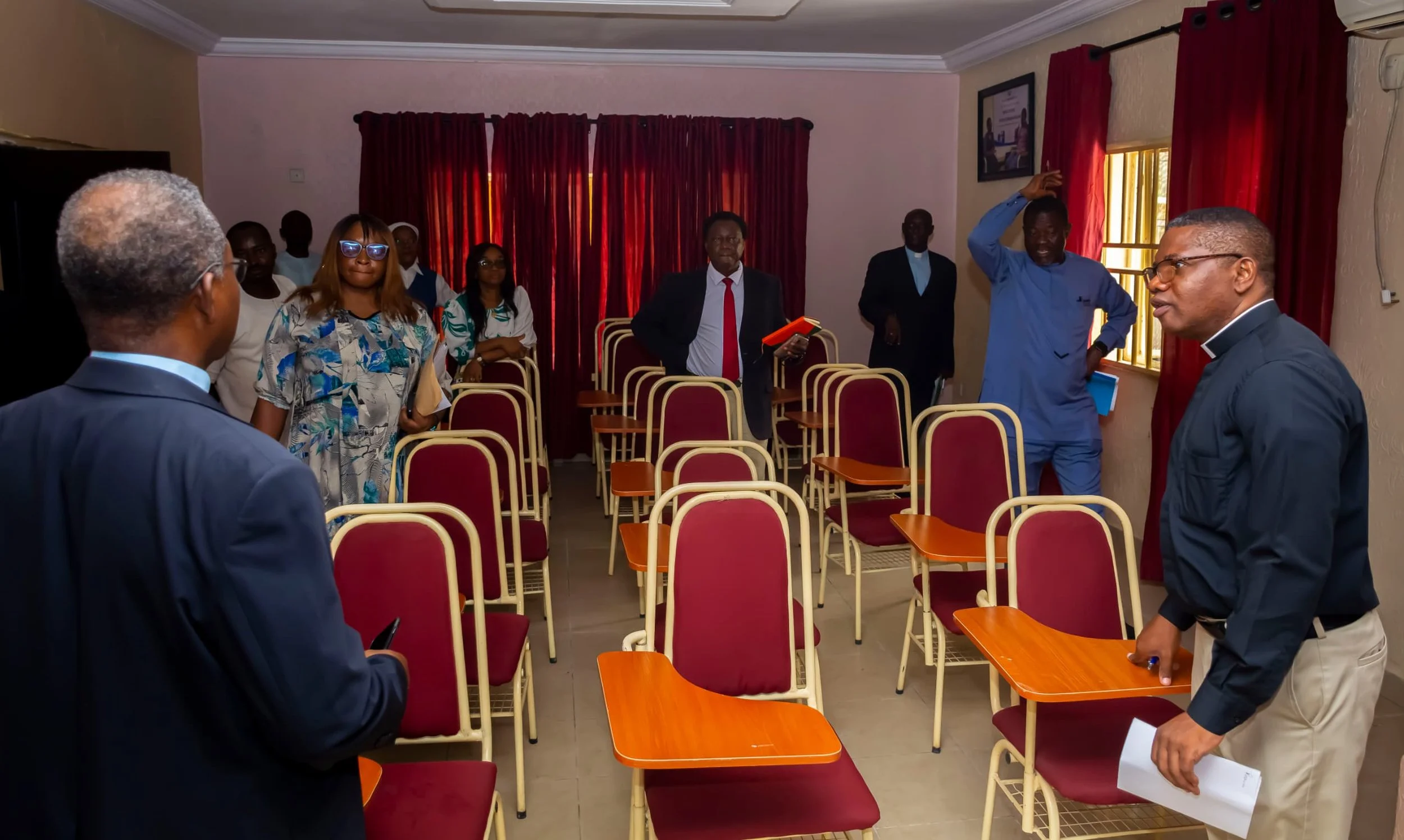


SHARE THIS STORY
The 2024 Economic Report of the President
Today, the Council of Economic Advisers under the leadership of Chair Jared Bernstein released the 2024 Economic Report of the President, the 78th report since the establishment of CEA in 1946. The 2024 Report brings economic evidence and data to bear on many of today’s most significant issues and questions in domestic and international economic policy:
FOR IMMEDIATE RELEASE
March 21, 2024
The 2024 Economic Report of the President
Today, the Council of Economic Advisers under the leadership of Chair Jared Bernstein released the 2024 Economic Report of the President, the 78th report since the establishment of CEA in 1946. The 2024 Report brings economic evidence and data to bear on many of today’s most significant issues and questions in domestic and international economic policy:
Chapter 1, The Benefits of Full Employment, which is dedicated to the late Dr. William Spriggs, examines the labor market, distributional, and macroeconomic impacts of full employment, with a particular focus on the benefits for economically vulnerable groups of workers who are much more likely to be left behind in periods of weak labor markets.
Chapter 2, The Year in Review and the Years Ahead, describes macroeconomic and financial market trends in 2023 and presents the Federal government’s FY 2024 macroeconomic forecast.
Chapter 3, Population, Aging, and the Economy, explains how long-run trends in fertility and mortality are shaping the U.S. population and labor force.
Chapter 4, Increasing the Supply of Affordable Housing, explores the causes and consequences of the nation’s longstanding housing shortage and how the Biden-Harris administration’s policy agenda can significantly increase the production of more affordable housing.
Chapter 5, International Trade and Investment Flows, presents key facts about long-term trends in U.S. international trade and investment flows, including the role of global supply chains, and highlights the benefits and costs of global integration for American workers.
Chapter 6, Accelerating the Clean Energy Transition, applies a structural change framework to explain the factors that can accelerate the transition towards a clean energy economy.
Chapter 7, An Economic Framework for Understanding Artificial Intelligence, uses an economic framework to explore when, how, and why AI may be adopted, adapting standard economic models to explore AI’s potential effects on labor markets, while examining policy decisions that will affect social and macroeconomic outcomes.
###
SHARE THIS STORY
Africa-Related is a media content production house
FPC TRANSCRIPT: Negotiating A Global Agreement on Plastic Pollution
Foreign press center briefing with Margaret Spring, Chief Conservation and Science Officer at Monterey Bay Aquarium
Video of this briefing for download can be found here:
https://vimeo.com/925080592/d50871bbe0
Photos of this briefing for use in reporting can be found here:
https://www.flickr.com/photos/foreignpressctr/albums/72177720315554048
FOREIGN PRESS CENTER BRIEFING WITH MARGARET SPRING, CHIEF CONSERVATION AND SCIENCE OFFICER AT MONTEREY BAY AQUARIUM
MODERATOR: Good morning, and welcome to the Washington Foreign Press Center. My name is Leah Knobel, and I’m the moderator for today’s briefing. Today, it is my pleasure to introduce Margaret Spring, chief conservation and science pfficer at the Monterey Bay Aquarium in Monterey, California.
Today, Ms. Spring will be discussing the next session of UN negotiations taking place in Ottawa, Canada next month to adopt a global resolution on plastic pollution. This discussion is on-the-record, and we will post a transcript and a video of the briefing on our website, fpc.state.gov, later today. And a reminder that remarks for today’s briefing do not represent the views of the United States Government.
For the journalists joining us on Zoom, please take a moment now to rename yourself in the chat window with your name, outlet, and country. And I would now like to invite Ms. Spring to share some opening remarks.
MS SPRING: Thank you, Leah. And good morning. I hope everybody’s well today. I’m really pleased to be here. I’m Margaret Spring. I’m the chief conservation and science officer at the Monterey Bay Aquarium, and I’ve also spent most of my career here in Washington, so it’s lovely to be back, especially during the cherry blossom time.
Today I’m here to talk about plastic pollution. Though the aquarium is engaged in a range of ocean actions, from advancing the global sustainability of fisheries and aquaculture to the recovery of the iconic and threatened sea otters that we see off our shores, I want to take – point your attention to this picture that’s on this title slide. Benjamin Von Wong, a Canadian artist, created this sculpture called Turn Off The Plastic Tap. It was first set up on the grounds of the UN Headquarters in Nairobi, in Kenya in 2021. At that time, the United Nations Environment Assembly, also referred to as UNEA, was considering a resolution to develop a treaty to address plastic pollution. Since then, a lot has happened, and I’ll give a quick overview of the situation and action to date at an upcoming meeting in this artist’s home country, Canada.
So between 1950 and 2019, global plastic production has ballooned from an estimated 2.2 million tons per year to 460 million – metric tons per year – excuse me – million tons per year. And if industry has their way, it’ll be more like 1.5 billion by 2050, and estimates are that there’ll be a tripling of plastic use by 2060, according to the OECD.
One thing you should know is that almost all plastic right now is made from fossil-based petrochemical feedstocks, oil, and natural gas. If people curb their demand for fossil fuel energy as a result of responding to the climate crisis, the industry is really looking to plastic to keep their profits afloat. Plastic production leads to plastic waste and inevitably plastic pollution. We can work on fixing waste management, which right now isn’t able to handle the volume of plastic waste, even in the U.S. But if we don’t slow plastic production, we can’t expect to keep up.
And we have an updated number for plastic waste that goes into the ocean, which is something of great concern to the aquarium – which is still an estimate; it’s based on modeling. But we’ve been using a conservative estimate of 9 million tons per year, and now it’s up to 12 million, and it’s just going to keep growing. So this is a problem that every minute that ticks away it gets worse.
So it’s an ocean problem, of course. Plastic waste is present in almost every marine habitat on Earth, from the ocean surface to deep-sea sediments to the ocean’s vast midwater region. It’s just not at the surface. It’s everywhere, including on the bottom, and there’s new scientific information coming out, including from the aquarium on that point. Sea turtles, marine mammals, seabirds, fish, and other marine life are impacted by plastic by becoming entangled in it or eating it, and there’s a large body of evidence that ingested plastic travels through the food web and ultimately to humans.
But of course, it’s becoming clearer that plastic pollution is also an issue of environmental equity. Low-income communities and communities of color in the U.S. and around the world bear the brunt of plastic pollution from production, waste disposal, use, and incineration. Plastic pollution also disproportionally impacts people in poorer in countries, communities in the United States, where more plastic waste leaks out into the environment due to insufficient waste collection and management systems, which exacerbates the impacts of climate and other major crises around the world.
So just to recap – oops, okay. Most plastic is from fossil sources, as I said, and this has impact not only the environment from extraction all the way through the life cycle of plastic, but on society and the costs that are associated with that – the cleanup cost but also the health cost. And then the climate impacts, there’s growing evidence that the production of plastic is increasing the greenhouse gas emissions and, of course, that climate impacts are exacerbating the impacts of plastic in these countries that are affected by sea-level rise and other challenges. And of course, the economy is not going to be able to withstand this. The cost of cleaning up for governments and for prevention is going to increase the longer we wait.
So it’s everyone’s problem, which is why there is a treaty discussion going on right now. We basically have to start from the beginning to the end, and there’s a couple of studies that I was involved in that will elucidate this. Human health and equity, as I said before, is a major issue. Human health hazards are now taking center stage. There have been a number of reports on that, which I’ll talk about. And there’s really a lot more scrutiny on toxic chemicals within plastic that is coming to the fore.
And just to center ourselves where we are, the United States is a part of this problem. It produces plastic. We actually generate a lot of waste – probably the most plastic waste. We actually have probably a more advanced waste management system, but in the end there is still leakage into the environment, which is of concern, and our recycling and disposal infrastructure is not going to be able to bear this. And of course, we do export waste too and that has changed a little bit because of some changes in China, but essentially we still – there’s just too much for us to manage at this point.
So in 2022 and 2023, I was involved in two expert reports. So one was at the U.S. scale and one was at the global scale, which it will explain how we are approaching the treaty. In December 2021, the National Academies of Sciences, Engineering, and Medicine released a report on the U.S. role in the global ocean plastic waste crisis, and it was requested by Congress in legislation established in 2020. I chaired the committee that came out with this report, and it’s made up of experts from all sorts of disciplines. We spent a year and a half researching this. What our conclusion was – oops, sorry. Well, this is one of our conclusions that the U.S. plays a significant role. Just so you know, it came from that report. I’m having trouble here, Leah. Okay.
Our top – there was – we found there was no one solution. Everyone was looking for one solution. Everyone sees the plastic problem from their perspective. If you’re a fisherman, you think that we need to clean it up. If you see it in your neighborhood, you want to have a – have this dealt with and you’re concerned about use of plastic products that are leaching chemicals and what the impacts on your children, you’re going to see it in a different part of this. But our finding was that there’s no one solution. Action needs to be made at every stage of the plastic life cycle from production all the way through disposal or leakage into the ocean, which is the ultimate sink for all of this plastic.
Our recommendation was as the U.S. as a key player needed to come up with a systemic federal policy and research strategy quickly. And so just – and we need to have to address the front end of the problem, which is that’s circled. What we found was that there was more action at the far end, which was the cleanup which is, of course, the natural reaction, and then we needed look farther up the chain. We identified also waste reduction as a critical policy, and part of those – and also reduction of plastic products and plastic production.
After that – one of the things that this report did not do was look at actual health impacts. And so we – I also was a member of the Minderoo-Monaco Commission on Plastics and Human Health, which was chaired by Phil Landrigan, a pediatrician, and a number of doctors and health exports were part of it. And the major finding of that report, which was geared towards the UN treaty, was to look at what was the impact of plastics on human health across the life cycle.
Taking a step back, in 2022, 175 countries adopted a resolution at the UN Environment Assembly, UNEA, and just after released the U.S. report and before we issued the Minderoo report. The nations agreed to negotiate this binding agreement, which is very exciting, to end plastic pollution, setting a goal of completing the text by the end of this year.
And so when we entered the space of the treaty, I’ve been at all of the meetings so far representing the scientific community through the International Science Council, and we – what was brought to the attention of the negotiators at that first meeting, their findings of the Minderoo-Monaco Commission Report, which were plastic harms human health and the environment; plastic itself causes disease, impairment, and premature mortality at every stage of its life cycle; toxic chemicals added to plastic, routinely detected in people, increases the risk of miscarriage, obesity, cardiovascular disease, and cancers; and health repercussions disproportionately affect vulnerable, low-income, minority communities, particularly children; and the annual costs are astounding. And I won’t go too far into that, but you can read the report. Also, plastic production has fueled climate change, so that is another issue of concern in that report.
And so the solutions offered were to address plastic production, establish health protective standards, improve production practices, improve the recycling and other mechanism, have regulations on hazardous chemicals, and prioritize the protection of human health and the environment, especially the protection of vulnerable and at-risk people. So at this treaty, all those issues are on the table. Primary plastic polymers are part of an – a zero draft of the text. Chemicals and polymers of concern, problematic and avoidable plastics, product design – all of those elements are in the framework for a treaty.
And so at our last meeting in Nairobi, there was a delay in taking action to further develop the text. The text was made longer, and so much – a bit more complicated. So looking ahead at our next meeting, which is kicking off on April 22nd – we’ll be welcomed by the Canadian Government on Earth Day, and then the negotiations start on the 23rd – there’ll be a lot of attention to the text and trying to get to agreement, because we have that meeting and then one more meeting.
And all of these issues are critically important. The question that will be ahead of us is what can we come to agreement with – on within this time period to be sure we address the whole life cycle of plastic, to address human health and the environment, and make sure the marine environment is protected, and also have a just transition and have enough financing to get this done. So – and there’s a lot of need for data transparency, tracking, and monitoring.
So those are all issues on the table, and there’s a lot of attention being paid to preparing for country positions, and all of us in the civil society and as observers are doing the same. And so we’re looking forward to seeing how far we can get in this meeting. And the last meeting will be in Seoul, Korea in the fall, and then ideally the treaty would be signed at an event, the plenipotentiaries meeting next year in 2025.
So that’s probably the fastest international treaty agreement timeline I’ve even seen, and so we’re all mobilizing quickly. So I just wanted to give you a sense of how important this issue is to people here in the United States as well as around the world. I’ve spoken to many people, and as a representative of the International Science Council we have given presentations to many delegations at this treaty and to answer questions about science, which is so critical.
So thank you for your time. Happy to answer any further questions, knowing that I’m not a scientist but I represent them and their interests in this treaty process. Thank you.
MODERATOR: Thank you. We will now take some questions. For those of you in the room, if you have a question, please raise your hand and wait to be called on. Please also state your name and media outlet before your question and project so we can hear you well. A reminder for journalists joining us on Zoom: Please be sure your screen name includes your name, outlet, and country; click on the raised hand icon to indicate that you have a question; and please turn on your video if you like. We will start by taking any questions from journalists in the room. Go ahead.
QUESTION: It’s okay? Yes?
MODERATOR: Yeah. Go ahead, please.
QUESTION: I’m Roku Goda for Japanese national newspaper, Asahi Shimbun. Let me ask three question questions regarding the INC process. First, what made the delay in Nairobi to improve the draft text? This is the first question.
MS SPRING: Say that again? I’m sorry. I didn’t catch it.
QUESTION: So what made the delay you said the – regarding the draft text?
MS SPRING: Okay. I think, so I don’t know what was going on behind the scenes and among the delegates, but what occurred was that there was expressed a concern by a group of countries saying that they felt that their views were not reflected in the text that was shared and developed by the secretariat of the treaty. And so each of them had to – brought up a lot of questions about what was in there, and so there was a lot of time spent adding more text and options to each part of the treaty. So while it started as a – maybe a 30-page document, it’s now a 70-page document, which makes it a bit more complex. It’s – and so there is – that’s one reason.
But also there was not agreement on doing – on performing intercessional work. Many of the scientific groups and other delegates, who were very concerned that they needed to understand the issues better wanted to proceed with intercessional work, which means special, topical work that would go between that meeting and this coming meeting to help tee up some issues in an official way as part of the official process, and no agreement was made. So that has left us a little bit behind in developing the information that the delegates need to make decisions.
And so that doesn’t mean work isn’t going on, but it’s not going on in the same way that had been anticipated. And there were contact groups created that were developing those lists of topics that people wanted to understand, like polymers of concern, or problematic plastics, or financing. All those issues are all being discussed among observers as well as some of – and the delegations, but not as an official stream of work. So that will put – that’s delaying things a bit.
QUESTION: Thank you. And number two, what outcomes is the INC for in Ottawa? What do you expect the result?
MS SPRING: Ah. I’m not a magician; I can’t predict everything. I predict it’ll be very hard work. It’s going to be a much longer meeting. It’s going to go from the 23rd to the 30th, which is far longer than the Paris meeting, which was before the Nairobi meeting. And so there’ll be some earnest efforts.
The other thing that’s changed is there is a new chair of the INC process. He’s from Ecuador. His name is Luis Vayas Valdivieso; he’s an ambassador. And he is taking stock; he’s taken stock of this. I think there was – a number of delegates met at the stock-taking meeting in Nairobi around UNEA-6, which is the sixth meeting of UNEA, to take stock of how things were going. And so I don’t know. We look forward to hearing from him about how he wants to proceed in that process. But I believe the focus will be on the text itself, and I assume that countries will share their views based on the work they’ve done during the intercessional with their own experts. But it will – that’s why it’s going to be longer, I think.
I’m hoping that there will be more opportunity for side – continuing to develop more information. The scientific community is very concerned about making sure that their voice is heard. So we will continue to try and do that with other groups. And so I feel like it will be very heavy work. However, Canada is probably going to welcome us to and ask us to move quickly with an effort to get a very strong treaty – at least a framework done – by the end of the year.
QUESTION: Thank you very much. And this is the last question. So when it comes to – right in November, right? Yes?
MS SPRING: Yeah. The dates aren’t quite set, but –
QUESTION: Okay.
MS SPRING: Yes, they are. Maybe before Thanksgiving.
QUESTION: Do you believe – so they can finalize their texts? And what is their biggest obstacle at this time?
MS SPRING: Probably our biggest obstacle is time, as you can imagine. I know there is a commitment by leadership from UNEP all the way to the secretariat to complete the task, certainly to have the text done and ready for signature by next year. I feel like the question is how much detail will be in the text that’s concluded by the end of this year, and which – what will be left to future meetings. The goal will be to make sure that the entire lifecycle of plastic, at least from our perspective, the scientific perspective, and also many of the countries, including members of the High Ambition Coalition, which is a very large group, to make sure production is included. That doesn’t mean there’s going to be agreement on that.
And so the question is what can be done. But there are many ways to reduce production, and there are many concerned about not reducing production. There’s a lot of modeling of impact of changes in policies that should be informative. I’m hoping that will help elucidate it. But I think it’s going to be some text will be done; we don’t know how detailed it will be yet. And judging from how other international agreements have proceeded, there will probably be some follow-on work.
MODERATOR: Go ahead, please, in the back.
QUESTION: Yusuke Tomiyana, Yomiuri Shimbun, Japanese daily. So I have two questions. The (inaudible) – let me know the U.S. plastic industry’s attitude or reaction for this treaty?
MS SPRING: What’s their reaction to the treaty? Well, they’re attending. (Laughter.) There’s a lot of attendance by industry, and lots of different industries. So there’s oil and gas production, there is plastic production, which is usually connected, and then there are – then there’s the many other industries that use plastic in their products. And there is – so their reaction to the treaty is they’re taking it seriously, and I think that they would like to see more emphasis – at least the plastic production industry would like to see more emphasis on recycling, which we have – many experts have concluded is not going to solve the problem. So there is a difference of opinion.
However, there is a business coalition for an effective plastic treaty that is moving for – is asking for global standards so they can compete, and – because this is a globally traded commodity. So in terms of U.S. business and other global scale businesses, they’re very concerned that this treaty must be done and establish global standards to help set the stage and set a level playing field for innovation and change. And so there’s different views all along the spectrum, and the scientific community has expressed very strong opinions that I think would not be in line with the plastic industry, but there may be areas that we can come together.
One of the things we’ve heard from the plastic industry is they’re willing to be more transparent about what they’re putting in the plastic. We have yet to see that, but we’re interested in seeing that, because that will help us understand what is in them and how we can start removing – detoxifying plastic if we can. That’s a very tall order. Safety is very important, but we’ve proliferated plastic to the extent that it’s hard to roll it back, so there will have to be some new standards set. So that is how we’re setting it up. I do – I can’t speak for them, though, because I think that they’re evolving in their position. I am hoping they are, because this is also undermining – plastic production is also undermining our greenhouse gas goals.
QUESTION: What is the most (inaudible) point for U.S., also global plastic industries are regulated by this treaty?
MS SPRING: What would be the most effective? Well, of course, if you take your lesson from previous treaties – whether it’s the ozone treaty, Minamata Convention, or even the climate convention – we need to have targets for reduction in everywhere we can measure it, and also timelines. Many countries have done this. And we can – it’s hard to say which is the most – you can’t say which is the most effective. As we said in the National Academies report, you have to address every step.
If we don’t, we will never fix the problem, because we’ve created a system that’s not working. The production cannot be managed at the end of life, and so unless you work in it all – but I think what we’ve found is that years of experience here in the United States is that trying to clean it up is not working. Trying to manage the waste is not working alone. We have got to get at the upper end and the production, and so how many different levers are there to do that?
Another thing that we have been experimenting with here in the United States and elsewhere is to have – is to reverse the burden so that polluters pay for and are responsible for the production of waste from plastic and the harms associated with it. Because right now, that’s borne by everybody else, and the cheap cost of plastic is just making it worse. So if you change the financial responsibility, that helps a lot, and that will be critical.
The other thing is – that’s going to be happening is that as the health information becomes more public and the science advances, the health risks and the liability to these companies will rise. So I used to work for industry, and I will say that they do respond to risk. So there are multiple issues, and a level playing field is what I think everyone needs to do is – how is this whole system going to work together? And it will require not only fighting but cooperation; you need both. So that’s what I would say.
QUESTION: I’m afraid to ask you such – so basic point, but let me know: Why plastics affect the global warming or climate change?
MS SPRING: So to produce – so there are many places in which – and the estimates are still being made. So first of all, there’s the production of fossil fuels and the – and that actually emits greenhouse gases, and the use of energy in the plastic production process creates greenhouse gases, and so all those things plus their development of products. So they’re being compartmentalized. There is a new study that’s going to be coming out soon, I think, but essentially we think it’s – right now it’s about four – I think the OECD said it was about 4 percent of greenhouse gas budget, and it’s expected to double, which actually starts to change the trajectory over time.
And so those are – and there are emissions – there’s other science that says there are emissions from the actual plastic products themselves as they degrade in the ocean or in the environment. Also, more plastic waste and badly mixed plastic waste creates greenhouse gases from landfills. So it’s – they’re starting to catalogue it. I’m very interested to see – there’s a project that’s looking at it, but it’s not going to help us in the long run because it’s starting from the same place. And so even if it’s made from another product, it’s possible it will still increase but not as fast.
QUESTION: Reducing plastic production mean that reducing greenhouse gas?
MS SPRING: Uses?
QUESTION: The reducing – reduce – lower plastic production means lower greenhouse gas?
MS SPRING: Yes. That’s what the estimates say so far.
QUESTION: Thank you.
MS SPRING: Thank you.
MODERATOR: We’ll now take a question from zoom. Alex, would you go ahead and unmute yourself and turn on your video, please?
QUESTION: Yes. Good afternoon. I’m sorry, I’m having issue with my camera. I hope it’s okay.
MODERATOR: That’s fine.
QUESTION: This is Alex Raufoglu from news agency Turan. Thank you so much for doing this, and welcome back to D.C. Sorry I couldn’t be there in person. I have two questions, just to build off on what you just said. Can you please speak a little bit on other urgent climate implications of plastics? We do need healthy ocean, of course, the costal ecosystem, to store carbon and build resilience to climate change. Azerbaijan will be hosting COP29. It has its own issues with Caspian Sea is being subject to that as well. Look, do you think – can there be an adaptation in a sea of plastic? I think that’s my question on that part.
And second part of my question – you mentioned the 2022 resolution, which were agreed by over a hundred countries. The ugly truth is that they say when push comes to shove, with issues like plastic pollution, the problem is that some nations benefit from increased plastic production while others bear a disproportionate burden, if you want, and consensus can be difficult. So what do you expect from the upcoming COP29? What role will the private sector play here, and how should the governments respond? Thank you so much.
MS SPRING: Very good question. So on the first, I think we’re still learning about the different ways that climate and plastic are connected, because they’re mutually reinforcing, of course. And the number one issue is they’re both carbon, right. So what we don’t know is even if – if you add more carbon to the ocean, what is the impact, for example, if it starts to degrade? But there’s also feedback loops and warming.
So I do think that – that adaptation is going to be harder with plastic in the ocean for sure. What we’ve seen in the countries – for example, low-lying countries – is that if plastic is clogging drainage areas, if you see in places in Africa and Southeast Asia, you will see that – areas that are already impacted by flooding are just becoming more impacted because of these – this – this clogging of these areas, and also it’s undermining the ability of countries who are already suffering from climate change to feed themselves from the ocean, et cetera. And with – and that includes dumping of waste from vessels, but also lost fishing gear and aquaculture gear. So there’s lots of ways this is happening; it’s going to be made much worse.
I do look forward to seeing more information on those feedback loops, particularly the impact on our carbon cycle in the ocean and how that happens. There’s a – there’s some research, if you read the National Academies report, we identify a few early research projects. There’s also a project called – it’s called the Plastic Climate Project. It’s starting up to sort of pull all that information together. But Antonio Guterres, the secretary of the UN, has been speaking about this issue a lot. So it is – it’s a question of how do we manage our transition to decarbonization, essentially. We have to decarbonize for many reasons, and it’s a major challenge for the Earth.
And plastic – and you’ll see that the EU has made plastic part of their green new deal. It’s all part of a strategy to move forward on climate. So it is connected. But you can address them separately, and the solutions are similar. But essentially we have – it’s pollution, like we deal with every pollution. Too much of something that’s not good for the planet and good for people should be reduced.
The second question, which is a very good one, is yes, there is going to be conflict about whether – what should be – where does the life cycle of plastic start. I think scientifically and technically and factually, it does start with extraction and production. There are a number of countries that do think that really this is a waste problem, and it’s not a production problem. But if you do the math, it’s very clear that production cannot be managed by waste management.
So the business community does play a role, and particularly in seeing the future. Where is this leading us? Just like in sustainable seafood, companies are thinking, where am I going to get my fish? Well, I can’t overfish because – so at some point, some companies have come together and said, well, we’re going to be supporting sustainable seafood. Similarly, you will see some companies seeing that their profit margins over time will erode because consumer confidence declines, concerns about the plastic health impacts rise. And you’ve seen a number of other studies that just come out recently from the New England Journal of Medicine that have indicated very strong correlations with heart disease. So this starts getting people very worried.
Now, a long-range-thinking company who depends on a consumer audience will be thinking very strongly about what the future looks like for them. And a number of them have made public-facing pledges.
So I think those voices have to be stronger than the voices that are saying that we want to stay for – with business as usual. And so I think that that’s – and also having these collaborations of solutions have been something that I’ve seen emerging more and more. And so the concern with civil society is that – is this greenwashing, or is this real progress? And I think the more we get to know each other in this negotiating process and the more we see the results, the more we’ll build trust. But right now it’s very – there’s a lot of concern.
So I do think building trust from – between industry and the civil society is important. And I’m not sure how – if that happens at a treaty or between treaty meetings, but that is very important because of the health issues as well as the existential issues around our food systems. This isn’t just an ocean issue. I’m focusing in the ocean, but there’s – there’s microplastics in the air, there’s microplastics in your food, in your drink, in your water. The state of California is the first state to monitor microplastics in drinking water. That’s – I can’t believe it, that that’s the first state that’s ever done that. So we don’t know so much about what is happening, though it is a – there’s a mountain of evidence about to be growing, and it’s important to get ahead of it. And that would be the important role of people who think about the future in the longer term, not in the short term.
QUESTION: Thanks so much.
MODERATOR: This ends the Q&A portion of today’s briefing. Ms. Spring, do you have any final remarks you’d like to share?
MS SPRING: Well, I’d just like to say thank you for having an interest in this issue. I do think that this next meeting deserves coverage and attention, because it is a critical moment. It’s not only Earth Day, global Earth Day, but – which is the theme of it, is global – is planet or plastic. And they see a lot of that concern being raised, so this is a pivotal meeting. I think shining a light on what countries are willing to do and telling stories about where the concerns are and where the solutions are are all important, because I do think that this process, it’s moved so quickly, the public does not know much about it. And I think that they would be interested in knowing that there’s potential solutions at a global scale as we work at the national scale.
And we have not – we are focusing here in the United States on moving our U.S. national plan too, and we’ve been doing some research that would help support faster progress on a U.S. plan of action that would be very forward leaning. The U.S. has said that their goal is to eliminate the release of plastic in – plastic pollution into the environment by 2040, which is indeed the goal of the High Ambition Coalition. But how do we get there, and what’s the pathway for getting there? How can science play a role?
So I do think that there’s a lot more to be done here, in every country, and we’re very supportive of hearing how other countries are speaking at these treaty meetings. So learn what your country is doing, how they are advancing and showing that it’s possible. We at the Monterey Bay Aquarium have eliminated single-use plastic from our front of house, from our – and we actually still make money. So – at those – not us, but our vendor makes money. And so we can – you can actually have profits and have no single-use plastic, for example. Those are the easiest things to remove from your life.
And just ask yourself: Do you need it? I find that until you raise this question with your public or with your family or your friends, they don’t even see the plastic. And I’m not saying plastic doesn’t have beneficial uses. It certainly does. But we’ve overdone it. That’s my view personally and probably of the Monterey Bay Aquarium. So – and many of my colleagues. So I hope you personally take action. I hope you pay attention to what’s happening in your country and reflect what people think, because this is really about people. Thank you.
MODERATOR: This concludes our briefing. I want to give a special thanks to our briefer for sharing her time with us today and to the journalists who joined us. Thank you.
For more information or to find more FPC programs, visit our website. Follow us on Twitter/X @ForeignPressCtr
Washington Foreign Press Center
National Press Building
529 14th Street NW, Suite 800
Washington, DC 20045
Phone: (202) 504-6301

Tsedaye Makonnen's ASTRAL SEA Speaks To The Need for Collective Refuge
Contemporary Ethiopian/American Artist Tsedaye Makonnen was commissioned by MetLiveArts and featured as one of the two living artists in the Africa and Byzantium exhibition. The result is ASTRAL SEA, which speaks to themes of Slavery, Textiles and History
Oyiza Adaba, New York
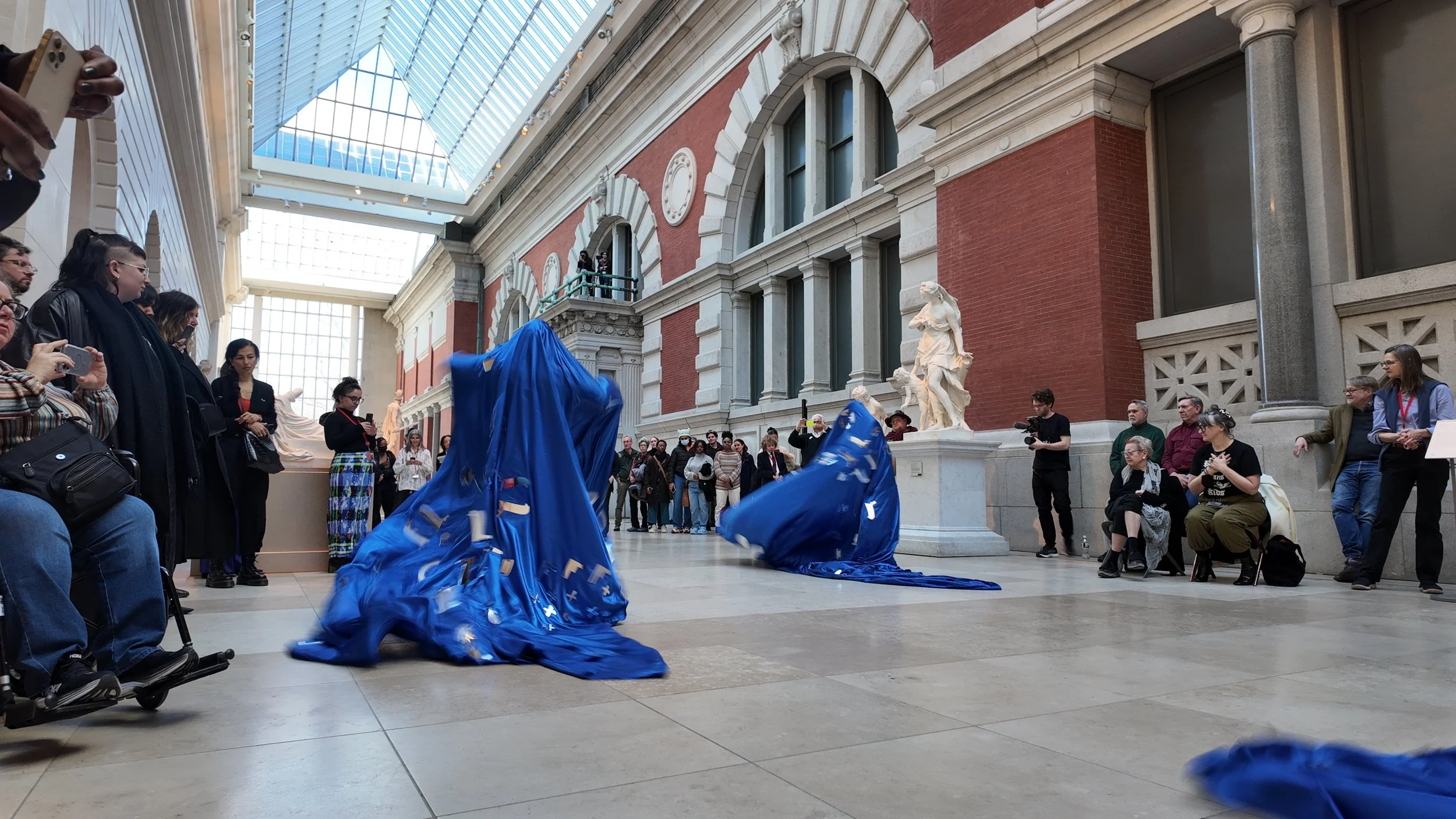
Contemporary Ethiopian/American Artist Tsedaye Makonnen was commissioned by MetLiveArts and featured as one of the two living artists in the Africa and Byzantium exhibition. The result is ASTRAL SEA, which speaks to themes of Slavery, Textiles and History
Contemporary Artist Tsedaye Makonnen, currently featured as one of the two living artists in the Africa and Byzantium exhibition, has been commissioned by MetLiveArts and supported by Franklin Furnace to produce a new iteration from her performance and textile series Astral Sea to be featured at The Metropolitan Museum of Art.
The exhibition explores the cultural interconnections between the African continent and Byzantium from the 4th to the 15th century. The Met has commissioned 7 new works from Tsedaye alongside this new performance piece.
Performers Jasmine Hearn and Adia will be adorned by Astral Sea mirrored textiles created by the artist Tsedaye moving through the exhibit and Petrie Court. Their abstracted gestures will emulate water, land and the cosmos becoming a conduit of those who the work honors.
The performance will highlight themes of healing, protection, hope, resilience, and the power of collective action, drawing connections between the rich histories of Africa and the African diaspora. It will be accompanied by a special live soundscape created by world renowned Sudanese musician Alsarah from Alsarah and the Nubatones.
Astral Sea: The Need for Collective Refuge Performance
Date: February 29th, 2024
Location: The Metropolitan Museum of Art
Africa & Byzantium exhibit and Petrie Court
Performers: Jasmine Hearn, Adia and musician Alsarah
Artist: Tsedaye Makonnen






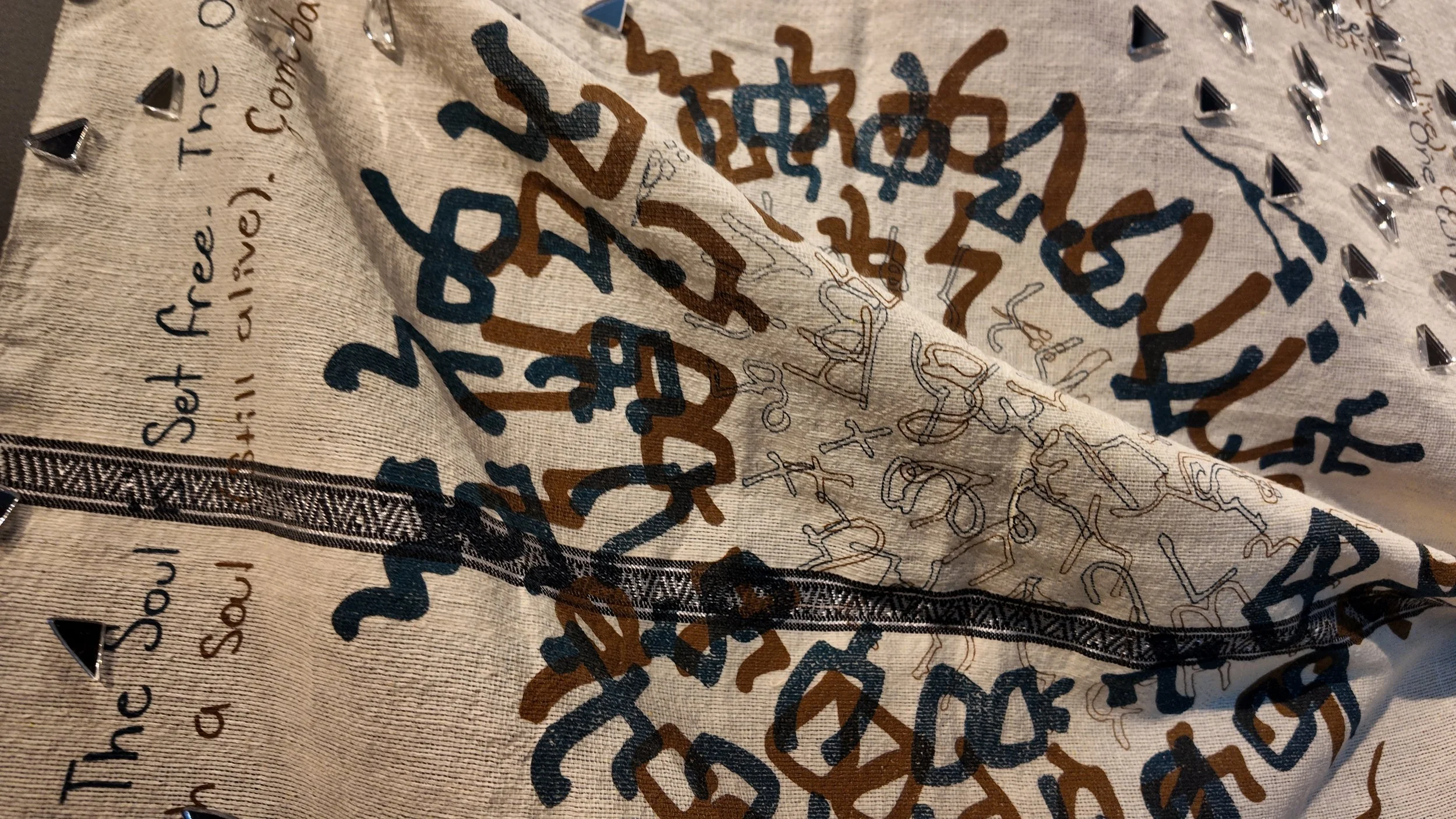
Share this story
Africa-Related is a media content production house

HARLEM HOSTS GLOBAL AFRICAN WOMEN’S DAY
On March 16, a special Pan-African gala will take place in Harlem to celebrate Global African Women’s Day with African women and women of African descent from around the world, spanning; Africa, Latin America, Europe and the Caribbean.
If you're in New York and looking for a striking statement piece or a versatile staple, international culture and entertainment, the Global African Women’s Day gala is the place to be.
PRESS RELEASE
New York, New York: February 20, 2024
On March 16, a special Pan-African gala will take place in Harlem to celebrate Global African Women’s Day with African women and women of African descent from around the world, spanning; Africa, Latin America, Europe and the Caribbean.
The cultural gala will be held at historic Alhambra Ballroom in Harlem during the annual two-week UN Women’s Conference, Commission on the Status of Women, when New York city streets will swell with parliamentarians, activists, and NGO delegates representing their countries from around the world.
The keynote speaker and honoree for the afternoon will be Her Excellency Verónica Nathaniel Macamo Dlhovo - Minister of Foreign Affairs and Cooperation of the Republic of Mozambique. Also being honored are: Chief Mrs. Nike Okundaye, a renowned Nigerian textile artist and gallery owner / Dr. Gina Paige, Co-Founder & President, African Ancestry, Inc. Pioneer, Entrepreneur, Black Identity Influencer / and special recognition to a soul-fusion performing artist and founding fellow of the Teaching Artist Institute, Ms. Kim Poole.
Distinguished guests include Dr. Epsy Campbell, the former Vice President of Costa Rica and Minister of Foreign Affairs. and current member of the United Nations Permanent Forum on People of African Descent who will deliver a special message.
Also, on hand will be live performances by the incomparable Red Sahara and others. As well as, products for sale by Shayee Textiles which produces a range of wearable art, from intricately designed clothing to statement-making accessories. If you're looking for a striking statement piece or a versatile staple, international culture and entertainment, the Global African Women’s Day gala is the place to be.
A portion of the proceeds will support travel grants for women living in rural areas and distressed communities to participate in forums where their issues can be represented.
Registration is $90 For sponsorship and ticket information, Eventbrite: https://bit.ly/3vYoW3q or, contact Deborah C. Nelson at GlobalAWD@gmail.com Message line only 646-535-0755. Global African Women's Day is an activity supporting the UN Decade for People of African Descent (2015-2024)
##
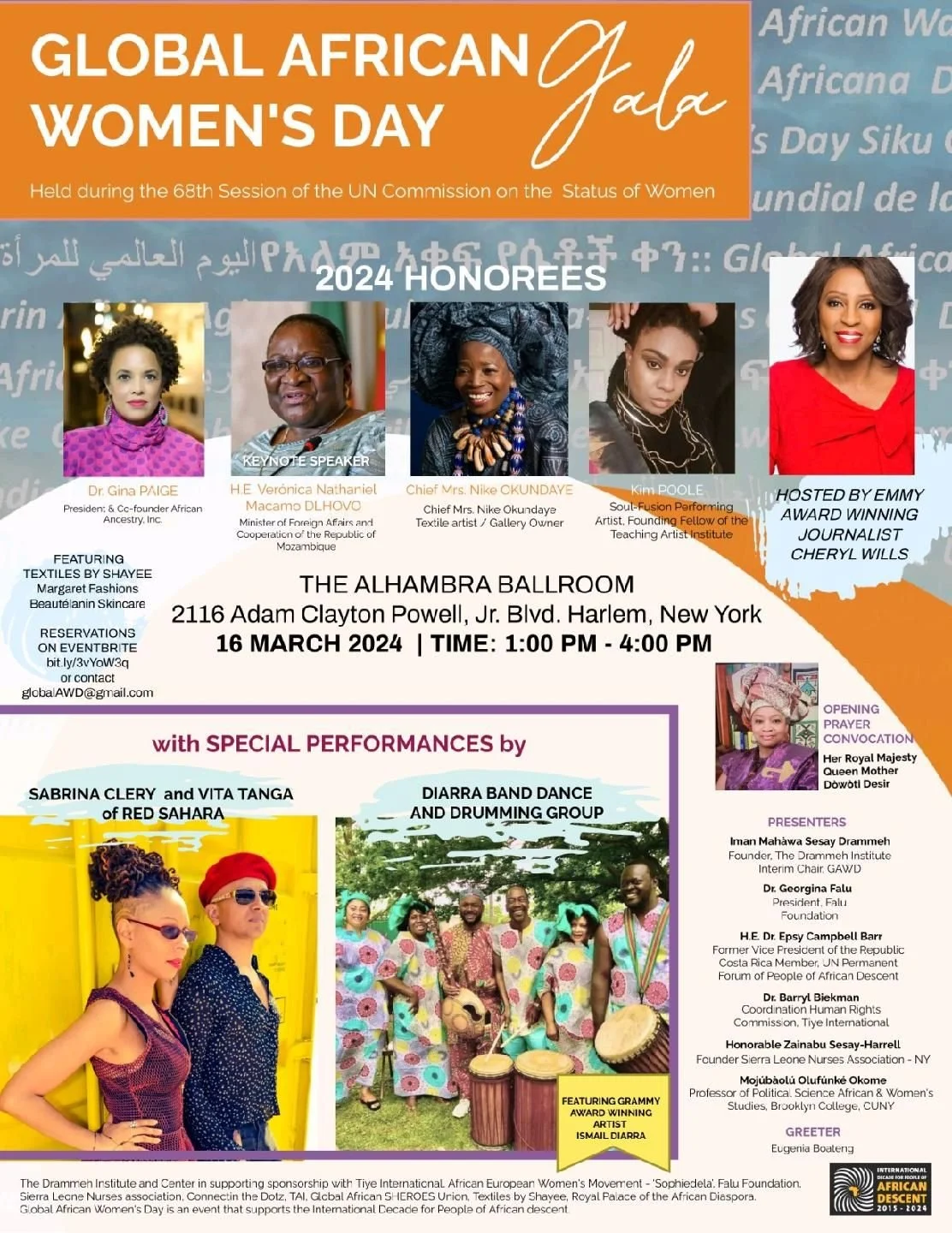
Share this story
Africa-Related is a media content production house

Where Should Africa Turn? BOOKINGS Publishes Foresight Africa 2024
The Brookings Institution in Washington, D.C. will launch its 2024 “Foresight Africa” report on January 26, 2024. The report contains top priorities and recommendations for Africa on where Africa should turn its attention in the year ahead.
Foresight Africa 2024. Photo courtesy of Bookings
BY Oyiza Adaba, New York
The Brookings Institution in Washington, D.C. will launch its 2024 “Foresight Africa” report on January 26, 2024 during a hybrid event. The report contains top priorities and recommendations for Africa on where Africa should turn its attention in the year ahead.
In this latest edition, experts offer their insights on key policy issues, including development finance, climate change, gender, entrepreneurship, governance, and more.
Foresight Africa is an annual report that captures top regional priorities for the year ahead published by The Brookings Institution, a nonprofit organization based in Washington, D.C.. Their mission to conduct in-depth, nonpartisan research to improve policy and governance at local, national, and global levels.
Download this year's chapters here and register to watch the launch event on January 26.
Share this story
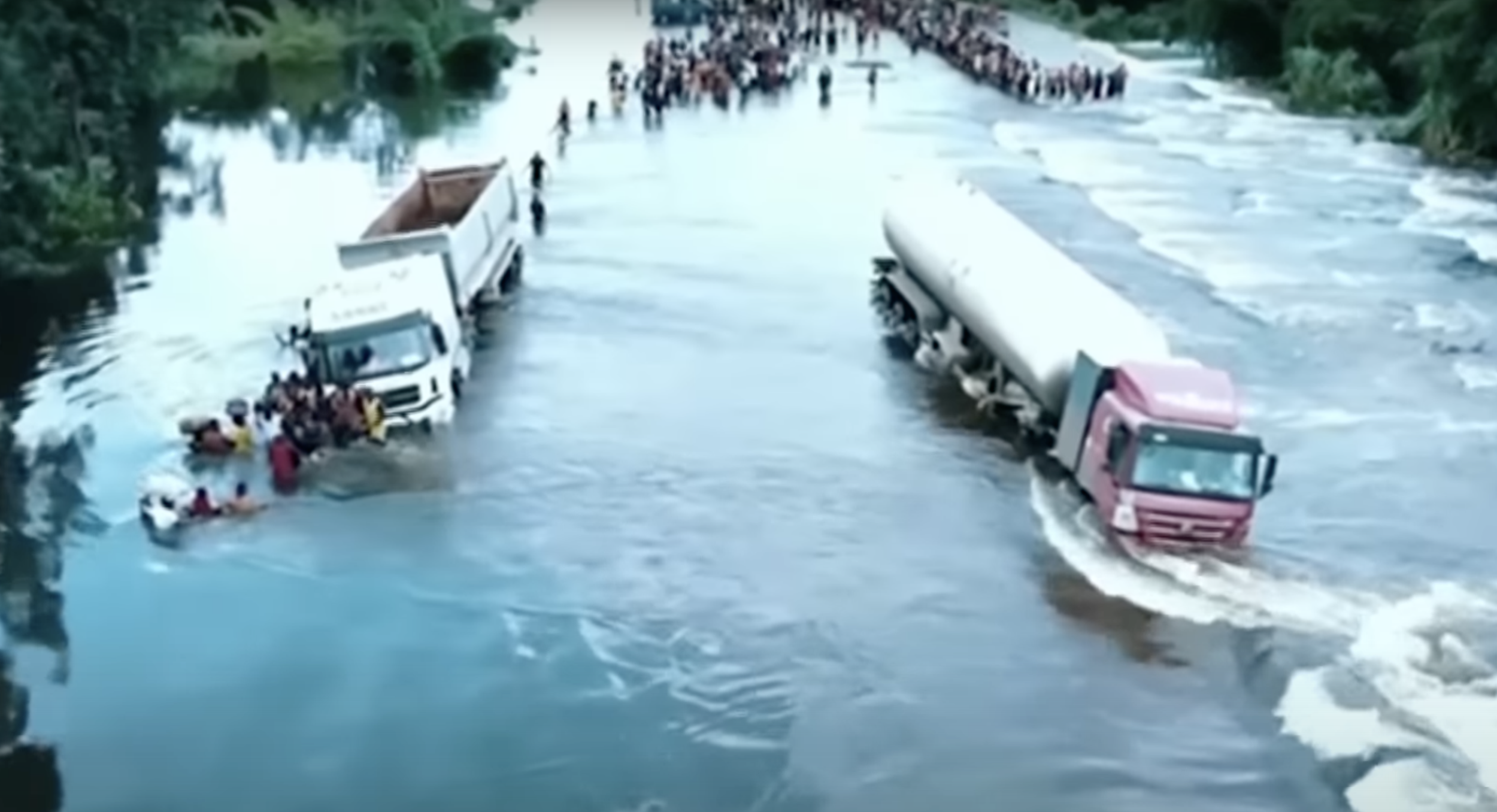
U.S. COMMITS $1 MILLION TO FLOOD VICTIMS IN NIGERIA
The United States has pledged $1 million in immediate humanitarian assistance to support the 2.8 million people across the Nigeria affected by unprecedented flooding.
Oyiza Adaba | Africa-Related New York
Flood Victims
The United States has pledged $1 million in immediate humanitarian assistance to support the 2.8 million people across the Nigeria affected by unprecedented flooding.
Abuja – The United States, through the U.S. Agency for International Development (USAID), is providing $1 million in immediate humanitarian assistance to support the people affected by unprecedented flooding in Nigeria. The unusually heavy rainfall and resulting flooding has affected nearly 2.8 million people across the country. In addition, many homes have been damaged or completely destroyed, displacing millions of people.
The floods have exacerbated an already critical humanitarian situation in Nigeria, where ongoing conflict, especially in the northern region, has driven millions of people from their homes. In the same region, more than 4 million people are projected to continue experiencing acute food insecurity amid the worsening global food crisis. We are also concerned that standing floodwaters could increase the risk of cholera and other waterborne diseases in Adamawa, Borno, and Yobe states, where cholera outbreaks were declared in August and September and at least 7,750 cases were recorded. In 2022, 31 out of 36 states reported cholera cases.
“We are filled with grief for the flood victims who have lost so much – livelihoods, homes, and even loved ones,” said U.S. Ambassador to Nigeria, Mary Beth Leonard. “The United States continues to stand with the people of Nigeria during this extremely difficult time,” Ambassador Leonard added.
The $1 million in new USAID support will allow local partners on the ground to provide emergency shelter assistance, relief commodities, and hygiene kits to promote safe and healthy practices amid the ongoing cholera outbreak, and multipurpose cash assistance for people impacted by the devastating floods.
As experts expect heavy rainfall and flooding to continue through November, due in part to climate change and insufficient drainage infrastructure, USAID disaster experts will continue monitoring the situation in close coordination with humanitarian partners and the Government of Nigeria to assess needs and determine if additional assistance is required.
The United States maintains a long history of providing humanitarian assistance across the country. In 2022, USAID provided more than $356 million in humanitarian assistance to people most affected by conflict and food insecurity in Nigeria. This life-saving assistance is in addition to USAID’s annual $539 million development budget for Nigeria that supports economic growth, health, democratic governance, and education.
Follow USinNigeria on Twitter and Facebook
###
Share this story

PUBLIC ART MEETS WILDLIFE CONSERVATION AT JAGUAR PARADE NYC 2022
Several jaguar sculptures painted by great artists will be exhibited in iconic locations throughout New York City. The event will culminate in an online art auction on Oct 5- 20, with 100% of the net proceeds going to jaguar conservation efforts. Jaguar Parade NYC 2022/Onca-Mimética by Irmãs Gelli
By Oyiza Adaba | Africa-Related New York

inspiration behind it
"All fauna, the forest and the people who live in it have the right to life. May it be green, alive, and free!" The sculpture is a collaboration between Rui Machado, an amazon artist, and Liv Mourão, a Brazilian artist based in NYC. Together, they tell through the design the life of the people, fauna, and flora of Amazon and its connection with the jaguars.
Jaguar Parade NYC 2022
If you spot a few brightly painted Jaguar sculptures in the city, you are in for a treat at The Jaguar Parade NYC 2022. This is where art and socio-environmental awareness come together, in what is described by the luxury carmaker as ‘the wildest open-air art exhibition’. Several artists and celebrities have been selected to collaborate on creating jaguar sculptures that carry the message of conserving America’s biggest cat.
“Protecting jaguars means protecting the landscapes they depend upon… as the impacts of the current crisis profoundly re-shape our lives and lead us to rethink our relationship with nature…”
- Jaguar
From September 7 to October 5 , dozens of jaguar sculptures painted by great artists will be exhibited at iconic landmarks throughout New York City, such as Central Park Zoo, UN Plaza, Tavern On The Green, Times Square, Fifth Avenue, as well as some private locations. Some sculptures are even part of the ongoing 77th United Nations General Assembly.
The Jaguar is listed as “Near Threatened” on the International Union for the Conservation of Nature (IUCN) Red List of Threatened Species. Jaguars currently inhabit 18 Latin American countries, from Mexico to Argentina, but have been eradicated from nearly half of their historic lands.
The campaign is supported by global conservation organizations including United Nations Environment Programme (UNEP), United Nations Office on Drugs and Crime (UNODC), Wildlife Conservation Society (WCS), Panthera, World Wildlife Fund (WWF), and The Lion’s Share.
It will culminate in an online art auction on Oct 5- 20, with 100% of the net proceeds going to jaguar conservation efforts.
Jaguar Parade’s first edition took place in Sao Paulo from October to November 2019, and at that time, was known as the largest open air urban art exhibition in the history of the city.
Some of this year’s participating sculptors and artists include the below.

Love Jaguar By: Poll Ce + Alexander Milov (New York - United States)

FOREST GUARDIANS By Sophie Reitermann (São Paulo - Brazil)

I Love Myself By: Pedro Silva (New York - United States)

DELICATE By: Ying (New York - United States)