
Steps Toward Investment-led Strategy In U.S-Africa Relations
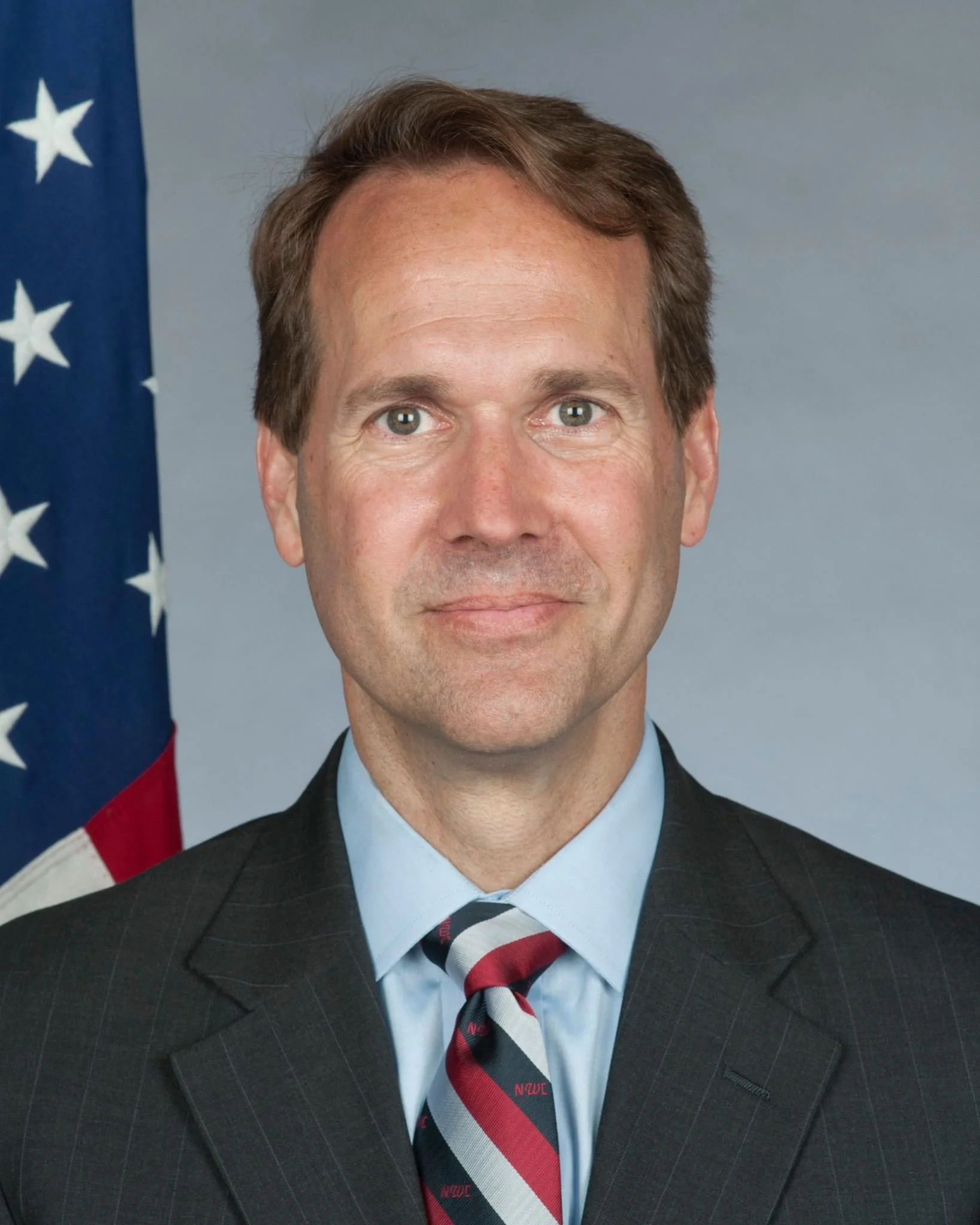
The Senior Bureau Official for the Department of State’s Bureau of African Affairs, Ambassador Troy Fitrell and U.S. Ambassador to Cote D'Ivoire, Ambassador Jessica Davis Ba reviewed commercial diplomacy trip to West Africa and outlined the State Department’s new commercial diplomacy strategy for Sub-Saharan Africa.
Senior Bureau Official Troy Fitrell’s Commercial Diplomacy Trip to West Africa
Digital Press Briefing
The Senior Bureau Official for the Department of State’s Bureau of African Affairs, Ambassador Troy Fitrell and U.S. Ambassador to Cote D'Ivoire, Ambassador Jessica Davis Ba. Ambassador Fitrell reviewed his commercial diplomacy trip to West Africa and outlined the State Department’s new commercial diplomacy strategy for Sub-Saharan Africa.
You can find the full transcript of the briefing here:

KIDNAPPED In NIGERIA
A mother’s heart-wrenching story powerfully demonstrates why nowhere in Nigeria is truly safe from the pervasive menace of kidnappers and criminal gangs, least of all the nation’s capital, Abuja. This unfortunate reality underscores the growing fears and concerns among Nigerians, as they grapple with the constant threat that looms over their daily lives.
by oyiza adaba, New york
A SPECIAL REPORT
Deborah Sanni (RIP) was last seen in Area 1 on March 3, 2024. (Photo: Sanni Family)
On March 3, 2024, 29-year old Deborah Sanni, an Area 1 resident of Abuja, stepped out of their family home around 8:00 PM to pick some supplies from a nearby shop. Then the unthinkable happened.
"Every day I wake up with her thoughts on my mind. I sleep with her thoughts on my mind, because it's just like a dream - a nightmare." - Mrs. Matilda. Sanni
Her grieving, yet strong mother, Mrs. Matilda Sanni recalls the heart-wrenching incident, which powerfully explains why nowhere in Nigeria is truly safe from kidnappers - least of all the nation’s capital, Abuja. This unfortunate reality reflects the growing fears and concerns among Nigerians, as they grapple with the constant threat that looms over their daily lives.
In Deborah Sanni's case, her family paid a ransom on the same night, which her captors withdrew before dawn on March 4, 2024. Then they went silent. After a difficult week of searching, her family learned that her body had been found a week earlier and sent to a mortuary in another part of Abuja. This raises concerns about communication between the Nigerian Police, other security agencies, and hospitals.
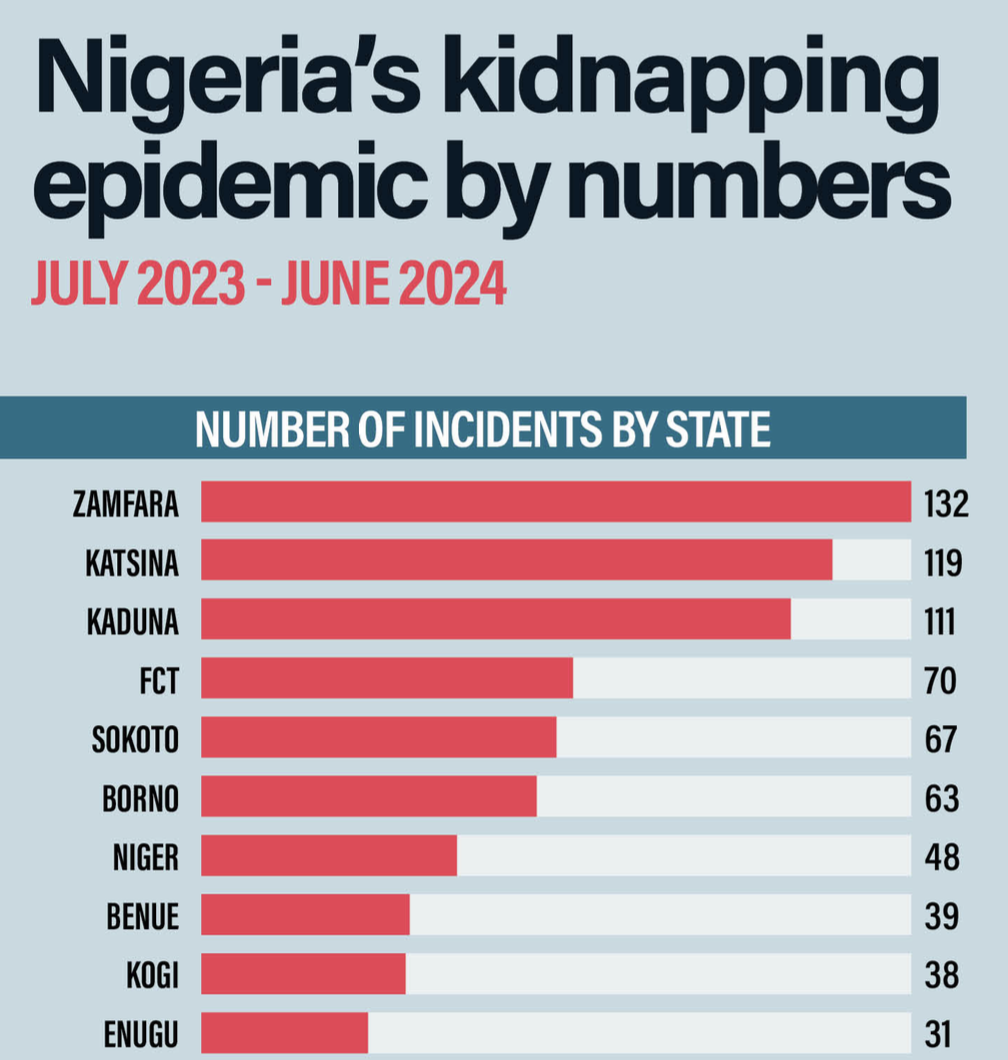
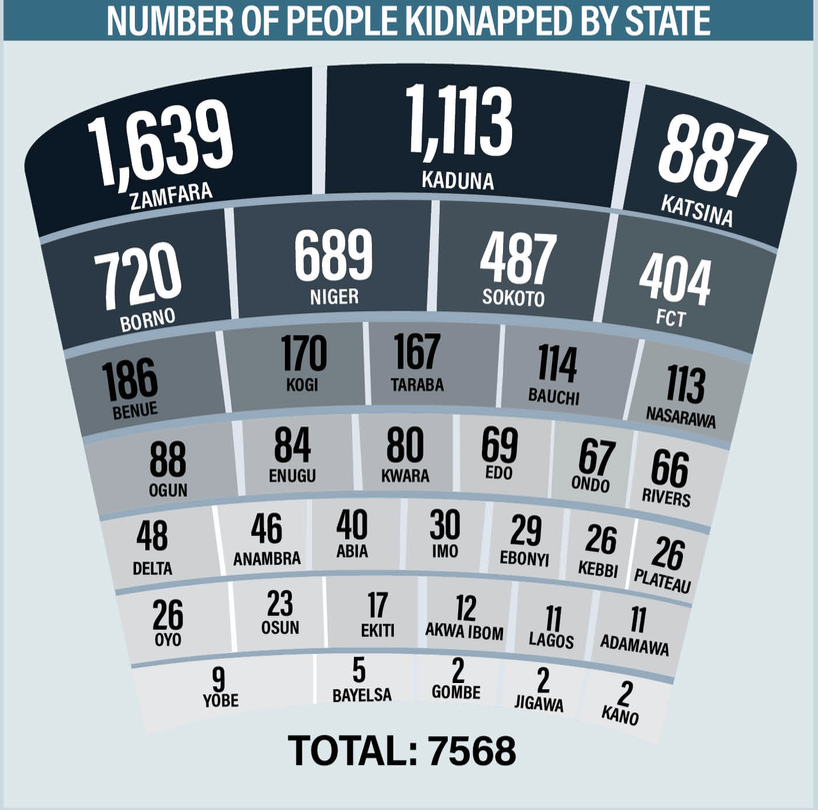
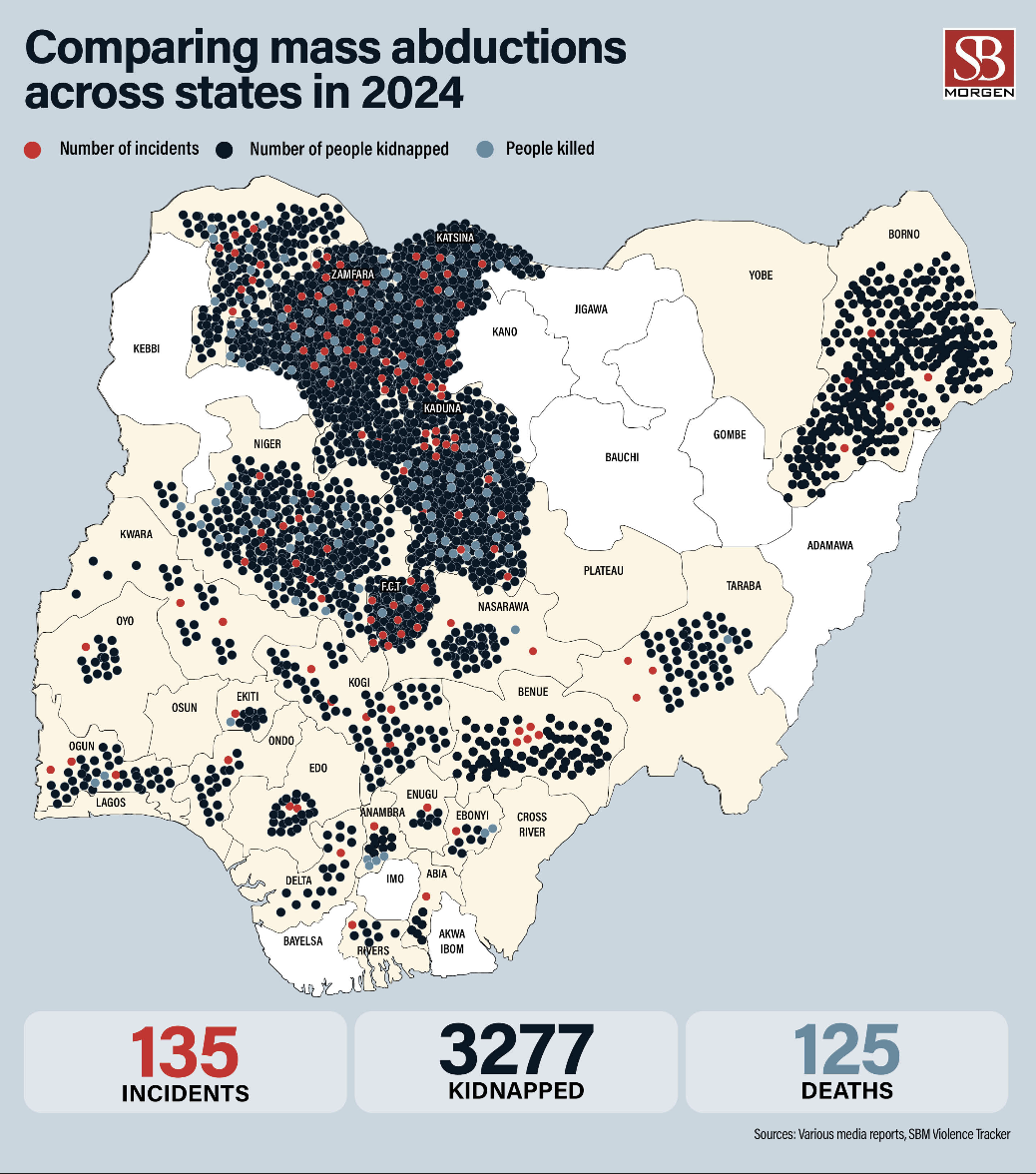
As we close out our year in 2024, we take a moment to remember all the victims of kidnapping in Nigeria, along with their families who continue to suffer. It is a sobering experience to review these statistics that reflect the plight of individuals who, tragically, will not be spending the upcoming year with their loved ones. The emotional toll this takes on families and communities is profound and deserves our attention and compassion.
SBM IntelLIGENCE 2024 Report
Nigeria’s security crisis has become increasingly complex, with armed groups and non-state actors exploiting the state’s weakened influence. This includes Boko Haram’s resurgence in the Northeast, armed gangs in the Northcentral and Northwest, secessionist violence in the Southeast, and gang-related issues in the Southwest. Amid these diverse security threats, widespread kidnap for ransom has emerged as a common thread.
Grim Reaping: Economics of Nigeria’s Kidnap Industry – A 2024 Update
- SBM INTELLIGENCE -
kidnapping statistics: SBM Intel 2024 Report
SHARE THIS STORY
Meet The U.S. Defense POW/MIA Accounting Agency
Today, we are set to meet with a small yet impactful agency within the U.S. Department of Defense that focuses on finding prisoners of war and those individuals who are currently classified as missing in action. This engagement opens up a significant question: what are the circumstances faced by POWs in your country?
By Oyiza Adaba, New York
A SPECIAL REPORT
Today, we are set to meet with a small yet impactful agency within the U.S. Department of Defense that focuses on finding prisoners of war and those individuals who are currently classified as missing in action. This engagement opens up a significant question: what are the circumstances faced by POWs in your country, and in what ways can your country collaborate with or gain insights from the operations of the U.S. Defense POW/MIA Accounting Agency (DPAA) to address these issues more effectively?
Mr. Kelly K. McKeague, Director of the Defense POW/MIA Accounting Agency (DPAA) (Africa-Related)
This exclusive report sheds light on what actually happens to remains of POWs or prisoners of war, those considered MIA or missing in action. We spend time today with a little know agency in the US Department of Defense that does commendable work around the world in recovering missing American soldiers in global conflicts.
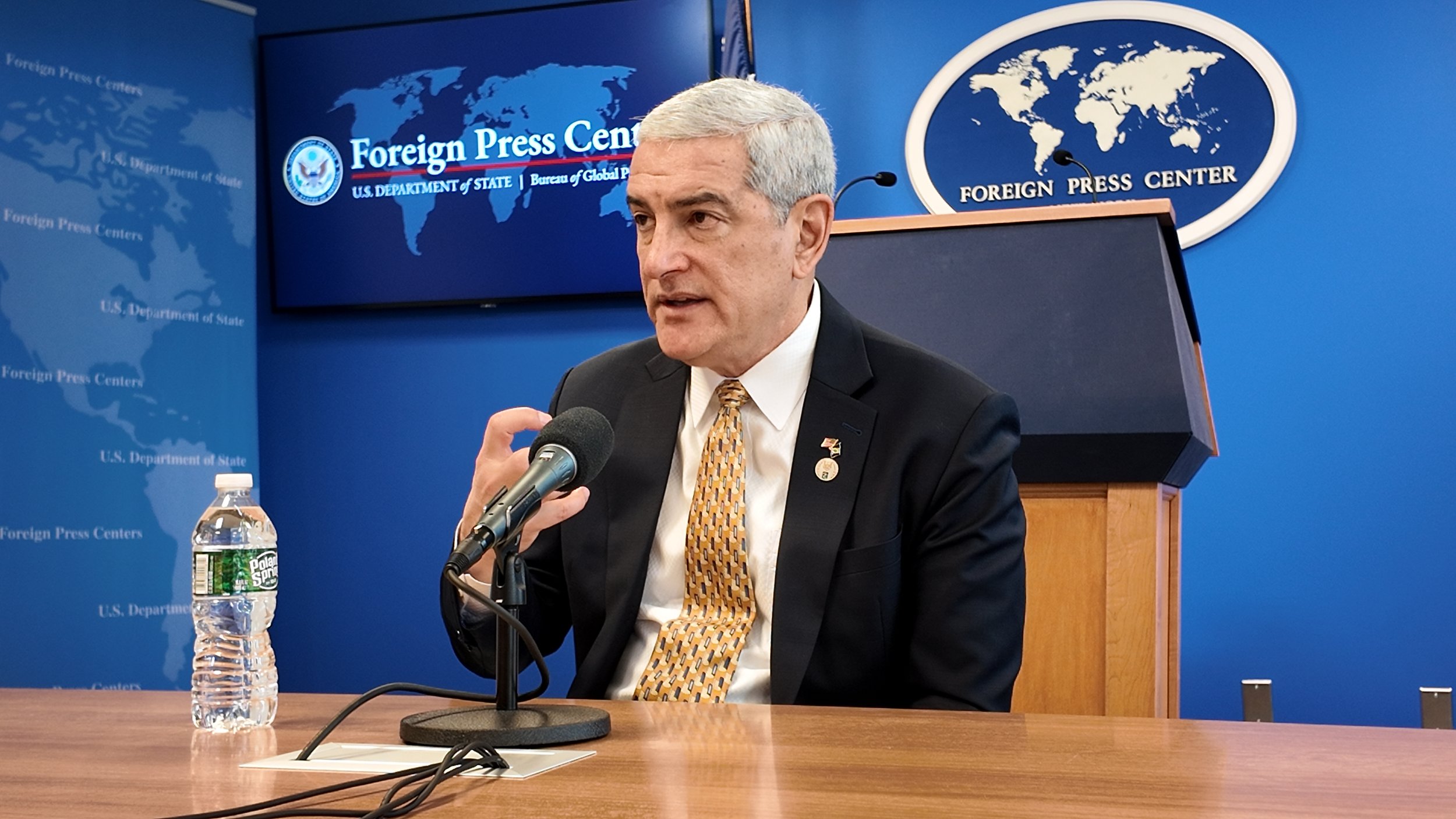
Mr. Kelly K. McKeague, Director of the Defense POW/MIA Accounting Agency (DPAA), spoke extensively at a press briefing organised by The Foreign Press center New York, about America's efforts to investigate, recover, identify, return 81,000 missing persons from past conflicts as far back as World War One to the Korean War, Afghanistan which recorded less of those types of cases due to the United States effort in perfecting the effort in recovery and bringing back such military personnels as soon as the situation occurs or with better immediacy when previous leave fought conflicts.
Special Report by Oyiza Adaba on POWMIA Accounting Agency
Did you know that the United States is one of a handful of countries that still maintains this practice of bringing back Prisoners of War?
From the dense jungles of Vietnam to the serene underwater landscapes off the picturesque coast of Eastern Europe, the work undertaken by the DPAA serves as a crucial tool of engagement for the United States with numerous nations around the globe. Identifying those who lost their lives in the battles of war is a task that is not taken lightly or approached with indifference. Often, news regarding the fate of family members who have been waiting in anticipation for their loved ones to return, only reaches the descendants, sometimes third or even fourth generation members, who have been handed down the painful oral tradition from one generation to the next.
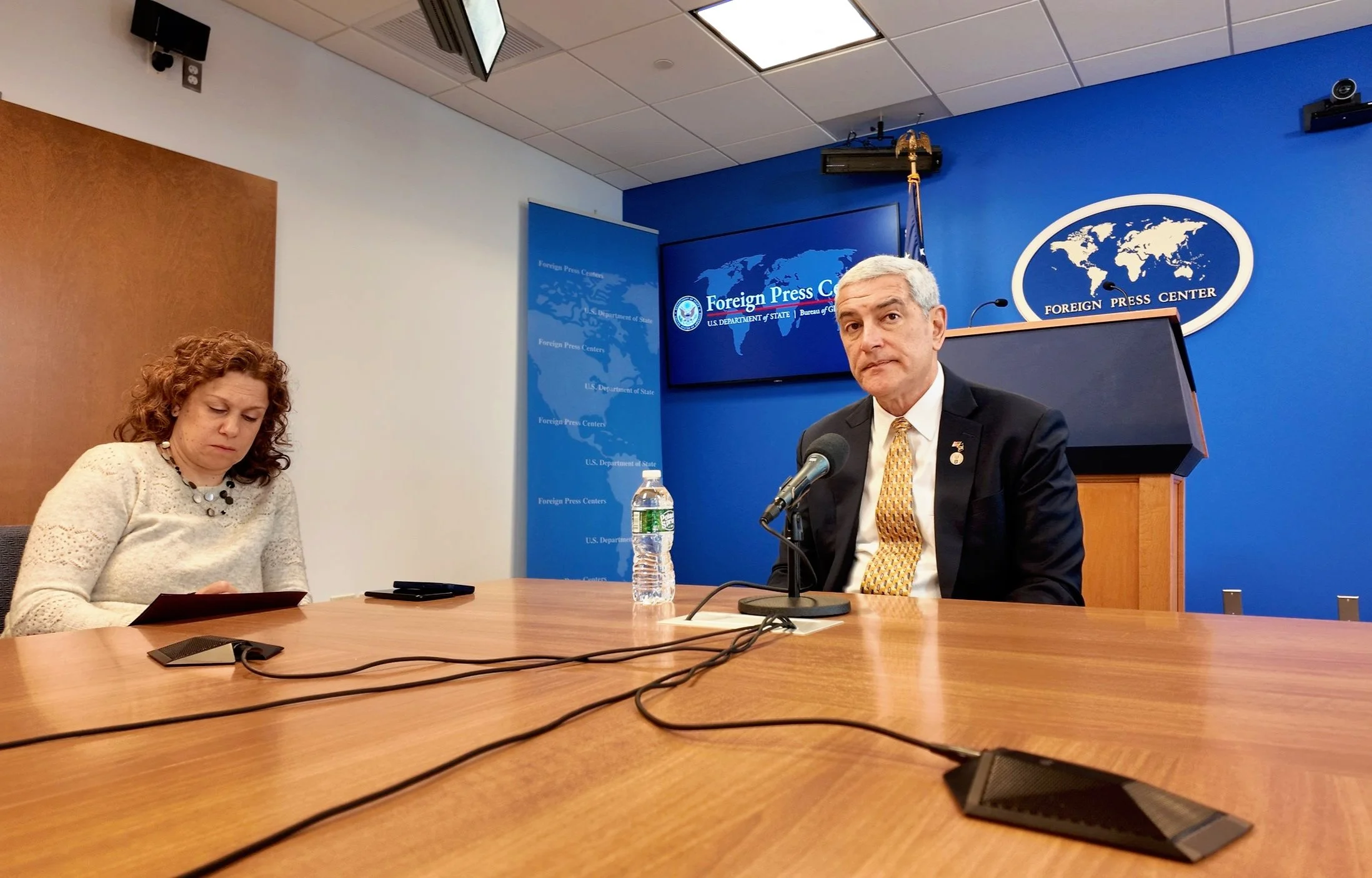
Collision for a great cause: Mr. McKeague explains how science, history, service, diplomacy, a budget of 190 million dollars, missions in 45 nations and more than 100 worldwide partner institutions; collide as the Defense POW /MIA Accounting Agency. (Africa-Related)
This report concludes with historian and award-winning documentary filmmaker Emeka Ed Keazor, who sheds light on his 2020 historical documentary “Company Yaya”. The piece follows the forgotten African soldiers of world war 2 who fought for Britain in WW2 in North Africa, Kenya, and as far away as Burma.
This story is deeply personal to me because my grandfather, Joseph A. Adaba, bravely fought with the RAF Regiment 2 during a significant historical conflict. He was fortunate to survive a tumultuous war that saw the recruitment of more than 1 million African troops, among which 126,000 hailed from Nigeria alone. Tragically, out of these brave men, 15,000 did not return home, leaving behind a legacy of sacrifice and courage that continues to resonate through our family and community. These numbers are just estimates
Oyiza Adaba
PHOTOS BY AFRICA-RELATED
SUDAN'S TWO WARLORDS: The Worst Displacement And Humanitarian Crisis Yet
Amidst the ongoing war in the Middle East and Ukraine, the rise of anti-government protests, mass migration and general global tensions, there is a "forgotten" war that is yet to garner as much media coverage. Two strategic events took place in the U.S. this week, to bring the much needed attention to the ongoing war in Sudan.
By Oyiza Adaba, New York
Amidst the ongoing war in the Middle East and Ukraine, the rise of anti-government protests, mass migration and general global tensions, there is a "forgotten" war that is yet to garner as much media coverage. Two strategic events took place in the U.S. this week, to bring the much needed attention to the ongoing war in Sudan
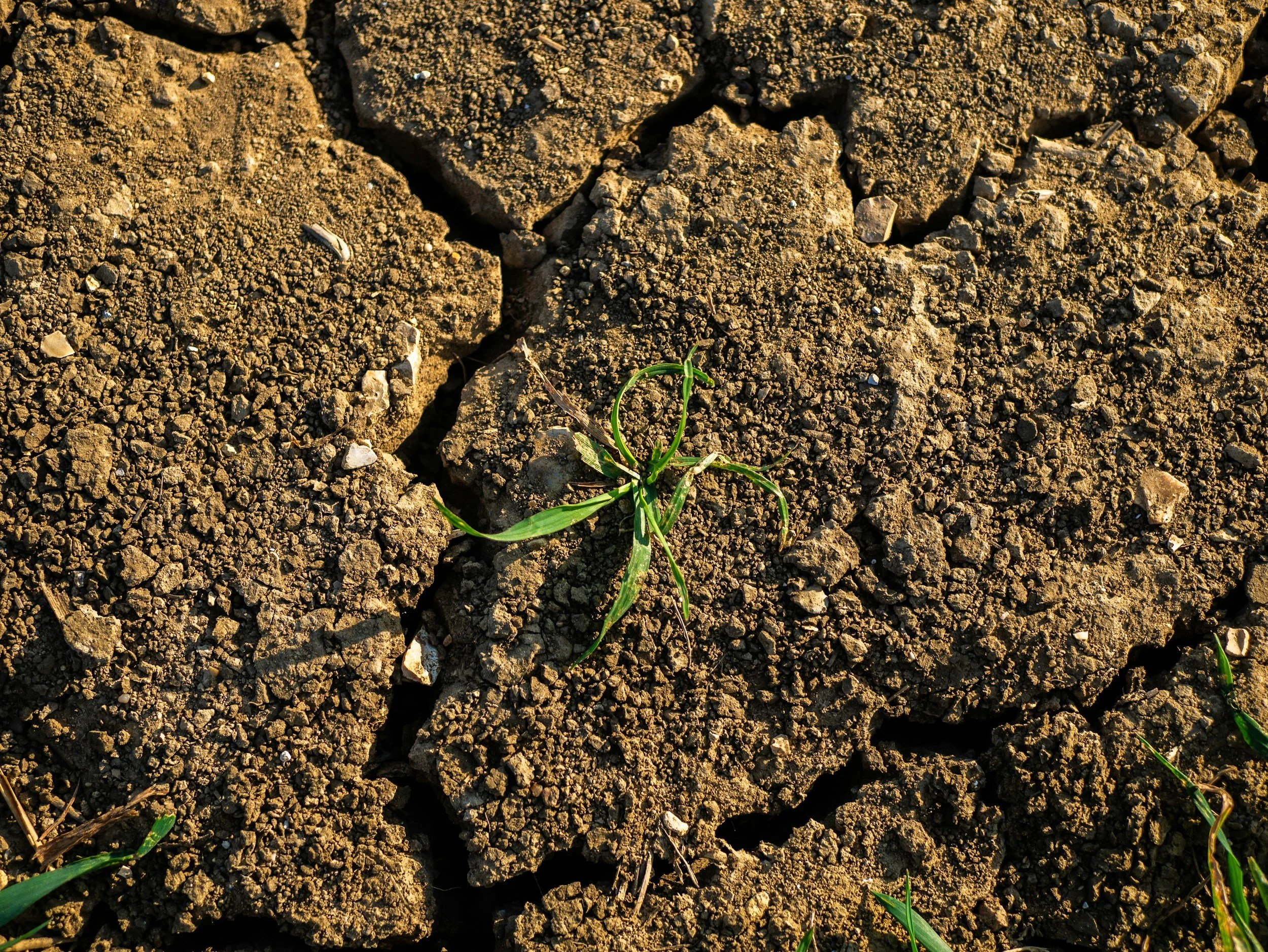
Stock Photo: Tom Rogers @tomtookaphoto
Rival factions fighting in Sudan's two-year war that started on 15 April 2023, have brought the central African country to its knees in one of the worst displacement and humanitarian crises ever seen. The Sudanese Armed Forces under Abdel Fattah al-Burhan, and the paramilitary Rapid Support Forces under the Janjaweed leader, Hemedti are complicit in causing mass migration that has triggered famine in some parts of the country.
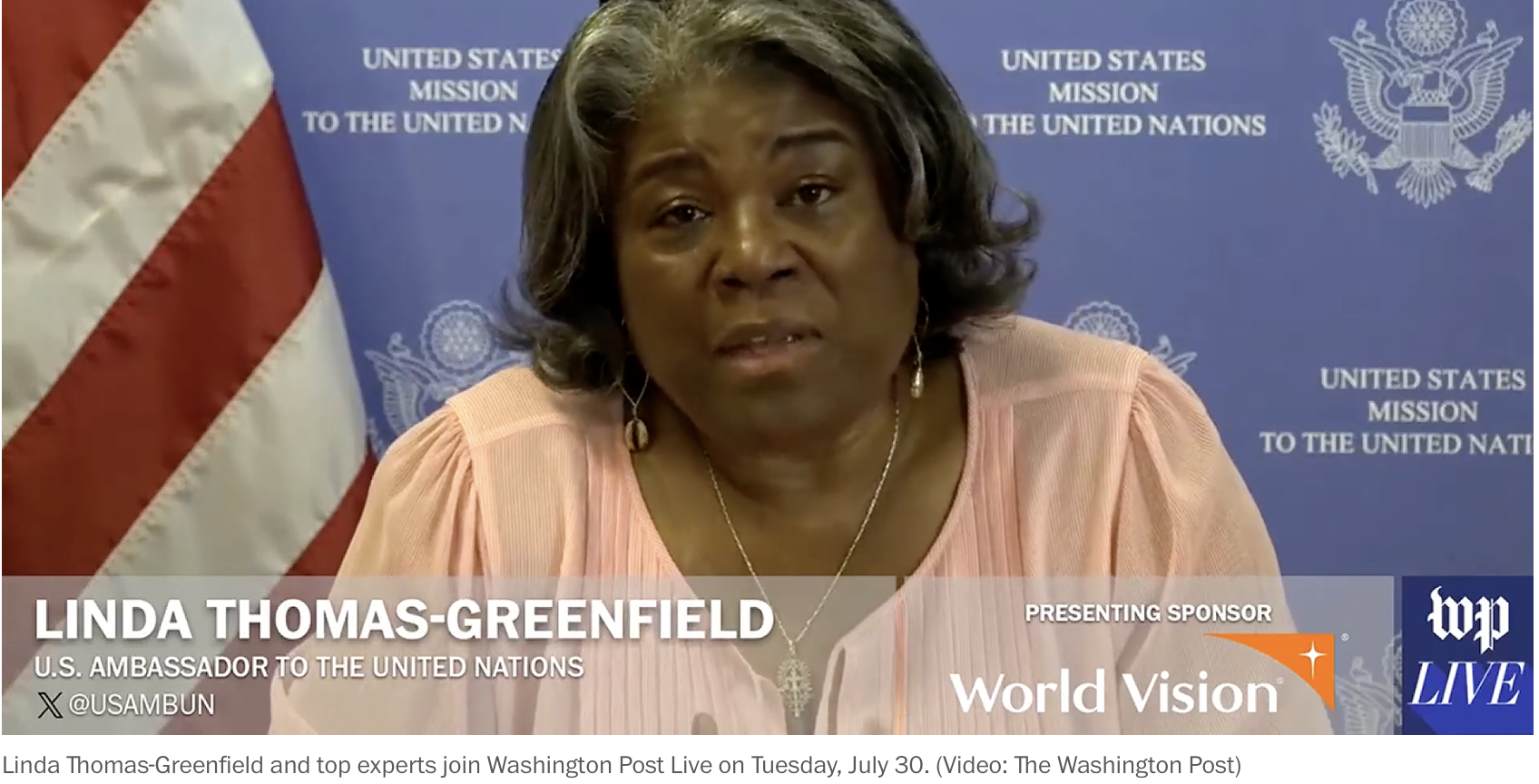
Screenshot: Washington Post Live
On July 30th, U.S. media giant, Washington Post hosted a live conversation on Sudan's current situation. The forum enabled top diplomats and humanitarian experts to come together and proffer solutions to a crisis, "forgotten". At this gathering, the U.S. Ambassador to the United Nations, Linda Thomas-Greenfield, together with top global experts like Comfort Ero, President & CEO, International Crisis Group, participated in the discussion.
World Vision CEO, Edgar Sandoval Sr. has described it as "the largest humanitarian and hunger crisis in the world", because the warring factions continue to block humanitarian aid, have weaponized food and play the blame game with each other.
In a separate development on July 31, 2024, the Sudanese American Physicians Association (SAPA) held a press briefing with members of the foreign press, to drive home some hard-hitting, first-hand facts about the ongoing conflict.
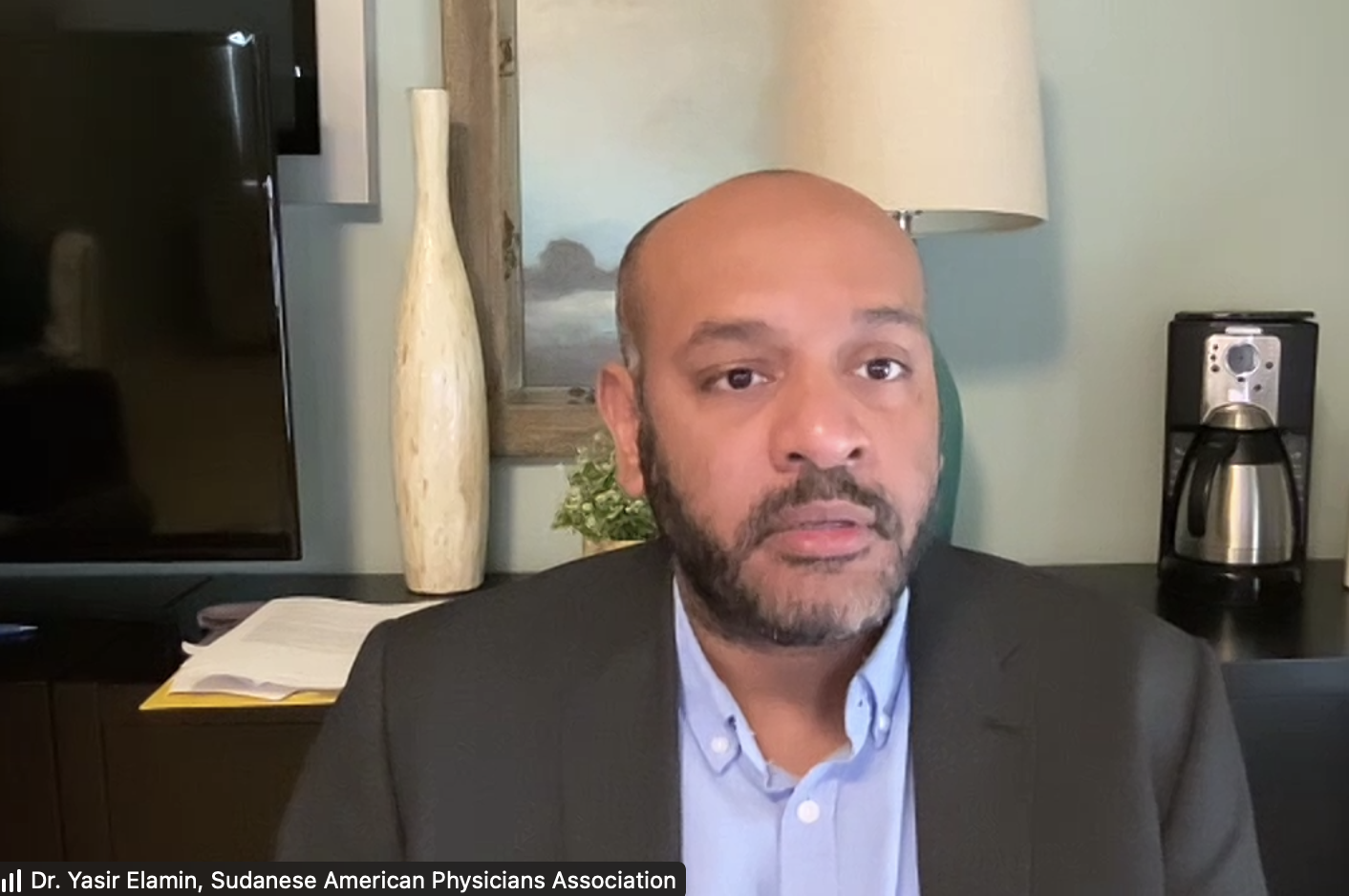
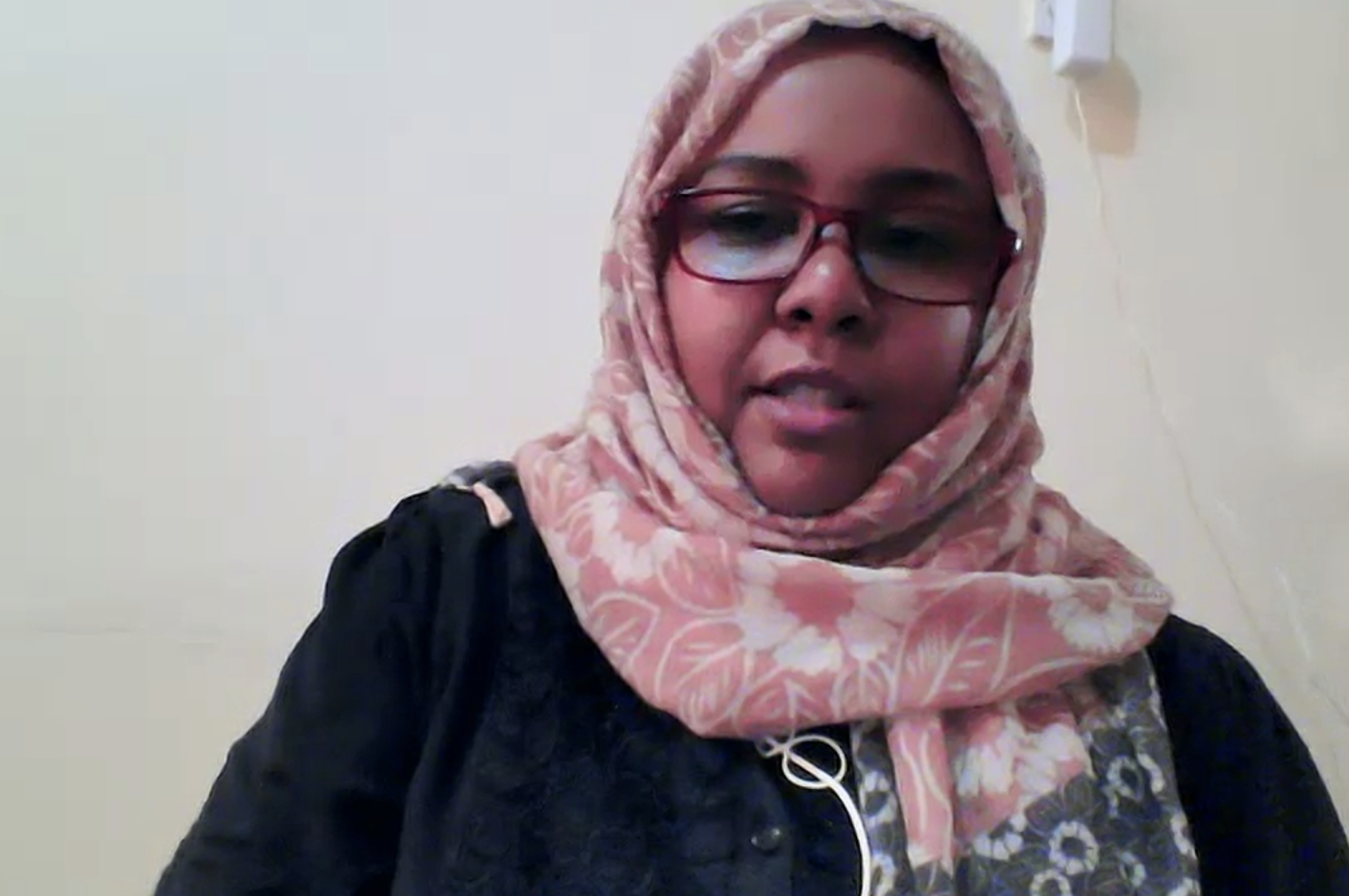
Dr. Yasir Elamin, a Sudanese/American is an assistant professor in the Department of Thoracic/Head and Neck Medical Oncology, Division of Cancer Medicine, at the University of Texas MD Cancer Center in Houston, Texas, and president of SAPA. He and his colleagues conducts regular medical missions to the region, with his last trip being June 2024. His words paint a grim and desperate picture.
“The health care system in Sudan has been devastated. Almost 70 percent of healthcare facilities are damaged or non-operational, often targeted in attacks. Tragically, at least 30 healthcare professionals have lost their lives since the conflict began. Access to aid and information is frequently obstructed, compounding the crisis.”
Ms. Razan Zaroug, a planning, monitoring & evaluation specialist with the Sudanese American Physicians Association based in Sudan reiterated Elamin’s points, highlighting the immediate danger for the mission's ground team which creates strategic and operational plans, monitors and evaluates implementation and impact.
With the backdrop of a potentially expanded war or a negotiated peace, 4 million Sudanese children are acutely malnourished, parts of the country are on the brink of famine and up to 25.6 million people are facing food insecurity.
According to the U.S Department of State, the total U.S. humanitarian assistance for the Sudan emergency response was nearly $710 million in Fiscal Year 2023.
In January 2024, The United States. brought sanctions on funding sources fueling the conflict. Clearly, more needs to be done. How Sudan continues to fall under the world's radar in the shadow of other topical news items like the Middle East and Ukraine, is best summed by Amb. Greenfield…
“It’s Africa and people don’t pay as much attention to Africa as they pay to other parts of the world.”
2024 Trafficking in Persons Report
BACKGROUND: Secretary of State Antony J. Blinken released the 2024 Trafficking in Persons Report (TIP Report) on Monday, June 24 with Cindy Dyer, Ambassador-at-Large to Monitor and Combat Trafficking in Persons. On Tuesday, Ambassador Dyer will brief FPC journalists on the report, which represents the world’s most comprehensive resource of anti-trafficking efforts around the globe.
2024 Trafficking in Persons Report
The film and series Òlòtūré directed by Kevin Gyang focuses on human trafficking, migration etc. It is now showing on Netflix.
WHAT: Washington Foreign Press Center On-The-Record Hybrid Briefing
TOPIC: 2024 Trafficking in Persons Report
BRIEFER: Cindy Dyer, Ambassador-at-Large to Monitor and Combat Trafficking in Persons
WHEN: Tuesday, June 25, 10:00 a.m. ET
WHERE: National Press Building, 529 14th Street, NW, Suite 800 and Zoom
RSVP: Sign Up. Priority given to in-person attendees.
BACKGROUND: Secretary of State Antony J. Blinken released the 2024 Trafficking in Persons Report (TIP Report) on Monday, June 24 with Cindy Dyer, Ambassador-at-Large to Monitor and Combat Trafficking in Persons. On Tuesday, Ambassador Dyer will brief FPC journalists on the report, which represents the world’s most comprehensive resource of anti-trafficking efforts around the globe. The Report is mandated by the Trafficking Victims Protection Act and exemplifies the United States’ longstanding bipartisan commitment to combating human trafficking. This year’s Report, the 24th edition, includes narratives for 188 countries and territories, including the United States. The 2024 TIP Report describes key issues in the Western Hemisphere region and focuses on the anti-trafficking efforts of governments and other stakeholders. The Report also documents several emerging global trends including the continual growth of forced labor in online scam operations.
Cindy Dyer serves as the U.S. Ambassador-at-Large to Monitor and Combat Trafficking in Persons. Ambassador Dyer is a human rights advocate with three decades of experience at the local, national, and international levels to address human trafficking, sexual assault, and domestic violence. In 2021, she served on the Independent Review Commission on Sexual Assault in the Military. For 12 years, she was the Vice President for Human Rights at Vital Voices. She previously served as the Director of the Office on Violence Against Women at the U.S. Department of Justice. She began her career as a specialized domestic and sexual violence prosecutor in Dallas, Texas for more than 13 years where she was also a weekly hotline volunteer at a local women’s shelter.
FOREIGN BROADCASTERS: Download a digital copy of the video for all on-camera FPC events at the DVIDS website.
Washington Foreign Press Center
National Press Building
529 14th Street, NW, Suite 800
Washington, DC 20045
Phone: (202) 504-6301
SHARE THIS STORY
NWU Report on Retaliation Against Media Workers During the War on Gaza
For the last 6 months, members of NWU's Digital Media Division have been investigating retaliation in the media industry during the war on Gaza.

Dear members,
For the last 6 months, members of NWU's Digital Media Division have been investigating retaliation in the media industry during the war on Gaza.
A team of two dozen FSP-NWU members collaborated to research and produce the report, which is now live at redlines.nwu.org.
This is a first-of-its-kind effort to document a pattern which many of our industry colleagues have informally observed for several months: the workplace repression and punishment of media workers who have voiced criticism of Israel or support for Palestine. The report tallies 44 cases of workplace retaliation occurring between October 7, 2023, and February 1, 2024, impacting more than 100 people. It draws on data compiled from two surveys distributed by NWU as well as news reports and social media posts.
The testimony gathered highlights how retaliation is affecting coverage of what might be the most important geopolitical event in at least a decade. It also highlights the ways in which retaliation is a labor rights issue. If there is any bright spot in this bleak landscape, it's the power of the union. Unions have been able, in some cases, to prevent retaliation from occurring or seek justice when it does.
As our president Larry Goldbetter said, "As a member of the International Federation of Journalists, the National Writers Union has stood for press freedom and against political targeting of media workers since the union’s founding in 1981. Now, we are witnessing how a coercive and retaliatory environment within the media industry can give way to the arbitrary and violent repression of the press, even in a U.S. context. It has never been more urgent to stand in solidarity with our Palestinian journalist colleagues who have been targeted with extreme violence simply for doing their jobs."
We will continue to stand in that solidarity and use our collective power to fight against repression and censorship, both for ourselves and for our fellow media workers, including the many student journalists at universities across the country.
Share the report widely!
With pride in our union,
Elena Novak
NWU Comms Manager
comms@nwu.org
SHARE THIS STORY

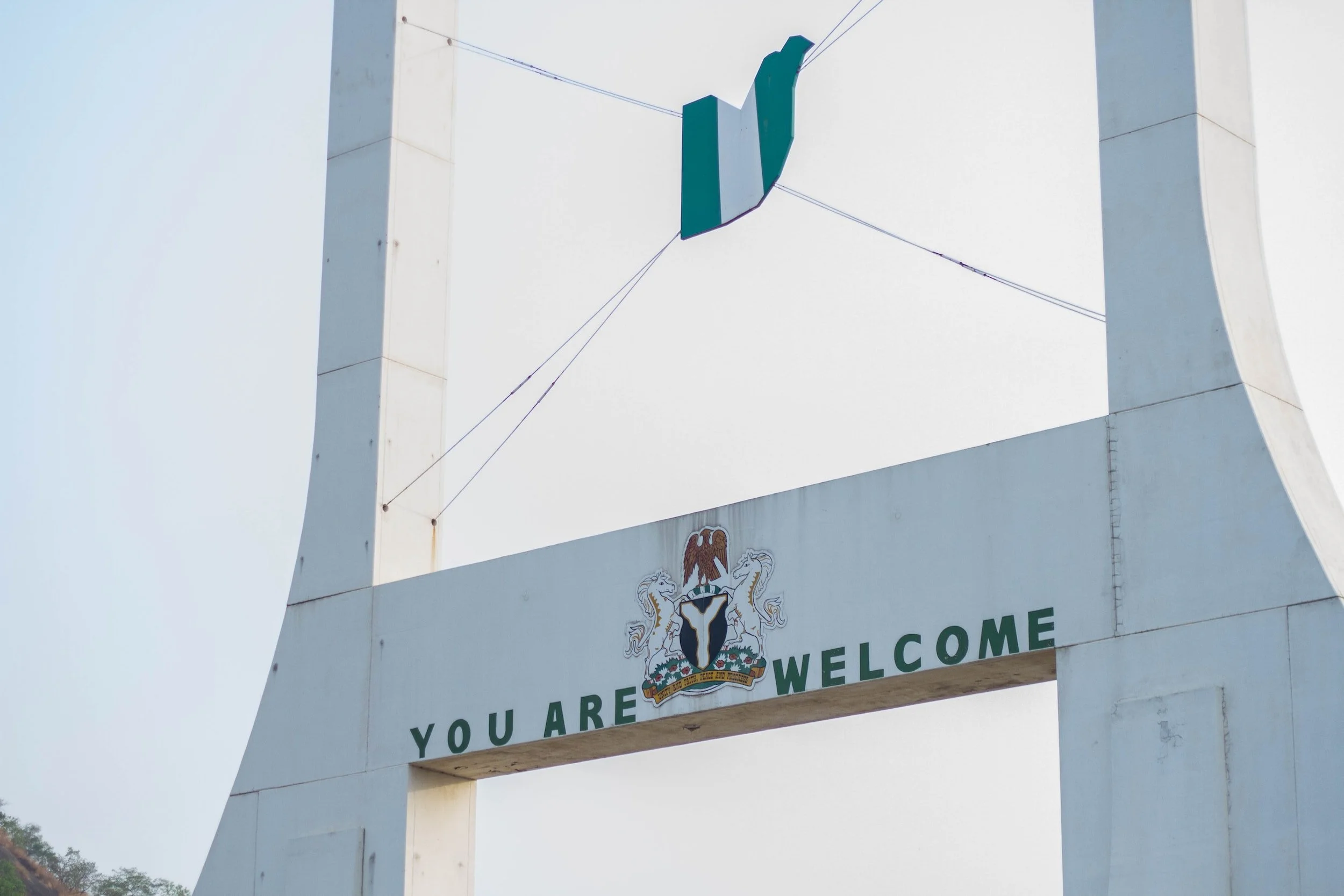
ANALYSIS - The U.S Terror Threat Report And Mass Evacuation from Nigeria
Washington D.C-based Human Rights lawyer, Emmanuel Ogebe provides analysis of the rcent U.S Travel advisory to Nigeria, in what he describes as ‘The Afghanistanization of Nigeria’.
Emmanuel OGEBE | US Nigeria Law Group, Washington D.C
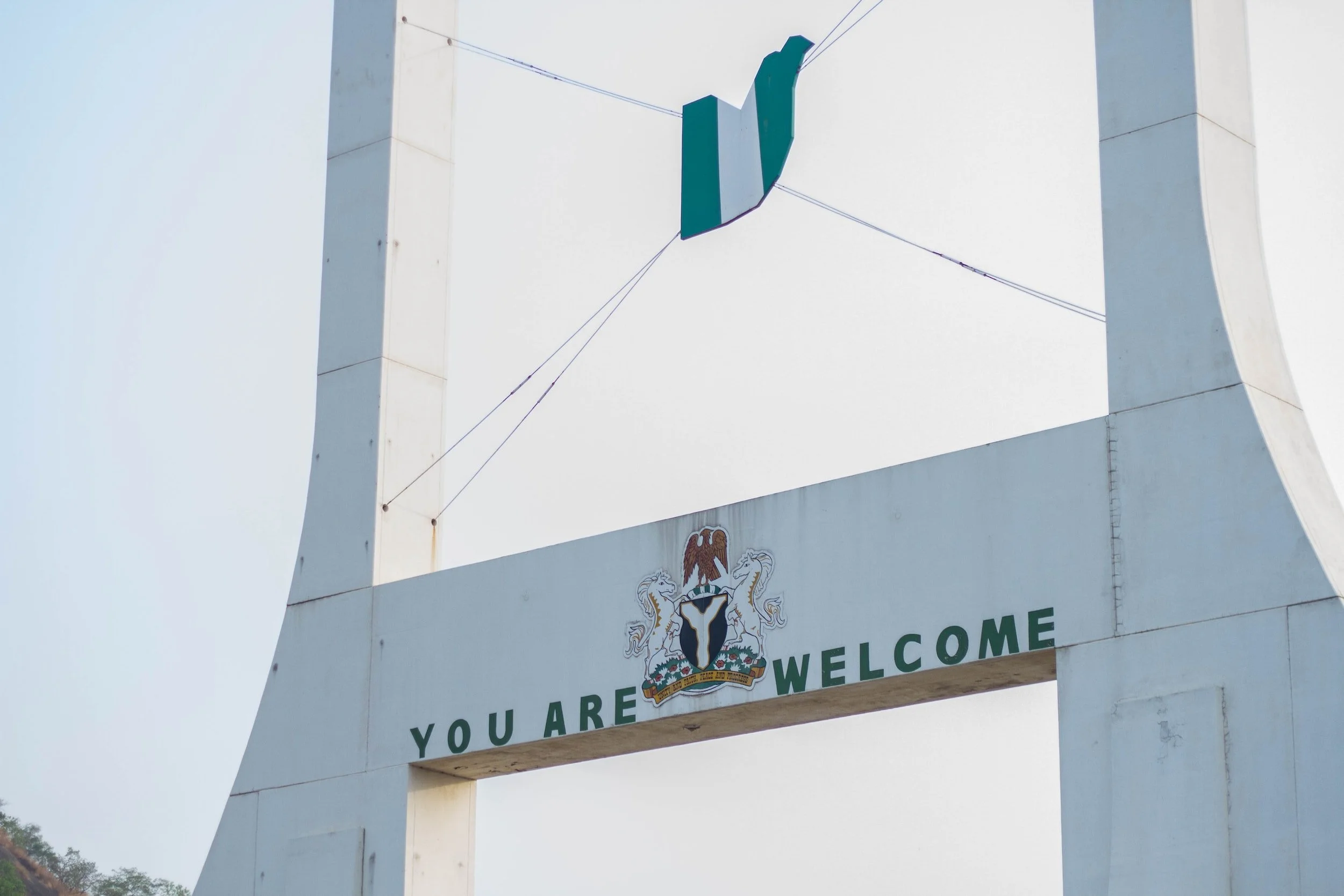
Insecurity in Nigeria
The U.S. Embassy in Nigeria recently elevated terror threat warning and ordered departure directives to its citizens. The following is an analysis of this incident.
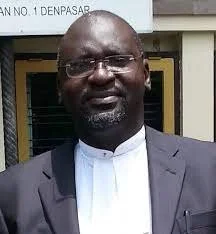
Emmanuel Ogebe/Photo credit: Facebook
Washington D.C-based Human Rights lawyer, Emmanuel Ogebe provides analysis of U/S Travel advisory to Nigeria below, in what he describes as ‘The Afghanistanization of Nigeria’.
FACT-FINDING REPORT ON U.S. TERROR THREAT AND MASS EVACUATION FROM ABUJA - THE AFGHANISTANIZATION OF NIGERIA
During our recent humanitarian mission to Nigeria, our trip was prematurely truncated by the US embassy’s elevated terror threat warning and ordered departure directive.
The following is our report on this incident for purposes of sufficiently informing the general public to take appropriate care.
A. Immediate Causes of the terror alert: Failed and Foiled attacks
There were at least two immediate incidents that triggered the post-haste departure of Americans from the largest US embassy in Africa.
1.1 Failed attack - the first incident was the detection of an IED (Incendiary Explosive Device) which had been successfully deployed at a US diplomatic compound. Fortunately for the occupants, the bomb failed to detonate and so there was no casualty.
However there was sufficient alarm raised firstly that the terrorists were able to actually identify an unmarked US diplomatic compound and tactically deliver a bomb thereto.
The US alerted the Nigerian government, while forensic evaluation was in progress, to take serious action.
2. Foiled attack - subsequently Nigerian authorities busted a terror cell proximate to yet another larger US diplomatic compound in Abuja.
That terror cell had reportedly stockpiled bombs in readiness for the destruction of four churches also within its radius.
By this time, the forensic experts had concluded that the first IED recovered was lethal and that only poor construction had kept it from exploding.
Given this finding, the US authorities determined they could not rely on luck next time and having urged Nigeria to take stronger action as they did not want to pull out of the country, and not seeing a robust crackdown, ordered mass evacuation.
As an intelligence official said, “We have to be secure 100% of the time but the terrorists only need 1%.”
B. Remote Causes
1. Recent Fulani attacks on Westerners
Immediately prior to the bomb discovery incident, an American missionary was kidnapped by Fulani Herdsmen in the middlebelt.
According to our local partners who helped with hostage negotiations, her Fulani kidnappers said they were offered $20,000 to abduct a white person.
While this was not specific to Americans, Americans remain the highest number of western expatriates in most locations thus the statistical probability of getting an American is high.
Diplomatic security sources briefed us that on average an American is kidnapped every month. However this was taken to mean Nigerian American dual citizens. Thus the abduction of a white American female was unusual and especially alarming in north central Nigeria.
This is because of the international footprint of the Fulani kidnap franchise.
It will be recalled that an American missionary was kidnapped in the neighboring country of Niger only to be rescued later by American forces in Nigeria.
As Nigerian American professionals noted in a February 2021 letter to the US government:
“Secretary Blinken, the existential threat that the situation in Nigeria presents, of which the vicious Herdsmen militia’s atrocities are just a part, cannot be overemphasized.
It goes far beyond threats to the subregion.
SECURITY NOTICE – ELEVATED RISK OF TERROR ATTACKS – OCTOBER 23, 2022
Below are just a few instances of direct threats posed by Fulani militia to American and western allies:
1. In 2017, the first US military casualties in West Africa were caused by a Fulani terrorist who killed four US Green Berets in the nation of Niger in an ambush using cows. They were Staff Sgt. Bryan Black, 35; Staff Sgt. Jeremiah Johnson, 39; Staff Sgt. Dustin Wright, 29 and Sgt. La David Johnson, 25.
2. Also in 2017, two German Archeologists were abducted by Fulani Herdsmen in Kaduna state, Nigeria.
3. In 2018, four American and Canadian citizens were abducted in Nigeria’s Kaduna state by a Fulani group…
4. In 2019, A British Aidworker Faye Mooney who worked for American Humanitarian organization Mercy Corp was killed in Kaduna State as a Fulani group attempted to abduct her.
5. In 2020, barely three months ago, US Navy Seals rescued missionary Philip Walton from Nigeria where he was hidden by the Fulani group who abducted him in Niger.
6. In 2021 already, Nigerian American Dennis Abuda was killed the same week three Chinesemen were also abducted in southern Nigeria…
Hordes of Fulani militia from across the region, crisscross international borders at will, descending on innocent Christian communities in north central and southern Nigeria and against non-Fulani Muslims and Christians in northwest Nigeria leaving a trail of death, destruction, rape, mass displacement and food shortage.”
It is believed that Philip Walton was brought from Niger to be resold to ISWA in Nigeria pursuant to the existing operational collaboration between the Fulanis and Boko Haram jihadists. This likely occasioned the prompt military intervention of the US to rescue him before he landed in ISWA’s hands.
Ex-captives of ISWA confirmed to us that among their fellow hostages in the terror camps were women kidnapped in Chad and sold to Nigerian terrorists.
The recent killing of the Alqaeda kingpin Al-Zawahiri by a U.S. drone in Afghanistan has likely increased the threat to Americans abroad.
It will be recalled that ISWA executed 11 Nigerian Christians at Christmas 2019 to avenge America’s killing of ISIS leader al-Baghdadi.
It is noteworthy that Boko Haram was affiliated with Alqaeda before Alqaeda‘s condemnation of its 2014 Chibok schoolgirl mass abductions caused a realignment to ISIS.
2. Historical terror attacks on Americans
It is notable that American diplomats were present at both of the first suicide bombings by Boko Haram in the nation’s capital Abuja.
Given the entirety of the threat matrix, especially the fact that the terrorists were able to rescue their members from Kuje prison in the FCT, including the leader of the Ansaru terror sect that specializes in abduction and killing of westerners, it was inevitable that the US would have to take drastic measures to secure its citizens.
ANALYSIS
The mass evacuation of US Diplomats and family members by all available commercial flights and chartered flight was precipitous and unprecedented in Nigeria’s history.
It will be recalled that even during the Biafra civil war in the ‘60s, Americans remained in country including Peace Corp members until the Nigerian government ordered them out. Many of them are still living and hold reunion events in the US regularly.
It should be made clear that the current evacuation was not meant to embarrass Nigeria as is being claimed in some quarters.
The US gave Nigeria adequate notice to remedy the situation before embarking on the costly option of extracting American personnel and families out of Abuja. To underscore how serious the situation was, even pets of American personnel were evacuated. These included dogs and cats.
Secondly the US does not undertake such a massive logistical operation for the purpose of embarrassing a nation.
It is to be emphasized that even in the US right now, the government has issued an elevated security threat around next week’s midterm elections. Responsible nations prioritize security of their citizens and pets over propaganda.
The Afghanistan-style evacuation is to be taken seriously as an indicator that rather than secure the nation, the Buhari administration has brought Nigeria to the verge of Talibanization.
It is instructive that the two times in recent history that the Americans came close to evacuation both involved Gen. Buhari.
In 2015, American diplomats were on standby for evacuation over concerns of a repeat of the 2011 Post-Election Violence orchestrated by Buhari’s supporters if he lost the election. The concession by President Jonathan defused the tension.
This time, rather than remain in the country to give a vote of confidence in his security apparatchik, Buhari absconded from Nigeria ostensibly to attend a vaccine conference in Korea, returned and then promptly departed on a two-week holiday to England.
Finally even the COVID pandemic evacuation of all US embassies worldwide was not as sudden as last week’s evacuation. Even then some diplomats who elected to remain in Nigeria were permitted to do so.
CONCLUSION
We urge Gen. Buhari to return home and cancel all further overseas trips so he can frontally face the insecurity at home. It is unconscionable that he departed without having the decency to empower Vice President Osinbajo as acting president. Even the terror command structure is better organized.
We urge the US government to take seriously our repeated concerns about religious extremism and persecution in Nigeria that has metastasized to the point that American diplomats have now become Internationally Displaced Persons and to reinstate Nigeria’s CPC status. This evacuation is the unfortunate destination point of years of deceptive policy positioning. It is not too late to reverse course.
We commend humanitarians such as the ransomed American missionary who declined our offer of evacuation to the US due to her lifelong commitment to Nigeria.
We urge the Nigerian public to be vigilant and defend themselves as those for peace significantly outnumber those for terror.
Emmanuel OGEBE is a Human Right Lawyer with US Nigeria Law Group in Washington D.C
Share this story
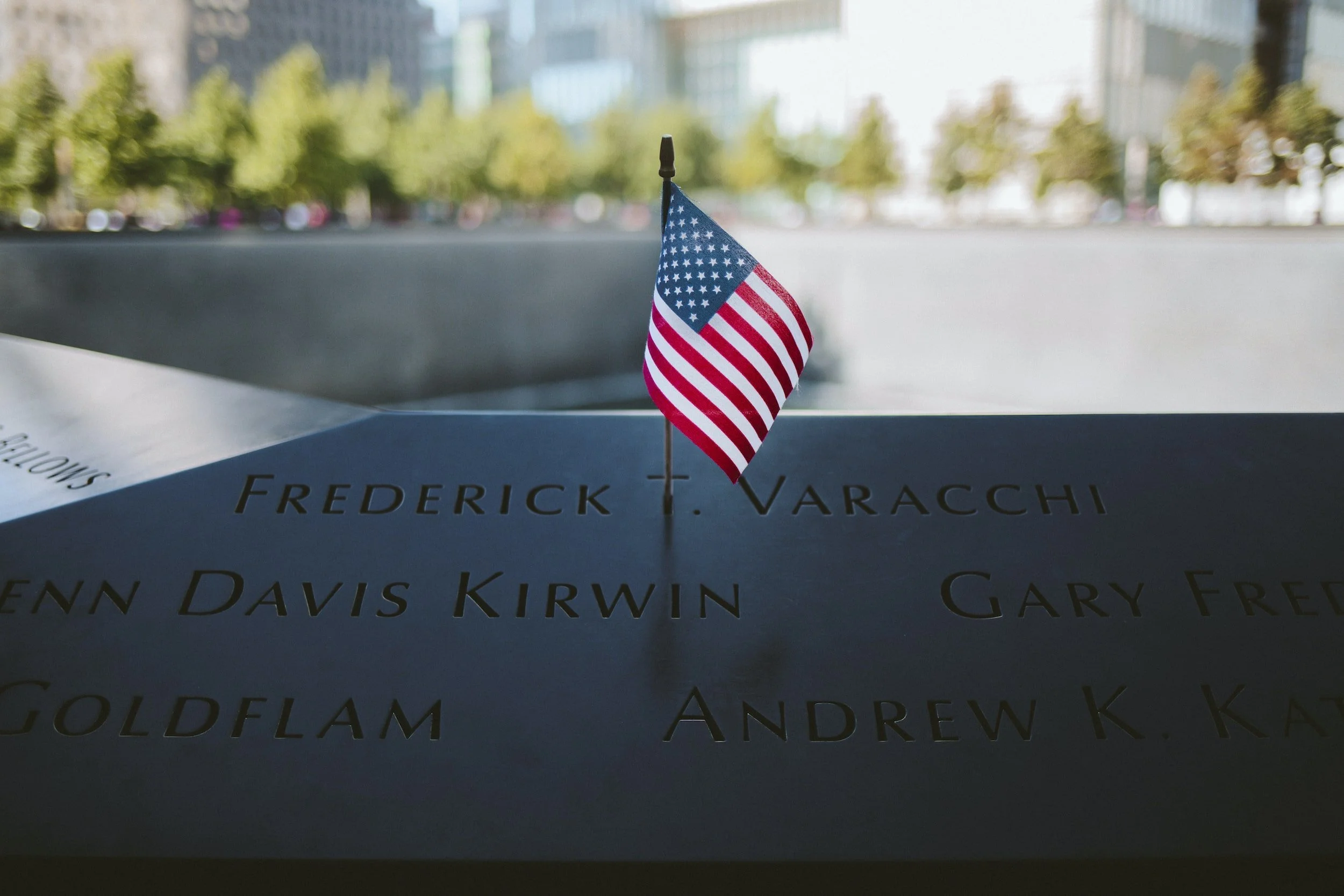
NIGERIA SECURITY ALERT - TRAVEL NOT RECOMMENDED FOR U.S CITIZENS
The Travel Advisory for Nigeria has been updated due to a heightened risk of terrorist attacks in Abuja, and travel to Abuja is NOT recommended for U.S. citizens at this time.
Africa-Related | New York
Threats Of Terrorism
The Travel Advisory for Nigeria has been updated due to a heightened risk of terrorist attacks in Abuja, and travel to Abuja is NOT recommended for U.S. citizens at this time.
The United States Mission in Nigeria issued a security alert to its citizens against travel to Nigeria. Here is what you need to know:
Location: Abuja Federal Capital Territory (FCT), Nigeria
Event: The Travel Advisory for Nigeria has been updated due to a heightened risk of terrorist attacks in Abuja. We recommend U.S. citizens do not travel to Abuja at this time. In addition, on October 27, 2022, the Department ordered the departure of family members of U.S. government employees from Abuja due to heightened risk of terrorist attacks, following on the October 25 authorization of departure of non-emergency U.S. government employees and family members from Abuja due to heightened risk of terrorist attacks.
U.S. citizens should consider departing Abuja using available commercial options. U.S. citizens who wish to depart but are unable to secure commercial options to do so can contact the U.S. Consulate in Lagos at LagosFM@state.gov for assistance.
The U.S. Embassy Abuja is only able to provide emergency assistance to U.S. citizens in Abuja. The U.S. Consulate General in Lagos is providing all routine and emergency services to U.S. citizens in Nigeria. U.S. Citizens in Nigeria who require assistance should contact LagosACS@state.gov or +234 1 460 3410.
If you decide to travel to Nigeria:
Carry proper identification, including a U.S. passport with a current Nigerian visa, if needed.
Use caution when walking or driving at night.
Keep a low profile.
Review travel routes and times to vary your predictability.
Monitor local media for breaking events and be prepared to adjust your plans.
Be aware of your surroundings.
Stay alert in locations frequented by Westerners.
Avoid demonstrations and large political gatherings.
Review your personal security plans.
Have evacuation plans that do not rely on U.S. government assistance.
Establish a “proof of life” protocol with your loved ones, so that if you are taken hostage, your loved ones know specific questions (and answers) to ask the hostage-takers to be sure that you are alive (and to rule out a hoax).
Enroll in the Smart Traveler Enrollment Program (STEP) to receive alerts and make it easier to locate you in an emergency.
Obtain comprehensive medical insurance that includes medical evacuation.
Follow the Department of State on Facebook and Twitter.
Review the Country Security Report for Nigeria.
Prepare a contingency plan for emergency situations. Review the Traveler’s Checklist .
Visit the CDC page for the latest Travel Health Information related to your travel.
Read the Department of State’s COVID-19 page before you plan any international travel, and read the Embassy COVID-19 page for country-specific COVID-19 information.
Assistance:
U.S. Embassy Abuja, Nigeria
Plot 1075 Diplomatic Drive, Central District Area
+234 (9) 461-4328 and after hours +234 (9) 461-4000 press zero
AbujaACS@state.gov
U.S. Consulate General Lagos
2 Walter Carrington Crescent, Victoria Island
+234 (1) 460-3400 during business hours and after-hours
LagosACS@state.gov
State Department – Consular Affairs
888-407-4747 or 202-501-4444
Enroll in the Smart Traveler Enrollment Program (STEP ) to receive Alerts.
Follow USinNigeria on Twitter and Facebook
Main Photo: Anthony Formin @aginbrook
US in Nigeria Twitter Photo
Share this story
U.S. COMMITS $1 MILLION TO FLOOD VICTIMS IN NIGERIA
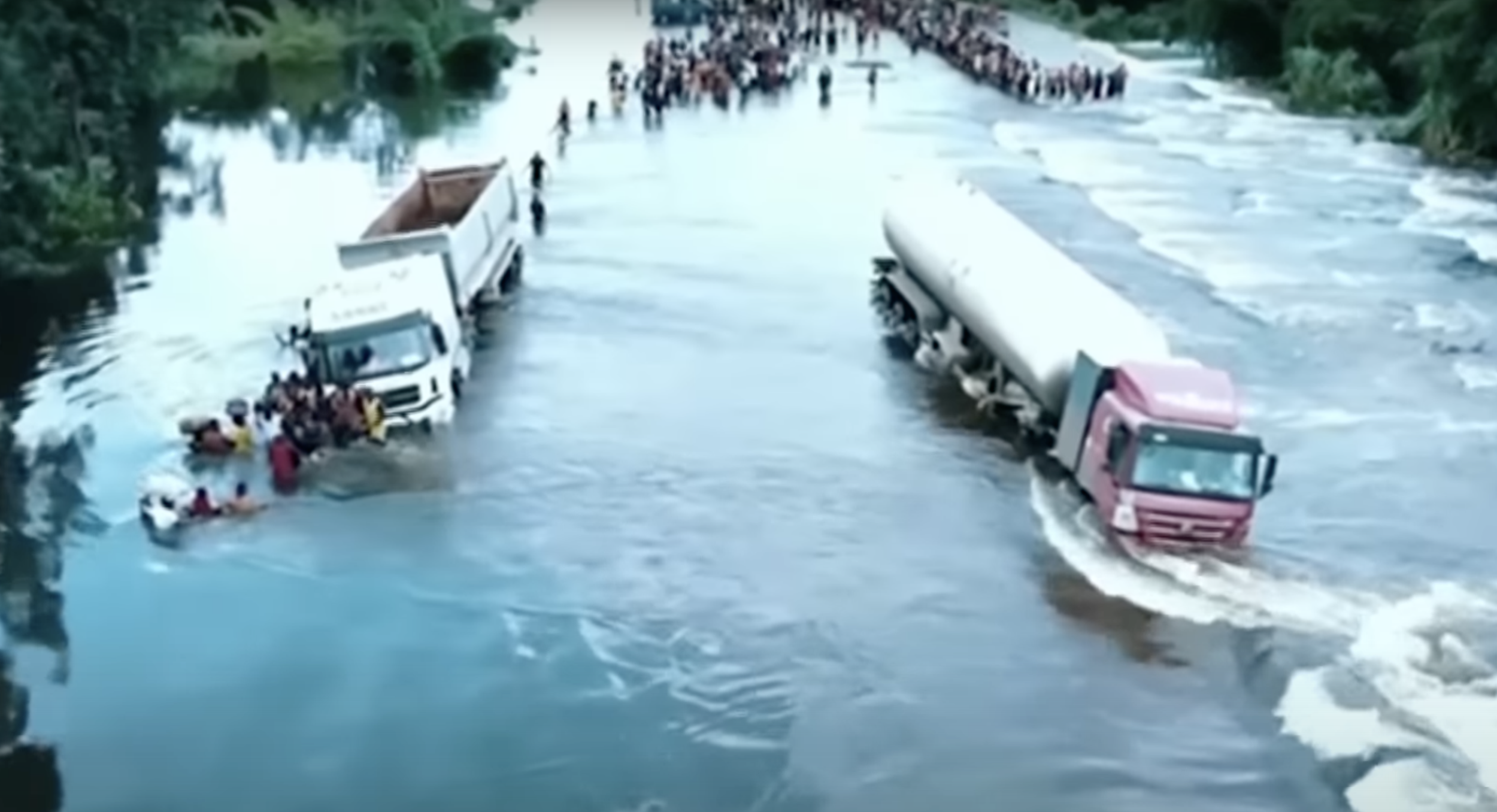
The United States has pledged $1 million in immediate humanitarian assistance to support the 2.8 million people across the Nigeria affected by unprecedented flooding.
Oyiza Adaba | Africa-Related New York
Flood Victims
The United States has pledged $1 million in immediate humanitarian assistance to support the 2.8 million people across the Nigeria affected by unprecedented flooding.
Abuja – The United States, through the U.S. Agency for International Development (USAID), is providing $1 million in immediate humanitarian assistance to support the people affected by unprecedented flooding in Nigeria. The unusually heavy rainfall and resulting flooding has affected nearly 2.8 million people across the country. In addition, many homes have been damaged or completely destroyed, displacing millions of people.
The floods have exacerbated an already critical humanitarian situation in Nigeria, where ongoing conflict, especially in the northern region, has driven millions of people from their homes. In the same region, more than 4 million people are projected to continue experiencing acute food insecurity amid the worsening global food crisis. We are also concerned that standing floodwaters could increase the risk of cholera and other waterborne diseases in Adamawa, Borno, and Yobe states, where cholera outbreaks were declared in August and September and at least 7,750 cases were recorded. In 2022, 31 out of 36 states reported cholera cases.
“We are filled with grief for the flood victims who have lost so much – livelihoods, homes, and even loved ones,” said U.S. Ambassador to Nigeria, Mary Beth Leonard. “The United States continues to stand with the people of Nigeria during this extremely difficult time,” Ambassador Leonard added.
The $1 million in new USAID support will allow local partners on the ground to provide emergency shelter assistance, relief commodities, and hygiene kits to promote safe and healthy practices amid the ongoing cholera outbreak, and multipurpose cash assistance for people impacted by the devastating floods.
As experts expect heavy rainfall and flooding to continue through November, due in part to climate change and insufficient drainage infrastructure, USAID disaster experts will continue monitoring the situation in close coordination with humanitarian partners and the Government of Nigeria to assess needs and determine if additional assistance is required.
The United States maintains a long history of providing humanitarian assistance across the country. In 2022, USAID provided more than $356 million in humanitarian assistance to people most affected by conflict and food insecurity in Nigeria. This life-saving assistance is in addition to USAID’s annual $539 million development budget for Nigeria that supports economic growth, health, democratic governance, and education.
Follow USinNigeria on Twitter and Facebook
###