
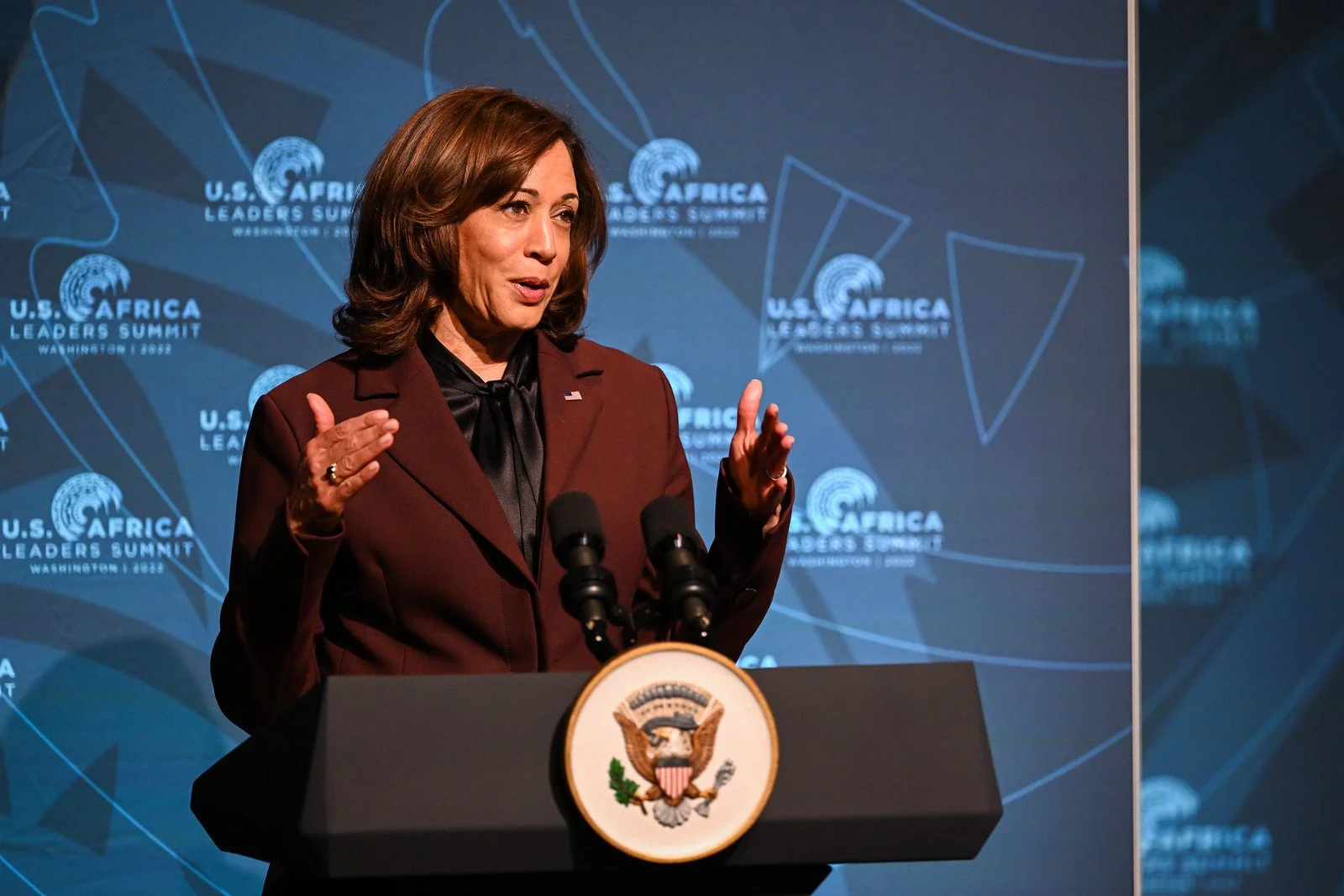
U.S Vice President Kamala Harris To Visit Three African Countries
U.S Vice President Kamala Harris plans a week-long visit to three African countries Ghana, Tanzania and Zambia with technology, economic development, security and government partnerships as its main concerns.
V=U.S Vice President Kamala Harris
U.S. OFFICE OF THE VICE PRESIDENT
By Oyiza Adaba, New York
March 24, 2023
The week-long visit to three African countries Ghana, Tanzania and Zambia has technology, economic development, security and government partnerships as its main concerns.
Share this story
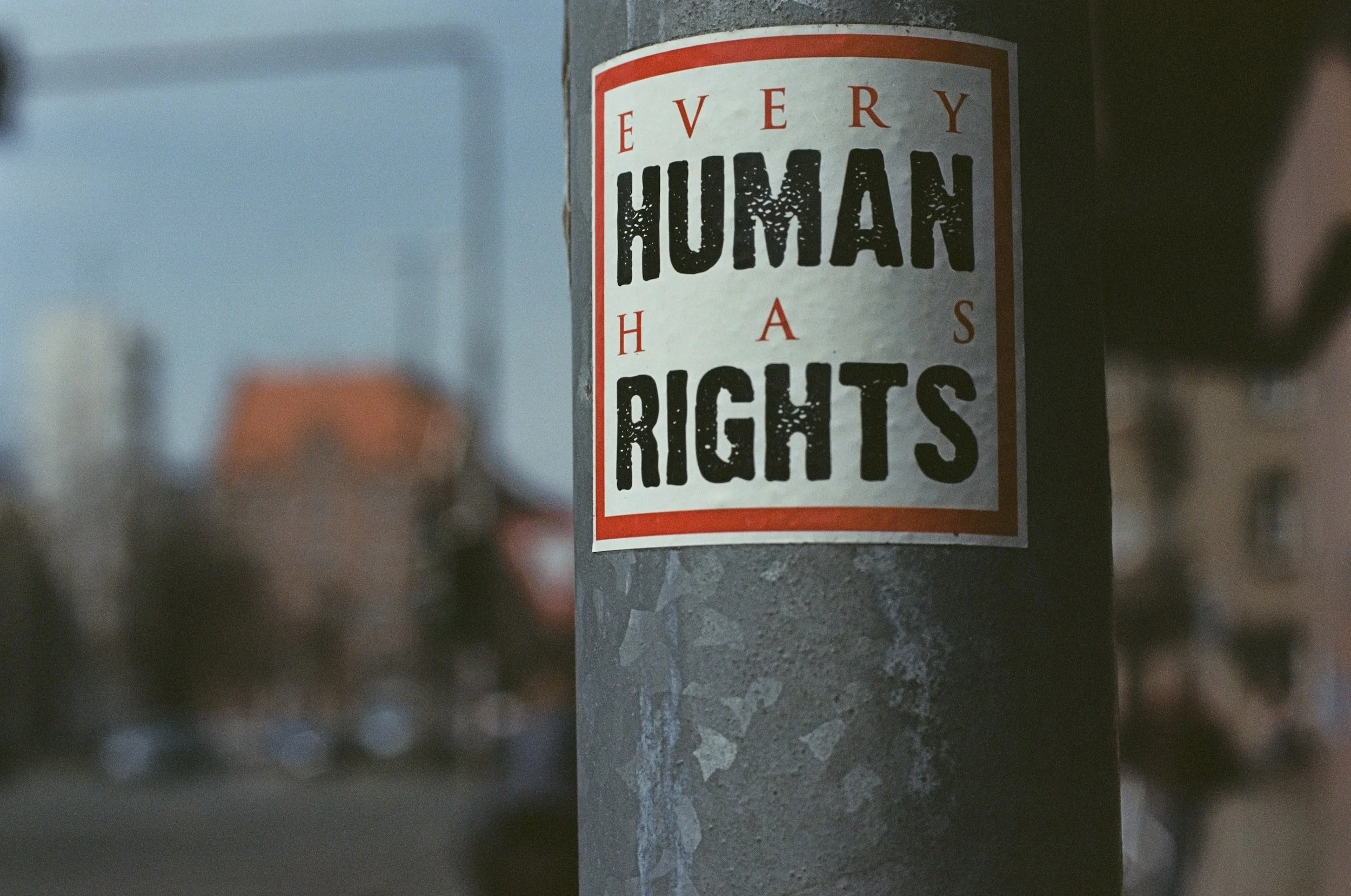
NIGERIA'S RANKING - 2022 HUMAN RIGHTS REPORT
According to the Bureau of Democracy, Human Rights and Labor, the U.S. Department of State submits a human rights report on all countries receiving assistance and all United Nations member states to the U.S. Congress in accordance with the Foreign Assistance Act of 1961 and the Trade Act of 1974.
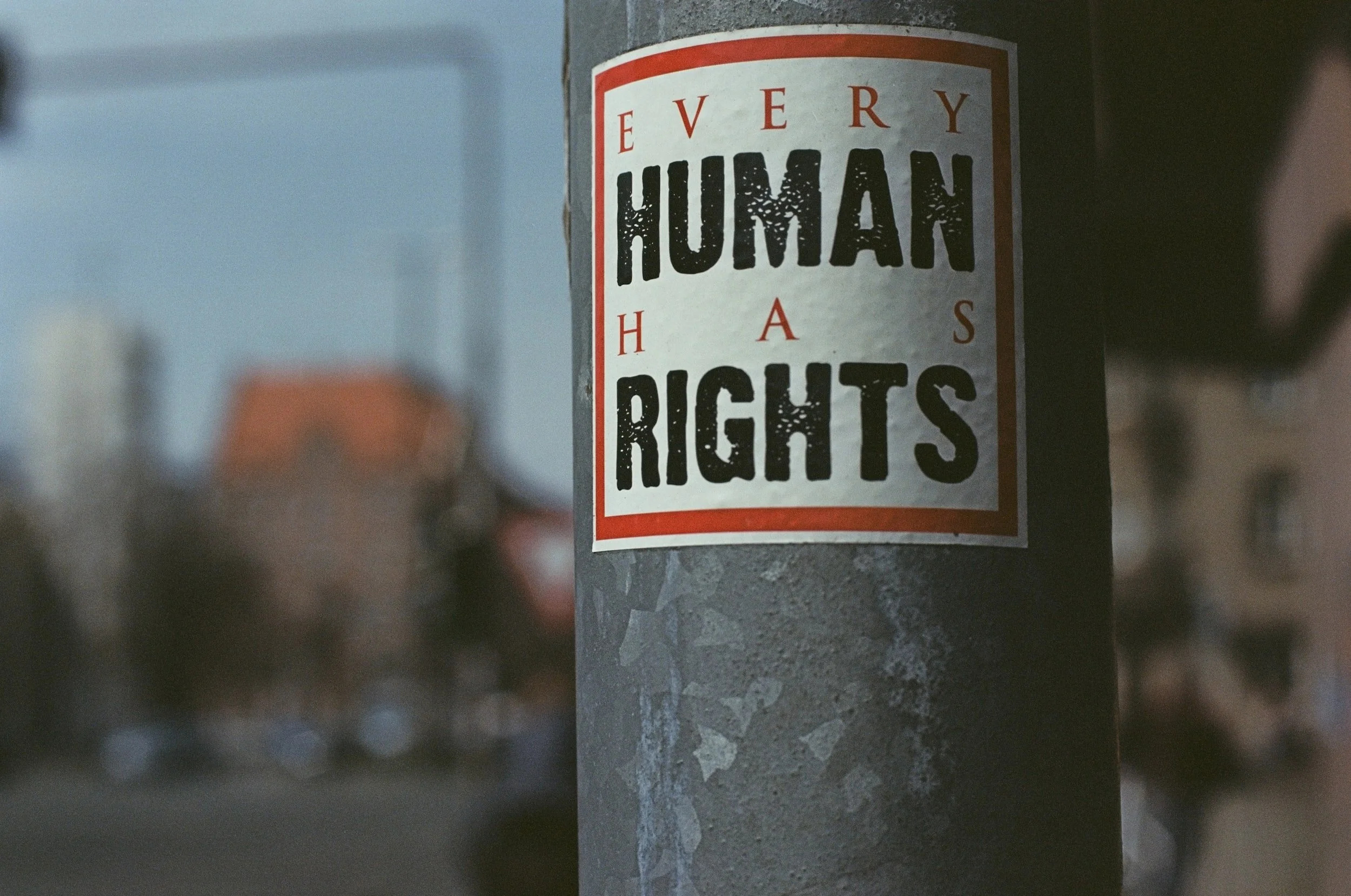
Photo by Markus Spiske @markusspiske

U.S. DEPARTMENT OF STATE
Office of the Secretary of State
This is the Executive Summary of Nigeria’s perforance and practice of Human Rights. Is this accurately presented or has it missed the mark in some areas? Does the report reflect the Nigerian citizen's collective and individual experiences? These conversations are ongoing.
According to the Bureau of Democracy, Human Rights and Labor, the U.S. Department of State submits a human rights report on all countries receiving assistance and all United Nations member states to the U.S. Congress in accordance with the Foreign Assistance Act of 1961 and the Trade Act of 1974.
EXECUTIVE SUMMARY
Nigeria is a federal republic composed of 36 states and the Federal Capital Territory. In 2019, citizens re-elected President Muhammadu Buhari of the All Progressives Congress party to a second four-year term. Legislative elections were also held in 2019. Most independent observers agreed the elections were credible despite logistical challenges, localized violence, and some irregularities.
The Nigeria Police Force, which reports to the Ministry of Police and is overseen by the Police Service Commission, is the primary civilian law enforcement agency and enjoys broad jurisdiction throughout the country. The Ministry of Interior also conducts security and law enforcement activities. The Department of State Services, which reports to the national security advisor in the Office of the President, is responsible for counterintelligence, internal security, counterterrorism, and surveillance, as well as protection of senior government officials. The Nigerian Armed Forces, which reports to the minister of defense, also shares domestic security responsibilities in the case of insufficient capacity and staffing of domestic law enforcement agencies or as ordered by the president. Many states, in response to increased violence, insecurity, and criminality that exceeded the response capacity of government security forces, utilized local “security” vigilante forces. These local forces usually reported to the state governor. Civilian authorities did not always maintain effective control over the security services. There were reports members of the security forces committed numerous abuses.
The insurgency in the North East region by the militant terrorist groups Boko Haram and the Islamic State in West Africa continued. The terrorist groups conducted numerous attacks on government and civilian targets, resulting as of year’s end in thousands of deaths and injuries, numerous human rights abuses, widespread destruction, the internal displacement of more than two million persons, and the external displacement of an estimated 332,000 refugees to neighboring countries.
Significant human rights issues included credible reports of: unlawful and arbitrary killings; forced disappearances; torture and cases of cruel, inhuman, or degrading treatment or punishment by the government; harsh and life-threatening prison conditions; arbitrary arrest or detention; serious problems with the independence of the judiciary; arbitrary or unlawful interference with privacy; serious abuses in a conflict, including reportedly unlawful or widespread civilian deaths or harm, enforced disappearances or abductions, torture, and physical abuses or punishment; serious restrictions on free expression and media, including violence or threats against journalists, and enforcement of criminal libel and blasphemy laws to limit expression; serious government corruption; lack of investigation and accountability for gender-based violence, including domestic or intimate partner violence, sexual violence, child, early and forced marriage, female genital mutilation/cutting, and other forms of such violence; instances of coerced abortion or forced sterilization; enforcement of laws criminalizing consensual same-sex sexual conduct between adults; and the existence of the worst forms of child labor.
The government took steps to investigate, punish, and prosecute alleged human rights abuses and corruption by officials, but impunity for such abuses and corruption remained a problem.
Nonstate actors committed arbitrary and unlawful killings, disappearances, physical abuse, and other mistreatment. Boko Haram-inspired terrorist groups and the Islamic State in West Africa continued attacks on civilians, military, police, humanitarian, and religious targets; recruited and forcefully conscripted child soldiers; and carried out scores of attacks on population centers in the North East region and in Cameroon, Chad, and Niger. Abductions by Boko Haram and the Islamic State in West Africa continued. Both groups subjected many women and girls to gender-based violence, including forced marriages, sexual slavery, and rape. The government investigated attacks by Boko Haram and the Islamic State in West Africa and took steps to counter the growth of the insurgency. Individuals believed to be associated with the Eastern Security Network, the armed wing of the separatist group the Indigenous People of Biafra, staged attacks on security personnel, civilians, and government offices, including police stations in the South East region. Criminal gangs killed civilians and conducted mass kidnappings that particularly targeted school-age children in the North West region.
How does your country rank on the human rights indices? Learn more here:
Share this story

SEC BLINKEN BREAKS DOWN 2022 HUMAN RIGHTS REPORT
According to the Bureau of Democracy, Human Rights and Labor, the U.S. Department of State submits a human rights report on all countries receiving assistance and all United Nations member states to the U.S. Congress in accordance with the Foreign Assistance Act of 1961 and the Trade Act of 1974.
U.S. DEPARTMENT OF STATE
Office of the Secretary of State
This is the Executive Summary of Nigeria’s perforance and practice of Human Rights. Is this accurately presented or has it missed the mark in some areas? Does the report reflect the Nigerian citizen's collective and individual experiences? These conversations are ongoing.
According to the Bureau of Democracy, Human Rights and Labor, the U.S. Department of State submits a human rights report on all countries receiving assistance and all United Nations member states to the U.S. Congress in accordance with the Foreign Assistance Act of 1961 and the Trade Act of 1974.
EXECUTIVE SUMMARY
Nigeria is a federal republic composed of 36 states and the Federal Capital Territory. In 2019, citizens re-elected President Muhammadu Buhari of the All Progressives Congress party to a second four-year term. Legislative elections were also held in 2019. Most independent observers agreed the elections were credible despite logistical challenges, localized violence, and some irregularities.
The Nigeria Police Force, which reports to the Ministry of Police and is overseen by the Police Service Commission, is the primary civilian law enforcement agency and enjoys broad jurisdiction throughout the country. The Ministry of Interior also conducts security and law enforcement activities. The Department of State Services, which reports to the national security advisor in the Office of the President, is responsible for counterintelligence, internal security, counterterrorism, and surveillance, as well as protection of senior government officials. The Nigerian Armed Forces, which reports to the minister of defense, also shares domestic security responsibilities in the case of insufficient capacity and staffing of domestic law enforcement agencies or as ordered by the president. Many states, in response to increased violence, insecurity, and criminality that exceeded the response capacity of government security forces, utilized local “security” vigilante forces. These local forces usually reported to the state governor. Civilian authorities did not always maintain effective control over the security services. There were reports members of the security forces committed numerous abuses.
The insurgency in the North East region by the militant terrorist groups Boko Haram and the Islamic State in West Africa continued. The terrorist groups conducted numerous attacks on government and civilian targets, resulting as of year’s end in thousands of deaths and injuries, numerous human rights abuses, widespread destruction, the internal displacement of more than two million persons, and the external displacement of an estimated 332,000 refugees to neighboring countries.
Significant human rights issues included credible reports of: unlawful and arbitrary killings; forced disappearances; torture and cases of cruel, inhuman, or degrading treatment or punishment by the government; harsh and life-threatening prison conditions; arbitrary arrest or detention; serious problems with the independence of the judiciary; arbitrary or unlawful interference with privacy; serious abuses in a conflict, including reportedly unlawful or widespread civilian deaths or harm, enforced disappearances or abductions, torture, and physical abuses or punishment; serious restrictions on free expression and media, including violence or threats against journalists, and enforcement of criminal libel and blasphemy laws to limit expression; serious government corruption; lack of investigation and accountability for gender-based violence, including domestic or intimate partner violence, sexual violence, child, early and forced marriage, female genital mutilation/cutting, and other forms of such violence; instances of coerced abortion or forced sterilization; enforcement of laws criminalizing consensual same-sex sexual conduct between adults; and the existence of the worst forms of child labor.
The government took steps to investigate, punish, and prosecute alleged human rights abuses and corruption by officials, but impunity for such abuses and corruption remained a problem.
Nonstate actors committed arbitrary and unlawful killings, disappearances, physical abuse, and other mistreatment. Boko Haram-inspired terrorist groups and the Islamic State in West Africa continued attacks on civilians, military, police, humanitarian, and religious targets; recruited and forcefully conscripted child soldiers; and carried out scores of attacks on population centers in the North East region and in Cameroon, Chad, and Niger. Abductions by Boko Haram and the Islamic State in West Africa continued. Both groups subjected many women and girls to gender-based violence, including forced marriages, sexual slavery, and rape. The government investigated attacks by Boko Haram and the Islamic State in West Africa and took steps to counter the growth of the insurgency. Individuals believed to be associated with the Eastern Security Network, the armed wing of the separatist group the Indigenous People of Biafra, staged attacks on security personnel, civilians, and government offices, including police stations in the South East region. Criminal gangs killed civilians and conducted mass kidnappings that particularly targeted school-age children in the North West region.
How does your country rank on the human rights indices? Learn more here:
Share this story
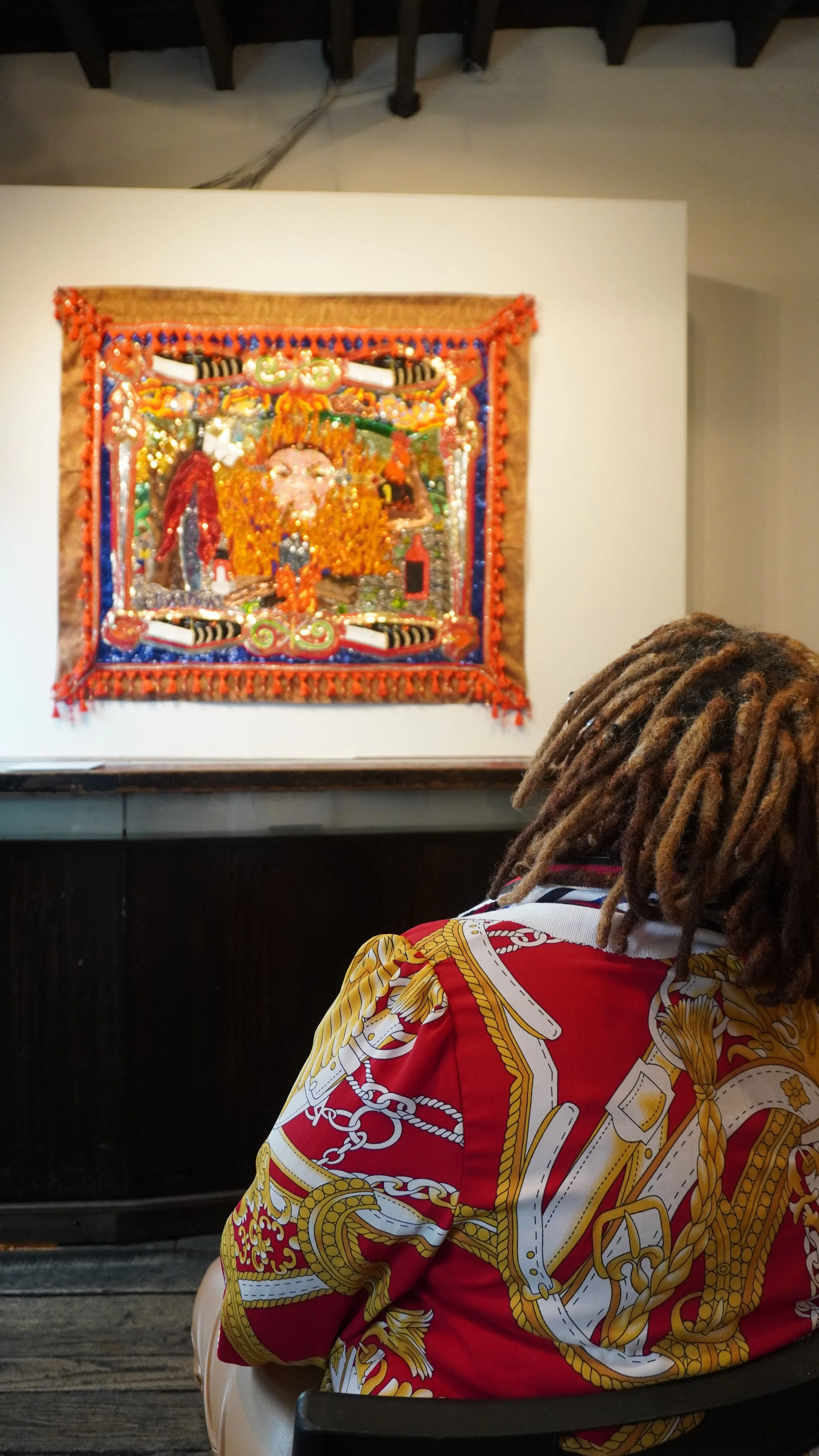
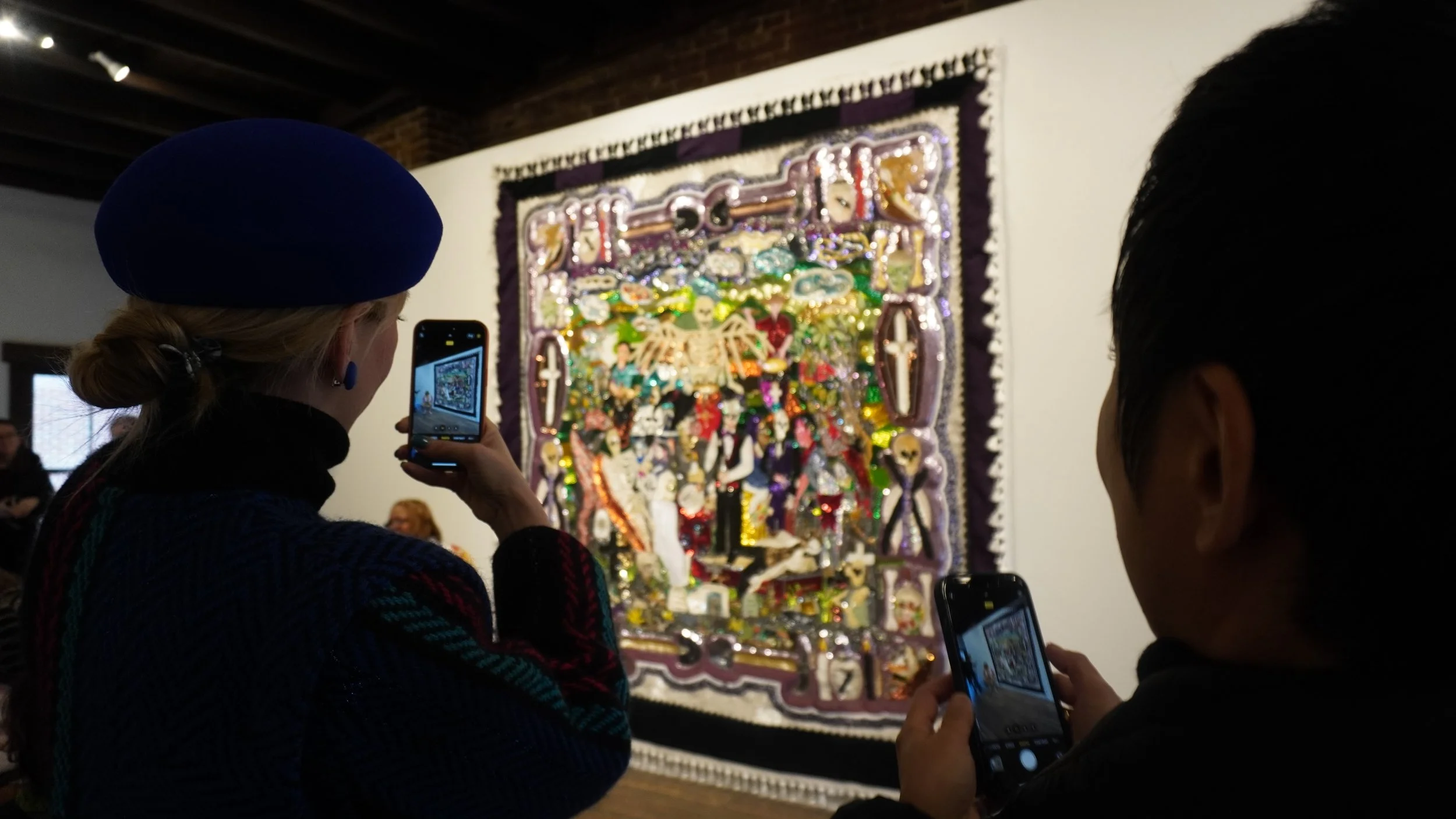
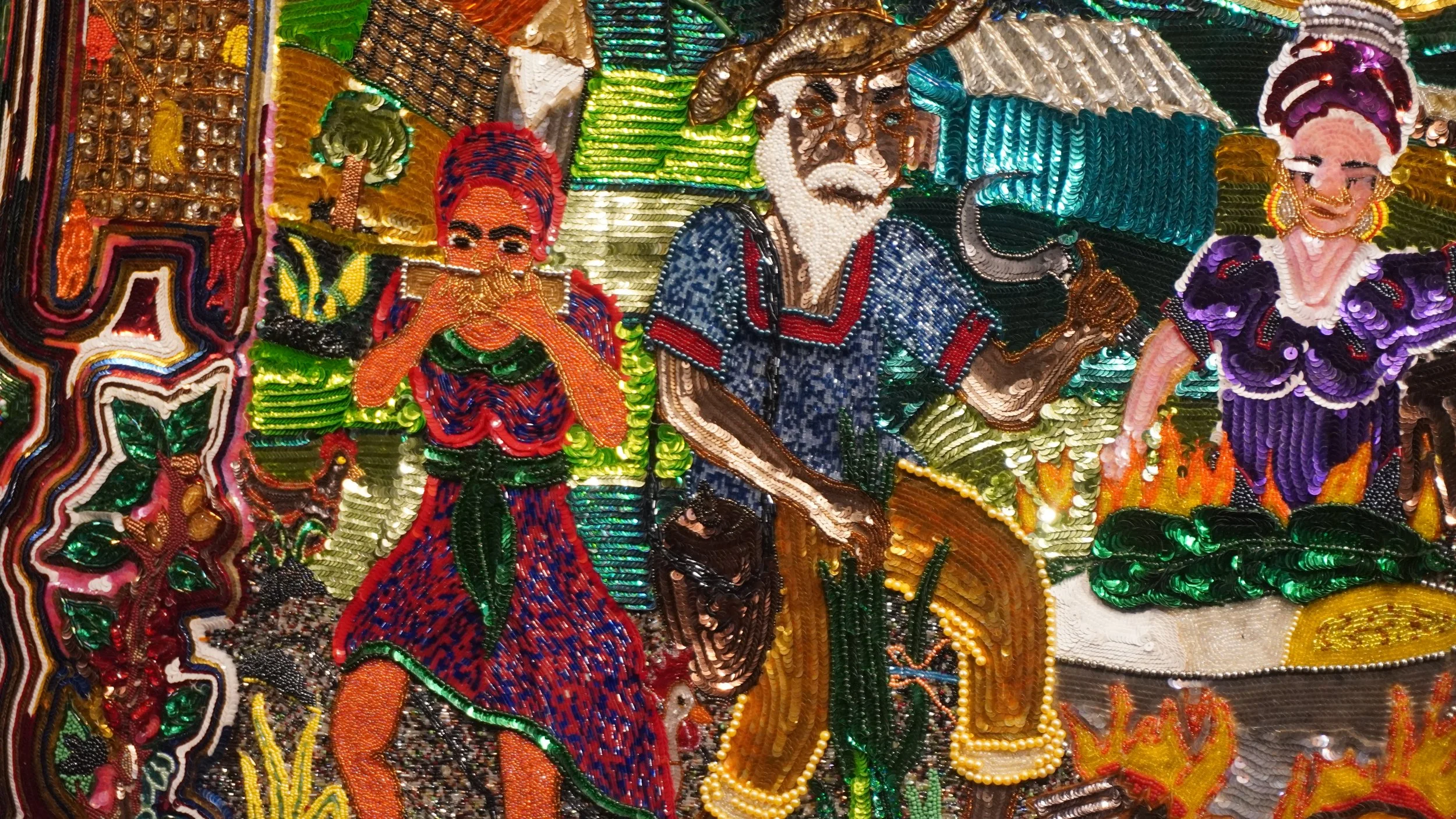
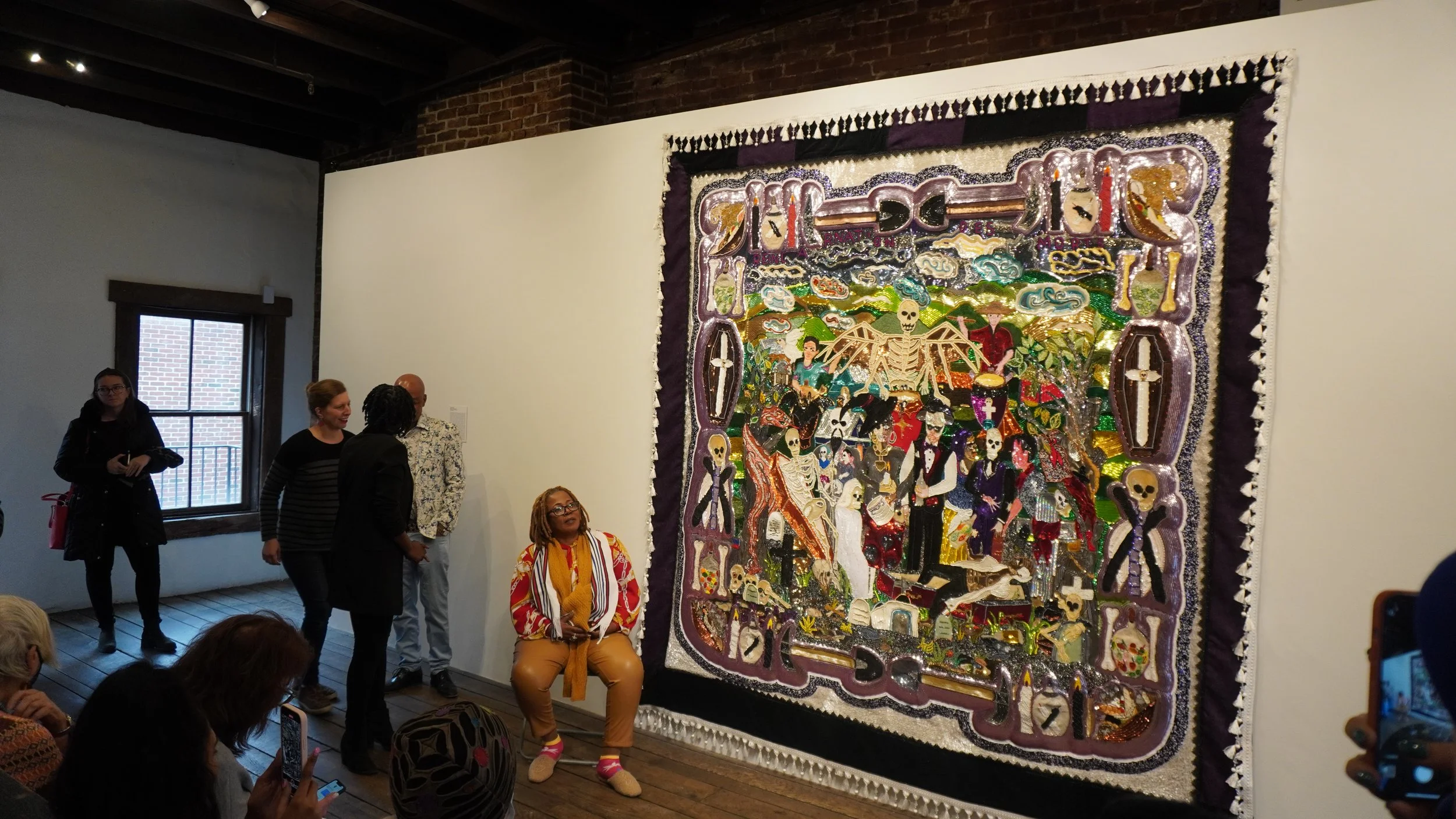
MYRLANDE CONSTANT puts Haiti on the Art Map with 'DRAPO'
She walked away from her bridal factory job in the 90s with only a severance pay and a bag of sequins. Over three decades, Myrlande Constant put both to good use…
By Oyiza Adaba, New York
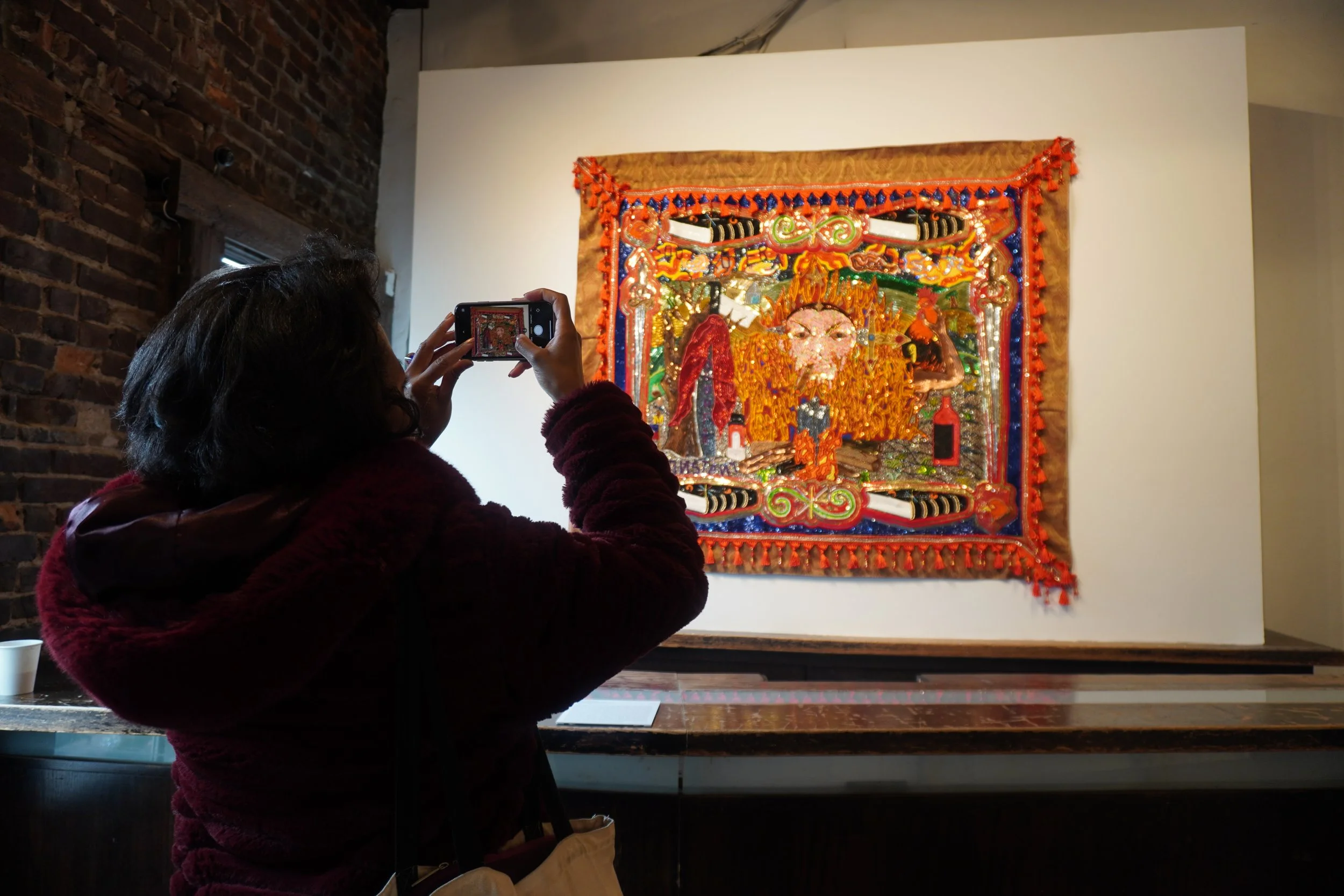
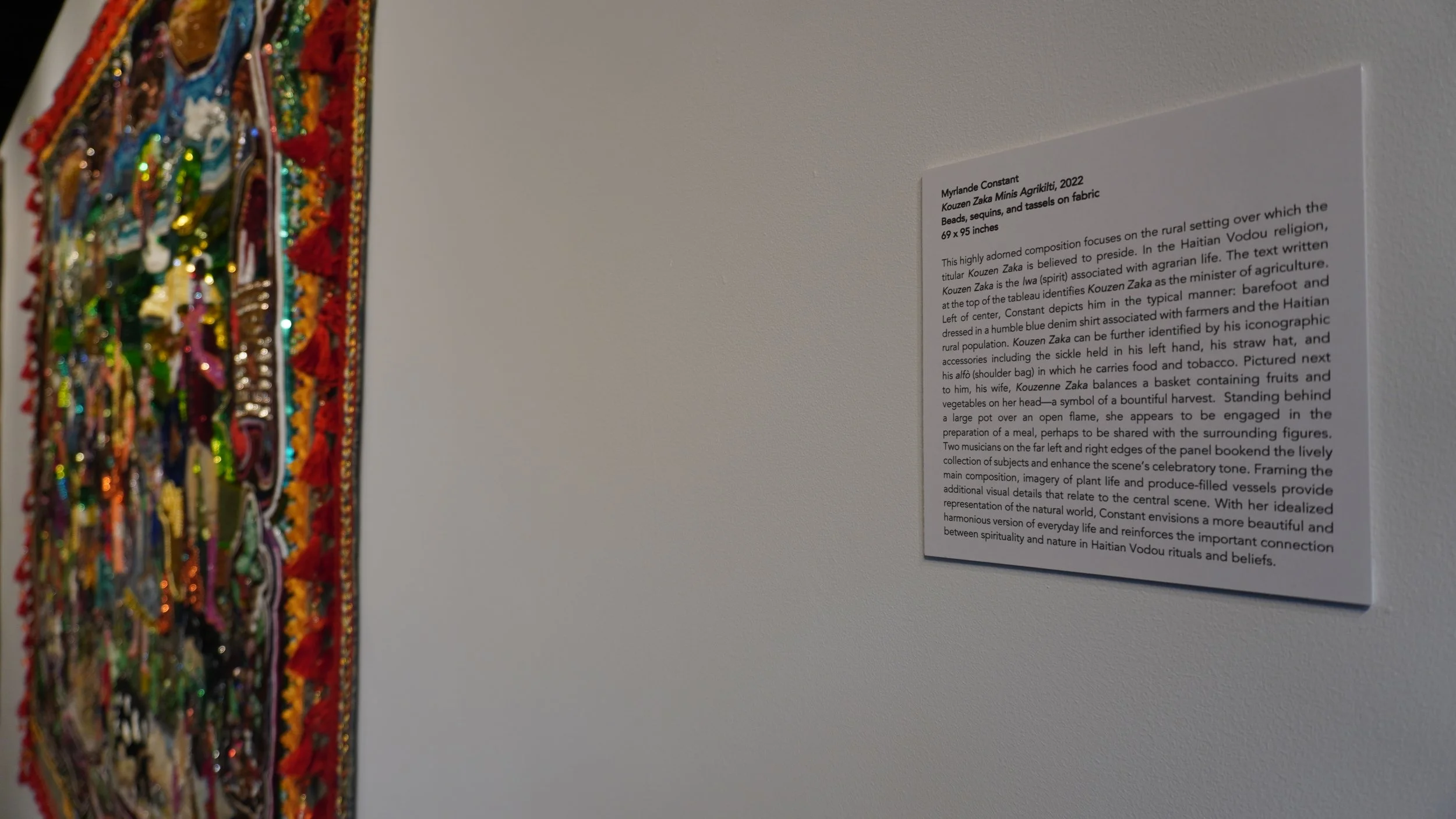
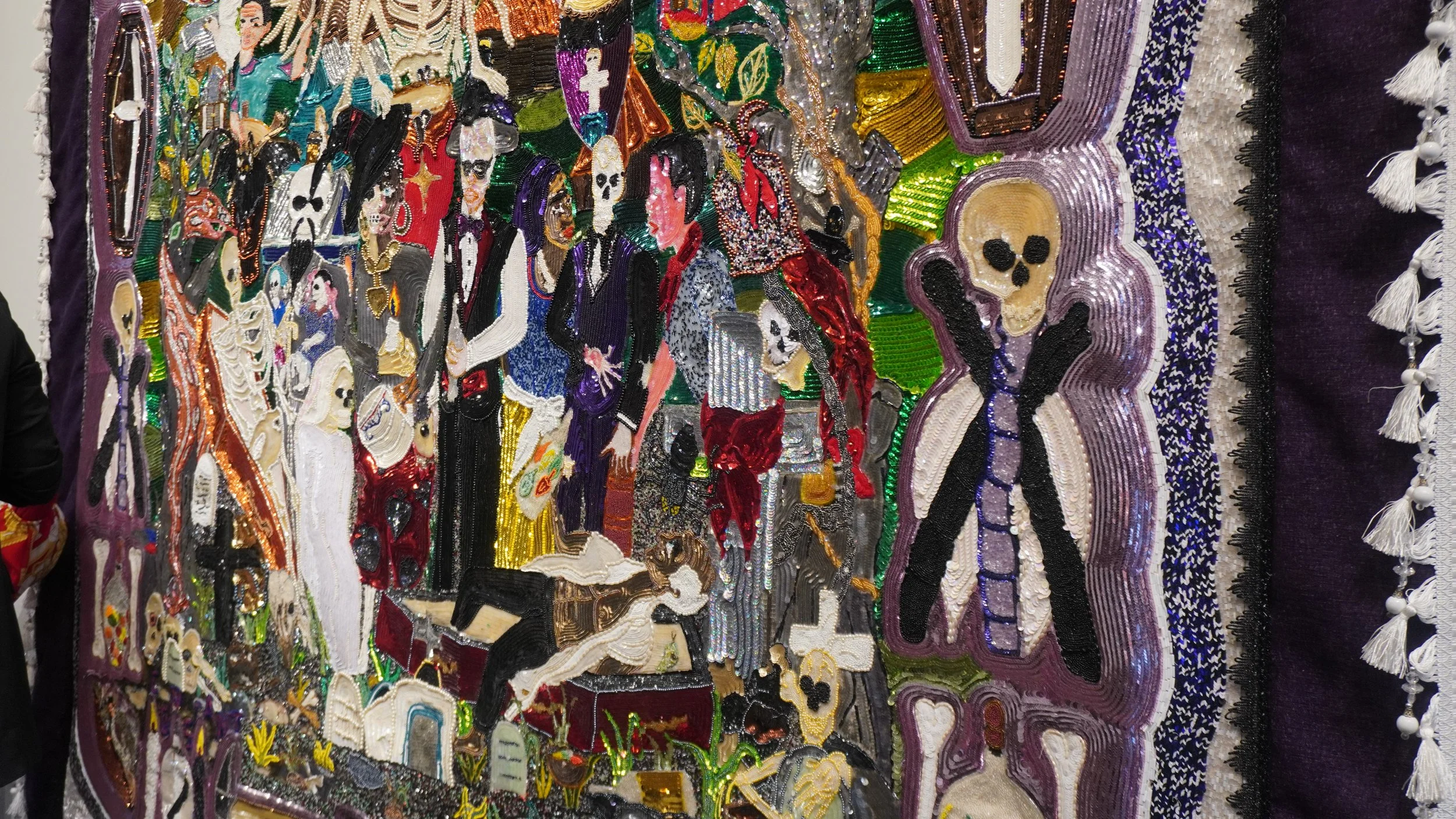
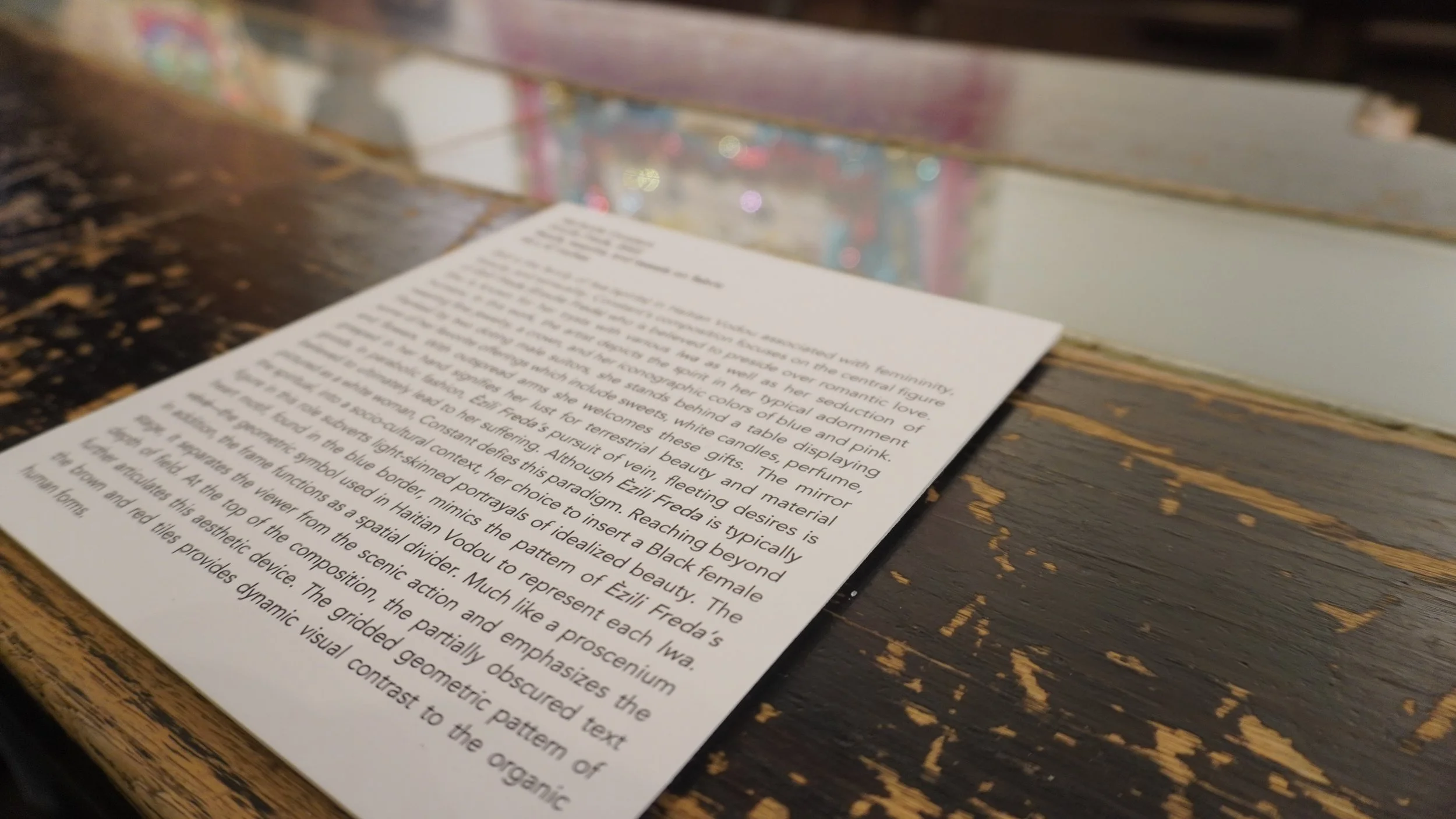
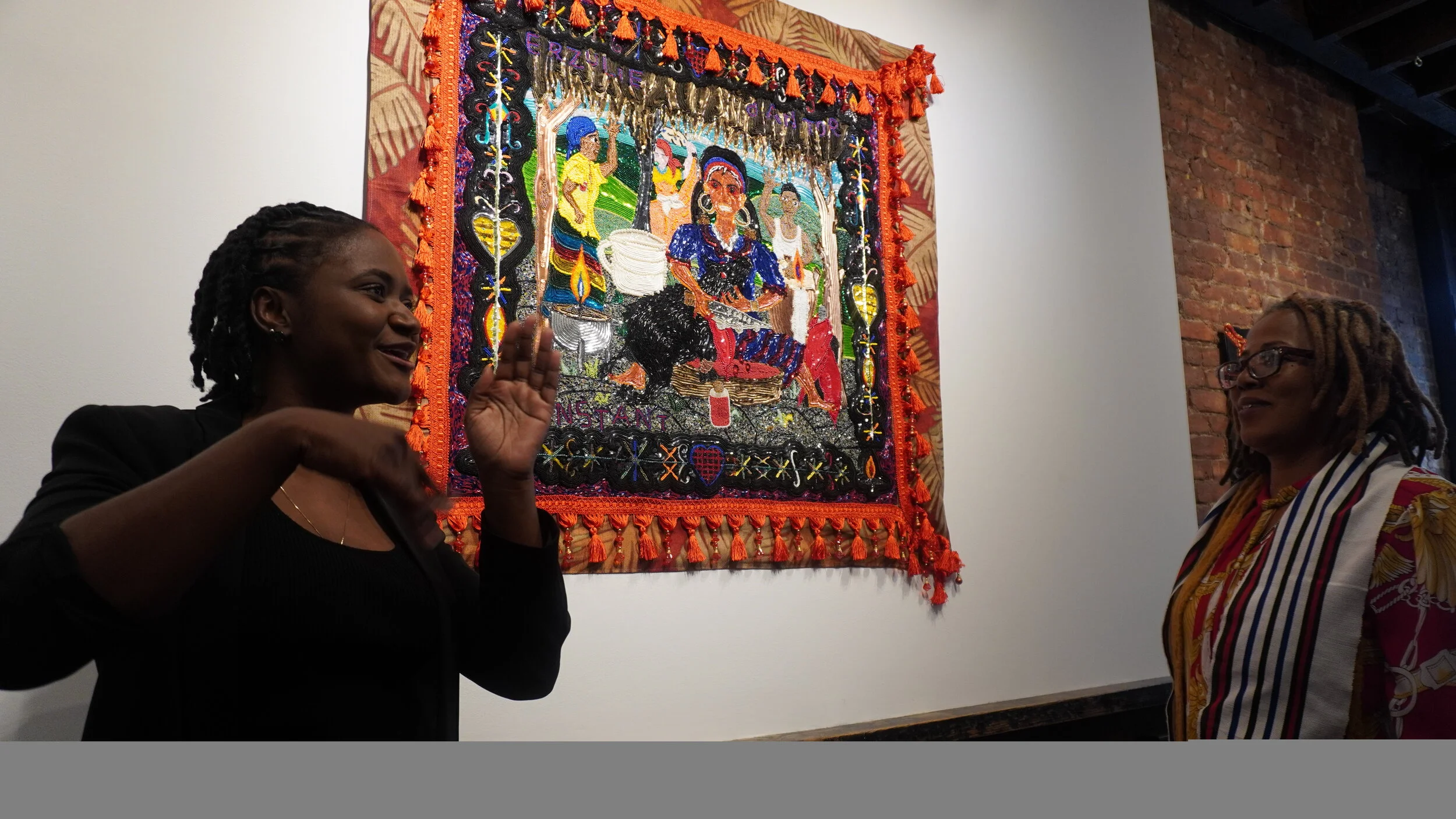
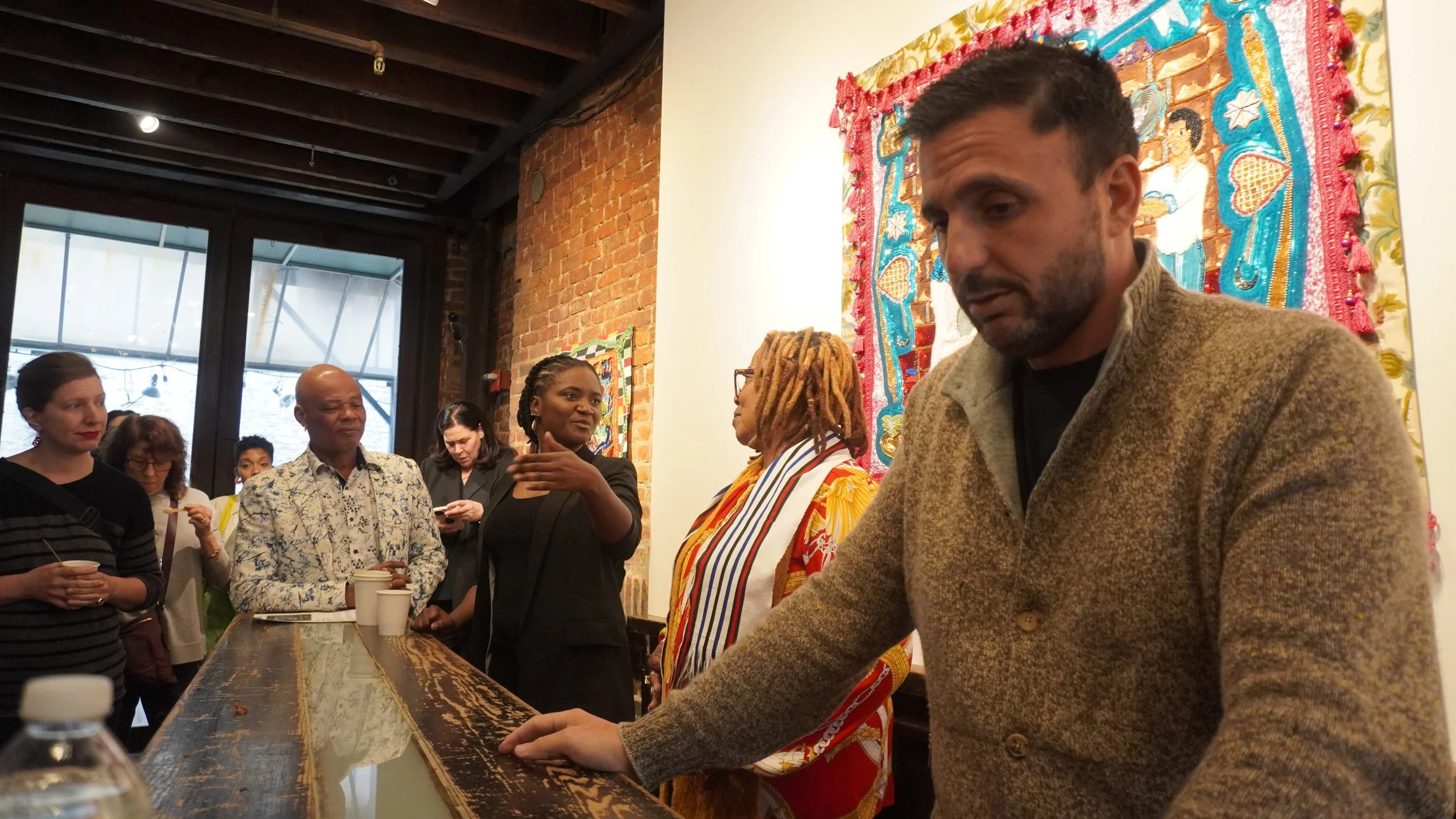
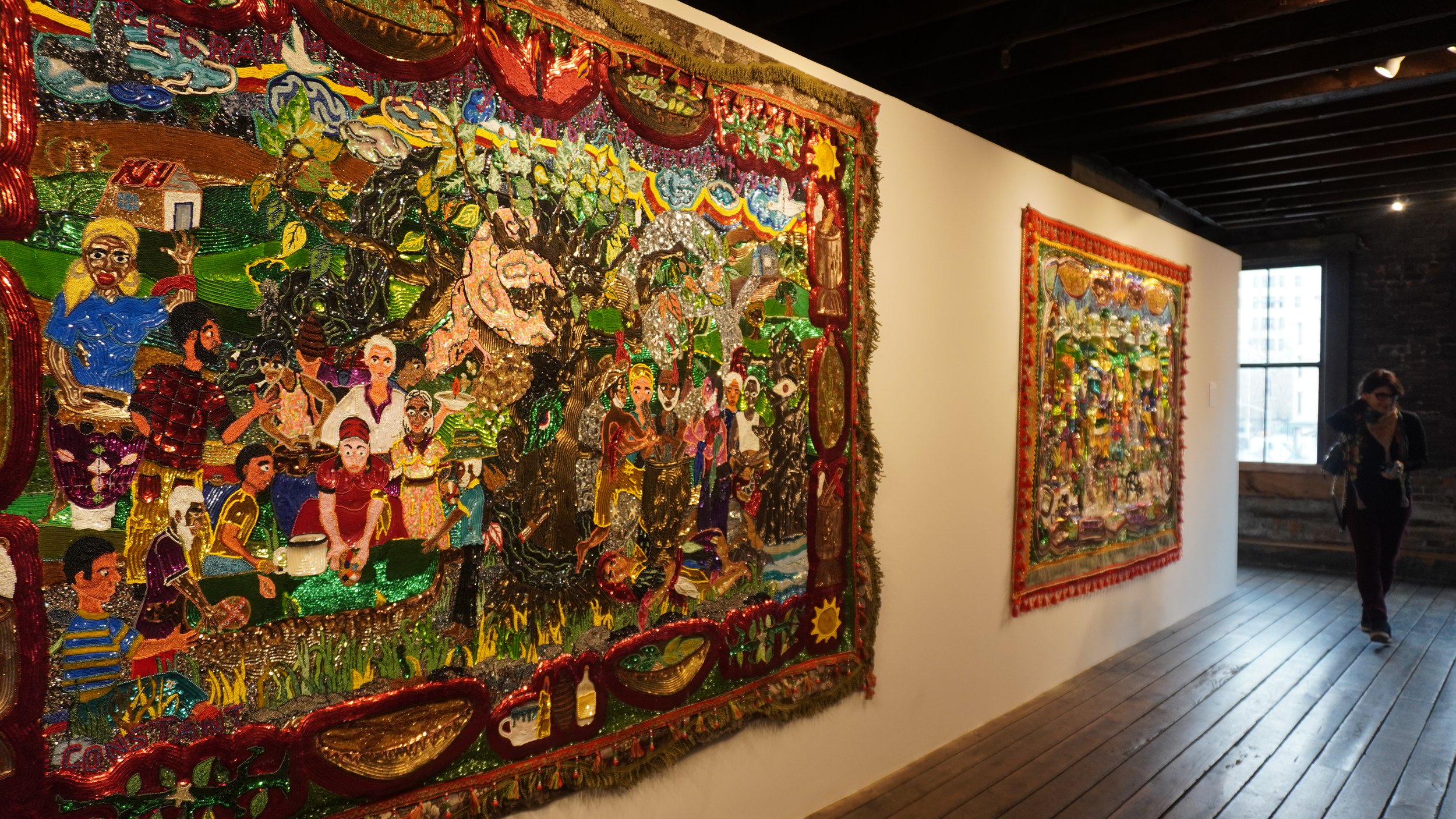
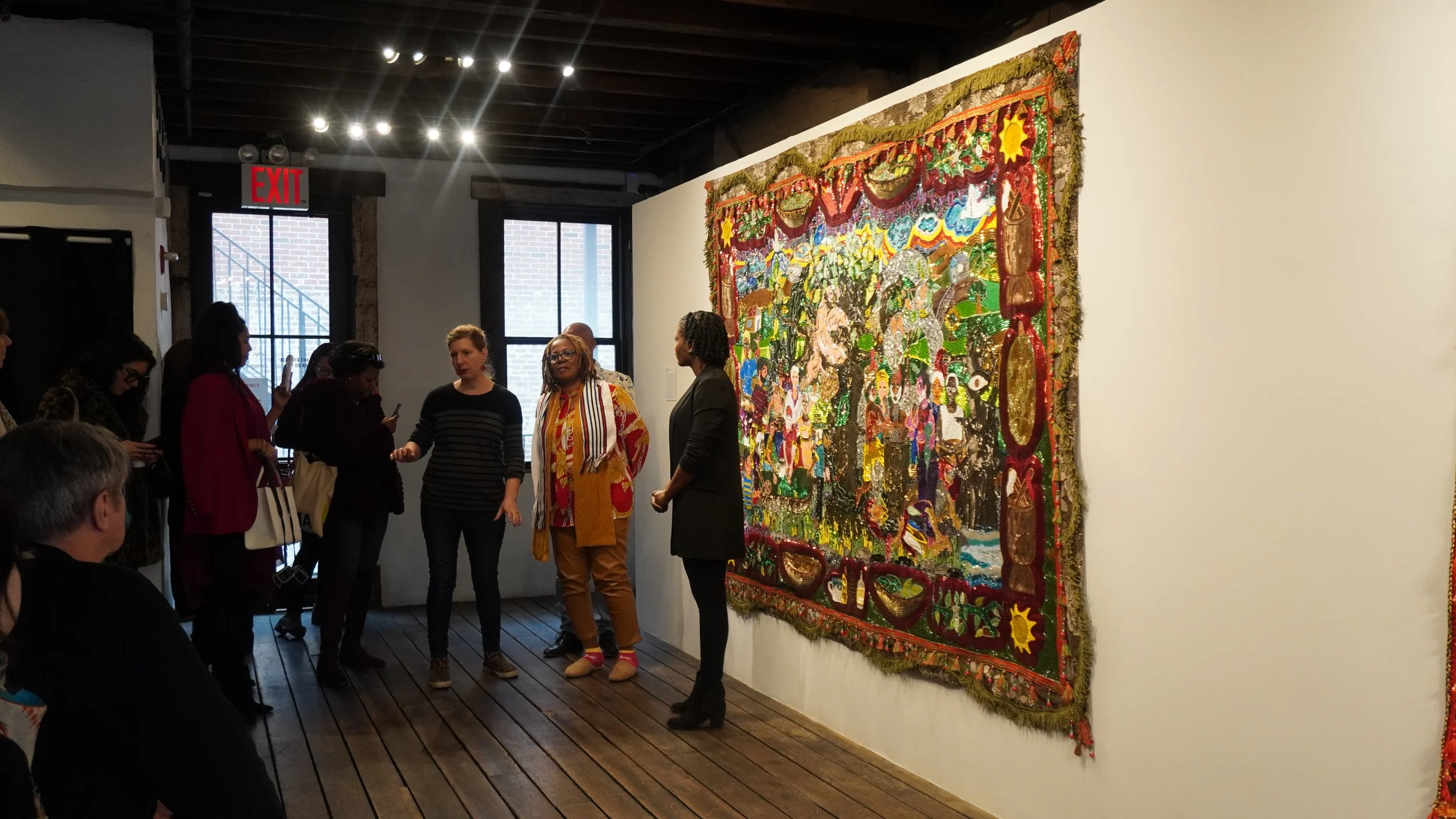
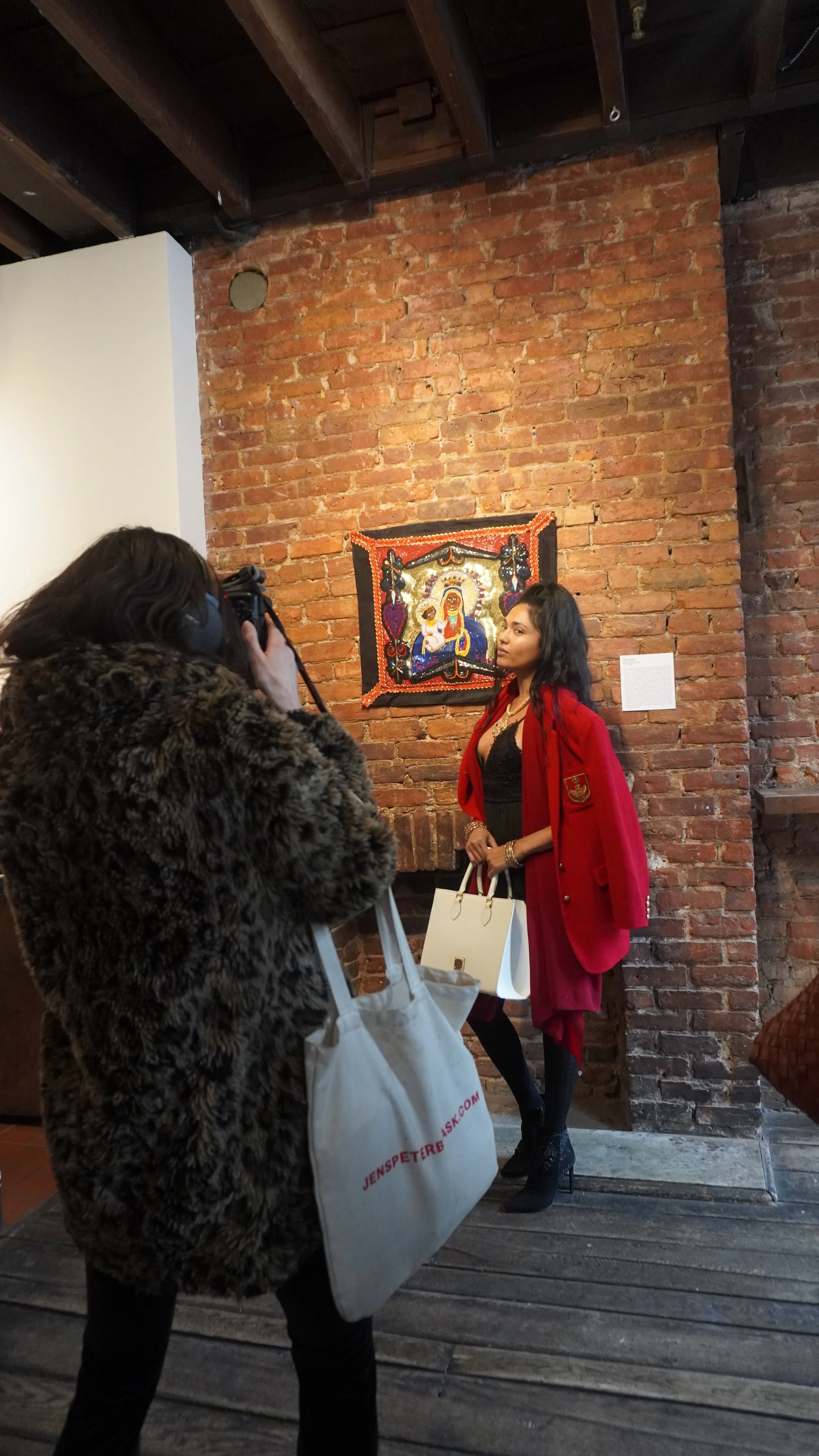
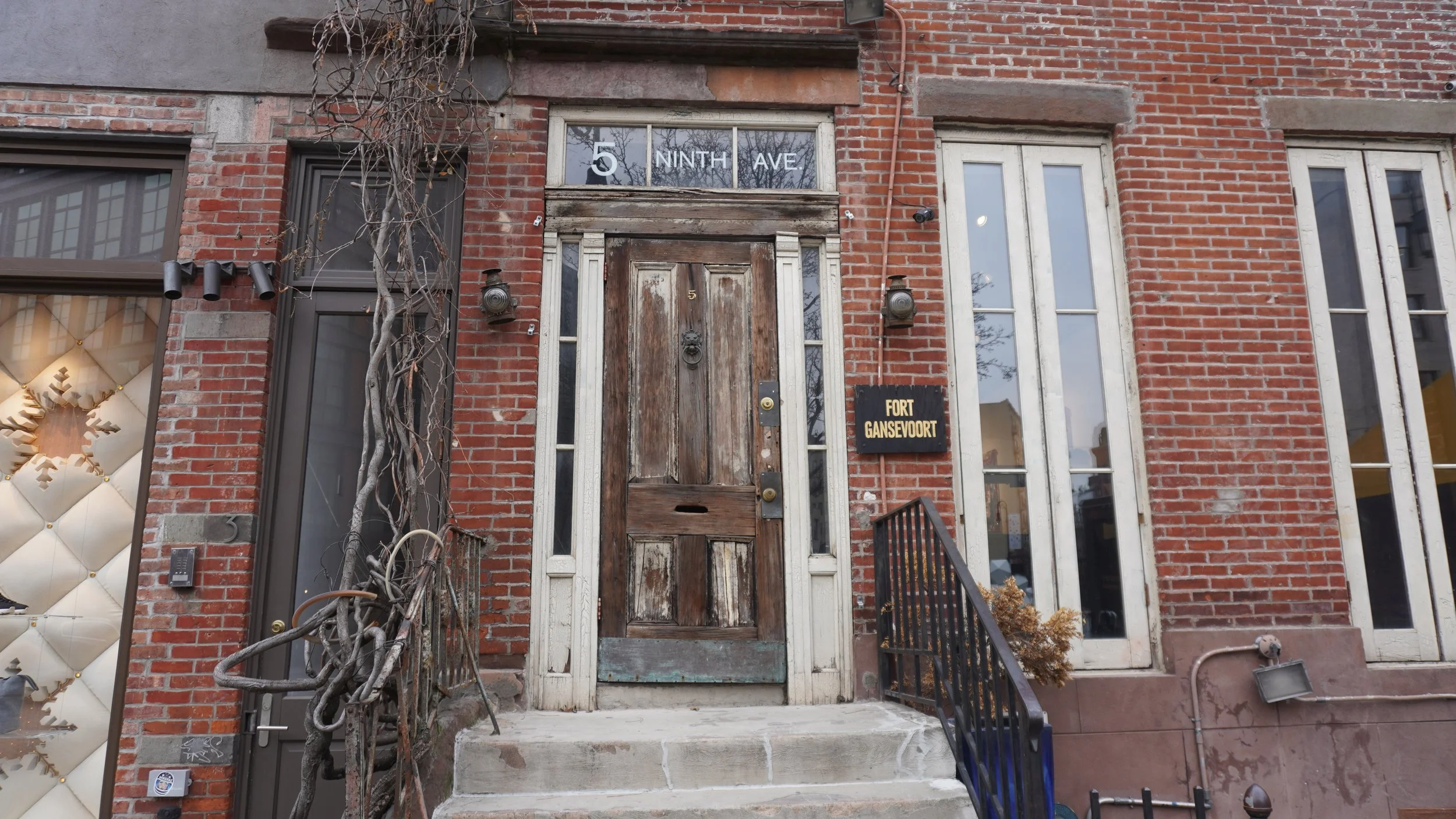
Haitian Artist Myrlande Constant presents 'Drapo', her first solo exhibition at Fort Gansevoort, New York. January 11 - March 11, 2023
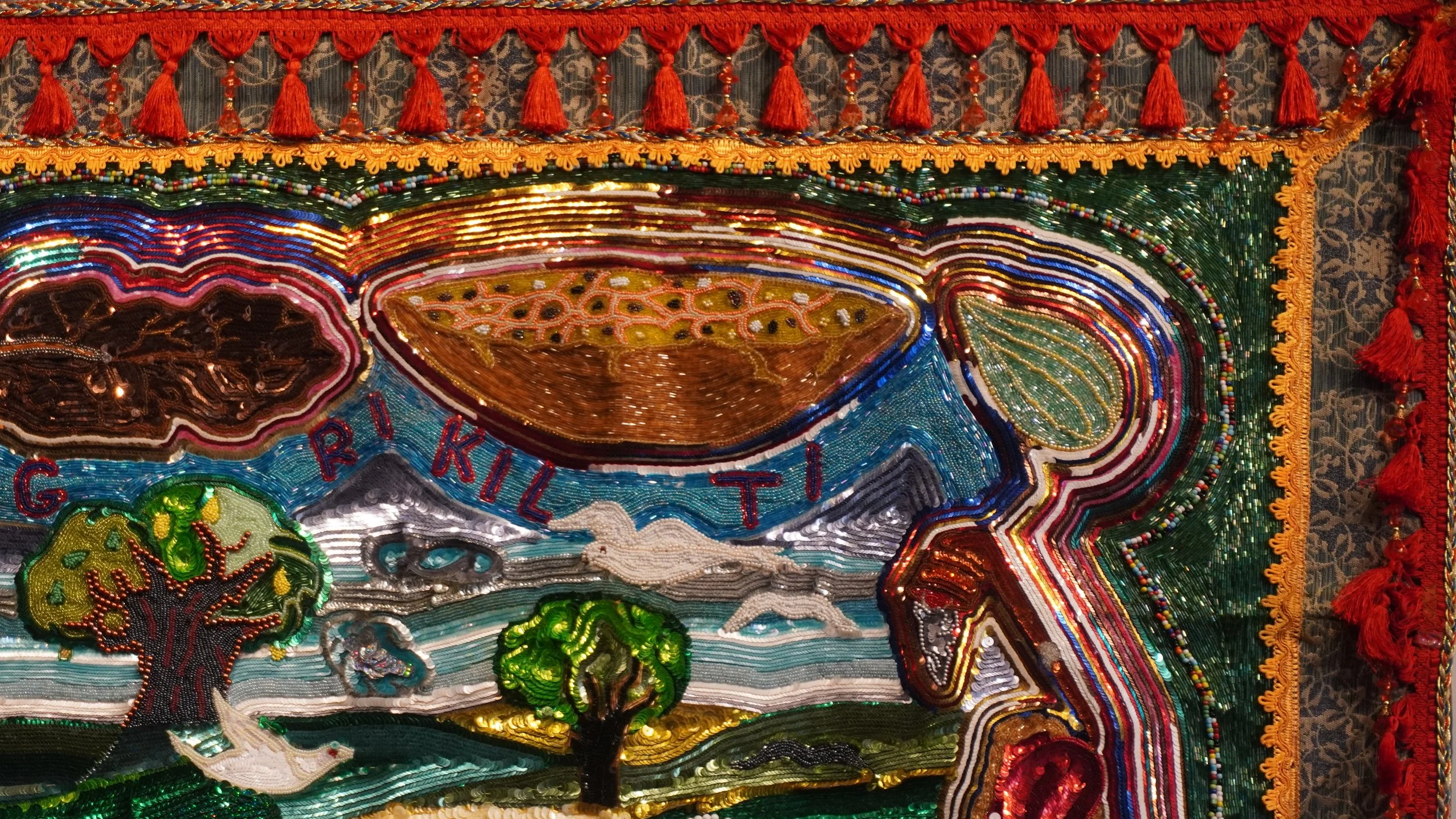
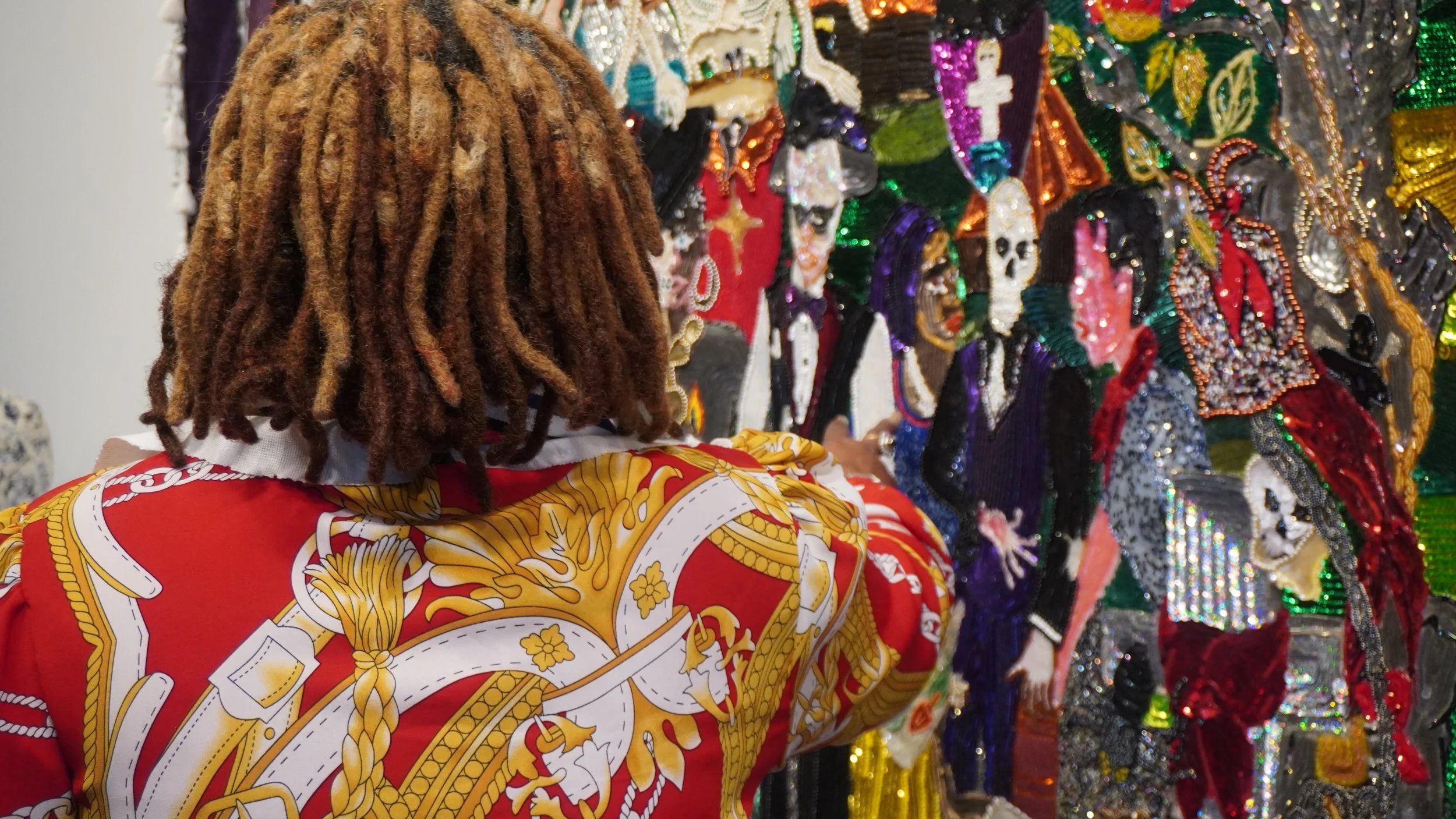
She walked away from her bridal factory job in the 1990s with only a severance pay and a bag of sequins. Over three decades, Myrlande Constant put both to good use, and has since carved out her peculiar style of stitching, beading and signing her works - her flags, an unmistakable symbol of Haiti and its rich cultural heritage.
Watch the full episode of Myrlande Constant's remarkable journey, coming soon on Messengers Season 3. Watch past episodes on our YouTube. Learn more here
Learn more about Myrlande Constant
Photos: Africa-Related

Africa-Related is a media content production house
Share this story
Christian and Muslim Corpers Embark on Pre-Election Market Sensitization Campaigns
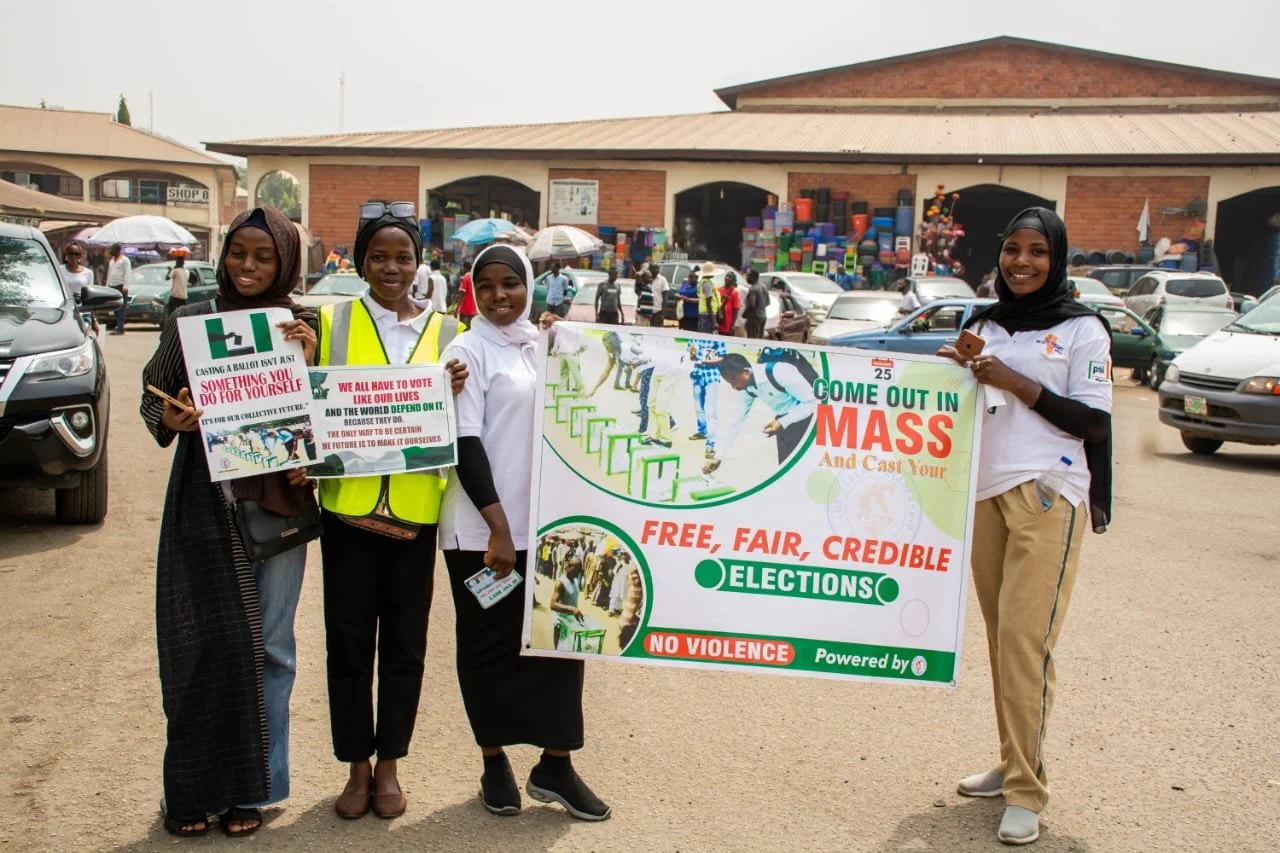
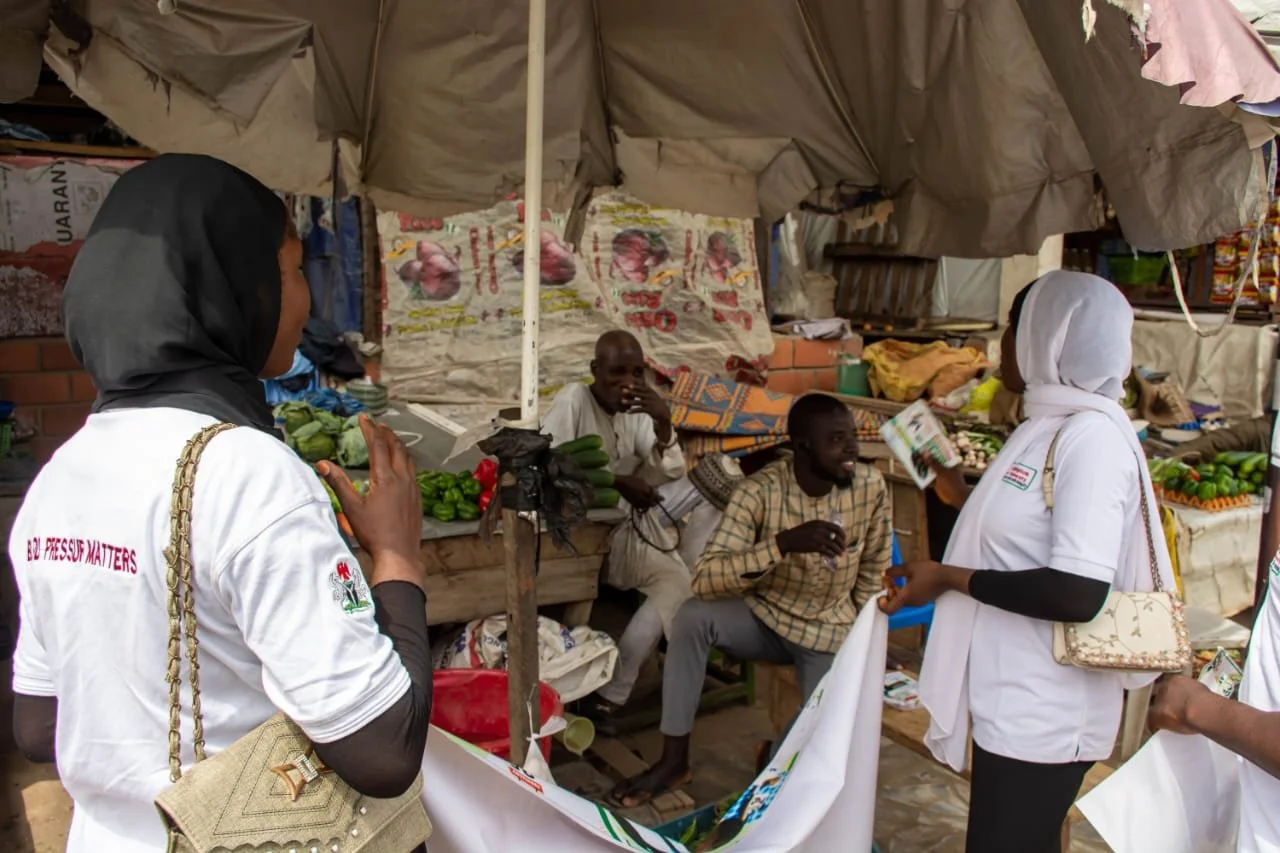
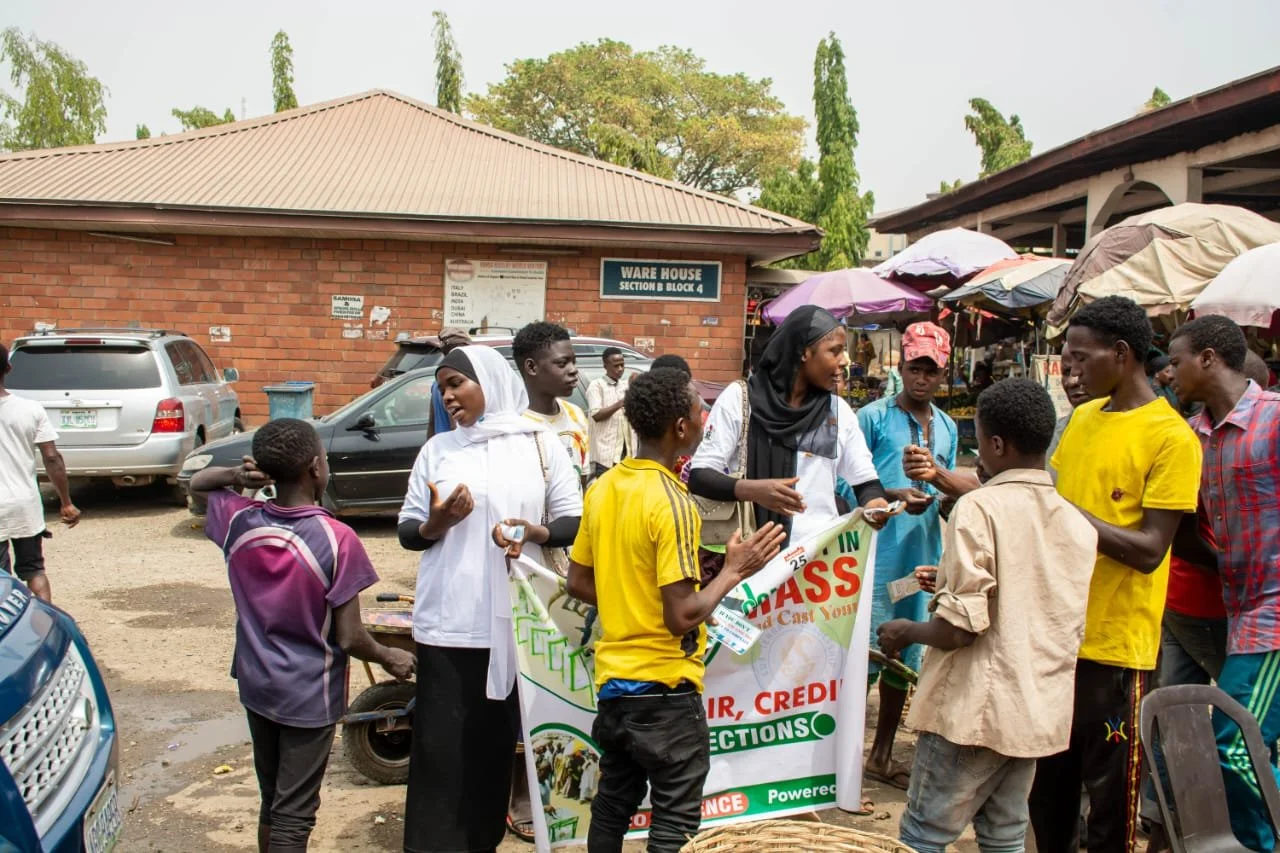
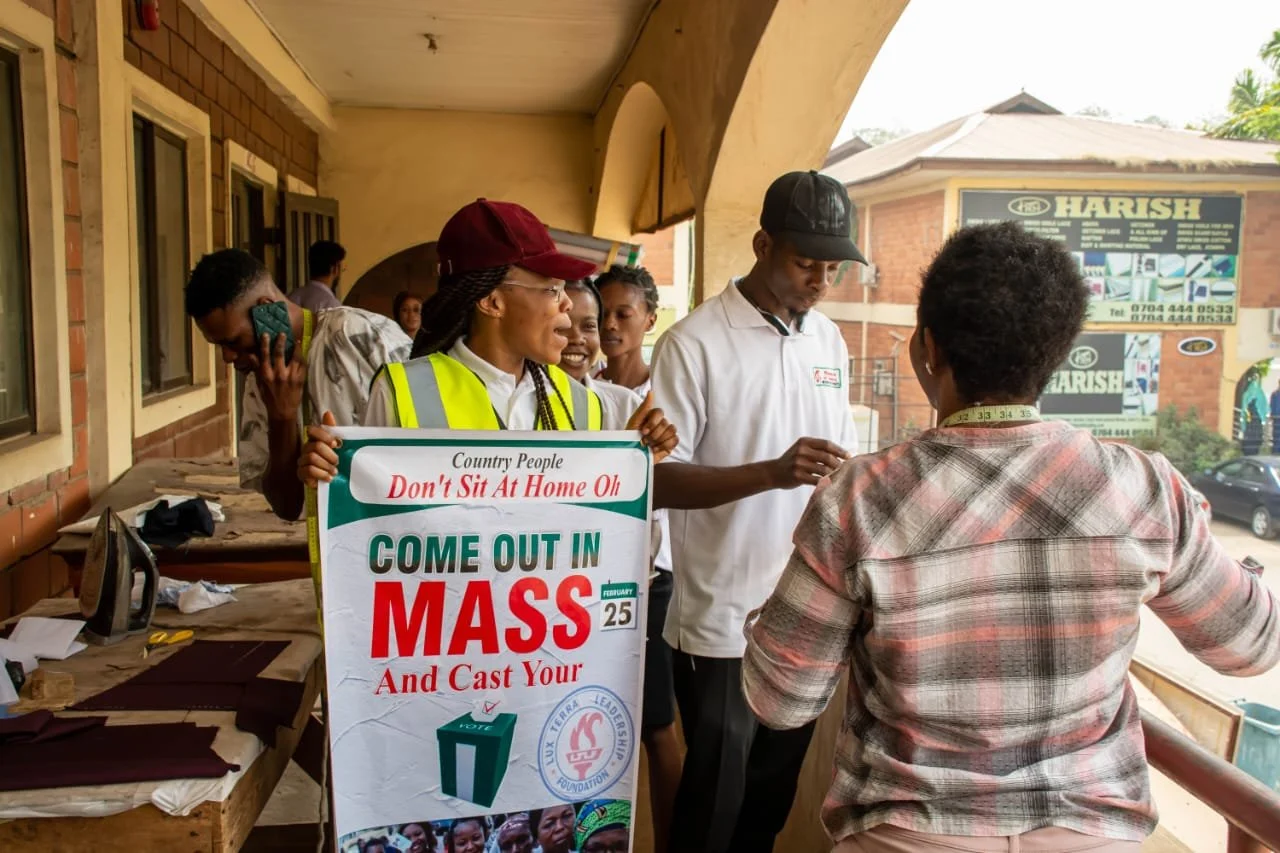
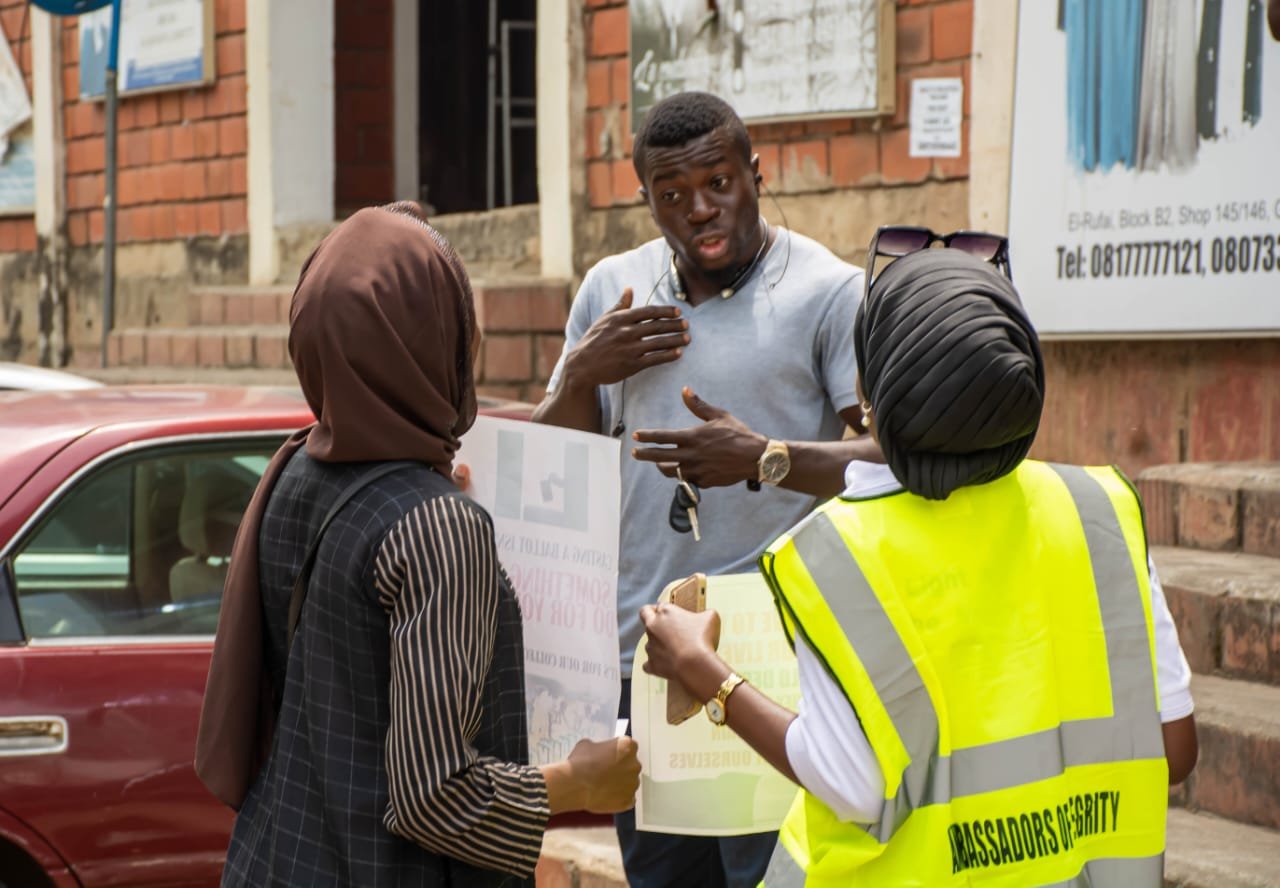
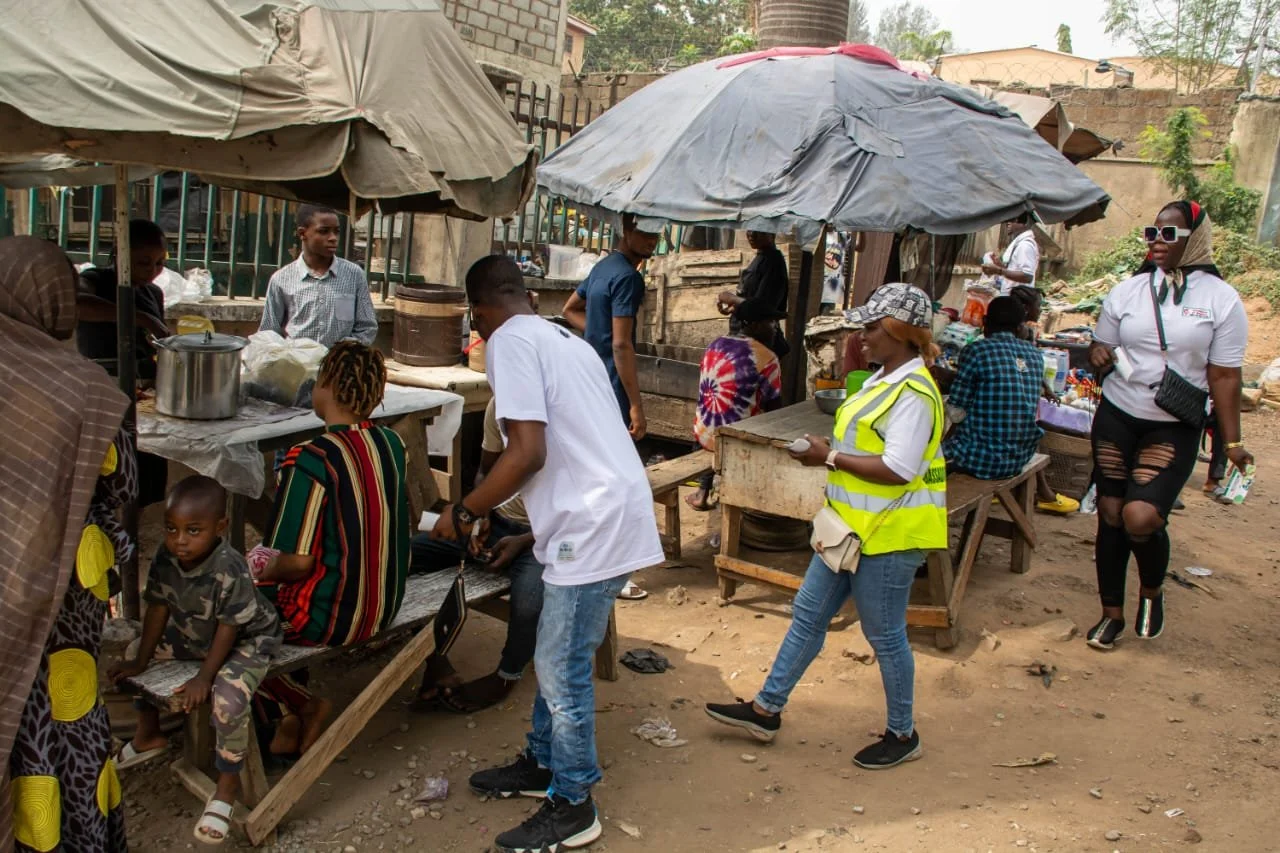
A group of Lux Terra trained Youth Corps members have on February 22 and 23, 2023, engaged in a series of sensitisation campaigns at market places around the Federal Capital, to sensitize the public on the imperative of peaceful, orderly and credible conduct of the forthcoming general elections.
A group of Lux Terra trained Youth Corps members have on February 22 and 23, 2023, engaged in a series of sensitisation campaigns at market places around the Federal Capital, to sensitize the public on the imperative of peaceful, orderly and credible conduct of the forthcoming general elections.
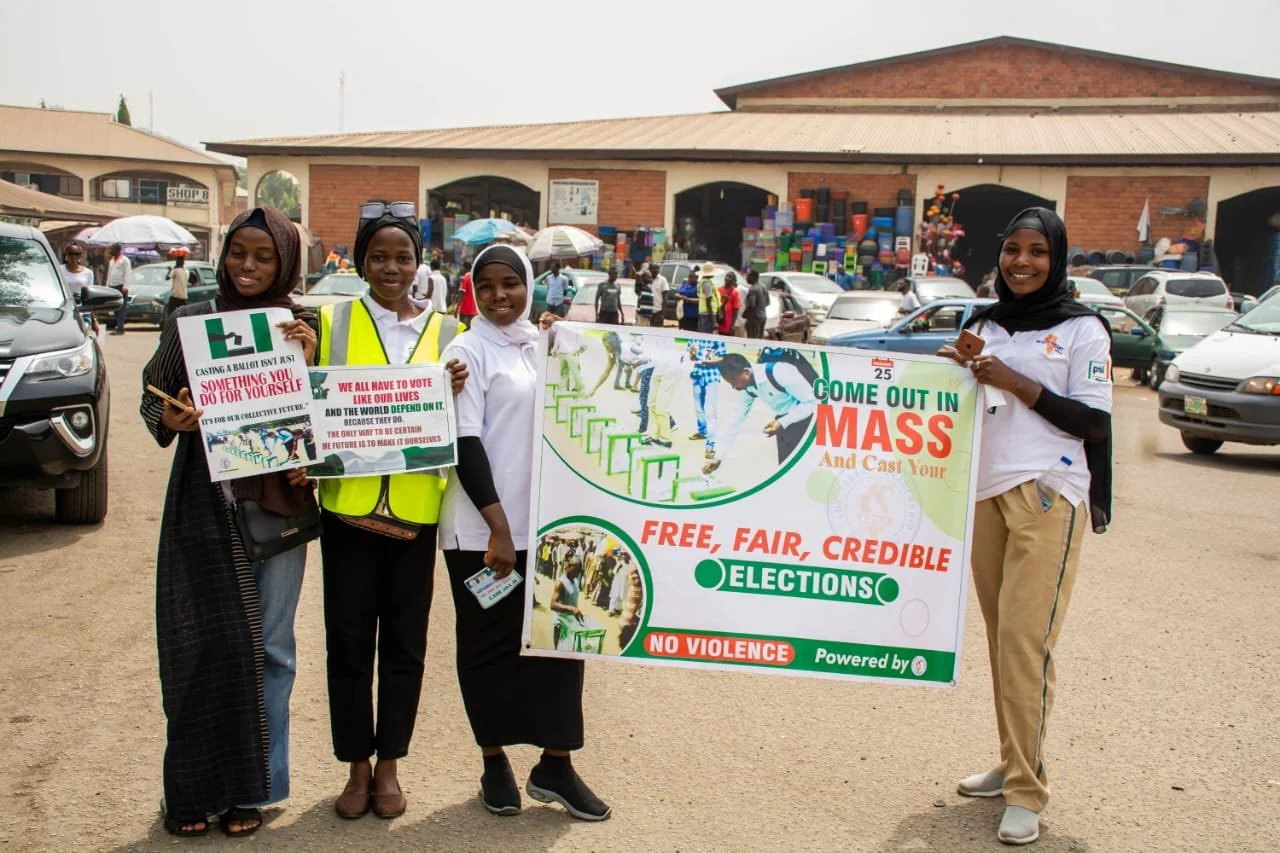
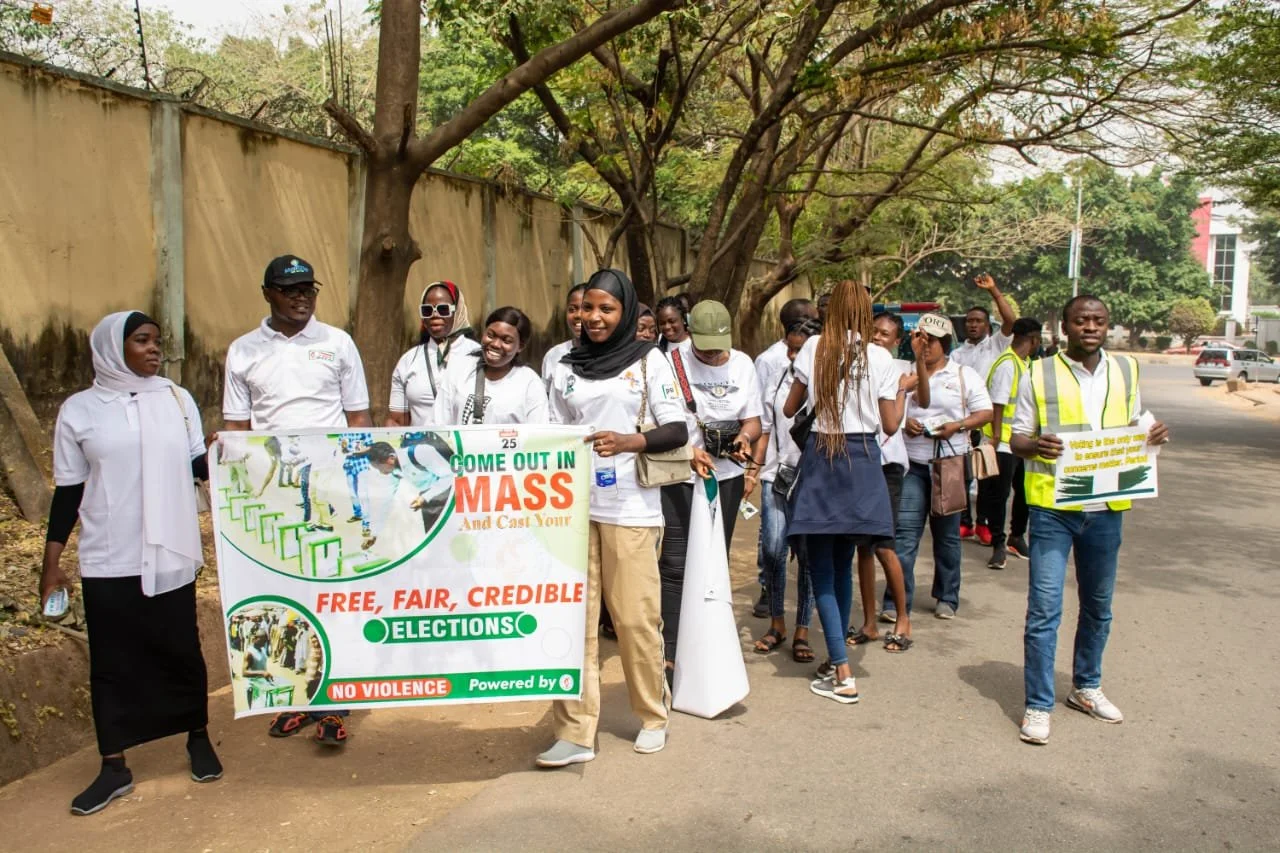
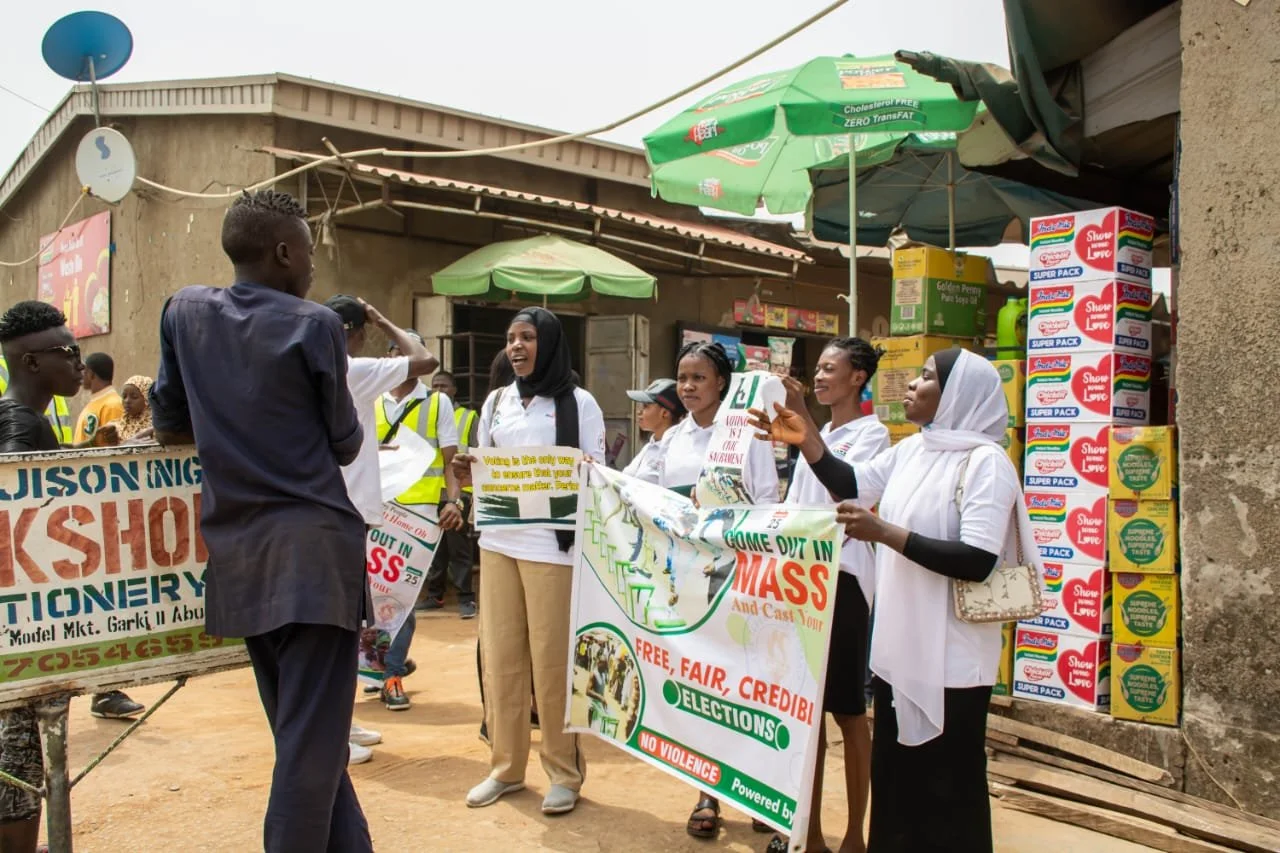

The young integrity campaigners took their message to the Nyanya and Garki markets on Wednesday February 22, and Thursday February 23 respectively.
These interfaith efforts of the Abuja-based Youth Corps members, are part of the post-training engagements of the young beneficiaries of Lux Terra's ongoing Integrity and Strengthening Civic Space projects, both of which are supported by MacArthur Foundation.
Africa-Related is a media content production house
Share this story
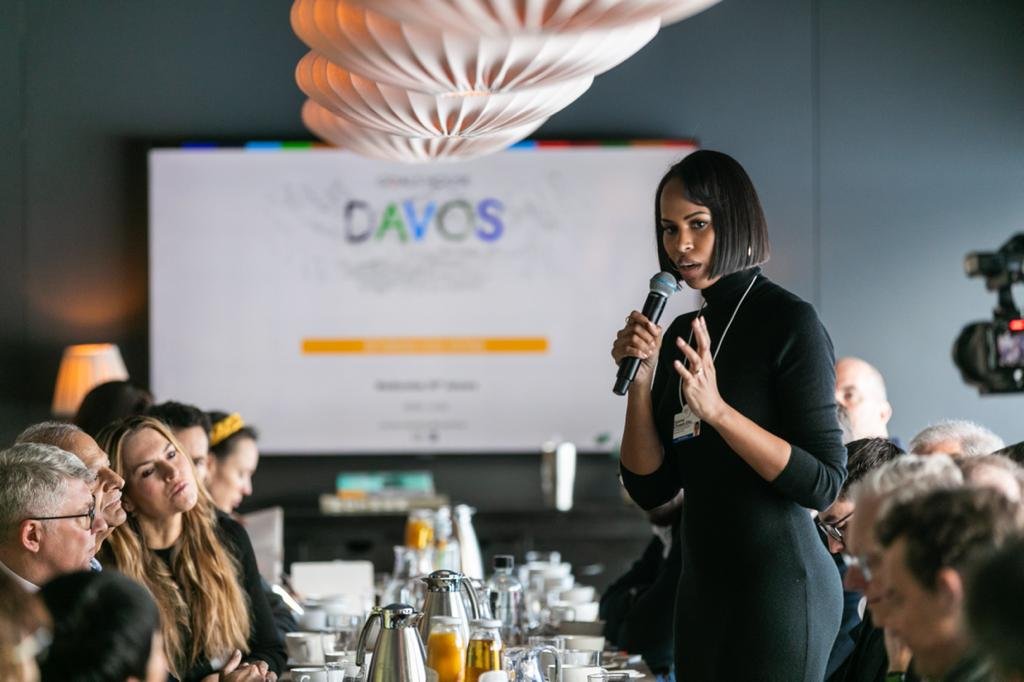
EXPLORING GLOBAL TRENDS, HIGHLIGHTING AFRICAN OPPORTUNITIES, AND ADDRESSING THE WORLD’S “POLYCRISIS” IN DAVOS
Davos, Switzerland - The Swiss village of Davos becomes the focus of global attention each January (May in 2022 due to COVID-19 related delays). Royalty, heads of state and government, corporate titans, NGO leaders, key representatives of civil society, and various types of influencers congregate for the World Economic Forum (WEF) and ancillary activities.
Davos, Switzerland - The Swiss village of Davos becomes the focus of global attention each January (May in 2022 due to COVID-19 related delays). Royalty, heads of state and government, corporate titans, NGO leaders, key representatives of civil society, and various types of influencers congregate for the World Economic Forum (WEF) and ancillary activities. For a few days an eclectic mix of leaders in and around the Forum seize the opportunity to discuss major global currents.
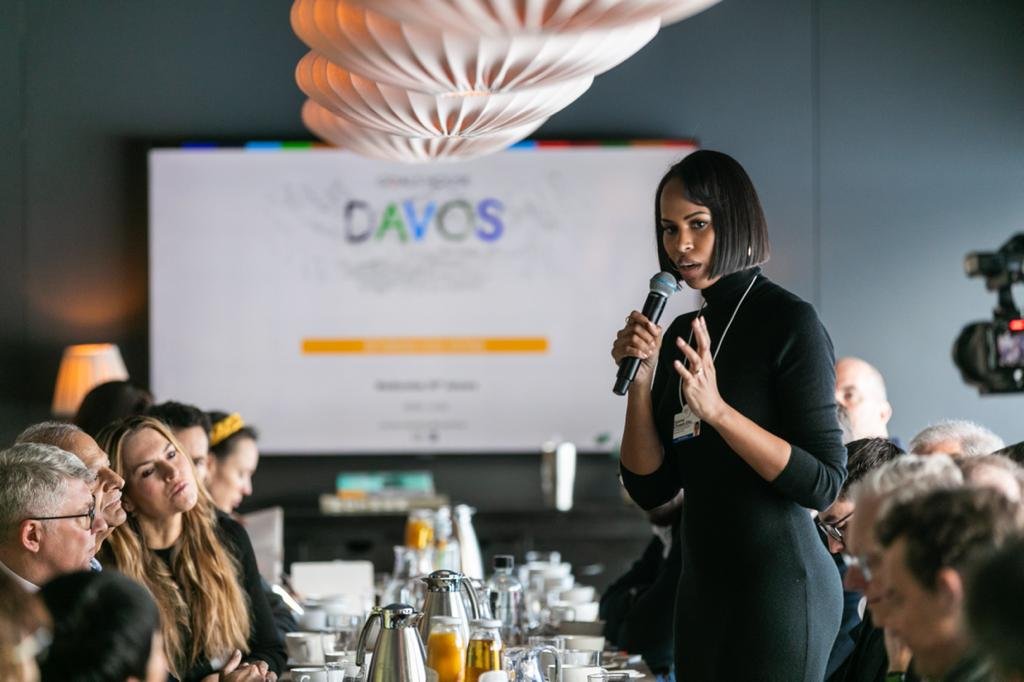
UN GoodWill Ambassador Sabrina Dhowre Elba speaking at a session with Lombard Odier, featuring major corporates, startups, think tanks, financial institutions and other system leaders to explore new solutions and innovation and innovative partnerships can shape the future of our food systems.
As just about nothing in Davos is inexpensive, the frigid, but exquisitely beautiful Alpine village, is not for those averse to cold or light of wallet. Accommodation costs were astronomical with Schweiz am Wochenende newspaper reporting that a three-bed studio “costs CHF2,600 ($2,800) a night during the WEF”, Uber rides of a few minutes can range around US$ 30.
Davos is a trek from most places - almost two and half hours by train from Switzerland’s largest city Zurich. The literal high-flyers arrive by private jet. With international scrutiny high, Yahoo! Finance’s Julie Hyman reported on January 24 th that some attendees “did seem increasingly aware of how they’re perceived outside of their bubble in the Swiss Alps and are making some attempts to address those perceptions.” In response “WEF has said it offsets all of that travel by buying carbon credits. Some CEOs have responded by flying commercial, which has a lower carbon footprint.”

Tola St. Matthew-Daniel, Executive Vice President, Freuds Group, conveners of Goals House in conversation with Sweta Chakraborty, CEO, We Don't Have Time and Sanda Ojiambo, UN Assistant Secretary General and UN Global Compact CEO at the Salesforce women's reception with NYSE, UN Women, and Cheri Blair Foundation.
The overarching theme for this year’s WEF was “polycrisis”. According to the New York Times’ Andrew Ross Sorkin, the term “now refers to the swirl of global emergencies that include economic slowdowns and rising inflation, the war in Ukraine and more.”
In shaping the agenda WEF released its Global Risks Report 2023. The findings are terrifying: “ At present, the global pandemic and war in Europe have brought energy, inflation, food and security crises back to the fore. These create follow-on risks that will dominate the next two years: the risk of recession; growing debt distress; a continued cost of living crisis; polarized societies enabled by disinformation and misinformation; a hiatus on rapid climate action; and zero-sum geo-economic warfare.”
Positive developments from Africa were also on high-profile display. Africa House, which includes The Black Eyed Peas’ will.i.am as a co-chair, debuted in 2020 along Davos’ prized promenade. Deutsche Welle’s Business editor Ashutosh Pandey reported that although “Africa and issues concerning it have been regularly debated and discussed prominently during annual meetings of the World Economic Forum, African governments and businesses have been largely absent from the promenade, where countries and companies have been setting up pavilions for years to attract investments and build networks.”
will.i.am, whose birth name is William Adams and leads Angel Foundation, touted ChatGPT. Speaking to Yahoo! Finance’s Senior Tech Reporter Allie Garfinkle, the singer/ songwriter said: “I’m just anticipating the inevitable where these new technologies will render a lot of jobs obsolete, but there’s going to be new jobs that are going to be unearthed and they should come from communities like mine.”
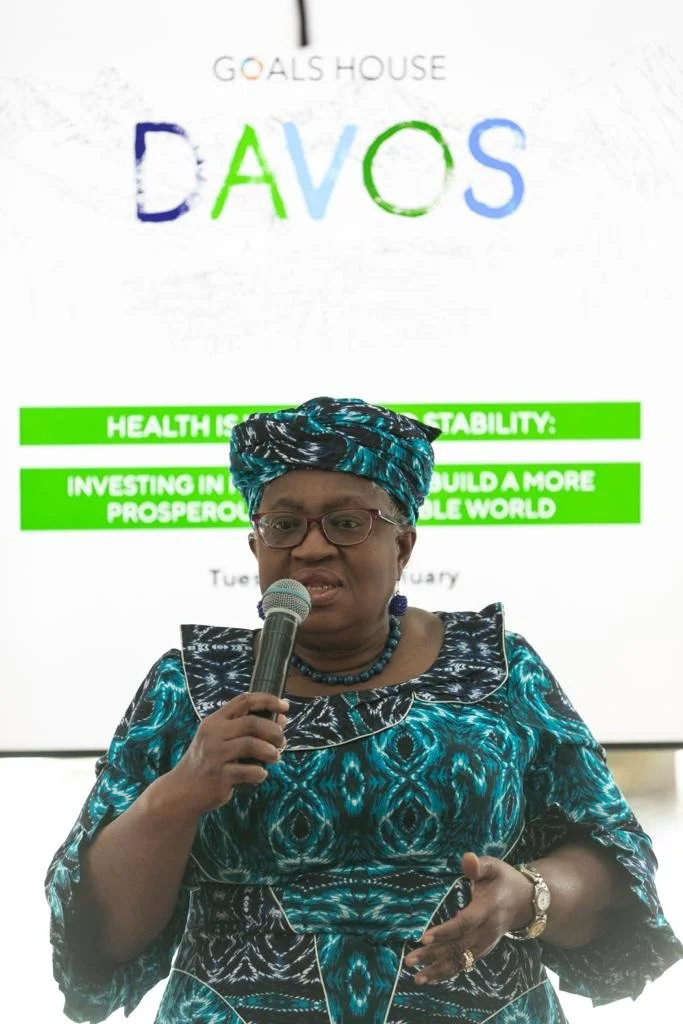
Ngozi Okonjo-Iweala Director General the World Trade Organization joined cede Global Health CEO, Dr. Vanessa Kerry, in a fireside discussion, exploring the impact investing in health can have on wealth and prosperity and how these investments can have a powerful ripple effect on equality, gender issues and stability.
Convened by mega public relations firm freuds, Goals House is dedicated “to achieve the UN’s Sustainable Development Goals (SDGs)”. The venue hosted over fifty events including a panel on “megatrends” exploring how global business is navigating an era of unpredictability and transformative shifts across geographies, generations, and technology. Longer life expectancy and how to pay for it, dubbed the “longevity economy”, was a major topic.
In his reports for the New York Times’ DealBook Sorkin emphasized how much business occurs away from official proceedings at the Davos Congress Centre. Venues like Africa House and Goals House were two prime examples. He wrote that “many aren’t participating in public panels, either; they’re holding private meetings with existing and prospective clients at hotels scattered across town.”
Goals House ended with a reception hosted by Bank of America focused on advancing women’s economic empowerment. Special guests were pioneering New York Stock Exchange Chair and Seneca Women Partner Sharon Bowen and Saudi Arabian business leader Lubna Olayan, Chair of the Executive Committee at Olayan Financing Company. Bowen ended the hectic week on a high note telling “how she uses her platform to educate listed companies on being solutions” toward greater inclusion of women and Minorities.
As the annual lofty convening in Davos concluded, many conversations were had, a lot of salient issues were debated, countless connections were made and a plethora of deals done. Hopefully, significant progress also was made toward solving the polycrisis.

New York Stock Exchange Chair Sharon Bowen (right) and international financier Harold Doley, III at Goals House in Davos on January 19, 2023
Share this story
U.S. MID-TERM ELECTIONS: Press Conference By Int’l Observers
International observers will hold a press conference on November 9th at 2:30PM (EST) in Washington D.C, to present their preliminary conclusions following the mid-term elections in the United States.
Oyiza Adaba | AFRICA-RELATED NEW YORK

Photo credit: Arnaud Jaeger @ajaegers
International observers from the OSCE Parliamentary Assembly (OSCE PA) will hold a press conference on November 9th at 2:30PM (EST) 8:30PM (WAT) in Washington D.C, to present their preliminary conclusions following the mid-term elections in the United States.
According to its website, the OSCE Parliamentary Assembly is a non-profit body that brings together 323 parliamentarians from across the 57-nation OSCE region, including Europe, Asia and North America. It provides a forum for parliamentary dialogue, leads election observation missions, and strengthens international co-operation to uphold commitments on political, security, economic, environmental and human rights issues.
The U.S. mid-term elections will hold on Tuesday November 8, 2022. Eligible voters are encouraged to go out and vote.
WATCH HERE! https://www.oscepa.org/en/news-a-media/press-releases/2022/international-election-observers-for-united-states-mid-term-elections-to-hold-press-conference-on-wednesday
What:
A press conference of the international election observation mission for the mid-term elections in the United States;
The press conference can be attended in person or via Zoom (details below);
You can also follow the livestream on www.facebook.com/osce.odihr and www.oscepa.org.
Who:
Margareta Cederfelt, Special Co-ordinator and leader of the short-term observers from the OSCE Parliamentary Assembly (OSCE PA);
Pere Joan Pons, Head of the delegation from the OSCE Parliamentary Assembly (OSCE PA);
Tana de Zulueta, Head of the limited election observation mission from the OSCE Office for Democratic Institutions and Human Rights (ODIHR).
When:
14:30 local time (EST, GMT -5) on November 9, 2022
Where:
Washington Plaza Hotel, 10 Thomas Circle, Washington D.C.
Registration:
No registration is necessary if you are attending the press conference in person, but questions will only be taken from journalists;
To take part via Zoom, please register with Thomas Rymer, ODIHR limited election observation mission press adviser, thomas.rymer@odihr.us, and Ivan Godarsky, media analyst, Ivan Godarsky@odihr.us, by 11:00 local time on 9 November.
Contacts
OSCE Office for Democratic Institutions and Human Rights Public Affairs UnitOffice: +48 22 520 06 00Fax: +48 22 520 06 05 PublicAffairs@odihr.pl
Katya Andrusz Spokesperson OSCE Office for Democratic Institutions and Human Rights (ODIHR)Ul. Miodowa 1000-251 Warsaw Poland Office: +48 22 520 0640Mobile: +48 609 522 266 Katya.Andrusz@odihr.pl
Share this story
Impunity for Crimes against Journalists is 'Unacceptably High' at 86% - UNESCO
According to UNESCO observatory of killed journalists, Impunity for killings of Journalists remains unacceptably high at 86%. Between 2006 and 2020, over 1,200 journalists have been killed around the world, with close to 9 out of 10 cases of these killings remaining judicially unresolved, according to the UNESCO.
By Oyiza Adaba | Africa-Related New York
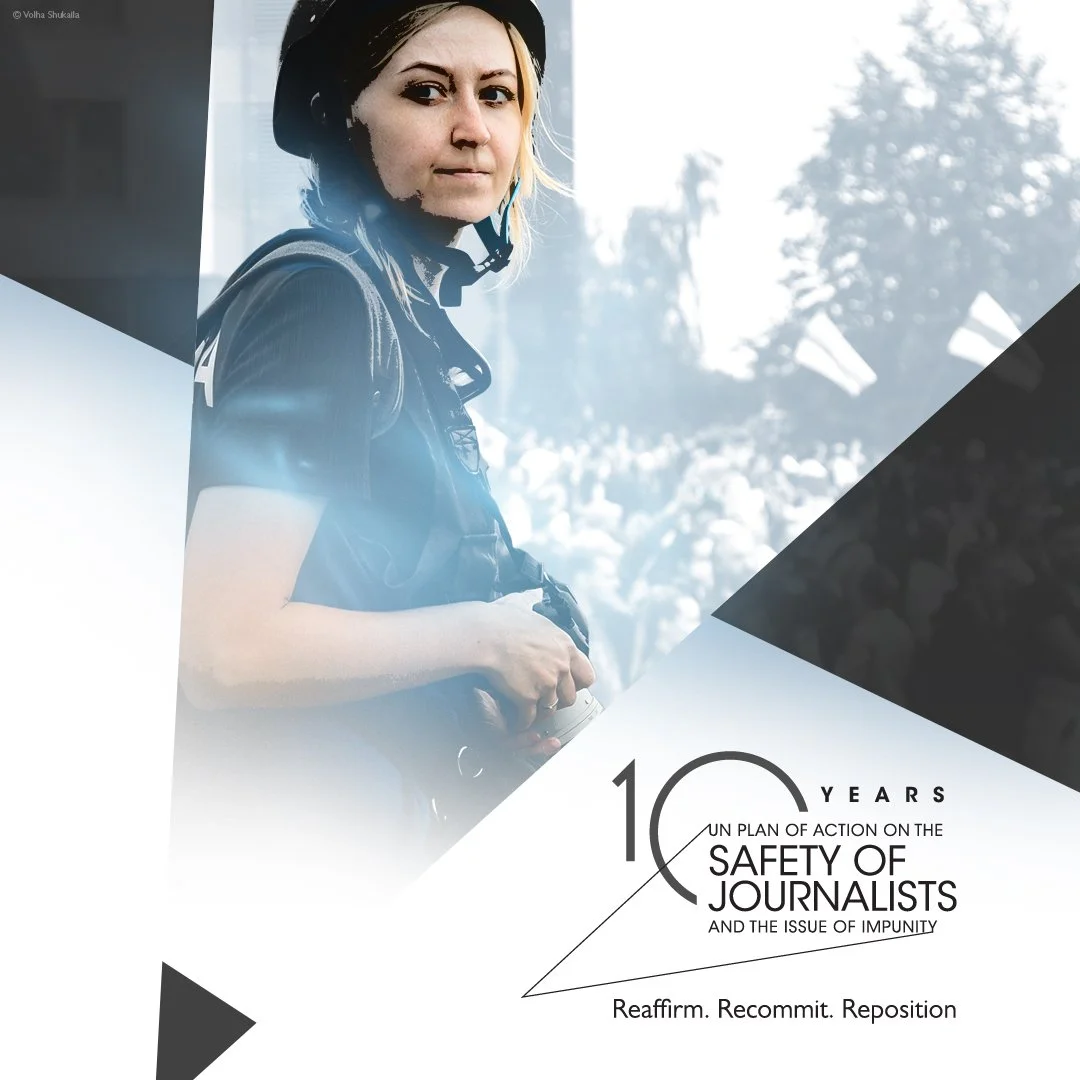
Between 2006 and 2020, over 1,200 journalists have been killed around the world, with close to 9 out of 10 cases of these killings remaining judicially unresolved, according to the UNESCO observatory of killed journalists.
On the 10th Anniversary of the UN Plan of Action on the safety of Journalists and the issue of impunity, the U.S. State department issed the below statement
U.S. DEPARTMENT OF STATE
Office of the Spokesperson
STATEMENT BY NED PRICE, SPOKESPERSON
The International Day to End Impunity for Crimes against Journalists
A free and independent press plays a critical role in promoting democracy and shining a light on developments around the world – whether daunting or hopeful. Journalists are the bedrock of an independent press, providing the public with facts and holding governments to account, often while facing danger and adversity. On International Day to End Impunity for Crimes against Journalists, we reiterate our calls for justice for brave journalists across the globe.
Since 1992, over 1,500 journalists and media workers have been killed in pursuit of information, with most of these cases remaining judicially unresolved. According to the Committee to Protect Journalists, 294 journalists were languishing in jail for doing their work as of last December. Increasingly, journalists face threats and attacks online, where identifying and holding to account the perpetrator can be difficult. Women journalists are disproportionately targeted by online harassment and abuse, which compounds the forms of violence they experience offline. Per a UNESCO survey, 73 percent of women journalists have been harassed online due to their work. We have also seen an increase in governments reaching beyond their borders through misuse of digital surveillance tools that track journalists’ communications and whereabouts. Digital surveillance and online threats can fuel offline threats and violence, ultimately constraining journalists’ ability to report accurate information.
The UN Plan of Action on the Safety of Journalists was established 10 years ago as a multi-stakeholder approach to protect journalists through legislation, mechanisms, and guides aimed at creating a secure and just environment for media. Despite these efforts, the international community must continue to take a stand against physical attacks, intimidation lawsuits, transnational repression, and regulatory pressures that silence media—online and offline.
Today, the United States renews our commitment to an open and free press around the world. We call on other governments to join us in condemning crimes against journalists and holding accountable those who attack press freedom.
###
Photo credit: UNESCO
Share this story

PUBLIC ART MEETS WILDLIFE CONSERVATION AT JAGUAR PARADE NYC 2022
Several jaguar sculptures painted by great artists will be exhibited in iconic locations throughout New York City. The event will culminate in an online art auction on Oct 5- 20, with 100% of the net proceeds going to jaguar conservation efforts. Jaguar Parade NYC 2022/Onca-Mimética by Irmãs Gelli
By Oyiza Adaba | Africa-Related New York

inspiration behind it
"All fauna, the forest and the people who live in it have the right to life. May it be green, alive, and free!" The sculpture is a collaboration between Rui Machado, an amazon artist, and Liv Mourão, a Brazilian artist based in NYC. Together, they tell through the design the life of the people, fauna, and flora of Amazon and its connection with the jaguars.
Jaguar Parade NYC 2022
If you spot a few brightly painted Jaguar sculptures in the city, you are in for a treat at The Jaguar Parade NYC 2022. This is where art and socio-environmental awareness come together, in what is described by the luxury carmaker as ‘the wildest open-air art exhibition’. Several artists and celebrities have been selected to collaborate on creating jaguar sculptures that carry the message of conserving America’s biggest cat.
“Protecting jaguars means protecting the landscapes they depend upon… as the impacts of the current crisis profoundly re-shape our lives and lead us to rethink our relationship with nature…”
- Jaguar
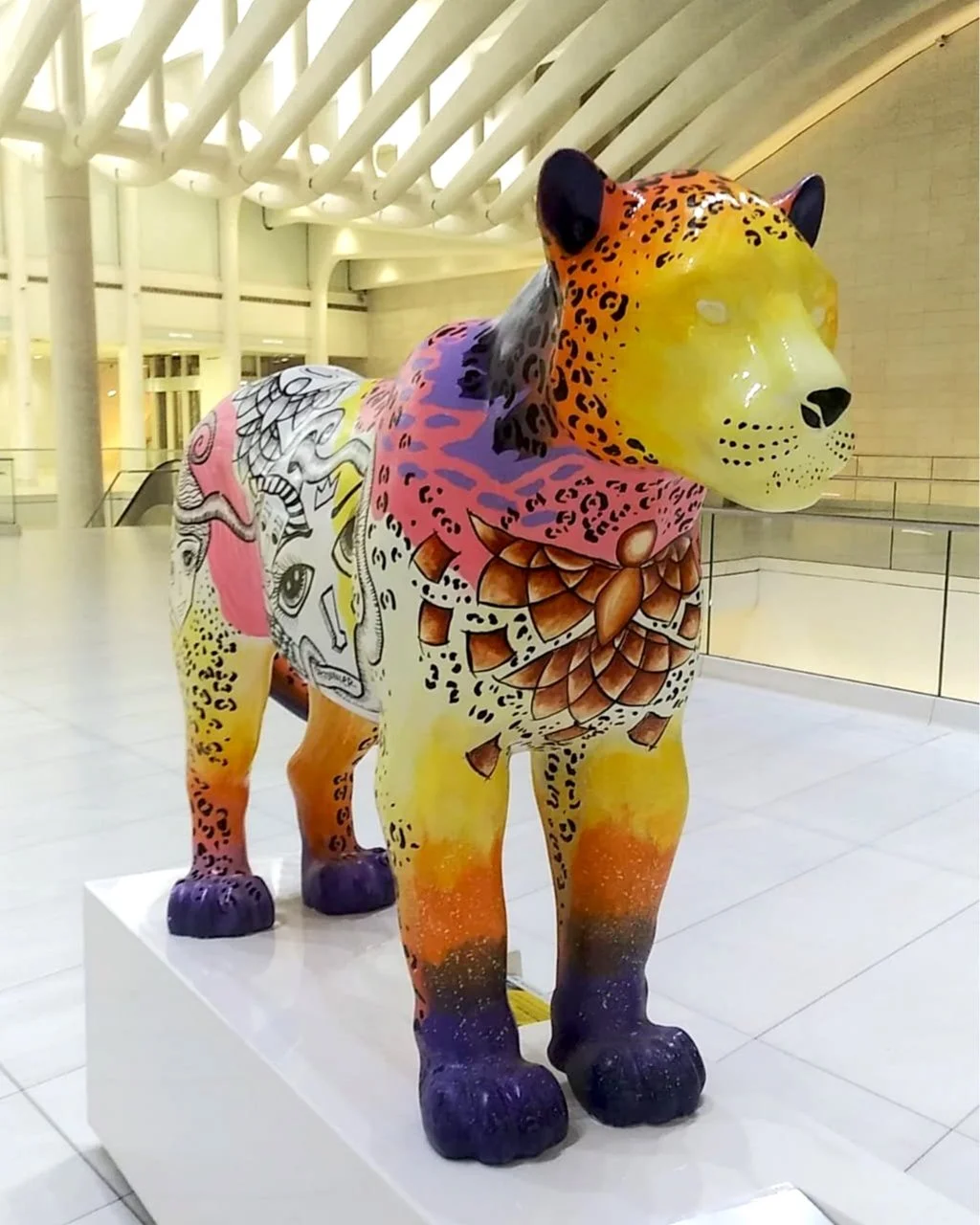
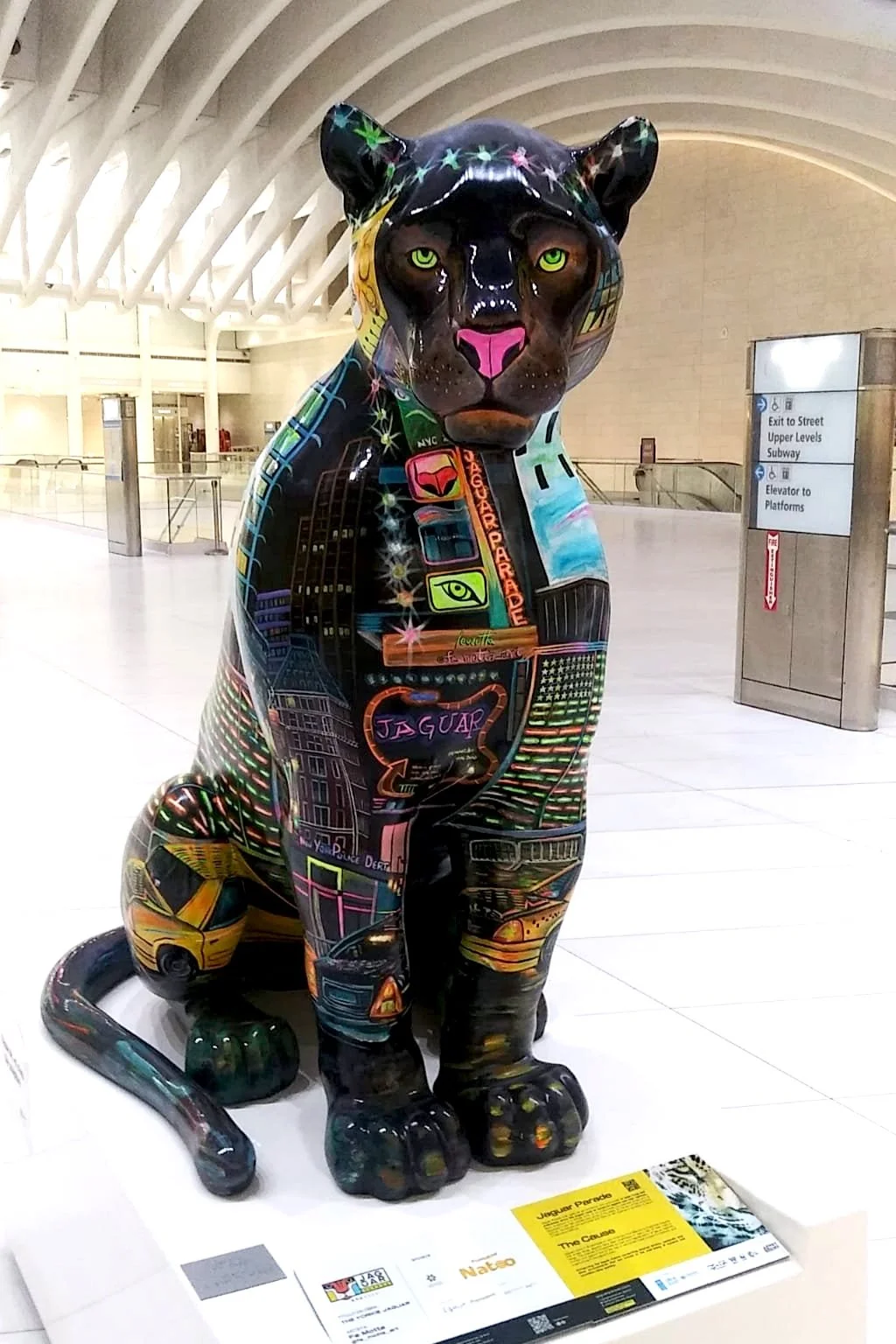
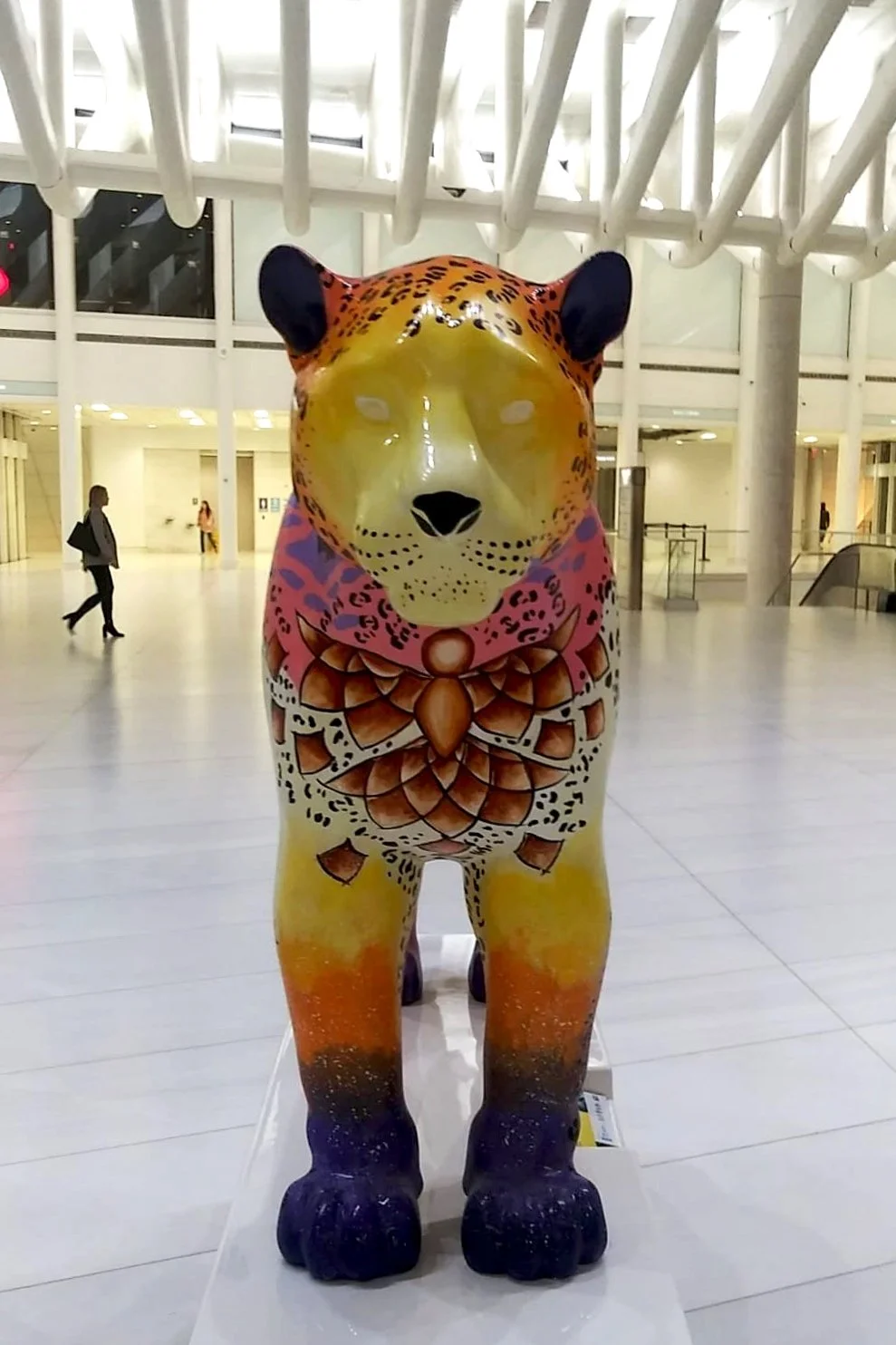
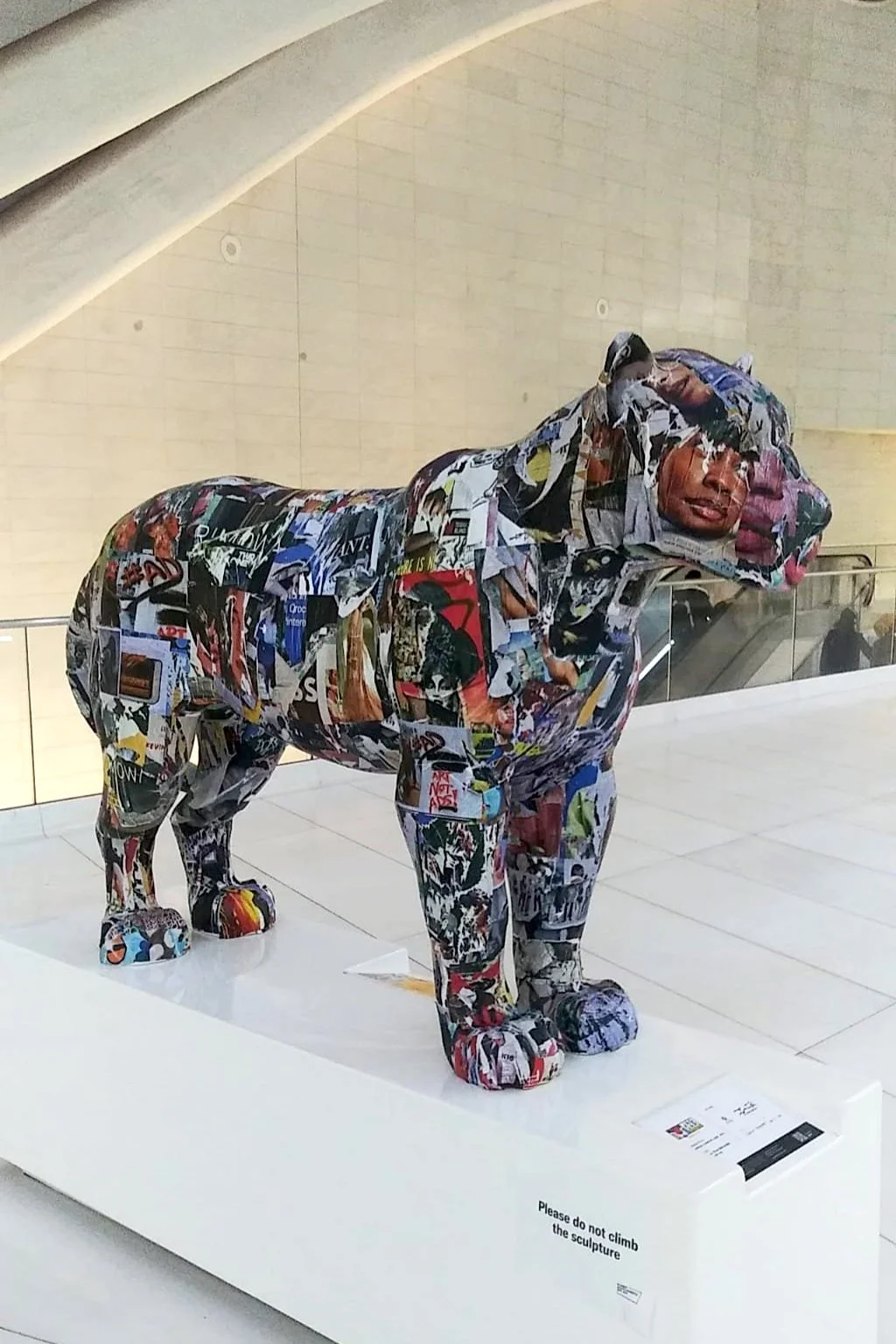
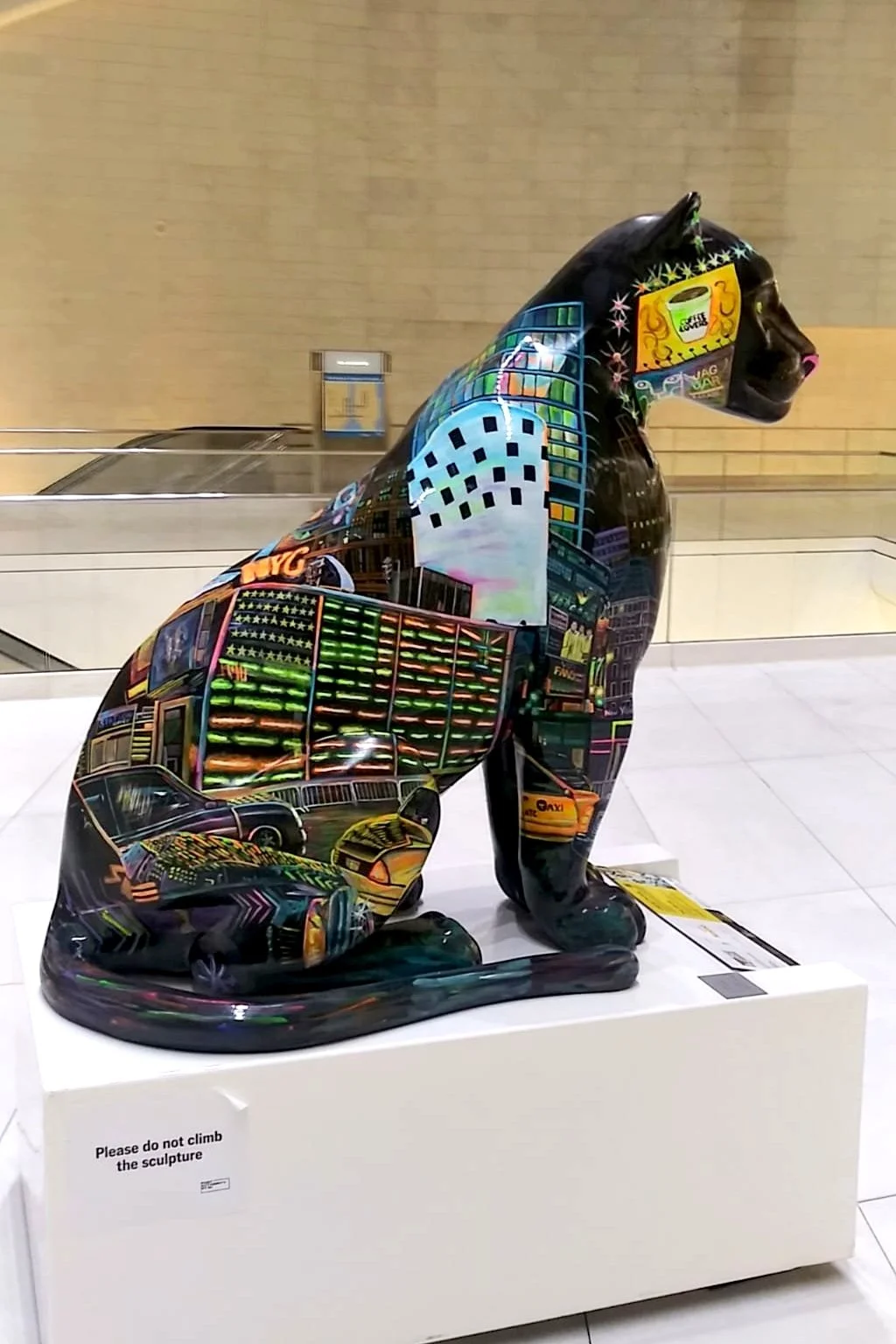
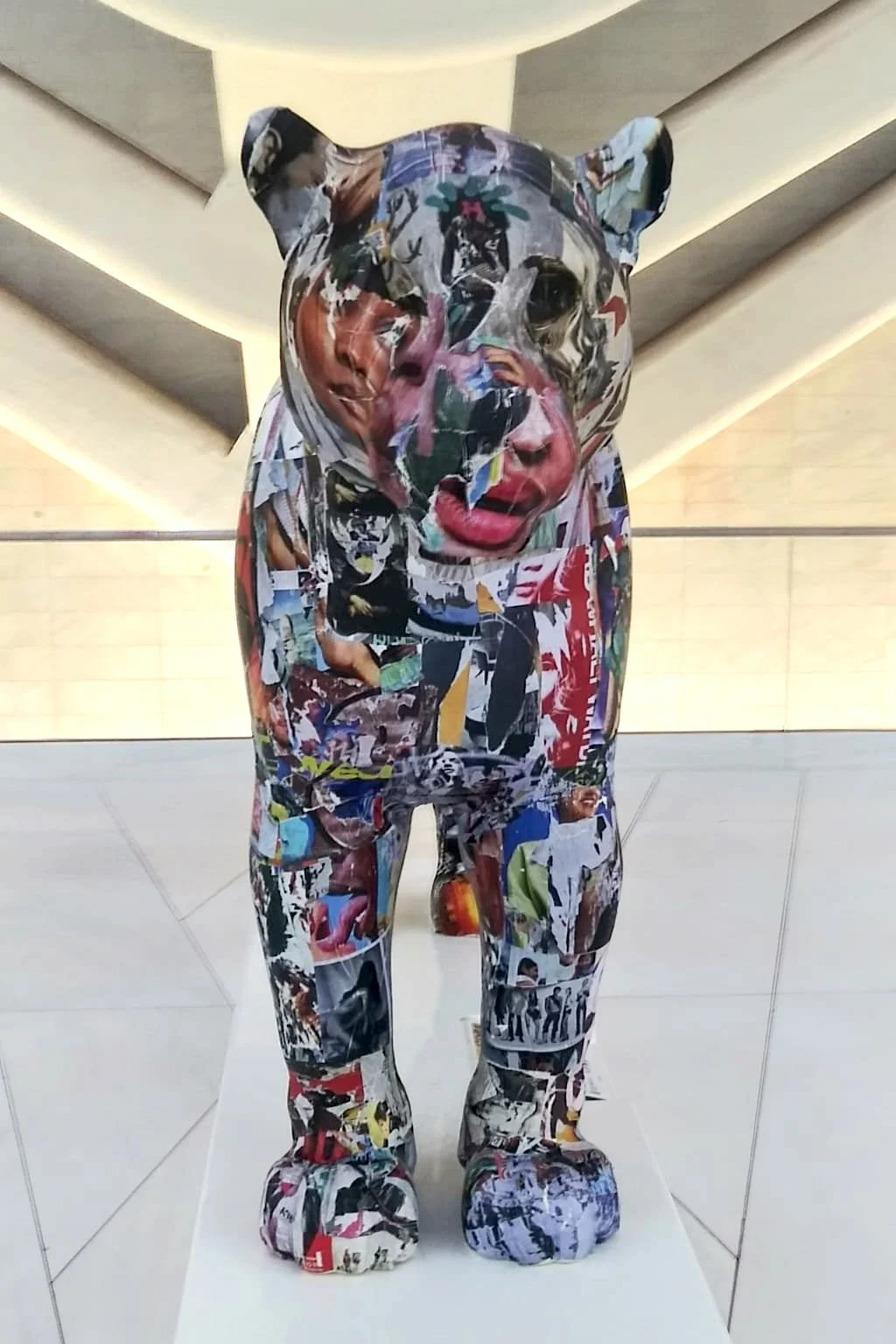
From September 7 to October 5 , dozens of jaguar sculptures painted by great artists will be exhibited at iconic landmarks throughout New York City, such as Central Park Zoo, UN Plaza, Tavern On The Green, Times Square, Fifth Avenue, as well as some private locations. Some sculptures are even part of the ongoing 77th United Nations General Assembly.
The Jaguar is listed as “Near Threatened” on the International Union for the Conservation of Nature (IUCN) Red List of Threatened Species. Jaguars currently inhabit 18 Latin American countries, from Mexico to Argentina, but have been eradicated from nearly half of their historic lands.
The campaign is supported by global conservation organizations including United Nations Environment Programme (UNEP), United Nations Office on Drugs and Crime (UNODC), Wildlife Conservation Society (WCS), Panthera, World Wildlife Fund (WWF), and The Lion’s Share.
It will culminate in an online art auction on Oct 5- 20, with 100% of the net proceeds going to jaguar conservation efforts.
Jaguar Parade’s first edition took place in Sao Paulo from October to November 2019, and at that time, was known as the largest open air urban art exhibition in the history of the city.
Some of this year’s participating sculptors and artists include the below.

Love Jaguar By: Poll Ce + Alexander Milov (New York - United States)

FOREST GUARDIANS By Sophie Reitermann (São Paulo - Brazil)

I Love Myself By: Pedro Silva (New York - United States)

DELICATE By: Ying (New York - United States)
Photos by Jaguar
Share this story
UN General Assembly - 🇳🇬 Nigeria's President Muhammadu Buhari Makes his Last Address
President Muhammadu Buhari of Nigeria addresses the 77th Session of the United Nations General Debate
Africa-Related New York
Watch President Muhammadu Buhari of Nigeria, as he addresses the 77th Session of the United Nations General Debate today.
HIGHLIGHTS
- Growing Food Insecurity
- Climate Change
- Insecurity and Armed Crisis
- Developing Nations Debt Crisis
- Threats to Global Democracy
Share this story
President Biden Announces $2.9 Billion in Additional For Global Food Security at UN General Assembly
FACT SHEET: At United Nations General Assembly, President Biden Announces $2.9 Billion in Additional Funding to Strengthen Global Food Security
Africa-Related New York
The White House released the below fact sheet on this announcement
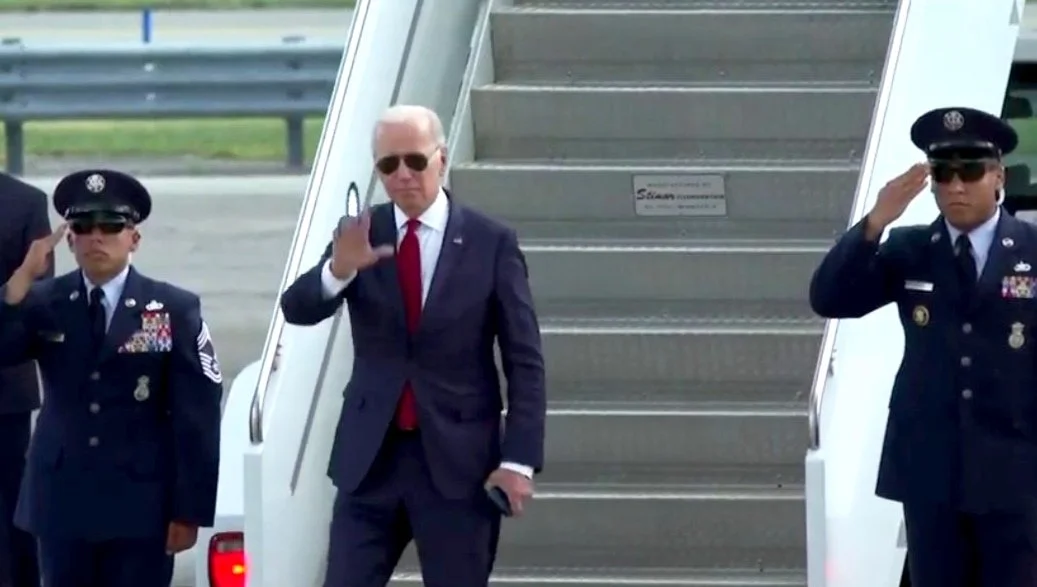
U.S President Joe Biden arrives New York today for the 77th UN General Assembly
FACT SHEET:
Today, in his address to the 77th session of the United Nations General Assembly President Joseph R. Biden, Jr. announced over $2.9 billion in new assistance from the U.S. Government to address global food insecurity. President Biden’s announcement builds on the $6.9 billion in U.S. government assistance to support global food security already committed this year.
The compounding impacts of the pandemic, the deepening climate crisis, rising energy and fertilizer costs, and protracted conflicts - including Russia’s invasion of Ukraine - have disrupted global supply chains and dramatically increased global food prices. A multi-year drought in the Horn of Africa has created a dire humanitarian emergency, with parts of Somalia at risk of famine for the second time in just over a decade. This new announcement of $2.9 billion will save lives through emergency interventions and invest in medium to long term food security assistance in order to protect the world’s most vulnerable populations from the escalating global food security crisis.
Yesterday, the United States convened a Global Food Security Summit co-chaired by Secretary of State Antony Blinken with the leaders of the European Union, African Union, and Spain, and co-hosted with Germany, Nigeria, Indonesia, and Colombia, on the margins of the UN General Assembly’s High-Level Week. The Global Food Security Summit reaffirmed the commitment of world leaders to act with urgency and at scale to respond to the pressing global food crisis and avert extreme hunger for hundreds of millions of people around the world. President Biden will also convene the White House Conference on Hunger, Nutrition, and Health, on September 28, to end hunger and reduce diet-related diseases here at home.
Today, President Biden announced the following additional investments in lifesaving humanitarian and food security assistance this year:
Global Humanitarian Assistance: President Biden announced an additional $2 billion in global humanitarian assistance through USAID. This funding will help save lives in countries facing food security crises, including through food and nutrition assistance, health care, safe drinking water, protection for the most vulnerable, and other vital relief. This funding increase emergency food security programming in those countries most impacted by the pandemic, the climate crisis, and the rise in food prices and supply chain constraints resulting from Russia’s invasion of Ukraine.
Global Development Assistance: President Biden also announced $783 million in global development assistance funding, including:
$140 million in new development funding, subject to Congressional notification, to accelerate last-mile delivery of agricultural tools, technologies, and production methods that will help smallholder farmers to boost their productivity, efficiency, and incomes. This funding will go towards the U.S. government’s Feed the Future Initiative to scale a rapid response for smallholder systems in sub-Saharan Africa through the new Accelerated Innovation Delivery Initiative. This will support smallholder producers, small and medium agricultural enterprises, and national partners to maintain food production in the face of volatile global commodity prices and disrupted supply chains.
$220 million, through the U.S. Department of Agriculture, for eight new school feeding projects that are expected to benefit nearly a million children in food-insecure countries in Africa and East Asia. Funds are being awarded through the McGovern-Dole International Food for Education and Child Nutrition Program.
$178 million, through the U.S. Department of Agriculture, for seven international development projects on four continents to support U.S. government priorities including promoting climate-smart agriculture, facilitating trade, and addressing the root causes of migration in Central America. The funds are being awarded under the Food for Progress Program, through which USDA’s Foreign Agricultural Service partners with non-governmental organizations and foreign governments on projects that help developing countries strengthen their agricultural systems and boost their trade capacity.
Through the Millennium Challenge Corporation (MCC), the U.S. government and the Government of Malawi will also sign a new Malawi compact later this month. This compact includes a $245 million Accelerated Growth Corridors Project, which sets out an ambitious agenda to reduce transport costs and better connect goods, farms, and rural populations to markets.
Global Agriculture and Food Security Program (GAFSP): President Biden announced that the United States has contributed $150 million to the Global Agriculture and Food Security Program, enabling the first new Call for Proposals since the start of the COVID-19 pandemic. The U.S. contribution will encourage other donors—both government, multilaterals, and philanthropic groups—to match and announce additional commitments to support GAFSP’s Call. Given the scale of the challenge, the United States believes we can only overcome global food insecurity by working together to create innovative partnerships with international financial institutions, international organizations, and other key stakeholders. Through the Call, GAFSP will enable us to collaboratively respond to the most urgent needs of the growing food security crisis.
Share this story
U.S Secretary of State Blinken to Attend 77th United Nations General Assembly;
Secretary of State Antony J. Blinken will travel to New York City September 18-23 to participate in the 77th Session of the United Nations General Assembly High Level Week
By Africa-Related New York
U.S. DEPARTMENT OF STATE
Office of the Spokesperson
STATEMENT BY NED PRICE, SPOKESPERSON
Secretary of State Antony J. Blinken will travel to New York City September 18-23 to participate in the 77th Session of the United Nations General Assembly High Level Week. While in New York City, the Secretary will meet with UN officials and counterparts on the margins of the event.
Stay connected with the Office of Press Relations:
What is the UN General Assembly and what happens there?
Share this story
U.S Supports UN Permanent Forum on International Day for People of African Descent
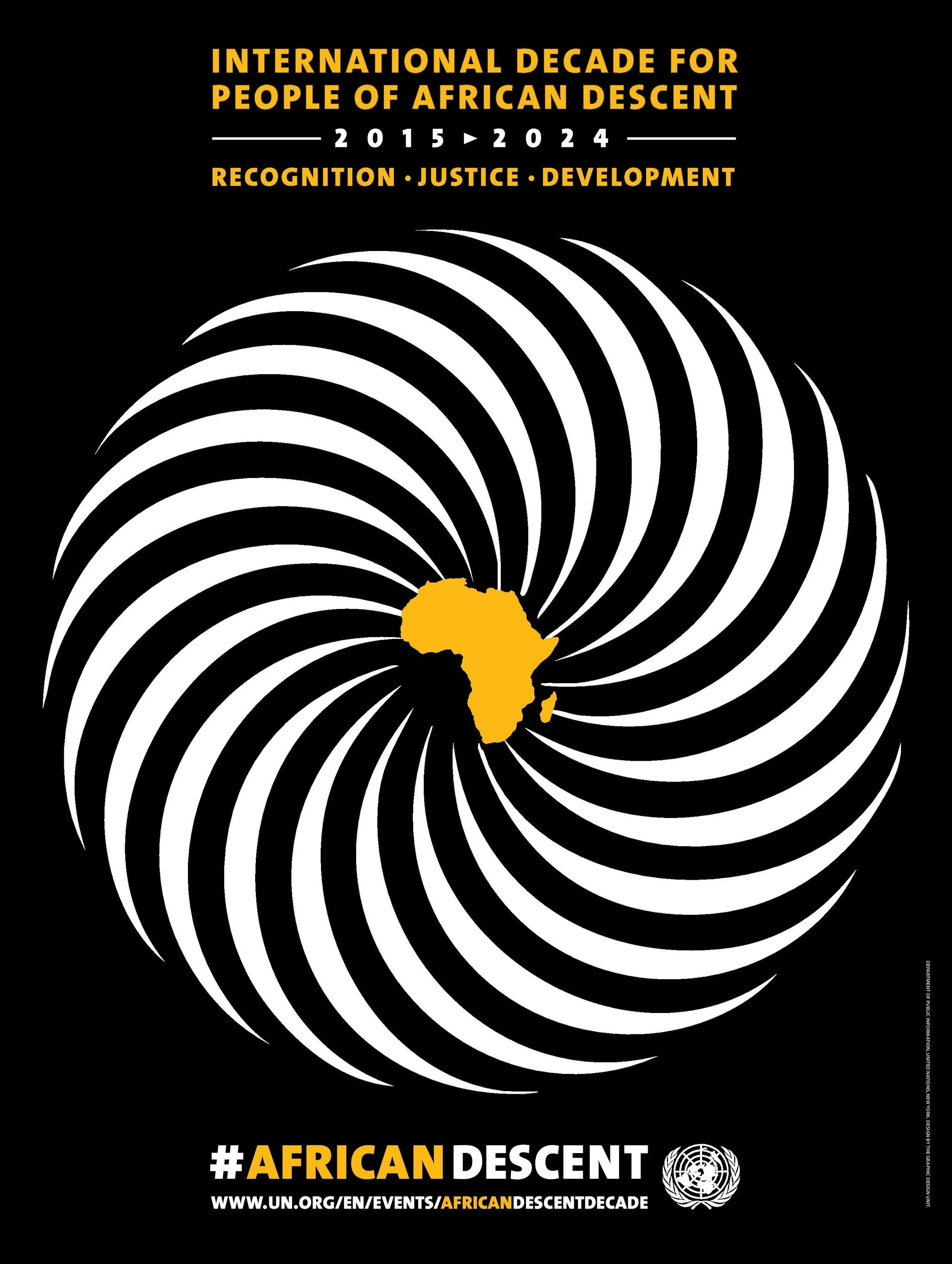
August 31 marks the 2nd anniversary of the International Day for People of African Descent, a day created by the United Nations to celebrate the achievements of people of African descent worldwide.
By Oyiza Adaba | Africa-Related New York
“It is essential that we continue to speak up – loudly and without fail – against any notion of racial superiority and that we work tirelessly to free all societies from the blight of racism.”
— UN Secretary-General António Guterres
2014-2024
How much progress has been made in the UN’s International Decade, aimed at advancing social justice, eradicating racism and promoting human rights for people of African descent?
August 31 marks the 2nd anniversary of the International Day for People of African Descent, a day created by the United Nations to celebrate the achievements of people of African descent worldwide.
A panel of experts came together to examine The Critical Role of Racial Equity and Justice in U.S. Foreign Policy and to highlight their works in the last year to protect and advance human rights, to combat systemic racism, discrimination and xenophobia around the world as well as the work of the United Nations Permanent Forum on People of African Descent.
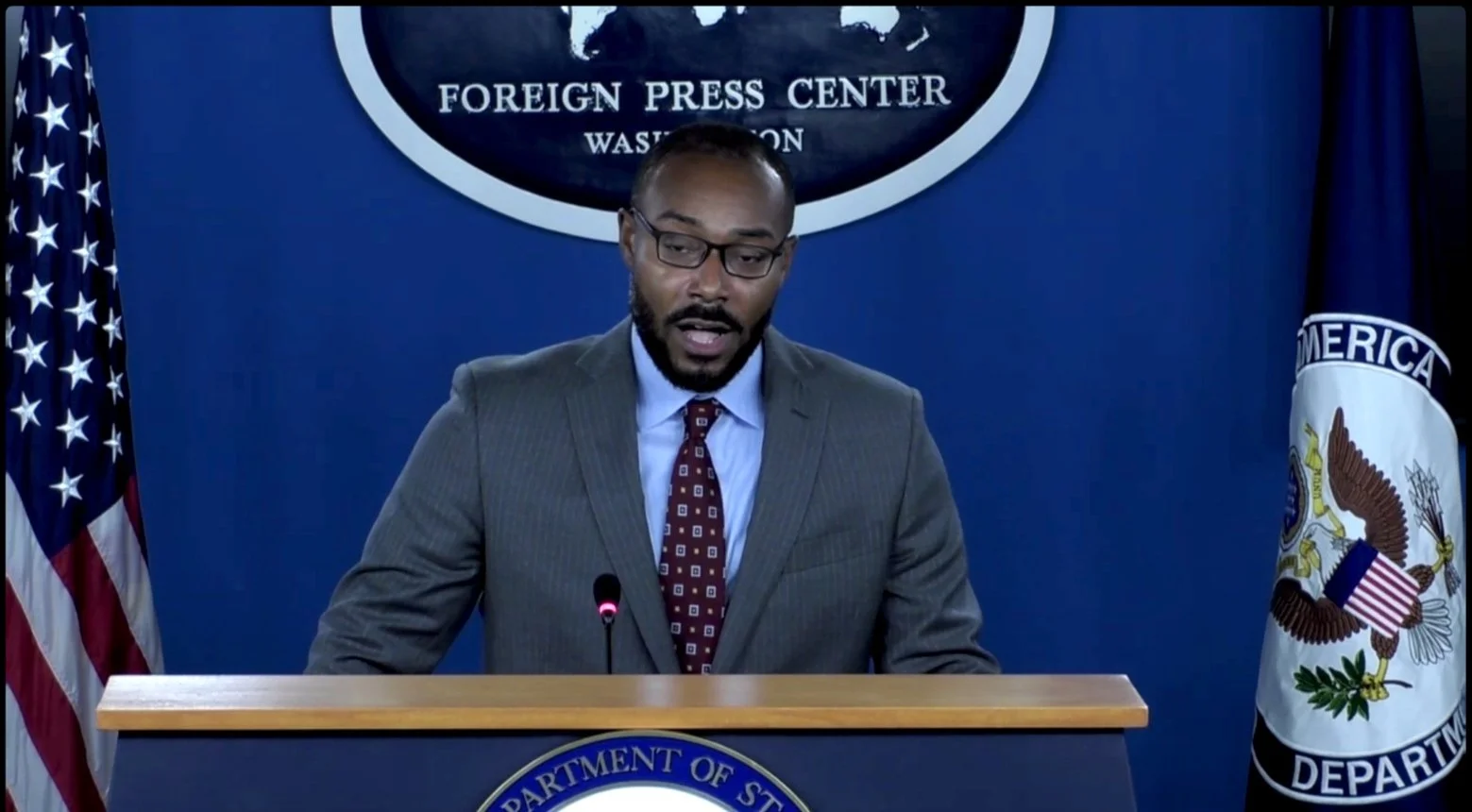
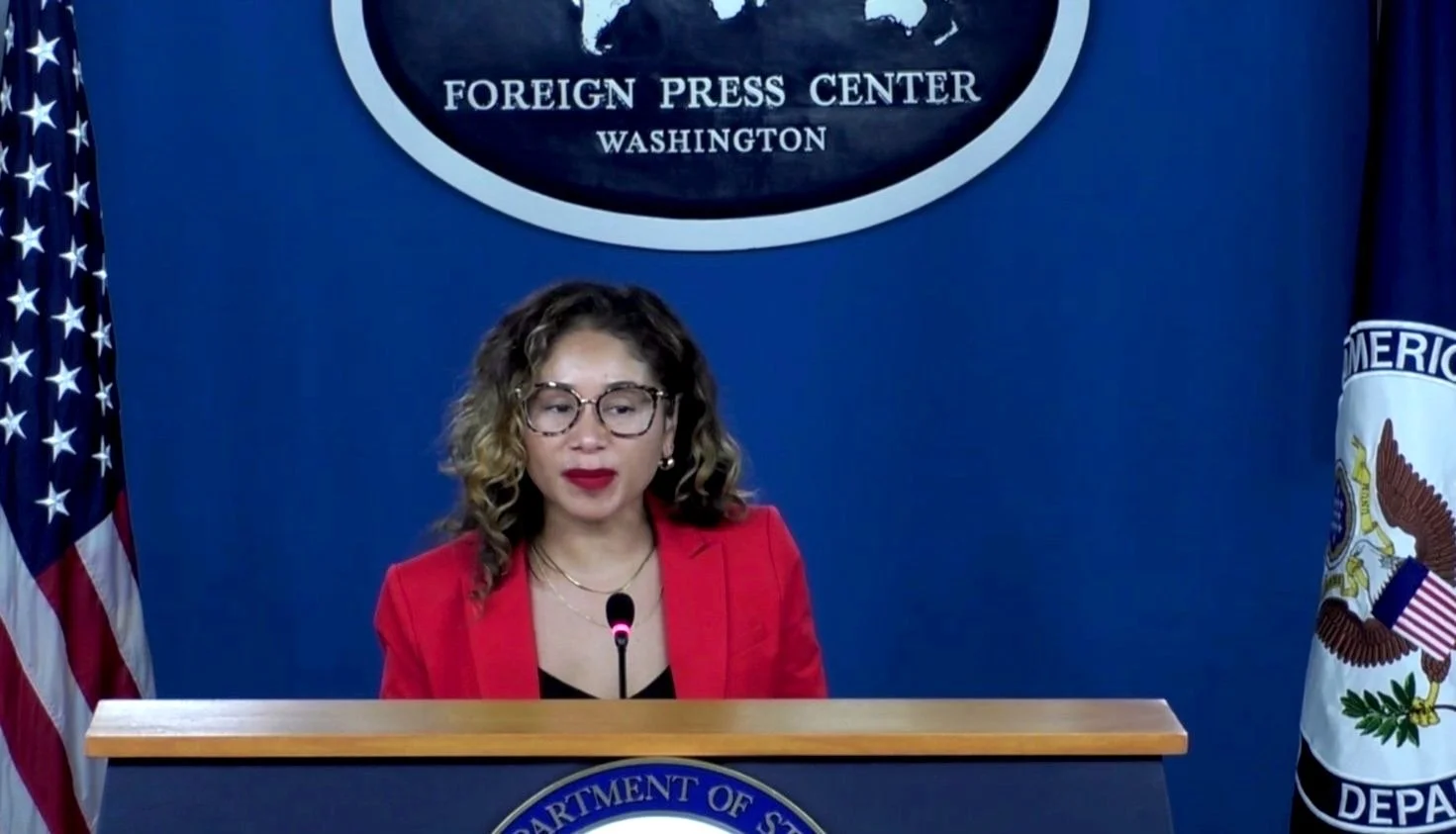
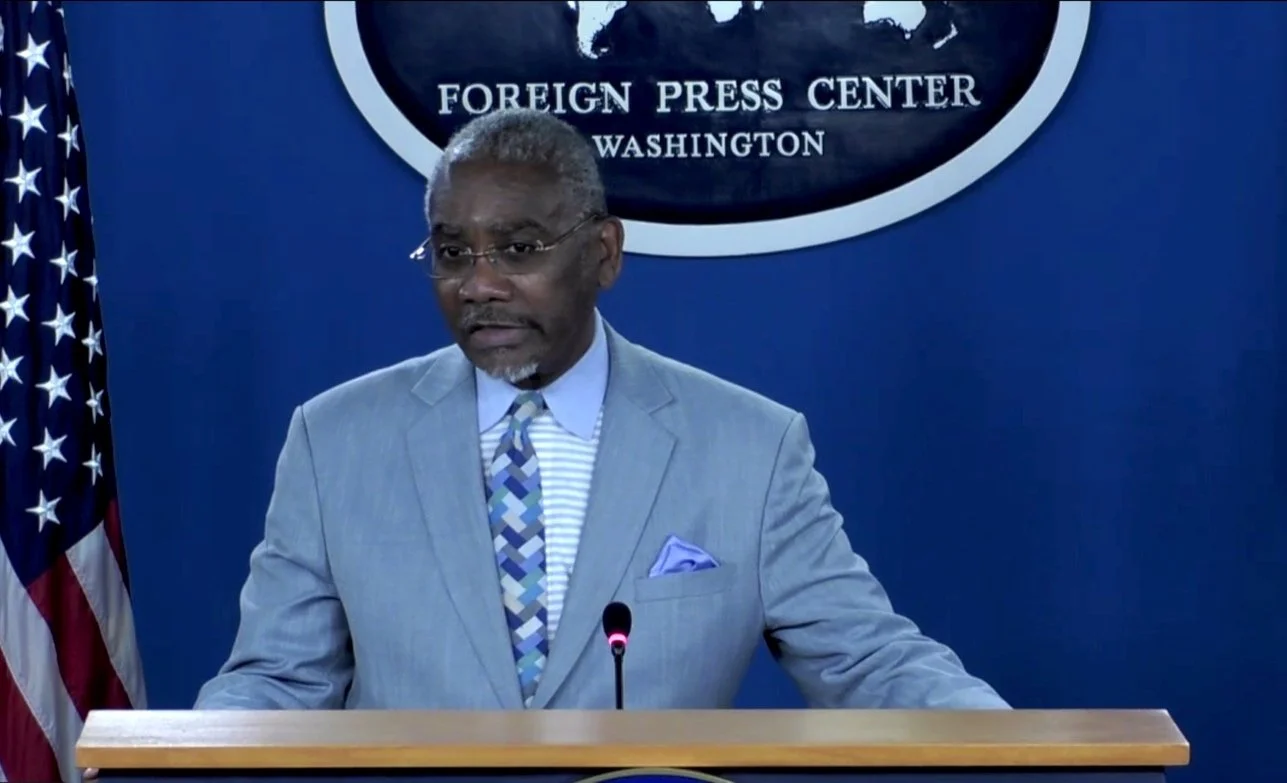
The briefers include the U.S. Representative to the United Nations Amb. Linda Thomas- Greenfield , The Honorable Congressman Gregory W. Meeks, Chairman of the House Foreign Affairs Committee, Special Representative for Racial Justice and Equity Desiree Cormier Smith and Justin Hansford, Howard University Law Professor.
All speakers touched on US efforts around the world in highlighting the indispensable contributions of Africans and people of African descent in multiple facets of society, while calling for people worldwide to continue to stand united inspite of the profound injustices and systemic discrimination they may confront today.
“Honoring this day means not shrinking away from our painful past or our current responsibilities.”
- Amb. Linda Thomas- Greenfield U.S. Representative to the UN
These U.S efforts in the last year include support for the UN Permanent Forum for people of African descent, partnerships with Historically Black Colleges and Universities (HBCU), which led to the creation of the Thurgood Marshall Centre at Howard University Washington D.C, as well as various country programs in Mali, Columbia , Mauritania and Brazil.
“We need voices”
- Gregory W. Meeks, Chairman of the House Foreign Affairs Cmtee
The 193-member UN body unanimously adopted a resolution establishing this office, presided over by a 10-member advisory body, who have set targeted goals by 2024.
Some of the key questions that arose include placements of key policy makers of African descent around the world and collaborative platforms for advancement? All these, as we look ahead to the second U.S.-Africa Leaders Summit in December
See press briefing transcript here
Share this story
W.E.B. DU BOIS MUSEUM COMPLEX GHANA - Restoration Plan Commences
The W.E.B du Bois Center in Ghana is where the remains of Man, his wife Shirley and vast collection of books and personal items have been since his death on August 27, 1963.
By Oyiza Adaba | Africa-Related New York
And Beatrice Arthur | Ghana
The great African-American Scholar, Civil Rights Activist and father of Pan-Africanism who influenced the likes of Ghana’s first Prime Minister/President Kwame Nkrumah, envisioned Ghana to be his final resting place.
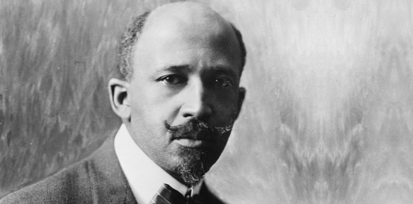
W.E.B du Bois Photo by webdbmf.org
This symbolic and historic gesture gave birth to the W.E.B du Bois Centre in Accra, where the remains of the Man, his beloved wife Shirley and the vast collection of his books and personal items have been, since his death on August 27, 1963. He had spent a good part of 1961-1963 in Ghana curating the contributions of Africans to global development in the five-volume Encyclopedia Africana. Du Bois was interred in a state funeral outside Christiansborg Castle in Osu, formerly a holding pen for the slave cargoes bound for the Americas.
“I had planned an "Encyclopedia Africana" in 1909 but my leaving Atlanta for New York postponed this project and the World War prevented its renewal. In 1934 I was chosen to act as editor-in-chief of a new project of the Phelps-Stokes Fund to prepare and publish an Encyclopedia of the Negro. I spent nearly ten years of intermittent effort on this project and secured cooperation from many scholars, white and black, in America, Europe and Africa. But the necessary funds could not be secured. Perhaps again it was too soon to expect large aid for so ambitious a project directed by Negroes and built mainly on Negro scholarship. Nevertheless, a preliminary volume summarizing this effort was published in 1945. (p.302)
- W. E. B DU Bois 1968 Autobiography
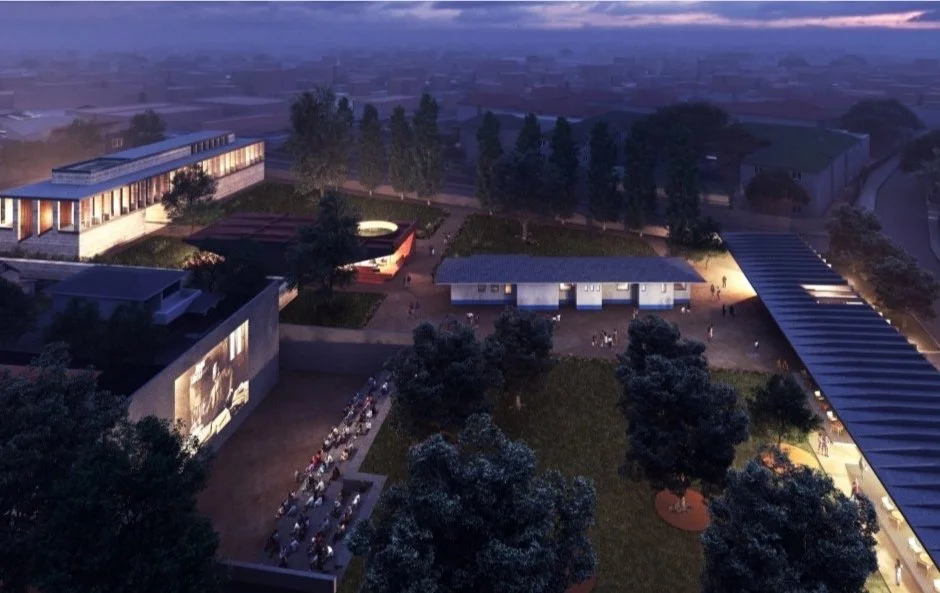
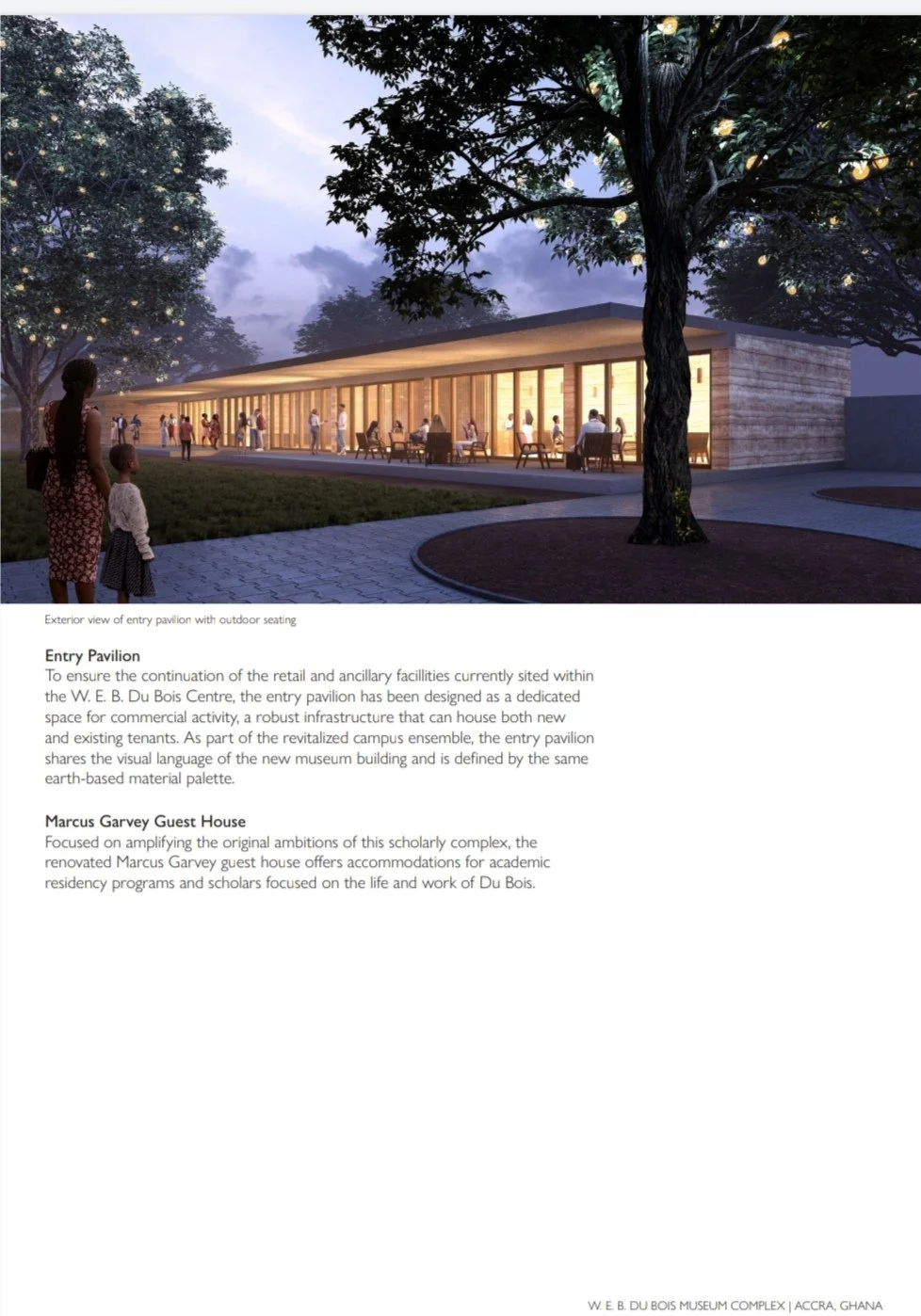
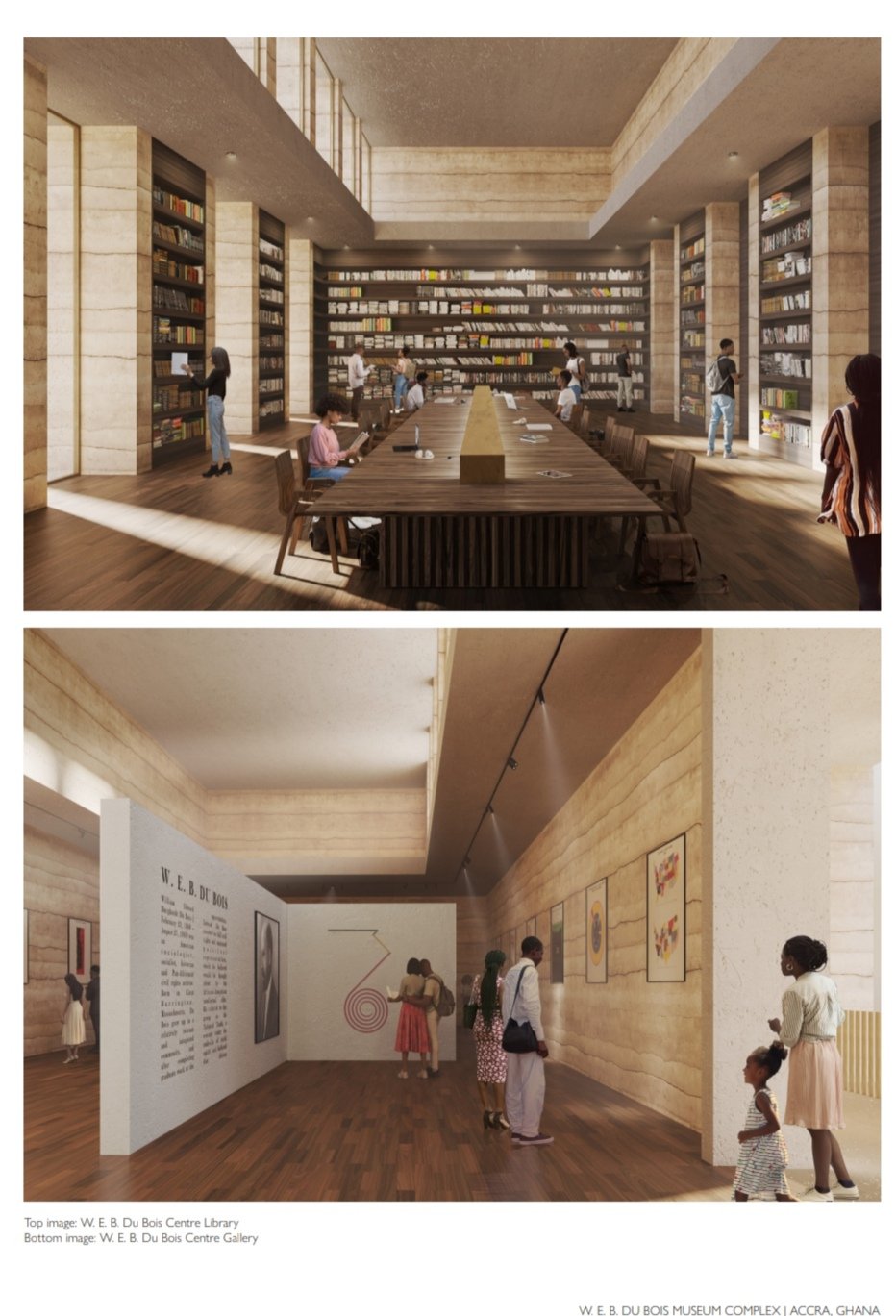
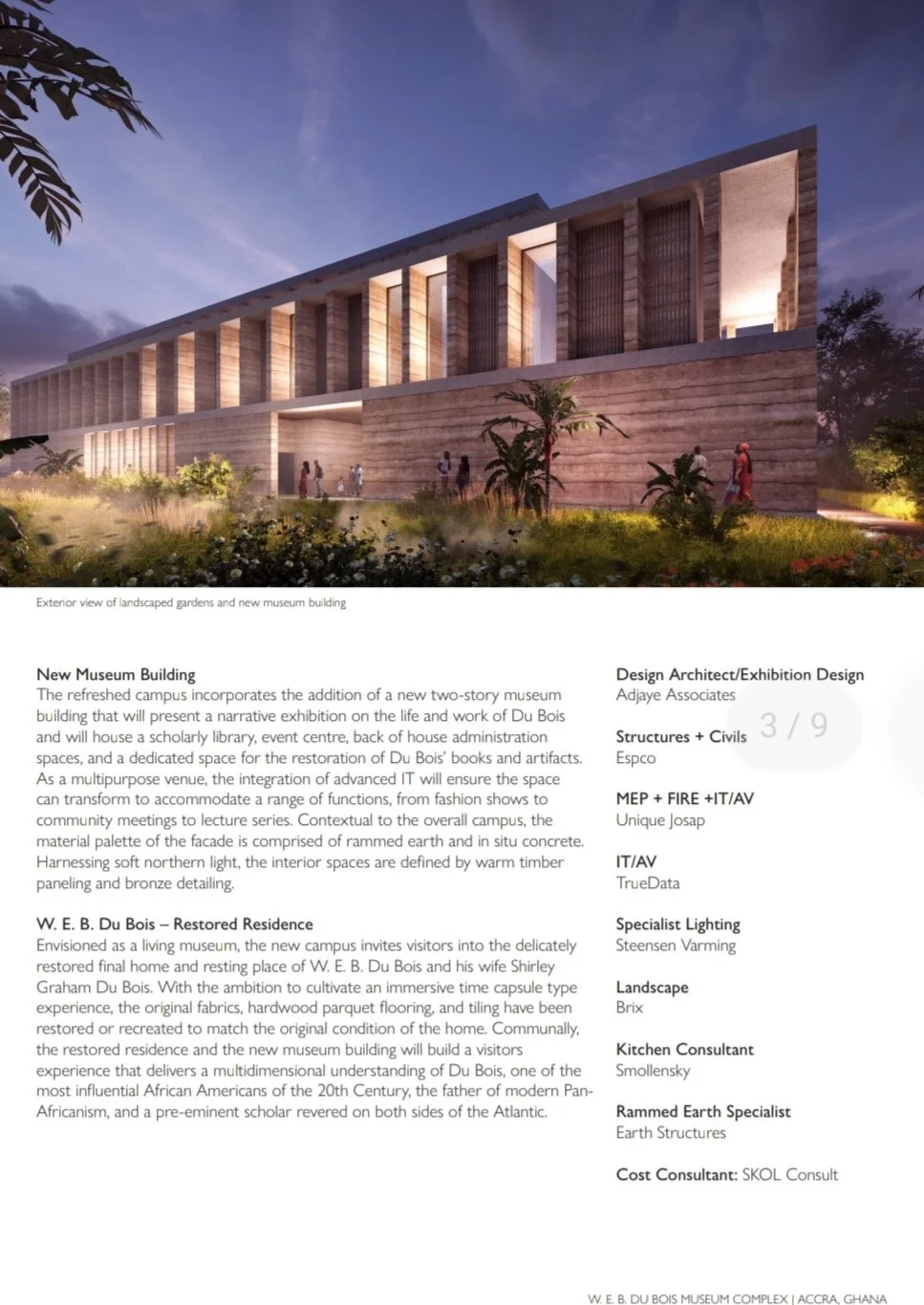
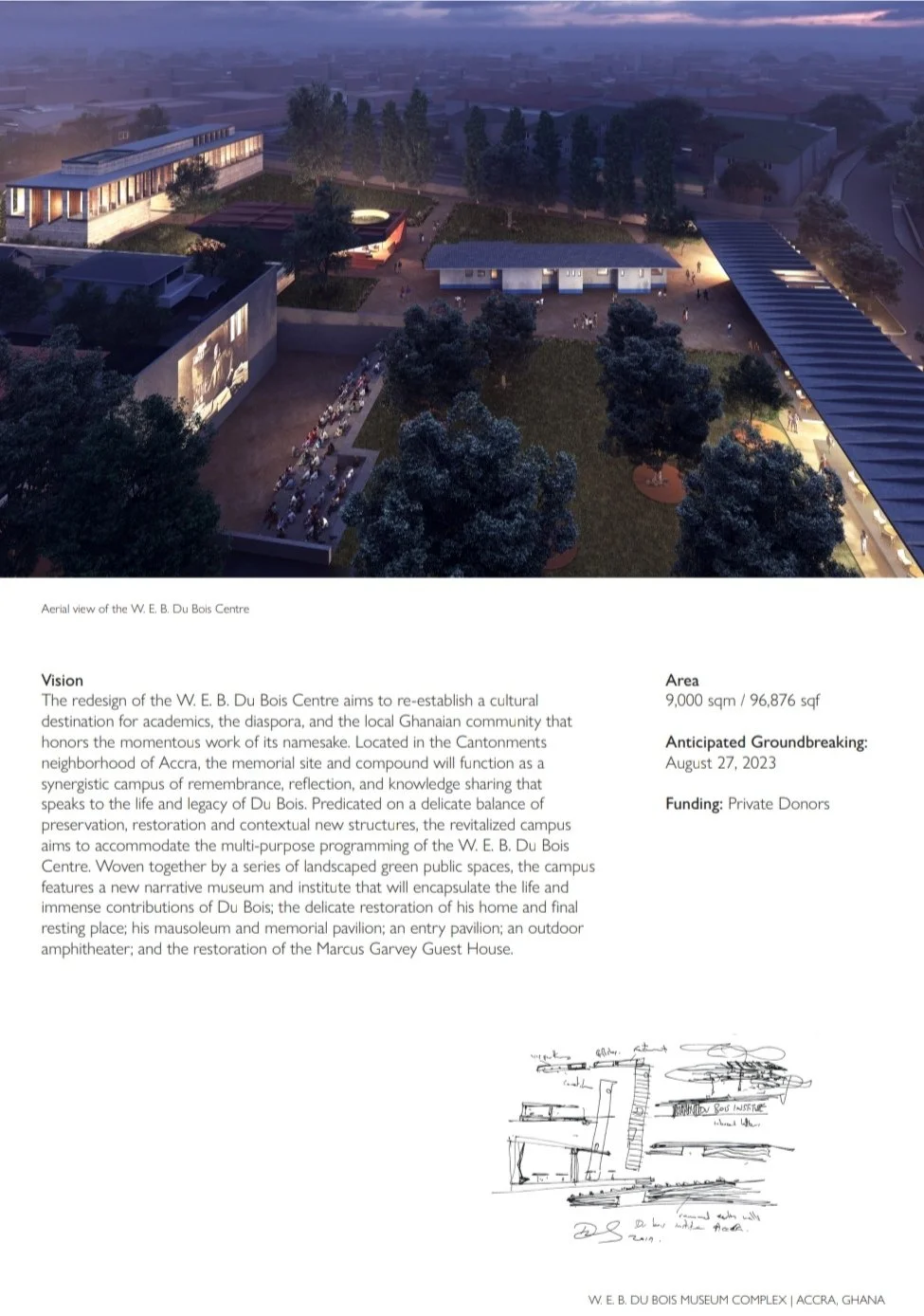
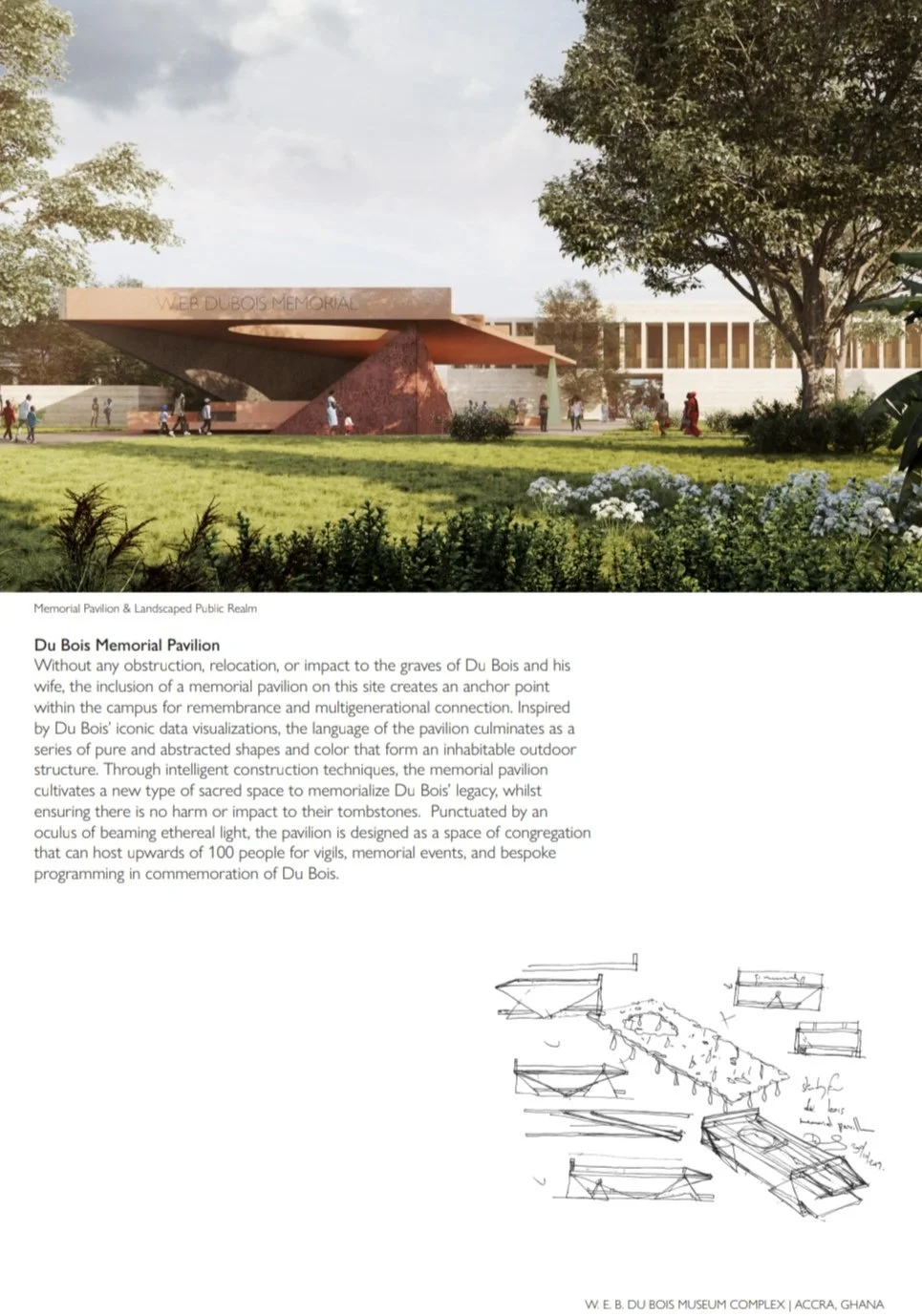
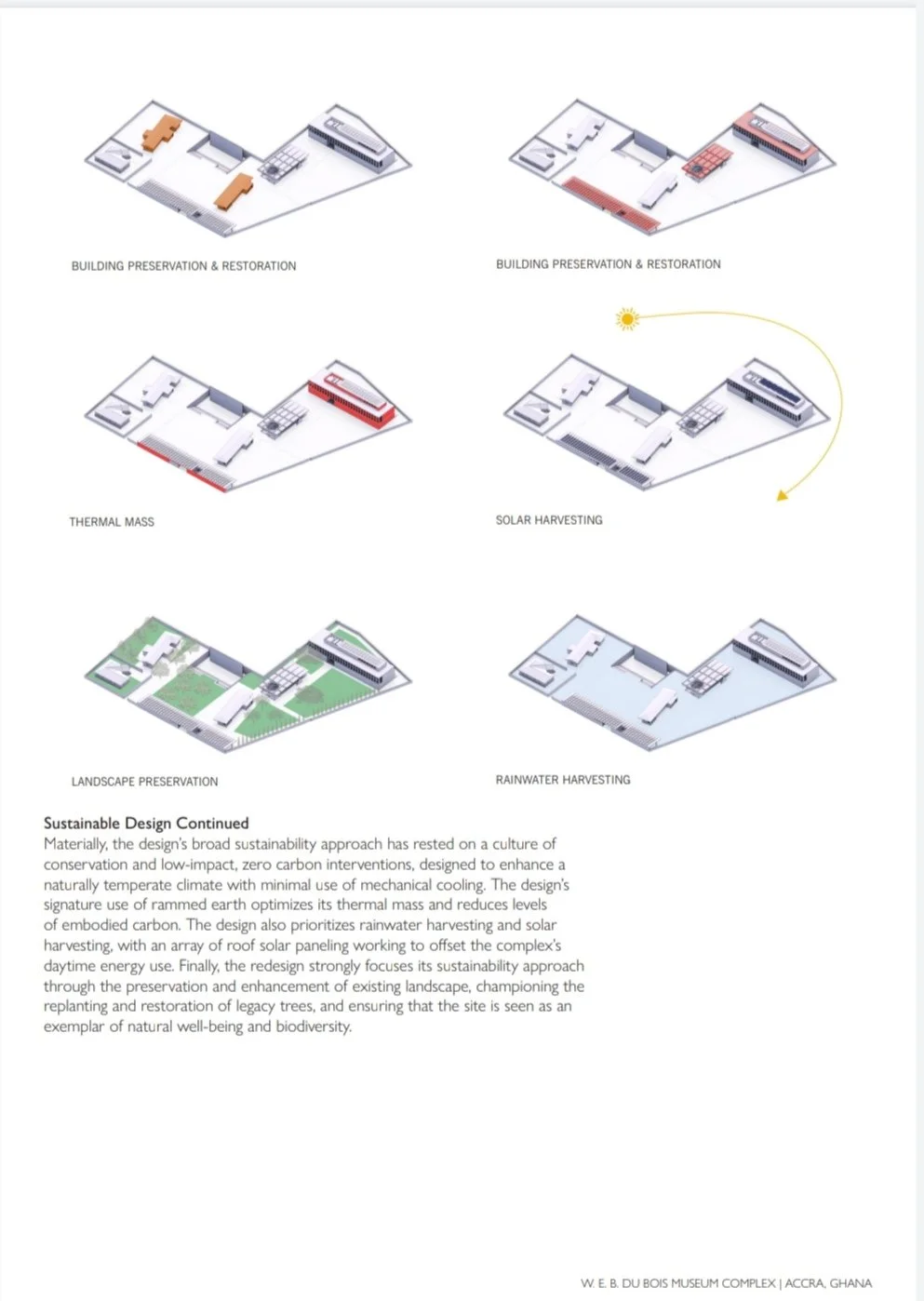
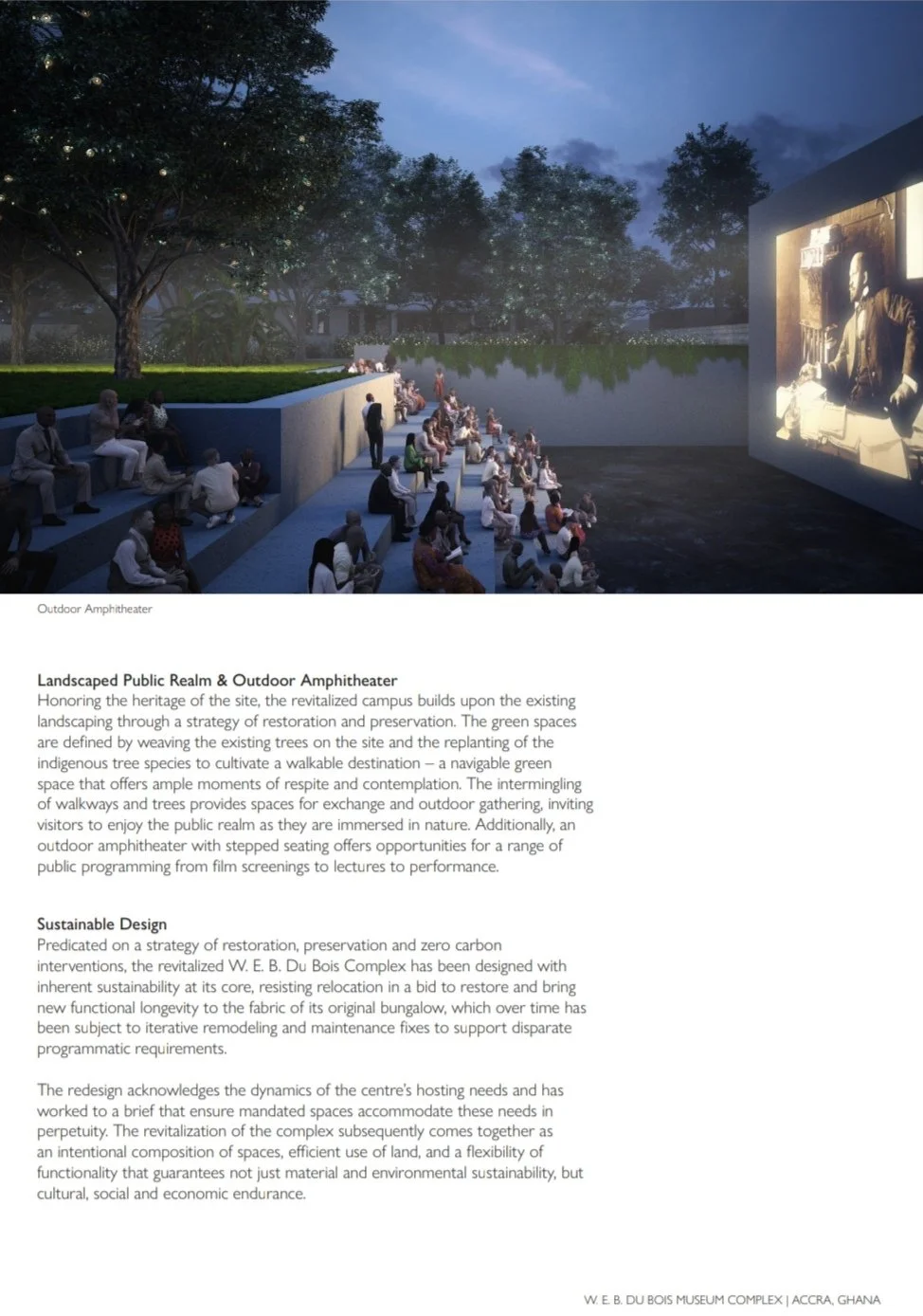
In recent times however, that vision has weathered the storms of indifference and neglect, giving room for a new vision by the management of the W.E.B Du Bois Museum Foundation. Headquartered in New York and under the leadership of Japhet Aryiku, the Foundation stresses that the redesign and expansion project aims to re-establish a cultural destination for academics, the diaspora, and the local Ghanaian community that honors the momentous work of its namesake.
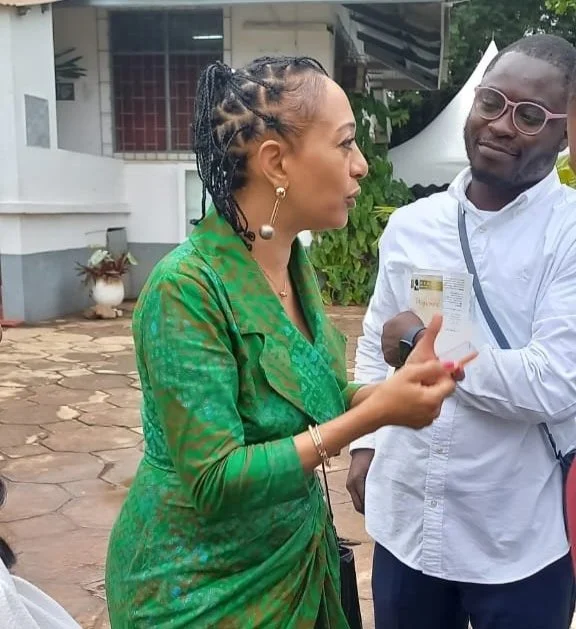
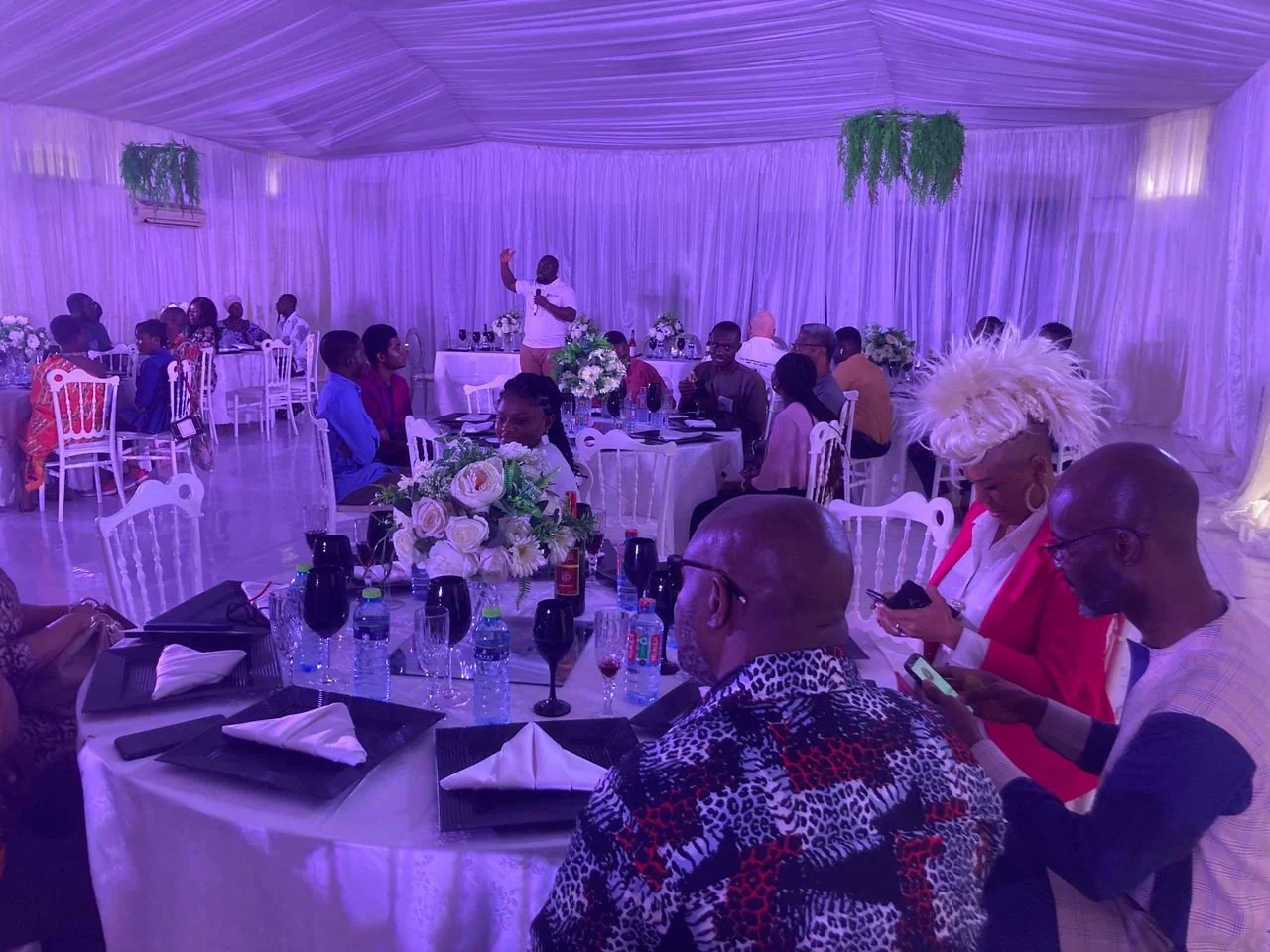
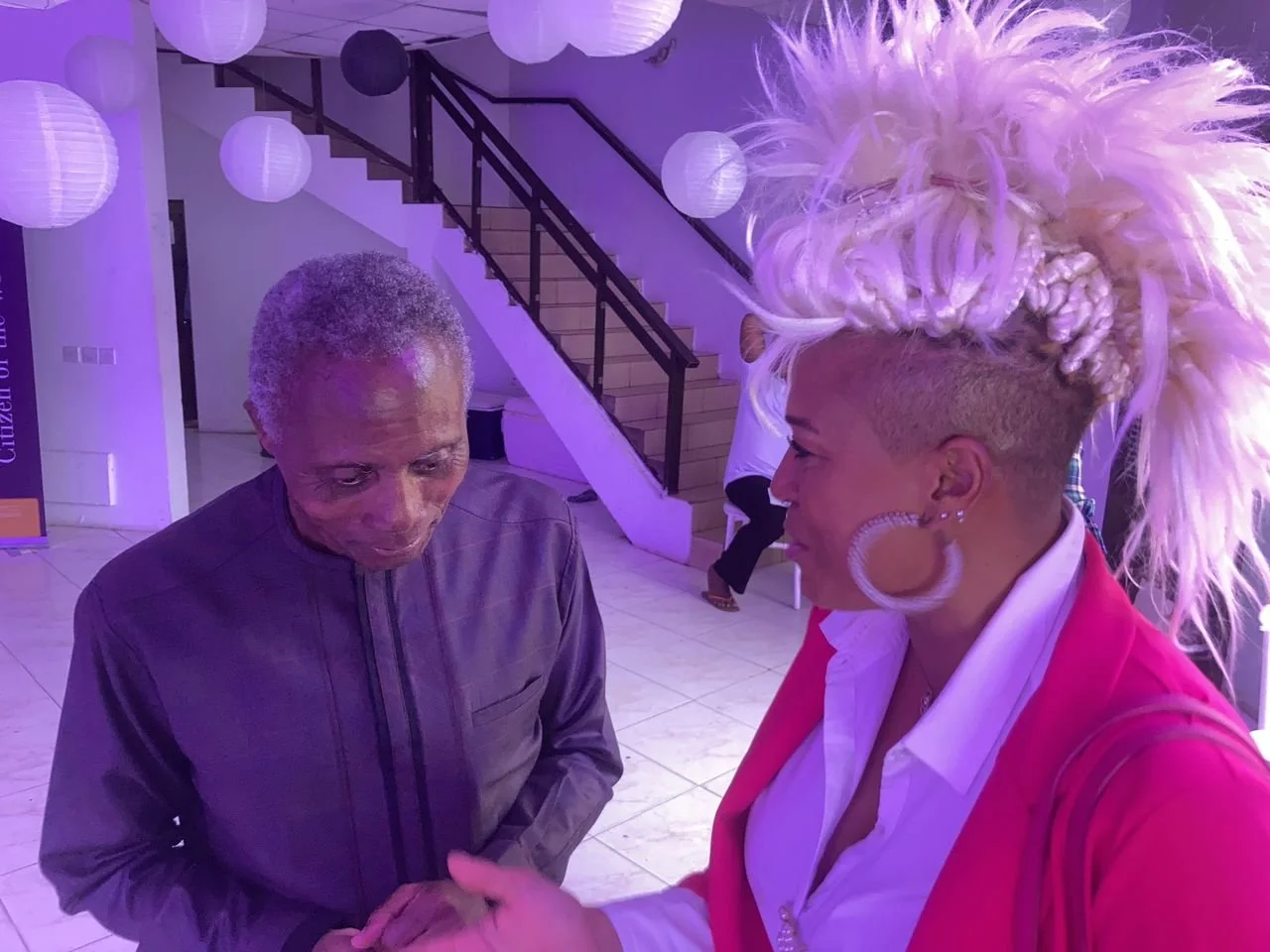
On the 59th anniversary of his death, this milestone unveiling was witnessed by du Bois’ great grandson Jefrey Peck, and made possible through a partnership with Ghana’s Ministry of Tourism Arts & Culture.
The Museum Complex has Sir David Adjaye of Adjaye Associates as the design Architects. The project is expected to be completed in 2024 with public support and donations. See how you can support below.
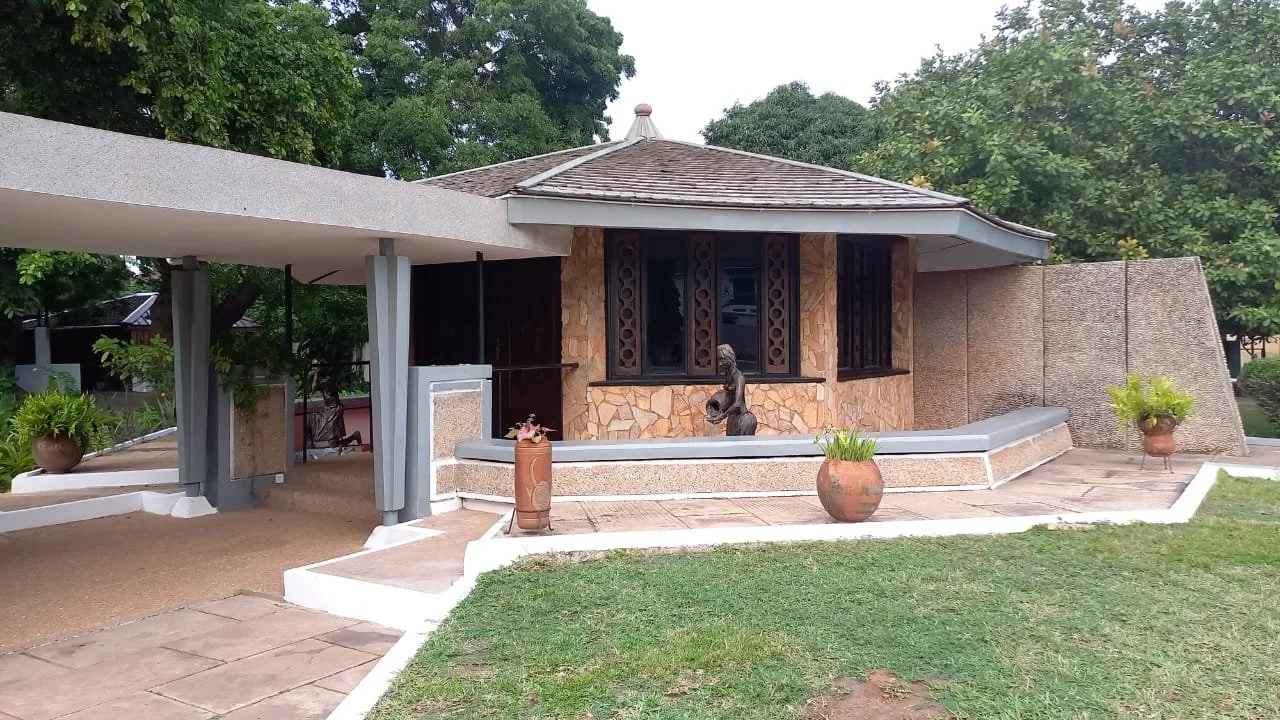
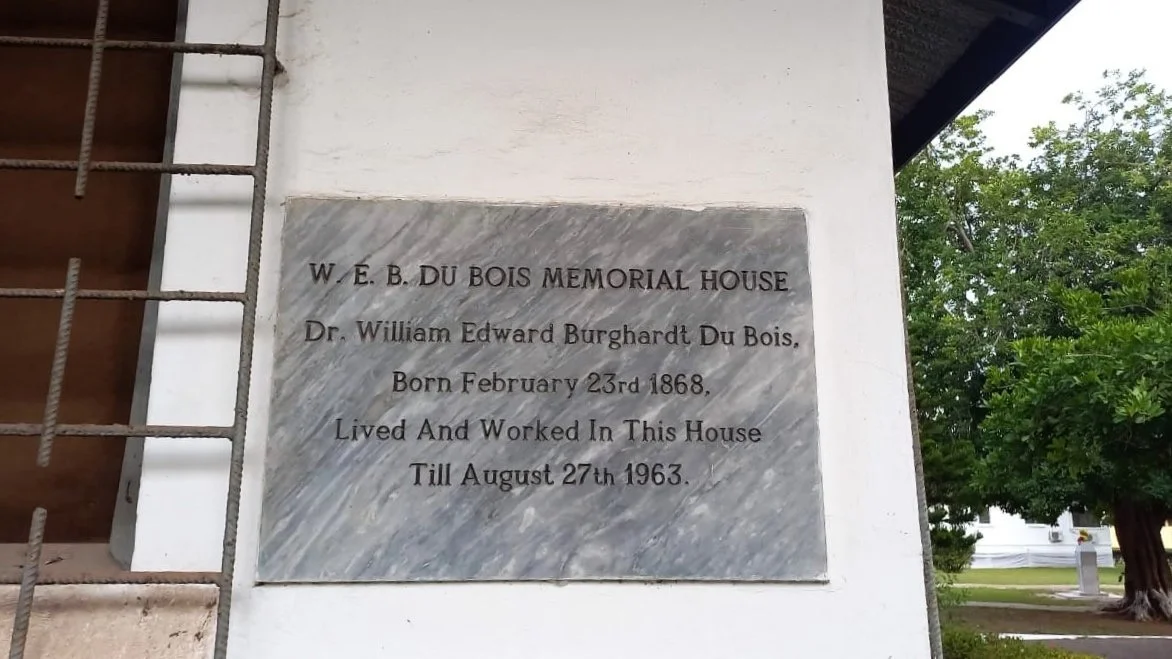
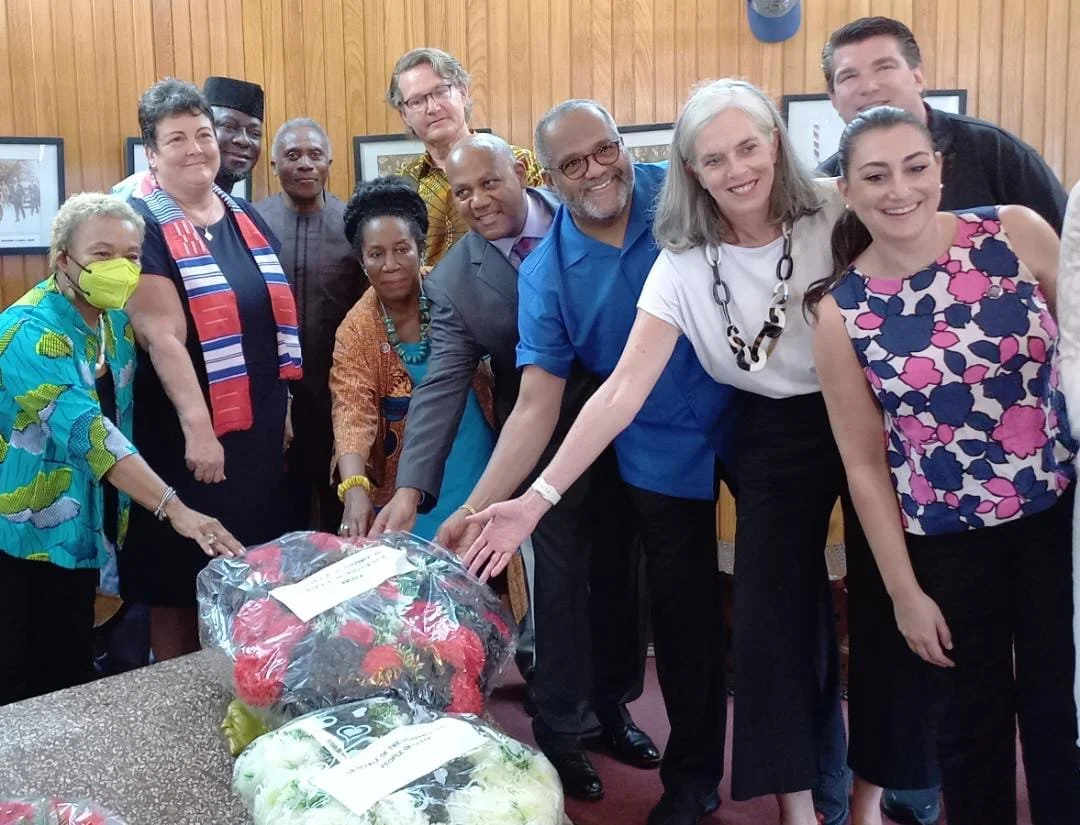
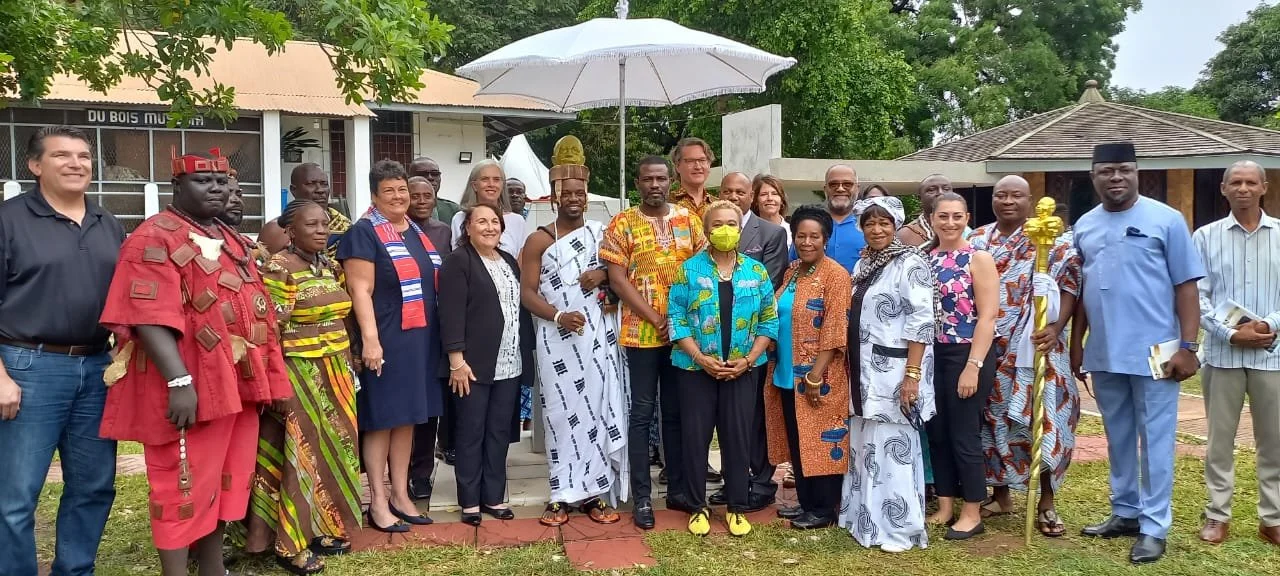
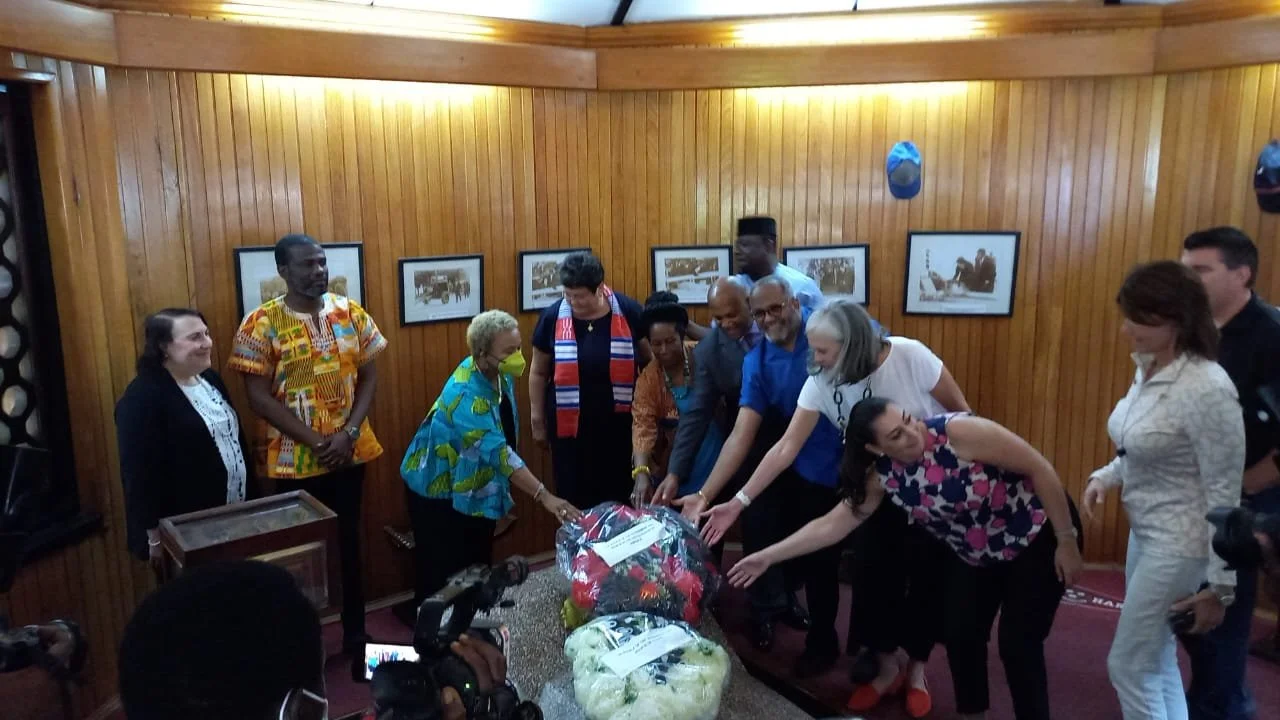
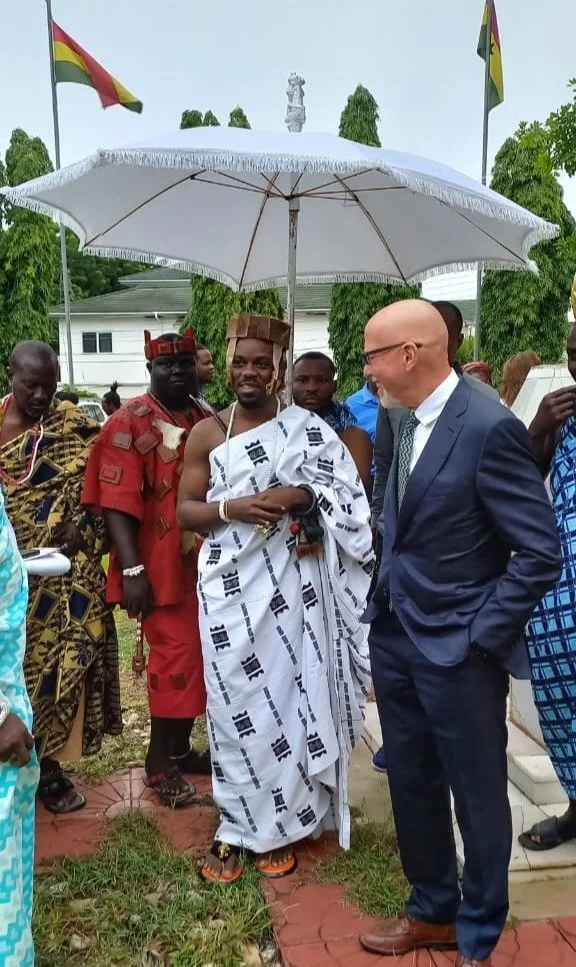
Get to know the WEBDB Museum Project here
Share this story
FOREIGN AID IN AFRICA: Did It Work?
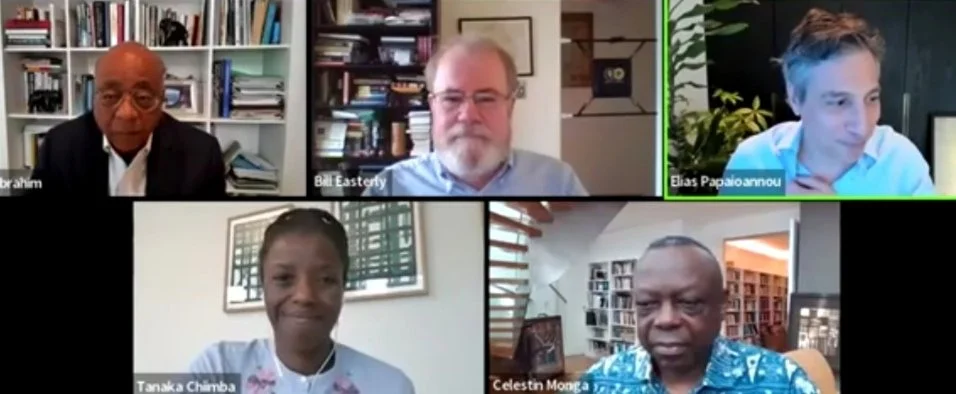
Dr. Mo Ibrahim, Prof. Bill Easterly of New York University, Prof. Celestin Monga,and Ms. Tanaka Chiimba discuss The Impact of Foreign Aid in Africa
By Africa-Related New York
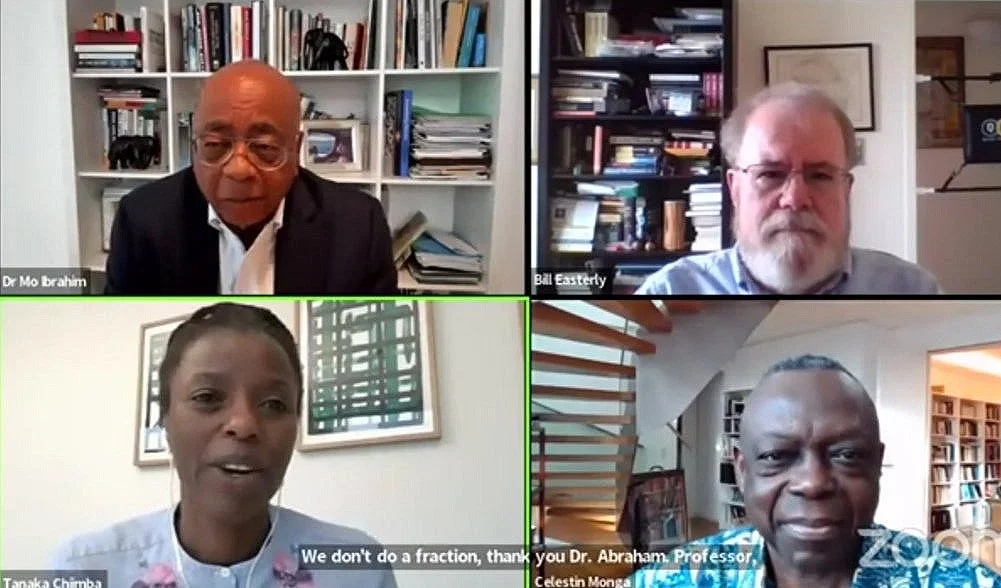
Dr. Mo Ibrahim, Prof. Bill Easterly of New York University, Prof. Celestin Monga and Ms. Tanaka Chiimba discuss The Impact of Foreign Aid in Africa. (Screeshot from: Wheeler Institute)
The Wheeler Institute for Business & Development and the London Business School organized a 10-week open access course titled, African History through the Lens of Economics. This plenary session on the 10th week hosted Prof. William (Bill) Easterly of New York University, Prof. Celestin Monga of Harvard’s Kennedy School of Government, and Dr. Mo Ibrahim of the Mo Ibrahim Foundation. The plenary session, which examined The Impact of Foreign Aid was moderated by Tanaka Chiimba, a Senior Advisor at McKinsey & Company in South Africa.
- Did foreign Aid work in Africa
- Africa's approach to Aid
- Governance of Aid in Africa
- China in Africa
The 10-week course was attended by over 50,000 participants with over 28,000 certification awarded. The initiative is the brainchild of the main teaching faculty made up of Elias Papaioannou, Leonard Wantchekon, Nathan Nunn and Stelios Michalopoulos. The ideas and lessons from such programs can no doubt germinate into seeds of change for Africa.
If you missed it, you can still take the classes at your leisure. All course materials and lectures are free and can be found here:
Background on Speakers
Bill Easterly, Professor of Economics at New York University and Director of its Development Research Institute, is a leading scholar and authority on foreign aid and development. His books 'The Tyranny of Experts', 'The White Man’s Burden', and 'The Elusive Quest for Growth' have had a profound impact on policy making and our thinking on these issues.
Celestin Monga, Visiting Professor of Public Policy at Harvard’s Kennedy School of Government, Former Chief Economist and Vice-President of the Africa Development Bank Group, has done important research and policy work across the continent.
Mo Ibrahim has been one of Africa’s most successful entrepreneurs, whose business journey continues to inspire millions of Africans. Through the Mo Ibrahim Foundation, he and his team have focused their philanthropic work stressing the importance and promoting good governance and leadership.
Tanaka Chiimba is a Senior Advisor at McKinsey & Company in South Africa and a graduate of Sloan Fellow of London Business School (2019)
Share this story

CALL FOR DESIGNERS: 2nd TinCity Fashion Week
TinCity Fashion Week calls for indigenous and international designers
By Africa-Related New York


Are you a budding designer based in Nigeria or abroad? Would you like to showcase your designs on a global platform that works directly with grassroots communities? If your answer is ‘Yes’, here is the perfect opportunity for you!
TinCity Fashion Week is an annual event that lights up creative fashionable minds in the city of Jos every November.
See photos and highlights from the TCFW 2021 Guodo edition with Ita'i Our Cloth showcasing the Ebira woven cloth.
Share this story

CALABAR GALLERY NYC: Wants Female Artists
Calabar Gallery seeks female artists
By Africa-Related New York
The call is out for female artists around the globe to participate in the Calabar Gallery New York’s search for Africa Women Artists who are ready to EXPLORE in an Online Exhibition.
APPLICATION DEADLINE:
August 31, 2022
See flyer above for more information.
Share this story
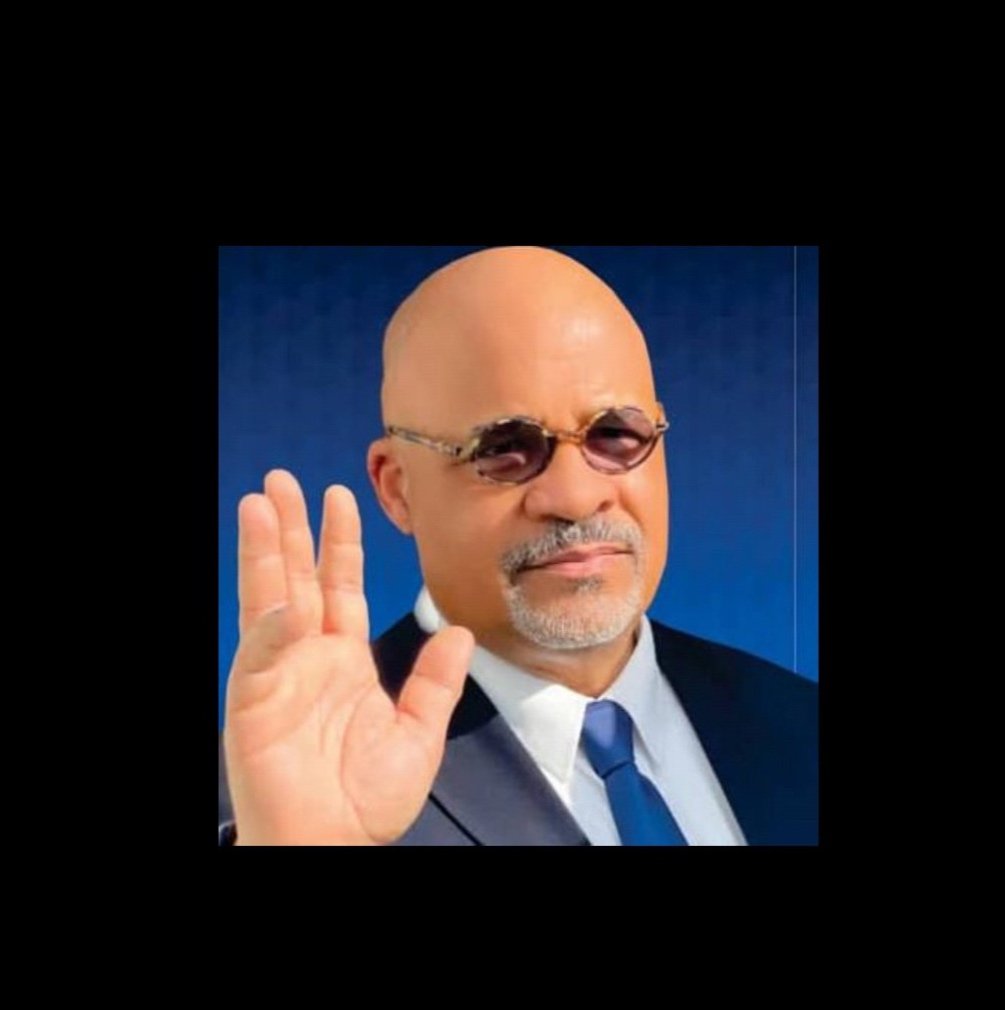
CAPTAIN VICTOR EGONU: Over n Out
In life Captain Victor Obiora Egonu was quite vocal, his death and funeral proves nothing different.
Words: Oyiza Adaba
Photos: Lilian Ajayi | Africa-Related
Lagos, Nigeria
1959-2022
In life, Captain Victor Obiora Egonu was quite vocal, his death and funeral has proved nothing different.
Love him or not, it was just a matter of understanding. Captain Victor Egonu’s straightforwardness worked as both a quality and flaw, opening many doors and slamming quite a few in his face. His front was brash, truthful sometimes bordering on rude, yet it usually came from a place of his genuine love for and seeming frustration in humanity.
What he lacked in his physical frame, he very well made up for with his unforgettable personality. His demand for excellence and notable quick temperament often stood out, but as with the ‘misunderstood’, much laid beneath the surface. Most would agree he lived up to the full meaning of Egonu - someone who does go by what others say.
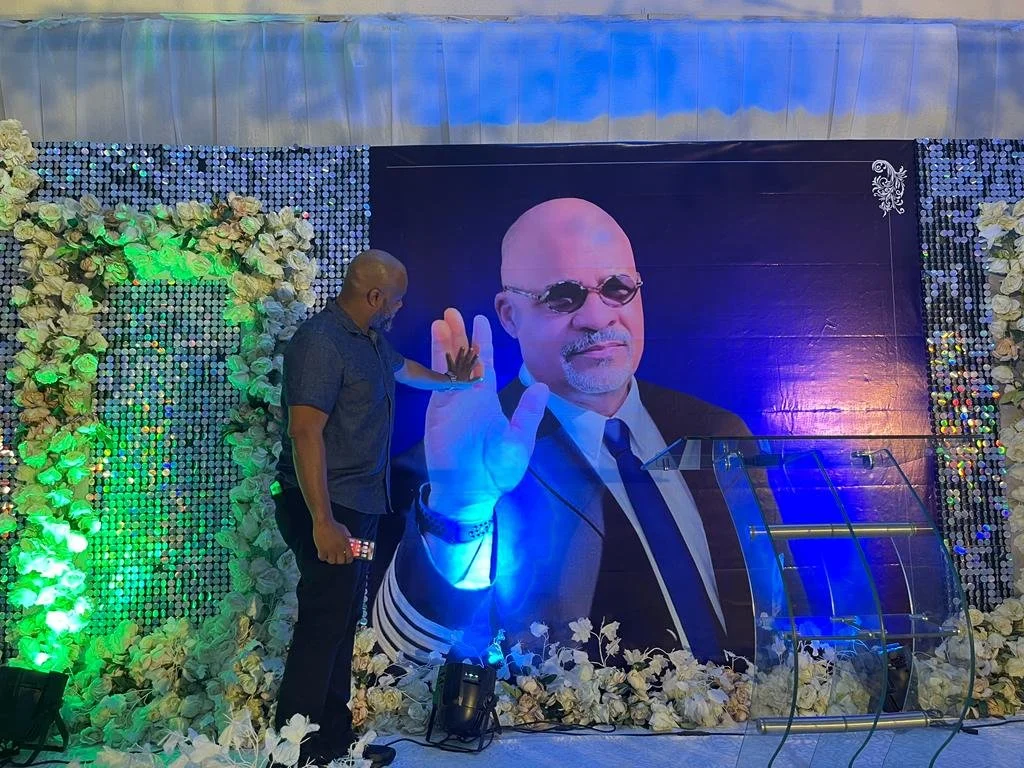
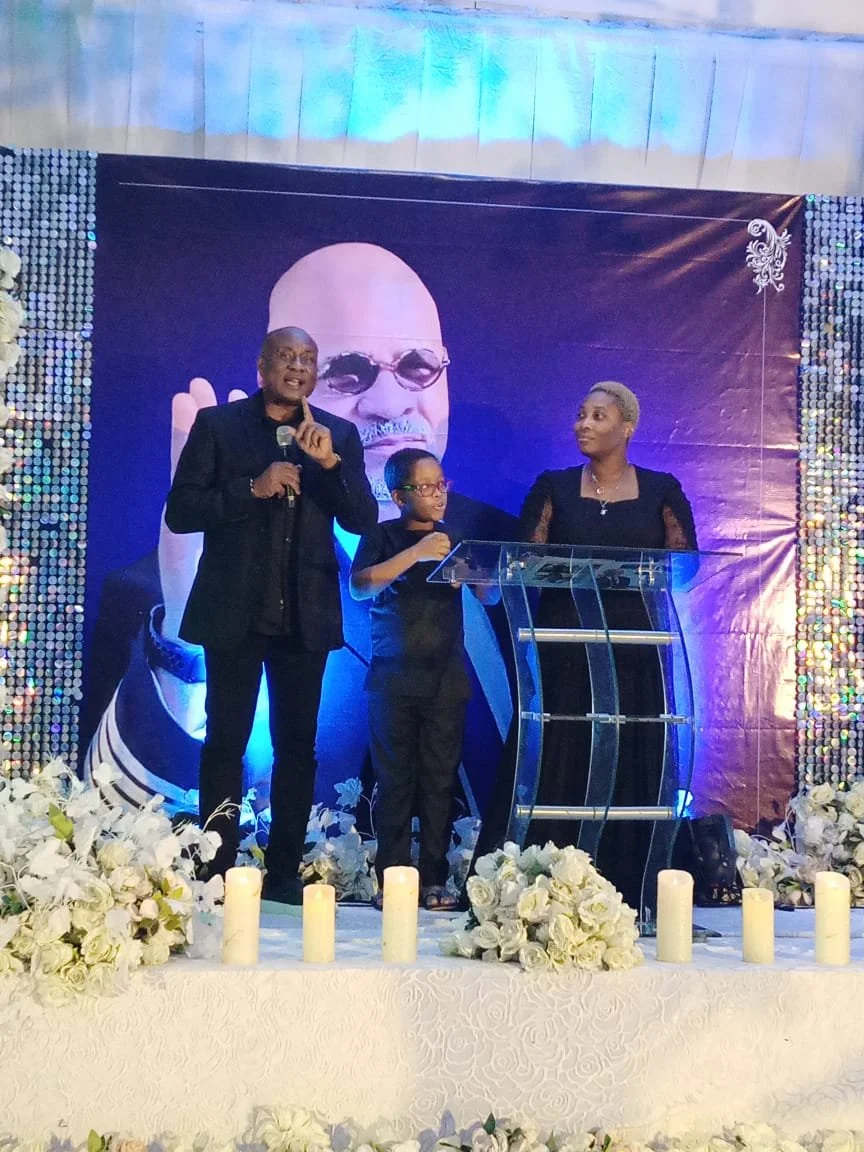
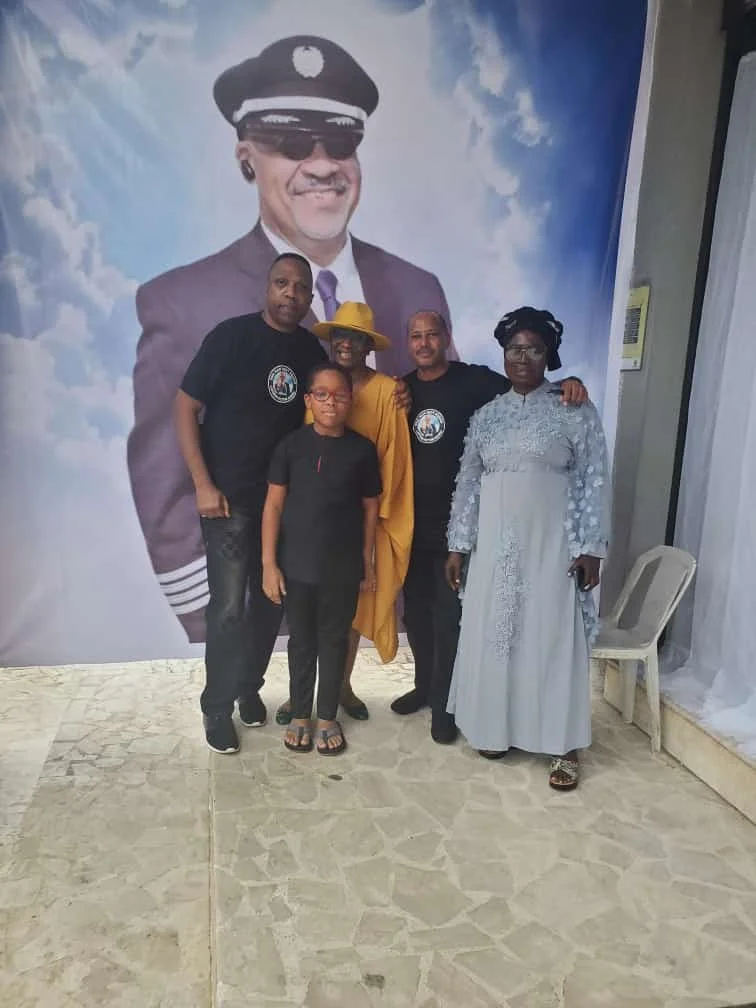
As eloquently delivered by friends, colleagues and family gathered during his funeral on July 7, 2022, Egonu couldn't have been any more Nigerian, than he displayed in life and death.
He somewhat symbolizes a Nigeria of time-past, when ethnicity and religion played little-to-no roles. An Igbo man from a mixed British/Nigeria heritage, he traveled the world achieving many firsts with his love of flying including being the first to fly the Boeing triple 7 to Nigeria. Since graduating from the School of Aviation in Zaria in 1981 and becoming a captain in 1992, Egonu had mentored and shaped a generation of pilots.
"Zaria trained some of the best pilots in the world… go to Emirates, Saudi Air everywhere you will find a Nigerian pilot and they were all trained there way back. So, I am very proud of my Zaria.”
- Victor Egonu - Source
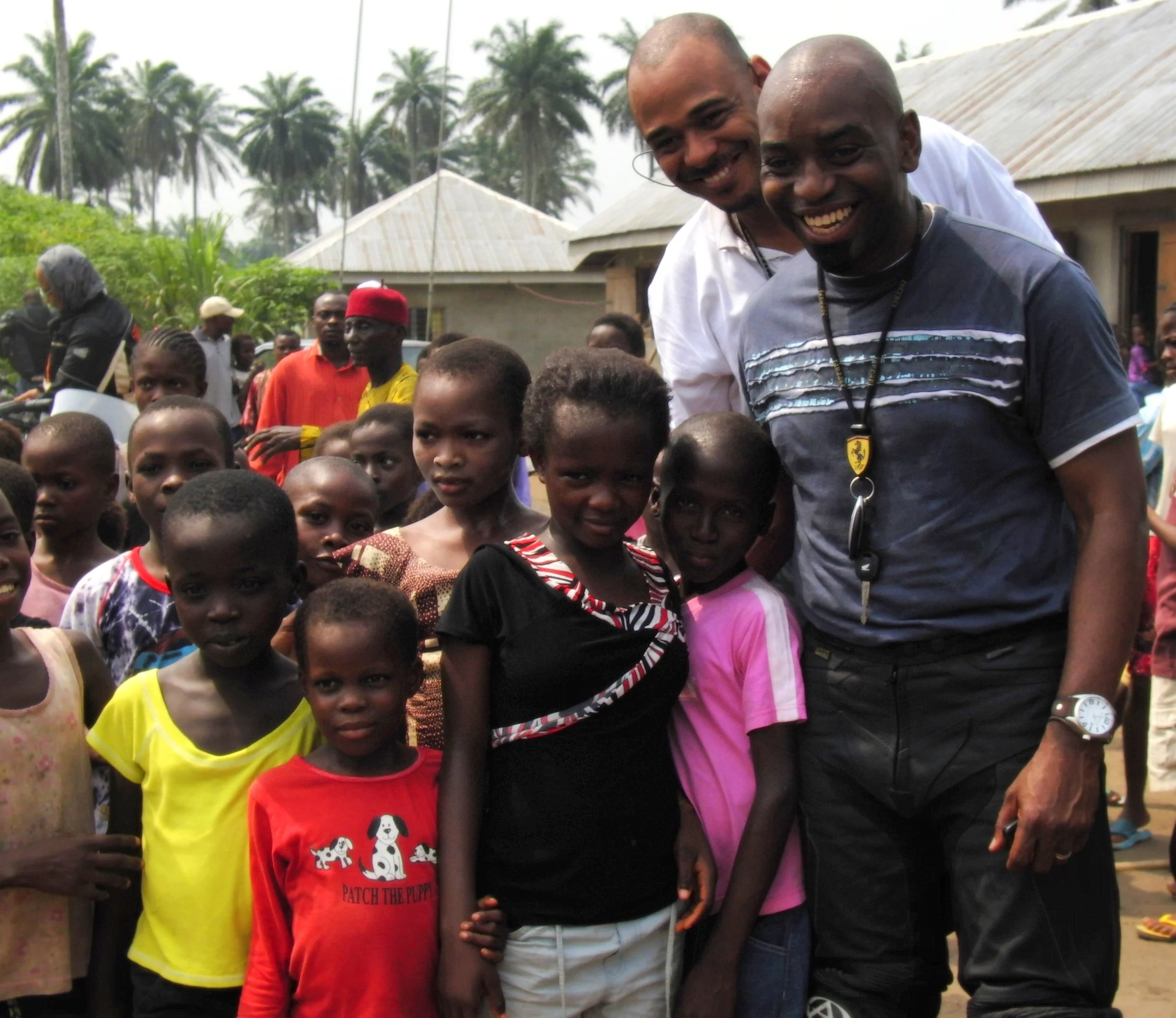
It was flying that took him to many places, including Jos. And in typical Victor fashion, he didn't move alone. His friends are multi-ethnic, race, creed, class etc, and without question everyone fits right in J-town.
He gave friends (myself included) our first flight cockpit experience, so it was no wonder his funeral felt like a flight tour around the world, backed by stories and experiences by those closest to him. Beside magnificent renditions of the Alleluia and Amazing Grace by the choir, the message behind his music playlist was not lost. Bob Marley’s ‘War’ and ‘Rally Round’ by Steel Pulse further drilled in more truths.
Discover JOS - the home of Peace and Tourism (NTDC/Tour Nigeria)
Memorable accounts from Port Harcourt, Lagos, Peckham, Chicago, Abuja, London, Lusaka, Warri, Bristol and on. We laughed, cried, reminsed, and began to think… as he would have liked us to. Egonu always taught one to think, to stand and as our friend and brother Tonye Wilcox always said to 'do somethin'.
Pertinent questions like, 'What has happened to Nigeria? How can the melting-pot once known as Jos - where Dipo, Chijoke, Ali, Dotun etc converged with no political intentions or questions asked - now be divided across indigenous, religious and ethnic lines. What kind of country are we leaving for?
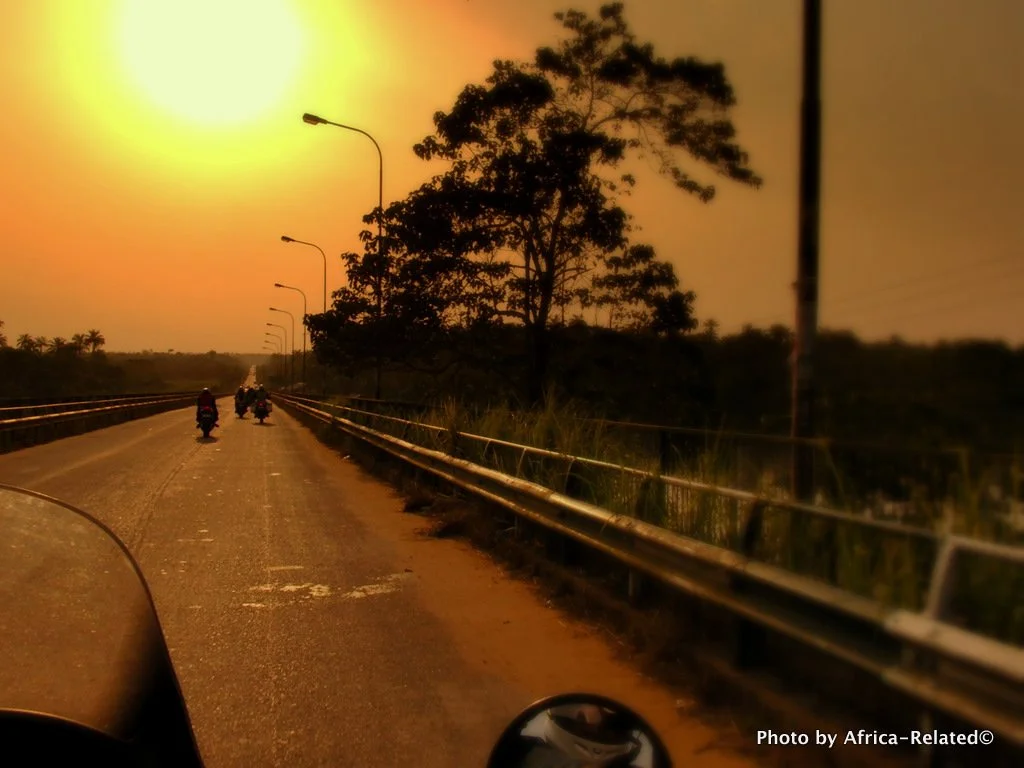
We were also forced to think about the state of Nigeria's aviation industry - one which undoubtedly would have achieved bigger milestones had Nigeria operated on meritocracy. As the aviation minister that he never was, Capt. Victor Egonu would have set and achieved high standards in making Nigeria compete with continental aviation giants Despite global challenges, he had great ideas for travel and tourism, having traveled the length and breadth of the 200-million populated country, as an avid biker.
"If you look at Kenya Airways, South African Airways, they are all doing well. Why can’t Nigeria have an airline that all of us can actually say ‘oh, we are proud of this airline’. Of course we used to have one in the past but that was back then.”
- Victor Egonu - (2015 Interview Source)

His biography reading took us through a list of defunct airlines, some long-forgotten. Name it, he had worked there during his nearly 30 years. from Okada, Kabo, ADC, Chachangi, IRS, Medview, Bellview etc. His last boss was the Chairman of Air Peace Chief Alllen Onyeama, admitted that they often clashed from the same frustrations borne from operating an airline in Nigeria. As Director of Flight Operations, he had relentlessly taken the airline to greater heights since joining in 2011.
Air Peace meanwhile, continues to come to Nigeria's aviation rescue, in the absence of a national carrier for decades. What started out as Nigeria Airways was established in 1958, and ceased operations in 2003. Since then, several unsuccessful attempts at rebranding has seen name changes from Virgin Nigeria Airways, Nigerian Eagle Airlines, Air Nigeria. According to Simple Flying, the much anticipated launch of Nigeria Air originally scheduled for April 2022 has been postponed by another year.
Despite delays, ministry insists on July take-off date for Nigeria Air
The Guardian Nigeria
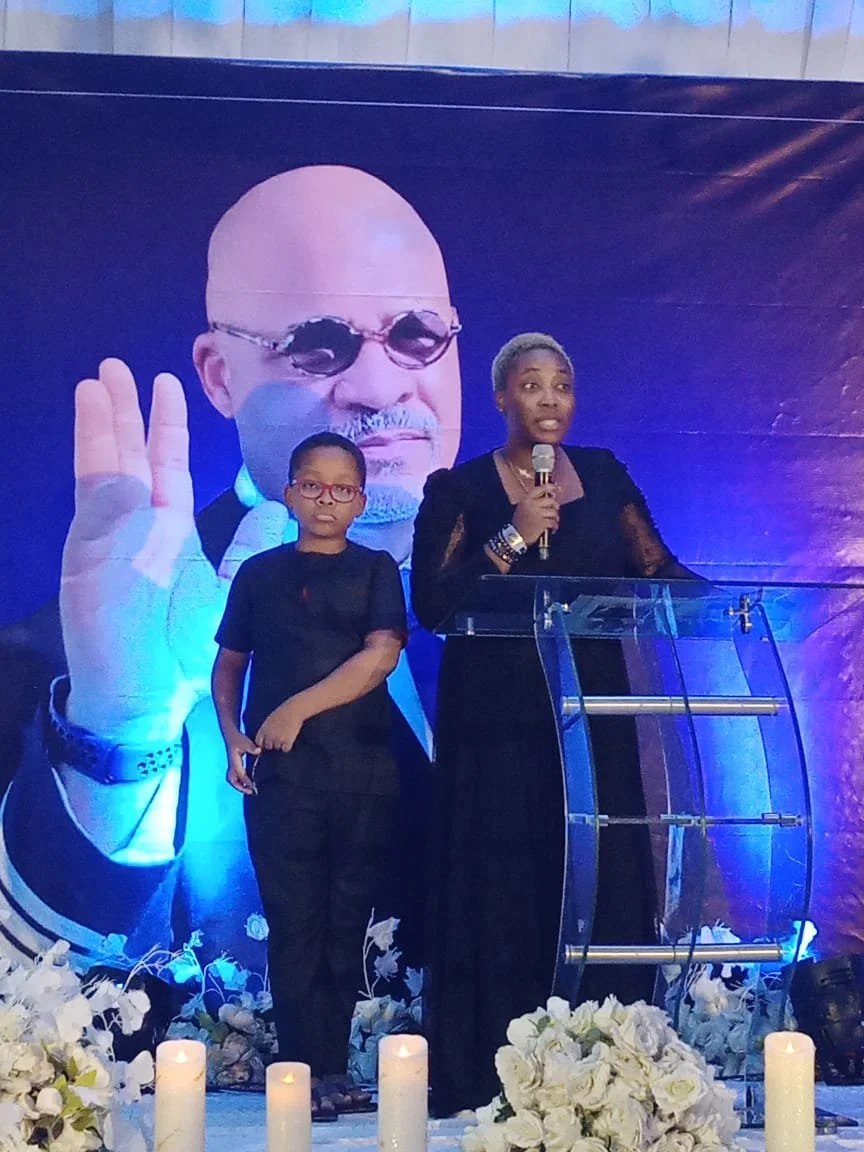
Victor Egonu's death on June 9, 2022 came as a major loss, not just to the global aviation industry. In her glowing tribute, his wife Dayo Egonu spoke candidly about the anxieties of being a pilot's wife and celebrated her husband's great milestones and the unapologetic adroitness he brought to ensuring air travel safety. Standing alongside their surviving 12-year old son Tonye, reminded us that Victor Egonu was one of the best pilots Nigeria forgot to honour and thank.
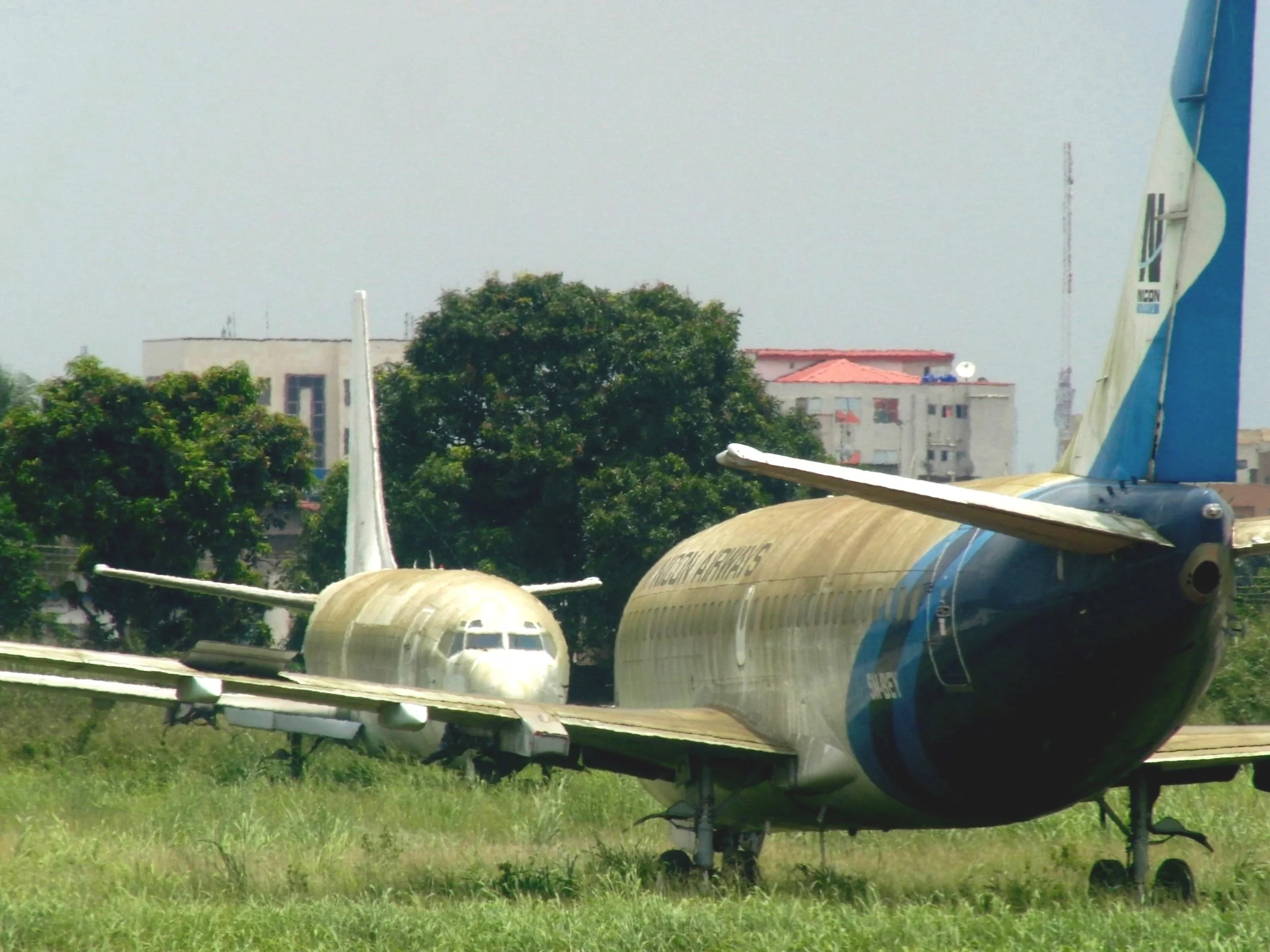
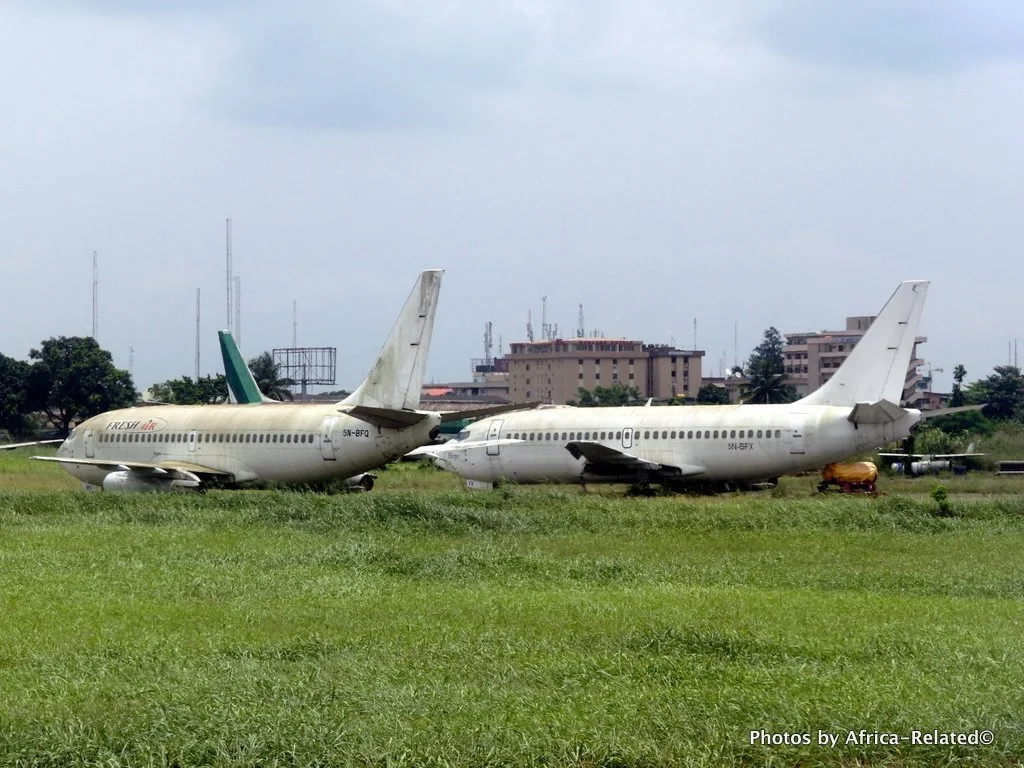
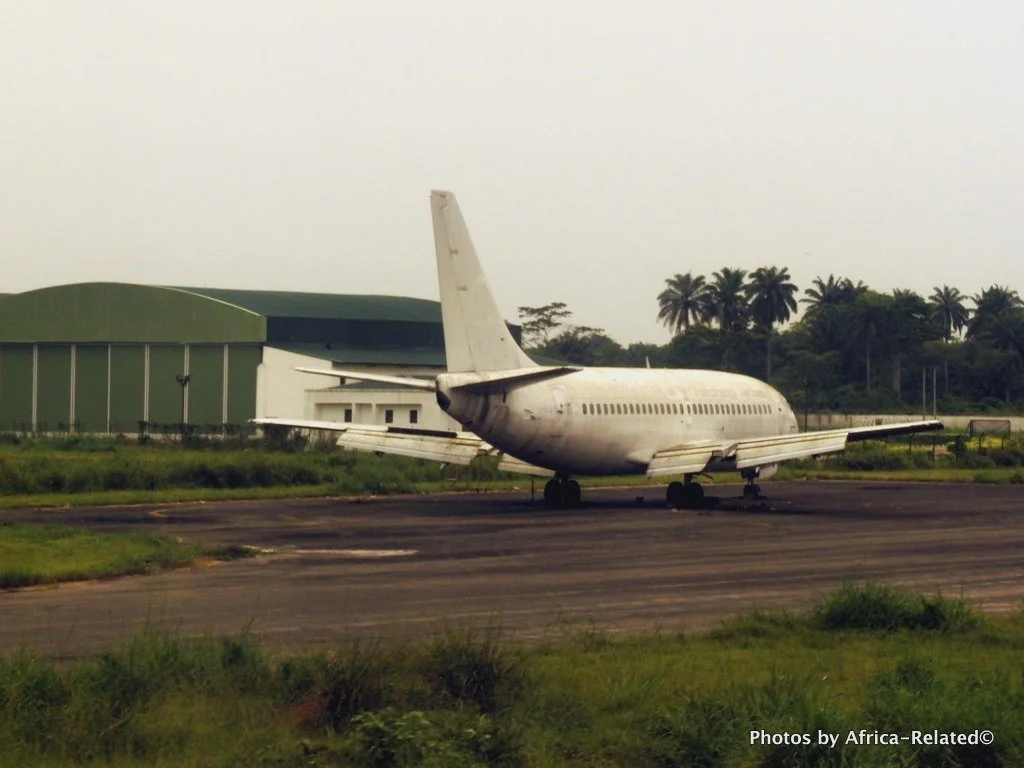
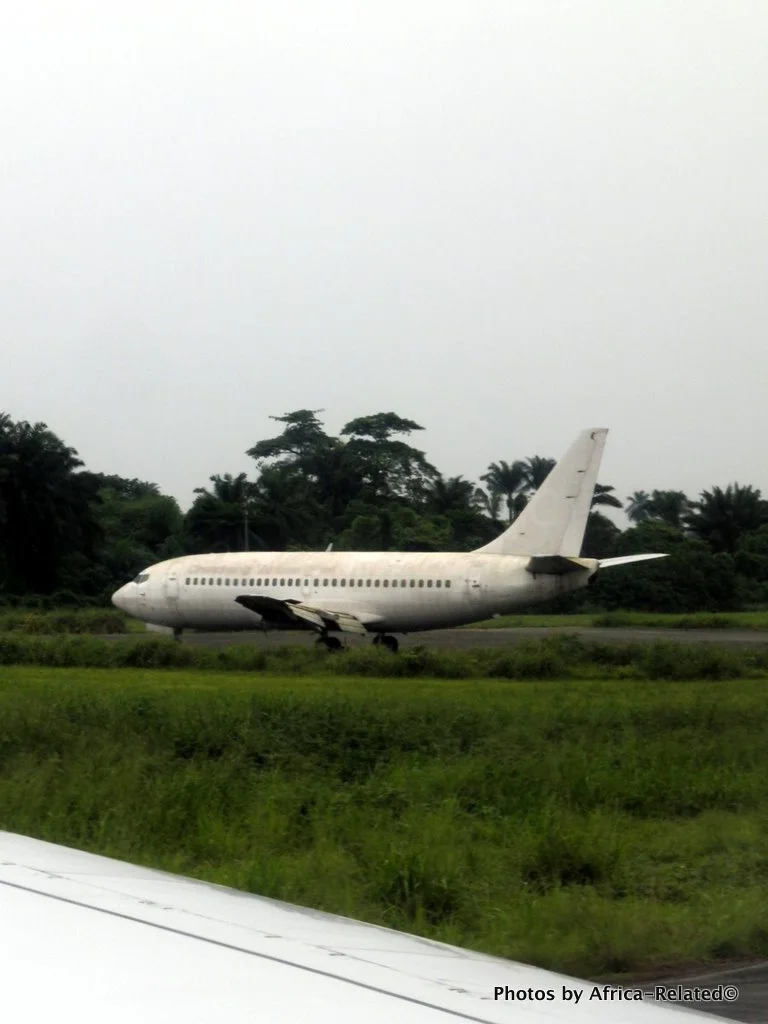
‘Plane Cemetery’ at Lagos airport (Photos by Africa-Related)
Oyiza Adaba is a journalist & producer @africarelated
RELATED
Aviation Expert Reviews Nigeria Airline Challenges (TVC News)
Nigeria gets licence for national air carrier, delays start of operations (Premium Times)
Discover JOS - the home of Peace and Tourism (NTDC/Tour Nigeria)
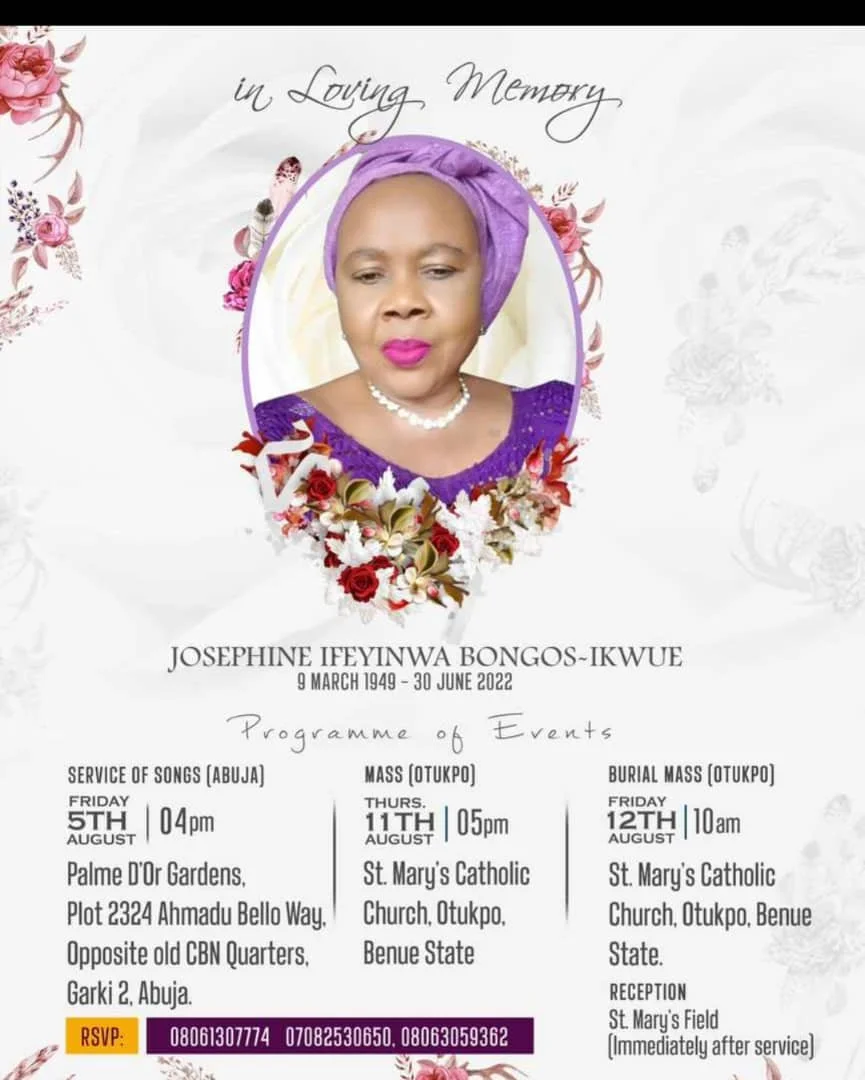
MRS. JOSEPHINE BONGOS-IKWUE Mourning A Generous Giver
Bongos Ikwue’s wife Mrs. Josephine Ifeyinwa Bongos-Ikwue passes on
Words: Oyiza Adaba
Photos: Africa-Related
Otukpo, Benue State Nigeria
1949-2022
Bongos Ikwue’s wife Mrs. Josephine Ifeyinwa Bongos-Ikwue passes on.
The death has been announced of Mrs. Josephine Bongos-Ikwue - Wife, Mother, Sister, Aunt, Friend and Church/Community Leader.
Her sweet, gentle and reserved soul was the inspiration behind the creator of some of the most iconic tunes that defined Nigeria's music eras of the late 70s and 80s.
Riding High, Still Searching, Amen, What's Gonna Be, Cock Crow At Dawn etc were songs written, produced and released during her over 50-year marriage to beloved musician husband, Bongos Ikwue.
A devout Christian, she showed care for all without favour and demonstrated it through her prison ministry visits and other charitable activities. Though she originally hailed from Issele Ukwu in Delta State, she was adopted by Benue, and firmly believed in one Nigeria.
She gave selflessly to her family, church, Otukpo, Isle Ukwu, Nigeria and the world at large. is greatly missed by all of us, especially her husband and children Keke, Omei, Jessica, Onyew and JR.
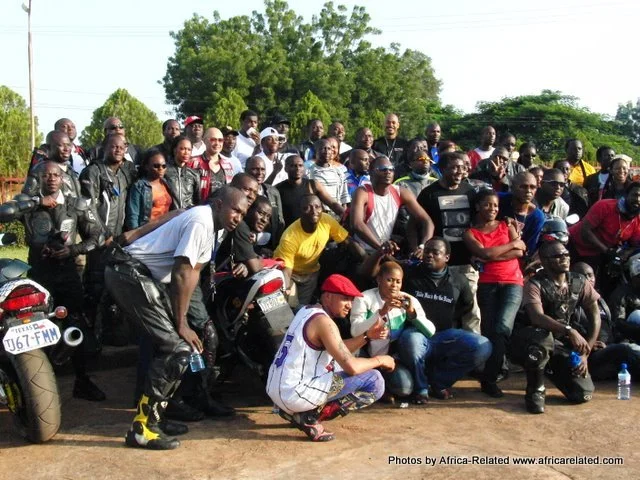
Mrs. Josephine was an extra special friend and mother to us at Africa-Related; hosting us twice at their tastefully built Double K Resort in Otukpo. Our first visit was in 2008 during production of Messengers season one, which featured Bongos Ikwue. The second was a partnership that hosted the Bikers Convention delegates to an exclusive lunch and concert in 2009. Her motherly care was evident throughout.
Rest in Peace Generous Giver.
The funeral arrangements are above. If you would like to make a financial contribution or support the family with your tributes, flowers, photos, etc please visit the link below for more details.
THE BONGOS-IKWUE FAMILY
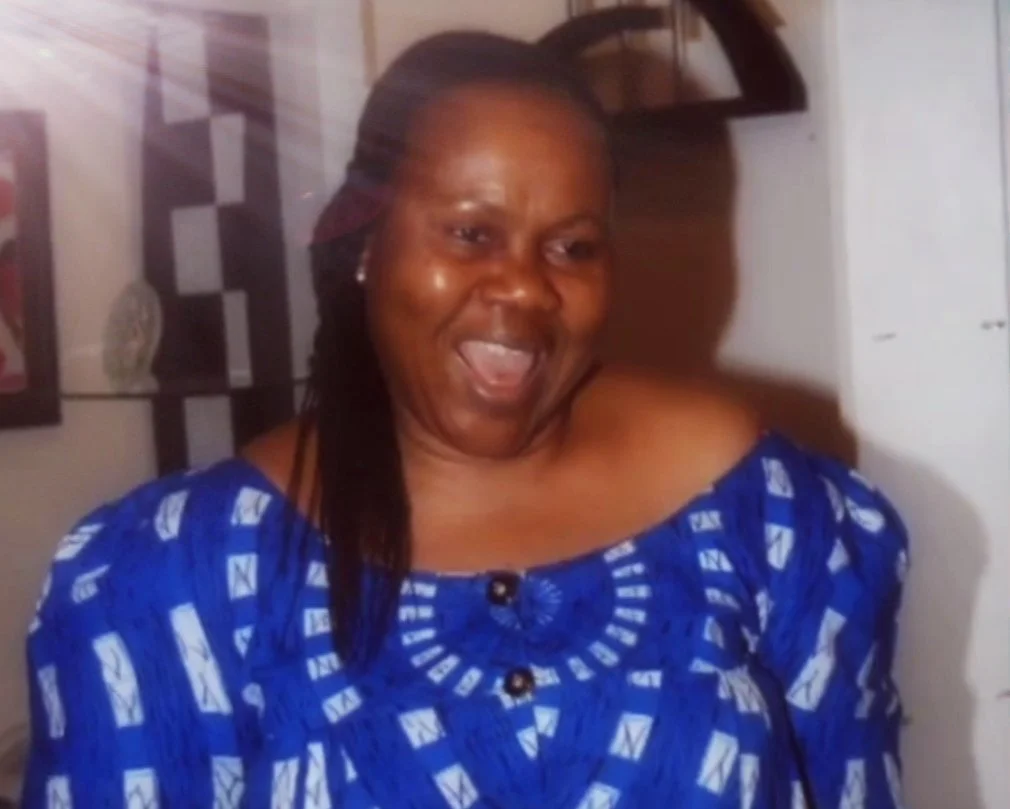
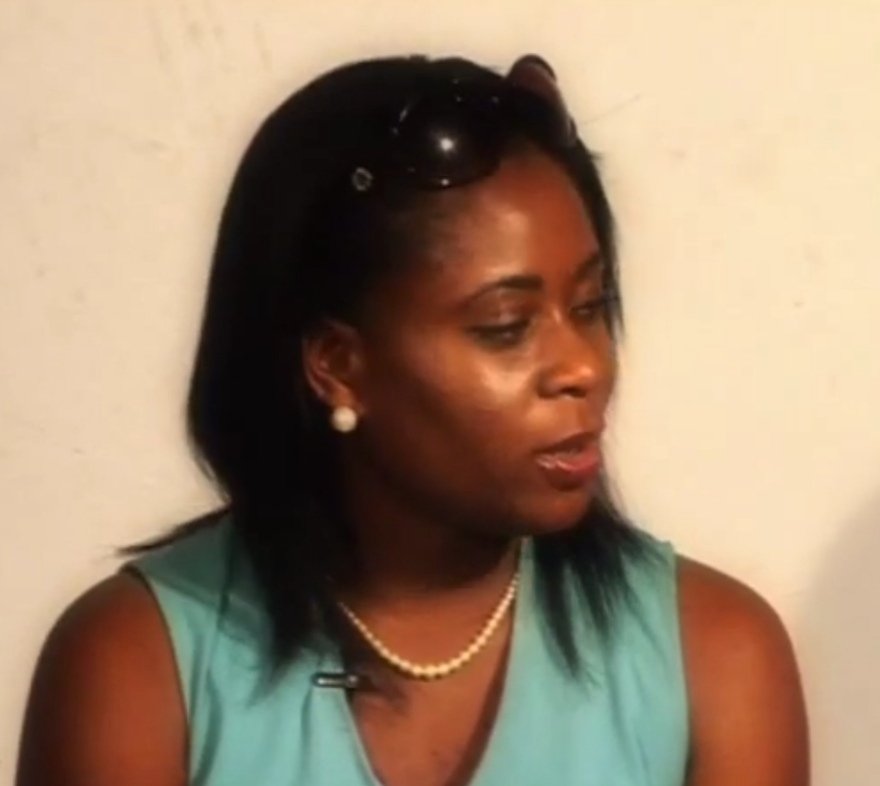
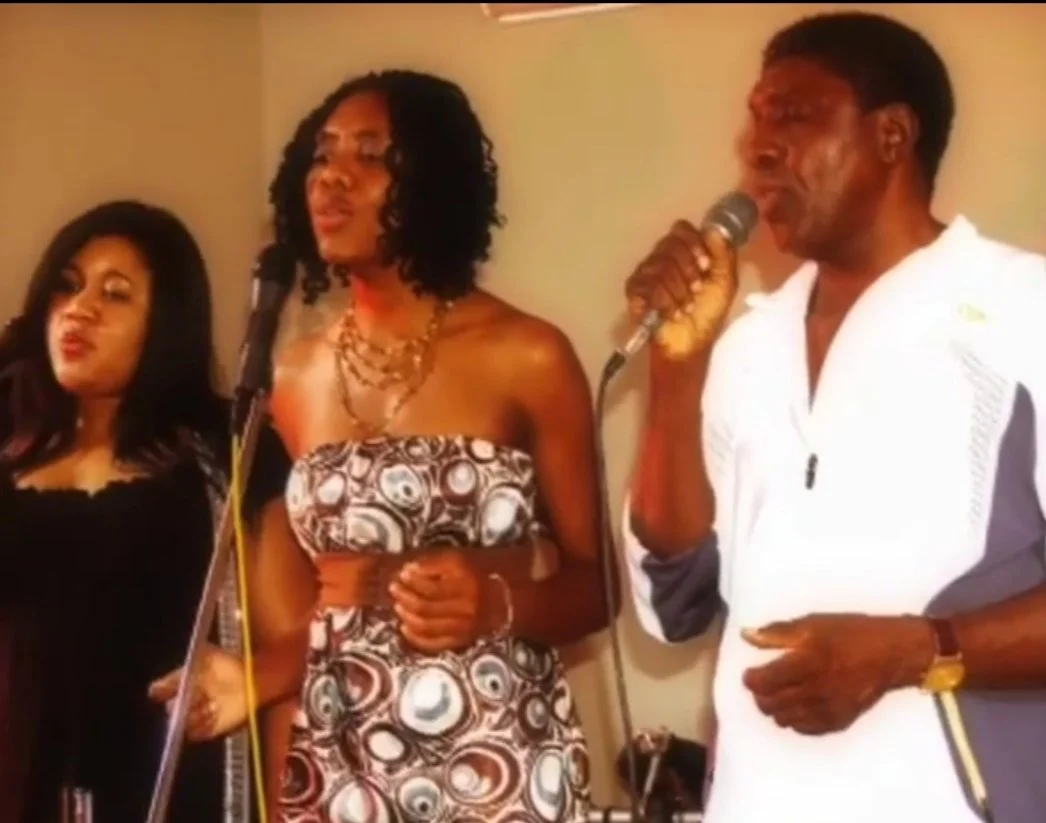
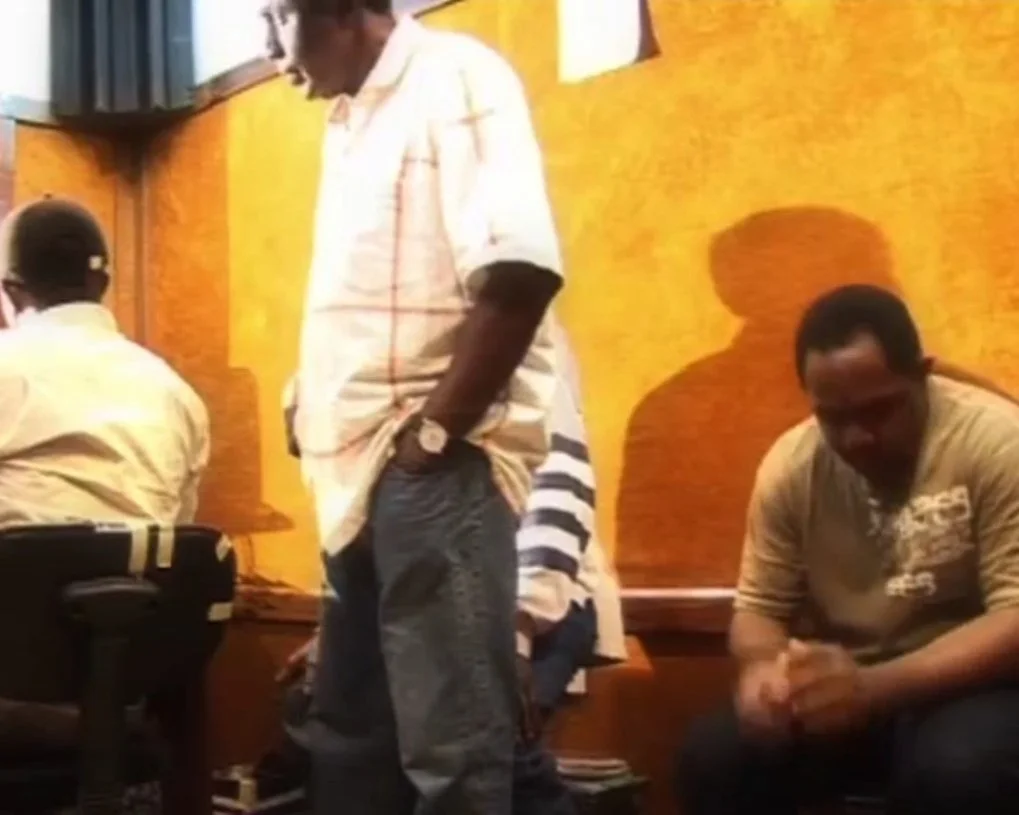
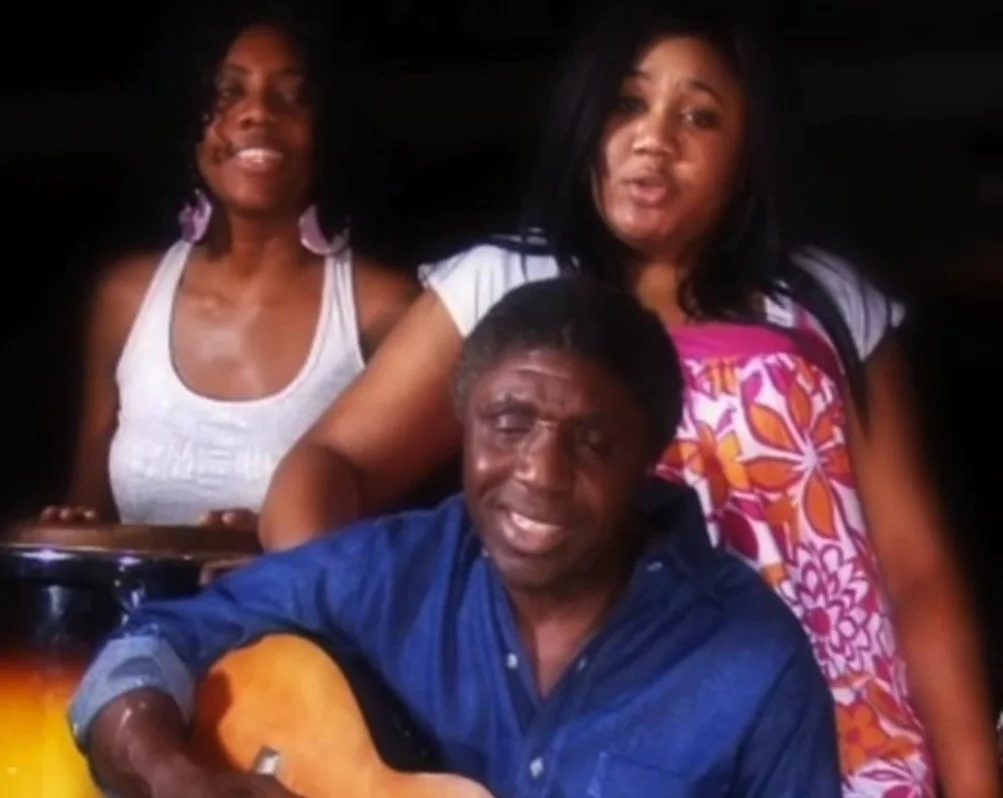
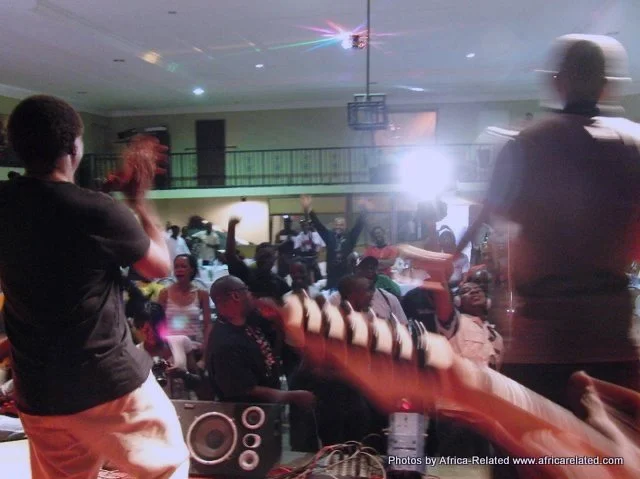
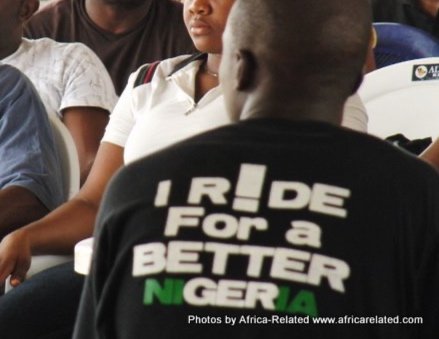
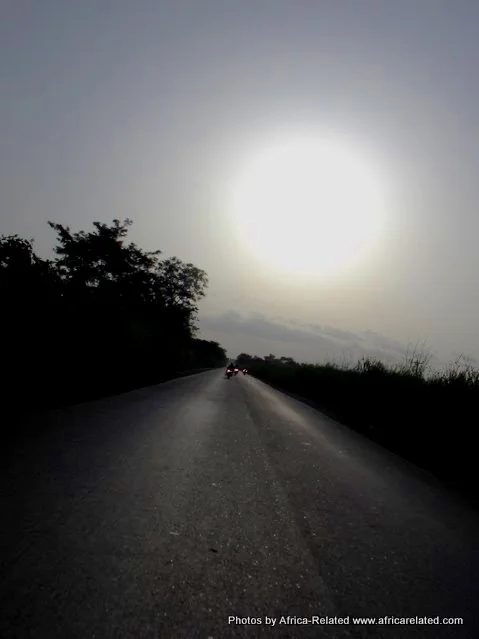
Shots from Bikers Convention with Bongos Ikwue in Otukpo (Africa-Related/2009)
RELATED
Report: Bikers Convention with Bongos Ikwue in Otukpo (Africa-Related/2009)
Messengers TV Series
Oyiza Adaba is a journalist & producer @africarelated
U.S AFRICA BUSINESS SUMMIT 2022
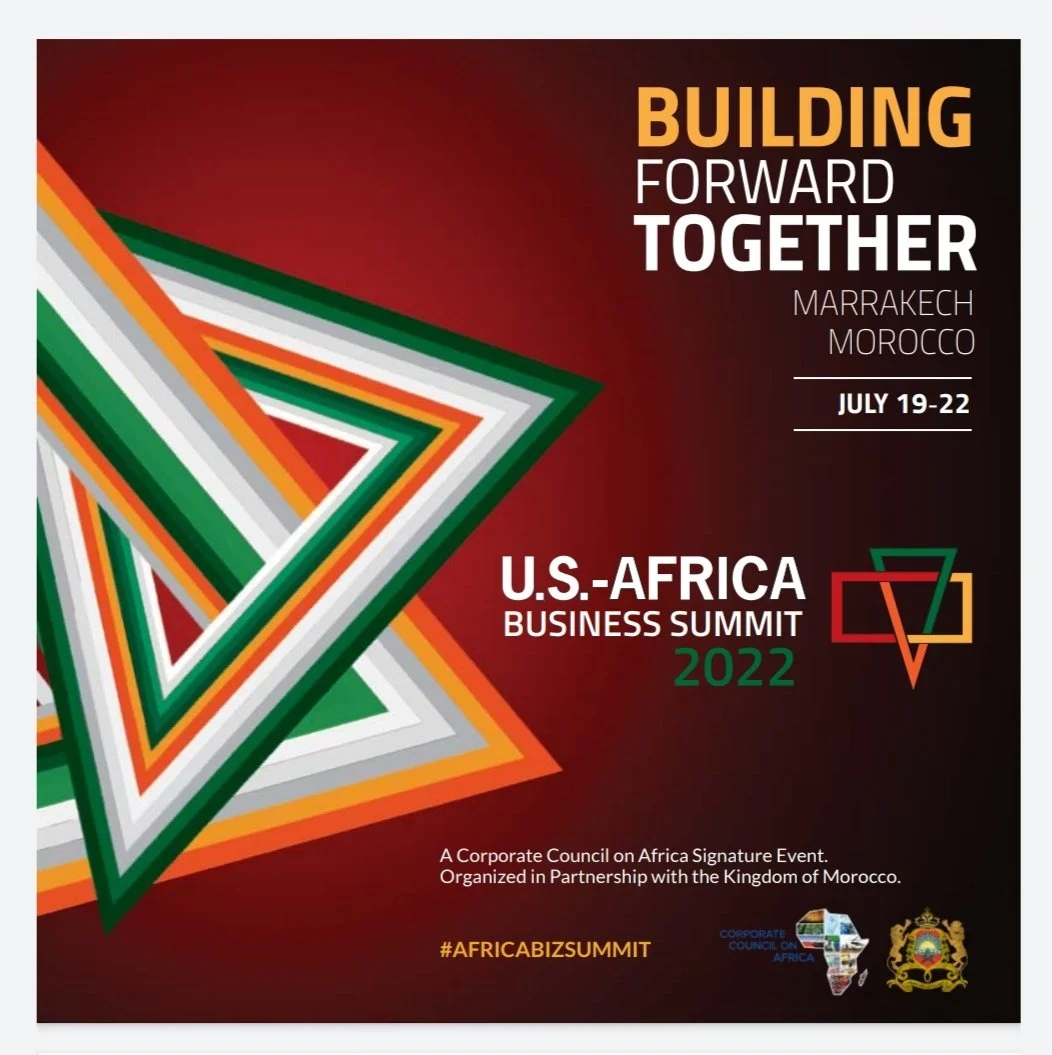
The U.S.-Africa Business Summit is a premier event organised by the Corporate Council on Africa
By Africa-Related New York
On July 19-22, 2022, the city of Marrakesh in the Kingdom of Morocco will play host to the annual summt that brings governments and business leaders together.
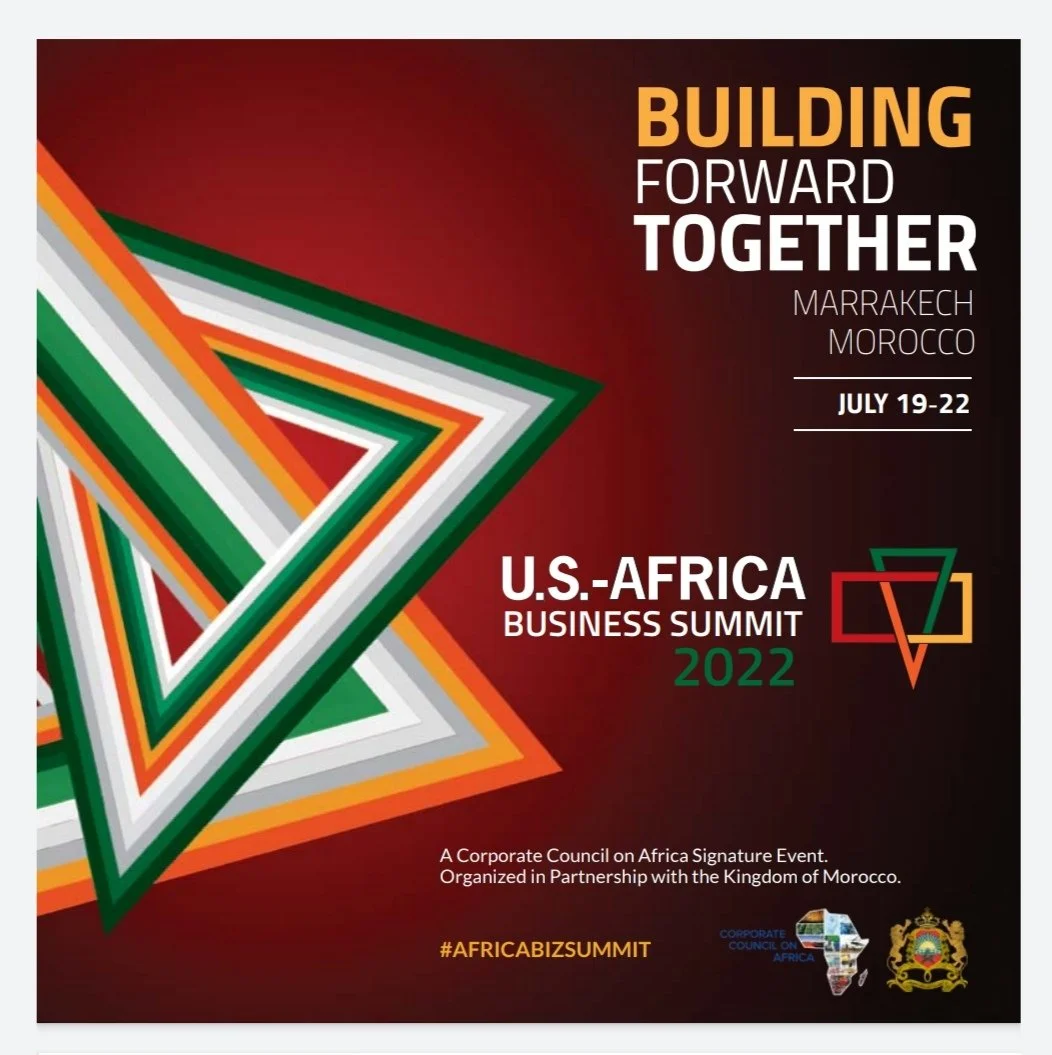
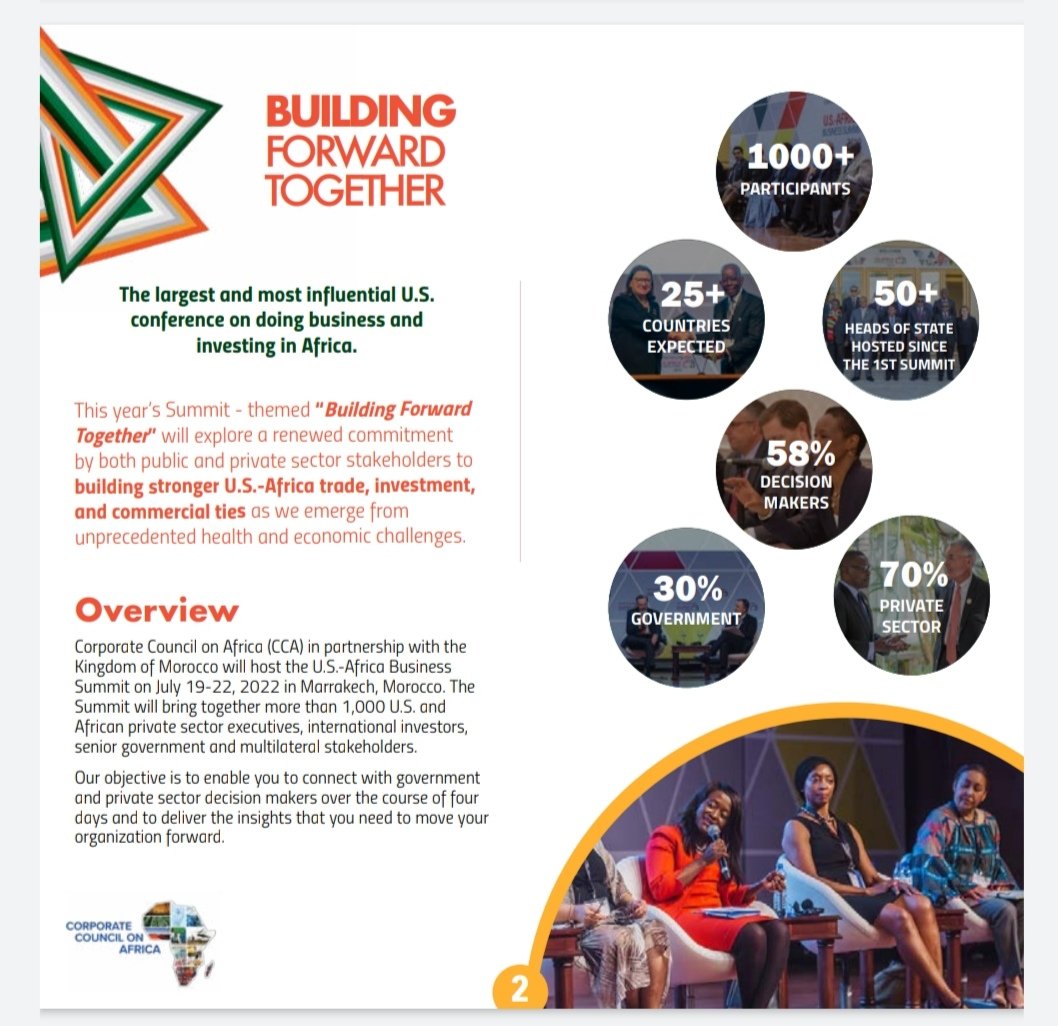
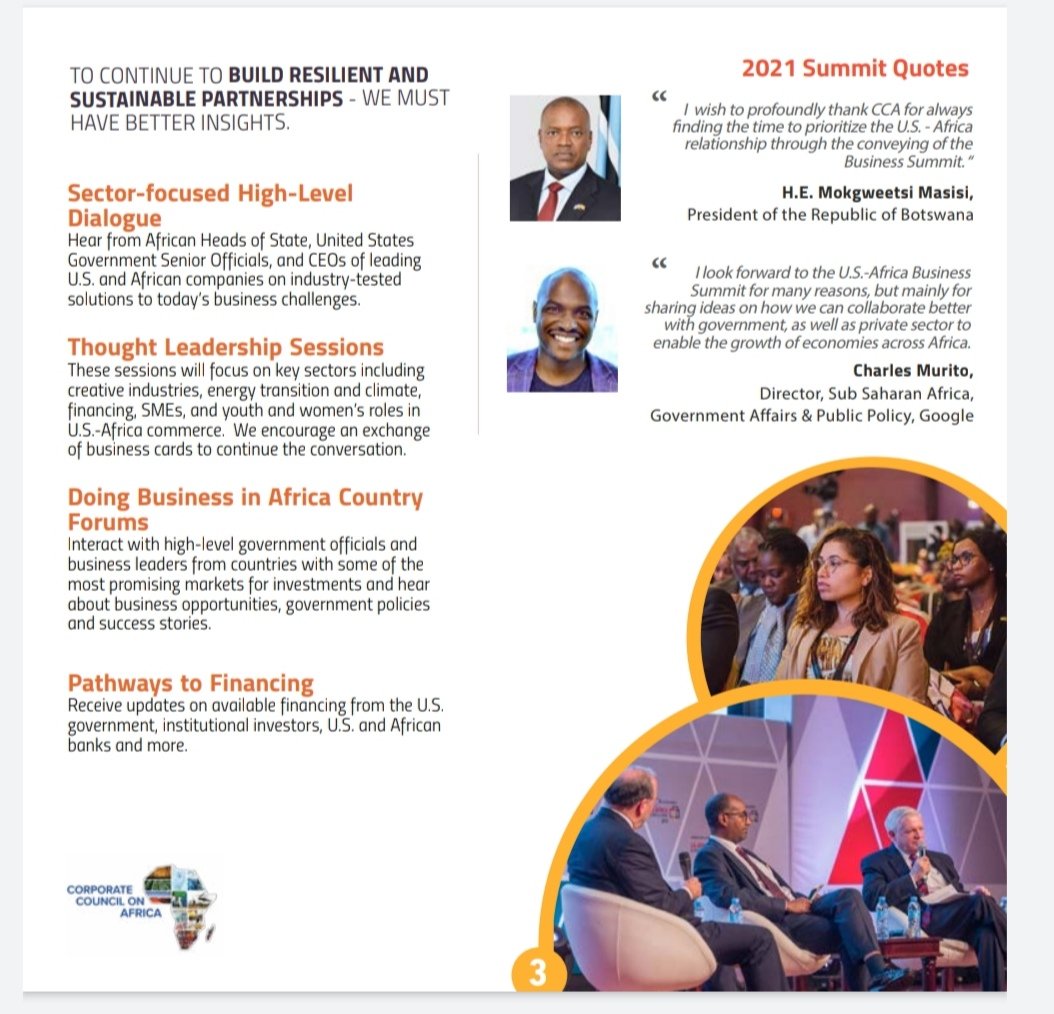
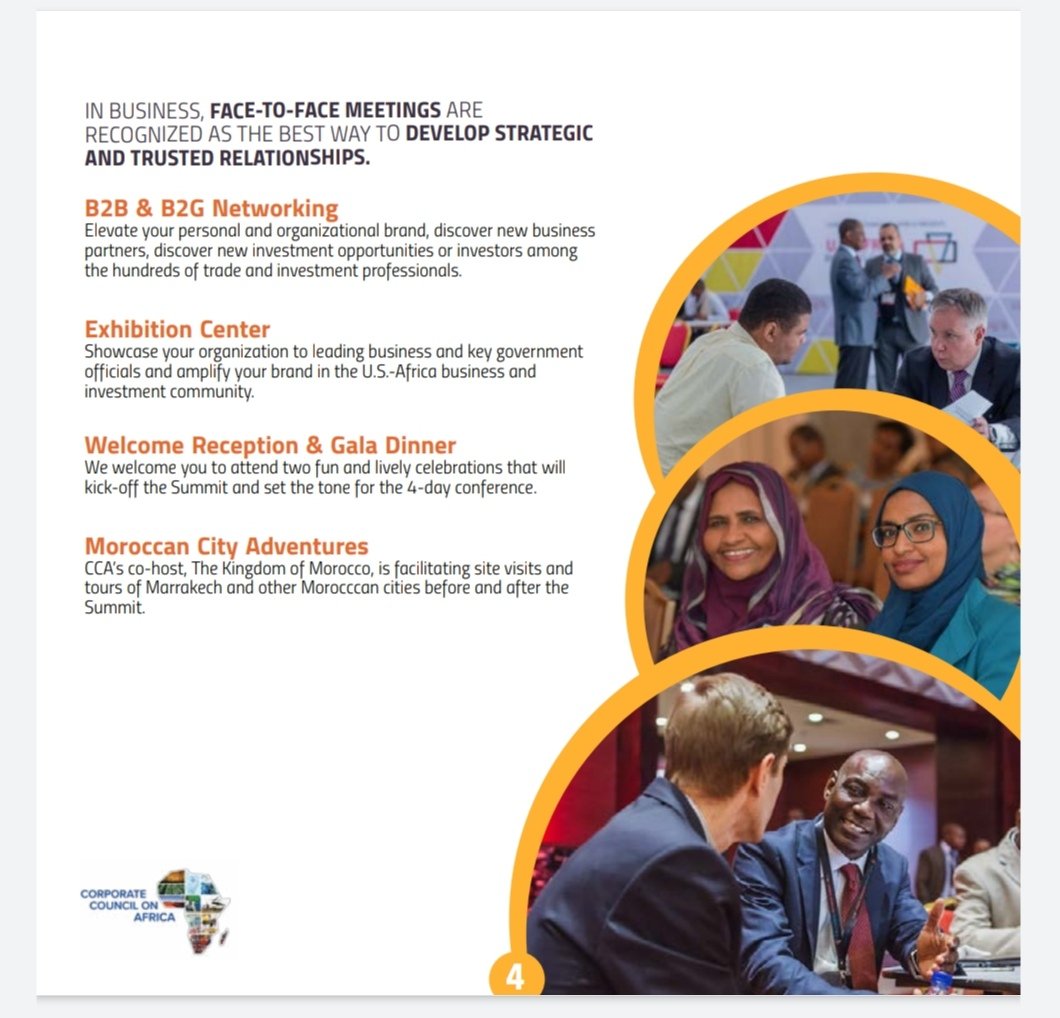
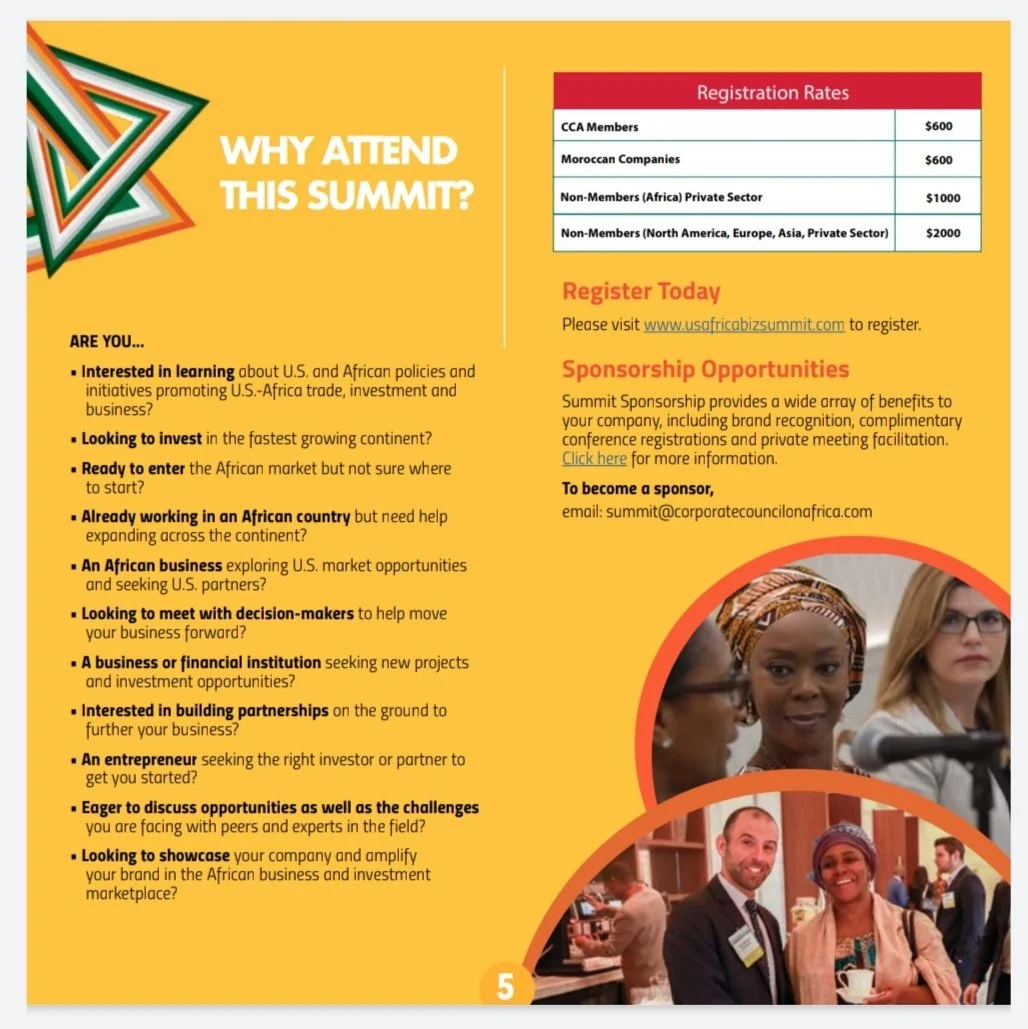
The U.S.-Africa Business Summit is a premier event organised by the Corporate Council on Africa. It brings together African Heads of State, senior US Government and African officials, CEOs and senior U.S. and African private sector executives and heads of international financing institutions.
The objective is to connect governments and private sector decision makers over the course of four days and to deliver the insights to move business relations forward.
Online registration has closed, however you can still purchase your Summit tickets starting on Tuesday, July 19, 2022 at the venue Palais des Congrès Boulevard Mohamed VI Marrakech, Morocco.
For more information or questions, email Summit@corporatecouncilonafrica.com.
Follow the event program online on the CCA website.