
STATEMENT BY SECRETARY ANTONY J. BLINKEN: U.S. Abstention from UN Security Council Resolution on Gaza
Today, the United States abstained on UN Security Council resolution 2728. This abstention, which comes on the heels of the Russian and Chinese veto of our comprehensive draft resolution in the Council, reaffirms the U.S. position that a ceasefire of any duration come as part of an agreement to release hostages in Gaza. While we do not agree with all provisions included in this text, adjustments made by the resolution’s sponsors over recent days are consistent with our principled position that any ceasefire text must be paired with text on the release of the hostages.
U.S. DEPARTMENT OF STATE
Office of the Spokesperson
For Immediate Release
STATEMENT BY SECRETARY ANTONY J. BLINKEN
March 25, 2024
U.S. Abstention from UN Security Council Resolution on Gaza
Today, the United States abstained on UN Security Council resolution 2728. This abstention, which comes on the heels of the Russian and Chinese veto of our comprehensive draft resolution in the Council, reaffirms the U.S. position that a ceasefire of any duration come as part of an agreement to release hostages in Gaza. While we do not agree with all provisions included in this text, adjustments made by the resolution’s sponsors over recent days are consistent with our principled position that any ceasefire text must be paired with text on the release of the hostages. This resolution further explicitly recognizes the painstaking, non-stop negotiations being conducted by the Governments of Egypt, Israel, Qatar, and the United States to achieve such a release in the context of a ceasefire, which would also create space to surge more lifesaving humanitarian assistance for Palestinian civilians, and to build something more enduring.
Because the final text does not have key language we view as essential, notably a condemnation of Hamas, we could not support it. This failure to condemn Hamas is particularly difficult to understand coming days after the world once again witnessed the horrific acts terrorist groups commit.
We reiterate the need to accelerate and sustain the provision of humanitarian assistance through all available routes – land, sea, and air. We continue to discuss with partners a pathway to the establishment of a Palestinian state with real security guarantees for Israel to establish long-term peace and security.
As reflected in my most recent travels to the region, we have been working very closely with our Arab partners to realize these important outcomes. We have also been working to with Israel to ensure October 7 can never be repeated, its security needs are met, and it is further integrated into a more secure and prosperous region. There is consensus on these priorities – a ceasefire, the release of hostages, a surge in humanitarian assistance, and a clear pathway planned for the future. And importantly, there is a growing consensus on the steps needed to achieve these priorities. We will continue our close collaboration with our regional partners to achieve these shared objectives.
Stay connected with the Office of Press Relations:
SHARE THIS STORY
Africa-Related is a media content production house
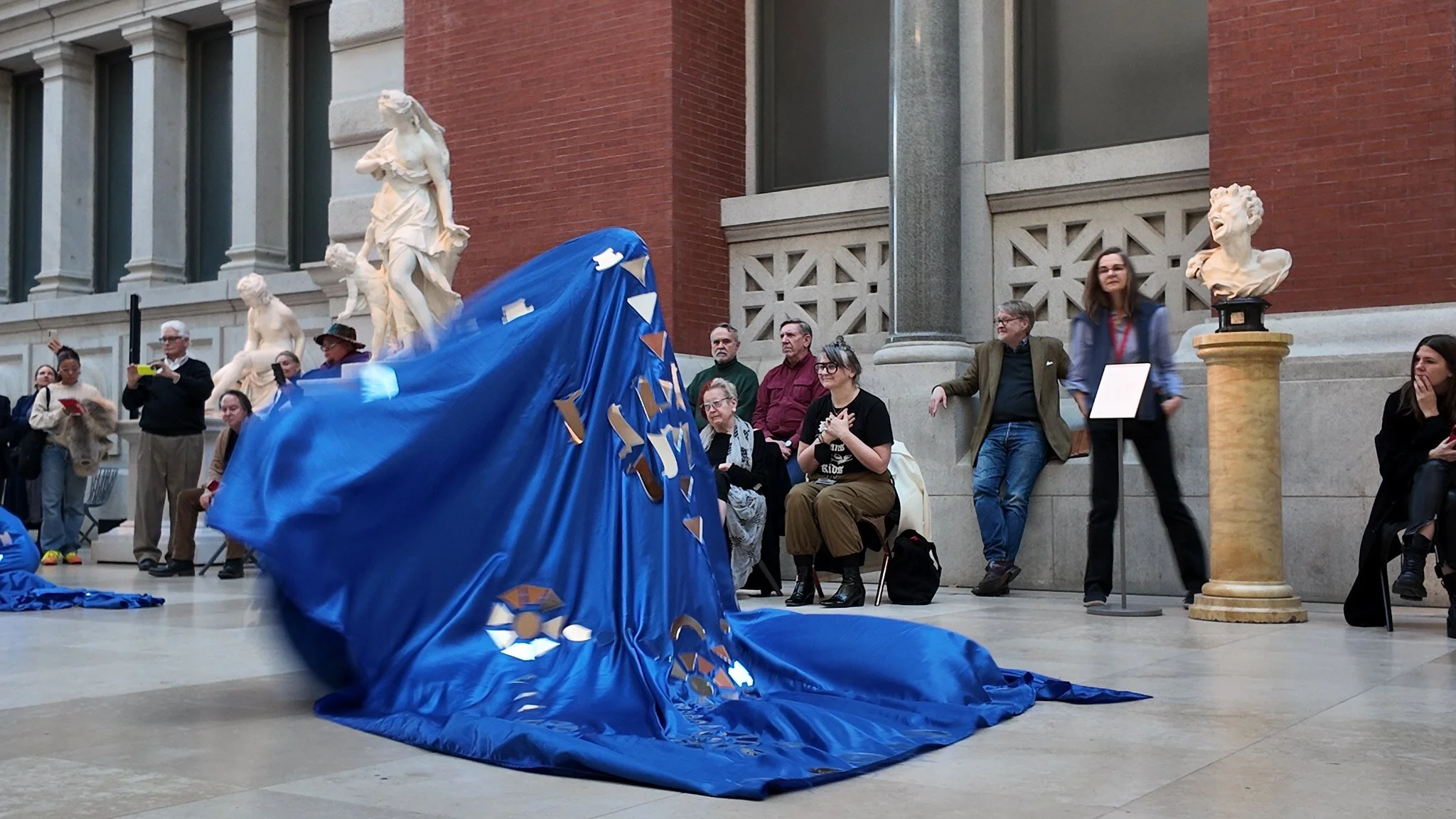
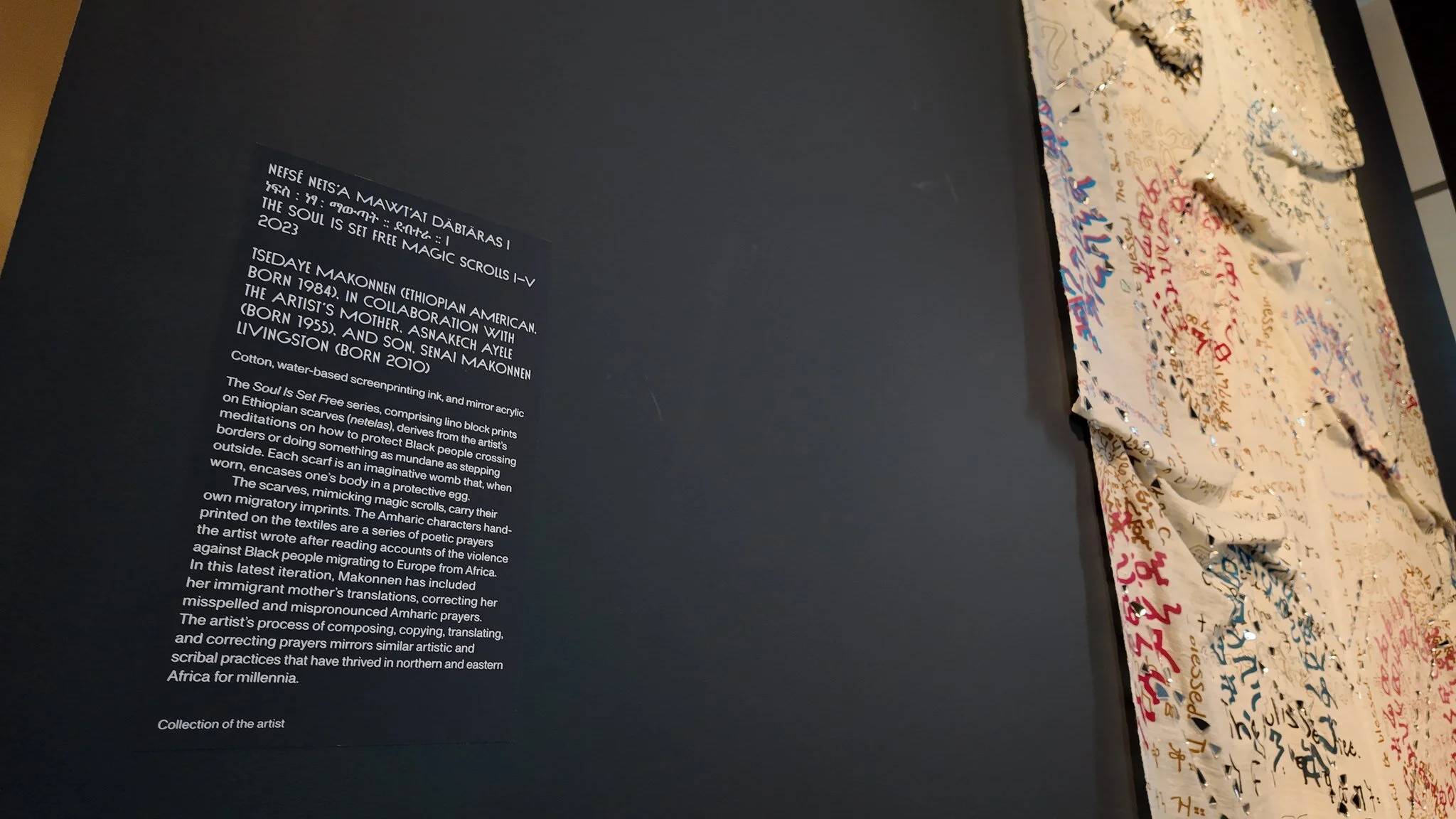
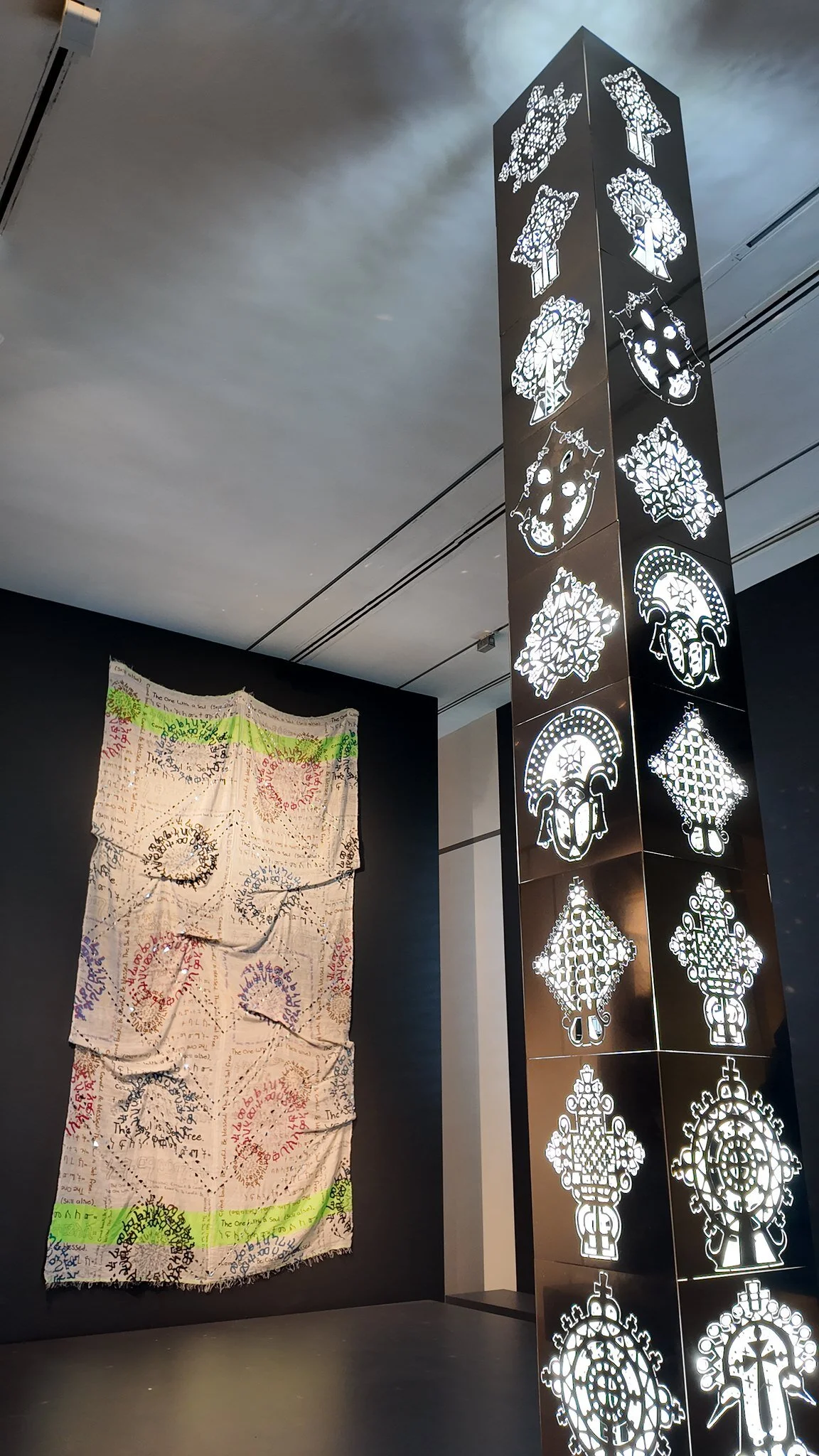
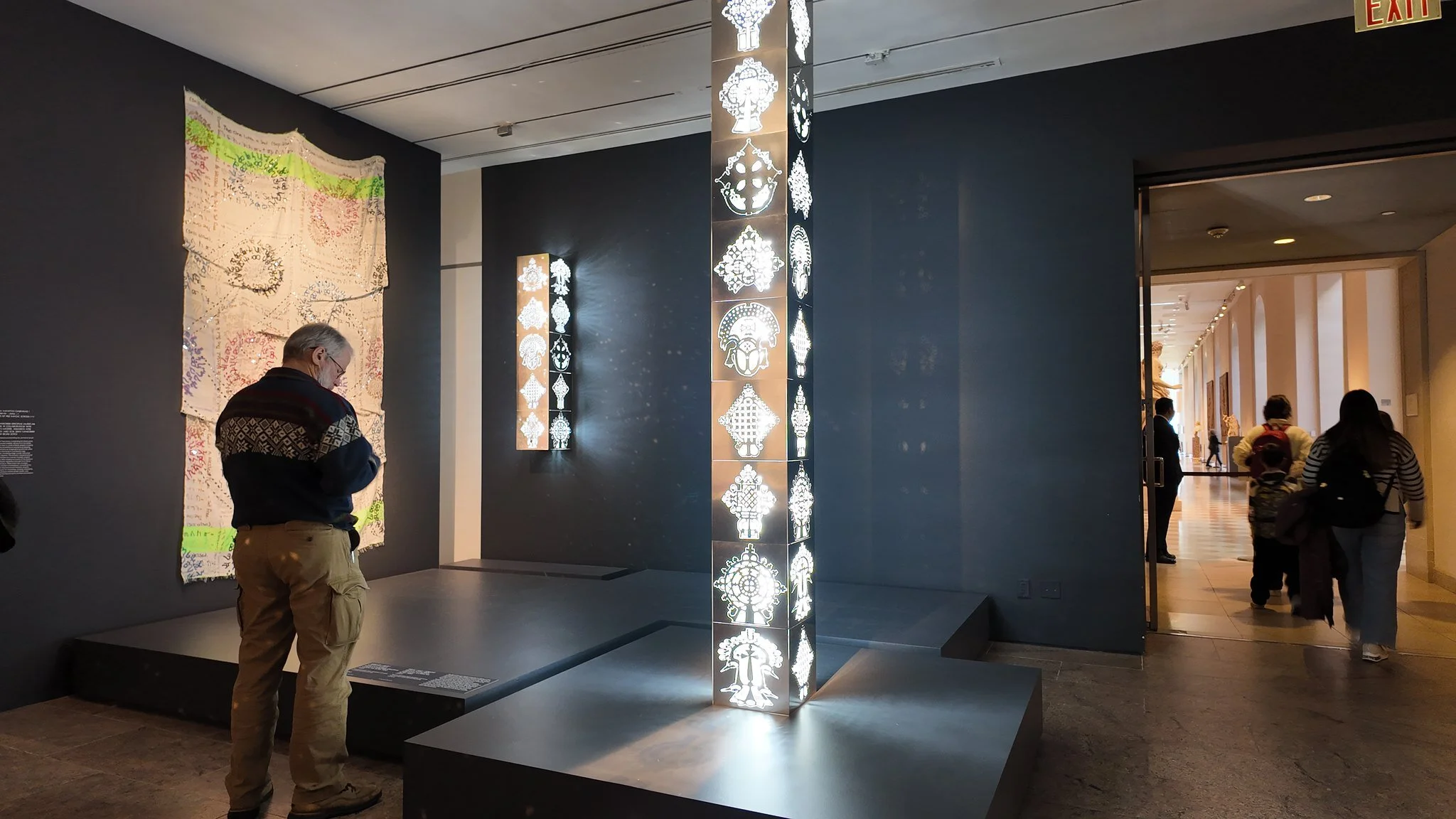
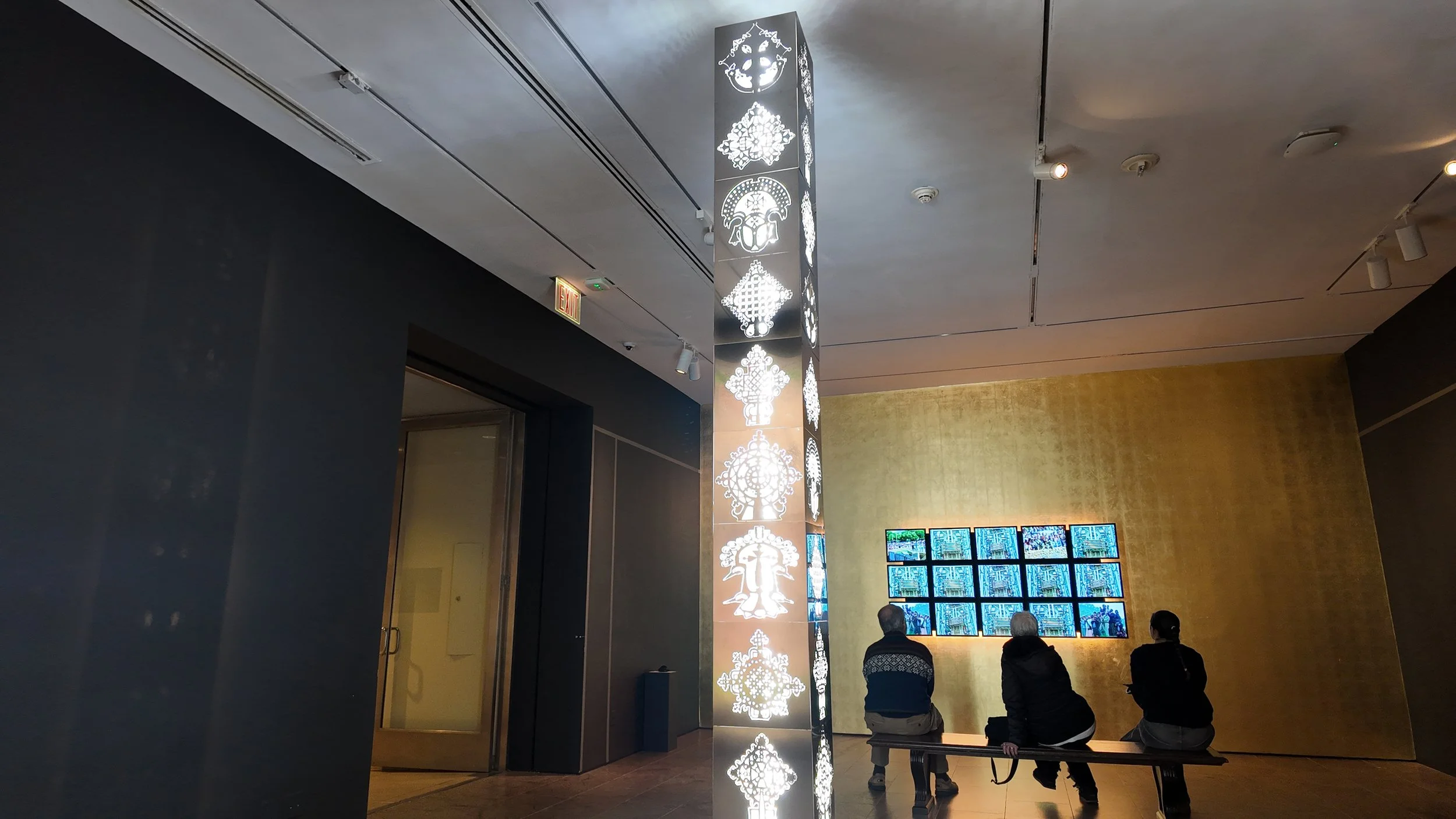
Tsedaye Makonnen's ASTRAL SEA Speaks To The Need for Collective Refuge
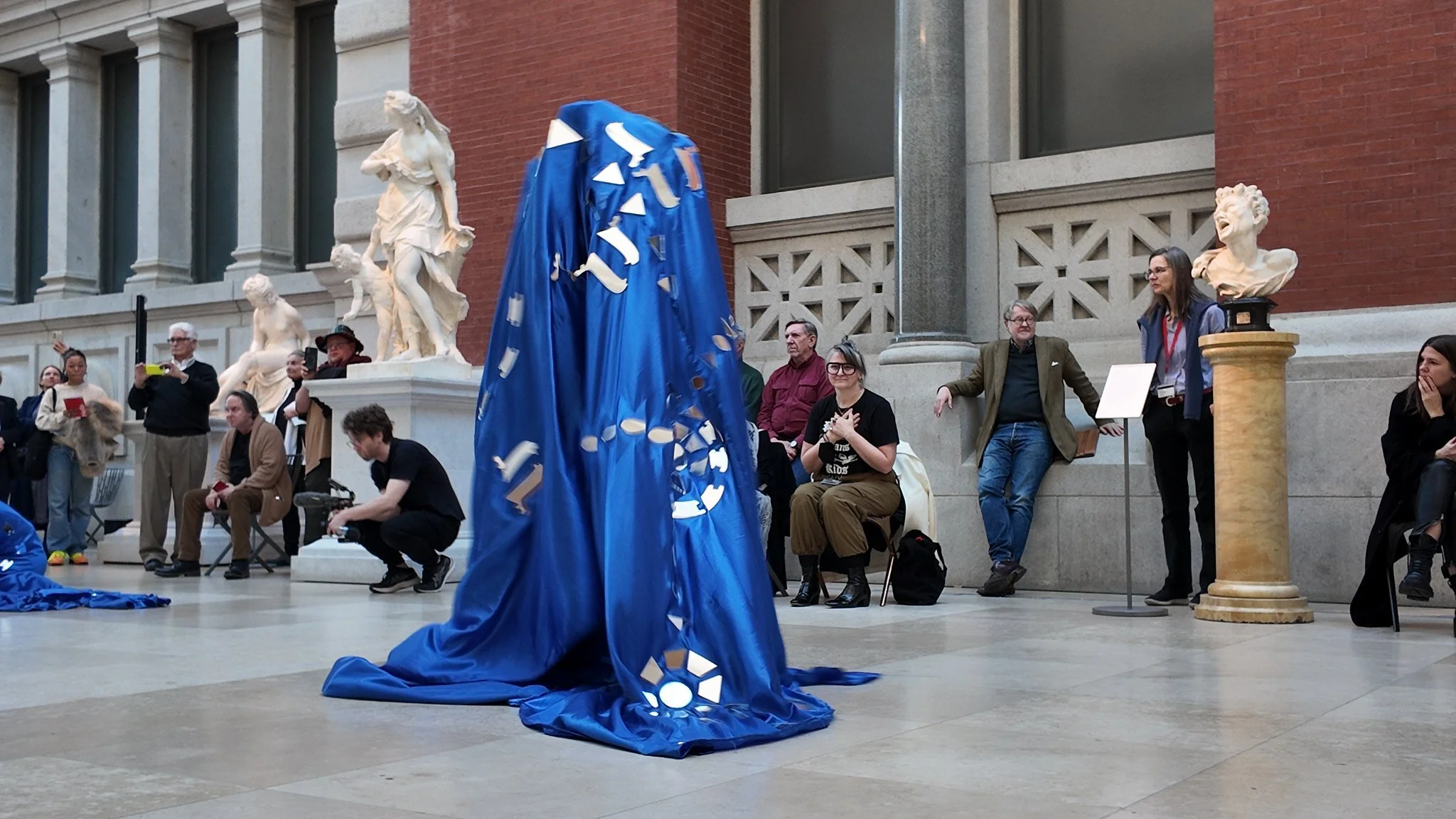
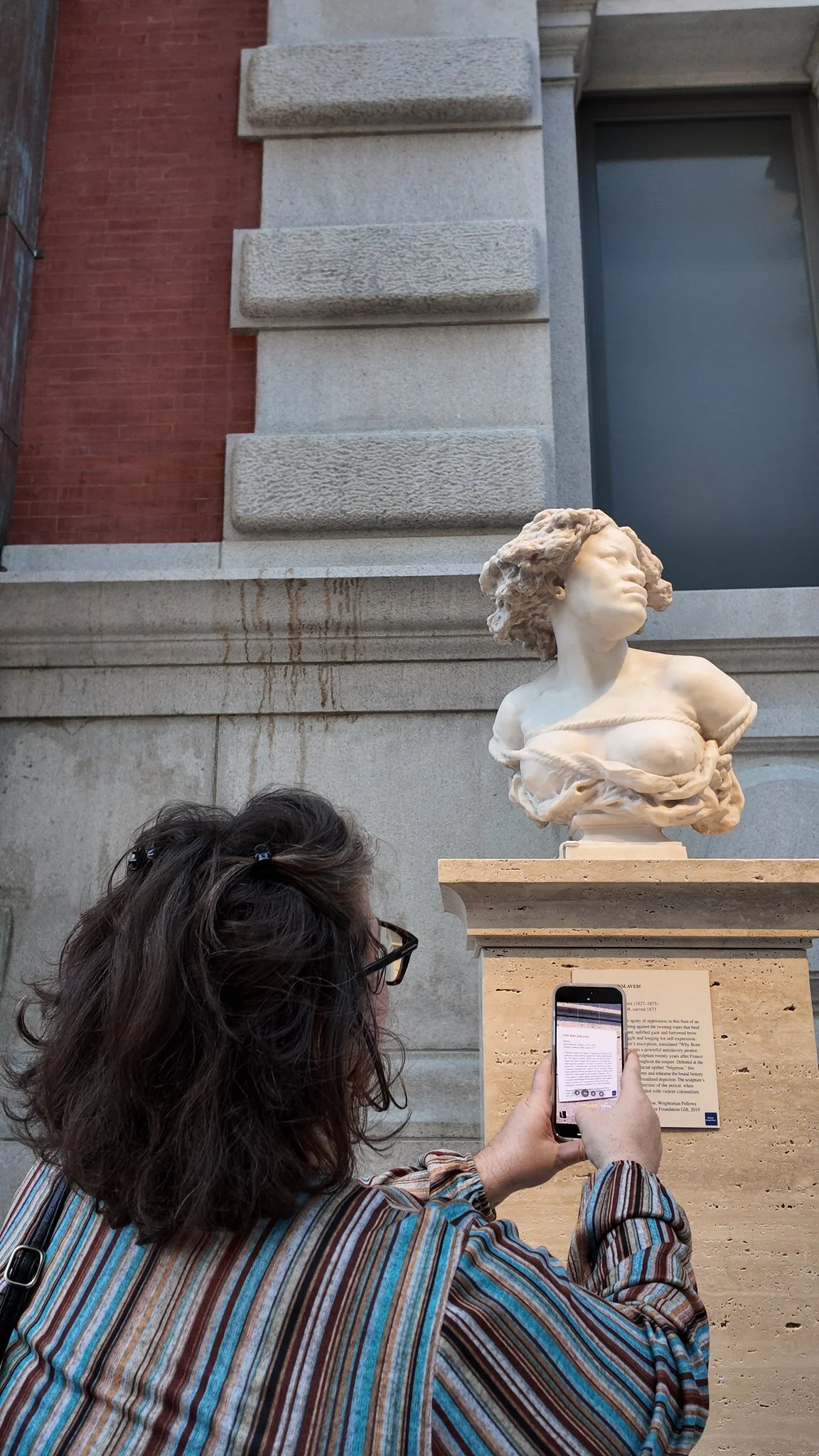
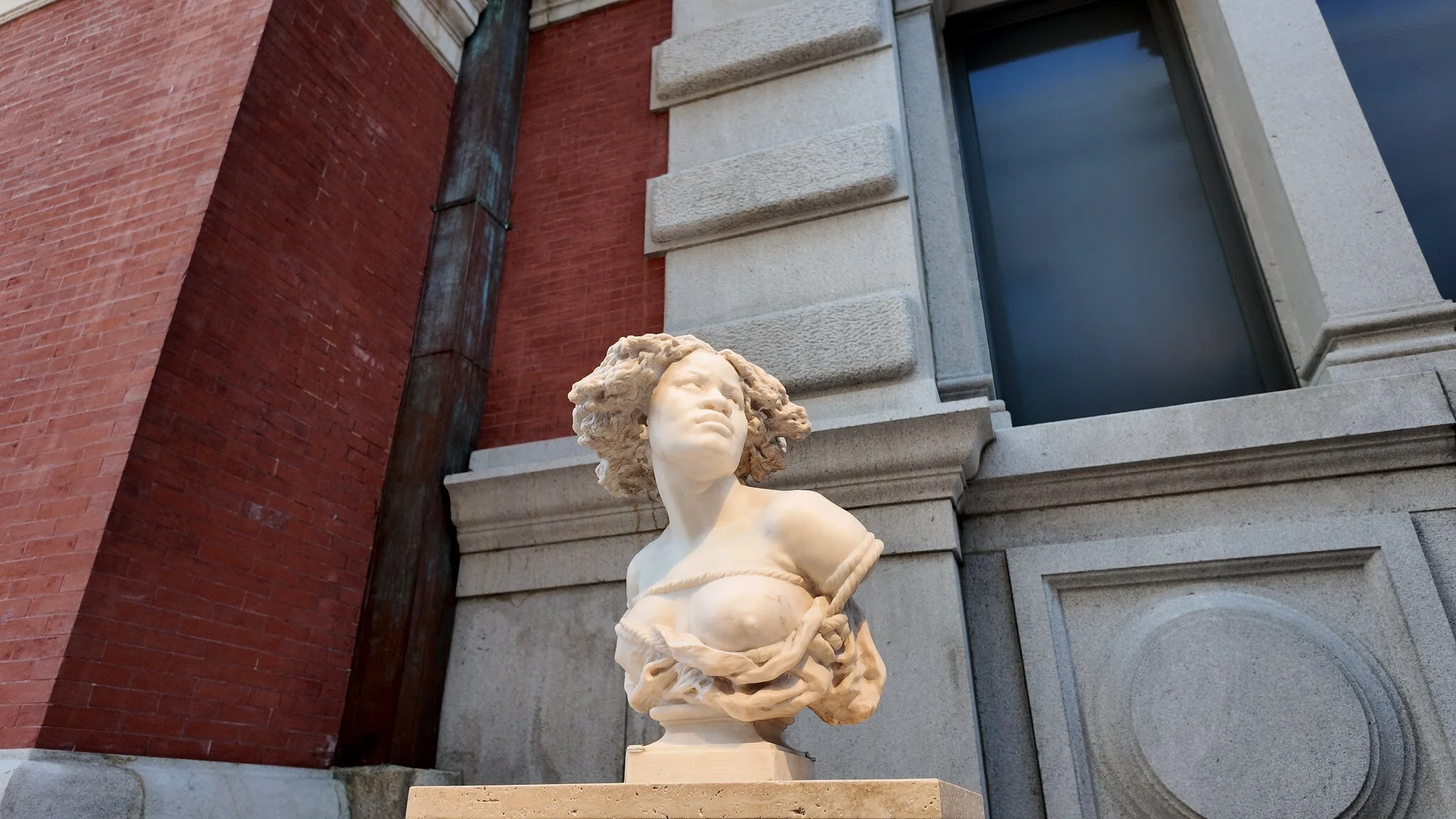
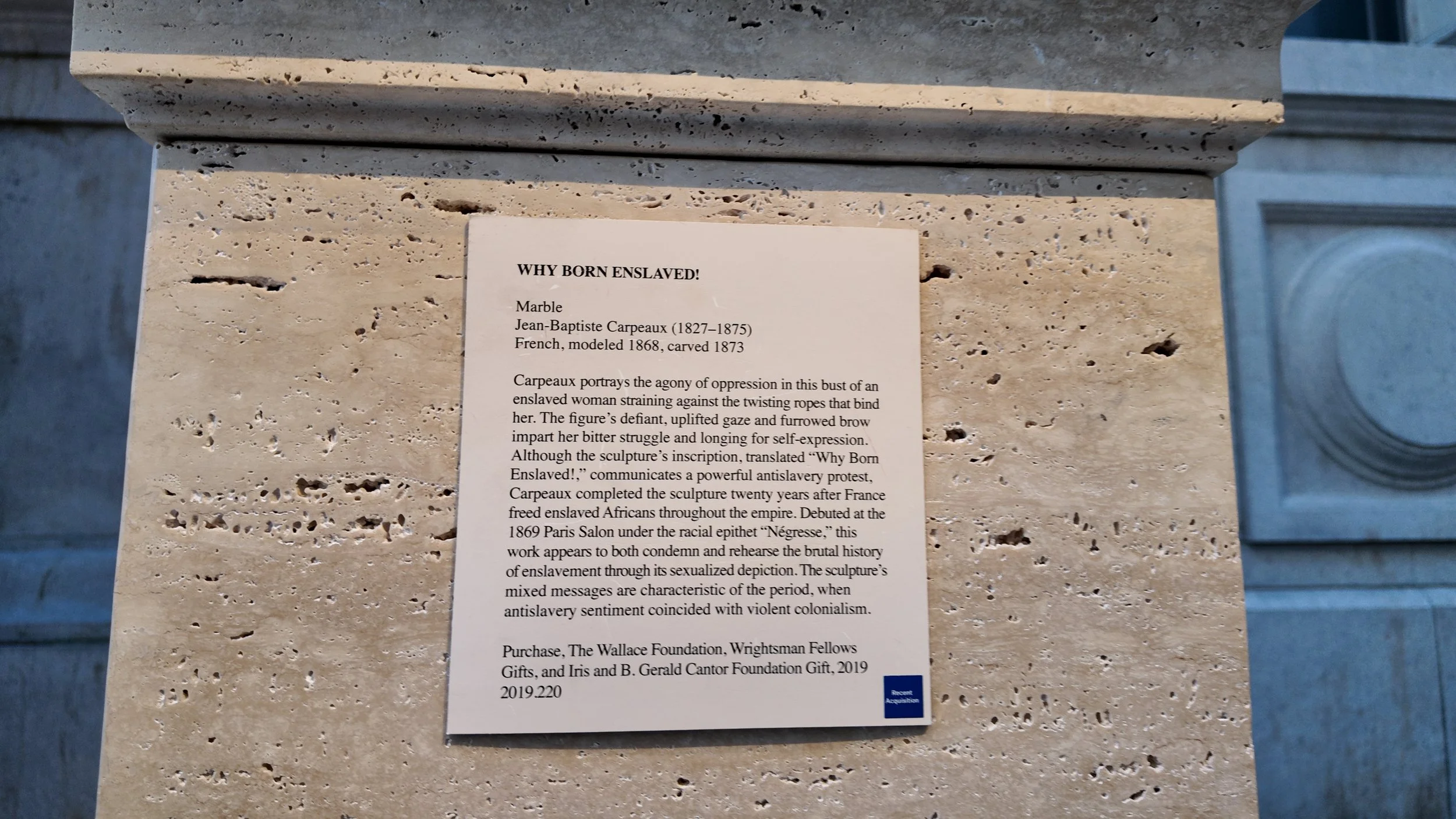
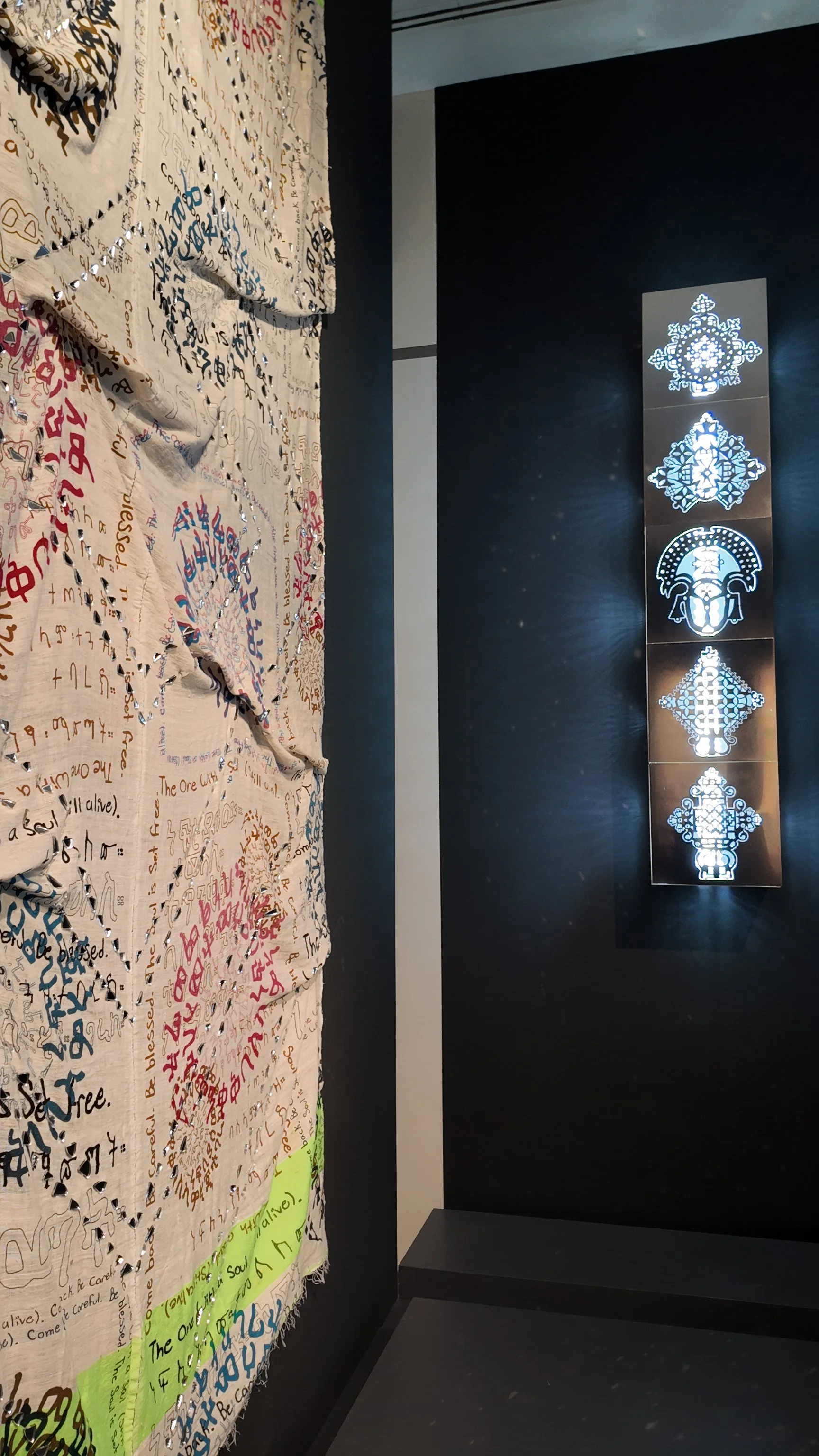
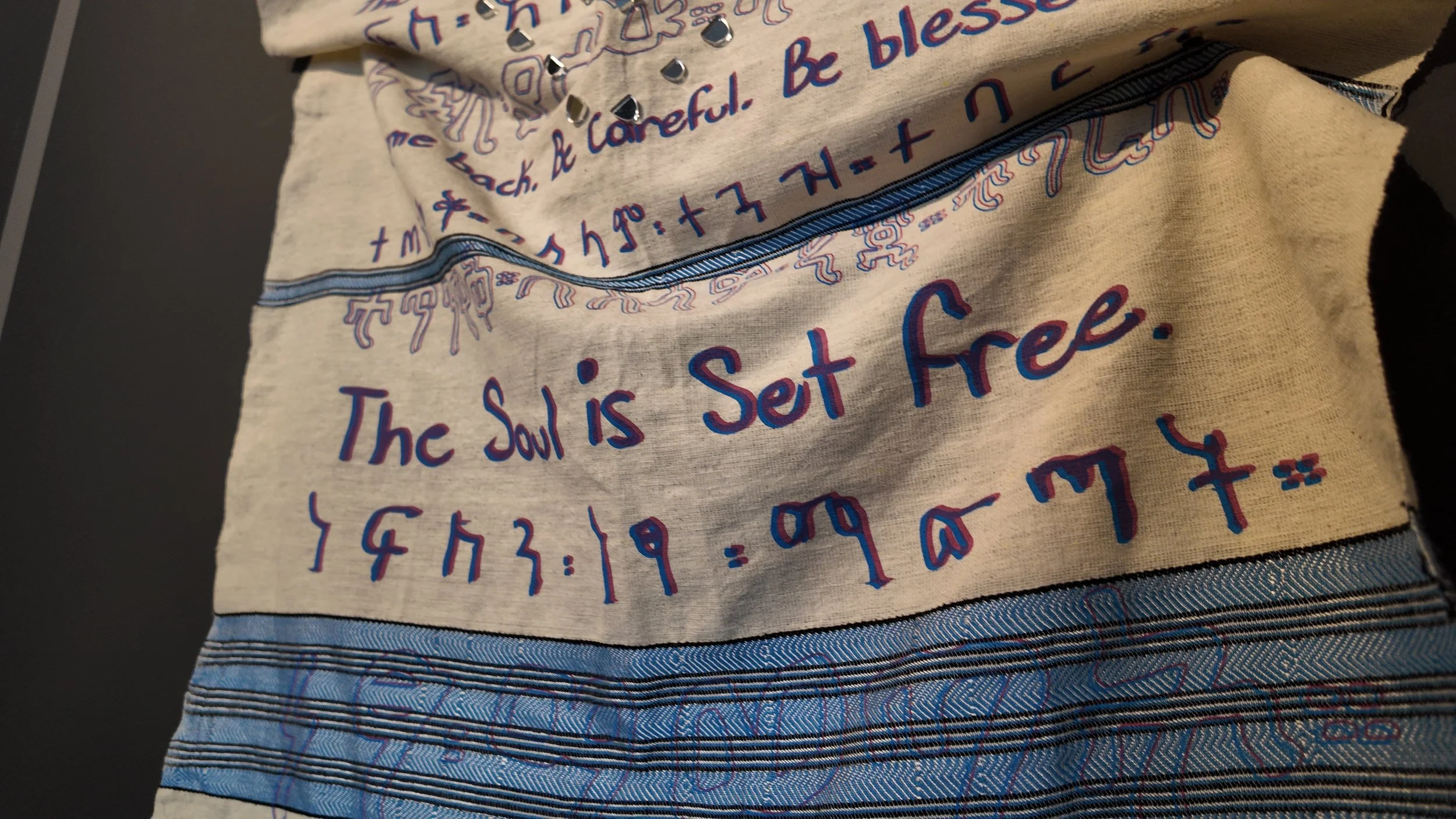
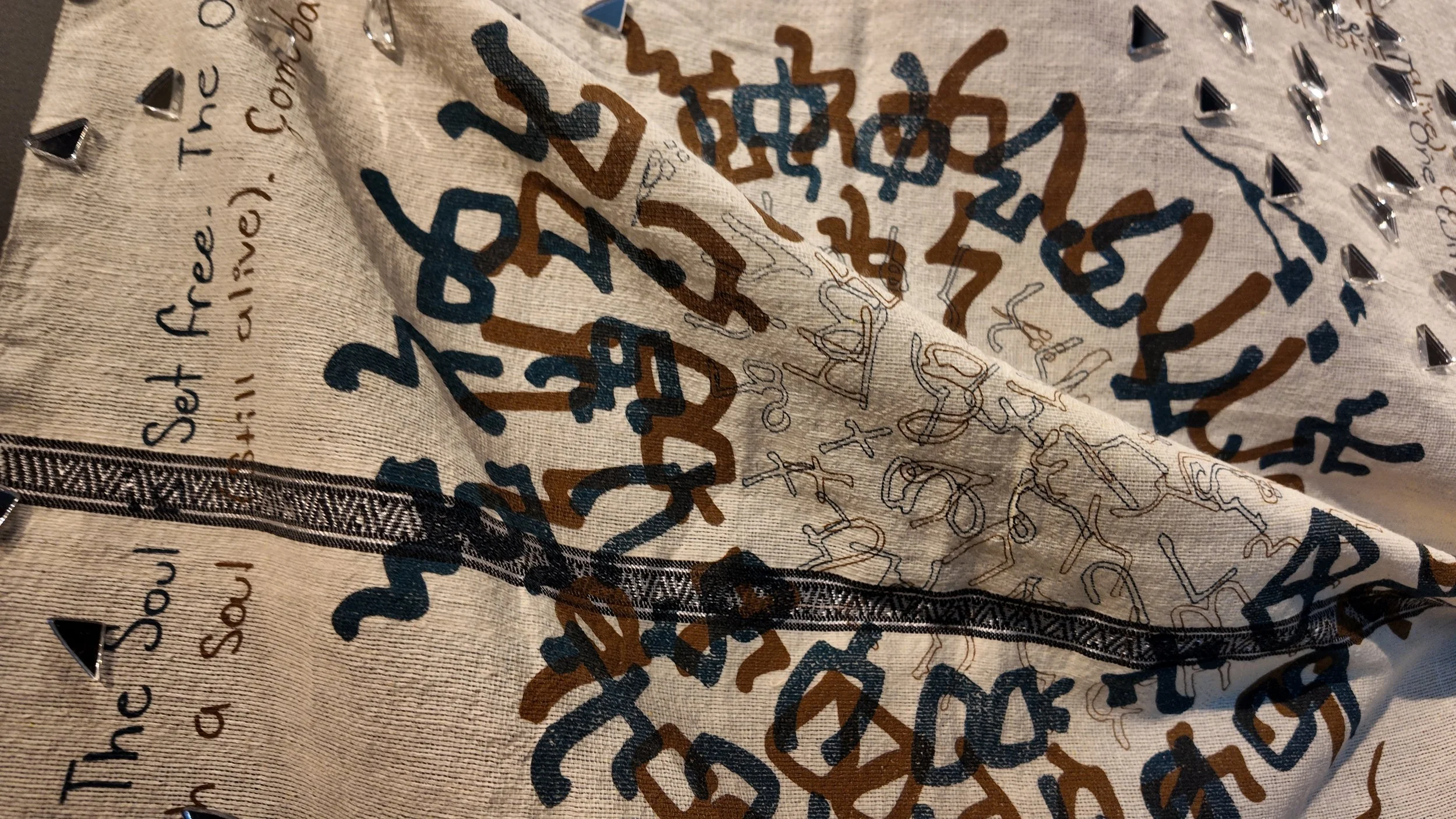
Contemporary Ethiopian/American Artist Tsedaye Makonnen was commissioned by MetLiveArts and featured as one of the two living artists in the Africa and Byzantium exhibition. The result is ASTRAL SEA, which speaks to themes of Slavery, Textiles and History
Oyiza Adaba, New York
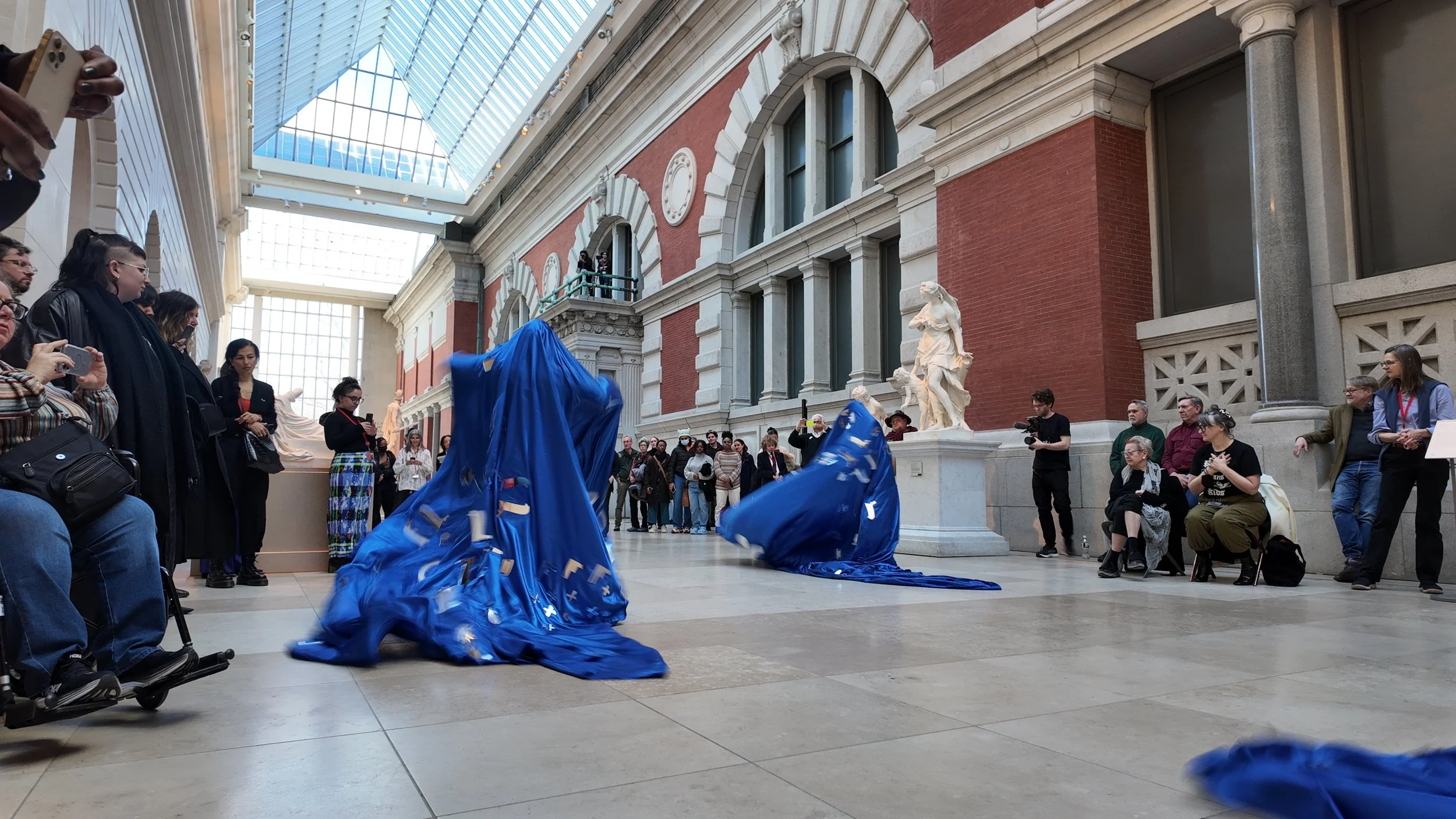
Contemporary Ethiopian/American Artist Tsedaye Makonnen was commissioned by MetLiveArts and featured as one of the two living artists in the Africa and Byzantium exhibition. The result is ASTRAL SEA, which speaks to themes of Slavery, Textiles and History
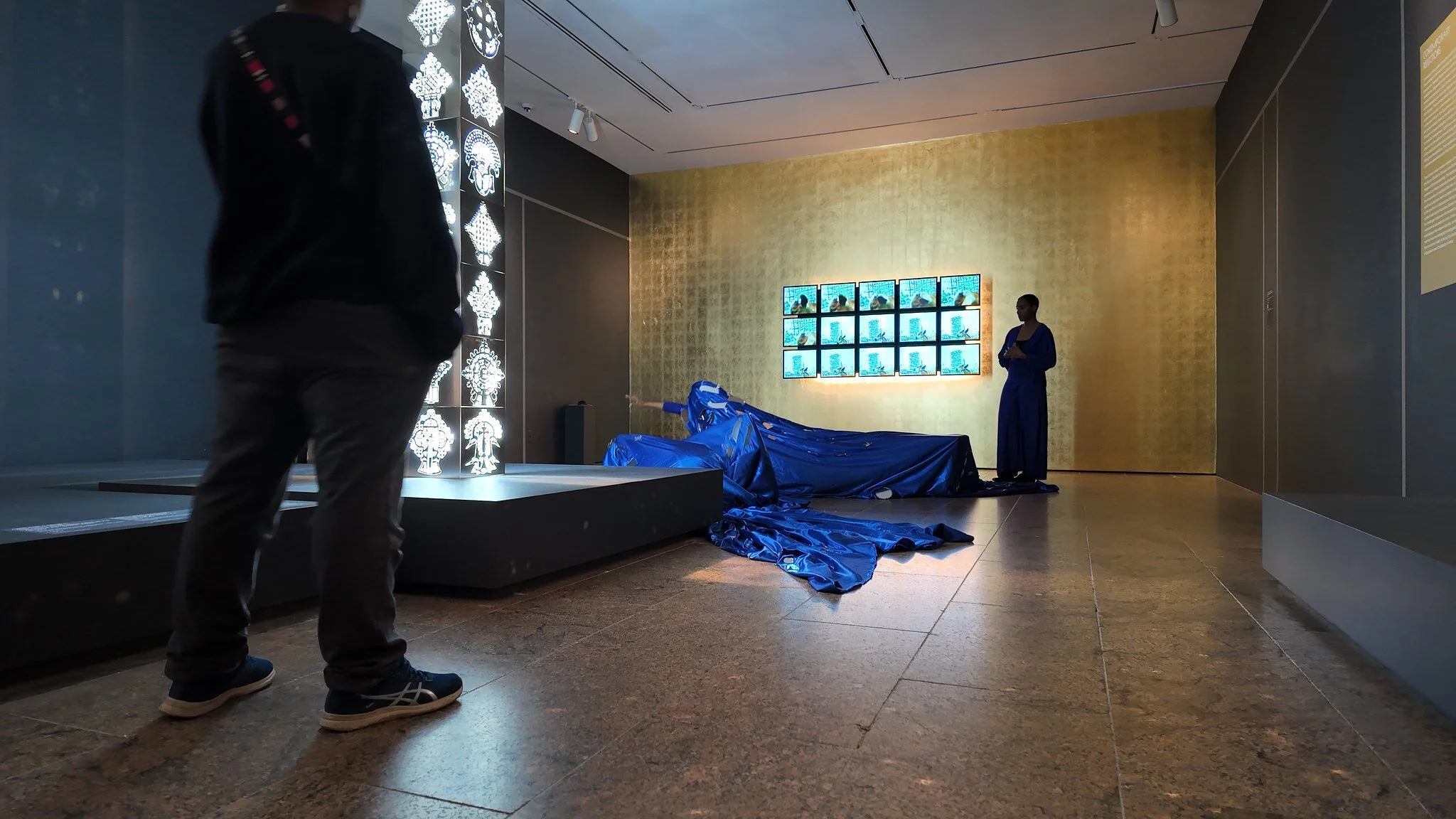
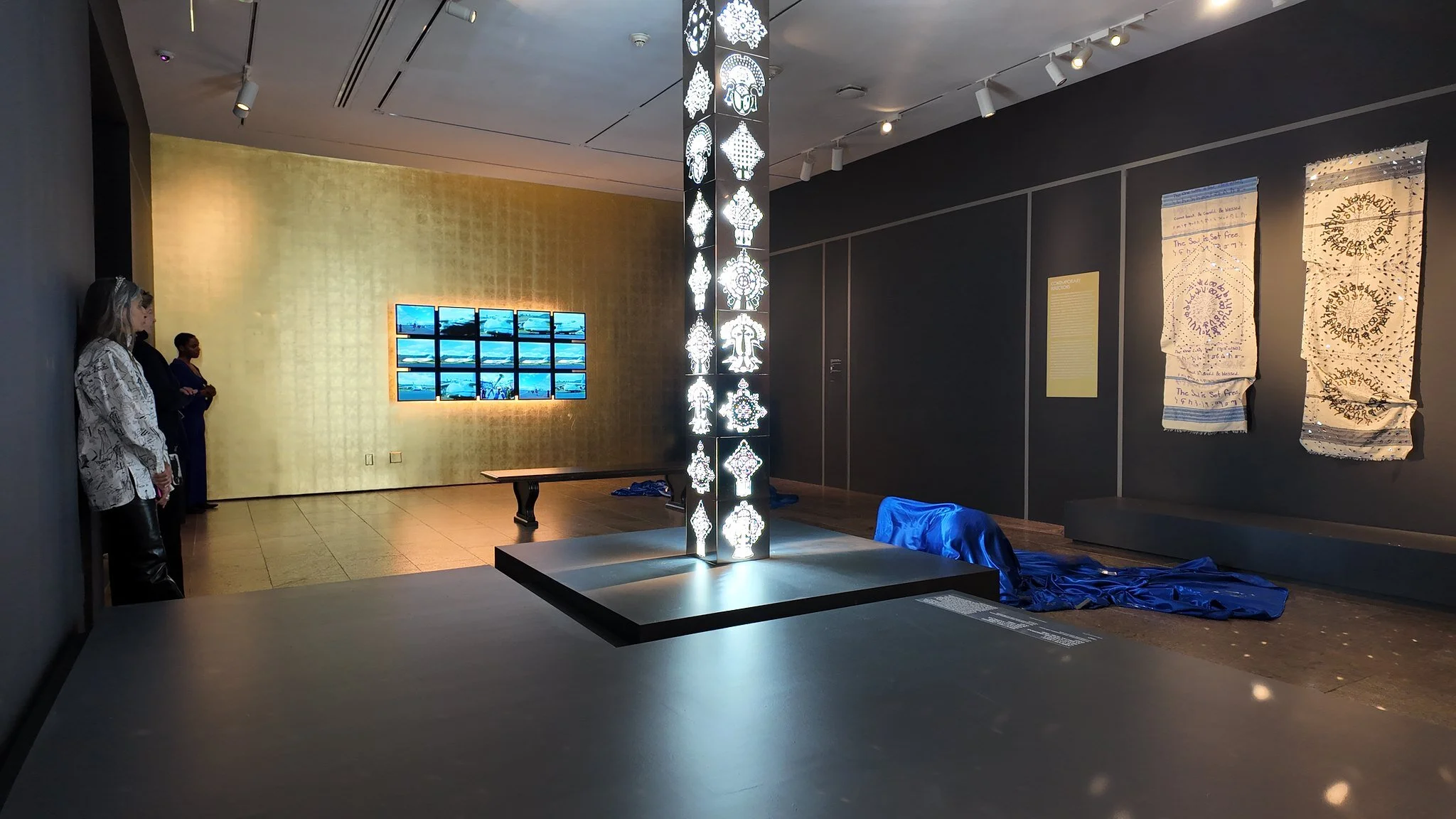
Contemporary Artist Tsedaye Makonnen, currently featured as one of the two living artists in the Africa and Byzantium exhibition, has been commissioned by MetLiveArts and supported by Franklin Furnace to produce a new iteration from her performance and textile series Astral Sea to be featured at The Metropolitan Museum of Art.
The exhibition explores the cultural interconnections between the African continent and Byzantium from the 4th to the 15th century. The Met has commissioned 7 new works from Tsedaye alongside this new performance piece.
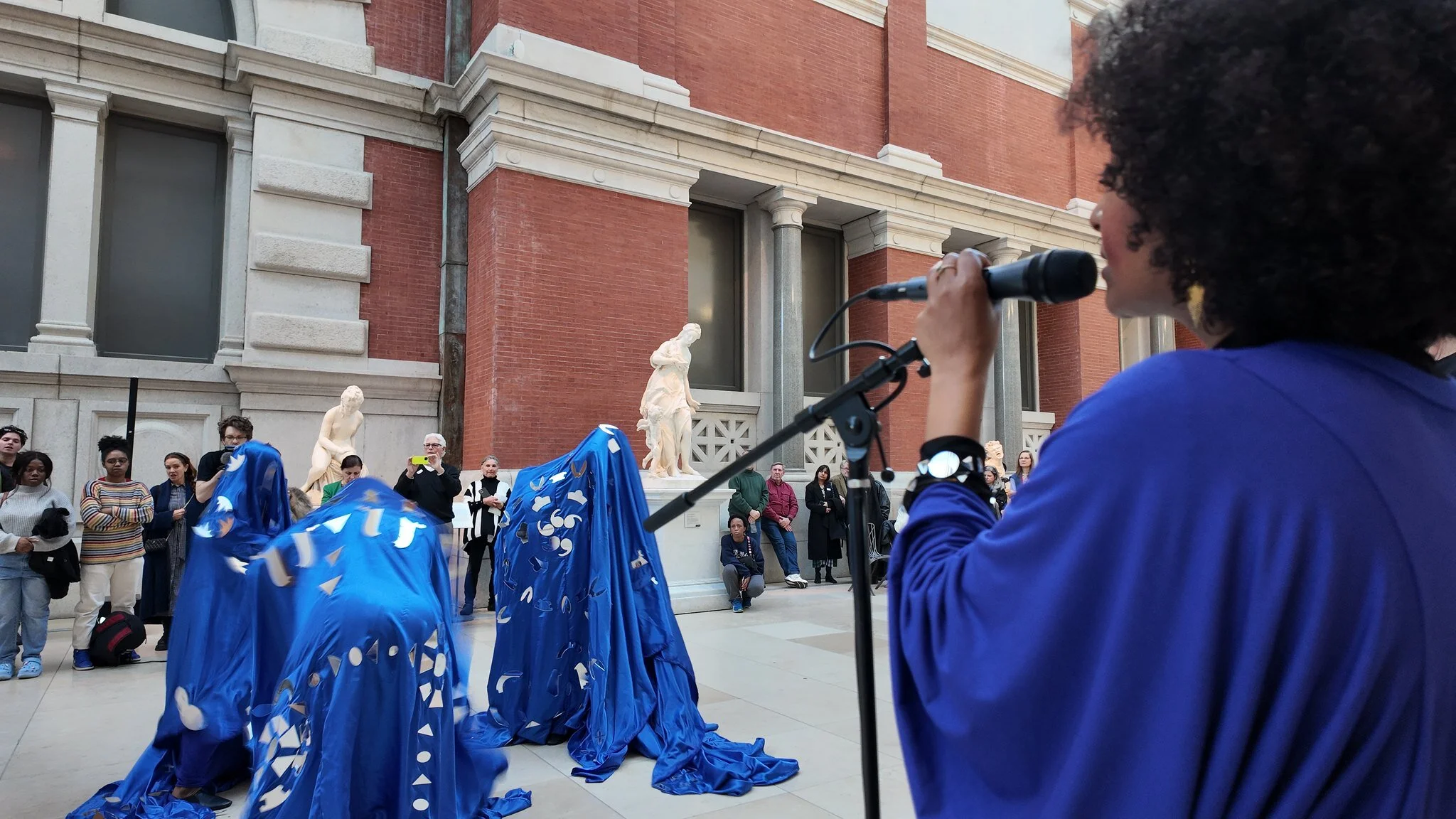
Performers Jasmine Hearn and Adia will be adorned by Astral Sea mirrored textiles created by the artist Tsedaye moving through the exhibit and Petrie Court. Their abstracted gestures will emulate water, land and the cosmos becoming a conduit of those who the work honors.
The performance will highlight themes of healing, protection, hope, resilience, and the power of collective action, drawing connections between the rich histories of Africa and the African diaspora. It will be accompanied by a special live soundscape created by world renowned Sudanese musician Alsarah from Alsarah and the Nubatones.
Astral Sea: The Need for Collective Refuge Performance
Date: February 29th, 2024
Location: The Metropolitan Museum of Art
Africa & Byzantium exhibit and Petrie Court
Performers: Jasmine Hearn, Adia and musician Alsarah
Artist: Tsedaye Makonnen

Share this story
Africa-Related is a media content production house
Omoyele Sowore Returns To A Rousing Welcome In The U.S
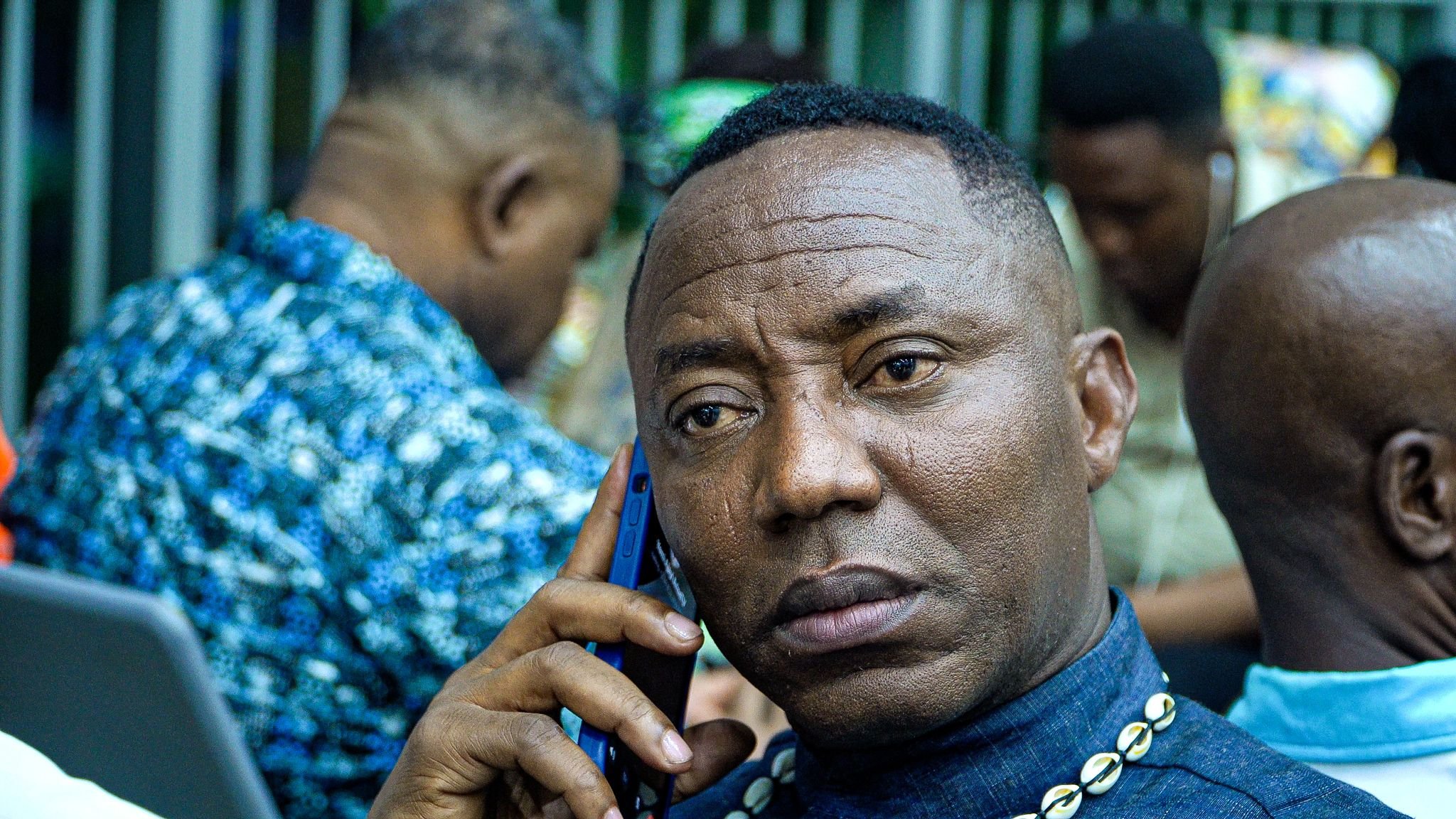
After five long years away from the U.S, where his family primarily resides, Omoyele Sowore, the presidential aspirant that was held by The Muhammadu Buhari administration - returned to a rousing welcome in New York.
Omoyele Sowore Returns To A Rousing Welcome in the U.S
After five long years away from the U.S, where his family primarily resides, Omoyele Sowore, the Presidential aspirant and journalist that was held by The Muhammadu Buhari administration - returned to a rousing welcome in New York.
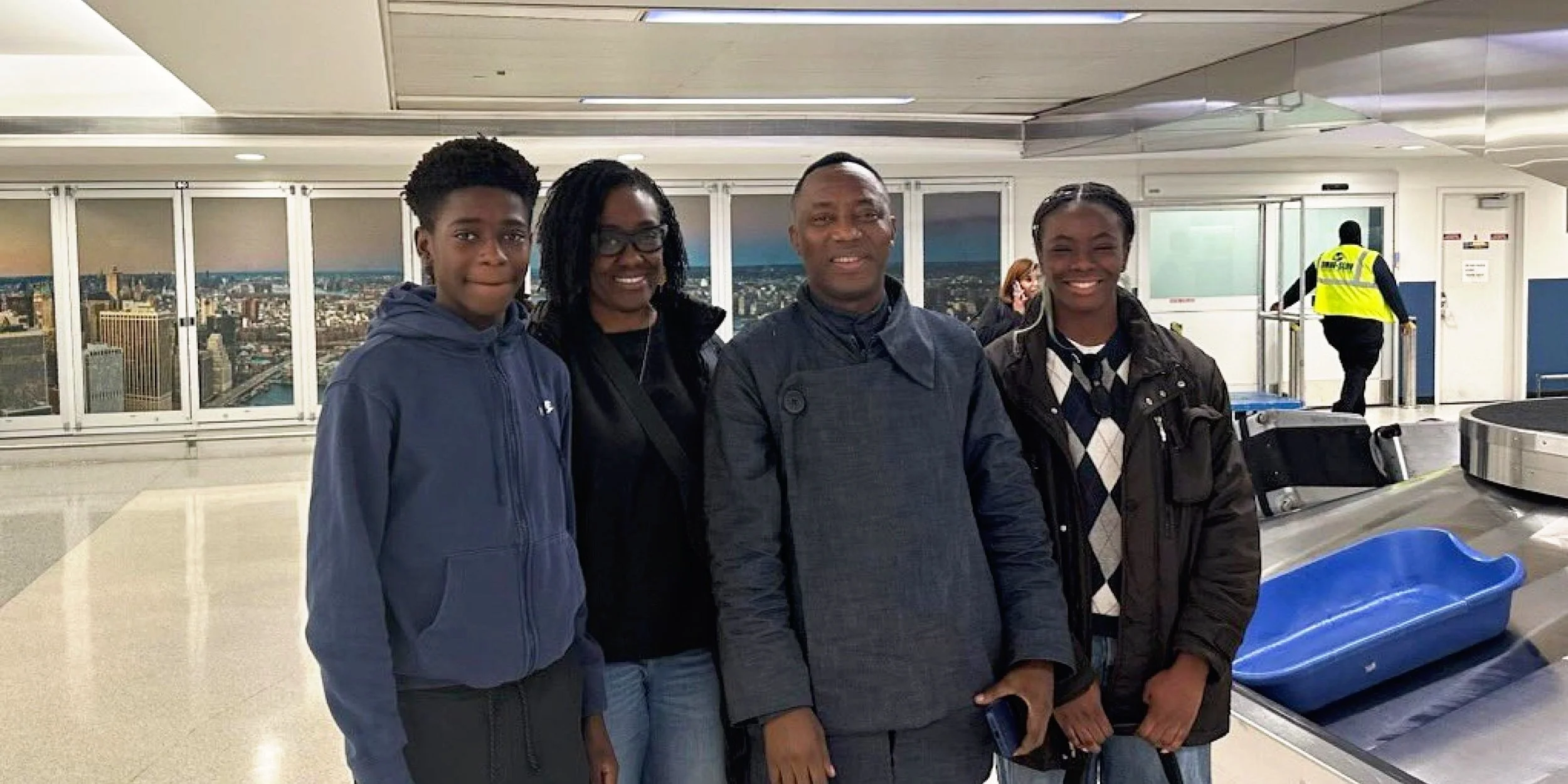
Omoyele Sowore and his family. Photo by Saharareporters
#RevolutionNow convener Omoyele Sowore, on Saturday, arrived in the United States of America after five years to reunite with his family.
SaharaReporters earlier reported that the activists would be traveling to the US Friday night (tonight) to reunite with his family.
This comes after a Federal High Court in Abuja ordered the release of his passport following the decision of the Nigerian government to withdraw its treasonable felony case against the #RevolutionNow convener, four years after it was seized and he was barred from leaving Nigeria.
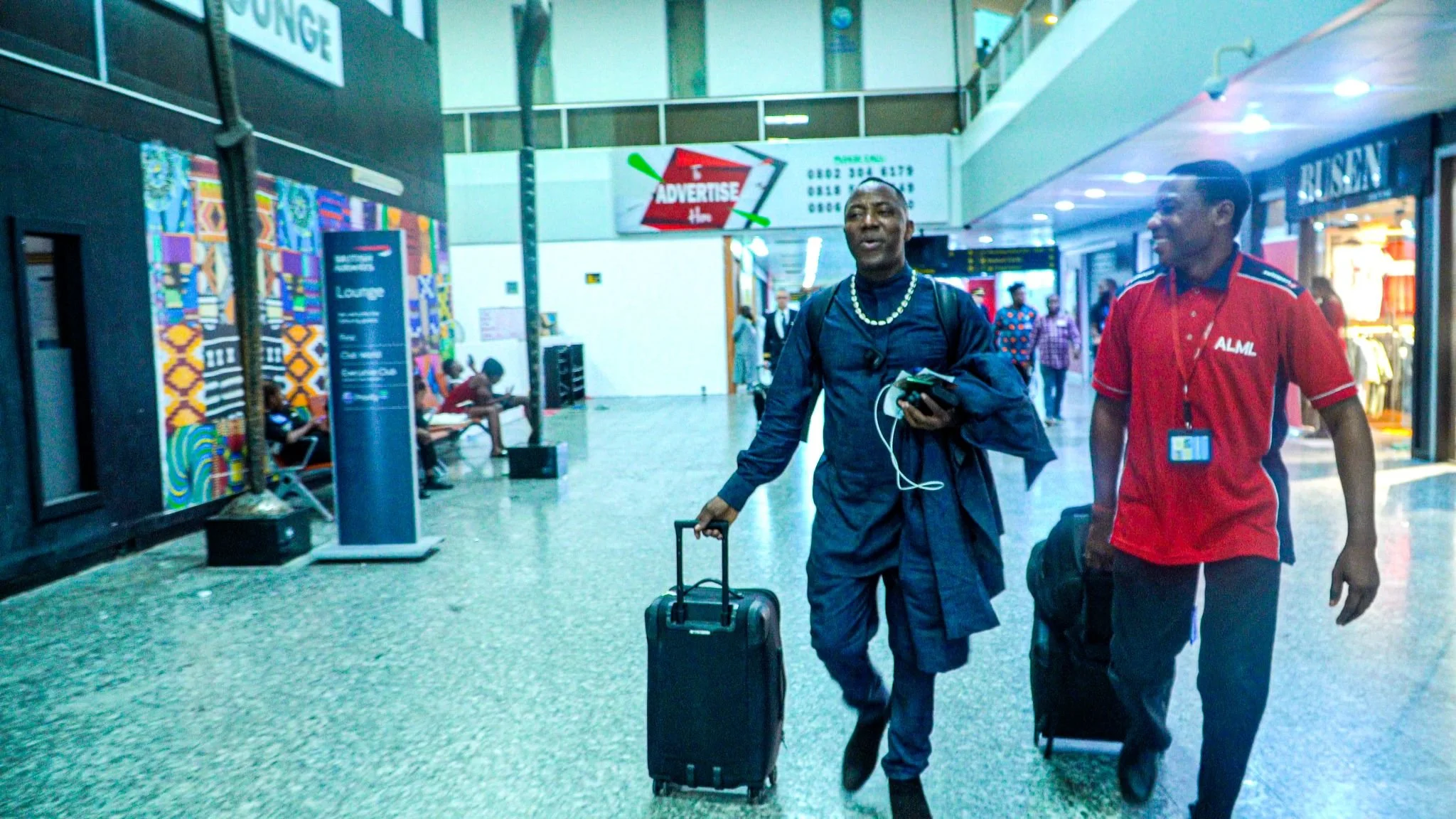
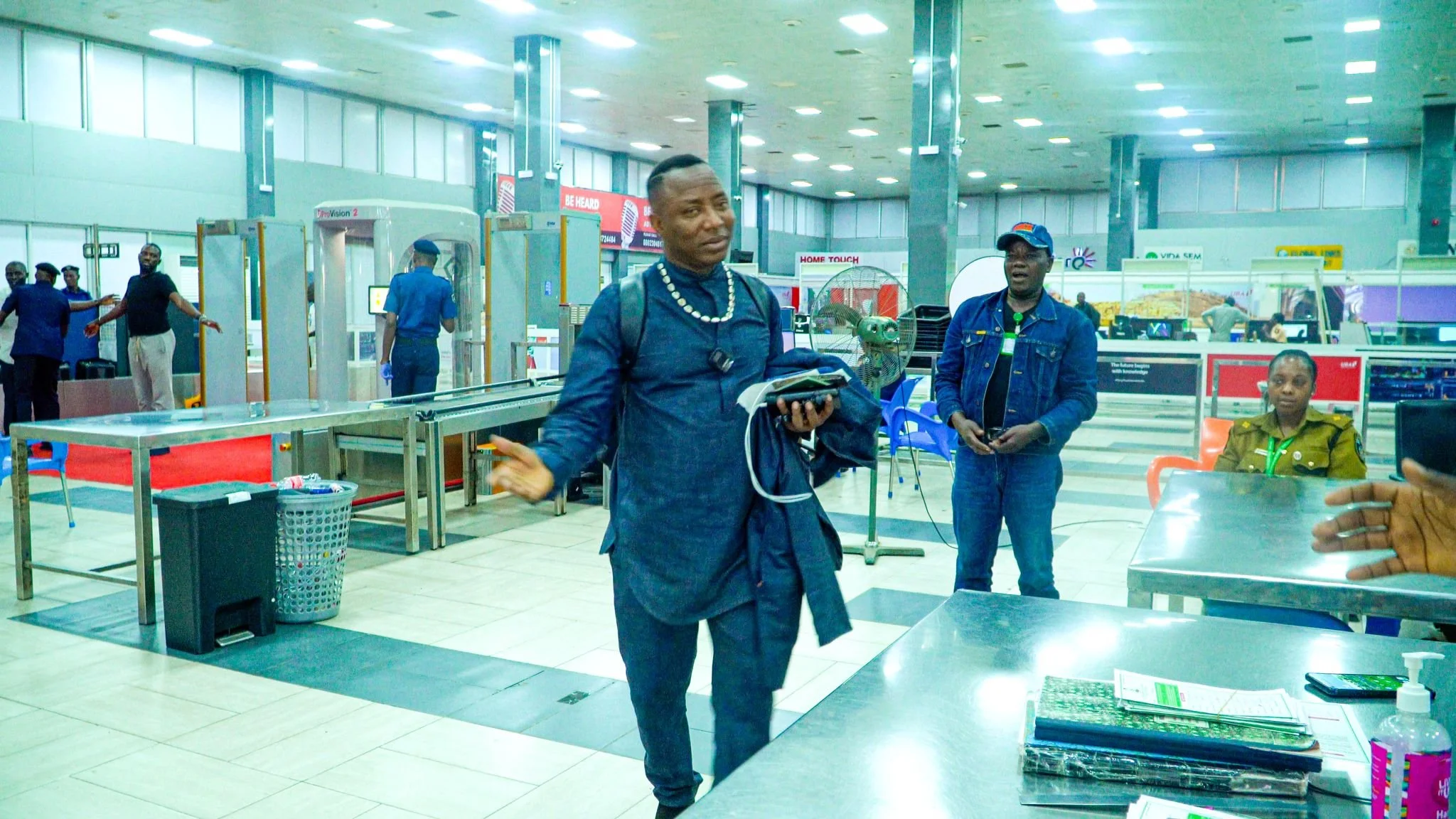
The human rights activist and two-time presidential candidate was warmly welcomed by friends and family on Saturday. Sowore, who departed the Murtala Muhammed International Airport in Lagos late Friday night on a United Airlines flight to DC Washington Dulles International Airport, was accompanied by his supporters to the airport.
After some tense confrontations with some Air Force and immigration officers upon his arrival at the Lagos airport over their refusal to allow his supporters and media crew to film his departure, Sowore left and arrived in Washington, D.C., according to his live stream upon arrival.
After U.S. immigration protocols, Sowore took a second leg of his trip to Newark International Airport, where his family and friends met him upon arrival at about 10 AM U.S. Eastern Time.
His friends, led by a member of the TakeItBack Movement, Kayode Ojo, a New York-based tax consultant, later met Sowore’s obviously excited family – his wife, Opeyemi, and his two kids.
Pius Omoregha, Adebayo Niyi, Seun Akinfolarin, also present at the airport were Friday Valentine Offo, Odinma Anaedo social Club USA, Engineer Victor and many others.
The activist said in a press invitation sent to SaharaReporters on Friday that his trip would be for a short while since he was "bound to return to Nigeria not only to continue my struggle for the total liberation of our people but also to face the myriad of bogus criminal and civil cases thrown at me since my detention began."
Sowore drove home and later attended a reception organized by the City of Haworth. The packed event, organized by the Mayor, Heather Wasser, had in attendance US Congressman Josh Gottheimer, whom Sowore acknowledged as facilitating his return to the U.S.
Sowore’s in-laws, Dr. Soji and Tolu Oluwole, also attended.
Other attendees included members of the Diaspora community led by a former President of the University of Lagos students union and now a foremost chemical engineer in the US, Dr. Malcolm Fabiyi, Bukola Oreofe, Deacon Dele Alade, Ademola Bello, American writer and journalist Lisa Vives, and Nigerian cuisine chef and owner of Brooklyn-based Buka restaurant, Lookman Afolayan.
The event, in which Sowore gave a heartfelt speech, also featured his wife, Opeyemi, appreciating the women who led the campaign for the activist’s release in Haworth, New Jersey.
The healthcare marketing consultant said the “friendship and unbreakable bonds” she forged with other women in Haworth helped her cope with the lonely days of wondering if her husband was safe.
“I’m so overwhelmed by the love that surrounds me and my family,” she said.
According to a video of the event posted by northjersey.com, Sowore said in his speech, “I can’t explain how I feel to be here with you today.
“Before I was arrested, nobody knew much about me in this city. I would just occasionally get on the street and run because I do long-distance running. I participated in the city’s runs once in a while. But something is very similar to where I come from; my hometown is as small as what you have here.
“And I remember growing up and saying that I would change the world through my hometown of 3,000 people when it was invaded by the police in 1980. Fast-forward to years later, and I found myself in this small town. Just the way my hometown shook the Nigerian government through me, you shook our government and the world through me again. I became one of the most popular faces throughout my five-year stay in Nigeria. Everybody knew how to spell this place.”
At the reception, Sowore’s daughter read a poem describing her father as “a man with a big heart.”
One of the leading voices was a council member, Alanna Zahn Davis, who spoke passionately about the strong bond Sowore’s incarceration brought to bear on the Haworth community in New Jersey.
To end the event, The Mayor of Haworth, Heather Wasser delivered a proclamation to honour Sowore and his family for their resilience and struggle for the emancipation of their homeland Nigeria.
SaharaReporters on February 15 reported that the President Bola Tinubu-led government had discontinued the treasonable felony case instituted against Sowore.
The development was made known in a document issued by the Attorney General of the Federation and Minister of Justice, Lateef Fagbemi.
The document dated February 15, 2024, was addressed to the Federal High Court of Nigeria, Abuja Division.
In the document, the government disclosed its intention to also discontinue the case against Sowore’s co-defendant, Olawale Bakare, aka Mandate.
Sowore was arrested by the Department of State Services on August 3, 2019, in Lagos, Nigeria.
He was subsequently detained and charged with treason for calling for nationwide protests as part of the #RevolutionNow movement he started.
Following the notice of withdrawal of the case, which was issued by the government through the Attorney General of the Federation, Justice Emeka Nwite of the Federal High Court in Abuja ordered the release of his passport and other items seized from him.
Source: Sahara Reporters
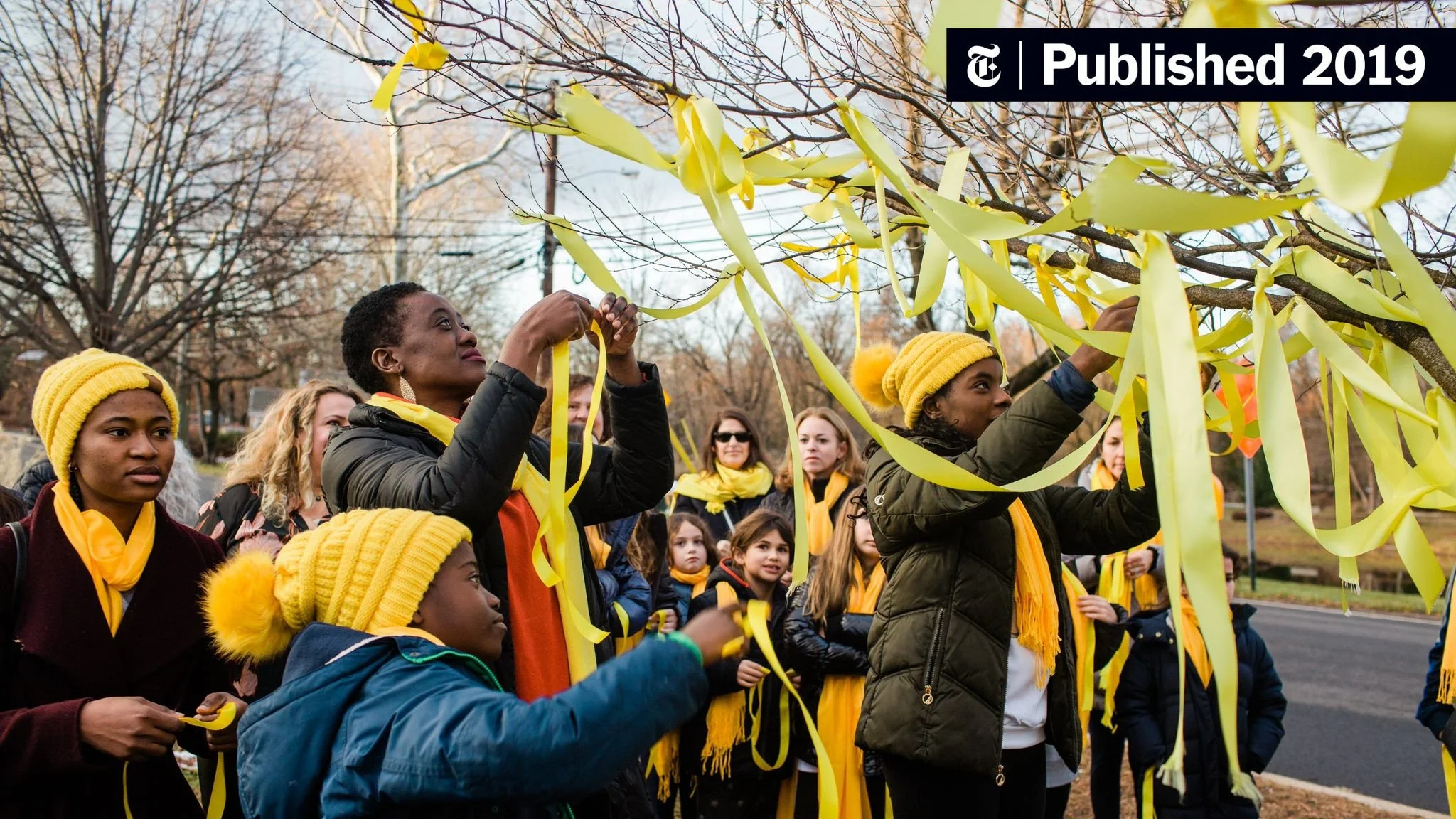
SHARE THIS STORY
Africa-Related is a media content production house
Abandoned And Forgotten - Pilgrimage to Leah Sharibu’s School on 6th Anniversary
Leah, the world’s youngest prisoner of conscience designated by the US Commission on International Religious Freedom (she was 14 on Feb 19, 2018) may be world famous but it hasn’t helped her school.
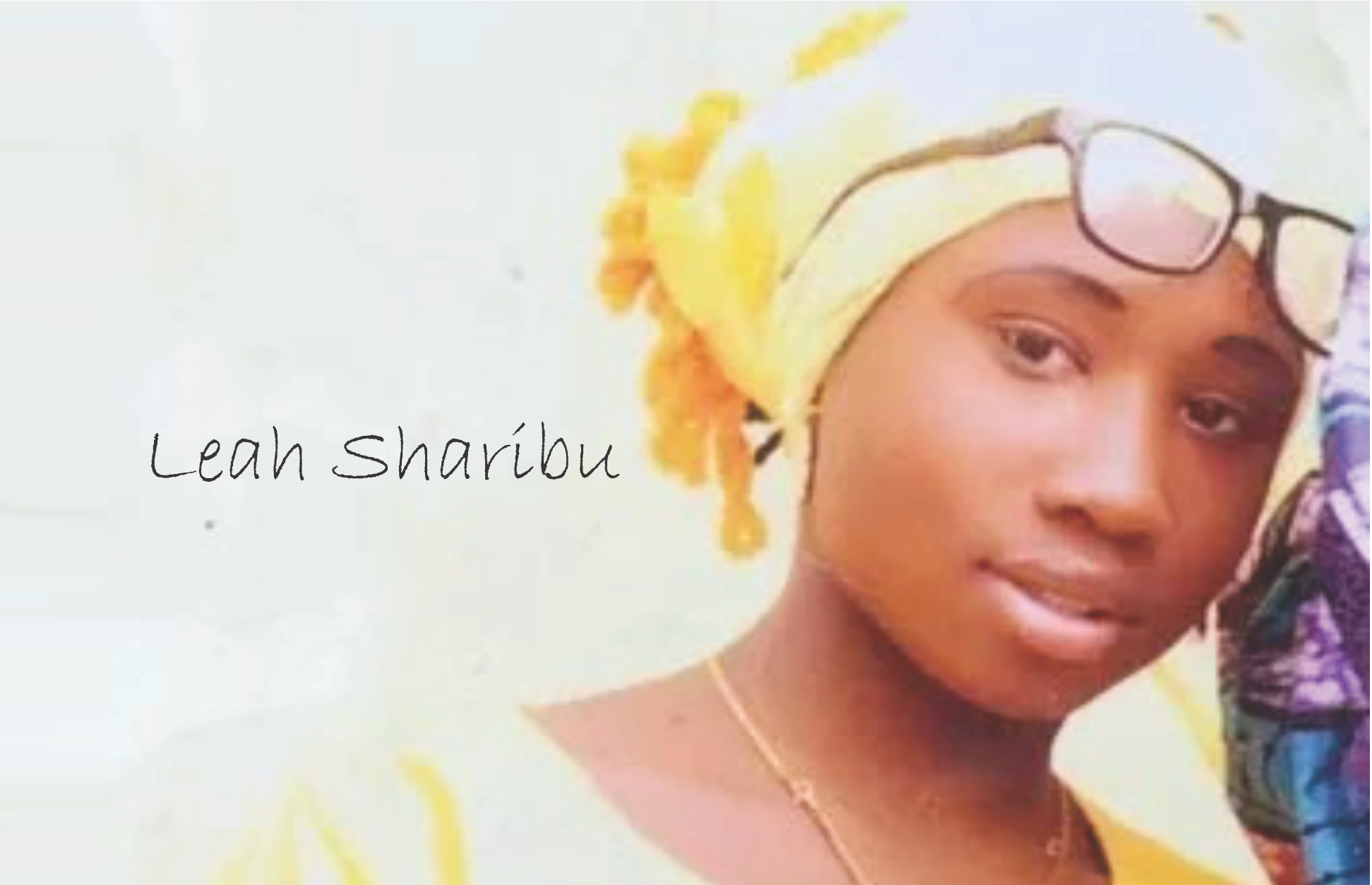
Abandoned and forgotten - pilgrimage to Leah Sharibu’s school on 6th anniversary
MEDIA ADVISORY
Please find below U.S. Nigeria Law Group’s Fact-finding report on Leah Sharibu’s 6th abduction anniversary specially released for International Women’s Day 2024.
USNLG IWD 2024 SPECIAL FACT-FINDING REPORT:
Abandoned and forgotten - pilgrimage to Leah Sharibu’s school on 6th year abduction anniversary - Part 1
On the sixth anniversary of heroine Christian teenager Leah’s abduction, a visit to her school in Yobe State, Nigeria shows abject neglect just like her.
Leah, the world’s youngest prisoner of conscience designated by the US Commission on International Religious Freedom (she was 14 on Feb 19, 2018) may be world famous but it hasn’t helped her school.
The Government Girls Science School Dapchi is a shadow of its former self, decrepit and overgrown with weeds since that fateful day, as discovered on our recent fact finding mission.
Below is the school dormitory where Leah Sharibu was tending a sick student just before she was abducted
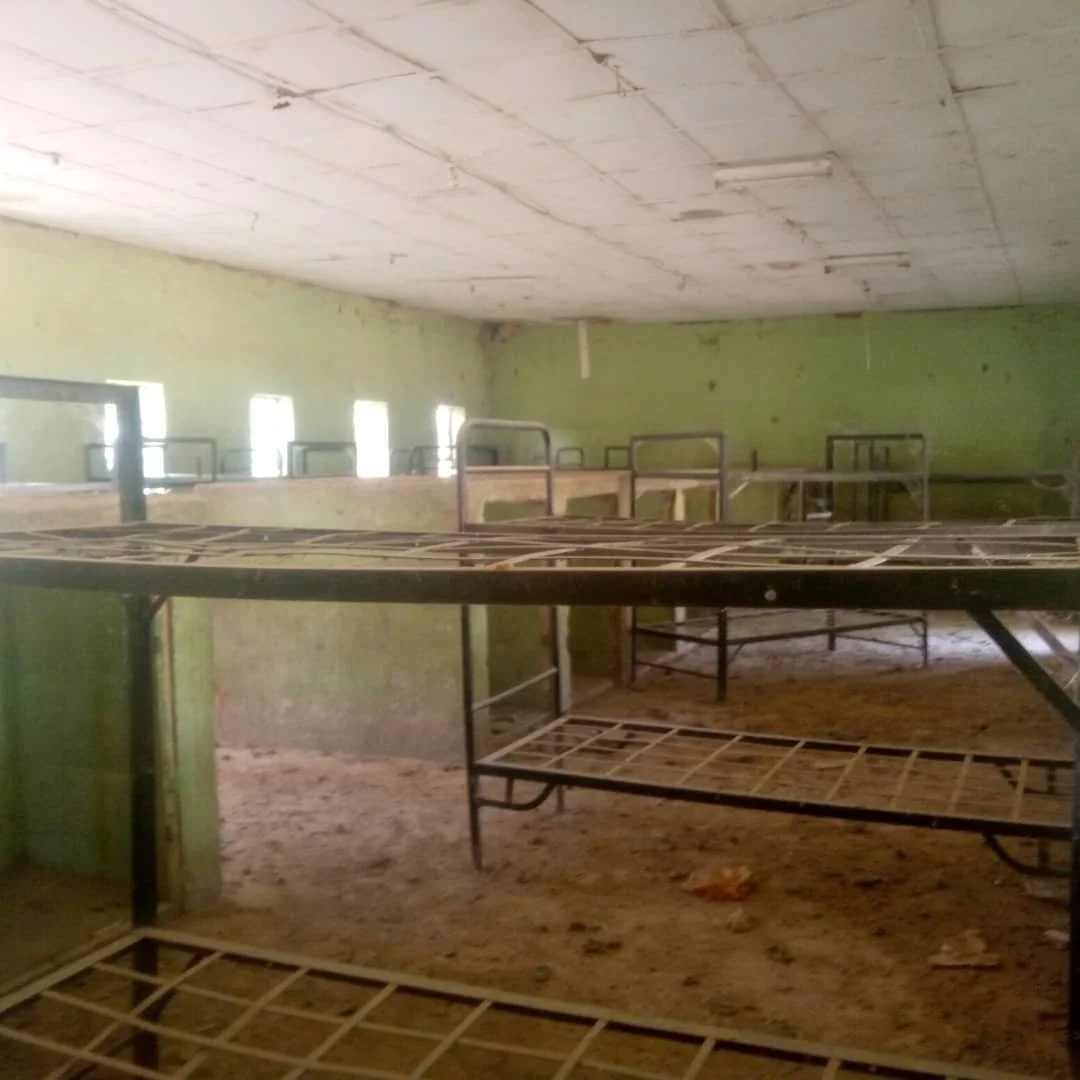
School dormitory
Below is the classroom drawing board still showing the last thing written on February 18, 2018 - the eve of the terror attack
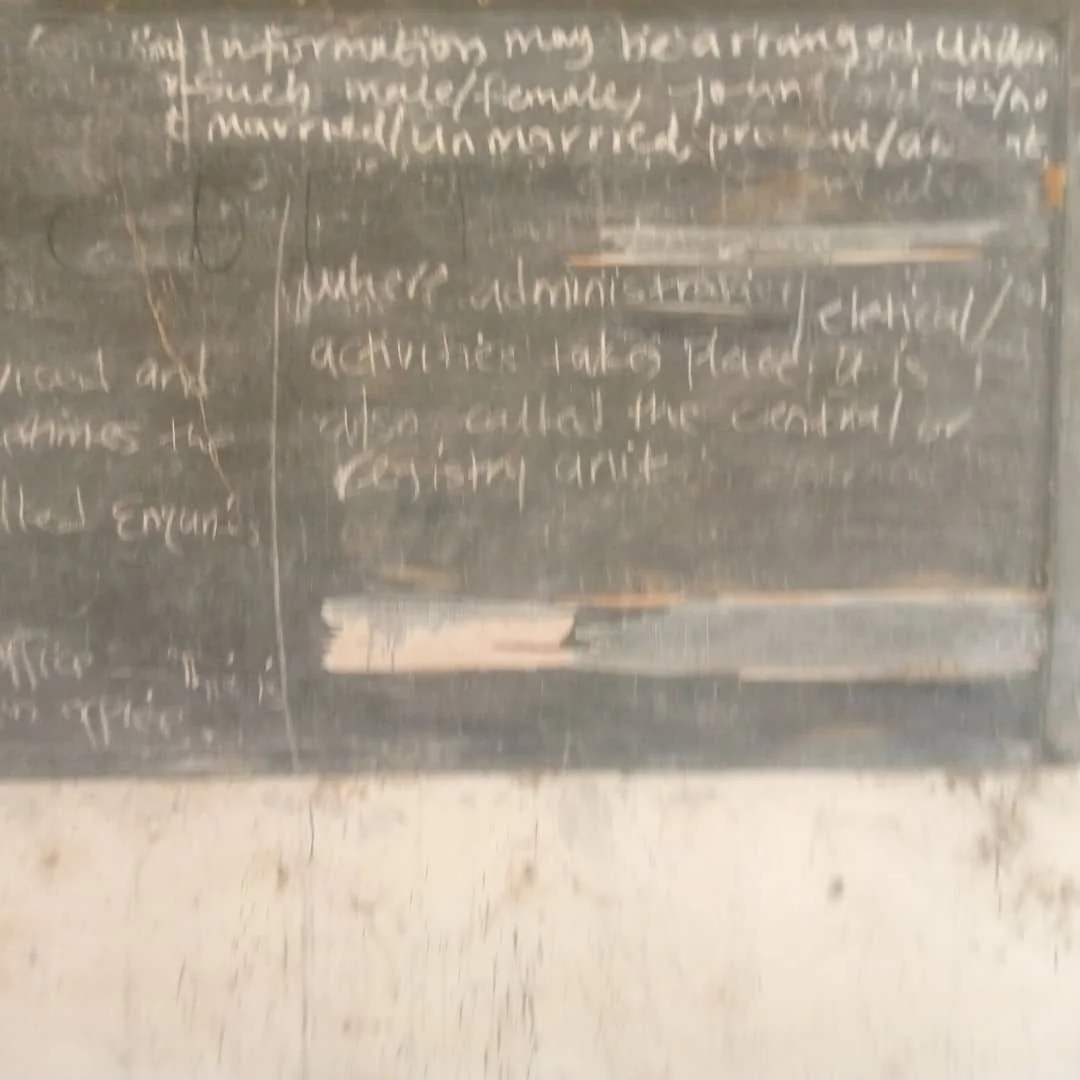
Classroom drawing board
Below is the computer lab of the Govt Girls Science Sch Dapchi
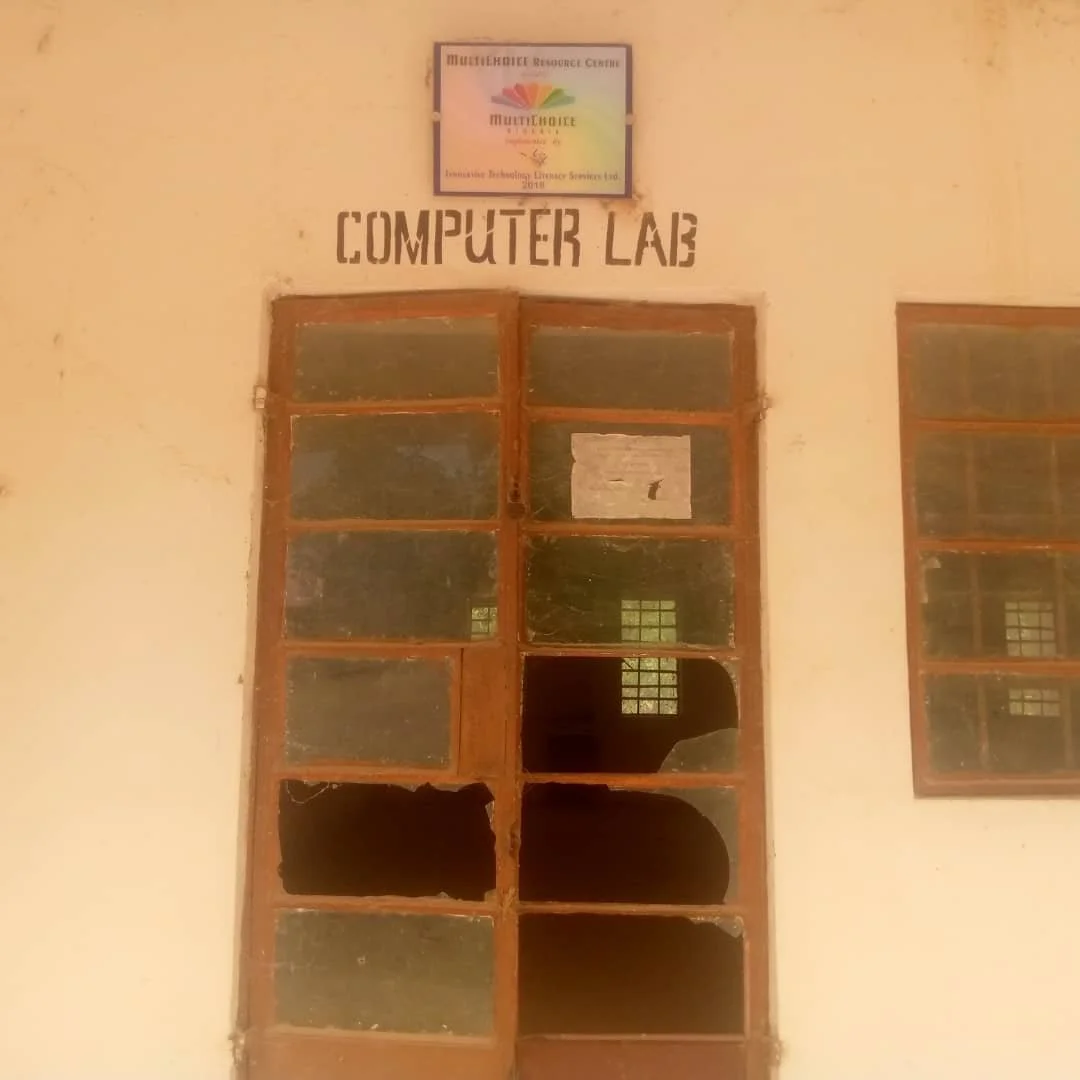
Computer lab of the Govt Girls Science School
Below is Leah’s classroom
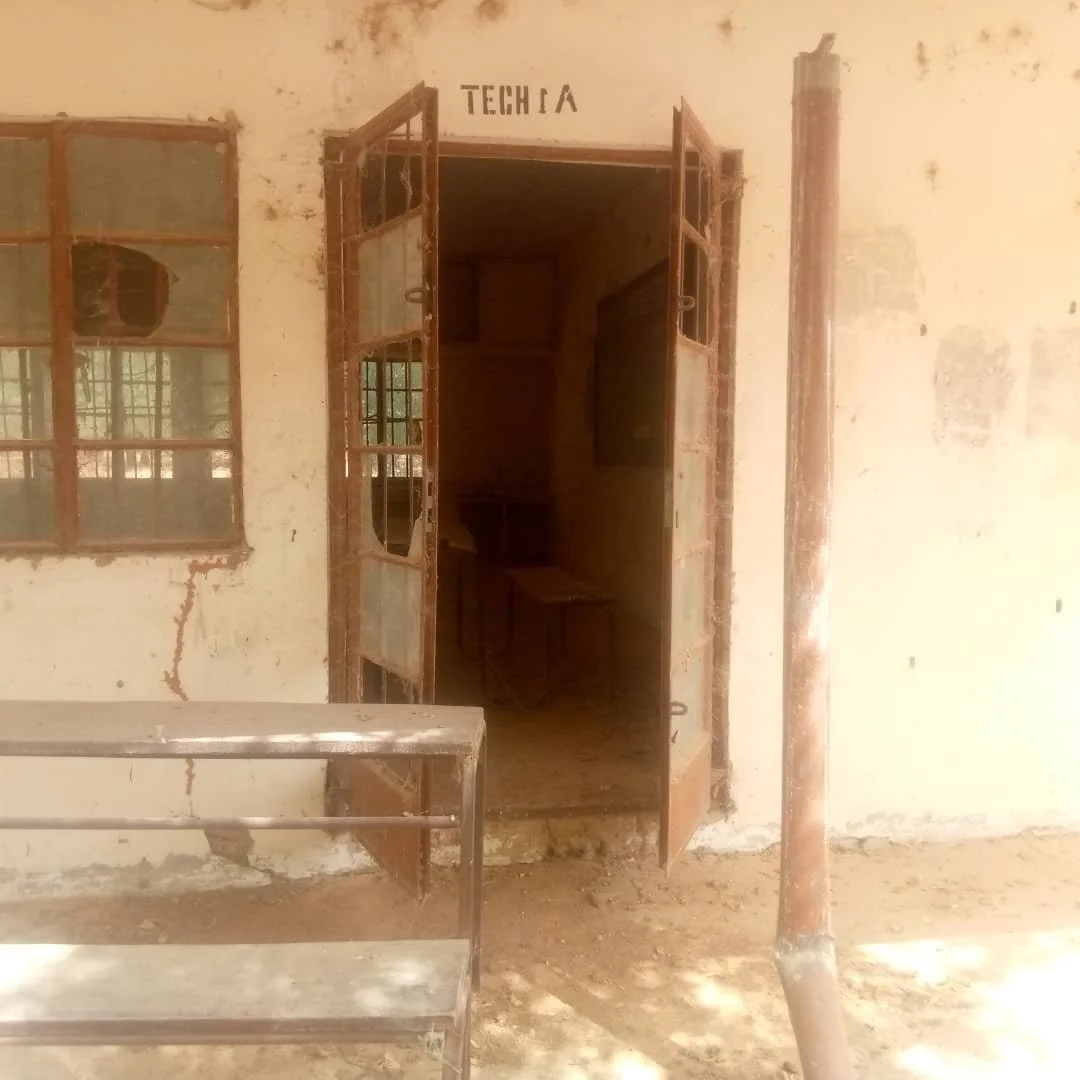
Leah’s classroom
Birds now occupy the staff room as goats and other animals roam free where schoolgirls used to be.
But it is not just infrastructural decay that devastated the school after the terror attack.
Many of the girls have been unable to complete or continue their education.
Several were displaced during subsequent attacks by Boko Haram on Dapchi leading to our intervention.
One of Leah’s schoolmates who went to school in Bauchi was abducted, forcefully converted and wedded by one of her lecturers leading to our intervention last year.
Another schoolmate was impregnated by a military personnel on security deployment to Dapchi who refused to take responsibility for the baby leading to our intervention last year.
Ironically as for Leah herself who was impregnated twice by her abductors, her children are being catered for by the terrorists but a Nigerian soldier abandoned responsibility for his daughter from impregnating Leah’s classmate.
Leah’s widowed birthmom and blood siblings in the village close to Sambisa forest have experienced displacement too from continuing terror attacks leading to our intervention.
Leah’s eldest sister has also had two children while Leah was in captivity which she remains unaware of. Incidentally Leah birthed a boy and a girl in captivity and her sister also birthed a boy and a girl as well.
Sadly despite the infamous Dapchi and Chibok school mass abductions six and years ago, over 600 women and schoolchildren were kidnapped this IWD week in just two incidents in Borno and Kaduna. Each atrocity exceeds the Chibok mass abductions of 276 students a decade ago
To be continued
Emmanuel Ogebe
US NIGERIA LAW GROUP
Washington
SHARE THIS STORY
Africa-Related is a media content production house
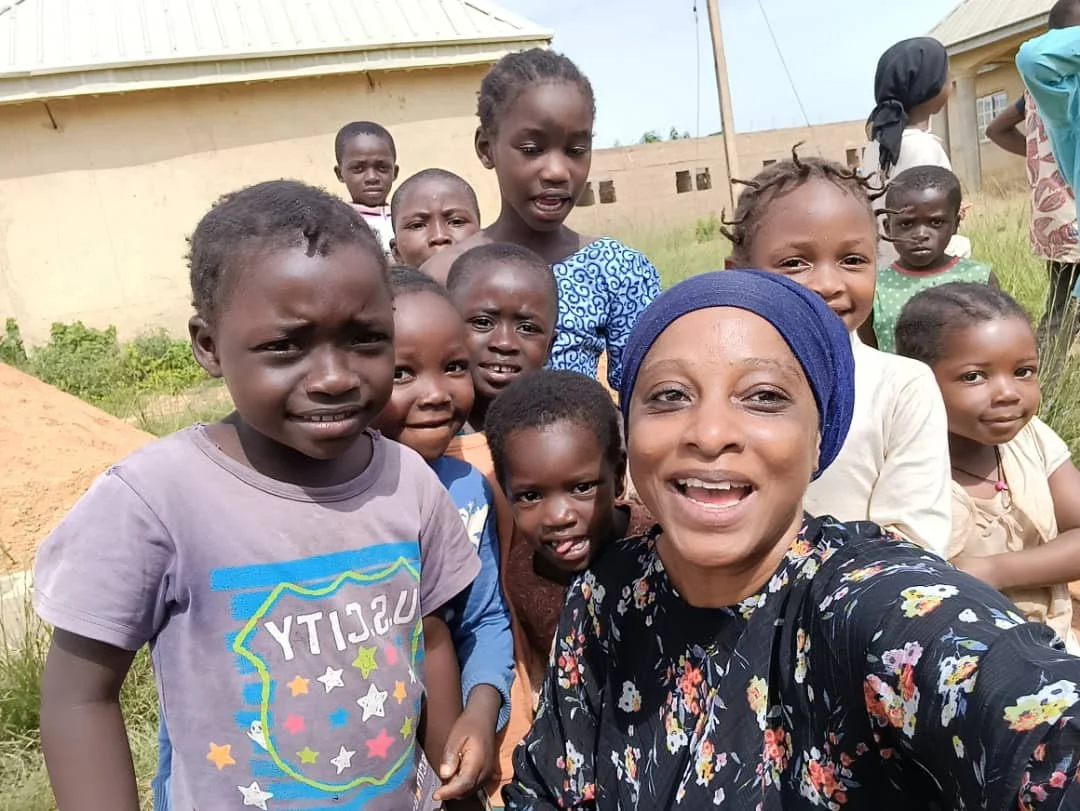
Judith Pam-Tok Speaks on Plateau Killings
Abuja-based designer and founder of 2fafii clothing line Mrs Judith Pam-Tok speaks on how fashion is fueling her humanitarian mission in her home state of Plateau.
Abuja-based designer and founder of 2fafii clothing line Mrs Judith Pam-Tok speaks on how fashion is fueling her humanitarian mission in her home state of Plateau.
Judith Yop Pam-Tok is an Abuja based Fashion Designer who is very passionate about adding value to her local community of Heipang, Barakin Ladi LGA, of Plateau state. On most occasions, she can be found here, miles away from the comfort of her nuclear family and her business in Nigeria's capital, but she is not complaining as she is passionate about what she does. Her mission in this rural area is purely humanitarian. Her non-profit, Garlyn Foundation's work is mainly with the indigent people of her home community and victims/survivors of herdsmen attacks in that community
Here is how you can help

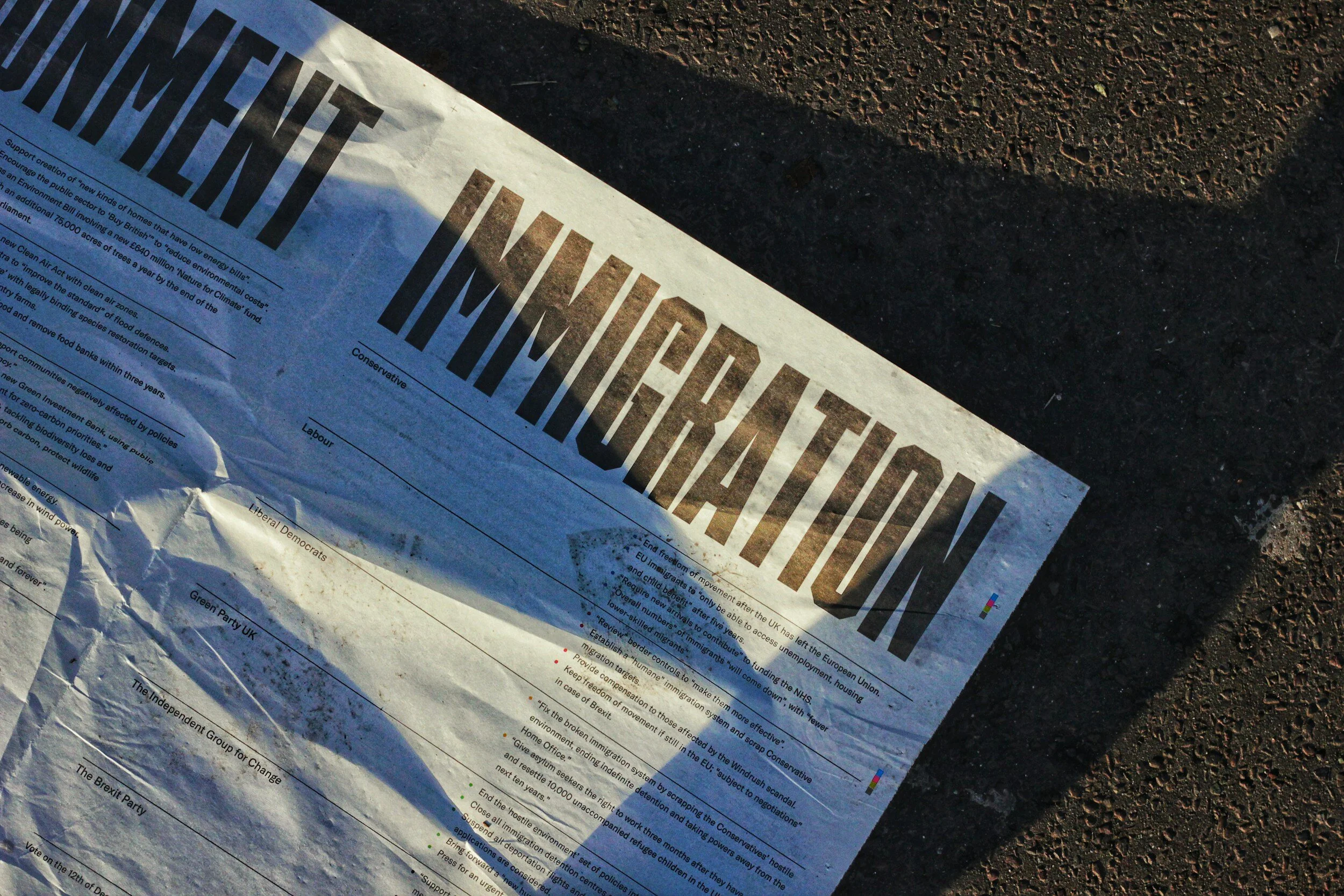
U.S. Migration Policy Overview
FOREIGN PRESS CENTER BRIEFING WITH KATIE TOBIN, DEPUTY ASSISTANT TO PRESIDENT BIDEN AND COORDINATOR FOR THE LOS ANGELES DECLARATION, BLAS NUÑEZ-NETO, ASSISTANT SECRETARY OF HOMELAND SECURITY FOR BORDER AND IMMIGRATION POLICY, AND ERIC JACOBSTEIN, DEPUTY ASSISTANT SECRETARY OF STATE FOR CENTRAL AMERICA, CUBA AND MIGRATION.
U.S. DEPARTMENT OF STATE
Bureau of Global Public Affairs
JANUARY 11, 2024
FPC TRANSCRIPT: U.S. Migration Policy Overview
FOREIGN PRESS CENTER BRIEFING WITH KATIE TOBIN, DEPUTY ASSISTANT TO PRESIDENT BIDEN AND COORDINATOR FOR THE LOS ANGELES DECLARATION, BLAS NUÑEZ-NETO, ASSISTANT SECRETARY OF HOMELAND SECURITY FOR BORDER AND IMMIGRATION POLICY, AND ERIC JACOBSTEIN, DEPUTY ASSISTANT SECRETARY OF STATE FOR CENTRAL AMERICA, CUBA AND MIGRATION.
Cover Photo: Metin Ozer @metinozer
Share this story
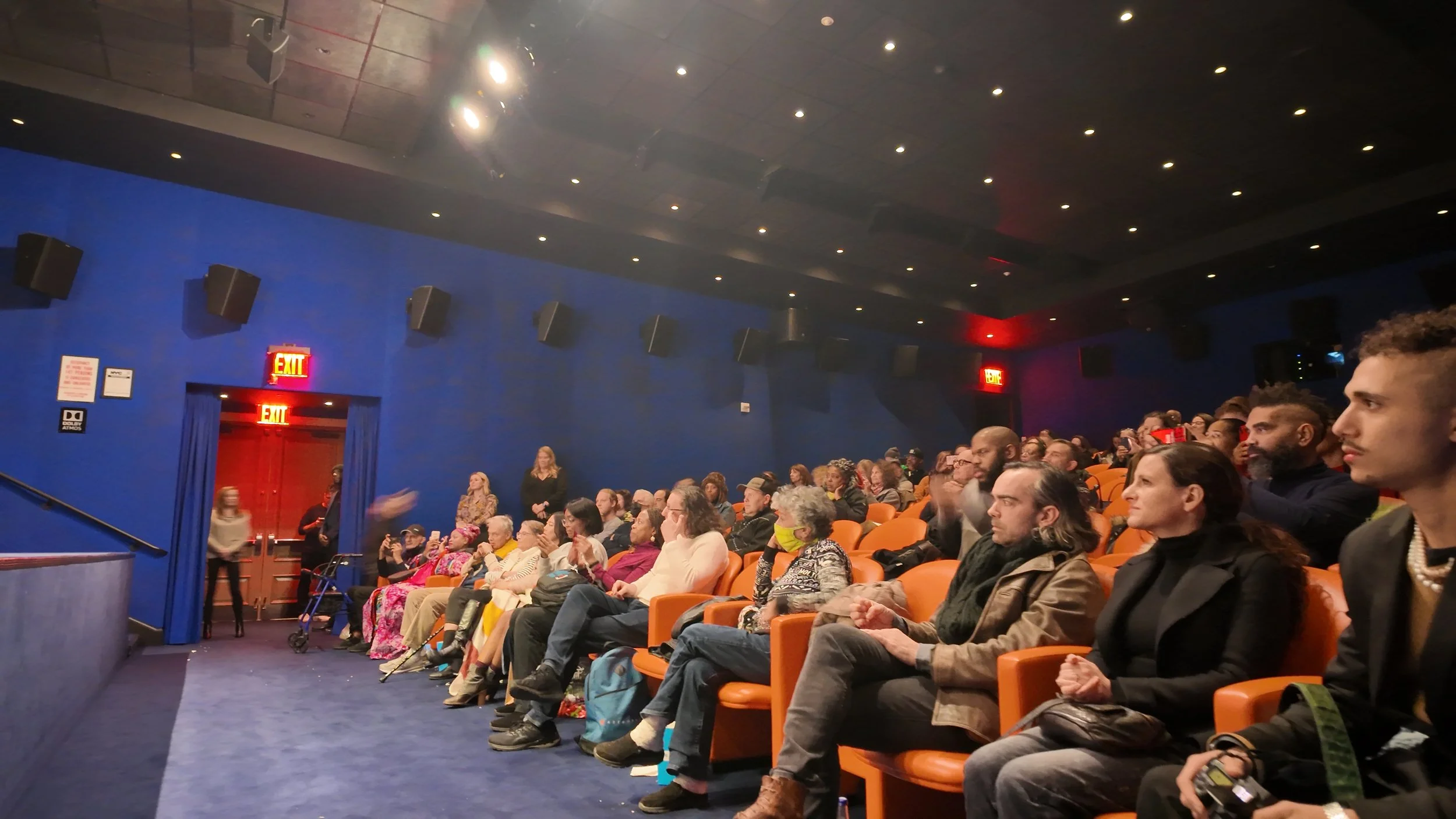
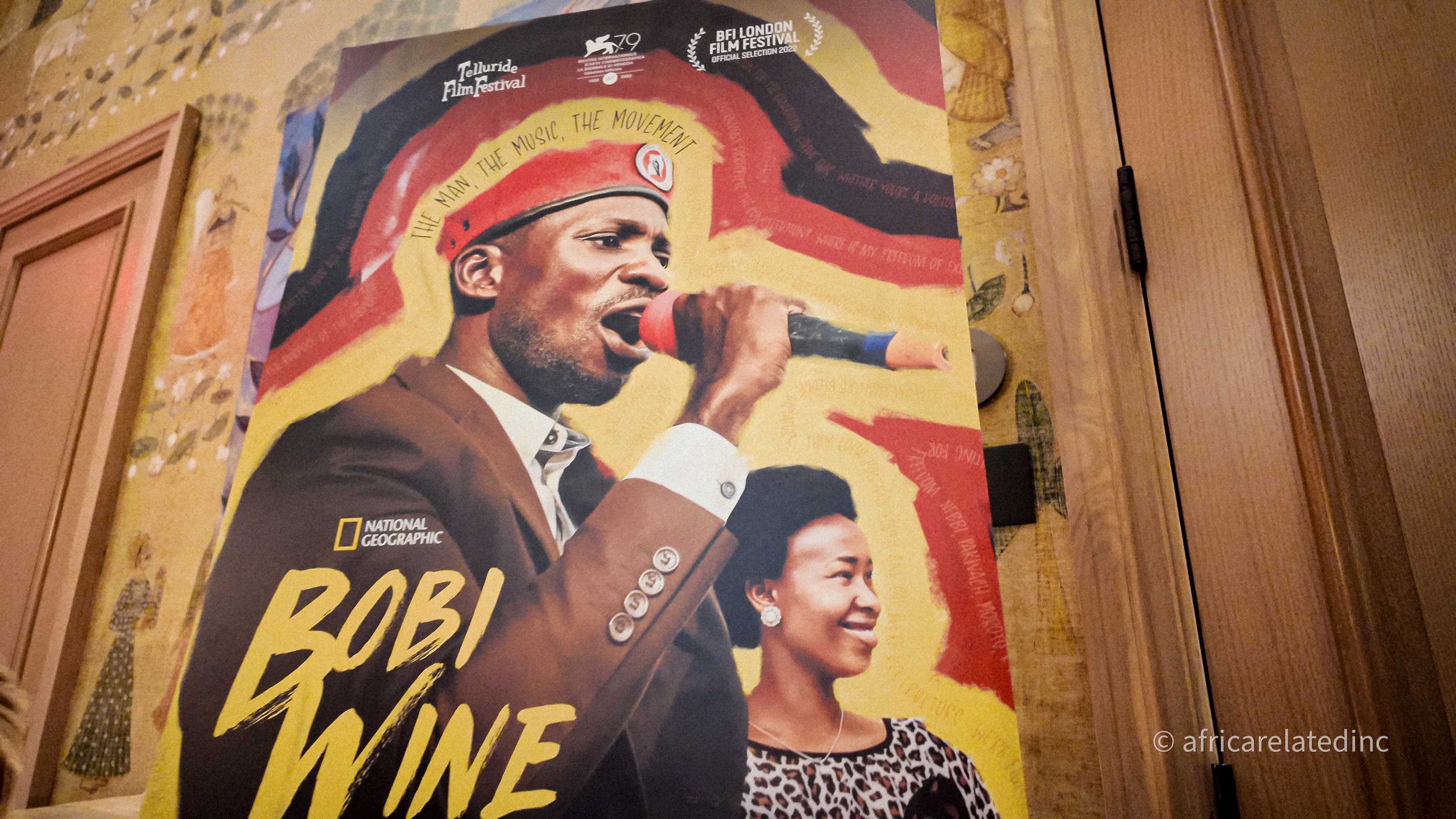
BOBI WINE Documentary Screens at The Whitby New York
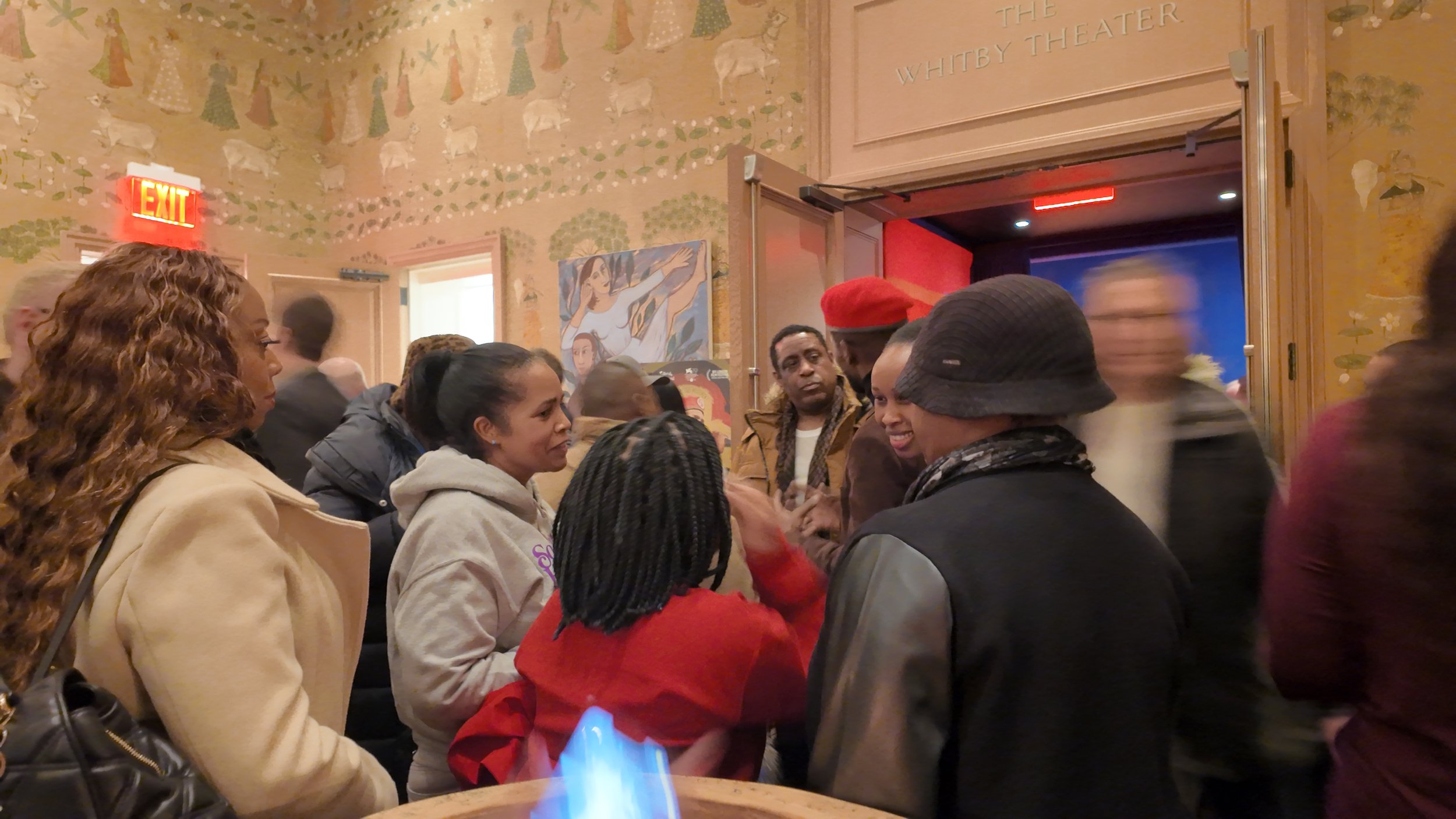
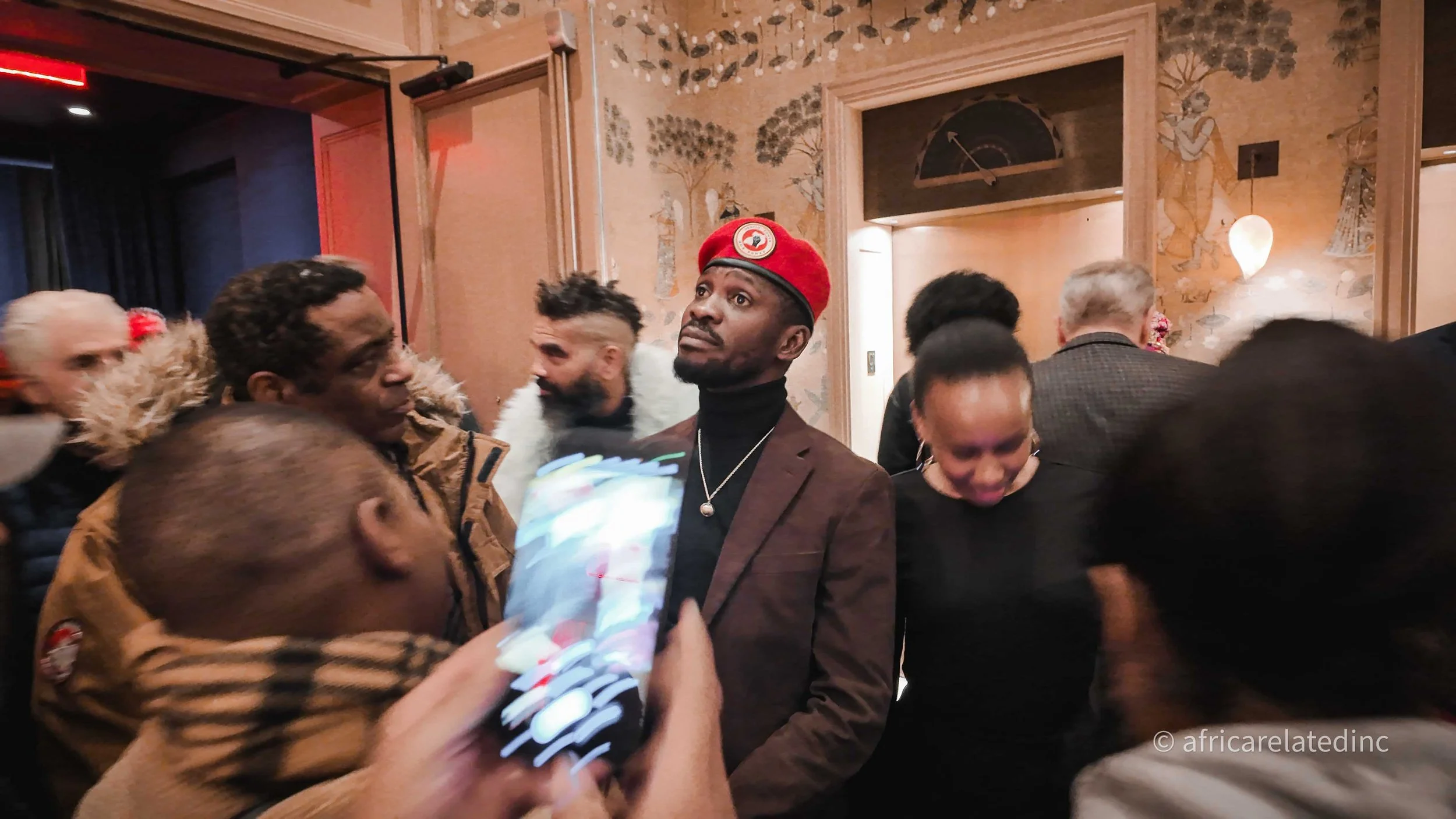
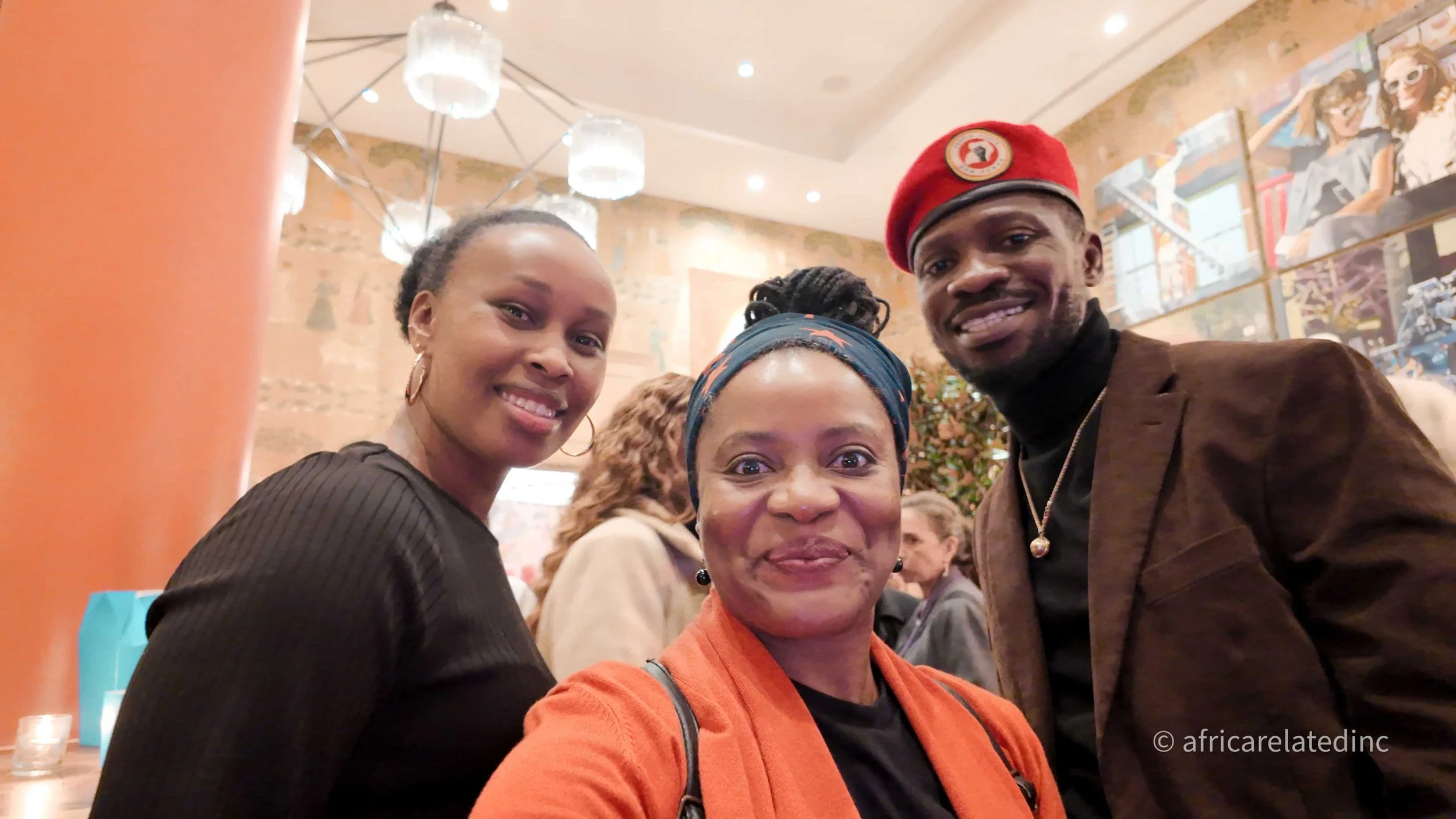
Following its world premiere at the Venice Film Festival, and North American debut at the Telluride Film Festival, Bobi Wine: The People’s President screened to a select audience at The Whitby in New York City
Following its world premiere at the Venice Film Festival, and North American debut at the Telluride Film Festival, Bobi Wine: The People’s President screened to a select audience at The Whitby in New York City
Oyiza Adaba, New York
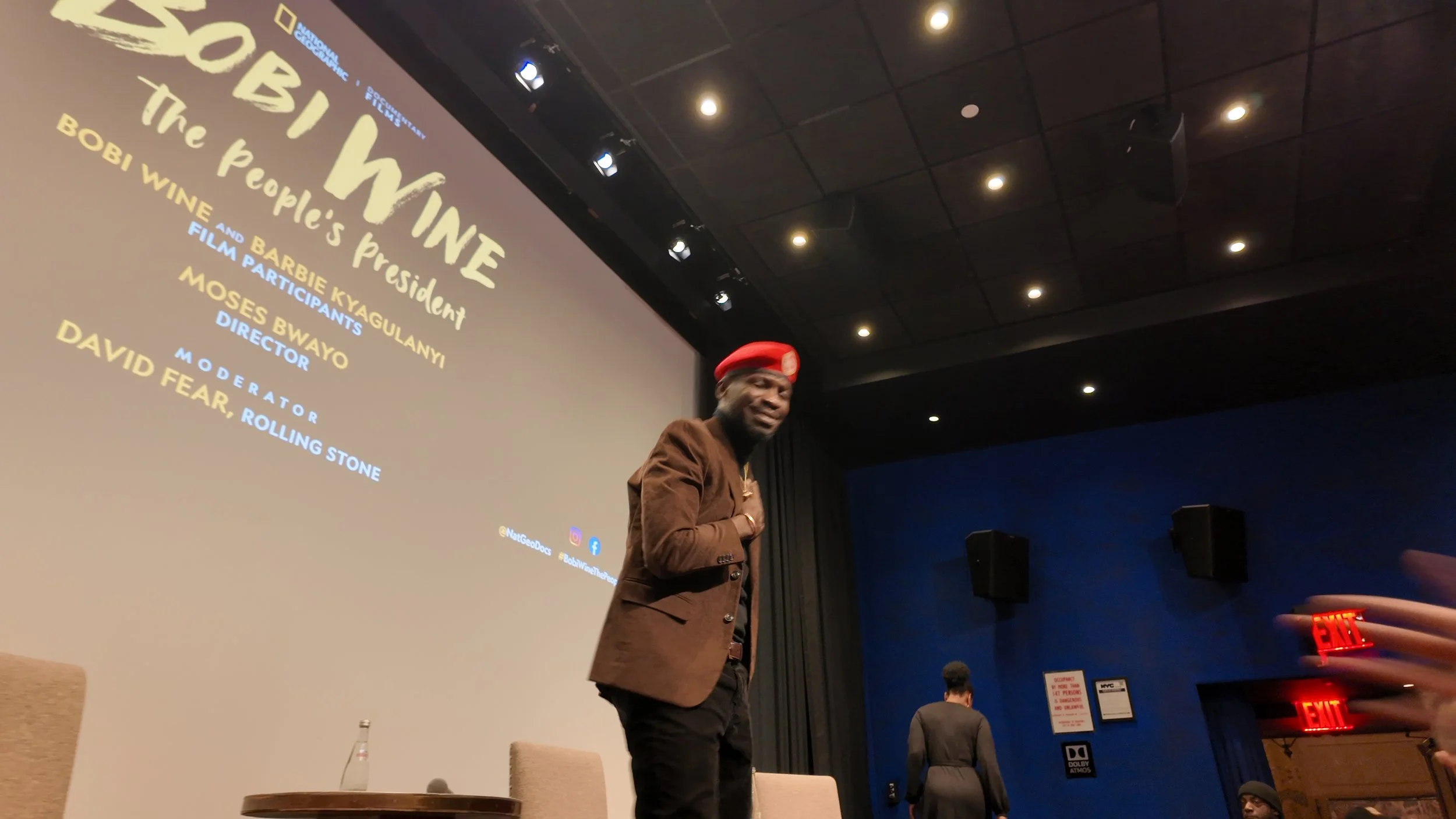
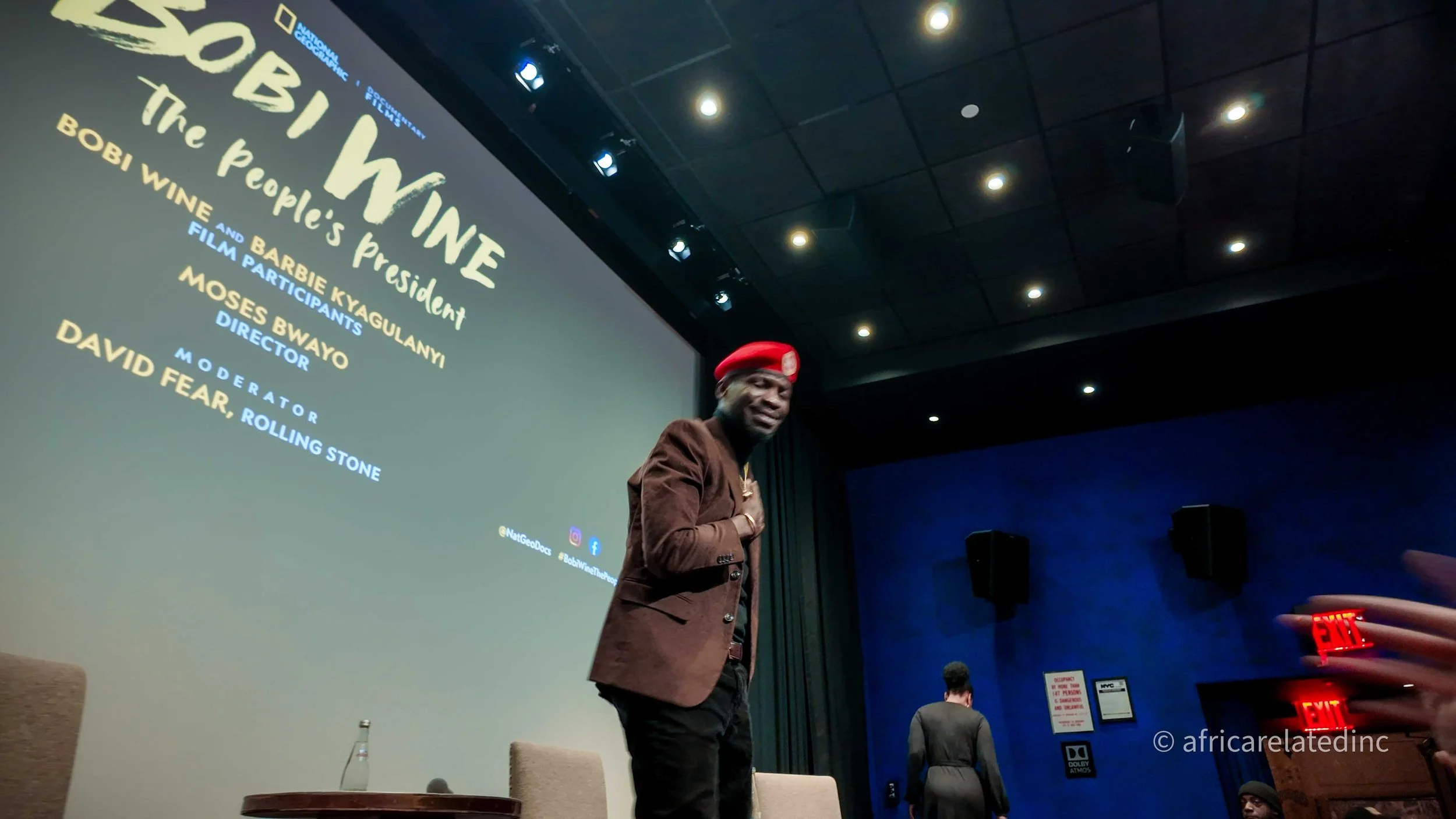
Bobi Wine taking a bow
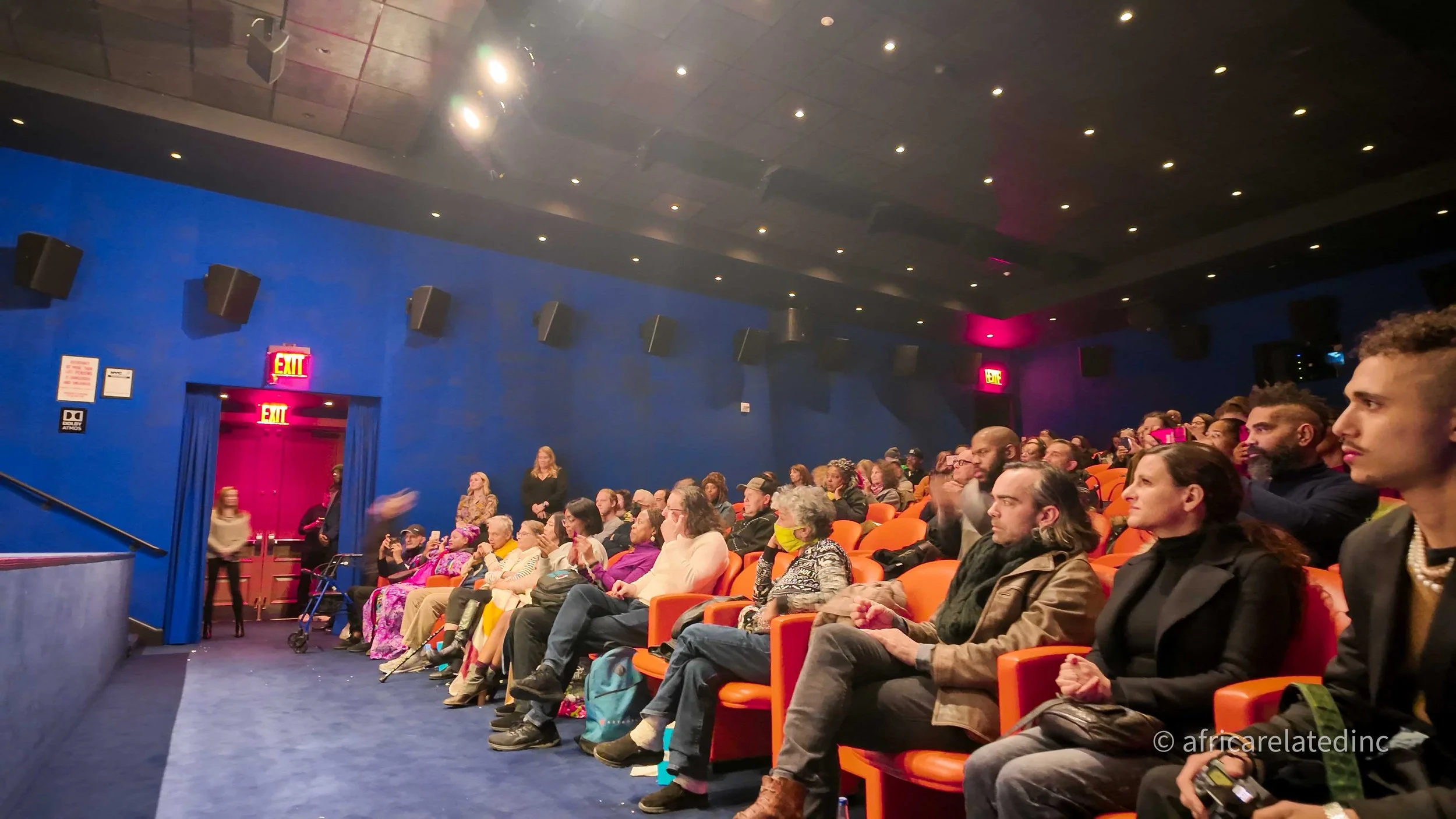
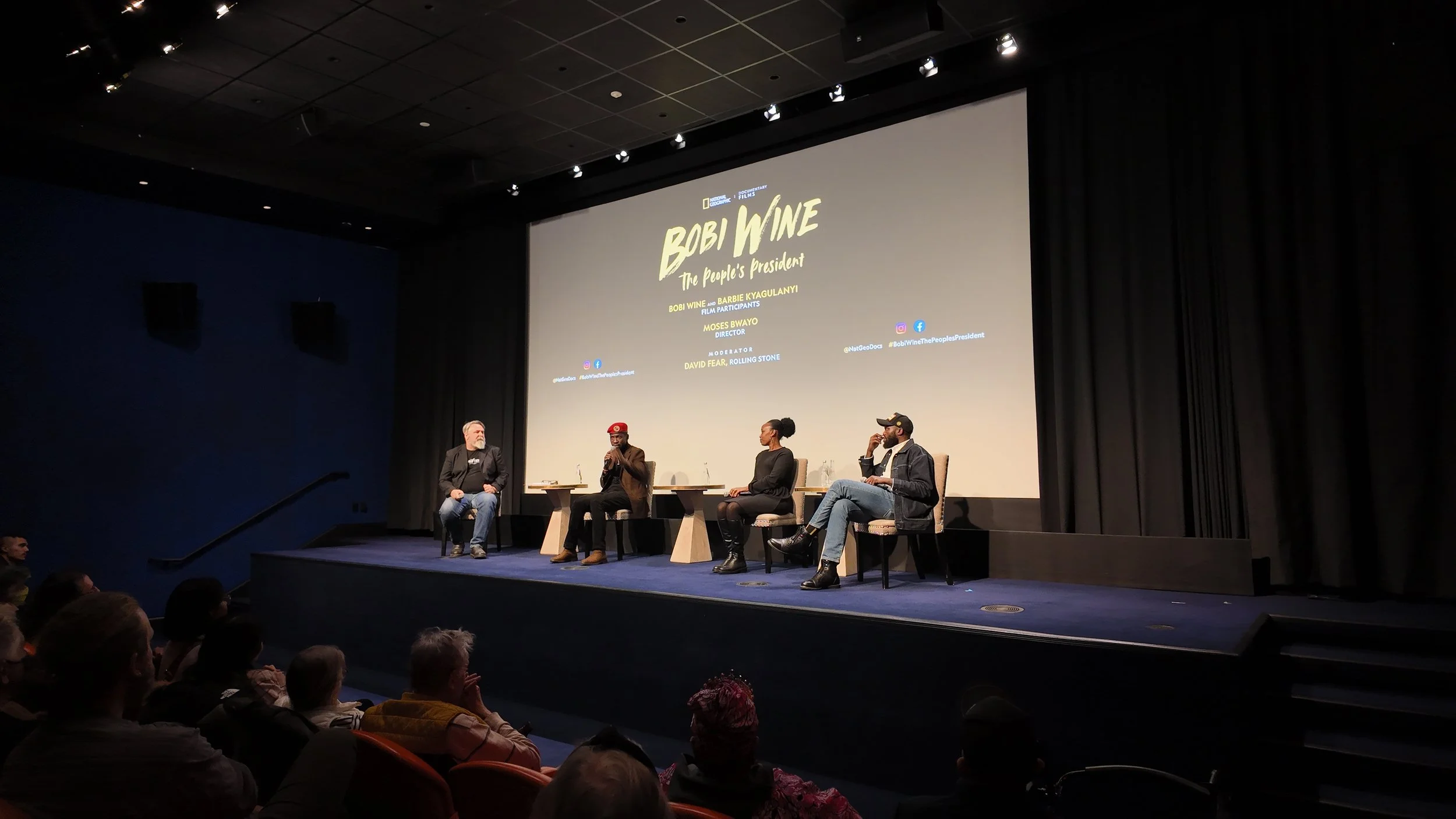
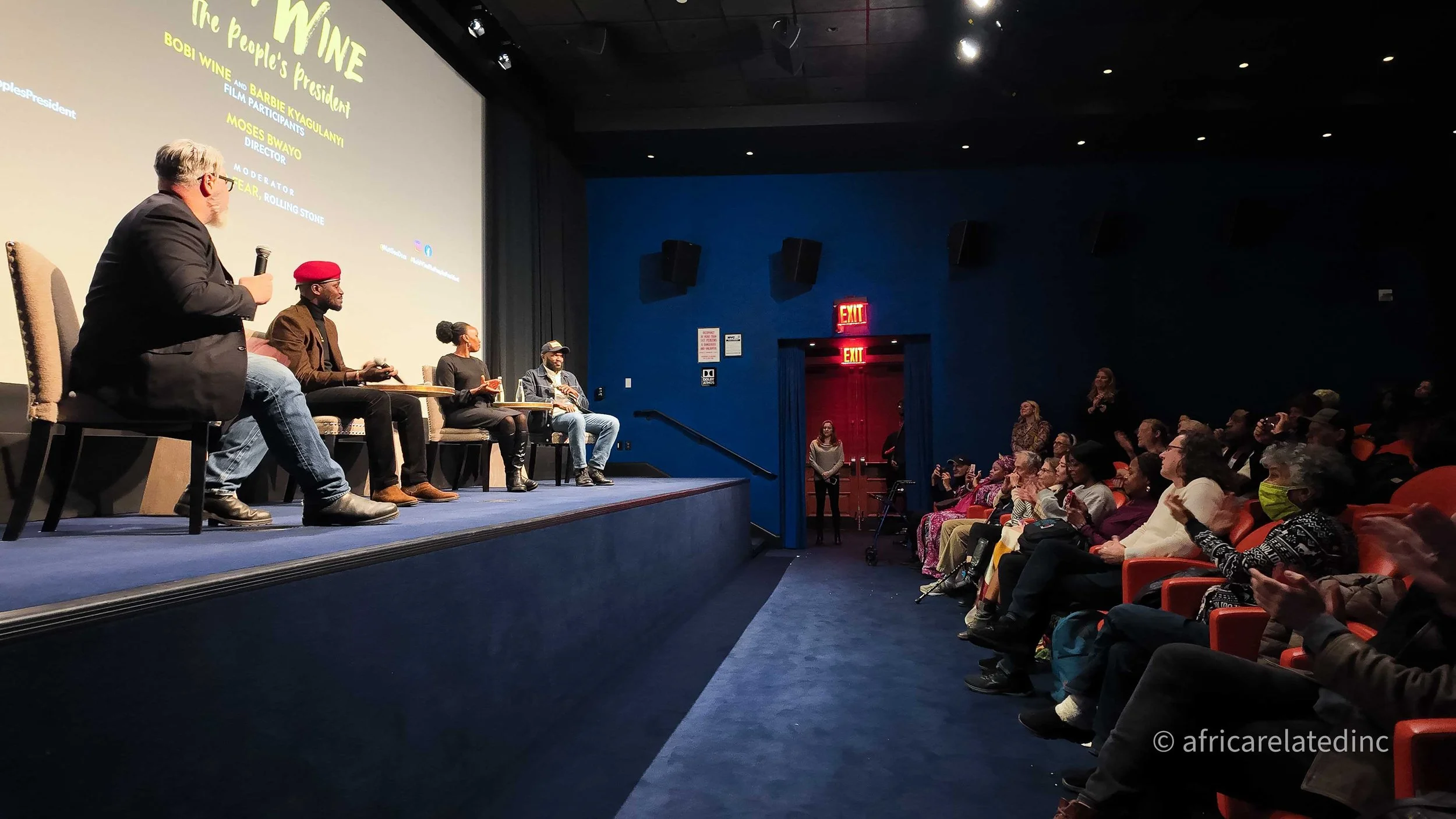
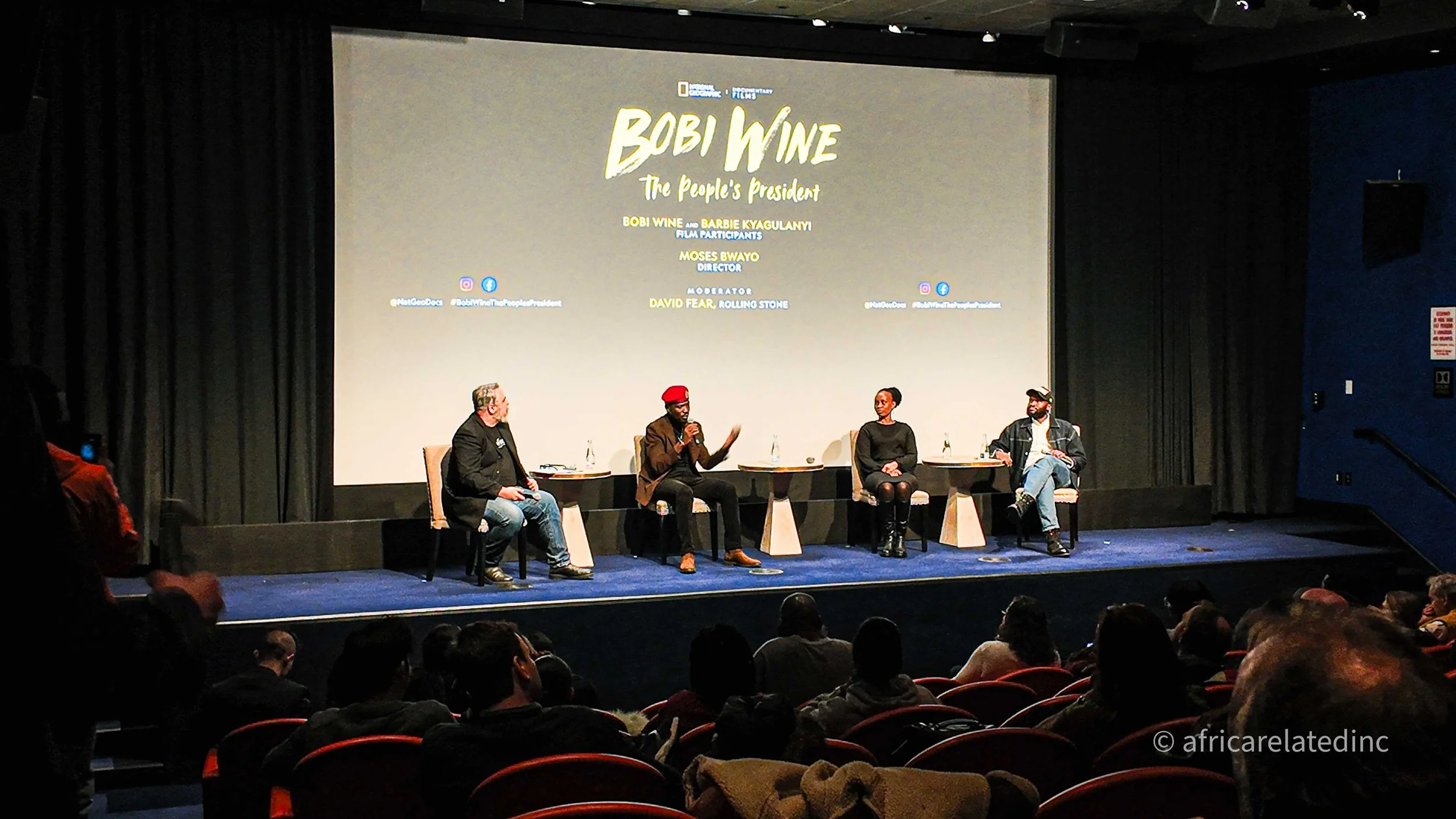
Full House at Bobi Wine Screening. Moderator David Fear of Rolling Stone Magazine, Robert ‘Bobi Wine’ Kyagulanyi, Barbara ‘Barbie’ Kyagulanyi, co-Director Moses Bwayo.
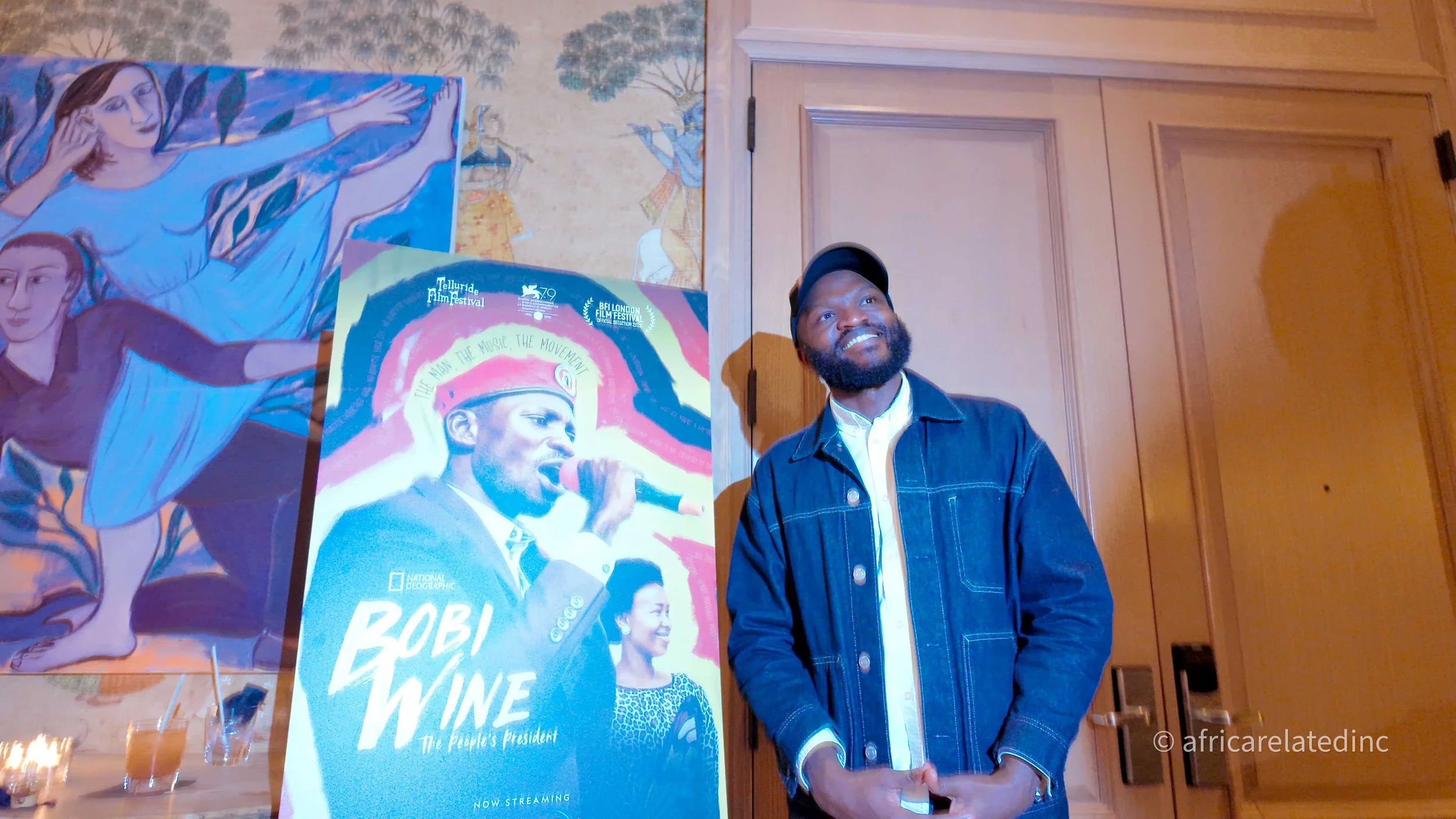
Multiple award winning documentary film Bobi Wine - The People's President screened at The Whitby New York on December 6, 2023. The screening was hosted by National Geographic and featured the famed musician turned-politician Robert ‘Bobi Wine’ Kyagulanyi, his wife Barbara ‘Barbie’ Kyagulanyi, co-Director Moses Bwayo; with the Q&A moderated by David Fear of Rolling Stone Magazine.
Oscar-winner John Battsek produced, while Moses Bwayo and Christopher Sharp directed the documentary which was among the 17 feature-length documentaries shortlisted for this year’s 39th IDA Documentary Awards. It won the prestigious best feature award on December 12, 2023.
Q & A Session of a story democracy, freedom and love. Video: Africa-Related
The film, which was acquired by National Geographic Documentary Films, is now streaming on Hulu and Disney+, and is free on Youtube for people living on the African continent. In a chat with AR Report, Nat Geo said the move was necessary in order bring equal viewing access to underserved communities globally. It further reaffirms its commitment to “bringing the world premium documentaries that cover timely, provocative and globally relevant stories from the very best documentary filmmakers in the world.”
Photos by Africa-Related
UGANDA: U.S Takes Steps to Impose Visa Restrictions for Undermining Democracy
Following the “flawed” 2021 elections. the United States has taken steps to impose visa restrictions on some citizens of Uganda for Repression and for Undermining Democracy And for Repression in Uganda
Africa-related, New York
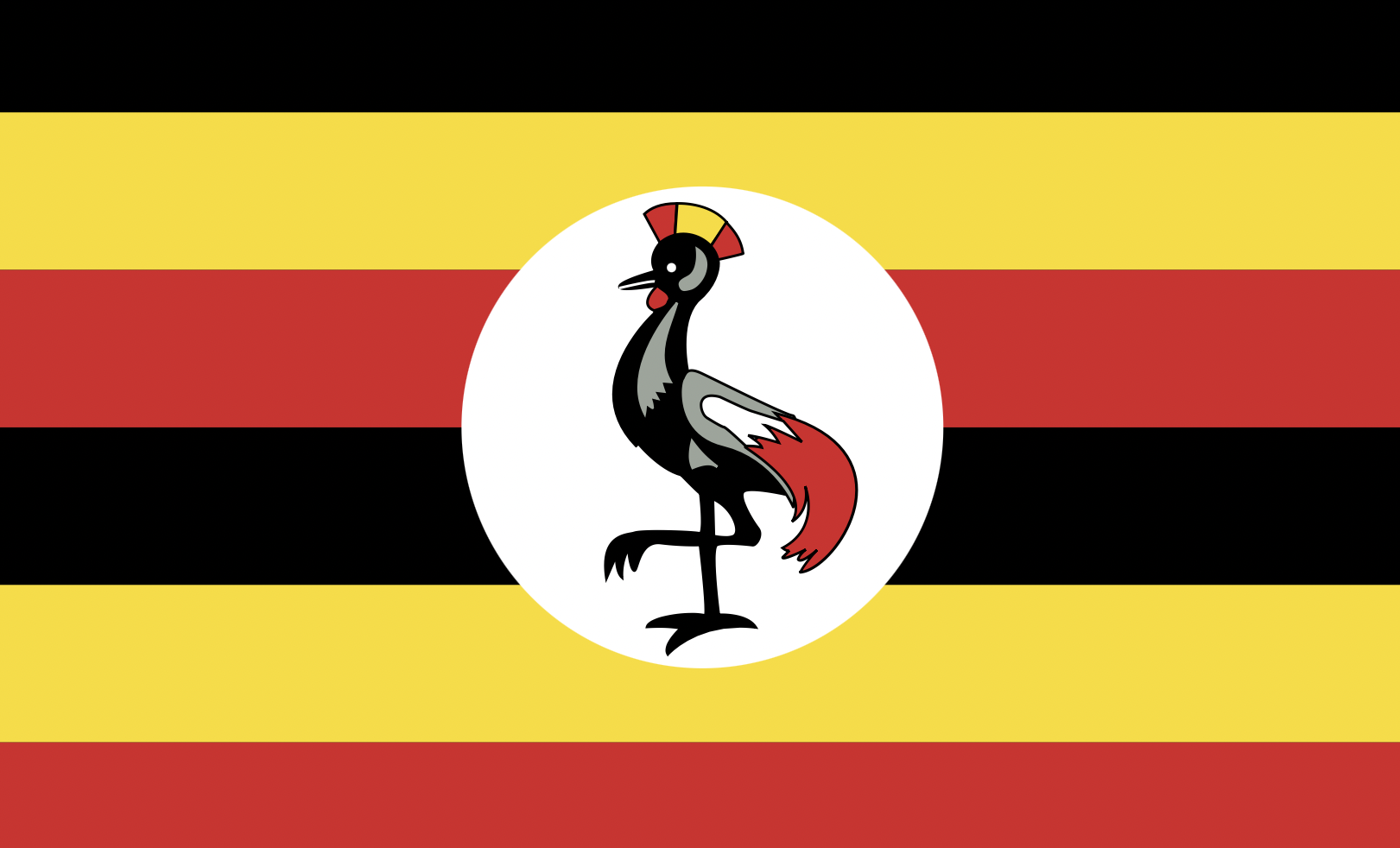
Flag of The Federal Republic of Uganda
PRESS STATEMENT
ANTONY J. BLINKEN, SECRETARY OF STATE
December 4, 2023
Following the “flawed” 2021 elections. the United States has taken steps to impose visa restrictions on some citizens of Uganda for Repression and for Undermining Democracy And for Repression in Uganda
After Uganda’s flawed 2021 presidential elections, I announced a visa restriction policy targeting those believed to be responsible for, or complicit in, undermining the democratic process in Uganda. At that time, I implored the Government of Uganda to significantly improve its record and hold accountable those responsible for flawed electoral processes, violence, and intimidation.
Today, I am announcing the expansion of the visa restriction policy to include current or former Ugandan officials or others who are believed to be responsible for, or complicit in, undermining the democratic process in Uganda or for policies or actions aimed at repressing members of marginalized or vulnerable populations. These groups include, but are not limited to, environmental activists, human rights defenders, journalists, LGBTQI+ persons, and civil society organizers. The immediate family members of such persons may also be subject to these restrictions.
The United States stands by the Ugandan people and remains committed to working together to advance democracy, human rights, public health, and mutual prosperity. I once again strongly encourage the Government of Uganda to make concerted efforts to uphold democracy and to respect and protect human rights so that we may sustain the decades-long partnership between our countries that has benefited Americans and Ugandans alike.
This visa restriction policy is pursuant to Section 212(a)(3)(C) of the Immigration and Nationality Act and expands upon the policy Secretary Blinken approved in 2021.
Share this story
NIGERIA'S RANKING - 2022 HUMAN RIGHTS REPORT
According to the Bureau of Democracy, Human Rights and Labor, the U.S. Department of State submits a human rights report on all countries receiving assistance and all United Nations member states to the U.S. Congress in accordance with the Foreign Assistance Act of 1961 and the Trade Act of 1974.
Photo by Markus Spiske @markusspiske

U.S. DEPARTMENT OF STATE
Office of the Secretary of State
This is the Executive Summary of Nigeria’s perforance and practice of Human Rights. Is this accurately presented or has it missed the mark in some areas? Does the report reflect the Nigerian citizen's collective and individual experiences? These conversations are ongoing.
According to the Bureau of Democracy, Human Rights and Labor, the U.S. Department of State submits a human rights report on all countries receiving assistance and all United Nations member states to the U.S. Congress in accordance with the Foreign Assistance Act of 1961 and the Trade Act of 1974.
EXECUTIVE SUMMARY
Nigeria is a federal republic composed of 36 states and the Federal Capital Territory. In 2019, citizens re-elected President Muhammadu Buhari of the All Progressives Congress party to a second four-year term. Legislative elections were also held in 2019. Most independent observers agreed the elections were credible despite logistical challenges, localized violence, and some irregularities.
The Nigeria Police Force, which reports to the Ministry of Police and is overseen by the Police Service Commission, is the primary civilian law enforcement agency and enjoys broad jurisdiction throughout the country. The Ministry of Interior also conducts security and law enforcement activities. The Department of State Services, which reports to the national security advisor in the Office of the President, is responsible for counterintelligence, internal security, counterterrorism, and surveillance, as well as protection of senior government officials. The Nigerian Armed Forces, which reports to the minister of defense, also shares domestic security responsibilities in the case of insufficient capacity and staffing of domestic law enforcement agencies or as ordered by the president. Many states, in response to increased violence, insecurity, and criminality that exceeded the response capacity of government security forces, utilized local “security” vigilante forces. These local forces usually reported to the state governor. Civilian authorities did not always maintain effective control over the security services. There were reports members of the security forces committed numerous abuses.
The insurgency in the North East region by the militant terrorist groups Boko Haram and the Islamic State in West Africa continued. The terrorist groups conducted numerous attacks on government and civilian targets, resulting as of year’s end in thousands of deaths and injuries, numerous human rights abuses, widespread destruction, the internal displacement of more than two million persons, and the external displacement of an estimated 332,000 refugees to neighboring countries.
Significant human rights issues included credible reports of: unlawful and arbitrary killings; forced disappearances; torture and cases of cruel, inhuman, or degrading treatment or punishment by the government; harsh and life-threatening prison conditions; arbitrary arrest or detention; serious problems with the independence of the judiciary; arbitrary or unlawful interference with privacy; serious abuses in a conflict, including reportedly unlawful or widespread civilian deaths or harm, enforced disappearances or abductions, torture, and physical abuses or punishment; serious restrictions on free expression and media, including violence or threats against journalists, and enforcement of criminal libel and blasphemy laws to limit expression; serious government corruption; lack of investigation and accountability for gender-based violence, including domestic or intimate partner violence, sexual violence, child, early and forced marriage, female genital mutilation/cutting, and other forms of such violence; instances of coerced abortion or forced sterilization; enforcement of laws criminalizing consensual same-sex sexual conduct between adults; and the existence of the worst forms of child labor.
The government took steps to investigate, punish, and prosecute alleged human rights abuses and corruption by officials, but impunity for such abuses and corruption remained a problem.
Nonstate actors committed arbitrary and unlawful killings, disappearances, physical abuse, and other mistreatment. Boko Haram-inspired terrorist groups and the Islamic State in West Africa continued attacks on civilians, military, police, humanitarian, and religious targets; recruited and forcefully conscripted child soldiers; and carried out scores of attacks on population centers in the North East region and in Cameroon, Chad, and Niger. Abductions by Boko Haram and the Islamic State in West Africa continued. Both groups subjected many women and girls to gender-based violence, including forced marriages, sexual slavery, and rape. The government investigated attacks by Boko Haram and the Islamic State in West Africa and took steps to counter the growth of the insurgency. Individuals believed to be associated with the Eastern Security Network, the armed wing of the separatist group the Indigenous People of Biafra, staged attacks on security personnel, civilians, and government offices, including police stations in the South East region. Criminal gangs killed civilians and conducted mass kidnappings that particularly targeted school-age children in the North West region.
How does your country rank on the human rights indices? Learn more here:
Share this story

SEC BLINKEN BREAKS DOWN 2022 HUMAN RIGHTS REPORT
According to the Bureau of Democracy, Human Rights and Labor, the U.S. Department of State submits a human rights report on all countries receiving assistance and all United Nations member states to the U.S. Congress in accordance with the Foreign Assistance Act of 1961 and the Trade Act of 1974.
U.S. DEPARTMENT OF STATE
Office of the Secretary of State
This is the Executive Summary of Nigeria’s perforance and practice of Human Rights. Is this accurately presented or has it missed the mark in some areas? Does the report reflect the Nigerian citizen's collective and individual experiences? These conversations are ongoing.
According to the Bureau of Democracy, Human Rights and Labor, the U.S. Department of State submits a human rights report on all countries receiving assistance and all United Nations member states to the U.S. Congress in accordance with the Foreign Assistance Act of 1961 and the Trade Act of 1974.
EXECUTIVE SUMMARY
Nigeria is a federal republic composed of 36 states and the Federal Capital Territory. In 2019, citizens re-elected President Muhammadu Buhari of the All Progressives Congress party to a second four-year term. Legislative elections were also held in 2019. Most independent observers agreed the elections were credible despite logistical challenges, localized violence, and some irregularities.
The Nigeria Police Force, which reports to the Ministry of Police and is overseen by the Police Service Commission, is the primary civilian law enforcement agency and enjoys broad jurisdiction throughout the country. The Ministry of Interior also conducts security and law enforcement activities. The Department of State Services, which reports to the national security advisor in the Office of the President, is responsible for counterintelligence, internal security, counterterrorism, and surveillance, as well as protection of senior government officials. The Nigerian Armed Forces, which reports to the minister of defense, also shares domestic security responsibilities in the case of insufficient capacity and staffing of domestic law enforcement agencies or as ordered by the president. Many states, in response to increased violence, insecurity, and criminality that exceeded the response capacity of government security forces, utilized local “security” vigilante forces. These local forces usually reported to the state governor. Civilian authorities did not always maintain effective control over the security services. There were reports members of the security forces committed numerous abuses.
The insurgency in the North East region by the militant terrorist groups Boko Haram and the Islamic State in West Africa continued. The terrorist groups conducted numerous attacks on government and civilian targets, resulting as of year’s end in thousands of deaths and injuries, numerous human rights abuses, widespread destruction, the internal displacement of more than two million persons, and the external displacement of an estimated 332,000 refugees to neighboring countries.
Significant human rights issues included credible reports of: unlawful and arbitrary killings; forced disappearances; torture and cases of cruel, inhuman, or degrading treatment or punishment by the government; harsh and life-threatening prison conditions; arbitrary arrest or detention; serious problems with the independence of the judiciary; arbitrary or unlawful interference with privacy; serious abuses in a conflict, including reportedly unlawful or widespread civilian deaths or harm, enforced disappearances or abductions, torture, and physical abuses or punishment; serious restrictions on free expression and media, including violence or threats against journalists, and enforcement of criminal libel and blasphemy laws to limit expression; serious government corruption; lack of investigation and accountability for gender-based violence, including domestic or intimate partner violence, sexual violence, child, early and forced marriage, female genital mutilation/cutting, and other forms of such violence; instances of coerced abortion or forced sterilization; enforcement of laws criminalizing consensual same-sex sexual conduct between adults; and the existence of the worst forms of child labor.
The government took steps to investigate, punish, and prosecute alleged human rights abuses and corruption by officials, but impunity for such abuses and corruption remained a problem.
Nonstate actors committed arbitrary and unlawful killings, disappearances, physical abuse, and other mistreatment. Boko Haram-inspired terrorist groups and the Islamic State in West Africa continued attacks on civilians, military, police, humanitarian, and religious targets; recruited and forcefully conscripted child soldiers; and carried out scores of attacks on population centers in the North East region and in Cameroon, Chad, and Niger. Abductions by Boko Haram and the Islamic State in West Africa continued. Both groups subjected many women and girls to gender-based violence, including forced marriages, sexual slavery, and rape. The government investigated attacks by Boko Haram and the Islamic State in West Africa and took steps to counter the growth of the insurgency. Individuals believed to be associated with the Eastern Security Network, the armed wing of the separatist group the Indigenous People of Biafra, staged attacks on security personnel, civilians, and government offices, including police stations in the South East region. Criminal gangs killed civilians and conducted mass kidnappings that particularly targeted school-age children in the North West region.
How does your country rank on the human rights indices? Learn more here:
Share this story
Impunity for Crimes against Journalists is 'Unacceptably High' at 86% - UNESCO
According to UNESCO observatory of killed journalists, Impunity for killings of Journalists remains unacceptably high at 86%. Between 2006 and 2020, over 1,200 journalists have been killed around the world, with close to 9 out of 10 cases of these killings remaining judicially unresolved, according to the UNESCO.
By Oyiza Adaba | Africa-Related New York
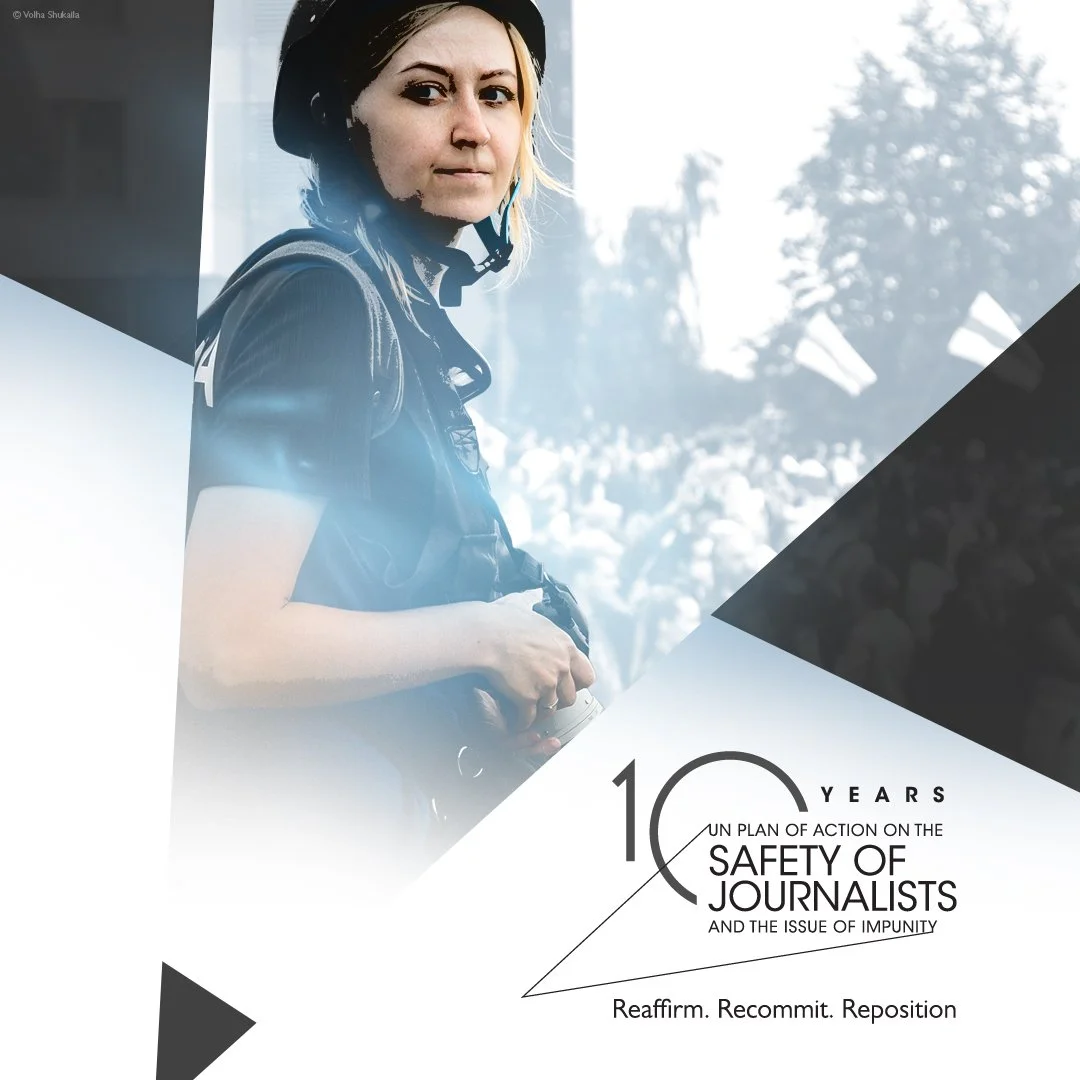
Between 2006 and 2020, over 1,200 journalists have been killed around the world, with close to 9 out of 10 cases of these killings remaining judicially unresolved, according to the UNESCO observatory of killed journalists.
On the 10th Anniversary of the UN Plan of Action on the safety of Journalists and the issue of impunity, the U.S. State department issed the below statement
U.S. DEPARTMENT OF STATE
Office of the Spokesperson
STATEMENT BY NED PRICE, SPOKESPERSON
The International Day to End Impunity for Crimes against Journalists
A free and independent press plays a critical role in promoting democracy and shining a light on developments around the world – whether daunting or hopeful. Journalists are the bedrock of an independent press, providing the public with facts and holding governments to account, often while facing danger and adversity. On International Day to End Impunity for Crimes against Journalists, we reiterate our calls for justice for brave journalists across the globe.
Since 1992, over 1,500 journalists and media workers have been killed in pursuit of information, with most of these cases remaining judicially unresolved. According to the Committee to Protect Journalists, 294 journalists were languishing in jail for doing their work as of last December. Increasingly, journalists face threats and attacks online, where identifying and holding to account the perpetrator can be difficult. Women journalists are disproportionately targeted by online harassment and abuse, which compounds the forms of violence they experience offline. Per a UNESCO survey, 73 percent of women journalists have been harassed online due to their work. We have also seen an increase in governments reaching beyond their borders through misuse of digital surveillance tools that track journalists’ communications and whereabouts. Digital surveillance and online threats can fuel offline threats and violence, ultimately constraining journalists’ ability to report accurate information.
The UN Plan of Action on the Safety of Journalists was established 10 years ago as a multi-stakeholder approach to protect journalists through legislation, mechanisms, and guides aimed at creating a secure and just environment for media. Despite these efforts, the international community must continue to take a stand against physical attacks, intimidation lawsuits, transnational repression, and regulatory pressures that silence media—online and offline.
Today, the United States renews our commitment to an open and free press around the world. We call on other governments to join us in condemning crimes against journalists and holding accountable those who attack press freedom.
###
Photo credit: UNESCO
Share this story

Protecting the Rights of Persons with Disabilities
Persons with disabilities often face stigma, exclusion and discrimination, and are over-represented amongst the people living in persistent poverty, and are less likely than others to be able to lift themselves out of poverty.
By Oyiza Adaba | Africa-Related New York

Protecting the Rights of Persons with Disabilities
It is estimated that 80% of people with disabilities live in developing countries.
Persons living with disabilities are rated among some of the strongest people we know. Their ability to triumph and even excel above what life throws, leaves much to be admired by the ‘fully formed’. Every July 3 serves as a reminder to celebrate these inspiring individuals.
The U.S. Special Advisor on International Disability Rights Sara Minkara addressed the media about the United States’ new role as co-chair for the Global Action on Disability Network GLAD . In collaboration with the International Disability Alliance (IDA) led by Vladimir Cuk, the goal of the GLAD Network is to achieve inclusive international development and humanitarian action.
“... our priority is disrupting the narrative surrounding disability, moving from a charity lens to a value-based lens”
Persons with disabilities often face stigma, exclusion and discrimination, and are over-represented amongst the people living in persistent poverty, and are less likely than others to be able to lift themselves out of poverty.
“We are really traveling the world and working with different governments and countries to really support in building capacity and helping governments uphold their commitments when it comes to disability”.
- Sara Minkara, U.S. Special Advisor on International Disability Right
It is estimated that 80% of people with disabilities live in developing countries. What is your country doing to make life easier for people living with disabilities? Guide to
INSPIRING VOICES: Nigerians Living with Disabilities
Obi Ndefo, Juanita Ashade, Irene Olumese and Yagazie Foundation are among the Nigerians working to bring more attention to the subject. Follow their inspiring stories below.
See full press briefing transcript here
Share this story
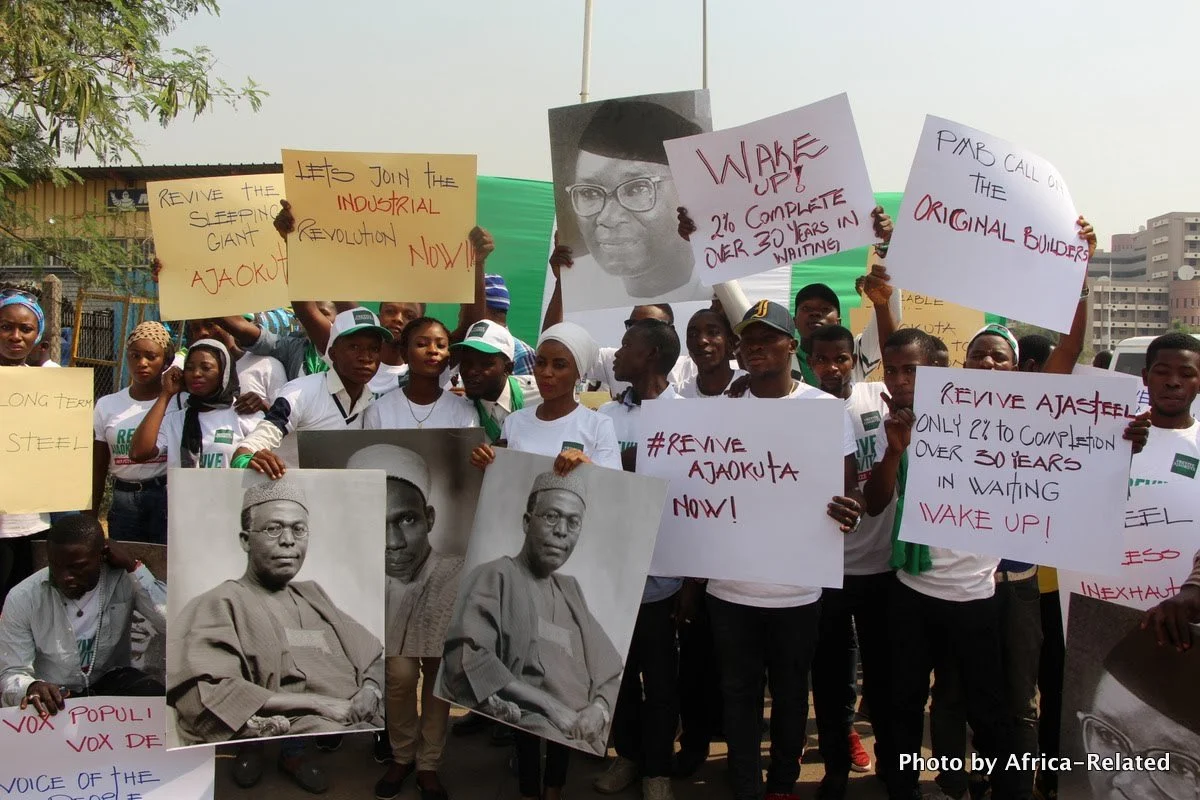
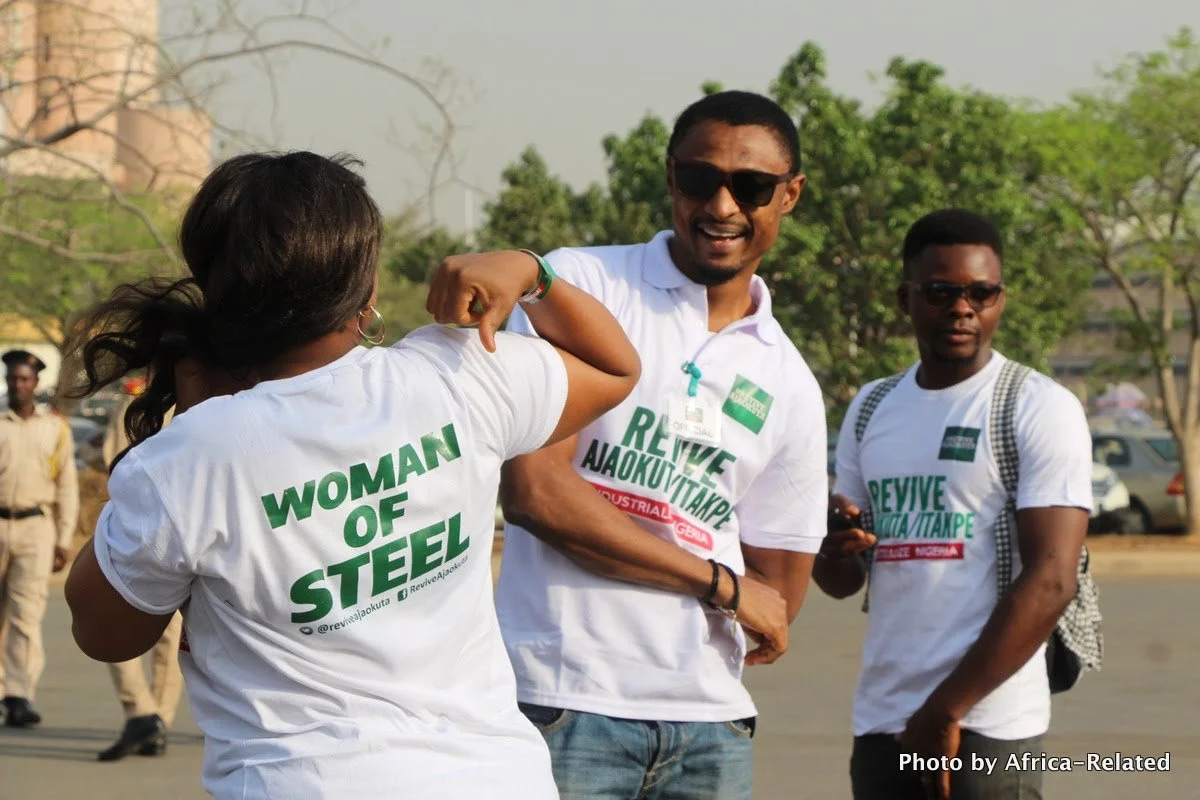
Revive Ajaokuta Awareness Walk
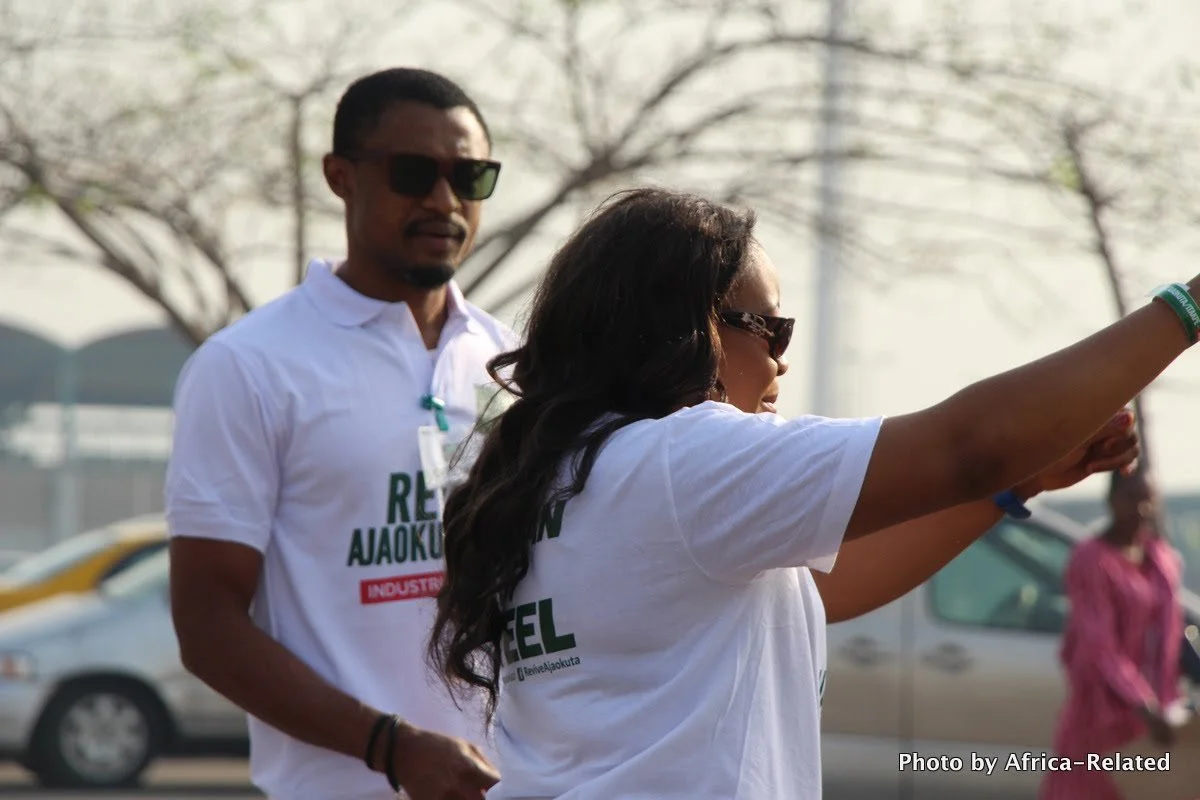
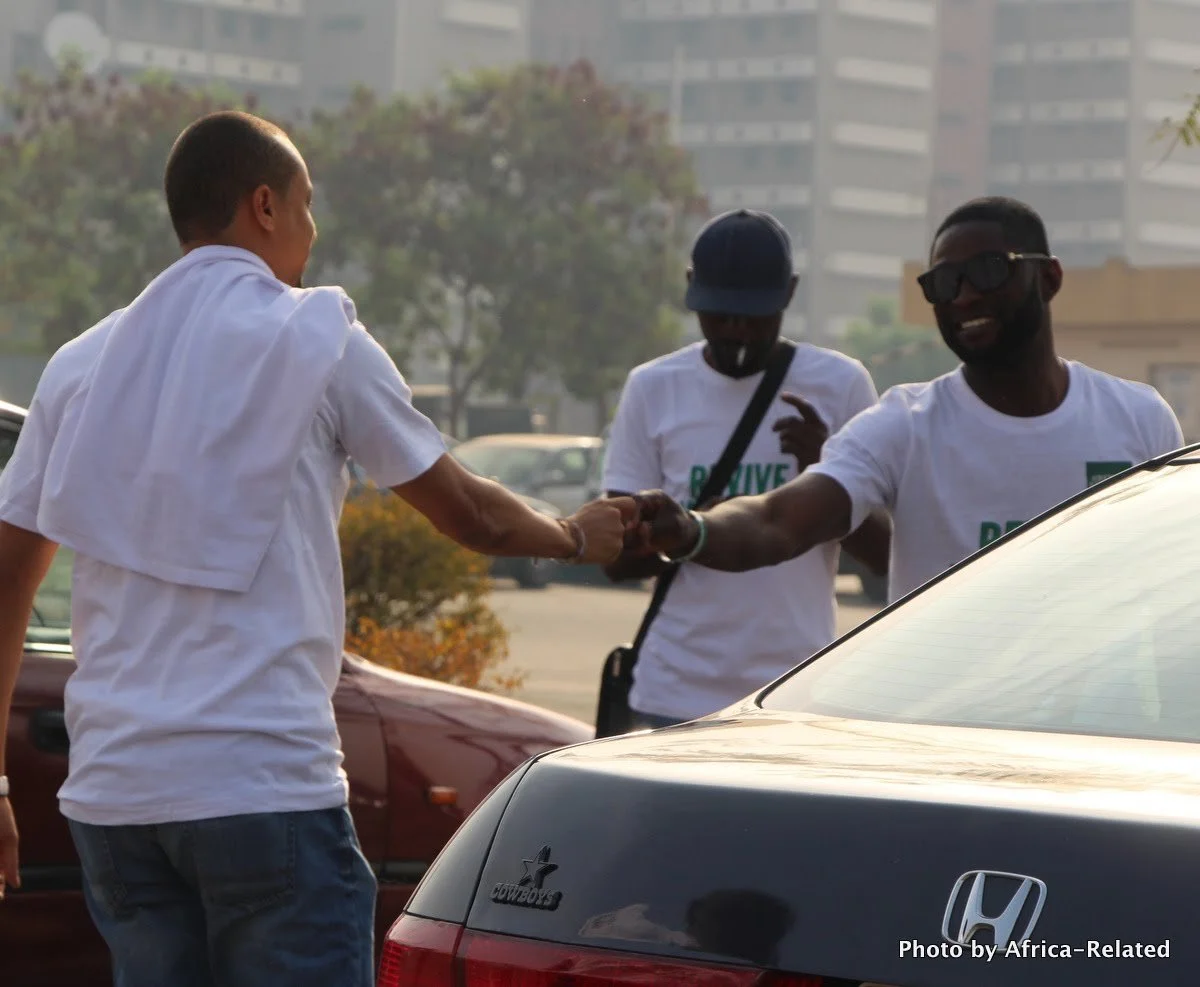
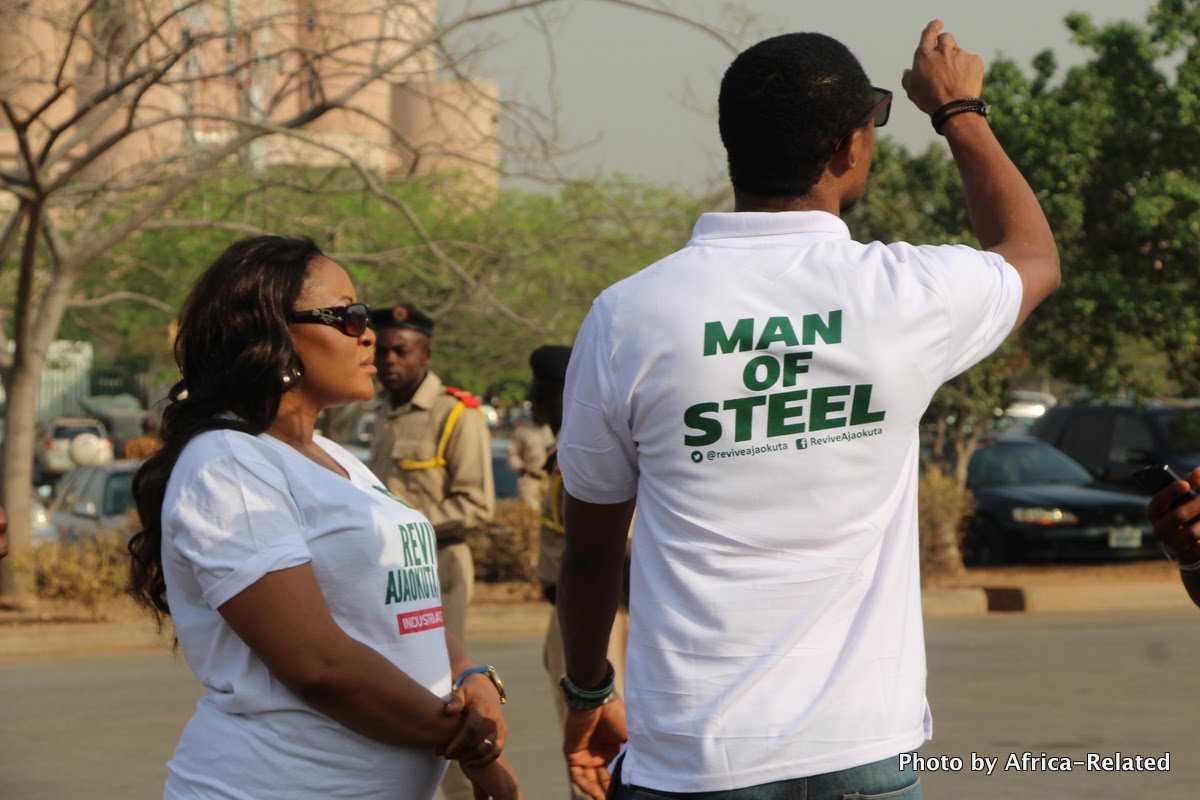
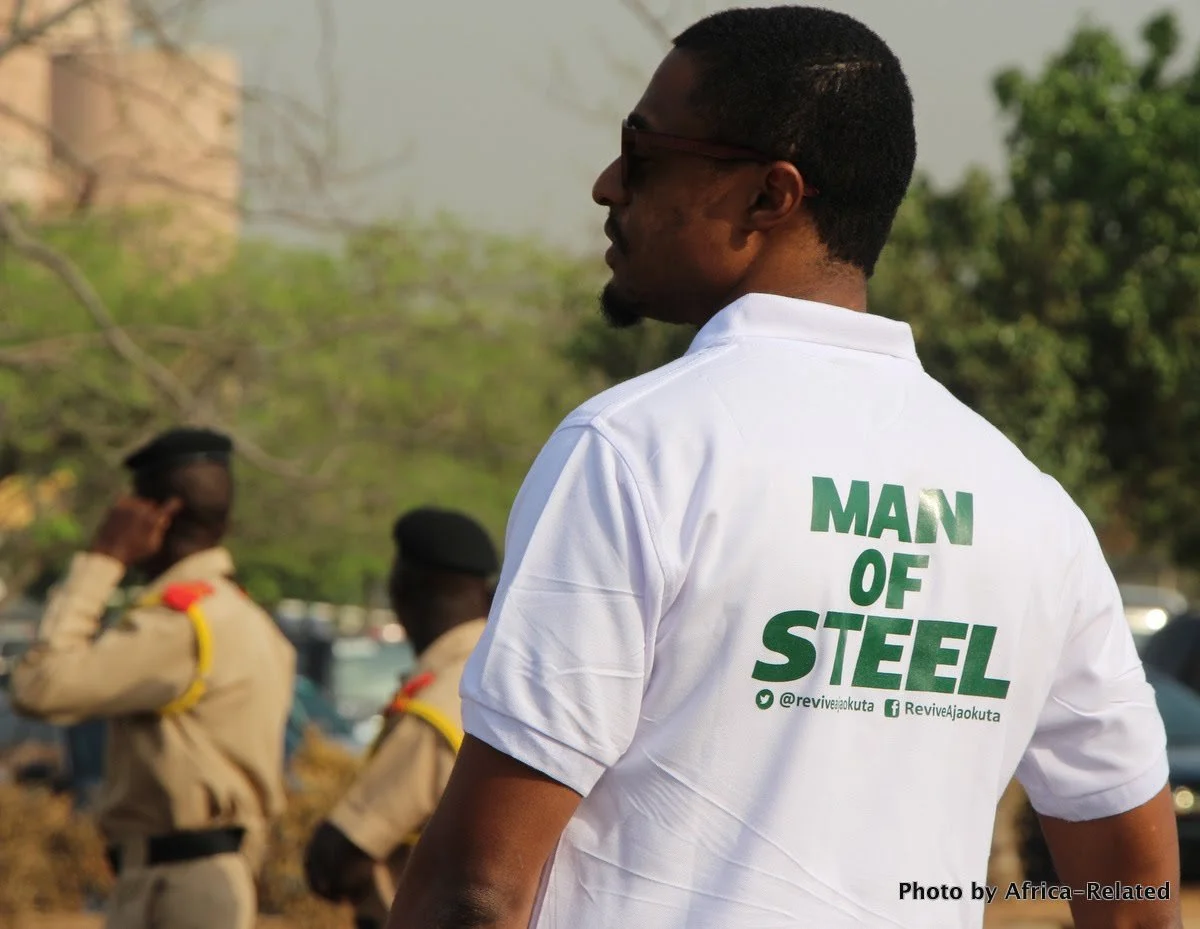
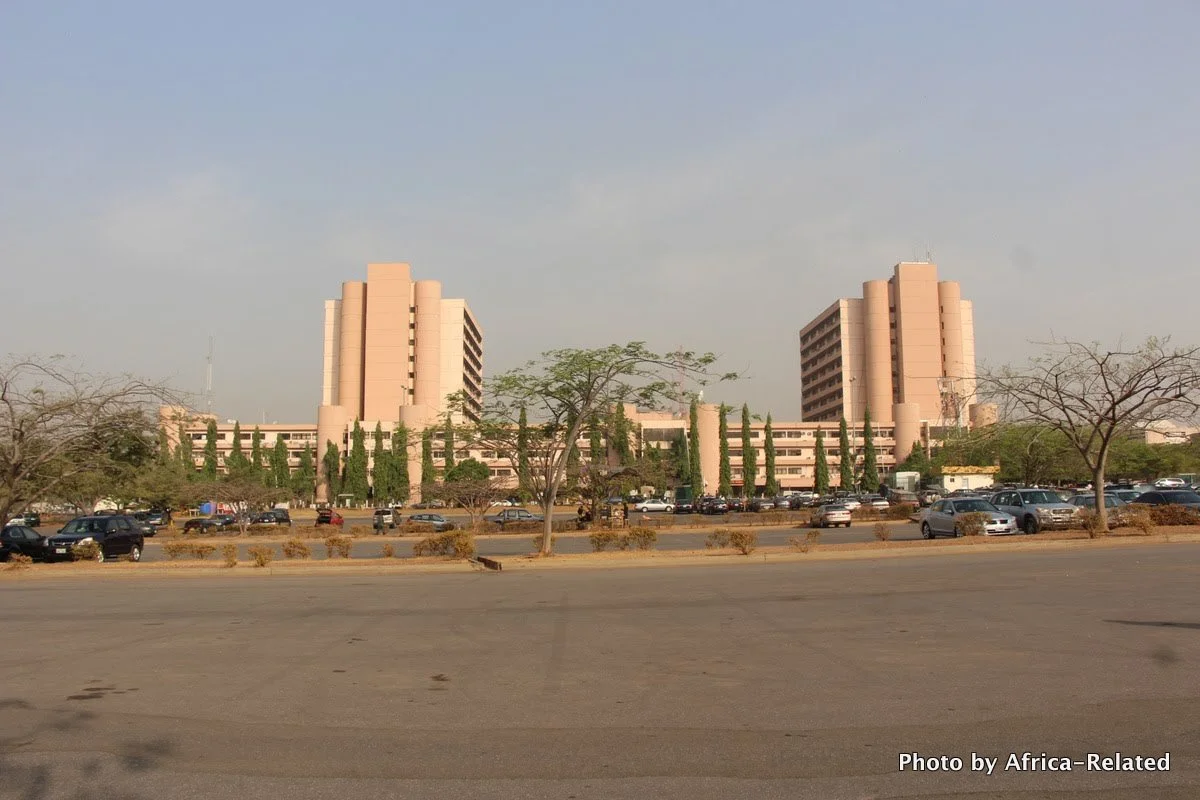
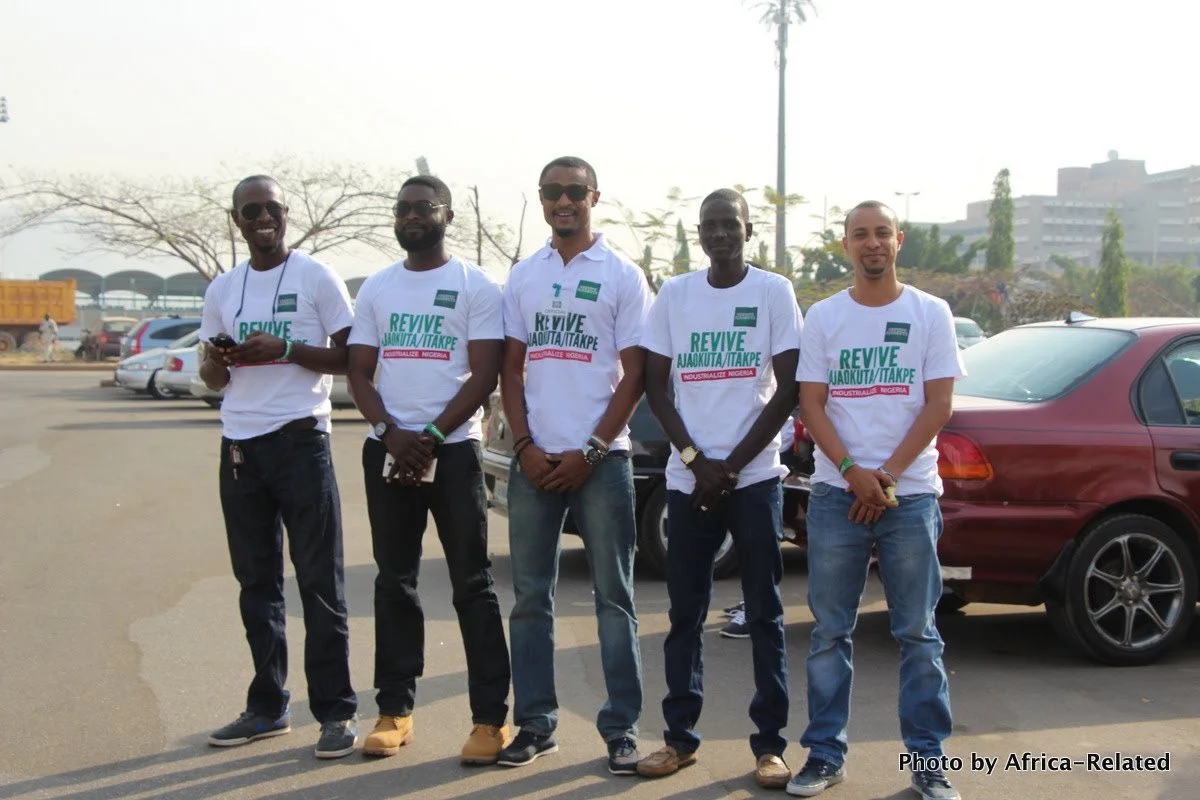
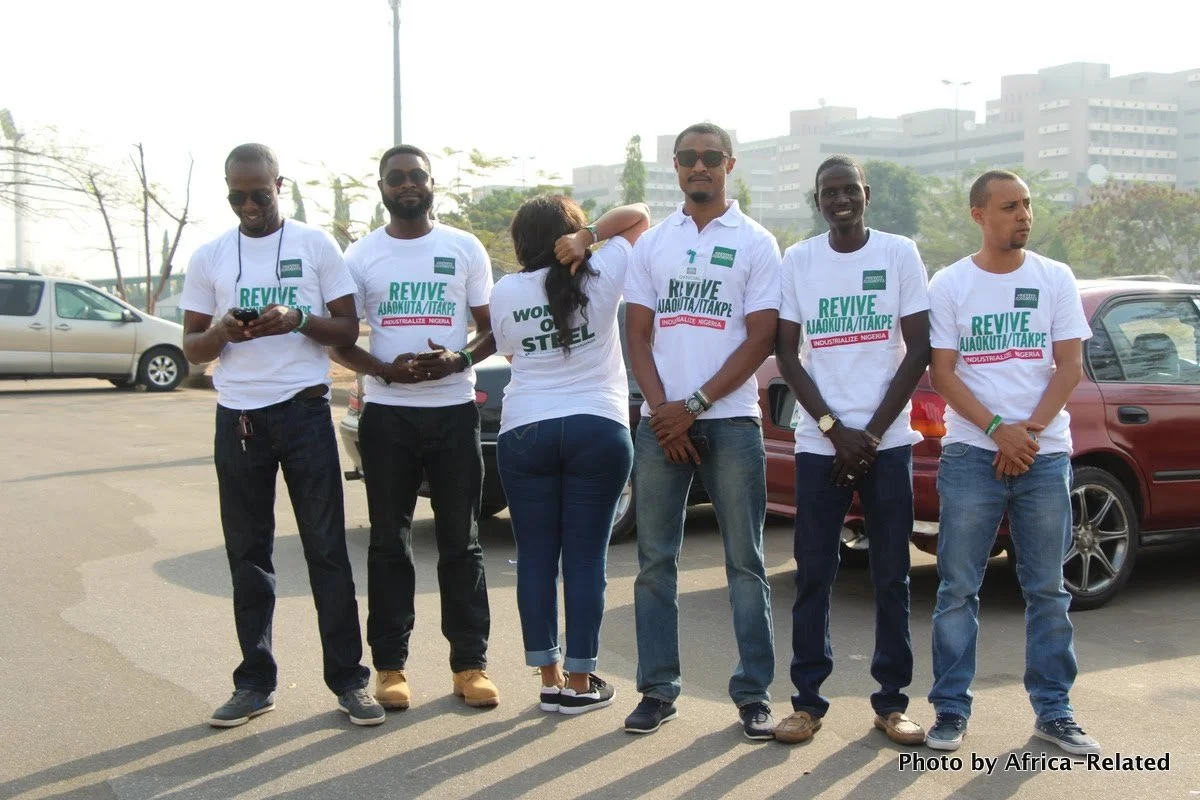
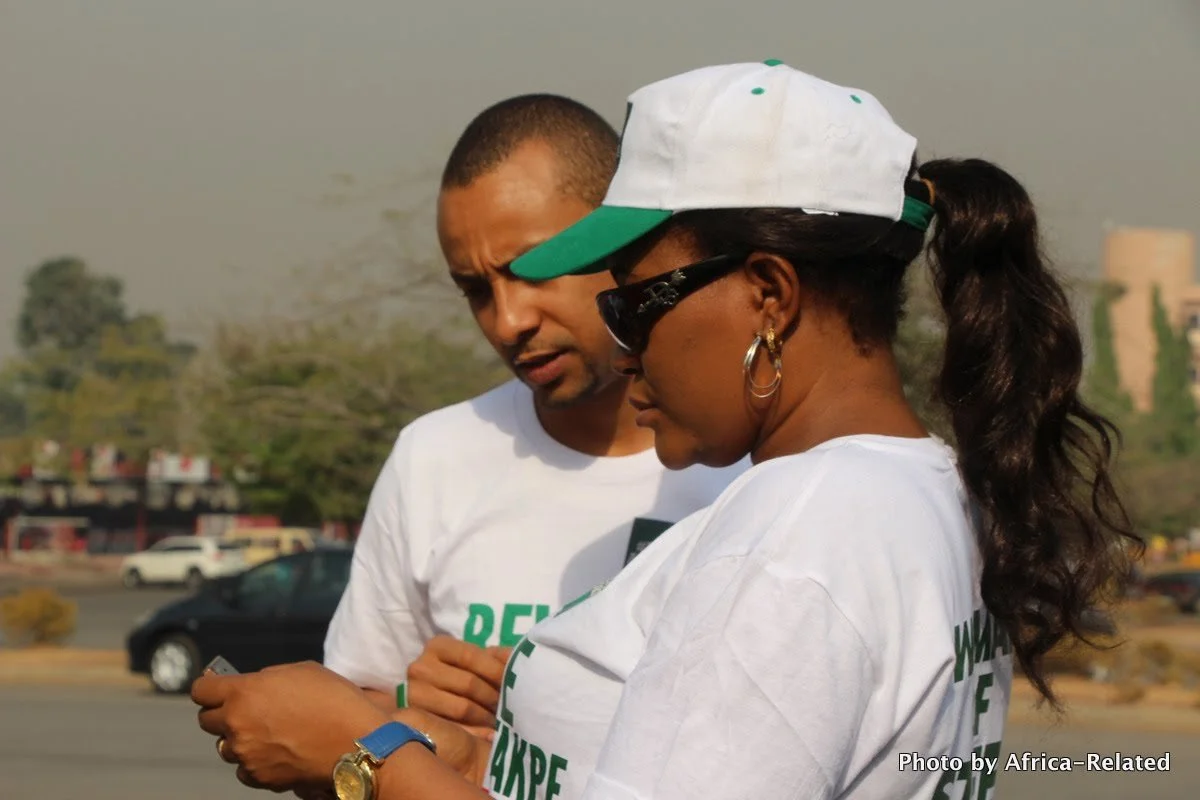
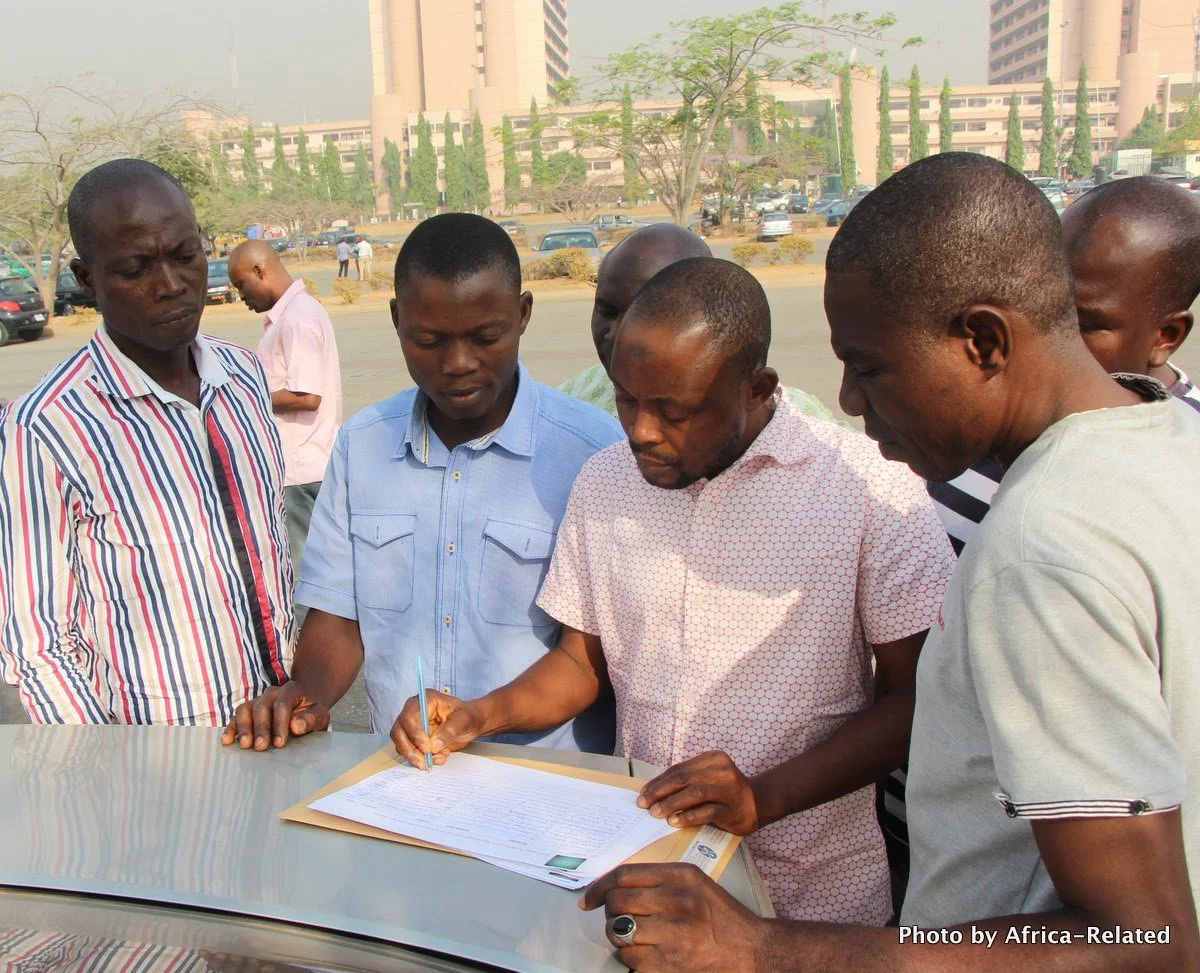
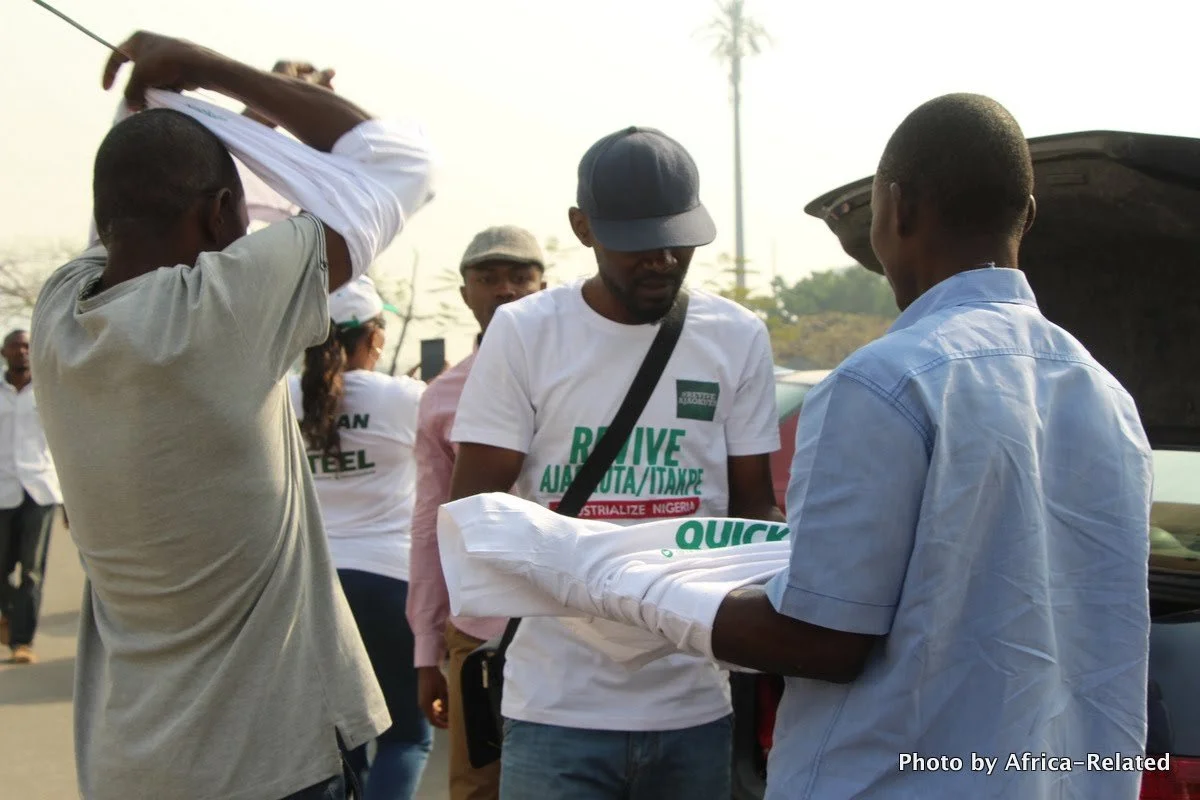
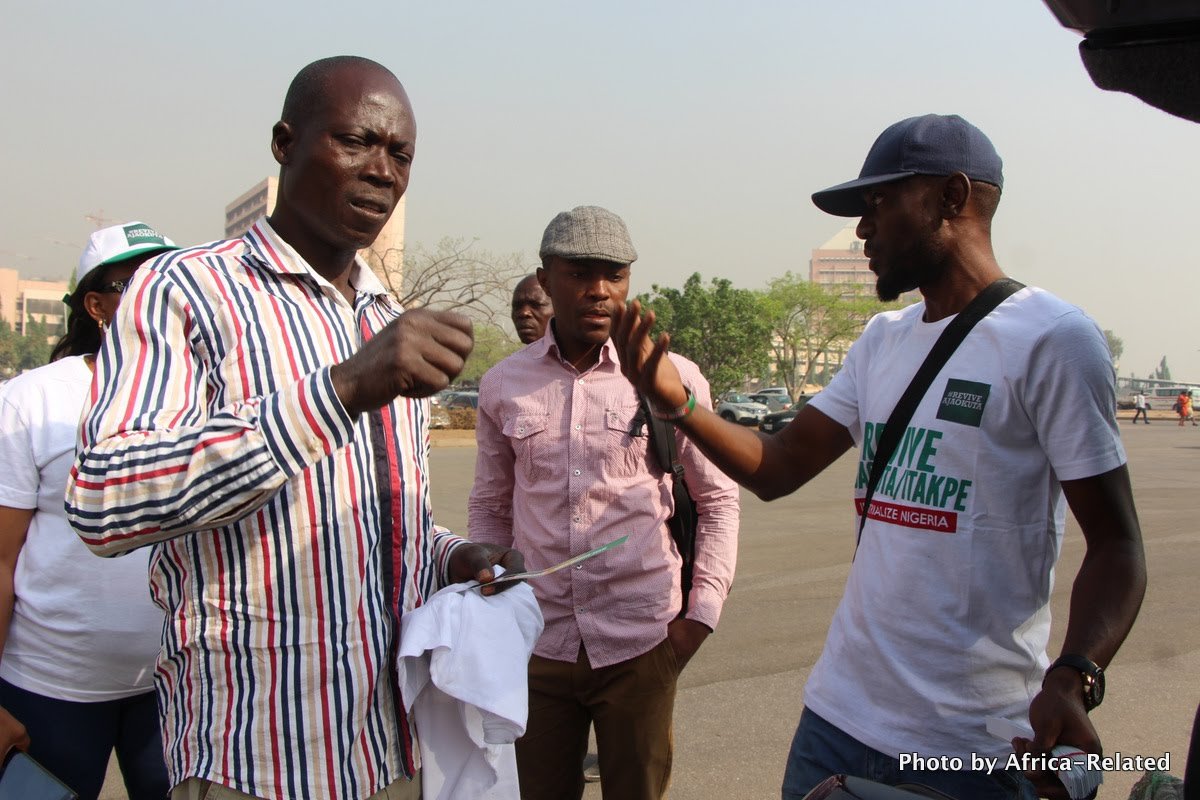
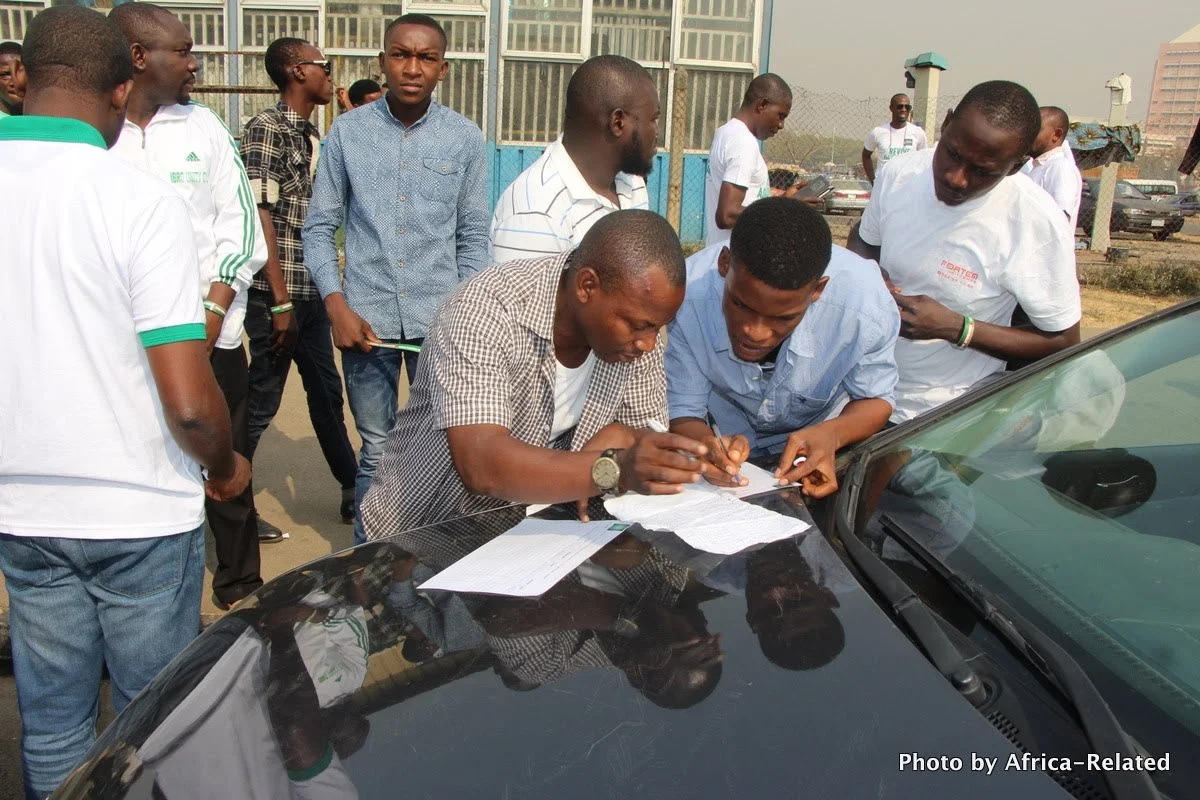
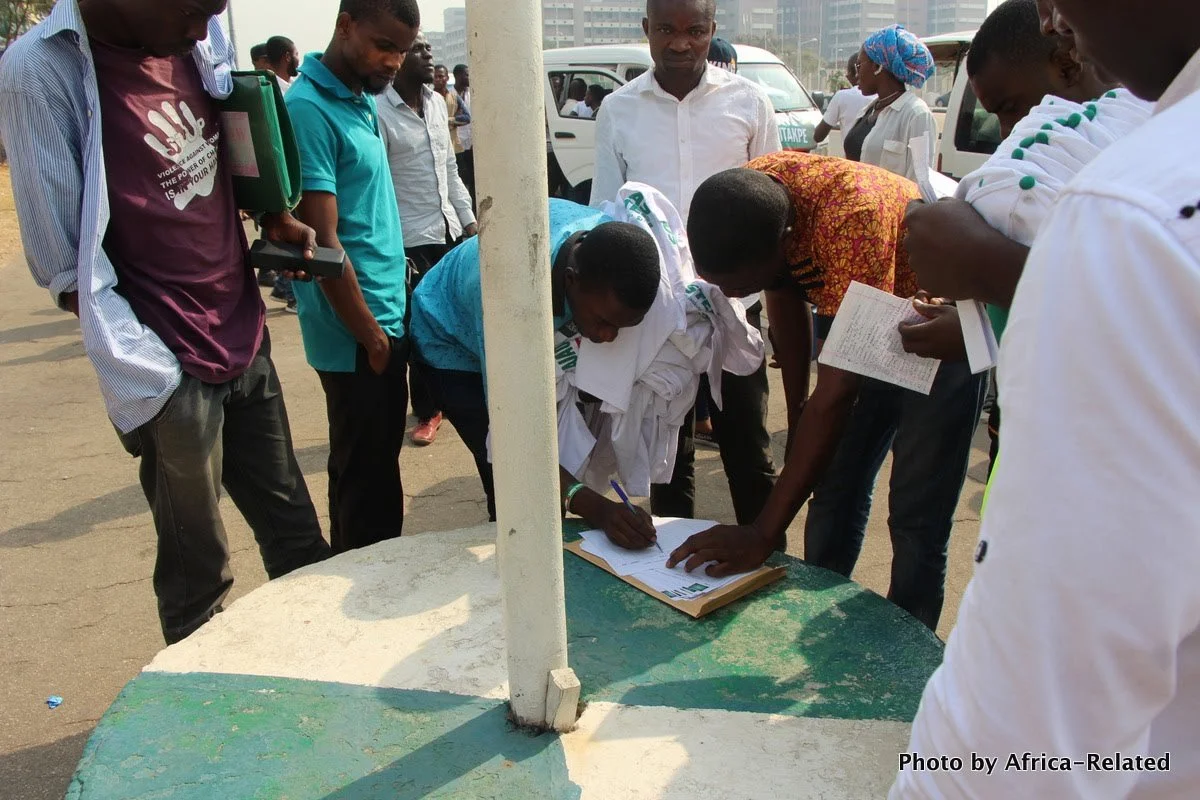
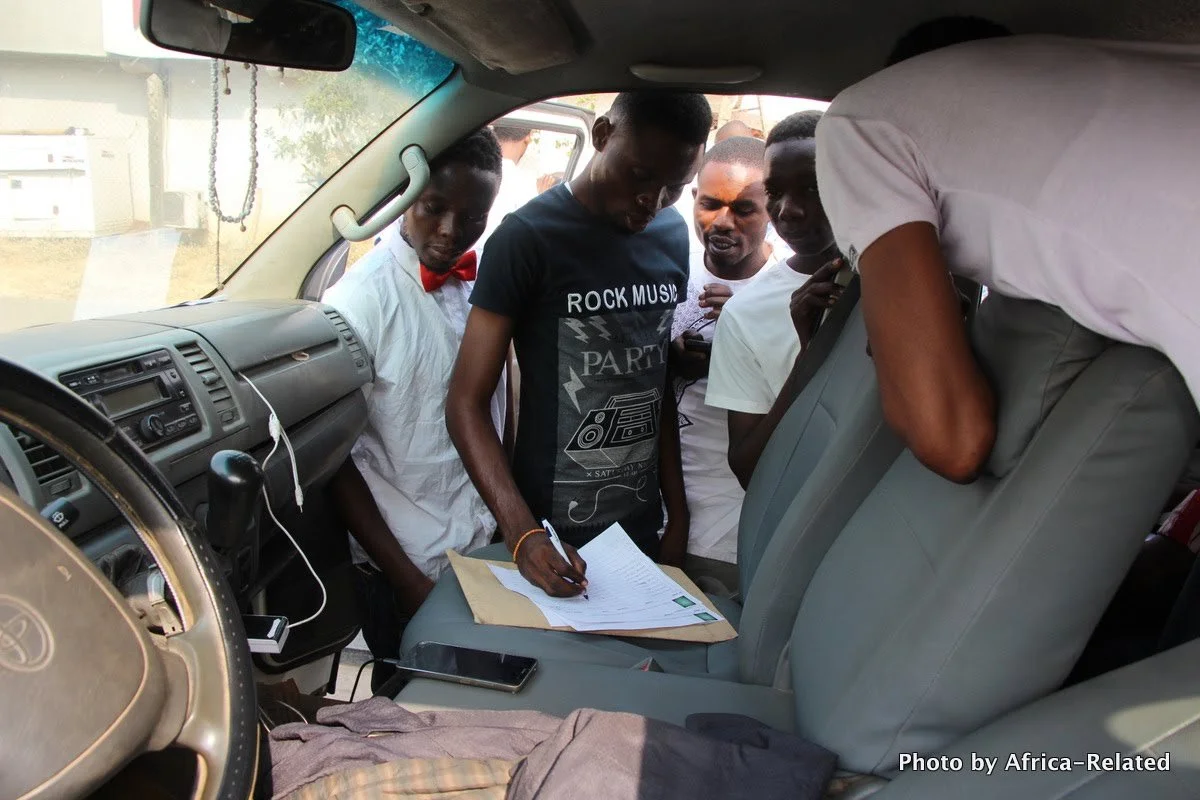
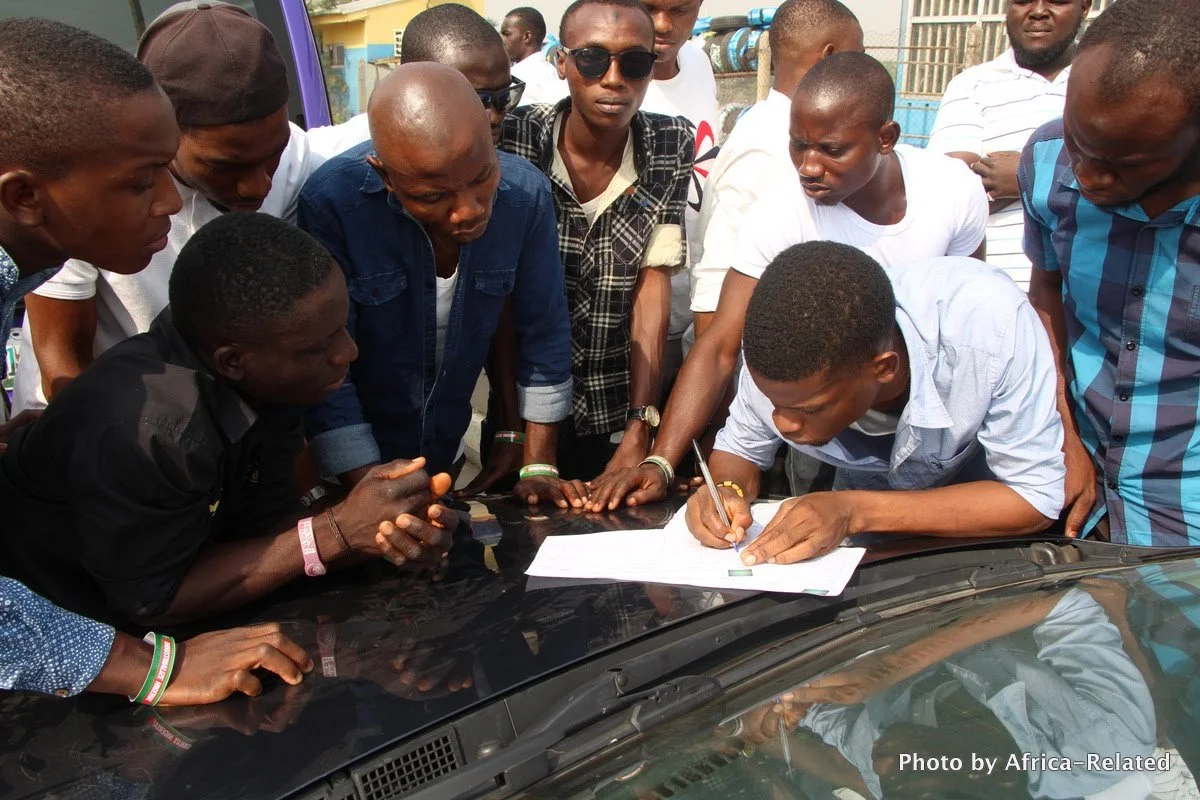
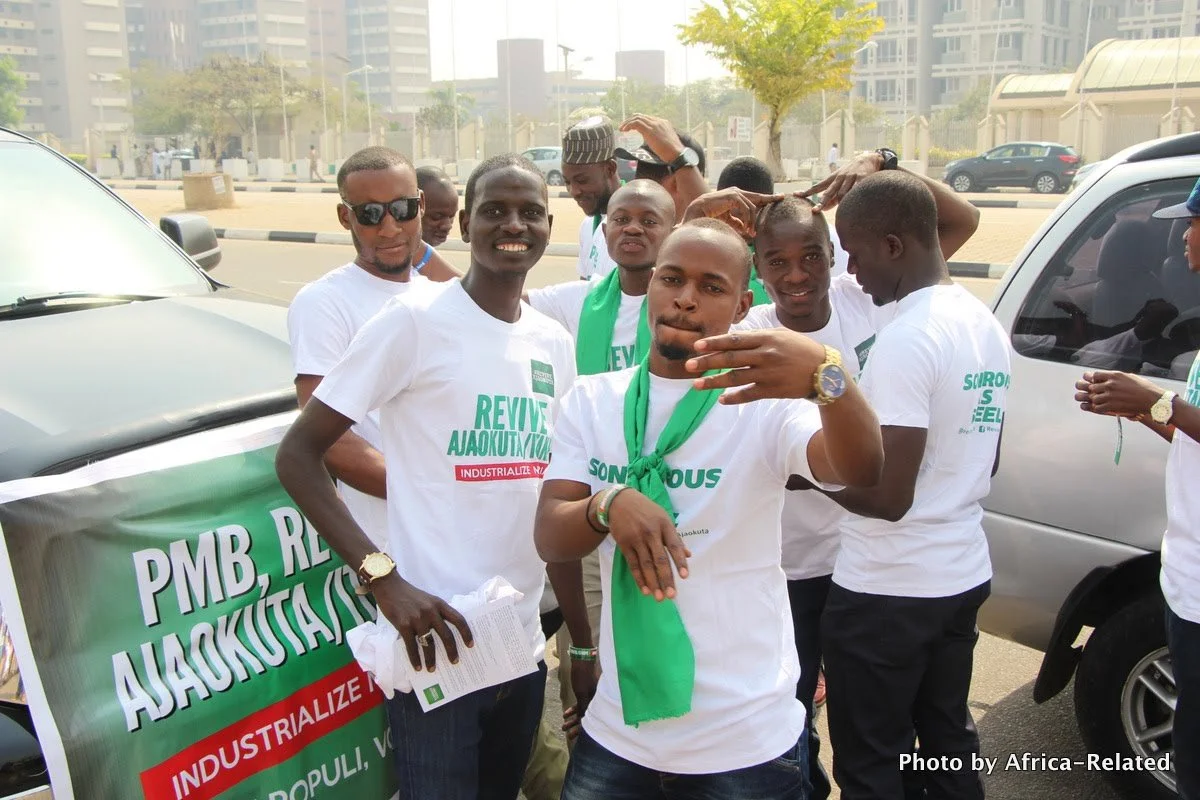
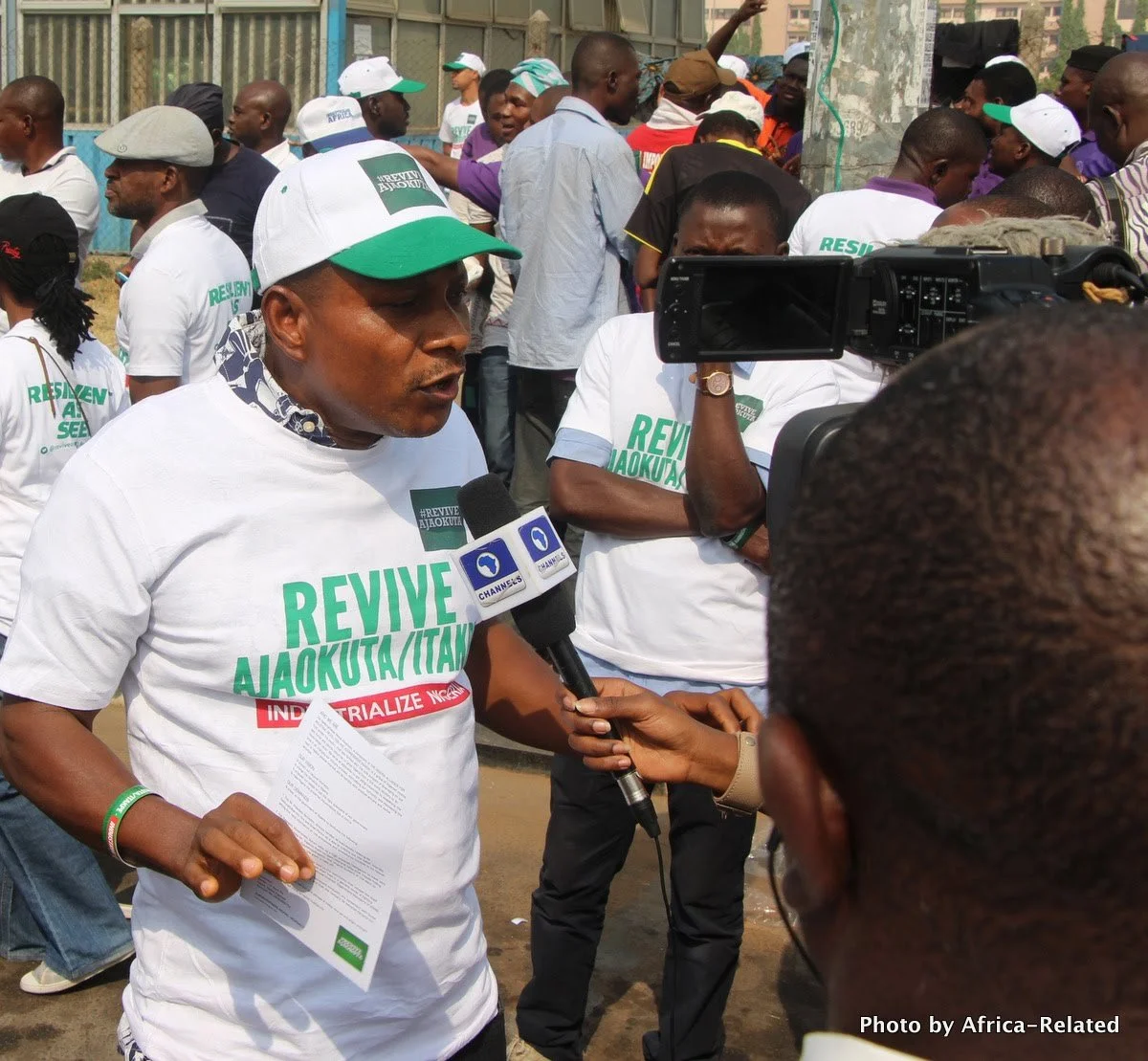
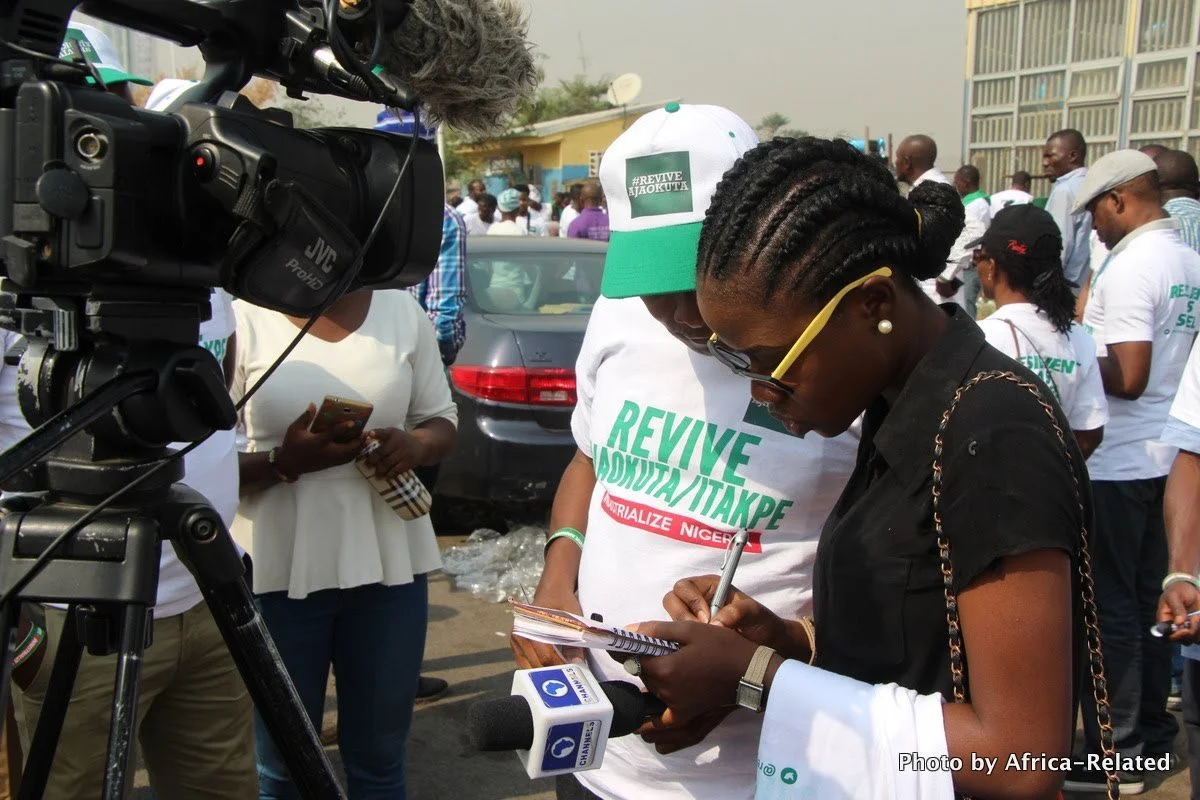
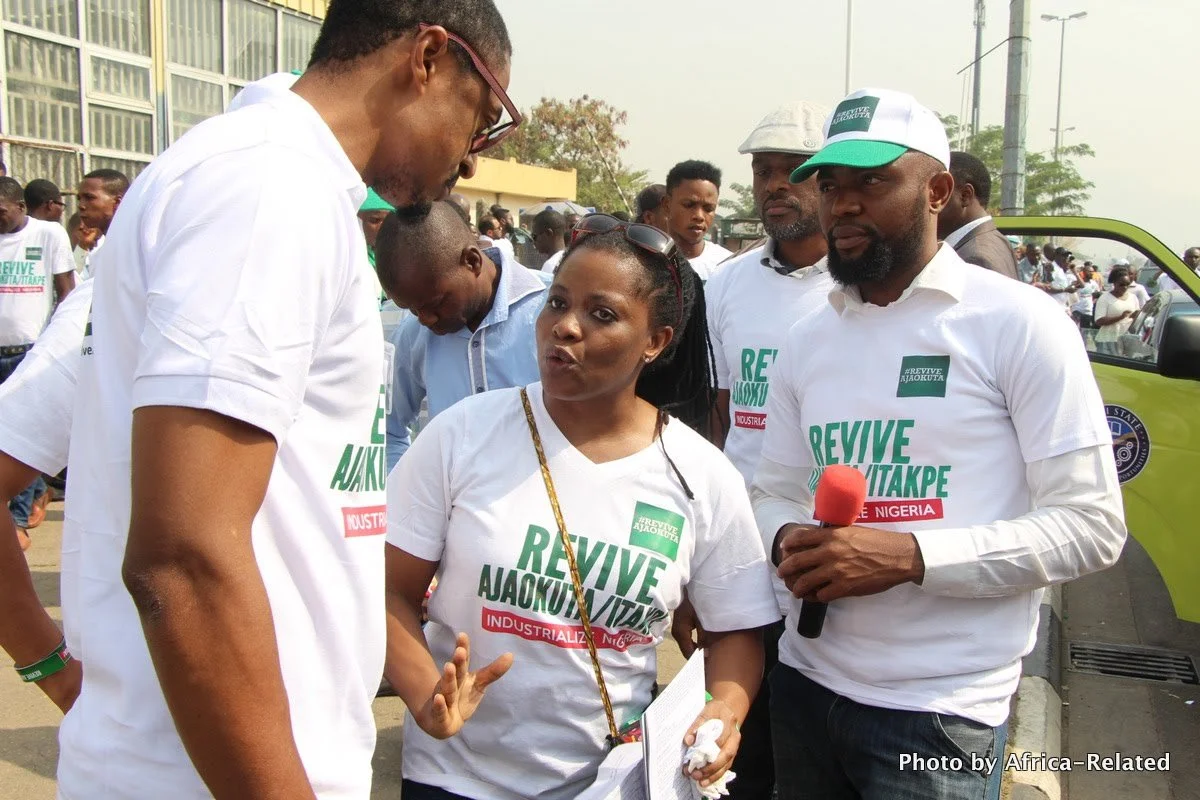
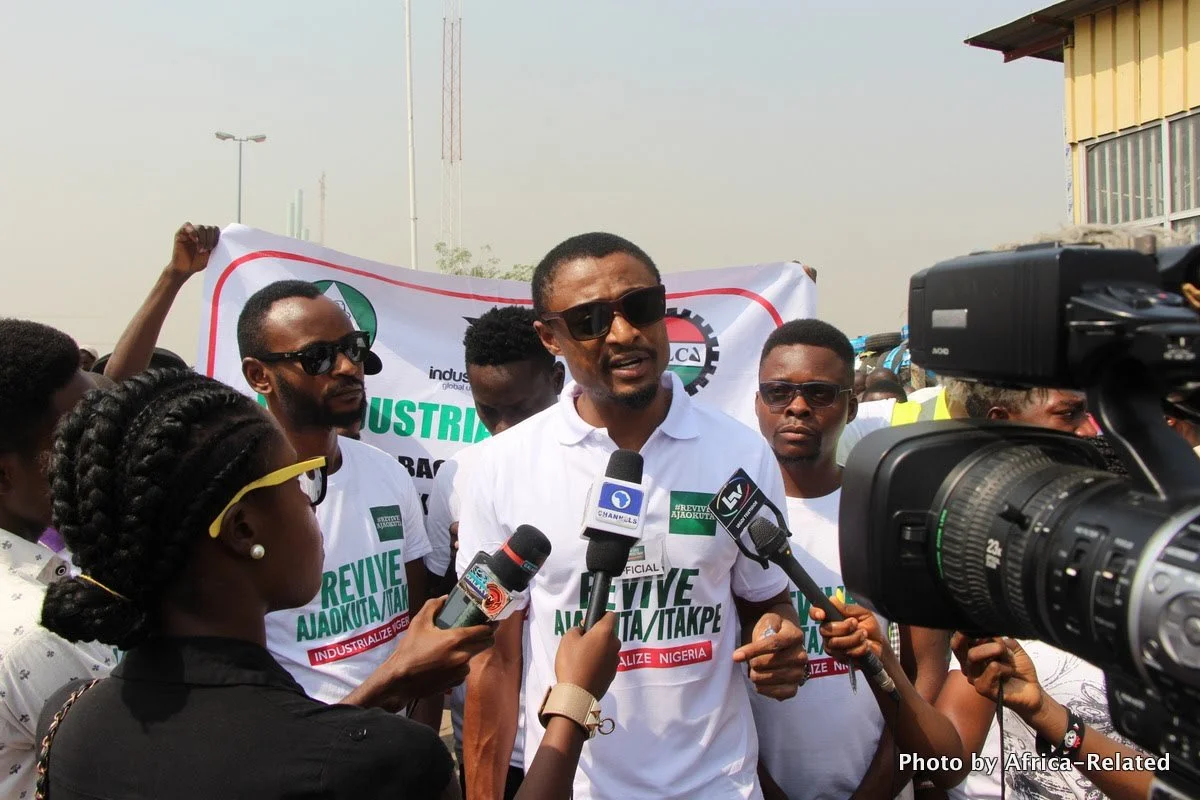
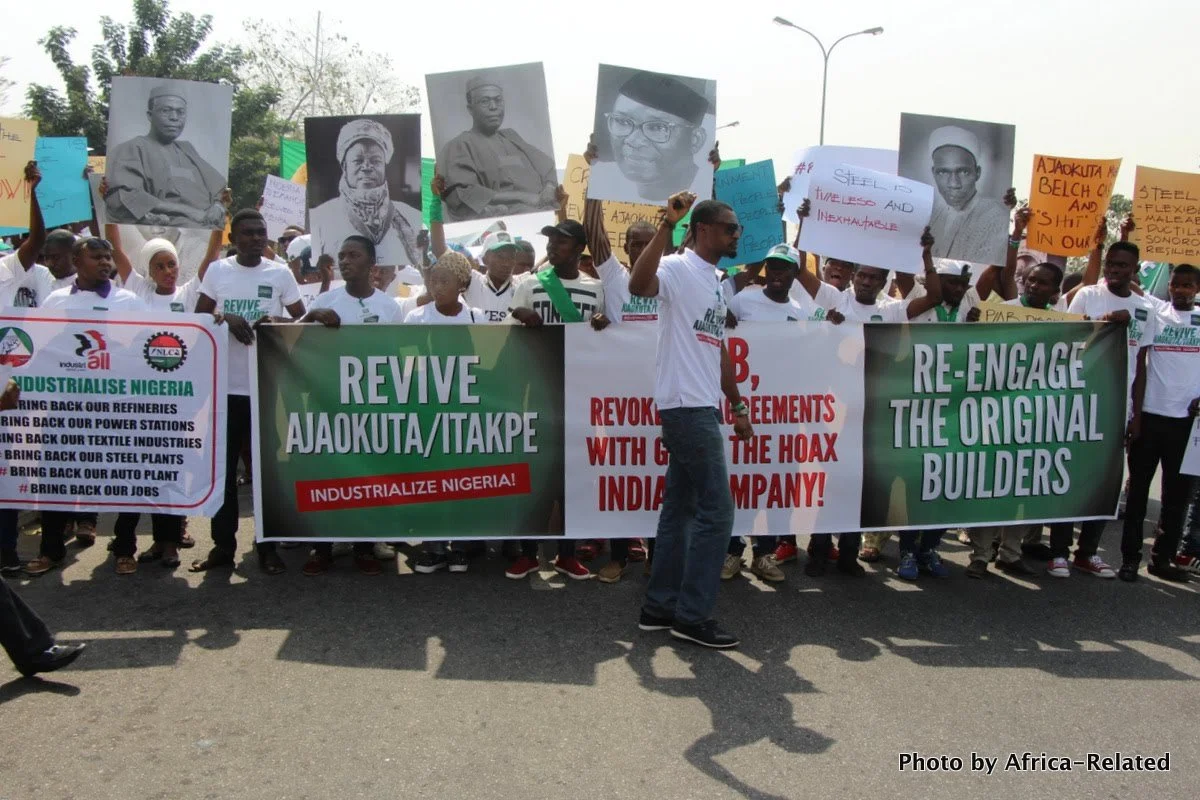
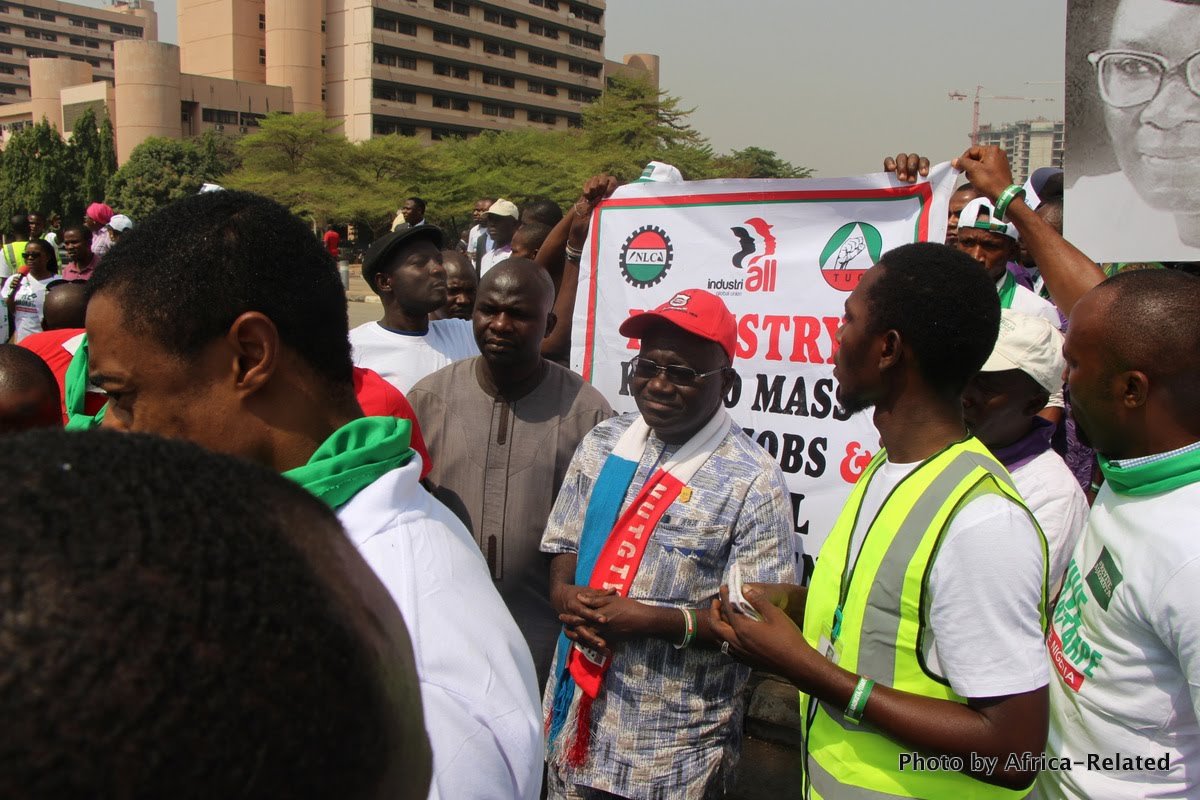
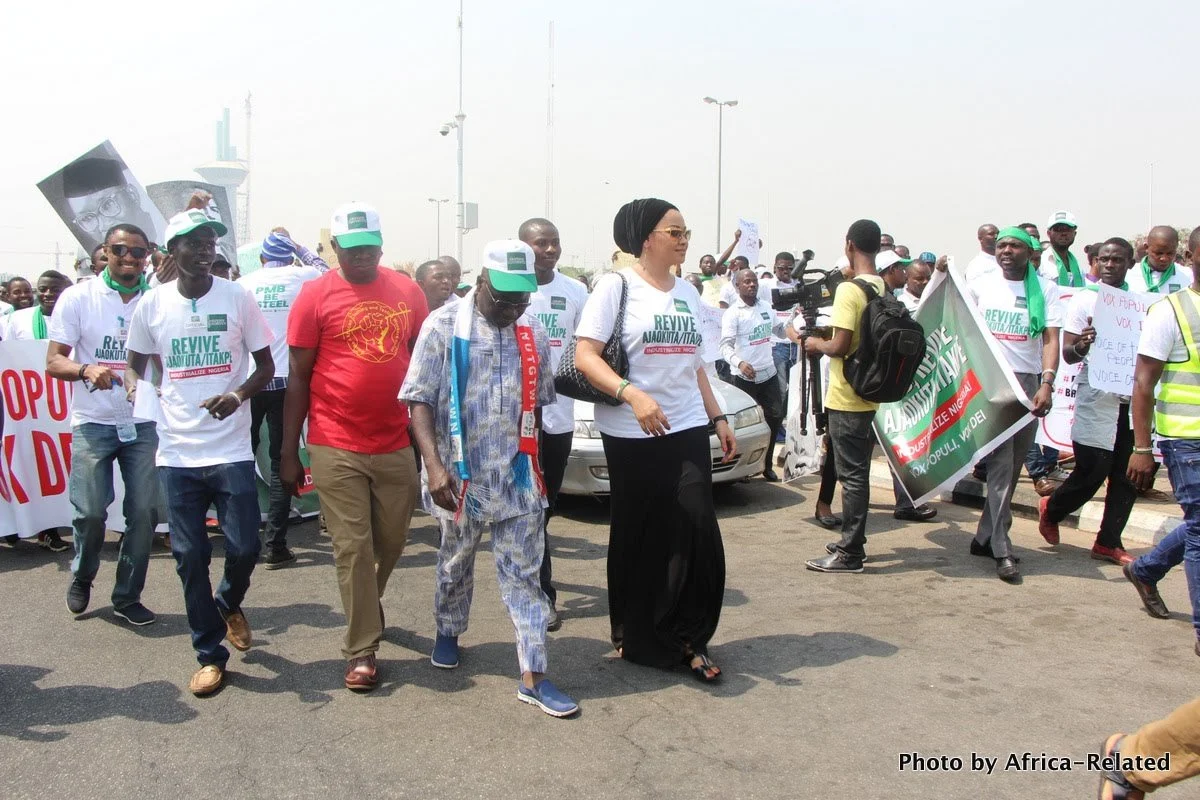
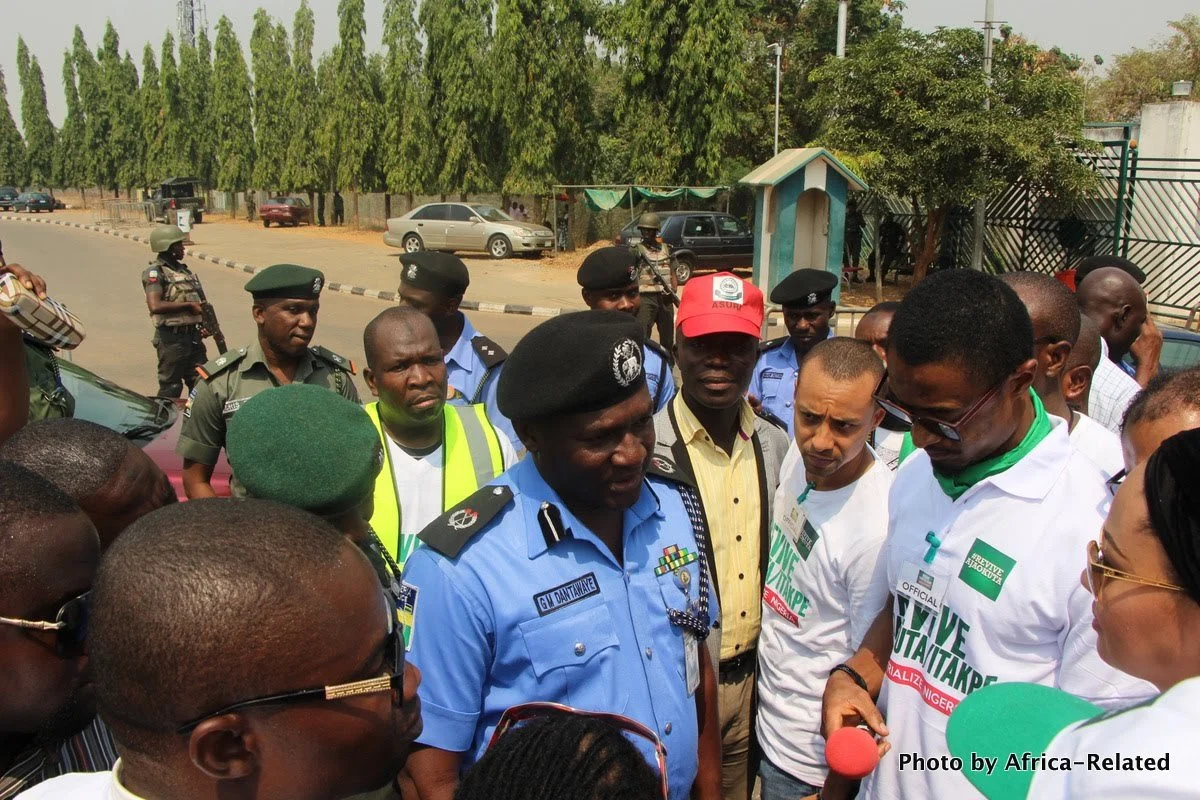
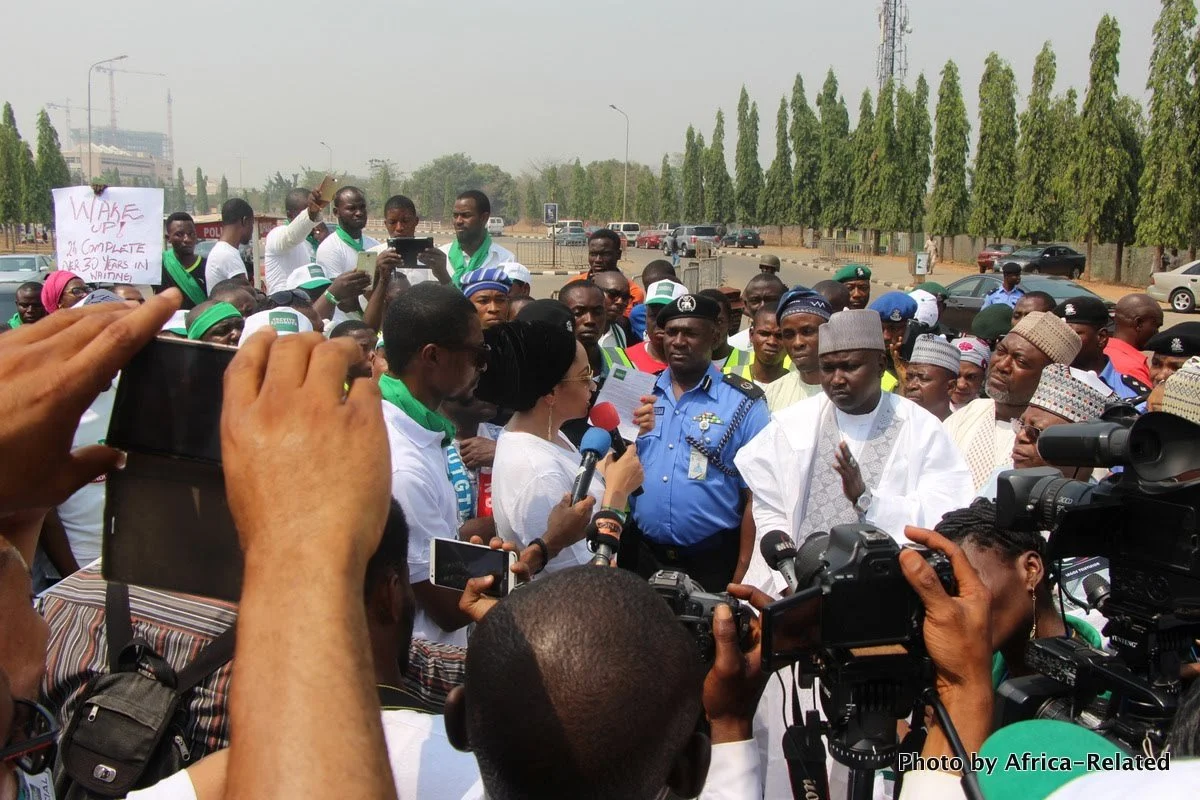
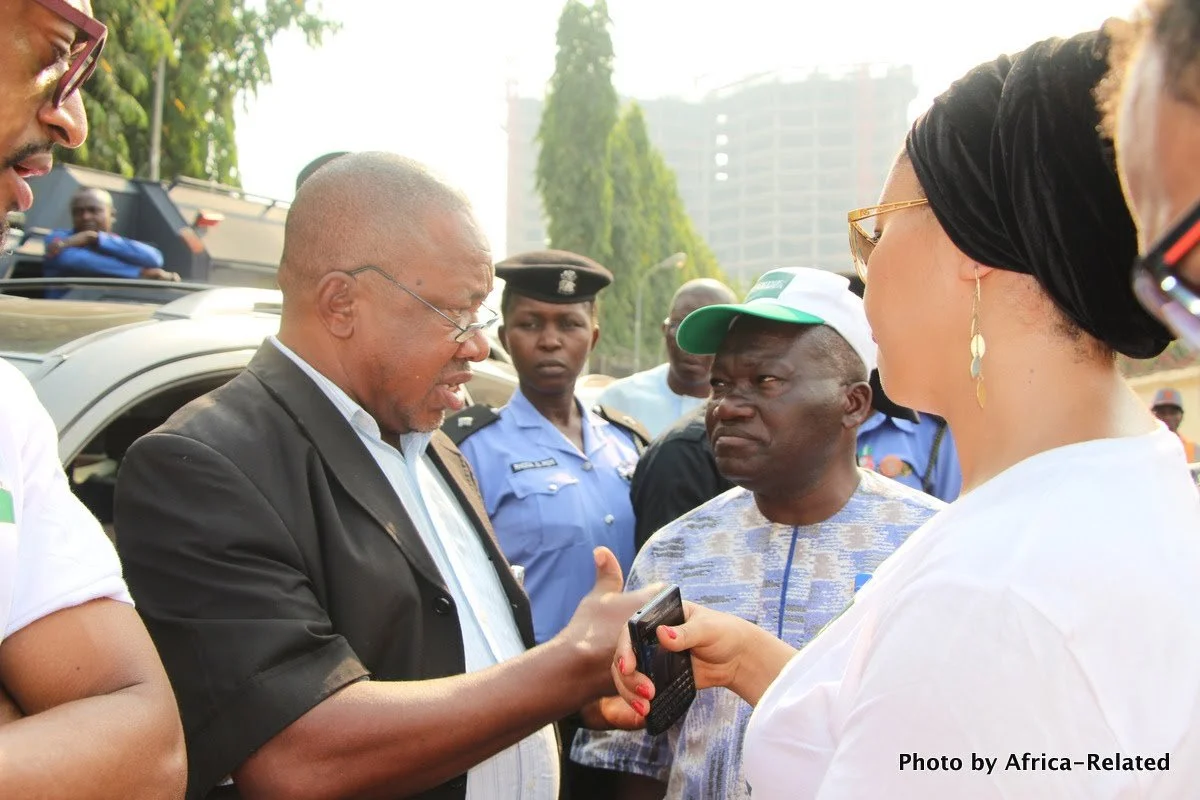
The Ajaokuta Awareness Walk, a sensitization march organized by The Revive Ajaokuta/Itakpe Movement, a group of advocates for the revival of Nigeria’s existing moribund industries held in Abuja on Jan 25, 2017.
BY OYIZA ADABA | AFRICA-RELATED NIGERIA
ABUJA, Nigeria January 25, 2017
Photos: AFRICA-RELATED
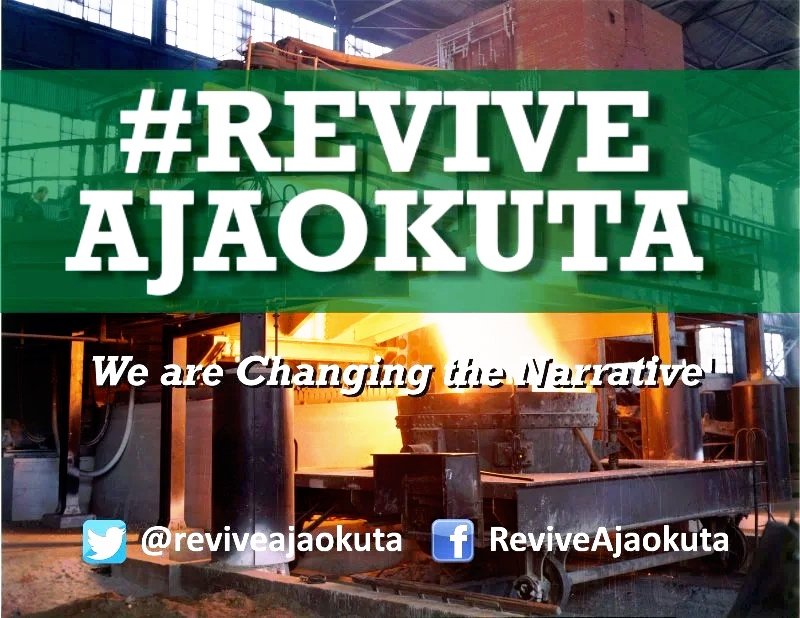
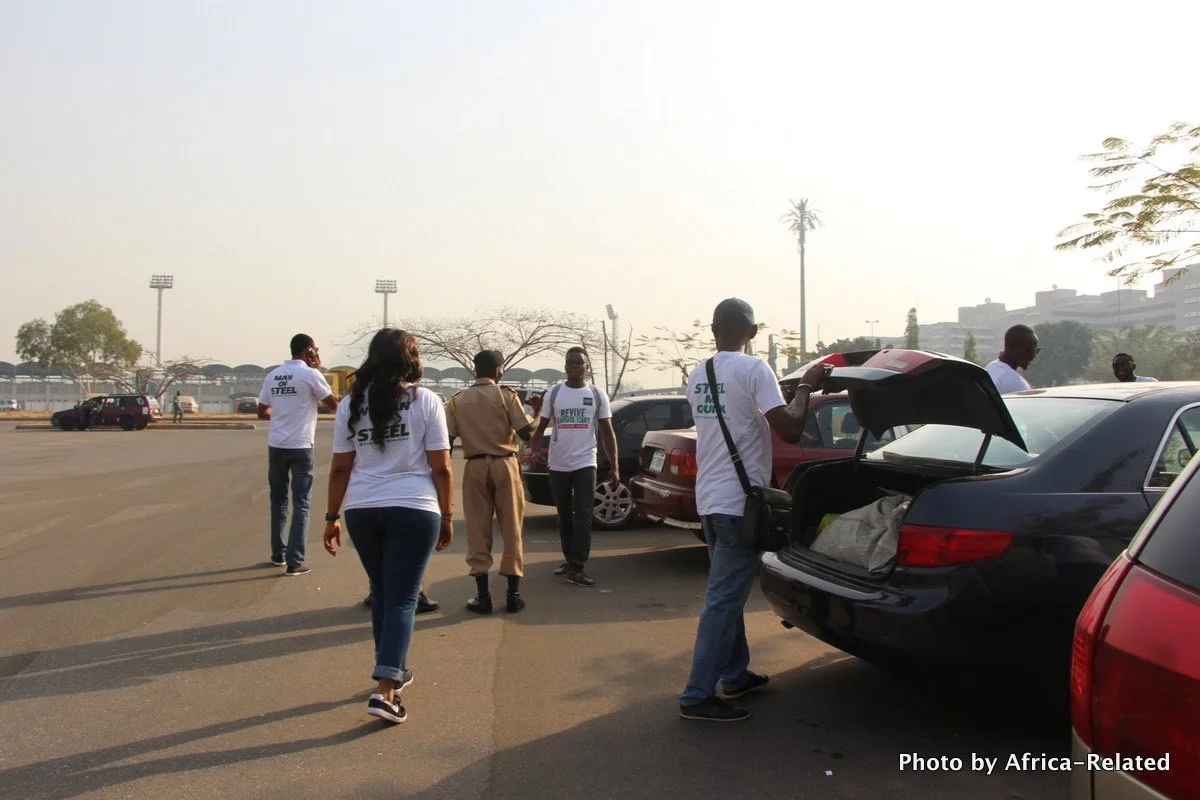
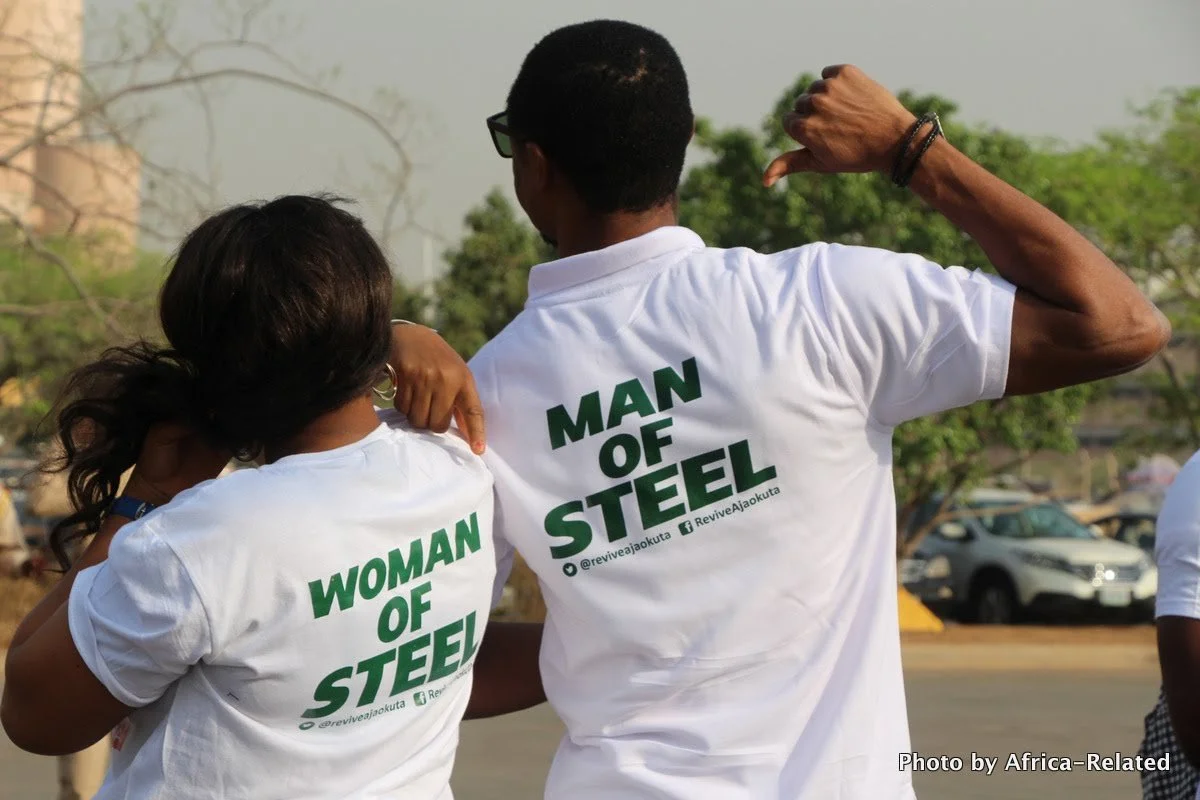
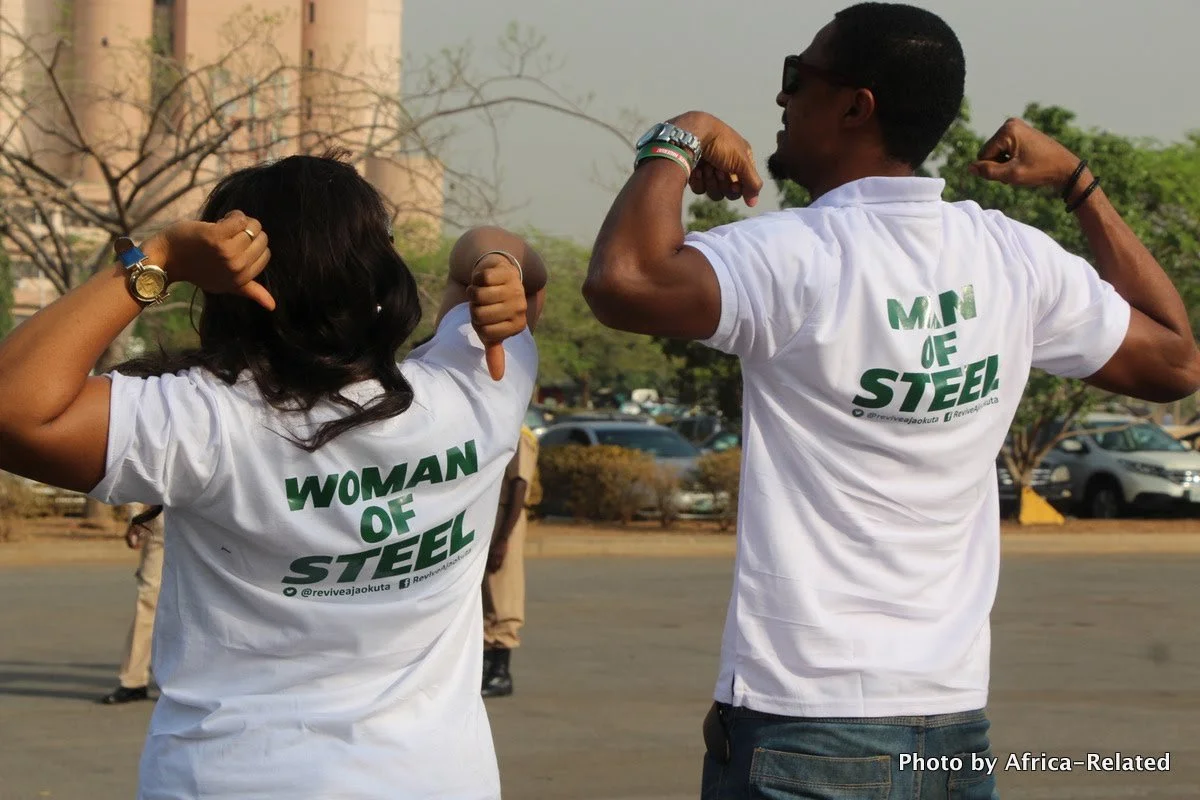
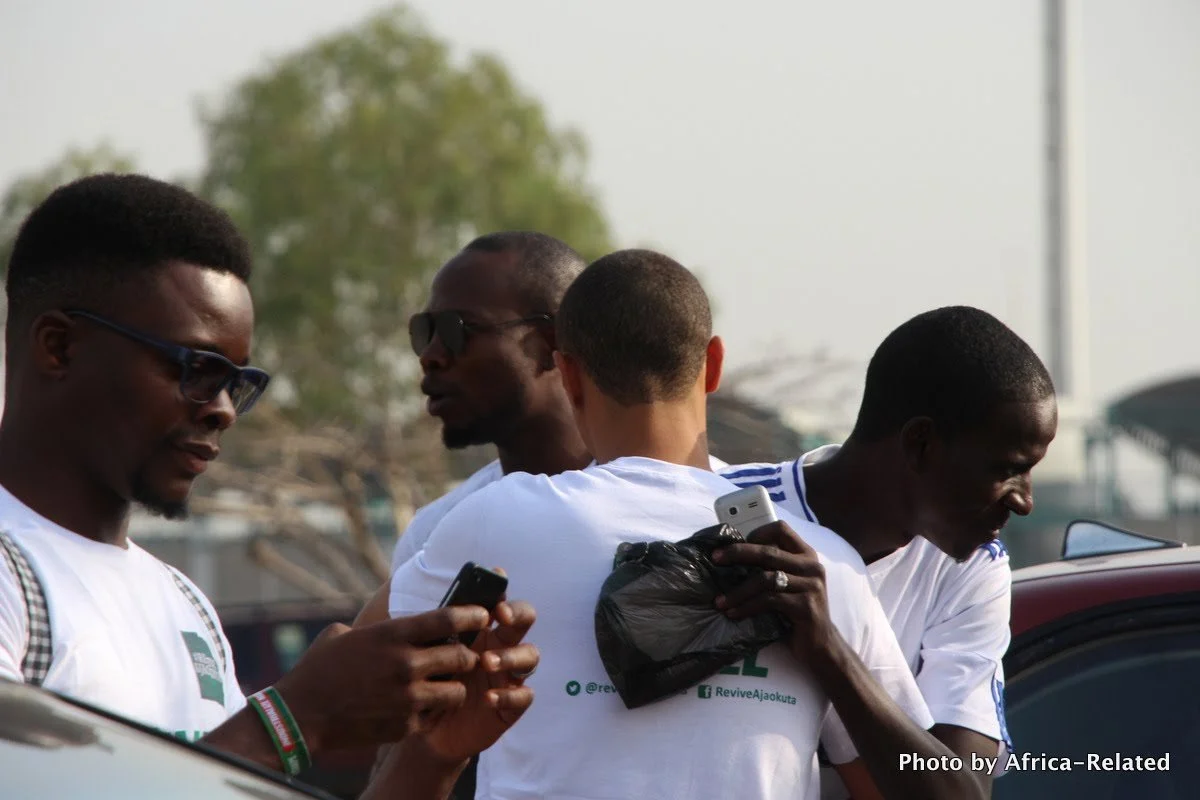
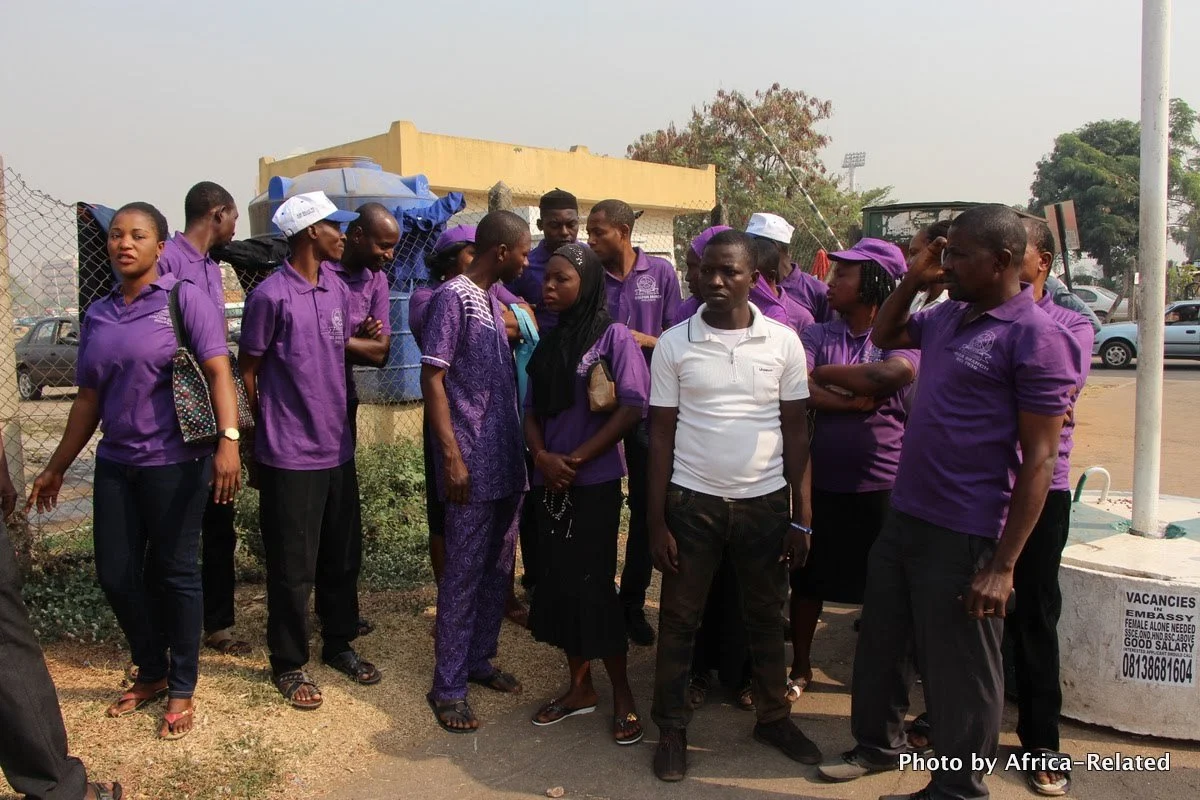
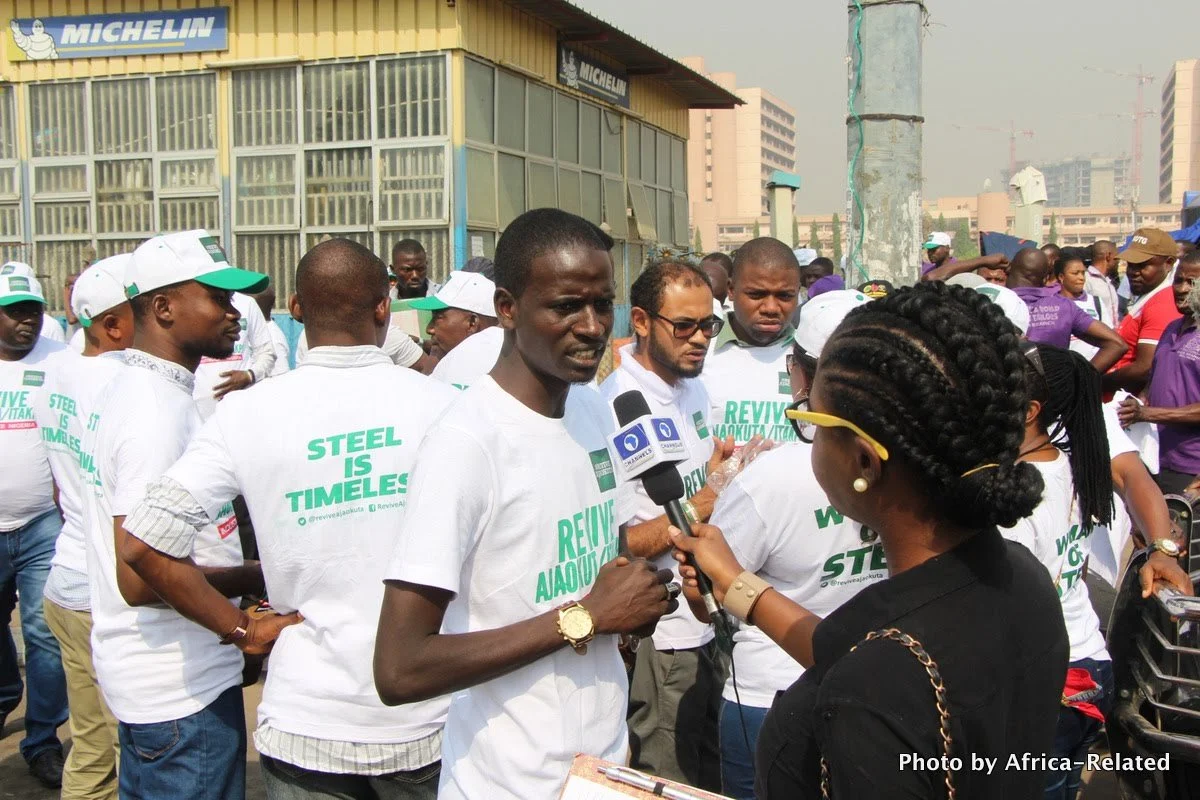
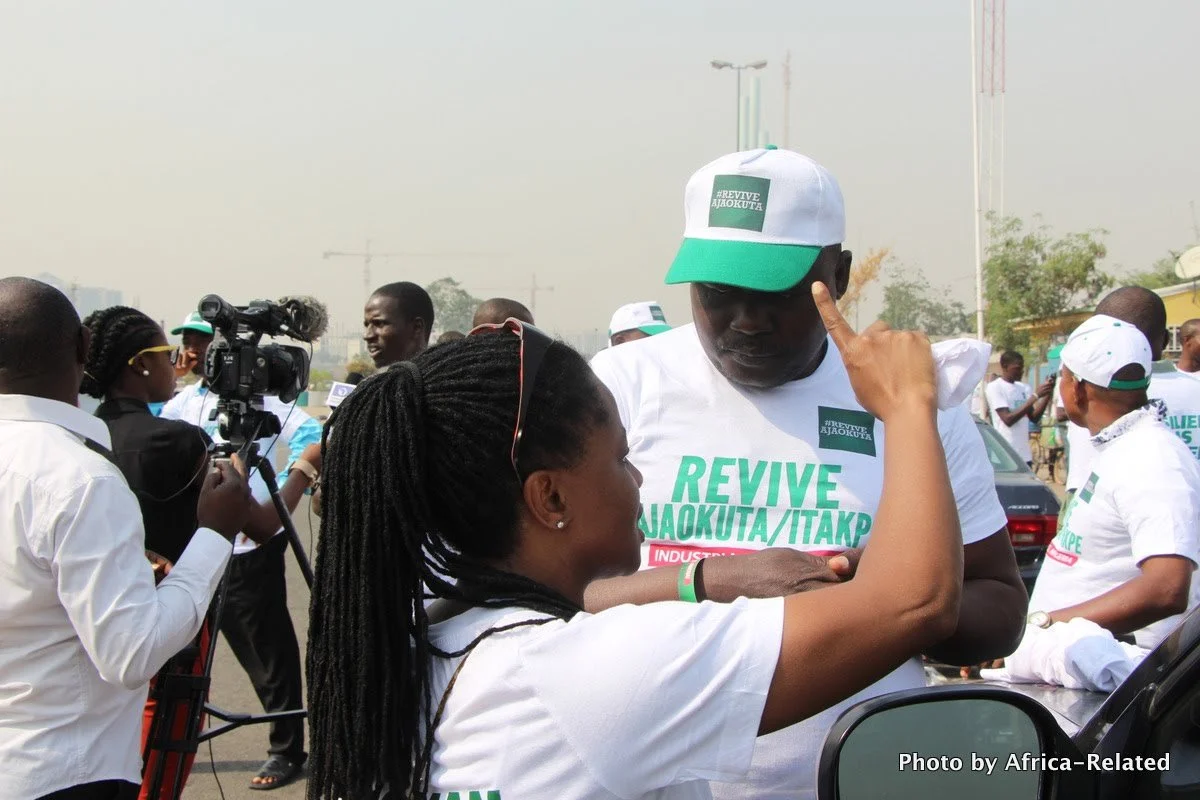
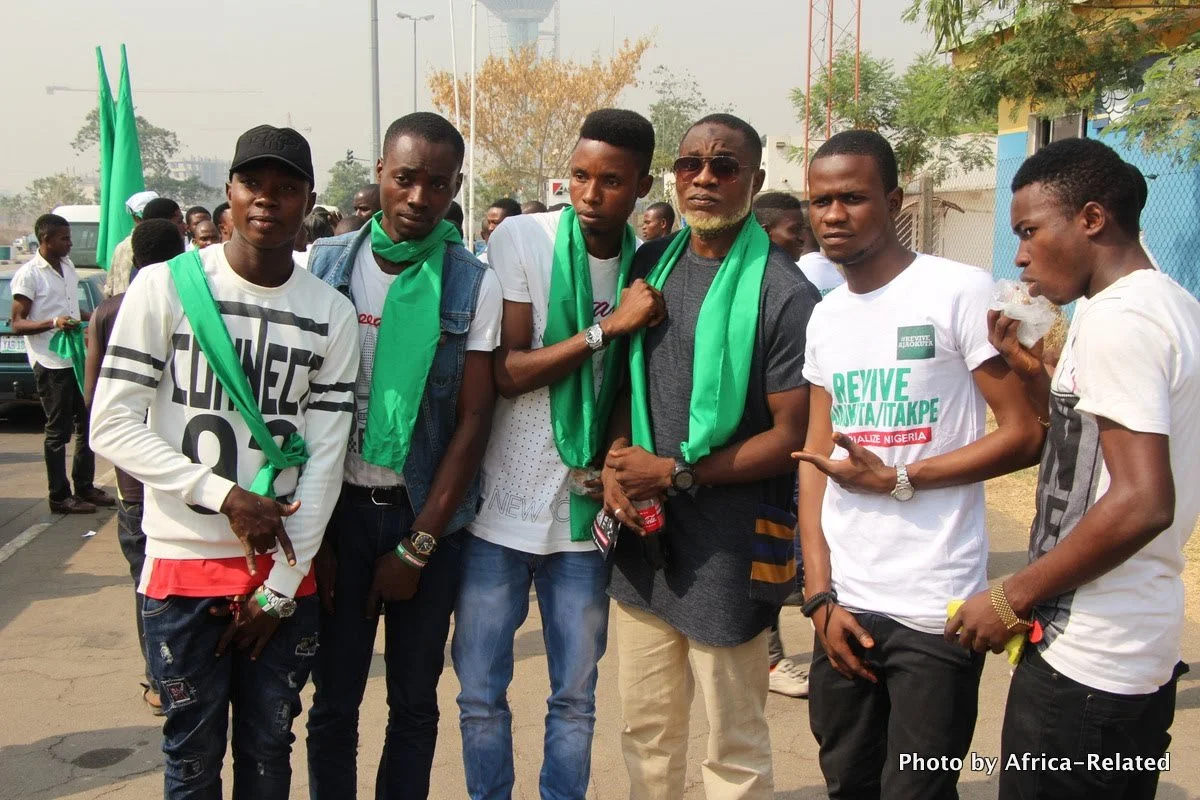
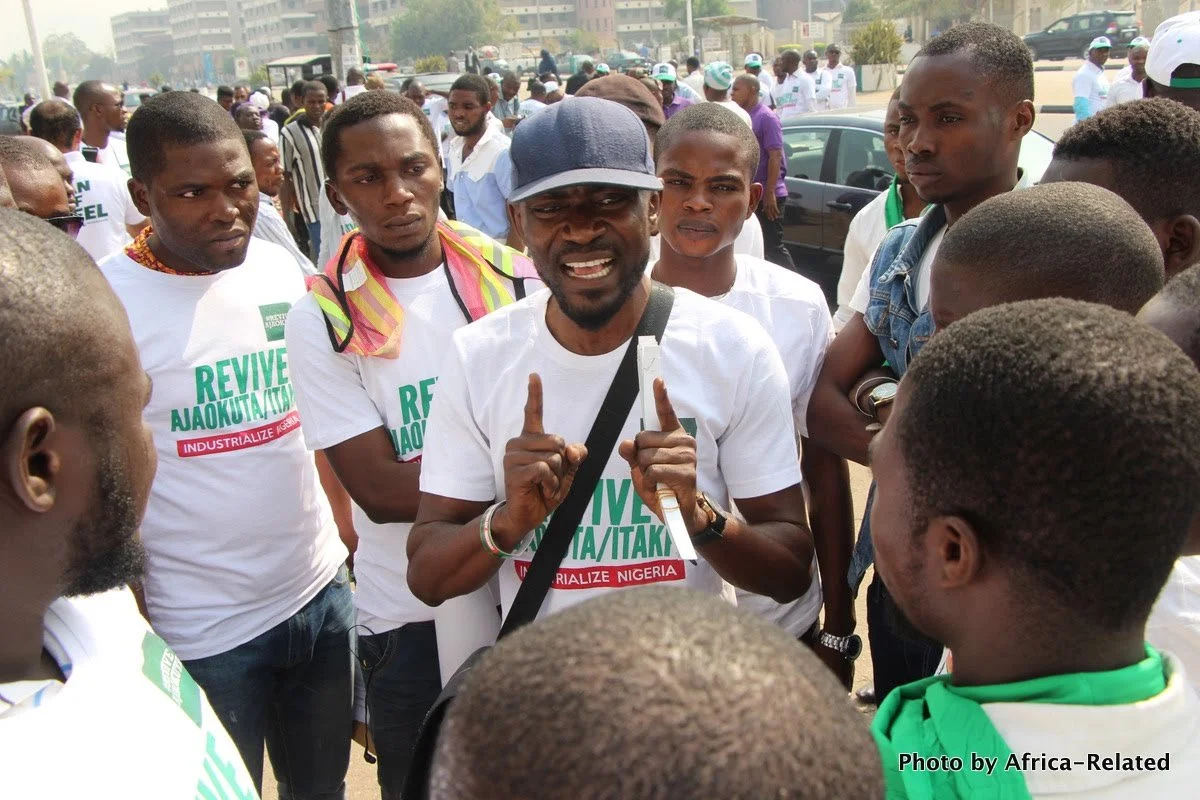
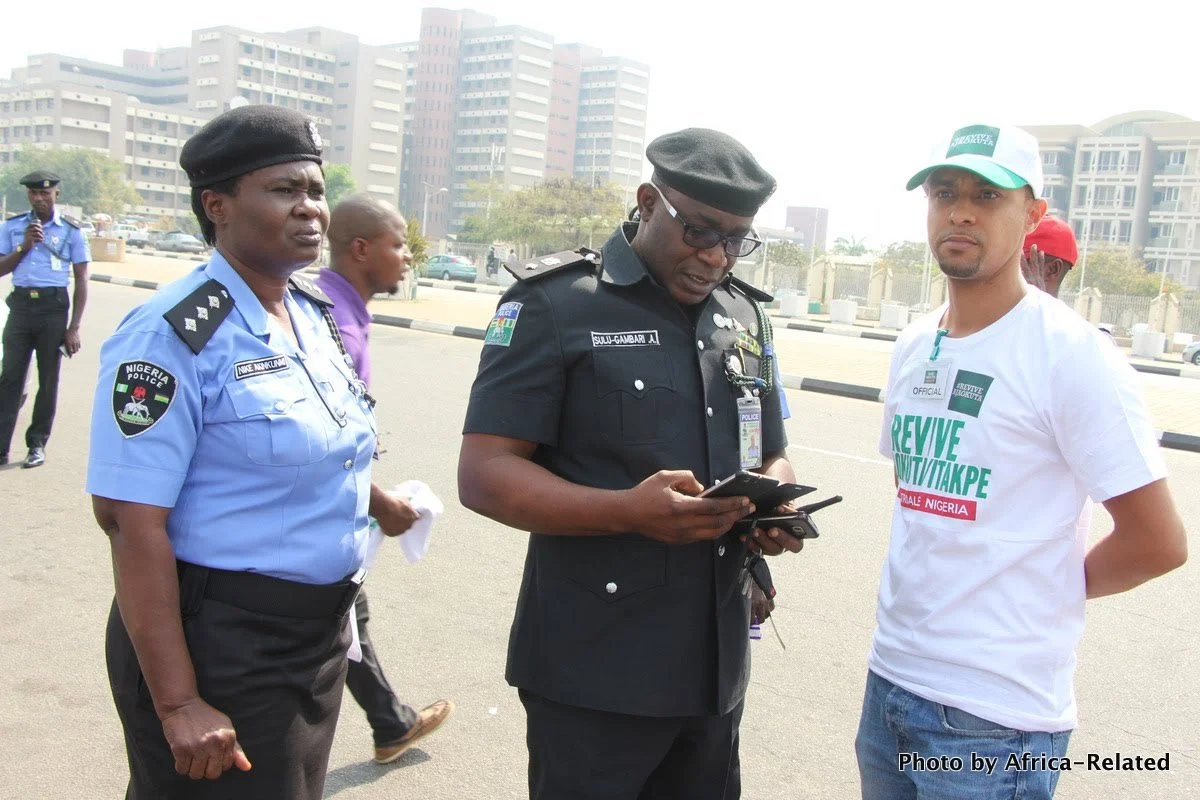
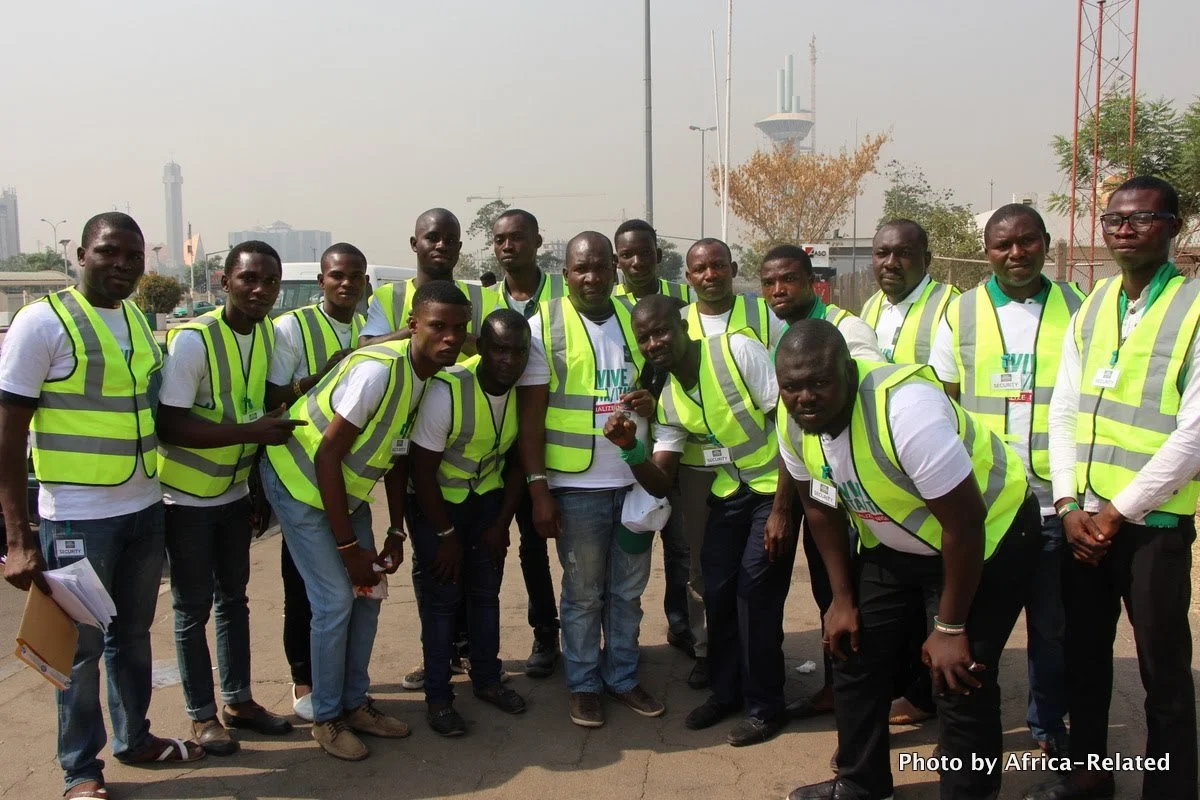
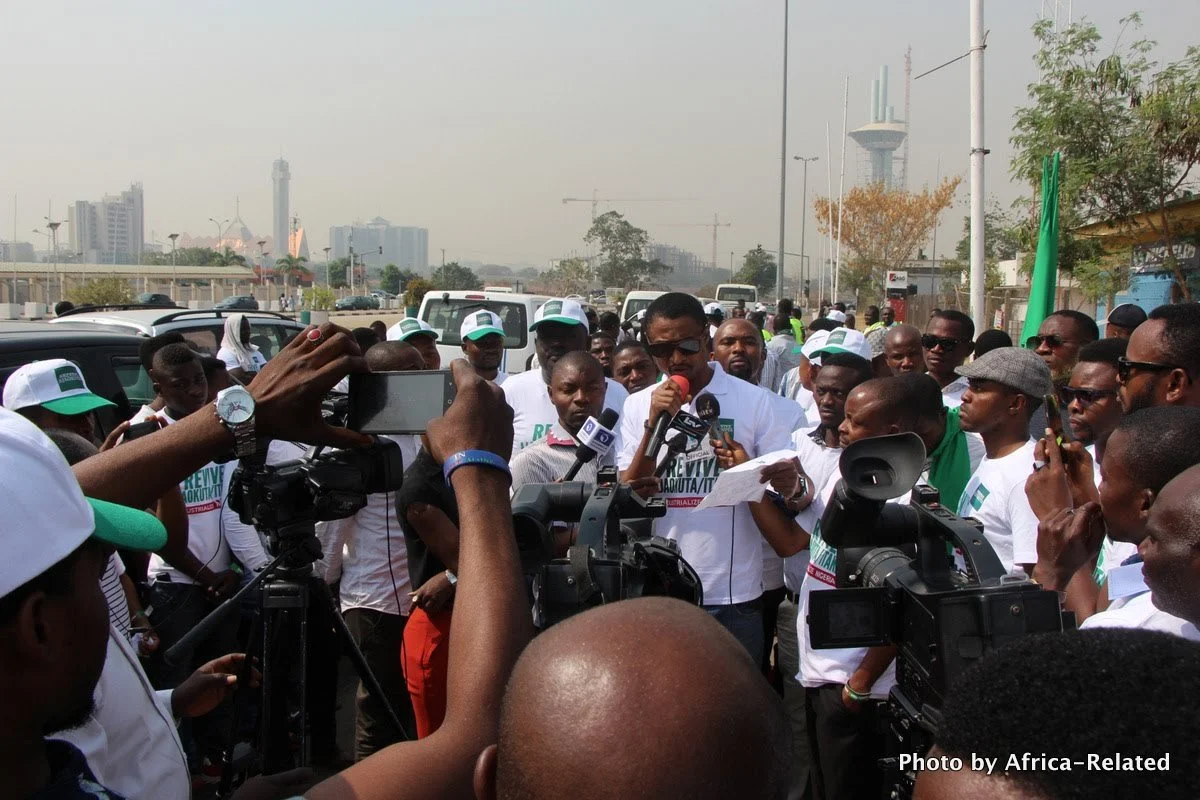
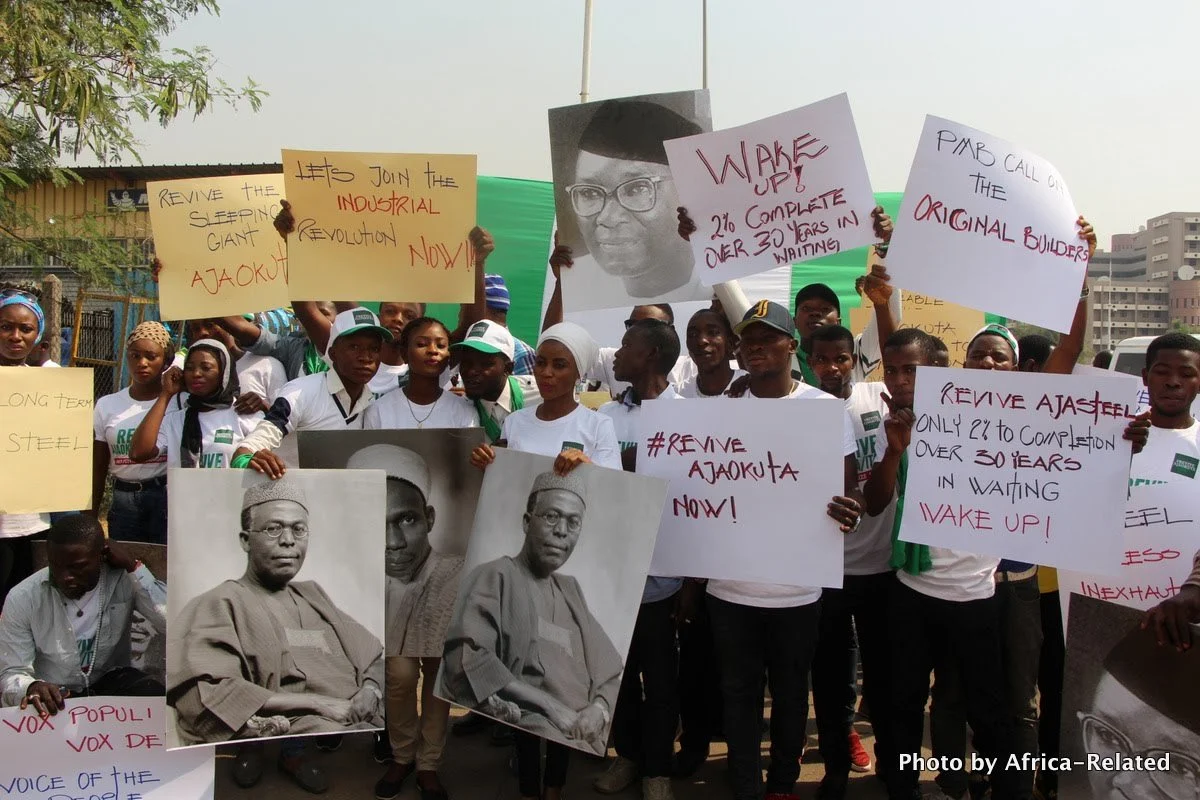
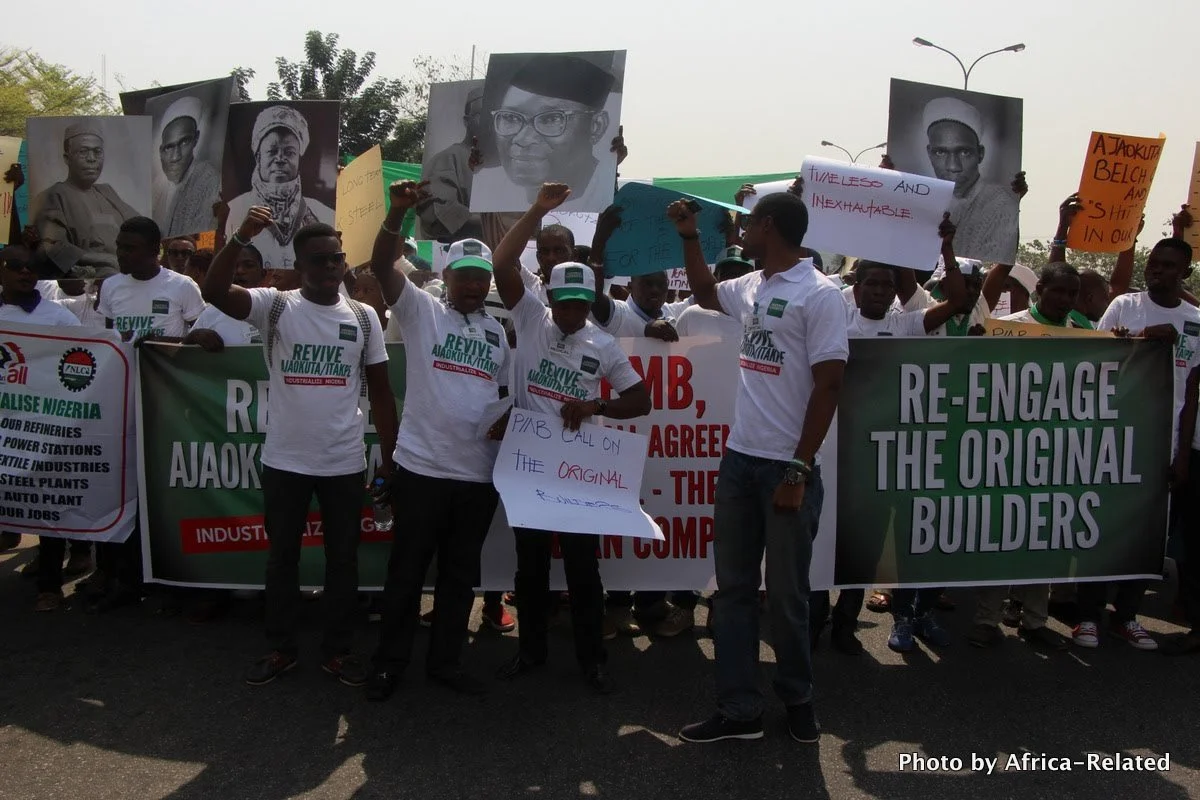
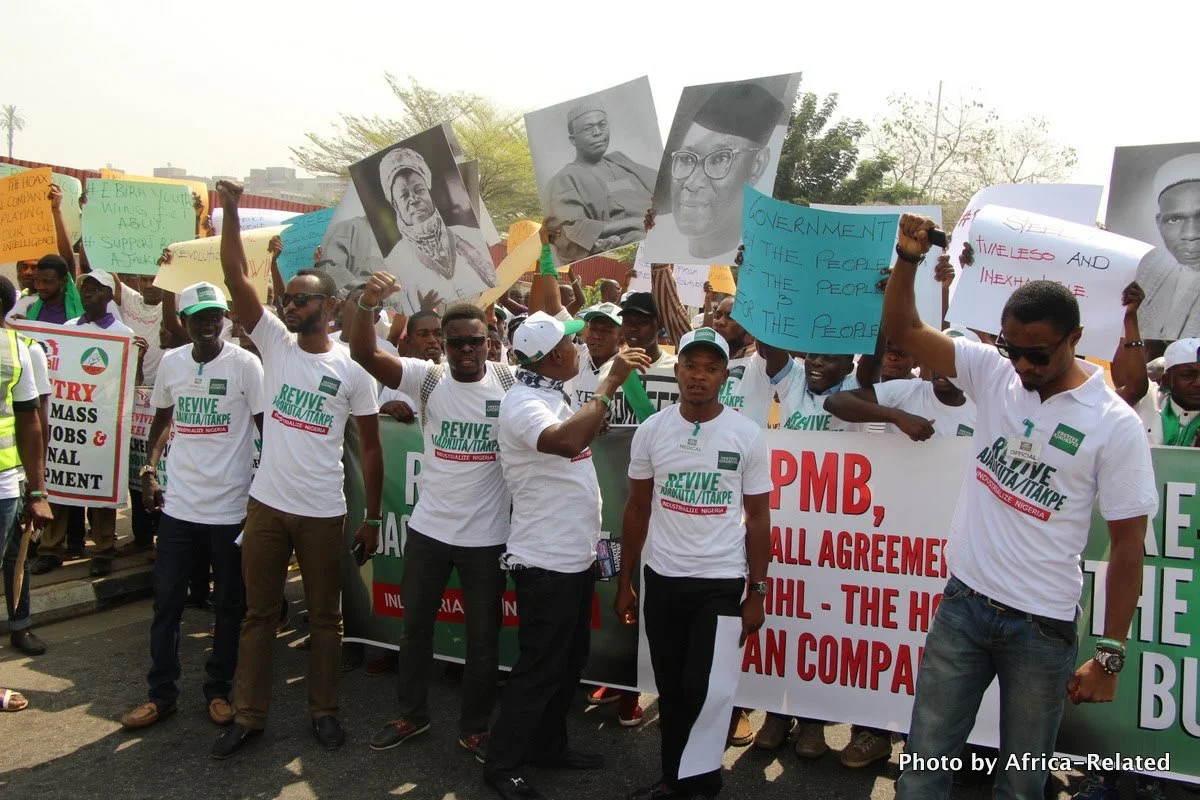
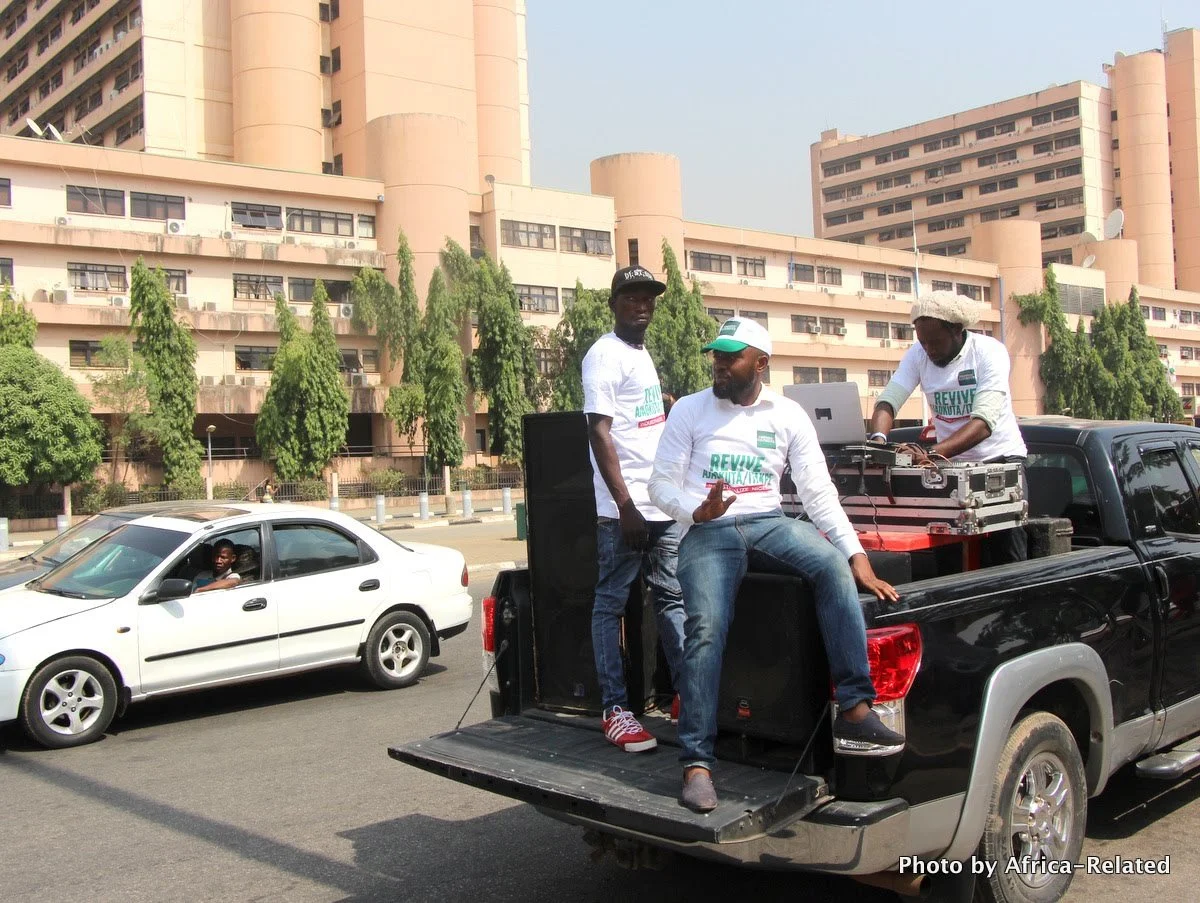
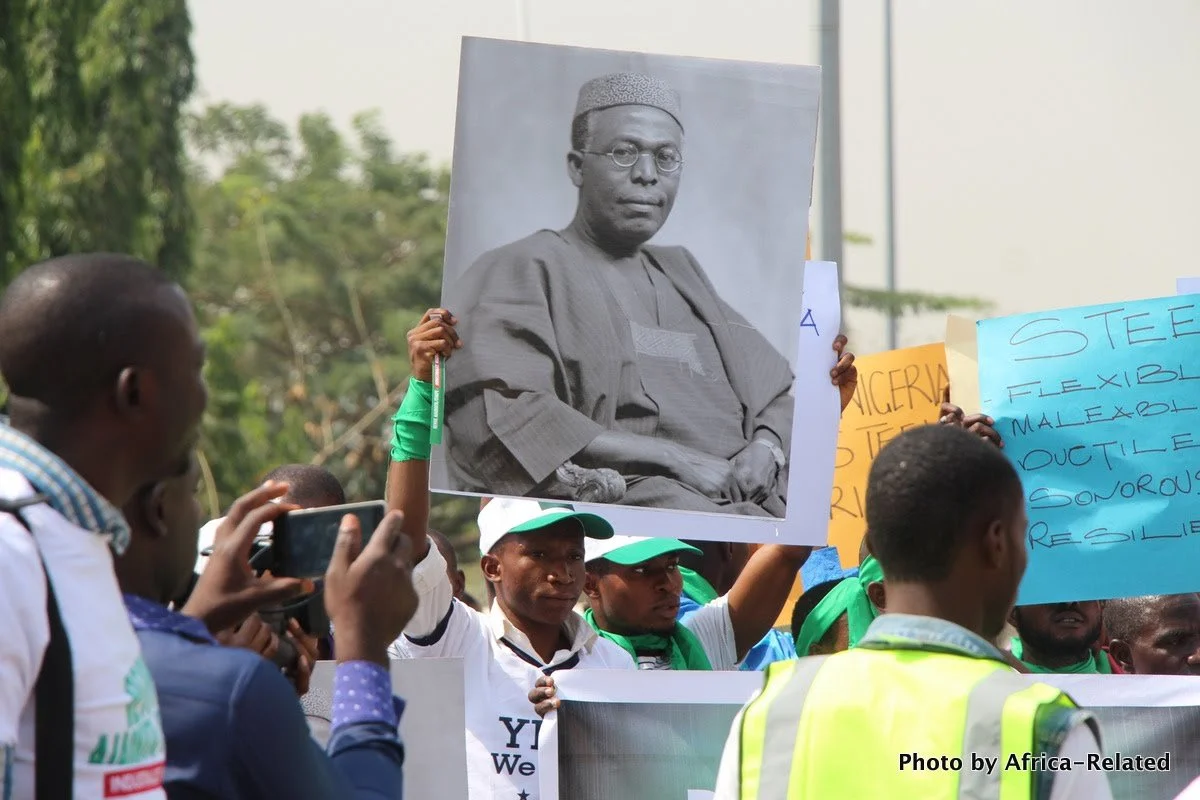
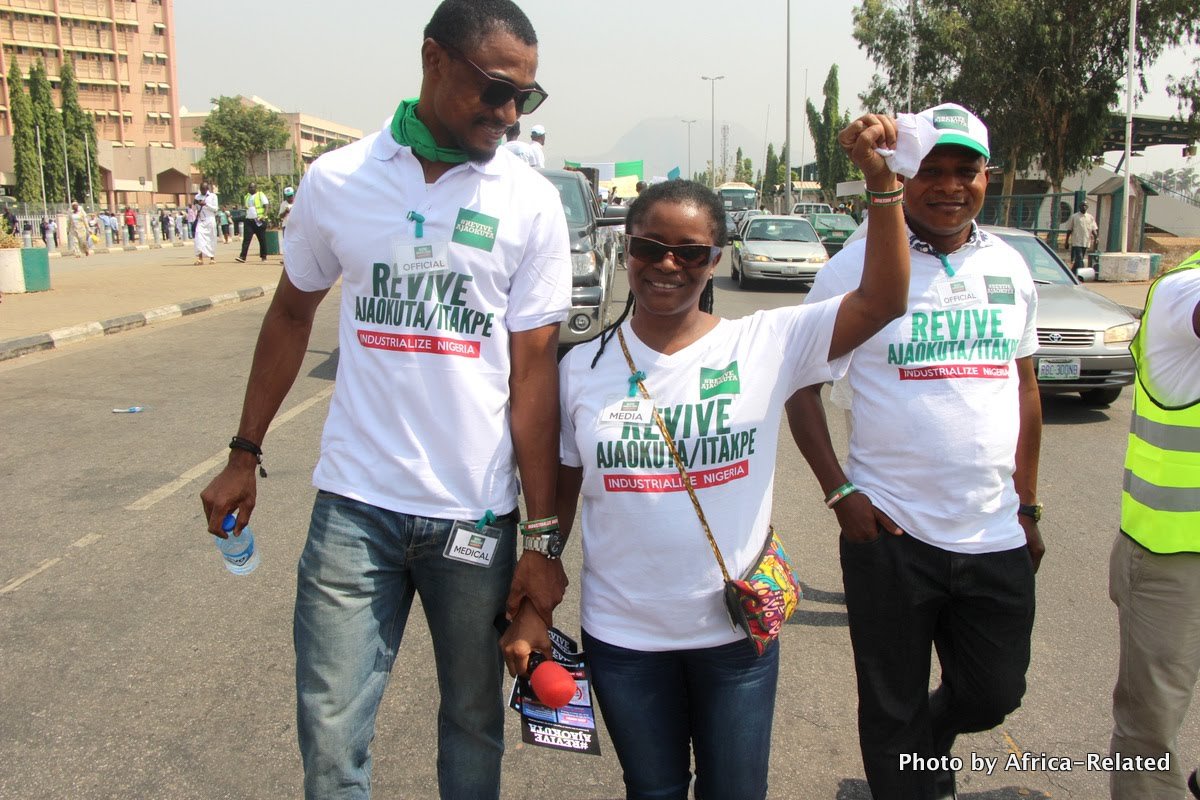
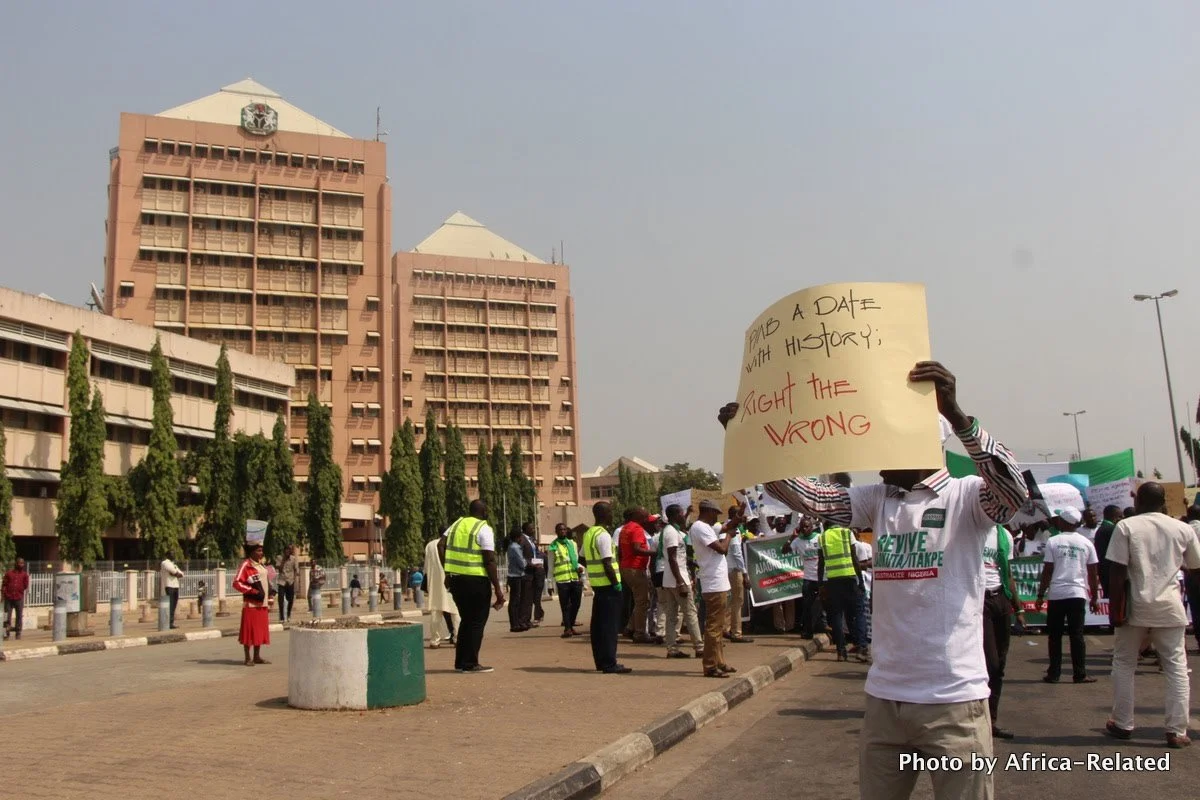
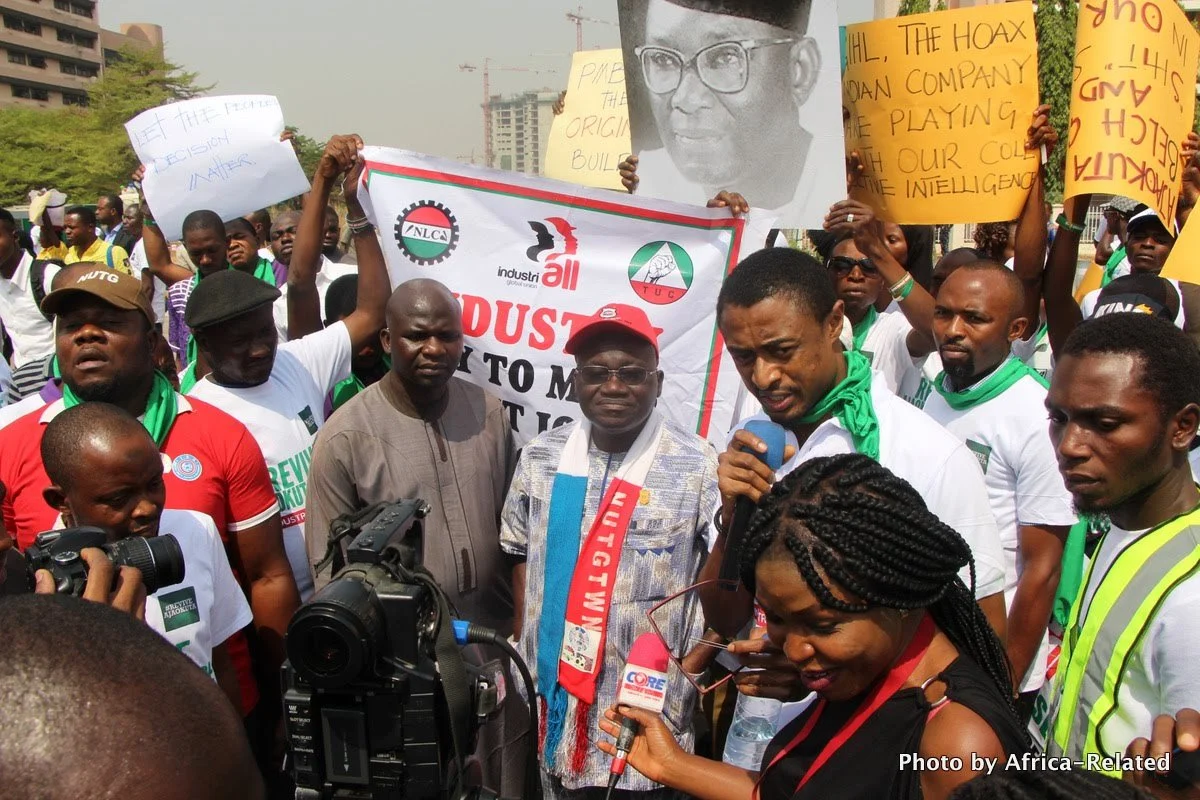
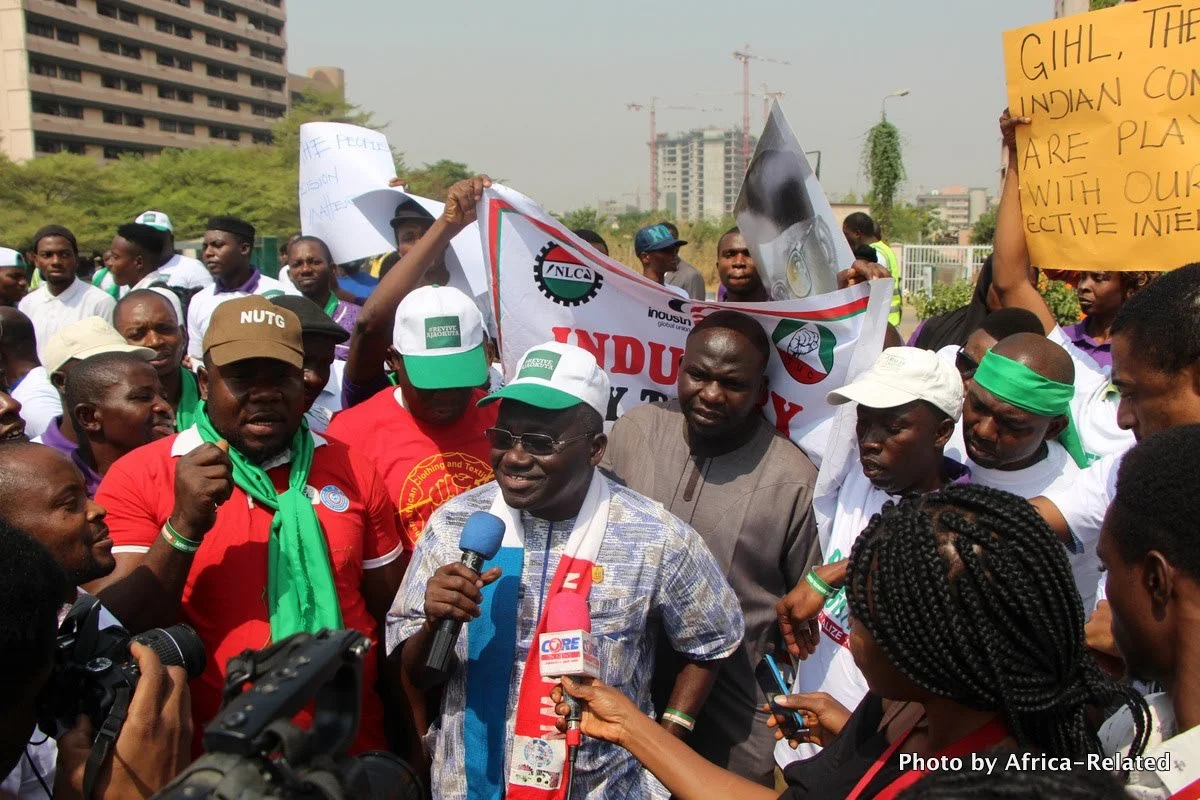
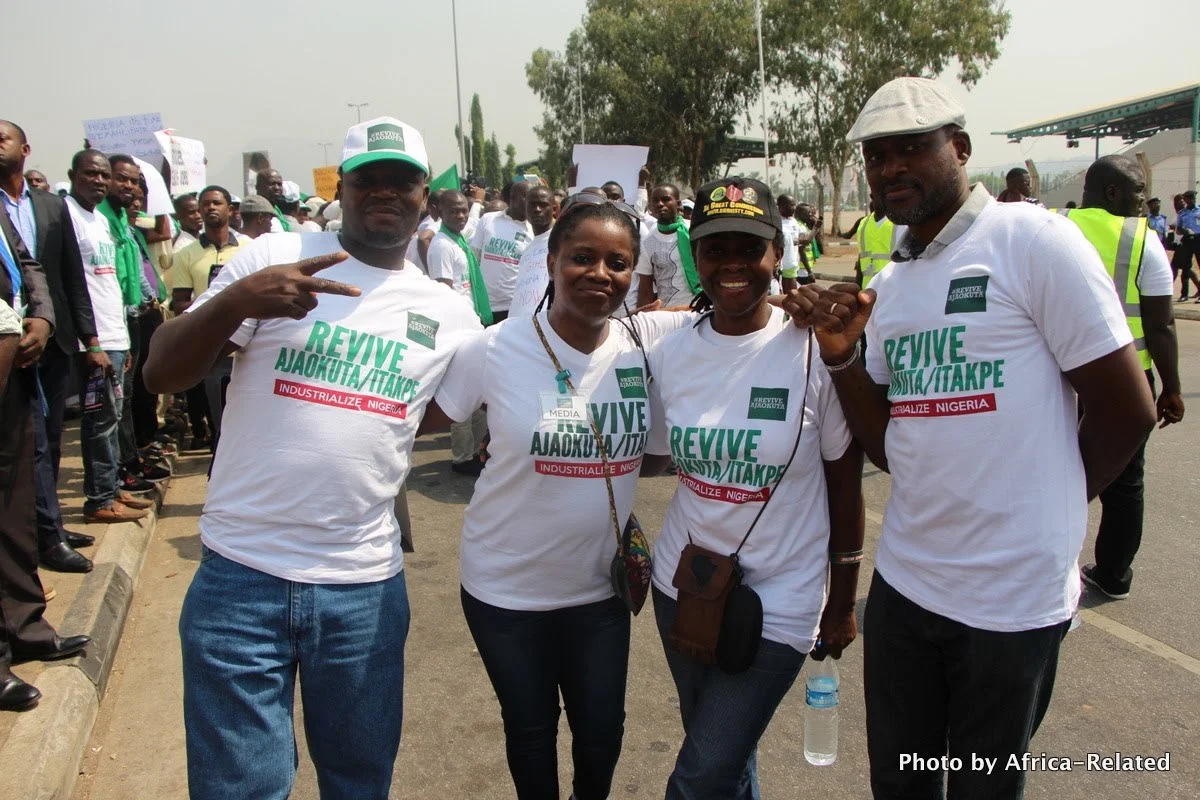
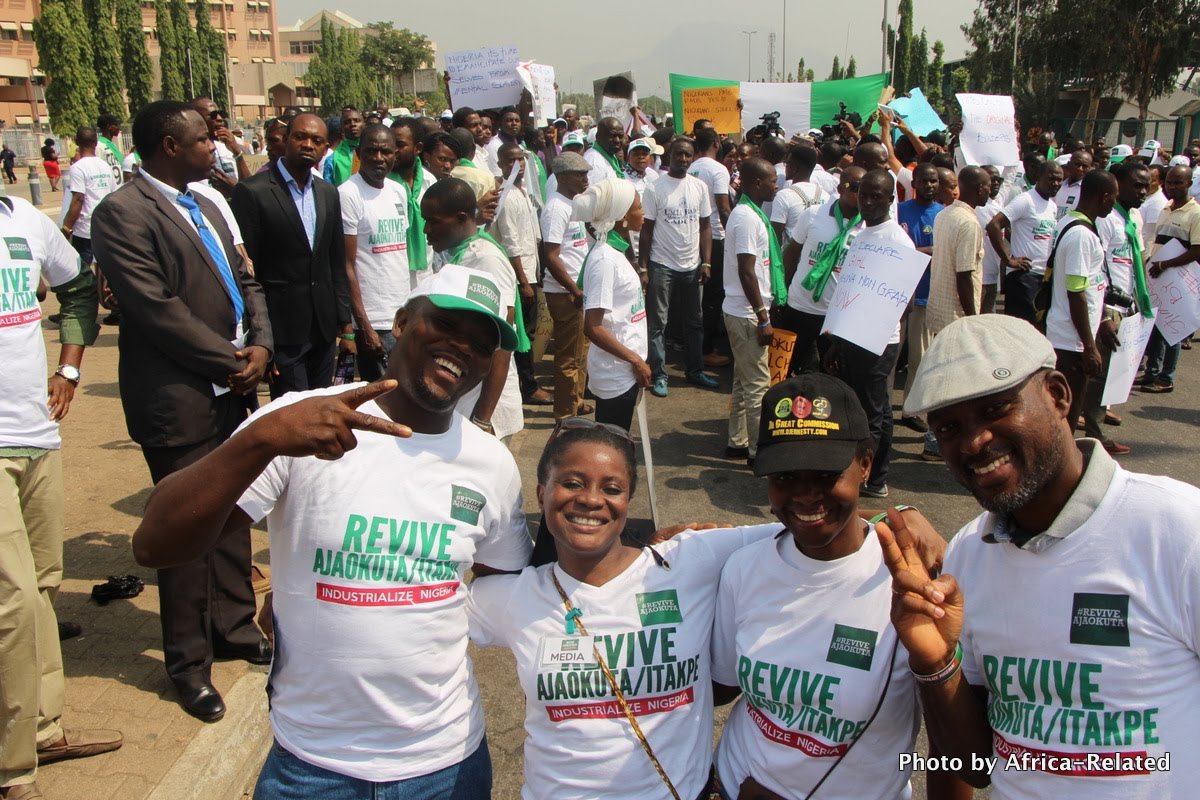
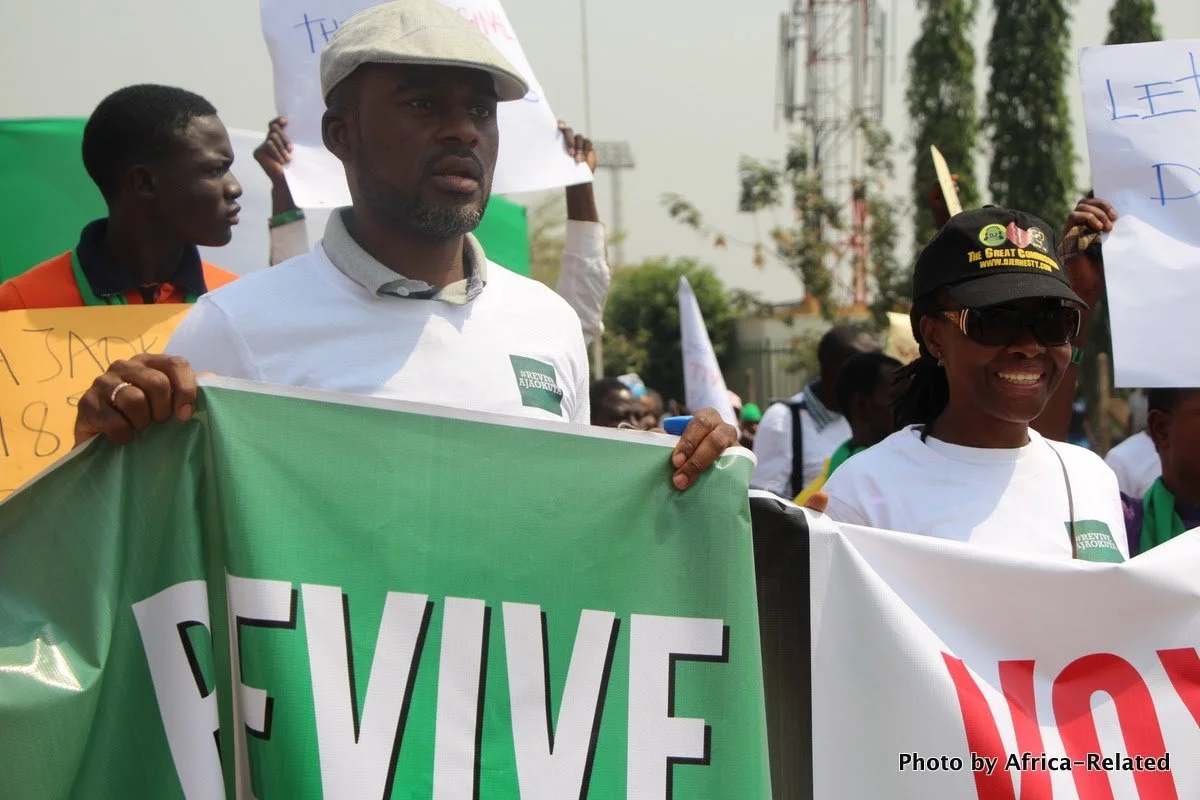
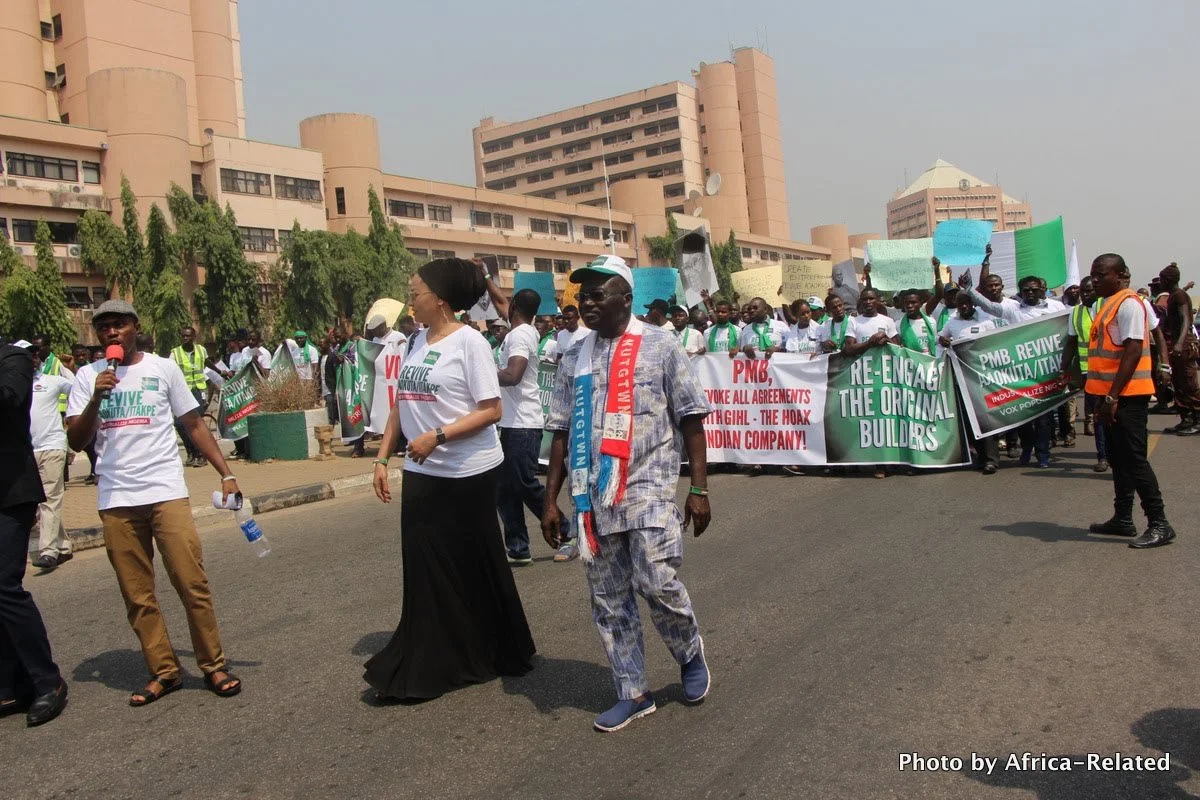
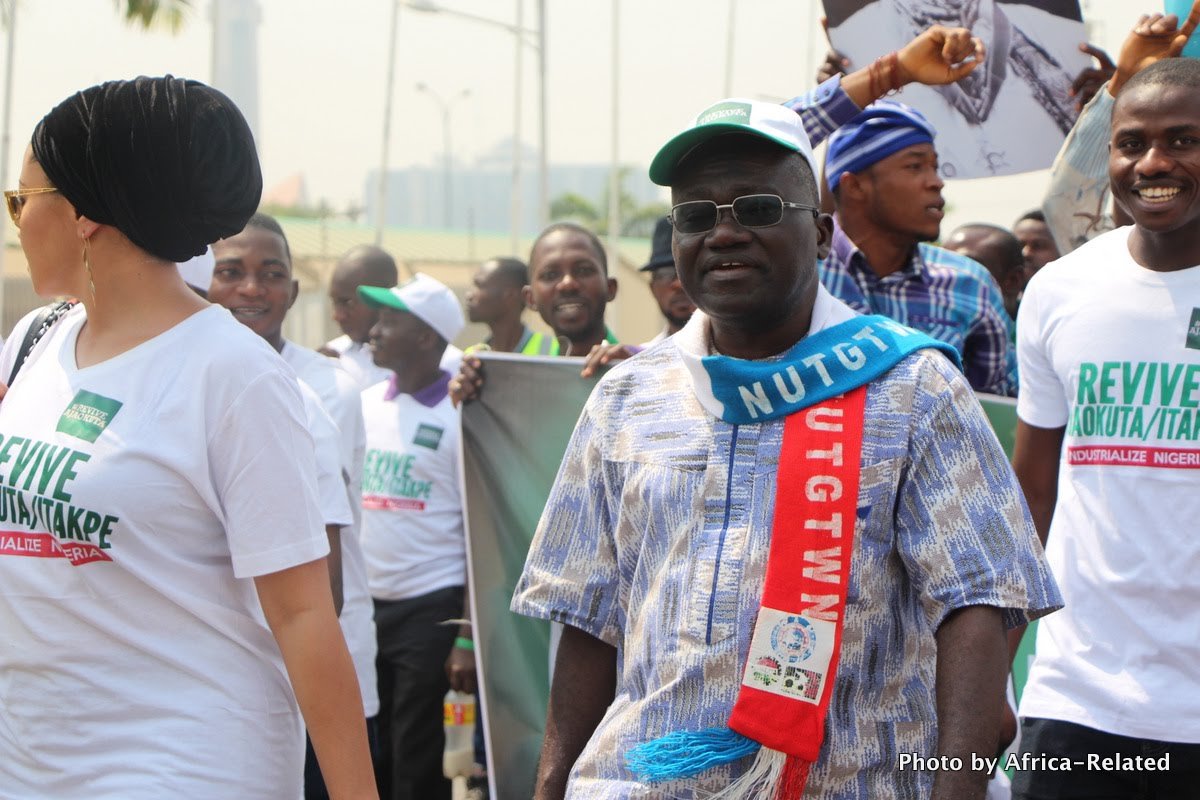
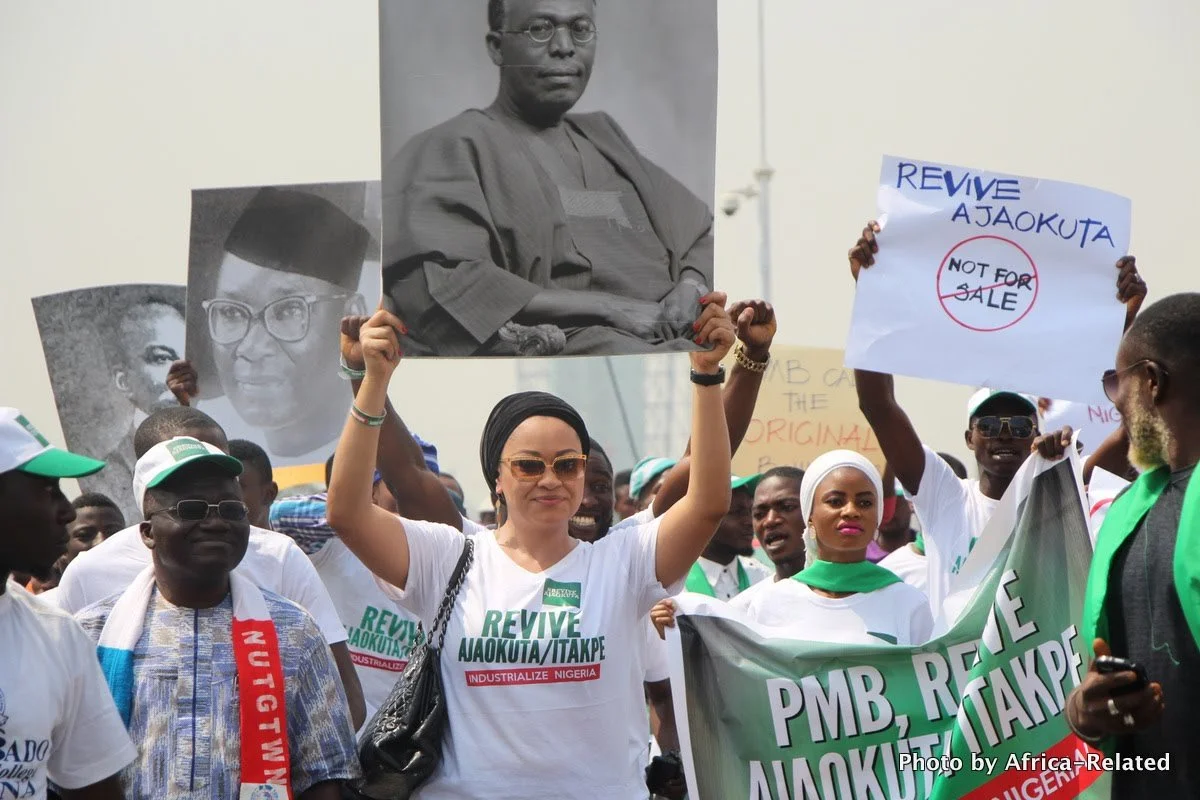
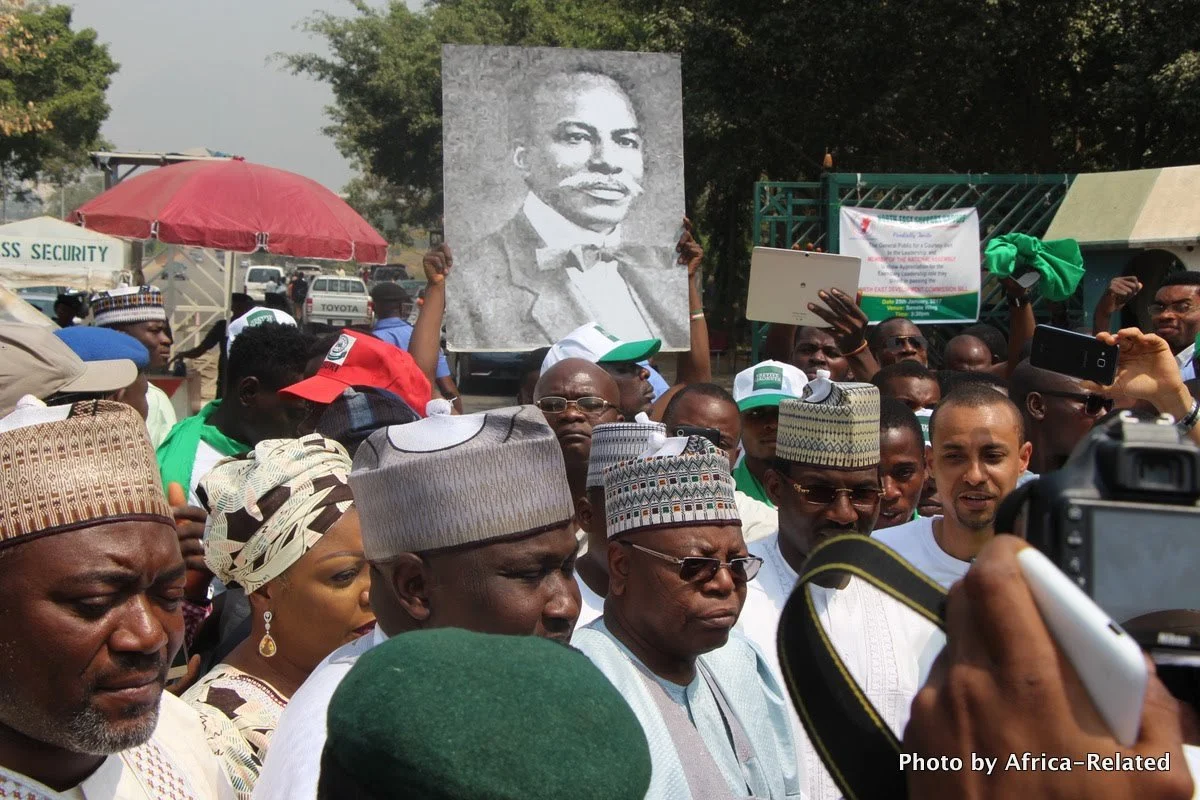
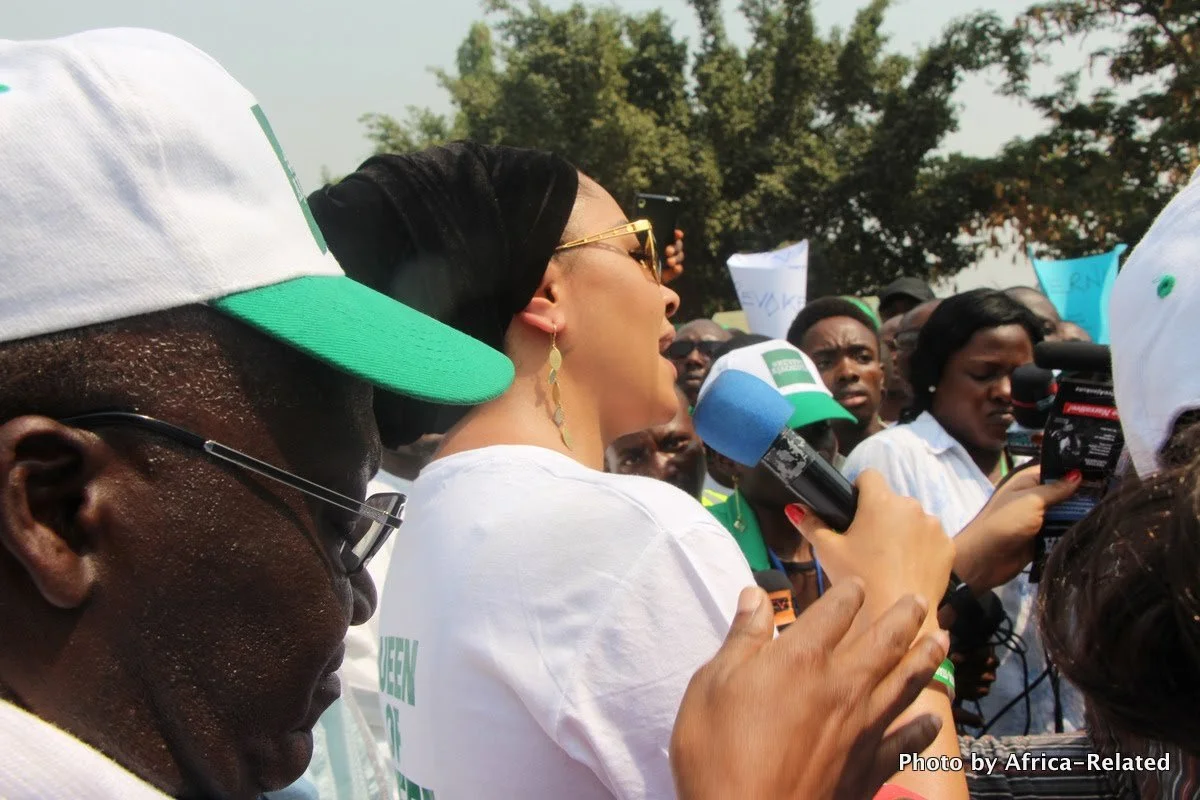
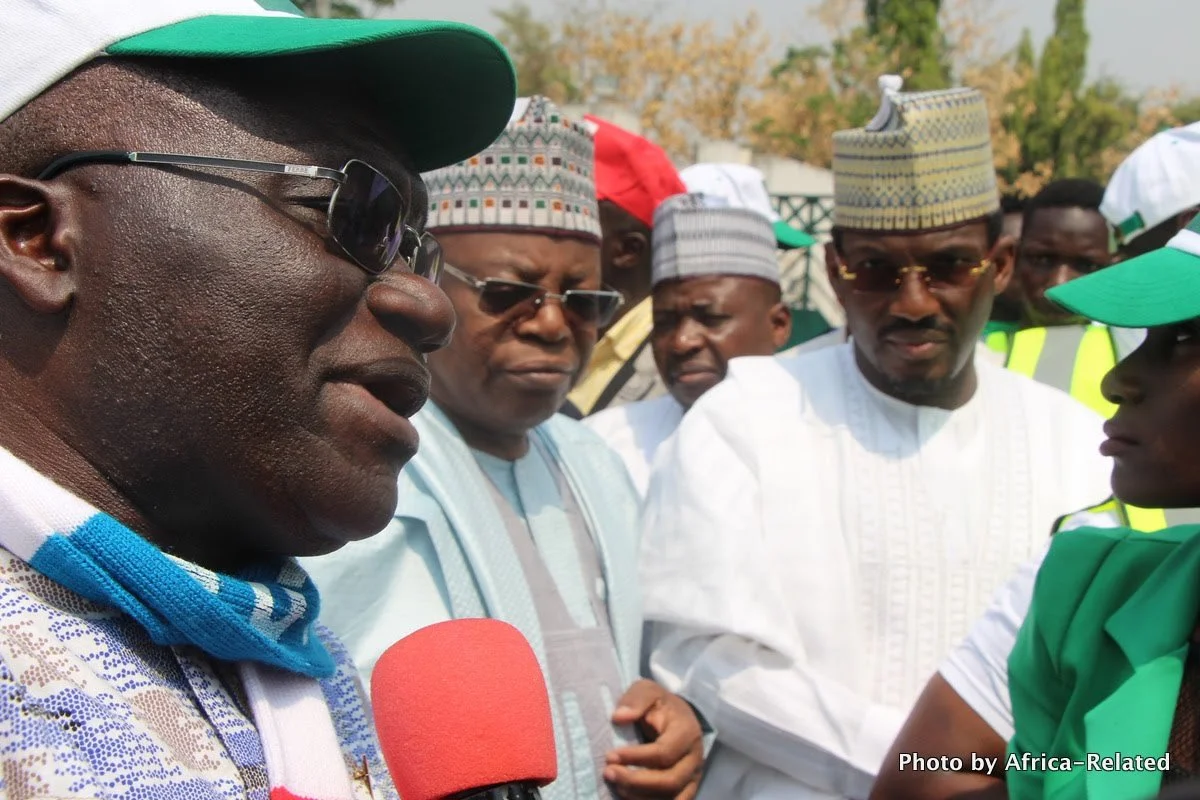
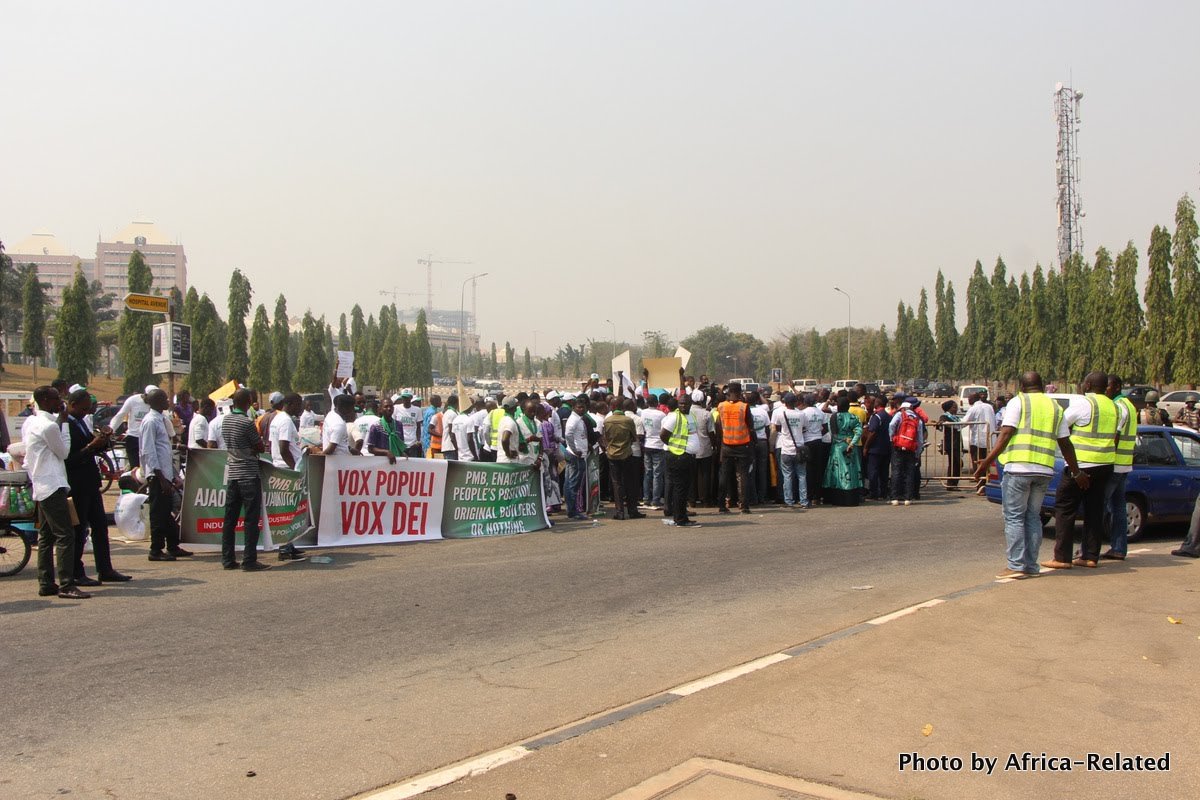
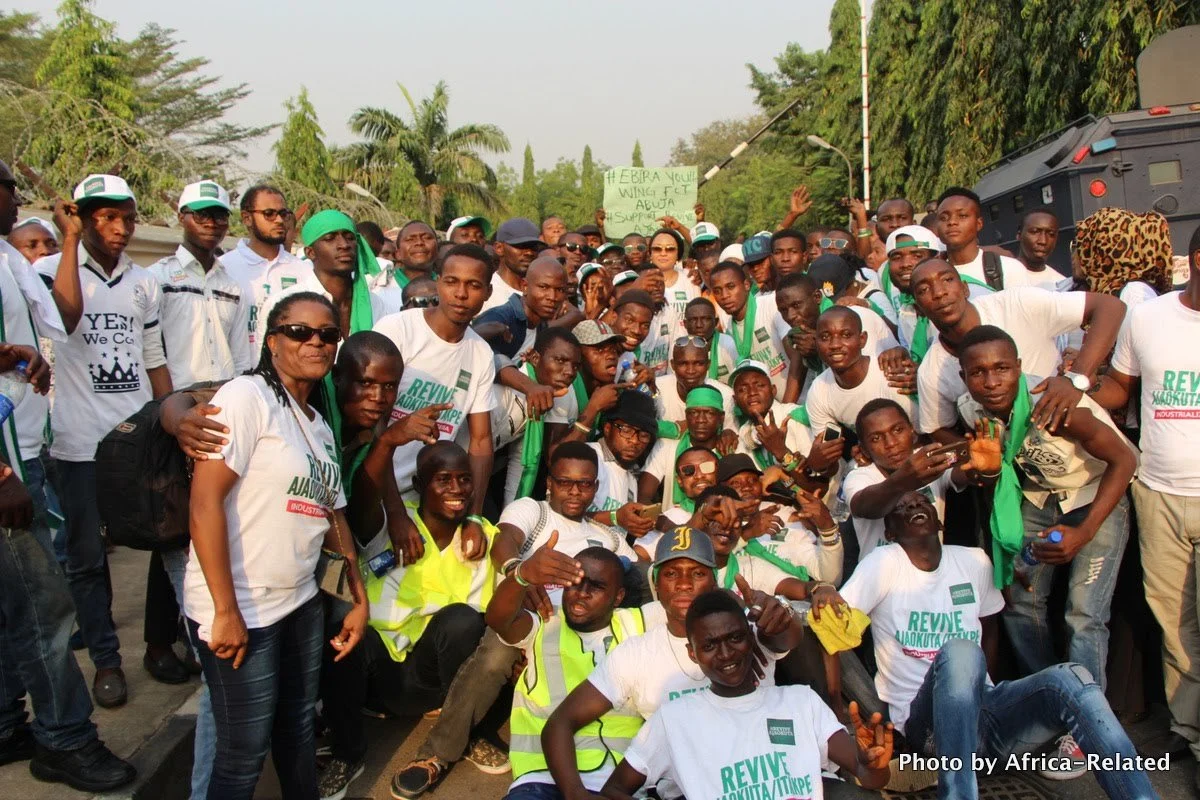
The Ajaokuta Awareness Walk, a sensitization march organized by The Revive Ajaokuta/Itakpe Movement, a group of advocates for the revival of Nigeria’s existing moribund industries held in Abuja on January 25, 2017.
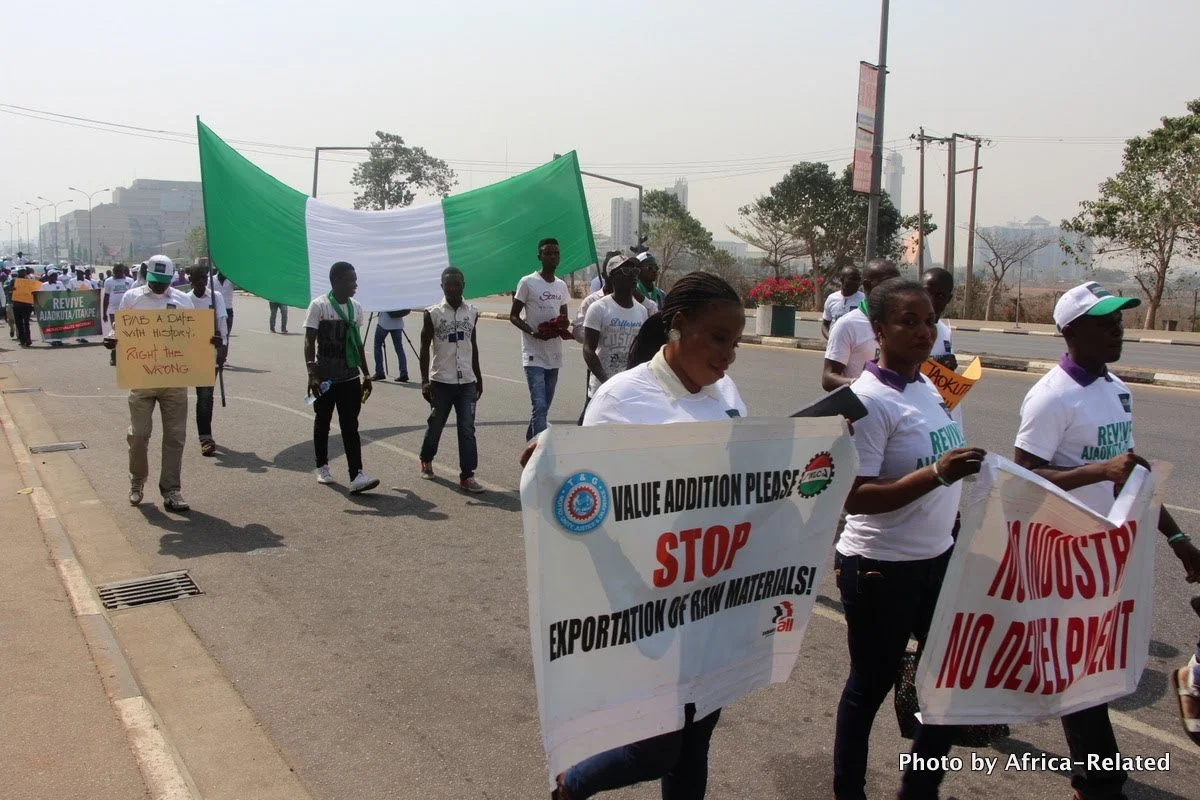
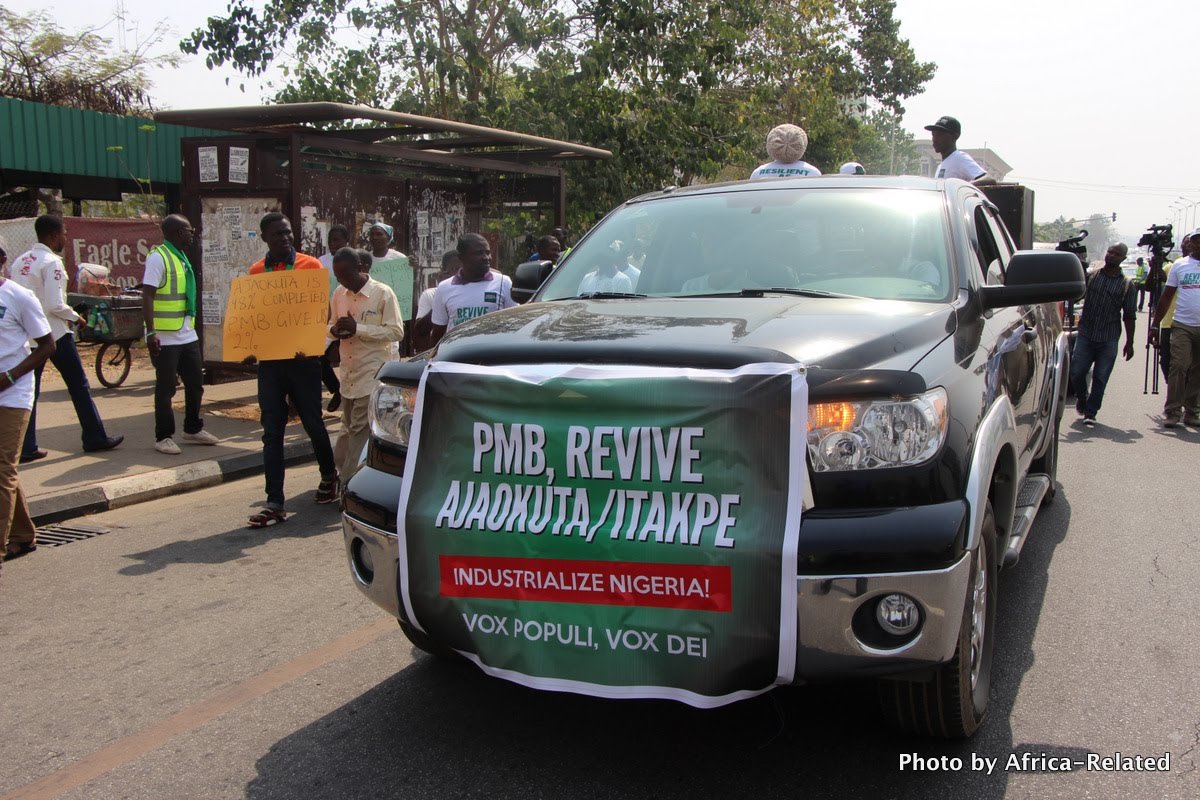
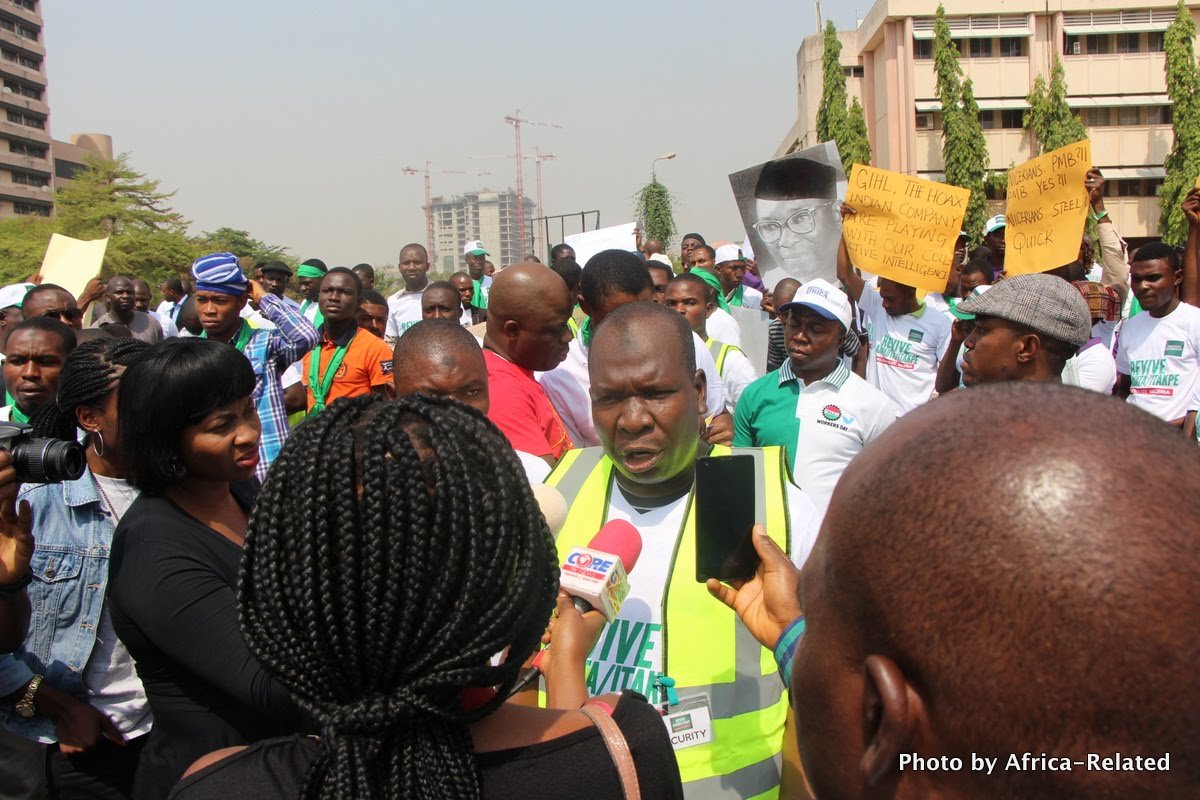
Over 300 marchers from across the country, started the walk from Eagle Square to the National Assembly where they were received by members of the Senate, and ended at the Ministry of Justice.
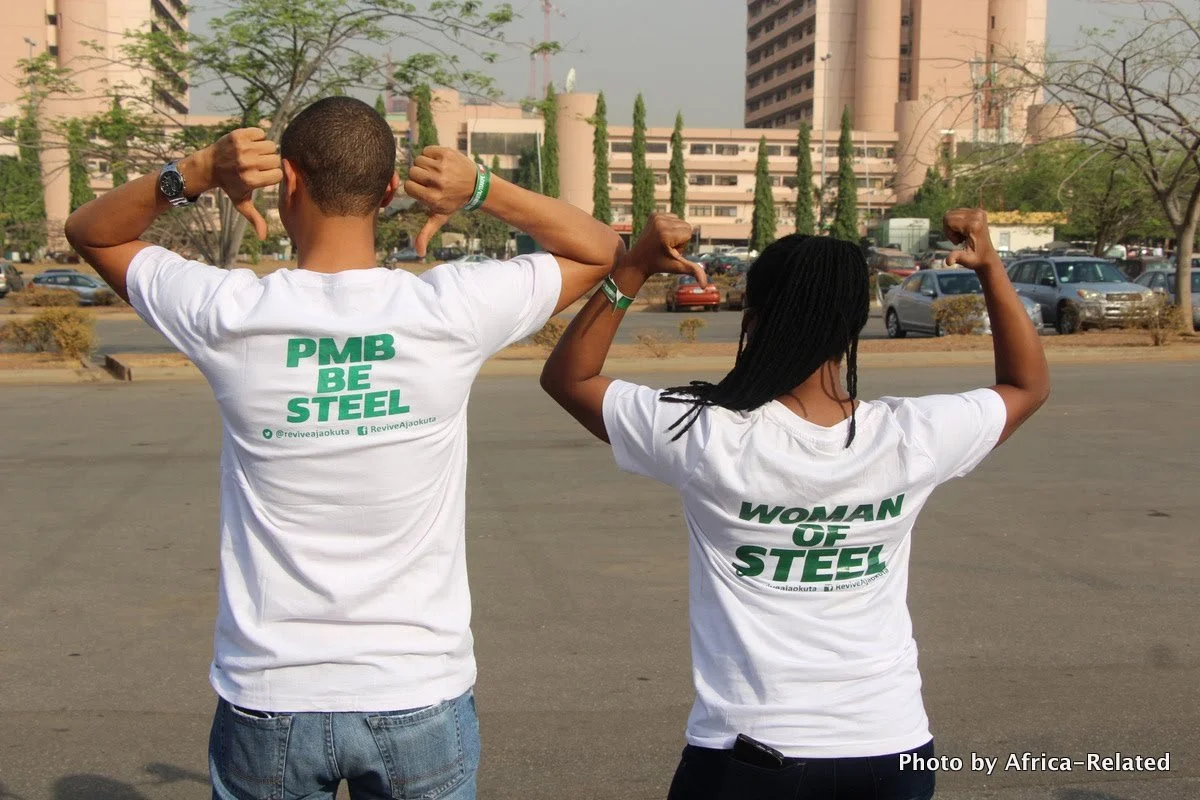
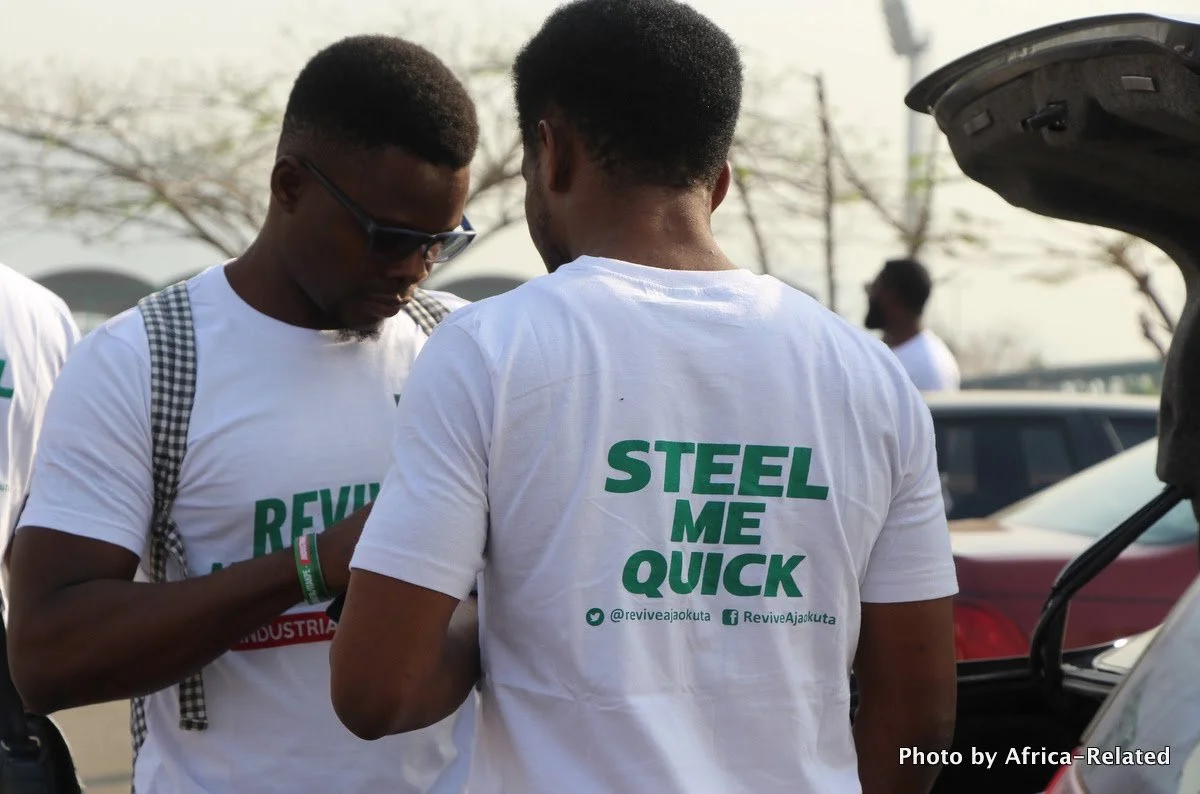
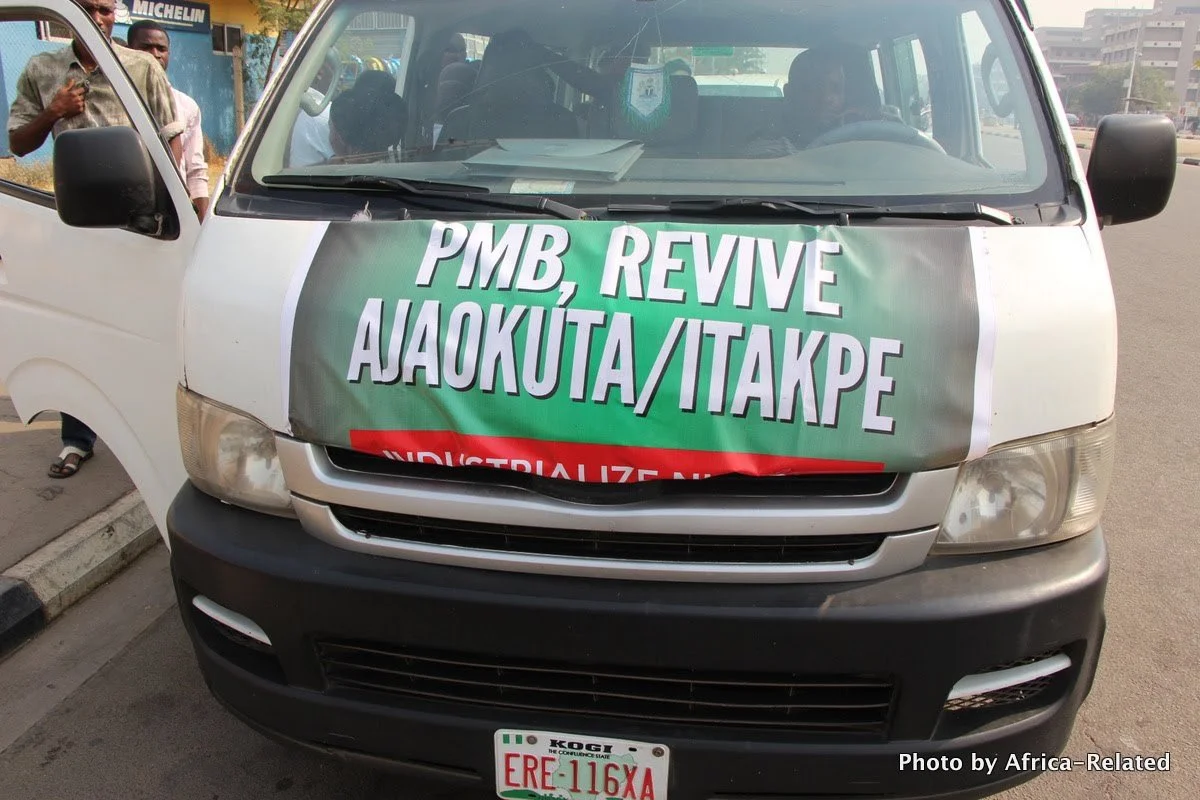
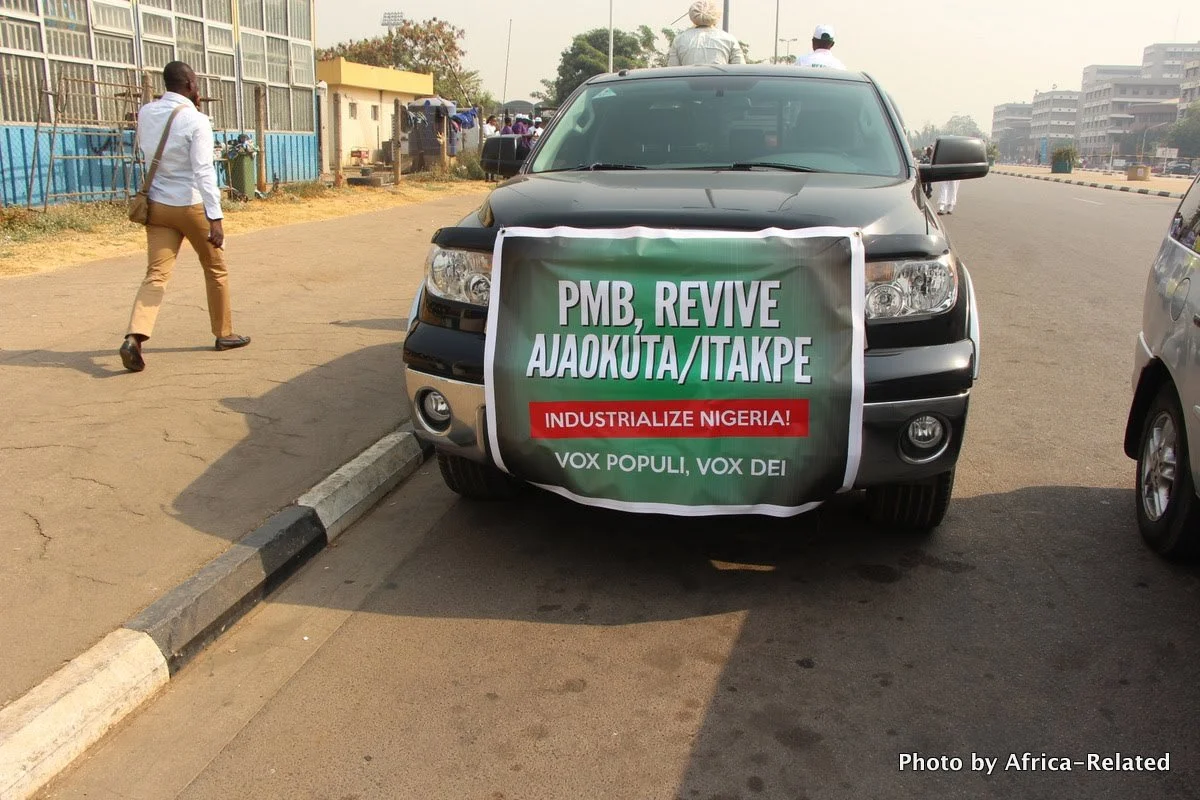
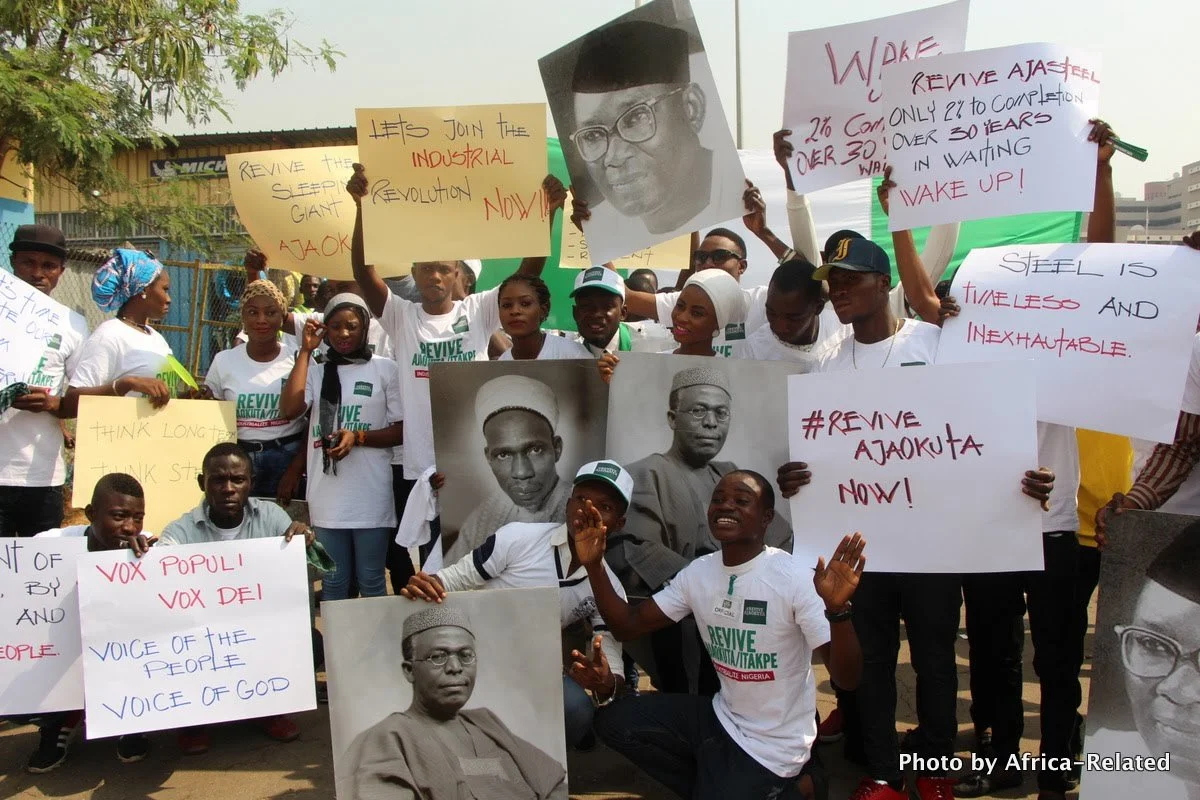
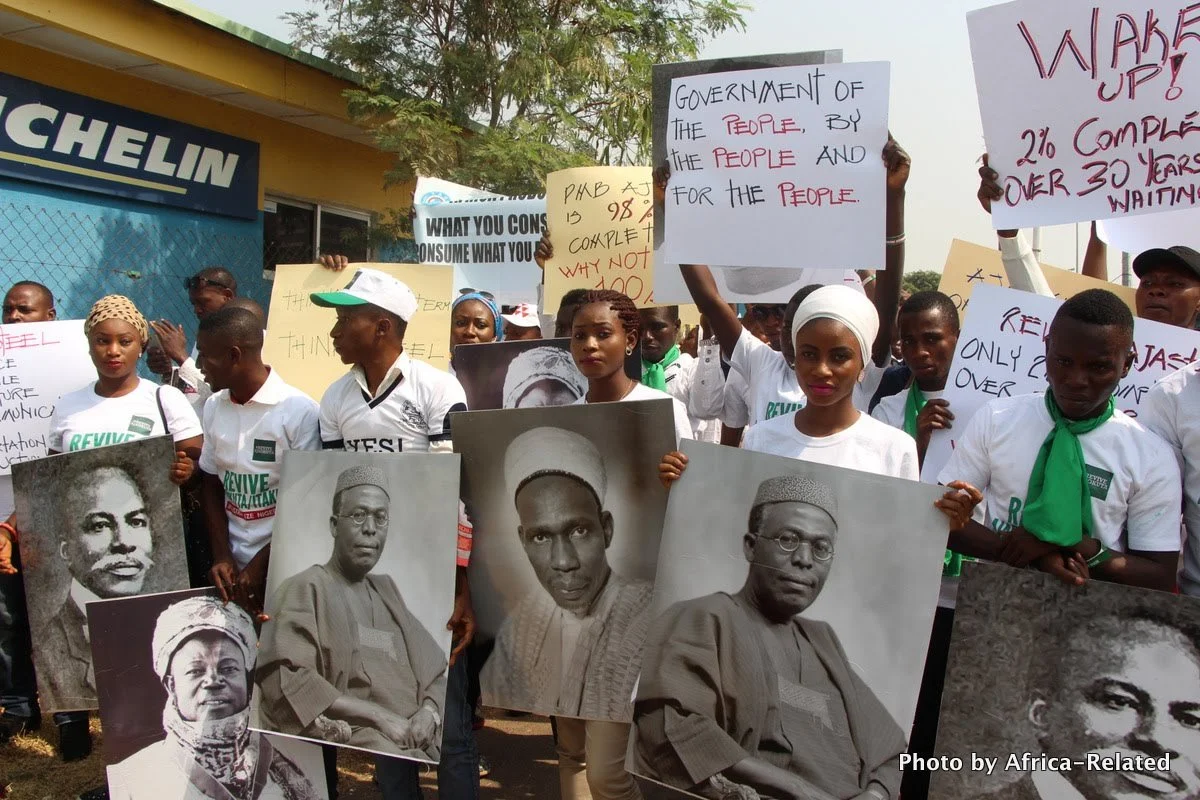
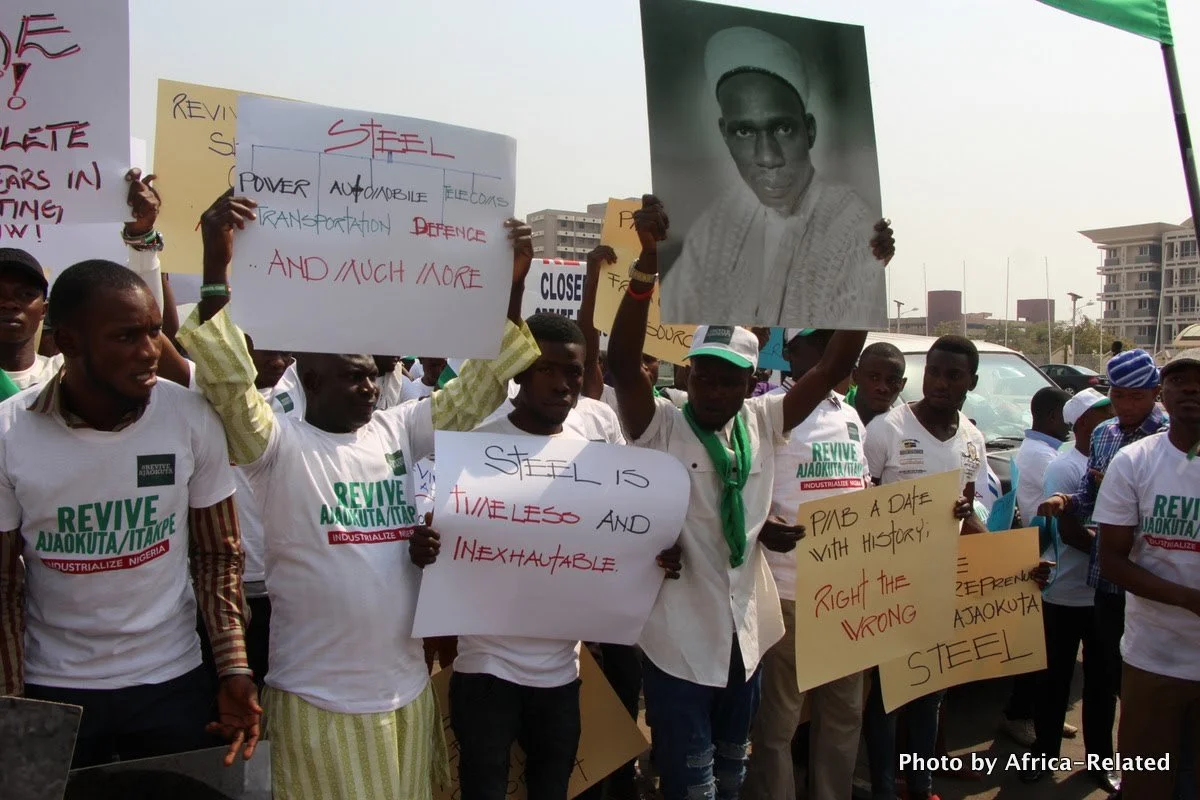
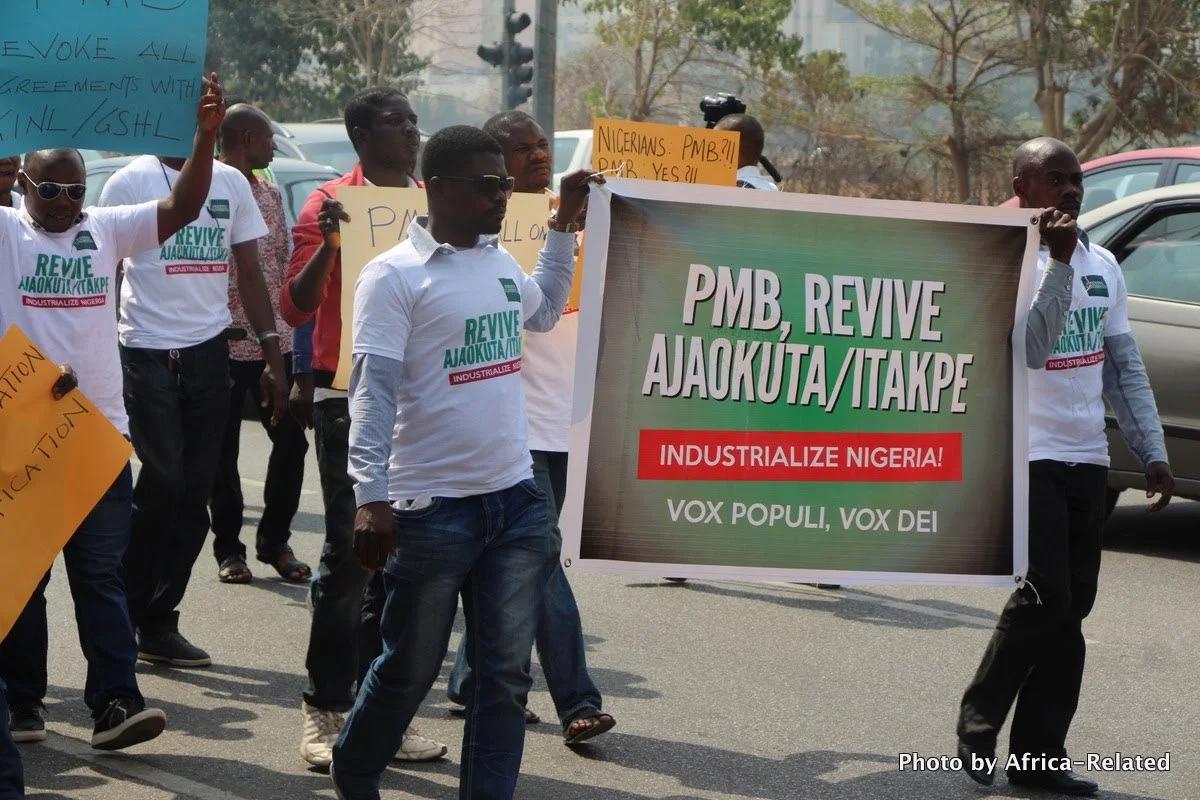
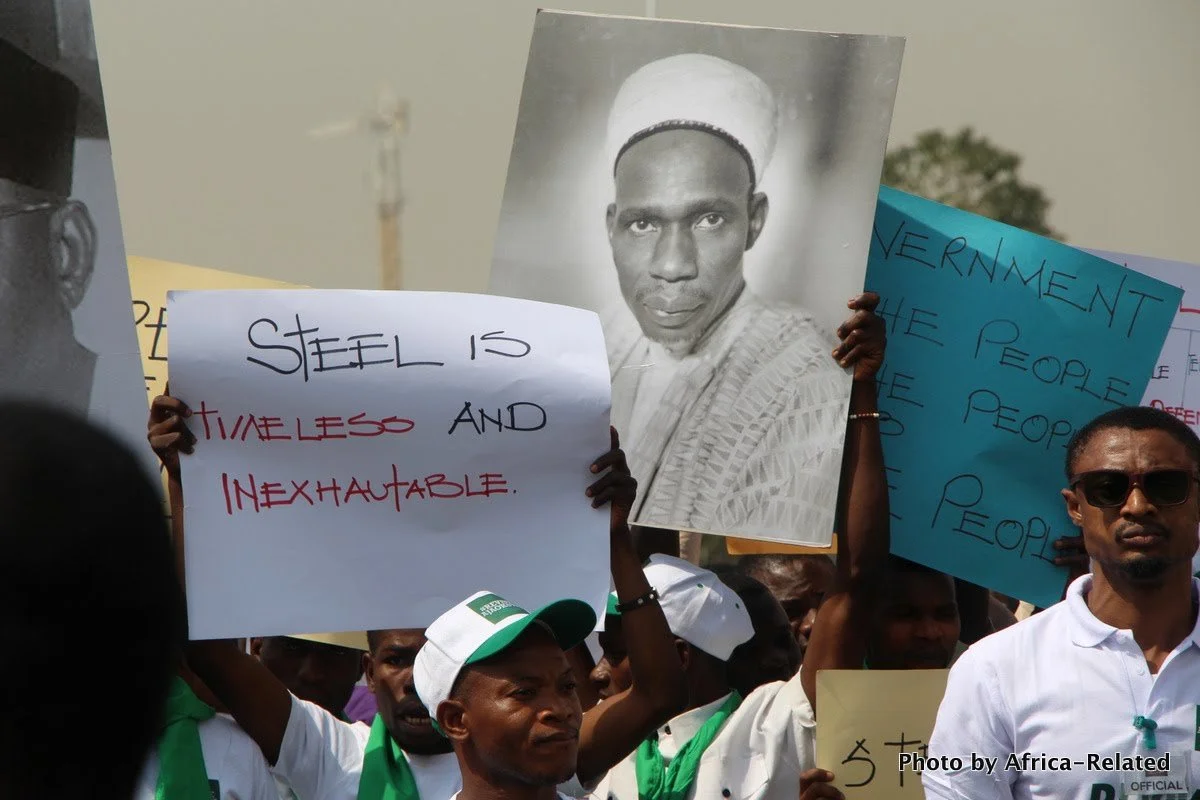
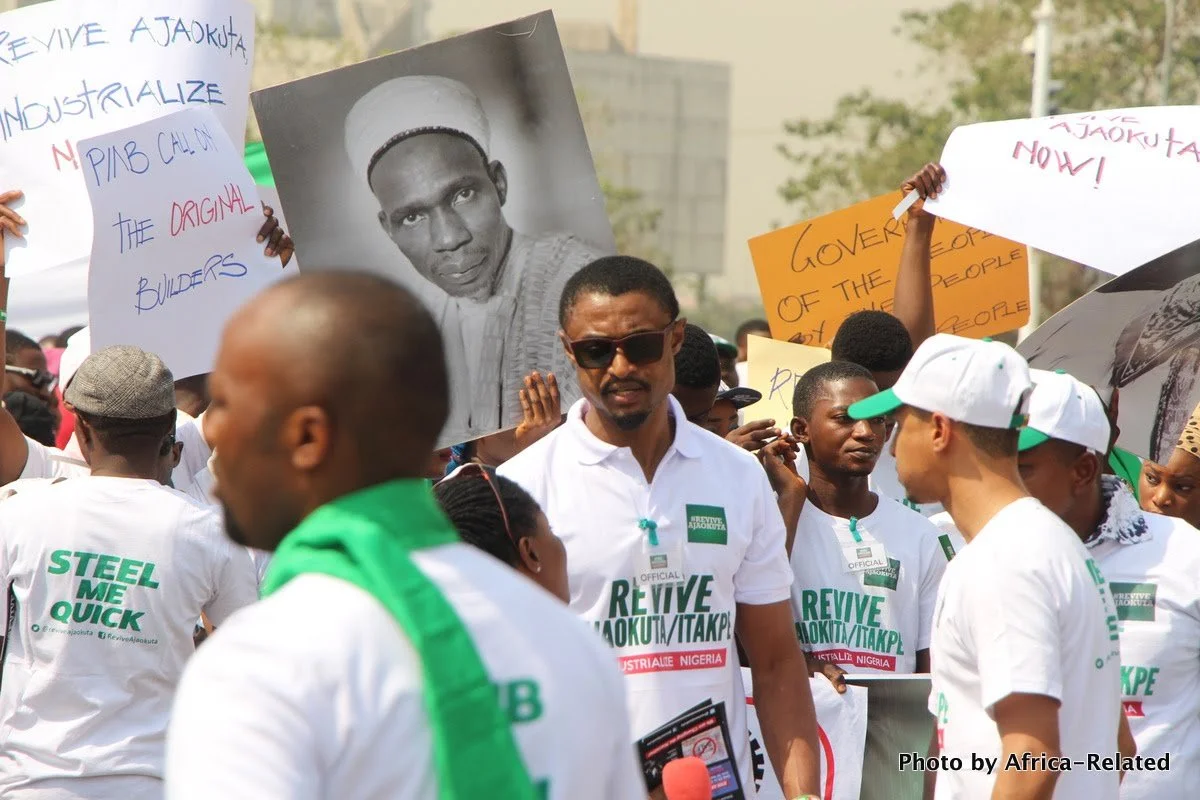
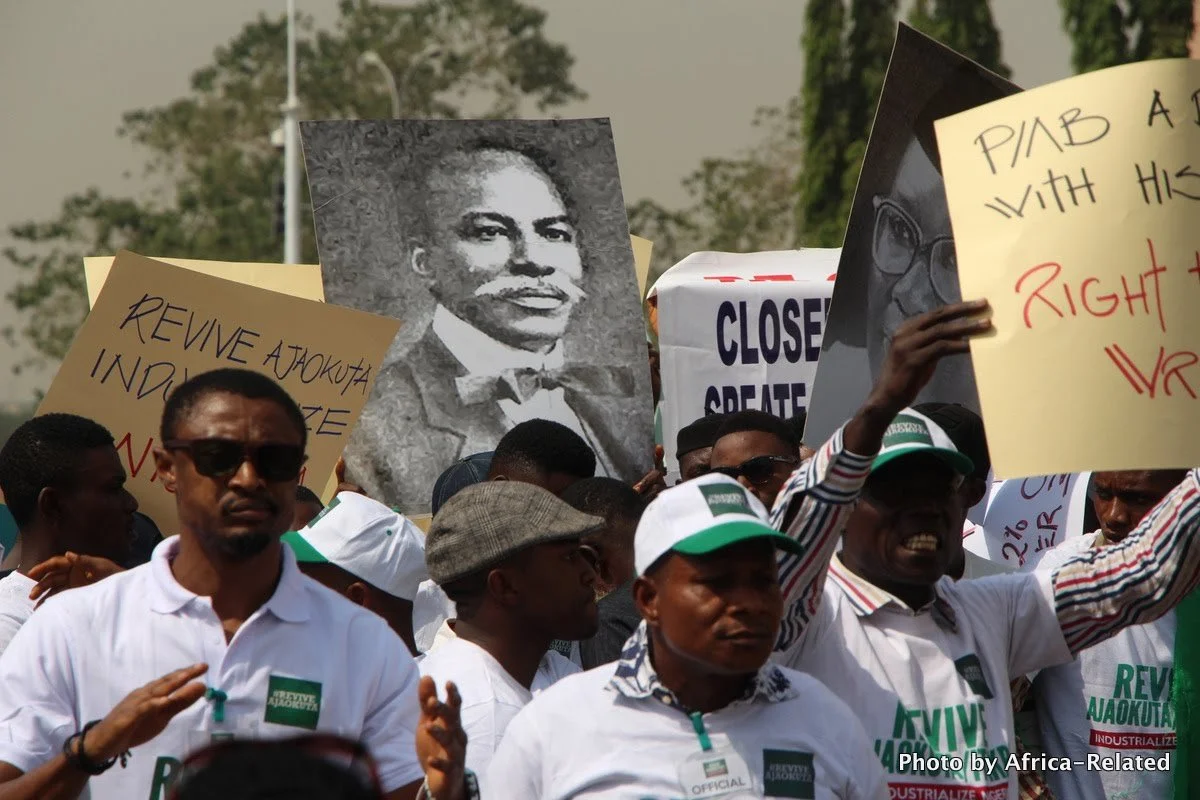
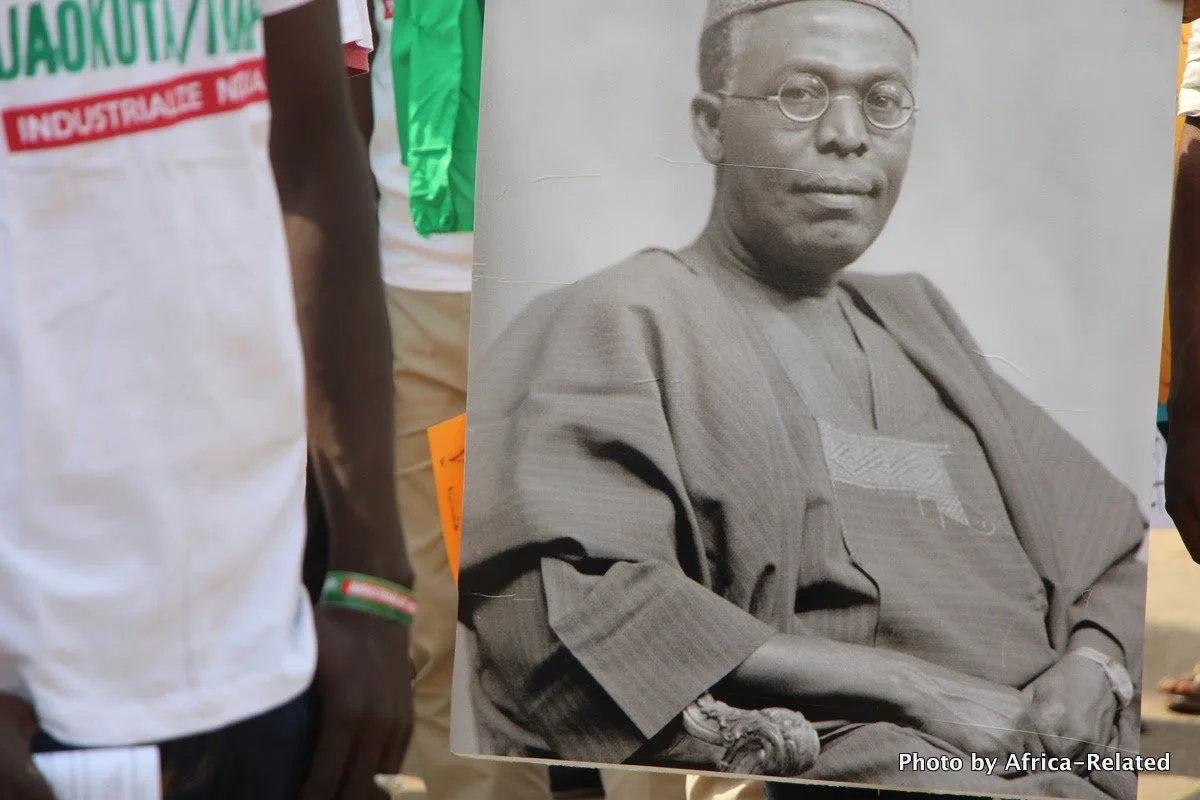
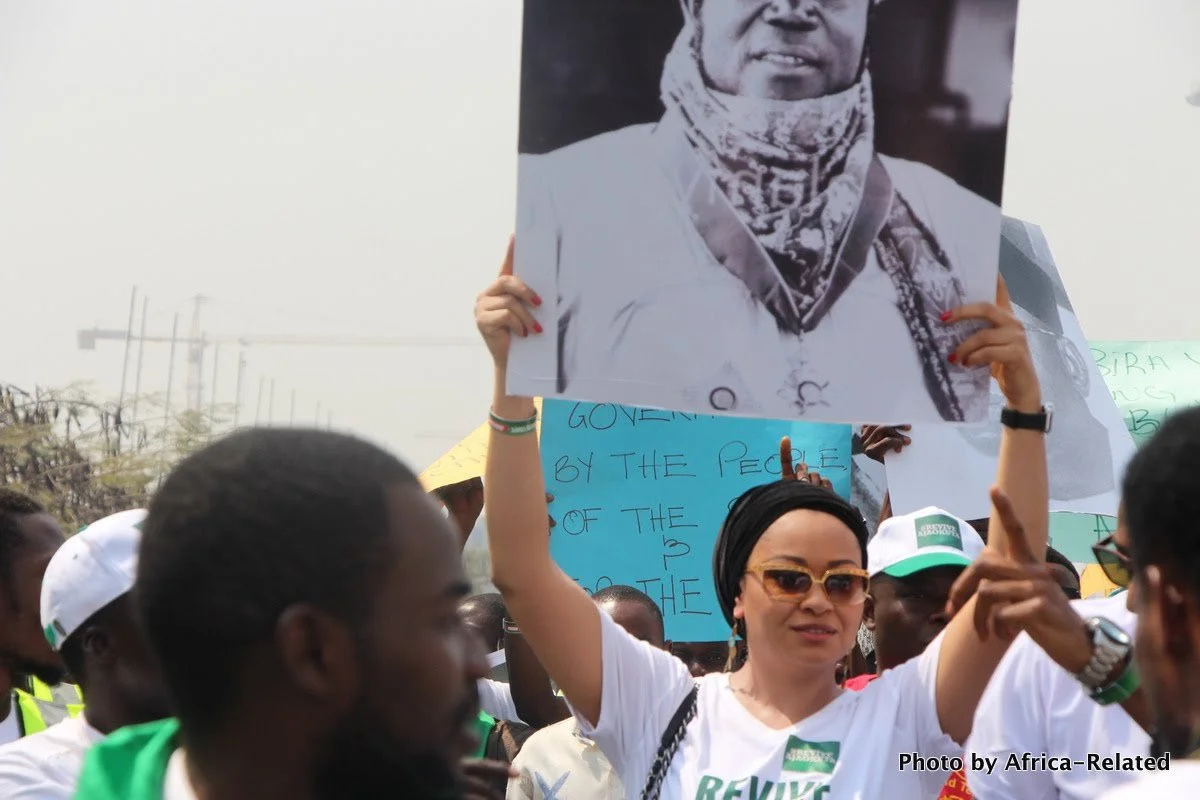
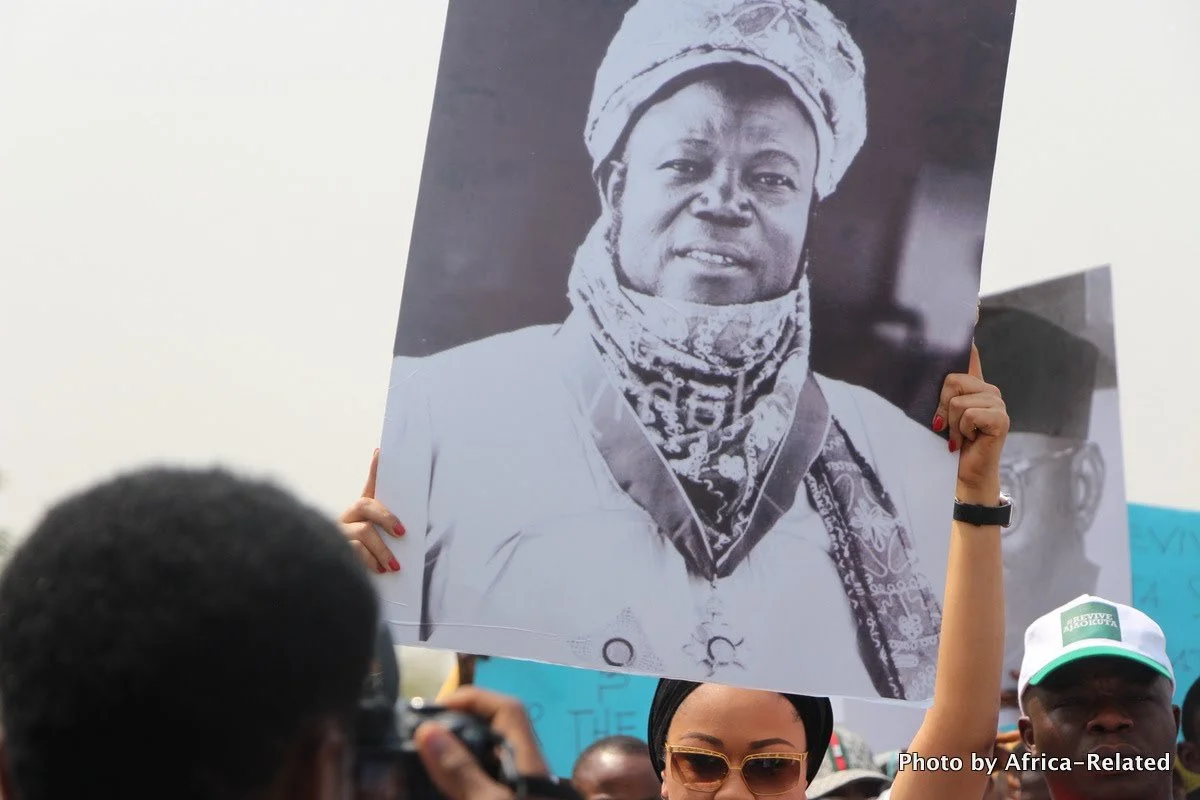
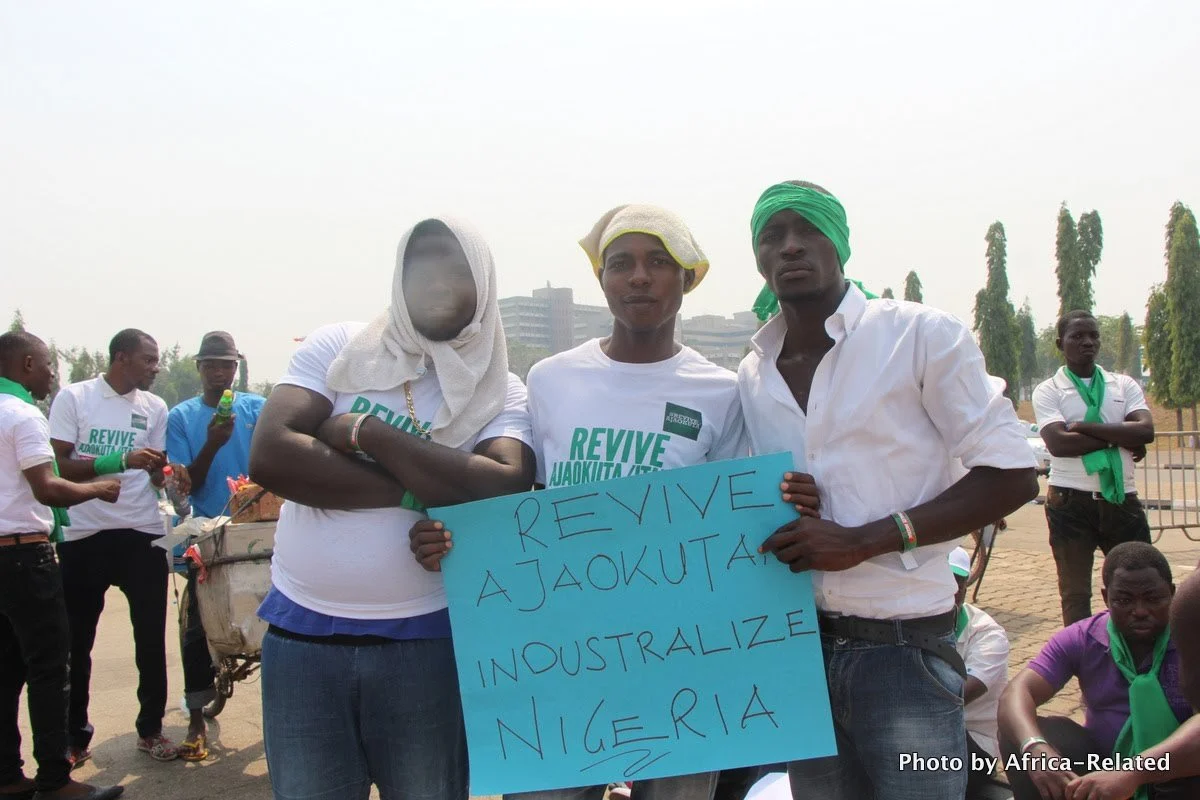
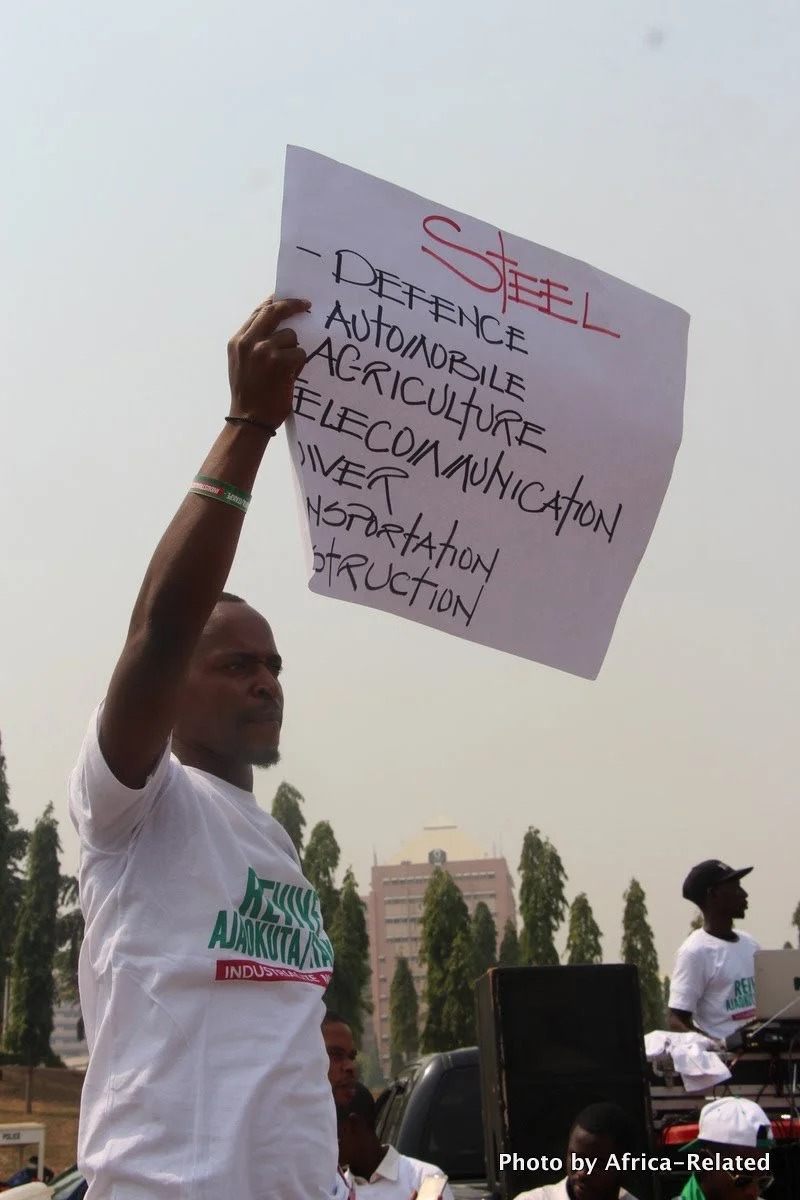
Dressed in national colors and holding placards with various advocacy messages alongside photos of Nigeria’s founding fathers, their aim was to draw the government’s attention to the state of Nigeria’s industries especially the steel company in Ajaokuta, which has been dormant for over 30 years with only 2% to completion. They called for the original builders to be brought back to Nigeria to complete the project that will in turn diversify the dwindling economy and create jobs for Nigerians.
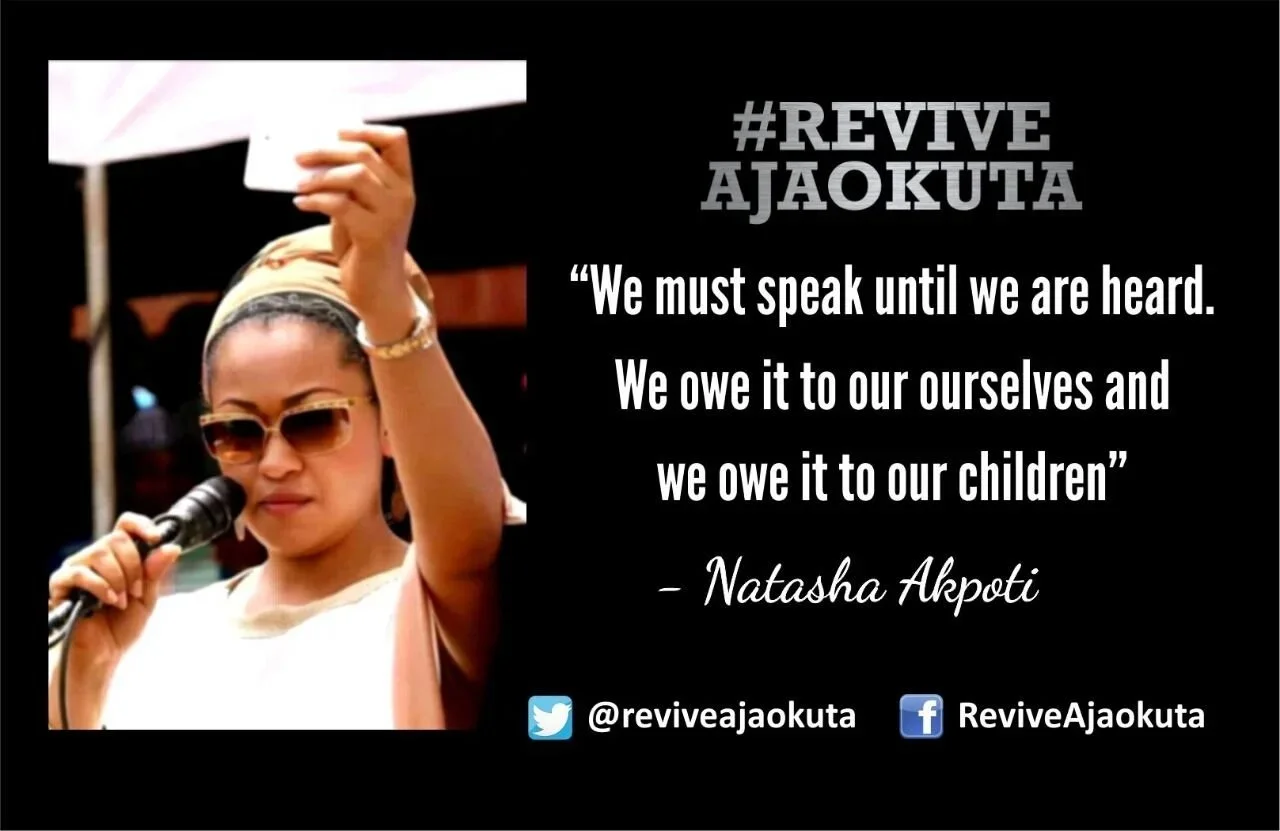
Key highlights include speeches by featured speakers and advocates such as Dr. Okeme Arome (Convener), Ajaokuta activist Barr. Natasha Akpoti and Comrade Issa Aremu of the NLC.
SIGNAGE, CHANTS AND SLOGANS
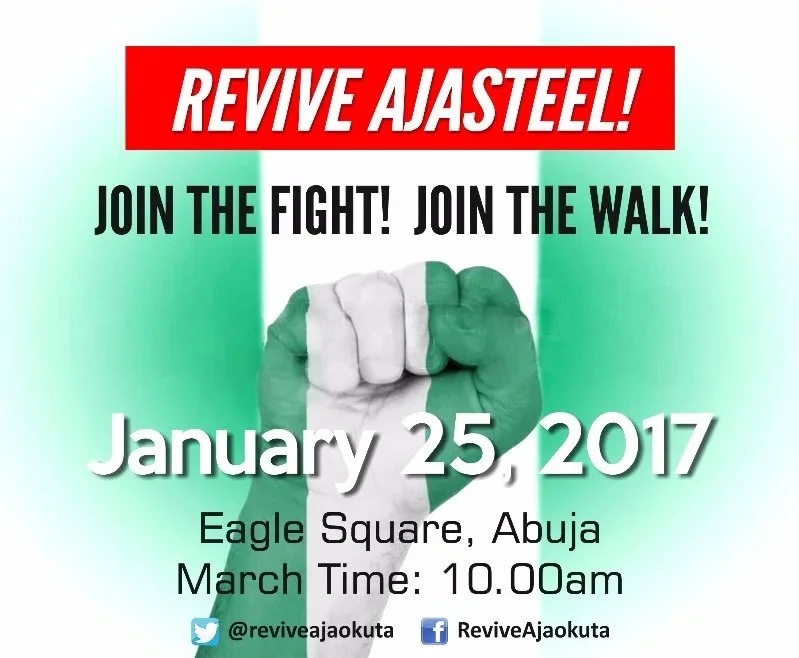
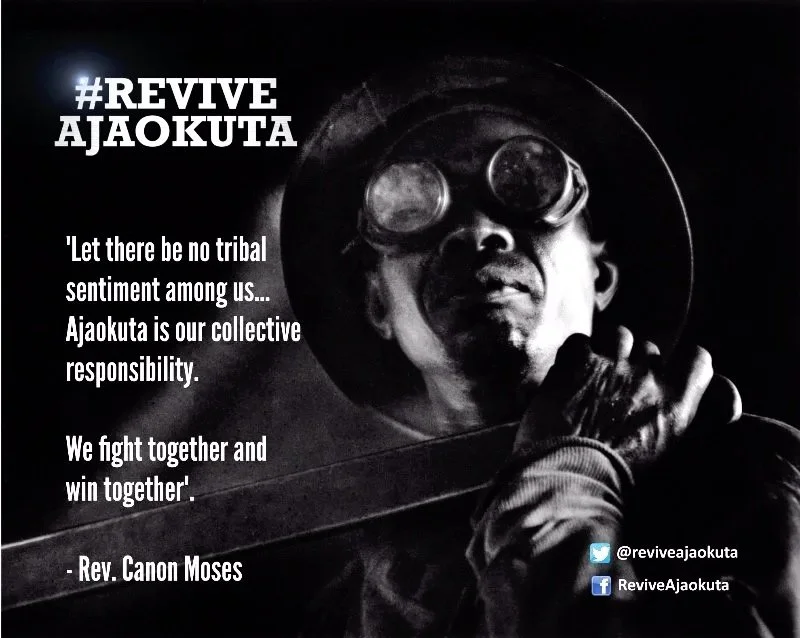
Various signage, banners and placards carrying informative message conveyed the spirit of the group. Examples include: TRADE NOT AID, STIMULATED BY STEEL, REVIVE OUR INDUSTRIES, 2% TO COMPLETE 38 YEARS IN WAITING Etc…
The marches chanted slogans like
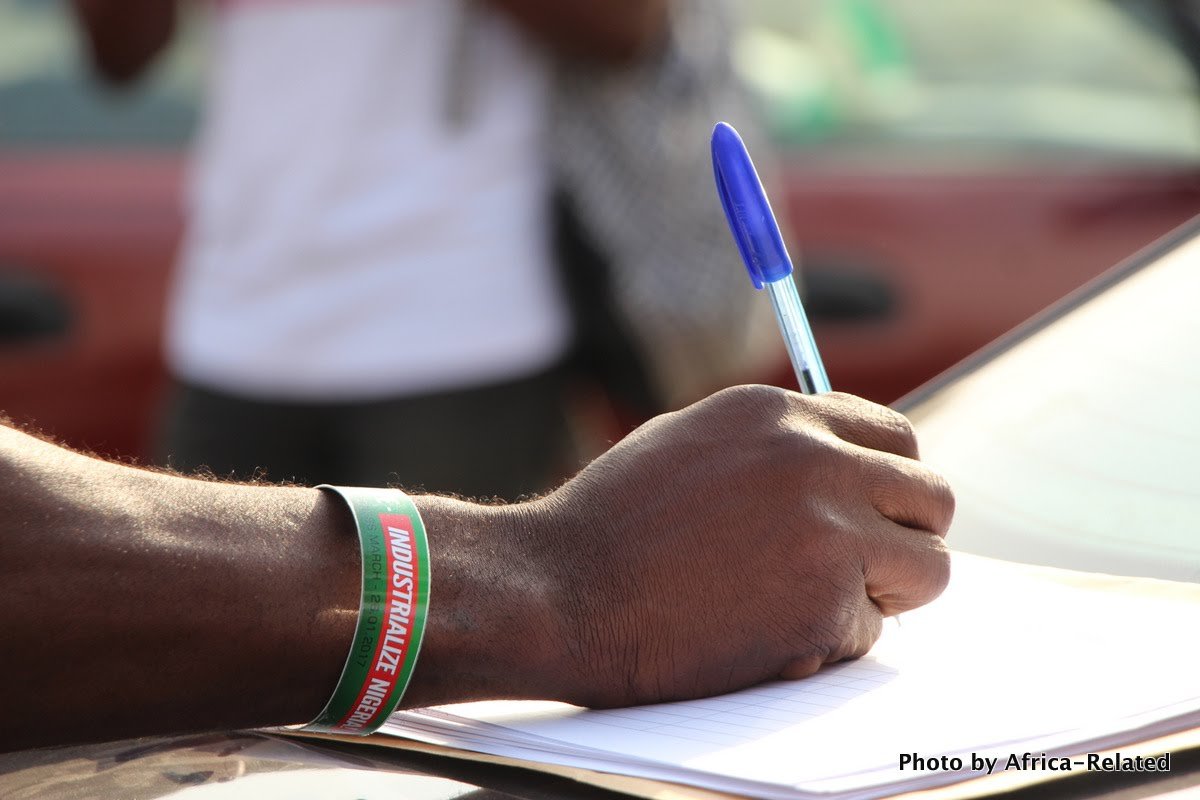
Revive Ajaokuta! Industrialize Nigeria!
Ajaokuta is… NOT for sale!
2% to Complete! 38 Years in Waiting!
Photo Highlights




Oyiza Adaba is a journalist with Africa-Related
SHARE THIS STORY