

US Elections 2024 - New York Shows Voting Process
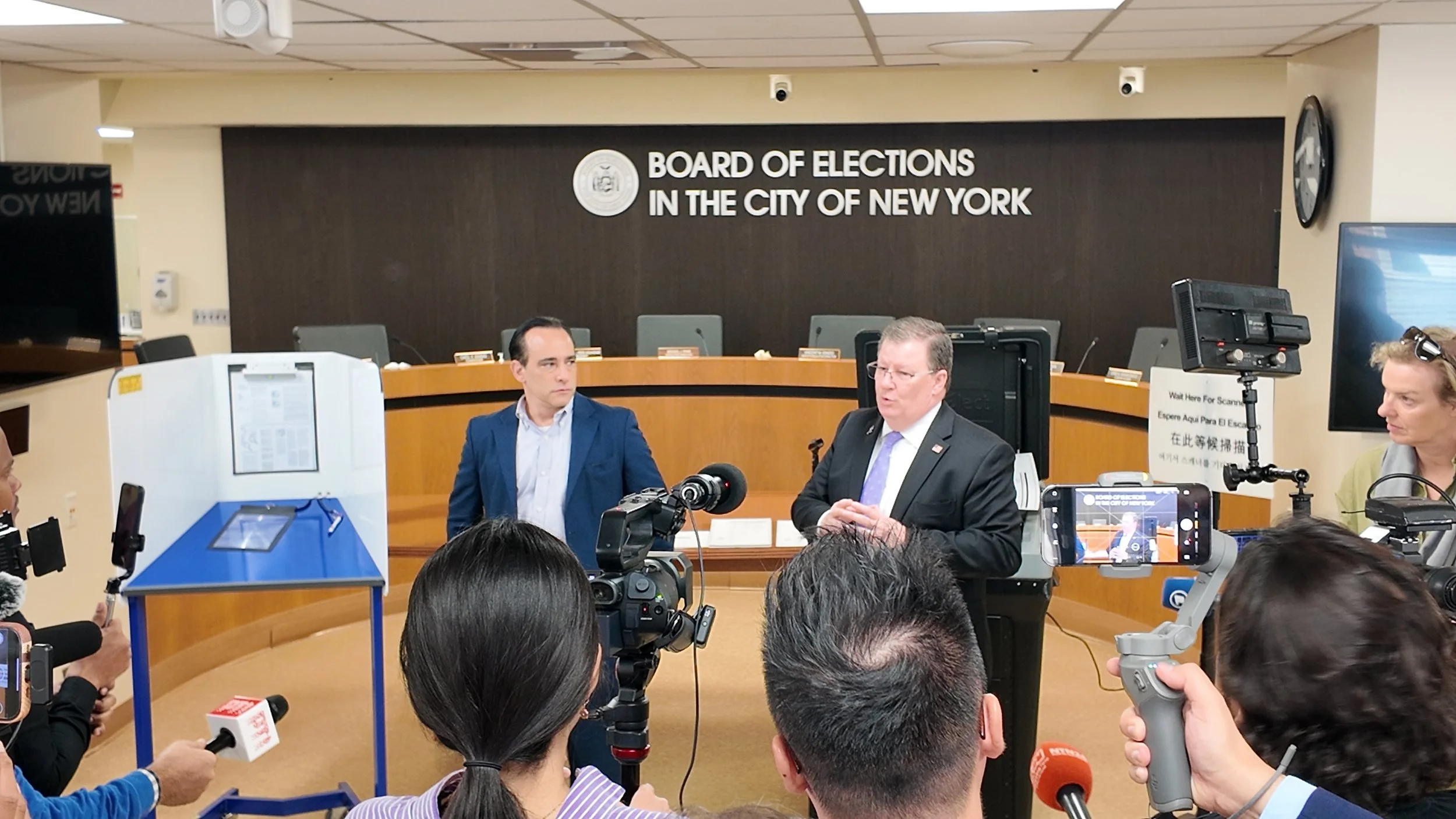
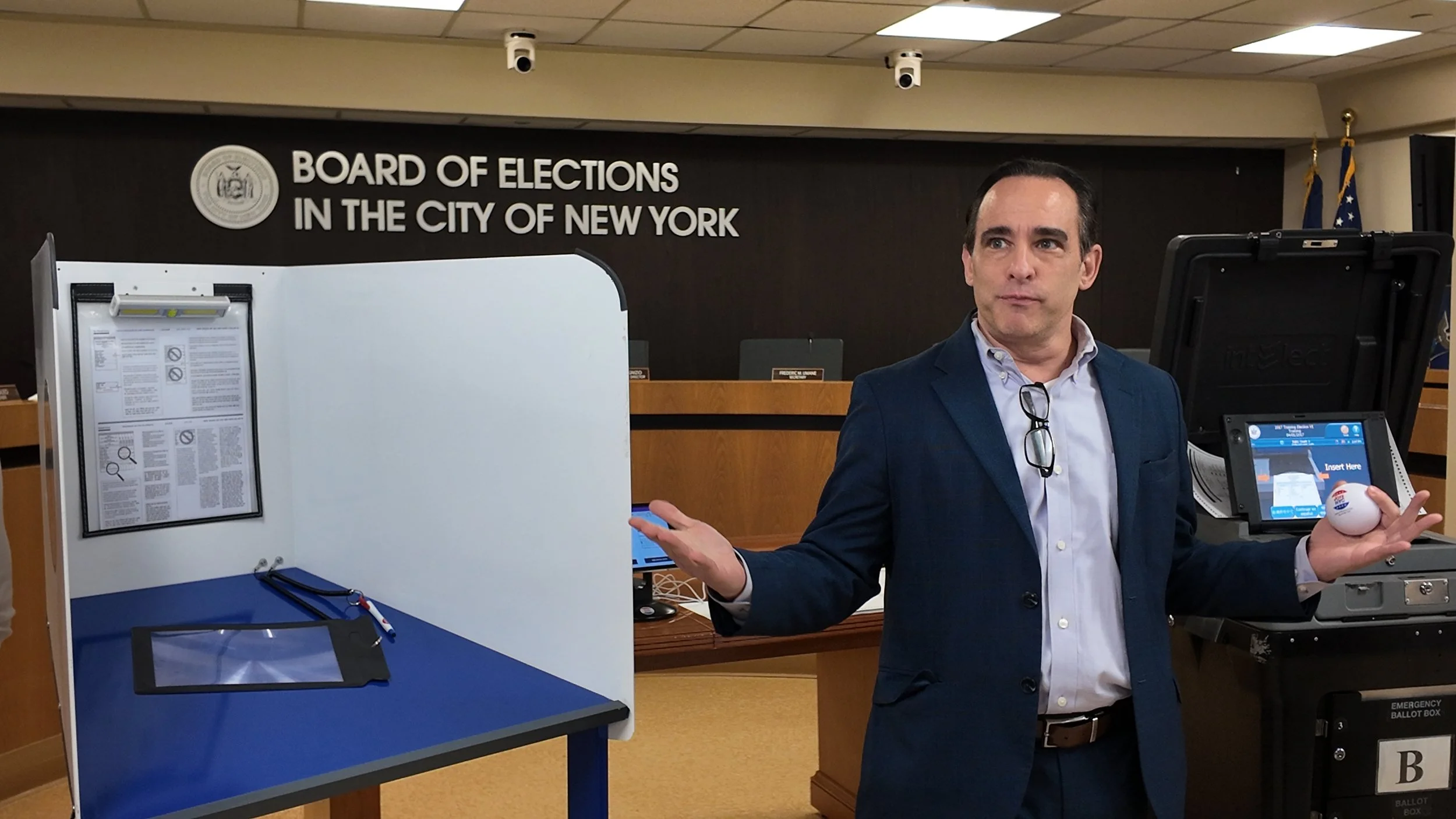
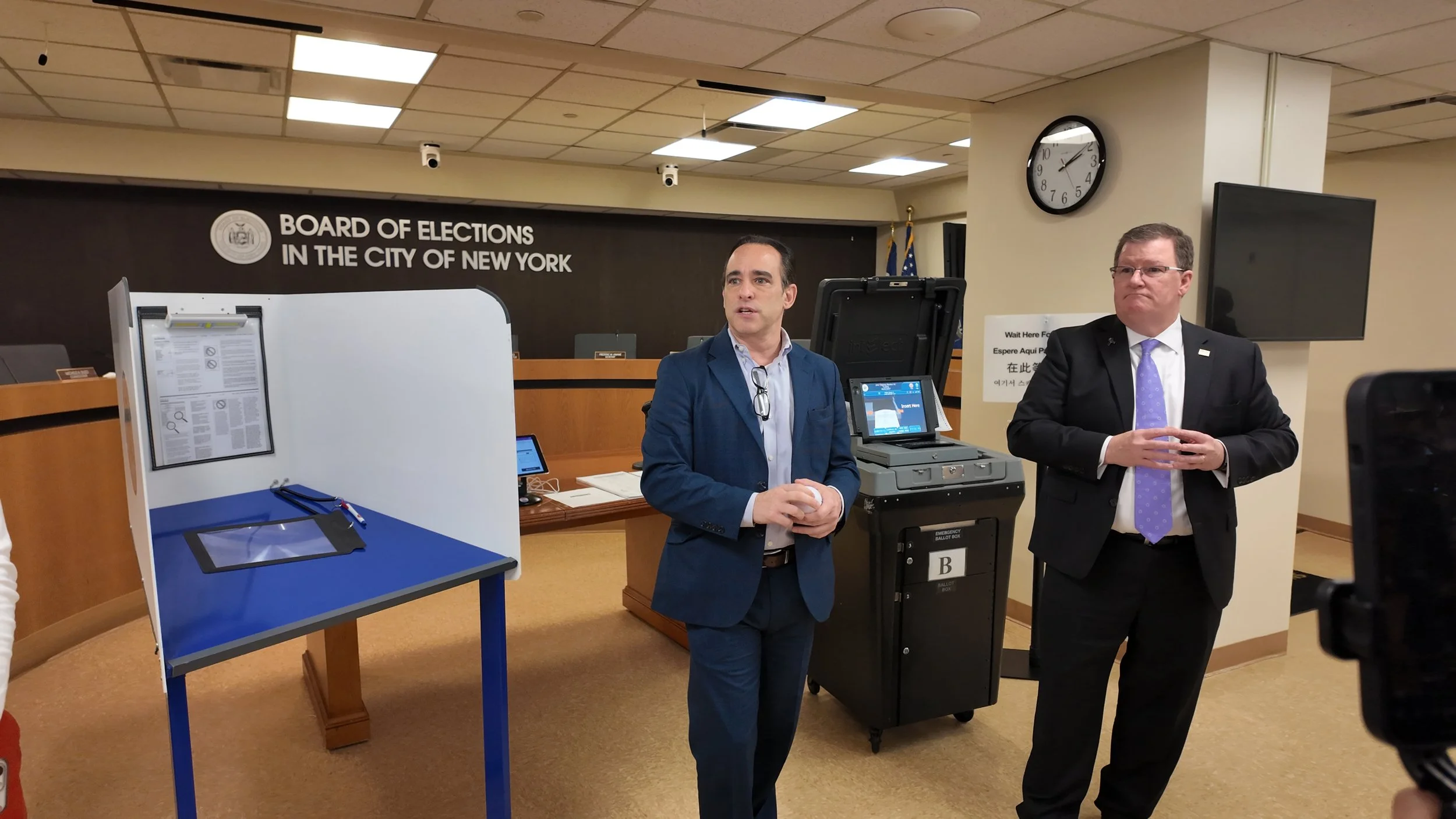
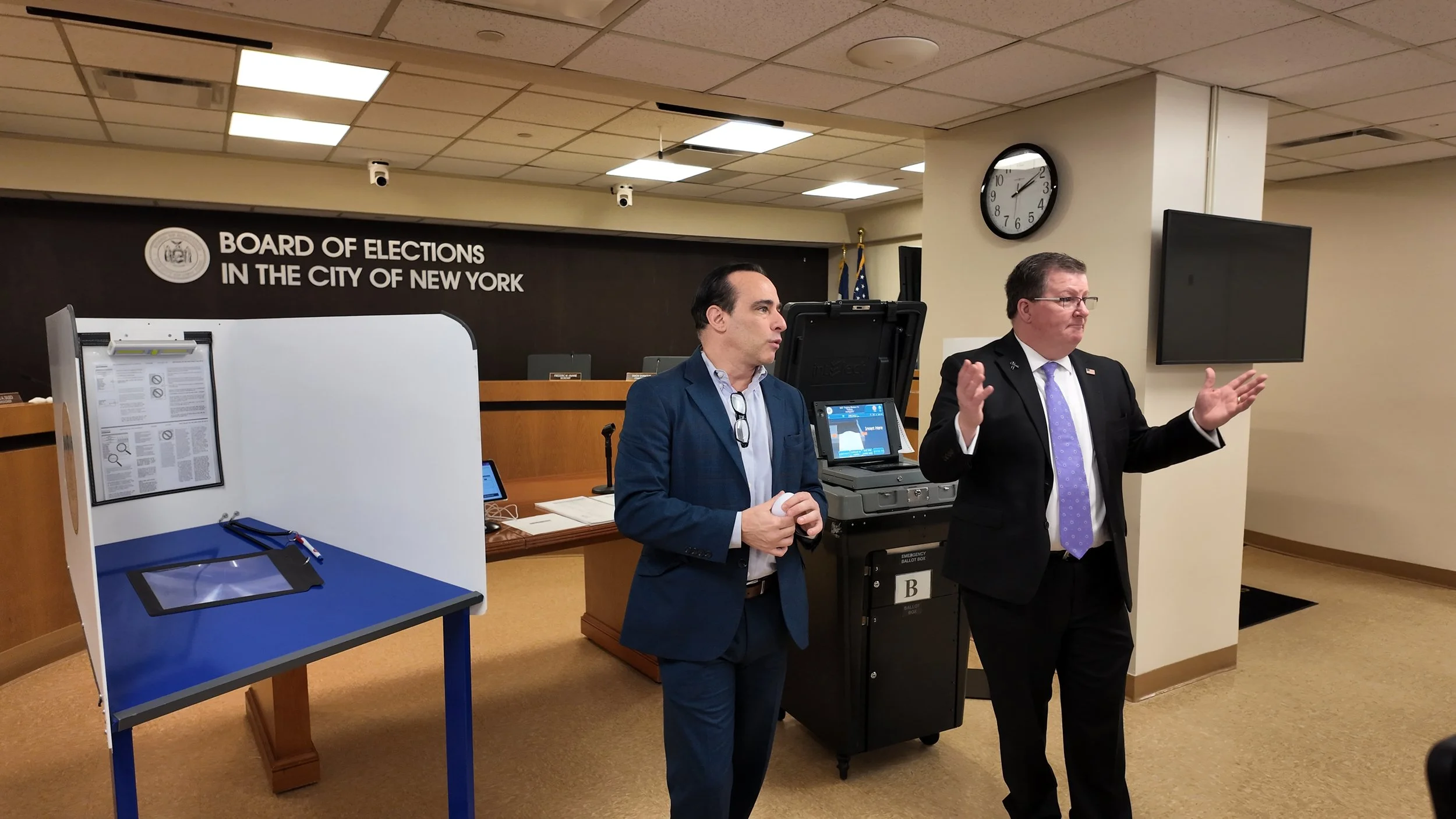
Michael J. Ryan, Executive Director of the Board of Elections in the City of New York and Vincent Ignizio, former Staten Island Republican councilman & bipartisan member Board of Elections offered a demonstration of voting booth processes and led a discussion on voter security and the voting tabulations process.
By Oyiza Adaba
Bipartisan Approach: Michael J. Ryan, Executive Director of the Board of Elections in the City of New York and Vincent Ignizio, address the media. Photo Africa-Related
Michael J. Ryan, Executive Director of the Board of Elections in the City of New York and Vincent Ignizio, former Staten Island Republican councilman & bipartisan member Board of Elections offered a demonstration of voting booth processes and led a discussion on voter security and the voting tabulations process. The briefing, organized by the NY Foreign Press Center, provided an overview of the elections processes and preparations in NYC in 2024.
Highlights
Early Voting and Turnout
Michael Ryan and Vincent Ignizio highlight the increase in early voting locations and hours, emphasizing the improvements made since 2020
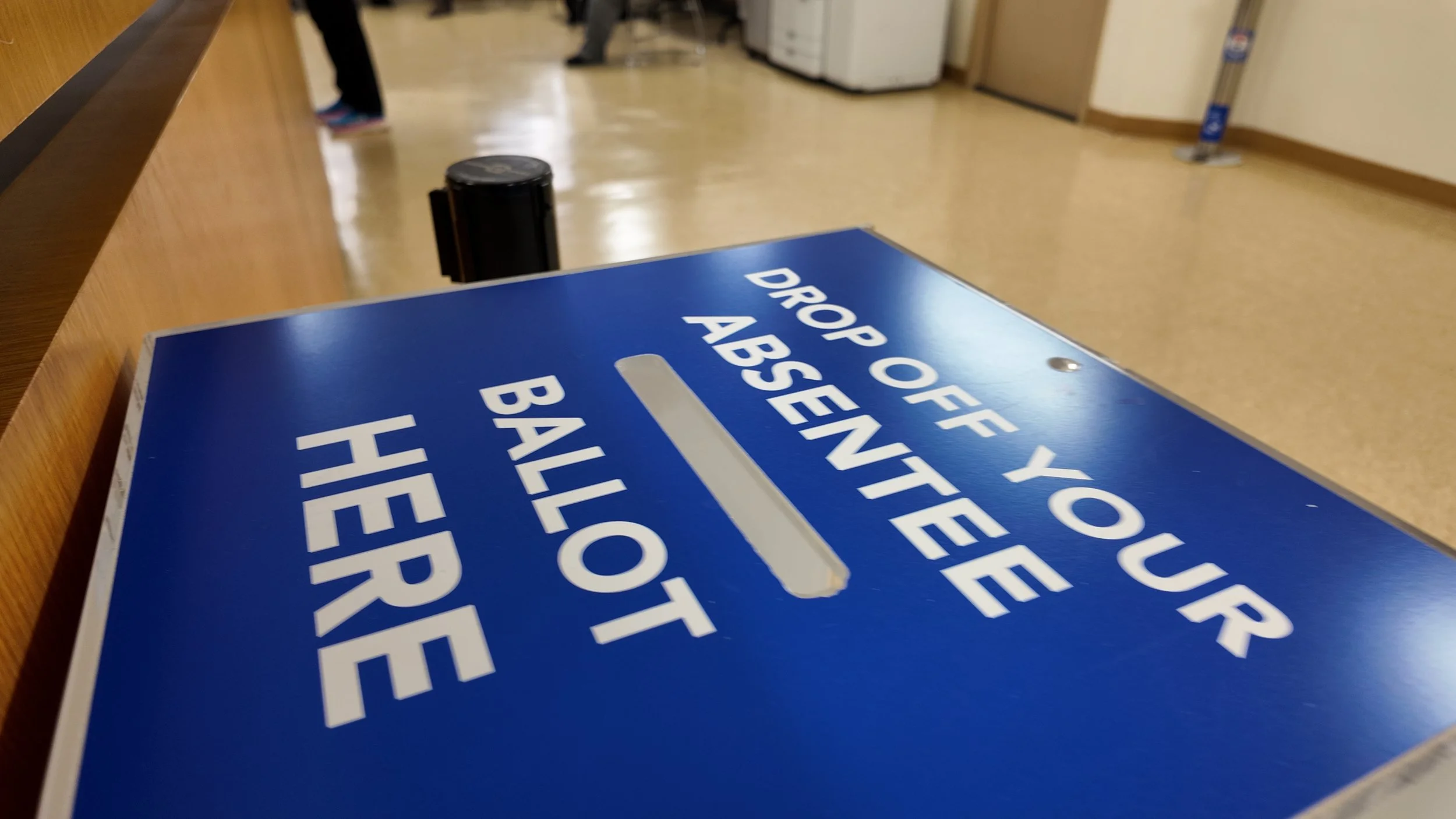
Voting Process and Security Measure including the use of privacy booths and ballot scanners security seals and the involvement of the NYPD.
Election Day and Results Reporting - the importance of the early mail ballot process, the process for counting and reporting results is explained
The Training Process for poll workers, including in-person and video training, as well as specialized training for accessibility, and setting training standards
Language Accessibility
NYC Elections Board provide services in multiple languages, including English, Spanish, Chinese, and Korean
PHOTOS

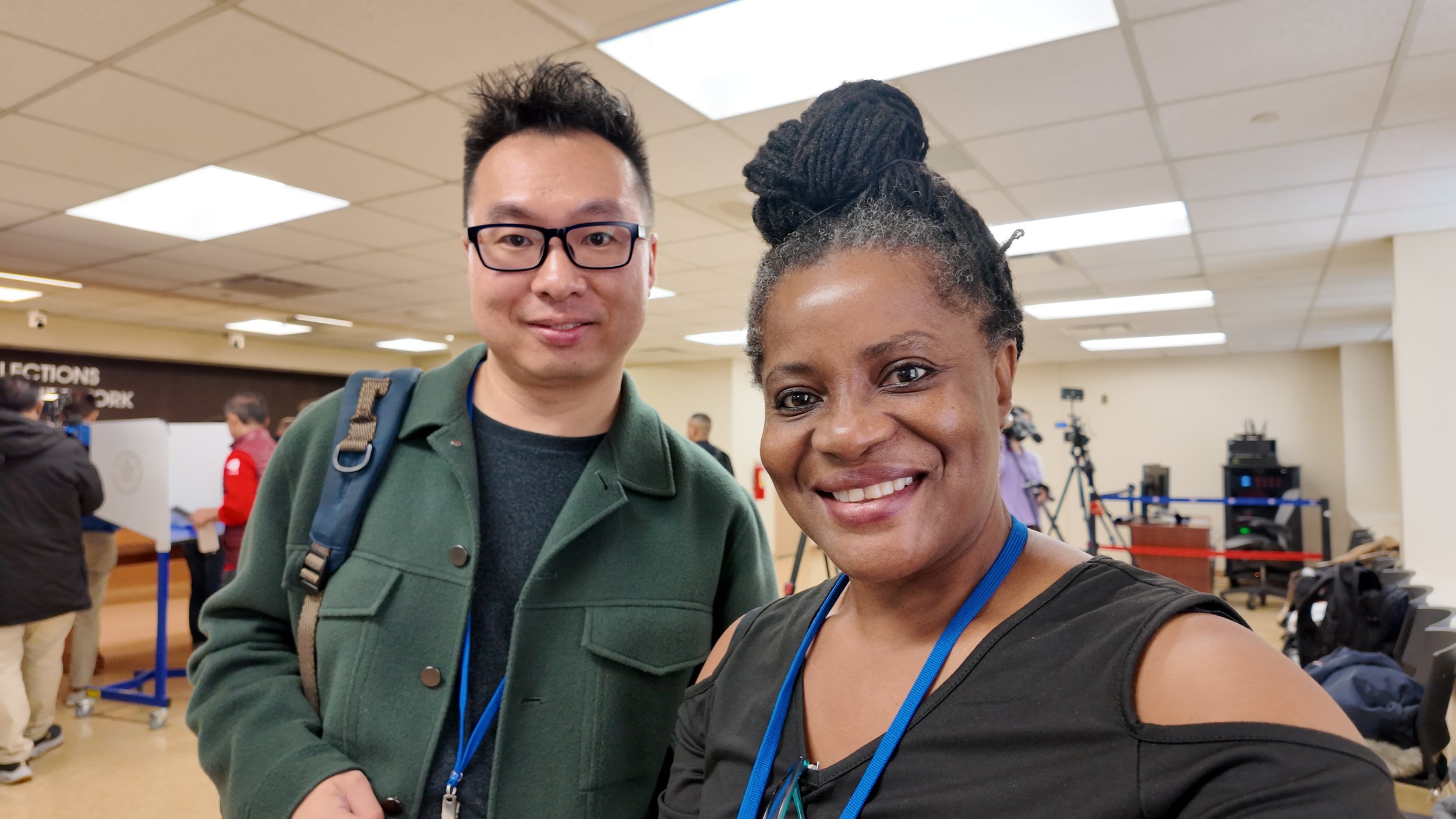
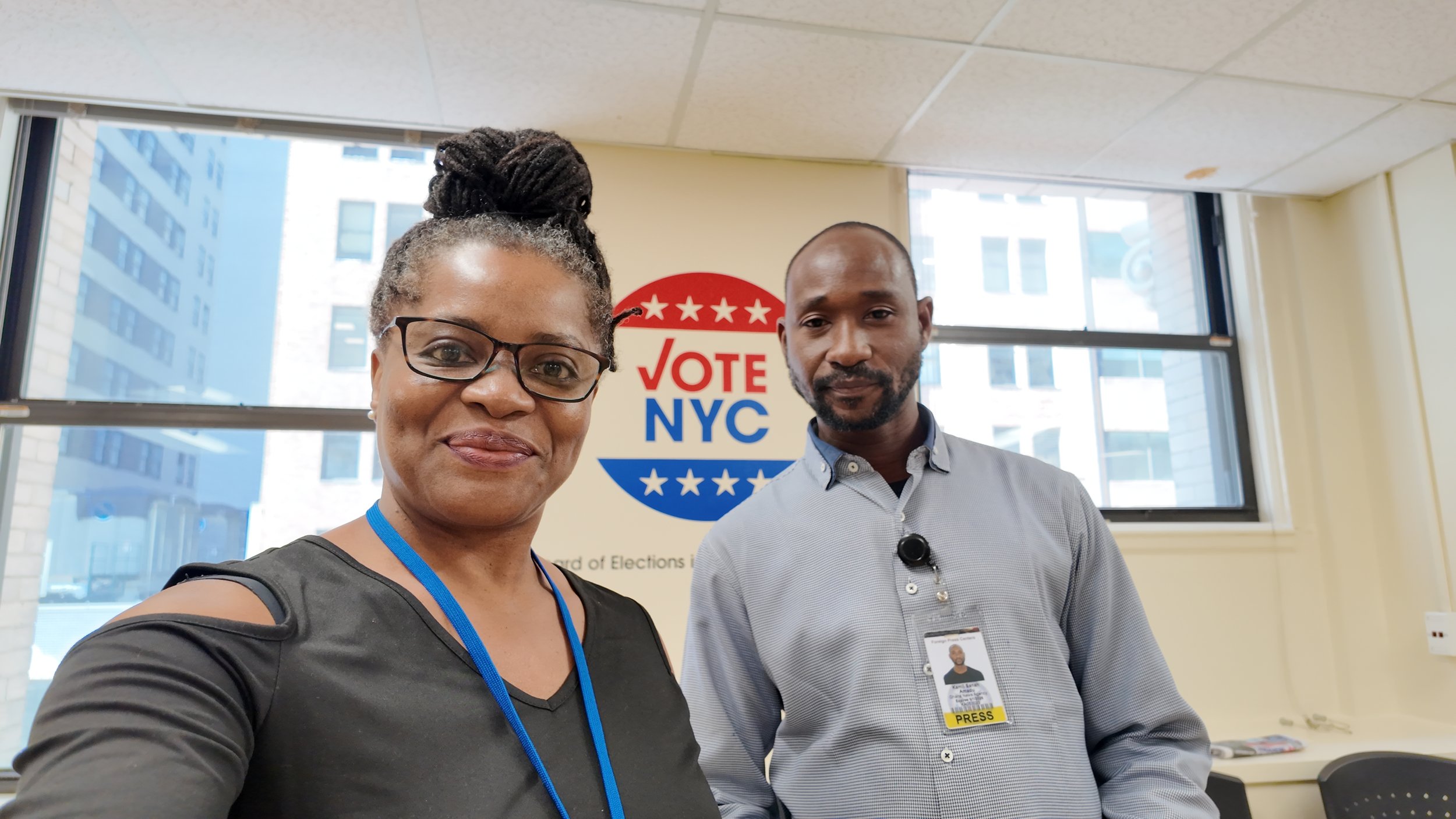
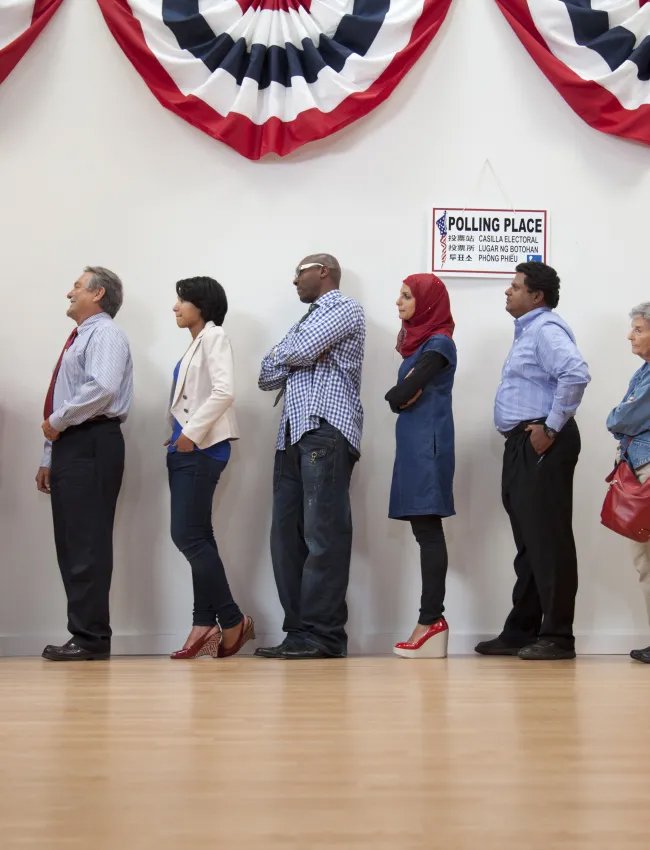
Examining the Vote: Unpacking Top Issues in the US Elections
Recent ballot initiatives in states appear to show that reproductive rights are increasing turnout for women voters, as the conflict in the Middle East and student deft relief animate young voters. Meanwhile, the economy and inflation remain top issues for voters across demographic groups. But this is just a fraction of what is on voters’ minds heading into the 2024 presidential election. On October 23, ASD at GMF will convene top political analysts to attempt to decipher, for both US and European audiences, what issues are driving voters to the polls.
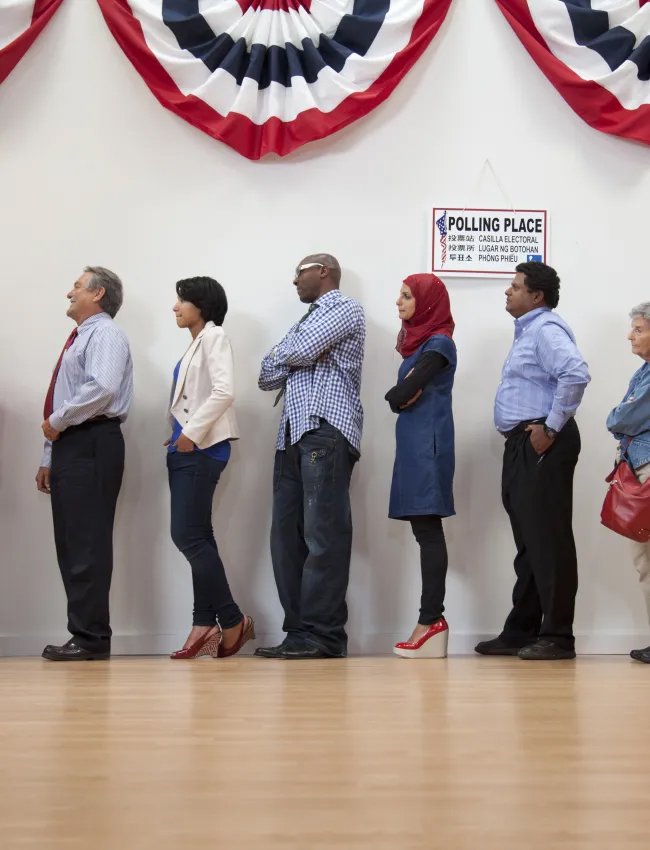
Examining the Vote: Unpacking Top Issues in the US Elections
Recent ballot initiatives in states appear to show that reproductive rights are increasing turnout for women voters, as the conflict in the Middle East and student deft relief animate young voters. Meanwhile, the economy and inflation remain top issues for voters across demographic groups. But this is just a fraction of what is on voters’ minds heading into the 2024 presidential election. On October 23, ASD at GMF will convene top political analysts to attempt to decipher, for both US and European audiences, what issues are driving voters to the polls.

Peacebuilding Initiatives and Upcoming Events
"How Much Does a Human Life Cost." is a virtual talk story with artists from the Congo on Friday, October 25 at 5 pm Hawaii time.
To the Peace-building Community
Since two weeks ago, we added a new virtual talk story with artists from the Congo for this Friday, October 25 at 5 pm Hawaii time on "How Much Does a Human Life Cost."
Attached are a few fliers of upcoming events, but you can learn about more upcoming events in detail with links to register at https://manoa.hawaii.edu/peacebuilding/get-involved/events/.
Thursday, October 24 (via zoom): "Cross-Cultural Conversations, Envisioning Environmental Peacebuilding through the Protection of Bali's Cultural Landscape"
Friday, October 25 (via zoom): "Neurodivergent Strengths: No More Masking"
Friday, October 25 (via zoom): "How Much Does a Human Life Cost"
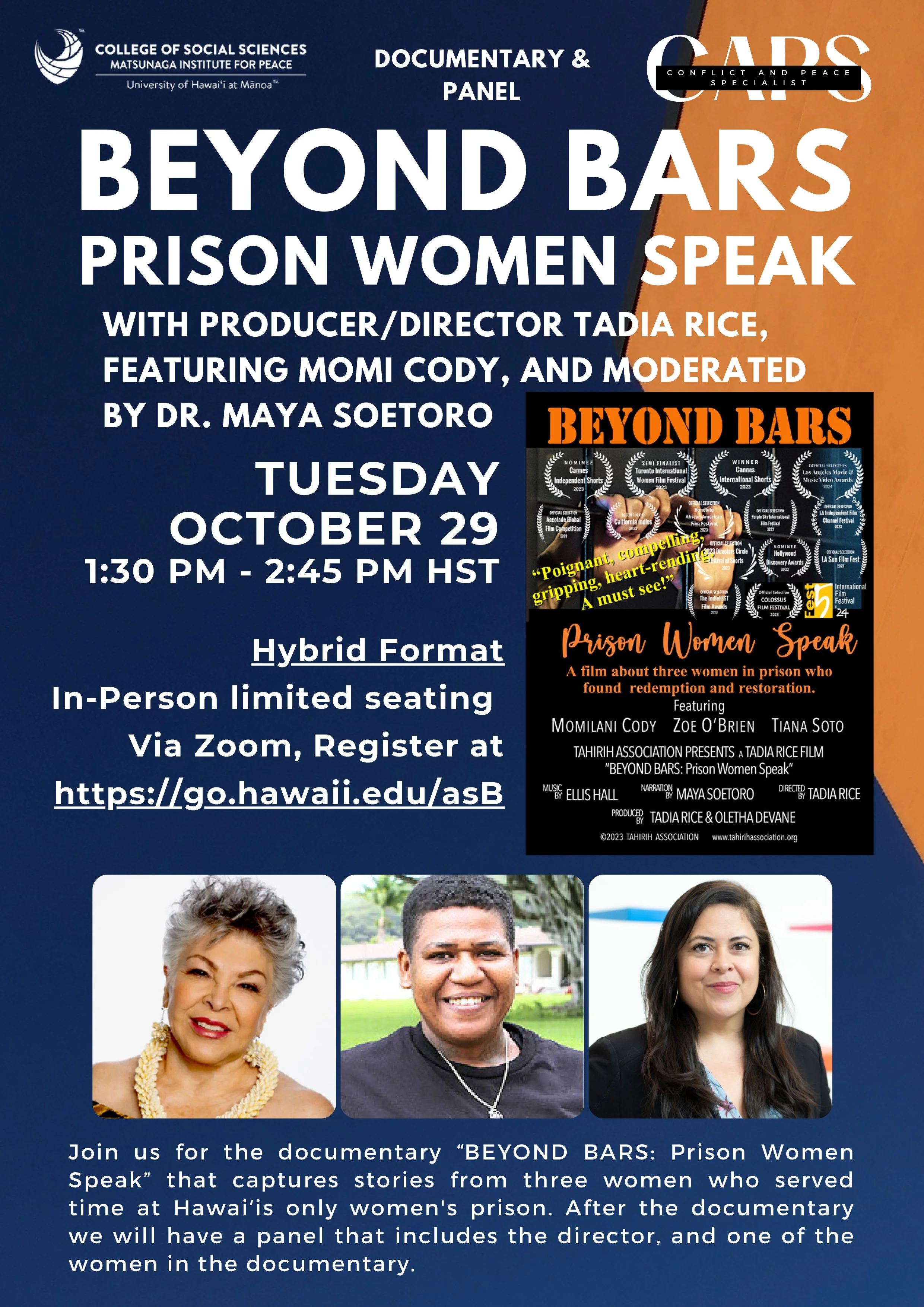
Tuesday, October 29 (via zoom): "Documentary & Panel, Beyond Bars: Prison Women Speak"
Wednesday, October 30 (in-person/via zoom): "Community Dialogues, Of Spaceships, Sorcerers & Small Gods: The Relevance of Fiction & Fantasy in Our Lives"
Thursday, October 31 (via zoom): "Cross-Cultural Conversations, Understanding Human Rights to Create a Culture of Peace in Our Daily Lives"
Thank you for being on this journey together.
Be well,
José Barzola (he/him/his)
Conflict and Peace Specialist
University of Hawai'i at Mānoa

The University of Hawai'i, Mānoa is located in the ahupuaʻa of Waikīkī, in the moku of Kona, on the mokupuni of Oʻahu, in the paeʻāina of Hawaiʻi. This Hōʻoia ʻĀina, this Land Acknowledgement, acknowledges Hawaiʻi as an indigenous space whose original people are today identified as Native Hawaiians.
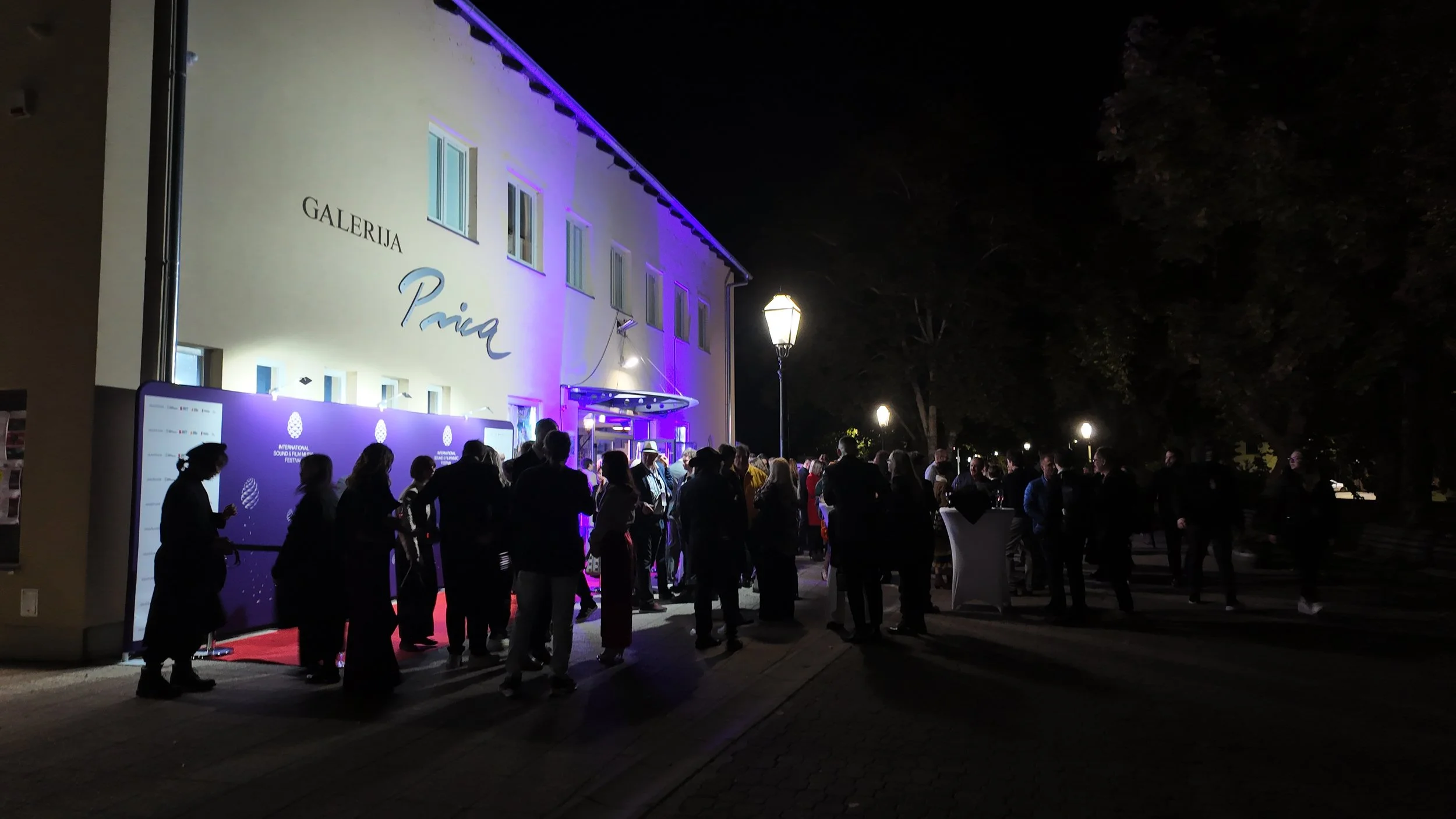
HIGHLIGHTS: "DELA" At ISFMF 2024
The two-day event was packed with activities like the music concert tribute to Ennio Morricone, an art exhibition, film screening in mostly shorts category, followed by a brief Q&A with the director, sound engineer or music composer; a panel discussion, a children’s concert and many more.
by africa-Related
HIGHLIGHTS
ISFMF 2024
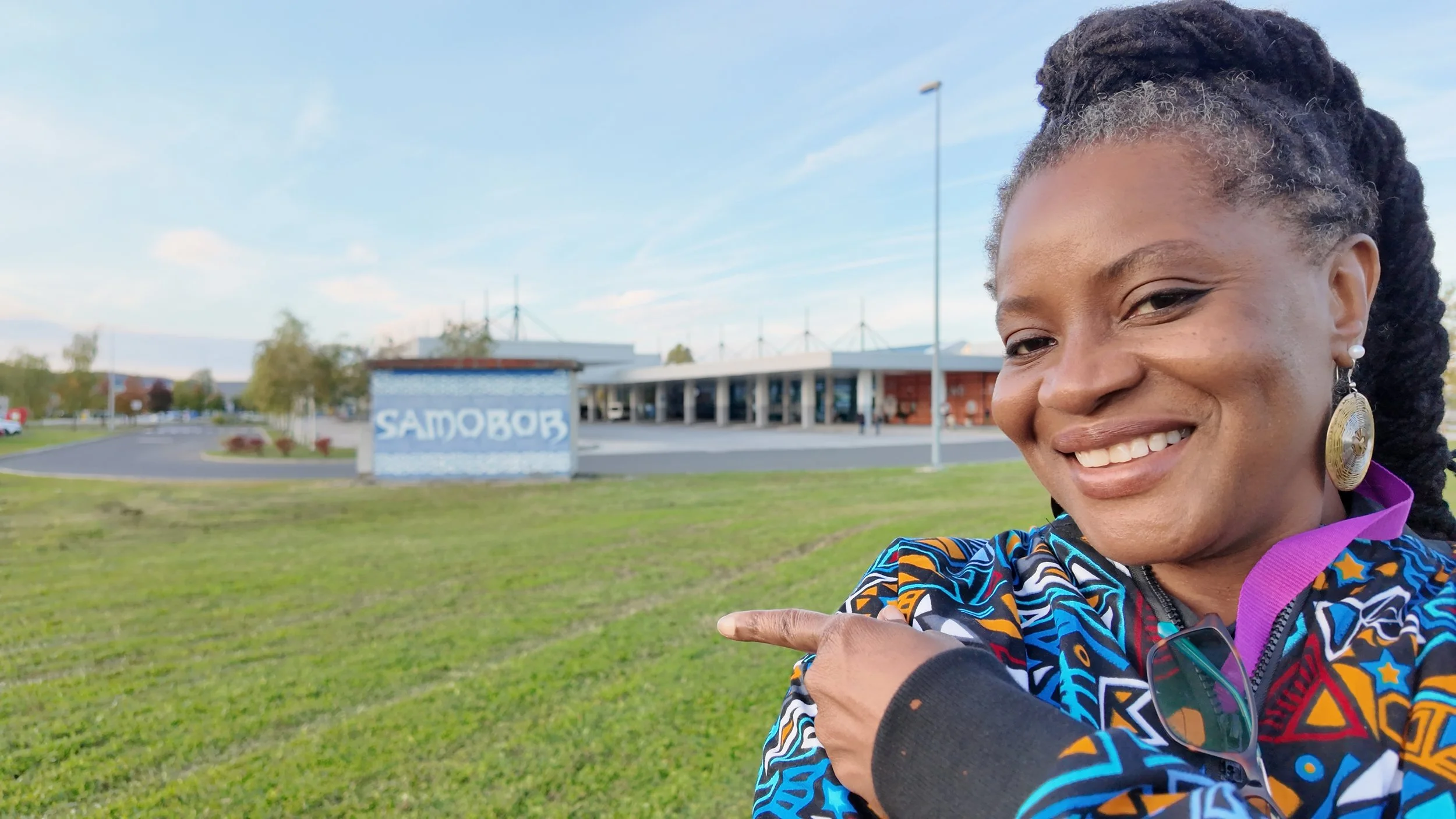
SAMOBOR, Croatia
Samobor!
it’s worth the search
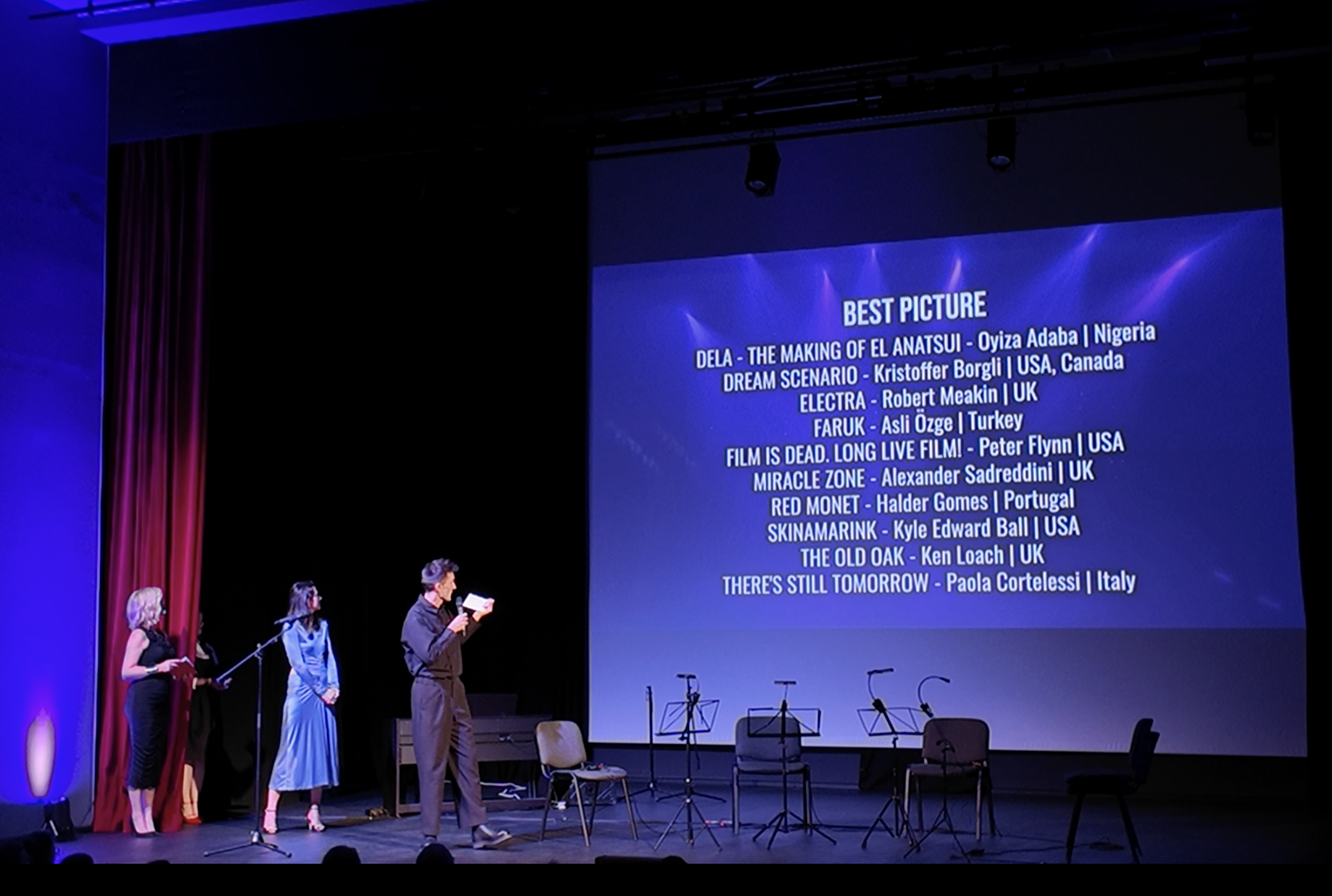
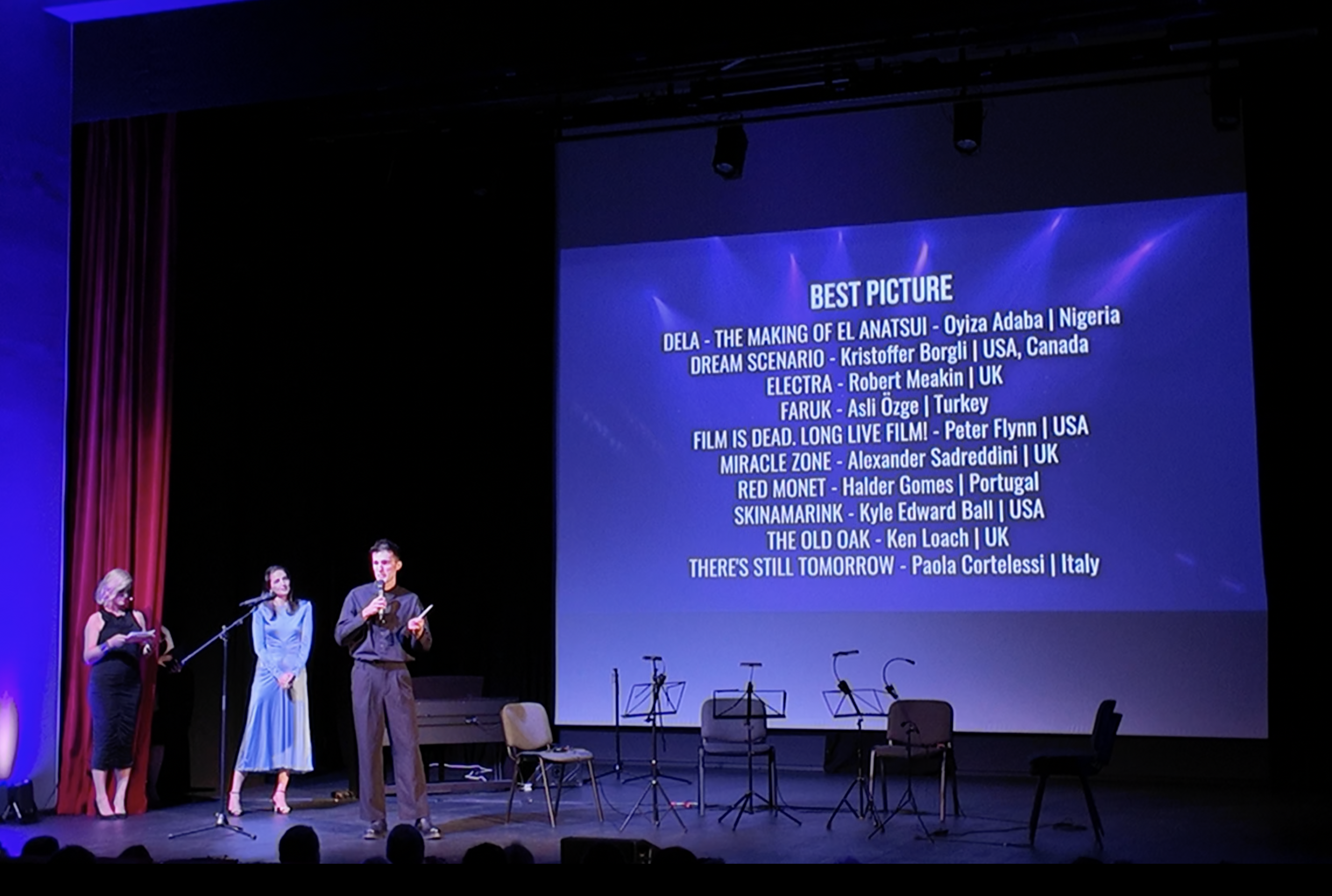
DELA was nominated for the Crystal Pine Award in Best Picture (Feature-length Category). Photo by Africa-Related
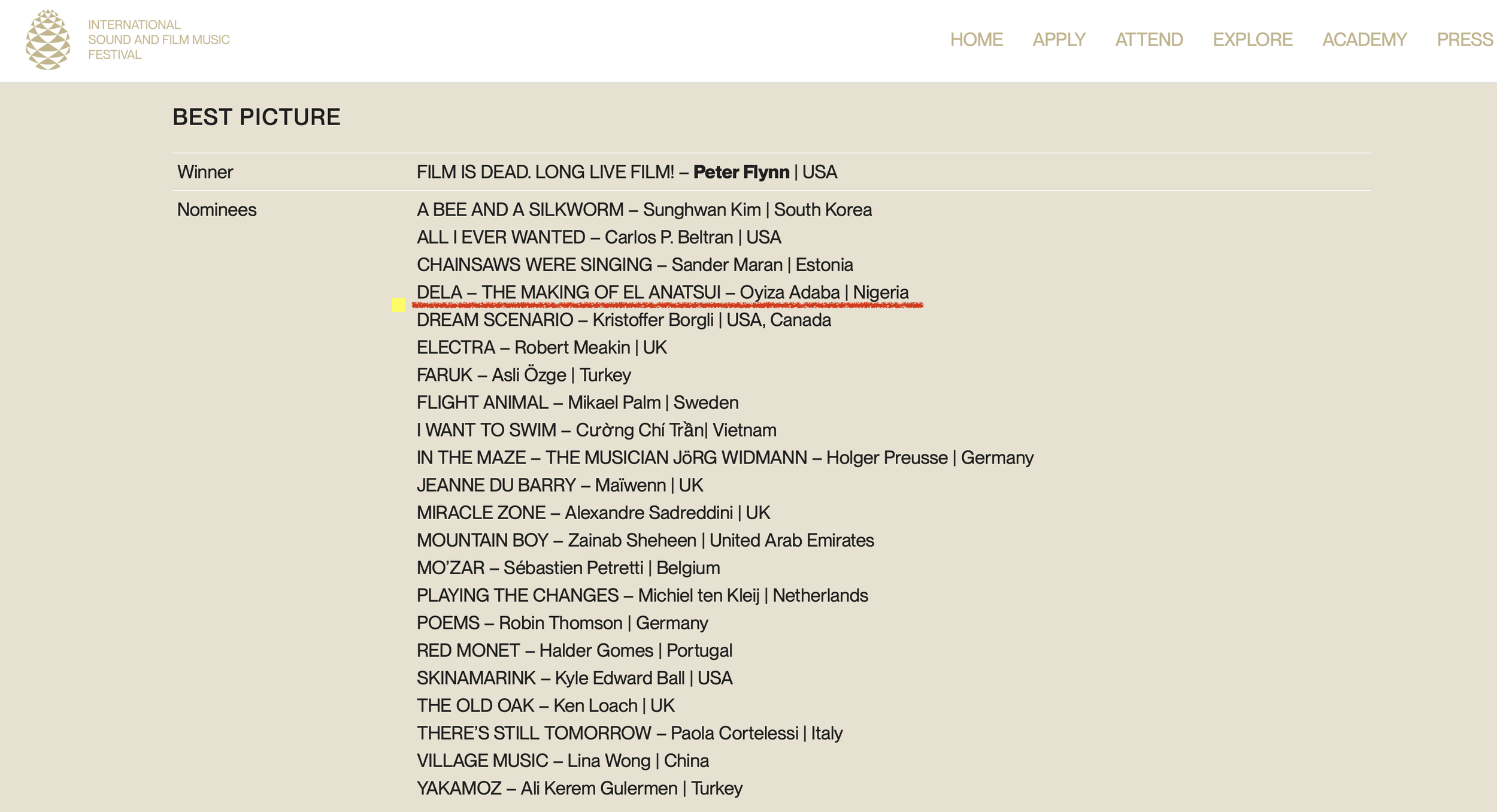
DELA was nominated for the Crystal Pine Award in Best Picture (Feature-length Category). Photo by Africa-Related
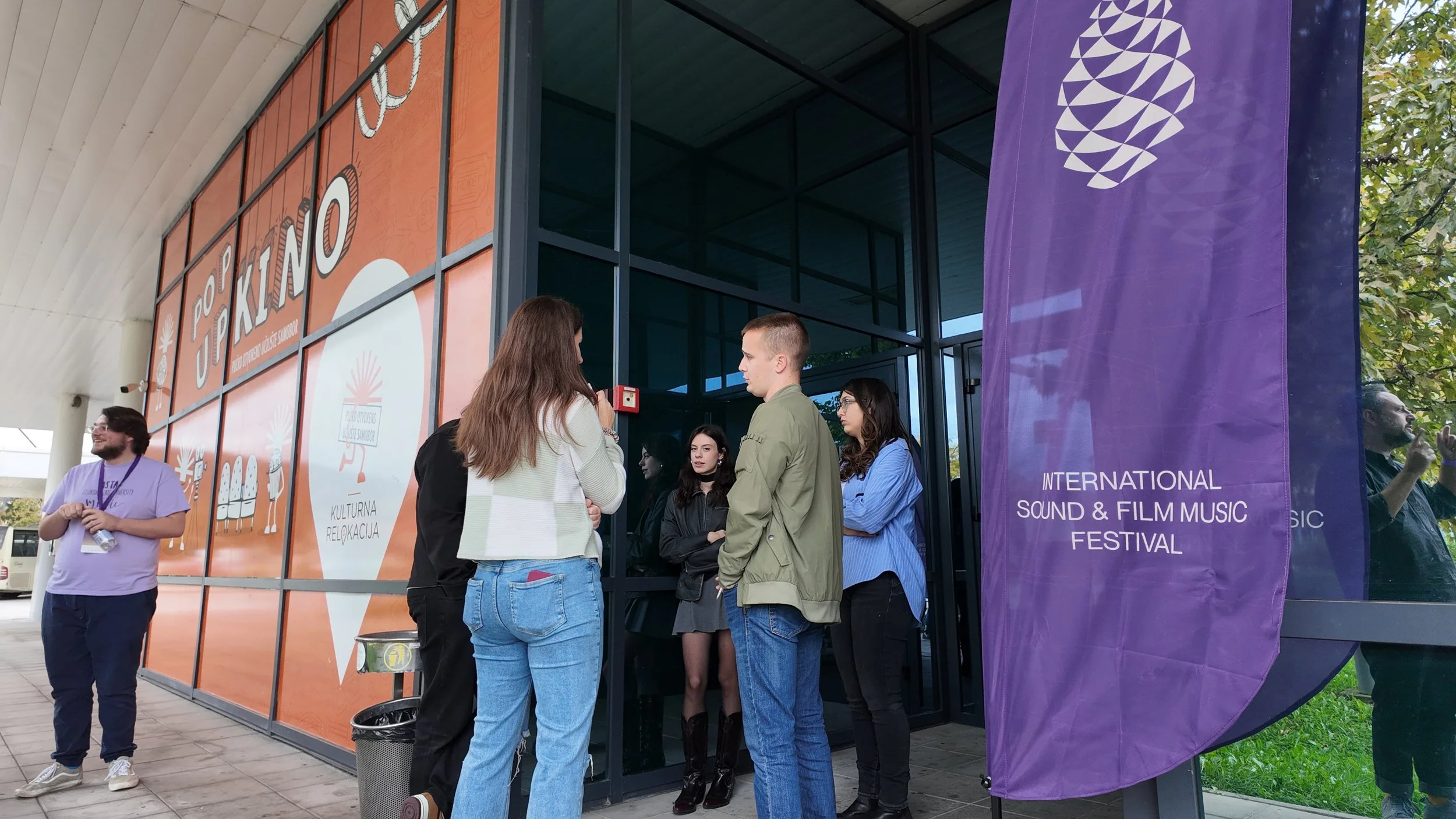
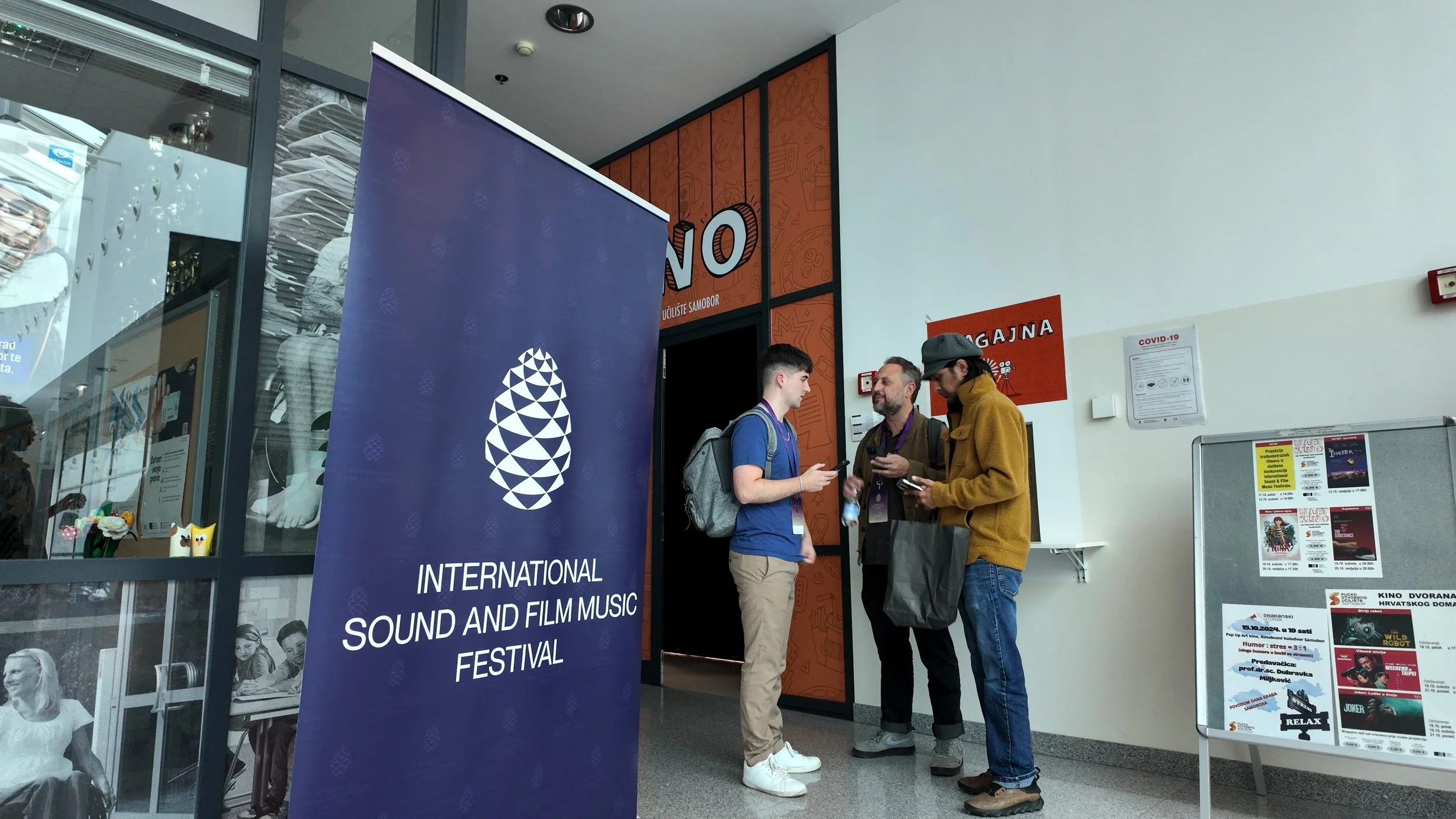
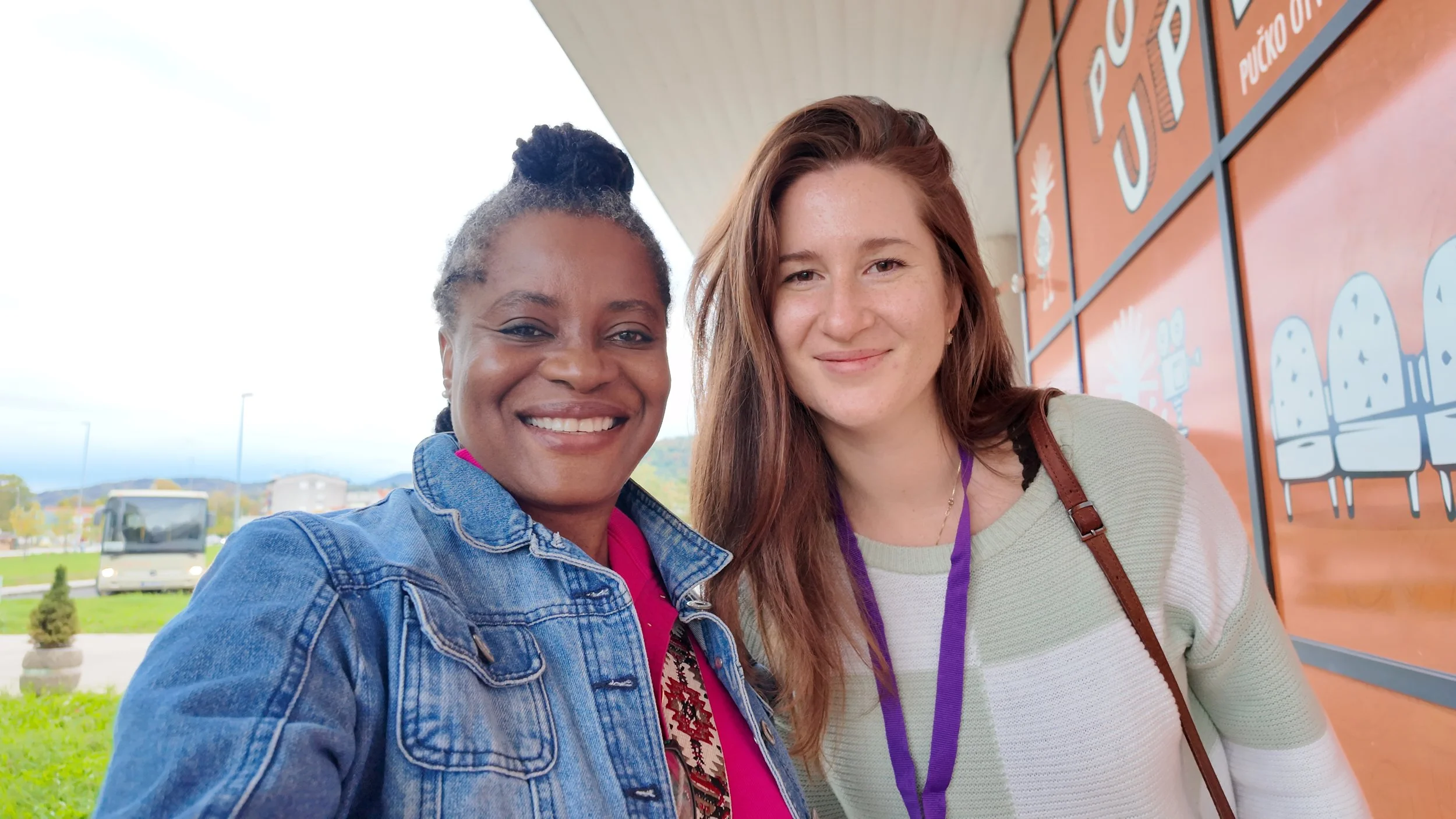
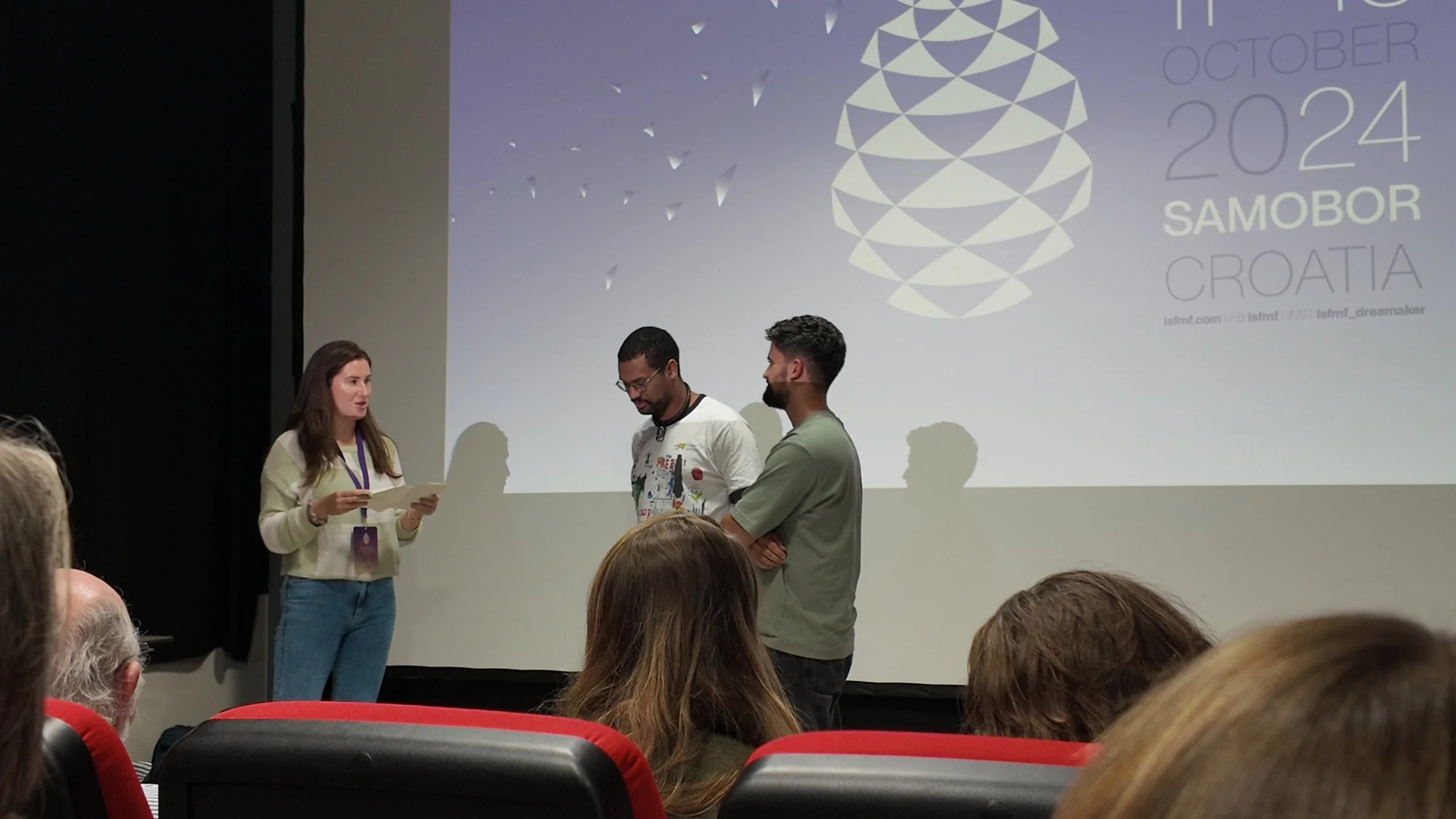
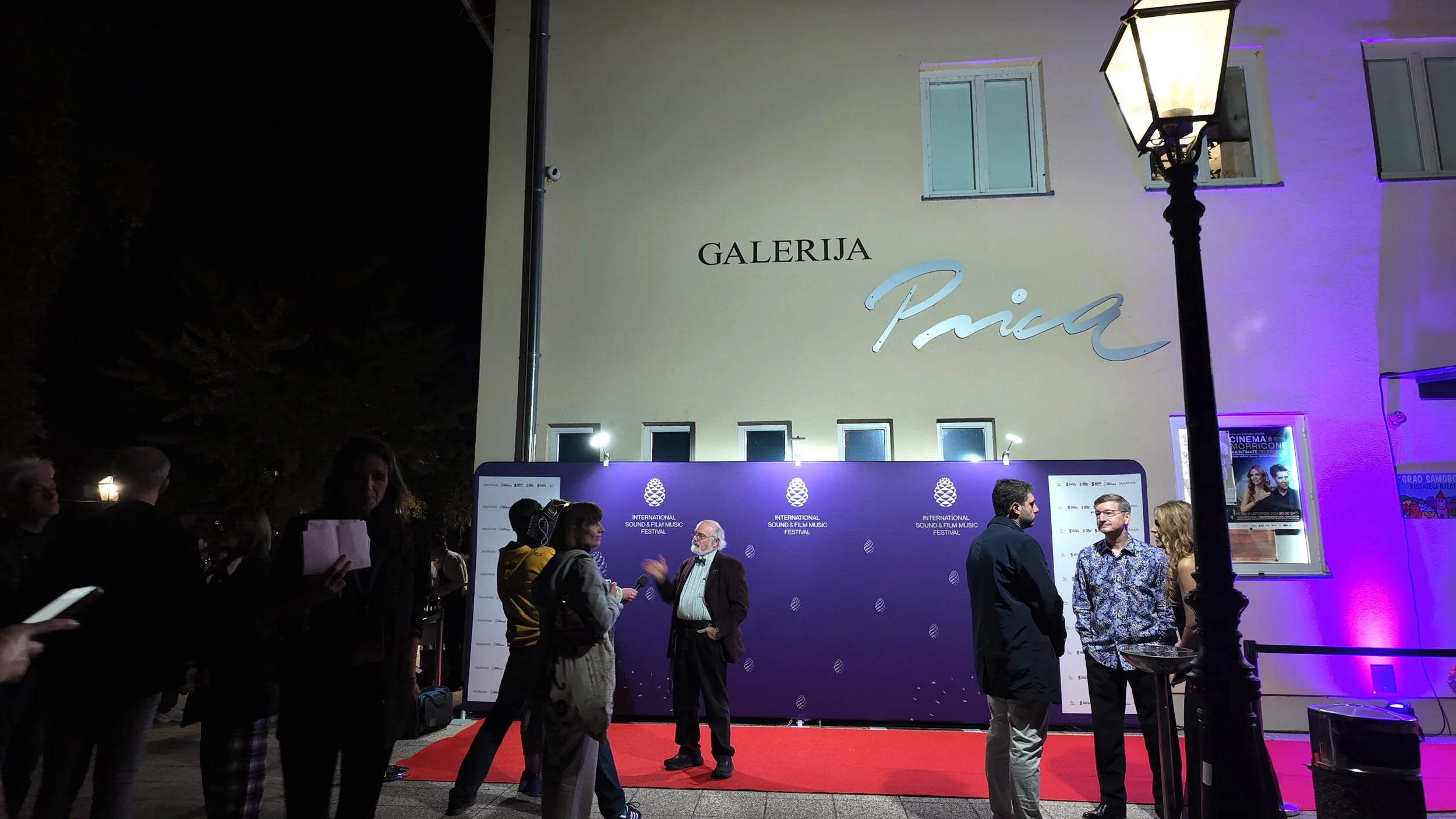
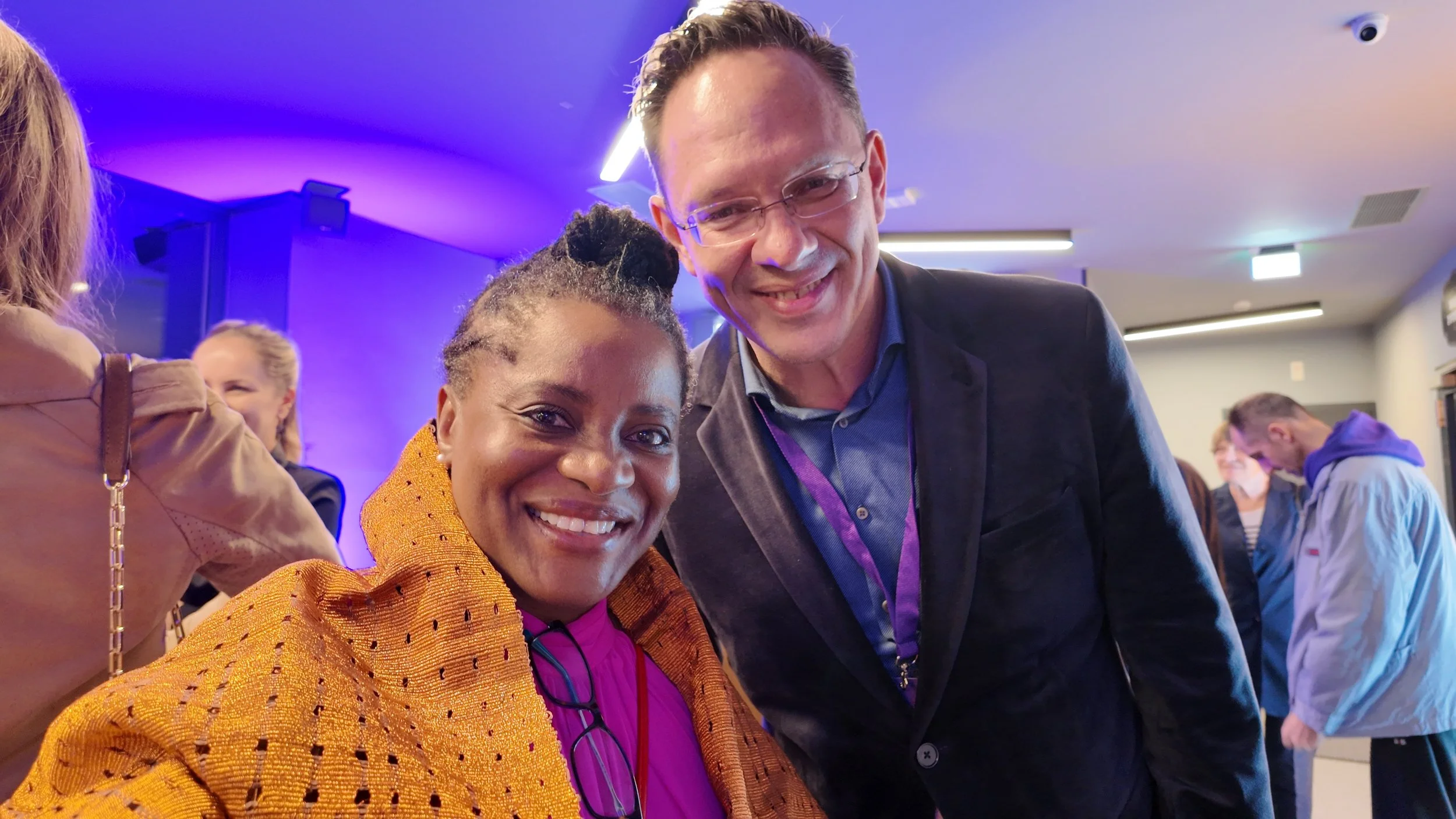
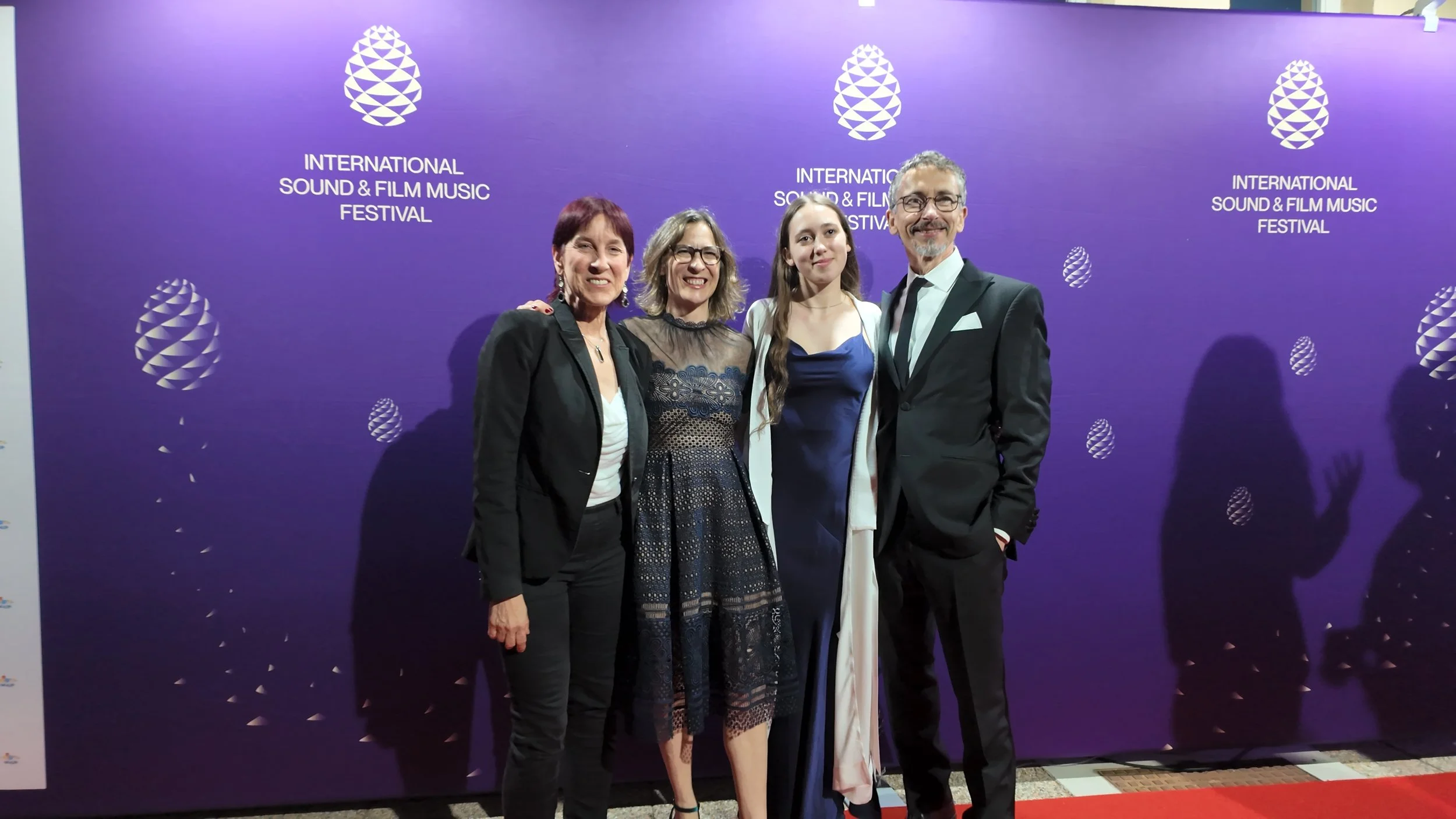
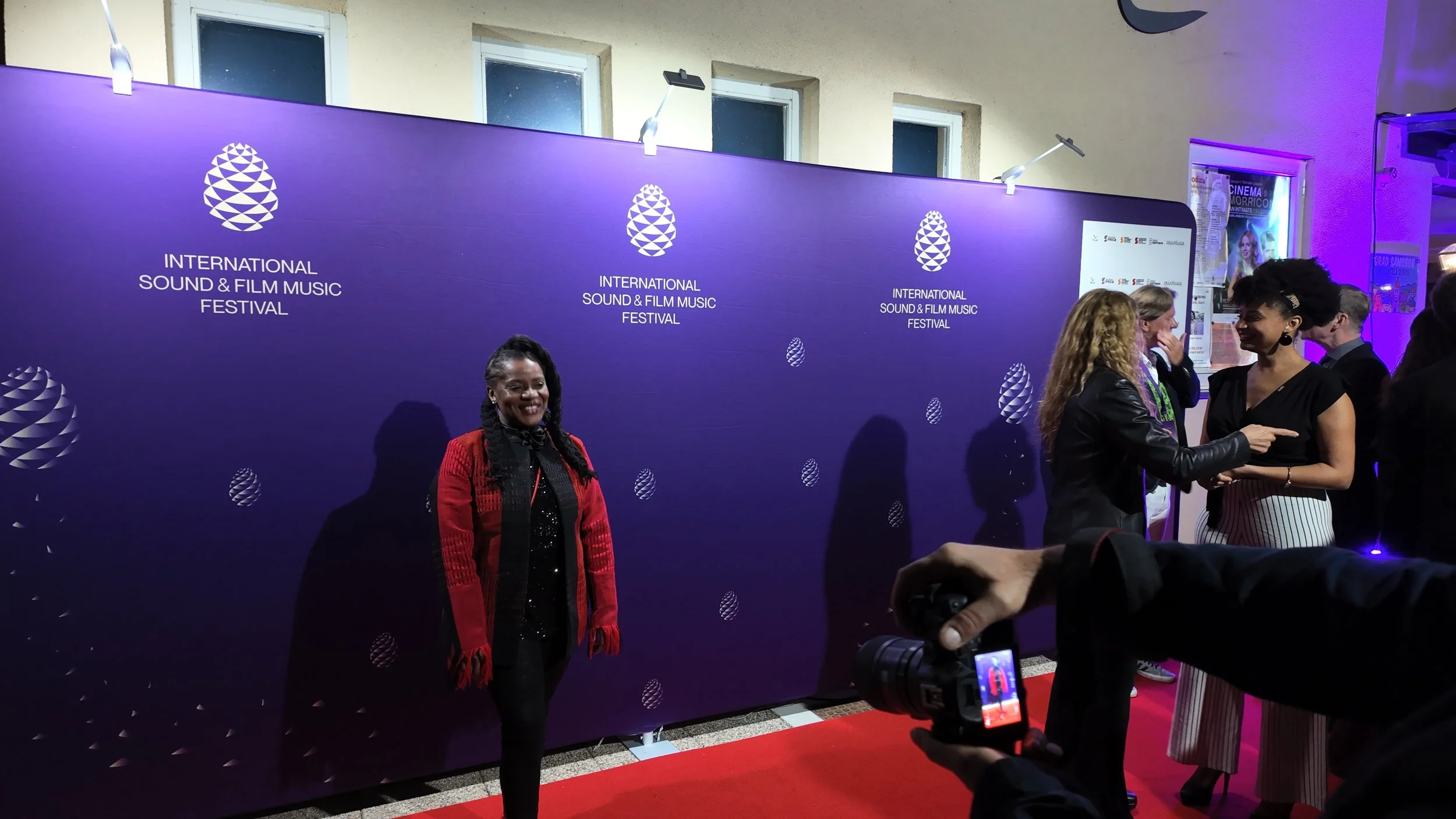
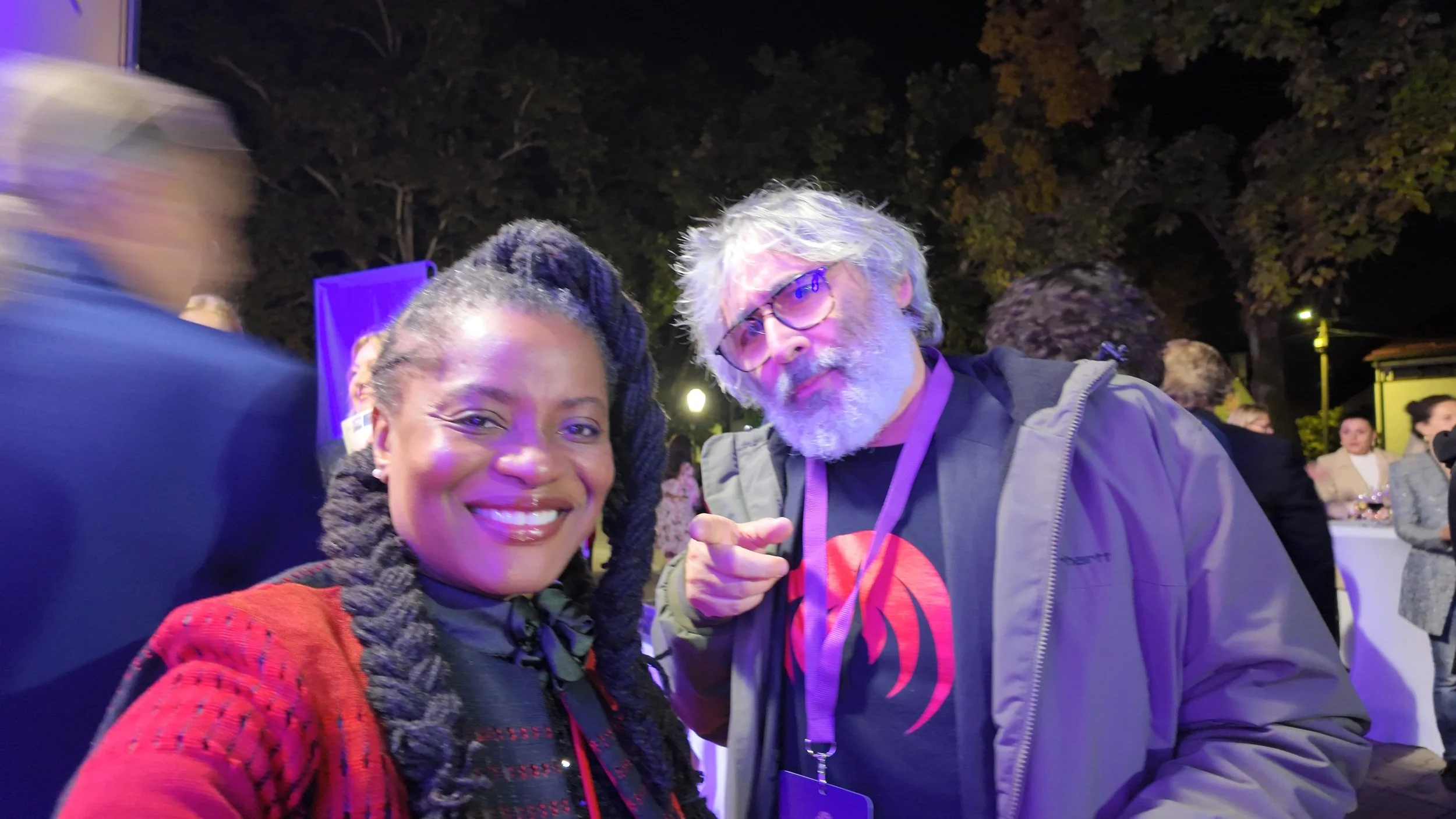
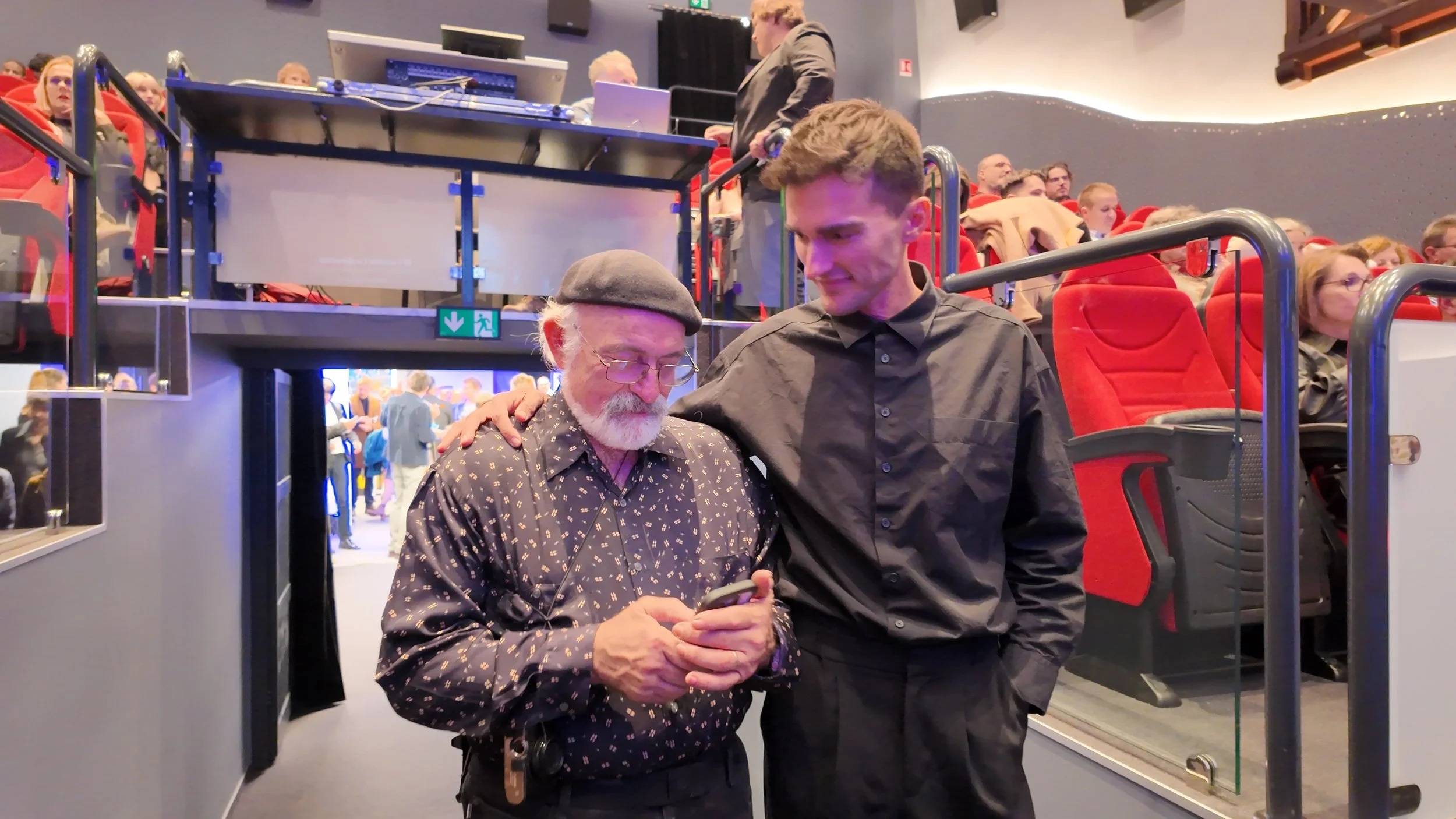
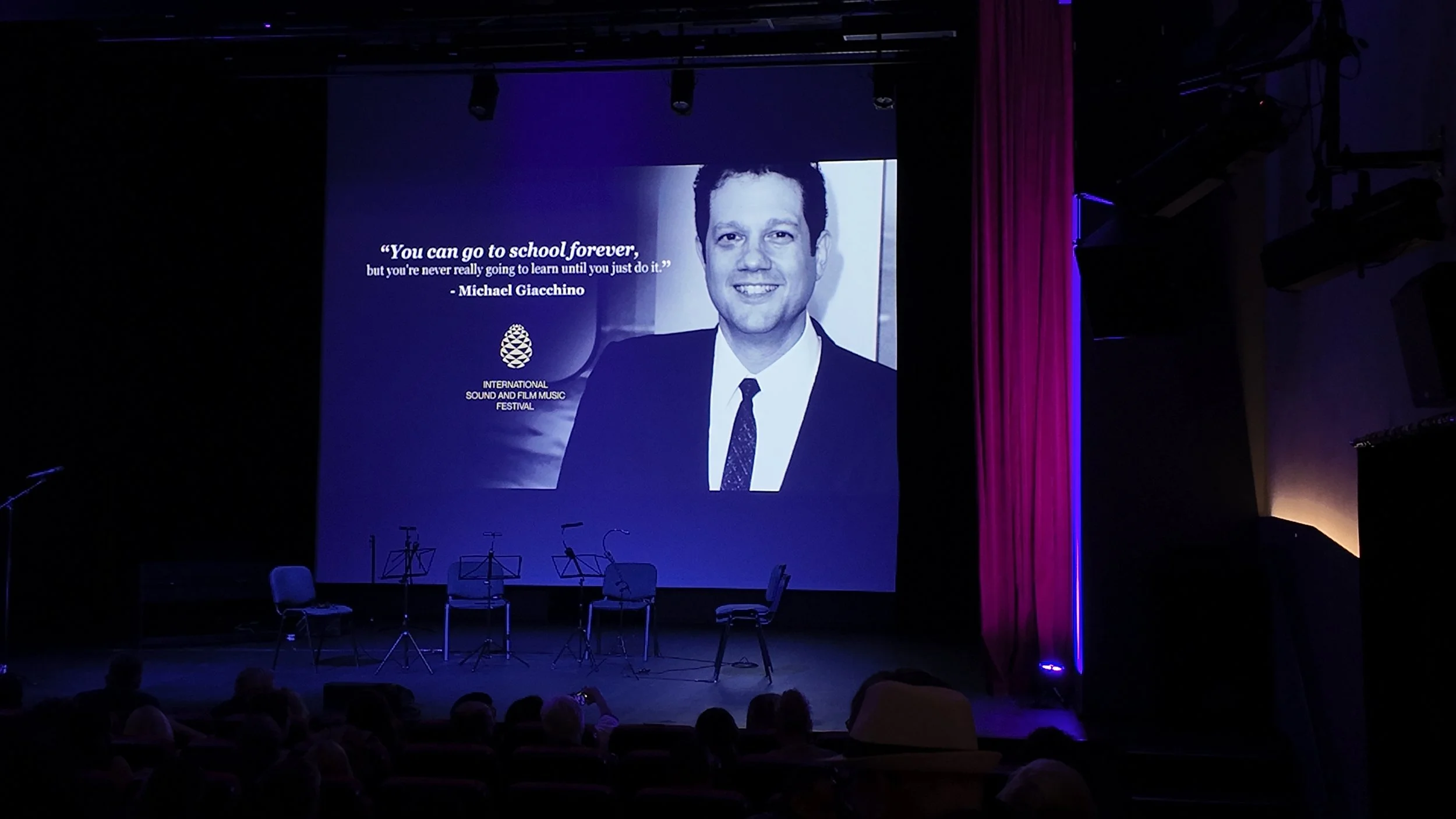
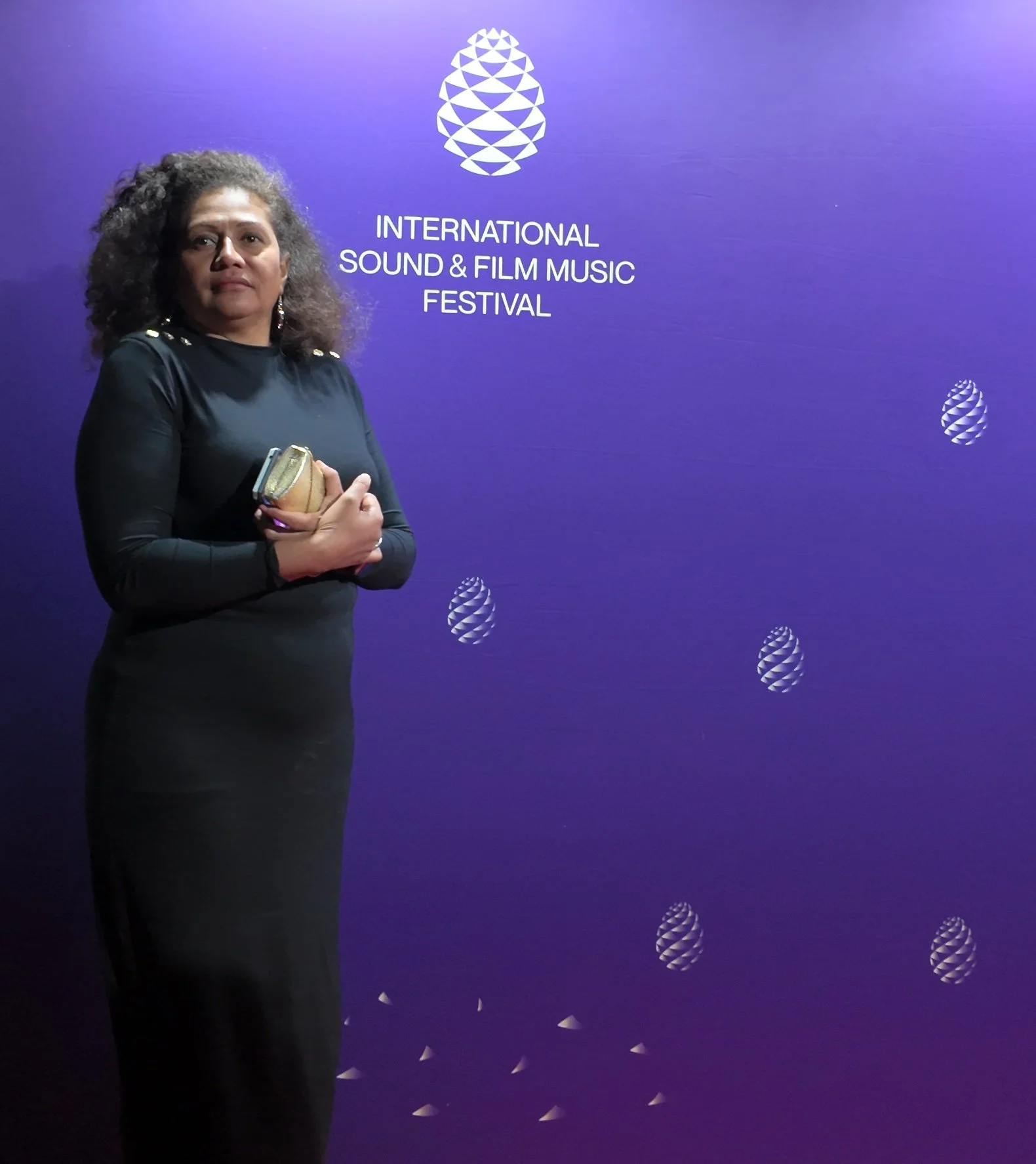
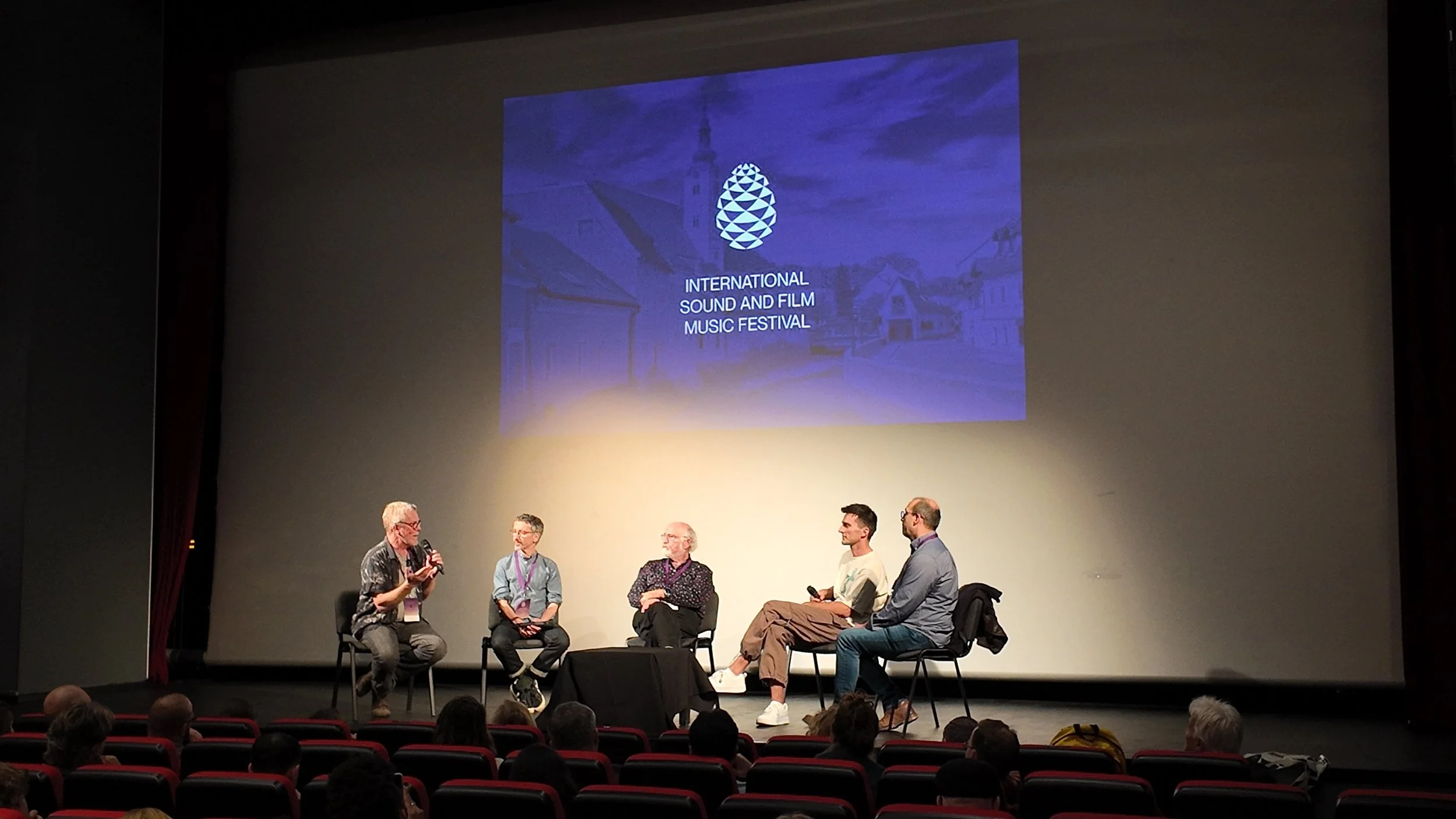
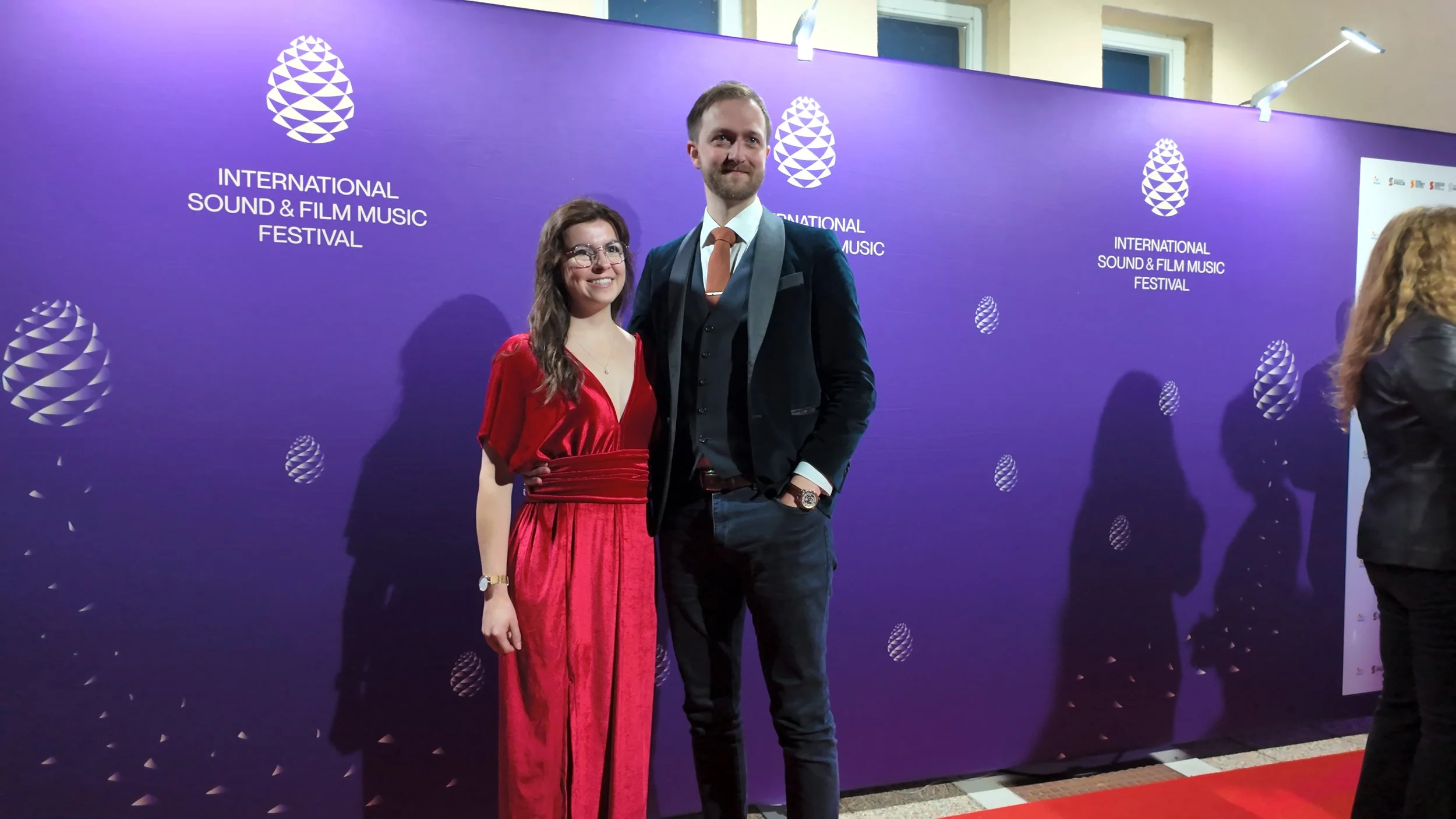
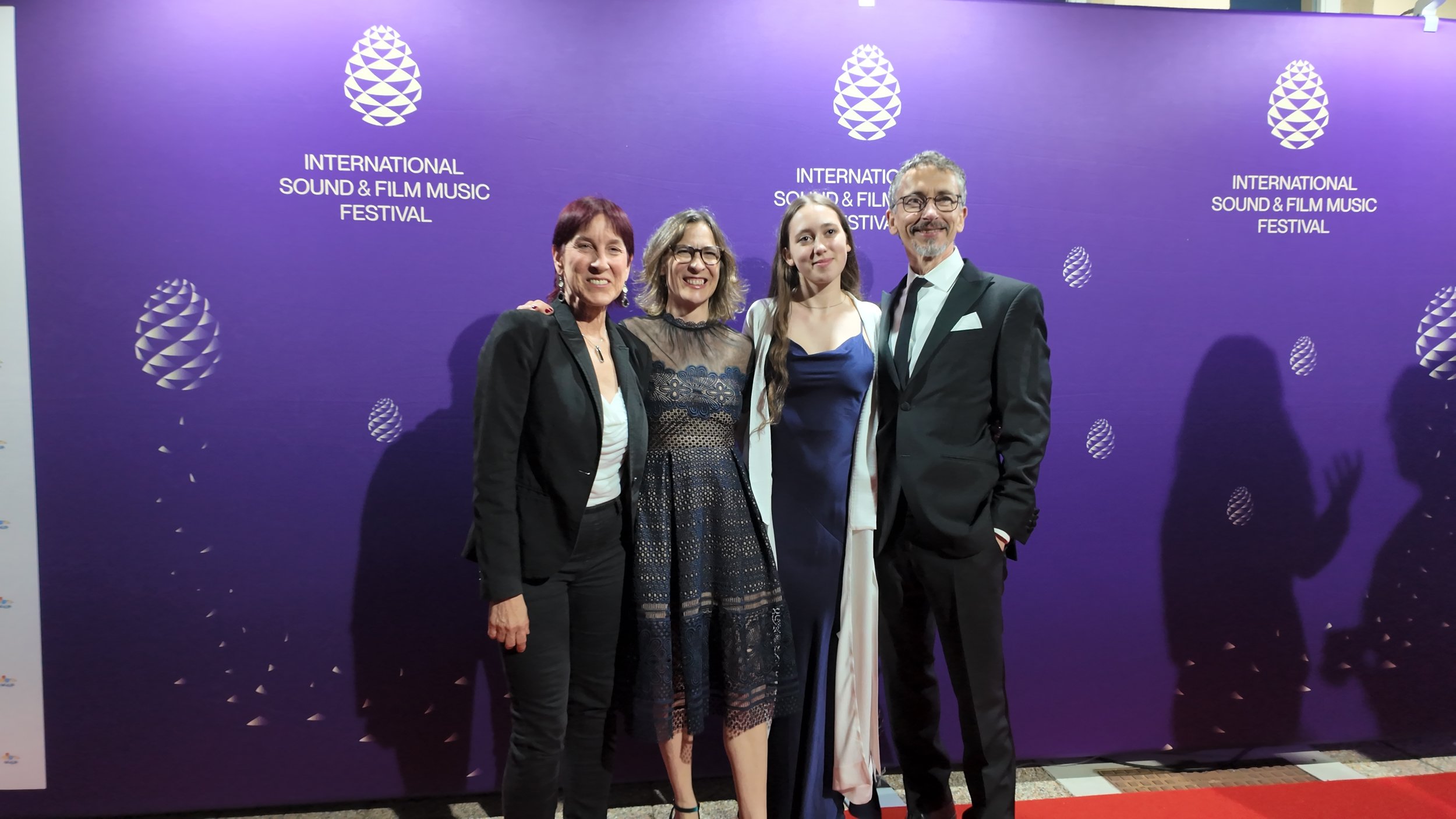
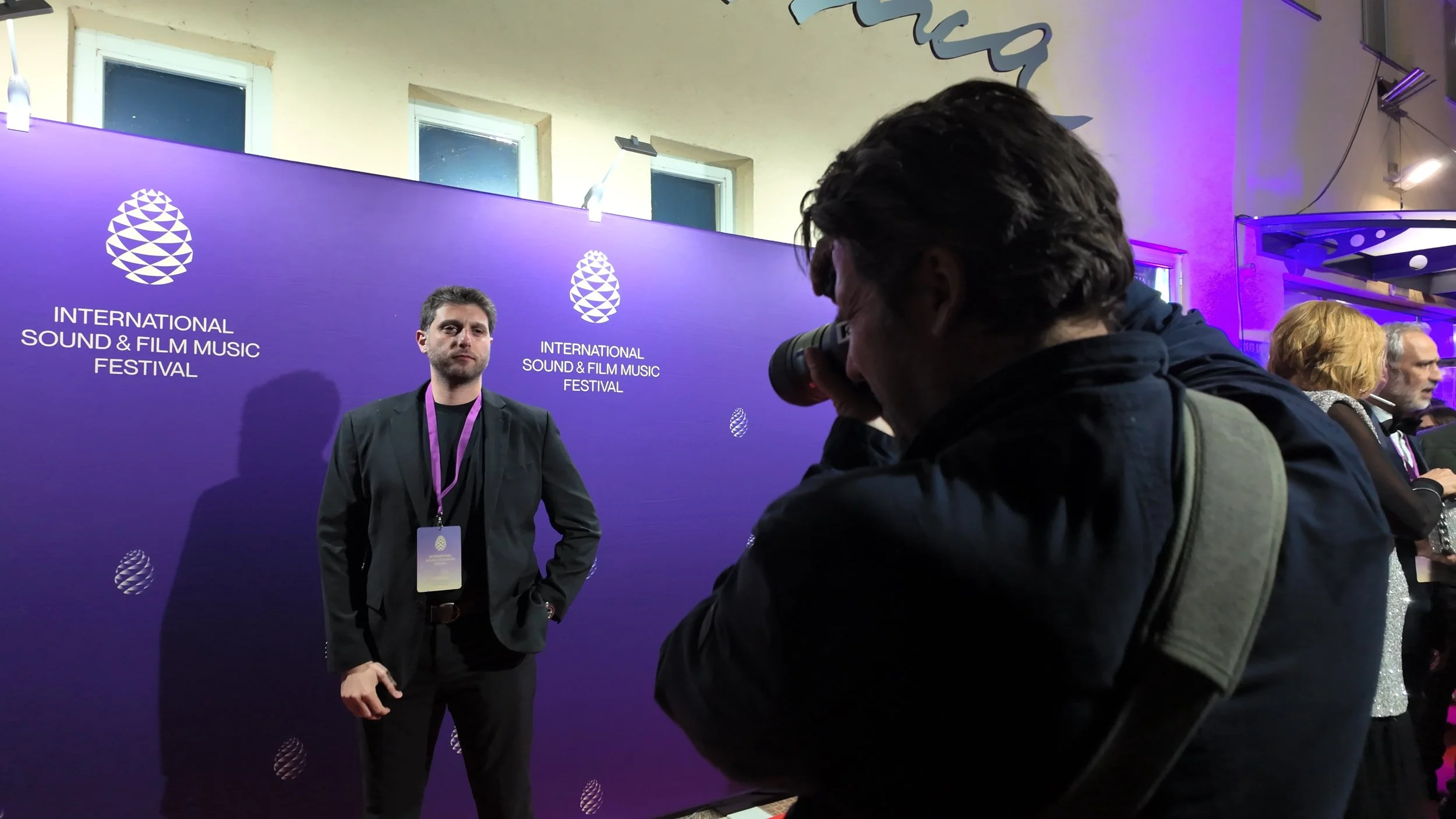
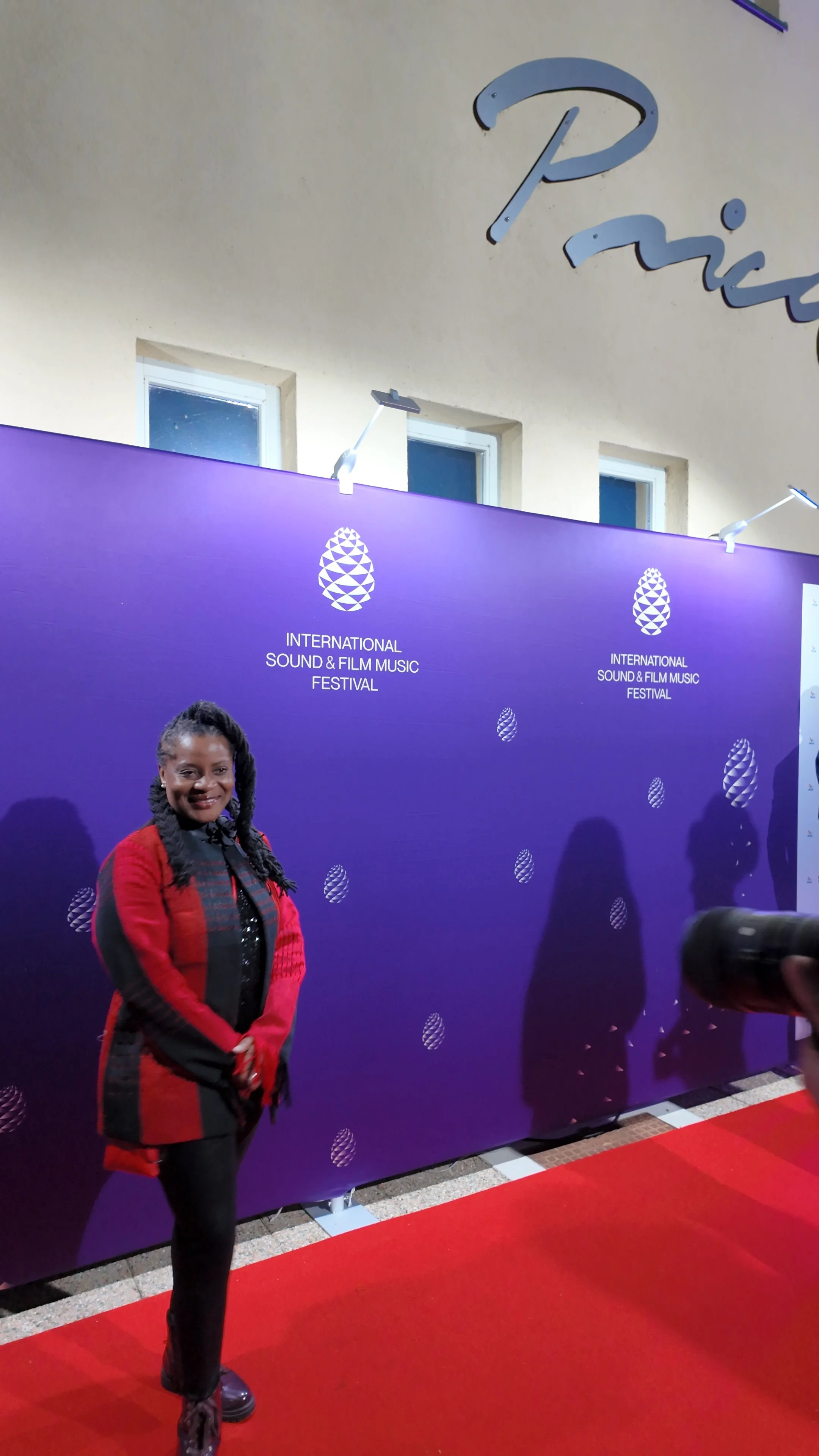
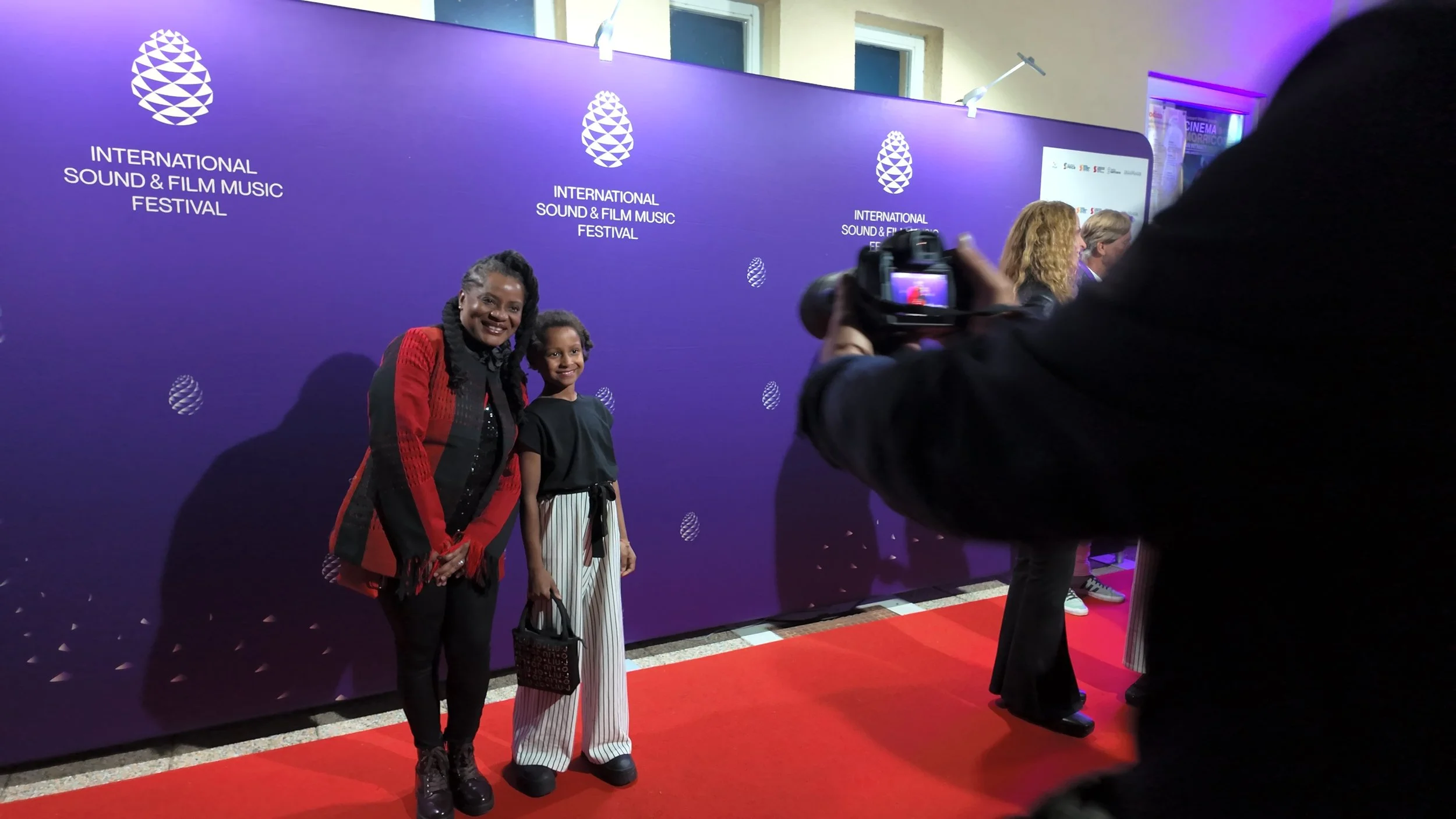
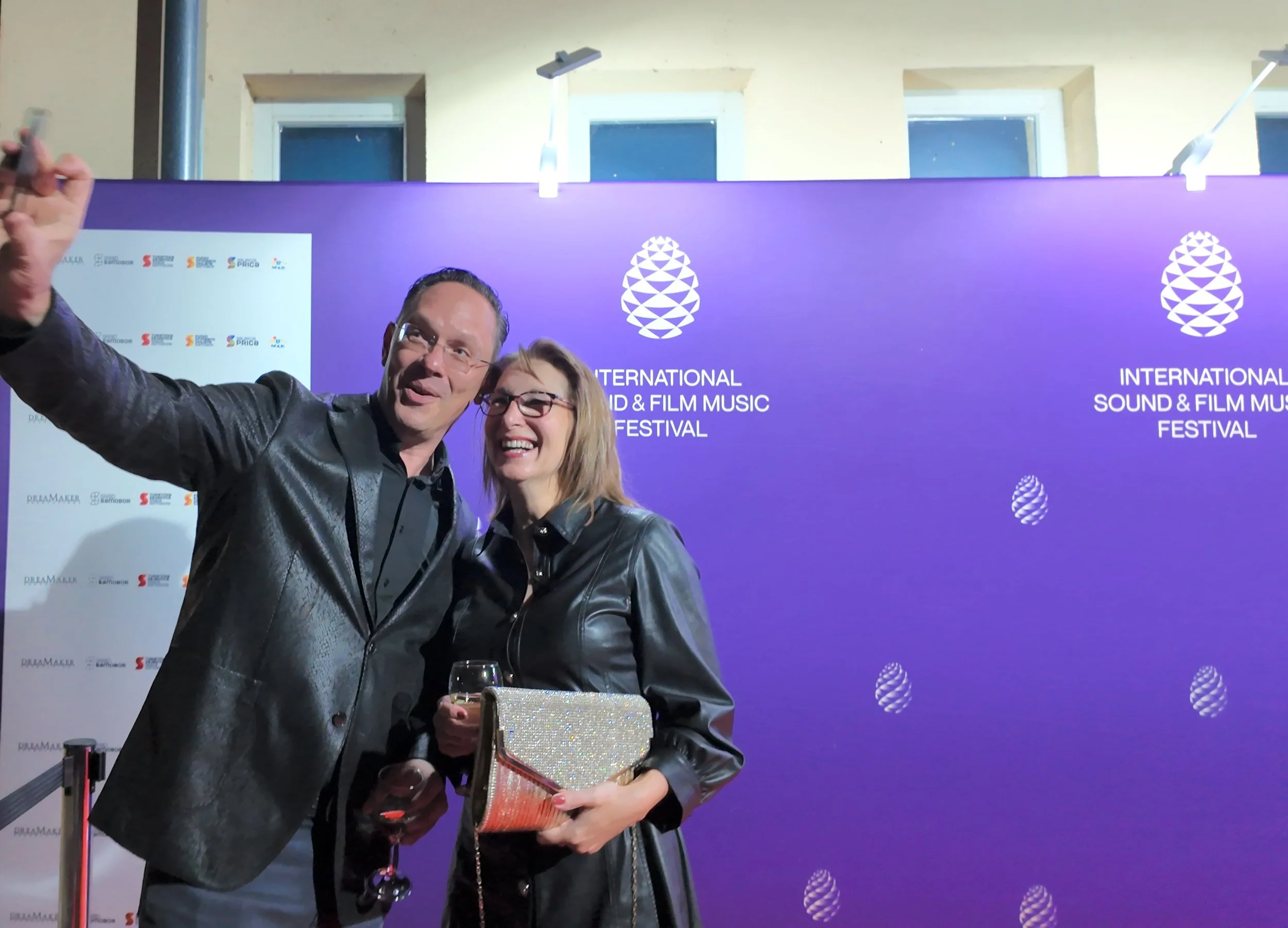
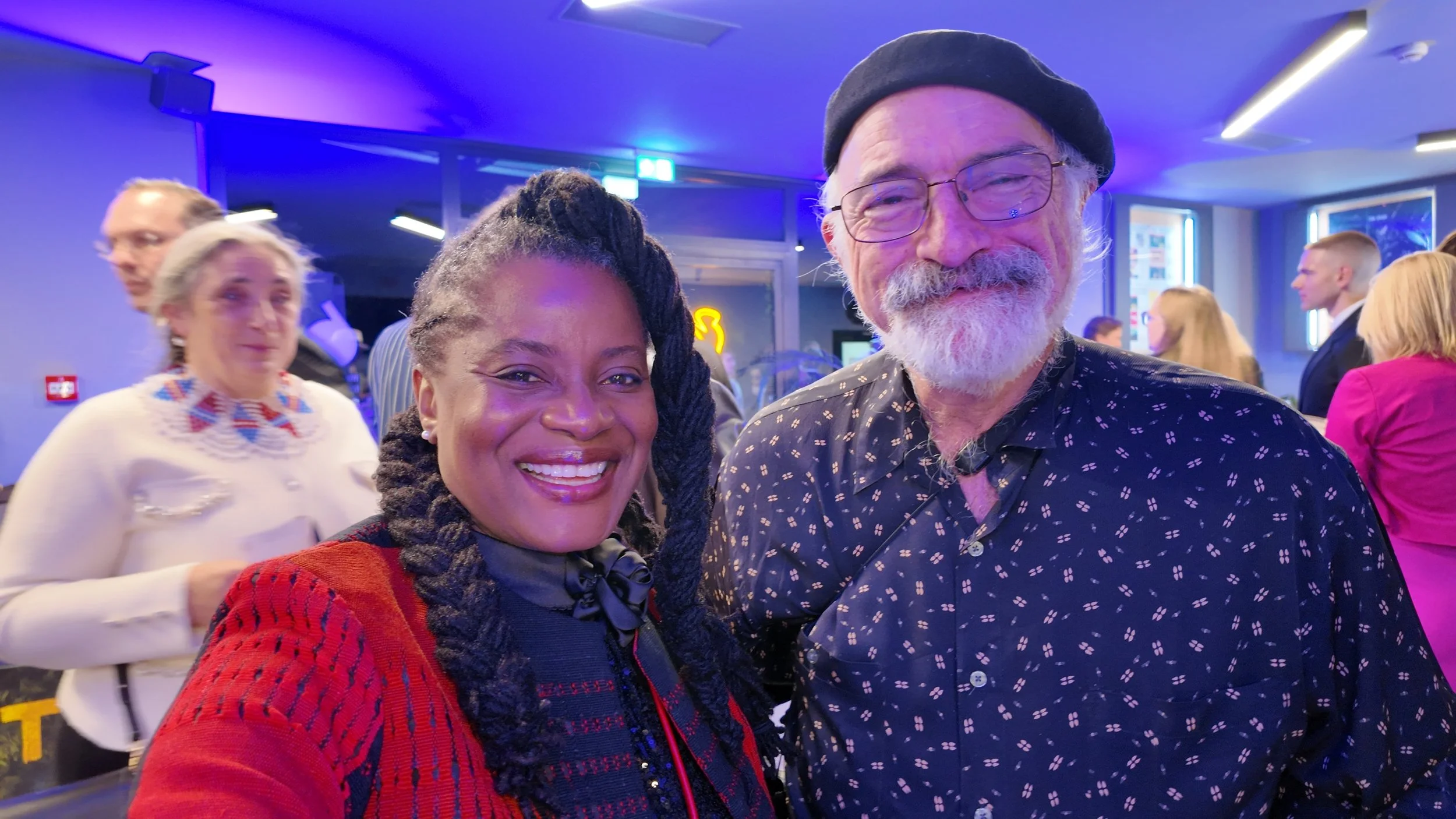
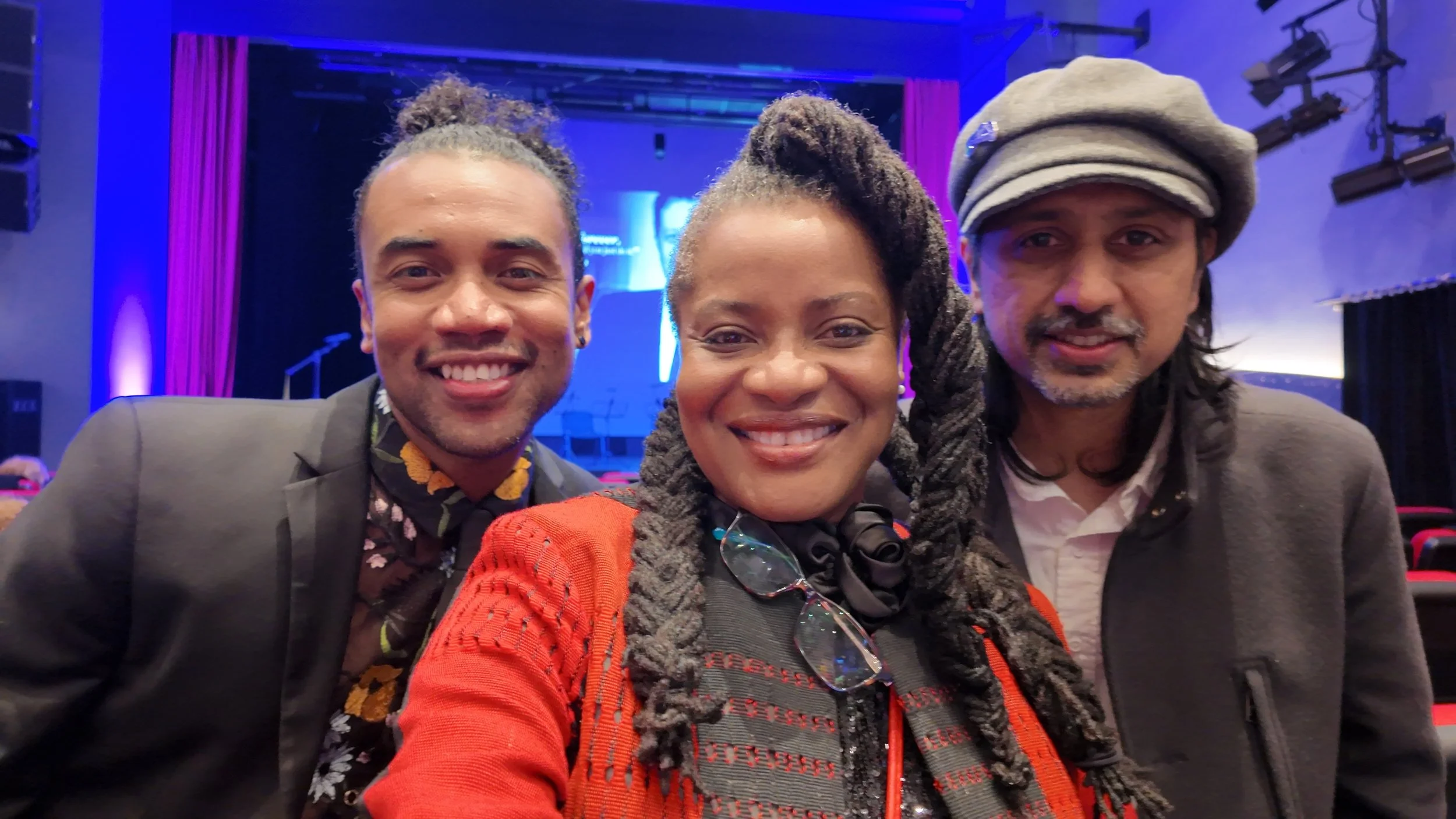
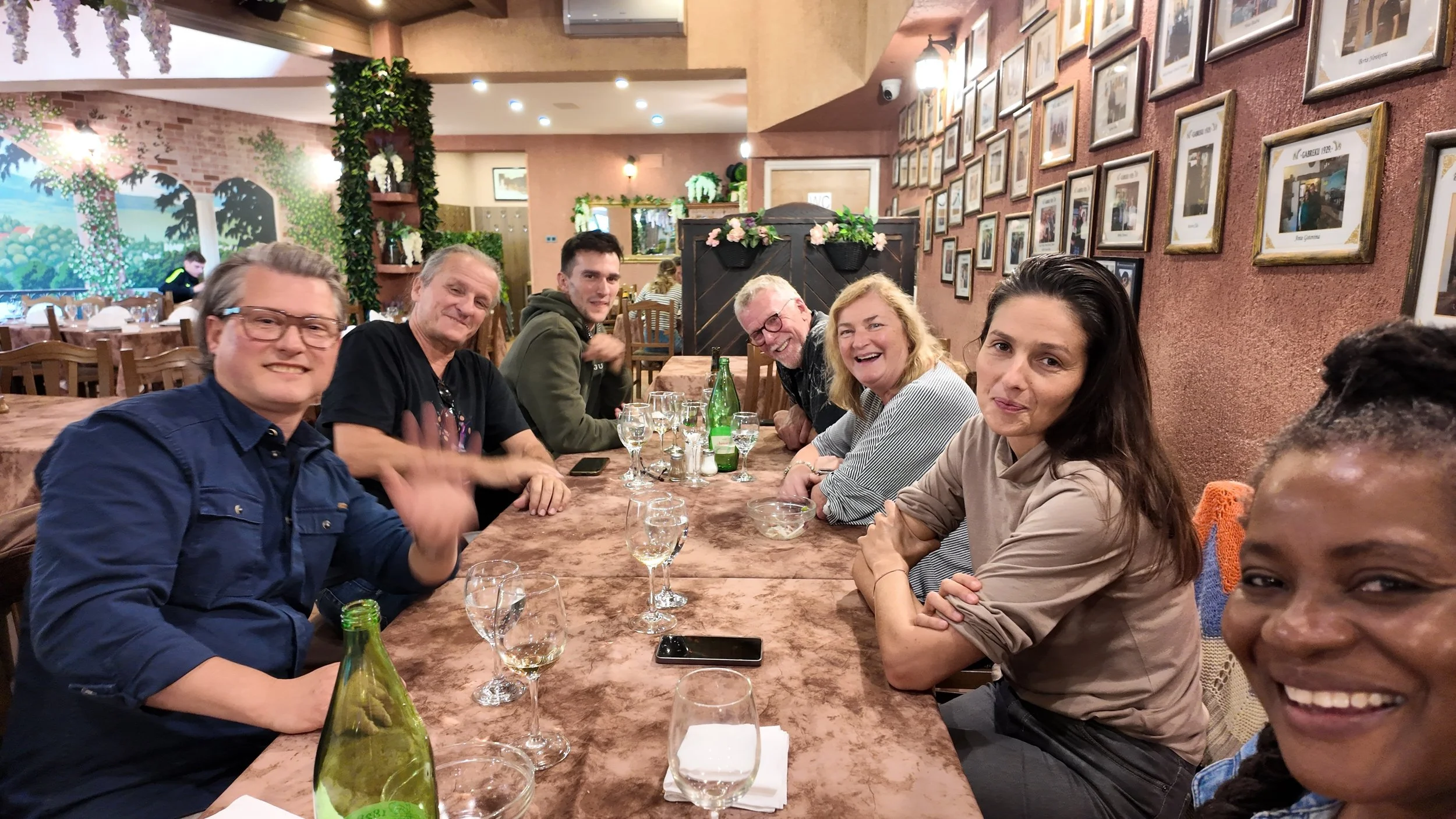
DELA: The Making of El Anatsui made its way to Samobor, Croatia as part of the 12th-edition lineup of the International Sound & Film Music Festival. The unique festival celebrates Sound and Music in Film. It was no wonder the small town, 29 km outside capital Zagreb, was filled with the most least recognizable faces. They were faces of those who work tirelessly and efficiently behind the scene, in order to ensure that the sound translates the visuals in fllm production.
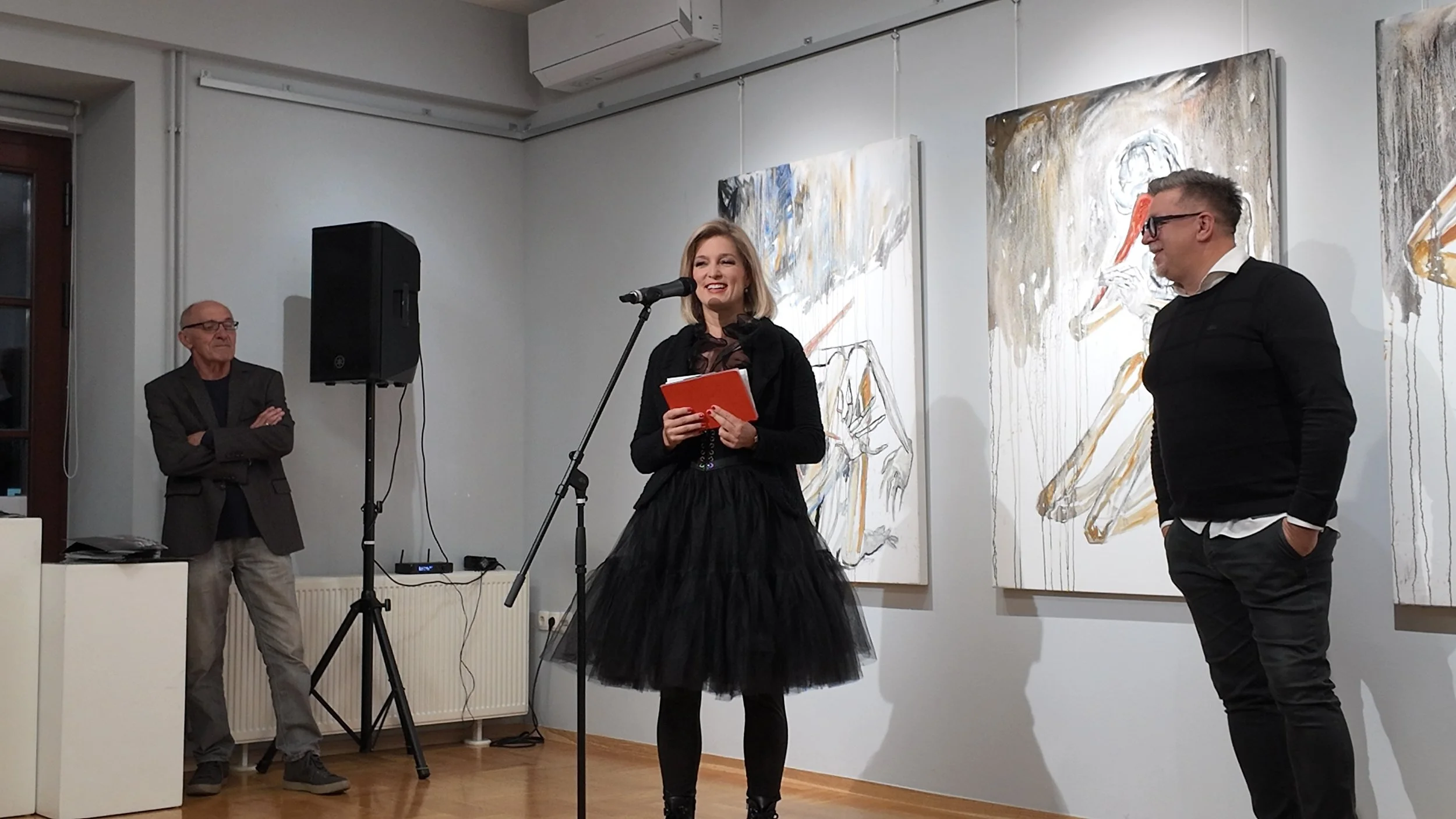
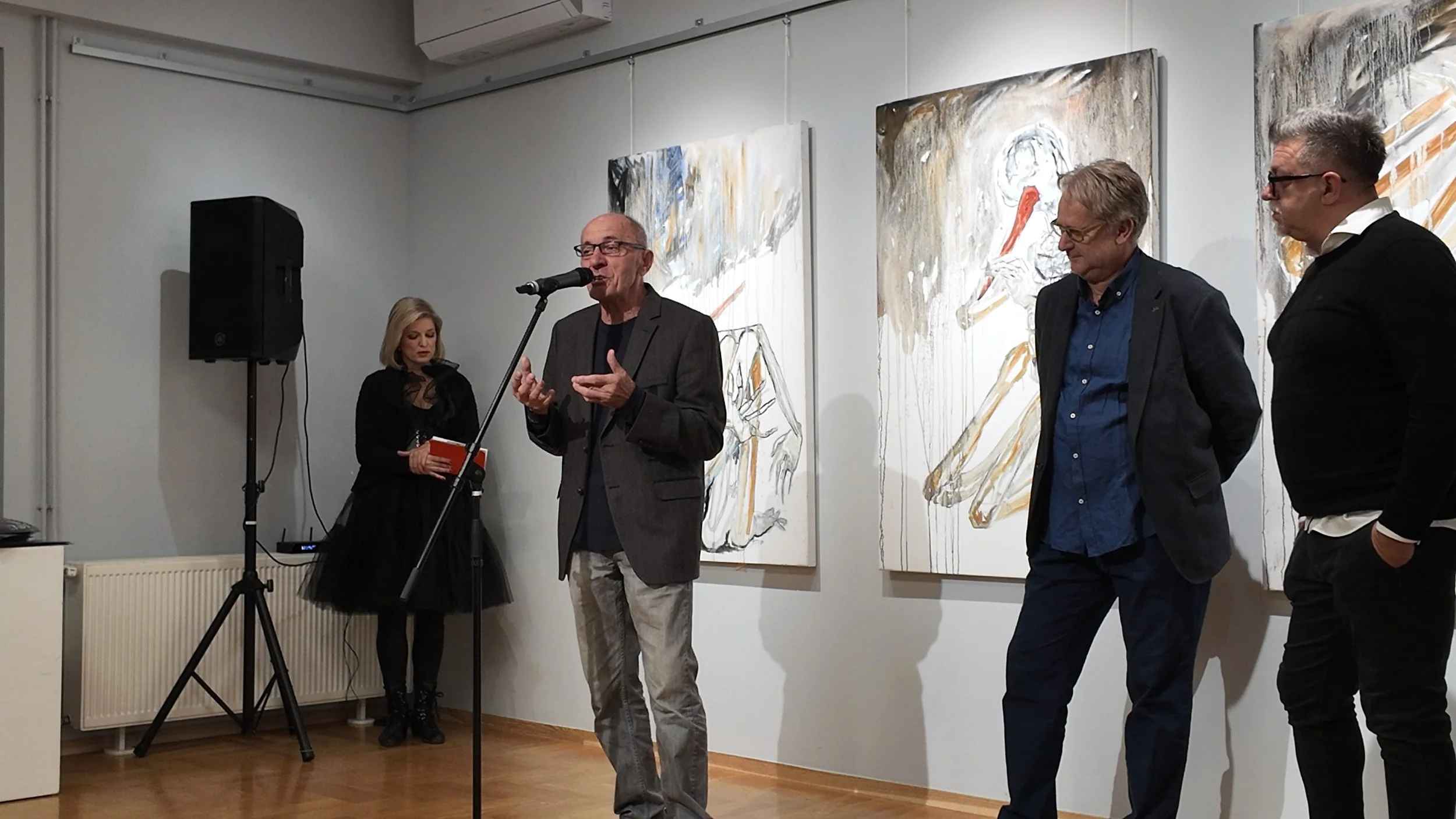
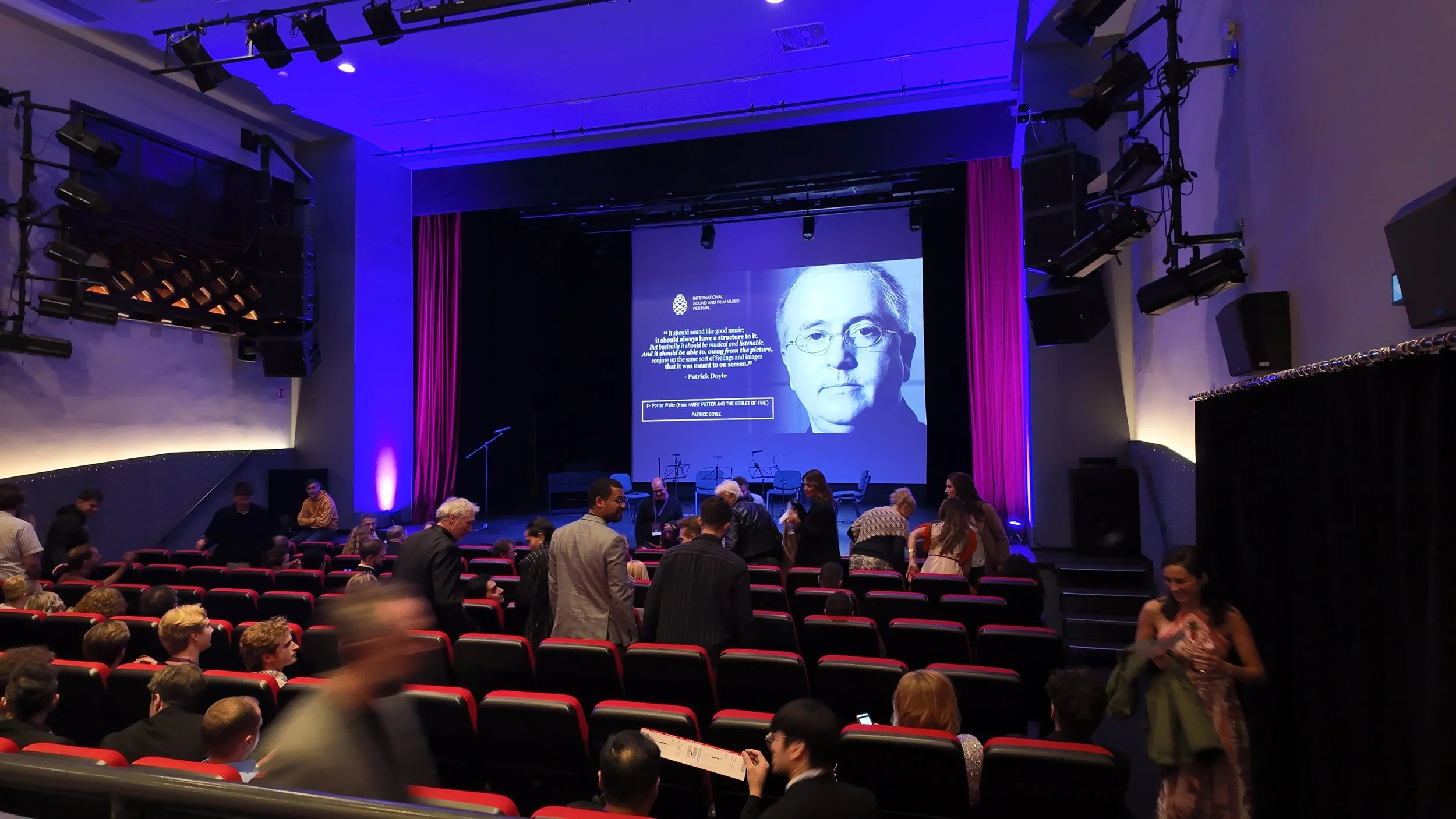
The two-day event, which was organized by Dreammaker Productions packed on activities like the music concert tribute to Italian composer and orchestrator Ennio Morricone, an art exhibition, film screening in mostly shorts category, followed by a brief Q&A with the director, sound engineer or music composer; a panel discussion, a children’s concert and many more.
Born from the small family circle of today’s Artistic Director Ozren K. Glaser, Tena Glaser and Željko Glaser, the mission of the International Sound & Film Music Festival (ISFMF) is to promote awareness of the importance of music and sound as irreplaceable elements of film. The festival also provides visibility to audiovisual professions who work in the field of composing music, sound design and sound mixing.
Best PICTURE (Feature-Lenght Category) - Crystal Pine Award
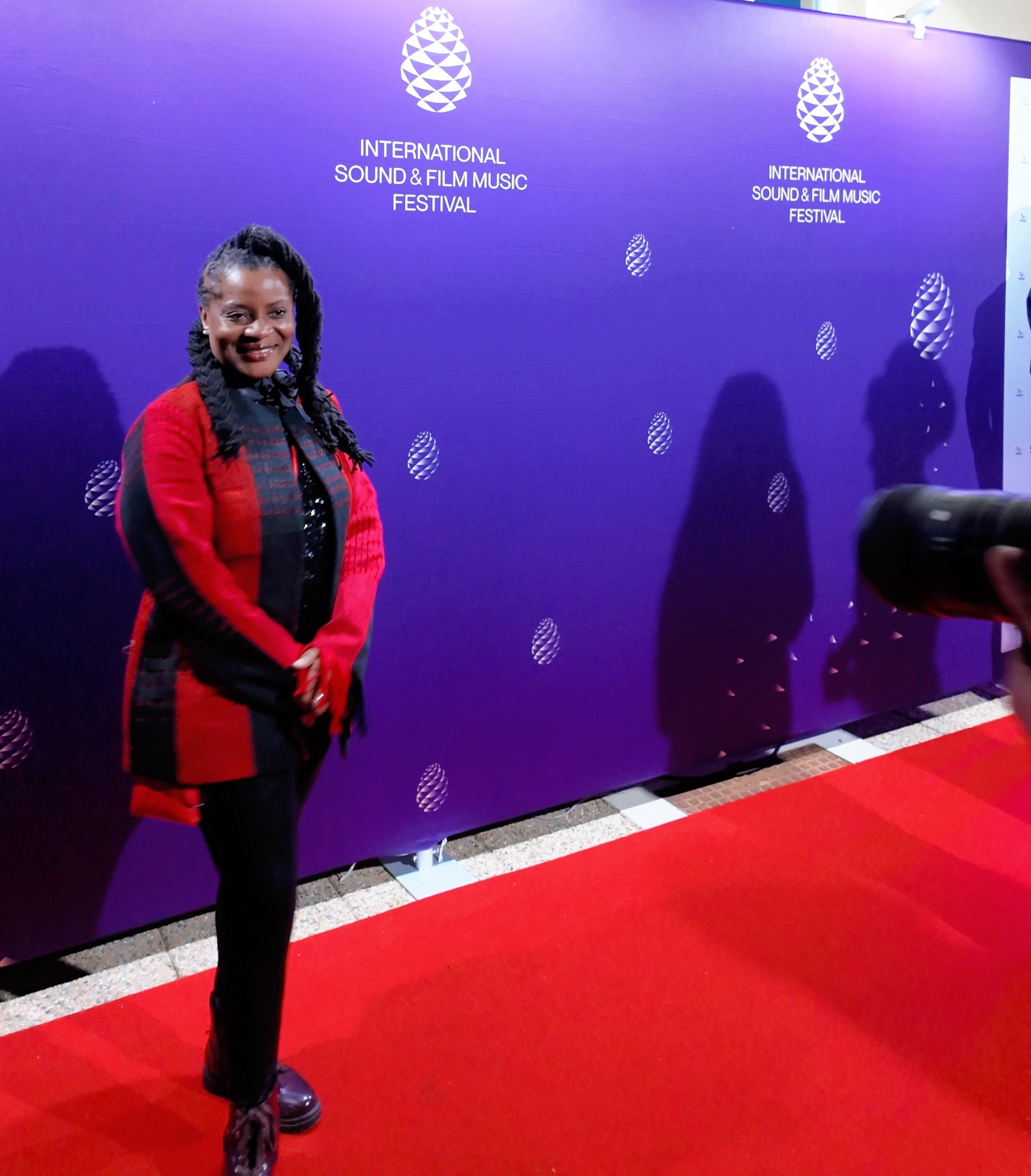

"DELA: The Making of El Anatsui," is an intriguing biographical documentary that records the extraordinary life and artistic journey of arguably Africa’s most globally acclaimed sculptor El Anatsui (pronounced anachwi). "DELA" goes deeply into the life of this legendary artist, tracing his growth from his artistic endeavors to his rise to popularity in the art world.
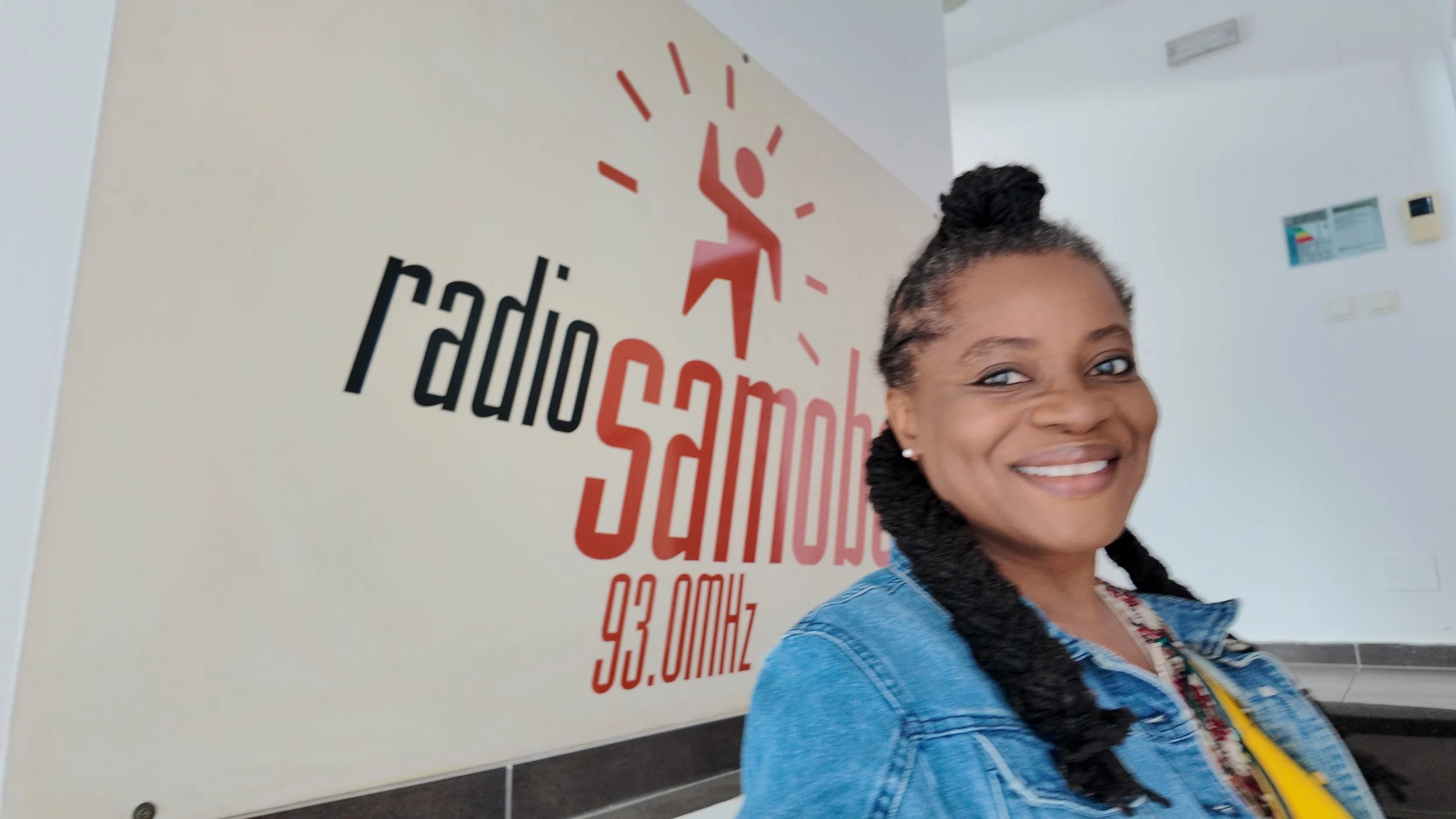
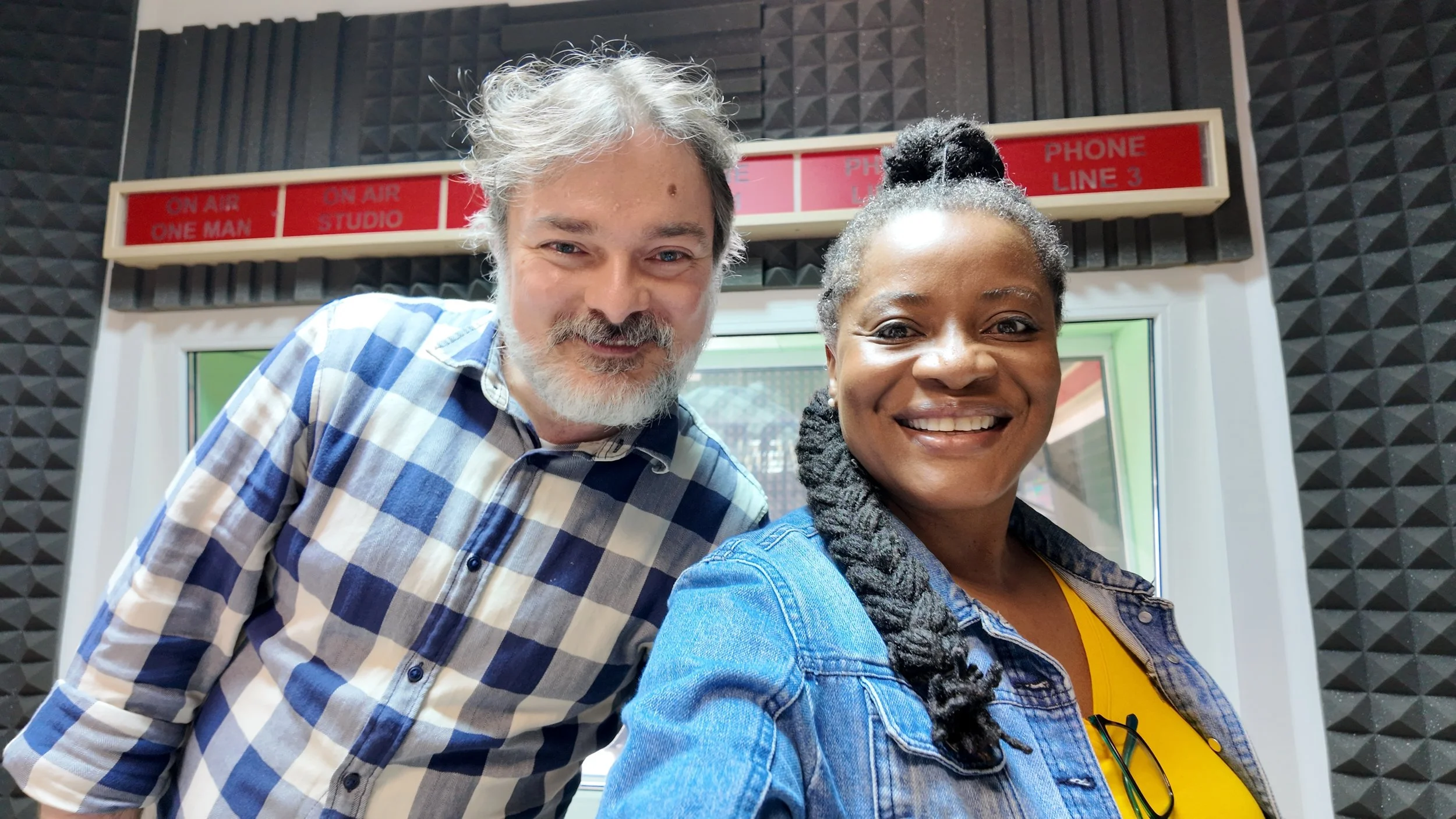
Interview with Krunoslav Solenički at Radio Samobor
In a later interview with Radio Samobor, Adaba praised the musicians and sound crew that particiated in the film which was scored by Funsho Ogundipe of Jazz collective Ayetoro; and also featured Words By Moe, Yinka Davies, Anayako Cultural Troupe, Tyrone Burirkett, Israel Maweta, Cam Tamura, Baba Ani and Win Big Selasi.
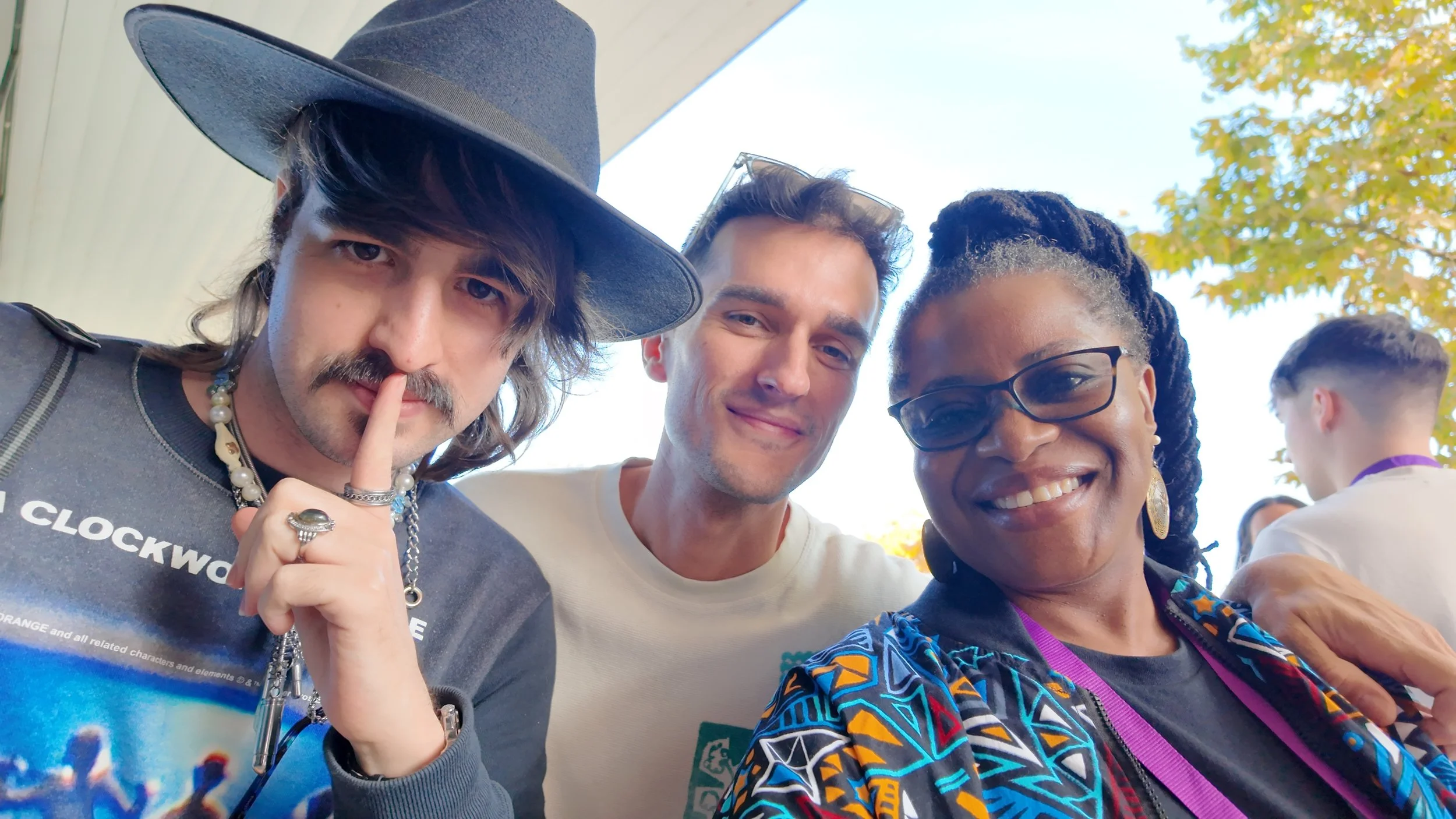
Some of the films that stood out at this year’s festival include CRYSTAL LIGHT by Bart Wierzbicki from Belgium which was nominated best music video. I’M PERFECTLY FINE by Hans Nieuwenhuijsen of The Netherlands won BEST ORIGINAL SCORE SHORT.
One of the other highlights of the event was when SOUNDS LIKE FAME director Robert D. Morais from Canada won for best short. Mr Morais was so emotional, barely uttering a simple “Thank You”, as he exited the stage. He of all people understood and his film celebrated the ‘thankless’ job of the “sound dude”.
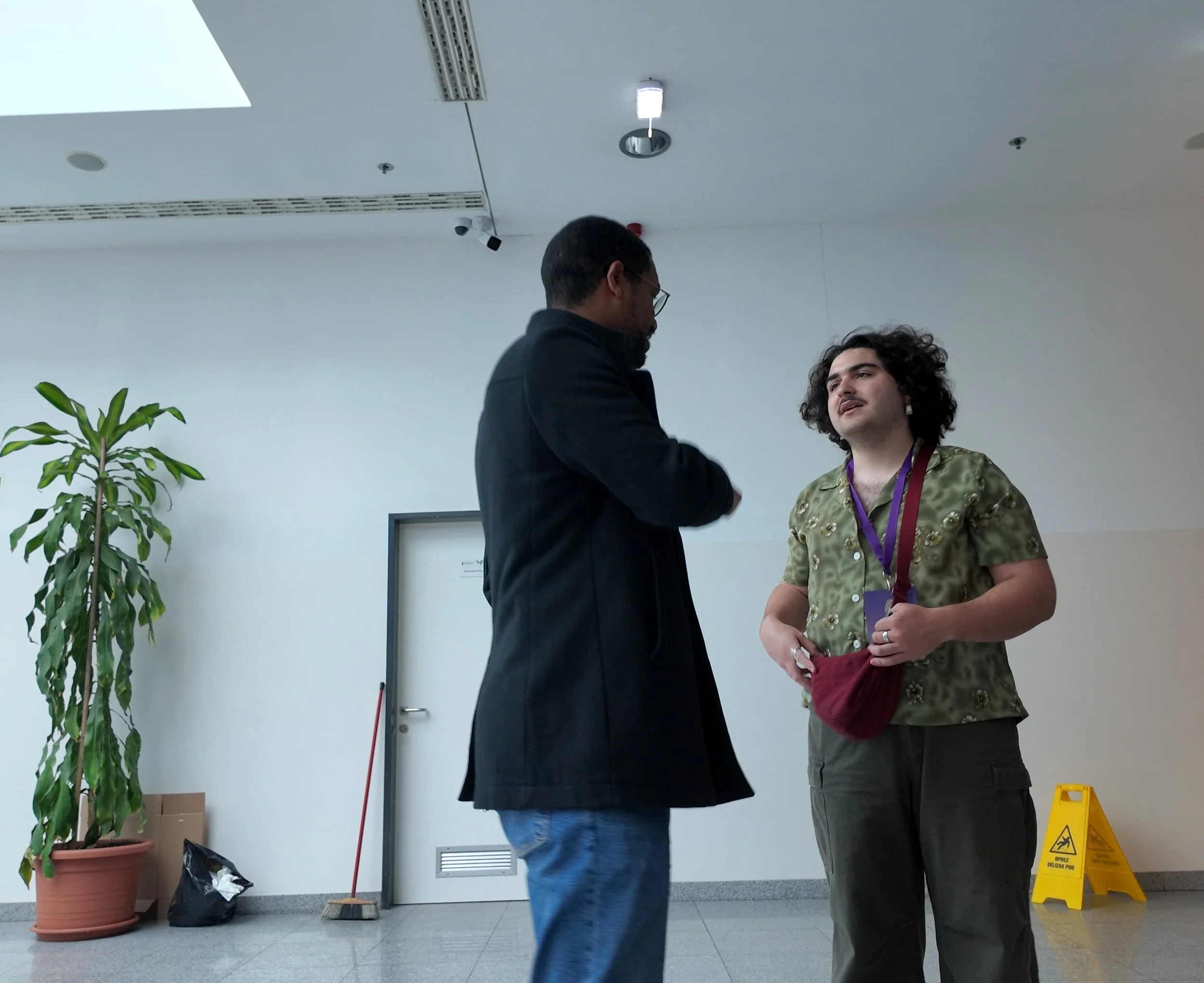
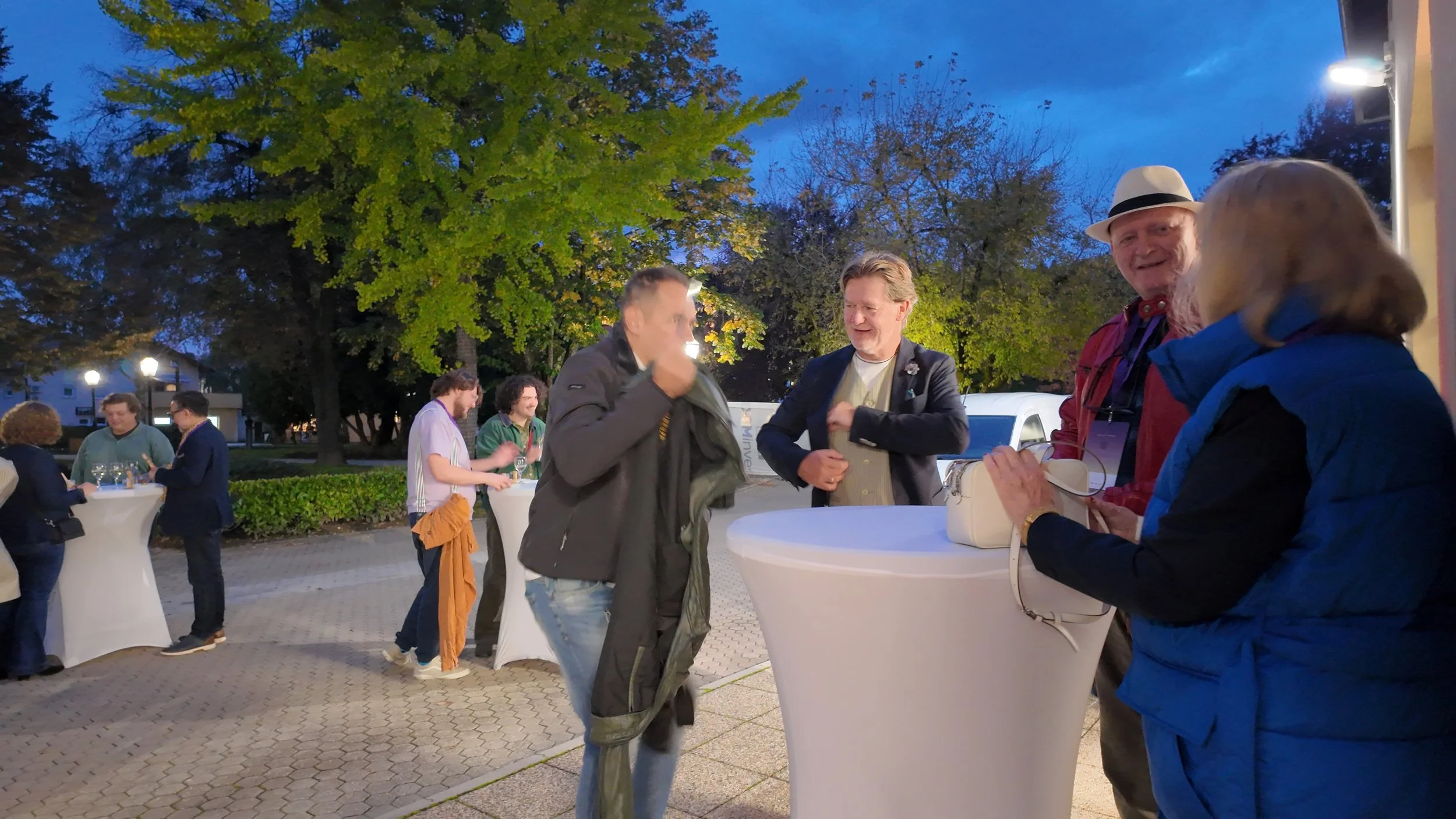
Photos by Africa-Related

share this story
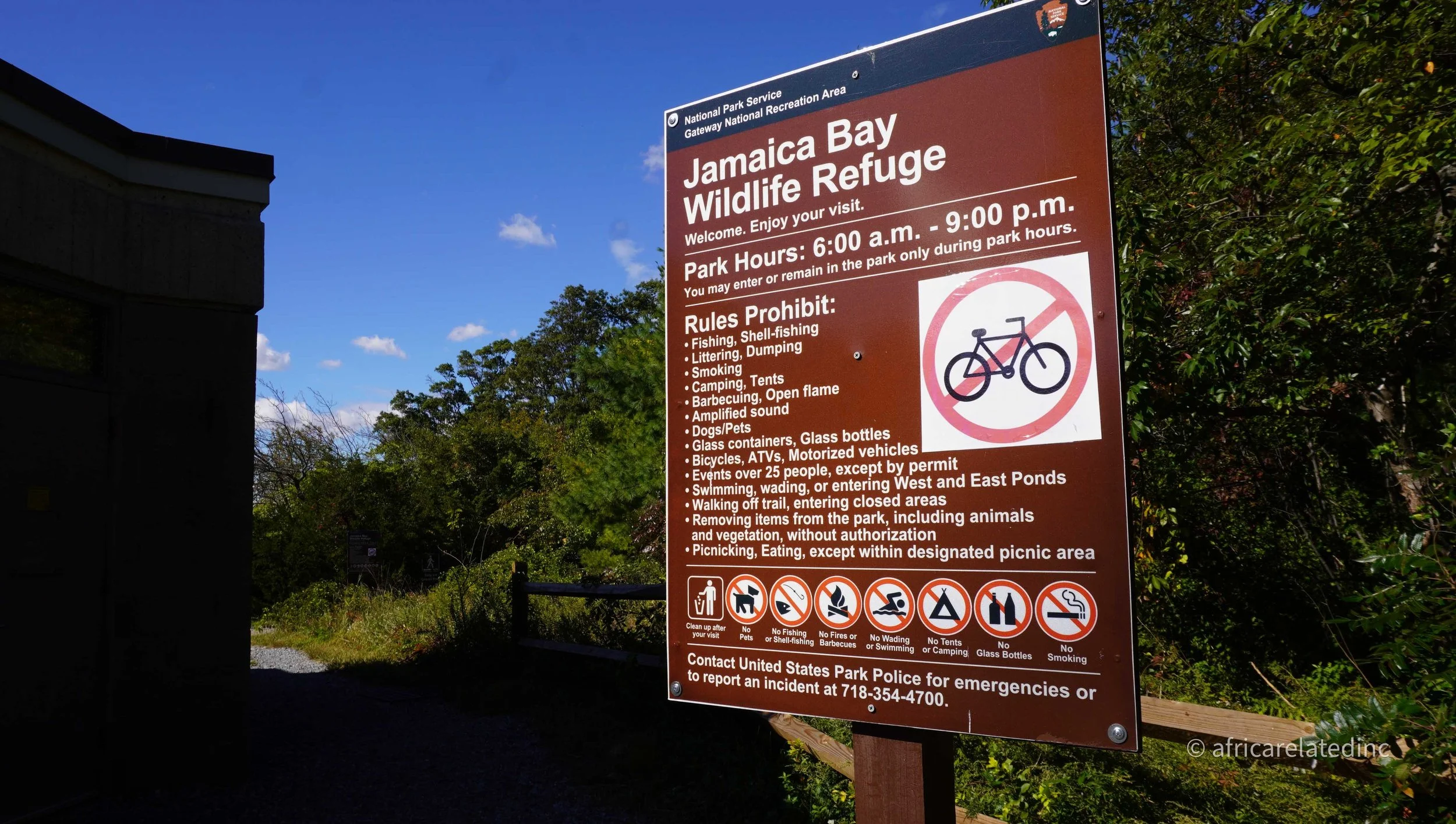
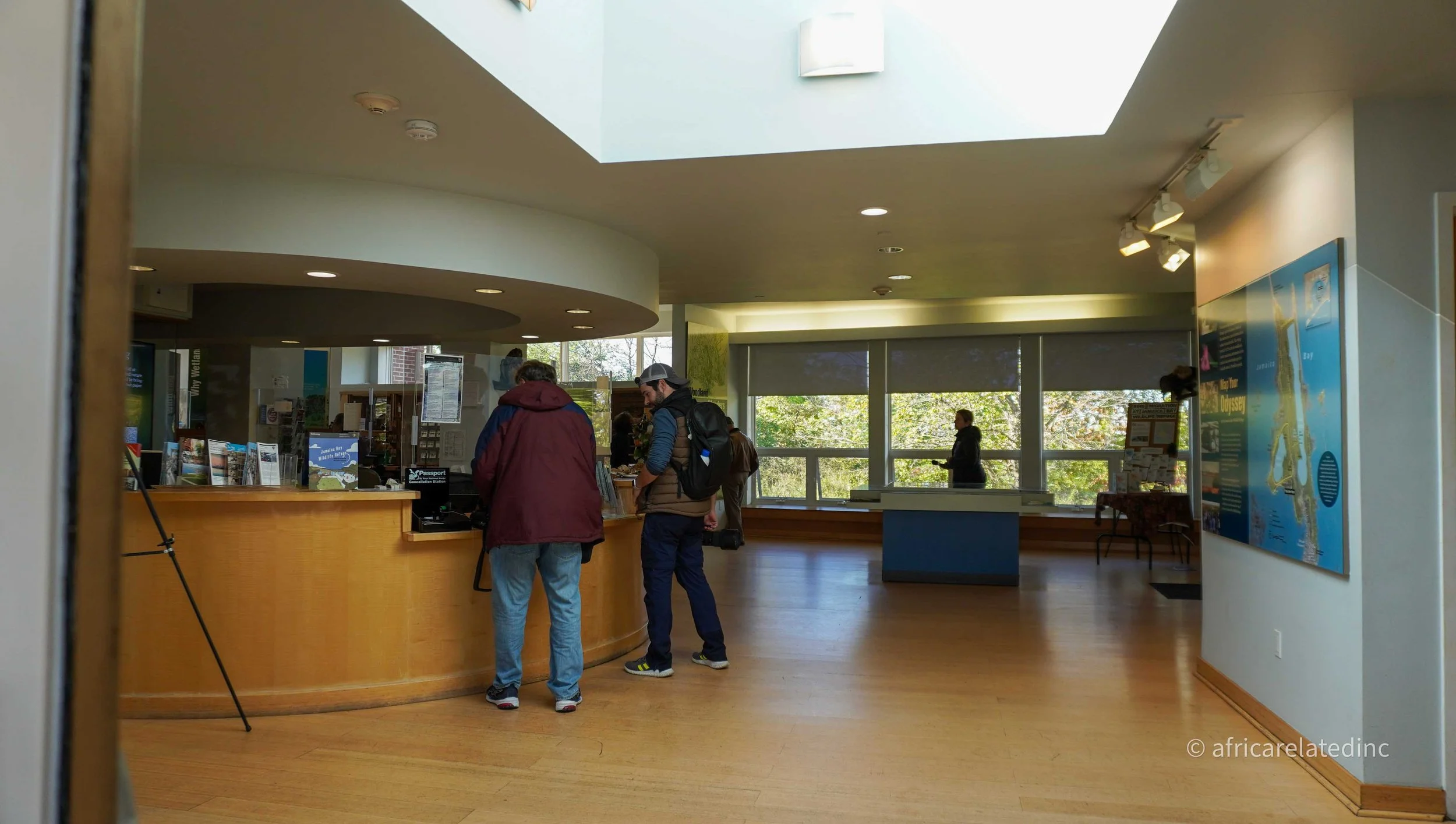
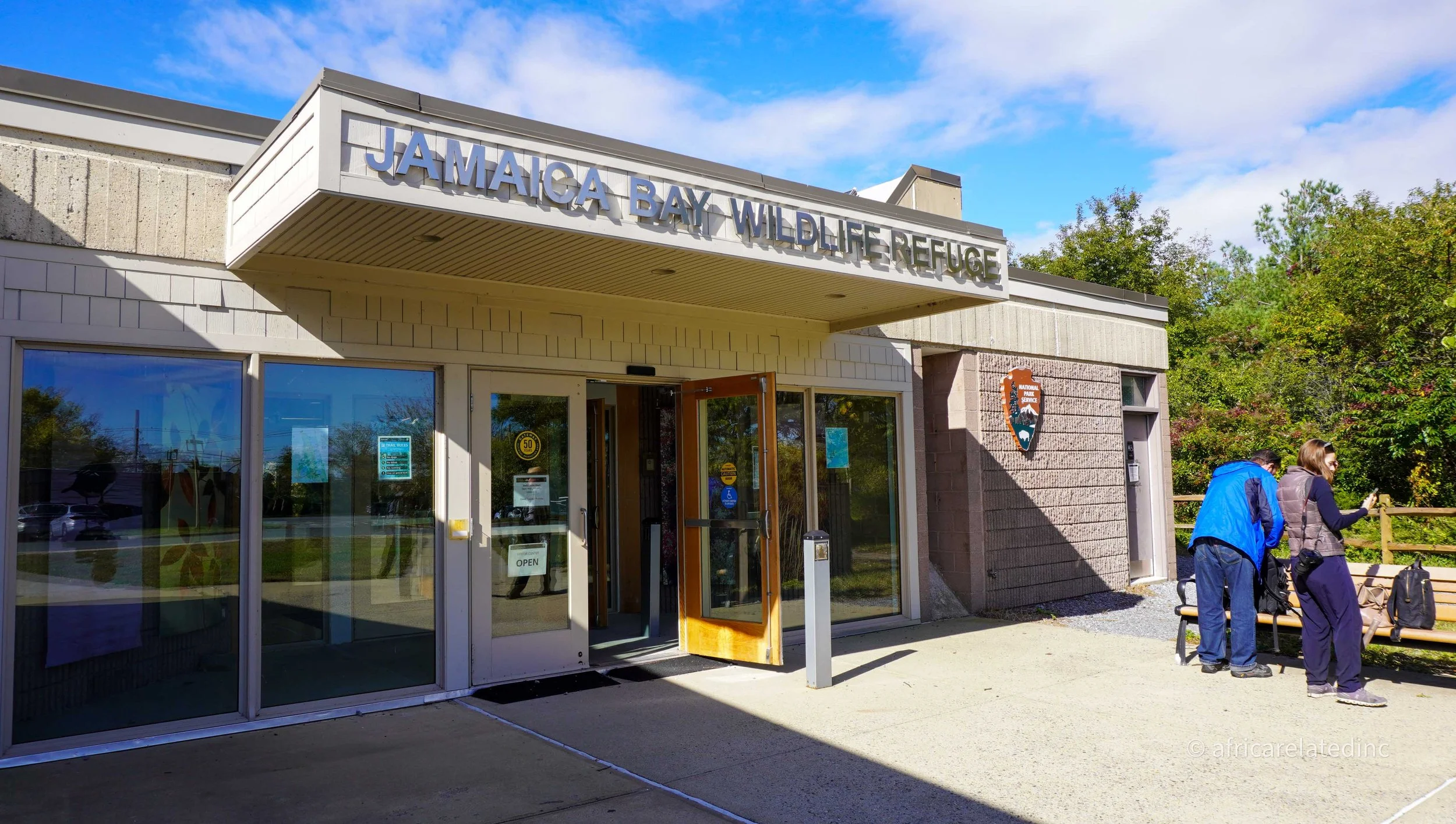
Welcome to Jamaica Bay Wildlife Refuge
Gateway National Recreation Area was established in 1972 to offer a national park service experience to an urban audience. Gateway is a large, diverse urban park with 27,000 acres spanning Sandy Hook in N.J. and Jamaica Bay and Staten Island in N.Y. It is the 4th most visited National Park Service unit with more than 9.2 million annual visitors.
By Oyiza Adaba
Gateway National Recreation Area was established in 1972 to offer a national park service experience to an urban audience. Gateway is a large, diverse urban park with 27,000 acres spanning Sandy Hook in N.J. and Jamaica Bay and Staten Island in N.Y. It is the 4th most visited National Park Service unit with more than 9.2 million annual visitors.
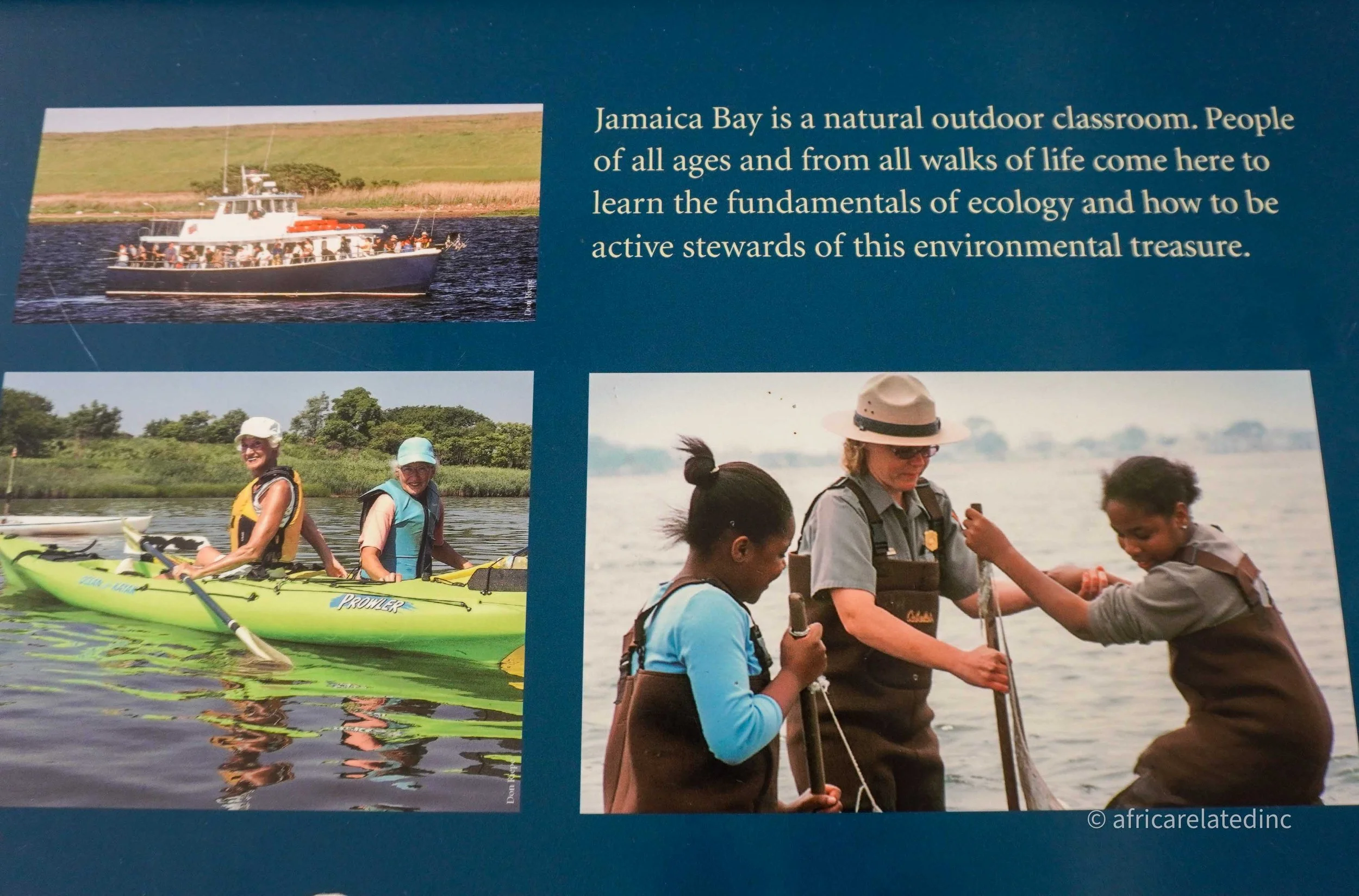
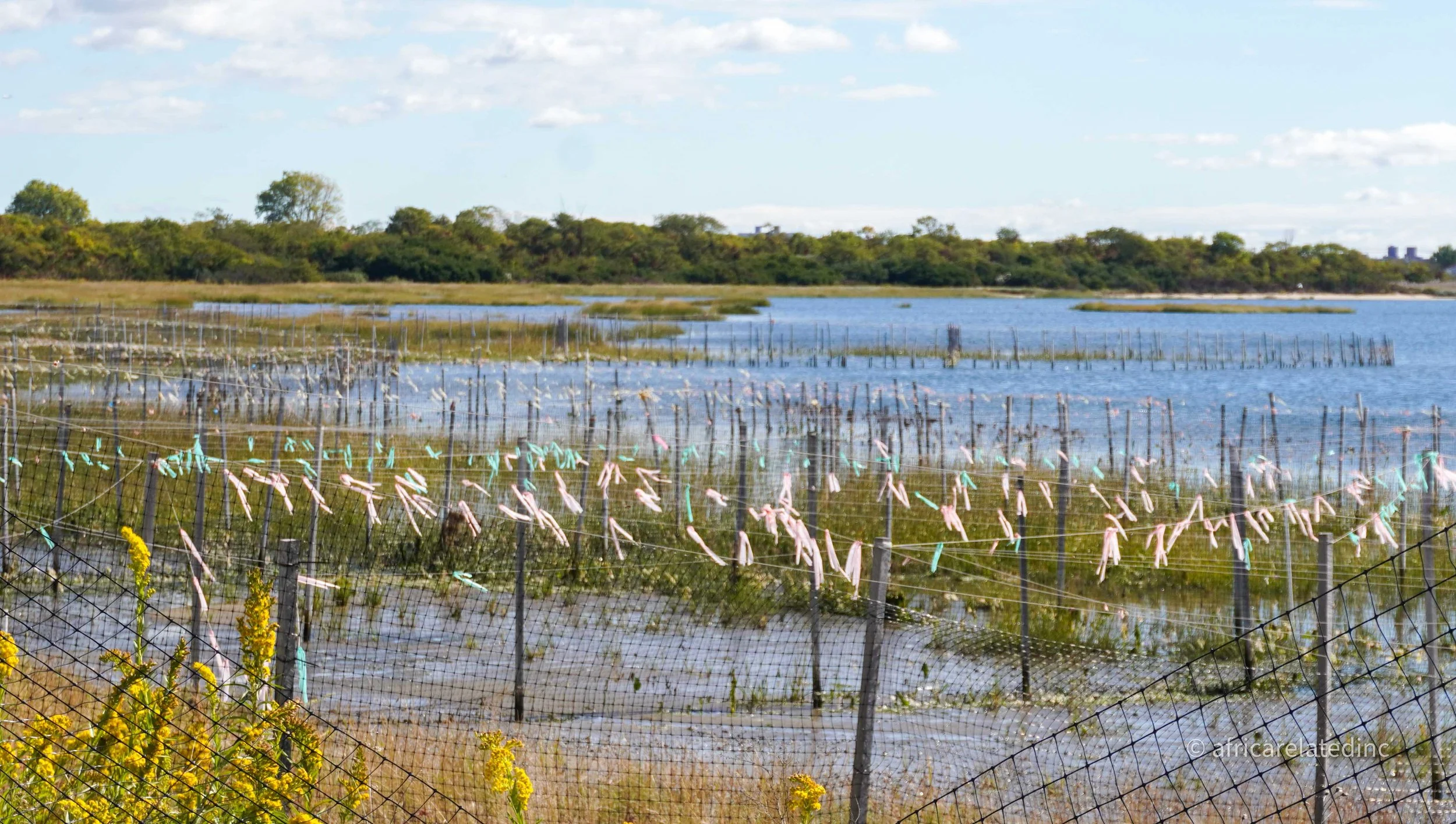
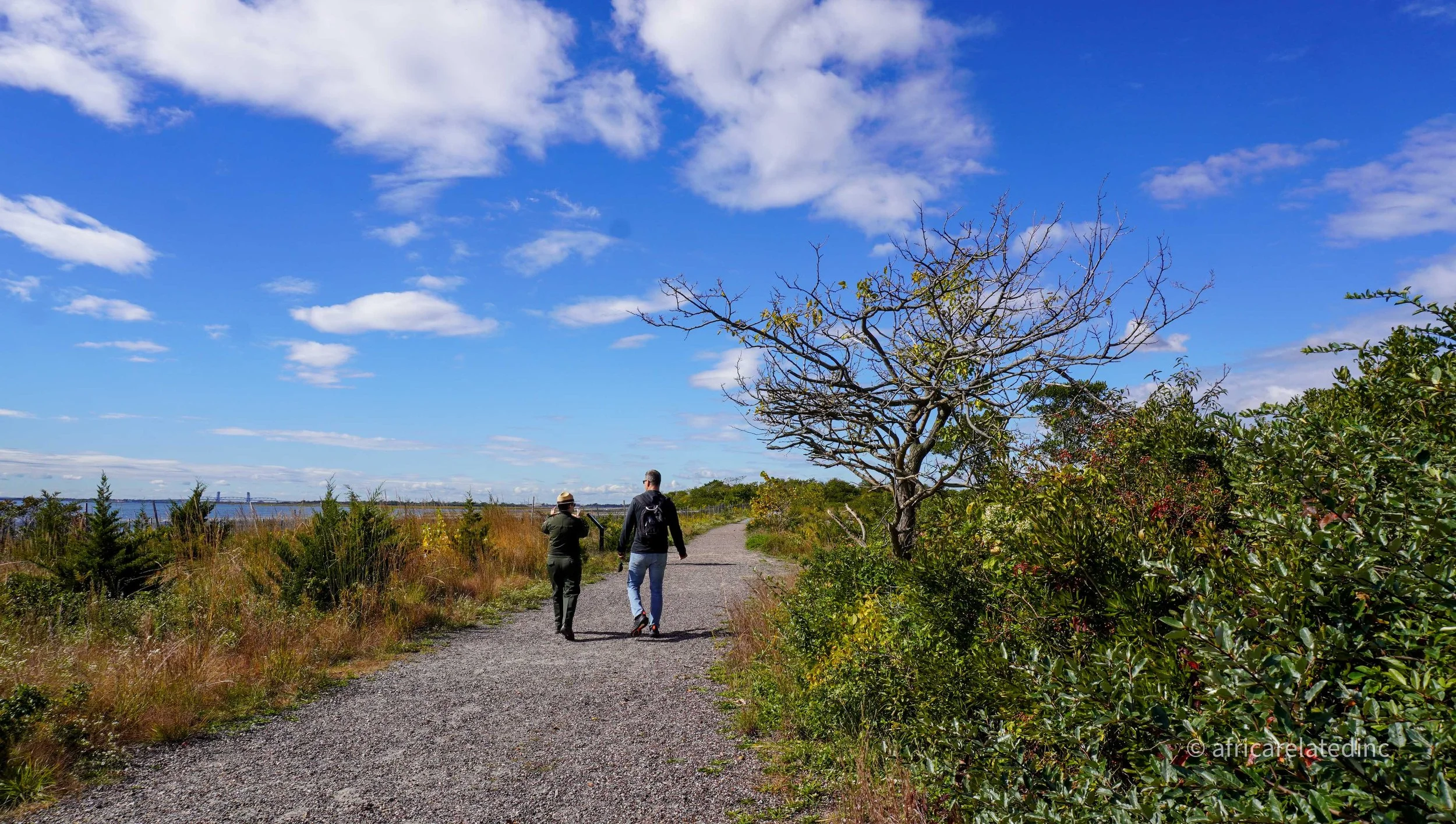
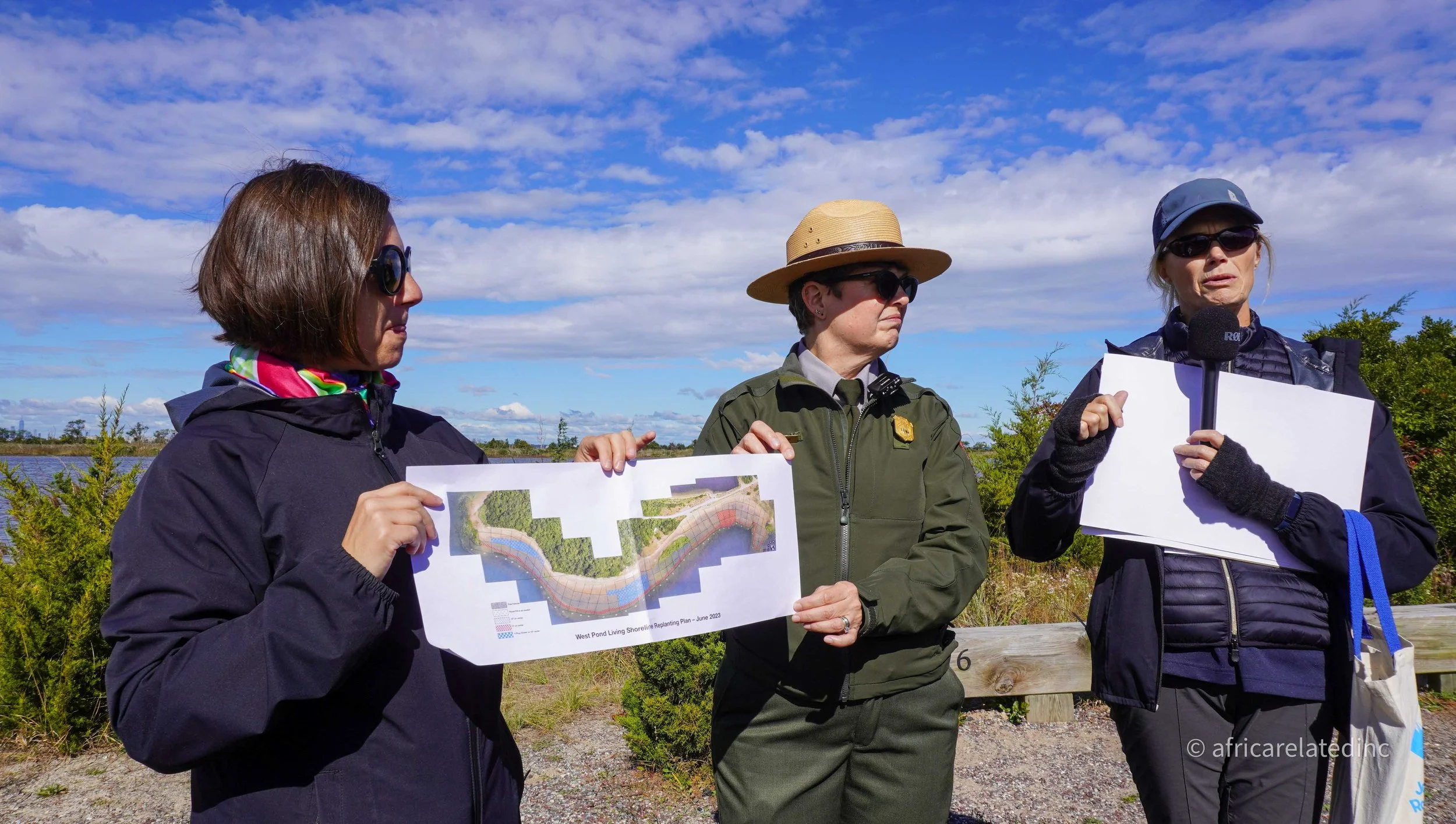
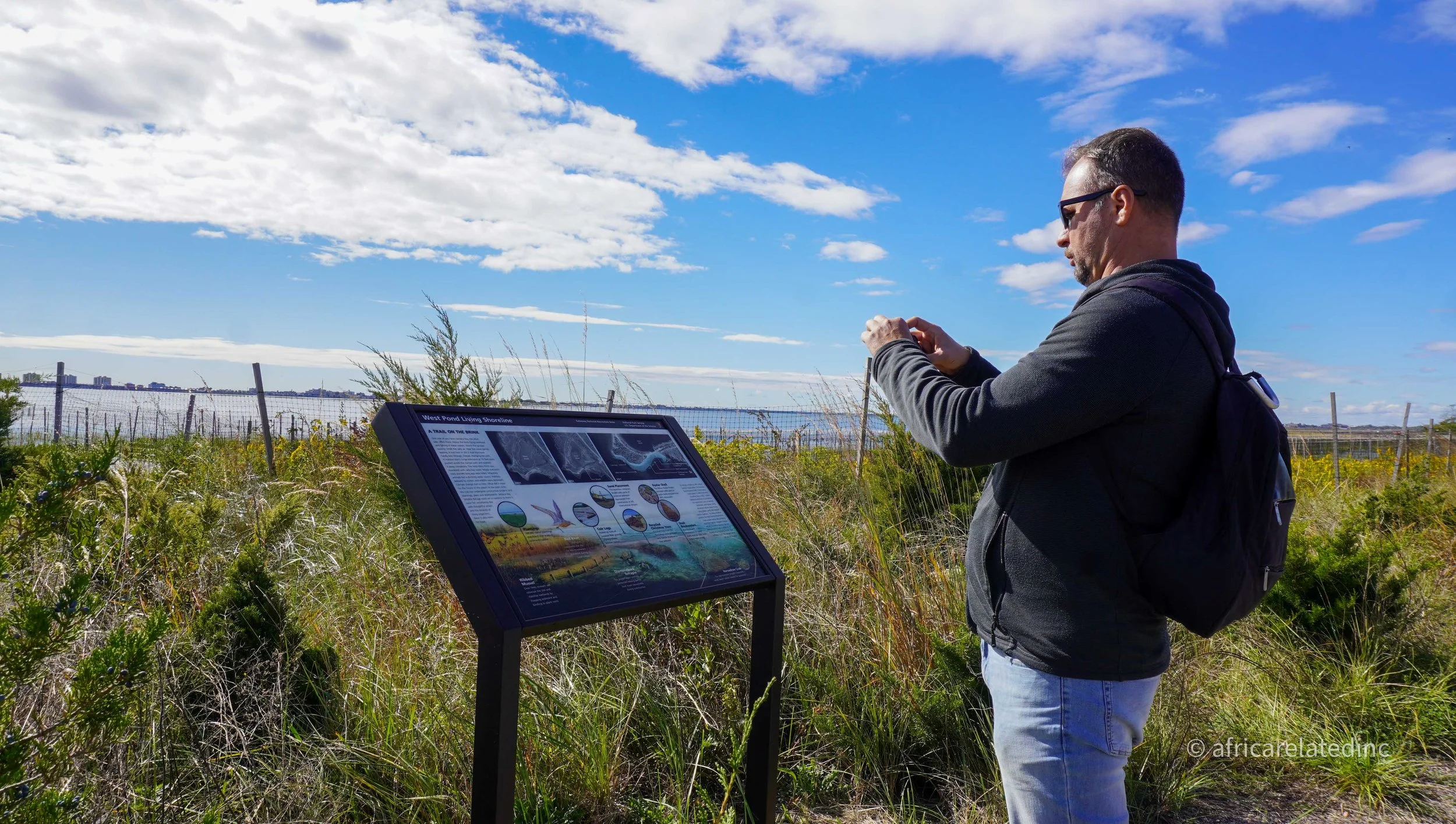
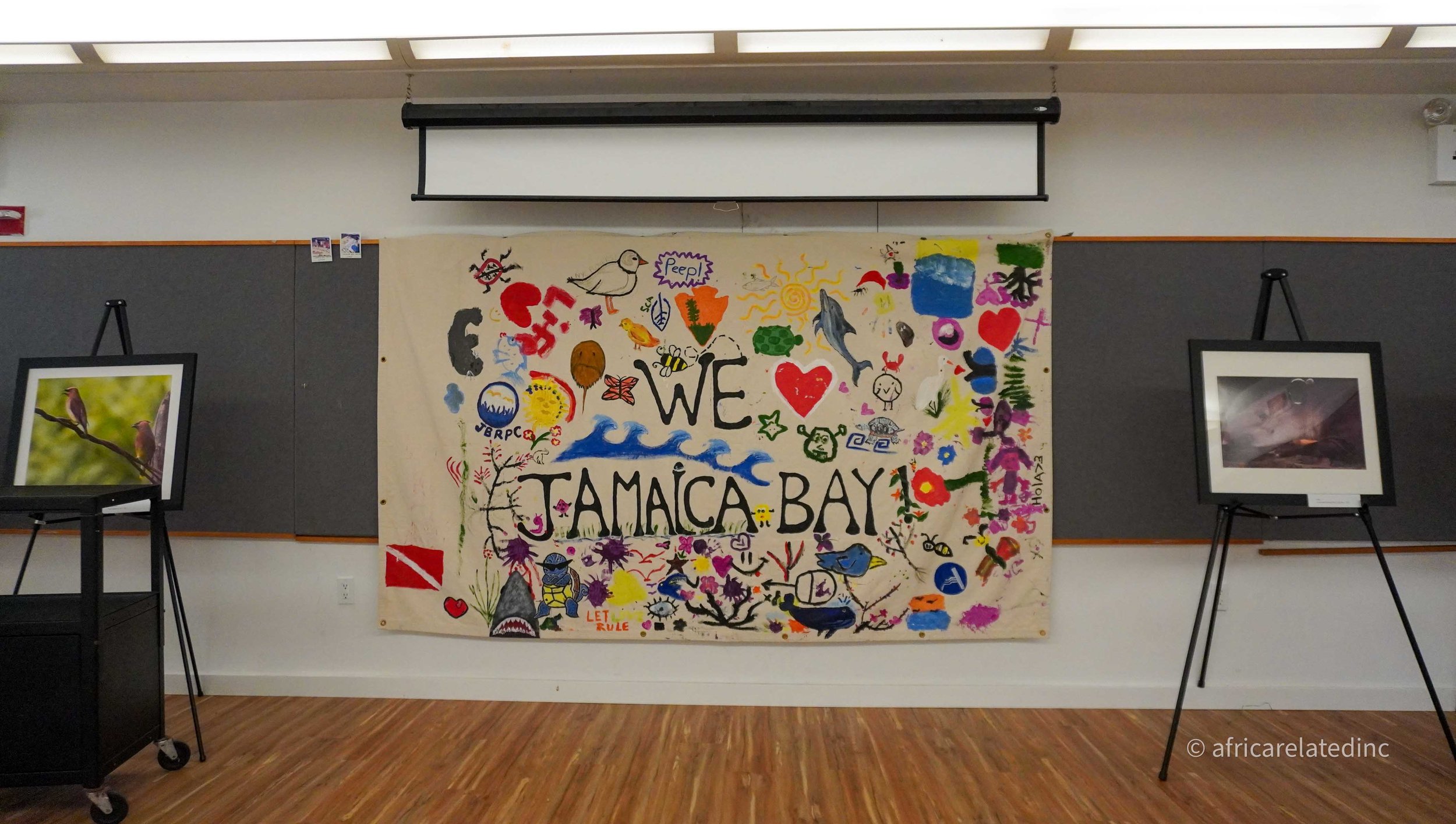
Staff from Gateway National Recreation Area and Jamaica Bay Rockaway Parks Conservancy hosted foreign journalists for a press tour of the Jamaica Bay Wildlife Refuge. The Foreign Press Center New York organized this tour for members of the foreign press to cover the most recent park activities and initiatives to create a living shoreline, mitigate the impacts of extreme weather, and ensure overall climate resilience not only for this site but also for the surrounding communities. With the devastation and loss from recent hurricanes and floods, public-private partnerships like this are one of the ways coastal communities are working to mitigate environmental degradation and other losses.
LESSON FOR COP29
Climate conferences like the recently concluded COP29 can learn a lesson or two from Jamaica Wildlife Refuge - a prime example of one putting its climate dollar where its mouth is.
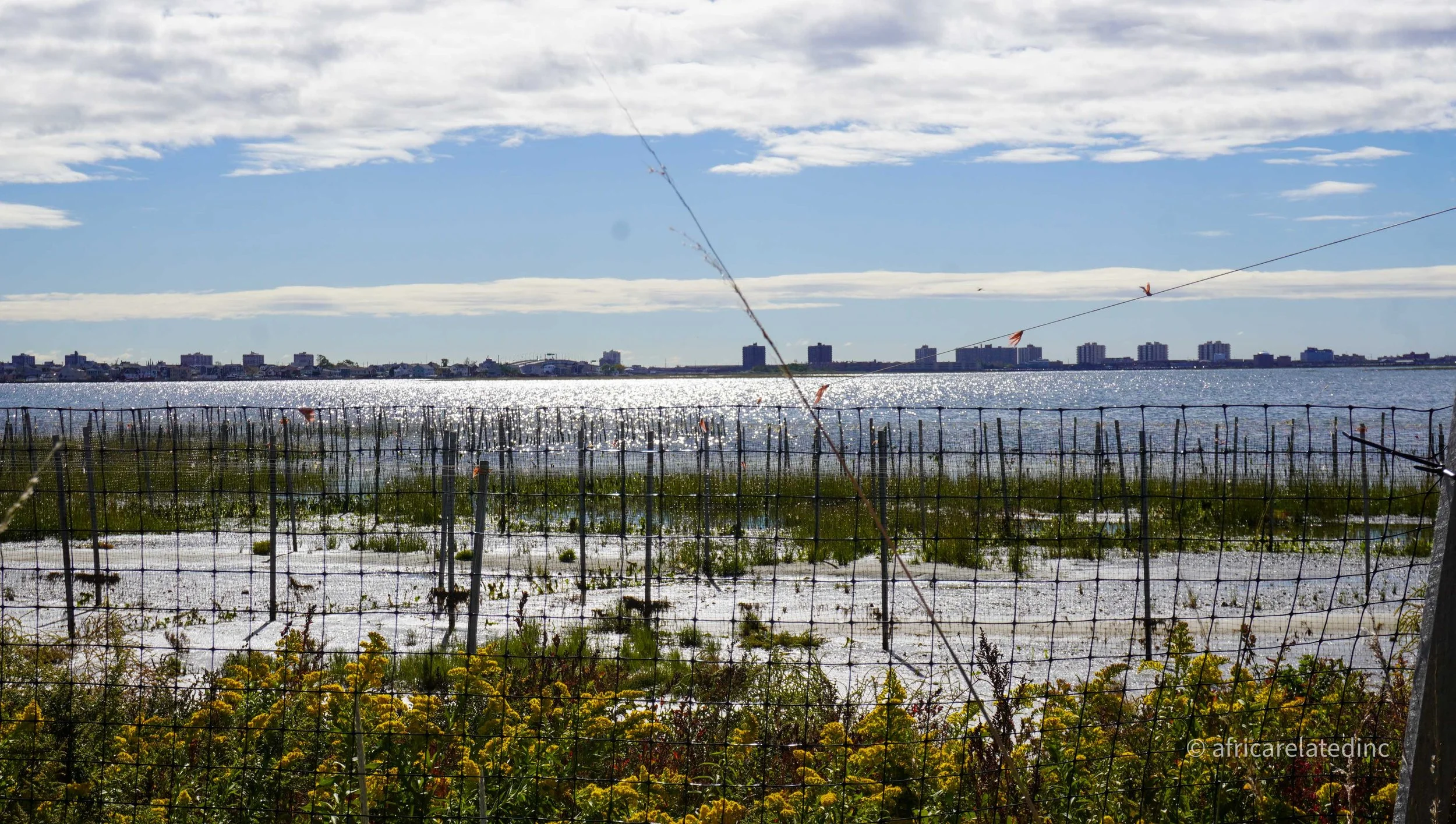
"In the distance, you can see the New York City skyline."
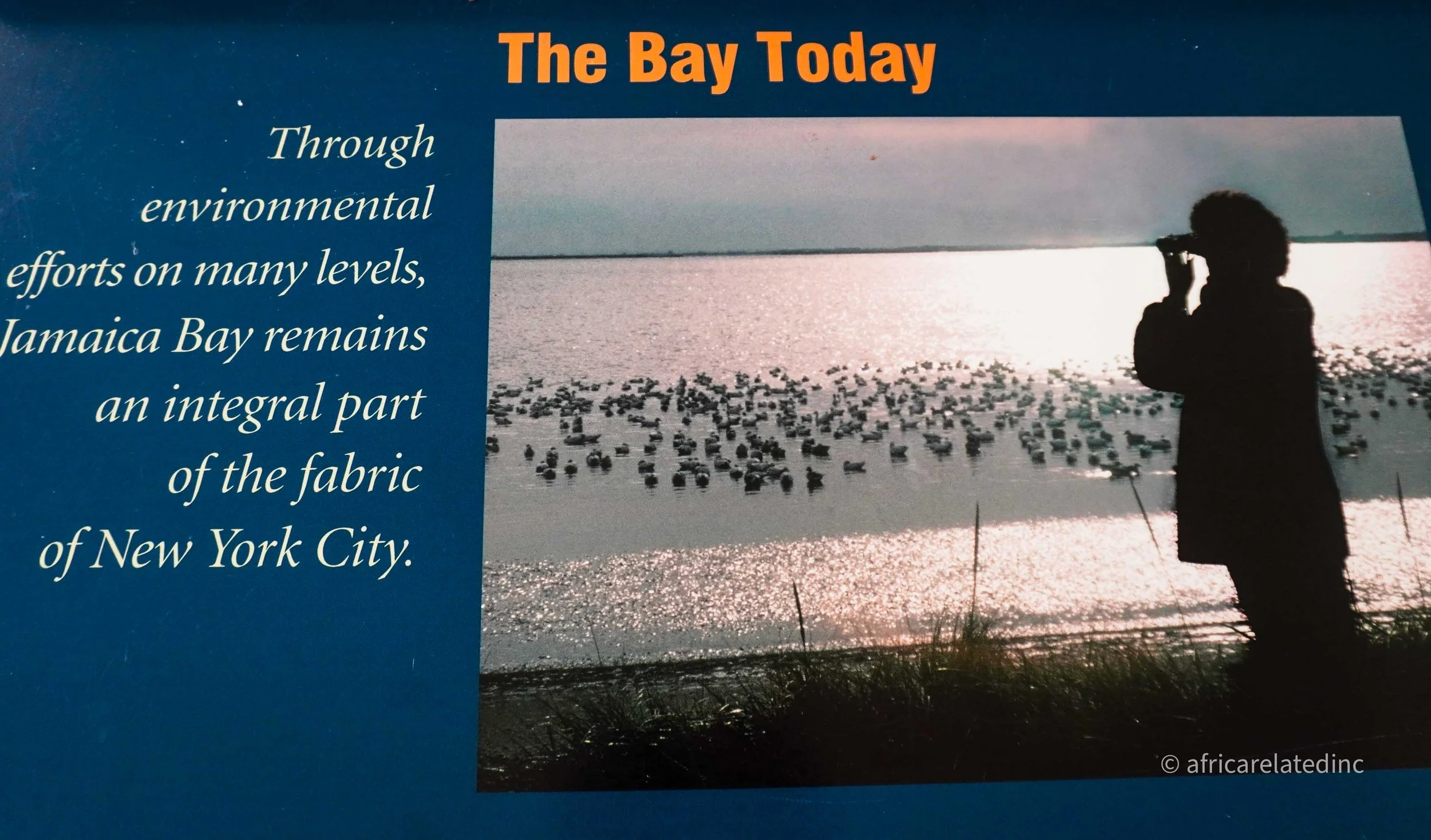
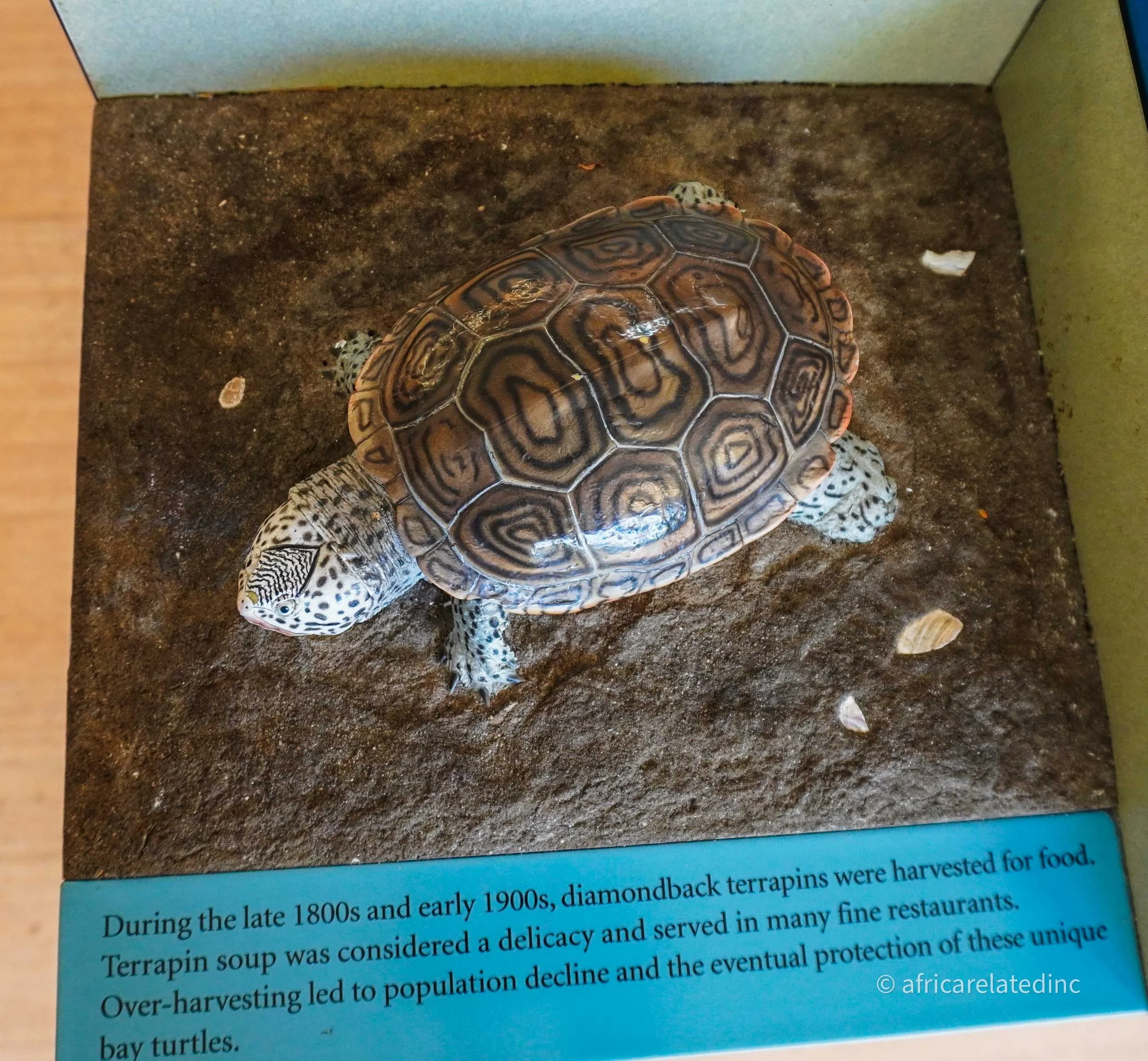
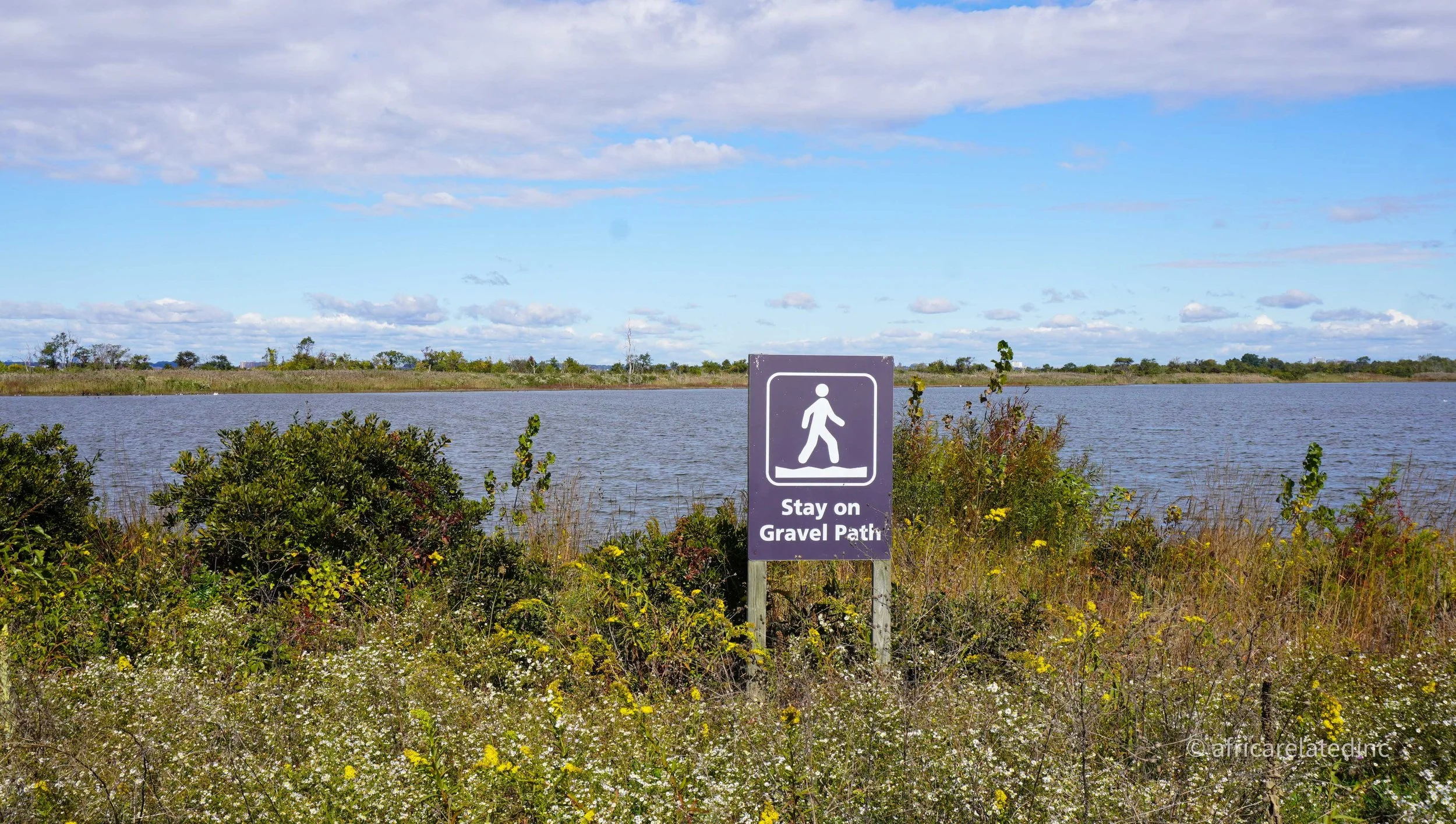
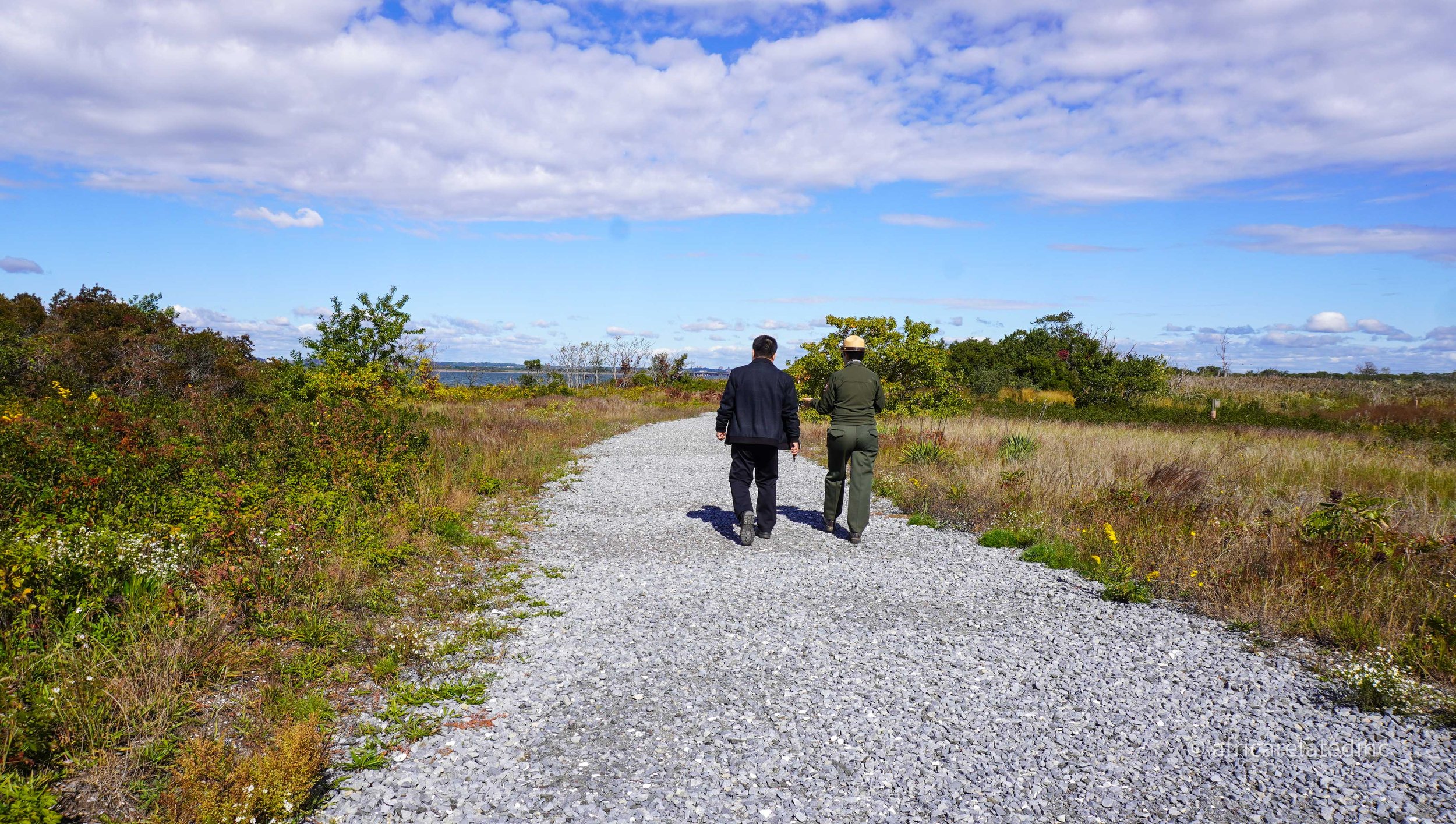
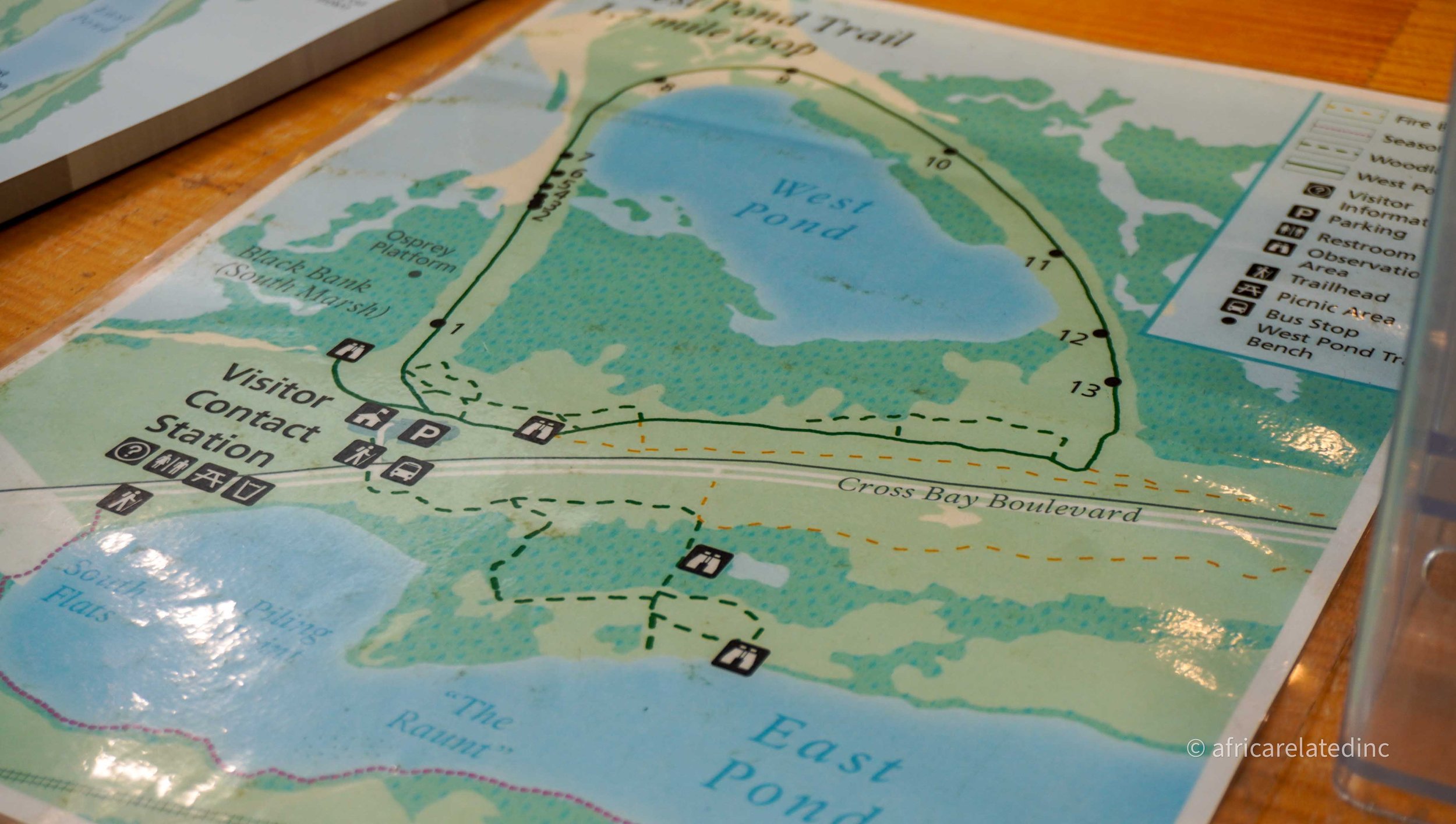
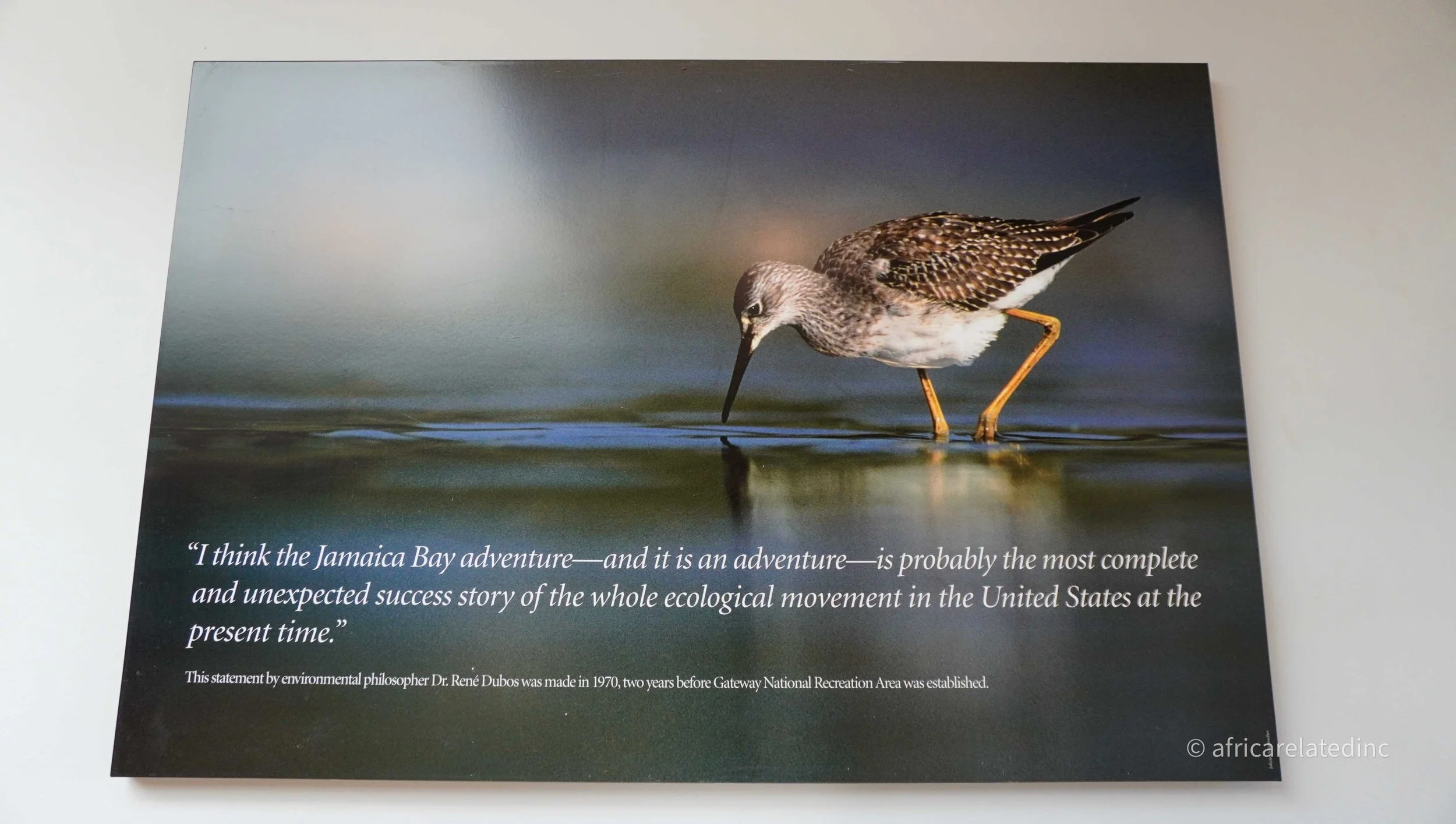
Tucked away in the Queen's Rockaway area is a wildlife refuge that houses a one mile gravel trail visited by 9.2 million visitors yearly, a wide species of rare birds and a preservation story that even Hurricane Sandy couldn't wash away.
It is no longer news that the earth's land mass is shifting and disappearing due to natural weather occurrences like hurricanes, erosion, drought, tsunamis, etc.
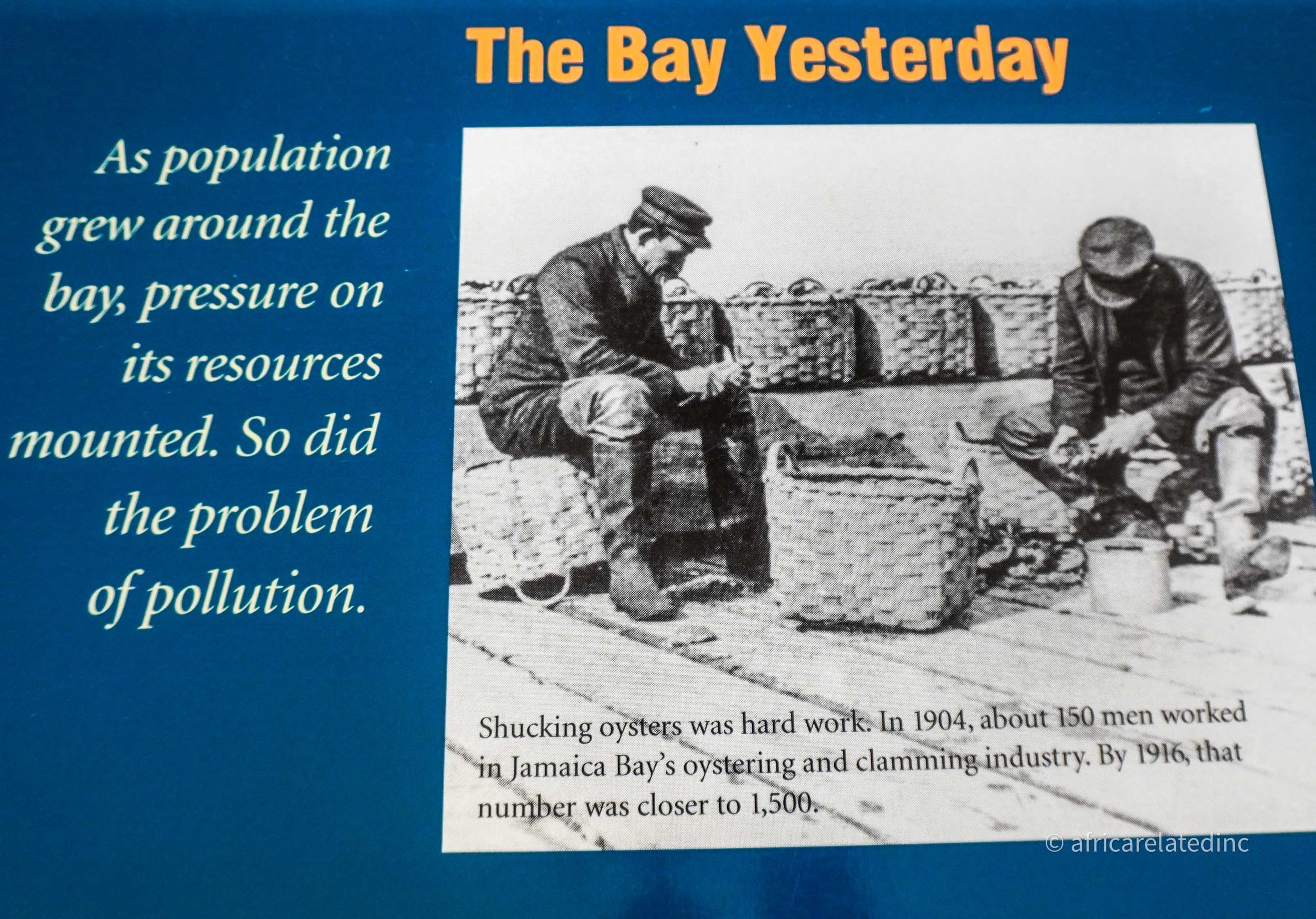
When Hurricane Sandy hit the New York area in 2017, much of the land where the Refuge sits, was wiped away, causing the devastating loss. For its minders, the Gateway National Recreation Area, it was an opportunity to find new ways to reclaim the conservatory.
Gateway, the fourth most visited national park unit, was established in 1972 to offer park services to urban audiences through its large diverse urban parks, with 27,000 acres spanning Sandy Hook in New Jersey and Jamaica Bay on Staten Island in New York.
On this day, Daphne Yun, Terri Carter and Elizabeth took members of the for press on the mile long tour that showed some of the experiments, trials, failures and ultimate success stories that went into rebuilding the shoreline after the storm.
With mitigating future impact in min, the team adopted both scientific and experimental tricks to
Worthy of emulation by coastal communities around the world is how the goal became attainable through public private partnership - a structure that kept all stakeholder accountable and paid attention to the littlest detail.
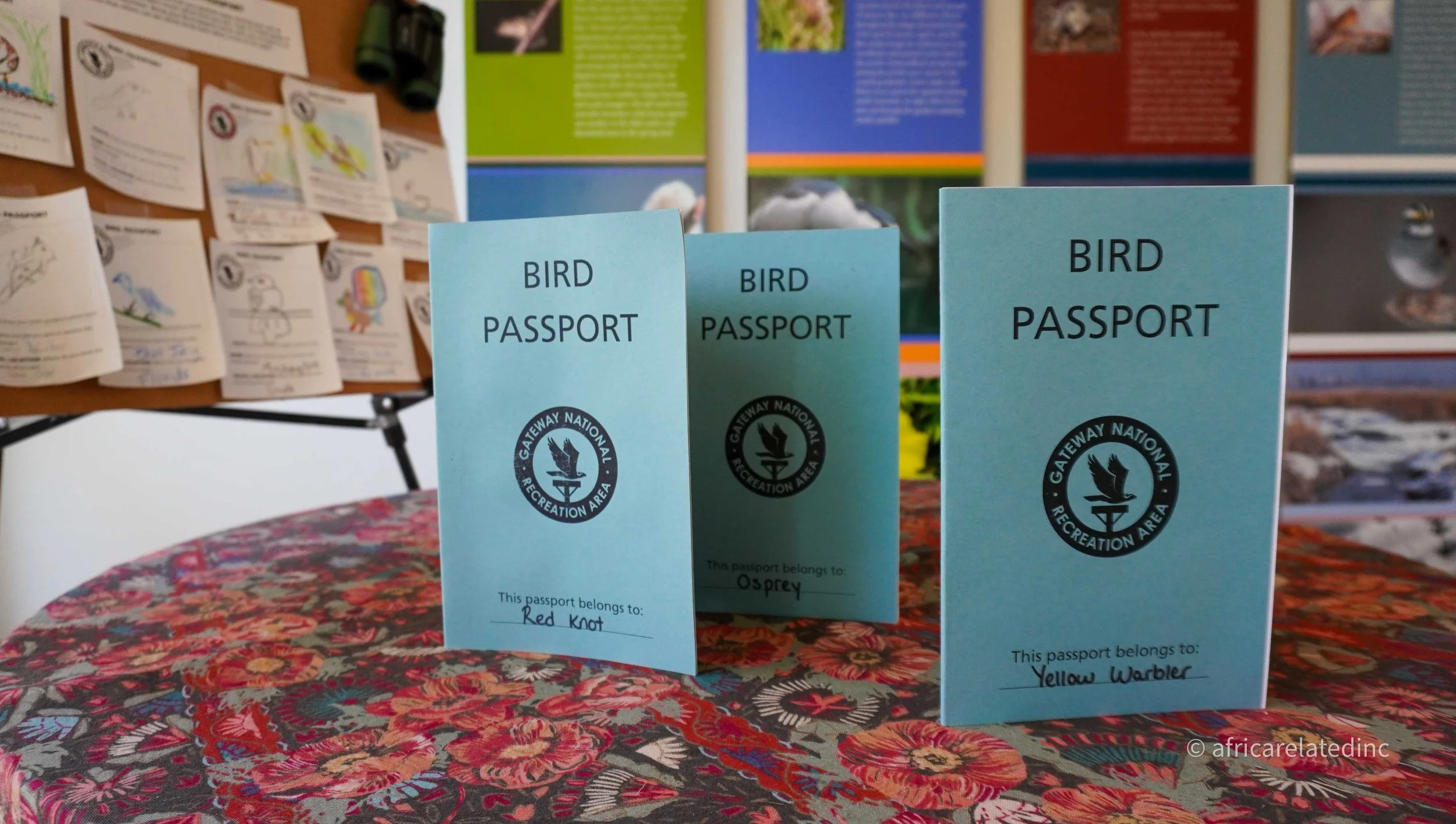
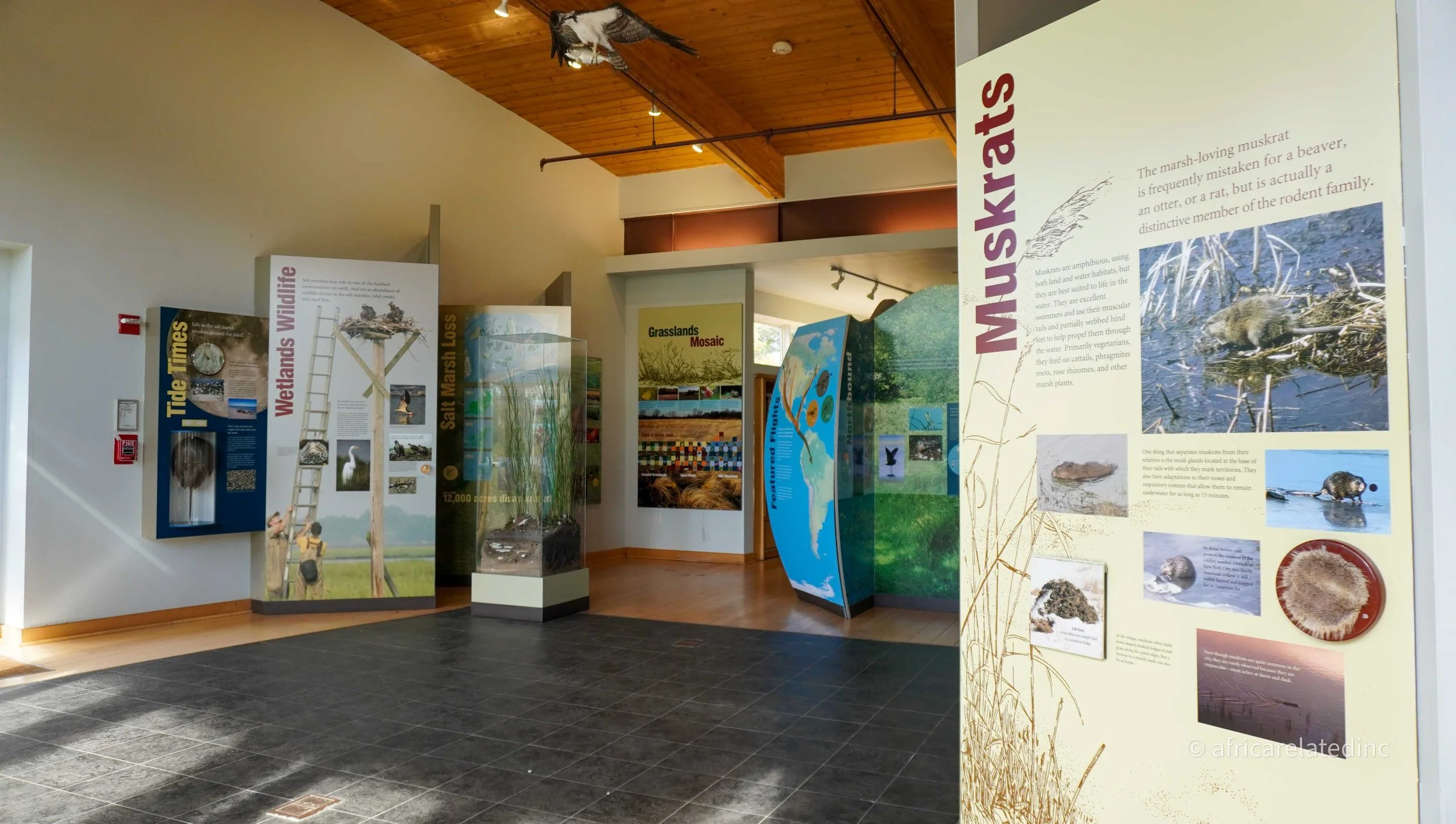
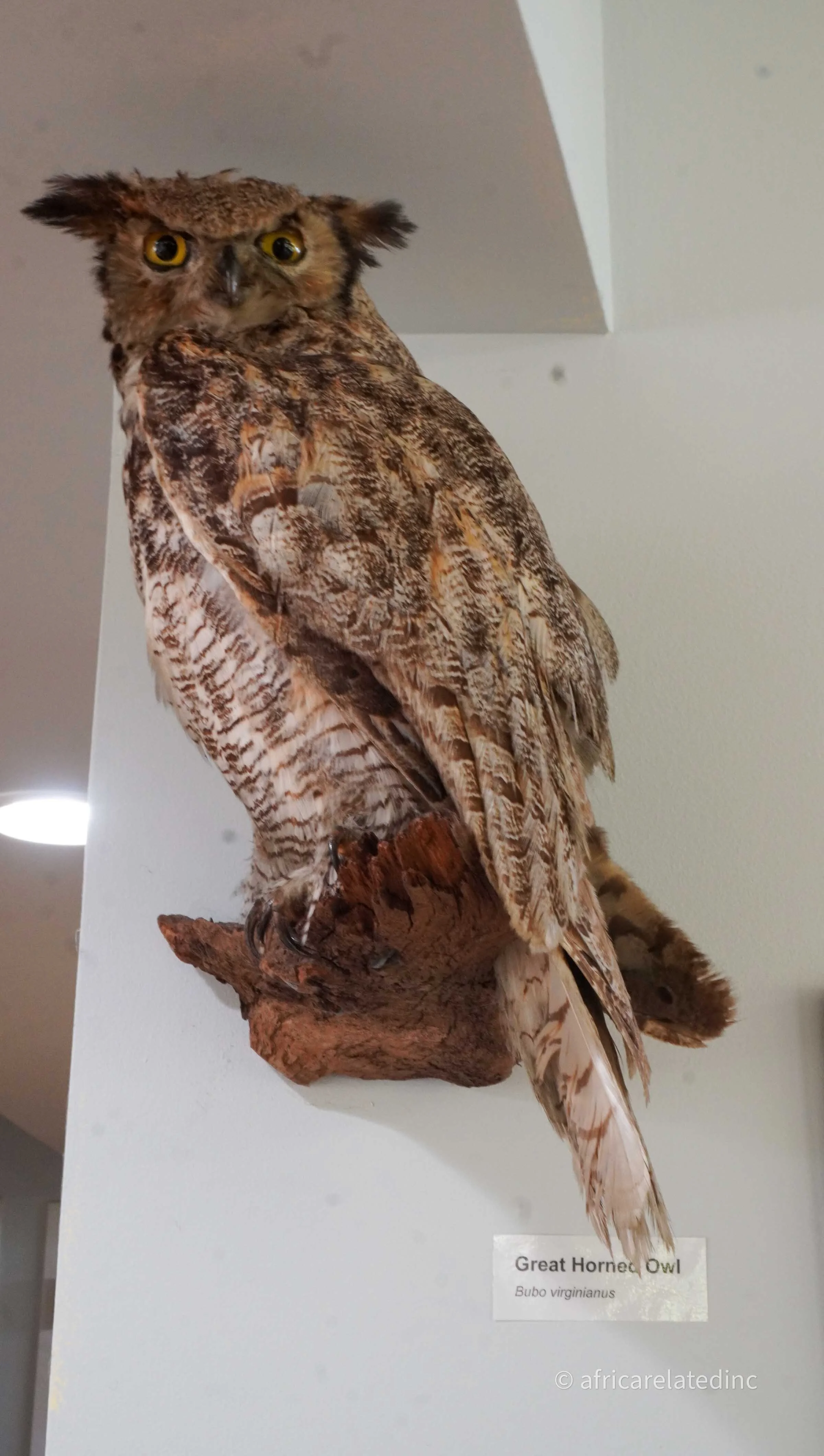
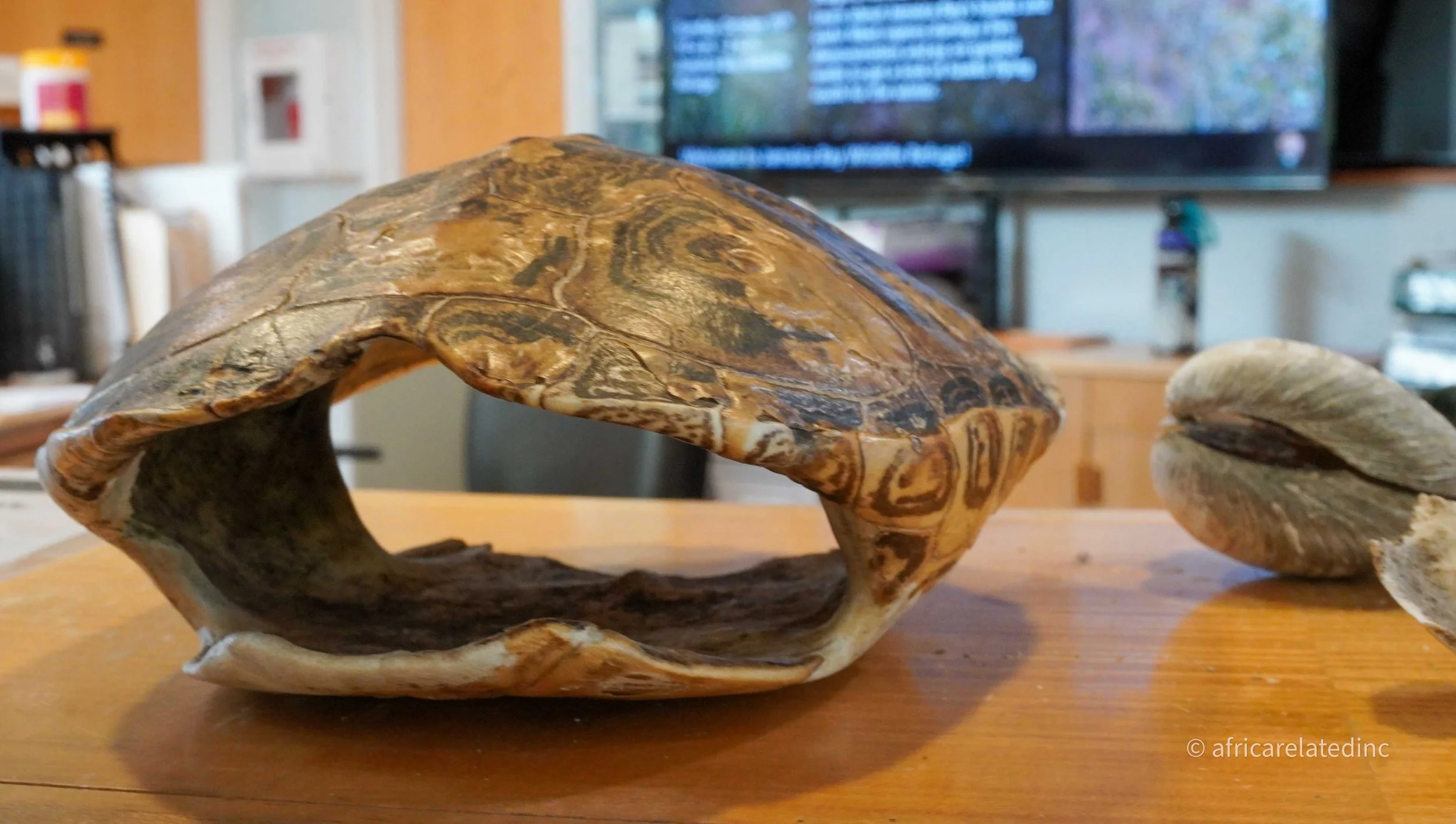
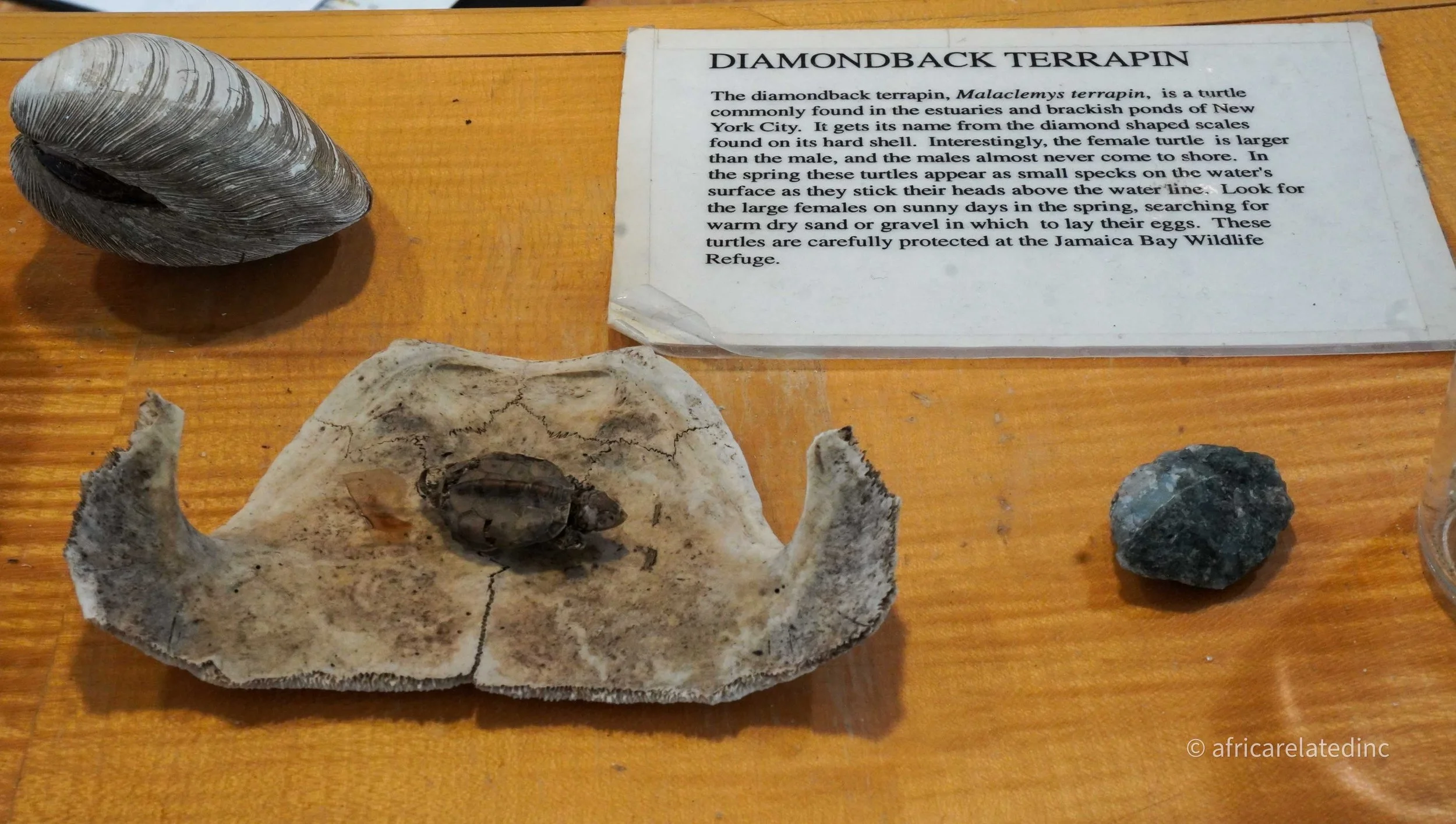
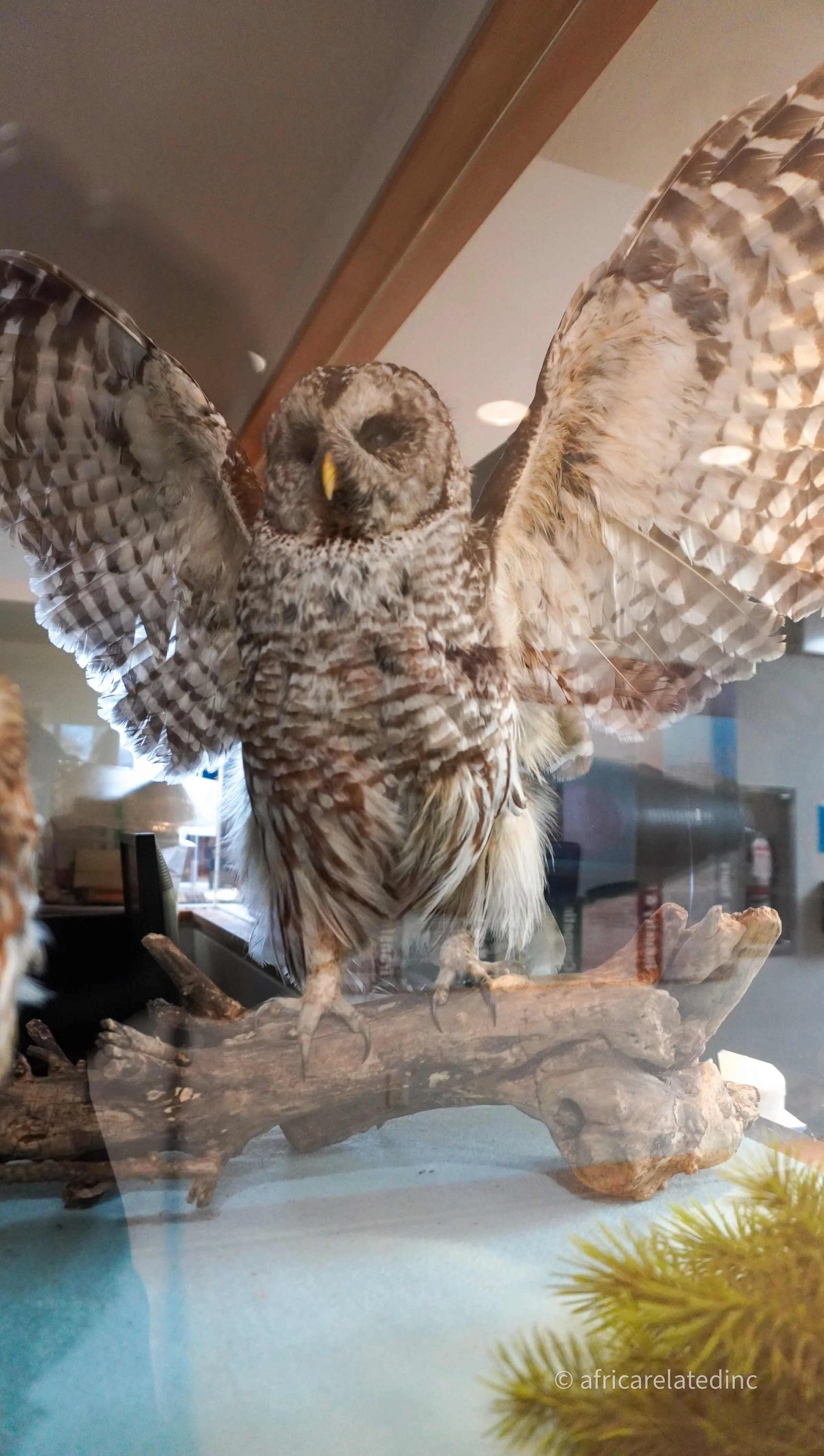
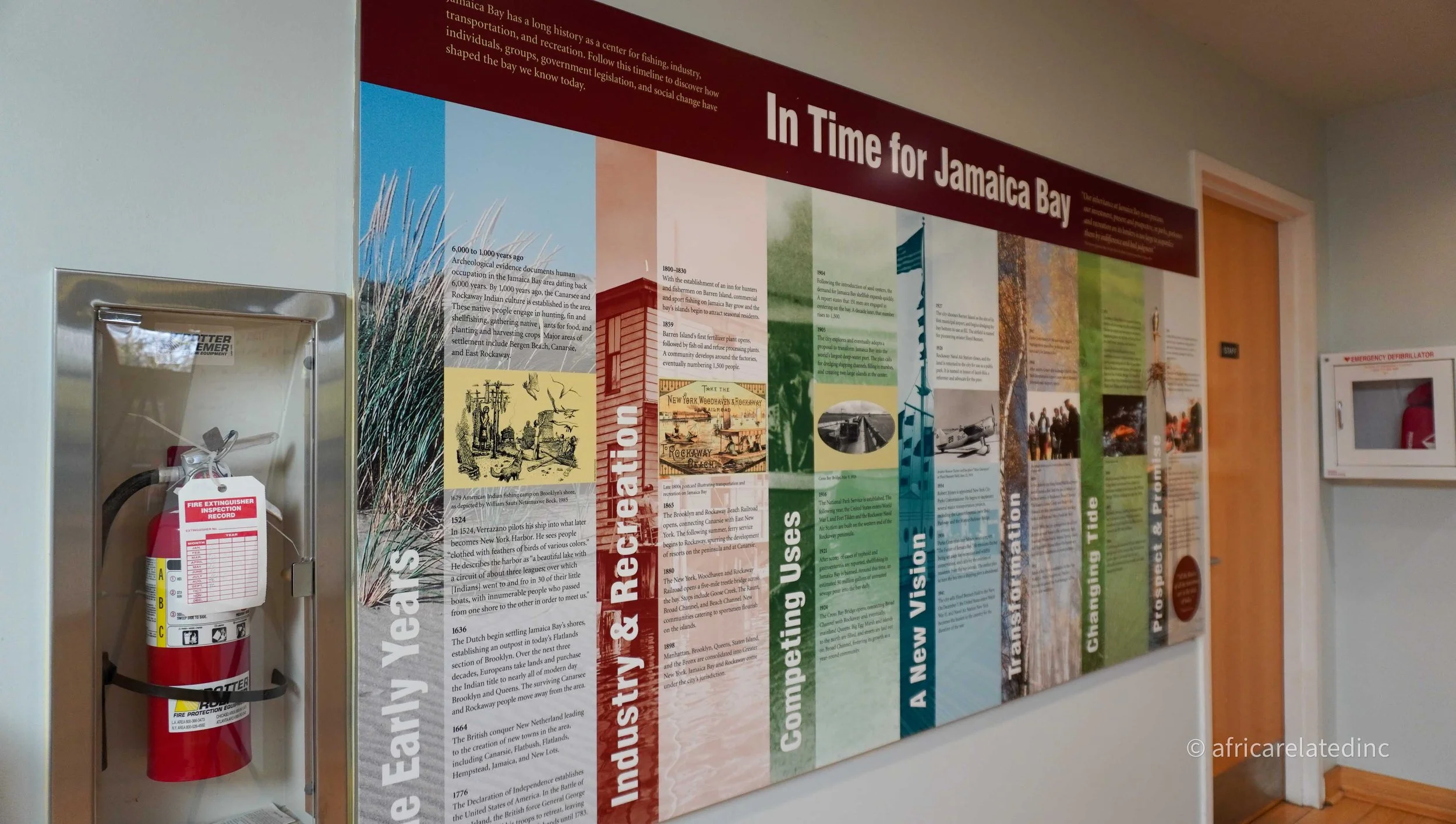
The Jamaica Wildlife Refuge is open to the public for trail walks, birdwatching. There is a shop/museum on the premises.
Photos by Africa-Related













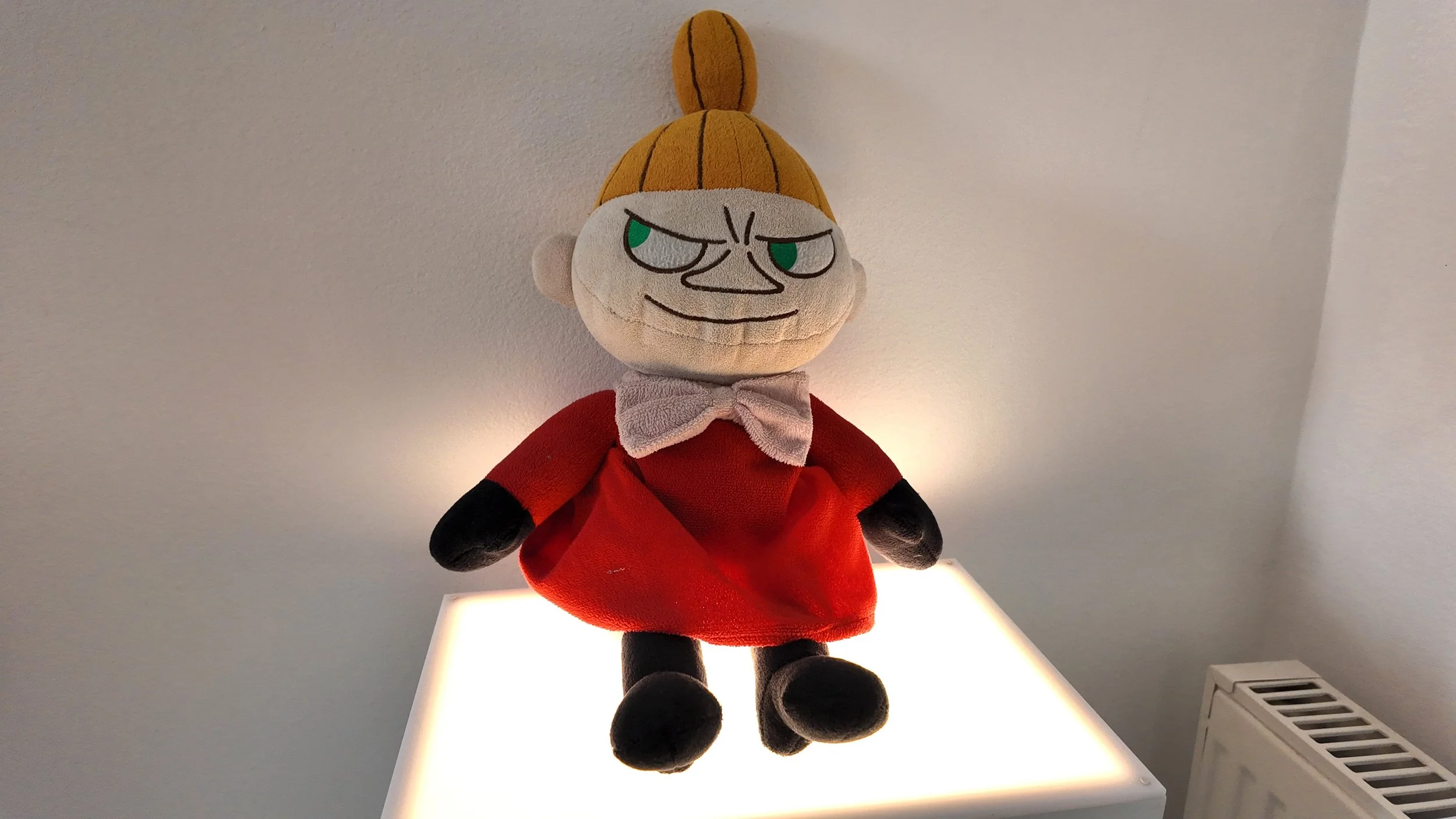
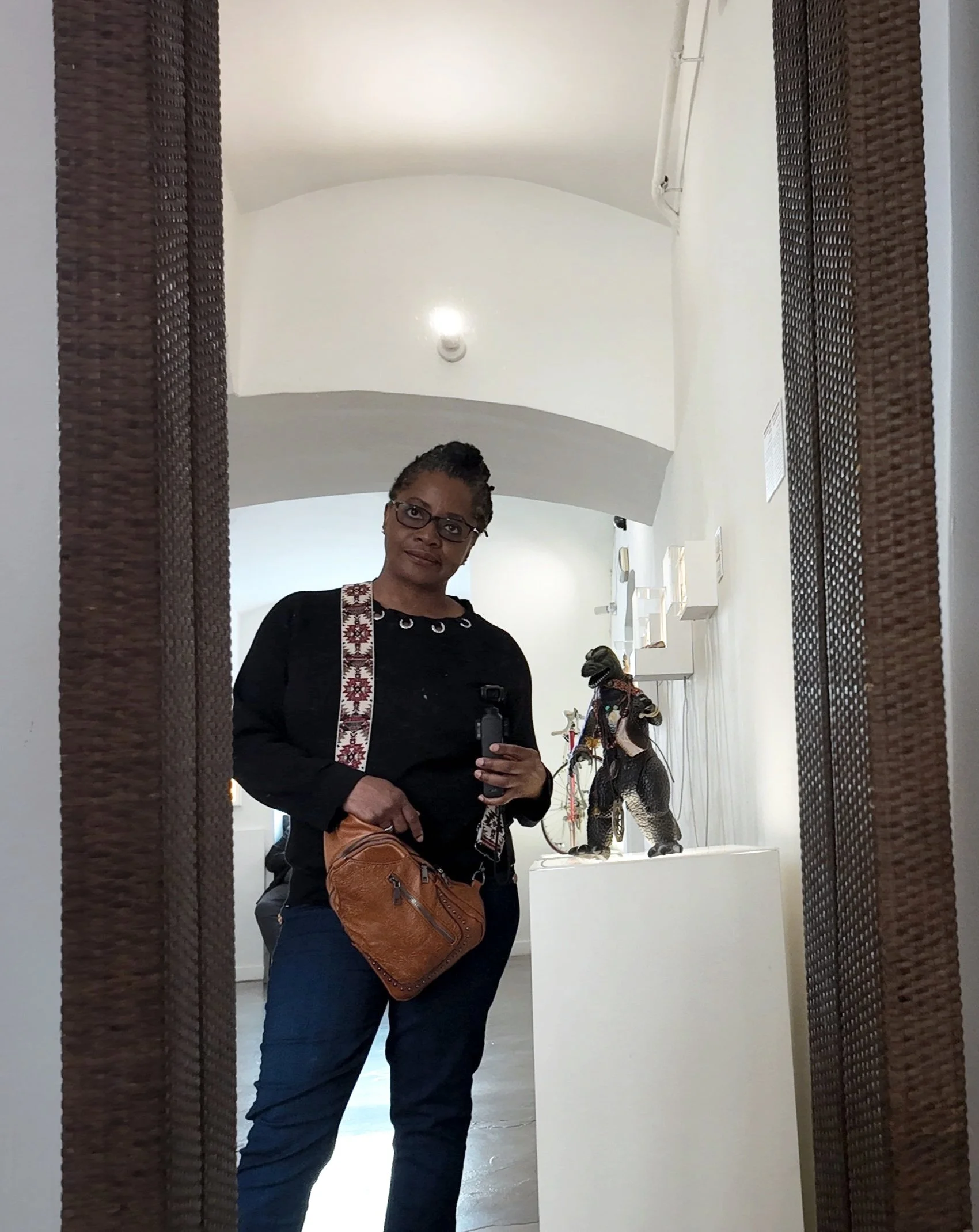
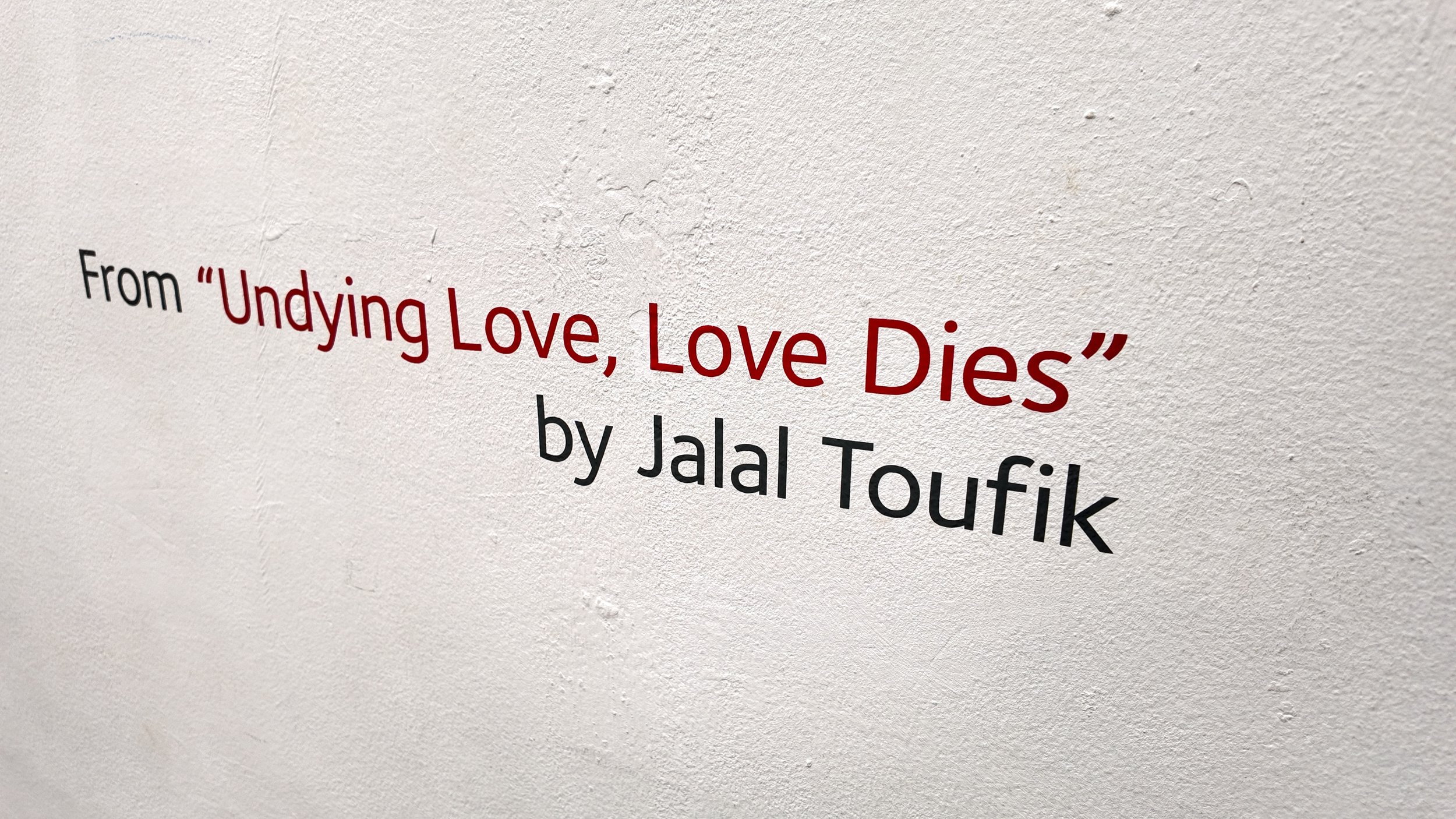
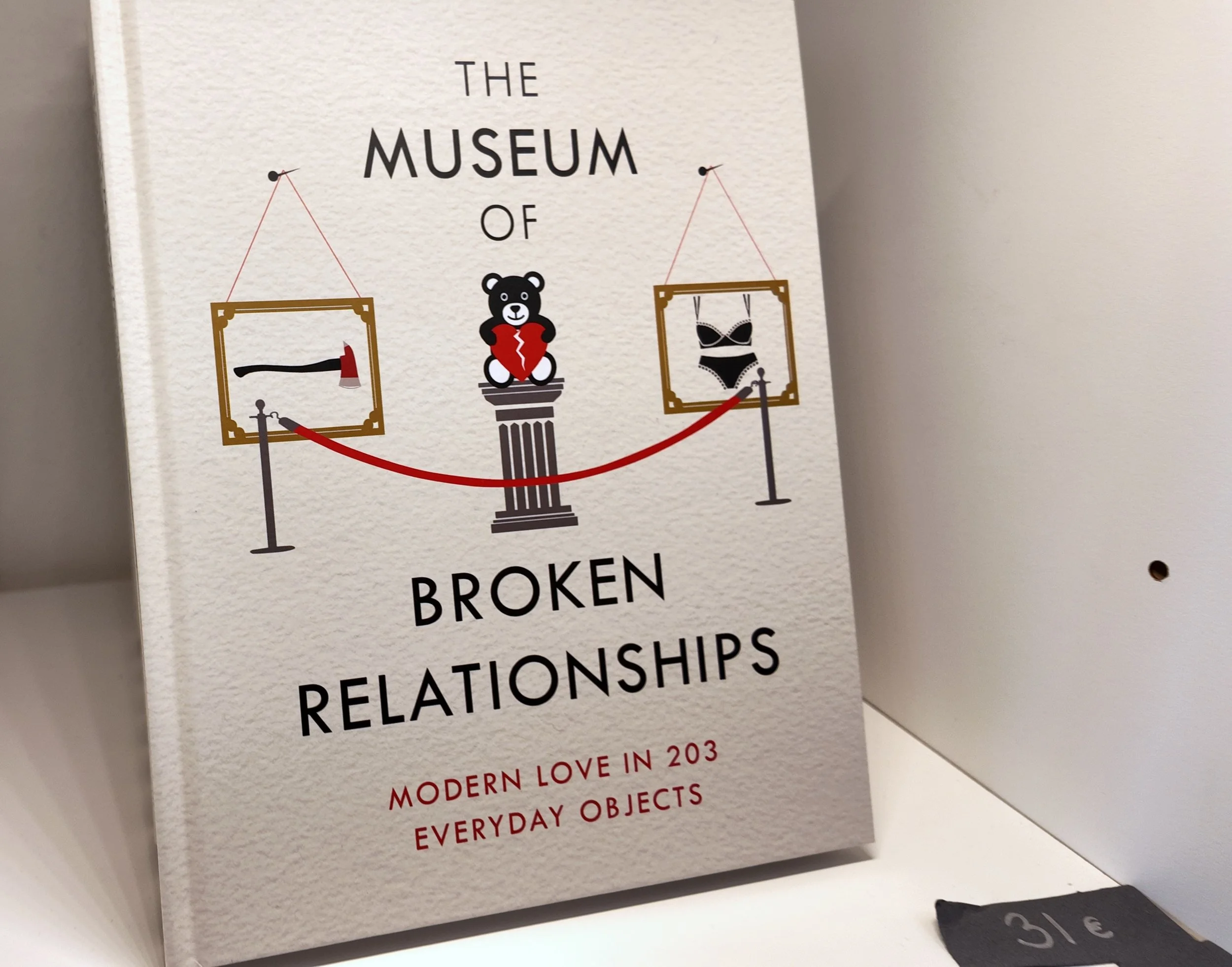
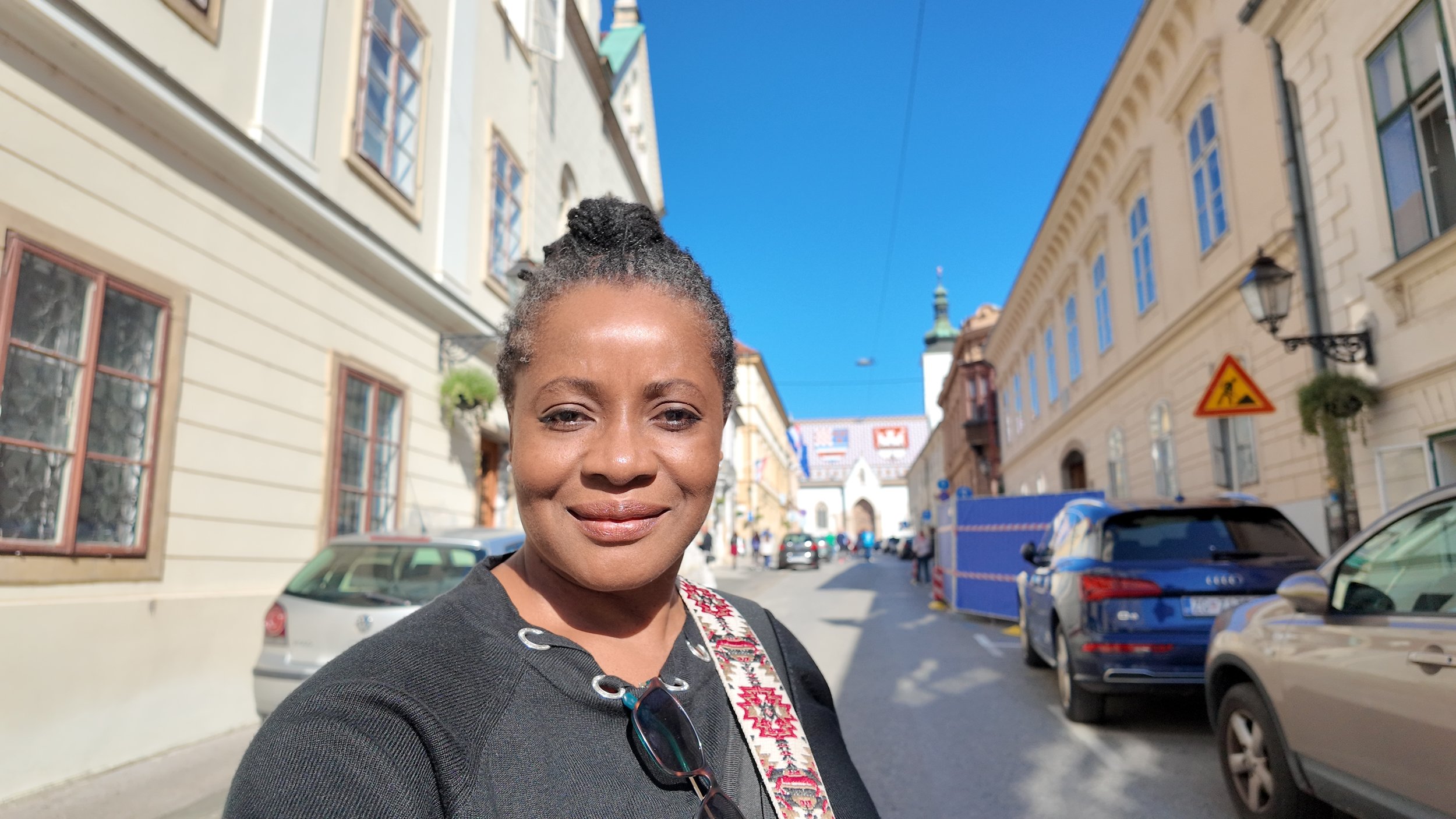
Oyiza Adaba Visits The Museum of Broken Relationships
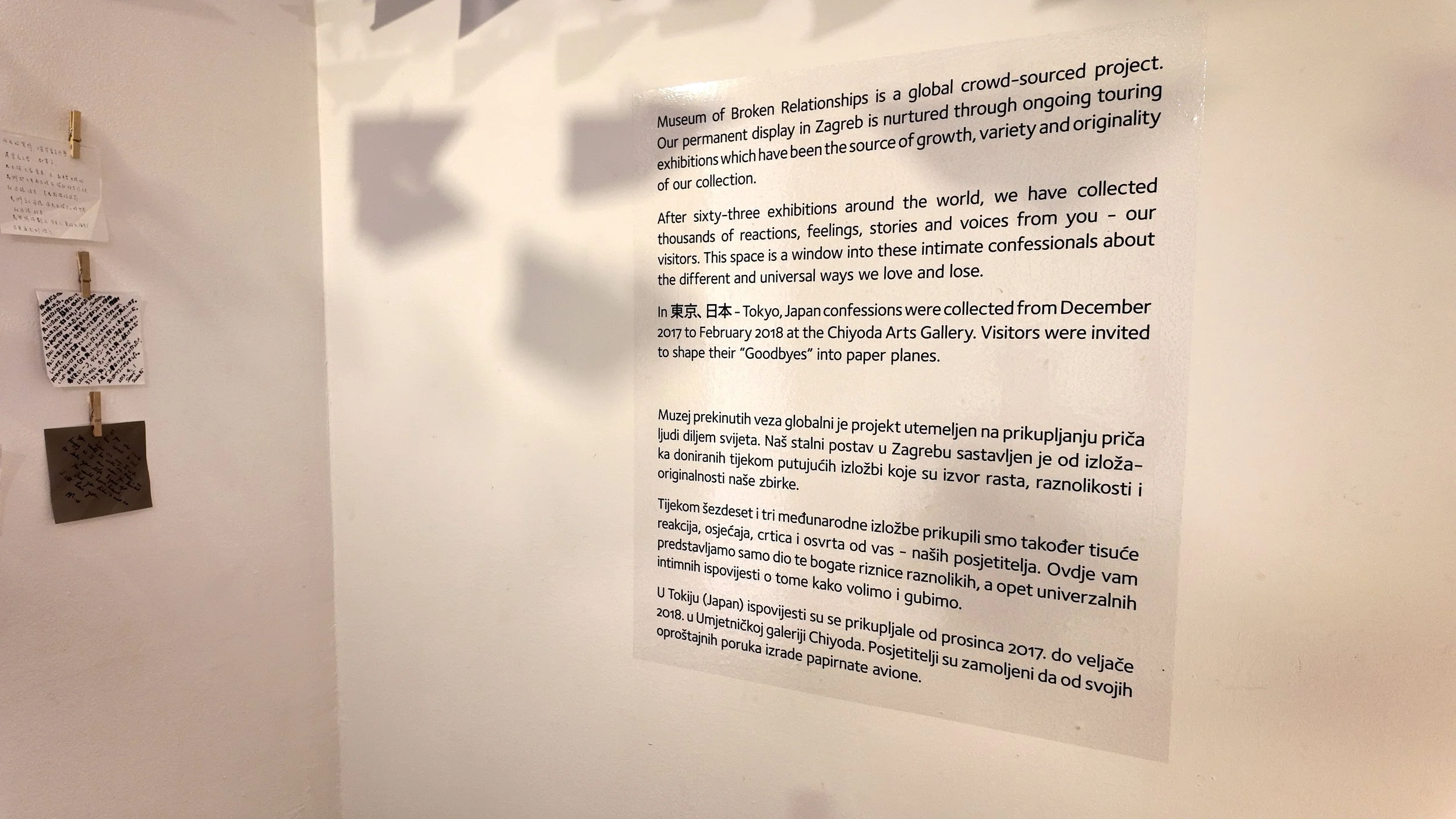
"Brokenships", as it’s popularly called, is a reflection of Croatia's tenacity to overcome its dark history of war and conflict. The beauty of this peaceful country lies in its ability to confront its past, in order to move forward. It is no wonder that the country houses 10 UNESCO World Heritage sites and 15 intangible cultural heritage items. Art in itself, is healing.
by oyiza adaba
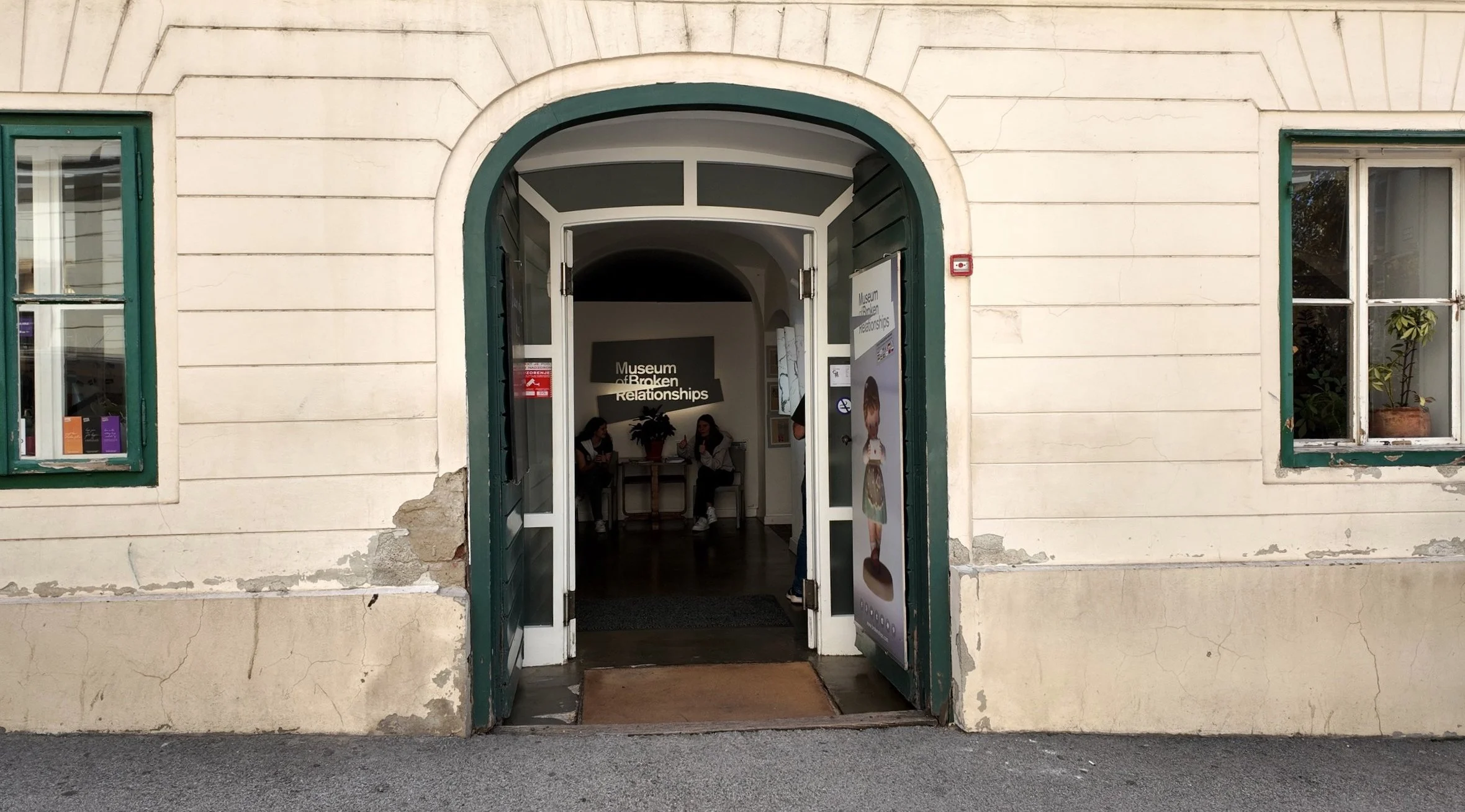
The Museum of BROKEN RELATIONSHIPS
Zagreb, Croatia
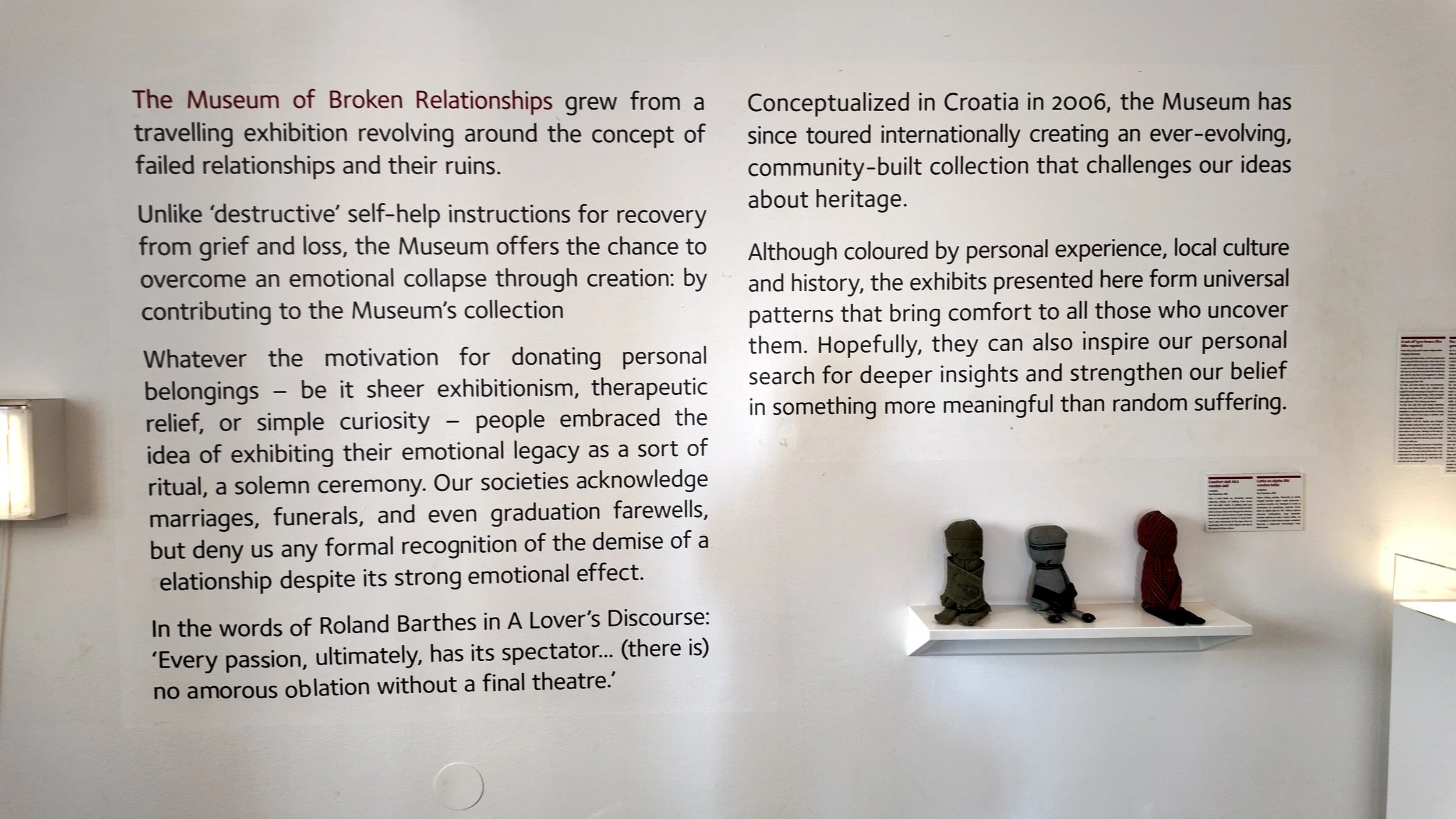
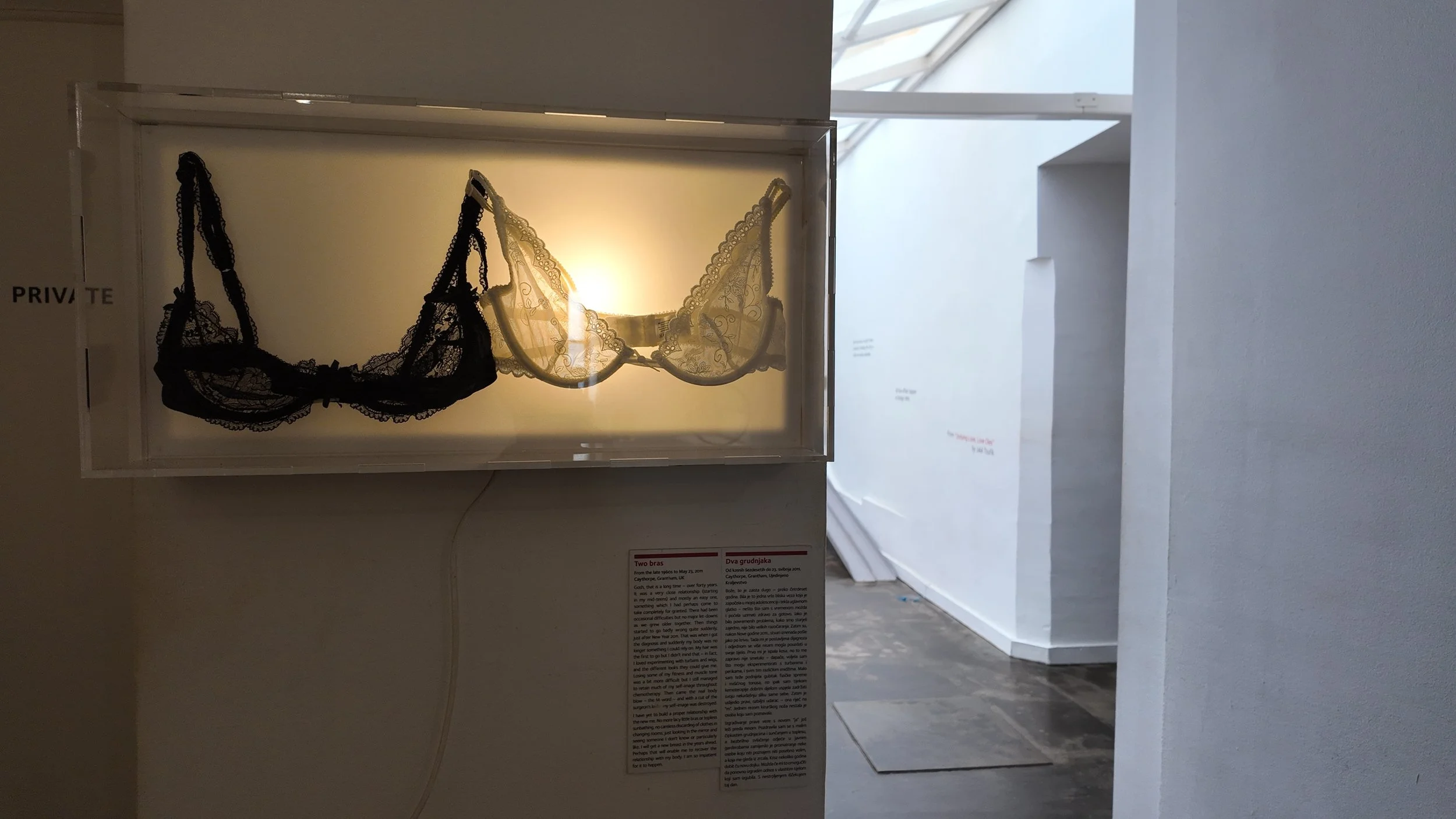
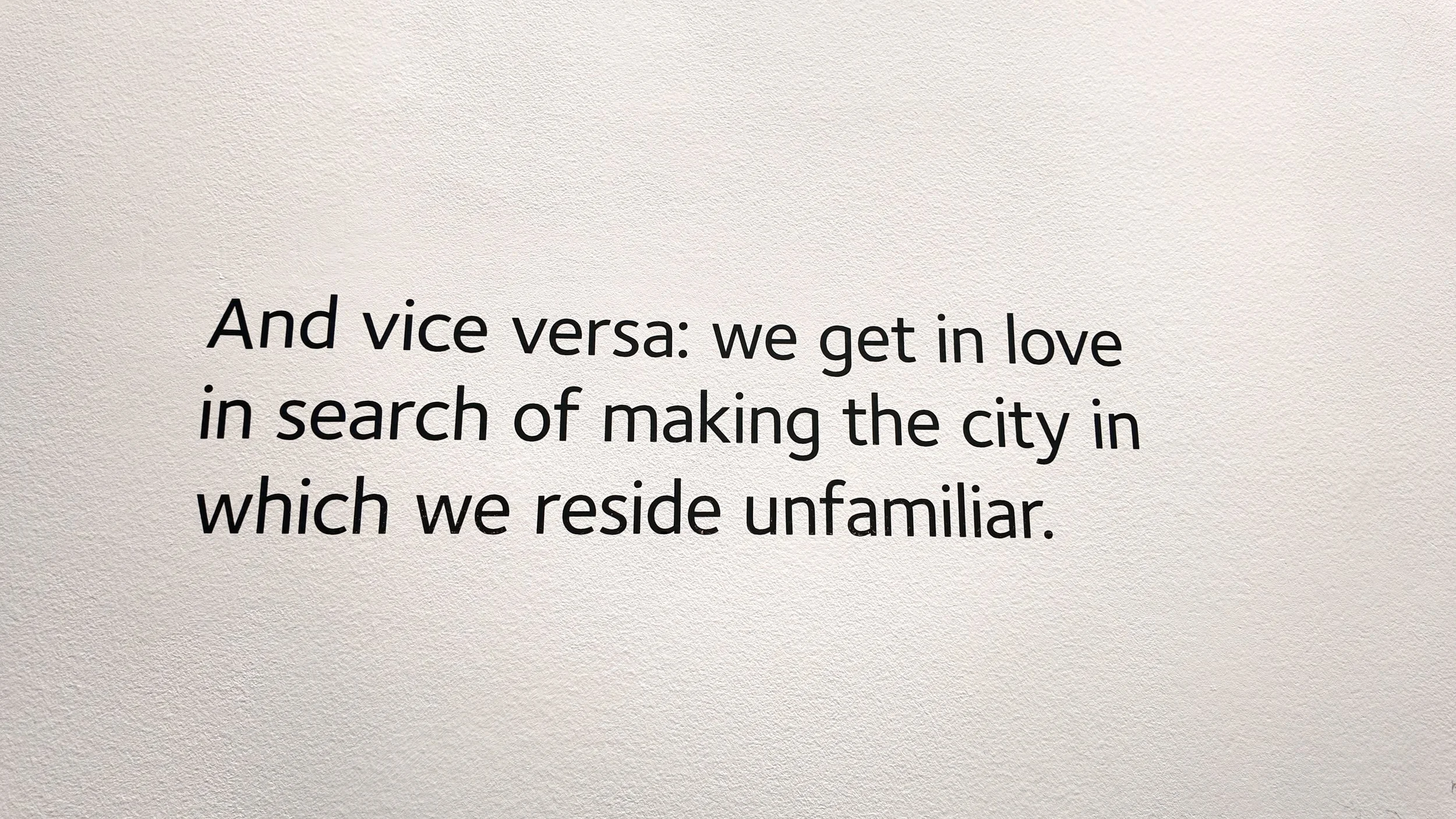
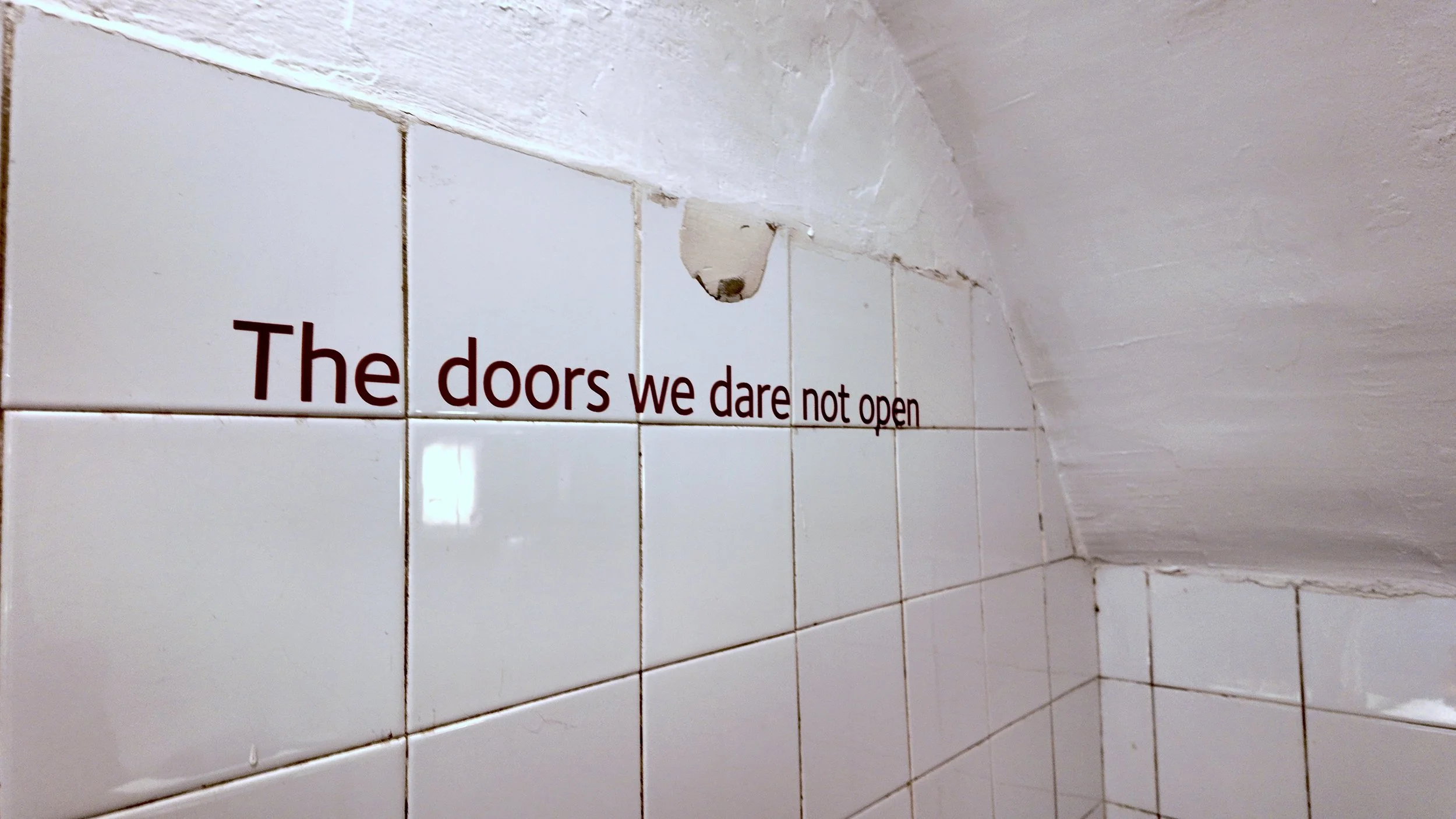
“The Museum of Broken Relationships encourages discussion and reflection not only on the fragility of human relationships but also on the political, social, and cultural circumstances surrounding the stories being told. The museum respects the audience’s capacity for understanding wider historical, social issues inherent to different cultures and identities and provides a catharsis for donors on a more personal level.”
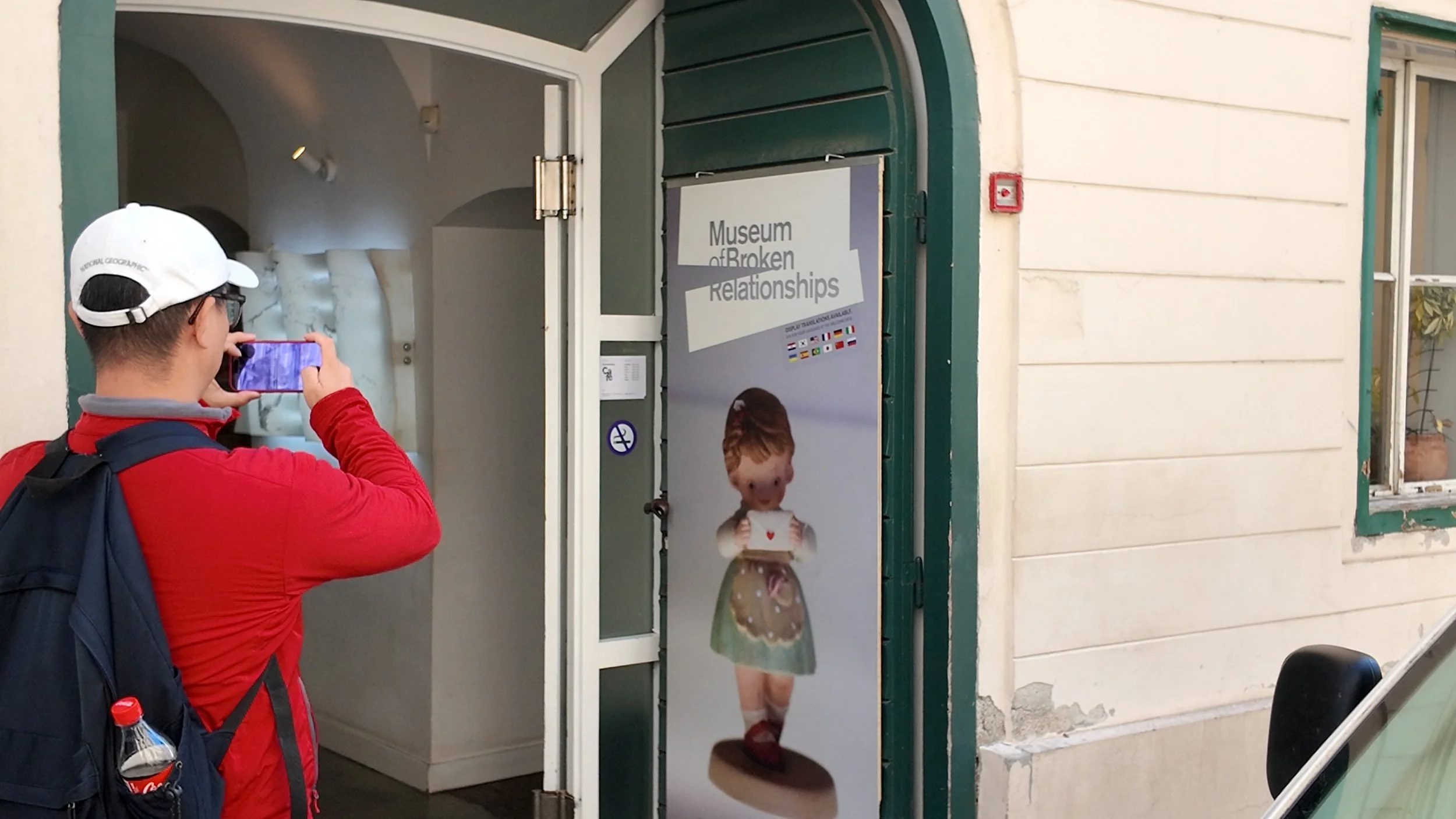
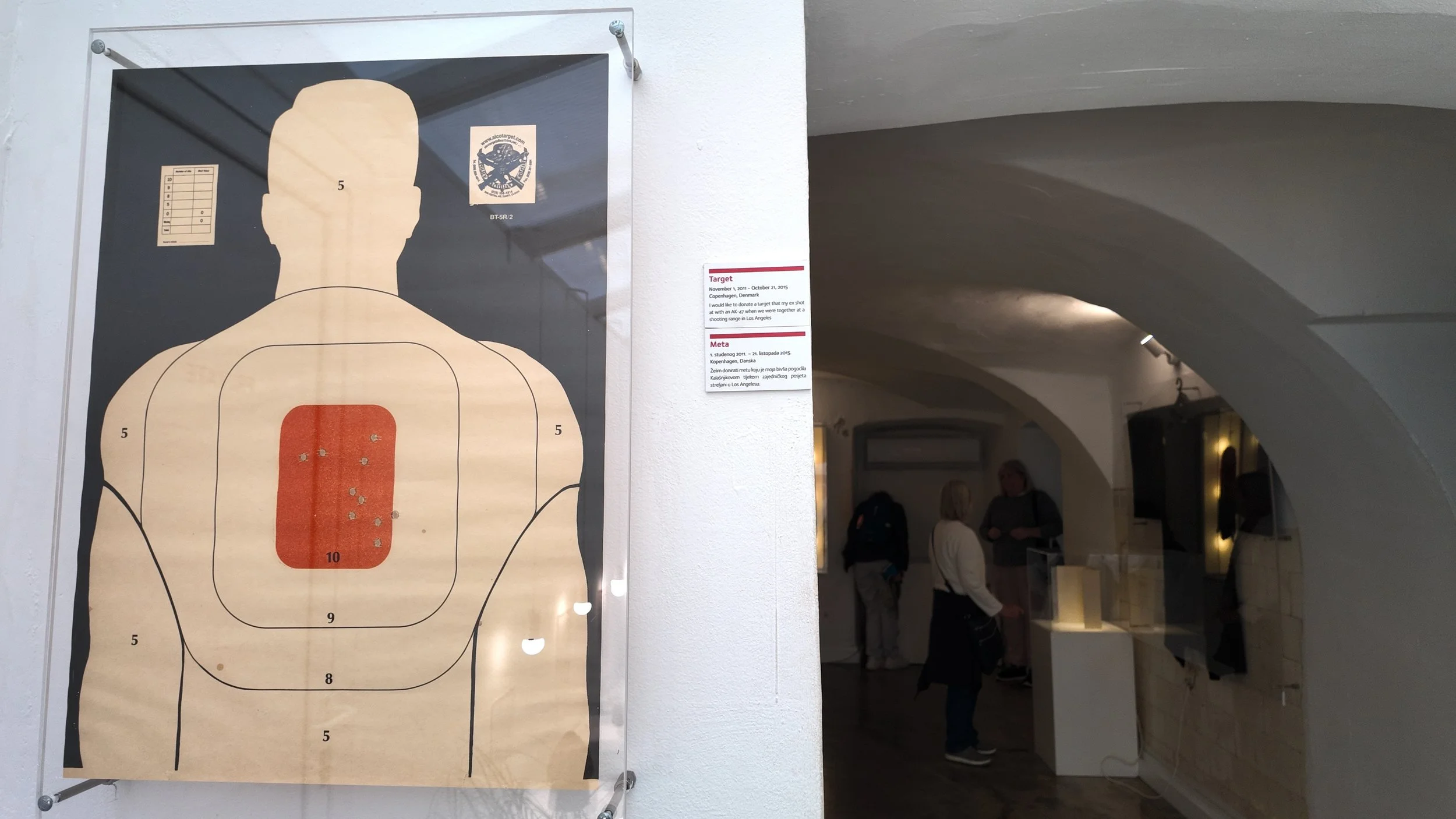
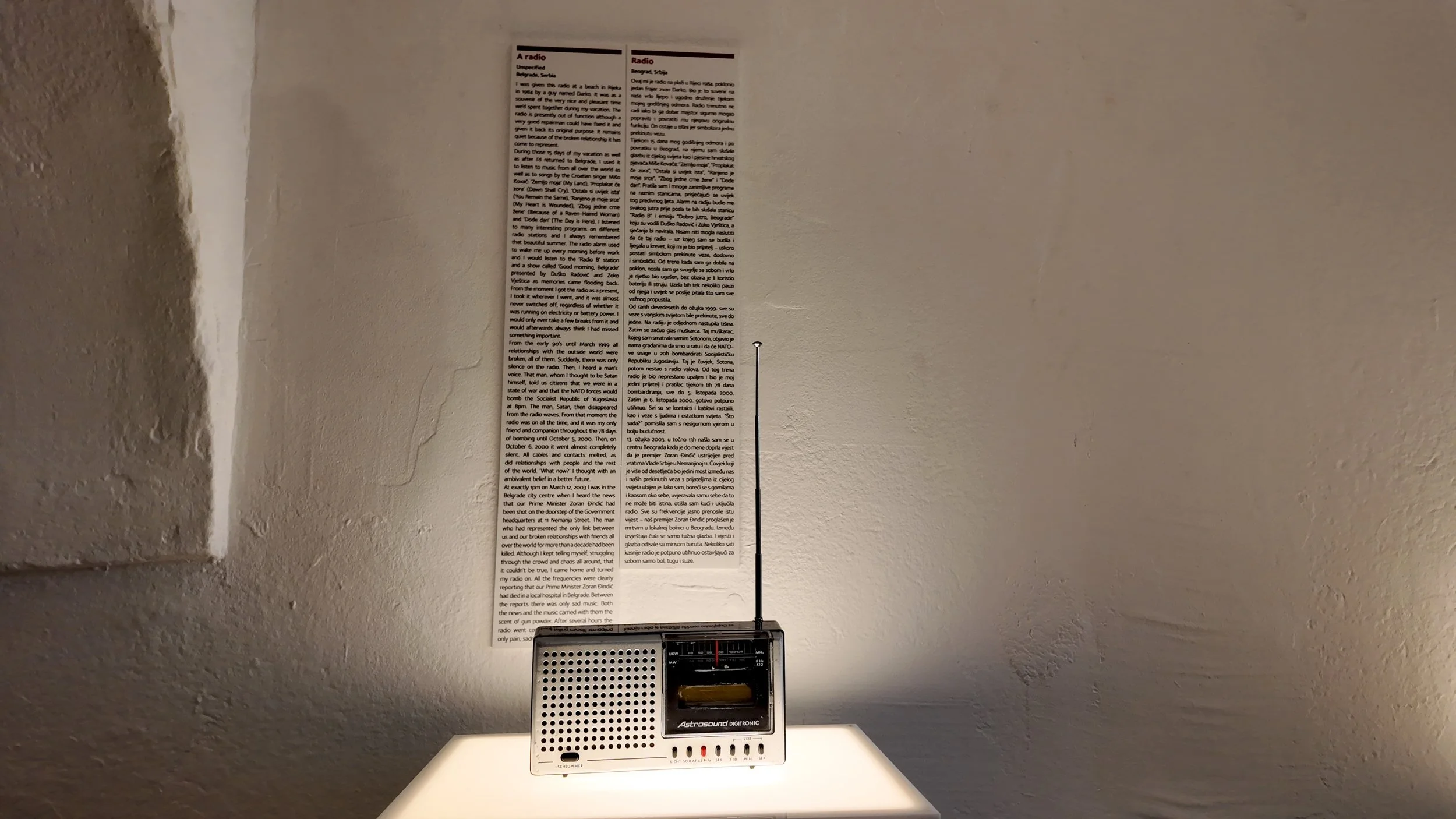
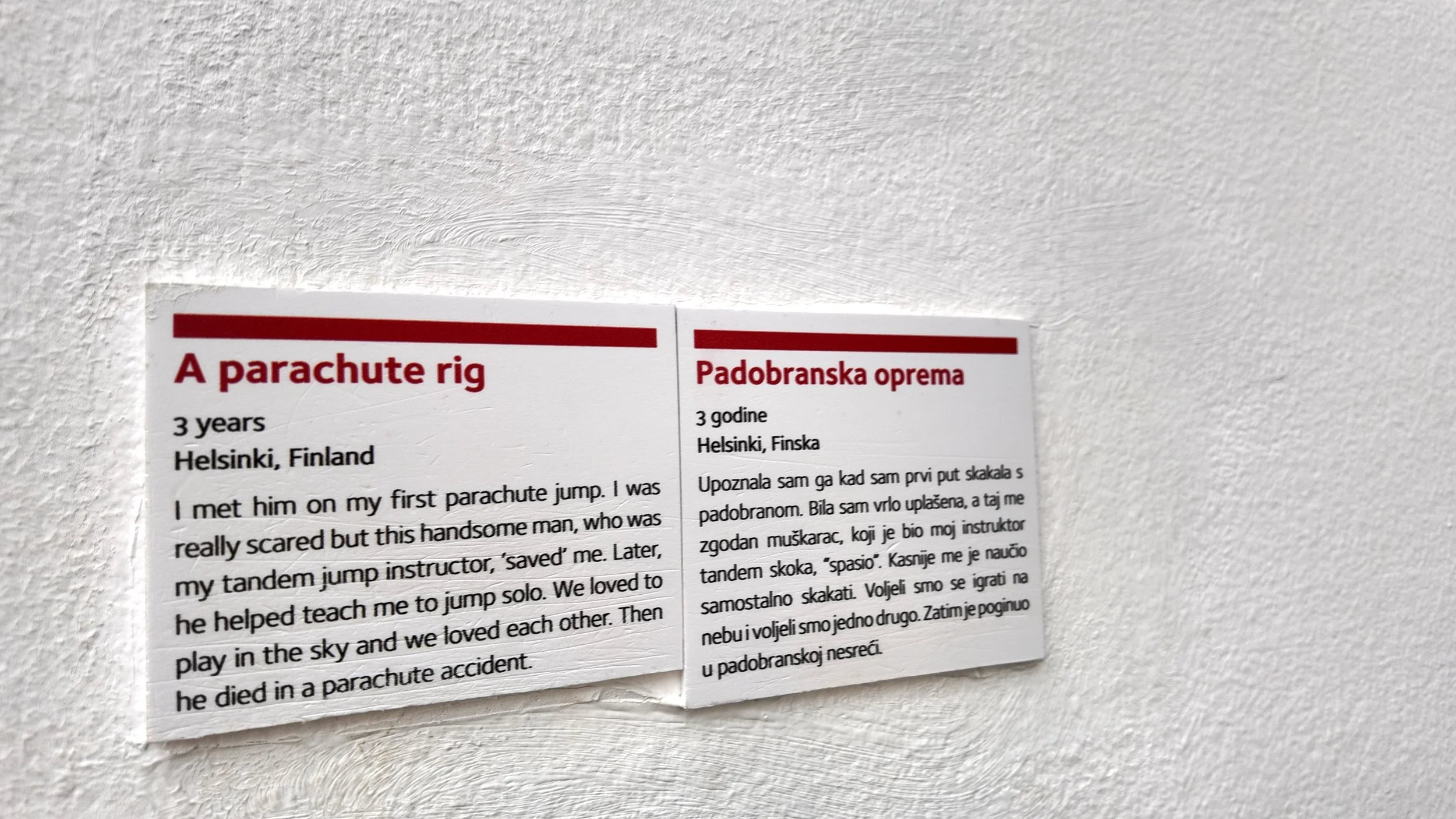
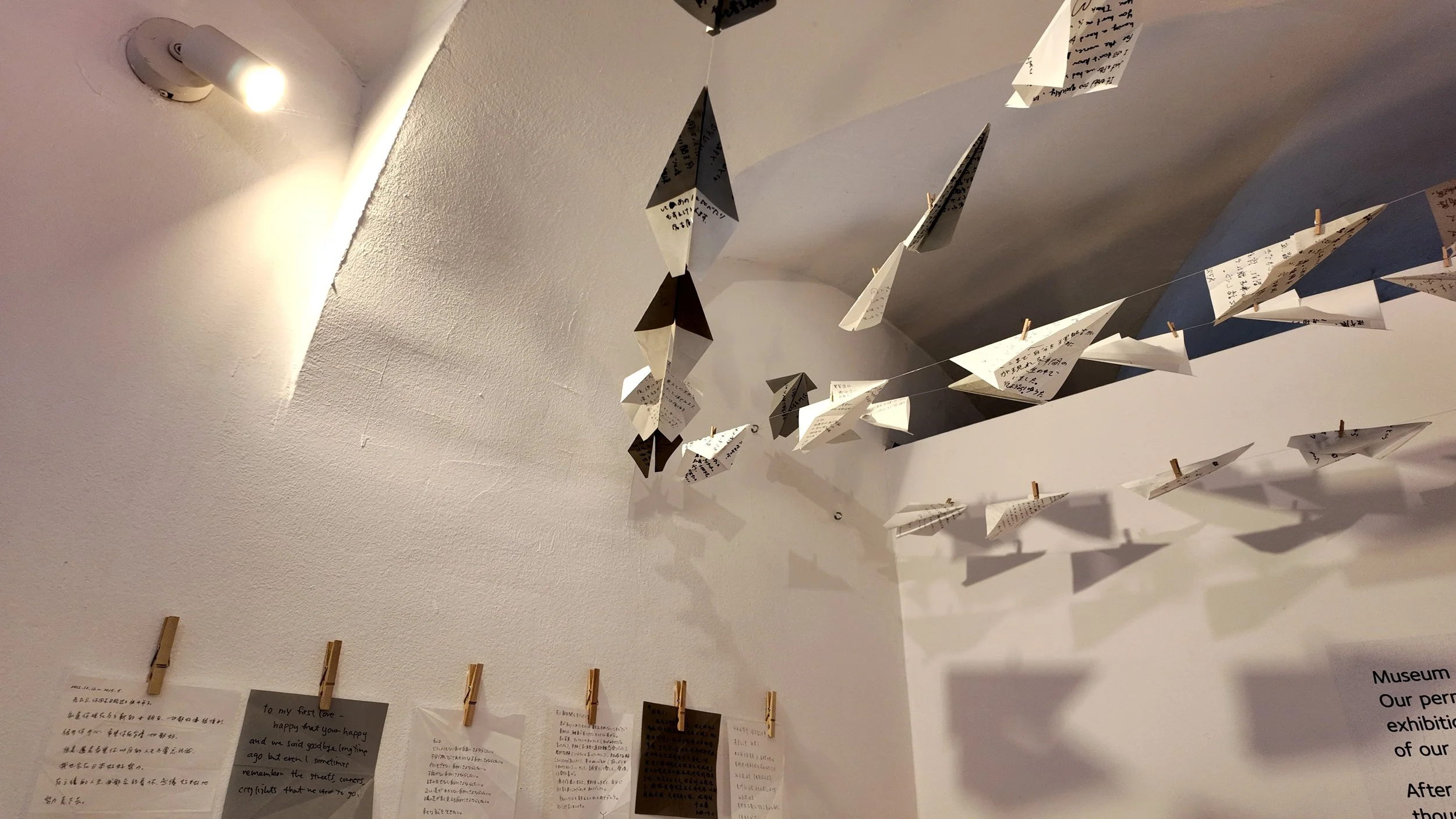
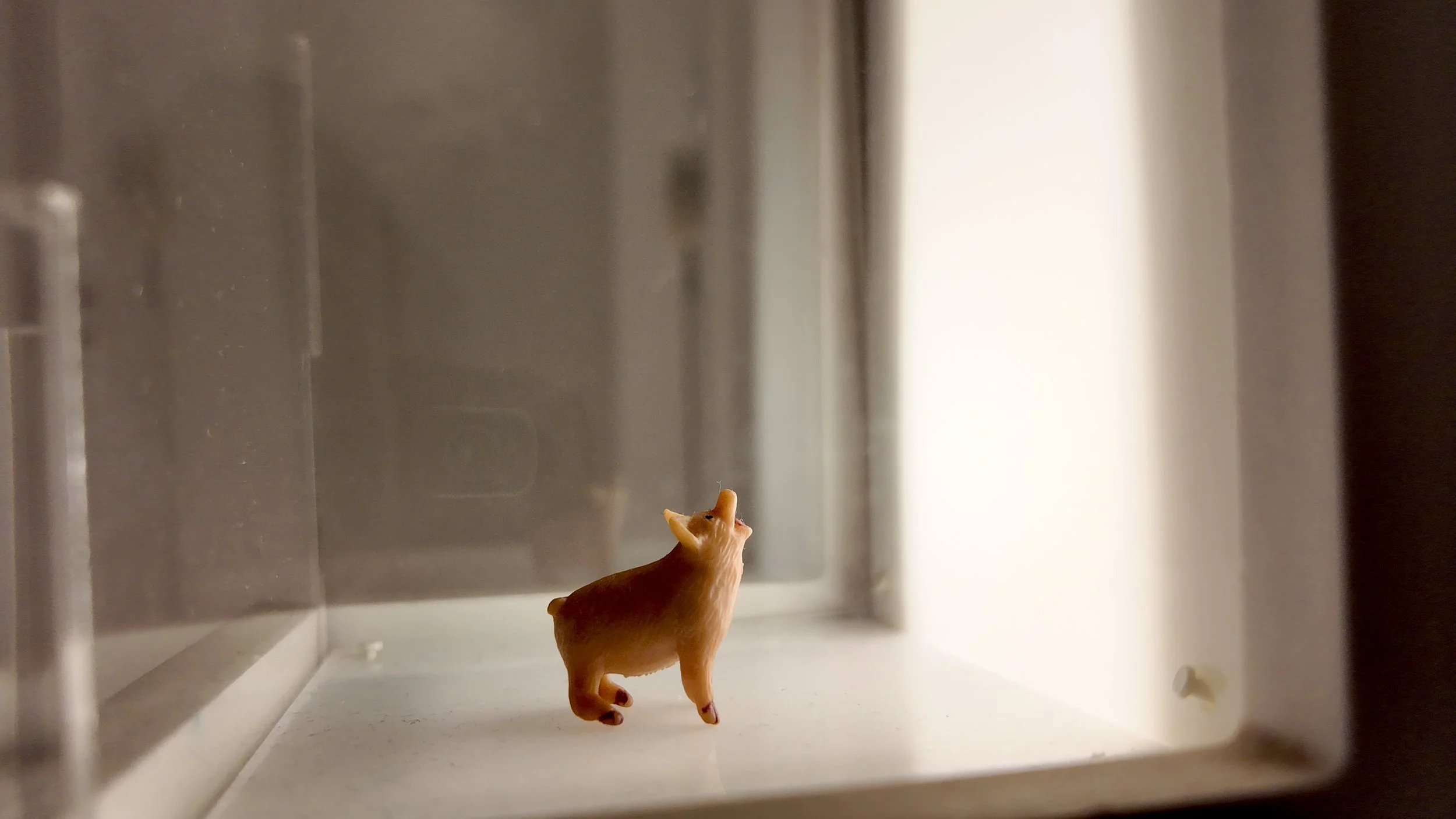
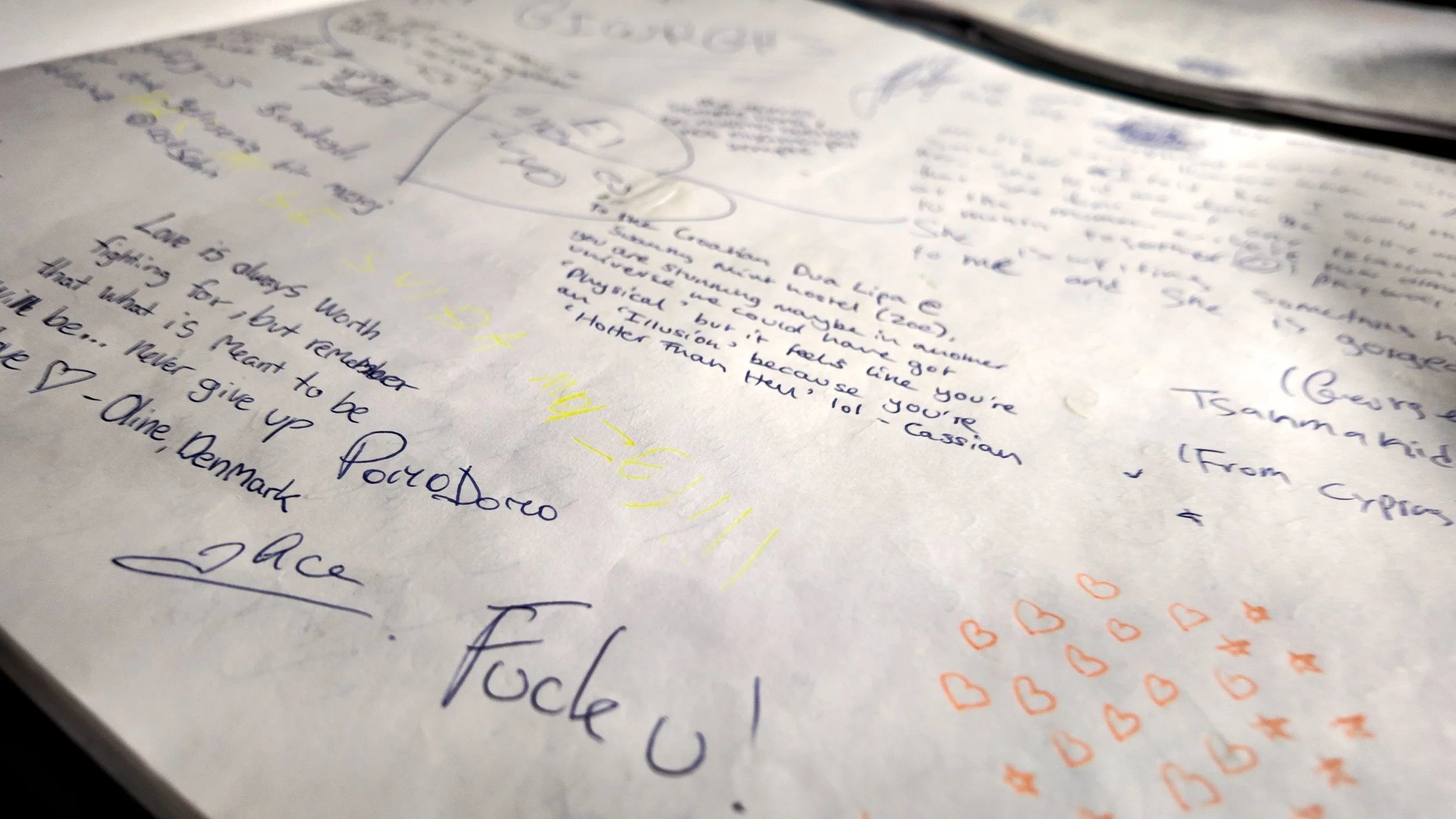
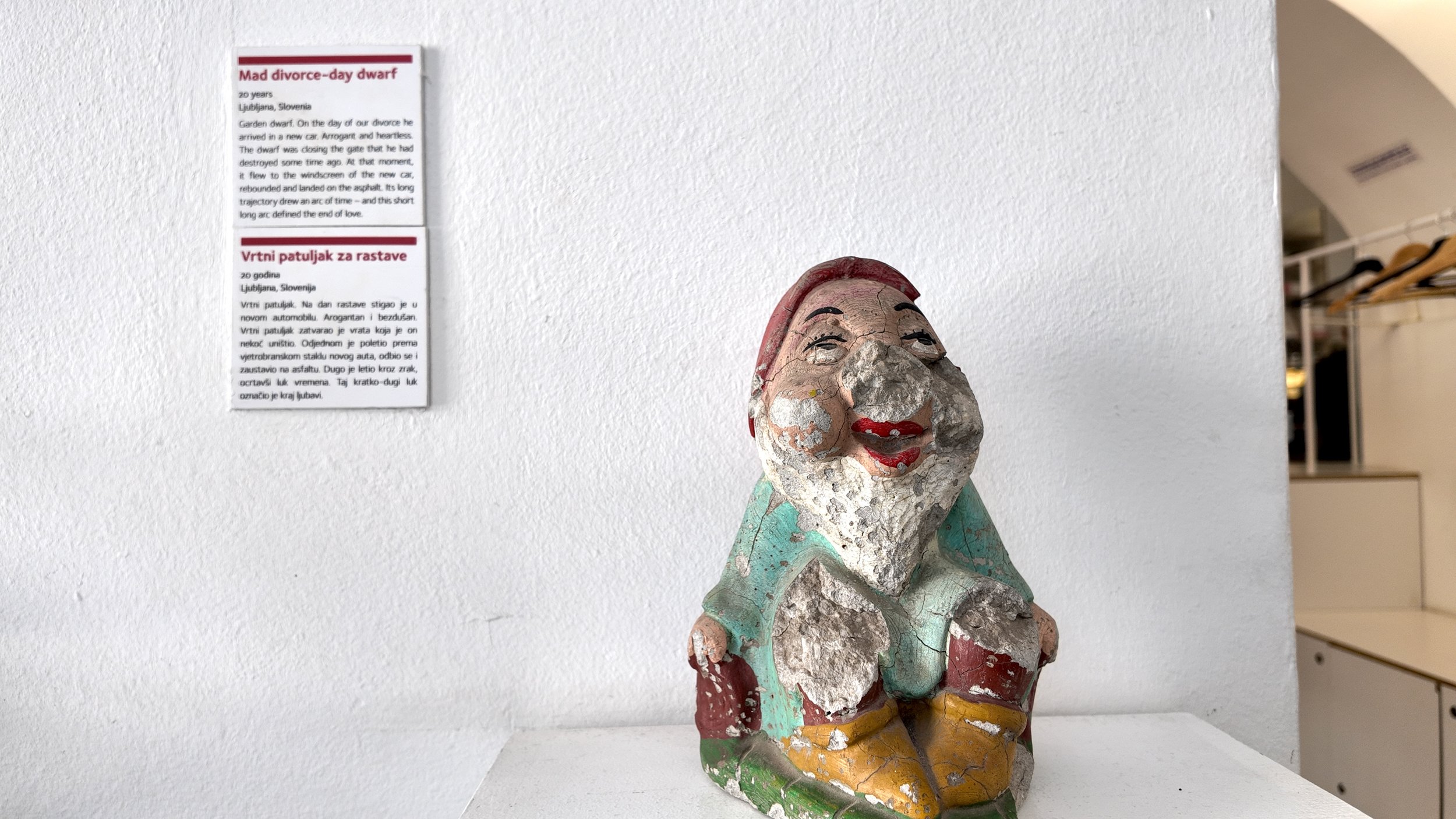
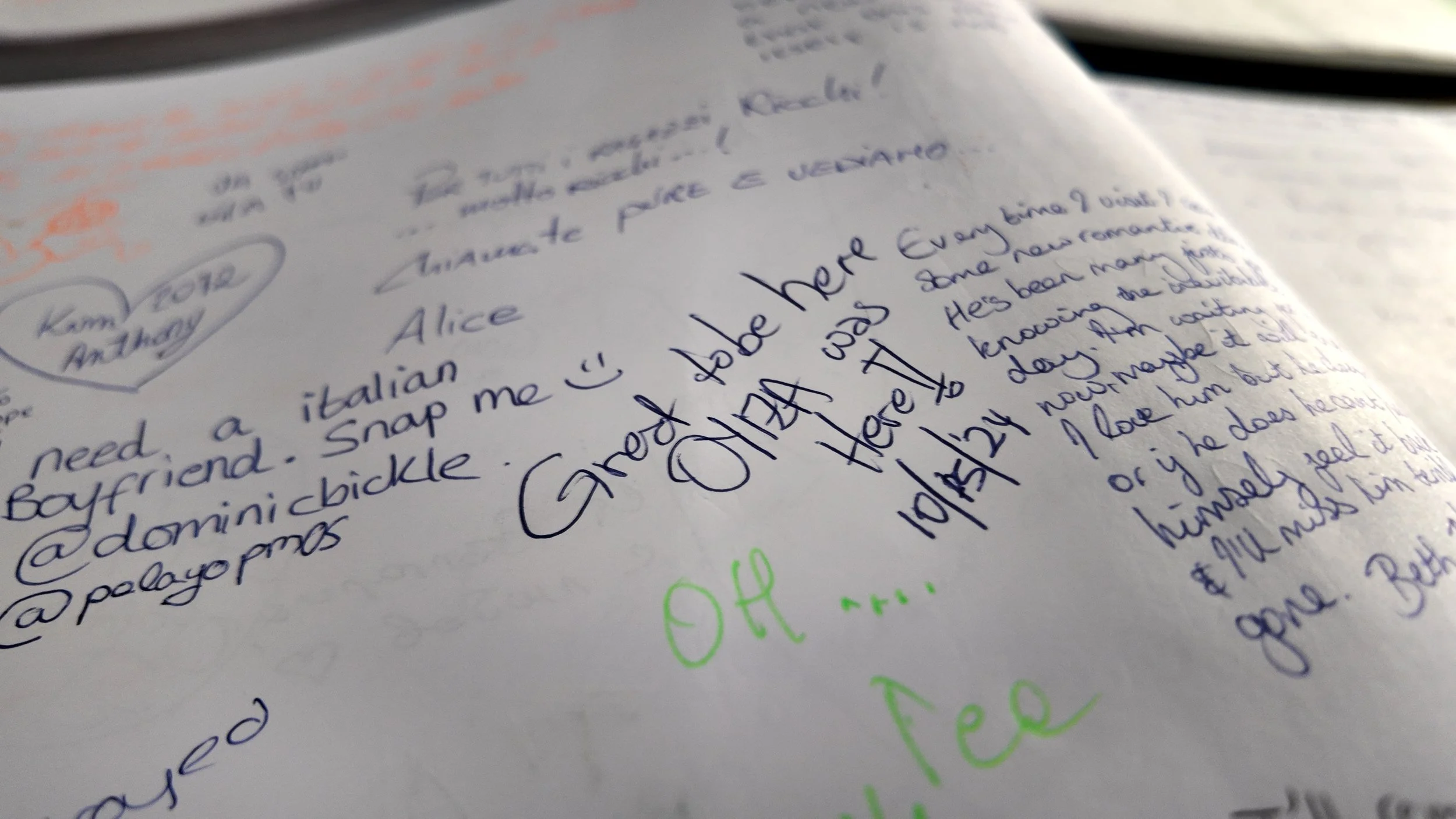
With a few hours to my flight, of all Croatia's 222 museums, I chose to visit The Museum of Broken Relationships in Zagreb's city center. I was curious, and thought it interesting to encounter first hand, how people confronted their past relationships. The museum was founded by two individuals, an artist/film producer, and a sculptor, who survived a breakup. Three years after joking about how to store their personal items, their maturity and innovation led to the museum's first public showing in 2006.
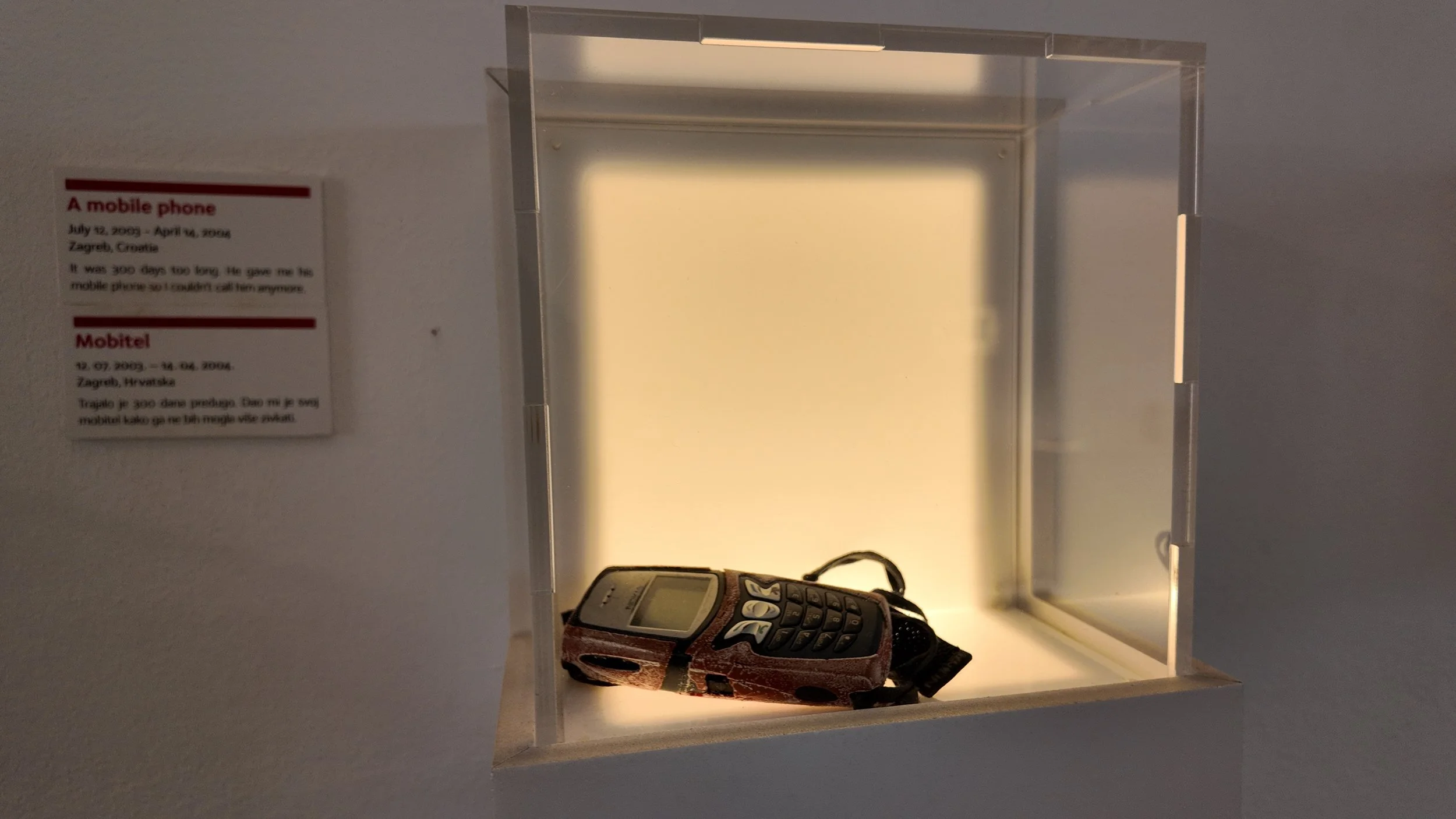
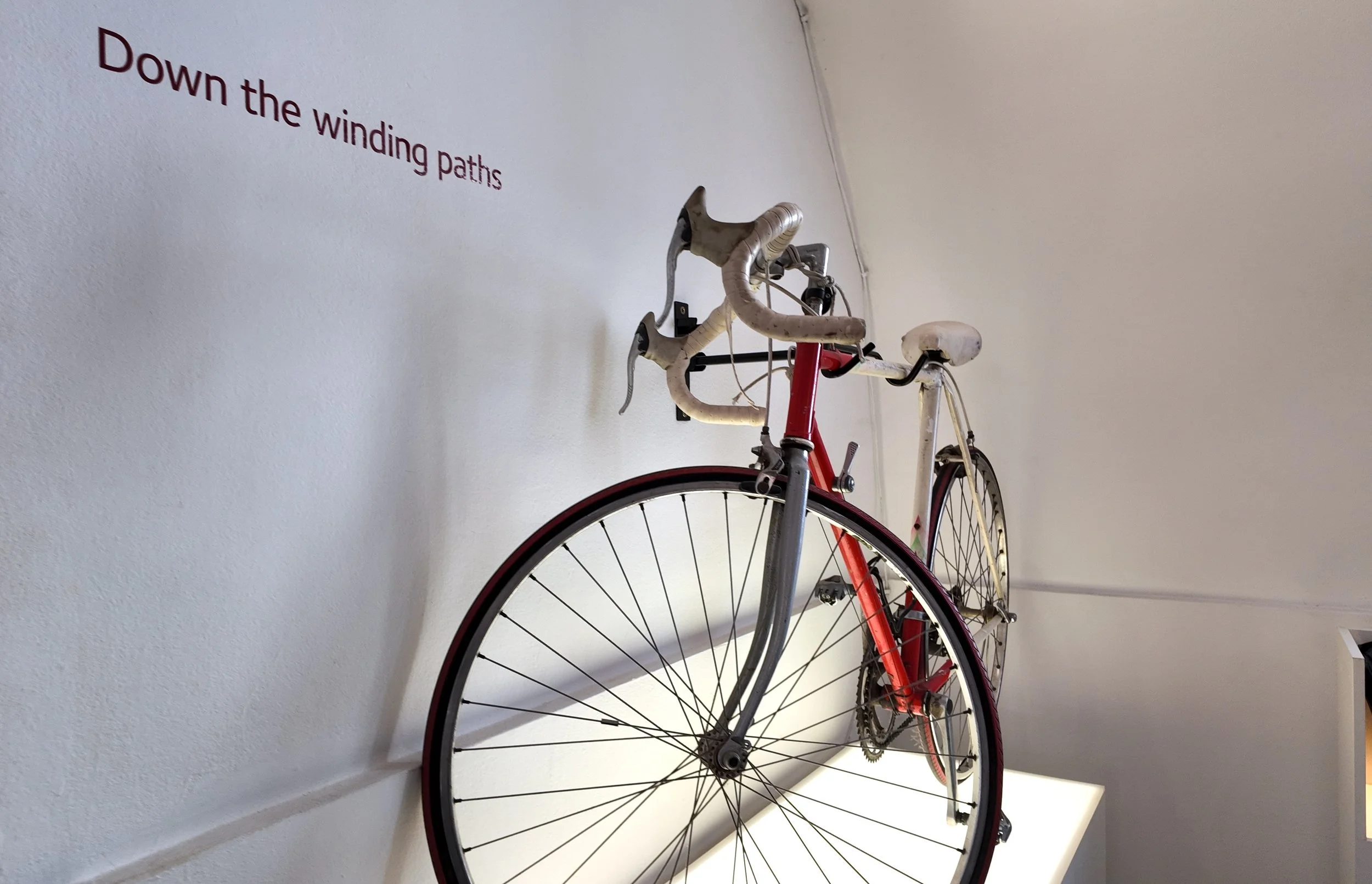
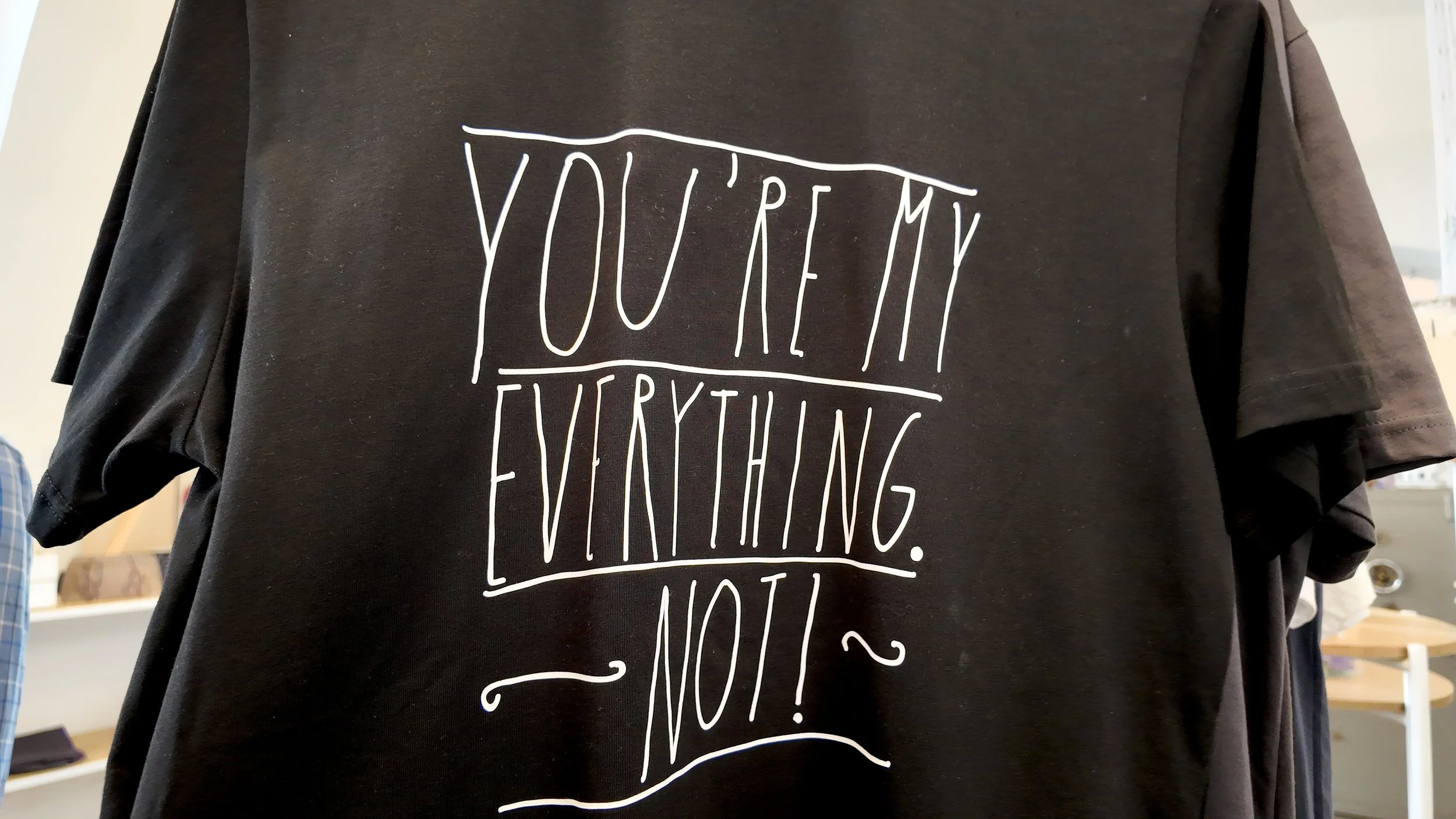
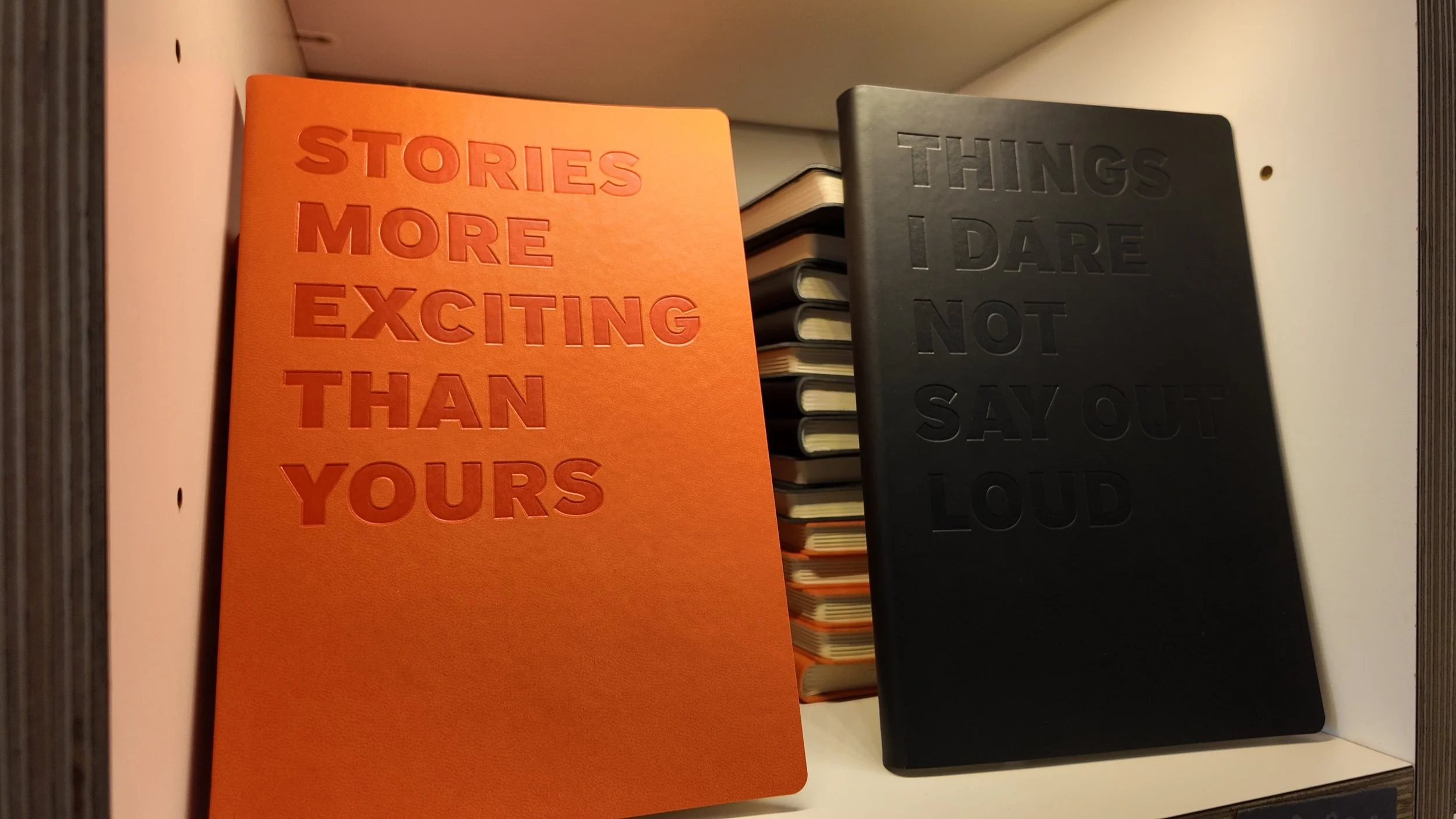
Since then, it has enjoyed an extensive travel history as a global traveling exhibition to nearly 60 locations from South Africa to North Macedonia. The museum's popularity with fans and tourists is its unique relatable subject matter, and main concept of personal objects from failed relationships. It is something, to which most living beings can relate.
"Brokenships", as it’s popularly called, is a reflection of Croatia's tenacity to overcome its dark history of war and conflict. The beauty of this peaceful country lies in its ability to confront its past, in order to move forward. It is no wonder that the country houses 10 UNESCO World Heritage sites and 15 intangible cultural heritage items. Art in itself, is healing.
Croatia is a country of 3.9 million people that sits in the Balkans surrounded by Hungary, Serbia, Bosnia, Montenegro, and Italy. Beyond its war history, Croatia's historical significance includes Neanderthal fossils and many significant cultural sites.
According to the Croatia Tourism Board, Tourism accounts for up to 20% of the country’s GDP, providing a rich cultural scene, with professional and amateur theaters, orchestras, and cinemas. Croatia operates as a republic with a parliamentary system, and is a member of the EU, Schengen area, the United Nations and the World Trade Organization.
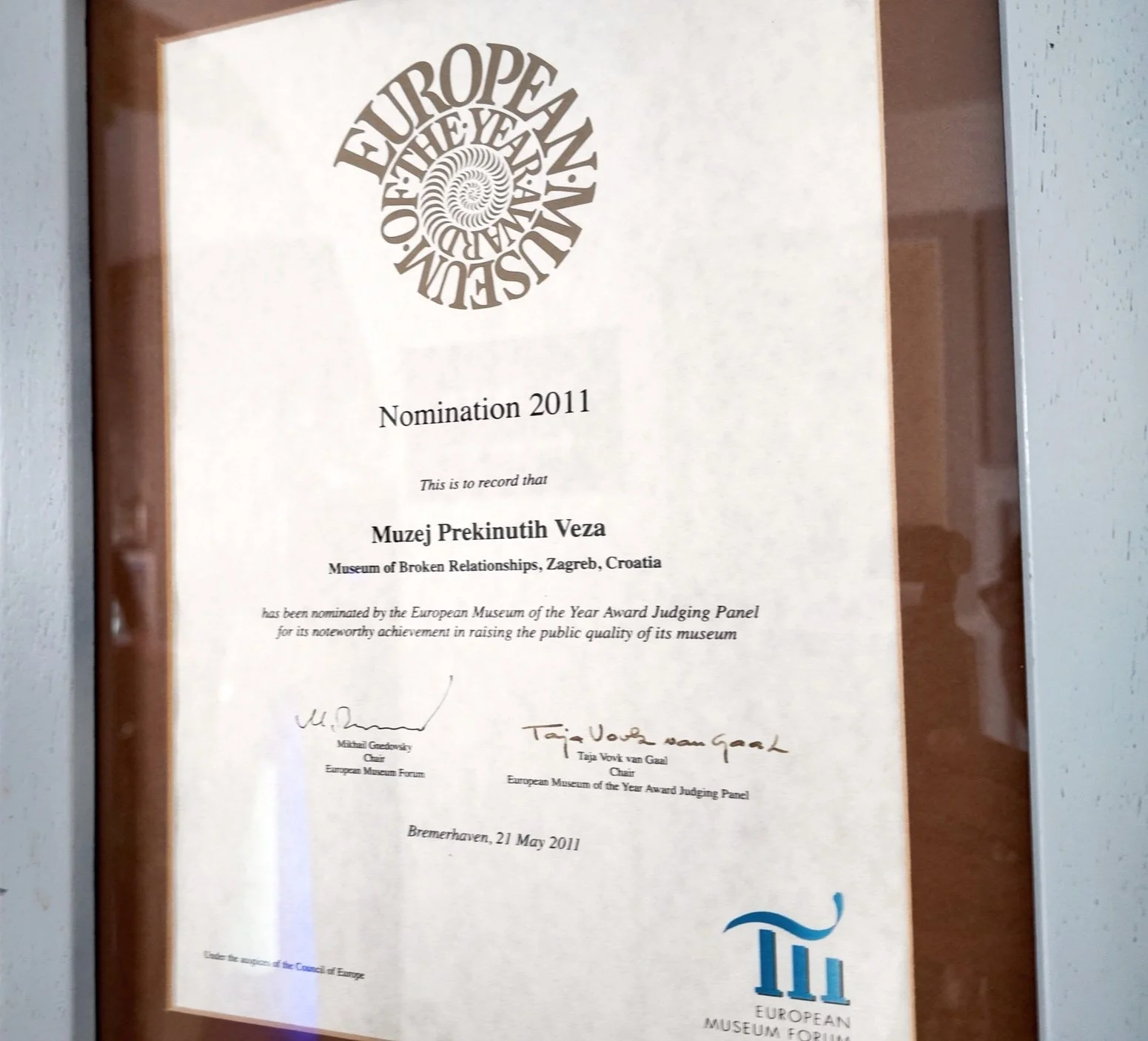
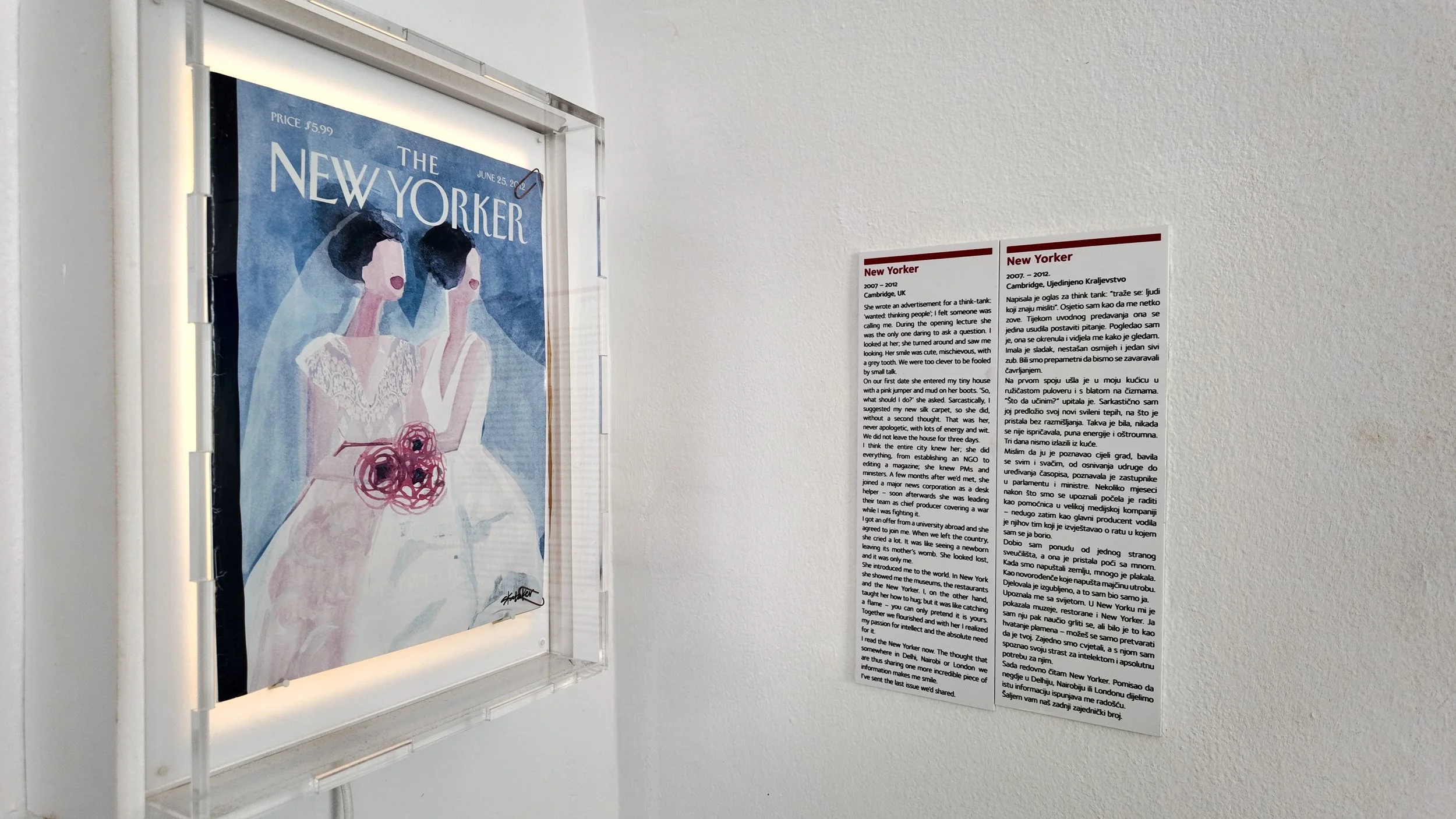
The 2011 KENNETH HUDSON AWARD, presented by The EUROPEAN MUSEUM FORUM (EMF) goes to… "a museum, person, project or group of people who have demonstrated the most unusual, daring and, perhaps, controversial achievement that challenges common perceptions of the role of museums in society", rating the "importance of public quality and innovation as fundamental elements of a successful museum". (Photo by Africa-Related. Source: Wikipedia).
Photos by Africa-Related



share this story
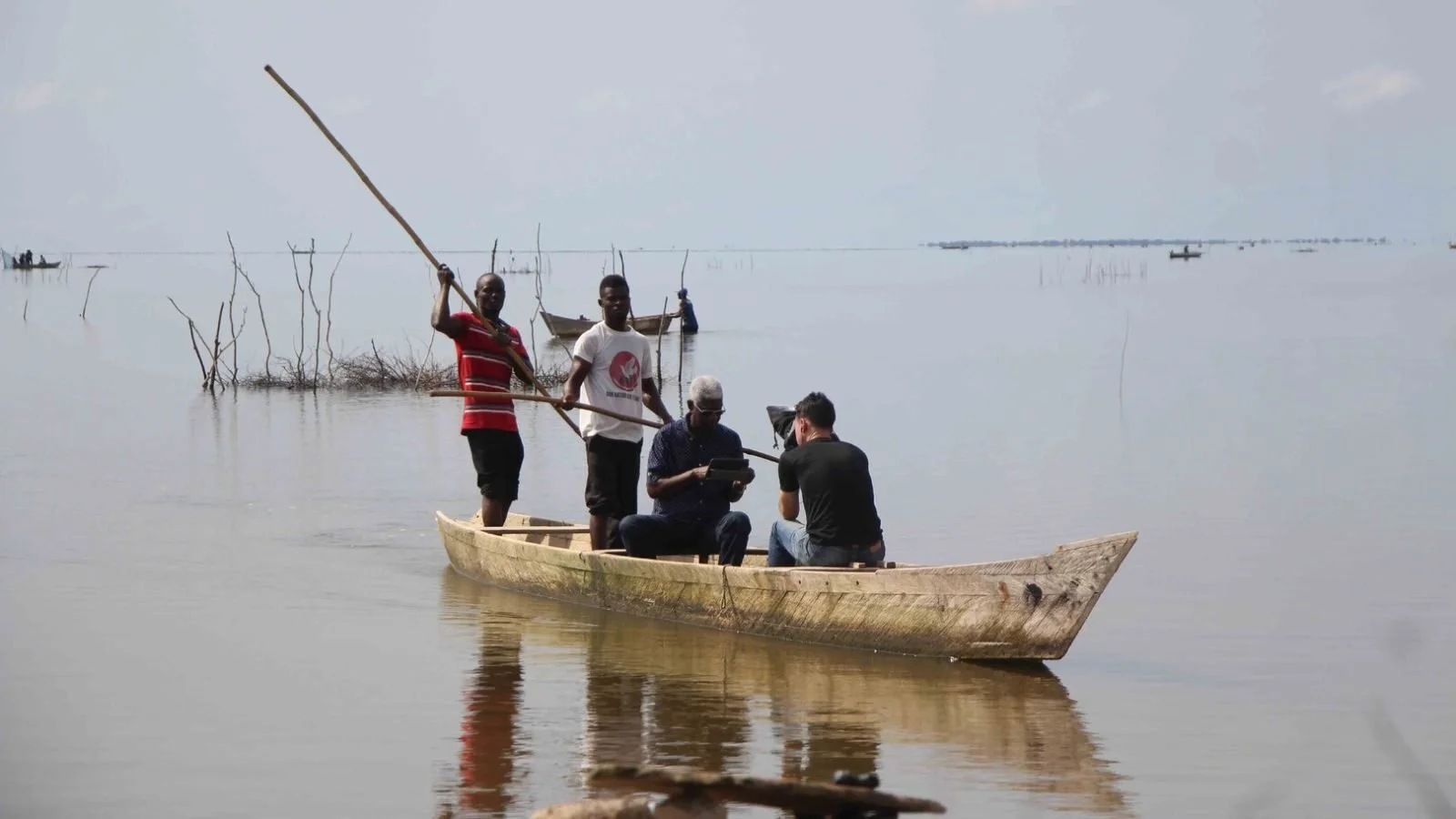
FILM AFRICA Debuts DELA to UK Audience
The Royal African Society is delighted to announce that Film Africa, one of the most anticipated and celebrated showcases of African cinema in Europe, will return for its 2024 edition from 25 October to 3 November. This year's festival promises an exhilarating array of films, virtual events, director Q&As, panel discussions, professional workshops, master classes, school screenings, and family activities.
WED 30 OCT | RICH MIX, 3:30 PM
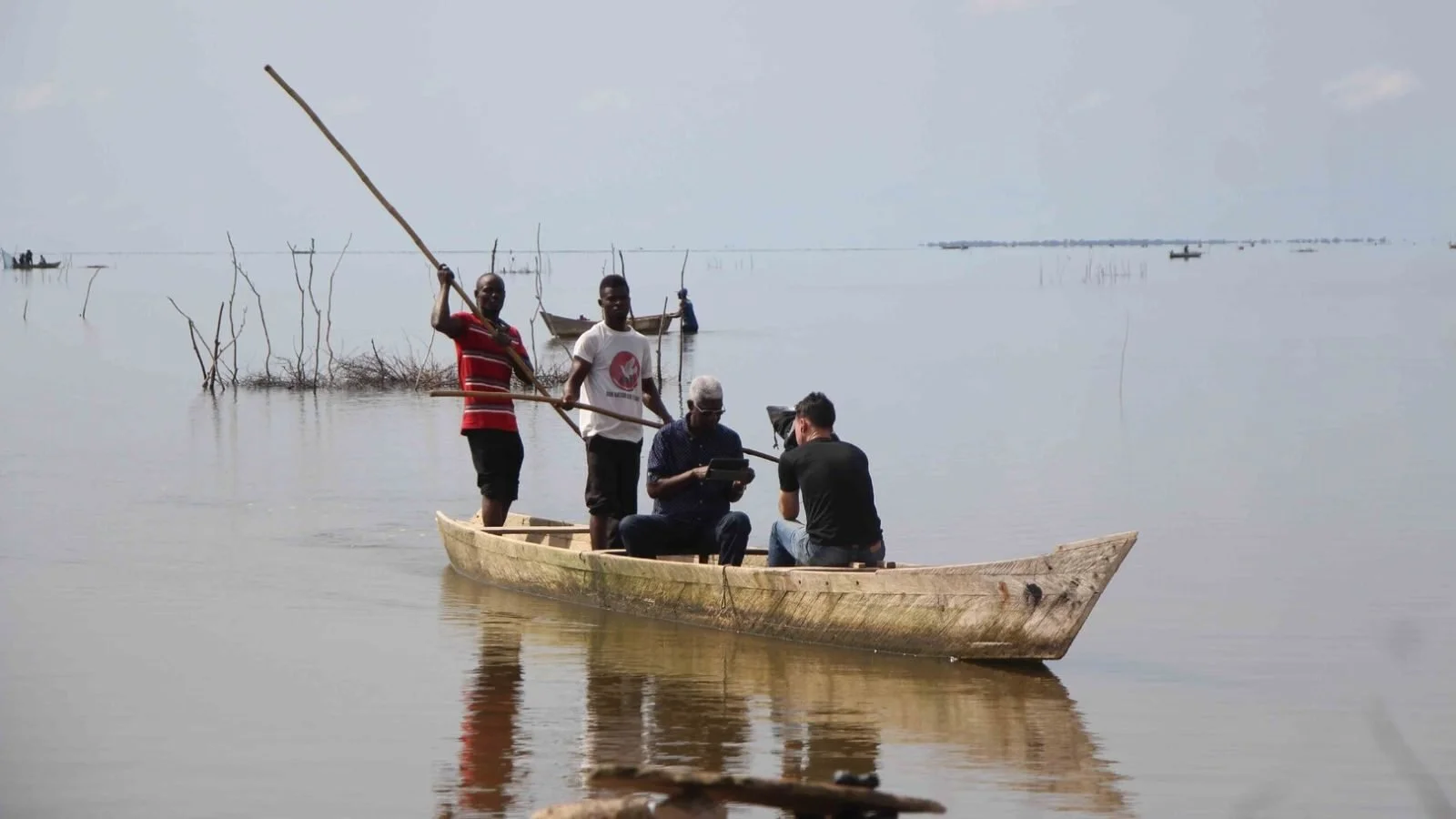
DoP Jason Hill filming Prof El Anatsui in Anyako, Volta Region Ghana. Photo by Africa-Related
The Royal African Society is delighted to announce that Film Africa, one of the most anticipated and celebrated showcases of African cinema in Europe, will return for its 2024 edition from 25 October to 3 November. This year's festival promises an exhilarating array of films, virtual events, director Q&As, panel discussions, professional workshops, master classes, school screenings, and family activities.
The grand Opening Night of the festival will feature the award-winning documentary "Dahomey," directed by award-winning Senegalese filmmaker Mati Diop, who won the Golden Bear at the 2024 Berlinale. Set against the backdrop of the historic Kingdom of Dahomey, (modern-day Republic of Benin) "Dahomey" presents a dramatised account of the return of 26 royal treasures from a museum in France to their rightful home. Through meticulous storytelling and powerful imagery, the film delves into the complexities of cultural repatriation and captures the profound reactions of the Beninese people as they reconnect with their heritage.
In between, DELA: The Making of El Anatsui, an award-winning biographical documentary on the globally acclaimed sculptor directed by Oyiza Adaba, will be screened on October 30, 2024 at 3.30 PM. Get tickets here. Others include The Knife Woman (LA FEMME AU COUTEAU) by Timite Bassori, The Spectre of Boko Haram by Cyril Raingou, and Made in Ethiopia by Xinyan Yu.
Closing the festival is "Black Tea," another Berlinale finalist. "Black Tea" is a poignant romantic drama by award-winning Mauritanian director Abderrahmane Sissako. Starring Nina Mélo and Chang Han, the film follows the journey of a young Ivorian woman who embarks on a transformative odyssey to China, where she finds unexpected love and confronts the complexities of cultural assimilation. It reveals a narrative of aspirational migration across the rarely addressed axis of Asia and Africa.
In addition to the opening and closing films, Film Africa 2024 will showcase an eclectic lineup of features, documentaries, and shorts. Film Africa also recognises and supports new film-making talent through the Baobab Award for Best Short Film and the Audience Award for Best Feature Film.
share this story
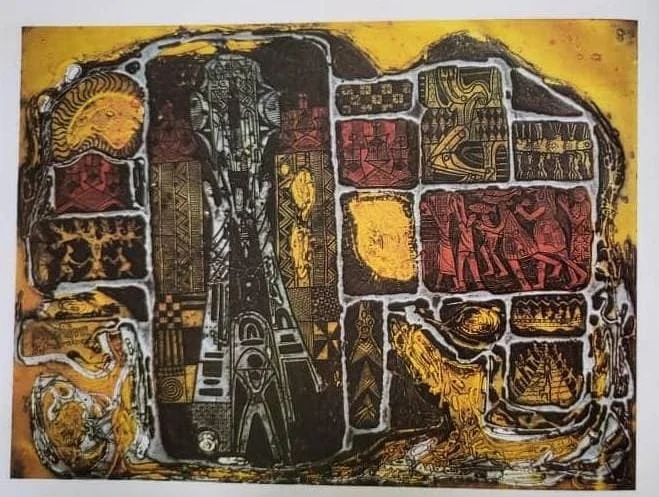
Ominira
The title Ominira —meaning "Independence" in the Yoruba language—evokes a profound message in Bruce Onobrakpeya’s artwork. This powerful piece reflects the belief that Nigeria possesses the human resources, moral fortitude, and abundant natural wealth to thrive as a modern and prosperous nation.
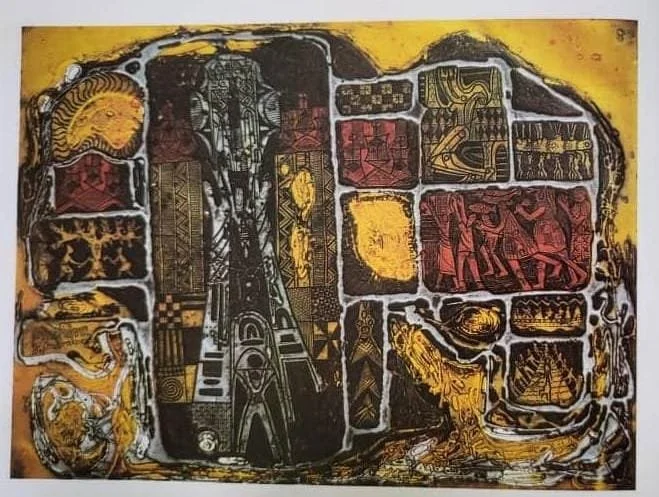
Ominira
Medium: Plastograph
Dimensions: 45cm x 60cm
Artist: Bruce Onobrakpeya
The title Ominira —meaning "Independence" in the Yoruba language—evokes a profound message in Bruce Onobrakpeya’s artwork. This powerful piece reflects the belief that Nigeria possesses the human resources, moral fortitude, and abundant natural wealth to thrive as a modern and prosperous nation.
As we reflect on this artwork , we join Papa Bruce Onobrakpeya—a witness to Nigeria’s transformative journey since gaining independence in 1960—in prayer.
May the Divine bless Nigeria with enduring unity, wisdom, and peace. As we celebrate our nation’s independence, we ask for strength to uphold justice, fairness, and equity for all citizens.
On this special day of commemoration , let us remember that even in times of struggle and uncertainty, we are not without guidance. The courage of our ancestors, the rich heritage of our land, and the unyielding spirit of our people inspire us to move forward. Through the challenges we endure, we carry the hope and promise of a brighter future—one founded on resilience, unity, and collective progress.
Let this Independence Day remind us that , just as our nation's founders envisioned a prosperous Nigeria, we too must continue this journey to realize that dream for future generations. As we walk this path, let us remain steadfast in our commitment to the values of peace, love, and harmony that unite us as one nation under God.
Bruce Onobrakpeya, a UNESCO Living Human Treasure , celebrated his 92nd birthday this past August. For over five decades, he has resided in Mushin, Papa-Ajao, Lagos , continuing to be a beacon of Nigeria’s artistic and cultural legacy.
Africa Regional Media Hub | Refugee Admissions for FY2025;
President Biden today signed the Presidential Determination on Refugee Admissions for Fiscal Year 2025, again setting the refugee admissions target at 125,000 for the upcoming fiscal year—as we have for each year of this Administration.
Africa Regional Media Hub | Refugee Admissions for FY2025; Global Coalition to Defeat ISIS; Counter Ransomware Initiative Summit; UNGA - Global Humanitarian Assistance; DRC; Mali; UNSC: International Peace and Security
The Presidential Determination on Refugee Admissions for Fiscal Year 2025
Secretary Antony J. Blinken at the Opening of the D-ISIS Ministerial
Joint Communiqué by Ministers of the Global Coalition to Defeat ISIS
Readout of Ambassador Linda Thomas-Greenfield’s Meeting with Malian Foreign Minister Abdoulaye Diop
Remarks at a UN Security Council Meeting on Maintenance of International Peace and Security
The Presidential Determination on Refugee Admissions for Fiscal Year 2025
Press Statement
Antony J. Blinken, Secretary of State
September 30, 2024
President Biden today signed the Presidential Determination on Refugee Admissions for Fiscal Year 2025, again setting the refugee admissions target at 125,000 for the upcoming fiscal year—as we have for each year of this Administration.
Refugee resettlement exemplifies the generosity that has always been at the core of the American spirit and reflects the critical role of the United States as a global leader in providing refuge to people fleeing persecution overseas. In Fiscal Year 2024, we resettled 100,000 refugees, the largest annual number in three decades. This is a testament to our successful work to rebuild the U.S. Refugee Admissions Program with help from partners around the world and thousands of Americans across the country who have stepped up to sponsor refugees through the Welcome Corps.
Refugee resettlement is orderly, subject to rigorous vetting, and benefits and enriches American communities. In cities and towns throughout America, refugees contribute to urban revitalization, add to the vibrancy of local communities, and drive America’s competitiveness and innovation on the global stage. Over a 15-year period, refugees contributed almost $124 billion to the U.S. economy. And resettlement offers the unique opportunity of a better life to some of the world’s most vulnerable people, at a time of historic global levels of displacement.
Building on the Administration’s efforts to strengthen refugee resettlement and the generous support from Americans across the country, the refugee admissions target of 125,000 ensures the United States will continue to be a global leader in providing safety and opportunity for those facing persecution around the world.
Secretary Antony J. Blinken at the Opening of the D-ISIS Ministerial
Remarks
Antony J. Blinken, Secretary of State
Loy Henderson Auditorium
Washington, D.C.
September 30, 2024
SECRETARY BLINKEN: Ambassador, thank you very much. Colleagues, good morning and welcome. For those of you who are in New York, I know you just wanted to keep the High-Level Week going, so we’re glad to be able to accommodate that here in Washington.
But in all seriousness, before we get going, let me just say a few quick words about the events of the past week. Hassan Nasrallah was a brutal terrorist, whose many victims included Americans, Israelis, civilians in Lebanon, civilians in Syria, and many others as well. During his leadership of Hizballah, the group terrorized people across the region and prevented Lebanon from fully moving forward as a country. Lebanon, the region, the world are safer without him.
The United States will continue to work with our partners in the region and around the world to advance a diplomatic resolution that provides real security to Israel, to Lebanon, and allows citizens on both sides of the border to return to their homes. We likewise will continue working to secure a ceasefire deal in Gaza that brings the hostages home, eases the suffering of people in Gaza, preserves the possibility of a more lasting, secure peace for the entire region.
Diplomacy remains the best and only path to achieving greater stability in the Middle East. The United States remains committed to urgently driving these efforts forward.
Now, turning to the subject of this ministerial, 10 years ago the United States mobilized a global coalition to confront ISIS – or Daesh – a nihilist terror group that over the course of a few months had occupied territory comprising a third of both Iraq and Syria, which it used to conduct a horrific campaign of violence and brutality.
Over the following decade, this coalition grew from 12 to 87 countries. And together, we’ve made significant progress. In 2017, coalition partners dismantled the last ISIS stronghold in Iraq. Two years later, we did the same in Syria – effectively ending ISIS’s efforts to establish a geographic caliphate. We imposed coordinated sanctions on ISIS-controlled assets to hinder the group’s recruitment and expansion. And in the last five years, we have collectively invested billions of dollars to help restore security and public infrastructure in some of the communities devastated by ISIS.
These were vital, hard-won achievements. But we know that our work is not done. As ISIS aims to reconstitute itself in the Middle East and makes territorial gains in Asia and Africa, our coalition must remain clear-eyed about the evolving challenge that we face. As we were reminded last week, this is a moment of enormous volatility in the Middle East. It’s more important than ever that we enhance our efforts to strengthen security and stability, including in Iraq and Syria, and prevent extremists like ISIS from exploiting conflict in the region for their own benefit.
To that end, let me briefly outline the three core areas where we will focus our conversations today.
First, the United States and Iraq will discuss – and with our other coalition partners as well – our plans for a phased transition of Operation Inherent Resolve. This military mission, established in response to Iraq’s 2014 request for support in its campaign against ISIS, will conclude in Iraq by September 2025. Over this period, the United States will work with Baghdad on bilateral security arrangements that will allow us to sustain and build our security partnership and cooperation.
In turn, our Iraqi partners will assume greater responsibility for ensuring that ISIS cannot retake territory within Iraq’s borders. We’re immensely grateful to Iraq and the Iraqi Security Forces for all of the sacrifices that they’ve made in this effort, and for their steadfast leadership in combating ISIS.
As we shift into this new phase of our collaboration, we hope to continue working with our coalition partners – including the NATO Mission in Iraq, which intends to continue its own security relationship with Iraq.
The United States will also maintain our counterterrorism efforts from outside of Iraq – including in Syria – for as long as needed. Just this month, U.S. special forces successfully targeted multiple senior ISIS leaders in Syria, demonstrating our own resolve to degrade and dismantle the group and its affiliates.
Second, our coalition will discuss today the repatriation of foreign fighters and their families – which remains the only durable solution to the humanitarian and security crisis in northeast Syria.
More than 43,000 displaced persons from over 60 countries reside in northeast Syria. Most are children who have never known another home.
Meanwhile, roughly 9,000 fighters remain in detention facilities across northeast Syria – this is the single largest concentration in the world. Even from confinement, these extremists are attempting to grow their ranks.
Increasingly, coalition partners are stepping up to meet this challenge. Since 2021, the Iraqi Government has repatriated more than 10,400 citizens. In the last year, the Kyrgyz Republic repatriated more than 432 of its nationals. Partners like Kuwait have also helped facilitate repatriations, permitting planes departing from Syria to refuel at their airbases.
Now, we know repatriation remains a complicated, difficult issue. But if we fail to act, security conditions on the ground will only get worse. We could see fighters once again take up arms and threaten communities that we fought so hard to protect and support. This is not the time to let up. It’s a moment to continue our efforts.
We have to urgently accelerate our work to repatriate, reintegrate, and – where appropriate – prosecute detained and displaced persons from northeast Syria. The United States stands ready to provide support – logistically, diplomatically – to advance this effort.
Finally, we will strengthen our cooperation against ISIS branches outside of the Middle East.
In sub-Saharan Africa, ISIS affiliates have gained ground, compounding the threat already present from existing militant groups.
To tackle this growing threat, the United States, Italy, Morocco formed the coalition’s Africa Focus Group in 2021. Last year in Riyadh, we welcomed Saudi Arabia as a co-lead of this effort. Already, we’ve helped African partners better align and coordinate to support civilian-led counterterrorism operations.
ISIS-Khorasan — based out of Central and South Asia – also poses a distinctive challenge. While waging a low-level insurgency in Central and South Asia, this group uses online recruitment to mount attacks around the world, including earlier this year in Iran and Russia.
Through the coalition’s Communications Working Group – led by the United States, the United Arab Emirates, and the United Kingdom – we’re working with journalists, civil society groups, and activists to push back against the hollow promises that ISIS propaganda seeks to promote.
In the coming year, we have to continue to drive these key efforts forward.
In that spirit, this morning, I can announce that the United States will provide $148 million to enhance civilian-led border security and counterterrorism operations across sub-Saharan Africa and Central Asia.
Separately, we’ll contribute $168 million to the coalition’s annual Stabilization Pledge Drive for Iraq and Syria. This assistance will enable critical demining operations, restore essential services like water and electricity, invest in education, and promote economic opportunity.
This commitment follows the United States’ announcement last week, in New York, of $535 million in additional humanitarian assistance to the Syrian people, as well as displaced communities residing in the country.
A decade into this fight, we can take pride in all that we’ve accomplished. But as the challenge evolves, so must this coalition.
And as I said, this is not the time to let up. It’s a moment to recommit – to recommit to our common mission, to decisively defeat ISIS, and ensure greater security and stability for all of our people.
I thank everyone for being here today, but more important I thank you for what you’re doing every day to keep this coalition together, moving forward in the mission that we share.
Thank you very much. Thank you. (Applause.)
Joint Communiqué by Ministers of the Global Coalition to Defeat ISIS
Media Note
Office of the Spokesperson
September 30, 2024
Ten years after the formation of the Global Coalition to Defeat Daesh/ISIS, Deputy Prime Ministers, Foreign Ministers, and Senior Officials convened in Washington, D.C, today at the invitation of Secretary of State Antony J. Blinken. The Global Coalition to Defeat Daesh/ISIS is the largest international coalition in history and remains committed to defeating Daesh/ISIS anywhere it operates.
In 2014, the United States led an international response to the Iraqi government’s request for assistance against Daesh/ISIS, resulting in the formation of the Global Coalition. In 2024, five years after the Global Coalition’s defeat of Daesh/ISIS in Iraq and Syria, Coalition members honor the sacrifices made by those who fought and died in Iraq and Syria to liberate territories from Daesh/ISIS and commend Iraq for its leadership in the Coalition.
Global Coalition Ministers commit to supporting the Government of Iraq’s efforts to safeguard the security, peace, and development of the Iraqi people. The planned transition of the Coalition’s military mission in Iraq to bilateral security partnerships reflects a reduction of the Daesh/ISIS threat. Ministers commend Iraq’s continuing cooperation in countering Daesh/ISIS in the region, and its ongoing leadership in broader Coalition lines of effort, including stabilization, counter financing, disruption of foreign terrorist travel, and prevention of recruitment to ensure there is no Daesh/ISIS resurgence.
Ministers endorse the priorities of the Coalition Stabilization Working Group, with a goal of raising and implementing $394 million for areas liberated from Daesh/ISIS in Iraq and Syria – toward which members have already announced commitments totaling more than $200 million. The Ministers emphasize the importance of durable solutions for remaining populations in northeast Syria, including bringing to justice detained terrorists, ensuring accountability for crimes including gender-based violence, ensuring detainee populations are housed securely and humanely, and improving conditions for the populations residing in al-Hol and Roj displaced persons camps. Ministers urge support to reconciliation and reintegration efforts in Iraq and Syria and to foster conditions conducive to a Syria-wide political resolution to the conflict consistent with UN Security Council Resolution 2254. Ministers commend Iraq’s progress in repatriating over 10,000 of its nationals from northeast Syria and Iraqi efforts to apply accountability where appropriate and in assisting the displaced to reintegrate into their communities of origin.
Ministers commit to counter the continued spread of Daesh/ISIS globally, including across parts of Africa and Central and Southeast Asia. Ministers reaffirm their commitment to mobilize members and legitimate partners and pursue whole-of-government approaches to disrupt Daesh/ISIS global networks by sharing information via trusted and secured systems, to deny their freedom of movement, and to restrict their access to financing and other resources in line with UN Security Council Resolution 2178, 2396, and 2462. Ministers underscore the need to enhance comprehensive counterterrorism efforts, ensure that our policies and practices are appropriately human-rights-based, block terrorist access to resources and financing, disrupt cross-border movements of Daesh/ISIS, and protect and assist victims who suffered under Daesh/ISIS misrule.
Ministers condemn ISIS-K’s indiscriminate attacks in Asia and Europe and commit to deterring and disrupting future attacks. To this end, Ministers endorse the Coalition-aligned ISKP Diplomatic Grouping, highlighting the need to improve coordination and to partner with regional counterterrorism and strategic communication initiatives. Ministers also commend the work of the Global Coalition’s Africa Focus Group in promoting an active role of African partners and highlighted the imperative to counter malign and non-state armed actors whose actions undercut counterterrorism cooperation and destabilize regions in which they operate. Coalition Ministers welcome the participation of observers from Central Asian states and Africa at the Ministerial and affirm their intent to strengthen counterterrorism cooperation with them.
Ministers applaud the significant work of Global Coalition members in countering Daesh/ISIS propaganda in the ever evolving and challenging information environment, including successful campaigns to expose and discredit the deceptions propagated by Daesh/ISIS. Ministers note ongoing initiatives to prevent terrorists from dominating public narratives across traditional media, social media, and encrypted messaging applications, and underscore the importance of artificial intelligence to combat terrorist propaganda and recruitment. Ministers emphasize that terrorism, in any form or manifestation, should not be associated with any faith, religion, or ethnic group.
Welcoming the Maldives as the newest member of the Global Coalition, bringing the total number of members to 87, Ministers especially recognize the participation of Uzbekistan, Tajikistan, Senegal, Pakistan, Kyrgyz Republic, and Kazakhstan as observers and committed the Coalition to increase engagement in these regions to enhance counterterrorism capacities and coordination. Ministers support the Global Coalition adjusting its processes, structures, and instruments to ensure it continues to be fit for purpose to defeat the current Daesh/ISIS threat and to deter and defeat future threats.
On the 10th anniversary of its establishment, with continued affirmation that individual members bear the primary responsibility for the security of their homelands, the members of the Global Coalition recommit to mobilizing and coordinating efforts to defeat Daesh/ISIS in accordance with international law, including the Charter of the United Nations, applicable international human rights law, and all relevant UN Security Council resolutions. Members of the Global Coalition will stand together until Daesh/ISIS is defeated.
Secretary Blinken to Deliver Remarks at the Fourth International Counter Ransomware Initiative Summit
Notice to the Press
Office of the Spokesperson
September 30, 2024
Secretary of State Antony J. Blinken will deliver remarks at the Fourth International Counter Ransomware Initiative (CRI) Summit on Tuesday, October 1, at 12:45 p.m. EDT at the Foreign Service Institute in Arlington, Virginia.
CRI is the largest international cyber partnership, consisting of 68 members committed to building collective resilience to ransomware and disrupting the ransomware ecosystem. Members cooperate across all elements of the ransomware threat, including by undercutting the viability of ransomware and pursuing the actors responsible, countering illicit finance that underpins the ransomware ecosystem, and working with the private sector to defend against ransomware attacks. CRI is a key pillar of the United States’ commitment to working closely with partners across the globe to counter ransomware and other cyber criminal actors, as detailed in the United States International Cyberspace and Digital Policy Strategy launched by Secretary Blinken in May.
The Secretary’s remarks will be replayed on the Department homepage and the Department YouTube channel. Press coverage of the remarks will be open to pre-registered media. Media who would like to cover in person must RSVP by emailing CDP-Press@state.gov by 8:00 p.m. today, September 30, 2024.
United States Announces Nearly $2.1 Billion in Humanitarian Assistance at the 79th UN General Assembly
Fact Sheet
Office of the Spokesperson
September 30, 2024
At the 79th UN General Assembly, the United States announced nearly $2.1 billion in humanitarian assistance to address the unprecedented level of humanitarian needs globally. This funding supports critical and life-saving humanitarian assistance to those impacted by crises, including displaced persons and the receptive host communities supporting displaced persons in their time of need. This generous life-saving assistance from the American people includes more than $873 million through the Department of State’s Bureau of Population, Refugees, and Migration and more than $1.2 billion through the United States Agency for International Development’s Bureau for Humanitarian Assistance. We call on other international donors to also make every effort to increase humanitarian funding to respond to the extreme level of need impacting people globally.
Humanitarian assistance announced at the 79th UN General Assembly includes:
Nearly $424 million for the Sudan regional response: This includes assistance in Sudan and neighboring countries to respond to needs stemming from the crisis that began in April 2023 and has become one of the most severe global challenges. It will provide food, health, nutrition, protection, and other critical assistance to people across Sudan and neighboring countries who have been devastated by the ongoing conflict.
Nearly $336 million to support Palestinians in Gaza and the West Bank : This assistance provides life-saving humanitarian aid, including expanded support in emergency health care, food, nutrition, psychosocial services, and increased access to safe drinking water, hygiene products, and sanitation services for Palestinian civilians in Gaza and the West Bank affected by the ongoing conflict. It also supports logistics and emergency shelter assistance to displaced Gazans to help them prepare for the upcoming winter months.
Nearly $535 million for the Syria response: This assistance will help meet the needs of the most vulnerable refugees, internally displaced persons, and host communities in Syria and neighboring countries. This includes emergency shelter; food assistance; access to health care and education; water, sanitation, and hygiene supplies; support for livelihoods; and protection for those in situations of vulnerability.
Nearly $199 million for Rohingya refugees and their host communities: This assistance supports the needs of Rohingya refugees and communities hosting them in Bangladesh and the region. It will provide protection, shelter, and food for those forced to flee violence and persecution. It will also support disaster preparedness and protection for refugees and host communities, bolster access to education and skills training, and prepare refugees for their potential return home when conditions allow.
$597 million for migration efforts in the Western Hemisphere: This assistance responds to the needs of refugees, vulnerable migrants, as well as other displaced and stateless persons across the region, including life-saving assistance such as emergency food assistance, shelter, access to emergency health care, improvements to local infrastructure for potable water and sanitation facilities, access to protection services, and support to local schools. It also supports the Safe Mobility Initiative and advances the goals of the Los Angeles Declaration on Migration and Protection to foster responsibility sharing, stability, and assistance for affected communities.
The United States is proud to be the largest single donor of humanitarian assistance globally, providing more than $54 billion in humanitarian assistance since 2021. The United States is leading efforts to respond to global humanitarian needs, working with partners to transform humanitarian response for the 21st century, and making humanitarian assistance more resilient to climate impacts.
For further information, please follow @StatePRM and @USAIDSavesLives.
Remarks by Ambassador Linda Thomas-Greenfield at a UN Security Council Briefing on the Democratic Republic of the Congo
Ambassador Linda Thomas-Greenfield
U.S. Representative to the United Nations
New York, New York
September 30, 2024
AS DELIVERED
Thank you, Mr. President. Before I give my remarks, I just want to share that I was just informed that Dikembe Mutombo, a very renowned humanitarian, former NBA star, Congolese-American, who worked to contribute to the well being of the Congolese people, just died at the age of [58]. So, may his soul rest in peace.
Thank you SRSG Keita for your briefing today, and for the dedicated efforts of the entire UN and MONUSCO teams in the Democratic Republic of Congo. I want to thank our civil society briefer, Ms. Nzale-Kove, for your briefing. And I want to thank Sierra Leone for your briefing.
The United States offers its full support to the ongoing ceasefire in eastern DRC, and to Angola’s leadership of both the Luanda process and the Ad Hoc Verification Mechanism.
We call on all parties to honor the ceasefire, and direct their aligned armed groups to do the same. The parties’ willingness to come to the table is a positive first step, but there is still far more work to be done. They must also deliver on their commitments and bring peace to the people of this region.
Rwanda must immediately withdraw its more than 4,000 troops from DRC territory and cease its support for M23. M23 must immediately withdraw to its November 2023 positions. And the DRC must take immediate actions against FDLR and cease its support to the group.
In addition, the United States appreciates the strong collaboration between the DRC government and MONUSCO on both the mission’s drawdown and its ongoing, essential activities including to reinforce the current ceasefire and protect displaced civilians.
We also welcome the DRC’s efforts at the local and national levels to consolidate MONUSCO’s drawdown from South Kivu.
That being said, MONUSCO’s departure from South Kivu has left critical gaps that cannot go unfilled.
For example, five of six child protection advisors who monitored and reported on violations against children have left the province.
Their absence underscores the urgency of effectively transitioning MONUSCO’s wide ranging tasks to entities, particularly the DRC government, that are properly mandated and well-resourced.
We encourage MONUSCO, the UN, and the DRC government to ensure these capacities are urgently filled. And we reiterate our position that this Council should not authorize a further drawdown of MONUSCO without a clear plan to mitigate against these gaps.
To that end, we appreciate the frank efforts by MONUSCO and DRC authorities to reflect on the disengagement process, and ensure a sequenced, orderly, and coordinated approach. Because ultimately, sustainable transitions take place.
We support the technical discussions already underway between MONUSCO, and the DRC government, and international partners to take advantage of significant lead time in the mission’s departure from North Kivu and Ituri. Especially because significant challenges remain in these provinces.
In North Kivu, M23 continues to obstruct the movements of MONUSCO and humanitarian actors, while threatening violence against UN peacekeepers and positions. Demands that MONUSCO vacate its positions so that M23 can consolidate or further expand its territorial control are wholly unacceptable. We offer our firmest support to the MONUSCO personnel stationed in these areas, who have demonstrated great professionalism and resolve.
In Ituri, we remain deeply concerned by the increasingly lethal operations perpetrated against civilians by the armed group CODECO and the terrorist organization ISIS-DRC, or ADF.
MONUSCO’s role in protecting civilians, including those in vulnerable internally displaced person camps, is absolutely essential, especially in areas with scant government security presence.
Finally, the United States urges improved communications between MONUSCO and SAMIDRC to ensure the collaboration as authorized under UN Security Council Resolution 2746 does not inflame regional tensions at a fragile moment.
We look forward to a detailed Secretary-General report on the implementation of that resolution.
In closing, we strongly urge the parties to take advantage of this unique opportunity to deliver peace to the region by fully committing to diplomatic processes and taking courageous steps to end this conflict.
For the sake of the people of the Great Lakes region, we must not let this chance escape us.
Thank you, Mr. President.
###
Readout of Ambassador Linda Thomas-Greenfield’s Meeting with Malian Foreign Minister Abdoulaye Diop
United States Mission to the United Nations
Office of Press and Public Diplomacy
FOR IMMEDIATE RELEASE
September 30, 2024
The below is attributable to U.S. Mission to the United Nations Acting Spokesperson Lauren French:
Ambassador Linda Thomas-Greenfield, the U.S. Representative to the United Nations, met today with Malian Foreign Minister Abdoulaye Diop. Ambassador Thomas-Greenfield condemned the al-Qaeda-linked terrorist attack in Mali on September 17, and offered condolences to the families and loved ones of the killed and injured. The Ambassador affirmed the United States’ commitment to engaging with Mali and the broader region to combat terrorism, as well as to continue longstanding U.S. support to the people of Mali. Ambassador Thomas-Greenfield urged the transitional government to schedule and hold elections to deliver on its pledge to the Malian people.
###
Remarks at a UN Security Council Meeting on Maintenance of International Peace and Security
Ambassador Robert Wood
Alternative Representative for Special Political Affairs
New York, New York
September 30, 2024
Thank you, Mr. President. I would like to thank the directors of UNHCR and IOM for their briefings. We appreciate the role of IOM and the High Commissioner for Refugees to help ensure migrants and refugees are treated in accordance with international law.
The United States acknowledges the decision of the penholders of resolution 2240 not to seek renewal of its authorizations for Member States to inspect vessels on the high seas off Libya’s coast suspected of being used for migrant smuggling and human trafficking from that country, and to seize those vessels confirmed as being used for those purposes.
We do, however, remain deeply concerned about migrant smuggling and human trafficking.
Since 2015, Operation Irini has been a key component of international efforts to alleviate the human tragedy of migrant deaths on the high seas off Libya’s coast and in the Mediterranean.
The European Union demonstrated through Operation Irini its steadfast commitment to rescuing refugees, migrants, and victims of trafficking.
The reality is that irregular migration is a challenge that is bigger than just Operation Irini could address. We all share responsibility for managing migration on our respective borders and a commitment to promoting safe, orderly, humane, and regular migration management.
We believe that prioritizing both access to international protection for those who need it, and humane border management measures, are essential to addressing forced displacement and the challenges of irregular migration.
To that end, the United States welcomed UNSMIL’s statements about the Trans-Mediterranean Migration Forum in Tripoli this past July as an important opportunity to advance an approach to migration governance that respects human rights.
The international community can do more to help vulnerable migrants by supporting the Secretary-General’s call for a holistic approach to address the root causes of irregular migration. We must recommit to ending the conflicts and reducing the extreme poverty that are driving many individuals to leave their homes in the first place.
The United States stands ready to work constructively with others in this regard. Thank you.
###
The U.S. Department of State French Language Spokesperson Johann Schmonsees is based in Johannesburg, South Africa. Please direct interview requests or questions to AFMediaHub@state.gov.
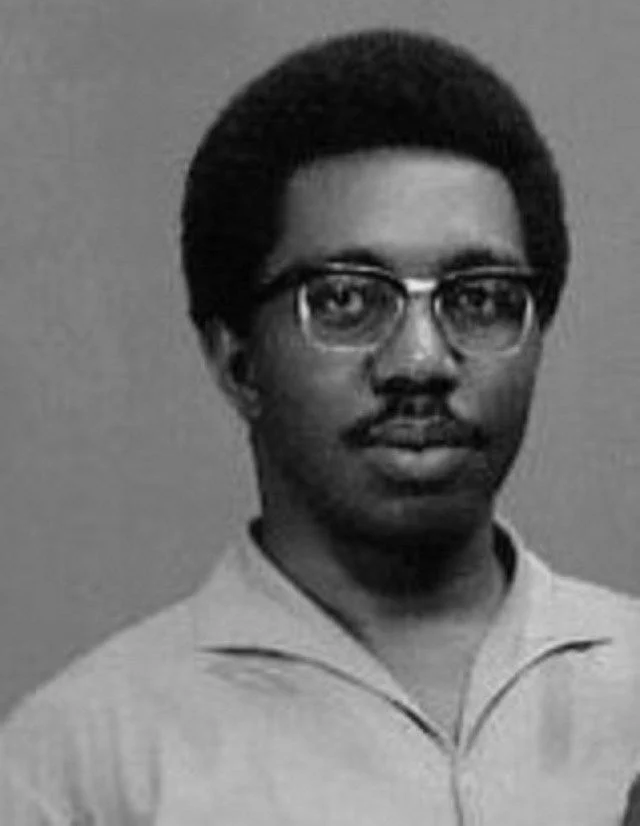
COLONEL VICTOR BANJO – APRIL 01, 1930 to SEPTEMBER 22, 1967
Today marks the 57th anniversary of execution of Col. Victor Banjo, a brilliant and revolutionary soldier.
Today marks the 57th anniversary of execution of Col. Victor Banjo, a brilliant and revolutionary soldier.
Excerpts from the book: COLONEL VICTOR BANJO - A REVOLUTIONARY BETRAYED - by Niyi Aborisade. Please visit here for your copy and other books of interest on Nigeria Political History.
Col. Victor Adebukunola Banjo was born on April 01, 1930 to the family of Mr. James Herbert Banjo and Chief Mrs. Sabina Banjo. He was the third child of his parents. Both of his parents hailed from Ijebu-Ode in today’s Ogun State.
His parents were fairly educated. His father was an officer of the British Crown in Nigeria, who had a distinguished career as a Lay Magistrate with co-extensive record of service all over Nigeria and parts of Cameroon. He was a self-taught legal officer who distinguished himself by an unusual understanding of the fundamentals and basic principles of the English law. His mother was a product of Girls Seminary Lagos, a School founded by the Church Missionary Society (CMS). Through her training and upbringing at home and in School, Chief Mrs. Sabina Banjo became a deeply spiritual and prayerful mother who groomed her children in the ways of God to love people unconditionally and work selflessly to uplift the downtrodden.
Col. Banjo’s siblings are all distinguished individuals in their own rights. His sister, the first child of his parent is Professor Felicia Adetoun Ogunsheye (nee Banjo). She is the first female Professor in Nigeria. She is a Professor of Library Science. She will be 98 years old on December 05, 2024. Next to her is Dr. Ademola Banjo, who attended the University College Ibadan, Manchester University, UK and Harvard University in USA. He became the first Nigeria to obtain a doctorate degree in Metallurgical Engineering. Col. Banjo immediate younger brother was Professor Adesegun Banjo. He was the first Nigerian to earn a doctorate degree in Ultra Structure and Electro-Microscopy. He was a surgeon and Professor of Human Anatomy in USA before he became involved in the struggle for the actualization of mandate given to MKO Abiola after the June 12, 1993 General Election. He plotted an armed struggle against the Government of General Sanni Abacha, unfortunately his plan was thwarted by overzealous port officials in Benin Republic who detected shipment of ammunition for the armed struggle. He was arrested and detained and later released in 1999. He died in 2019 due to debilitating cancer of the blood.
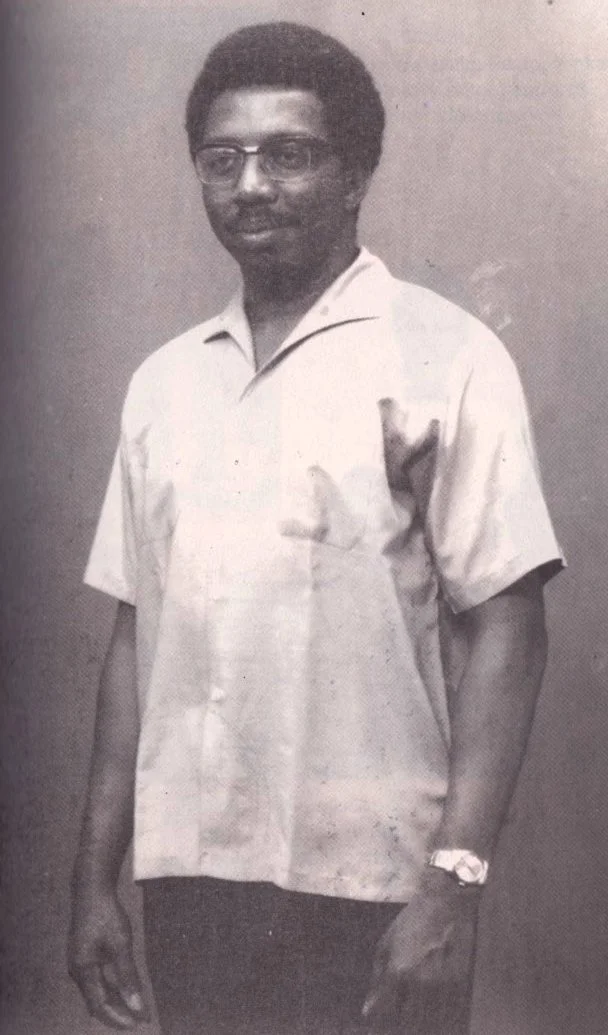
Col. Banjo was married to Mrs. Taiwo Joyce Lucretia Marion George, a Creole from Sierra Leone, but of Yoruba extraction. His children made success of their various careers. His first child, Funto Banjo Oyelese became a Director of Education with Lagos State Ministry of Education. Second child, Ayodele Banjo is a Civil Engineer from then University of Ife, now Obafemi Awolowo University. He is also a Chartered Accountant. His third child is Professor Olayinka Olusola Omigbodun. She is the first female Psychiatric Professor in Nigeria and the first female Provost of the College of Medicine, University of Ibadan. The fourth child is Adeyemi Banjo who was born in 1965 and was barely six month old when Col. Victor Banjo was taken into custody on the orders of the Military Head of State, General Aguiyi Ironsi. He barely recognized his father and could not have formed any impression about him beyond some snippets he must have formed from his mother and older siblings.
Col. Banjo attended CMS Grammar School. He joined the Army in November 1953 as a Warrant Officer II. He attended various Military Training Schools in Ghana and in the UK. While in England, he took London GCE A-Level examinations and passed with flying colours, a feat that positioned him for university admission into the University of London. Due to his brilliant performance, he was the 16th Nigerian to be commissioned as an officer, shortly after he joined the Army. In 1958, the Army sponsored him for a degree programme in UK. He obtained a degree in Mechanical Engineering from the University of London. General Olusegun Obasanjo, the former President of Nigeria described him as a brilliant officer and that he was the first Nigerian to be sponsored for a degree course by the Colonialists. He said, “For someone to be sponsored for a degree course in the Army at that time showed that he was more than the average person”. Up until 1960, there were about five graduates in the Nigerian Army and Major Adewale Ademoyega was the last graduate to be commissioned in 1961. The five graduates as of 1961 were Col. Odumegwu Ojukwu, Col. Victor Banjo, Major Olufemi Olutoye, Major Emmanuel Ifeajuna and Major Adewale Ademoyega.
After the failure of the January 15, 1966 coup, General Aguiyi Ironsi became the Head of State. Col. Banjo was never a party to the coup. According to Captain Ben Gbulie, Col. Banjo was unrestrained in the condemnation of the coup plotters and described them as being “blatantly destructive” and he boasted that he and his loyal colleagues in the Nigerian Army would crush the coup plotters. He was one of those who persuaded General Aguiyi Ironsi to take over the government when they had crushed the coup when it became apparent that the failed coup had taken many politicians, including the Prime Minister. He was the one who mobilized the troops and organized a meeting of loyal troops to cooperate with General Aguiyi Ironsi to preserve the established hierarchy of the Nigeria Army. He persuaded the Hausa officers to accept General Aguiyi Ironsi as the Head of State.
However, on January 17, 1966, barely three days when General Aguiyi Ironsi assumed office as Head of State and within such time, Col. Banjo was becoming too popular for some people’s liking and was arrested on flimsy excuse that he had his service pistol in his pocket while waiting to meet the head of State, which was contrary to the laid down regulation. They further alleged that he was among the January 15, 1966 coup plotters. He was actually waiting to see the Head of State when his comrades in the Army, Major PA. Anruwa and Lt. Col. GT Kurubo pretended to be admiring the latest weapon he was carrying. They both requested his permission for them to handle the sophisticated weapon, which he innocently handed over to them since he had no ulterior motive. He was then arrested on “account of planning a coup to topple General Aguiyi Ironsi in support of the January 15, 1966 coup plotters”.
To say the least, Col. Banjo was very surprised at the turn of event. He was initially detained in Lagos and later in the Eastern part of Nigeria. He was in the East until the outbreak of the civil war in 1967. He wrote to General Aguiyi Ironsi on June 01, 1966 proclaiming his innocence but this was to no avail.
On May 30, 1967, Col. Ojukwu declared the birth of the Republic of Biafra and this declaration was greeted with enthusiasm in the East as virtually everyone and groups in the East embraced it. The East had the most senior officers before the counter coup of July 1966 as many had been killed during the pogrom of July 29, 1966 in the North. Nevertheless, they still had higher numbers of senior military officers than the whole of Nigeria. It must however be said that Col. Ojukwu was not prepared in terms of weapons. Mere zeal and rhetoric were not synonymous with adequate weapons of war. On the day he declared secession, he had few weapons to face the mighty Nigerian Army.
Col. Banjo was released by the new Biafra Head of State; Col. Ojukwu and he Col. Banjo stayed with him in Enugu which was the capital city of the new Biafra. Col. Banjo later formed the 101st Brigade of the Biafra Army. A Brigade is a major tactical military formation that is typically made up of three to six battalions and other elements. A Brigade can be made of up to 3,000 to 5,000 soldiers. He formed this Brigade from scratch and transformed it into a standard fighting force. His position of authority and influence did not go down well with some Biafra military officers, among who was Alexandra Madiebo whose 51st Brigade was under Banjo’s sphere of authority and command. Banjo command covered Nsukka and Nkalagu operational areas. This was one of the first issues Banjo had in Biafra, a non-Biafra with such a large command. He built the Brigade from the scratch and transformed the erstwhile rustic soldiers with crude weapons into a formidable and positively motivated fighting force. He was far ahead of his colleagues in military tactics, operations and strategy. Whilst his colleagues such as Major General Philip Effiong and Major General Alexandra Madiebo concentrated on the defensive position as was in the military textbook, Banjo decided to launch an attack and take the fight to the enemies, sharing the Israeli belief that offence was the best form of defence.
When Banjo was promoted to the rank of Brigadier by General Ojukwu, he made it clear that it would be wrong to use the name ‘Biafra Army’ in the Midwest because that will give an impression that the Biafra Army was an Army of occupation. He said that Biafra still needed the cooperation, even if tacit, of Midwest and South West to push through in confronting the Northern dominated Army in Lagos. He said all efforts must be made to present the Biafra Army as one of liberation, with clear mandate to relieve their people of the burden imposed by the Northern dominated Nigeria State and Army. This was the core of the gentleman agreement between Banjo and Ojukwu. This was what informed Banjo decision to code name the 101st Brigade, “The Liberation Army of Nigeria”. He reorganized the 101st Brigade and chose disciplined officers to execute his plans. He made Lt. Col. Emmanuel Ifeajuna, one of the coup plotters of January 15, 1966 his Chief of Staff. Banjo turned the 101st Brigade into a brutally efficient war machine, recording lightning–speed successes one after the other.
On August 09, 1967, Brigadier Banjo led his Liberation Army into Mid-West in an operation code named “Torch”. He split up his army on reaching Agbor, with the 12th Battalion under Lt. Col. Akhaga moving West and capturing Benin and Ore. The 13th Battalion under Lt. Col. Mike Ivonso took Auchi, Agenebode and Okene. The 18th Battalion under Major Chukwuka took over Warri, Sapele and Ughelli. Within 12 hours, the Liberation Army of Nigeria had completely taken over the Mid-West. David Ejoor, the Nigeria Military Governor was lucky to escape the ambush set up secretly by Ojukwu. The plan to abduct Ejoor was hatched without the knowledge of Banjo and this might have been responsible for his escape.
Immediately after the Liberation Army of Nigeria over ran the Mid-West, serious disagreement arose between Banjo and Ojukwu. First, Ojukwu was advised by senior Igbo Military officers to take power out of Banjo’s hand, they said, afterall, all the ammunition and soldiers were from Biafra. Secondly, Ojukwu rebuffed Banjo’s advice that new Governor of Mid-West should be from the non-Igbo Mid-Westerners like Lt. Col. David Ejoor, Samuel Ogbemudia or Col. Trimnell. This advice was predicated on the need to make the Mid-Westerners feel at home and not think that they are being ruled by Biafra. Ojukwu ignore this advice and appointed Albert Okonkwo, an Igbo Mid-Westerner as the Governor of Mid-West or Republic of Benin as Ojokwu preferred to name it.
Despite the disagreement between Ojukwu and Banjo as to who should be Governor of the Mid-West, Ojukwu ordered Banjo to proceed to take Lagos at all cost despite inadequate ammunition and personnel to confront the almighty army on the Federal side. Even though Banjo had some good officers in the persons of Lt. Col. Emmanuel Ifeajuna, Lt. Col. Adewale Ademoyega who had also been released from prison by Ojukwu to fight on his side, Lt. Col. Mike Ivonso, Major Chukwuka, Lt. Oyewole and Lt. Adeleke. Both Lt. Oyewole and Lt. Adeleke were also released by Ojukwu from prison to fight on his side. Both were later promoted to captain. Notwithstanding the sterling qualities of these officers, they were no match to the officers on the Federal side that were better armed with good weapons. Such officers were Brigadier Benjamin Adekunle, popularly known as the Black Scorpion and Commander of the dreaded 3rd Marine Commando and one of the major heroes of the civil war. There were Col. Obasanjo who was Ibadan Garrison Commander, Col. Murtala Muhammed, Lt. Col Alani Akinrinade and Lt. Col. Alabi Isama. These were better equipped officers that Ojukwu commanded Banjo to take on with inadequate soldiers and ammunitions, things that the Federal side had in abundance.
Ojukwu gave Banjo three conditions via a letter dated August 22, 1967. The conditions are: First, Banjo should not have anything to do with Military Administrator of the Mid-West territory during his sojourn there before the invasion of the West. Second, during the period of Biafran troops’ presence in all territories subdued, all political measures, statements, or decrees shall be subject to approval in writing by Ojukwu or his authority. Third, should the Biafra troops arrive and liberate Lagos, the government of the Republic of Biafra reserves the right to appoint a Military Administrator for the territory. The last conditions exposed the inordinate ambition of Ojukwu. It is possible he would have nominated an Igbo Military Governor over Lagos and by extension the West just as he did in Mid-West.
Banjo realizing the enormity of casualty that will arise in the heart of Yorubaland if he is to fight his ways to Lagos with little ammunitions and soldiers, took advantage of the visitation of Wole Soyinka and send him (Soyinka) to Obasanjo for Obasanjo to allow him a free passage to Lagos through Ibadan and that Soyinka should let the West understand that the he is not leading a Biafra army but an Army of Liberation made up of other ethnic groups. For obvious reason, Obasanjo refused this plea. Obasanjo told Soyinka to tell Banjo that he can use alternative routes like waterways or air to reach Lagos and that he, Banjo need not come through Ibadan as he will not yield his ground for anybody. It was this errand that almost caused Soyinka his life, but was lucky to have a kind-hearted man in person of General Gowon who rather put him in prison than executing him. He spent more than 24 months in prison until his release in 1969. If he had done same to Ojukwu, he will not live to tell the story and he would have been promptly labelled saboteur which was the in-thing in the Republic of Biafra then. If Soyinka had succeeded in his mission and convinced Obasanjo, the story of the civil war could have been a different one.
Of all the civil war battles, the battle at Ore was the fiercest. It was so deadly that it was named “Oleku, ija Ore” in Yoruba language or simply ‘Deadly Battle at Ore” or “Mother of All Battles at Ore”.
The battle to recapture Mid-West started with the coordinated efforts of Benjamin Adekunle’s 3rd Marine Commandos who took over the towns of Koko, Sapele, Warri, Ughelli, Orerokpe, Umutu and Itaga in the Mid-West. He was also assisted by Lt. Col. Alani Akinrinade and Alabi Isama. On September 20, 1967, Benin fell into the hand of troops led by Col. Murtala Muhammed and that ended the Biafra Government in Mid-West.
During the stalemate when Banjo, by necessity due to lack of adequate weapons and heavy bombardment from the Federal side halted his advance to Lagos, he was quickly labelled a saboteur. This was not true, Banjo simply refused to commit mass murder and waste the lives of his soldiers in the face of a great odd and impossible situation.
During the war, Ojukwu had some spies whose duties were to visit Commanders at war fronts and secretly interview them on the State of things. Anyone who expressed himself against the Commander-in-Chief on his poor management of the war and tactics was penned down as a saboteurs. Col. Achuzia was Ojukwu favourite spies. According to Phillip Effiong, it got to a stage when even advice must be carefully given, otherwise one will be labelled a saboteur. He said “Ojukwu spies were everywhere”. In his book The Cage Bird Sang No More, Phillip Effiong maintained that Ojukwu’s “Military appreciation was amateurish ….. he indulged in debates and seminars while the collapse of Biafra was starring us in the face. No saboteurs could have been more effective”. Ojukwu was responsible for the fall of Biafra, unfortunately he needed a scapegoat and found one in some of his officers including Banjo who stood taller above all other officers and who was too independent for him.
Ojukwu invited Banjo to a meeting Enugu, and when Ojukwu was told of his arrival, Banjo was promptly disarmed and arrested on account of planning a coup against the Commander-in-Chief. Lt. Col. Emmanuel Ifeajuna, Major Phillip Alale and Major Sam Agbam had all earlier been arrested but unknown to Banjo. Banjo defended himself against two allegations levied against him. Contrary to the lies in some quarters that Ojukwu obtained his confession. There was no confession anywhere because there was nothing to confess about and no confession statement was tendered at his trial. The two allegation are; one, violation of law and maintenance decree, a charge of insubordination for retreating from Ore and turning back from capturing Lagos and two, subversion as an intention to cause public disorder aiming at capturing power in Biafra. These allegations were a total surprised for Banjo. If truly he wanted to overthrow Ojukwu, he would not have honoured the invite or he would not have gone with just his escort. He would have gone with his troops that would have taken over and shot his way out. After his arrest, he was replaced by another Yoruba man in the person of Lt. Col. Adewale Ademoyega was also released by Ojukwu. He too was later arrested and detained in the same building with Banjo but not the same cell, where Banjo, Ifeajuna, Phillip Alale and Sam Agbam were detained. Ademoyega was never tried and he survived the war. He was briefly 'freed' after the war but the Federal forces put him right back in detention for his participation as part of the Liberation Army.
He was finally released along with twenty others during the 1974 Independence Day amnesty.
Ojukwu constituted a Special Military Tribunal headed by Godwin Nzegwu, a lawyer from Onitsha. He was a great lawyer of impeccable character and sense of duty who was committed to upholding the rule of law. Ojukwu had ordered the Tribunal in advance to condemn Banjo and others as he had already adjudged them guilty. Having listened to the defendants and in the absence of any documentary evidence to establish a case against them, not even the purported confession was tendered, Godwin Nzegwu refused to participate in the murdering of innocent souls. For failing to find them guilty as was ordered, he too was arrested by Ojukwu and detained till the end of the war.
Having removed Lawyer Godwin Nzegwu as the Chairman of the Special Military Tribunal and had him detained, Ojukwu looked for a judge that will do his bidding and he found one in the person of Justice George Ekemena with a strict order that the accused must be found guilt. And that was exactly what the Judge did. Col. Banjo presented his evidence as a litigant in person and also spoke for other accused, i.e. Lt. Col. Emmanuel Ifeajuna, Major Phillip Alale and Major Sam Agbam. Ojukwu Special Military Tribunal found all the accused persons guilty and they were condemned to death by firing squad. The trial was conducted and concluded on September 20, 1967. Just a day trial!
Lt. Col. Adewale Ademoyega in his Book Why We Struck, said he saw the heads of the four condemned men last on September 21, 1967 from his cell, while they were being led out. He said Lt. Col. Emmanuel Ifeajuna last words to him were: “Wale, we have been condemned to death and unless a miracle happens, we could be shot any time, please take care of my wife and children”.
The condemned men were shot on September 22, 1967 and were buried in unmarked graves. It was reported that Col. Banjo was shot several times because he was shouting that he was not dead yet, which made the executioners combined and directed all their fire-power at him. They eventually silenced the great soldier, a great ideologue and a revolutionary. He was just 37 years old when he was killed in his prime not on the battlefield but by a friend turned fiend.
Ojukwu was later pardoned by the Federal Government and had all his benefits paid to him as a Nigerian soldier. This made Col. Achuzia to berate him and condemned what he was paid by the Federal Government as blood money because many of those who fought for him were not compensated and Ojukwu did not fight for them to receive their benefits.
Col. Banjo was not dismissed from the Nigerian Army, and neither was his gratuity paid to his family to date. Ojukwu did not release or mention the place where Banjo was buried to date. The Federal Government ought to have declared Banjo dead instead of declaring him Missing in Action. The war ended 54 years ago and they knew that he had been executed by Ojukwu.
May the soul of Colonel Victor Adebukunola Banjo, Lt. Col. Emmanuel Ifeajuna, Major Phillip Alale and Major Sam Agbam rest in peace, amen.
Excerpts from the book: COLONEL VICTOR BANJO - A REVOLUTIONARY BETRAYED- by Niyi Aborisade. Please visit https://sunshinebookseller.com for your copy and other books of interest on Nigeria Political History.
COPIED.
FINAL DAYS TO APPLY
NEW YORK — Black Public Media (BPM) has issued its 2024 open call for projects that center Black culture, characters, communities and concerns. A total of $175,000 will be awarded this year to U.S. documentary projects currently in pre-production, production or post-production, and intended for public media distribution. The 2024 submission portal (https://blackpublicmedia.org/for-media-makers/bpm-open-call/) is now open and closes on Monday, September 30, at 11:59 p.m. ET. Since its inception, BPM has invested more than $17 million toward iconic documentaries and emerging media projects about the global Black experience.
Black Public Media 2024 Open Call offers $175,000 in funding for Black stories

FOR IMMEDIATE RELEASE
BLACK PUBLIC MEDIA ISSUES OPEN CALL FOR BLACK STORIES
BPM to award a total of $175,000 in current round of funding
NEW YORK — Black Public Media (BPM) has issued its 2024 open call for projects that center Black culture, characters, communities and concerns. A total of $175,000 will be awarded this year to U.S. documentary projects currently in pre-production, production or post-production, and intended for public media distribution. The 2024 submission portal (https://blackpublicmedia.org/for-media-makers/bpm-open-call/) is now open and closes on Monday, September 30, at 11:59 p.m. ET. Since its inception, BPM has invested more than $17 million toward iconic documentaries and emerging media projects about the global Black experience.
This year BPM — a Harlem-based national media arts nonprofit that trains talented storytellers and funds and distributes their works — welcomes feature-length documentary projects in a range of formats, styles, subject matter and genres, including those that target specific viewers such as children and teen audiences. The projects should be compelling, nuanced stories that add the point of view, experiences and concerns of the Black communities to the larger public discourse.
Applicants must be the producer or director of the project with at least three years of professional producing and/or directing experience (or must have a senior producer attached to the project). The applicant must be able to complete the project within 18 months. Additional requirements can be found at: https://blackpublicmedia.org/for-media-makers/bpm-open-call/.
This fall, a panel of media professionals across the industry will evaluate the proposals in a two-tier review process that assesses the project idea and story, production readiness, production team, project budget and work sample. And in December, BPM will announce the five applicants who will receive a $5,000 stipend, an invitation to its talent development program and the opportunity to participate in PitchBLACK, the largest pitch competition for independent filmmakers and creative technologists developing new projects about the global Black experience. One of these projects will win a $150,000 PitchBLACK Award for a broadcast-length or feature project.
“Each year we are amazed to see the myriad, layered stories which are bubbling up from all corners of this country from such gifted creatives,” said BPM Executive Director Leslie Fields-Cruz. “We look forward to helping these makers bring their important work to American viewers.”
Prospective applicants may watch BPM’s virtual information session here: https://blackpublicmedia.org/for-media-makers/bpm-open-call/.
BPM’s 2024 Open Call is supported by the Corporation for Public Broadcasting, Netflix, the MacArthur Foundation, the Tarver Walls Foundation, Paramount+, the New York Community Trust, the Jerome Foundation, the Tides Foundation, Acton Family Giving and Gimlet.
For more information on Black Public Media, visit www.blackpublicmedia.org, or follow it on X (@BLKPublicMedia), Facebook (@BlackPublicMedia), Instagram (@blackpublicmedia) or TikTok (@black-public-media).
ABOUT BLACK PUBLIC MEDIA:
Black Public Media (BPM) supports the development of visionary content creators and distributes stories about the global Black experience to inspire a more equitable and inclusive future. For 45 years, BPM has addressed the needs of unserved and underserved audiences. BPM-supported programs have won five Emmys, 10 Peabodys, three Anthem Awards, 14 Emmy nominations and an Oscar nomination. BPM continues to address historical, contemporary, and systemic challenges that traditionally impede the development and distribution of Black stories. For more information, visit blackpublicmedia.org and follow BPM on Instagram and Facebook and @BLKPublicMedia on X.
# # #
For interview and media inquiries, contact:
Cheryl L. Duncan
Cheryl Duncan & Company Inc.
201-552-9239 (O)
DELA Premieres In GHANA
DELA: The Making of El Anatsui Premieres at Black Star International Film Festival in Ghana to rave reviews.
DELA: The Making of El Anatsui Premieres at Black Star International Film Festival in Ghana to rave reviews.
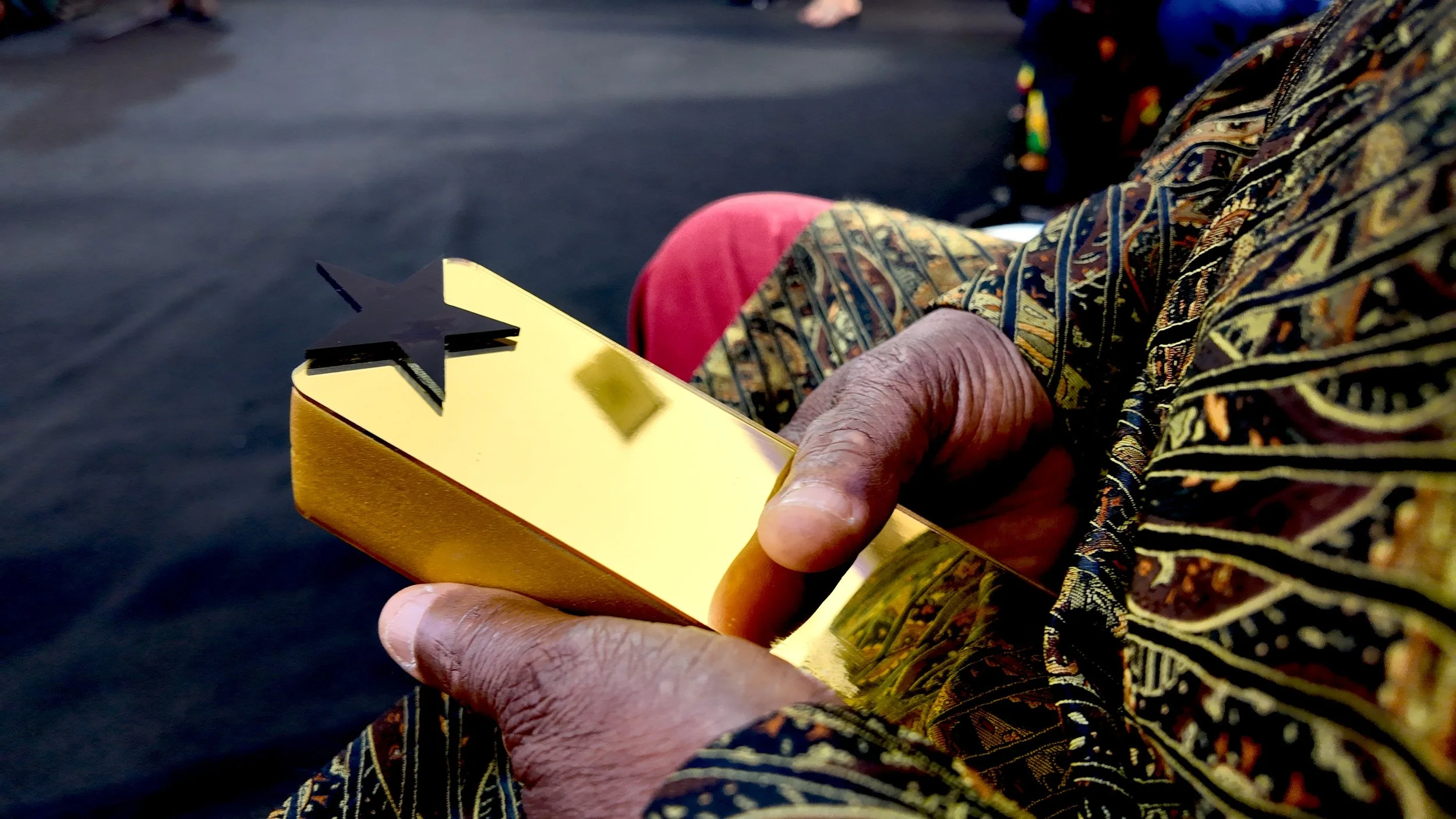
Prof. El Anatsui holds his Achievement Award - a gold bar with a black star /Photo by Africa-Related
The evening of September 22 marked the first screening of the biographical documentary at the World Trade Center in Accra, Ghana. The film’s subject, Professor El Anatsui was ushered into the decorated venue by The Anyako Cultural Troupe, while piano genius Funsho Ogundipe of AYETORO performed alongside Trombonist Elikplim Amewode after the screening. There was a brief Q & A with film Director Oyiza Adaba, followed by a citation presentation, done by Dr. Odoi Oddoye. The film was well received by the audience made up of dignitaries that included diplomats, family, friends, artists and colleagues.
Acceptance Speech
Professor El Anatsui opened his acceptance speech with the challenges faced with continuous camera exposure in over 10 years of filming. He also advised the organisers on the use of the term "lifetime achievement," emphasizing it should be ongoing for living individuals.
He reflected on the global perspective of art and suggested that there are still aspects of art that have not been addressed. He also referenced the "art is life" slogan by KNUST, highlighting the complexity of life and its integration into art.
Cultural Influences and Artistic Journey
The Emeritus Professor recounted his early career beginning post-school, influenced by Western teachings with little emphasis on local culture. He noted how the discovery of Adinkra signs excited him as a young man growing up in the rural Volta region.
He also compared the Renaissance period in Europe with the abstract Adinkra signs, emphasizing their cultural significance and citing his influence by abstract art originating from the cultural center in Kumasi. He touched briefly on the challenges and contributions in Art, noting the ease of following but the difficulty of extraction.
For a moment the globally celebrated sculptor reflected on the balance between family and societal influences on his artistic journey, and dedicated the award to society, highlighting its significant role in his development.
He ended by thanking the Black Star International Film Festival organizers for their honor and acknowledged the societal contributions to his growth.
Citation
Black Star International's Tribute honors Professor Anatsui for his transformative works that have changed global perceptions of African art.The citation highlights Professor Anatsui's innovative use of local organic materials and education in his art. We emphasize Professor Natri's contributions to African art on the world stage, showcasing African artistry globally. The tribute acknowledges Professor Anatsui's extraordinary contributions to art and culture in Africa and beyond.
About Black Star International Film Festival
BSIFF IS A CULTURAL ORGANIZATION COMMITTED TO NURTURING, EDUCATING AND INSPIRING LOVE FOR THE BUSINESS OF FILM IN AFRICA.
BSIFF provides a platform that inspires love for film and cinema; supporting independent African filmmakers to reach distribution opportunities, the right network, worldwide audience, film education, acquire relevant skills and that push their creative boundaries beyond limit.
PHOTOS FROM DELA SCREENING
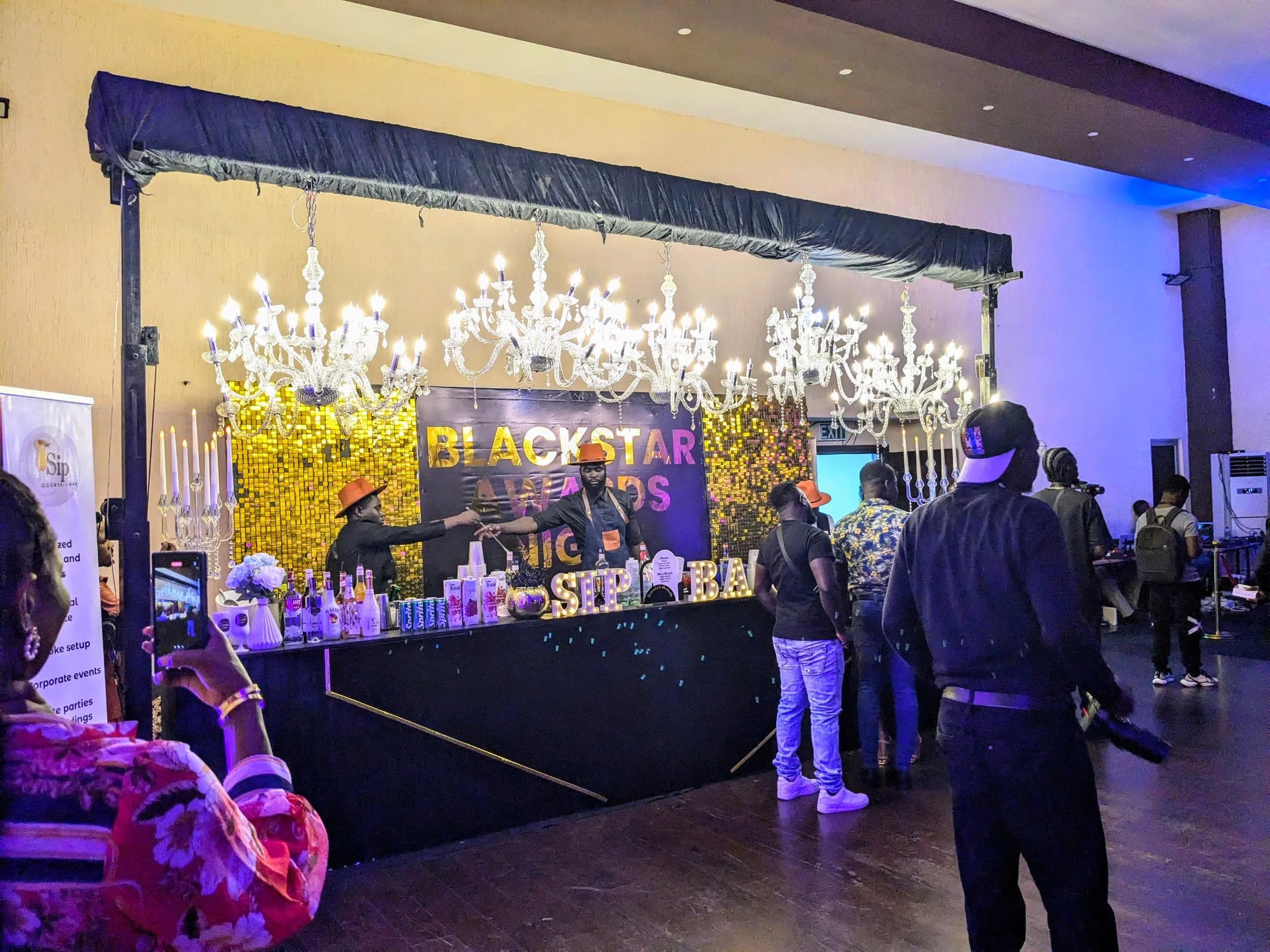
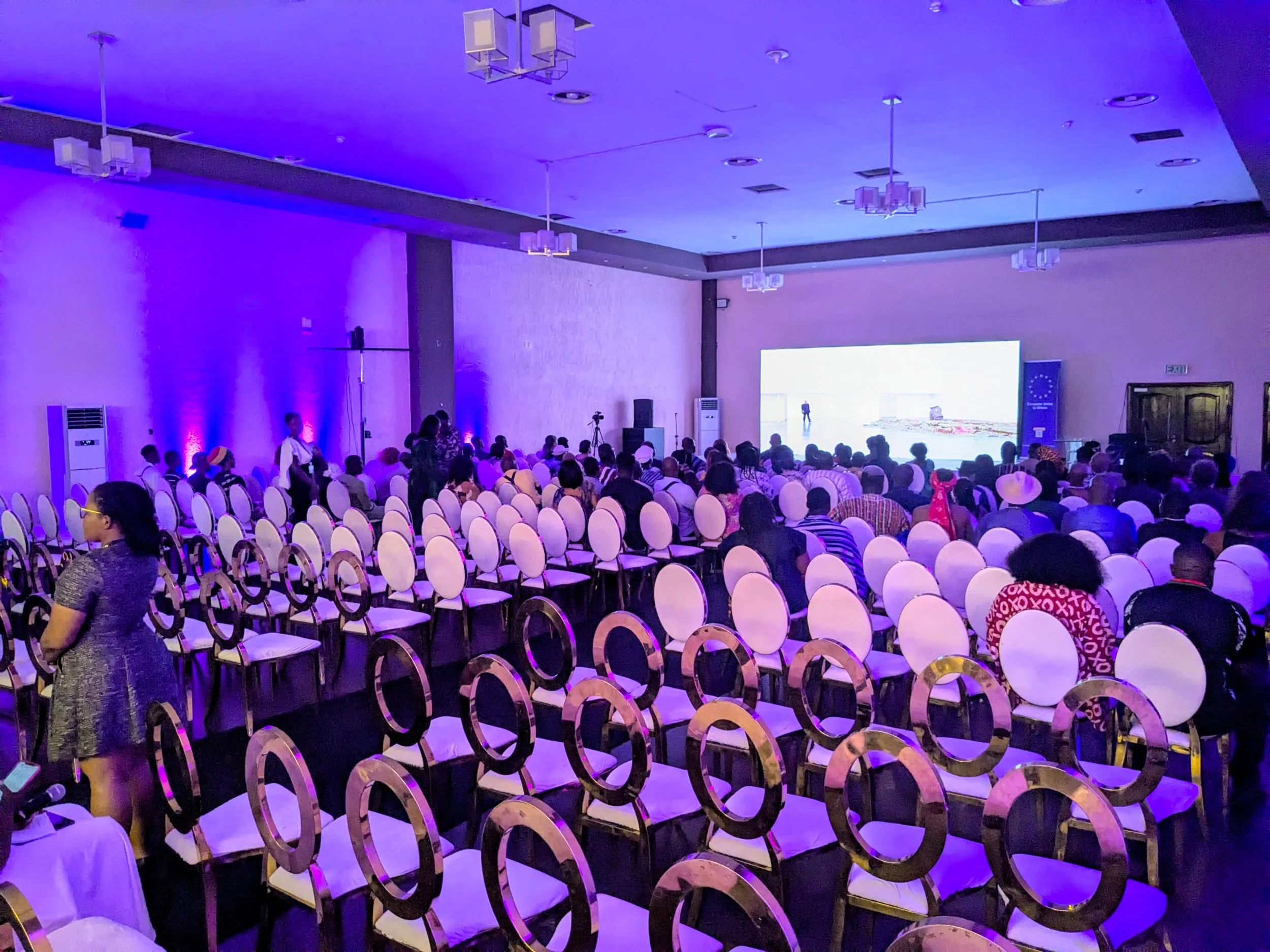
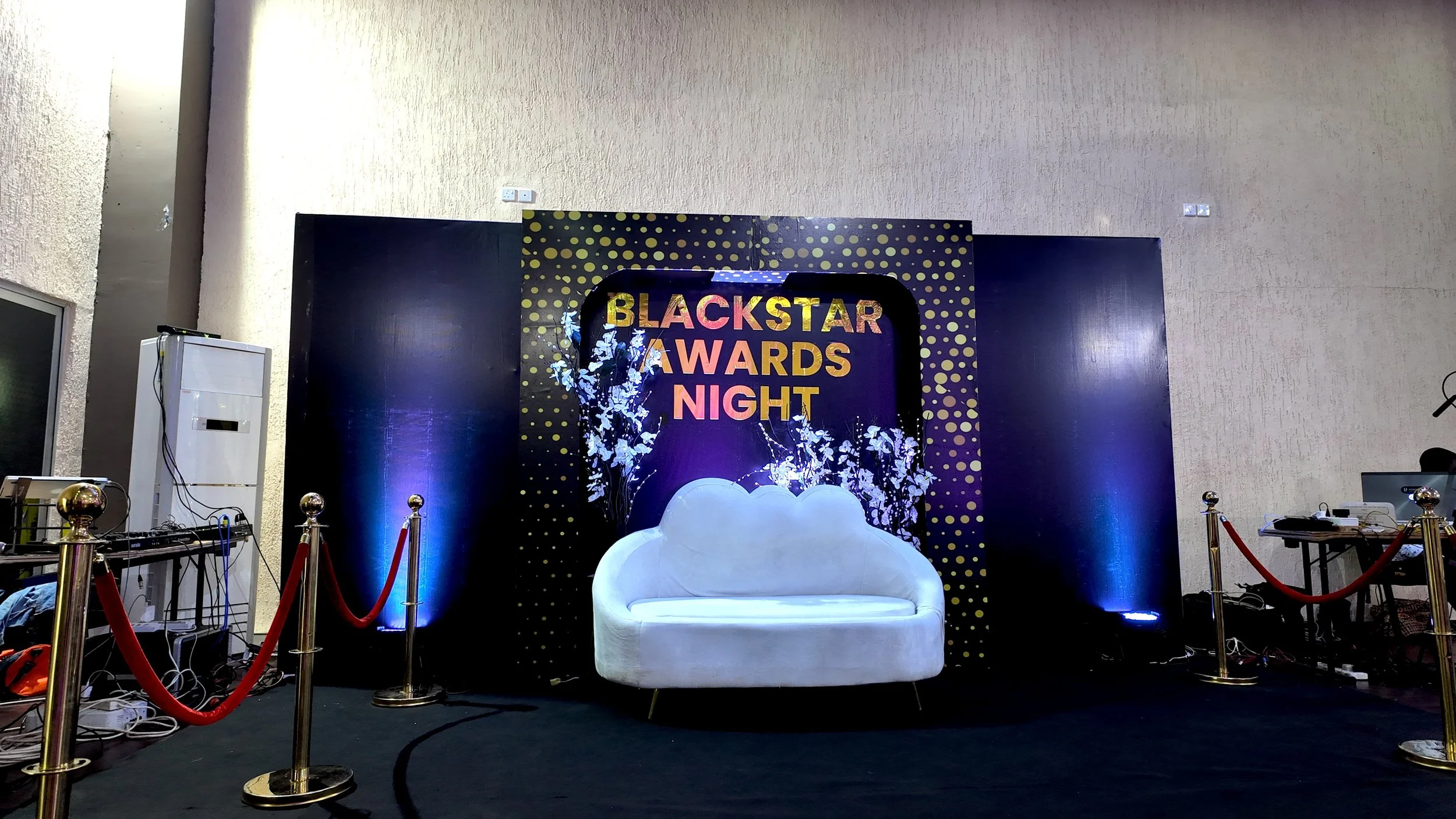
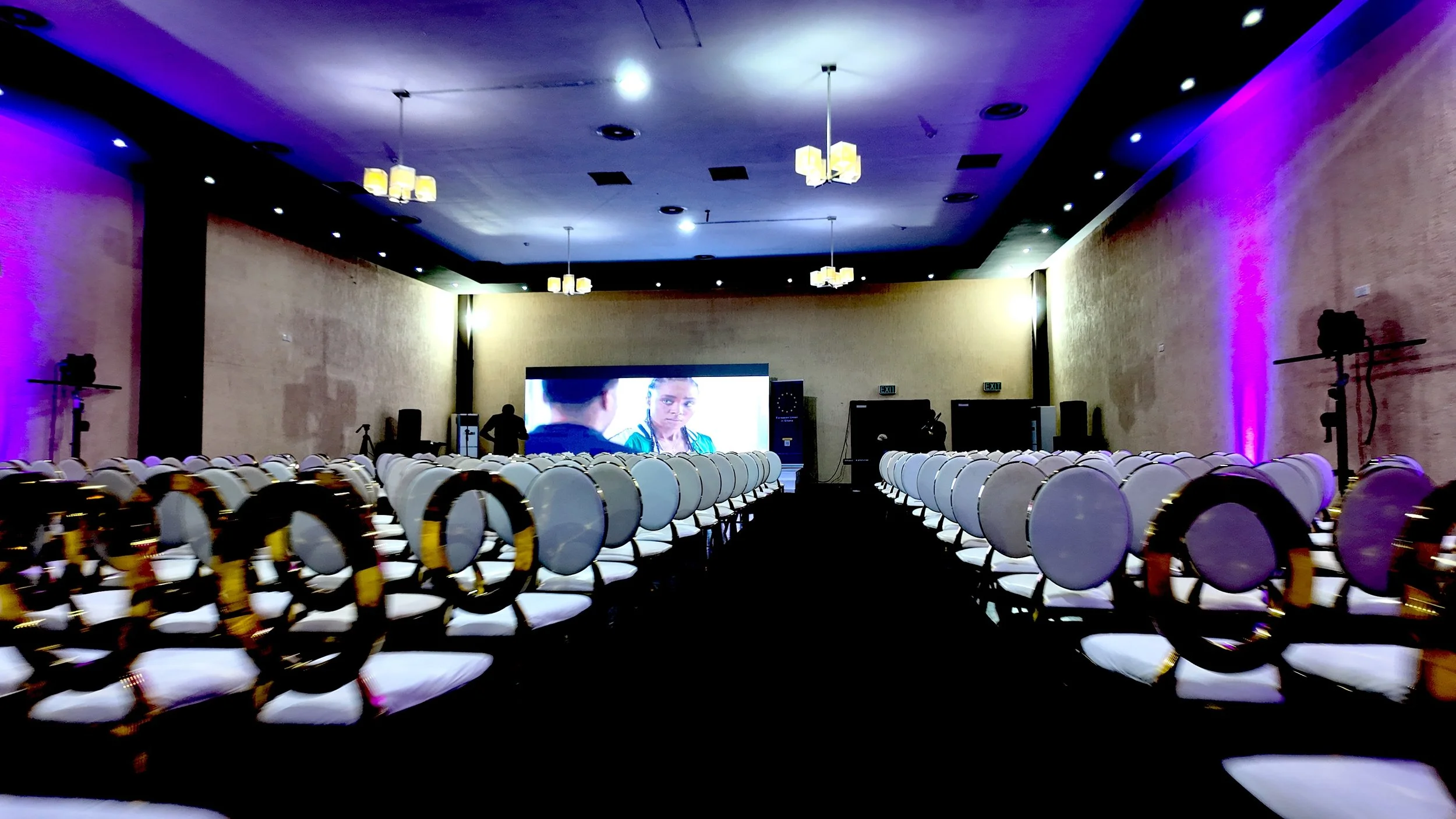
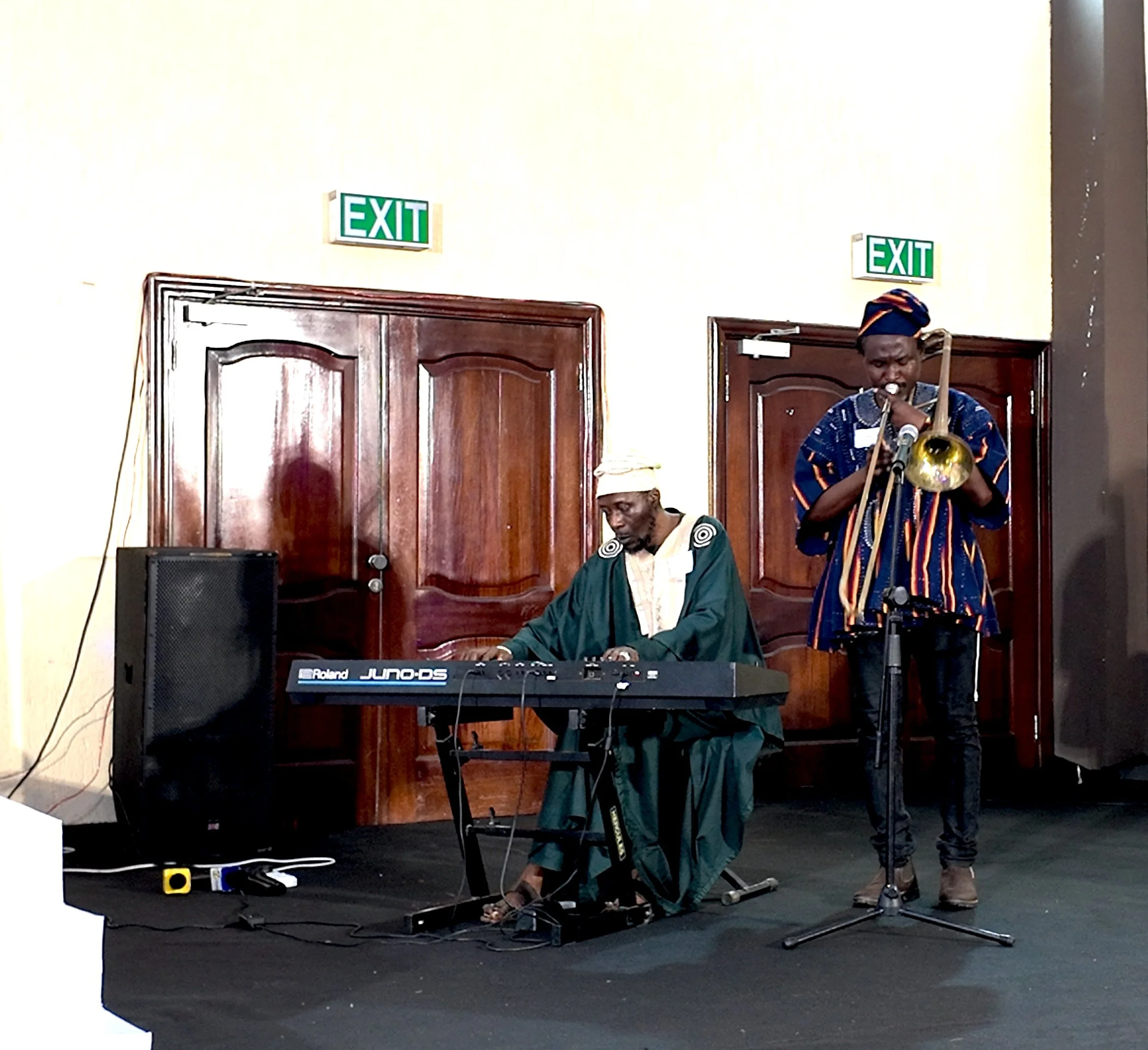
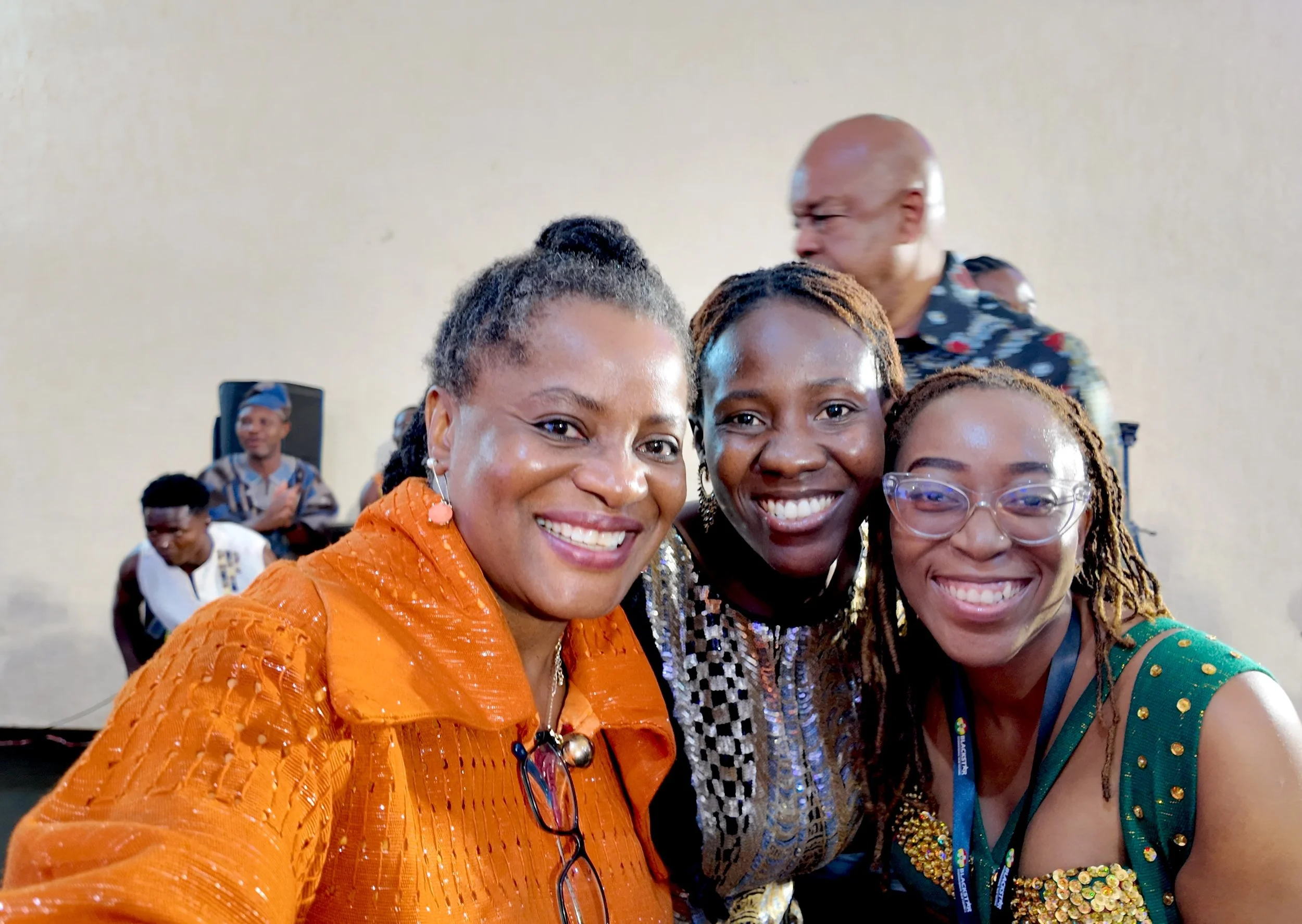
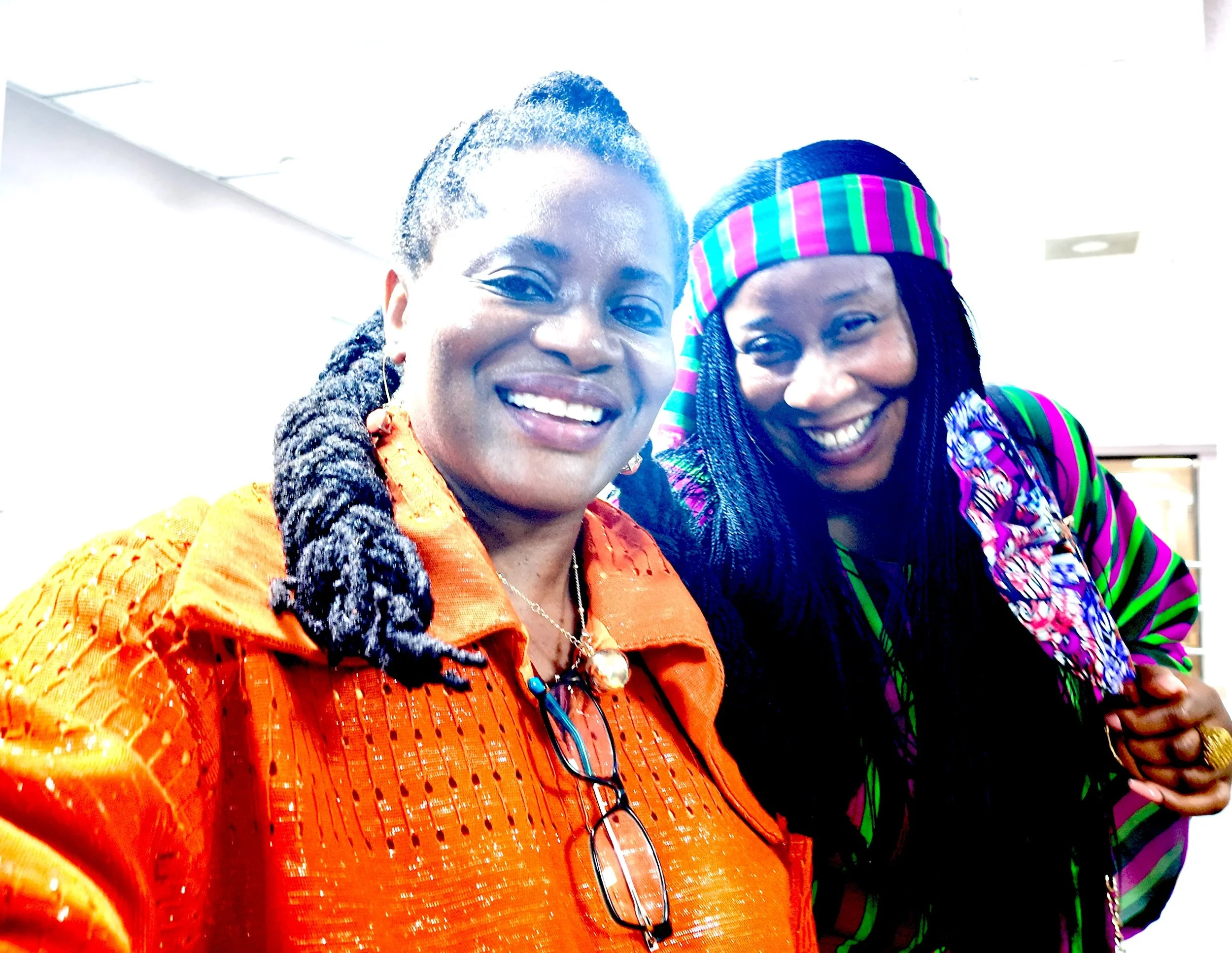
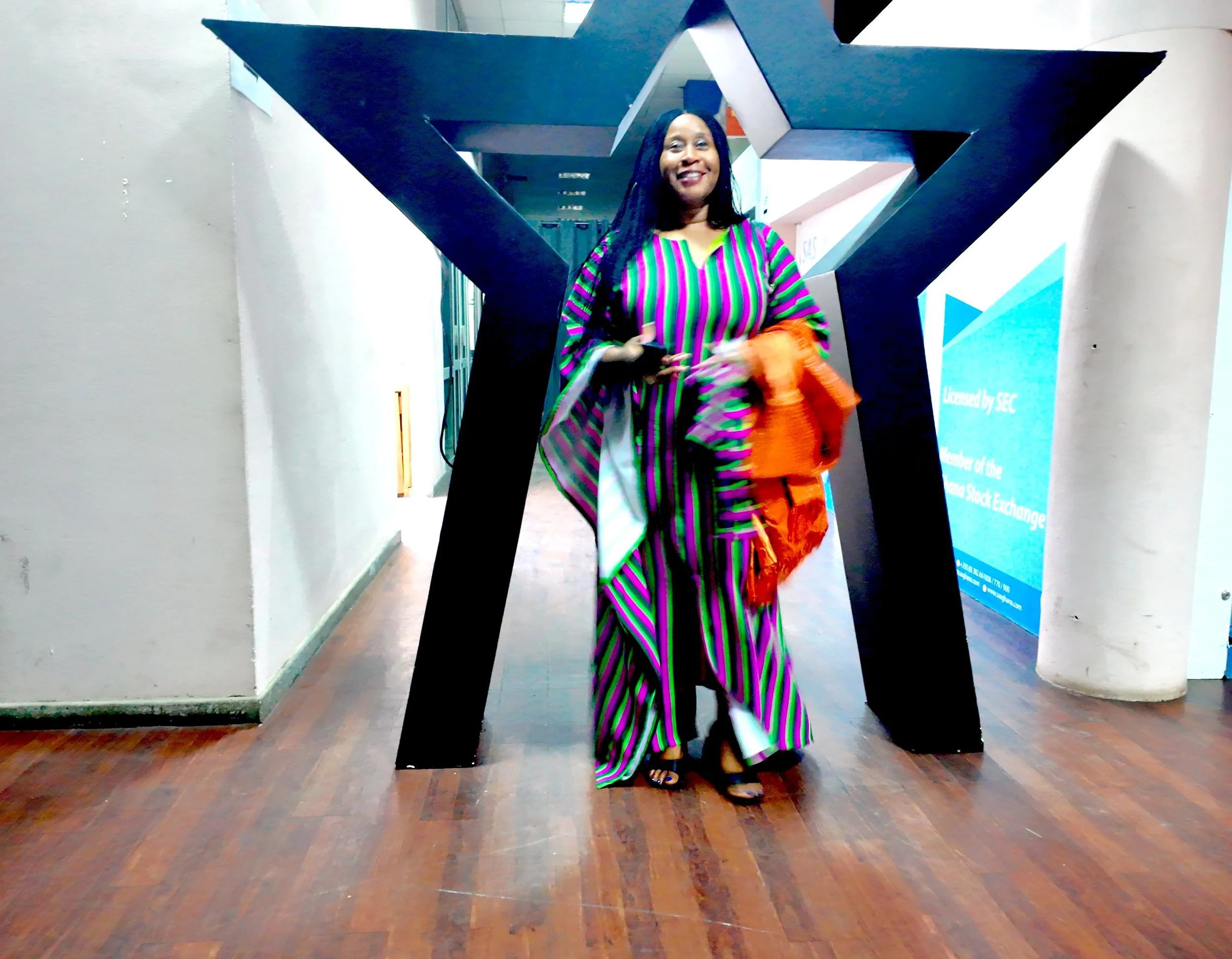
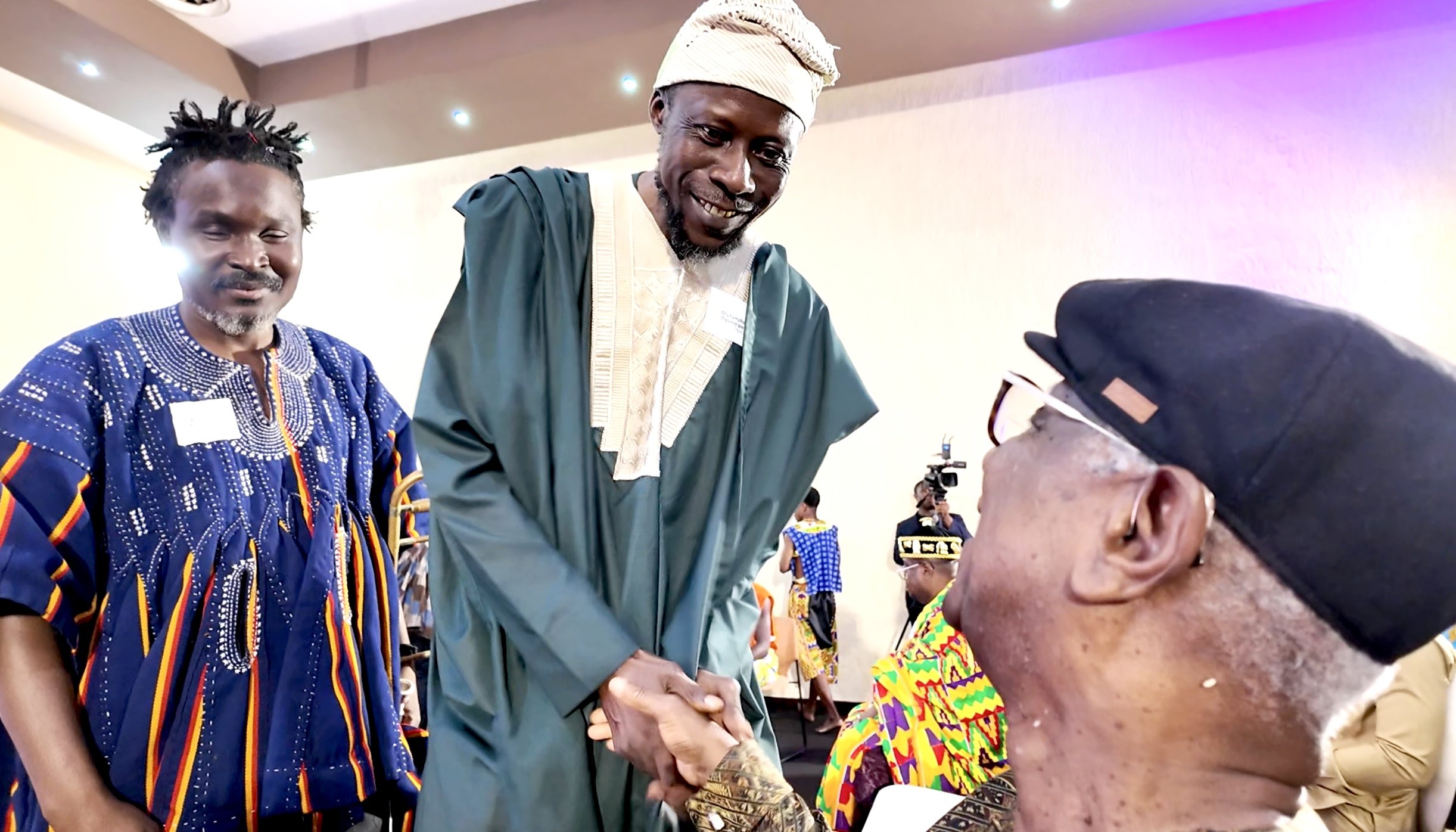
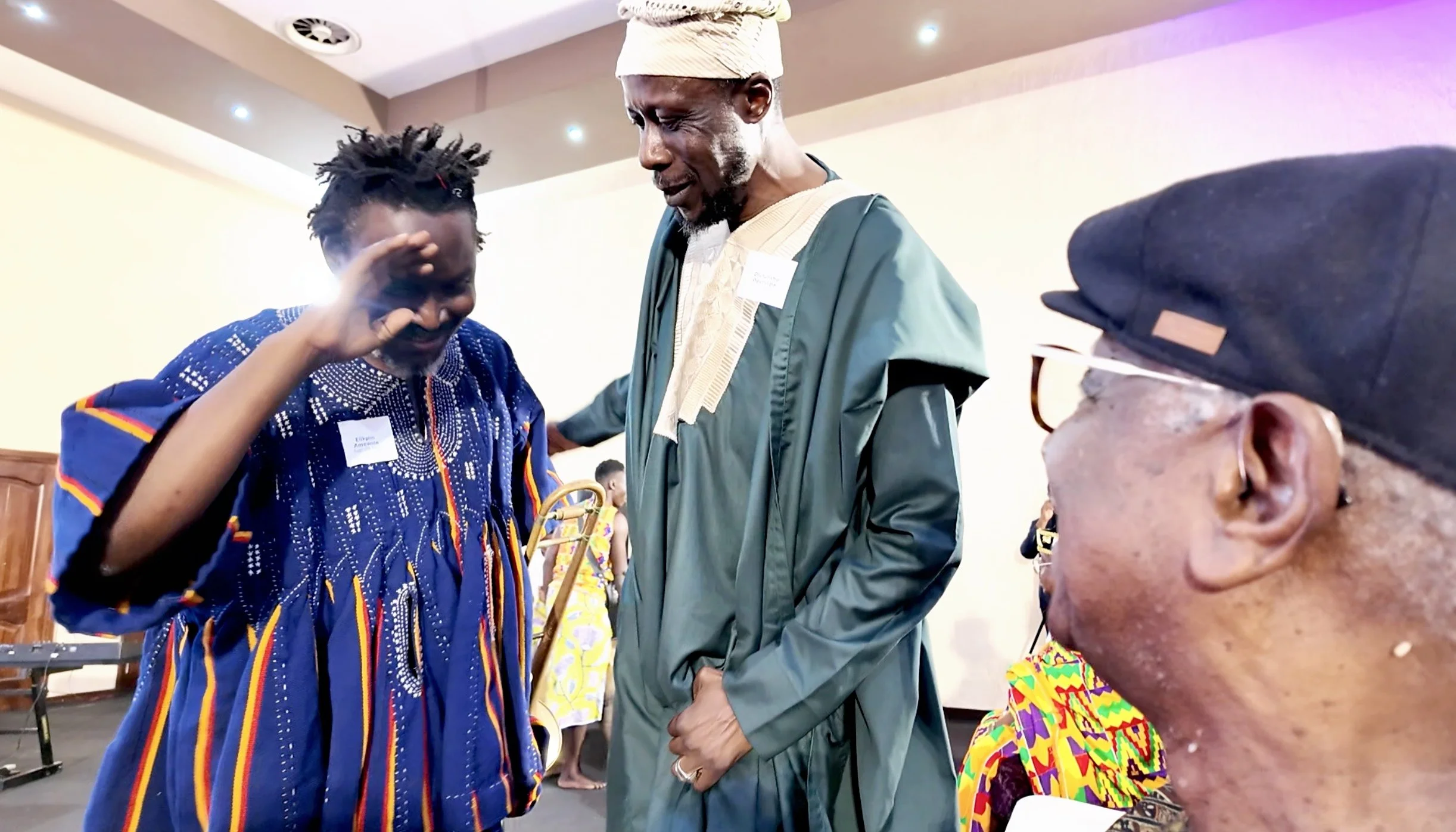

FPC TRANSCRIPT: Reforming the UN Security Council with Ambassador Linda Thomas-Greenfield
FOREIGN PRESS CENTER BRIEFING WITH LINDA THOMAS-GREENFIELD, U.S. AMBASSADOR TO THE UNITED NATIONS
Downloadable video and photos of this briefing for use in reporting can be found here:
FOREIGN PRESS CENTER BRIEFING WITH LINDA THOMAS-GREENFIELD, U.S. AMBASSADOR TO THE UNITED NATIONS
LINK/TOPIC: REFORMING THE UNITED NATIONS SECURITY COUNCIL
WEDNESDAY, SEPTEMBER 18, 2024, 2:00 P.M. EDT
THE WASHINGTON FOREIGN PRESS CENTER, WASHINGTON, D.C.
MODERATOR: Good afternoon, all, and thank you for joining us here at the Washington Foreign Press Center. My name is Leah Knobel and I’ll be the moderator for today’s briefing. It’s my pleasure to introduce Ambassador Linda Thomas-Greenfield, United States Ambassador to the United Nations. A reminder that this briefing is on the record and the transcript, video, and photos will be posted to our website later today.
And with that, I will invite the Ambassador to begin with her opening remarks.
AMBASSADOR THOMAS-GREENFIELD: Good afternoon, everyone. One week ago I had the opportunity to deliver a keynote address at the Council on Foreign Relations in New York City. In it I discussed the progress the Biden-Harris administration has made and will continue to make to create a UN that is fit for purpose, ready to meet the challenges and the opportunities of the 21st century. I walked through some of the efforts we’ve championed to reform the multilateral system, from how we finance and deploy peacekeeping operations to how we ensure our humanitarian and our developments efforts are effective and efficient.
And I announced our support for key changes to the composition of the United Nations Security Council. This is a process that began two years ago when President Biden shared that the United States supports expanding the council to include permanent representation for countries from Africa as well as Latin America and the Caribbean. That’s in addition to the countries we’ve long supported for permanent seats: India, Japan, and Germany. In the months following the President’s announcement, I met with dozens of countries in New York in what I like to call a listening tour. I listened to their ideas and their aspirations for a more inclusive, representative Security Council.
And now we head into the final High-Level Week of the Biden-Harris administration with three new commitments for Council reform. First, that the United States supports creating two permanent seats for Africans on the council. Second, that the United States supports creating a new elected seat on the Security Council for Small Island Developing States. And third, the United States is ready to take actions on these reforms and pursue a text-based negotiation; in other words, to put our principles to paper and begin the process of amending the United Nations Charter.
Over the past week, I’ve heard from so many leaders across the United Nations and in fact from across the world and the multilateral system more broadly. One partner called these proposals “seismic” and others have expressed strong support for our announcement. And even those who don’t agree with every aspect of our proposal understand that the United States putting our stake in the ground is a big, big deal. So there’s a sense of genuine excitement that meaningful progress really is possible, and there’s a renewed sense of purpose to make it happen. It’s a testament to the power of the United States’ leadership and it’s a reminder that while diplomacy is hard and diplomacy about diplomacy is even harder, we can do hard things. We can think beyond what has been, push ourselves to create a system that meets this moment and the opportunities of the future.
So with that, I am ready to take a few questions. Thank you.
MODERATOR: Thank you, Ambassador. We’ll now take questions. Please introduce yourself and your outlet when I call on you. We’ll start with Dmytro in front, and also we’re using microphones today, so please wait to ask your question.
QUESTION: Thank you very much, Ambassador. Thank you very much, Foreign Press Center, for organizing this. It’s priceless. Ma’am, on Ukraine if I may. Firstly, the High-Level Week is always about Ukraine. I know it will be the Security Council on the 24th. Yesterday speaking to journalists in New York, you told you do have some hope to make some progress on Ukraine. So can you give us an understanding about the Ukrainian dimension of those days? And secondly if I may, the – Ukraine is asking the United Nations to verify the situation in the areas of Russia’s Kursk region controlled by Kyiv to prove adherence to international humanitarian law. Do you – do you have any comment on this? What is the position of the United States? Thanks so very much.
AMBASSADOR THOMAS-GREENFIELD: On next week, we do intend to focus attention on the situation in Ukraine. We’ve called for the special meeting of the Security Council on the 24th. And as you know, President Zelenskyy will be in town and there will be a number of side meetings on Ukraine. Our goal is to keep Ukraine on the front burner of the agenda. Russia’s unprovoked war on Ukraine continues. They are not making any efforts to end this war. And it’s in their – it’s really in their power to end this war by withdrawing from Ukraine.
So we intend to keep the pressure on Russia during next week’s Security Council. And we do know that Russia is committing violations, and we’ve called upon the UN and others to investigate those violations. I don’t have any additional information on the plans of the United Nations.
MODERATOR: Okay, I’ll go to Diyar – second row, gray jacket.
QUESTION: Thank you so much. Thank you so much, Ambassador, for doing this. My name is Diyar Kurda. I’m working for Rudaw TV; it’s a Kurdish TV. The first question, speaking of the Middle East and recent incidents in Lebanon: While the U.S. are trying to minimize and also trying to calm down the situation and reaching a ceasefire deal, but on the other side we see these incidents that we saw yesterday in Lebanon and today as well, which a dozen people killed and also a dozen other – dozen peoples were injured. Do you have any fear that this will jeopardize the U.S.’s position in the Middle East and also jeopardize all the efforts that have been taken to calm down the situation? And I have another question.
AMBASSADOR THOMAS-GREENFIELD: Well, certainly we are not trying to minimize the situation that occurred in Lebanon. We know that the situation is still under investigation, but in no way are we minimizing that. And as the Secretary said in his remarks yesterday, we discourage any escalation of the situation on the ground. We want both sides to try to keep us from moving into another conflict, spreading this conflict beyond the – beyond where it is now. And we’re still working on trying to get through the negotiations on the cessation of hostilities in Gaza. We want the hostages released. We want calm in Gaza so additional humanitarian assistance can be delivered to the suffering people in Gaza.
QUESTION: And second question: Talking about the threats coming from terrorism, especially ISIS, we saw in the recent days and weeks they increased their attacks in Syria, in Kurdistan, and also in Iraq. But while we see these incidents, we see the U.S. and Iraq are talking about ending the coalition forces in Iraq, and the Iraqi Government – which the Iraqi prime minister said that we are going to announce by the end of this month. Does the U.S. support the end of the coalition forces in Iraq and the U.S. withdrawal in the current situation that we see ISIS still poses a threat on your interests and also on your allies and also on your friends in the region?
AMBASSADOR THOMAS-GREENFIELD: Look, discussions are still taking place with the Iraqi Government on that issue in particular, but we will always continue to defend our interests until we’re – we’ve pulled out of Iraq. And so the attacks that we are experiencing will be a source of concern for us, and certainly we will respond.
MODERATOR: We have limited time with the ambassador today, so please keep your questions brief and only ask one question. We’ll go to this side of the room now – white buttoned-up shirt. Thank you.
QUESTION: Hi. Thank you, Ambassador. My name is Johanna Roth. I’m with Zeit Online from Germany. You just spoke of the potential for escalation in that conflict, and what do you make of the recent statement by the Israeli administration that this is a new era, quote/unquote, “new era” of this conflict focusing more on the north, and how might that affect the meeting next week in --
AMBASSADOR THOMAS-GREENFIELD: I mean, I think I have to refer you to the Israelis to explain what they meant by that statement. But certainly over the course of next week, we will be engaging on intense discussions with all of our allies, our partners, as well as others on how to de-escalate and bring an end to this conflict.
MODERATOR: Okay, we’ll go to Alex in the front.
QUESTION: Thank you so much, Ambassador. Alex Raufoglu from news agency Turan. Two very quick questions. Let me get your fresh reaction to Finland’s request to remove Russia from UN Security Council? And --
AMBASSADOR THOMAS-GREENFIELD: I’m sorry, whose?
QUESTION: Finland requested to remove Russia from UN Security Council and to take away Russia’s voting right. Your fresh reaction to that?
And second question: Given this – the fact that this is going to be the last UNGA for this administration, and given the fact that you have been championing democracy summits, how much democracy – decline in democracy in Eastern Europe and some other regions will be a part of this summit? Georgia is in my mind, but just (inaudible) other countries as well.
AMBASSADOR THOMAS-GREENFIELD: Well, I hadn’t heard, to be honest, about Finland’s request to have Russia removed from the Security Council. This is a subject that the Ukrainians have brought up on a regular basis as well. Russia is a permanent member of the Security Council who has attacked its neighbor and really attacked all the values of the UN Charter. So having committed those actions, I could see why countries might question why Russia should be on the Security Council.
And I’m not sure I understood your question on democracy, the democracy summit.
QUESTION: (Off-mike.)
AMBASSADOR THOMAS-GREENFIELD: Well, I mean, I think for us democracy anywhere is going to be a part of any discussions we have in the summit. We think the Summit of* Democracy has been extraordinarily successful. We want to continue to encourage those countries who are still standing strong as democracies and build – help boost those countries where we start to see backsliding. And there are some countries that we have seen backsliding.
MODERATOR: Okay. We’ll go to David Smith.
QUESTION: Hi, David Smith of the Guardian. Just wondered if you could talk a bit about the proposal for two African seats on the UN Security Council. Is it possible sometimes those would be non-democratic countries, and does that concern you?
And then a second question: Just generally interested in your reflections on the U.S.’s relationship with African countries, and is there still a perceived struggle there with China for influence?
AMBASSADOR THOMAS-GREENFIELD: Look, Africa – the Africans will choose their two seats on the Security Council. It’s not for us to make that choice. And then they have to be voted on in the General Assembly and supported by – broadly by the Security Council. We have countries on the Security Council that are sometimes not democracies, but I would hope that in making its choices for the Security Council that African countries will choose countries that will be able to represent their – broadly their interest.
And I’m sorry, the second question?
QUESTION: Just your reflections more generally on U.S. influence in Africa, and many people talk about a big competition there with China.
AMBASSADOR THOMAS-GREENFIELD: Look, I have been working on Africa for almost 40 years. I served as the assistant secretary for Africa during the Obama administration. And our relationships across Africa are good. And while there’s always this sense that we’re competing with China on Africa, we have been actively working with Africans on the continent since the beginning. We were one of the first countries to – I think we were even the first country to recognize Ghana. And we continue to have close relationships across the board with African countries. We’re not telling African countries that they can’t choose to have relations with China. That’s a choice that they have to make. What we have to do is be able to give them a choice.
MODERATOR: We’re going to do fourth row, gray jacket, white shirt. Okay.
QUESTION: Thank you. Aziz Rami for the Moroccan press agency. I want to go back to the U.S. relations with African countries. Recently you and the Kingdom of Morocco have co-sponsored a resolution on AI for development. We see today that AI is being used for entertainment, but also for lethal goals. Do you – can you just tell us where your – this – the implementation of this resolution is, and do you think that really AI can – and how can it be used for sustainable development? Thank you.
MODERATOR: Did you introduce yourself?
AMBASSADOR THOMAS-GREENFIELD: Thank you so much for asking that question, because AI is really a very high priority for us. We will be doing several events over the course of High-Level Week and leading up to our presidency in the Security Council in December. We co-sponsored – in fact, drafted a resolution on AI that got wide support across the board in the General Assembly. Our goal is for AI to be used for good, is for AI to support the Sustainable Development Goals, and we think that AI can support those goals. And we want to work to bridge the digital divide so that the technology around AI can be used to support countries that are not as developed as others, so that people across the world can use and benefit from the use of AI.
MODERATOR: We’re going to take one more question in the room. We’ll go up front here, the striped tie.
QUESTION: Thank you so very much, Ambassador. Deeply appreciate it. And thank you so very much, Foreign Press Center, for this opportunity. My name is Aref Yaqubi from Afghanistan International. As you may know, today the Security Council had a meeting on Afghanistan. And it seems that the permanent members of Security Council, including United States, has deep and serious differences or disagreements with China and Russia over Afghanistan. And the situation in Afghanistan is quite dire, as you know much better. So what are the main challenges? And when the permanent members of Security Council may agree upon some things that had promised before, like introducing a special representative for Afghanistan, and the situation of women and girls in Afghanistan? Thank you.
AMBASSADOR THOMAS-GREENFIELD: Well, you basically laid out the differences – one, the last comment you made on the treatment of women and girls. We have seen the situation for women and girls in Afghanistan continue to worsen under the Taliban. And we think we need to do more to hold them accountable, but also to push them to change. They cannot continue to live in a world where women are being sidelined in society, 50 percent of their population not contributing to their countries. And this is certainly a huge difference that we have with China and Russia, raising issues of human rights before we recognize a Taliban government.
And then the issue of the special envoy, we are very supportive of there being a special envoy, and we have encouraged the UN to move forward in appointing that person so that there is direct engagement inside of Afghanistan with the powers that need to encourage them to move in the direction that they can be accepted by the rest of the world. And at this point, they’re not there.
MODERATOR: Thank you. We’re going to take one question online before ending today. Andrés Fidanza, can you please unmute yourself, turn on your microphone, and introduce yourself and your question?
QUESTION: Hi, thank you very much. I’m Andrés Fidanza from El Observador, an outlet from Argentina and Uruguay. My question is about Venezuela. I want a reflection about the crisis there that seems paralyzed – it’s like the sanction on the Maduro government – and if the issue is going to be discussed at the summit and what are your expectation about it? Thank you very much.
AMBASSADOR THOMAS-GREENFIELD: Thank you so much for that question. You may be aware that a little over a week ago, we stood at the podium with the foreign minister of Panama to support their expression – and in fact there were probably 30 or 40 countries, if not more, standing there with him – our concerns about the situation in Venezuela: what is happening with the opposition; the fact that Maduro stole the election from the opposition, and that is the view that is held across the board. And we do want to engage on this in New York during High-Level Week, and I know that there are countries who will be raising this as a concern, and we will have meetings related to that.
MODERATOR: Thank you. This concludes our briefing today. Thank you, Madam Ambassador, and to you all for joining us. Thank you.
AMBASSADOR THOMAS-GREENFIELD: Thank you very much.
For more information or to find more FPC programs, visit our website. Follow us on Twitter/X @ForeignPressCtr
Washington Foreign Press Center
National Press Building
Phone: (202) 504-6301
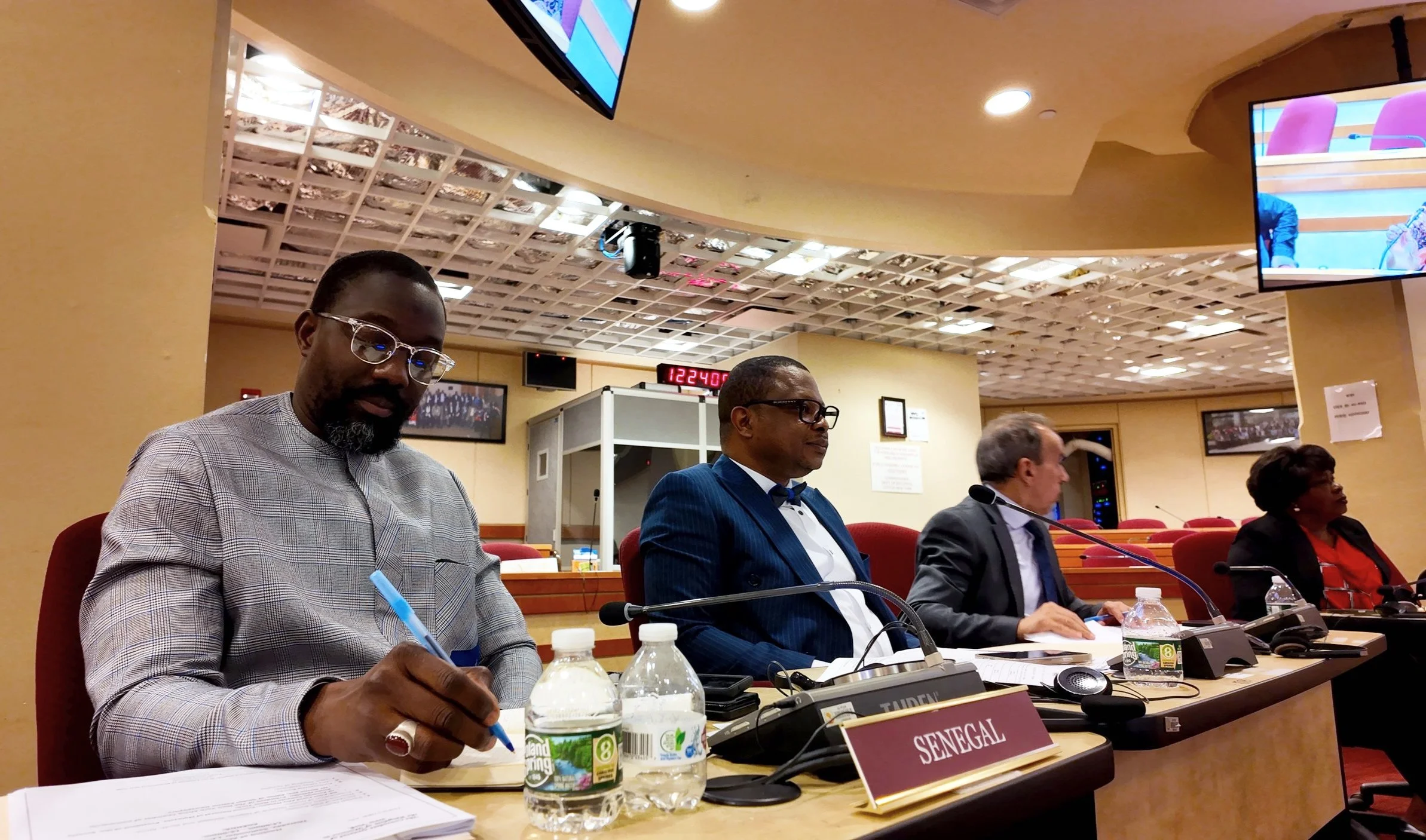
African Consuls General Meet in New York
The meeting welcomed new members and discussed past and upcoming activities with focus on creating ways to engage their various communities.
Africa-Related, New York
The African Consuls General Group Recently Met at the Africa Union Permanent Observer Office in New York
Hosted by the Consulate General of the Kingdom of Morocco in New York under the leadership of Hon. Mohammed Benabdeljalil, the meeting welcomed new members and discussed past and upcoming activities with focus on creating ways to engage their various communities.
A presentation on the Society of Foreign Consuls in New York was delivered by the Consul General of Malaysia HE Amir Farid Abu Hassan.
Mr Simon Ibe of Global Patriot Newspapers and Mrs. Oyiza Adaba of Africa-Related Inc. both spoke on the need for the group to engage the African Diaspora media outlets in order to reach their nationals. Ice informed the group that the gap in how the media operates in the West and how it operates among people of African descent, is the basis for a webinar that will will be held on September 20th 2024 from 1.00 pm to 2.30 pm (EST), during the United Nations General Assembly (UNGA) Week, and is part of the UN Summit of the Future..
Ms. Busi Matsiko, President of the newly instituted New York Chamber of Commerce also addressed the group, harping on the powerful location New York City offers, and on the economic viability of engaging with Wall Street and other financial institutions that encourage and support Diasporta Africans. She cited that six African designers participated in the the recently concluded New York Fashion Week.
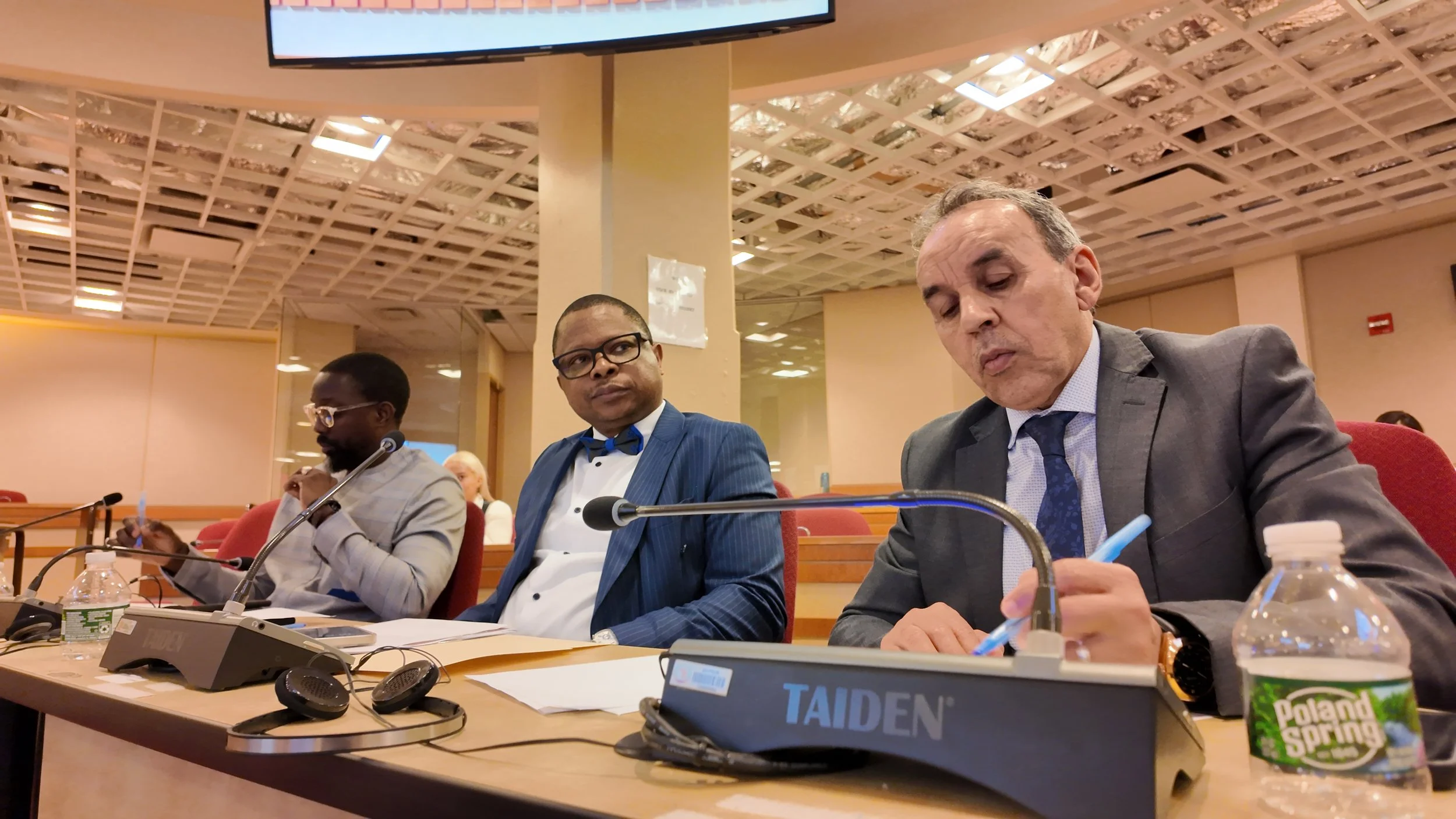
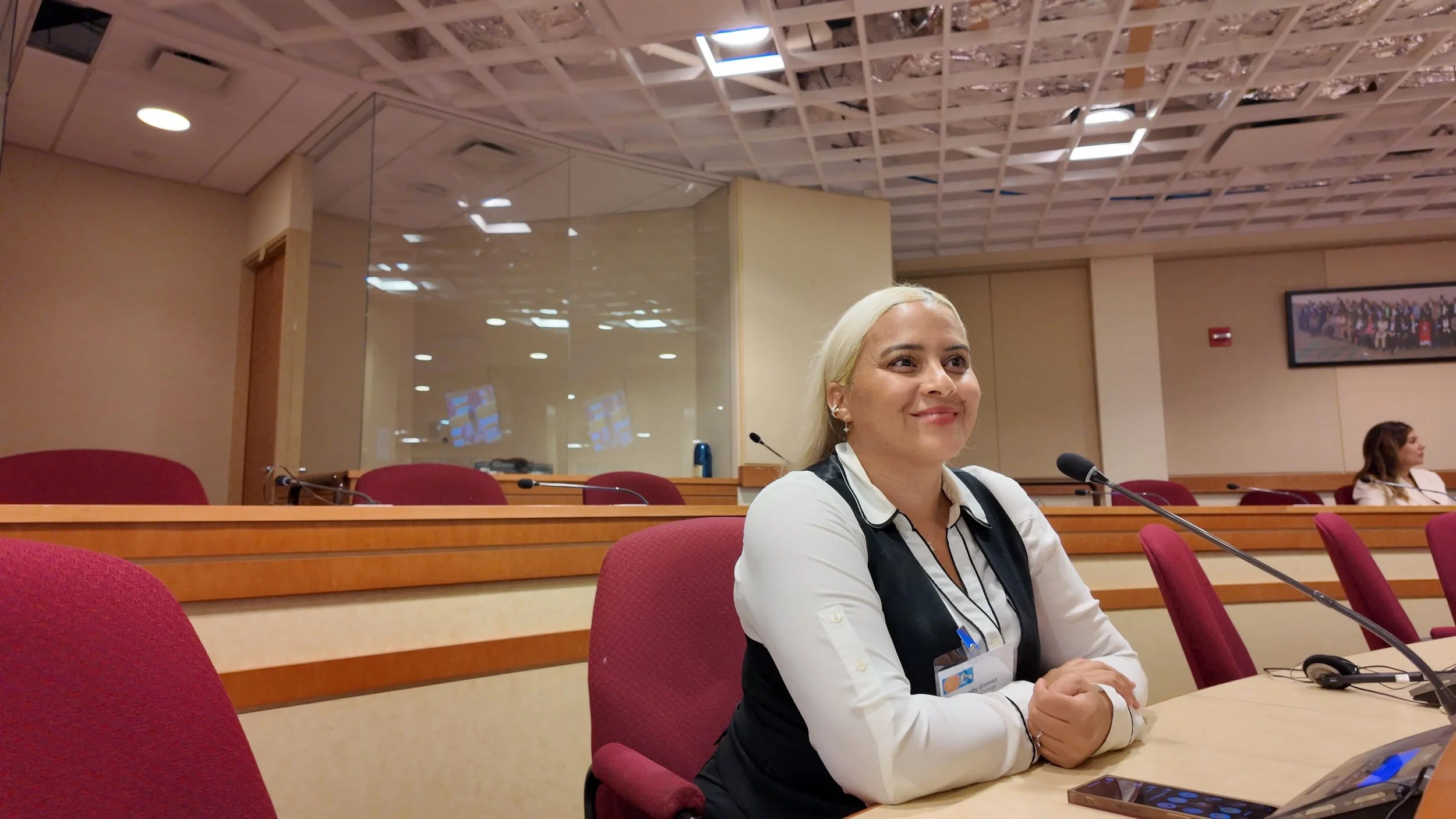
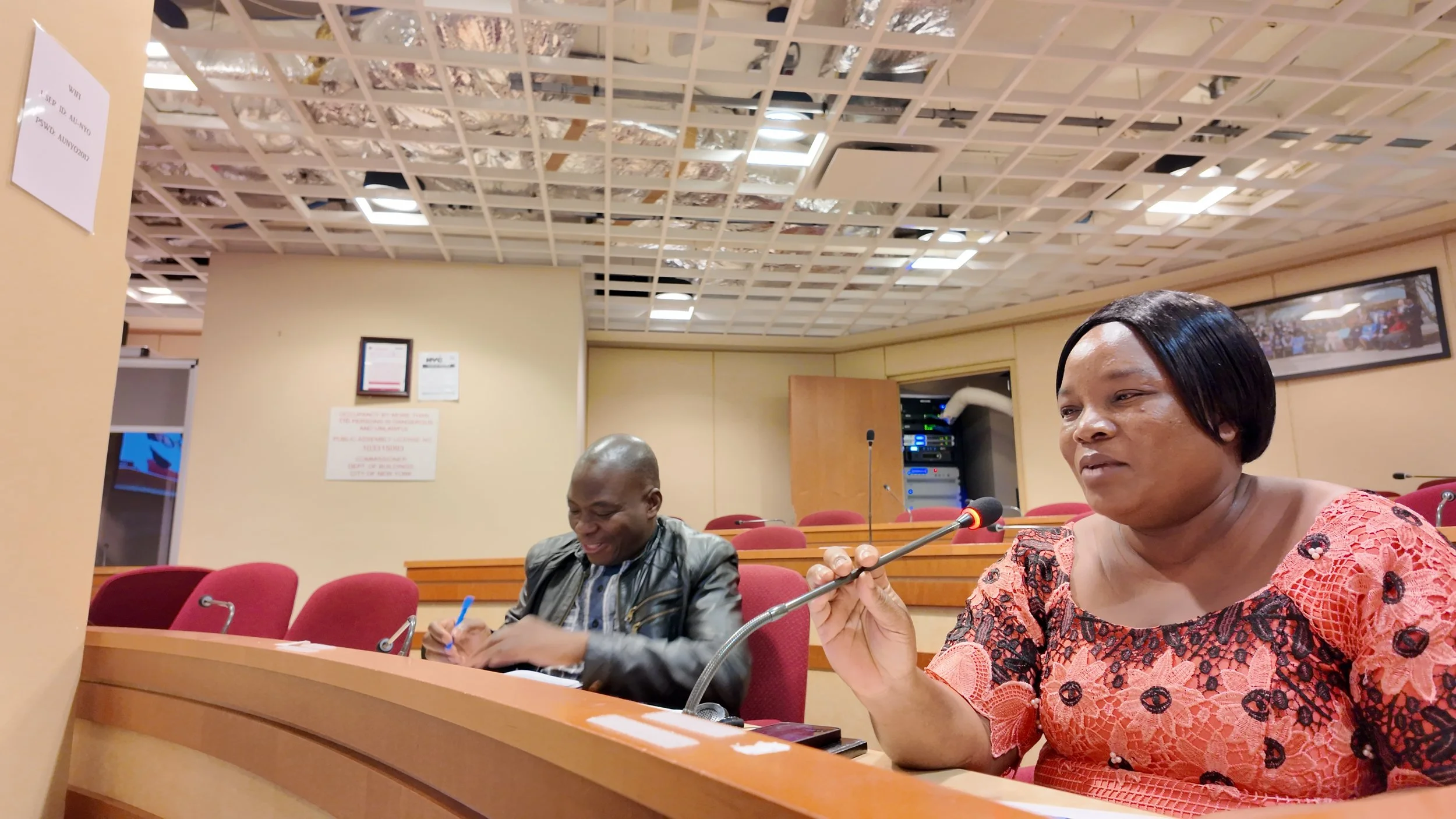
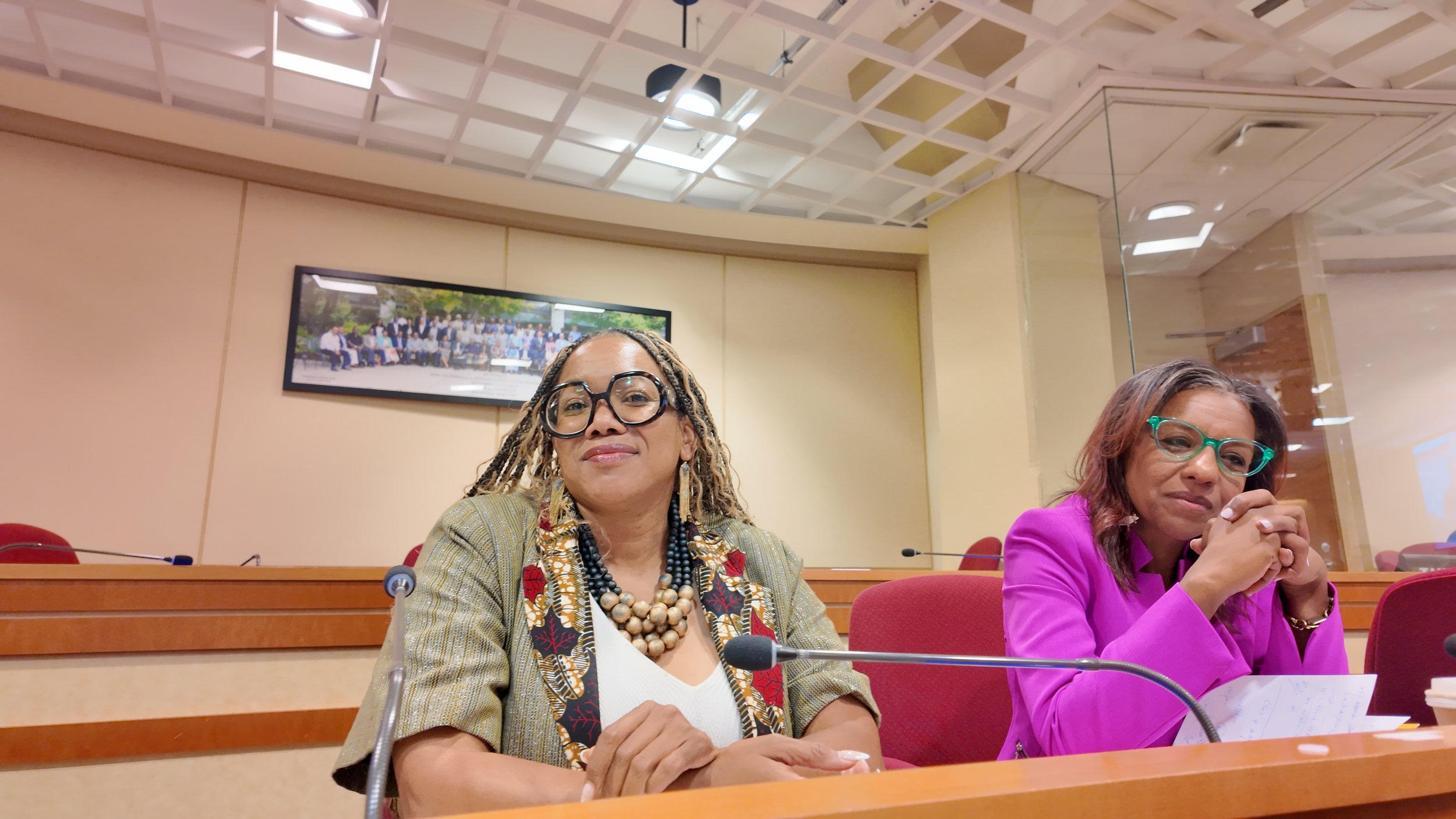
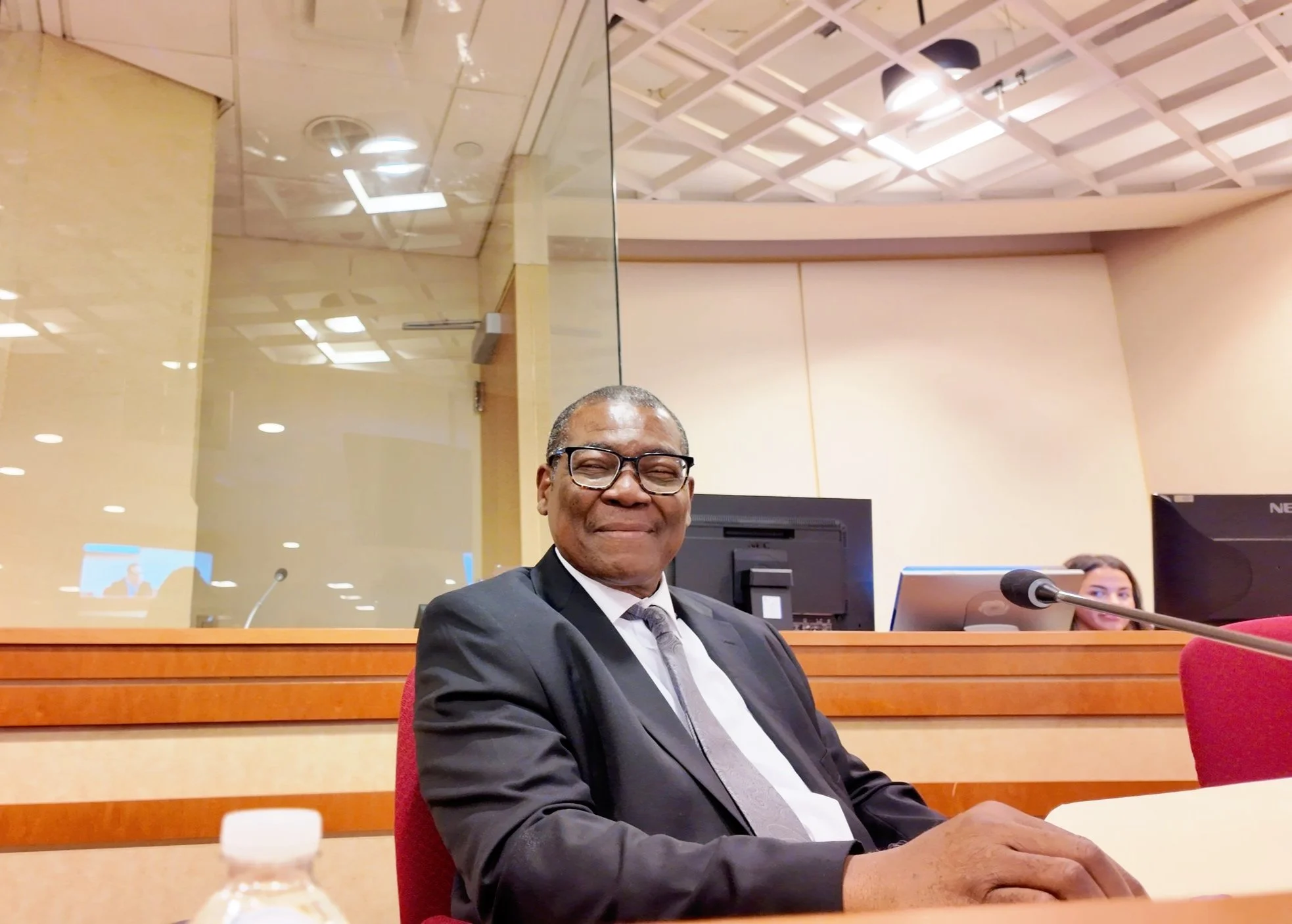
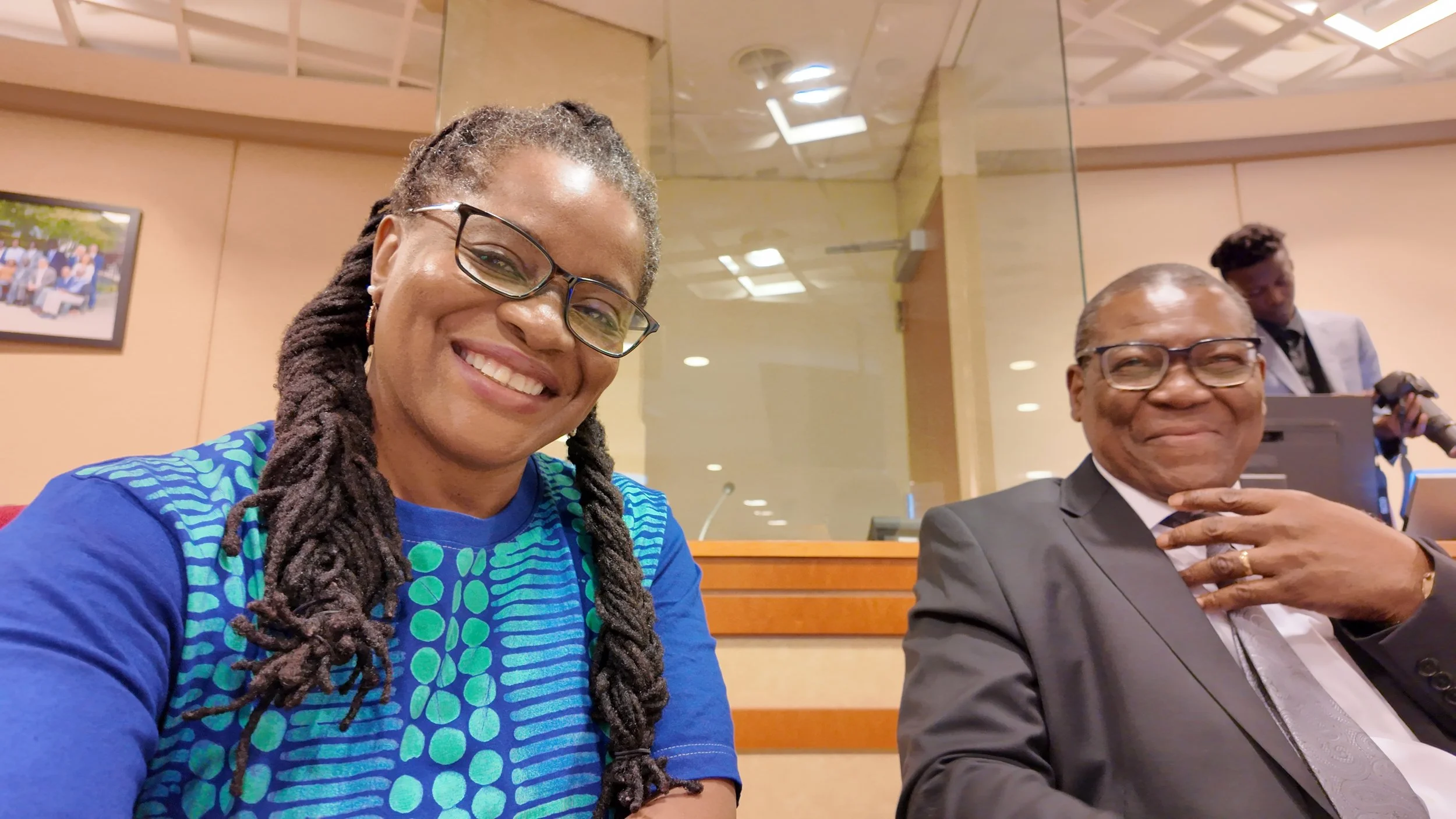
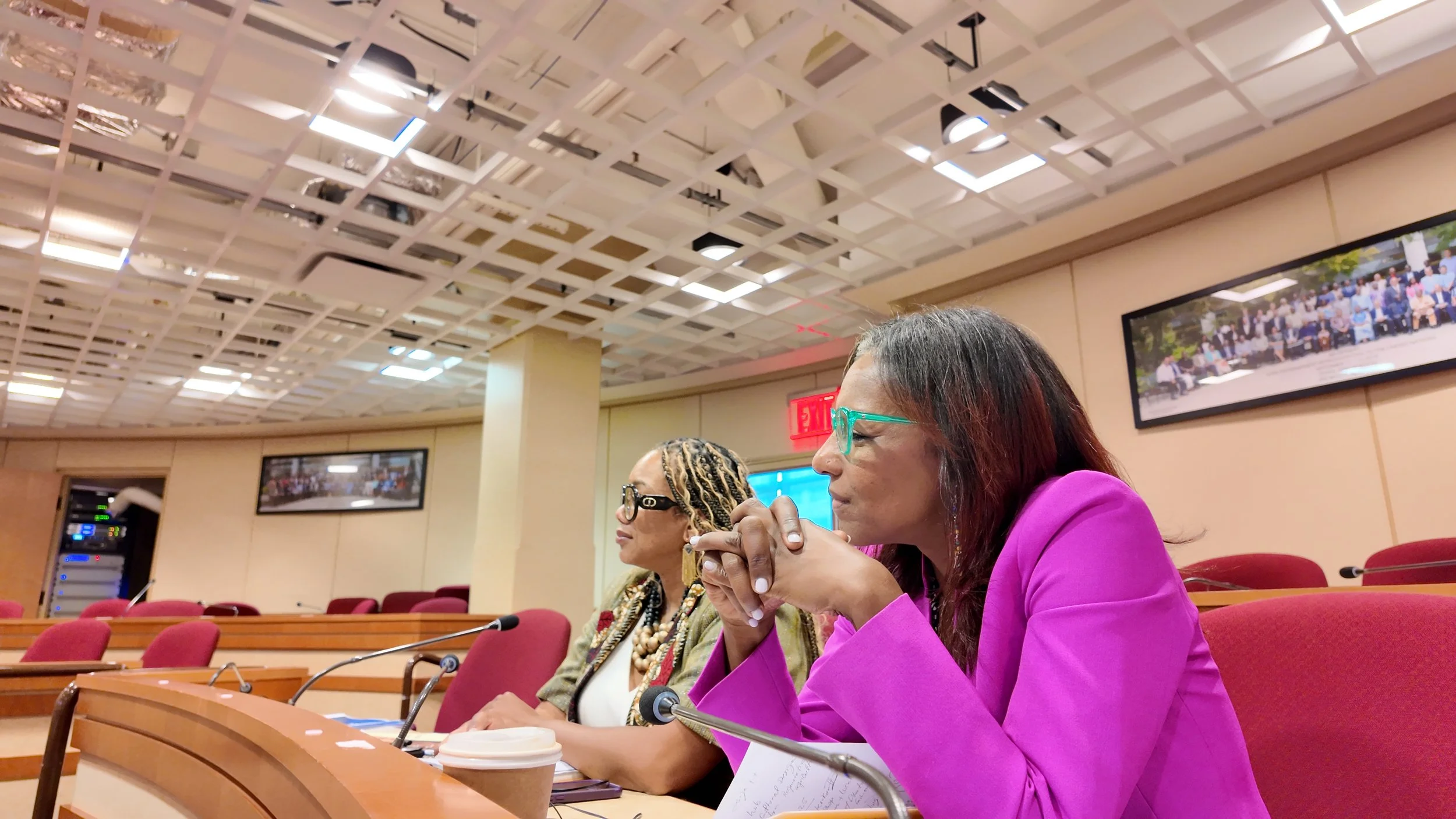
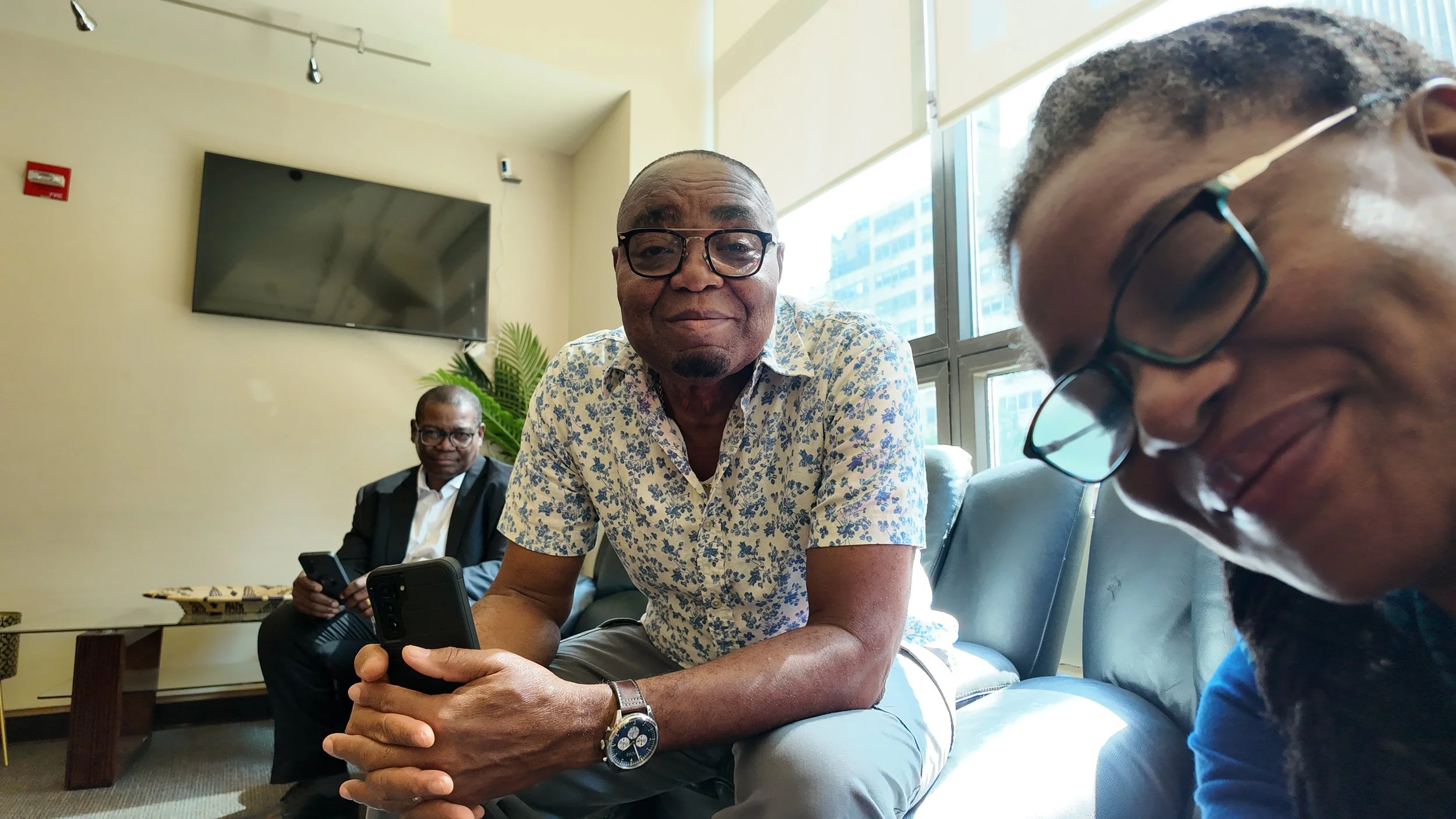
The Media of the Future:
The Media of the Future: Bridging the gap between west and people of African descent.
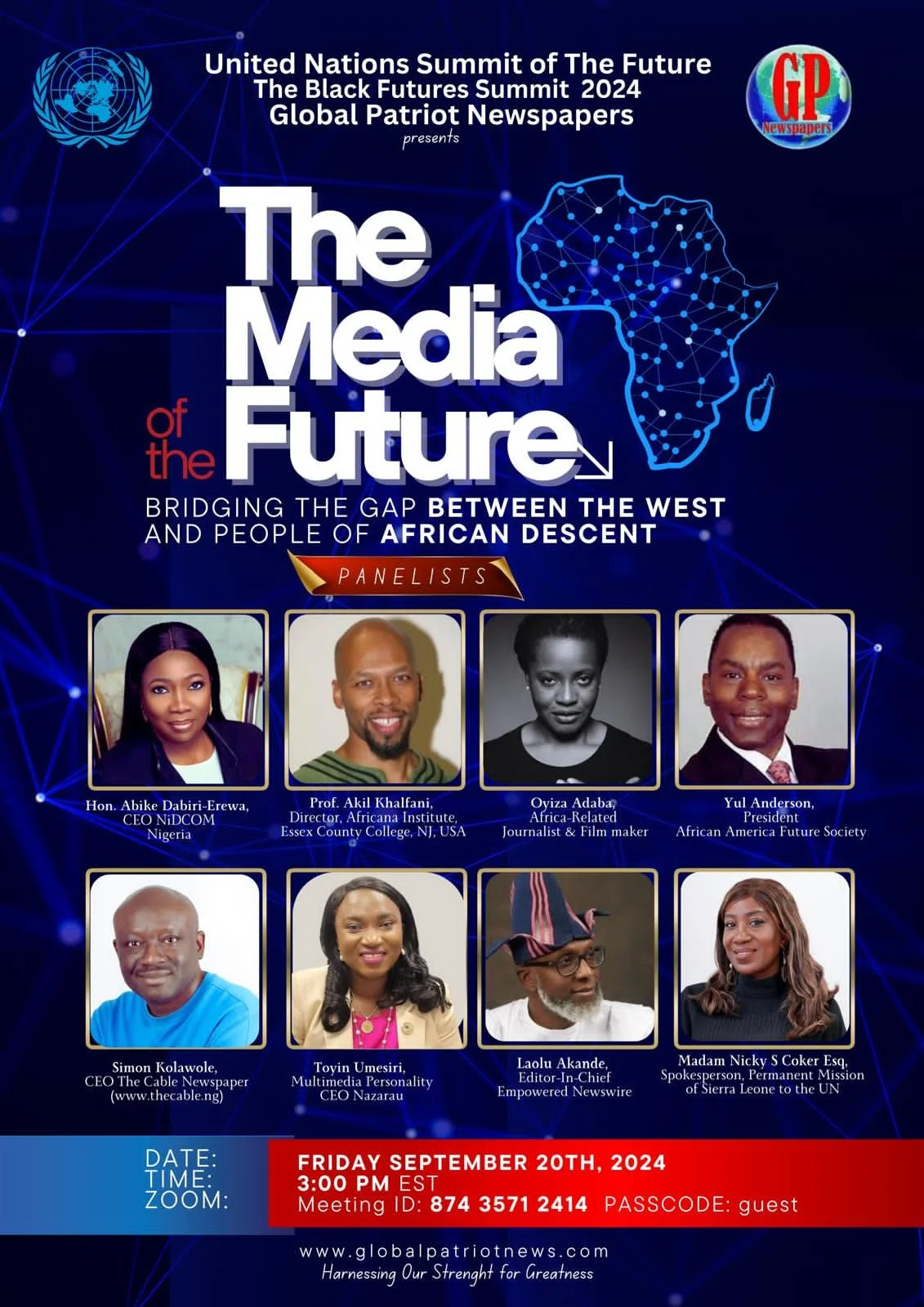
Global Patriot Newspapers GPN is inviting you to a Dialogue on:
The Media of the Future: Bridging the gap between west and people of African descent.
Time: Sep 20, 2024 03:00 PM Eastern Time (US and Canada)
Meeting Link
https://us02web.zoom.us/j/87435712414?pwd=OjVBNZ8jKOe2owdIbEGY2DDdPa95W.1
Meeting ID: 874 3571 2414
Passcode: guest
NUC Resource Verification Team Visits Lux Terra
A team of experts from the National Universities Commission (NUC), led by the Ag Executive Secretary, Dr Chris Maiyaki, was on Friday September 6, 2024, hosted by the management staff of the Psycho-Spiritual Institute of Lux Terra Leadership Foundation,
A team of experts from the National Universities Commission (NUC), led by the Ag Executive Secretary, Dr Chris Maiyaki, was on Friday September 6, 2024, hosted by the management staff of the Psycho-Spiritual Institute of Lux Terra Leadership Foundation, and representatives of the Veritas University, Abuja, Senate, in what was the final stage in the due diligence processes of the agency, towards the legal recognition and approval of the offering in Nigeria, of the two postgraduate programmes of the Institute.
These are: the Postgraduate diploma in Psycho-Spiritual Trauma Healing, and the Master of Art's degree in Psycho-Spiritual Therapy. Earlier in April, 2024, an affiliation agreement was signed by the Institute with Veritas University, Abuja, for the award of the degrees in Nigeria.
It will be recalled that the first campus of the Psycho-Spiritual Institute was established in Nairobi, Kenya, in 2013, and it was affiliated to the Catholic University of Eastern Africa (CUEA) in 2014. The Psycho-Spiritual Therapy programme was subsequently accredited by the Kenyan Commission for University Education (CUE). In the 11 years of its existence, the Institute has trained over 150 experts from up to 27 different African countries, in Psycho-Spiritual Therapy.
It is hoped that with this new development, the campus in Abuja will join the Nairobi campus in training and equipping many professionals in the humanitarian services, as well as religious leaders and sundry volunteers, who will help facilitate integral healing, wholeness, growth and transformation, in the many individuals, families and groups across the continent of Africa, who are today suffering from psycho-trauma, depression, confusion, burn-out, midlife crisis, family dysfunction, grieving disorders, addictive disorders, including addiction to alcohol and psycho-active substances, and suicide ideation.
Graduates of the Psycho-Spiritual Therapy programme will be equipped to work as counsellors and chaplains, in formation houses, hospitals, hospices, drug rehabilitation centres, correctional centres, as well as schools, colleges and universities.
The Psycho-Spiritual Institute is the pioneering initiative of Lux Terra Leadership Foundation, which is aimed at the wholesome integration of the tools and approaches of modern Psychological Sciences, with the rich resources of the Soul Care tradition of our religions, in the training of experts and volunteers for mental health care, within the African socio-cultural and religious context. Admission is now open for the pioneering students of the Abuja campus of the Institute.
See pictures below...


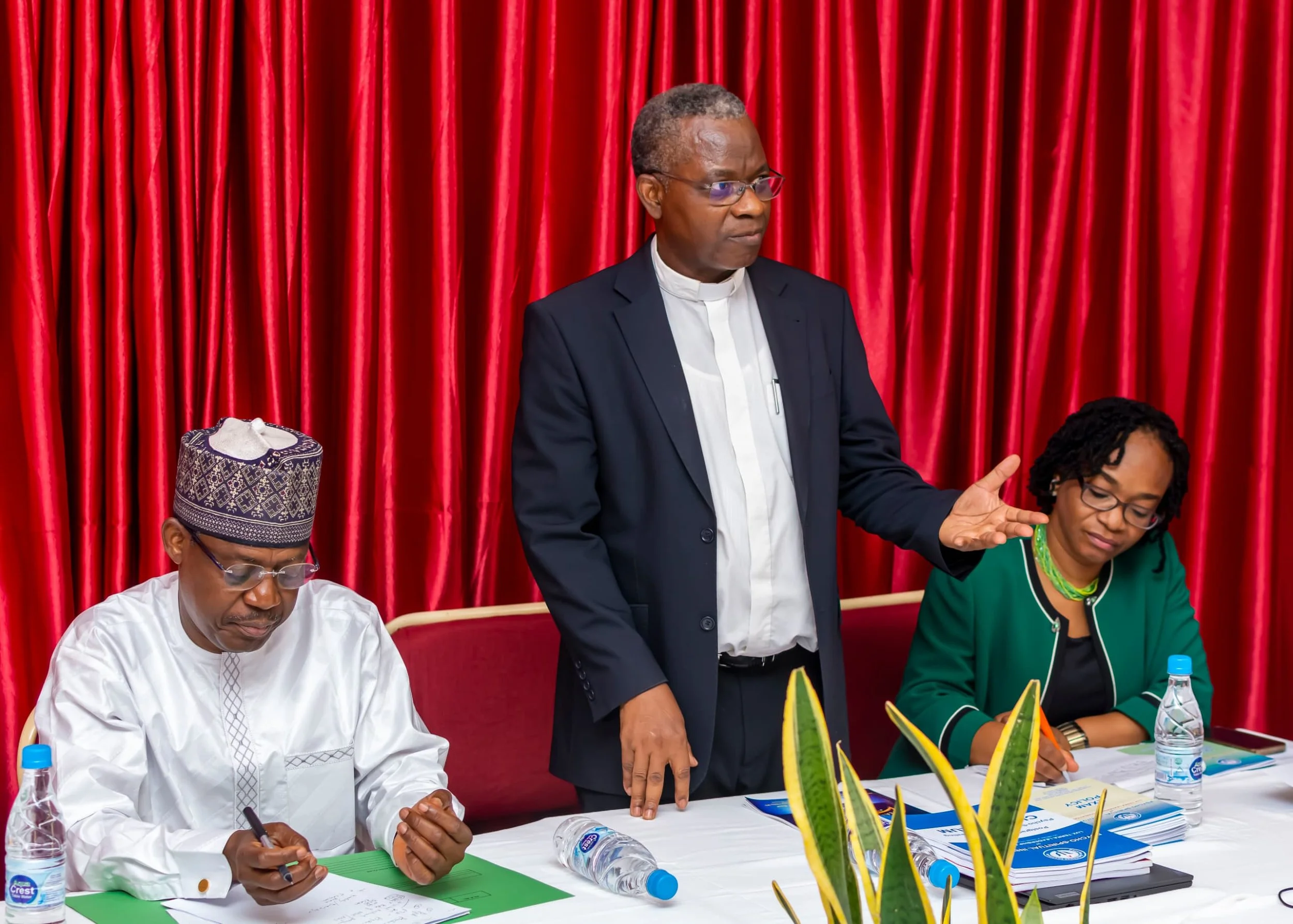
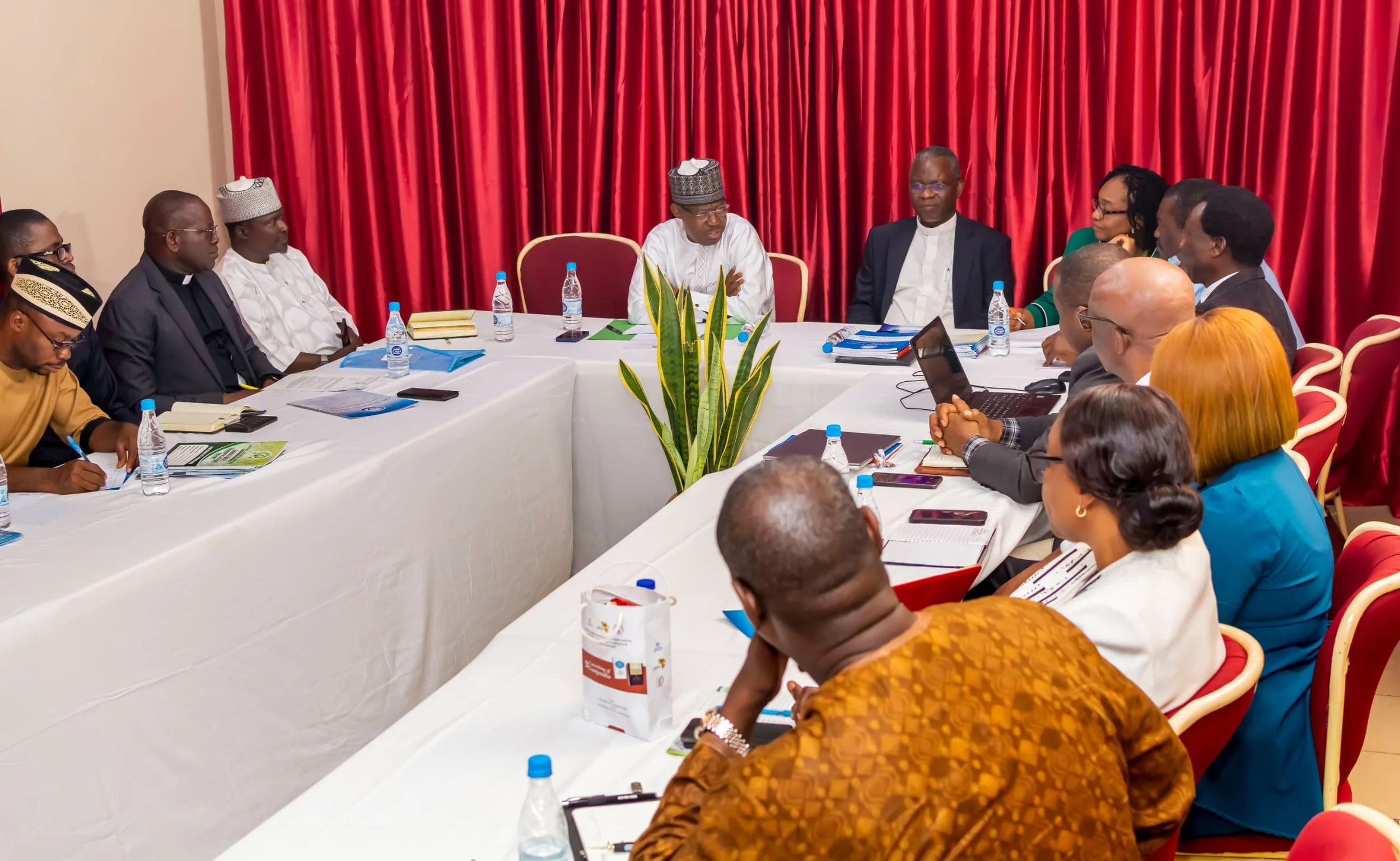
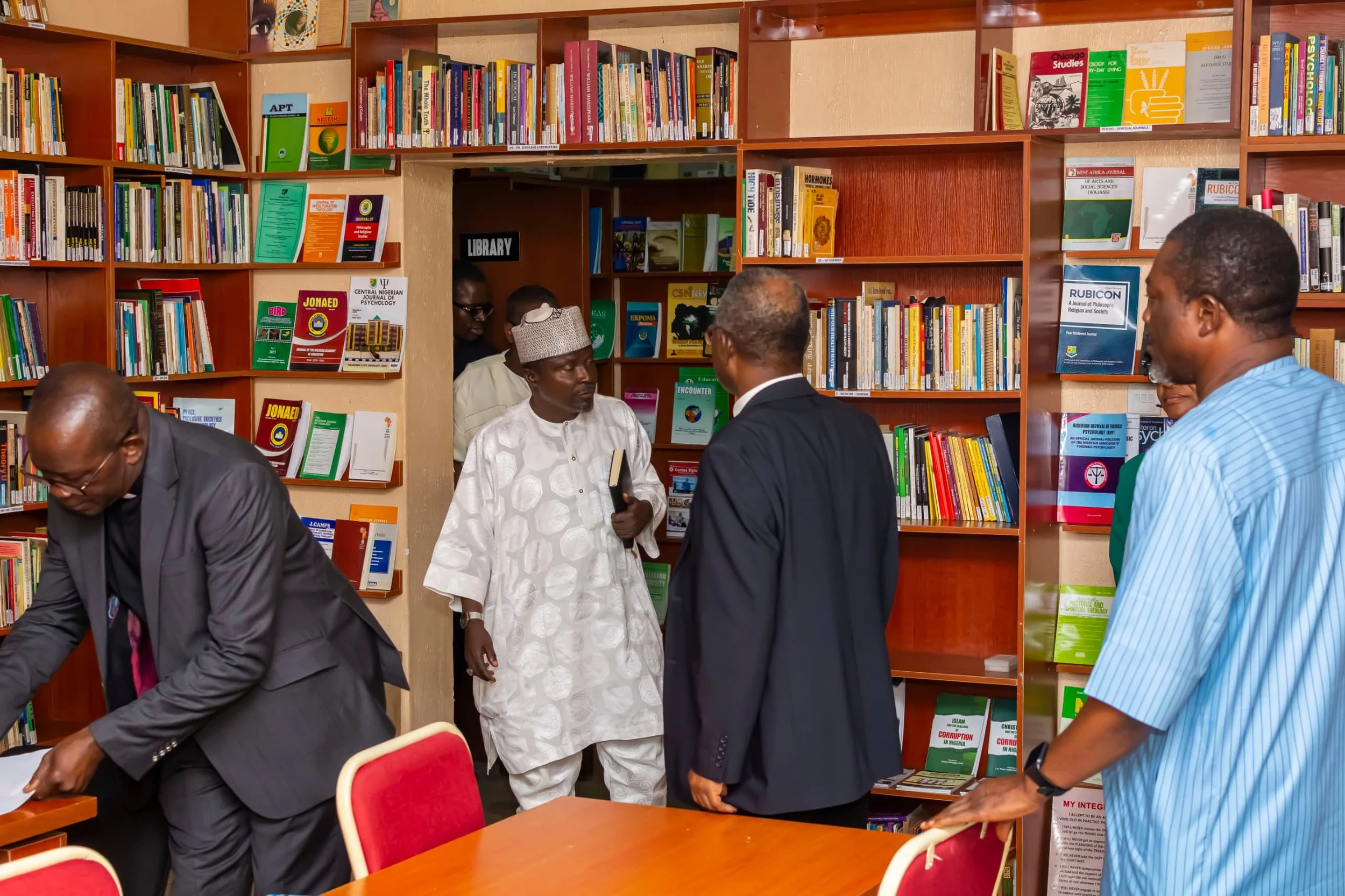
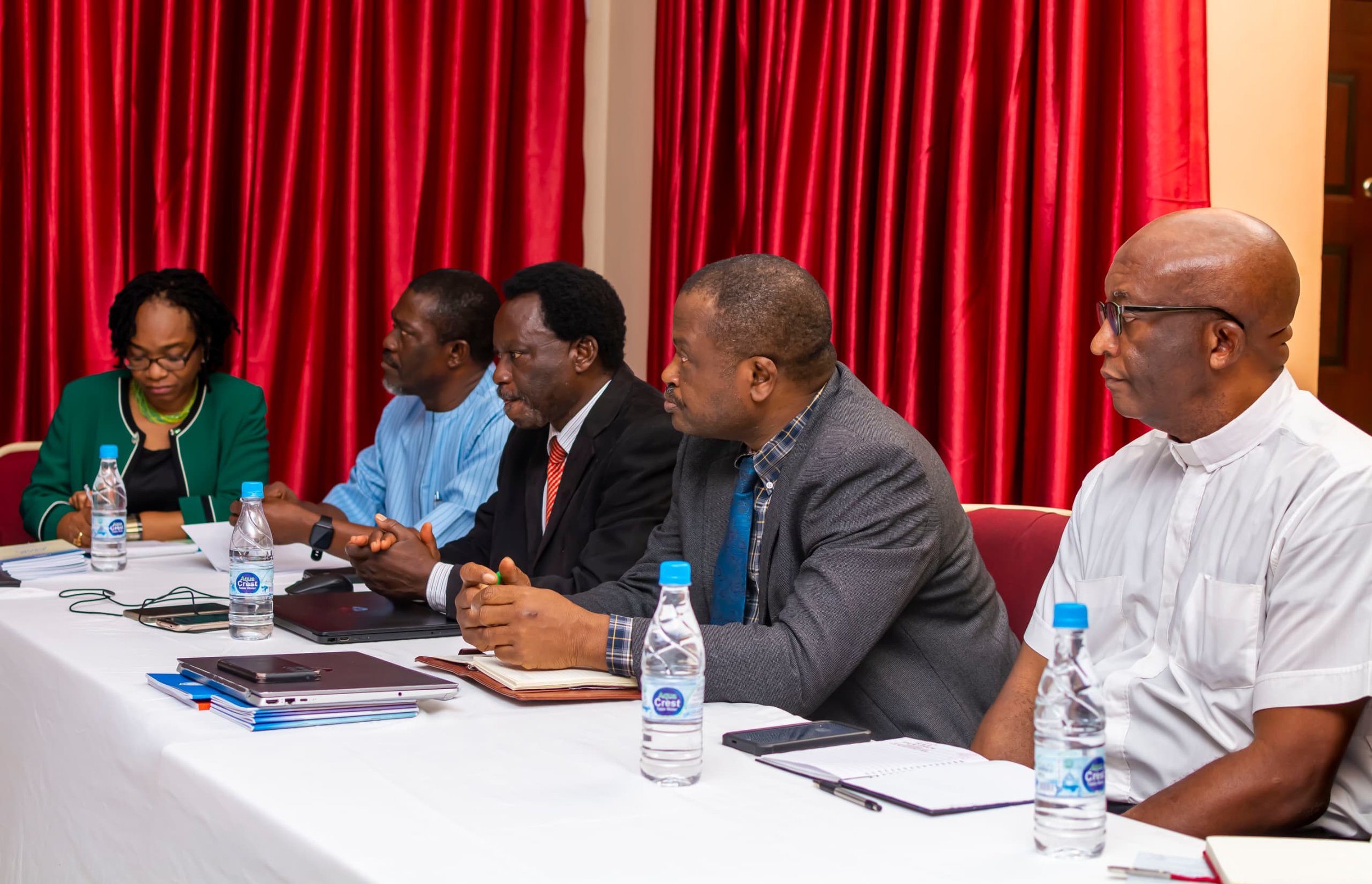
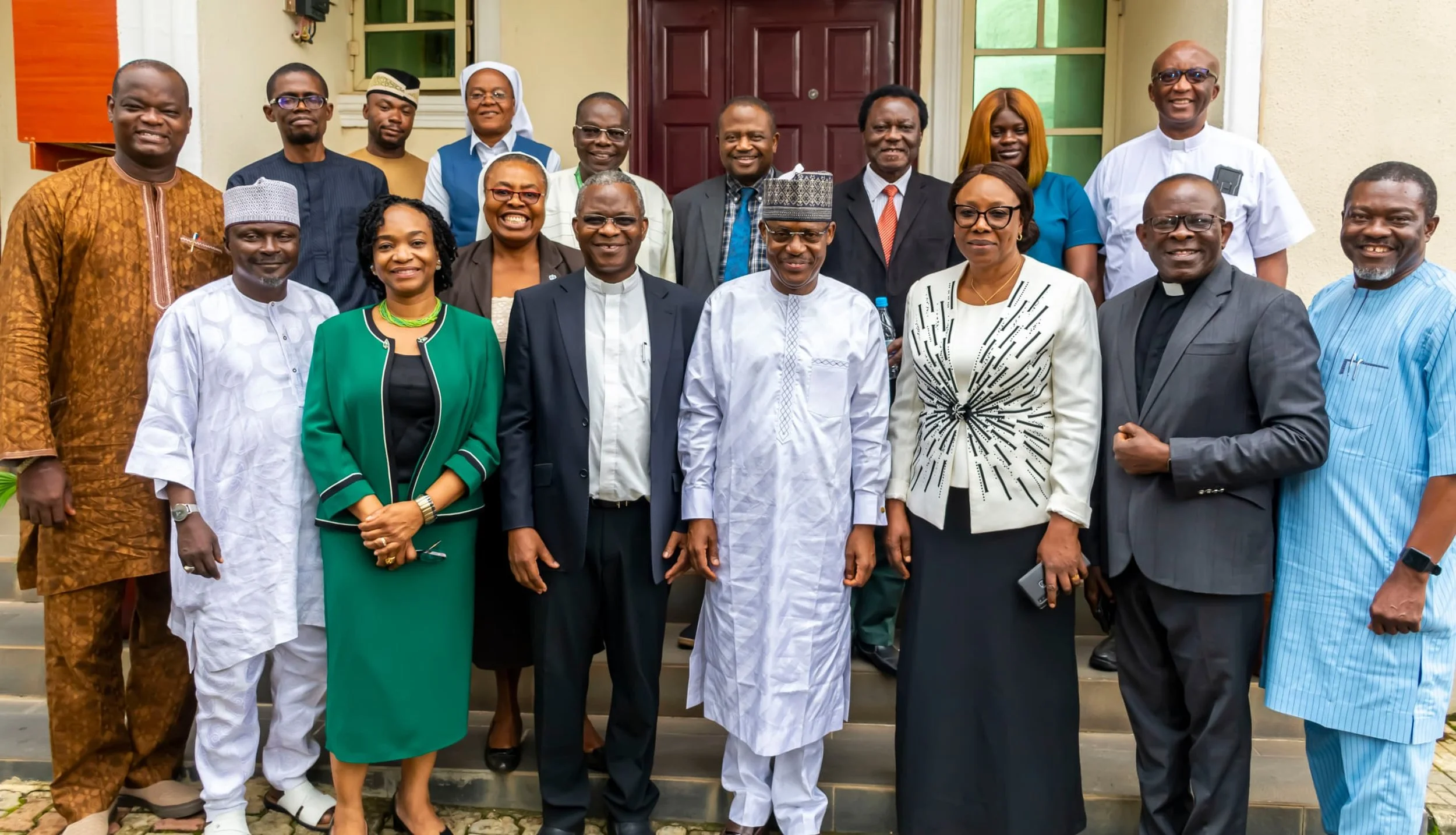
###

Two Years On: Remembering Ijeoma Uche-Okeke
Video Interview with Ijeoma Loren Uche-Okeke. Up until her passing on September 1, 2022, she was the Chief Executive Officer of the Asele Institute, a cultural institution founded by her late father, master artist and scholar, Uche Okeke, in Nimo, Anambra state, Nigeria in 1958.
INTERVIEW by africa-related
Ijeoma Loren Uche-Okeke
1972-1922
Up until her passing on September 1, 2022, Ijeoma Loren Uche-Okeke was the Chief Executive Officer of the Asele Institute, a cultural institution founded by her late father, master artist and scholar, Uche Okeke, in Nimo, Anambra state, Nigeria in 1958.
In this interview conducted in January 2022 for the biographical documentary DELA: The Making of El Anatsui directed by Oyiza Adaba, Ijeoma spoke of Uche Okeke's distinguished legacy as the father of Nigeria's modernist art movement, as well as their relationship.
share this story
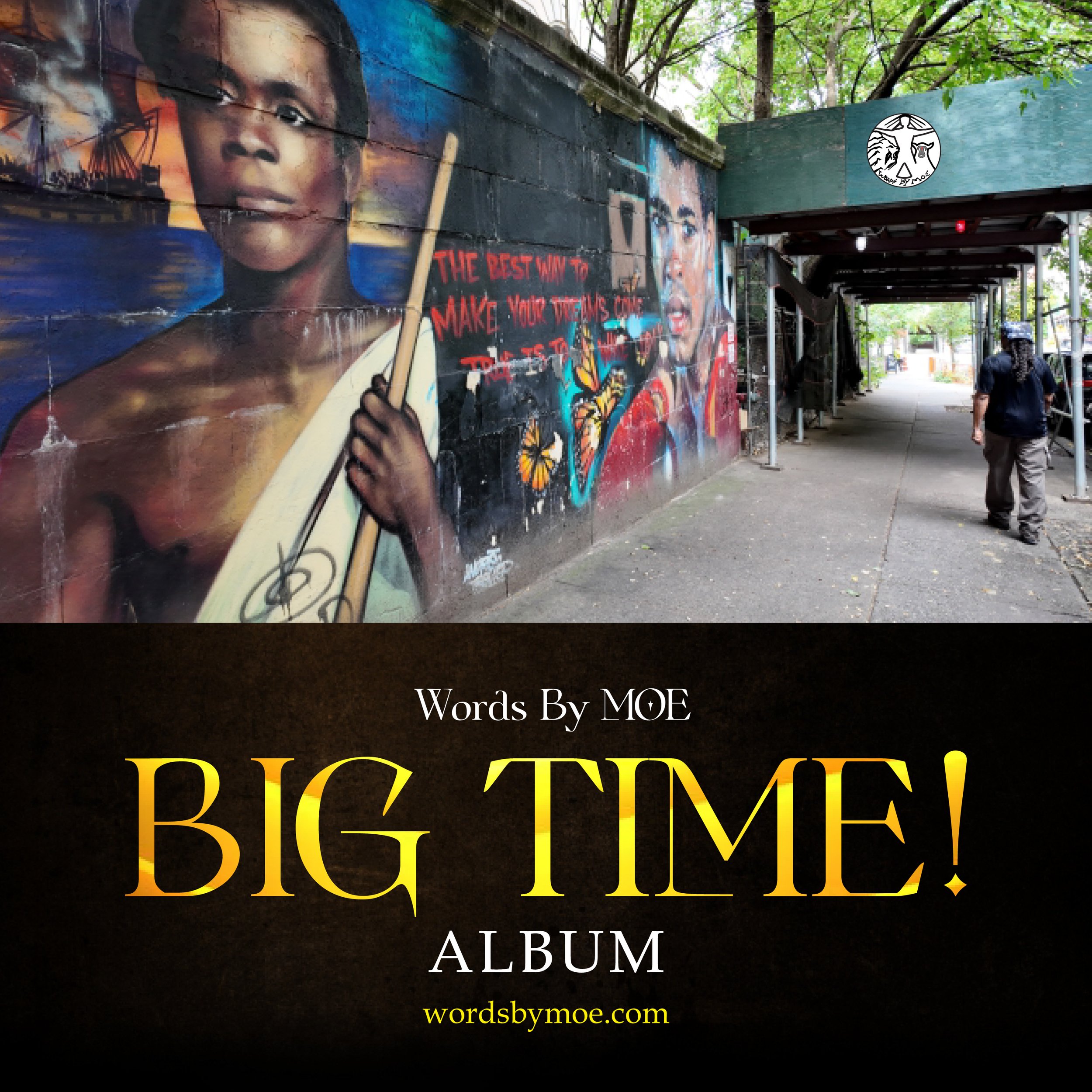
Q&A With WORDS BY MOE On New Album BiG TIME!
INTERVIEW with WORDS BY MOE BY Africa-Related
Words By MOE
est. 1999
“Words are still powerful, and the right word at the right time is still very valuable”
This week, we share the work of Words By MOE, a self-styled inspirational writer and Spoken Word artist whose writings are reminiscent of scribes of old. His mastery of language, expert use of words, not to mention captivating delivery; have resulted in his 23-track debut album, titled BiG TIME!
Words play a central theme on the album, touching on various subject matters from life to faith and love. The sound is crisp and fresh, backed by multiple genres of music - from Hip Hop, Reggae to traditional African flute and drums. BiG Time delivers an array of richly blended sounds that drive home the lyrically-endowed artist's thought-provoking messages.
The album was jointly produced in New York and Jos, Nigeria by Africa-Related and Deep Waters Studios. It includes some collaborative work like ‘Bringing Back The Mic', a tribute to the late Gospel Hip Hop icon B-Elect featuring Minista Busta.
“The purpose is to encourage, build up and inspire others on this journey of Life.”
Q: You have two back-to-back projects coming up in August and September 2024. Could you speak to them individually on the inspiration and purpose behind Big Time Album and book, Spiritually Intact vol 1?
A: Honestly, this whole thing with the music is my wife’s idea.. so projects wise she’s the visionary. As for inspiration, all I do is write, and the motivation behind my expression stems from my love for the Word of Truth. The purpose is to encourage, build up and inspire others on this journey of Life.
Q: Which of the tracks in Big Time stands out to you the most and why?
A: The title track, Big Time.. It’s a piece that makes plain what’s required on our part to recognize what is past, so that we can realize our future; in order to be able to truly put things in perspective as far as priorities go, in our lives.
Q: The album contains 23 tracks backed by various music genres. Could you elaborate on your musical influences?
A: While I do appreciate a variety of musical sounds, I grew up influenced mainly by the ‘boom bap’, there’s something about that baseline that just got me as a kid, listening to a lot of hip hop, plus all the color, the styles and creativity, it was amazing at the time, not to mention ‘fresh’.
Q: SI volume one shows the beginnings of your writing? How would you say it has since evolved?
A: Honestly, I'm not so sure how much evolution there’s been, other than a sense of refinement perhaps and maybe more directness when it comes to elaborating on a particular subject. Both of which I attribute to maturity, as a student of the WORD.
Q: What is the importance of words, as a means of expression in today's world?
A: Still very important, as far as communicating goes; even though the way we relate these days is slightly different from last century. Words are still powerful, and the right word at the right time is still very valuable.
Q: You have been writing since 1999, and only just sharing your materials with the world. What would you attribute to this gap?
A: Time and chance, situation and circumstance. Up till now, I suppose I was okay sharing with a few people, until my wife decided it was time to share with the rest of the world.
Q: Your faith plays a key role in your overall outlook. How have you managed to sustain that since 1995, and what would you say to anyone who has lost faith.
A: Honestly, it’s the grace of The Almighty, abiding in the WORD, and learning a whole lot about Love. I might not be in a position to console a person who’s turned away, but I do believe that He doesn’t turn us away from coming to Him. So no matter what, never give up.
Q: What are thoughts to share about your connection to these two countries - Nigeria and the United States?
A: Just grateful for the opportunity to experience what life is like in different cultural contexts. Very interesting indeed, despite challenges on both sides.
Q: What future plans for your writing?
A: Same as always, just keep writing.
Q: What influences have shaped your writings over the years.
A: The Scriptures primarily, but also C.S. Lewis, Martin Luther King Jr., Frederick Douglass, J. B. Phillips… to name a few.
Q: You did some collaborative work on this album, and your love for Hip Hop is evident with the track Bringing Back The Mic (BBTM), which is a tribute to the iconic artist B-Elect. Could you speak on this?
A: Actually BBTM was written as a tribute to B on Jan 25, 2011. So when I was called upon to contribute to His memorial earlier this year, the piece instantly came to mind; thus the input.
Q: Your work was featured in the biographical documentary DELA:The Making of El Anatsui. What did you take out of working on that project?
A: Knowledge is what I took out, and gained a lot of it. I was fortunate to have a behind the scenes perspective and learn a thing or two about film making, which is no light task, plus the amount of patience, foresight and dedication required. So grateful for the exposure and experience.
Q: Do you have any closing thoughts?
A: None other than expressing my gratitude to GOD for making all this possible.
Thank you for your time.
Previous work by the artist
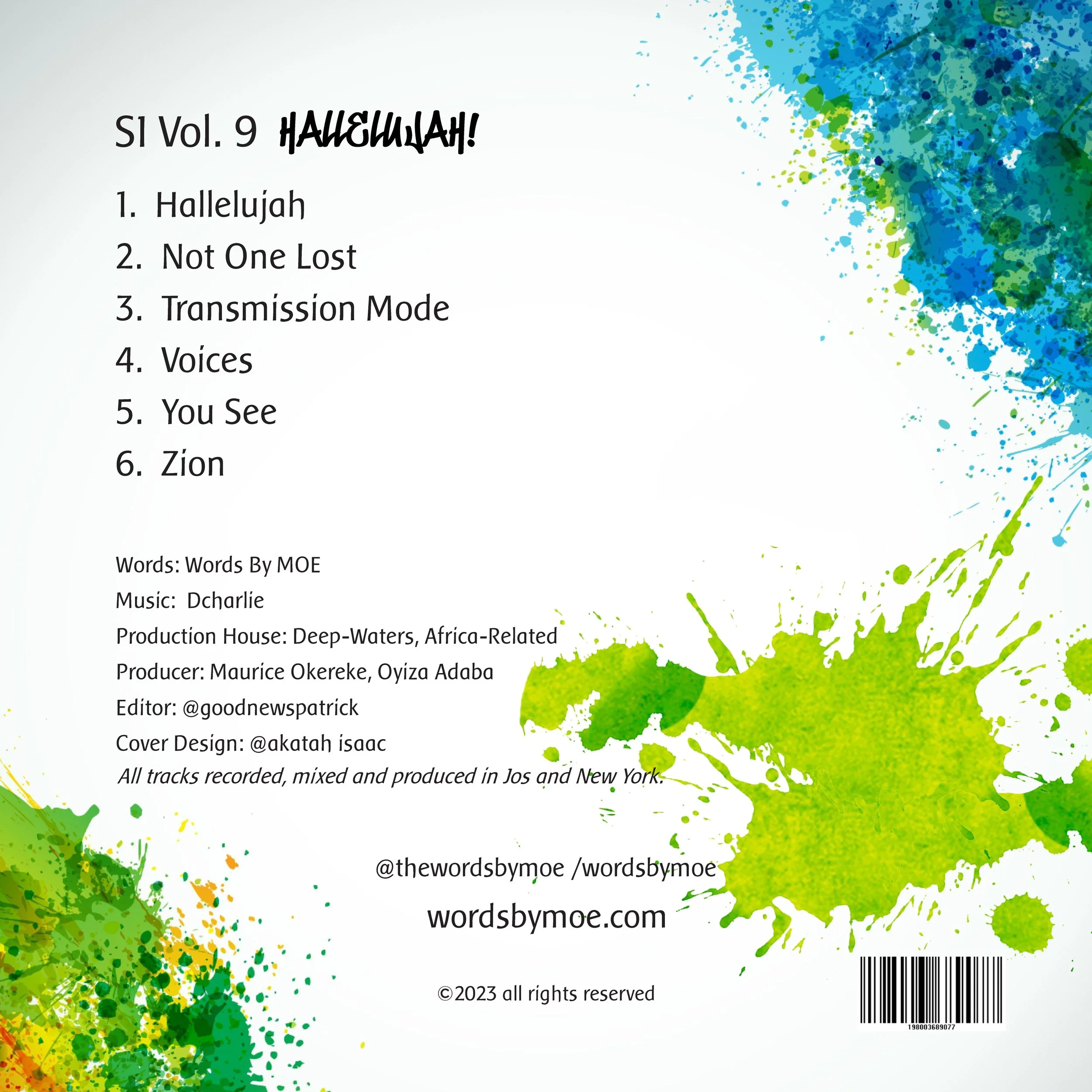
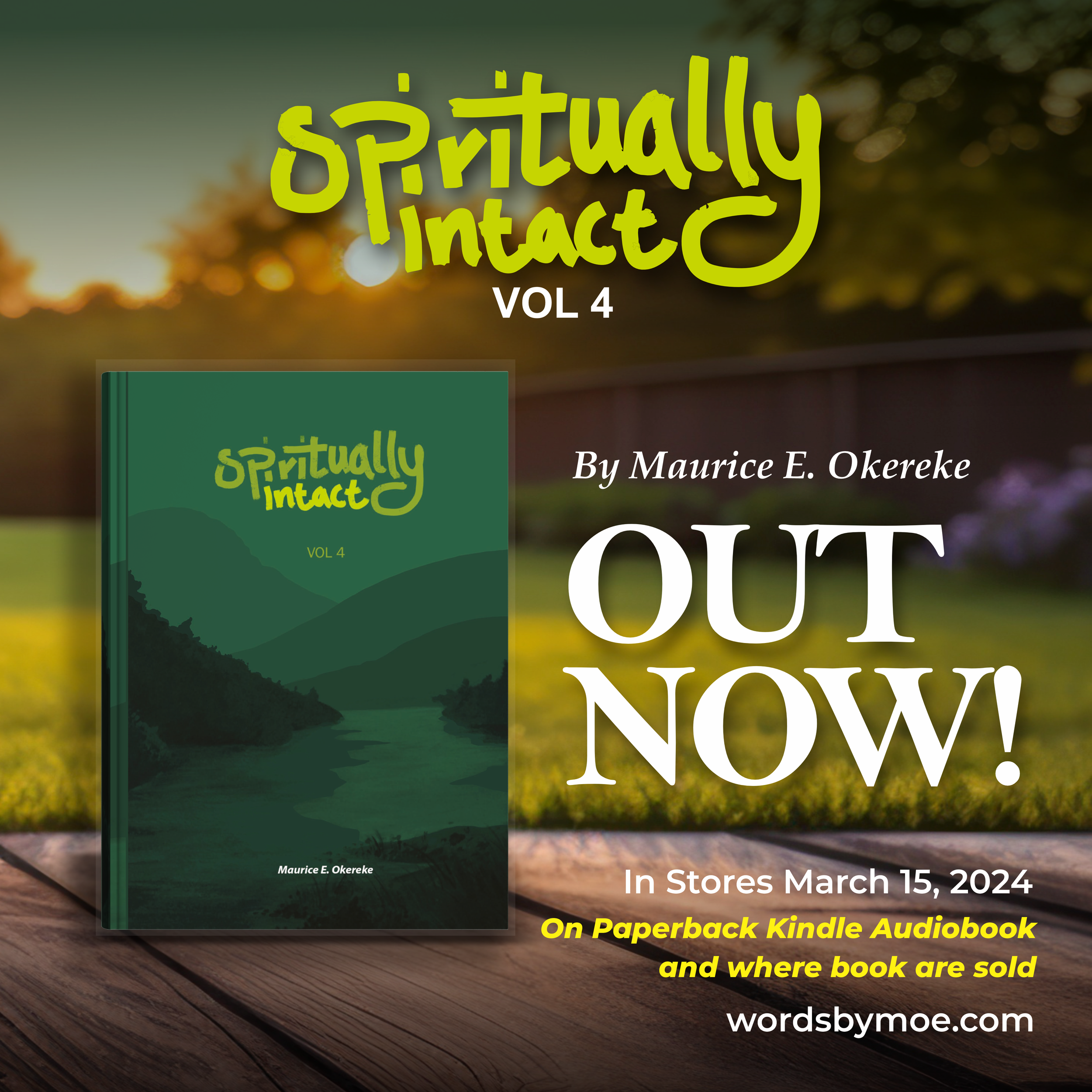
“I might not be in a position to console a person who’s turned away, but I do believe that He doesn’t turn us away from coming to Him. So no matter what, never give up.”
Follow the artist
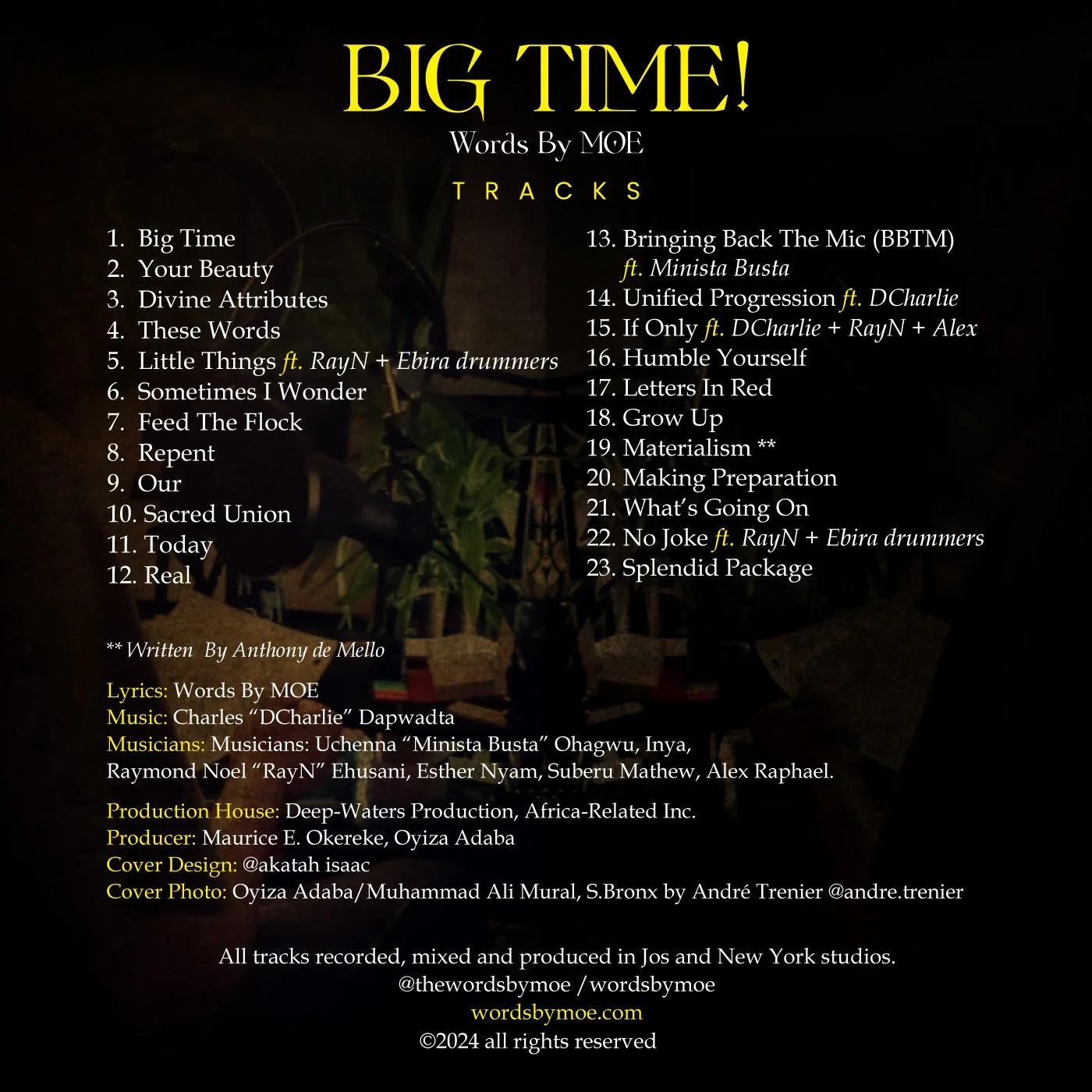
Collaborators include Charles “DCharlie” Dapwadta, Uchenna “Minista Busta” Ohagwu, Inya, Raymond Noel “RayN” Ehusani, Esther Nyam, Suberu Mathew, Alex Raphael. Deep-Waters Production, Africa-Related Inc., Maurice E. Okereke, Oyiza Adaba, @akatah Isaac and Bonx muralist André Trenier @andre.trenier.

U.S. Department of State Daily Digest Bulletin
U.S. and Ghana Nuclear Firms Sign Landmark Commercial Agreement for Small Modular Reactor Project in Ghana.

U.S. and Ghana Nuclear Firms Sign Landmark Commercial Agreement for Small Modular Reactor Project in Ghana
08/29/2024
You are subscribed to Africa for U.S. Department of State. This information has recently been updated, and is now available.
U.S. and Ghana Nuclear Firms Sign Landmark Commercial Agreement for Small Modular Reactor Project in Ghana
08/29/2024 09:02 AM EDT
Office of the Spokesperson
At the U.S.-Africa Nuclear Energy Summit in Nairobi, Under Secretary of State for Arms Control and International Security Bonnie Jenkins, joined by U.S. Department of Energy Deputy Assistant Secretary Aleshia Duncan, Ghana Deputy Minister of Energy Collins Adomako-Mensah, and Ghana Ministry of Energy Chief Director Wilhelmina Asamoah, observed a significant milestone in civil nuclear cooperation between U.S. and Ghanaian nuclear industries — the signing of a commercial agreement between Nuclear Power Ghana (NPG) and Regnum Technology Group, the U.S. developer for a small modular reactor (SMR) project using NuScale Power technology.
This commercial agreement between NPG and Regnum represents a pivotal advancement in collaboration between U.S. and Ghanaian civil nuclear industries and is testament of the commitment by both nations to advancing clean and sustainable energy solutions. The SMR project is anticipated to be a cornerstone of Ghana’s efforts to enhance its energy infrastructure and lead the way on SMR deployments in the region. This initiative will help Ghana achieve its energy goals and reduce greenhouse gas emissions, setting a precedent for future energy projects in the region.
The NPG-Regnum agreement builds on existing U.S.-Ghana civil nuclear cooperation, including under the U.S. Foundational Infrastructure for the Responsible Use of Small Modular Reactor Technology (FIRST) Program that is helping Ghana to establish itself as a SMR Regional Hub and center of excellence. In addition to technical training, advisory services, and study tours, the FIRST Program is providing a NuScale Energy Exploration (E2) Center SMR control room simulator to serve as a regional training center for nuclear power technicians and operators and is establishing a welding certification program to support jobs and supply chain development for the region. Through this dedicated workforce development focus, Ghana will be positioned to establish a skilled nuclear workforce consistent with the highest international standards of nuclear safety, security, and nonproliferation.
The United States is committed to supporting the use of innovative clean nuclear energy to power global decarbonization efforts and provide energy security to partners around the world.
share this story
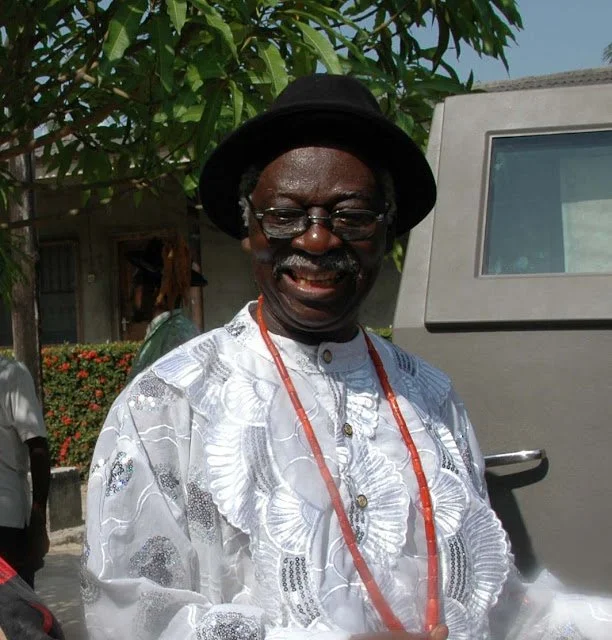
Bruce Onobrakpeya Foundation
Bruce Onobrakpeya was born on August 30th 1932, in Agbarha-Otor in what is today known as the Niger Delta region of Nigeria. He is reputed to be Africa's greatest printmaker and one of the finest in the world.
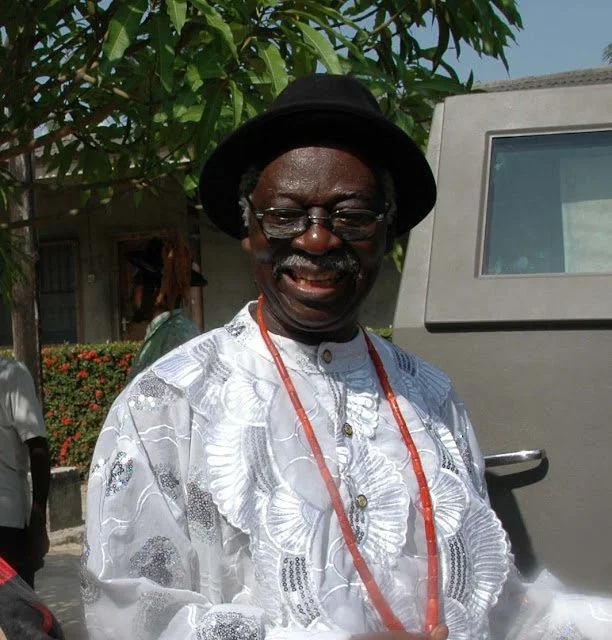
Bruce Onobrakpeya
Birthday of the month of August
Bruce Onobrakpeya was born on August 30th 1932, in Agbarha-Otor in what is today known as the Niger Delta region of Nigeria. He is reputed to be Africa's greatest printmaker and one of the finest in the world.
Bruce Onobrakpeya would have very few rivals in innovative and experimentalist print making in our time. Not only is he a great draughtsman, master printmaker - in the professional sense of the word, he is also noted for his paintings and mixed media installation art. Since 1966, he has discovered, innovated and perfected several techniques both in printmaking and relief sculpture. In addition to his experiments in mixed media and his reputation as a book illustrator, art teacher, author and folklorist, he is also one of the pioneers of modem Nigerian art and a leading member of the Zaria Art Society (renamed by the Emir of Zaria, to The Zaria Art Ambassadors). This important and now famous Zaria group, has been credited with laying the theoretical foundations for contemporary Nigerian art, in the late 1950s. According to the critic Olu Oguibe in 1991 “Onobrakpeya has not only proved himself an artist of unassailable worth, he has also strode the expanses of internationalism, exhibiting and executing commissions all over Africa, Europe and America and several parts of the World”
Onobrakpeya is a gifted teacher and mentor of several generations of successful artists. In 1999, for instance, he initiated The Harmattan Workshop Series, with a vision to empower artists. This annual retreat and gathering for artists now in its 13th edition, has become a new Mecca for visual artists. It is the longest running non-formal education for visual artists in West Africa. The workshop has been described as lofty, noble and life transforming because it brings in artists from all over the world to share their experiences in an atmosphere of brotherhood and camaraderie. This is perhaps his greatest legacy and contribution to the contemporary arts of Africa.
Bruce Onobrakpeya is not without honour, he was jointly designated by UNESCO and the Federal government of the Republic of Nigeria with the honour of “LIVING HUMAN TREASURE” a befitting tribute to a man whose whole life has been ruled by one passion: The Celebration of the arts of our motherland, and by extension our humanity as a people.