
U.S. "Trade Over Aid" Initiative
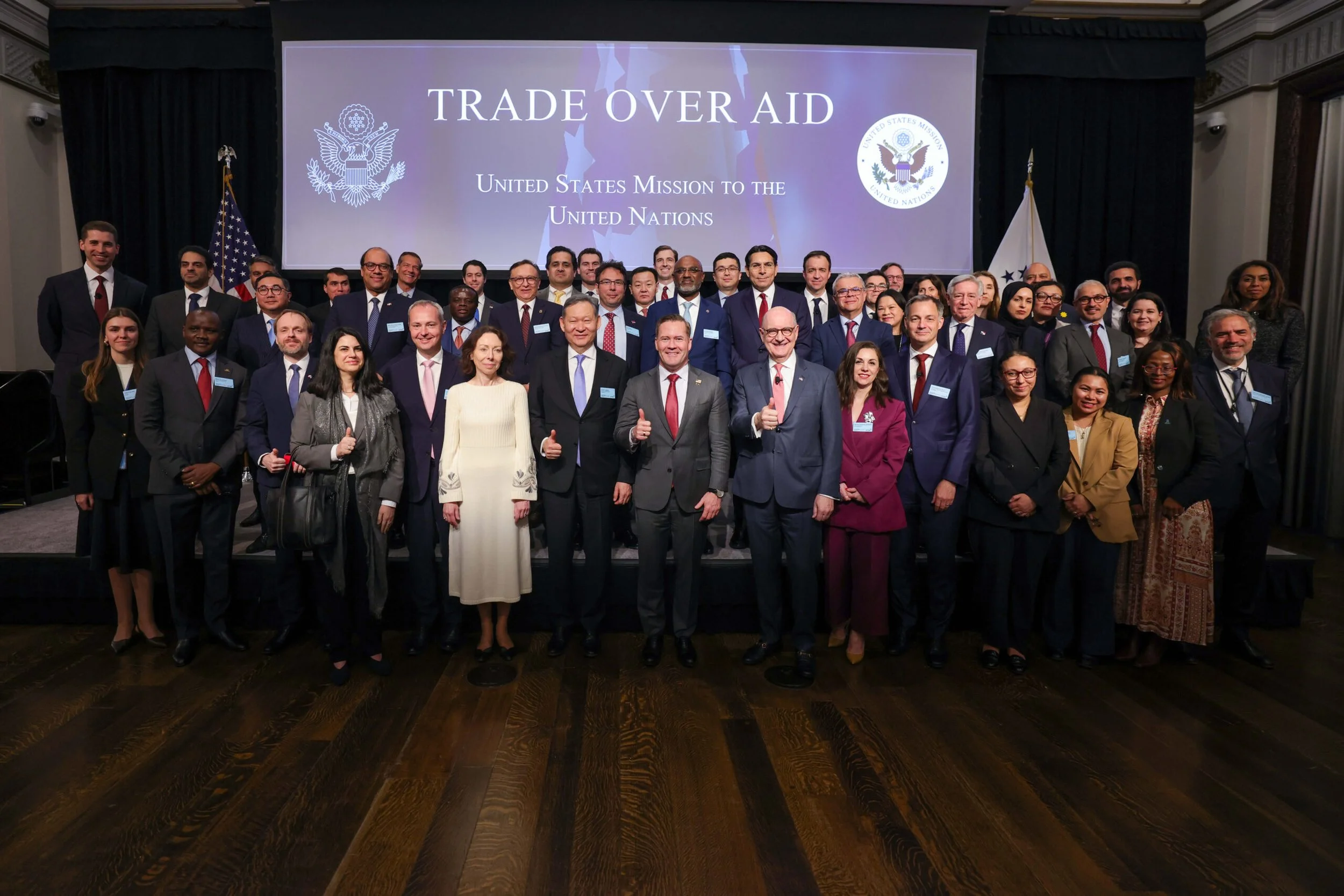
The U.S. is no longer comfortable with simply handing aid to developing countries. It is now seeking new partners, and thus far, 46 countries have signed up. The Trade Over Aid Initiative was launched on April 27, 2026 at the New York Stock Exchange. It was then followed in July by a forum event themed Opening Markets for Mutually Beneficial Economic Growth.
Oyiza Adaba - Africa-Related, New York
Wednesday, July 15, 2026
U.S. Mission to U.N. Hosts Event on Aid to Developing Countries. Images courtesy of NYSE Group.
The U.S. is no longer comfortable with simply handing aid to developing countries. It is now seeking new partners, and thus far, 46 countries have signed up. The Trade Over Aid Initiative was launched on April 27, 2026 at the New York Stock Exchange. It was then followed in July by a forum event themed Opening Markets for Mutually Beneficial Economic Growth.
What are the objectives of the Trade Over Aid Group of Friends?
The Trade Over Aid Initiative seeks to:
Advance the values outlined in the Trade Over Aid Declaration of Principles. We will encourage countries to make pro-business reforms resulting in an enabling environment for mutually beneficial international economic relations.
Facilitate dialogue between governments, the private sector, and UN and other international organizations to identify concrete actions and reforms necessary to attract investment and facilitate trade.
Showcase success stories from countries that have made progress toward their development objectives through free-market reforms.
Explore mutually beneficial business partnerships connecting developing countries with investment sources and technical expertise from the United States and other advanced economies, and from international organizations.
Digital Library of Capacity Building Offers
A key part of the Trade Over Aid Initiative is a digital library of capacity building offers from the U.S. and non-U.S. private sector and government agencies, international organizations, and NGOs. The library is available to all countries supporting the Initiative.
Number of Offers in Library: 63
Number of Contributors: 46
Private Sector Contributors: 29
U.S. Government Agency Contributors: 3
Foreign Government Contributors: 5
International Organization Contributors: 2
Philanthropy Contributors: 7
Where can a UN Member State sign up?
Permanent Missions are invited to express their interest in the initiative by registering at the Expression of Interest: U.S. Trade Over Aid Initiative form.
Countries Signed Up – Total: 46
Africa
1. Djibouti
2. Kenya
3. Lesotho
4. Morocco
5. Nigeria
6. Uganda
Europe
1. Albania
2. Armenia
3. Czechia
4. Estonia
5. Israel
6. Lithuania
7. North Macedonia
8. Romania
9. Serbia
South/Central Asia
1. Kazakhstan
2. Kyrgyzstan
3. Mongolia
4. Pakistan
5. Tajikistan
6. Turkmenistan
7. Uzbekistan
East Asia and Pacific
1. Cambodia
2. Fiji
3. Micronesia (Federated States of)
4. Naoero
5. Palau
6. Philippines
7. Singapore
8. Sri Lanka
9. Thailand
Middle East
1. Kuwait
2. Qatar
3. Saudi Arabia
4. Syrian Arab Republic
5. United Arab Emirates
Western Hemisphere
1. Antigua and Barbuda
2. Argentina
3. Chile
4. Costa Rica
5. Dominican Republic
6. Ecuador
7. Guatemala
8. Honduras
9. Panama
10. Paraguay
OUTCOMES: Ambassador Dan Negrea
A press briefing hosted by the Foreign Press Center was held on July 15, 2026 with Ambassador Dan Negrea, - the U.S. Representative to the United Nations Economic and Social Council and Alternate Representative of the United States to the Sessions of the General Assembly
SHARE THIS STORY
U.S. Efforts to Prevent and Combat Transnational Sextortion of Children
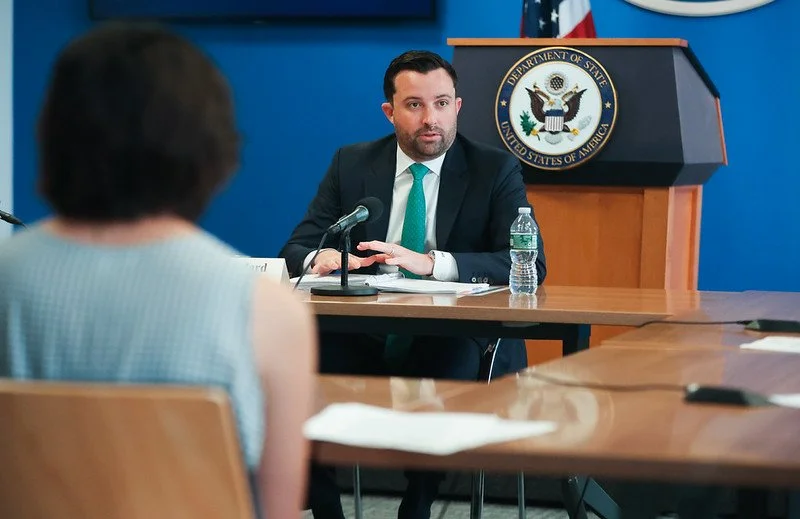
Deputy Assistant Secretary of State David Bedard of the Bureau of International Narcotics and Law Enforcement Affairs (INL) led a roundtable discussion on a U.S.-sponsored resolution recently adopted and commits member states to a series of enforcement actions to disrupt criminal networks and hold perpetrators of transnational child sextortion accountable.
Oyiza Adaba - Africa-Related, New York
U.S. DEPARTMENT of STATE
Office of the Spokesperson
BRIEFING
NEW YORK CITY
BRIEFER: DAVID BEDARD, DEPUTY ASSISTANT SECRETARY
BUREAU OF INTERNATIONAL NARCOTICS AND LAW ENFORCEMENT AFFAIRS
Deputy Assistant Secretary of State David Bedard of the Bureau of International Narcotics and Law Enforcement Affairs (INL) led a roundtable discussion on a U.S.-sponsored resolution recently adopted by the Commission on Crime Prevention and Criminal Justice (CCPCJ). The resolution commits member states to a series of enforcement actions to disrupt criminal networks and hold perpetrators of transnational child sextortion accountable. During the roundtable, Deputy Assistant Secretary Bedard highlighted ongoing U.S. efforts to rally international action against sextortion networks targeting American children.
This event took place on the sidelines of a broader series of engagements in New York City from July 15–16. Deputy Assistant Secretary Bedard also met with key partners, including the United Nations Office on Drugs and Crime (UNODC) and the Tim Tebow Foundation, to strengthen collaborative efforts against child exploitation.
Transcript
Thank you all for being here. My name is David Bedard. I am Deputy Assistant Secretary at the Department of State in our Bureau of International Narcotics and Law Enforcement Affairs, which is quite a mouthful, cover our offices of Europe, Asia, and our international negotiations team. The international negotiations team is the one that was in Vienna that worked on this resolution that I am talking about today.
So INL – I’ll use that for brevity here – is the department’s counter-crime arm. So we keep Americans safe by countering crime and illegal drugs abroad through security assistance, diplomatic pressure, visa restrictions, and rewards programs. I’m in New York today and came yesterday for a conference on combating child exploitation, which was hosted by the Tim Tebow Foundation in coordination with the Canadian Centre for Child Protection and the U.S. Mission to the United Nations.
As governments and entities from outside the public sector gathered to discuss child exploitation, I wanted to highlight one of the most urgent and fastest growing threats to children worldwide, which is transnational sextortion.
So let me explain exactly what sextortion is. It’s one of the things that the resolution was able to accomplish, give this a definition. So sextortion is the use of explicit images as leverage for blackmail and is not a new crime. What is new is the rapid rise of financially motivated transnational form that specifically targets children. In just a few years, it has exploded in scale and lethality.
So here’s how it works. An offender creates a fake online identity, so often posing as a young woman on social media or a gaming platform or any other number of sites, and targets a teenage boy. After quickly gaining the child’s trust, the offender persuades him to share an explicit image; the offender threatens to send that image to his friends, to his family, to his school, to his community unless he pays that offender. The psychological pressure is instant and crushing. In documented cases, children have died by suicide within hours of contact – hours, not days.
Since 2021, more than 40 American teenagers have died by suicide after being sextorted, and reporting from partners abroad suggest the global toll is significantly higher. Thousands more have been victimized, and the threat is growing because organized criminal networks have discovered that this crime is profitable, scalable, and sadly, largely consequence-free.
But these are not always large, hierarchical criminal organizations perpetrating this horrific crime. That’s precisely what makes this so hard and so dangerous. Many of these schemes are run by small, loosely affiliated groups, where they share their scripts and their tactics online for anyone to use. Nigerian authorities have the themselves publicly acknowledged the so-called “Yahoo Boys” phenomenon.
The cumulative effect is industrial in scale: So thousands of children targeted simultaneously across dozens of countries by hundreds of independent actors, all running the same playbook. You don’t always need to be a part of an organized crime group to participate in this. These criminals also use artificial intelligence. They generate deep fakes of children; they exploit social media, gaming platforms, and crypto-messaging apps to reach victims across borders. Wherever in the world they can find a victim, they will exploit that. They launder their proceeds through cryptocurrency, and they operate from countries where, correctly in too many cases, no one will come after them.
So nearly half of all sextortion schemes targeting Americans originate in just two countries – Nigeria and Cote d’Ivoire. In 2025 alone, the National Center for Missing and Exploited Children, NCMEC – their cyber tip line received over 50,000 reports of sextortion. Those are not estimates; those are actual reported cases referred to law enforcement. And the danger does not just stop at sextortion. This crime can be a gateway to child sex trafficking, predators using the same grooming techniques to build relationships with youths and using sextortion as a recruitment tool.
But here’s the core problem, right? These criminals operate across borders by design. In many cases, the only way to bring a perpetrator to justice is to ensure that the country where he lives or she lives is willing and able to prosecute him locally. That requires countries have the right laws, the right investigative skills, the ability to obtain digital evidence, and the institutional will, the political will, to cooperate. Right now, too many countries have gaps in any or all of those areas.
The United States is doing something about it. So this past June at the UN Commission on Crime Prevention and Criminal Justice, the CCPCJ, in Vienna, the United States secured adoption of the first ever resolution specifically dedicated to preventing and combating transnational sextortion of children. So let me explain what the CCPCJ is and why this matters.
The CCPCJ is the UN’s premier annual counter-crime policy forum, where countries adopt resolutions, draft formal consensus-based commitments that put every country on record. So when a resolution passes, it signals to the world that this is a problem worth prioritizing and that countries have agreed to act. This resolution was a first of its kind. We secured it by consensus, meaning every country in the room agreed that this was an issue and that they made commitments to combating it.
So this resolution accomplishes four critical things. First, it defines the problem. For the first time, the world has a shared understanding of this form of sextortion, including how offenders use online platforms to target across borders, how organized criminal groups have industrialized this crime, and the devasting harm they cause, including self-harm and suicide of its children.
Second, it demands action. The resolution calls on countries to strengthen laws, dismantle criminal networks, cut off offenders’ finances, and cooperate across borders. When we say cooperate, we mean concrete things like sharing evidence, responding to law enforcement requests in a timely manner – that’s critical – ensuring that digital evidence obtained from platforms can actually be used in a foreign courtroom. These sounds like technical details, but they’re the difference between a perpetrator walking free and a family getting justice. So every country is now on the record, and there’s no excuse for inaction.
Third, it promotes cooperation with the private sector, right? It calls on social media platforms, gaming companies, messaging services, financial institutions to adopt safety-by-design standards, improve reporting to law enforcement, and help identify victims. These platforms that profit from the connectivity enabling these crimes must be part of the solution.
And fourth, it recognizes victims. It calls for counseling, legal remedies, support services for child victims and their families, and it ensures that children manipulated into committing offenses are treated as victims and not as criminals.
But we’re under no illusions, right? This resolution alone will not stop every predator or save every child. It establishes text accepted by international consensus that we – and you as members of the foreign press – can use to hold to account any country, ours included, that falls short of these commitments. It keeps this on the global agenda and sends an unambiguous message to criminal networks: The world is watching and countries are committed to stopping you.
We’ve already seen what cooperation can achieve. Ivoirian authorities have arrested 18 individuals, convicting nine thus far. Sentences have run up to 10 years. Several of these were cases directly tied to the suicides of American teenagers. That is the model, but we need much, much more of it.
This work is backed by the full authority of the United States Government. In March, President Trump signed the Executive Order on Combating Cybercrime, Fraud, and Predatory Schemes Against American Citizens. This directs prioritization of prosecutions against cyber-enabled fraud, including sextortion schemes targeting American families.
We’re not acting alone, right? We’re not acting without direction. This is a whole-of-government approach. As an immediate next step, we are going to work with the UN to track the implementation of this resolution, combined with direct diplomatic engagement through U.S. embassies worldwide. Where we find gaps, we’ll press for action through dialogue and through pressure.
The United States doesn’t have time, and we will not wait, and we will relent. We’ll bring the full weight of American power to bear against these criminal actors and networks. The State Department will look to sanctions, visa restrictions. Our Justice and law enforcement colleagues will look at prosecutions and extraditions. We’re going to use every tool at our disposal till these networks are dismantled, their leaders are behind bars, and our children are safe.
The families of the children – the families of the children we have lost are not just watching, right? They’re demanding answers. They deserve to see every government fight with urgency and purpose. Right now, it’s simply too easy for these predators to evade detection and to move on to the next victim, and that ends now.
So thank you for your efforts to increase the public awareness of this critical sextortion threat. We know we cannot prosecute our way out of this. The goal is to make this crime harder to commit, faster to detect, and more likely to result in consequences for every perpetrator in every country.
But the resolution is titled Prevent and Combat, so we know we must do more than just law enforcement. We need governments investing in awareness and education and tools that stop a child from becoming a victim in the first place. We’re looking to protect children and deter and arrest the criminals.
Secretary of State Marco Rubio’s Statement
On July 23, 2026, U.S. Secretary of State Marco Rubio released the below statement on New Visa Restriction Policy to Deter and Dismantle Cyberscams and Sextortion
As President Trump made clear in E.O. 14390 on Combatting Cybercrime, Fraud, and Predatory Schemes Against American Citizens, his administration is taking action to counter an unprecedented threat from online investment scams. Often orchestrated by Chinese transnational criminal organizations, scammers have defrauded U.S. citizens of at least $10 billion in 2024 alone while fueling corruption, money laundering, and human trafficking. American children also have been specifically targeted by offenders operating overseas for sextortion scams, devastating families and futures.
Today, I am announcing a new global visa restriction policy under Section 212(a)(3)(C) of the Immigration and Nationality Act. This policy targets individuals responsible for, or complicit in, cybercrime and cyber-enabled crime, such as those involved in cyberscams, and sextortion. Immediate family members of individuals engaged in such illicit activities may also be subjected to visa restrictions.
The Trump Administration is deploying every tool at our disposal—sanctions, prosecutions, asset seizures, extradition requests, and international law enforcement cooperation—to dismantle criminal scam networks and impose costs on those who enable them. By restricting visa issuance to those who are responsible for or complicit in these criminal enterprises, we are sending a clear message: The United States will go after those who prey on our citizens.
SHARE THIS STORY
Degrading CJNG: Announcing over $100 Million in Reward Offers and Visa Restrictions
Degrading CJNG: Announcing over $100 Million in Reward Offers and Visa Restrictions
Oyiza Adaba - Africa-Related, New York
U.S. DEPARTMENT of STATE
Office of the Spokesperson
Media Note
August 5, 2026
In a historic and decisive action in support of President Trump’s mission to eliminate narco-terrorist cartels threatening the American people, the U.S. Department of State’s Bureau of International Narcotics and Law Enforcement Affairs is announcing reward offers under the Narcotics Rewards Program (NRP) and Transnational Organized Crime Rewards Program (TOCRP) totaling up to $102 million for information leading to the arrests and/or convictions, in any country, of eight leaders and associates of Cártel de Jalisco Nueva Generación (CJNG). These rewards are offered in coordination with the DOJ, DEA, FBI, HSI, IRS, CBP, and the National Coordination Center.
Last year, the Trump Administration designated CJNG as a Foreign Terrorist Organization (FTO) and a Specially Designated Global Terrorist (SDGT). CJNG is among the most violent and dangerous narco-terrorist organizations in our Hemisphere, and poisons American communities with illicit fentanyl, cocaine, heroin, and methamphetamine.
The reward offers include up to $25 million (an increase from up to $5 million) for Juan Carlos Valencia González, a.k.a. “Pelón,” the new leader of CJNG following the recent death of his stepfather, CJNG founder Nemesio Rubén Oseguera Cervantes, a.k.a. “El Mencho”; up to $15 million (an increase from up to $5 million) for Audias Flores Silva, a.k.a. “Jardinero”; up to $15 million each for Gonzalo Mendoza Gaytán, a.k.a. “Sapo,” and Oseguera Cervantes’ son-in-law, Julio Alberto Castillo Rodríguez, a.k.a. “Chorro”; up to $10 million each for Ricardo Ruiz Velasco, a.k.a. “Tripa,” Julio César Montero Pinzón, a.k.a. “El Tarjetas,” and Carlos Andrés Rivera Varela, a.k.a. “La Firma”; and up to $2 million for Griselda Margarita Arredondo Pinzón. These reward offers support our U.S. law enforcement partners in crippling the organization’s leadership.
Additionally, the Department is imposing visa restrictions on 65 individuals who are family members or close personal or business associates of persons linked to CJNG (who have been sanctioned under Executive Order 14059, Imposing Sanctions on Foreign Persons Involved in the Global Illicit Drug Trade). Twenty-six of those individuals had existing visas, which have now been revoked. Since announcing this visa restriction policy in June 2025, a total of 93 visas have been revoked from family members and associates of sanctioned drug traffickers connected to FTO-designated cartels. Under President Trump and Secretary Rubio’s leadership, violent cartel operatives and their criminal facilitators are no longer able to enter our country and terrorize the American people.
Today’s reward offers complement the Department of Justice’s announcement of the unsealing of charges against Mendoza Gaytán, Castillo Rodríguez, Ruiz Velasco, Montero Pinzón, and Rivera Varela.
Today’s reward offers are authorized by the Assistant Secretary for International Narcotics and Law Enforcement Affairs under the NRP, which supports law enforcement efforts to disrupt transnational drug trafficking globally and bring fugitives to justice, and the TOCRP, which supports law enforcement efforts to disrupt transnational organized crime globally. The NRP, which was established in 1986, celebrates its 40th anniversary this year and, along with its sister program, the TOCRP, has brought more than 90 transnational criminals and major narcotics traffickers to justice and paid out more than $200 million for information leading to apprehensions and other qualifying outcomes.
If you have information on Valencia González, Mendoza Gaytán, Castillo Rodríguez, or Ruiz Velasco, please contact the DEA by phone at 1-213-237-9990 (text/WhatsApp/Signal/Threema) or by email at CJNGtips@dea.gov. If you have information onMontero Pinzón, Rivera Varela, or Arredondo Pinzón, please contact the FBI by phone at 1-800-CALL-FBI or 212-384-1778 (WhatsApp), or online at http://www.fbi.gov/cjngrewardtips. If you have information on Flores Silva, please contact HSI by phone at 866-347-2423 or online at https://www.ice.gov/tips. If you are located outside of the United States, please contact the nearest U.S. Embassy or Consulate. If you are in the United States, please contact the local DEA, FBI, or HSI office in your city.
ALL IDENTITIES ARE KEPT STRICTLY CONFIDENTIAL. Government officials and employees are not eligible for rewards for information furnished while in the performance of his or her official duties.
SHARE THIS STORY
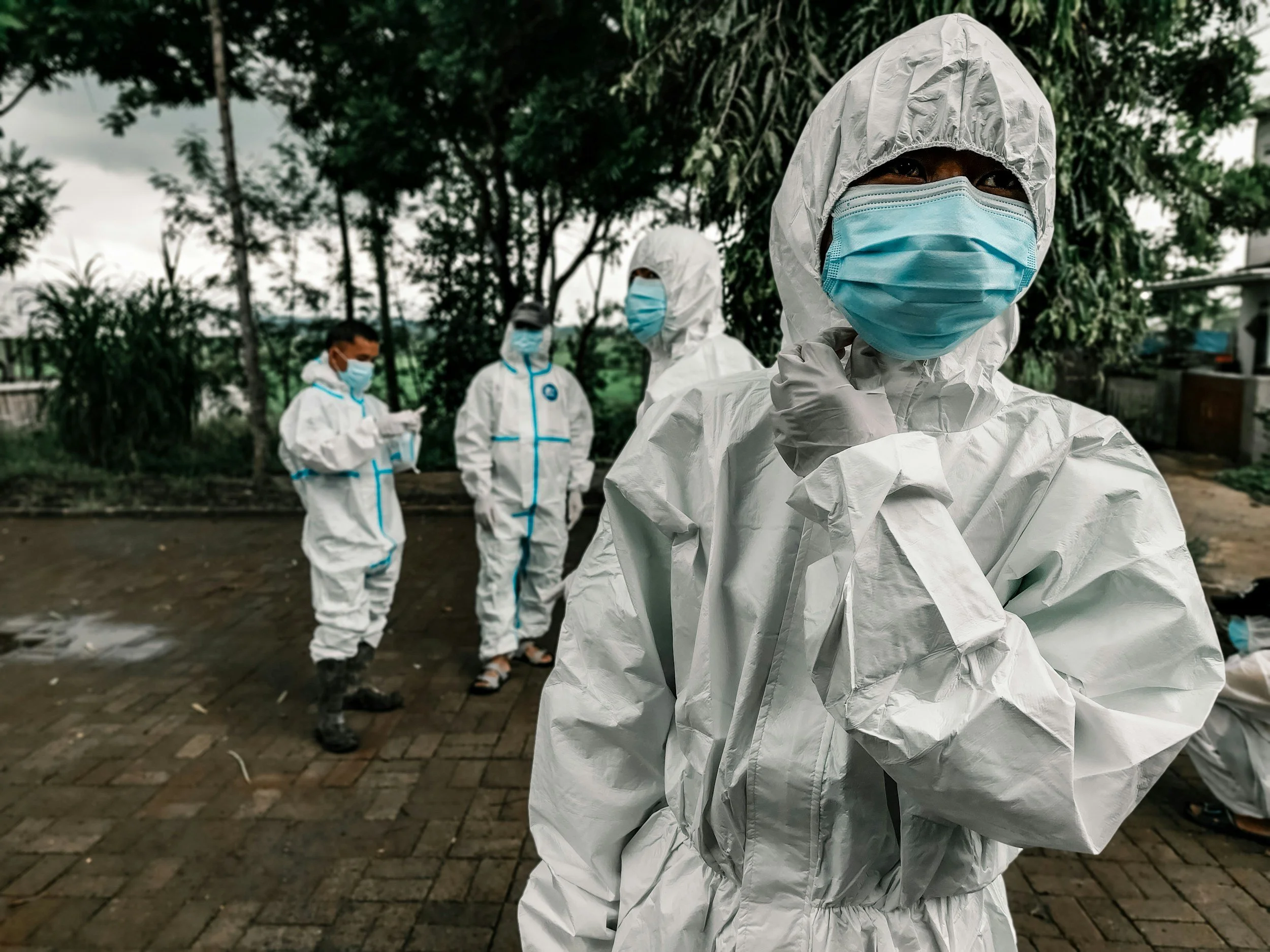
U.S Ebola Response Update – August 5, 2026
U.S Ebola Response Update – August 5, 2026
Oyiza Adaba - Africa-Related, New York
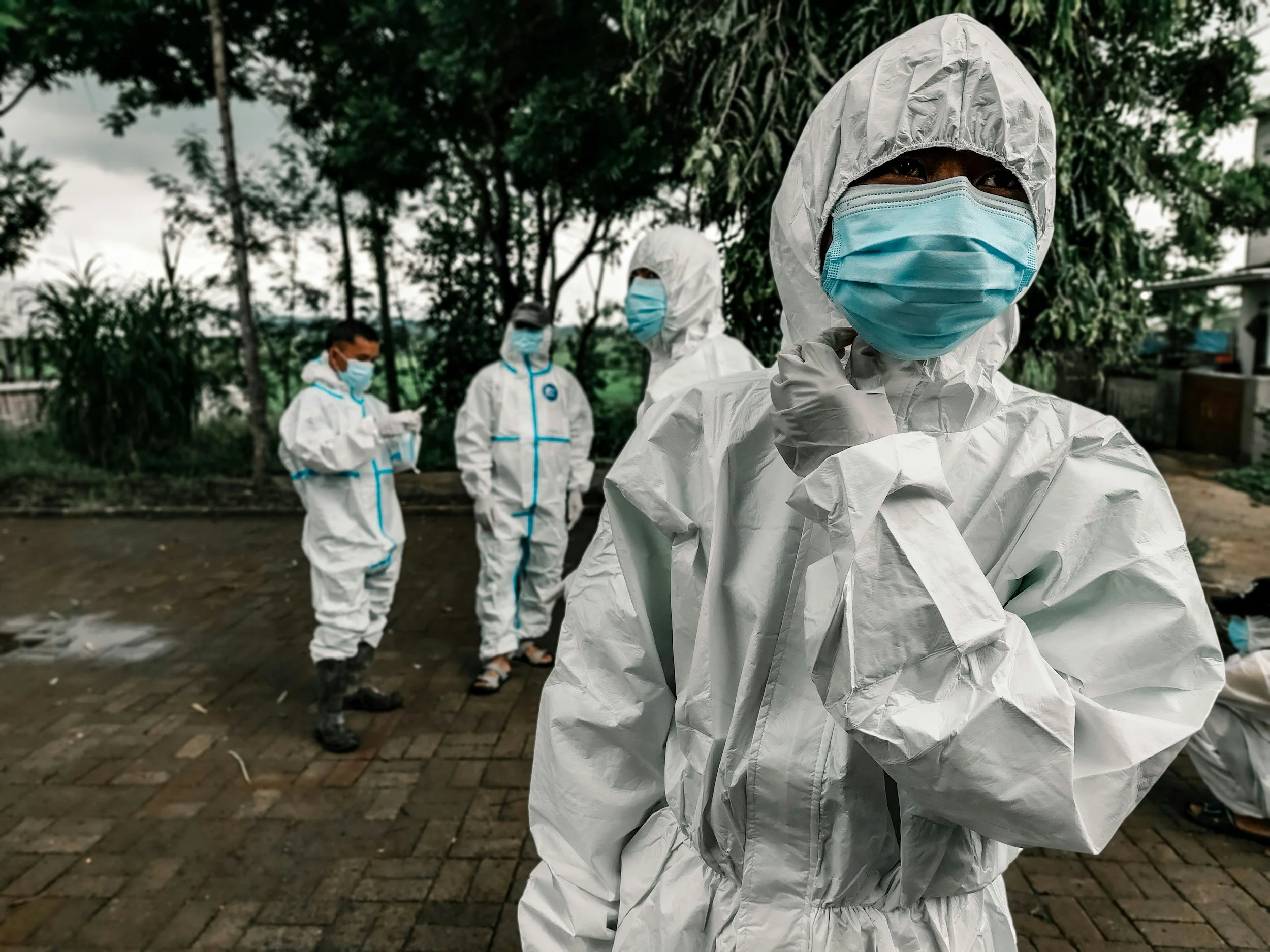
Stock Photo by Gani Nurhakim @ganigani
U.S. DEPARTMENT of STATE
Office of the Spokesperson
Media Note
August 5, 2026
The Department of State, in close coordination with the U.S. Centers for Disease Control and Prevention (CDC), and in partnership with the governments of the Democratic Republic of the Congo (DRC), Uganda, and other countries in the region, is continuing to mount a rapid and comprehensive response to the Ebola outbreak in the DRC. While the trajectory of the outbreak in the DRC remains concerning, the United States commends Uganda for swift and decisive action to respond to the outbreak and limit the spread of Ebola.
Today, the Department is announcing that, working with Congress, it intends to provide an additional $242 million in funding for immediate Ebola response and preparedness efforts in the region and humanitarian assistance related to the outbreak. This additional funding is aligned with the U.S. government’s commitment at the G7 Leader’s Summit on June 16 to provide up to an additional $500 million on Ebola response efforts. The Department of State’s assistance announcements to combat the outbreak have now exceeded $512 million in direct assistance, enabling implementing organizations to expand the ongoing response in Africa. This is in addition to $350 million for critical humanitarian assistance in the DRC, South Sudan, and Uganda, as part of our $1.8 billion in assistance to the UN Office for the Coordination of Humanitarian Affairs announced on May 14.
The United States continues to be the largest financial contributor to the Ebola response. This additional funding will enable the United States to continue work with governments, private sector partners, and humanitarian implementers to mount a robust and comprehensive response. The United States continues to call on other donors to dedicate resources toward tackling this Ebola outbreak.
Protecting Americans
The Trump Administration has no higher priority than the safety and security of U.S. citizens. The Department of State continues to operate our dedicated, 24/7 consular call center in order to maintain constant communication with affected U.S. citizens by providing real-time security updates and critical health information.
The Department of State is assisting U.S. citizens who are currently or were recently in the DRC or are otherwise impacted by travel restrictions. This includes providing financial assistance loans to support U.S. citizens who need to change their travel plans and secure temporary lodging in a country outside the DRC before returning to the United States. U.S. citizens affected by the “Do Not Board” restrictions may contact the nearest U.S. Embassy or Consulate, or the Department of State, to request information and/or financial assistance. Loan recipients repay the funds after returning to the United States.
Our Travel Advisory for the DRC, as well as those for Uganda and South Sudan, remains at Level 4 – Do Not Travel. Americans should not travel for any reason to these countries. The Department of State continues to work closely with the CDC, the lead federal agency for this response, to mobilize our global resources in support of this outbreak response, while putting the protection of Americans and preventing Ebola from reaching the American homeland first.
Supporting the Regional Response
Today, the Department is announcing that, working with Congress, it intends to provide an additional $242 million in funding for Ebola response and preparedness efforts in the DRC and Uganda as well as humanitarian assistance related to the outbreak. Through more than $512 million announced by the Department of State, implementing organizations are conducting critical Ebola response and preparedness efforts focused on surveillance and detection, isolation and treatment, border and point-of-entry screening, strengthening health clinics in affected areas, and engaging communities to address misinformation and garner trust in Ebola response activities to help combat further spread.
To date, State Department funding has:
Supported 8.6 million health screenings across affected and at-risk countries;
Reached more than one million people with risk communication messaging;
Supported more than 180 health facilities in Ebola-affected areas and contributed to the direct operation of 12 specialized facilities in DRC to isolate and treat Ebola patients;
Procured and distributed nearly 300 metric tons of critical supplies, including personal protective equipment and other critical commodities for water, sanitation, and hygiene and infection prevention and control; and
Strengthened diagnostic capacity at 11 operational laboratories across the region.
Additional information about Ebola response, preparedness, and humanitarian efforts supported by the Department can be found on our Ebola Response Updates page.
SHARE THIS STORY
ABUJA IS CUTTING DOWN ITS FUTURE - AND NO ONE SEEMS TO CARE
There are many reasons I fell in love with Abuja. One of them was its trees. Those trees are now disappearing.
Patrick O. Okigbo III - Abuja, Nigeria
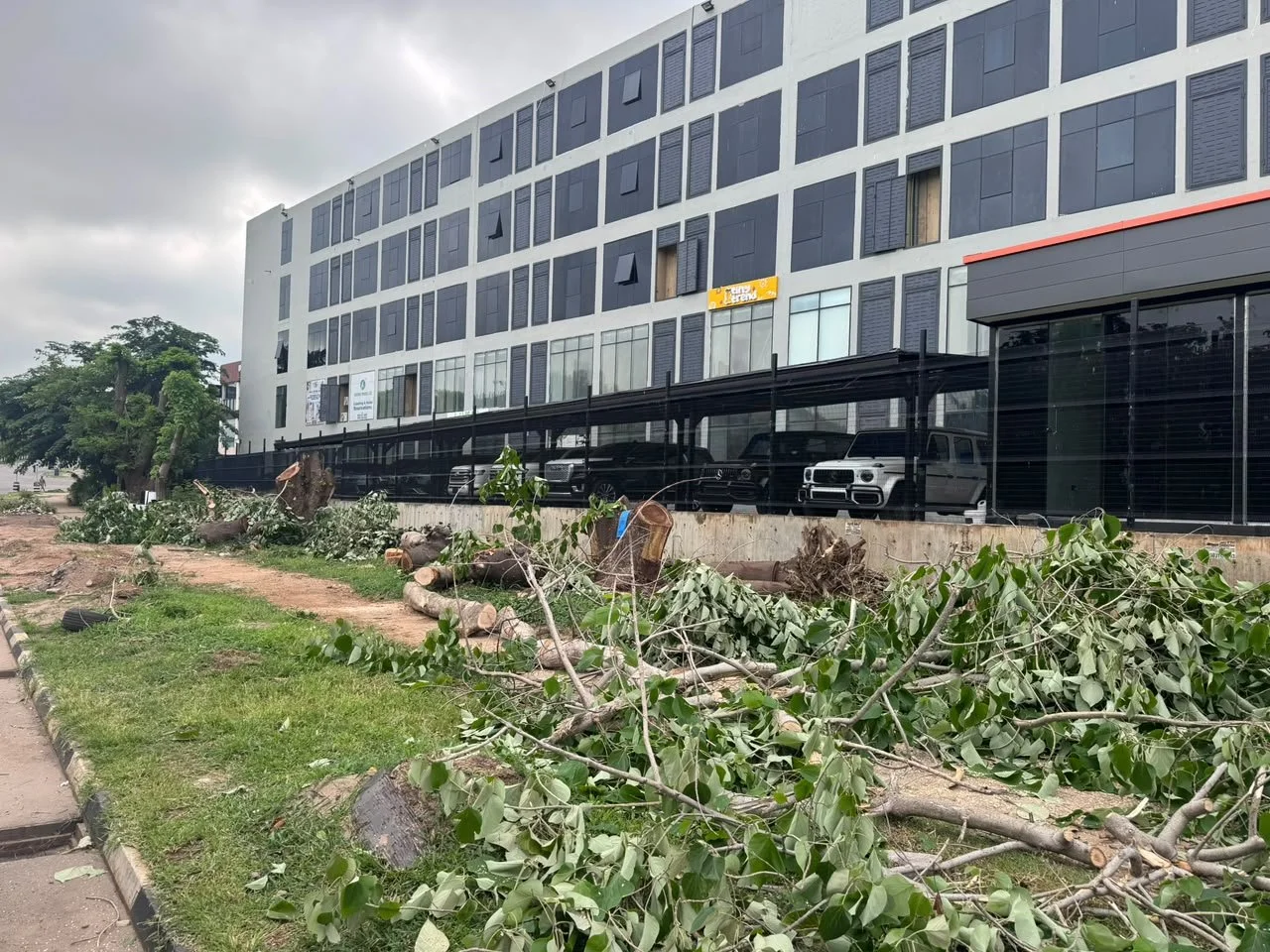
Image of trees felled in Abuja. Photo by Patrick Okigbo III
There are many reasons I fell in love with Abuja. One of them was its trees. Those trees are now disappearing.
After years in Lagos, where the air often felt as though it clasped its fingers around one’s windpipe, Abuja offered something altogether different. Its broad boulevards and generous sidewalks invited long morning walks. Later, when my wife and I took up cycling, those tree-lined avenues became part of our daily ritual. The freshness of the air was almost intoxicating.
The trees were more than landscaping. They gave the city identity. They softened its scale. They reminded you that Abuja had been imagined, not merely built—that someone had once tried to create a capital equal to Nigeria’s ambitions. I missed Lagos’s restaurants and bars, but Abuja’s serenity more than compensated.
Those trees are now disappearing.
Not because they have reached the end of their lives. Not because of disease. Municipal crews have been cutting them down in a methodical sweep, trunk by trunk, removing canopies that took decades to mature. I cannot say with certainty why this is happening. There is no public explanation. From what I can see, many are being sacrificed to make room for solar-powered street lights.
The loss feels larger than the trees themselves.
Abuja was conceived as a corrective to Lagos—a capital that would embody order instead of improvisation, foresight instead of congestion, aspiration instead of accumulation. Its boulevards were part of that vision. To remove mature trees without apparent hesitation suggests that somewhere along the way we have forgotten that a city’s greatest assets are not always the ones we have just built.
I do not blame the men operating the chainsaws, nor even those who signed the work orders. I doubt they act out of malice. If anything, the careful way the felled trunks are gathered suggests an appreciation of their commercial value.
The problem is deeper than bad intentions. It is a failure of imagination.
Development is not simply the accumulation of infrastructure. It is the stewardship of inheritance. Every generation receives assets it did not create and holds them in trust for those yet unborn. A mature tree is one of those assets. It cannot be replaced by a sapling any more than a century can be replaced by a promise.
Perhaps that is what saddens me most.
Within a generation, we have travelled from a society capable of imagining Abuja—a city designed to embody the future we believed Nigeria deserved—to one that no longer instinctively understands why mature trees matter. That distance cannot be measured in kilometres or years. It is measured in felled trunks.
A city is not improved every time something new is added. Sometimes progress lies in knowing what must not be removed.
This post, by itself, changes nothing. A tweet is not activism, and lament is not policy. But perhaps someone in or near my network can place this note before Minister Nyesom Wike.
I hope he receives it in the spirit in which it is is written. Many residents appreciate the investment his administration has made in Abuja’s roads, interchanges, and street lighting. Those improvements matter.
But so do the trees.
The choice was never meant to be between light and shade. A truly modern capital should know how to preserve both.
Because a hundred years from now, no one will remember who installed today’s street lights. But they will know whether we had the wisdom to leave them a city worth walking through.
Patrick O. Okigbo III is the Founder of Nextier, a public policy advisory firm and think-tank, focused on improving governance and development outcomes in Africa.
For more stories told from an African perspective, follow us at africarelatedinc
SHARE THIS STORY
Surrogate Motherhood Interrogated at the Lux Terra Mother’s Day Celebration
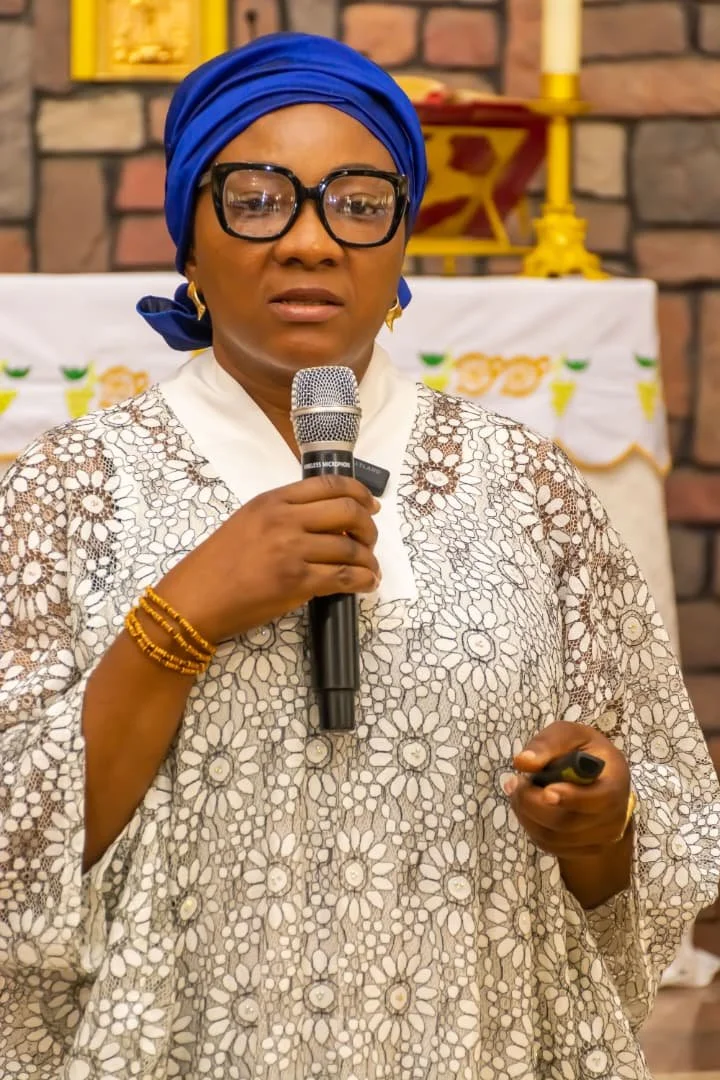
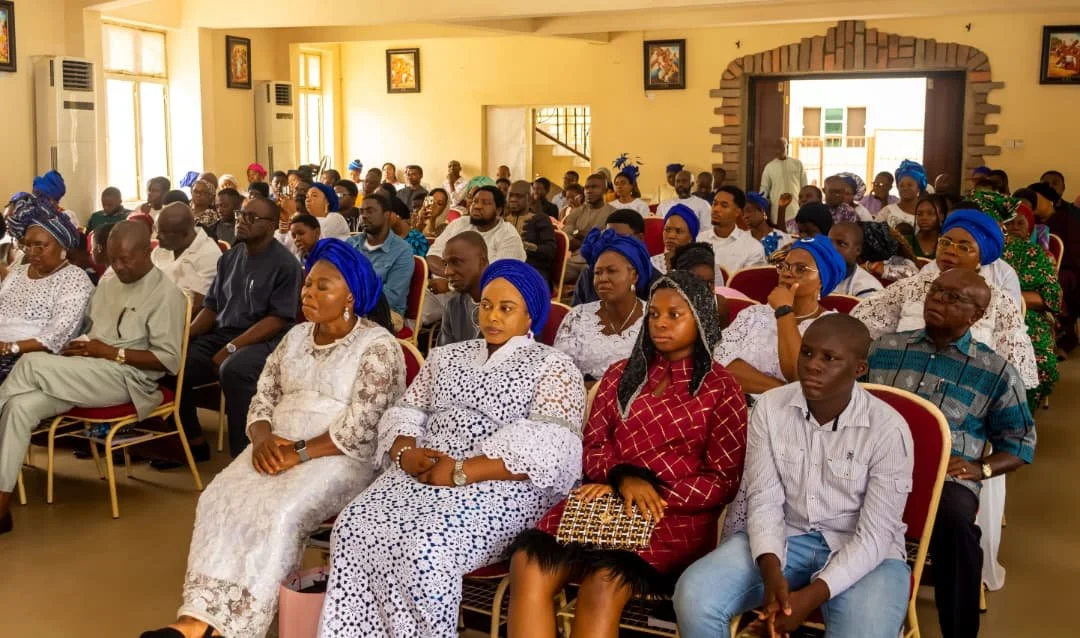
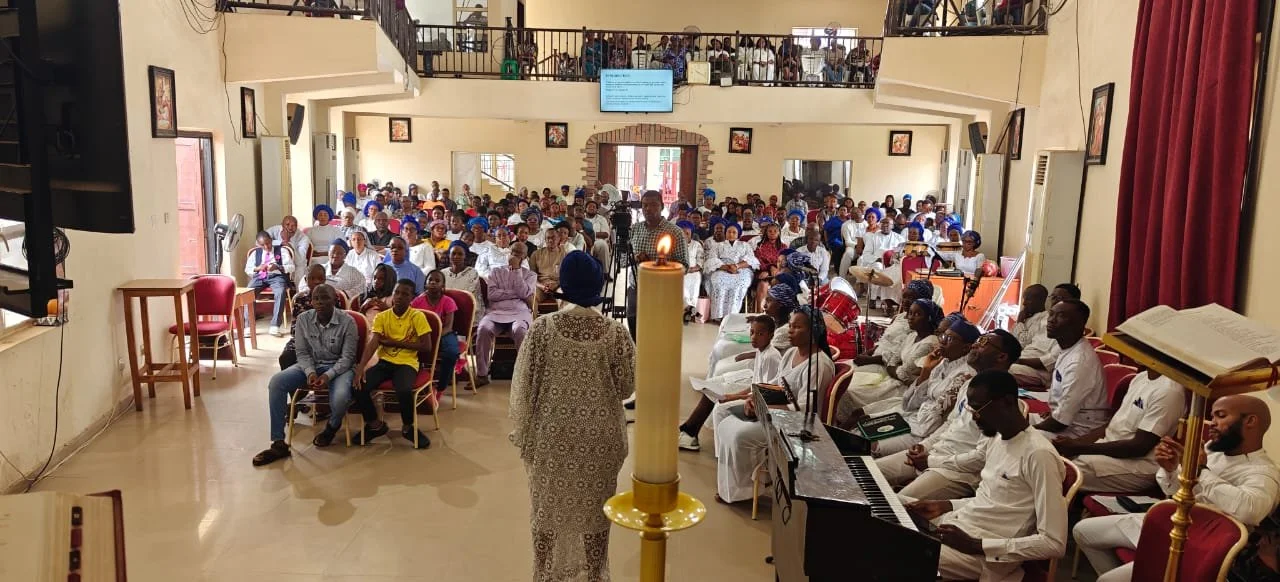
On Sunday April 19, 2026, Lux Terra Chapel joined other Catholic communities in Nigeria to celebrate Mother's Day, during which event the beauty, the sanctity and the dignity of the Motherhood vocation among Christians were highlighted and celebrated. The event at Lux Terra Chapel featured a talk by Dr. Gloria Ode on some of the abuses associated with the ever increasing resort among Nigerian single women or married couples to Surrogate Motherhood.
On Sunday April 19, 2026, Lux Terra Chapel joined other Catholic communities in Nigeria to celebrate Mother's Day, during which event the beauty, the sanctity and the dignity of the Motherhood vocation among Christians were highlighted and celebrated. The event at Lux Terra Chapel featured a talk by Dr. Gloria Ode on some of the abuses associated with the ever increasing resort among Nigerian single women or married couples to Surrogate Motherhood. Some of the growing practises in this area, it was revealed, amount to an abuse of the female body, and an affront on the divine vocation and dignity of motherhood.
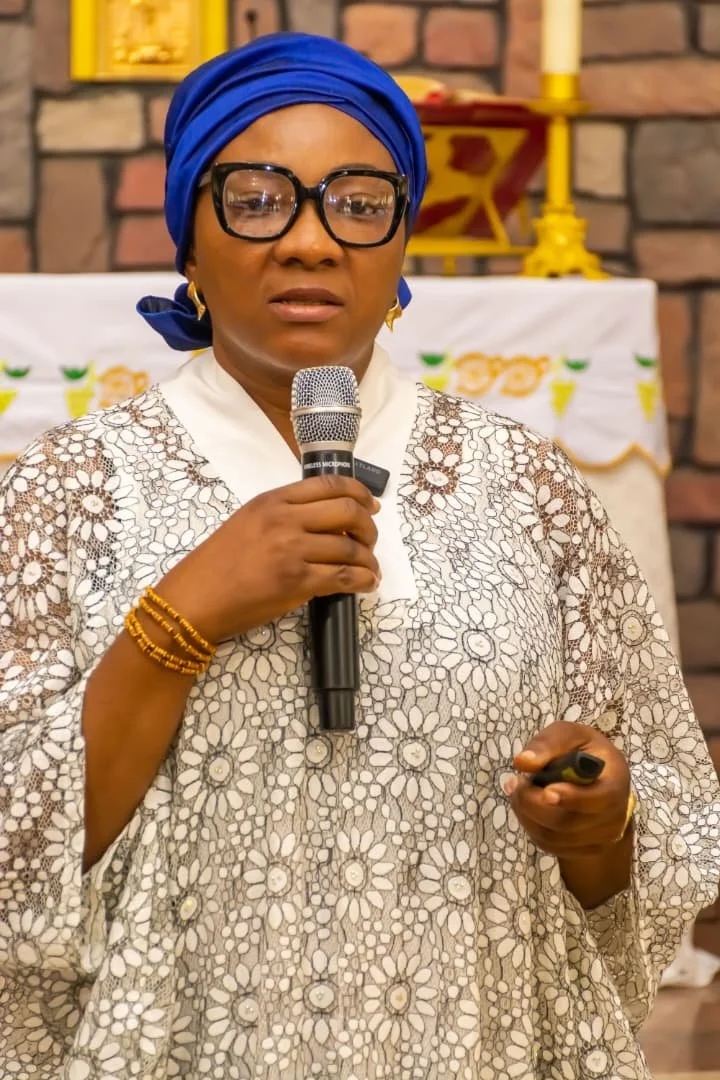
While acknowledging the pain of childless couples who desperately desire to have their own children, the awareness of members was raised regarding the widespread exploitation of poor young girls whose eggs are harvested for some IVF procedures, and who are often paid a pittance, or those whose wombs are rented with paltry sums for the gestation of babies. Such procedures often involve complex invasive medical interventions, but the poor vulnerable woman hired for the task often knows very little of the possible long-term negative physiological and psycho-emotional implications of the processes they are subjecting themselves to. Such practises according discussants at the event, apart from reducing motherhood to mere economic transactions, amount to trafficking in the gammets, the organs and the bodies of poor vulnerable young women. The development is particularly troubling in the case of rich Nigerian women who suffer no infertility problems, but who resort to surrogacy, just so that they keep their body shape that could be affected in the process of pregnancy and childbirth!
It was observed that IVF and Surrogate Motherhood are so far largely unregulated areas in Nigeria medical practice. It was therefore resolved that the time has come for concerned individuals and agencies, including the leadership of Christian Churches to mount pressure on the Federal Government to urgently put in place adequate and effective regulatory frameworks for the practise of IVF and Surrogate Motherhood in Nigeria.
A critical highlight of the Mother's Day celebration at Lux Terra was the call by Fr. George Ehusani, the Chaplain, for all men in the Chapel to stand up and apologise on behalf of the menfolk of all generations for the widespread lack of acknowledgement of the immense sacrifices that motherhood entails, and for the physical, sexual and psychological abuses and/or violence that many mothers and women have suffered at the hands of men in the past. This gesture on the part of the men in the Lux Terra chapel, was received with a thunderous applause from all the women present.
See pictures below...
The Dearth of Real Actors in Nollywood
Eliel Otote A is an author of many books and articles on Nollywood. In this article, he writes on the industry’s humble beginnings to its rapid global expansion lies, but has concern about the noticeable shortage of truly skilled, well-trained actors.
By Eliel Otote A

Actors Guild of Nigeria Logo
The Nigerian film industry, popularly known as Nollywood, has experienced tremendous growth over the past few decades. From humble beginnings marked by low-budget productions to a global entertainment force recognized on streaming platforms and international festivals, Nollywood has undoubtedly come a long way. However, beneath this rapid expansion lies a pressing concern-the noticeable shortage of truly skilled, well-trained actors.
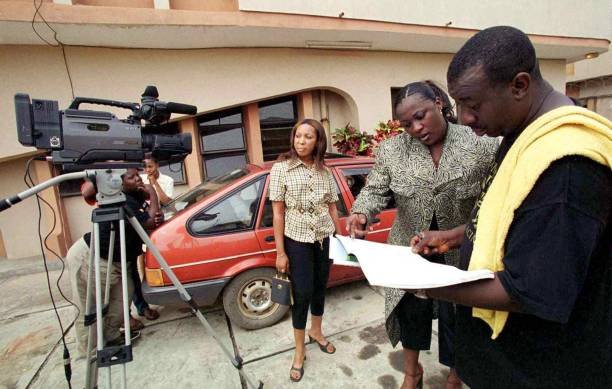
A Nollywood set. Photo: Free stock Getty Images
“A real actor is not just someone who appears on screen. A real actor understands character psychology, emotional truth, timing, body language, and the subtle art of storytelling. ”
Today, it is easier than ever to become an “actor” in Nollywood. Social media popularity, physical appearance, or mere connections often serve as entry tickets into the industry. While accessibility is not inherently a bad thing, it has led to a dilution of professional standards. Acting, a craft that demands discipline, emotional intelligence, and technical skill, is increasingly being reduced to mere line delivery and surface-level performance. Actors now exhibit themselves rather than interpret the character they are to play!
A real actor is not just someone who appears on screen. A real actor understands character psychology, emotional truth, timing, body language, and the subtle art of storytelling. They do not merely recite scripts-they live them. Unfortunately, many productions today suffer from performances that lack depth, authenticity, and emotional connection. This gap is what audiences feel when a story fails to resonate, regardless of how good the script or production quality may be.
One of the root causes of this problem is the absence of proper training. Unlike more established film industries where actors undergo rigorous preparation through drama schools, workshops, and continuous practice, many Nollywood actors skip this crucial phase. Some feel “too big” to learn. The result is a growing number of performers who have visibility but lack versatility and longevity. Watch five movies starring such lousy actors, you will think you’re watching five episodes of the same drama. No character differentiation! You only see the actor and not the role!
Another contributing factor to this dearth of good actors is the fast-paced nature of film production in Nollywood. Tight schedules often leave little room for rehearsals, character development, or actor coaching. Directors, under pressure to deliver quickly, sometimes settle for mediocrity rather than excellence. Over time, this cycle reinforces itself, creating an industry where quantity overshadows quality.
However, this narrative can change-and it begins with intentional training and skill development.
ArtsWORKSHOP
That is why you should attend ArtsWORKSHOP with my Friends and I on June 6th, 2026. If you are passionate about acting and truly want to stand out in Nollywood, then this workshop is not just an option-it is a necessity. Or, you can encourage others to participate in the workshop! It is designed to bridge the gap between aspiring performers and professional actors.
Here are the benefits:
Mastery of Acting Fundamentals
You will learn the core principles of acting-character analysis, emotional memory, improvisation, voice control, and stage/screen presence. These are the tools that separate amateurs from professionals. And as resource persons for the workshop, I carefully selected “Real Actors”…Yes, you heard me…not “models!”
2. Industry-Relevant Techniques
You will be exposed to techniques that are applicable both on stage and on camera, helping you adapt to different roles and production styles within Nollywood. And for references, material aids/e-books/audio/video etc will be given to all participants.
3. Confidence and Authenticity
Many actors struggle with confidence or overacting. This workshop will help you find your natural rhythm and deliver believable performances that connect with audiences.
4. Networking Opportunities
You will meet like-minded creatives, industry professionals, and potential collaborators who can influence your journey positively.
5. Position Yourself for Longevity
Fame without skill is temporary. Skill, however, builds a career.
This workshop equips you with the foundation needed to sustain long-term success in Nollywood.
The future of Nollywood depends not just on better cameras or bigger budgets, but on better actors-artists who respect the craft and are willing to grow. If you are serious about becoming one of them, then this workshop is your starting point.
Don’t just aim to be seen on screen. Aim to be remembered. Register now! Limited slots available!
Eliel Otote A
(Actor/Filmmaker/Author/Trainer)
Eliel is an author of many books and articles on Nollywood including “Getting Into Nollywood Professionally: The Actor’s Companion” And the Nolly-pedia and “Pioneering Nollywood: The Trials and the Errors (An Auto-ethnographic Account)”
For more stories told from an African perspective, follow us at africarelatedinc
SHARE THIS STORY
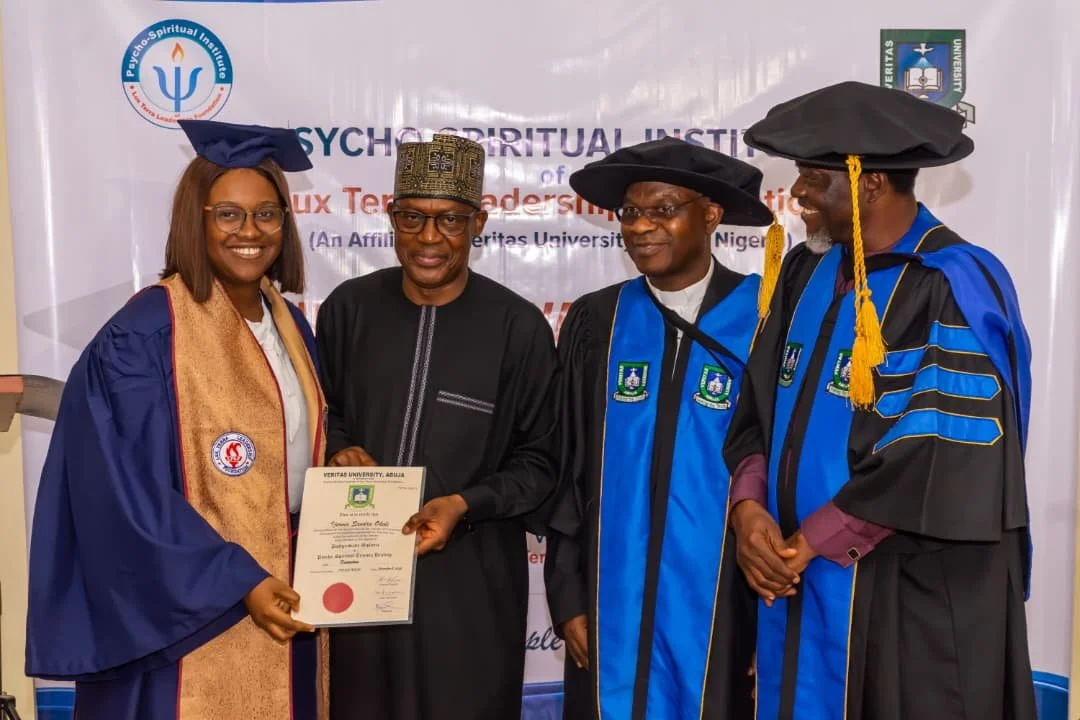
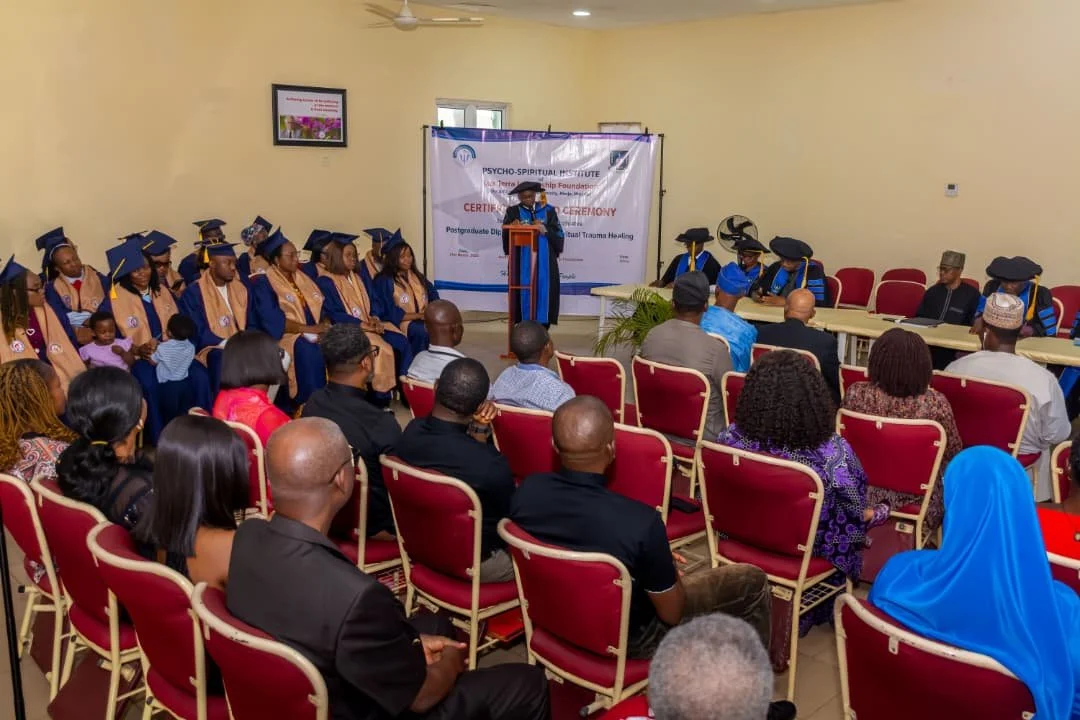
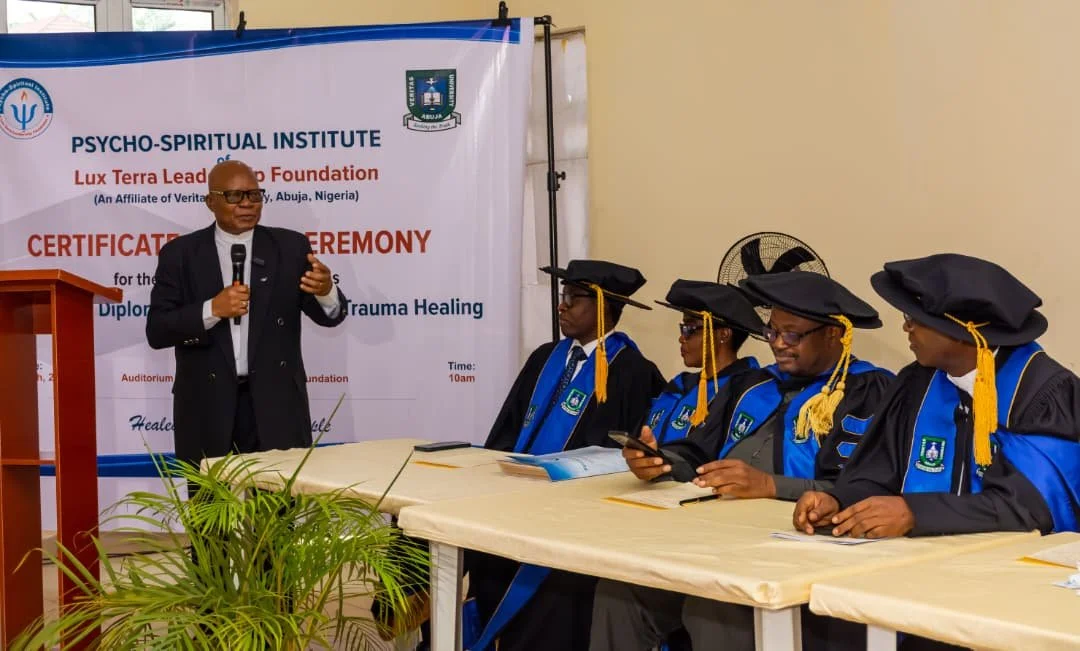
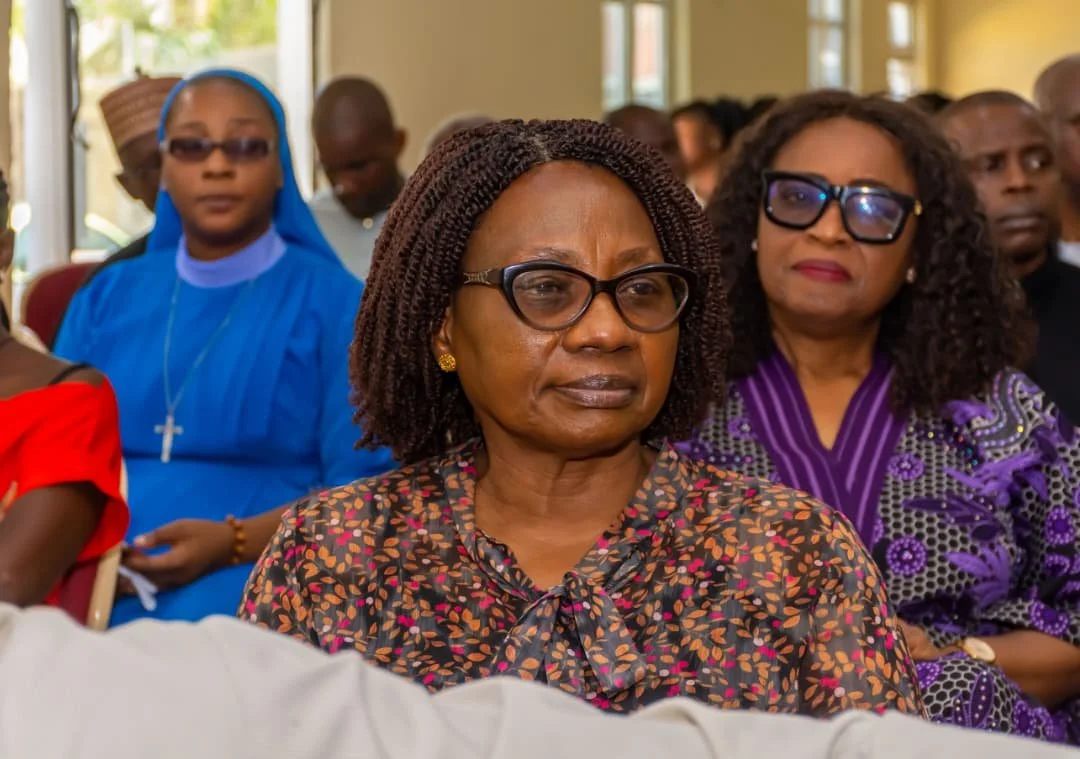
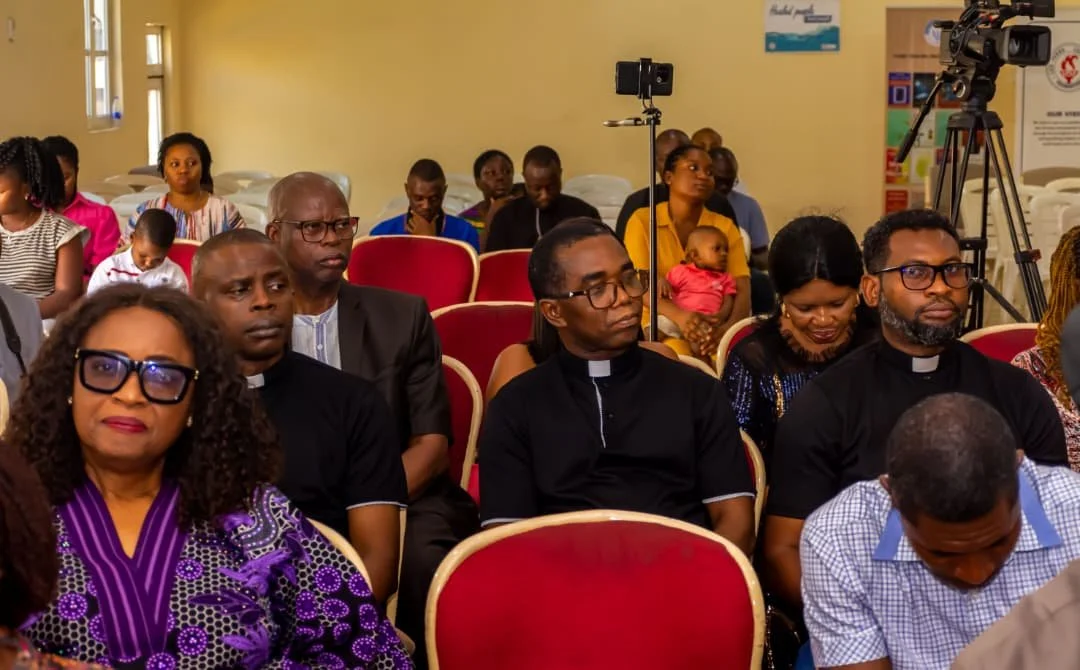
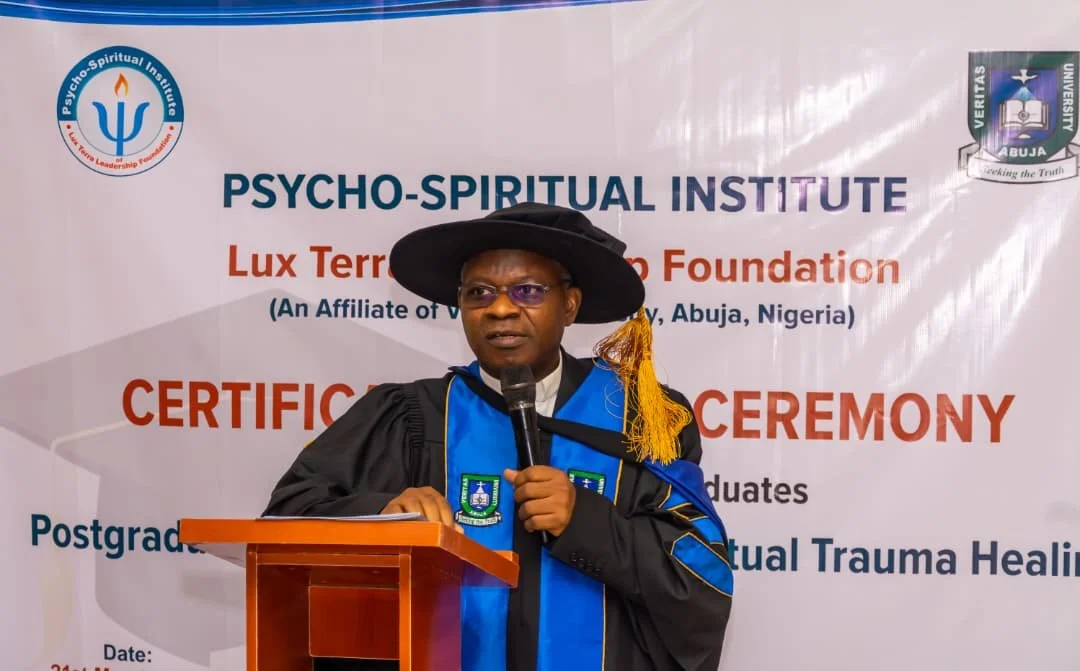
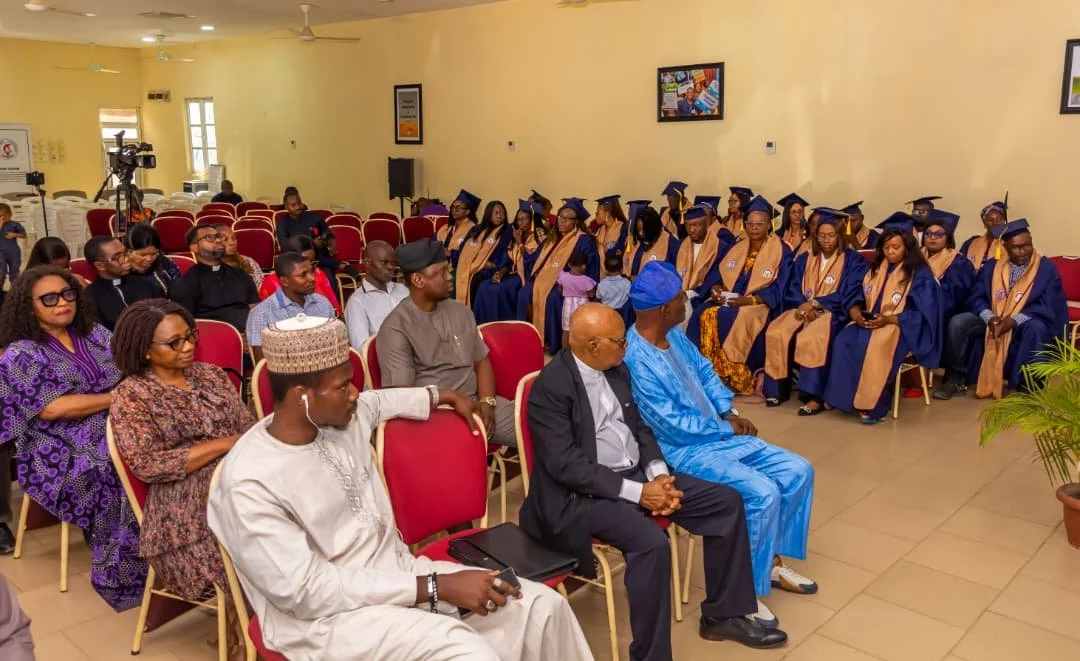
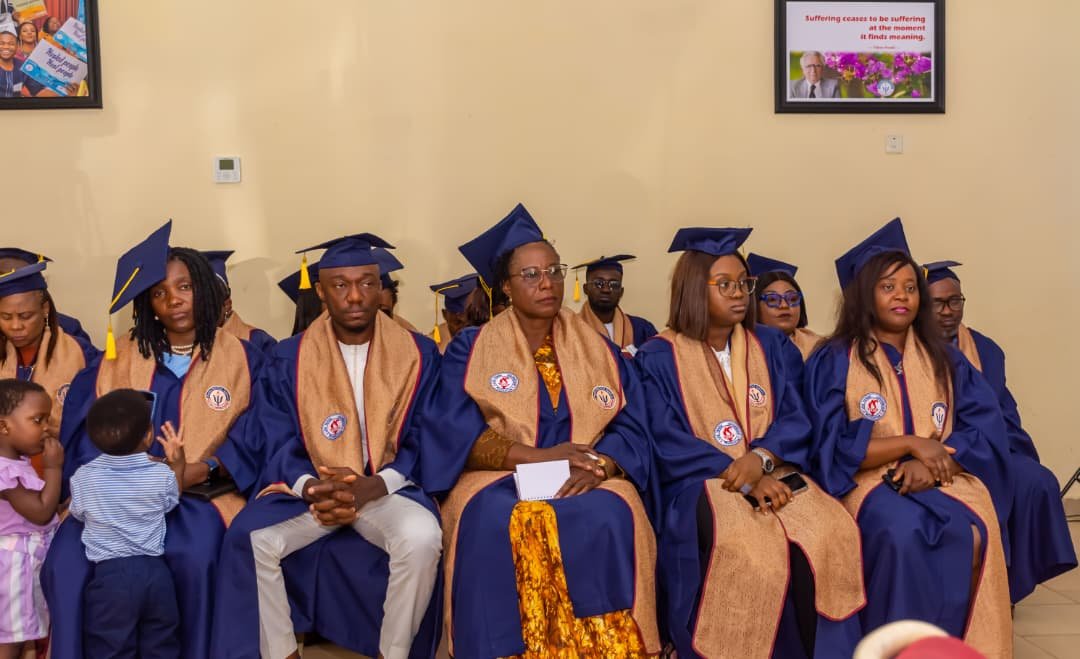
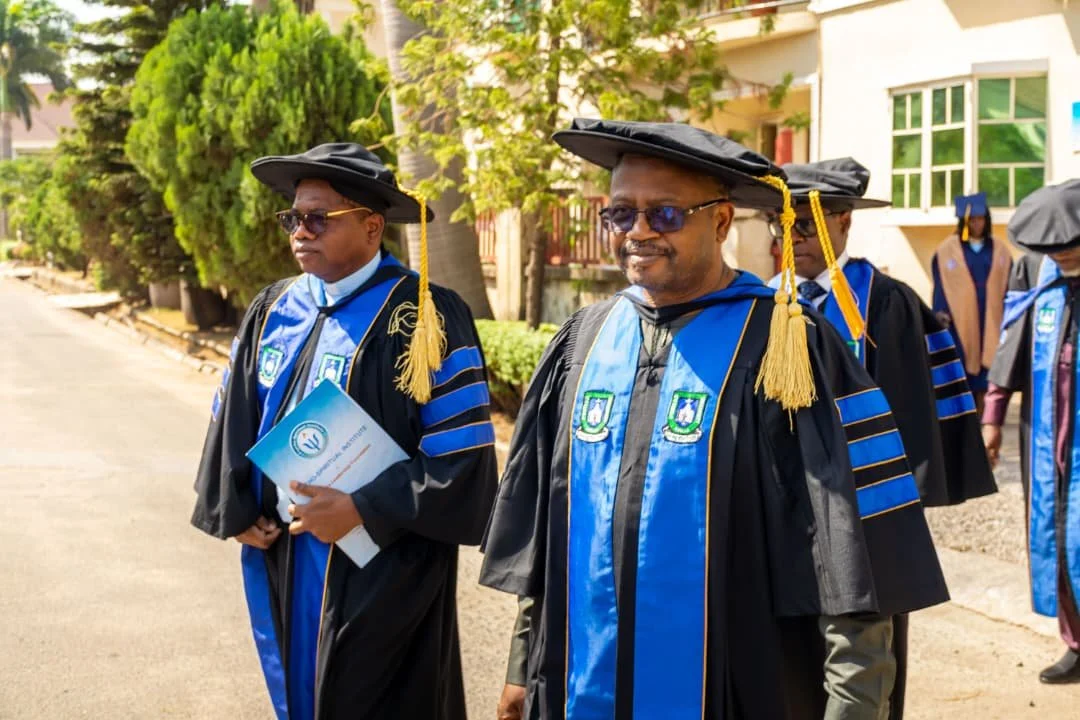
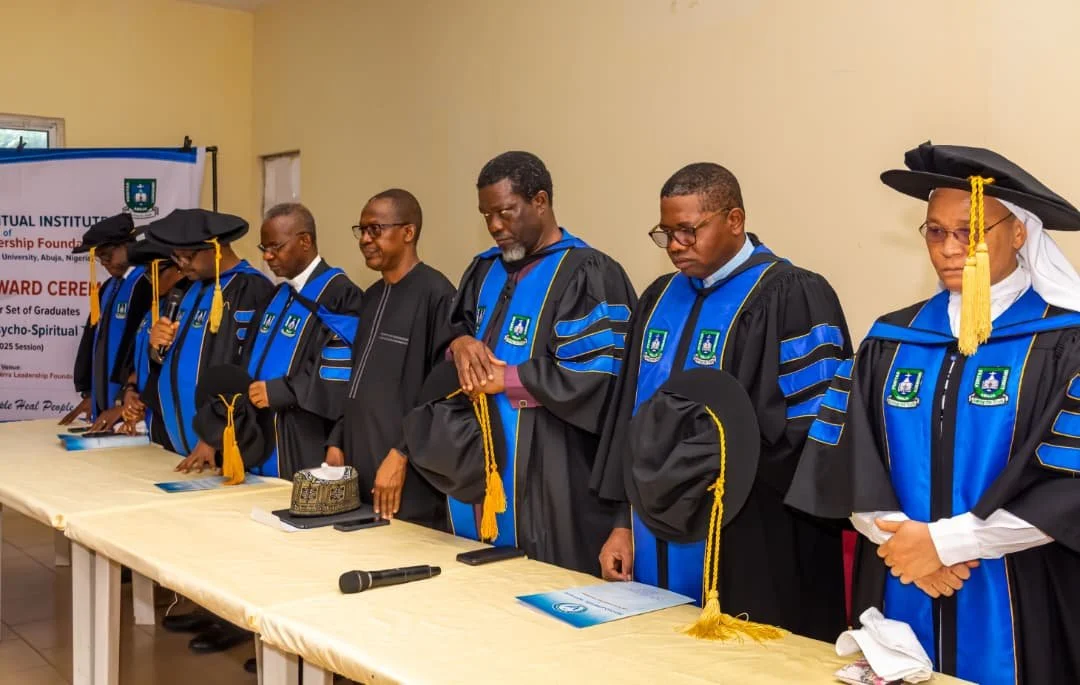
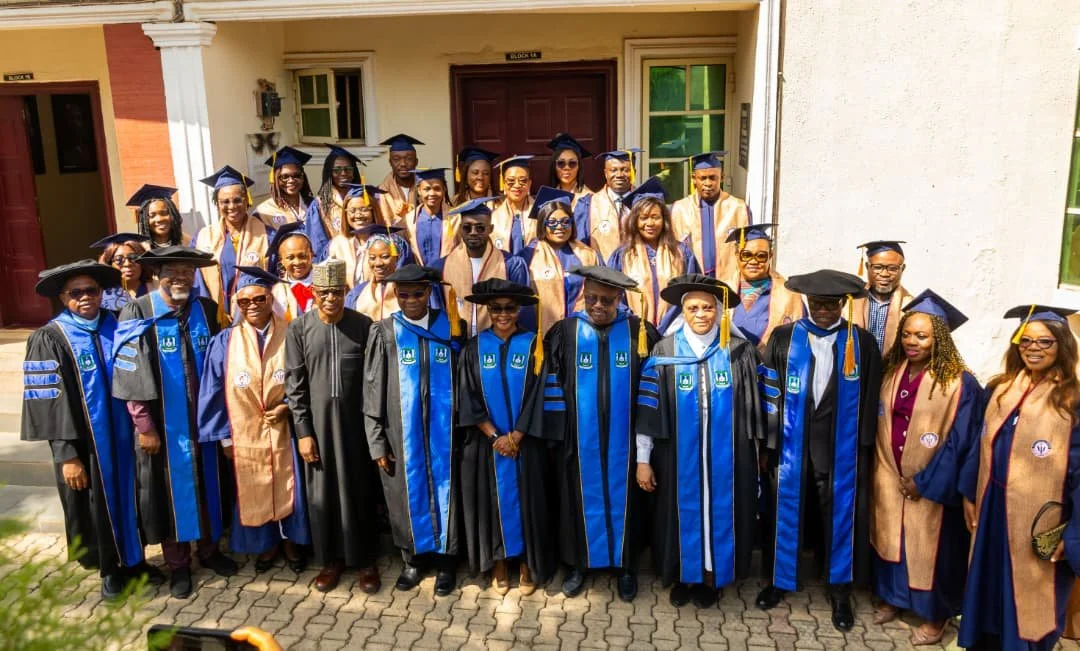
Lux Terra Graduates 32 Psycho-spiritual Trauma Healers
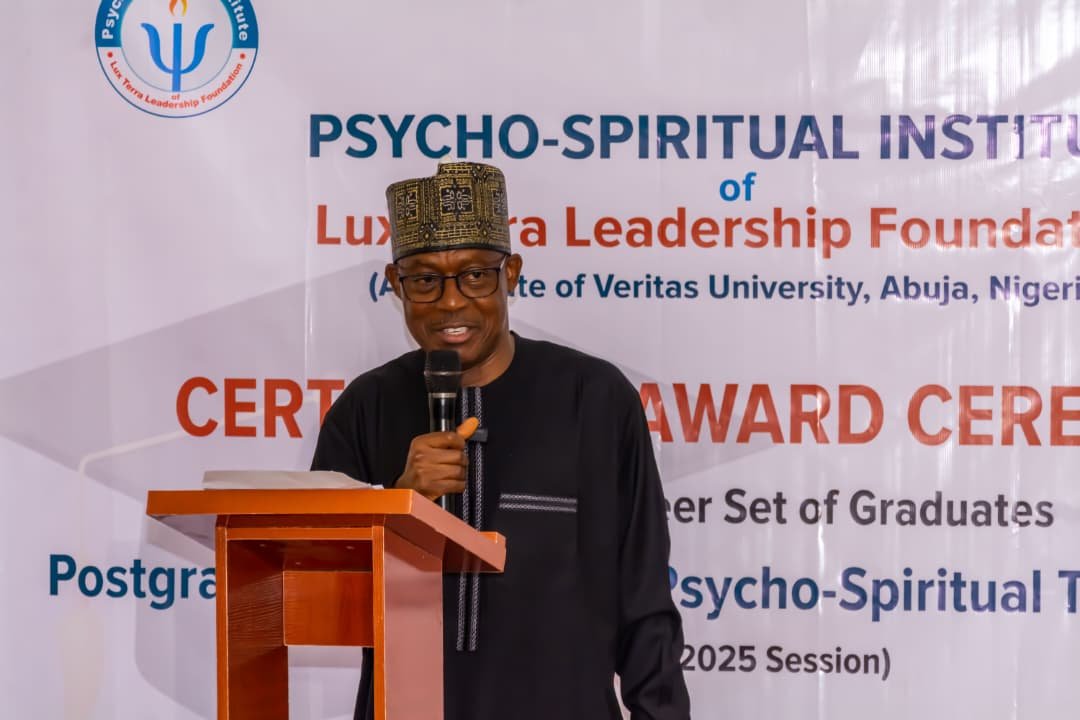
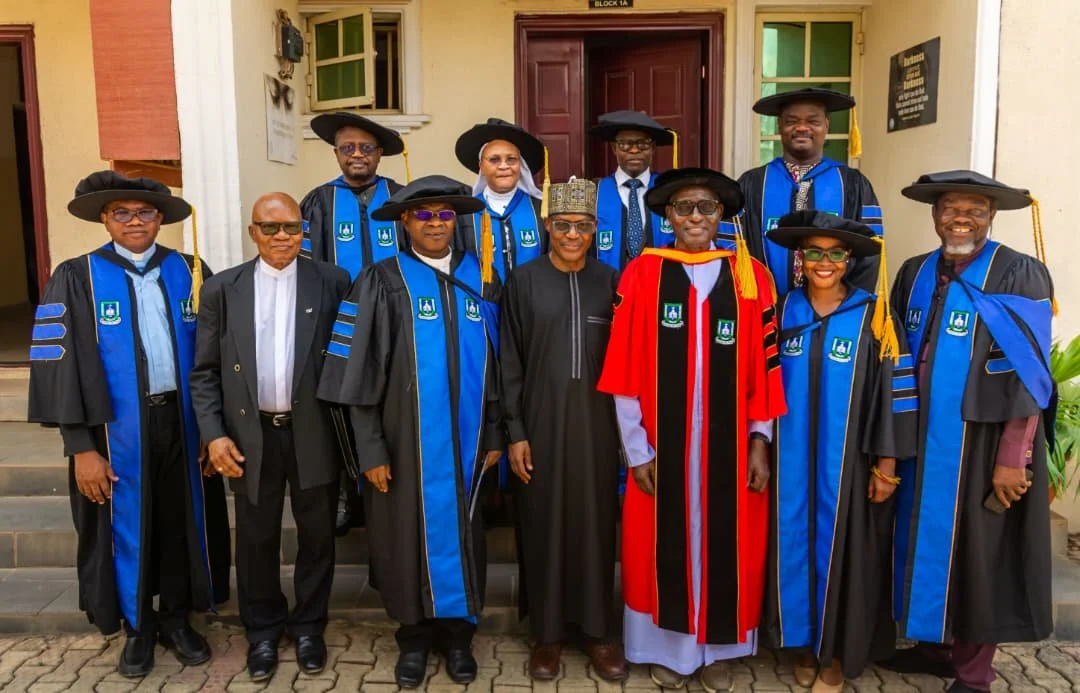
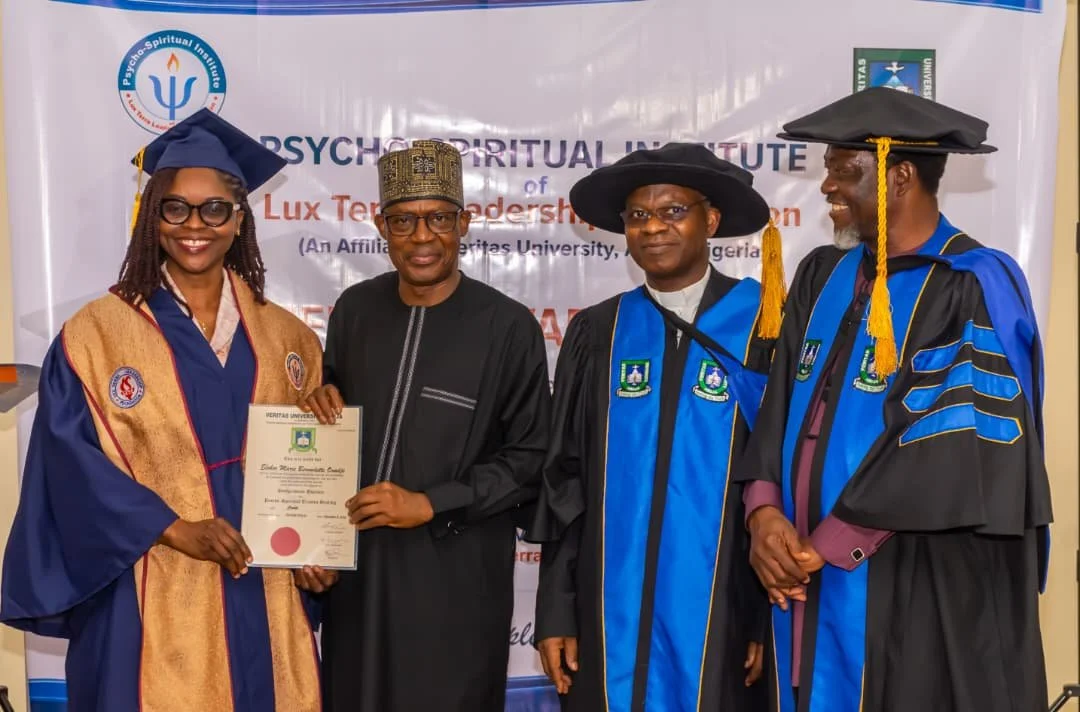
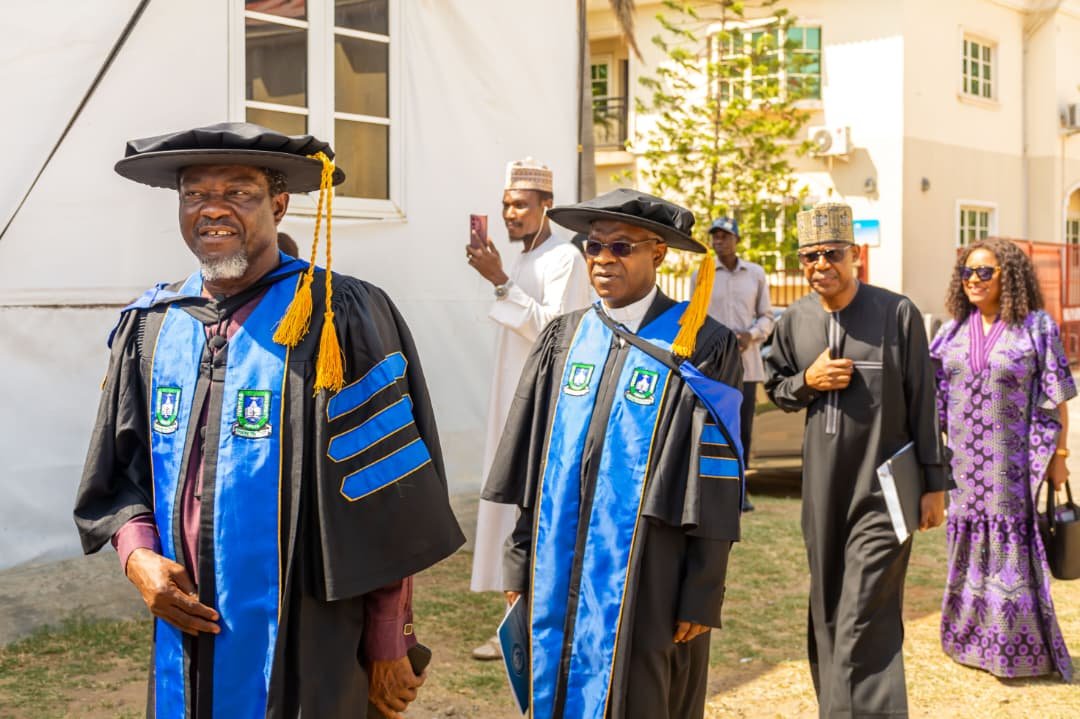
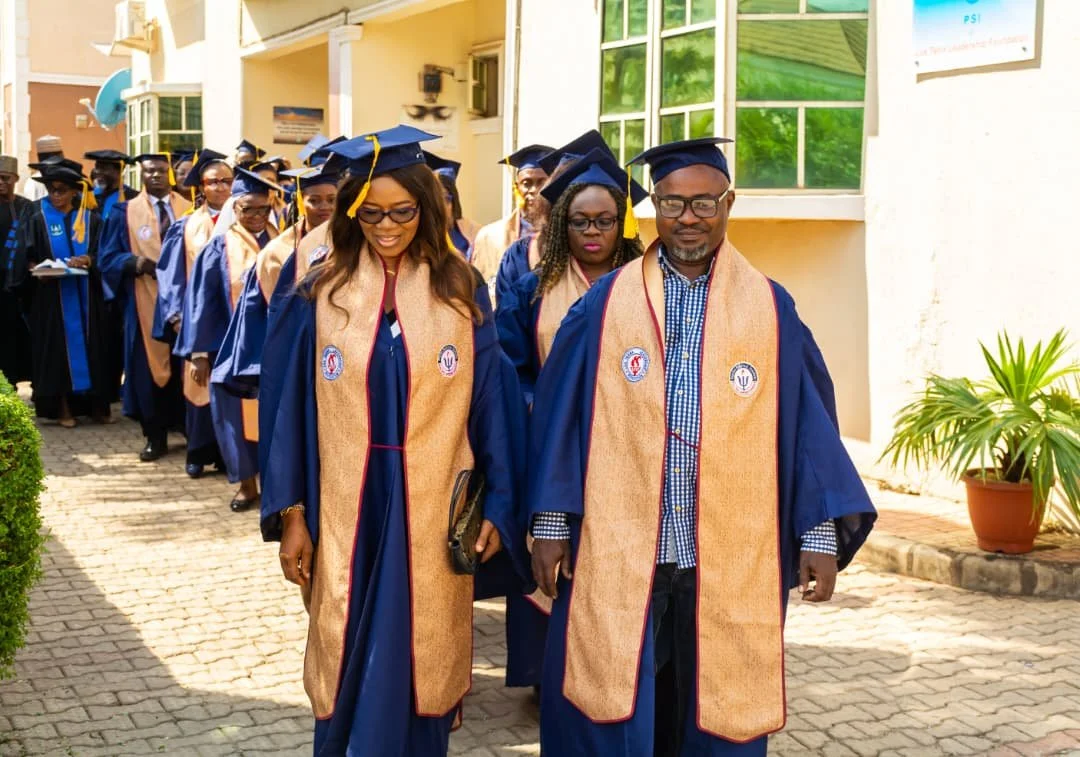
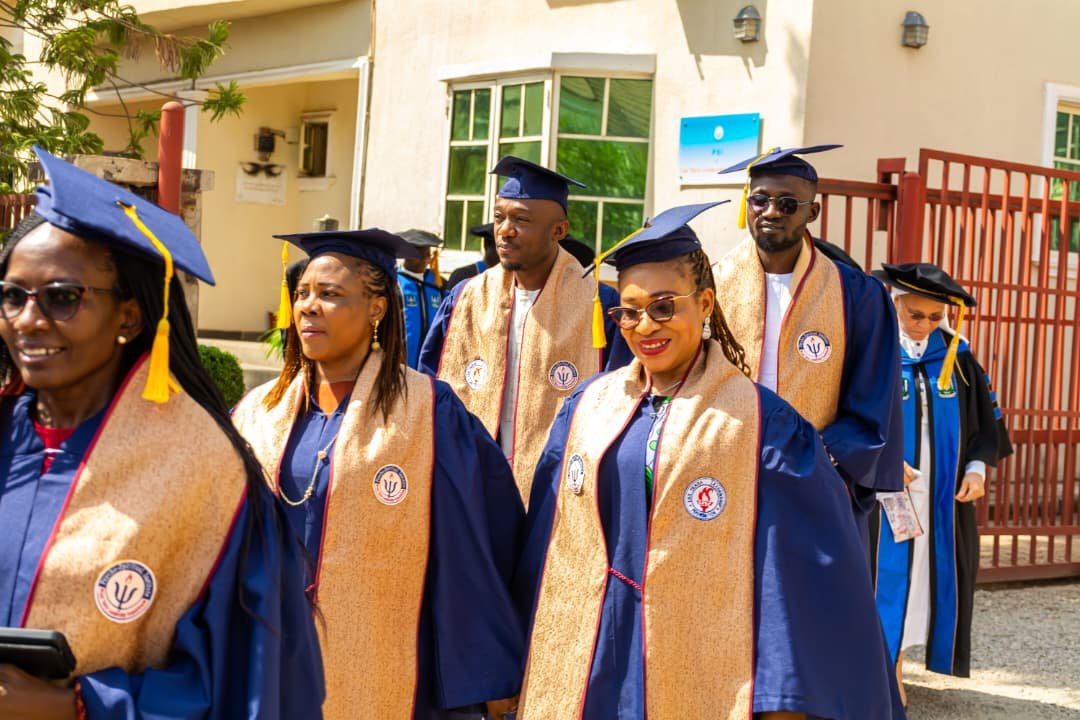
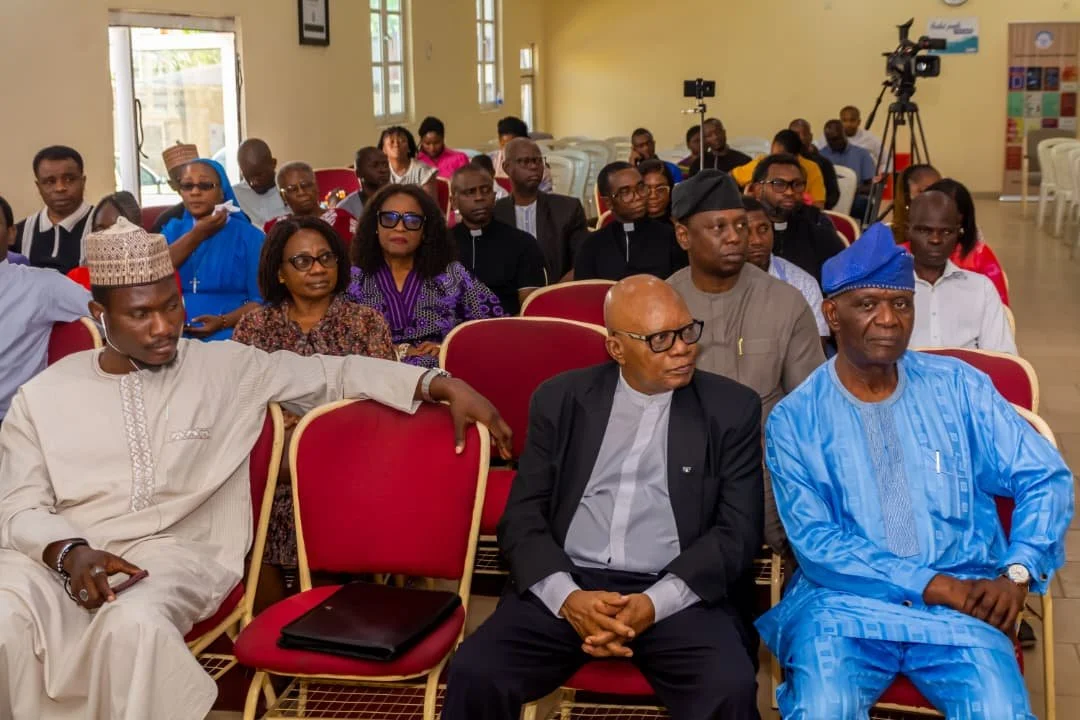
The Psycho-Spiritual Institute of Lux Terra Leadership Foundation, an affiliate of Veritas University, Abuja, has on Saturday March 21st, 2026 in Abuja, graduated 32 pioneer students of its Postgraduate Diploma in Psycho-Spiritual Trauma Healing.
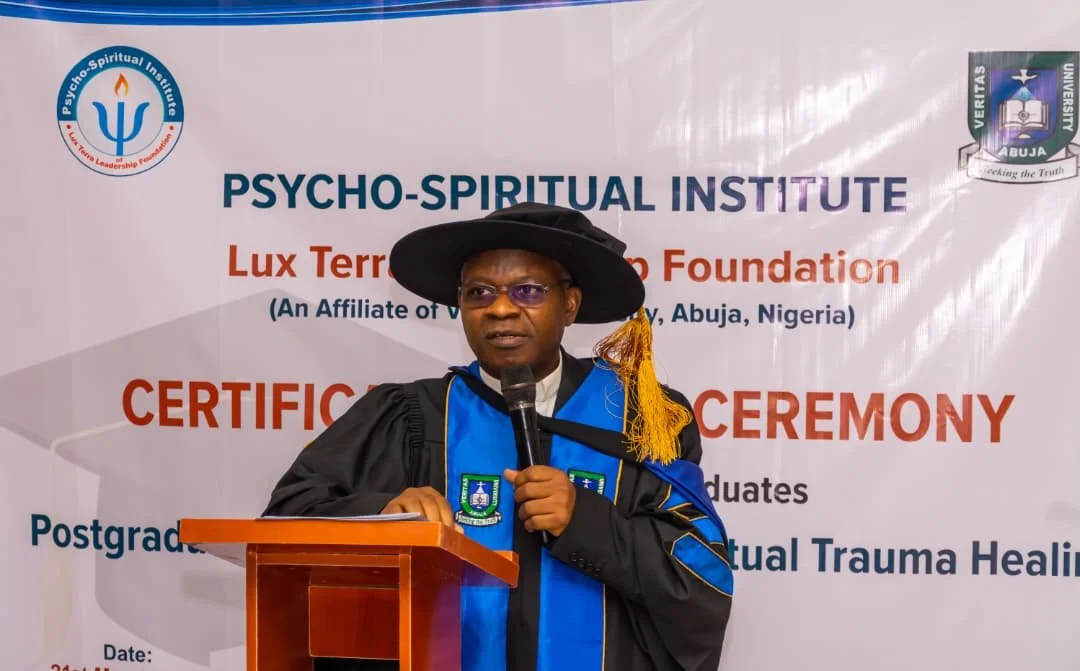
The Psycho-Spiritual Institute of Lux Terra Leadership Foundation, an affiliate of Veritas University, Abuja, has on Saturday March 21st, 2026 in Abuja, graduated 32 pioneer students of its Postgraduate Diploma in Psycho-Spiritual Trauma Healing.
Speaking during the graduation event, the institute’s Executive Director, Rev. Fr. George Ehusani, said the programme was intentionally designed to produce not just professionals, but transformed individuals equipped to heal others.
He said the institute’s training model integrated academic rigour with deep personal formation, ensuring that graduates emerged with both competence and lived experience of healing.
Ehusani explained that beyond lectures and research, the programme immersed students in practical and reflective processes such as prayer sessions, one-on-one counselling, spiritual direction, group therapy engagements and retreats, among others.
According to him, these activities are critical in helping participants confront their inner realities, embrace growth and experience transformation.
“Along with the more academic content, these exercises are aimed at their personal healing, psycho-spiritual growth and ongoing transformation.
“The idea is that after two years of this PSI training encounter and experience, the candidates would have, by the grace of God, sufficiently discovered themselves,” he said.
According to him, their class assignments, group discussions and term papers, among others, should reflect their understanding of this psycho-spiritual and cultural integration, which is PSI’s unique approach.
“I must end by emphasising that the dimension of personal psycho-spiritual healing, growth and transformation should always be considered a very critical element of the entire PSI training experience,” he said.
He urged the graduates to uphold the values of self-awareness, empathy and continuous transformation as they step into professional practice.
In his remarks, the Vice-Chancellor of Veritas University, Prof. Hyacinth Ichoku, commended the vision and dynamism of the founder of the initiative. Represented by the Dean, Faculty of Humanities, Prof. Gabriel Egbe, Ichoku said he was convinced that the graduates would bear abundant fruit and their impact would be felt.
He charged the graduates to put the knowledge acquired into practice, noting that many individuals and society at large are in need of healing.
In his remarks, the Special Guest of Honour, Dr Chris Maiyaki, urged the graduates to stay true to the mission and never stop dreaming big.
He said the strong foundation of faith and service of the institute was a springboard for the graduates to excel. Maiyaki, a former Acting Executive Secretary of the National Universities Commission (NUC), urged the graduates to collaborate effectively and prioritise investment in people.
“I would like to say that we are here to rejoice, and it is with pride and a deep sense of fulfilment that I celebrate your success.
“We must look ahead with renewed vigour and commitment. From what we have seen, the future of this institute looks very bright. “I urge the institute to adhere strictly to all regulatory requirements of the NUC to deepen the culture of quality, ensuring that staffing, delivery and curriculum are properly aligned,” he said.
Responding on behalf of the graduates, the Class Representative, Dr Alex Nnadozie, thanked God for the grace to be healed healers. He commended the institute and the faculty for their dedication to bringing out the best in all graduating students.
Nnadozie also commended the graduates for their resilience and commitment to the vision despite the challenges faced. He said the graduates were already collaborating and making impact in various fields such as media, law and internally displaced persons (IDPs) NGOs, among others.
U.S. Reforms U.N. Management and Peacekeeping Operations in Africa
Ambassador Jeff Bartos, the U.S. Representative for U.N. Management and Reform recently briefed members of the international press on the priorities of the U.S. in U.N. management, peacekeeping operations in Africa, and ongoing reform efforts.
Oyiza Adaba - Africa-Related, New York
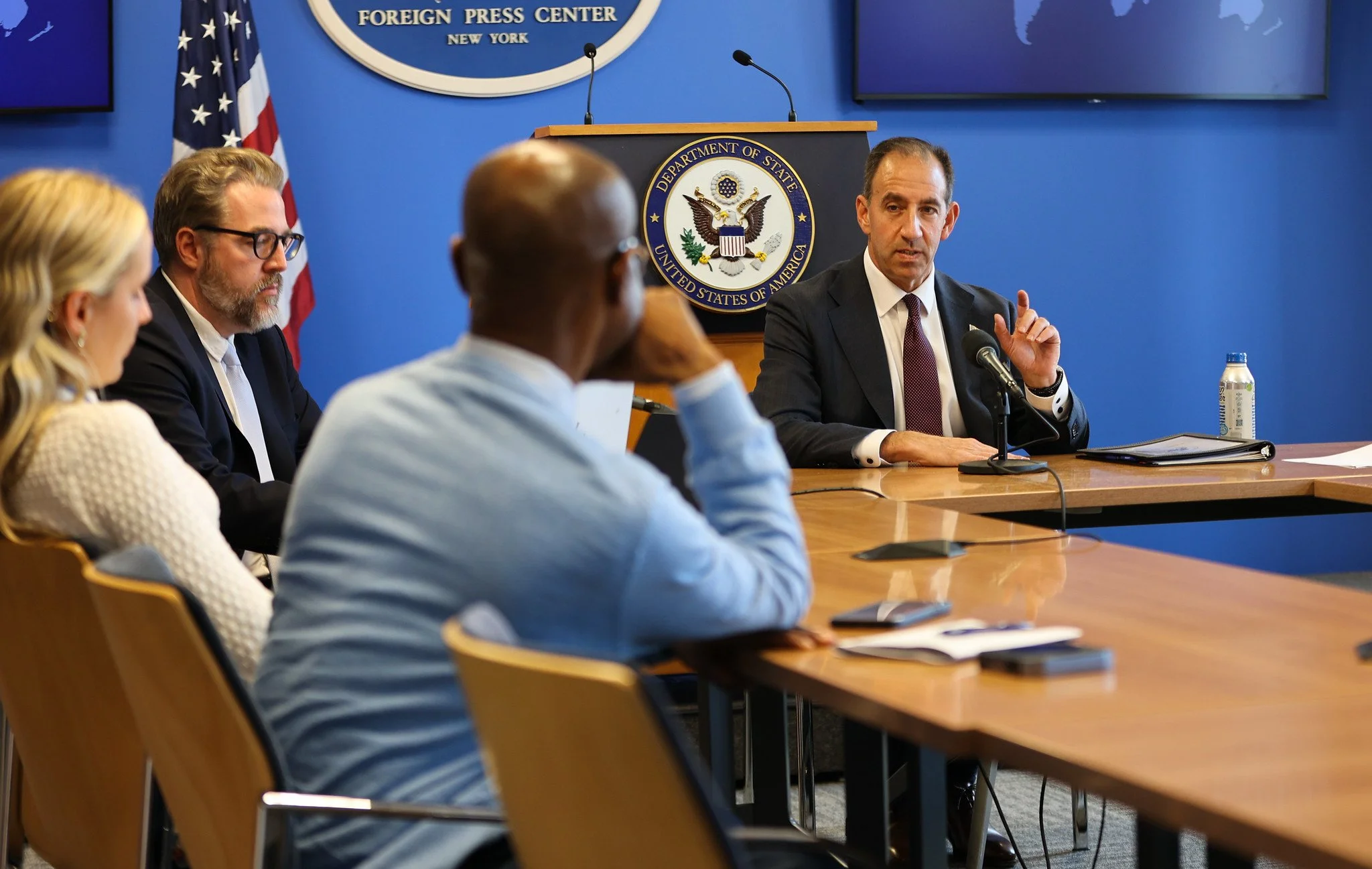
Ambassador Jeff Bartos, the U.S. Representative for U.N. Management and Reform briefing members of the international press. Photo: U.S State Dept.
Ambassador Jeff Bartos, the U.S. Representative for U.N. Management and Reform recently briefed members of the international press on the priorities of the U.S. in U.N. Management, Peacekeeping Operations in Africa, and Ongoing Reform Efforts.
The New York Foreign Press Center (NYFPC) hosted a briefing with Ambassador Jeff Bartos, U.S. Representative for United Nations Management and Reform. Ambassador Bartos’ briefing centered on the current state of the United Nations Organization Stabilization Mission in the Democratic Republic of the Congo (MONUSCO), the United Nations Multidimensional Integrated Stabilization Mission in the Central African Republic (MINUSCA), and the major construction project at the United Nations Office at Nairobi.
Following a field trip to the Central African Republic. and Kenya, Ambassador Bartos also discussed the recently signed landmark MOU with the UN Office of the Coordination of Humanitarian Affairs (OCHA) and share insights on U.S. priorities regarding U.N. management and ongoing reform efforts.
“The UN’s ability to deliver lifesaving aid – food, medicine, shelter - at scale in the most remote locations... with a robust supply chain, operating a very reasonable cost, and the impact that has on the lives that we’re all serving... is remarkable.”
For more stories told from an African perspective, follow us at africarelatedinc
SHARE THIS STORY
FBI's Ten Most Wanted: Most Likely In Your Backyard
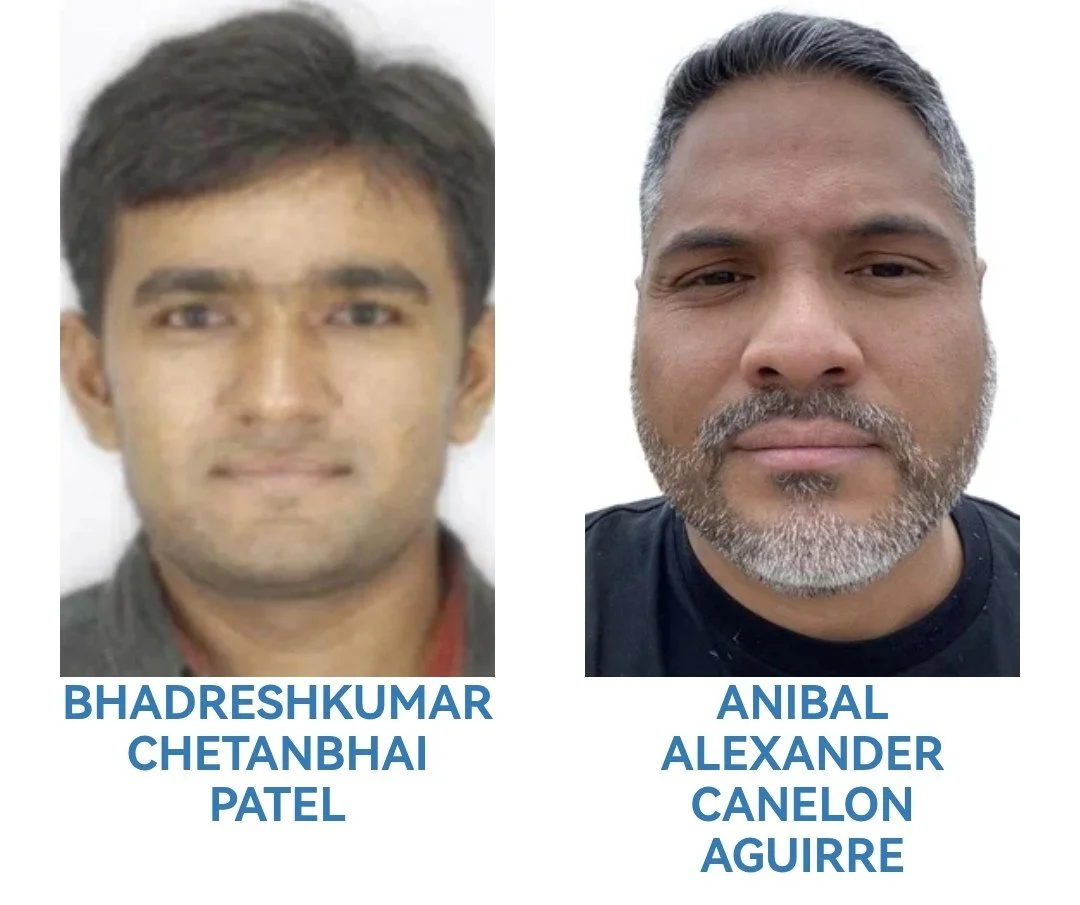
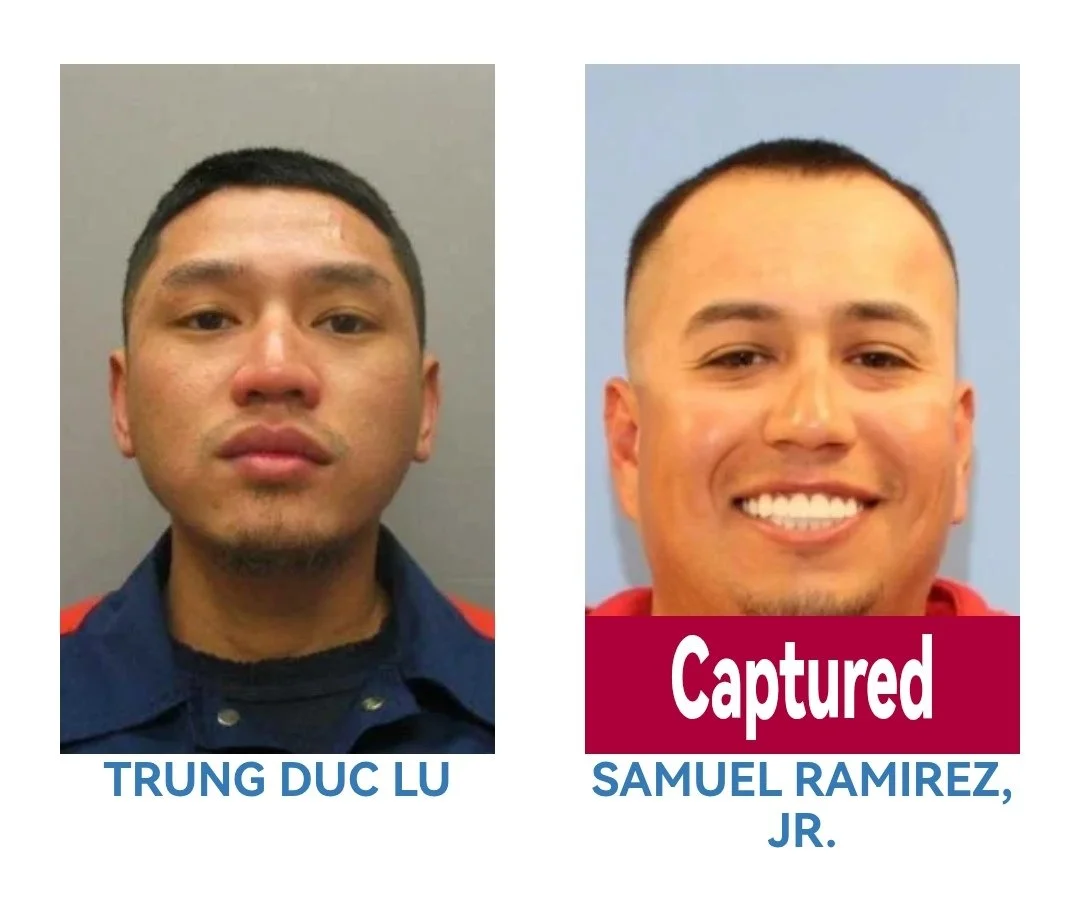
FBI Assistant Director of the Criminal Division Heath R. Janke briefed members of the international press on updates to the FBI's Ten Most Wanted Fugitives list.
Oyiza Adaba - Africa-Related, New York
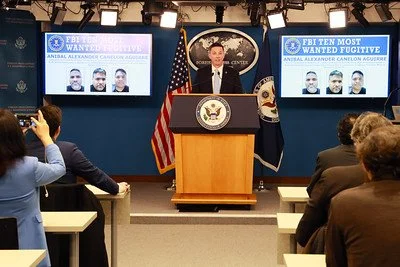
FBI Assistant Director of the Criminal Division Heath R. Janke ar press briefing. Photo: US State Dept
On March 31, 2026, FBI Assistant Director of the Criminal Division Heath R. Janke briefed members of the international press on updates to the FBI's Ten Most Wanted Fugitives list.
He used the opportunity to enlist the help of the global media in the search and capture of these criminals by what he described as “one of the most effective and enduring law enforcement initiatives in American history.”
“Global media coverage has directly contributed to 65 of Ten Most Wanted Fugitive apprehensions and/or locations outside of the United States.”
The Ten Most Wanted Fugitives program is one of the most effective and enduring law enforcement initiatives in American history. Established on March 4th, 1950, it is built on a straightforward but powerful premise: public awareness is one of the most effective tools law enforcement has. By sharing photographs, identifying details, and case information broadly through media, online platforms, and international partners, the FBI dramatically expands its ability to locate dangerous fugitives.
“Many fugitives on this list are believed to have crossed international borders, demonstrating how essential international collaboration has become in the pursuit of justice. ”
FBI’s Ten Most Wanted Fugitives is 75 years in 2026
in 2025, the FBI marked the 75th anniversary of one of its most iconic crime-fighting tools, the Ten Most Wanted Fugitives list. From rapists to criminal masterminds behind the most daring crypto currency fraud, 540 fugitives have appeared on this list since the program began; 501 have been apprehended or located, with a success rate of 93 percent. According to the FBI, a tip from a member of the public made a difference in 163 of these cases.
FBI Ten Most Wanted
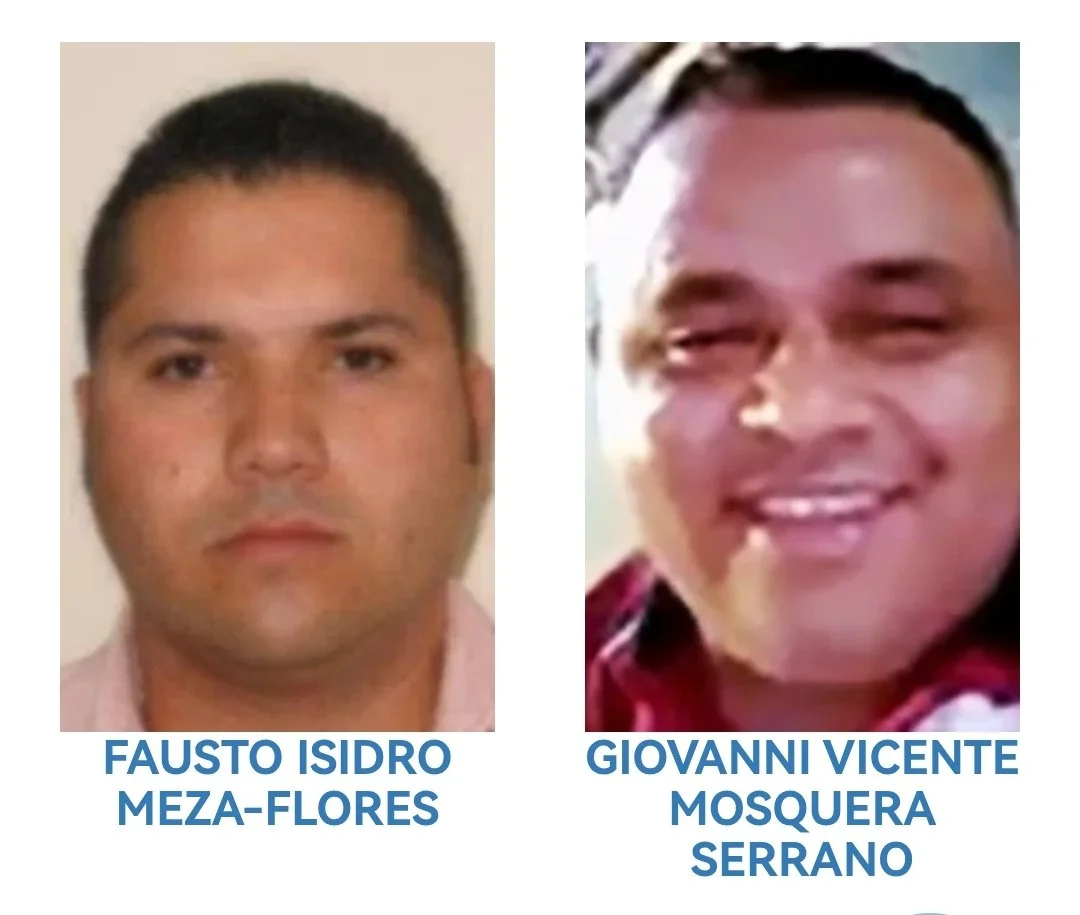
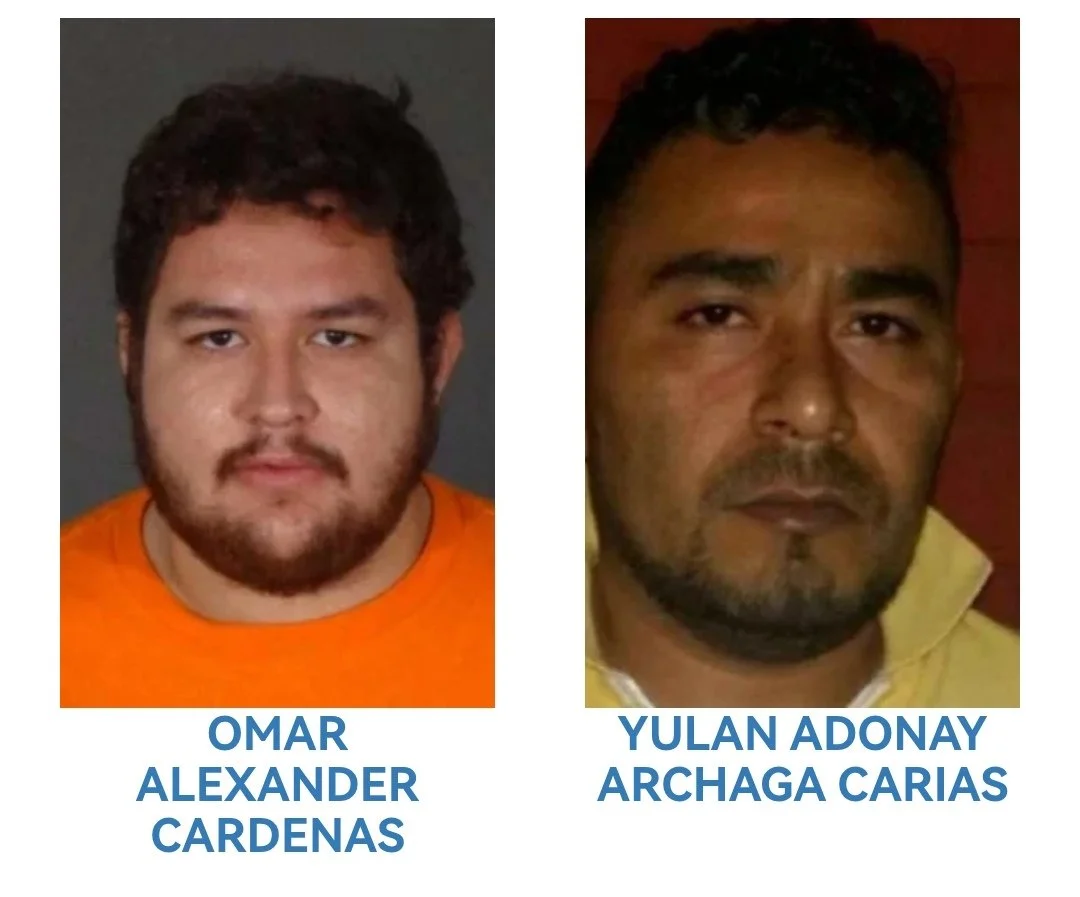
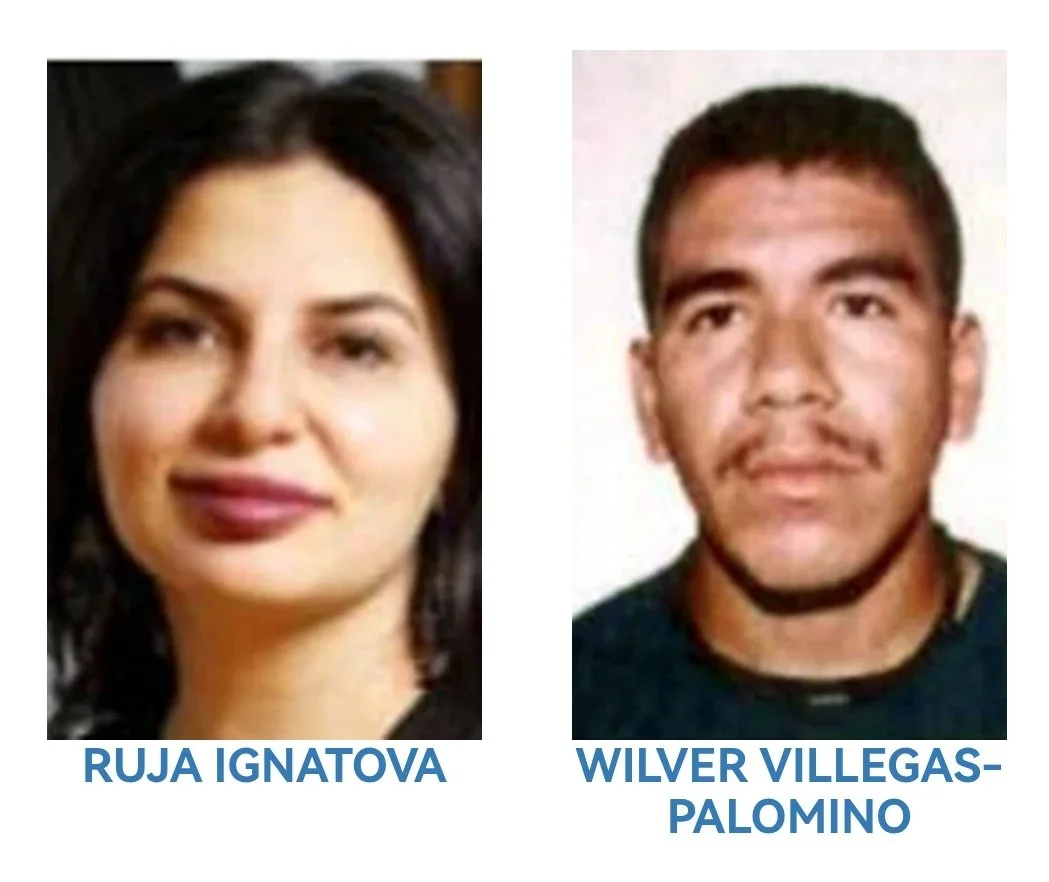
#fbimostwanted
For more stories told from an African perspective, follow us at africarelatedinc
SHARE THIS STORY

Cerca Africa Hosts Women Entrepreneurs and Leaders
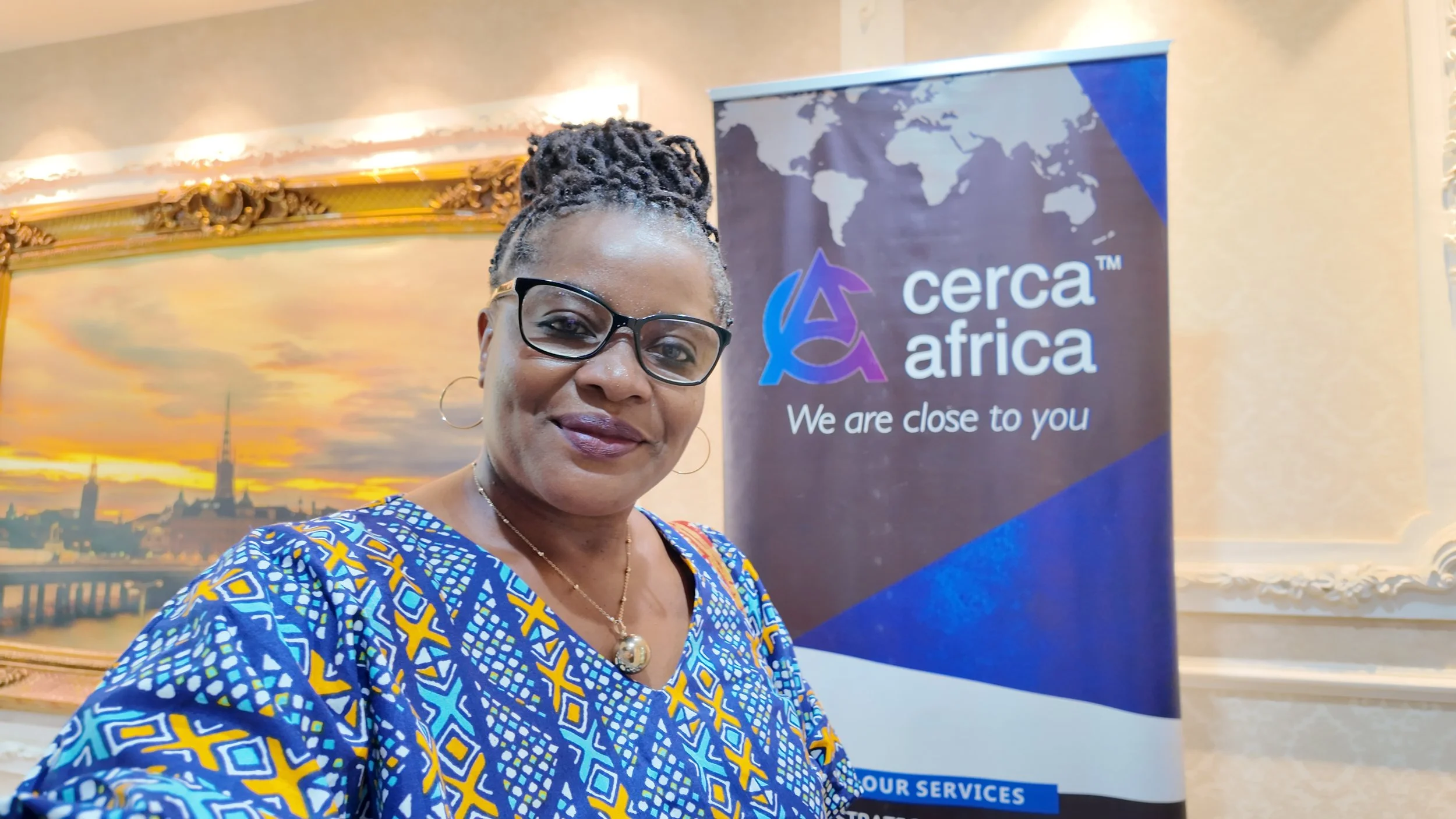
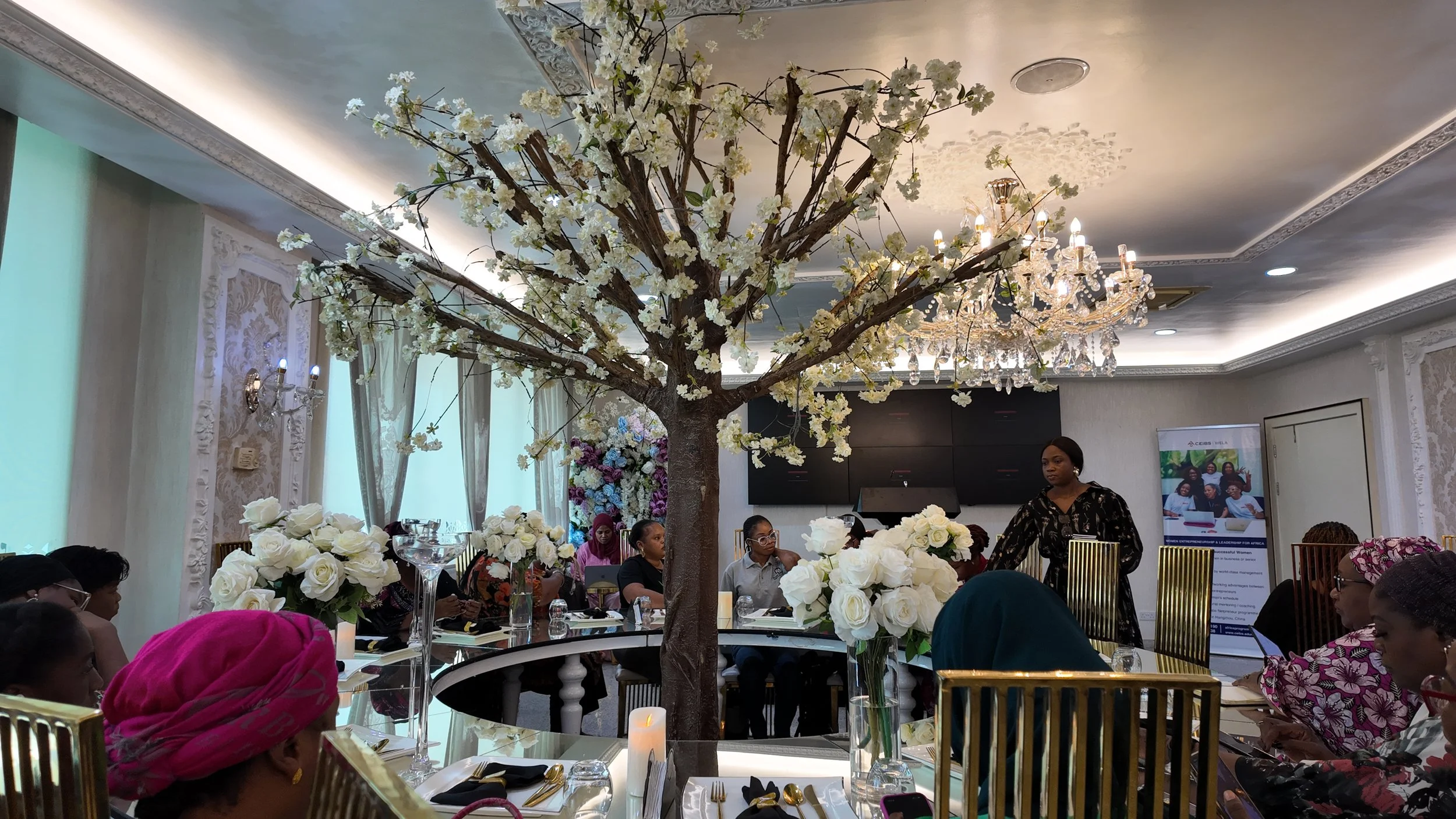
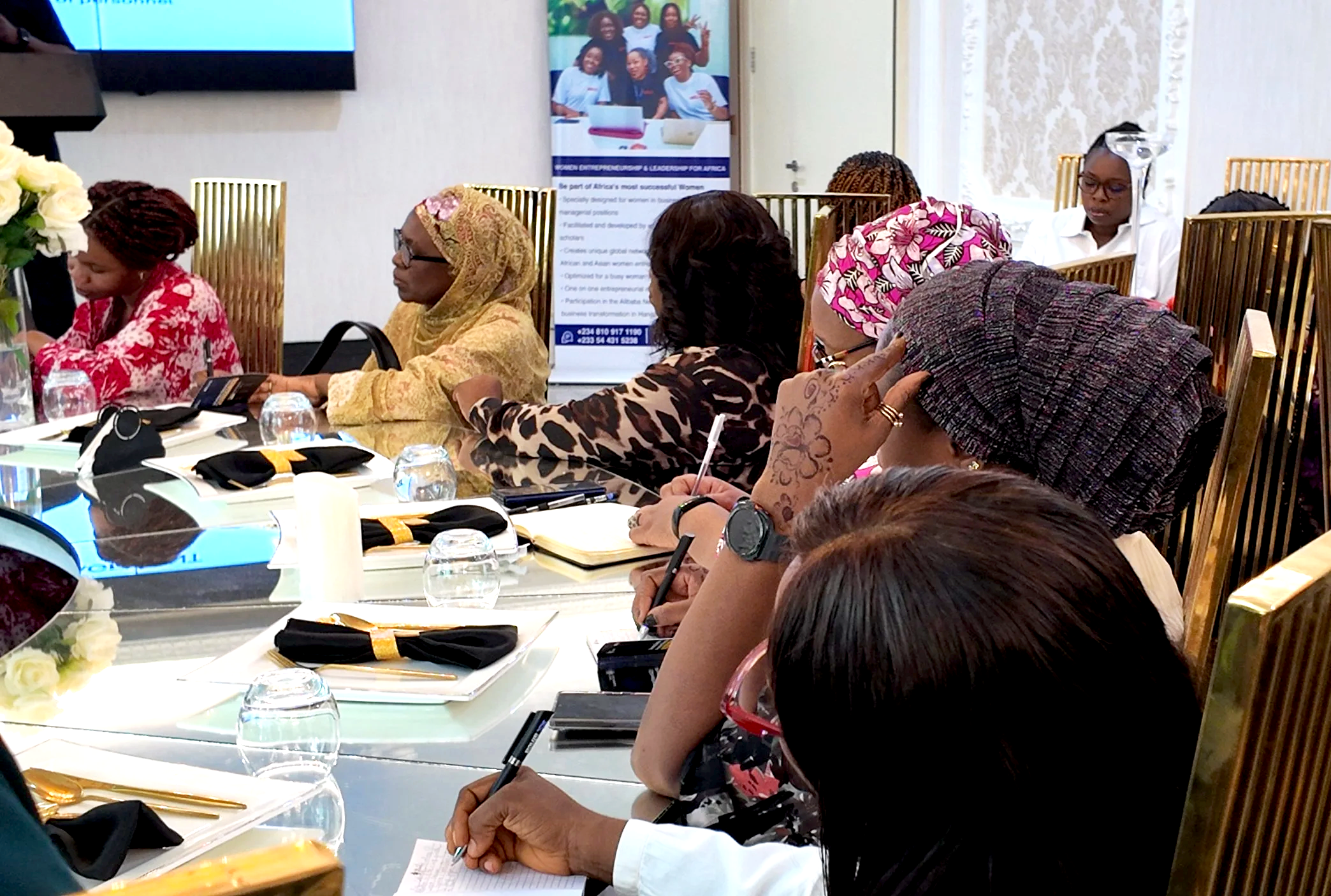
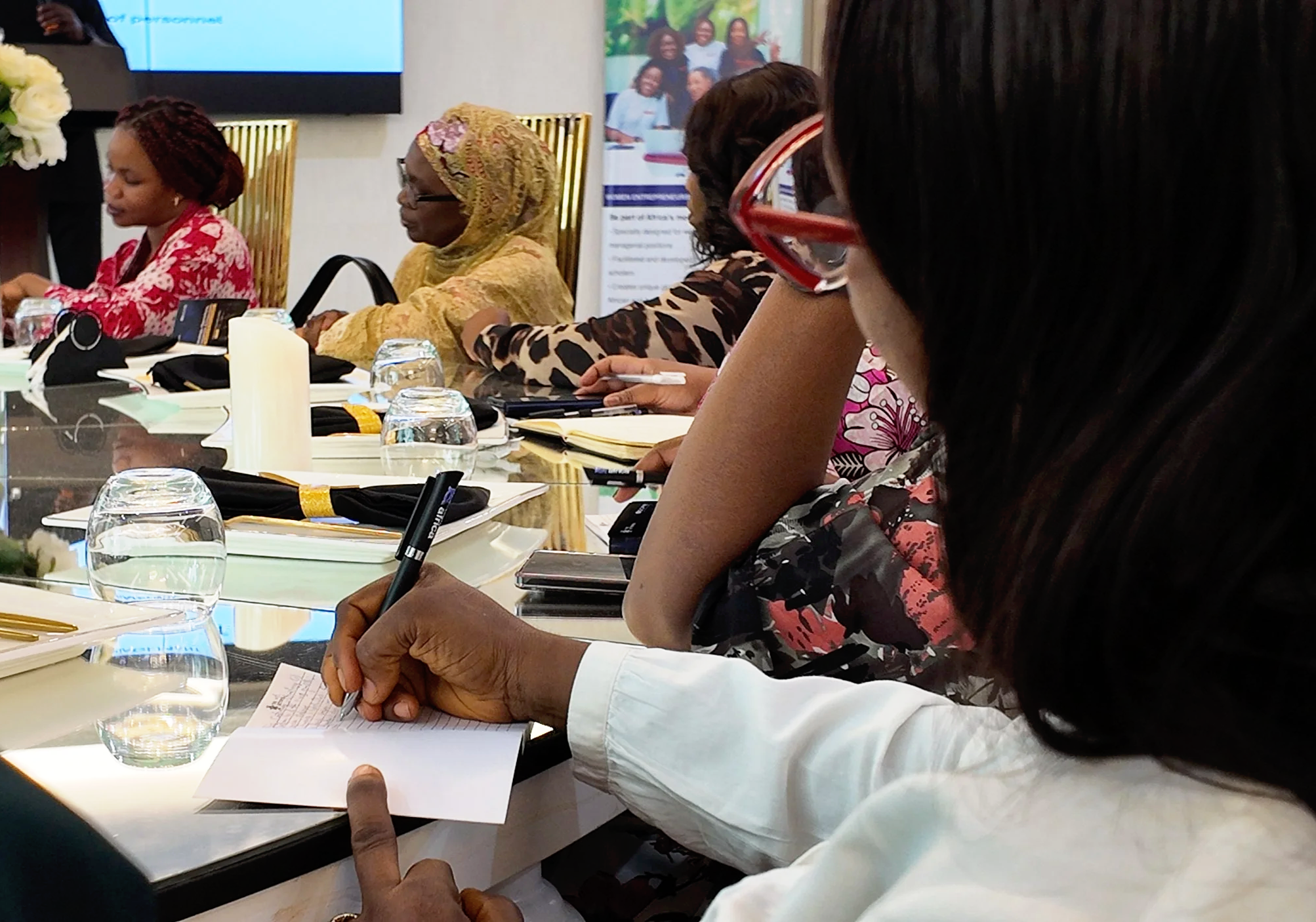
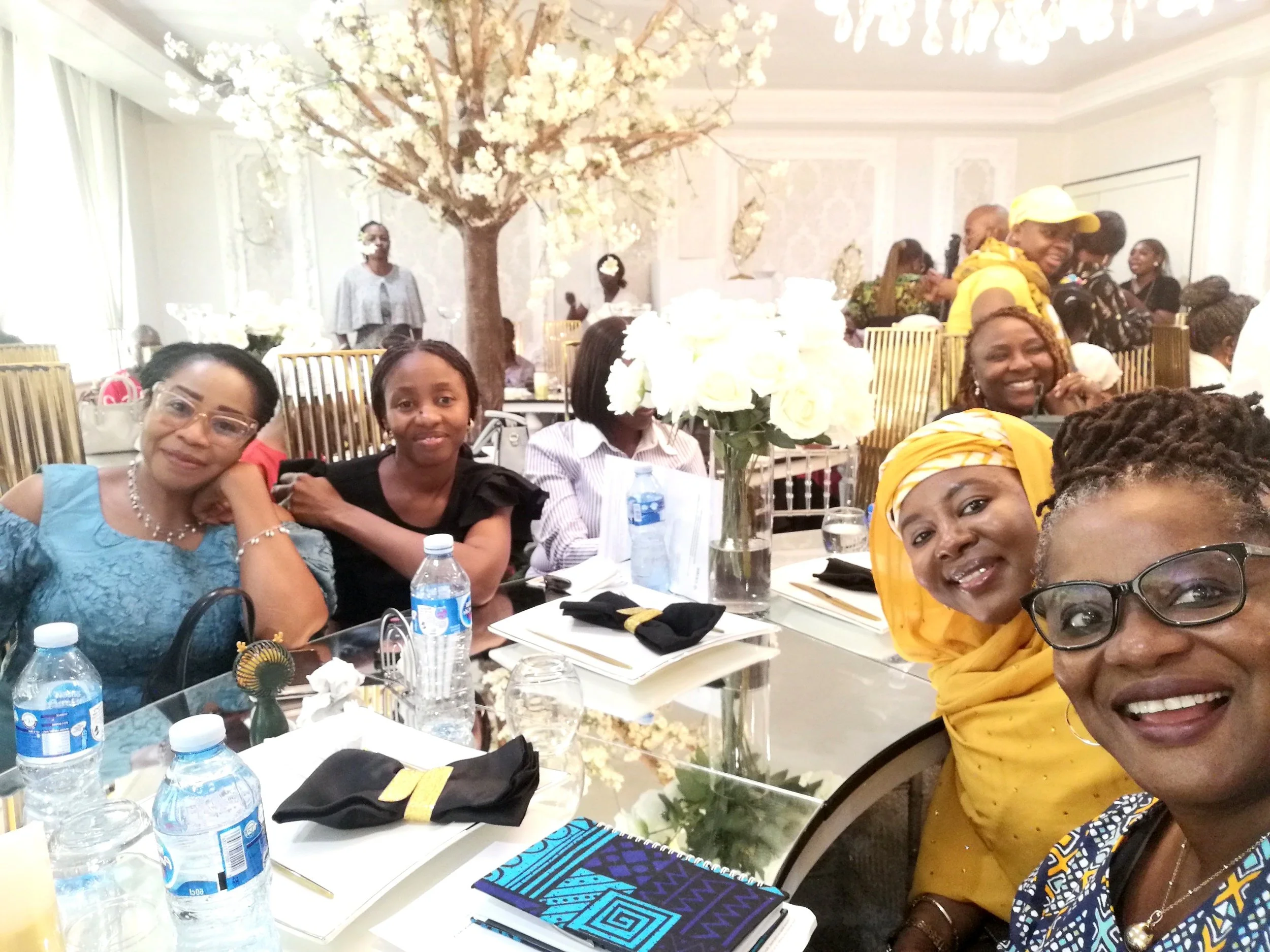
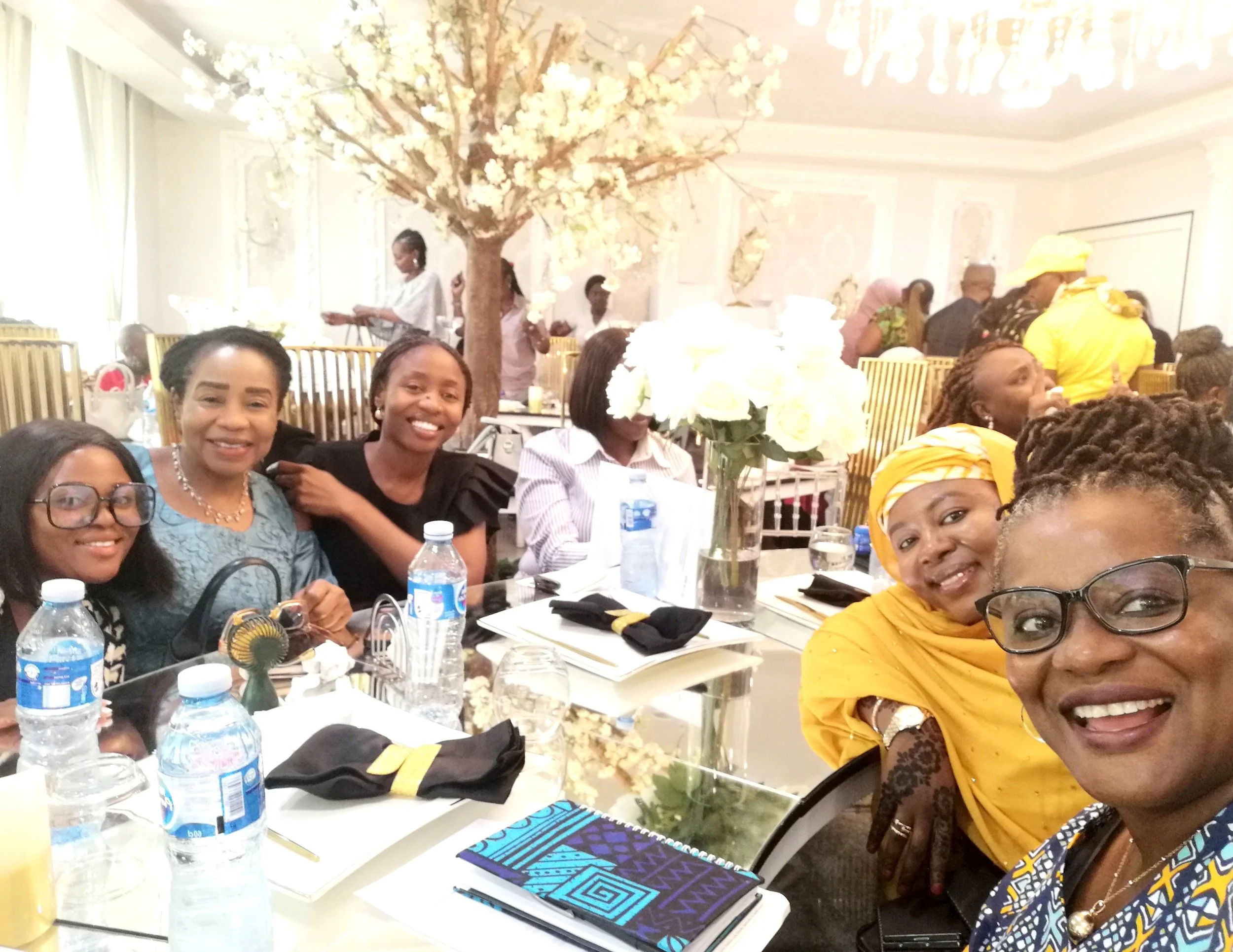
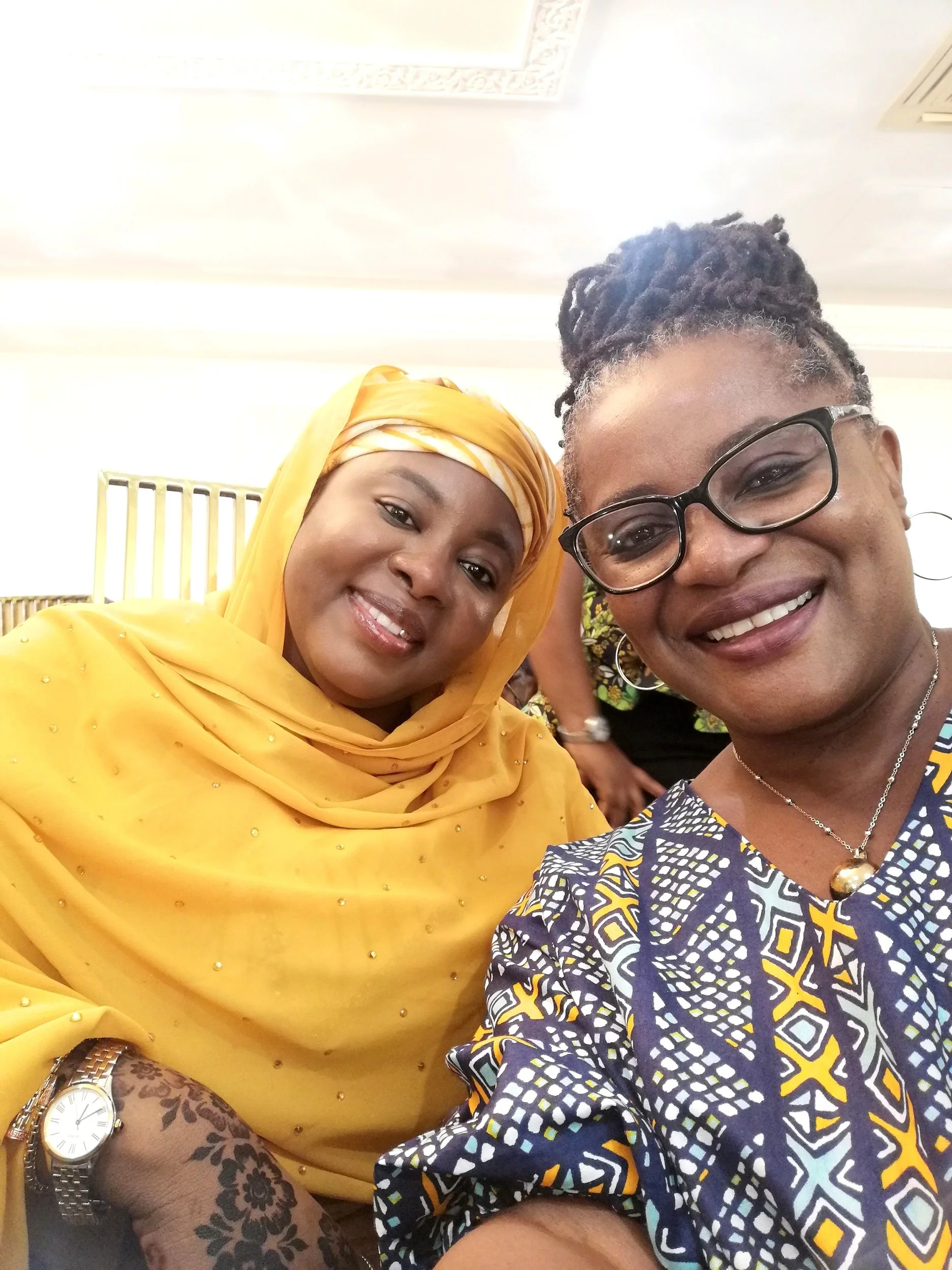
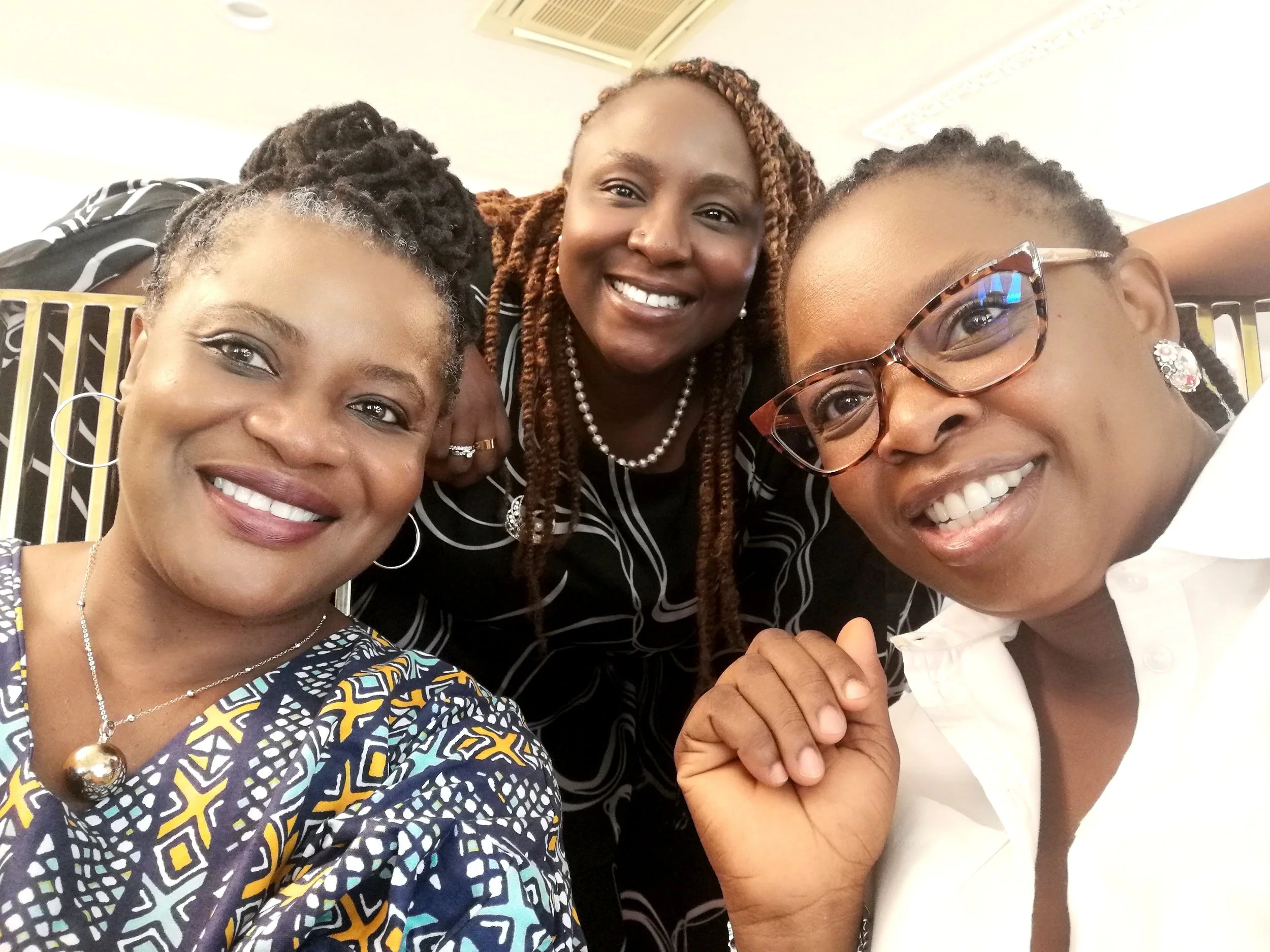
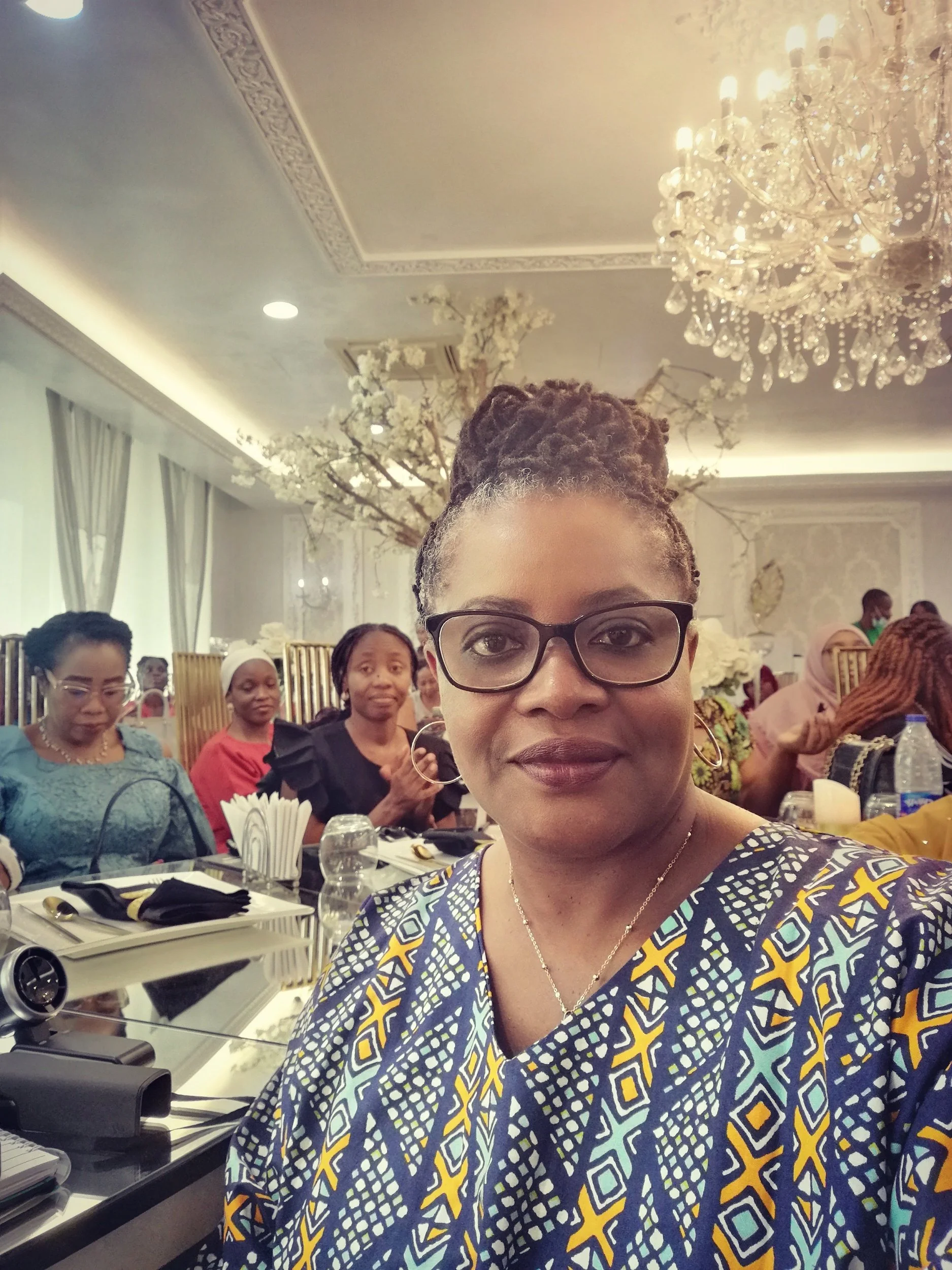
Cerca Africa, in partnership with the China Europe International Business School (CEIBS) hosts 75 Women Entrepreneurs and Leaders in Abuja, Nigeria.
Africa-Related, Abuja
Cerca Africa Hosts 75 Women in Entrepreneurship & Leadership
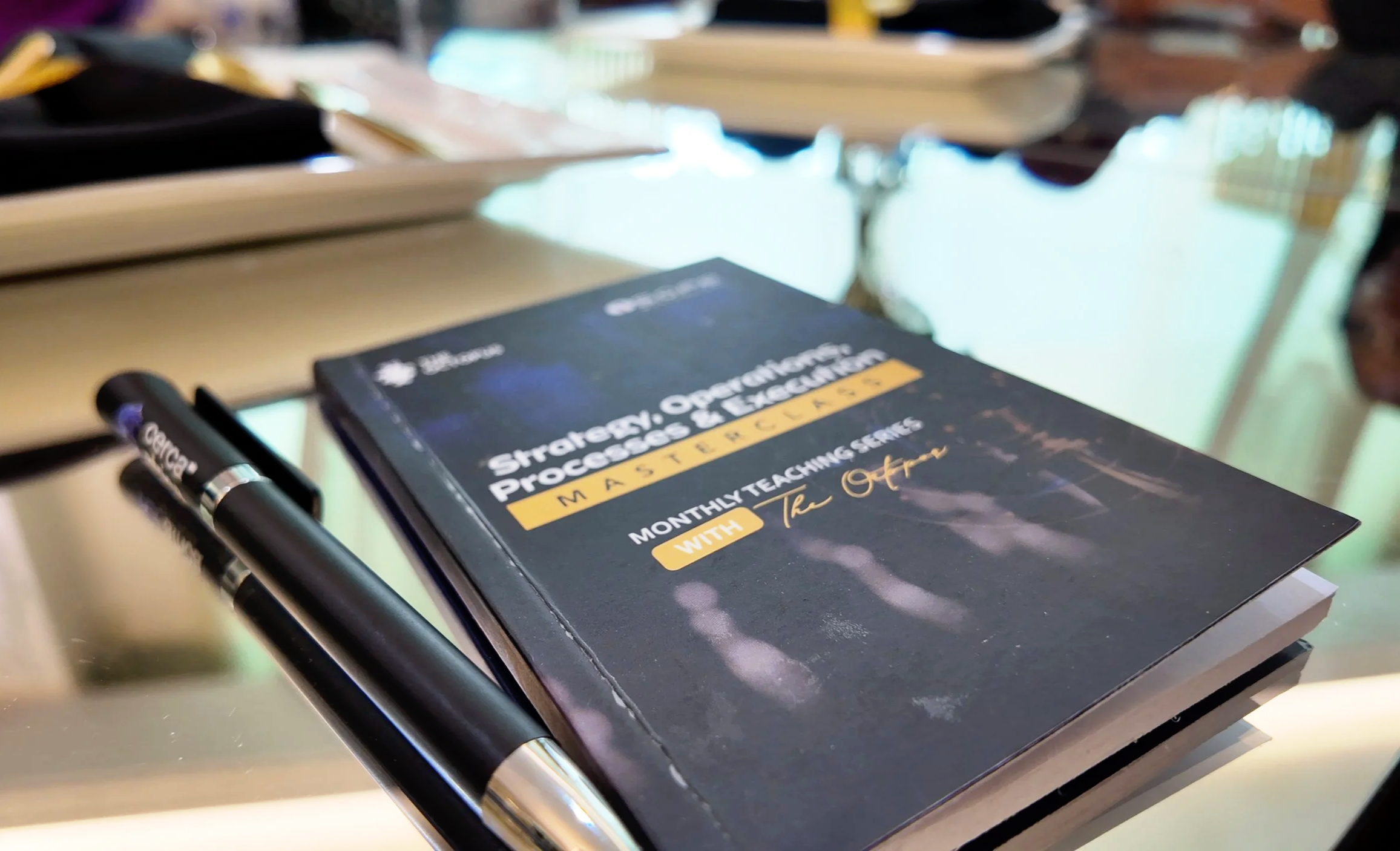
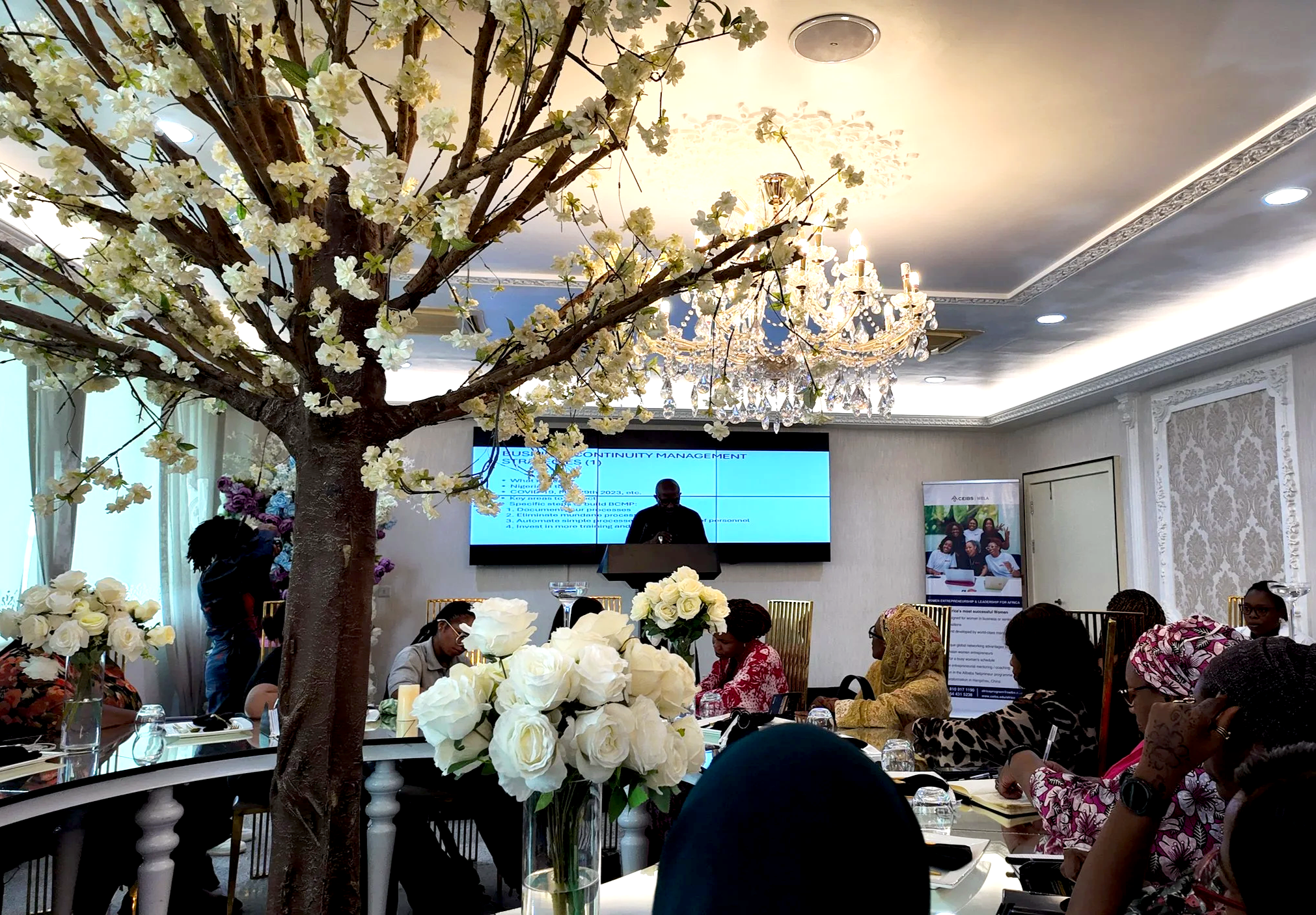
The IWD2026 Strategy, Operations, Processes & Execution (S.O.P.E) masterclass held in Abuja on March 26, 2026.
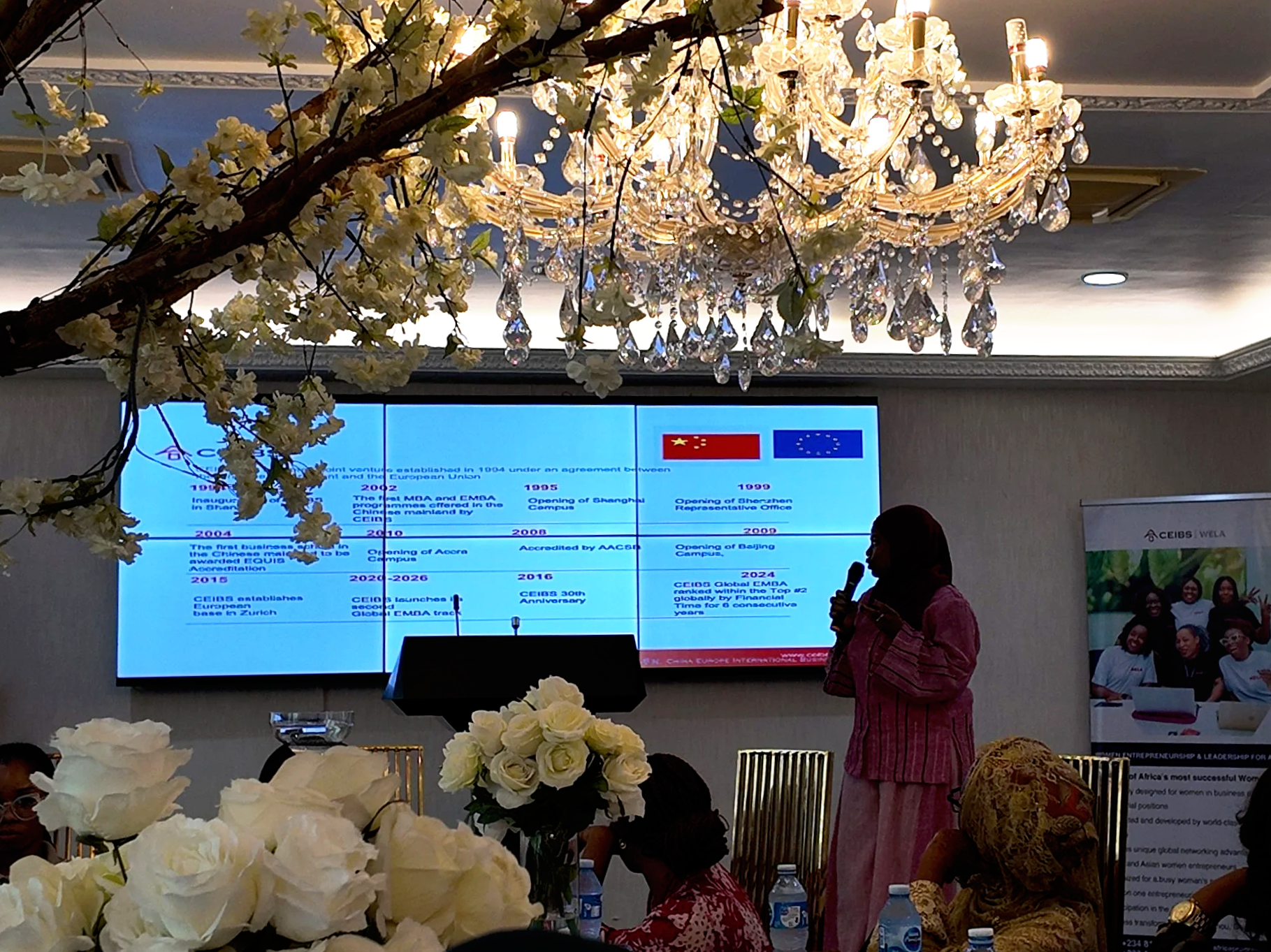
The event was organized in partnership with the China Europe International Business School (CEIBS) for their Women Entrepreneurship & Leadership for Africa (WELA) programme.
Hosted by Cerca Africa and CEO Sam Obafemi (The Octopus) at Elegante Mall, the exclusive evening was attended by 75 entrepreneurial women from various professional backgrounds.
The event featured two key presentations. Mr. Sam Obafemi spoke on Business Continuity Management, and Mrs. Saidat Lawal-Mohammed, CEIBS’ Head of Executive Education Africa, provided an overview of the institution’s programs. The sessions were followed by dinner and networking opportunities for all participants.
Cerca Africa holds targeted monthly masterclasses for registered participants. They work with individuals and organizations to achieve mental, emotional, and economic freedom through coaching programs focused on strategy, processes, and behavioral change.
CEIBS is a non-profit joint venture established in 1994 under an agreement between the Chinese government and the European Union. The Business School offers Global Executive MBA programme, as well as a tailored Executive Education Africa Programmes
Learn more about upcoming sessions or coaching services.
#sopeceibswela
Photos by Africa-Related
For more stories told from an African perspective, follow us at africarelatedinc
SHARE THIS STORY
Afrobeat 'Son' DEDE on MESSENGERS
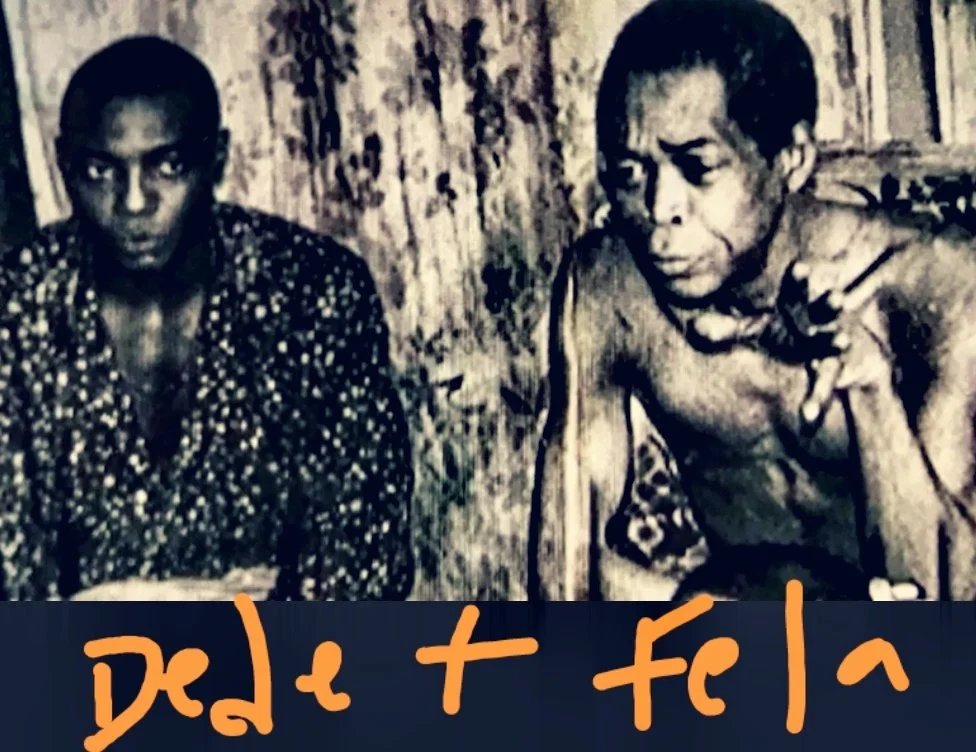
We are joined by the renowned Afrobeat saxophonist, performer, and bandleader, Dede Mabiaku - often regarded as one of Fela Kuti’s musical sons
Africa-Related New York

Afrobeat saxophonist Dede Mabiaku. On stage in Lagos, at Felabration 2019.
In this episode of 'Messengers with Oyiza,' we are joined by the renowned Afrobeat saxophonist, performer, and bandleader, Dede Mabiaku. Often regarded as one of Fela Kuti’s musical sons, Dede shares vivid stories from the formative years of Afrobeat, reflecting on his life both on and off stage with Fela and leading The Kalafrika Band.
A trained theatre artist with a commanding stage presence, Dede’s journey is rooted in rhythm, resistance, and a deep commitment to African culture. This episode explores lineage, identity, and the evolution of an artist within a global movement.
Dede and Fela in an undated photo. Courtesy of Dede Mabiaku

Dede & Kalafrika Band perform at Felabration 2019 at Freedom Park, Lagos.
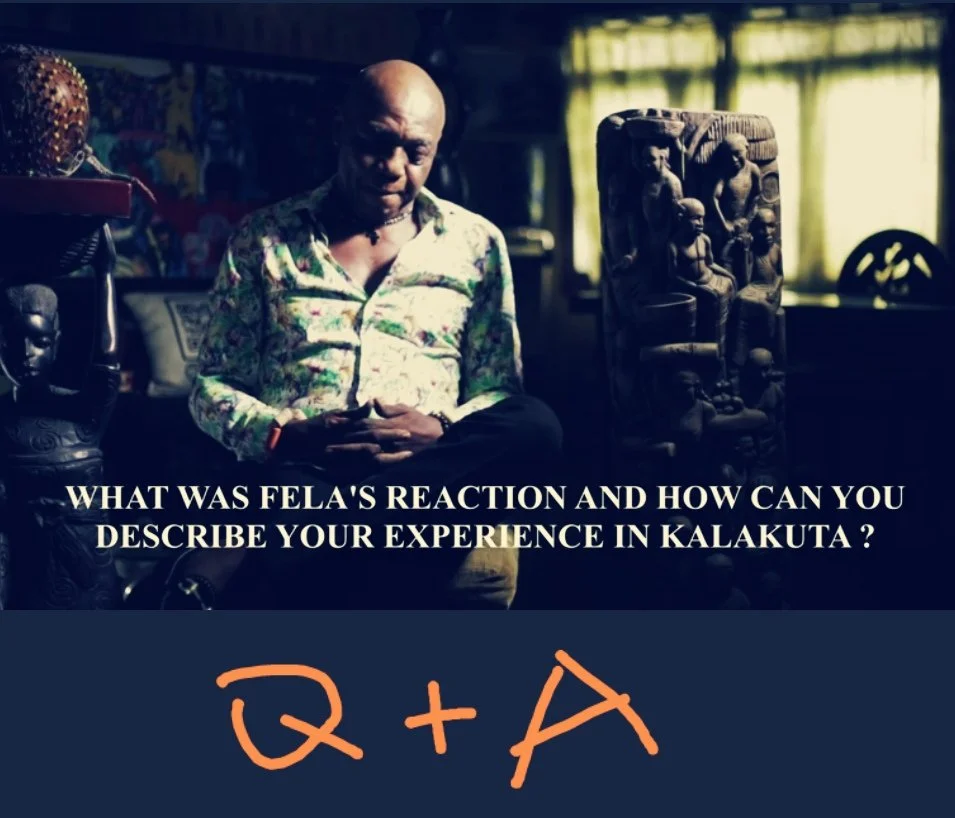
Dede reflects on a question on Messengers Podcast
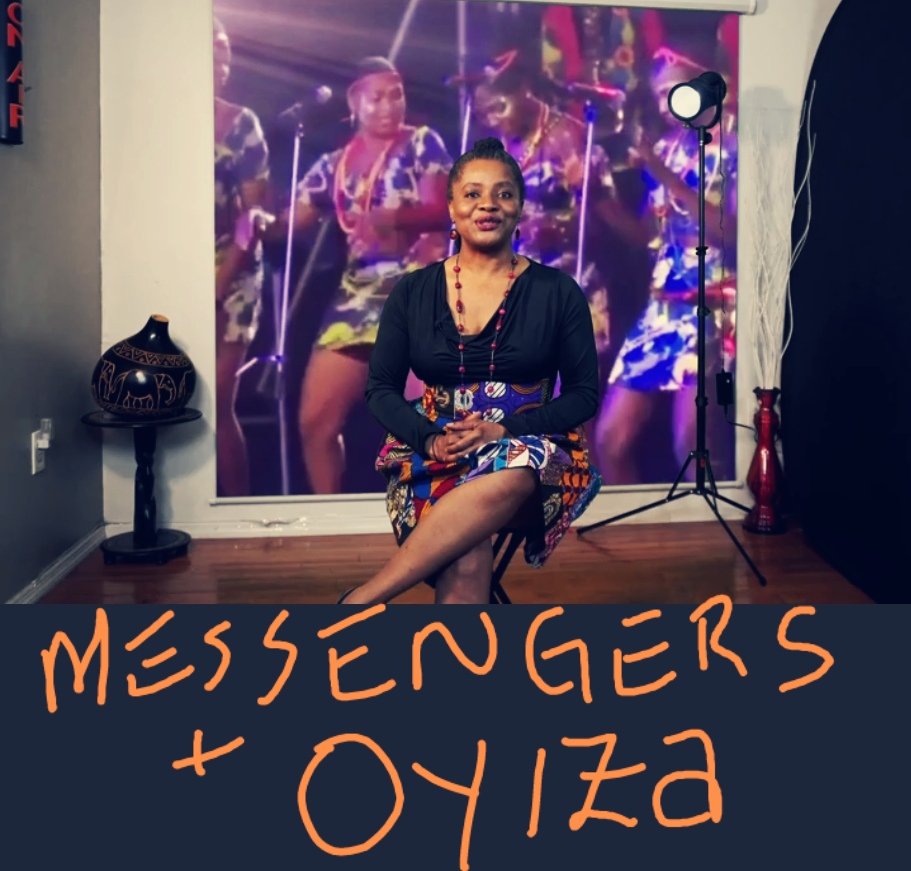
Oyiza Adaba: Host of Podcast series ‘Messengers’.
‘MESSENGERS with Oyiza’ is an engaging interview TV/podcast series hosted by Nigerian journalist and producer Oyiza Adaba. Produced by Africa-Related and recorded remotely from New York and on location, the show blends relaxed conversations with interviews of selected guests who discuss topics about Africa for a global audience. The conversations aim to bridge divides, correct misconceptions, and spark positive discussion about Africa and its people. Each 30-minute episode features inspiring stories, creative graphics, video clips, and background reports. The series focuses on Africa's People, Places and Issues.
For more stories told from an African perspective, follow us at africarelatedinc
SHARE THIS STORY
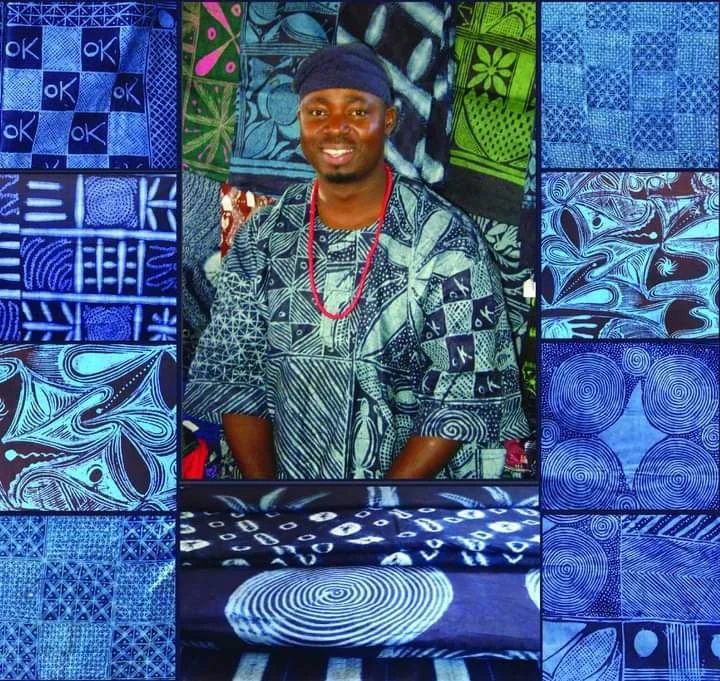
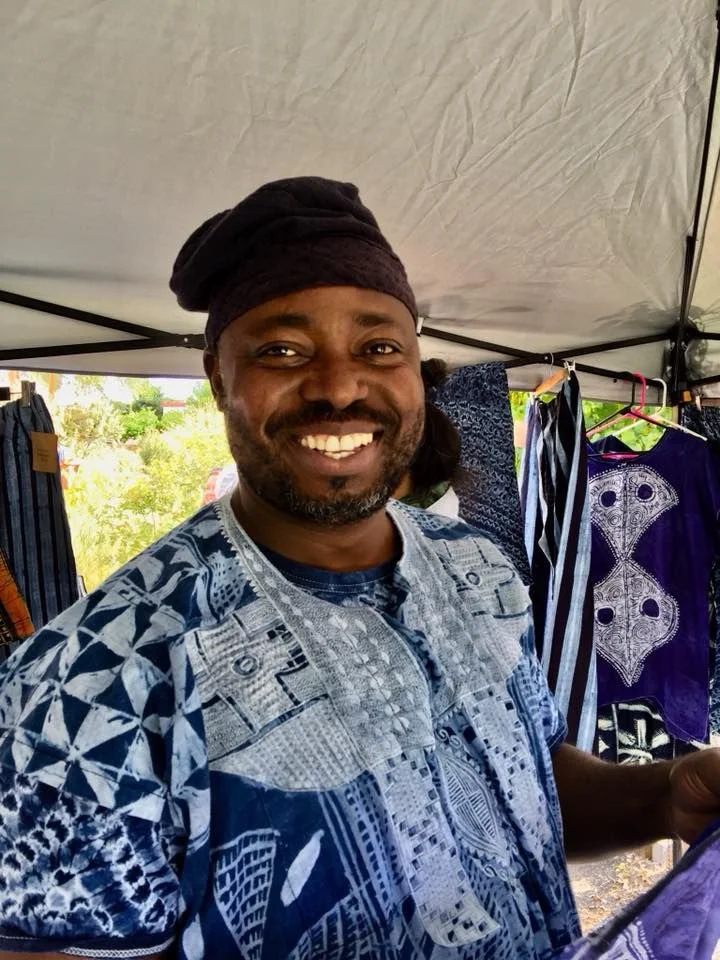
Textile Artist And Teacher Gasali Adeyemo Features on 'Messengers
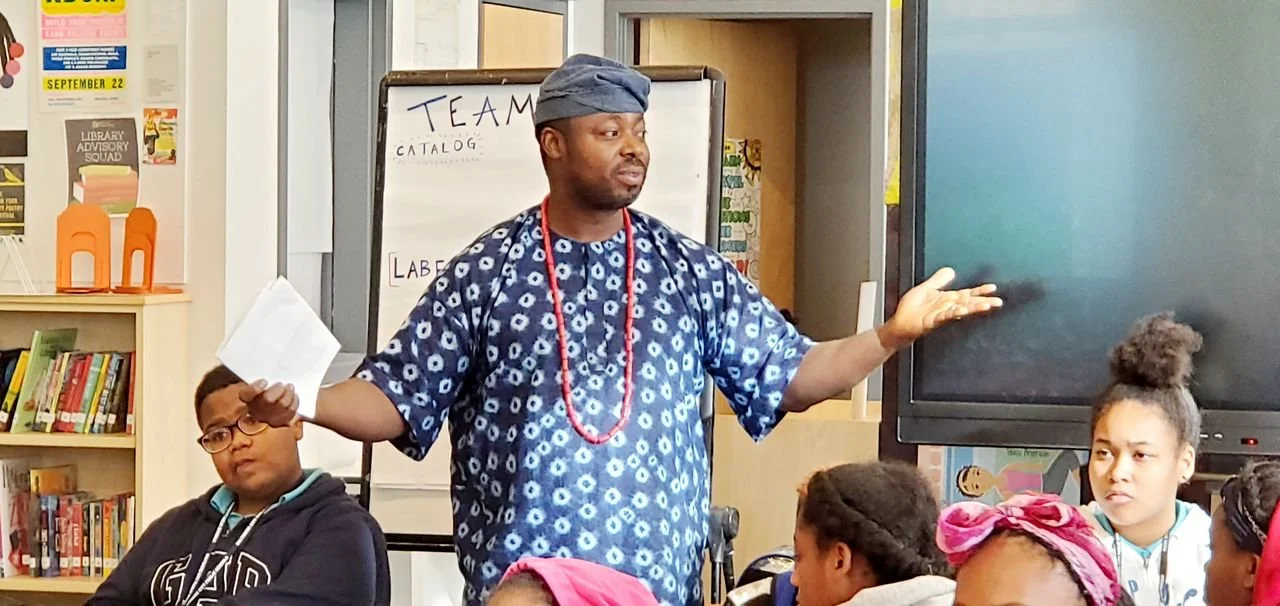
Textile artist and teacher Gasali Adeyemo talks about preserving Nigeria’s traditional textiles -like batik, adire, itinochi, and akwocha -his humble childhood, his biggest influences, and the next generation.
Africa-Related New York
Textile Artist Gasali Adeyemo dicusses the Yoruba art of Adire (tye-dye) making.
From modest beginnings to becoming a leading voice in textile preservation, Gasali Adeyemo shares a journey rooted in craft, culture, and continuity.
In this episode of Messengers with Oyiza, Gasali explores the rich history and cultural significance of traditional Nigerian textiles from Adire and Batik to Itinochi and Akwocha and the urgent need to preserve these indigenous techniques for future generations.
He shares his experience styling Viola Davis in the film "The Woman King". He also reflects on his early influences like Nike Art Gallery (@nikeartgallery), the discipline behind mastering textile artistry, and the responsibility of passing down knowledge in a rapidly changing world.
This is a conversation about heritage, identity, and the role of artists as custodians of culture.
Follow Gasali @yoruba_indigo. Watch now on Spotify.
‘MESSENGERS with Oyiza’ is an engaging interview TV/podcast series hosted by Nigerian journalist and producer Oyiza Adaba. Produced by Africa-Related and recorded remotely from New York and on location, the show blends relaxed conversations with interviews of selected guests who discuss topics about Africa for a global audience. The conversations aim to bridge divides, correct misconceptions, and spark positive discussion about Africa and its people. Each 30-minute episode features inspiring stories, creative graphics, video clips, and background reports. The series focuses on Africa's People, Places and Issues.
For more stories told from an African perspective, follow us at africarelatedinc
#AfricaRelated #AfricanArt #art #podcast #conversation #artist #messengerswithoyiza #Messengers #AfricaRelated #TextileArt #adire #batik #CulturalHeritage #TheWomanKing #oyizaadaba
SHARE THIS STORY
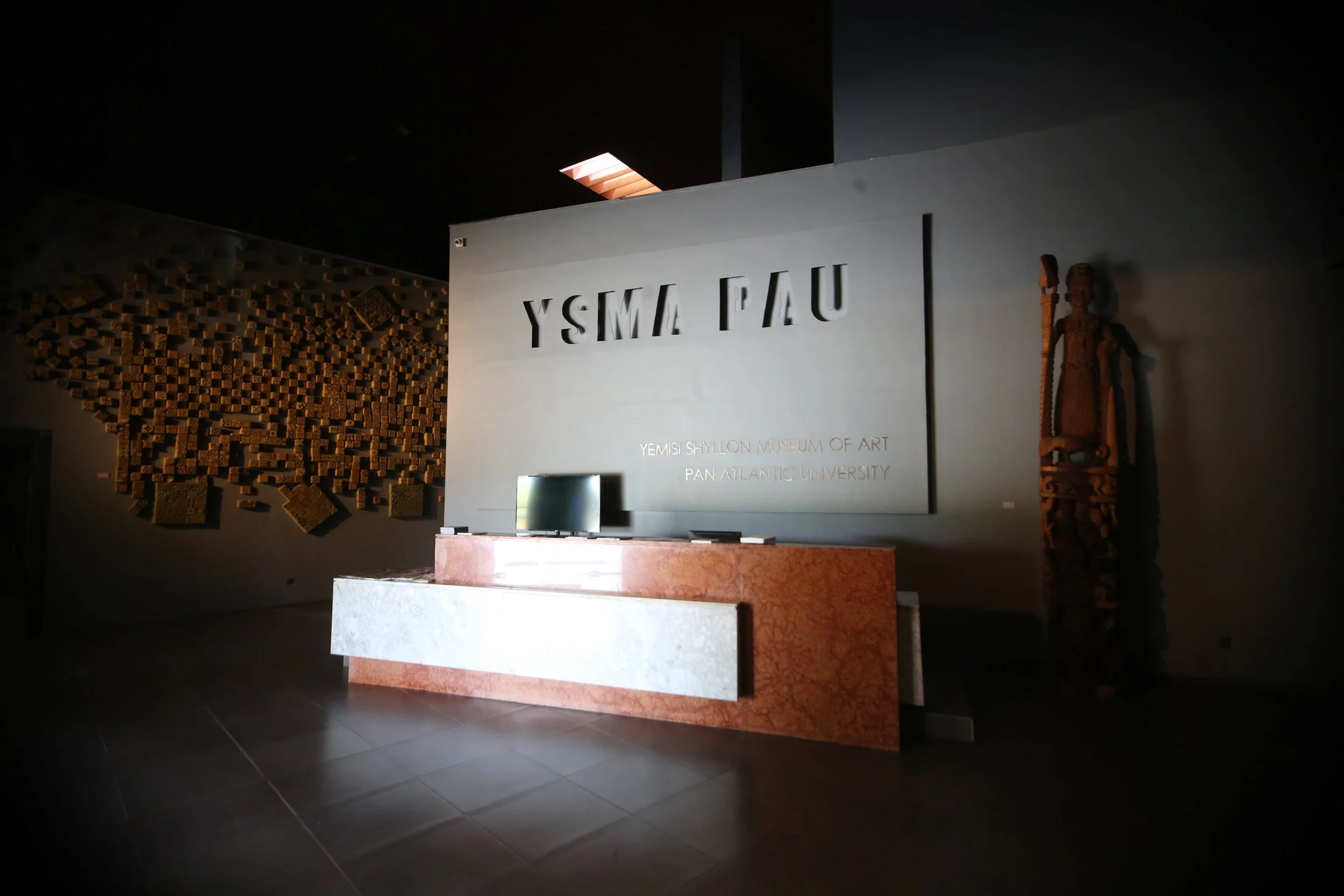
DELA Screens at Yemisi Shyllon Museum of Art Lagos
On March 8, 2026, Lagos hosted a screening of DELA: The Making of El Anatsui, a biographical documentary exploring the creative journey of one of Africa’s most celebrated artists. Directed by Oyiza Adaba and produced by Africa-Related over a ten-year period, the screening was held in collaboration with the Yemisi Shyllon Museum of Art as part of Lagos Gallery Week 2026.
Africa-Related, Lagos
From bottle caps to monumental global artworks, the story behind the art is just as powerful as the work itself.




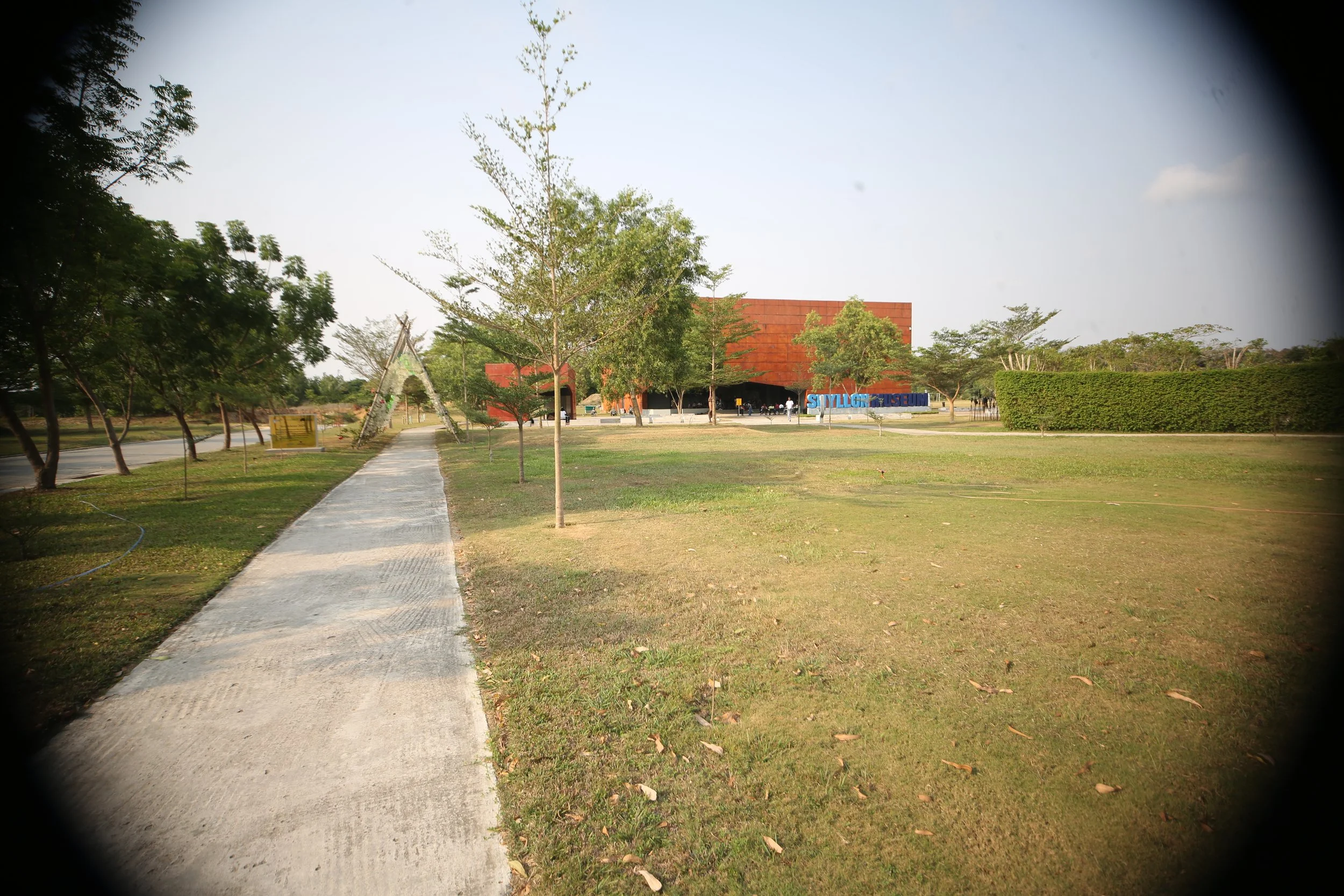
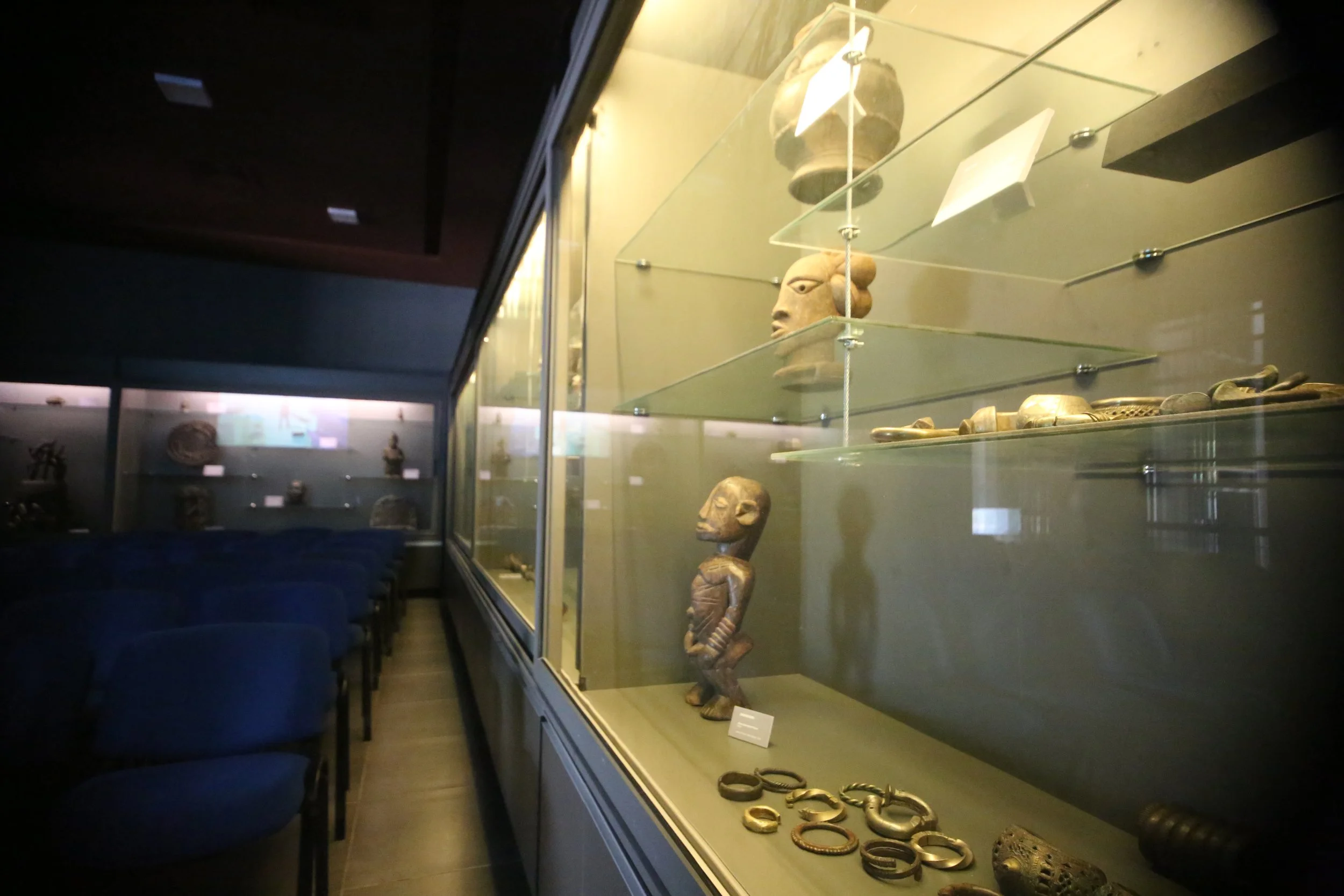
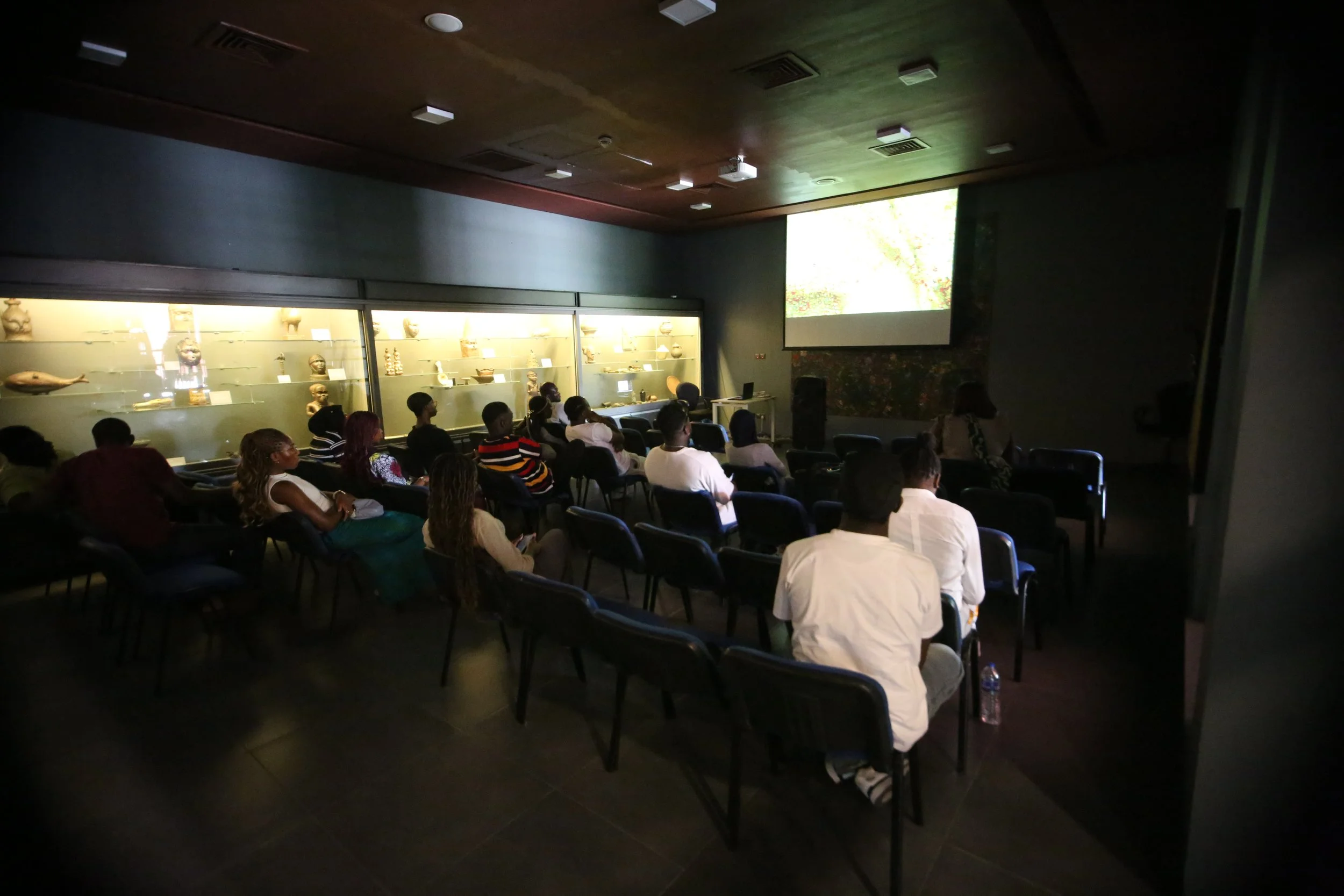
On March 8, 2026, Lagos hosted a screening of DELA: The Making of El Anatsui, a biographical documentary exploring the creative journey of one of Africa’s most celebrated artists. Directed by Oyiza Adaba and produced by Africa-Related over a ten-year period, the screening was held in collaboration with the Yemisi Shyllon Museum of Art as part of Lagos Gallery Week 2026.
The event took place at the museum’s premises within Pan-Atlantic University, drawing an audience of students, staff, and art enthusiasts.
Attendees were also invited to explore the history behind the work of El Anatsui. His early wood carvings, including the famous wooden trays that earned him the nickname "TV Man," are on permanent display at the YSMA in Lagos.
Share this with anyone who appreciates art, film, and African creative history.
Houston Prepares for FIFA World Cup
Cerca Africa, in partnership with the China Europe International Business School (CEIBS) hosts 75 Women Entrepreneurs and Leaders in Abuja, Nigeria.
Africa-Related, Houston

Photo of the artwork ‘Fair Play’ by Mathieu JN Baptiste and various commissioned artists at Houston’s Hobby International Airport.
The city of Houston, Texas, is an official host city for the 2026 FIFA World Cup. There are a total of seven matches scheduled at NRG Stadium (Houston Stadium) for the tournament between June 14 and July 4, 2026.
The matches include five group-stage games, a Round of 32 match, and a Round of 16 match. The city is also set to host a 39-day fan festival in East Downtown during the tournament period.
Countries like Germany, Curaçao, Portugal, The Netherlands will play some matches in Houston. With a population of about 2.3 million people, Houston is widely regarded as a convergence pot of global cultures in the United States of America. It is home to over 50,000 Nigerians.
Photos by Africa-Related




Images and artworks at Houston Hobby Airport, George Bush International Airport and other parts of the city show a city ready to welcome visitors and host some exciting line ups.
Check out other host cities here.
#fifaworldcup
Photos by Africa-Related
For more stories told from an African perspective, follow us at africarelatedinc
SHARE THIS STORY
Joint Statement of the United States and African Union on the Launch of a Strategic Investment Working Group
Joint Statement of the United States and African Union on the Launch of a Strategic Investment Working Group
Joint Statement of the United States and African Union on the Launch of a Strategic Investment Working Group
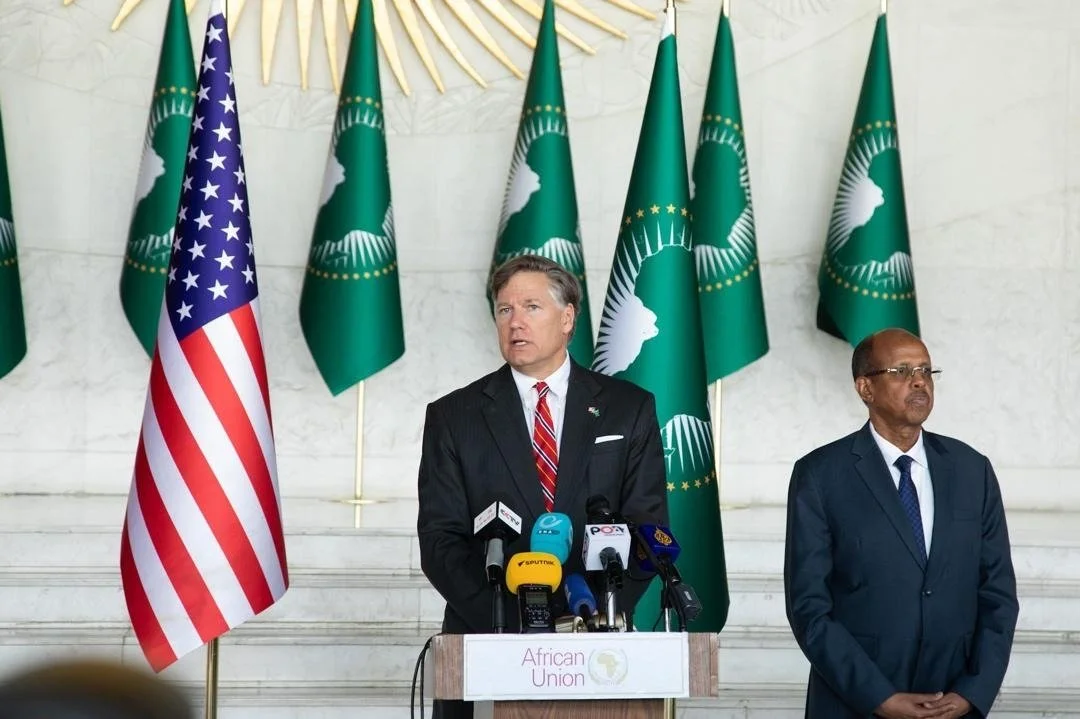
Deputy Secretary of State Christopher Landau and AUC Chairperson Mahmoud Ali Youssouf at the African Union Commission in Addis Ababa. Photo: U.S State Department
Media Note
Office of the Spokesperson
January 28, 2026
The following joint statement was released by the Government of the United States of America and the African Union Commission on the occasion of today’s agreement to establish a Strategic Investment Working Group.
Begin text:
Deputy Secretary of State Christopher Landau and AUC Chairperson Mahmoud Ali Youssouf met today at the African Union Commission in Addis Ababa to reaffirm the importance of the U.S.-Africa relationship through the African Union (AU). Alongside their shared commitment to protecting peace and security on the Continent, they agreed that economic growth forms the foundation of a peaceful and prosperous Africa, and that the development of quality, trade-enabling infrastructure is a critical next step in advancing that growth, informed by the African Union’s Agenda 2063 and its flagship priorities, including the Programme for Infrastructure Development in Africa (PIDA) priority corridors, and the African Continental Free Trade Area (AfCFTA).
In this regard, the Government of the United States and the AUC have agreed to the establishment of a U.S.-AUC Strategic Infrastructure and Investment Working Group (SIWG), to promote and advance U.S.-Africa economic partnerships that create jobs, prosperity, and economic security both in America and across Africa.
The SIWG will serve as a platform for senior officials and technical experts across the U.S. government and AUC to identify and advance opportunities for U.S. private sector investment and engagement in AU-backed infrastructure projects and related initiatives that advance the shared strategic priorities of the United States and the AU, its member states, and Africa’s Regional Economic Communities – enabling trade and logistics infrastructure, as well as continent-wide digital transformation.
These investments will leverage AU convening authority and expertise alongside U.S. capital and innovative financing tools to develop critical minerals and commodities supply chains, transportation corridors, energy networks, and regulatory harmonization, as well as to increase two-way trade, secure digital infrastructure, and improve health security that will make Americans and Africans safer and more prosperous.
As the United States and Africa seek durable, profitable investments to drive economic goals in place of foreign assistance, the SIWG will provide a foundation for strategic economic cooperation that will grow and shape the relationship for years to come.
End text.
SHARE THIS STORY
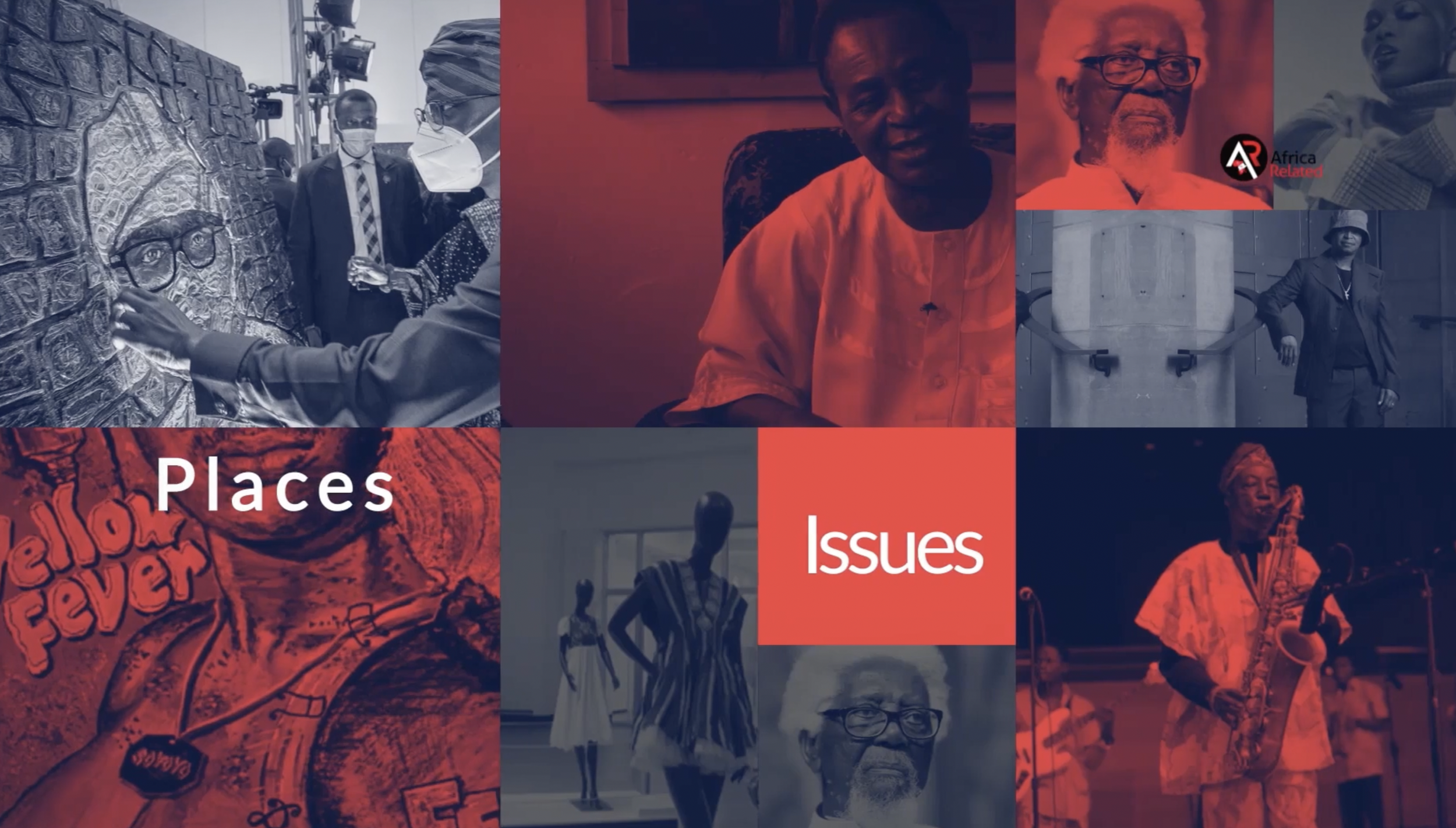
Now on SPOTIFY: Podcast Series 'MESSENGERS with OYIZA' Season 3
Don't miss MESSENGERS: with Oyiza - Season 3 on SPOTIFY! Bringing together the rich flavors of Africa's peoples, places and issues.
Africa-Related, New York
MESSENGERS: Bringing together the rich flavors of Africa's peoples, places and issues.
Podcast Series ‘Messengers with Oyiza’ on Spotify
‘MESSENGERS with Oyiza’ is an engaging interview TV/podcast series hosted by Nigerian journalist and producer Oyiza Adaba. Produced by Africa-Related and recorded remotely from New York and on location, the show blends relaxed conversations with interviews of selected guests who discuss topics about Africa for a global audience. The conversations aim to bridge divides, correct misconceptions, and spark positive discussion about Africa and its people. Each 30-minute episode features inspiring stories, creative graphics, video clips, and background reports. The series focuses on Africa's People, Places and Issues.
Season 3 Episodes:
EP 1: Beatrice Bee, Arthur, and Felivian - January 12, 2026
EP 2: Christopher Richards and Dean - January 19, 2026
EP 3: Nmadili Okwumabua - January 26, 2026
EP 4: Demas Nwoko - February 2, 2026
EP 5: Nnamdi Okonkwo - February 9, 2026
EP 6: Enos Nhlane Manthata - February 16, 2026
EP 7: Baba Ani - February 23, 2026
EP 8: Eedris Abdulkareem - March 2, 2026
EP 9: Amarachi Okafor - March 9, 2026
EP 10: Gasali Adeyemo - March 16, 2026
EP 11: Dede Mabiaku - March 23, 2026
EP 12: Lemi Ghariokwu - March 30, 2026
EP 13: Kofo Wonder - April 6, 2026
EP 14: Gogo Anyanwu - April 13, 2026
Produced by Africa-Related
Hosted by Oyiza Adaba
Sponsorship
Africa-Related Contact:
info@africarelatedinc.com
africarelatedinc.com/messengers
@africarelatedinc
Produced by Oyiza Adaba
Music: @thewordsbymoe
© An Africa-Related Production
#messengerswithoyiza #africarelated #africarelatedinc #art #music #textiles #film #africa #artfilms #podcast #museum #nigeria #demasnwoko #architecture #design #fashion #authors #history
SHARE THIS STORY

INTERVIEW: Nigeria's Security Situation - Actors and Players
INTERVIEW: Nigeria's Security Situation - Actors and Players. “Inside Sources” host, Laolu Akande discusses Nigeria’s security situation with four global analysts.
By Africa-Related, New York

Stock Photo: Filip Andrejevic @fandrejevic
Video Courtesy of Channels News
“Inside Sources” host, Laolu Akande discusses Nigeria’s security situation with four global analysts - Mallam Baba Yusuf (Strategy Analyst), Ismail Omibinoh (Deputy Editor Sun Newspaper), Emmanuel Ogebe (Human Rights Lawyer)
Key Highlights
Impunity: Chad has executed Boko Haram terrorists but Nigeria has not.
America doesn’t need Nigeria’s resources. With $460 billion networth, Elon Musk alone can buy Nigeria with $200 Billion GDP and still be the world’s richest man.
Tinubu appointed fugitive with case file in America for attacking congressional witnesses as ambassador who will be blocked
America has conducted multiple covert ops to rescue its citizens in Nigeria because the state failed to rescue them
“It is not correct to say that only particular tribes are terrorists. Let us identify these people as criminals without profiling them.”
share this story
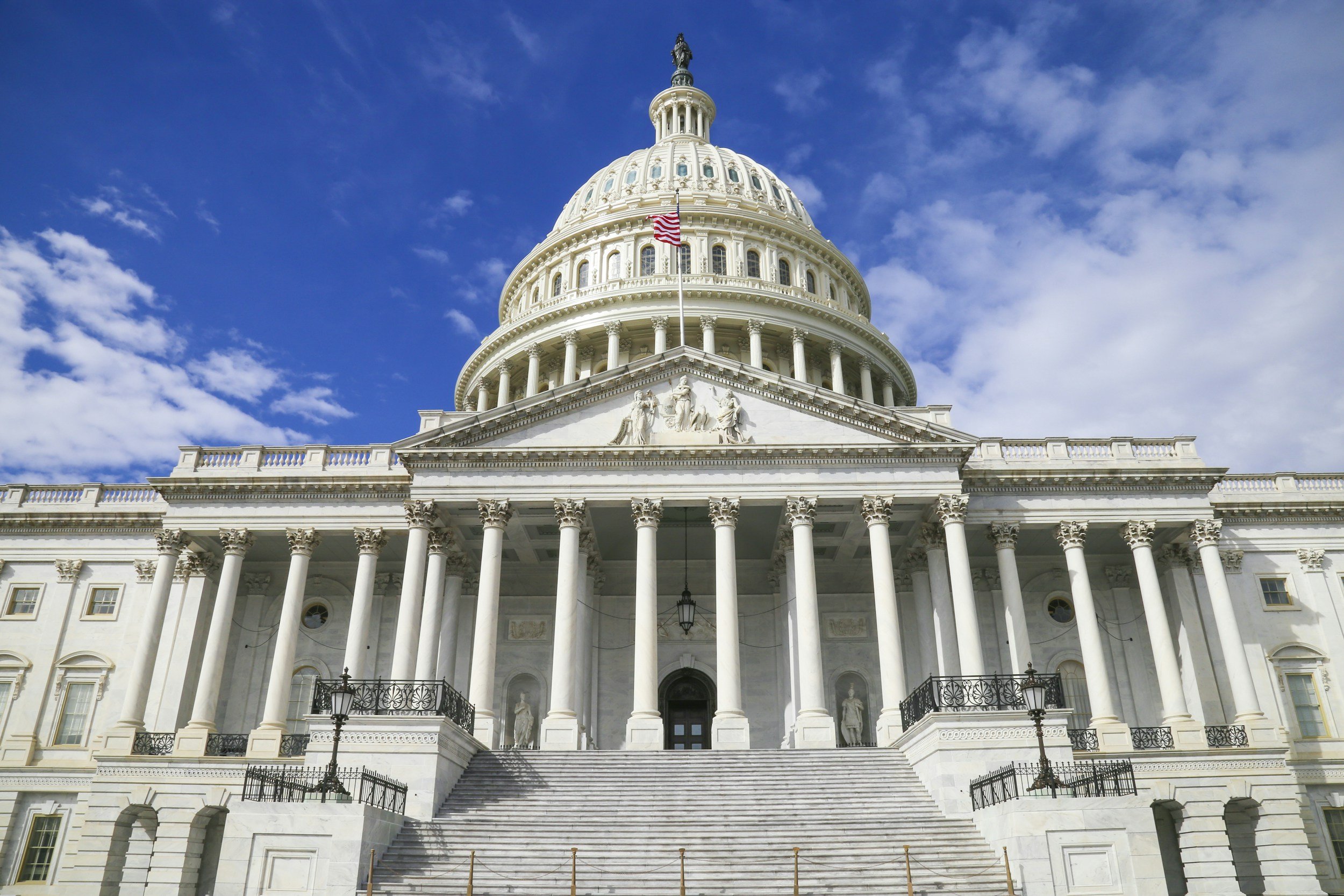
Nigeria Killings: U.S Congressional Hearing on Alleged Genocide of Christians
U.S. Congress shed light on alleged Christian genocide in Nigeria
By Africa-Related, New York
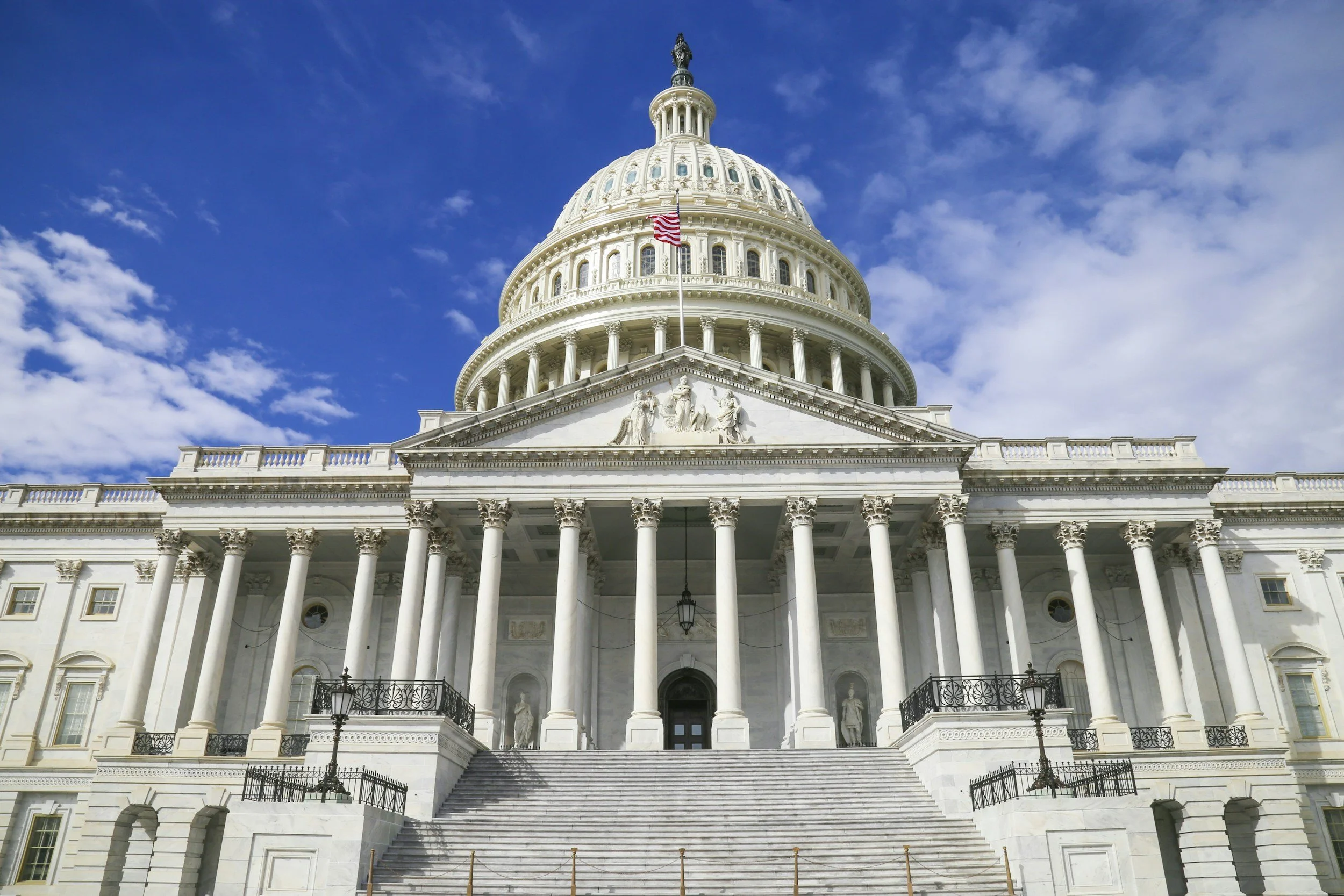
Stock Photo: Louis Velazquez @angelvela
U.S Congressional Hearing on Alleged Genocide of Christians
“We are tired of counting our dead. We are tired of mass graves and burned sanctuaries. We are tired of condolence statements that cost nothing and change nothing.”
Video Courtesy of TVC News
share this story

NAIJA SOUNDS AND VISION SCAPES: A Centennial Celebration of Nigerian Popular Music (1925–2025)
This November, the Nsibidi Institute hosts A Centennial Celebration of Nigerian Popular Music (1925–2025). From the seminal recordings of Yoruba Folk songs by Chief Ladipo Solanke, under the Zonophone label in 1925, the modern Nigerian popular music industry emerged.
By Africa-Related, Nigeria
This November, the Nsibidi Institute invites you to a landmark cultural gathering that commemorates 100 years of Nigerian popular music and its deep visual, social, and historical footprint.
Date: 30 November 2025
Time: 1 PM – 9 PM
Venue: Didi Museum, 175B Akin Adesola Street, Victoria Island, Lagos

NAIJA SOUNDS AND VISION SCAPES
A Centennial Celebration of Nigerian Popular Music (1925–2025)
From the seminal recordings of Yoruba Folk songs by Chief Ladipo Solanke, under the Zonophone label in 1925, ( three years after pioneer choral recordings of Rev J. J Ransome-Kuti) the modern Nigerian popular music industry emerged.
Through music, imagery, film, and archival reflections, we explore how Nigerian sound has shaped identity, influenced movements, and contributed to global culture over the last century.
Expect a full-day immersive experience featuring:
Museum Installations — tracing the evolution of rhythm, instruments, performance, visual and sonic memory.
Photo Exhibition — historic and contemporary visual narratives of Nigerian music culture.
Panel Discussion — scholars, artists, and cultural workers unpacking 100 years of sound, influence, and innovation.
Film Screenings — four remarkable films illuminating our musical and cultural journey:
Film Lineup:
‘Ije Enu’ by Chikezie Ifedobi, the critically acclaimed Celestine Ukwu biopic
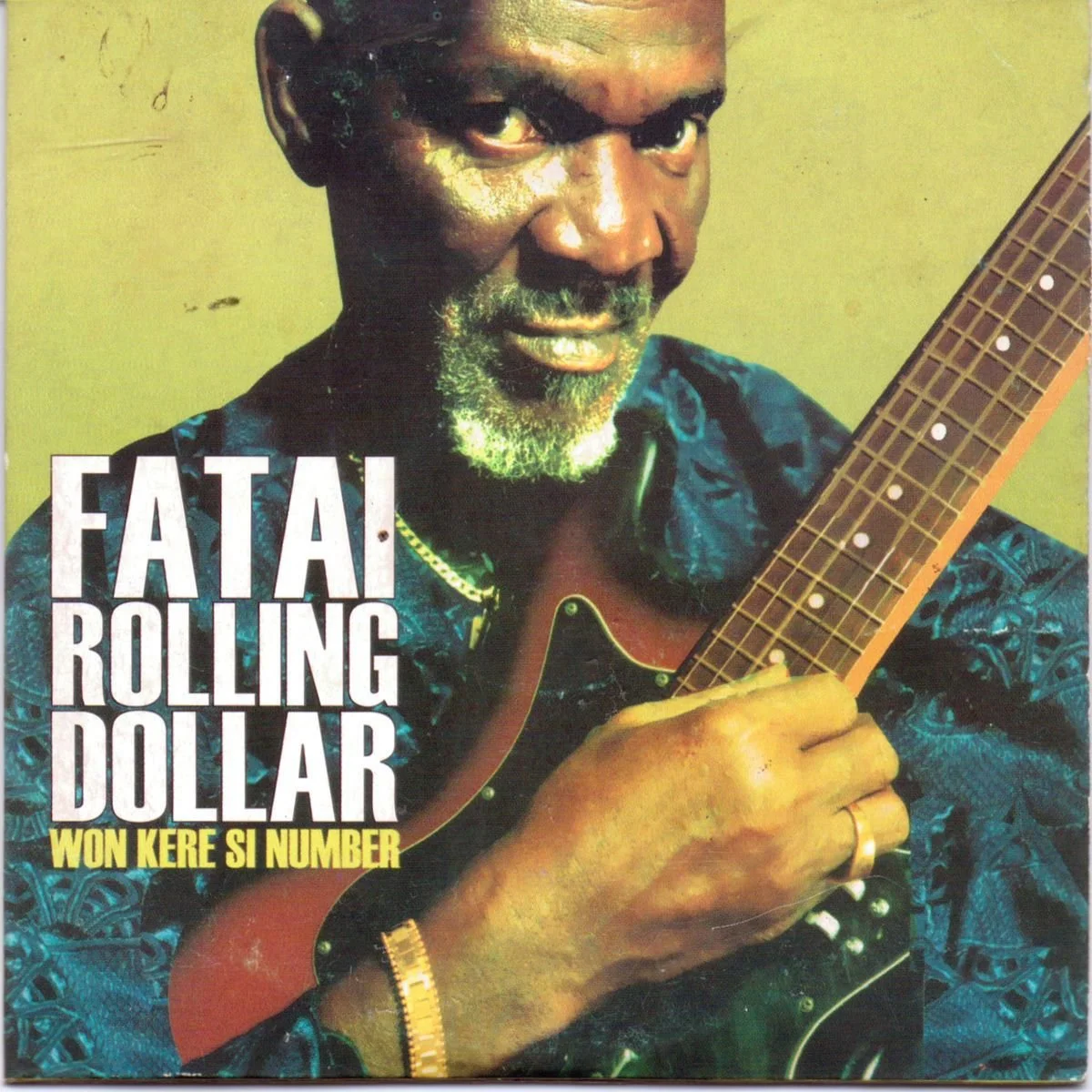
‘Fatai Rolling Dollar Unplugged’ by Femi Odugbemi. A detailed and sensitive tribute to the legendary musical sage.
‘Bamidele: The Dele Sosimi Story’ by Muni King-Keazor and Ed Keazor, tracing the iconic story of the Afrobeat superstar, mentored by the legendary Fela Anikulapo-Kuti.
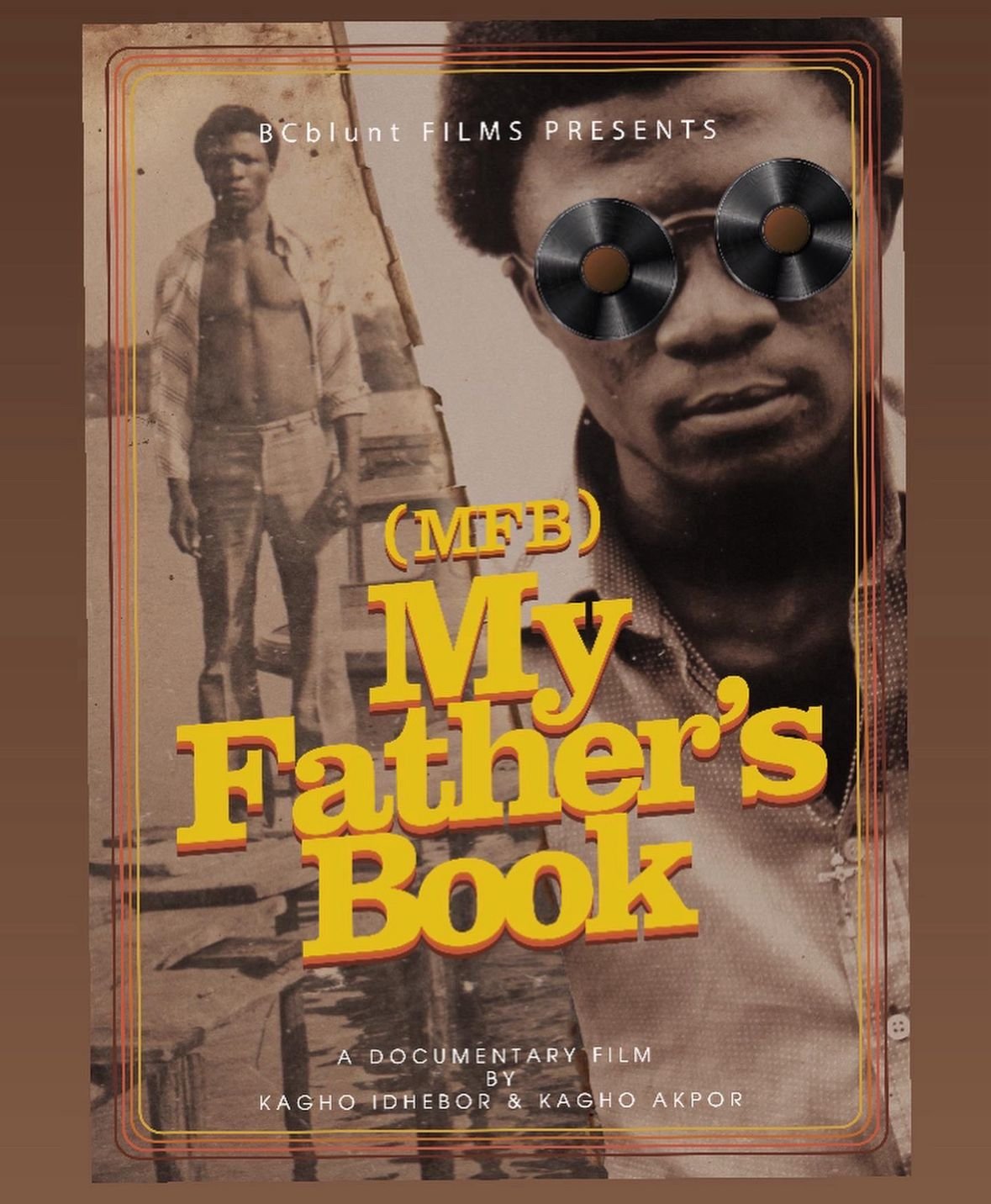
‘My Father’s Book’ by Kagho Idhebor. An endearing chronicle of the Nigerian disco scene of the 1970s - 1980s.
Join us as we celebrate a century of rhythm, memory, and vision — and honor the artists, communities, and cultural forces that made Nigerian music a global heartbeat.