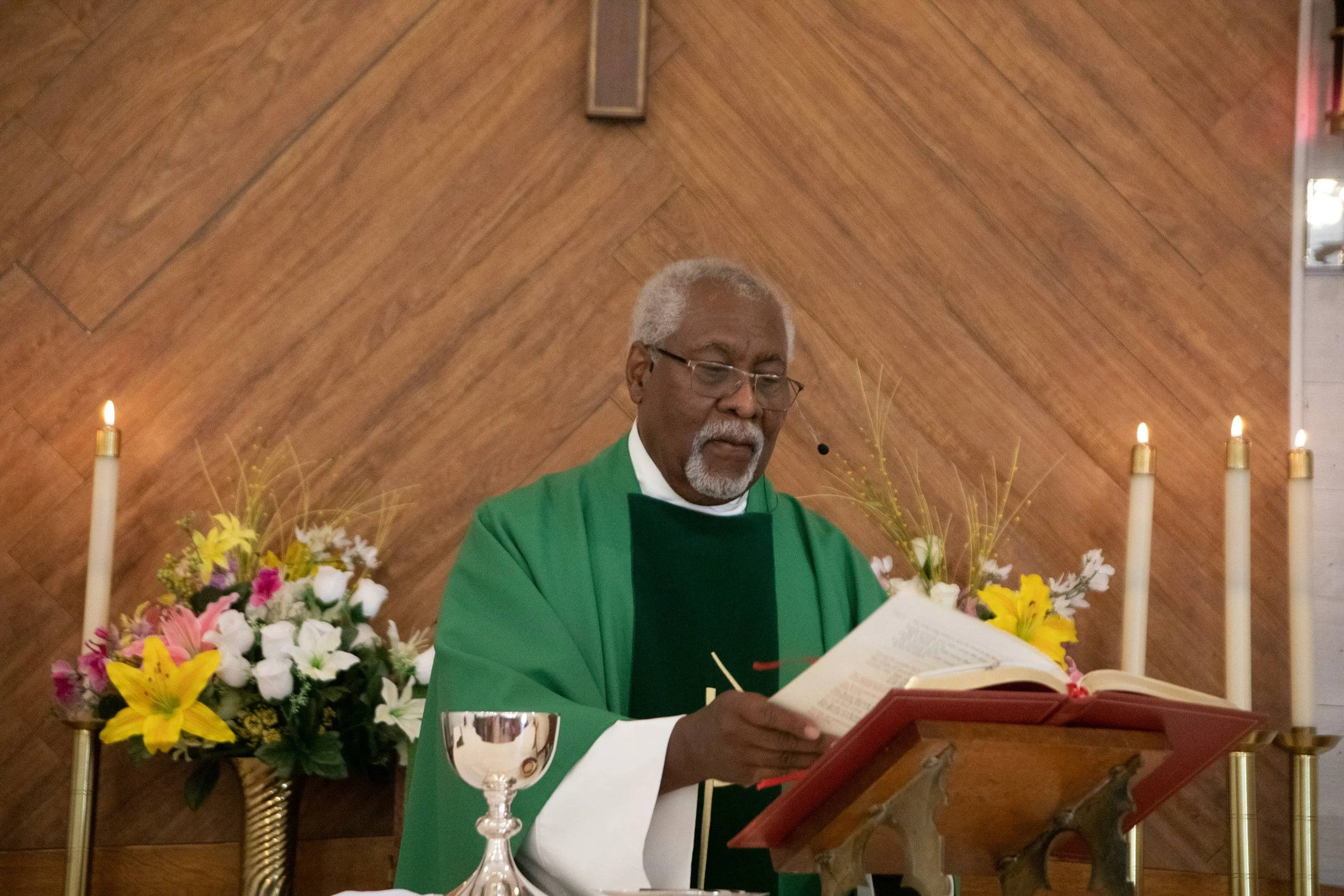
Nigerian American Clergy visit the U.S. Congress
Gain insights from experts on persecution in Nigeria and the response of Nigerian Christians/Clergy in America to the CPC designation. A global coalition of religious freedom stakeholders propose pathway to National Assembly post-CPC designation as Nigerian American Clergy visit the U.S. Congress
By Africa-Related, New York
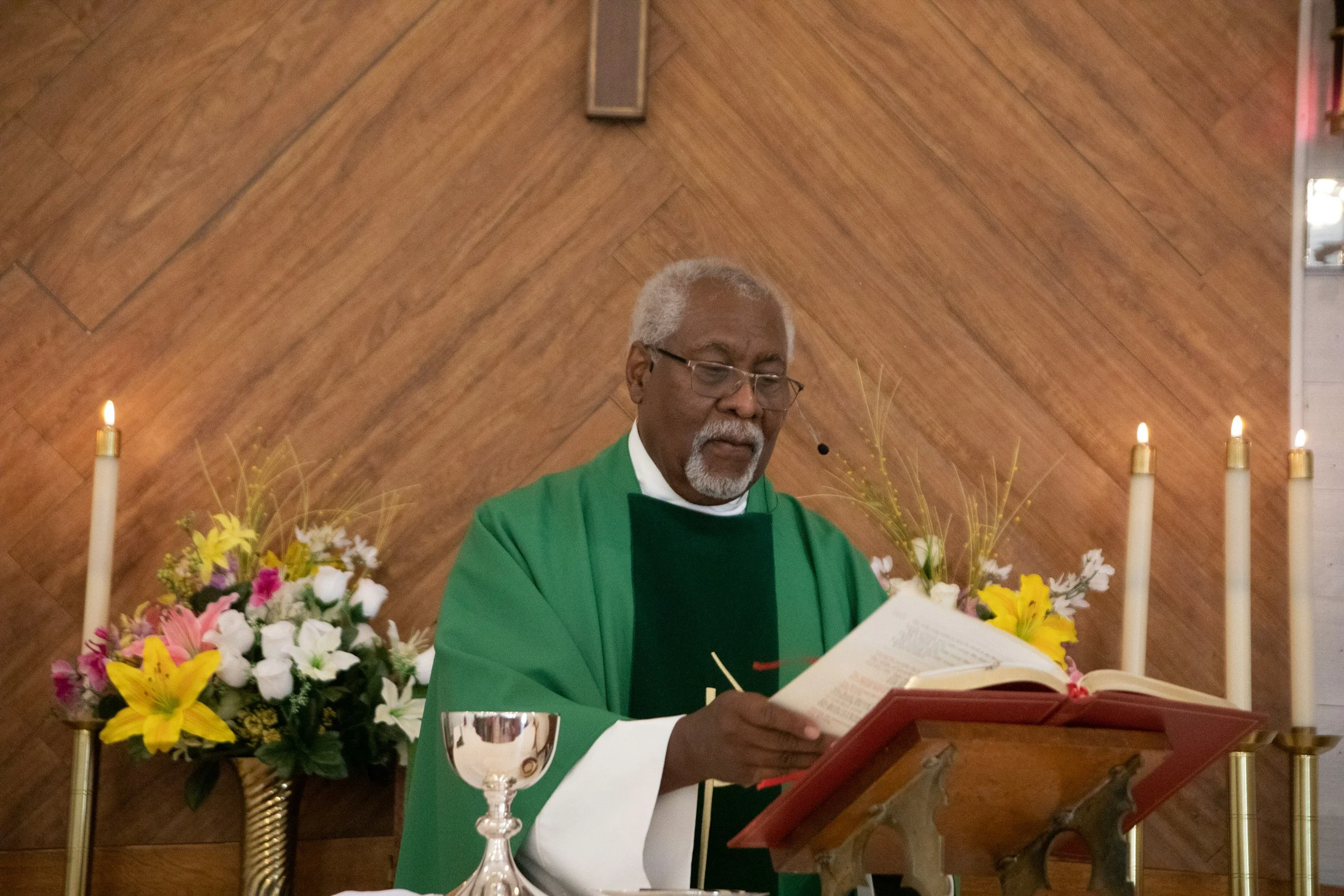
Photo: Dawn McDonald @dpreacherdawn
MEDIA ADVISORY
Please find below:
1. A letter by a global coalition of religious freedom stakeholders to the National Assembly providing a pathway post-CPC designation of Nigeria by the U.S.
2. A Capitol hill briefing by Nigerian American clergy on the recent developments.
A Capitol hill briefing by Nigerian American clergy on the recent developments:
Hill Briefing on Genocide against Christians in Nigeria
Theme: Nigerian American Pastors speak on CPC Designation of Nigeria and House Res 860
Date: November 20, 2025
Time: 1:00 PM (EST)
House Cannon Bldg.
Room 454
US Congress
Capitol Hill
Panelists:
Dr James Fadel, Chairman, Christian Association of Nigerian Americans (CANAN USA) who worked on the 2013 Boko Haram FTO designation
Emmanuel Ogebe, ESQ, Award-winning International human rights Advocate and Lead Campaigner for the 2013 FTO designation
Ex Mayor Mike Arnold - CEO of Arise Africa, filmmaker and humanitarian who’s documented the genocide
Key note speaker: Pastor Charles Ikutiminu CrossPassion Ministries International presenting findings of his recent trip to Nigeria
Dr William Devlin - Volunteer CEO of Widows and Orphans working in 21 conflict countries including Nigeria
Event partners
- Widows and Orphans
- CANAN USA
- Save Nigeria Group
- Justice for Jos Project
Gain insights from experts on persecution in Nigeria and the response of Nigerian Christians/Clergy in America to the CPC designation.
The briefing follows immediately after a congressional public hearing on Thursday, November 20, 2025, at the Rayburn House Office Building in Washington, D.C., chaired by Rep. Chris Smith (R-NJ) Chairman Africa Subcommittee
share this story

Lenacapavir in Eswatini and Zambia: Global Health Through American Innovation
Driving Global Health Progress Through American Innovation and Burden Sharing: The First Doses of Lenacapavir Arrive in Eswatini and Zambia
By Africa-Related, New York
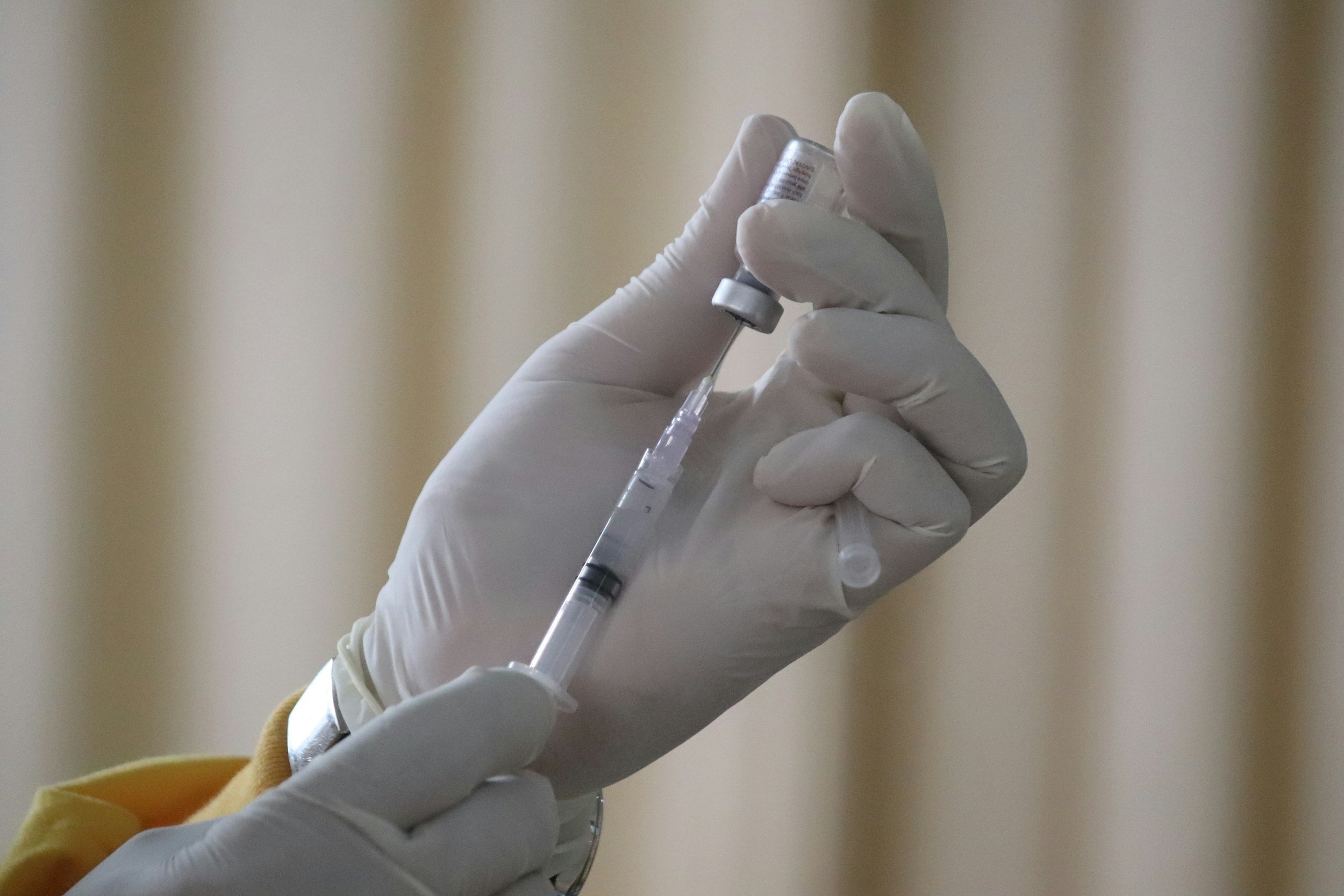
Lenacapavir arrives in Eswatini and Zambia: Global Health Progress Through American Innovation and Burden Sharing. Photo: Mufid Majnun @mufidpwt
PEPFAR Release
November 18, 2025
Full Video
Today, the United States is announcing the delivery of the first doses of lenacapavir, an innovative drug produced by American company Gilead Sciences to help prevent the spread of HIV. The doses arriving in Eswatini and Zambia are part of a market-shaping initiative by the President’s Emergency Plan for AIDS Relief (PEPFAR) to rapidly bring lenacapavir to market in ten high-burden HIV countries.
First announced on September 4, 2025, this landmark partnership between the Department of State, Gilead Sciences, and the Global Fund to Fight HIV, Tuberculosis and Malaria (“Global Fund”) is providing at least 2 million doses, at cost, to targeted populations in high-burden HIV countries. This catalytic investment is aimed at backstopping manufacturing capacity and stimulating local demand for this innovative medication.
U.S. officials are on site today as the first lenacapavir doses are being delivered in Eswatini and Zambia. Given strong demand and progress in scaling manufacturing, we expect to surpass the 2 million dose commitment by the targeted delivery date in 2028.
Under the Trump Administration, the U.S. Food and Drug Administration (FDA) approved lenacapavir on June 18, 2025 for the prevention of HIV and is now delivering the doses in high-burden countries following the partnership announced in September between the Department of State, Gilead Sciences, and the Global Fund — just five months after FDA approval, a new standard for global and developing world access to innovative therapies.
Lenacapavir is a twice-yearly injectable drug in which more than 99 percent of people in clinical trials remained HIV negative. The drug has the potential to be particularly helpful for pregnant and breastfeeding mothers as it safely protects them during and after pregnancy to prevent mother-to-child transmission. The Department expects lenacapavir to be an important tool in achieving the Administration’s goal of ending mother-to-child transmission of HIV during President Trump’s second term.
In our new America First Global Health Strategy, the Department of State is establishing a first-of-its-kind innovation fund to support American-led research, market-shaping and other dynamic advancements in global health.
“Through our America First Global Health Strategy, the Trump Administration is making targeted and high-impact investments in breakthrough health innovations like lenacapavir that will bend the curve of the HIV epidemic and help countries globally to break away from reliance on external health assistance,” said Jeremy Lewin, Senior Official for Foreign Assistance, Humanitarian Affairs and Religious Freedom. “The United States is proud to champion this American biomedical achievement and, along with the Global Fund, to provide a catalytic investment to facilitate broad adoption globally.”
“The Global Fund is proud to see countries gaining first-hand experience with a product that represents a new era in HIV prevention. The real results will come from rapidly reaching individuals at high risk for new HIV acquisition and at scale. If communities are at the center, innovation turns into lasting progress, and that progress becomes sustainable,” said Peter Sands, Executive Director of the Global Fund.
“The arrivals of the first doses of lenacapavir in Eswatini and Zambia mark an important milestone in HIV prevention and reflect our commitment to supporting communities with the greatest need. For the first time, a new HIV medicine is reaching communities in sub-Saharan Africa in the same year as its U.S. approval,” said Daniel O’Day, Chairman and Chief Executive Officer of Gilead Sciences.
Further information about this and other global health security initiatives are outlined in the America First Global Health Strategy.
###
share this story
Should a state of emergency be declared in Nigeria?
At this point, it hardly feels like a question. Calamities are mounting week after week in Nigeria. The West African giant is experiencing one of its darkest periods of insecurity in recent history.
By melody-Esther soyemi - Africa-Related, Nigeria
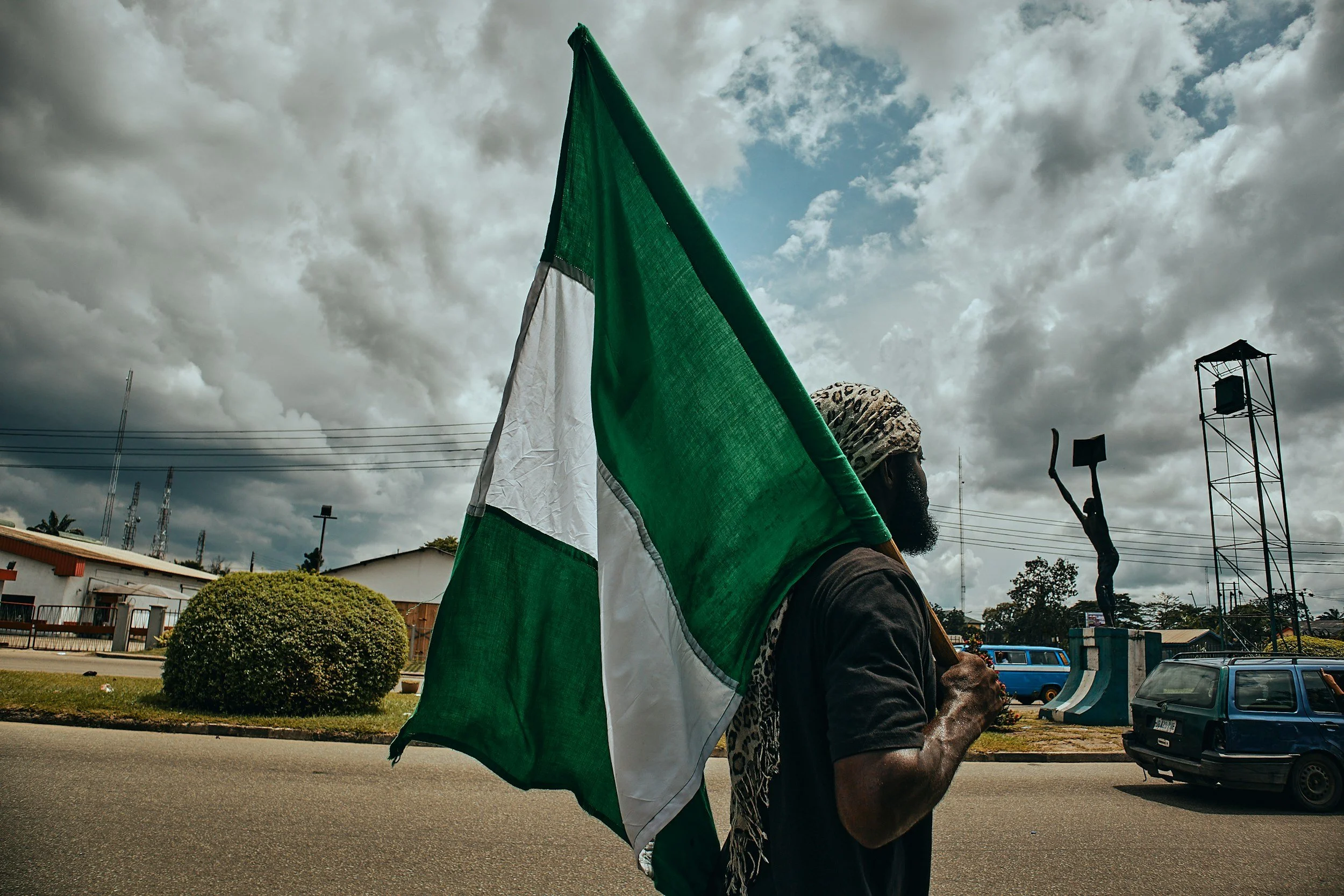
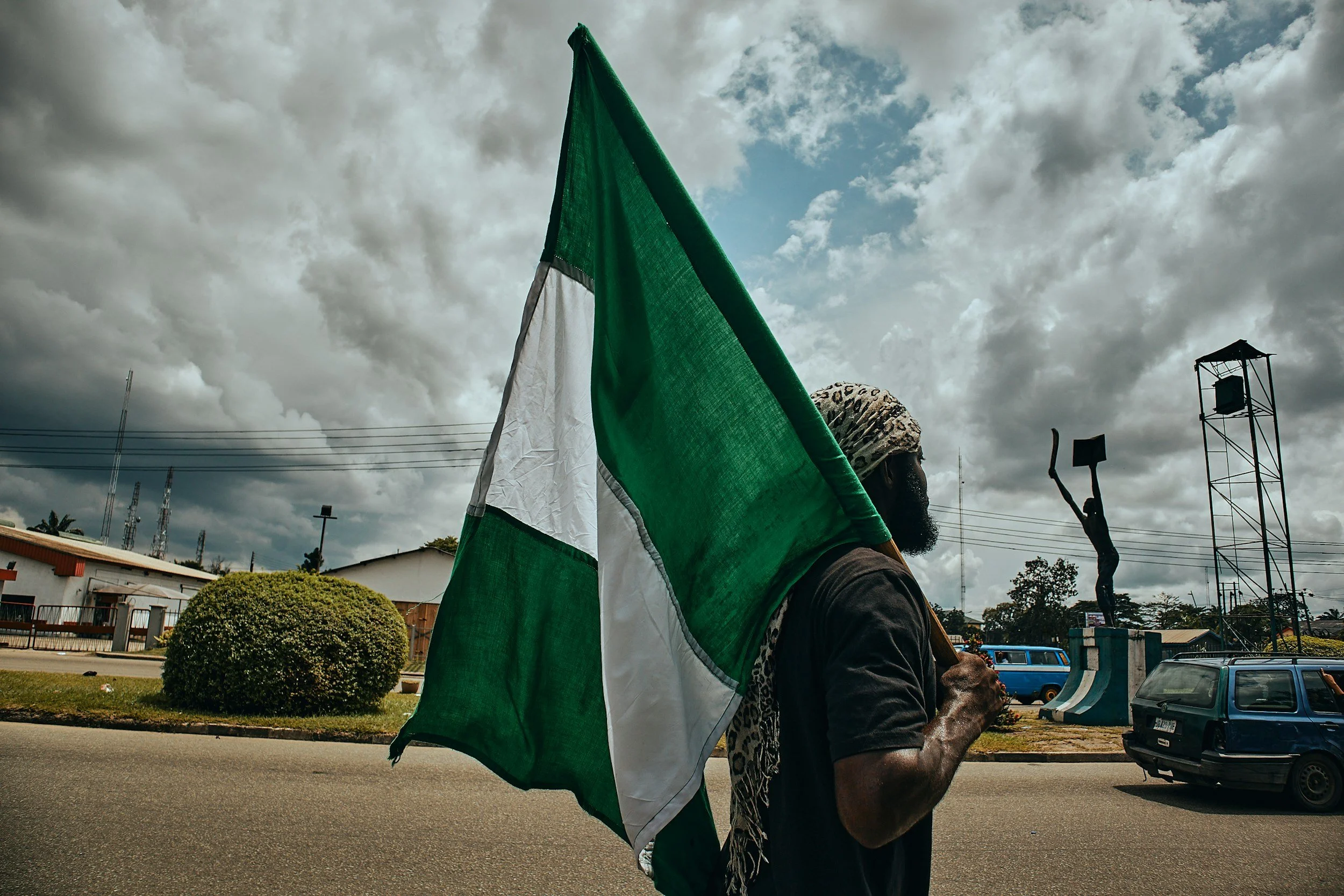
A man carrying the Nigerian flag. Photo: Emmanuel Ikwuegbu @emmages
At this point, it hardly feels like a question. Calamities are mounting week after week in Nigeria. The West African giant is experiencing one of its darkest periods of insecurity in recent history.
Calamities are mounting week after week, mass kidnappings, church attacks, the assassination of senior military officers, yet the national response has been slow, quiet, and disturbingly understated. Nigerians are left wondering: what is the President saying? What are state governors and security operatives doing? Where is the leadership, the urgency, and the decisive action that the moment demands?
On Monday, November 17, 2025, armed ‘bandits’ stormed the Government Girls Comprehensive Senior Secondary School (GGCSS) in Maga, in the Danko/Wasagu Local Government Area of Kebbi State a state in in North Eastern Nigeria. About 25 schoolgirls were abducted and the vice-principal, Malam Hassan Yakubu Makuku, was shot dead while trying to protect his students.
Security forces say a joint rescue operation involving the military, police, and local vigilantes is underway, combing forests and escape routes. But the horror remains: this is yet another Chibok-style tragedy. Another group of young girls torn from their classrooms, families plunged into fear, and a violent reminder that schools, the very places where the future of a nation is trained and shaped, are no longer safe. This is not just another abduction, it is a reminder of Chibok,. How many more “Chiboks” will Nigeria suffer before something truly shifts? The world is watchingg how very little has changed in Nigeria.
“Nigerians are not just grieving; they are tired of mourning without seeing change.”
A day after this incident, worshippers at a Christ Apostolic Church in the Eruku community of Kwara State - Central Nigeria - experienced a nightmare in real time on Tuesday evening, . Gunmen opened fire during a service that was being live-streamed online. Viewers across Nigeria watched in horror as shots rang out, people tried to hide behind the altar, attackers rounded up bodies, valuables. Several worshippers were shot, at least three people died, while others, including the pastor, were abducted.
One particular scene that was the most heartbreaking was when an old woman who could barely walk tried to hide behind the altar, it sparked an outrage and outcry that someone’s mother, grandmother or even a great grandmother was struggling for safety in the Church. How is one to process this thought? It raises the question of where can Nigerians actually feel secure, if even a house of worship - a space for peace, prayer, and refuge is now threatened.
The insecurity is not limited to civilians. Nigeria’s military forces have also suffered a devastating blow with the killing of Brigadier-General M. Uba at the hands of ISWAP militants. Reports suggest that his location may have been compromised shortly after a joint air and ground operation. His capture and execution by terrorists show that even high-ranking officers are not shielded from the worsening security breakdown. It’s also shows that a breached military has severe implications for national stability.
Weeks prior to these incidents U.S. President Donald Trump issued strong and controversial statements, claiming that Christianity in Nigeria is facing an “existential threat.” He accused “radical Islamists” of killing Christians and said he had instructed the U.S. Department of Defense to prepare for possible action should Nigeria fail to protect its citizens. He went as far as threatening military intervention and the suspension of U.S. aid, declaring on Truth Social that the U.S. may have to go into Nigeria “guns-a-blazing” if the situation continues.
Investigative journalist Jude Bela explains the complex factors behind Nigeria’s security challenges
The Nigerian government pushed back, insisting that Nigeria is not a nation divided by religion and that the portrayal of genocidal targeting of Christians does not reflect the country’s complex reality. Many analysts have echoed this, arguing that while Christians have undoubtedly suffered violence as have Muslims, the core drivers of instability in this case include terrorism, banditry, poverty, corruption, weak intelligence, and community conflicts, environmental changes; not a single religious agenda. Still, the very fact that a foreign leader is threatening intervention over Nigeria’s internal security crisis shows how badly the situation has deteriorated and how visible the failures of state response have become on the global stage.
Even American rapper Nicki Minaj raised global attention to the Christian persecution in Nigeria, calling for urgent international action during a U.S Mission to the United Nations event hosted by United States Ambassador to Nigeria, Mike Waltz, on Tuesday, she stated that In Nigeria, Christians are being targeted, driven from their homes and killed. Churches have been burned, families have been torn apart and entire communities live in fear constantly simply because of how they pray, stressing that the crisis demands urgent action.She insisted her position was not political or divisive. “I want to be clear, protecting Christians in Nigeria is not about taking sides or dividing people. It is about uniting humanity.”
So where does this leave Nigerians? Schools are no longer secure. Places of worship are coming under fire. Senior military officers are being hunted. Families are burying their loved ones while whole communities remain paralyzed by fear. Farmers have abandoned their farmlands. Yet policies remain slow, government statements vague, full of sympathy with concrete action limited. Nigerians are not just grieving; they are tired of mourning without seeing change.
This is why asking whether a state of emergency should be declared is not enough. One could argue that it should already have been declared. The country is facing a coordinated and escalating threat that demands more than routine security deployments or press statements. A nationwide emergency would only matter, however, if it comes with real reforms: stronger intelligence systems, better coordination, genuine investment in community security, and full transparency and accountability in how power and resources are used.
If not, a state of emergency risks becoming another symbolic gesture with no lasting impact. But without decisive action soon, Nigeria risks more kidnappings, more church and mosque massacres, more military losses and possibly even the loss of control over its own security narrative; as foreign actors begin shaping the global response.
The question, therefore, is no longer “should” a state of emergency be declared but why it has not been declared already.
share this story
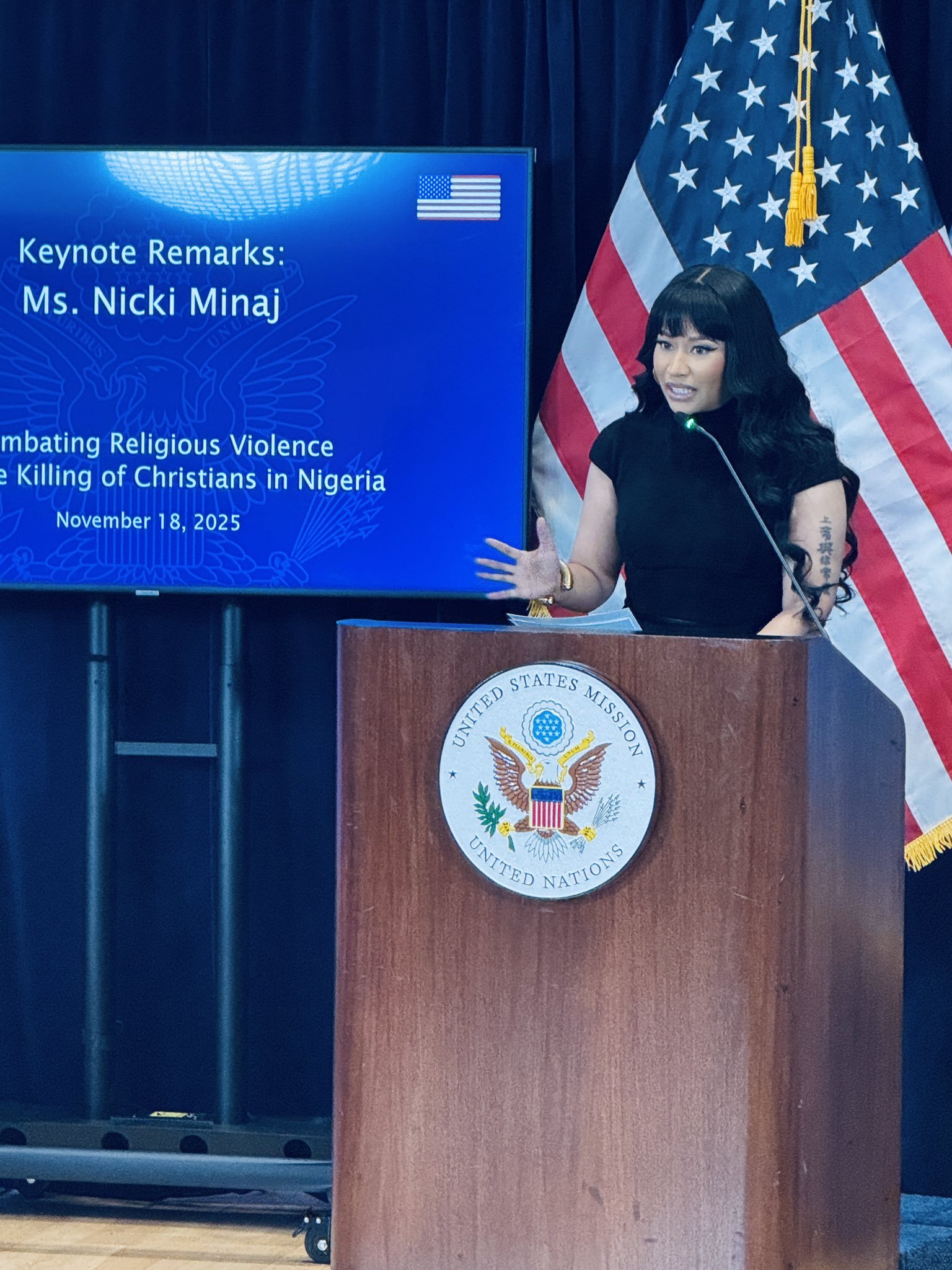
Nicki Minaj Speaks on Persecution of Christians in Nigeria
Nicki Minaj Speaks on Persecution of Christians in Nigeria
By Africa-Related, New York
"I would like to thank @POTUS for prioritizing this issue and for his leadership on the global stage in calling for urgent action to defend Christians in Nigeria." - @NICKIMINAJpic.twitter.com/gi8bLtF1Qt — @USUN November 18, 2025
TOPIC: Persecution of Christians in Nigeria
BRIEFER: U.S. Ambassador to the UN Mike Waltz
WHEN: Tuesday, November 18; 3:00 p.m. ET
BACKGROUND: On Tuesday, November 18, Ambassador Mike Waltz, U.S. Representative to the United Nations, hosted an event alongside grammy-winning rapper Ms. Nicki Minaj, faith leaders, and other prominent figures to address the critical issue of protecting religious freedom and the rising violence against Christians, particularly in Nigeria.
The event was live-streamed, and the link shared through USUN's X account: https://x.com/USUN?lang=en
Remarks at a U.S. Hosted Event on “Combatting Religious Violence and the Killing of Christians in Nigeria”
United States Mission to the United Nations
November 18, 2025
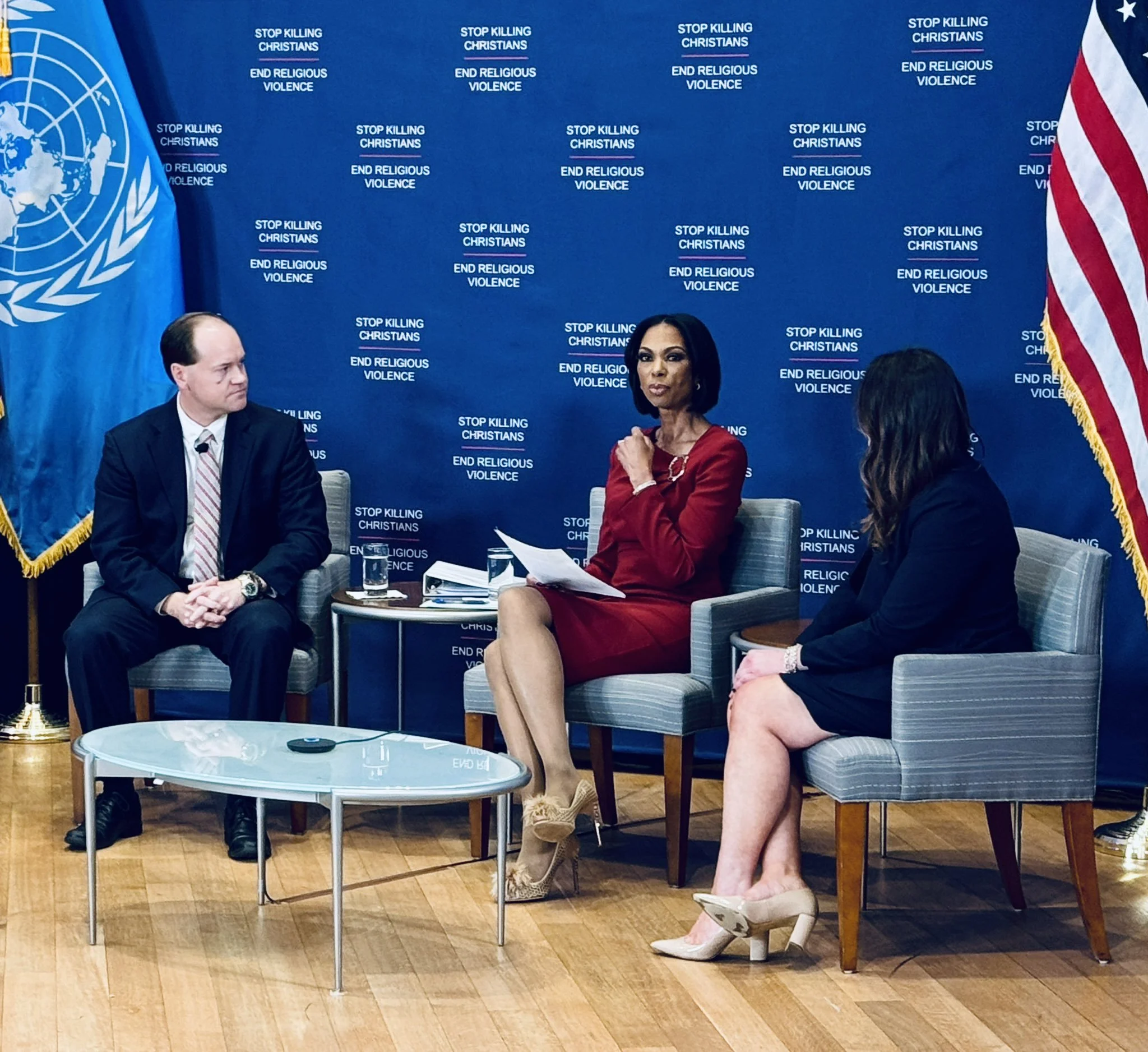
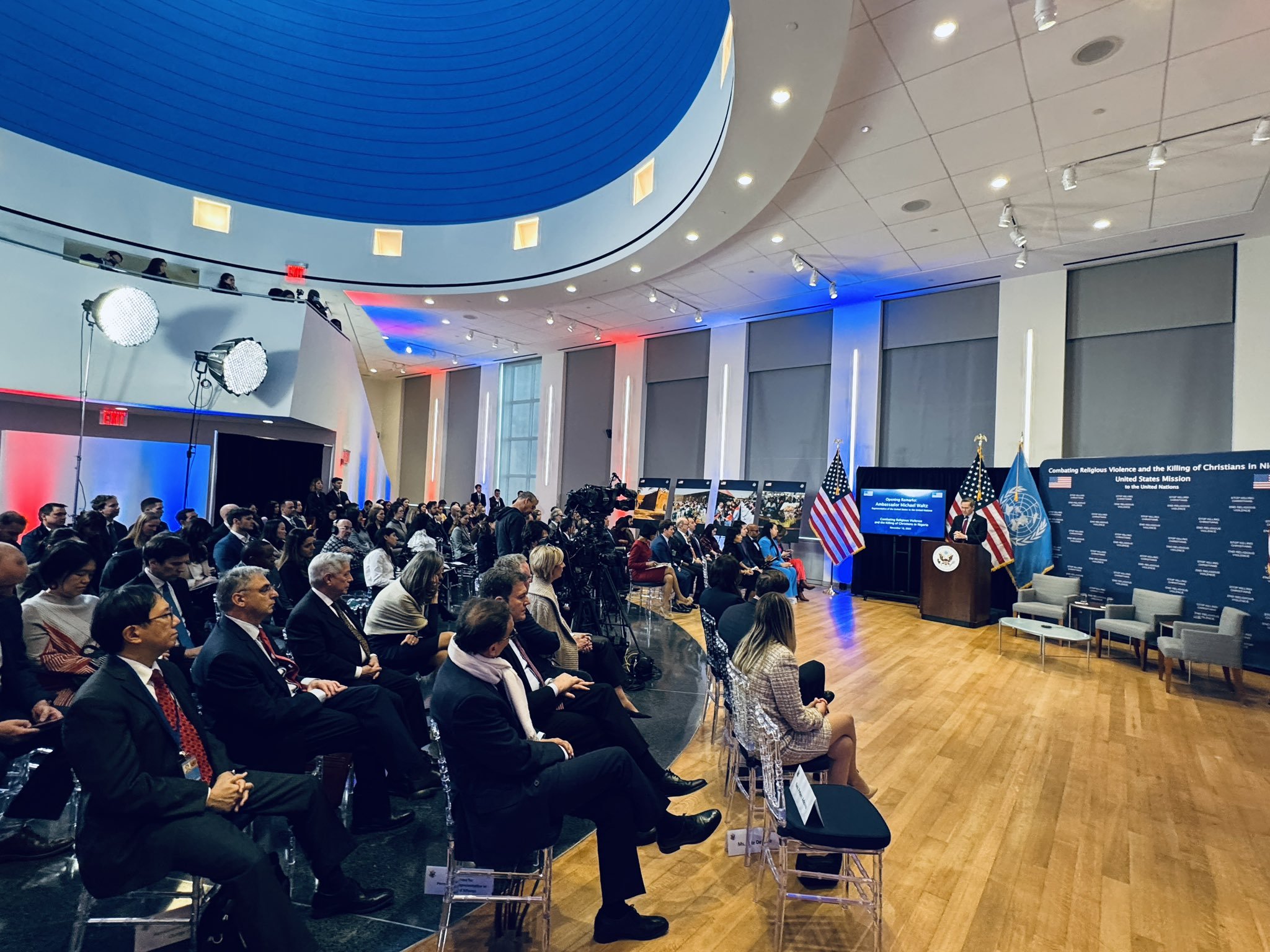
AMBASSADOR MIKE WALTZ: Oh my goodness. Thank you so much for everyone who has joined us today. And for a number of our ambassadors and delegates who have joined us, thank you for coming. To our faith leaders, survivors of some of these atrocities, and what I would call everyone here a friend of freedom, welcome to the United States Mission to the United Nations.
And today we speak of blood. We speak of the blood that still cries from Nigerian soil. This is deeply personal for me, as I know it is for Ms. Minaj and her pastor here, Peters Adonu, and others. I had the opportunity to serve in Nigeria in 2015, if you remember when then 300 little girls were kidnapped from their schools, ripped out of their homes and schools in the middle of the day, and in the middle of the night.
We sent a small team over there, and we trained – Nigeria’s equivalent of their Navy SEALs – to go get those girls back. It was righteous work. We didn’t get them all back, unfortunately, but we got some. Some will be lost forever. And if you remember the infamous save the girls campaign, that was 10 years ago. Folks, it’s still happening. It just happened yesterday. 25 little girls were ripped out of their school. I pray that we get them back. But what often happens is they’re sold into sex slavery. They’re forced to renounce their religion. They never see their homes or families again, and they literally disappear to the dark underbelly of extremism and sex slavery.
Look, 10 years later, the horror continues in the middle belt and in the north. Churches burn mothers, bury their children for the crime of singing Amazing Grace. Pastors have been beheaded. Pastors have been beheaded for preaching the Sermon on the Mountain, entire villages wake up to gunfire, because they dare to commit the crime, the crime of calling Jesus their Lord. People go to jail under blasphemy laws for simply wearing a cross. This is not random violence. This is genocide, wearing the mask of chaos.
Nigeria is Africa’s most populous nation and a vibrant mosaic of cultures and faiths, but it is under siege. And in the northern region, you have 12 Muslim majority states that are enforcing Sharia law and have enforced it since 1999. Jihadi groups like Boko Haram and the Fulani militias continue to unleash targeted violence. It is targeted. It is specific, on these Christian communities.
This year alone, the NGO, the nonprofit Open Doors, reports a very sharp rise in attacks. They’re reporting 80%, 80% of the violence against Christians worldwide is occurring in Nigeria. Thousands are displaced, are killed in faith based reprisals.
So weeks ago, a few weeks ago, the United States designated Nigeria a Country of Particular Concern for severe violations of religious freedom, spotlighting what can only be described as the government’s failure to curb these atrocities. And while Nigerian officials maintain that terrorism strikes all faiths indiscriminately, and they do. There is a body of evidence, and you are going to hear that from our experts today that paints a very grim picture of disproportionate suffering among Christians, where, again, families are torn apart. Clergy is repeatedly assassinated in entire congregations. Church congregations – you’re seeing, you see some of the images here – are driven into hiding.
Folks, we have an entire faith that is being erased, one bullet at a time, one torched Bible at a time. Yet, in the face of this evil one leader has refused to look away. President Trump has made the persecuted church his priority like no other president before him in American history. He was the first U.S. president to convene world leaders right here at the United Nations in 2019 to draw attention, draw the world’s attention to what is happening. He created the Religious Liberty Commission to fight for believers everywhere. And while Nigeria’s Christians cried out. He answered, and he has answered loudly. He has reminded the world that protecting Christians is not about politics. It is a moral duty.
So inspiration alone is not enough. We need voices that pierce the silence that we’ve heard from the international community, that humanizes the statistics that we keep hearing, and that demands accountability, and that’s why we’re here today to hear from a pastor that will dial in through our embassy in Nigeria, and we’re going to hear his first hand accounts of the suffering. We’re also going to hear from experts who have dedicated their lives to religious liberty.
I especially want to thank my friend Harris Faulkner, who, in addition to just being an amazing person, is also the daughter of a U.S. Army Colonel – so that makes her extra special in my heart – and she has spent much of her career protecting this most basic – folks this is the most basic of liberties: to worship as one sees fit.
But we are especially thrilled that we’re going to hear from an especially powerful voice, a fearless advocate whose passion for justice transcends borders, and she uses her voice to defend the voiceless. Hers are not empty words. They are a clarion call echoing the UN’s, the United Nations own Universal Declaration of Human Rights, which proclaims that, quote, everyone has the right to freedom of thought, to freedom of conscience and to freedom of religion. She steps onto this world stage, not as a celebrity, but as a witness. She uses and has used her influence to spotlight Nigeria’s persecuted church, reaching out to her 28 million followers, her Barbz, as I now have learned, and she uses this, and as she steps on this global stage to fund emergency relief and to demand action.
Nicki, I can’t tell you how much I admire you. You’re stepping up, you’re leaning into this issue. You’ve enjoyed amazing success, and you could be sitting back and just enjoying it. You could be just living the good life, but you’re willing to come here today and roll up your sleeves and let’s try to solve this. Let’s try to save these people. So everyone, please join me in welcoming a daughter of the Caribbean, a champion of the oppressed and a sister in Christ Nicki, Minaj.
###
MS. NICKI MINAJ: Hello everyone. I must say, I am very nervous, so please – Well, thank you, Ambassador Waltz for this invitation. It is an honor to stand on this stage with you and the other distinguished speakers here today to shine a spotlight on the deadly threat faced by thousands of Christians in Nigeria.
I would like to thank President Trump for prioritizing this issue and for his leadership on the global stage and calling for urgent action to defend Christians in Nigeria to combat extremism and to bring a stop to violence against those who simply want to exercise their natural right to freedom of religion or belief.
I stand here as a proud New Yorker with a deep sense of gratitude that we live in a country where we can freely and safely worship God, regardless of one’s creed, background, or politic. No group should ever be persecuted for practicing their religion, like I recently stated on social media, and we don’t have to share the same beliefs in order for us to respect each other. We’re way beyond thinking or expecting or assuming for you know, the person sitting next to you to have the exact same beliefs. We’re beyond that. That’s ridiculous, but that shouldn’t make one person feel less safe than anyone in any room.
Music has taken me around the globe. I have seen how people, no matter their language, culture, or religion, come alive when they hear a song that touches their soul. Religious Freedom means we all can sing our faith, regardless of who we are, where we live, and what we believe.
But today, faith is under attack in way too many places. In Nigeria, Christians are being targeted, driven from their homes and killed. Churches have been burned, families have been torn apart, and entire communities live in fear constantly, simply because of how they pray.
Sadly, this problem is not only a growing problem in Nigeria, but also in so many other countries across the world, and it demands urgent action. And I want to be clear, protecting Christians in Nigeria is not about taking sides or dividing people. It is about uniting humanity.
Nigeria is a beautiful nation with deep faith traditions and lots of beautiful Barbz that I can’t wait to see. When one’s church, mosque, or place of worship is destroyed. Everyone’s heart should break just a little bit, and the foundation of the United Nations, with its core mandate to ensure peace and security, should shake.
I am joined here today by peace builders, by faith leaders, by those who saw violence, saw rising intolerance, saw the threats clearly before us, and chose not to look the other way. I am inspired by their work to build interfaith ties, to see the humanity across the lines which might divide us, and to fight for security and liberty for all those who pray.
I look forward to our discussion today, and I hope it will encourage deepened solidarity for us to urgently work together to ensure every person can enjoy the right to believe, to worship, and to live in peace.
Barbz, I know you’re somewhere listening. I love you so very much. You have been the ultimate light in my life and career for so long. I appreciate you, and I want to make it very clear once again, that this isn’t about taking sides. This is about standing up in the face of injustice. It’s about what I’ve always done for my entire career, and I will continue to stand for that for the rest of my life. I will care if anyone anywhere is being persecuted for their beliefs.
Thank you.
###
share this story

Politics In Film: Are Black Stories Going Extinct In America?
The Harlem-based national nonprofit Black Public Media, from which Congress recalled $1.8 million of allocated federal funding last July, is making a pressing plea to the public for support this holiday season.
By Africa-Related, New York
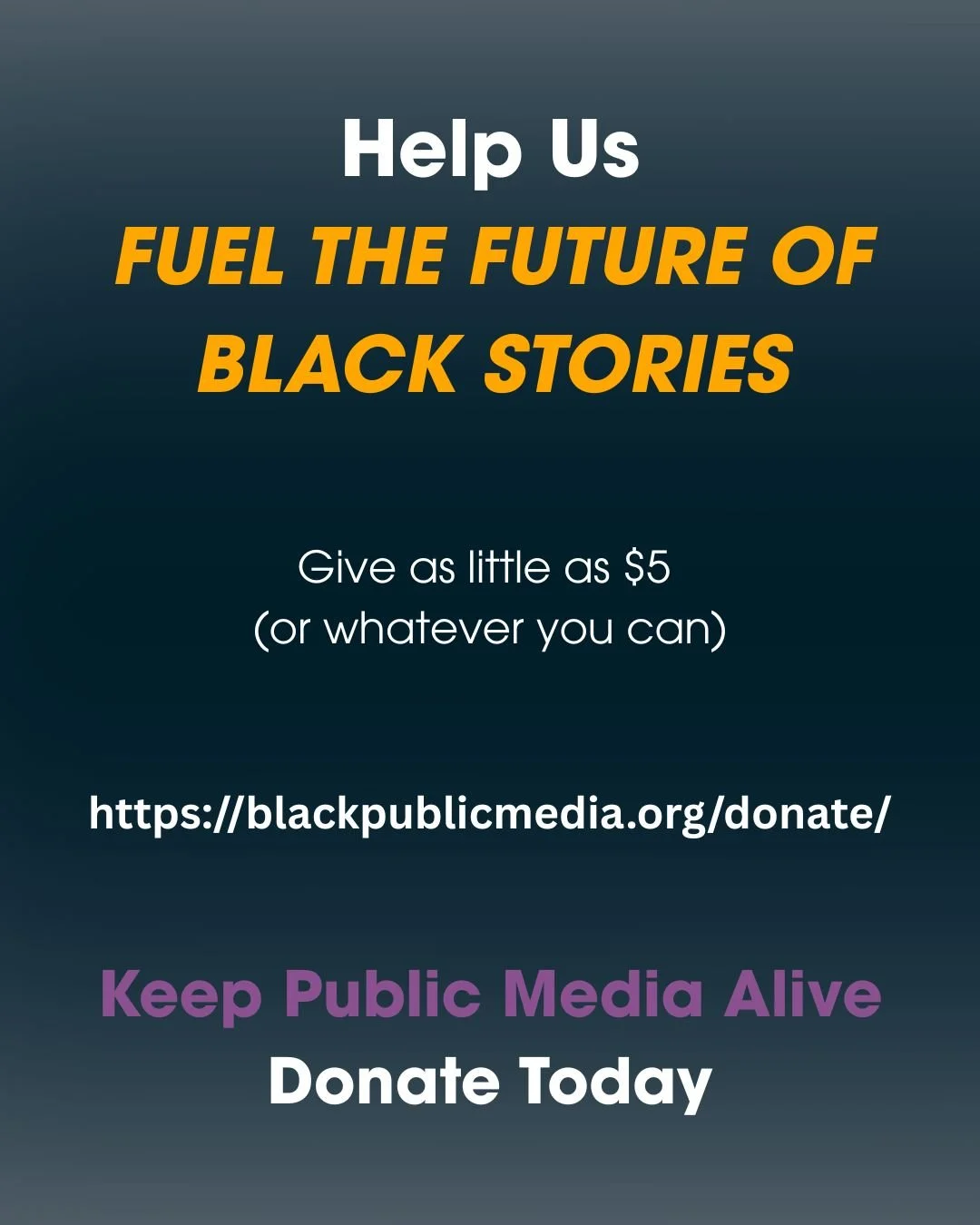
Over the decades, Black Public Media has invested over $17 million in films and other stories and helped nurture the careers of many acclaimed documentary directors and other creatives.
FOR IMMEDIATE RELEASE
BLACK PUBLIC MEDIA MAKES URGENT GIVING TUESDAY PLEA
After losing $1.8 million in funding, national nonprofit asks the public to donate to ensure Black stories are never again subject to political whims
NEW YORK (November 18, 2025) — The Harlem-based national nonprofit Black Public Media, from which Congress snatched back $1.8 million of allocated federal funding last July, is making a pressing plea to the public for support this holiday season. The appeal is part of its grassroots plan to raise $9 million over the next two years from individual donors, as well as large contributions from foundations and corporations. BPM, which has funded popular documentary films and immersive media projects about the Black experience to the tune of $17 million since its founding in 1979, is asking people who care about the future of Black stories to make a donation by GivingTuesday (December 2).
The proceeds raised will fuel BPM’s Black Stories Production Fund, launched in response to the federal government’s recent defunding of the Corporation for Public Broadcasting. CPB, which was the largest supporter of BPM, is now winding down its operations.
“Public media is for every American, and every American should be reflected in its programs and documentaries,” said BPM Executive Director Leslie Fields-Cruz. “For nearly 50 years, Black Public Media has worked to ensure that fact. This year, the public needs to take a stand to ensure that Black stories are never again subject to the whims of politics.”
BPM is asking the public to donate as little as $5 or as significant a contribution as they wish at: https://secure.everyaction.com/IkFxVSdjX0qpQkceW1r27g2. It also invites foundations and other funders to support the Black Stories Production Fund. The Fund will ensure that films like The Inquisitor, the Barbara Jordan documentary scheduled to premiere in January 2026;Chisholm ’72: Unbought & Unbossed, Ailey; Can You Bring It: Bill T. Jones and D-Man in the Waters, Daughters of the Dust, I Am Not Your Negro, Max Roach: The Drum Also Waltzes, Mr. Soul, When Claude Got Shot and hundreds more are able to come to public media and beyond.
The group has nurtured the careers of generations of filmmakers and creatives who have unearthed and brought Black stories to television screens, movie theaters and personal devices across the U.S.
BPM also supports the next generation of creative technologists in emerging media (e.g., virtual reality, augmented reality, artificial intelligence, and other new technologies), and works to connect them to opportunities and equipment to shape impactful immersive projects.
To find out more about BPM, visit blackpublicmedia.org or follow it on social media at: @blackpublicmedia (IG, FB, TikTok and LinkedIn).
“Public media is for every American, and every American should be reflected in its programs and documentaries. ”
ABOUT BLACK PUBLIC MEDIA:
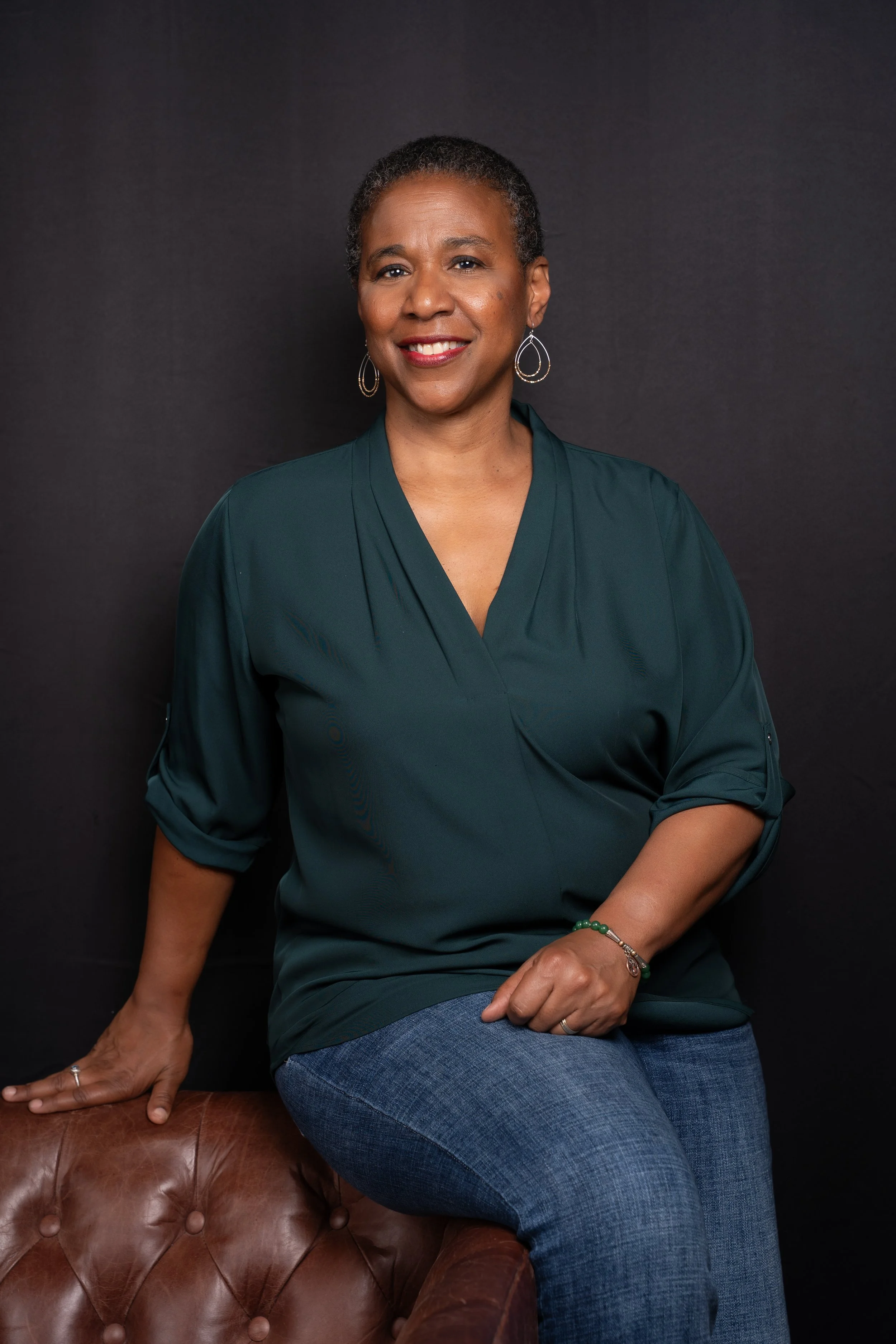
Leslie Fields-Cruz BPM Executive Director. Photo credit Yekaterina Gyadu
Black Public Media supports the development of visionary content creators and distributes stories about the global Black experience to inspire a more equitable and inclusive future. For 45+ years, BPM has addressed the needs of unserved and underserved audiences. BPM-supported programs have won five Emmys, 10 Peabodys, five Anthem Awards, 14 Emmy nominations and an Oscar nomination. BPM continues to address historical, contemporary and systemic challenges that traditionally impede the development and distribution of Black stories.
###
For media inquiry, contact:
Cheryl L. Duncan
Cheryl Duncan & Company, Inc.
cheryl@cdcprnews.com
share this story
Press Conference by Nigerian-American Community Organizations on the U.S. Designation of Nigeria as a Country of Particular Concern
A coalition of leading Nigerian American organizations will hold a joint virtual press conference to address the recent U.S. government designation of Nigeria as a Country of Particular Concern (CPC) by President Donald J. Trump.
By Africa-Related, New York
The Nigerian Center, Washington D.C
Written By Nigerian Center
*MEDIA ADVISORY*
JOINT VIRTUAL PRESS CONFERENCE BY NIGERIAN-AMERICAN COMMUNITY ORGANIZATIONS ON THE U.S. DESIGNATION OF NIGERIA AS A COUNTRY OF PARTICULAR CONCERN
WHO:
The Nigerian Center, the Nigerian American Public Affairs Committee (NAPAC), the Nigerians in Diaspora Organization, Americas (NIDOA), and the Nigerian Physicians Advocacy Group (NPAG).
WHAT:
A coalition of leading Nigerian American organizations will hold a joint virtual press conference to address the recent U.S. government designation of Nigeria as a Country of Particular Concern (CPC) by President Donald J. Trump.
The leaders will discuss the implications of this designation, its potential impact on Nigeria and the Nigerian American community, and present a united call for dialogue and collaboration. Together, they will advocate for a constructive approach that reinforces the historic friendship and strategic partnership between the United States and Nigeria. Speakers will offer a live question and answer session with journalists.
SPEAKERS:
Gbenga Ogunjimi, Executive Director, Nigerian Center
Susan Edionwe MD, FACS, DipABLM, President, Nigerian Physicians Advocacy Group (NPAG)
Bukola Olaoye, Chairman, Nigerians in Diaspora Organization, Americas (NIDOA)
Prince Maduka Nkuku, President, Nigerian American Public Affairs Committee (NAPAC)
Dr. Malcolm Fabiyi, President,Governance Advancement Initiative for Nigeria (GAIN)
WHEN: Friday, November 14, 2025 | 11:00 AM EST
WHERE: Virtual (Zoom Login)
WHY: Following their joint statement, the organizations will outline recommendations for strengthening collaboration between U.S. and Nigerian policymakers, diaspora leaders, and civil society groups to ensure that the designation fosters a more secure, just, and prosperous Nigeria.
Please RSVP to Liz Voyles at liz@brassrc.com. This event is open to credentialed journalists only, and all remarks are on the record. An emailed RSVP is required for admission.
***
About Coalition:
Nigerian Center
The Nigerian Center is a Washington, DC–based nonprofit organization dedicated to advancing immigrant justice, financial empowerment, and cultural visibility. Through legal services, advocacy, and education, the Center amplifies Nigerian and African immigrant voices and fosters systemic inclusion in American society.
Nigerian American Public Affairs Committee USA (NAPAC USA)
The Nigerian American Public Affairs Committee (NAPAC USA) is a national nonpartisan organization that promotes civic engagement, public policy advocacy,voter registration/education, and leadership development within the Nigerian American community.
Nigerians in Diaspora Organization, Americas (NIDOA)
The Nigerians in Diaspora Organization, Americas (NIDOA) is the umbrella body for Nigerians living in North and South America. NIDOA mobilizes the Nigerian diaspora to contribute to national development, promote unity and collaboration among Nigerians abroad, and strengthen partnerships that advance Nigeria’s progress and global image.
Nigerian Physicians Advocacy Group (NPAG)
The Nigerian Physicians Advocacy Group (NPAG) is a 501(c)(4) affiliate of the Association of Nigerian Physicians in the Americas, created to advance good governance in Nigeria, the United States, and beyond. NPAG is a coalition of Nigerian-American medical professionals committed to advancing health equity, public policy, and community well-being, promoting collaboration between U.S. and Nigerian health institutions to improve access, quality, and outcomes.
share this story
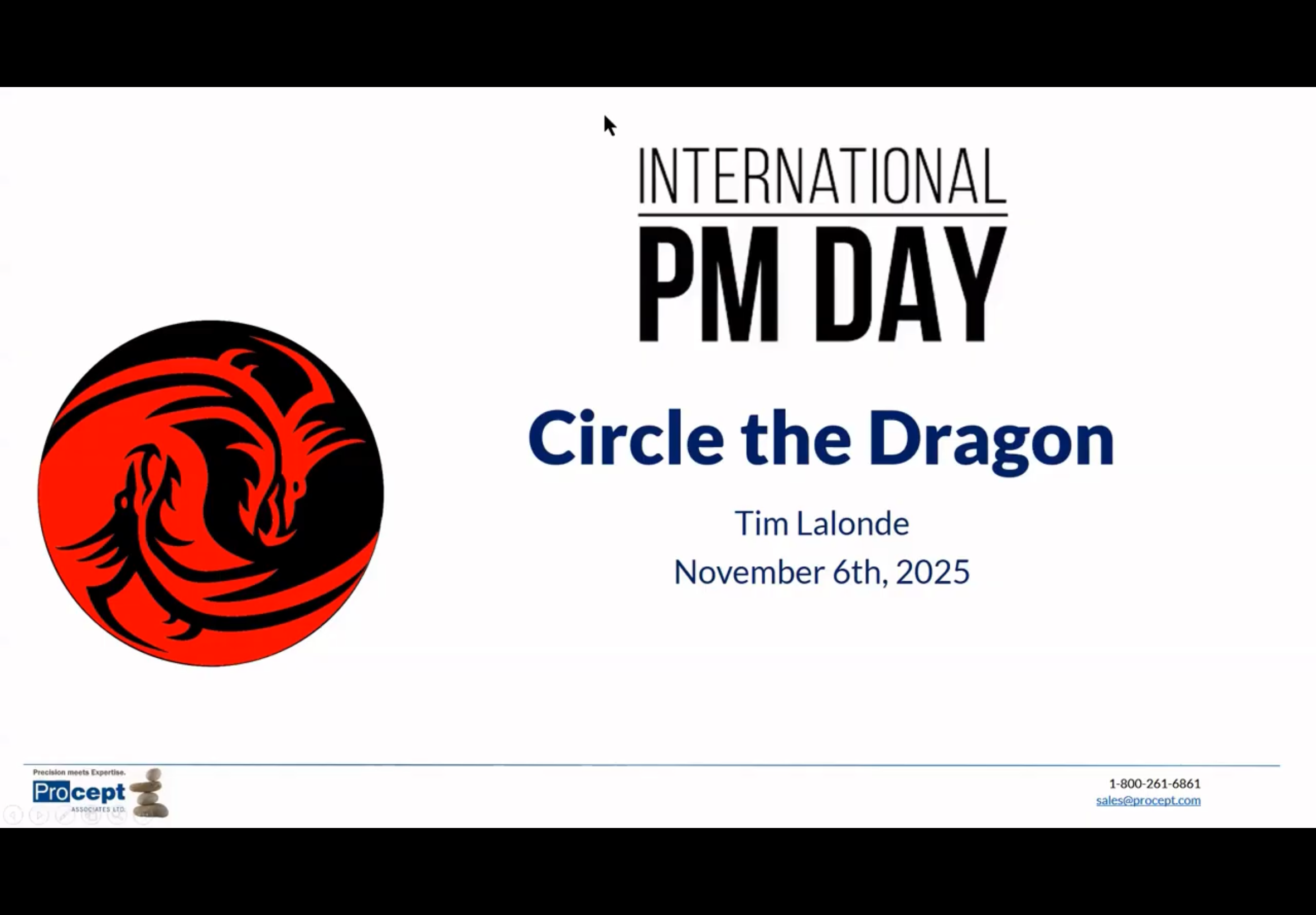
The Power of Soft Skills: Key Takeaway From The International Project Management Day Conference 2025
The Power of Soft Skills is the key takeaway from the International Project Management Day Conference 2025. It brought together thought leaders, practitioners, and innovators to explore how project management continues to evolve as both a technical and human-centered craft.
By melody-Esther soyemi - Africa-Related, Nigeria
Creating Connections in Project Management
“The International Project Management Day Conference 2025 brought together thought leaders, practitioners, and innovators to explore how project management continues to evolve as both a technical and human-centered craft.”
On November 6, 2025, project management professionals around the world came together to celebrate International Project Management Day 2025, a global event dedicated to recognizing the discipline’s impact on organizational success and human collaboration. The conference program featured two thematic tracks that ran concurrently throughout the day, Track A focused on communication, self-awareness, and workplace civility, while Track B emphasized sustainable project management, certification pathways, and emerging professional standards.
Opening Keynote: Building Respectful Engagement
The conference opened with a powerful keynote titled “The 3-Pass Process: Building Respectful Engagement by Ted Lalonde.” Lalonde emphasized the growing importance of empathy, inclusivity, and trust in managing teams, especially in today’s hybrid and multicultural work environments. He also encouraged attendees to see respectful engagement not just as etiquette, but as a project management competency essential for achieving long-term results.
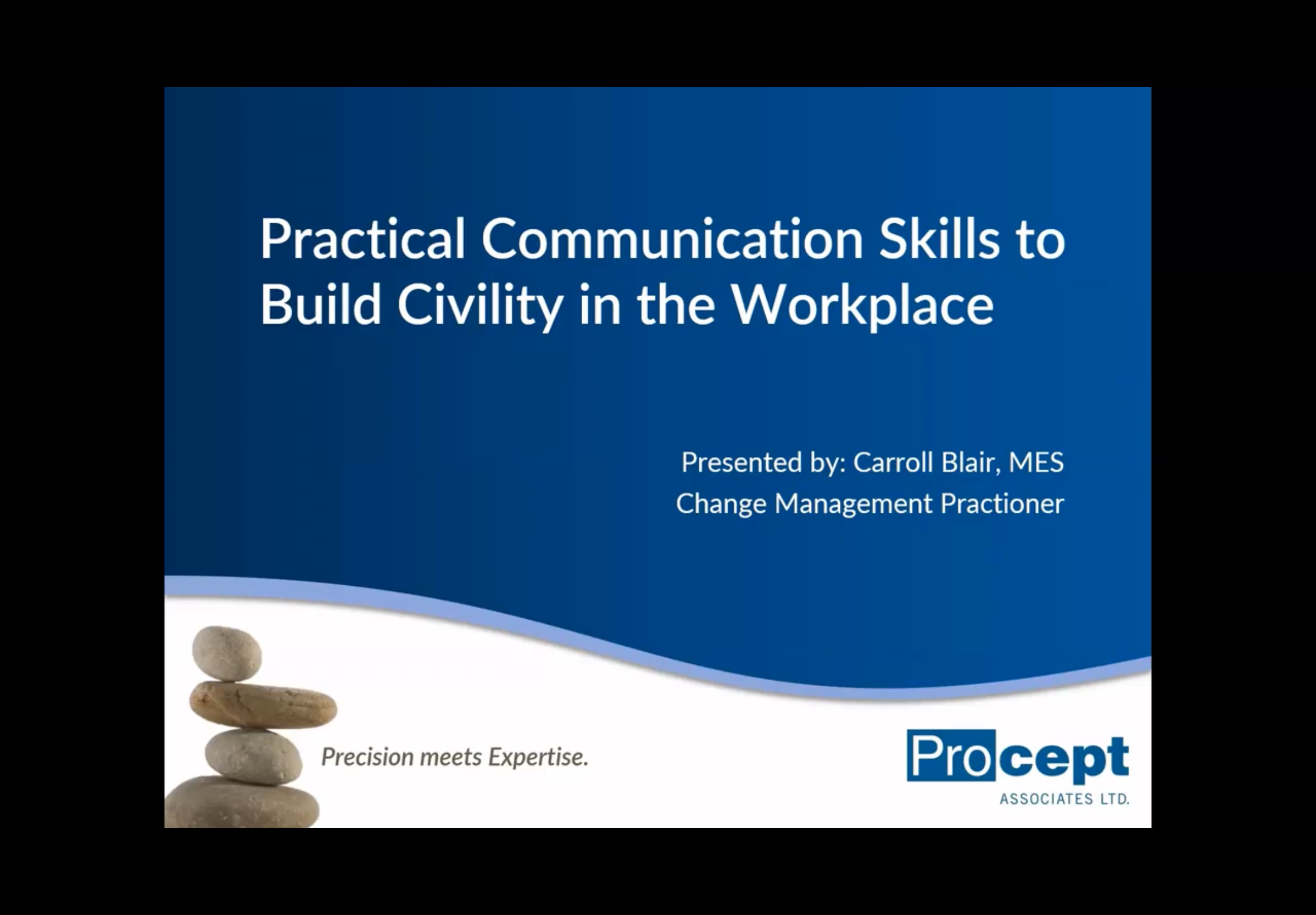
Practical Communication Skills to Build Civility in the Workplace
(Video source)
This session was led by Carroll Blair who highlighted one of the most discussed topics of the day: Practical Communication Skills to Build Civility in the Workplace. It explored how project managers can intentionally create psychologically safe spaces that foster honest dialogue and collaboration. She stressed that civility is more than politeness, it’s a measurable factor in reducing project risks and improving stakeholder relationships. She stated “ when talking about civility in the work place do we want to expect less from each other, do we want technology to do all of our human interactions, or do we want to be alone together.”
Real-world examples illustrated how communication breakdowns often lead to project delays, while open feedback channels help teams navigate uncertainty with shared purpose. The key takeaway is that effective project management starts with human connection.
Circling the Dragon: Diagnosing and Resolving Organizational Culture Issues
This session was conducted by Tim Lalonde, Circling the Dragon, He guided participants through the complexities of diagnosing and resolving organizational culture challenges. Using the metaphor of “the dragon,” the session addressed how unspoken issues such as misaligned values or fear-based communication can silently undermine team performance.
He called on project leaders to take on the role of culture stewards, combining data-driven insight with emotional intelligence to identify and address underlying tensions. A standout message was that projects do not fail because of technology they fail because of culture. By “circling the dragon,” leaders can face these invisible challenges head-on and transform organizational friction into collective growth.
African Perspective:
Across many African mostly Nigerian workplaces, project outcomes are often shaped more by culture than by technical capability. Hierarchical communication remains a major limitation, as employees frequently hesitate to speak openly or give feedback to senior leaders. This reluctance to express disagreement leads to unresolved issues that eventually harm or be harmful to projects. Soft skills are also underemphasized, with organizations focusing heavily on certifications while overlooking emotional intelligence, conflict management, and communication competence. Combined with limited psychological safety, these factors create environments where innovation is slow and teams operate cautiously.
Yet Africa also demonstrates remarkable strengths. The continent’s strong communal values naturally support collaboration and collective problem-solving. African professionals are highly adaptable and resilient,which increases their survival skills and often excels in uncertain or resource-constrained environments. A rapidly expanding youth workforce is embracing global project management standards with energy and curiosity, and the rise of PMI chapters and PM training hubs across African nations reflects a continent moving forward.
By applying the global conference themes locally, African and Nigerian organizations stand to benefit significantly. Emphasizing civility in communication will ease workplace tensions and improve teamwork. Addressing cultural issues head-on, rather than ignoring them, will reduce project failures caused by silence or misalignment. Prioritizing soft skills alongside technical training will produce project managers who can lead confidently across cultures and sectors. Above all, adopting respectful engagement as a leadership mindset will deepen trust, strengthen morale, and create workplaces where people feel empowered to contribute.
In this way, Africa and Nigeria can not only align with global project management standards but also position itself as a rising leader in innovation, collaboration, and modern project delivery.
Panel Discussions and Awards

The conference also featured thought-provoking panels on topics such as “What Soft Skills are Key for Today’s Project Managers” and “Everything You Wanted to Know About PM Certifications But Were Afraid to Ask.” These discussions reinforced that modern project management requires more than tools and frameworks; it requires resilience, adaptability, and emotional literacy.
The day concluded with prize draws and recognition ceremonies celebrating excellence in the field, including the Canadian PM of the Year, Project of the Year, and the Young PM of the Year Awards, as well as an announcement of the 2026 PM Paper Competition. These honors underscored the community’s ongoing commitment to innovation, mentorship, and professional growth.
A Shared Global Vision
The 2025 International Project Management Day Conference reminded attendees that while methodologies evolve, the heart of project management remains the same: people working together toward meaningful goals. From sustainable practices to civil communication and cultural awareness, the event captured the essence of leadership in the modern era: strategic, empathetic, and purpose-driven.
As the profession continues to adapt to an increasingly complex world, this year’s conference was both a celebration and a call to action: to lead not just with skill, but with humanity.

Key Takeaways from International Project Management Day Conference 2025
Respectful engagement is a project competency. Building trust and empathy within teams is no longer optional; it's a measurable skill that drives performance.
Civility creates stronger teams. Communication grounded in respect reduces conflict, improves morale, and increases project success rates.
Culture determines project outcomes. Technical expertise alone cannot save a project if organizational culture is broken. Leaders must “circle the dragon.”
Soft skills are the new hard skills. Emotional intelligence, adaptability, and feedback literacy define the next generation of project managers.
Global collaboration is the future. From sustainability to digital transformation, project managers must lead across cultures, disciplines, and time zones with empathy and purpose.
share this story
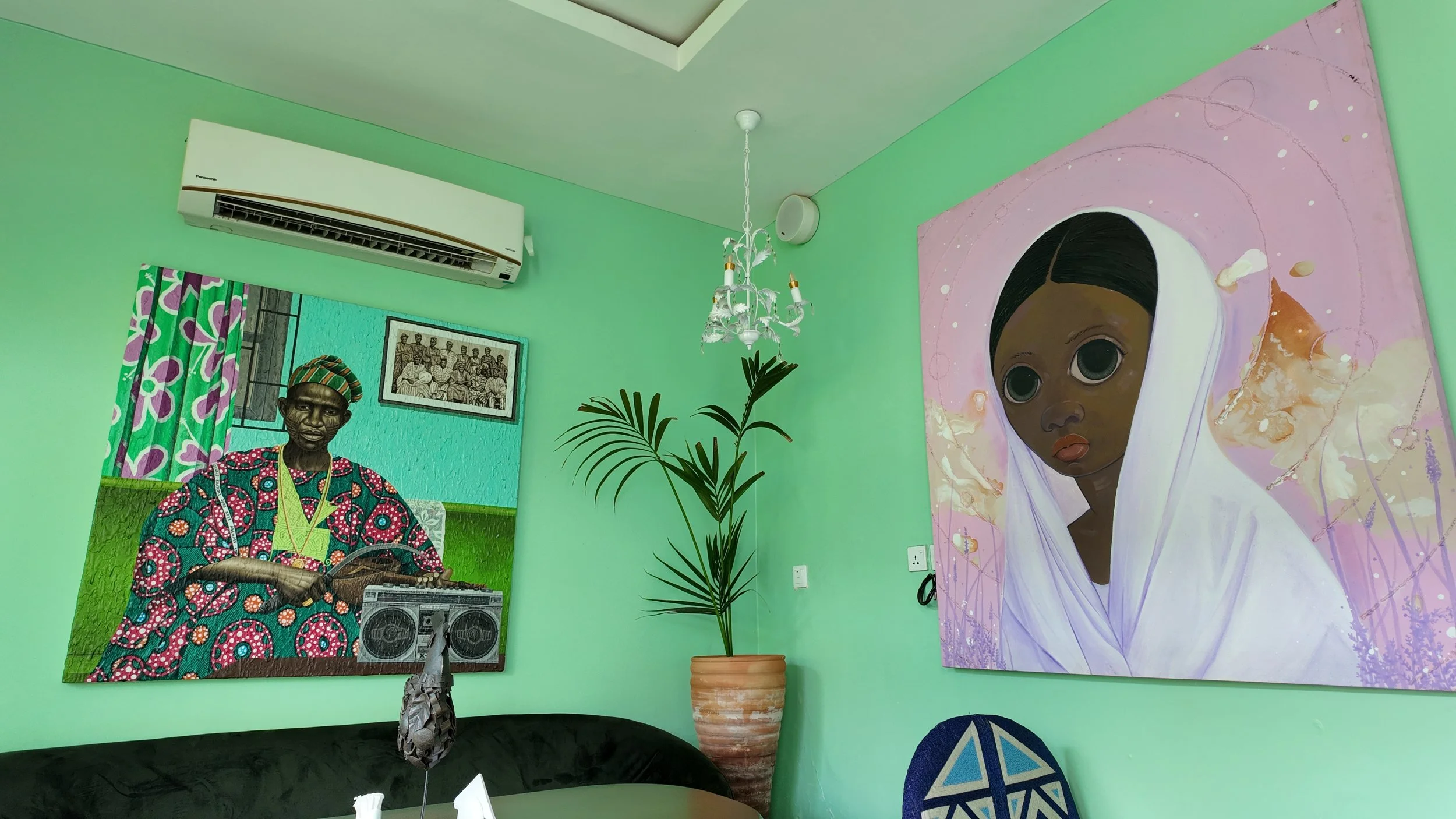
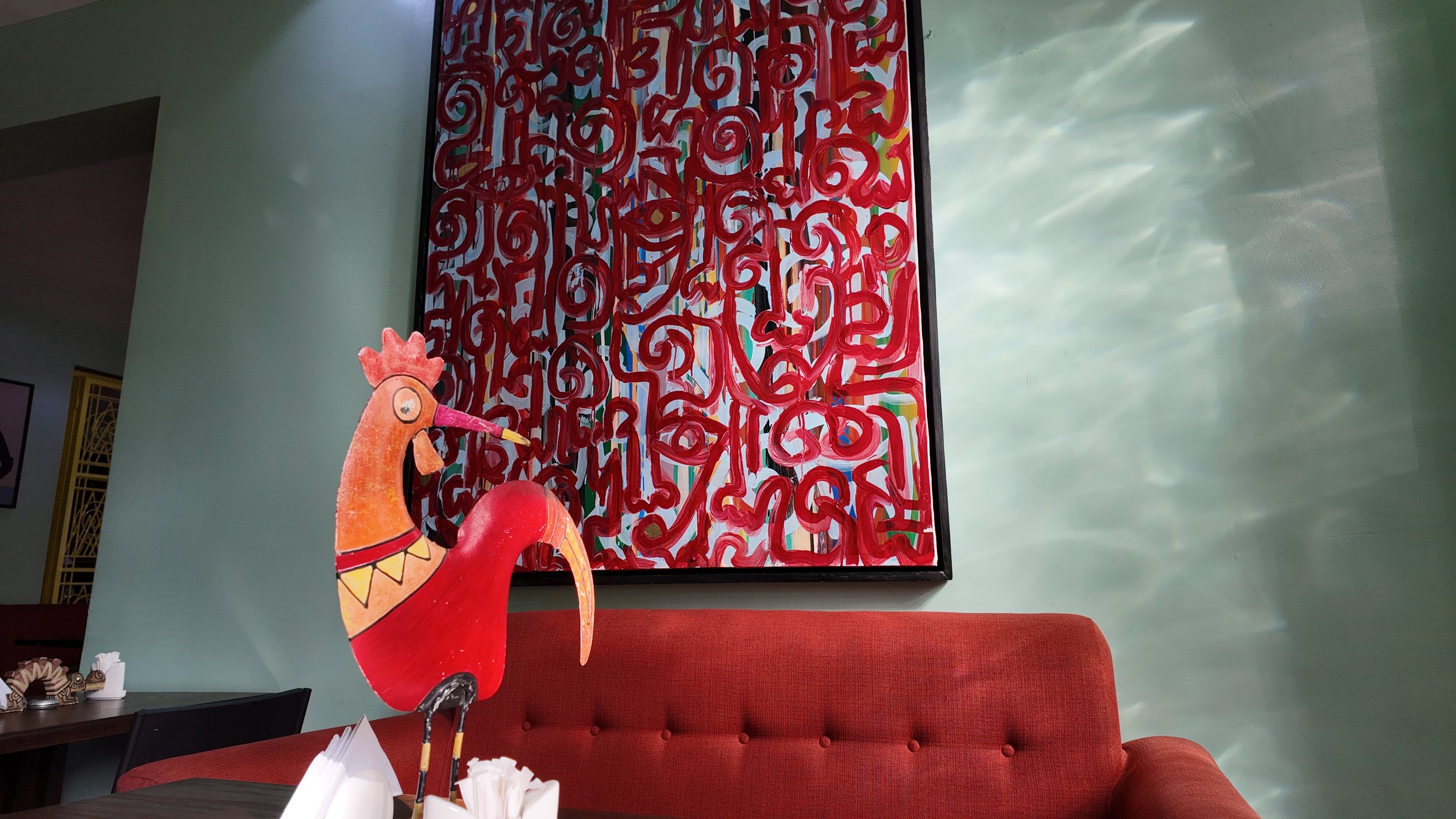
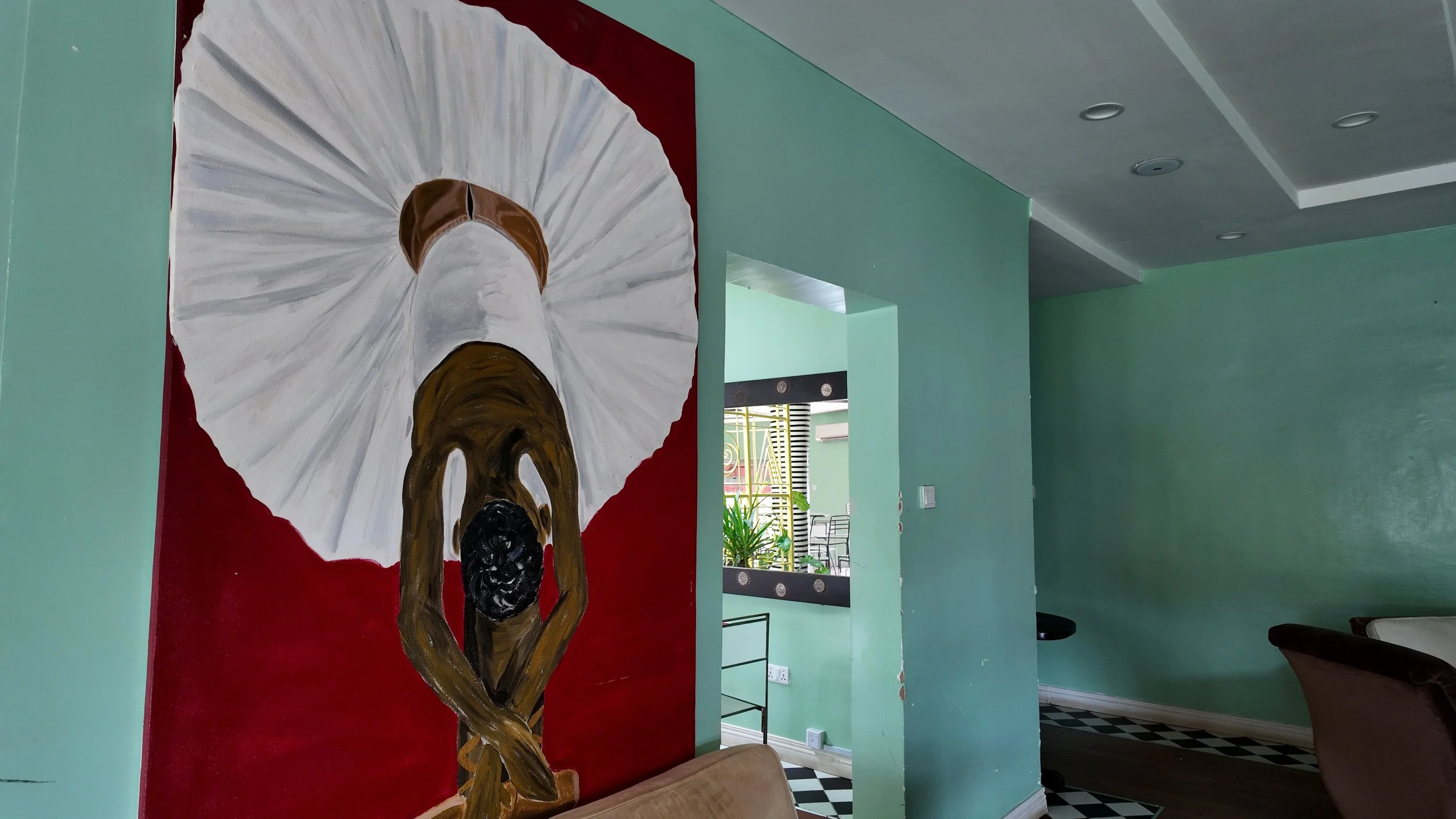
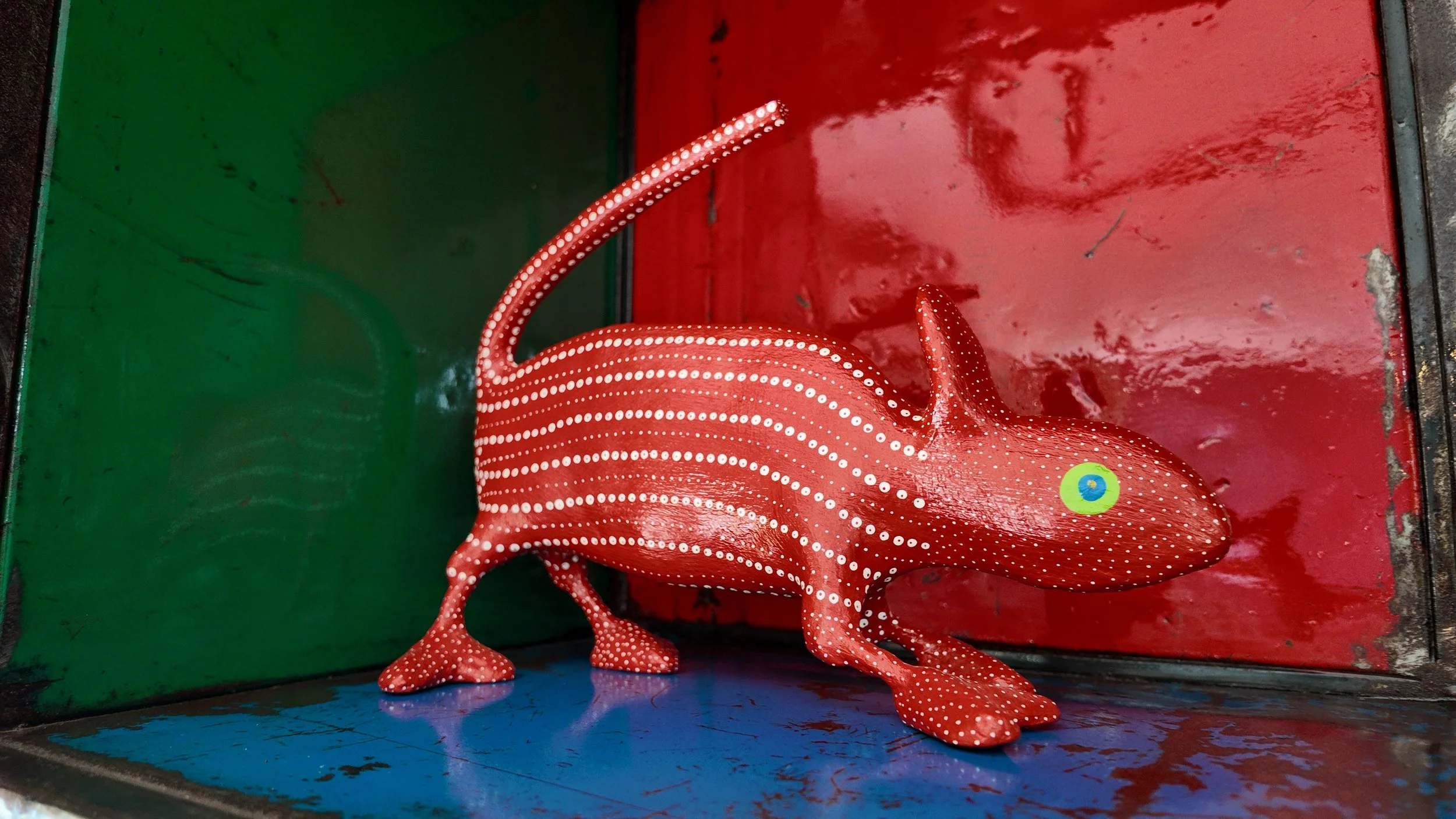
Salamander Café: Abuja's Hidden Oasis
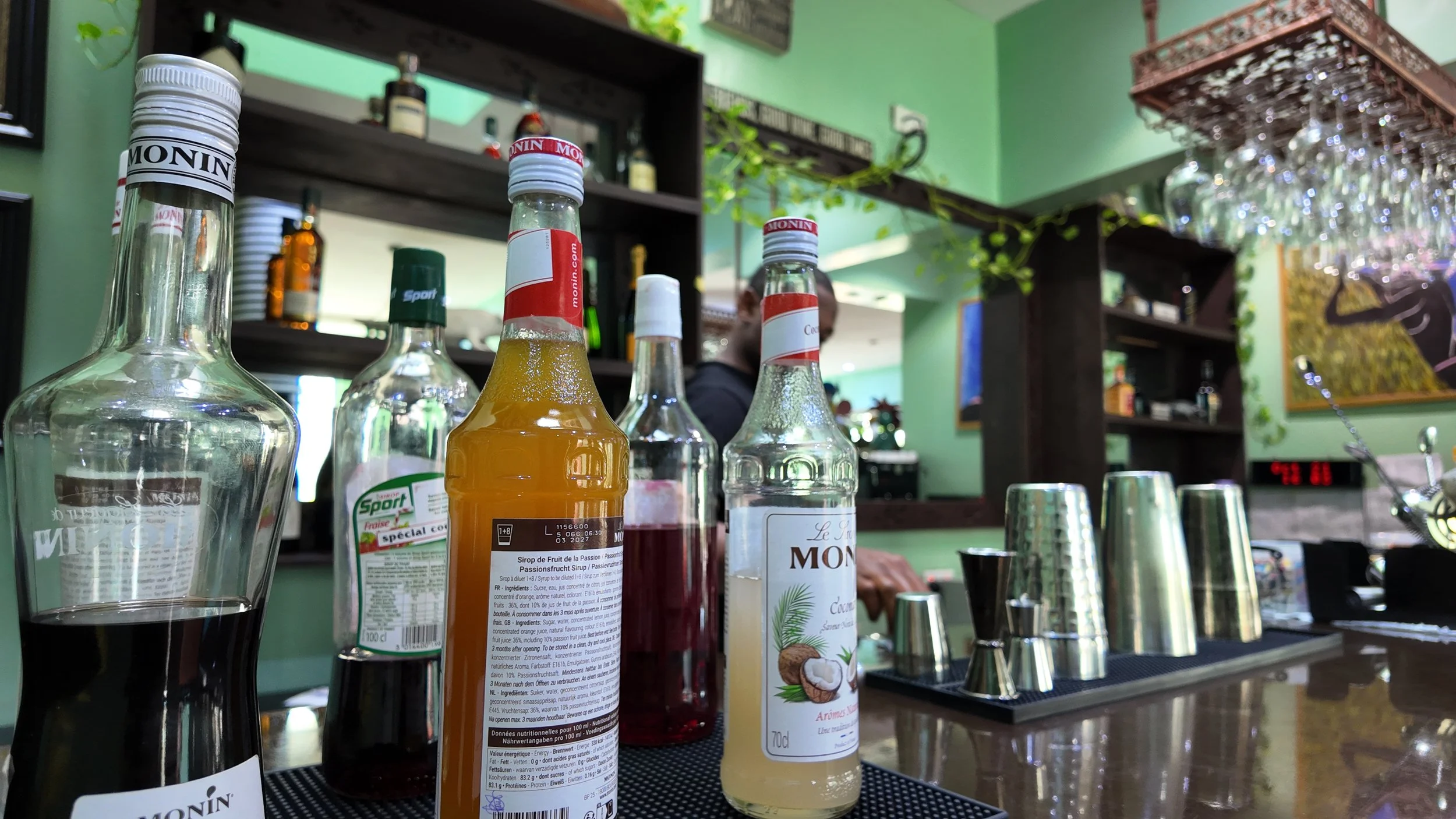
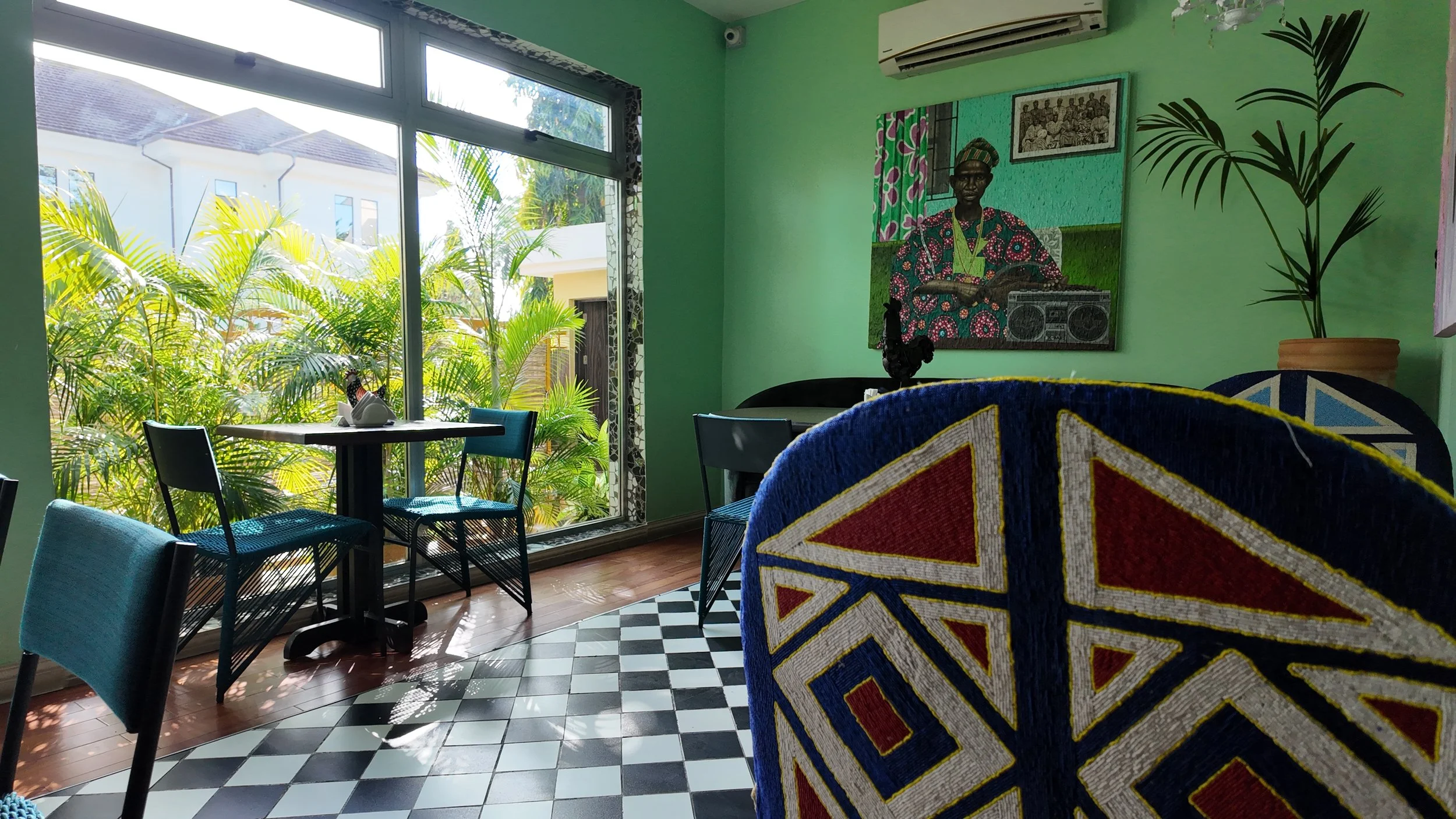
Salamander Café, home to some of the best food, wine, art, books and music in Abuja is located at 15b Parakou St, Wuse, FCT Abuja, Nigeria.
By Africa-Related Abuja, Nigeria
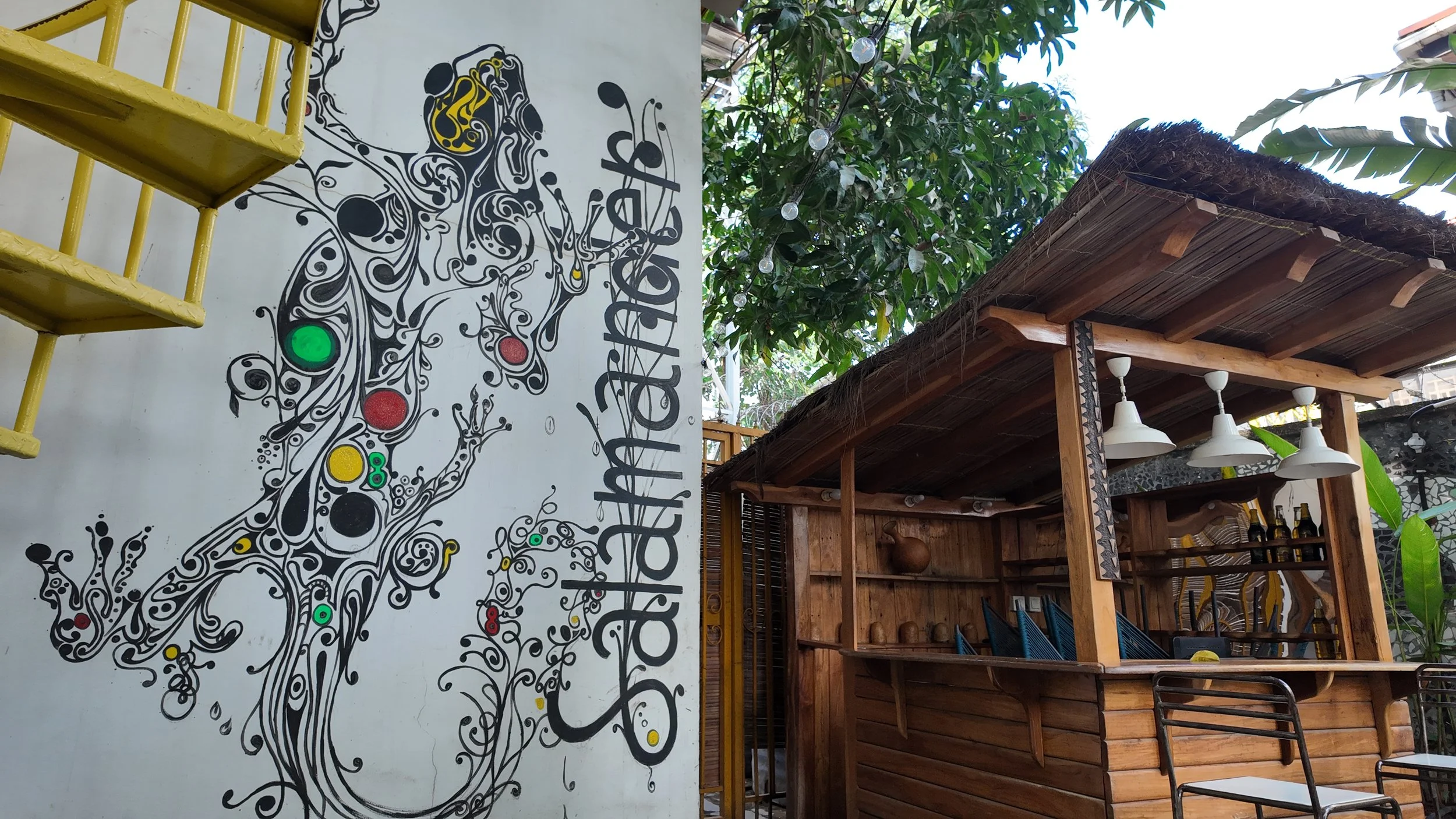
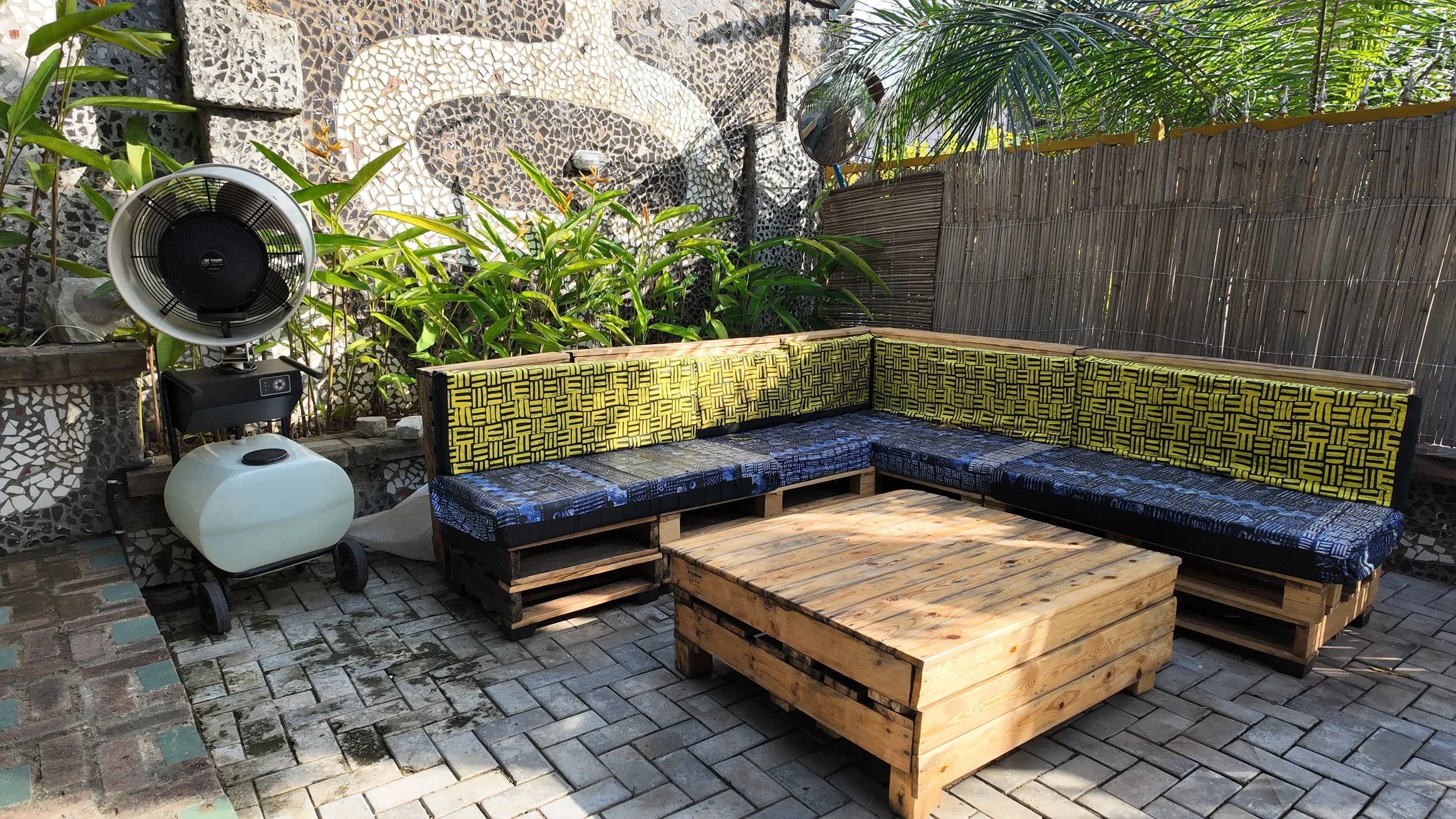
Outdoor Bar at Salamander Cafe, Abuja. (Photo Africa-Related)
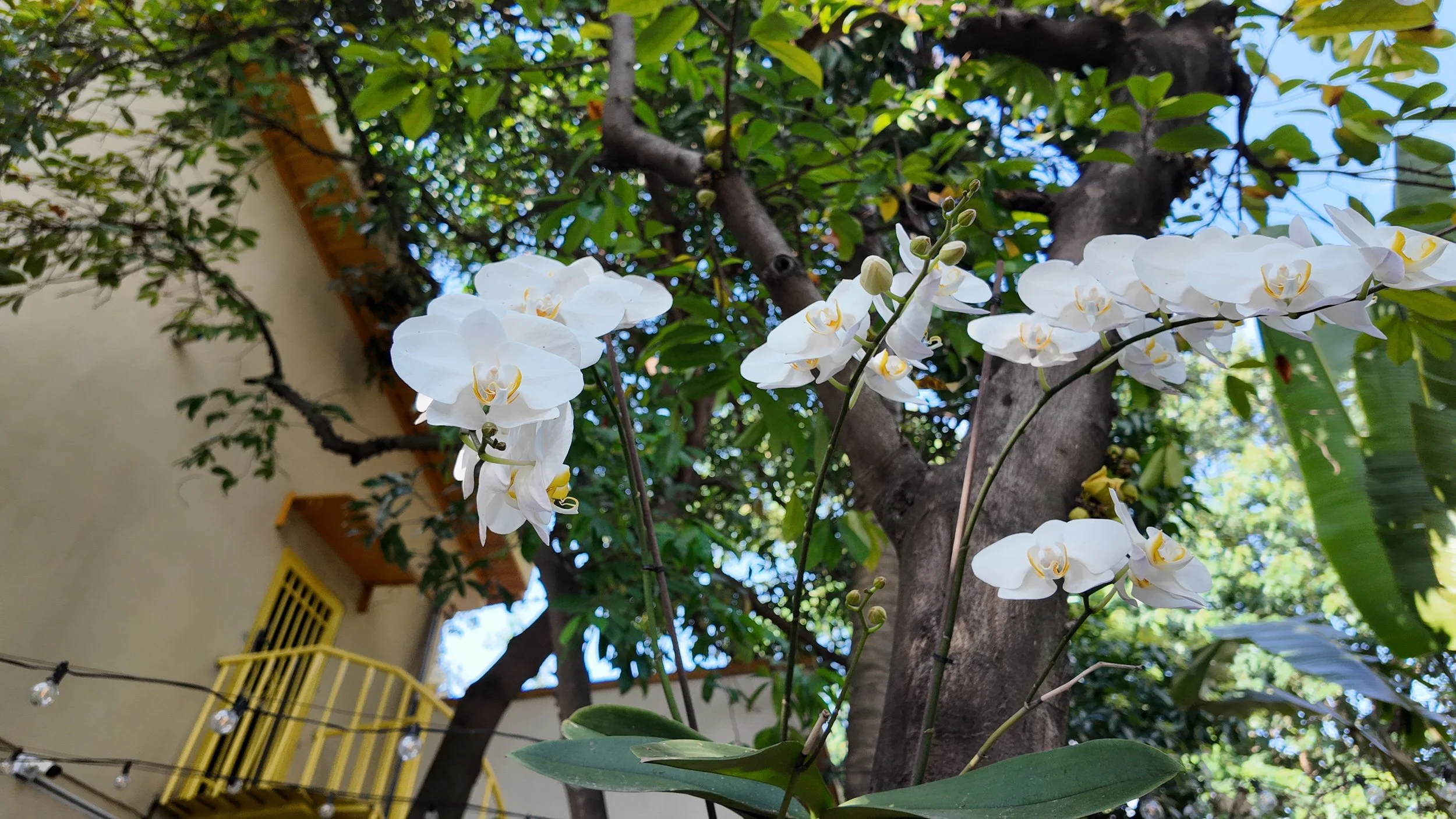
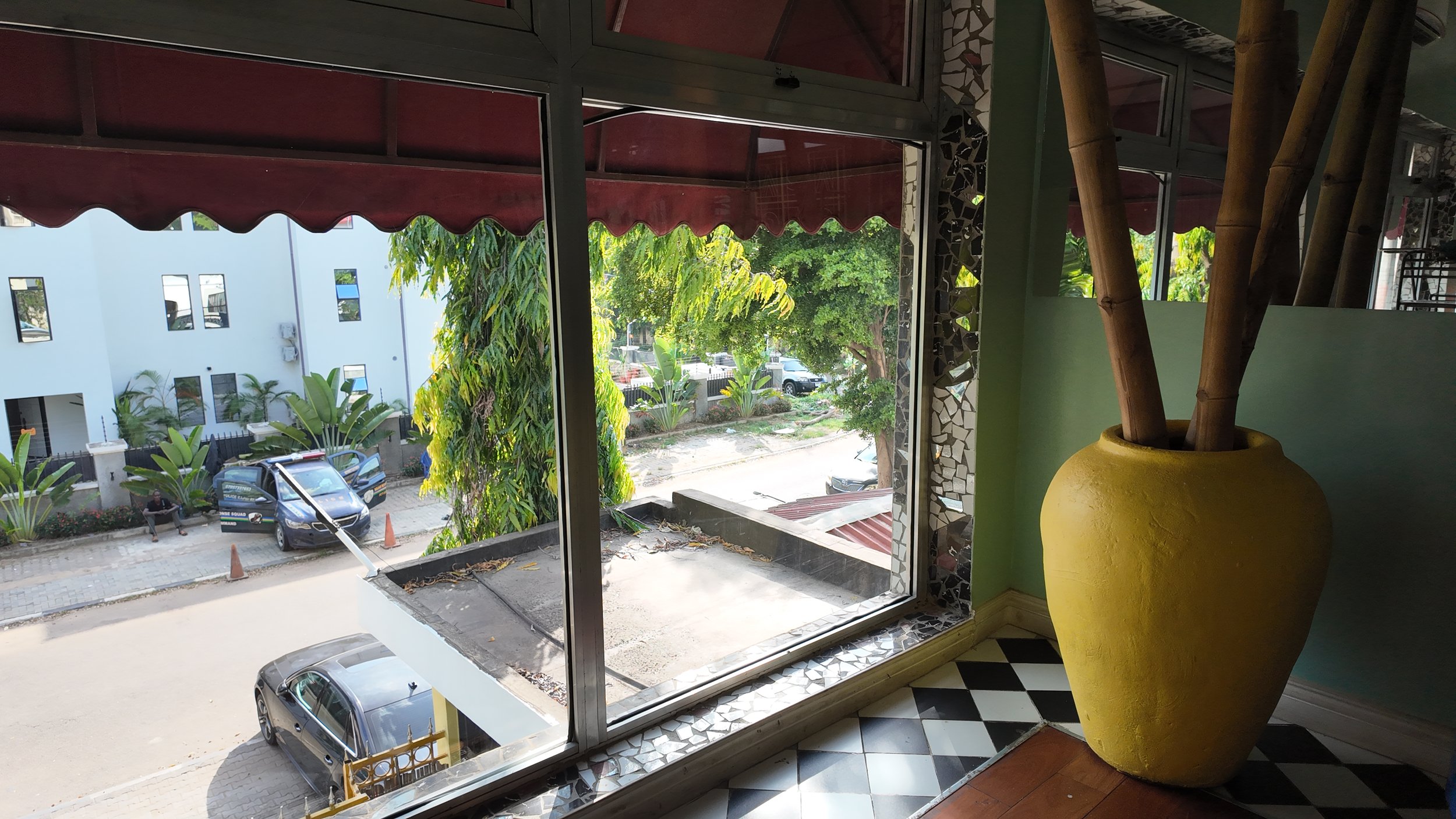
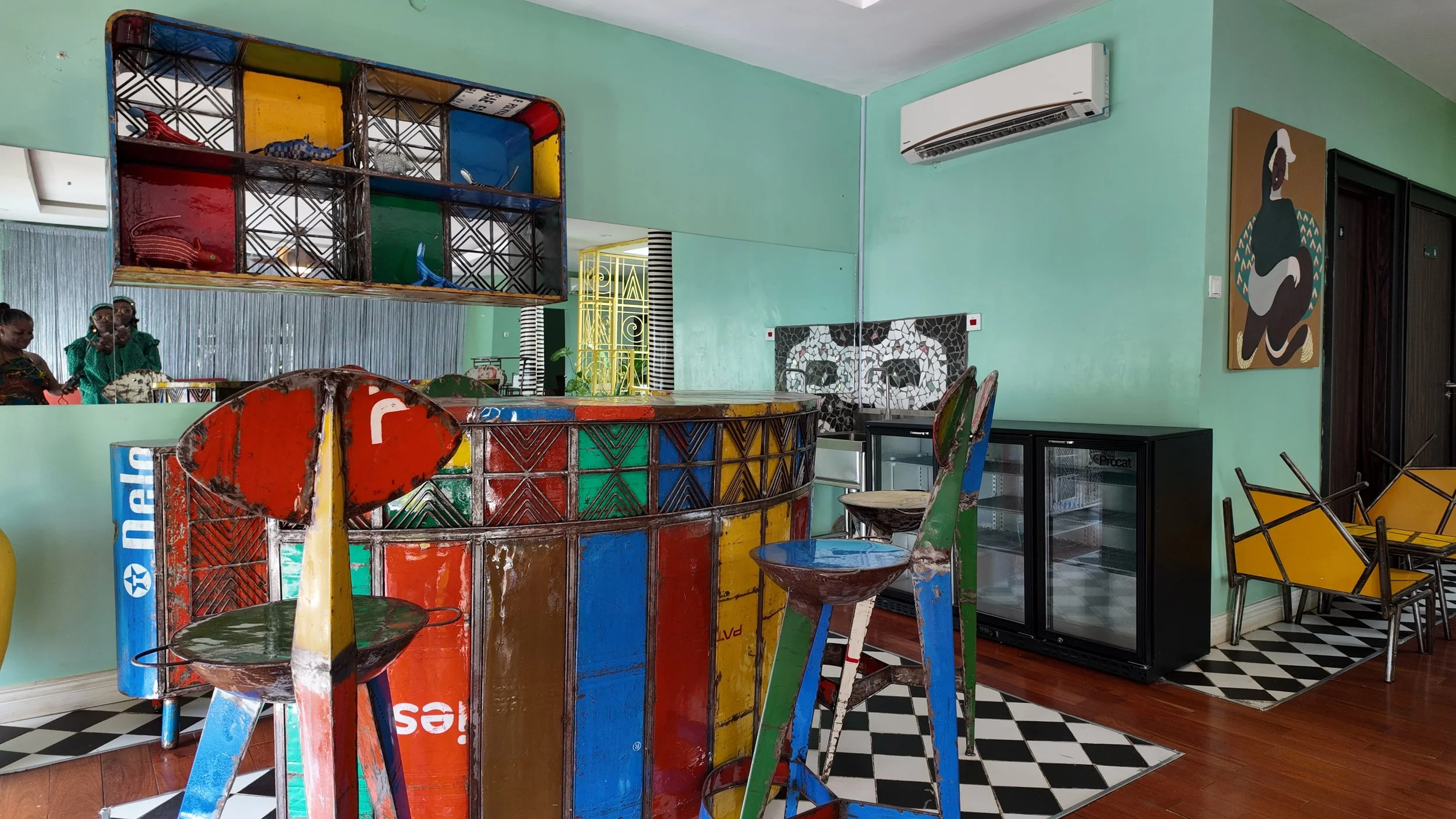
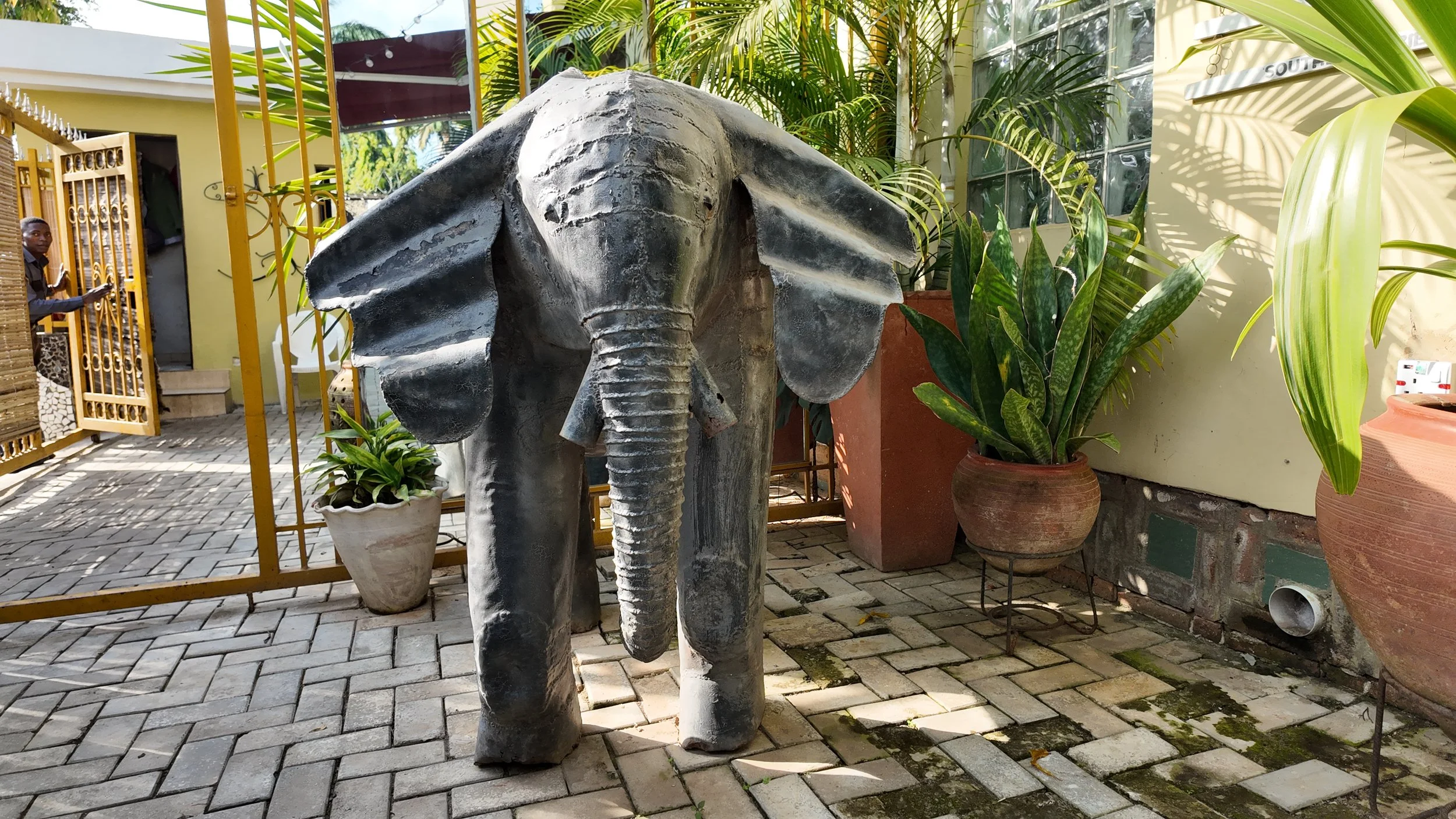
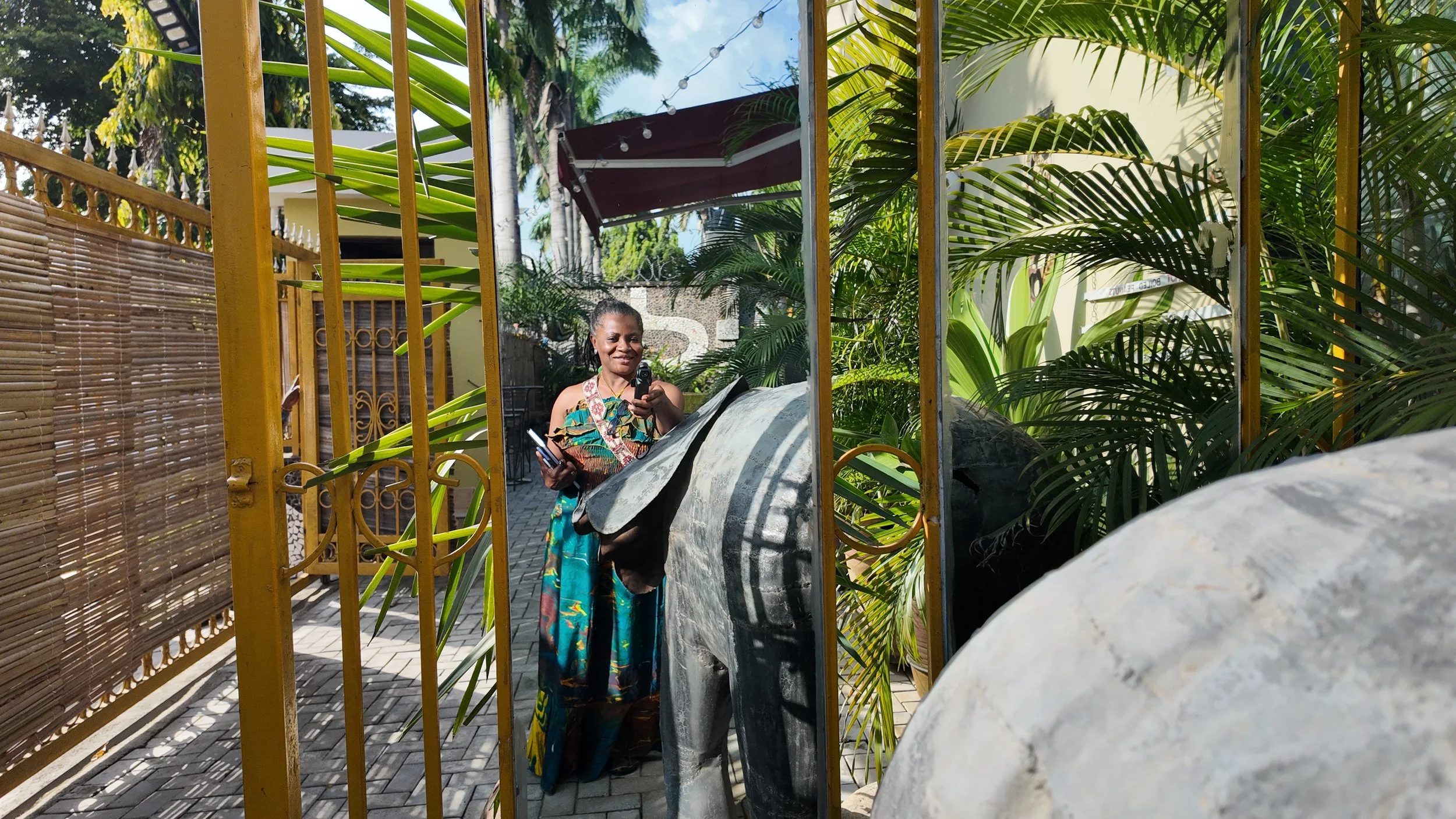
Salamander Café is home to some of the best food, wine, art, books and music in Abuja located at 15b Parakou St, Wuse, FCT Abuja, Nigeria. The space features the an Open-Concept Space, Gourmet Kitchen, Luxurious Deco, Book Store, Exhibition Gallery and a Beautifully Landscaped Outdoors
This video captures the spirit of Salamander Cafe, its artistic aesthetics, solemn space and quality-driven services.
“It’s a third space that means different things to different people...”

share this story

Quarter Past 65 Honors Senior Voices with Compendium Launch, Pushes Policy Advocacy In Abuja
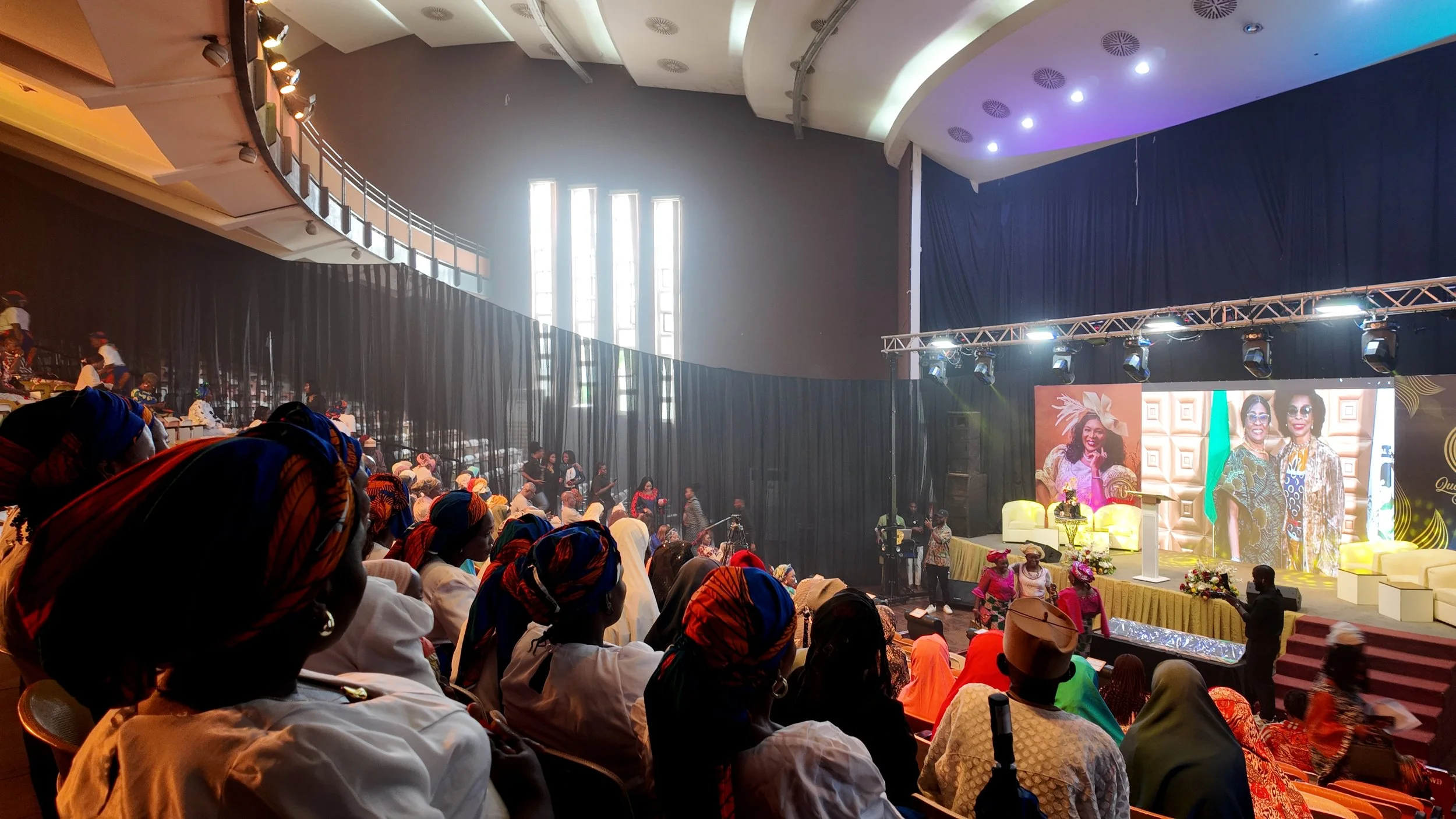
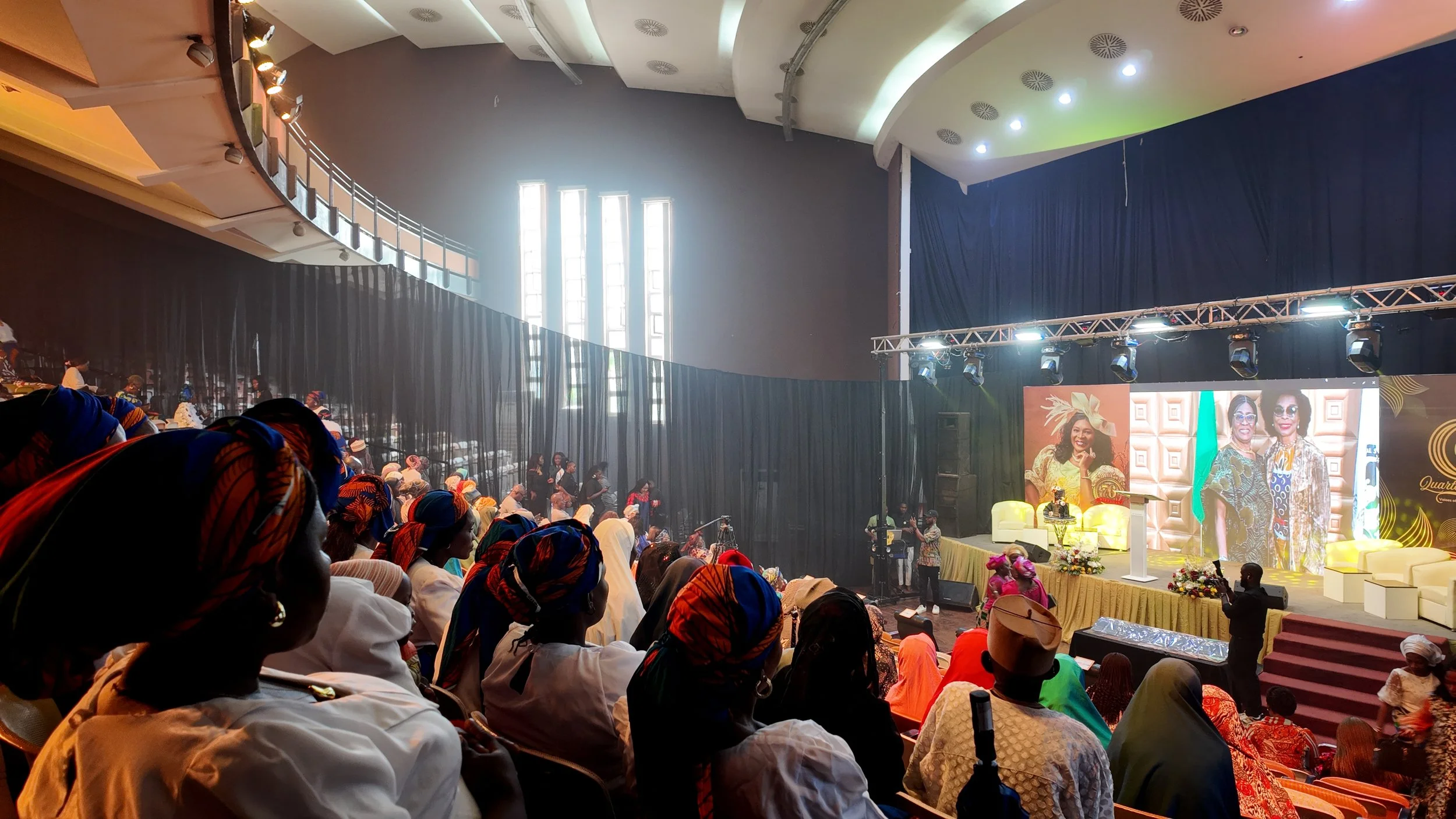
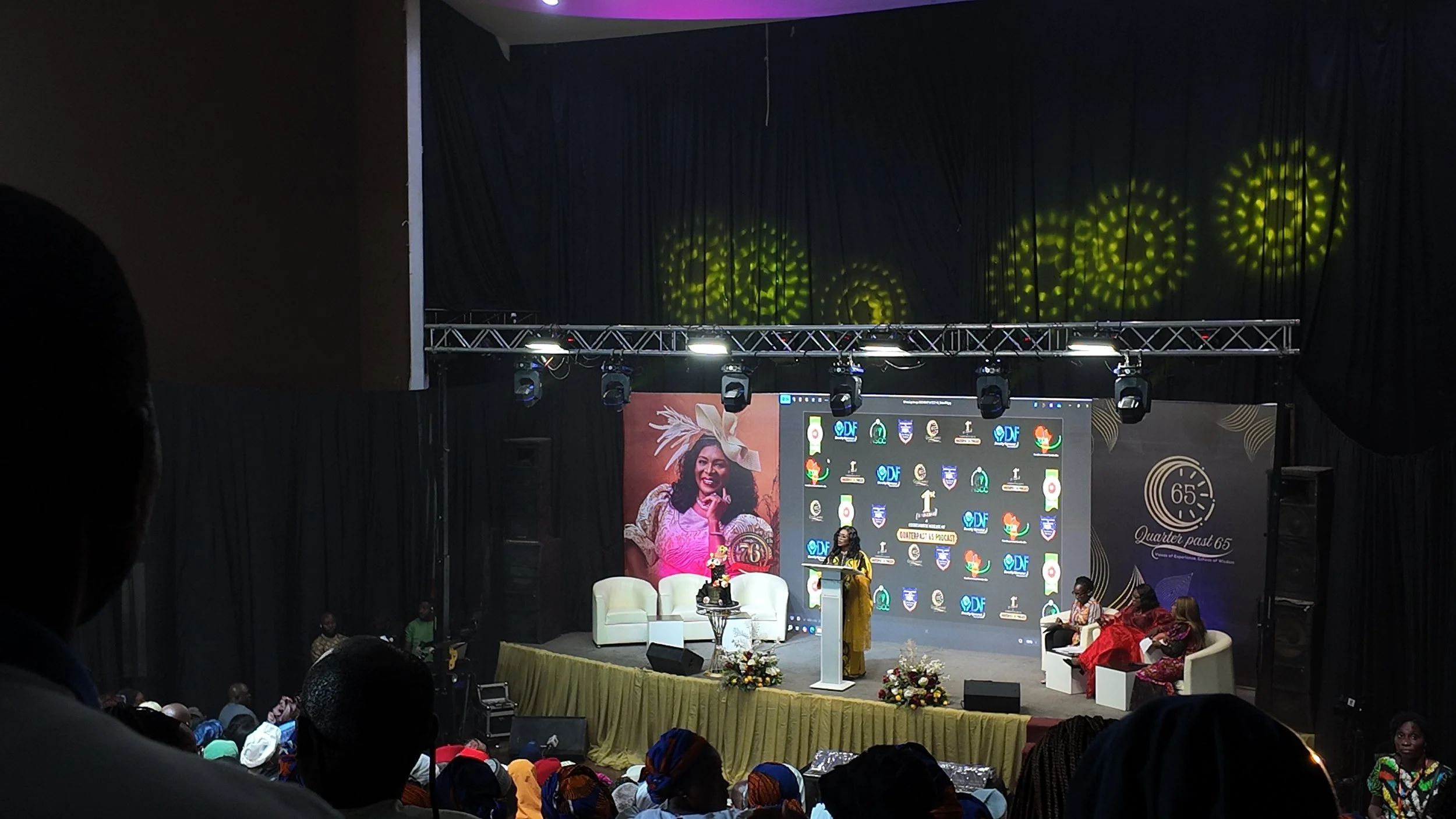
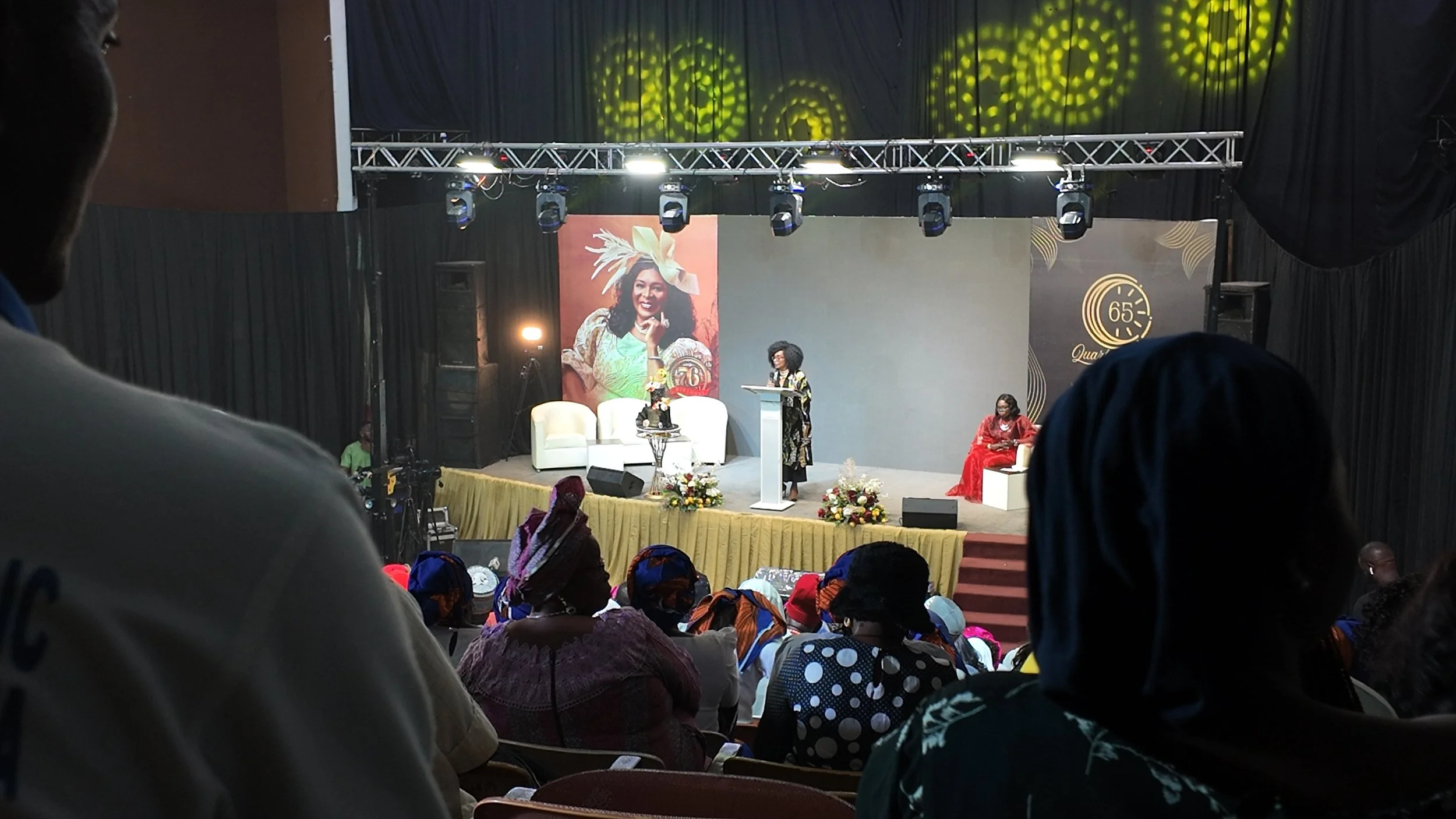
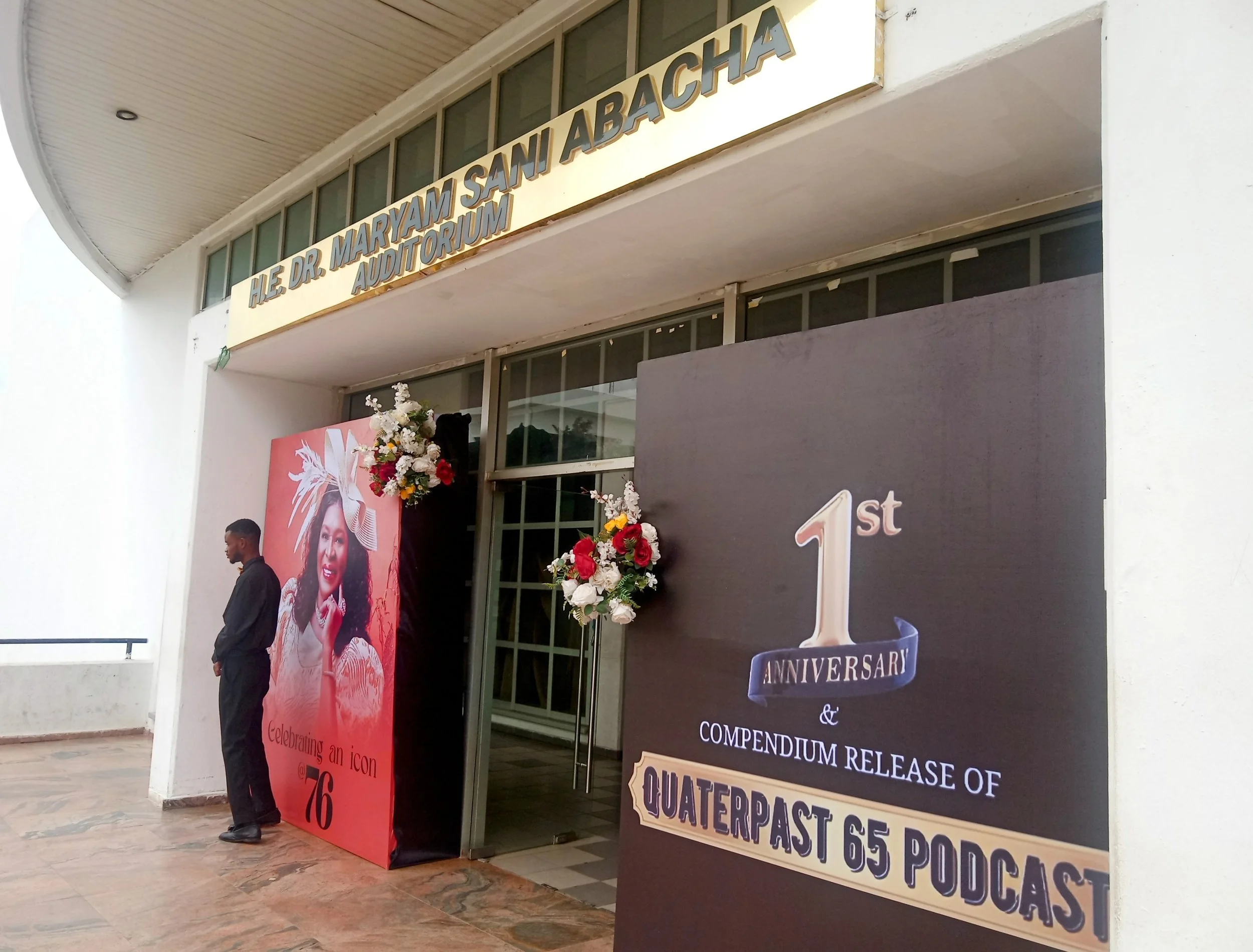
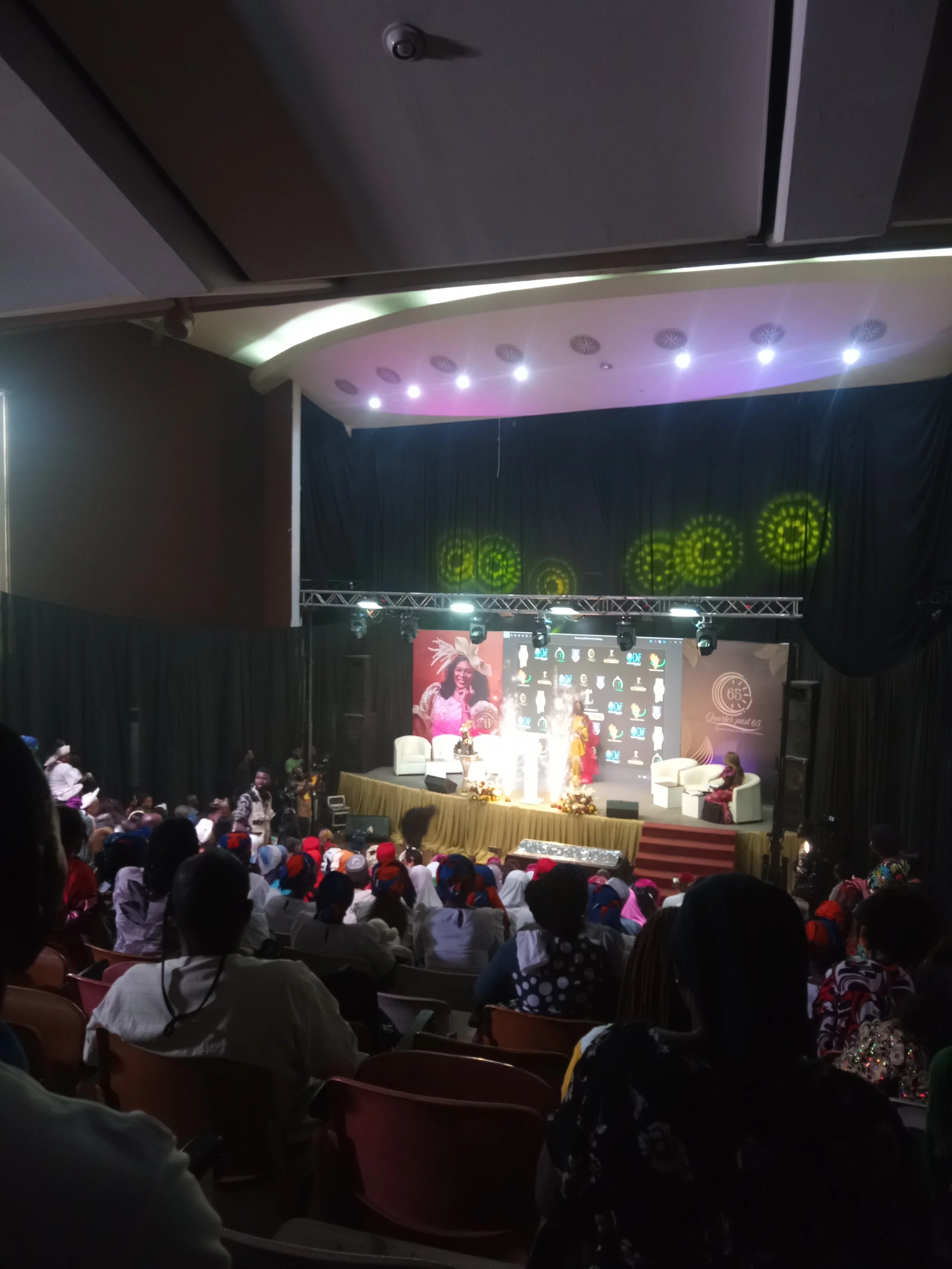
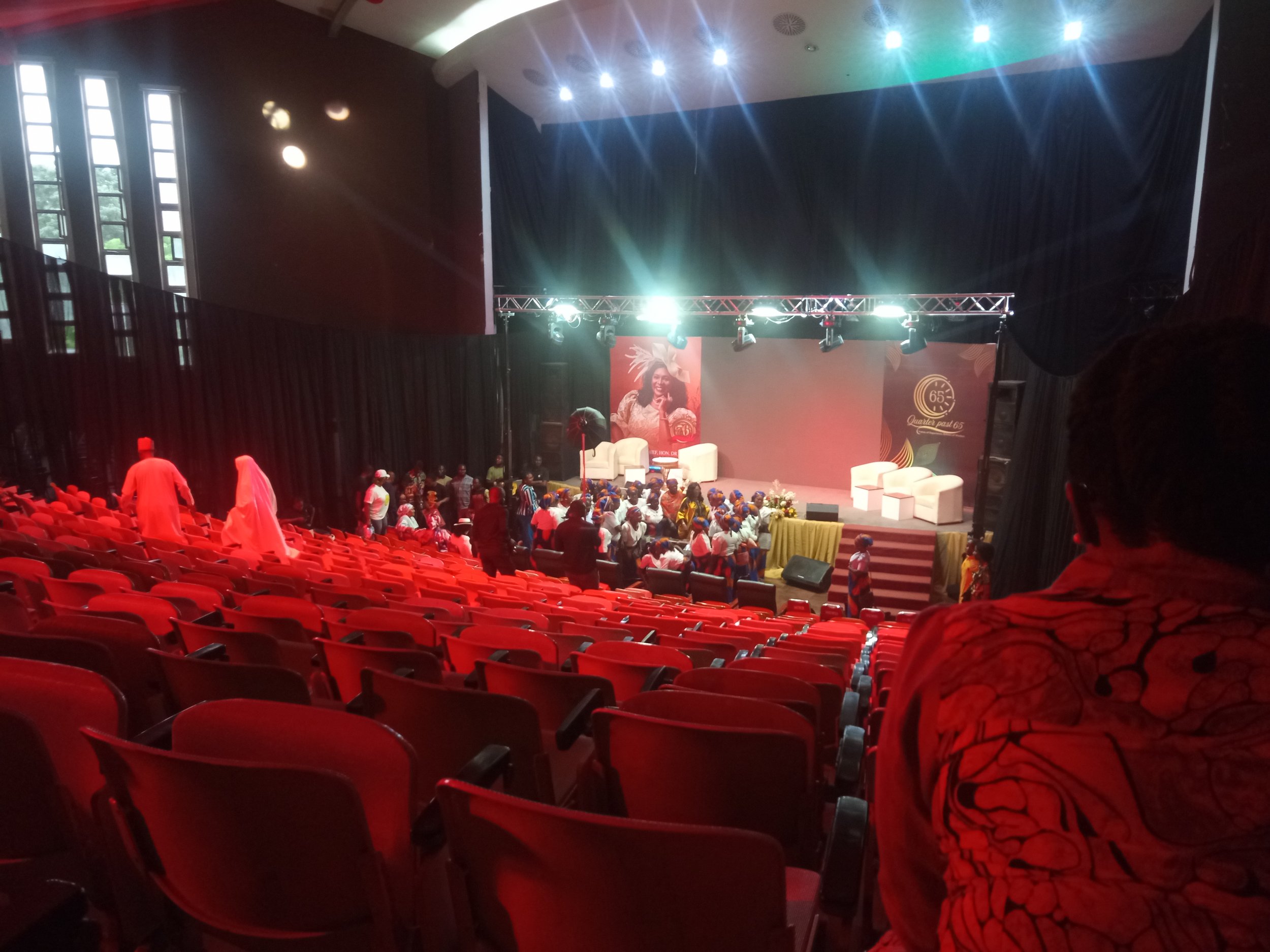
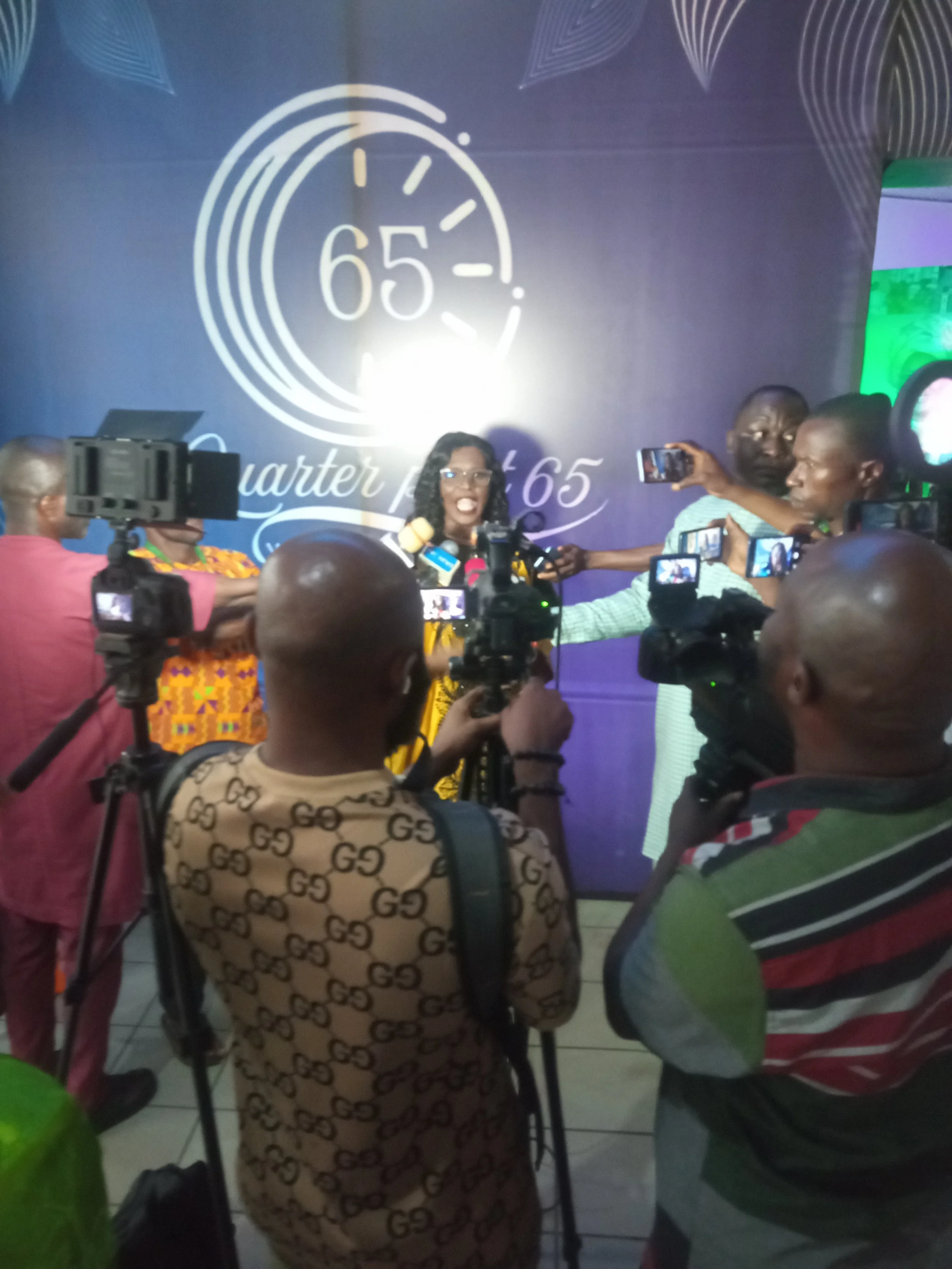
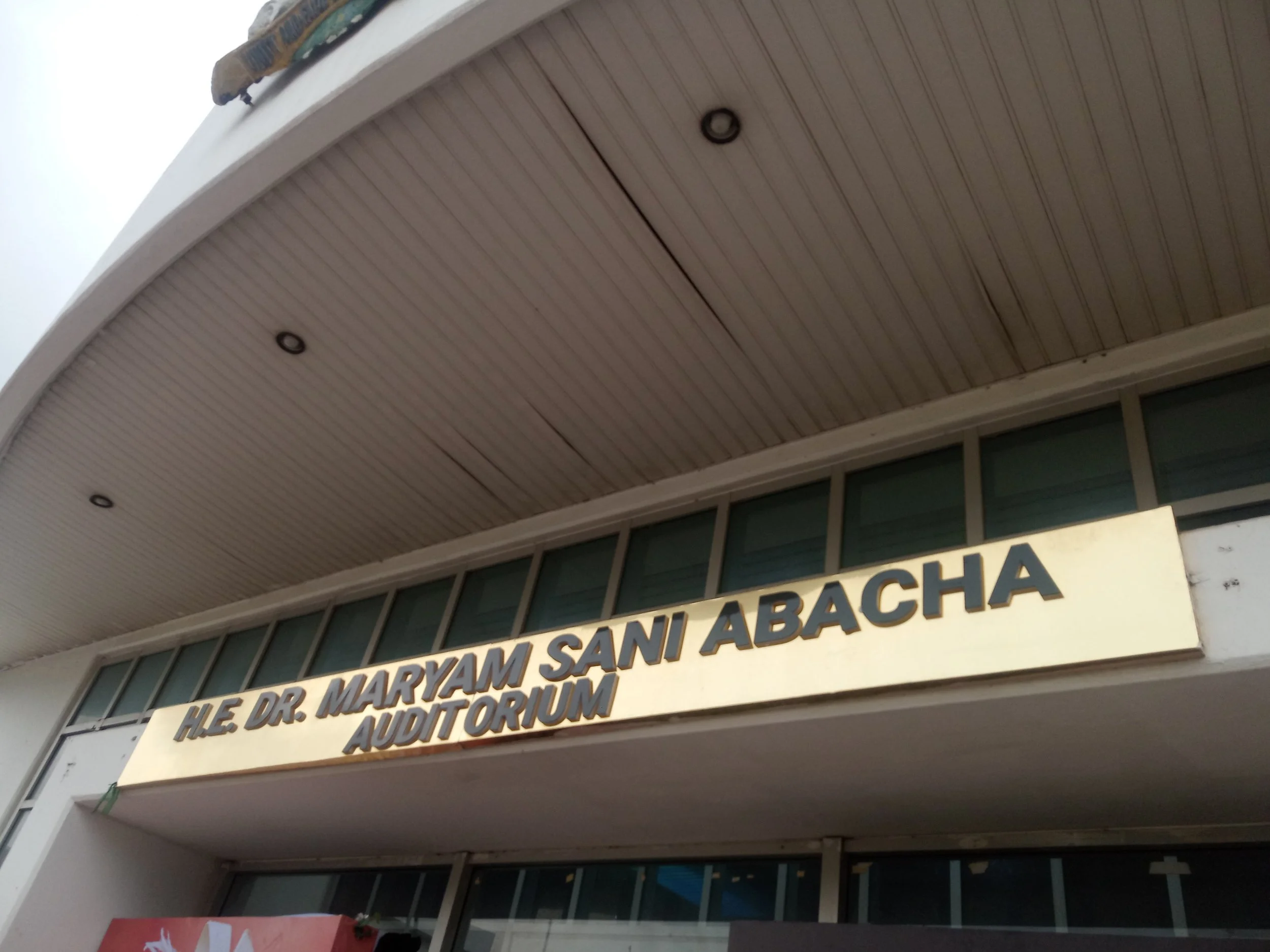
The Quarter Past 65 (QP65) podcast, a pioneering platform centered on dialogue and dignity for older Nigerians, celebrated its first anniversary in Abuja. The event culminated in the launch of a specially commissioned Compendium, a curated anthology of its most powerful episodes, stories, and reflections from the past year.
Abuja, Nigeria. August 7 2025
By Melody-Esther Soyemi
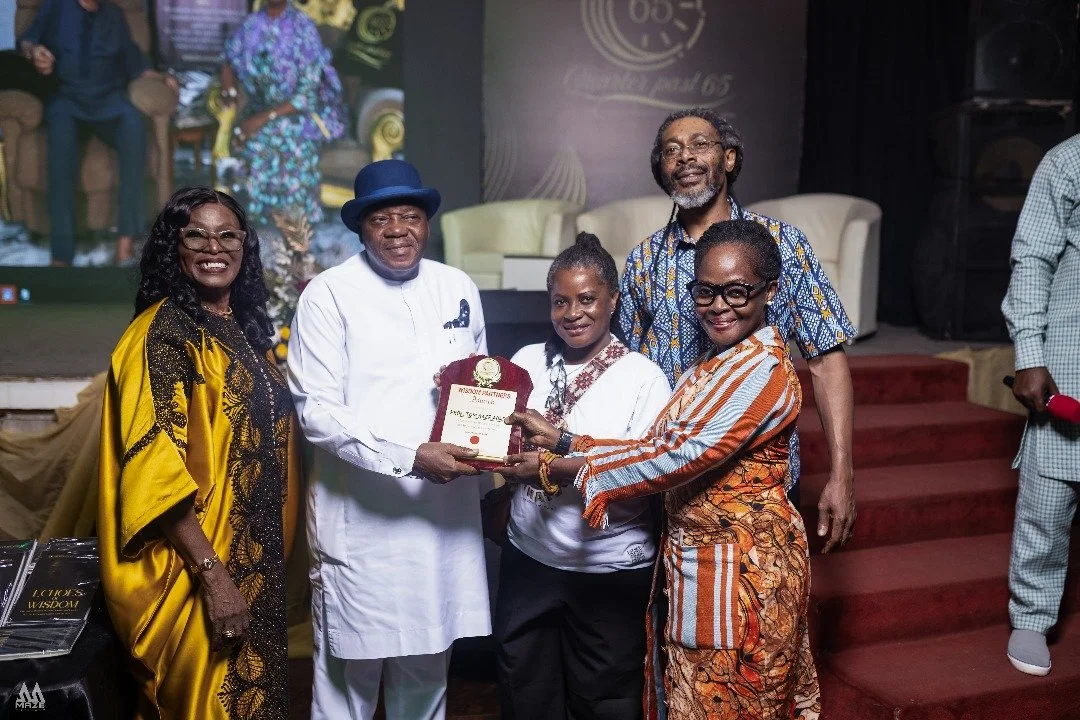
The Quarter Past 65 (QP65) podcast, a pioneering platform centered on dialogue and dignity for older Nigerians, celebrated its first anniversary in Abuja. The event culminated in the launch of a specially commissioned Compendium, a curated anthology of its most powerful episodes, stories, and reflections from the past year.
Since its debut a year ago, QP65 has distinguished itself as more than a media outlet, it is a growing movement for inclusion. Hosted by Dr. Stella Ayamara Dorgu, the podcast has used empathetic storytelling in spotlighting the lived experiences of elderly Nigerians, navigating themes like meaning, resilience, socioeconomic challenges, and intergenerational relationships.
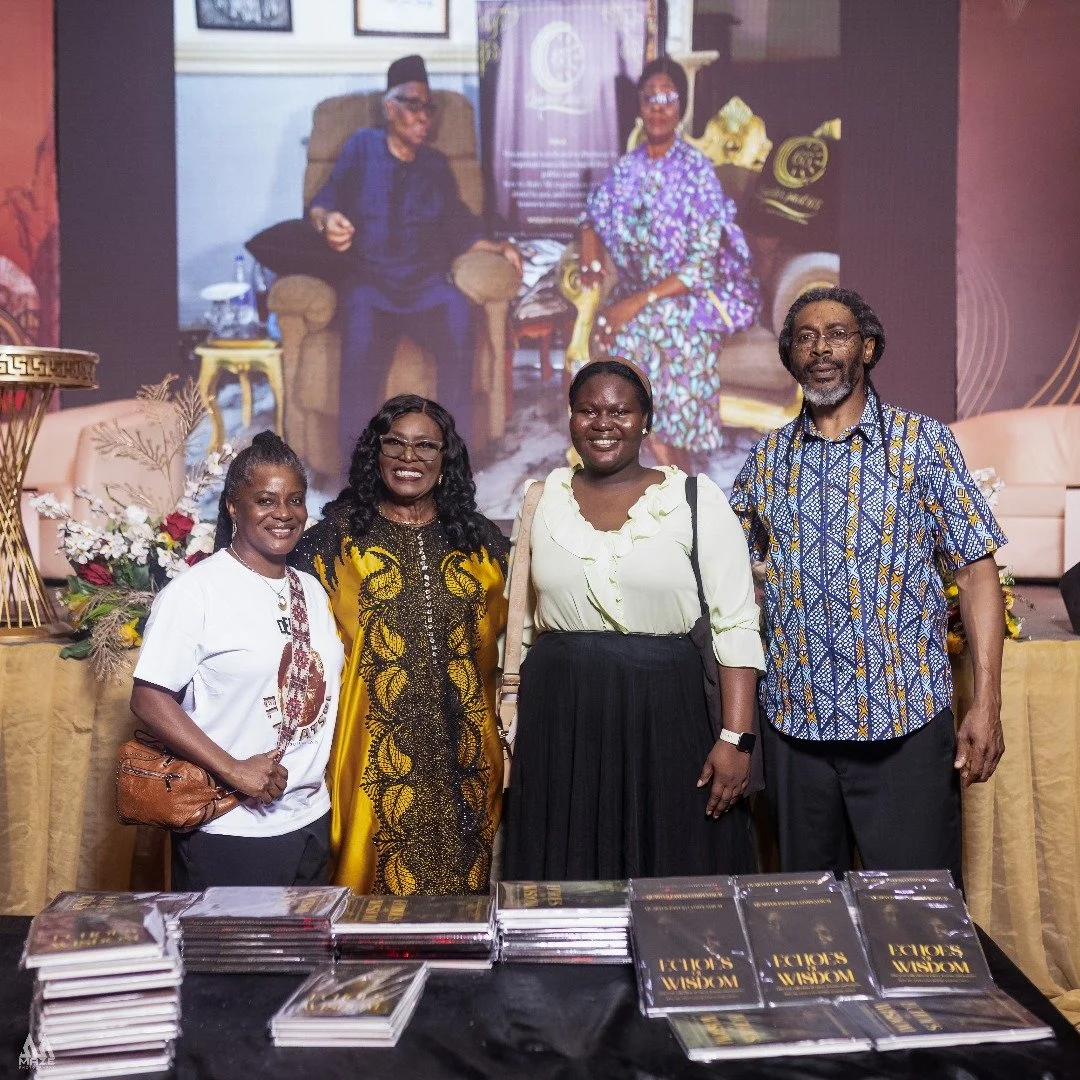
The QP65 Compendium titled “Echoes of Wisdom” was unveiled during the ceremony. A 135-pager described as an “archival collection of voices, lessons and legacies". It cements the QP65 vision, bringing together audio memoirs, expert discussions, and oral histories into a tangible resource for public education, advocacy, and cultural preservation.
At the heart of the celebration was a keynote from Dr. Emem Omokaro, former Director-General of the National Senior Citizens Centre (NSCC). She framed the milestone as a clarion call for policy reform and implementation.
“Only about 4% of older persons in Nigeria have access to formal pension coverage,” Dr. Omokaro reported, spotlighting a significant policy gap. She recalled Nigeria’s low ranking on the Global AgeWatch Index—85th out of 90 in 2013 and into the 86th position out of 95 by 2015 highlighting the urgency of eldercare reforms. She lauded the National Senior Citizens Centre Act (2017) and the National Policy on Ageing (2021) for establishing a legal foundation:
“For the first time, we have a legal framework recognizing older Nigerians as citizens with rights to be heard, included in budgeting, and to benefit from national development.”
Dr. Omokaro called on state governments to accelerate the domestication of these reforms: “States should develop their own policies… This is how the impact will be felt in rural areas.” These remarks are part of an evolving agenda NSCC-led initiatives have supplied assistive devices and medical outreach to 500 elders in Akwa Ibom State, while some states have already domesticated the Act at the subnational level.
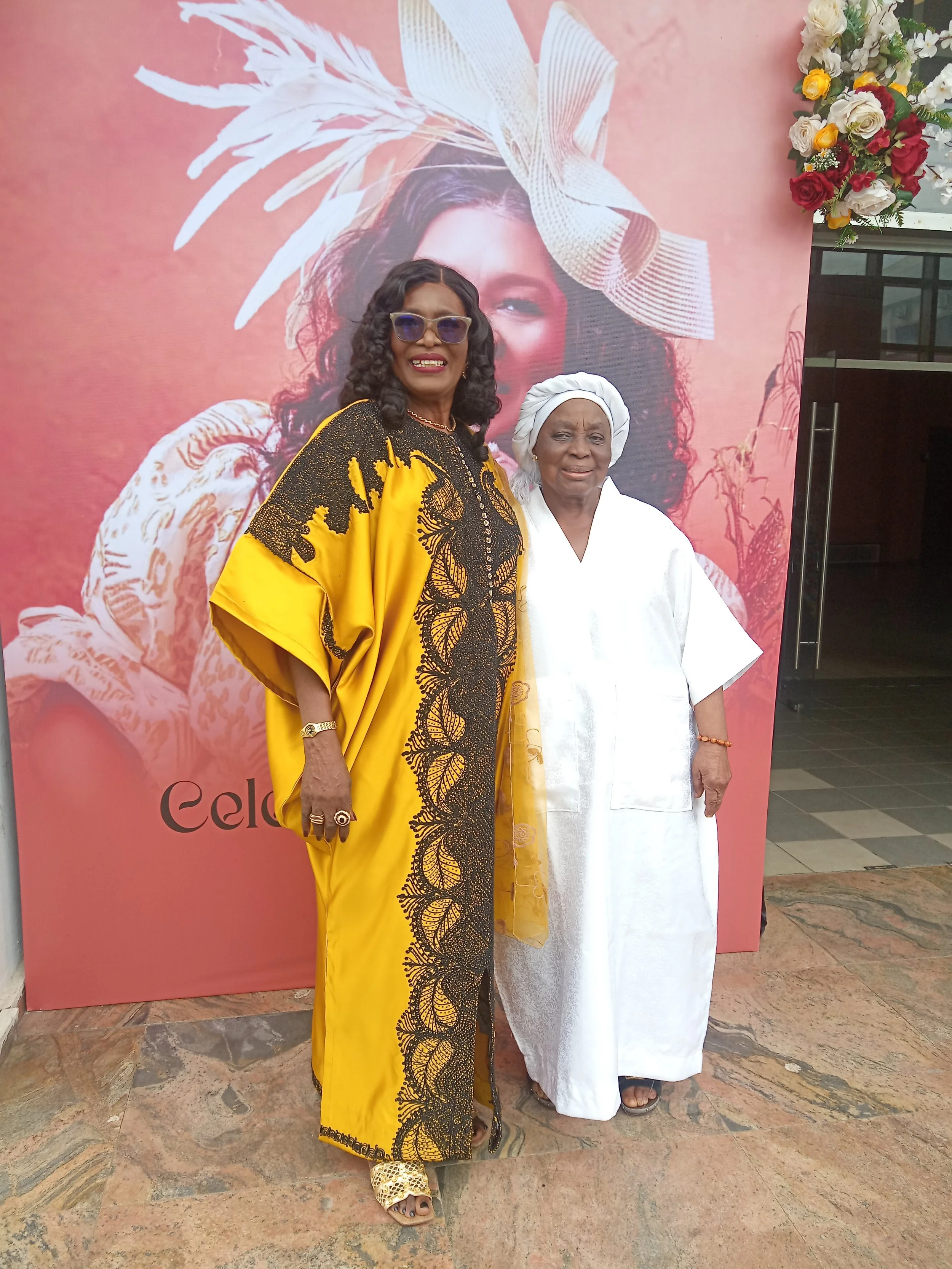
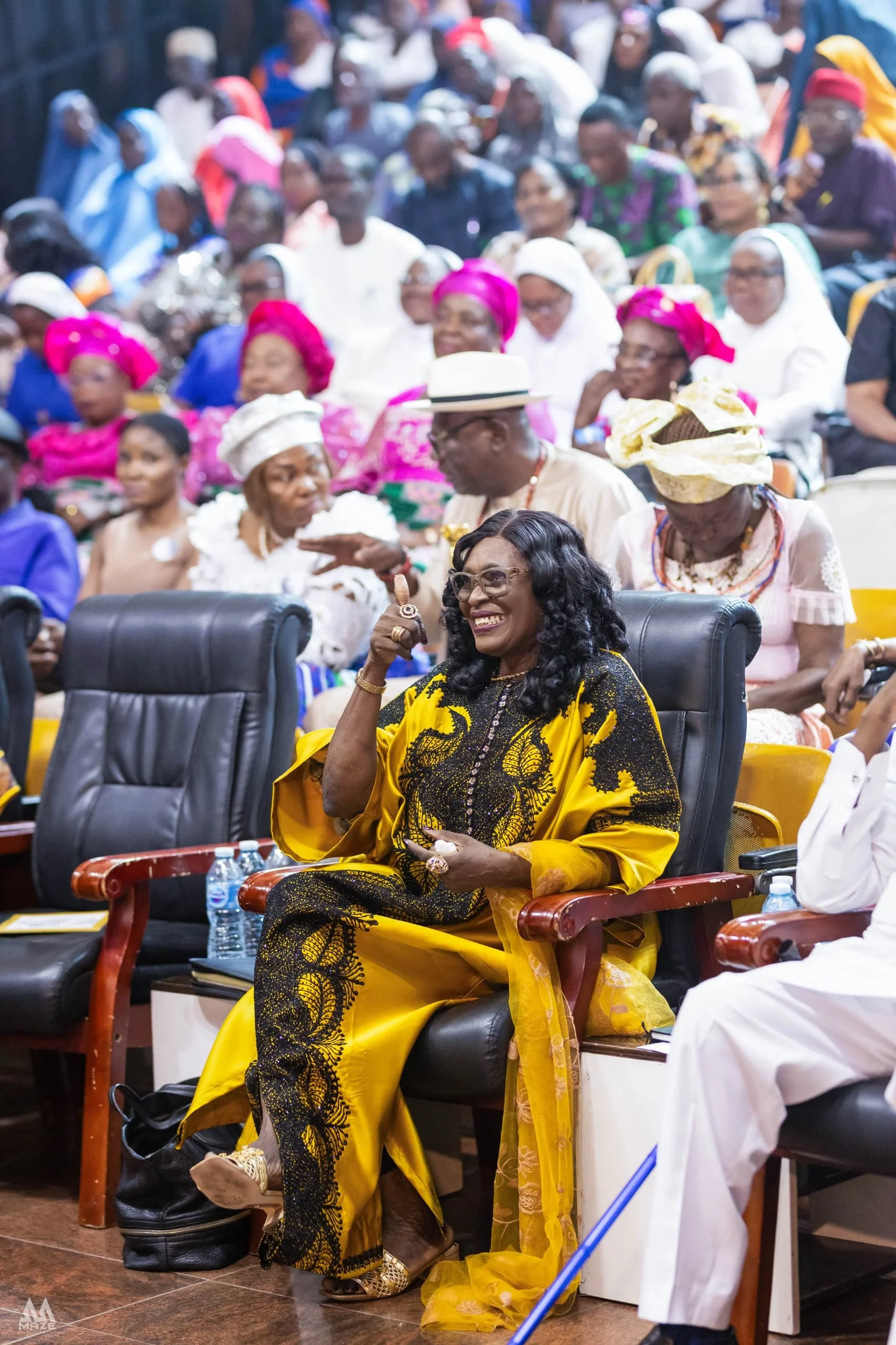
The event doubled as the 76th birthday celebration for QP65’s founder and host, Dr. Stella Dorgu, who reflected on the past year with conviction:
“Quarter Past 65 today is not just a podcast, but a movement. It’s rooted in dignity, in dialogue, and the belief that every elder's story bridges yesterday’s wisdom and tomorrow’s choices.”
Her words framed the Compendium not merely as an archive, but as a tool for civic empowerment and cultural continuity.
The celebration drew an impressive lineup of dignitaries and national figures, including Chief Dr. Samuel Ogbuku, Barr. Dr. Didi Walson-Jack, OON, MMI, and H.E. Dame Pauline Tallen, among others who served as Guests of Honor delivering goodwill messages, HRM Hon. Justice (Dr.) F.F. Tabai, CON, JSC (rtd), Pere Esuku I, Royal Father of the Day, alongside Her Royal Highness Queen Ethel Diete-Spiff and Queen Zaynab Obanor, Royal Dr. Emem Omokaro, former NSCC Director-General and keynote speaker; and panelists Dr. Bayo Ayodele, Mr. Peter Igbo, Mrs. Florence Nwachukwu, and Godwin Mazi Abumisi, who led discussions on “Aging in Nigeria.”
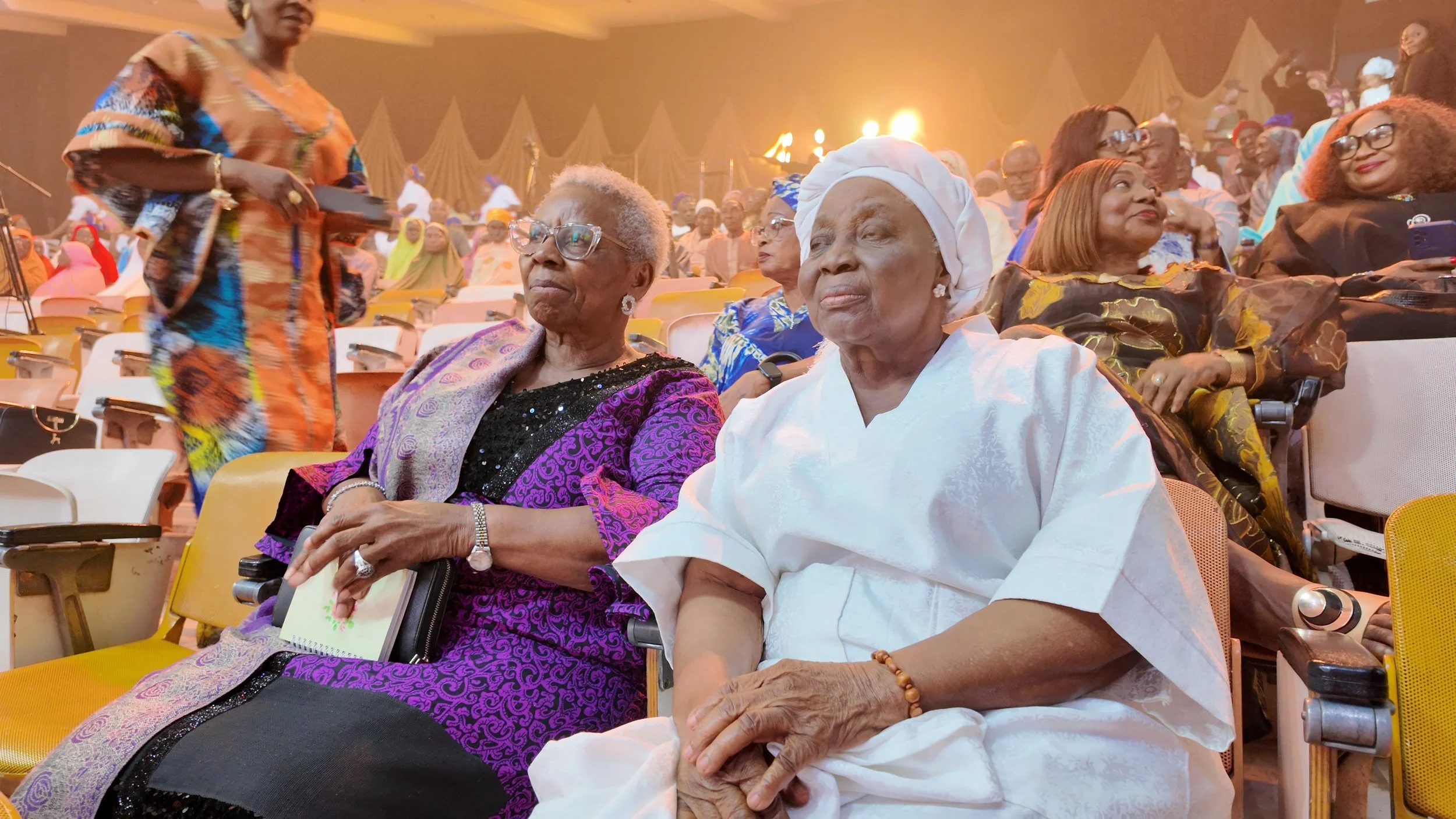
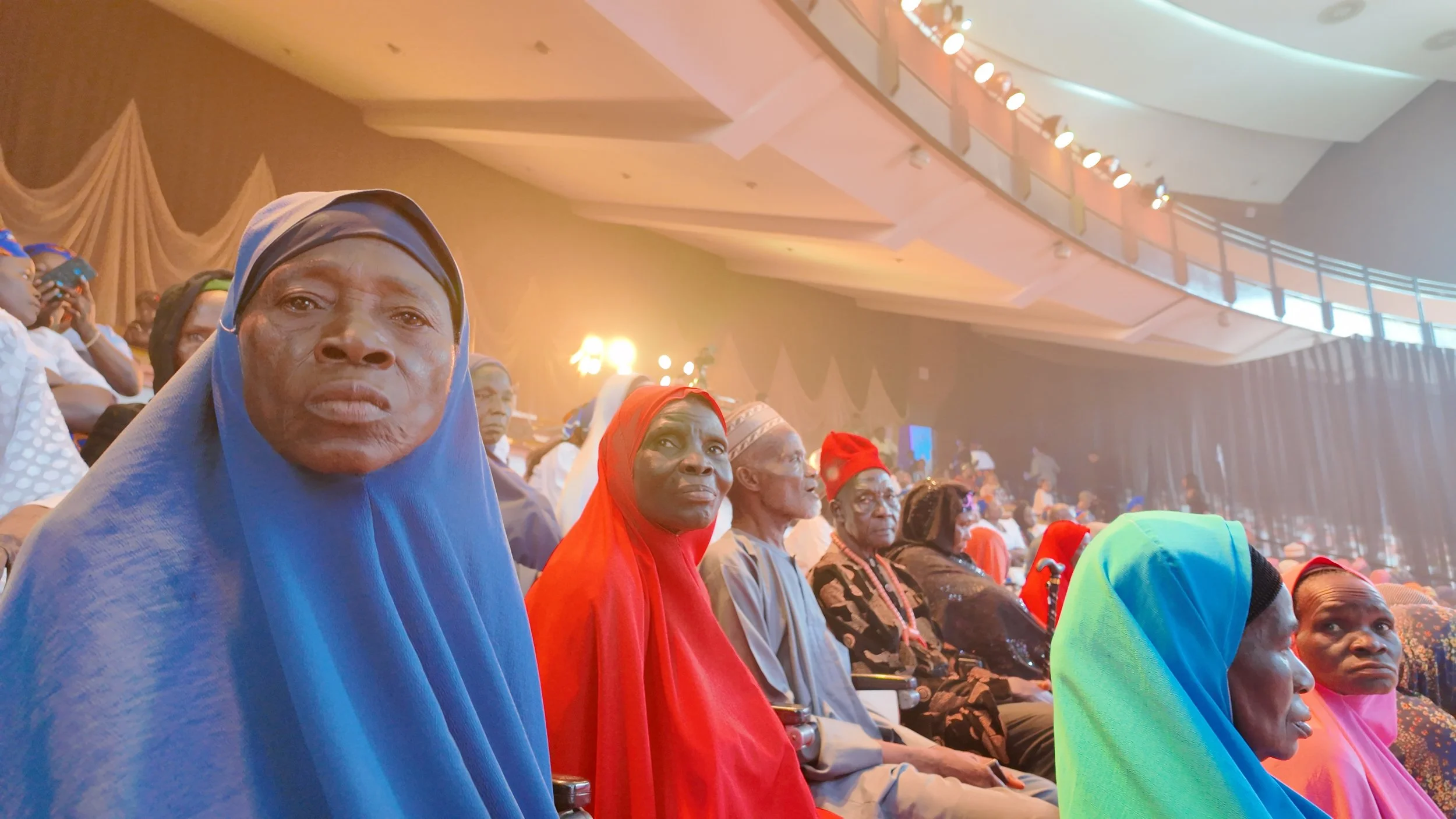
The event brought together a cross-section of attendees: policymakers, civil society champions, media actors, and the elderly themselves - who were drawn from two senior citizens homes in the FCT. It blended solemn gratitude with a shared resolve to move beyond content into action.
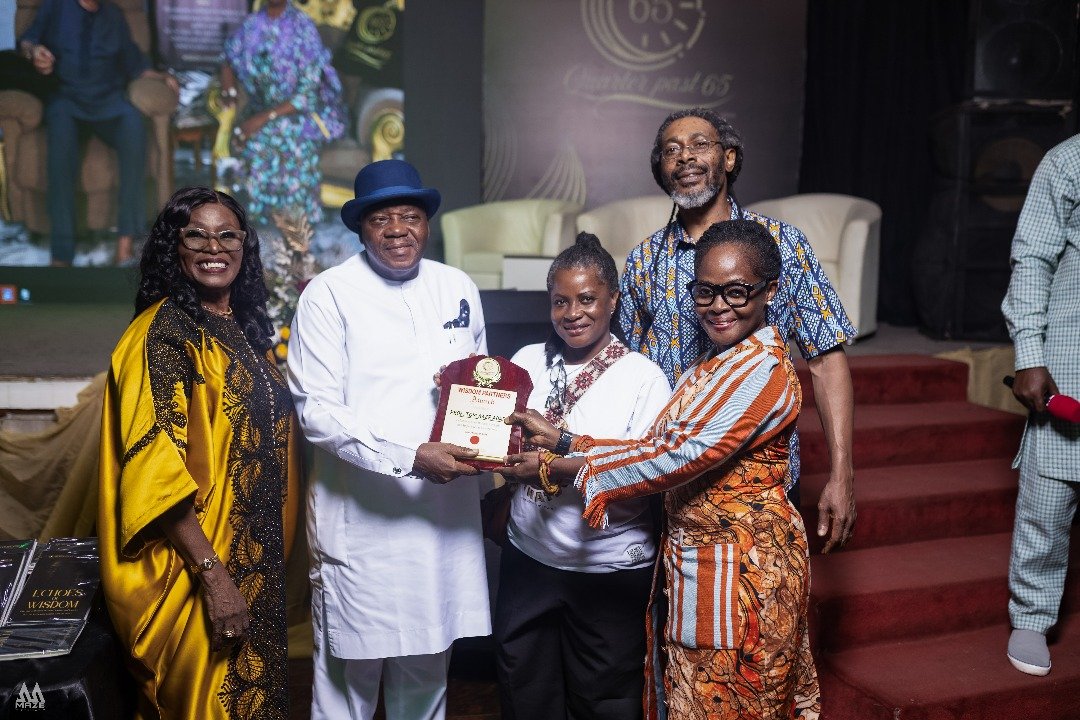
Several awards were presented to individuals who champion the cause of senior citizens in Nigeria. Among them, was the Echoes of Wisdom Award, posthumously presented to the family of the late veteran broadcaster Dr. Tom Adaba.
Media observers and civil rights groups continue to recognize QP65 as a promising model for advocacy. As Nigeria’s demographic evolves, the lessons of QP65 point to the power of storytelling as a mechanism for policy transformation and collective empathy.
In her closing remarks, Dr. Dorgu announced key initiatives for QP65’s second year, the initiative will include regional listening sessions to bring elder narratives into communities, collaborations with educational institutions for curriculum integration, and policy dialogues to bridge elders’ realities with decision-makers.
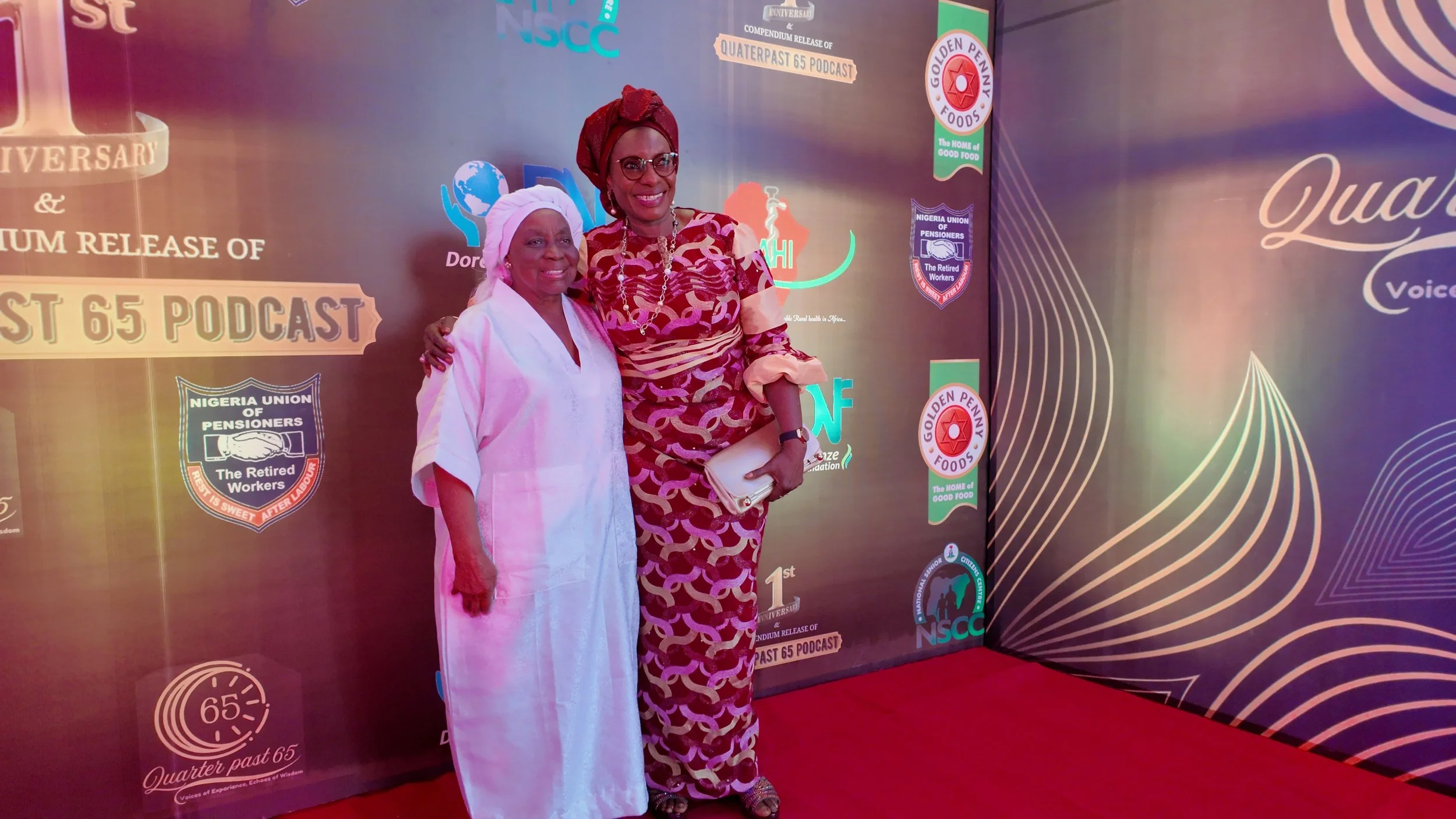
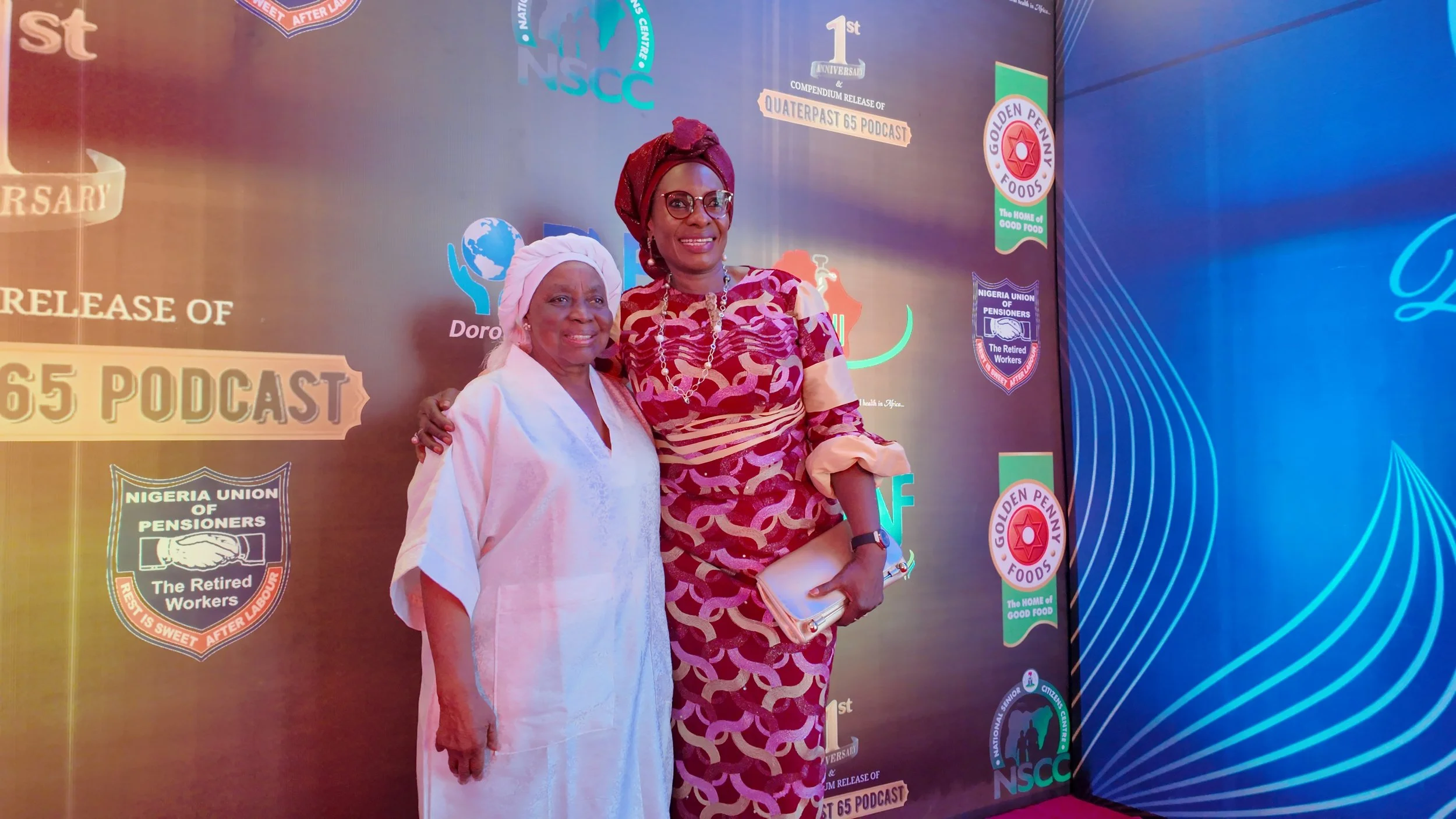
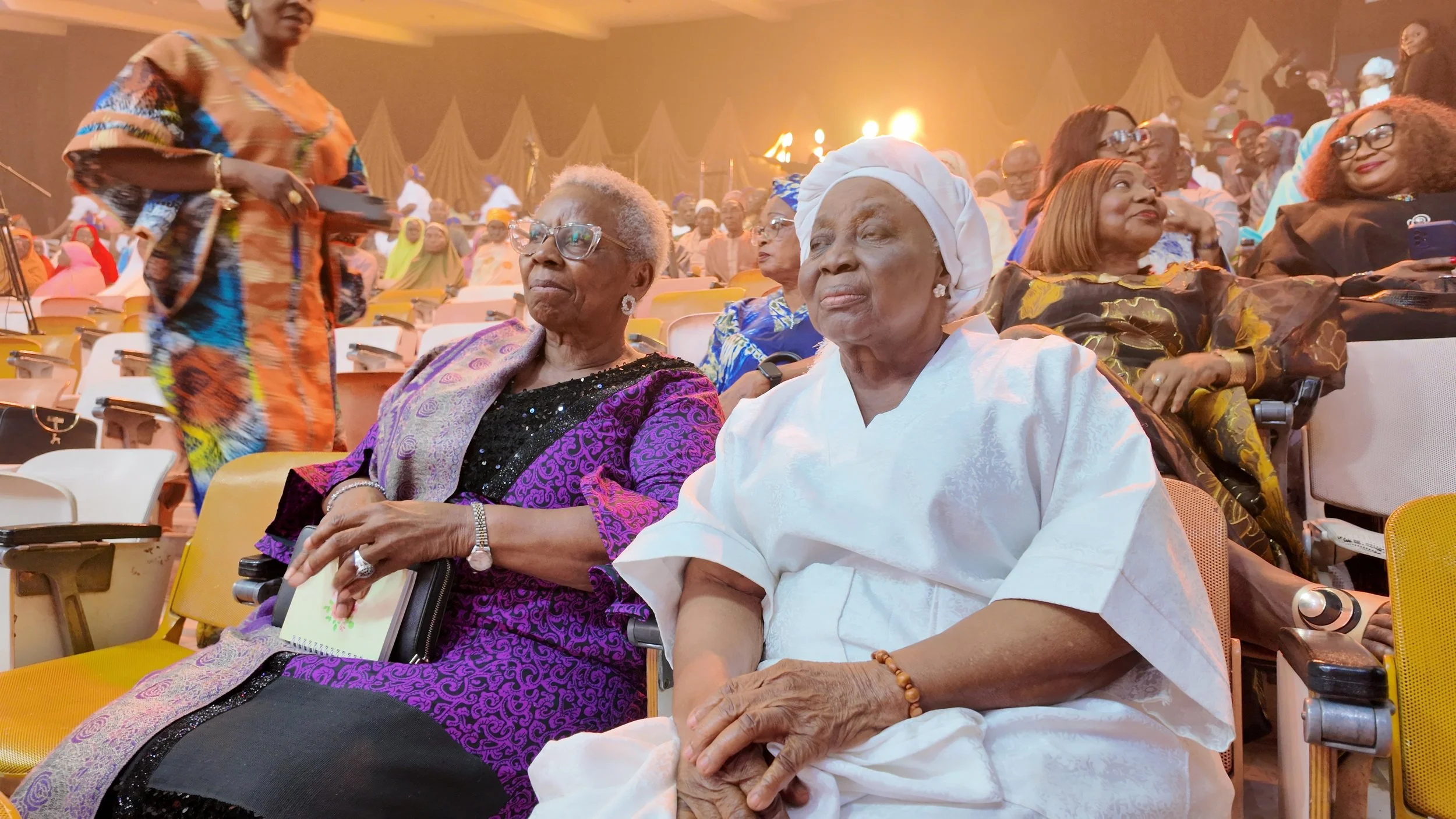
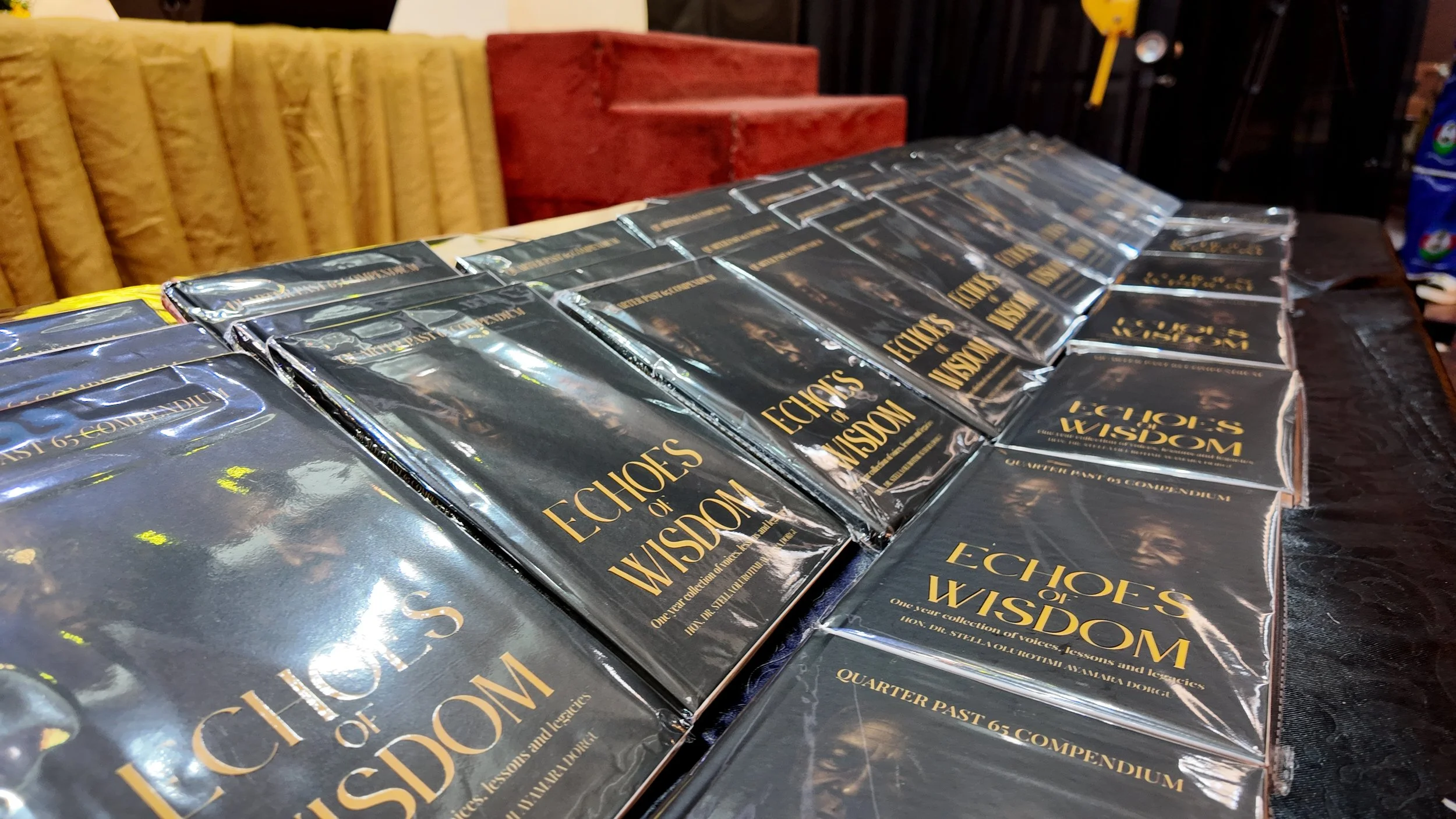
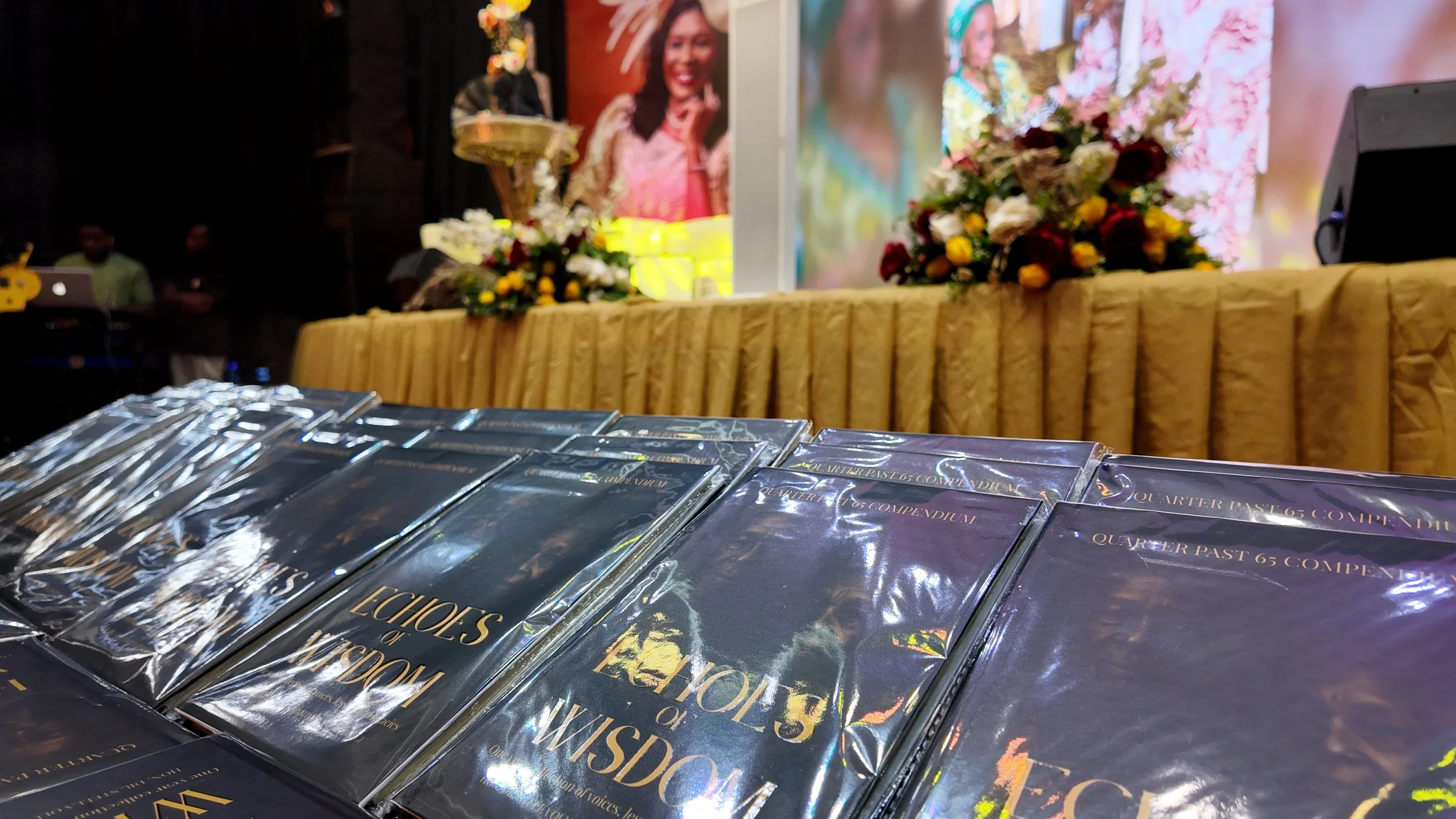
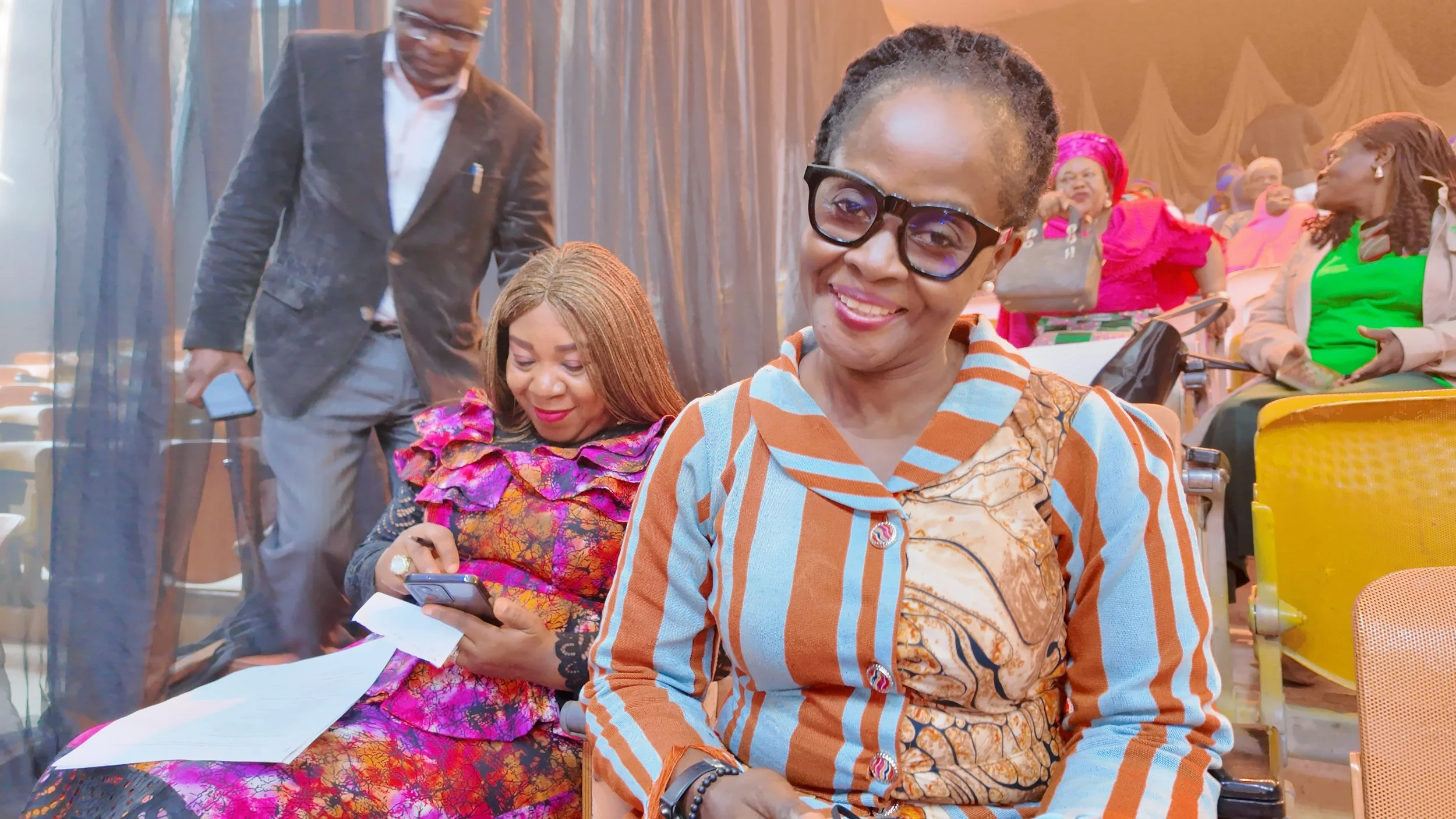



“Our elders are living libraries,” Dr. Dorgu concluded. “It is our duty to listen and to let their wisdom shape our nation’s path forward.”
Quarter Past 65 is a podcast initiative with a heart for advocacy. Powered by the Ayamara Foundation, it uplifts older Nigerians through narrative media, story archiving, and bridging generational dialogue bolstering empathy, policy accountability, and inclusive nation-building.
Button:
Order a copy QP65 Compendium
Watch QP65 Podcast
share this story
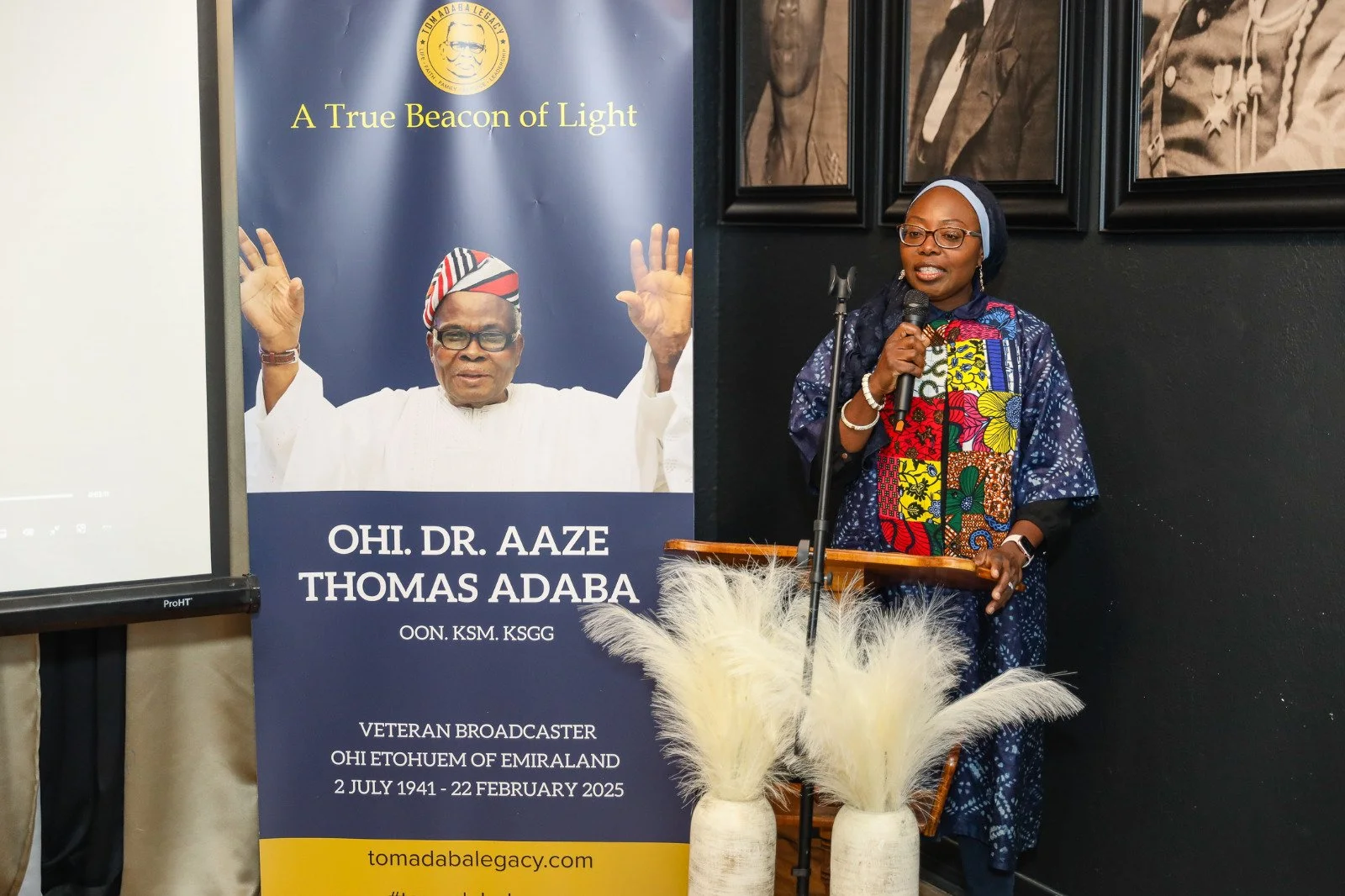
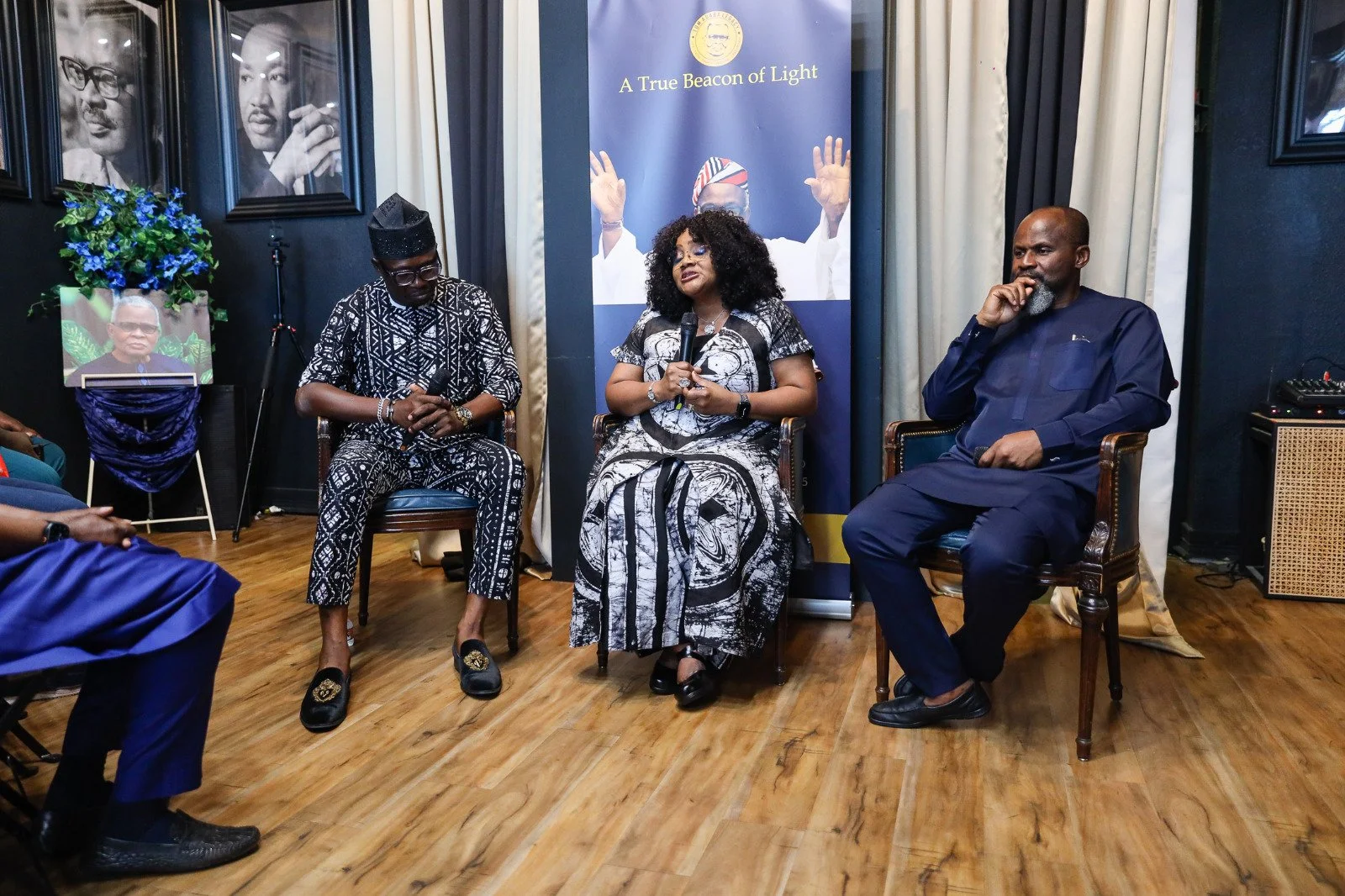
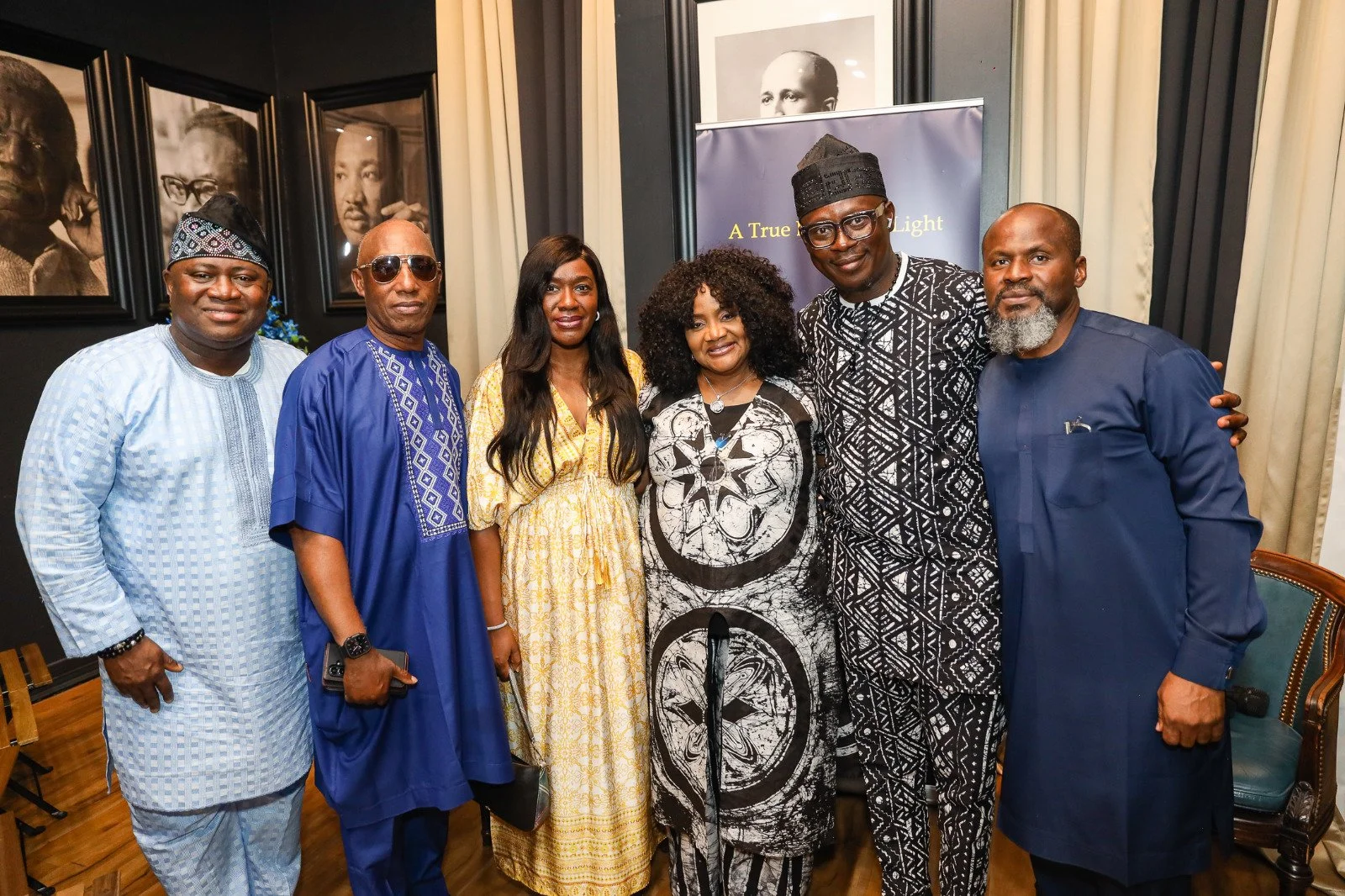
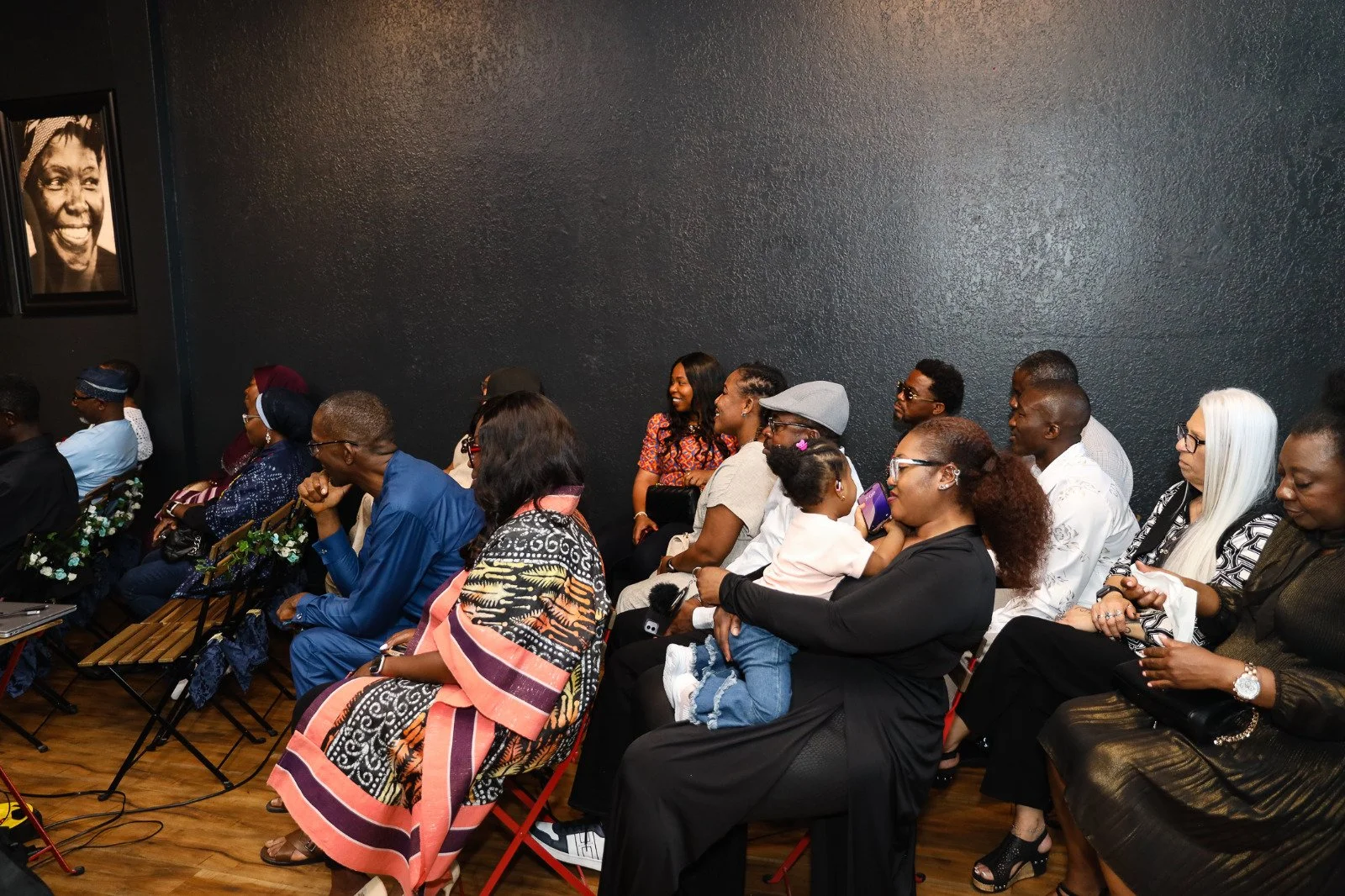
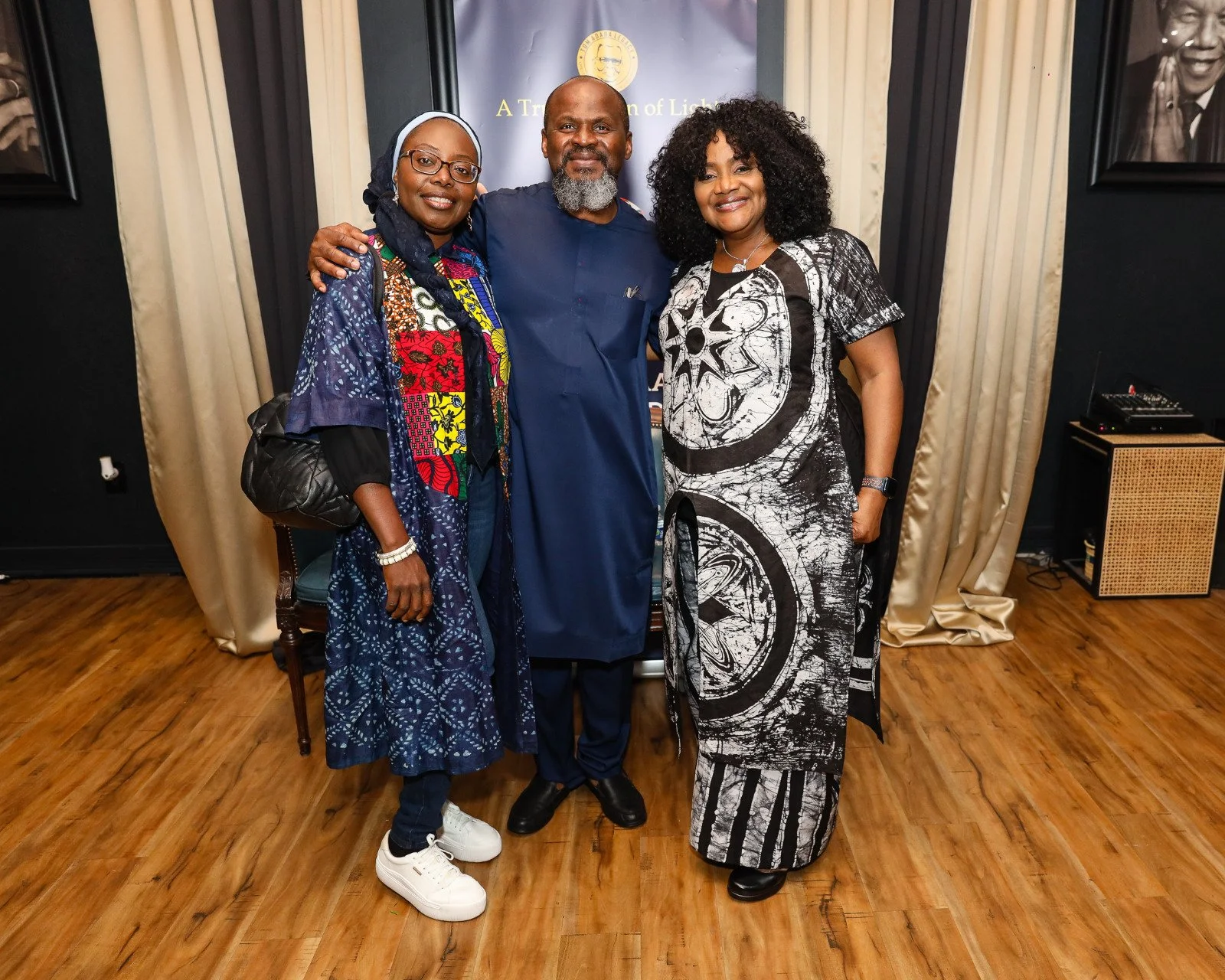
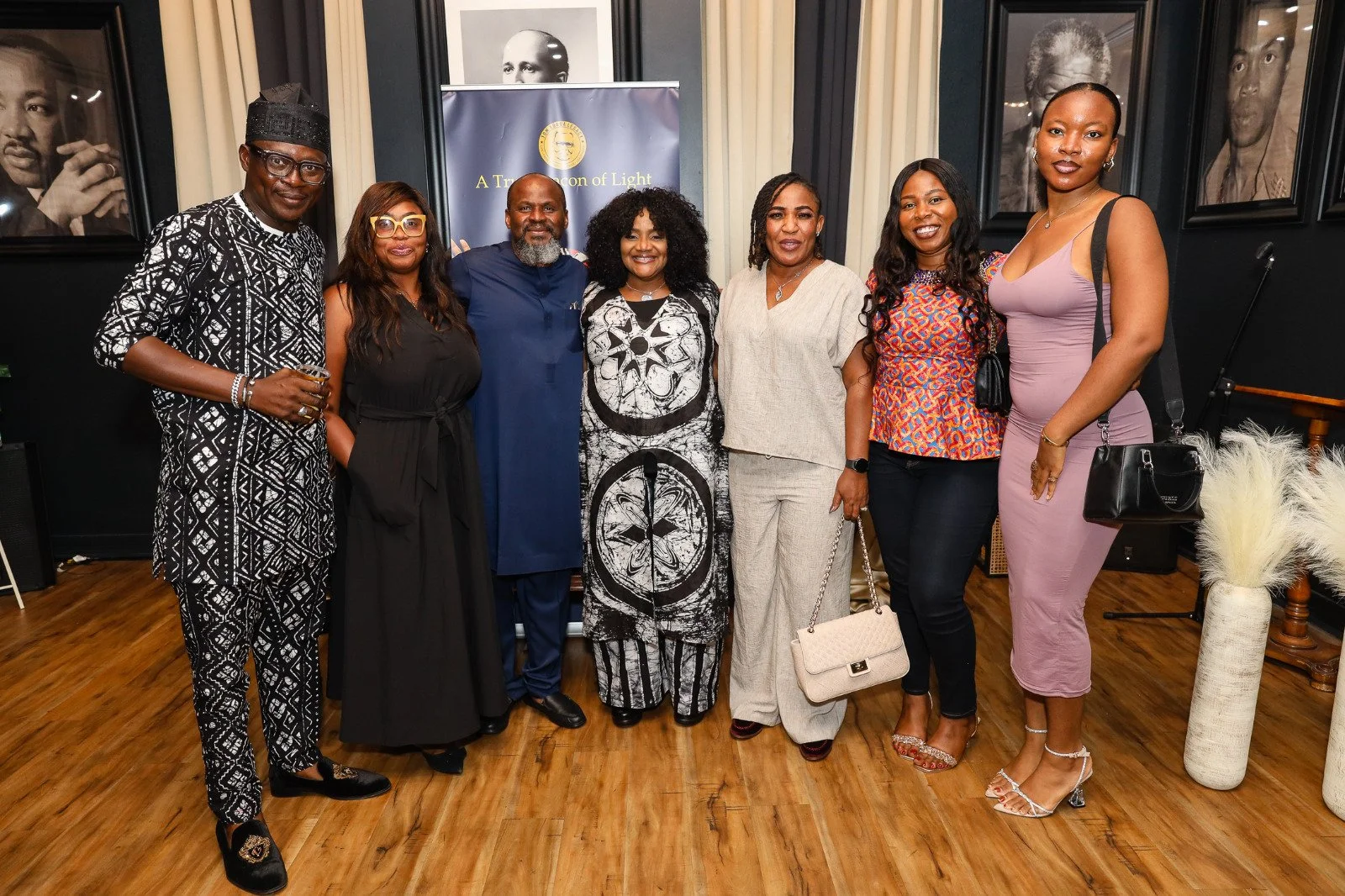
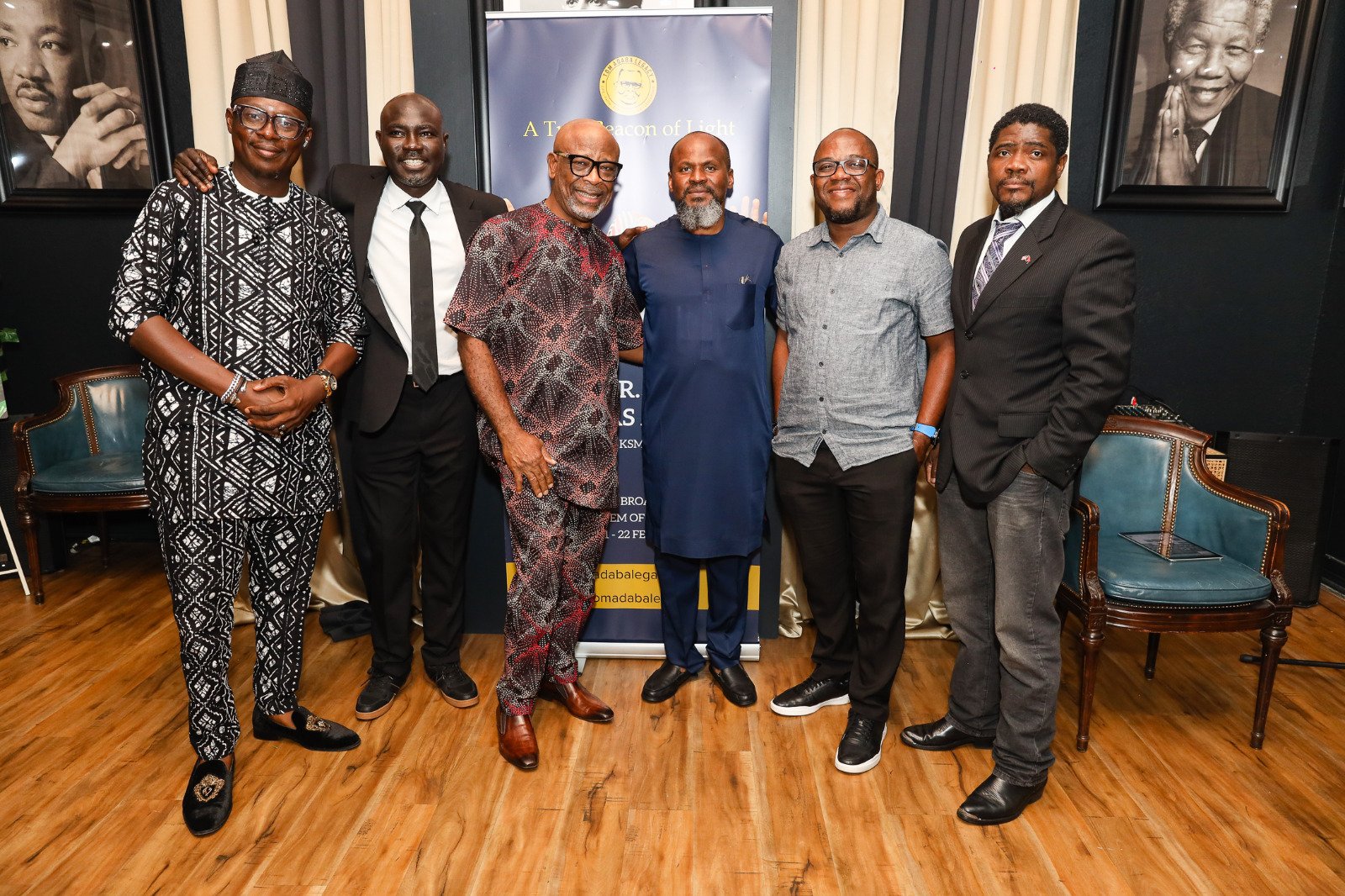
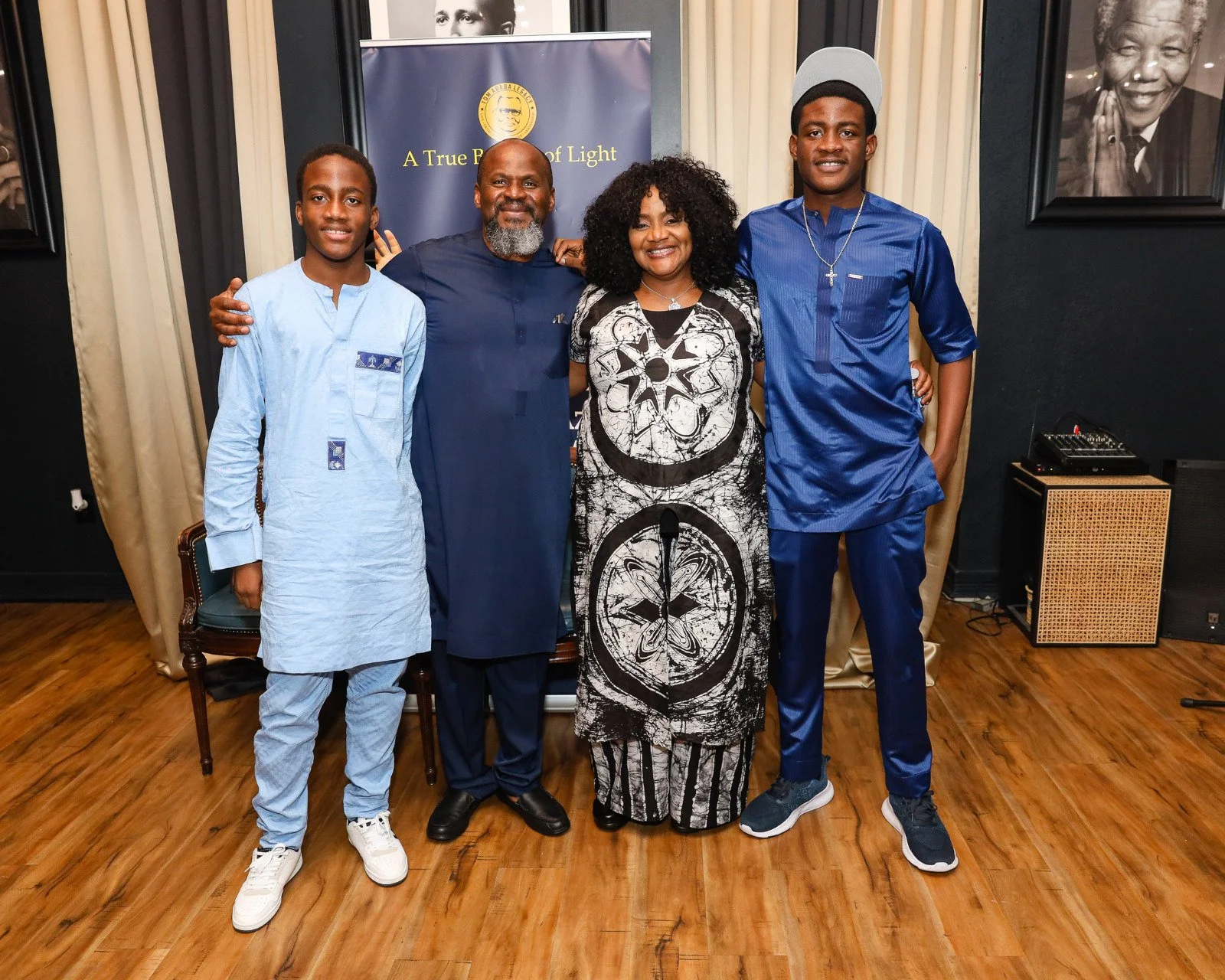
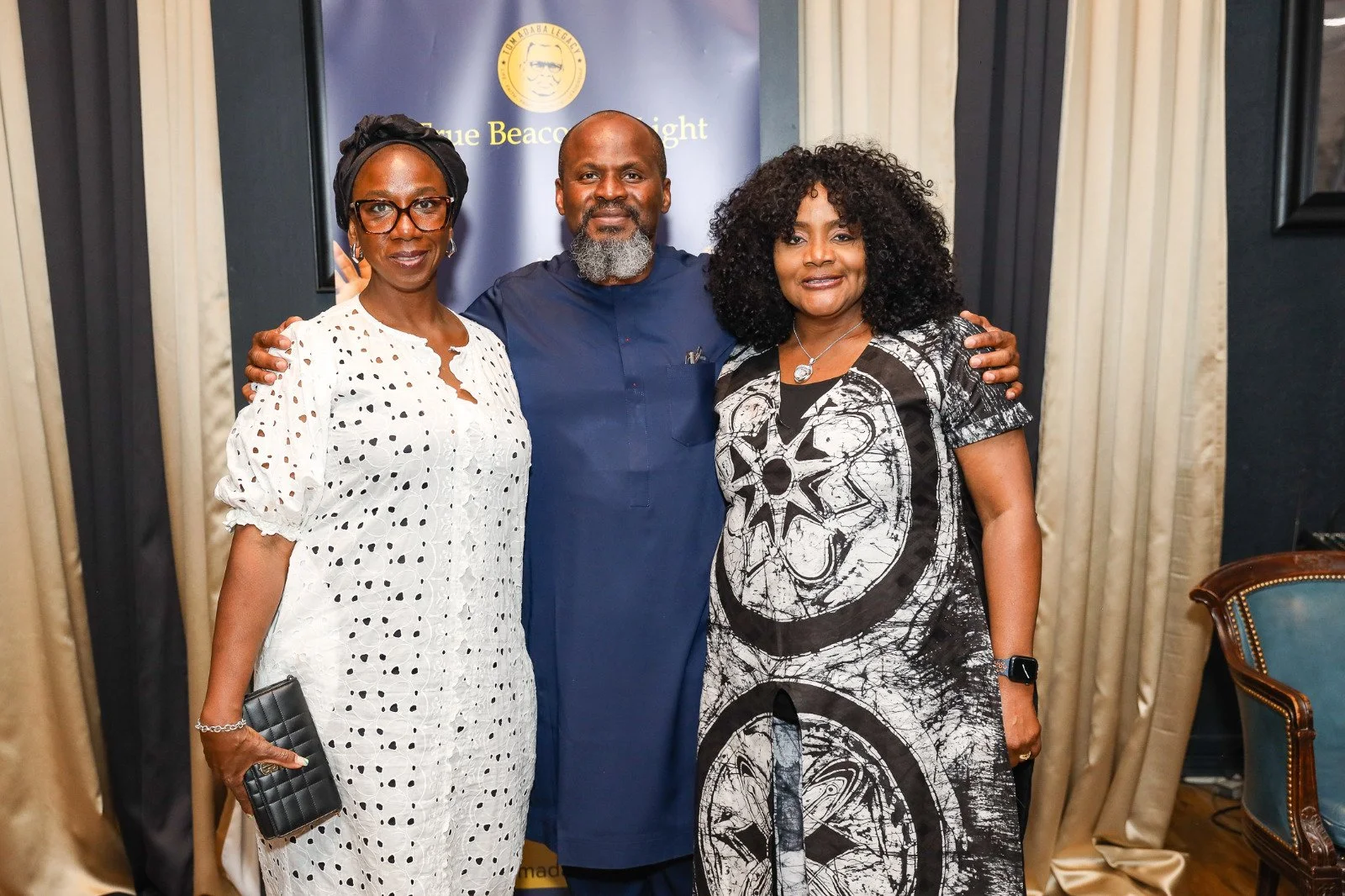
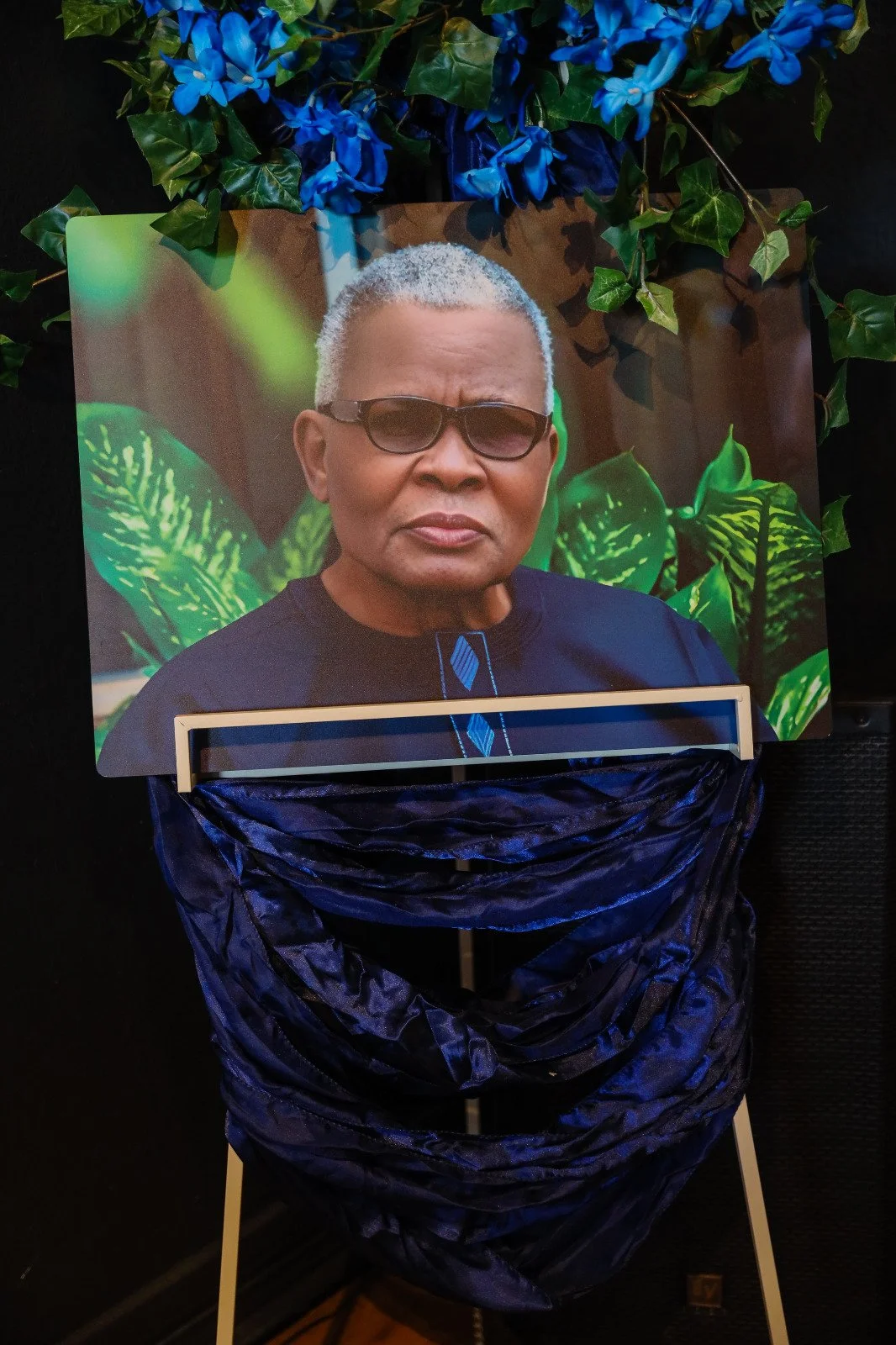
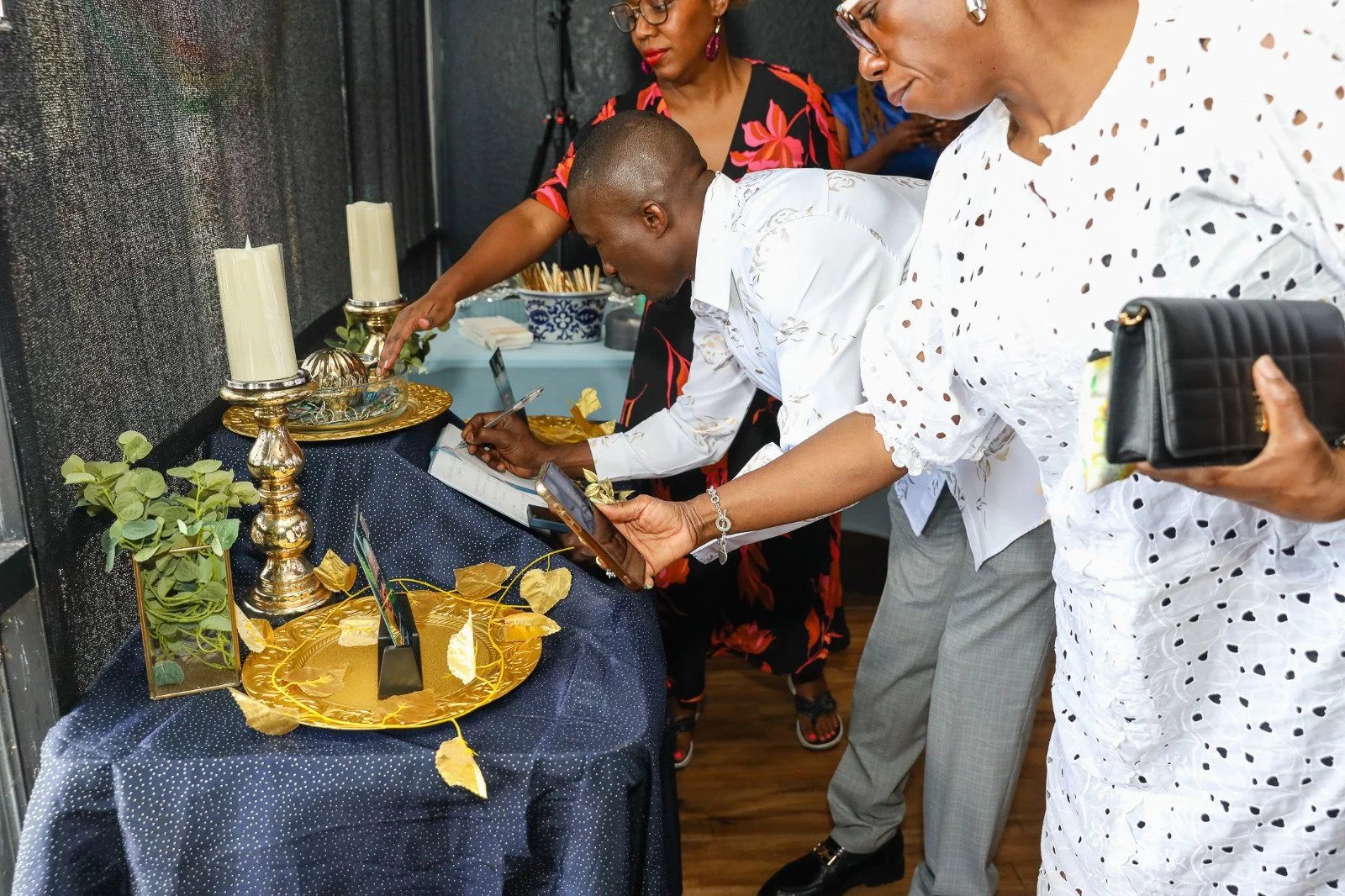
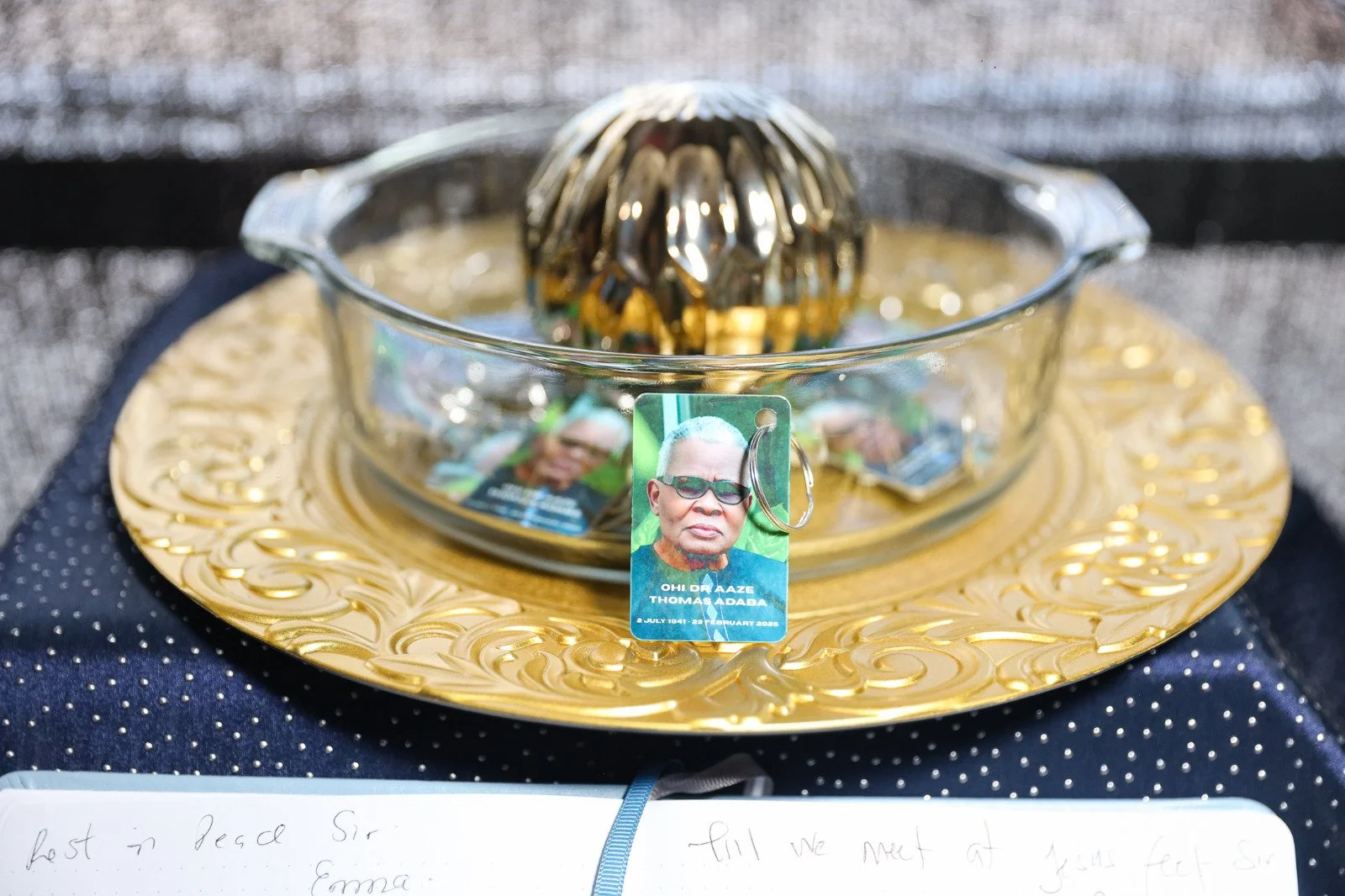
An Evening of Honor: Remembering Dr. Aaze Tom Adaba in Houston
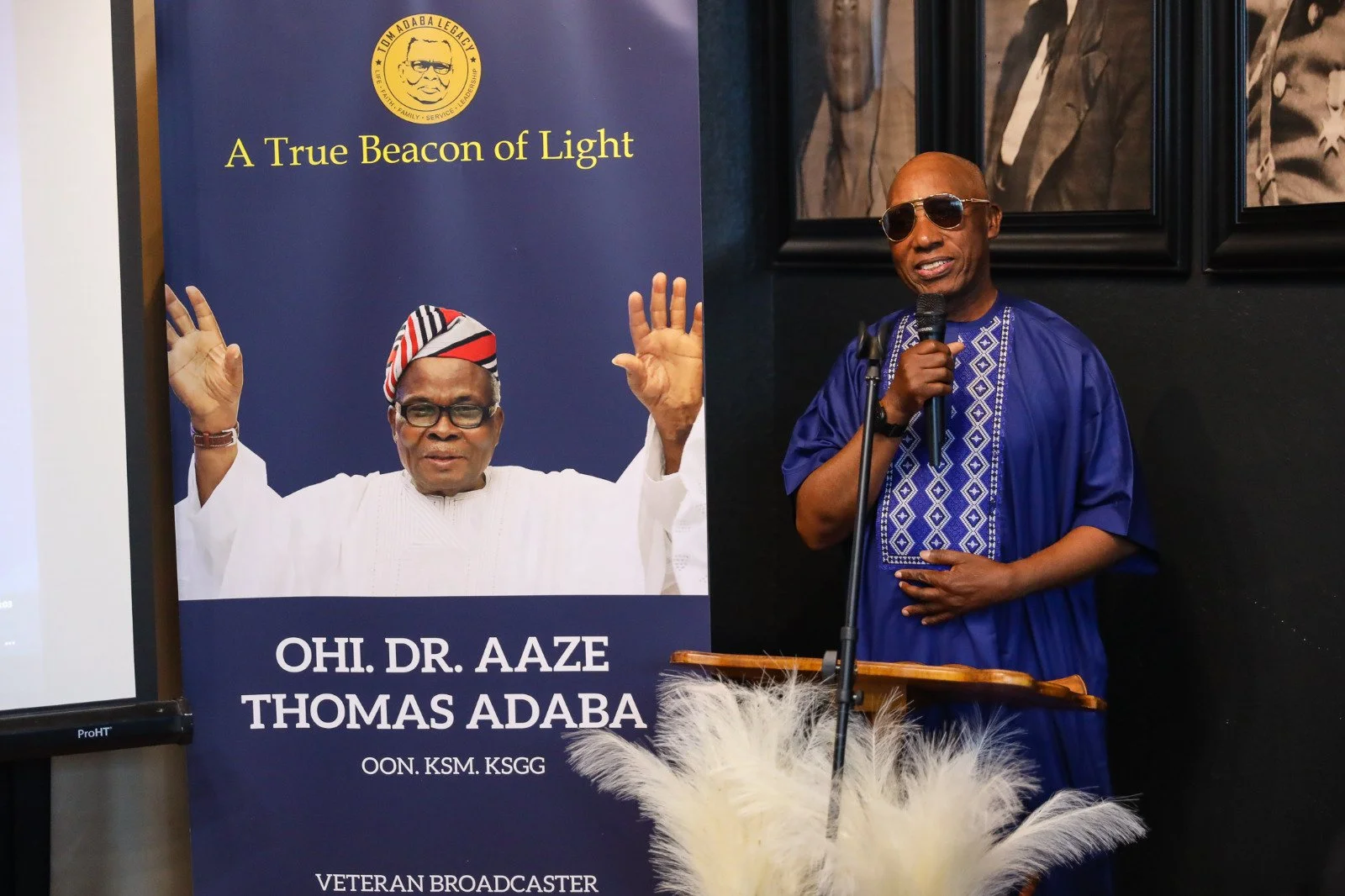
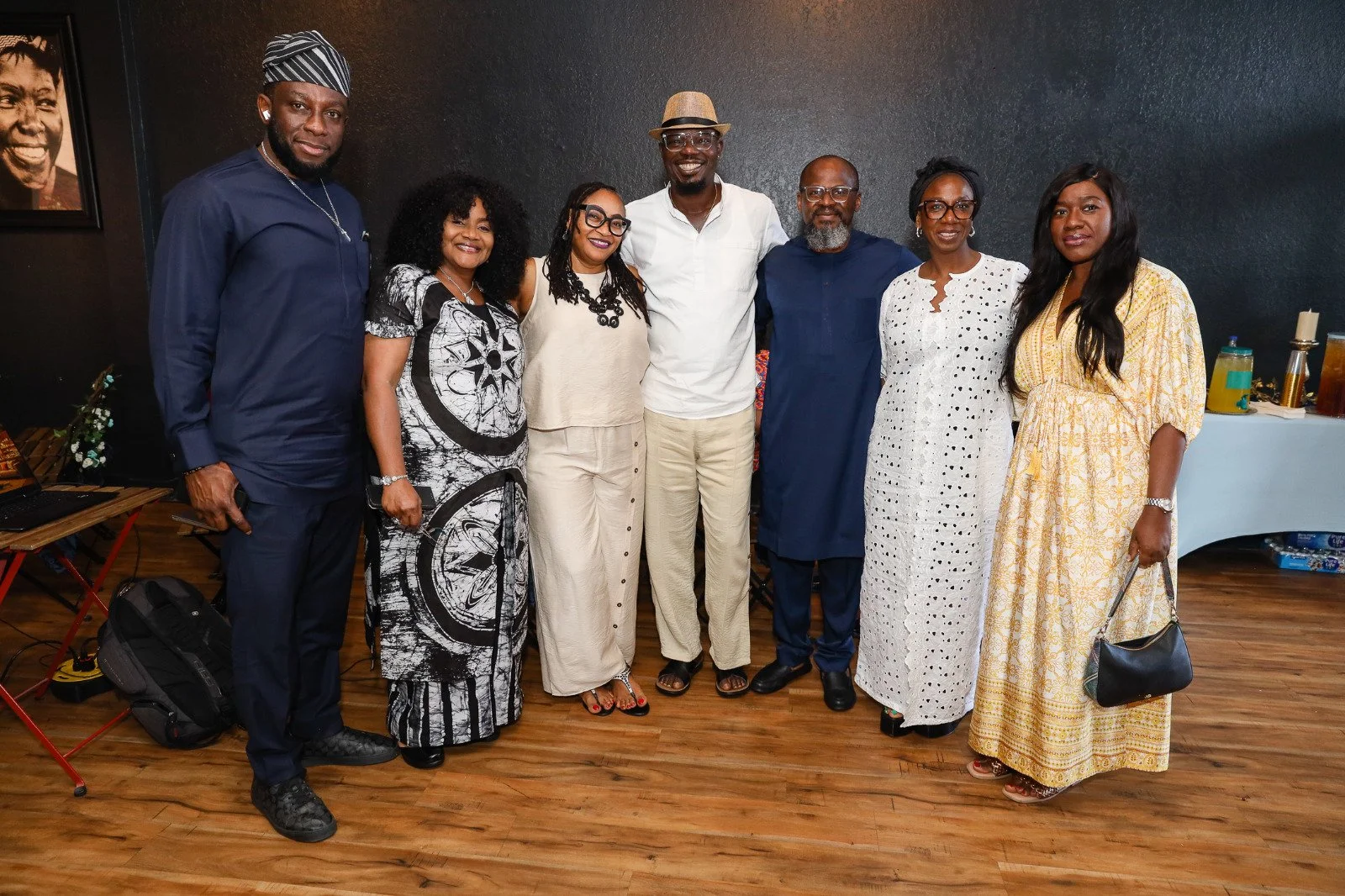
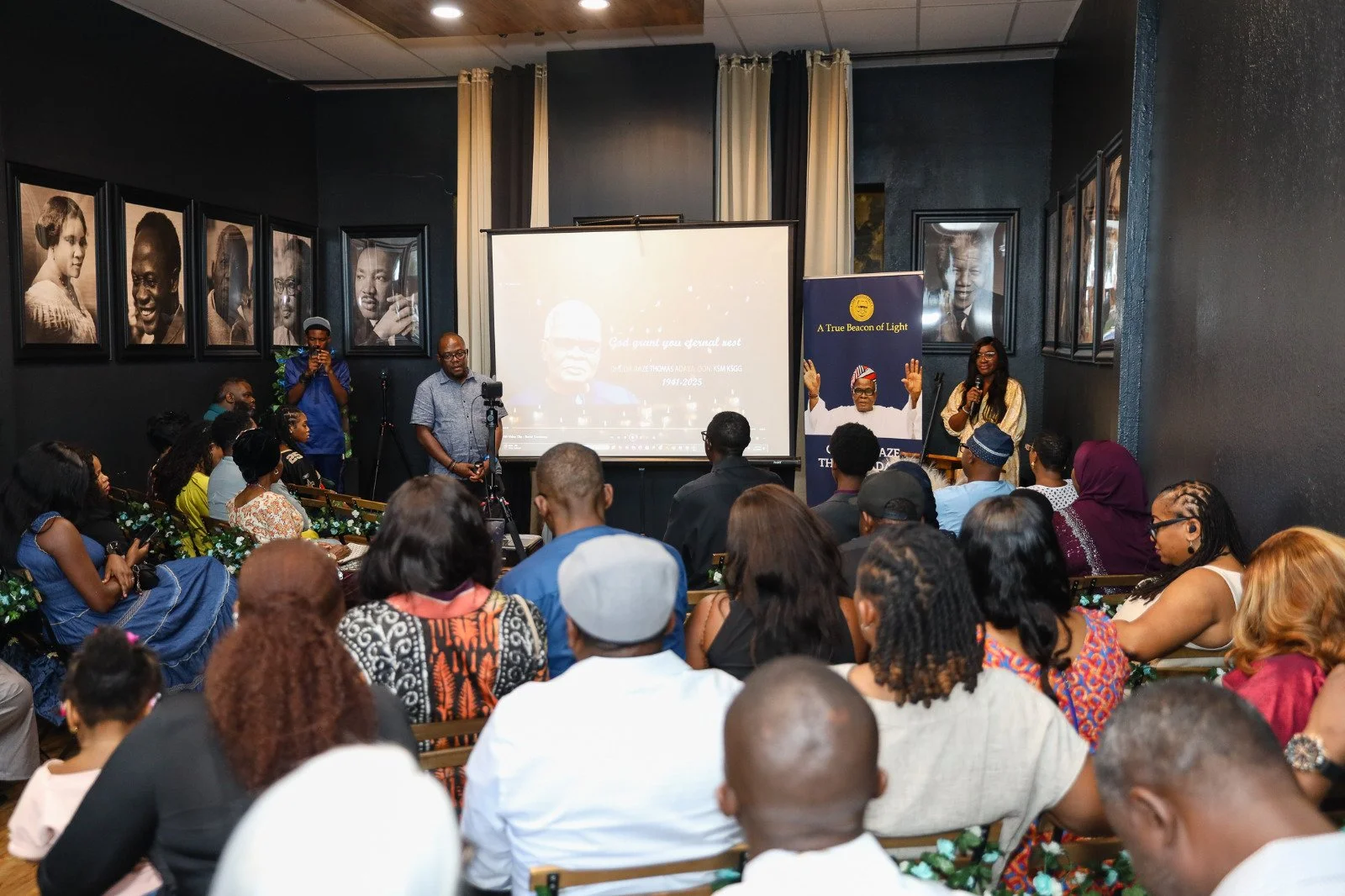
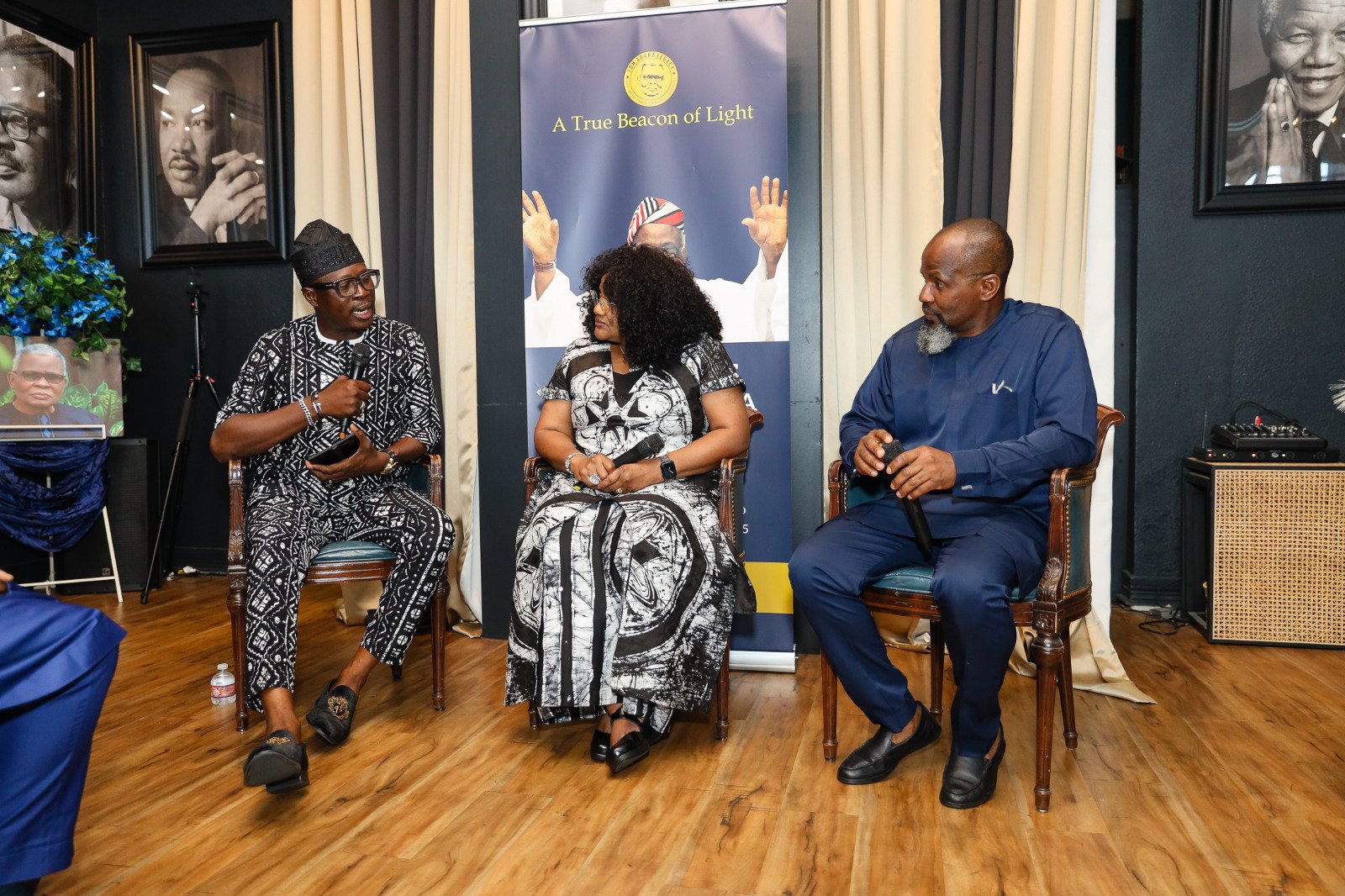
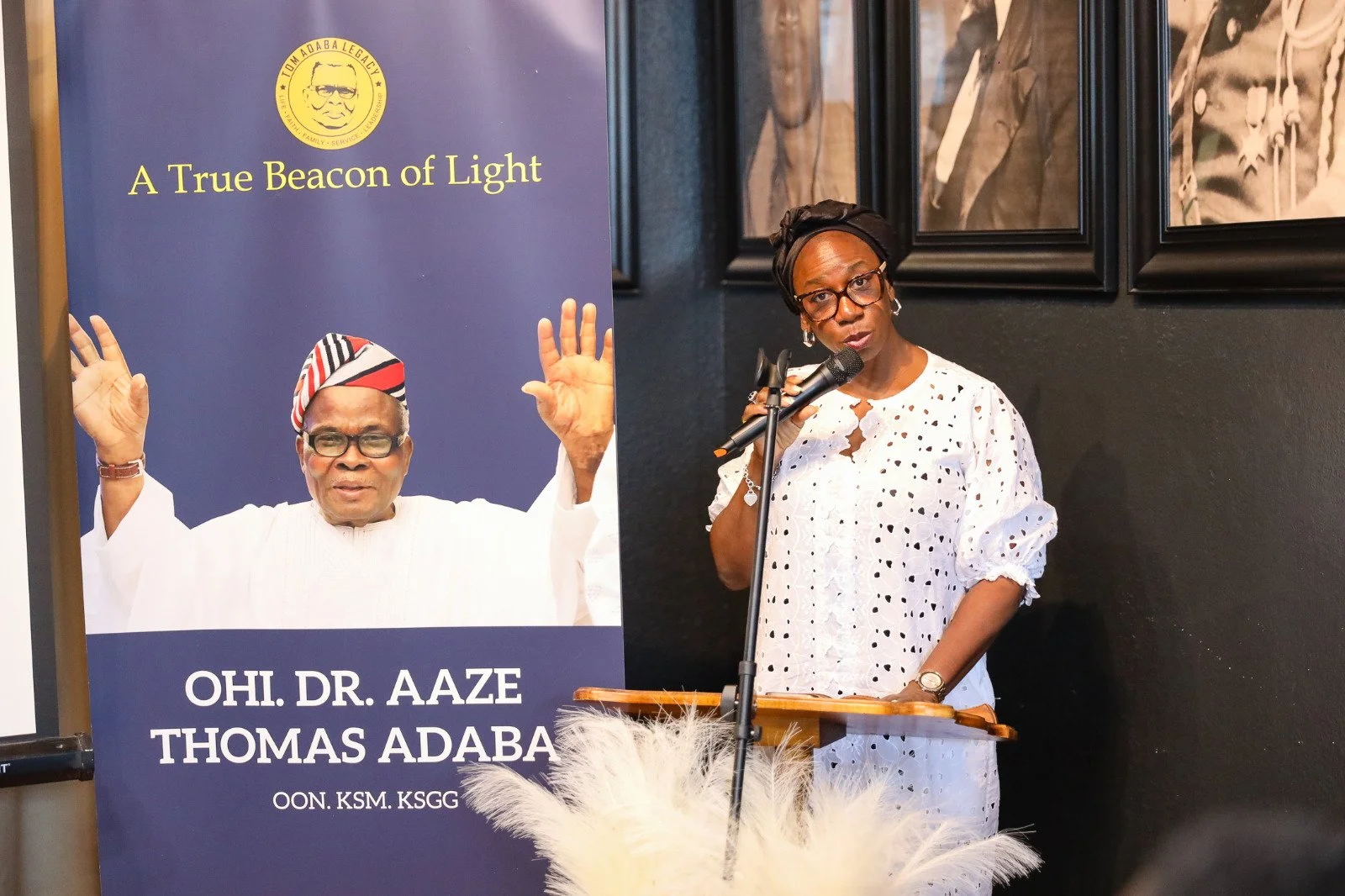
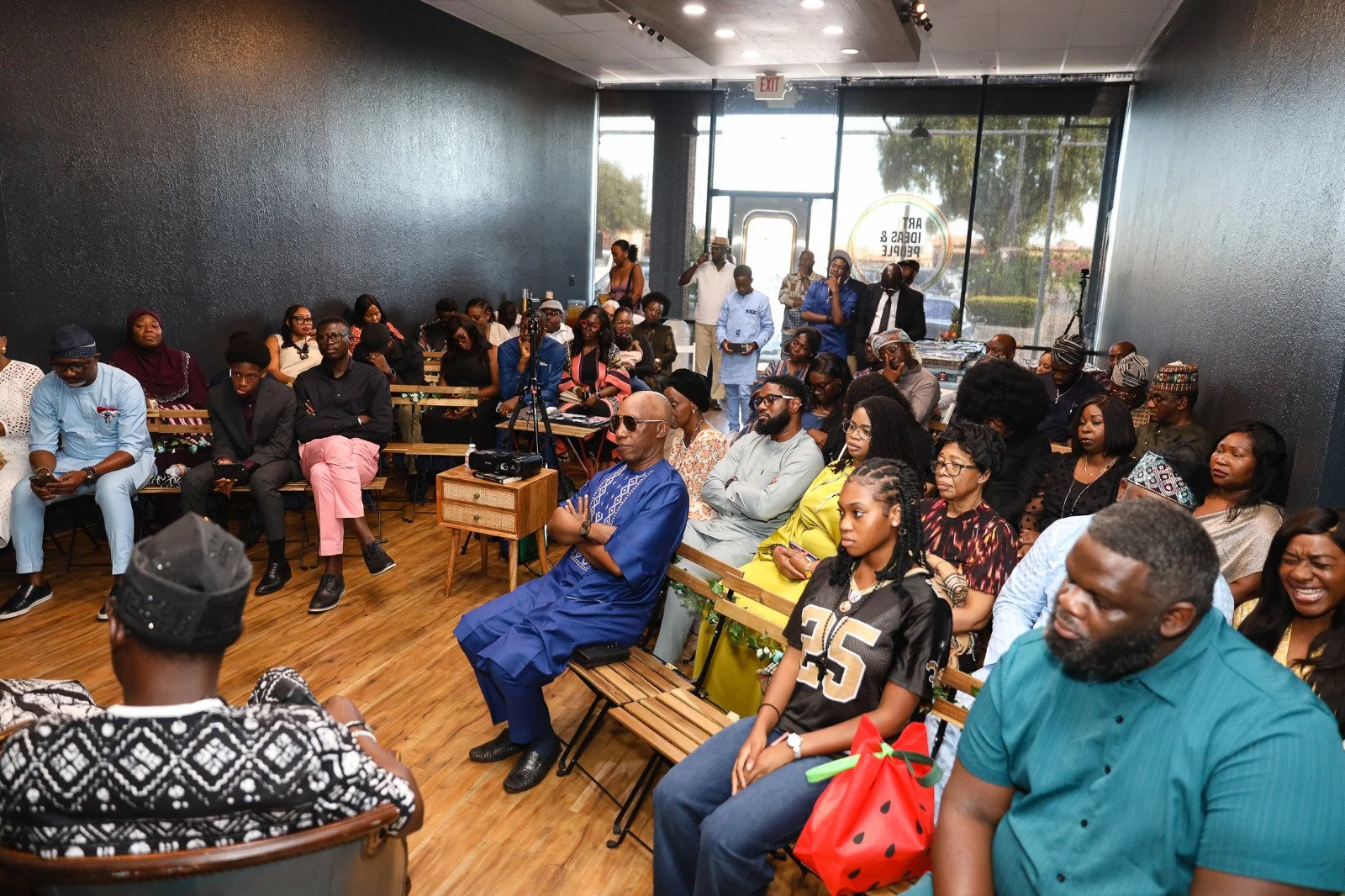
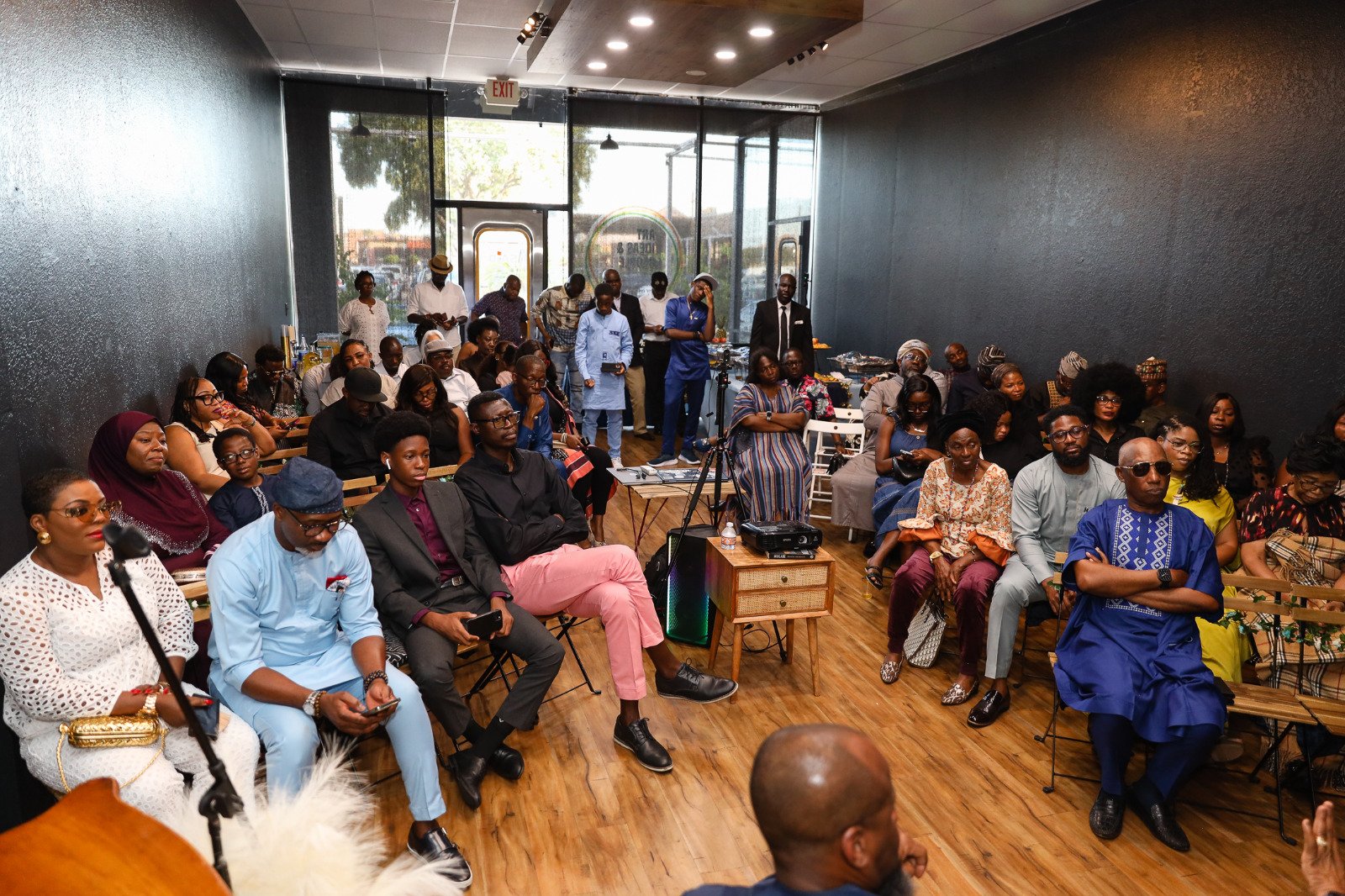
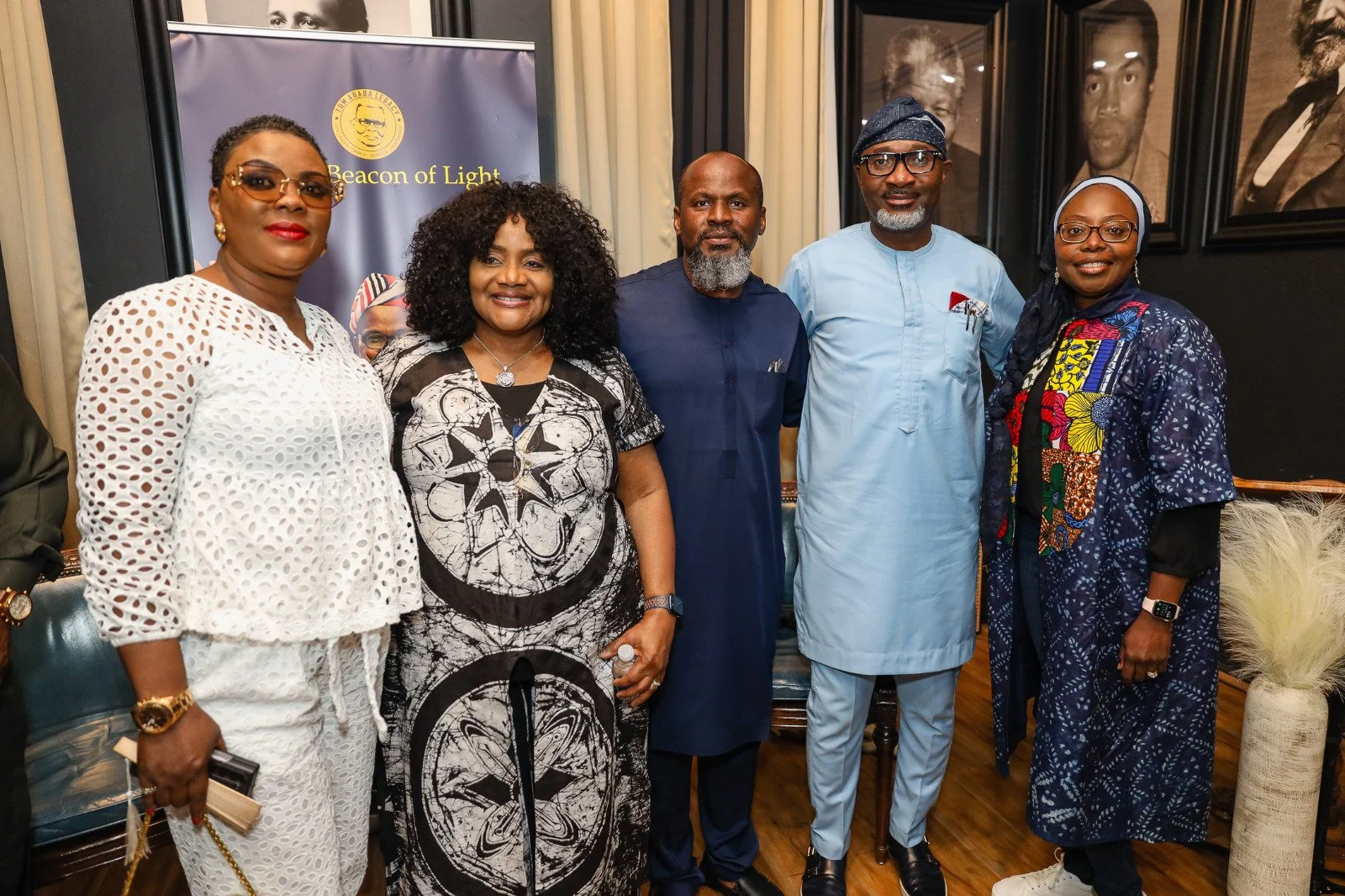
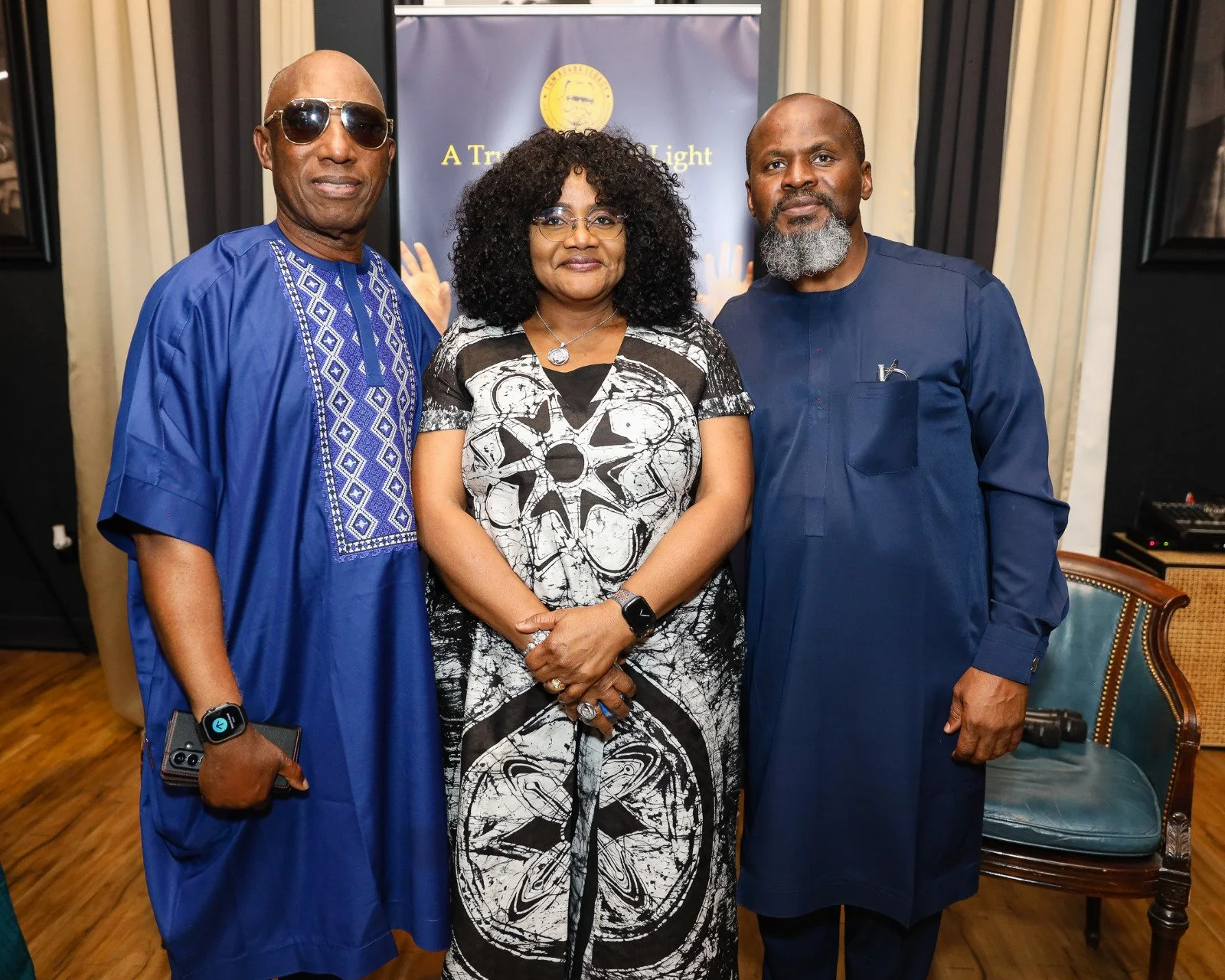
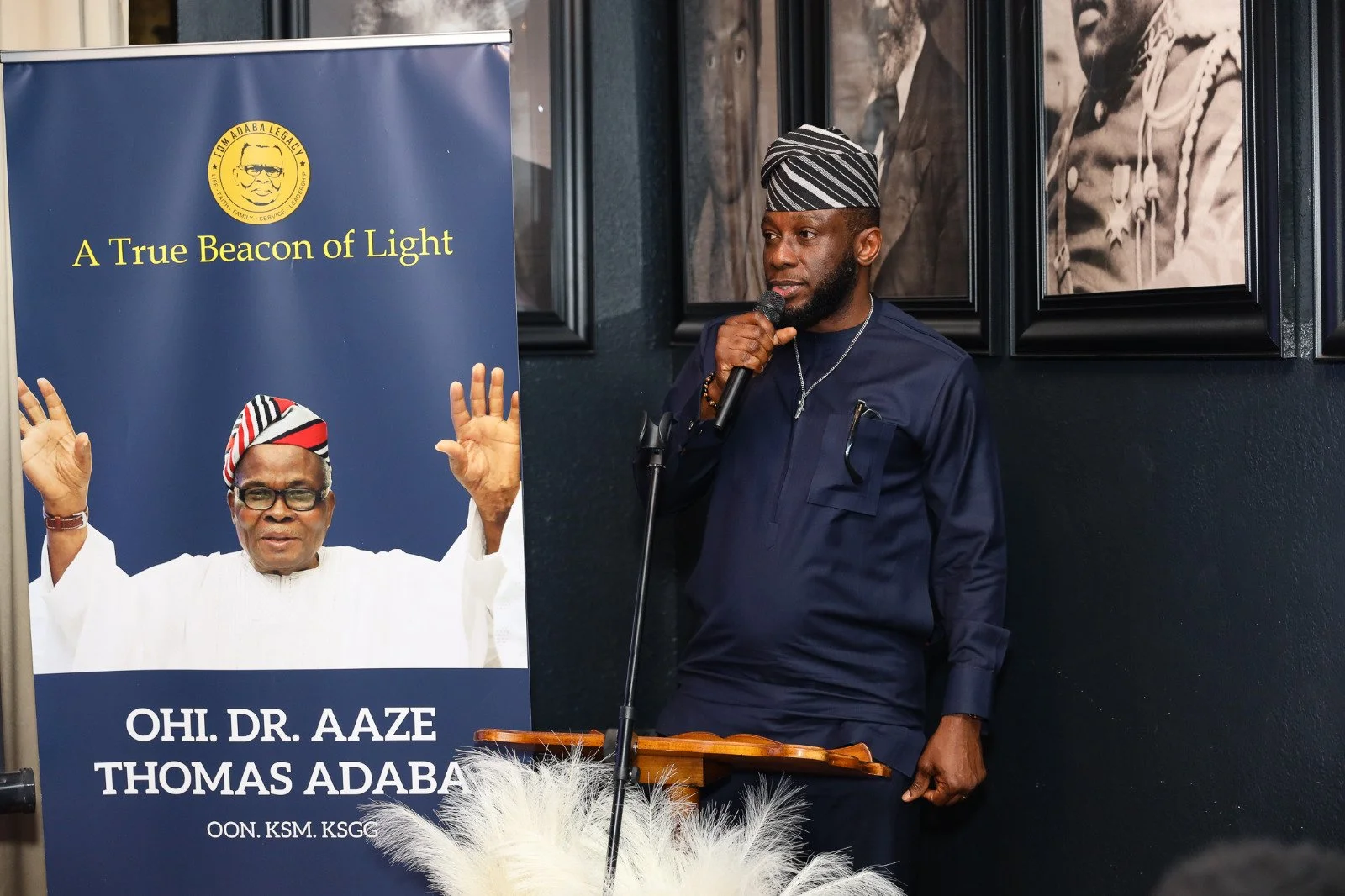
On August 17, 2025, family, friends, and admirers gathered in Houston, Texas, for An Evening of Honor, a moving tribute to the life and legacy of Ohi Dr. Aaze Thomas Adaba, a Nigerian veteran broadcaster who passed away on the 22nd of February 2025. Among those who spearheaded the commemoration was his son Mr. Onimisi Adaba, a media practitioner, and a member of the Tom Adaba Legacy Foundation Board. In a reflective interview, he shared the significance of the event, its highlights, and the enduring impact of the man whose life was being celebrated.
By Melody-Esther Soyemi
Photos by Ken Eke @kenin3dx
Mr. Austin Oniwon of the Oniwon Foundation, pays glowing tributes to the late Dr. Tom Adaba.
On August 17, 2025, family, friends, and admirers gathered in Houston, Texas, for An Evening of Honor, a moving tribute to the life and legacy of Ohi Dr. Aaze Thomas Adaba, a Nigerian veteran broadcaster who passed away on the 22nd of February 2025. Among those who spearheaded the commemoration was his son Mr. Onimisi Adaba, a media practitioner, and a member of the Tom Adaba Legacy Foundation Board. In a reflective interview, he shared the significance of the event, its highlights, and the enduring impact of the man whose life was being celebrated.
Honoring a Life Well Lived
Speaking on the purpose of the gathering, Mr. Onimisi explained that the evening was about much more than remembrance. “It was an evening to introduce my friends here in Houston to the man I would have loved for them to meet, and they would have loved to meet,” he said. “Since many of us could not attend the funeral, it was of importance to have something in his honor.” For him, the event was both personal and communal, a way of bridging distances and ensuring that Dr. Adaba’s values and story were shared across borders.
Storytelling Through Memories and Media
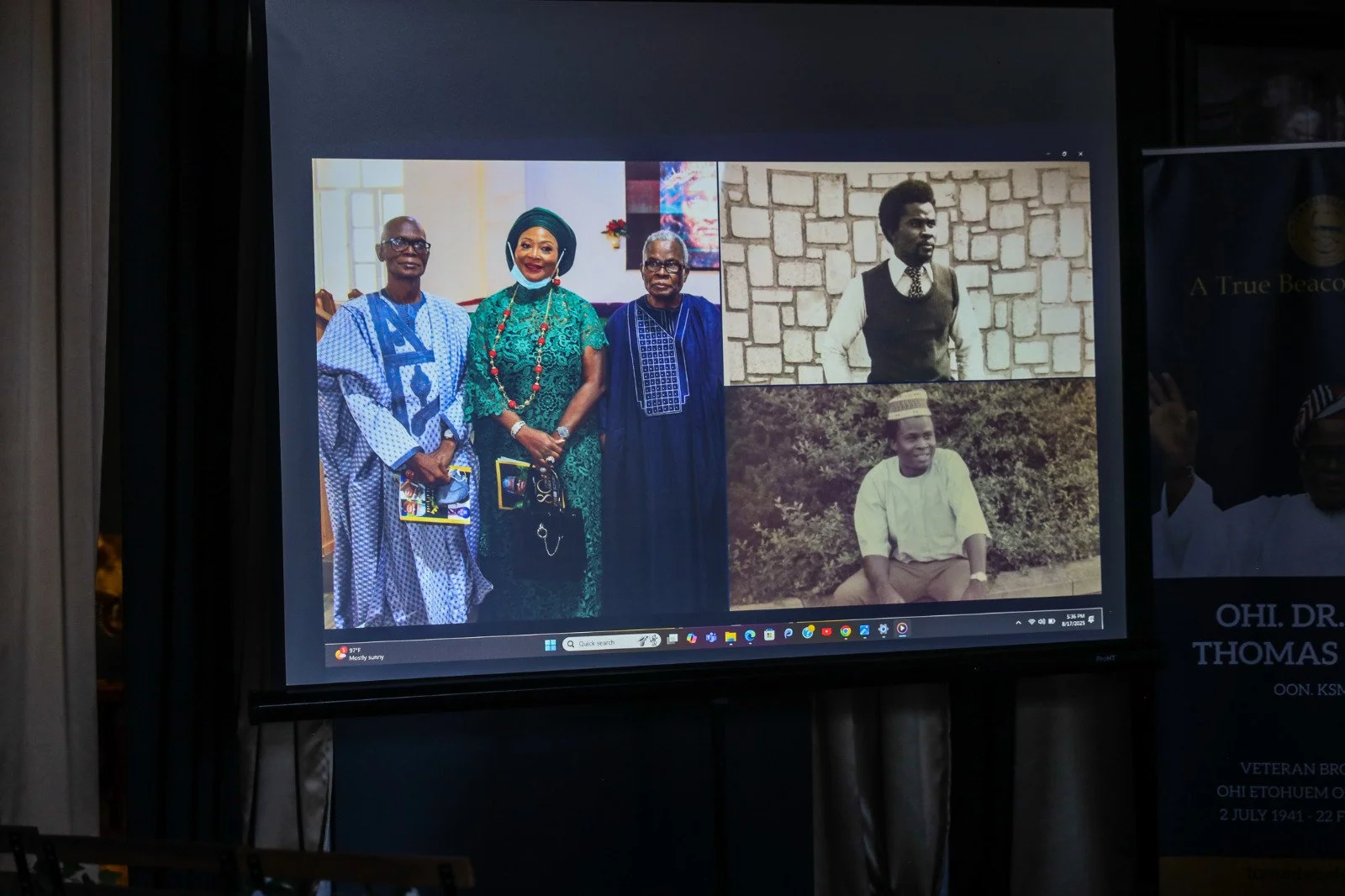
Unlike the traditional service of songs, the evening was video-driven. Carefully produced clips showcased different moments from Dr. Adaba’s life: the night of tributes, funeral, thanksgiving service, and personal tributes. Friends and family also shared heartfelt stories.
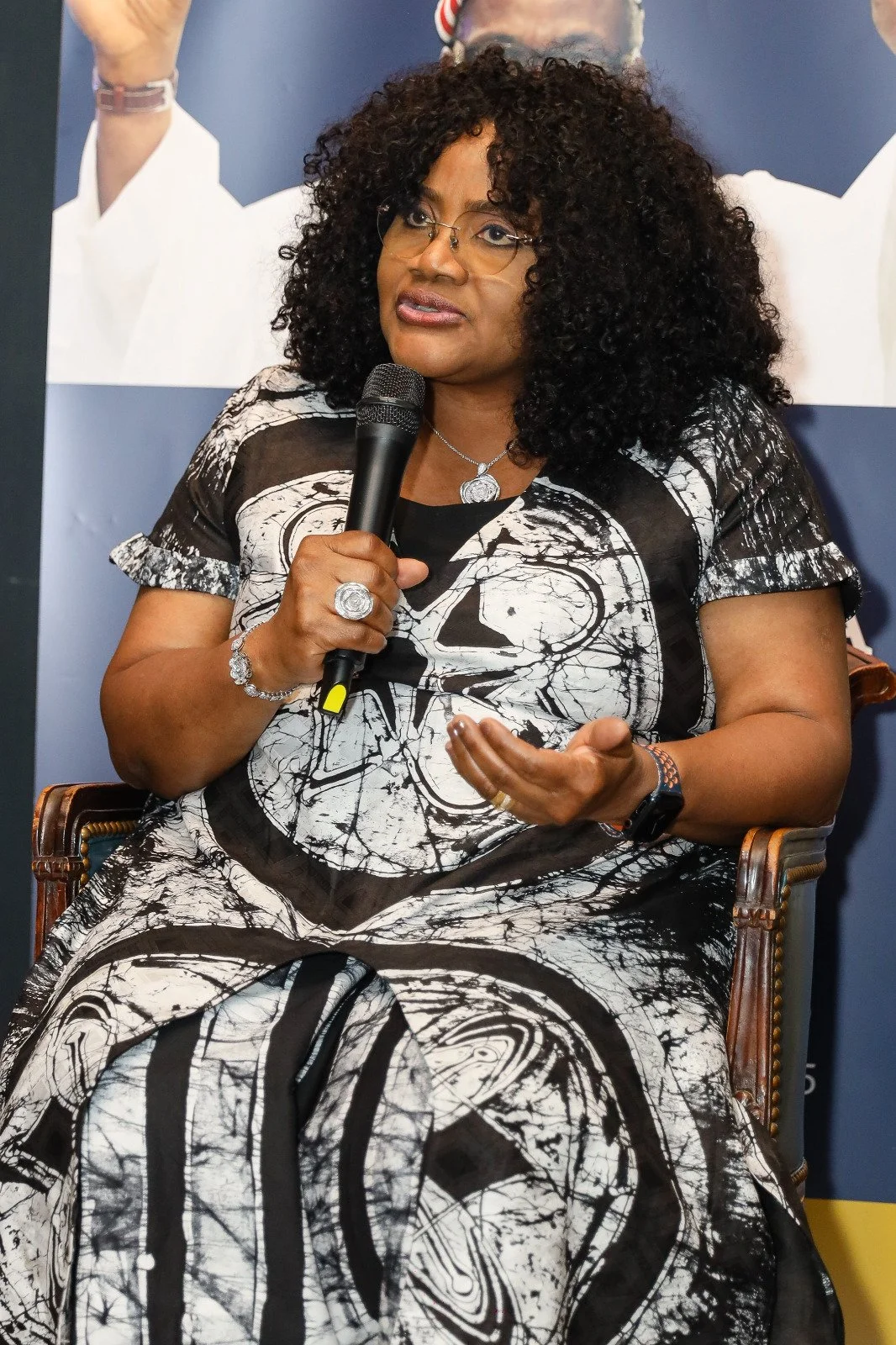
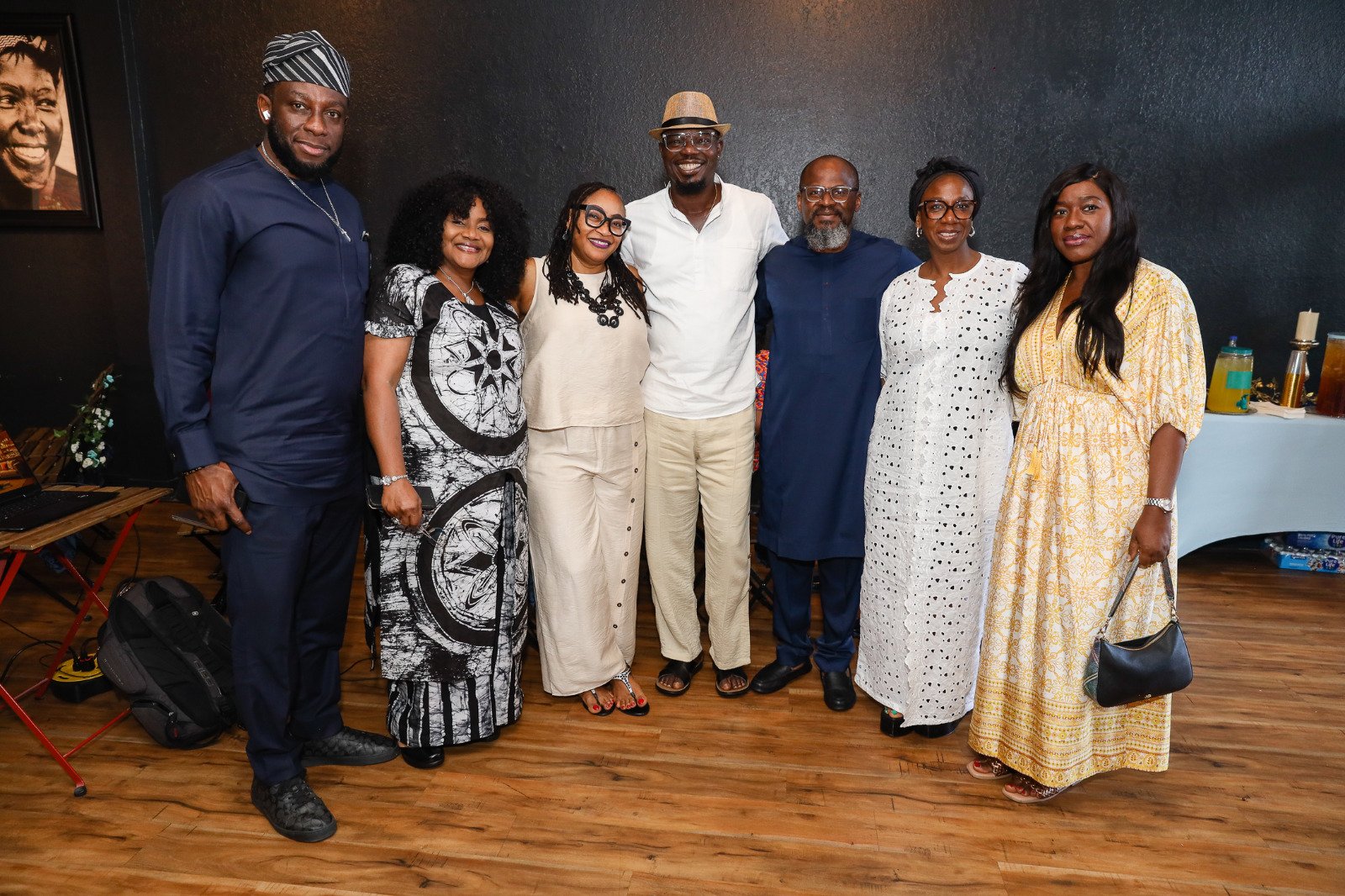
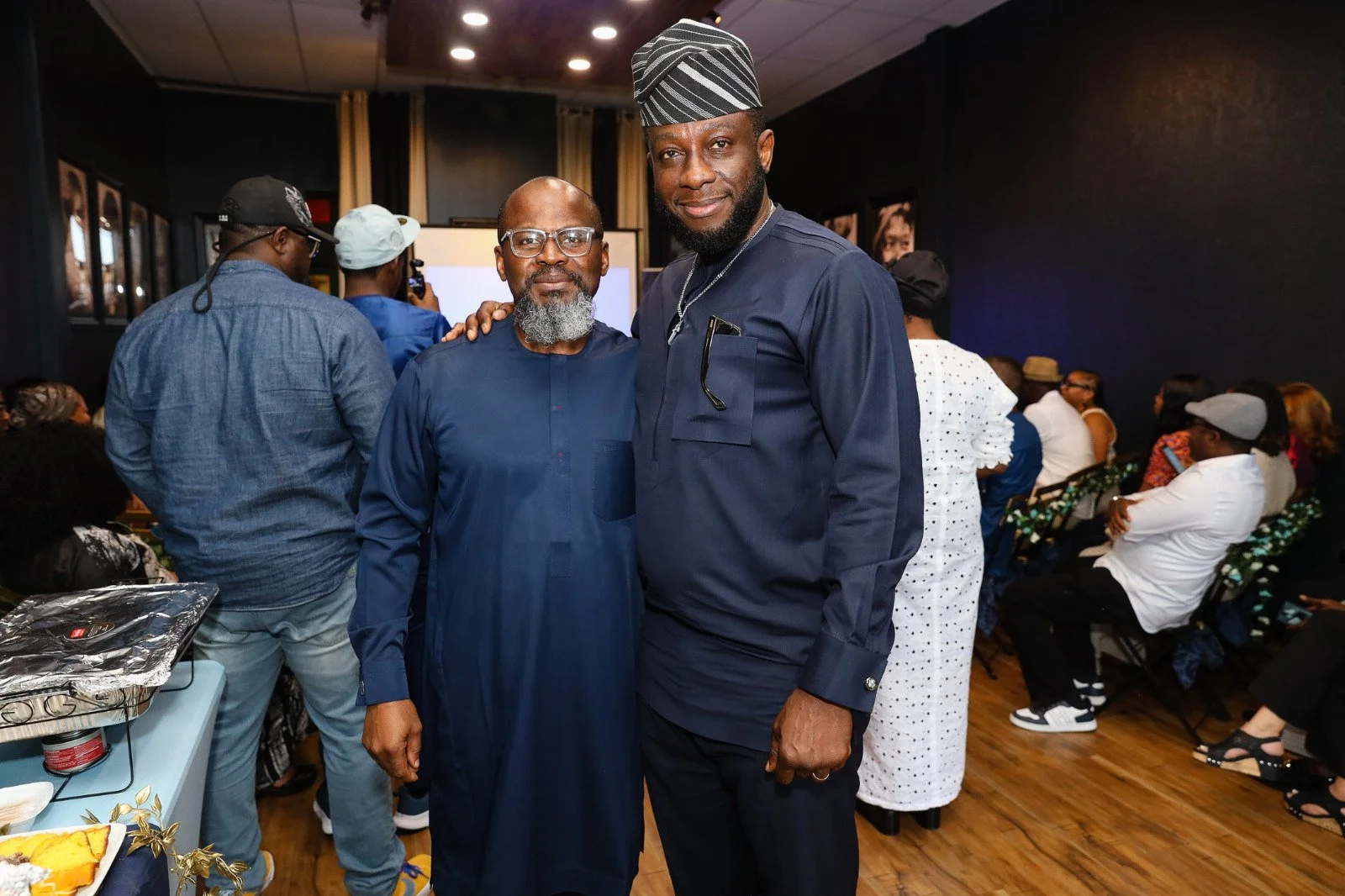
“Life is all about stories and how we tell those stories really matters,” Mr Onimisi reflected. Guests like Mr. Austin Oniwon, a long-standing family friend, as well as Mr. Michael Ozigi, Mrs. Mariam Yusuf, and Mrs. Josephine Odessa Idowu, all brought unique perspectives. Mrs. Margaret Adaba Soyemi, Dr. Adaba’s eldest daughter, also came all the way from Nigeria and was part of the event, adding her own presence and memories to the evening. Each tribute revealed another layer of the man described as a mentor, disciplinarian, friend, and humble leader. One attendee described the program as “something entirely different, something I have never experienced before and found deeply revealing and relatable.” For many, it felt like an intimate introduction to Dr. Adaba himself.
Building on His Legacy
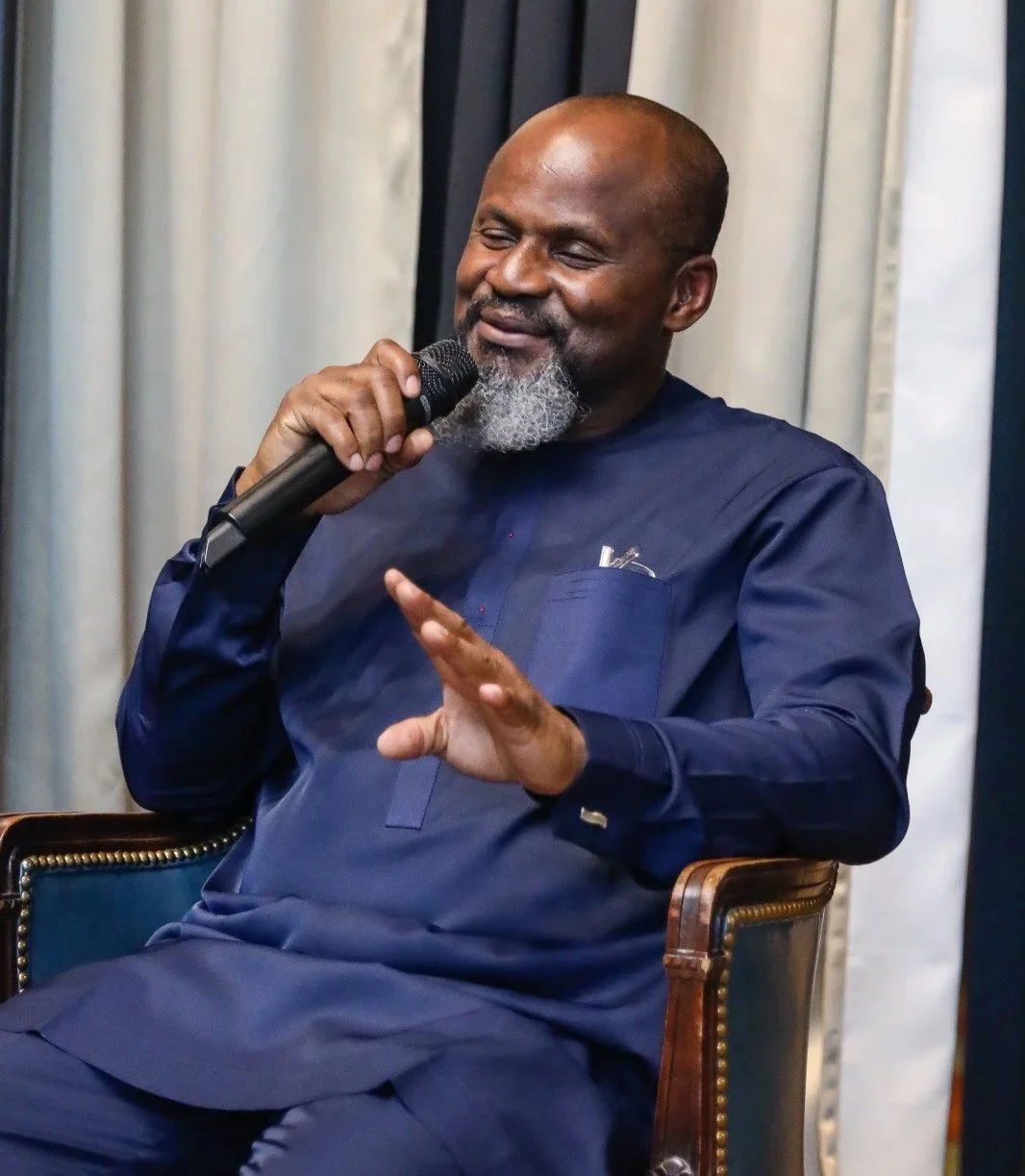
Mr. Onimisi Adaba, Son of Dr. Tom Adaba speaks at the event
Mr Onimisi also spoke about the work of the Tom Adaba Legacy Foundation, which is focused on education, youth empowerment, and cultural preservation. He revealed that upcoming projects include initiatives for the girl child, mentorship for young men, and revival of the Ebira weaving industry, a traditional craft with international potential but lacking promotion and funding.
Linked to this effort is an agricultural project exploring cotton farming to support textile production, aiming not just to preserve heritage but also to create economic opportunities for local communities.
“Our goal,” Onimisi explained, “is to uphold values and moral standards while empowering young people to be productive and creative. This is how we carry forward what Dr. Adaba stood for.
A Father, Mentor, and Humble Leader
When asked what Dr. Adaba meant to him personally, Mr Onimisi’s voice carried both reverence and gratitude. “He was everything, a simple man who applied himself fully in every role, whether as a father, mentor, or leader. He shaped me in a way nobody else could. Looking back now, I thank God for this man. He did a great job.”
Mr Onimisi also reflected on Dr. Adaba’s writings and character: “His book, “But for God”, just caps it up. The title alone says it all. He was able to rise to the zenith of his career, be who he was, and yet remain down to earth with whoever came his way. Speaking of humility, he was humble. He played that balance quite well.”
Despite his towering achievements, Dr. Adaba’s humility and ability to make each person feel uniquely valued left a lasting impression. “He wasn’t a saint,” he admitted, “but he balanced life well. He had shortcomings, yet he always made everyone feel special.”
A Legacy of Honor
The Houston event was more than a memorial; it was a storytelling evening that connected generations, preserved history, and set the stage for future impact. For those present, it was a chance to meet Dr. Adaba through the voices and memories of those who knew him best.
As Mr Onimisi concluded, “Let me introduce this man to my friends here in Houston who didn’t get the chance to meet him personally.” In doing so, he ensured that Dr. Aaze Tom Adaba’s legacy continues to inspire, teach, and shape lives far beyond his earthly years.
Leave a tribute for Dr. Tom Adaba here.
Photo Highlights
Democracy on Trial: A Canadian Court’s Wake-Up Call for Nigeria
On June 17, 2025, far from Abuja, a Federal Court in Ontario, Canada, delivered a ruling that should shake every Nigerian who still believes in democracy. The case was not about a coup, an insurgency, or a terrorist cell in the usual sense. It was about our politics—our political parties—and the shocking conclusion of a court with no partisan interest in our affairs: Nigeria’s two dominant parties, the People’s Democratic Party (PDP) and the All Progressives Congress (APC), have, through systemic violence and democratic sabotage, operated in ways tantamount to terrorism under Canadian law.
Democracy on Trial: A Canadian Court’s Wake-Up Call for Nigeria
By Bolaji O. Akinyemi
On June 17, 2025, far from Abuja, a Federal Court in Ontario, Canada, delivered a ruling that should shake every Nigerian who still believes in democracy. The case was not about a coup, an insurgency, or a terrorist cell in the usual sense. It was about our politics—our political parties—and the shocking conclusion of a court with no partisan interest in our affairs: Nigeria’s two dominant parties, the People’s Democratic Party (PDP) and the All Progressives Congress (APC), have, through systemic violence and democratic sabotage, operated in ways tantamount to terrorism under Canadian law.
The case arose from an asylum application by Douglas Egharevba, a Nigerian politician who once belonged to the PDP. He sought refuge in Canada, citing political persecution. But Madam Justice Phuong T.V. Ngo upheld earlier findings that both PDP and APC have histories of political violence so entrenched that mere membership in either is grounds for inadmissibility under Canada’s Immigration and Refugee Protection Act. The evidence laid before the court was damning: ballot stuffing, voter intimidation, violent suppression of opposition, and a culture of impunity stretching from the PDP’s early years in 2003 and 2004, through the APC’s more recent reigns.
The judge rejected the lazy excuse that “this is just how politics works in Nigeria,” calling it “circular and paradoxical.” In other words: if corruption and violence are the rules of the game, then the game is not democracy.
Why Nigerians Must Pay Attention
This was not a judgment written by an opposition politician, an activist blogger, or an NGO desperate for donor funding. This was a neutral, foreign court assessing our democracy through cold, legal reasoning—and finding it diseased at its core.
We can dismiss it as foreign meddling. We can wave it off as ignorance of our “complex realities.” But to do so would be to miss the point entirely. This ruling is a mirror, held up from afar, reflecting the ugly truth many Nigerians already know but are too fatigued, fearful, or compromised to confront: since 1999, our political system has been managed, not by political parties in the true sense of the word, but by political cartels.
What a Political Party Is Meant to Be
The word party suggests a gathering where everyone present has a voice, a stake, and a role. In political science, a party is an organized group bound by an ideology—shared beliefs about how society should be governed. It has rules that bind both leaders and members. It educates its members. It disciplines those who betray its values. It exists to serve the nation, not the personal ambitions of a clique.
By this definition, no political party in Nigeria today qualifies as a true party. We have electoral machines, not ideological movements. We have platforms for power capture, not schools of democratic thought. We have cults of personality, not communities of purpose.
This is why elections feel like recycling—moving from PDP’s failures to APC’s failures and back again—because the rot is not in the logo or the colours, but in the structure and culture.
The Two Choices Before 2027
This Canadian ruling leaves Nigerians with two stark choices:
1. Revolution from Within: Citizens—especially youths—must enter these parties en masse and fight for internal democracy. Demand charters of principles. Demand transparent primaries. Demand that violence and vote buying attract swift expulsion. Demand that ideology—not godfatherism—determines who leads.
2. Look Beyond the Cartels: Support smaller, disciplined parties that stand on clear principles and refuse to rent themselves out to power brokers. Build movements around ideas, not personalities. Yes, it will be hard. Yes, they may lose at first. But democracy is not a one-election project—it’s a culture we must build brick by brick.
We Must Redefine “Party” Before We Can Rebuild Nigeria
Until we fix how parties are structured, Nigeria cannot be fixed. You cannot have a functional nation without functional political parties. The party is the factory where leaders are produced, tested, and refined. If the factory is broken, every product will be defective—no matter the packaging.
Our failure to build ideological parties is why the same recycled elite move from platform to platform without shame. It is why parties have no policies beyond slogans. It is why governance feels the same no matter who wins.
The Path Forward
We must:
Demand legislation that ties party registration to internal democratic standards.
Push INEC to audit party constitutions and enforce compliance.
Build civic education campaigns that teach citizens what a political party truly is and why it matters.
Organize—not just to vote—but to shape the platforms we vote for.
Conclusion: A Foreign Court Has Done What Our Own Will Not
That a Canadian court could declare our ruling parties as violent actors should embarrass our judiciary, our electoral bodies, and our political elite. But embarrassment alone will change nothing. The question is: Will Nigerians use this as a turning point?
2027 will not save us if we walk into it with the same mindset that brought us here. Whether we reform the APC and PDP from within, or build credible alternatives from without, one truth remains: until Nigerians reclaim the ideology and structure of the political party, democracy will remain an empty ritual, and our nation a mismanaged project.
We can keep dancing at this masquerade of democracy—or we can crash the party, rewrite the rules, and host a new one worthy of Nigeria’s future.
Dr. Bolaji O. Akinyemi is an Apostle and Nation Builder. He’s also President Voice of His Word Ministries and Convener Apostolic Round Table. BoT Chairman, Project Victory Call Initiative, AKA PVC Naija. He is a strategic Communicator and the C.E.O, Masterbuilder Communications.
Email:bolajiakinyemi66@gmail.com
Facebook:Bolaji Akinyemi.
X:Bolaji O Akinyemi
Instagram:bolajioakinyemi
Phone:+2348033041236
FOBALLY ARTWORLD AFRICA, LAGOS
9 Printmaking Grand Masters In Nigeria
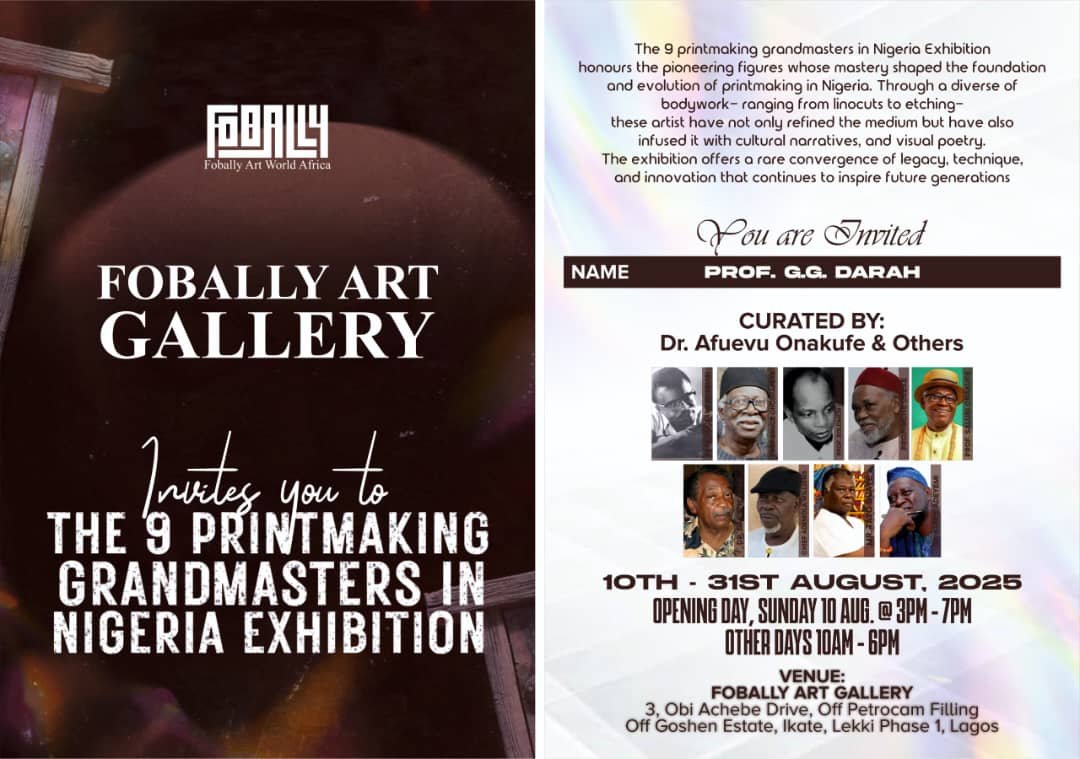
EXHIBITION!
FOBALLY ARTWORLD AFRICA, LAGOS
presents
9 Printmaking Grand Masters In Nigeria
August 16- 31, 2025
10AM to 6PM Daily
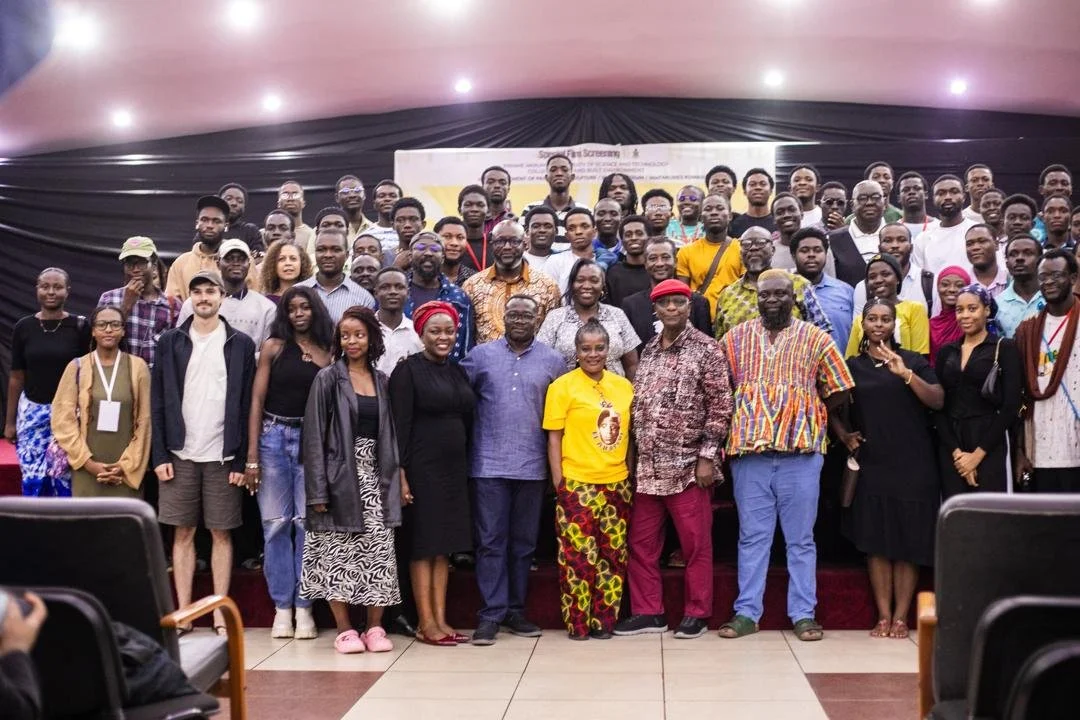
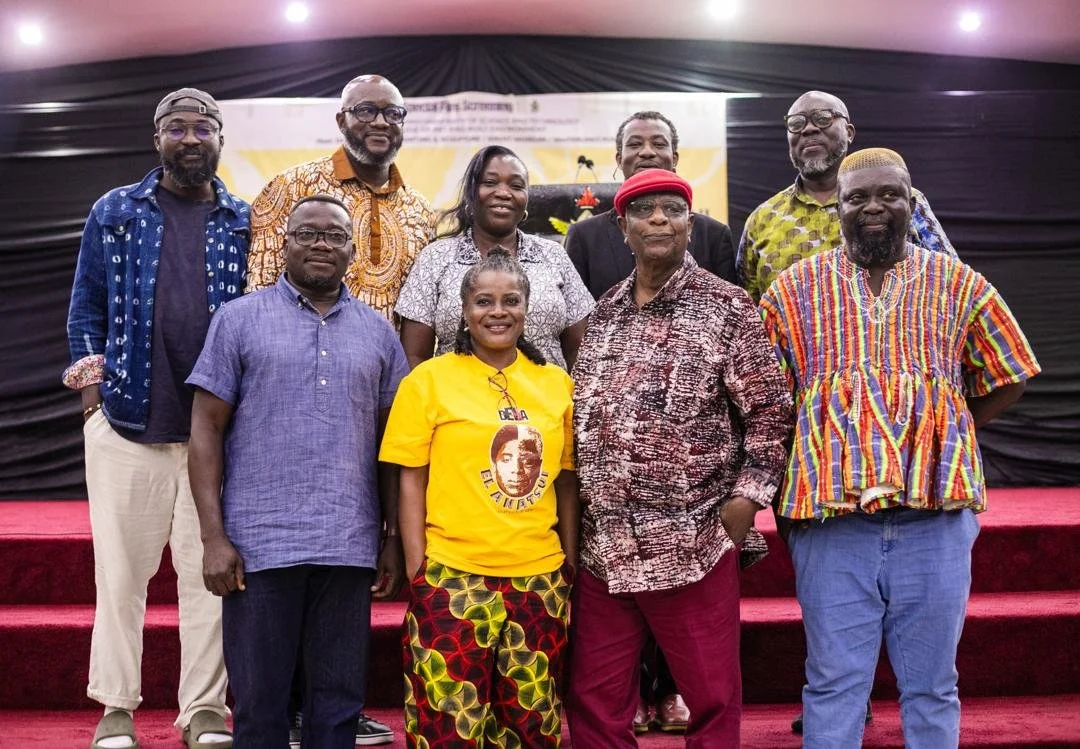
Highlights Winneba Screening
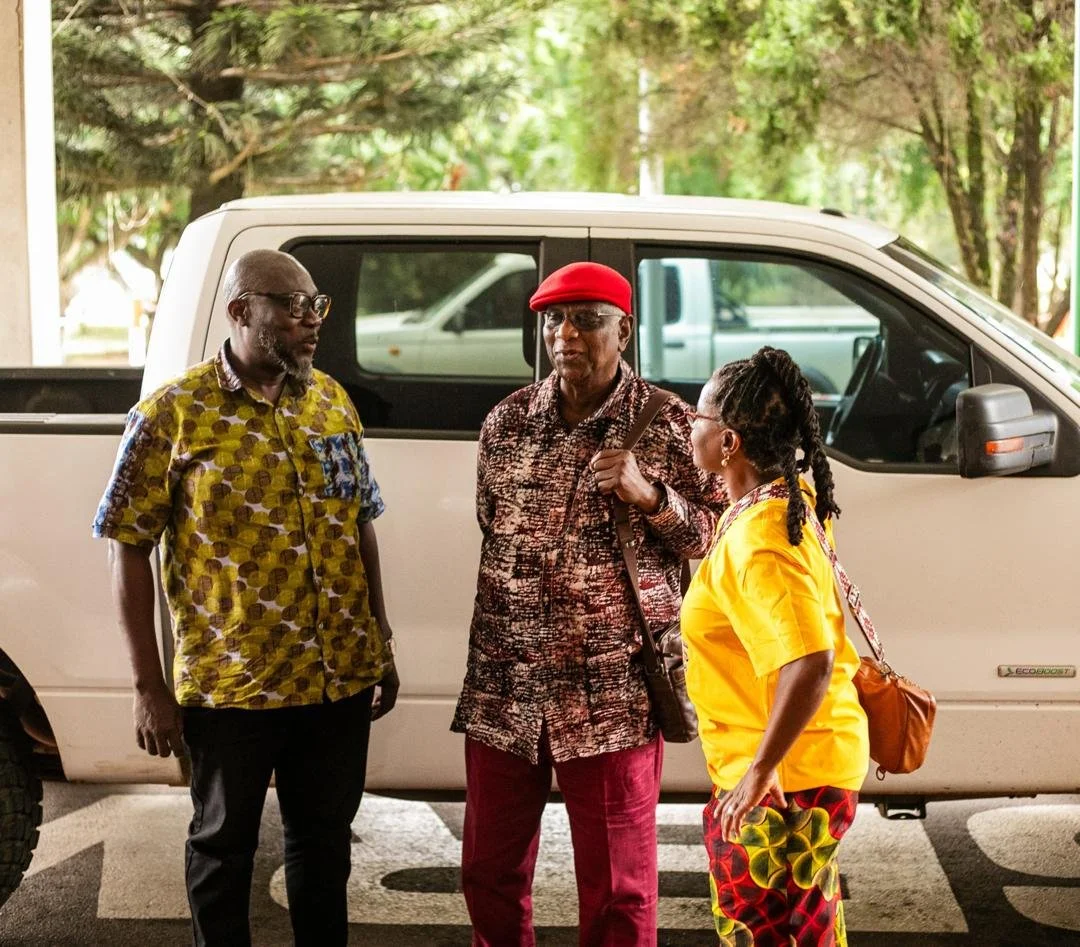
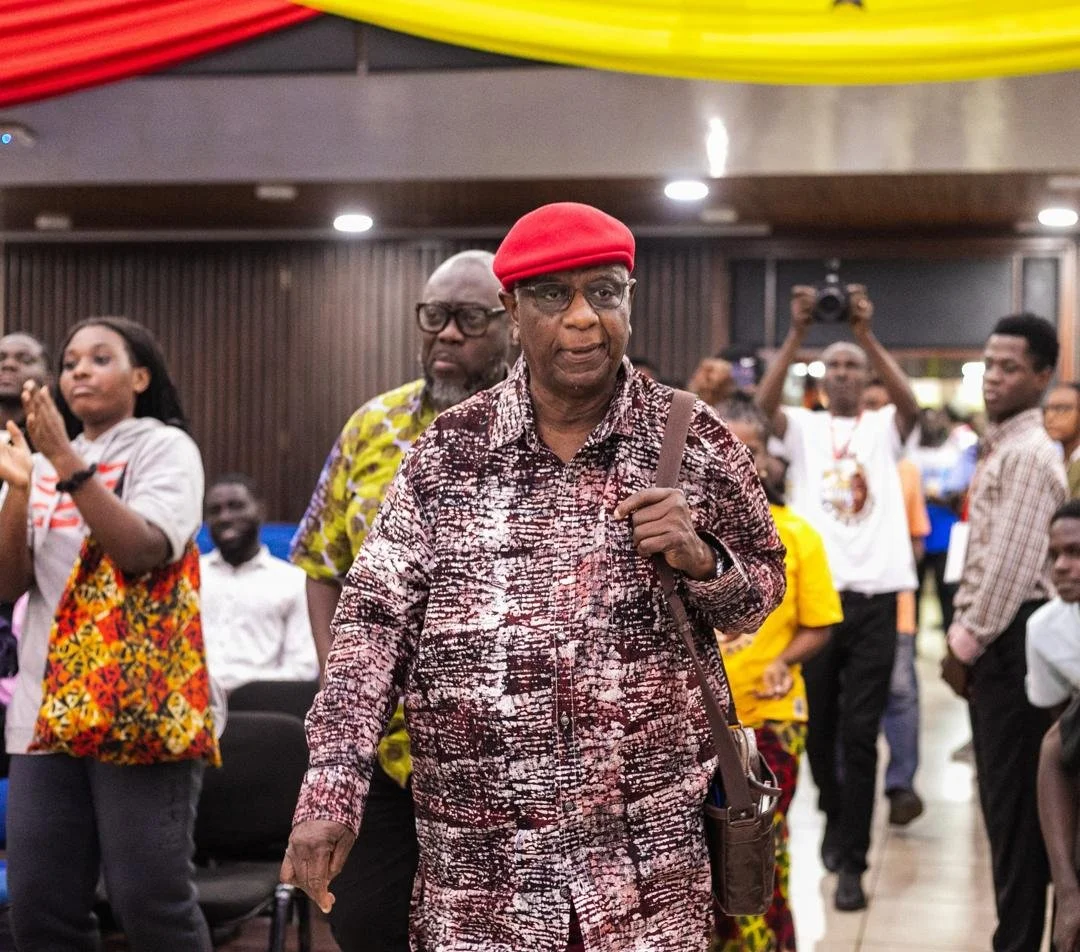
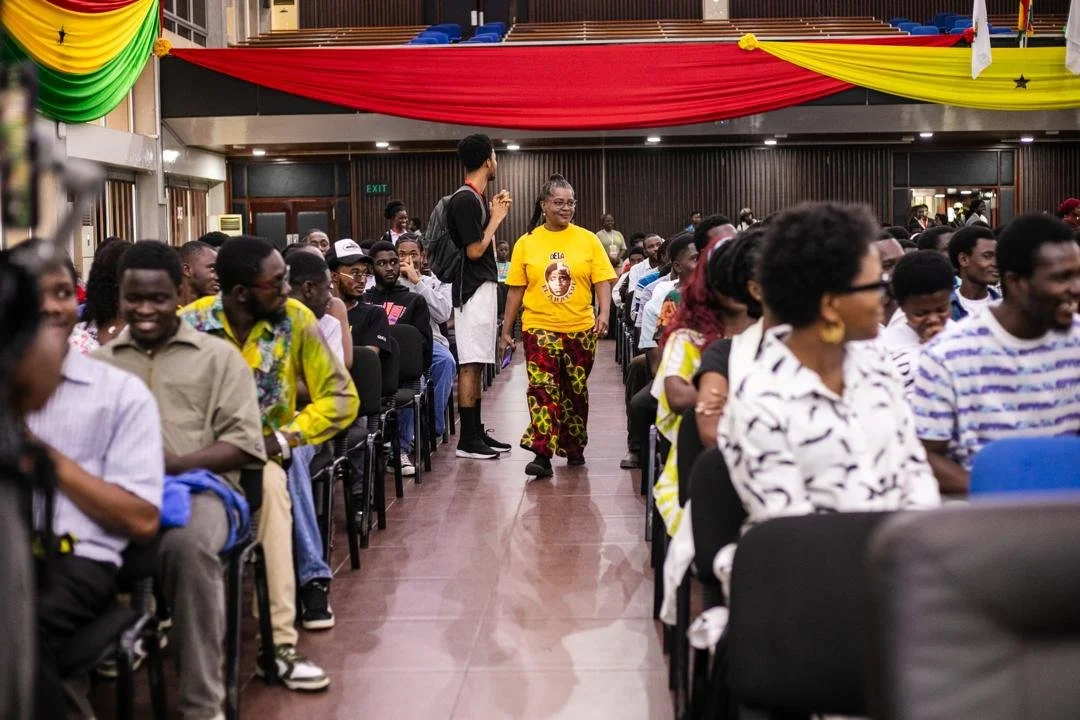
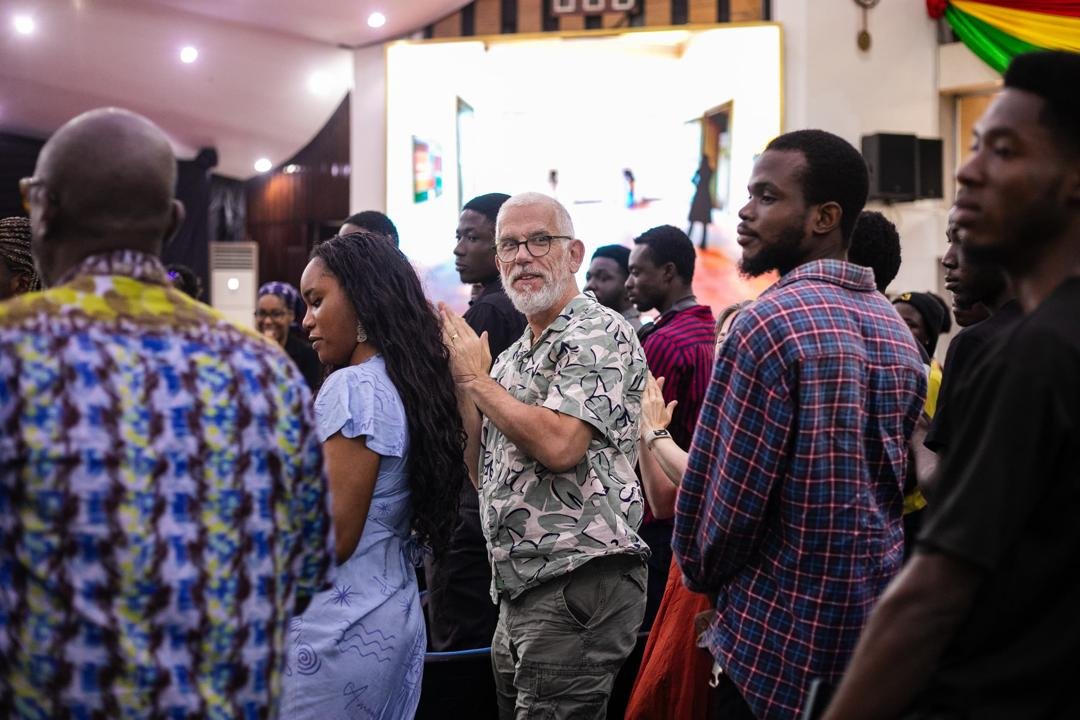
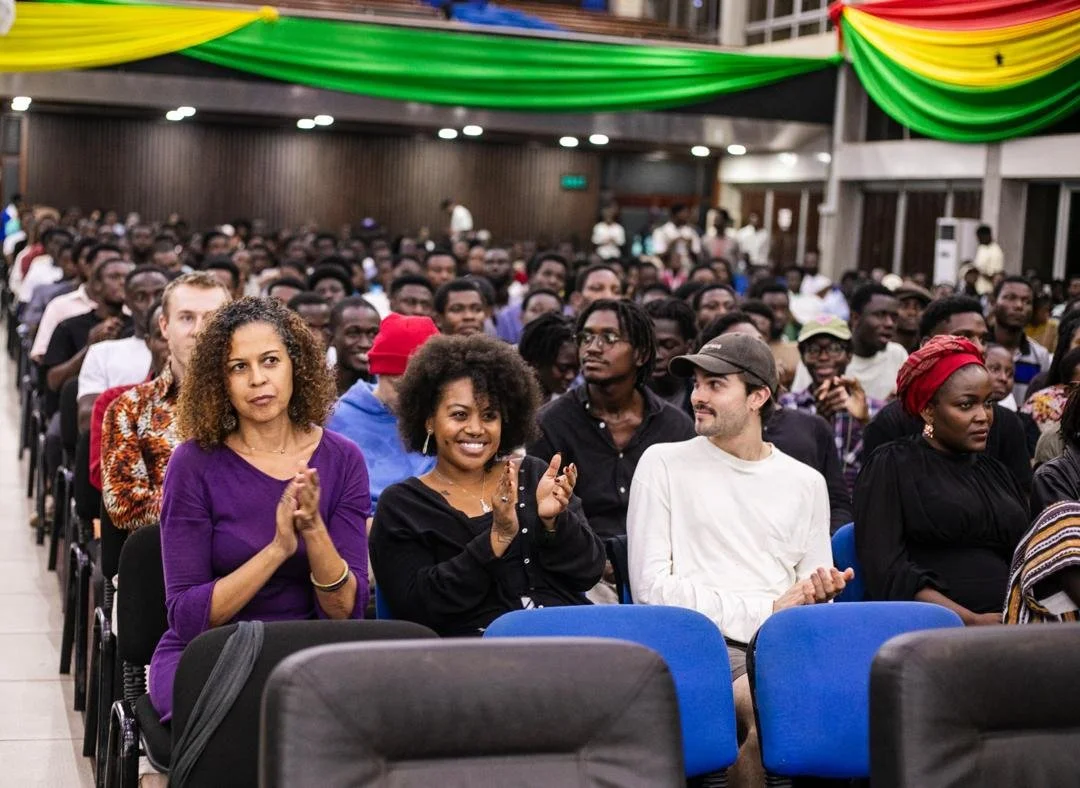
The staff and students of the University of Education Winneba (UEW) turned out for hosting the screening of DELA: The Making of El Anatsui on August 1, 2025.
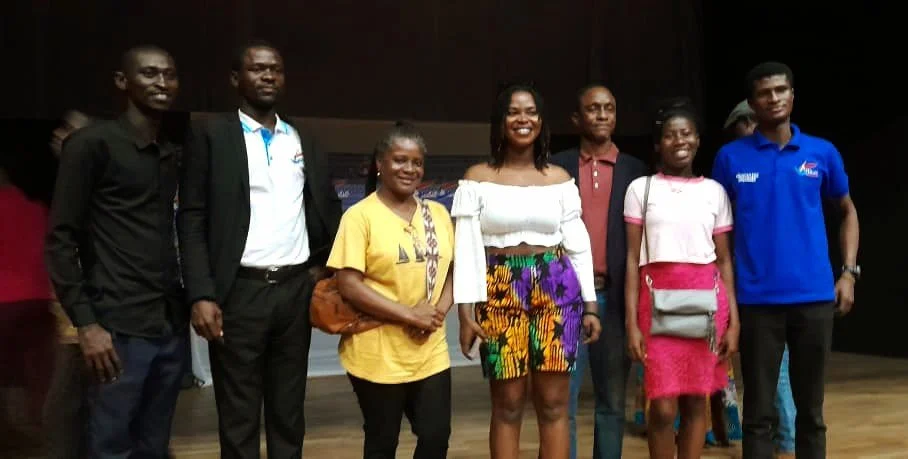
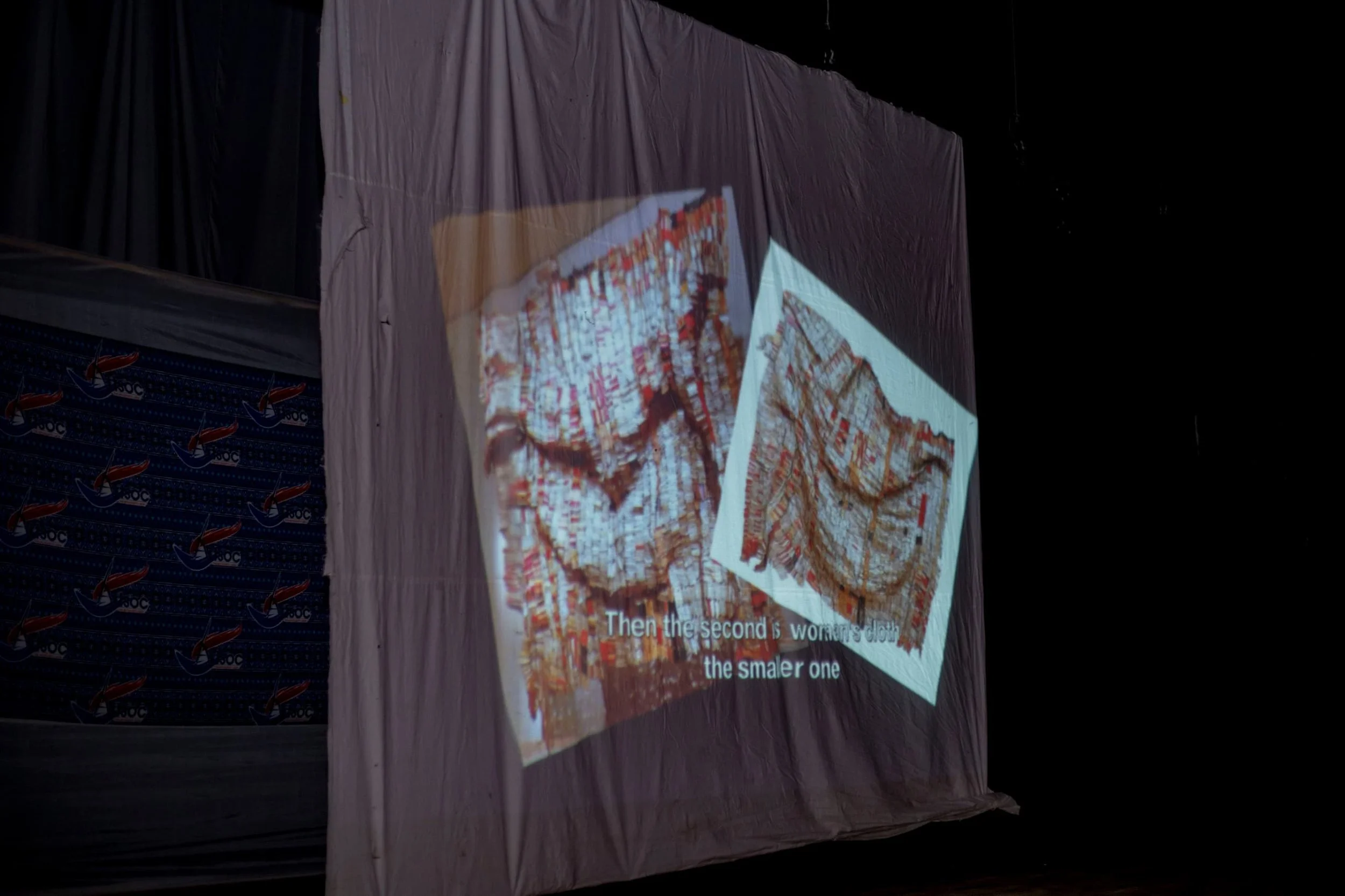
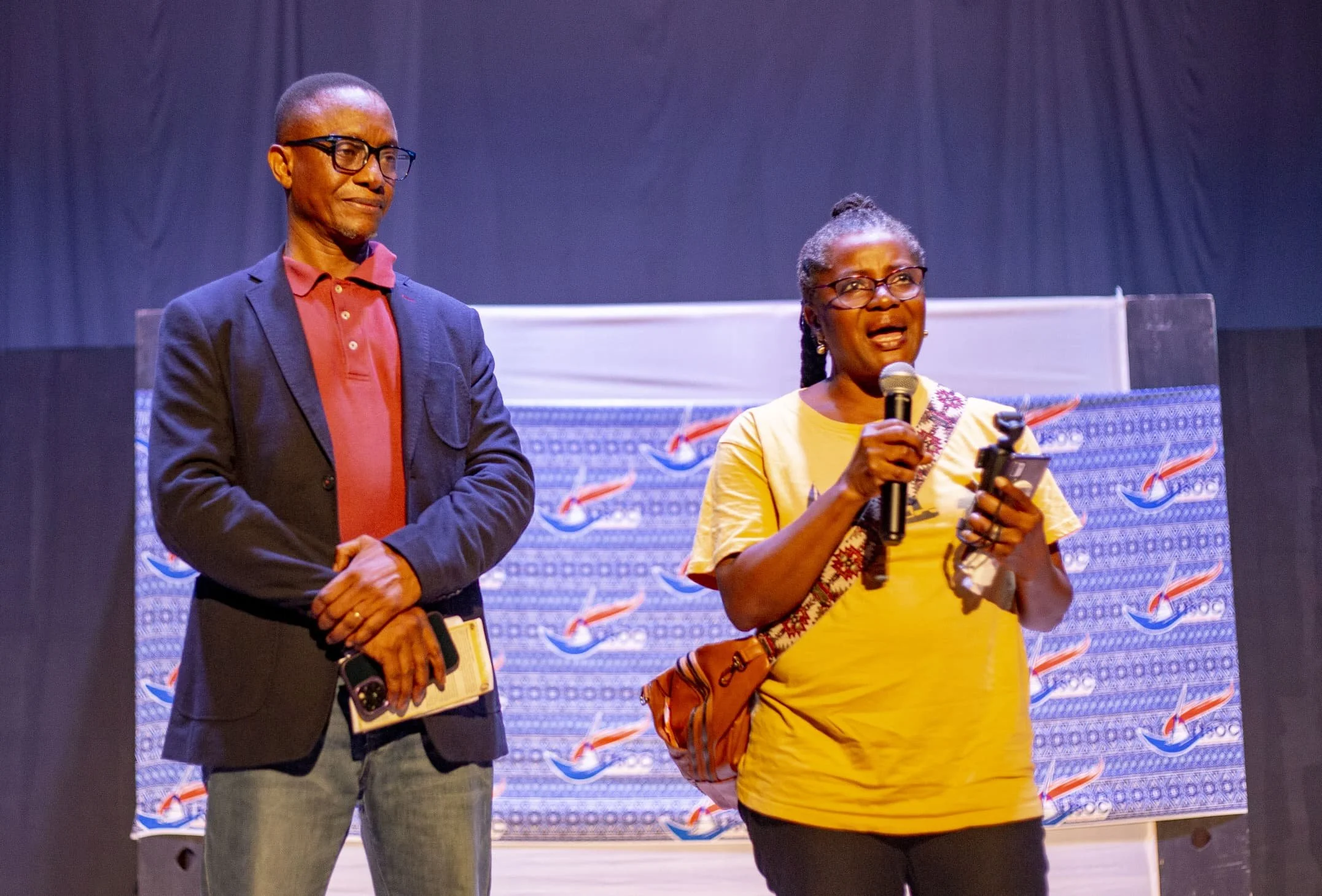
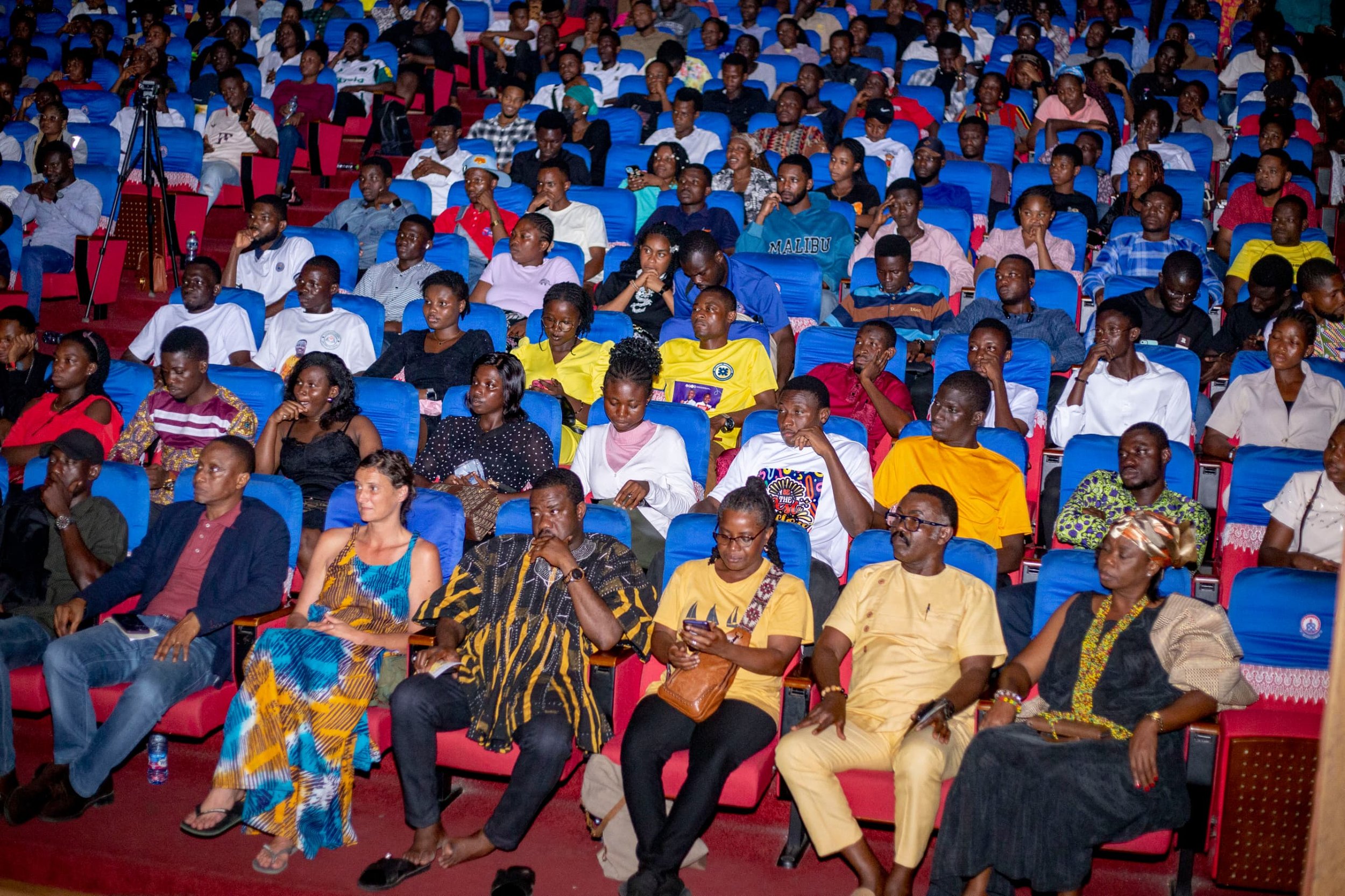
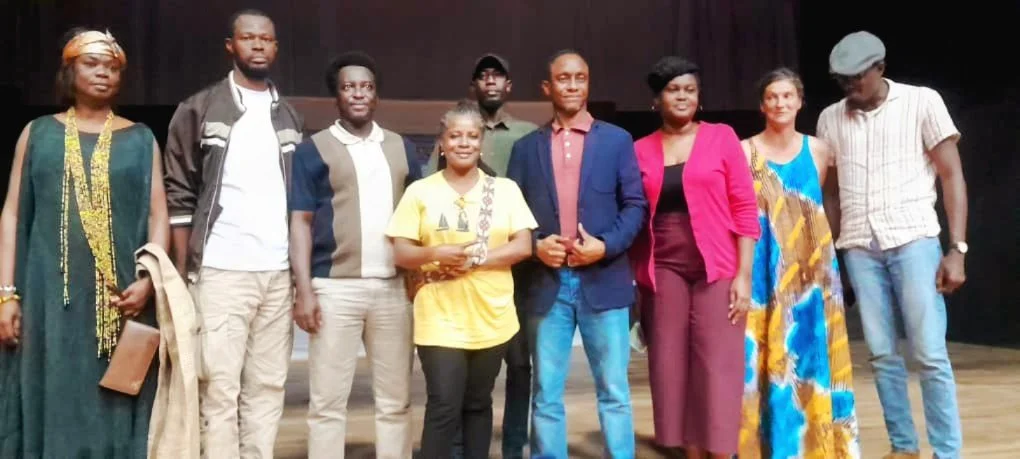
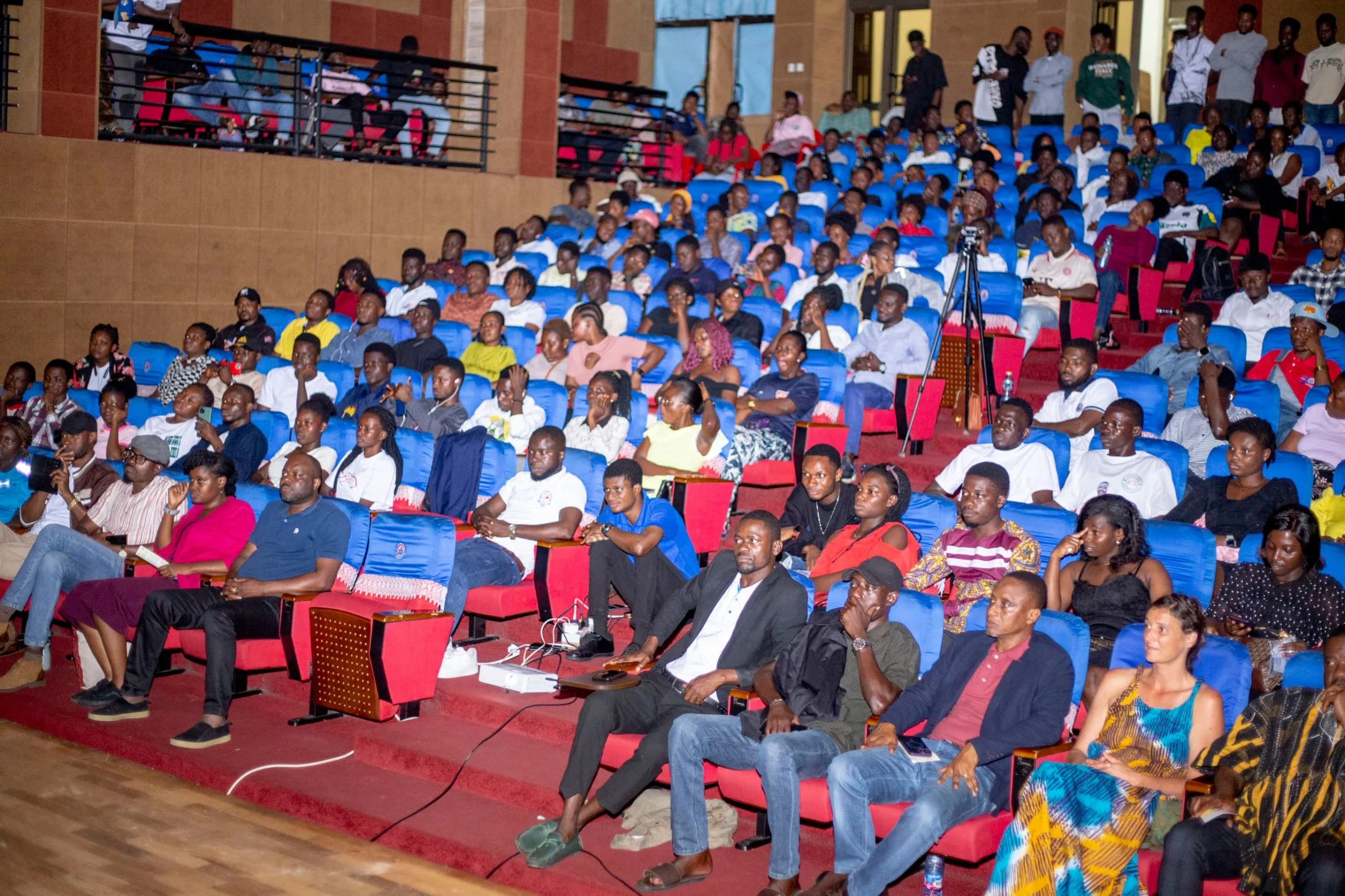
The staff and students of the University of Education Winneba (UEW) turned out for hosting the screening of DELA: The Making of El Anatsui on August 1, 2025.
UEW was a teacher's training institute, where Prof. El Anatsui first taught and practiced from 1969 to 1975, before leaving for Nigeria. Winneba was where he honed his craft to become the globally acclaimed Master Sculptor.
Special thanks to Ms. Selasi Sosu and the HOD Dr. Cyril Kpodo for their exceptional input.
elanatsuifilm.com
@elanatsuifilm
Homage to Prof El Anatsui & Anyako
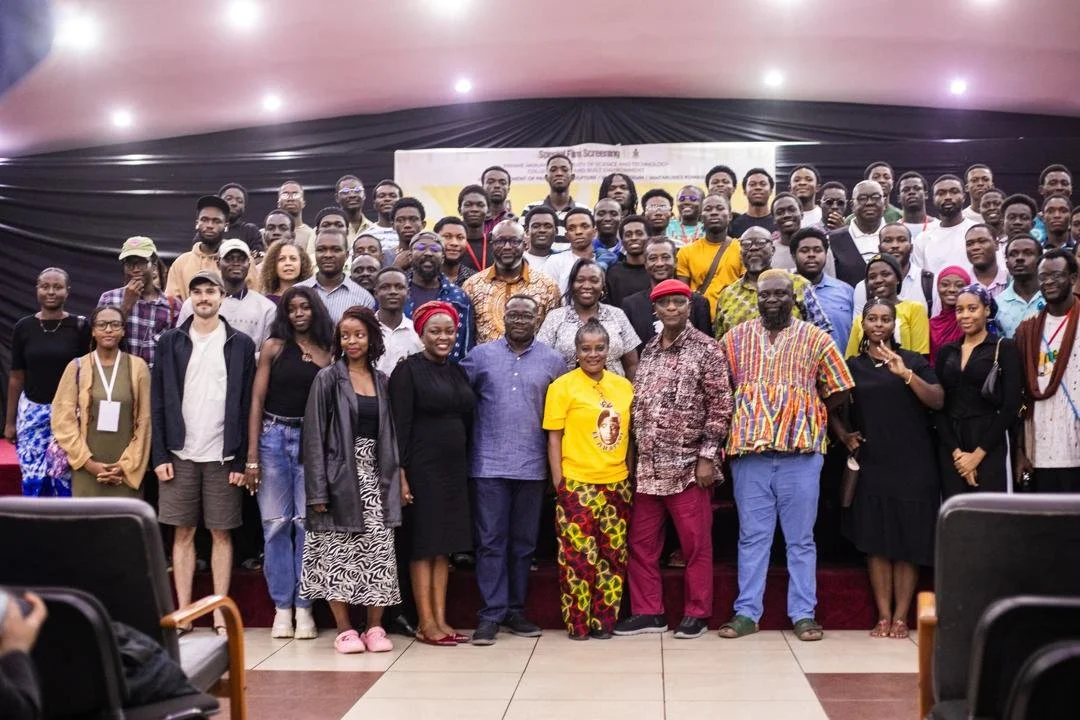
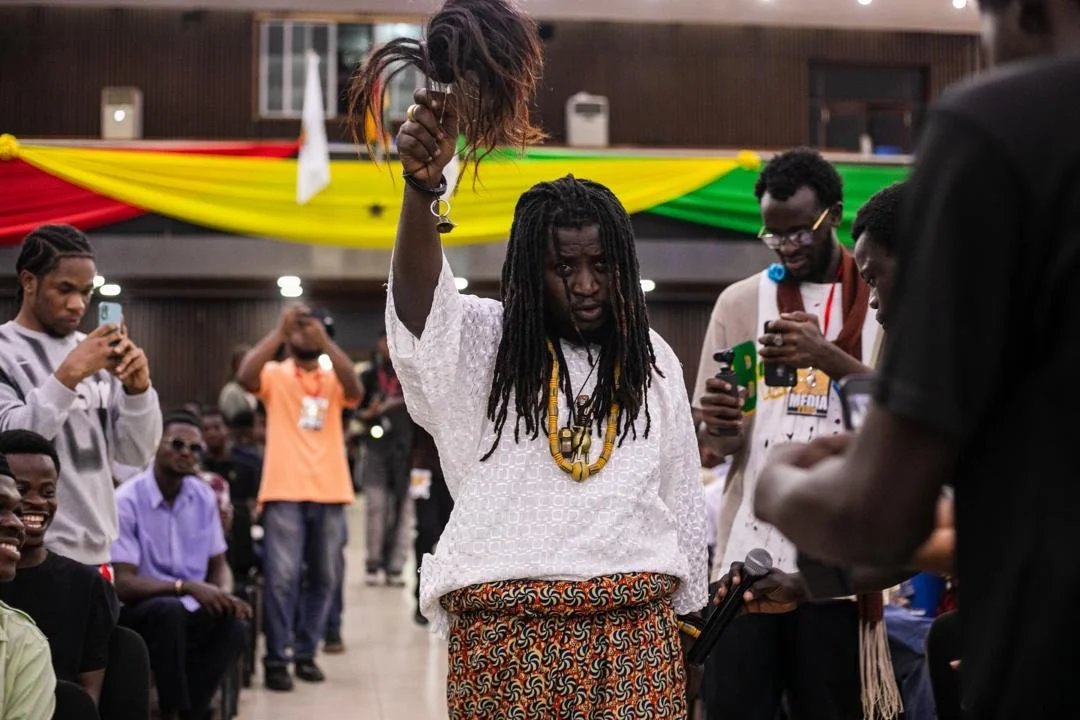
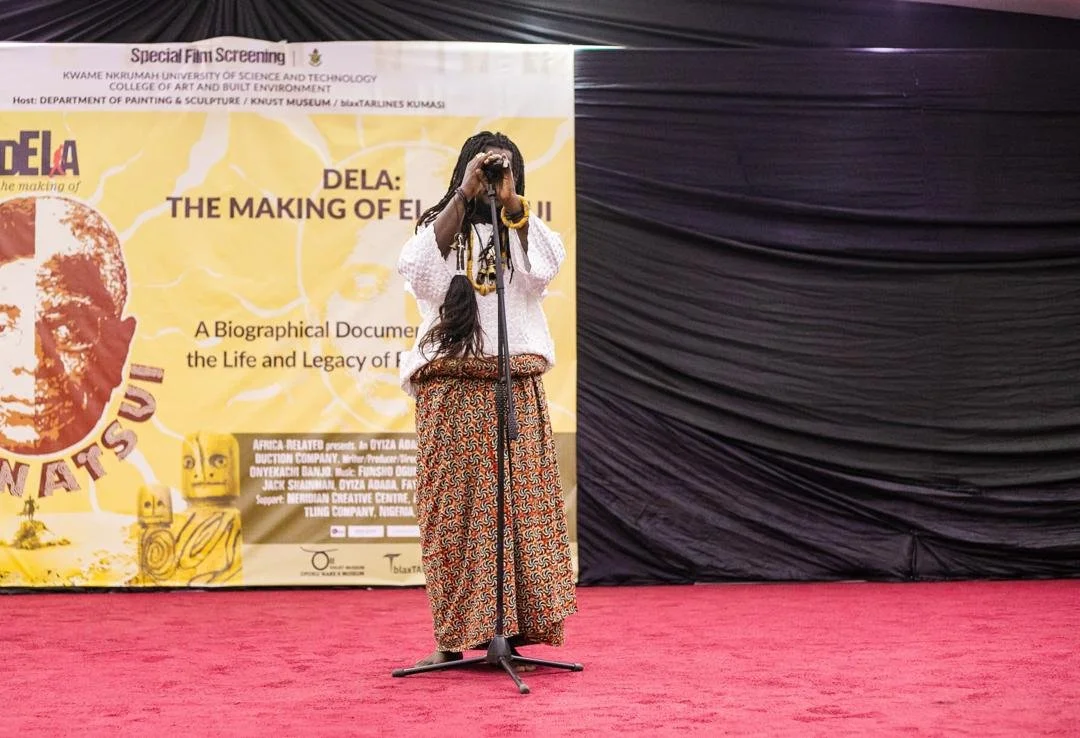
Highlights: DELA Premieres at KNUST, Kumasi
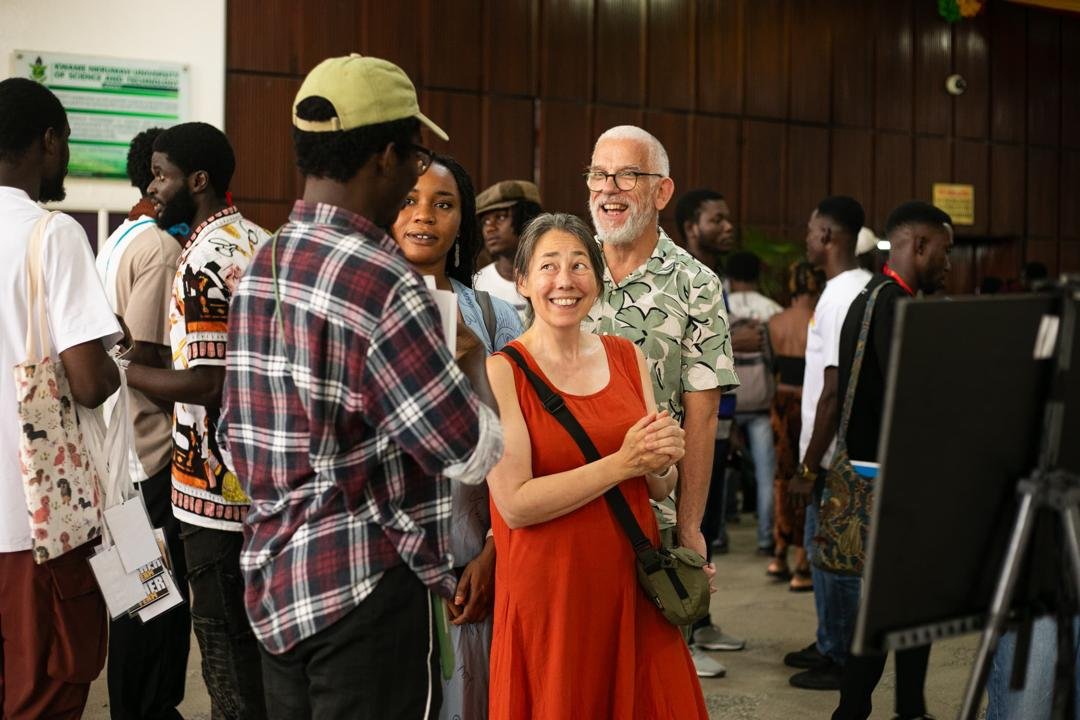
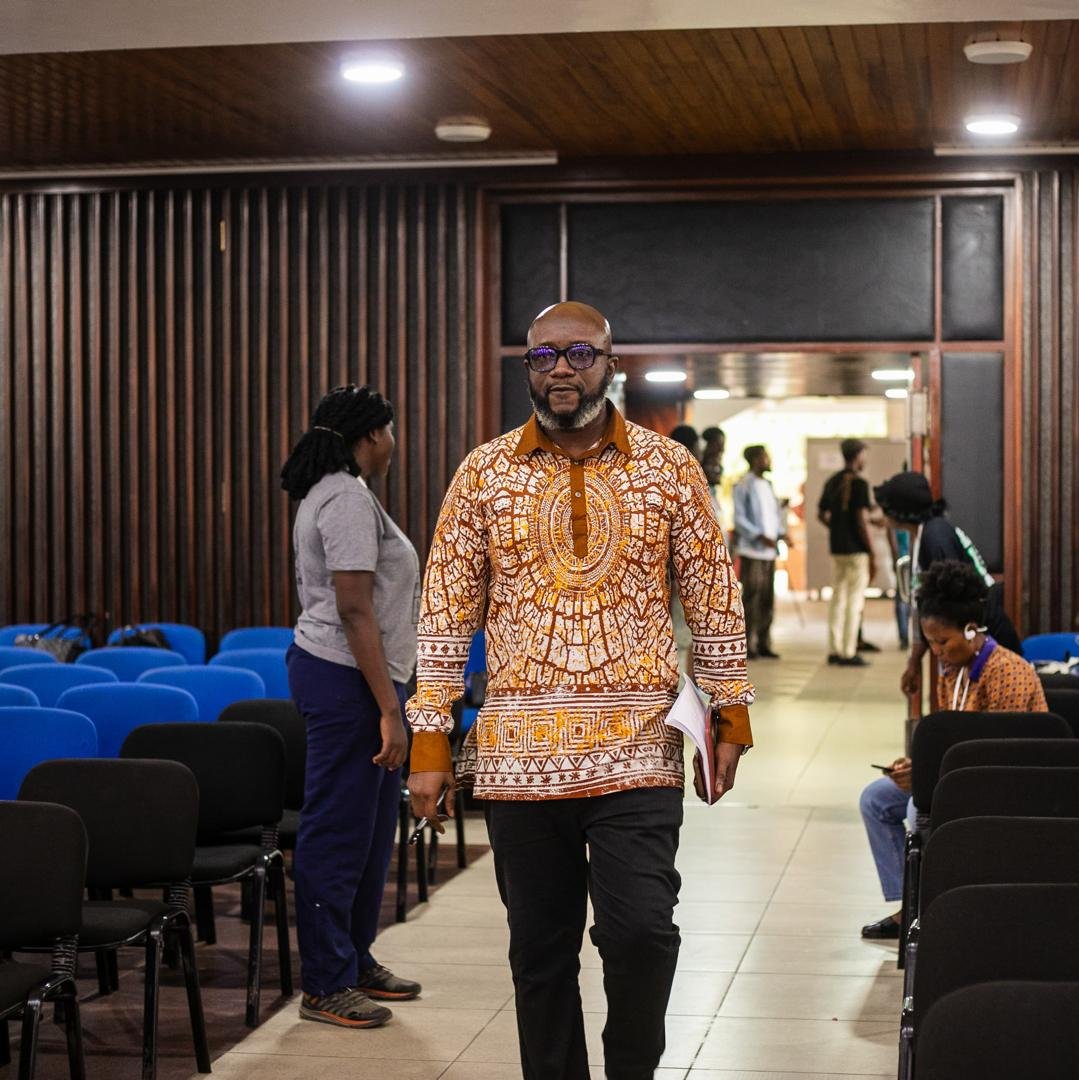
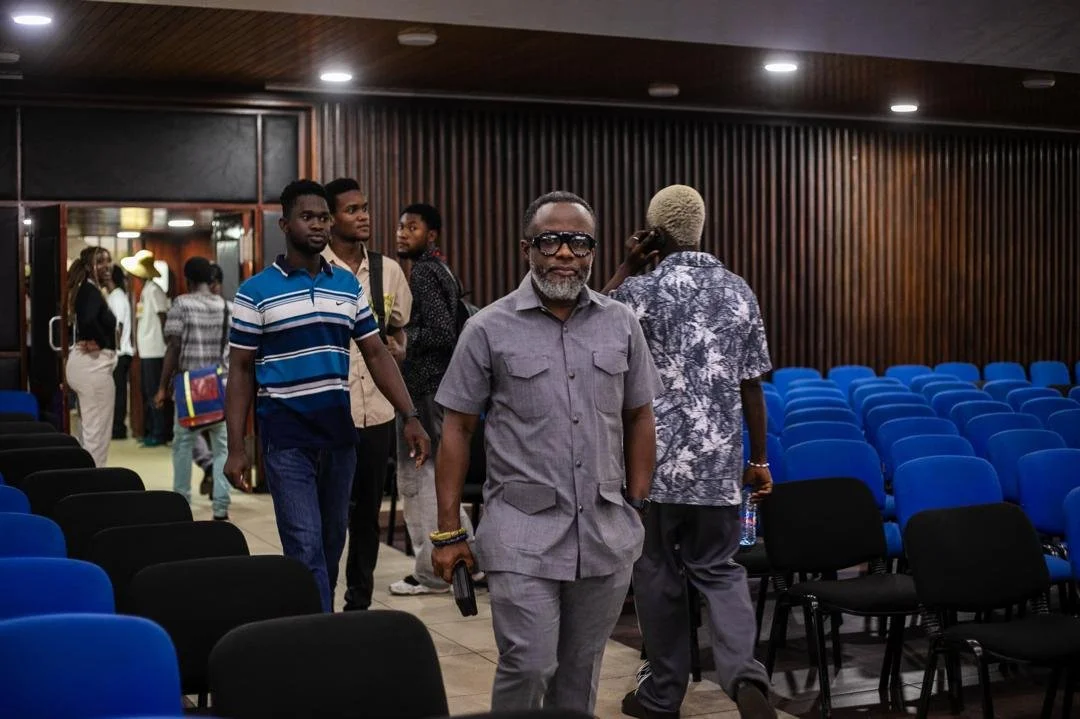
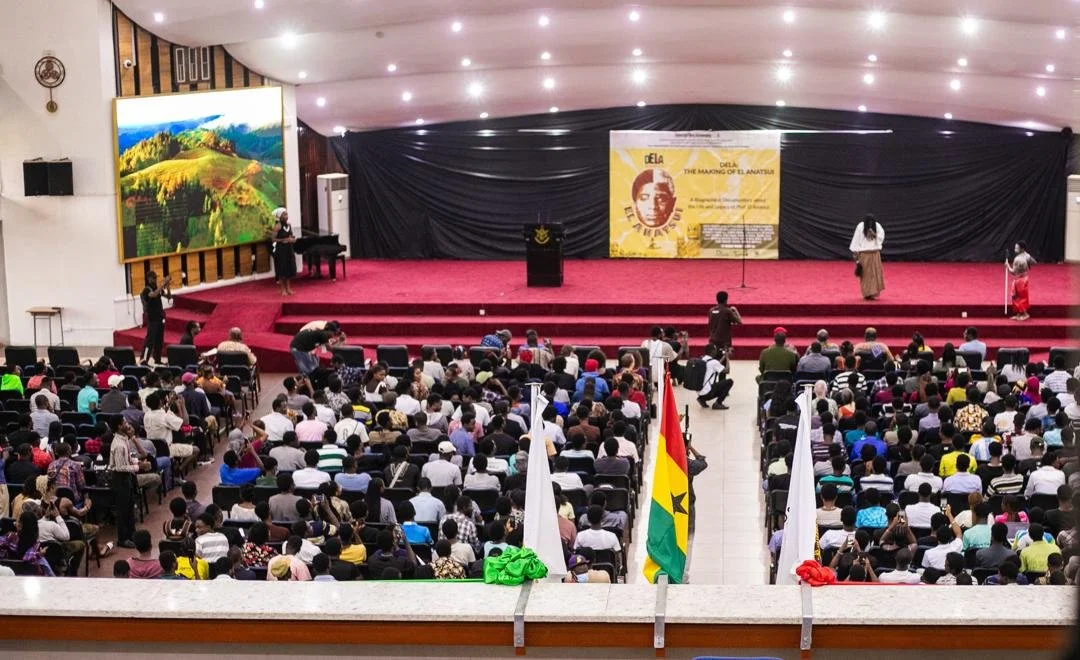
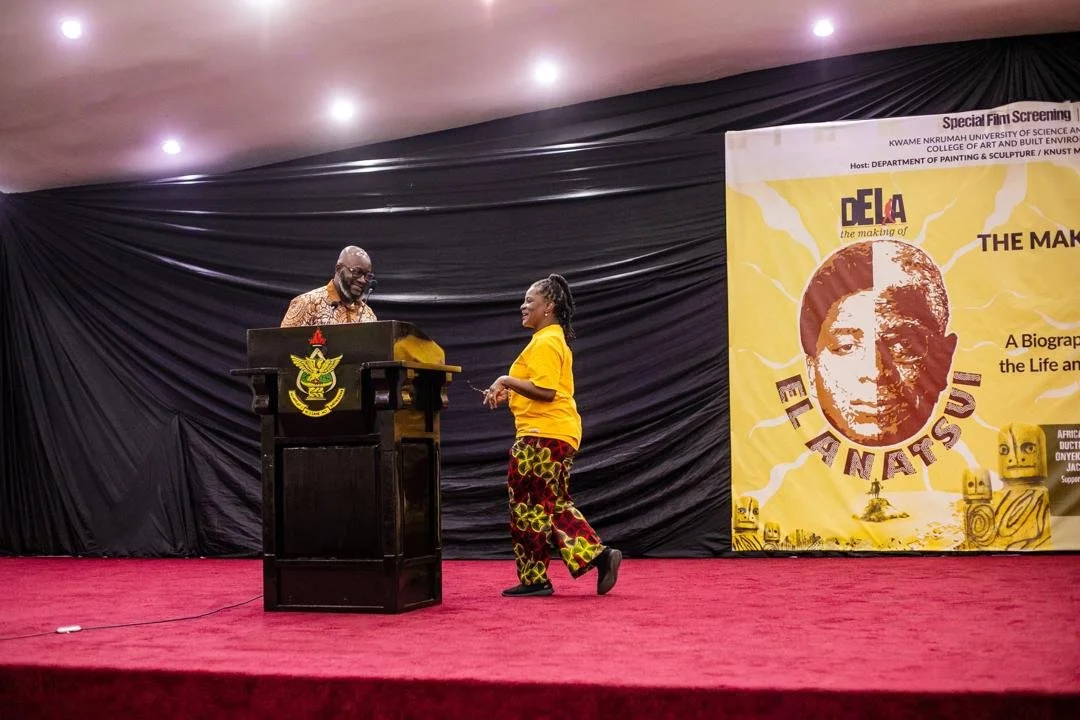
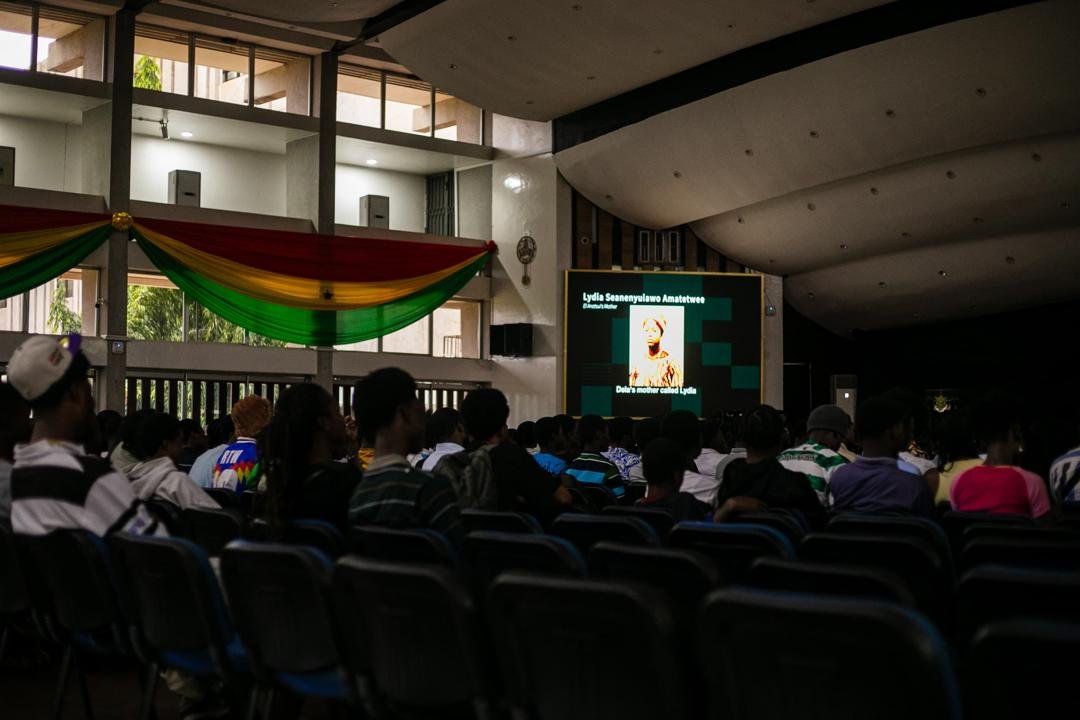
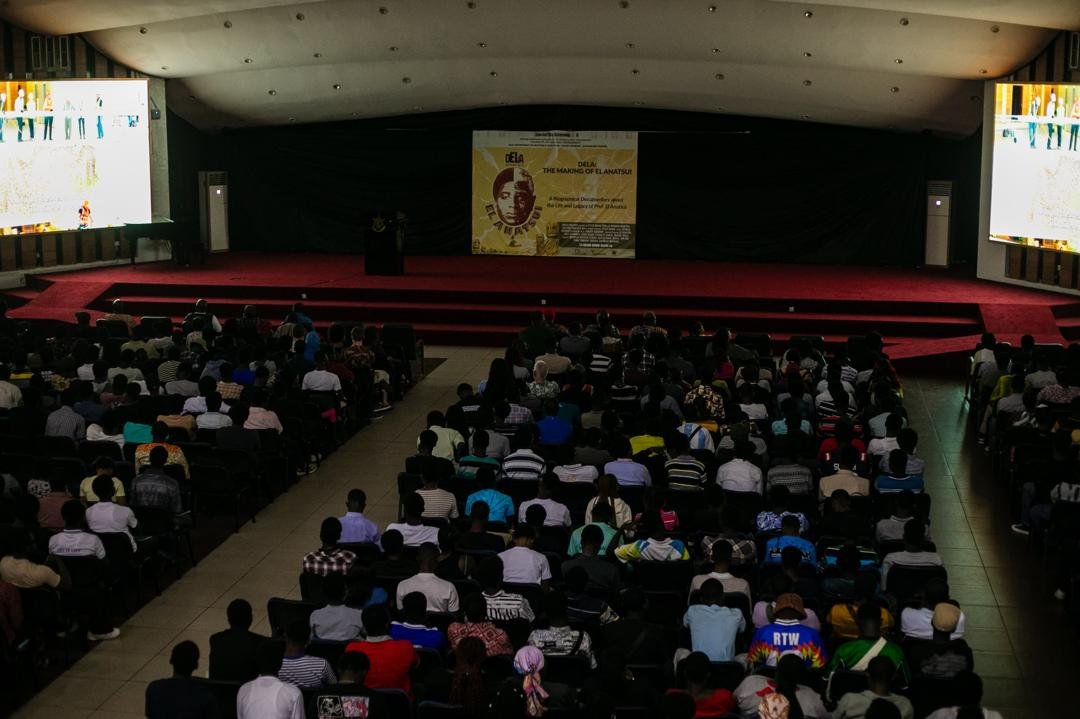
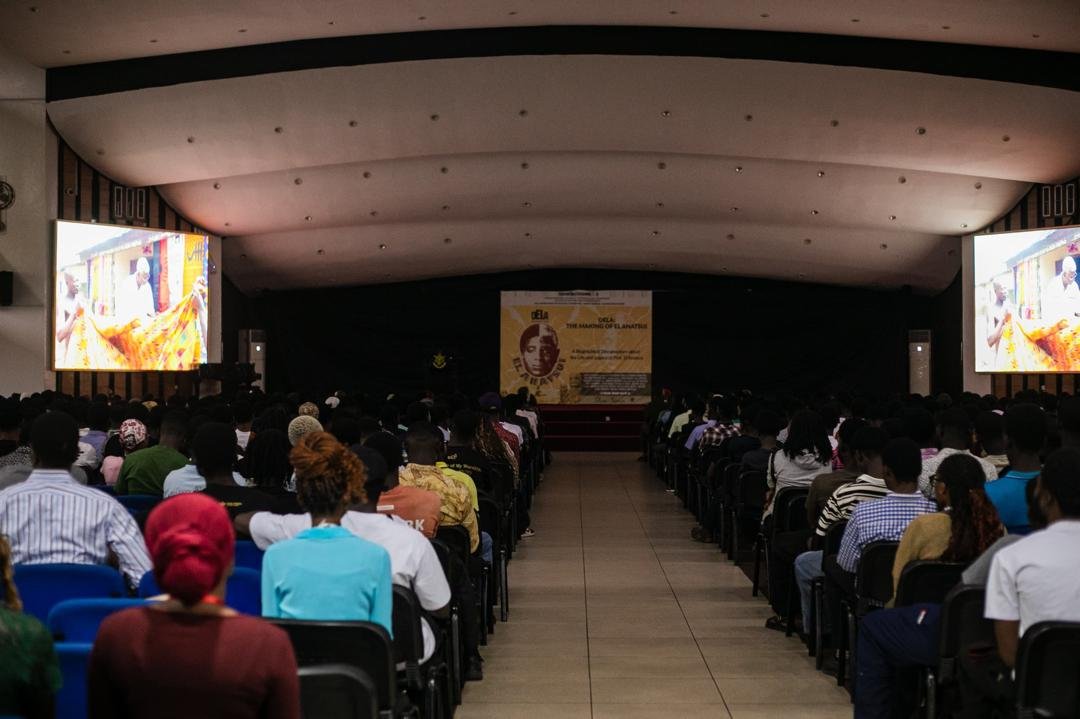
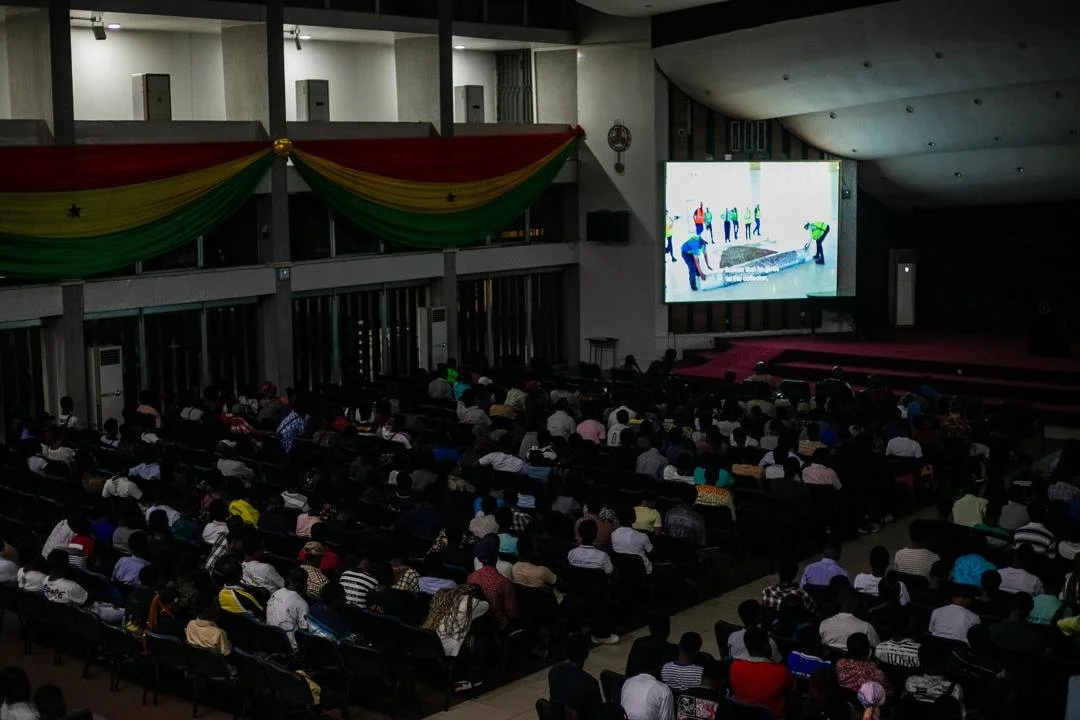
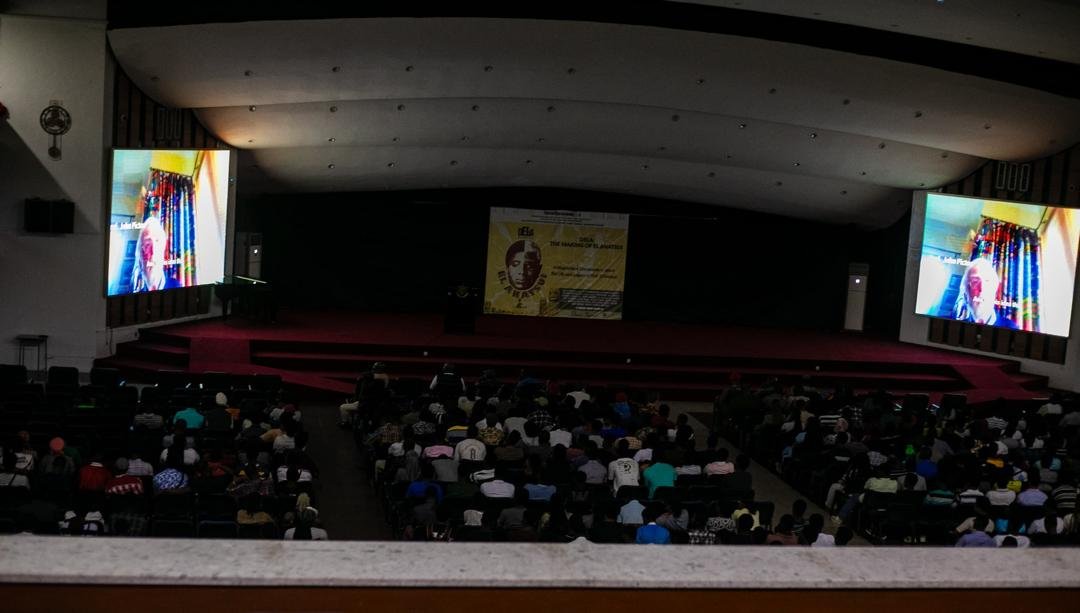
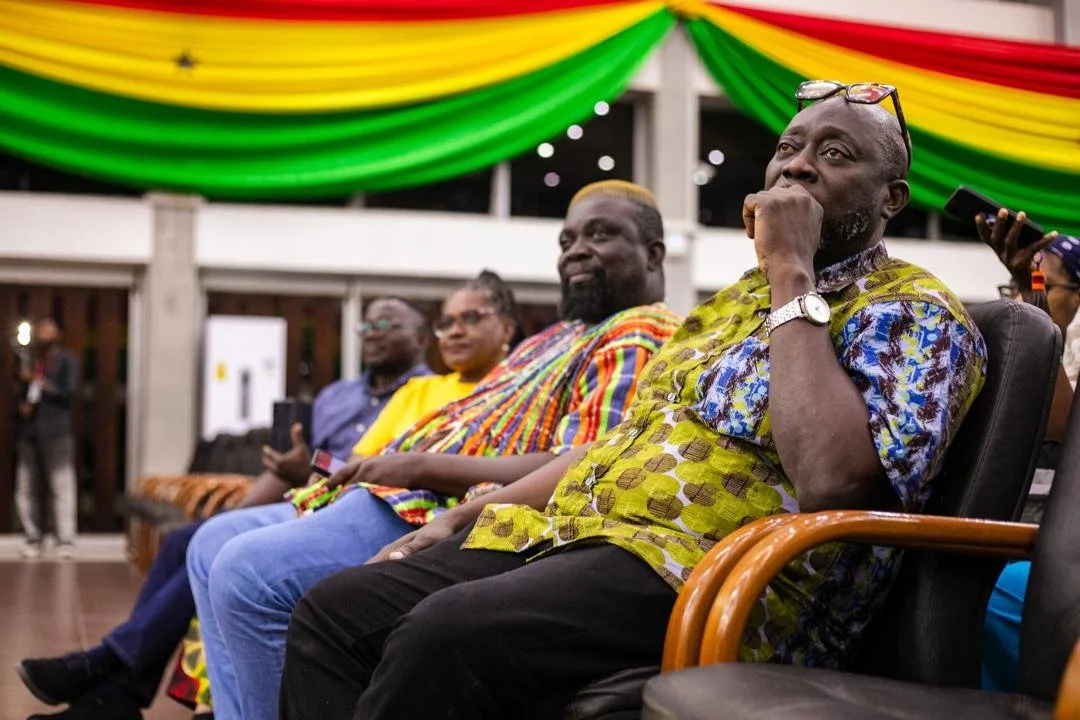
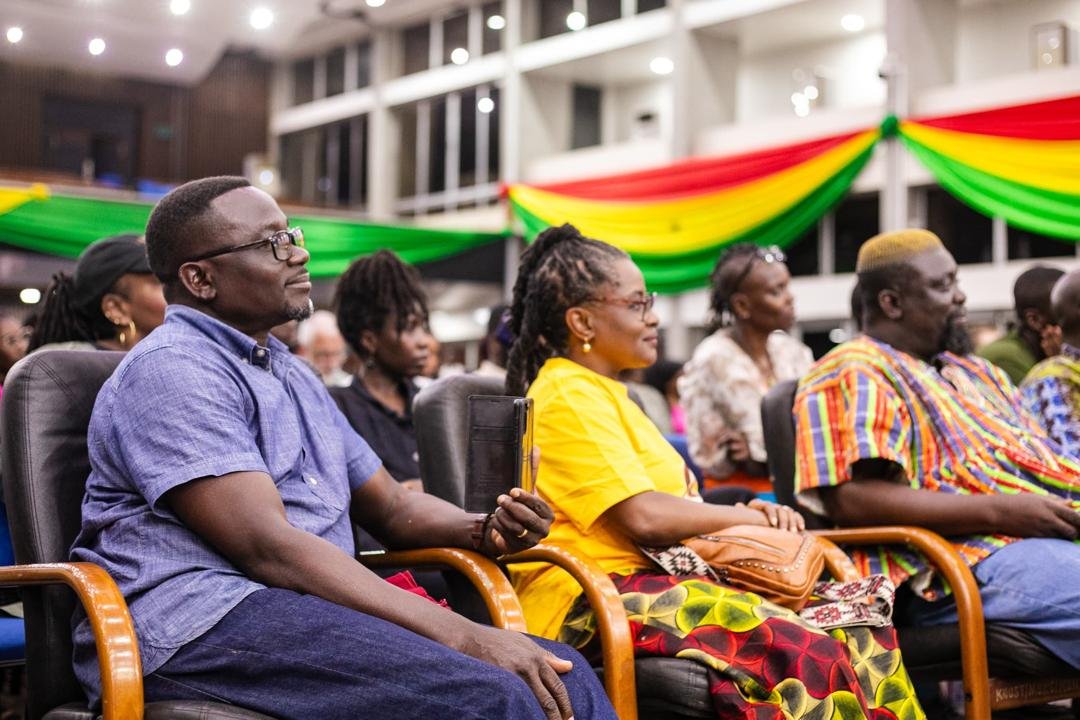
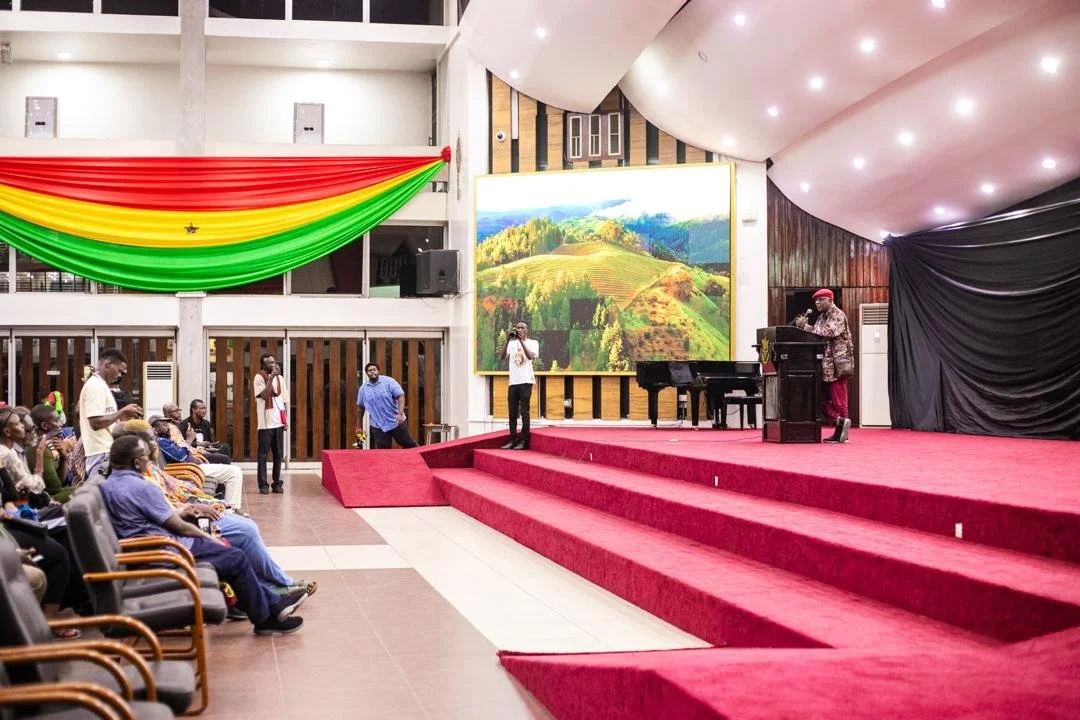
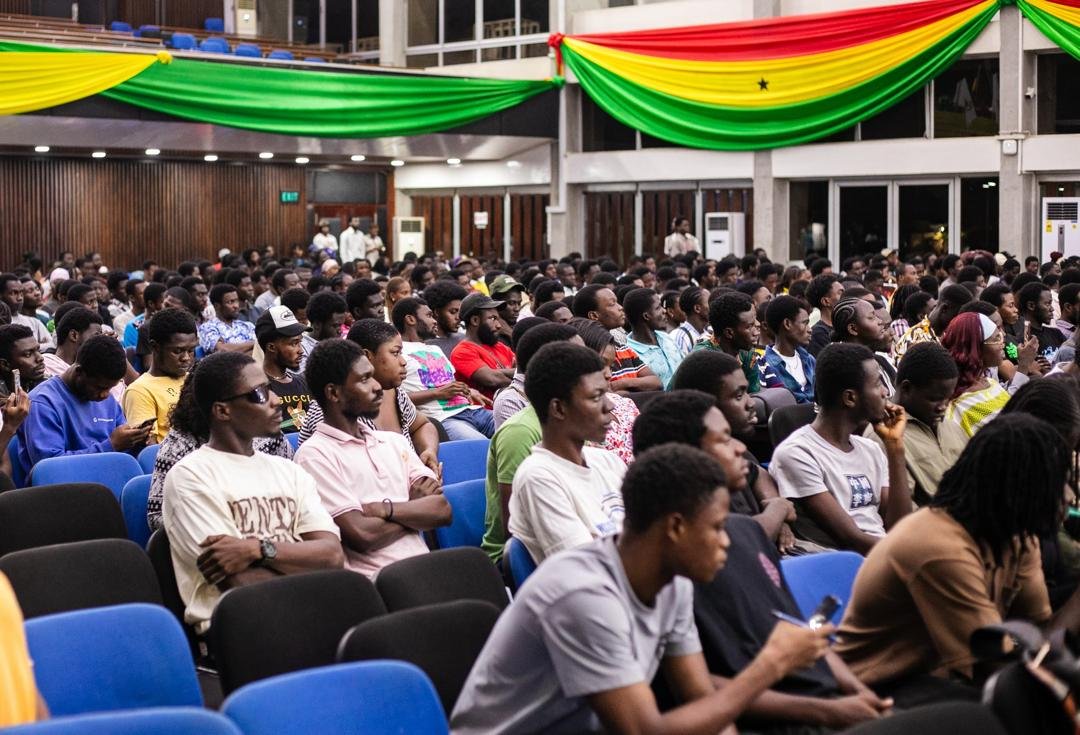
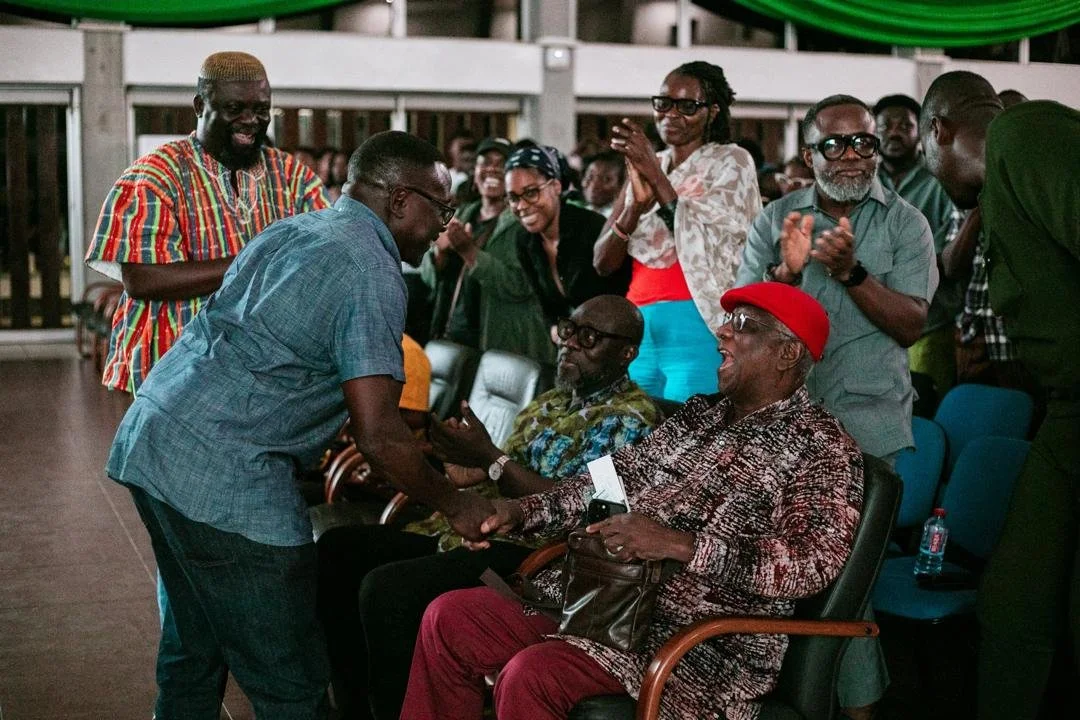
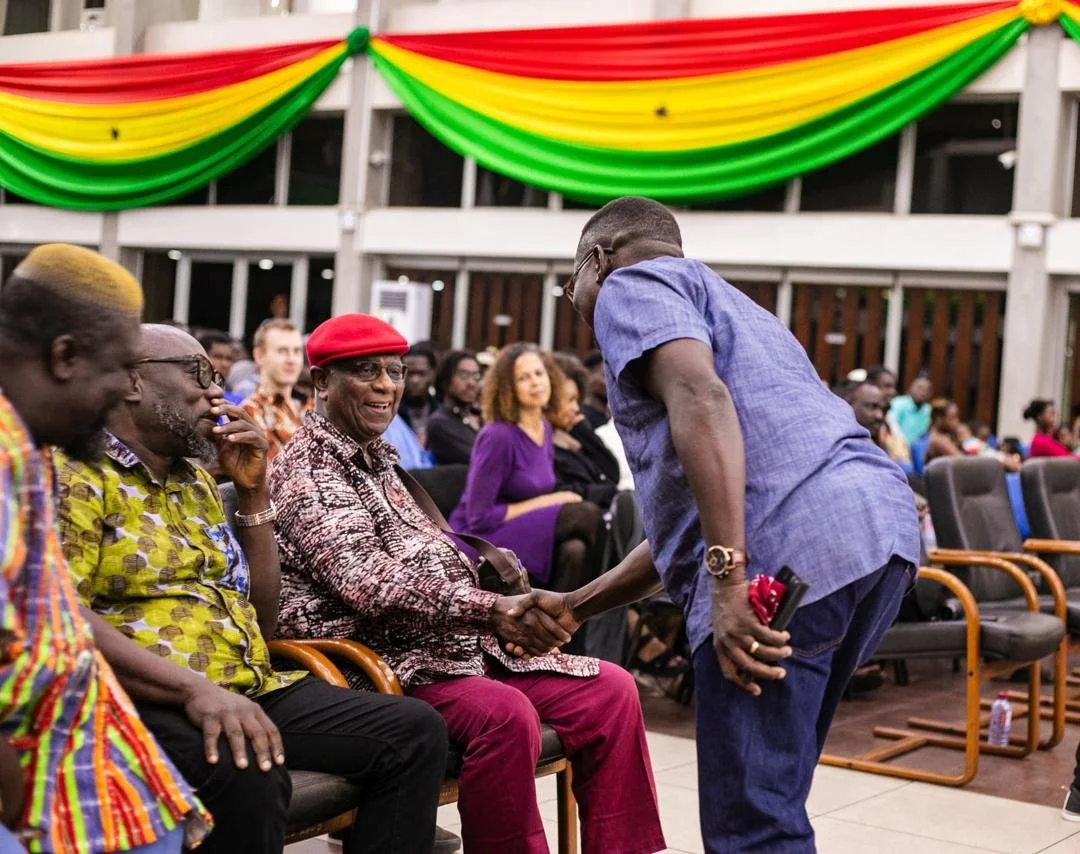
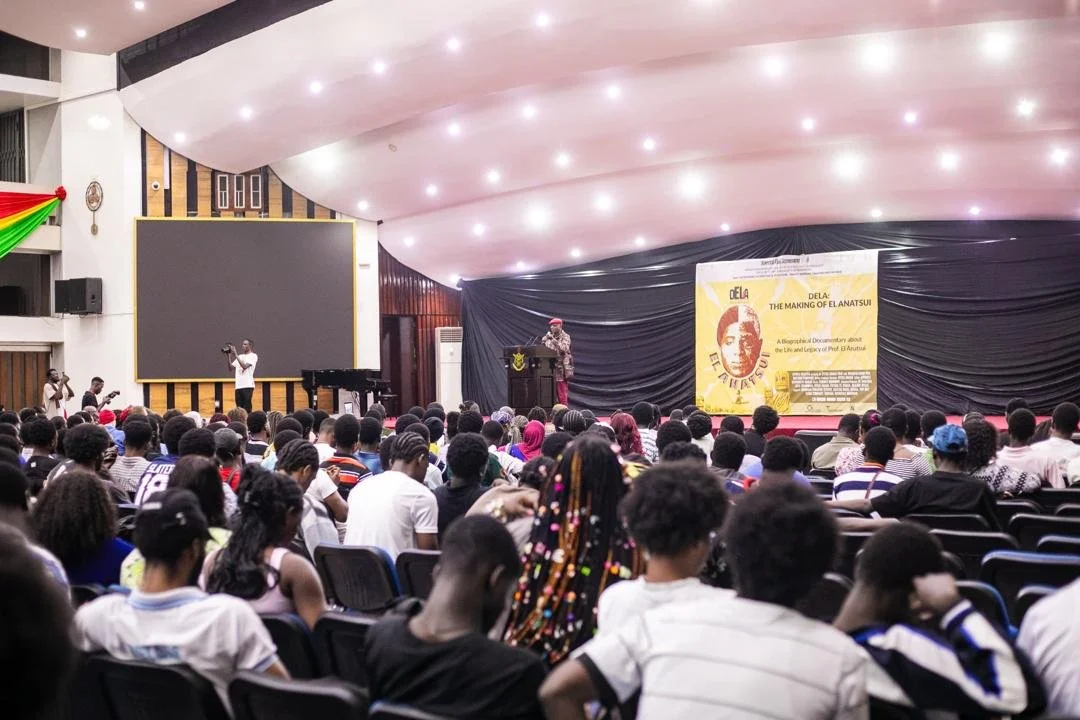
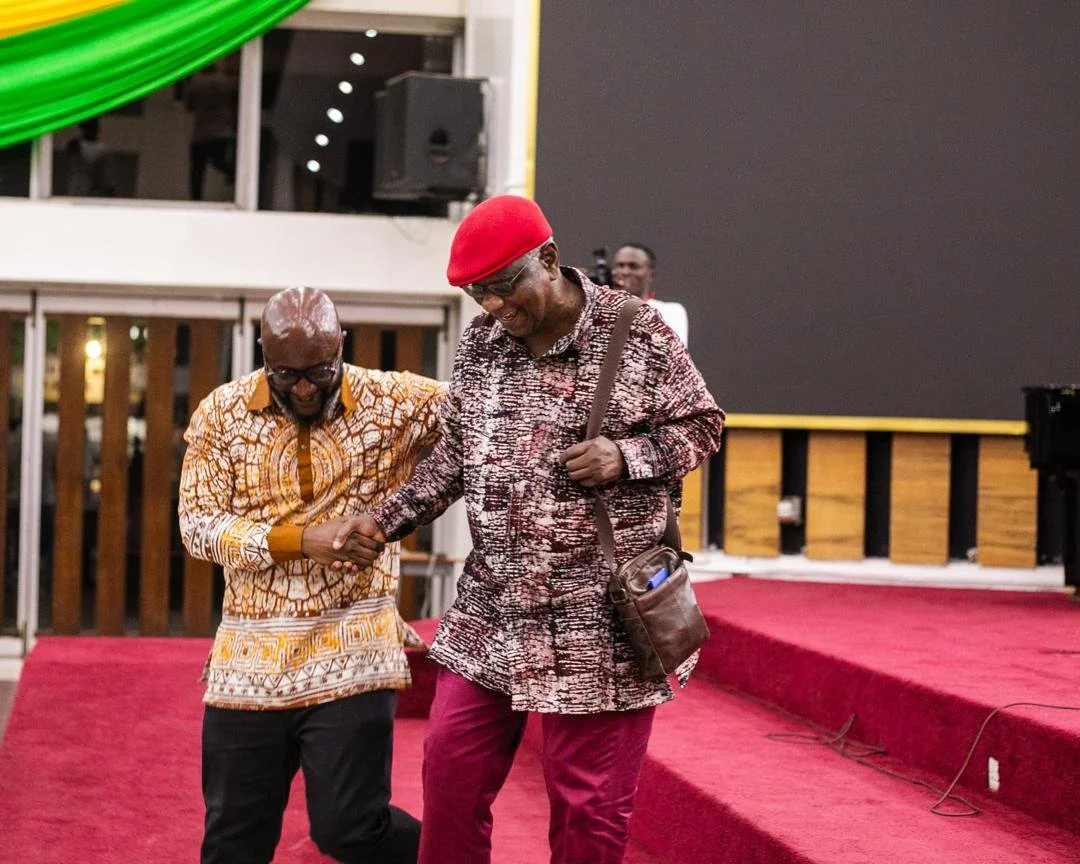
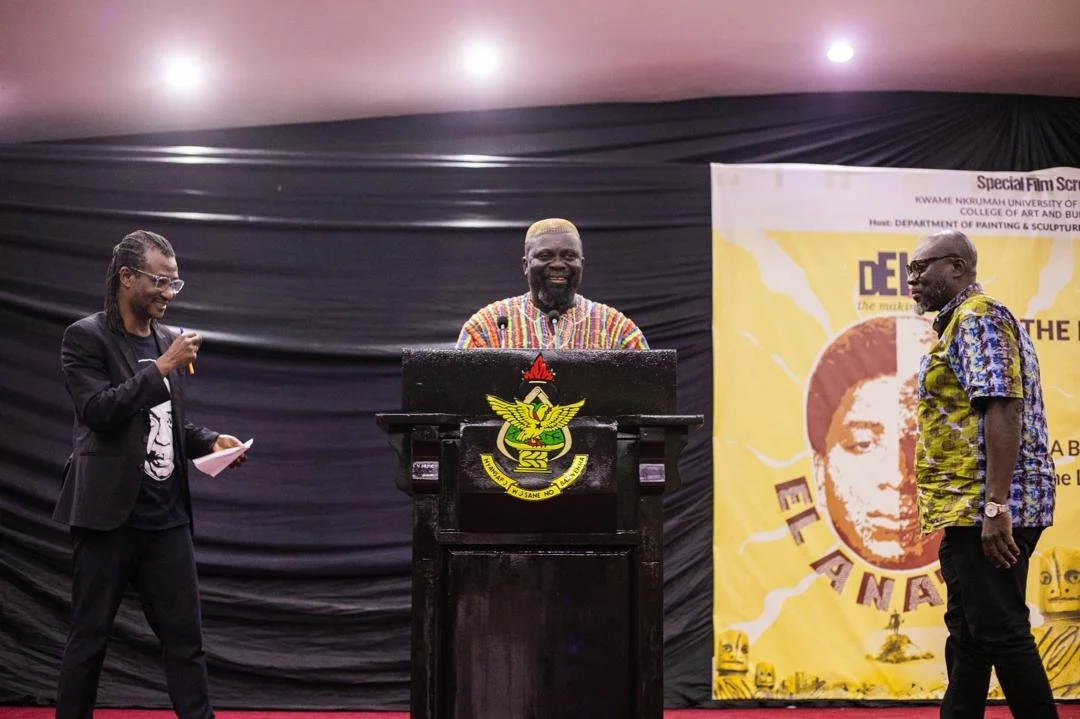
DELA: The Making of El Anatsui , premiered in The Great Hall at the Kwame Nkrumah University of Science and Technology (KNUST) on August 4, 2025.
BY Africa-Related, Ghana
Photos: blaxTARLINES /KNUST Museum
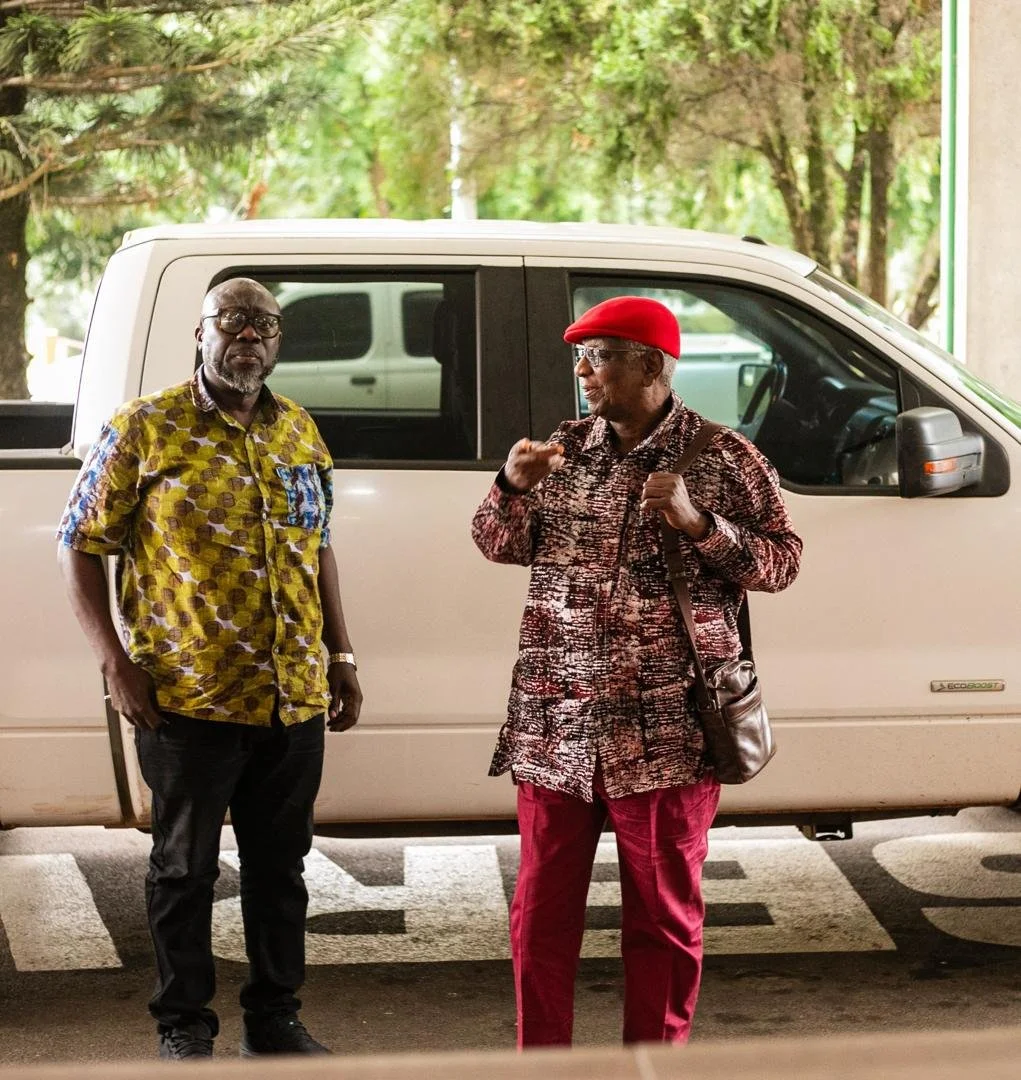
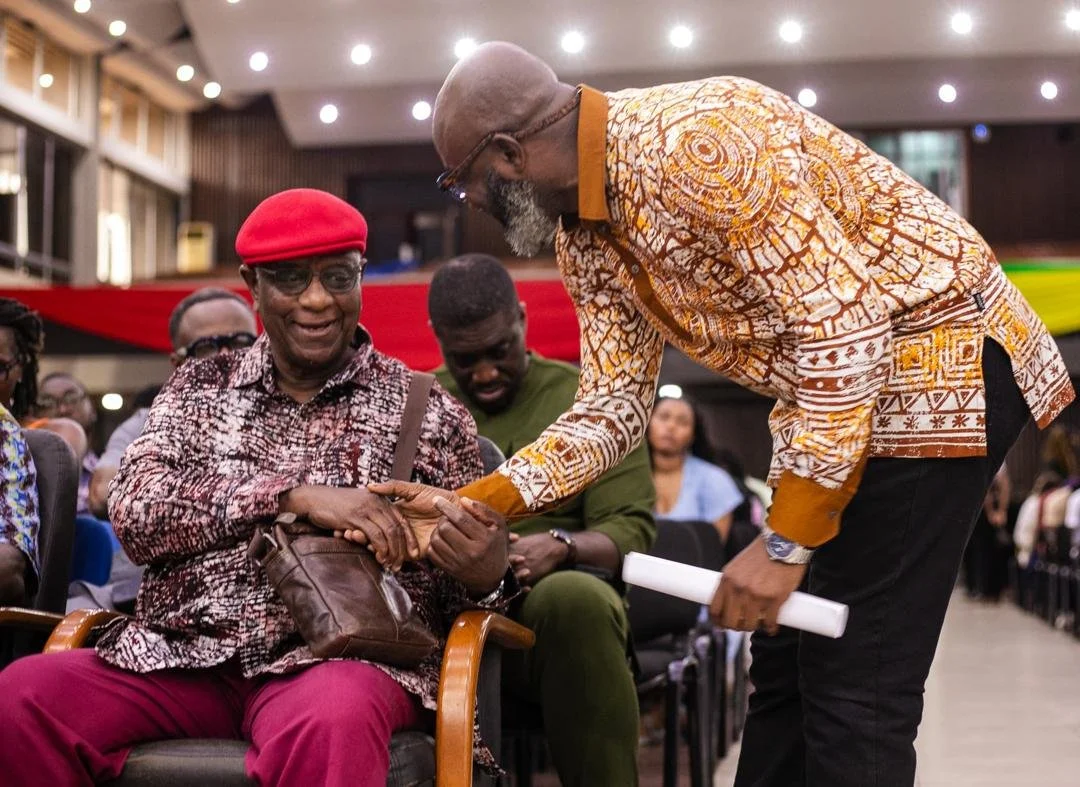
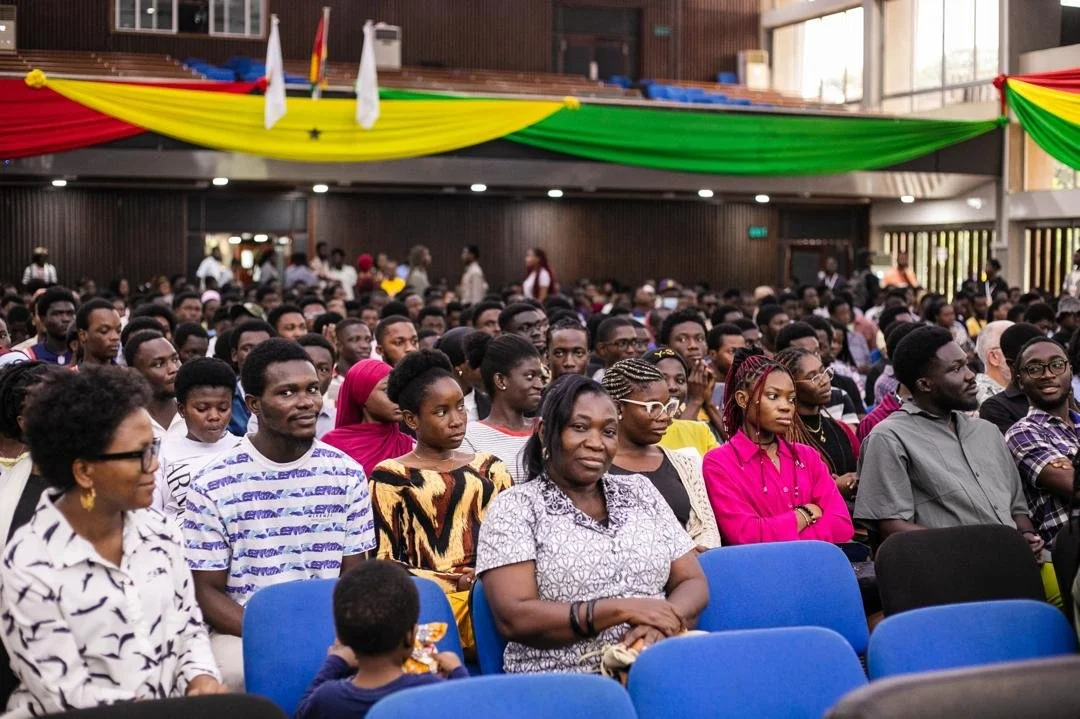
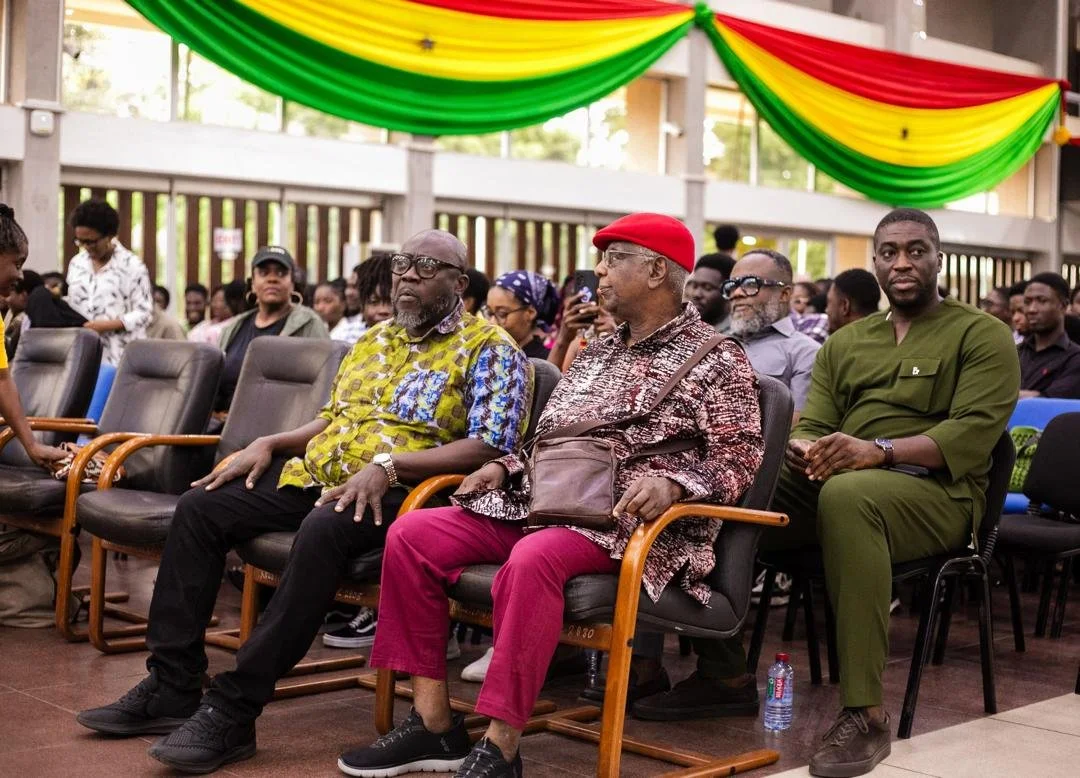
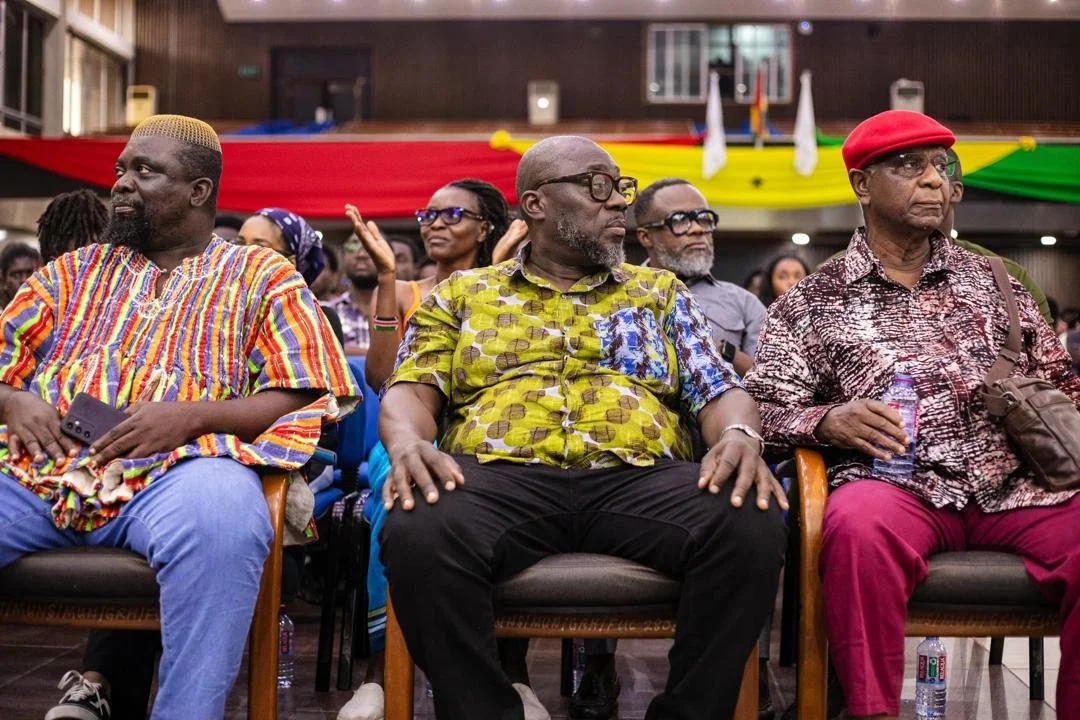
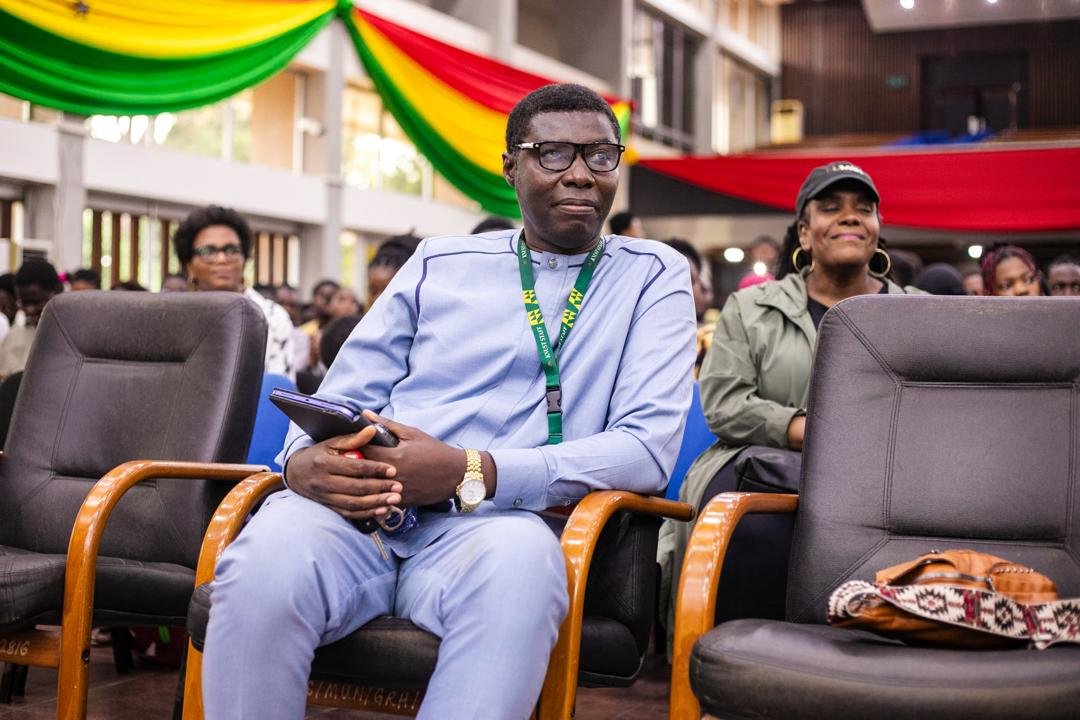
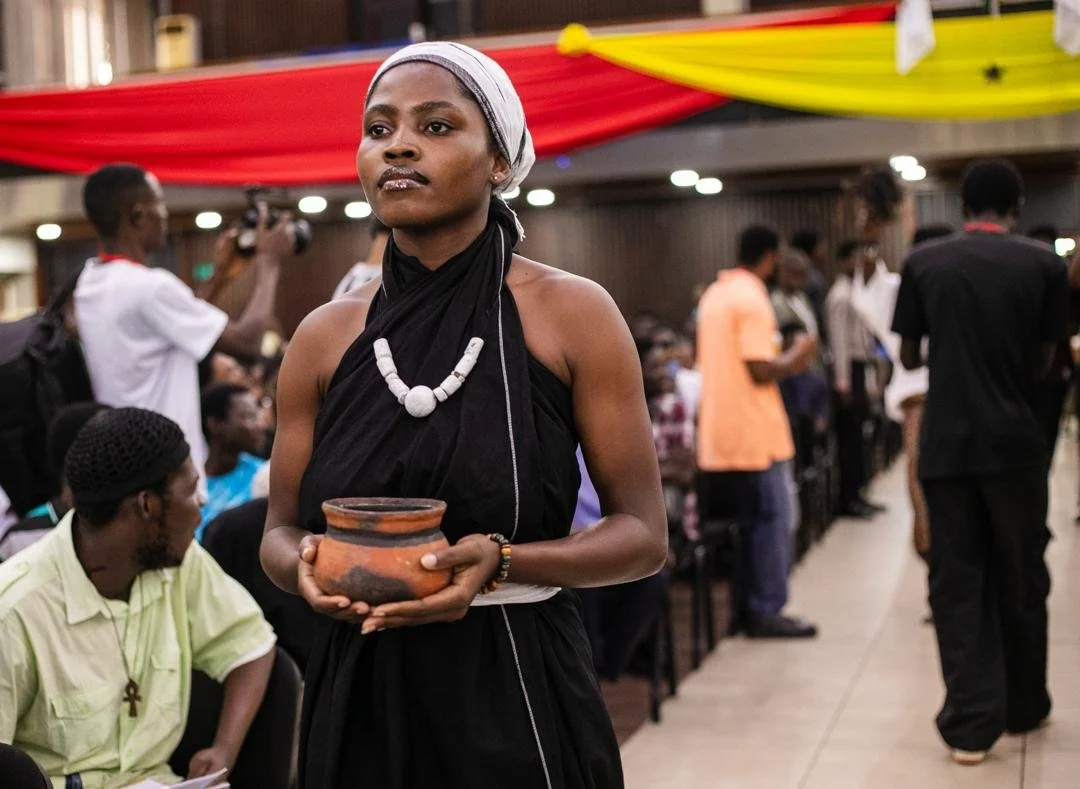
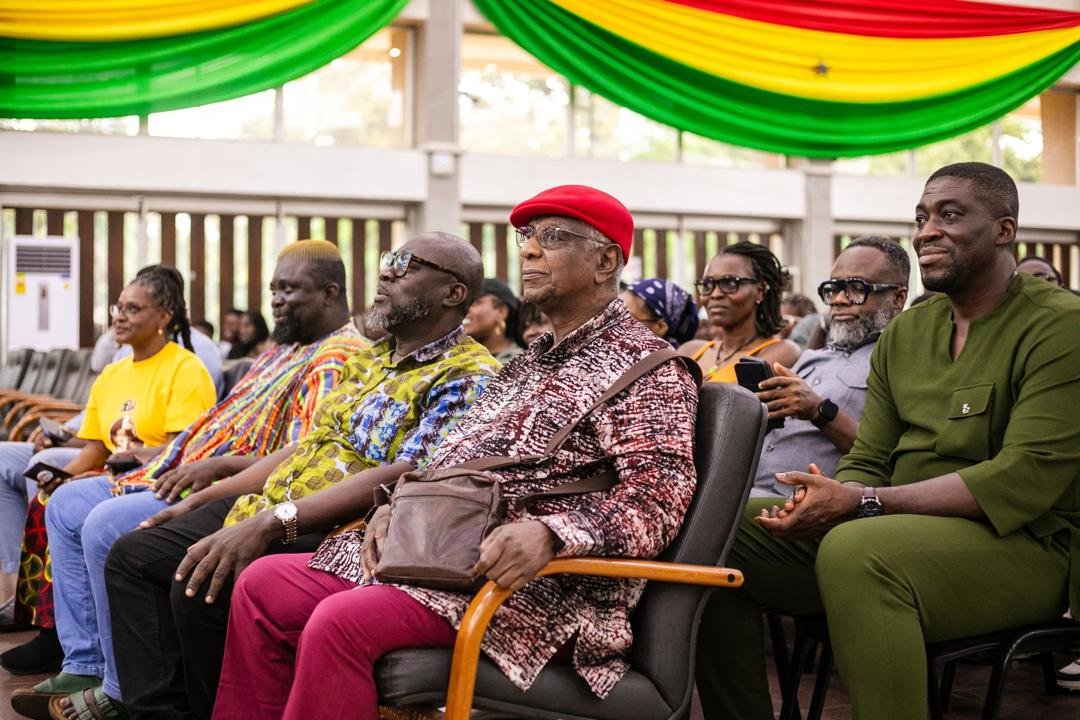
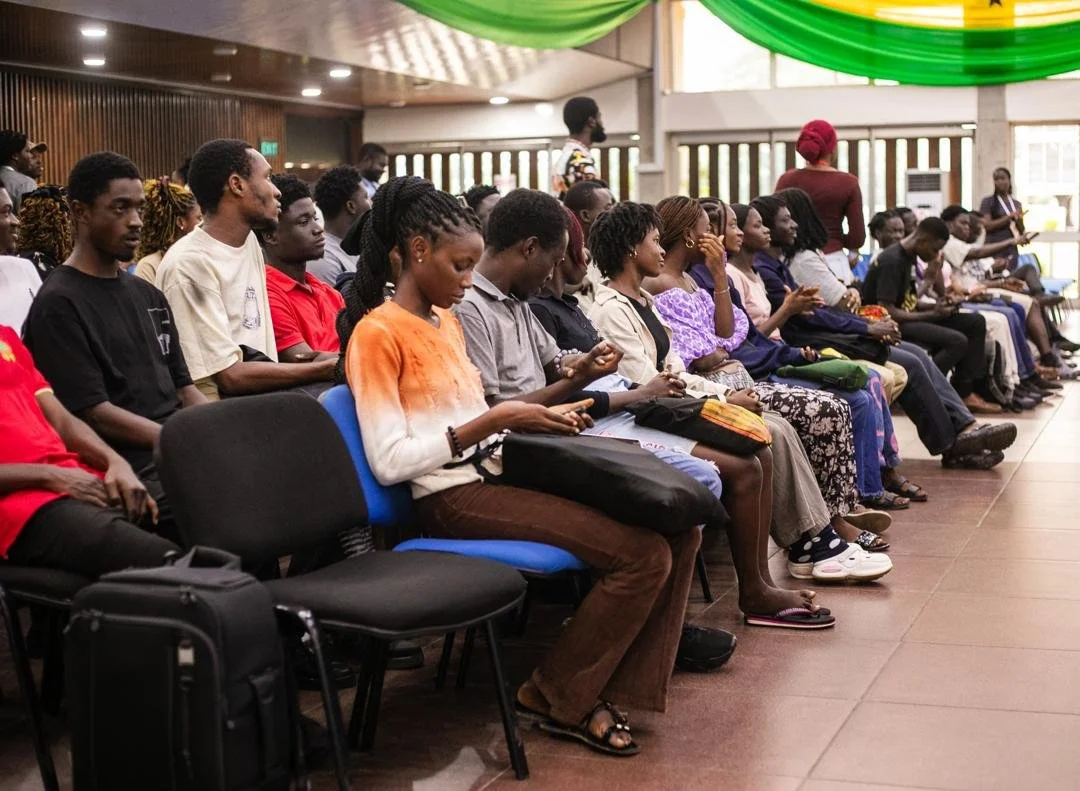
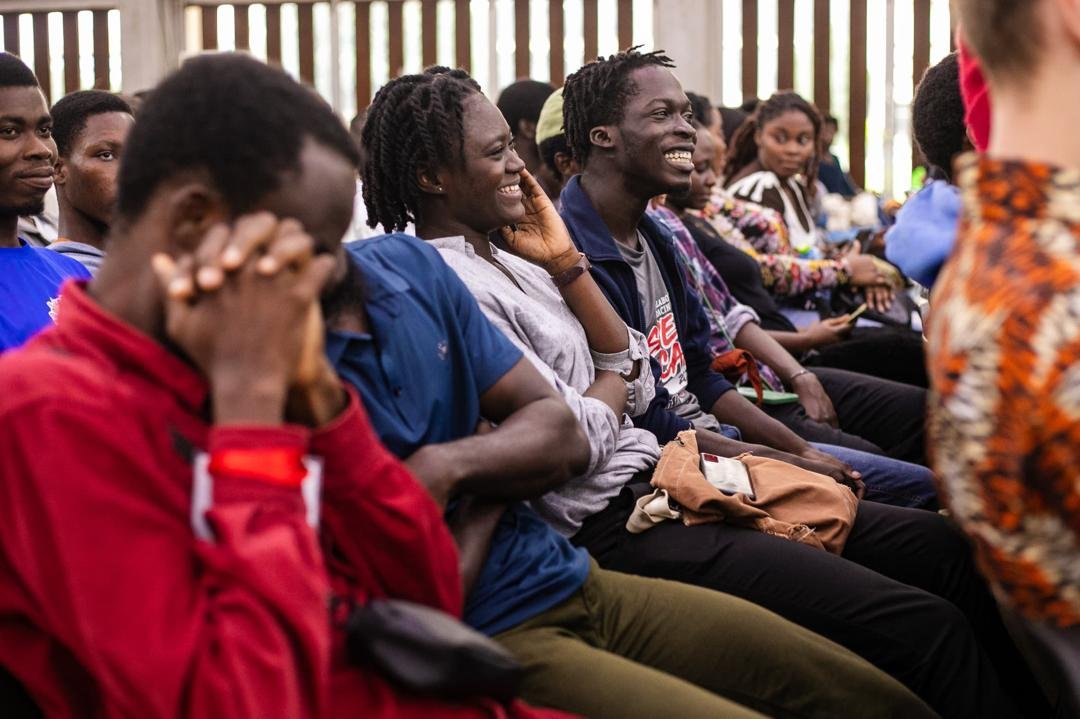
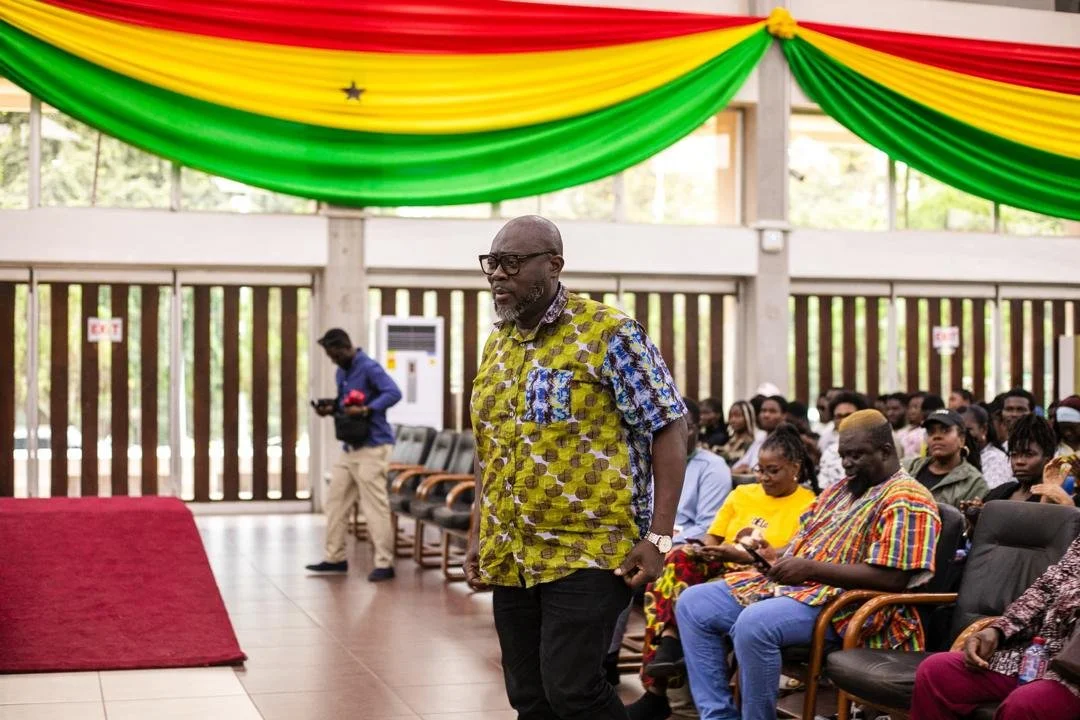
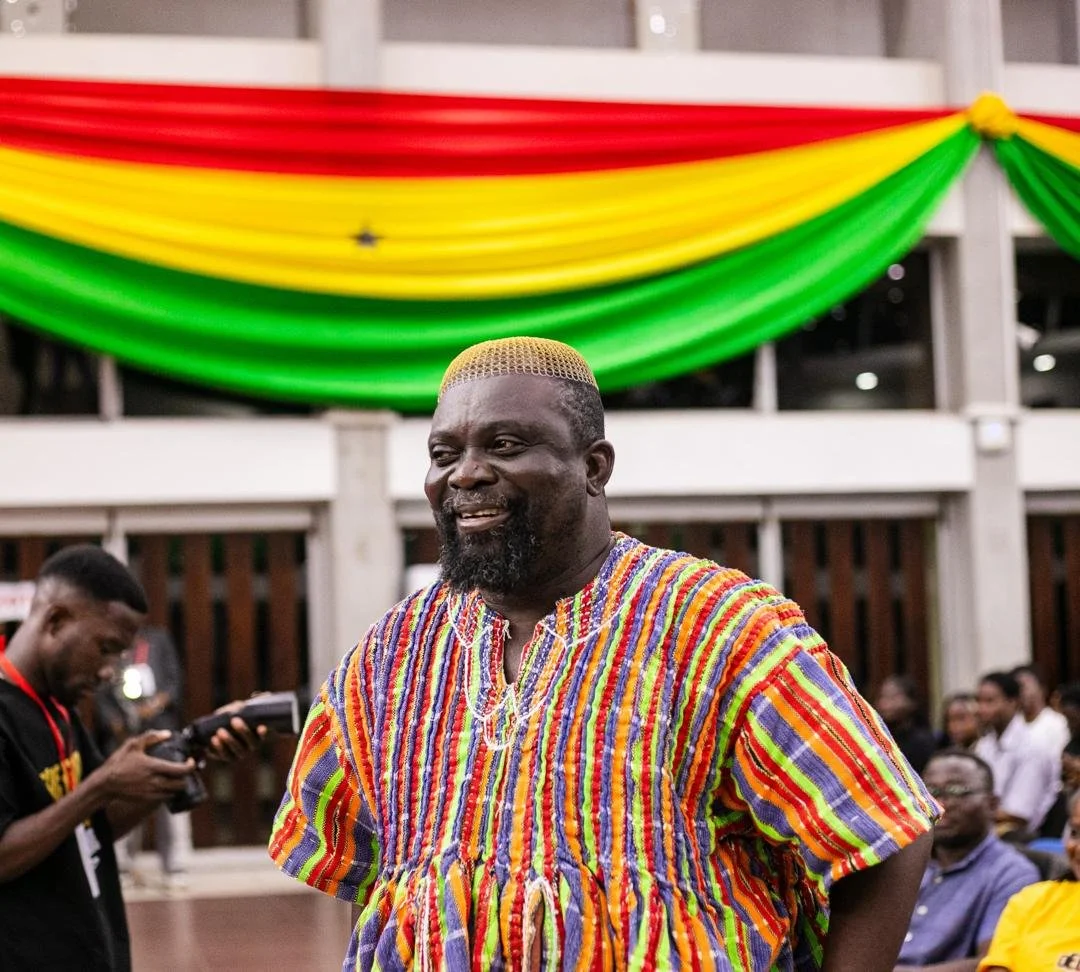
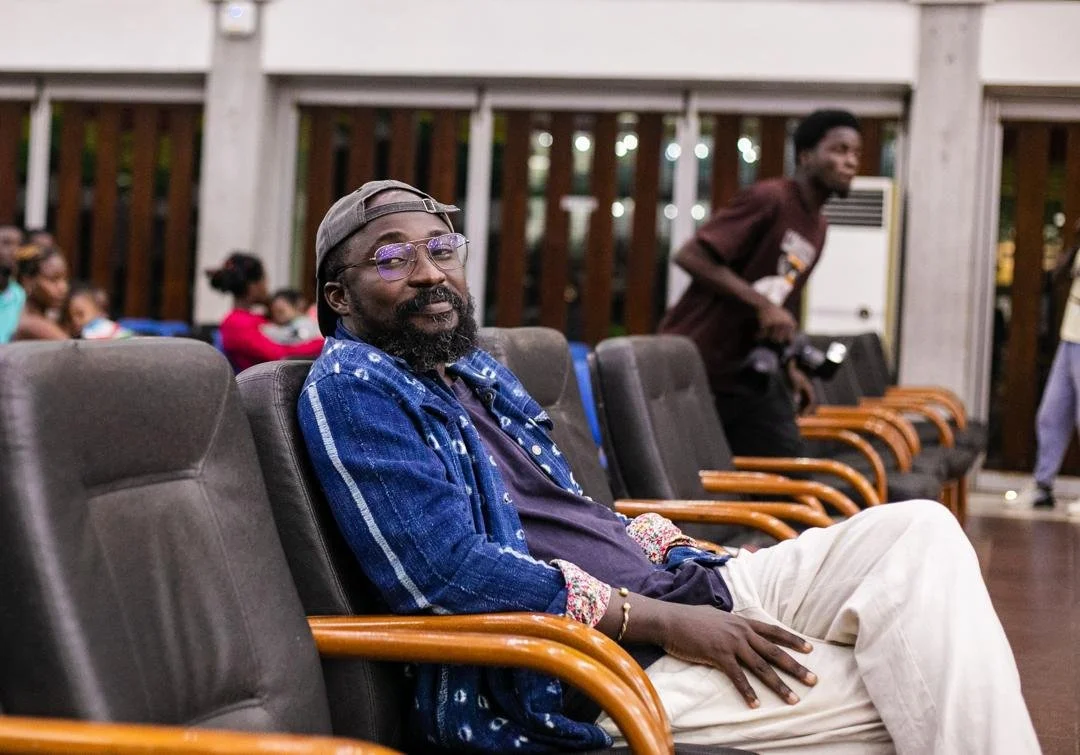
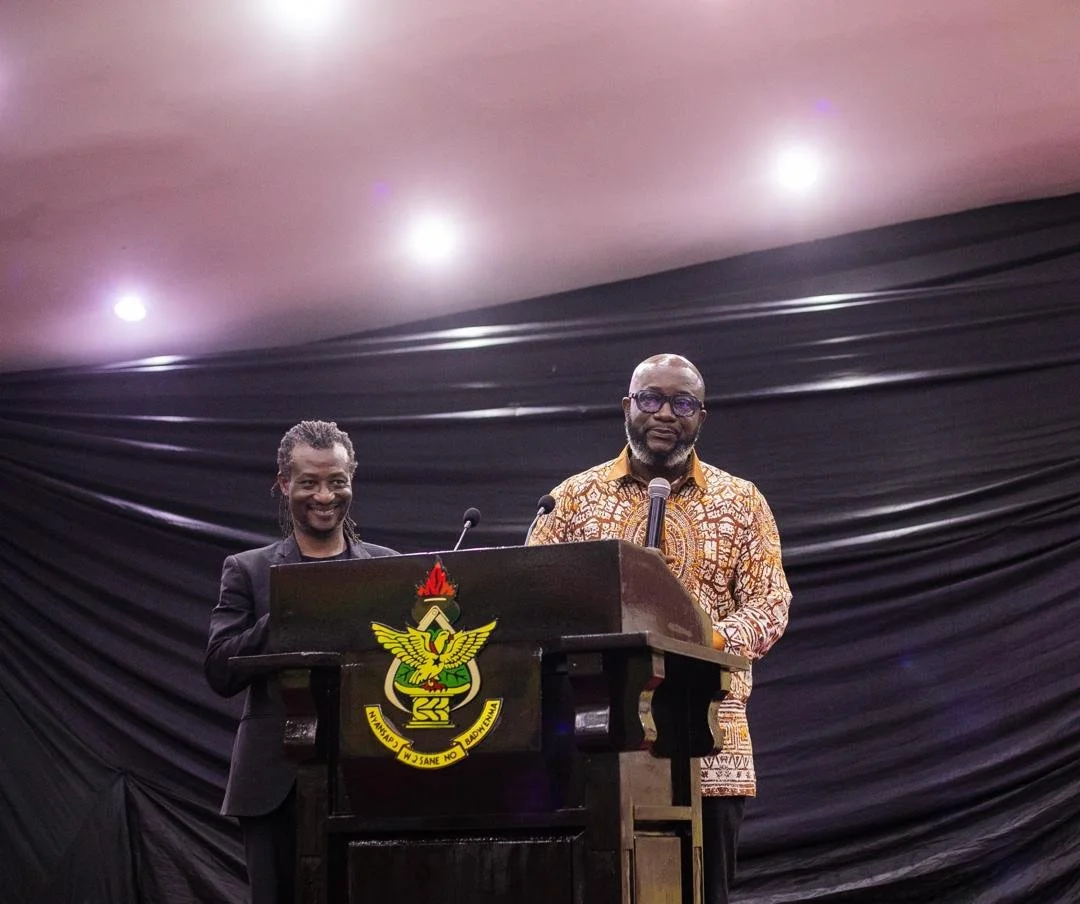
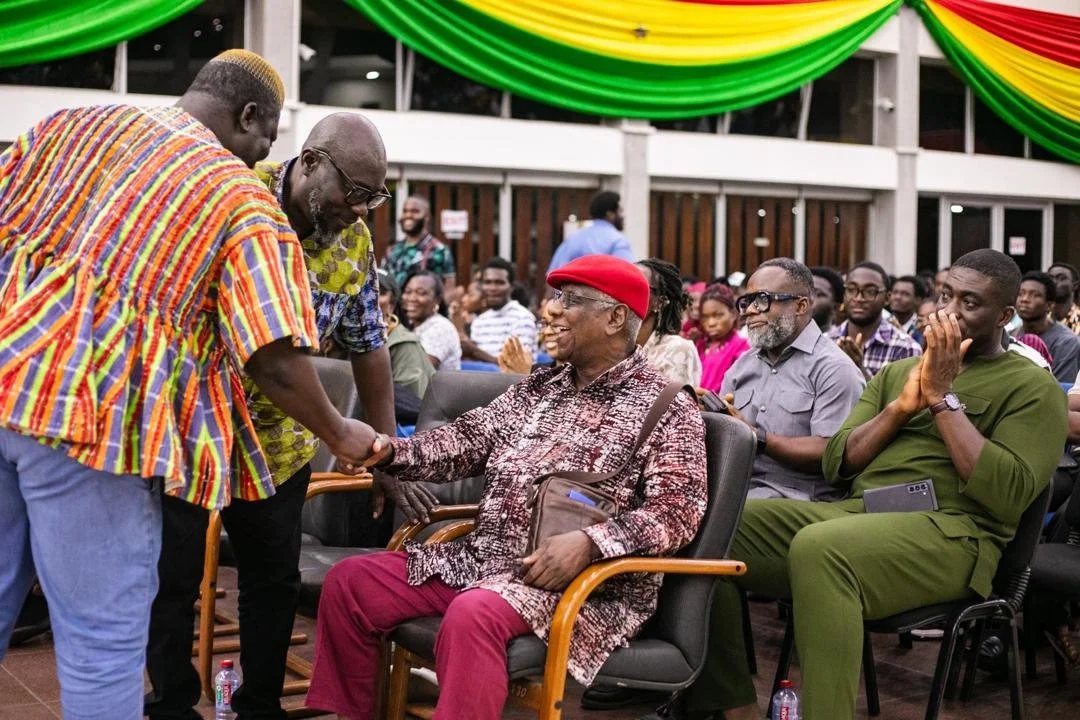
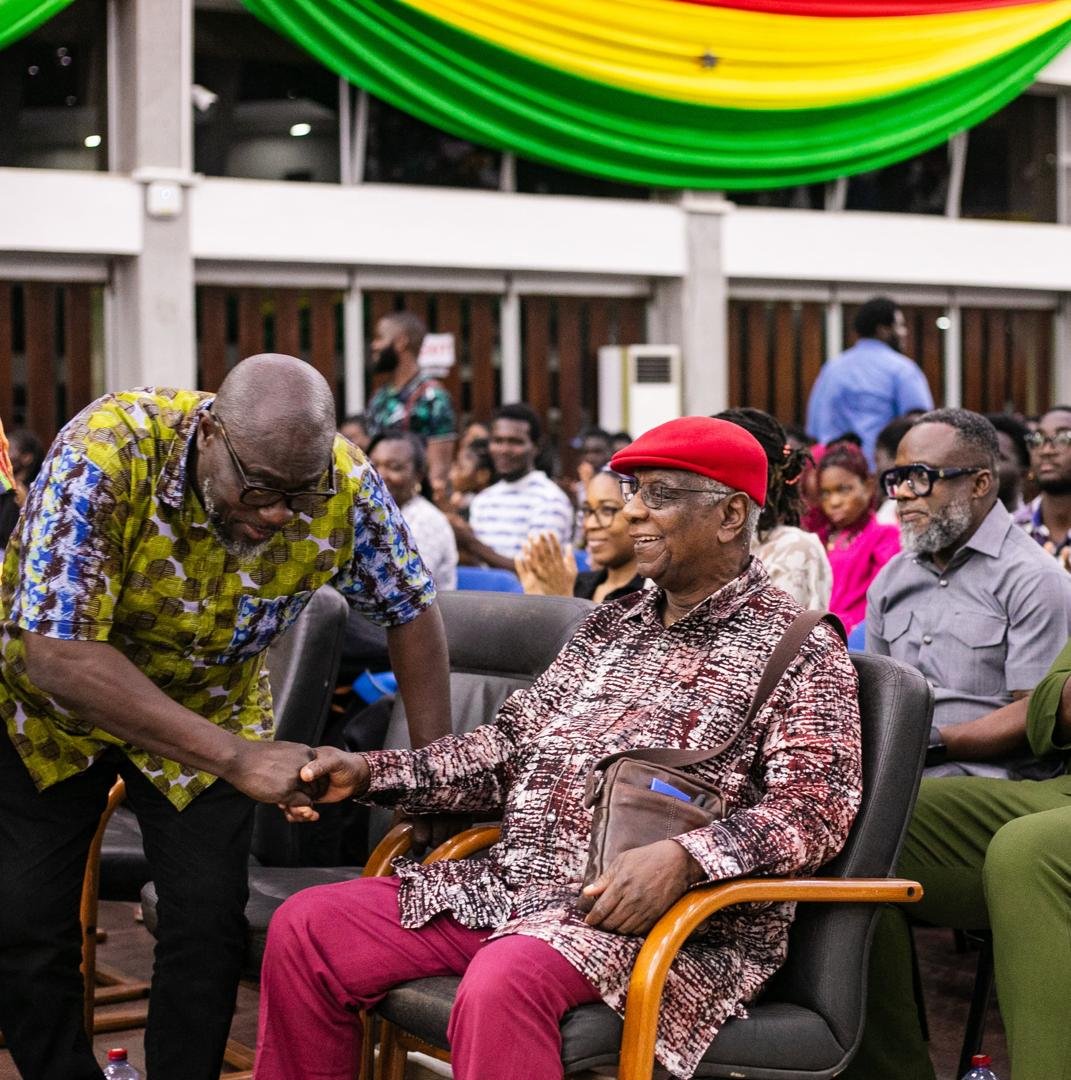
DELA: The Making of El Anatsui , premiered in The Great Hall at the Kwame Nkrumah University of Science and Technology (KNUST) on August 4, 2025. The celebrated Emeritus Prof. El Anatsui, took center stage in the award-winning biographical documentary, as well as in person. He walked the same stage at the prestigious Great Hall, where, as a young undergraduate in 1968, he collected his degree in Fine and Applied Arts.
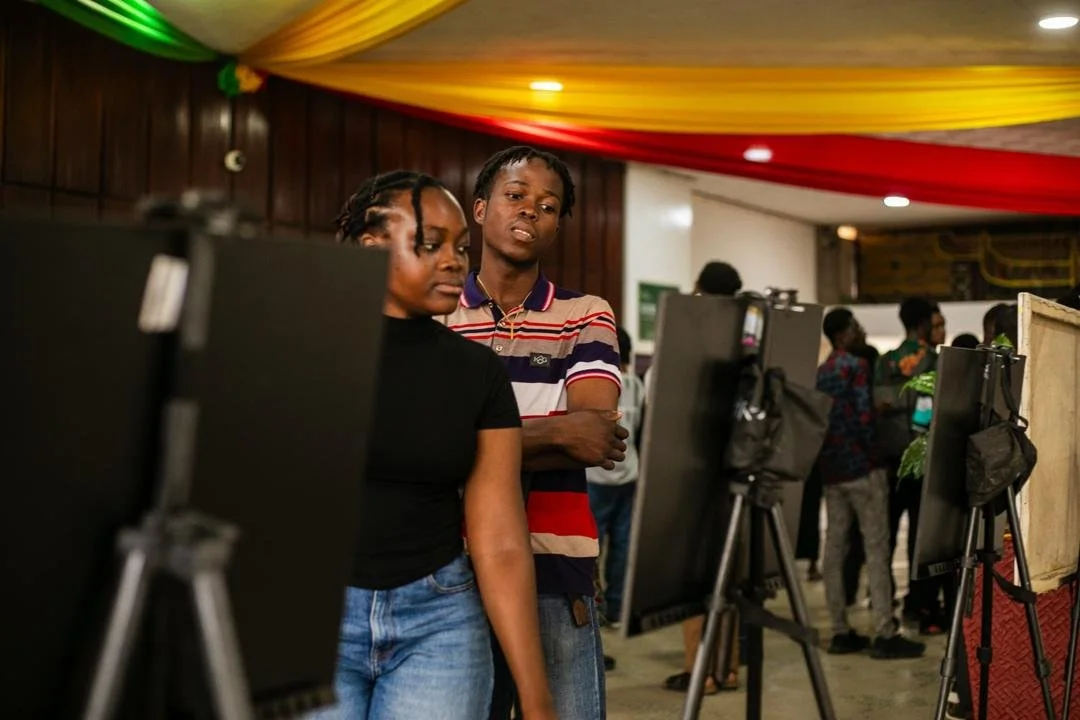
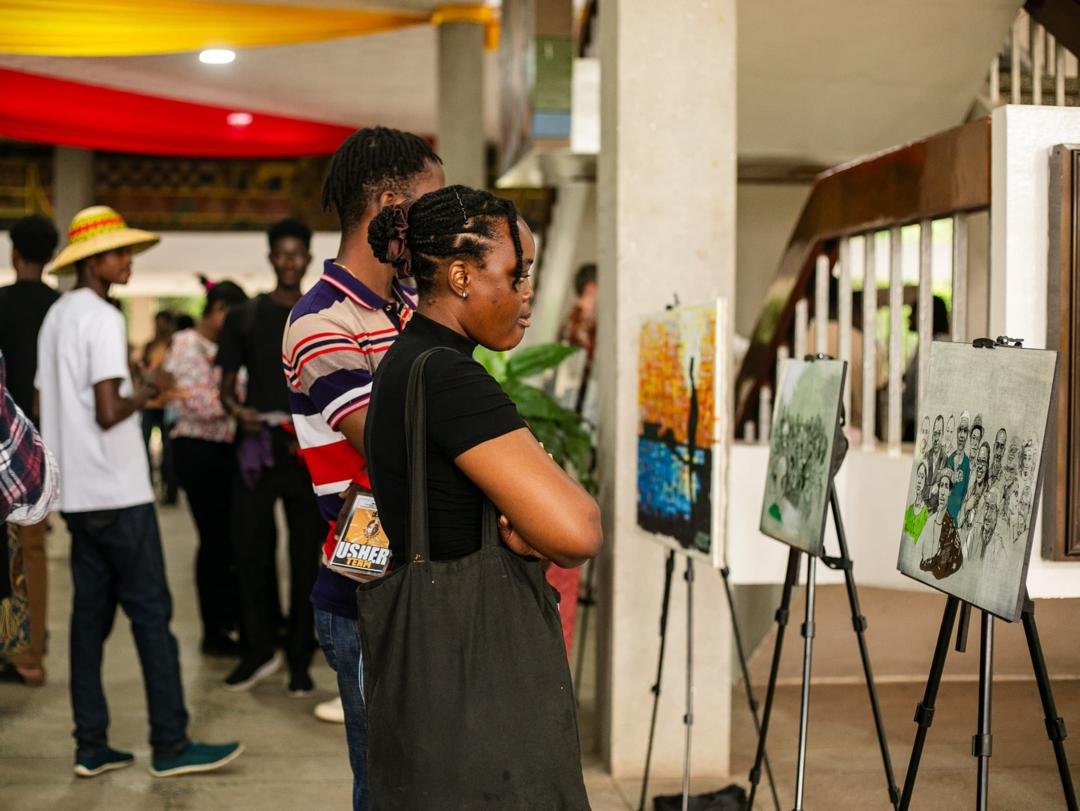
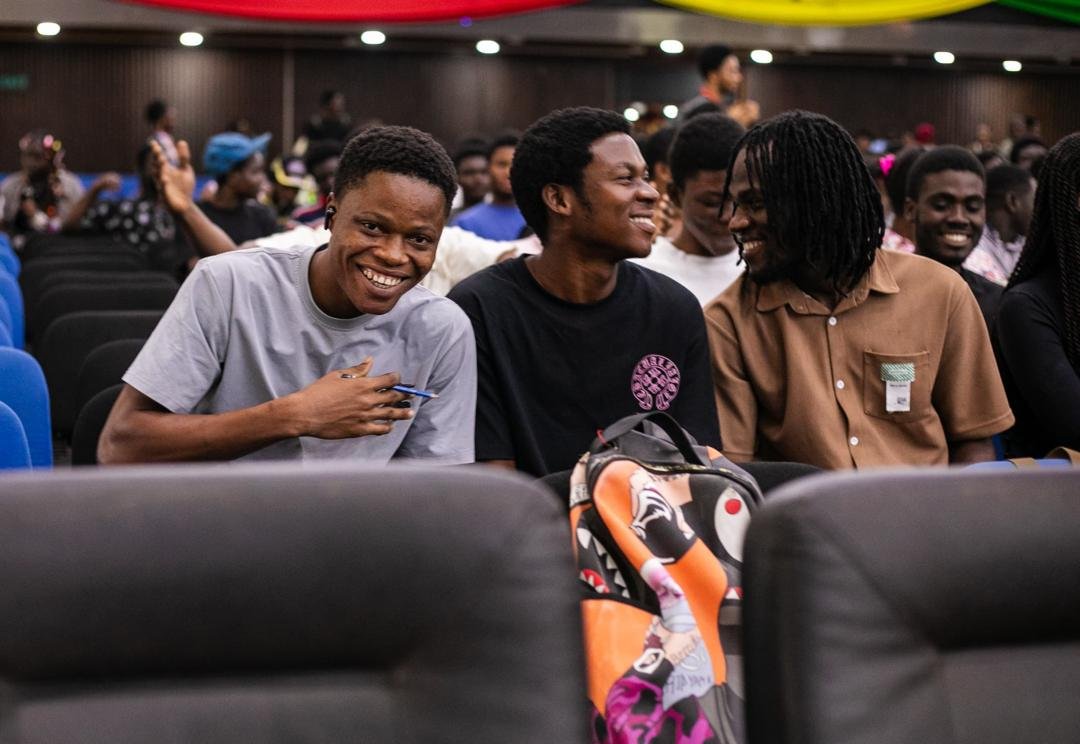
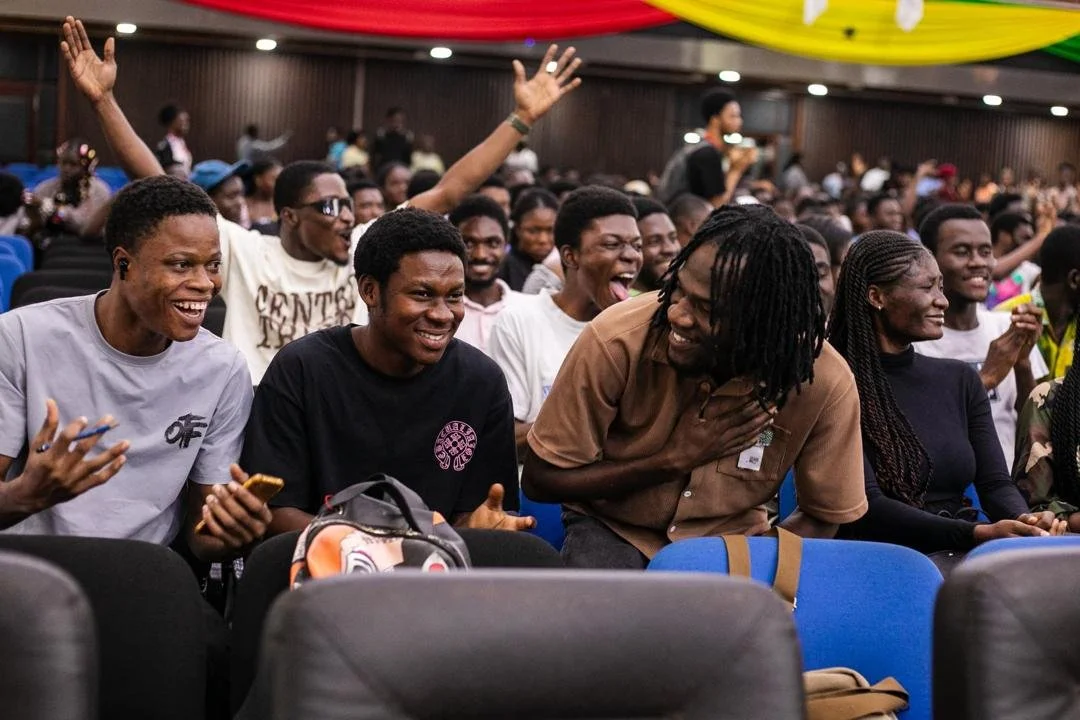
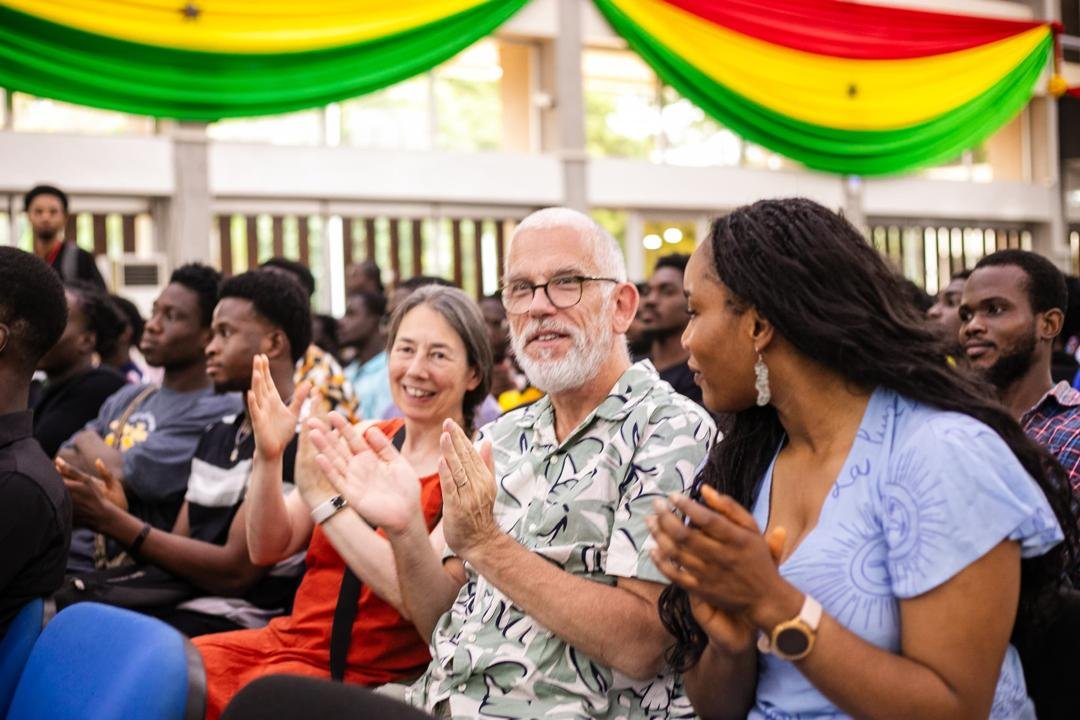
Staff and students turned up in mass to pay homage to the old student, who went on to become a globally renowned sculptor. The event highlights include a music performance by Buju Baja, an exhibition of artworks in the film, showing drawings, illustrations and paintings by Bright Ackwerh, Uchenna Ohagwu, Yifat Bezalel and Ghariokwu Lemi.
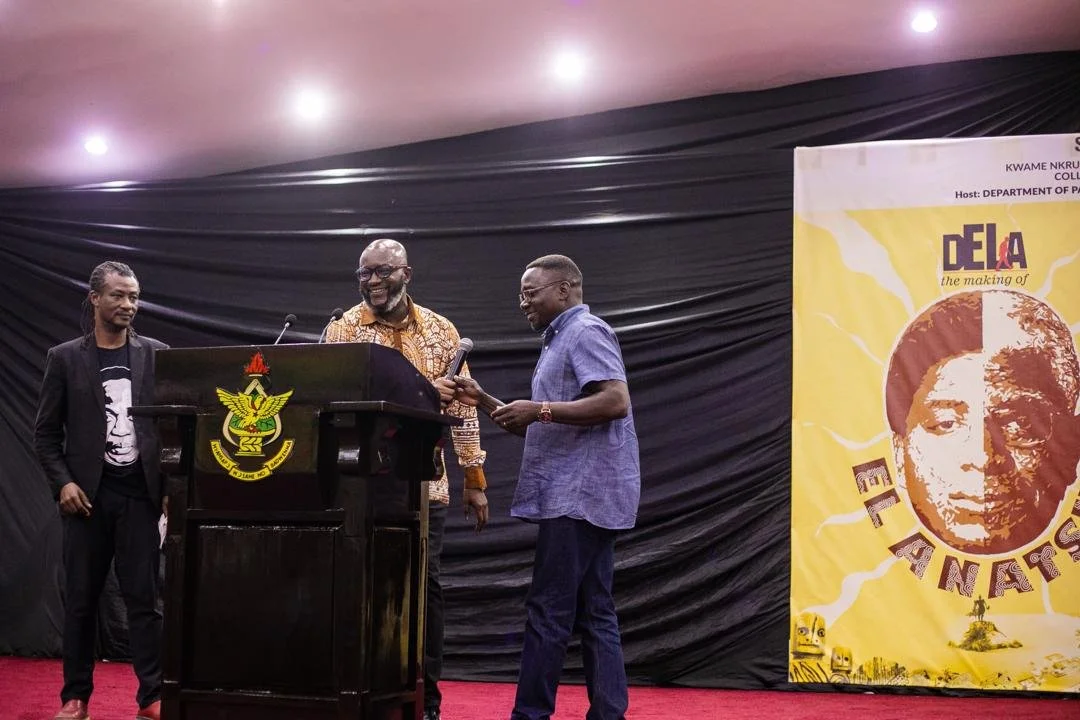
In her opening remarks, the film’s director, Oyiza Adaba thanked the organizers and urged viewers to take note of the many lessons from Prof. Anatsui’s life and legacy. On his part, the Artist acknowledged KNUST for its solid foundation in shaping his entire being. He spoke fondly of his days at the University and the profound impact on trajectory of his career, while also charging students to chart their paths with courage and authenticity.
The screening event is part of the on-going DELA Campus Tour, and was hosted by the Department of Painting and Sculpture/KNUST Museum/blaxTARLINES.
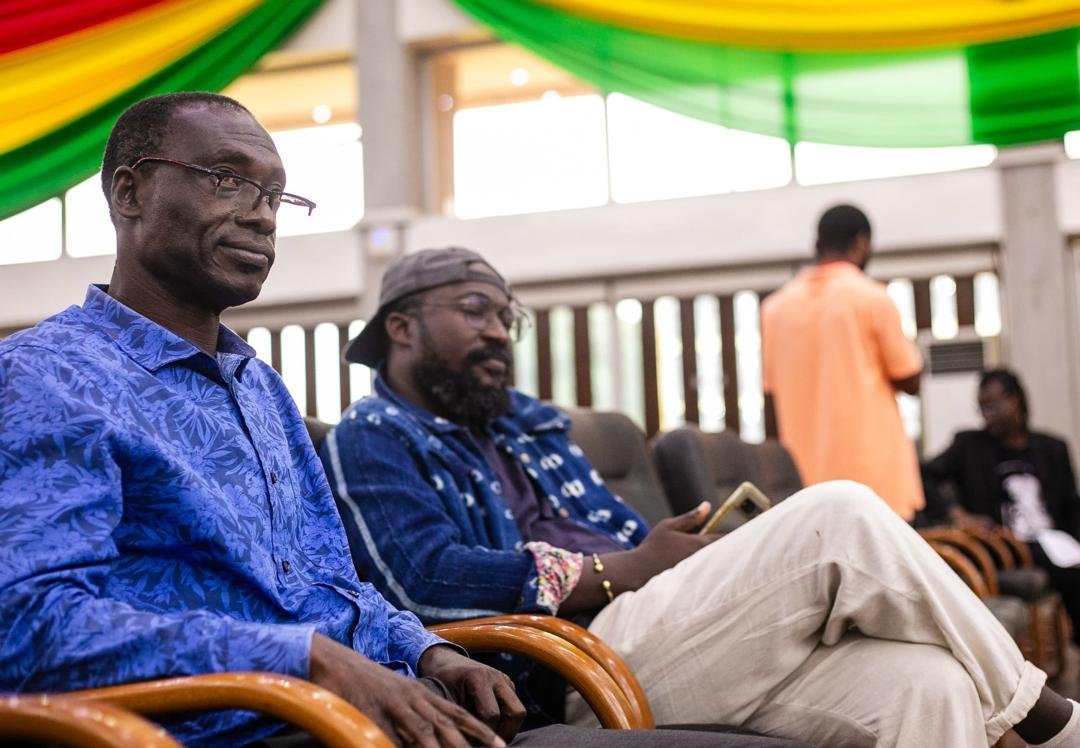
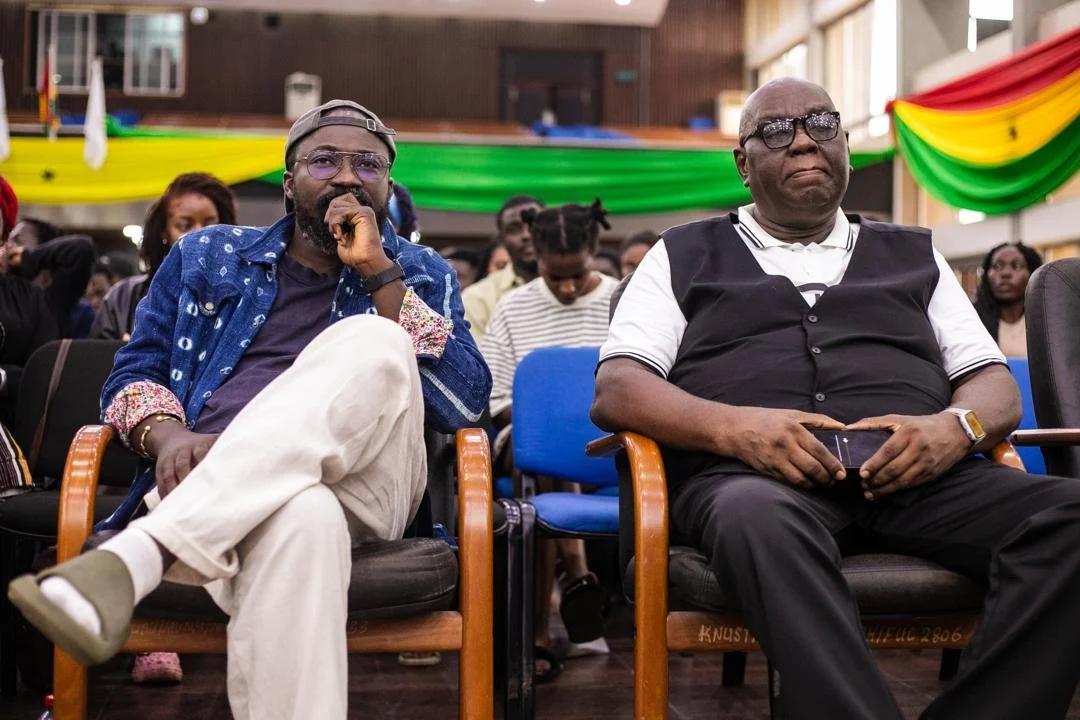
Senior members of the Faculty in attendance include Dean School of Arts and Built Environment Prof. Karî’kachä Seid’ou, Edwin K. Bodjawah Head, Department of Painting and Sculpture, George Buma Ampratwum and Kwaku Boafo Kissiedu (Castro). Also present were Kwasi Ohene-Ayeh (Painting), Dr. Mrs. Dorothy Amenuke, (Sculpture), Mr. E. Eyram Donkor (Sculpture), Prof. Ebenezer Kofi Howard (Vice Dean-Faculty of Art), Dr Kofi Adjei (Ceramics), Prof. Samuel Nortey (Ceramics) and Rev. Martin Owusu Adi-Dako ( Communication Design).
Follow the film: @elanatsuifilm.
EL Anatsui’s SPEAKS at DELA KNUST PREMIERE
“As a teacher, I’ve taught for many years, 5 years in Winneba and 47 years in Nigeria and I’ve learned from my students... The journey in art is so interesting. Art teaches us so many things in unique ways.”
EXHIBITION: Artworks In The Film
Photo Gallery
Ghana’s Hidden War
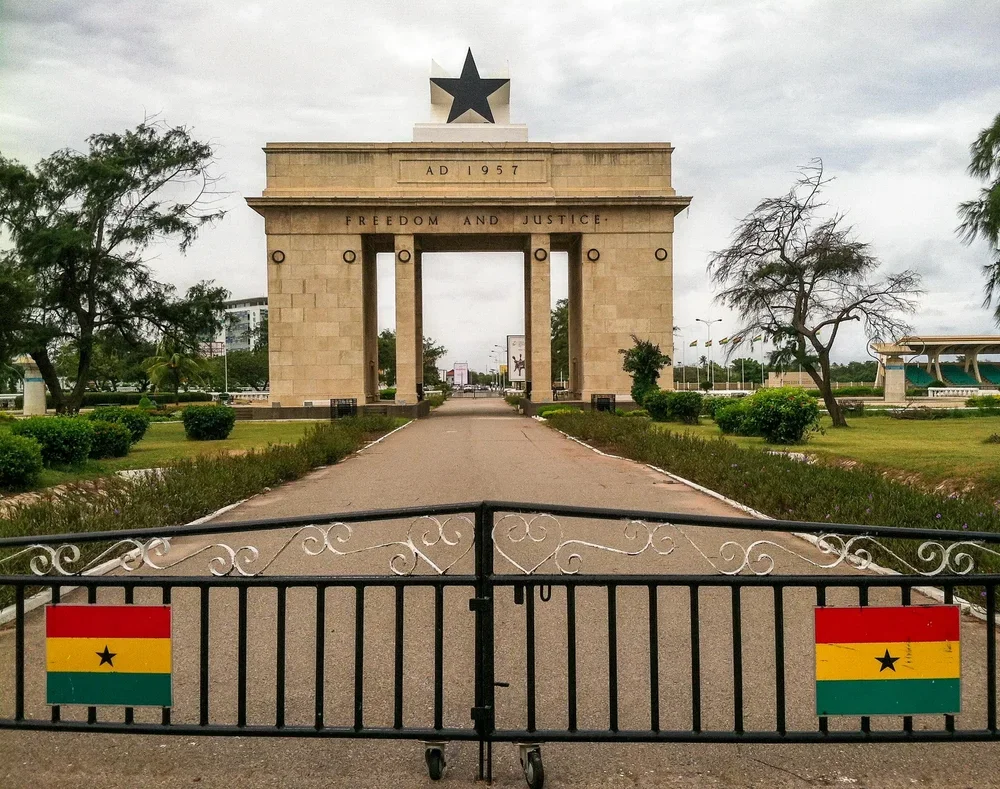
Like most Ghanaians, I am deeply disturbed by the helicopter crash that occurred yesterday, claiming the lives of eight of our compatriots—including two sitting Ministers of State. It has mentally paralysed me. I can barely focus on my work, though creativity is usually my refuge. Instead, I find myself scrolling endlessly through news updates and social media, leaving comments of condolence that feel small against the weight of this grief. I cannot begin to imagine the pain their families are enduring.
By Beatrice ‘Bee’ Arthur
Accra, Ghana
Like most Ghanaians, I am deeply disturbed by the helicopter crash that occurred yesterday, claiming the lives of eight of our compatriots—including two sitting Ministers of State. It has mentally paralysed me. I can barely focus on my work, though creativity is usually my refuge. Instead, I find myself scrolling endlessly through news updates and social media, leaving comments of condolence that feel small against the weight of this grief. I cannot begin to imagine the pain their families are enduring.
Yesterday, 6th August 2025, marked the 80th anniversary of the atomic bombings of Hiroshima and Nagasaki—an unhealed scar on the conscience of humanity. I remembered the date, as I always do, and reflected on the horrors of war. Coincidentally, it is also a relative’s birthday, so I sent a birthday wish—then spent the rest of the morning hoping, as I do every year, that no country ever resorts to nuclear weapons again. Especially now, with the world teetering—amid ongoing conflicts involving the USA, Ukraine, Russia, and Israel.
And then, by midday, the news broke.
Eight lives lost in a helicopter crash.
It destabilised me.
I understood, viscerally, that warfare is not always waged with bombs.
Sometimes, the battlefield is the sky.
Sometimes, the damage is not explosive, but systemic.
Ghana is officially a peaceful country. We pride ourselves on our stability in a region often marred by conflict. But the truth is, Ghana is a war zone—not in the traditional sense, but in the silent, insidious, and internal sense.
We are a country at war with ourselves.
A nation where fatalism has become a coping mechanism, and “God’s Will” is too often used to absolve greed, negligence, and corruption.
But let us be clear:
Greed kills.
Corruption kills.
Complacency kills.
And when allowed to fester, these things become acts of war—acts of war against the land, against the people, against the future.
The deaths of Environment Minister Murtala Mohammed and Defence Minister Dr Edward Omane Boamah were not random. They were en route to Obuasi, ground zero in our long, losing battle with galamsey. They died in service, trying to reclaim dignity for a land being disembowelled for profit.
Our Defence Minister did not fall in battle
he fell in service,
en route to a battlefield shaped not by bullets,
but by greed.
A battlefield where the enemy digs quietly,
in daylight and darkness,
with excavators for guns
and mercury for blood.
The Environment Minister died, not because the skies were cruel, but because we have allowed our soil, our water, our trees, our lungs—to be desecrated for too long. Because we have normalised the abnormal: that gold is worth more than green, and profit more than people.
The absolute greed and insensitivity of those who engage in galamsey - and the complacency of some traditional leaders in areas where illegal mining thrives - necessitated their journey to Obuasi. It became their last.
President Mahama has since declared three days of national mourning. Flags will fly at half-mast. But will our moral compass rise?
The hands that hold the shovels and machines are not the only ones stained. Where are the regulators? The traditional leaders? The enforcers? The consciences? The system - this system - sent these men to their deaths. And if we don’t change it, it will send many more.
This is a moment not just for mourning, but for reckoning. Galamsey has killed them. And if we’re honest, it is killing all of us.
By Beatrice Bee Arthur. Accra - Ghana.
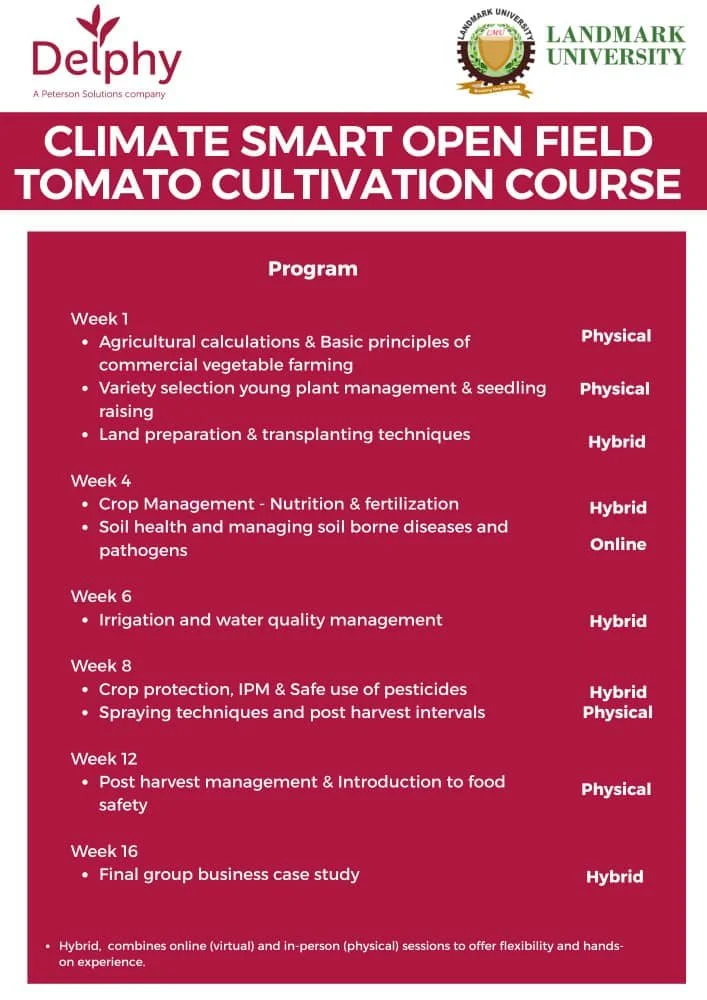
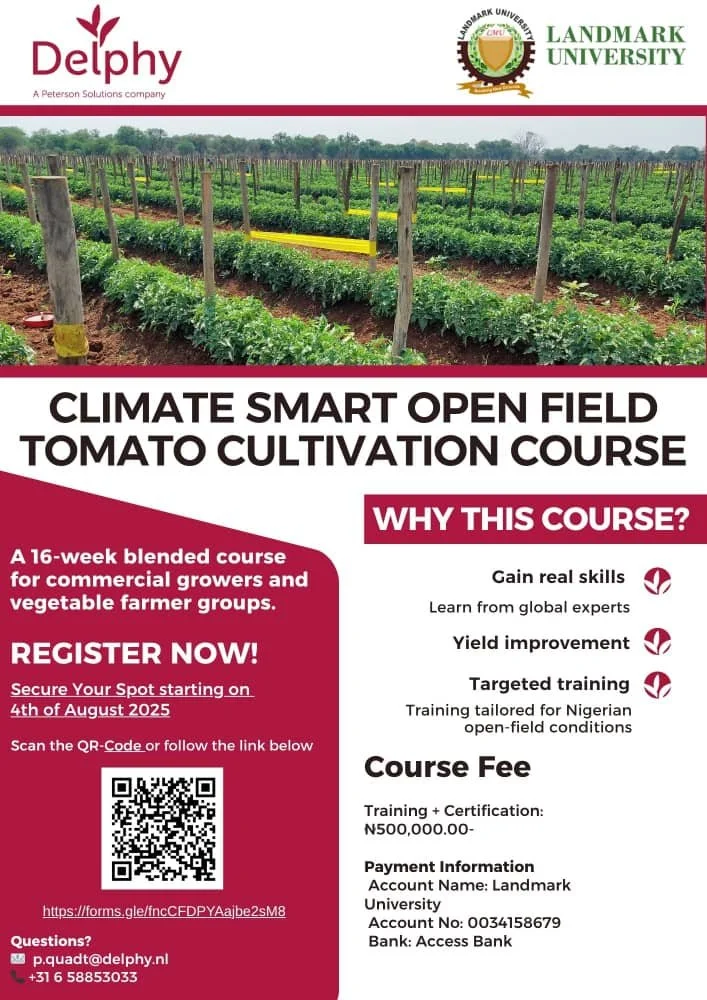
Calling On Future Farmers!
Certified short courses for farm managers, agricultural students, field supervisors, extension agents and field staff looking to gain industry needed skills and competencies.
FAQ - Climate Smart Tomato Farming – Blended Training
Certified short courses for farm managers, agricultural students, field supervisors, extension agents and field staff looking to gain industry needed skills and competencies.
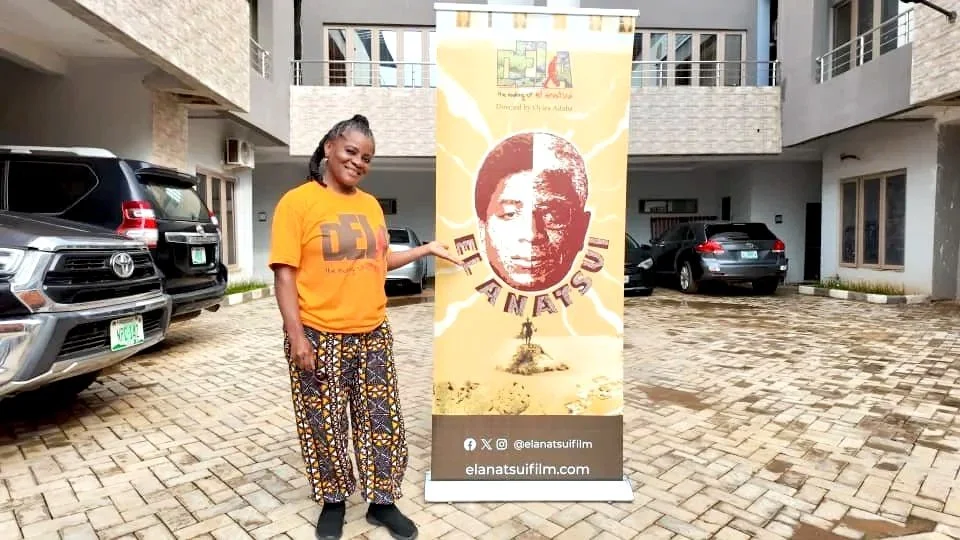
Private Screening of DELA: The Making of El Anatsui for the Tom Adaba Grandchildren.
Abuja, Nigeria July 28, 2025. Private Screening of DELA: The Making of El Anatsui for the Tom Adaba Grandchildren. It was a great session full of intriguing and well thought-out questions from the young inquiring minds. Thank you for attending. Learn more elanatsuifilm.com. Follow @elanatsuifilm
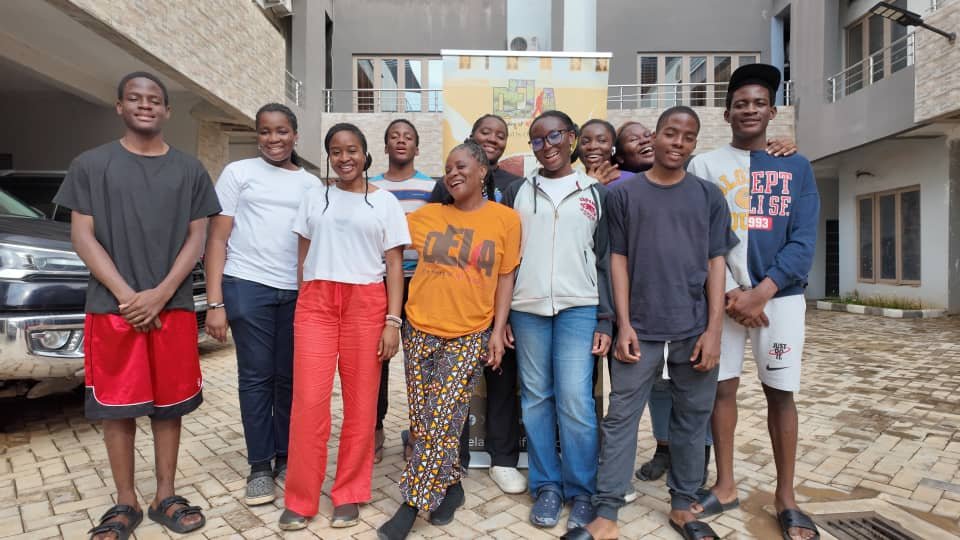
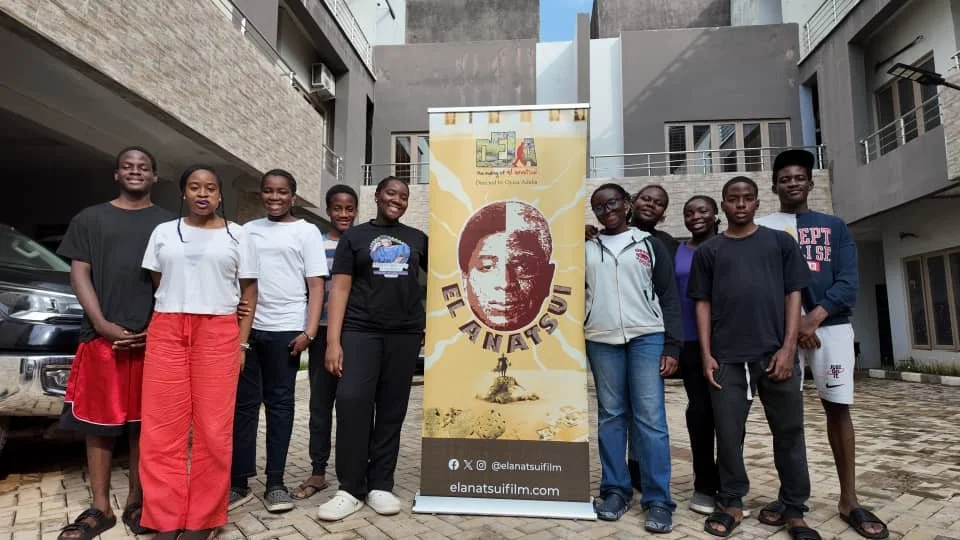
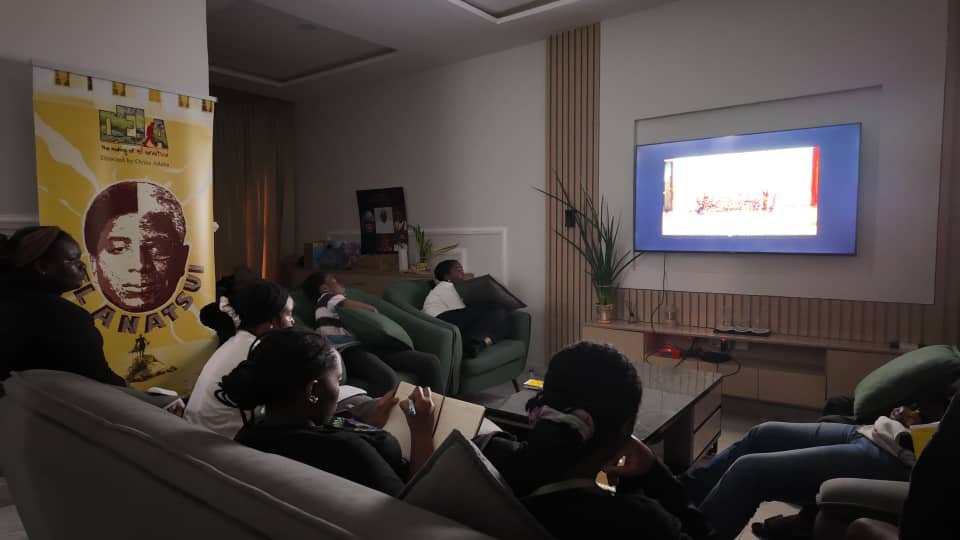
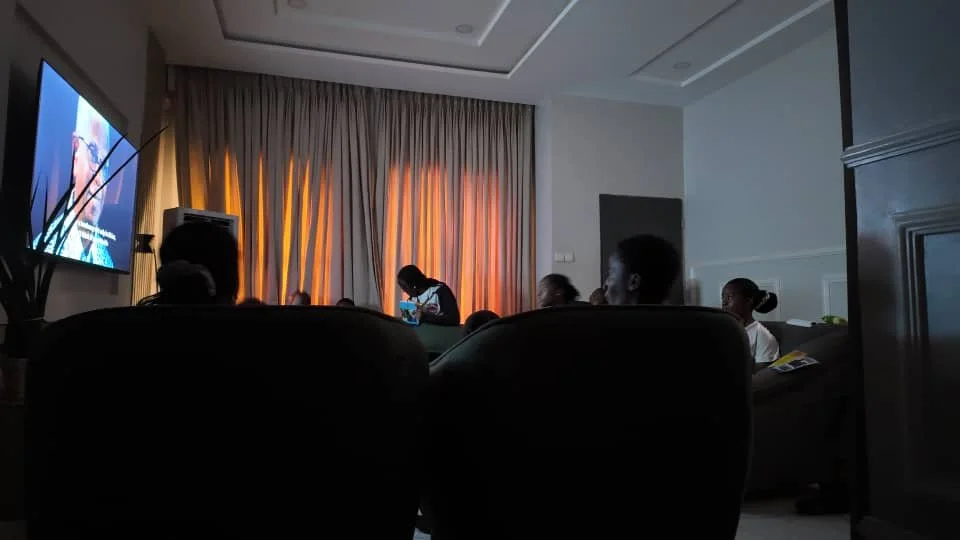
Abuja, Nigeria July 28, 2025. Private Screening of DELA: The Making of El Anatsui for the Tom Adaba Grandchildren. It was a great session full of intriguing and well thought-out questions from the young inquiring minds. Thank you for attending. Learn more elanatsuifilm.com. Follow @elanatsuifilm
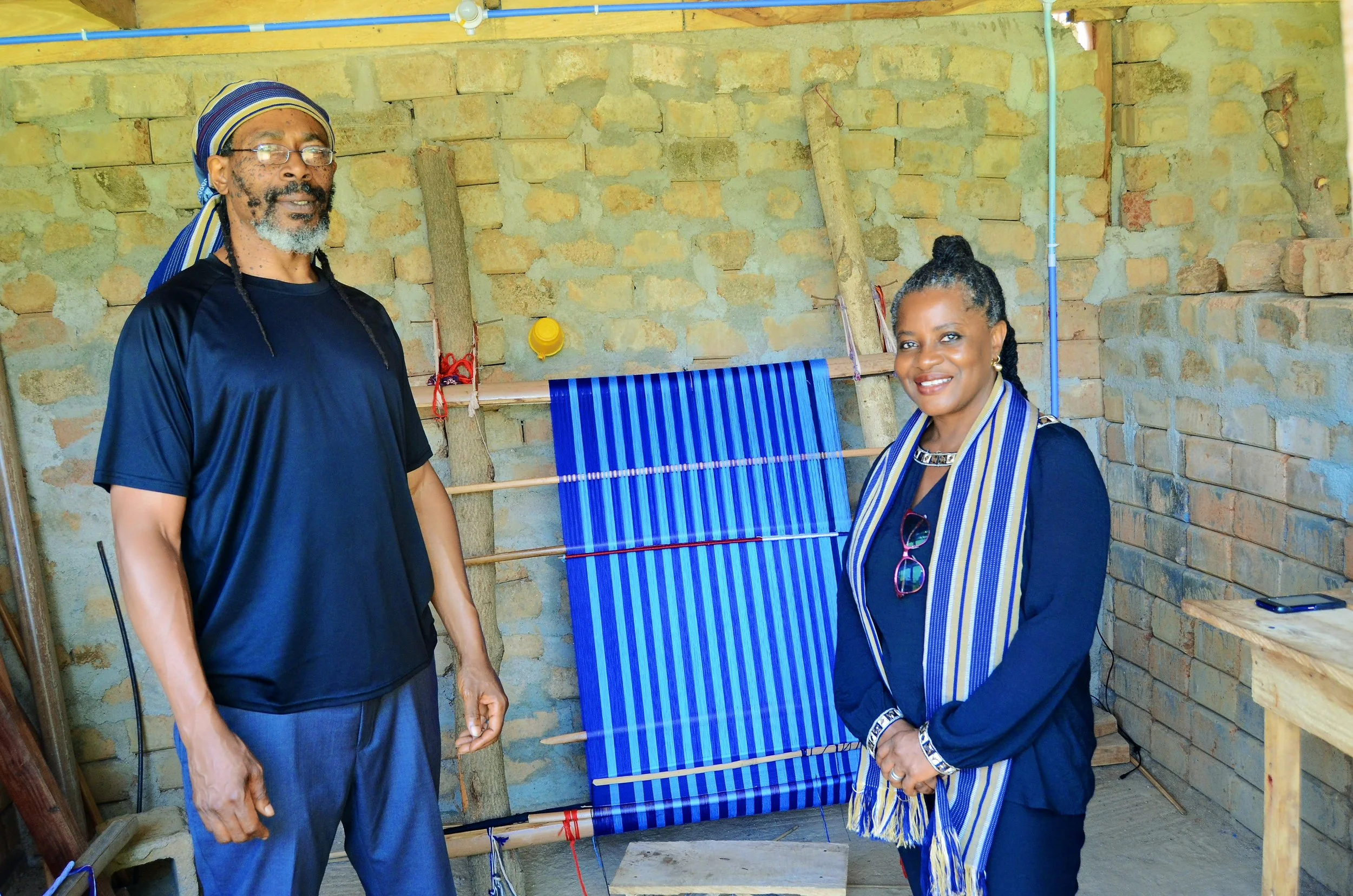
T.A.L Board Visits Tom Adaba Legacy Center, Okene
Site Visit to Tom Adaba Legacy Center, Okene
By Glory Ize Isaiah
OKENE, KOGI STATE
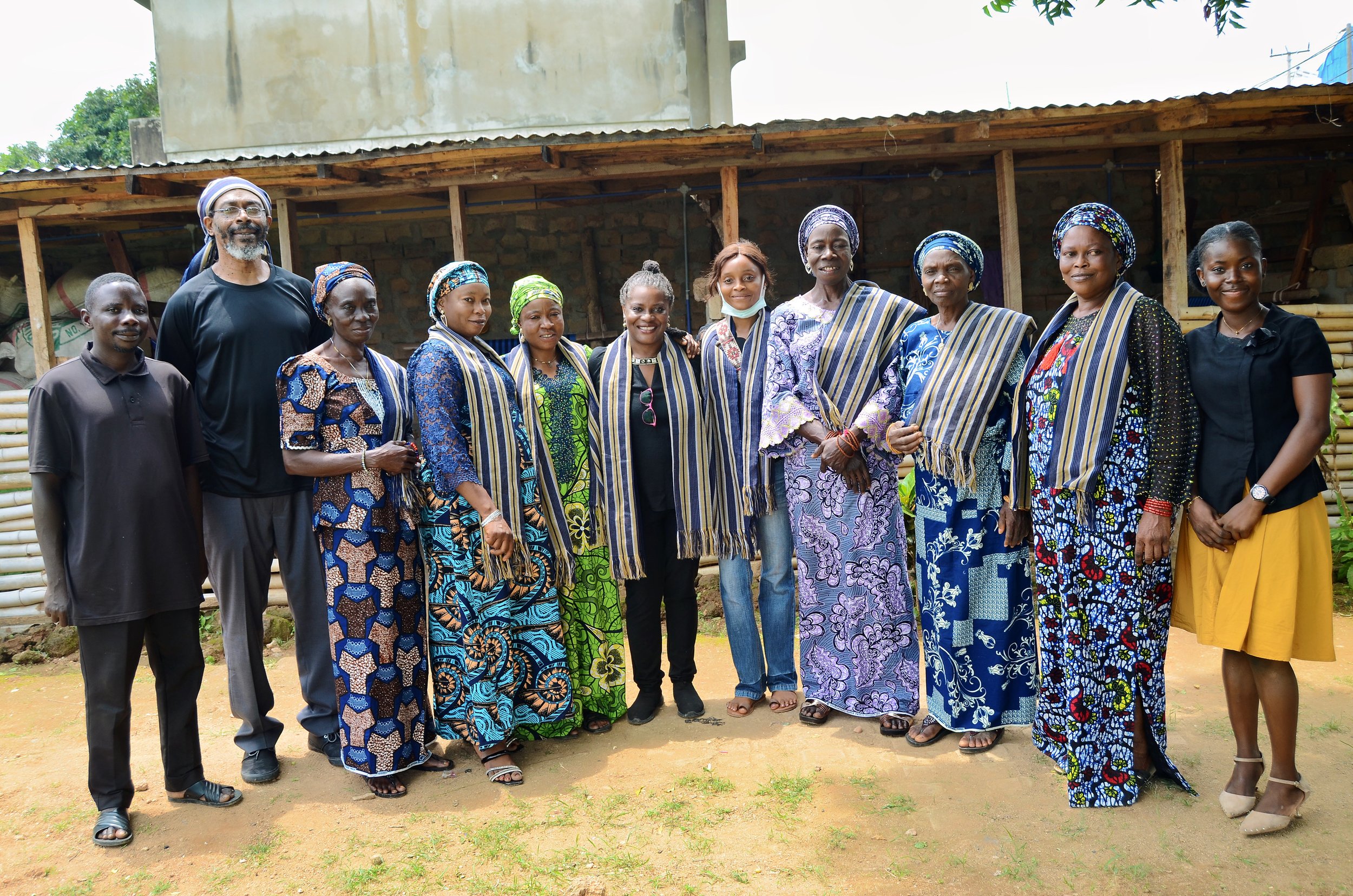
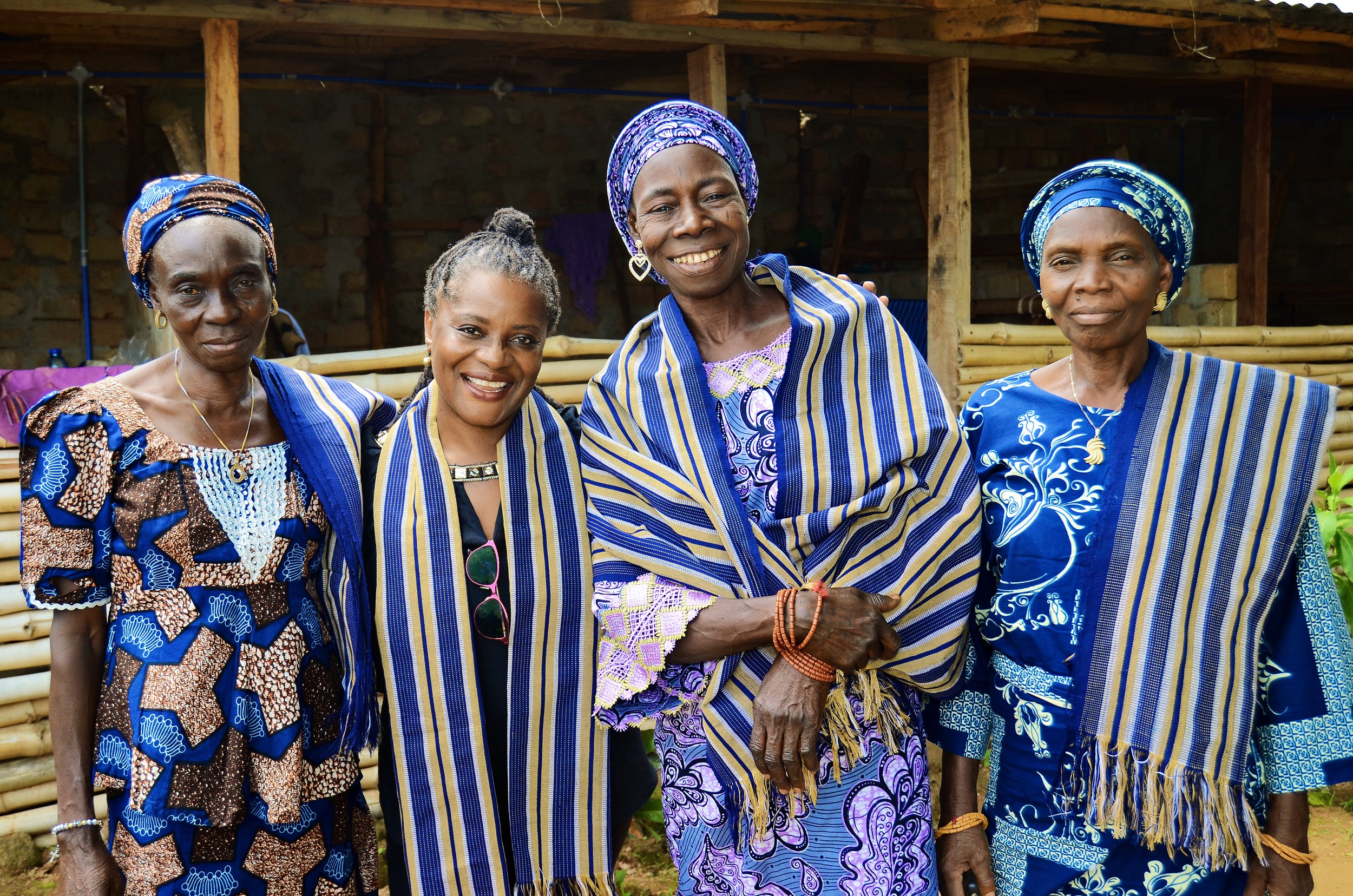
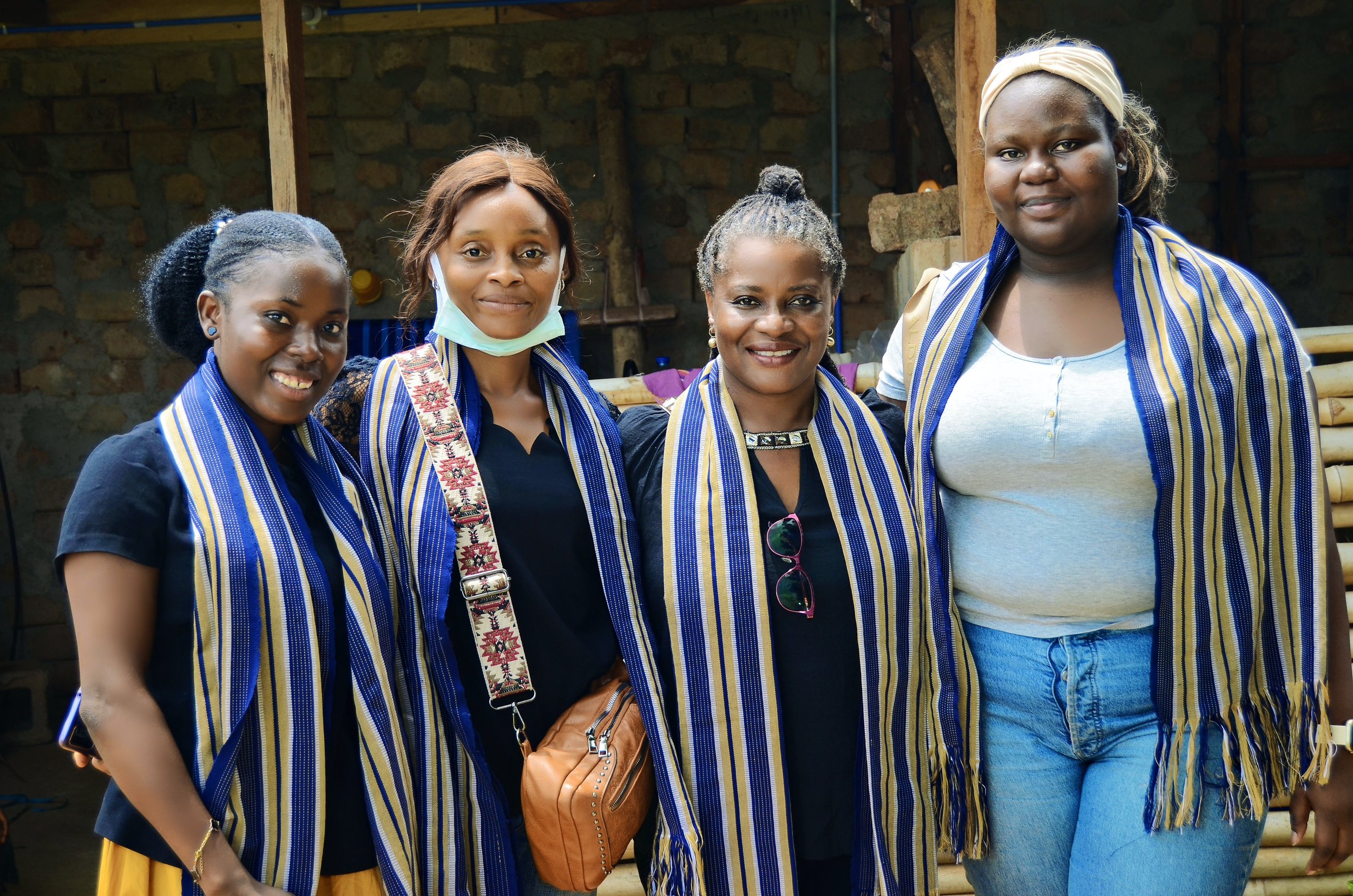
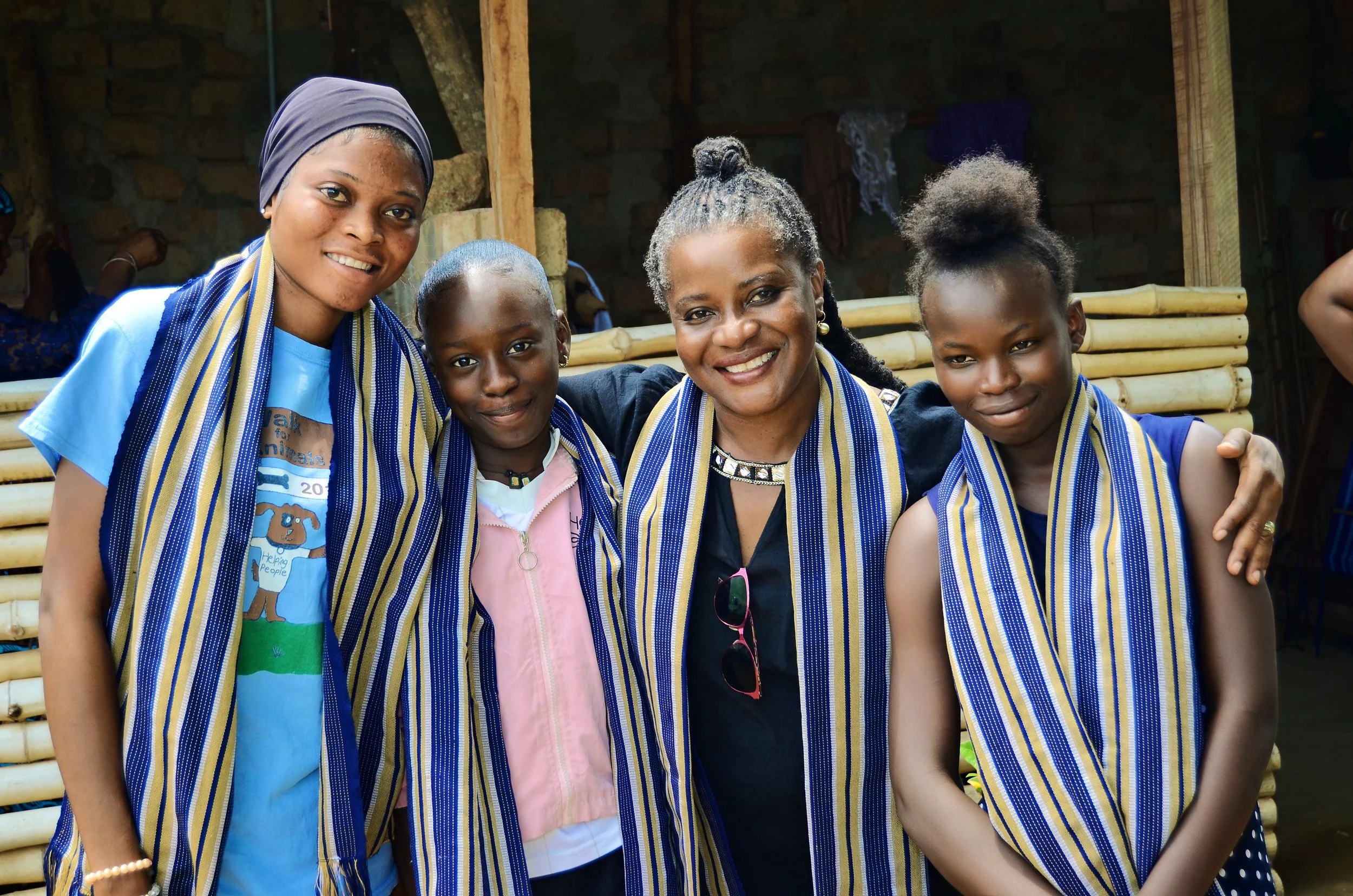
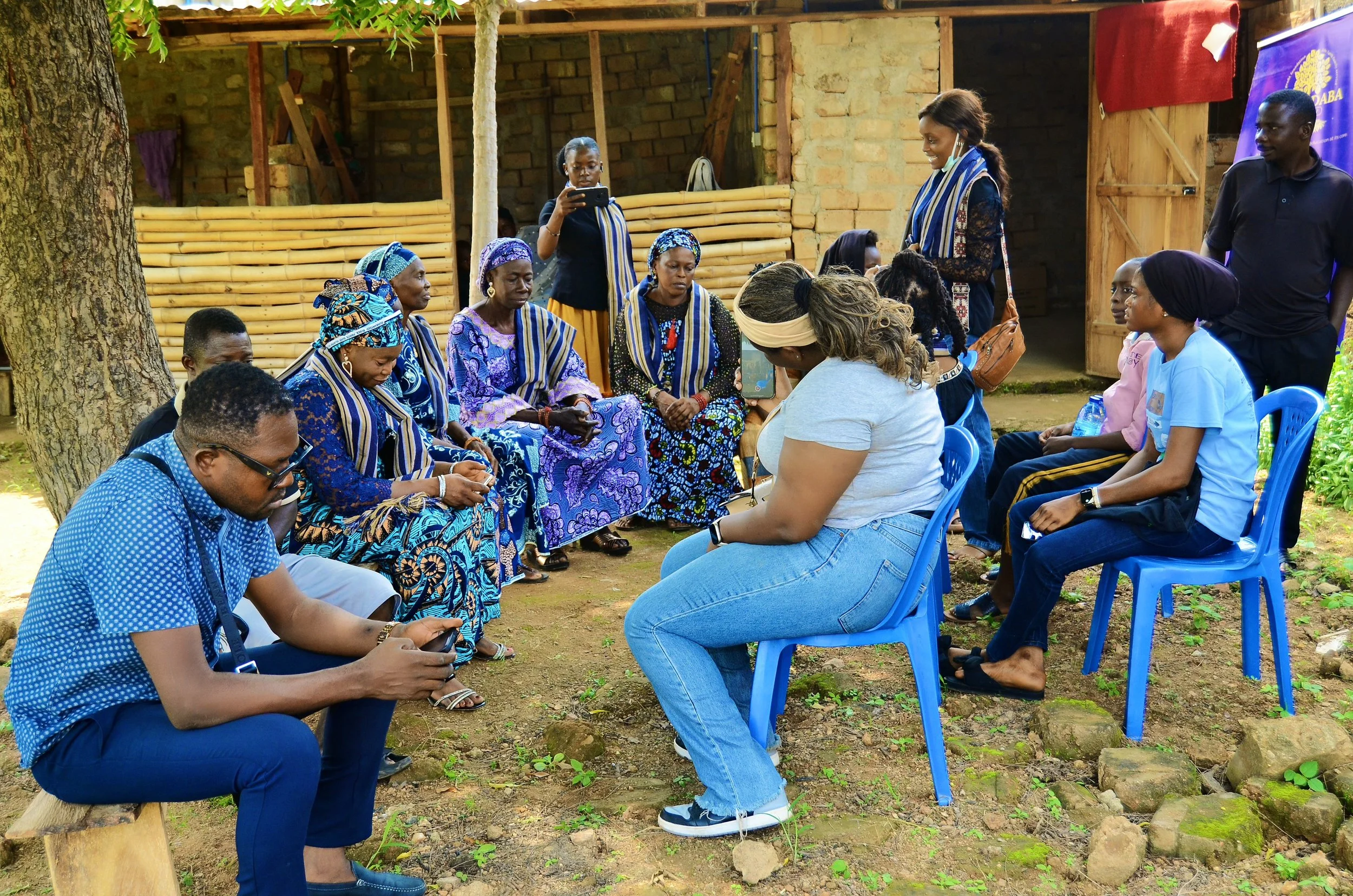
Group Photo of Tom Adaba Legacy Team and Ita’i Weavers during the site visit on July 25, 2025. (Photo by DrQuest/Africa-Related)
Project/Facility Name: Tom Adaba Legacy Center, Okene, Home of Itai’ Our Cloth
Date of Visit: Friday, July 25, 2025
Time: 10:00 AM
Location: T.A.L Center G.R.A Okene, Kogi State
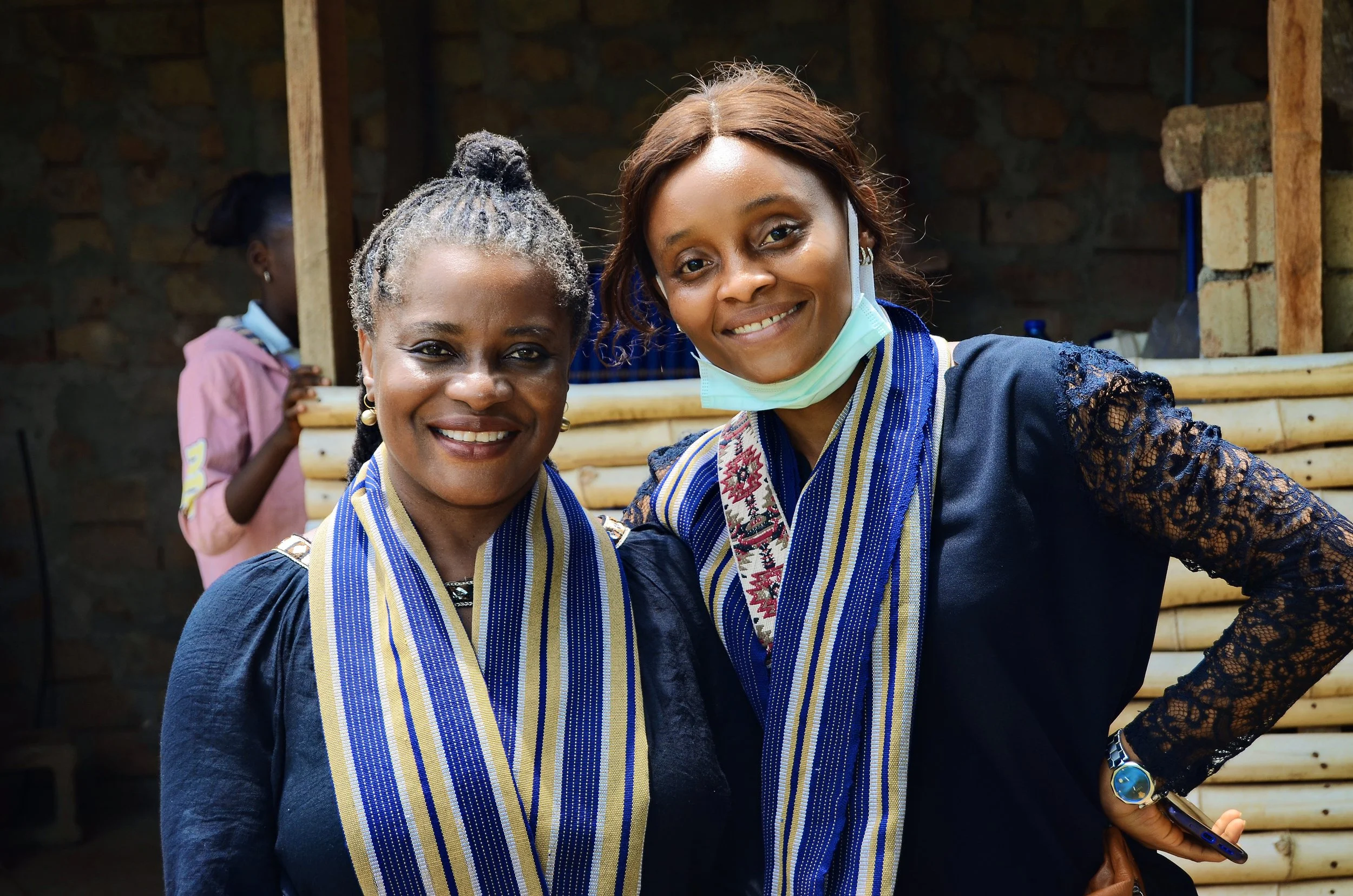
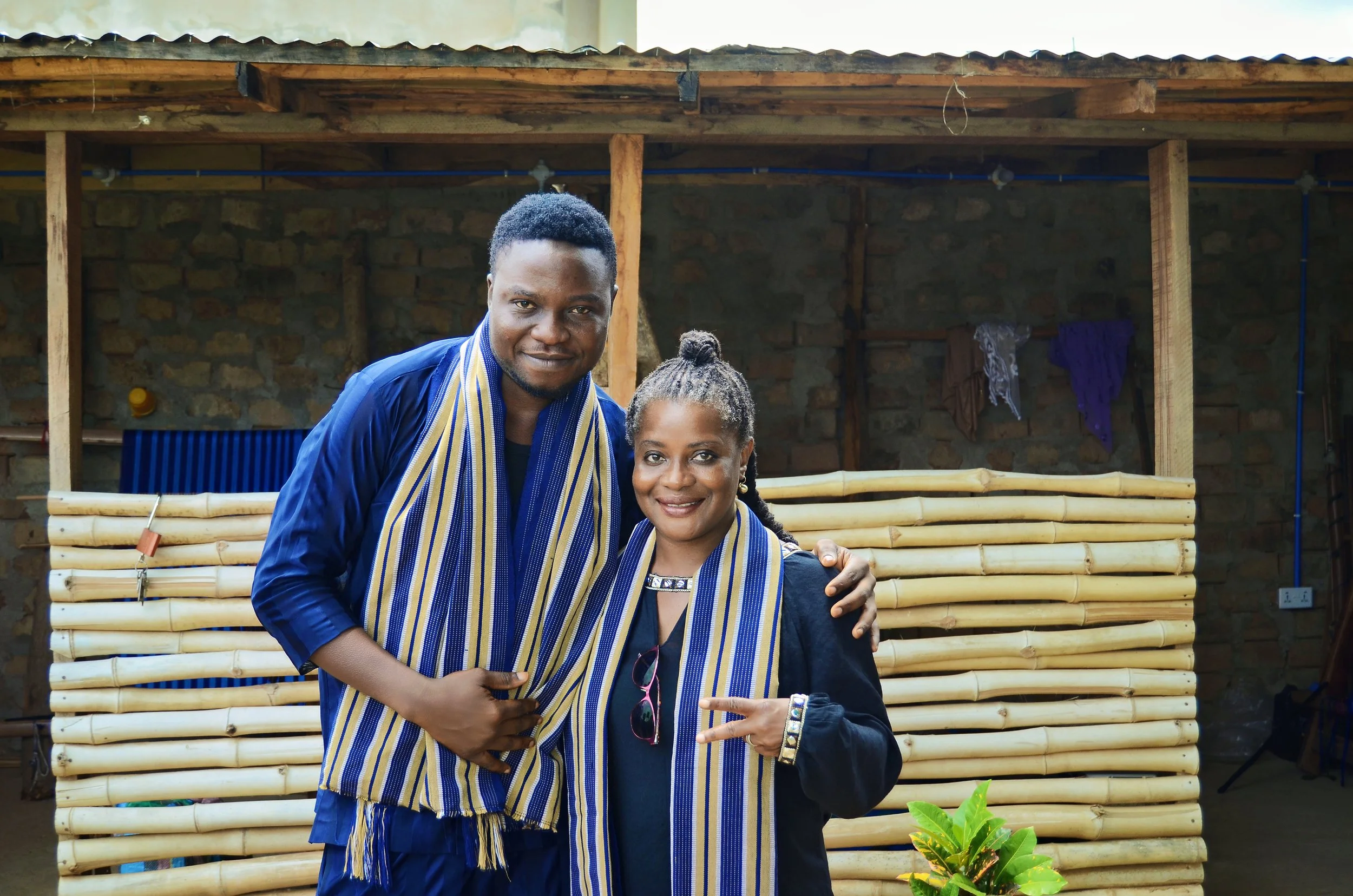
Board Members of the Tom Adaba Legacy Foundation conducted a site visit to Okene, Kogi State. The purpose of the visit was to carry out an inspection and engagement tour of the Tom Adaba Legacy Center, evaluate the operations of Itai’ Our Cloth, interact with the weavers and apprentices, identify challenges and opportunities for scale, and strengthen stakeholder relations with the Tom Adaba Legacy board, including its Executive director and accompanying executives.
Attendees
Mrs. Oyiza Adaba-Okereke - Board President/ED Tom Adaba Legacy and CEO - Itai Our Cloth
Mr. Maurice Okereke - Tom Adaba Legacy (Community Initiatives) /Founder, Words By MOE
Mrs. Rosemary Onubaiye - Country Director Ita’i Our Cloth
Members of the Tom Adaba Legacy Foundation
Weavers’ Coordinators
Community Weavers & Apprentices
Media Personnels
And other Staff
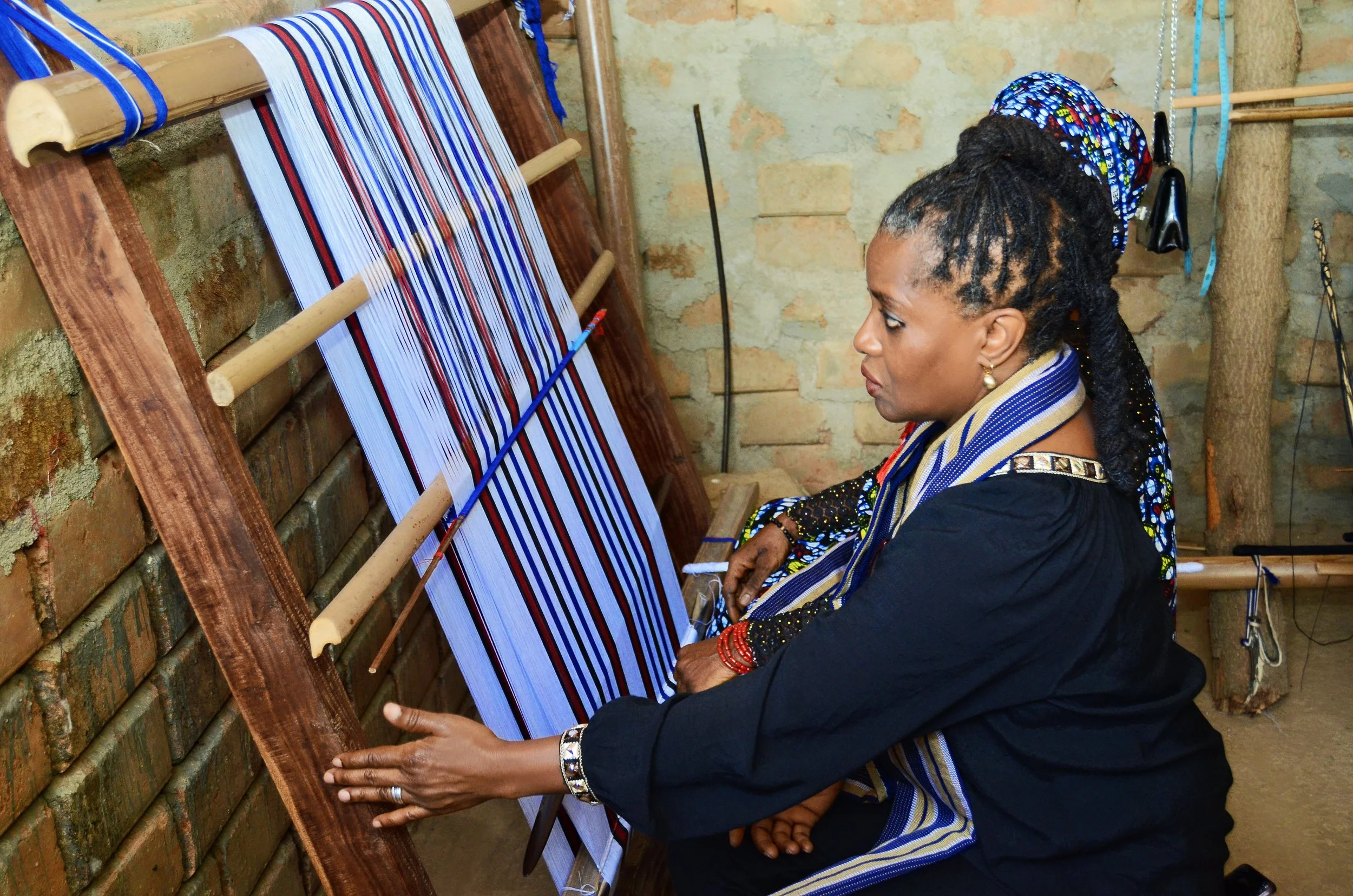
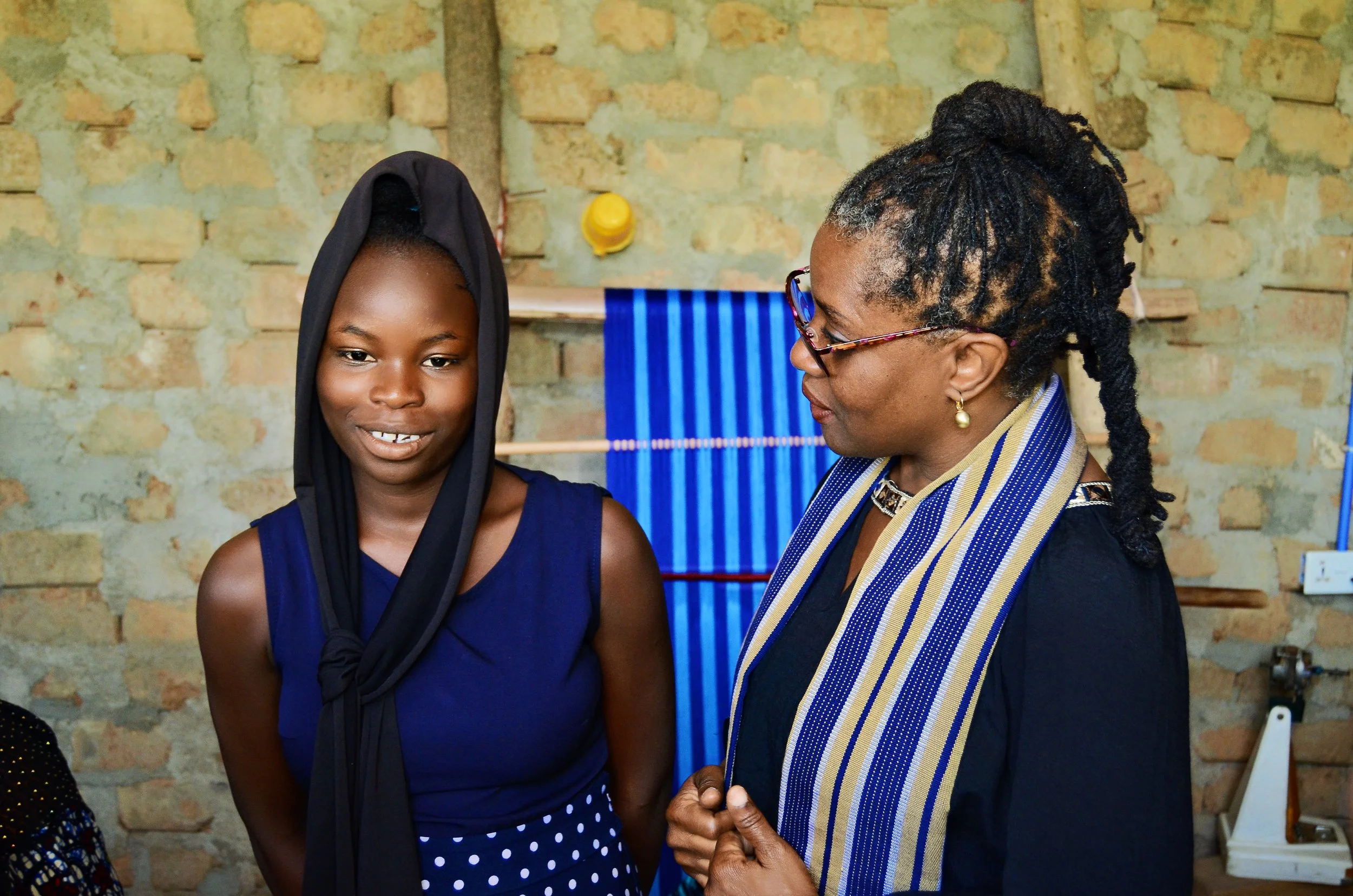
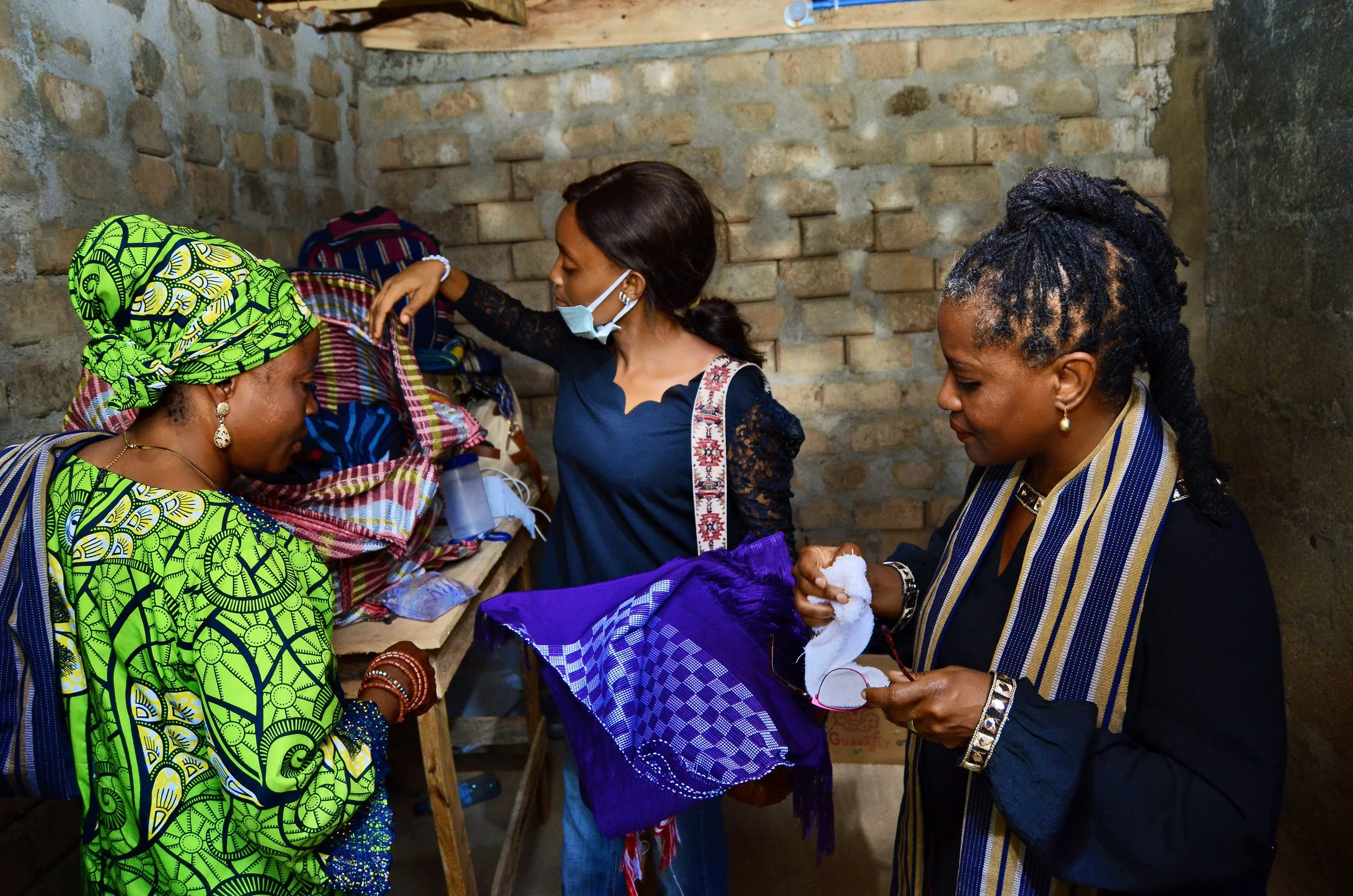
Visit Narrative & Key Highlights
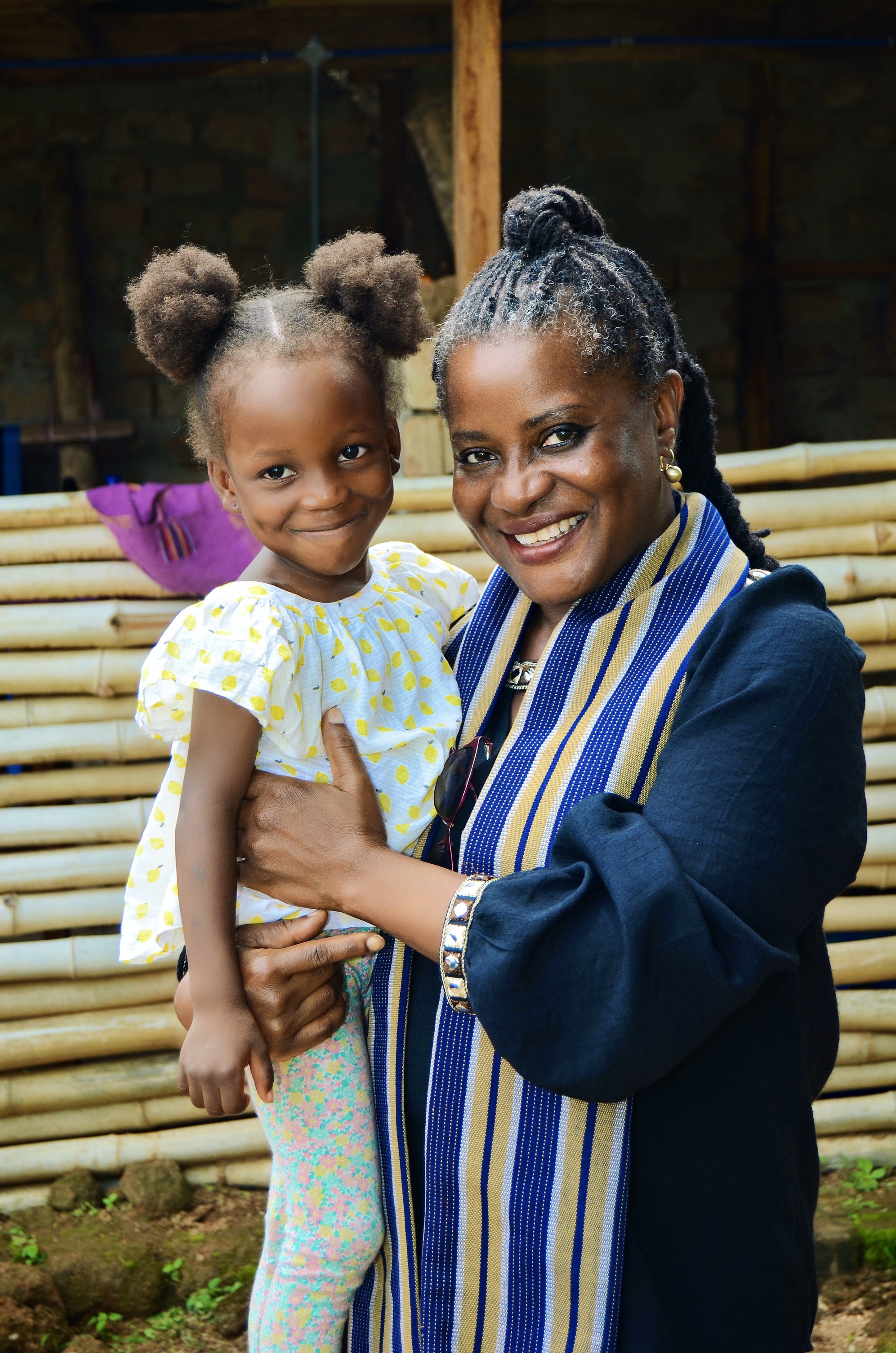
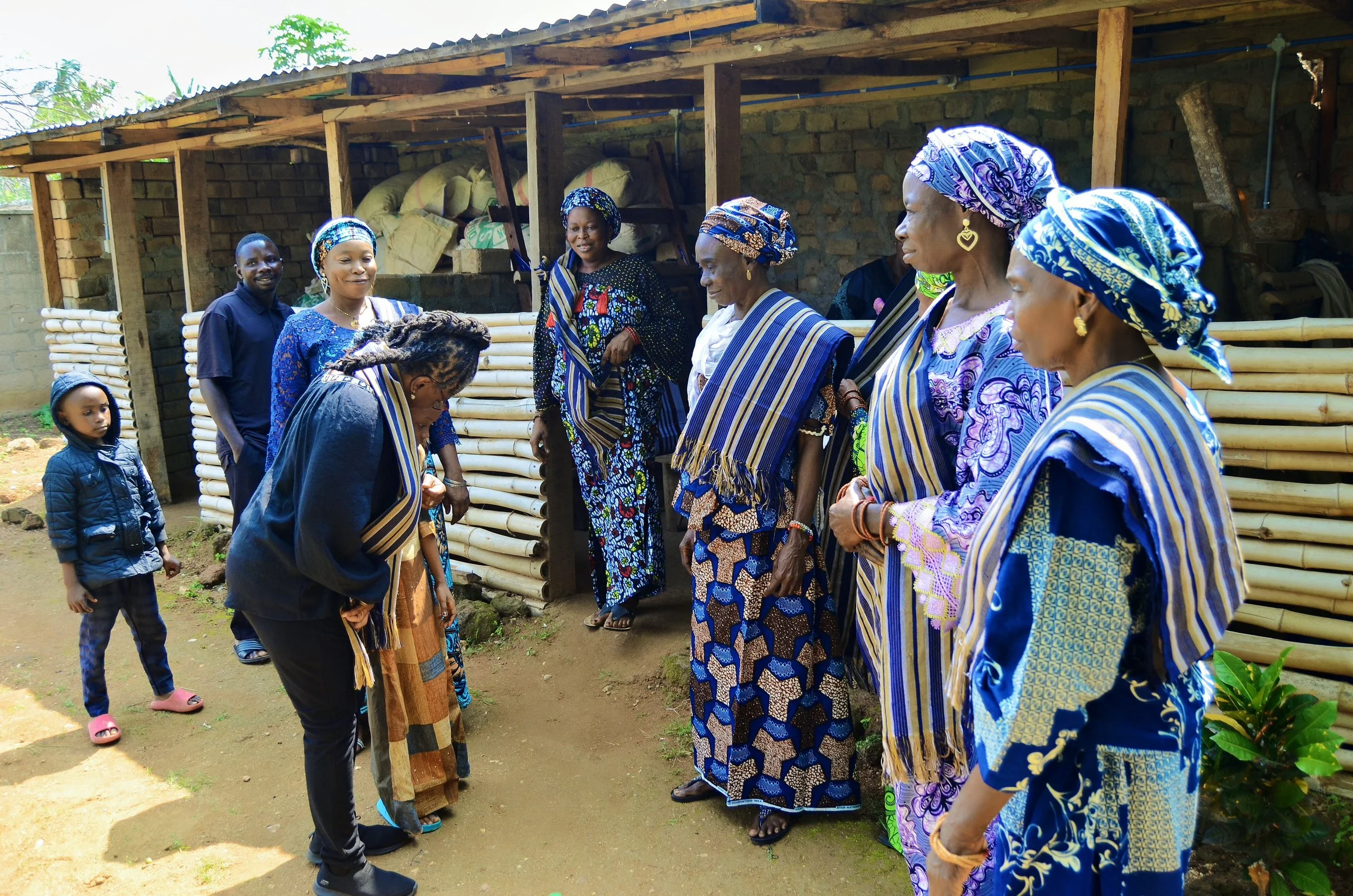
The official site visitation commenced at 10:00 AM on Friday, July 25, 2025. The Board President and Executive Director of Tom Adaba Legacy Foundation arrived in the company of her husband and board members. The atmosphere at the facility was electrifying as the women weavers, visibly overjoyed, welcomed the team with songs and dances in their local dialect, a heartfelt expression of gratitude and excitement.
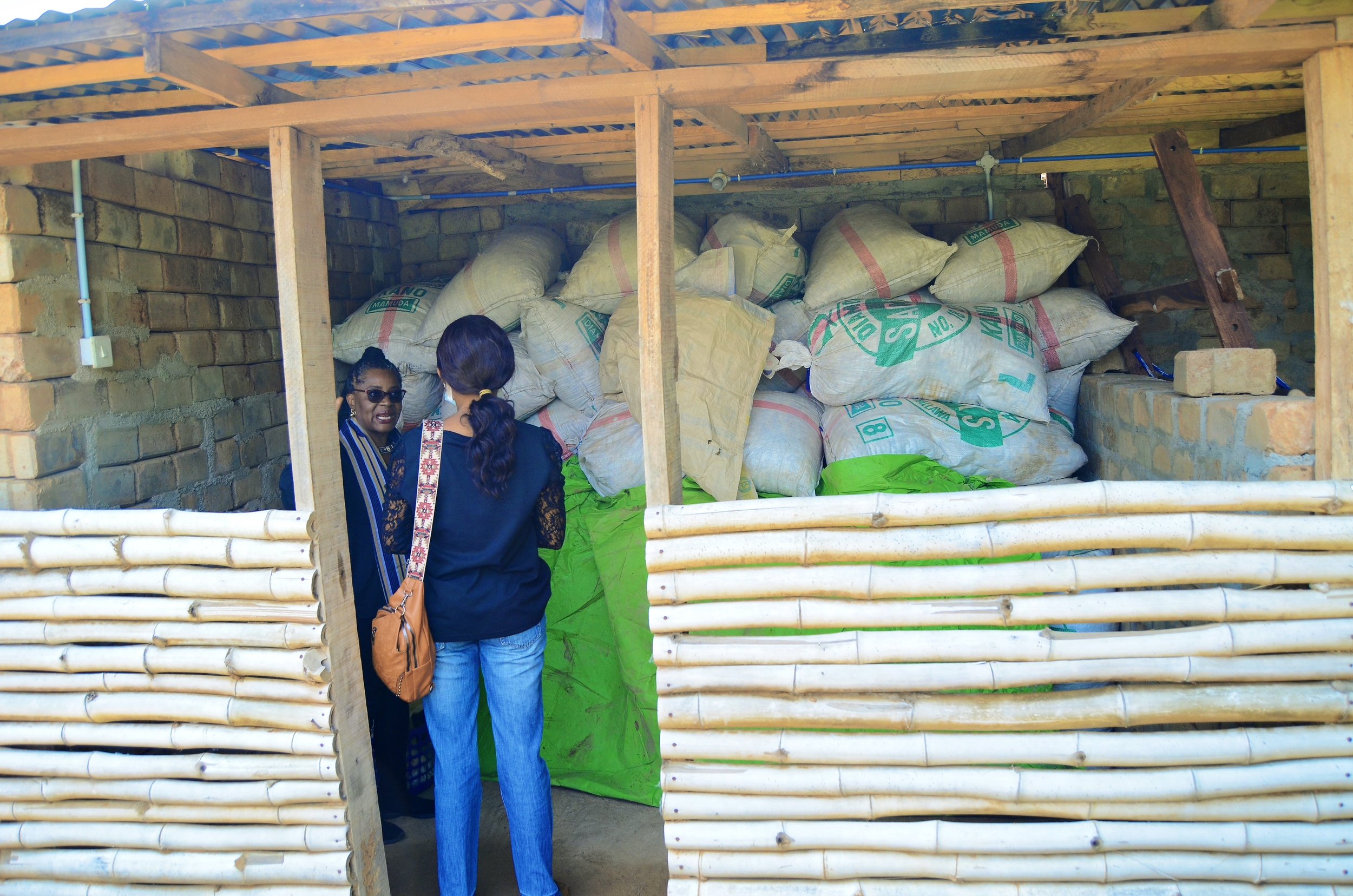
The Executive Director responded warmly, asking after each woman's welfare and inquiring about their families. Led by the Country Director and the Weavers’ Coordinators, the women took the E.D and her team on a guided tour of the center, showing the facility and ongoing work.
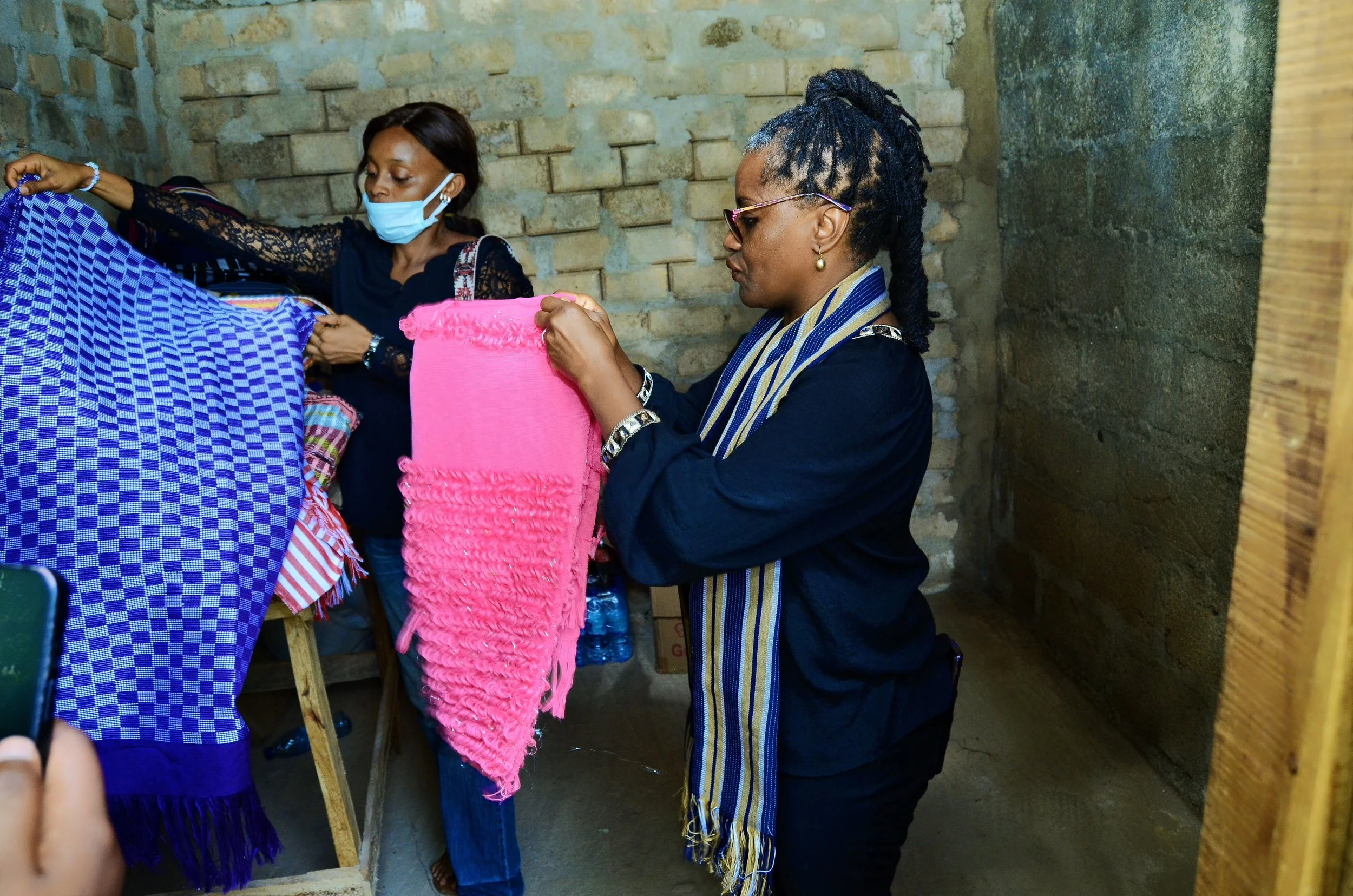
The weavers, excited by the presence of the leadership team, quickly resumed their craft while the Executive Director observed them at work. Demonstrating deep interest and solidarity, she sat beside them, learned the basics of weaving, and participated in the process, showing humility and respect for their skill.
Mrs. Adaba-Okereke later engaged in deep, sincere conversations with the young apprentices who are currently undergoing training in weaving. They expressed how learning this trade has shifted their perspectives on life, offering them not just a skill, but a path toward independence and self-determination. However, they also raised concerns: the tradition of weaving is slowly fading, with fewer young people interested in carrying it on. They voiced hope that more efforts would be made to preserve and promote the craft, particularly among youth.
In response to questions about their future aspirations, several young women expressed their desire to pursue higher education and use weaving as a means to support themselves and their families financially while in school.
A particularly emotional moment came during a conversation with an older woman who demonstrated the rare and laborious art of spinning cotton into yarn by hand, a nearly extinct skill in today’s world. The woman explained the intricate process and how the younger generation often lacks interest in learning it. Acknowledging this, the Executive Director stressed the need for machinery to support scaling operations, noting that such investment could provide technical jobs, increase production, and bring long-term sustainability. She emphasized that cotton processed locally, such as from the Tom Adaba Legacy Foundation Farms in Gwagwalada and Osara, can contribute significantly to national and continental development.
Mrs Oyiza Adaba-Okereke maintained that the Center remains committed to training more youths, particularly young girls, equipping them with both cultural knowledge and economic empowerment through weaving.
She was visibly moved by the work being done and expressed deep admiration for the weavers’ dedication. She commended the women for leveraging their skills, even in the absence of formal education, to support their families, educate their children, and preserve a vital part of the Ebira cultural identity.
The visit culminated in a display of beautifully woven cloths, showcasing the weavers’ incredible craftsmanship. The team was deeply impressed by the quality and intricacy of the works presented.
Finally, an open forum was held, giving the women a platform to share their struggles, celebrate their wins, and brainstorm collaboratively on how to take the organisation’s vision to the next level, strategies for market value, and how to make sure that in telling our unique African story, the culture is not lost in sharing.
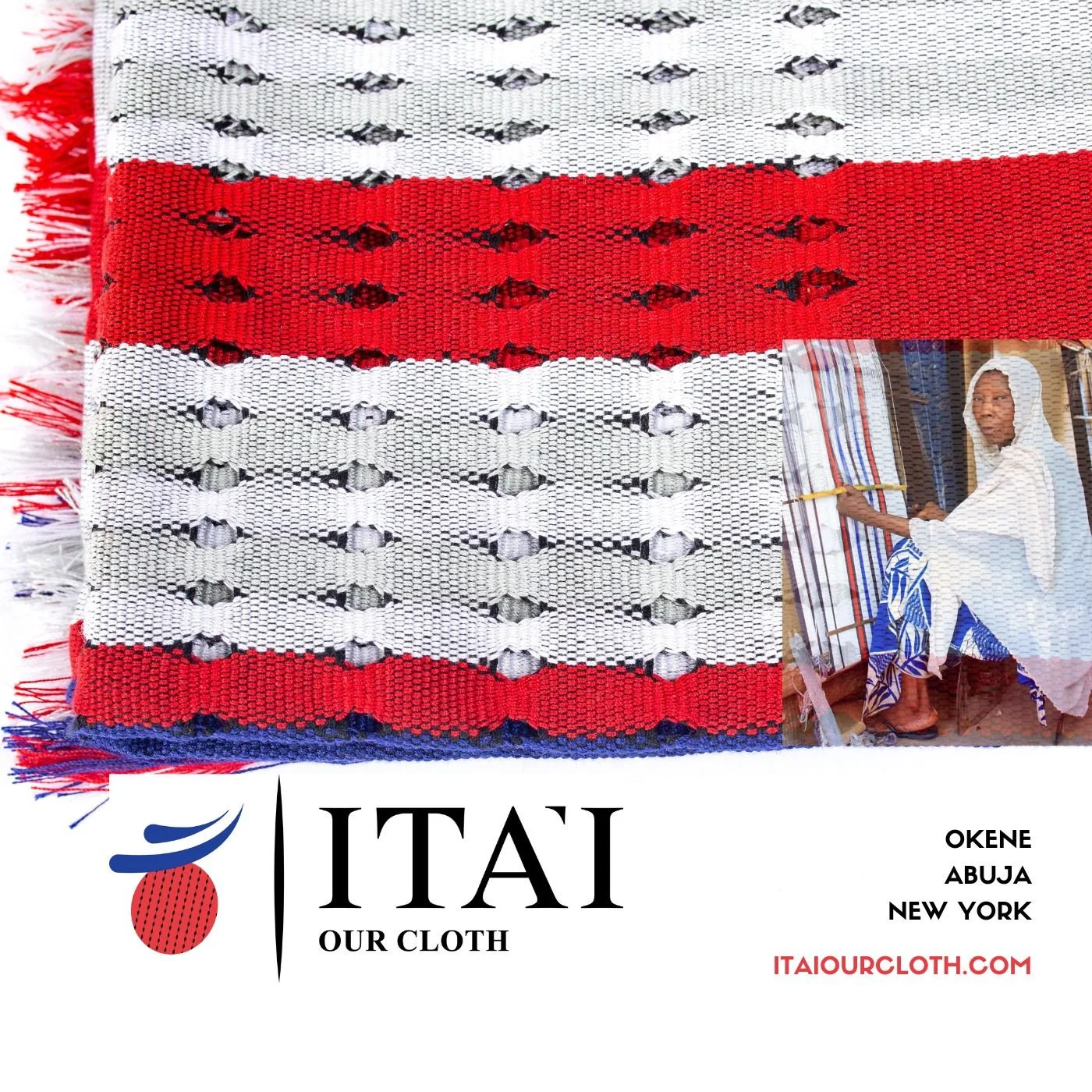

Vision for Global Scale & Market Impact
The ED made it clear: This is not just about the cloth. This is about telling a generational story, celebrating the resilience and brilliance of Ebira women, and positioning their work on the global cultural and commercial map.
She emphasized that the goal is to scale the Itai Cloth brand globally, not just for decorative or tourist appeal, but as a luxury heritage product that commands attention, respect, and value in international markets. These woven pieces are wearable history, textile testimonies, and economic vehicles. She spoke about attracting new markets, partnering with international brands and diaspora communities, and using the craft as a tool to reclaim and project indigenous identity with pride.
“We are not just weaving. We are building a cultural economy. We want the world to wear our story. We want our women’s legacy to be seen on runways, in boardrooms, and on global stages. This culture has been ours for decades. It’s time the world saw it, valued it, and paid for it.”
This vision goes beyond production. It encompasses:
Exporting products under a globally recognized Ita’i Our Cloth label
Building brand collaborations that center African textile heritage
Creating digital storytelling platforms for each weaver's narrative
Generating revenue that flows directly into the hands of the creators
Facility Condition & Need for Support
The current facility structure is makeshift and temporary, lacking the solid infrastructure needed for a center of this scale and vision. Despite this, the women have continued to produce excellent work, an inspiring testament to their commitment and resilience.
However, the need for a permanent, well-equipped weaving hub was evident throughout the visit.
Support and partnerships are urgently needed, to provide machinery for cotton processing and weaving, improve infrastructure, fund training programs, enhance market access, and scale production sustainably. Strategic collaborations with private sector partners, government agencies, cultural institutions, and global allies will be critical in turning this bold vision into a living, thriving reality.
Key Observations
The weaving center is a powerful model for economic and cultural empowerment.
There’s an urgent need to introduce technology to certain aspects of cloth production (especially yarn spinning) to meet growing demand and ensure sustainability.
A gap remains in attracting young people into the weaving trade, this presents a risk to cultural continuity.
The community has strong emotional and cultural ties to the craft, and preserving it will require intentional efforts across education, policy, and entrepreneurship.
PHOTO HIGHLIGHTS : DRQuest/Africa-Related
6th Chinua Achebe International Conference and Exhibition!
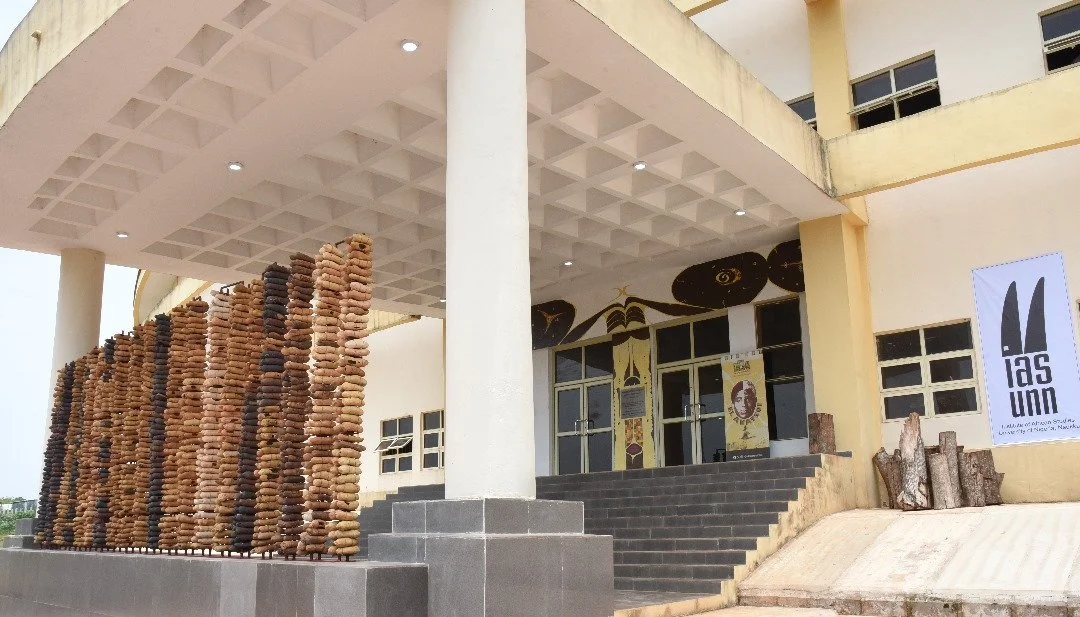
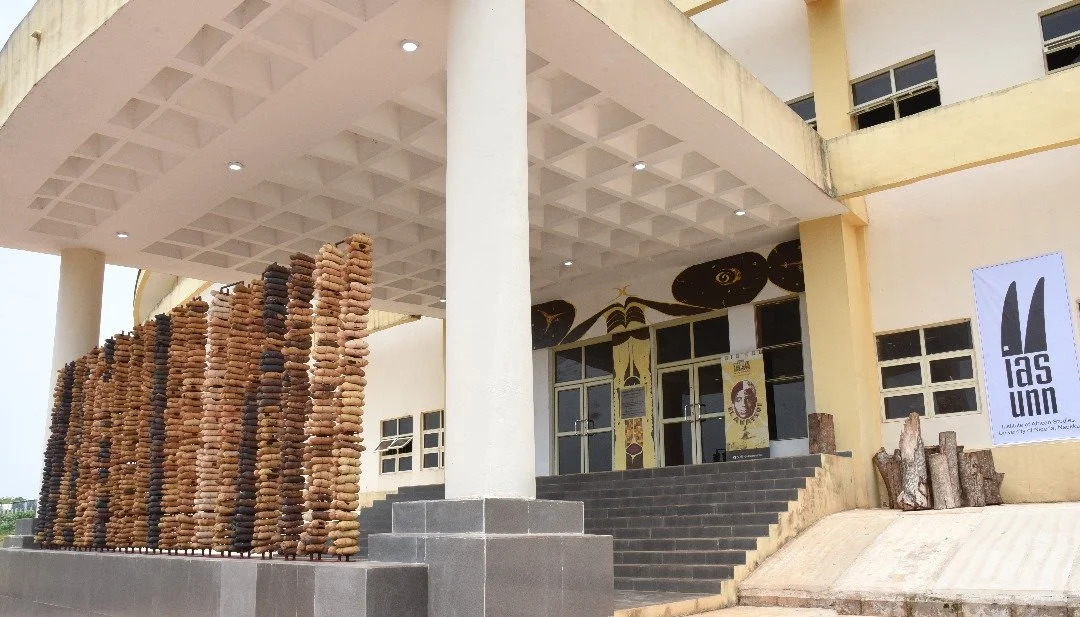
As Director of the Institute of African Studies at the University of Nigeria, Nsukka, I am delighted to welcome scholars, artists, students, and guests from around the world to our newly upgraded home—a space now brimming with art, ideas, and the enduring legacy of Chinua Achebe.
Welcome to the 6th Chinua Achebe International Conference and Exhibition!
As Director of the Institute of African Studies at the University of Nigeria, Nsukka, I am delighted to welcome scholars, artists, students, and guests from around the world to our newly upgraded home—a space now brimming with art, ideas, and the enduring legacy of Chinua Achebe.
This year’s theme, Africa’s Democratisation Journey: Historical and Contemporary Perspectives, comes at a time when Africa’s democratic experiment faces profound challenges. Together, through conversations and a vibrant art exhibition, we honour Achebe’s legacy of critical thought and creative resistance.
Join us at the opening ceremony on Wednesday, 23rd July 2024.
Venue: Seminar Room 1, Institute of African Studies [New site, off UBA Gate on Greenhouse Road], University of Nigeria, Nsukka.
Google Meet joining info: meet.google.com/nfn-viyg-nyh
Join by phone (US) +1 210-951-8557 PIN: 874 061 744#
Time: 10:00 am WAT
Keynote speakers: Rufai Oseni [ Arise TV, Lagos, Nigeria; Title: "African Democratic Journey: Pitfalls and Possibilities"] & Professor Ifeanyi C. Ezeonu [ Department of Sociology, Brock University, Canada; Title: "The Nigerian Economic Cul de Sac: Critical Reflections on Liberal Democracy and Its Challenges for the Next Generation"]
Special thanks to our Acting Vice-Chancellor, Prof. Oguejiofo Ujam, for his unwavering support; my co-convener, Prof. Raphael Njoku [Department of History, Idaho State University, Pocatello, USA.]; the Local Organising Committee led by Prof. Chima Korieh; our dedicated volunteers; and the staff and students of the Institute who made this vision a reality.
Please join us. Let’s make this gathering a spark for new ideas and a beacon of hope for Africa’s democratic future.
Professor Ozioma Onuzulike
Director, IAS-UNN
IG: @ozioma.onuzulike
#AchebeConference2025 #UNN #InstituteOfAfricanStudies #AfricaDemocracy #ChinuaAchebe #Nsukka
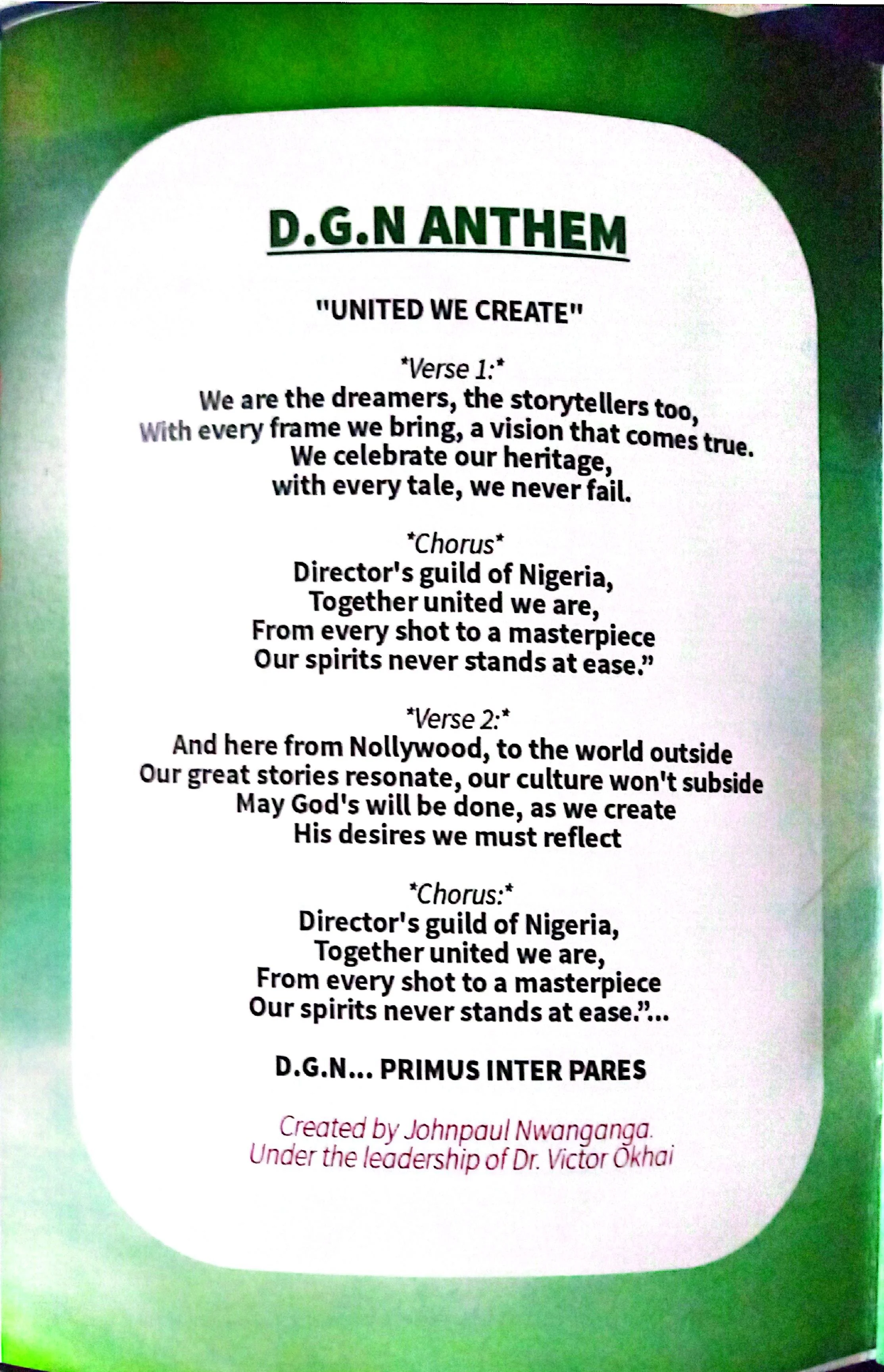
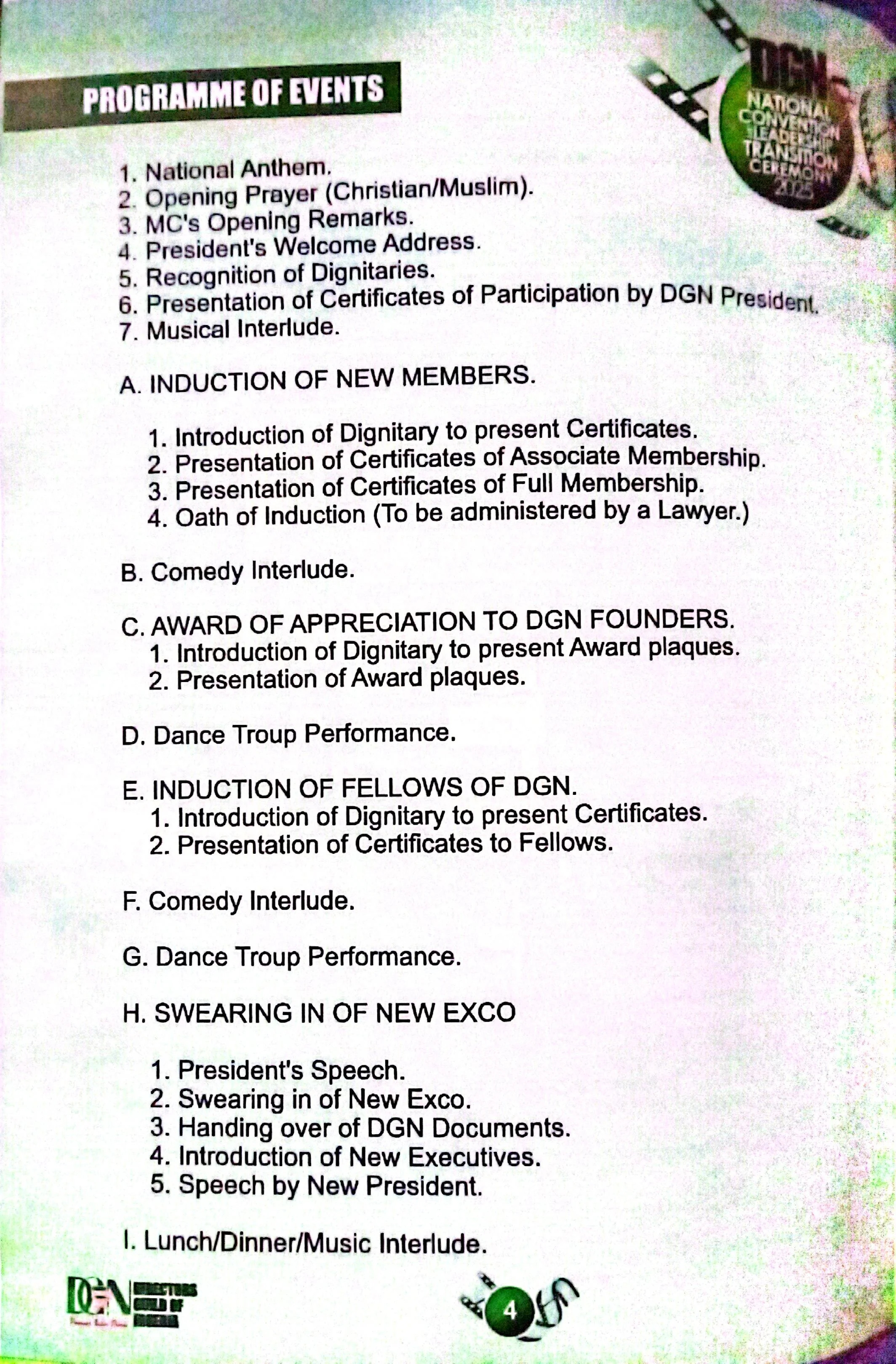
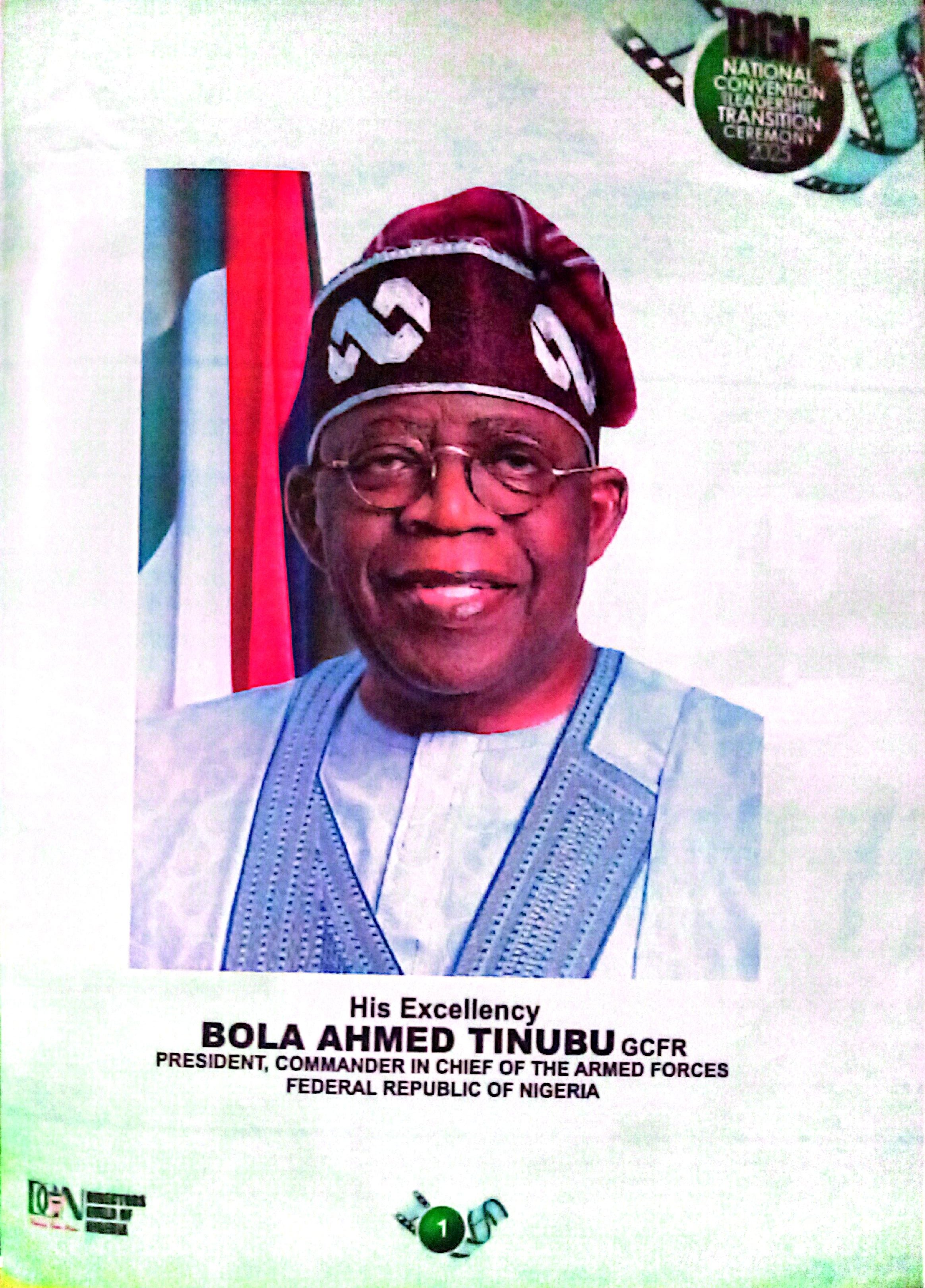
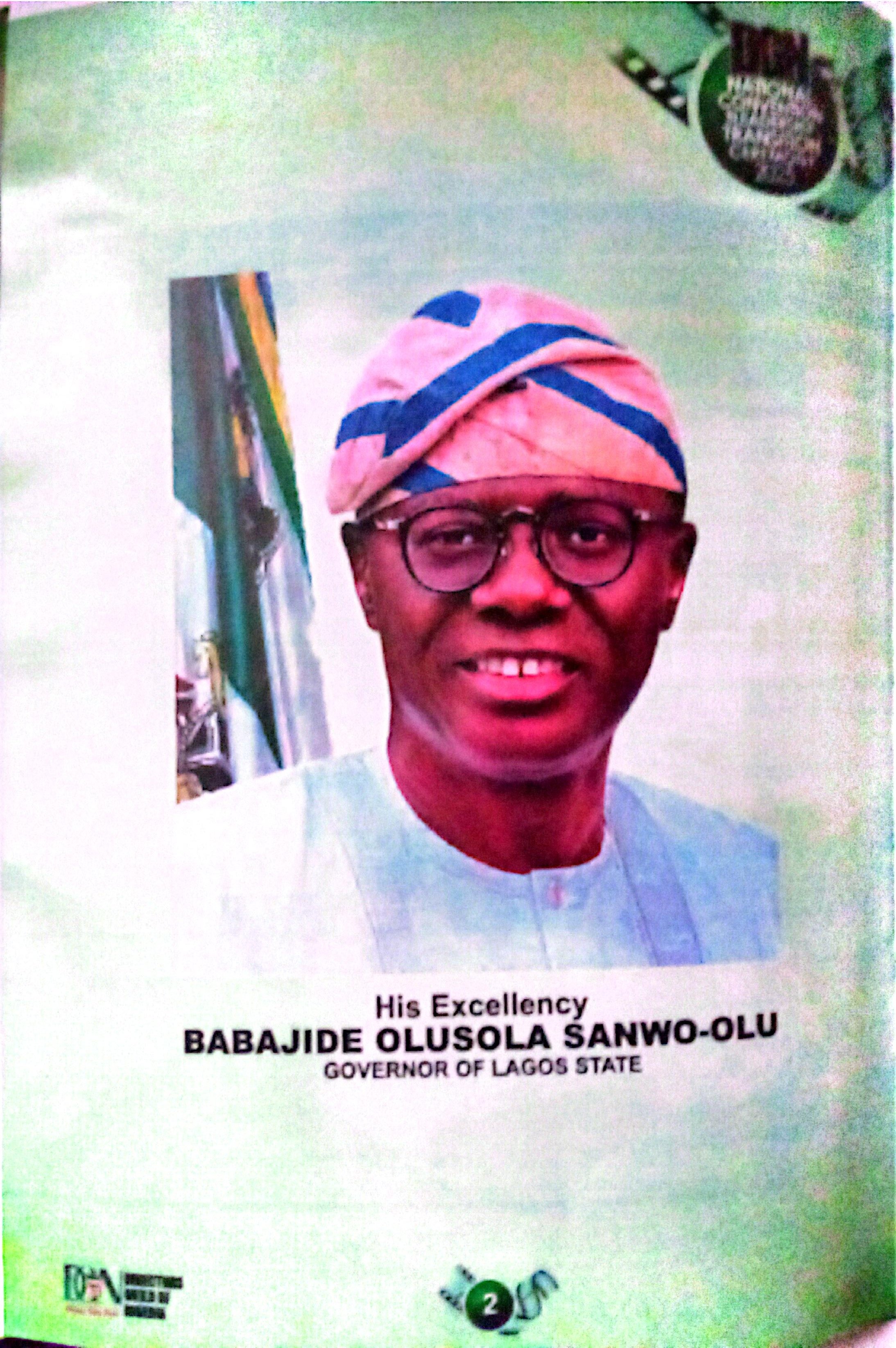
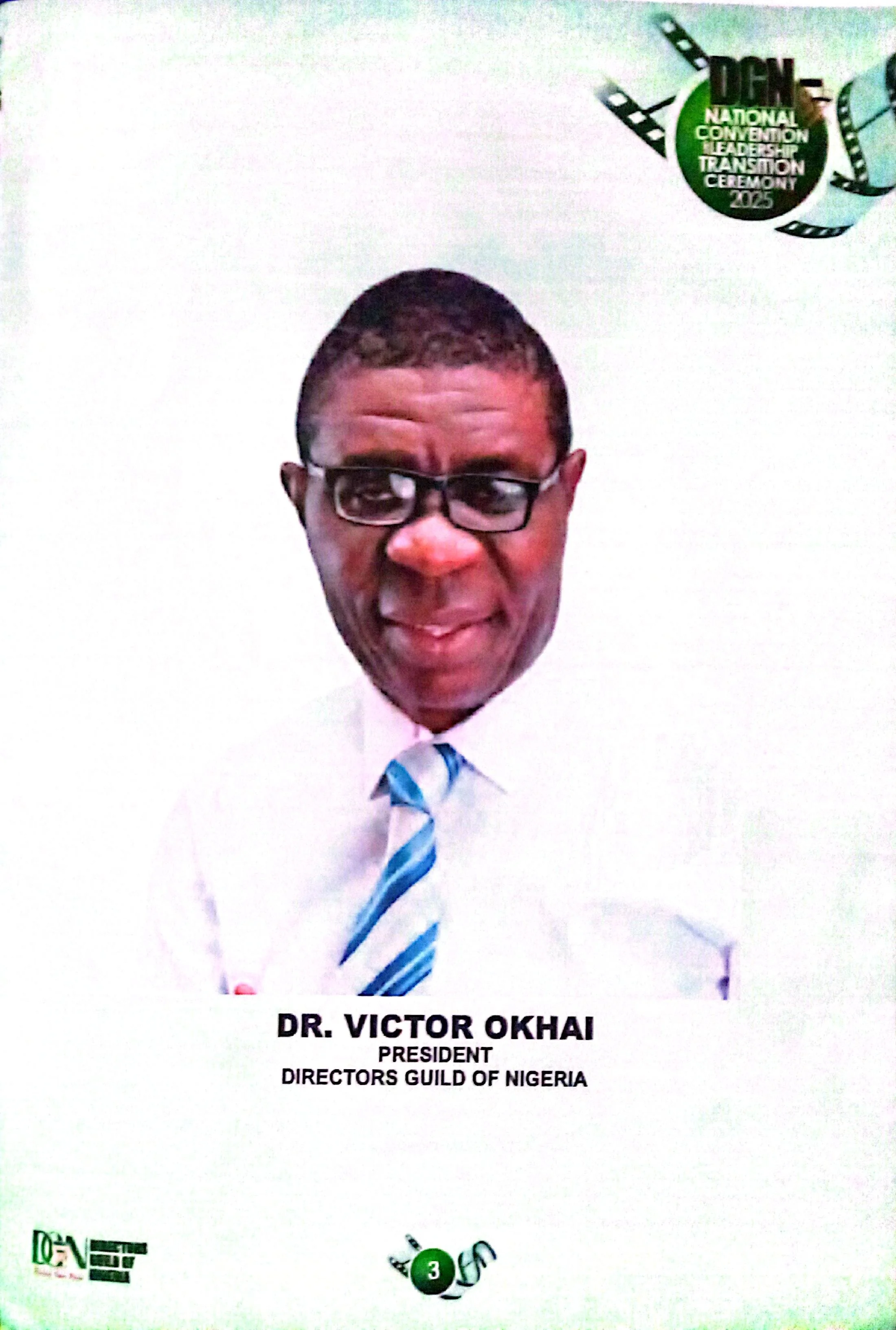
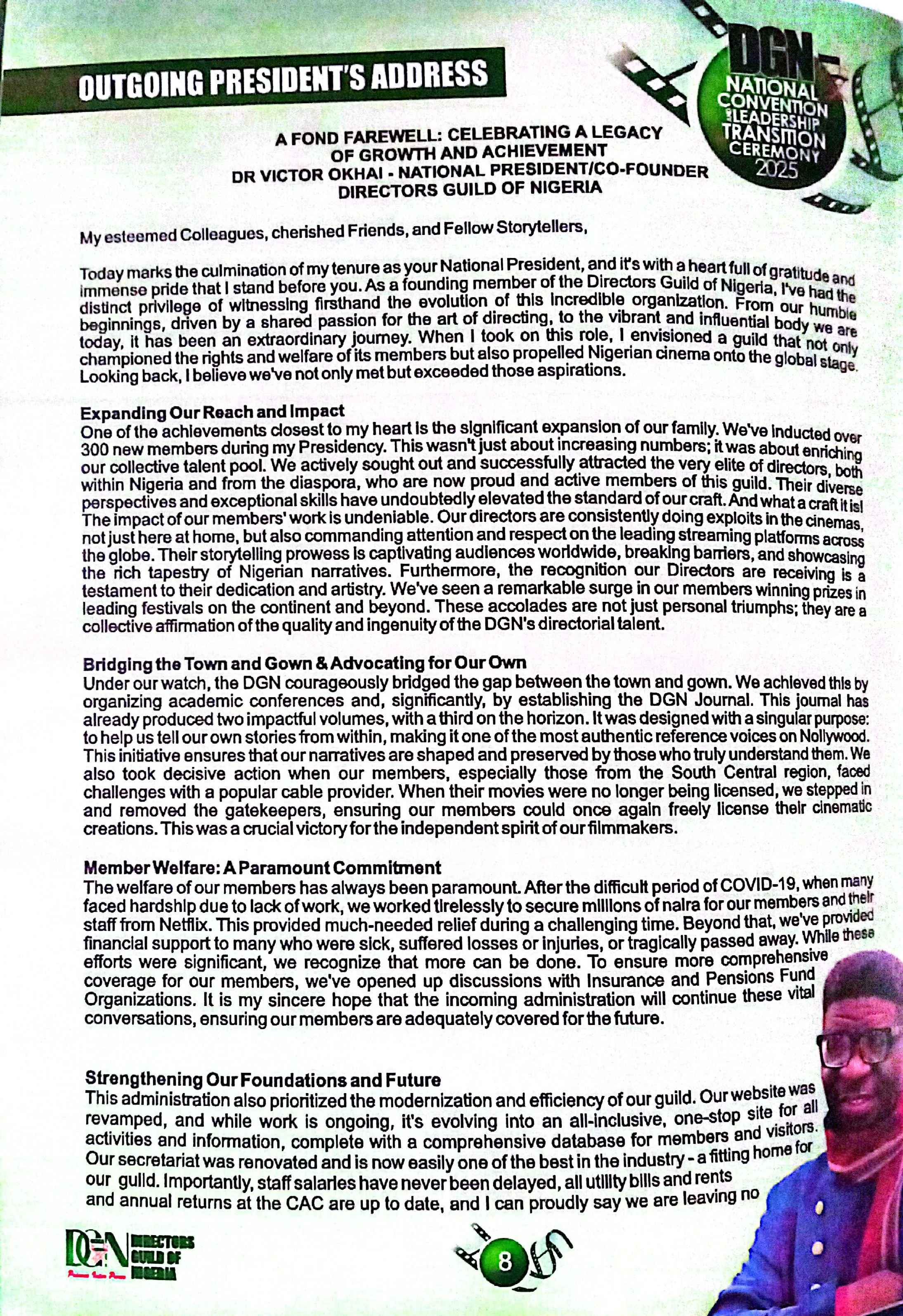
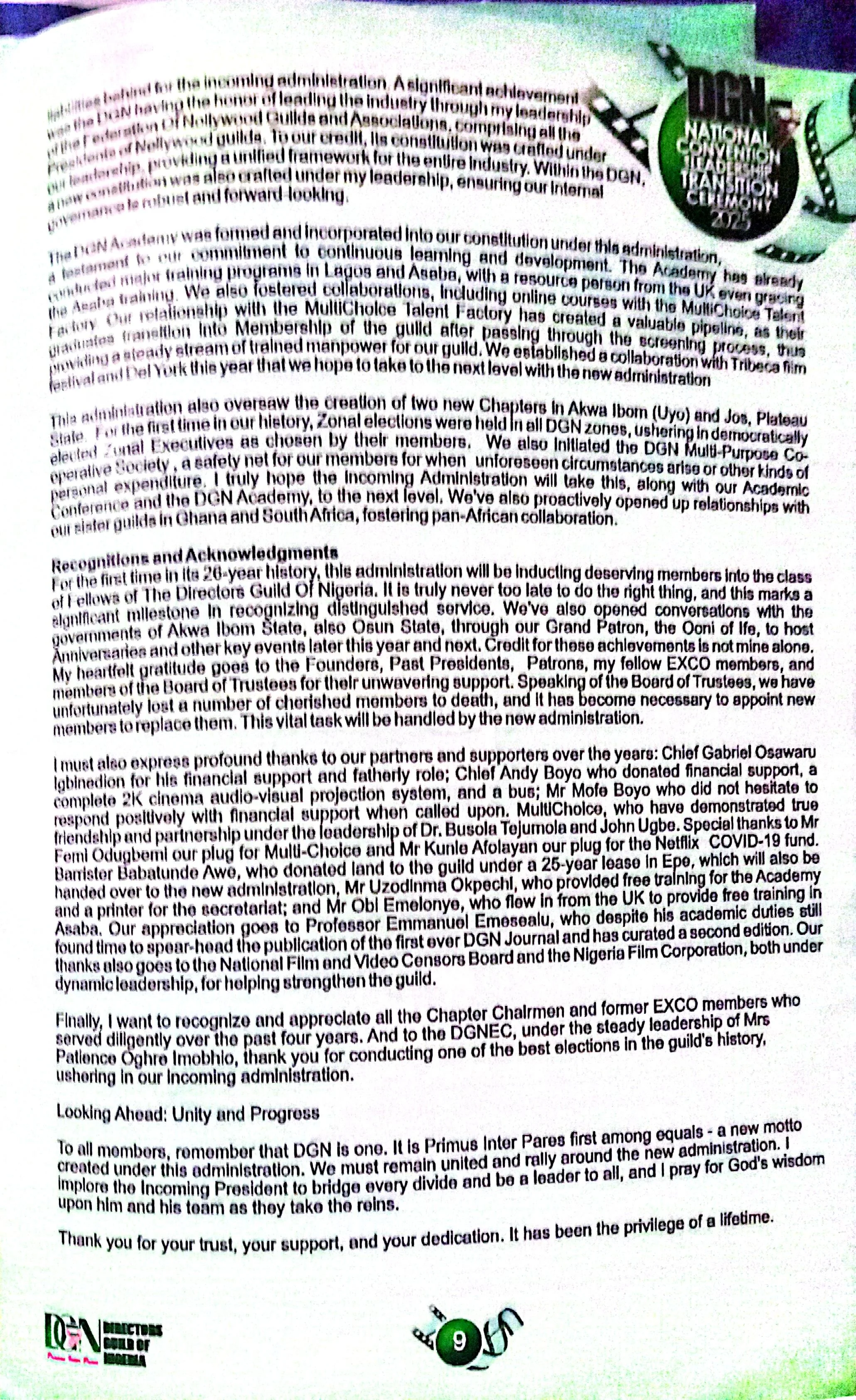
Inside DGN Induction Ceremony 2025
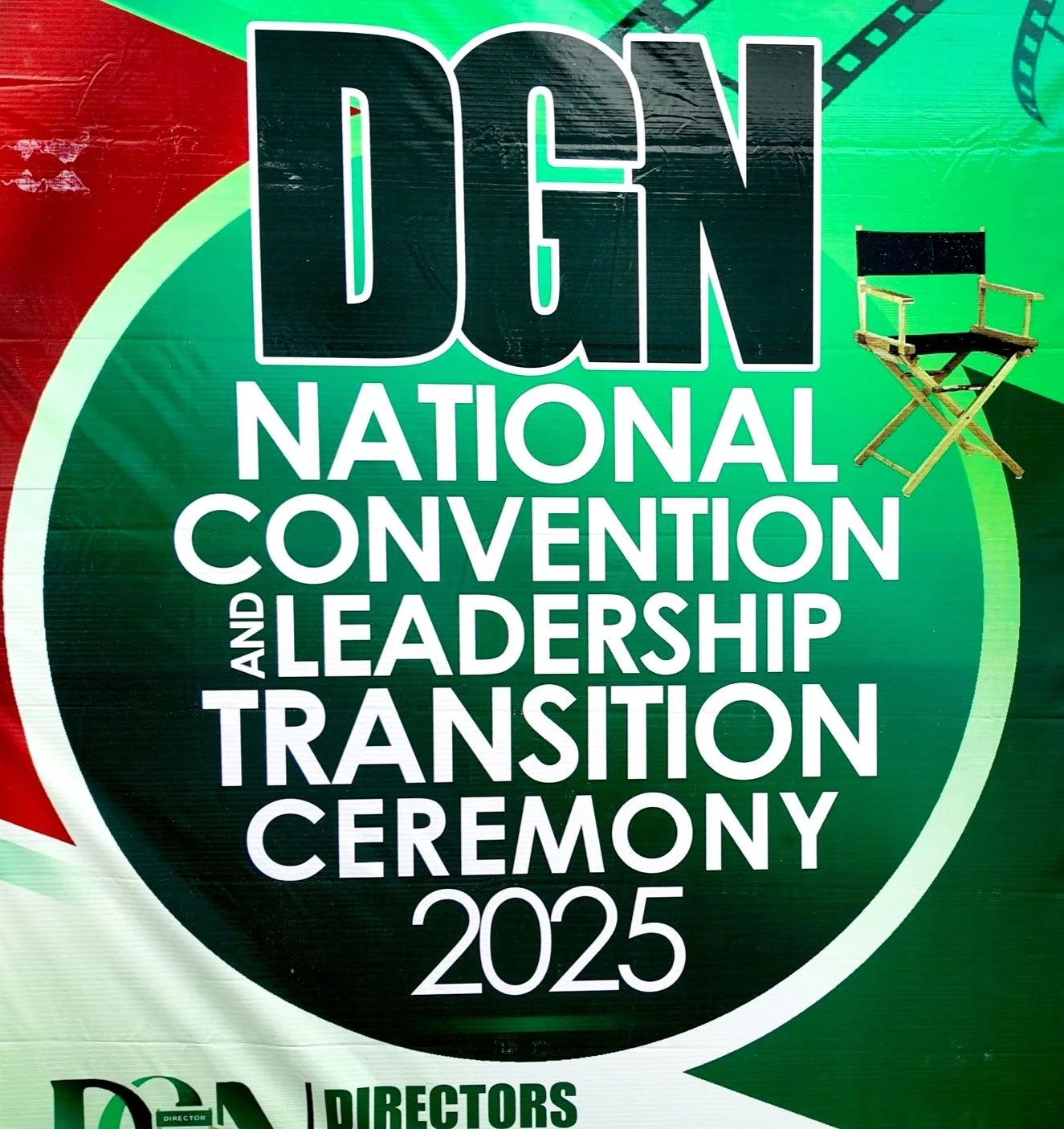
DGN Induction Ceremony 2025
By Isaac Akatah - LAgos, NIgeria
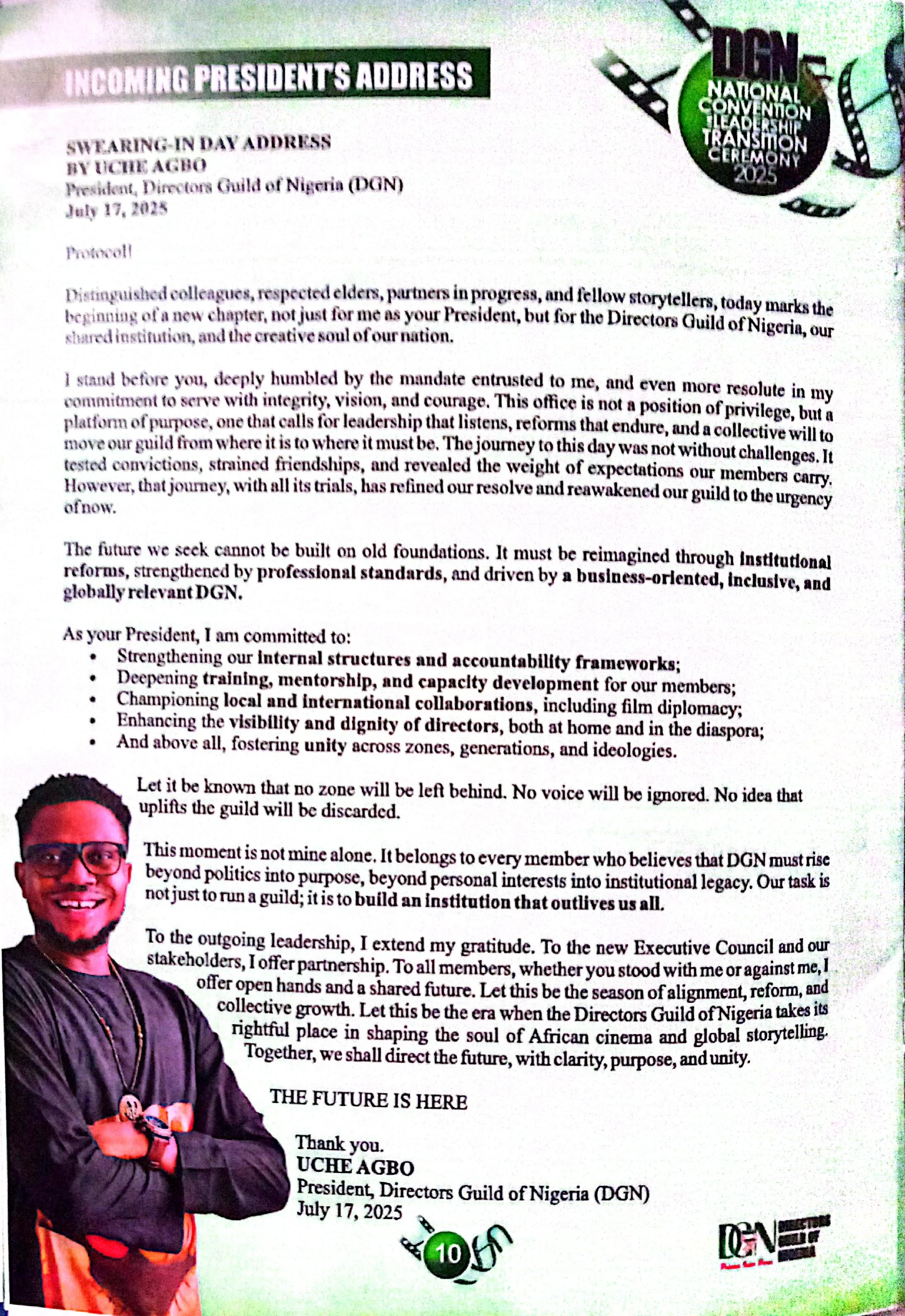
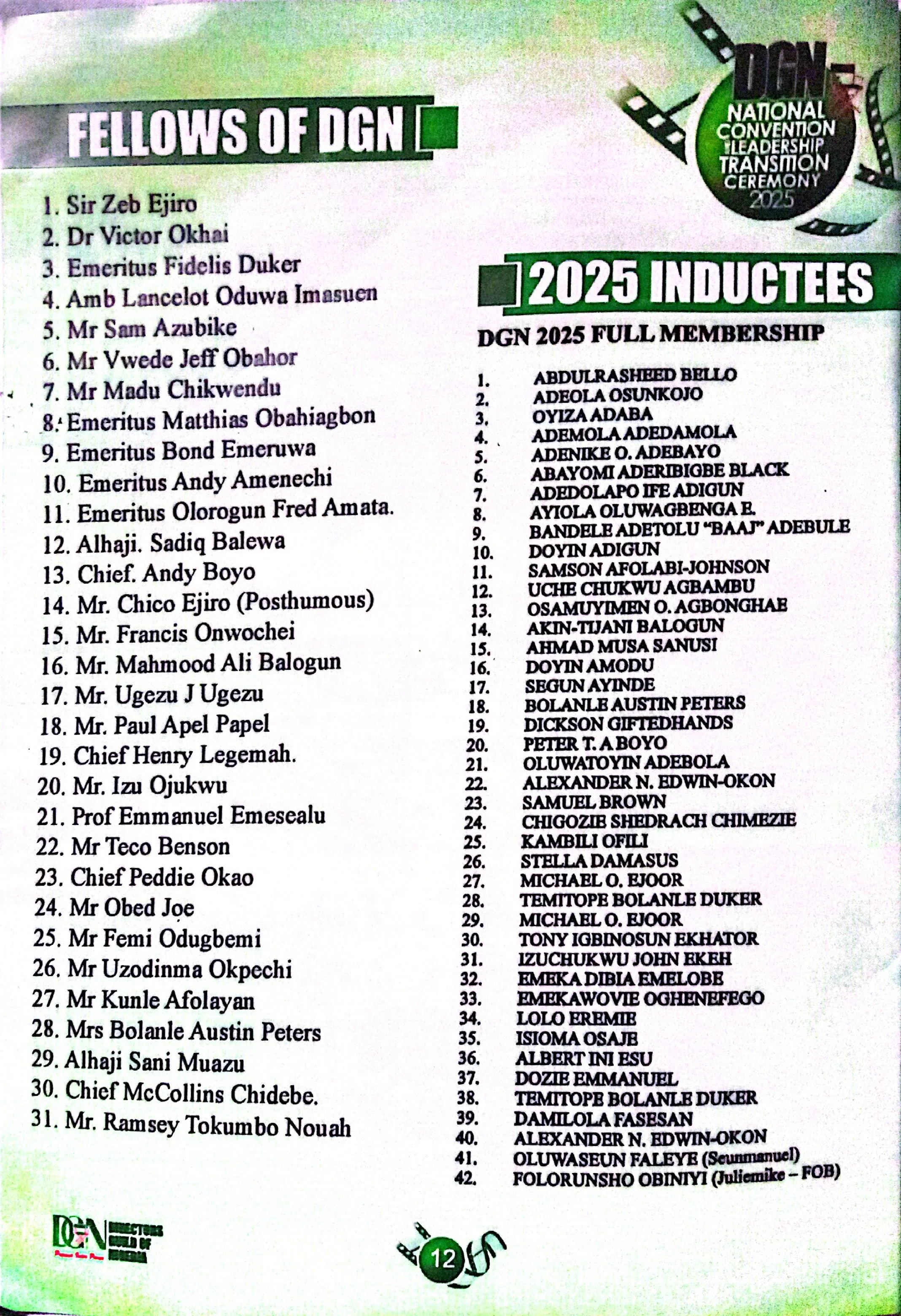
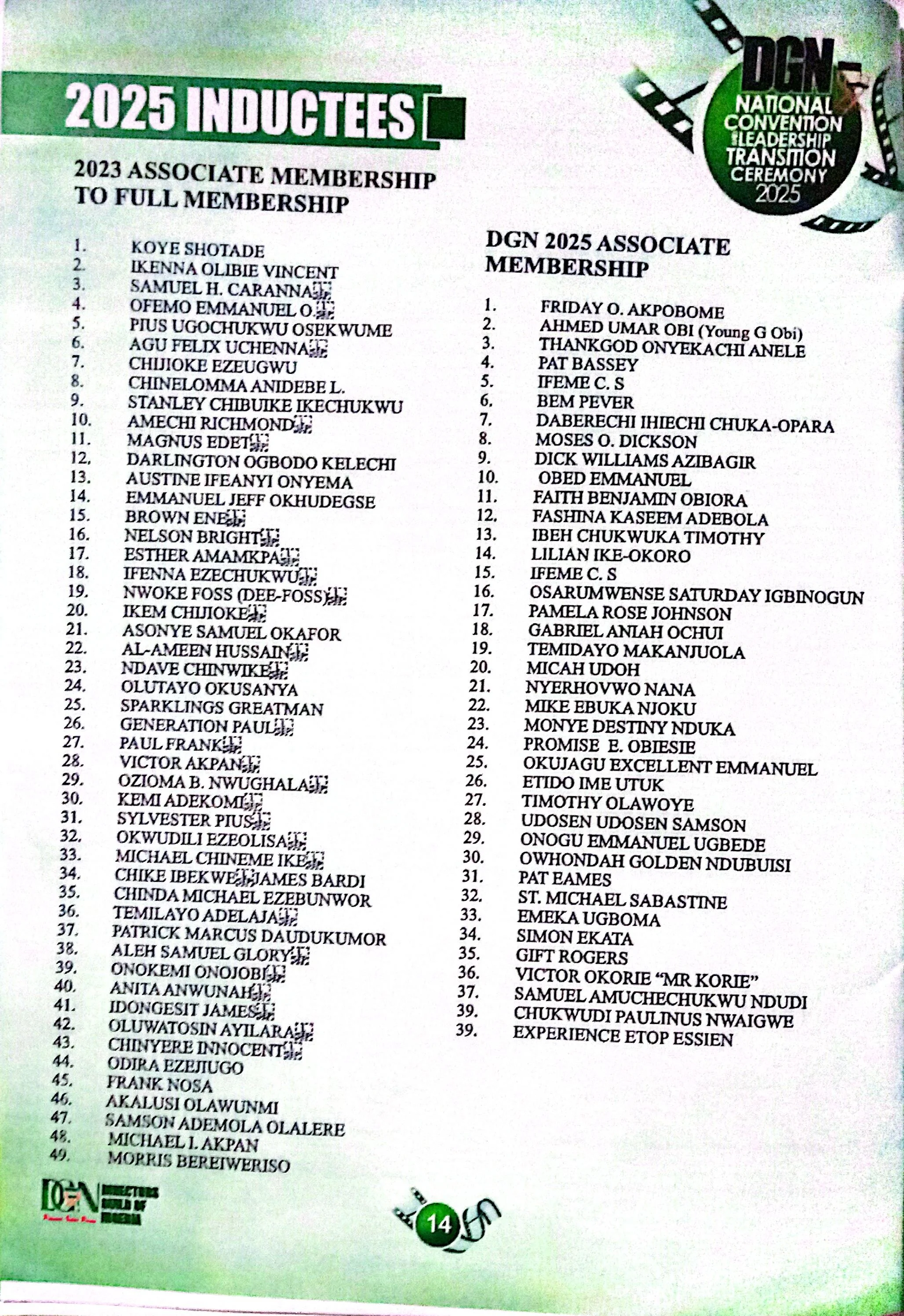
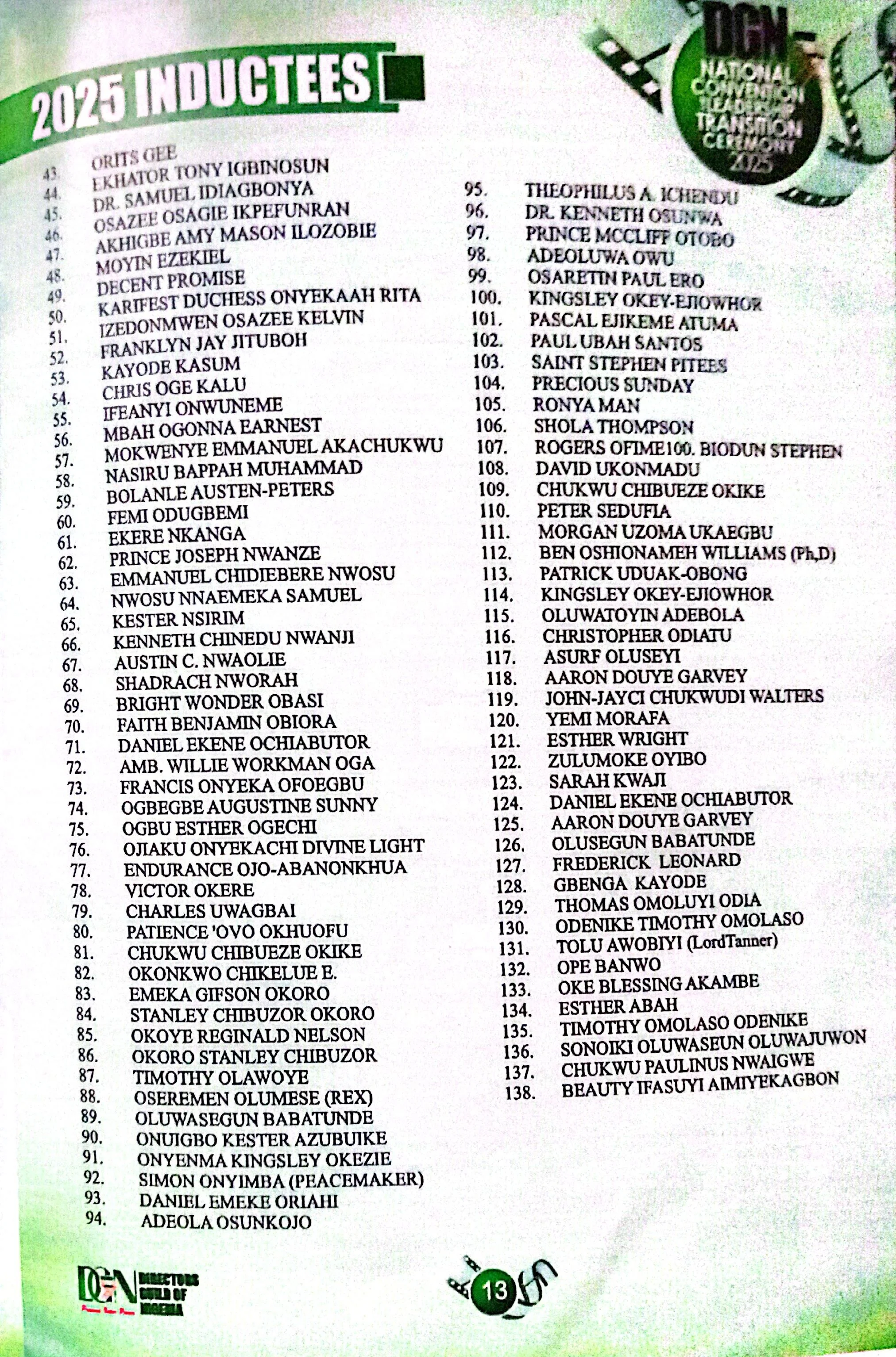
Directors’ Guild of Nigeria (DGN) recently held its annual convention, handing over and formal induction ceremony at Ojez Hotel, Surulere, Lagos State on Wednesday, 16th and Thursday, 17th July 2025
The induction process featured a comprehensive Masterclass on the first day, where veterans in film production like Chief Andy Boyo, took the new inductees through an orientation session, focused on the Guild’s structure, operations, and key initiatives.
The main ceremony on day two, consisted of the launch of the Guild’s Journal, conferment of DGN Fellows and the induction of 125 new directors to the prestigious national body. Dr. Victor Okhai, the DGN outgoing President who leadership has taken the body to greater heights in the last few years also handed over his mantle of leadership to a new EXCO led by Uche Agbo, a UNIZIK graduate of Theatre And Film Studies.
PROGRAM OF EVENTS